Category Archives: Commentary

UrbanSpace Vanderbilt

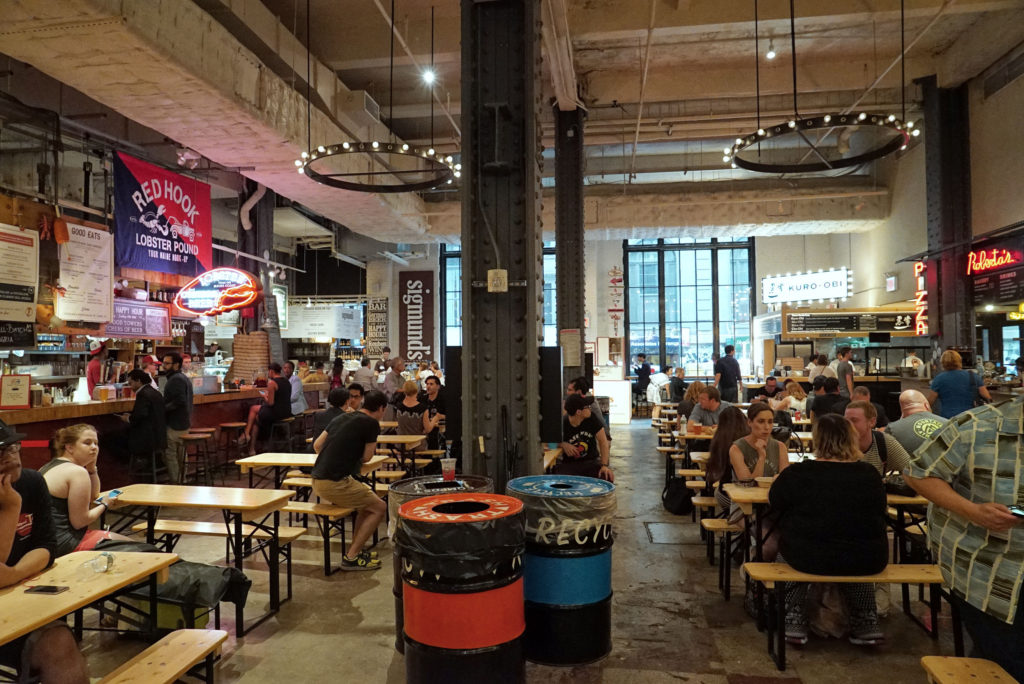
I’ll just come out and state, right off the top, which places to focus on here. Obviously there are good items at all the vendors, but these are my highlights:

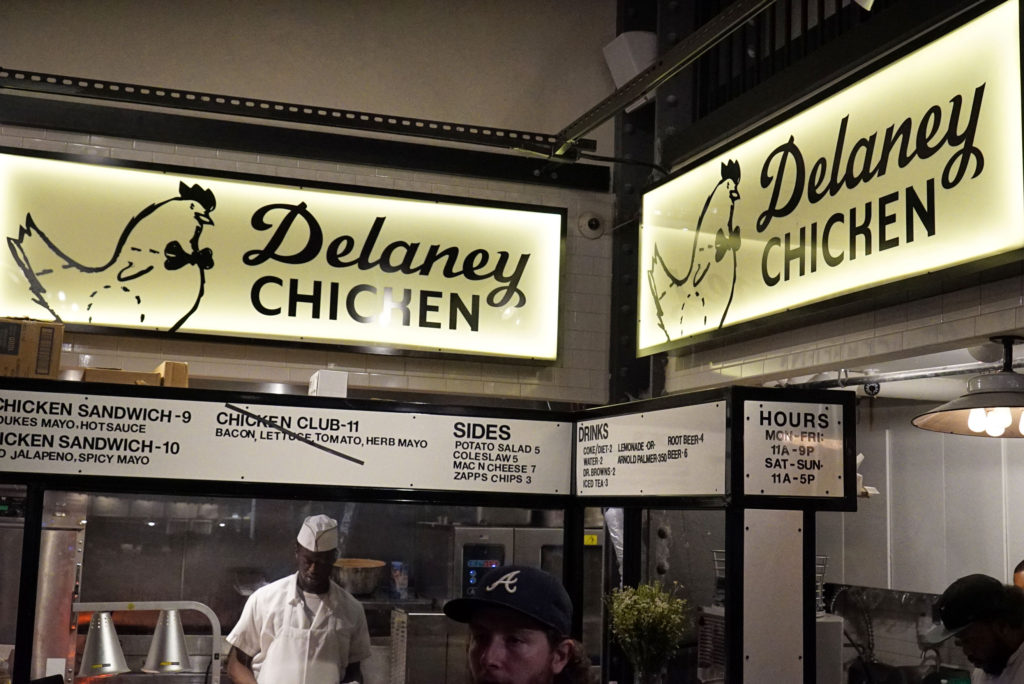
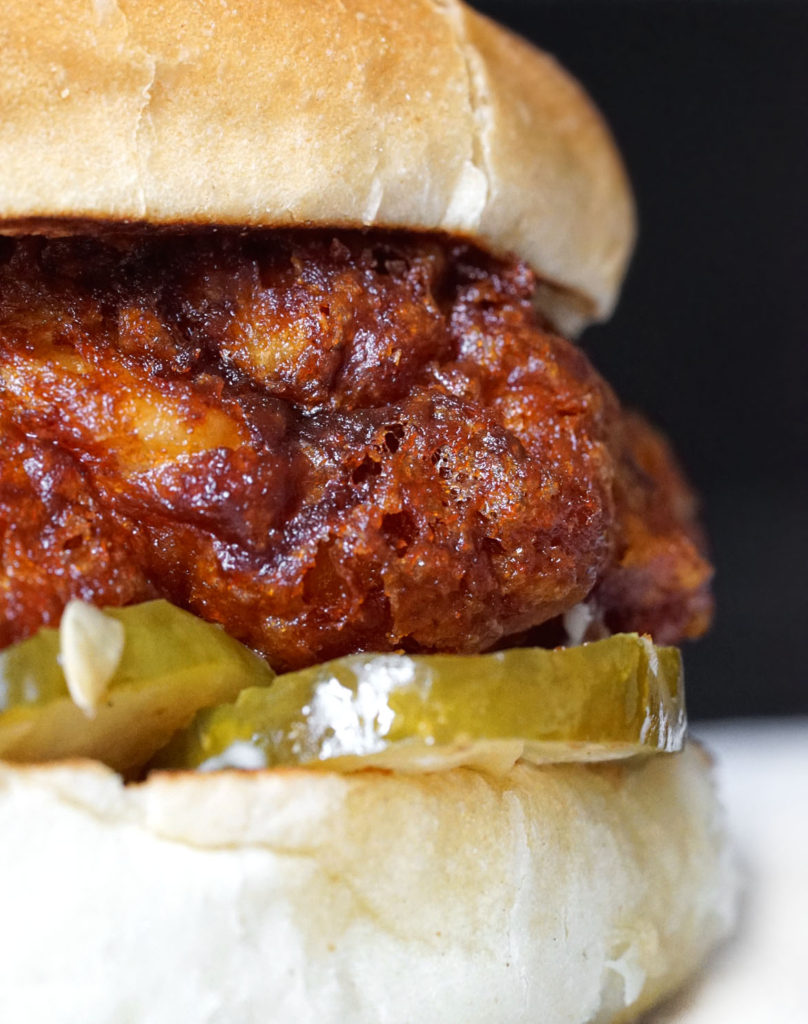
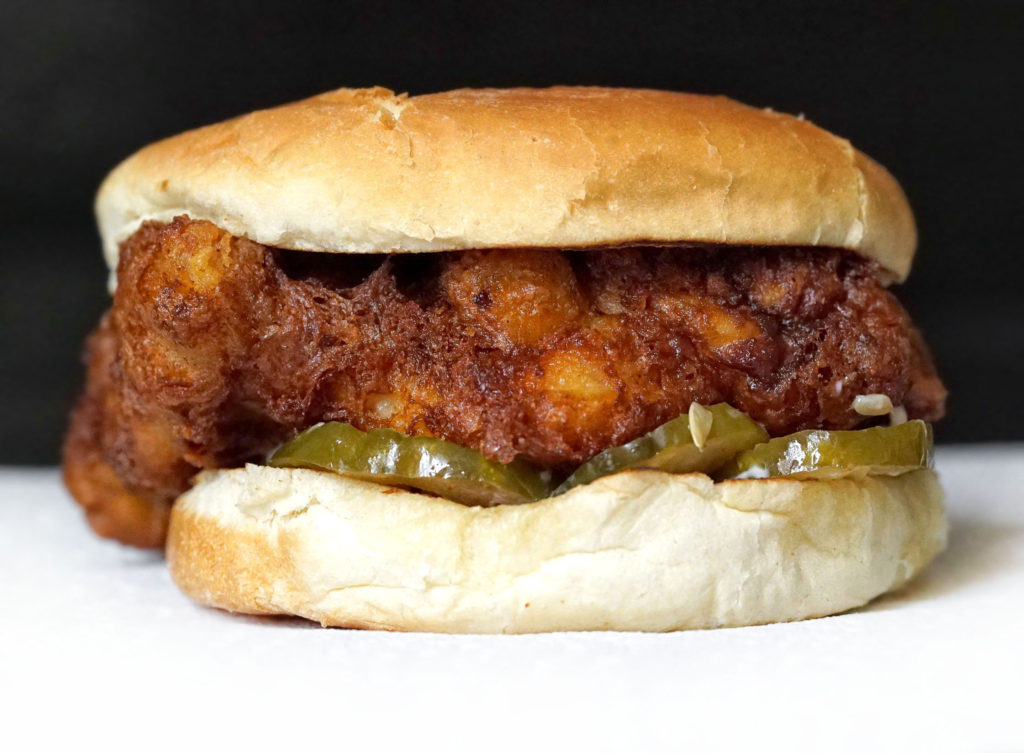
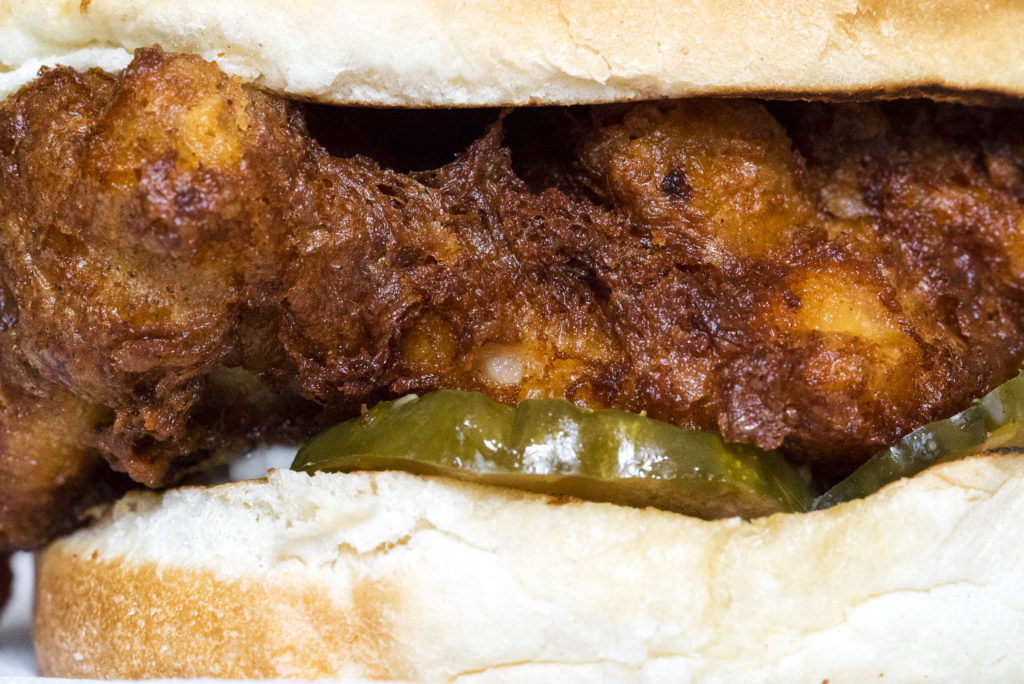
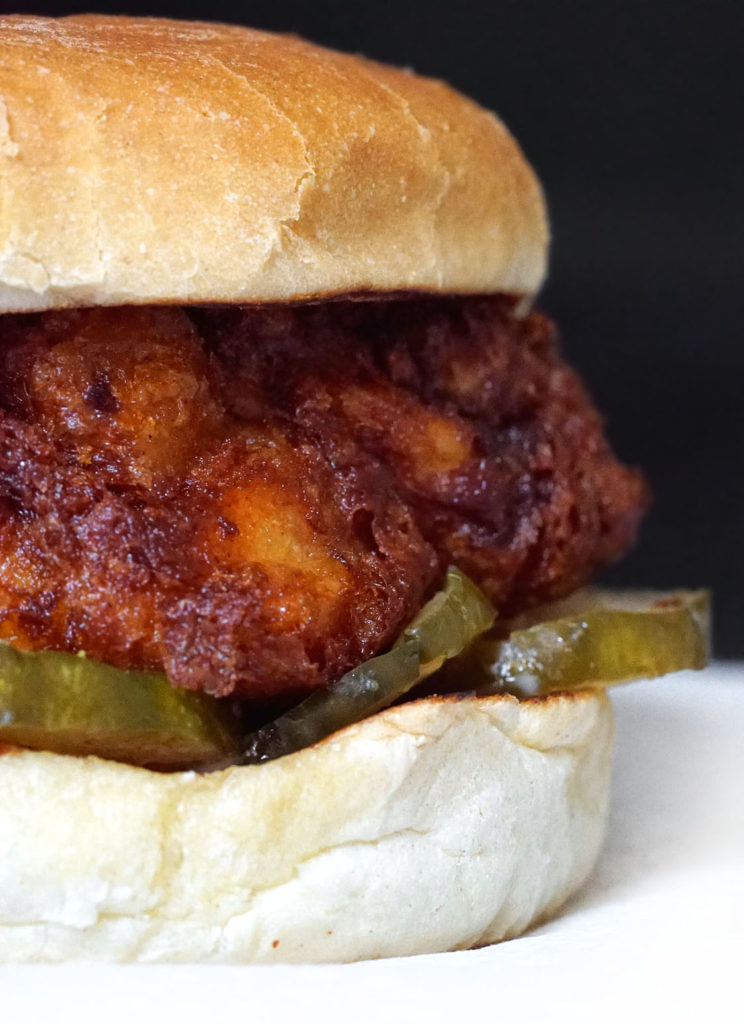
Delaney Chicken might be the best fried chicken sandwich in NYC. It’s big, juicy, crispy, with great toppings that set it apart from some of the other joints that are gaining traction in the city these days. I liked it better than Fuku+.

DSC07308

DSC07349_2

DSC07341

DSC07354

DSC07358

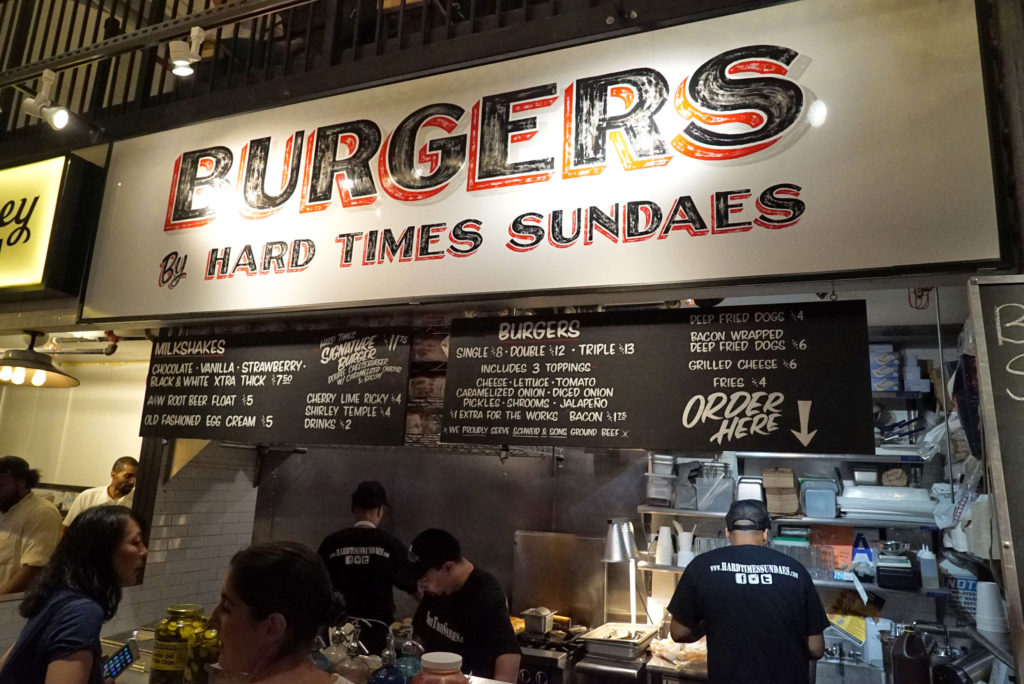
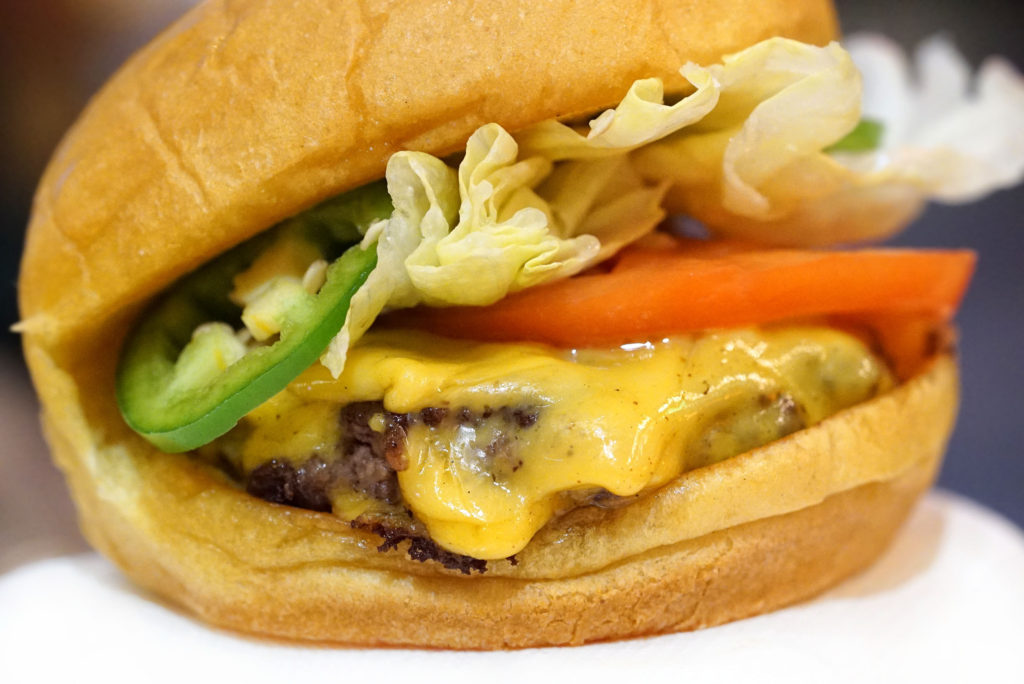
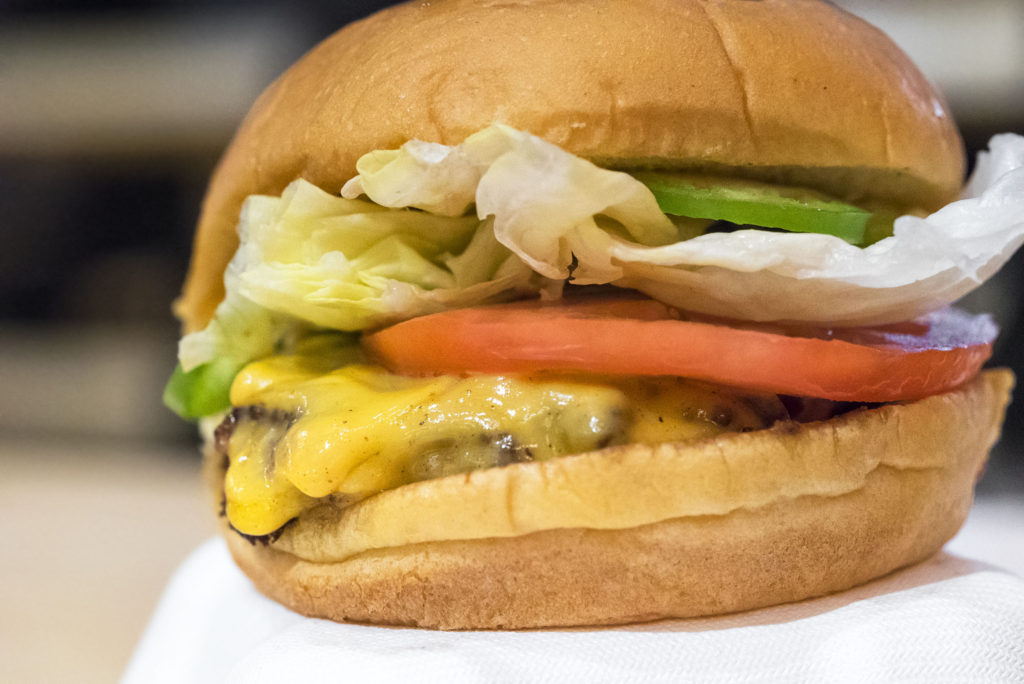
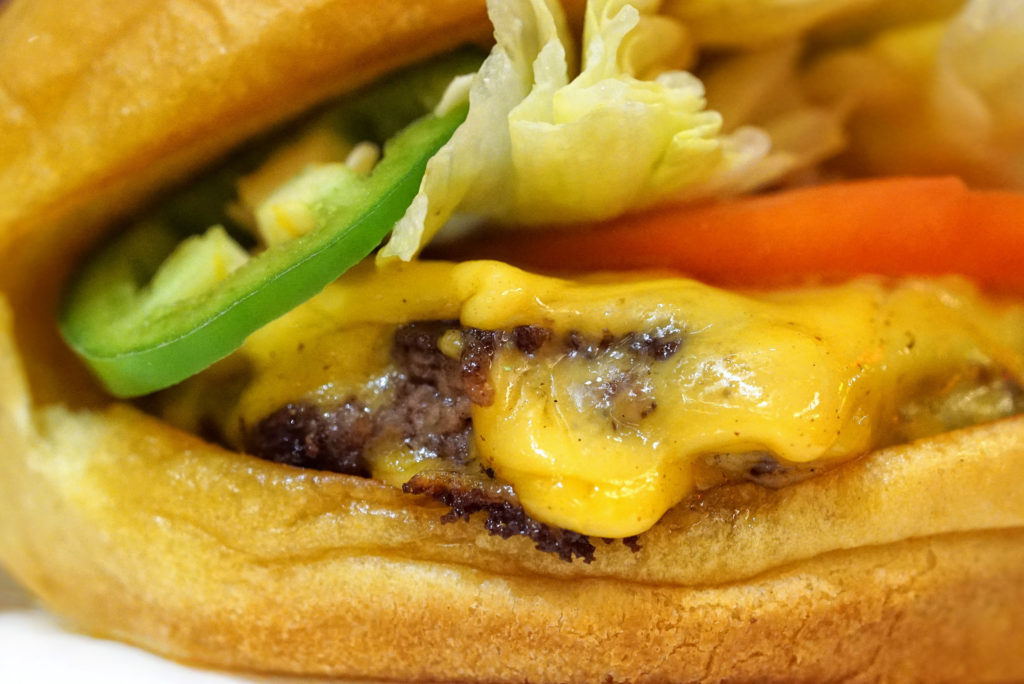
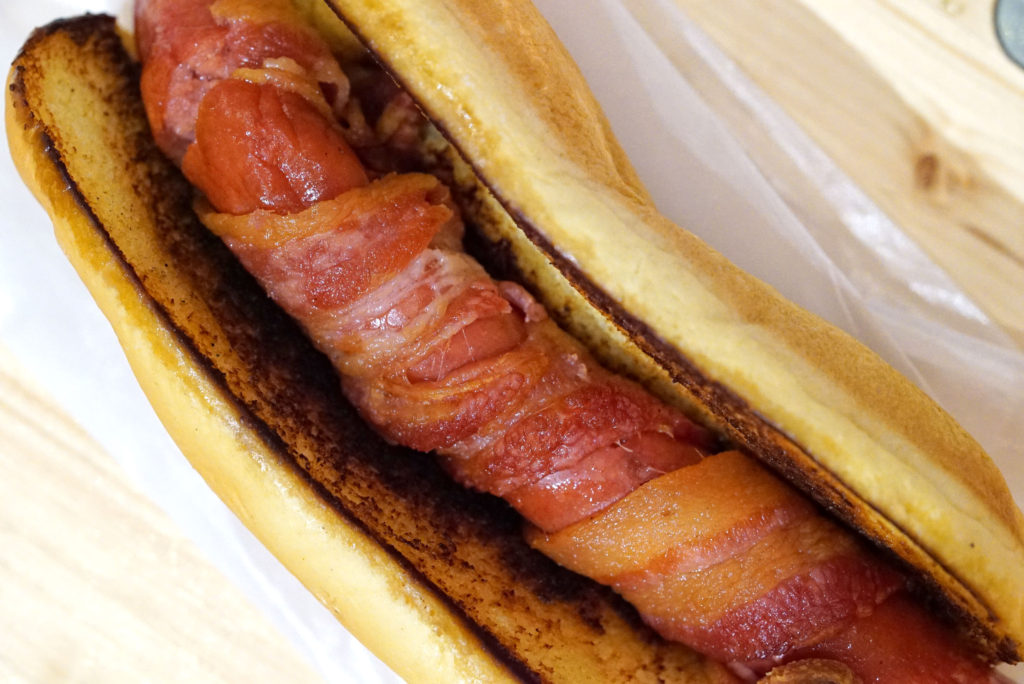
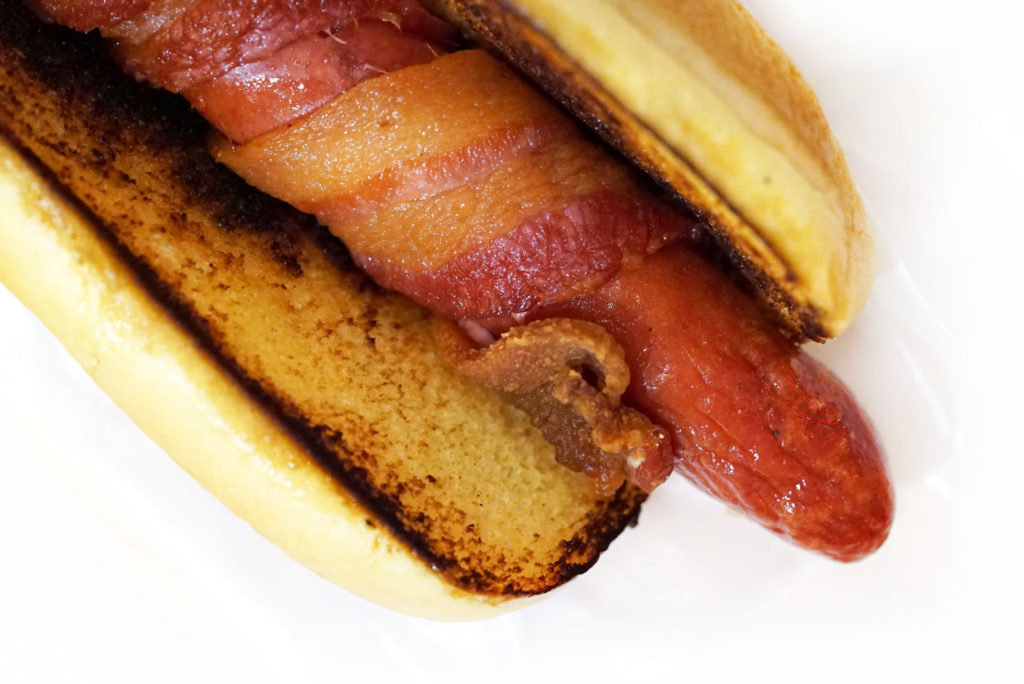
Hard Times Sundaes puts up a great roadside burger, and they even serve bacon-wrapped, deep fried hot dogs as well. Fantastic!

DSC07307

DSC07315

DSC07313

DSC07340

DSC07318

DSC07326 edits 2

Kuro-Obi is an offshoot of Ippudo, so it’s a legit spot for good ramen. I had it at City Kitchen and liked it alot.

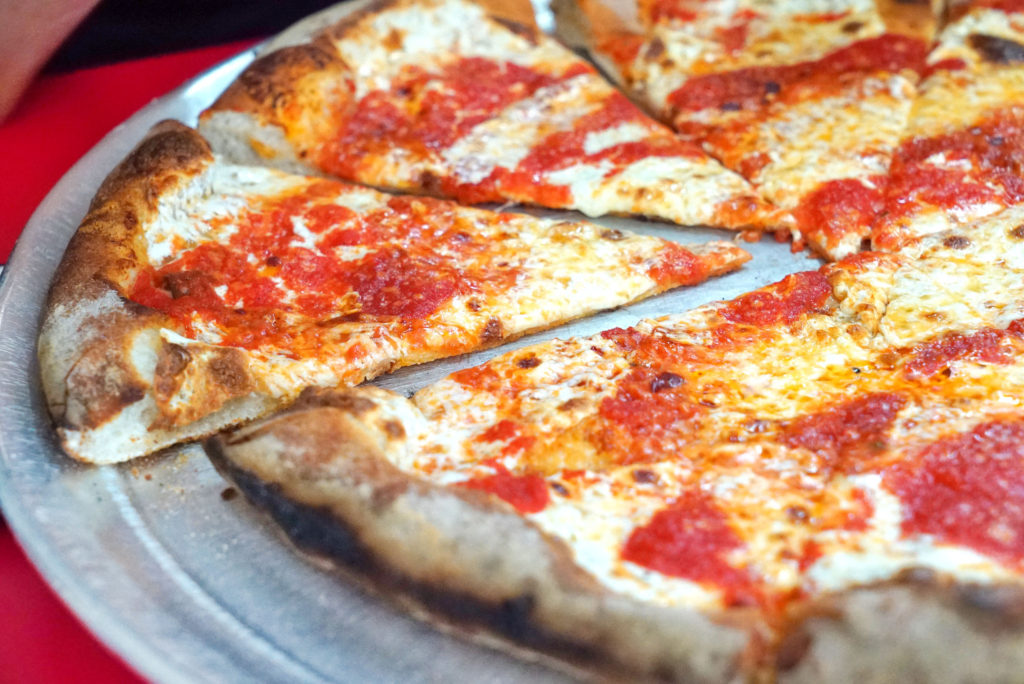
Finally, Red Hook Lobster Pound is always a solid choice for a lobster roll, as is Roberta’s for pizza.

DSC07306

B.A.M. Episode 2: Beef Nutrition

There are a ton of misconceptions in the world of beef. One of the biggest going around today is that consuming red meat is somehow bad for you. It’s fat. It’s poisonous to your body. It lacks nutritional value. Give me a break! Beef is nutritious and good for you! Let me just attack some of these points here for you guys in this article, which is my second installment of Beef Advocacy Mondays (BAM).

First the fat: The beef of today is leaner than it was in the past, due to genetic selection of certain characteristics for over four decades throughout the beef supply chain. Sirloin, for example, is 34% less fat today than it was in the 1960’s.

About 66% of beef cuts are considered lean cuts today, and a part of that is due to the fact that there has been an 80% decrease in external fats on grocery store meat cuts.

DSC05717

Most saturated fat from beef is located in the outer portions of fat, located externally from the muscles that we eat. The marbling, or intra-muscular fat, does contain saturated fat, but a third of it is steeric acid, which is cholesterol neutral. Beef also contains mono-unsaturated fat, which is the same kind of fat content you get from olive oil or avocados – the good fats, in other words. What this means is that if you trim your beef of any external fats before cooking and choose a lean cut, you’ll end up discarding most of the remaining “bad” fats and retaining the good fats.

20140322_091905_LLS edits

I’ve thrown around the word “lean” a bunch of times here already. There’s actually some unpacking to do here. The term “lean” means that the beef has 4.5g or less of saturated fat per serving, and 10g or less total fat per serving. Leanness is mainly a function of the grade of beef (prime or choice vs select) and the location of the cut (rib vs sirloin or tenderloin), as opposed to farming and production methods (grain finished vs grass finished).

Okay so aside from fat content and leanness, I also mentioned that beef is nutritious and good for you. Here’s why: Beef contains 10 essential vitamins and minerals that are abundant in each serving. Most notably, it’s an excellent source of iron, B-vitamins, protein and zinc, but beef is a good or excellent source for all of the following:

  1. Protein: 48% daily value
  2. Vitamin B-12: 44% daily value
  3. Selenium: 40% daily value
  4. Zinc: 36% daily value
  5. Niacin: 26% daily value
  6. Vitamin B-6: 22% daily value
  7. Phosphorus: 19% daily value
  8. Choline: 16% daily value
  9. Iron: 12% daily value
  10. Riboflavin: 10% daily value

A 3oz serving of beef averages just 150 calories, and contains 25g of protein (48% daily value). You can imagine how great this is for building and repairing muscle after a hard workout or a long run.

Plant based proteins don’t provide all the amino acids that beef provides. Essentially they’re “incomplete” proteins. Let’s take beans, for example: You’d need to consume 371 calories worth of beans to obtain the protein content found in just 170 calories of beef. And peanut butter? Even worse. With that we are looking at nearly 600 calories. At that point you are blowing through your daily allotment of calories too fast, and you are not being satisfied in the meal.

With beef, you spend fewer calories for equal if not better nutritional content. In other words, beef is the better buy, the most bang for your buck. And it has been scientifically shown that consuming meat proteins actually has a satiating and hunger-satisfying effect on a person. I know I have perceived this phenomenon. On days when I have tried to eat veggies only, I ended up over-eating because I couldn’t ever seem to feel satisfied. Screw that. Give me some damn meat!

DSC05726

Grass-finished animals, or animals who exclusively eat grass and not grain for their entire lives, produce meat which also contains more Conjugated Lineolic Acid (CLA). This has been linked to long term weight management, and is thought to have health benefits that help combat a host of diseases, including cancer and heart disease. You just have to be careful with some of the research here, as many proponents of the grass-fed trend are very quick to bash anything that has to do with grain feeding without having the full picture. While I generally don’t particularly fancy the flavor of grass fed beef, the nutritional benefit of CLA is something to consider, and it just further strengthens the argument for consuming beef.

One caveat to this CLA business: The difference in CLA content between grass and grain -finished beef isn’t really big enough to justify excluding grain-finished beef from your diet. If CLA is what you’re after, maybe work some salmon into your diet, as that seems to contain more. But don’t forget to eat that yummy and nutritious beef either!

Coney Island Brewery

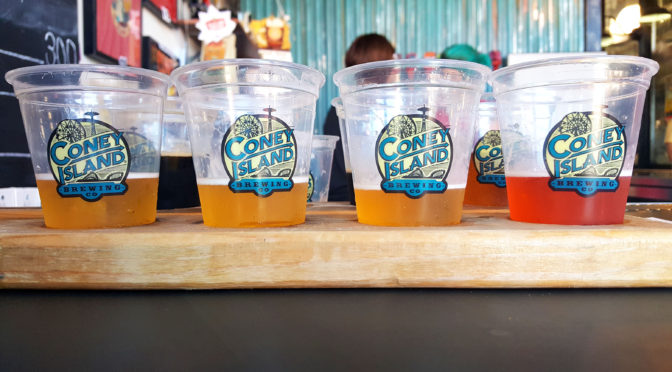
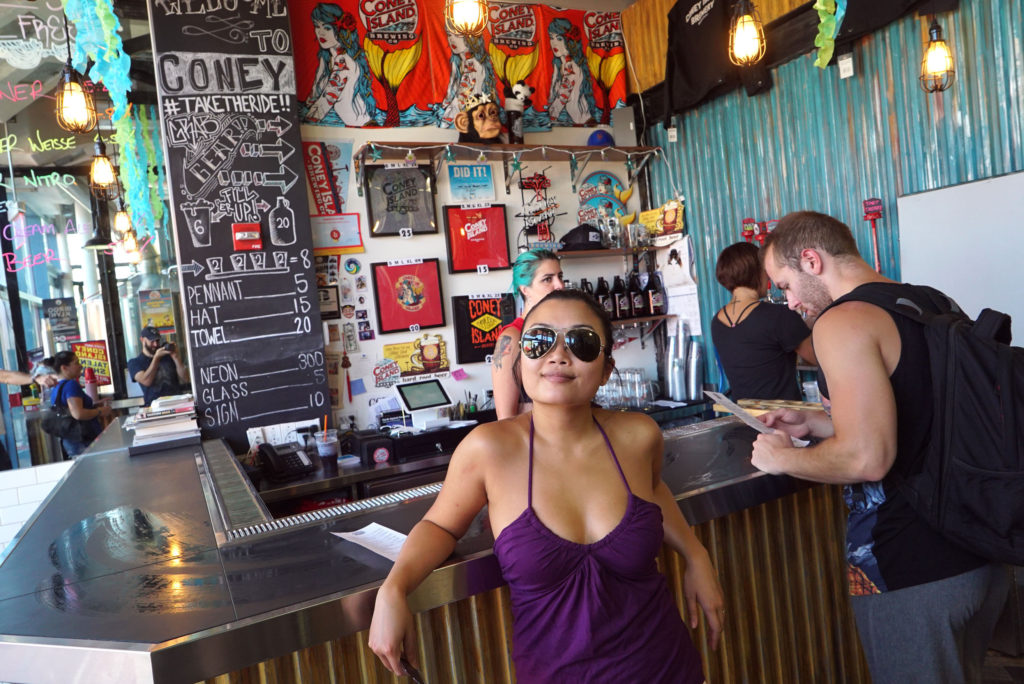
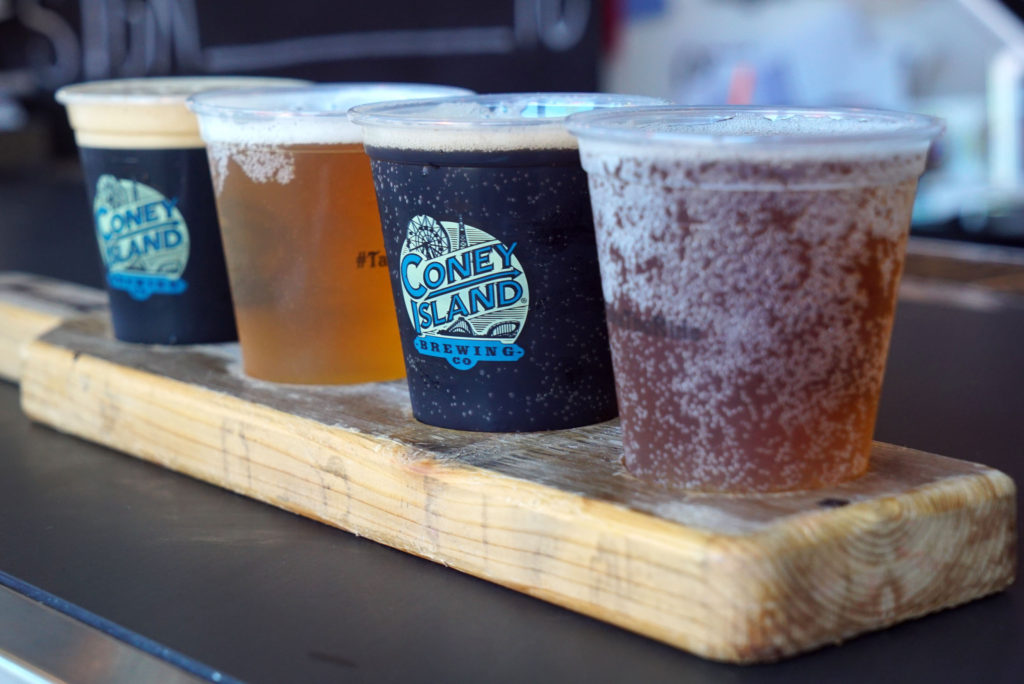
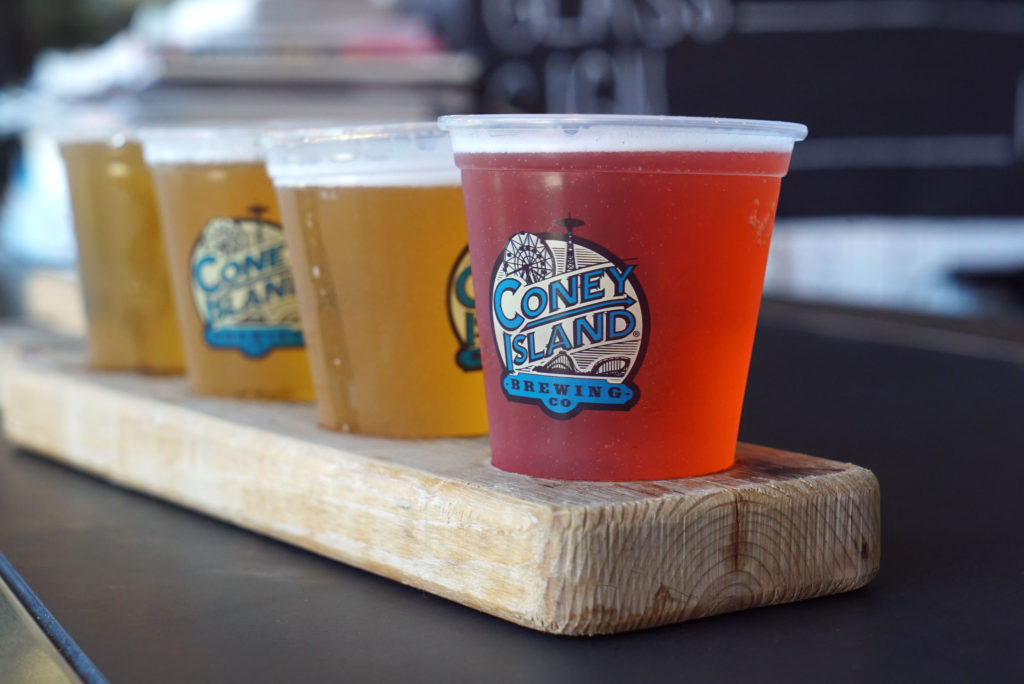
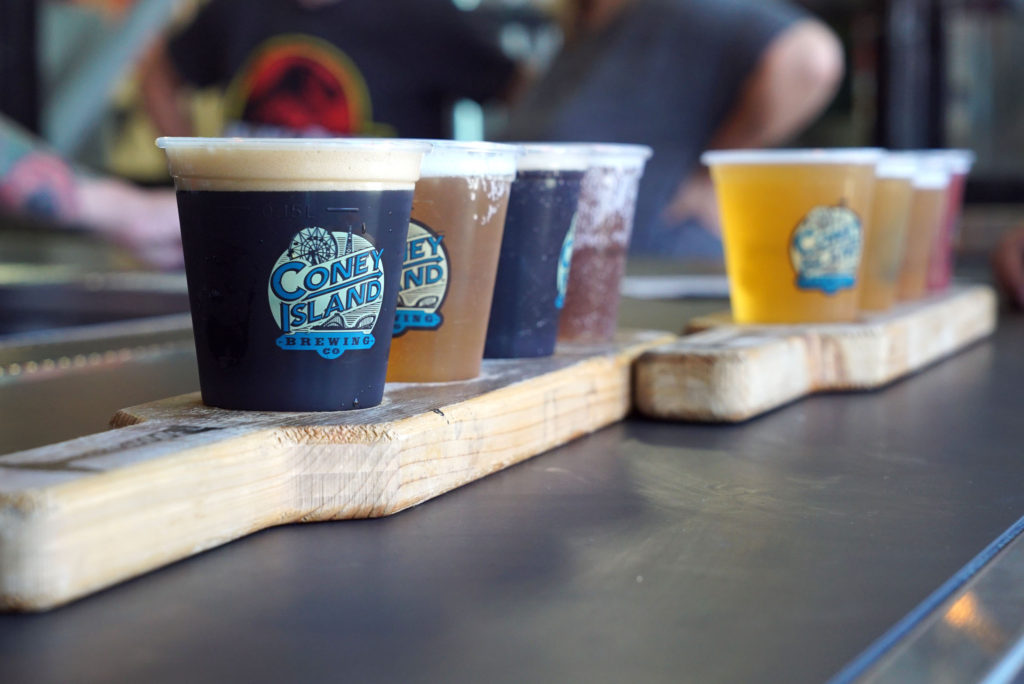
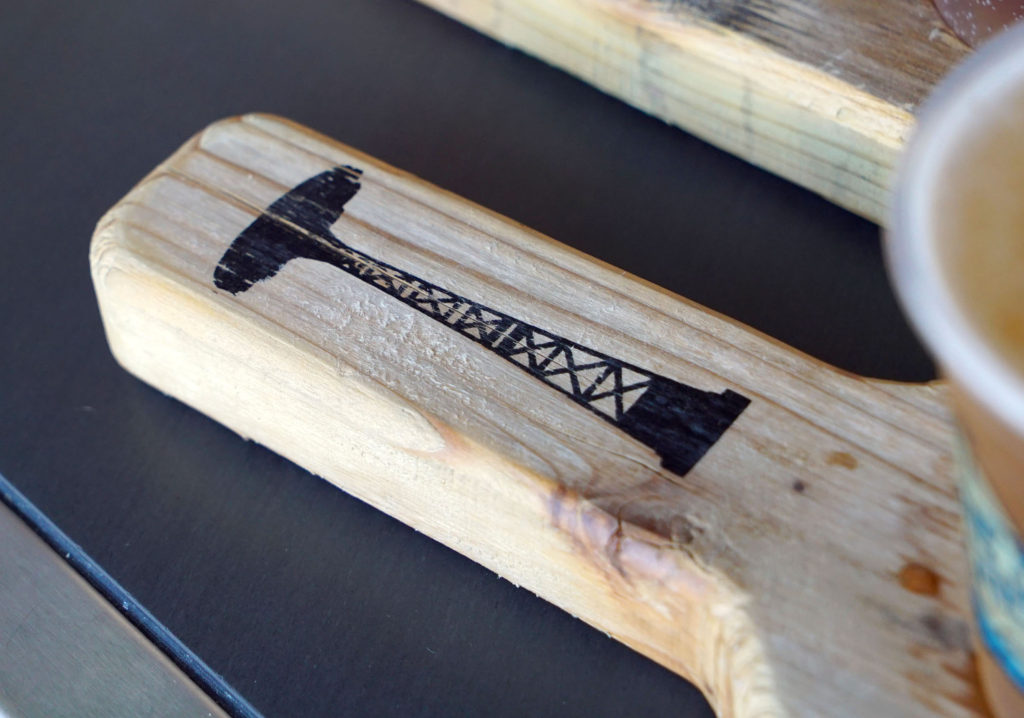
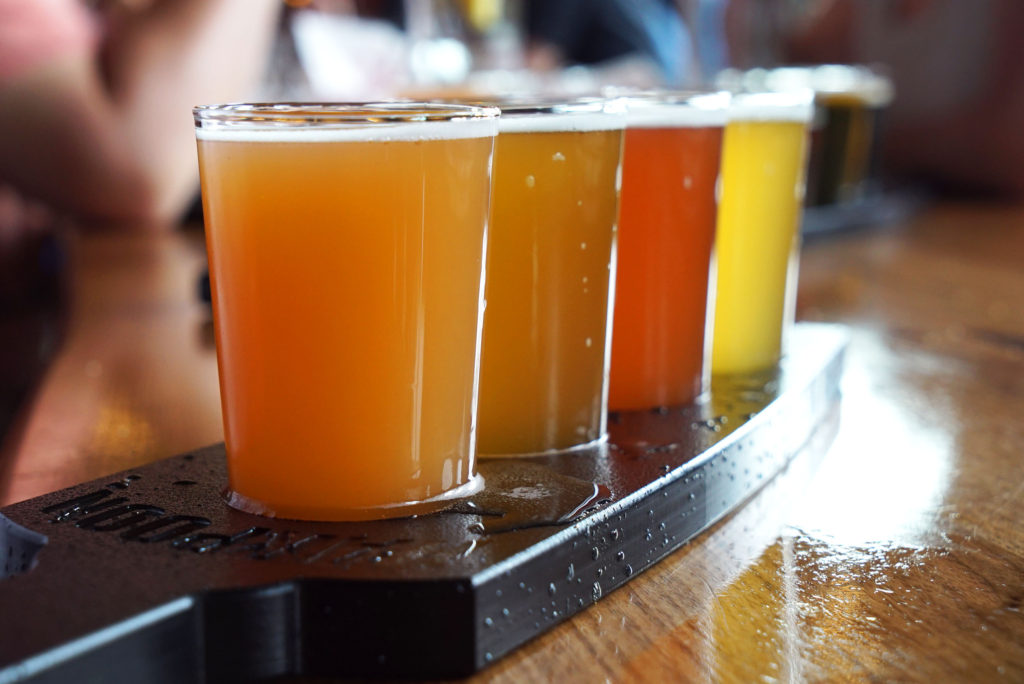
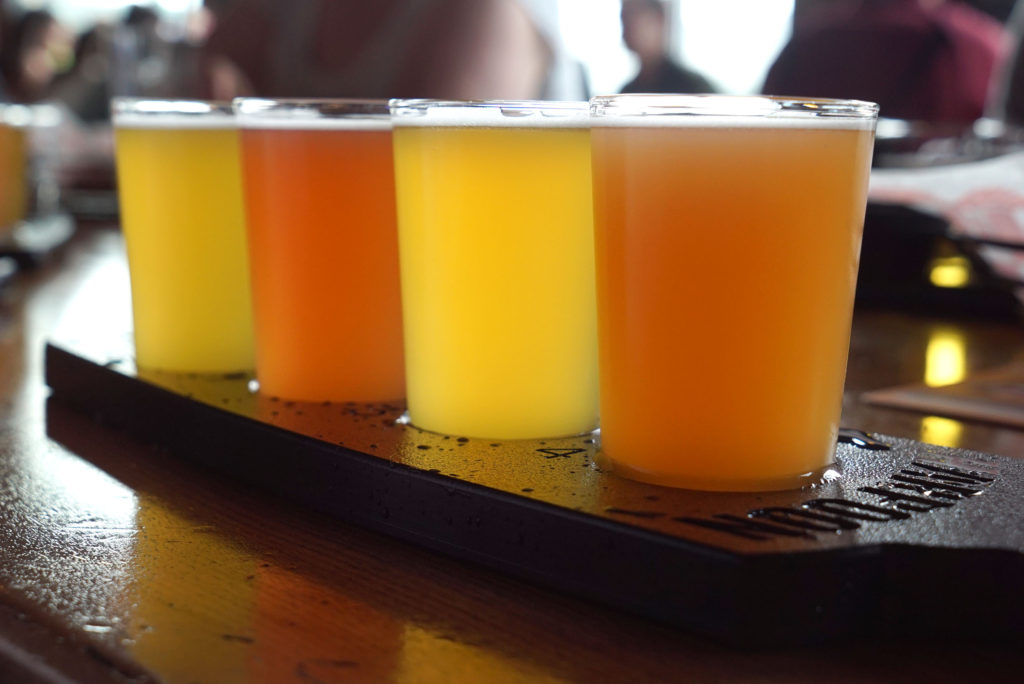
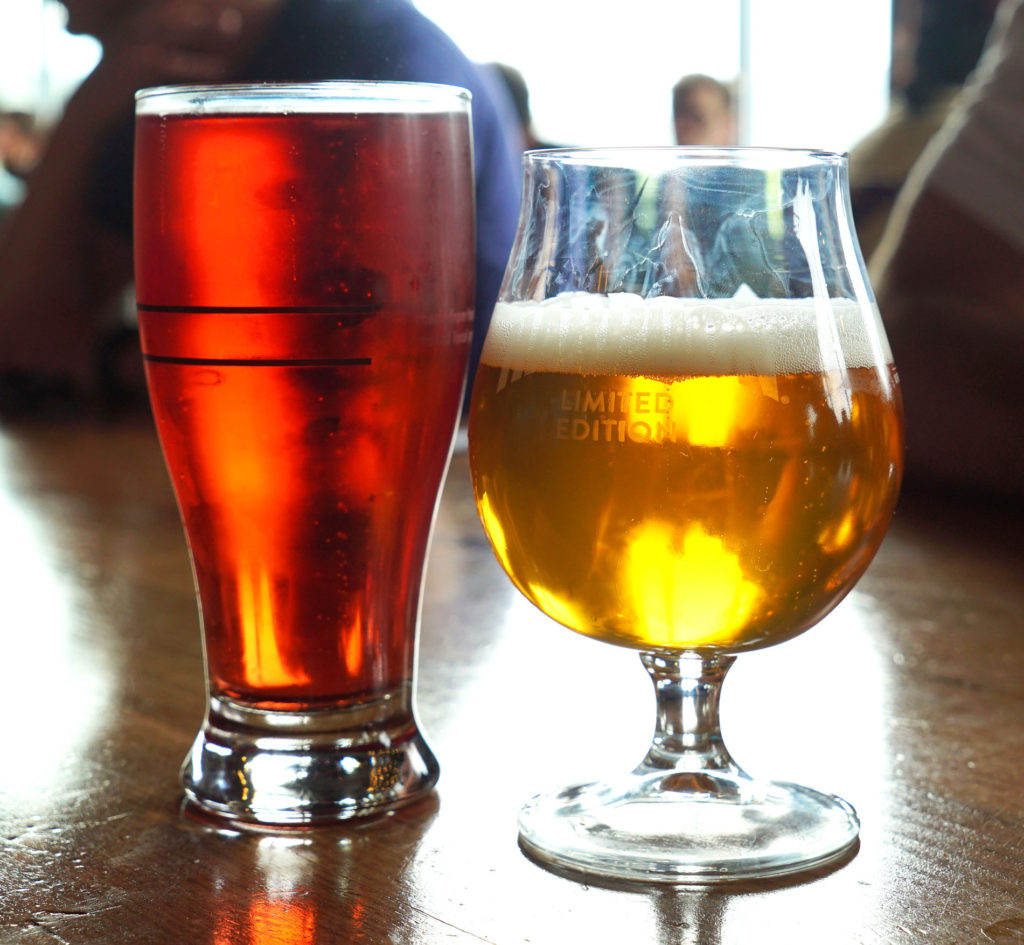
My wife and I came in here for a pair of beer flights to cool down and buzz up during our trip to Coney Island one hot Saturday afternoon.

DSC06055

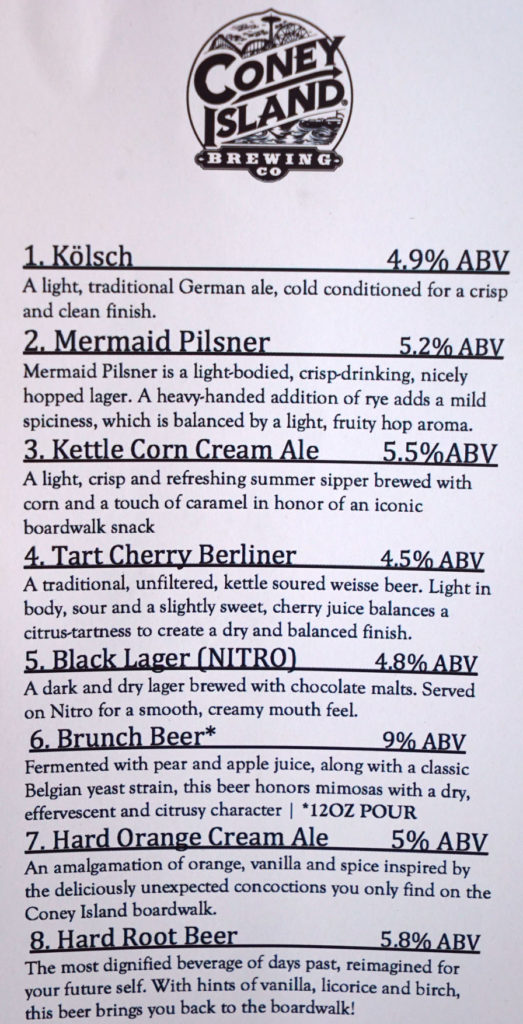
There were eight drafts to choose from, and each flight contained four, so we were able to sample everything on tap.

DSC06054

Our favorites were the Kettle Corn Cream Ale and the Brunch Beer, with the Black Nitro Lager close behind.

DSC06066

DSC06058

DSC06059

DSC06062

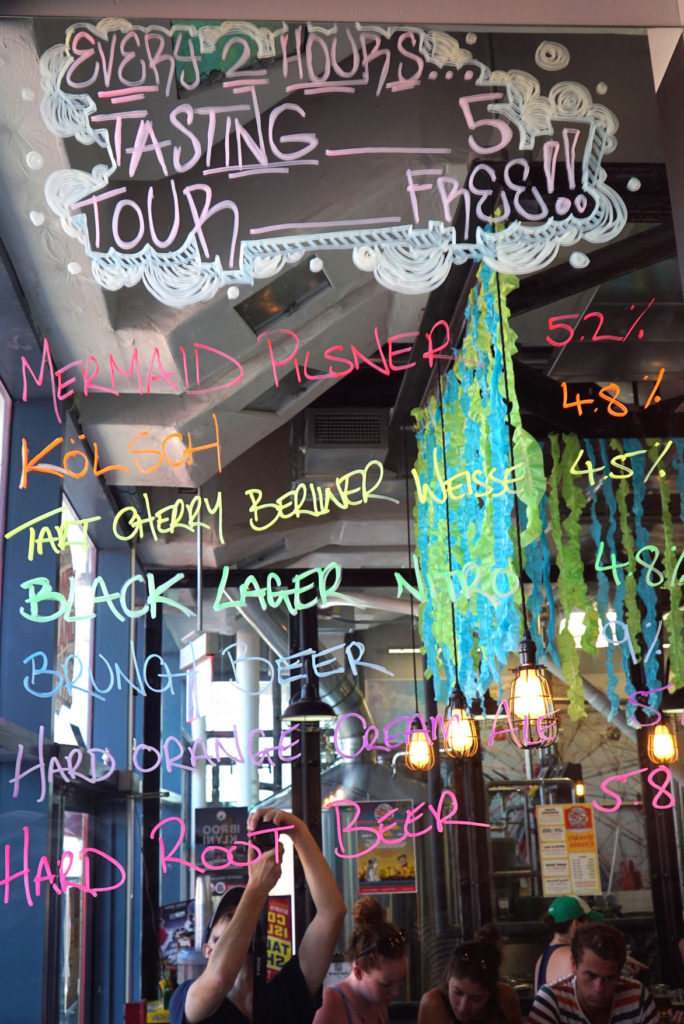
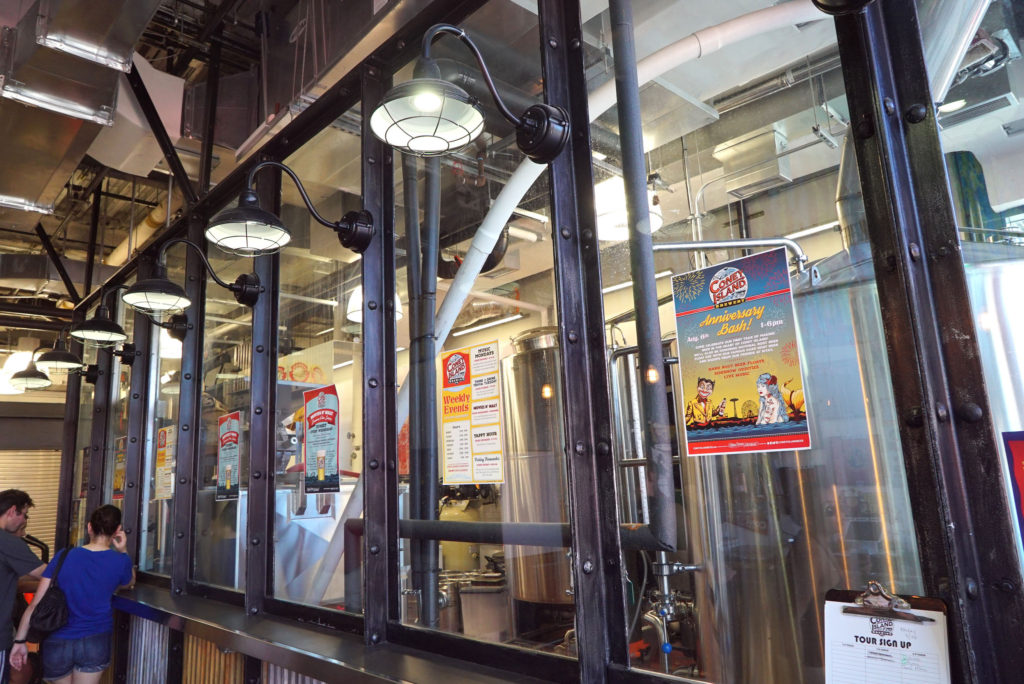
It’s always nice to see a good quality brewery here in the NYC area. And with reasonable prices and gracious pours like these, I’m sure to be back again soon. Flights are $8, tours are free, and tasting tours are just $5. There’s a lot of fun merch too.

DSC06056

DSC06060

CONEY ISLAND BREWING COMPANY
1904 Surf Ave
Brooklyn, NY 11224

Coney Island

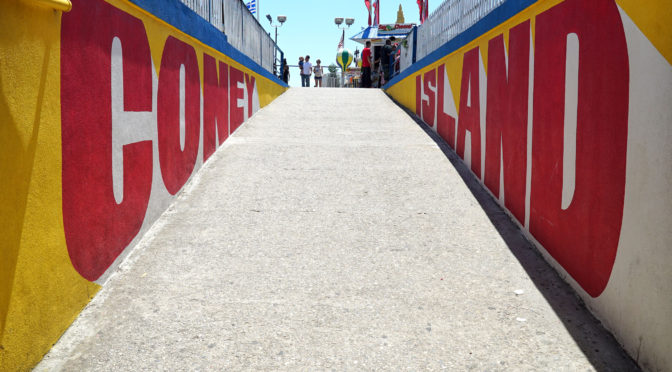
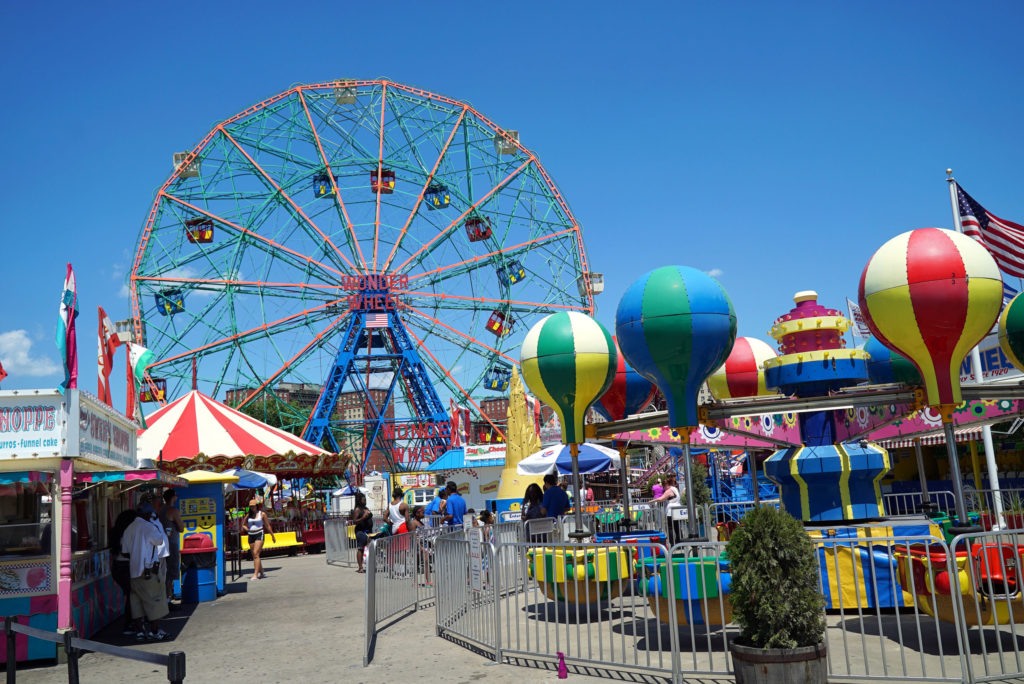
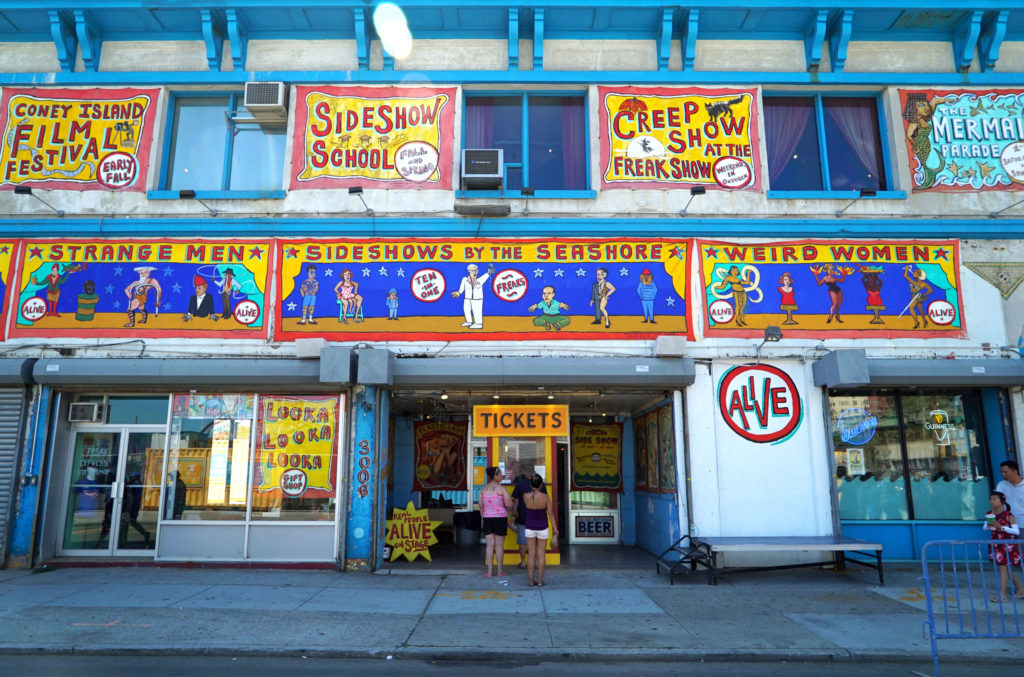
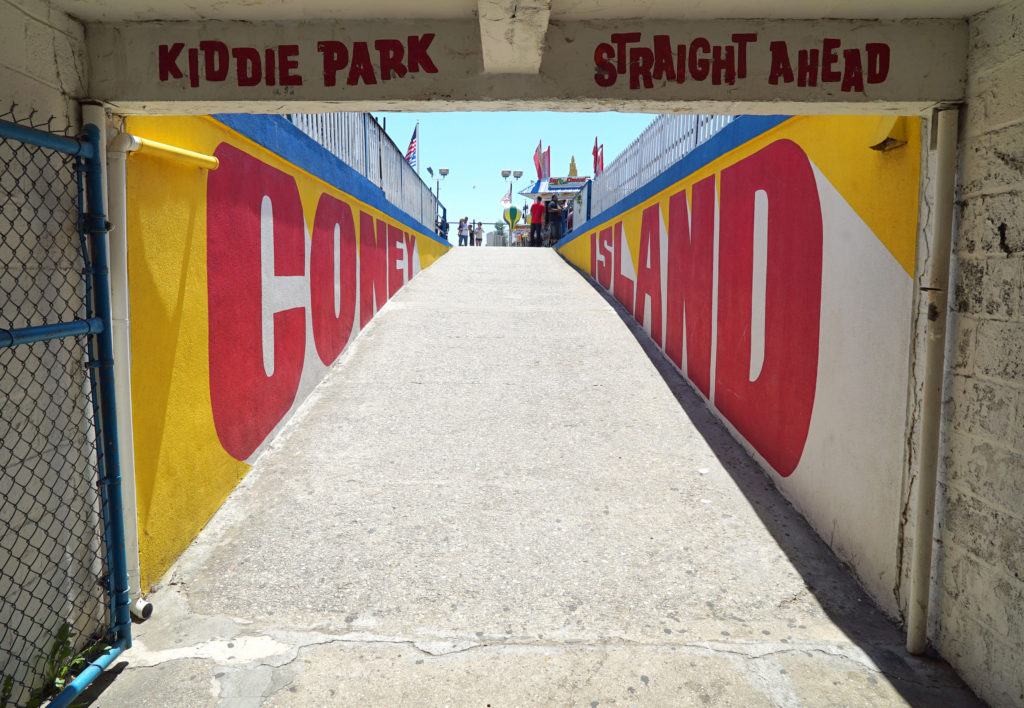
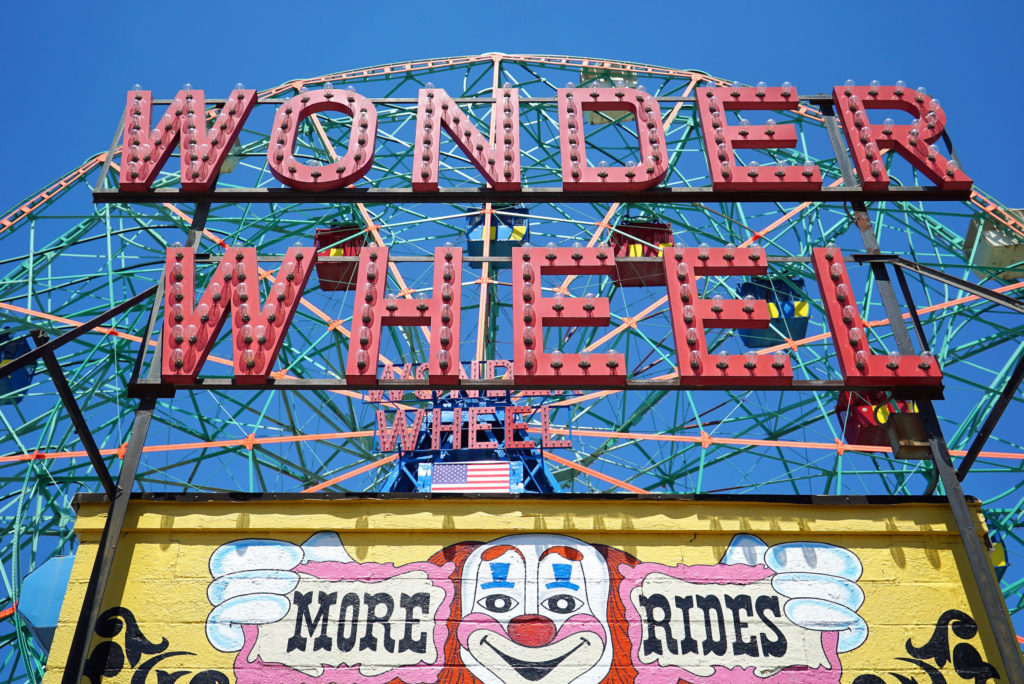
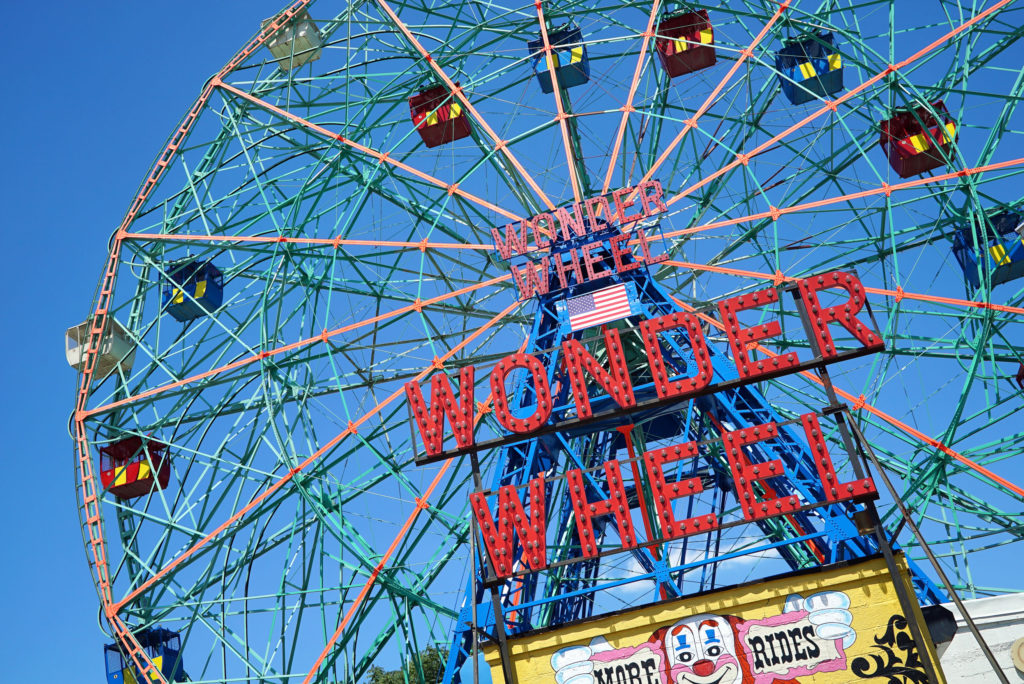
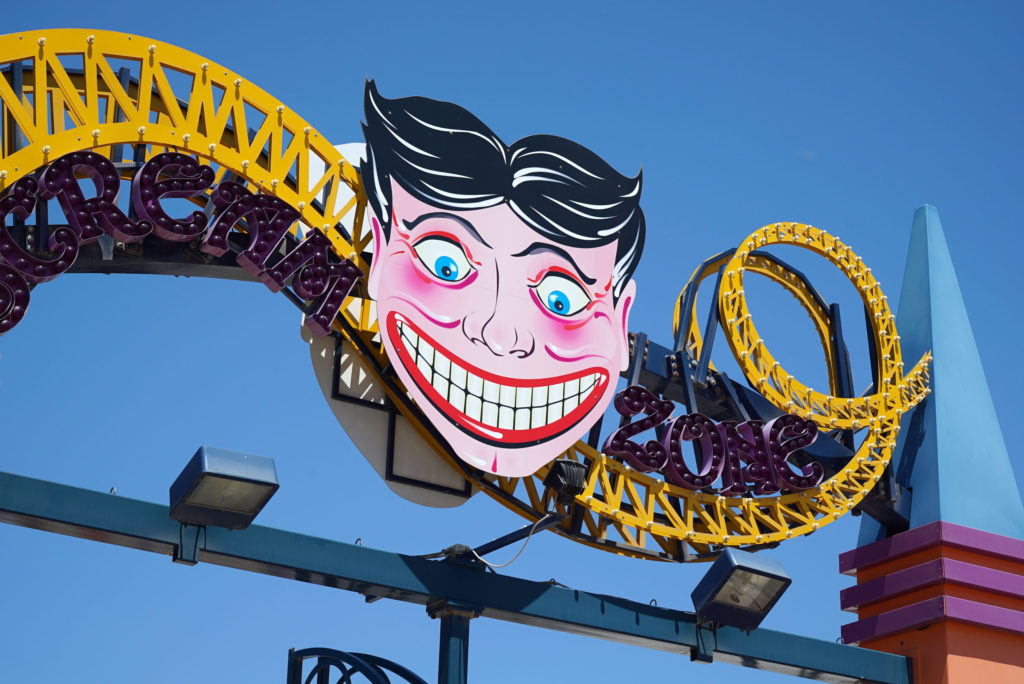
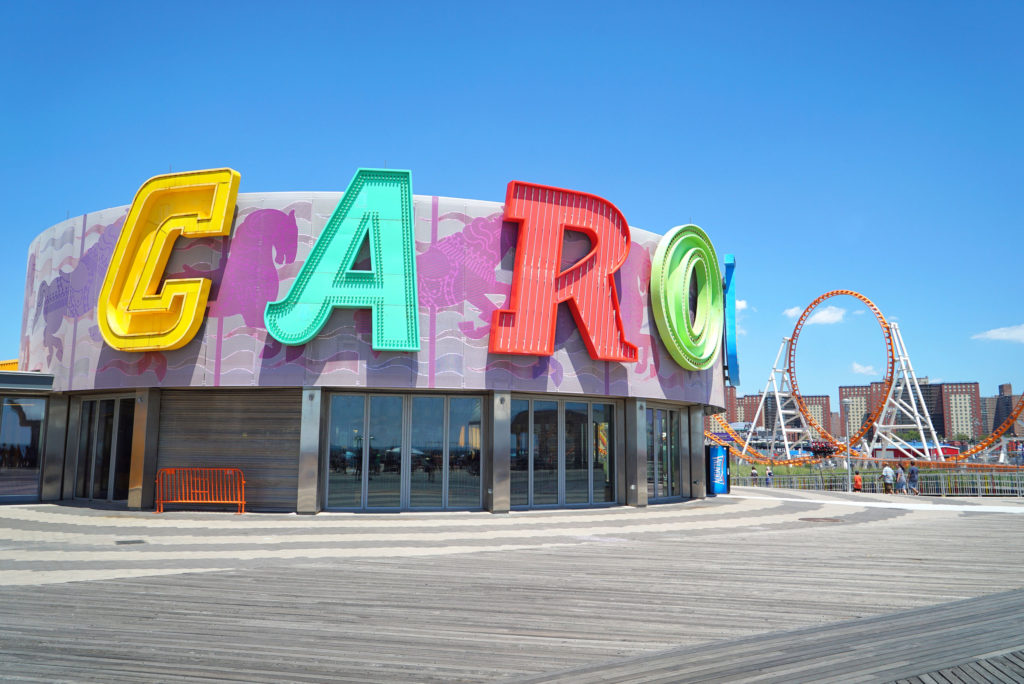
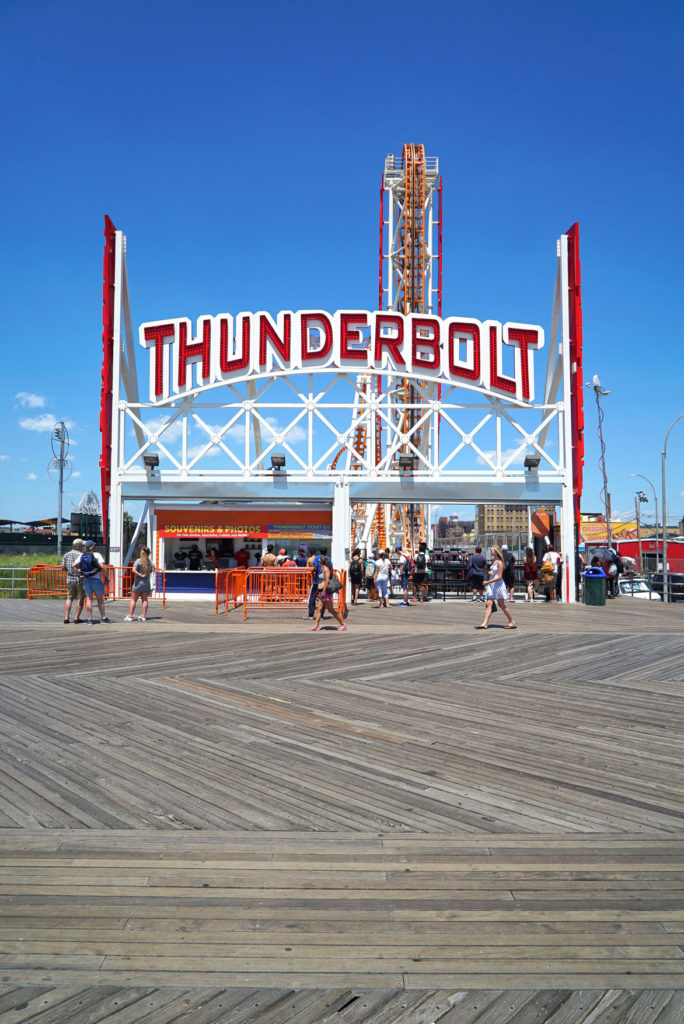
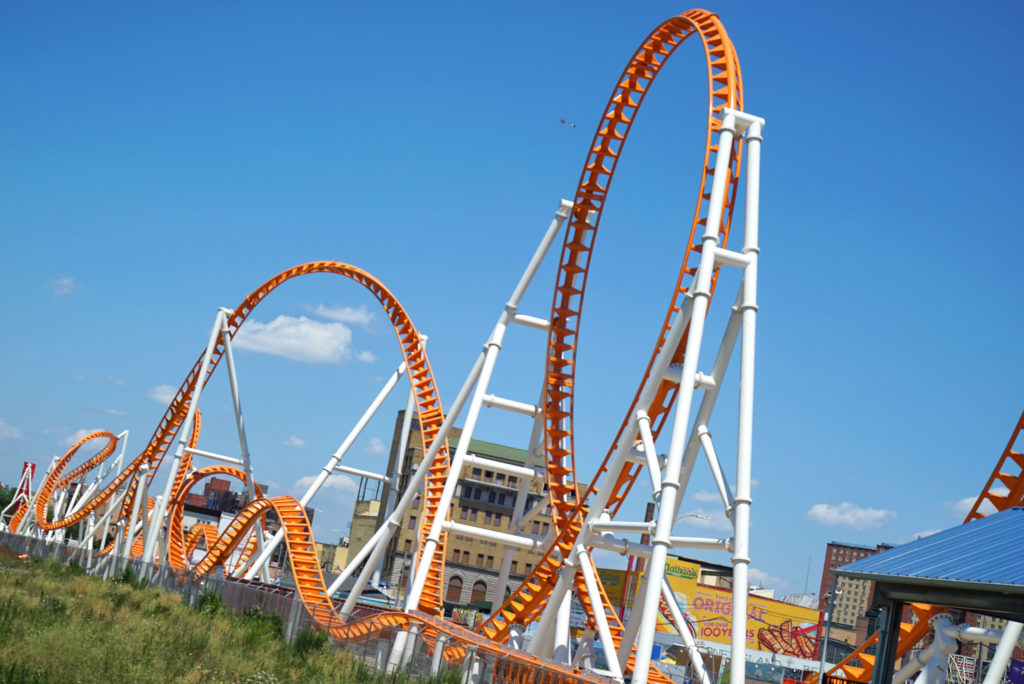
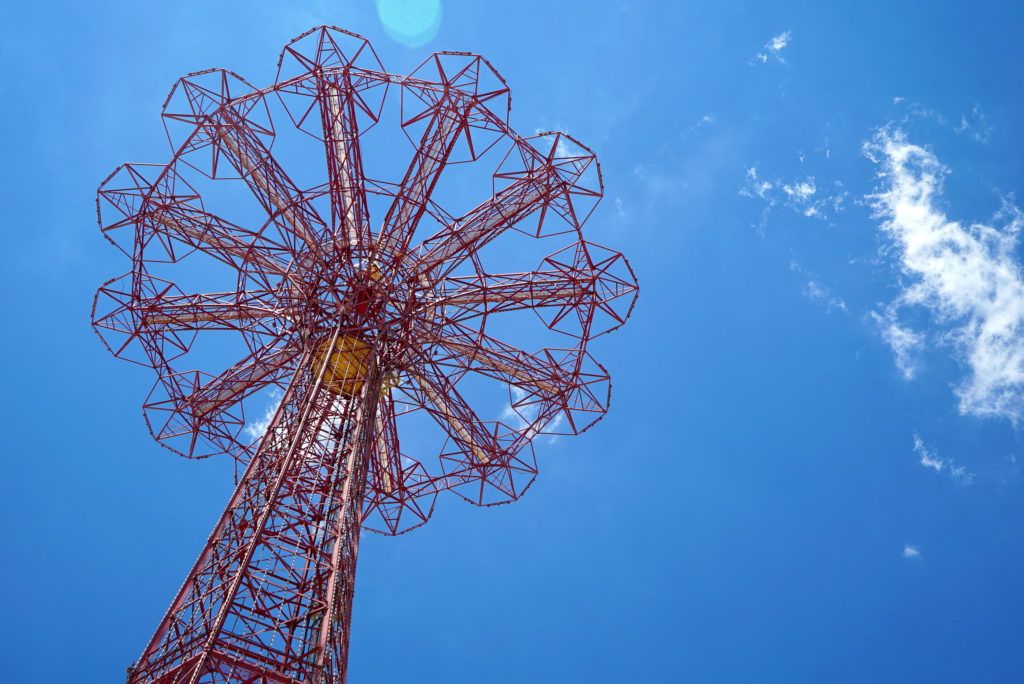
Coney Island has come a long way since the bad old days of The Warriors.

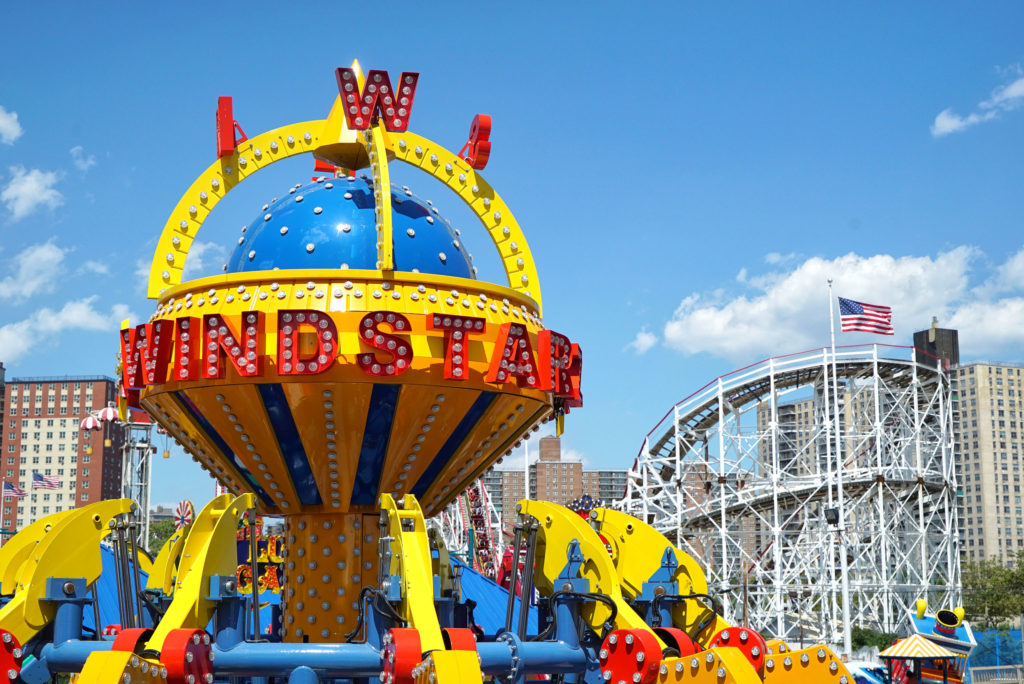
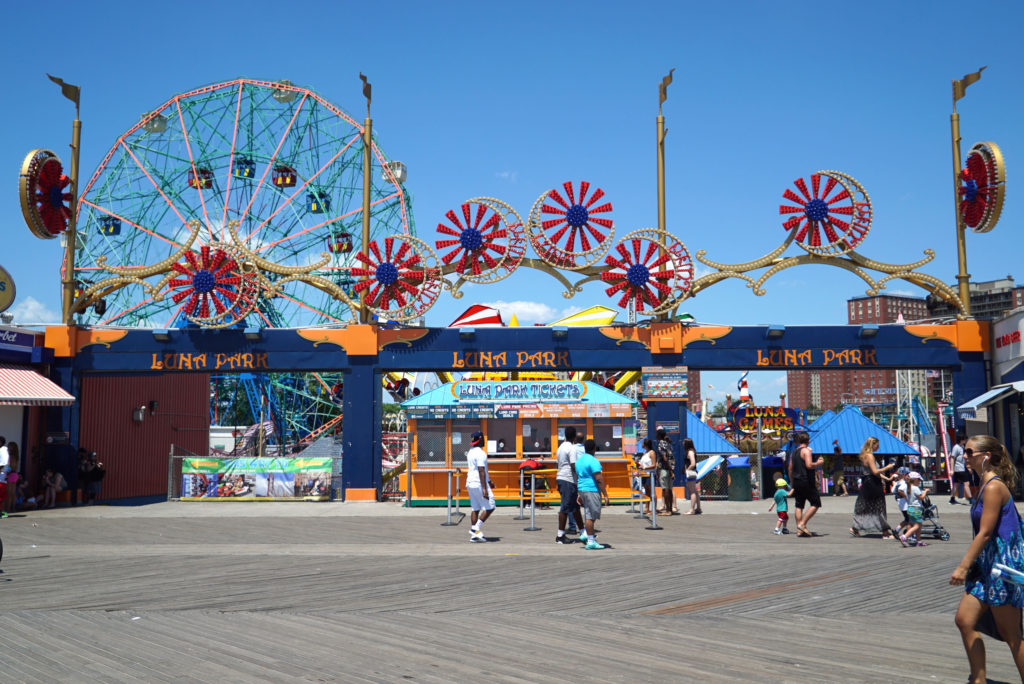
Even just nine or ten years ago it was a much seedier place than it is today. Coney is unique in the NY Cityscape. Historically it has been a place for both family fun in the sun, as well as a place where alternative, non-traditional people can express themselves freely.

DSC06105

DSC06191

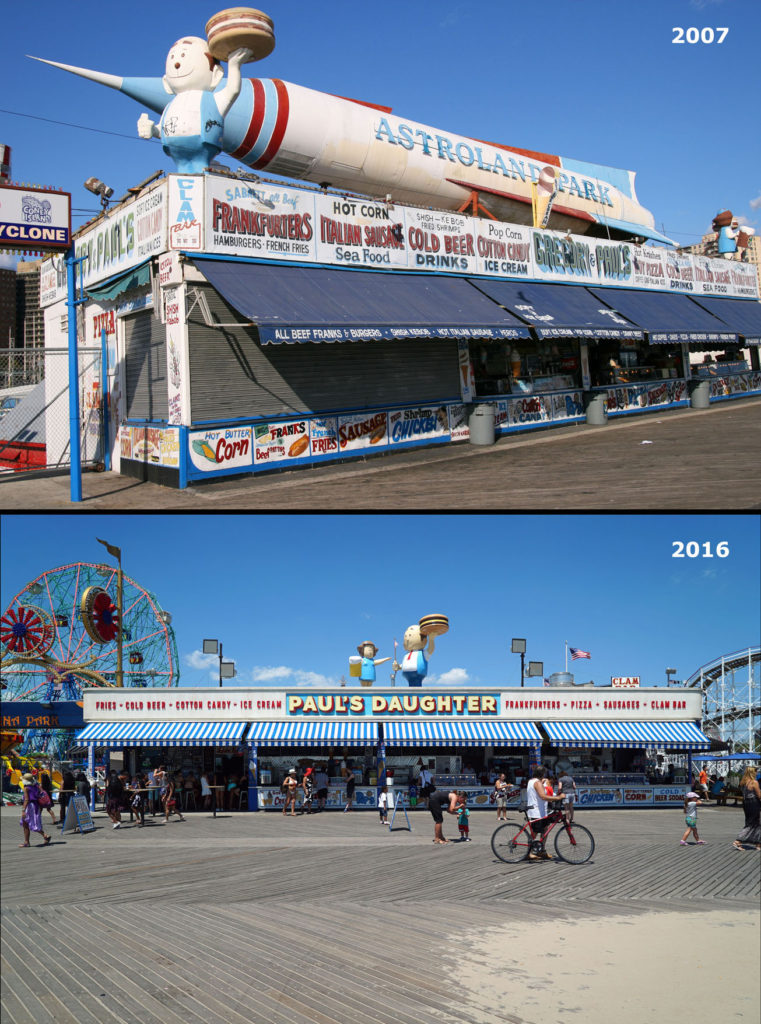
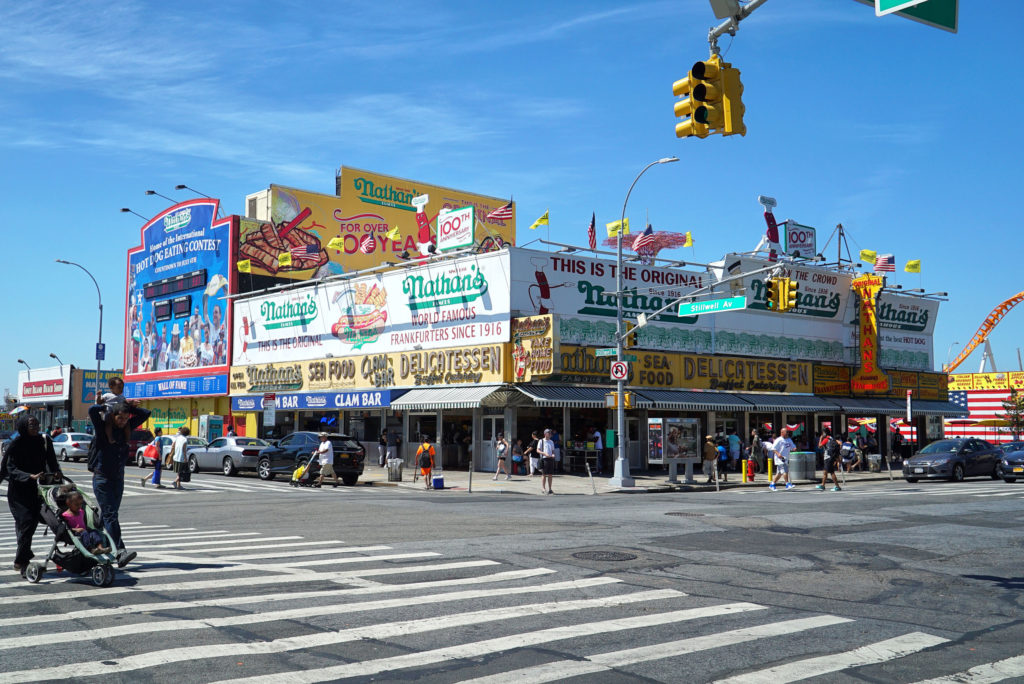
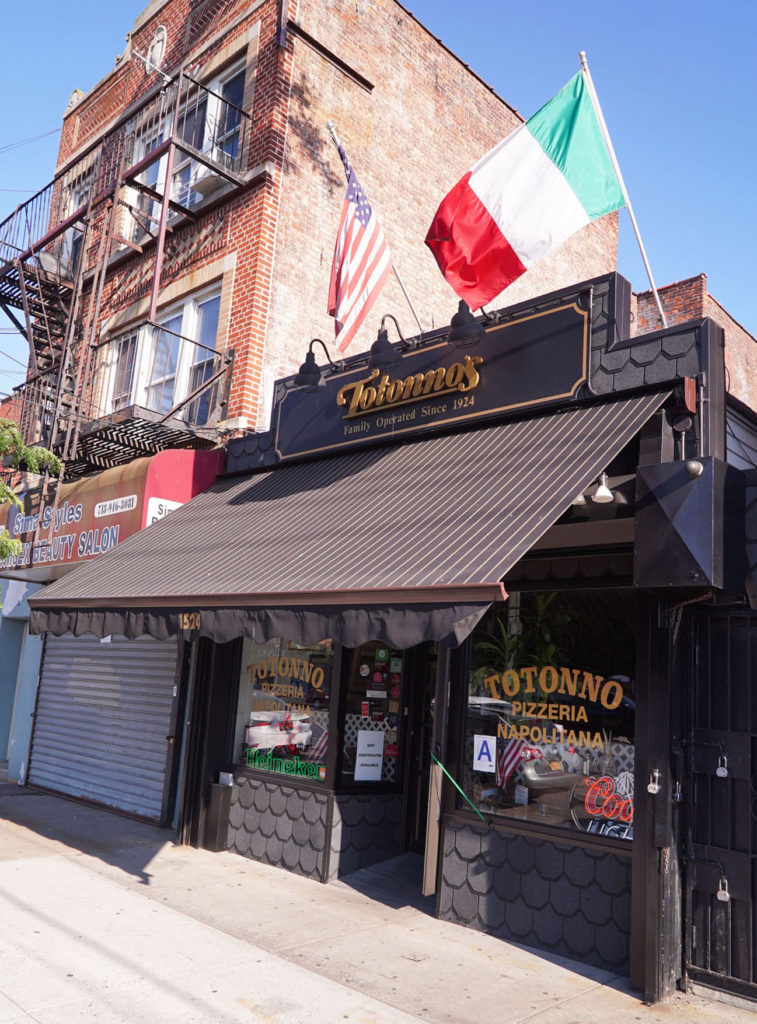
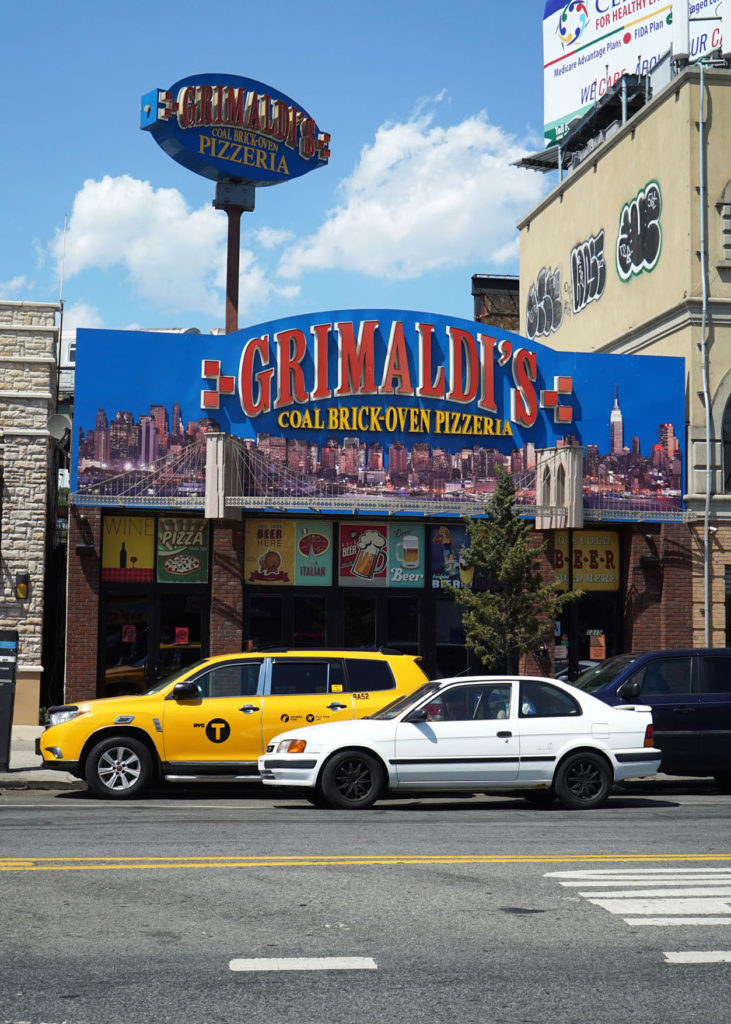
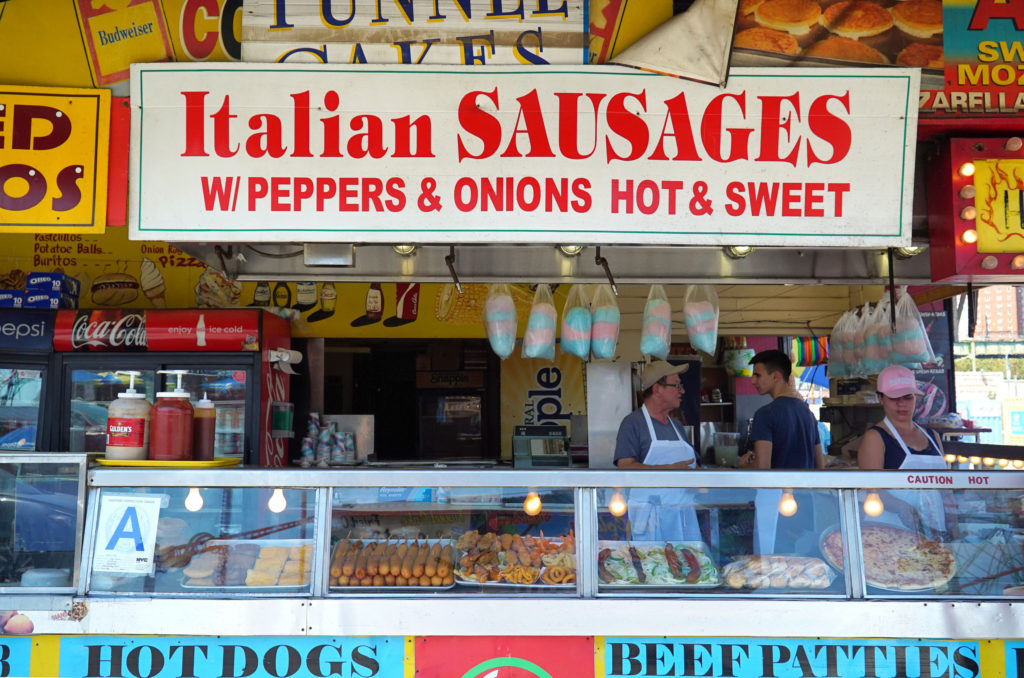
Some old classics remain as far as the food scene goes, like Grimaldi’s and Totonno’s for some of the best pizza that NYC has to offer, Nathan’s for good old fashioned hot dogs (Happy 100th Birthday), or Paul’s Daughter (the name has changed over the years) for fresh seafood and funnel cakes.

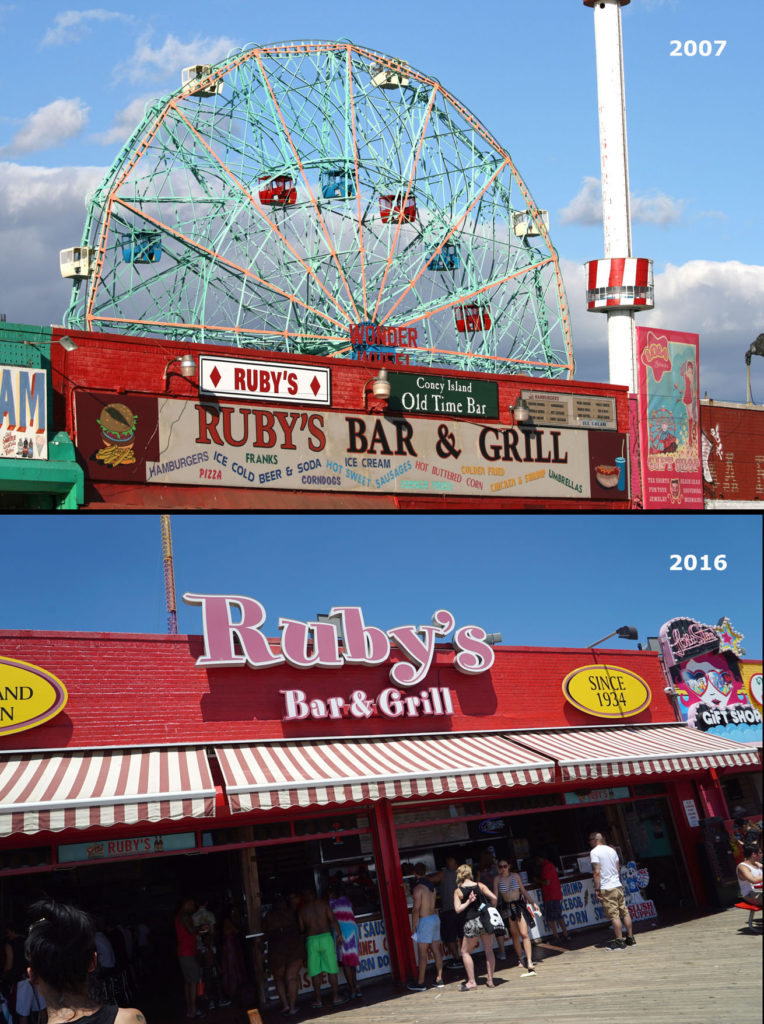
rubys before after

pauls before after

DSC06004

DSC06235

DSC06188_2

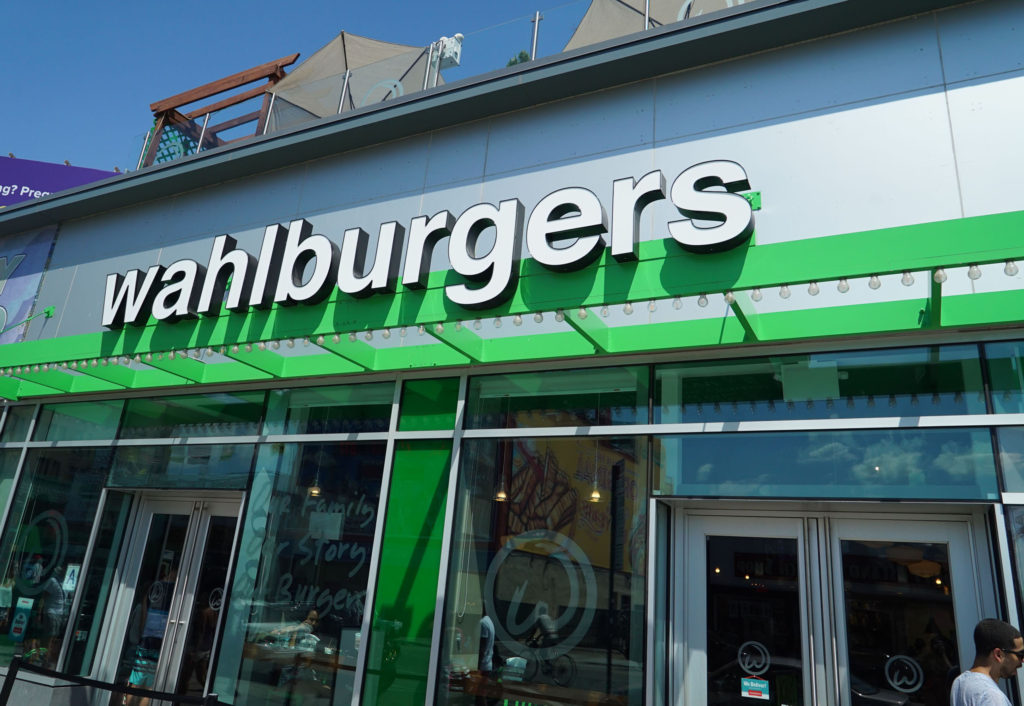
But now some new joints have arrived, like Wahlburgers and the Coney Island Brewery, as the area has become more polished and clean.

DSC06062

DSC06186

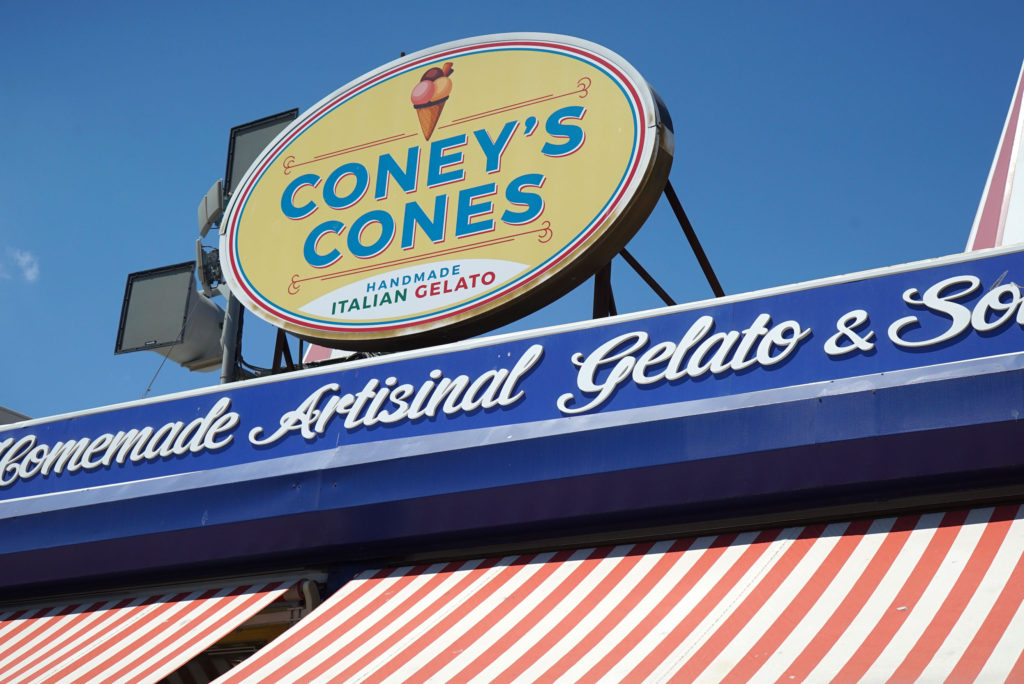
Coney’s Cones is a good cold dessert spot, right on the boardwalk.

DSC06177

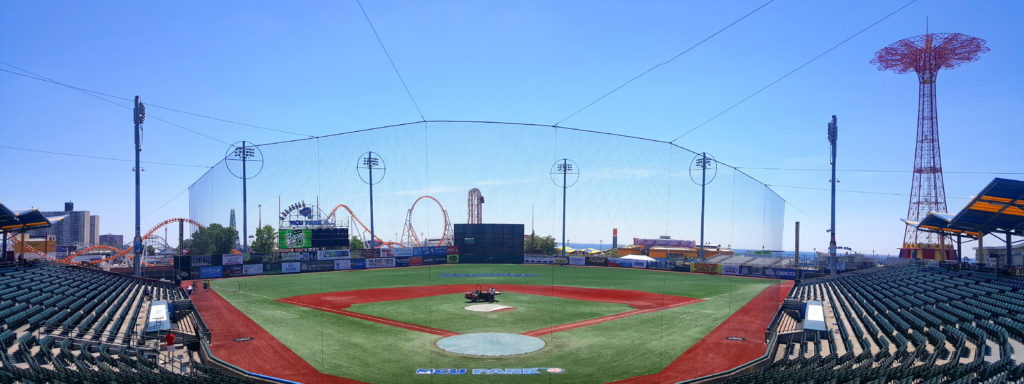
Hell, even the Cyclones baseball field is pretty outstanding.

20160723_114948

And the aquarium is pretty fun as well, even if you’re not 8yrs old.

DSC06137

DSC06148

DSC06161

DSC06141

Coney Island makes for a really awesome day-trip in the summer. My wife and I even liked it back in 2007 when we came in the off season.

DSC06097

DSC06220

DSC06193

DSC06192

DSC06189

DSC06185

DSC06179

DSC06127

DSC06118

DSC06113

DSC06112

DSC06098

DSC06084

DSC06089

DSC06087

DSC06074

B.A.M. Episode 1: Beef Industry History

Happy Birthday America! What better day to start a new series of articles than the one celebrating our independence from tyranny?

This is the first installment of my B.A.M. posts. No, it’s not a damn sound, like Emeril’s ridiculous catch phrase. In these hallowed halls of meat, B.A.M. stands for Beef Advocacy Monday. My goal is to share something positive or educational about beef on each Monday, or at least once a month if I get lazy. Let’s see how long I can go before I run out of crap to talk about. I love beef, so I’m sure this will continue for quite some time. I’m a beef pusher! You all know I’m passionate about meat; so that’s the main reason I’m doing this.

But another reason I’m doing this is to combat the horrible “Meatless Monday” trend going on in the food world lately. I’m sorry, but the phrase “Meatless Monday” should have no place in the American lexicon. Why? Because we Americans pretty much revolutionized the beef industry to make it what it is today. We run the biz when it comes to beef. Yeah, yeah, yeah… we all know that Argentina, Australia, Brazil and Japan are responsible for some great beef as well. But come on, people. It’s the 4th of July, so I’m going to briefly talk about the USA and our vibrant beef history.

DSC04696

We have a rich beef history here, considering our relatively short time in existence as a nation. At first, beef was generally just slaughtered as needed. Most if not all beef was very fresh and hyper local. I’m talking 1600’s days here, and lots of the animals were really bred for dairy and milk rather than protein consumption.

Pork was different. Salting and smoking were common “packing” techniques that allowed pork to be preserved so that it could be transported away from localities and moved around as a commodity for sale. Cincinnati became a pork epicenter for this packing biz.

Beef never took off like pork did during those days, because cattlemen would have to drive their herd literally across the country to these packing and slaughtering hubs in order to get their product to the market. Not only was this a dangerous endeavor given our relations with Native Americans at the time, and given cattle thieves who would kill and steal for a herd, but the harsh weather conditions at various times of the year were also an issue. Cattle would die very often on these drives. This meant that ranchers were breeding their cattle to be able to survive the cattle drive rather than for flavor quality or meat grade.

It’s no wonder the industry wasn’t taking off. The market was not responding favorably to the product and there were too many obstacles in the way for farmers to make a good return on their investment.

It wasn’t really until the advent of the railroad system and the Industrial Revolution that the beef industry really began to flourish as a major part of the US economy. With the advent of railroads, cattle from the mid-west and Texas could reach the northeast and other major cities with ease. There were no more worries about whether the herd could survive the long journey by hoof. The animals were simply loaded into train cars and transported to places like Chicago, where, in 1865, the Union Stockyards overtook Cincinnati as the epicenter of the meat packing industry. Beef was, in turn, becoming a much larger piece of the American diet. The beef industry actually saw a 61% increase in beef consumption from 1850 to 1860. That’s huge.

Refrigerated train cars even began popping up as early as the 1850’s, allowing for slaughter facilities to be built and maintained closer to the farms, rather than near the packing centers in Cincinnati and Chicago. This eliminated the need for crowded animal transport, and allowed farmers to stay involved with the process from calving to carving.

By 1888, most farmers were breeding and feeding cattle to produce the best quality beef for taste rather than to survive the cattle drive north and east. As you can imagine, this made for much happier meat eaters.

The men who built America and the railroads – those mega-capitalist captains of industry like Andrew Carnegie, John D. Rockefeller and Cornelius Vanderbilt – were really the ultimate reason for this explosion in the beef industry. I thank them for their efforts.

But that’s not the end of it. We all remember learning about Upton Sinclair’s 1906 book The Jungle, which exposed nasty conditions within the meat packing industry. This eye-opening expose led to Congress passing the Federal Meat Inspection Act, which prevents adulterated or mis-branded meat and meat products from being sold as food. It also ensures that meat and meat products are slaughtered and processed under sanitary conditions.

Then, in 1967, the Wholesome Meat Act extended those federal regulations into the states. It requires that states have inspection programs equal to that of the federal government. These programs are administered by the Food Safety and Inspection Service (FSIS) of the Department of Agriculture (USDA).

In 1978, the Humane Methods of Slaughter Act amended the 1906 Federal Meat Inspection Act and created standards for the humane treatment of animals prior to slaughter.

Since then, various amendments and add-on regulations have honed the guidelines further and allowed for new information and scientific breakthroughs to better inform the whole process. In 1997, in response to a 1993 E. coli outbreak, many best practices guidelines came down the pike for reducing the incidence of food-borne pathogens in meat products. The Beef industry was the only industry to meet the goals of reducing food borne pathogens by half by 2010, and it intends to reduce that number by half yet again for 2020. And we are talking about a decrease in food borne incidents from 2.1% to 0.6%. These figures are much lower than other industries, like poultry.

In addition, in 2004 there were more guidelines and regulations introduced to address things like Mad Cow Disease. Now, inspections happen at every point in the cycle of the beef industry, from calving to animal nutrition on the pastures and in feed yards, to transportation requirements as the animals move to slaughter facilities, and even beyond, to the post-slaughter workplace conditions at packing plants, shipping facilities and grocery stores.

Taken together, the history of the beef industry and these important safety improvements have really created an atmosphere where the American beef consumer can feel confident that the product he or she is buying is safe, nutritious and delicious.

So go forth and heat thy grills for thy July 4th BBQ’s. Slap some burgers and steaks on there and enjoy! Then go blow shtuff up in the sky (safely, of course), because America rules.

Happy “Beefday” to “US.”

DSC04730

Get Your MBA: Masters of Beef Advocacy

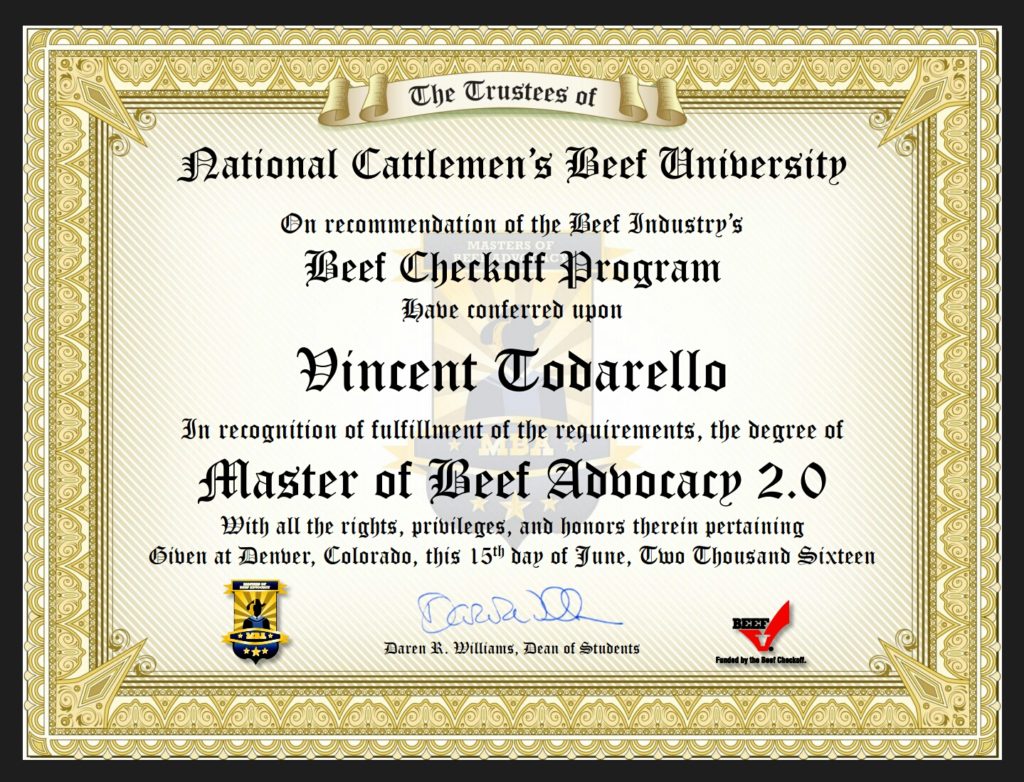
The generous folks at Beef.org offer a free set of five online course modules, after the taking of which you become an official Master of Beef Advocacy. I discovered this by poking around their website one day. After reading more about it, I decided to fill out the application.

This was an ideal opportunity for someone like me, who spends so much time thinking about, writing about, photographing and eating beef. I mean, I have the “CC” after my name for “Carnivore Connoisseur,” which is completely made up, so I figured I might as well try for the official Beef.org certification as well! It would lend a bit more legitimacy to my screeds on here, no?

Anyway, a few days later I received my acceptance letter! Soon after, I began taking the module courses. The courses are as follows:

The Beef Community: an overview of how to talk to consumers about the way beef is raised from pasture to plate. It focuses on the community of people involved throughout the beef life-cycle.

Raising Cattle on Grass: this introduces the student to the first step in the beef life-cycle and the benefits of raising cattle on America’s vast grass pasture resources.

Life in the Feed-Yard: this course is a discussion of the role of feed-yards, including animal care, nutrition and environmental stewardship or sustainability.

From Cattle to Beef: this is an in-depth look at the slaughter process and the humane handling and safety measures that are in place today at beef processing facilities.

Beef – It’s What’s for Dinner: this module is a primer on choosing and cooking the right cuts of beef, and the important role that beef plays in a healthy diet.

What you come away with from these courses is a ton of valuable information about how to address consumer concerns regarding issues like hormones, antibiotics, grass and grain finishing, GMO feed, choosing cuts of beef and cooking.

wp-1466185789398.jpg

Anyone who is a big fan of steak, like me, should think about investing some time into these free courses. I’m a big proponent of knowing a lot about what you are eating. And not only are you getting a ton of info here, but you are also having various health myths dispelled in the process.

NCBA_MBA_Logo-01

Beef most certainly IS what’s for dinner. At least in my gut anyway. And knowing what I know now, after taking these courses, I’m going to keep it that way.

How To Use Your Camera

I’ve been a hobbyist and semi-professional photographer for about 12 years now. As both a photographer and a food person, one of the most depressing things for me to see is a terrible photo of food. We eat with our eyes first, after all, and if a photo of food looks like dog vomit, then it doesn’t matter how good it might taste; you aren’t convincing anyone about anything with a terrible photo.

With the craze of Instagram food accounts at full blare, and with more and more people shooting their food than ever before, I figured this page might help. I get a lot of questions about camera operation from friends and family, both within and outside the food world. Through the years, I have always kept a draft email ready to go for people who ask. I’ve pretty much provided that here for all.

Essentially, this is a tutorial about how to use a camera. As a disclaimer, this is not really geared for cell phone usage (though there is some overlap). I don’t use a cell phone to take photos of food, because they suck unless you have friends holding lights. Afterwards you still have to spend a bunch of time editing to get everything to look right. Sometimes they’re good if you’re dining outside, but otherwise my advice is to avoid them.

The tips below are for people who shoot with a good point and shoot, an entry level dSLR or some other professional-grade camera. Many people who buy these nice cameras have no idea how to really use them, or what the settings even mean. Below is a quick guide on how to use your camera, with some specific tips geared toward shooting food. It’s a Cliff’s Notes of your camera’s user manual.

LIGHT

Light is the most important aspect of photography. The amount of it, the color value to it, and the positioning of the light source all matter tremendously for a good photo.

Amount of Light

For food photography, you generally want a lot of light so that details can be seen and colors can pop. A good, bright and colorful food photo will actually make someone hungry!
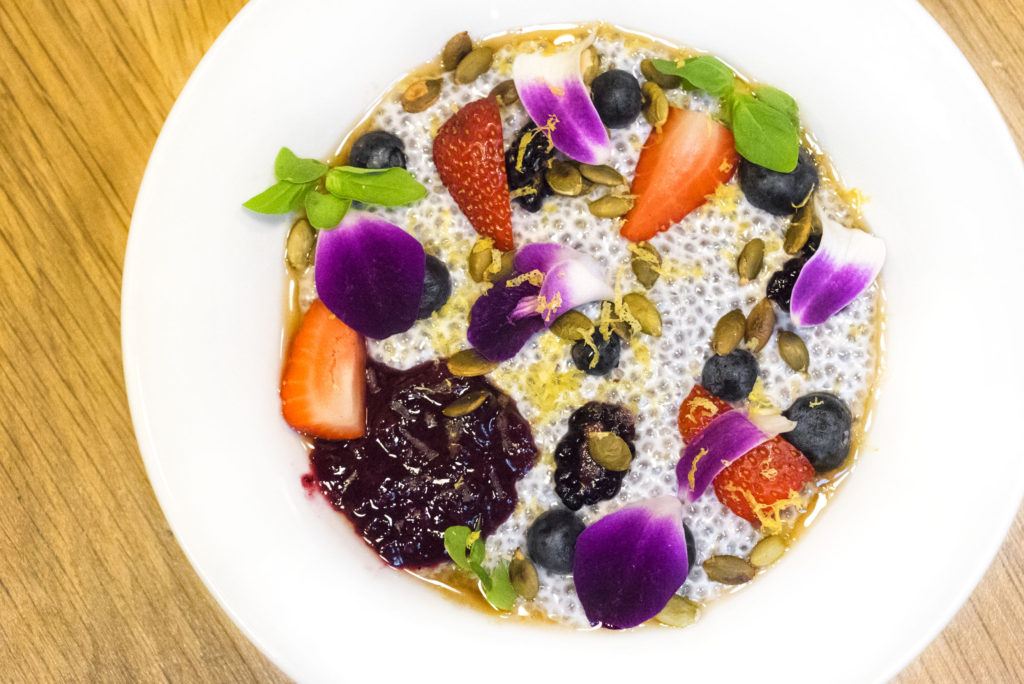
DSC04425

Source of Light

Generally you want to avoid back-lighting or light sources that originate from a direction which casts unsightly shadows across the front or focal point of your subject. Unless you’re going for an artistic silhouette or something with lens flare beaming all over the place, you should get on the other side of the subject.

Practical Tips

The first thing I do when I go to a restaurant when I know I will be shooting photos for the website is to look at the salt shaker. I take note of which way the shadows are trailing. I want to be on the side that gets the most light, not in the shadow.

Shooting in restaurants is not always easy, so don’t get frustrated if at first you don’t succeed. If you must, turn on the flash. But know that using a flash or off-camera light can be intrusive and rude to other diners.

I, personally, don’t use portable lights or flashes for restaurant food photography. Most flashes are hot-shoe mounted or built in, and direct frontal light is not very appealing in photos. They make everything look like a mug shot with a harsh, dark shadow behind. Use your available, natural light if you can.

Off-camera lighting, from up and to the side (“key” light positioning), with a reflector or second fill flash on the other side (to eliminate all shadows), is typically more desirable, but that takes a lot of work that you’re probably not going to do at a restaurant. I do this at home. I may set up a little light box or studio if I am shooting something there, but never at a restaurant where I am casually dining and cataloging for the website.

31

Color Value of Light

As a general matter, you want to keep your color values as neutral as possible, in order to be true to the look of the food (see White Balance below for more detail on this).

WHITE BALANCE

>The next thing you need to learn about is white balance. White balance is about the warmth or coolness (“temperature”) of the images you are shooting. Unless you are going for a specific effect, the white balance should be neutral so that what your camera captures is true to the environment in which you are shooting, or true to the actual colors and brightness of the object you are shooting. While this may seem somewhat advanced, as it mixes both light and color, I think it is absolutely key to good photography. If you learn it, no – WHEN you learn it – you will improve your photography skills tenfold right off the bat.

Remember that crazy photo that went viral of a blue dress? Or was is gold? The reason it was so ambiguous was because of terrible white balance. When you set the white balance of your camera, you are telling it what colors in the frame are neutral and what should be white. From there, the camera will adjust the color spectrum accordingly, and you should end up with a better, more accurate hue to your images.
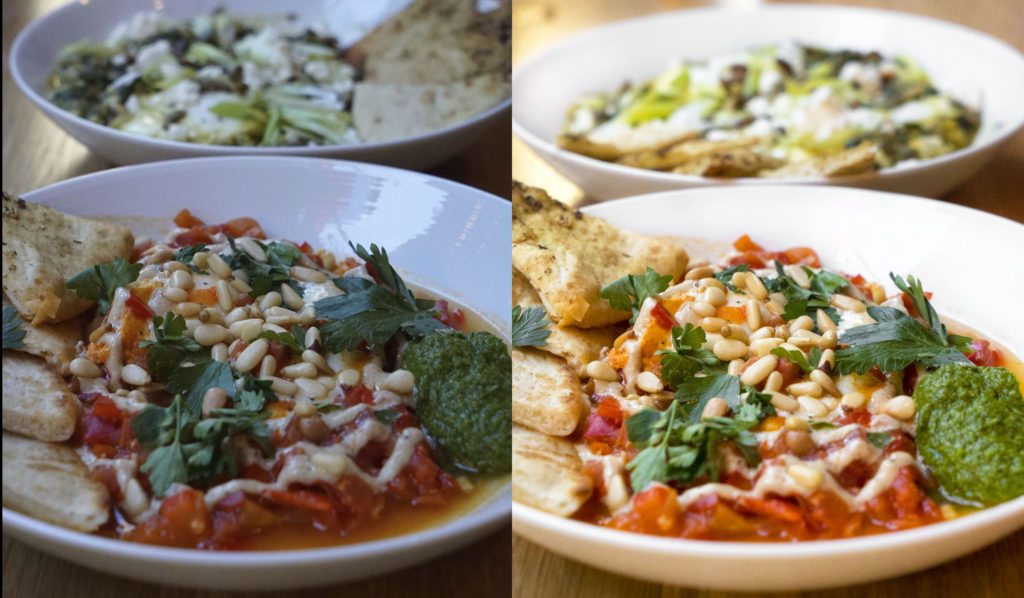
before and after

Restaurants are notoriously “warm,” meaning your photos will come out with a yellow, orange or red tint to them if you don’t adjust the white balance, even if you choose “auto.” Auto modes notoriously fuck up the white balance, so a knowledge of some manual tinkering is essential for good food photos.

The second thing I do, after looking at the salt shaker, is to adjust my white balance to meet the “light temperature” conditions of the lighting within the restaurant. Temperature values can range from 2000 to 50000, with 2000 being the most blue or cool, and 50000 being the most warm or yellow. This is different from tint, which varies on a scale from green to purple.

How do you adjust the white balance? Well you can typically choose from a pre-set value setting in the camera’s menu or settings, or you can sometimes do a custom white balance, depending on which camera you have.

Presets are often made to account for shooting conditions like “cloudy,” “fluorescent,” or “sunlight.” These shift the white balance accordingly, but they are set at a specific number value, in most cases. The best thing you can do is use a custom white balance. Most cameras have this function. Essentially, it means you are telling the camera what a neutral grey is by taking a picture of something that is neutral grey, and from that information the camera will adjust itself accordingly. To do this, I use a white balance card, or an 18% grey card. It fits in my wallet so it’s easy to carry around with me wherever I go.
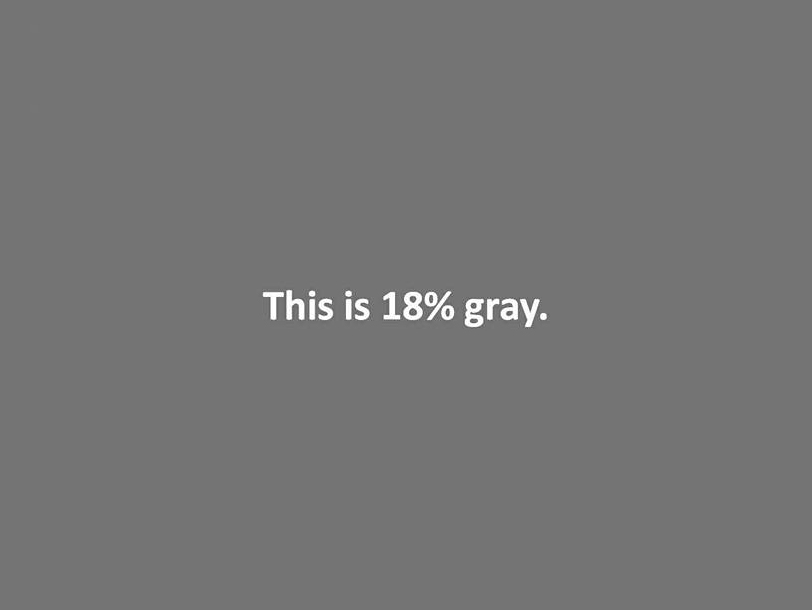
18 grey

BASIC SETTINGS

The third thing I do, right after setting the white balance, is fiddle with my settings and take a test shot to see how the images look. This section is the bulk of how your camera actually operates, and nothing has really changed here for centuries.

Shutter Speed

Shutter speed is a measure in time of how long it takes for the camera to open the shutter, expose the sensor/film to the light, and then close, completing the photograph. So 1/200th of a second, 1/25th of a second, 1/2 a second, 2 seconds (2″), 15 seconds (15″), 30 seconds (30″), etc.

Generally when shooting food, I want a fast shutter speed so that there is no blur from camera shake. But be careful; in some fluorescent lighting, a fast shutter speed may result in strange color banding on your photos. Terrible. Sometimes you can even see your viewfinder flickering like an old tube television when this happens. A good rule of thumb is to be at about 1/100th of a second for shutter speed. That should eliminate most camera shake, unless you’re Michael J Fox while off his meds, or you’re on a serious caffeine tear. It will also steer you clear of most fluorescent lighting problems. If you happen to still get fluorescent banding, go down to 1/80 and keep your fucking hands steady when you shoot. Now, to be sure, these speeds are generally pretty slow in the grand scheme of photography. To compare, when you shoot outside in daylight, your speeds may be at about 1/1000 of a second. And most cameras will give you a warning to hold still to avoid camera shake at anything 1/125 and slower.

Sometimes, though, you may WANT a little blur, like if you want to take a picture of a waterfall and have the photo give the feeling of motion, or if you shoot traffic at night and want the car lights to be blurred with motion like they are moving fast. On the flip side, you may want to FREEZE the action, like in sports photography or if you want to capture the details of someone splashing in a pool. Faster shutter speeds will freeze the action with no blur, and you will see little globs of water drops frozen in mid air with no blur.

Aperture

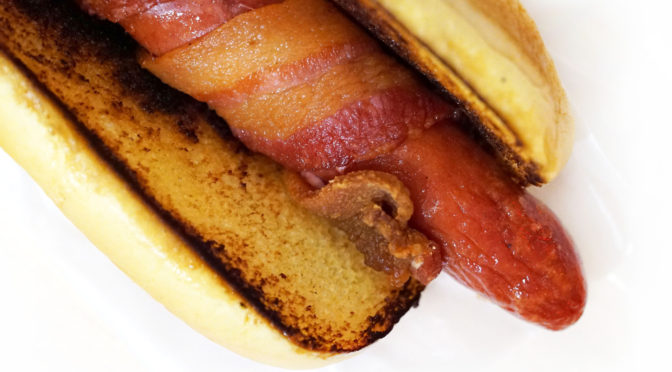
Aperture is how wide the shutter opens during the taking of a photo. The wider it opens, the less will be in focus. This is referred to as “depth of field” in the photography world. For most food photos, you want a larger depth of field, so that all of the food can be seen without losing focus. For example, if you’re shooting a hot dog from one end with a low aperture of, say, f/2.8, then the tip of the dog will be in focus, but the opposite end will not be in focus.

The good thing is that this will generally result in you being able to use a faster shutter speed, since aperture and shutter speed are inversely proportional: meaning that as shutter speed increases, generally you need to open up or decrease the aperture in order to allow the same amount of light to hit the sensor.

In order to achieve those shutter speeds I noted above, you may need to open up your aperture – especially if you’re in a dim restaurant. A word of caution, though, do not open the aperture too wide so that only a little sliver of the food is in focus (like the hot dog example). With food, you usually want to get a good amount of it in focus. I try to be at around f/6.3 and up, with an ideal being at f/8 or f/9, that way all the important bits stay in focus. Try not to go lower than f/5.6 unless you are going for a specific effect or style of image.

Sometimes, for artistic reasons, you may want your aperture lower than f/5.6. For example, in portrait photography, the backgrounds of photos are often nice and blurry. An appealing blur in the background is called bokeh. On some cameras, you can actually see the shape of the aperture opening that is made by the diaphragm blades. Here, you can see 8-sided polygon bokeh blurs that were made by one of my lenses when I shot this Christmas ornament with the Christmas tree lights on in the background, out of focus. Generally, better lenses tend to have more diagram blades (7 or more these days), and they are often rounded blades, that way the polygon blurs are more like circles than geometric shapes.

Photos can end up looking very artistic and the blur causes the viewers attention to be focused on a particular spot. That is usually done with a wide aperture, meaning a larger hole, which means a lower “f-stop” number like f/3.5, and then zoomed in to make the background separate even more drastically.

ISO

ISO is the camera’s sensitivity to light. Higher numbers means higher sensitivity. Each time you increase the ISO by an increment, you increase the sensor’s sensitivity to light by 2x, doubling the exposure. Think of this sensitivity measure like people. A sensitive person will pick up on things better, emotionally. But if they’re too sensitive, then they break down and cry like pussies. The same thing happens with camera sensors. You want the sensor to be sensitive to light, but if it is too sensitive, then the resulting images will break down and lose quality.

I’ve found that Sony offers some of the best camera sensors on the market when it comes to low-light shooting. You can crank up the sensitivity really high and the pictures won’t break down. This is great for shooting in low light, dim restaurants. And by increasing the ISO, you can achieve better apertures and shutter speeds for shooting food, as you are allowing more light to reach the sensor.

Most cameras produce images that have lots of grain when shooting in low light situations at high ISOs (upwards of 3200 or 6400). You also lose detail when that happens. Not good. Even Sony’s entry level cameras are better than some of the top line cameras from competitors in terms of eliminating image noise and grain. But even if a new camera isn’t on the horizon for you, you can still probably bump up the ISO to about 3200 if need be. With my Sony, I can go to 12800 or 16000 without any huge concerns on image quality.

Generally I would just stick to these ISO guidelines unless you are experimenting:

  • 100: outdoors in sunlight
  • 200: outdoors with clouds
  • 400: outdoors in shade; indoors with good lighting
  • 800: indoors with less light; outdoors at night with decent light
  • 1600: indoors with poor light; outdoors at night with less light

Anything higher would be for very dark stuff, or if you want to get fast enough shutter speeds because you are limited by the aperture of the lens. I always like to use the lowest ISO I can get away with, so that there is no possibility of image noise. Again, newer cameras are getting much better at removing noise so you may be able to adjust upward with confidence.
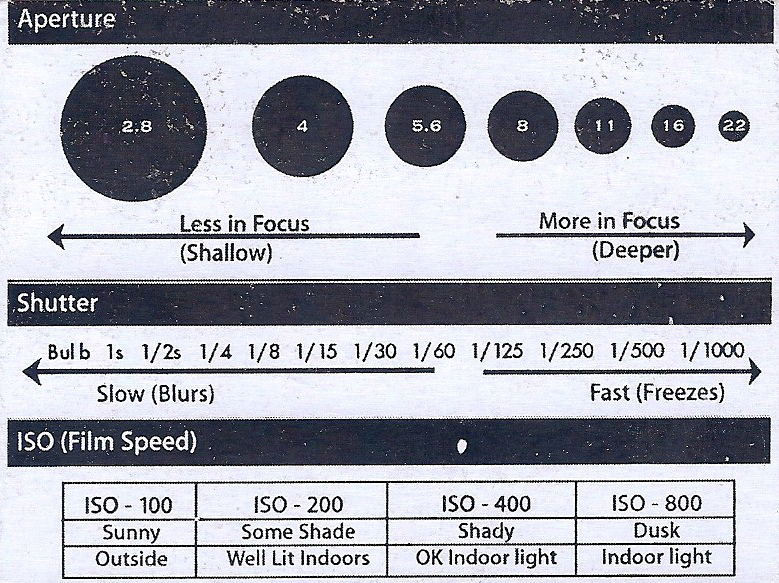
Aperture Shutter ISO Card

COMPOSITION

Okay – now you’re almost ready to take the fucking photo! There are just a few more things to think about while you are framing the image. Why? Because a photo is boring and dull unless it has an interesting composition. This is the difference, essentially, between art and mere documentation. Anyone can snap a plain-ass photo with the proper settings, lighting and white balance. But to make it visually evocative and appealing, a rudimentary knowledge or innate understanding of composition is essential. So here are a few things to think about while shooting.

Background

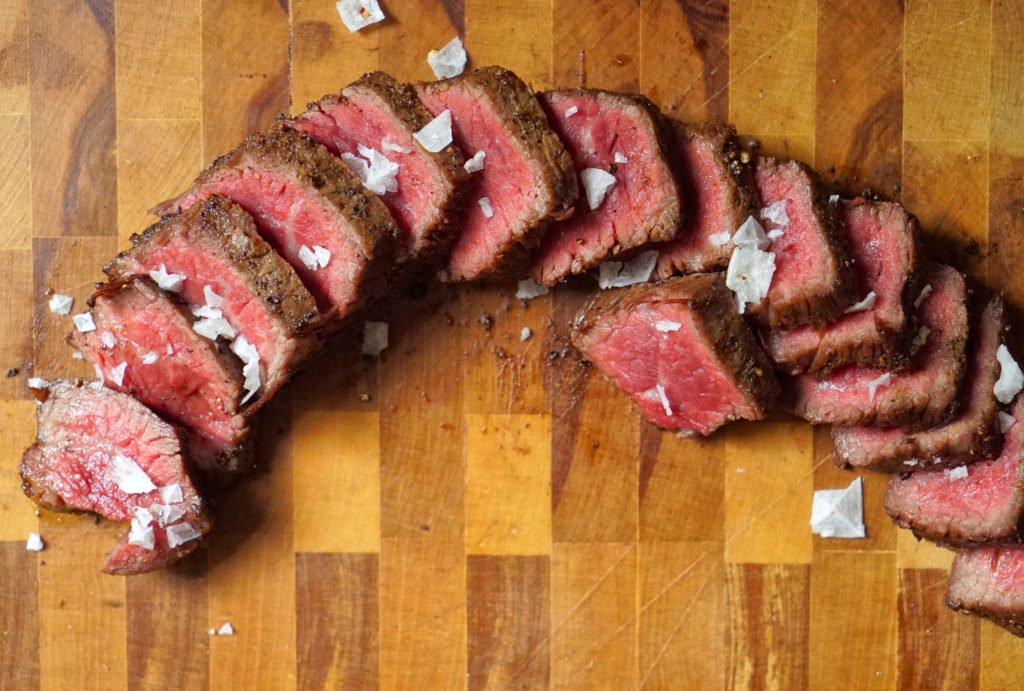
Be mindful of what is behind the subject. Lots of times I see people take pics of their friends and there is a big tree behind one guy’s head, and it looks like his head is sprouting oak. For food, it can be as simple as moving napkins, water glasses and silverware from the frame. Perhaps a decorative place-mat or the wood grain of the table is more appealing as a back drop behind your food.
DSC04181

DSC02806

Viewing Angles

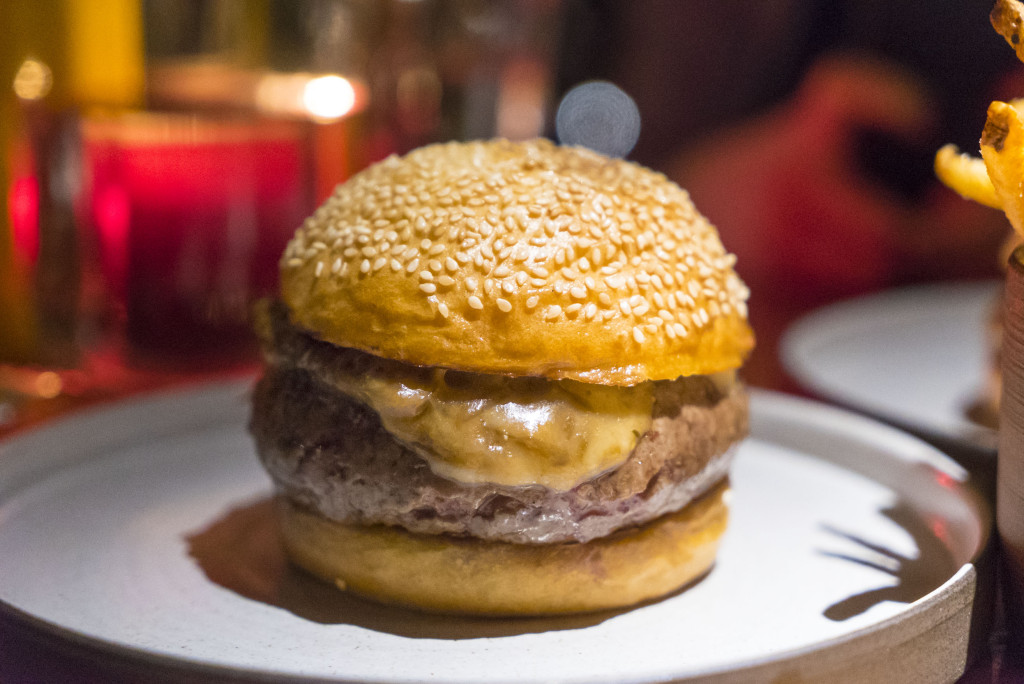
Many food people like the overhead shot. But sometimes I like a low angle better, especially for sandwiches or burgers.

While I like this next photo here, let’s use it as a way to critique my angle choices. Technically I am about 90 degrees off to the wrong side. If the restaurant weren’t so crowded and crammed, I would have positioned my camera from the angle where the French fries are creeping into the frame on the right. Then I wouldn’t have any shadows on the left side of the burger.
DSC01666-2

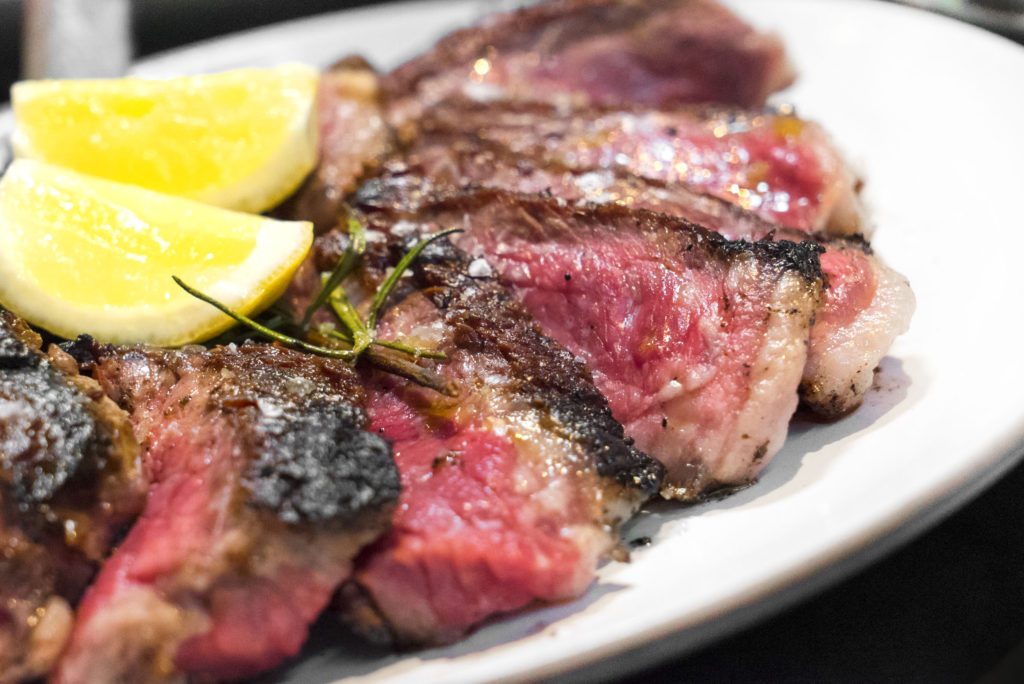
A shot from where your head is positioned as you are sitting there generally isn’t the best view. That’s what everyone else sees and likely what everyone else who isn’t shooting good photos will also shoot. You want to stand out, so do something different. Also: get close sometimes. People like to see the nooks and crannies of food as well as the overall presentation.
DSC03777

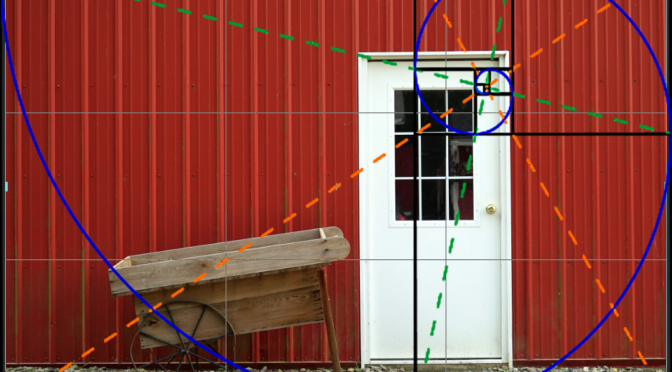
Rule of Thirds & The Golden Spiral

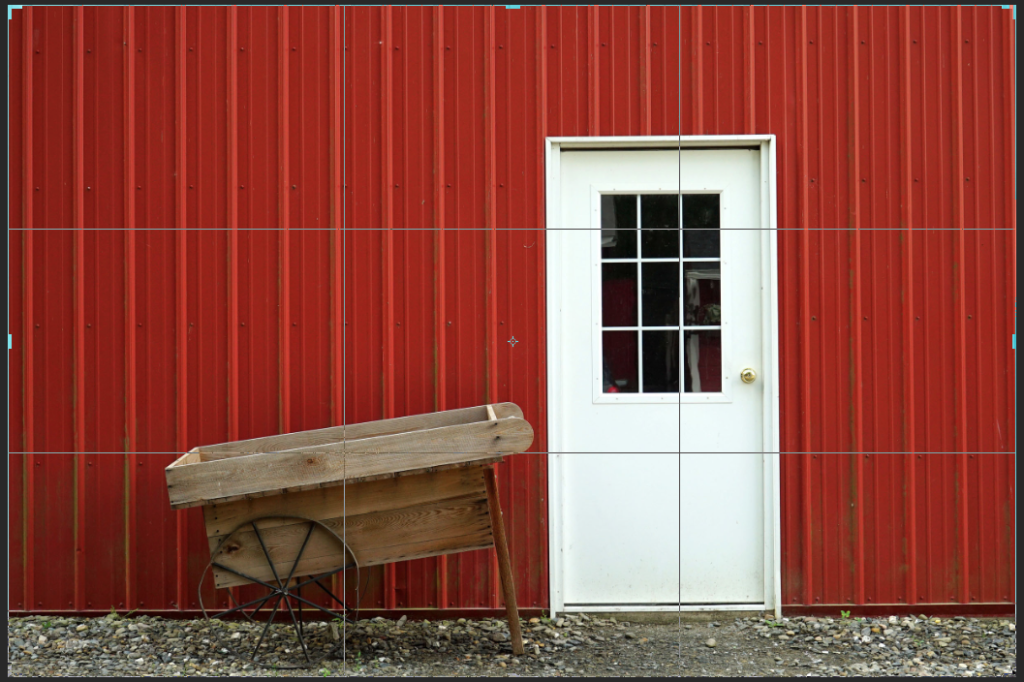
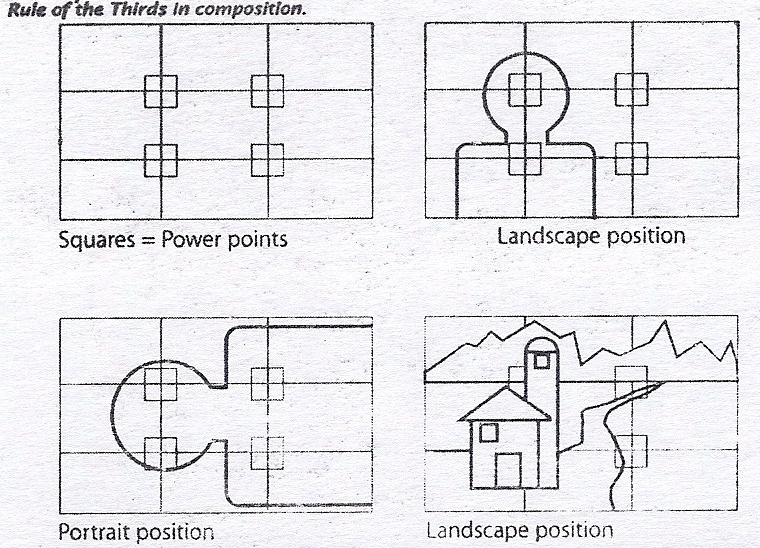
It has been shown that use of a certain amount of negative space in a photo draws the eye to the subject more effectively, and this ends up creating a more appealing and visually dynamic image. The idea here is to frame your subject to take up a certain position within the frame. Most cameras have grid lines that you can superimpose over the viewfinder to guide you for the rule of thirds.
Screen Shot 2016-06-09 at 6.30.20 PM

The Golden Spiral is a curved, visual representation of the Fibonacci sequence in mathematics. The termination of the spiral is said to also coincide with a naturally pleasing location for the focal point of the image.
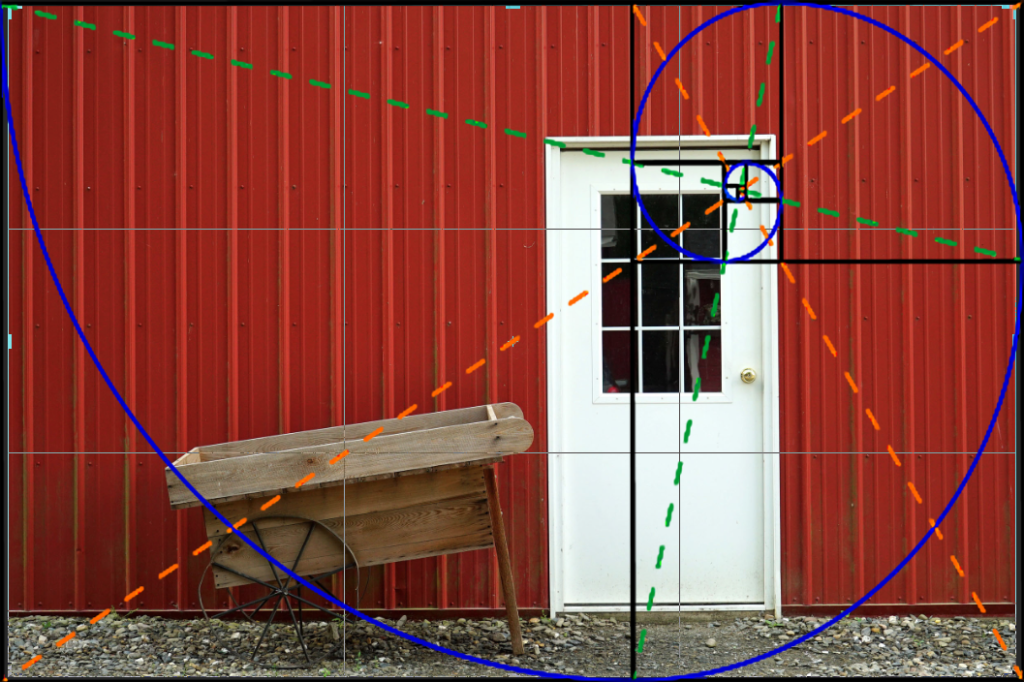
golden spiral overlay

Composition Rule of Thirds Card

EDITING AT HOME

So you get home, extract all your photos, and realize that they arent what you hoped. Some are dark, or the colors don’t pop. Some are slightly warmer or cooler than you expected, even when following all the parameters set forth above. Don’t fret. It happens. I edit almost every photo, at least a little bit, after I pull them from my camera.

For food, there are a few specific controls that usually elevate the photo a bit more before I am ready to publish. I use Photoshop, but most of these are available universally across all photo editing programs, even on free apps for cell phones. So worst-case you can just transfer the files from your camera to your mobile device. If you see these controls, play around with them to learn what they do and how they make your photo better or worse.

Brightness/Contrast

This is pretty basic. It will make whites whiter and darks darker.

Shadow/Highlight Adjustments

The reverse here, this makes darks lighter and whites darker. Sometimes there is detail in those shadows and highlights that you want to bring out.

Structure/Detail

Similar to sharpness, this will make details and grain or texture stand out better as you add more, but don’t go too far or else it will look like shit.

Further Color/White Balance Adjustments

Sometimes you just need to tweak the color and white balance some more, even after following all the guidelines I outlined above. Warmth or coolness can add mood, and with these editing controls you can even create cool shit like vintage effects as well.

SUMMARY

Taking good photos is NOT easy. That’s why us real photographers get so pissed off when people say some bullshit like this:

“Oh wow! Your camera takes great pictures. What kind of camera are you using? I wish I had a good camera so I could take good pictures.”

Fuck you. As if spending money on a good camera means you will have better a photography portfolio… Nope. It doesn’t work like that. Some of my best photos come from an old camera that I wouldn’t be able to sell for $50 right now on Craigslist.

Photography is a weird mix of art, skill and science. The science parts are the camera optics that are made by genius engineers. Learning how to use the camera properly is like developing and honing any other skill. It takes practice, patience and dedication, like martial arts. And knowing how to achieve the desired image that you have in your mind to convey a mood or feeling to a viewer is where the art aspect comes into play.

As I said above, anyone can take a technically good photo. But not everyone can make it art. Now, I’m not saying that all of my photos are “art.” That would be ridiculous; especially in the world of food photography. Many are just a more appealing documentations of the meal. The real artists in the food photography world, in my opinion, are the ones cooking the food and composing the plates.

Lastly, don’t be dissuaded by this info if it seems daunting. Keep at it. Read it again and again. Eventually the mechanics of camera operation will all sink in and click for you. After that, you’re set.

If you want, feel free to take this handy tip card:
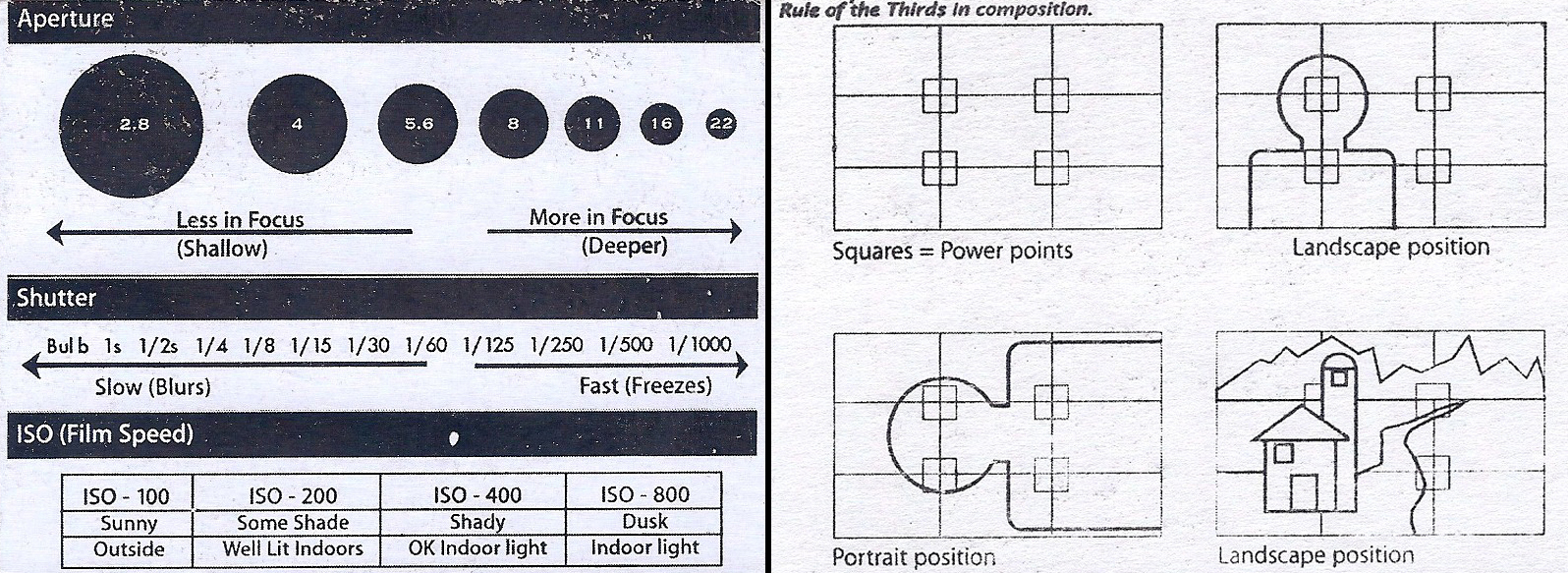
Camera Basics Card

And print this 18% grey card from a black and white printer to hold you over until you get an actual card:

18 grey

Walbridge Farm Tour

My wife found this awesome series of “Meat Your Beef” / “Farm to Fork” tours that the New York Beef Council (@newyorkbeefcouncil) hosts at various local farms in the area. The national outfit is known by the popular moniker: “Beef; It’s What’s for Dinner,” with the accompanying website as well. I sometimes link to their butchery videos here, actually. It is an extremely helpful organization!

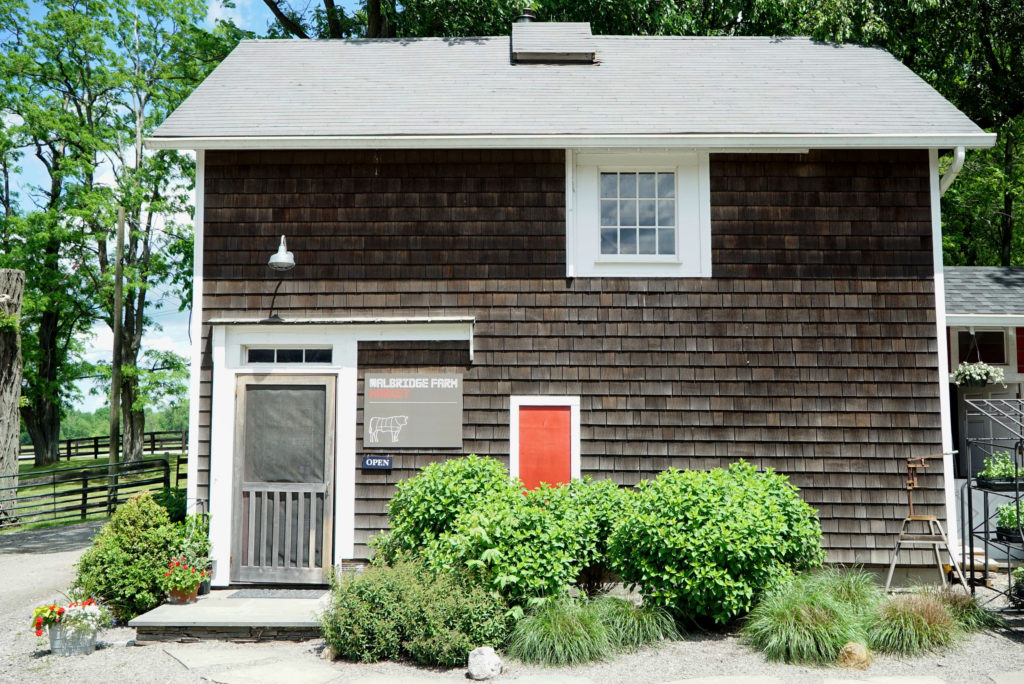
So the closest farm tour to NYC that they set up was in Millbrook, at a place called Walbridge Farm (@walbridgefarmmarket). Millbrook is a rural community in the heart of the Hudson Valley, just about two hours north of NYC. Walbridge Farm is an Angus beef farm.

The best part about this, aside from the wealth of knowledge we come away with, is the fact that these tours are completely FREE and we were even treated to a steak lunch. I was sold on “free beef farm tour,” but “free steak” was icing on the cake. We immediately RSVP’d and rented a car for the day, and Jeff from Foodmento and his wife Victoria came with us.

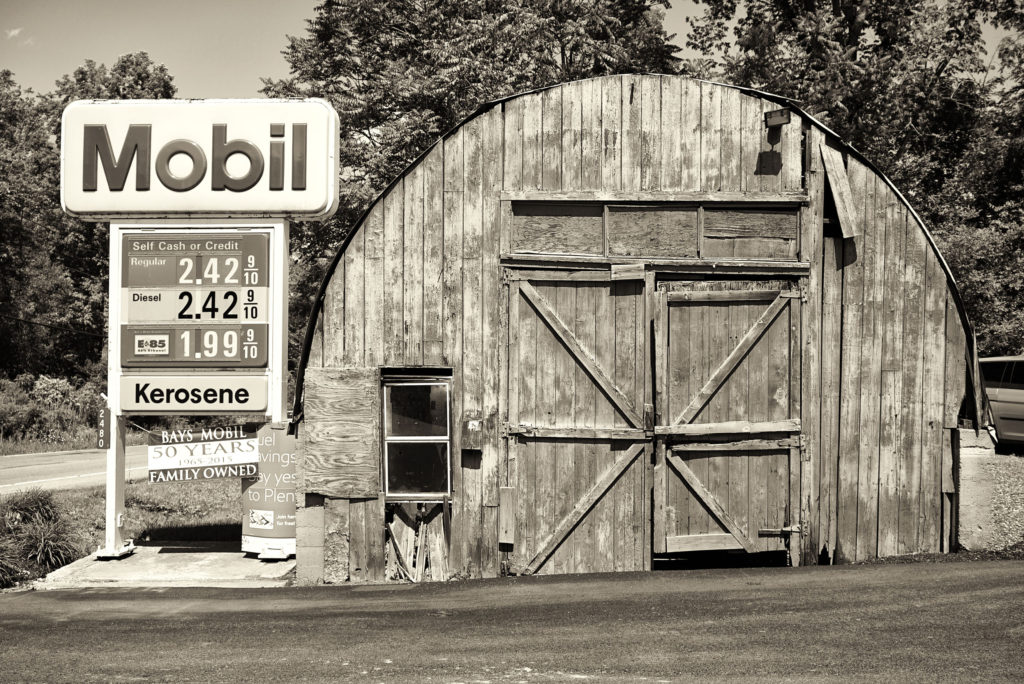
So we pulled off the Taconic to a nice country road that was dotted with awesome creepy and abandoned structures. I have a soft spot for these in my photography, so I snapped a bunch of shots. We were about 30 minutes early for the tour anyway.

First was this banged up looking shed at a Mobil station:
DSC04748

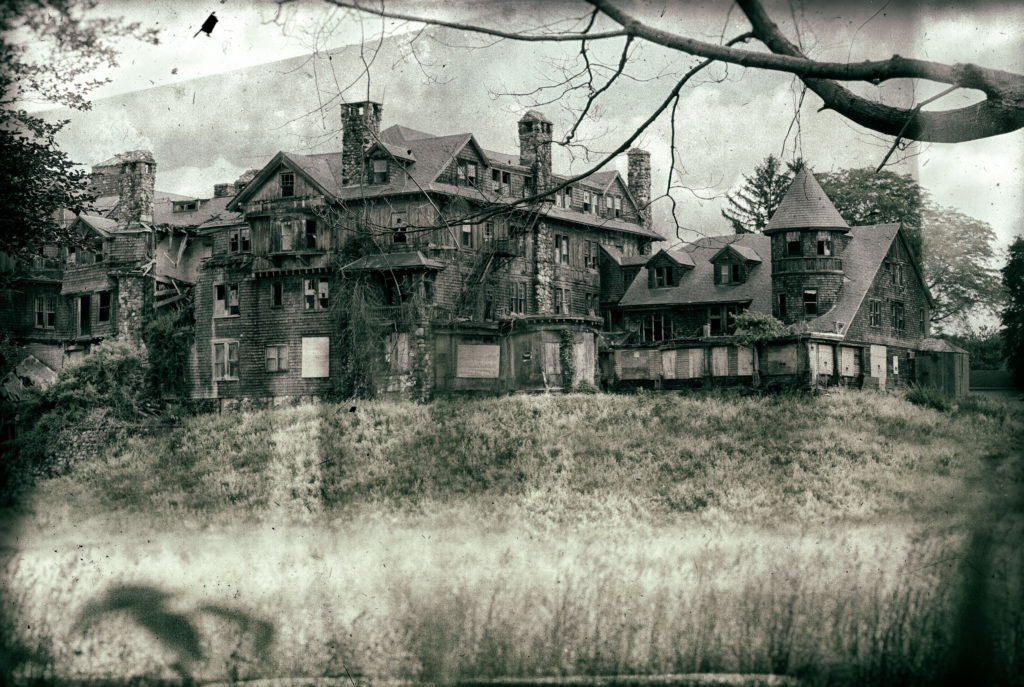
Then we spotted this monster of a mansion along the north side of the road. Upon further examination, we learned that it was the Halcyon House. Once a luxury hotel, it was later transformed into the Bennett School for Girls, a boarding school and college. Unfortunately it has since been abandoned and has fallen into a severe state of disrepair. It is slated for demolition at any time, as the land was split into eight parcels and sold off.

DSC04629 edit 2

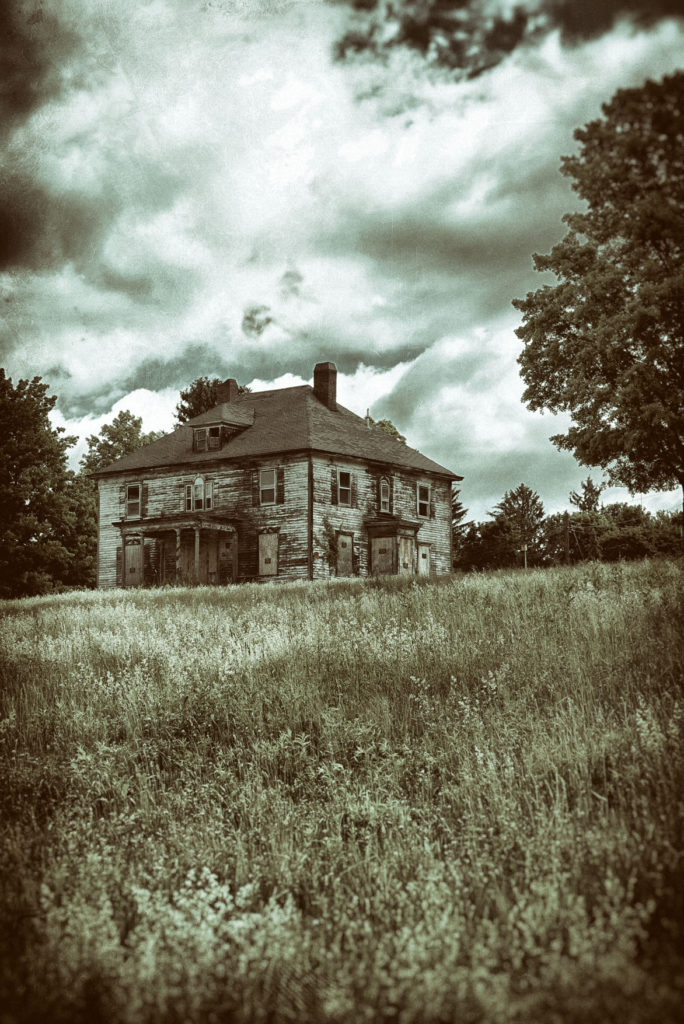
This ragged looking Walking Dead structure is, I believe, an annex to the school property.

DSC04661 edits

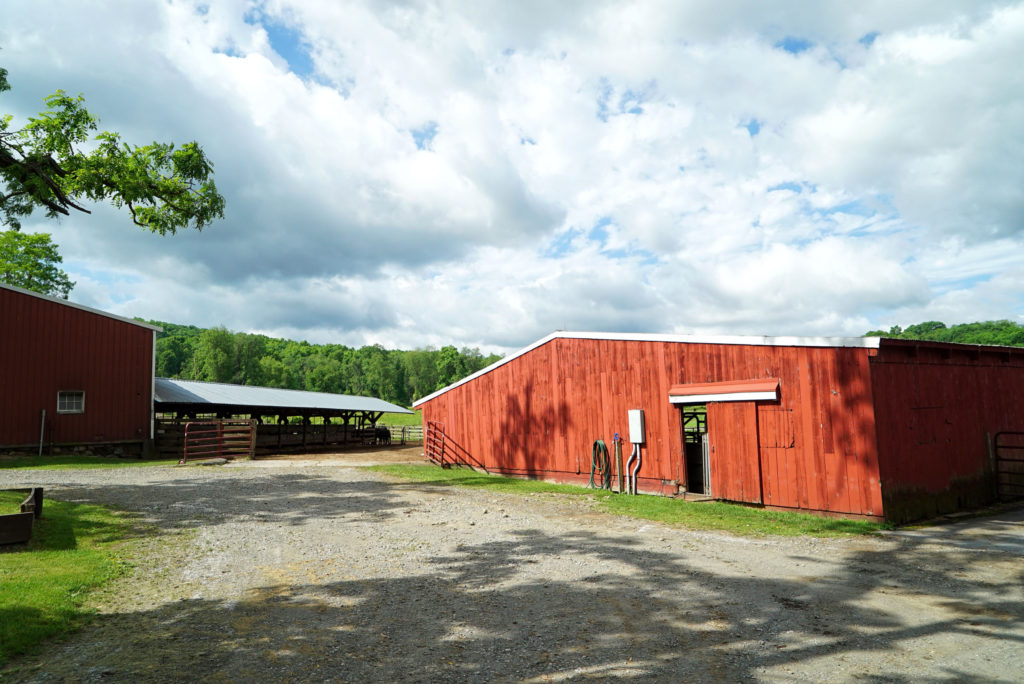
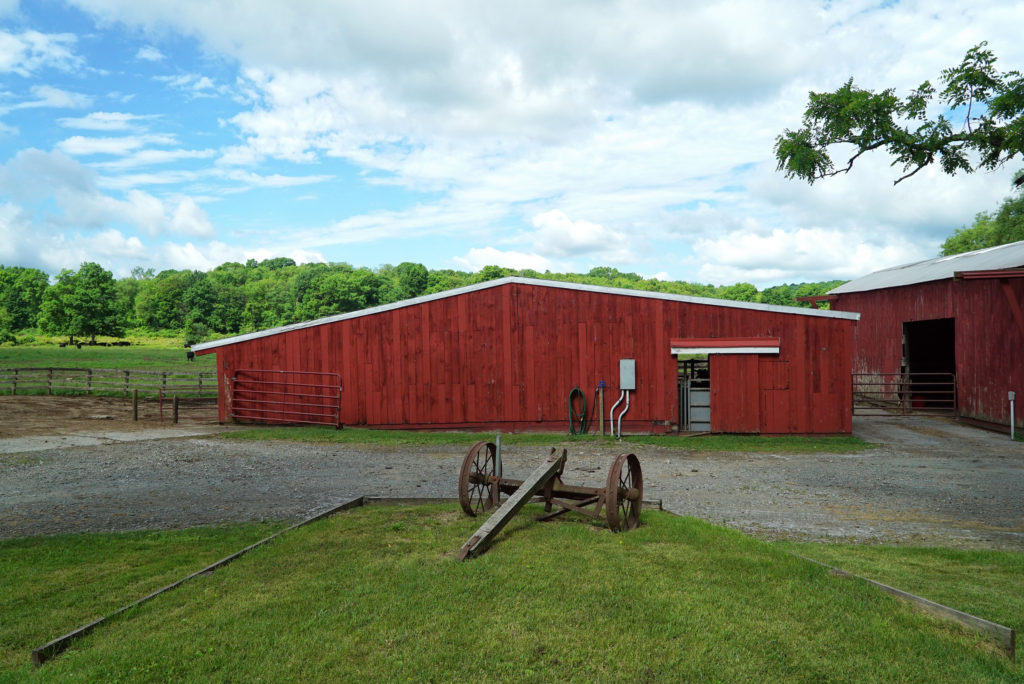
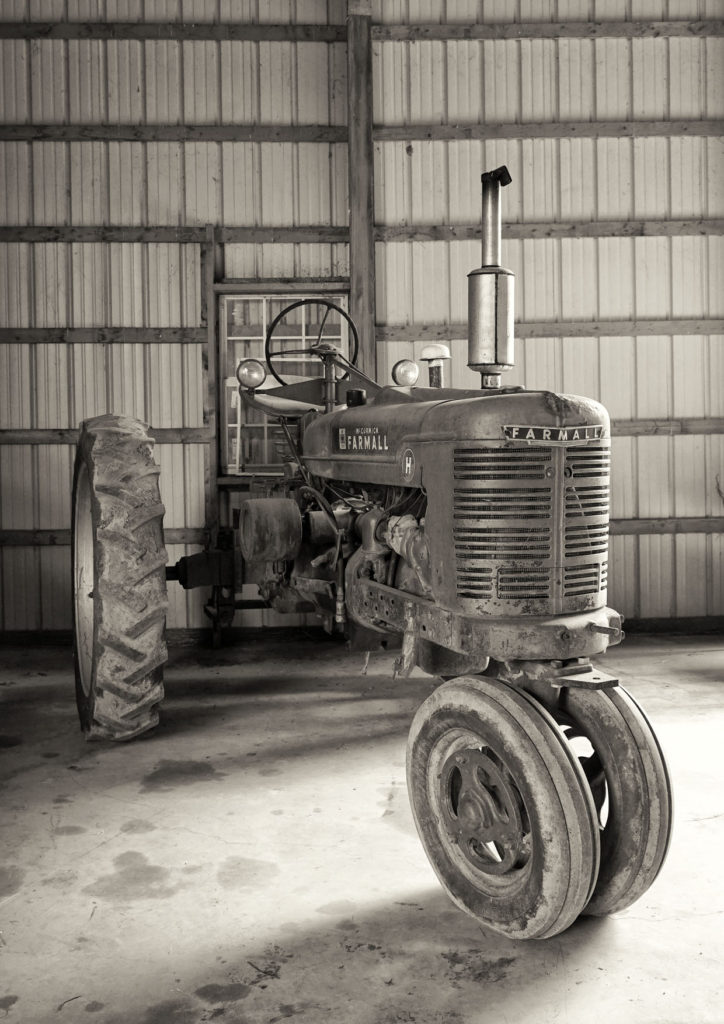
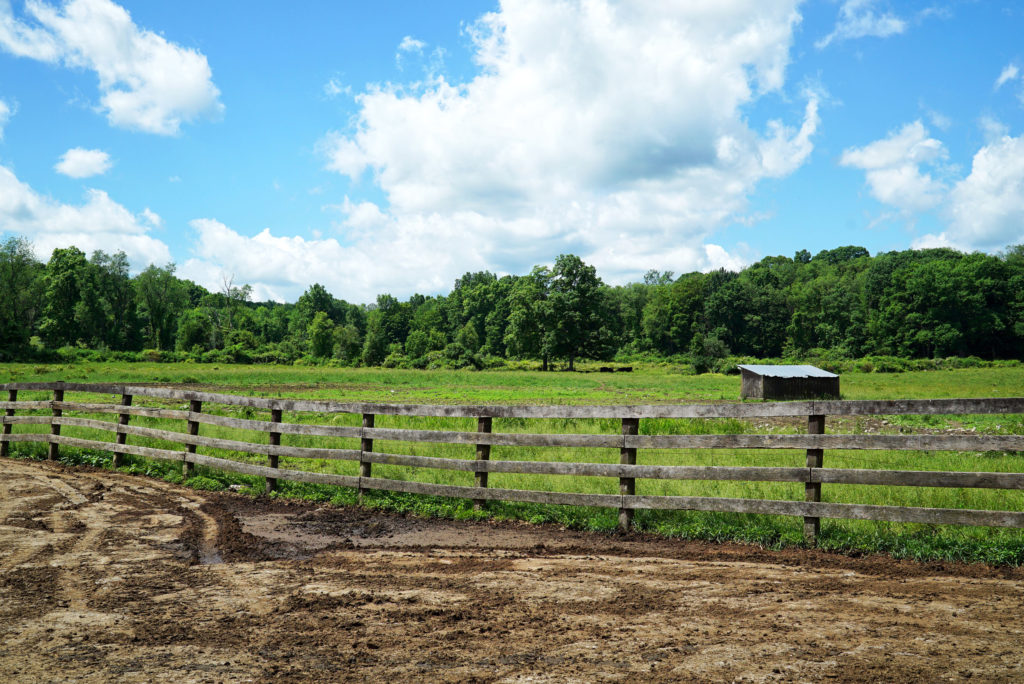
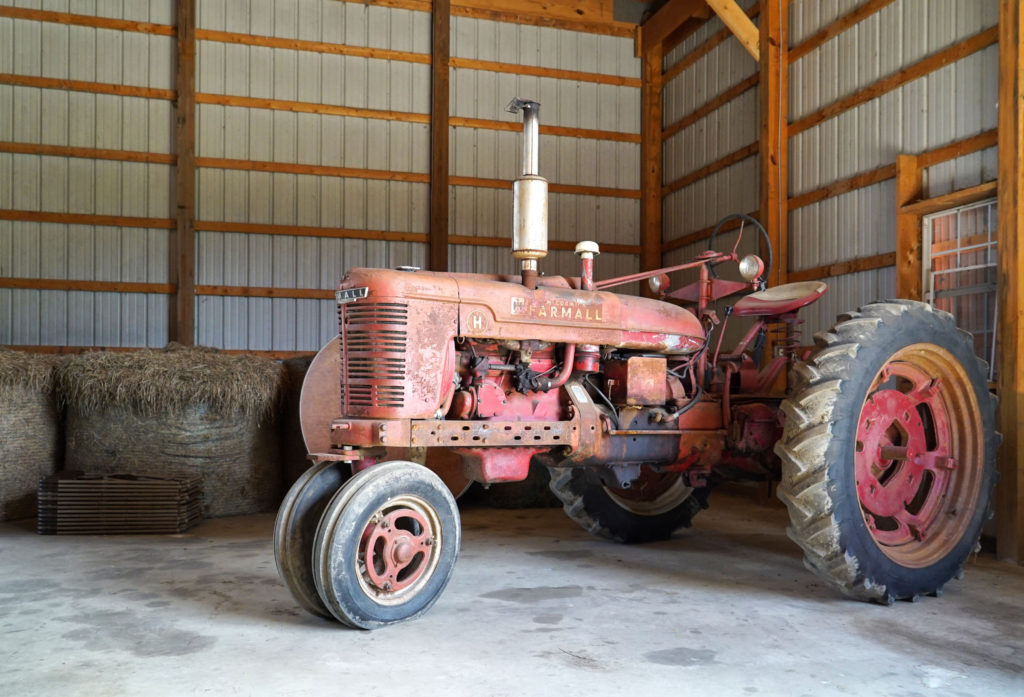
So we pulled up to Walbridge Farm and took in the grounds:

DSC04662

DSC04664

DSC04667

DSC04668 sepia

DSC04710 test edits

DSC04671

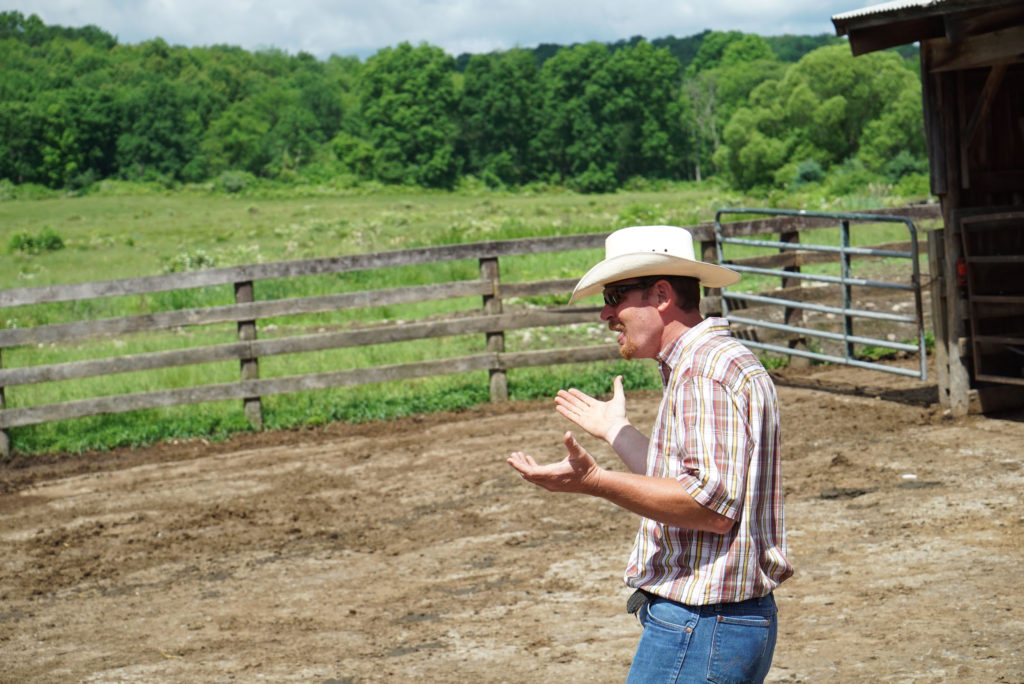
A few minutes later the tour began and the farm manager, Doug Giles, took us around to explain what happens at each structure on the farm.

DSC04698

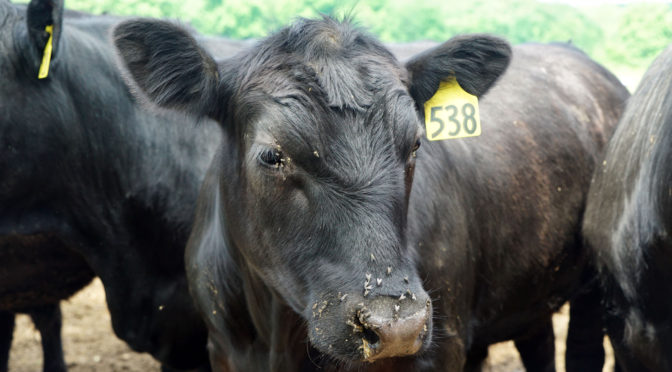
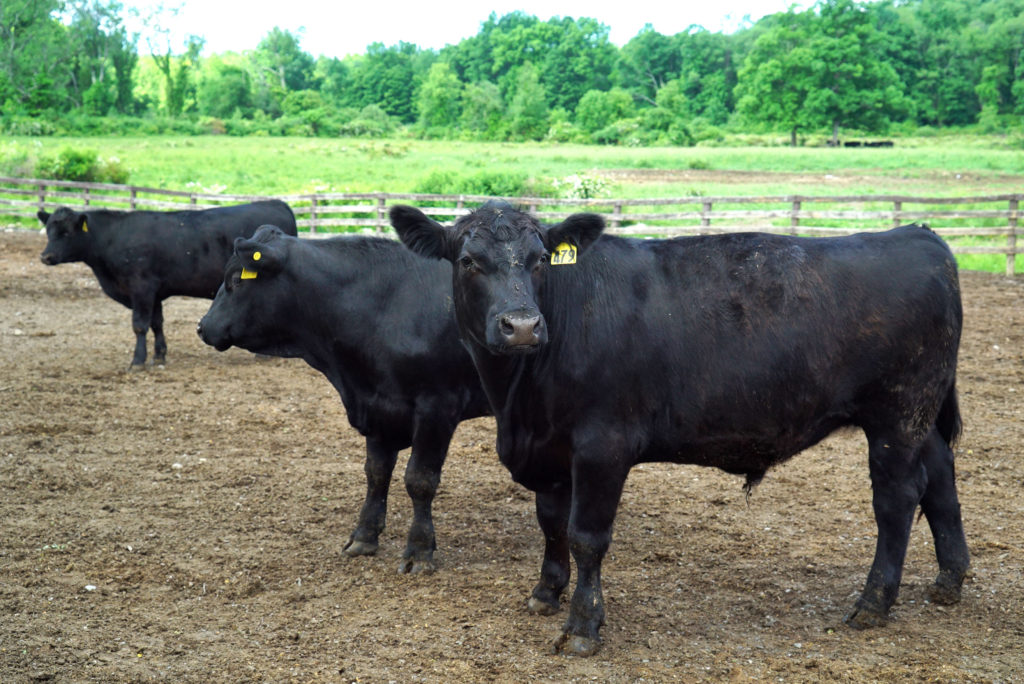
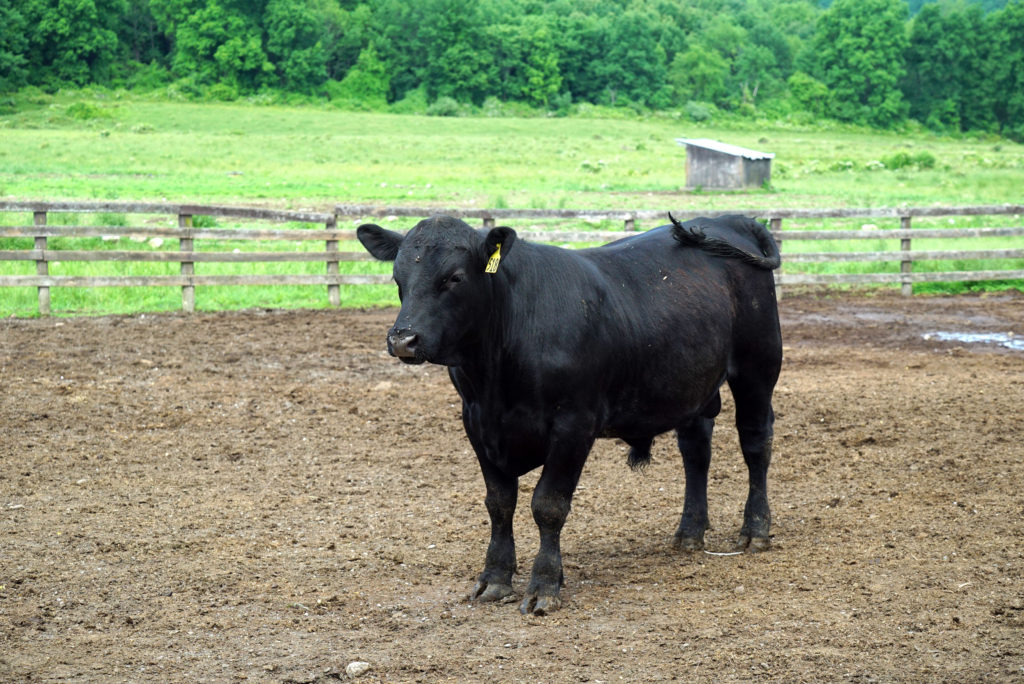
The first thing we did was to “meet the meat.”

DSC04683

DSC04696

DSC04679

DSC04728

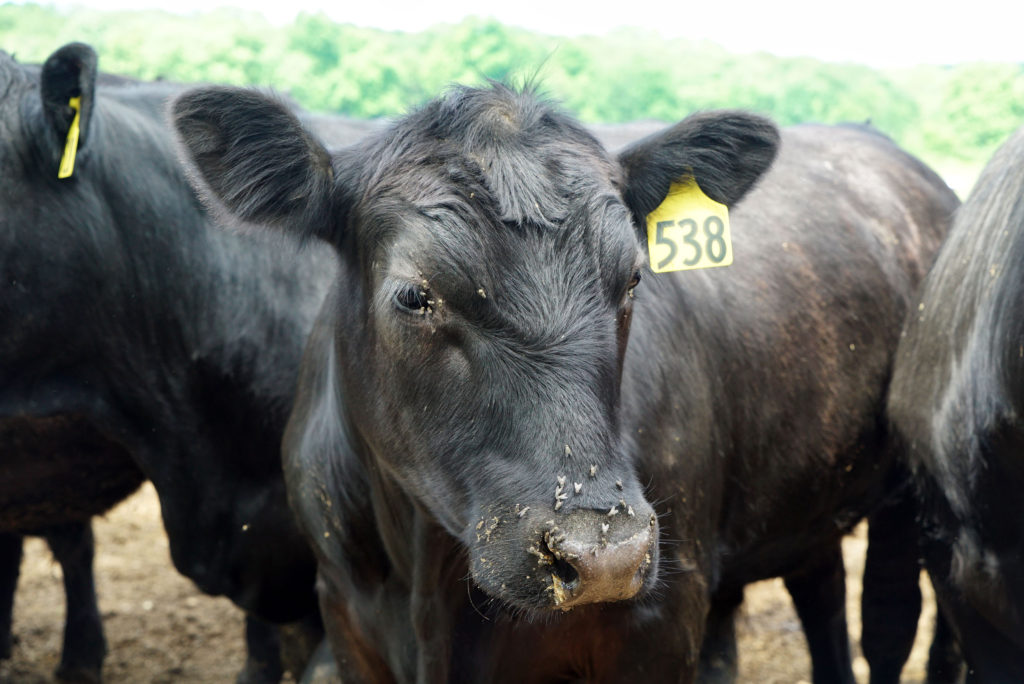
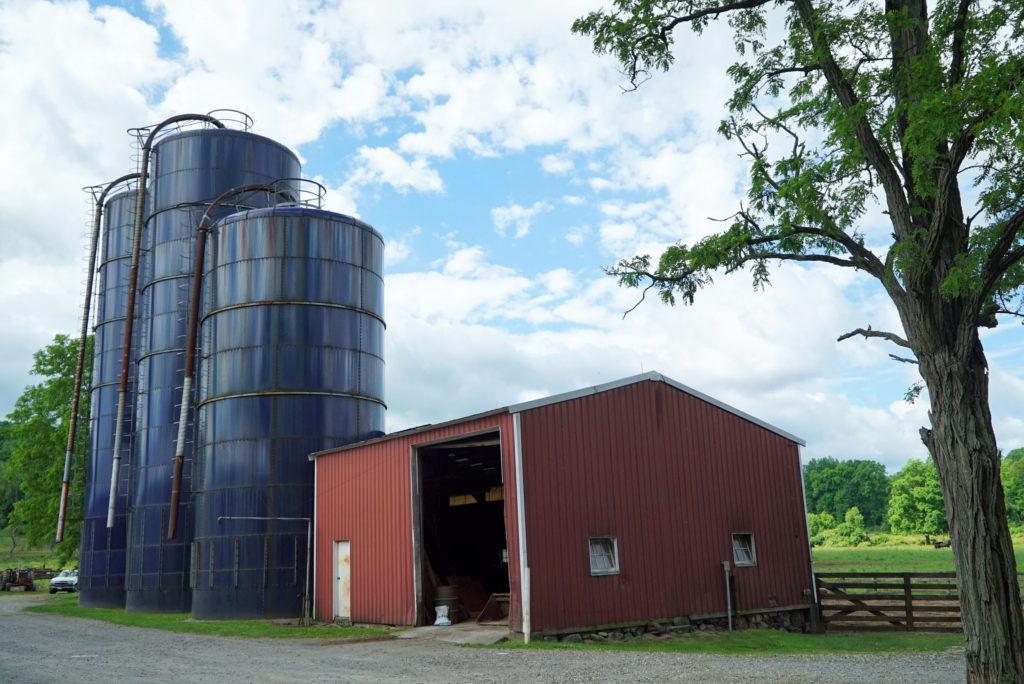
Walbridge is a sustainable Registered Black Angus farm. Their pasture raised Angus is grass fed and then grain finished. Their diet consists of corn, sunflower meal and hay – all grown on Walbridge Farm’s 900 acres plus the additional 700 acres that they lease and farm nearby. The large blue silos you see here store all that food.

DSC04663

They don’t spray the fields with pesticides or insecticides, and their soils and water are tested yearly. That means the meat is pesticide free and non–GMO grain finished. In addition, their crops are rotated in order to care for the nutrients in the soils, and the cattle are moved throughout their fields in order to preserve the pastures.

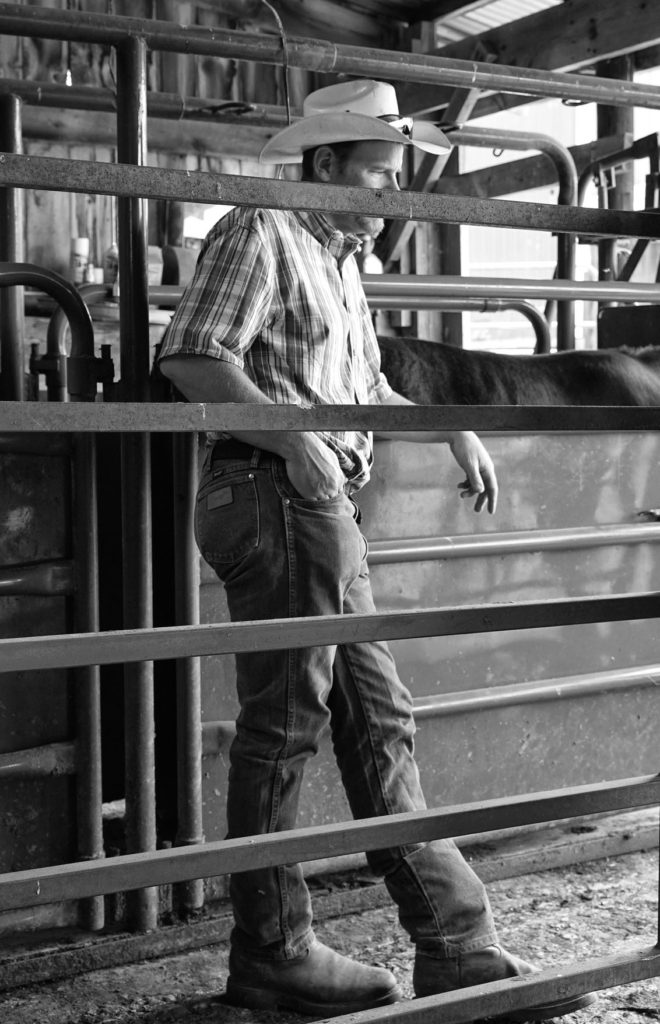
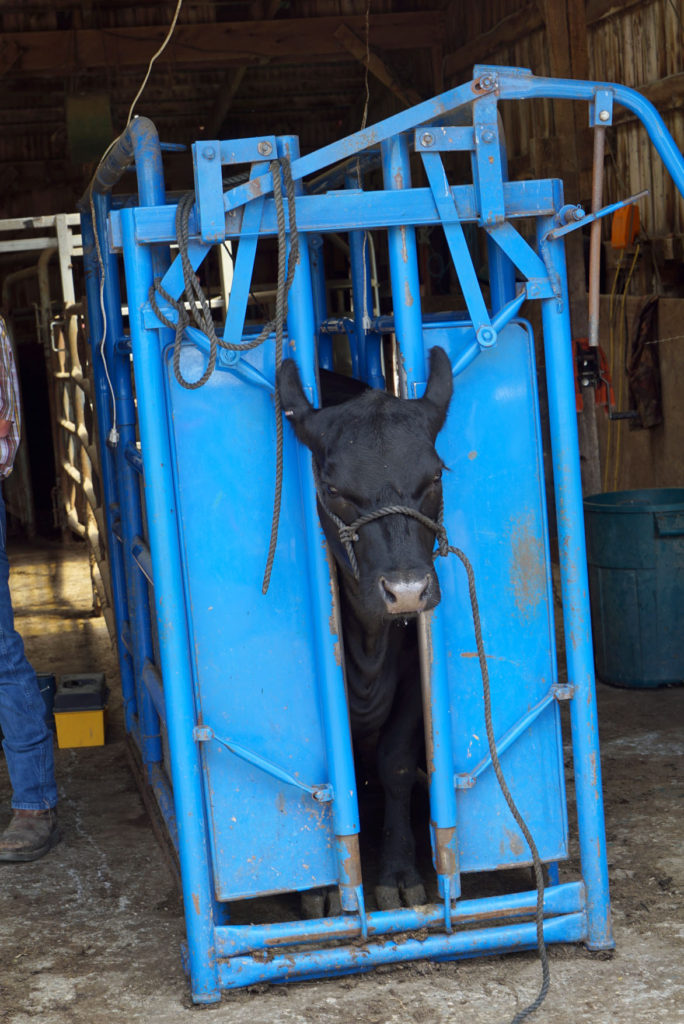
Doug then showed us how they monitor and control the cattle, in the event they have to tag them, inseminate them for calving, treat them for illness or get them ready to ship elsewhere.

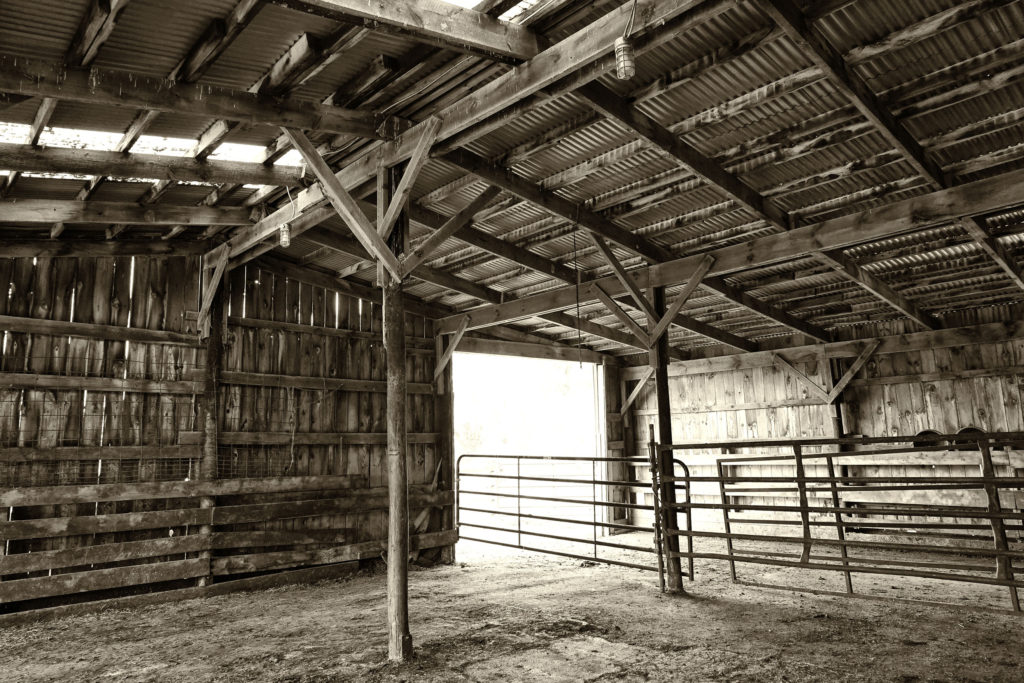
In this barn, they can get corralled and directed into a single-file chute, where the animal can’t move away or hurt itself while being inspected or treated with vaccinations.

DSC04703 sepia

DSC04699 b&w

This beauty was off to a county fair to win some prizes.

DSC04711

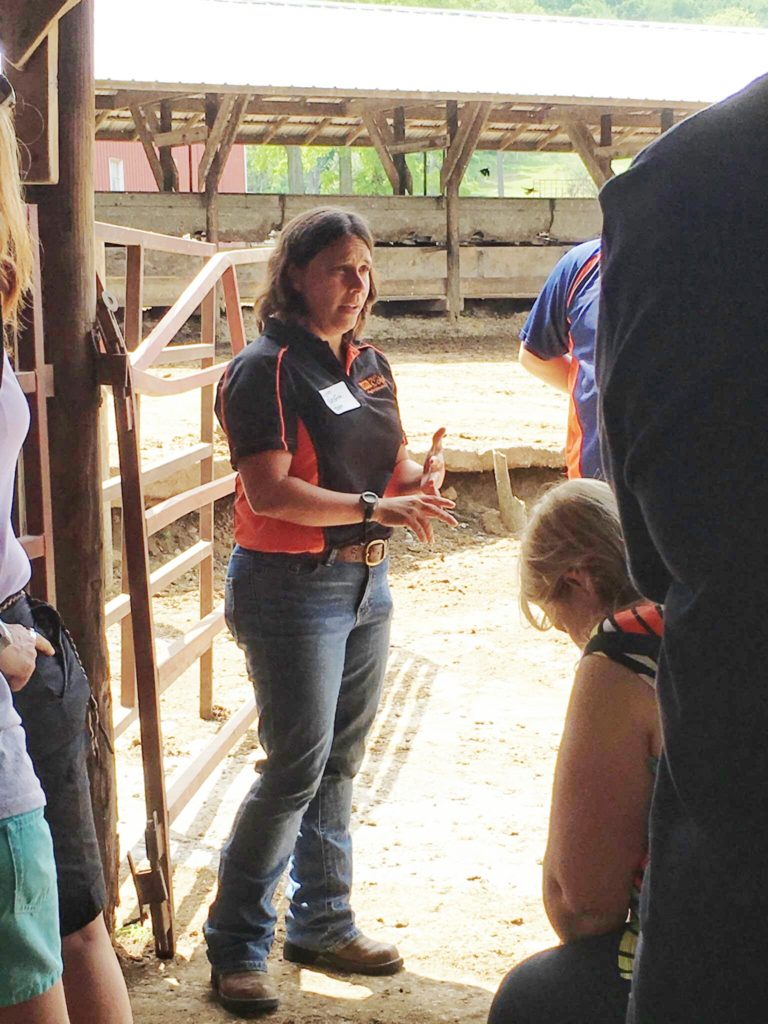
An animal specialist from SUNY Cobleskill, Assistant Professor Lynn Geoffroy, spoke next about antibiotics, animal nutrition and how animals are treated for illness.

wp-1465419299962.jpg

If an animal is treated with antibiotics, by law the farm must wait a minimum of 28 days before it can be sent off and slaughtered for consumption. That’s how long it takes for the antibiotic to work its way out of the animal’s system. Vitamin hormones and ionophores are given to some cattle to aid in digestion and to prevent illness. These supplements are safe in terms of later human consumption, as they get completely metabolized by the animals. As such the ionophores are not as heavily regulated and don’t require rigorous documentation and paperwork like the use of antibiotics does.

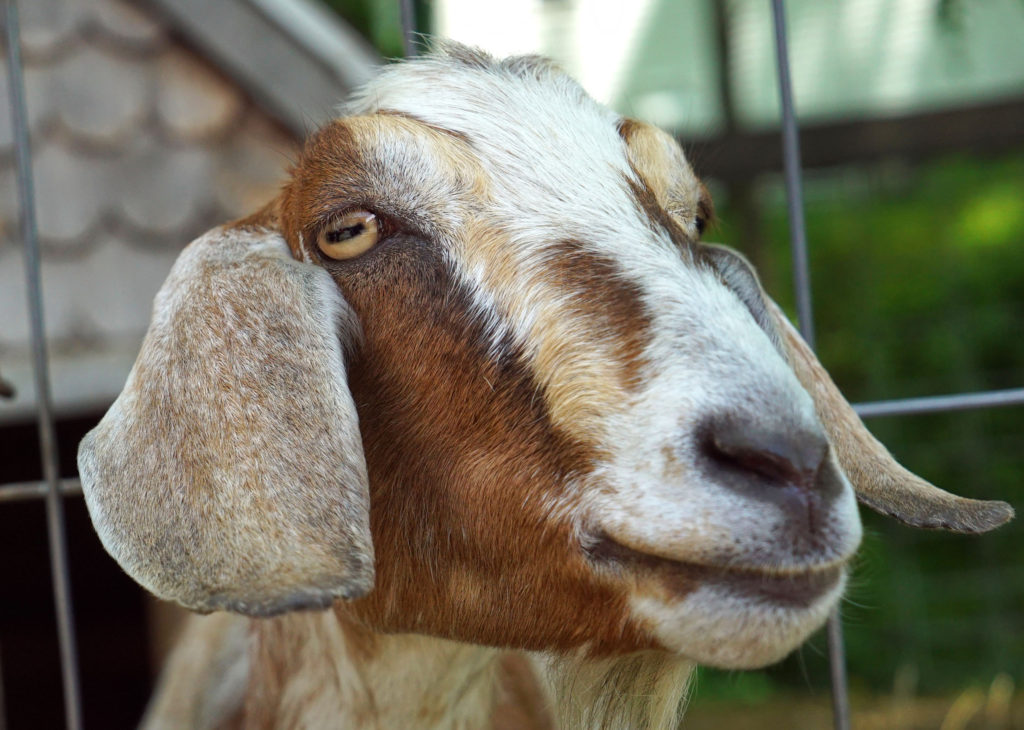
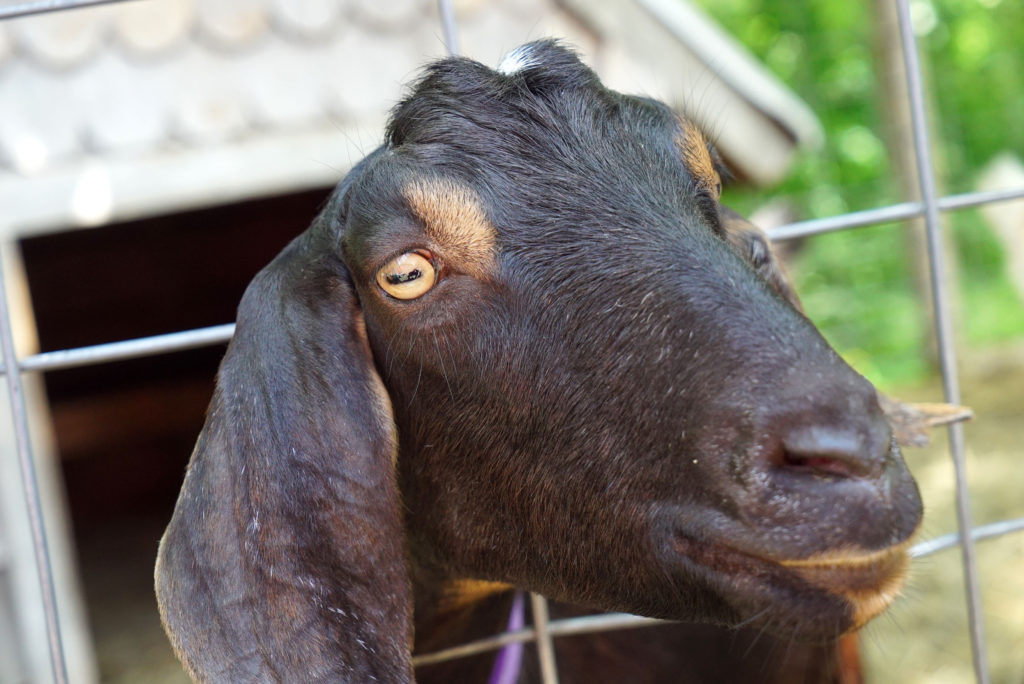
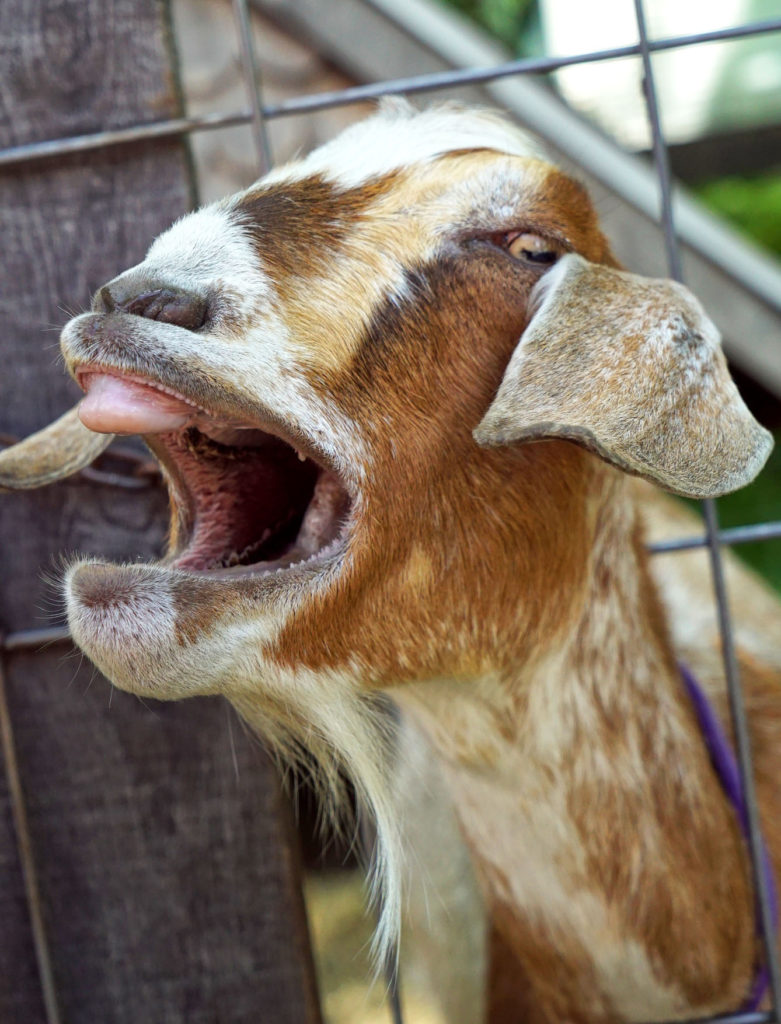
After the tour we had a few minutes to ourselves before lunch. We visited a trio of friendly goats, and checked out the farm stand store.

DSC04713

DSC04725

DSC04718

DSC04721

DSC04712

Walbridge also has over a hundred free-range egg-laying hens that eat an organic feed. Further, ten beehives are located throughout the acreage. Rich Honey Farm collects the honey harvest. Walbridge also works with Snowy Pass Farm to tap all of the maple trees on the property for syrup production. That’s total sustainability, and taking advantage of everything the land has to offer.

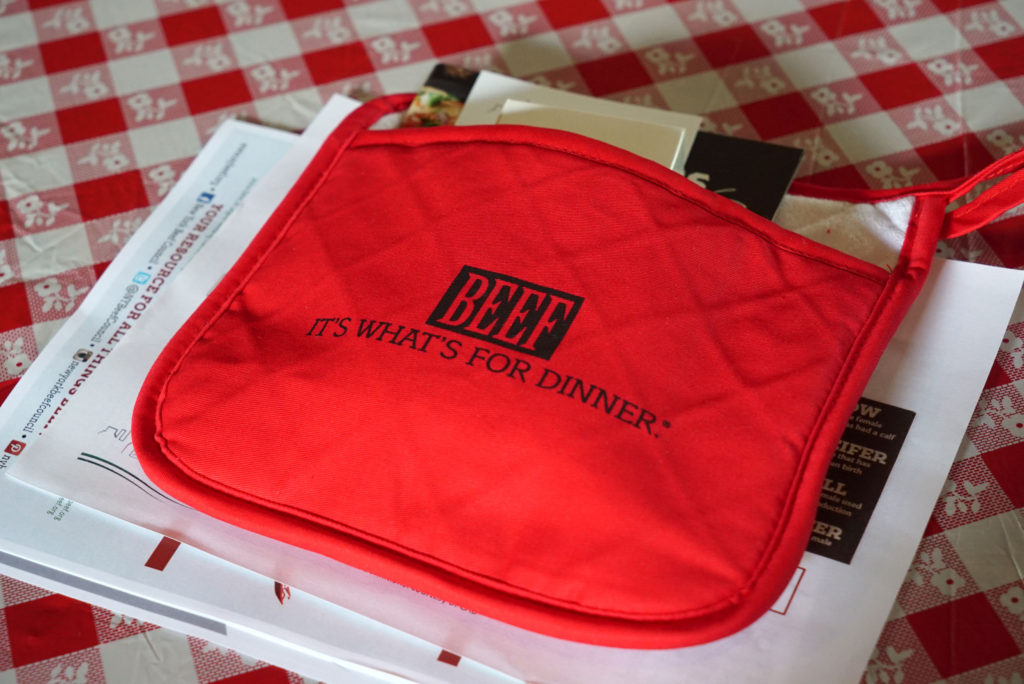
We sat down at our lunch table to a nice pile of swag for us to take home. Inside the oven mitt/pot holder was a plethora of info about beef, including recipes and even a knife sharpener.

DSC04732

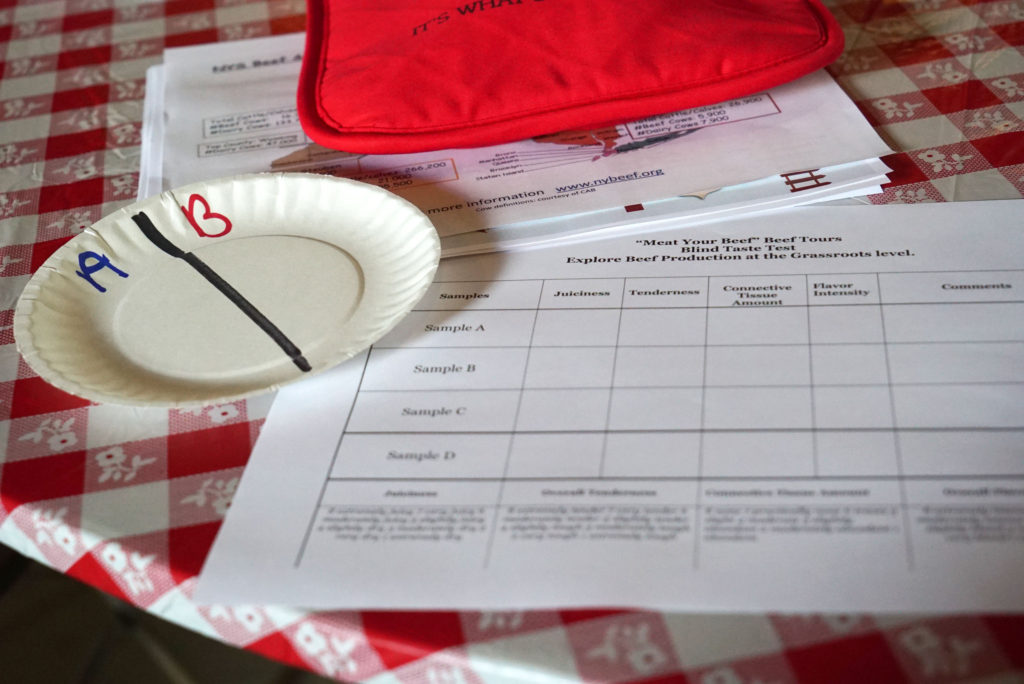
And something that immediately interested me: a chart for taste testing notes and a scale for ranking various meat characteristics.

DSC04733

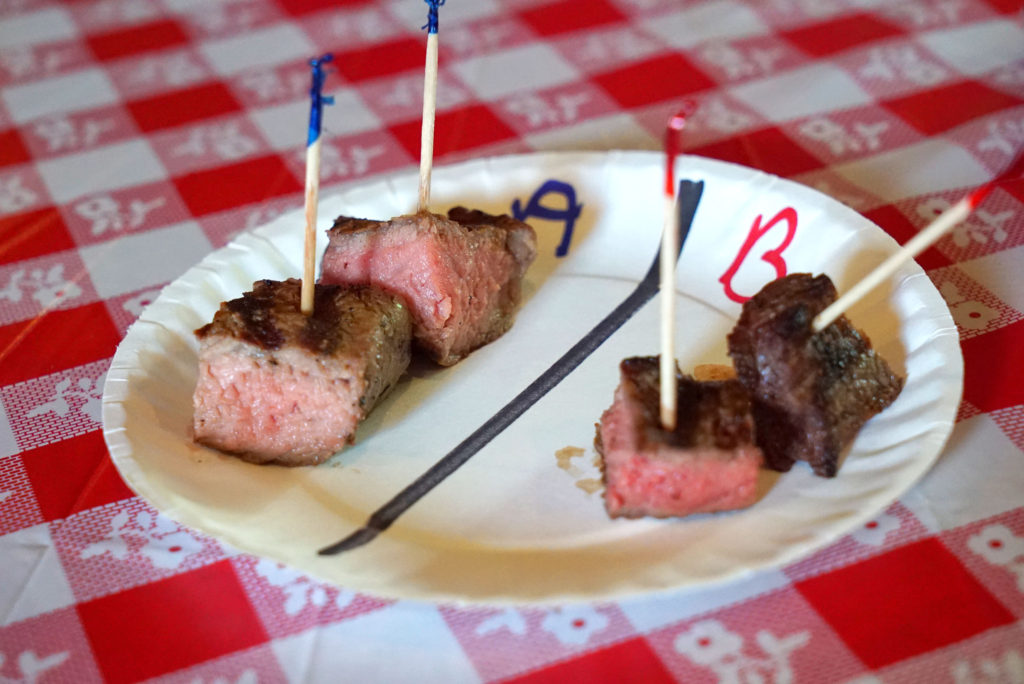
We sampled two meats, both were NY strip loin cuts. Jean O’Toole from the Beef Council didn’t tell us what we were looking for at first. She just asked which we liked better: A or B.

DSC04736

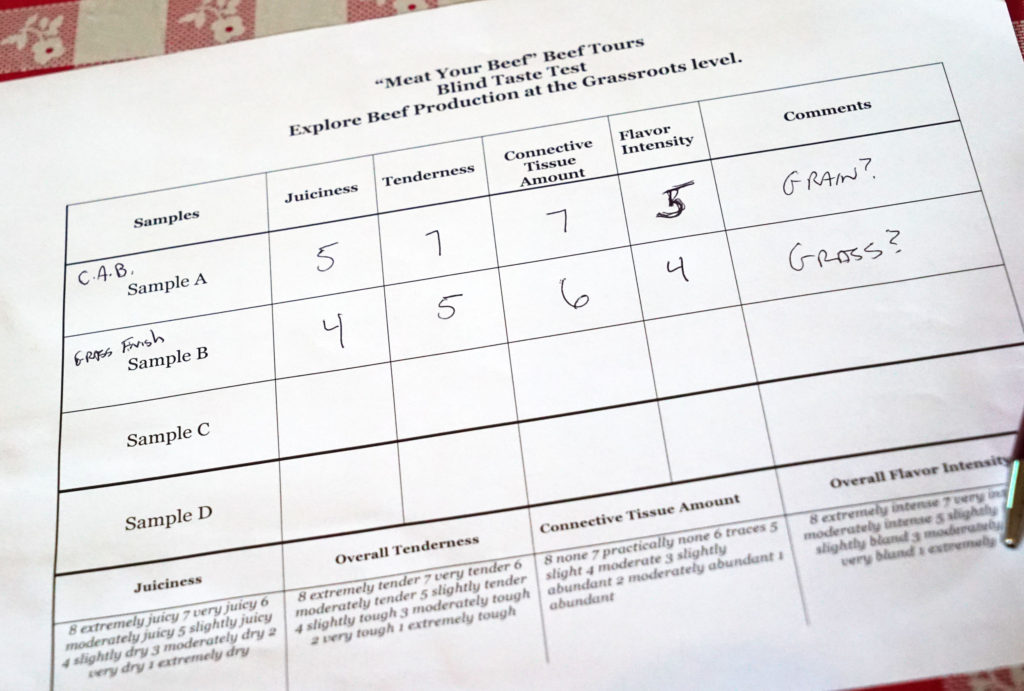
I preferred A. It was more tender, flavorful and juicy. Based on those characteristics, and that the texture of B was a bit more grainy and tough, I was guessing that A was grain-finished and B was grass-finished. It turns out I was correct (thank God – would have felt like an asshole if I didn’t get that right). Selection A was exactly the kind of beef that Walbridge produces: Certified Angus and grain-finished. Here are my notes from before the reveal:

DSC04737

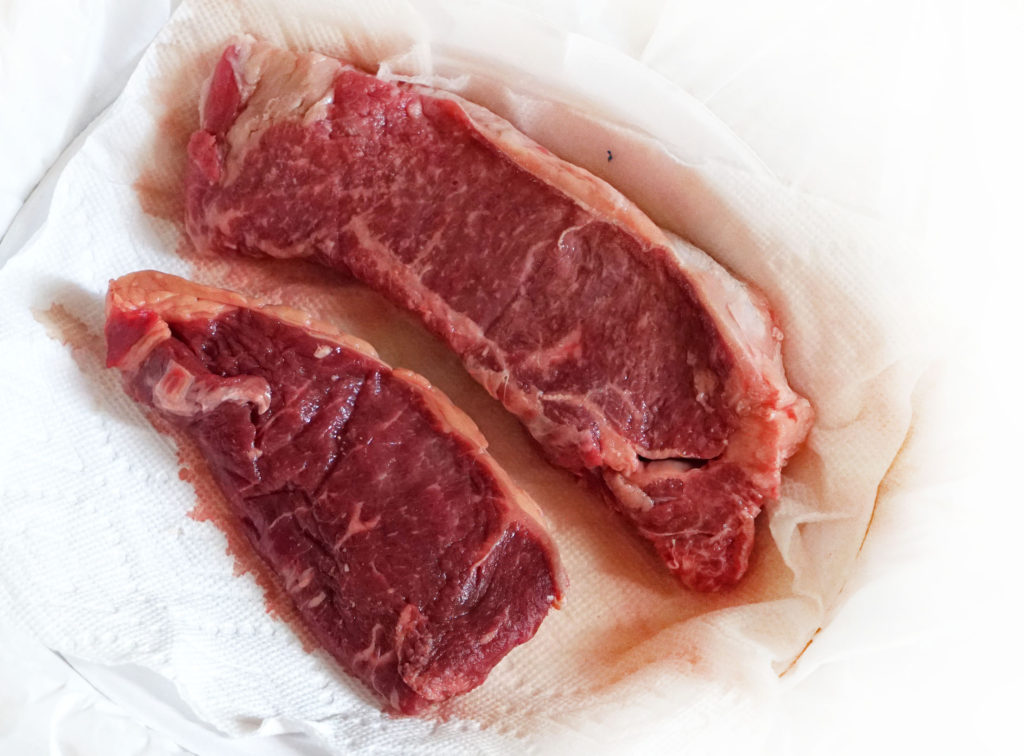
After Jean announced the reveal, she passed around a plate of the steaks to show the difference in appearance and marbling between the two steaks.

DSC04741

Grass finished animals are generally older when they go to slaughter, as it takes longer for those animals to pack on the fat and weight in order to get to a marketable production age. Grain finished animals fatten up faster and can go to market sooner. Older animals have darker red muscle flesh. So the left piece is grass-finished and the right piece is grain finished.

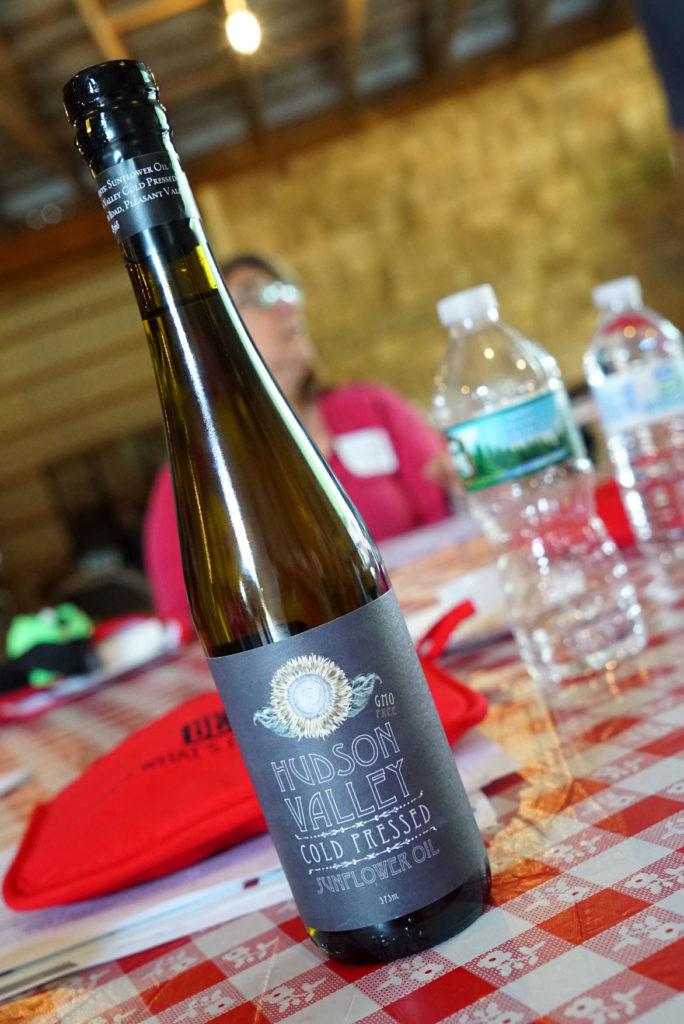
We also sampled some of this delicious cold-pressed sunflower oil by Hudson Valley. This stuff is actually made from the same sunflower seeds that the cows eventually eat at Walbridge Farm.

DSC04744

No chemicals are used when creating the oil, and the flavor is incredibly rich as a result of the more natural process. It even has a higher smoking point than olive oil, so better for certain types of frying. We actually picked up a bottle from the farm store. $15.

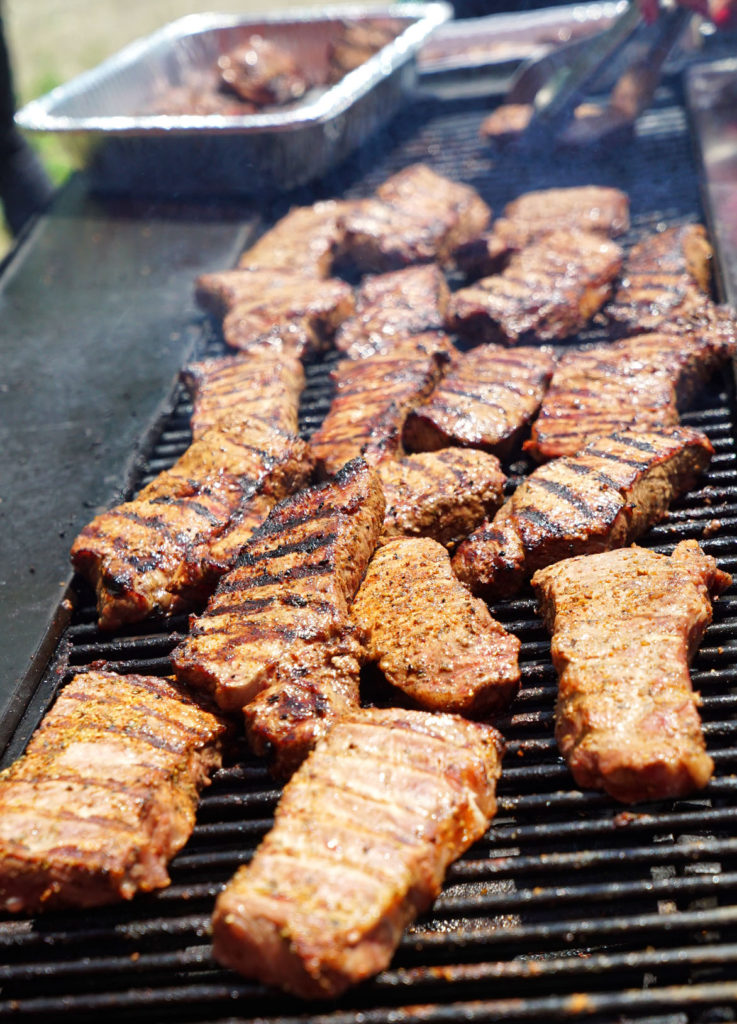
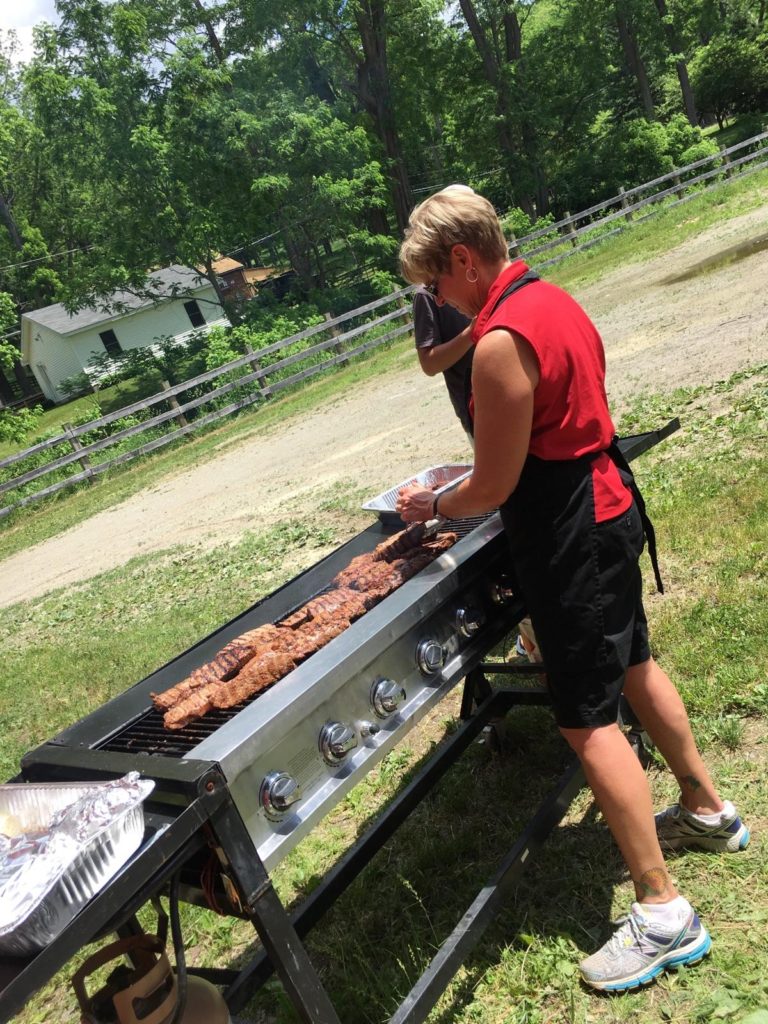
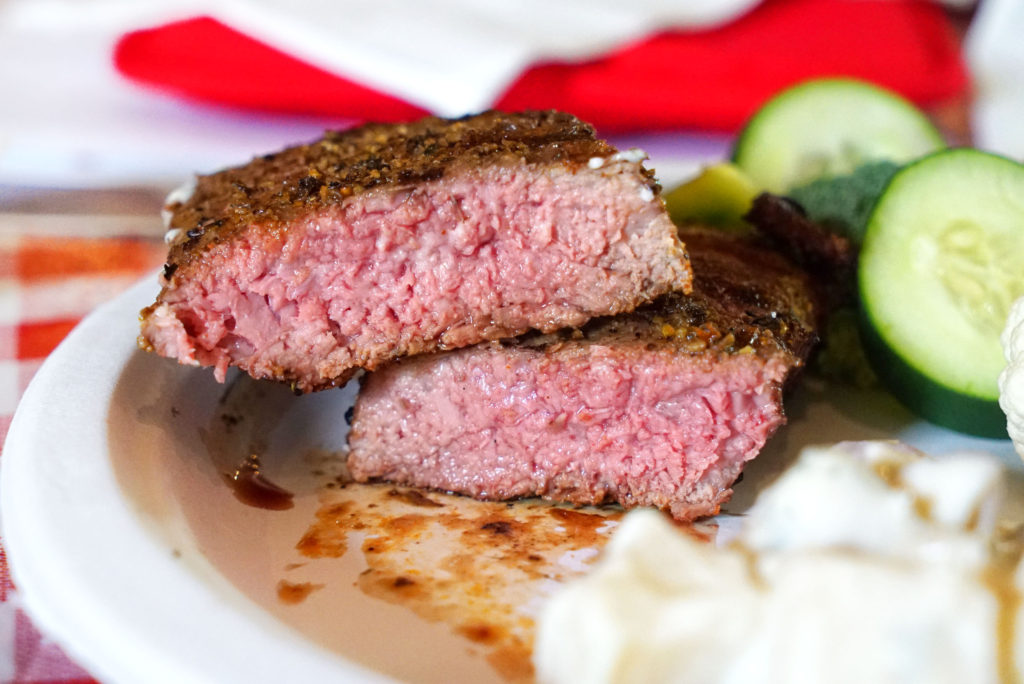
With that, we had all wet our appetites for a full lunch. Very simple and delicious: grilled strip loin, veggies, fruit and a cookie for dessert. I was a happy man.

wp-1465419255710.jpg

DSC04730

DSC04747

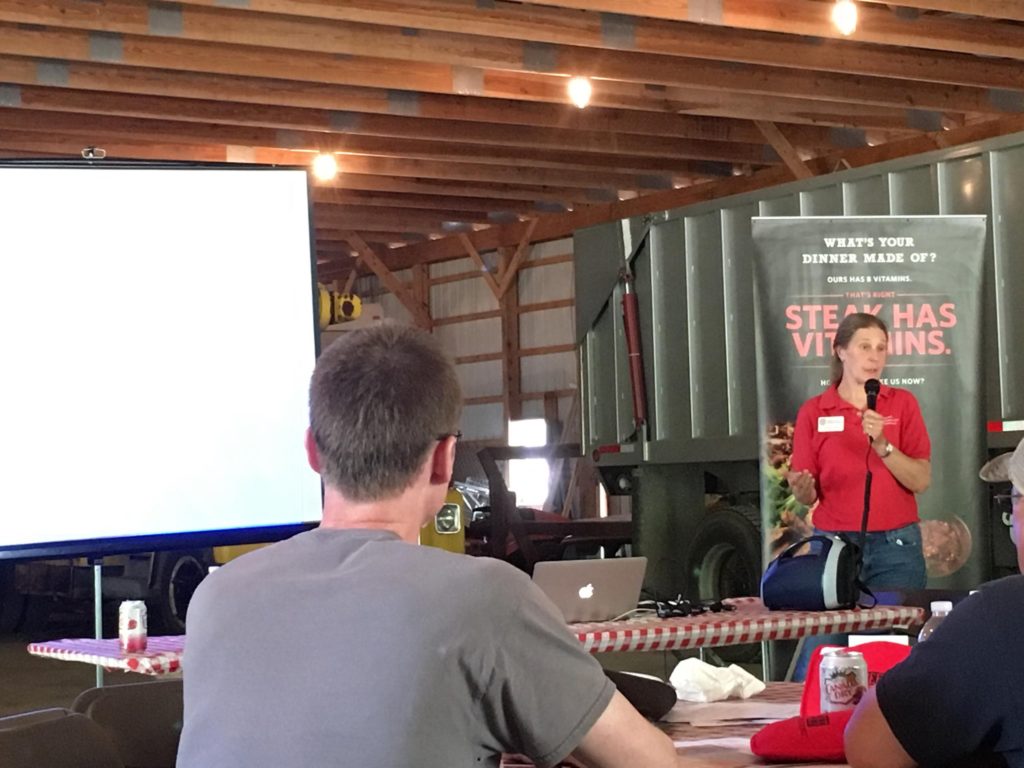
After lunch we were treated to a few lectures and presentations. The first was by nutritionist Cindy Phillips from the New York Beef Council. We learned about the differences in fat content between various types of beef produced from various types of feed finishing and farming techniques. She also discussed the many benefits from a diet that includes beef, dispelling many misconceptions in popular culture about beef being somehow bad for you.

The next presentation was about GMOs. Cornell Professor Dr. Margaret Smith gave a very unbiased and truthful look at the history of plant and animal selective breeding and the introduction of modern genetics into that field. While there is a lot of bad press on the subject of late, and lots of unknowns, many GMO products are completely benign. The industry shows great potential for helping farmers overcome the massive challenges they face in their business relating to crop/product yields, longevity and quality, as well as pest and weed control. However we did learn, essentially, that we are still learning a lot in this field of study, and that tests must be performed and caution must be taken each step of the way.

wp-1465419273420.jpg

We also heard from SUNY Cobleskill Assistant Professor Dr. Jason Evans about the economics of the cattle industry. Growing up on a farm, he was able to discuss, with personal experience, the various hurdles and challenges within the field. With his educational background in economics, he also discussed possible ways that the industry can improve operations, going forward, given certain cycles and trends that he monitors.

The whole experience was very eye opening and informative. It dispelled many myths that you see floating around, and provided us with a lot of information to take away, with which we could continue researching and learning.

WALBRIDGE FARM MARKET
538 Route 343
Millbrook, NY 12545

Harpoon Brewery

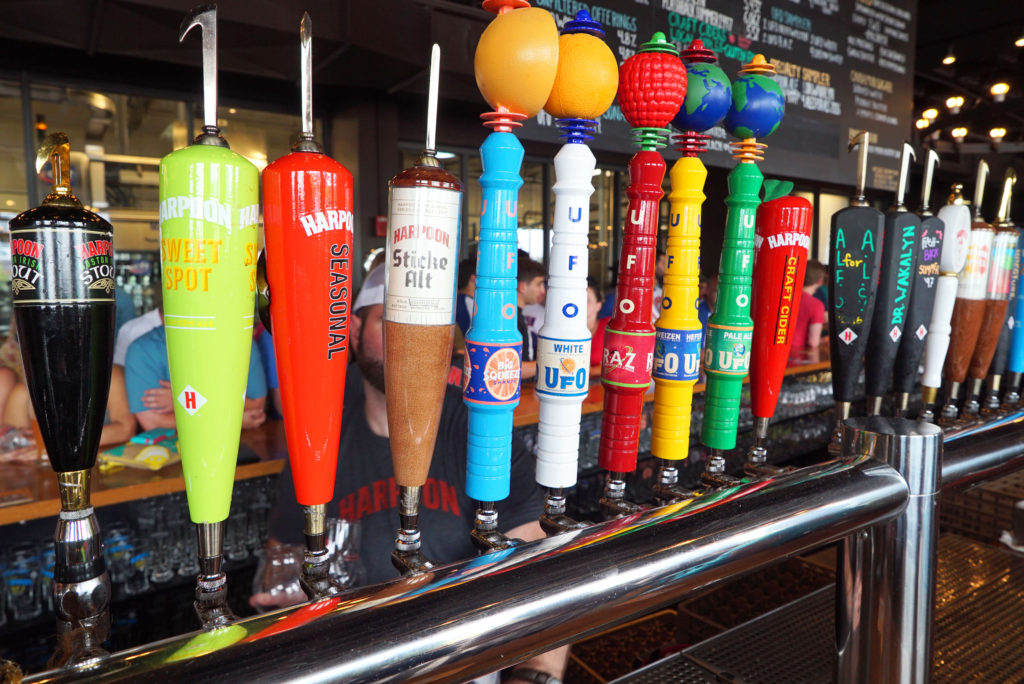
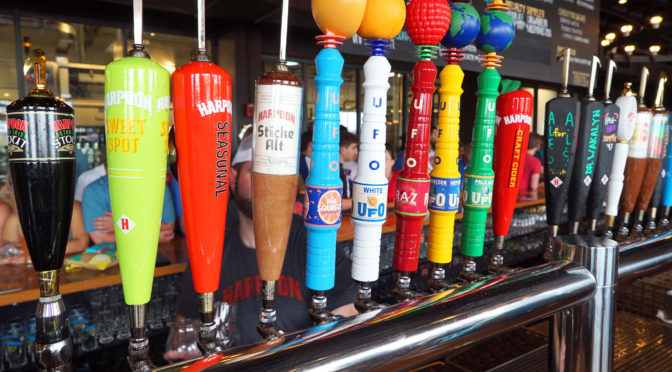
Not too much to say here, as this isn’t really an eatery other than the various flavored pretzels that are available. You come here for beer!

DSC04604

DSC04601

DSC04602

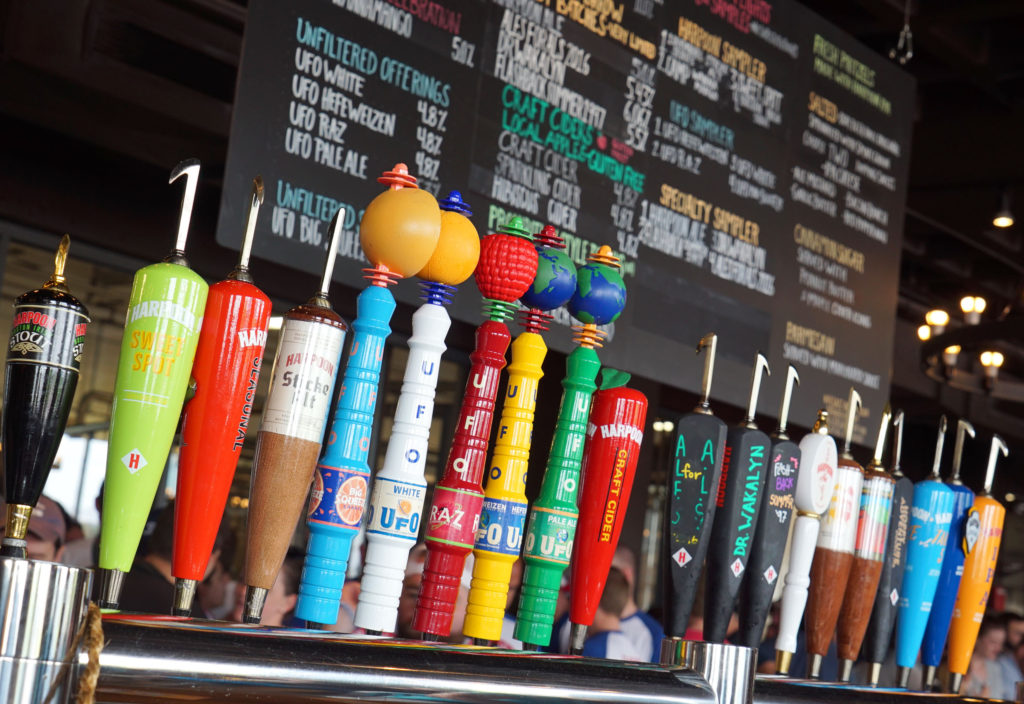
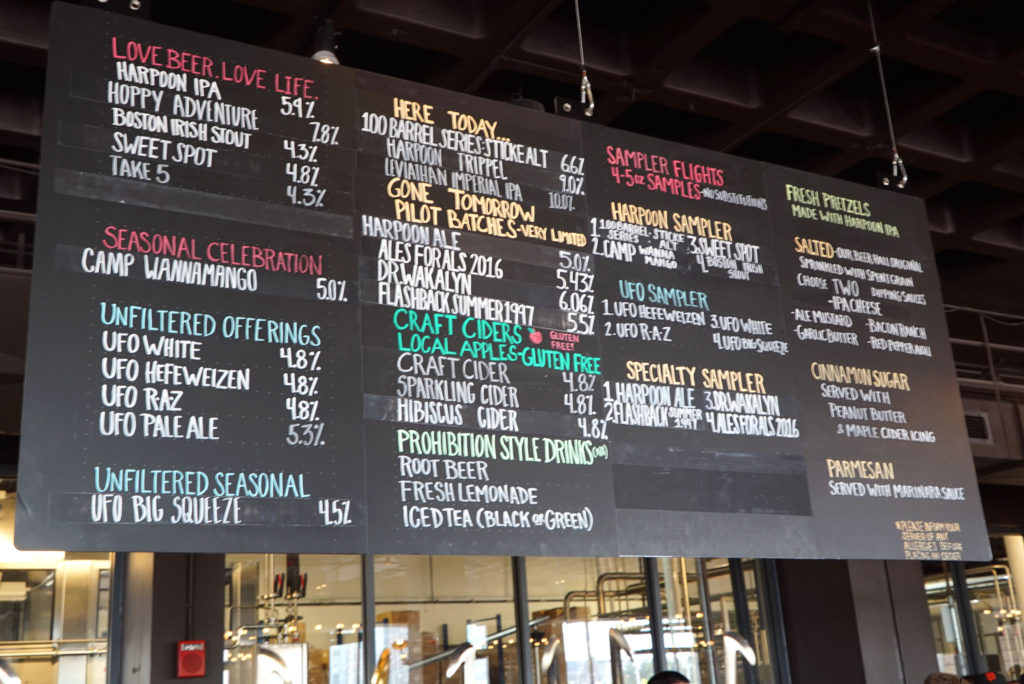
My wife and I tried seven different brews. Camp Wannamango (lightly mango flavored, refreshing, but with a strong hop on the nose but not on the tongue); UFO White (herby, full flavored unfiltered); UFO Hefeweizen (light, easy to drink, unfiltered); UFO Raz (similar to Hefeweizen but with a raspberry flavor on top); UFO Big Squeeze (bitter citrus like grapefruit, not hoppy, full flavor, unfiltered);

DSC04607

DSC04608

Hibiscus Cider (Sweet hibiscus and apple with a slightly sour finish); and the Harpoon Trippel (great farmhouse style, strong at 9% but not so bubbly).

DSC04603

Definitely enjoyed this place, and it was way better than the Brooklyn Brewery. Unfortunately we weren’t able to get on a tour since we had to get ready for a wedding.

HARPOON BREWERY
306 Northern Ave
Boston, MA 02210

Tux-Con 2016

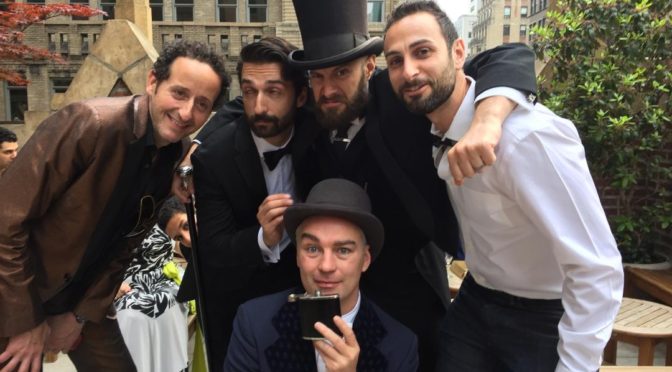
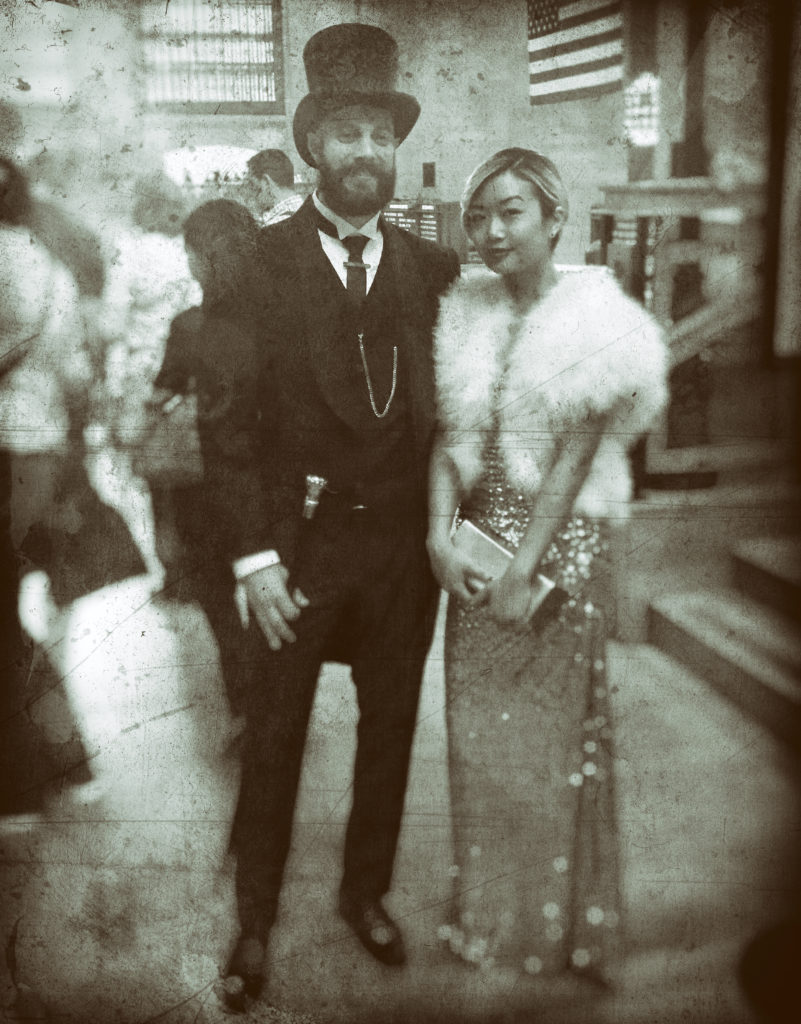
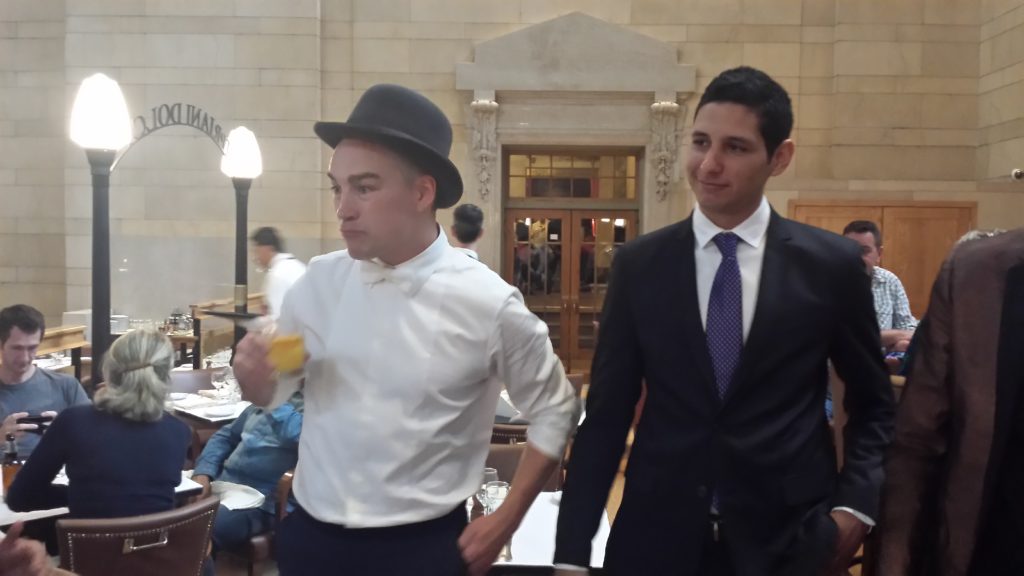
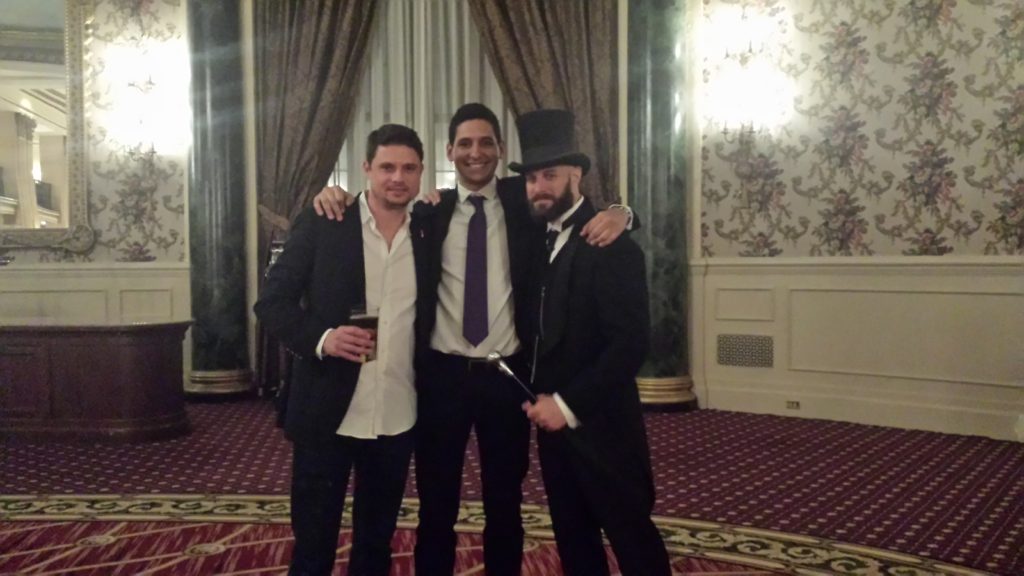
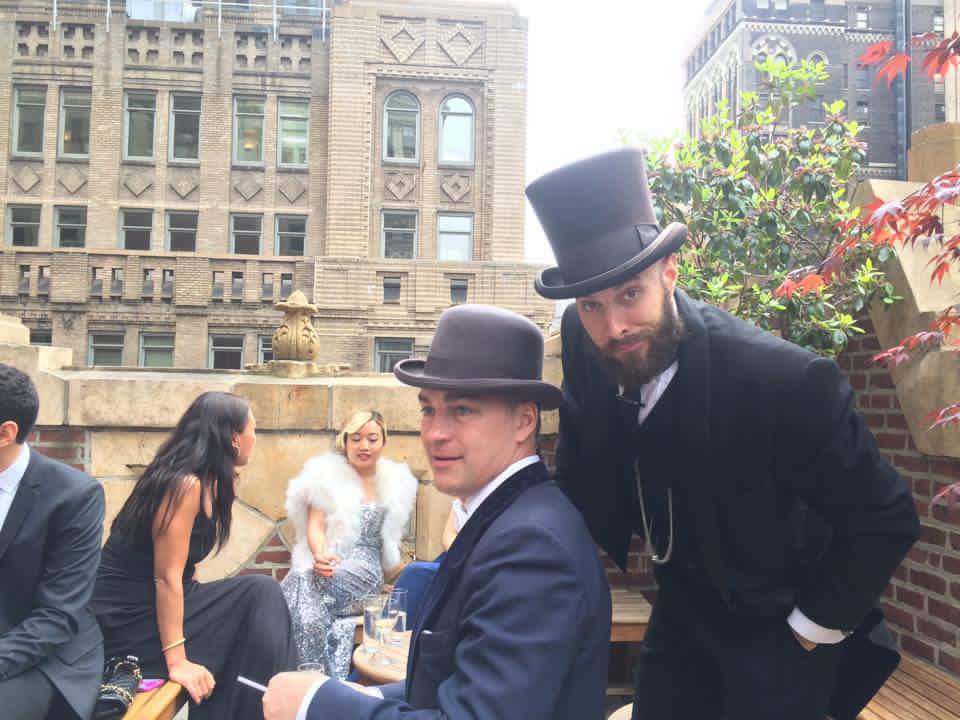
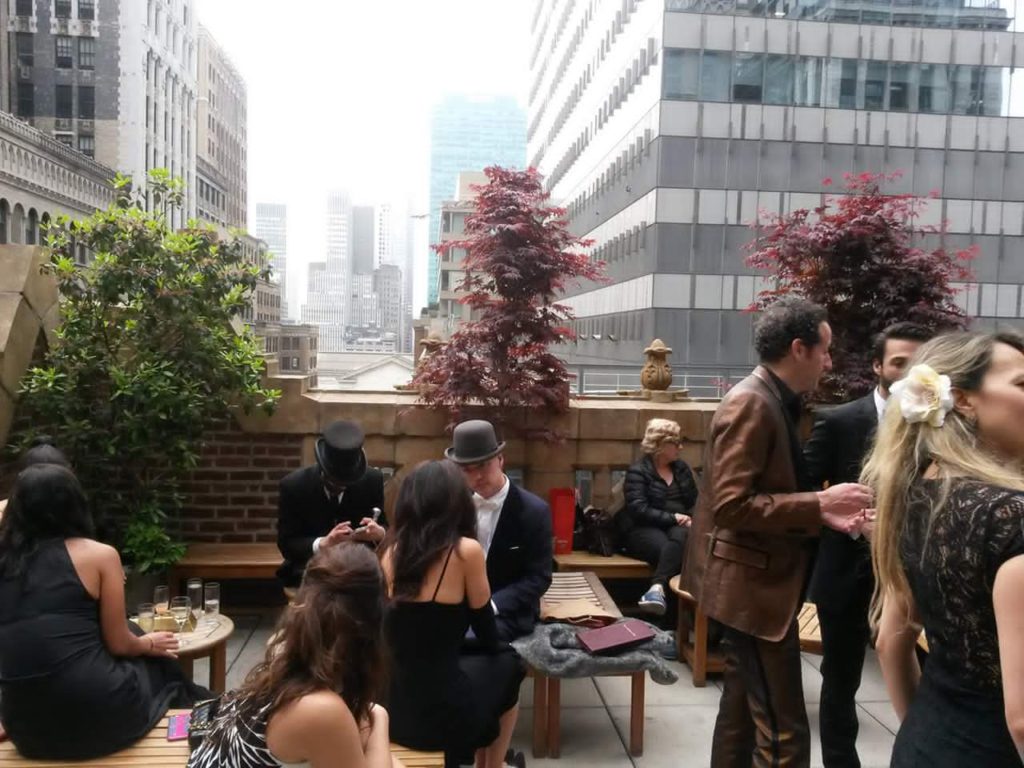
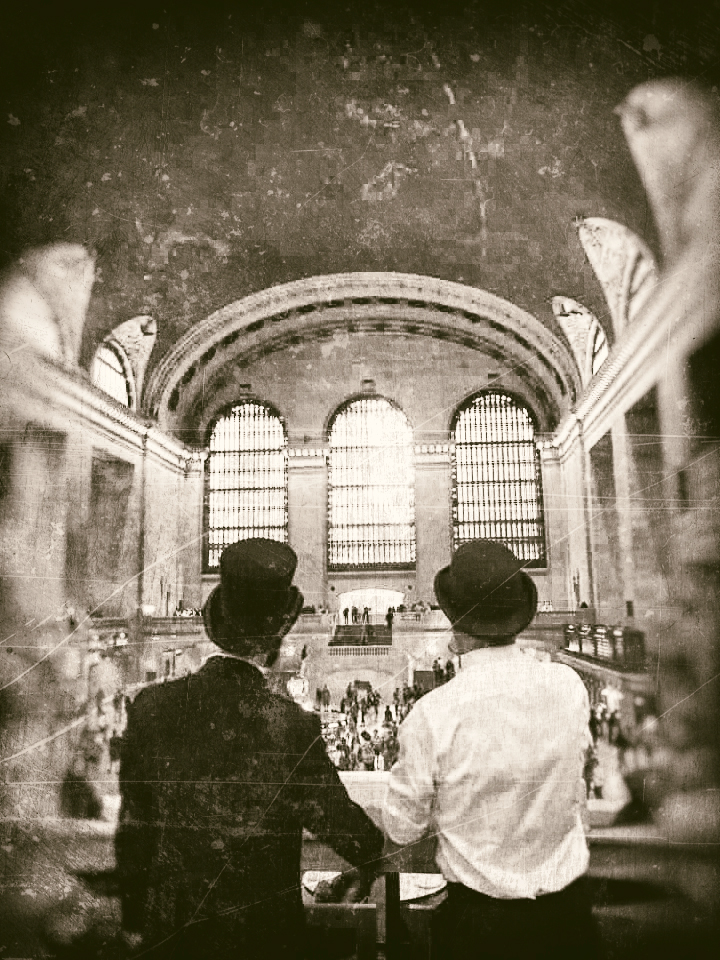
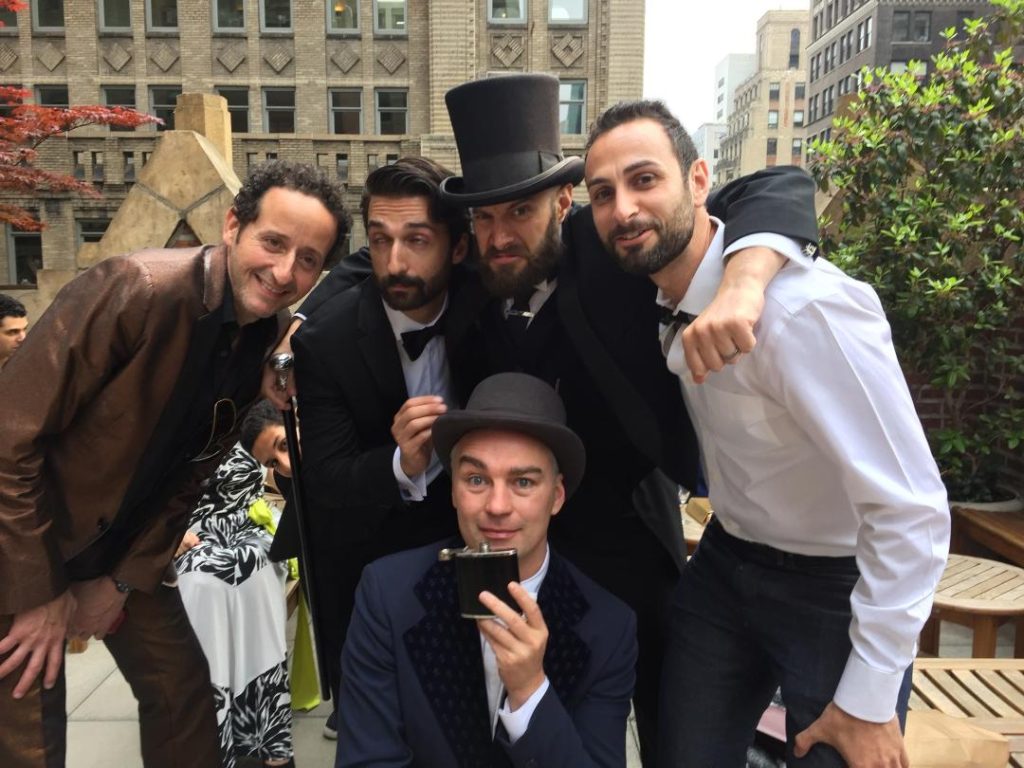
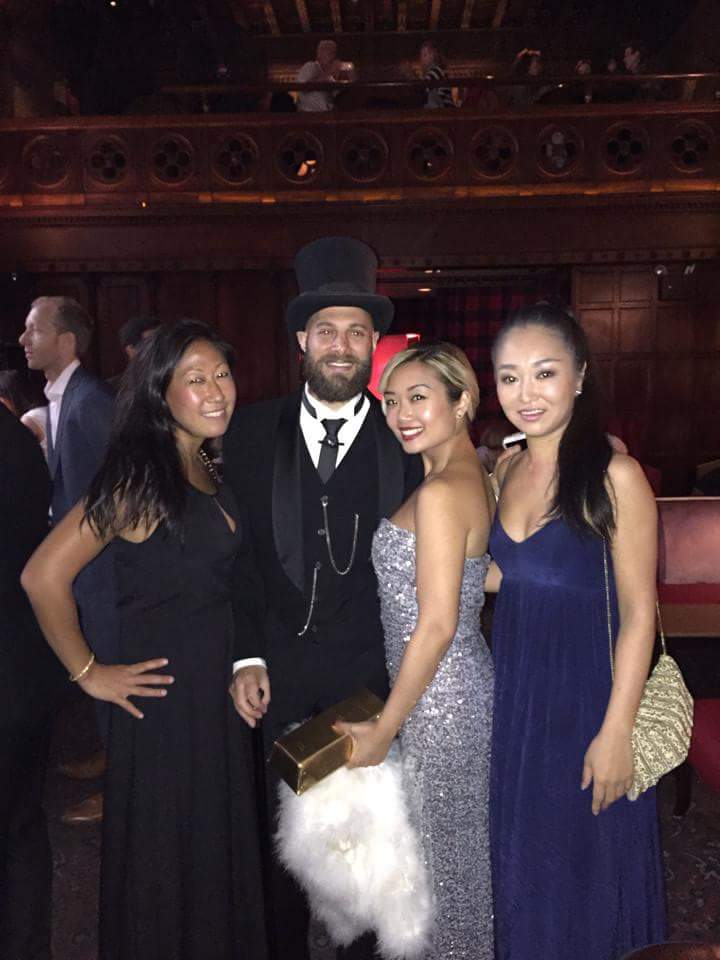
Last year, my buddy and I came up with a concept to rally together NYC’s classiest and most well-dressed folks for a day of martini drinking and fancy-pants conversation. It was a blast!

20150509_142704_LLS edits

20150509_144159_LLS

20150509_170343

20150509_175950

20150509_210952_LLS

FB_IMG_1431285399616

FB_IMG_1431285414522

FB_IMG_1431285484364 edits

IMG_0893

received_1118621041498460

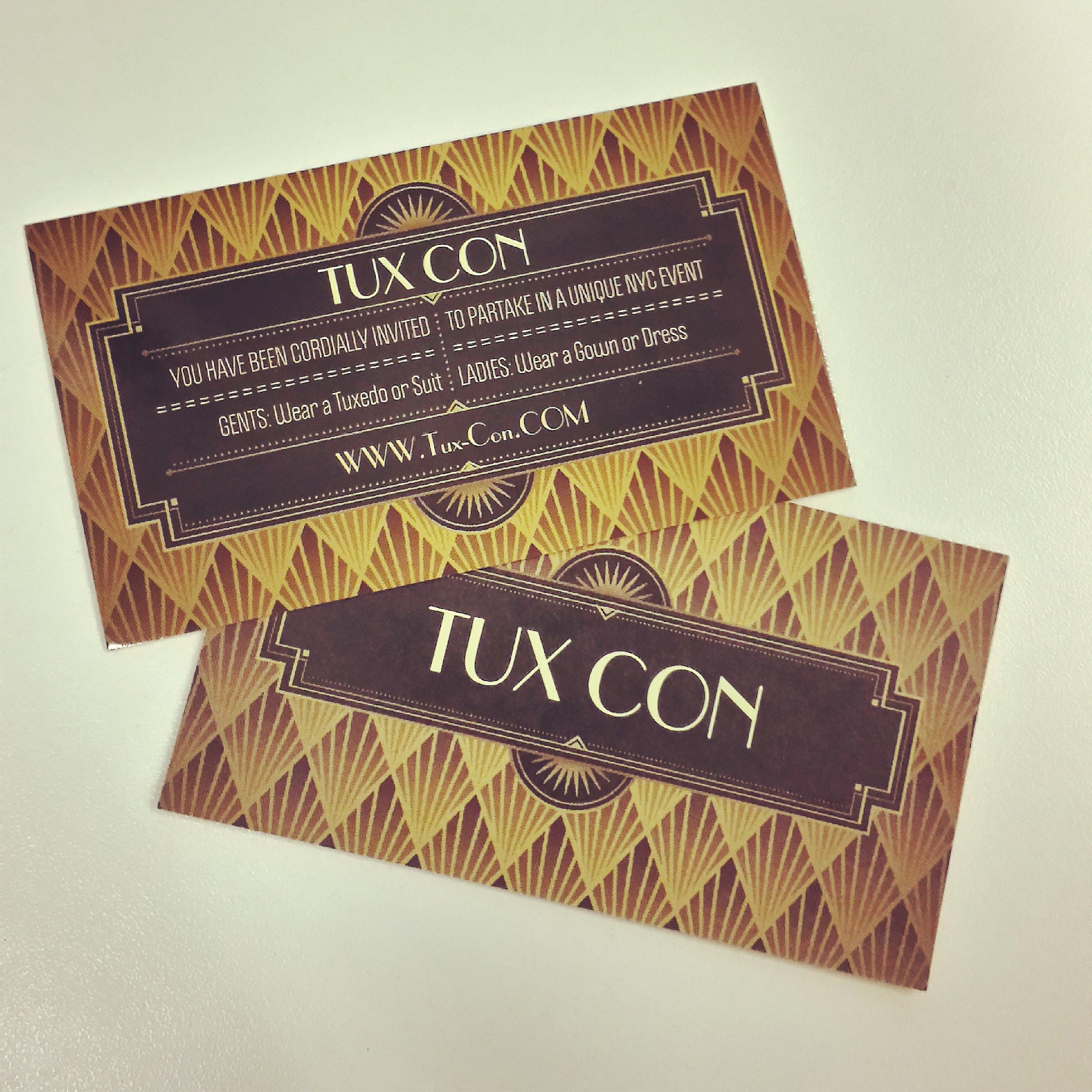
If you can’t tell, Tux-Con is meant to be NYC’s classy, warm-weather answer to Santa-Con. Think of it like Bruce Wayne throwing a block party / cocktail crawl. This is open invite, so you are all welcome to join us. We are going to start at the Loeb Boat House in Central Park, hit a few other joints along the way with plenty of photos, and then circle back up to possibly end at The Mandarin Oriental. Everything will be within walking distance. The date is this Saturday, April 30th 2016, with a rain date of Saturday, May 14th. Men wear tuxes, black suits, fancy pinstriped attire, etc. Women wear gowns, dresses, etc. If you’re interested, check out the website for updates, or follow us on Facebook. This shit is going to be legit!

12987029_10154125048019116_8542582946358047982_n

Keep an eye out for the invite cards too. We’ll be passing them around any chance we can get.

IMG_20150123_163236