Tag Archives: japanese

Secchu Yokota

My wife’s birthday is just around the corner, and her friends were taking her to dinner here to celebrate. When one of them had to cancel last minute, I filled in to avoid the $50 charge on the credit card for a missed seating.

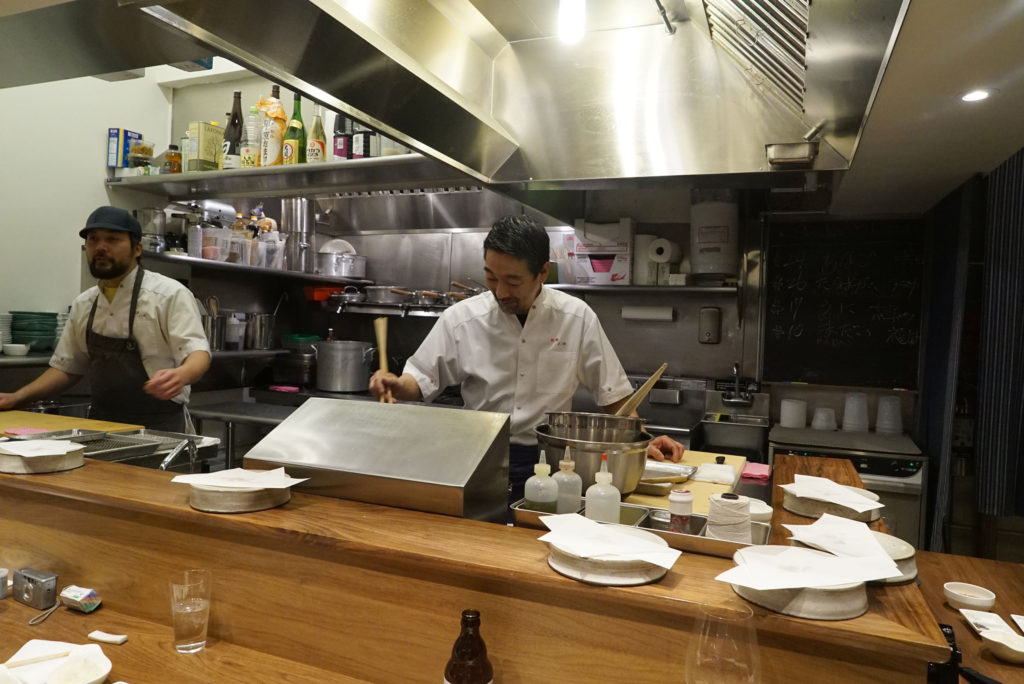
This joint only has eight seats and two seatings per night (6:00pm and 8:30pm), so that’s why they charge your card if you bail on a seat. Harsh, but understandable. They have to fill up to make money.

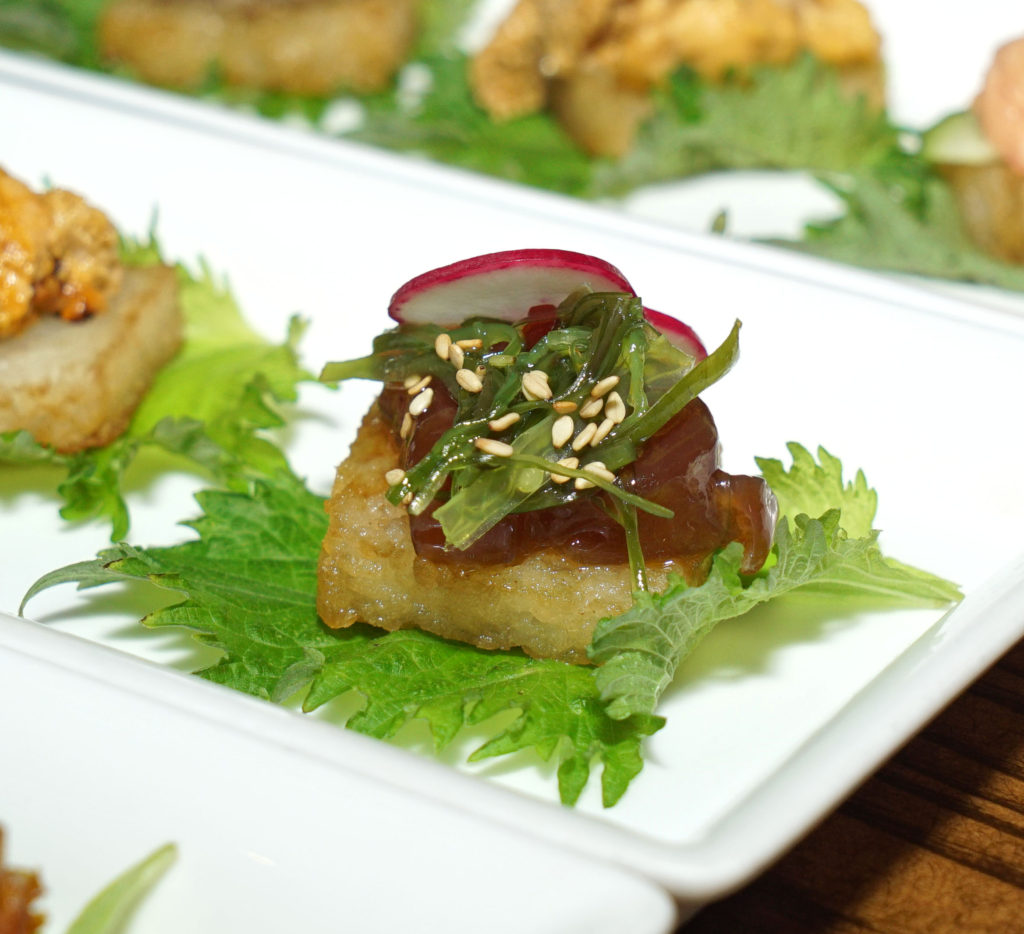
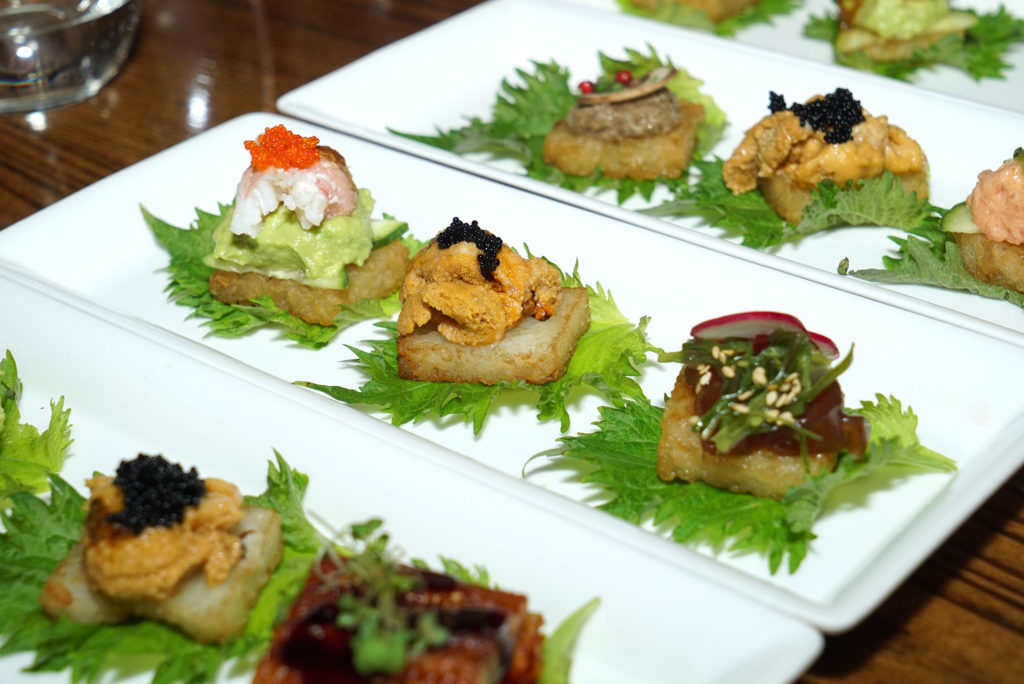
Anyway, this was a long and tasty meal, consisting mostly of Japanese tempura. It wasn’t the prettiest food for photos, but it certainly was yummy!

Here’s what we had – and keep in mind I’m just going to list the dishes and then quickly blab about the items that really stood out.

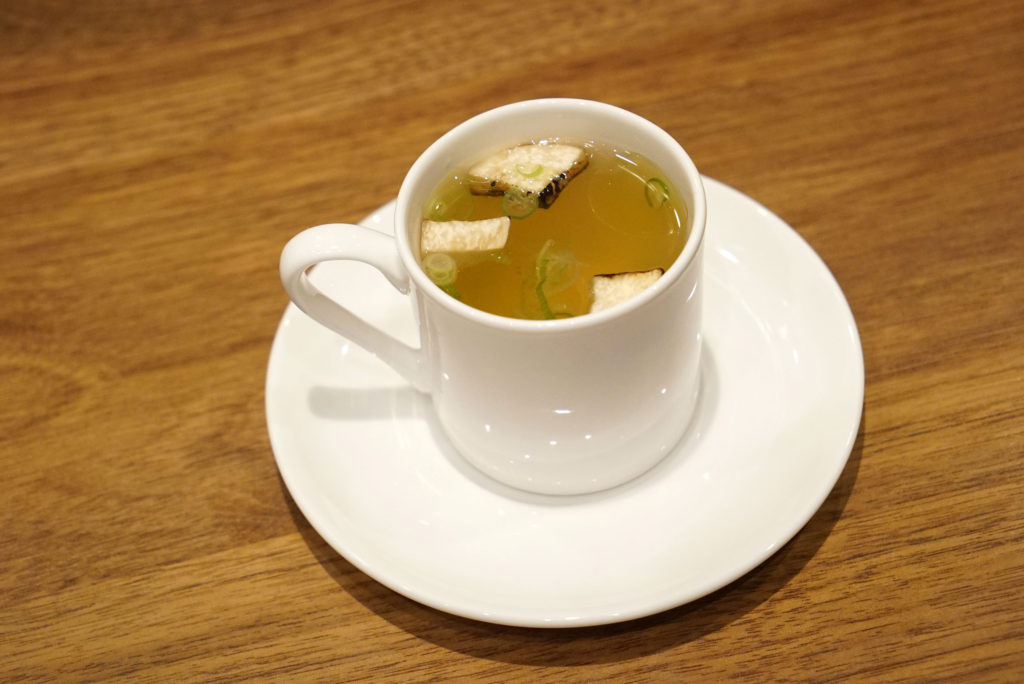
Red snapper broth with mushrooms.

dsc07767

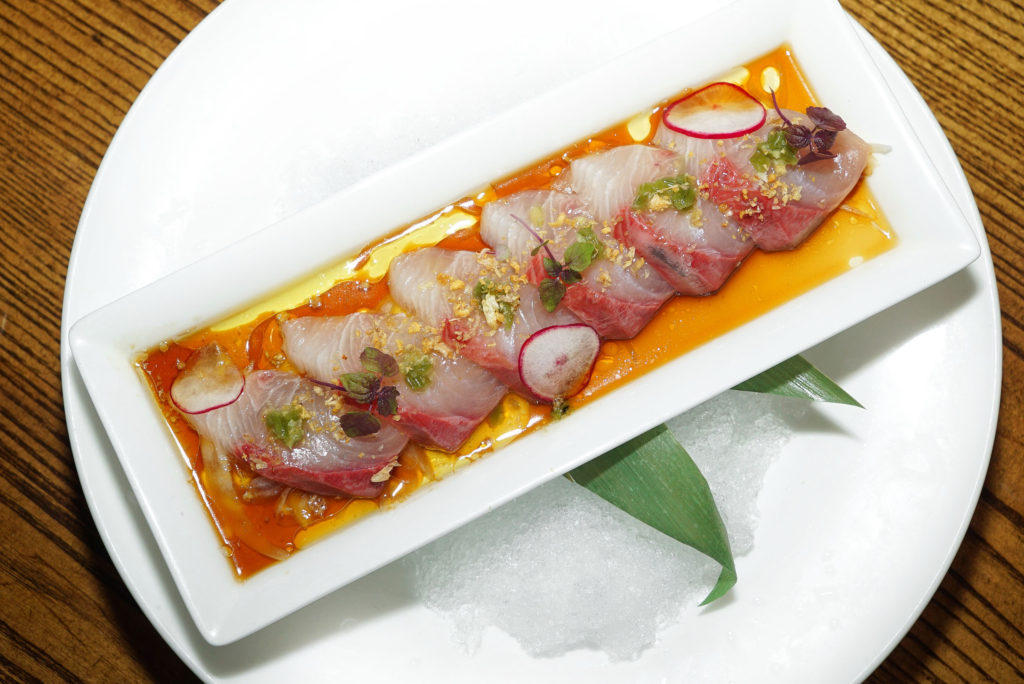
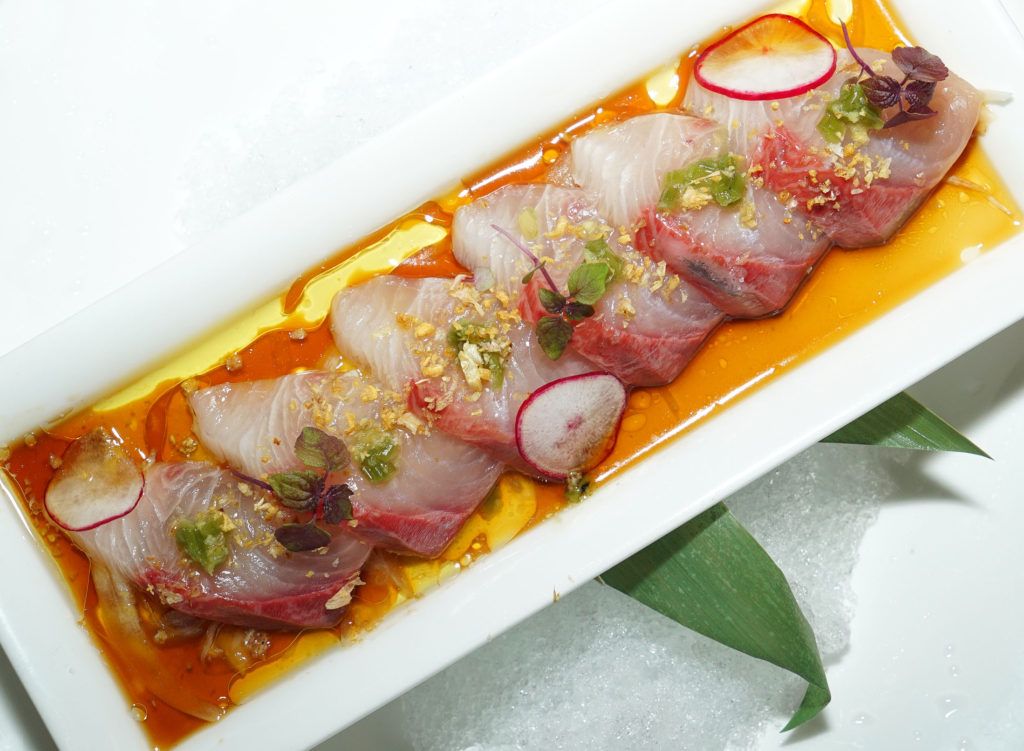
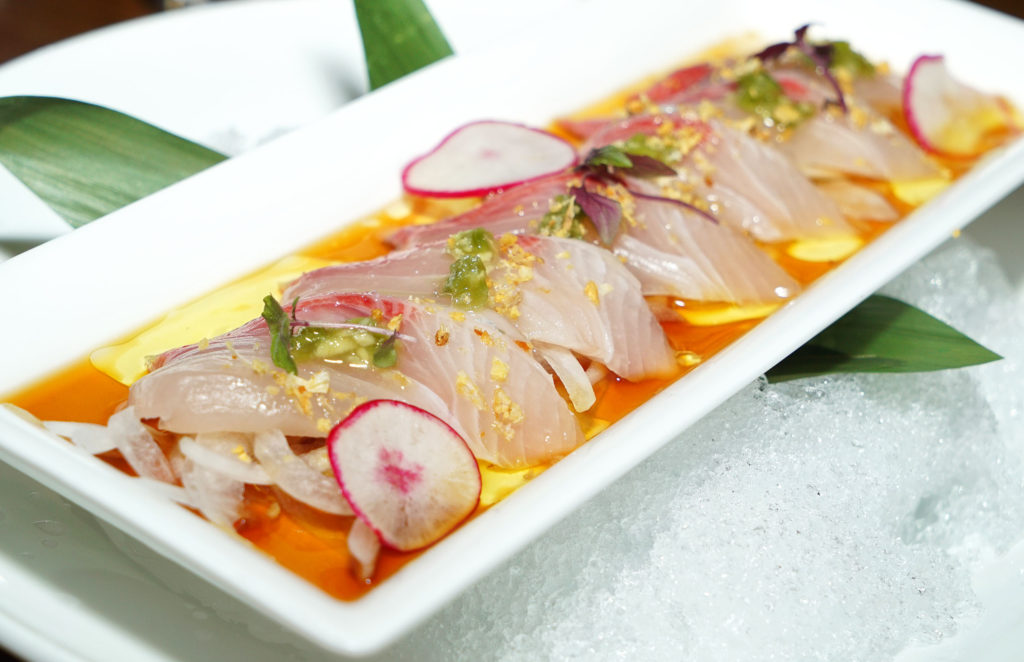
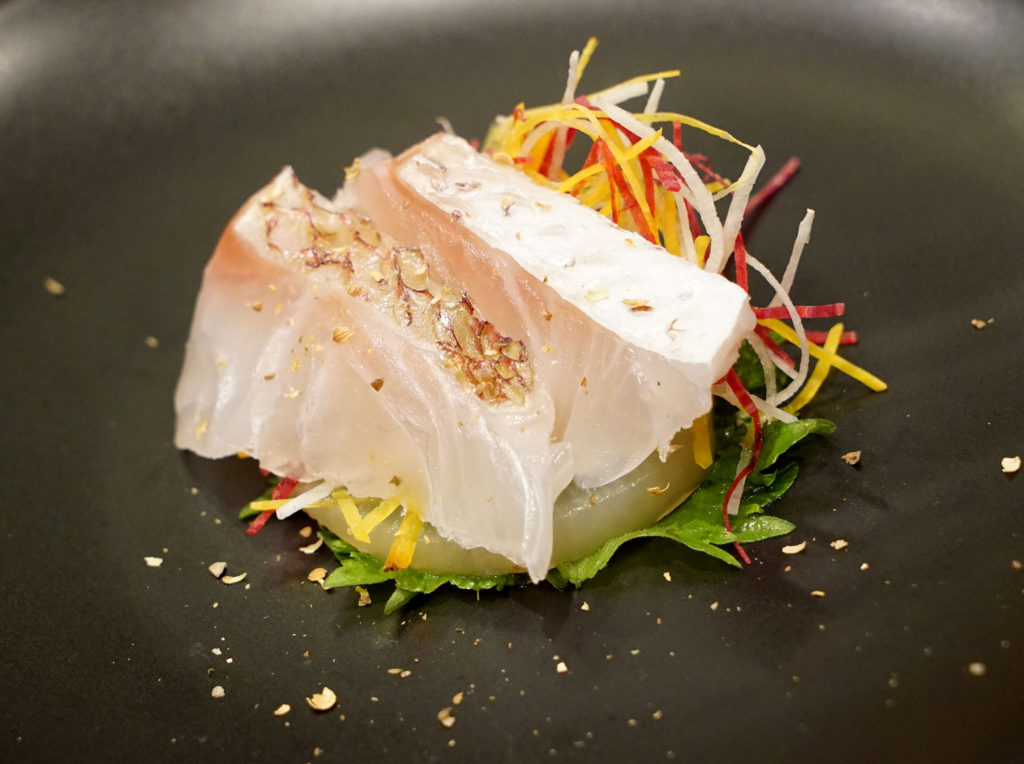
Red snapper sashimi: this was really delicate and clean, and it went perfectly with the shio-bonito ponzu and wasabi salt, which were provided for dipping.

dsc07779

They also gave us pickled daikon and a bamboo charcoal salt as well, which was equally excellent, and apparently helpful in digestion due to the charcoal.

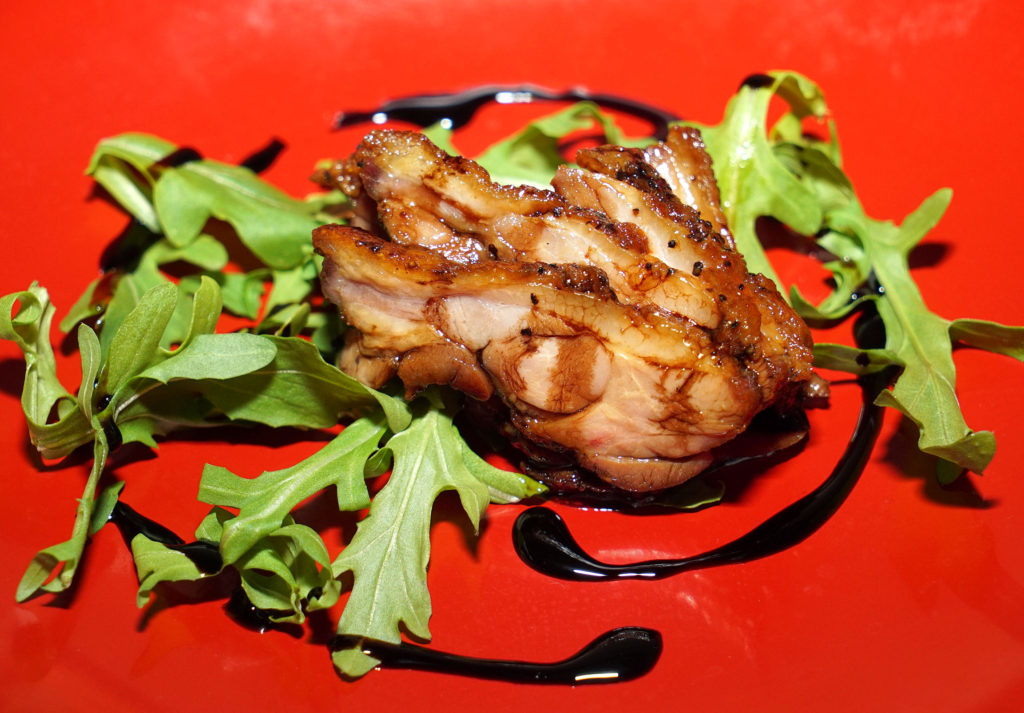
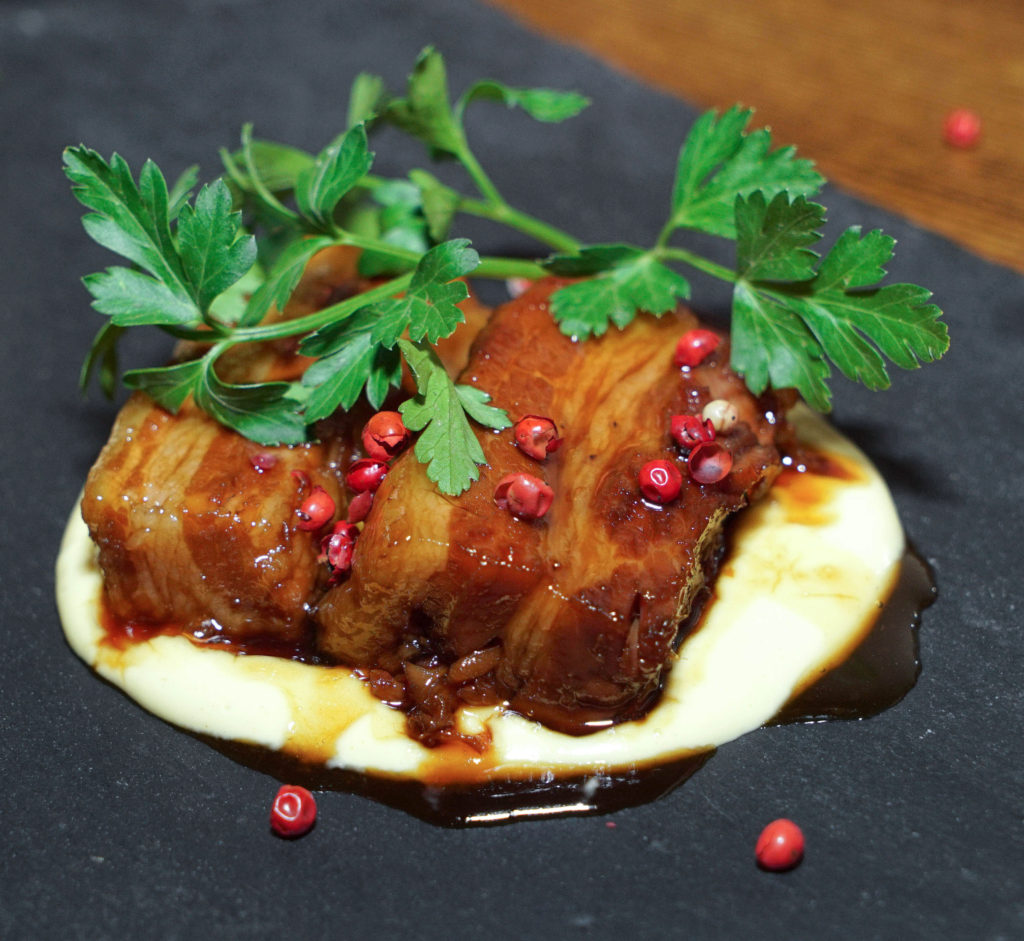
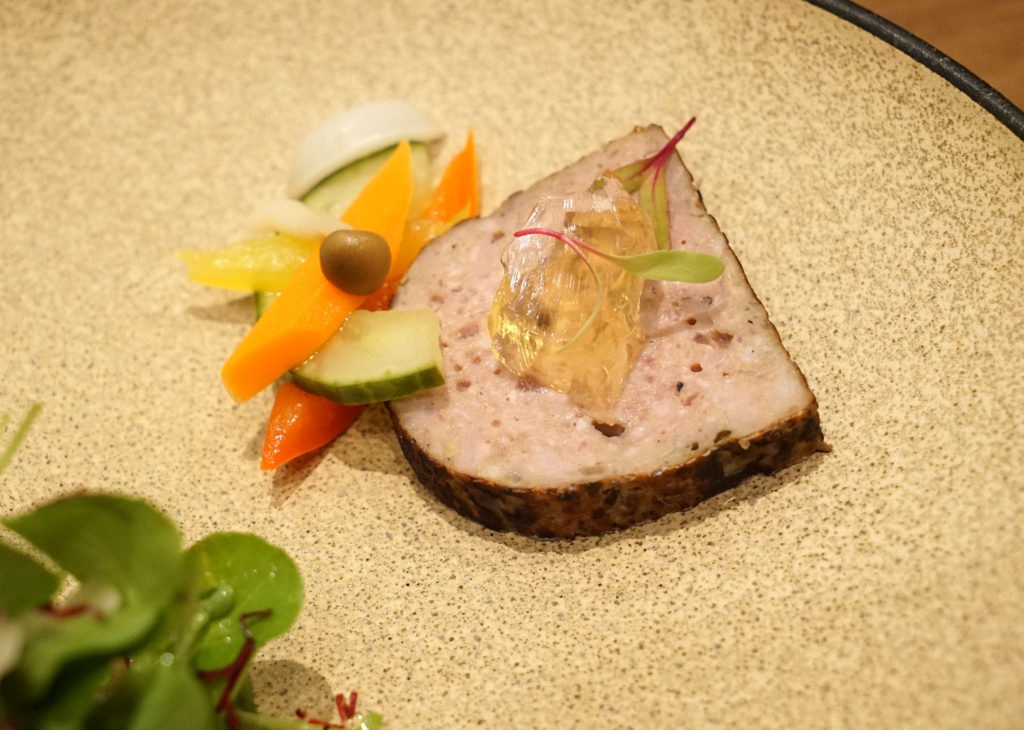
Berkshire pork pate. Very nice, and notably French!

dsc07783

Now we are getting into the tempura. The fryer oil they use is a blend of sesame oil and cotton seed oil, which has a very high smoking point, great for super crispy batters and fast frying.

dsc07804

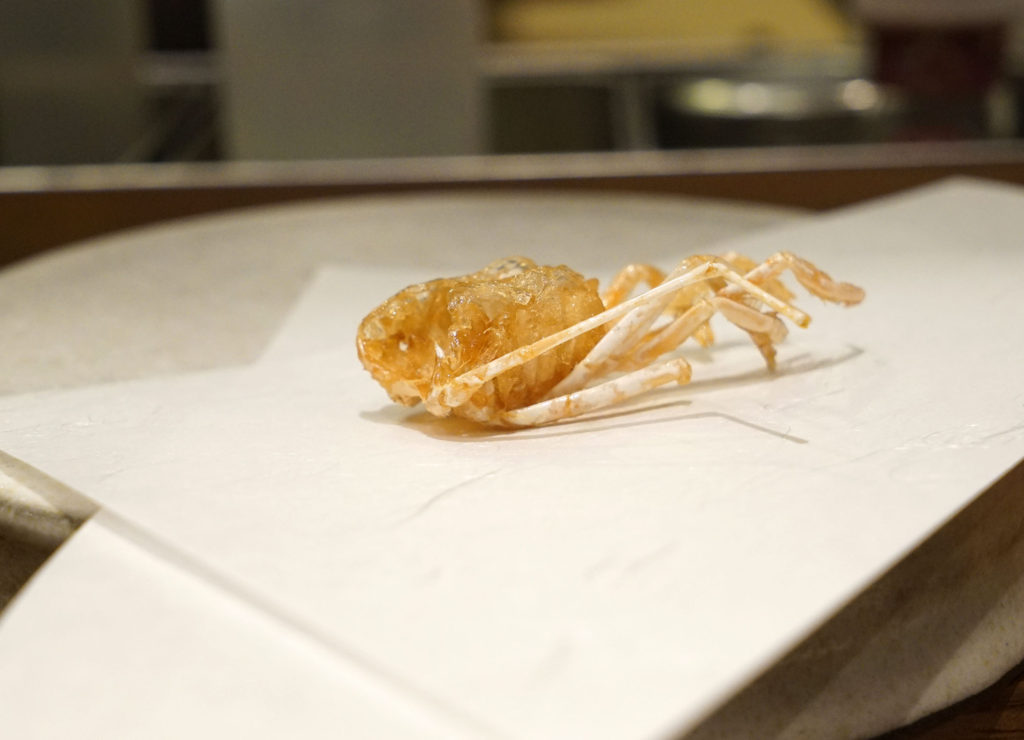
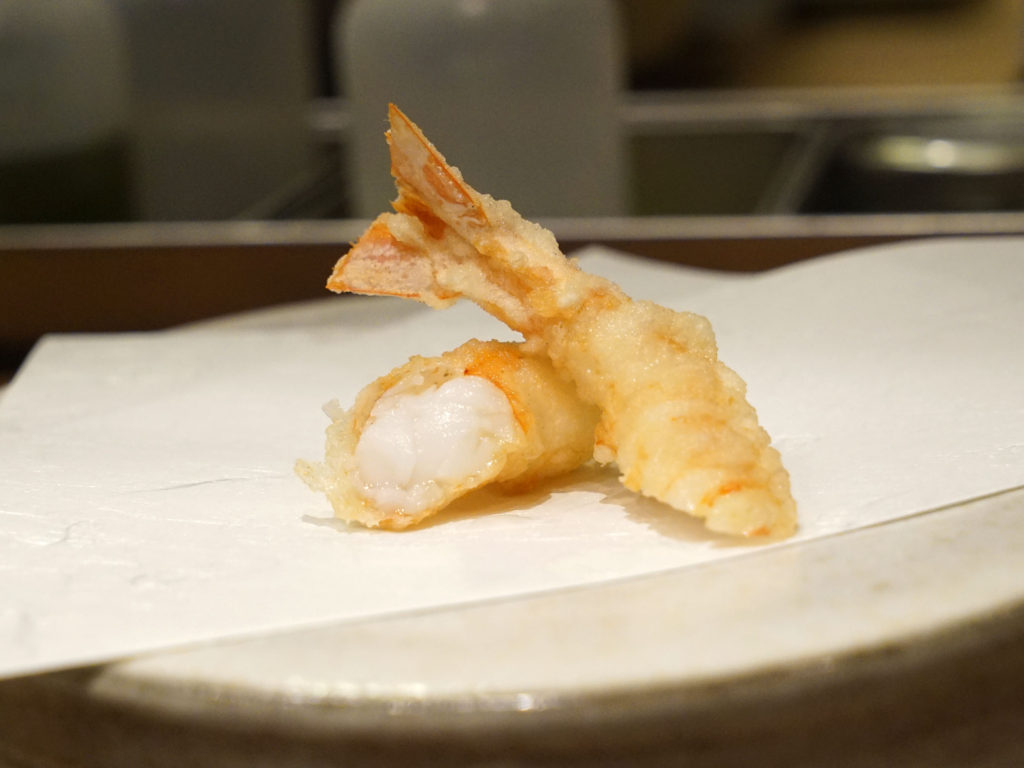
Crispy shrimp shell. Yes – the exoskeleton! I joked and said that we ate crispy fried xenomorph face-hugger exoskeleton (that’s an Alien reference if you’re unaware).

dsc07787

Shrimp body.

dsc07791

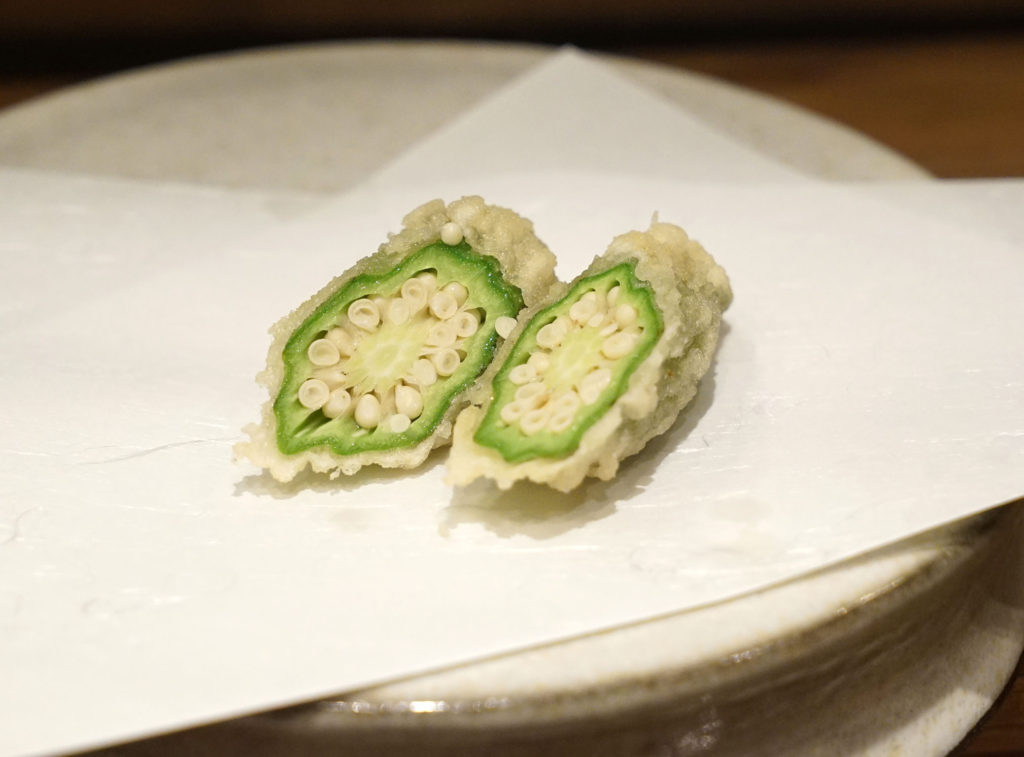
Okra: really flavorful and fresh. The tempura batter was almost like a second skin on the veggie, just crispy.

dsc07797

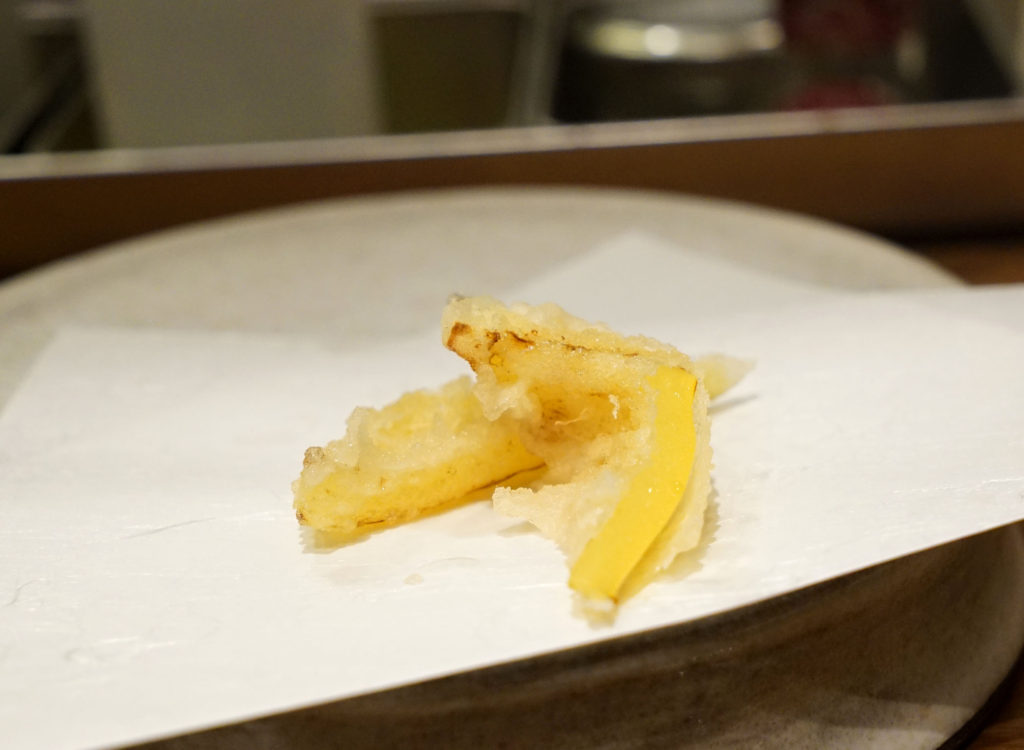
Yellow pepper.

dsc07800

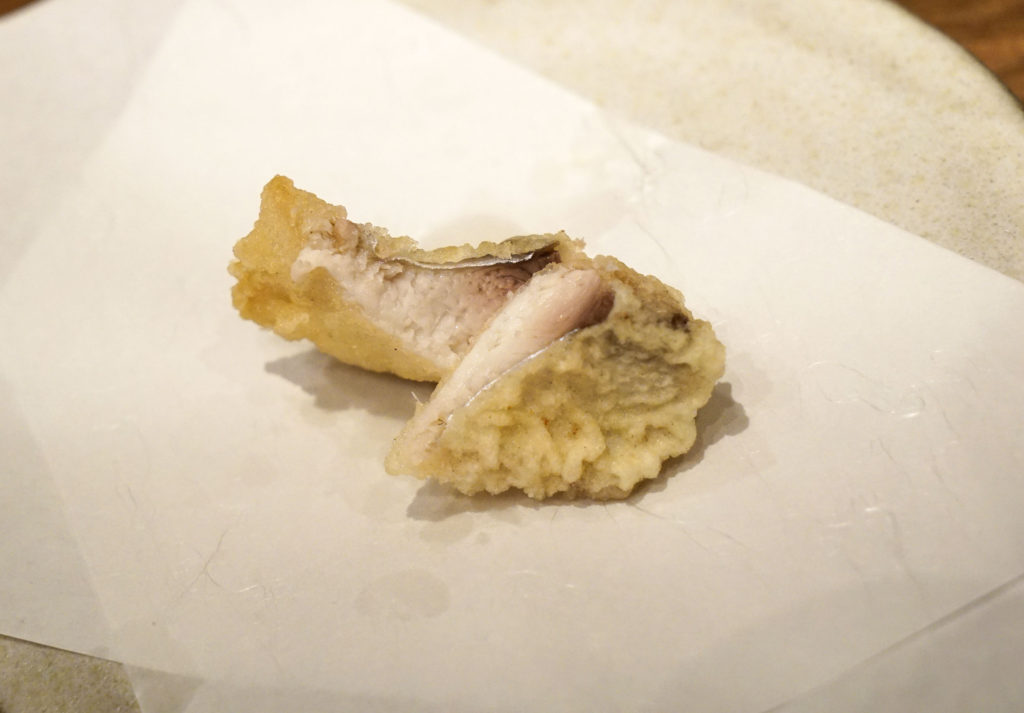
Mackerel.

dsc07803

Eggplant.

dsc07805

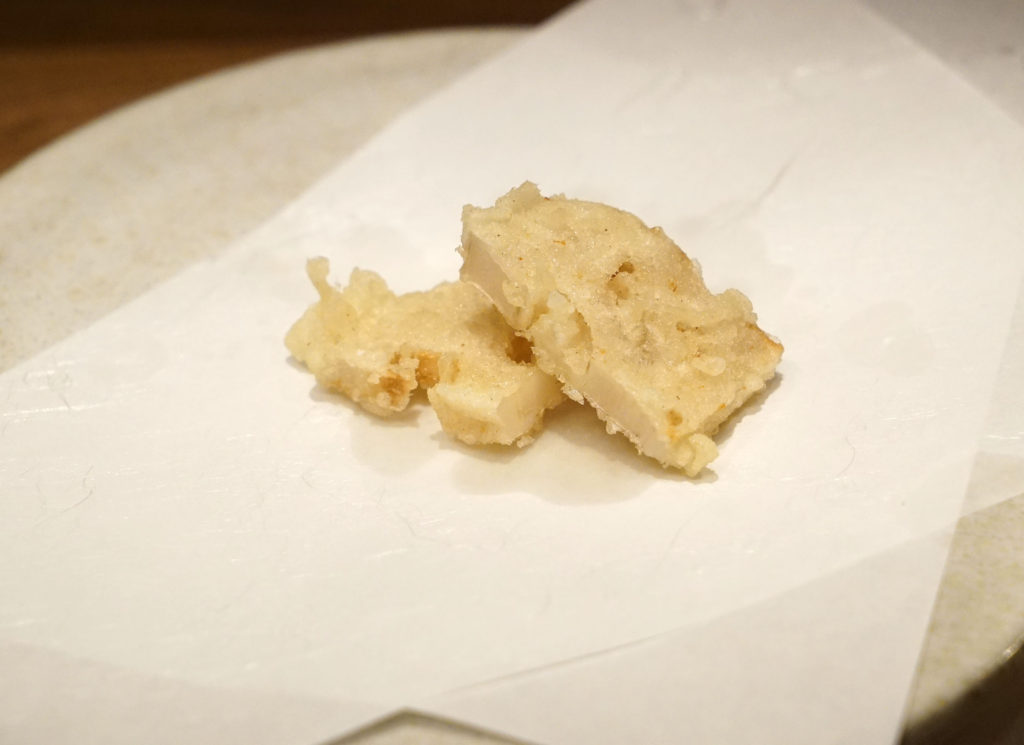
Lotus root.

dsc07808

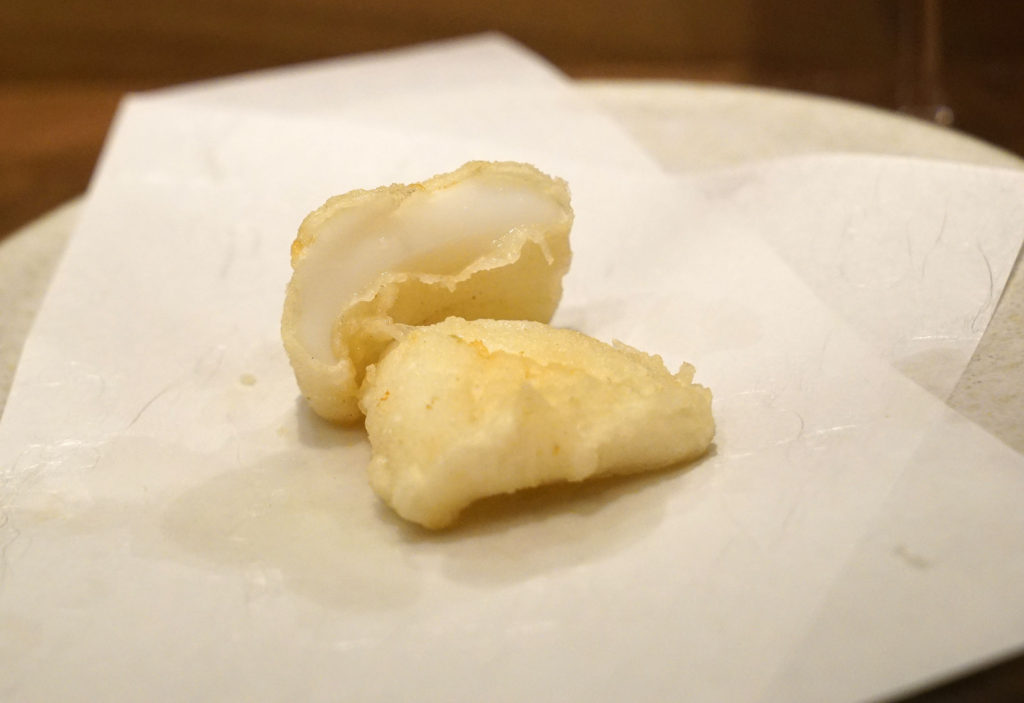
Hokkaido squid. In fact everything here is actually FROM Japan.

dsc07812

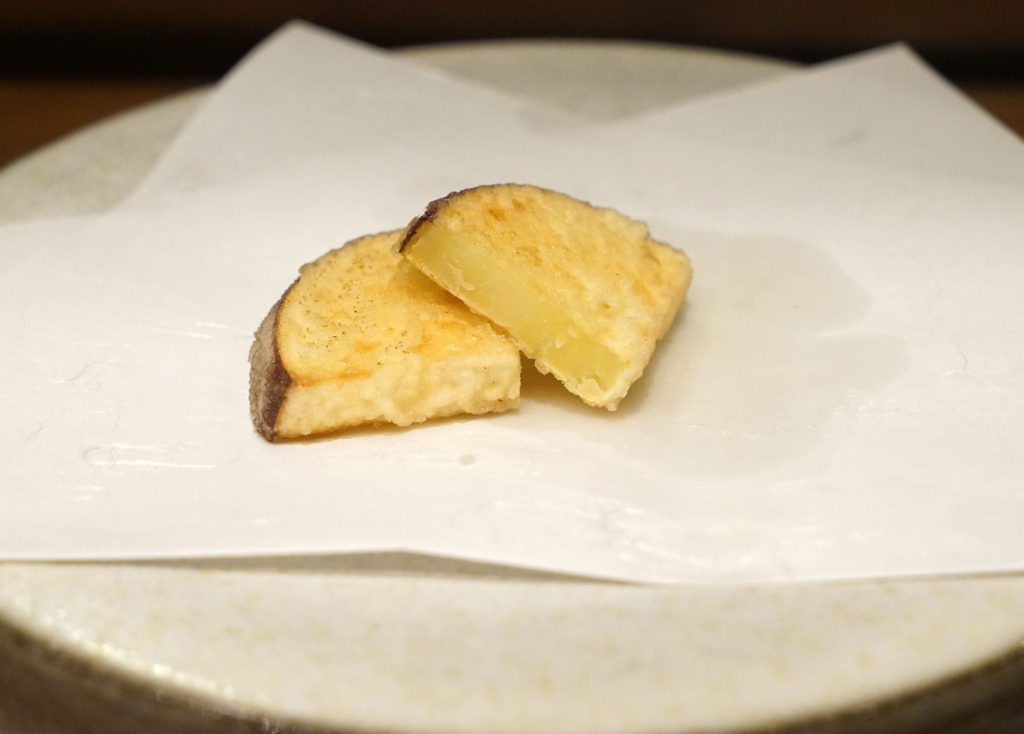
Sweet potato.

dsc07813

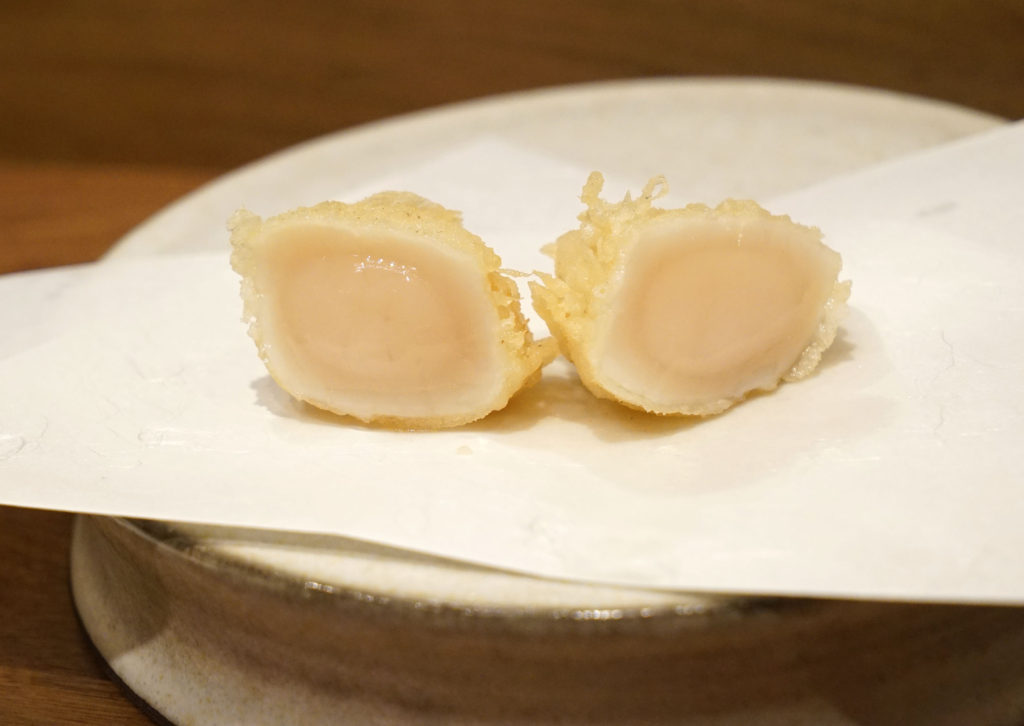
Hokkaido scallops: These were almost raw, and absolutely delicious. Just the outside was cooked from the closeness of the flesh to the hot oil. My favorite bite of the night.

dsc07818

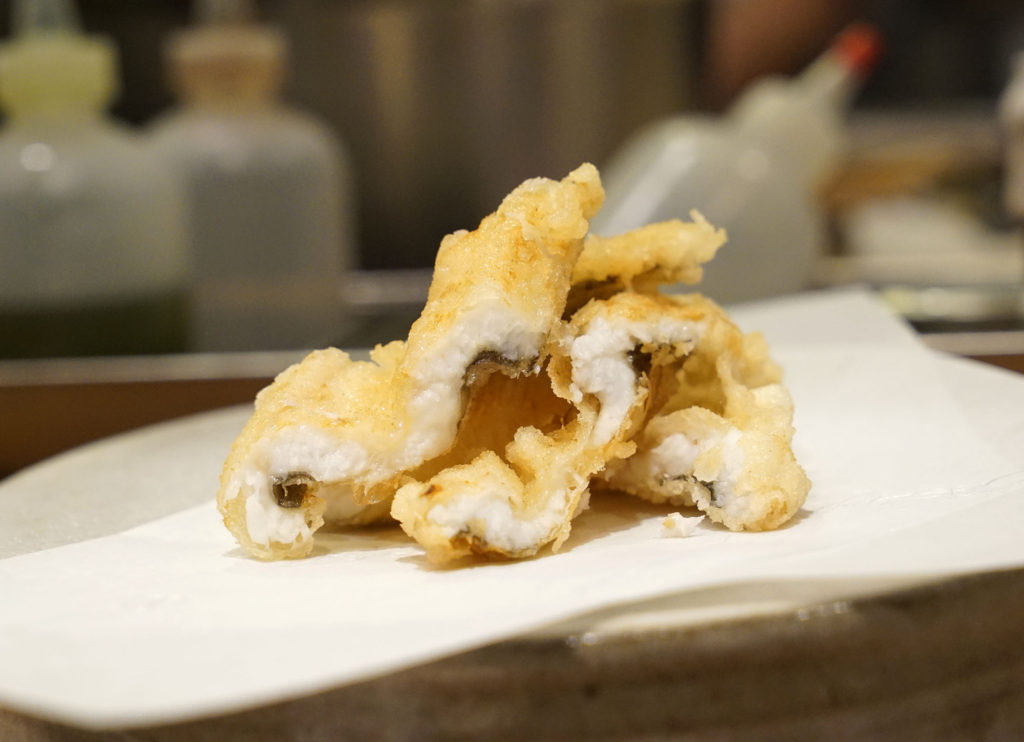
Eel.

dsc07819

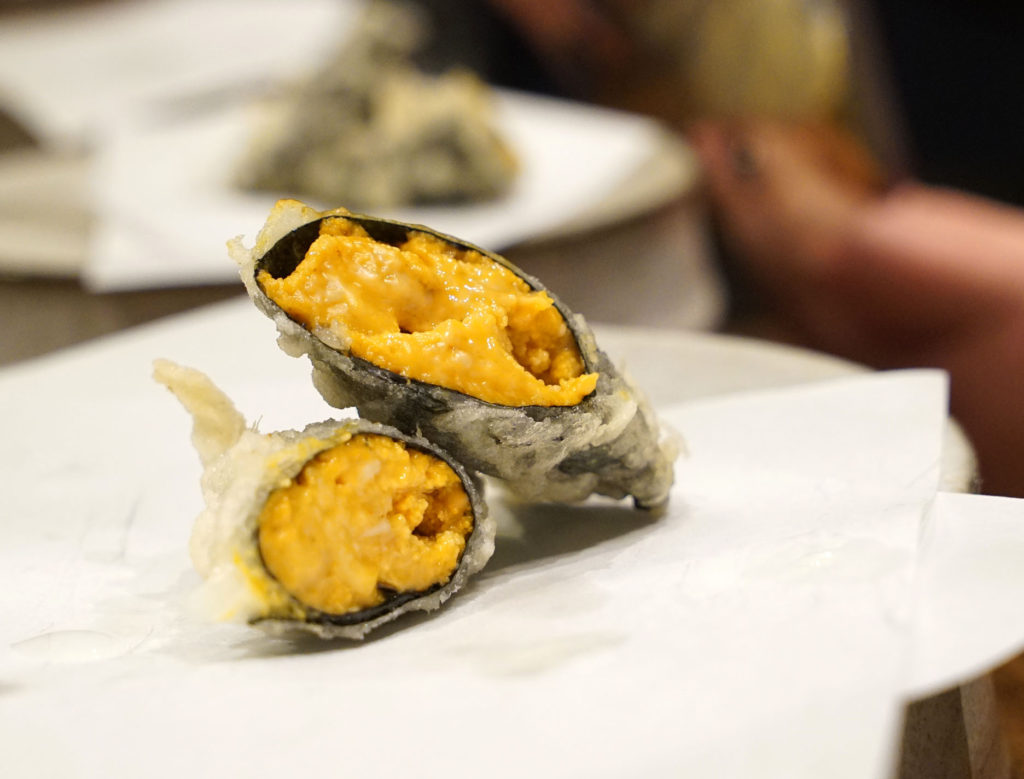
Uni (sea urchin) wrapped in nori (seaweed) paper: very creamy. If uni is your thing, then this is the place to get it. I’m still a hit or miss guy when it comes to uni. I think I like it best when served cold (like revenge), with no seaweed paper.

dsc07827

To finish the savory courses off, you get a choice between the following two items:

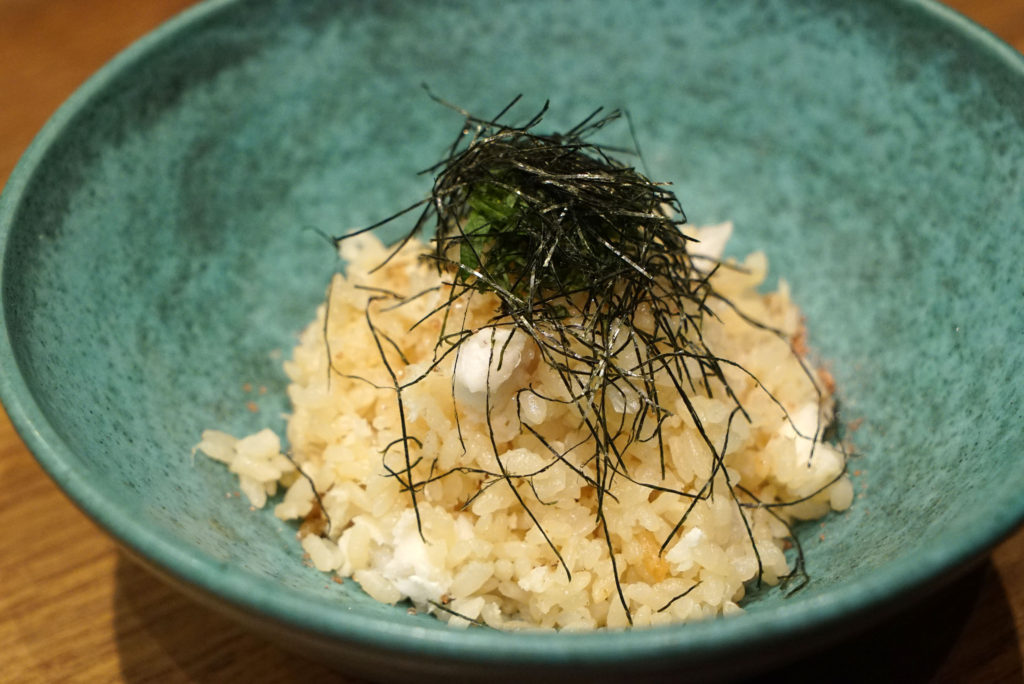
(1) Rice with red snapper bits and a hearty miso/mushroom soup.

dsc07831

(I didn’t shoot the soup)

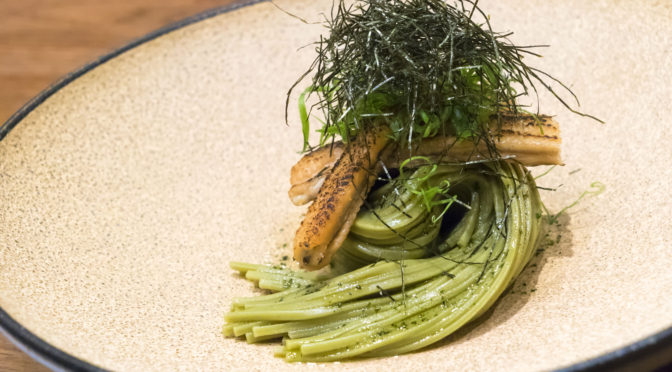
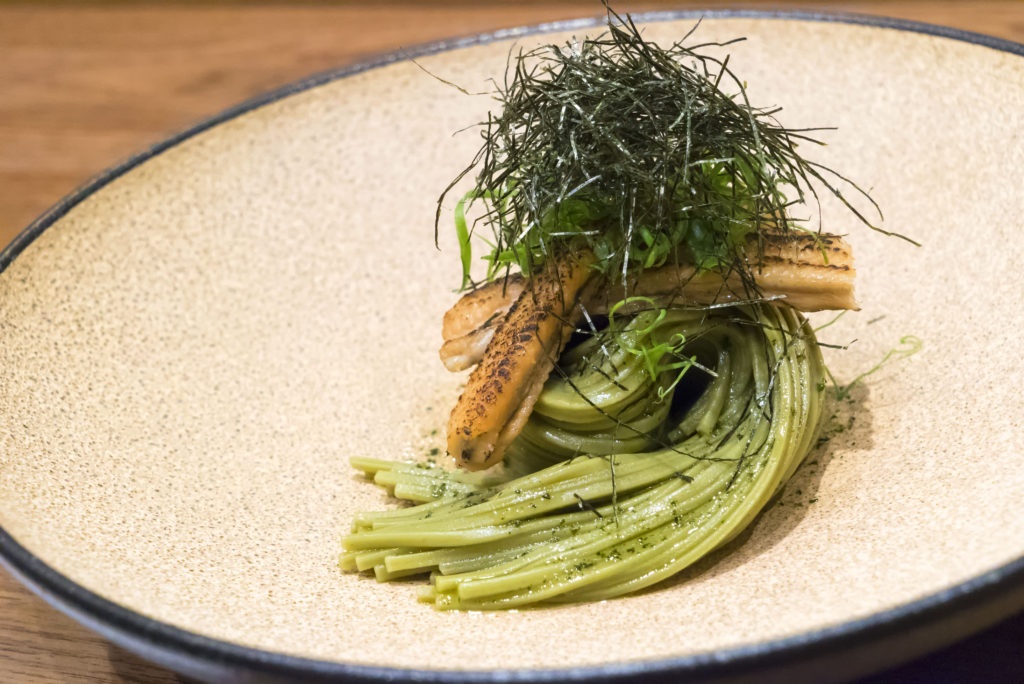
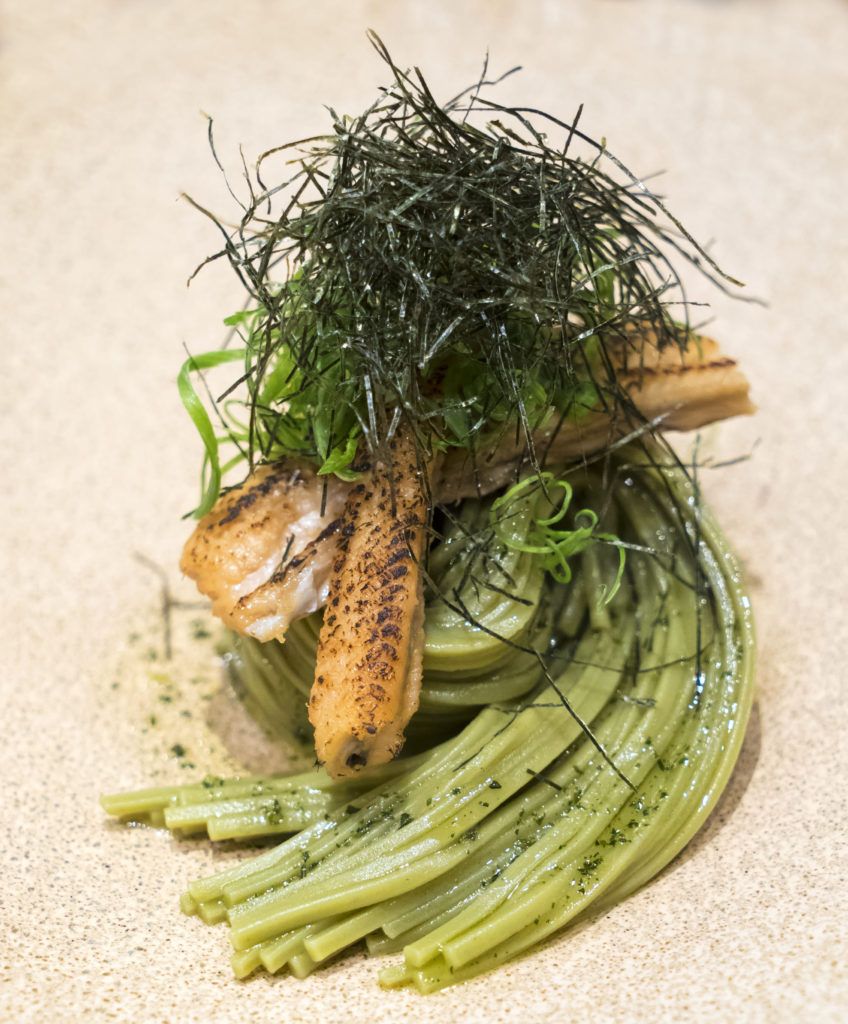
(2) Green tea soba noodles with eel.

dsc07846

This was so fucking beautiful, and was probably my second favorite dish of the night. It came with a dipping sauce as well (I didn’t shoot that but I did take another photo of the noodles).

dsc07833

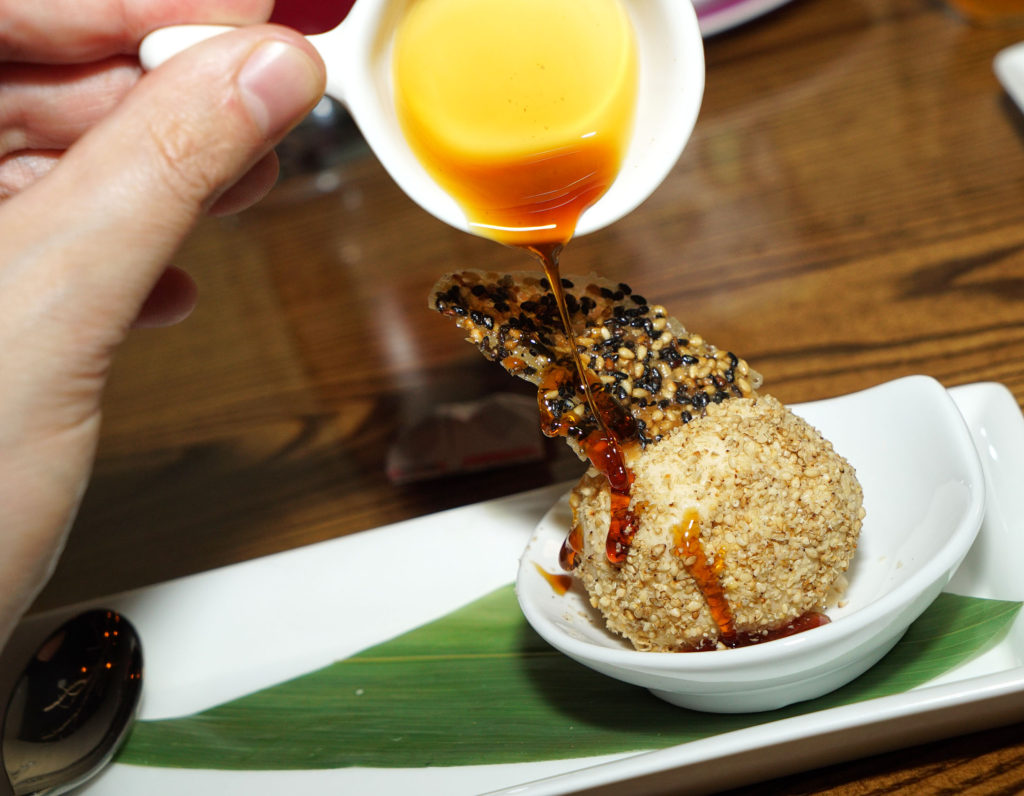
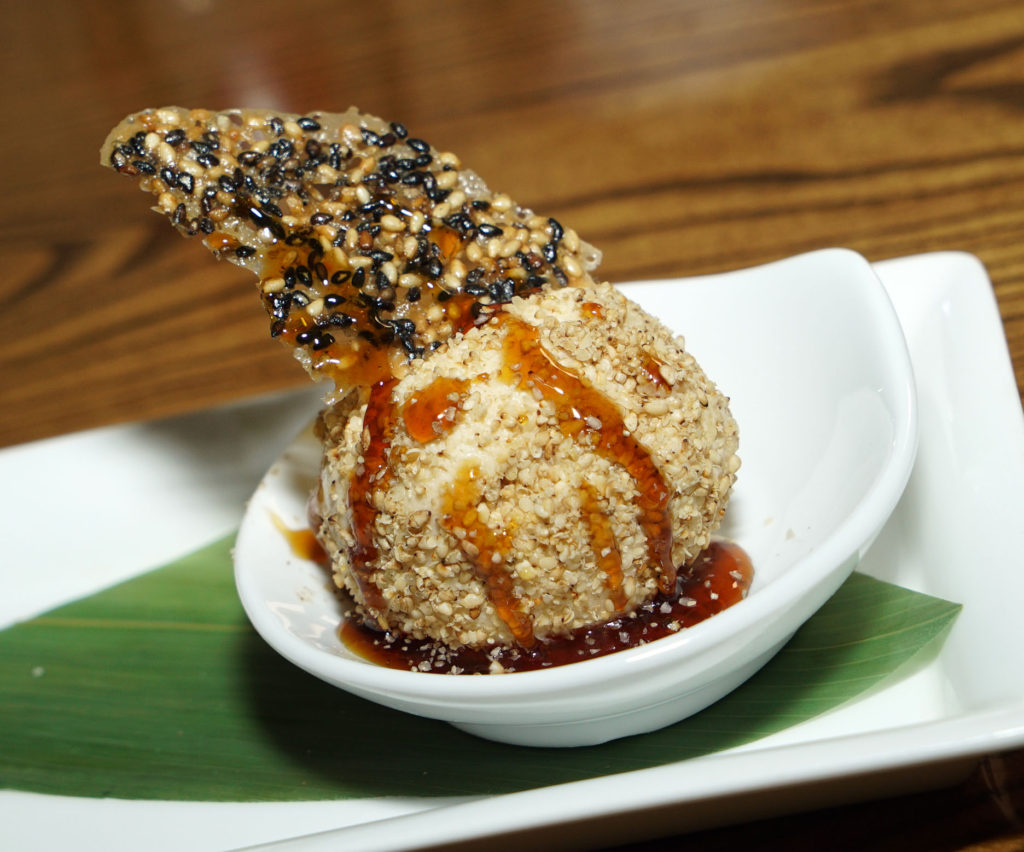
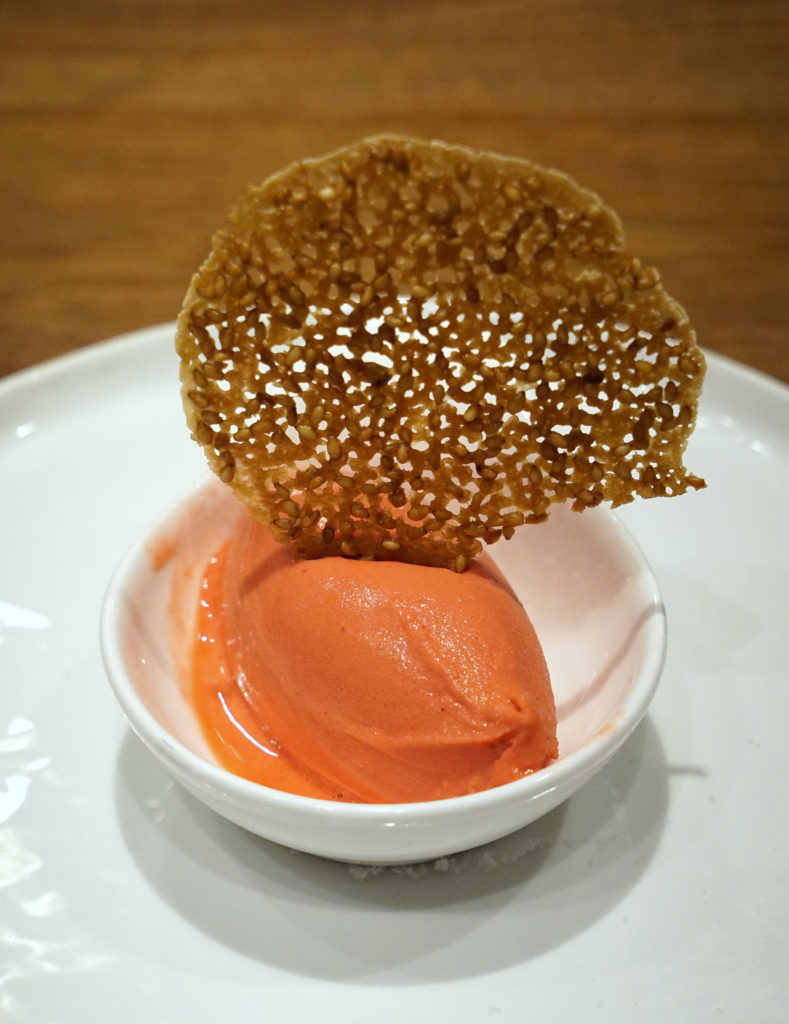
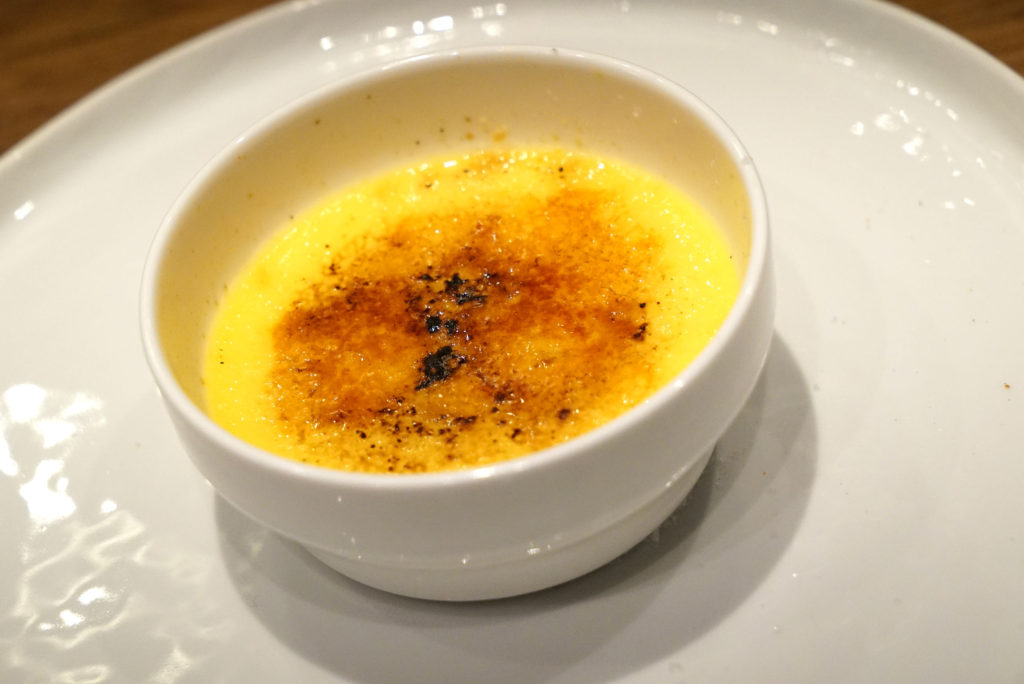
Dessert was a raspberry sorbet with a sesame crisp, and a yuzu creme brulee. Both were simple but excellent.

dsc07852

dsc07856

Lastly, I apologize for the poor photos. I didn’t bother to color correct when I got home. I mainly just focused my photo editing efforts on that beautiful soba dish because I knew I was going to post it on Instagram.

All in, this was a great meal, albeit a bit pricey. The uni and eel tempura items were add-ons that really bumped up the cost. Also drinks: They’re always bill killers. But I definitely recommend giving this place a shot. There aren’t too many Japanese joints doing real deal tempura omakase in this low price range ($65/pp to start).

SECCHU YOKOTA
199 East 3rd Street
1st Floor, New York, NY 10009

Natsumi Tapas

When I see something that’s marketed as Japanese-Italian fusion, the first thing that comes to my mind is Super Mario Brothers, one of the best video games ever released by Nintendo.

From http://vignette2.wikia.nocookie.net

But now, since having this meal, the next thing that comes to mind is Natsumi Tapas. Natsumi is the latest venture by Barbara Matsumara, and it focuses on small plates for grazing and larger plates for sharing. She consulted with Italian chef Andrea Tiberi and sushi chef Hiroyuki Nagao to create a dynamic menu that gets increasingly interesting the more you look at it. I was invited in for a press meal with Jay from The Dishelin Guide, so we got to taste a lot of stuff. Here’s what we had:

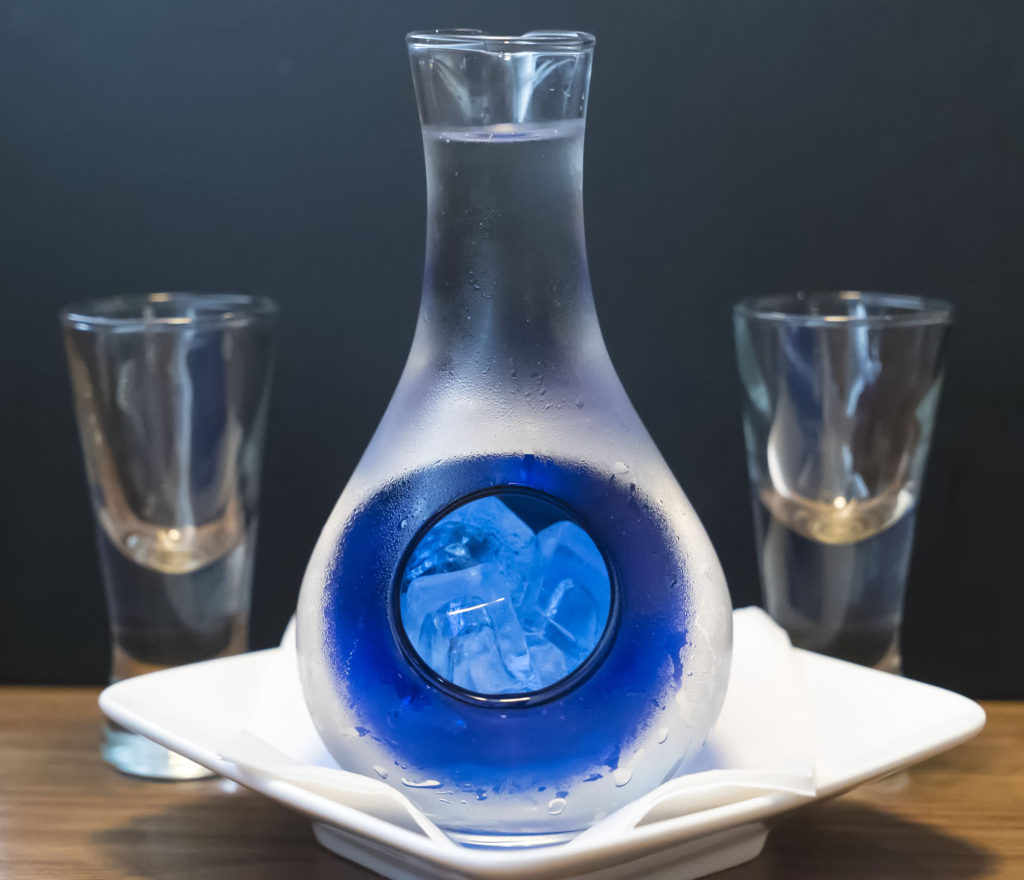
First, a nice pour of sake from this very cool bottle that houses the ice inside the center without touching the sake and thereby watering it down.

dsc00296

This place also mixes up some really nice cocktails too, by the way, like the EMW, which is made with shiso leaf, sake and gin.

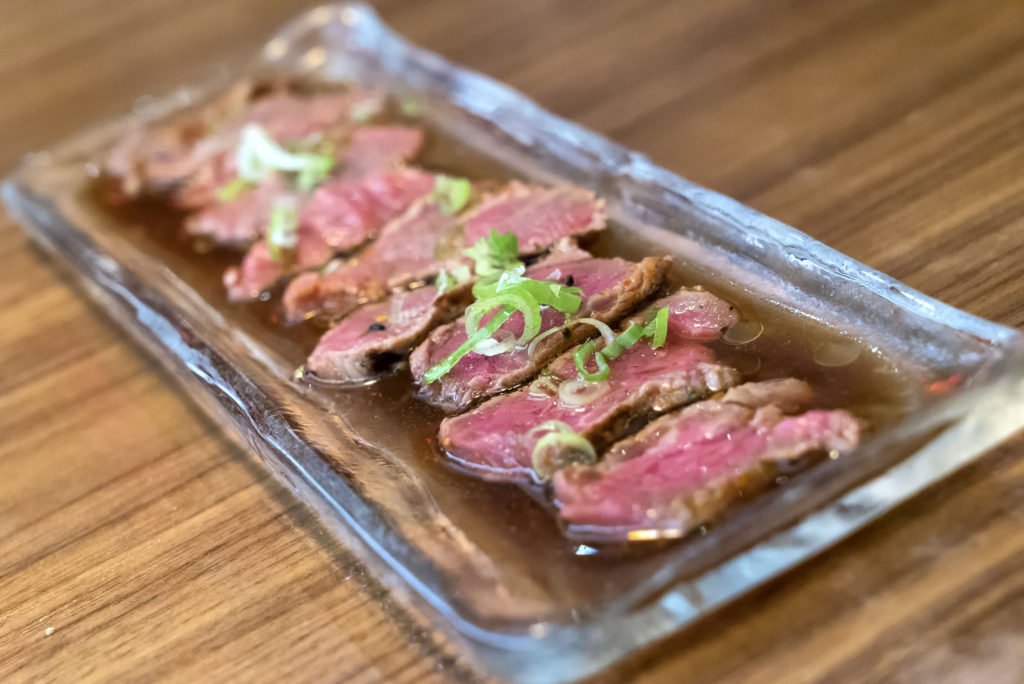
We started with this filet mignon, which was served sliced, tataki style, with a ponzu, garlic and truffle sauce. The truffle and garlic really brought an awesome fusion flavor to an otherwise Japanese flavored dish. While this wasn’t a traditional “steak” in the sense of a steakhouse cut or portion size, I’m still going to score it since it was worth discussing. 8/10. I definitely recommend this dish.

dsc00305

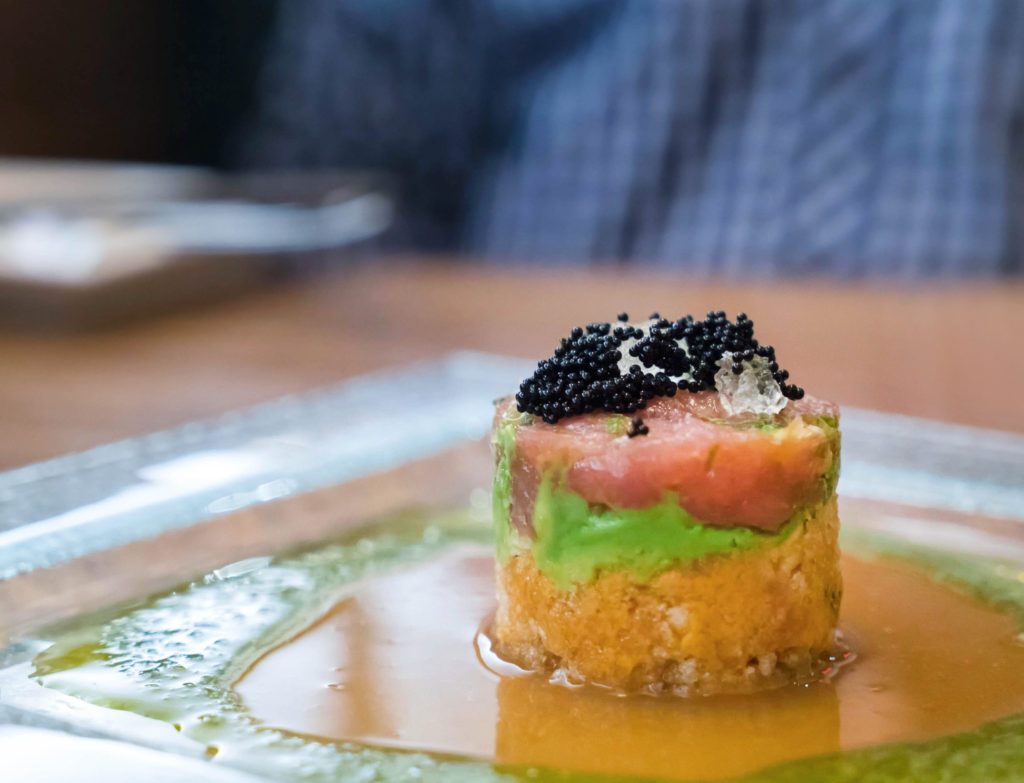
Next up was the tuna tartare martini with avocado and caviar. The orange layer at the bottom definitely had some tobiko mixed in for a nice change-up in texture. Very smart. The mango and basil pesto sauce really made this pop with unorthodox and surprisingly good flavor combinations. Also recommended.

dsc00331-fixed-crop

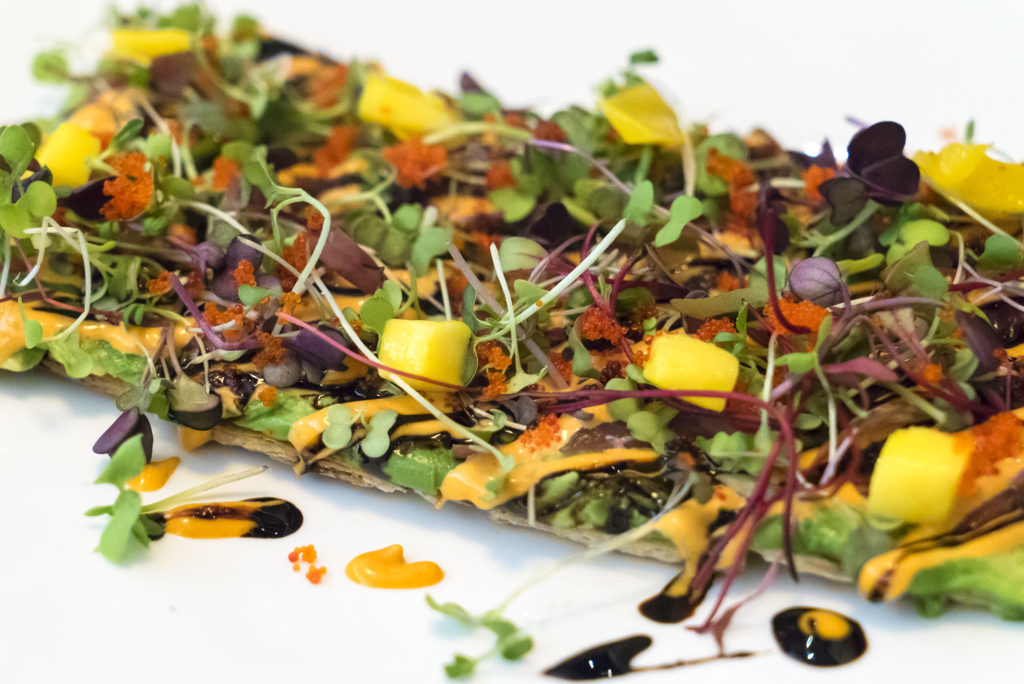
While the flatbread wasn’t exactly the pizza dough crust that I imagined (it was more like a puffy cracker), it did pack a lot of flavor. We tried the spicy tuna caviar flatbread. It wasn’t as much of a fusion as some of the others seemed to be, like the seared salmon flatbread, but it was really delicious nonetheless. If you’ve ever had “sushi pizza” before at some other restaurants, it is somewhat similar to that, and always a crowd-pleaser.

dsc00348

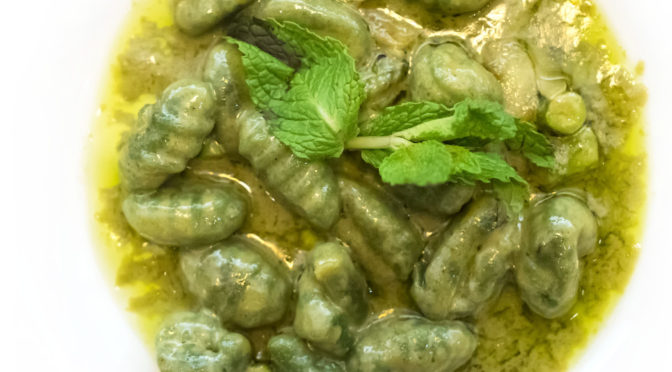
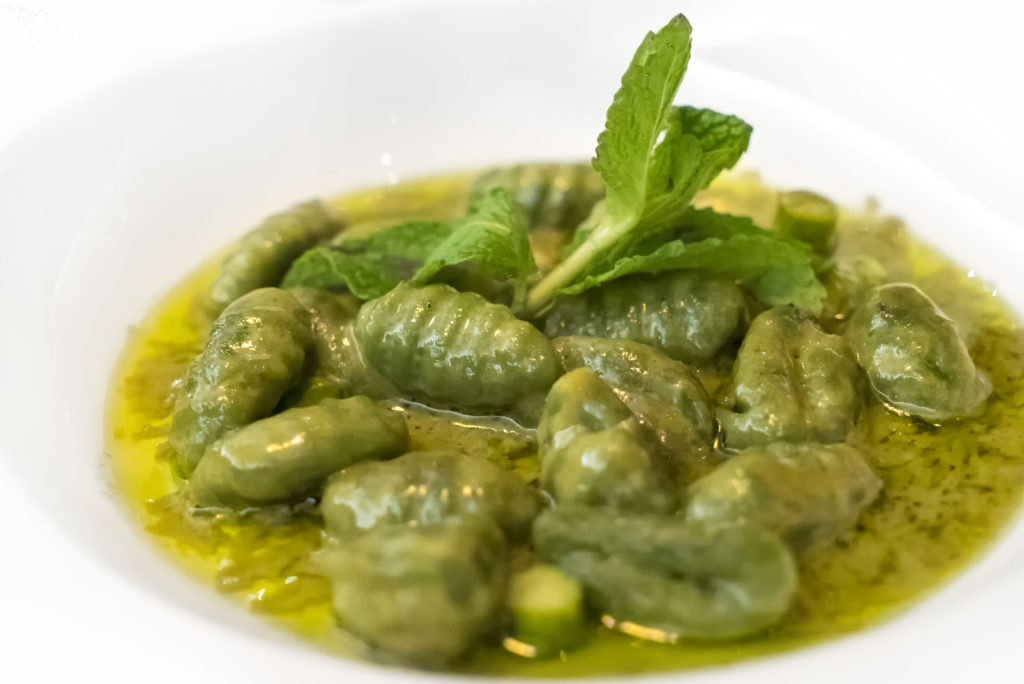
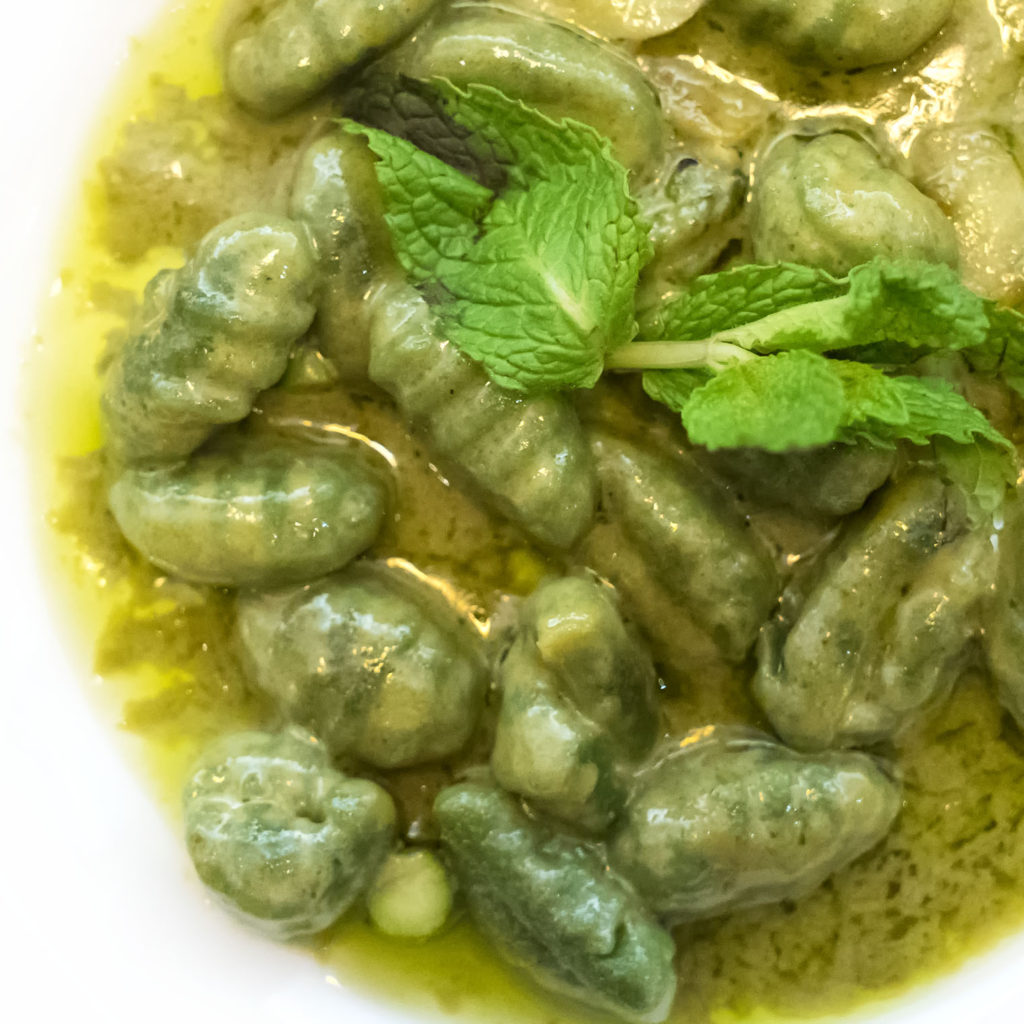
This bowl of green tea gnocchi with asparagus and capers in a light butter sauce was absolutely perfect. Definitely my favorite item of the night, by far. While it leaned a bit more on the Italian side, it was probably one of the better gnocchi dishes I’ve had in town. The green tea flavor was very mild, but the sauce was drinkable. I highly recommend this dish when you go here. Not only was it tasty, but it was also beautiful.

dsc00388

dsc00377-crop

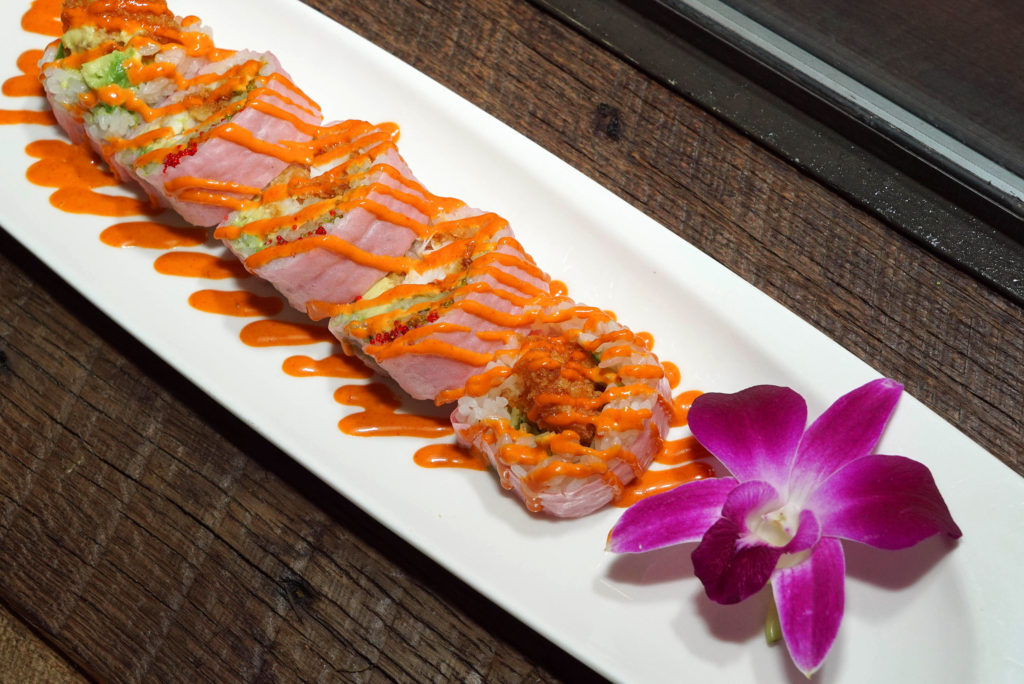
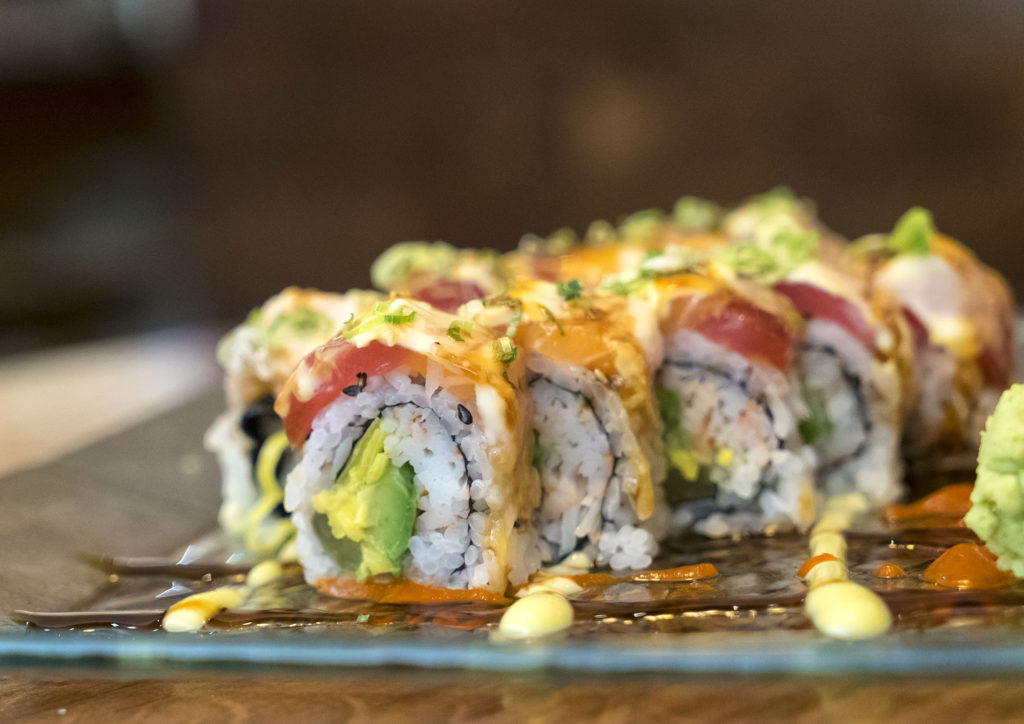
We finished our savory courses with the Squarano roll; seared tuna, seared salmon, kani, avocado, scallion, pepperoncini and green tea aioli. This was pretty tasty, and nicely nestled into the fusion realm with the addition of an aioli and pepperoncini from Italian cuisine. Really, you can’t go wrong with any of their special roll selections. They all looked great.

dsc00409

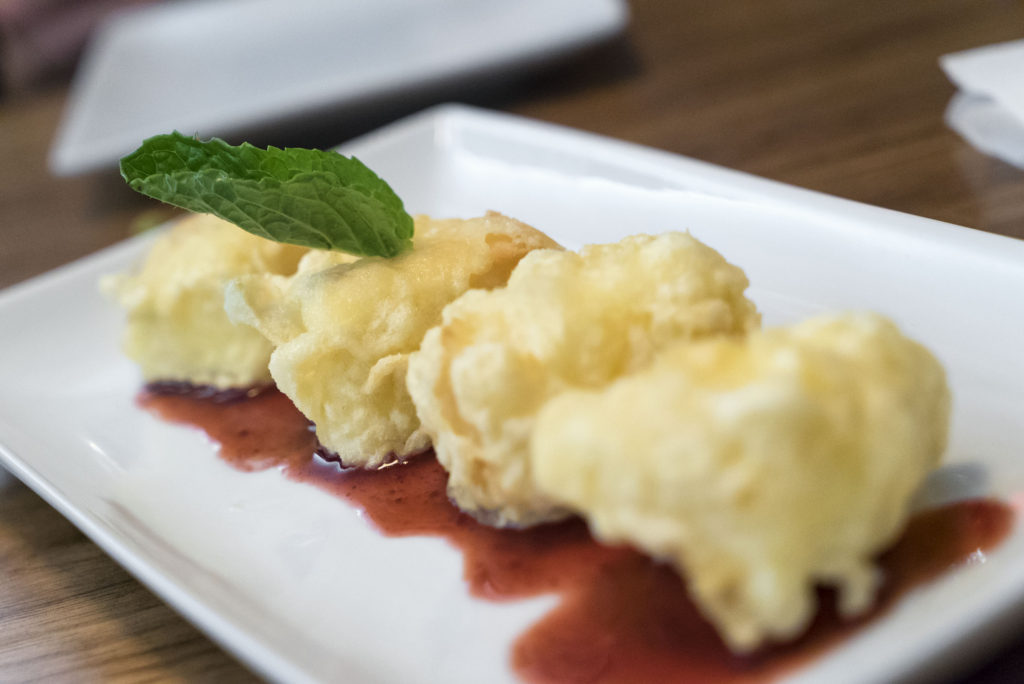
For dessert we tried the cheese cake tempura, which was nice and crispy outside, and soft like mashed potatoes inside. It had just the right amount of sweetness, and the berry compote on the plate was the perfect way to incorporate a sauce element.

dsc00410

Definitely give this place a shot. It just opened in March and the place was packed to the gills when we went on a Tuesday night at 7pm. The ambiance is comfortable, not too dim, not too bright, not too loud and very spacious, which is a welcome addition to the NYC Japanese restaurant world.

NATSUMI TAPAS
323 3rd Ave
New York, NY 10010

Hida Beef

Hida is a region in Japan, located in the northern part of Gifu prefecture on Honshu island. That’s west of Tokyo, but not quite as far as Kyoto or Osaka. While I’ve never been there, I can tell it’s a place that I’d definitely want to visit.

Hida is known for it’s outstanding beef (Hida-gyu), which is derived from a black-haired Japanese breed of cattle. Laws are such that, to quality as the Hida brand, the cattle has to have been raised in Gifu prefecture for at least 14 months. The beef is characterized by intense, beautiful, web-like marbling with a buttery, smooth texture that melts in your mouth. The flavor is both rich and delicate at the same time. It can be likened to the top percentiles of wagyu beef, rivaling kobe and matsusaka in quality, with marbling grades of A/B 3, 4, and 5.

I was invited to a Hida beef tasting event at EN Japanese Brasserie, one of the seven restaurants in the area that will be serving Hida beef on their menus. The other six are Brushstroke, Hakubai, Hasaki, Sakagura, Shabu-Tatsu and the Members Dining Room at the Metropolitan Museum of Art. This is the first time that Hida beef is available here in the States, so if you’re a meat aficionado like me, you should definitely hit one of these places and give it a try. This stuff is expensive though, so make an occasion out of it.

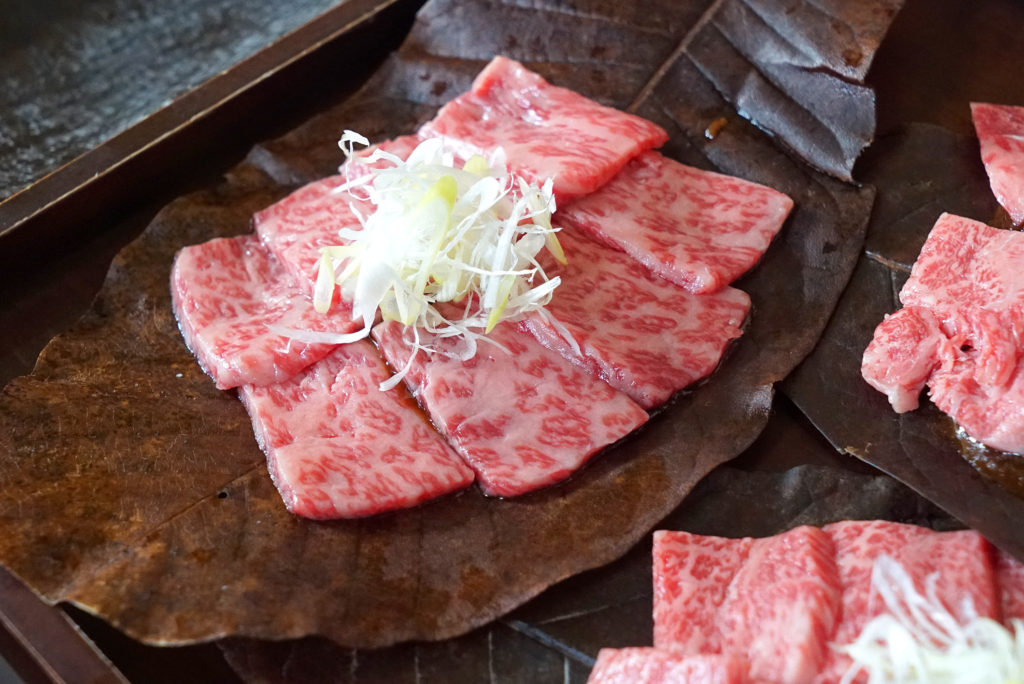
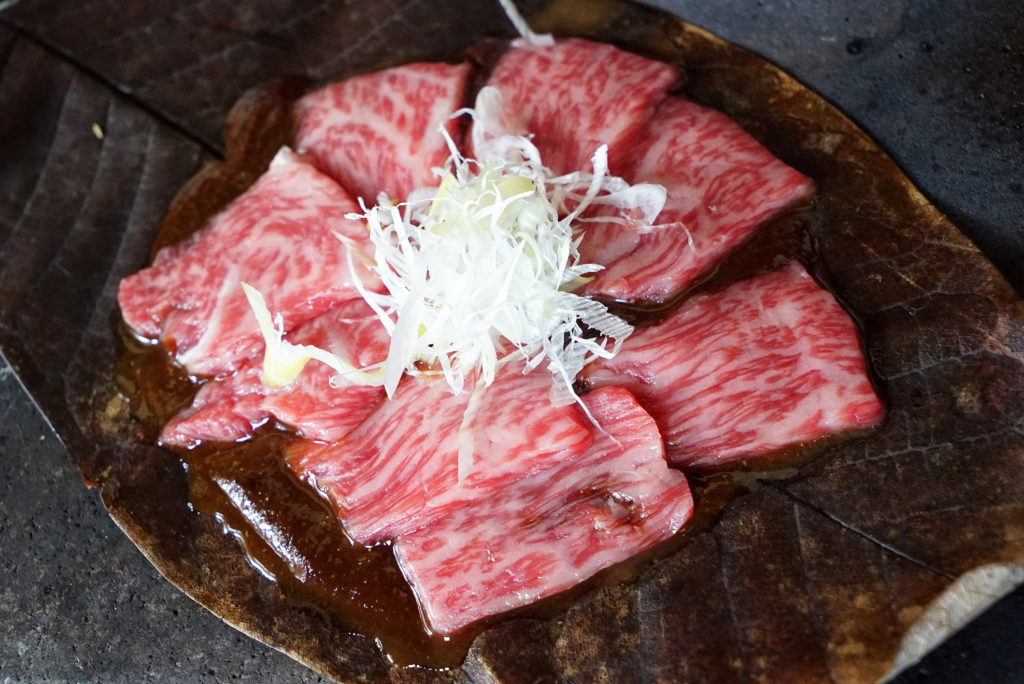
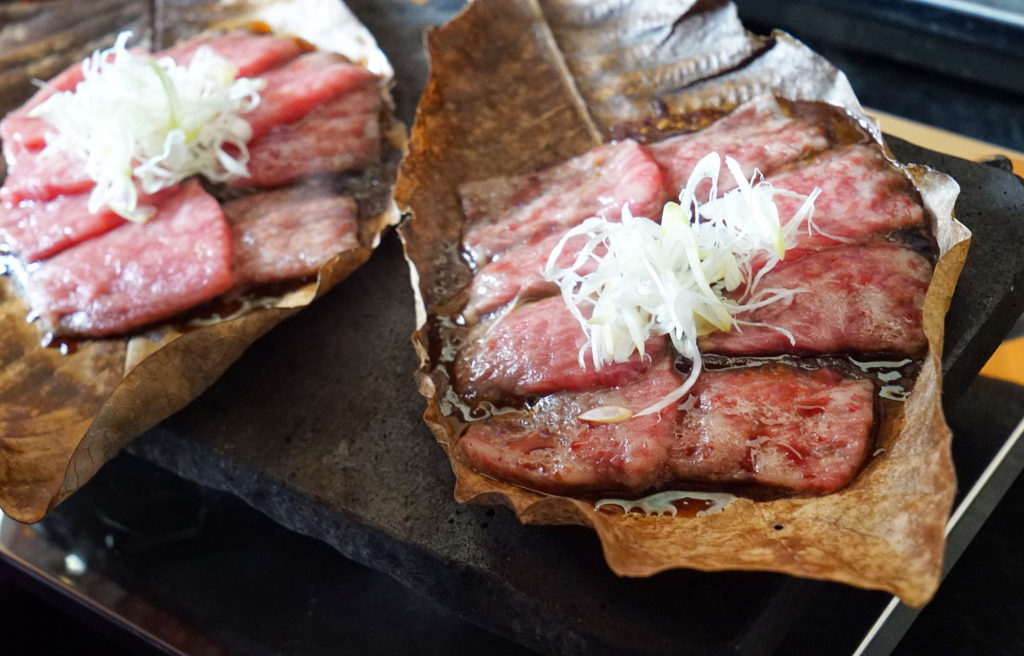
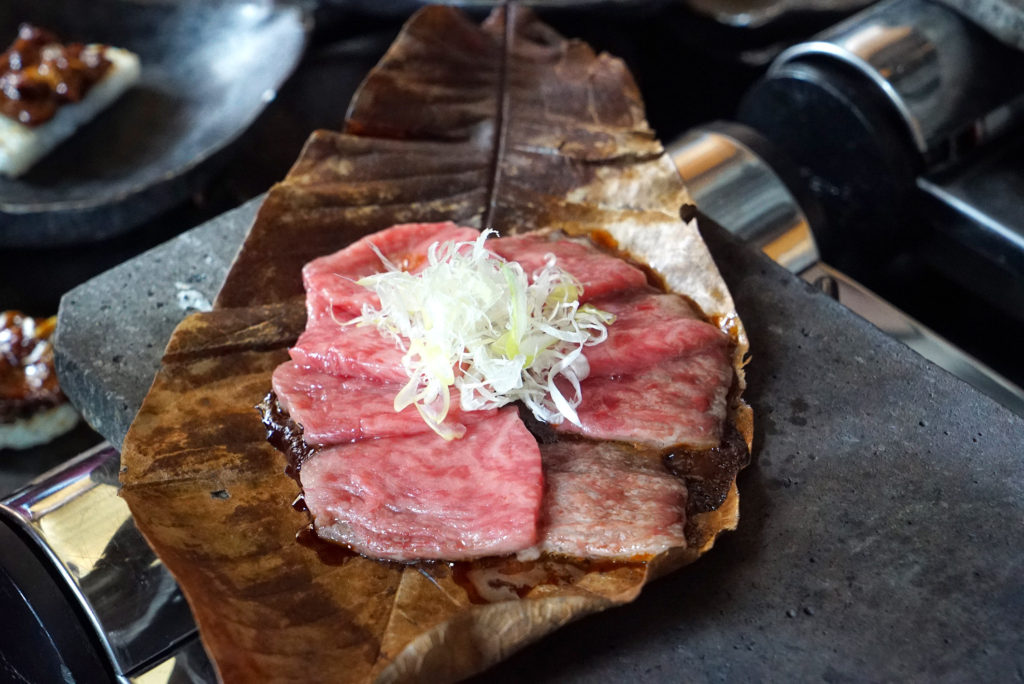
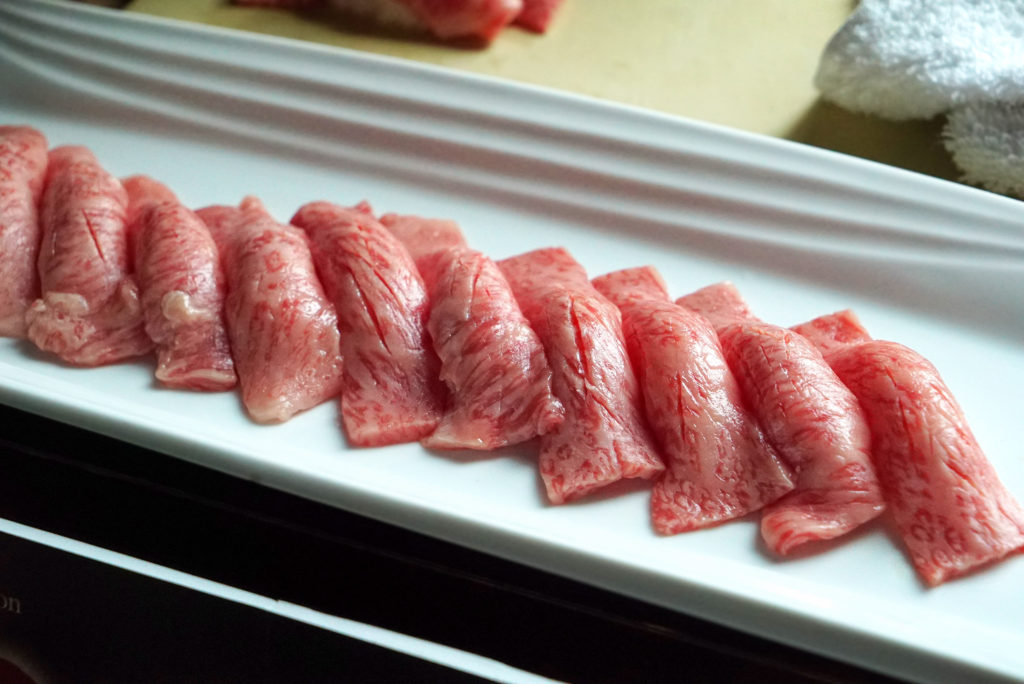
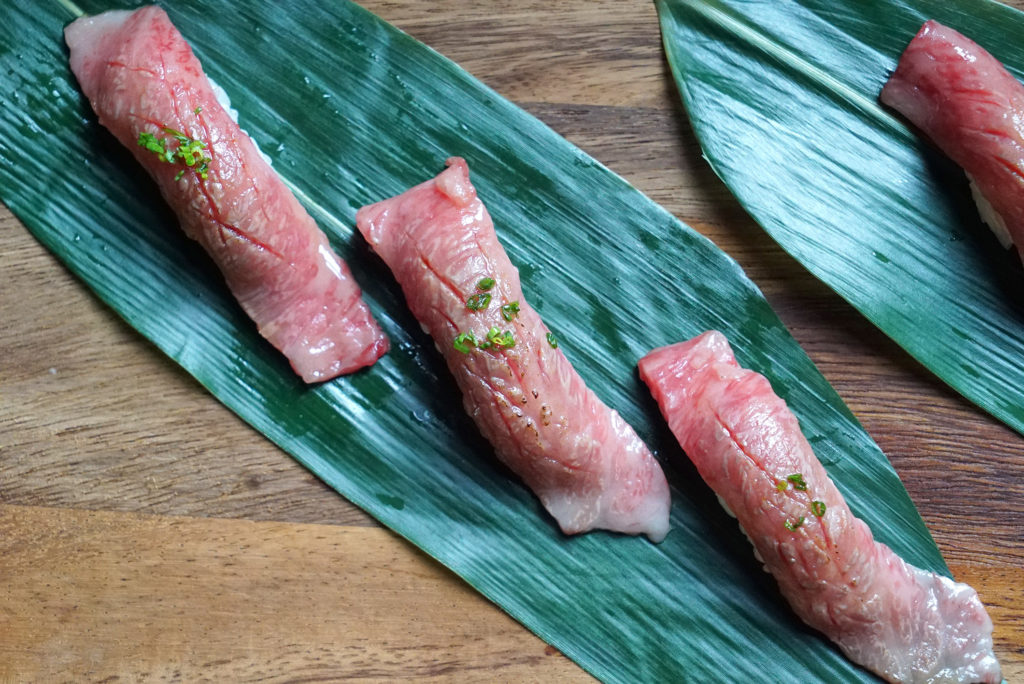
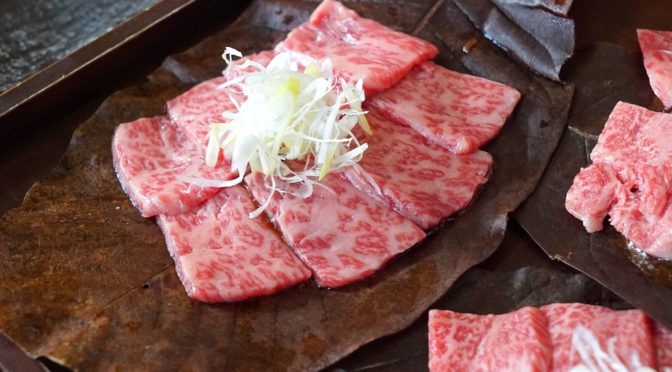
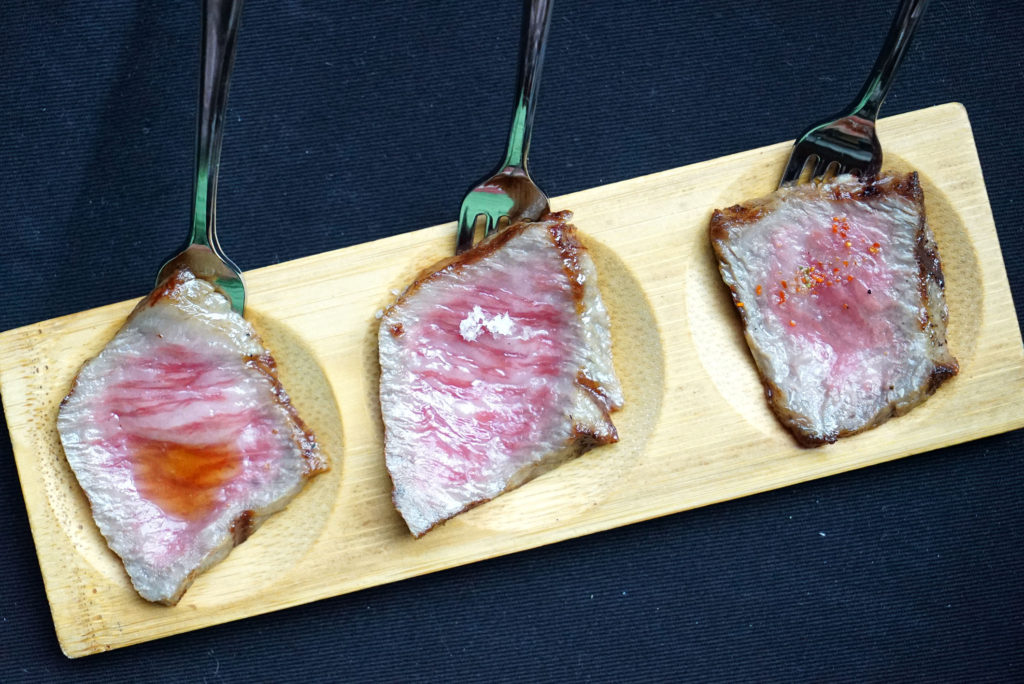
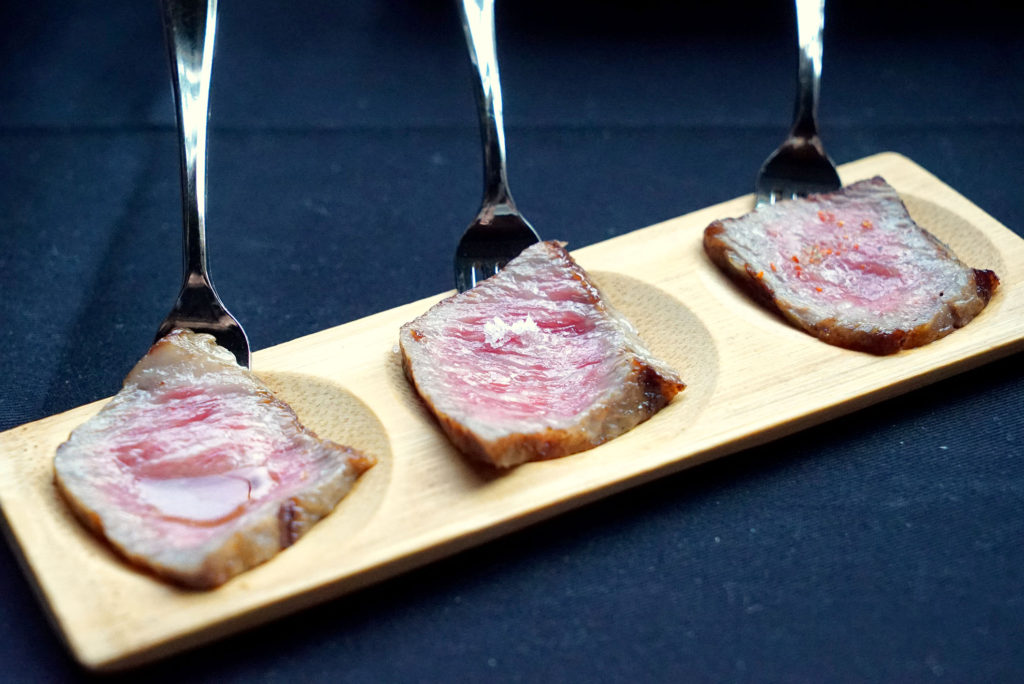
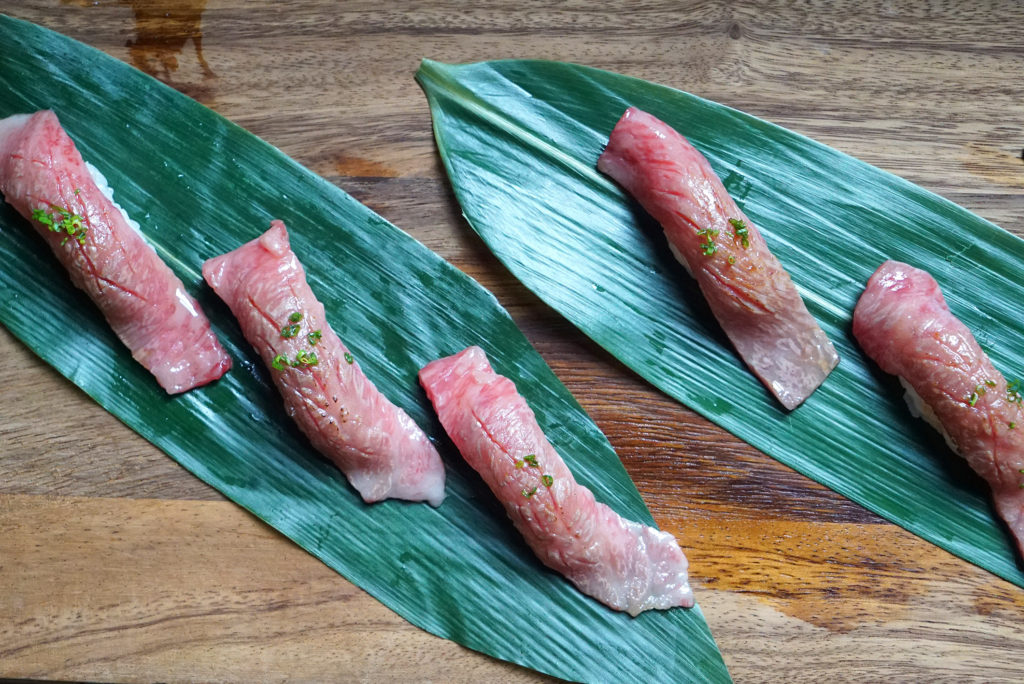
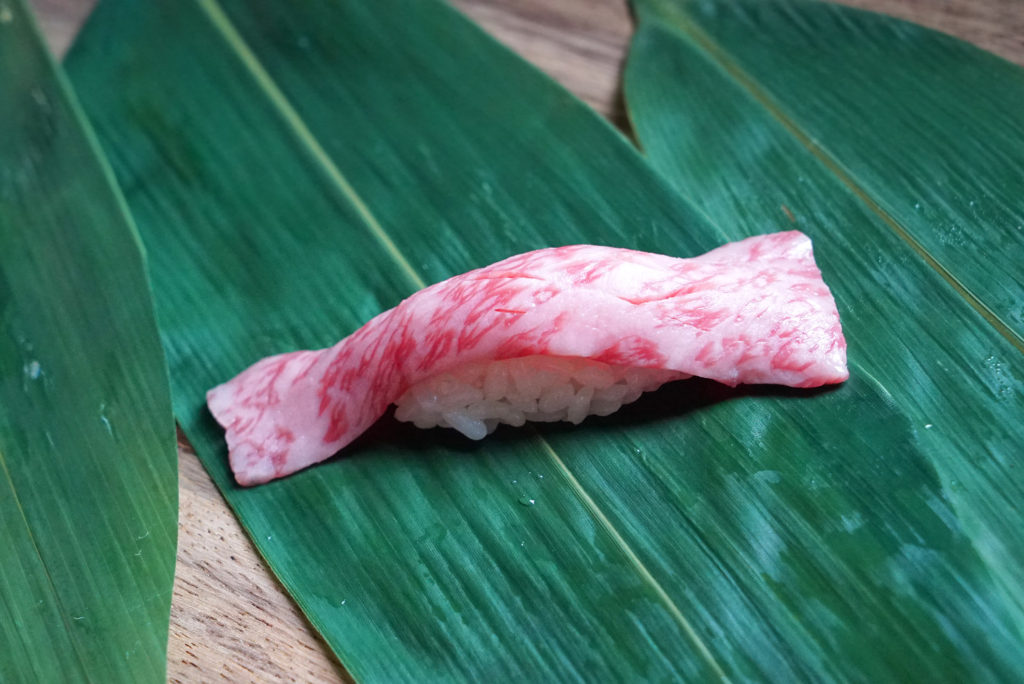
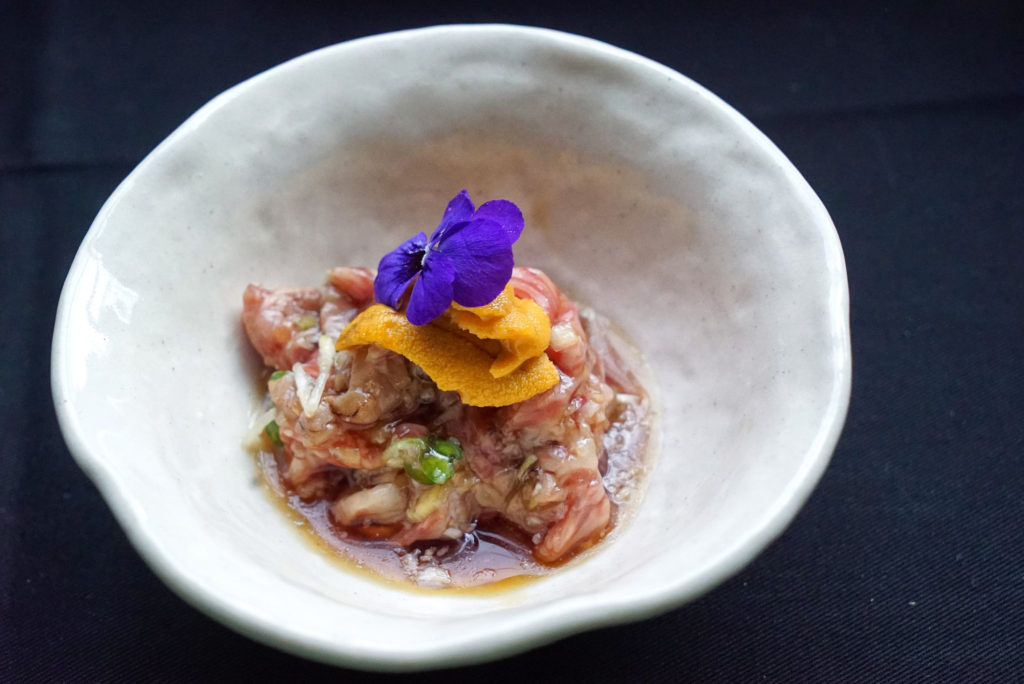
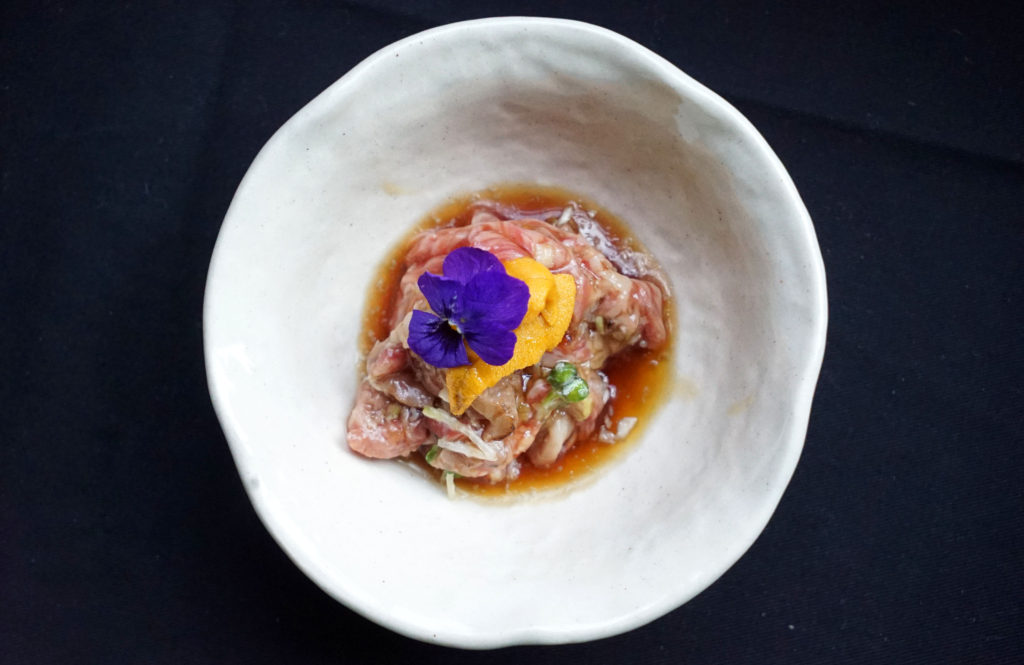
I tried the beef in four different preparations: (1) sliced raw, nigiri sushi style, and then kissed with the scorching flame of a blowtorch; (2) seared edges, a tatami trio, with three different kinds of salt; (3) “Hoba-miso” style, stone grilled with miso sauce; and (4) chopped raw, tartare or ceviche style, with citrus and uni. Despite all the marbling, the meat doesn’t come off tasting very fatty, like some highly marbled cuts do. It didn’t leave a coating of waxy or fatty residue on my palate like certain cured salamis with high fat content. And it didn’t cause the flavors of whatever I ate next to change or taste different due to that fat, which is sometimes the case with aged beef and cured salami. In short, it was really a very pleasing experience.

I’ll start with my favorite preparations: (2) and (3). The tataki trio was essentially three slices of Hida beef (strip loin), each dressed with a different salt element: yuzu soy sauce, sea salt and a special red salt that had hints of spice to it. All three were great, but I think I liked the classic sea salt topper the best.
dsc09020

dsc09025

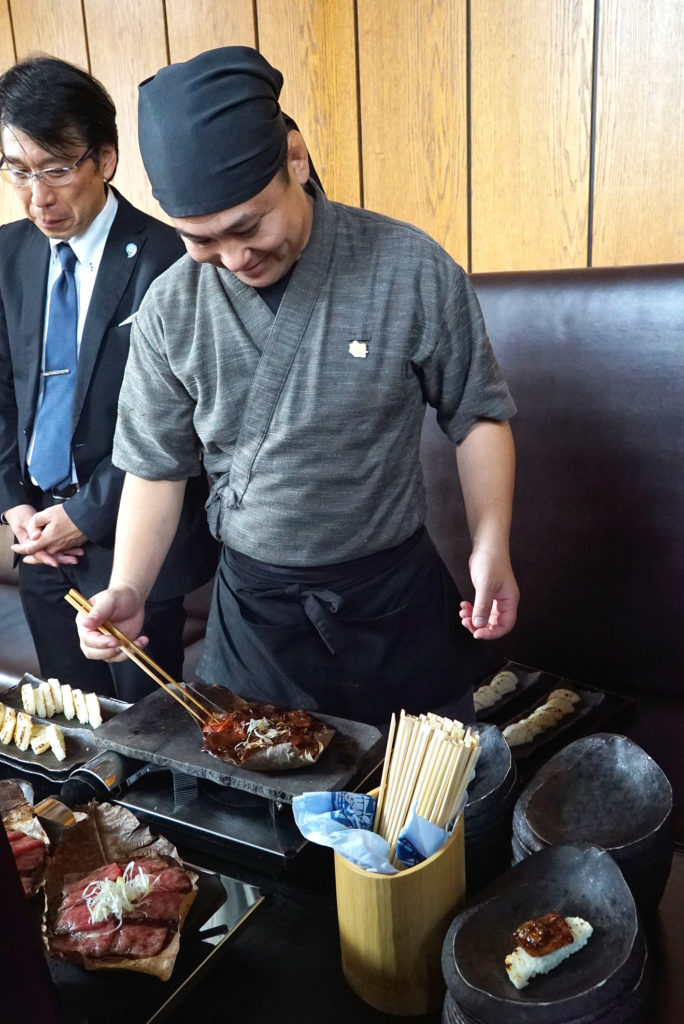
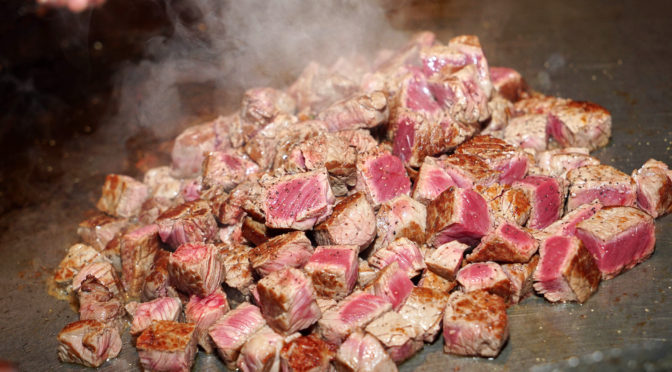
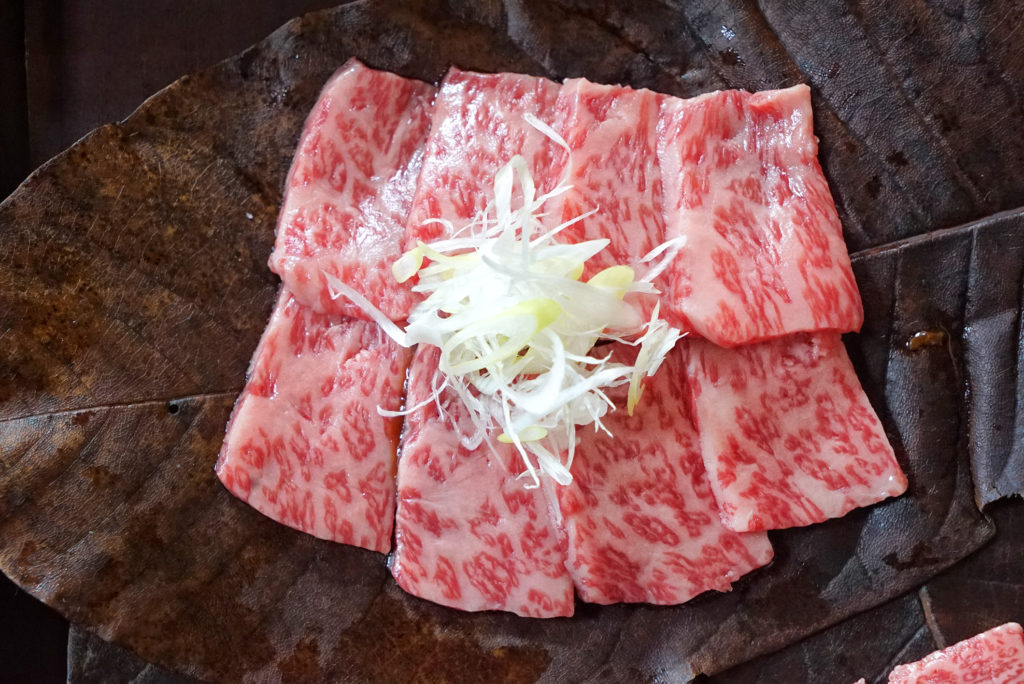
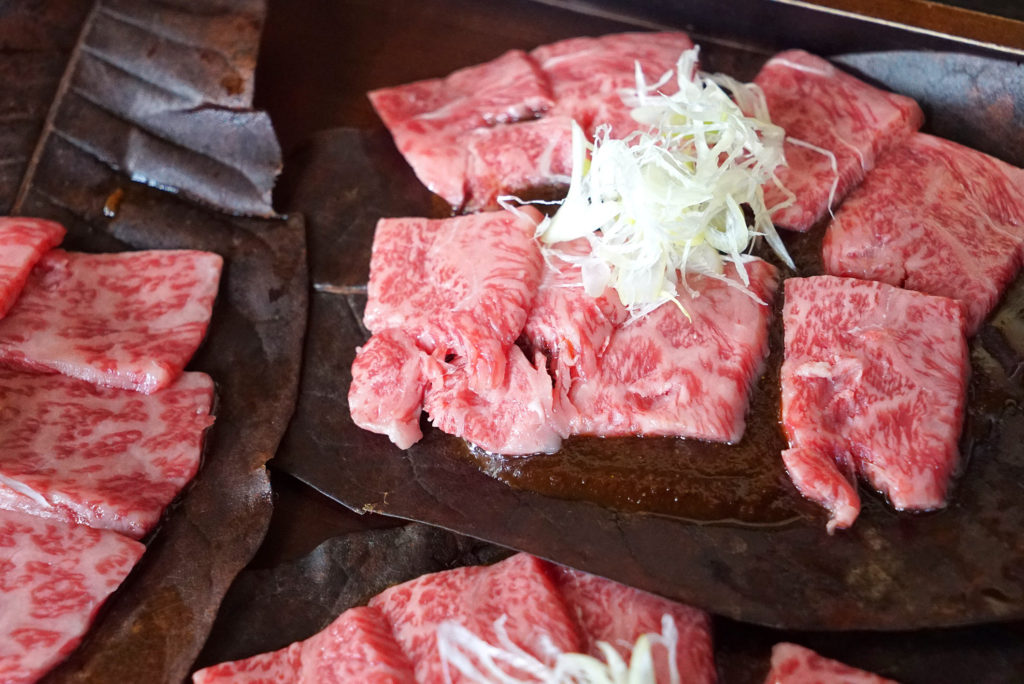
The hot stone grilled preparation, Hoba-miso, was the only one in which the beef was cooked through. This dish is local to Hida. The sliced beef is placed on Hoba (a big Magnolia leaf) with miso and scallions, which then sits directly on the surface of the hot stone. As you can see, the before and after photos of this method indicate that this beef can be thoroughly enjoyed fully cooked if you’re one of those puss-bags who is afraid to eat raw or under-cooked meat.
dsc08935

dsc08937

dsc08939

dsc08983

dsc08971

dsc08977

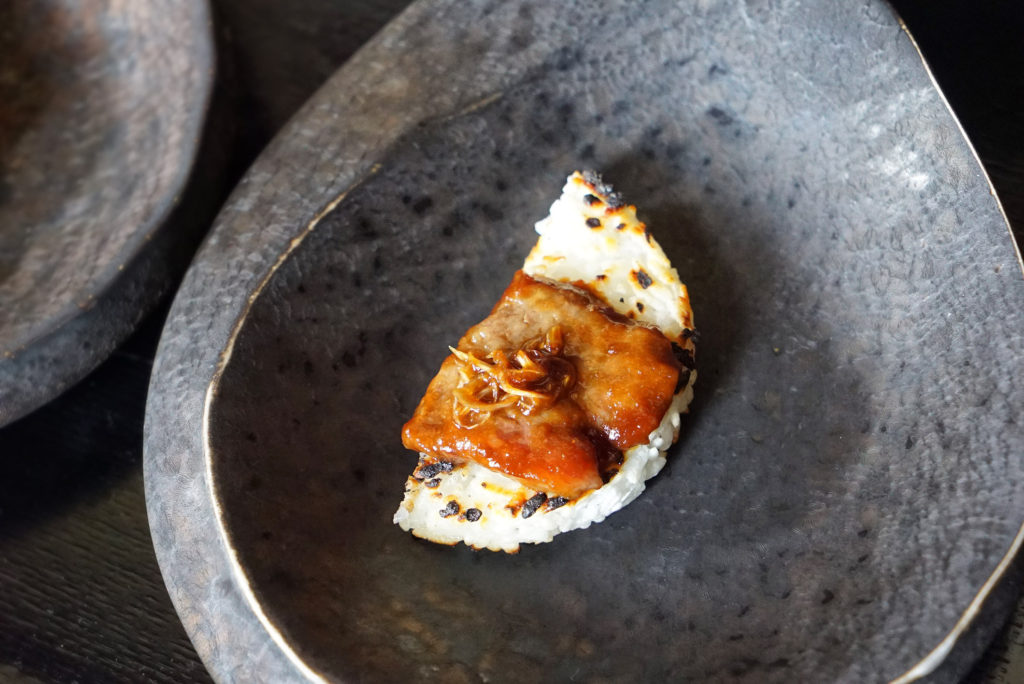
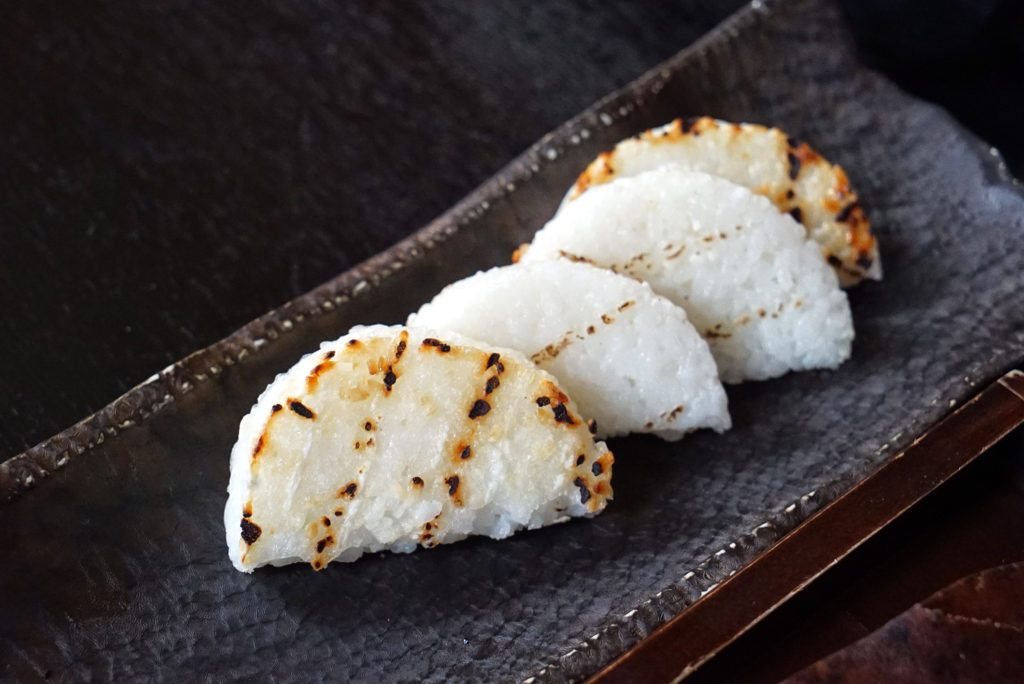
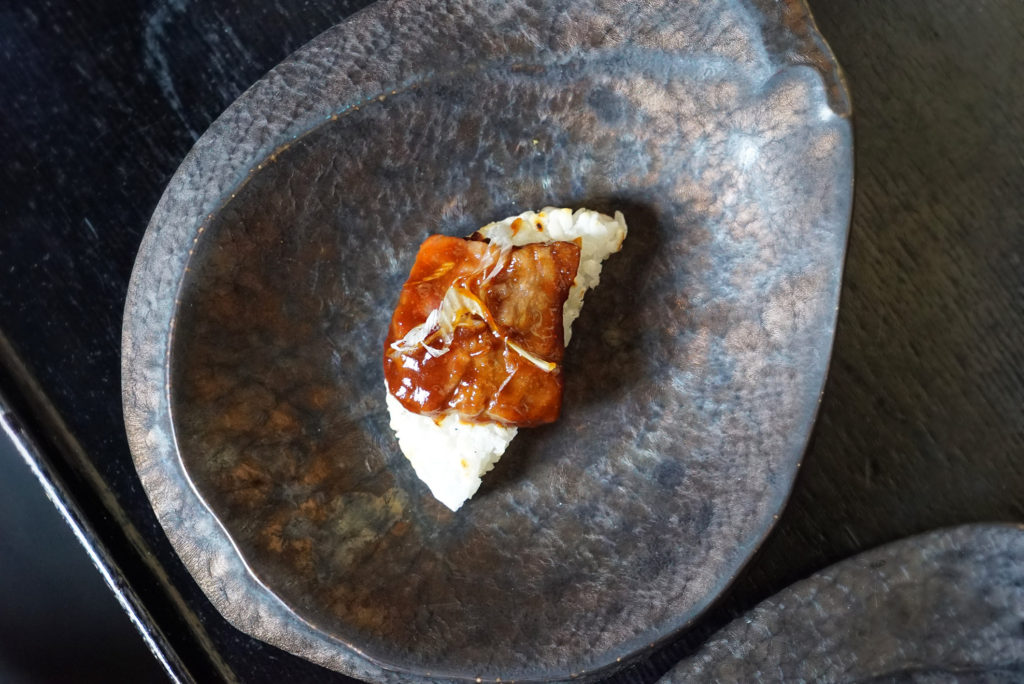
Fully cooking the beef did not take anything away from the meat. You still get that buttery smooth texture and melt-in-your-mouth flavor characteristics. In fact, the leaf and miso bring nice flavor accents to the beef that compliment it well. This, too, was a strip loin cut of beef, and it was presented to eat on grilled sticky rice patties.
dsc08942

dsc08976

dsc08978

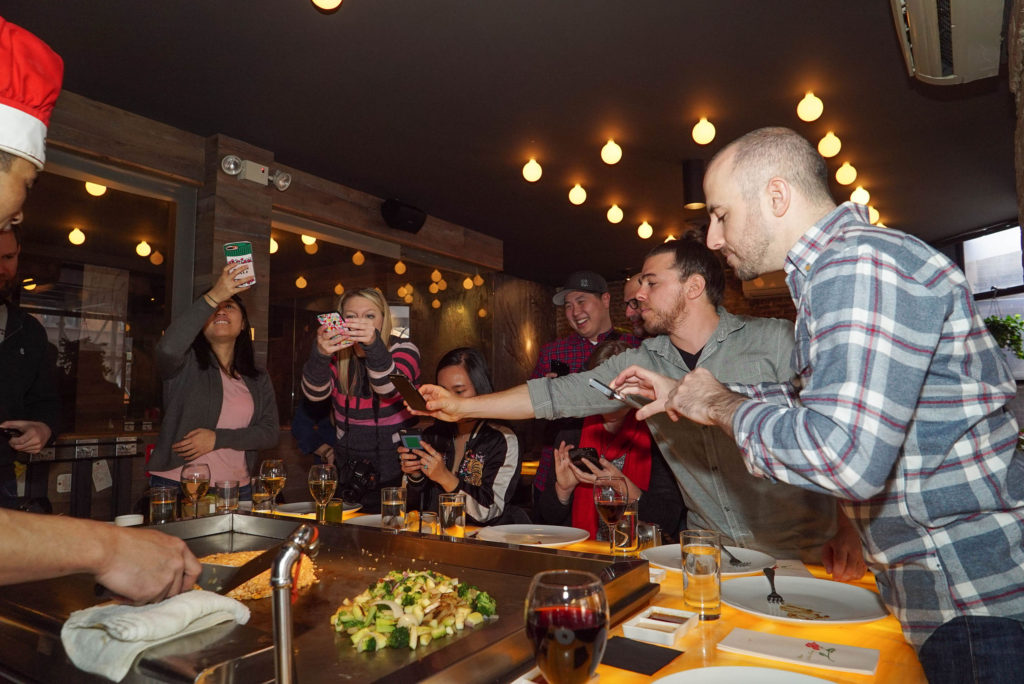
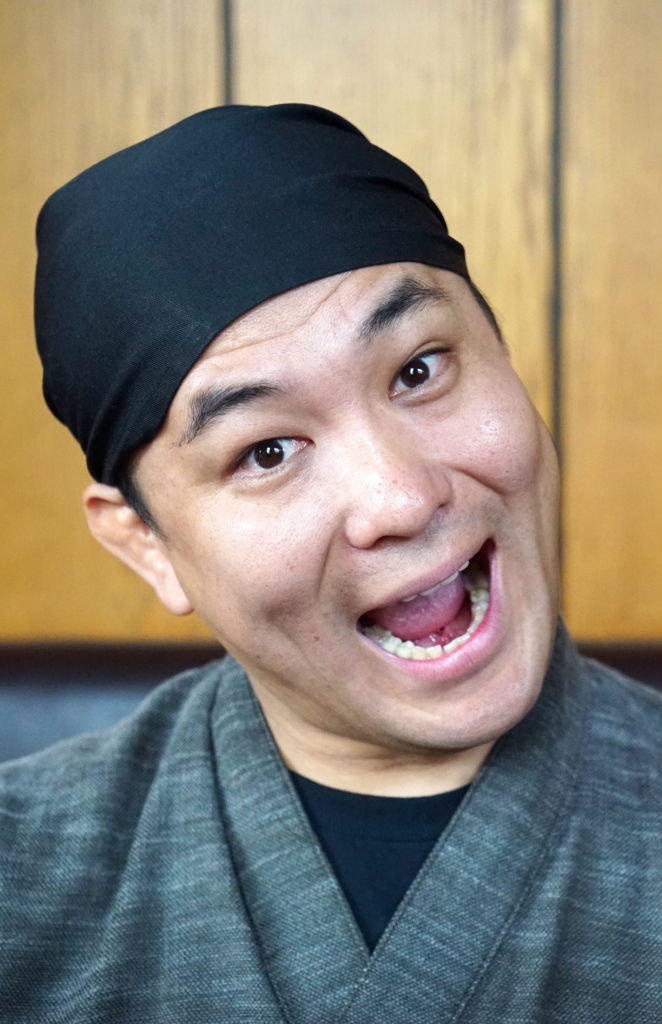
Here’s the chef, Abe Hiroki, who was grilling these delicious morsels to absolute beef-paradise perfection:
dsc08985

dsc08970

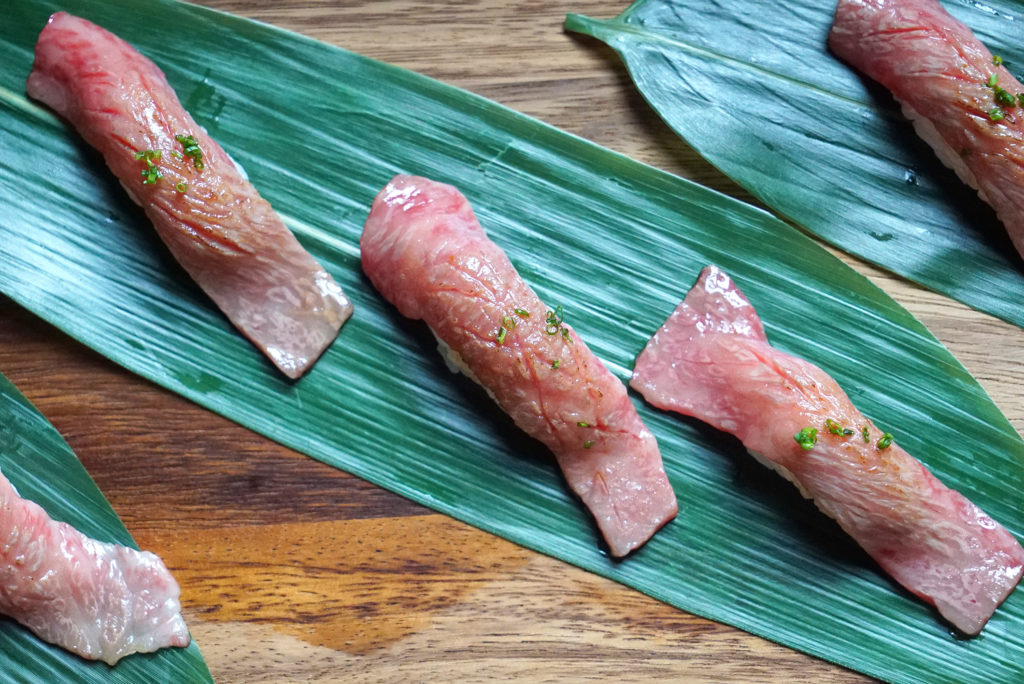
The torched nigiri style reminded me slightly of spam musubi, for the sole reason that it was a warm meat item served atop sushi rice. Here, you can get a real, unadulterated taste of the beef in all its marbled glory. It truly is spectacular.

I’ve been eating aged beef for so long that something this pure and clean really blew me away. This was strip loin as well.
dsc08987

dsc08944

dsc08999

dsc08932

dsc08996

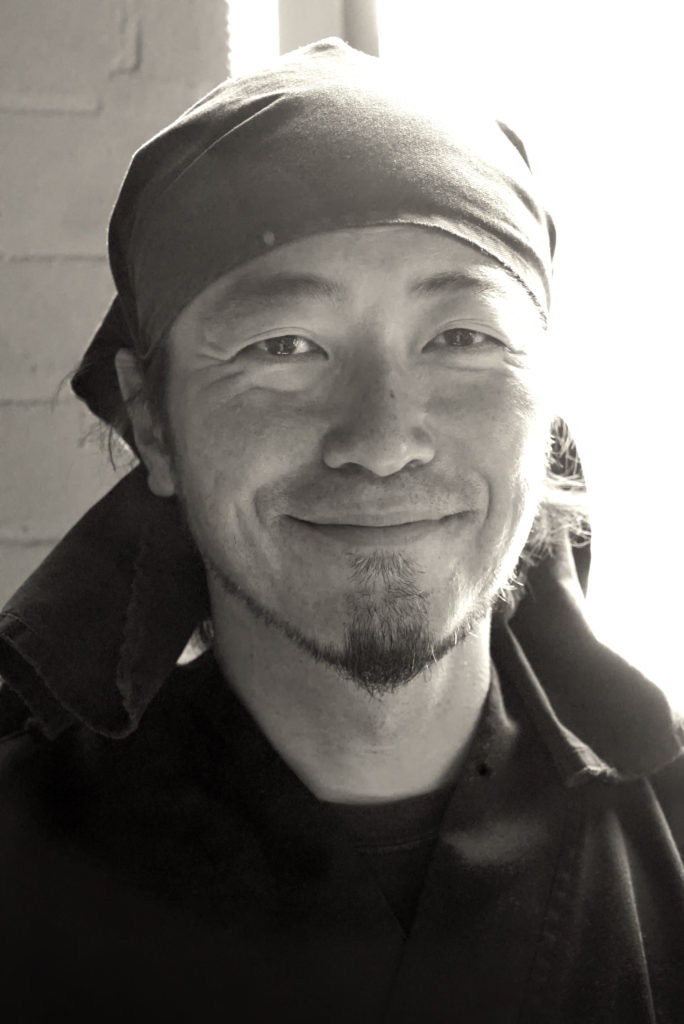
This was the sushi master behind these perfect pieces of nigiri:
dsc08988-sepia

Finally, this tartare or ceviche style came dressed with a citrus yuzu sauce and was topped with uni (raw sea urchin). Absolutely stunning and decadent. The reason I am interchanging tartare with ceviche is that, typically, ceviche involves fish and citrus, while tartare features meat and egg yolk. Since this dish had elements of both but not all, I figured I’d split the baby. Tarviche? Why not. Also strip loin.
dsc09016

dsc09007

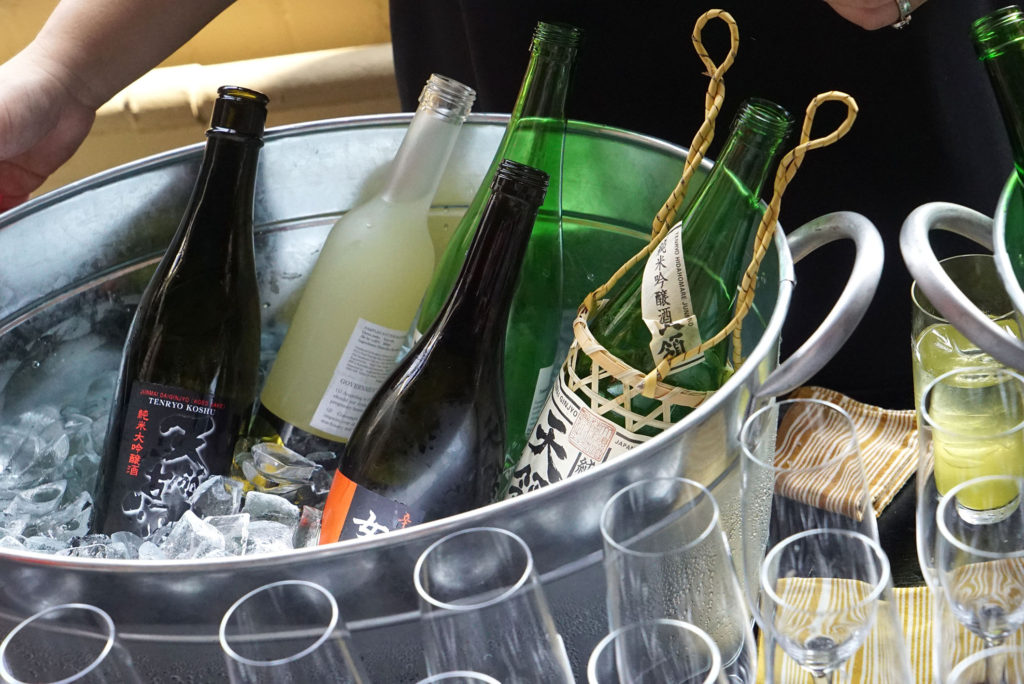
The event also showcased some nice sake selections with flavors ranging from dry to sweet, traditional to aromatic and fruity.

dsc09003

dsc09005

dsc09006

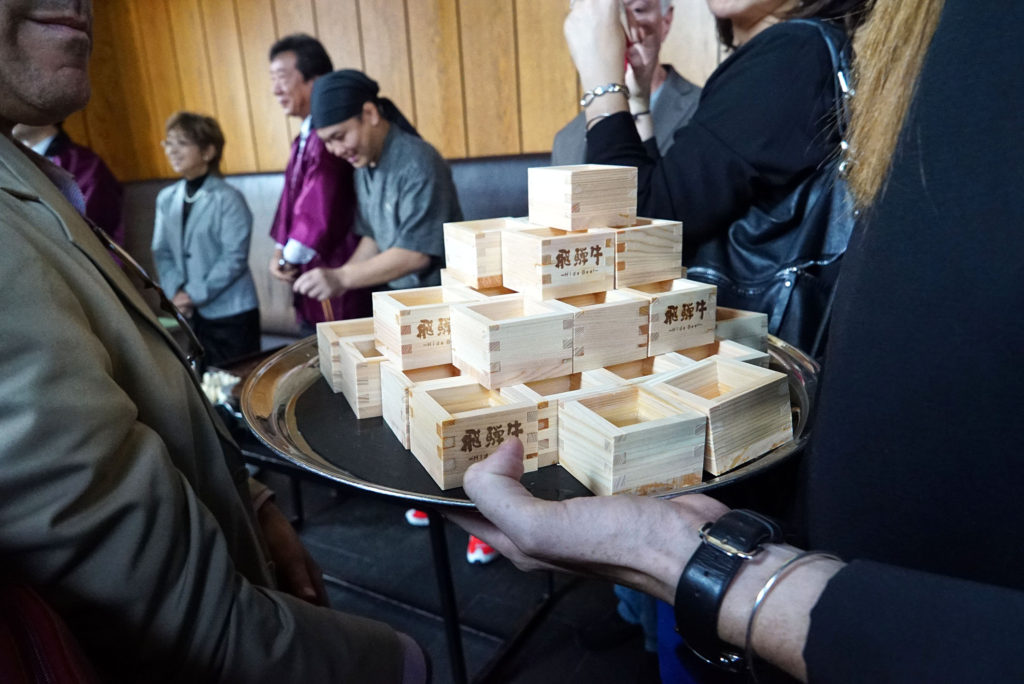
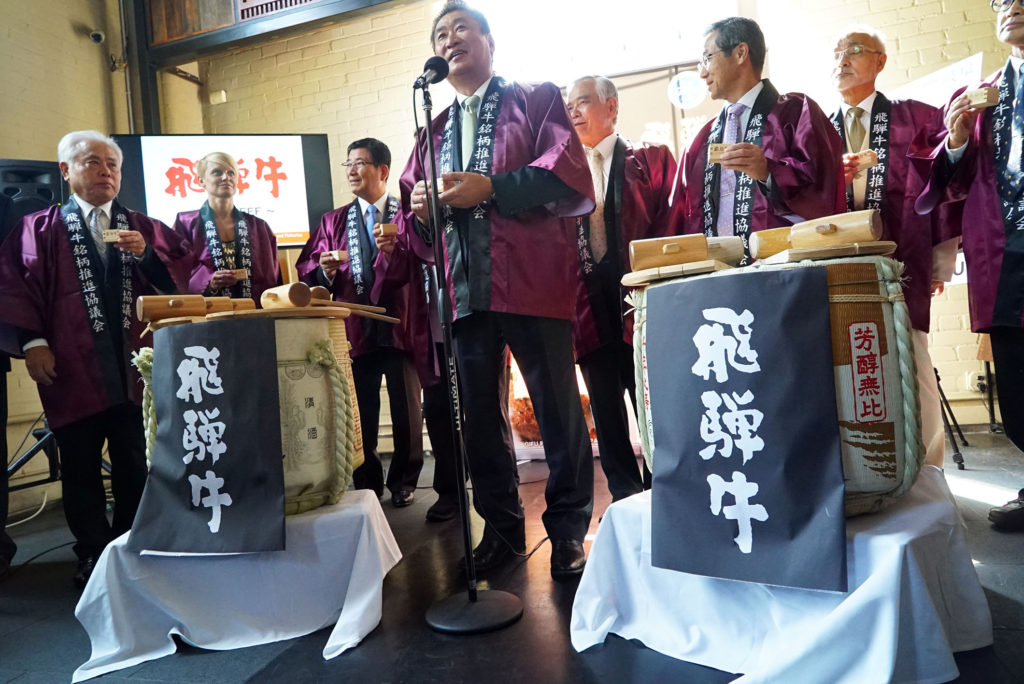
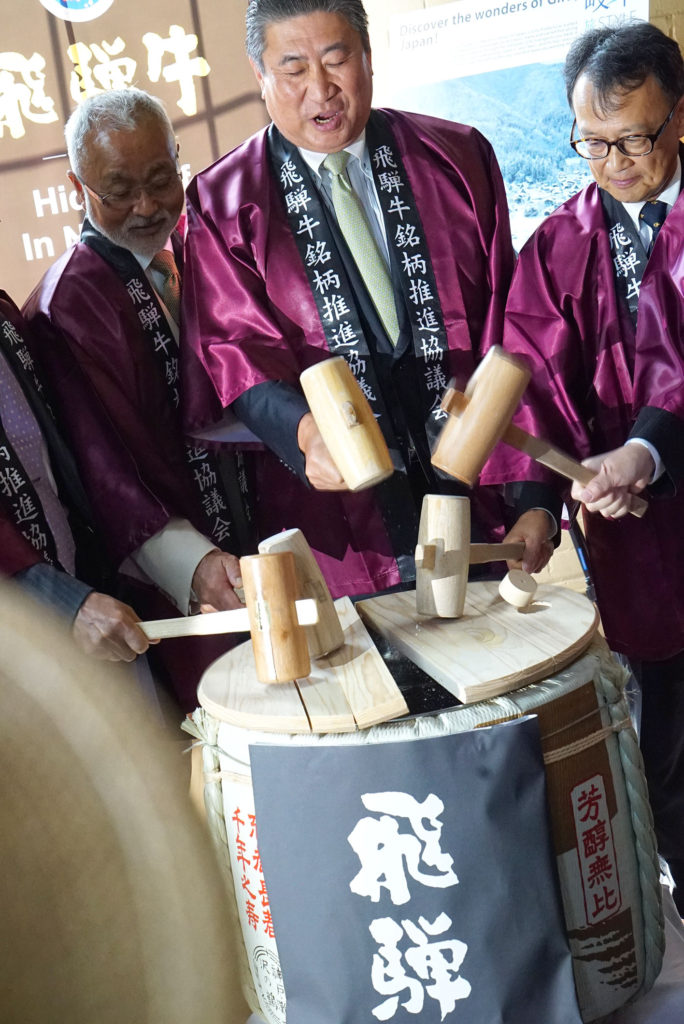
In fact, the event began with a “breaking the mirror” ceremony on the casks of sake, as well as a sake toast.
dsc08968

dsc08962

dsc08963

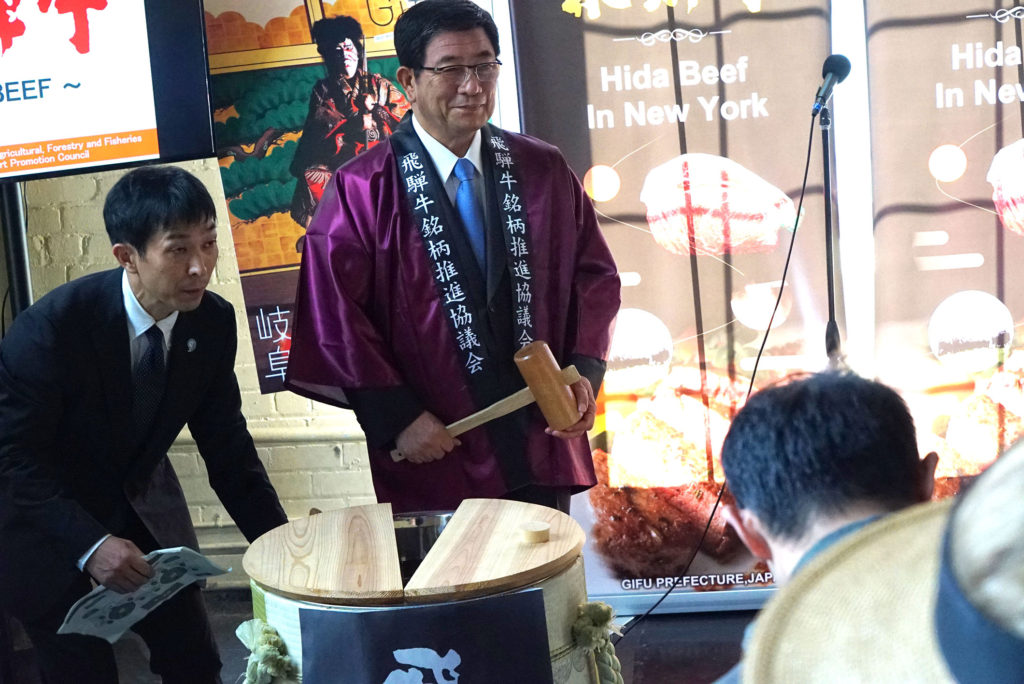
The governor of Gifu was even in attendance, introducing the beef, the region and the customs to the audience.
dsc08956

The restaurant itself is beautiful, and I look forward to coming back to try some more of this amazing beef. Every preparation was 10/10 for flavor, and I highly recommend it.

EN JAPANESE BRASSERIE
435 Hudson St
New York, NY 10014

Jin Ramen (UWS)

My wife and I popped in here for a Sunday lunch when the line for Jacob’s Pickles was wrapped down Amsterdam and we had absolutely zero desire to wait it out. We’d been to the Harlem Jin location in the past and liked it, so we knew we’d most likely enjoy the UWS location as well.

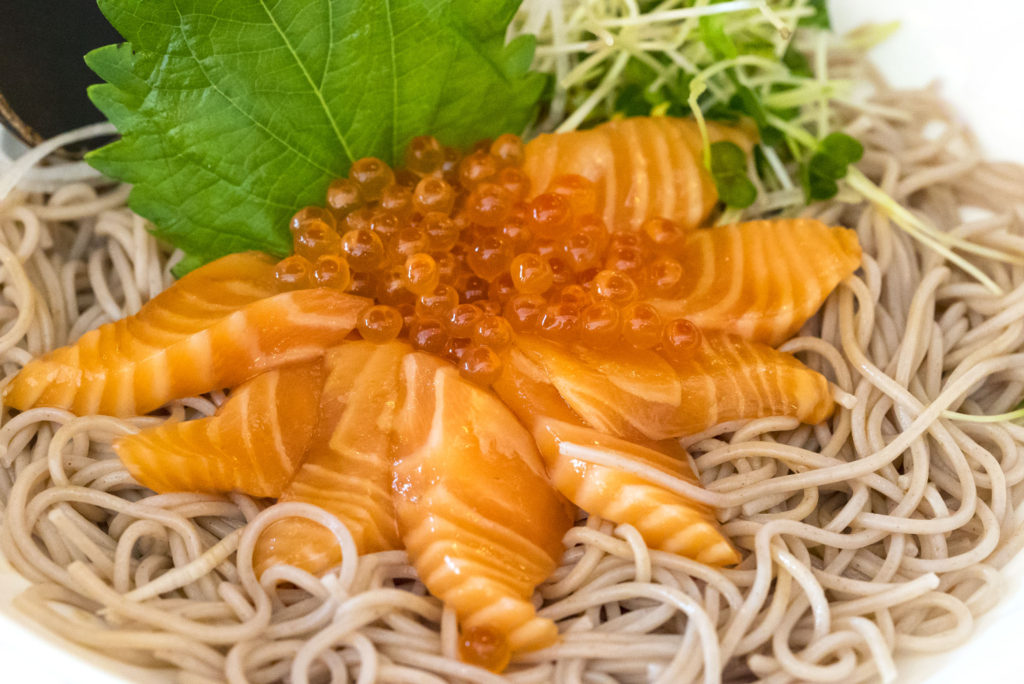
I was in the mood for cold ramen, since it was pretty hot outside. They offered two styles, but I ended up going with a nice cold salmon and roe soba noodle dish instead.

DSC08085

This shit was delicious, and so beautiful.

DSC08092

Top quality sushi grade salmon, tasty, briny roe (I think it was trout roe as opposed to salmon roe), and fresh microgreens topped the perfectly cooked cold soba noodles. It came with a cup of sauce to either dip or pour on top, as well as a mixed greens side salad.

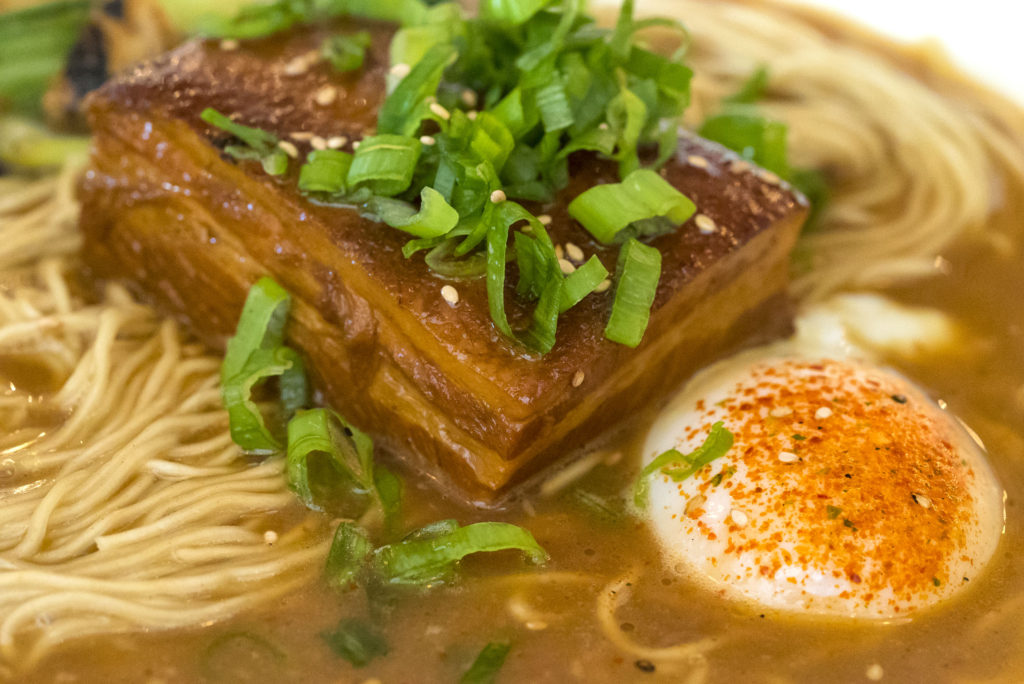
My wife went with a Kakuni ramen dish, which featured Filipino style braised pork belly and a poached egg.

DSC08087

That’s a huge block of pork belly! The broth was tasty without being too salty, which was nice even on a hot day (I tasted some after it had cooled down a bit). The egg was perfectly poached and the noodles were perfectly cooked.

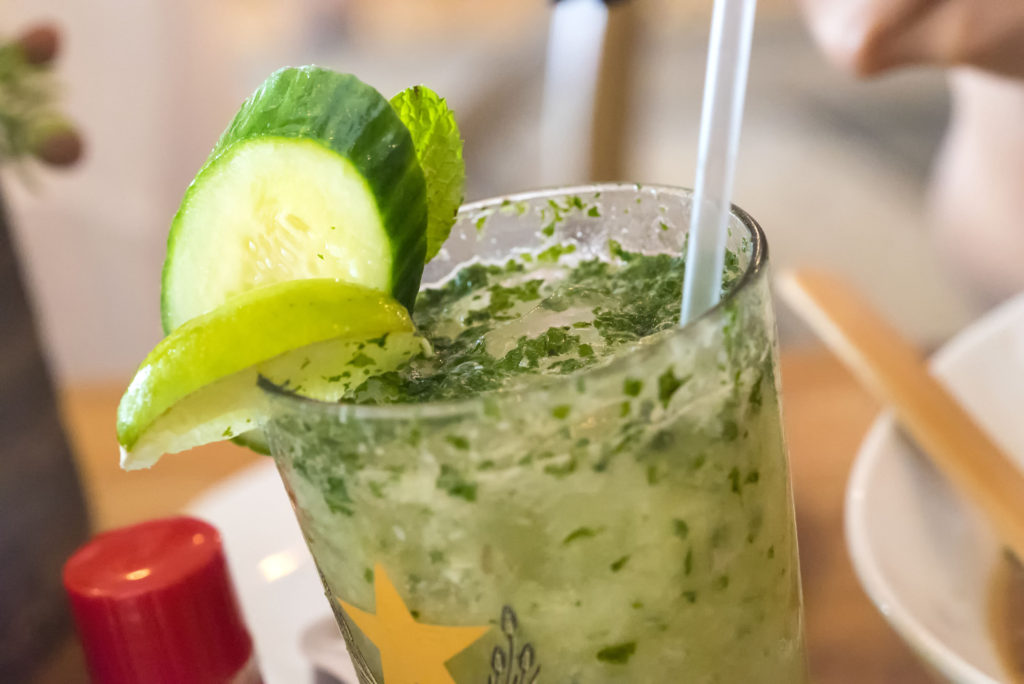
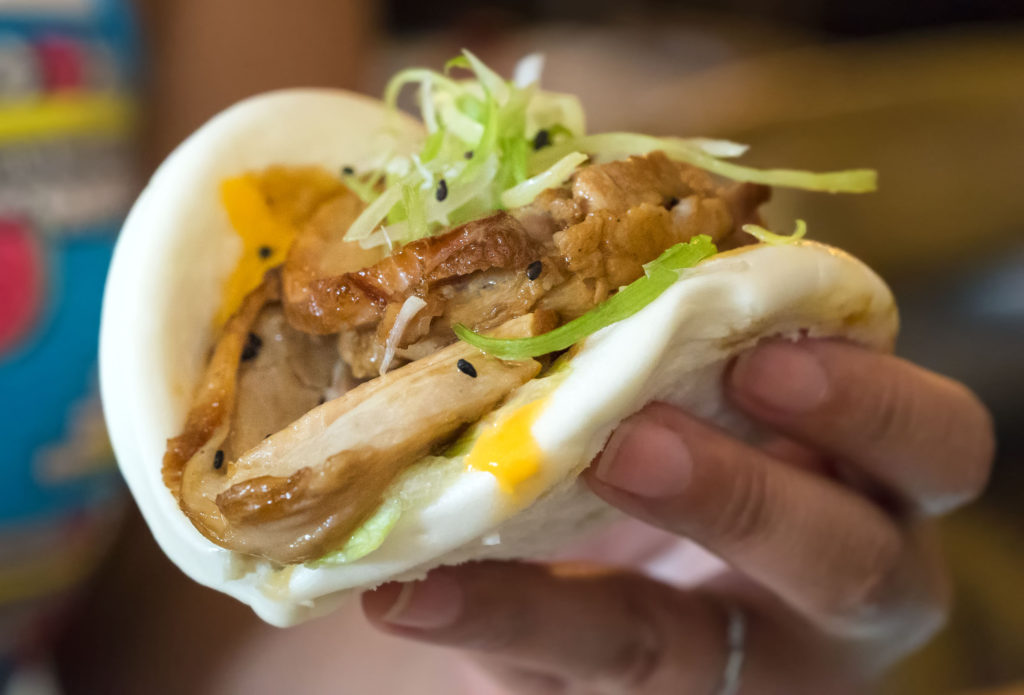
We also tried some refreshing Japanese cocktails and pork buns.

DSC08096

The pork buns were excellent, with the exception that I dislike scallions that are shredded long ways instead of sliced on the bias. I found myself picking them off the bun.

DSC08077

Note the scallions on my wife’s Kakuni ramen were sliced the way that I prefer.

JIN RAMEN (UWS)
462 Amsterdam Ave
New York, NY 10024

Decibal

For documentation purposes, I’ve decided to include this little basement sake bar in my reviews. I didn’t eat anything, but I did try a nice Japanese cocktail made with yuzu, grapefruit and shochu.

In any event, I’d like to come back here and give it a more thorough write up. For now, just enjoy the info.

This joint is a small, authentic, almost speakeasy like bar in the basement of an East Village building. The lighting is dim and red, and the drinks are flowing. It gets pretty packed, even on random weeknights, so get there with some time to spare.

decibal interior

DECIBAL
240 E 9th St
New York, NY 10003

Zundo-ya

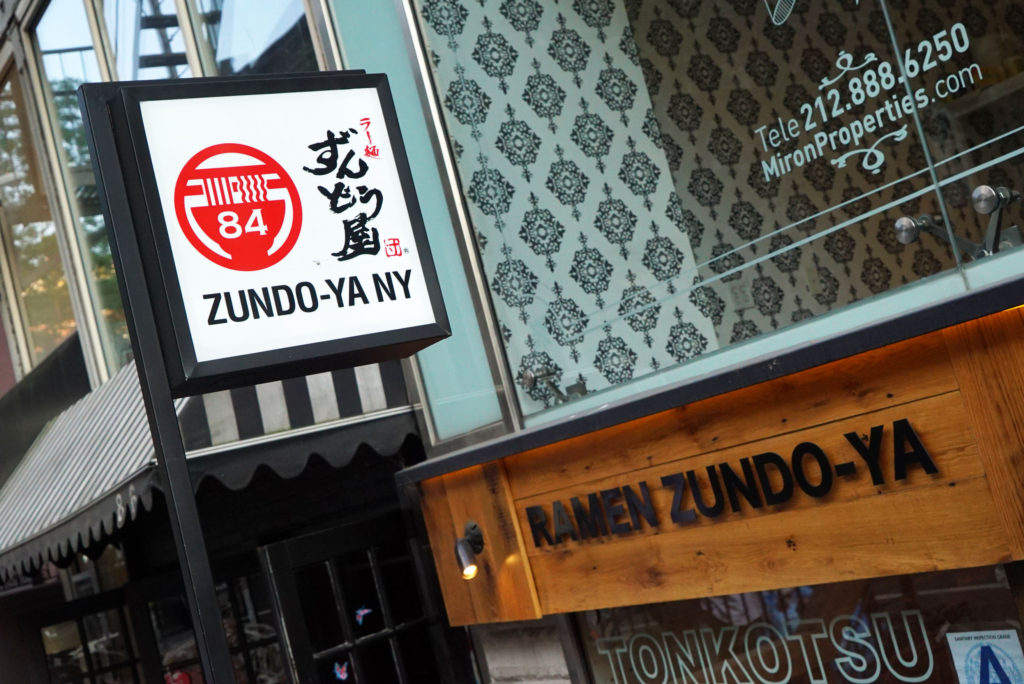
NOTE: THIS PLACE IS CLOSED!

Every so often you find a joint that blows all of your expectations for a particular dish out of the water. Zundo-ya is one of those places.

DSC04949

The folks at Tabelog just held a small tasting event at Zundo-ya’s first US location, nestled in the crux between Union Square and the East Village – literally right around the corner from Ippudo. While Ippudo is great, and may be the spot that’s on more peoples’ ramen radar, Zundo-ya is where all those people should actually be going instead. I’m dead serious. This is my new favorite ramen spot.

DSC04992

Zundo-ya has about 20 locations in Japan, but what makes them stand out here in the crowded NYC ramenscape is the concept of bowl customization. Very few places feature anything that has been truly customized by the diner outside of toppings and add-ons. Here, you can also designate how intense or rich you’d like your broth (thickness, pork fat flavor, etc) and which kind of noodle you prefer (thin, straight; thick, wavy). While many joints may occasionally allow you to swap out a noodle style from what’s listed on the menu, that first metric – broth intensity/richness – is absolutely key for true ramen aficionados.

DSC04969

All too often I order a bowl of tonkotsu ramen and what comes to the table is a watered down, thin, weak-flavored bowl of dish water. That’s pure crap, especially these days, when we seem to be regularly paying upwards of $15 for a bowl. That problem is solved here. Simply order your broth rich or super rich.

DSC05001

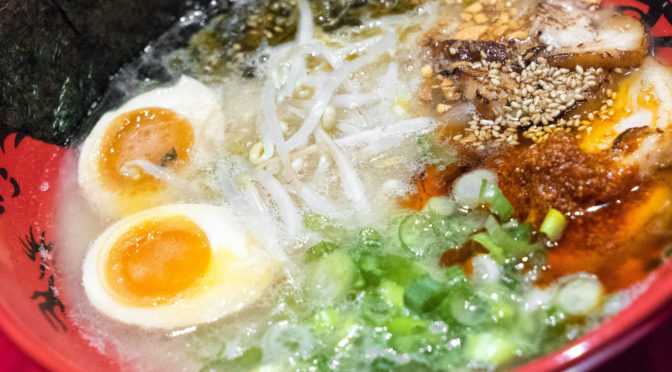
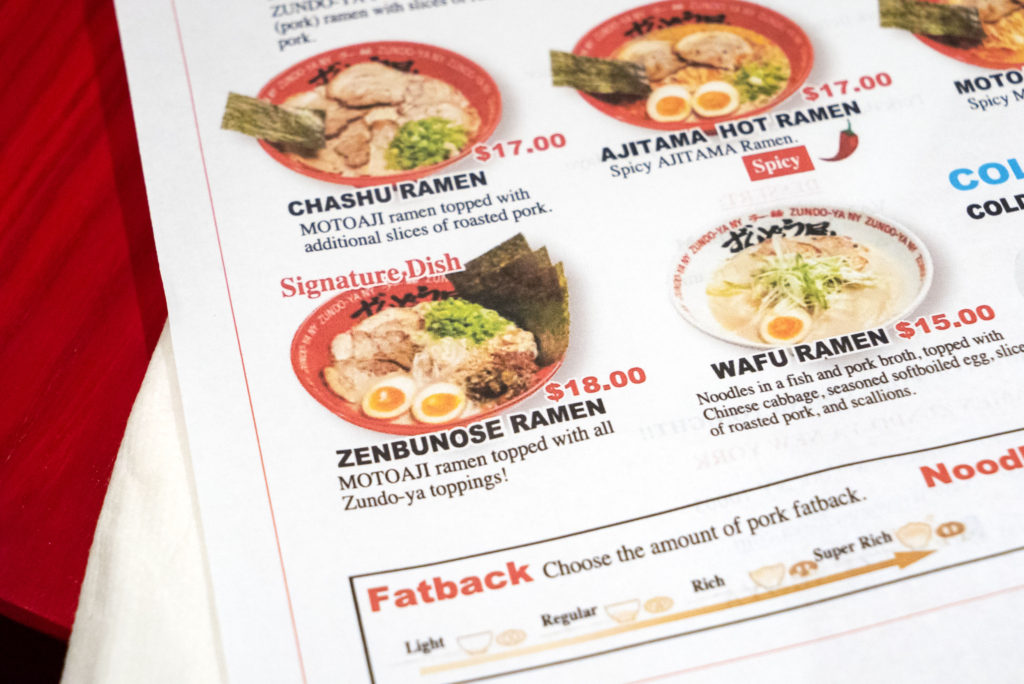
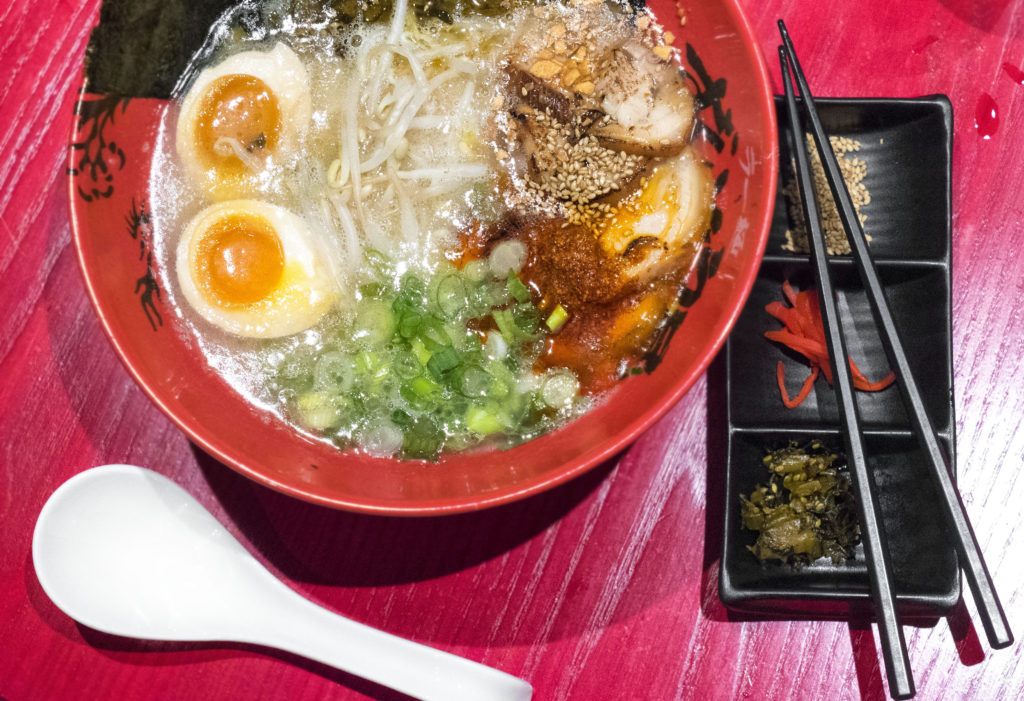
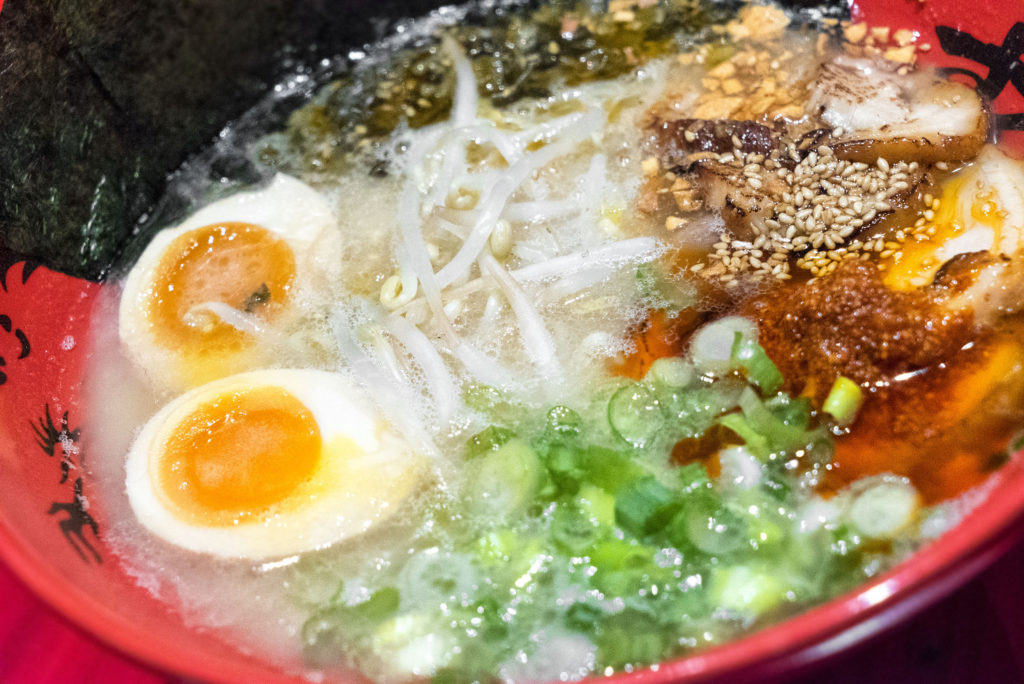
I went all-in, with the Zenbunose ramen, which is a tonkotsu ramen with all of the available toppings.

DSC05008

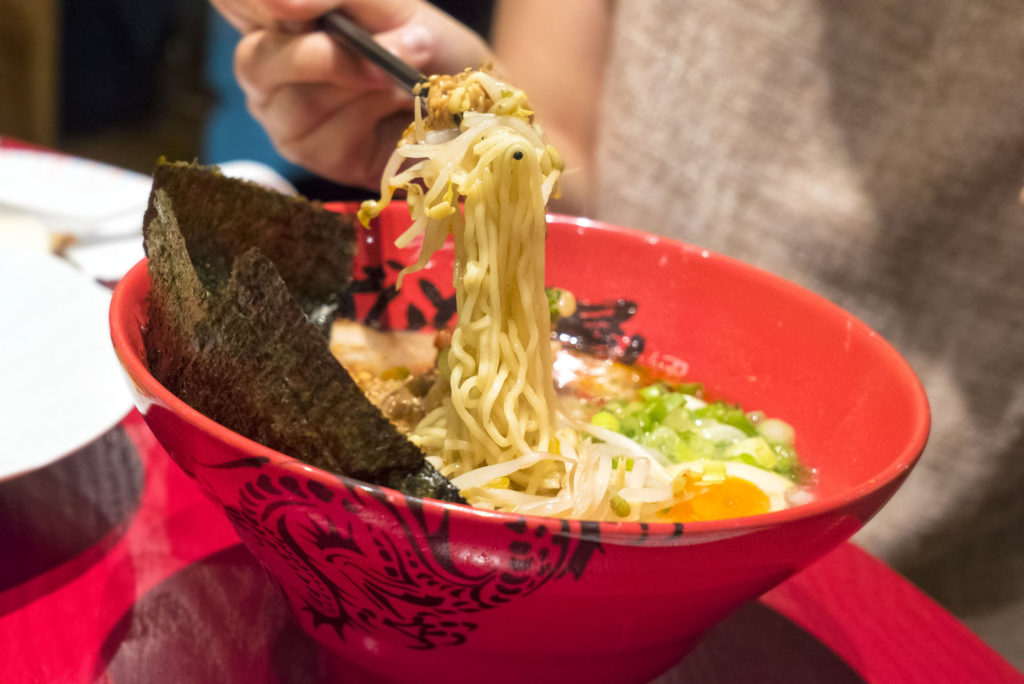
I ordered this thing super rich, and with thick wavy noodles.

DSC05019

While $18 is a bit steep for ramen, I feel this bowl is truly satisfying and fulfilling. It comes with an extra helping of super tender roasted and caramelized chashu pork, a full and deliciously cured soft boiled egg, scallions, bean sprouts, garlic chips, dried seaweed and a blob of spicy paste. The base level version of this, without all the extras, is just $13. That’s not bad at all.

DSC05013

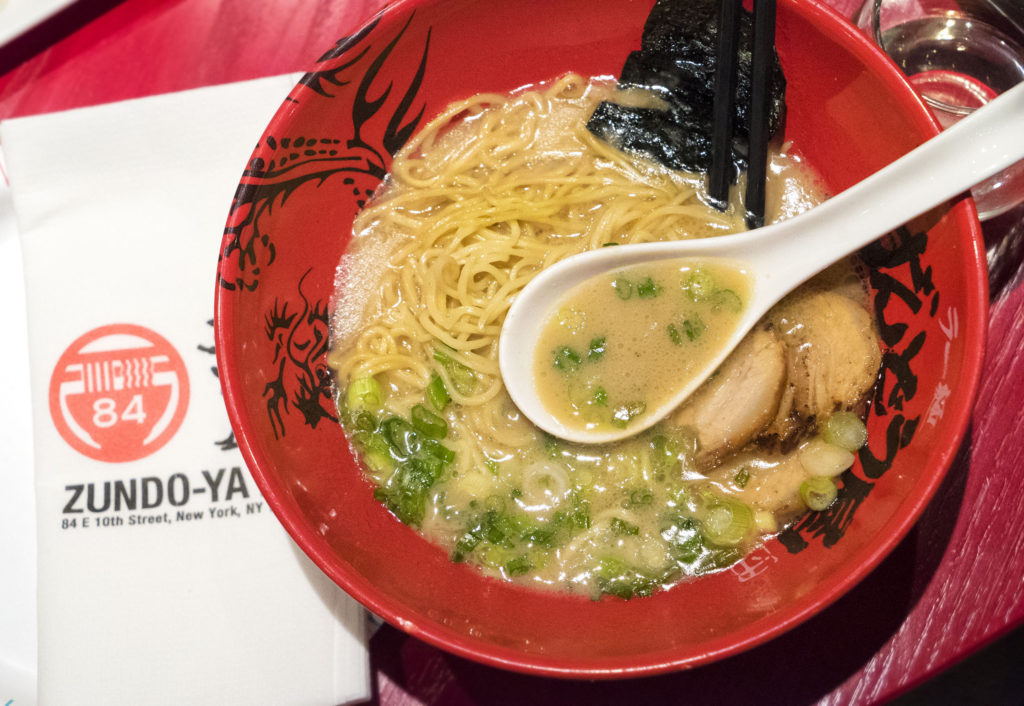
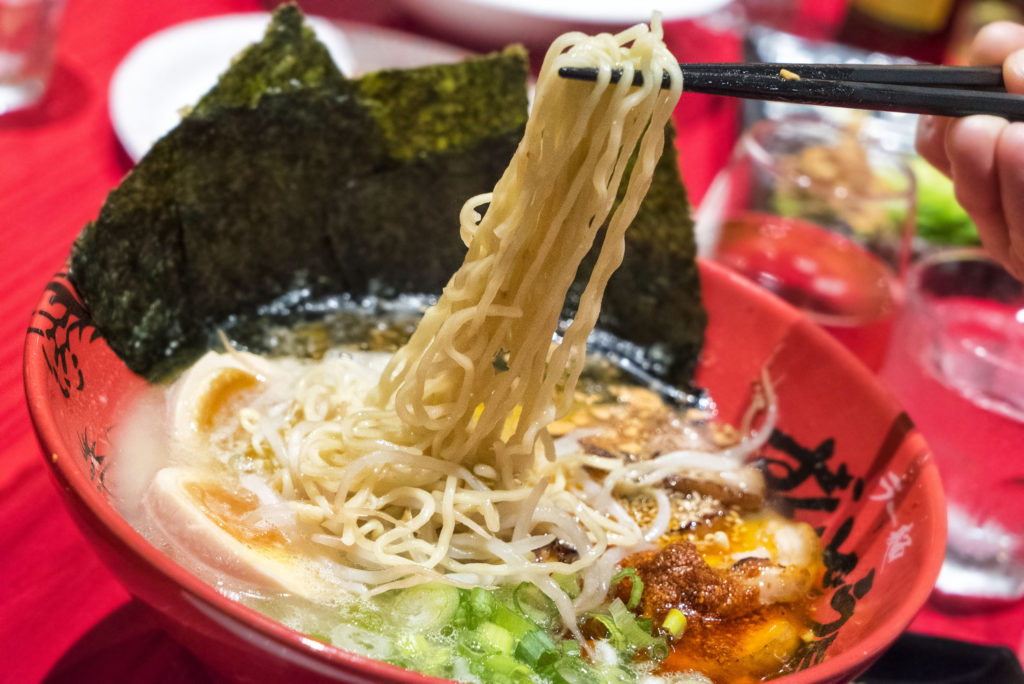
The broth was thick, almost to the level of a velvety chowder or cream-based soup in texture. The fat and salt content wasn’t overwhelming, but it was most certainly present, which is exactly what I want from my ramen. This stuff’ll make you sweat, and it’ll make your heart rate spike, but it is so worth it. The noodles were perfectly cooked and had a good stretch/snap to them as well.

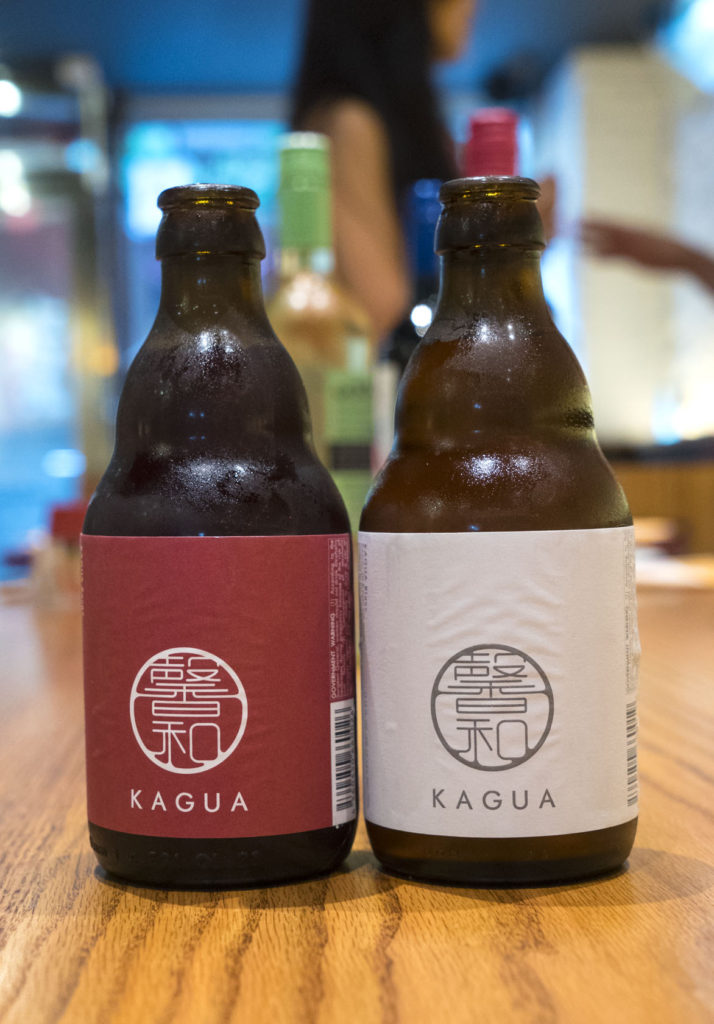
I cooled off with these two excellent Kagua beers. One was darker, less filtered and had a slightly hoppy flavor (the red label), while the other was light, easy to drink and a little less cloudy (white label).

DSC04951

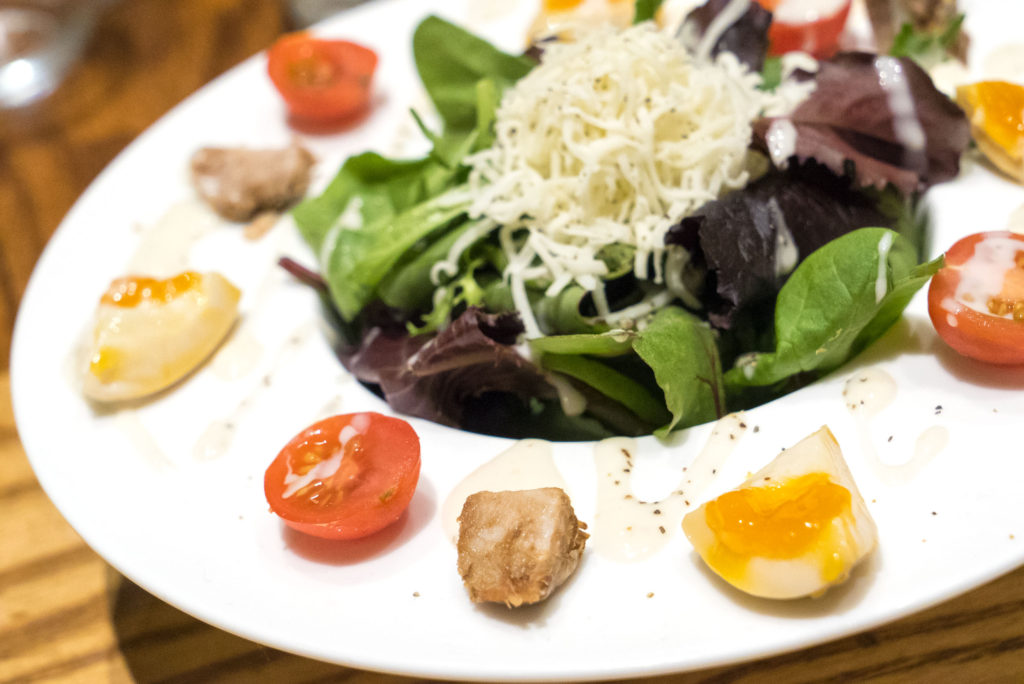
Not only is the ramen great, but this joint also serves up some fantastic sides and salads. This first one comes with bits of pork and cured egg on the edge of the bowl. Really nice touch, and a smart use of ingredients that overlap with the contents of the ramen.

DSC04961

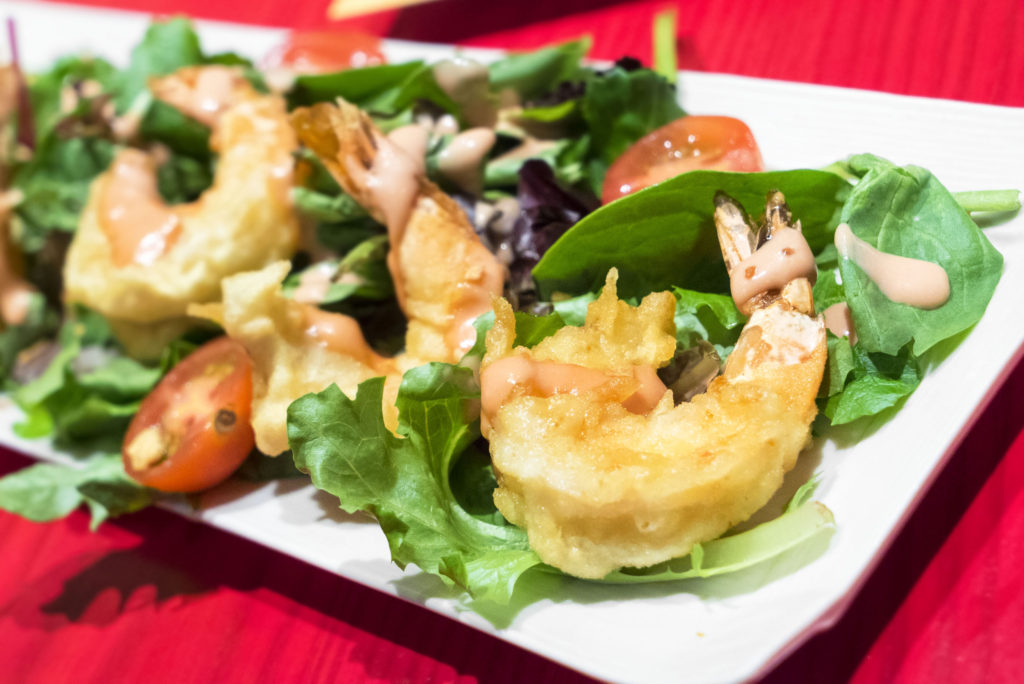
The spicy fried shrimp salad was highly addictive too. The shrimp were nicely cooked with a light and crunchy batter.

DSC04968

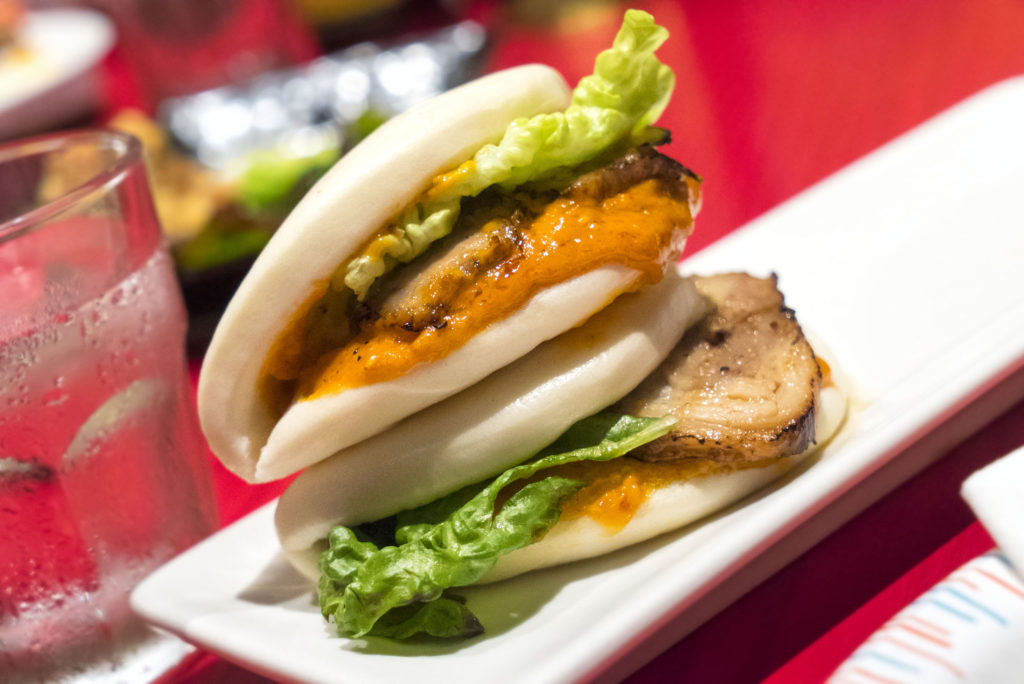
And take a look at these buns! These are the very delicious spicy ra-yu pork belly buns, but they also offer a sweeter teriyaki style as well (also good). I’m usually not psyched about bun items in general, but these were pretty good because there was enough meat stuffed inside to balance out the bun with a good ratio.

DSC04995

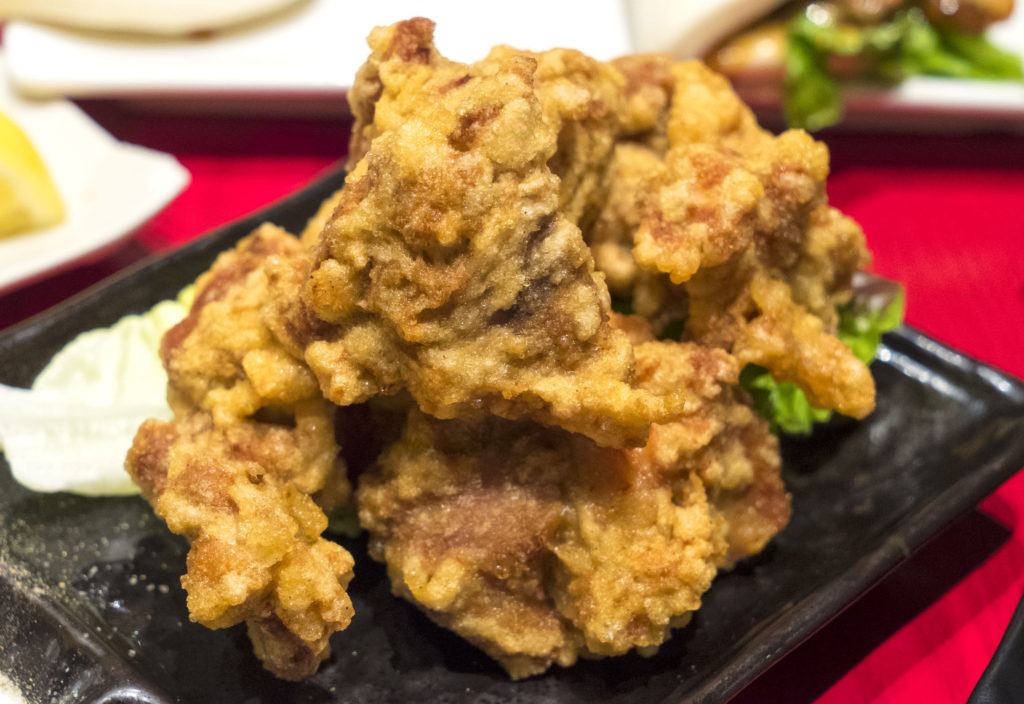
The stand out starter for me, though, was the karaage; crispy fried chicken. This chicken is so tender that it’ll make you want to stab someone. And what happens when you dip these babies into the little blob of spicy mayo and dry seasonings that come with an order or karaage? Nothing short of an intense flavor explosion in your pie-hole of a mouth.

DSC04978

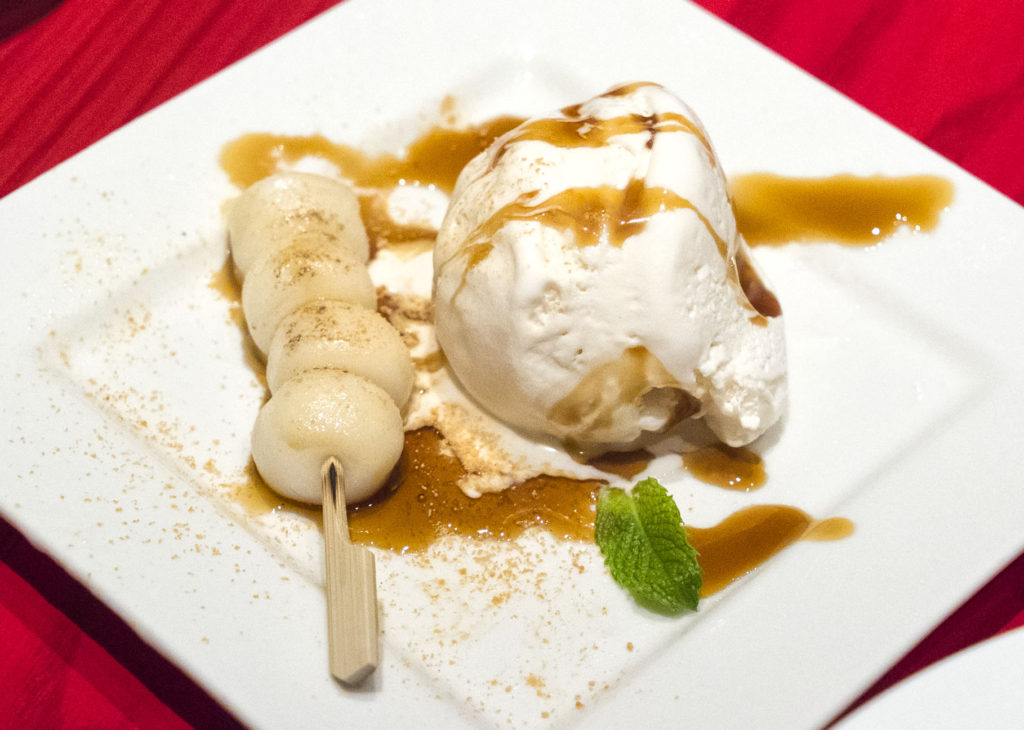
We even tried a little bit of dessert. This was ice cream with a soft mochi-like rice cake. The ice cream tasted like a really good Carvel soft serve vanilla, which is high compliments since that is my favorite thing on the planet for dessert.

DSC05020

I’m really excited about this place. And so is Tabelog. And Zundo-ya is excited that us blogger fools are excited as well; so much so that they’re giving out free gyoza (fried dumplings) to anyone who comes in between now and August 15th, 2016 and mentions “Tabelog” when ordering. Do it. I know I’ll definitely be back, especially given the fact that, unlike so many other NYC ramen joints, this place actually has elbow room and a comfortable amount of dining space.

ZUNDO-YA
84 E 10th St
New York, NY 10003

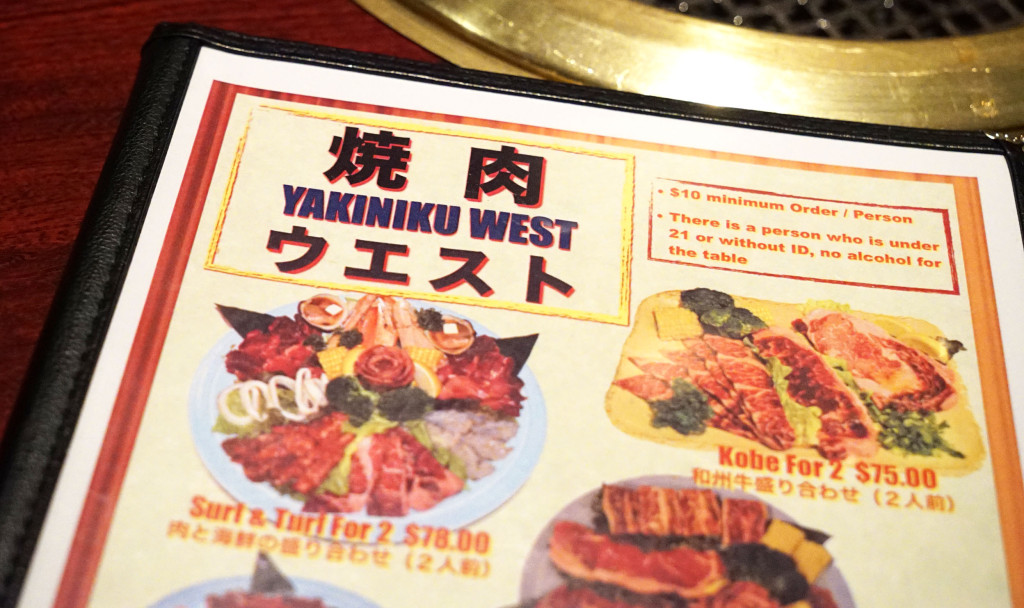
Yakiniku West

Japanese BBQ is some of the best shit around. Unlike Takashi in the west village, this joint offers all sorts of meats as well as fish. Takashi is just beef.

DSC00857

That’s pretty commendable of Takashi, but every once in a while I hunger for some pork. Yakiniku West delivered in what was essentially a “Bang Bang” meal, as we had just finished eating Thai food an hour or two earlier.

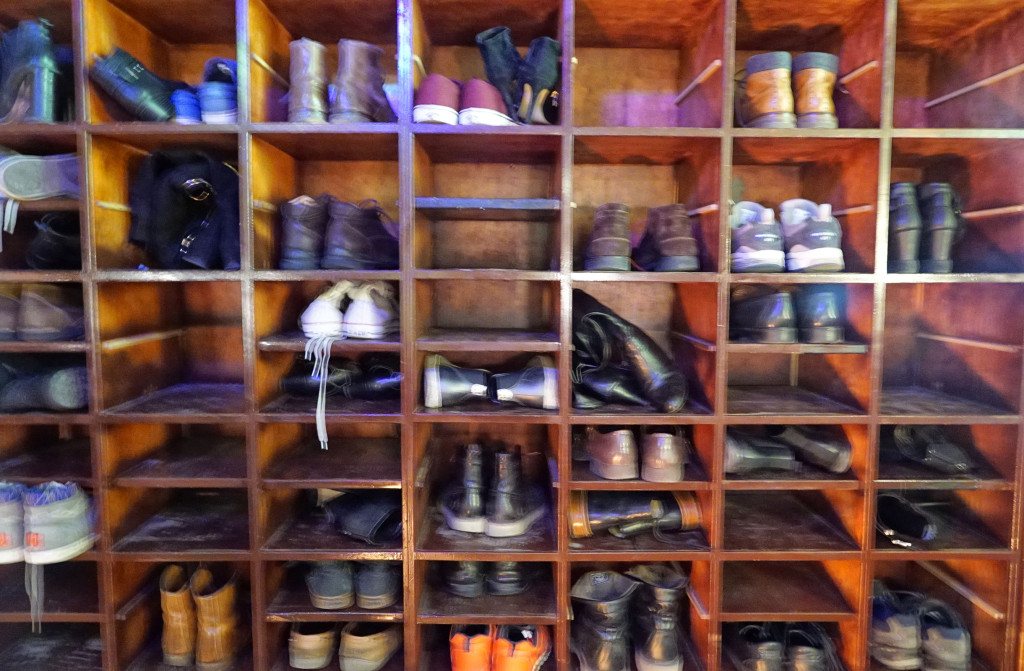
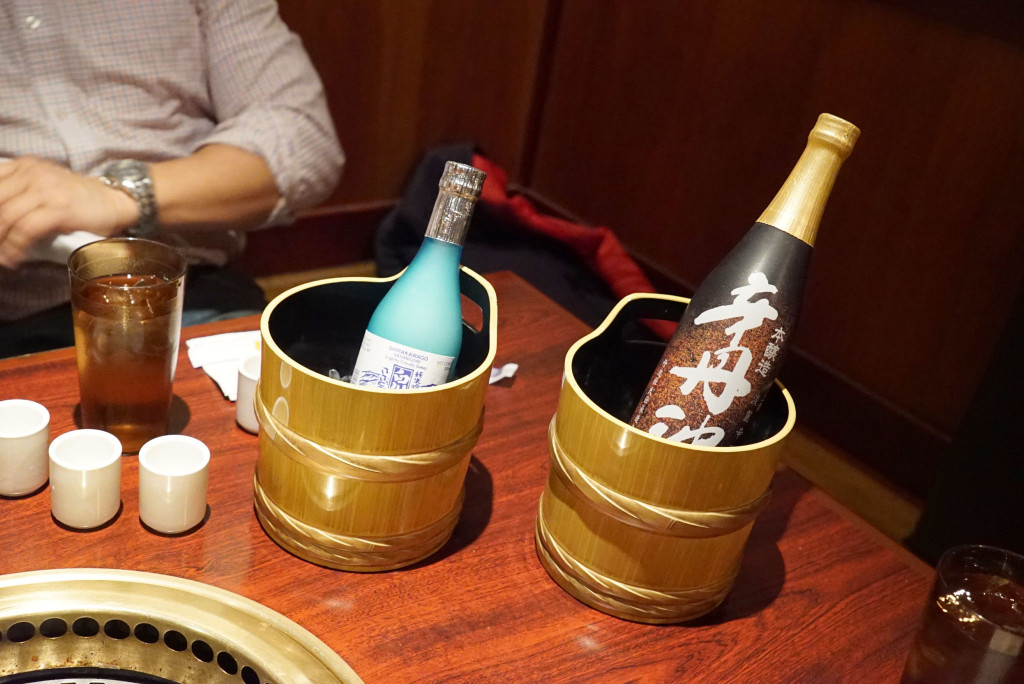
So we began our meat fest by kicking off our shoes, popping them into some cubbies and drinking some nice sake.

DSC00855

DSC00856

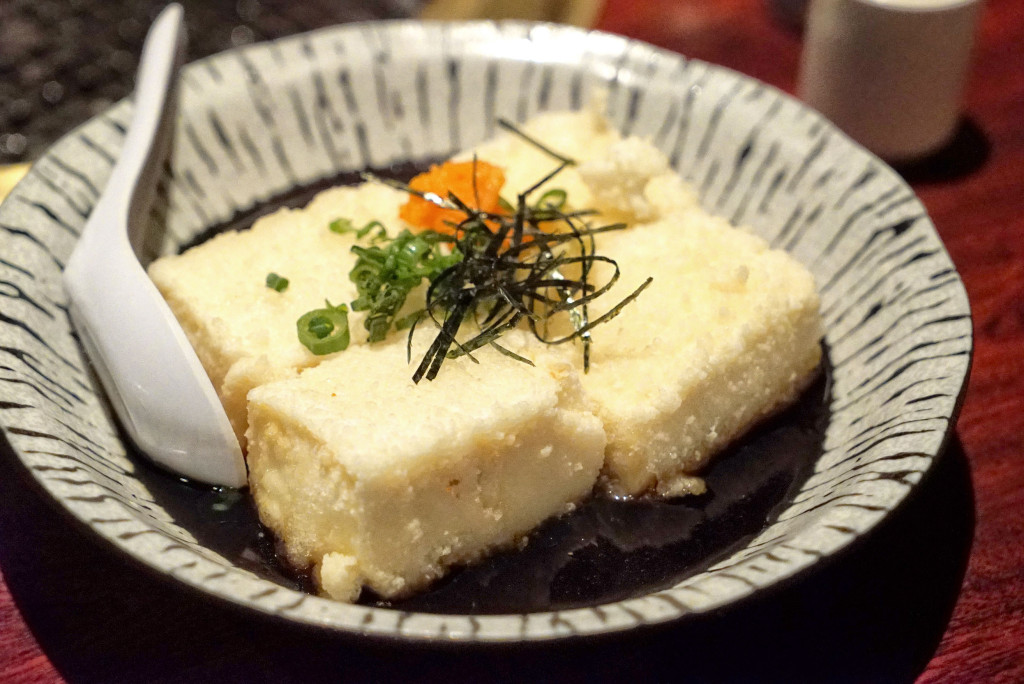
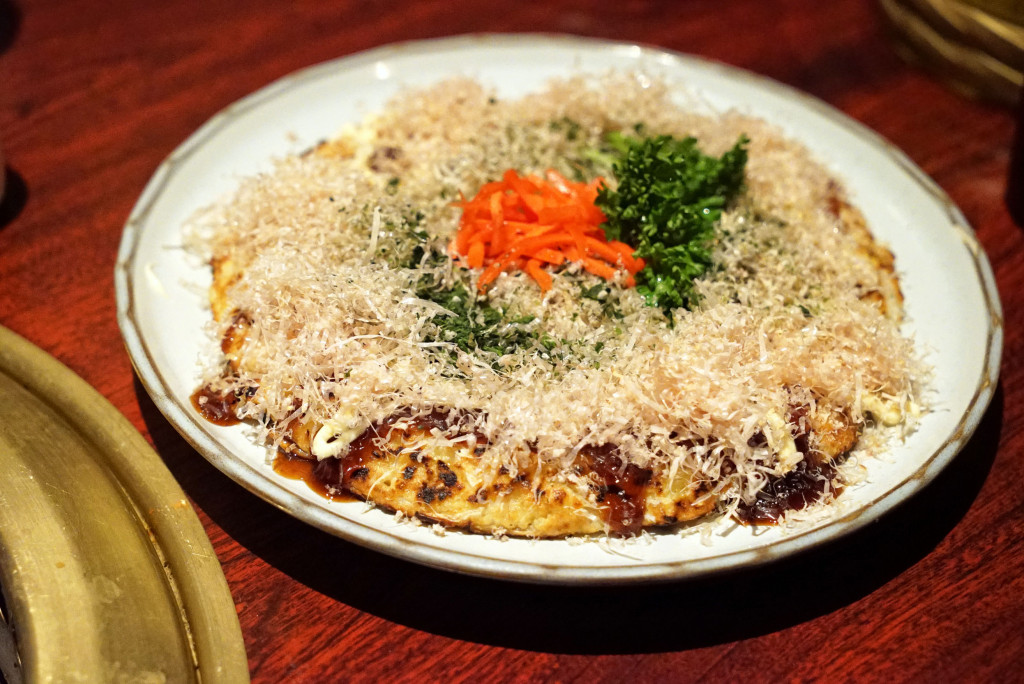
The starter plates came out. First was an agedashi tofu dish, and the next was a eggy pancake of sorts with seafood mixed in and topped with shredded bonito flakes. Both were good, but the pancake dish was top notch!

DSC00860

DSC00864

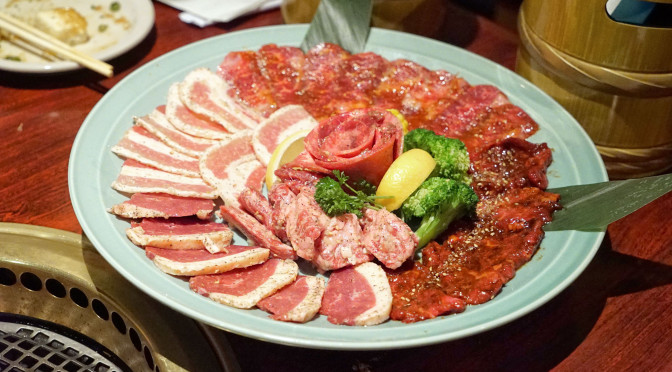
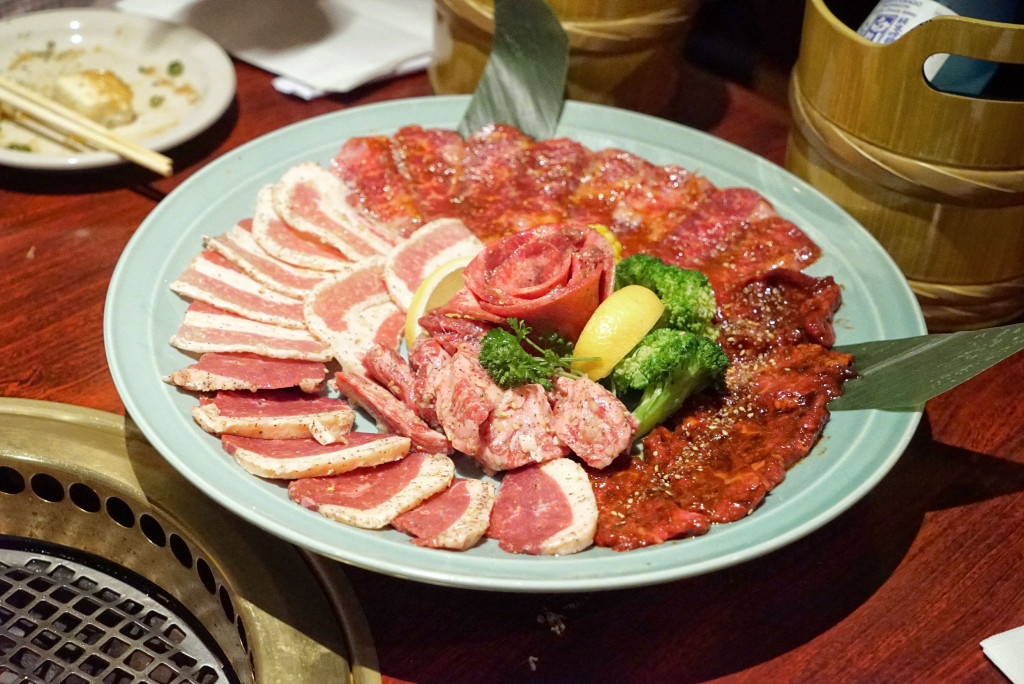
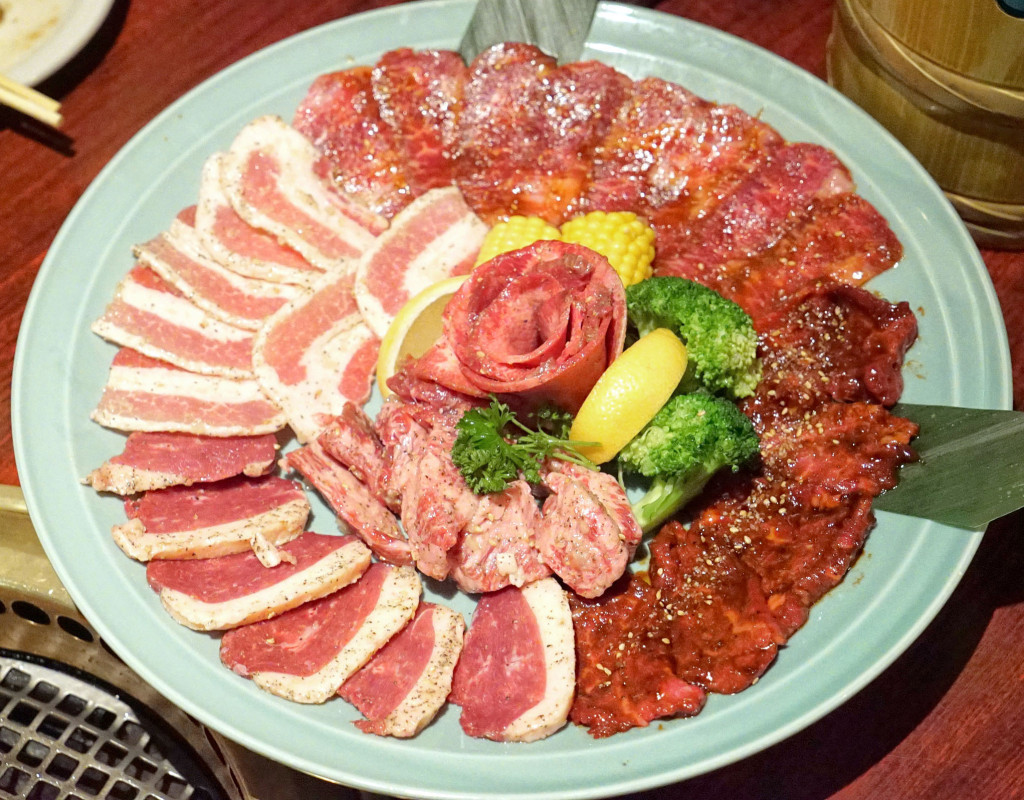
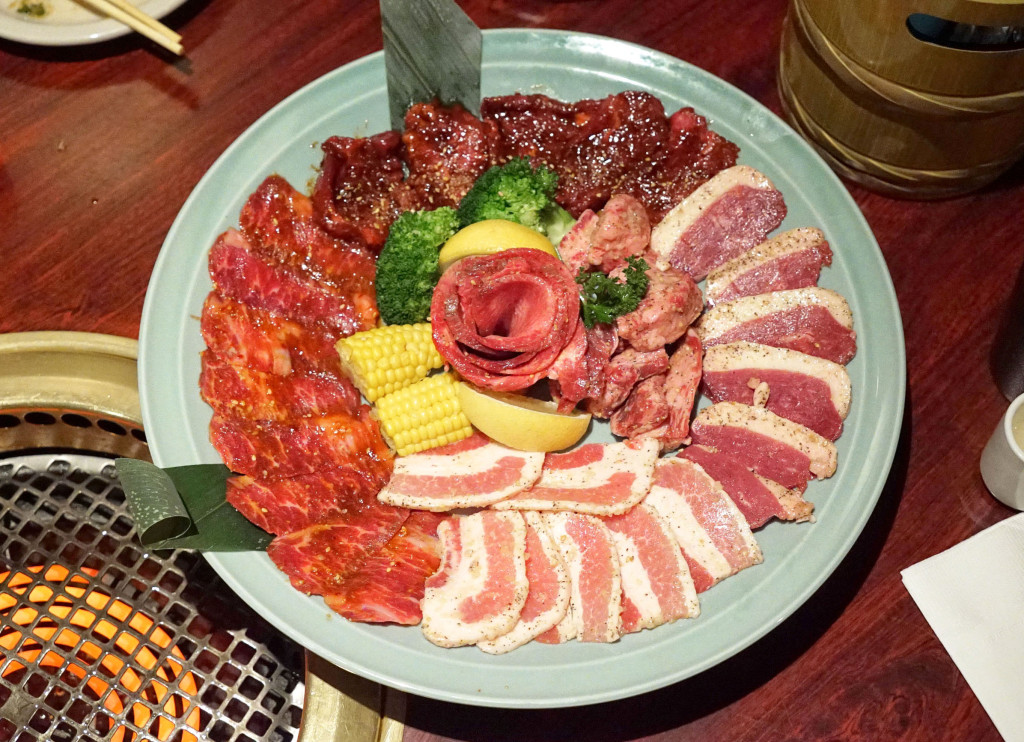
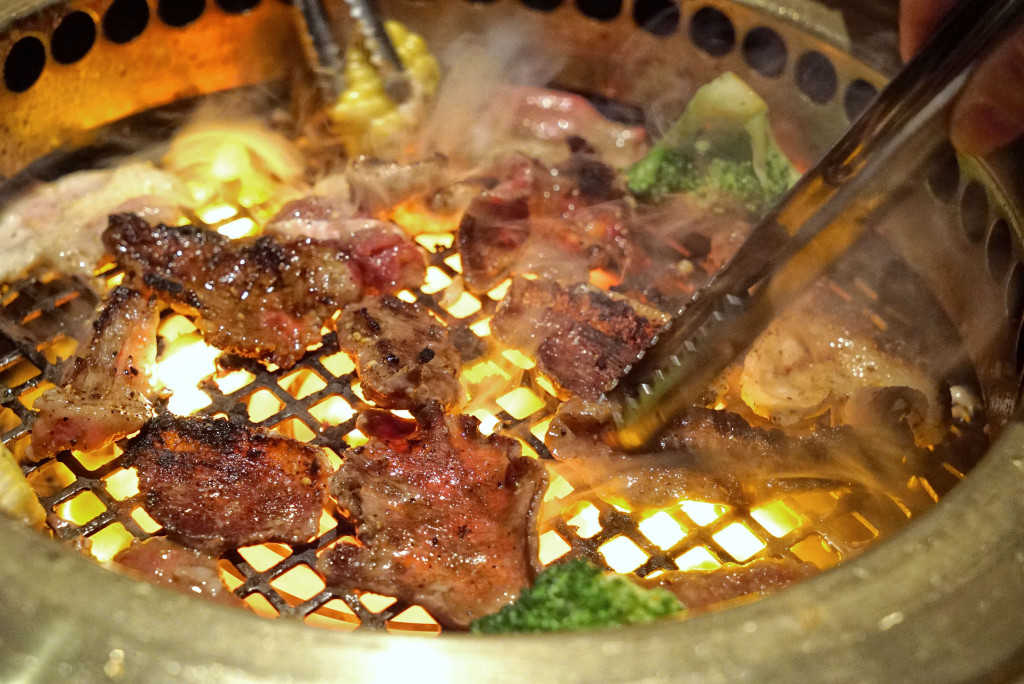
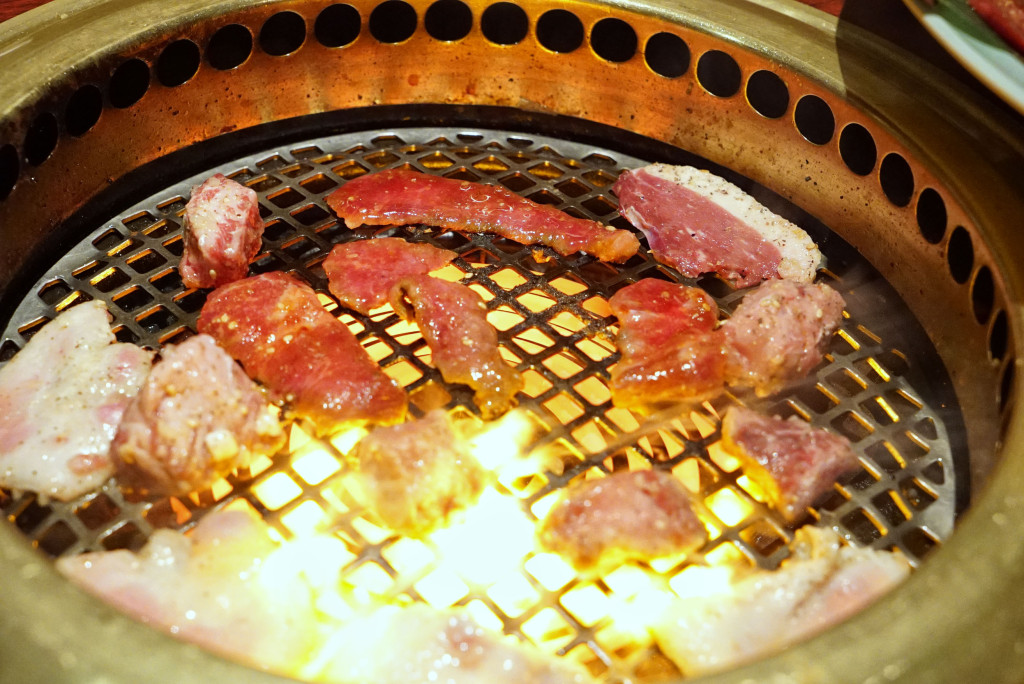
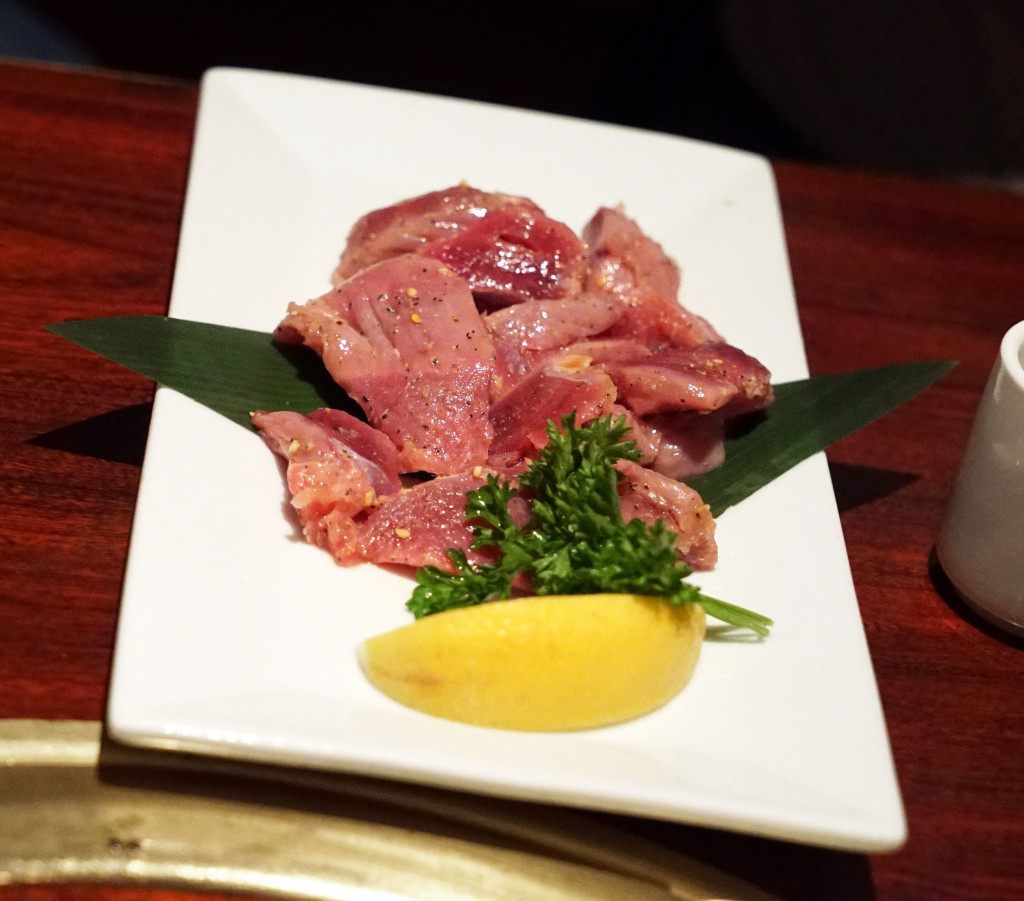
This first platter of meat came out that had a few different kinds of beef, including tongue, as well as pork belly and duck.

DSC00865

DSC00871

DSC00877

This shit cooked up nicely. Watch as it sizzles… “Tssssssss…”

DSC00880

DSC00878

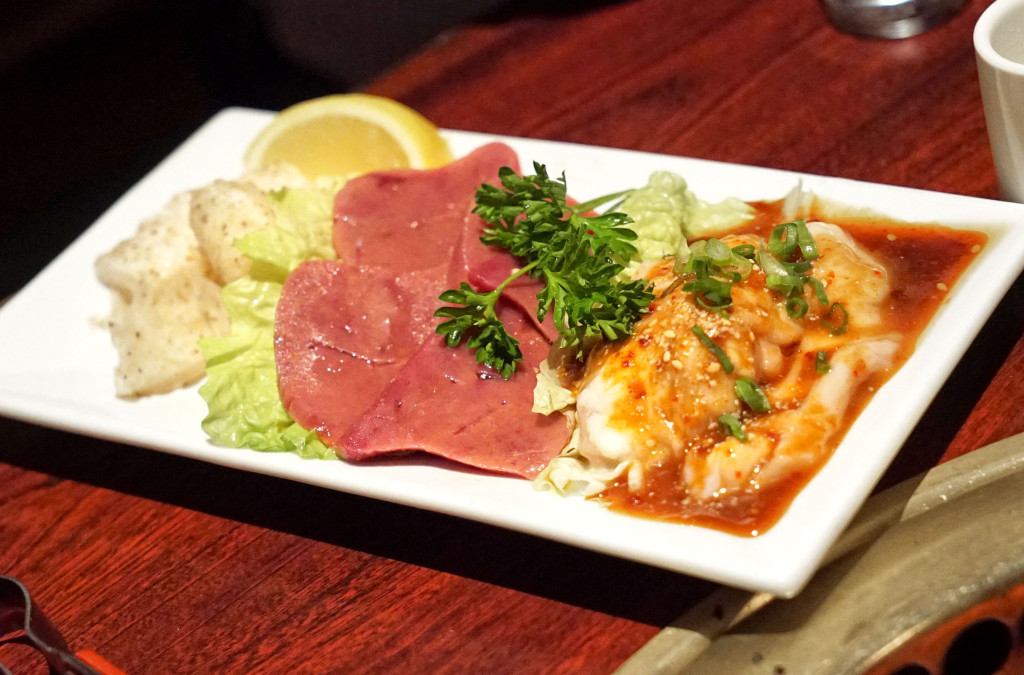
We couldn’t stop there, not on a “Bang Bang,” so we grabbed a plate of chicken gizzards, mixed beef intestines (liver, tripe, stomach) and some extra tongue. Everything was delicious!

DSC00888

DSC00894

DSC00885

YAKINIKU WEST
218 E. 9th St.
New York, NY 10003

Iroha

UPDATE: This place is closed!

Big Steak is king in the vast wasteland of Manhattan’s midtown “Bankville,” but Japanese cuisine is a strong and worthy adversary that’s rapidly encroaching on its territory (especially for lunch).

My wife and I stopped into one such Japanese joint, Iroha, for a quick dinner bite at the bar before seeing a Broadway show, and we were both pleasantly surprised by the quality of the food, the plating presentation and the price.

First off, there is a coupon for a free mug of beer online that you can use from 5-7pm. That was perfect for us, since our show was at 7pm.

We ordered a bunch of shit, and we could have kept going, because everything looked fucking awesome.

First was this amazing glass cup of rawness. Uni, salmon, salmon roe, tuna, yellow tail and avocado. Not only was it beautiful, but it was absolutely devourable. Get it. I can’t recall the name of it for the life of me, but you can’t miss the pretty picture in the highly visual menu.

IMG_20160121_233525

Next was a pork belly and soft boiled egg appetizer, which had three generously sized thick-ass hunks of braised belly. Perfection. It’s ramen toppings without the soup and noodles, essentially. Can’t go wrong with bacon and eggs, ever.

IMG_20160121_233705

I ordered a small version of the all-salmon Chirashi bowl (Salmon Oyako Don), which had four pieces of salmon sashimi and a good blob of briny and savory salmon roe. The sushi rice beneath was surprisingly tasty, and was topped with a good amount of fresh wasabi, ginger and sesame seeds.

IMG_20160121_233901

My wife ordered a grilled eel dish that came with a LOT of eel (in the pic, there is an entire second slab of eel that is not visible because it is UNDER the rice). It is served with a miso broth of sorts, to mix in with the sweet-yet-savory flavored rice. There’s also a plate of pickled items and some puffed rice for a crunchy texture element.

IMG_20160121_234040

In short, this place is great, and it is representative of the strong and growing force that is Japanese cuisine in midtown. We sat at the bar, and the guys were plating everything right in front of us. Some of the salad items were tremendous and included tons of proteins (fish). I will definitely be back here to try more shit in the future.

UPDATE: 7/17/17

AWESOME salmon don. Really good quality stuff.

IROHA
152 W. 49th St.
New York, NY 10019

Ramen Guide

With ramen season kicking into high gear, I suppose it’s high time that I put out a guide to ramen for all of you cold, hungry fucks out there looking to get your soup on. This should serve as your singular, all-encompassing resource for all things slurp. This is more of an informational page, clearly, so if you’ve landed here looking for my ramen reviews, you should go to the Ramen-Ate-R page, where you can read about the tremendous shitload of ramen that I’ve eaten.

There are a bunch of things you need to keep in mind when thinking about ramen. Namely, you need to think about the thickness of the broth, how the broth is made, how it is seasoned, what kind of noodles are used, the toppings, and, finally (if you’re into food knowledge), where the ramen style was developed and the history behind the dish. So let’s get into it:

BROTH THICKNESS

This is classified as either assari (light) or kotteri (rich). Assari broths are generally thin or clear, as they are typically flavored with vegetables, fish or seaweed. If animal bones are used at all, they are usually just simmered lightly for a short amount of time.

Kotteri, on the other hand, are thick and usually opaque, due to all the emulsified fats, proteins and minerals that are rendered from boiling animal bones for long periods of time. That makes them stocks, technically, not broths. Kotteri are also known as Paitan (from the Chinese). Paitan translates to white broth, which makes sense, given that they are usually cloudy in color and thick in texture.

SOUP BASE

Ramen soup bases are classified by the main ingredients that are boiled or simmered to make the soup stock (if bones are used) or broth  (if no bones are used). As expected, a stock can be made from animal bones (chicken, beef, pork, fish). But lighter broths can be made with dried seafood or kelp/seaweed (like dashi – a broth made from dried, smoked bonito flakes and kelp), and sometimes even just straight up roasted veggies and mushrooms + water.

An example I will use to illustrate here is tonkotsu. “Ton” means pork, and “kotsu” means bones. Thus, the tonkotsu ramen base is a kotteri style thick stock made from pork bones, which would then need to be seasoned with a salty or savory component, which is covered in the next section.

SEASONING

Tare or kaeshi is the seasoning – the main savory element or source of salt – that is used to flavor the ramen. Ramen seasoning comes in three major varieties: Shoyu, Shio and Miso.

Shoyu: This, simply, is soy sauce. If you didn’t know, soy sauce is made from a paste of fermented and boiled soybeans, roasted grains and seasoned water.

Shio: Sea salt. Pretty straightforward. As you can imagine, sea salt as a seasoning is nicely suited for thinner, assari style broths.

Miso: This is an earthy flavored, thick, fermented soybean paste. Seasoning with miso will almost always result in a thick, kotteri style broth, as you can see below:

NOODLES

Ramen noodles are made with wheat flour, water, salt and kansui, an alkaline water which gives the noodles their yellow color and characteristic bounce. In China, it’s more common to see ramen made with eggs instead of kansui.

Depending on the soup they’re added to, ramen noodles can range from wavy to straight, thick to thin, flat, round or square. The type of noodle selected for a bowl of ramen is based on its broth-clinging characteristics, its bounciness and its texture. For that reason, one noodle style may be better suited for a particular soup base or broth thickness than another.

Depending on the noodles used, cook times will vary as well. In addition, their ability to last for a while, soaking in the soup broth, will vary. After a few minutes certain noodles will lose their spring and bounce, and the texture will change.

Just an FYI here: if you need more noodles while you are eating, yell out kaedama!

TOPPINGS

We have a bunch of categories to discuss here. Let’s start with the most important one: meat.

Obviously if a ramen base is made with animal bones, it only makes sense to use the same animal meat as a topping for the soup. Tonkotsu should have copious amounts of kakuni (pork belly), or chashu (rolled pork loin or belly that is cooked slowly in a sweet soy and mirin sauce, stew-style, then sliced and sometimes charred or grilled afterward for texture). Clearly, chicken is a good topper for your chicken-based ramen. But some chefs get creative. For example I’ve had beef ramen that was topped with crispy beef intestines. I’ve even had chicken broth that was topped not only with chicken but with ground pork as well. Mixing is not a bad thing and it is quite common, as you’ll learn below.

In addition to meat, ramen broths also contain aromatics, such as garlic (fresh, charred, fried or fermented), onions (charred, pickled or raw), ginger (either pickled – beni shoga – or fresh), leeks (fresh or charred), scallions (usually fresh, typically sliced or shredded) and mushrooms (both dried and fresh, and a ton of different types). These can also be incorporated into the creation of the soup base at the start, not just as toppings that are added at the time of serving.

Other common toppings include seasoned soft boiled or hard boiled eggs, sliced fish cakes (naruto), bamboo shoots, corn, cabbage, seaweed, bean sprouts, spice pastes, butter and various oils, such as chili oil, onion oil, pepper oil, garlic oil or sesame oil (and certainly sesame seeds, too, for that matter).

On many occasions, the toppings you see will depend on the region in Japan from which the ramen hails.

REGIONAL STYLES

Japanese ramen varies greatly by region. Some areas focus on thinner fish- and seaweed-based broths, while others tend to be hearty and thick animal bone soups. I’ve highlighted some of the regional styles below, alphabetically:

Akayu: A sweet and mild ramen soup is topped with a spicy dollup of miso mixed with chili and garlic. Chewy, thick, wavy noodles grace this style, and it is usually served with powdered seaweed as well.

Asahikawa: Asahikawa is Hokkaido’s second-largest city, and is located at the base of the mountains in the middle of the island. Its ramen is a mix of chicken, pork and seafood broth, with a shoyu base. The soup is topped with a layer of melted pork fat to seal in the soup’s heat in the colder months, as well as pork meat, bamboo shoots and scallions.

Hakata: Also known as Nagahama ramen, this style comes from Fukuoka, a prefecture in Japan’s southern island of Kyushu, which is famous for its pork dishes. This is my favorite of ramen styles, because it is a thick, fatty, pork bone broth with thin, al-dente noodles. Toppings usually include sesame seeds, pink pickled ginger and fried garlic.

Hakodate: Ramen arrived in Hakodate from China. The soup is thin and light, and the shio-seasoned broth had a mild pork and chicken base. Noodles are usually soft, with toppings like roast pork, bamboo shoots, scallions, nori, fish cakes and spinach.

Kagoshima: Kagoshima is known for its Berkshire pork-like black pigs, yet the ramen is a mild mix of both veggies and chicken, combined with the black pork bone stock. The broth then gets finished off with burnt onions and seasoned with soy sauce. The noodles are soft, and toppings consist of pork meat (obviously), scallions, wood ear mushrooms (kikurage) and bean sprouts.

Kitakata: Kitakata is famous for a clean, light soy-based breakfast soup. In the bowl there’s usually a serving of chewy, wide, flat and curly hand-cut noodles with pork, scallions and bamboo shoots.

Kumamoto: When tonkotsu ramen arrived in Kumamoto prefecture from Kurume, the locals started cutting it with chicken broth. It’s also served with straight noodles, though they’re softer and thicker than the Kurume style. Most bowls have pickled mustard greens, sliced wood-ear mushrooms, bean sprouts, and cabbage on top, but the unique thing about Kumamoto ramen is the use of garlic. You’ll see fried garlic chips and mayu, the black liquid made from garlic that’s been burned in sesame oil. That shit is delicious.

Kurume: This town on the southern island of Kyushu is the birthplace of tonkotsu. Melted bone marrow, fried lard, sesame seeds, pickled ginger and garlic give Kurume ramen a unique and pungent style. Toppings include pork meat, scallions, nori, and spicy mustard greens, in addition to those just mentioned above.

Kyoto: Kyoto’s home to two distinct types of ramen: a thinner assari shoyu ramen, and a thick kotteri chicken soup. The thin version is a blend of pork and chicken broth, with a dark soy base. The thick version is a rich porridge-like chicken soup, topped with garlic, spicy bean paste, chives and odoriferous local onions called kujnoegi. Both are seasoned with shoyu, but the toppings vary for each.

Nagoya “Taiwan” Ramen: “Taiwan Ramen” is Nagoya’s reimagined version of Taiwanese danzimian, which has lots of ground pork, Chinese chives, hot peppers, green onions and garlic. This shit is for people who like spicy soup.

Onomichi: Take a bit of pork, a heap of chicken, some local seafood and a big mess of lard and you’ve got Onomichi ramen. The soup has a shoyu base and is served with chewy, homemade, wavy, flat noodles. It’s usually topped with roast pork, bamboo shoots, scallions and pork fat.

Sapporo: Sapporo-style ramen hails from Japan’s northernmost province, Hokkaido, which is the birthplace of miso ramen. Sapporo miso ramen generally has thick, strong noodles and is commonly topped with bean sprouts, sweet corn, cabbage and ground pork. Soft boiled eggs and thick slices of chashu pork are also common, as well as pats of butter.

Shirakawa: This town developed a refined ramen typified by light, simple soup and hand pulled noodles. It features a shoyu broth, but local mineral ­water makes for springy noodles with a good chew. Toppings include roast pork, bamboo shoots, fish cake, scallions, seaweed, spinach and even wontons.

Tokushima: Shikoku is the smallest of Japan’s four main islands, and udon is the preferred noodle. But Tokushima prefecture has an aged, extra strong shoyu soup that originated with tonkotsu stocks made from leftover pork bones from nearby ham factories. This is similar to Wakayama ramen. Ramen shops here will add a few strips of thinly sliced pork belly and break a raw egg on top. Tokushima ramen is sometimes divided into “yellow,” “black,” and “white” styles (how racist) of varying strengths. Other toppings for this ramen consist of scallions, bamboo shoots and bean sprouts.

Tokyo: This ramen is usually made with pork and chicken broth and typically features slightly curly, somewhat wide noodles. Very often in Toyko you’ll find broths that are flavored with dashi (broth made from aged bonito flakes and sea kelp). This style of ramen is generally seasoned with shoyu and has a medium-thickness. It’s similar to Yokohama ramen, though that tends to be heavier and meatier than the dashi broths of Tokyo ramen.

Tsubame-Sanjo: The cities of Tsubame and Sanjo are in a freezing cold area, and the ramen from this spot is bizarre and unhealthy. The hearty stock is made of chicken, sardines and pork bones, and the bowls are blasted with tons of pork fat (common in soups from the colder climates). There’s thick, flat noodles in this shoyu-based soup, and toppings include pork meat, bamboo shoots and lots of chopped white onions.

Wakayama: This is the median between thick, rich tonkotsu, and thin, clear broth. Wakayama ramen has a strong shoyu tare seasoning with a long-simmered tonkotsu base. The noodles resemble the thin, firm and long threads of Hakata style ramen, but you also get fish cakes like those in Tokyo style ramen. These soups are also topped with the seemingly ever-present and most common of toppings: roast pork, scallions and bamboo shoots.

Yokohama Ie-Kei: Yokohama is known for ie-kei ramen, a viscous, salty, and fatty tonkotsu shoyu style of ramen. When ordering, diners can designate how firm they want their noodles, the amount of fat they like on top, and the saltiness or strength of the soup. This is my kind of ramen – catering specifically to each unique diner. The toppings for this style of ramen usually include sheets of nori (seaweed paper), spinach, garlic, spicy bean paste and ginger.

RAMEN-LIKE DISHES

Although these dishes are not quite ramen, they’ll still be able to satisfy the most intense need for a ramen fix.

Abura Soba: The name of this soupless noodle dish translates to “oil noodles.” It consists of cooked ramen noodles dressed with flavored oil and tare (usually shoyu). It often comes topped with an egg, and diners are meant to stir everything together in the bowl to form a creamy, fatty, thickened sauce. One can also add vinegar, chili oil and other shit before slurping. Hot peppers, mayonnaise, fried noodles, chopped garlic and pork fat are also crowd favorites to add in.

Chanpon: This originated in Nagasaki and is made by boiling thick noodles directly in a thick pork and seafood soup. It’s viscous, and eats more like stew than ramen.

Hiyashi Chuka: This literally means “cold Chinese.” As such it’s a dish made with cold ramen noodles and various toppings like fried egg, ham, carrot, cucumber and chicken. It is usually dressed in a light soy-vinegar sauce. I’ve even seen fish sauce used in some versions around NYC.

Mazemen: This is a hearty “dry” ramen, characterized by thick noodles and weird toppings like cheese. Similar to Abura Soba, this is essentially cooked noodles with a small amount of strongly flavored sauce on the side for dipping. Toppings and sauces can vary a great deal, and are often experimental in nature.

Tantan-Men: This is an off-shoot of Chinese dandan noodles. Based on a pork broth, it comes with a scoop of heavily spiced ground pork and is generally served with bok choy and/or spinach.

Tsukemen: This, like Mazemen, is also a “dipping” ramen. Cold, undressed (nekkit) noodles are served alongside a hot, concentrated ramen broth. You dip the noodles into a bowl of broth as you eat, grabbing the toppings whenever you choose to.

Yakisoba: This is the Japanese version of Chinese fried noodles. It’s made with egg noodles that get stir-fried with veggies and occasionally meat or seafood. This shit then gets hit with a Worcestershire style anchovy and vegetable sauce. It’s often topped with shaved bonito flakes and pickled ginger (beni shoga).

FUSION RAMEN

All around NYC we are seeing various kinds of fusion ramen items being offered, which makes a lot of sense given that the history of ramen in Japan involves a lot of Japanese-Chinese fusion.

However some of the more wild examples I’ve seen in NYC include:

Korean-inspired kimchi ramen (Mokbar):

Thai green curry ramen (Bassanova):

Flavors common to Burmese cuisine that feature coconut milk in the broth base (Tabata):

Indian-inspired massaman curry ramen, even complete with potatoes and carrots and (Yasha):

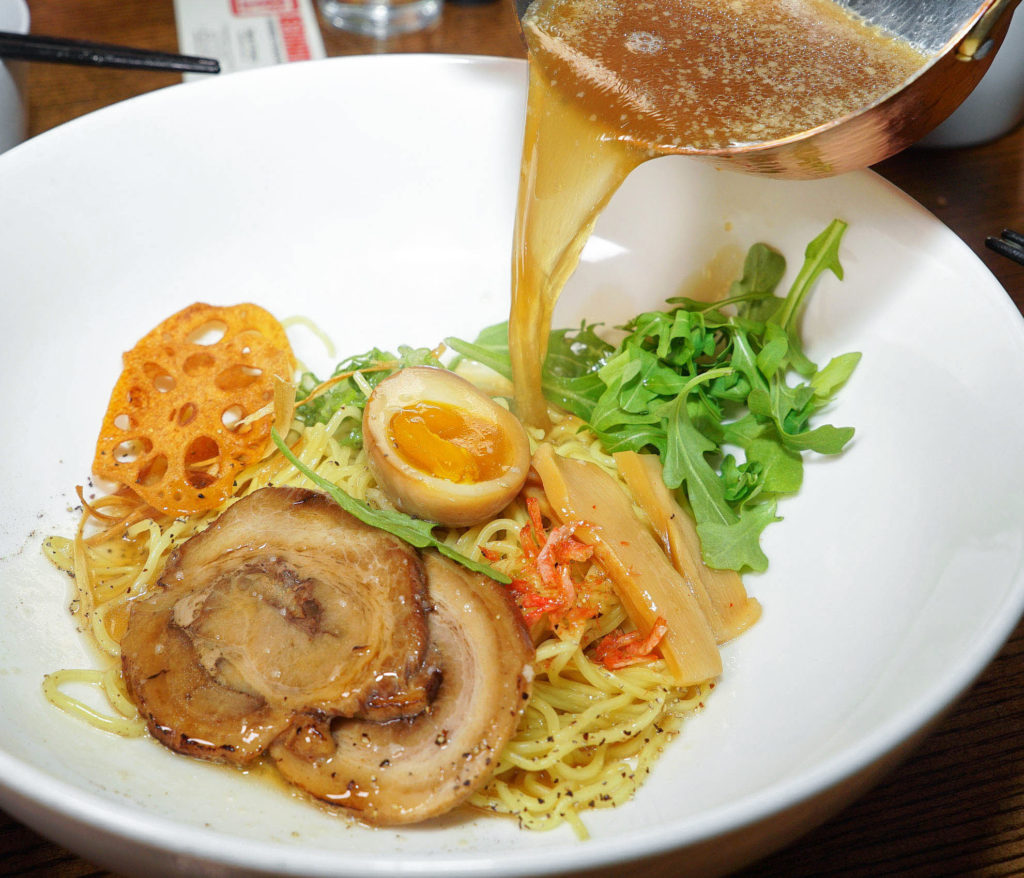
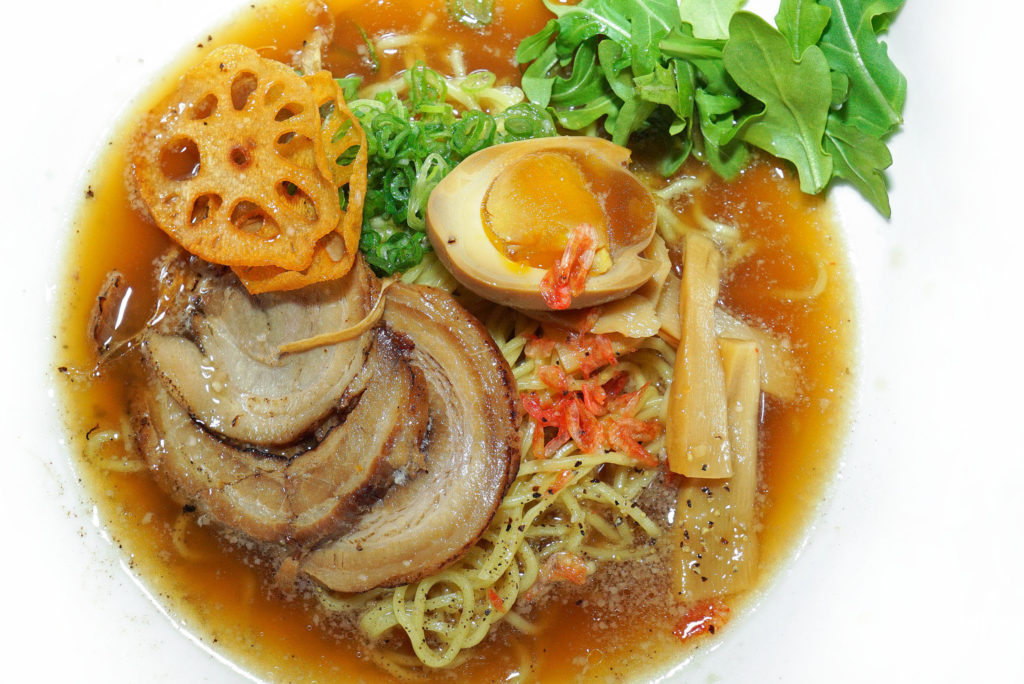
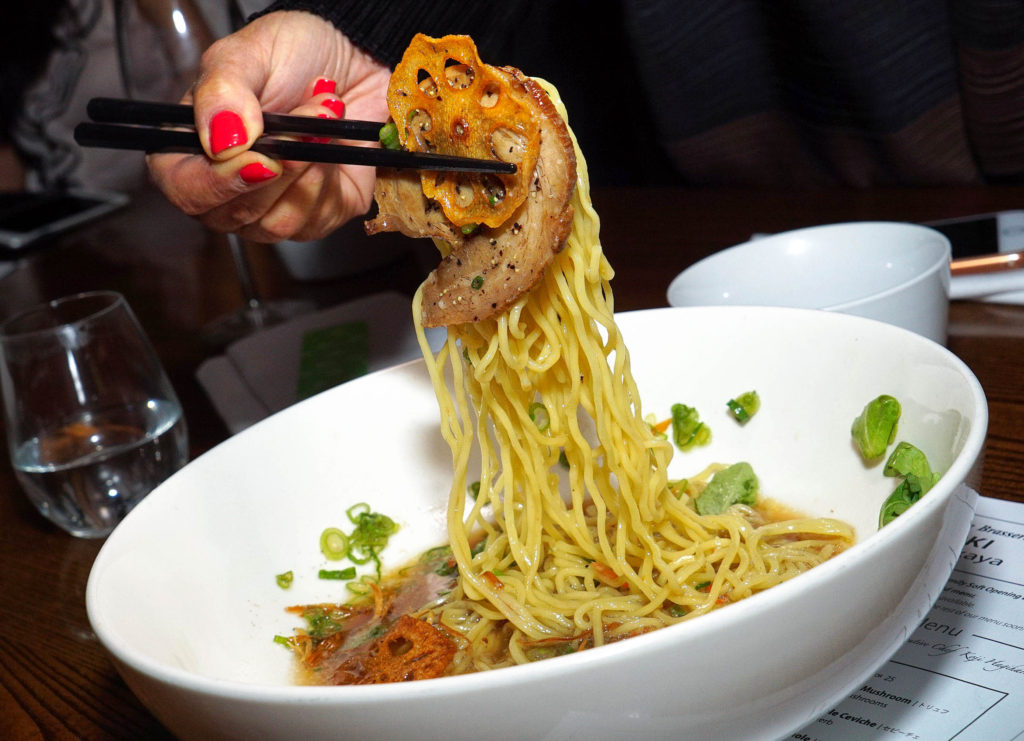
Italian spaghetti ramen, with pepper oil, arugula and crispy porchetta (Maialino):

Thanksgiving turkey ramen, with gravy, mushrooms, stuffing and cranberries, of course (Talde):

And Jamaican jerk chicken ramen (Miss Lily’s 9A):

There are even ramen burgers (L&L Drive Inn, among others)…

…and now ramen cake (courtesy of my wife, The Cake Dealer).

So that about does it here. If ramen isn’t your thing, but soup most definitely IS your thing, as a general matter, then there’s always pho, bun bo hue and laksa out there to soothe your hot soup needs in the cold winter weather that’s about to strike.

Ramen Setagaya

I’ve been meaning to check this place out for a while and finally got around to it this afternoon.

DSC09104

I went with the miso ramen based on the waitress’ suggestion between this and one other bowl I was considering.

DSC09102

It was okay. The broth was a bit bland, likely due to the cabbage watering it down a bit. But the egg was perfect, the pork was really nicely cooked (although only two small pieces was a slight bummer), the bamboo shoots were fresh and tasty, the wavy egg noodles were cooked properly, and the scallions were nicely chopped rather than shredded. I think if the broth punches up a little, and if you order this without cabbage, it would be a better bowl of noodles.

DSC09103

RAMEN SETAGAYA
34 St Marks Pl
New York, NY 10003