Tag Archives: chicken

Yakitori by Neal

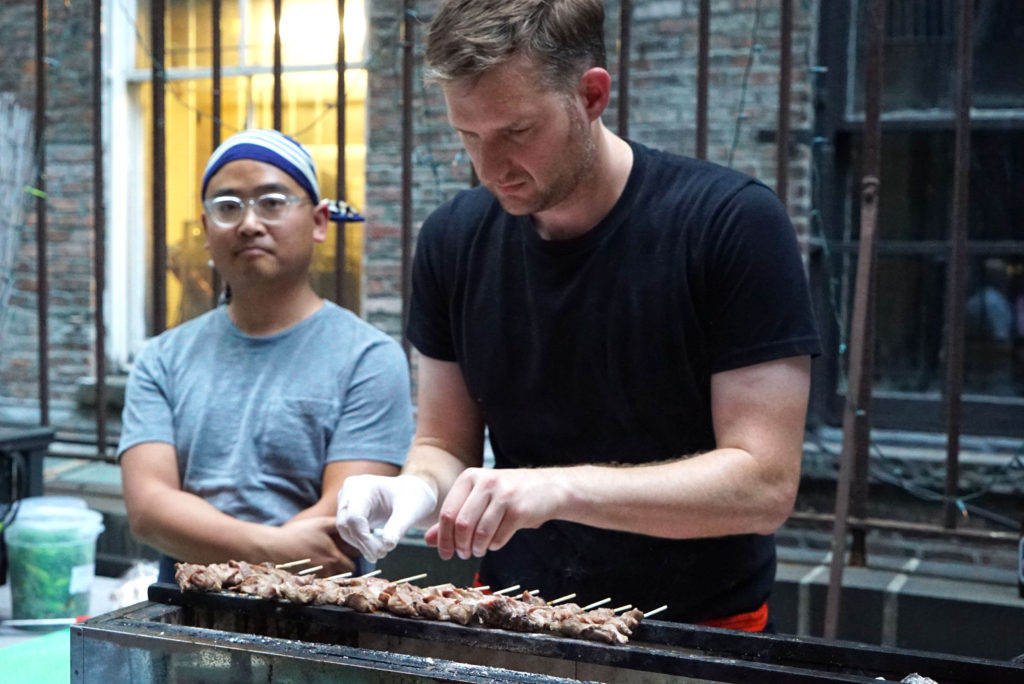
Yakitori By Neal is a Japanese style grilled chicken operation out of Brooklyn that pops up at various locations and events around the city, like Project Parlor and Sumo Stew (at The Brooklyn Kitchen).

DSC06354

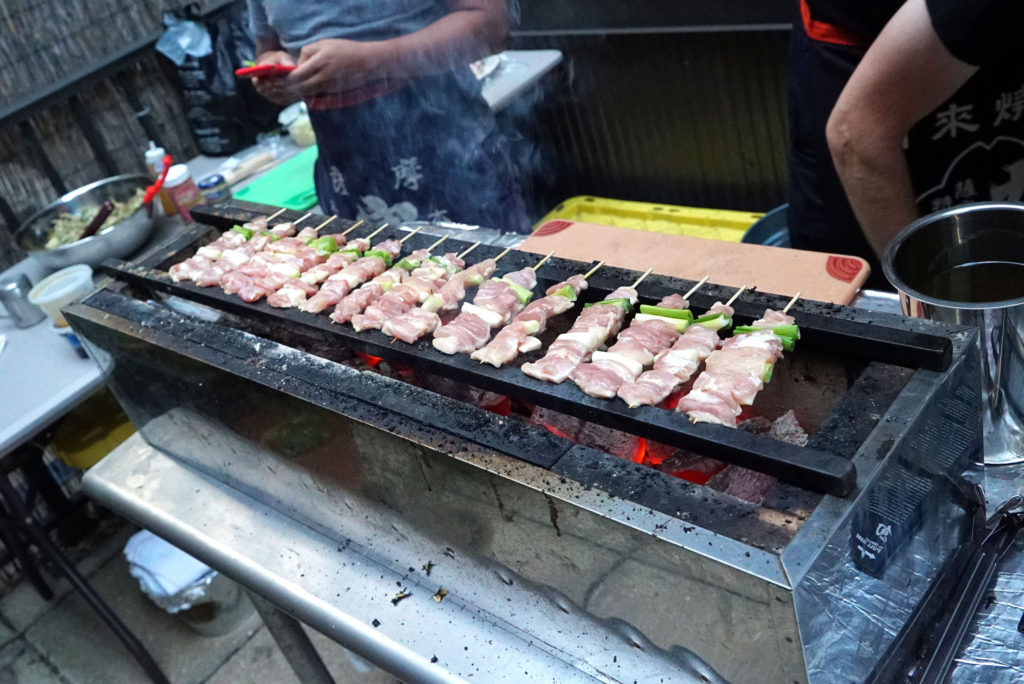
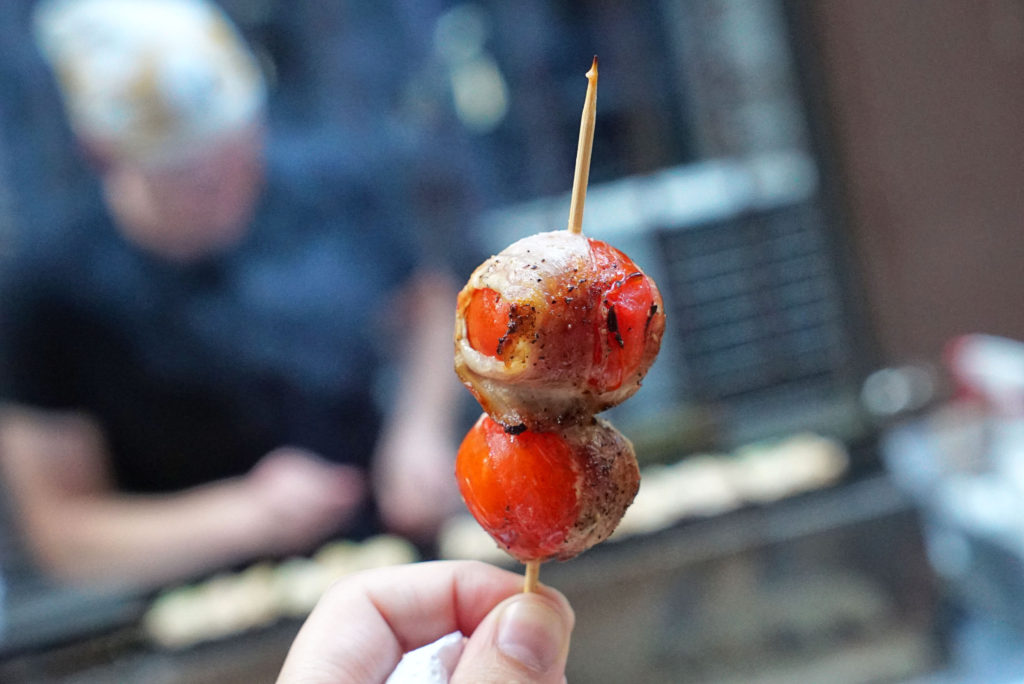
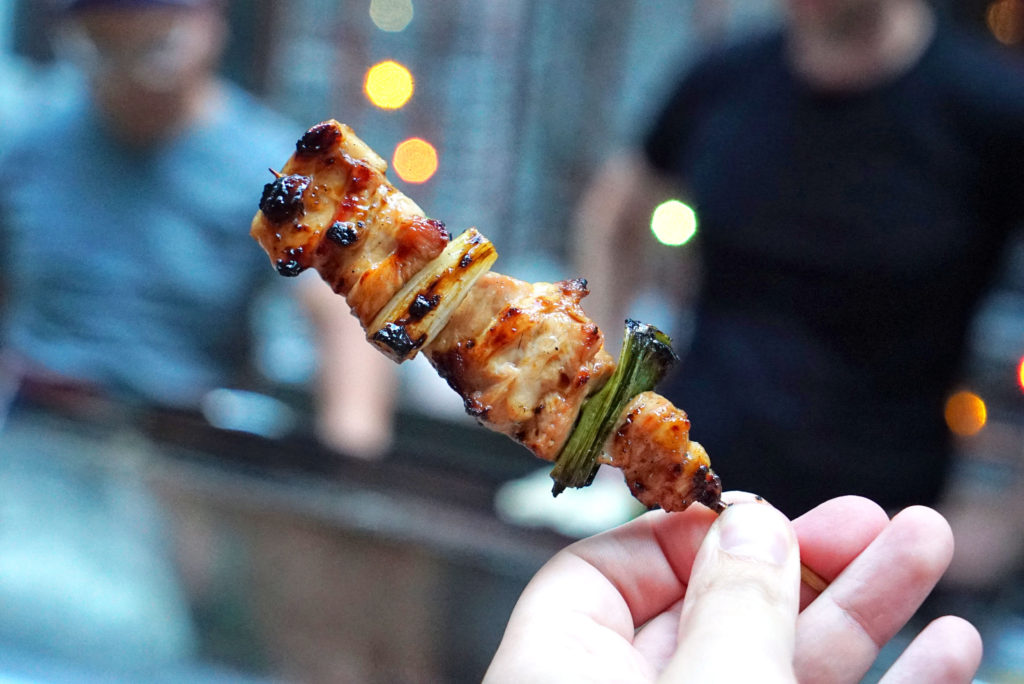
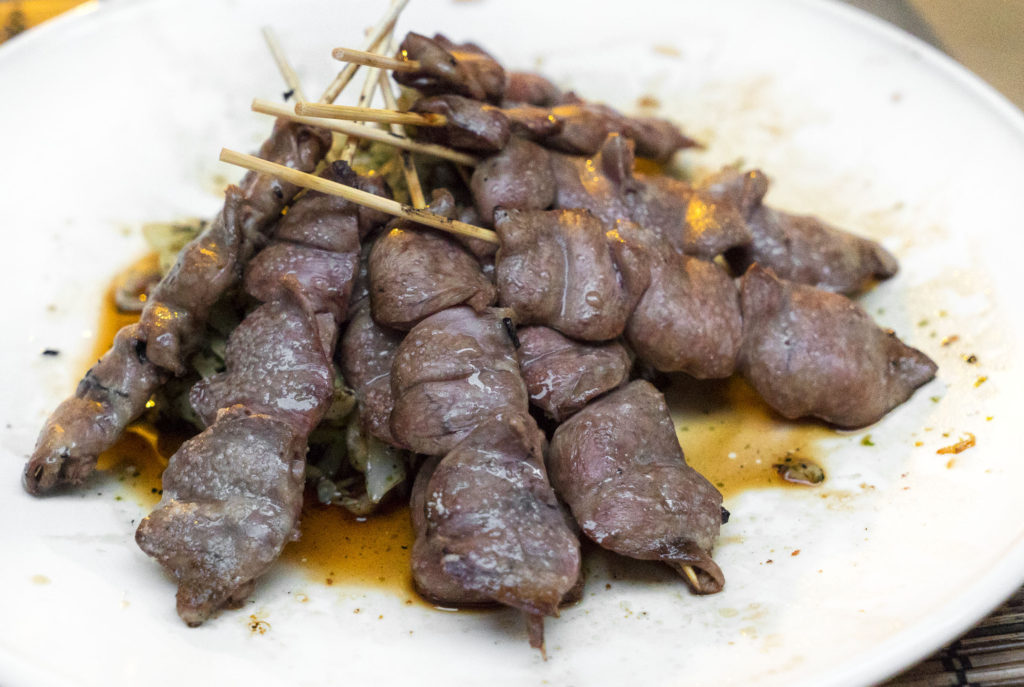
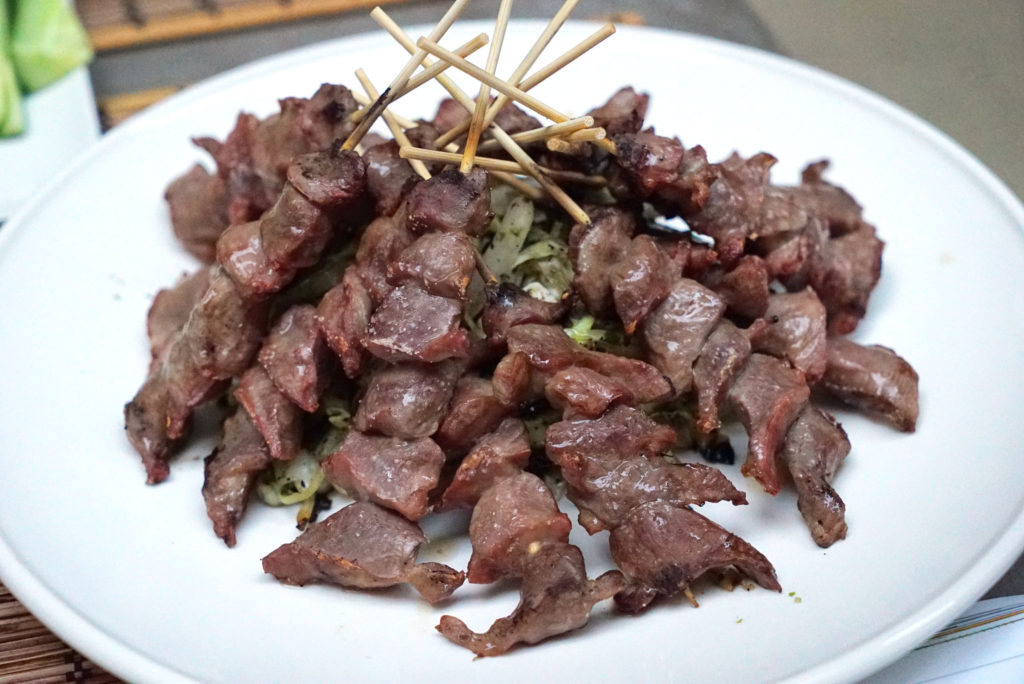
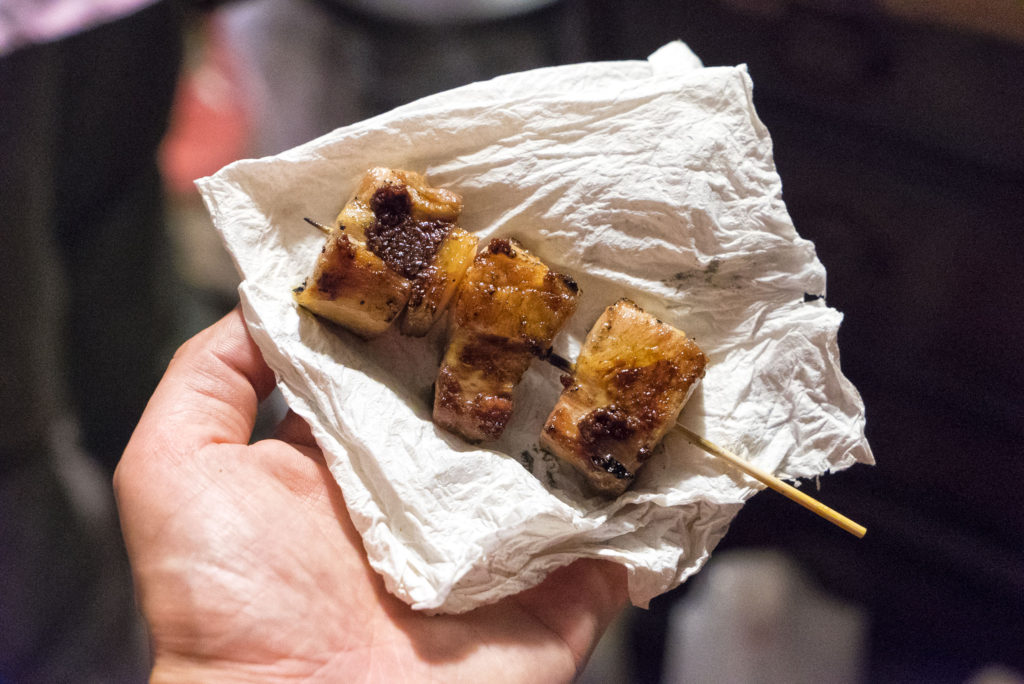
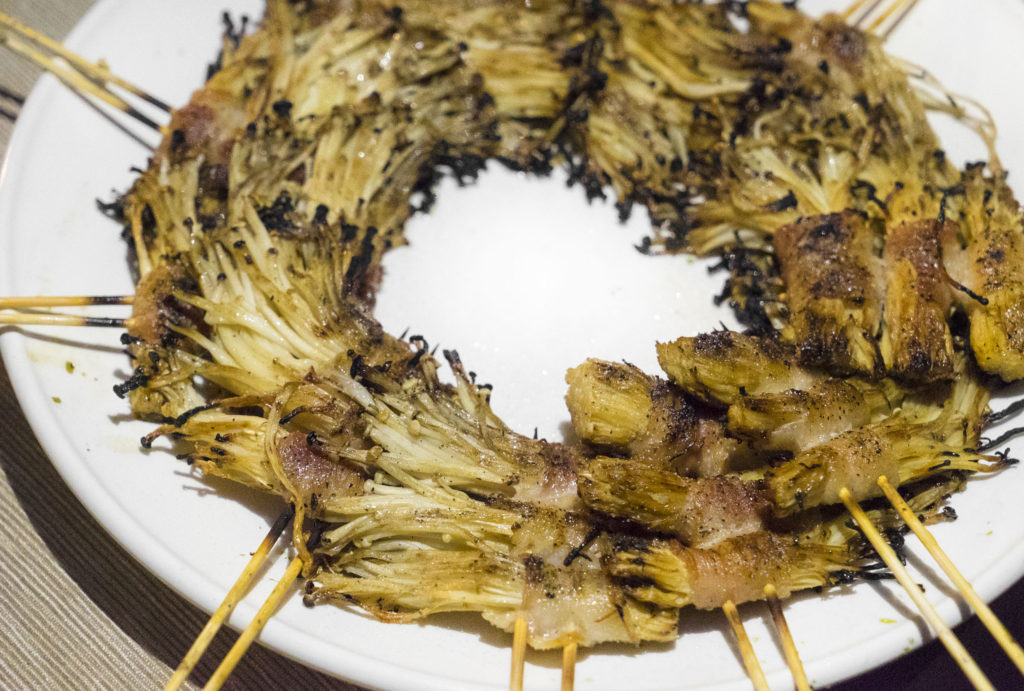
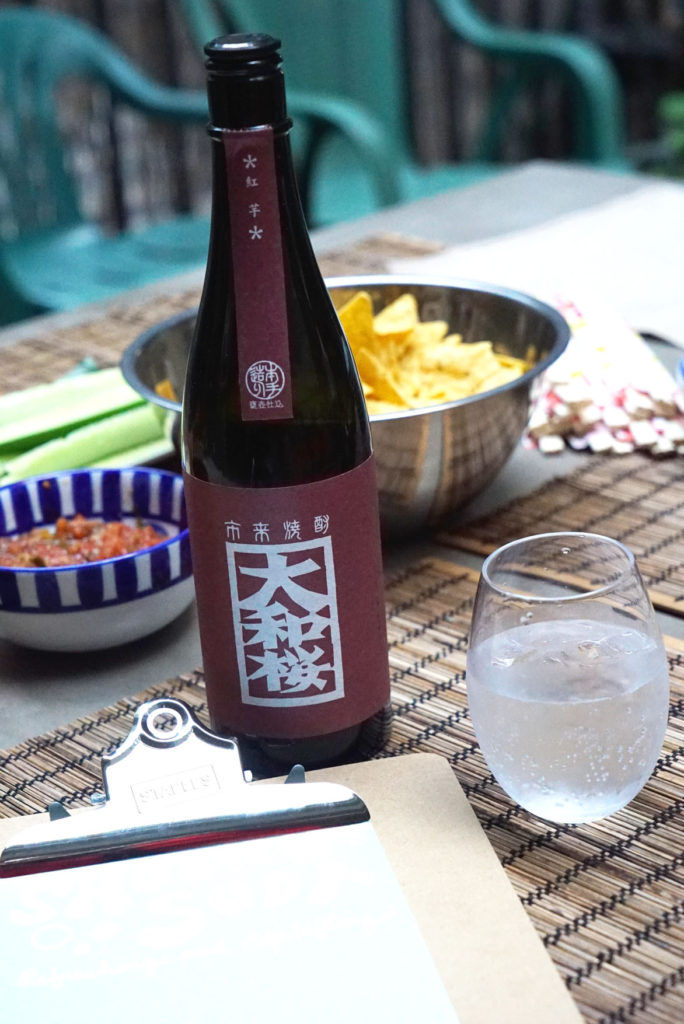
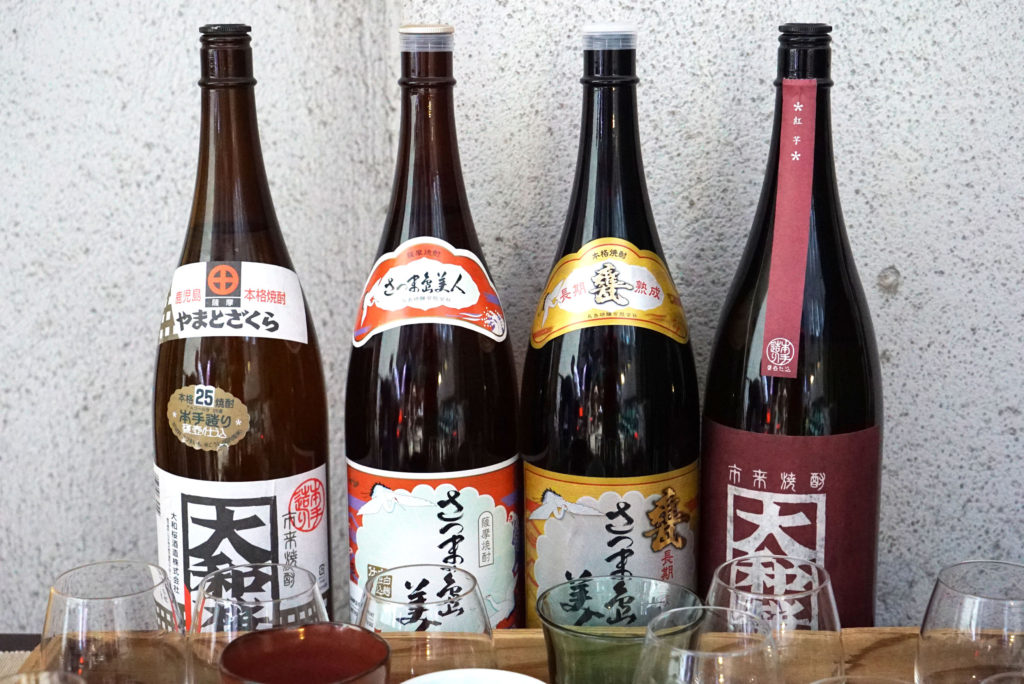
I had the pleasure of tasting some of Neal’s delicious grillings at a private backyard yakitori and shochu party. Guests sampled four different bottles of shochu while nibbling on tasty yakitori skewers.

DSC06355

DSC06363

DSC06377

DSC06351

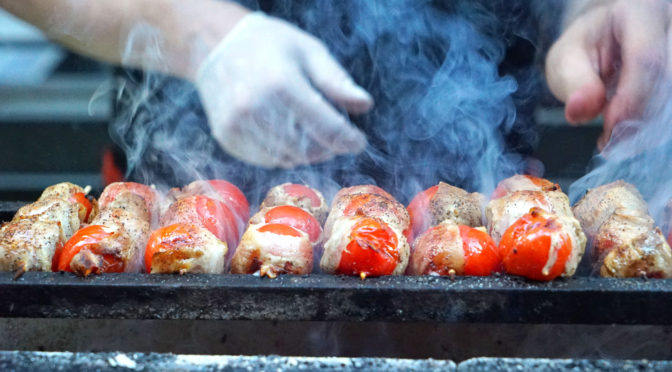
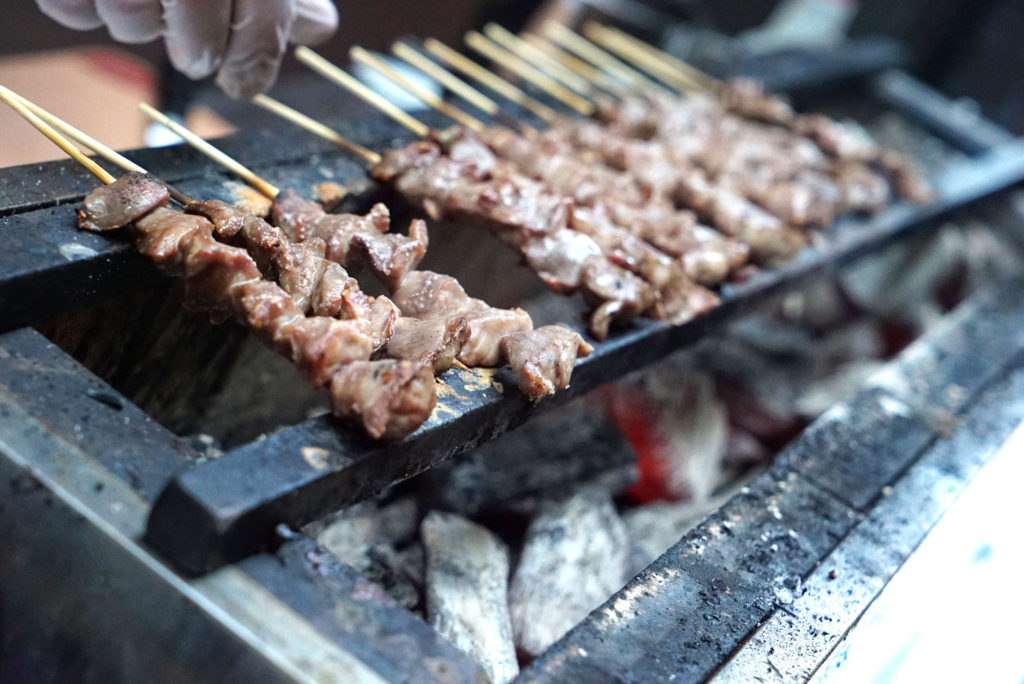
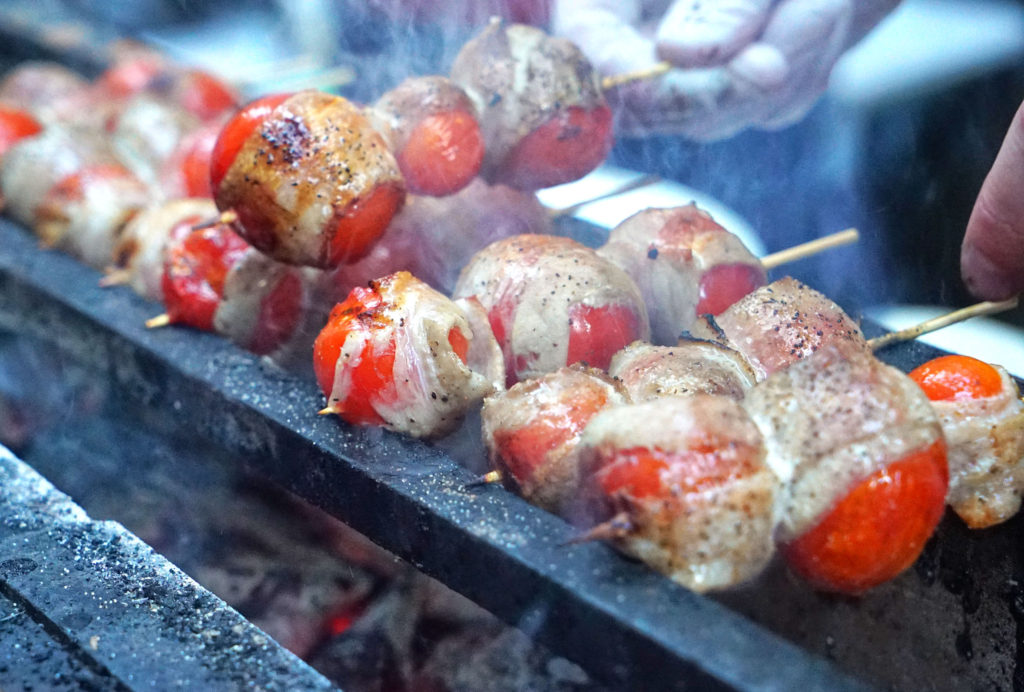
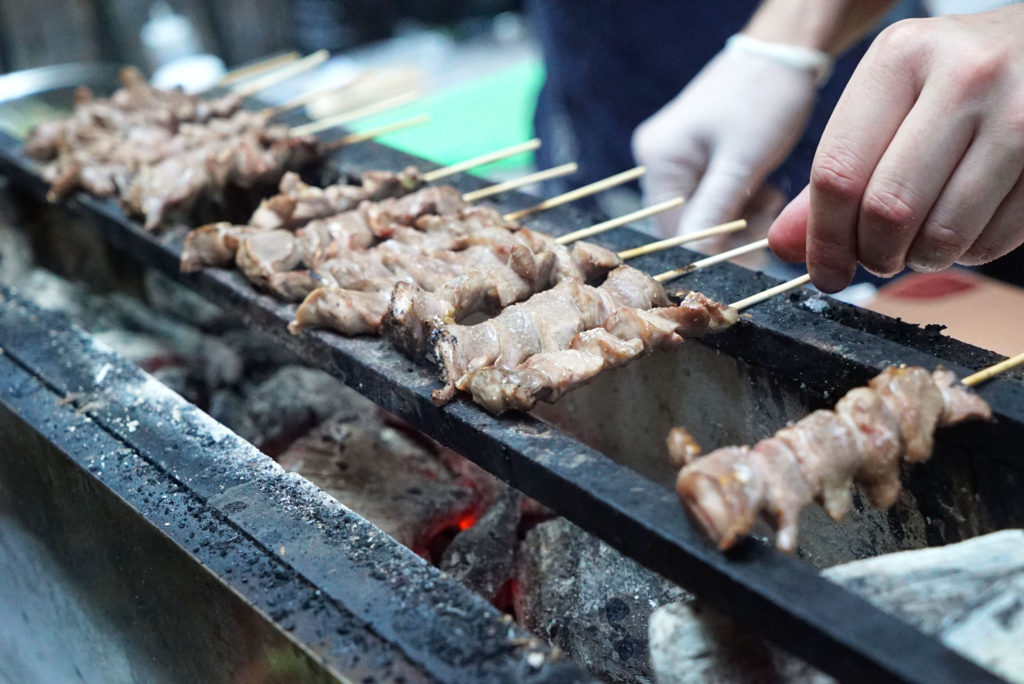
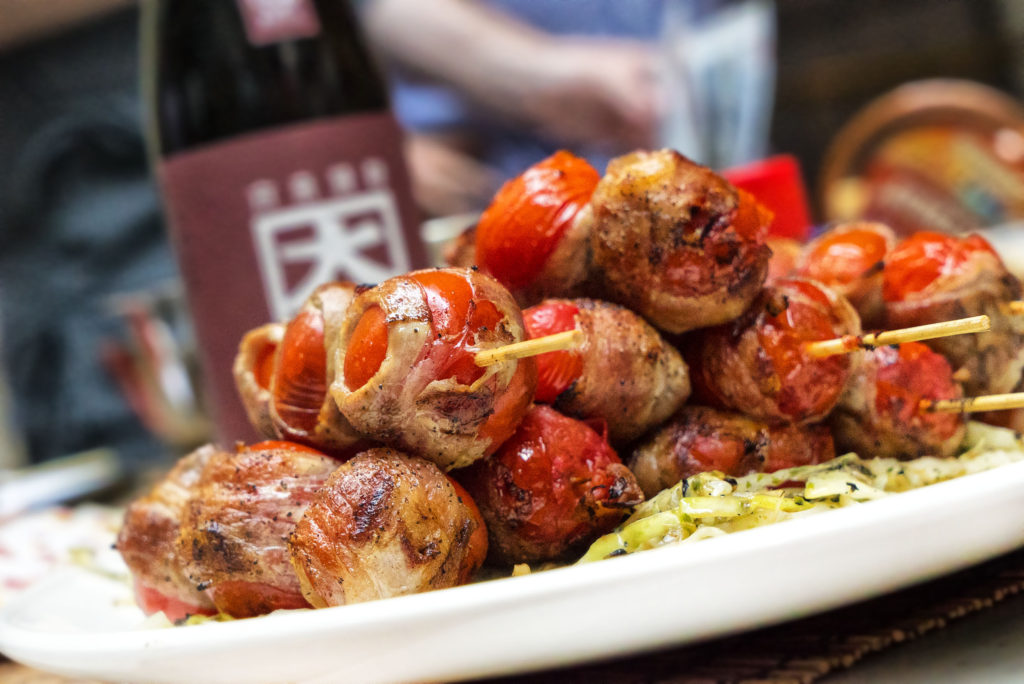
We had chicken gizzard, heart, and thigh, and shishito peppers, bacon wrapped tomatoes, bacon wrapped mushrooms, pork belly and hamachi (both belly and filet).

DSC06374

DSC06386

DSC06389

DSC06395

DSC06359

DSC06406

DSC06404

Everything from the grill was really delicious; the meats were masterfully seasoned and had a great, smoky charcoal flavor.

The shochu bottles varied in intensity and character. Two had the distinct flavor of mezcal, but with a more mellow, rounded and mild finish. These were great for drinking on the rocks or with soda.

DSC06349

The other two, which were aged three and five years, were remarkably smooth, clean and sip-able. One was so light in flavor that it was almost like water, yet it had 25% alcohol.

DSC06348

YAKITORI BY NEAL
Various Pop-Up Locations
Brooklyn, NY

Ando Delivery Service

Ando’s Community Manager reached out and offered me some credit on David Chang’s new food delivery service app in order to gain feedback about a few menu items. I’d tried a few things that my wife brought home, but that was a few months back and I’d only tried them after the food sat for a few hours in the fridge between lunch and dinner time.

The way Ando works is that between 11:00am and 2:00pm you can order up some great fried chicken and various sandwiches for delivery in midtown. But the trick is that you have to order early, because sometimes they’re completely sold out by 11:30!

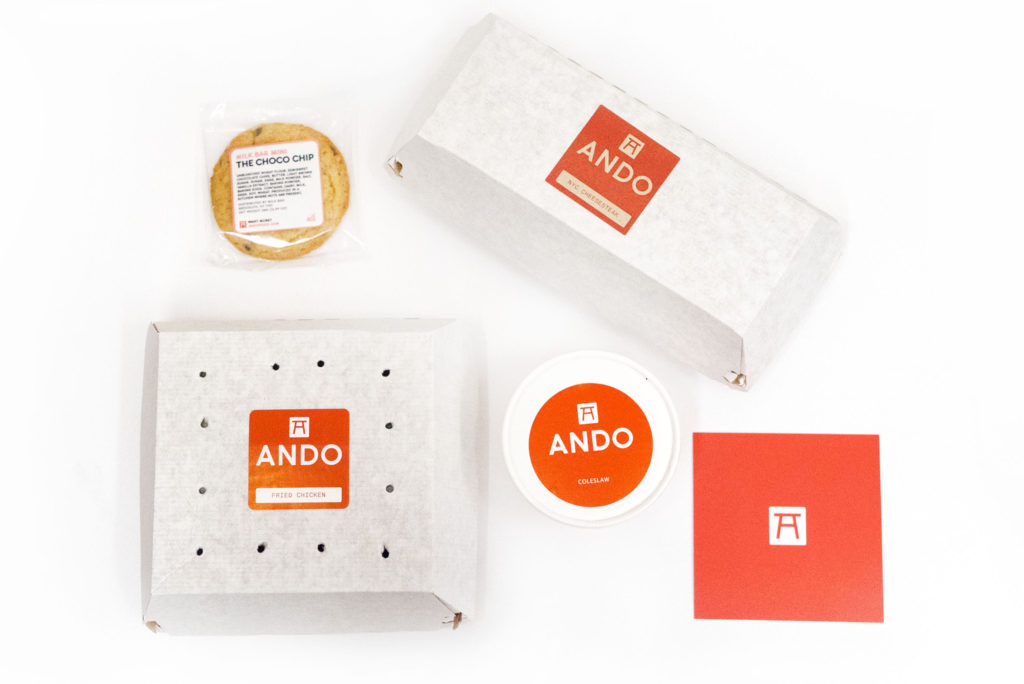
I was working with a $25 credit. Me and a buddy at work split an order of fried chicken and a Philly cheese (which they call a “NYC Cheesesteak”). We ordered at 11:00am on the dot, to avoid any sold out items. The food arrived to our office, literally, in eight minutes. They threw in a free cookie from Milk Bar too, as you can see.

DSC05907

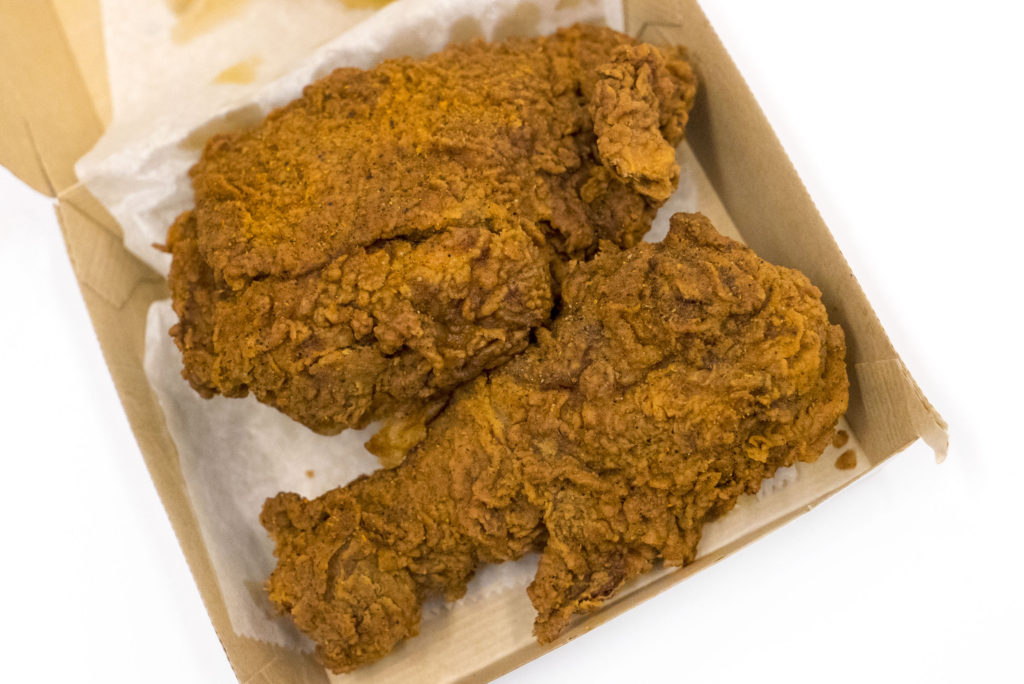
When we first read the description of the fried chicken box on the app, “thigh and leg,” we thought it wasn’t going to be enough food for us. And at $12 for two pieces of chicken it seemed a bit pricey. But the pieces of chicken were big and filling.

DSC05911

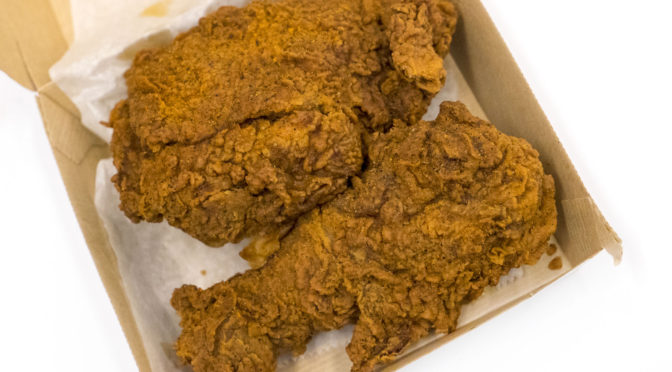
The battered skin is absolutely delicious on these babies. It’s got a little spice to it, but not too much. It’s super crispy and stays crisp even if it’s in the box for a while, or refrigerated for a few hours. The meat underneath is extremely tender and juicy. This is one of my favorite fried chicken boxes in the city, and it’s much better than the stuff Chang serves at Ma Peche, in my opinion.

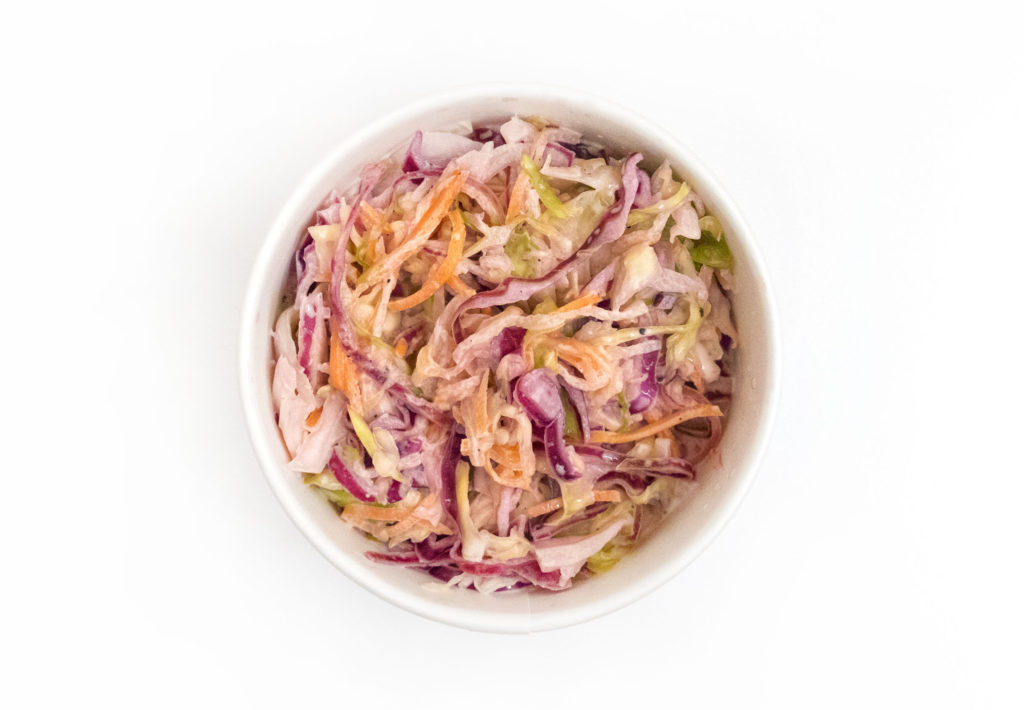
The chicken also comes with coleslaw as well. This brightly colored slaw was nice and sweet, with just a touch of savory. It wasn’t too watery either, which was nice because I dislike watery slaw. While I’m generally not a huge coleslaw guy, this version was pretty good.

DSC05916

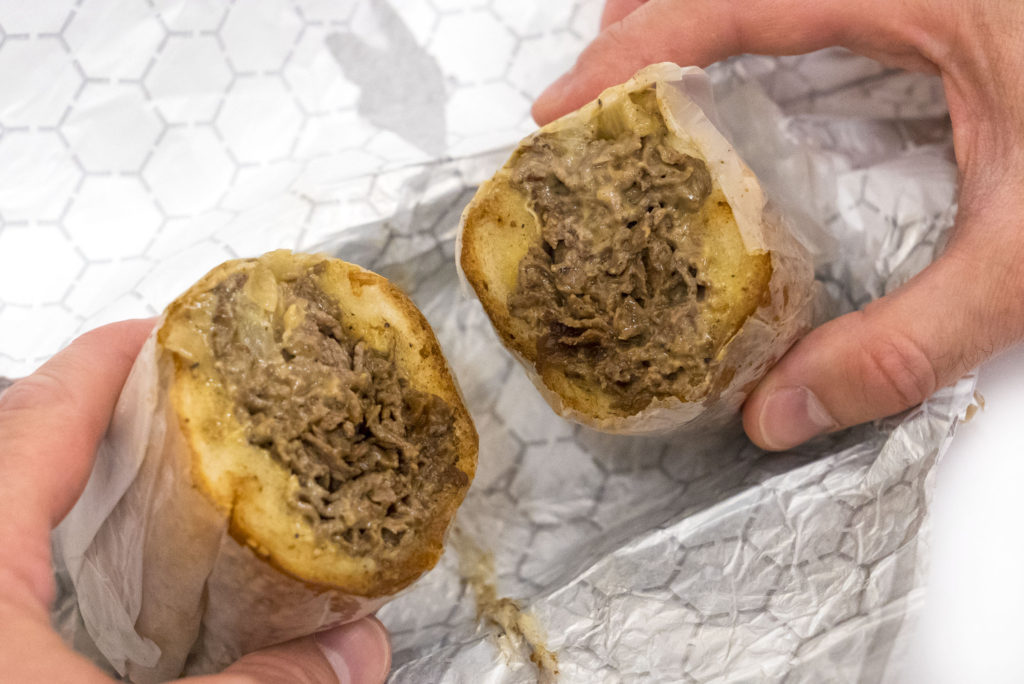
As for the cheesesteak, at $12 we both felt like it was a little expensive, especially considering that there were a few gristled bits of fat that I had to pull out of my mouth. The flavors, however, were great. The cheese is evenly melted throughout the sandwich, the bread isn’t greased up or destroyed from too much juice, and the onions are nicely cooked. It’s just a bit small and expensive, but then again this is David Chang’s food, so that is what justifies the price. Keep in mind, this is only $1 more than a Shorty’s cheesesteak, which is one of my favorite in the city.

DSC05919

Overall the food is very good; even the cookie was soft and delicious. Our food came to $24, and with tax and tip we were at about $30. We were full and satisfied for about $4 or $5 after the press review credit was applied. I definitely recommend this service. The chicken is pretty great, and has a unique flavor with a wonderful crisp.

ANDO
Food Delivery App
Available on iTunes

Hell’s Chicken

NOTE: THIS PLACE IS CLOSED

My wife and I were recently invited here for a press meal.

DSC02736

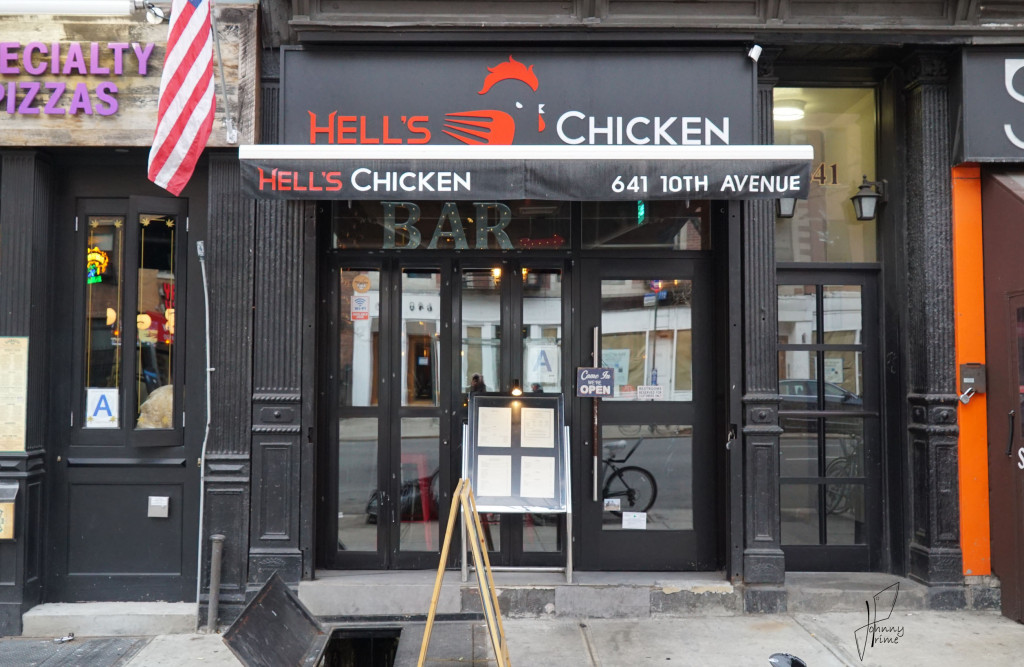
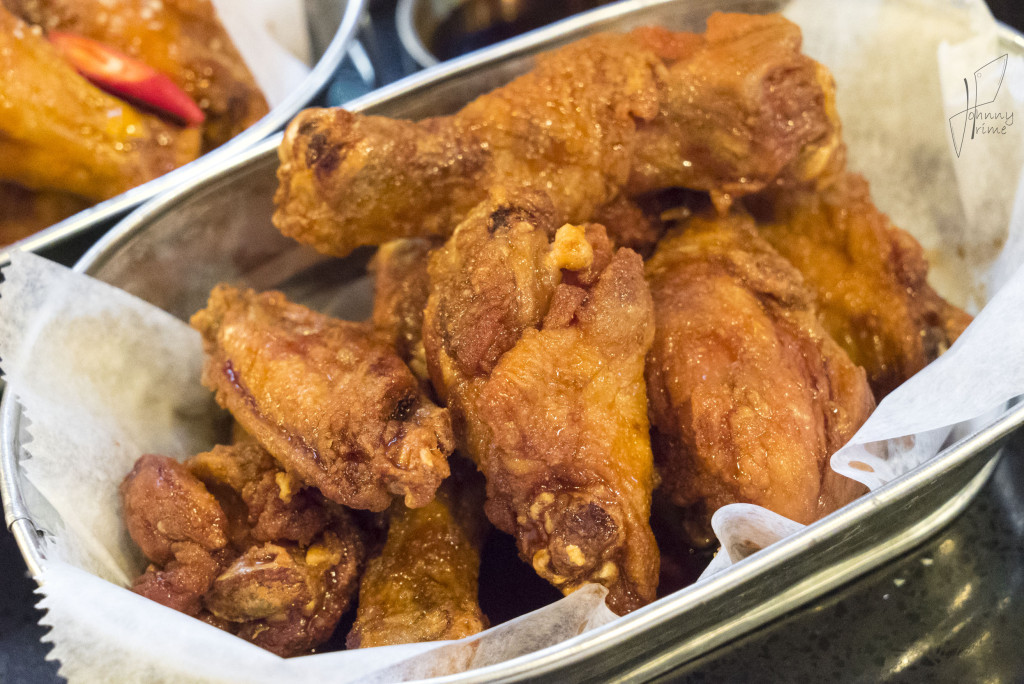
This place is located just above the new Hudson Yards construction area on the west side. It’s a prime spot for the soon-to-be-bustling area. In any case, Hell’s Chicken serves up some tasty Korean style fried chicken!

DSC02781

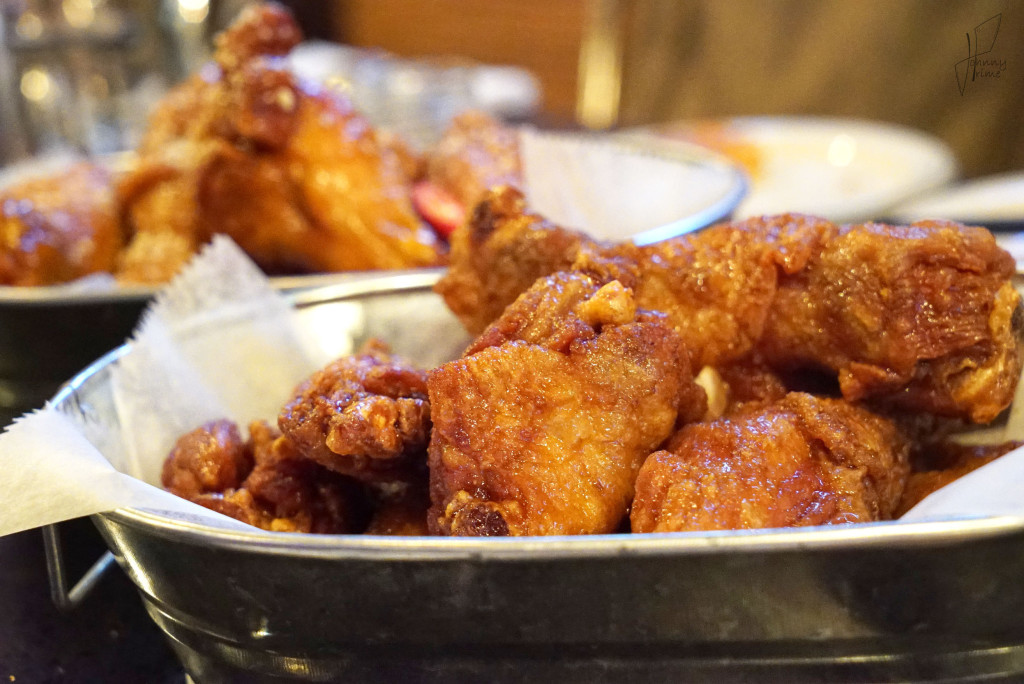
The batter was nice and crispy, and one of the sauces, the soy ginger, was really delicious. Even the drum sticks were adequately battered and sauced, so that the ratio between meat and batter was in the proper proportion.

DSC02773_1

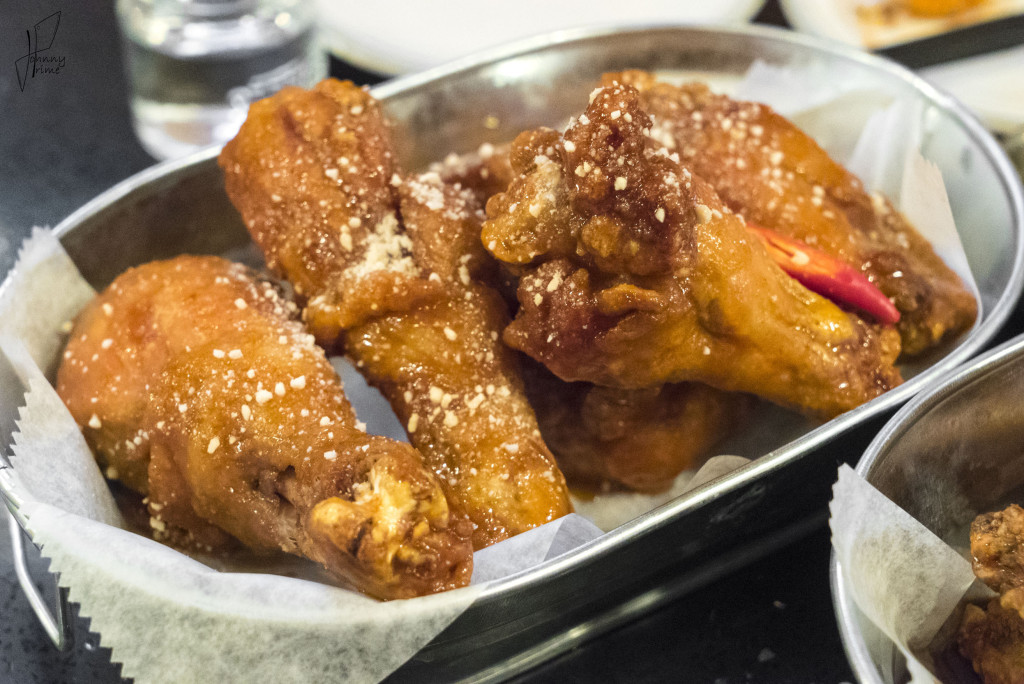
We also tried the “spicy hell” sauce, which is tomato based and gluten free. It did not deliver the kind of heat that one might expect from such eloquent naming. I thought I’d be shitting molten lava afterward, but that won’t be the case (thankfully). In any event, don’t be afraid! A good, welcoming heat creeps up a few seconds after your taste buds get to work, and the end result is pretty addictive.

DSC02771_1

That’s cashew powder sprinkled on top, by the way: a very interesting touch.

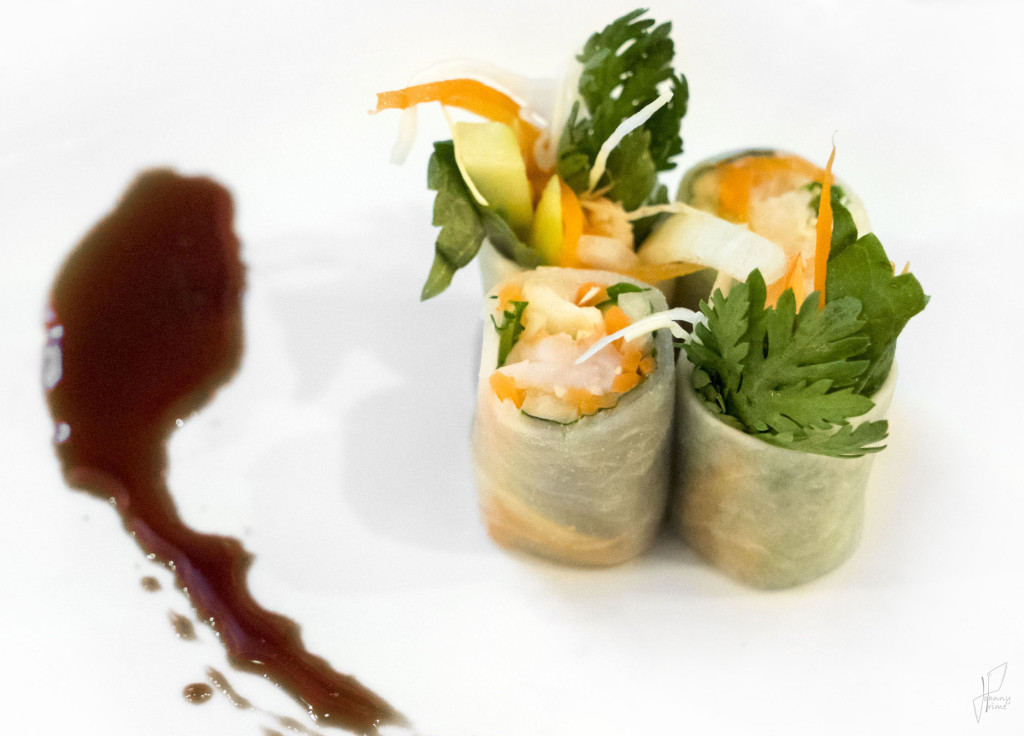
Not only does this place do fried chicken, but they also serve up some traditional Korean dishes as well. We tried three courses. This first bite was a shrimp and veggie roll wrapped in pickled daikon.

DSC02752_1

It was nice and refreshing, with a hit of sweet pickled goodness from the daikon.

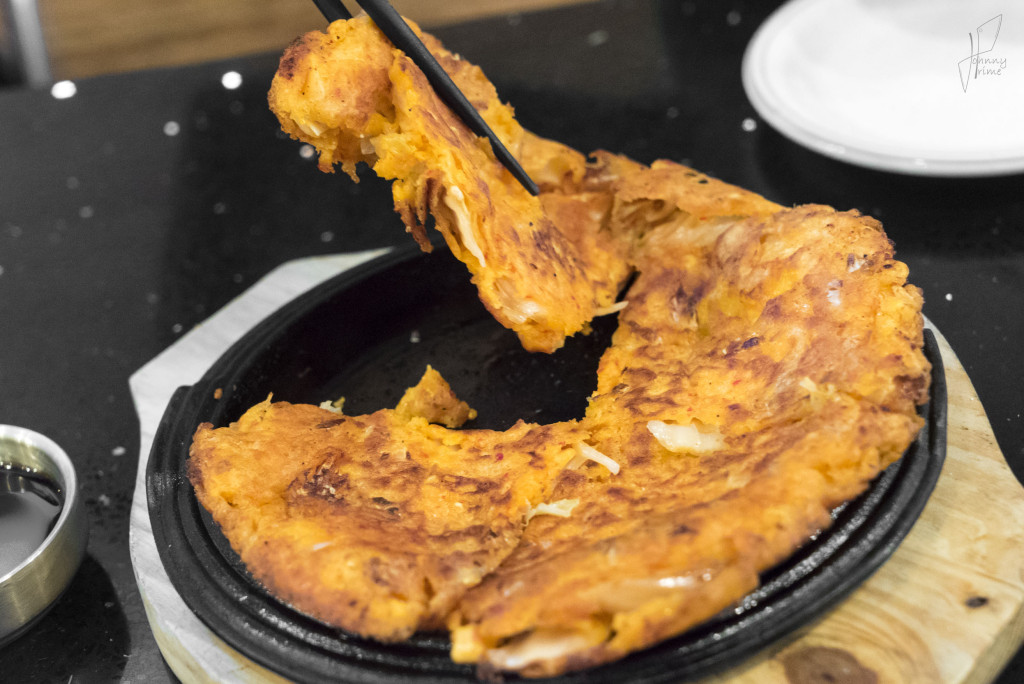
Then we sank our teeth into this kimchi pancake, made with eggs, flour and pickled cabbage. It was crispy but had a nice dense, substantive texture to it from the kimchi inside. This might have been my favorite dish of the night.

DSC02769_1

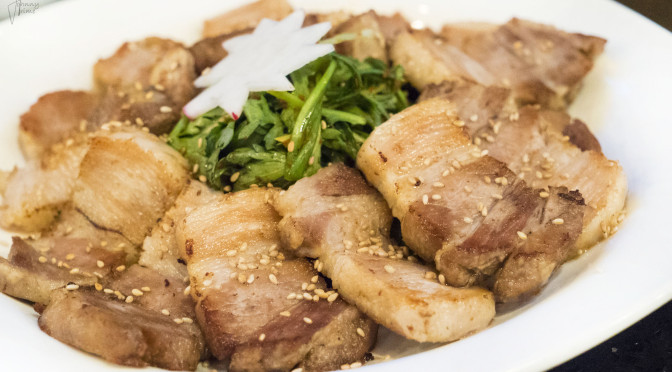
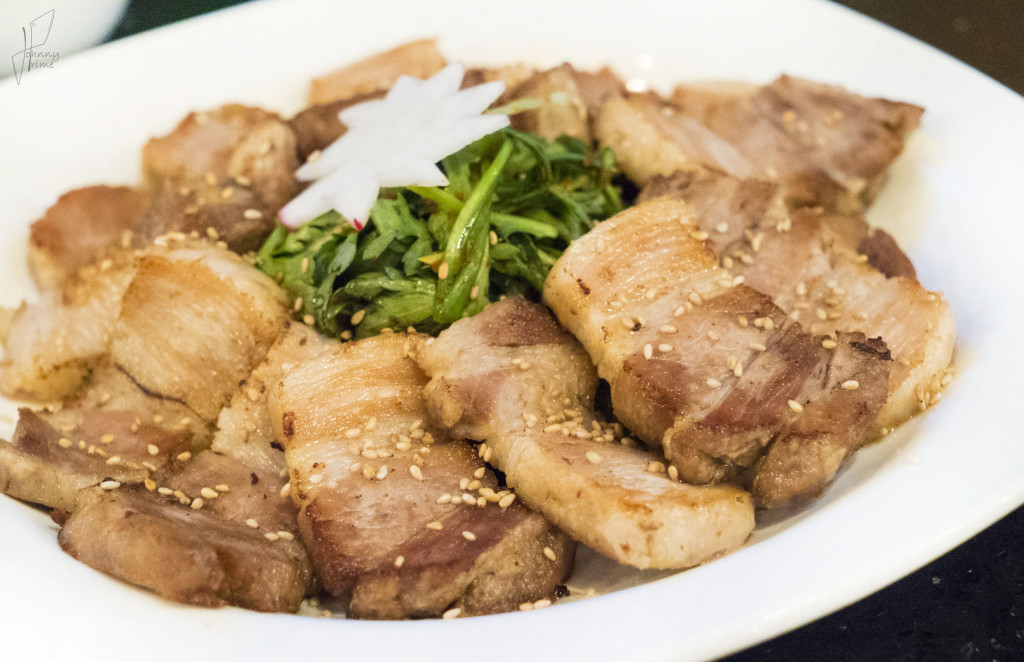
Next up was this platter of bork belly and lightly dressed greens. The belly was sliced thick and grilled with simple spices and sesame seeds. We dipped the pork in spicy bean paste. Awesome. I could eat this every day.

DSC02783

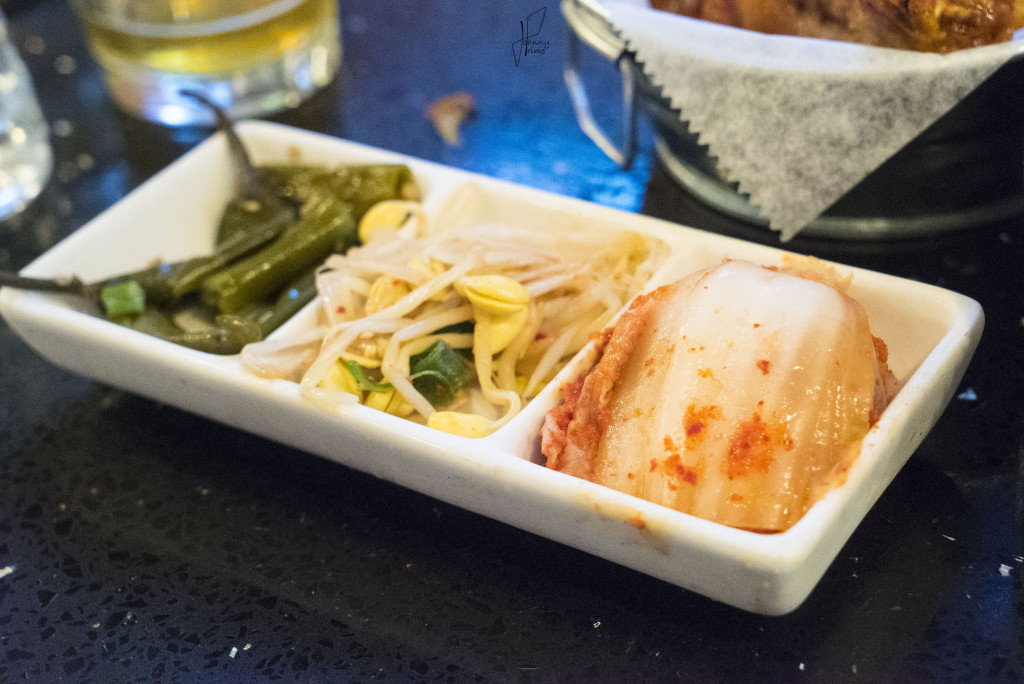
This came out with some spicy pickled kimchi items as well. Shishito peppers, bean sprouts and cabbage. All were pickled in-house.

DSC02787

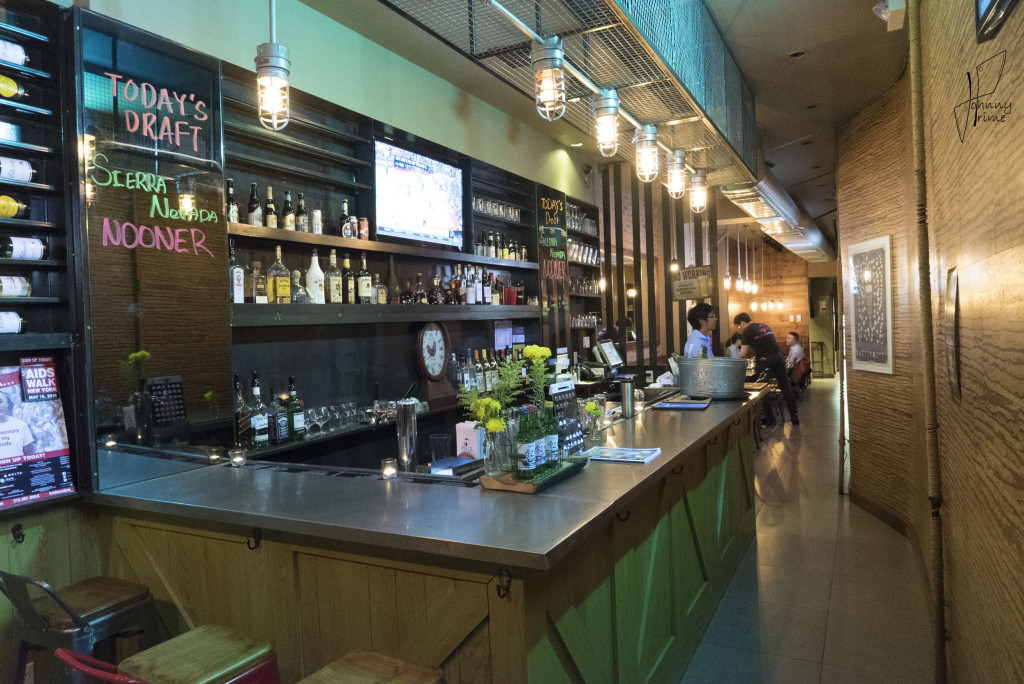
I should also mention that this joint offers a pretty good happy hour deal from 4pm to 7pm, with $5 beers, wine deals and discounted well drinks.

DSC02788

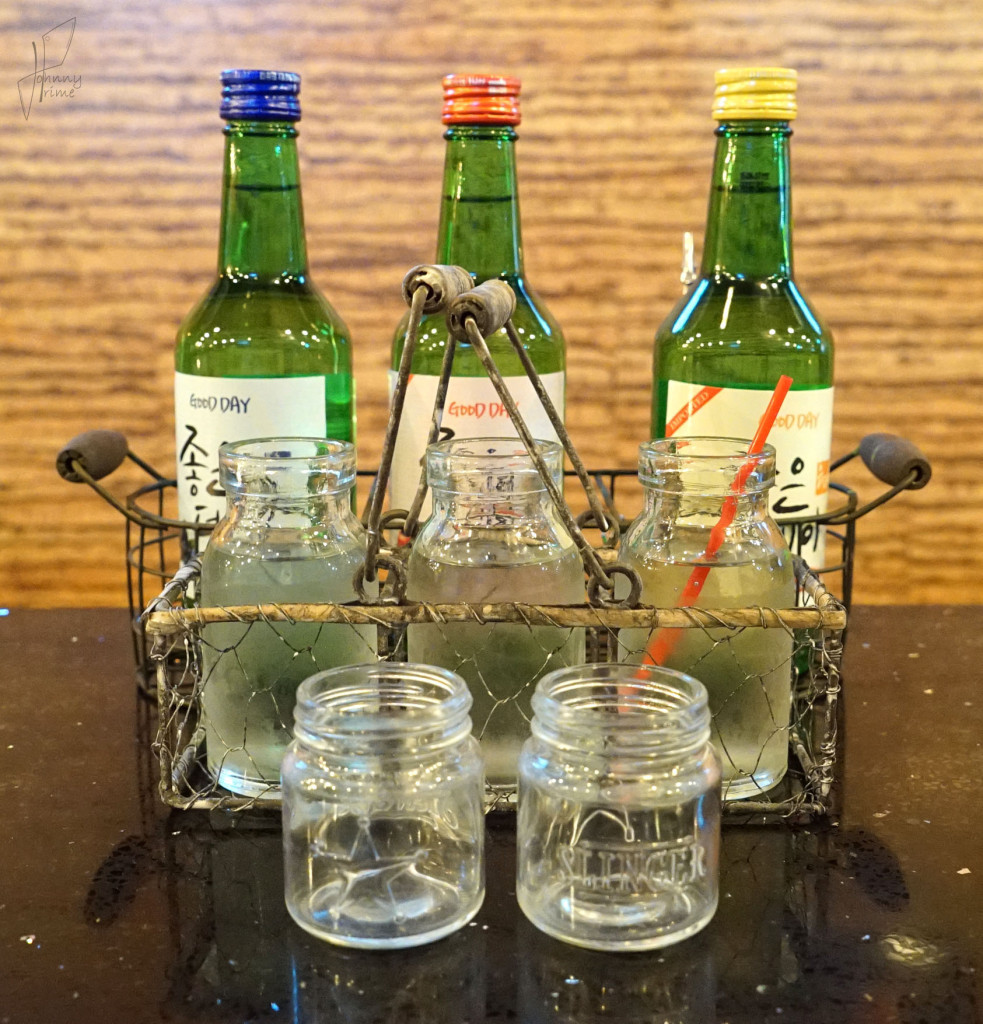
But check out this trio sampler of infused soju: yuzu, pomegranate and blueberry. All were on the sweet side, as opposed to dry. The pomegranate was the best, and most naturally pleasant tasting of the three. I like the old style presentation too, with the small jars. This will run you $18, for what is essentially about 12-15oz of soju. I thought that was a good deal.

DSC02745

To sum up, this is a great place to satisfy for your Korean fried chicken cravings. The traditional dishes are pretty great too. A guy who sat next to us ordered the bibimbap, and I must say it looked, smelled and even SOUNDED delicious when it came out in the hot clay bowl. That’ll be my next meal here.

HELL’S CHICKEN
641 10th Ave.
New York, NY 10036

Pollo Tropical

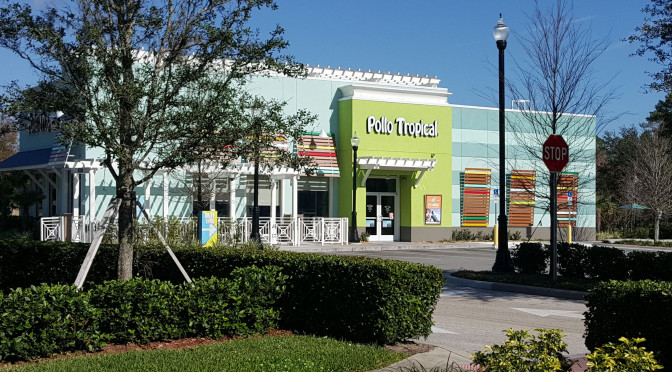
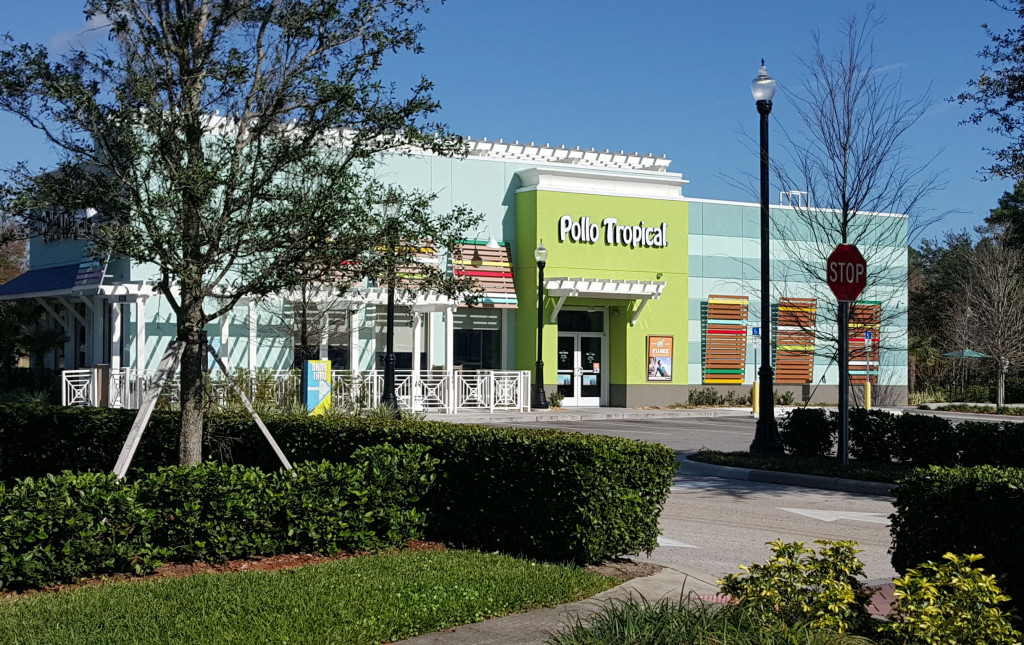
When I’m away from NYC, I love trying new fast food joints that I can’t find back home. In Florida, I kept seeing these Pollo Tropical joints all over the place, so I had to try it.

20160116_110350

The menu is pretty simple – chicken or pork, rice bowls, platters and sandwiches. My wife and I tried a bunch of stuff.

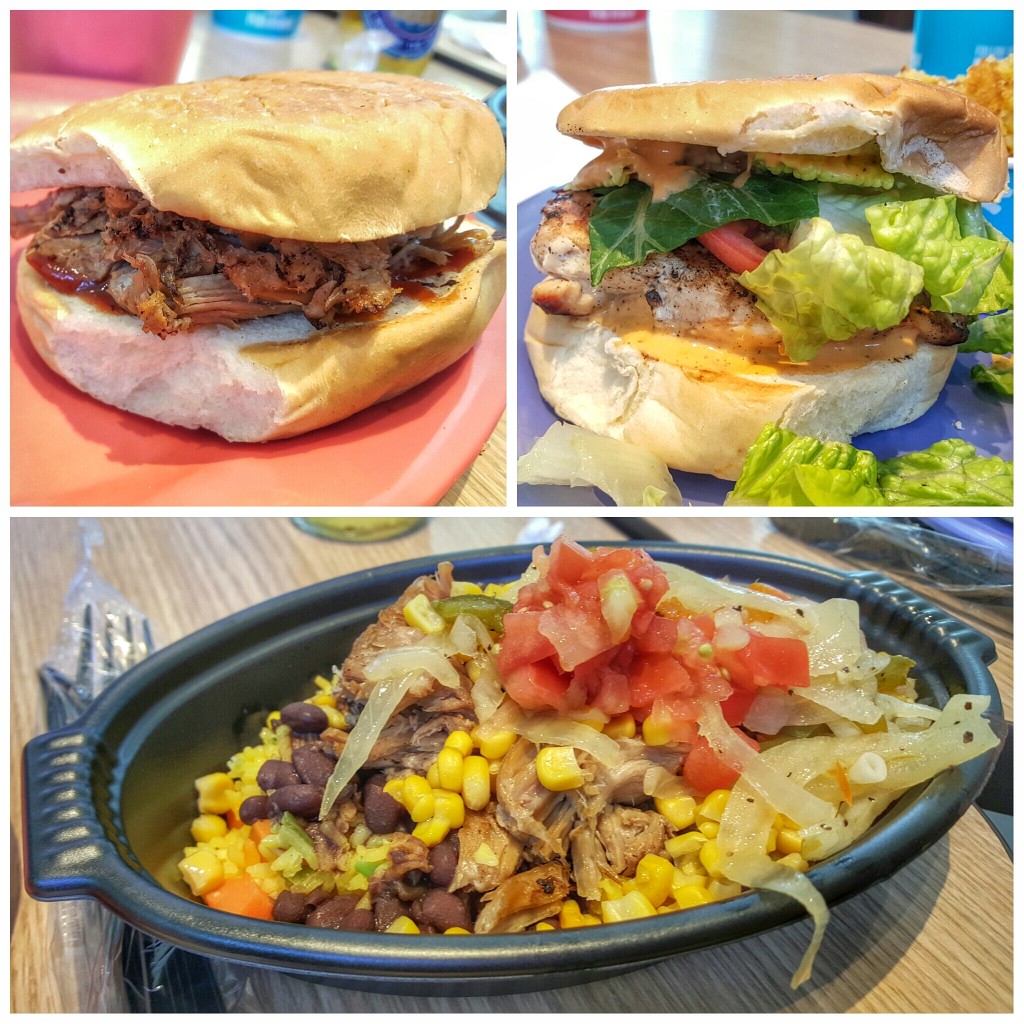
First was the guava BBQ pulled pork sandwich, which reminded me of luau pork or achiote pork. The BBQ sauce was good – sweet and tangy with a unique fruity flavor. The chicken sandwich was pretty basic – nothing special there: grilled chicken, cheese and some fixings on a potato bun. The rice bowl we tried was the same pork meat as the sandwich, but on a bed of yellow rice with black beans, onions, and corn. This was the best value, in my opinion. You got a lot of food for the money.

pixlr-01

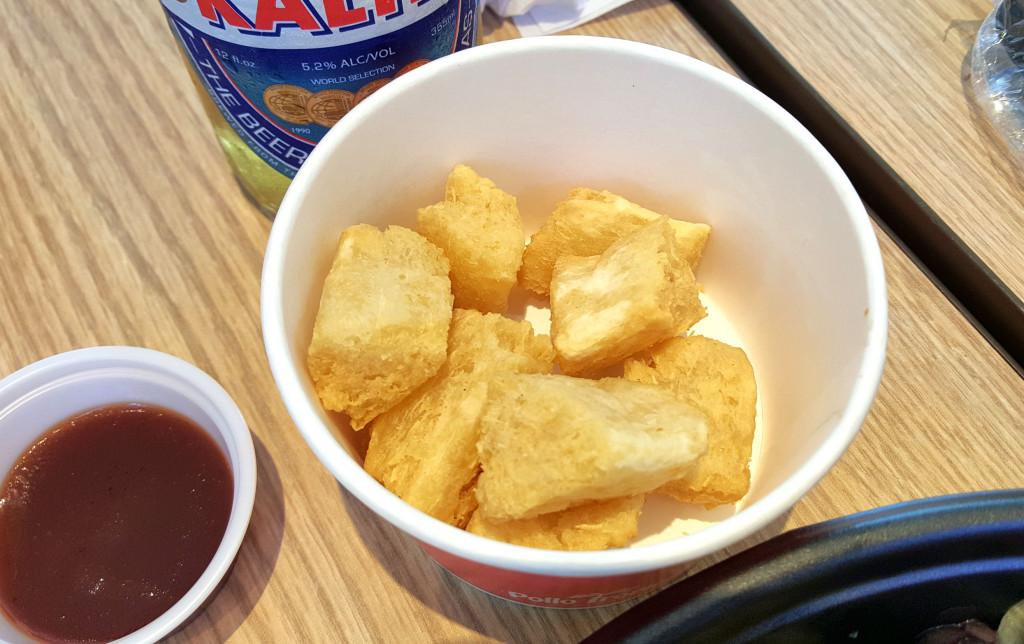
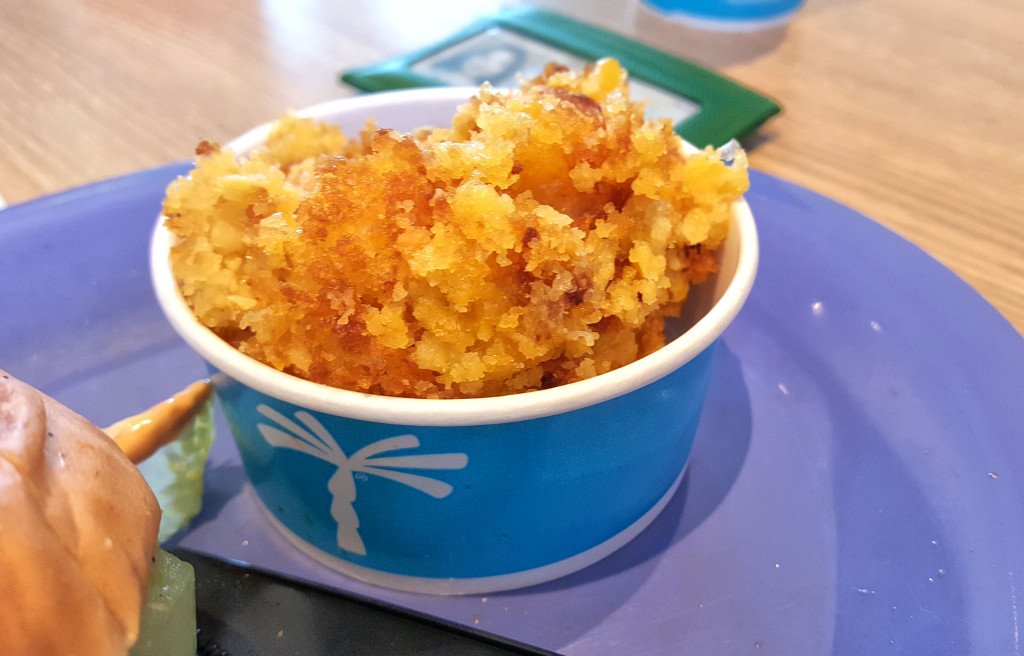
Each sandwich item came with a side. We had fried yucca, and corn soufflé – both were excellent, and easily addicting snack foods.

20160116_131805

20160116_132059

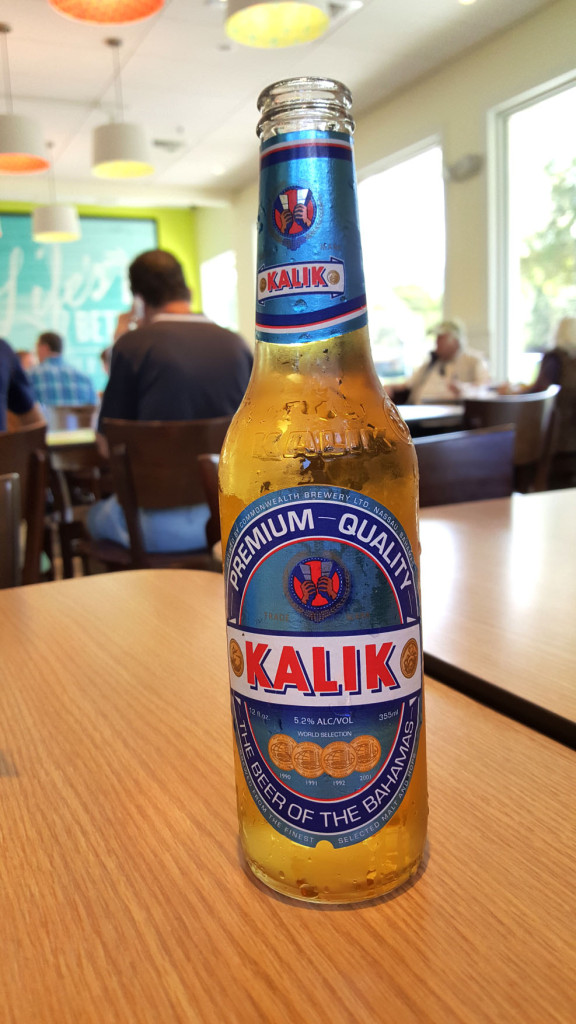
They even serve beer from the Bahamas. Sweet!

20160116_131017

But the thing that really sets Pollo Tropical apart from other joints is the sauce selection, all free to grab as much as you want, to mix and make concoctions of your own, etc. They have things like guava BBQ sauce (as well as regular BBQ sauce), curry mustard sauce (amazing – I know it sounds bad, but trust me), garlic cilantro cream sauce (awesome for the beef selections, if available in that particular restaurant – and it has a hint of lime), pineapple rum (thing “tropical duck sauce”), spicy poyo poyo sauce (great kick from habanero peppers), Pollo Tropical hot sauce, and fresh salsa. You really can’t go wrong with any of them.

In short, I dig this place. If there was one in NYC, I’d be hitting it pretty often.

Ramen Guide

With ramen season kicking into high gear, I suppose it’s high time that I put out a guide to ramen for all of you cold, hungry fucks out there looking to get your soup on. This should serve as your singular, all-encompassing resource for all things slurp. This is more of an informational page, clearly, so if you’ve landed here looking for my ramen reviews, you should go to the Ramen-Ate-R page, where you can read about the tremendous shitload of ramen that I’ve eaten.

There are a bunch of things you need to keep in mind when thinking about ramen. Namely, you need to think about the thickness of the broth, how the broth is made, how it is seasoned, what kind of noodles are used, the toppings, and, finally (if you’re into food knowledge), where the ramen style was developed and the history behind the dish. So let’s get into it:

BROTH THICKNESS

This is classified as either assari (light) or kotteri (rich). Assari broths are generally thin or clear, as they are typically flavored with vegetables, fish or seaweed. If animal bones are used at all, they are usually just simmered lightly for a short amount of time.
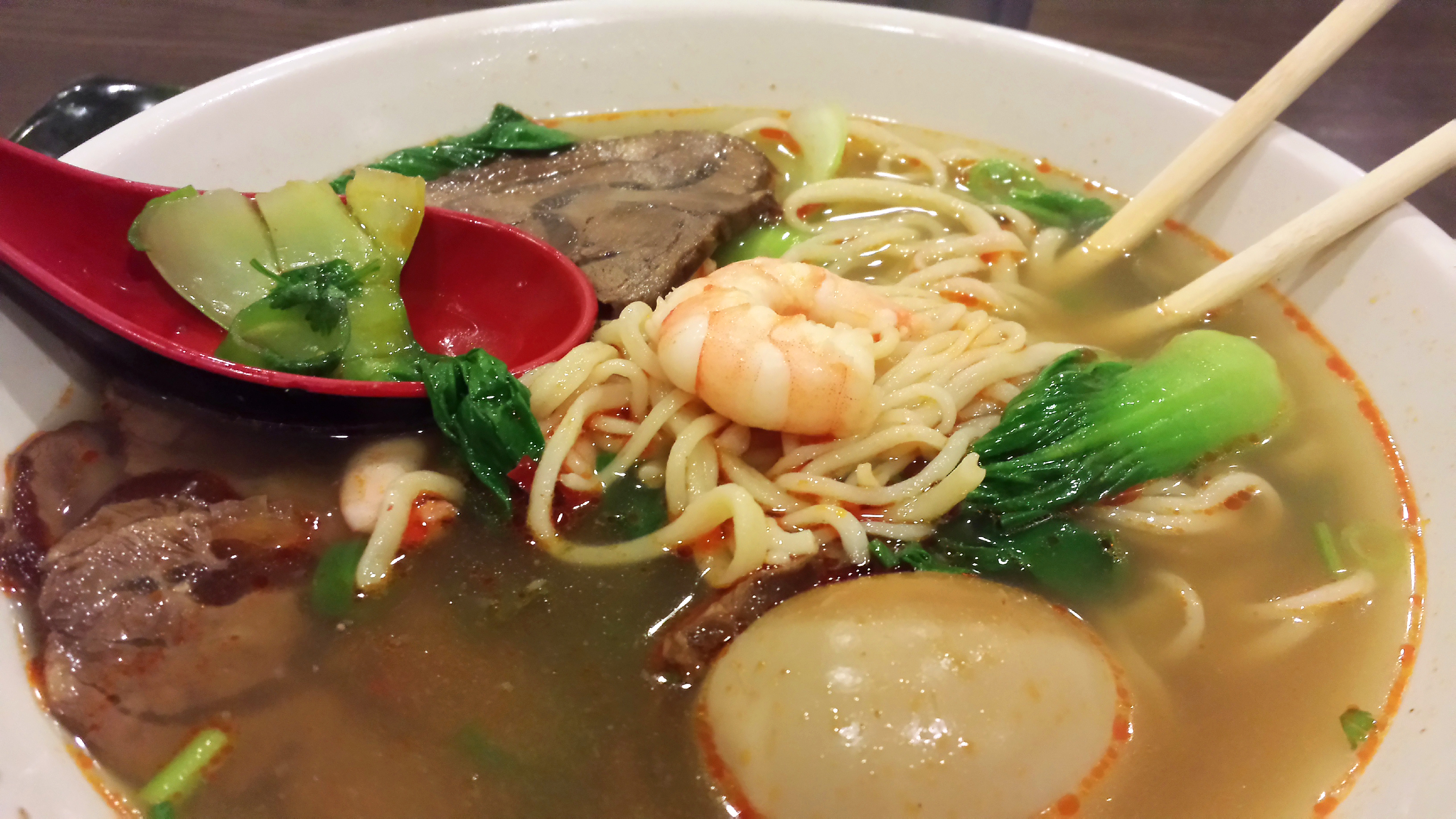
Kotteri, on the other hand, are thick and usually opaque, due to all the emulsified fats, proteins and minerals that are rendered from boiling animal bones for long periods of time. That makes them stocks, technically, not broths. Kotteri are also known as Paitan (from the Chinese). Paitan translates to white broth, which makes sense, given that they are usually cloudy in color and thick in texture.
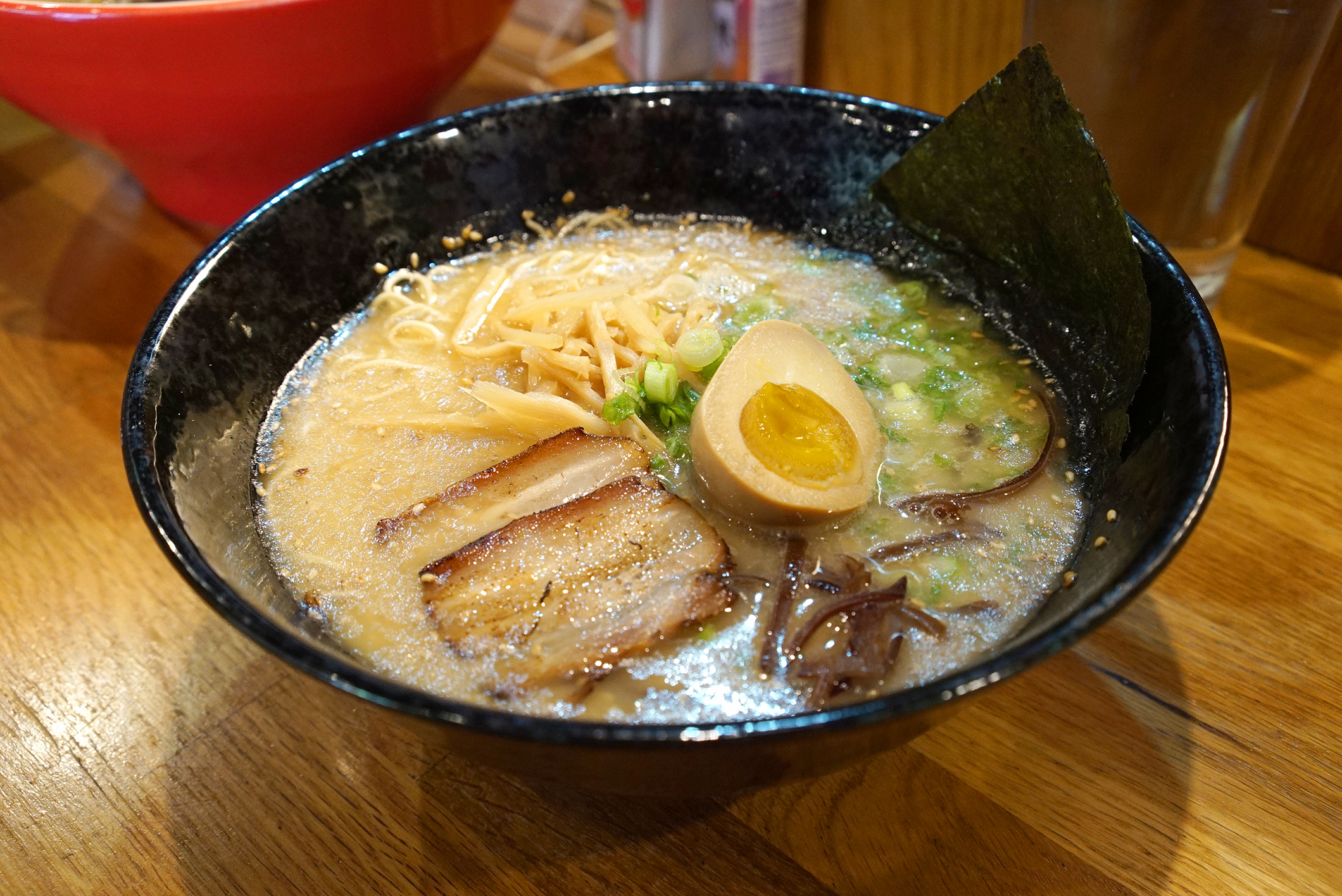
SOUP BASE

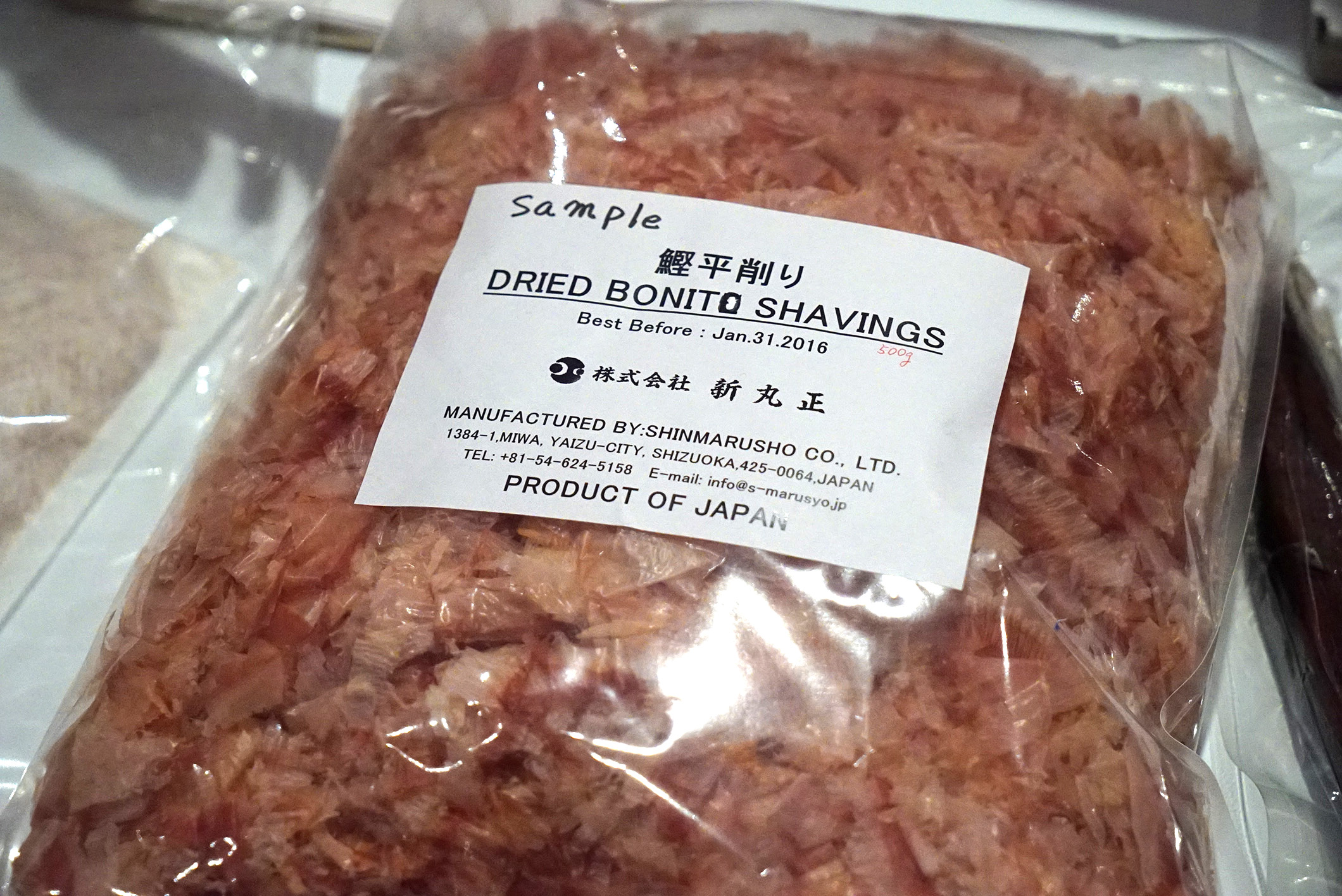
Ramen soup bases are classified by the main ingredients that are boiled or simmered to make the soup stock (if bones are used) or broth  (if no bones are used). As expected, a stock can be made from animal bones (chicken, beef, pork, fish). But lighter broths can be made with dried seafood or kelp/seaweed (like dashi – a broth made from dried, smoked bonito flakes and kelp), and sometimes even just straight up roasted veggies and mushrooms + water.
An example I will use to illustrate here is tonkotsu. “Ton” means pork, and “kotsu” means bones. Thus, the tonkotsu ramen base is a kotteri style thick stock made from pork bones, which would then need to be seasoned with a salty or savory component, which is covered in the next section.

SEASONING

Tare or kaeshi is the seasoning – the main savory element or source of salt – that is used to flavor the ramen. Ramen seasoning comes in three major varieties: Shoyu, Shio and Miso.

Shoyu: This, simply, is soy sauce. If you didn’t know, soy sauce is made from a paste of fermented and boiled soybeans, roasted grains and seasoned water.

Shio: Sea salt. Pretty straightforward. As you can imagine, sea salt as a seasoning is nicely suited for thinner, assari style broths.

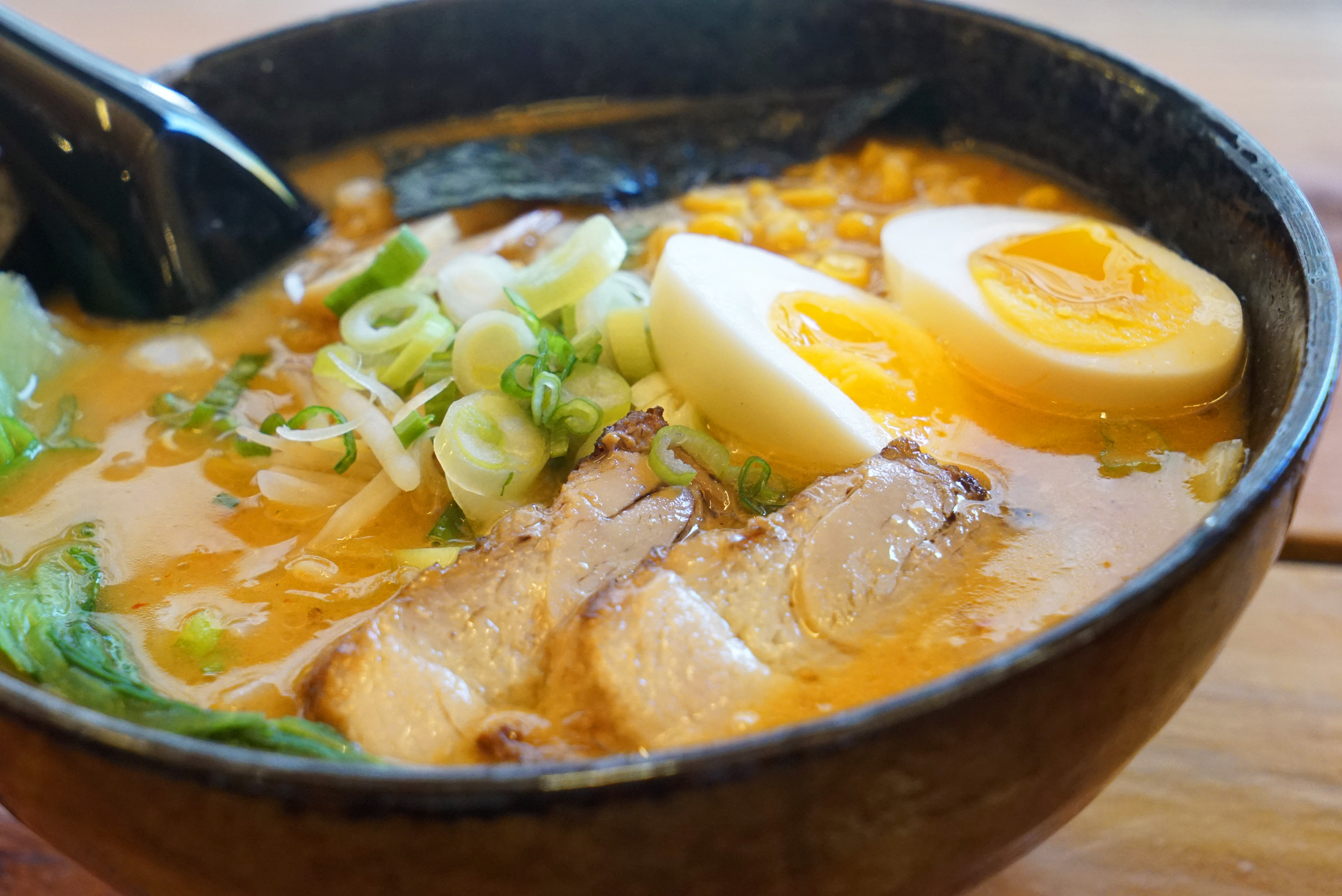
Miso: This is an earthy flavored, thick, fermented soybean paste. Seasoning with miso will almost always result in a thick, kotteri style broth, as you can see below:
NOODLES

Ramen noodles are made with wheat flour, water, salt and kansui, an alkaline water which gives the noodles their yellow color and characteristic bounce. In China, it’s more common to see ramen made with eggs instead of kansui.
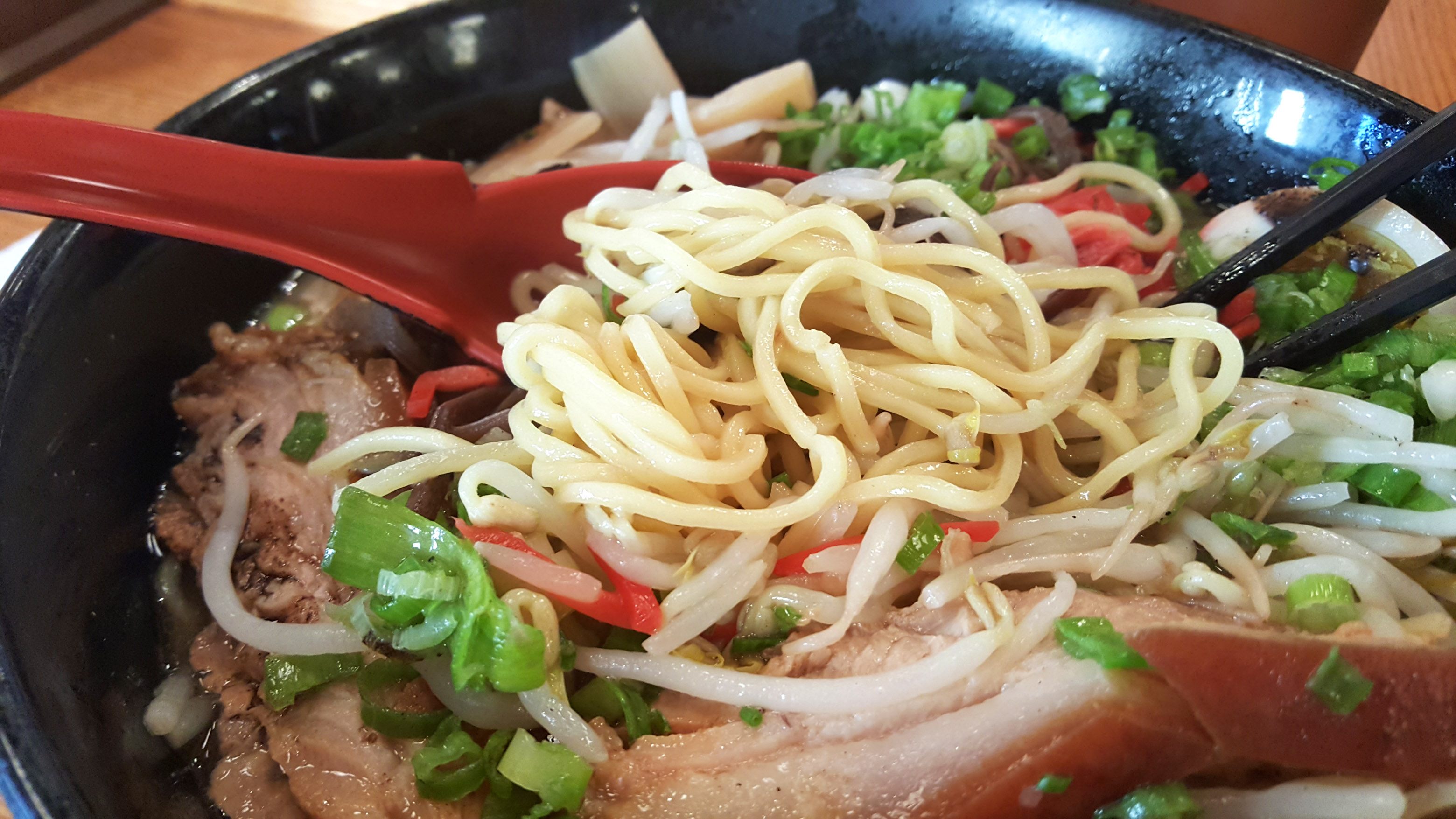
Depending on the soup they’re added to, ramen noodles can range from wavy to straight, thick to thin, flat, round or square. The type of noodle selected for a bowl of ramen is based on its broth-clinging characteristics, its bounciness and its texture. For that reason, one noodle style may be better suited for a particular soup base or broth thickness than another.
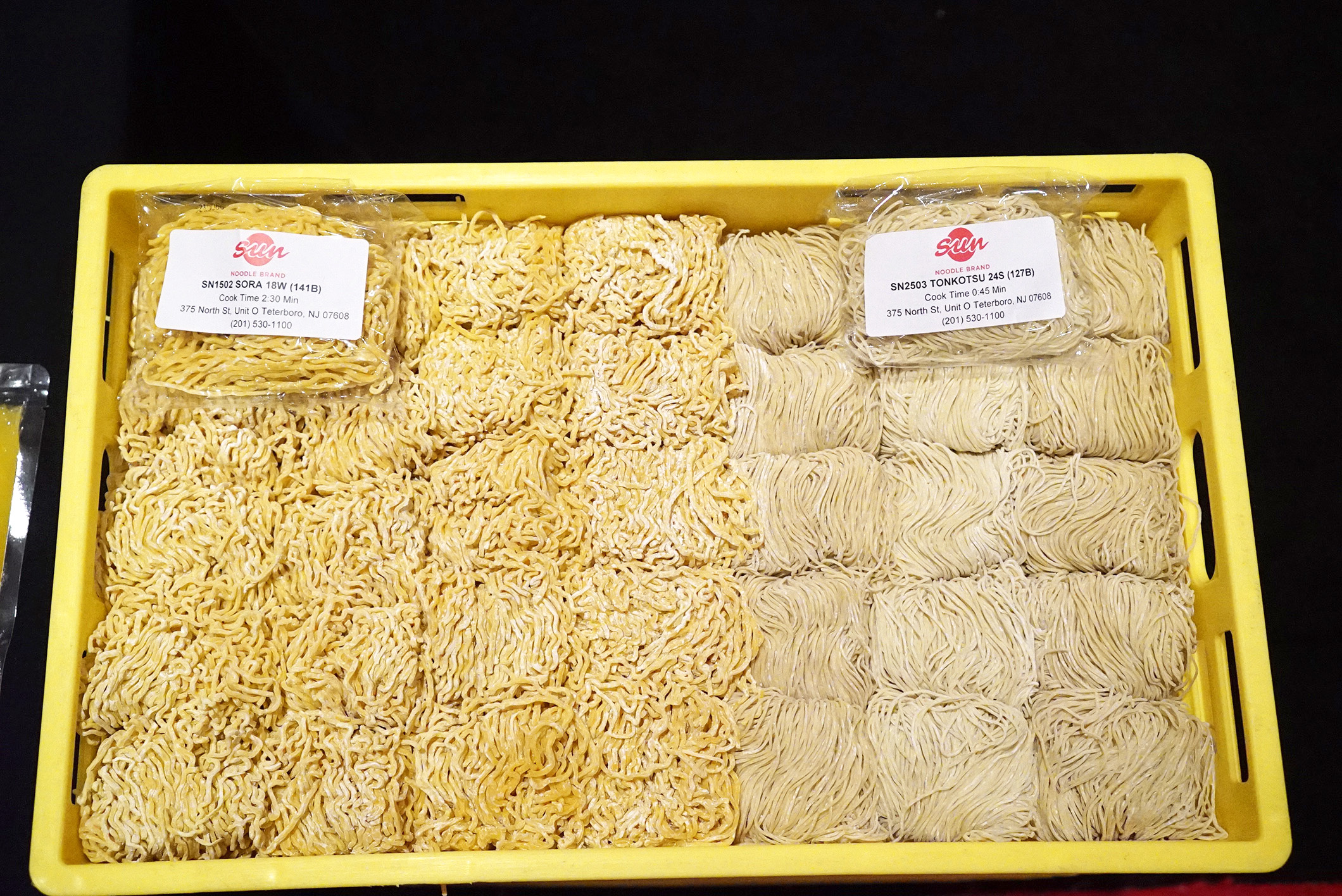
Depending on the noodles used, cook times will vary as well. In addition, their ability to last for a while, soaking in the soup broth, will vary. After a few minutes certain noodles will lose their spring and bounce, and the texture will change.
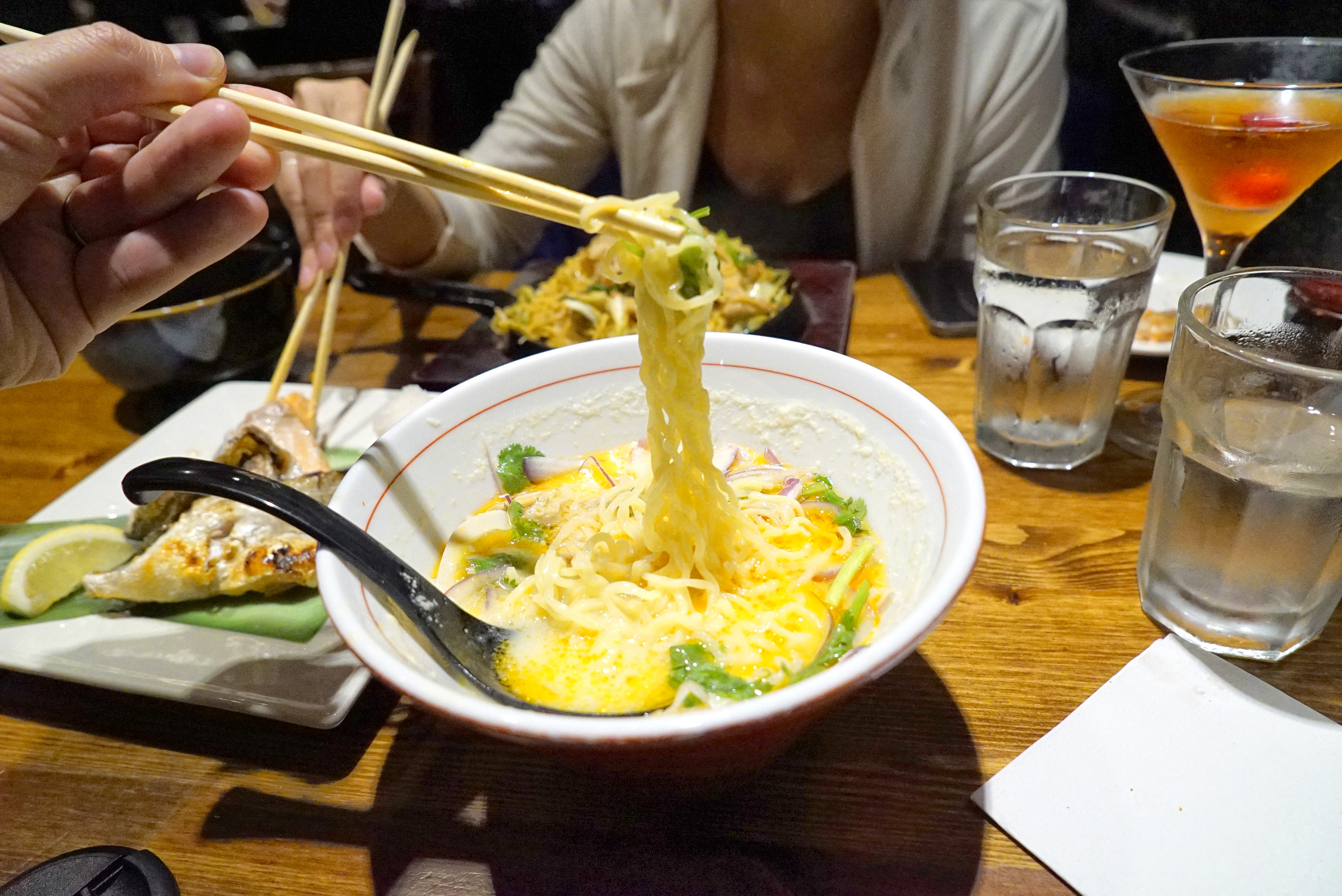
Just an FYI here: if you need more noodles while you are eating, yell out kaedama!

TOPPINGS

We have a bunch of categories to discuss here. Let’s start with the most important one: meat.
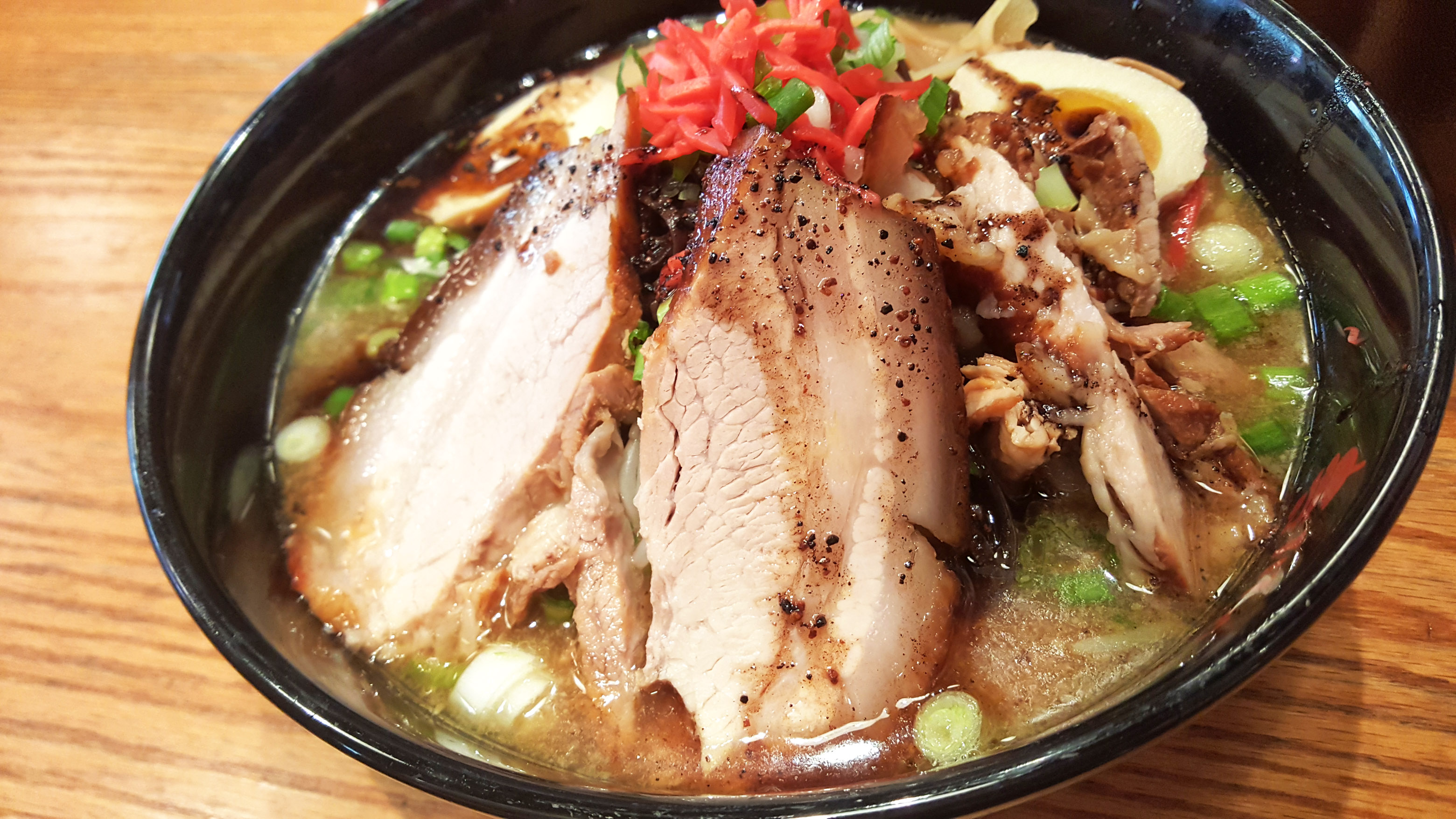
Obviously if a ramen base is made with animal bones, it only makes sense to use the same animal meat as a topping for the soup. Tonkotsu should have copious amounts of kakuni (pork belly), or chashu (rolled pork loin or belly that is cooked slowly in a sweet soy and mirin sauce, stew-style, then sliced and sometimes charred or grilled afterward for texture). Clearly, chicken is a good topper for your chicken-based ramen. But some chefs get creative. For example I’ve had beef ramen that was topped with crispy beef intestines. I’ve even had chicken broth that was topped not only with chicken but with ground pork as well. Mixing is not a bad thing and it is quite common, as you’ll learn below.

In addition to meat, ramen broths also contain aromatics, such as garlic (fresh, charred, fried or fermented), onions (charred, pickled or raw), ginger (either pickled – beni shoga – or fresh), leeks (fresh or charred), scallions (usually fresh, typically sliced or shredded) and mushrooms (both dried and fresh, and a ton of different types). These can also be incorporated into the creation of the soup base at the start, not just as toppings that are added at the time of serving.
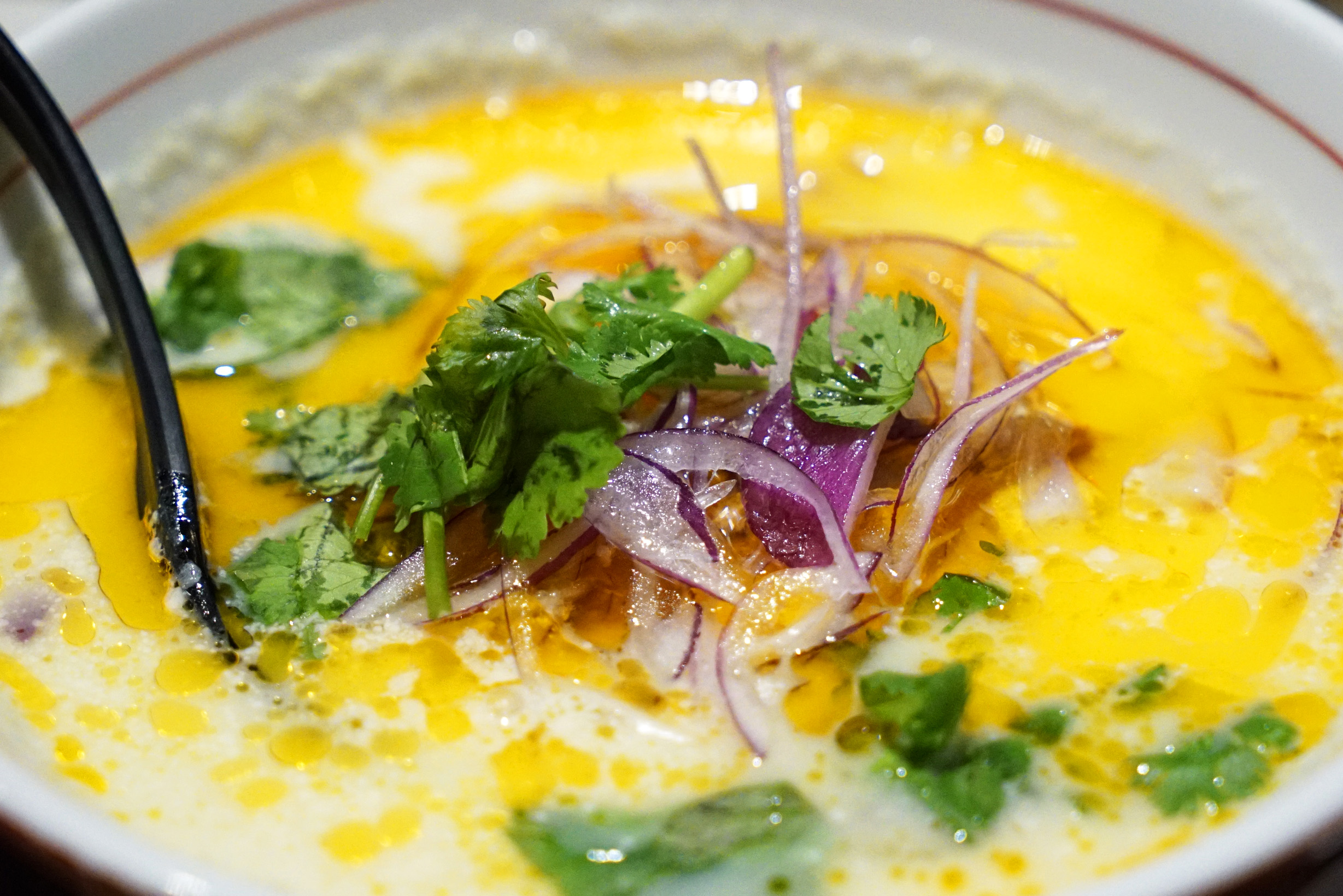
Other common toppings include seasoned soft boiled or hard boiled eggs, sliced fish cakes (naruto), bamboo shoots, corn, cabbage, seaweed, bean sprouts, spice pastes, butter and various oils, such as chili oil, onion oil, pepper oil, garlic oil or sesame oil (and certainly sesame seeds, too, for that matter).
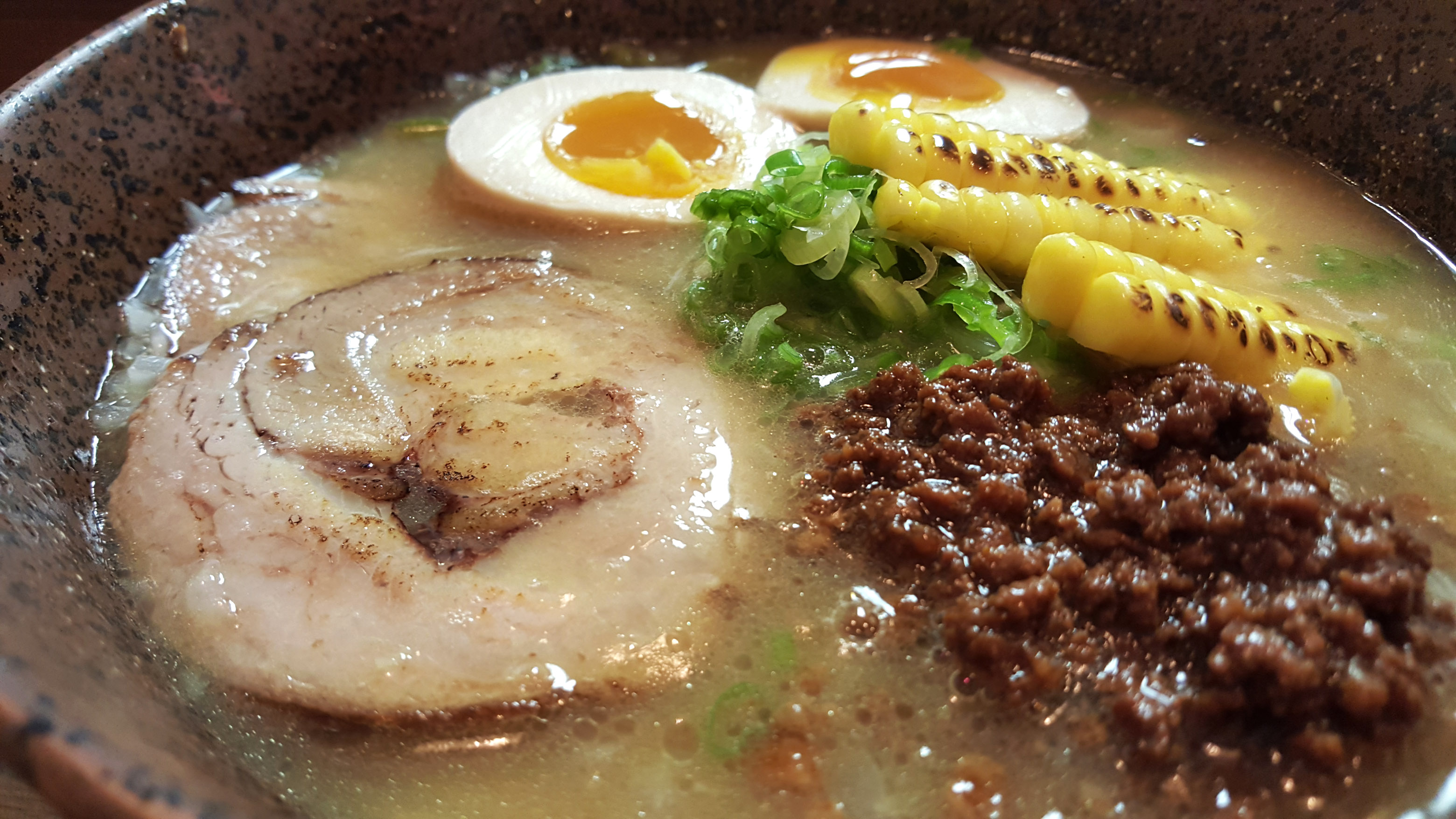
On many occasions, the toppings you see will depend on the region in Japan from which the ramen hails.

REGIONAL STYLES

Japanese ramen varies greatly by region. Some areas focus on thinner fish- and seaweed-based broths, while others tend to be hearty and thick animal bone soups. I’ve highlighted some of the regional styles below, alphabetically:

Akayu: A sweet and mild ramen soup is topped with a spicy dollup of miso mixed with chili and garlic. Chewy, thick, wavy noodles grace this style, and it is usually served with powdered seaweed as well.

Asahikawa: Asahikawa is Hokkaido’s second-largest city, and is located at the base of the mountains in the middle of the island. Its ramen is a mix of chicken, pork and seafood broth, with a shoyu base. The soup is topped with a layer of melted pork fat to seal in the soup’s heat in the colder months, as well as pork meat, bamboo shoots and scallions.

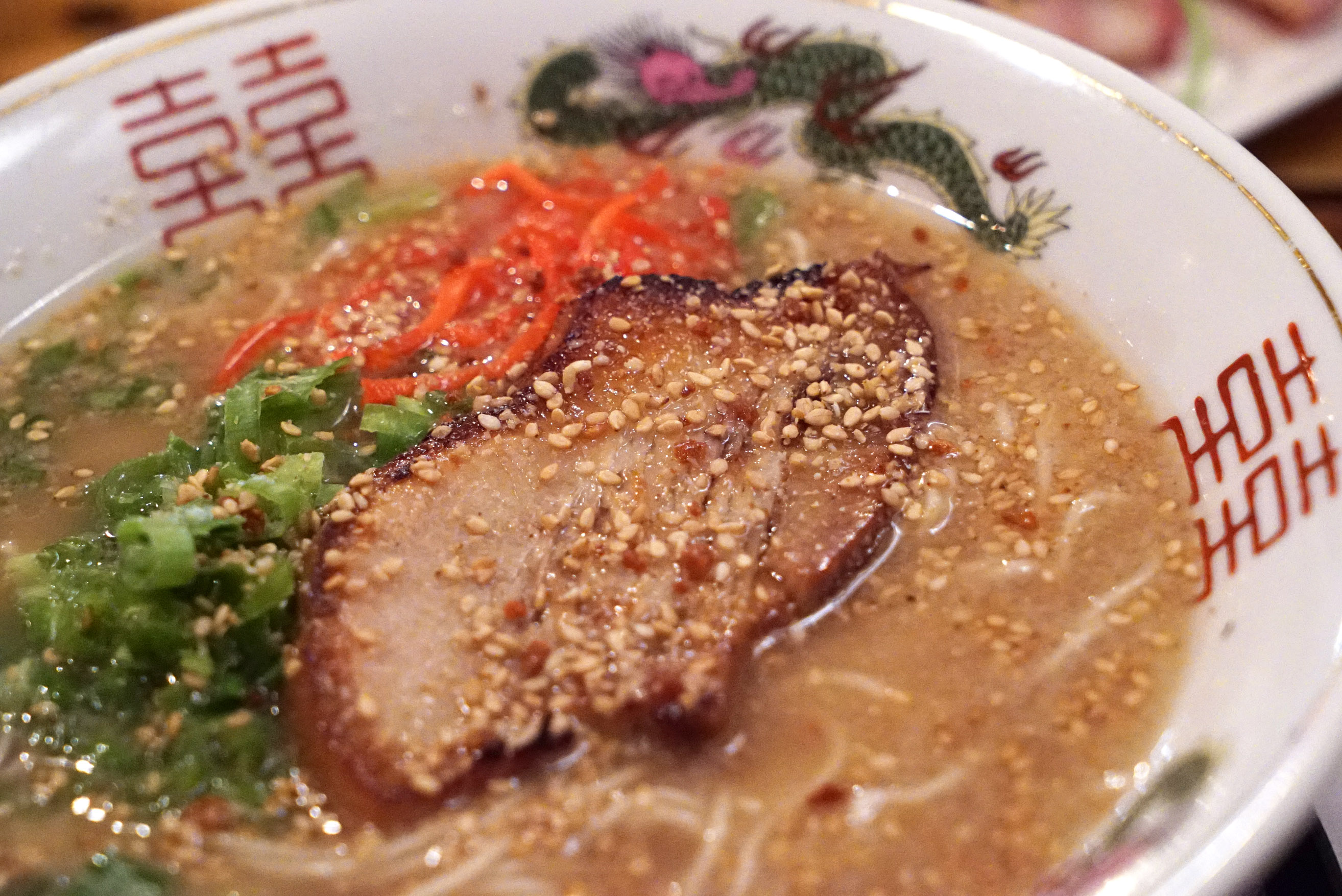
Hakata: Also known as Nagahama ramen, this style comes from Fukuoka, a prefecture in Japan’s southern island of Kyushu, which is famous for its pork dishes. This is my favorite of ramen styles, because it is a thick, fatty, pork bone broth with thin, al-dente noodles. Toppings usually include sesame seeds, pink pickled ginger and fried garlic.
Hakodate: Ramen arrived in Hakodate from China. The soup is thin and light, and the shio-seasoned broth had a mild pork and chicken base. Noodles are usually soft, with toppings like roast pork, bamboo shoots, scallions, nori, fish cakes and spinach.
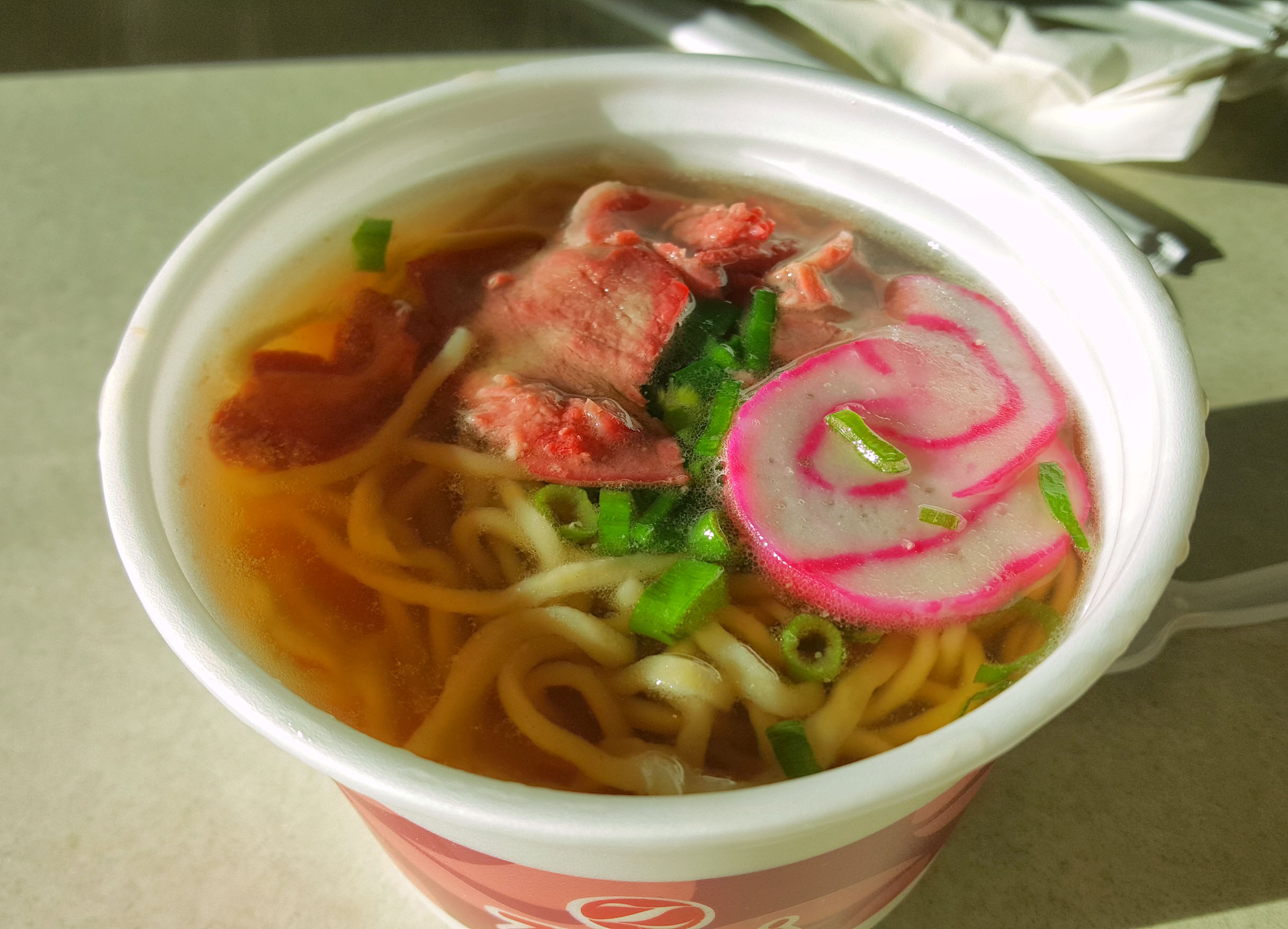
Kagoshima: Kagoshima is known for its Berkshire pork-like black pigs, yet the ramen is a mild mix of both veggies and chicken, combined with the black pork bone stock. The broth then gets finished off with burnt onions and seasoned with soy sauce. The noodles are soft, and toppings consist of pork meat (obviously), scallions, wood ear mushrooms (kikurage) and bean sprouts.

Kitakata: Kitakata is famous for a clean, light soy-based breakfast soup. In the bowl there’s usually a serving of chewy, wide, flat and curly hand-cut noodles with pork, scallions and bamboo shoots.

Kumamoto: When tonkotsu ramen arrived in Kumamoto prefecture from Kurume, the locals started cutting it with chicken broth. It’s also served with straight noodles, though they’re softer and thicker than the Kurume style. Most bowls have pickled mustard greens, sliced wood-ear mushrooms, bean sprouts, and cabbage on top, but the unique thing about Kumamoto ramen is the use of garlic. You’ll see fried garlic chips and mayu, the black liquid made from garlic that’s been burned in sesame oil. That shit is delicious.
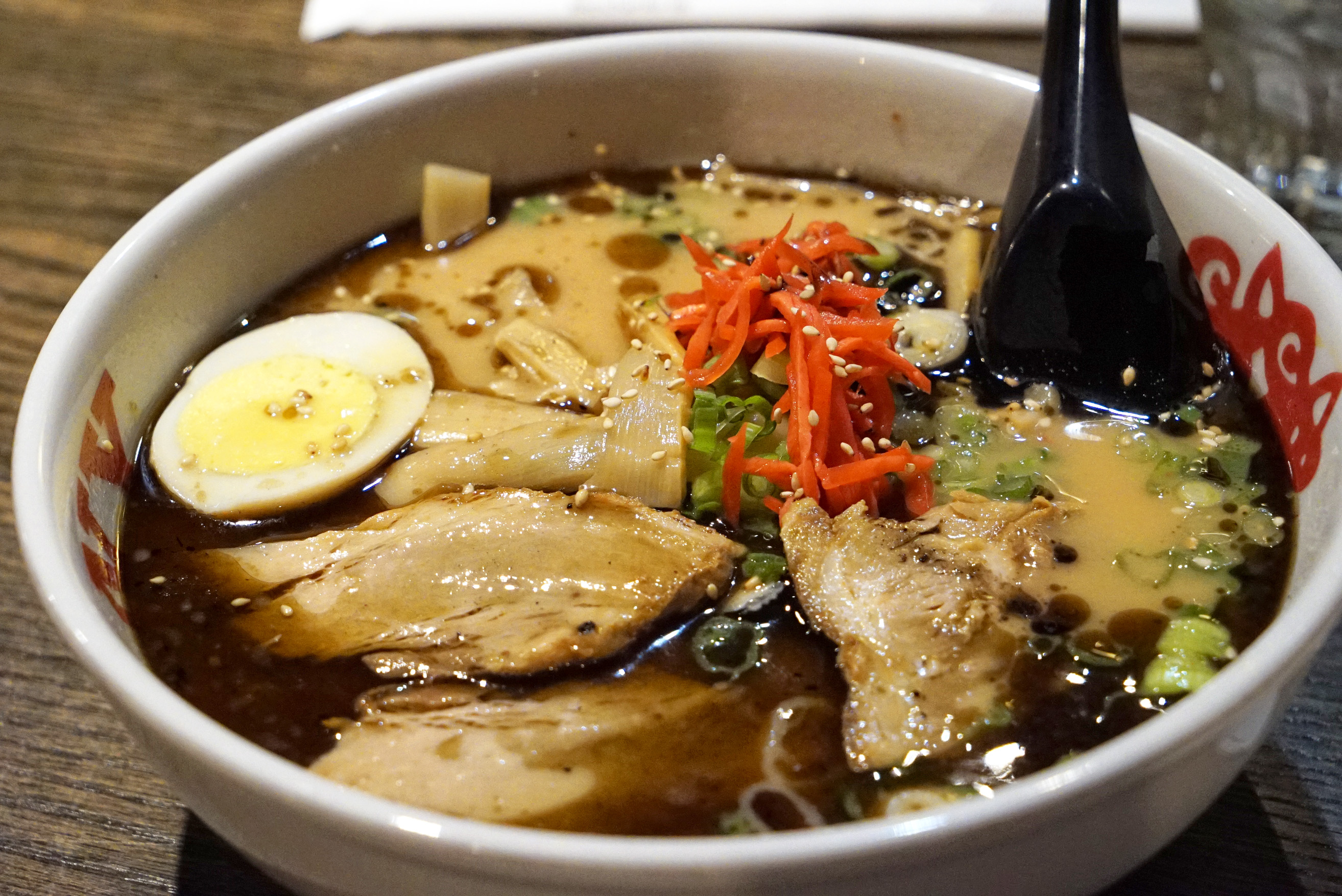
Kurume: This town on the southern island of Kyushu is the birthplace of tonkotsu. Melted bone marrow, fried lard, sesame seeds, pickled ginger and garlic give Kurume ramen a unique and pungent style. Toppings include pork meat, scallions, nori, and spicy mustard greens, in addition to those just mentioned above.

Kyoto: Kyoto’s home to two distinct types of ramen: a thinner assari shoyu ramen, and a thick kotteri chicken soup. The thin version is a blend of pork and chicken broth, with a dark soy base. The thick version is a rich porridge-like chicken soup, topped with garlic, spicy bean paste, chives and odoriferous local onions called kujnoegi. Both are seasoned with shoyu, but the toppings vary for each.

Nagoya “Taiwan” Ramen: “Taiwan Ramen” is Nagoya’s reimagined version of Taiwanese danzimian, which has lots of ground pork, Chinese chives, hot peppers, green onions and garlic. This shit is for people who like spicy soup.

Onomichi: Take a bit of pork, a heap of chicken, some local seafood and a big mess of lard and you’ve got Onomichi ramen. The soup has a shoyu base and is served with chewy, homemade, wavy, flat noodles. It’s usually topped with roast pork, bamboo shoots, scallions and pork fat.

Sapporo: Sapporo-style ramen hails from Japan’s northernmost province, Hokkaido, which is the birthplace of miso ramen. Sapporo miso ramen generally has thick, strong noodles and is commonly topped with bean sprouts, sweet corn, cabbage and ground pork. Soft boiled eggs and thick slices of chashu pork are also common, as well as pats of butter.
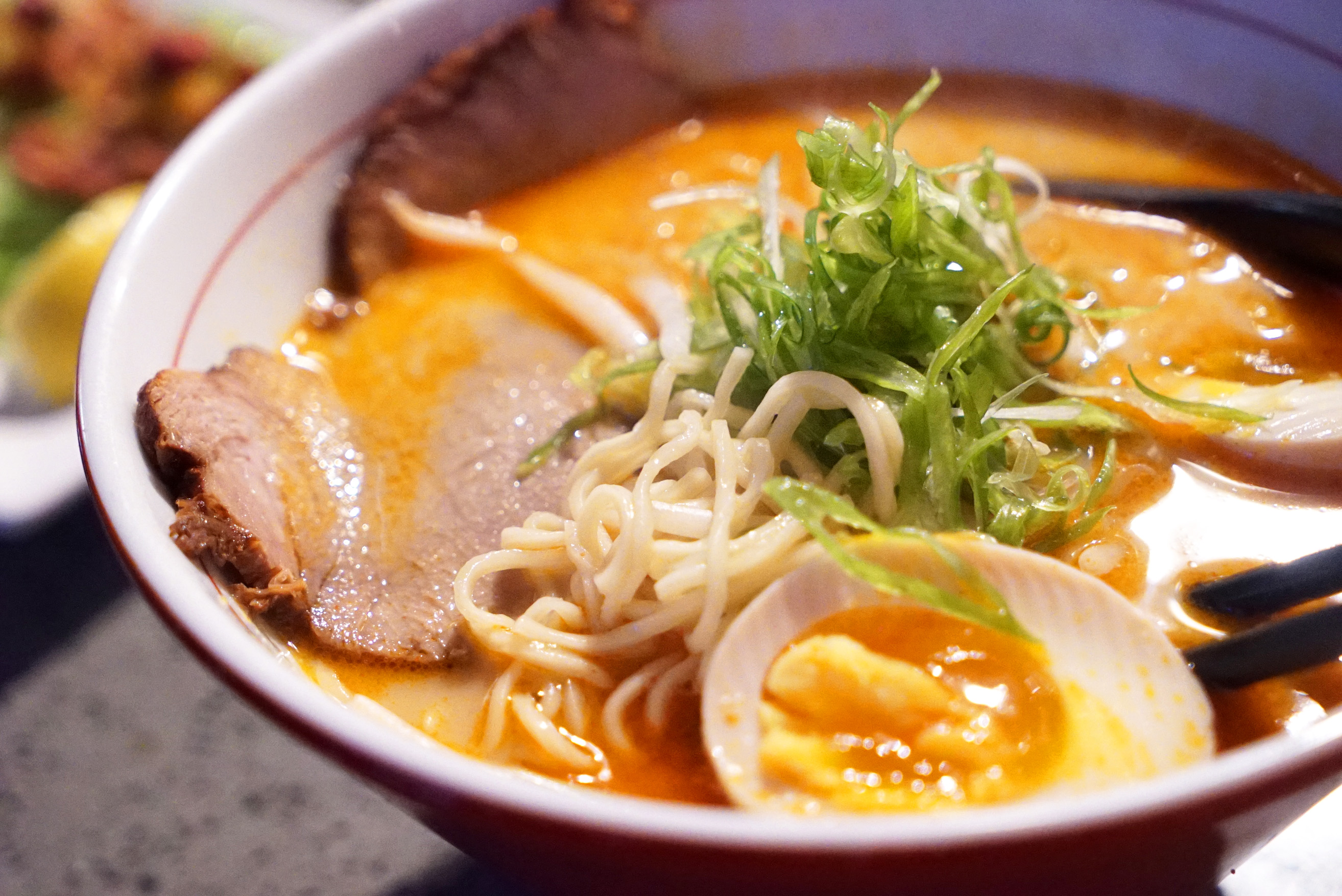
Shirakawa: This town developed a refined ramen typified by light, simple soup and hand pulled noodles. It features a shoyu broth, but local mineral ­water makes for springy noodles with a good chew. Toppings include roast pork, bamboo shoots, fish cake, scallions, seaweed, spinach and even wontons.

Tokushima: Shikoku is the smallest of Japan’s four main islands, and udon is the preferred noodle. But Tokushima prefecture has an aged, extra strong shoyu soup that originated with tonkotsu stocks made from leftover pork bones from nearby ham factories. This is similar to Wakayama ramen. Ramen shops here will add a few strips of thinly sliced pork belly and break a raw egg on top. Tokushima ramen is sometimes divided into “yellow,” “black,” and “white” styles (how racist) of varying strengths. Other toppings for this ramen consist of scallions, bamboo shoots and bean sprouts.

Tokyo: This ramen is usually made with pork and chicken broth and typically features slightly curly, somewhat wide noodles. Very often in Toyko you’ll find broths that are flavored with dashi (broth made from aged bonito flakes and sea kelp). This style of ramen is generally seasoned with shoyu and has a medium-thickness. It’s similar to Yokohama ramen, though that tends to be heavier and meatier than the dashi broths of Tokyo ramen.
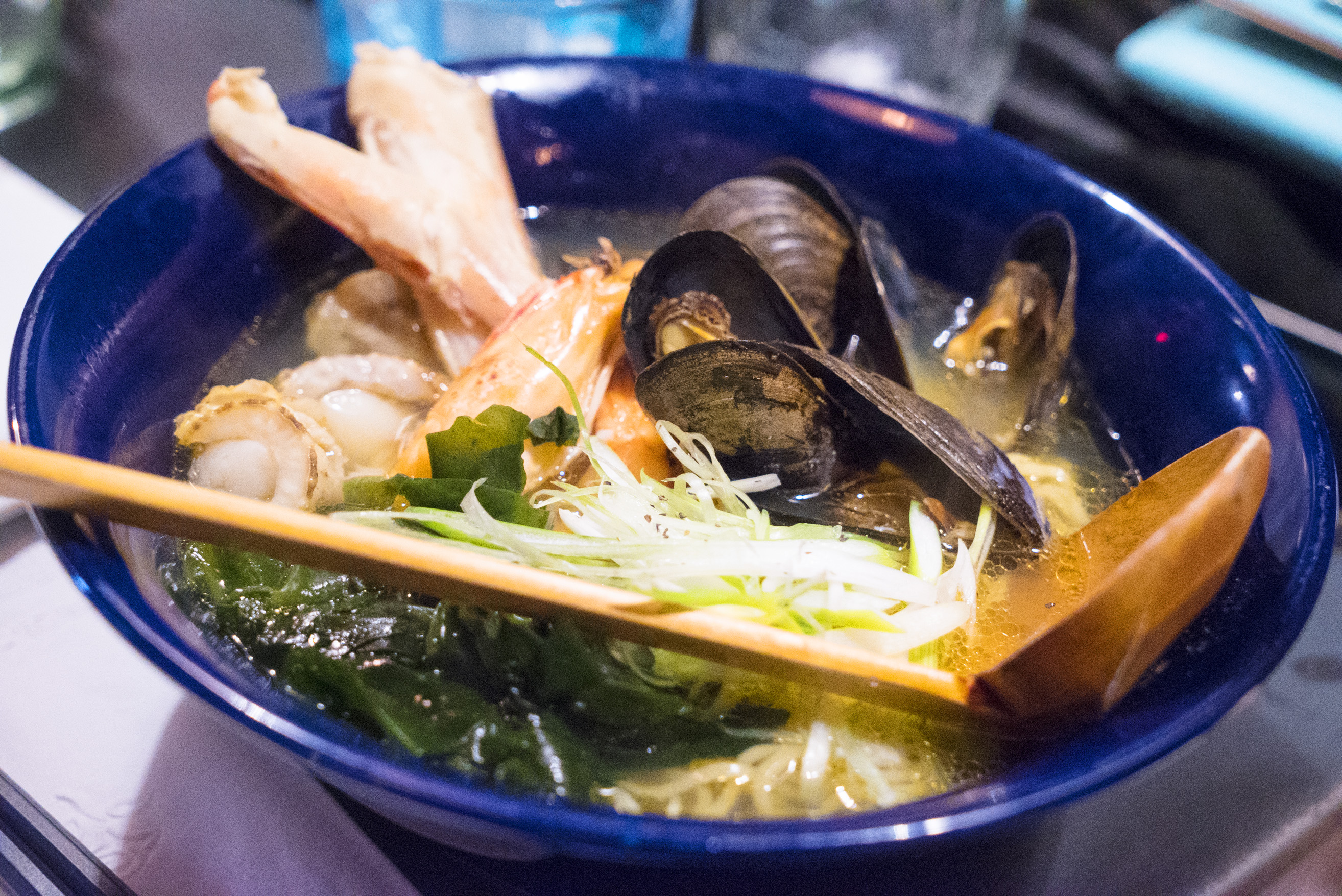
Tsubame-Sanjo: The cities of Tsubame and Sanjo are in a freezing cold area, and the ramen from this spot is bizarre and unhealthy. The hearty stock is made of chicken, sardines and pork bones, and the bowls are blasted with tons of pork fat (common in soups from the colder climates). There’s thick, flat noodles in this shoyu-based soup, and toppings include pork meat, bamboo shoots and lots of chopped white onions.

Wakayama: This is the median between thick, rich tonkotsu, and thin, clear broth. Wakayama ramen has a strong shoyu tare seasoning with a long-simmered tonkotsu base. The noodles resemble the thin, firm and long threads of Hakata style ramen, but you also get fish cakes like those in Tokyo style ramen. These soups are also topped with the seemingly ever-present and most common of toppings: roast pork, scallions and bamboo shoots.

Yokohama Ie-Kei: Yokohama is known for ie-kei ramen, a viscous, salty, and fatty tonkotsu shoyu style of ramen. When ordering, diners can designate how firm they want their noodles, the amount of fat they like on top, and the saltiness or strength of the soup. This is my kind of ramen – catering specifically to each unique diner. The toppings for this style of ramen usually include sheets of nori (seaweed paper), spinach, garlic, spicy bean paste and ginger.

RAMEN-LIKE DISHES

Although these dishes are not quite ramen, they’ll still be able to satisfy the most intense need for a ramen fix.

Abura Soba: The name of this soupless noodle dish translates to “oil noodles.” It consists of cooked ramen noodles dressed with flavored oil and tare (usually shoyu). It often comes topped with an egg, and diners are meant to stir everything together in the bowl to form a creamy, fatty, thickened sauce. One can also add vinegar, chili oil and other shit before slurping. Hot peppers, mayonnaise, fried noodles, chopped garlic and pork fat are also crowd favorites to add in.

Chanpon: This originated in Nagasaki and is made by boiling thick noodles directly in a thick pork and seafood soup. It’s viscous, and eats more like stew than ramen.

Hiyashi Chuka: This literally means “cold Chinese.” As such it’s a dish made with cold ramen noodles and various toppings like fried egg, ham, carrot, cucumber and chicken. It is usually dressed in a light soy-vinegar sauce. I’ve even seen fish sauce used in some versions around NYC.
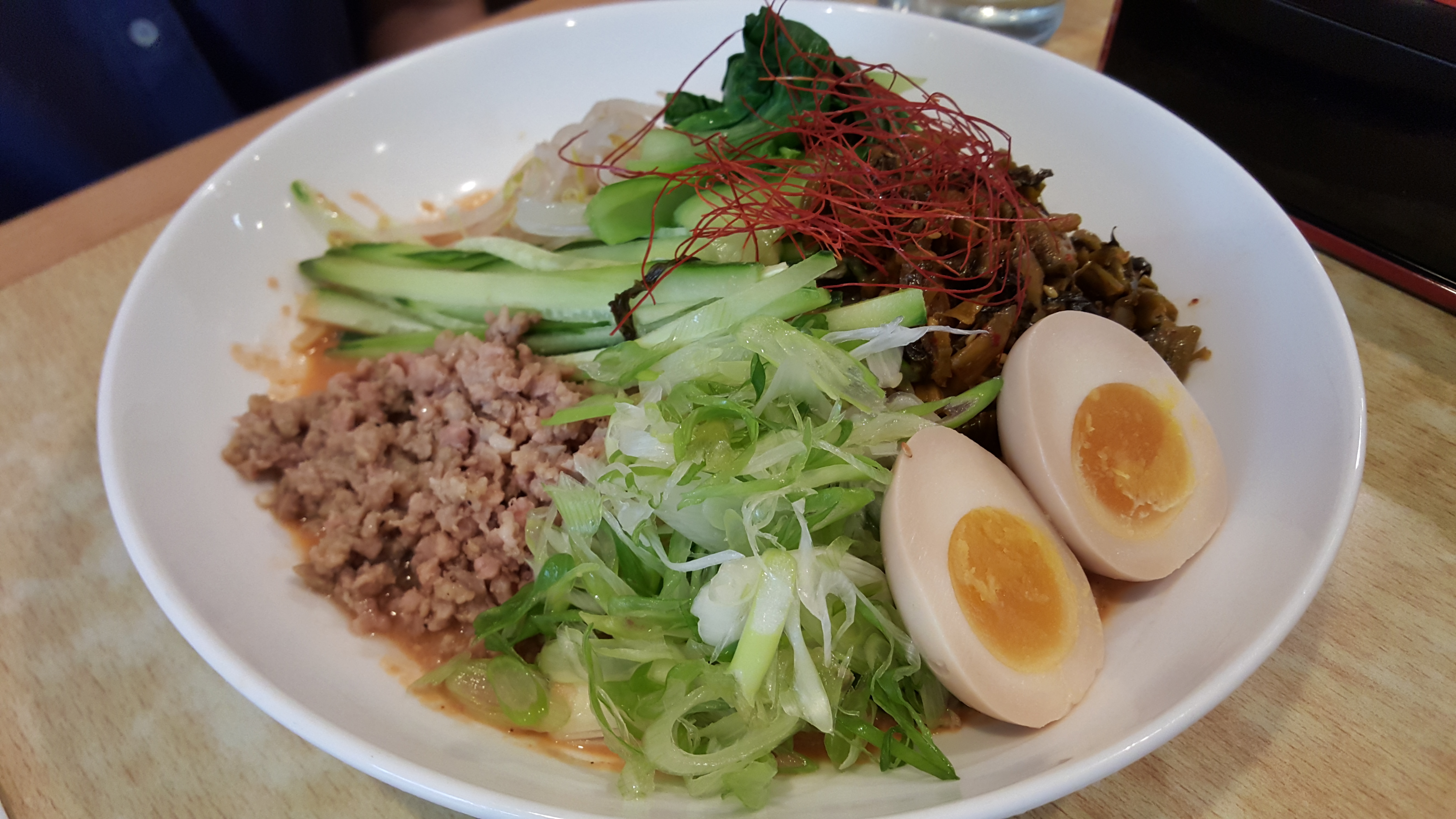
Mazemen: This is a hearty “dry” ramen, characterized by thick noodles and weird toppings like cheese. Similar to Abura Soba, this is essentially cooked noodles with a small amount of strongly flavored sauce on the side for dipping. Toppings and sauces can vary a great deal, and are often experimental in nature.

Tantan-Men: This is an off-shoot of Chinese dandan noodles. Based on a pork broth, it comes with a scoop of heavily spiced ground pork and is generally served with bok choy and/or spinach.

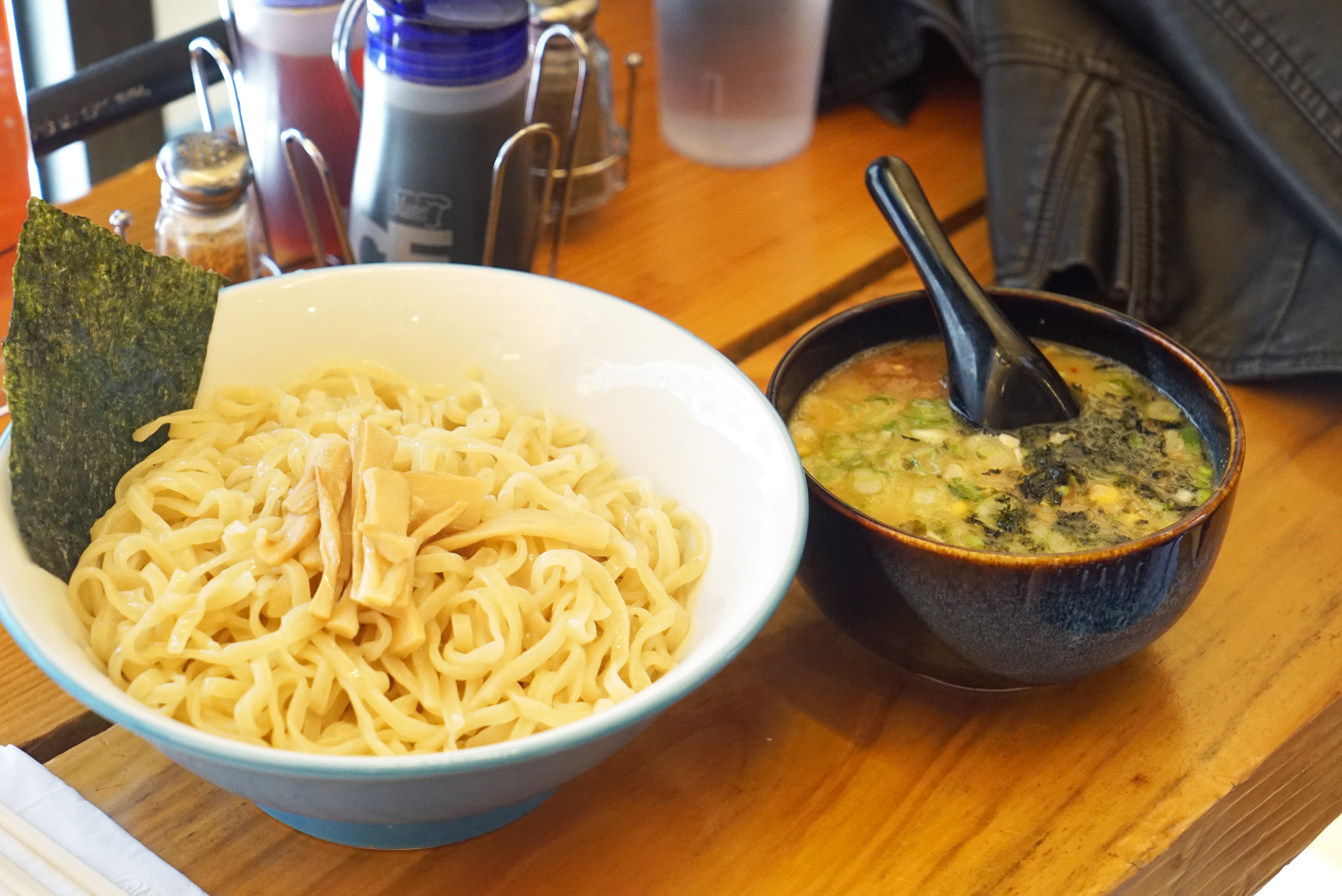
Tsukemen: This, like Mazemen, is also a “dipping” ramen. Cold, undressed (nekkit) noodles are served alongside a hot, concentrated ramen broth. You dip the noodles into a bowl of broth as you eat, grabbing the toppings whenever you choose to.
Yakisoba: This is the Japanese version of Chinese fried noodles. It’s made with egg noodles that get stir-fried with veggies and occasionally meat or seafood. This shit then gets hit with a Worcestershire style anchovy and vegetable sauce. It’s often topped with shaved bonito flakes and pickled ginger (beni shoga).

FUSION RAMEN

All around NYC we are seeing various kinds of fusion ramen items being offered, which makes a lot of sense given that the history of ramen in Japan involves a lot of Japanese-Chinese fusion.
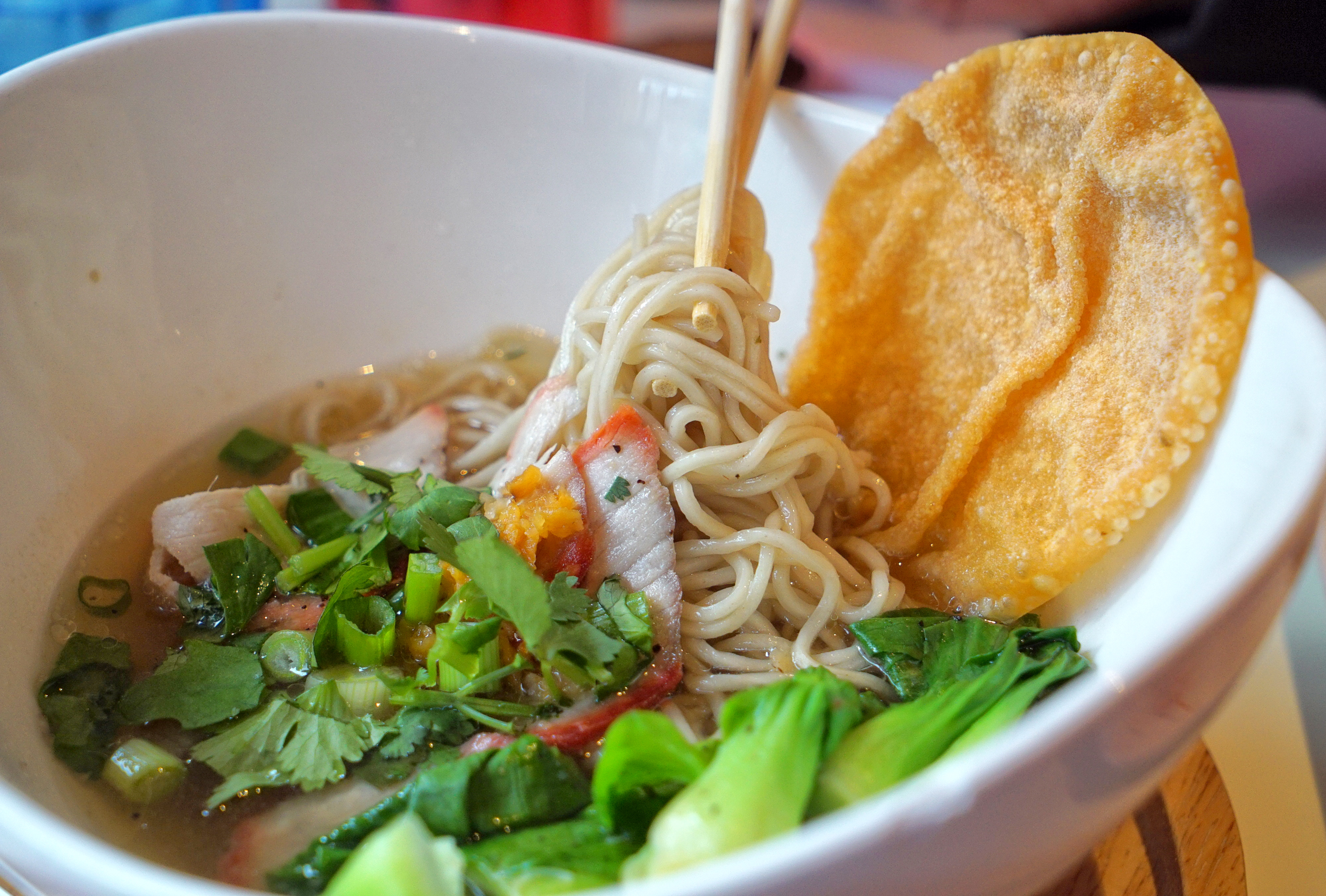
However some of the more wild examples I’ve seen in NYC include:

Korean-inspired kimchi ramen (Mokbar):
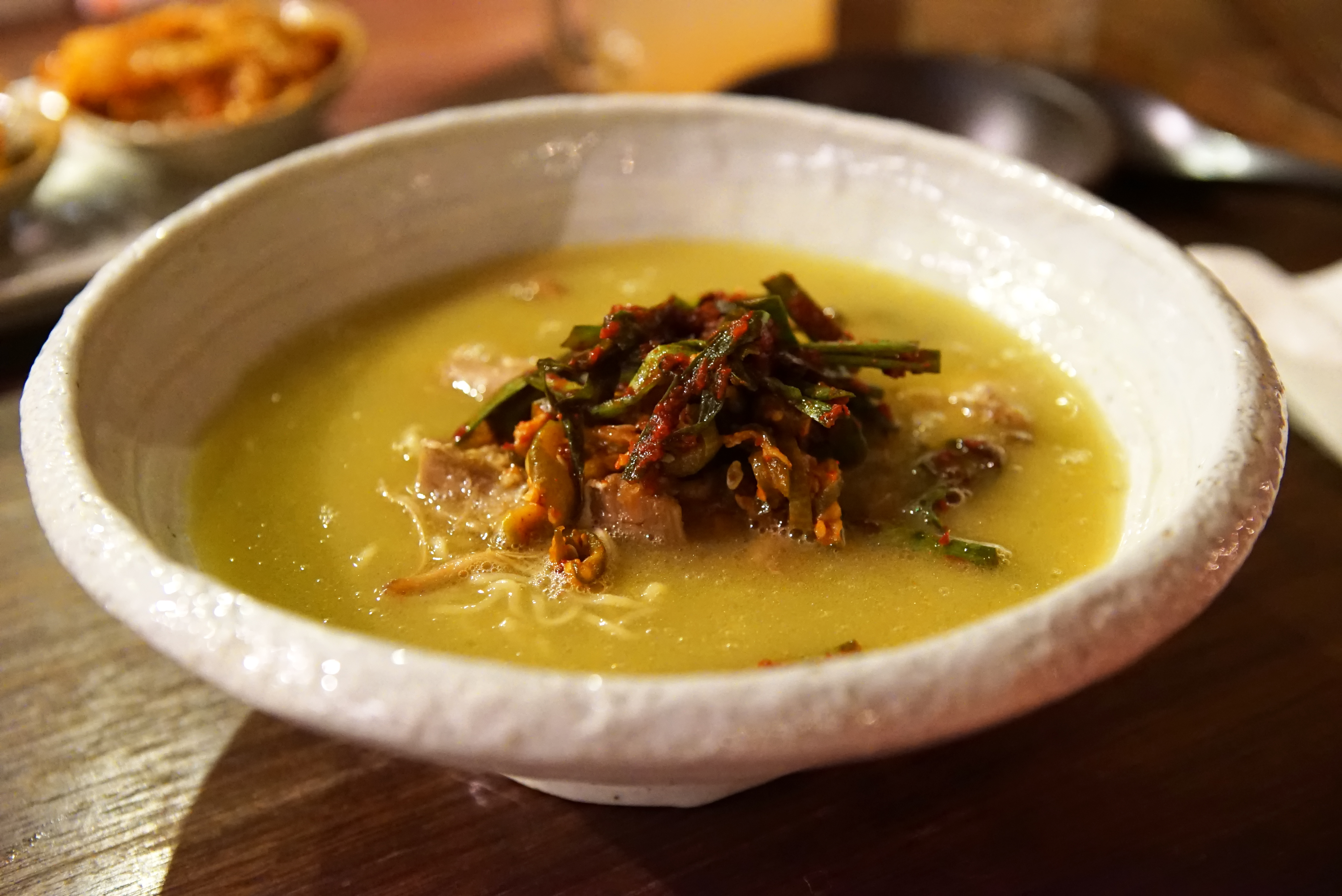
Thai green curry ramen (Bassanova):
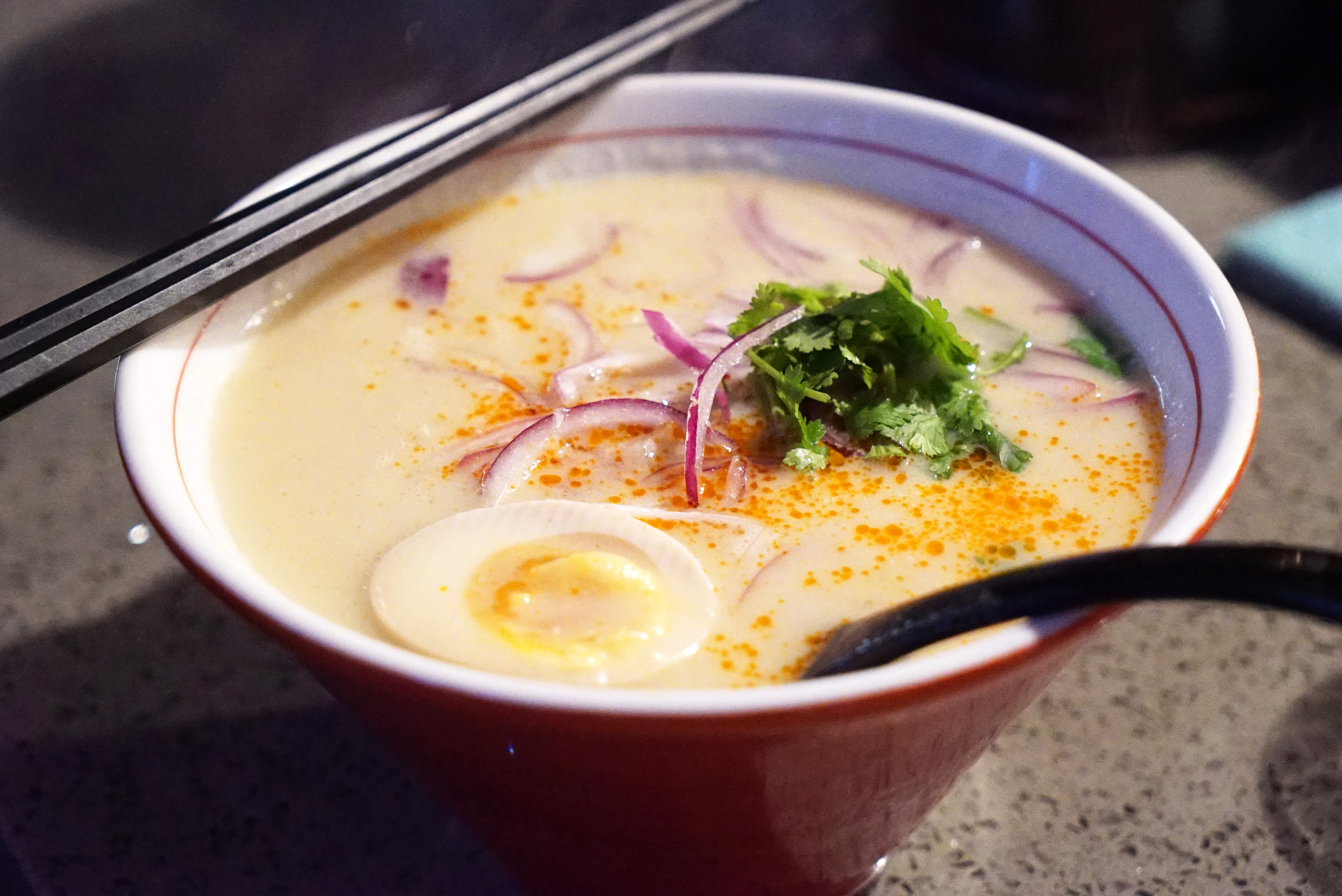
Flavors common to Burmese cuisine that feature coconut milk in the broth base (Tabata):
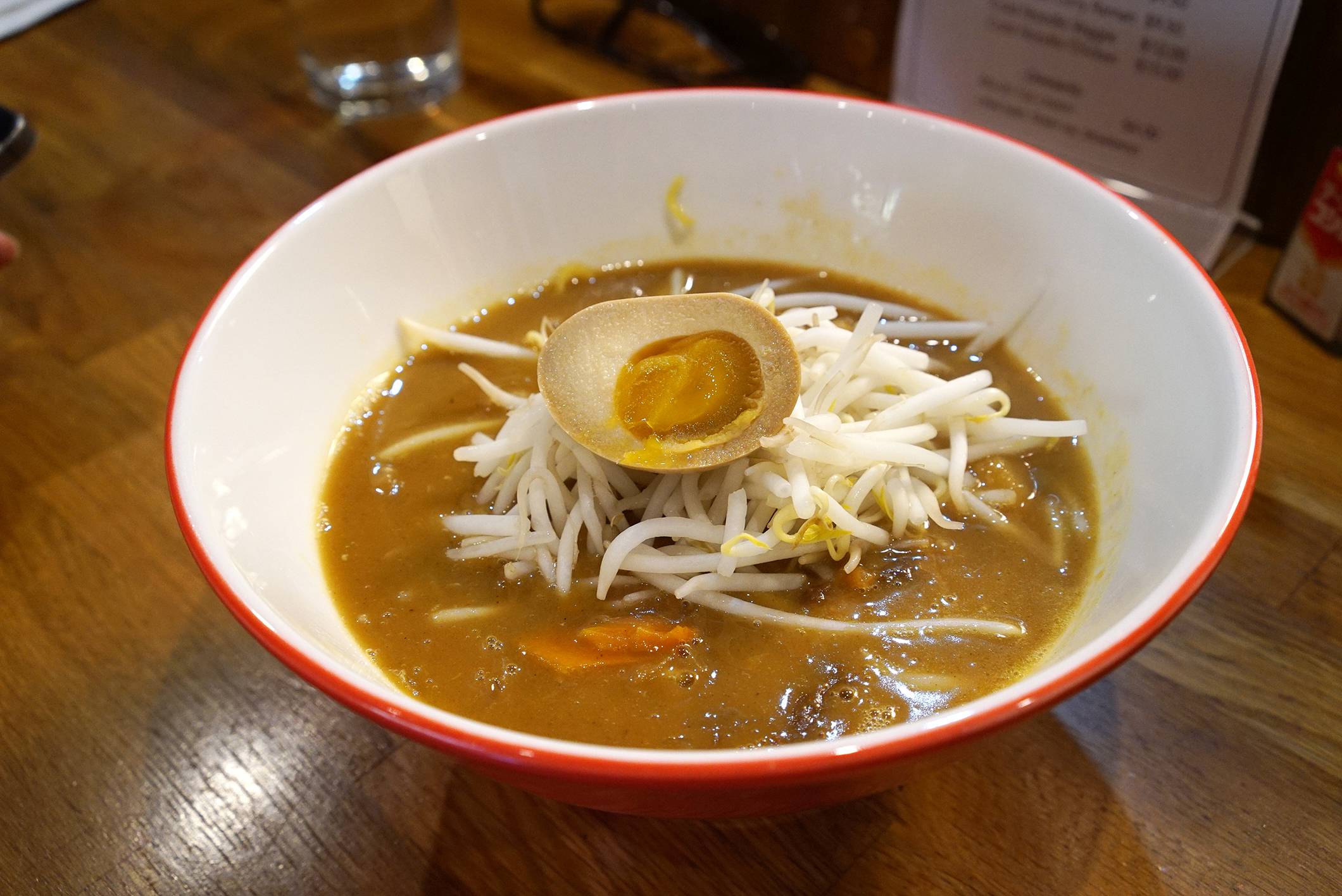
Indian-inspired massaman curry ramen, even complete with potatoes and carrots and (Yasha):
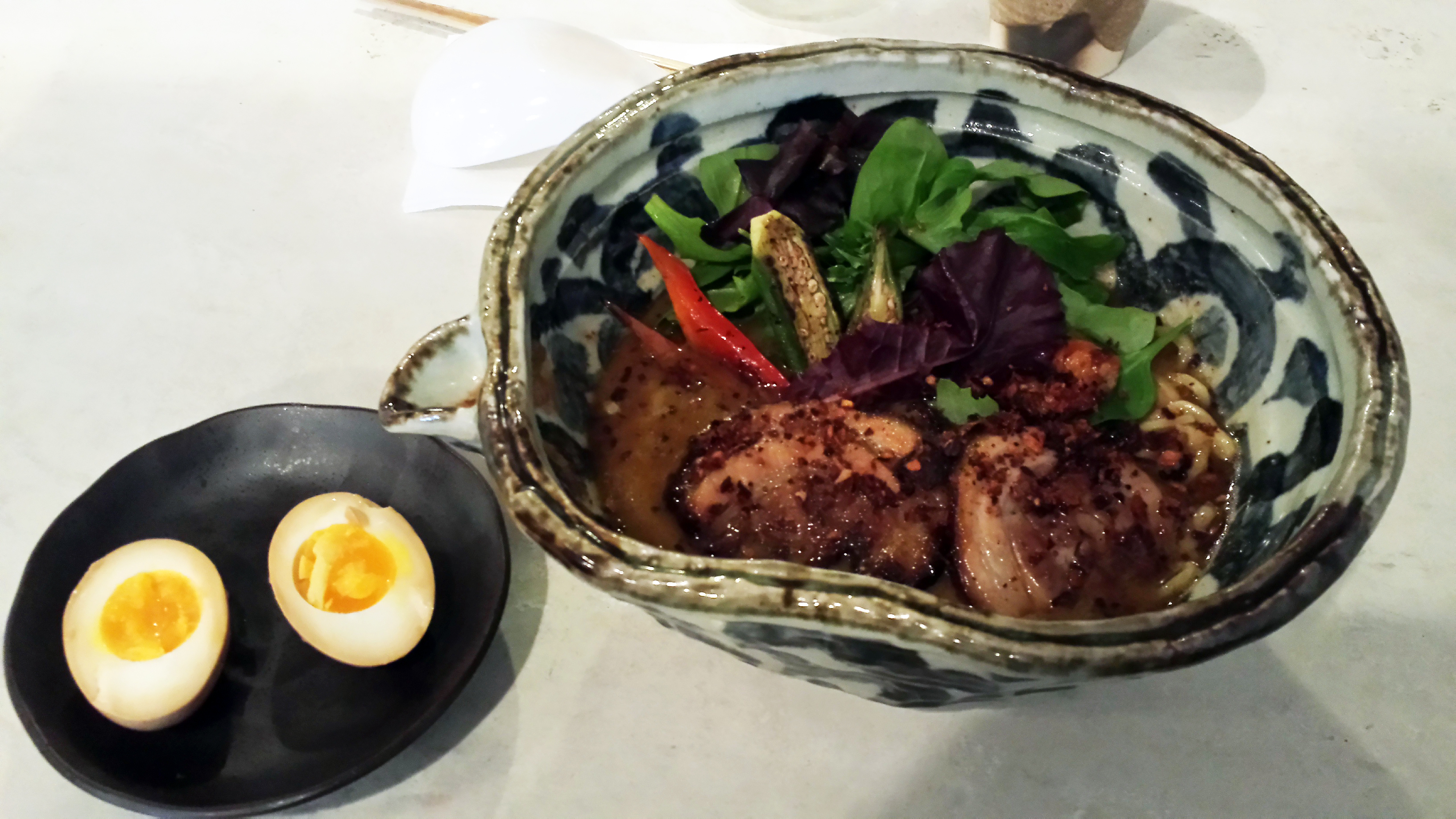
Italian spaghetti ramen, with pepper oil, arugula and crispy porchetta (Maialino):
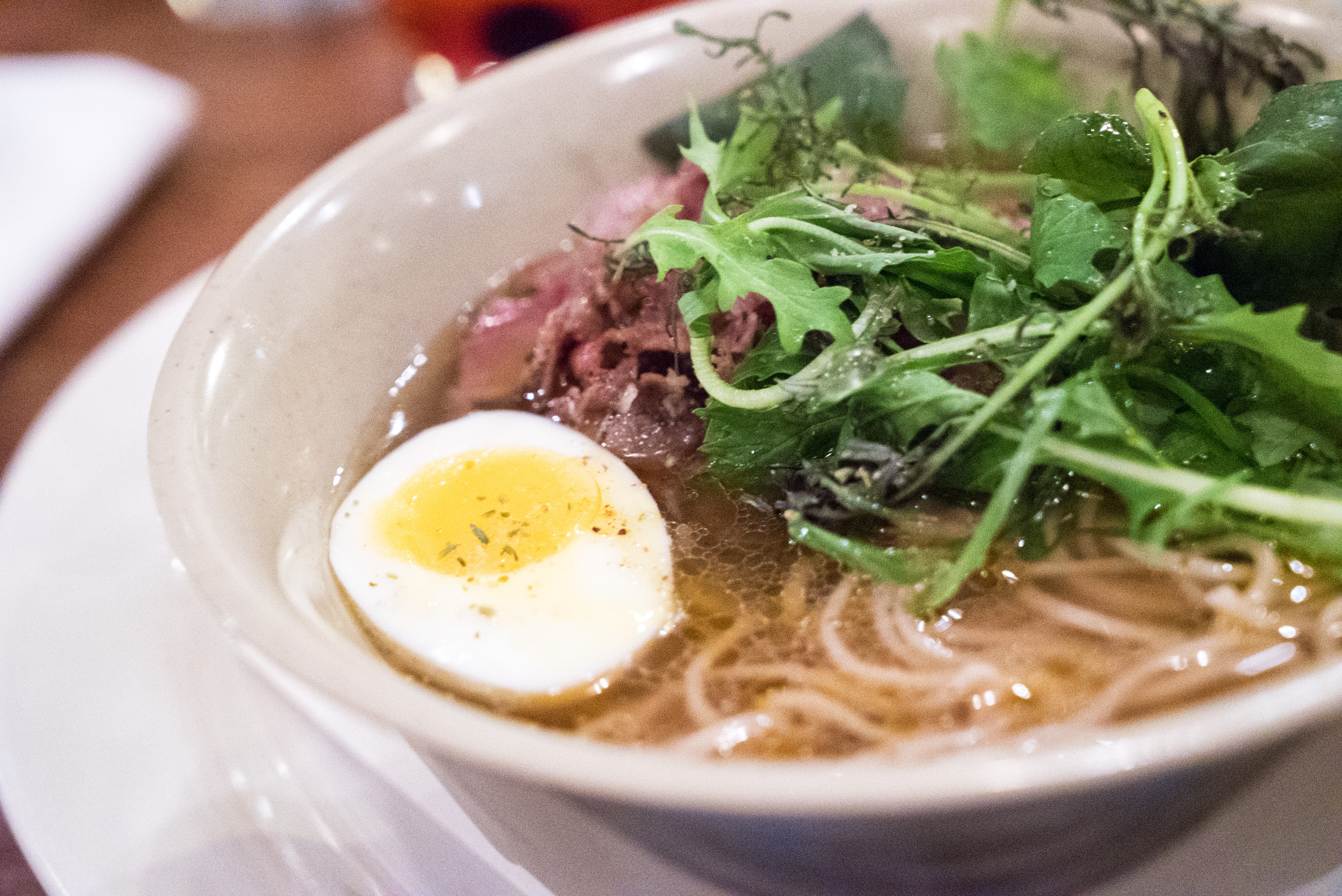
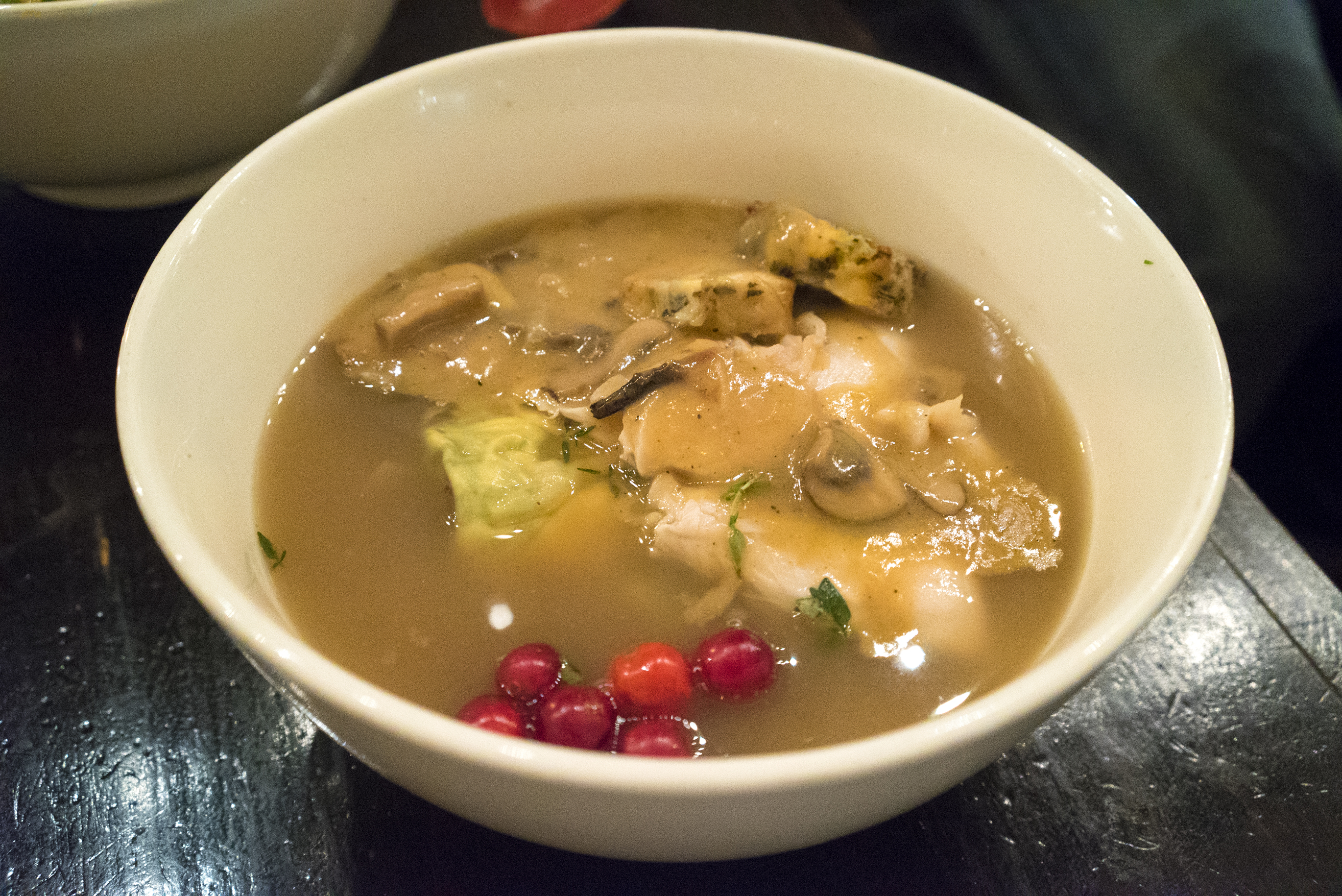
Thanksgiving turkey ramen, with gravy, mushrooms, stuffing and cranberries, of course (Talde):
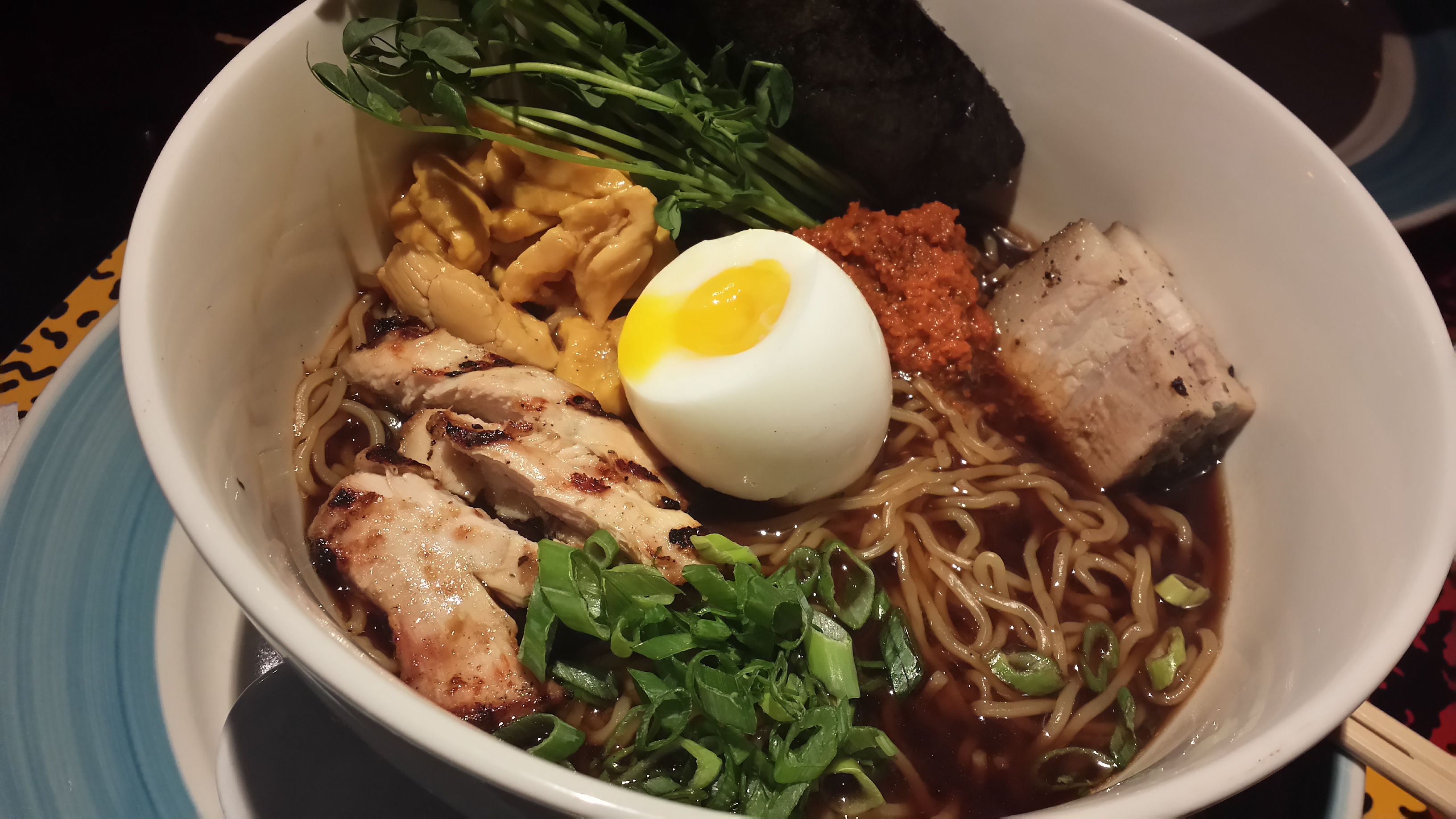
And Jamaican jerk chicken ramen (Miss Lily’s 9A):
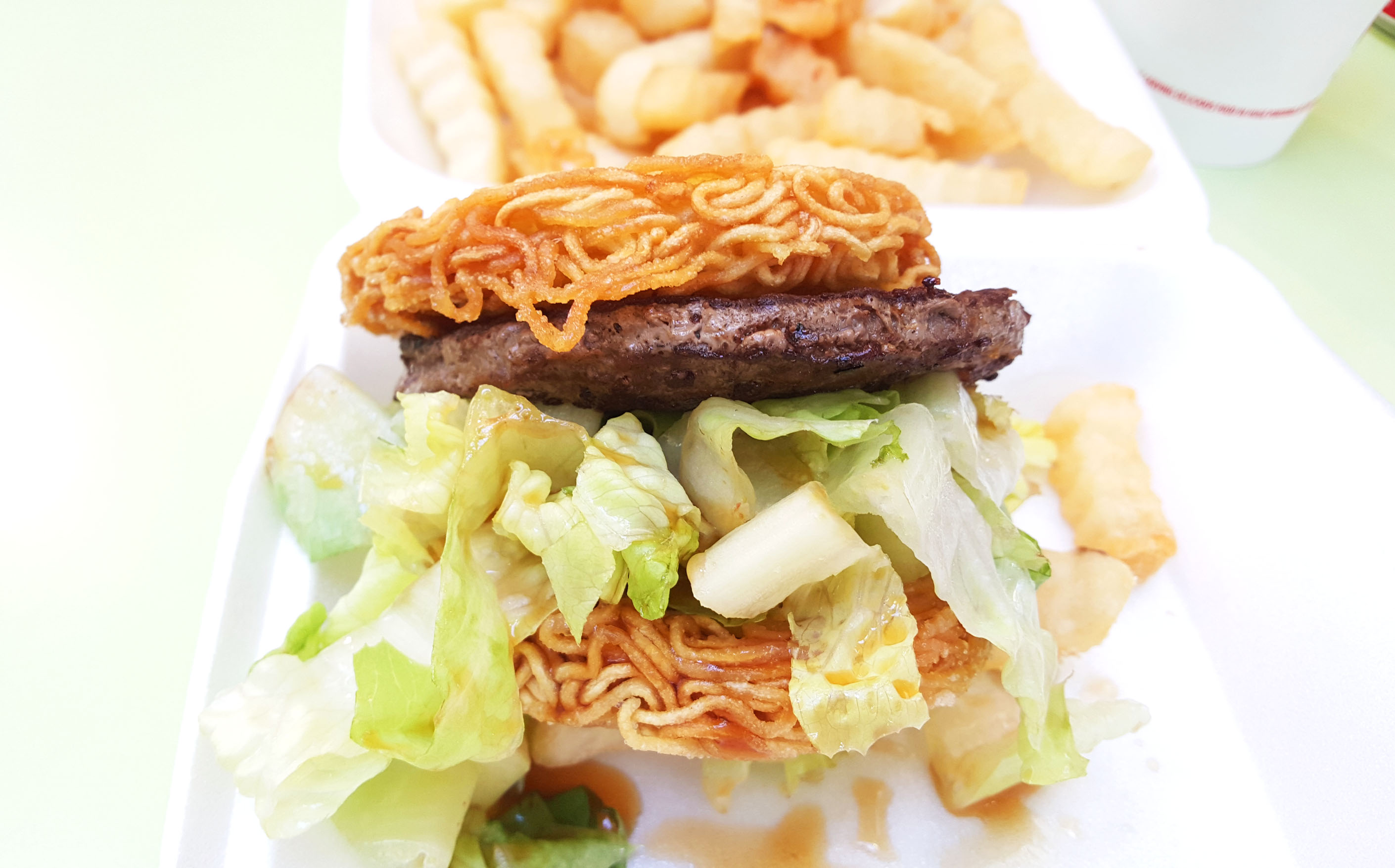
There are even ramen burgers (L&L Drive Inn, among others)…
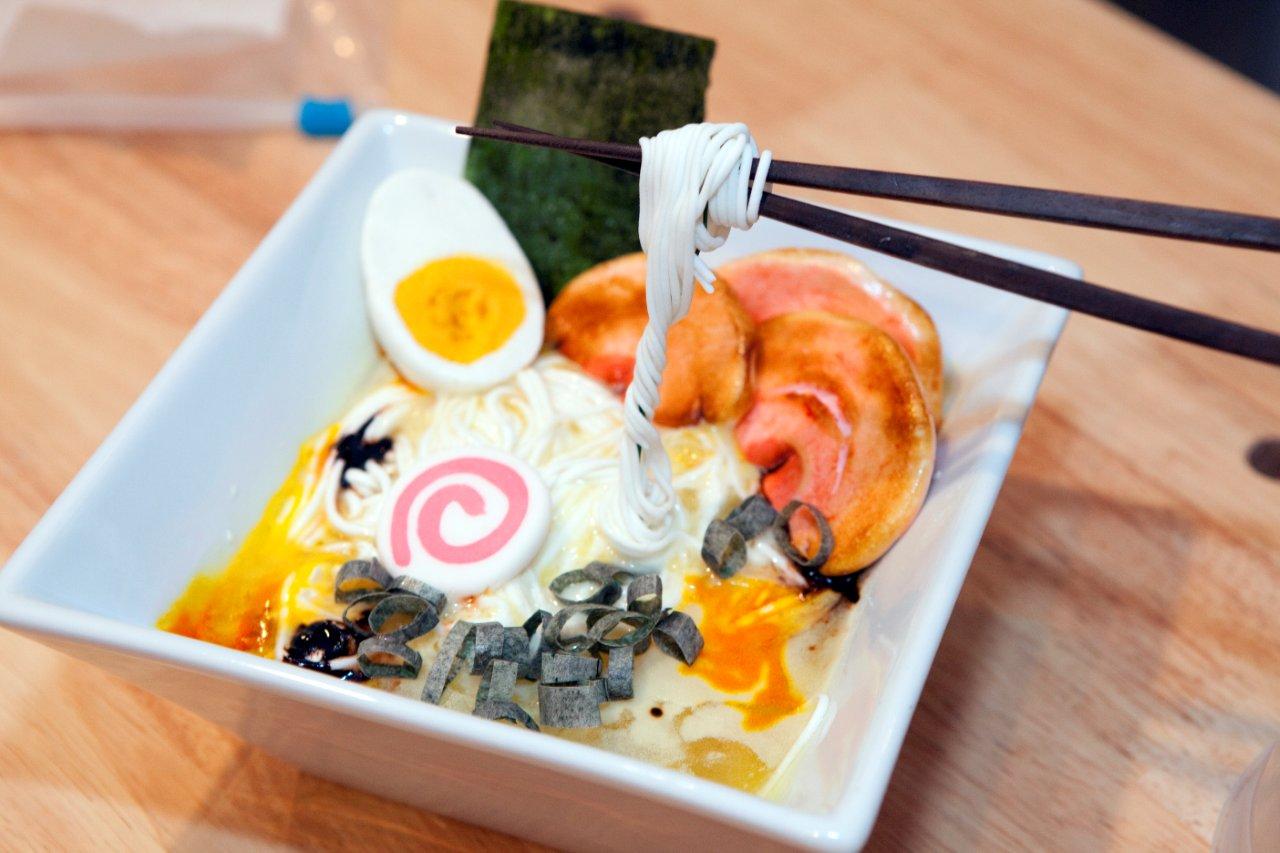
…and now ramen cake (courtesy of my wife, The Cake Dealer).
So that about does it here. If ramen isn’t your thing, but soup most definitely IS your thing, as a general matter, then there’s always pho, bun bo hue and laksa out there to soothe your hot soup needs in the cold winter weather that’s about to strike.
Elena’s Original Lapid

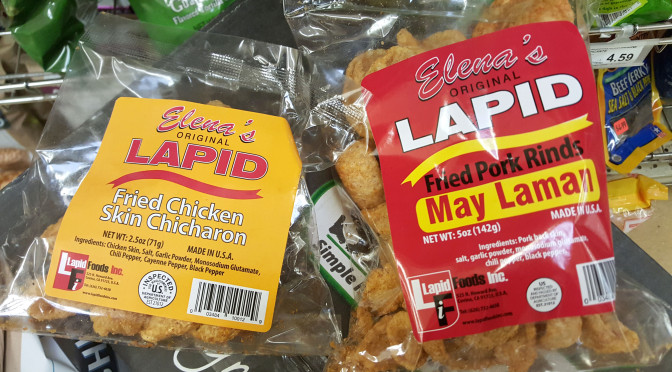
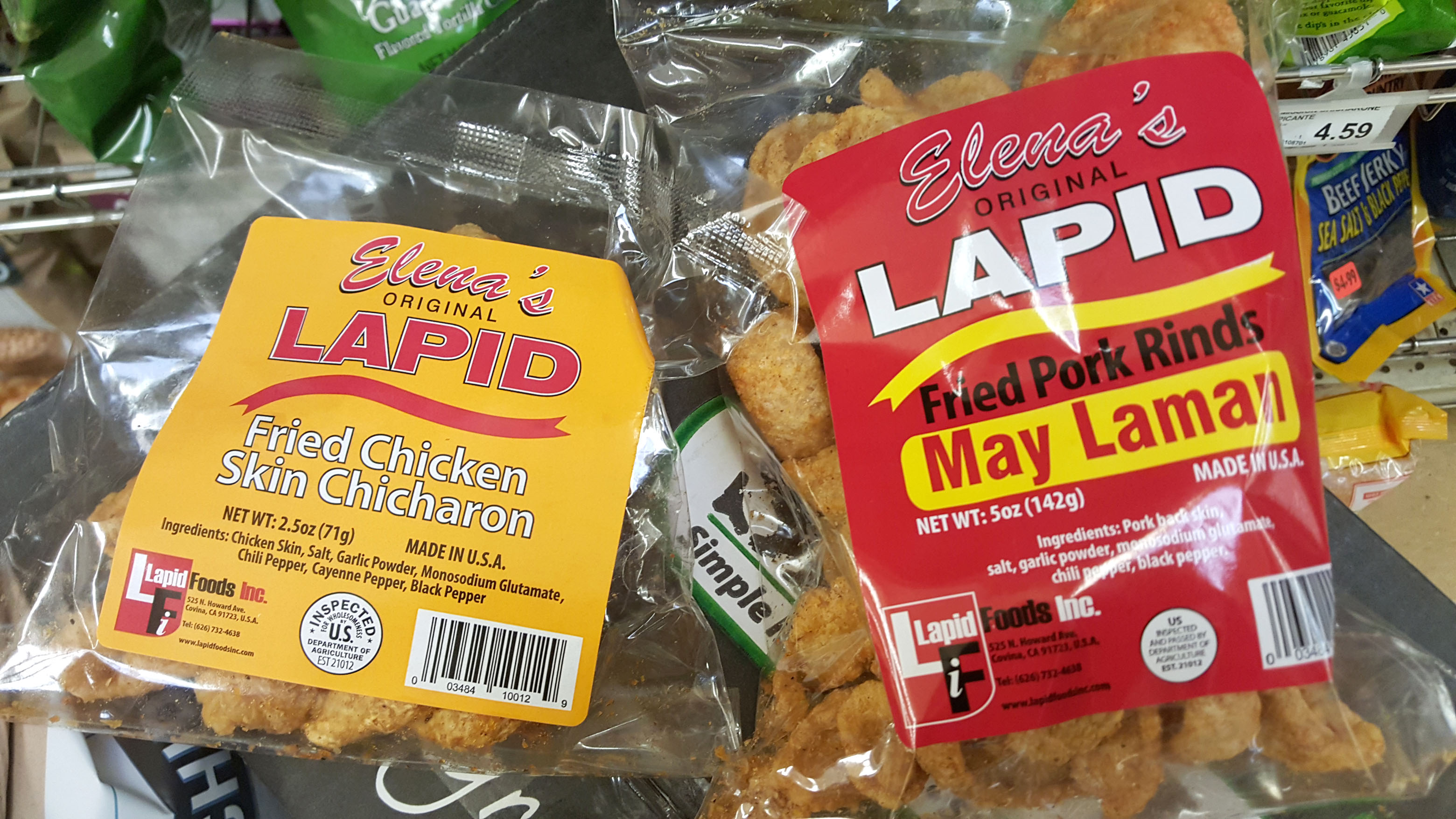
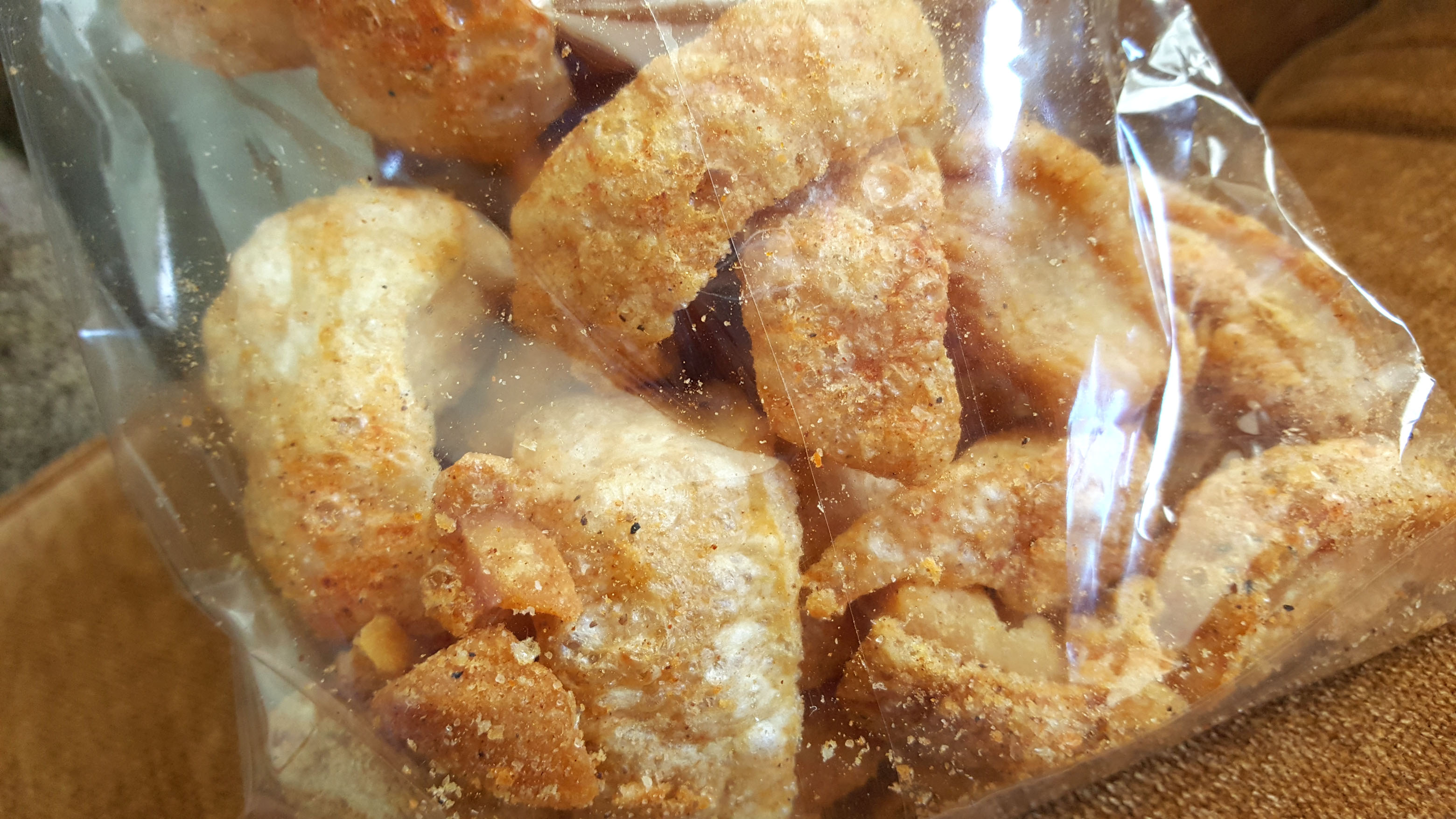
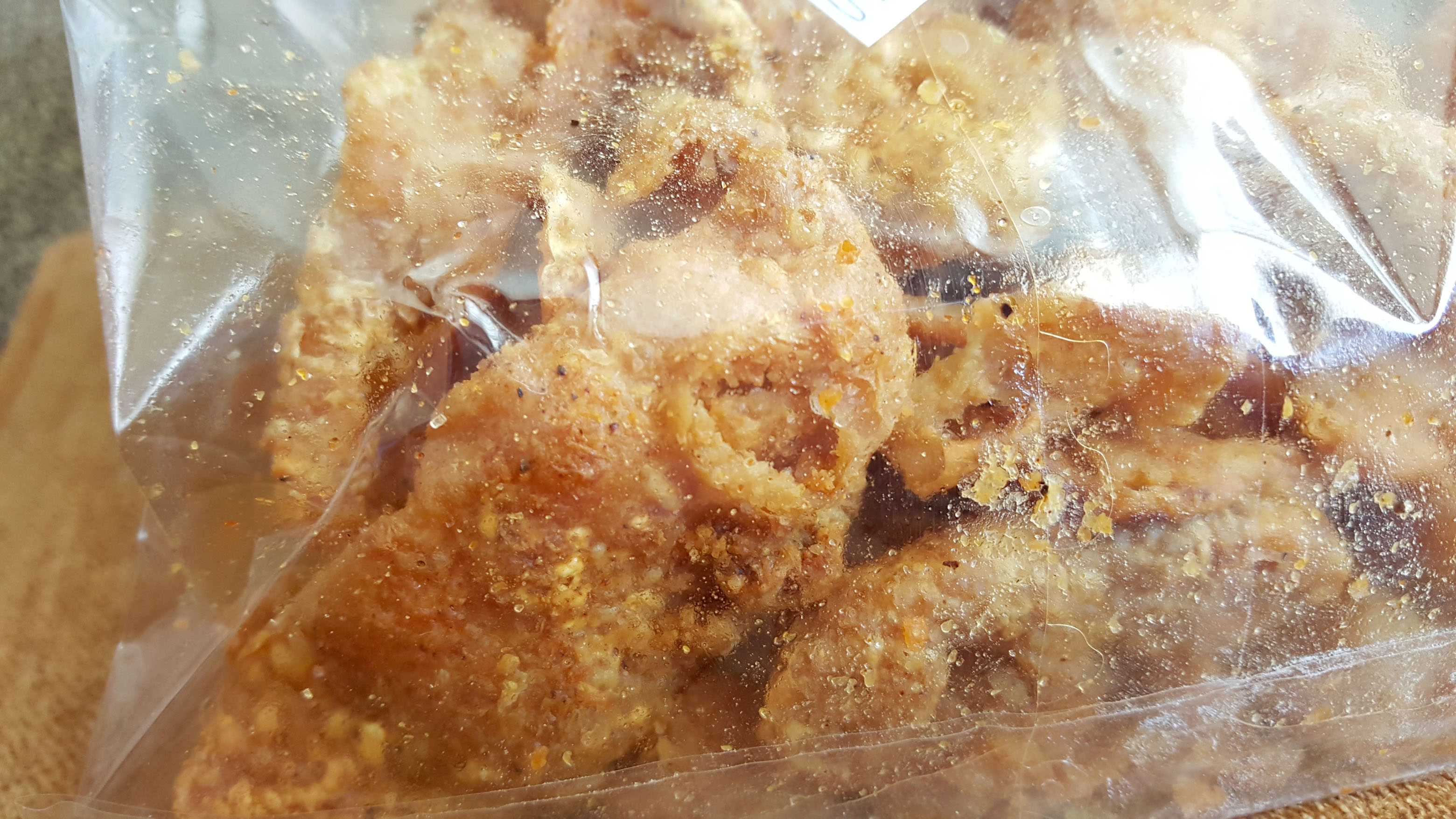
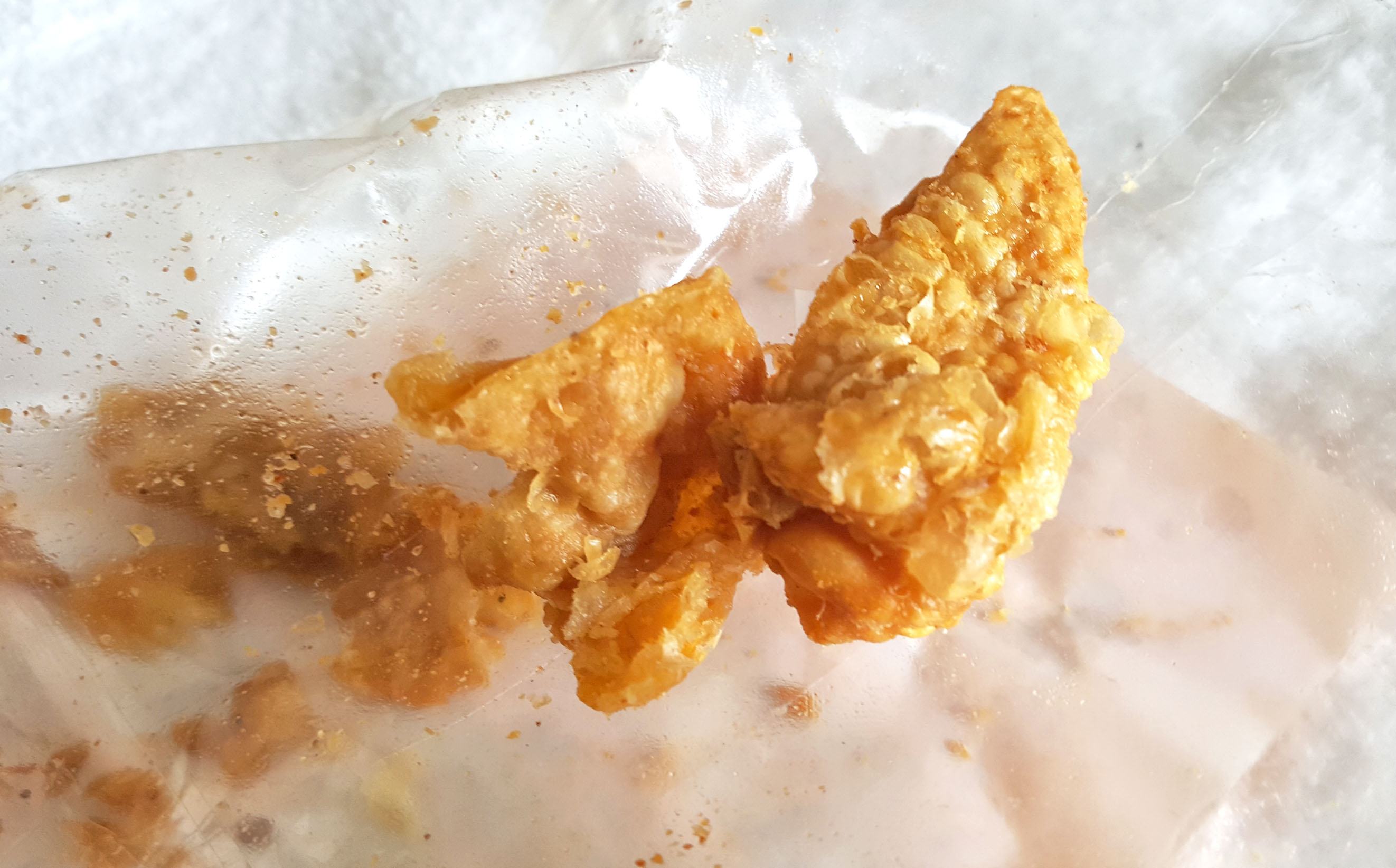
We hit a few local grocery stores and picked up some fantastic looking pork rinds and chicken skin chicharones. Look at the quality! These are dense, crispy and really flavorful.

20150905_123925

20150905_130417

20150905_130431

20150906_154546

This is real deal skin and fat that’s been fried crisp, not like some products that are essentially flavored corn crisps or some other bullshit. I will be stocking up on these things big time.
Trader Joe’s Jerky

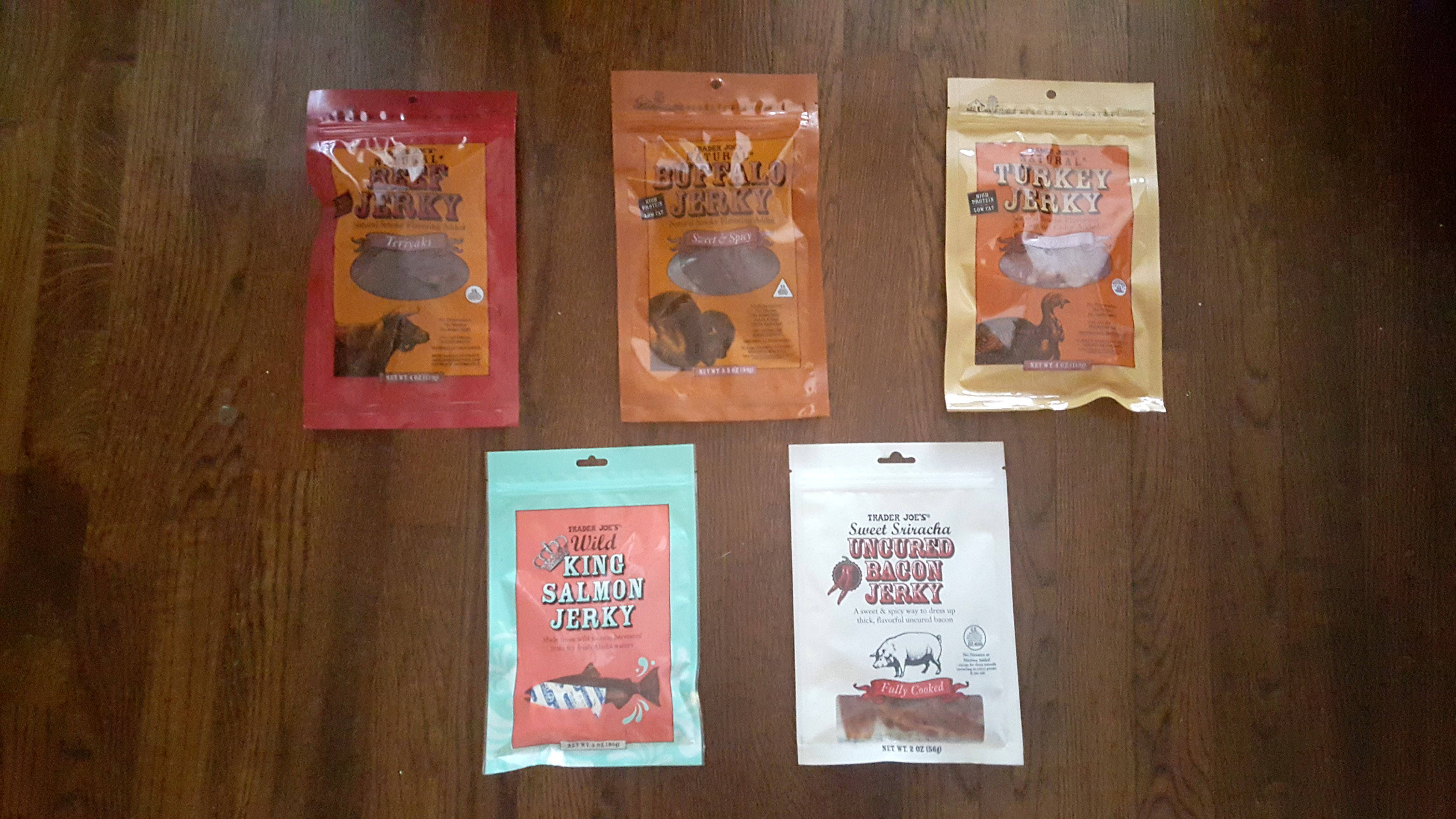
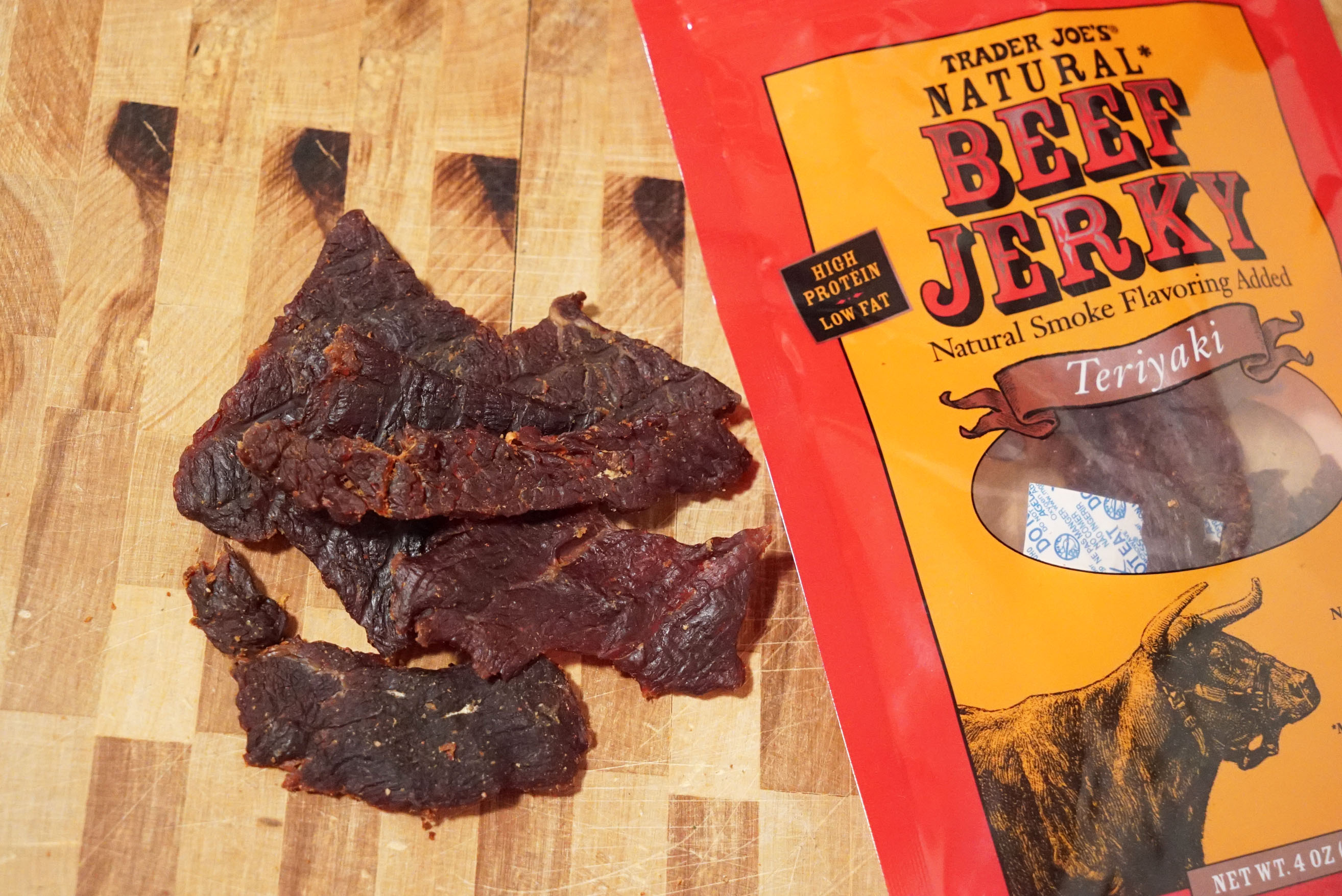
I recently went on a jerky spree at our local Trader Joe’s market. After sampling some various jerky brands here on the site, I jumped at the opportunity to get these flavors from Trader Joe’s.
20150822_184323

Why? Because they were both unique and VERY cheap – at least $1 or $2 cheaper than the “brand name” shit. So I grabbed every single flavor I could find that day in the store. Here’ we go:

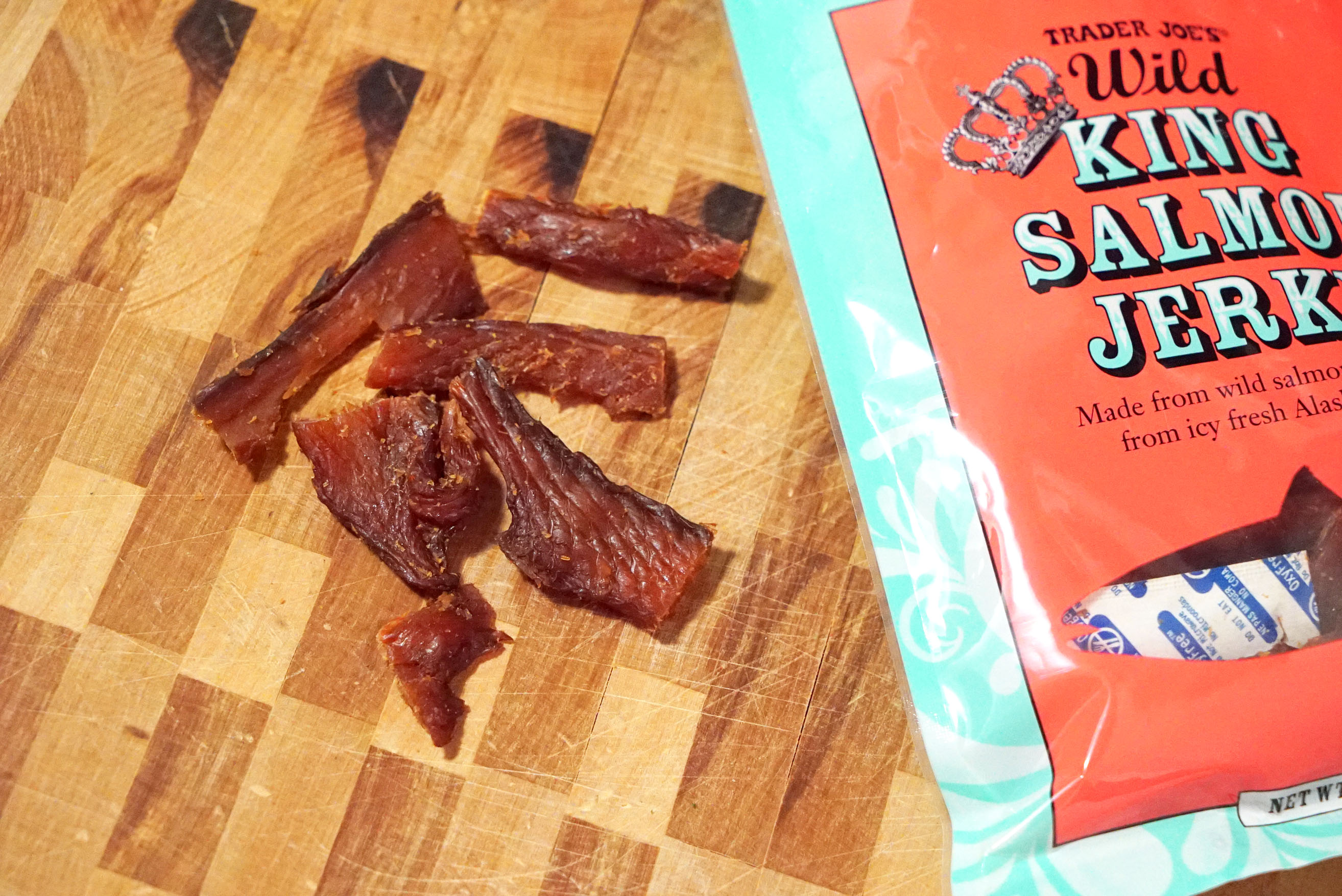
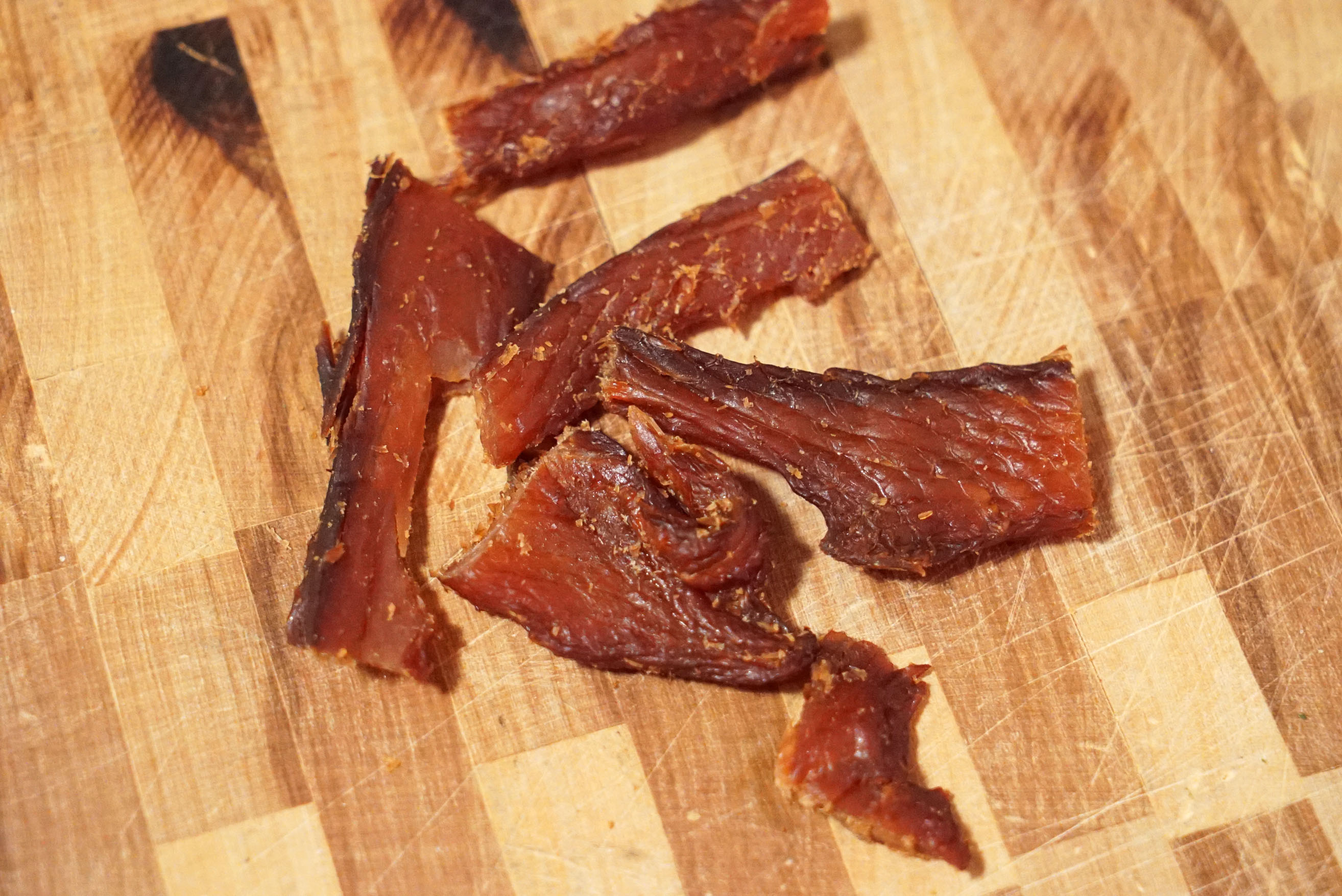
Wild King Salmon

DSC08744

Probably my favorite of the lot, which I was really shocked about. Fish jerky, which I never even thought about before, just didn’t strike me as something even remotely appetizing. I thought I’d hate it, but I loved it. It was a bit too salty, but the texture is the consistency of dry, thick cut bacon and it even tasted similar. Awesome. I’ll be getting this again, and possibly eating it with a bagel and cream cheese or something to cut the saltiness a little.

DSC08746

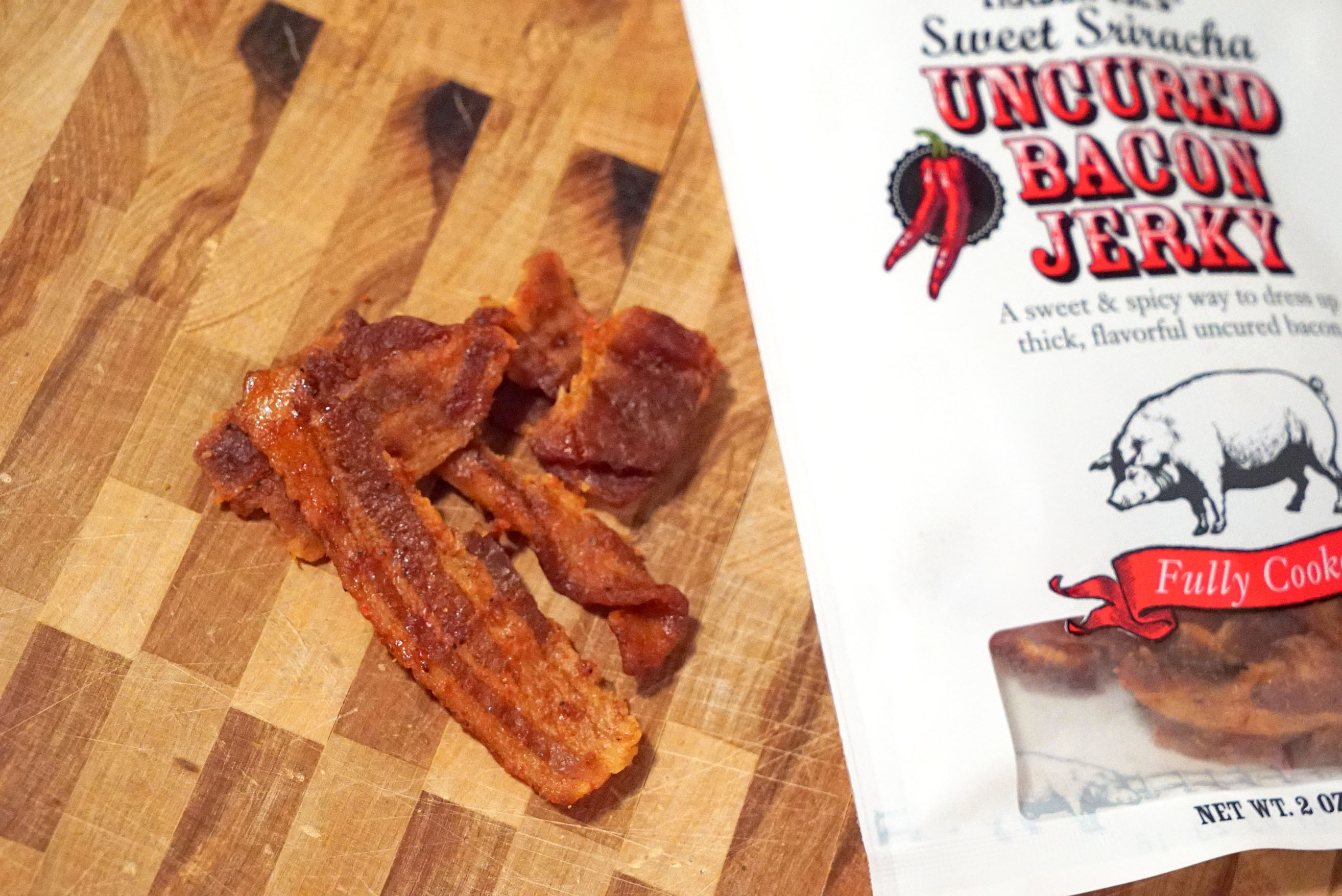
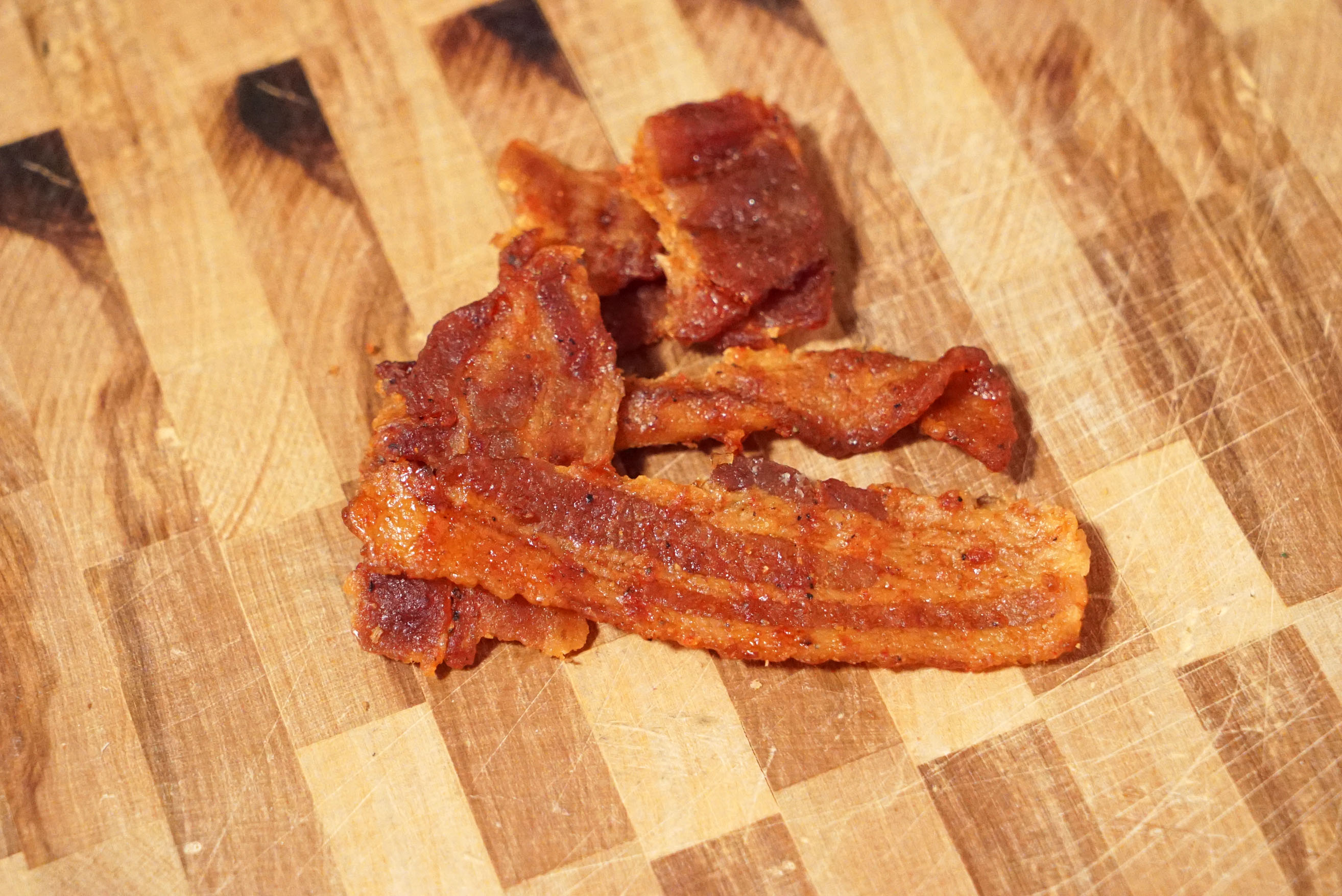
Sweet Sri Racha Uncured Bacon

DSC08747

This reminded me of pre-cooked bacon but better quality and with a sweet and spicy flavor to it. I guess it’s somewhat similar to the Spicy Bacon Candy that my wife makes on occasion. The sweet comes from something in the maple flavor family, if I had to guess, and the heat is obviously from chili paste.

DSC08749

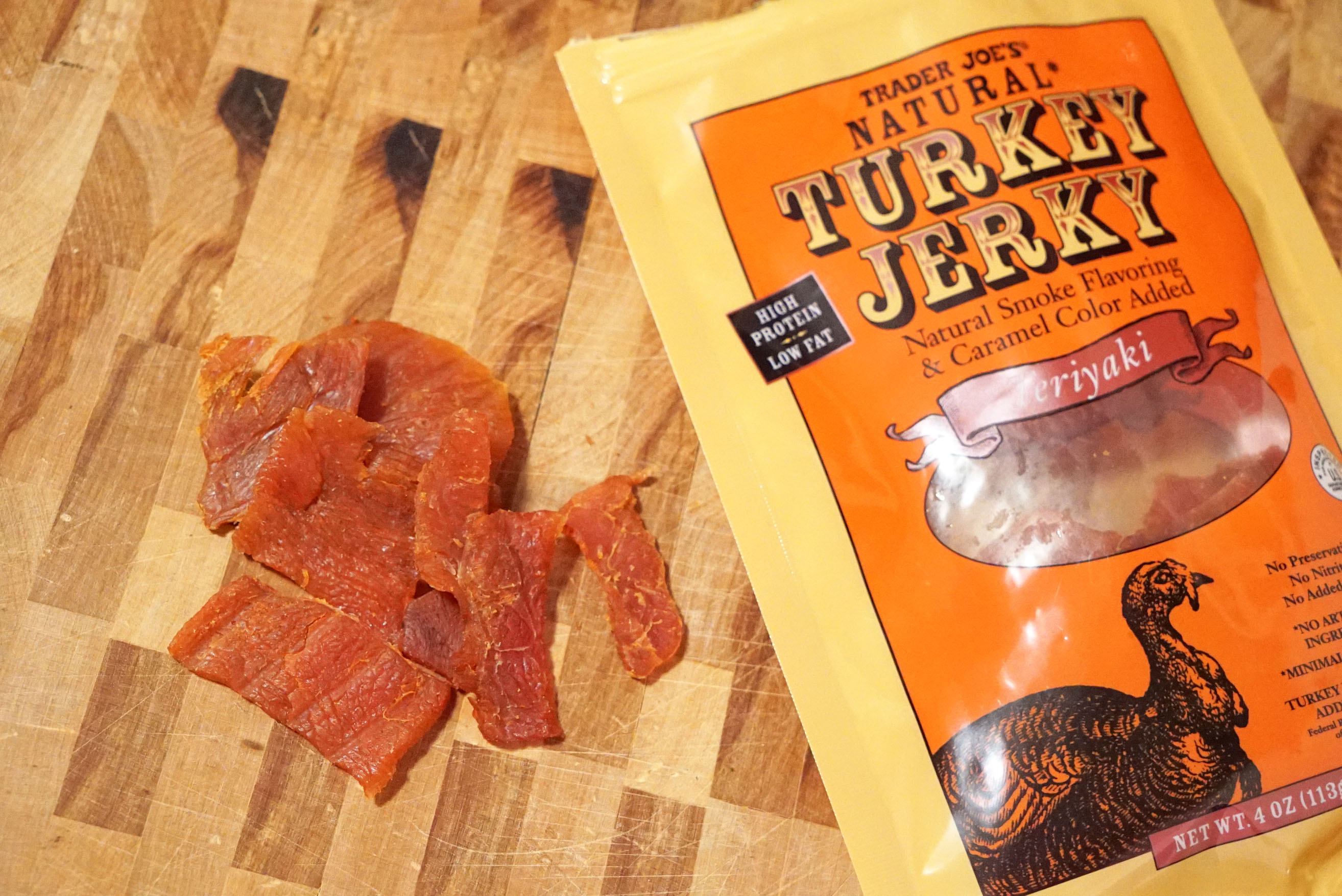
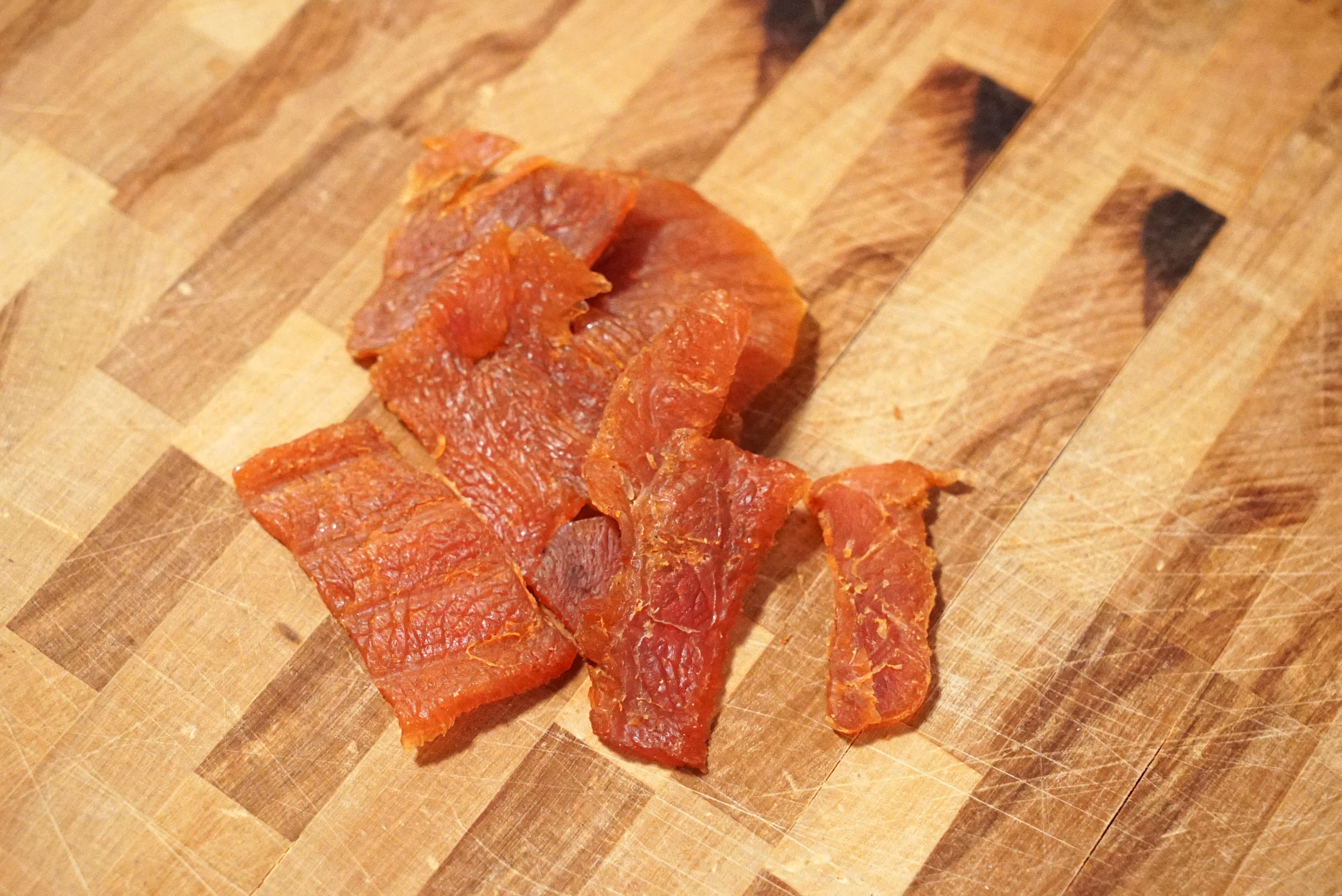
Teriyaki Turkey

DSC08752

This was pretty standard in terms of flavor – nothing new or unique – but it was executed nicely. It was juicy, yet not wet. It had nice flavor, and was thick but not too chewy.

DSC08755

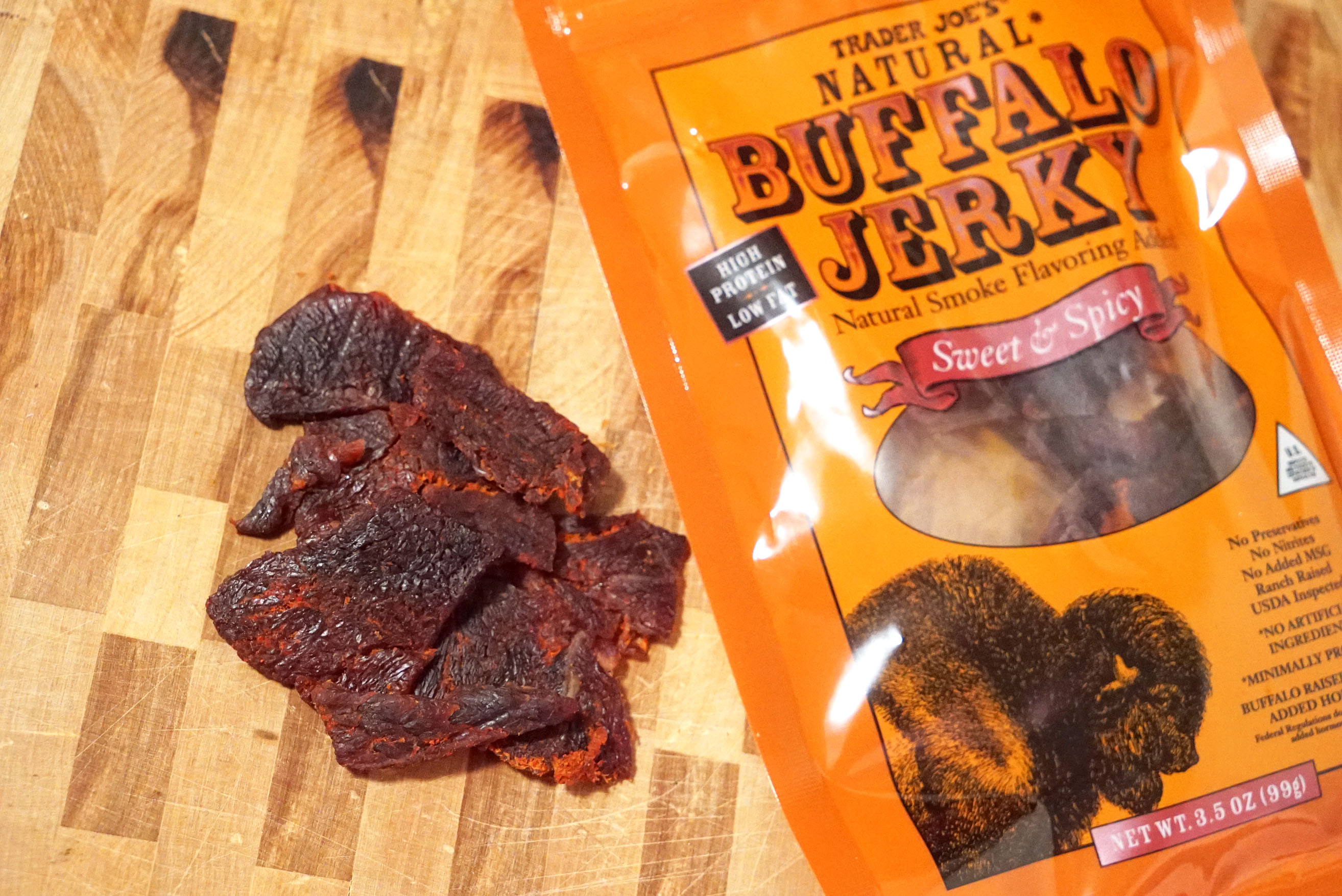
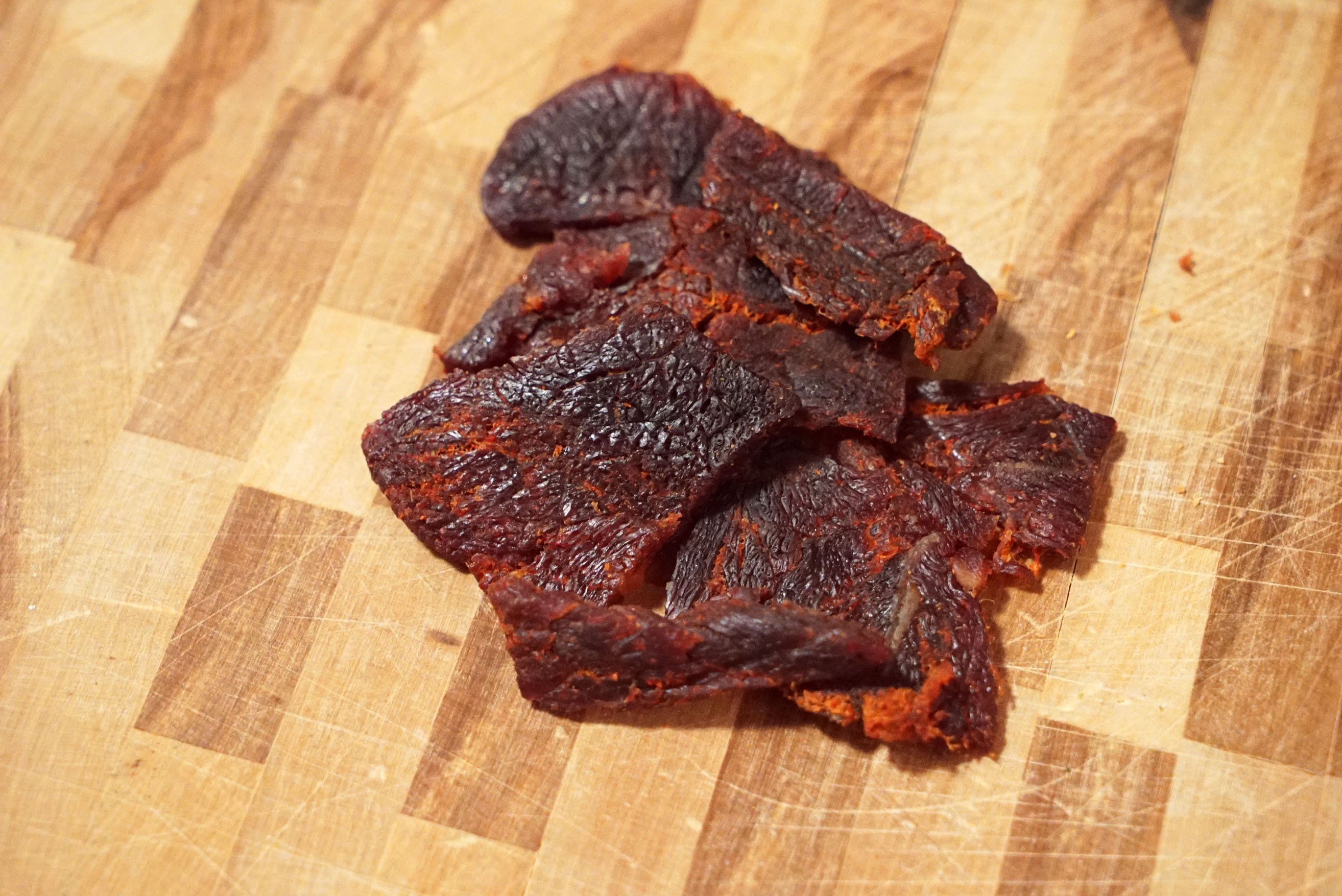
Sweet & Spicy Buffalo

DSC08756

This was lean and tasty. It wasn’t too tough and it didn’t require heavy chewing, and that goes for all the flavors, really. The spice comes in at the end on this, which is really enjoyable.

DSC08759

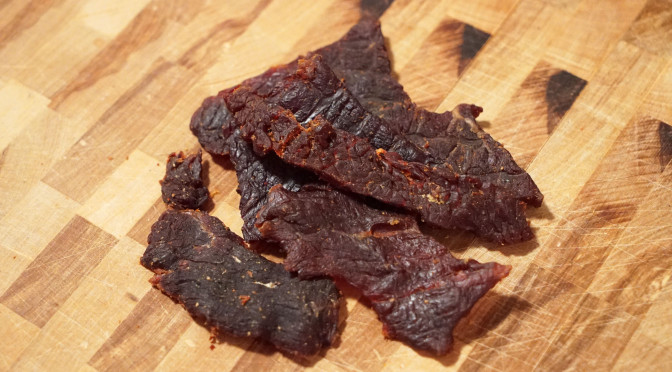
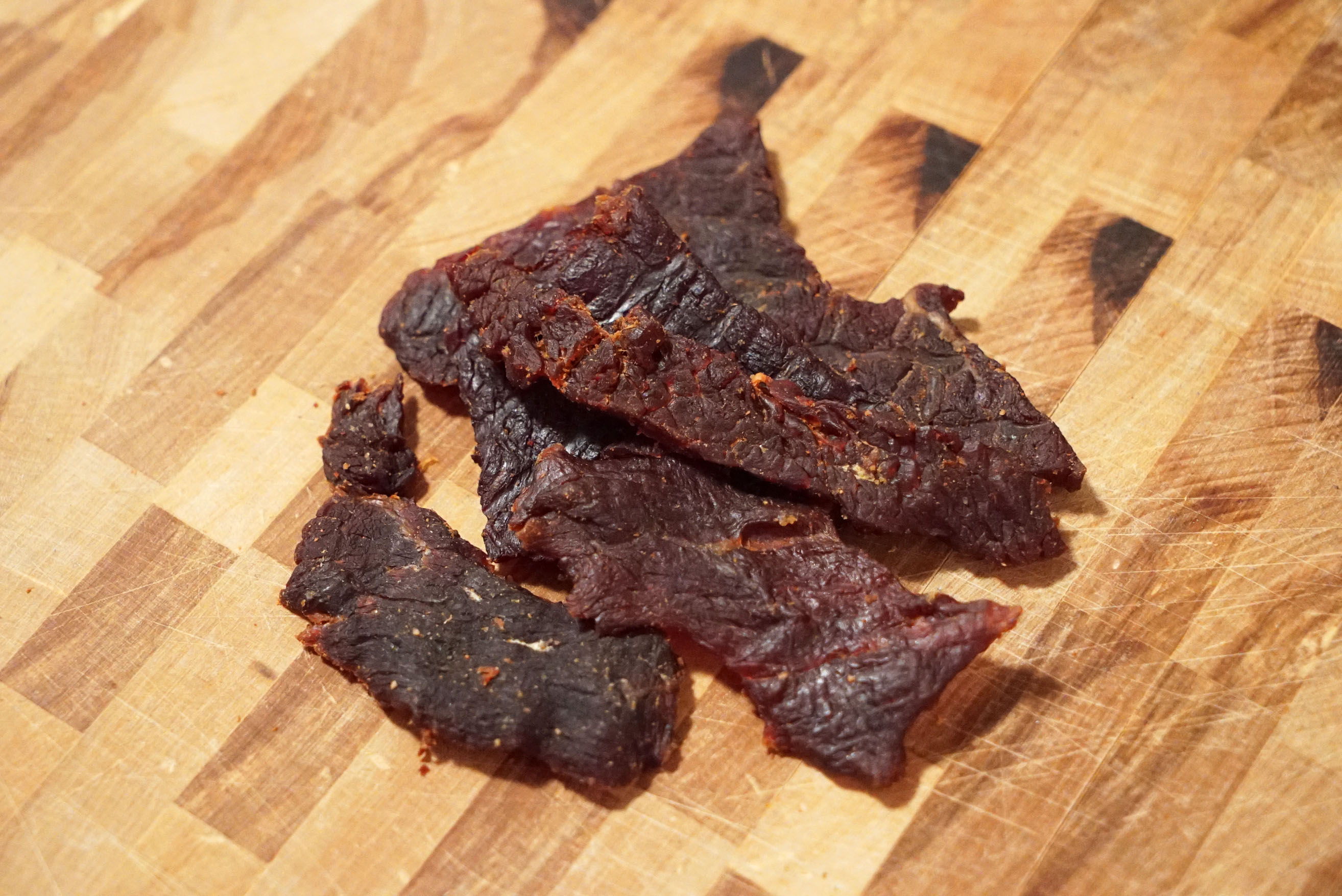
Teriyaki Beef

DSC08761

This, like the turkey, is standard issue, but again very good quality. If you like a traditional, meaty beef jerky with a common flavor kick, then this is for you.

DSC08763

Poulette

My wife and I ordered some stuff here for delivery. I was excited at the prospect of eating roasted chicken from a place that specifically deals in such an item and nearly nothing else. I was expecting one of the best roasted chickens in my life. If that’s all you really do, as a restaurant, you need to excel at it. Unfortunately Poulette failed to deliver good roasted chicken. We ordered a half chicken. It was pretty dry and the flavoring on the skin had a bitter component that I wasn’t too fond of.

The brussels side was cooked with a vinegar and mustard base that really ruined the flavor of the sprouts. All you really need to do is roast them with some seasoning and chicken drippings from the roasting process for a really successful item. What a failure.

On the bright side, the french fries were good, as were the salt and pepper chicken wings. Both remained very crispy despite closed-container transport. The wings were expertly seasoned and cooked to a beautiful golden brown. They consisted of drumettes and wings with the little wing bone still attached, for extra nibbling. Sadly, the sesame glazed wings were a let-down. They were overly sauced to the point of undesirable sogginess. Good flavor in the sauce, but executed poorly. Perhaps that sauce needs to be in a container on the side rather than drenched all over the wings.

Apologies for the lack of photos. I was too hungry to whip out the cell phone this time. Take my advice though: if you come here, stick to the salt and pepper wings and the french fries. If roasted chicken is what you are craving, I say go to Inti.

POULETTE
790 9th Ave.
New York, NY 10019

Chicken Legs and Broccolini

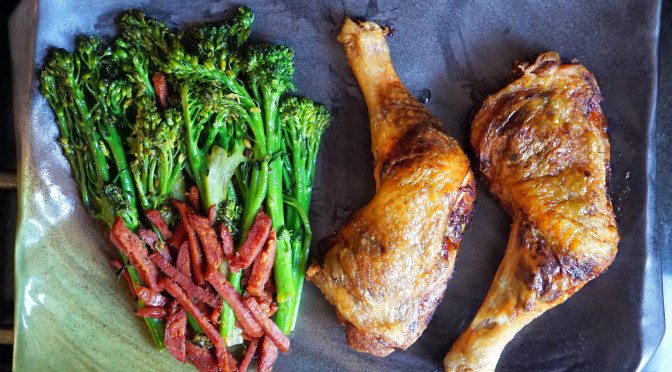
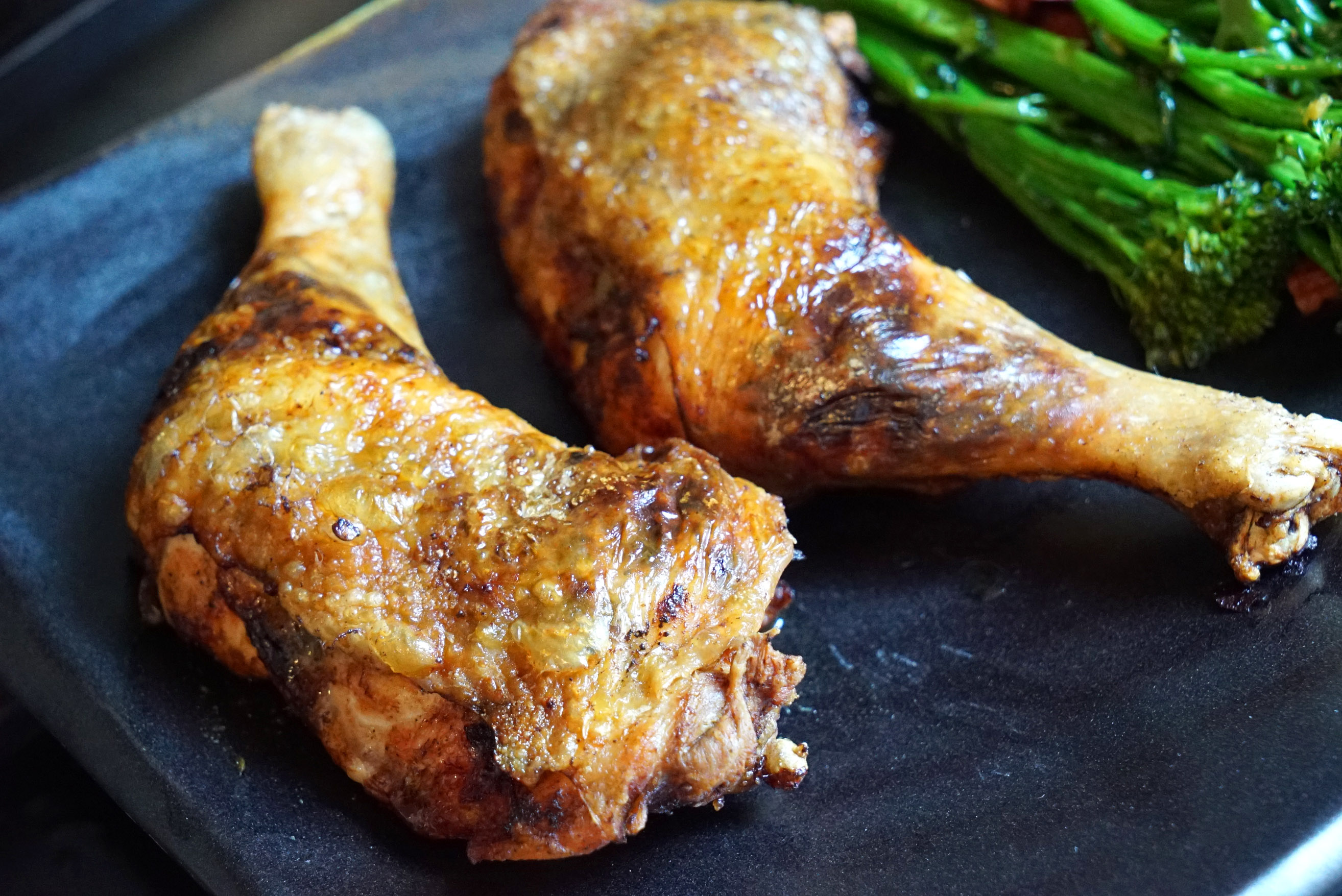
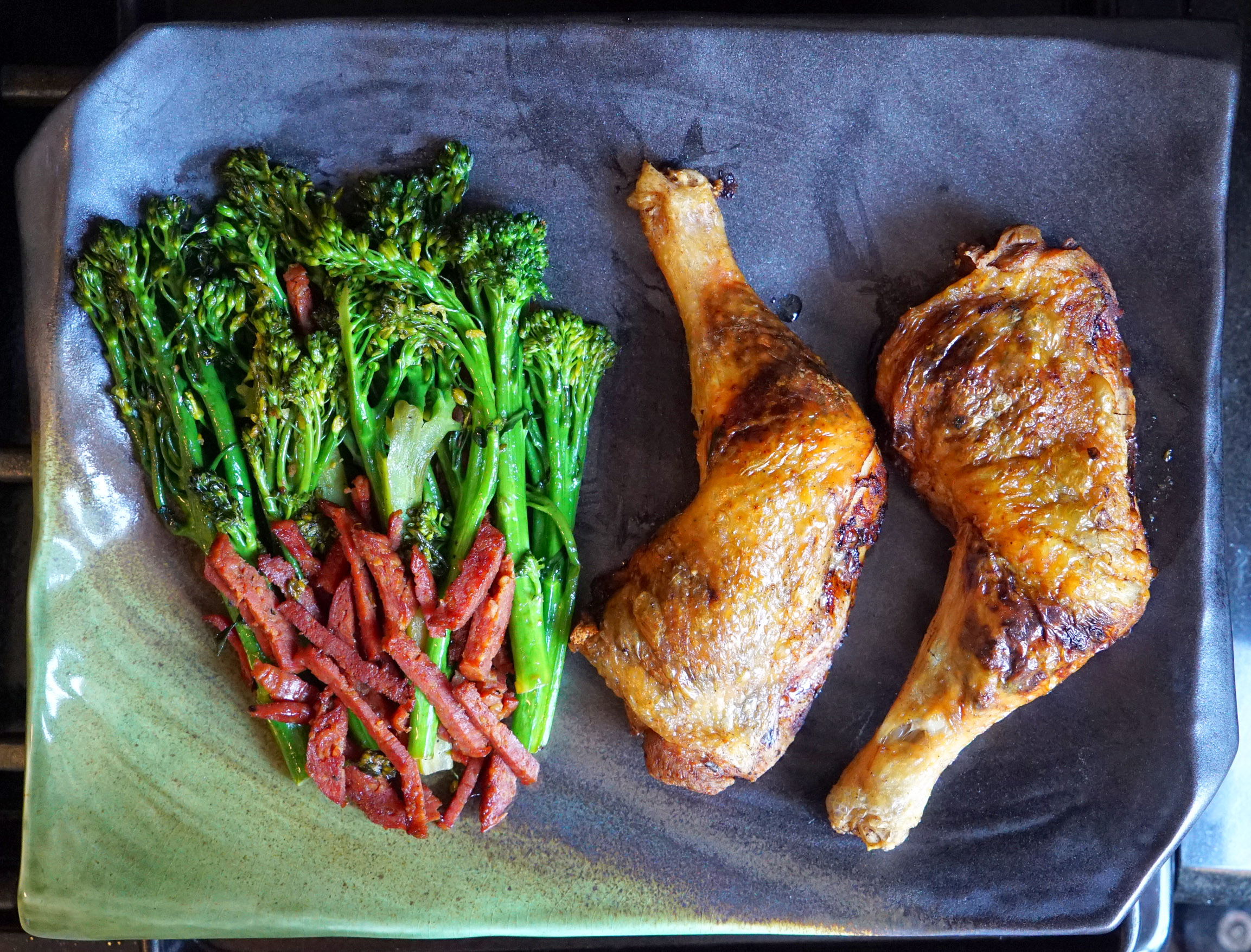
This recipe is pretty easy to execute, and every time I make it, it delivers with amazing flavor and texture. Crispy skin lemon and herb chicken legs with sautéed chorizo broccolini.

What The Fuck Do You Need?

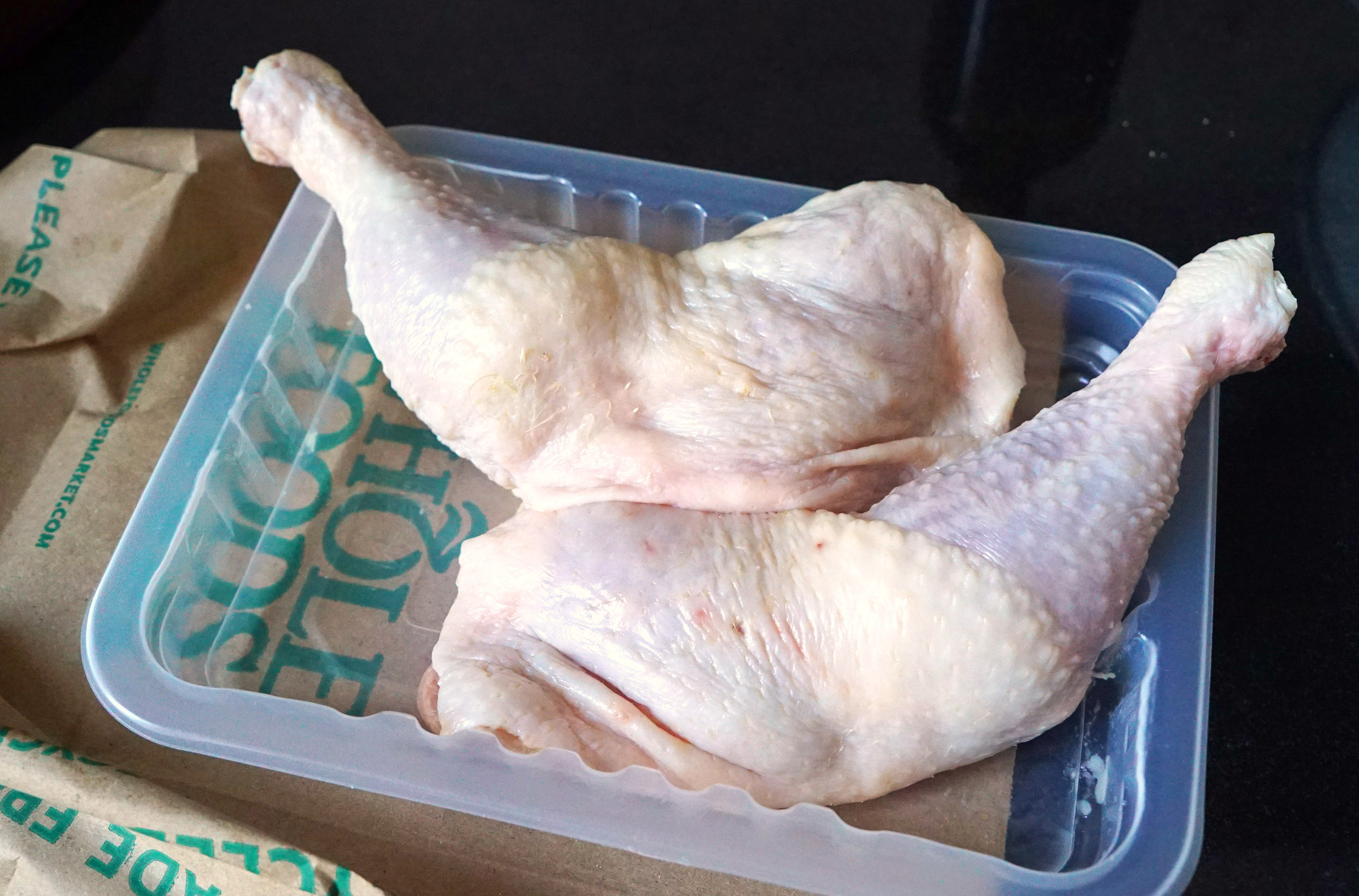
  • Two chicken legs (thigh and drum X 2)
  • One bundle of broccolini (aka baby broccoli)
  • Lemon juice
  • Oregano
  • Salt
  • Cracked black pepper
  • Onion powder
  • Garlic powder
  • Crushed red pepper
  • Vegetable oil
  • Butter
  • Dry, cured sausage (the hard kind, like a pepperoni or chorizo)

How The Fuck Do You Make It?

STEP 1
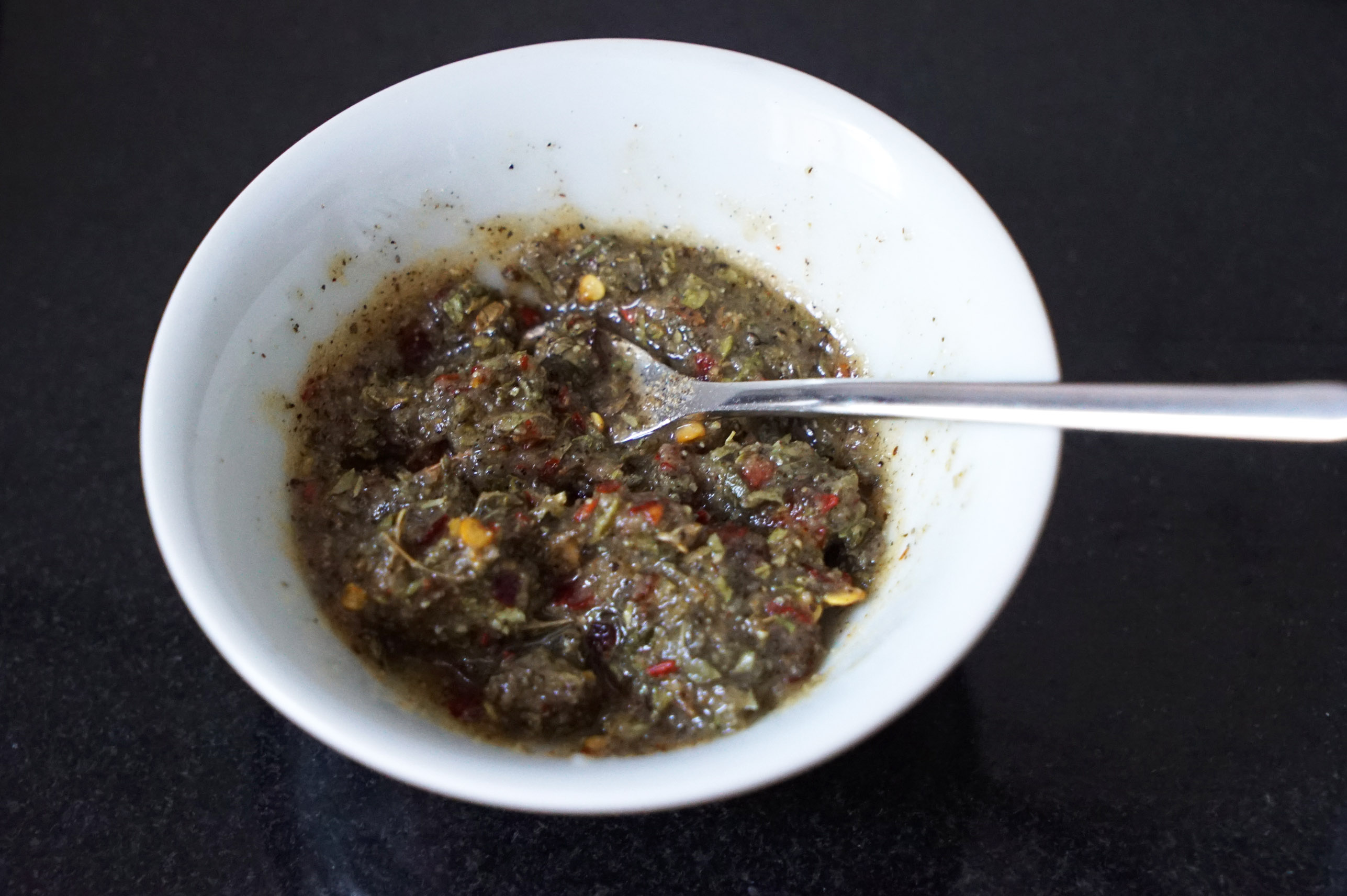
The first thing you need to do is make the lemon-herb paste. This is basically made “to taste,” so you can vary the proportions and amounts to your liking. Just keep the consistency to a paste and not too liquidy. Combine your salt, cracked black pepper, crushed red pepper, oregano, onion powder and garlic powder into a small dish or bowl and add lemon juice. Stir until mixed into a paste.

DSC07074

That shit is going to smell amazing: very Greek/Italian. Try not to shove it down your throat just yet, because you need it for the later steps.

STEP 2
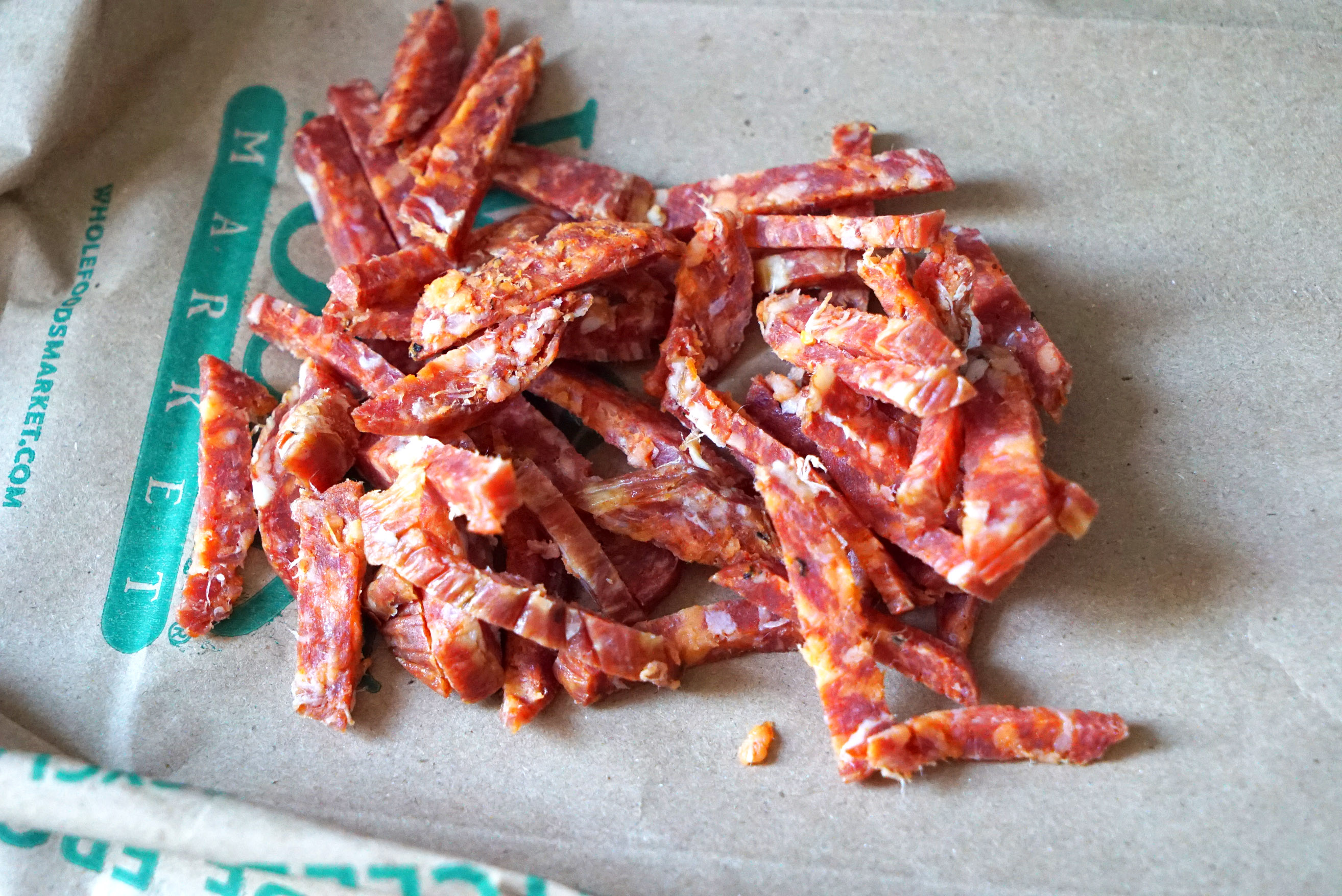
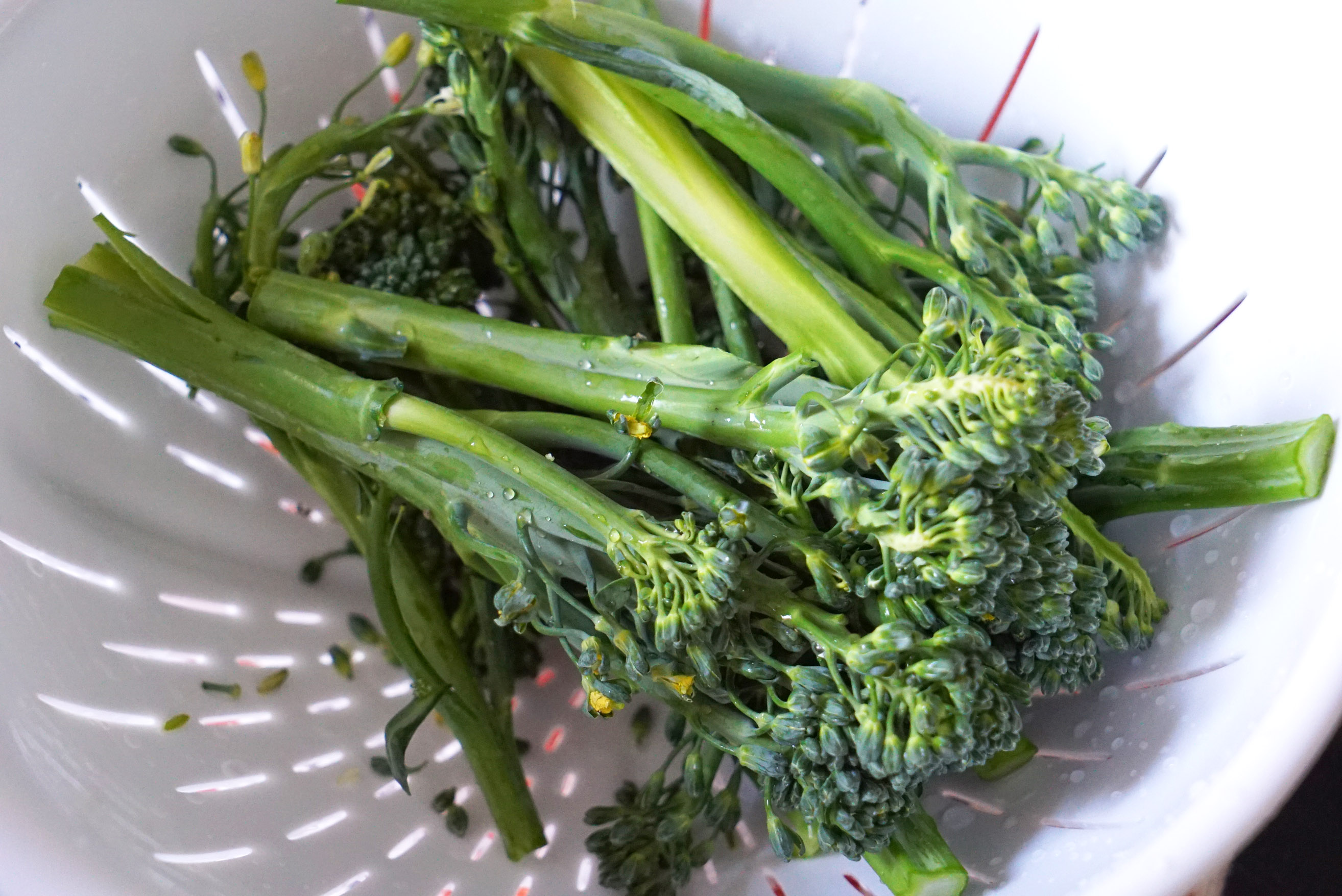
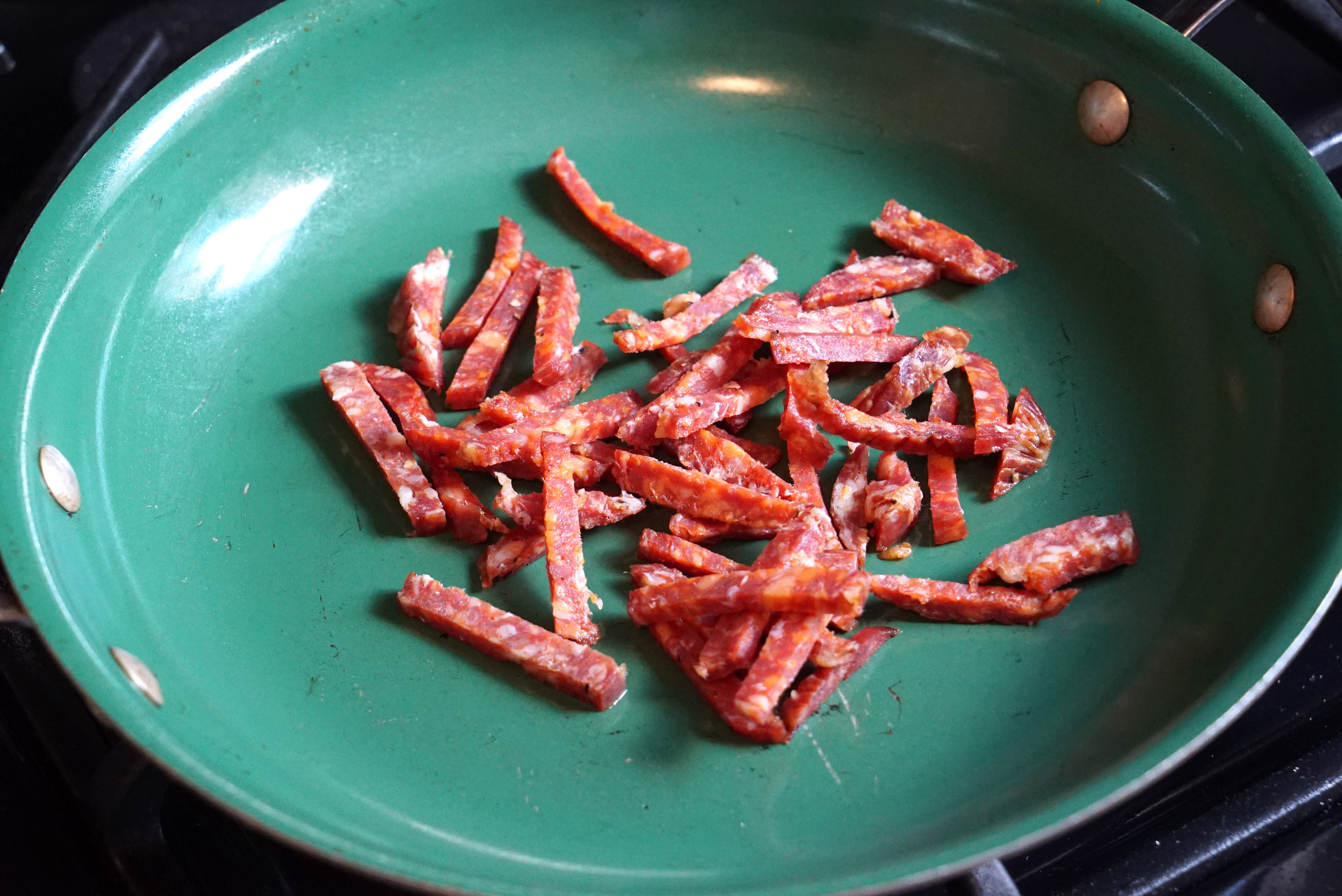
pre-heat your oven to 350, rinse and prep your broccolini, and chop up your sausage as such:

DSC07072

DSC07071

STEP 3
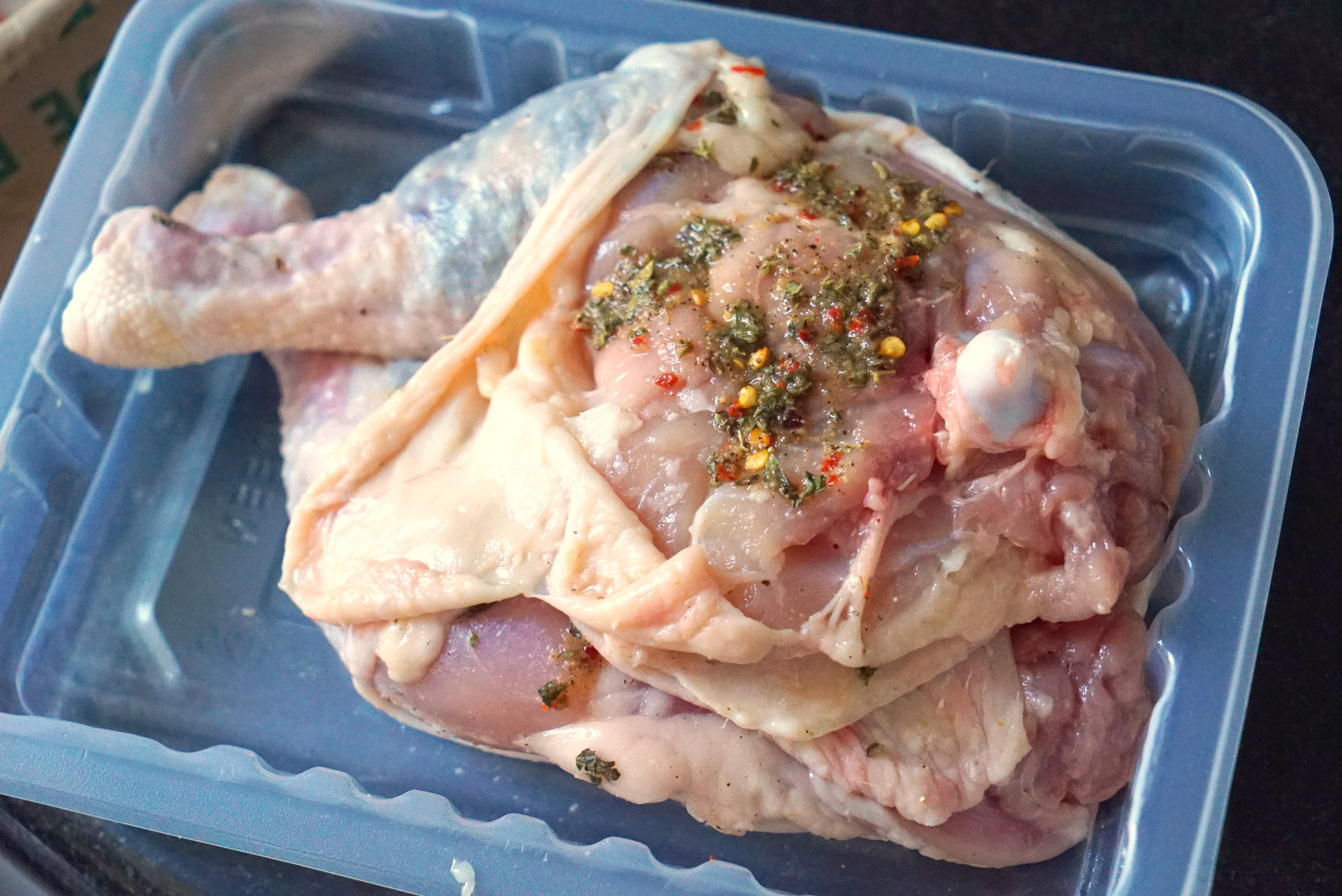
Next, you’re going to shove some butter and your lemon-herb paste underneath the chicken skin, without completely removing the skin from the meat, of course. Spread it around evenly so you don’t get any blank spaces of flavor. Don’t worry either – you’d be surprised how much the butter helps to slosh the spices around once it gets cooking. Get down into those drumsticks too!

DSC07068

DSC07075

STEP 4
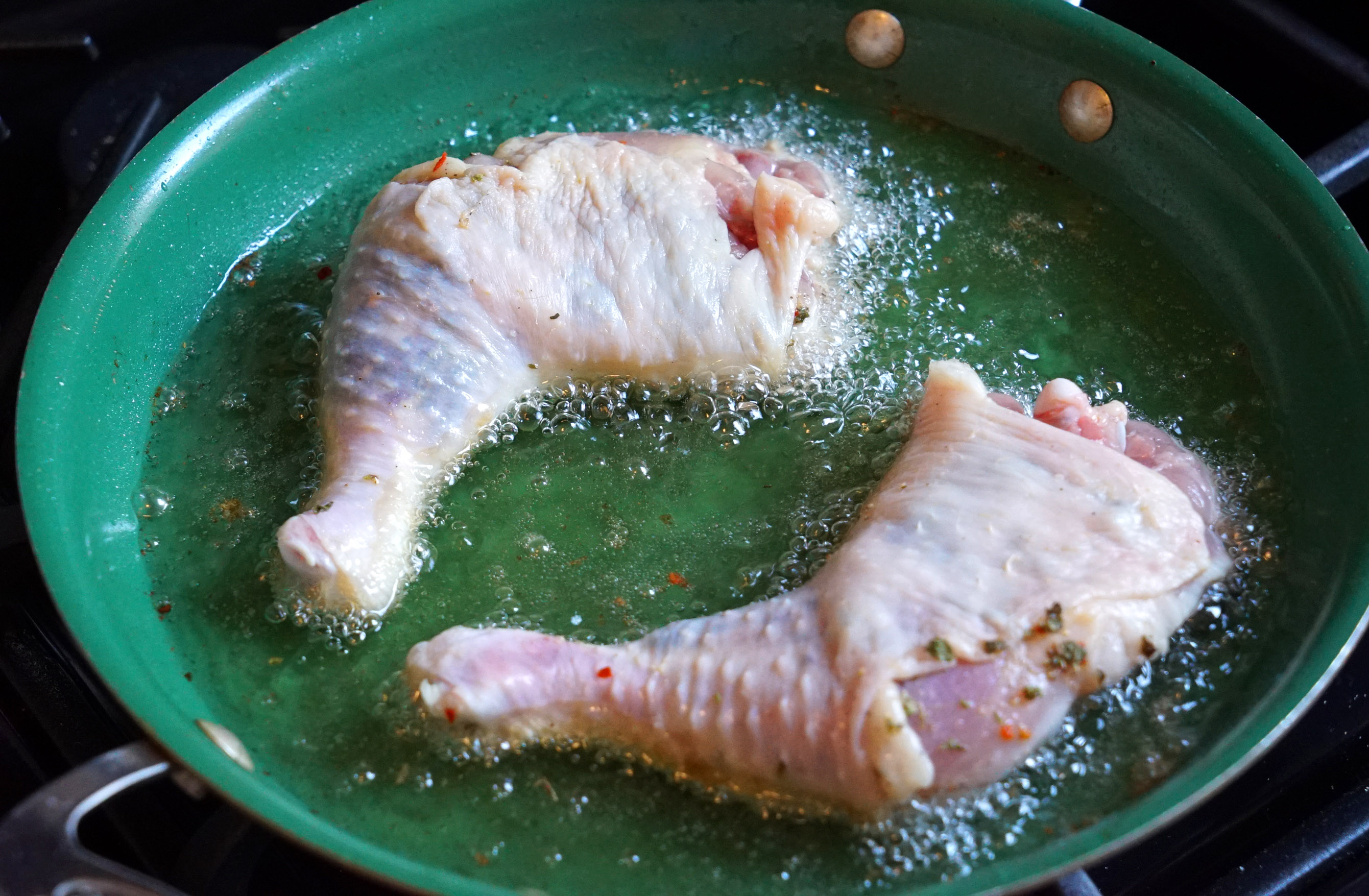
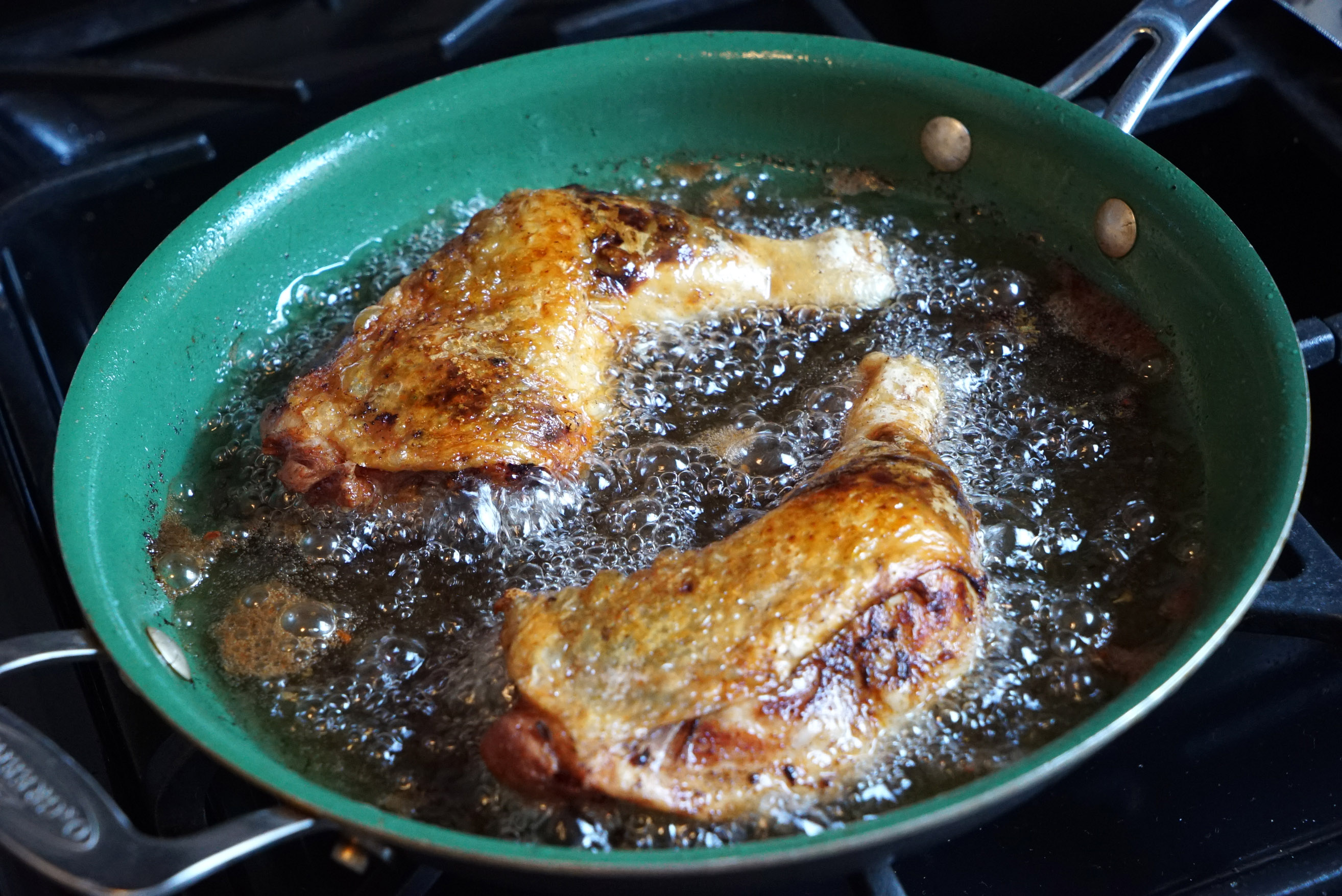
Get your vegetable oil in a pan and heat it up. You shouldn’t need more than two cups of oil. Just enough to get the majority of the chicken skin into the hot oil should do the trick. Then drop your chicken legs in, top-side down.

DSC07077

You’re going to flip these bitches once they get golden and crispy. Try to keep the skin covering the meat too on the bottom side when you flip it (that part of the skin doesn’t quite connect to the meat as well as it does in other areas).

DSC07080

STEP 5
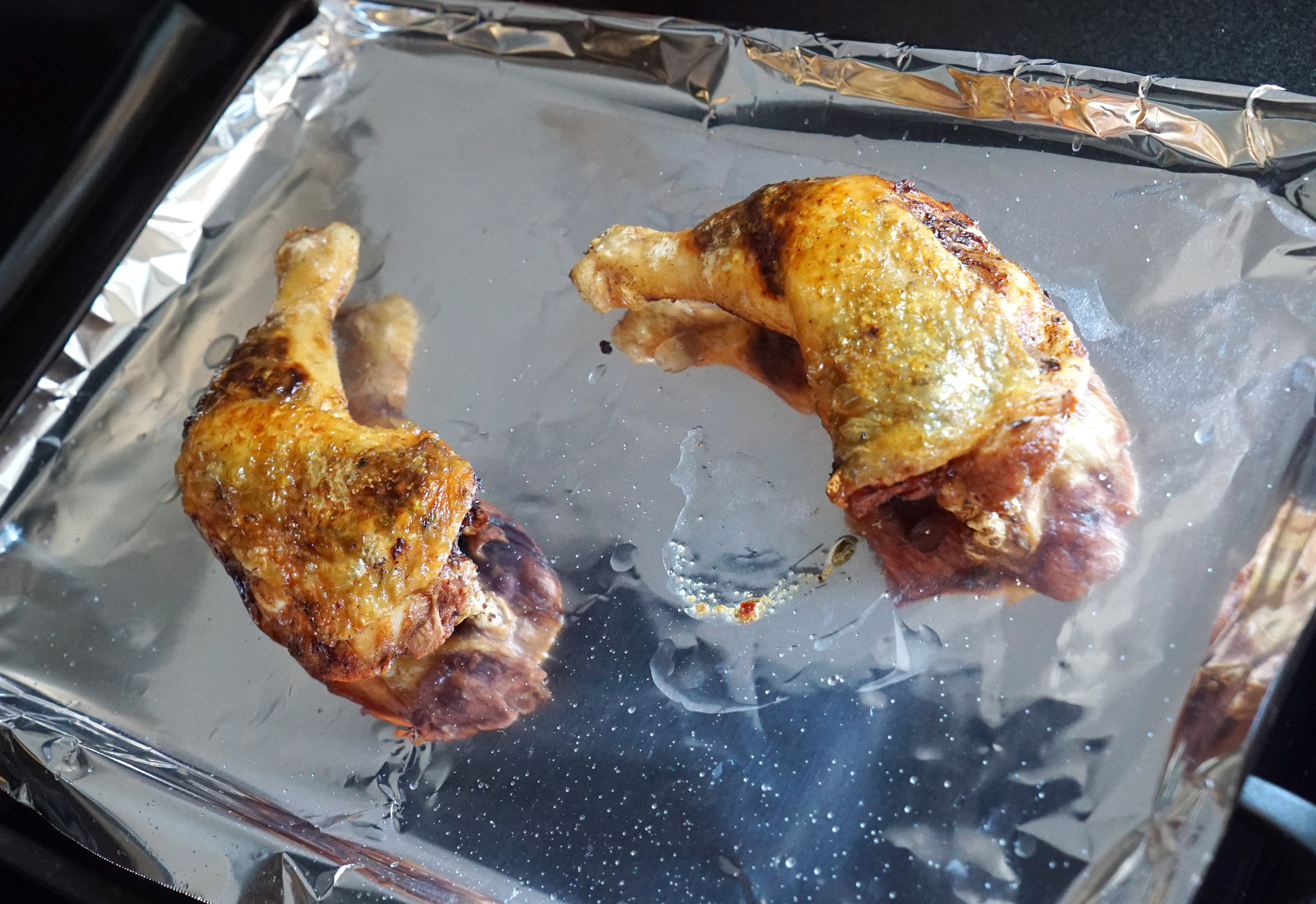
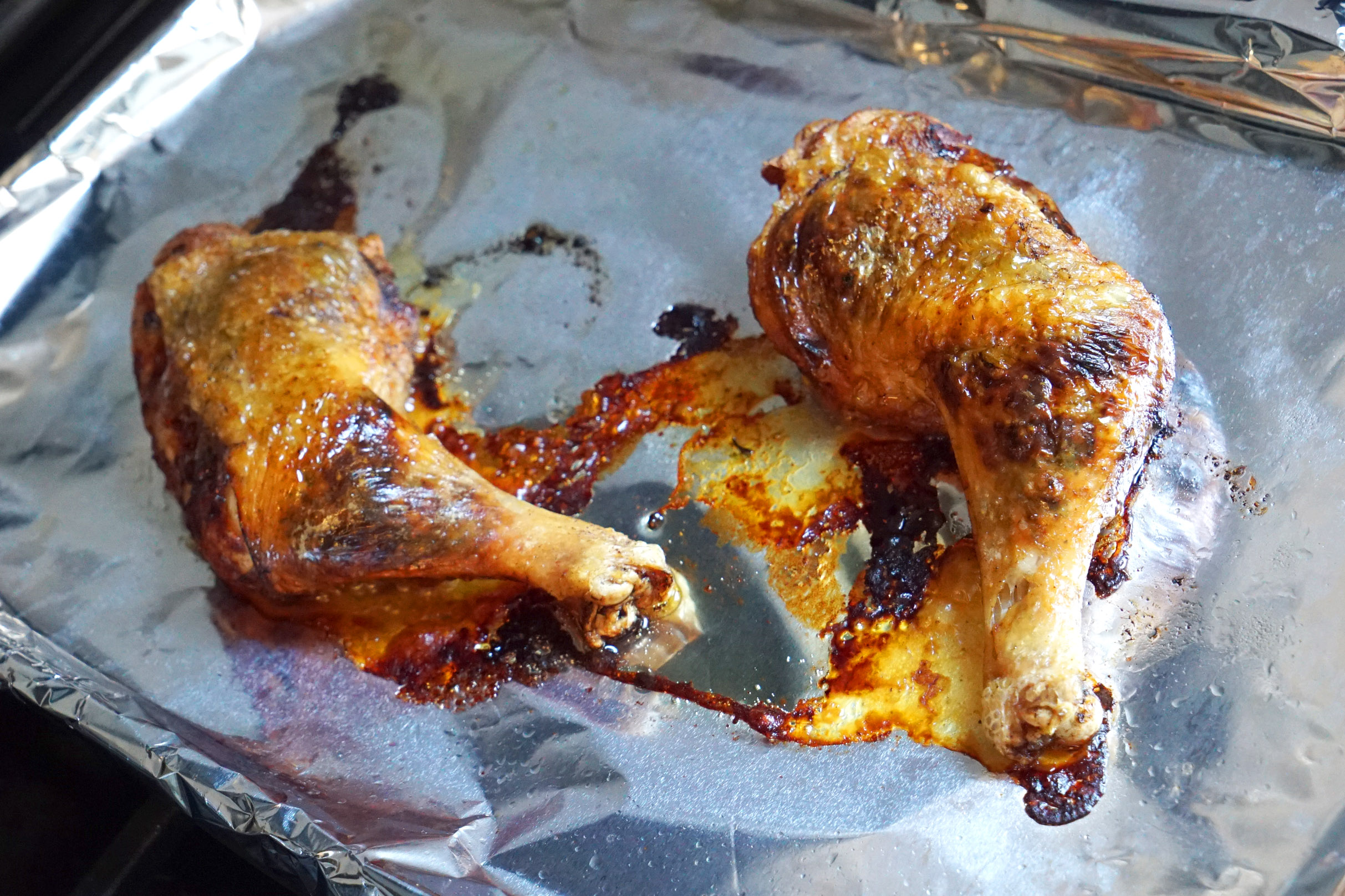
Remove the chicken from the frying pan once the other side gets nice and crispy brown, and place the legs onto a baking sheet. Pop that shit into the oven for another 20-30 minutes, top-side up.

DSC07081

STEP 6
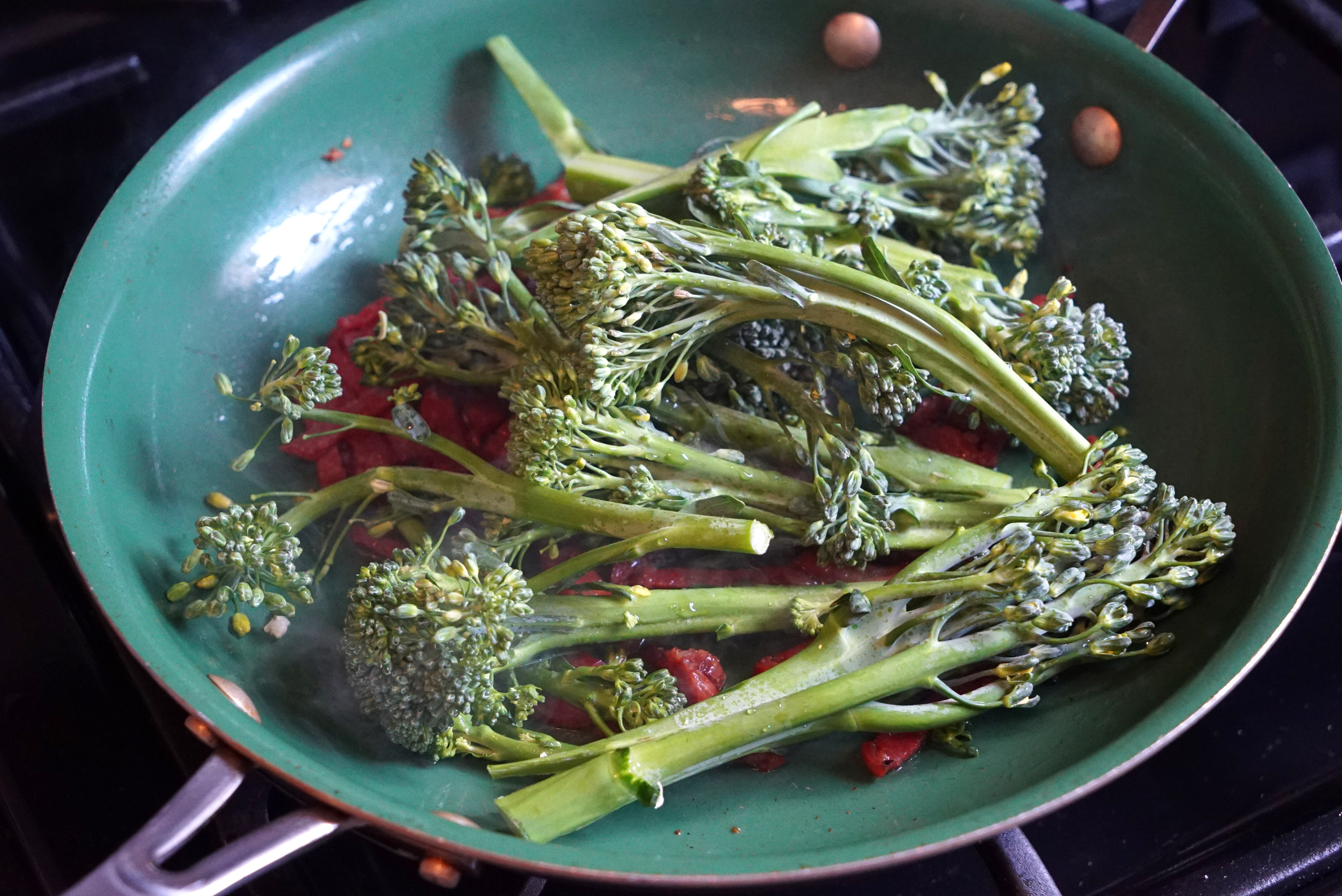
Clean your pan (or use a second one), and then begin to sautee your sausage/chorizo. When they start to release some grease, you can add your broccolini in there as well.

DSC07083

DSC07084

STEP 7
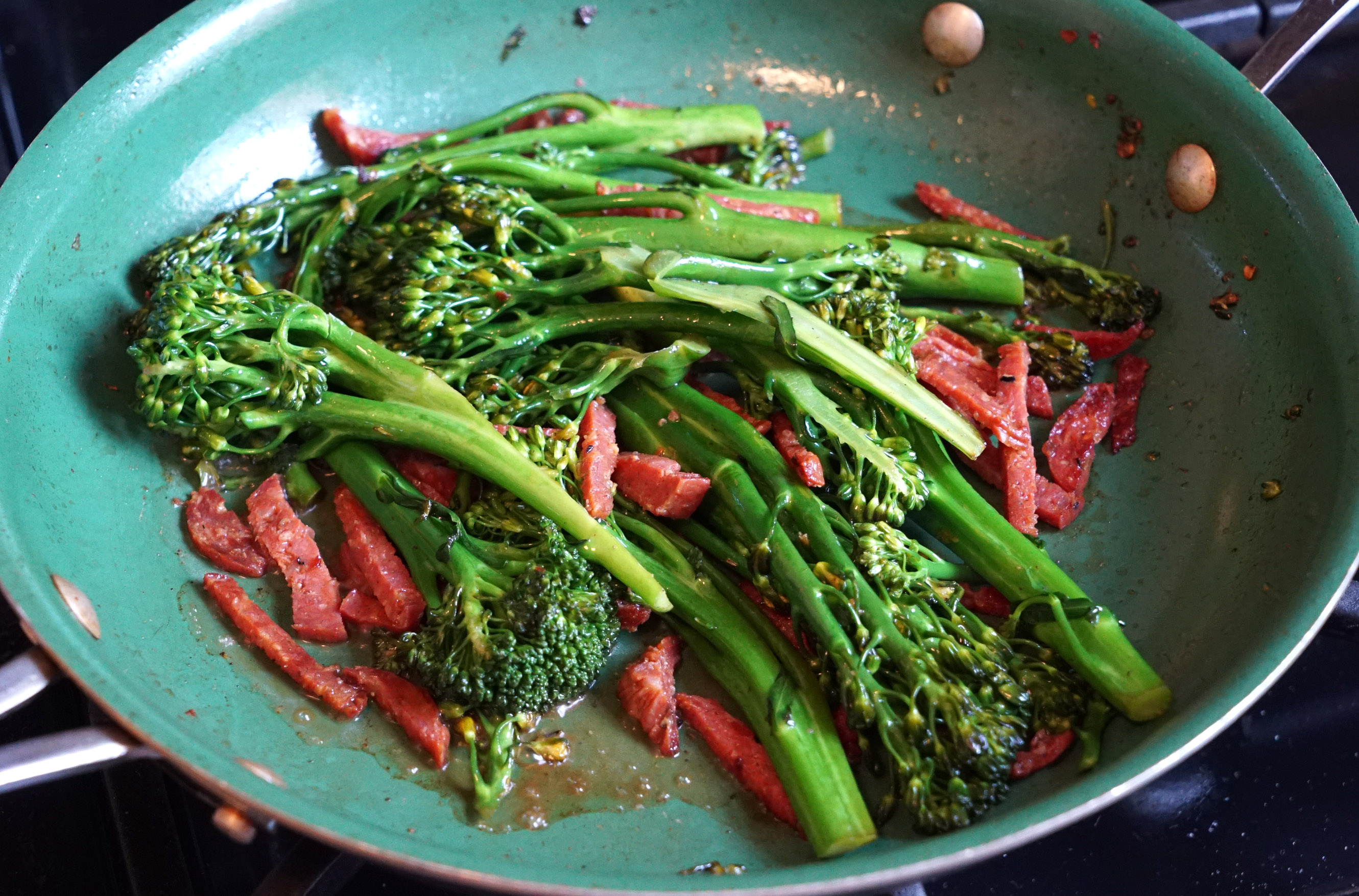
When the pan is nice and hot, and your broccolini is really cooking, I want you to hit the pan with a few ounces of water to deglaze the pan. Doing this releases all that nice brown sausagey goodness from the pan and puts that flavor directly into the broccolini.

DSC07085

Once the water is all evaporated from the pan again, your broccolini should be fully cooked and your chorizo should be slightly crisped and browned. Plate that shit.

DSC07090

STEP 8
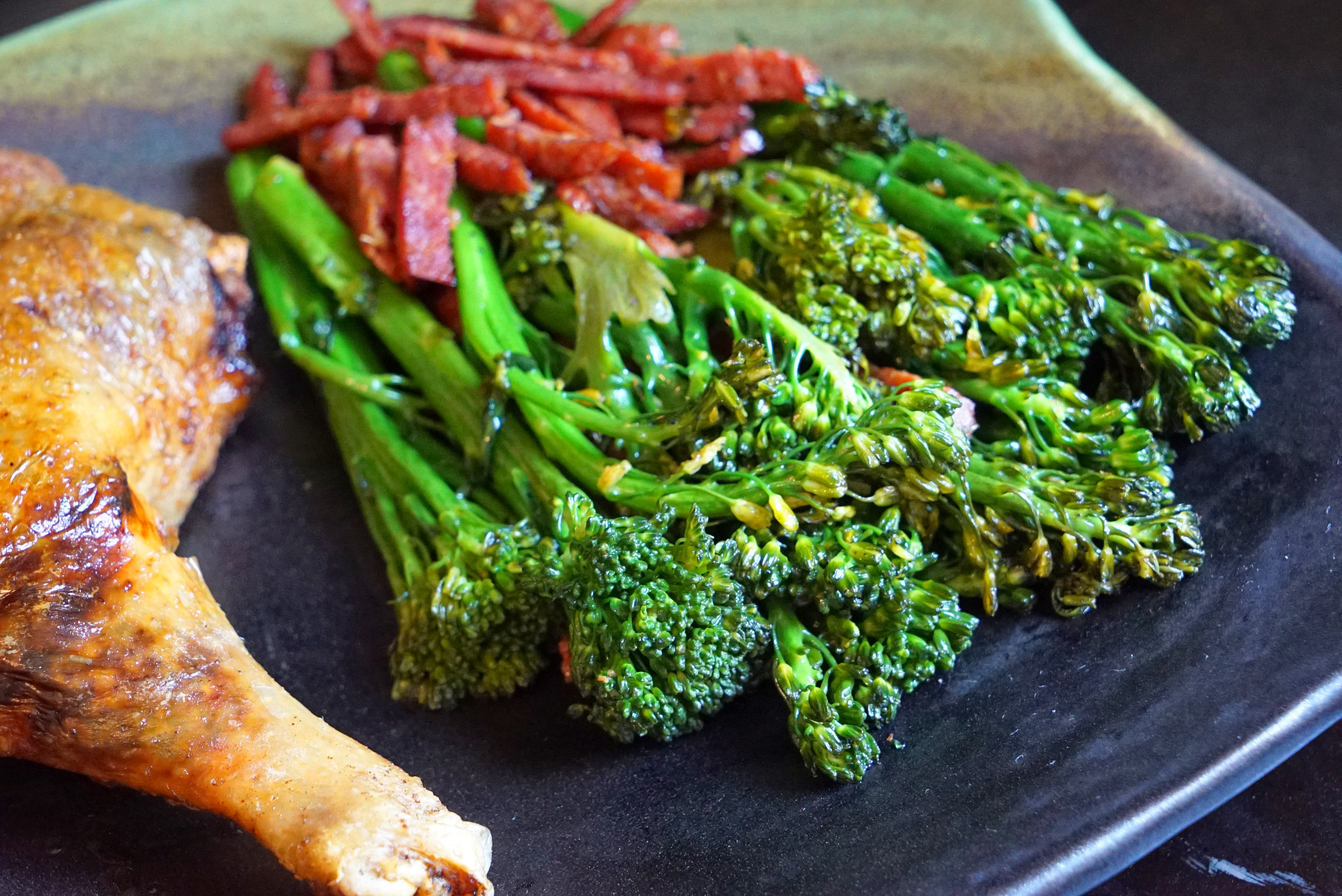
Remove your chicken from the oven and plate that shit alongside your broccolini.

DSC07086

DSC07091

That’s it. Super simple, and this will feed two people, unless you’re a fat fuck like me and can eat it all by yourself.

DSC07087

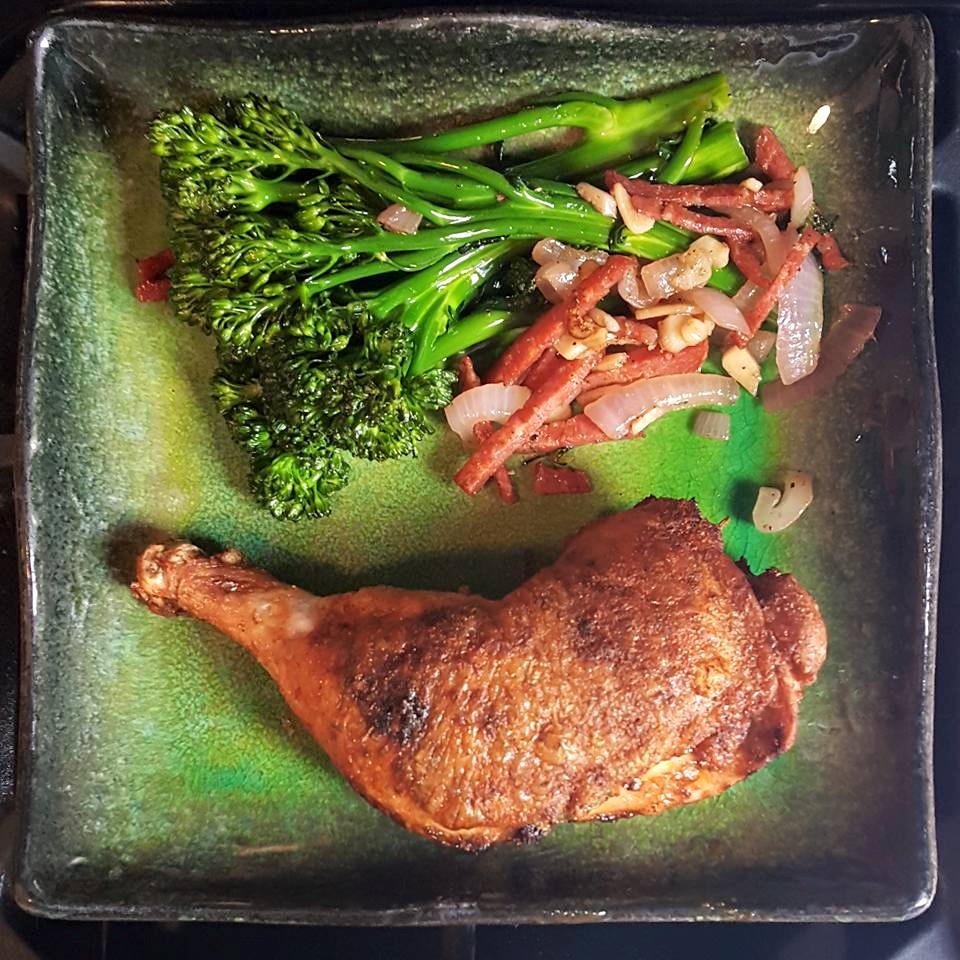
I also like to add sliced onion and fresh garlic into the broccolini sautee as well sometimes. When I did this recipe, I didn’t have that stuff handy, but here’s a shot of the finished plate from a previous night when I made the dish with onions and fresh garlic. As you can see, the skin actually came out a little nicer that time, due to better butter coverage and frying technique.

chicken leg and broccolini

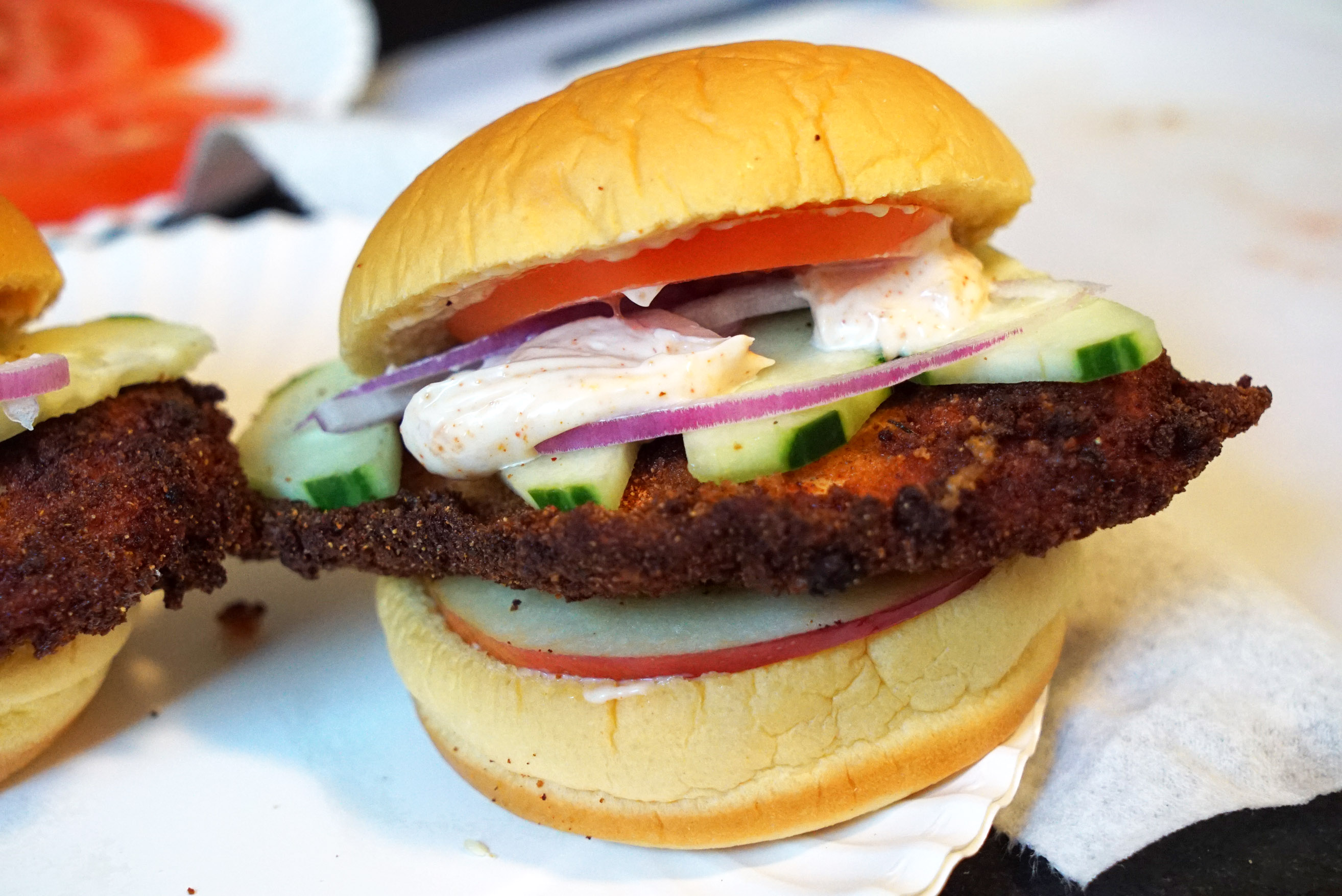
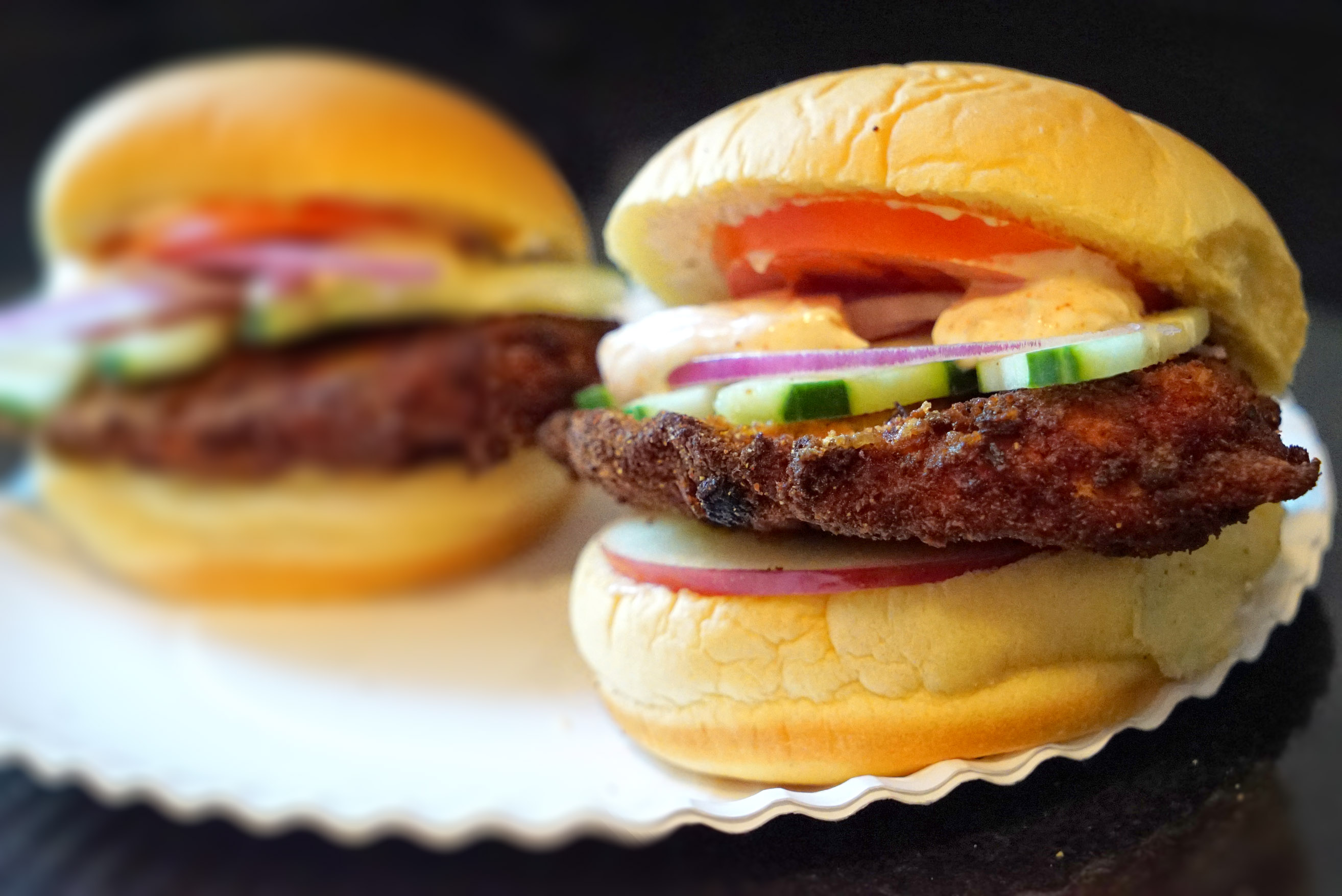
Satan’s Fried Chicken Sandwich

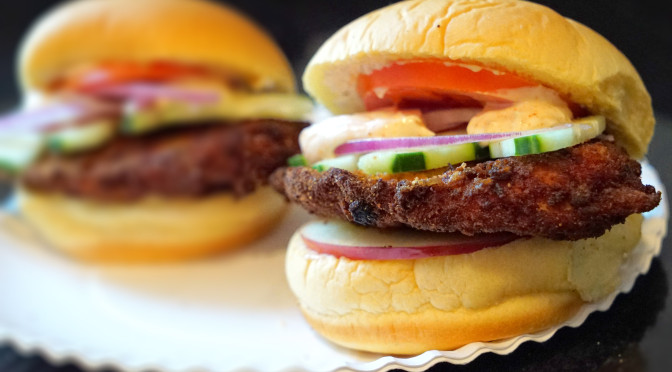
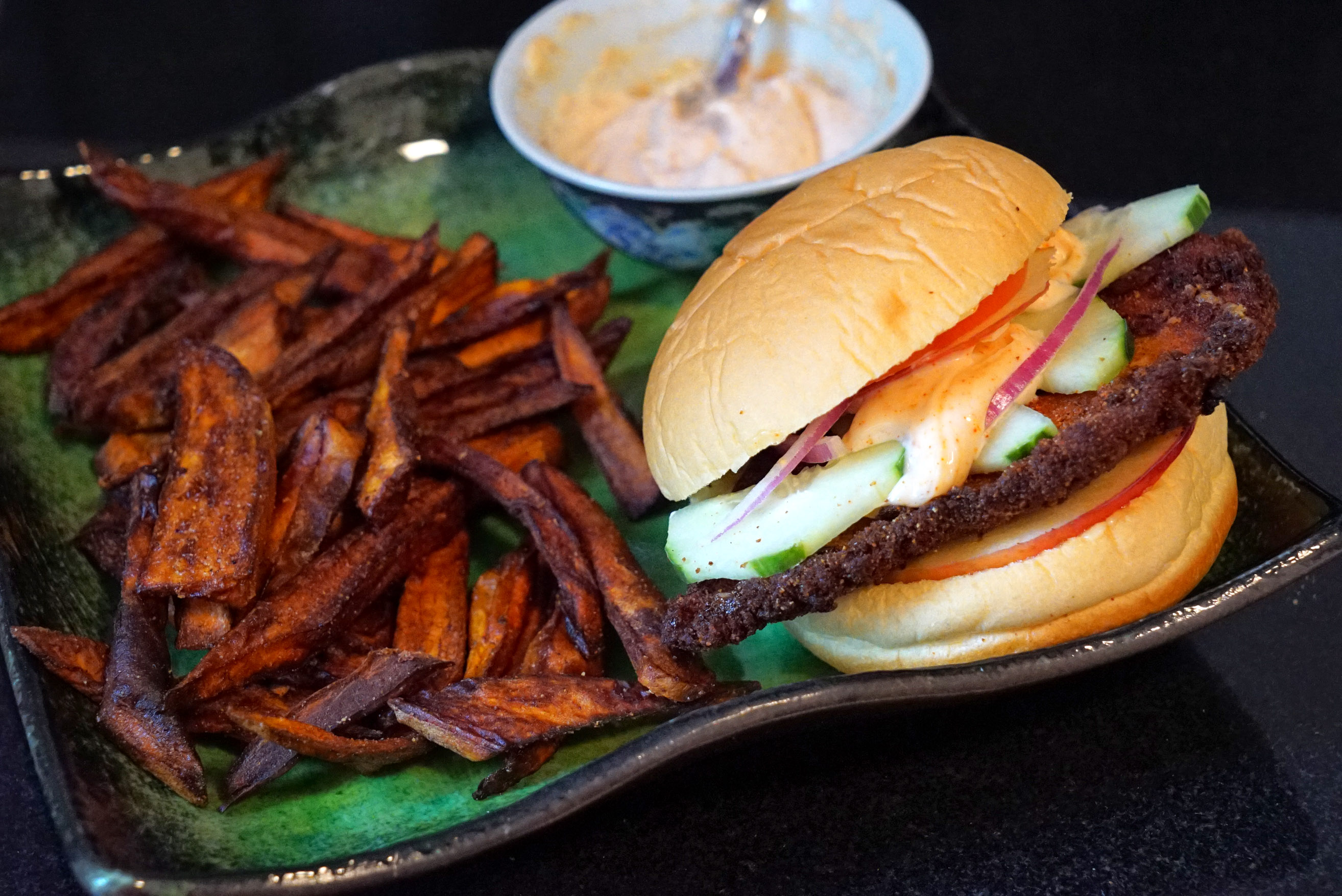
Satan’s Fried Chicken Sandwich is a recipe I concocted for usage of Saint Lucifer Spice during my review of their product. If you can’t get your hands on their delicious shit, then substitute for some other pepper like cayenne powder. But I highly recommend their habanero garlic blend. It just works better.

What do you need, and how do you do it?

1) Grab a pack of thinly sliced chicken breast from the grocery store.

2) Crack a few eggs into a bowl and mix/scramble.

3) Create a breading mixture using a combination of Italian breadcrumbs, panko and a teaspoon of Saint Lucifer Spice.

4) Drag your chicken filets through the egg dredge and batter them with the spicy breadcrumbs.

5) Fry your chicken to golden brown in hot oil.

6) Hit your still-hot chicken with some more Saint Lucifer spice to lock in the seasoning after they come out of the fryer/hot oil.

7) As the chicken cools, quickly prep some lettuce, tomato, onion and sliced apple. Maybe some cooling cucumber as well, if you feel like it. As an alternative, you can do this step before you start cooking, but then the apples may bruise up and oxidize – unless you know to hit them with some lime juice to prevent that brown bullshit from happening.

Note: This step is for adding additional crunch and a little sweet juiciness to cut the spice. If you happen to have coleslaw laying around, you could simply use that. And if buying an apple is too much work for your lazy fucking ass, you can also use the pickles that have been sitting in your fridge, floating around in murky water like a shit that never got flushed.

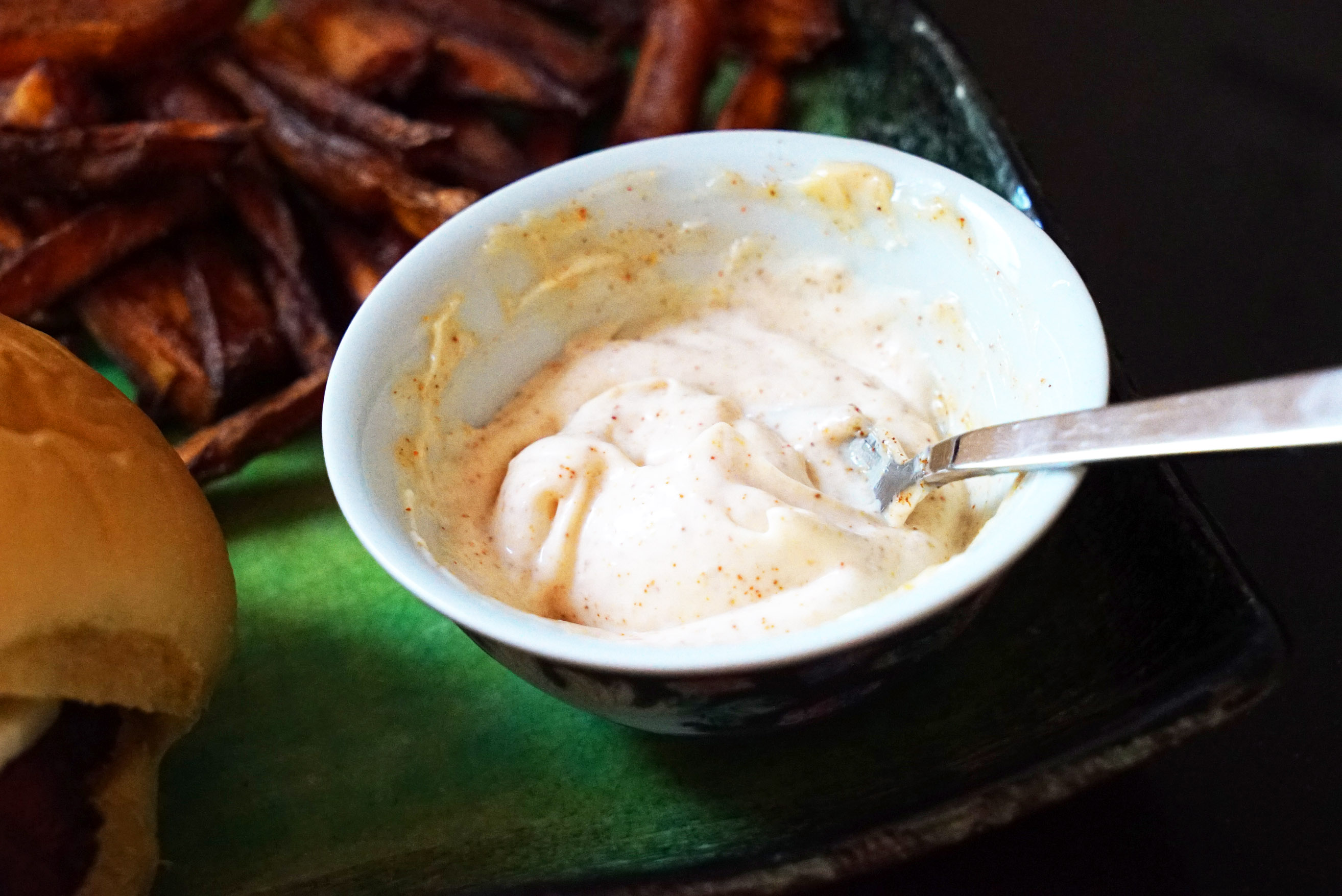
8) Mix a few shakes of Saint Lucifer spice into some mayonnaise.

DSC07024

9) Apply some of that spiced mayonnaise onto each half of a potato bun. A soft, sweet bun is key, like Martin’s or King’s Hawaiian.

10) Assemble sandwich and eat.

DSC07016

DSC07018

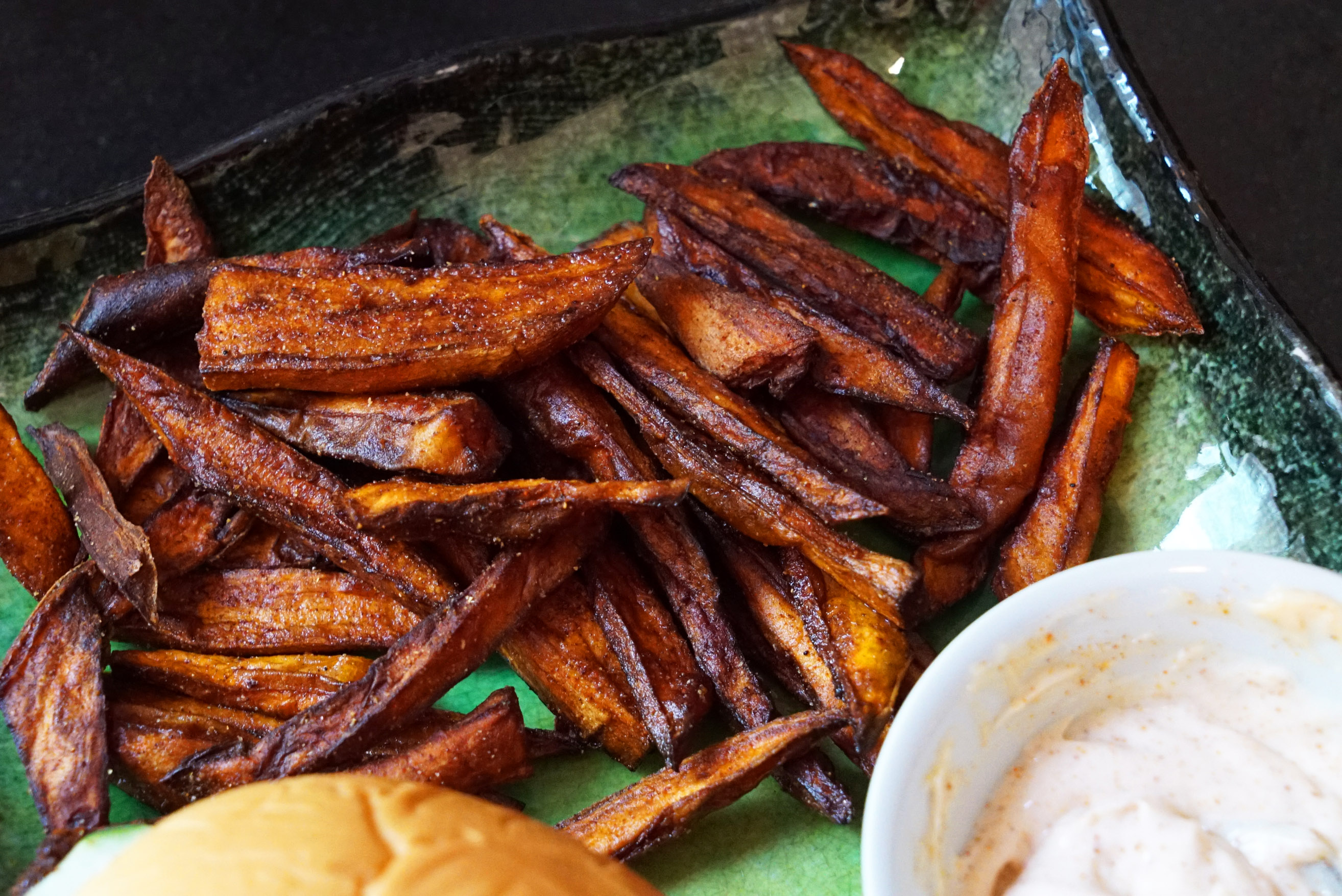
If you’re ambitions, you can make some “conundrum fries” to go with this sandwich on the side: sweet potato french fries spiced with a few shakes of Saint Lucifer, once they come out of the oil. Do it, and then eat them with the remainder of your spicy mayo mixture from above. Why? Because fuck ketchup, that’s why.

DSC07023

DSC07026