I came here with a gang of Instagram influencers to help get some pics for promotional purposes. I’m not really a bakery or sweets kind of guy, but this place was great! Check out some of their stuff below:
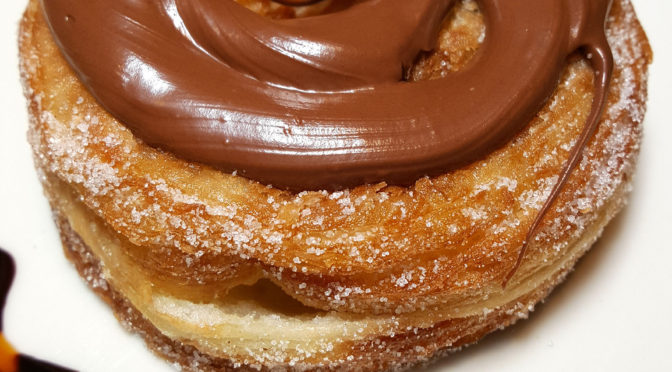
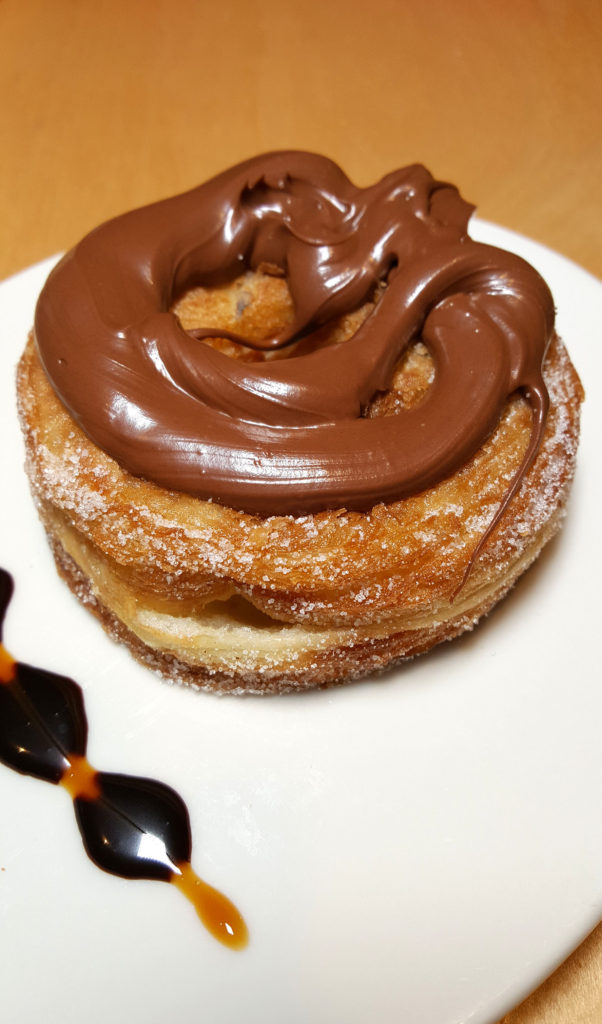
Chocolate frosted cronut:
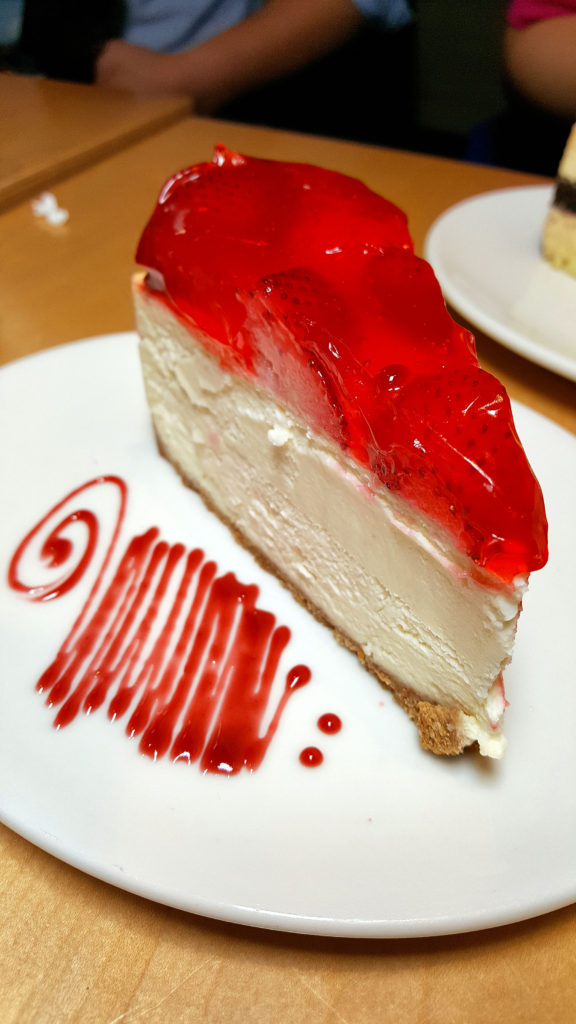
Strawberry cheesecake:
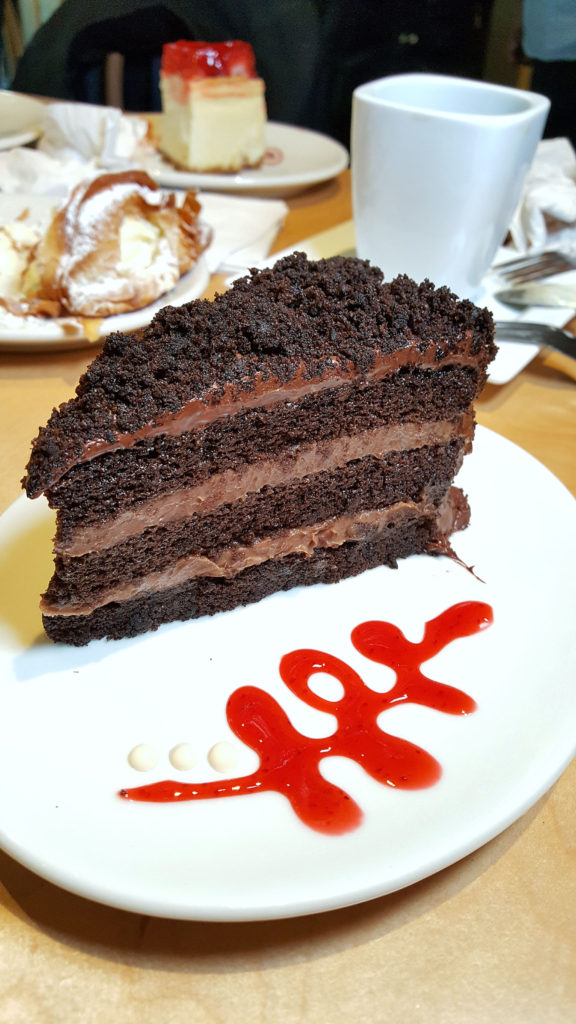
Blackout chocolate cake:
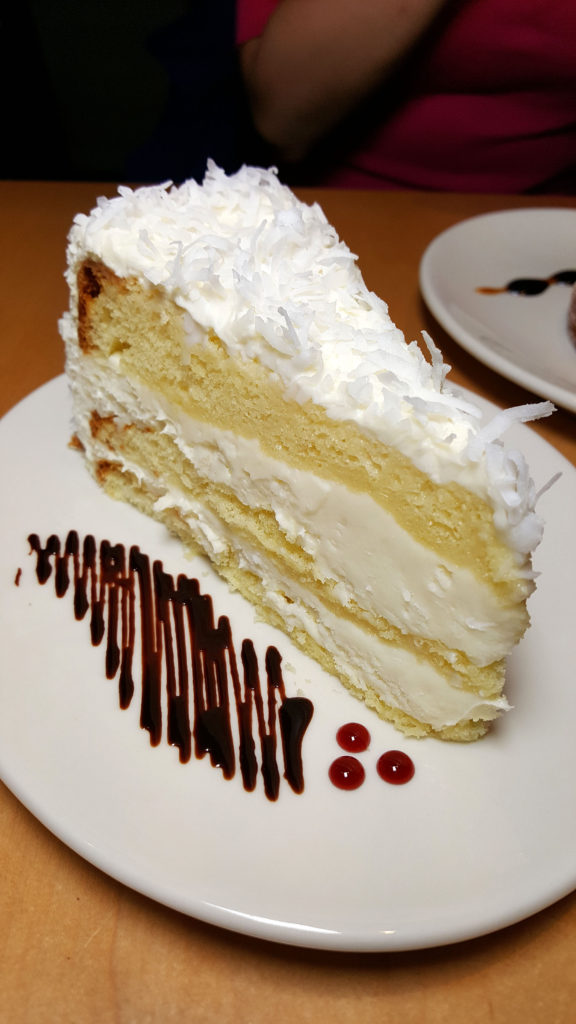
Coconut cream cake:
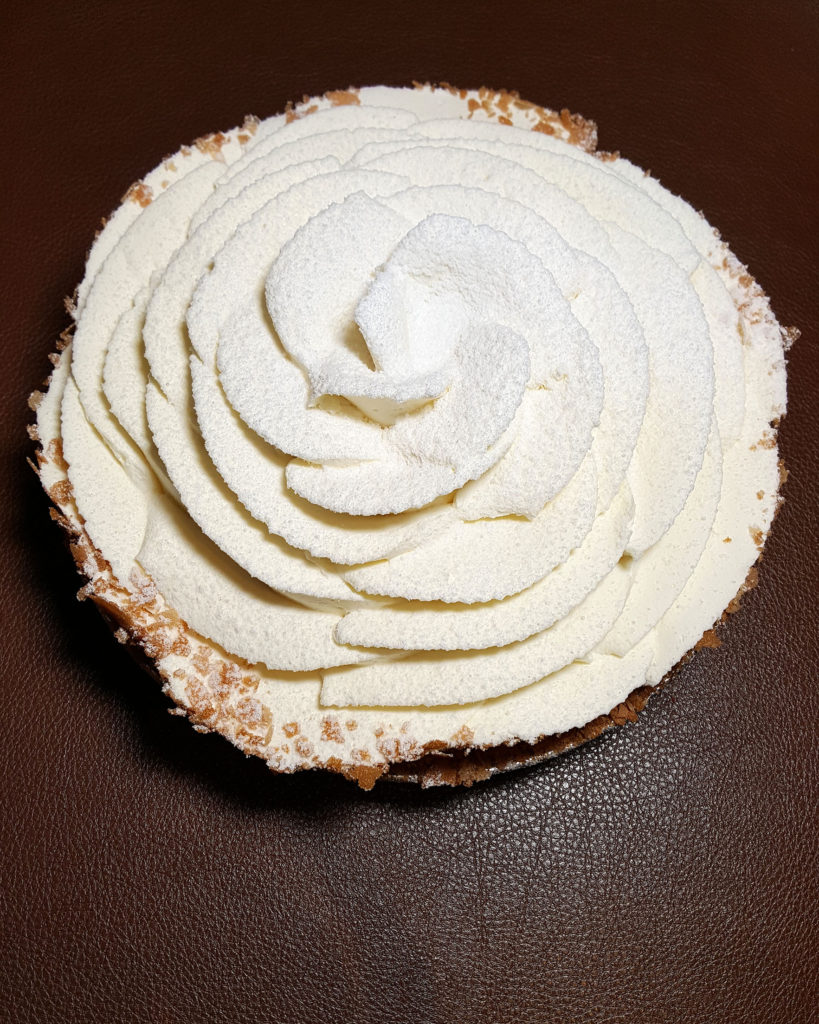
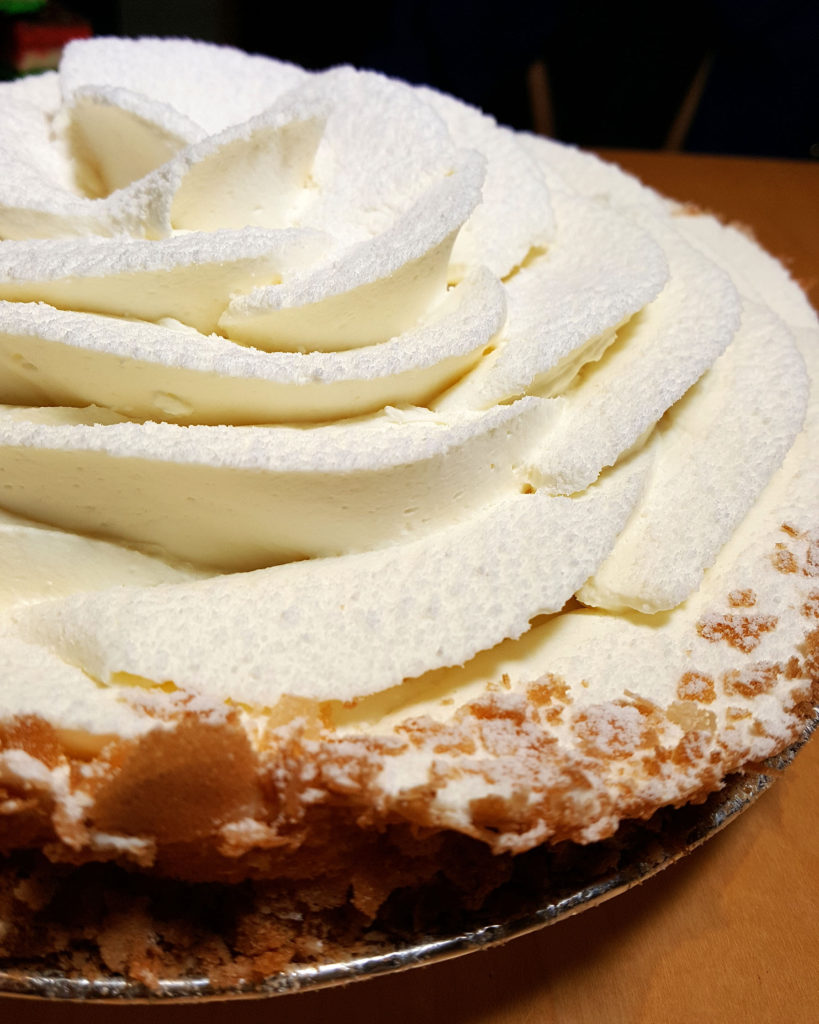
Banane cream pie:
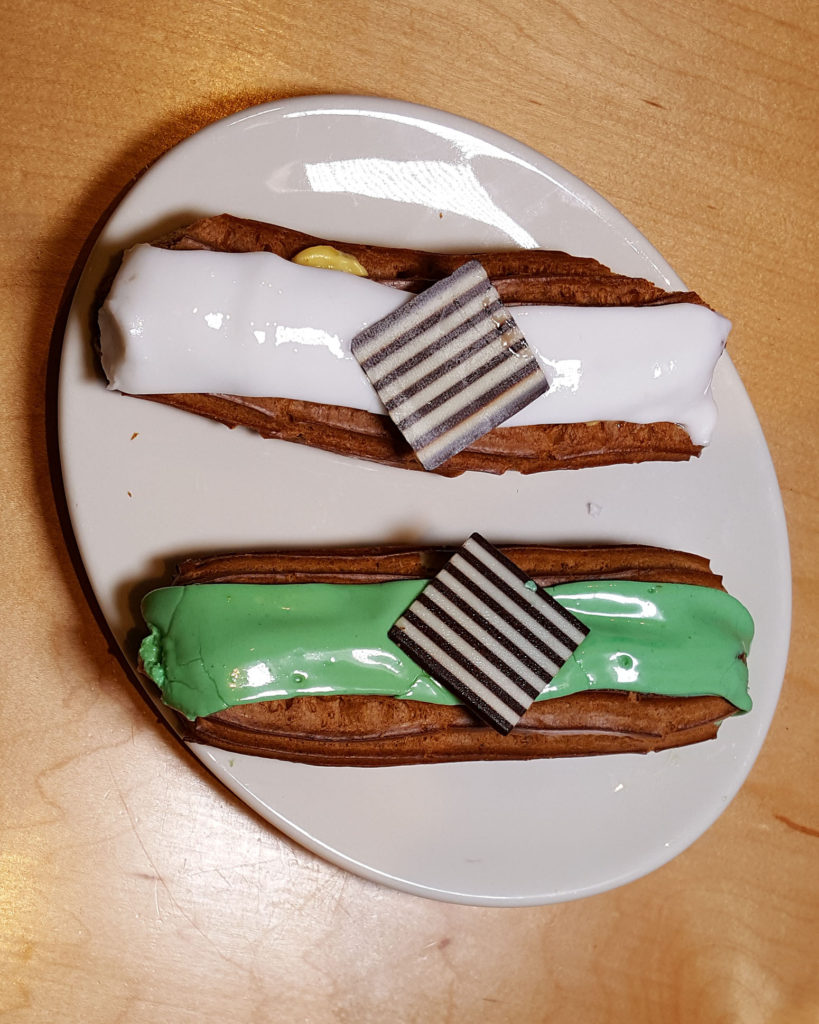
Eclairs:
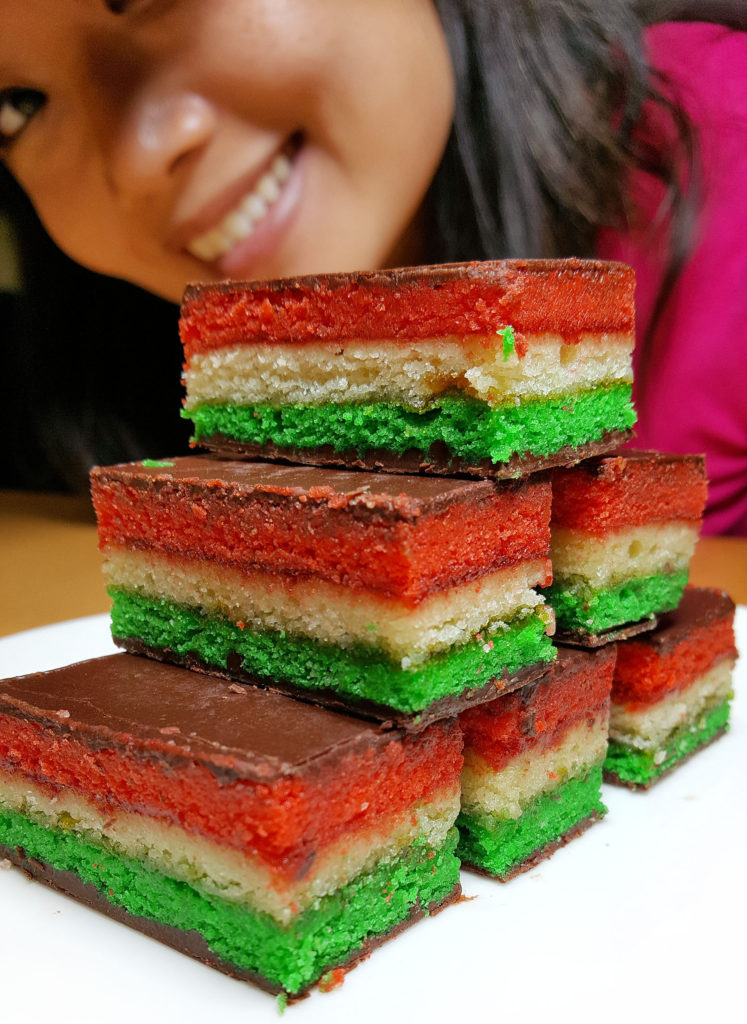
Rainbow cookies (and The Cake Dealer):
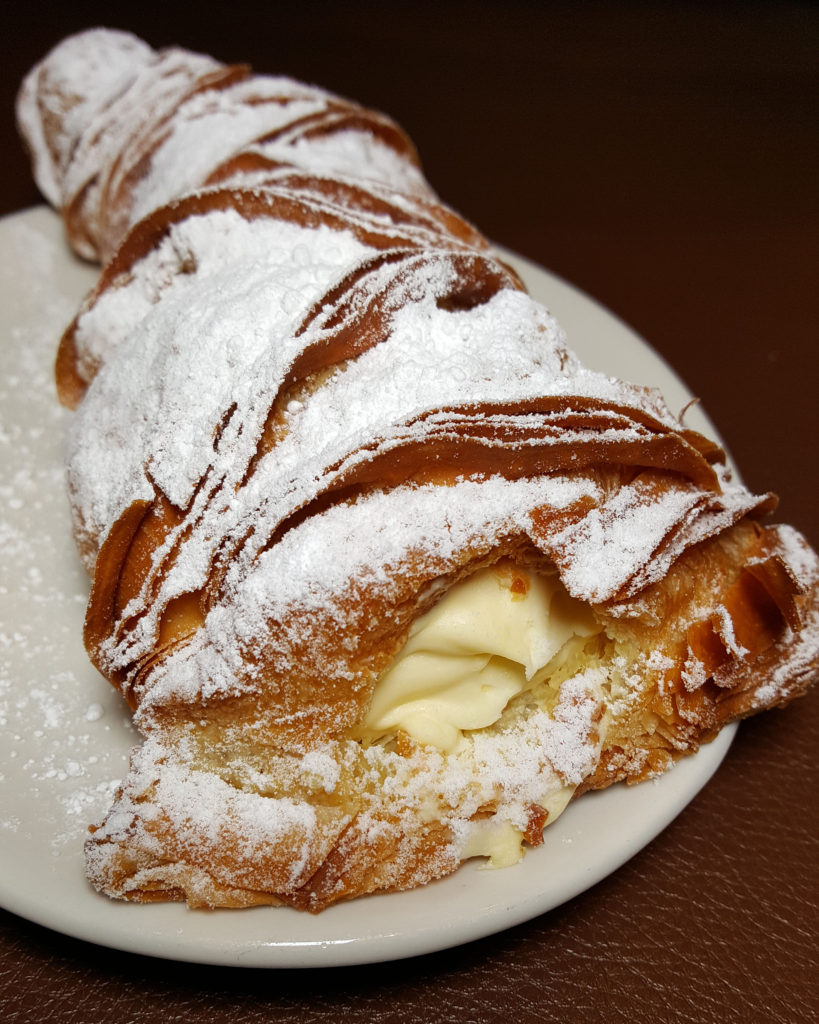
Lobster tail “Sfogliatella”:
And special cupcakes for Mother’s Day:
It was really tough to pick favorites. The pistachio eclair, the lobster tail, the cronut, the rainbow cookies, the tres leches (not pictured) and the creme brûlée cupcake (not pictured) were all incredibly good. If I had to pick just one, it would probably be the tres leches. It tasted like a wet Cinnamon Toast Crunch cake. That may not sound like much to you, but I swear it was awesome.
Alice’s Arbor is a true farm-to-table concept in Brooklyn by Dimitri Vlahakis (Motorino, La Gamelle, Esperanto). They use products sourced from 13 local purveyors, and fresh pastries and bread from sister restaurant La Gamelle.
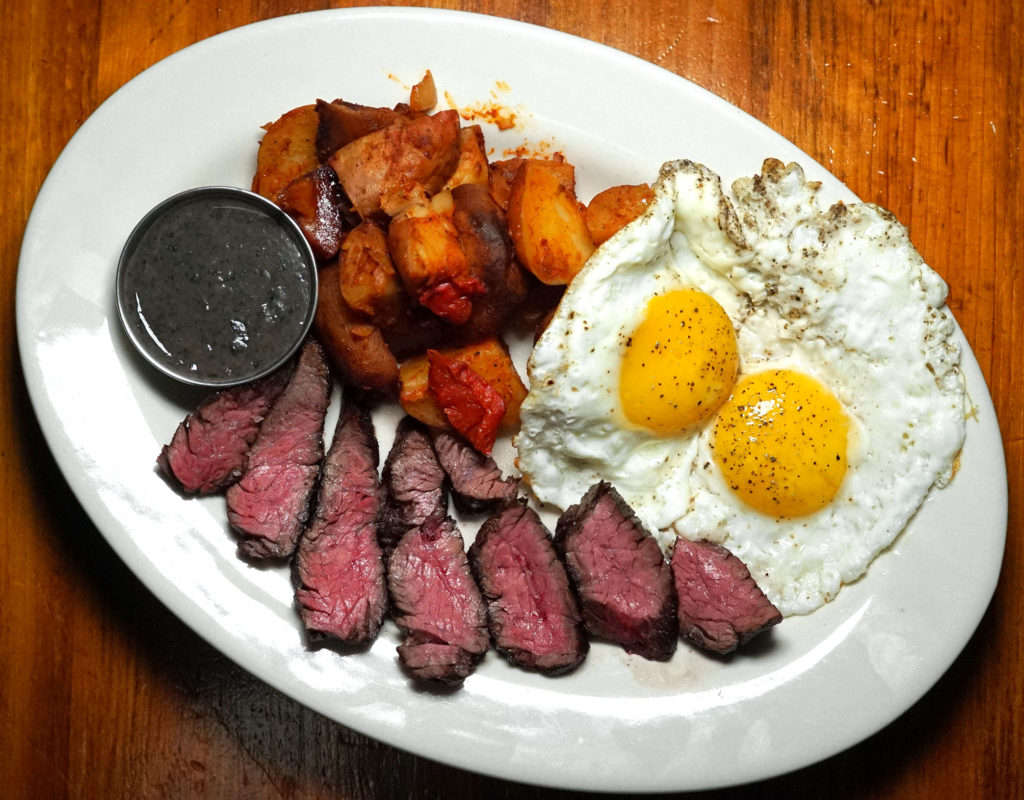
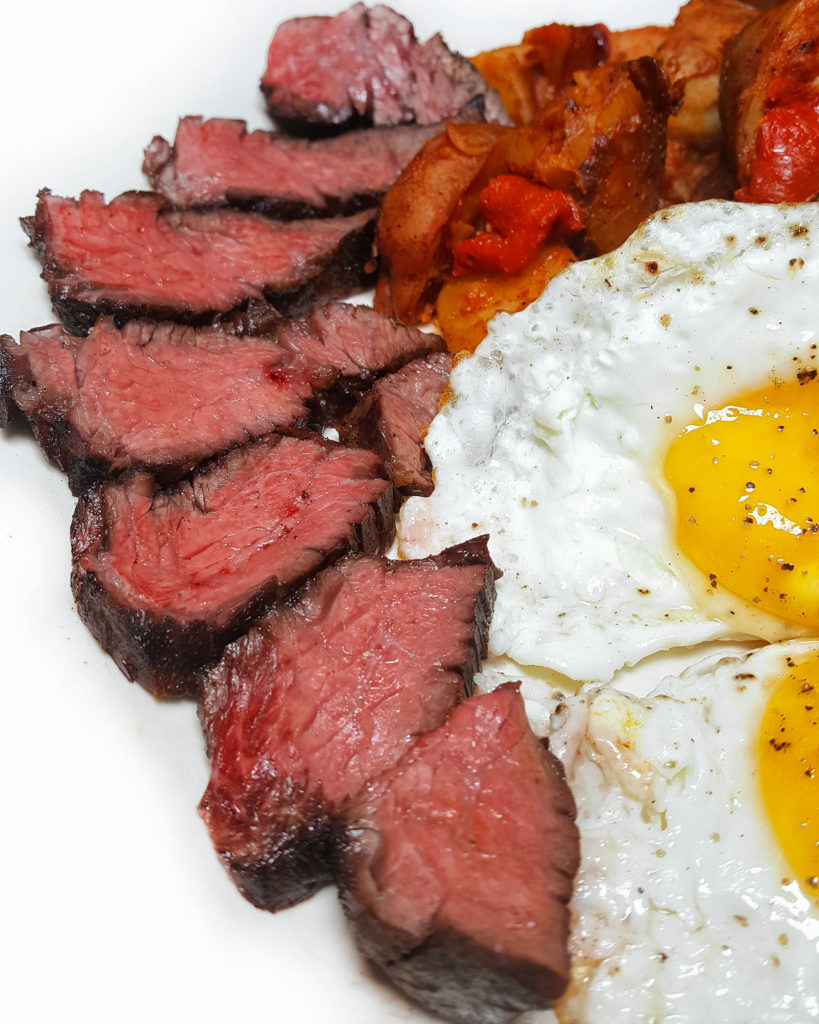
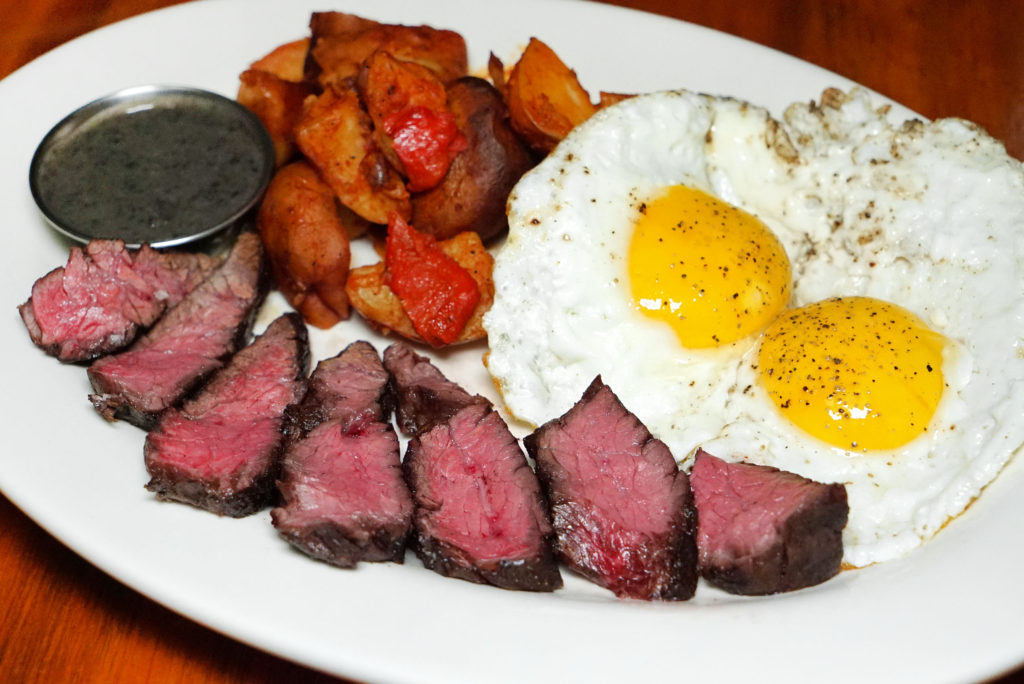
The menu features breakfast all day, like this hanger steak and eggs that I had for brunch:
That’s a great meal for just $15. The steak was a perfect medium rare with a nice crust on the outside. The black bean sauce was unique and delicious. 8/10. Eggs were exactly as ordered, and the paprika-spiced potatoes carried a nice comfortable heat.
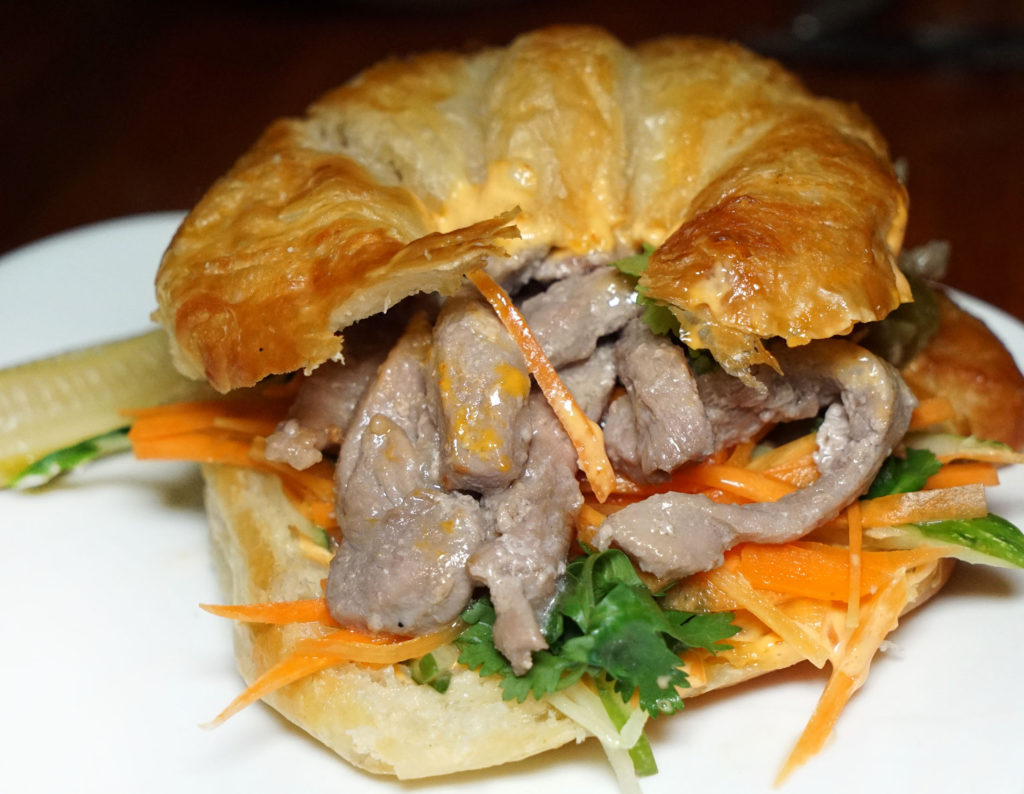
They also offer signature sandwiches like the Banh Mi Croissant (braised chicken or pork with daikon, carrot, cucumber and jalapeño). We went with pork:
This reminded me a lot of the Thai dish called larb as posed to a classic banh mi. It was savory, pungent and flavorful like larb, only in sandwich format. The croissant was an interesting choice for the sandwich. It ties back to the French colonial and Vietnamese roots of banh mi, but there’s just something about a classic baguette that holds up really well to the juiciness of these kinds of sandwiches. The flavors were great, but I ended up using my fork and knife to take this baby down. That said, I’d still eat this again for sure.
There’s also an exceptional selection of dinner entrees from the wood-burning oven, like Sullivan County Farms Trout filet over green beans and roasted fingerling potatoes in a lemon brown butter sauce, topped with almonds and capers.
Other favorites include the unique, customizable Mac & Cheese with spiral pasta, cheddar and goat cheese bechamel topped with toasted breadcrumbs (with optional add-ins of pulled pork, truffle oil or jalapeños); or the popular brunch items like crab hash with poached egg, lemon Hollandaise and greens.
Daily happy hour specials from 4p.m.-7p.m. include $5 for draft beer, $6 draft wine, $2 off well drinks and $1 oysters. Awesome deal!
The interior evokes cabin-esque ski lodge decor, perhaps from the northwest: An upcycled vintage vibe with aged brick walls, repurposed wood paneling and driftwood branch light fixtures. Very cool.
I definitely recommend hitting this joint.
ALICE’S ARBOR
549 Classon Avenue
Brooklyn, NY 11216
This will serve as sort of a double whammy review, since I used some nice products while cooking up these amazing steaks from New York Prime Beef.
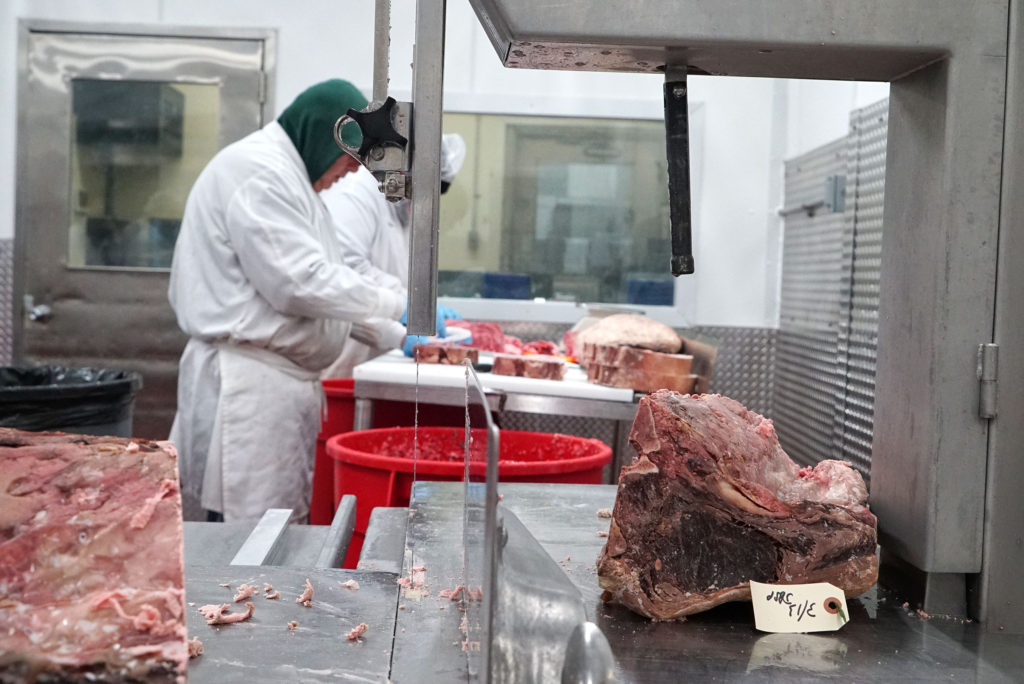
New York Prime Beef is a high end middle meats (ribs and loins) brand that operates out of Hunt’s Point in the Bronx. I was invited in to meet the owner and employees, get a sense of the business, and try out some of their amazing products.
New York Prime Beef sells top notch prime, American wagyu and kobe beef steaks. They ship fresh overnight to anywhere in the US – never frozen unless the customer asks for it.
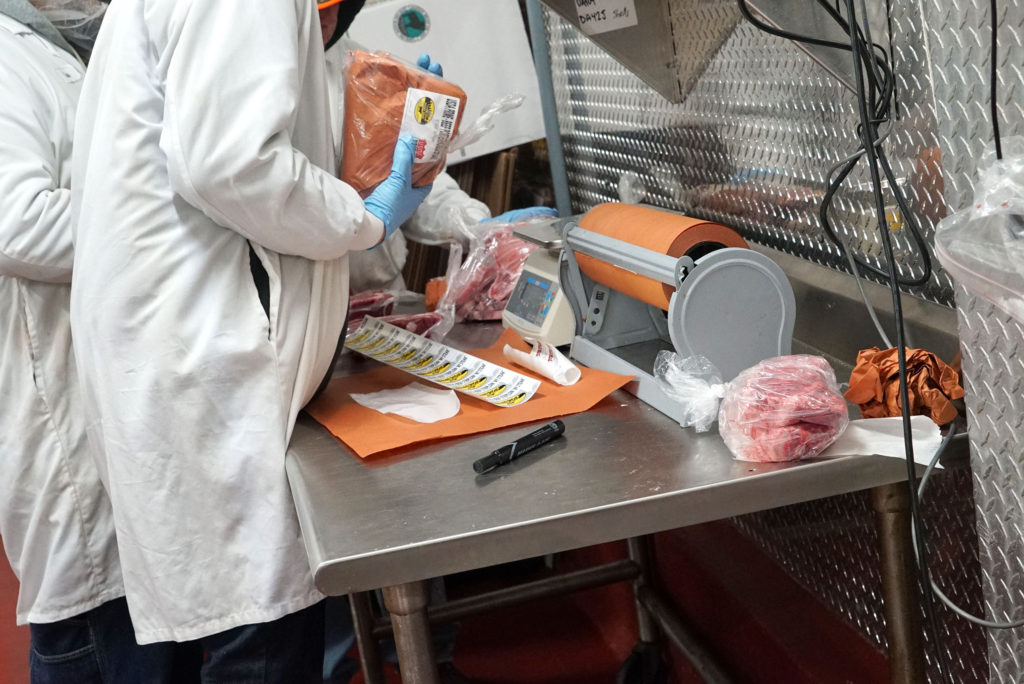
Each cut is beautifully packed in shrink wrap and butcher paper – even signed/initialed by the butcher who does the cutting.
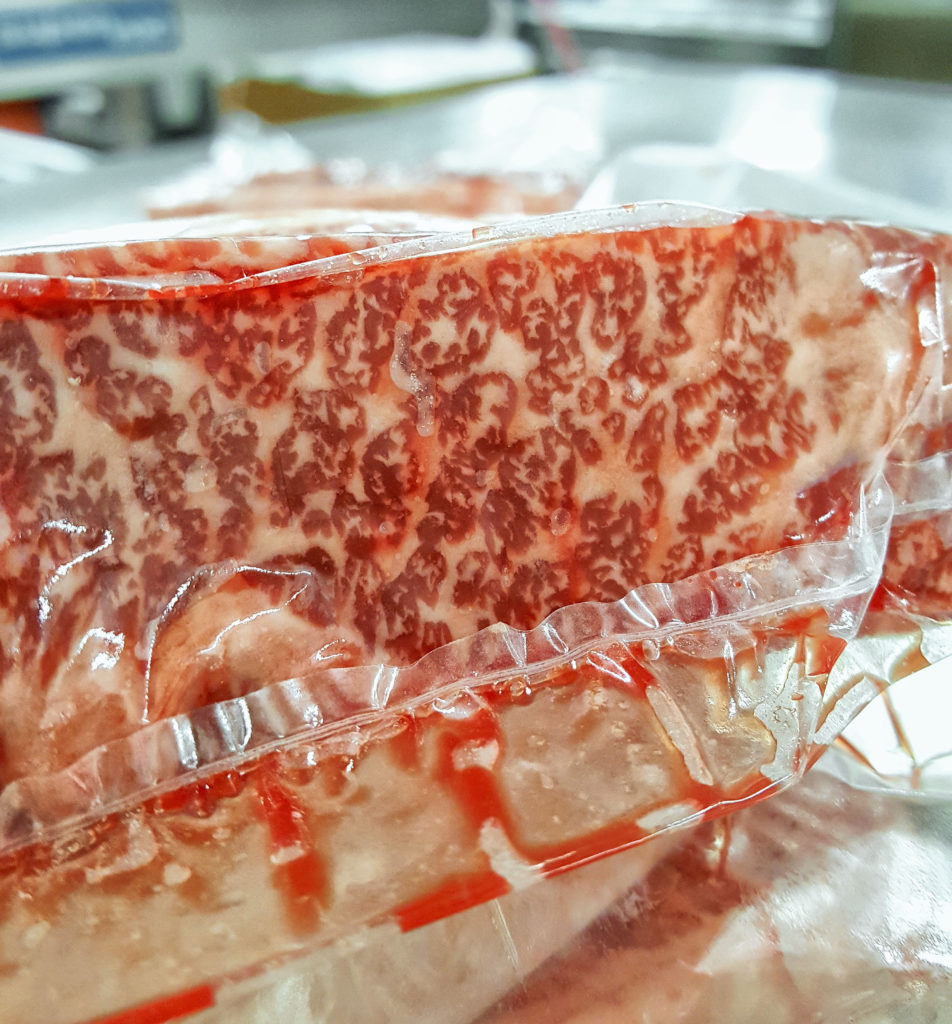
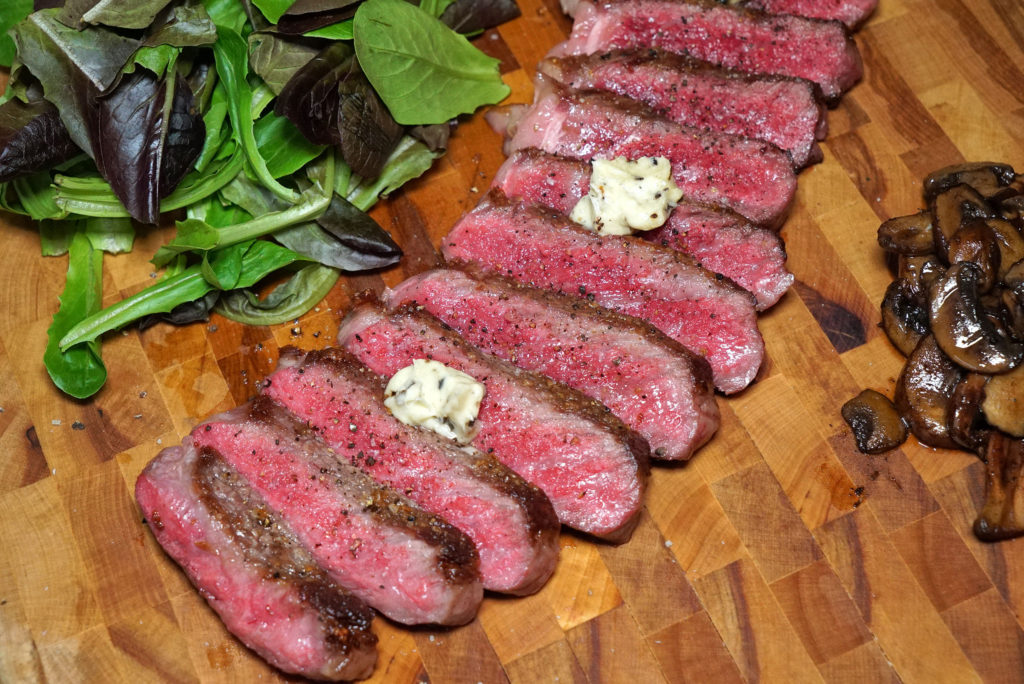
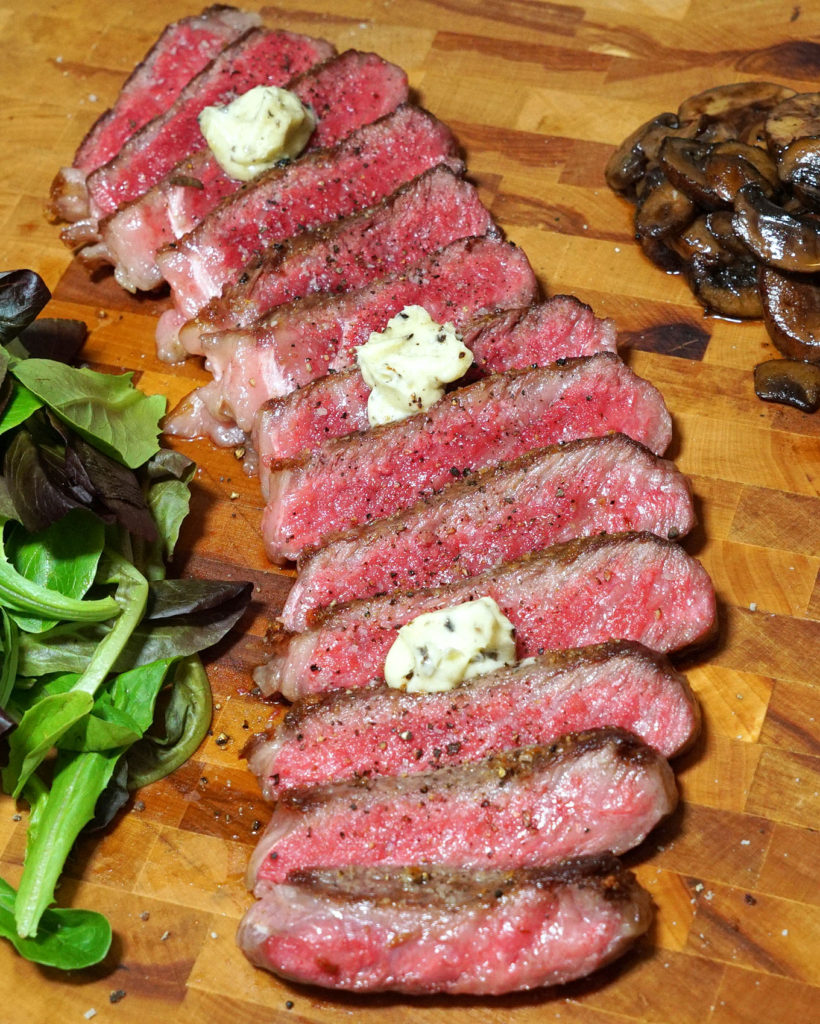
Now let me tell you; I’ve had some really great steak in my day, as you can imagine. But the American wagyu strip that I took home and cooked was fucking flawless. Seriously one of the best steaks I’ve ever had, and I made it myself!
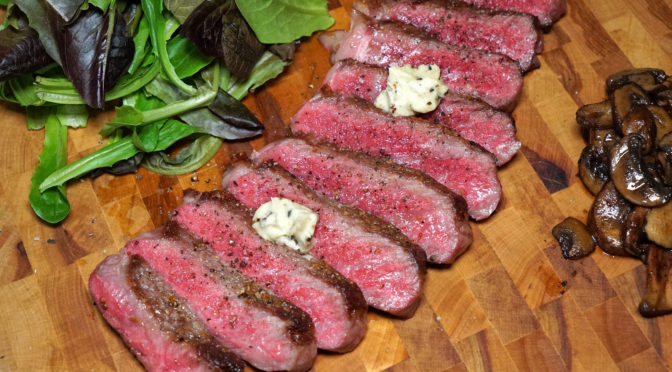
Look at the freaking marbling on this. Even the marbling has marbling.
It was a really simple cooking process. You can’t fuck it up. Season first with some salt. Heat up a little bit of oil in a cast iron pan until it’s screaming hot. Pop the steak on there for two and a half minutes per side.
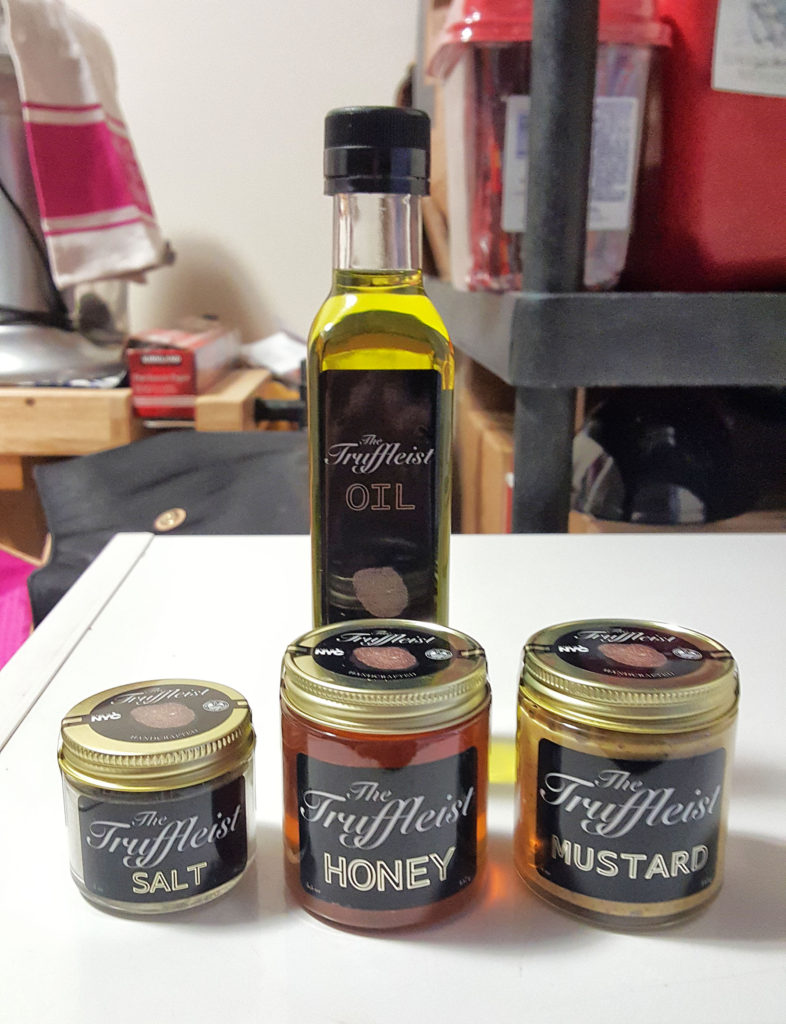
But I actually used some truffle oil, truffle salt and truffle butter that I got from The Truffleist to boost up the decadence even more.
Take a look at the video:
The finished product was absolutely stunning. To be honest, this beef doesn’t need anything except for salt, but this truffle wagyu meal was fucking TITTY BAGS. I want to eat like this every day!
The texture is melt-in-your-mouth. You can cut this shit with a fork. The flavor has a buttery quality to it that sets it apart from standard beef or even prime, dry-aged beef. This stuff is like the foie gras of beef!
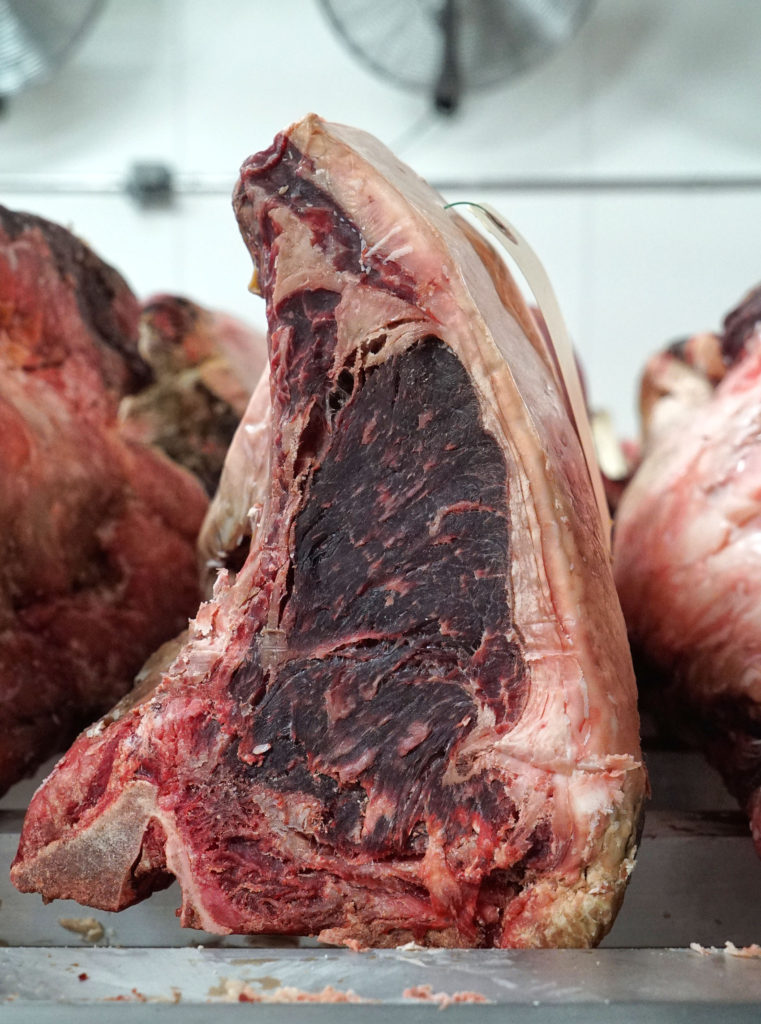
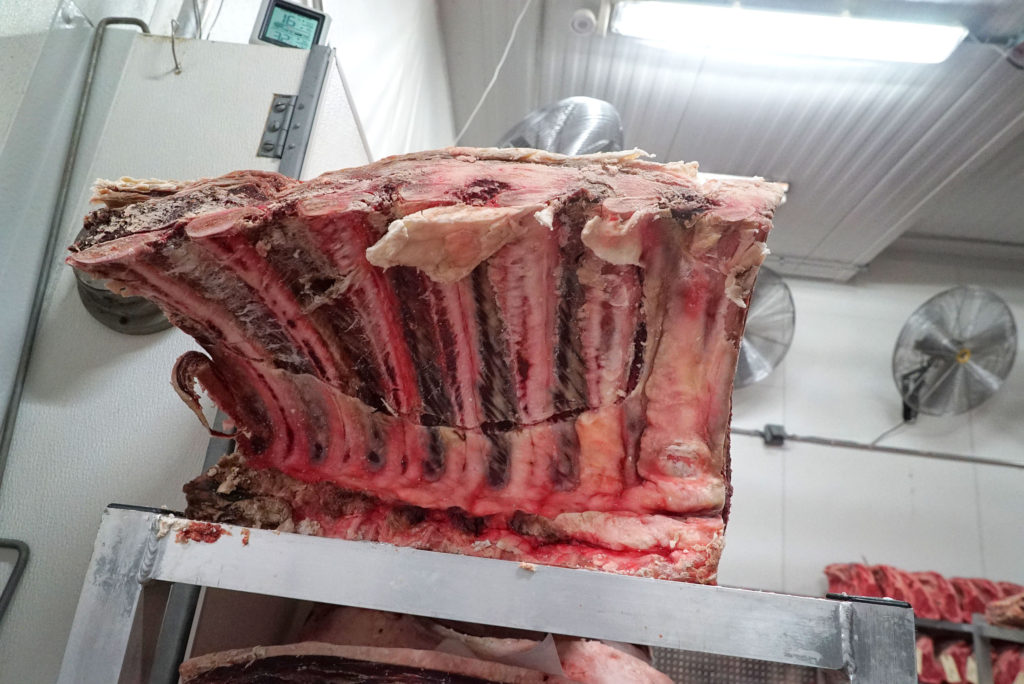
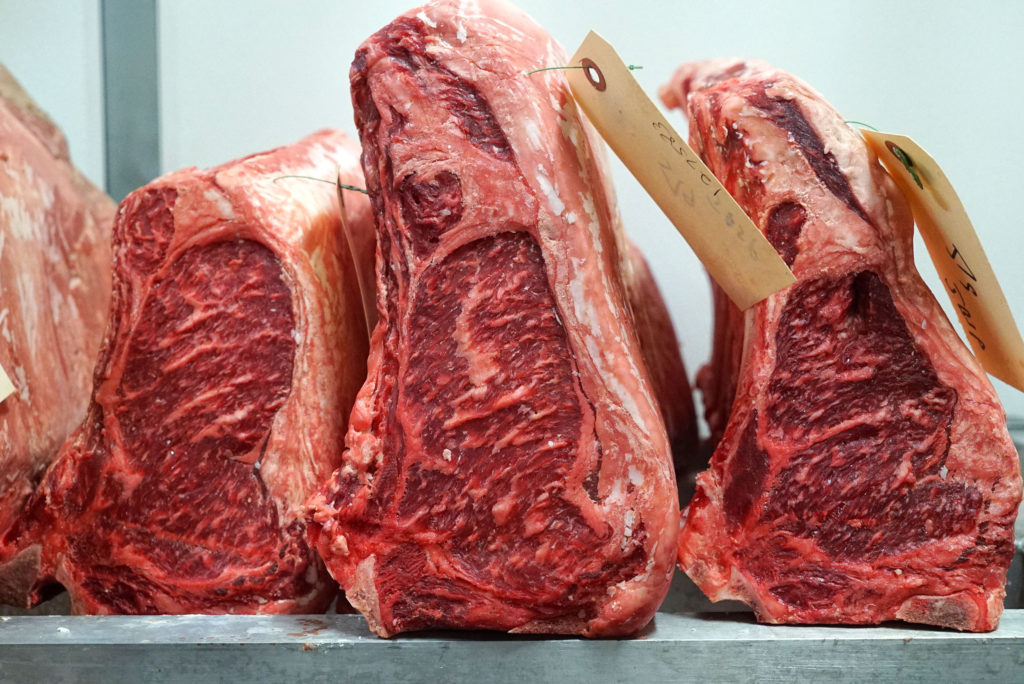
And that’s not to knock the other cuts they offer. Wagyu or Kobe isn’t in everyone’s budget. I also tried a prime porterhouse, and a prime dry-aged rib eye. The minimum these guys will age a cut of beef is 28-days. When I was at the facility, I saw some that had been aging for 60 days.
But anyway, let me get back to what I made at home. These babies were cut nice and thick, so I wanted to make sure I got a proper cook temp all the way through.
Sous Vide machines are all the rage these days. Everyone is buying them up because they allow you to cook meat perfectly every time. No more worrying about fucking up an expensive cut of beef!
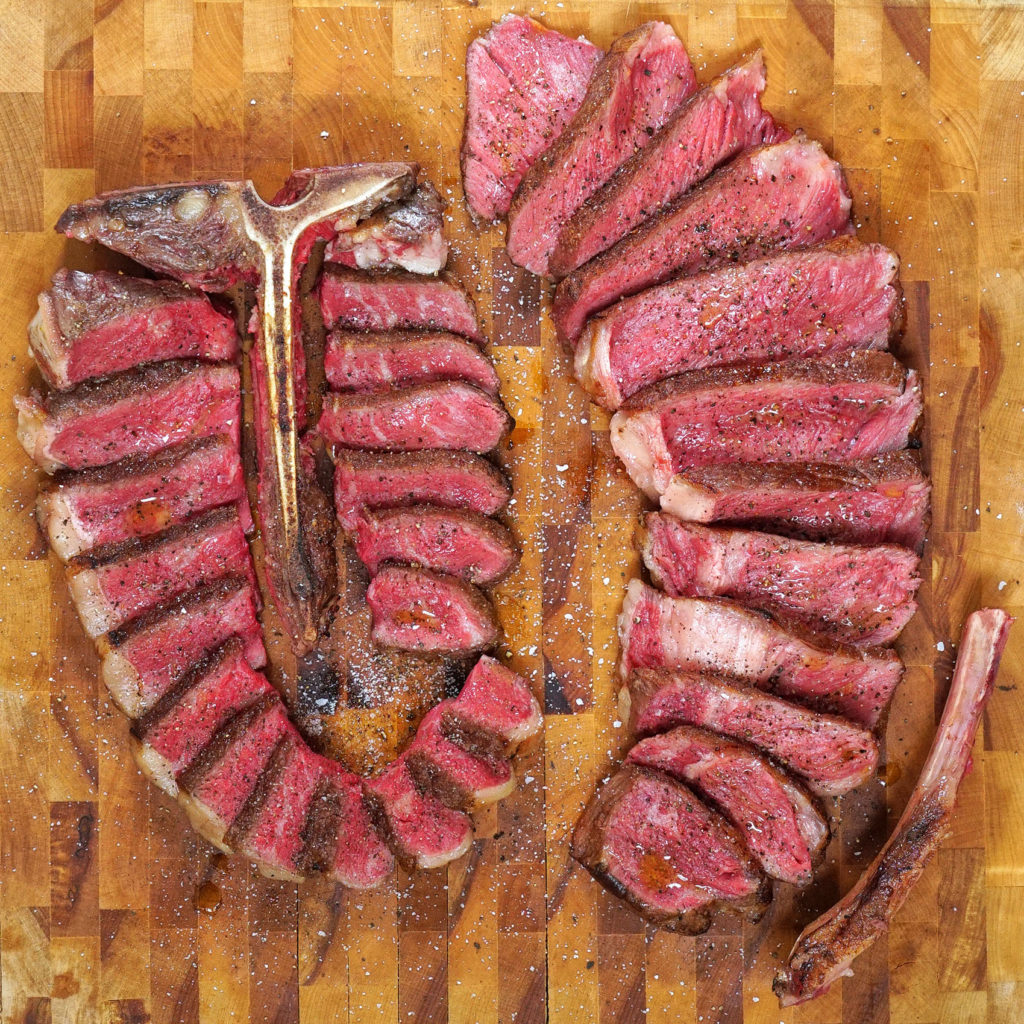
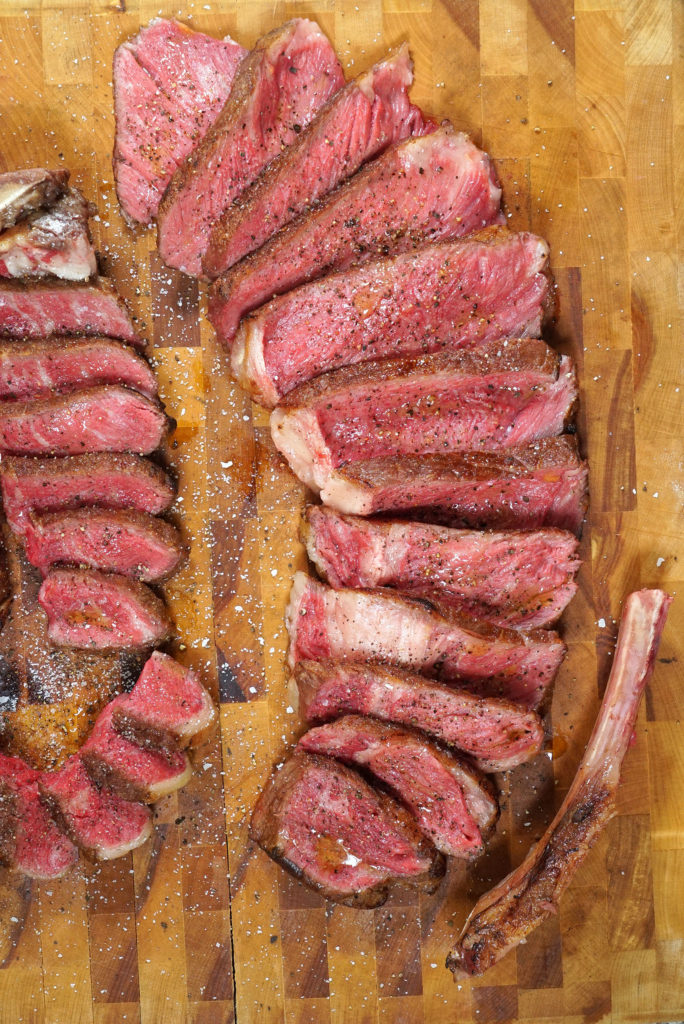
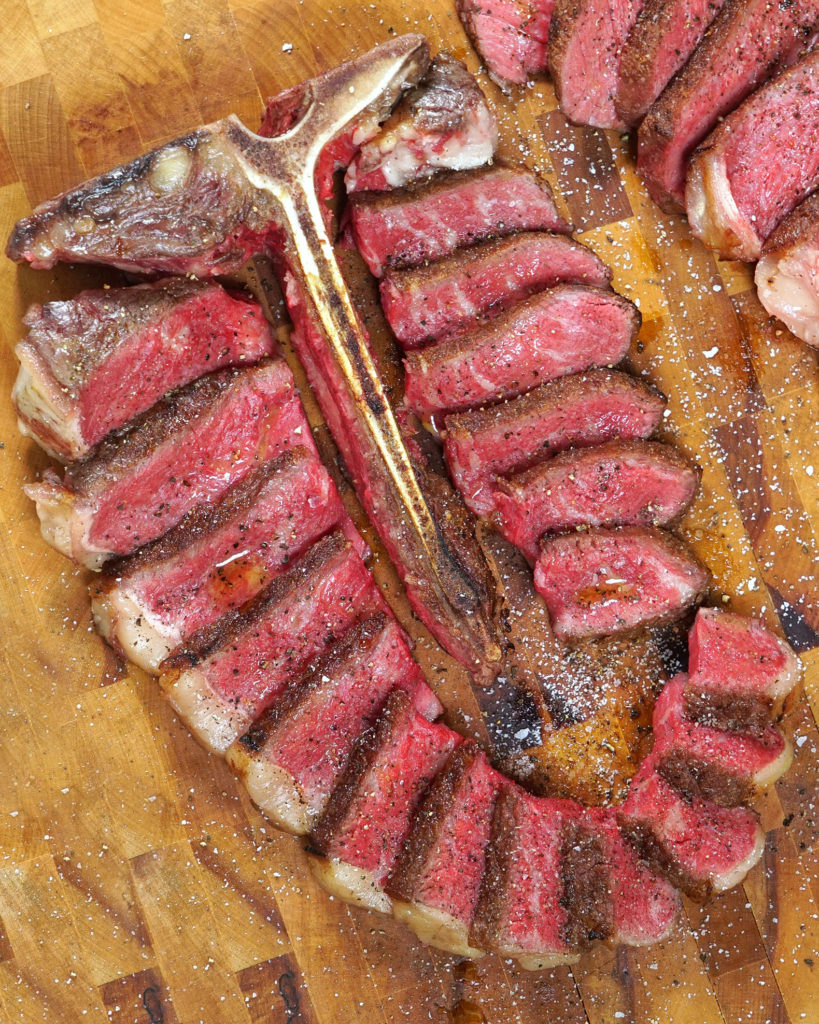
I set mine to 128 degrees and let the fucker crank for about six hours. Then I pulled the meat out of the machine and let them rest and reabsorb some juices in the bag. Once they were about rom temperature plus, I removed them from the bag, patted them dry with a paper towel, and blasted them with a blowtorch. See below:
As you can see, I seasoned AFTER slicing and plating. This allowed me to get a better sense of the actual beef flavor for reviewing purposes.
The meat is fantastic. There’s a nice mild funk from the dry aging process on the rib eye. It doesn’t clobber you, which is good. The beef was tender and juicy, and really responded nicely to basic seasoning like salt, pepper and olive oil.
I think I liked the porterhouse a bit better. The tenderness of both the strip and filet sides was incredible.
I highly recommend this stuff. Order some today and let them know that Johnny Prime sent you. You’ll probably have the meat in time for dinner grilling on Sunday.
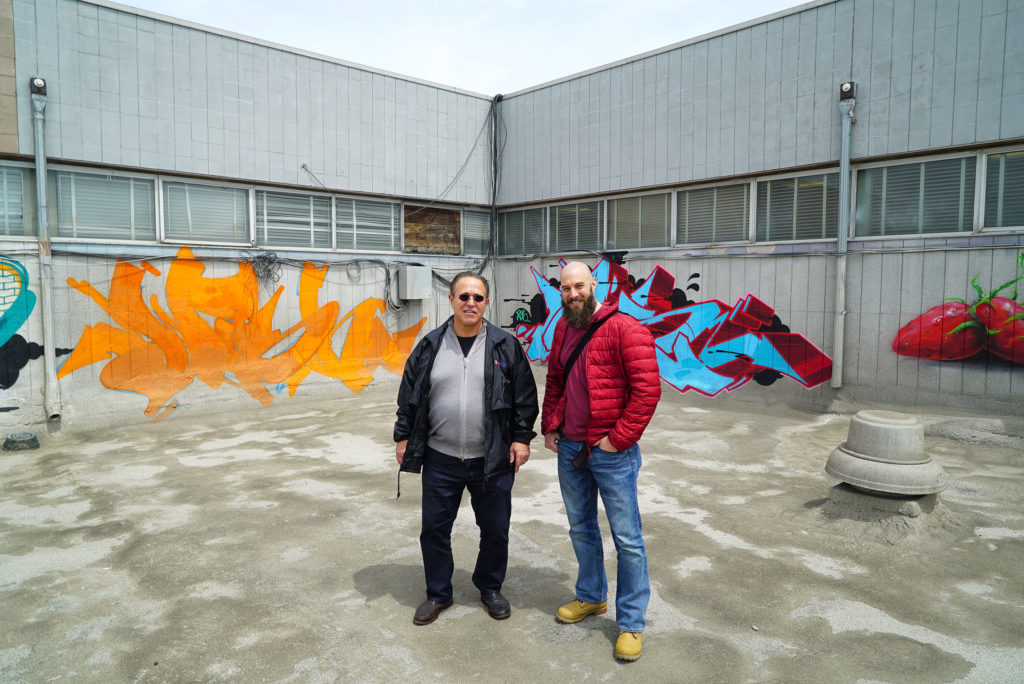
One of the coolest things about this spot is that the owner, Vinnie (great name), is one of the most interesting people I’ve ever met.
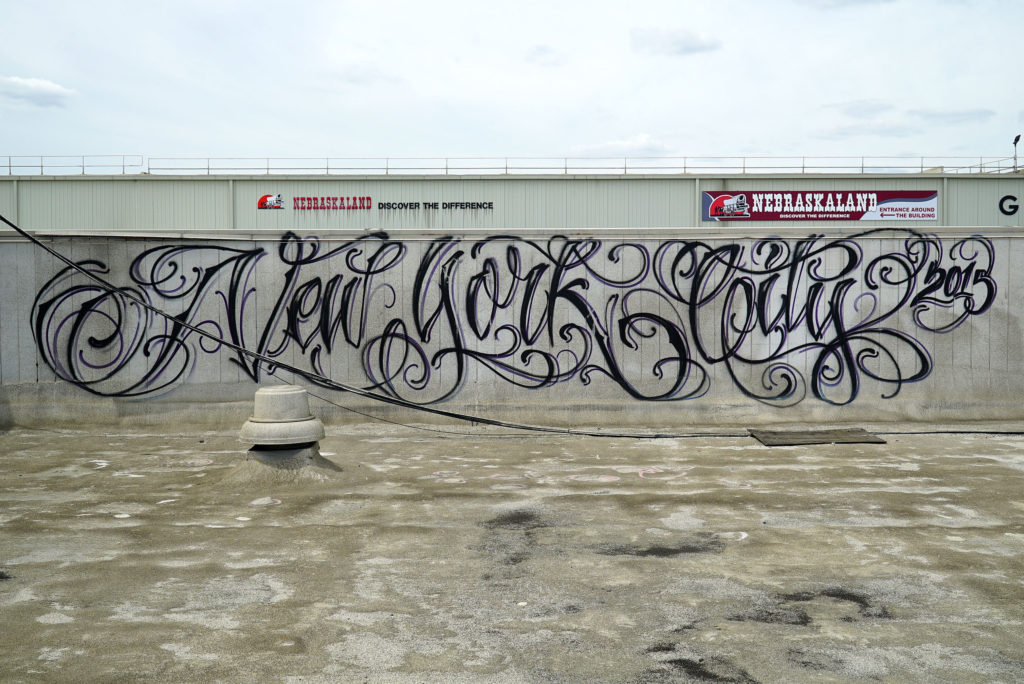
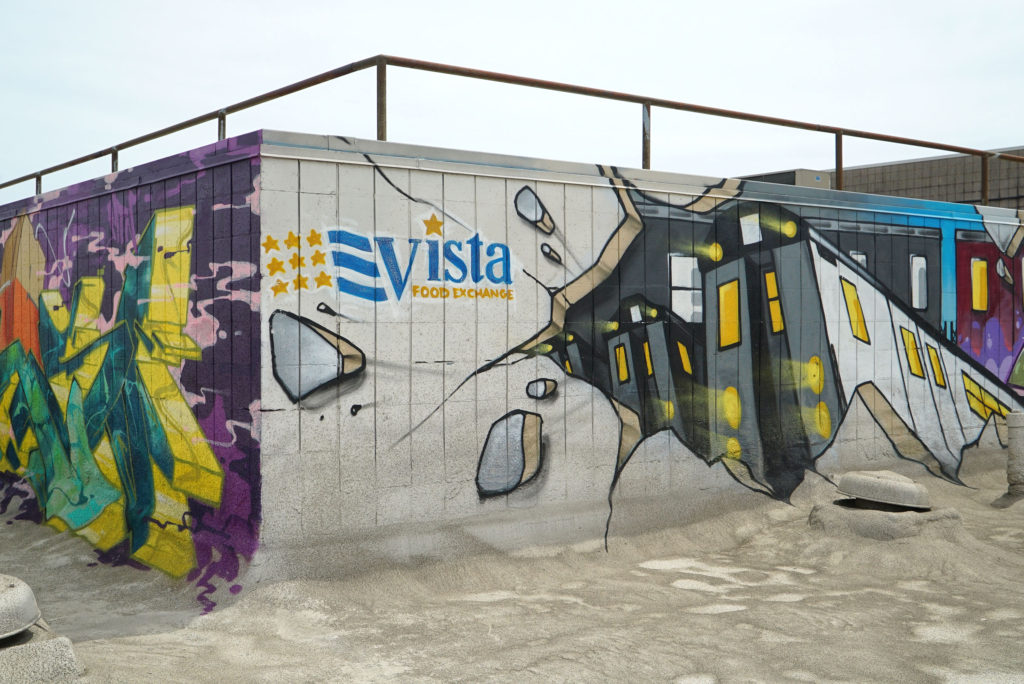
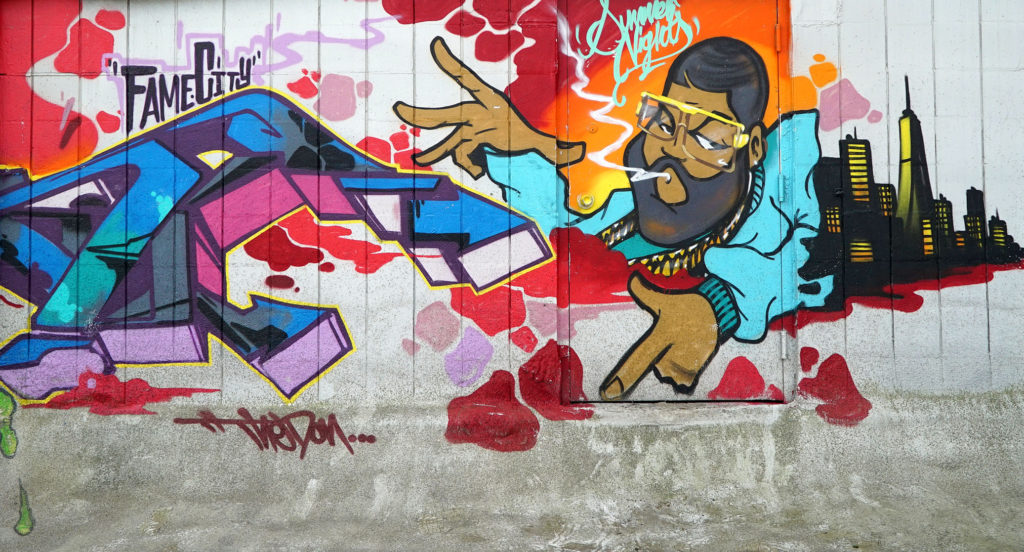
He’s a drag racer, a pilot, an old car guy (like me), and an art enthusiast. He even has some wild graffiti art on his rooftop (he supplies the paint for the artists).
I think that about covers it. I hope to see his products flood the market. They’re so good.
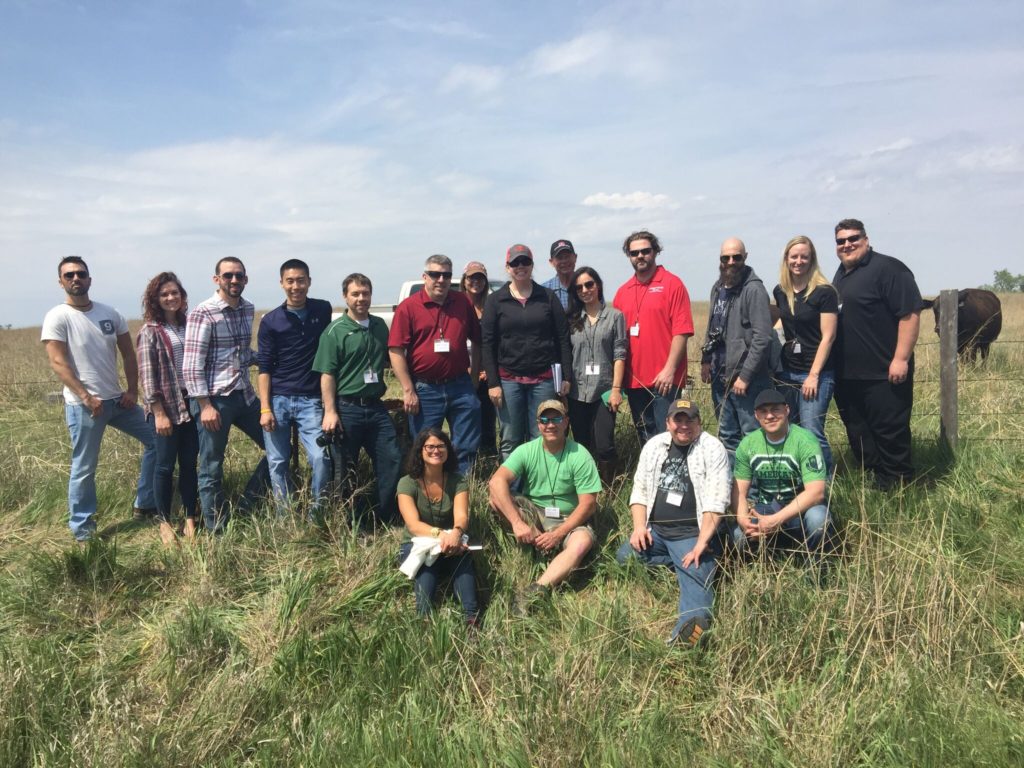
I just got home from Nebraska, where I went on a beef tour that explored the entire life cycle of cattle from calving, to grazing, to the feedyard, to the packing plant.
Why Nebraska? I’ll tell you.
Nebraska’s economy is driven by corn crops, feed yards and cattle ranching. There are nearly two million people in Nebraska but nearly eight million cattle. It’s the number one red meat production state in the country.
Half of the beef produced in Nebraska goes overseas as export, to the tune of one billion dollars worth per year. The US is the third or fourth biggest exporter of beef in the world, but we also happen to be the number one importer (why we import is a topic for another day). India, believe it or not, is the number one exporter, likely soon to be bested by Brazil.
But enough of that. Let me get down to the nitty gritty of this incredible tour.
We made four stops: three in the first day, and one on the second day.
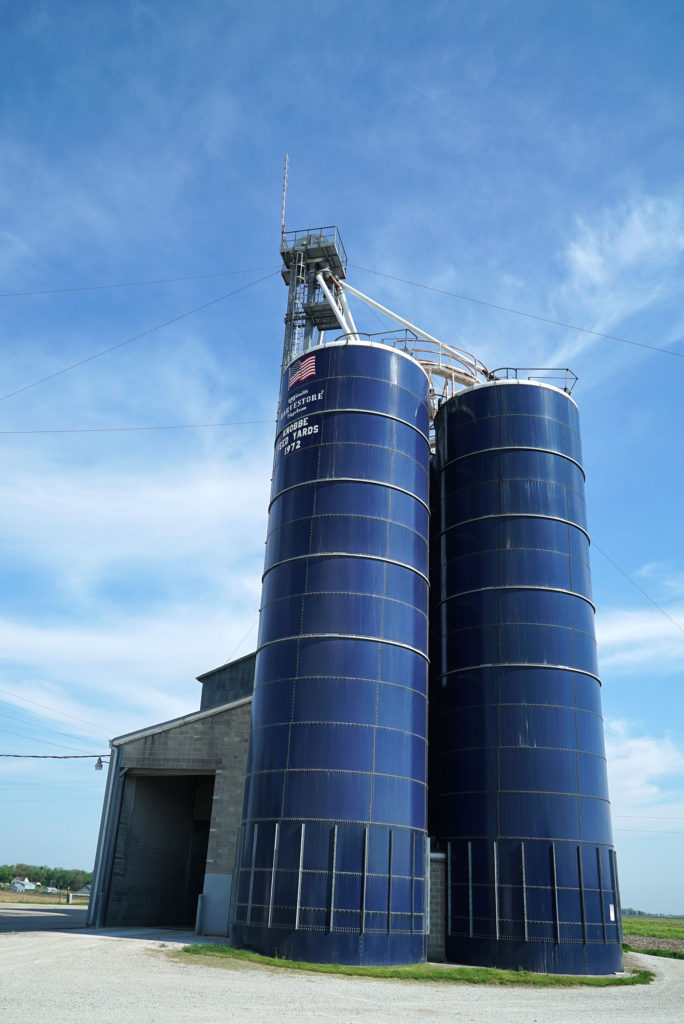
Stop 1: Knobbe Feedyards
While this was the first stop on the tour, it’s really the last phase of the animals life cycle before being sent off to the packing plant for harvesting/slaughter.
A feedyard is a place where cattle are fattened up to market weight over the course of four to six months.
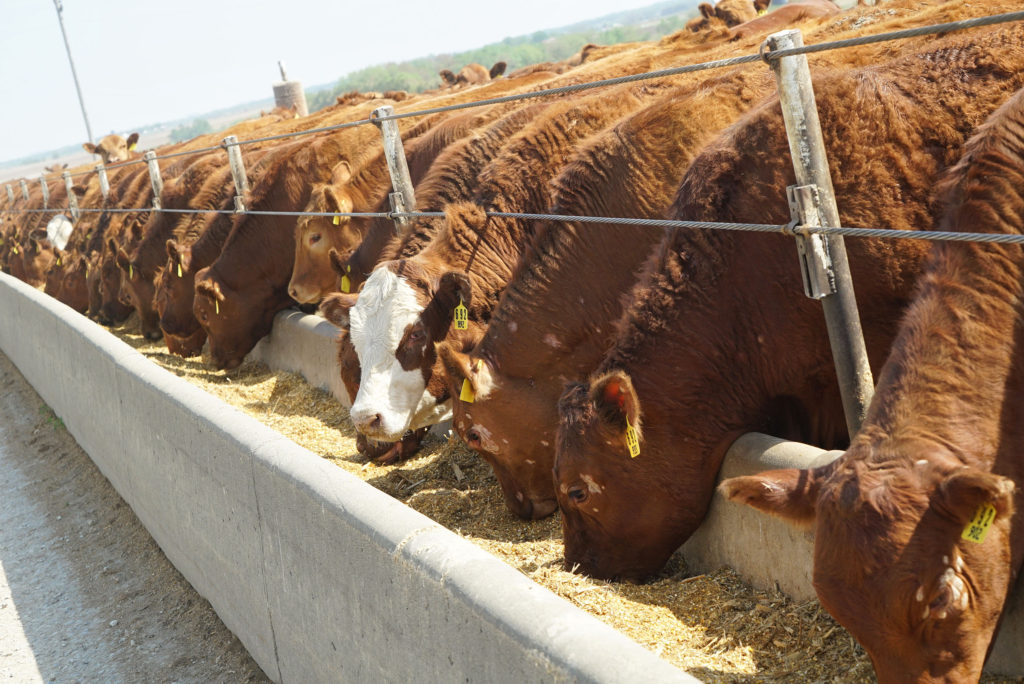
Harry Knobbe (pronounced like Obiwan’s last name) and his family get yearling cattle (roughly a year old), weighing around 750lbs. The animals are generally there for 130-180 days, until they hit 1400-1500lbs, which is a good market weight. Doing the math, that means they generally reach this weight at 15 to 18 months of age, and the animals gain just under 4lbs a day. Each animal eats about 25lbs of food and 100lbs of water each day. Fatties!
The feed given to the animals changes as their time there passes. In fact there are six stages of feed with decreasing roughage/grass content and increasing corn content as time goes by (with stage one containing the most roughage content of the six). The animals are coming off of a mostly grazing/grass diet, and need to be acclimated to the corn-rich diet over time.
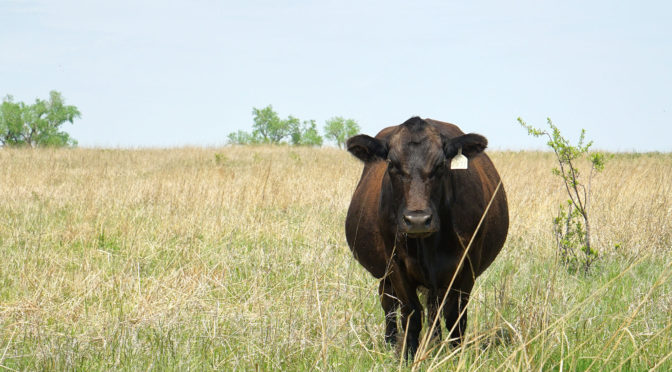
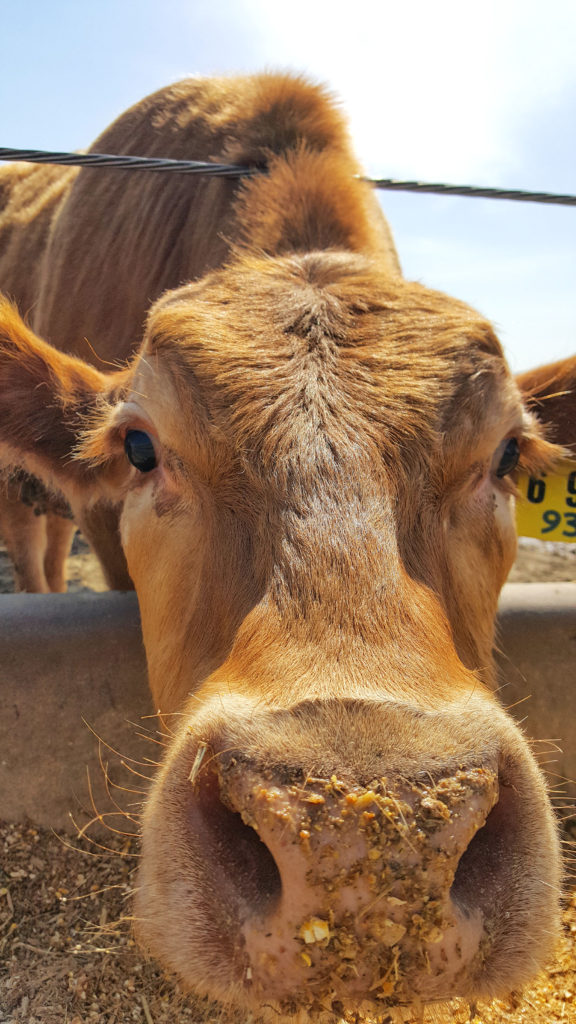
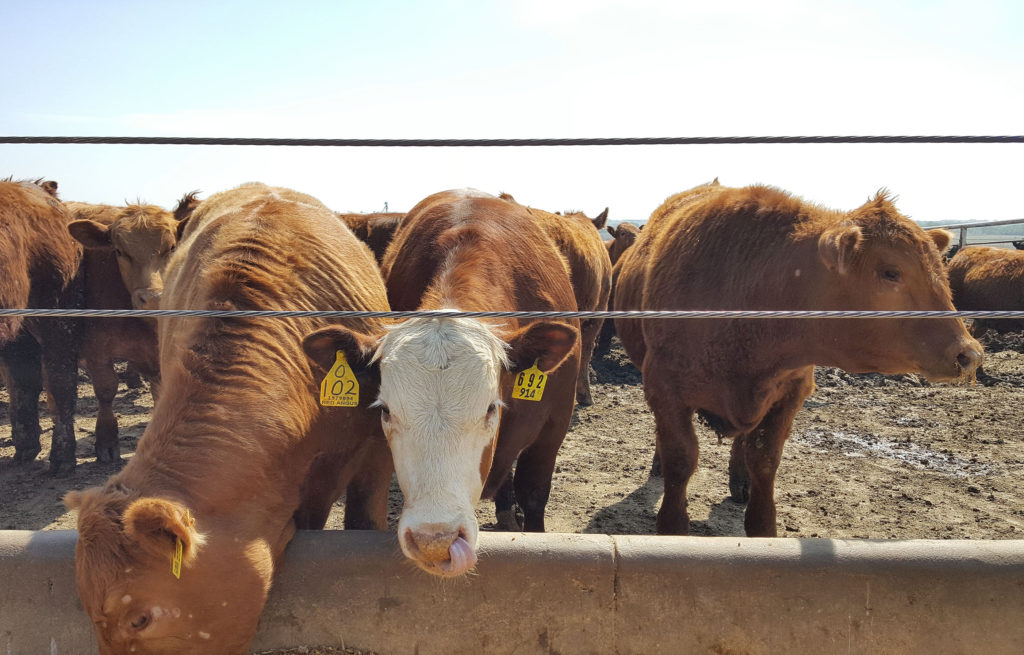
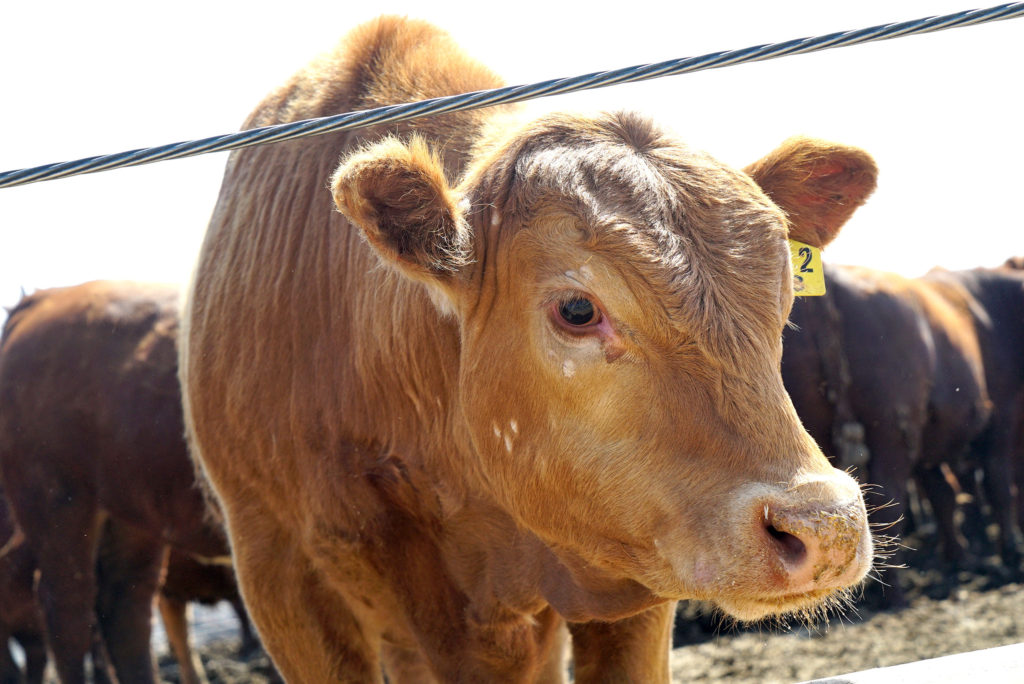
This friendly guy is loving his stage five feed.
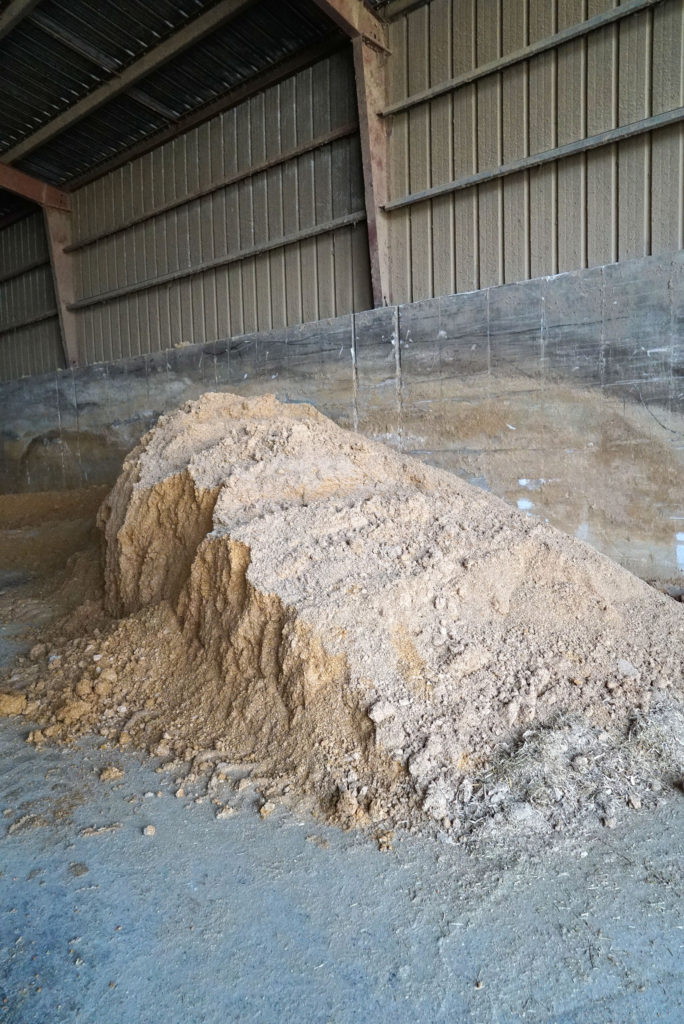
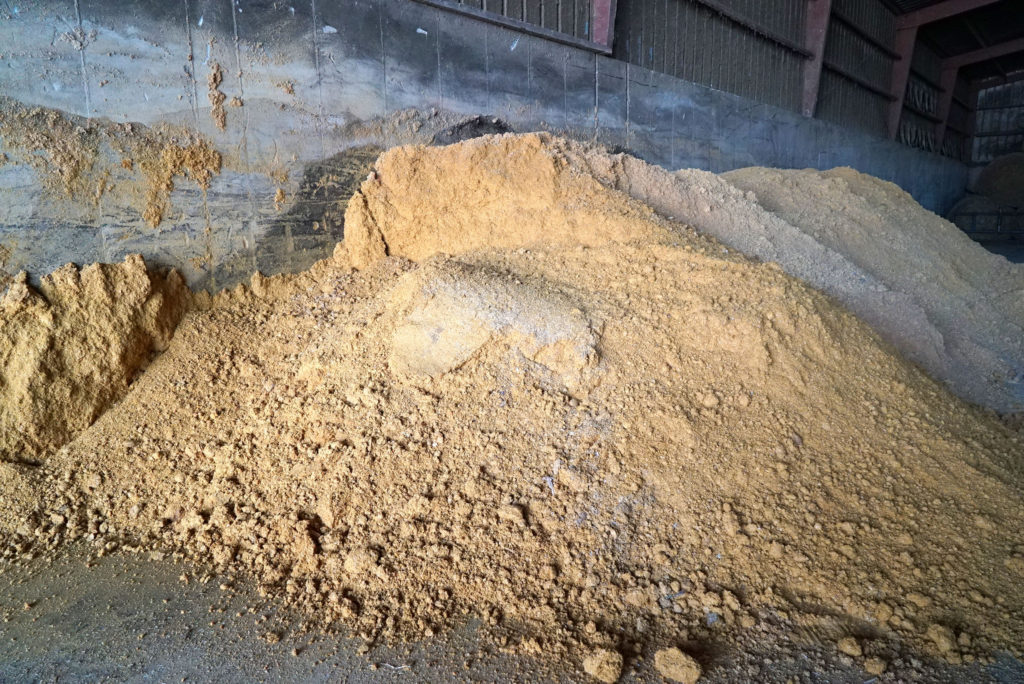
Just what’s in that diet? Aside from the roughage and grasses that are always mixed in to some percentage, the feed consists of mainly two byproducts or waste products from the corn industry.
The first byproduct comes from the sweetener and corn syrup industry, and is referred to as “cow candy,” because they love it so much and it smells sweet like candy.
The second corn byproduct in the feed comes from the ethanol fuel industry. Ethanol plants would otherwise discard this substance, which is similar to the mash left from spirits alcohol distillers.
As a general number, the feed gets about 20% of each in the stage one feed, with the rest being roughage.
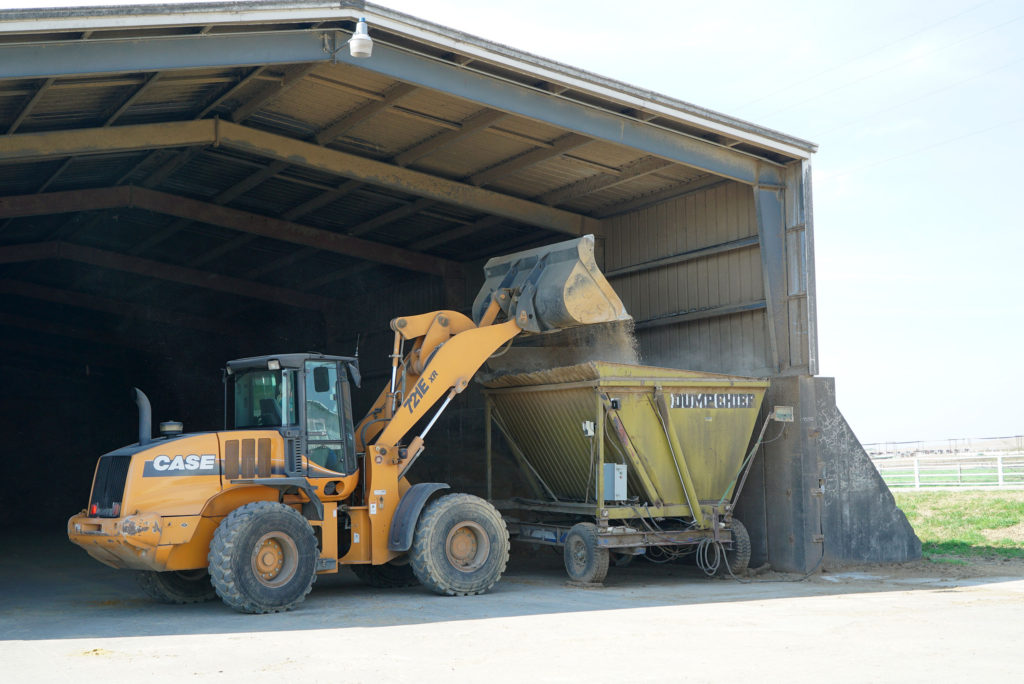
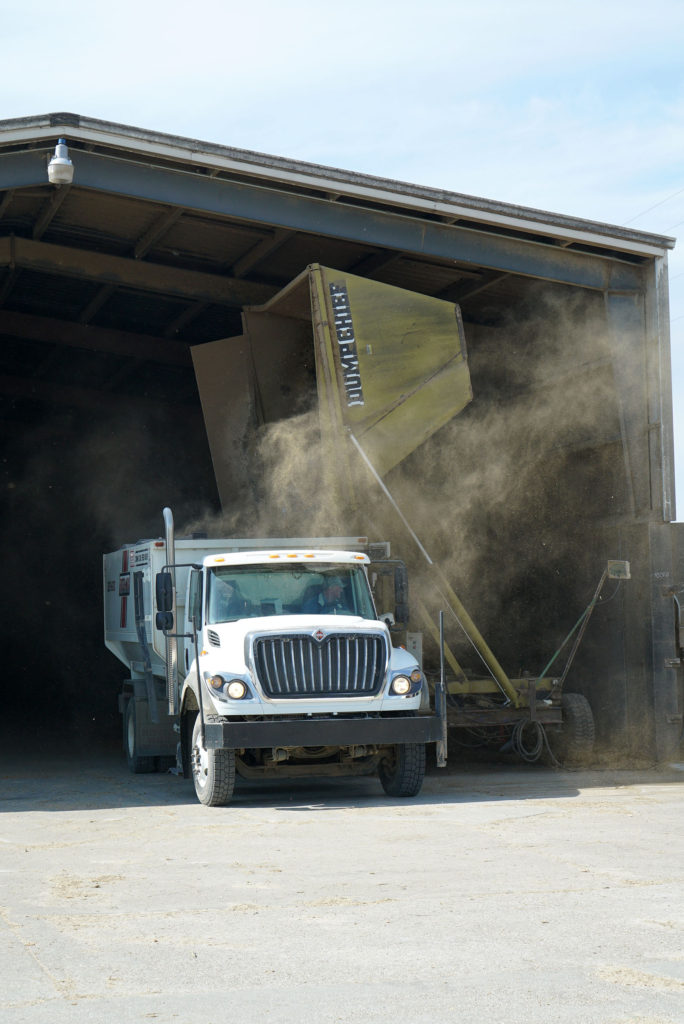
Grass/HayAdding specific quantities of each corn byproduct to the grass.Dumping the feed into a mixing truck that will also fill the troughs.Happy Angus cattle at the trough.
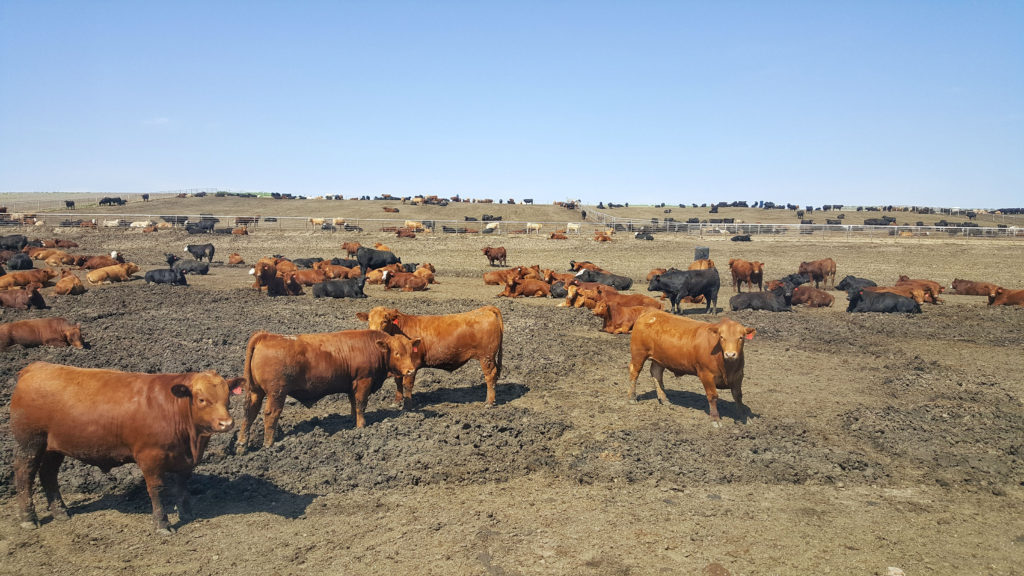
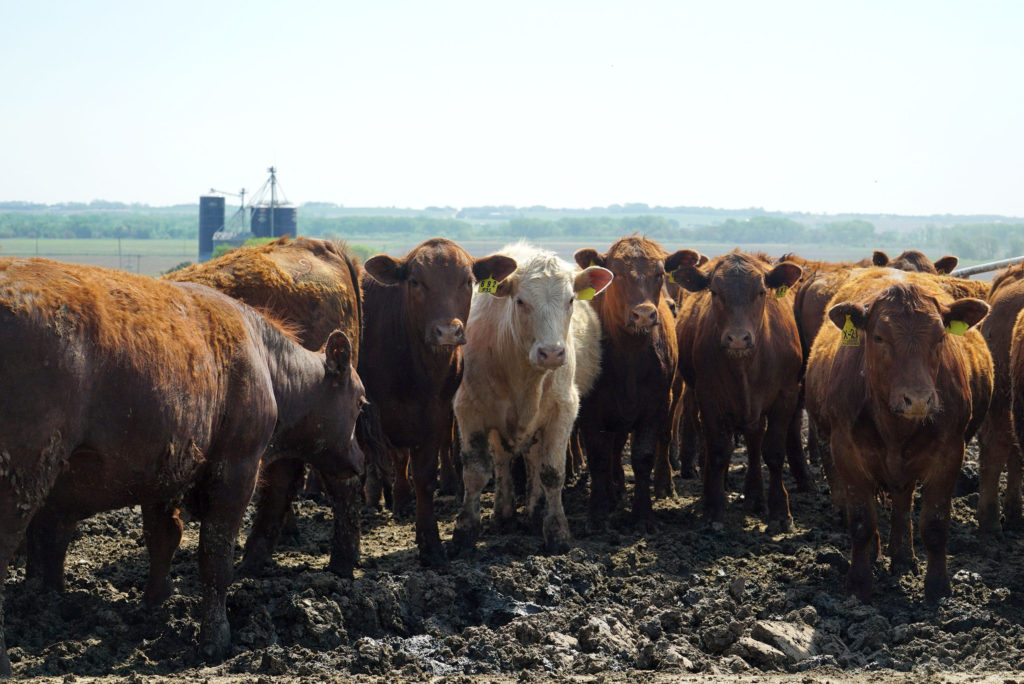
This particular feedyard has a capacity of 5000 head. That’s about average in terms of size. Their large, semi-shaded pens have ample water and space for the cattle, at 250-350sq ft per animal.
Oddly enough, the living conditions for cattle don’t change much as feed yards scale up to 10k, 50k or 100k heads; they just sprawl out more.
Kbobbe loses seven tenths of one pecent to death, which is a very good statistic. The animals come from all over the place, from different climates and states. Some locations have a higher incidence of parasites, like the wetter climate of Mississippi, for example. As such, the animals are dewormed and vaccinated when they get to Knobbe as a precaution. After all, sick animals tend not to grade as high as healthy animals.
Fun fact that I learned here: it’s cheaper to bring cattle to corn as opposed to bringing corn to cattle. Based on the numbers I quoted here, it would require ridiculous amounts of corn truckloads to be moved to cattle ranches for finishing. Thats why animals come from all over the country to finish in Nebraska; all the corn is right there. It also makes sense why Nebraska is such an important place for the beef industry.
As for the output of Knobbe, they see about 2-5% of their animals grade at prime, 75-80% choice, and the rest select.
Stop 2: Peregrine Ranch
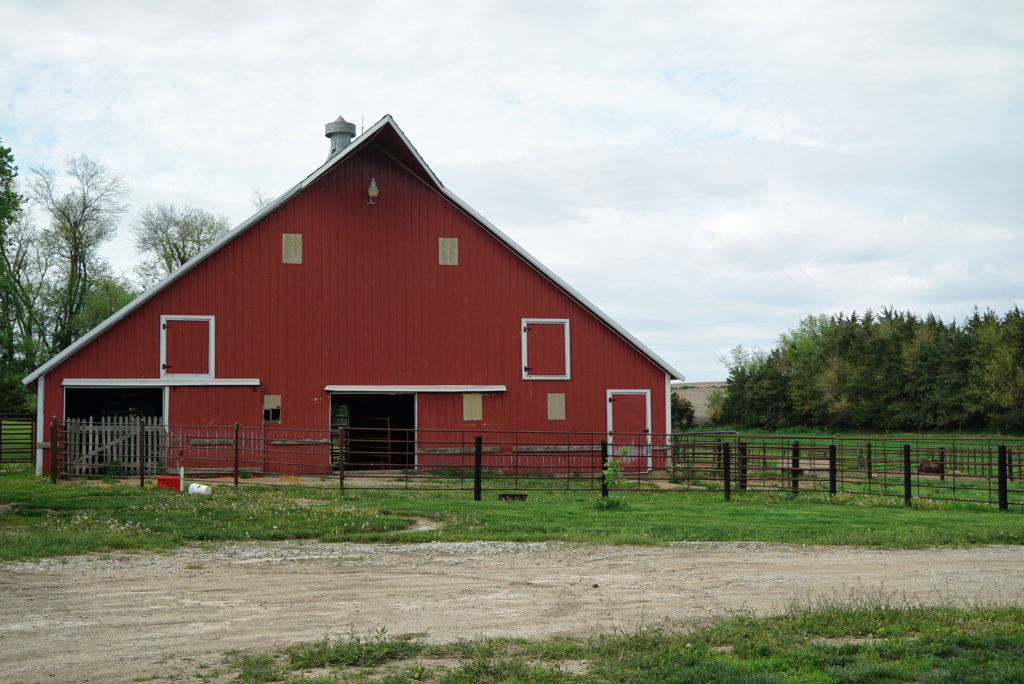
This second stop was really the first step in the life of the animal. Don Peregrine runs a third generation calving ranch near Fullerton. This area of Nebraska is near what is known as the Sand Hills region, which generally separates what’s considered eastern Nebraska from western Nebraska.
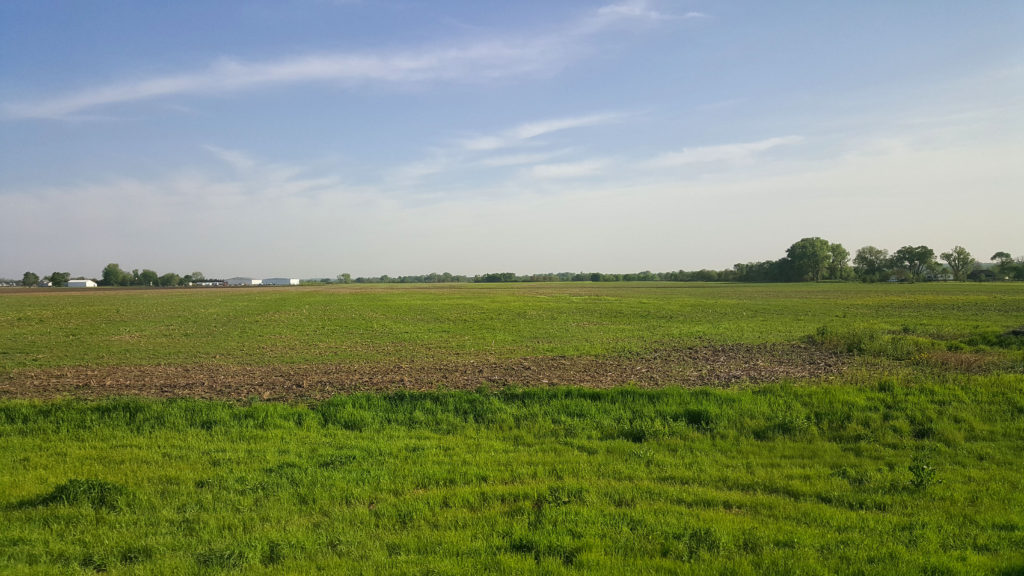
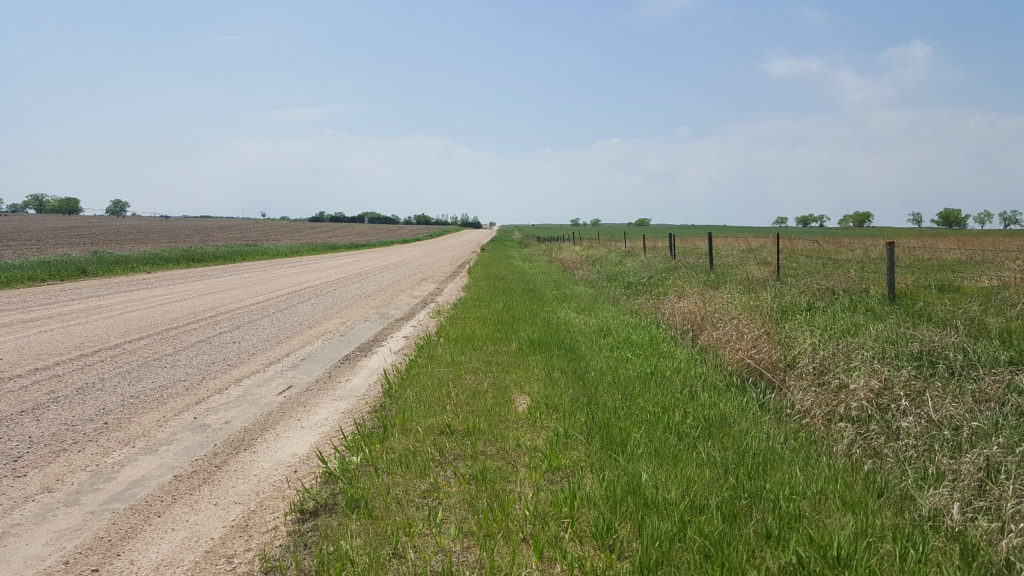
The east is characterized by rich, lush soil that’s perfect for growing corn. The west, on the other hand, or the Sand Hills, consists of a topography that’s not good for growing corn (think 50 bushels per acre as opposed to 250).
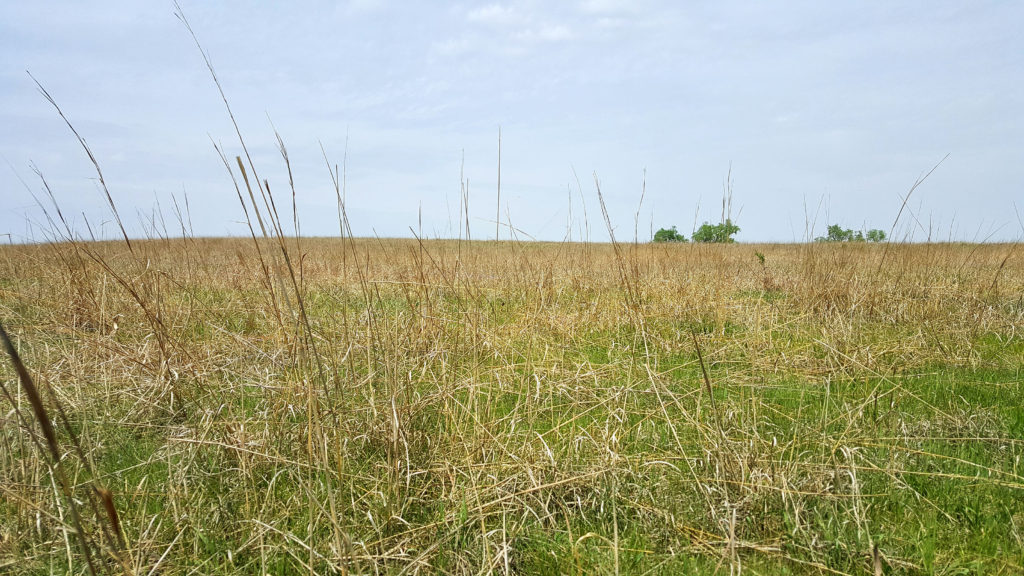
The Sand Hills quite literally is a region of hilly topography that’s like sand dunes beneath the grass. While this is not ideal for growing corn (or much of anything, for that matter), it IS ideal for grazing cattle.
Don Peregrine’s land butts up right against the beginning of the Sand Hills region, so he consider himself a grass farmer as much as a cattle rancher.
He’s also got some river bed land, which poses a unique set of challenges in addition to those already faced in the Sand Hills. River bed land can cause hoof rot if the animals hoofs are too wet for too long.
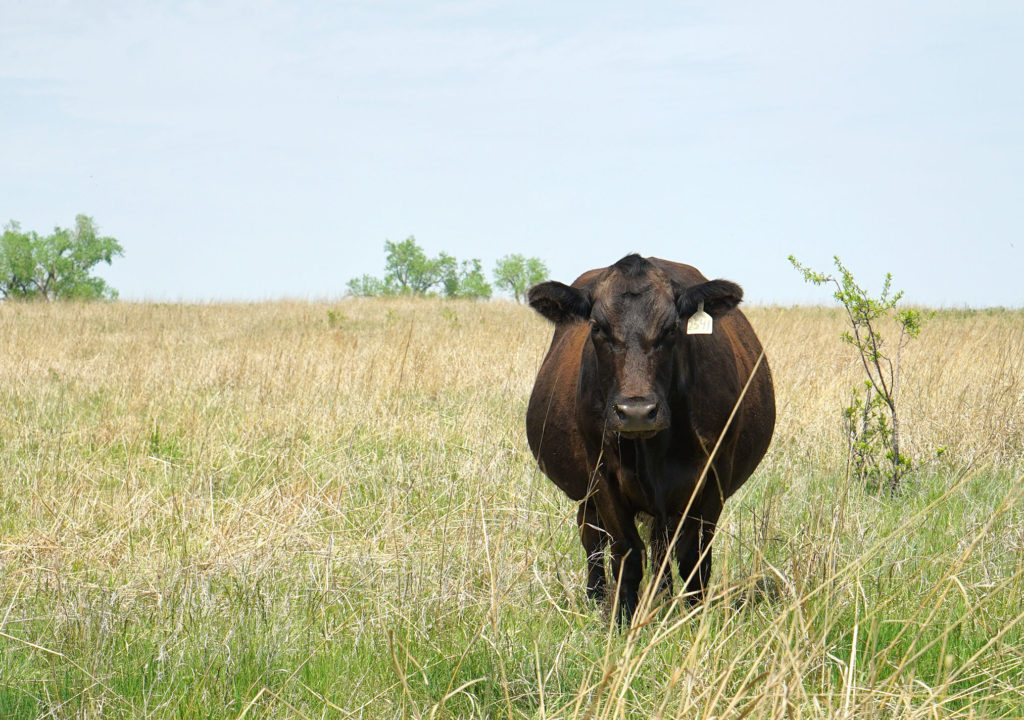
Aside from his expertise with the land, Don has developed a unique and hands-on hybrid breeding method, with animals that have been selected by him for 40 years. One particular cow we met was 14 years old and had already given birth to 14 calves.
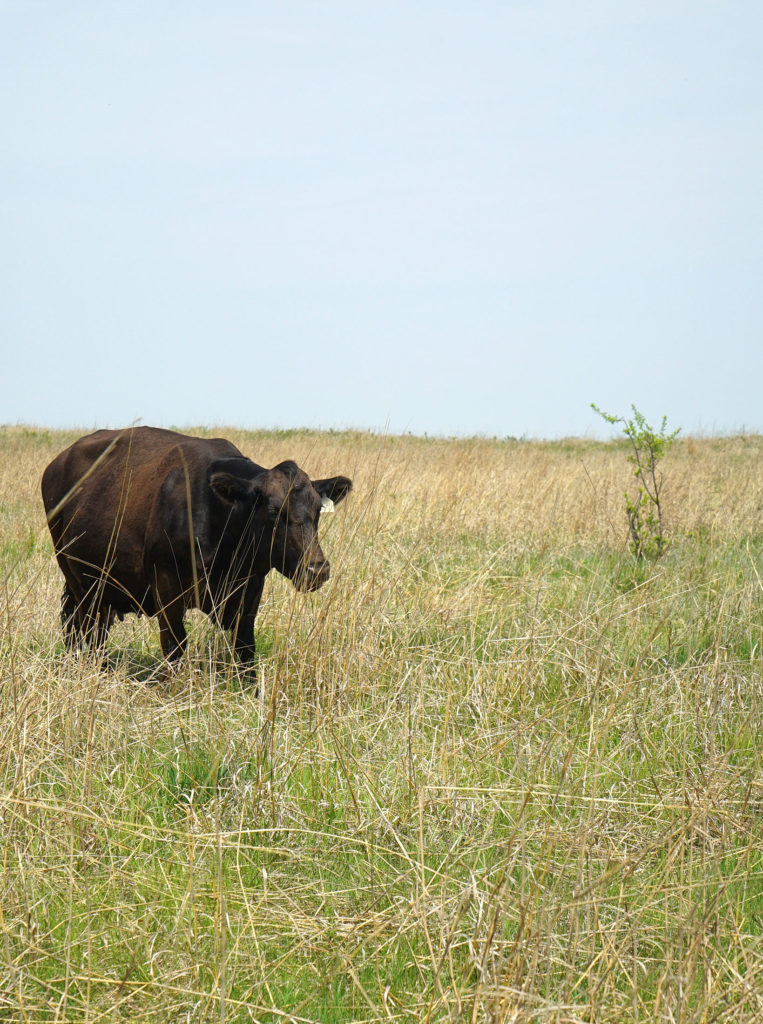
He employs herd management techniques like ear tagging (done early), topical dehorning (dries the horn and prevents it from growing without having to grind, saw or burn the horn down), and fence barrier weaning. These all exemplify humane, low stress practices.
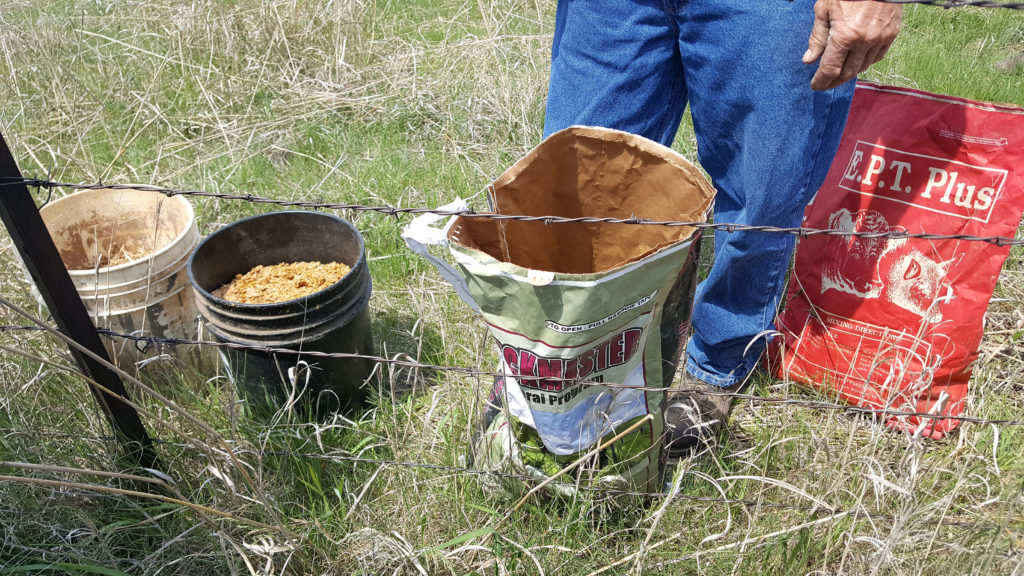
In addition to grass, Don supplements the animals’ diet with minerals, “cow candy” from ethanol and sugar production, and other additives like E.P.T. for development.
Stop 3: Ryan & June Loseke, DVM
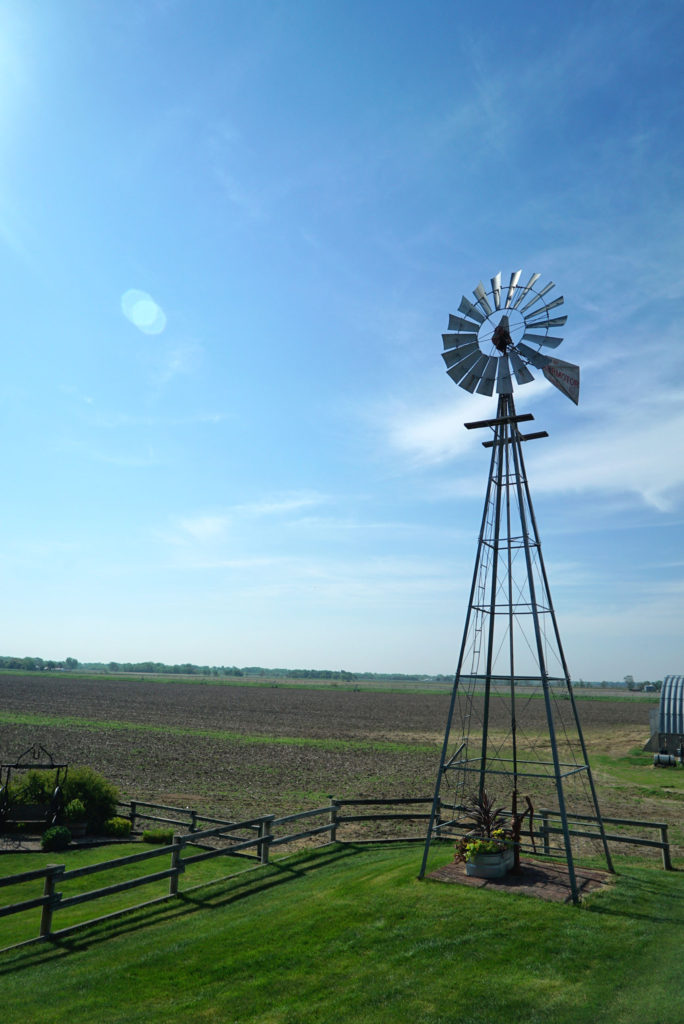
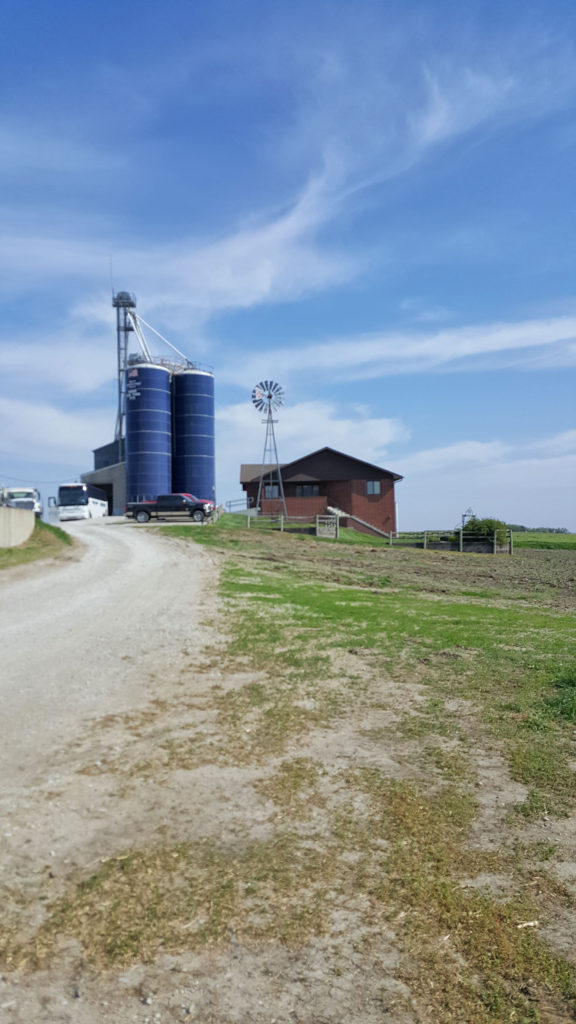
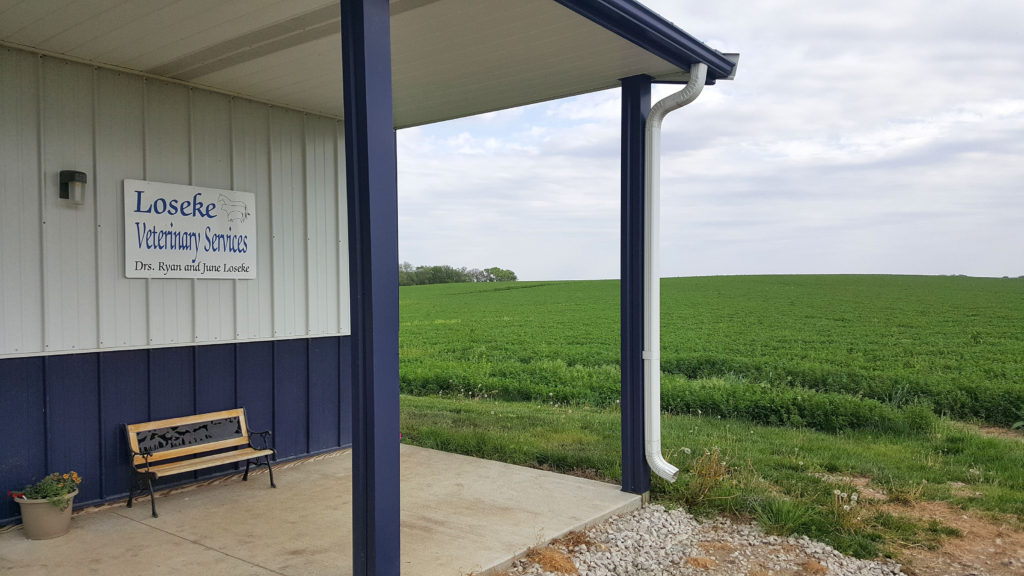
This family not only raises corn, soybeans and alfalfa, but they also run a 3500-head feed yard and a veterinary practice. Amazing!
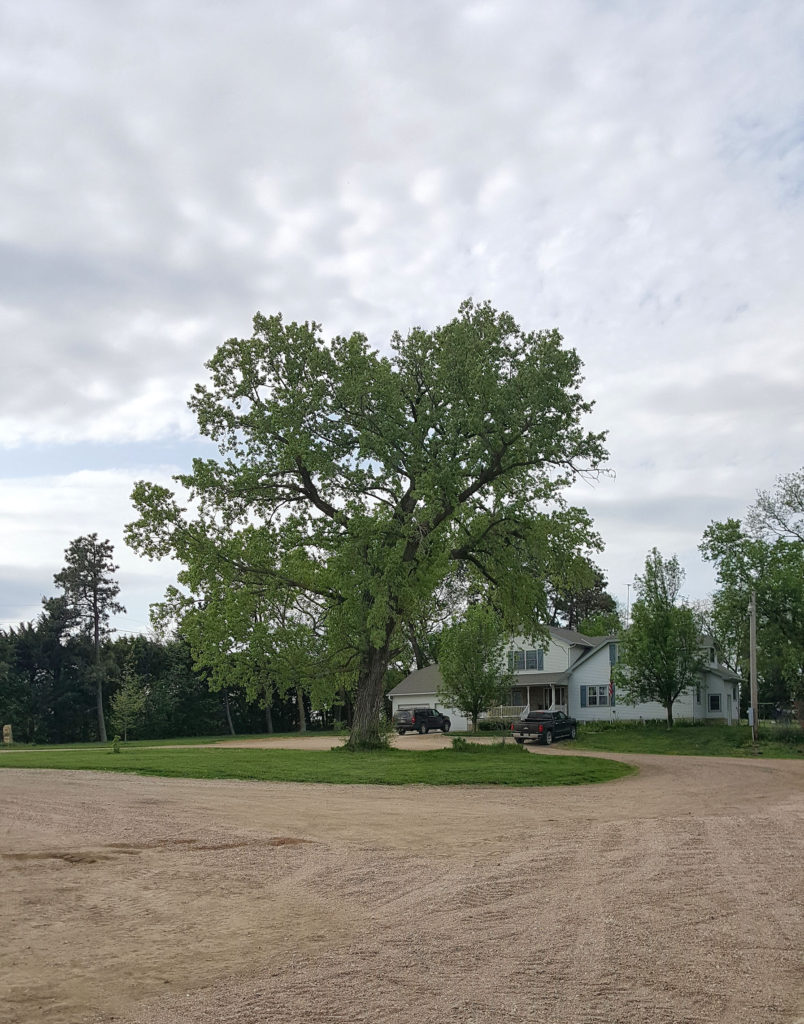
The corn and soy beans make up 1700 acres of their land, with 40 acres of alfalfa nestled near the family home.
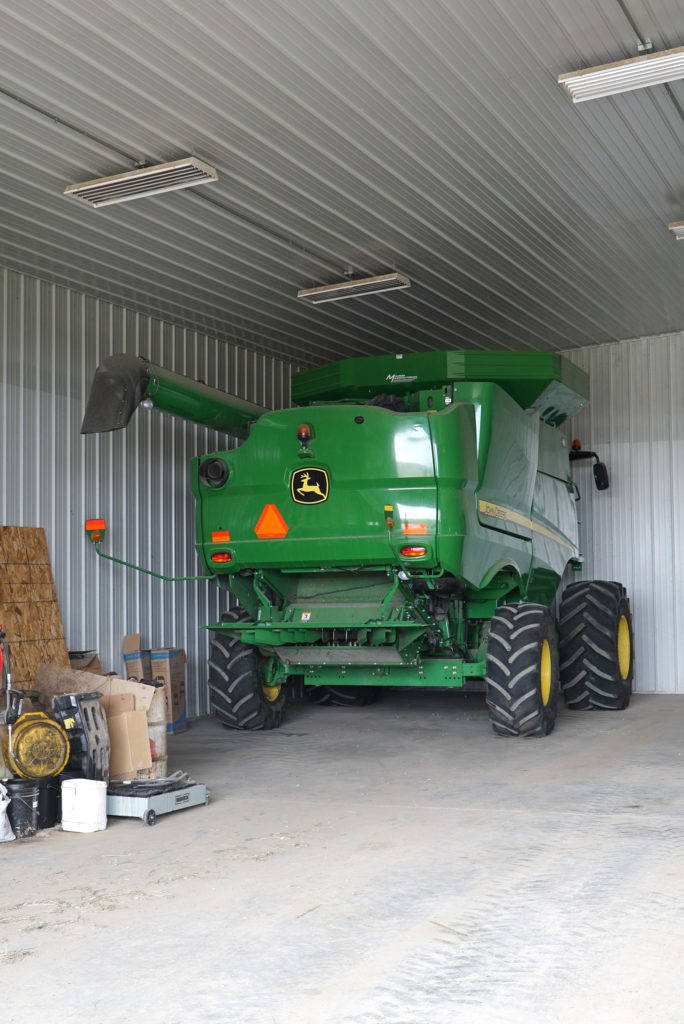
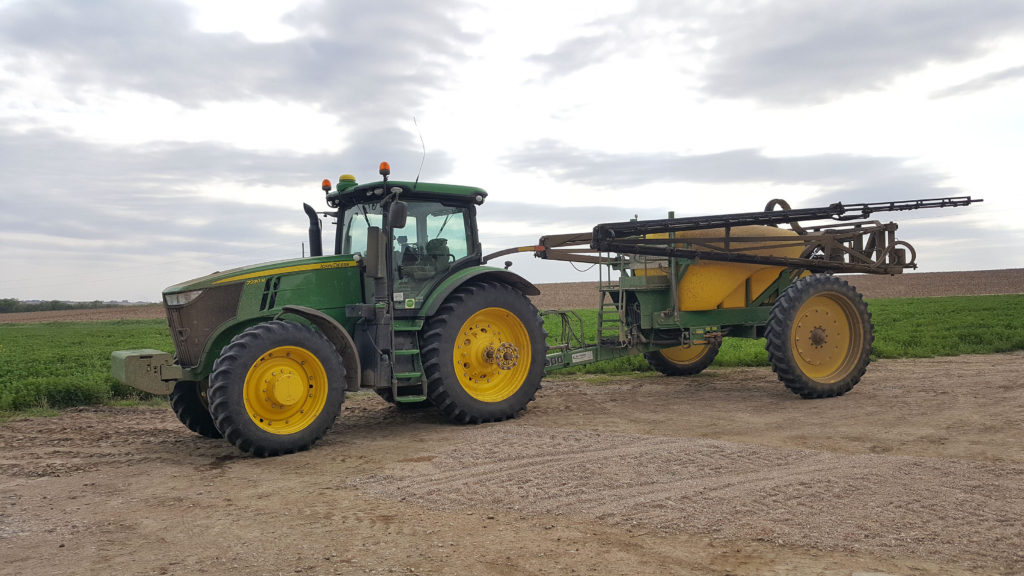
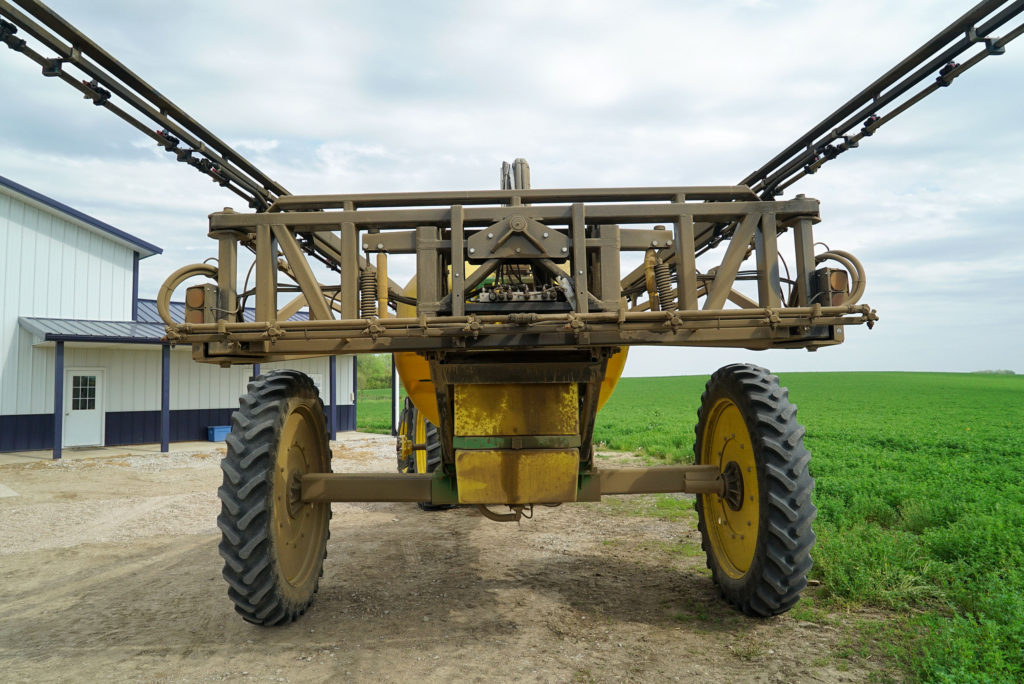
Technology makes it more efficient for them to run and manage their farm. Sprayers and planters are guided by GPS, which allows them to maximize the use of their land and to plant straight rows. It even tells them when less water or spray is needed in certain areas, based on topography and water tables.
I was here during corn planting season. In fact Ryan was racing to get corn planted before some forecasted rains. Sure enough it rained a lot later that night and into the morning. Good thing he got that corn planted otherwise he would’ve lost time waiting for the ground to be right for planting again.
They’re also vets for large and small animals, including pets as well. This is great, since they’re also running a feed yard and can apply their knowledge of veterinary science to their own animals.
They promote Certified Angus Beef cattle in their feed yard. They sell to Cargill, Greater Omaha and Creekstone packing plants (among others).
They even host local kindergarten students from the area schools to teach them about agriculture.
June and her son, educating our tour group about their lives.
Stop 4: Cargill Meat Solutions
This was probably my favorite part of the tour, since it’s where the animals are harvested into delicious and nutritious beef!
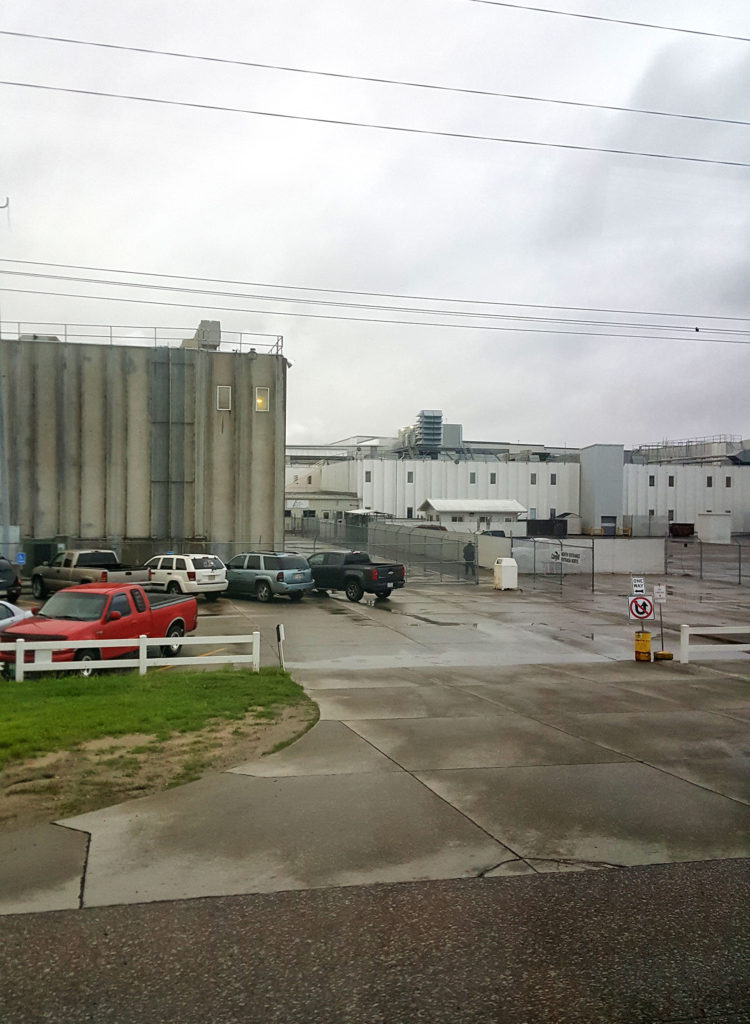
Unfortunately cameras are not allowed inside the facility for business proprietary and employee privacy reasons, so that’s the only shot I have.
Cargill has been in business for 150 yeas, with this facility being open since 1968. They have facilities in multiple states.
They employ about 2200 people at the plant, who hail from 28 different nations but all live in the region. They boast a 40-45% female work force, many of whom are on the fabrication floor engaged in employment that was historically only thought of as men’s work.
They’re obsessed with safety and regulatory compliance. They’ve got two labs on site to take samples of air and drainage. There’s also a third party lab engaged for pathogen testing.
There are cameras everywhere, with a video room to watch the cattle knocker and the various floors. Quality Assurance personnel watches 100% of the time to monitor both the employees and the beef. They can focus in on people to make sure they’re following various requirements, dressing the beef properly, handling knives and sterilizers the right way, etc. If they see something, they can radio a supervisor that can address the situation immediately. There’s also a red button to stop the production line if all else fails.
Not only is safety a priority for the Cargill meat supply, given all the USDA and inspectors/auditing folks there all the time, but they’re also always looking out for their employees. They have nursing staff on hand for heat, icing, massage and soreness treatments. They even have hydraulic floor lifts that raise and lower cutters to be at the appropriate and safe work height for butchery.
There are two 8-hour processing shifts of work, and one cleaning shift of work each day. The plant processes 5300 head of cattle a day, which is the largest operation in the area.
To give you an idea of scale, this comes down to 6.1 million 8oz servings of beef per day, and 3 million pounds of ground beef per week. Impressive.
I was told that 64% is a good yield for an animal carcass for edible beef protein. But nothing really goes to waste. Hides, offal, etc. are all utilized in some way, whether it’s rendering or bone gelatin. There truly is no waste. Well, everything is used except for the tail switch (bristle hairs at the end of the tail) and the “moo” (snout).
Cargill is still growing, but it’s also modernizing. They’re one of two major packers who use a camera system for grading. A special camera captures an image of the rib eye, then a computer runs an algorithm to generate a scoring number that assigns the a grade to the side of beef. This system makes meat grading less arbitrary and more consistent across their plants.
Speaking of grading, Cargill sees about 3-6% prime grade, with most of the rest being choice and select.
Cargill is also excelling on the environmental and sustainability side of things. They employ state of the art methane recovery and water conservation and purification techniques. This reduces greenhouse gas emissions by 30%.
They’re also involved with the Sands County Foundation, which recognizes excellent rancher environmental practices with the “Leopold Conservation Award.”
Being such a massive employment force in the area, they also like to reinvest in the local community. Cargill Cares, United Way and various school programs all exemplify ways in which Cargill gives back to and helps enrich the community.
So what are the details of what actually happens at a slaughterhouse or packing plant? Here’s a breakdown of the carcass’ movement through the Cargill facility:
Step 1: This is the unloading of animals from the trailer onto lots. This typically takes place at like 9pm or 10pm the night before the beef is harvested. Once checked, the animals will stay there for 4-6 hours.
Step 2: The animals are walked through “the serpentine,” which is a specially designed passageway from the lots into the harvesting floor that minimizes stress. Once the animal is “knocked” it is rendered desensitized. It can no longer feel anything and is unconscious. The first knock happens just after 6am, I believe.
Then the animal is cut to bleed out, its hide is removed, it’s eviscerated (offal removed), the head is removed, and then it’s split into two sides. After all that, it is given a ticket with info for the next parts of the process. This step takes 32 minutes.
In certain stages of this phase, there are high pressure carcass washes to get mud and hair off, and to trim off any visible stuff that needs to be removed.
Steam vacuums are used for bugs and stuff that you can’t see. A 180 degree carcass wash is used to kill E. coli. An organic acid cabinet is used post-evisceration to further these precautions. There is a neck wash, and spinal material is removed with a special bladed vacuum according to directives relating to Mad Cow Disease. There’s also a steam pasteurization cabinet that exposes the carcass to 201 degree steam for nine seconds. This is also done to kill bacteria or parasites.
After some of these hot washes, the carcass is immediately chilled again. Remember this is all within 32 minutes!
Step 3: The carcass is chilled with water to bring down the temperature. This takes 28-32 hours.
Step 4: The bodies move to the sales cooler, where graders look at the rib eye. The special camera that I mentioned above is used here, and a marbling grade is determined. It’s stamped with the grade and then sorted. This takes 12 to 48 hours.
Step 5: Once the carcass hits the fabrication floor it takes just 22 minutes to put the final cuts into a box. It’s here that cutters will butcher the various parts into all the commercial cuts, according to whatever is on the order sheets from Cargill customers.
Step 6: The Cargill distribution and shipping center is almost 100% automated. The beef can be here for anywhere from 2-36 hours before it goes onto trucks for delivery. Cargill has capacity for 70,000 boxes, all individually shelved without stacking on top of one another.
The total time that the animal and end product beef is at Cargill is about 4-6 days.
Conclusion
I hope this gave you some insight into how beef is produced; where it comes from, what it eats, how it’s raised, and how it’s broken down for consumption. I really learned and experienced a lot on this tour, and I hope to go on another one soon to learn more about butchery and cuts. Texas A&M’s “Beef 101” course is on my hit list.
Kizuna Nikkei serves up some of the most stunningly beautiful and delicious dishes I’ve had in a while. Nikkei cuisine is a form of Japanese and Peruvian fusion that evolved in Peru due to Japanese cultural influence in the region. This was my first time indulging in this kind of food, and it certainly won’t be my last.
My wife and I were invited in for a complimentary tasting of some items on the menu, in hopes that we would help get the word out about this new joint. Owner/Manager Jacob recently changed the focus (and decor) of this restaurant from a steakhouse (Carnem) to Nikkei. I had eaten at Carnem before, and I can say with 100% confidence that this new venture is a much better endeavor when it comes to the food.
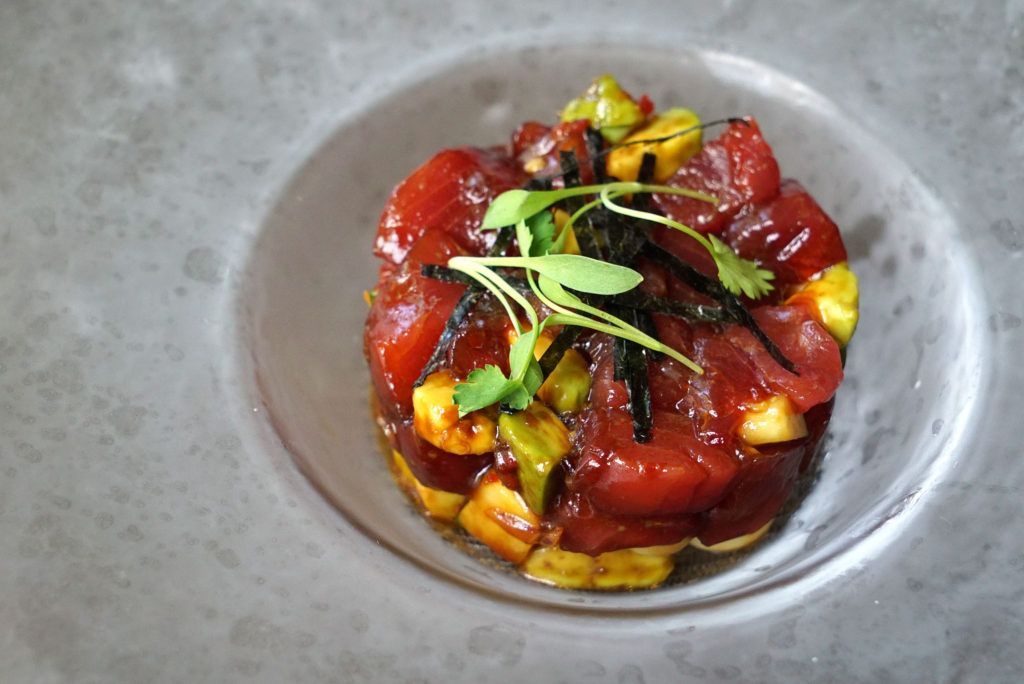
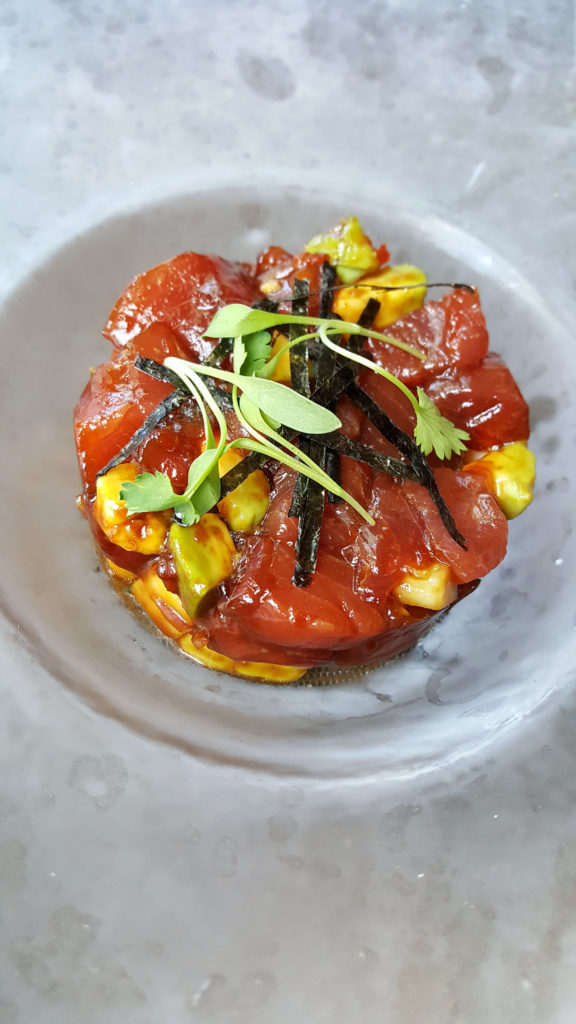
So let’s get down to business. We started with the Maguro Nikkei, which is a tartare-like dish consisting of big eye tuna, kyuri, avocado, aji amarillo, tamari and kaiware.
This was really beautiful and fresh. A great way to start the meal.
And I’m going to tell you right now: each dish that came out was more beautiful and more flavorful than the last. So hold onto your asses and get ready for some gorgeous plating.
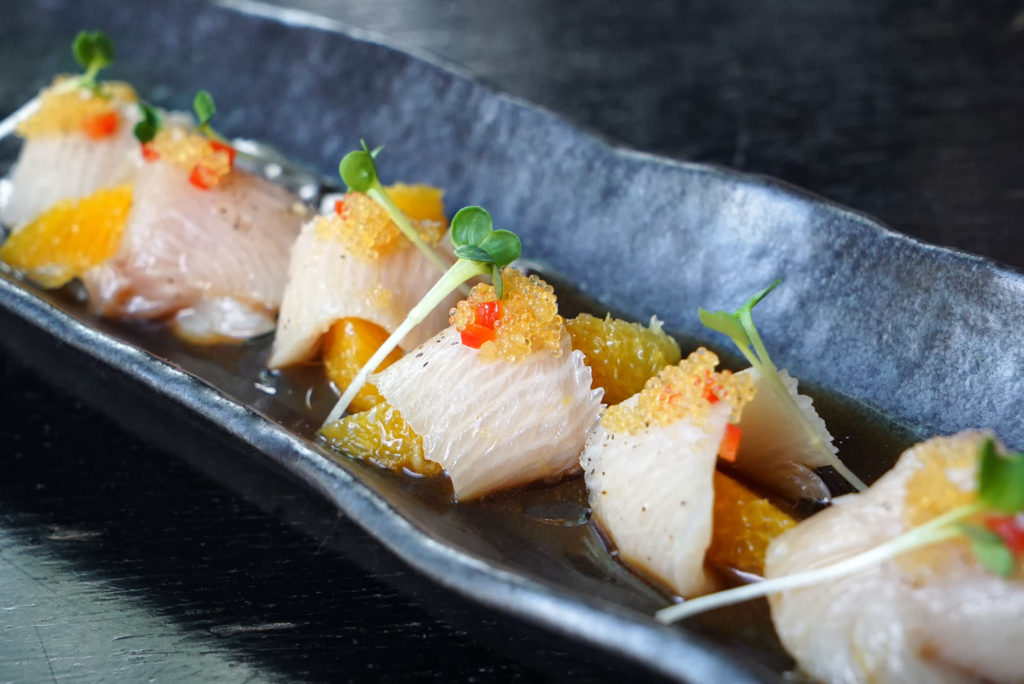
Next up was the Hamachi Crudo.
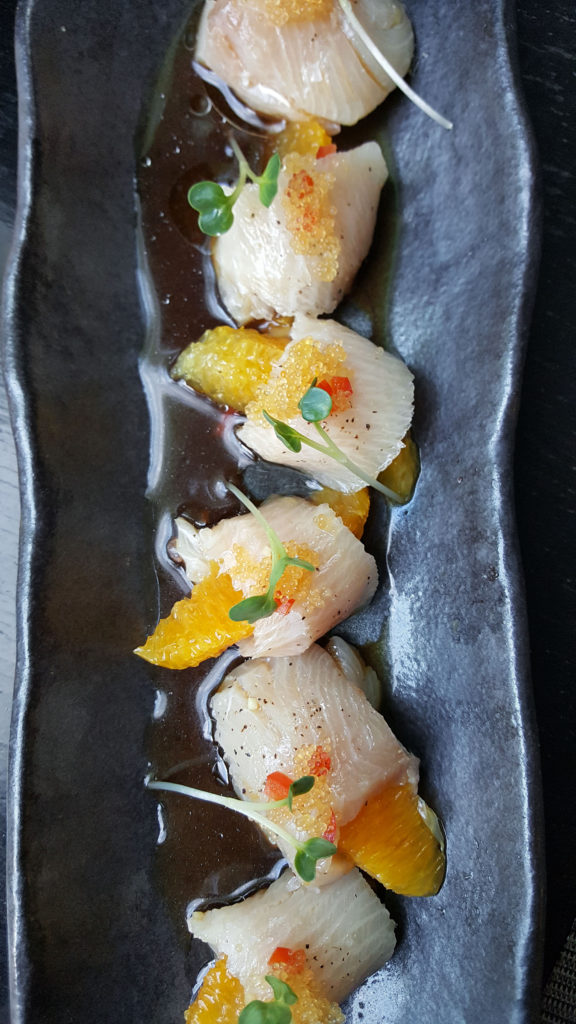
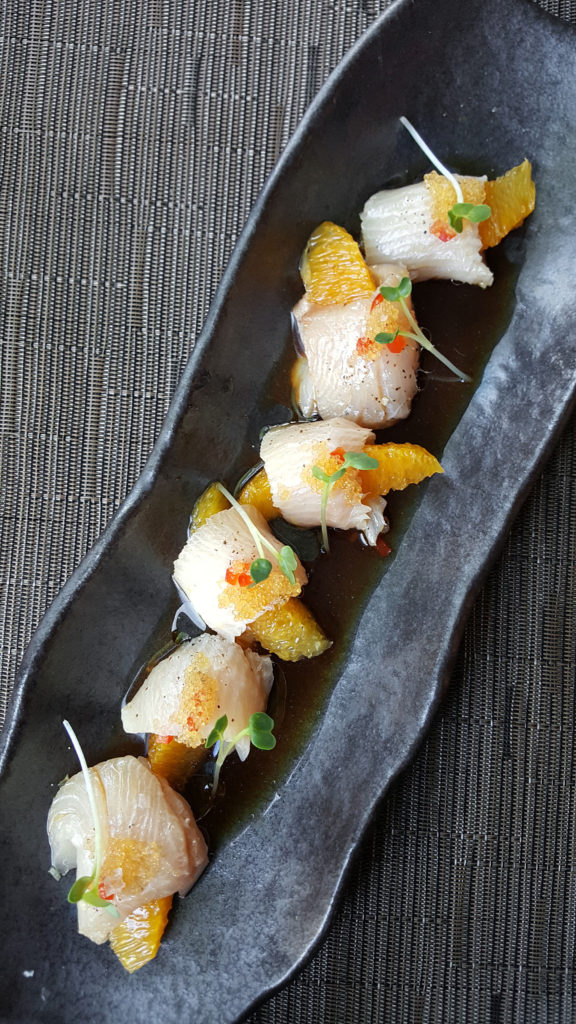
Yellowtail, orange, ponzu, aji limo and garlic brunoise make up this bright and crisp dish.
Again, really fresh and flavorful. And gorgeous.
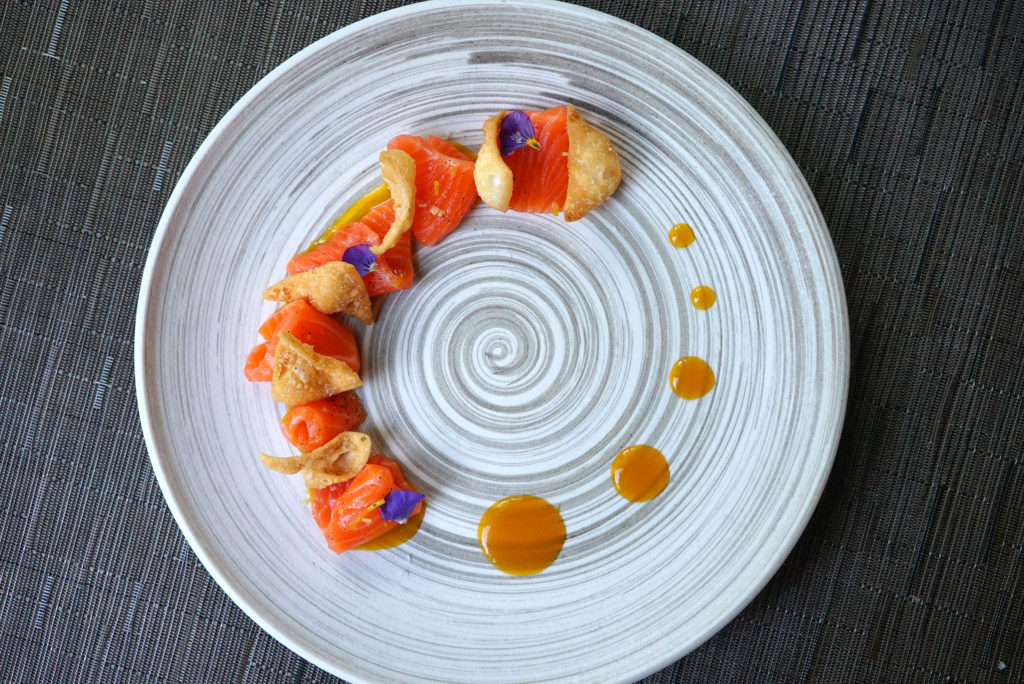
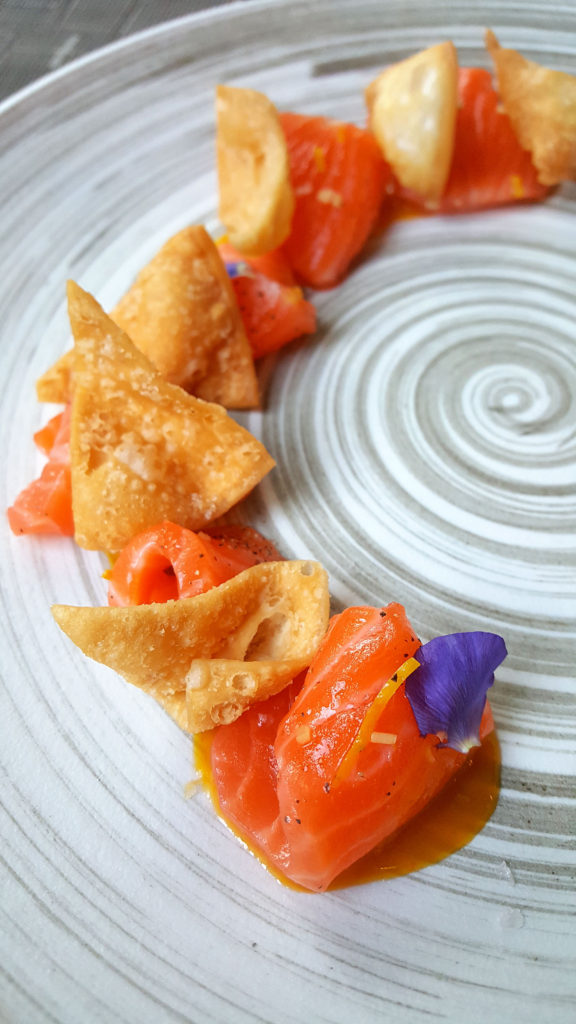
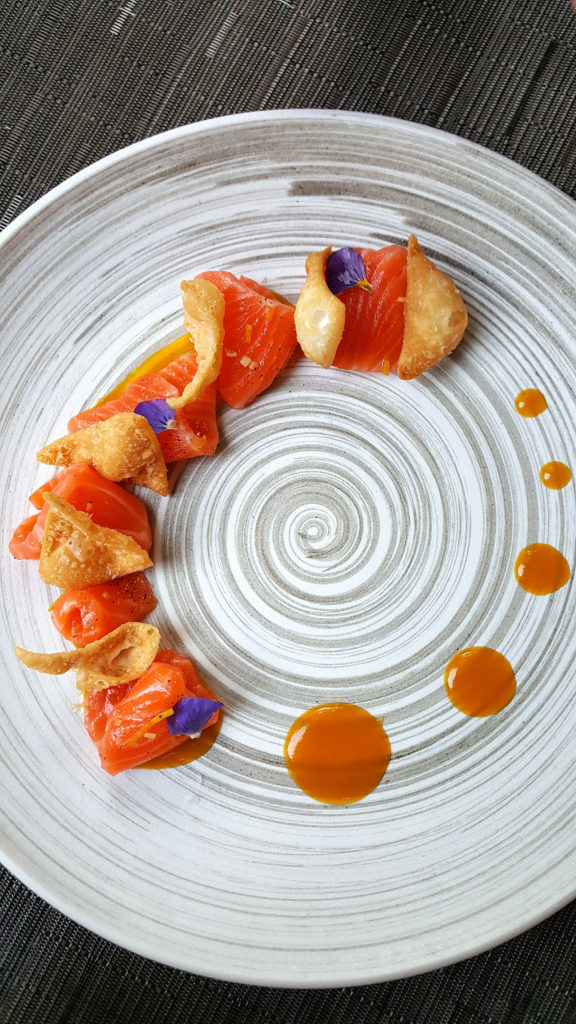
The next item we sampled was called Sake Passion.
This is king salmon, passion fruit, crispy gyoza skin and aguaymanto.
I was mesmerized by the plating, and wowed by the flavors. I love raw salmon treatments, and this one nailed it.
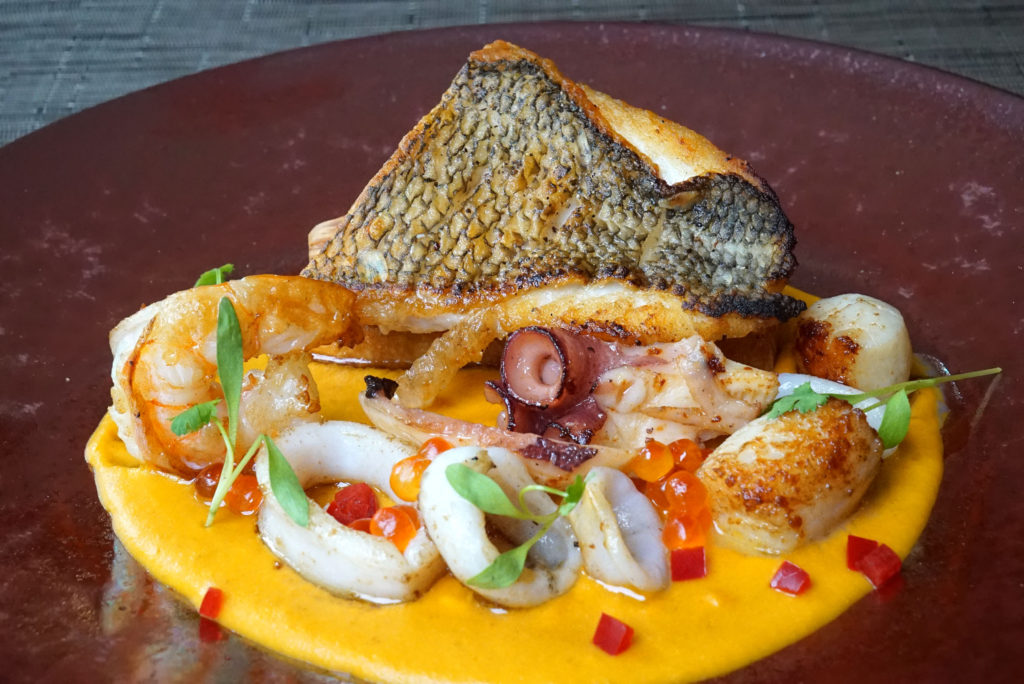
This next dish is almost too beautiful for words.
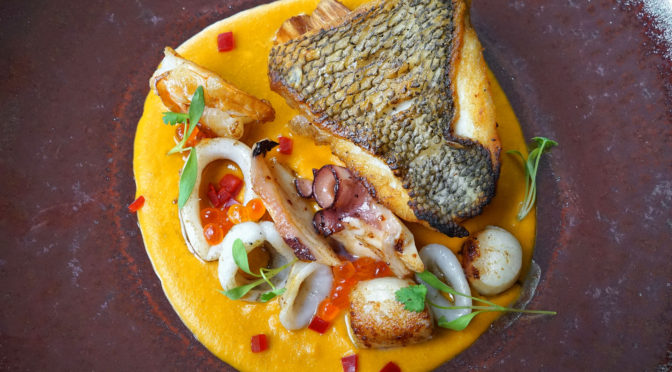
This was black sea bass with octopus, scallop, shrimp, calamari, fried cassava and ikura (roe) in aji Amarillo sauce.
This sauce had a really good heat, and every component of the dish was cooked to absolute perfection.
I highly recommend this dish when you come here.
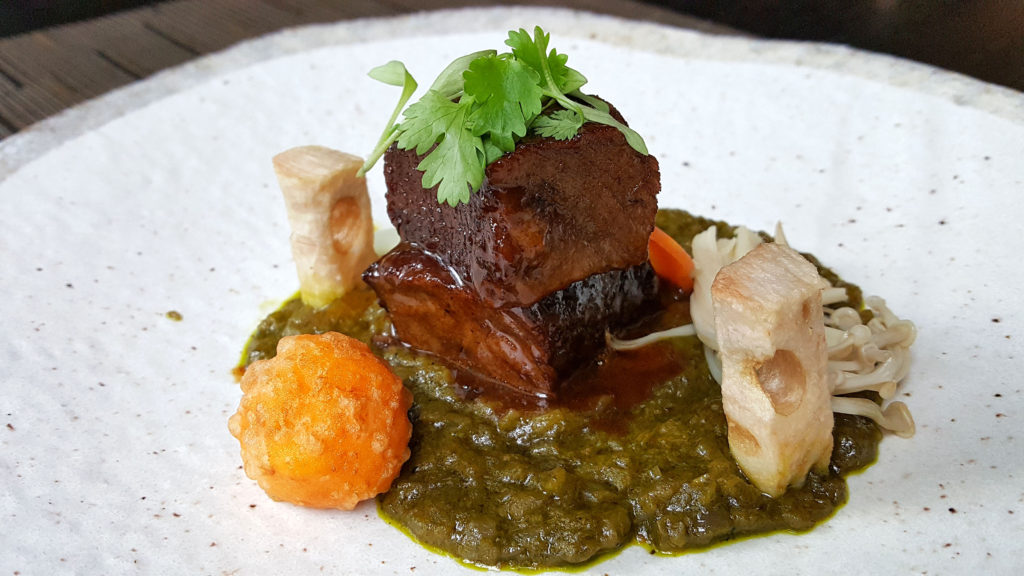
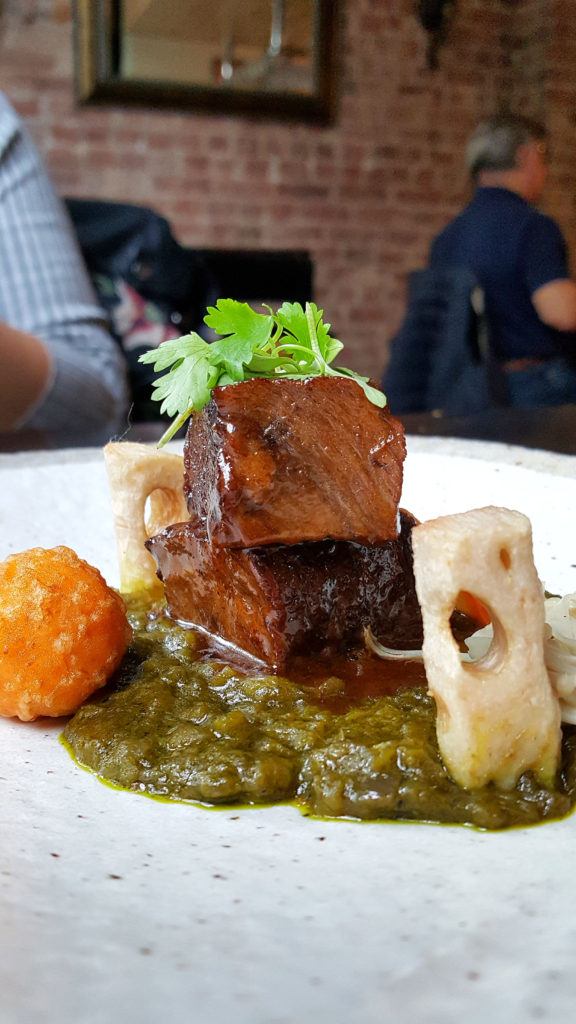
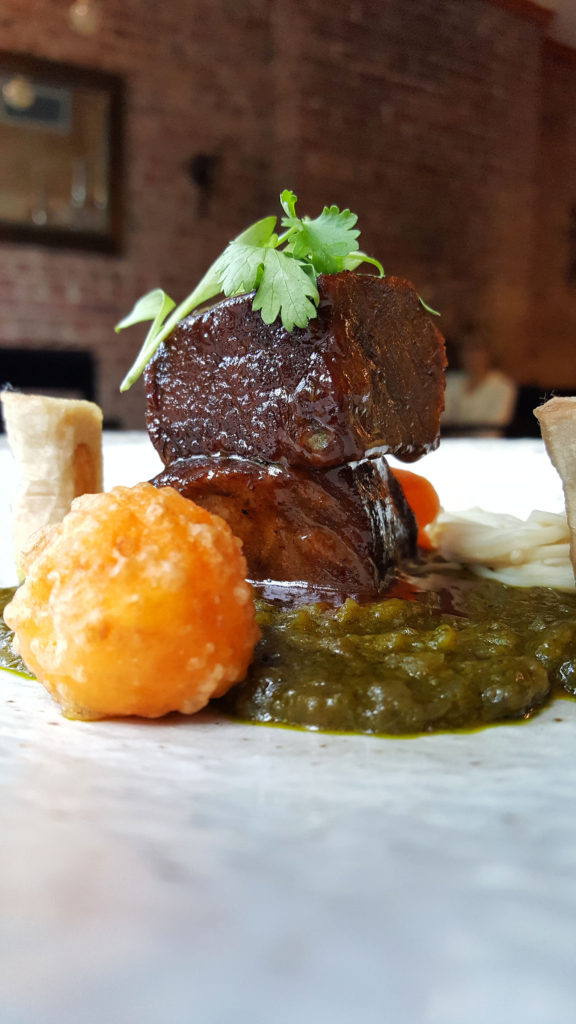
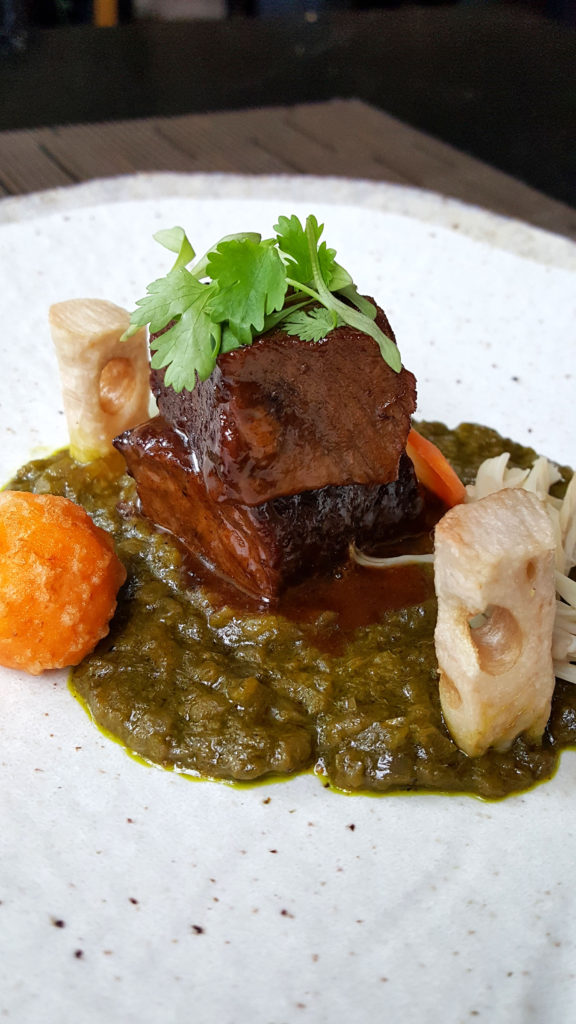
Our final course was a braised beef short rib with sweet potato, lotus root, carrots, enoki mushrooms and white asparagus in a garlic, onion, cilantro sauce.
The sauce had an earthy heat to it that penetrated deep into the beef flesh and lingered in your mouth with each delicious bite.
I highly recommend this dish as well, especially if you’re a beef person like me.
The portions here are crafted for a light tasting style dining experience. Order a bunch of things, or share, and you will definitely enjoy every bite. There’s a LOT to try here, and I’m looking forward to going back again soon. I’ve already told my friends that live in the neighborhood about this place. Awesome.
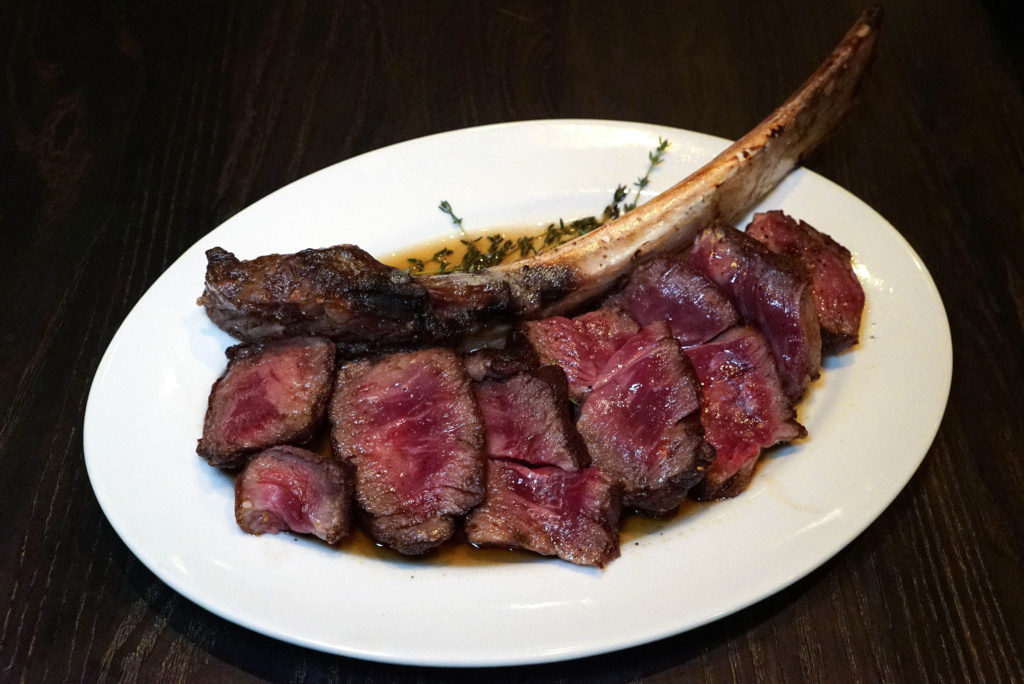
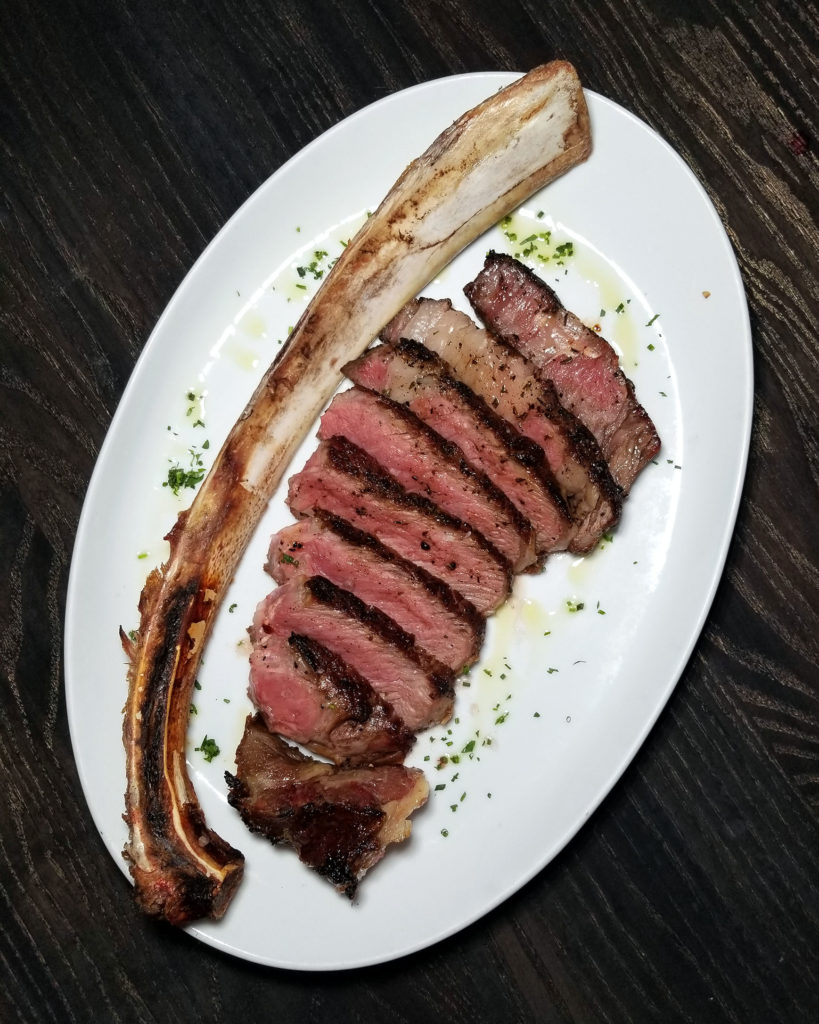
Primal Cut is a newly revamped steak restaurant within the Sapphire gentleman’s club. I was invited in for a free meal to help promote the joint. Take a look below:
Flavor: 7
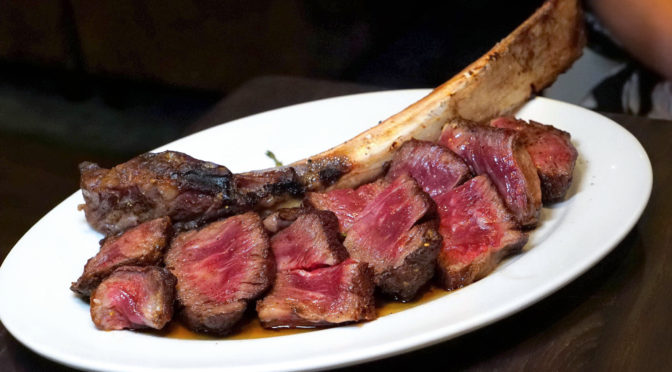
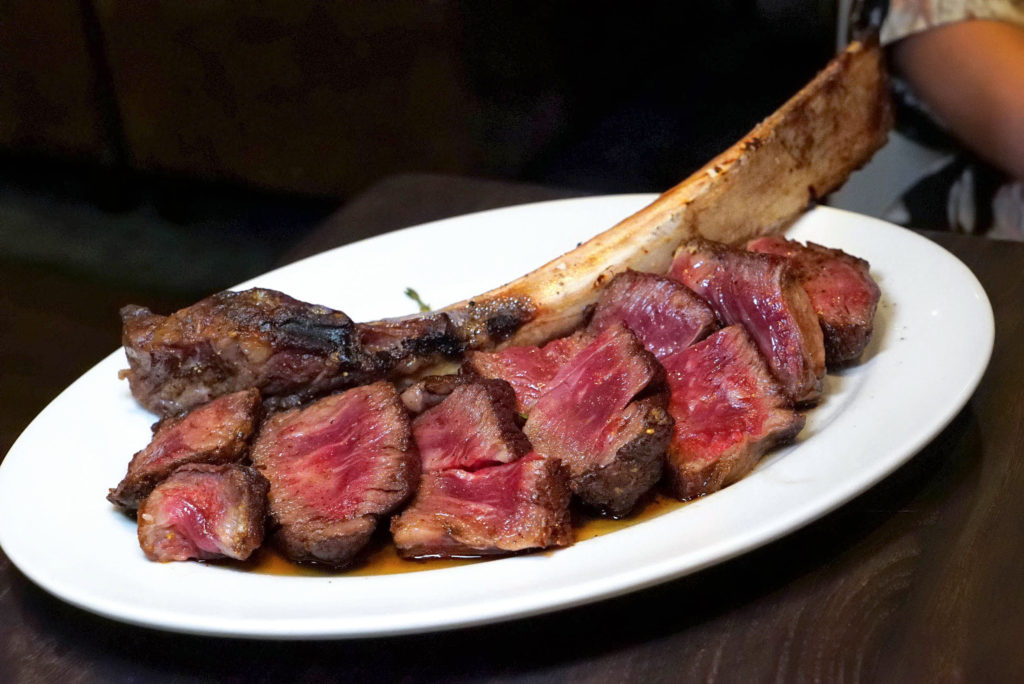
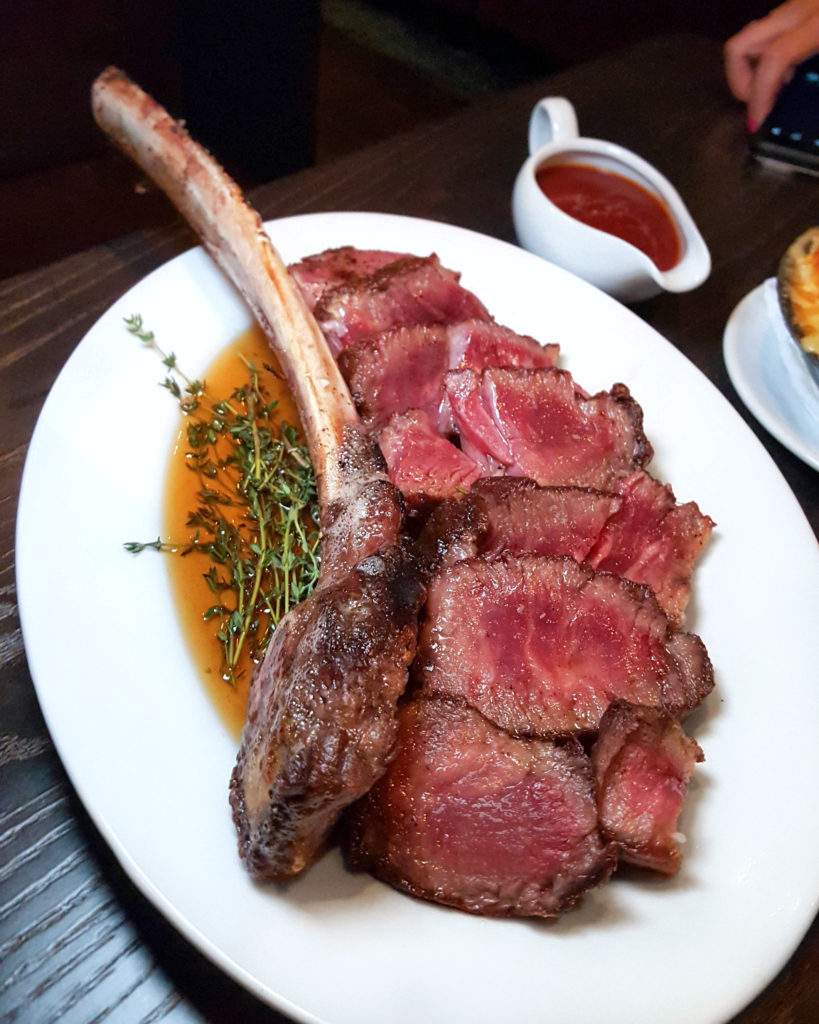
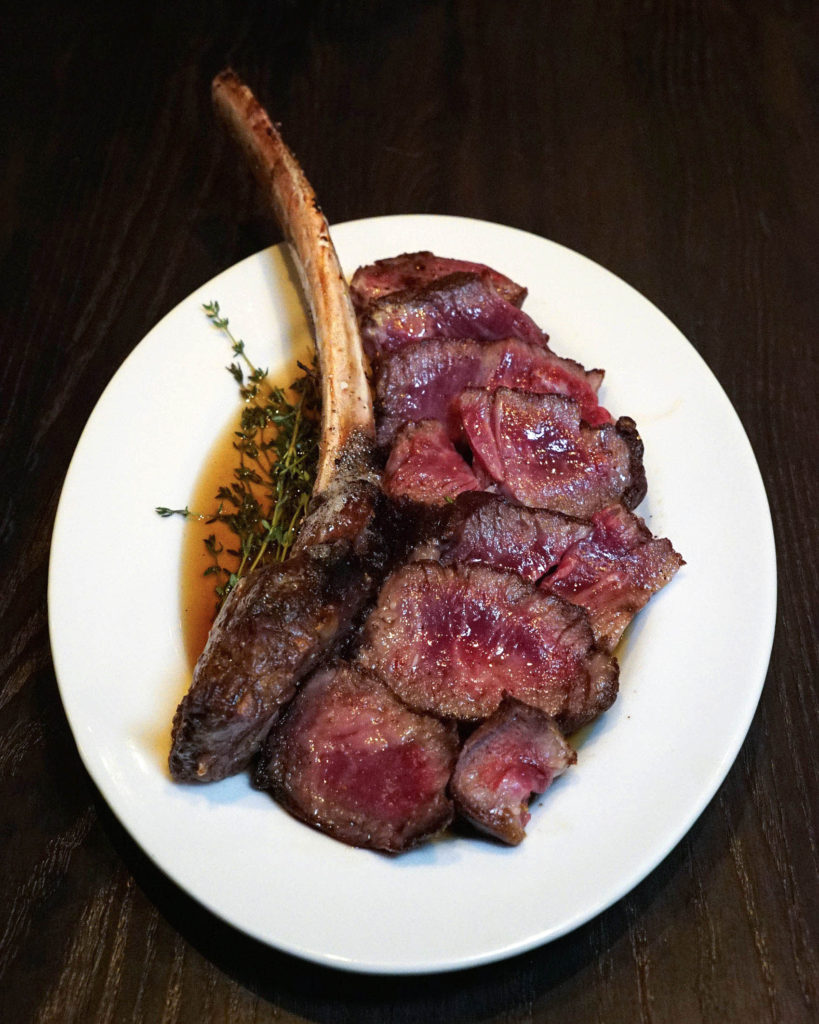
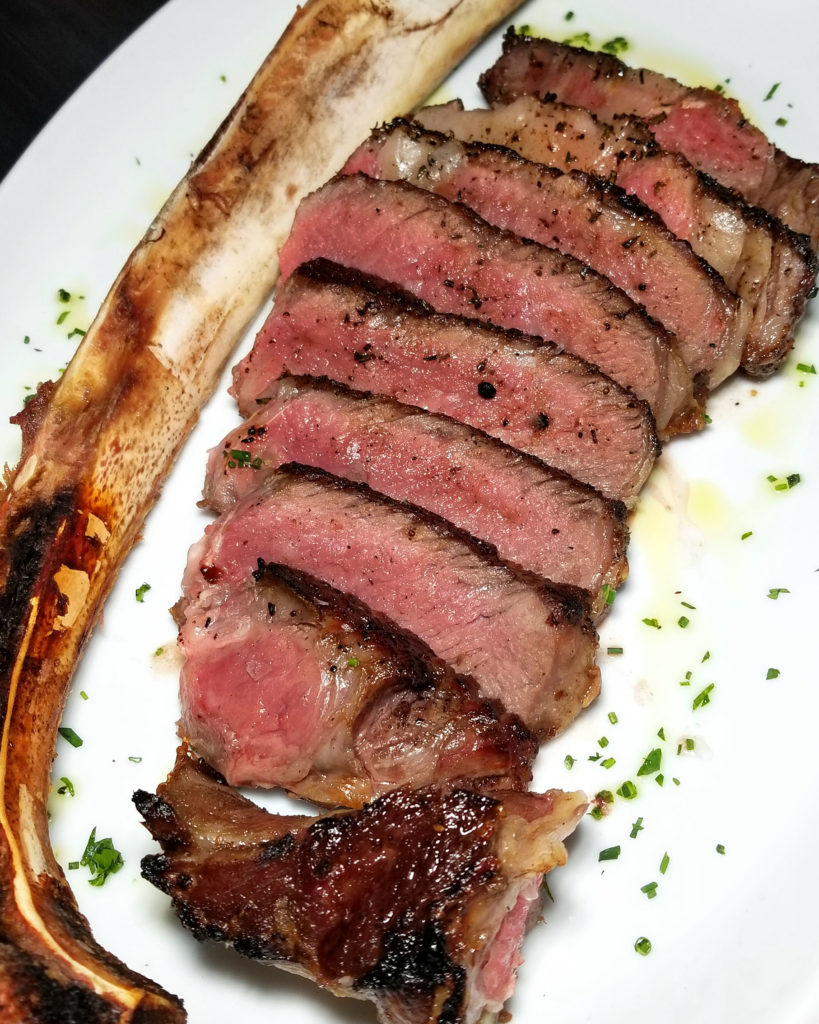
Chef Thomas Perone does a great job with the 40oz tomahawk rib eye for two.
The 37 days of dry aging gave it a really nice aroma.
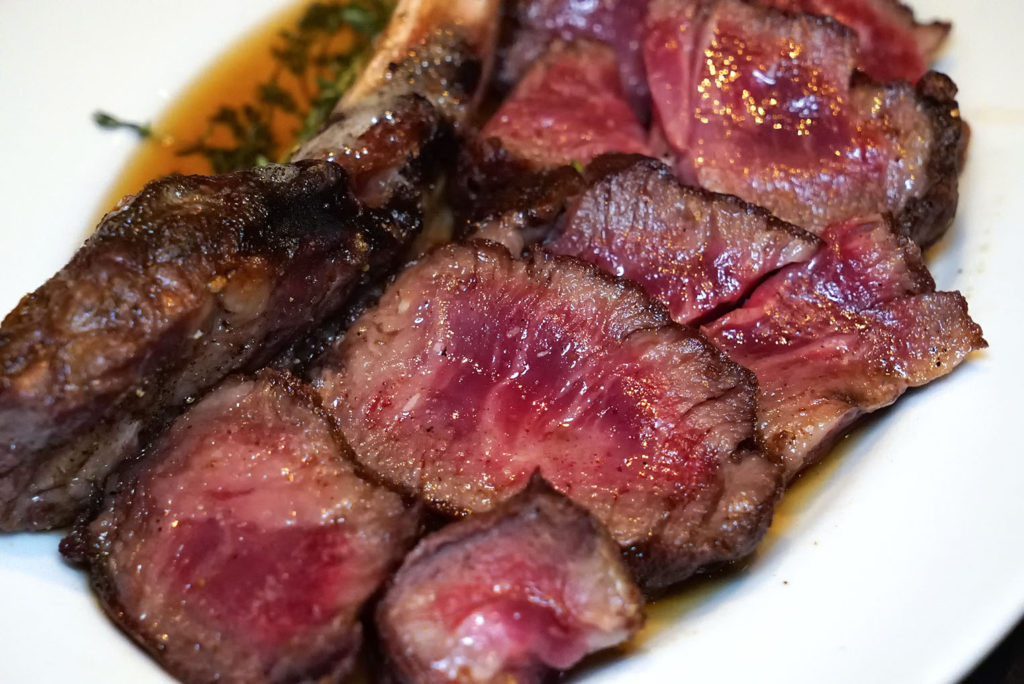
And Perone and his team nailed the crust on this thing.
Perone leaves soon for The Lambs Club, but he assures me that his staff runs the kitchen extremely well, so you’ll still be in great hands.
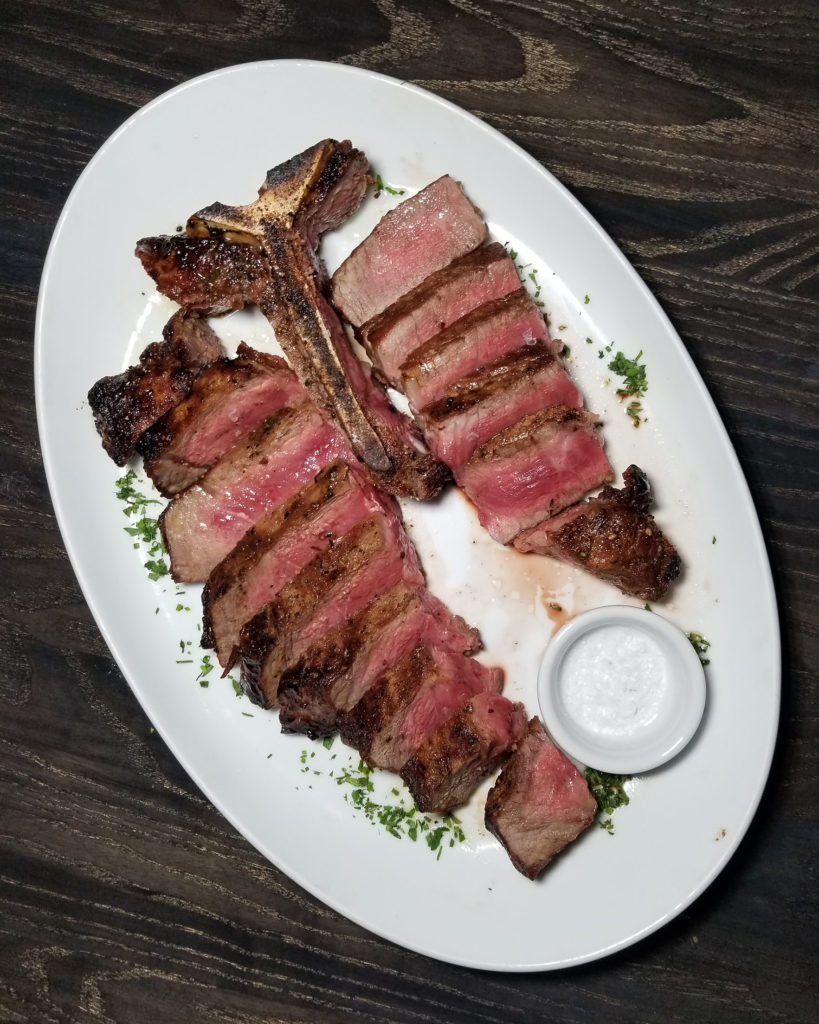
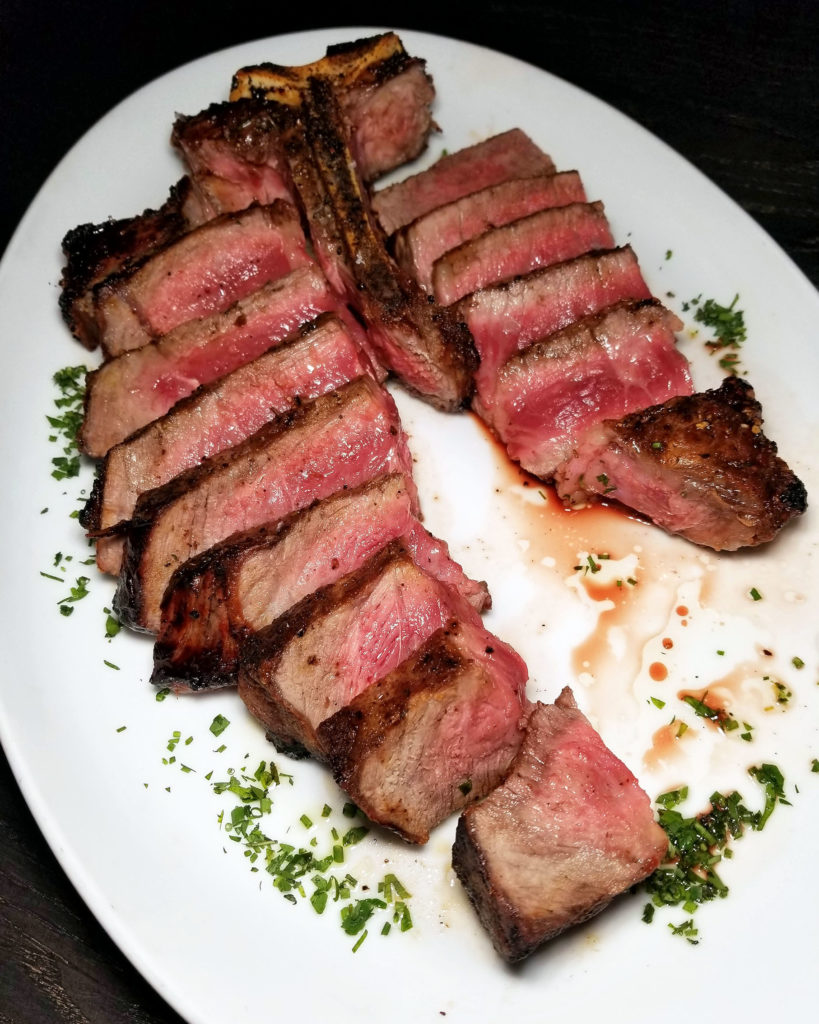
With new chef Daniel Fleming at the helm, I tried the porterhouse, as well as a repeat of the tomahawk.
Slightly over on the edges, but there was a good flavor throughout. 7/10.
This baby didn’t have as much flavor as the porterhouse, but it seemed to be more evenly cooked to a medium plus. as opposed to parts medium rare and parts medium well. 7/10.
Choice of Cuts & Quality Available: 9
Two sizes of filet, two sizes of rib eye (a cowboy cut and a tomahawk for multiple diners), a porterhouse for multiple diners, a strip, an A5 wagyu strip and a wagyu spinalis round out the menu here. Really fantastic showing, and the majority of the beef cuts hail from Strassburger Steaks. Can’t go wrong there.
Portion Size & Plating: 9
The 40oz tomahawk was a great size for sharing with another person. And all the other items were well-hung too. The plating is basic steakhouse style: minimal and elegant.
Price: 9
I was expecting skyrocket prices for a joint that’s located in a pricey strip club. But $55/pp on the steaks for two is really fair, especially if ogling tits and ass while you dine is your thing. All soups and salads are $12, and apps range from $14 to $25. Very fair.
Bar: 7
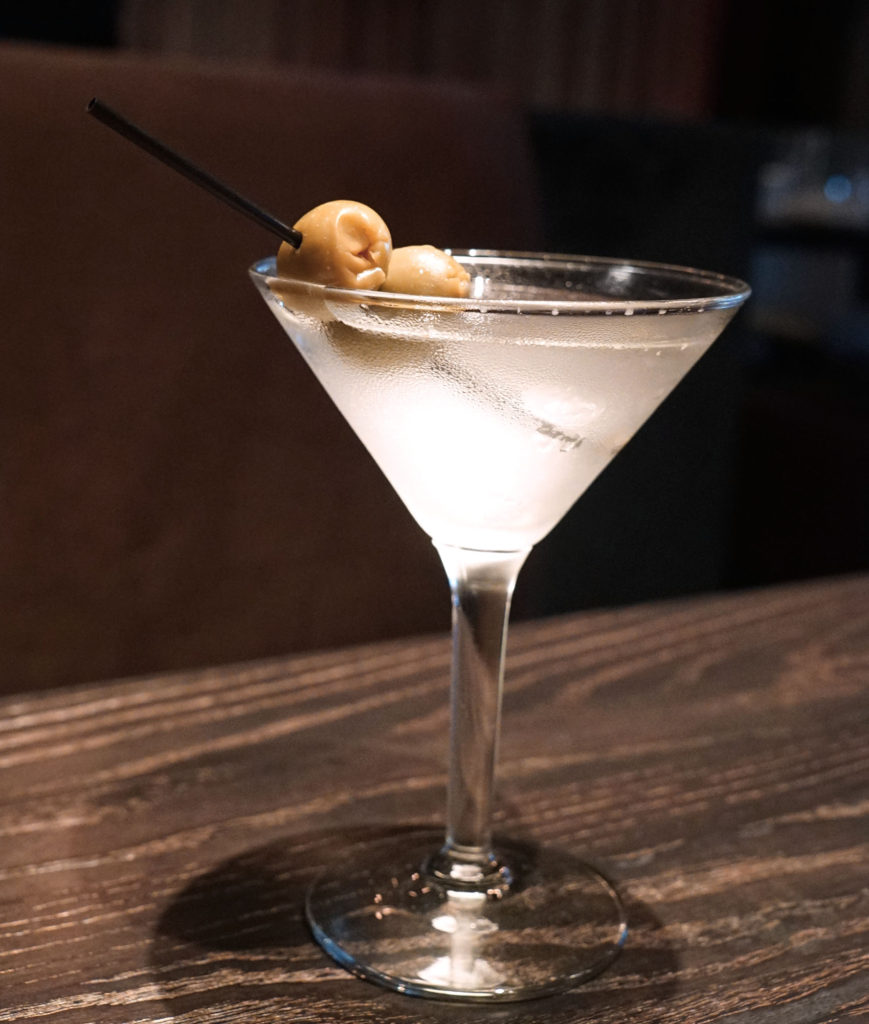
The bar here is on the small side, but they do mix a nice martini. The bartenders are sporting some revealing lingerie style attire – which I think is actually sexier than the gowns that the dancers walk around in – so that boosts up the “stay for another drink” factor in what would otherwise be a not-so-impressive stretch of bar.
Specials and Other Meats: 8
There were a couple of specials that weren’t on the menu, usually a different kind of house-made pasta that’s rolled out on specific days (like their lasagna, which all the strippers love). Big points here for the wagyu presence on the menu, otherwise there is just chicken and lamb for alternative meats.
Apps, Sides & Desserts: 8
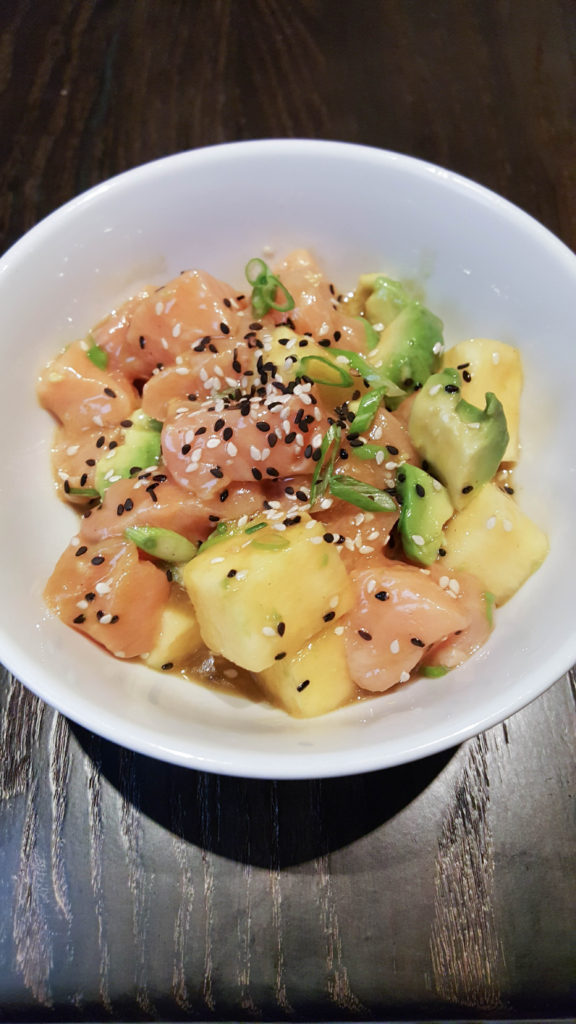
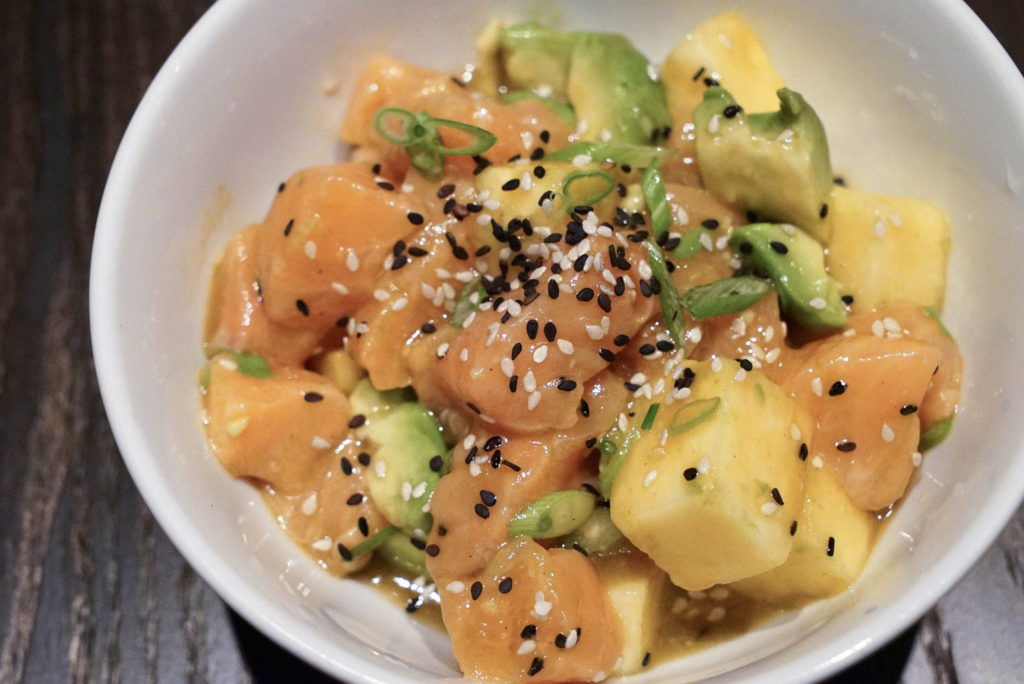
We tried a few apps and sides. The salmon poke bowl was really tasty and tropical, with a nice pop of flavor from the pineapple.
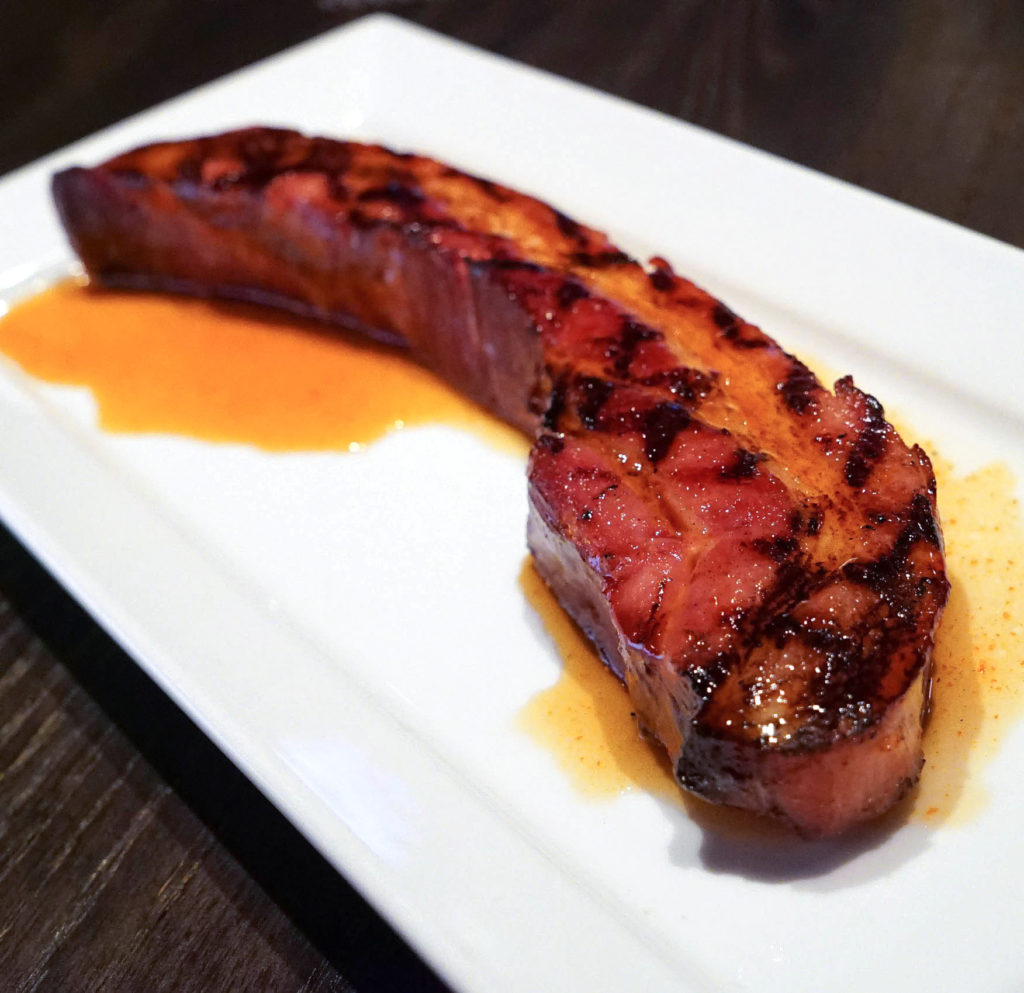
The half pound slab of bacon is great too, with a nice sweet and savory sauce that will change your expectations of bacon.
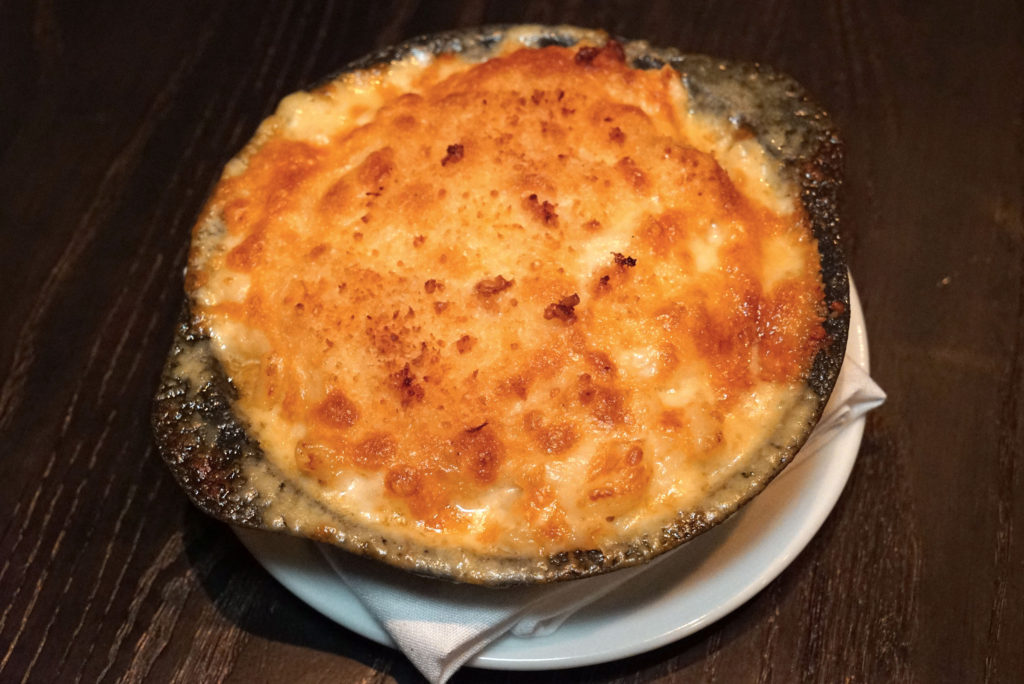
The 5-cheese truffle lobster mac is decadent and tasty, and had a great crispy crust on top. You should definitely order this.
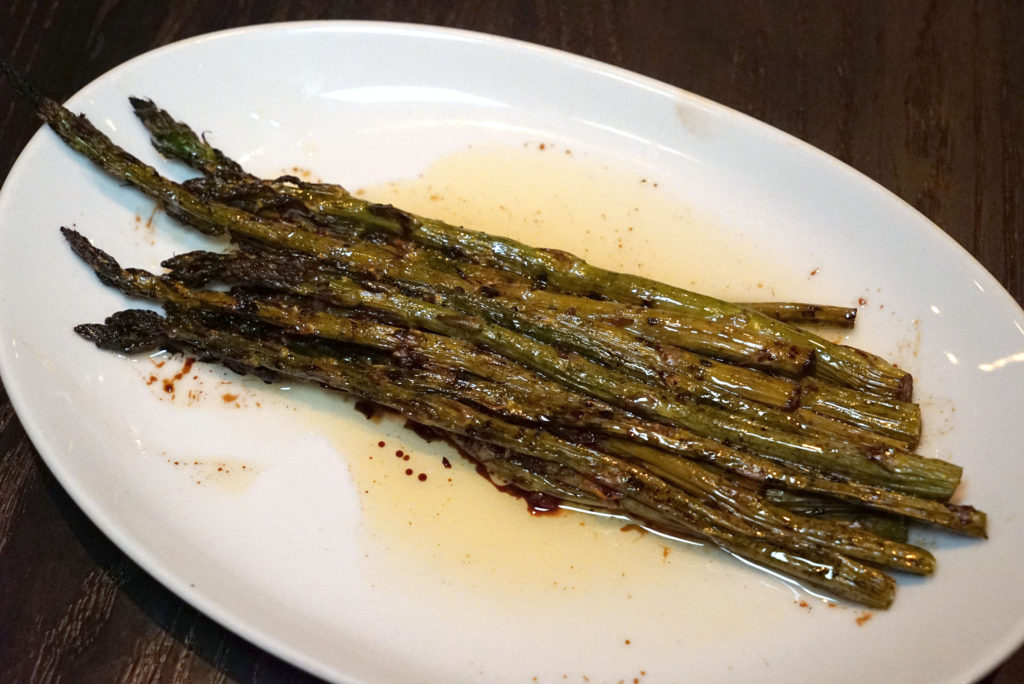
I was disappointed with the asparagus. These are the thin, limp, fibrous kind and not the thick, long, stiff ones you expect to sprout up at a strip club… I mean steakhouse.
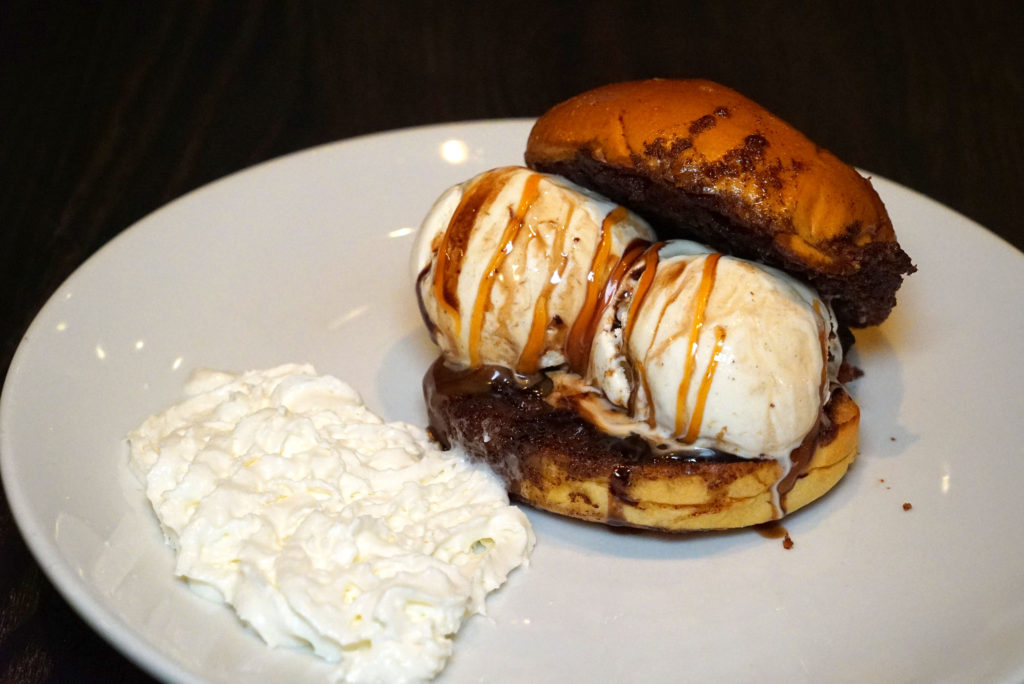
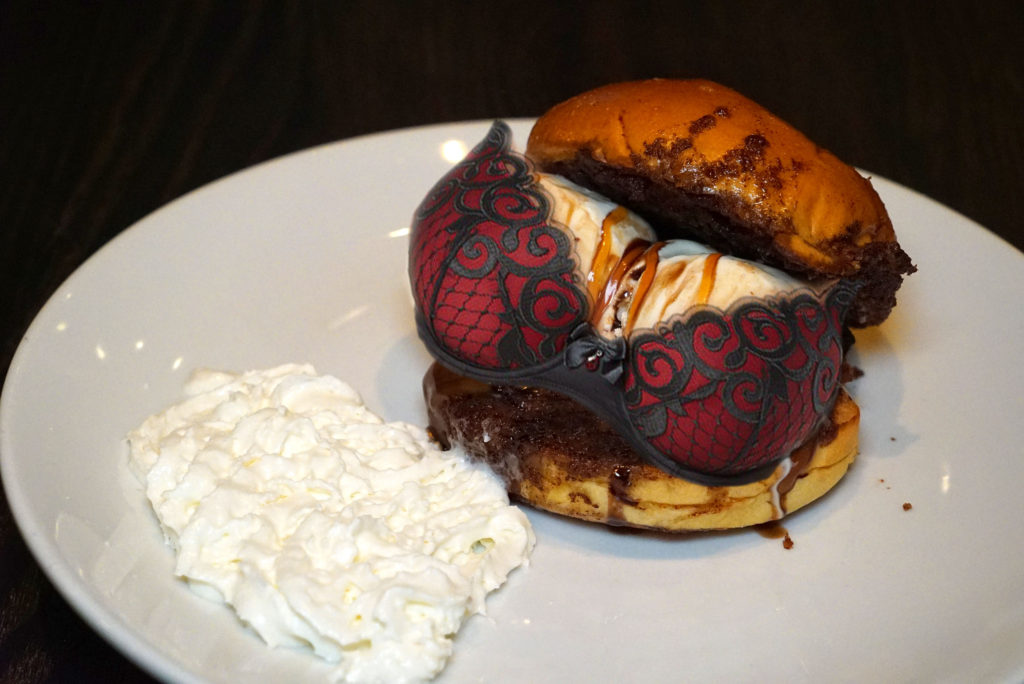
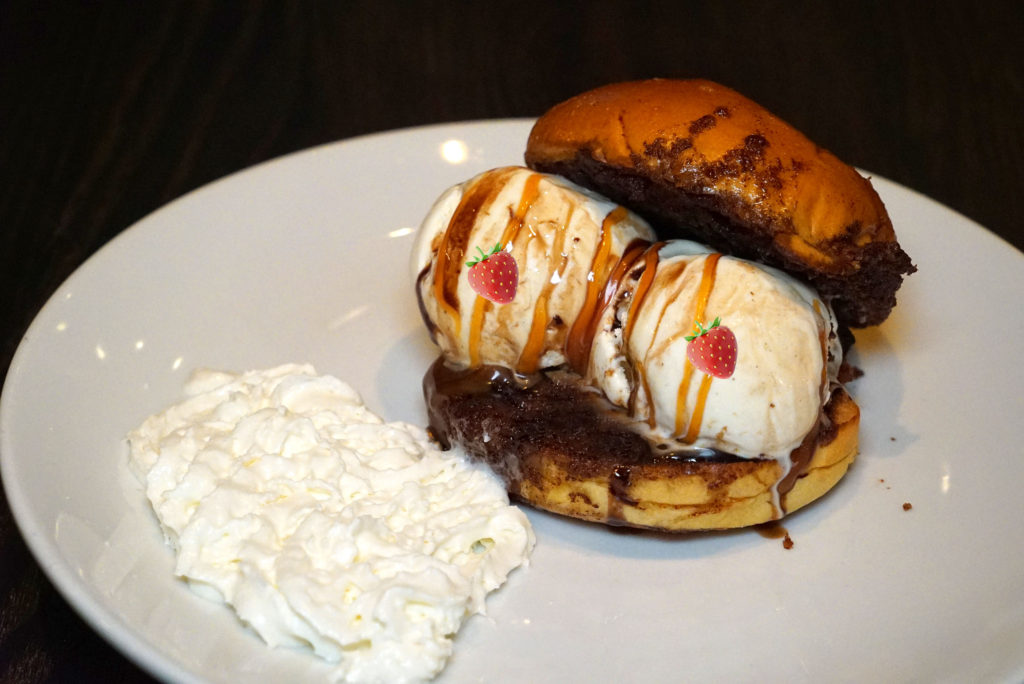
This French toast style ice cream sandwich dessert not only tasted great, but for some strange reason I kept subconsciously seeing caramel drizzled tits every time I looked at it.
Maybe because I was in a strip club?
Focus, man!
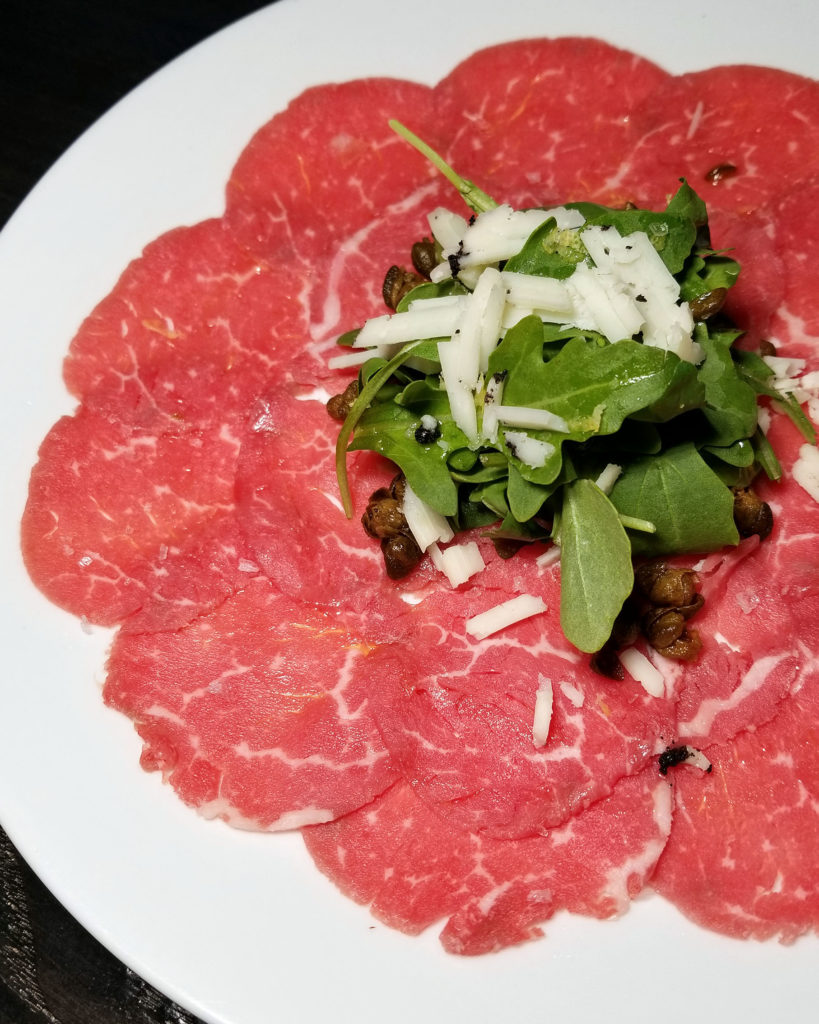
On another trip, I had this awesome carpaccio with fried capers. This was one of the best carpaccio I’ve ever had.
Seafood Selection: 7
There’s salmon and sea bass on the menu, aside from the nice array of appetizers.
Service: 10
If you dine here, try to get Alfonso as your waiter. He’s really friendly and helpful, knows what to recommend, and is just really on top of his shit. Everyone is friendly, there are no pushy dancers trying to get on top of you while you eat, and aside from the occasional girl walking around in a skimpy outfit as you hear the DJ calling her name to the main stage, you’d never really know that you were dining in a strip club. Whether that’s good or bad depends on you.
Ambiance: 6
I know, I know: How can you rate a steak joint within a strip joint anything lower than a 10 for ambiance?!?? That aspect is excellent, obviously, especially for the waning existence of hetero-normative, straight, cis-gendered alpha males like the majority of my readers. But the dining room is in need of a little sprucing up. It’s a relatively small spot too, which isn’t necessarily a bad thing, but they certainly have the ability to upgrade this place to the level of the untouchable midtown giants. There are low ceilings, it’s a bit stuffy (I think there was a ventilation and AC situation when we went), and the overall feel is very cavern-like. I think they should go all out in this place, maybe throw a few dance cages or a stage in there too. They don’t need to be topless dancers, but just embrace the strip club vibe! All that said, I went in at 6pm. Maybe things heat up later in the night.
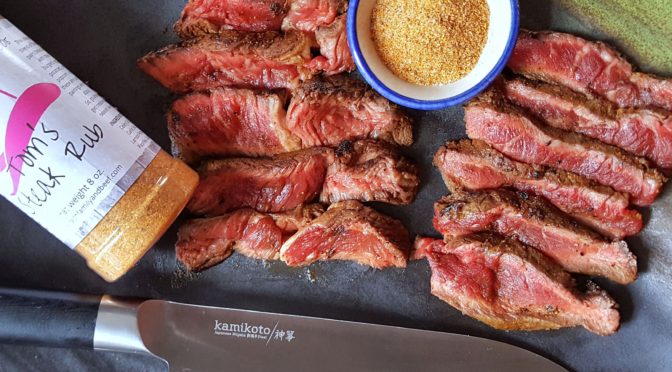
In this video review, I give you my thoughts on CrowdCow, Tom’s Steak Rub by Faith Family & Beef, and Kamikoto knives after cooking up some nice steaks in a cast iron pan.
CrowdCow works with small, sustainable cattle ranches to ship beef directly to consumers. They specialize in grass-finished beef. Today I’m working with a flatiron steak and a chuck eye steak that they sent to me.
Tom’s Steak Rub is made by a family that lives and works on a large cattle ranch in western Nebraska. They sent me awesome hats with the steak rub, too, which match my steak shirts perfectly.
In the video I’m testing out the Kamikoto 7-inch Japanese forged steel santoku. They’re running a massive sale on these things right now. The knife is normally $675 but it’s currently on sale for $115. They also have nice knife sets at deeply discounted prices as well.
In short, I highly recommend all three of these products. Please enjoy the video!
In my effort to educate you dingbats about all-things-beef, I figured this would be a nice little primer on what’s going on in the industry around the Beef Checkoff Program.
In 1985, the Food Security Act, aka the “Farm Bill,” established something called the Beef Checkoff Program. The program, which later became mandatory in 1988, takes $1 per head on the sale of live domestic and imported cattle, in addition to a comparable grab on imported beef and beef products.
The Beef Checkoff logo, which you will see on all things that the program funds.
The dough is collected by state beef councils, which retain up to half the amount collected. The state councils give the other half to the Cattlemen’s Beef Promotion and Research Board, which oversees the national checkoff program, subject to USDA review.
There are 100 members of the Cattlemen’s Beef Board. They’re nominated by fellow beef producers and appointed by the Secretary of Agriculture, and they represent all segments of the beef industry.
Beef Checkoff was designed to get people to sell more beef and motivate consumers to buy more beef. This is accomplished through advertising, marketing partnerships, public relations, education, research and new-product development. The Beef Act defines six program categories: (1) promotion, (2) research, (3) consumer information, (4) industry information, (5) foreign marketing, and (6) producer communications.
You may have heard the slogan “Beef: It’s what’s for dinner” somewhere in your travels. That’s just one example of their success.
But fear not! By law, checkoff funds can’t be used to promote breeds or brands without USDA and Beef Board Executive Committee approval. Furthermore, checkoff funds can’t be used to influence government policy or action (including lobbying). The law also disallows checkoff money to be invested in production research that isn’t aimed at improving beef products.
The main goal of the program is to increase commodity demand, and thus increase economic growth in the industry. Most beef and dairy producers believe that their beef checkoff dollars bring value back to them. Many of my posts are a result of beef checkoff funding, actually. The MBA and Top of the Class programs in which I participated were funded by the checkoff. Do you think that money went to good use? I do!
Should the funding ever increase (to more than $1 per head, for example) the checkoff may consider putting the “Beef: It’s What’s For Dinner” message back on TV, stepping up consumer education, or increasing foreign market development.