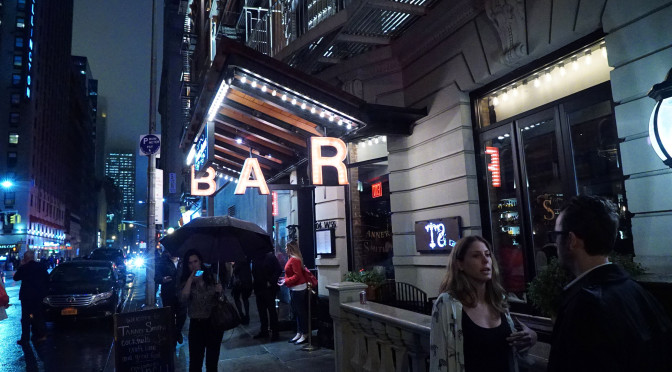
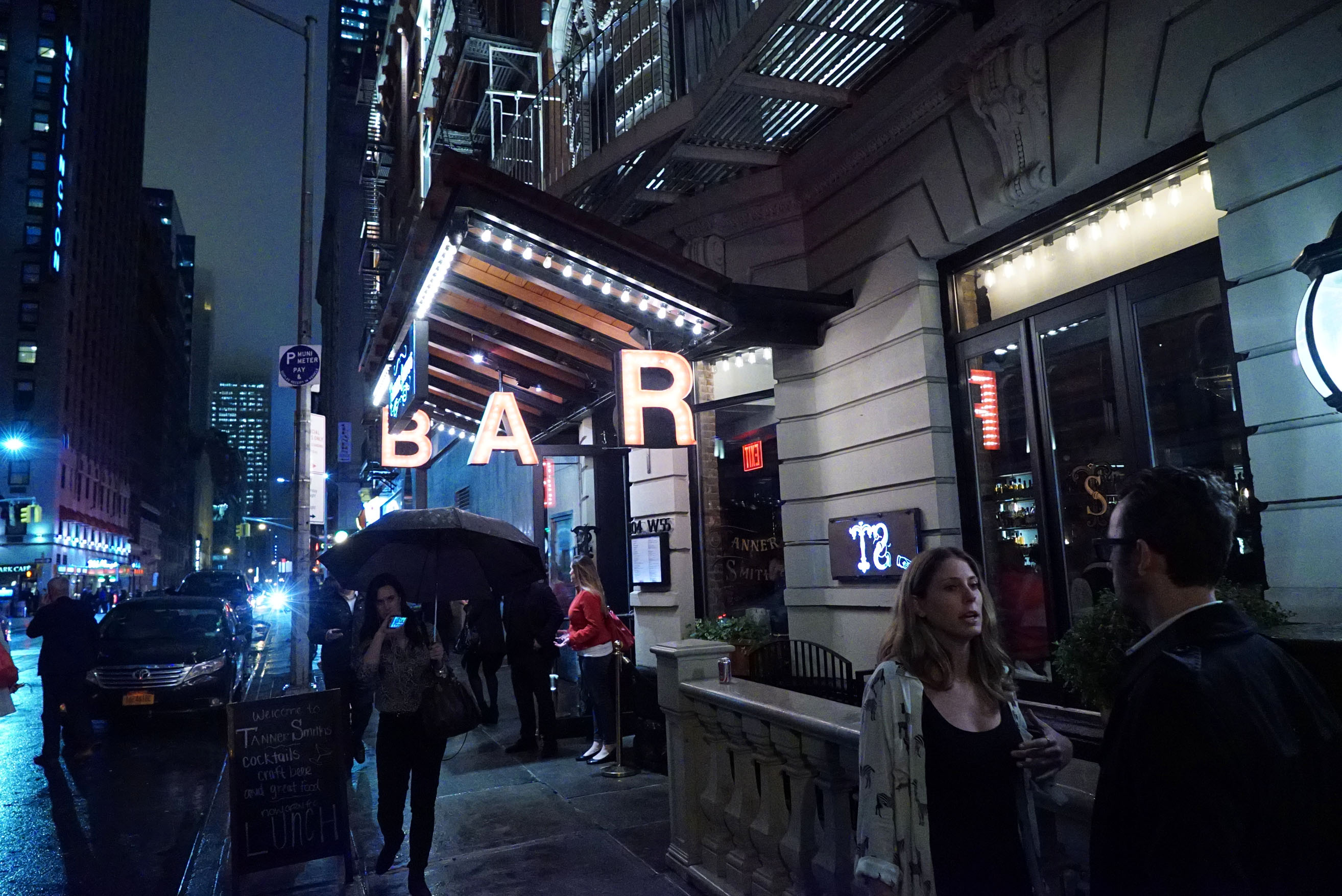
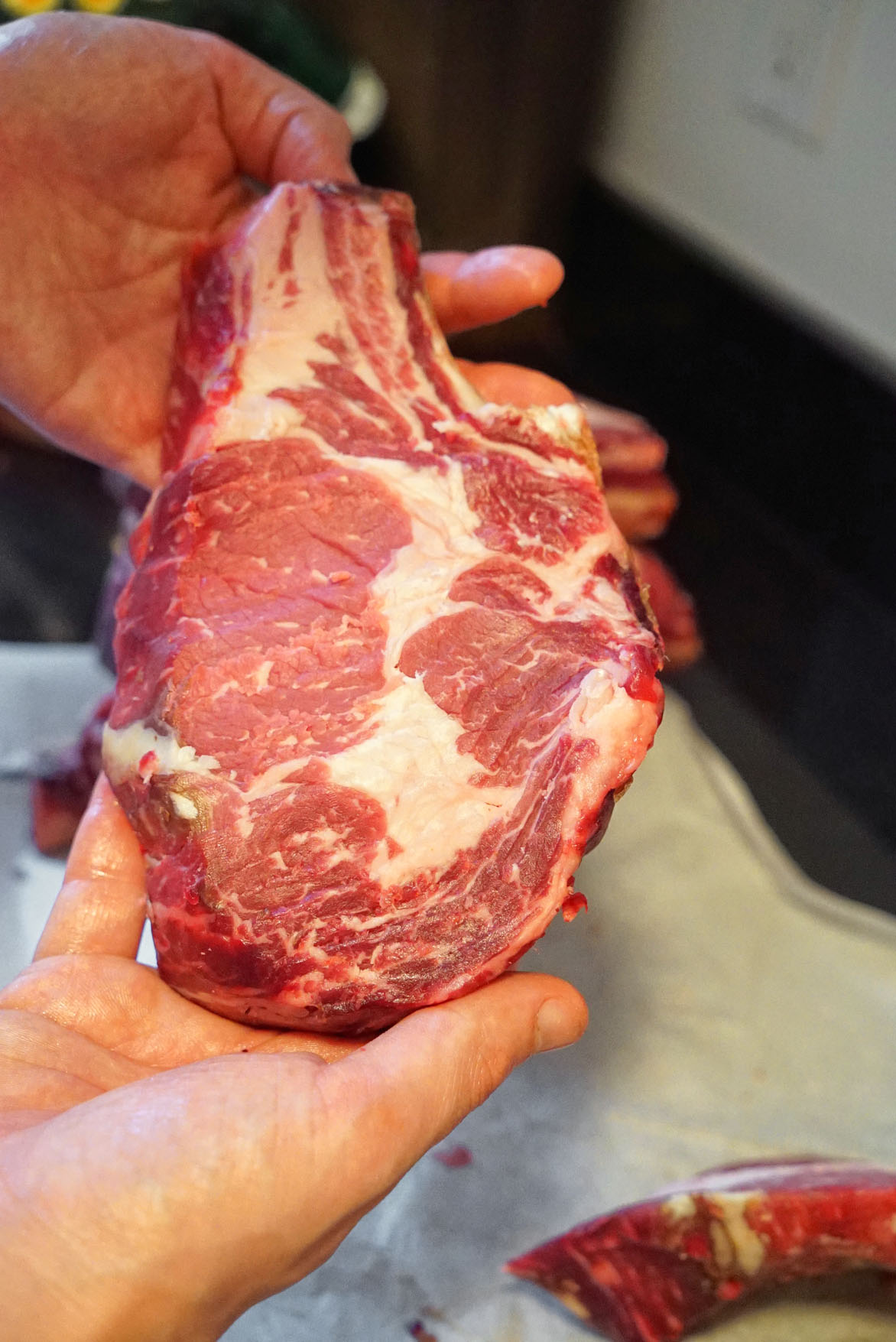
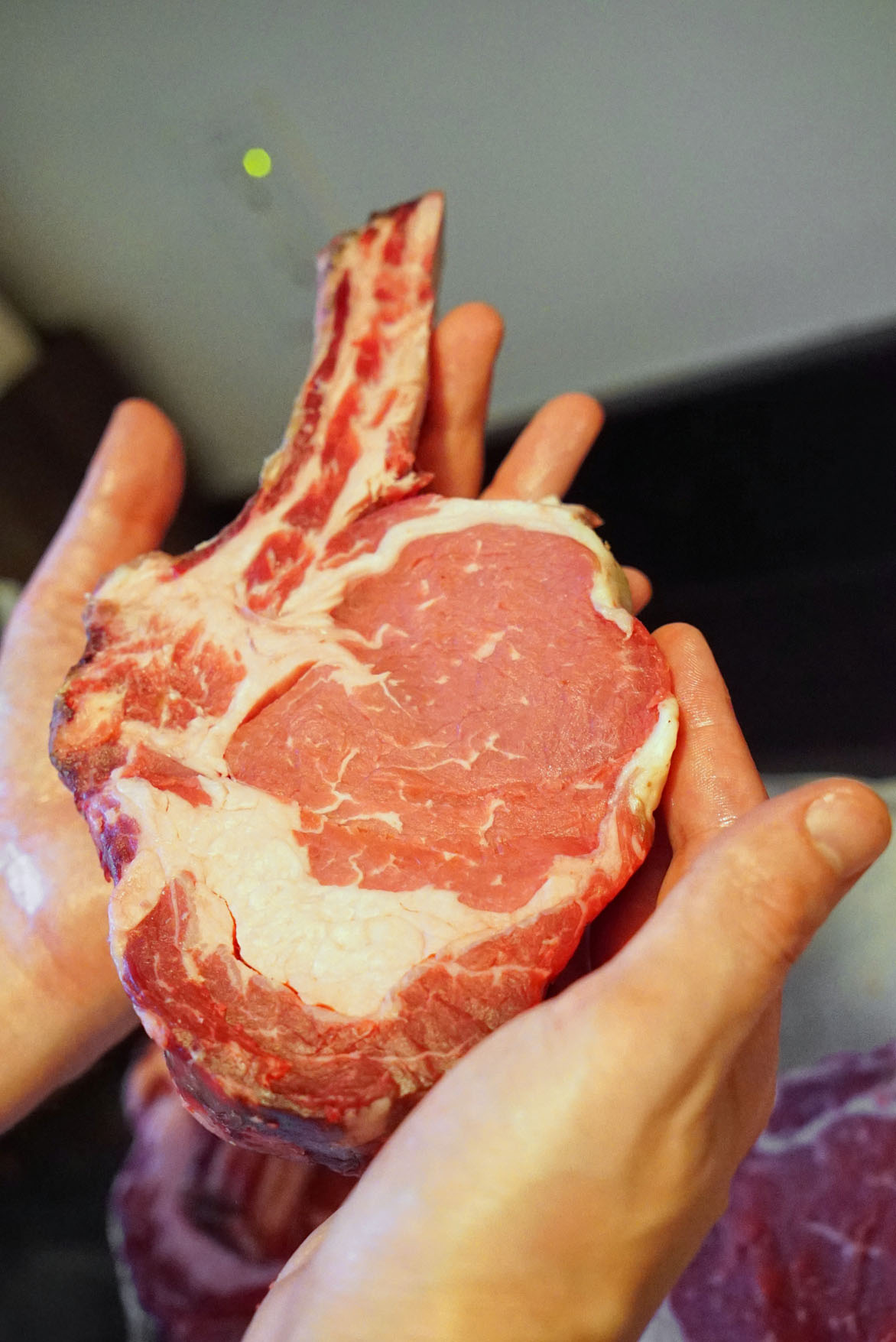
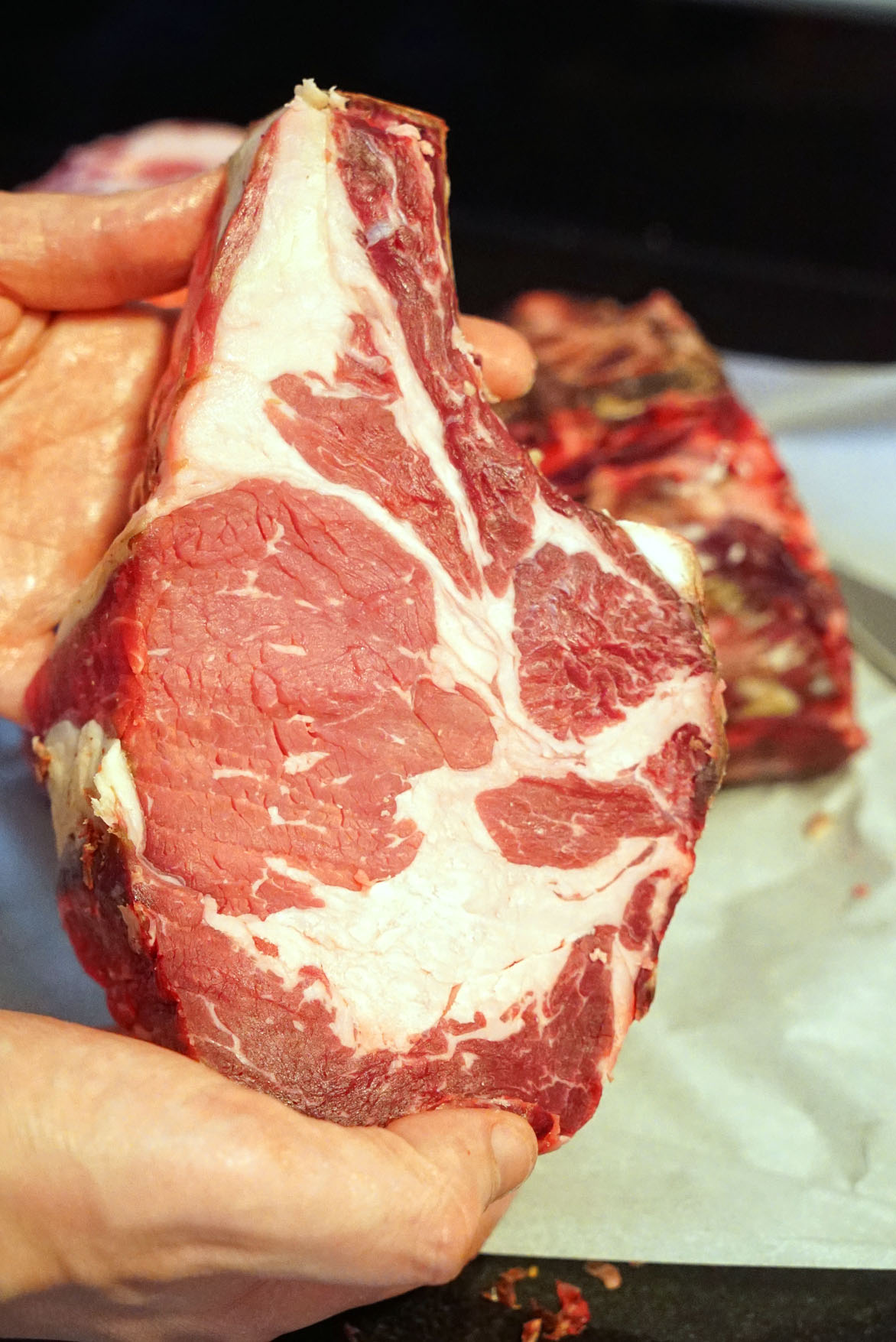
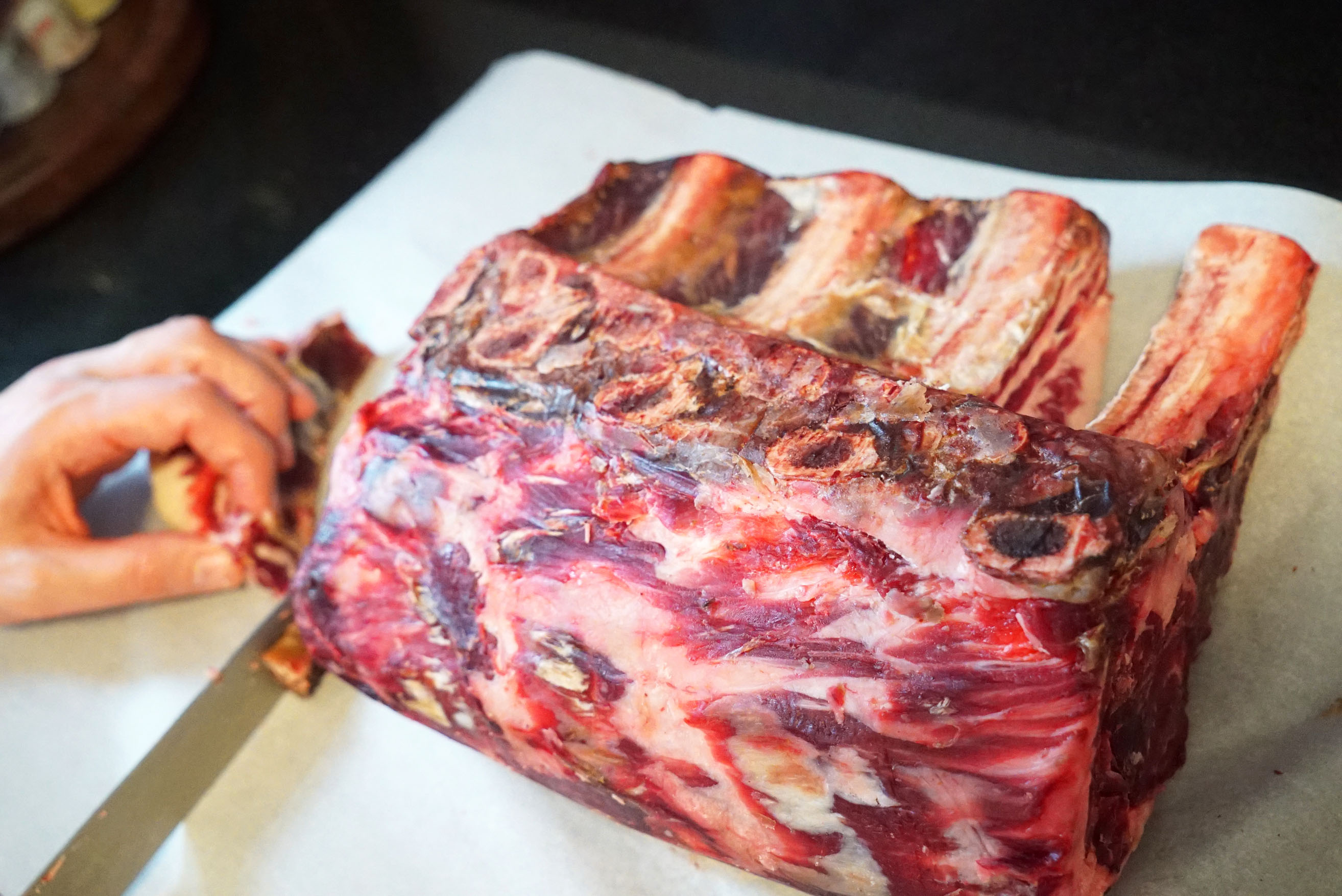
This joint is home to some really excellent cocktails.
I had been eyeballing the place for a while, and when a buddy was in town and staying at a hotel nearby, we decided to go in.
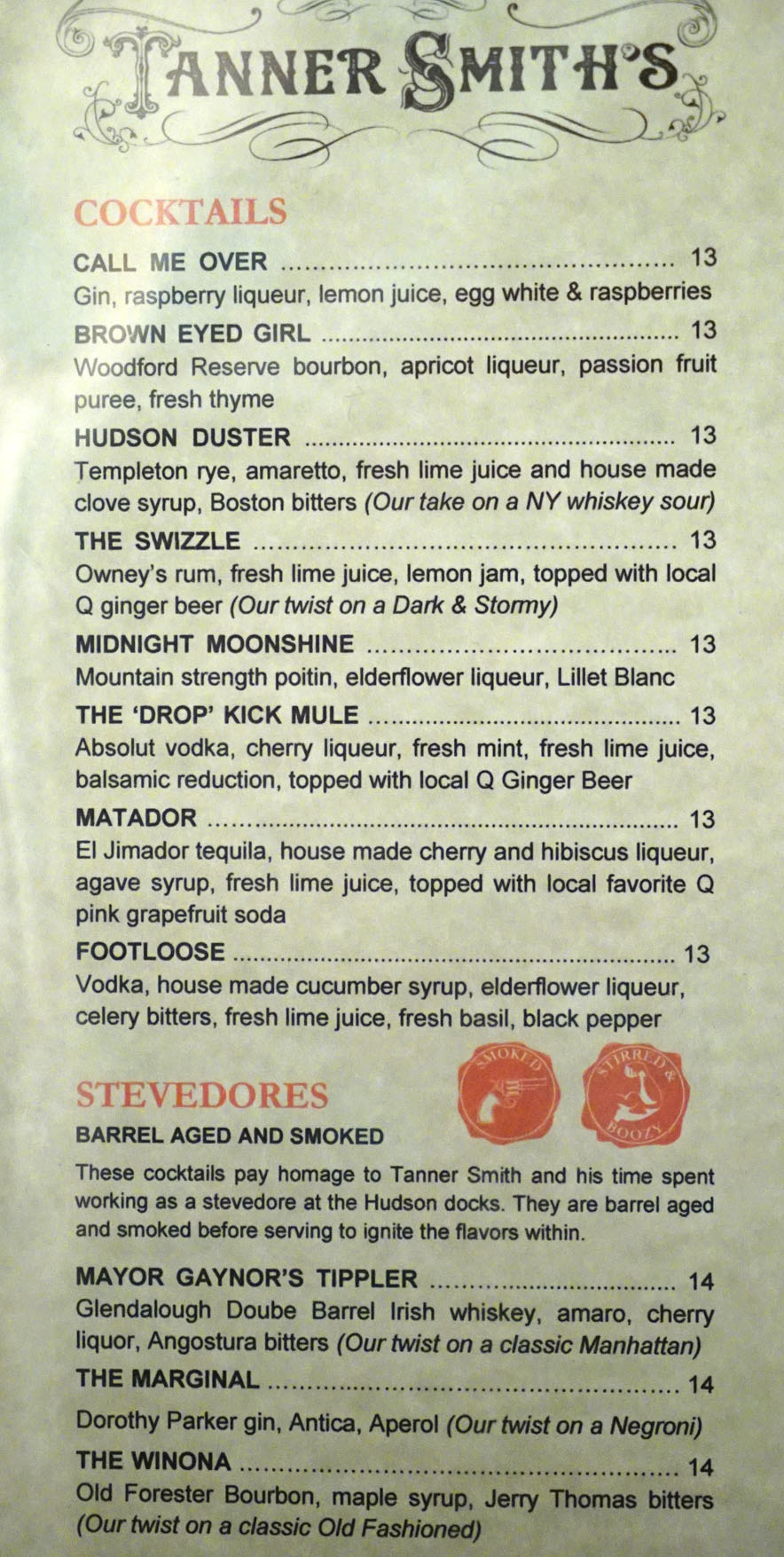
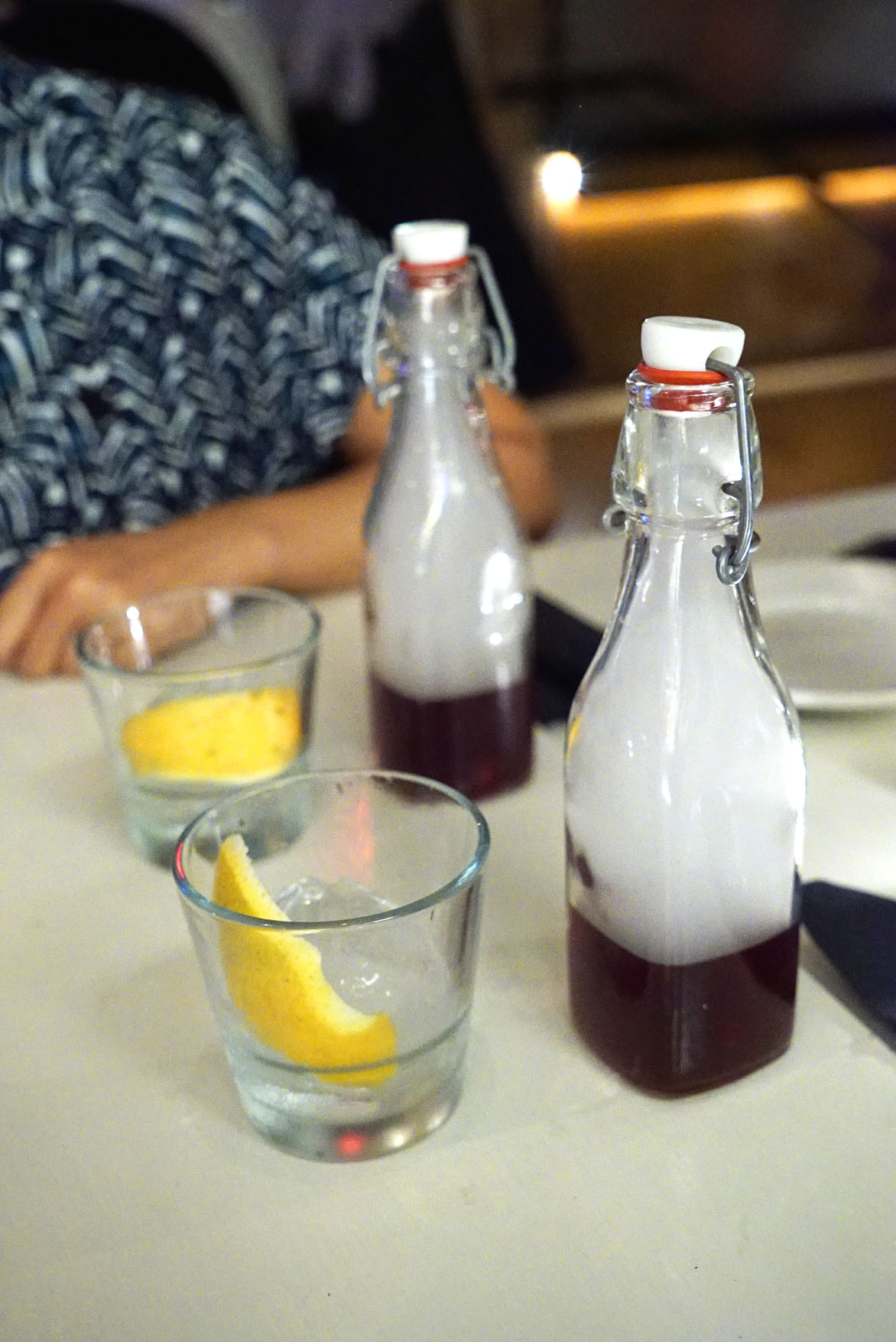
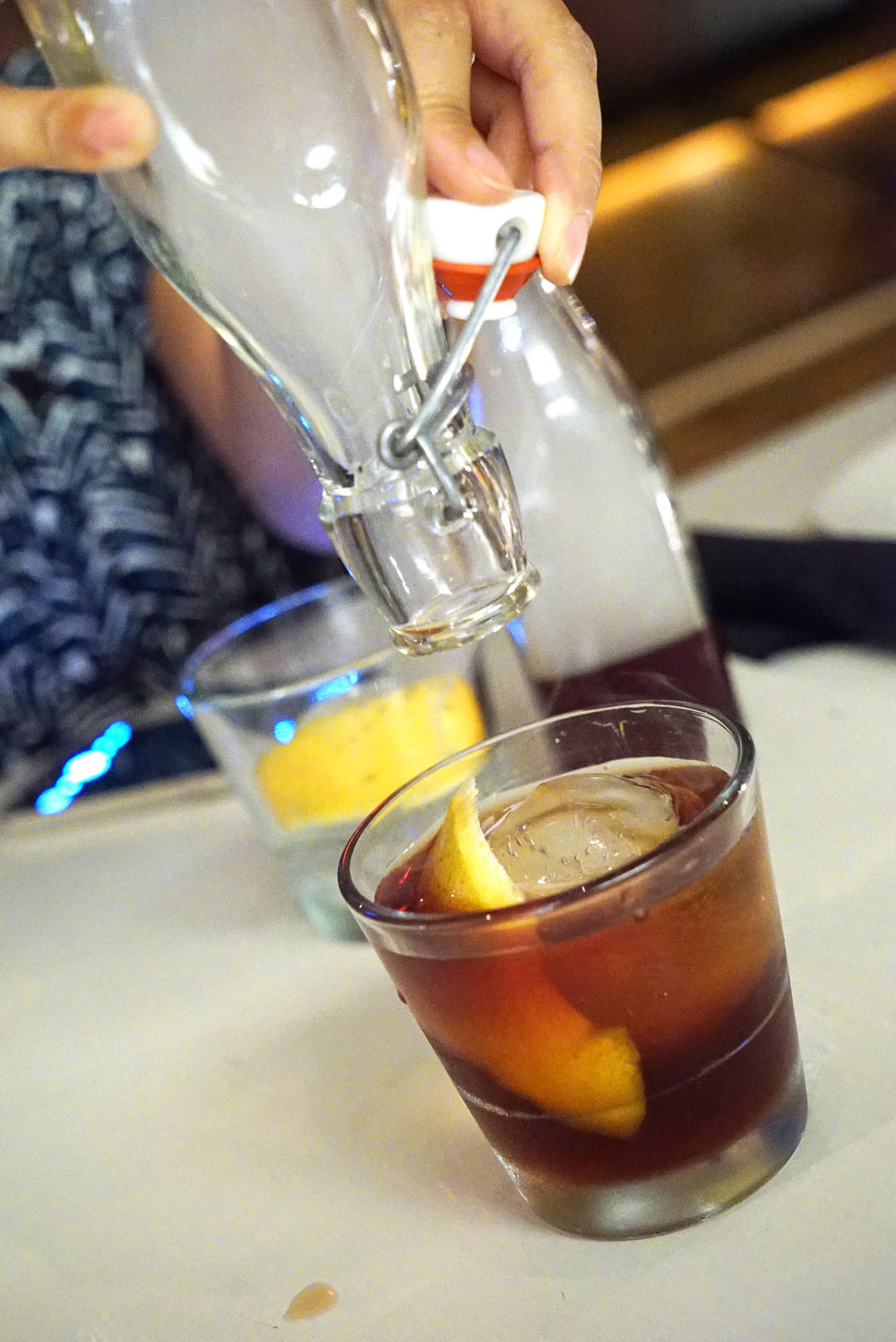
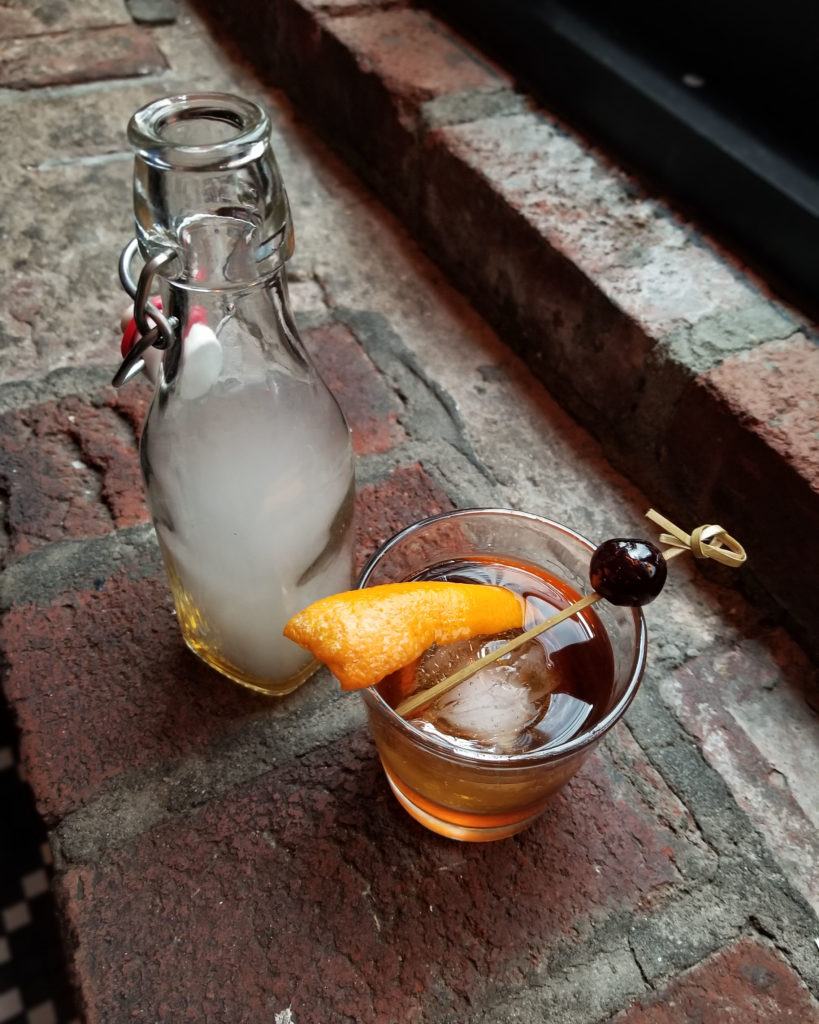
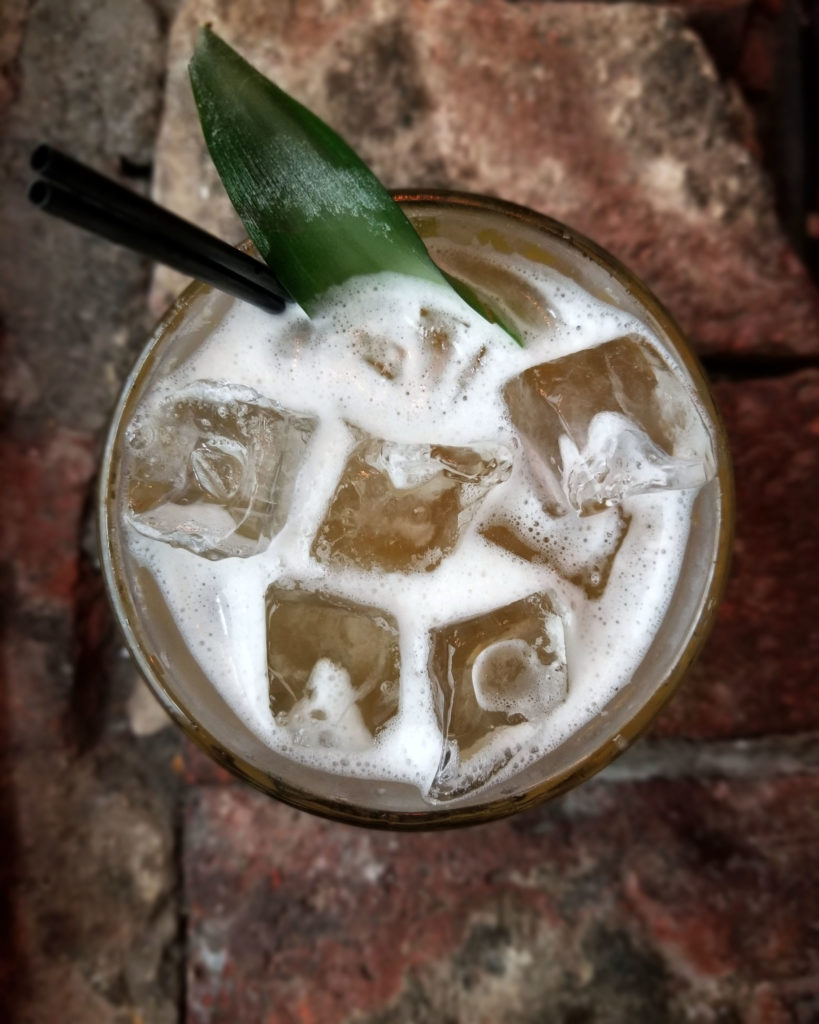
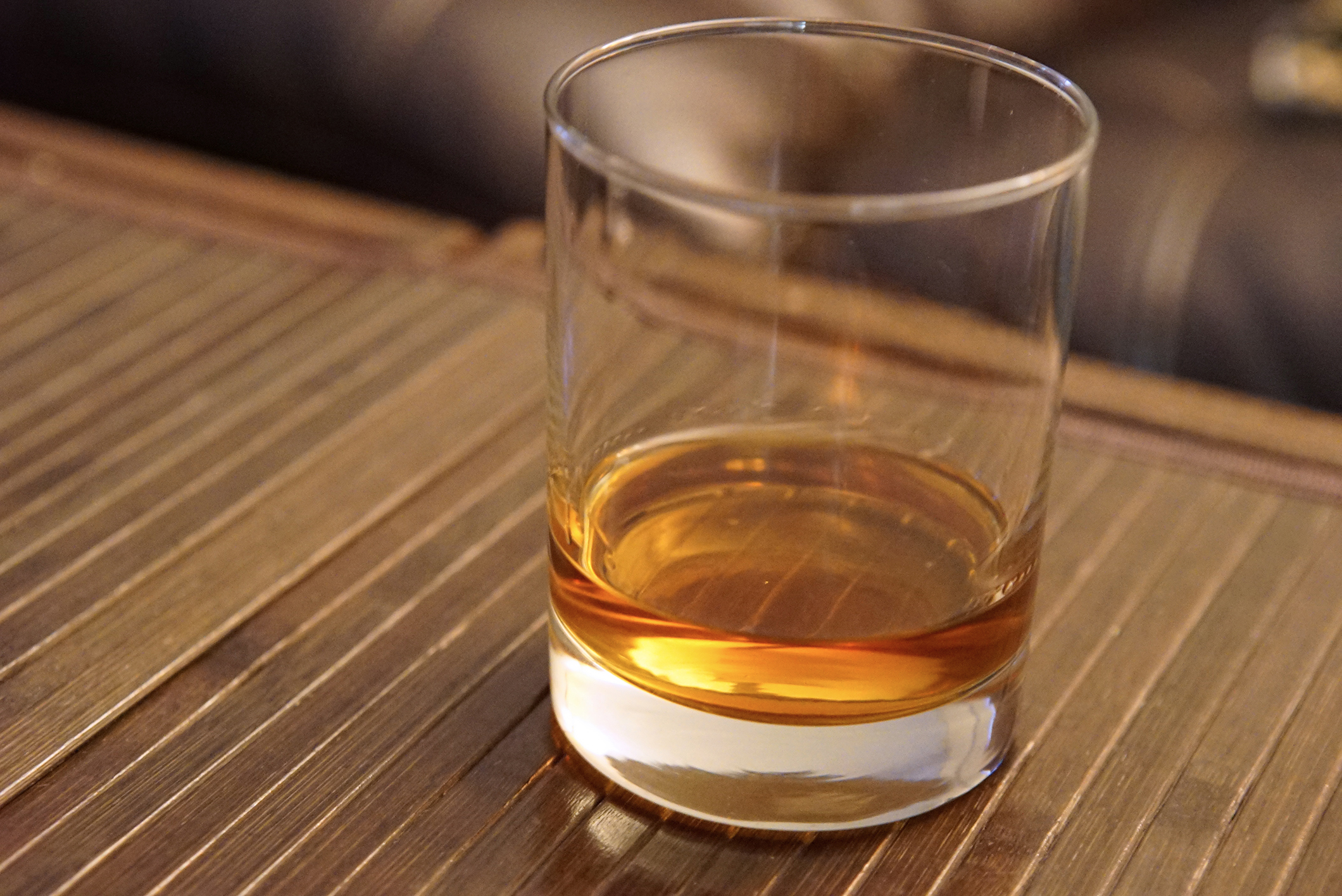
Our bartender, Albert, mixed up the absolute, hands-down best Old Fashioned I have ever tasted. On the menu it is called a Winona, and is made with a few flourishes to the standard ingredients, the most impressive of which is its delivery in a smoke infused bottle.
Watch as the smoke billows out and creates a nose for the drink as you sip it:
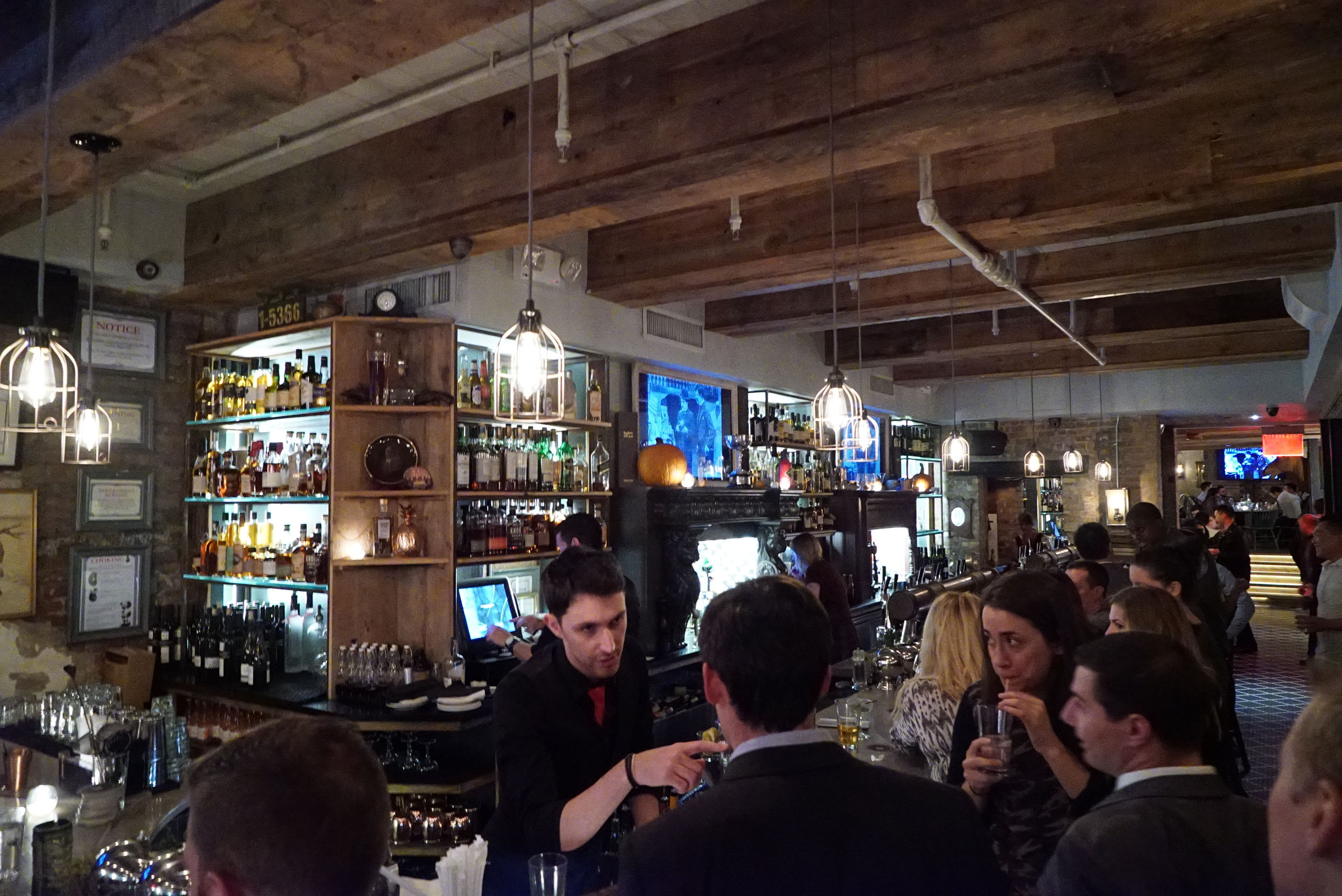
I’m not big on the whole “mixology” thing. Mixing drinks is cool but I still call it bartending. Bartending with interesting ingredients doesn’t require a scientific-sounding name. It’s all about pairing flavors, and that’s what any good bar tender should be able to do. Albert is one of those people who takes pride in what he does. He isn’t afraid to try new things and come up with new drinks. I even told him about the Germain Scotsman. His initial reaction was “mixing peaty scotch with anything is blasphemy,” but he embraced the drink with an open mind and found that he actually liked it! It works on many levels.
Anyway, after another visit here for drinks with ANOTHER friend who was in town and staying in midtown, my wife and I finally made it over to try out some of the food.
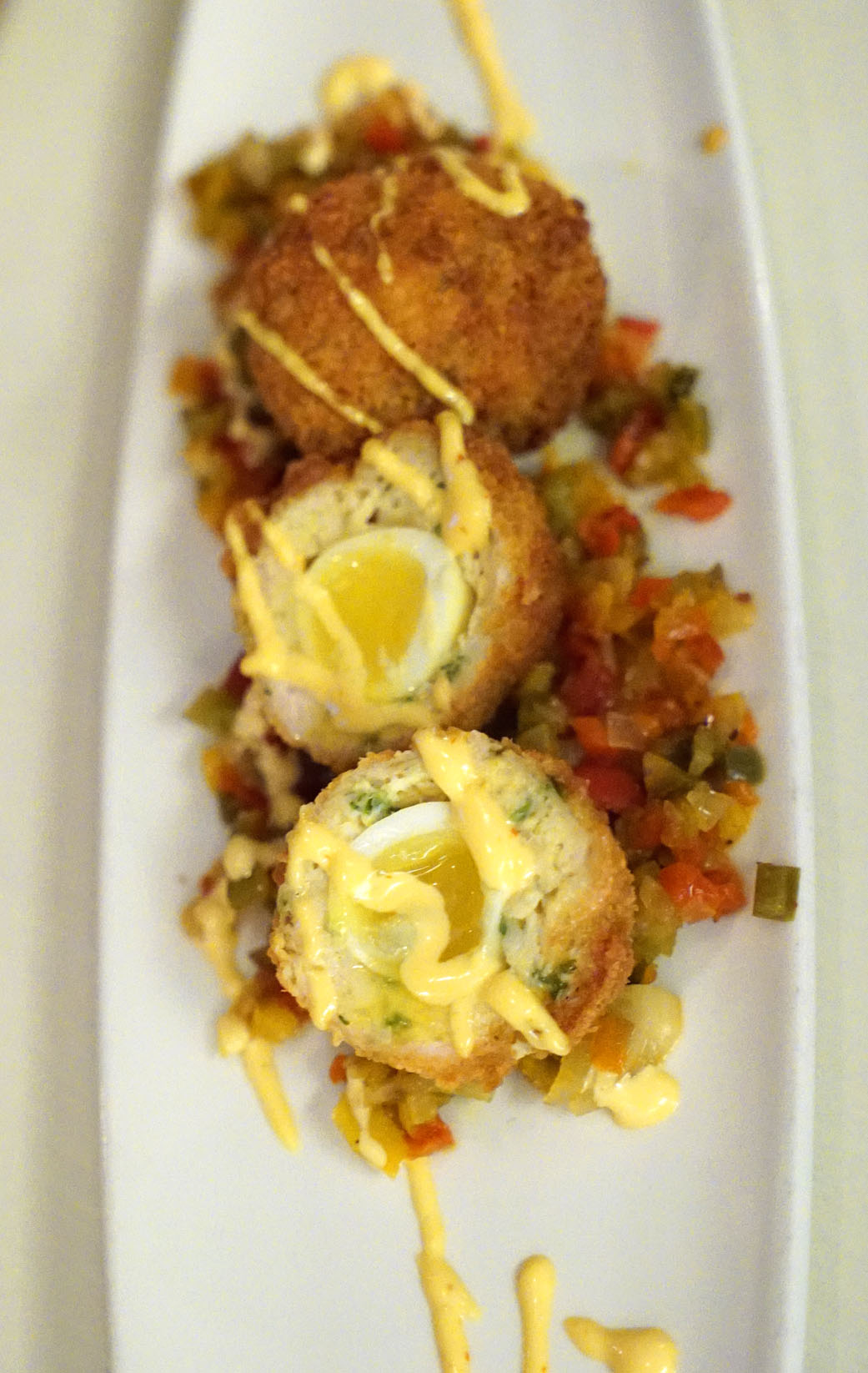
We started with the scotch eggs. These seem to be made with quail eggs, so the ratio of egg to breading is a bit off. While they tasted really good, had good seasoning and crunch, the egg just got lost a little bit in the breading.
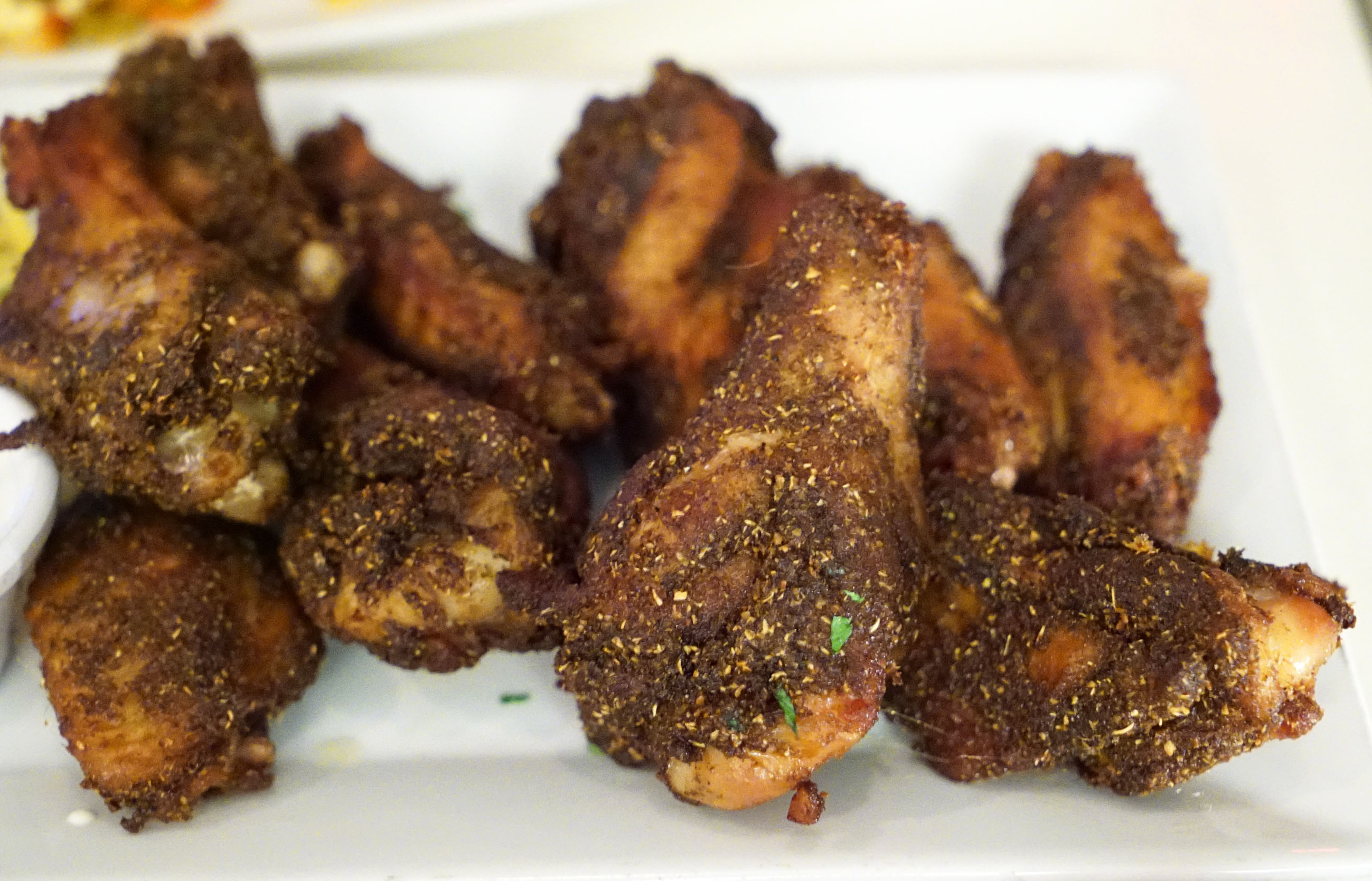
The dry rub chicken wings had nice flavor. If I had to guess, it was some kind of mild jerk spice rub. Very interesting. Good crunch on the outside and nicely cooked inside, and served with a celery and jicama slaw.
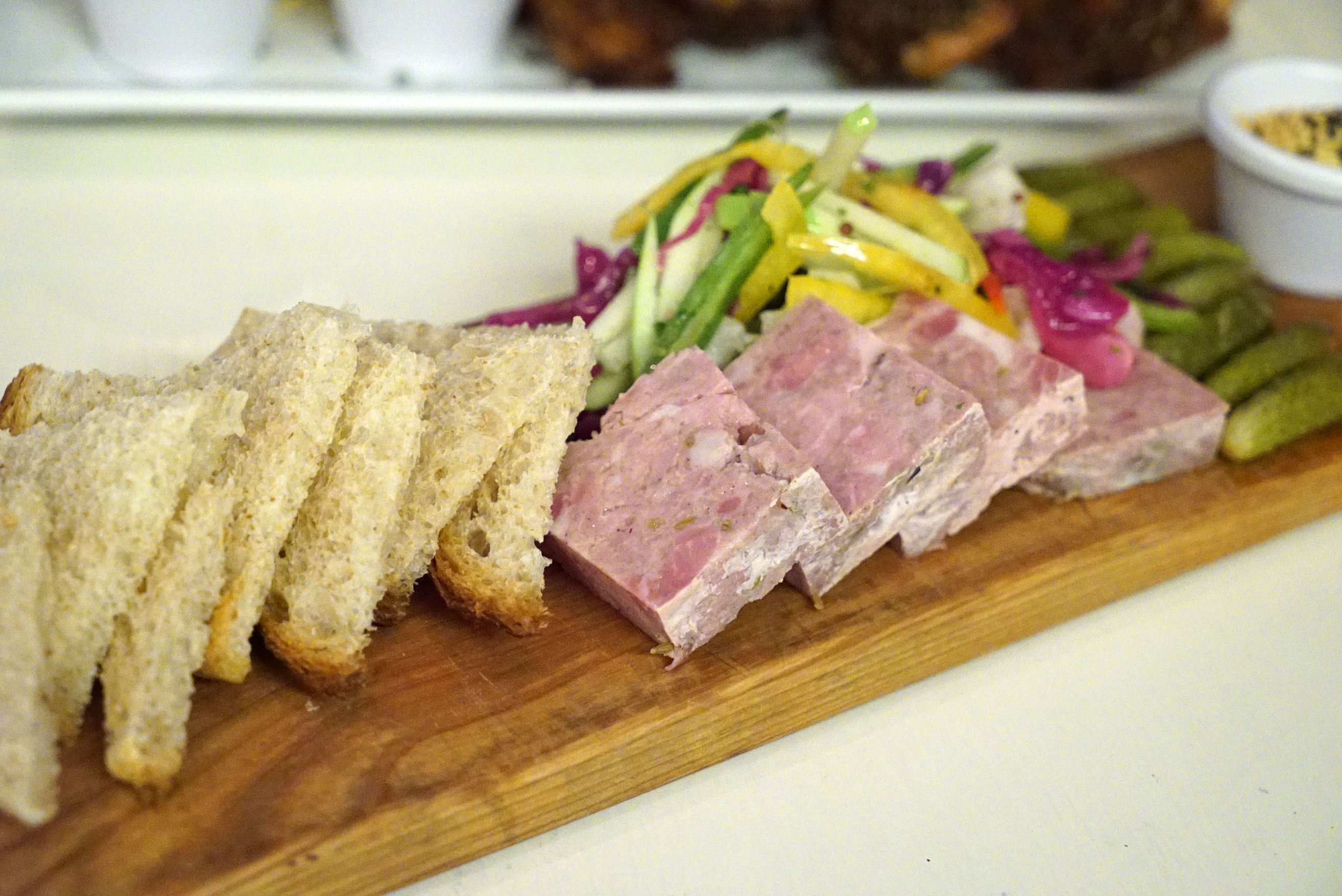
We also dug into the pork terrine. The meat was a bit more solid than I expected. When stuff like this is served with toast, I expect more of a spreadable texture. The taste was nice, however, and paired nicely with the mustard and jicama, pepper and cabbage slaw.
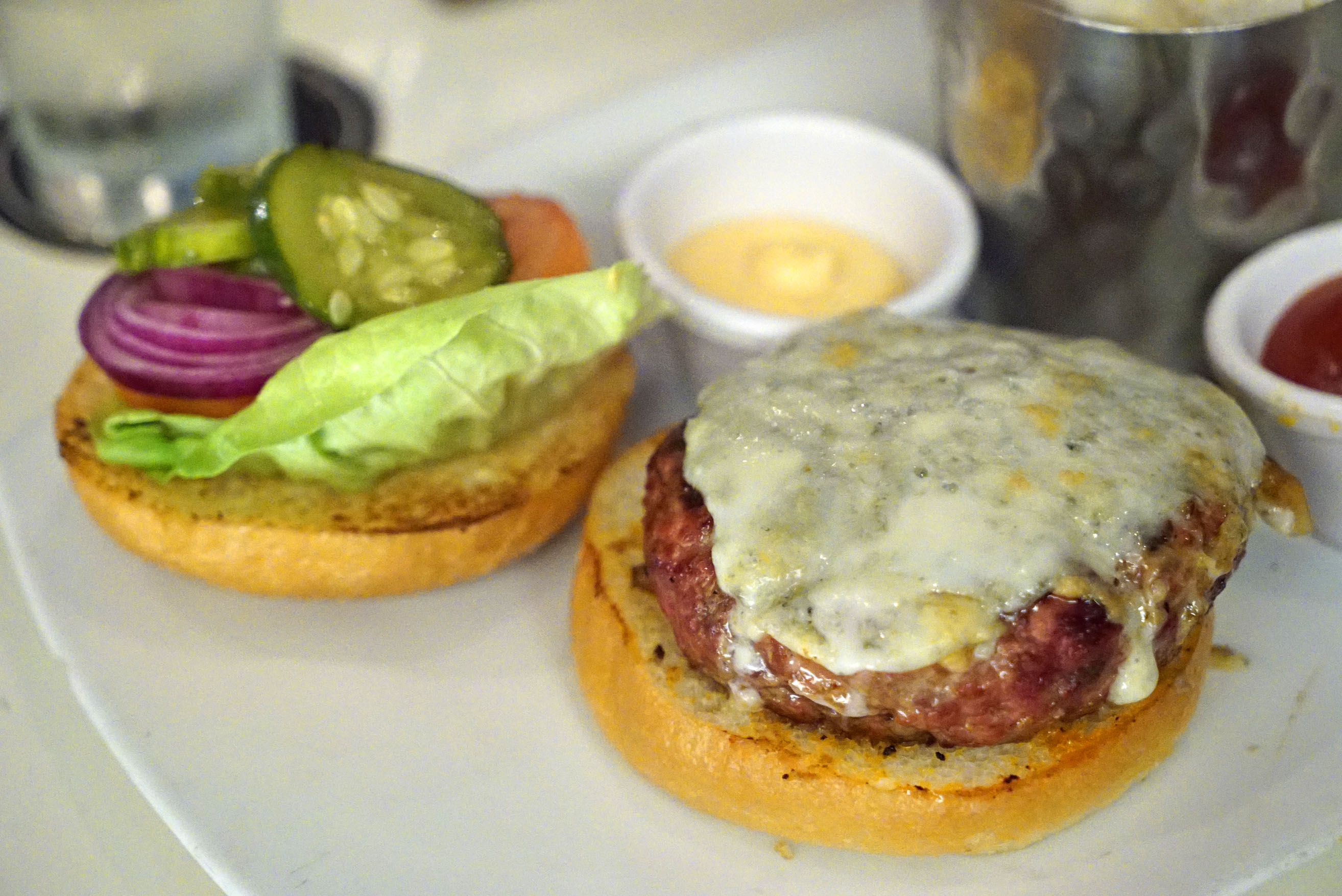
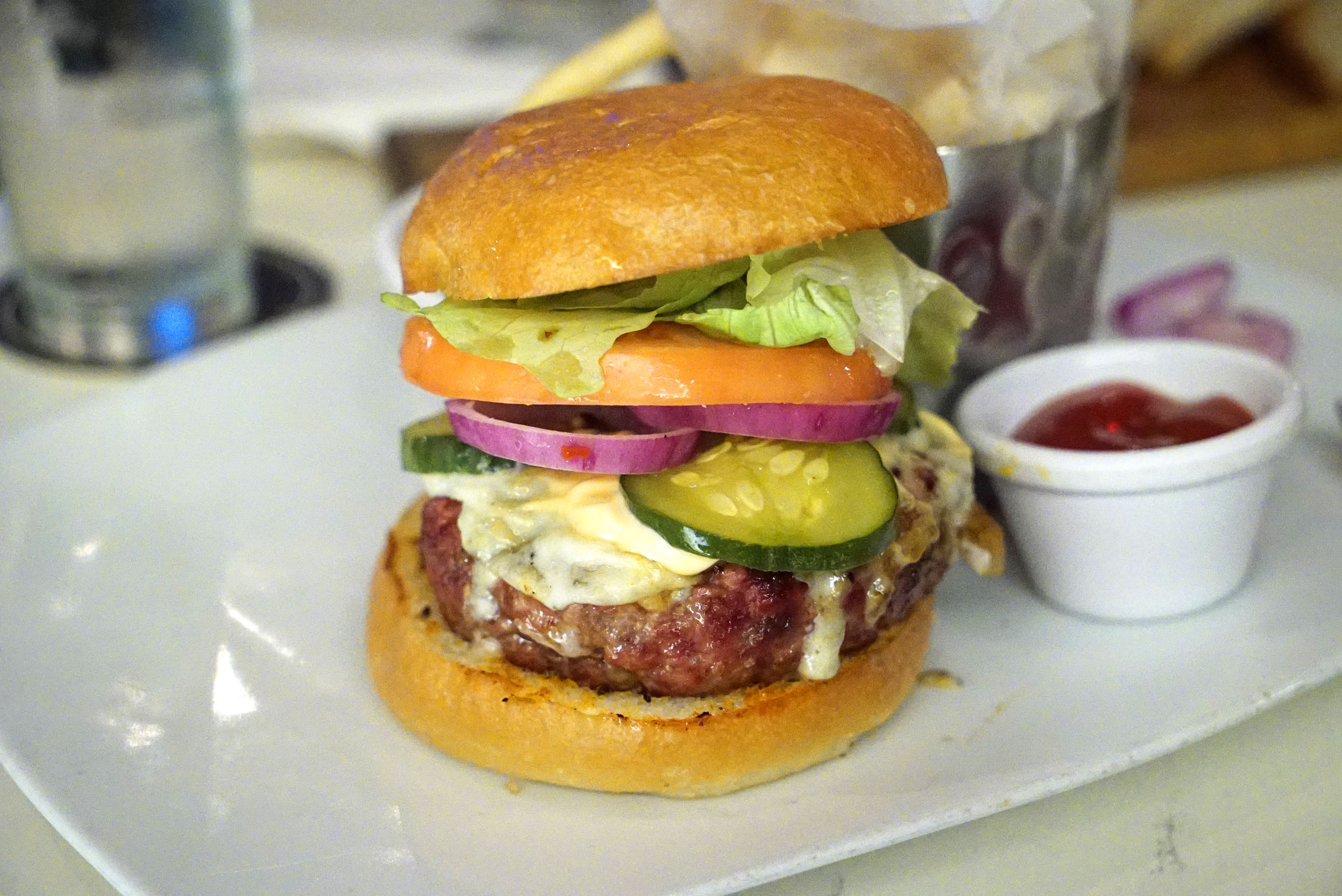
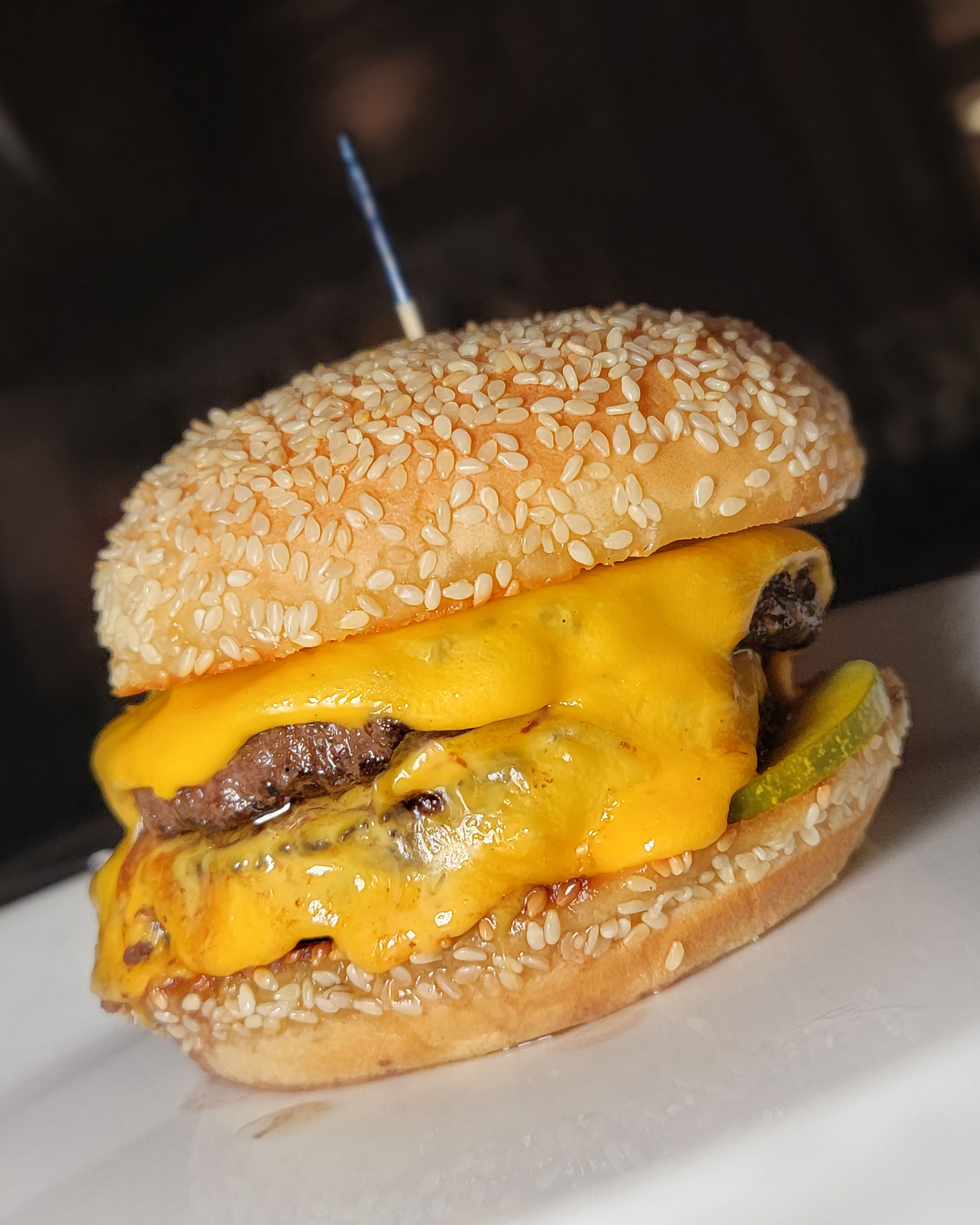
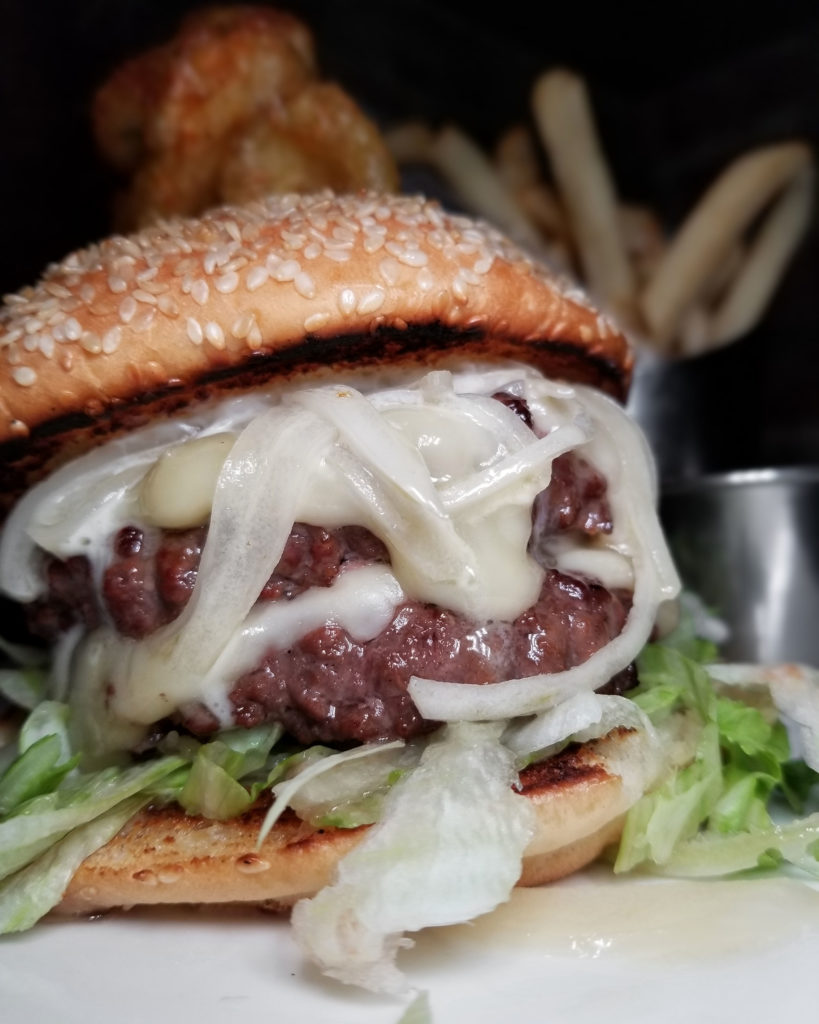
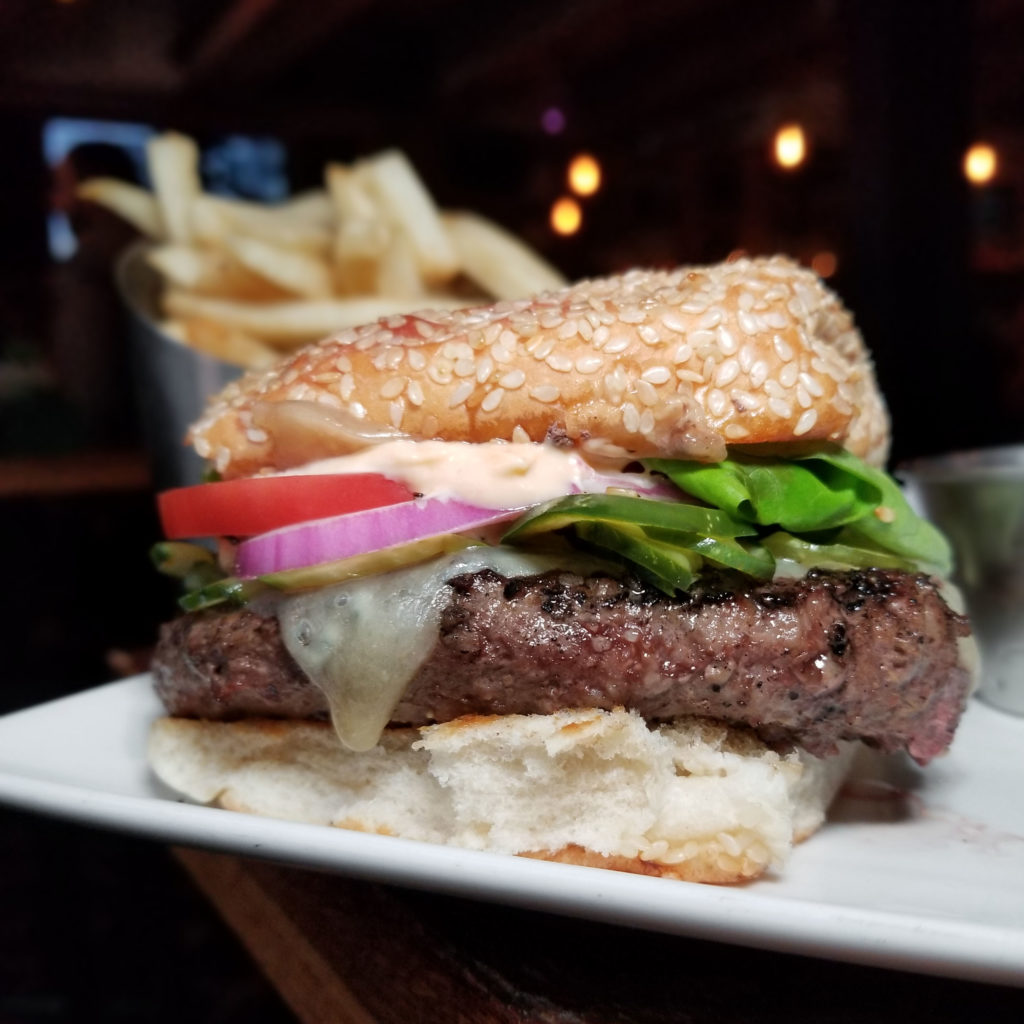
Our last savory course was the burger with blue cheese.
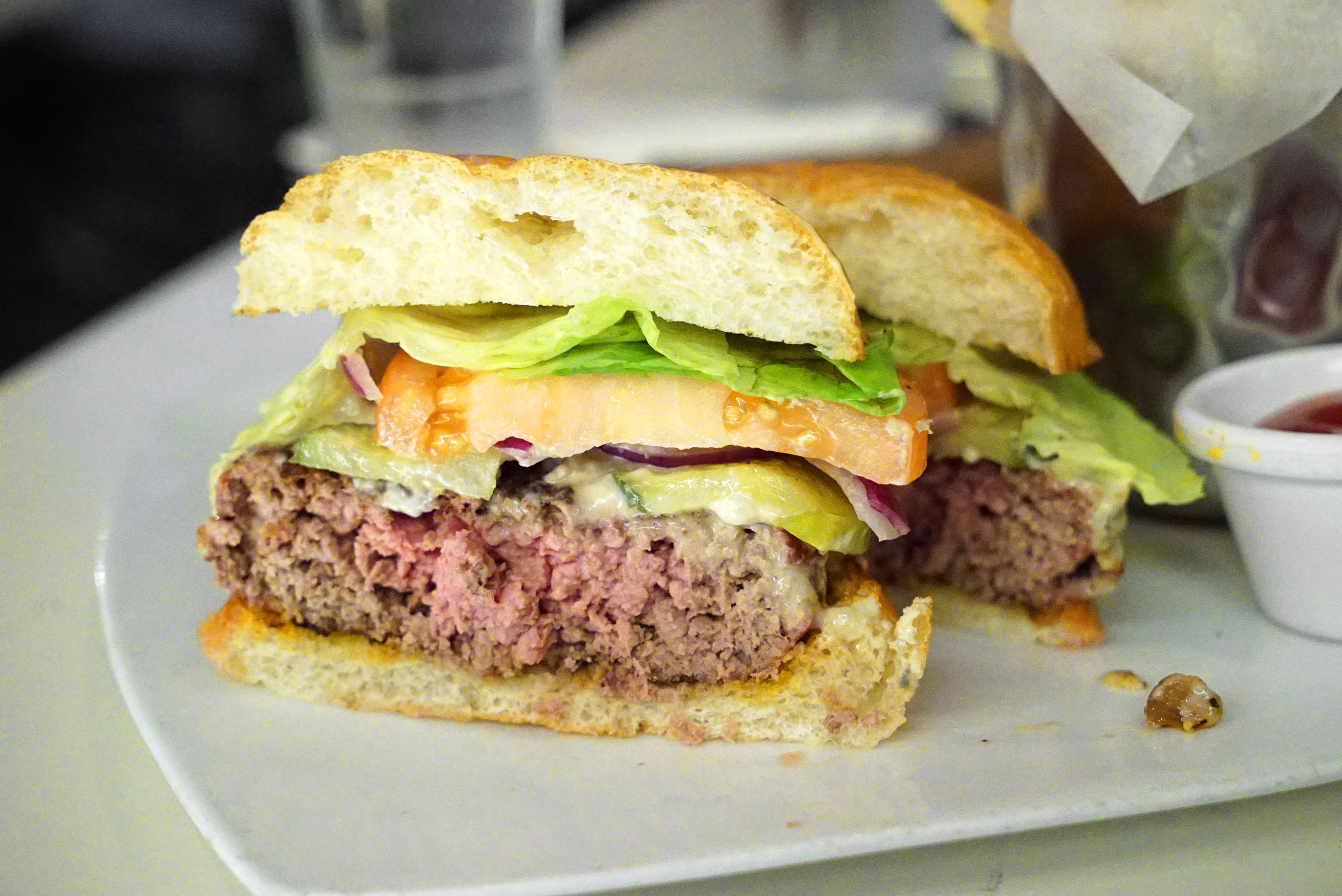
I ordered medium, and that seems about right to me on the inside. Perhaps just a bit over?
The pickles, bun, lettuce, tomato and cheese were all on point, but the meat was a little grainy in texture. I think maybe the beef was over worked after it went through the grinder to become a patty. It also could have used a bit more seasoning.
The new version of their burger features 4oz smoked patties and a red onion bacon jam. Way better.
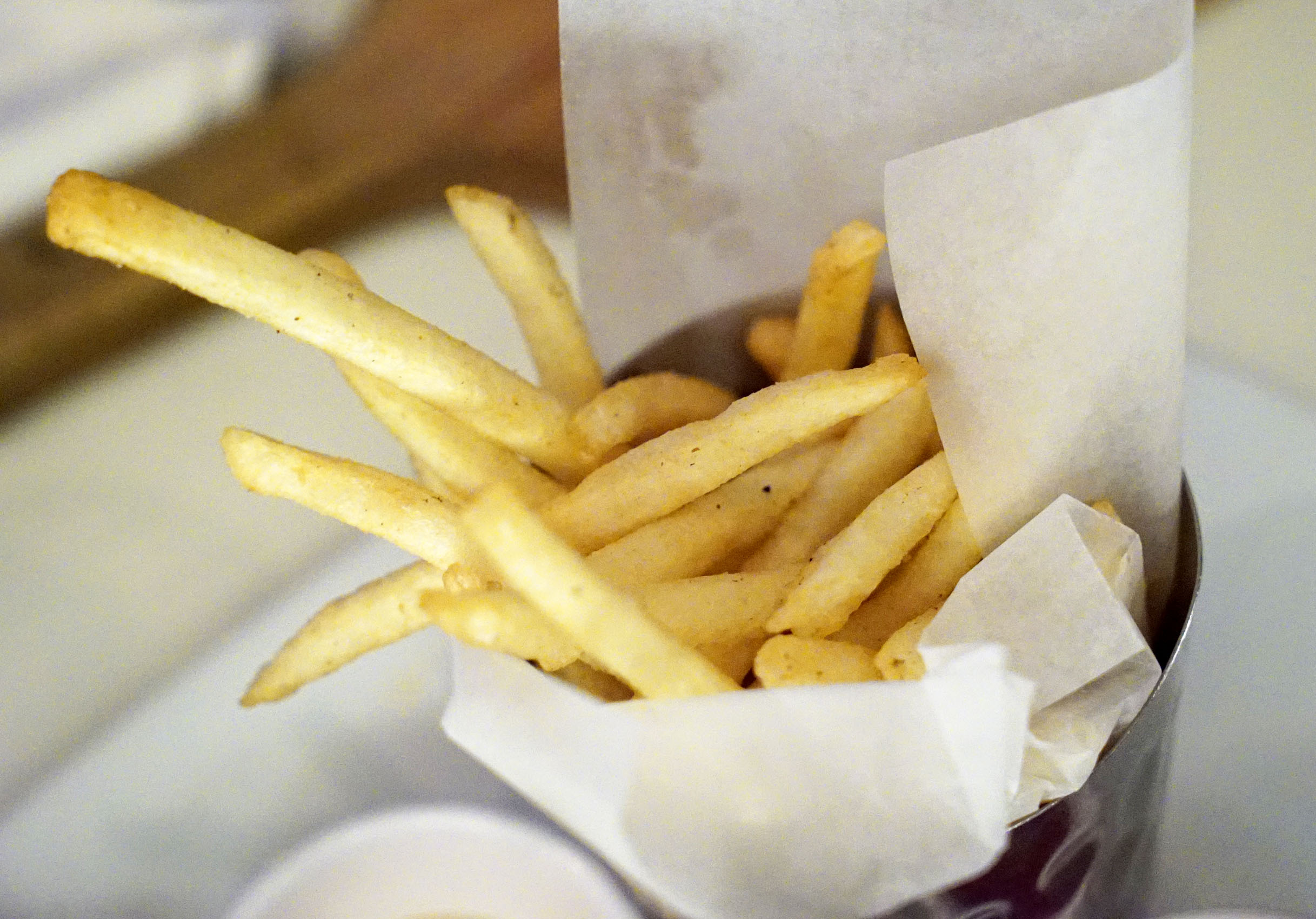
Fries were shoestring style – like McDonalds (a good thing).
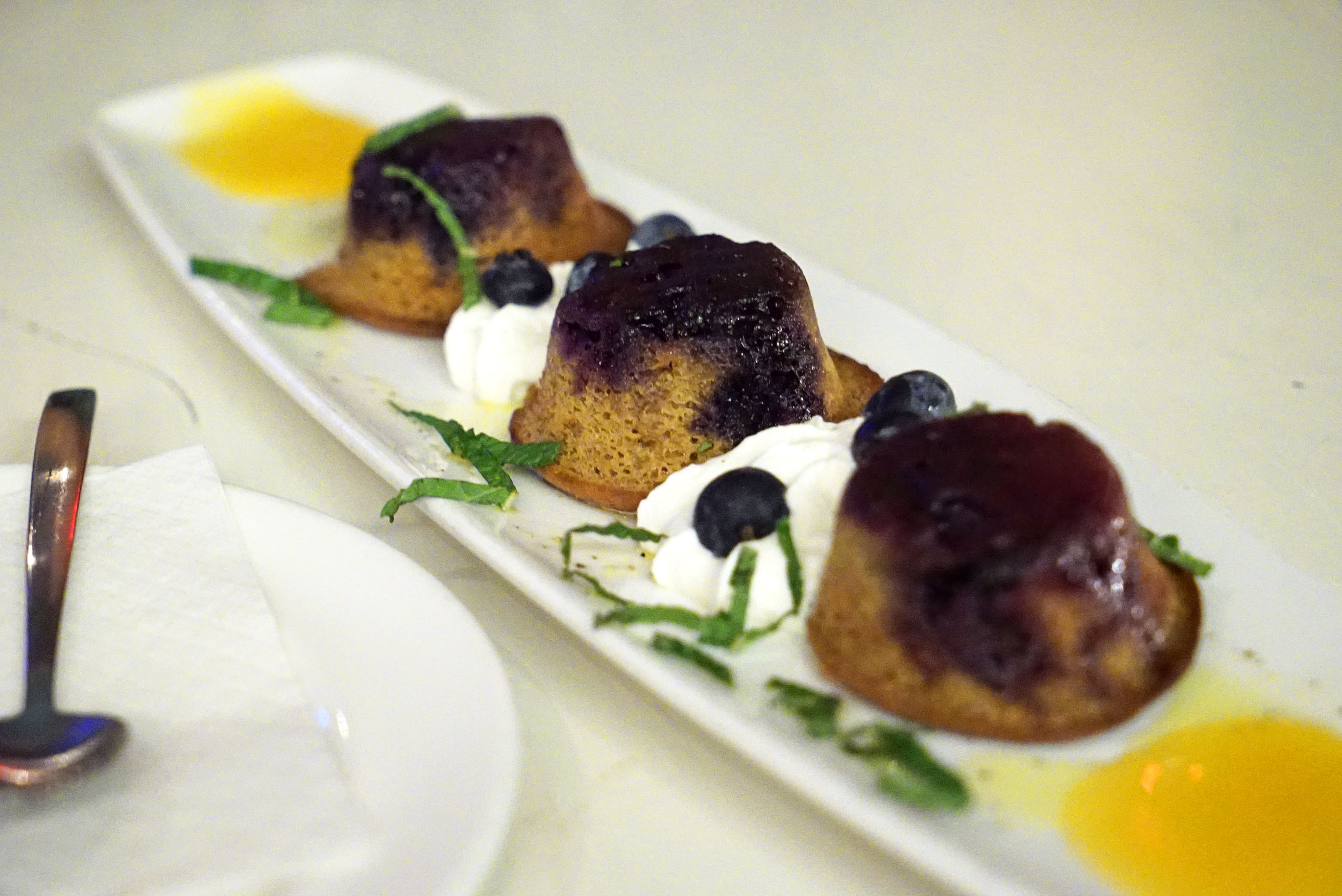
For dessert we tried the blueberry upside down cake. This was essentially three small muffin sized cakes served with fresh blueberries (both in the cake and as garnish), tangy orange/lemon curd, whipped cream and basil.
The flavors worked really well together, and the cake was warm and fresh. Even my wife, a baker, gave it her seal of approval.
I’ll definitely be back to try a few more items from the food menu, but it seems like the drinks are really the star of the show here. Nicely done!
UPDATE! IMPROVED BURGER & SECRET BURGER, SAME GREAT COCKTAILS!
This page is dedicated to the greatest liquor around: whiskey. Aside from a dirty, dry, gin martini, a glass of scotch and/or whiskey is probably the greatest thing to happen to the male sex since the discovery of female tits, ass and vagina. Read and learn all about these great accompaniments to dinner.
You may sometimes see it spelled “whisky,” or generically (and often erroneously) referred to as “scotch.” You might also see scotch lumped in with things like bourbon or rye. Shit, you’ll even see single malts confused with blends. But words have meanings, my friends, and this is where you will learn them, and where you will find my opinions about which are the best.
Terminology
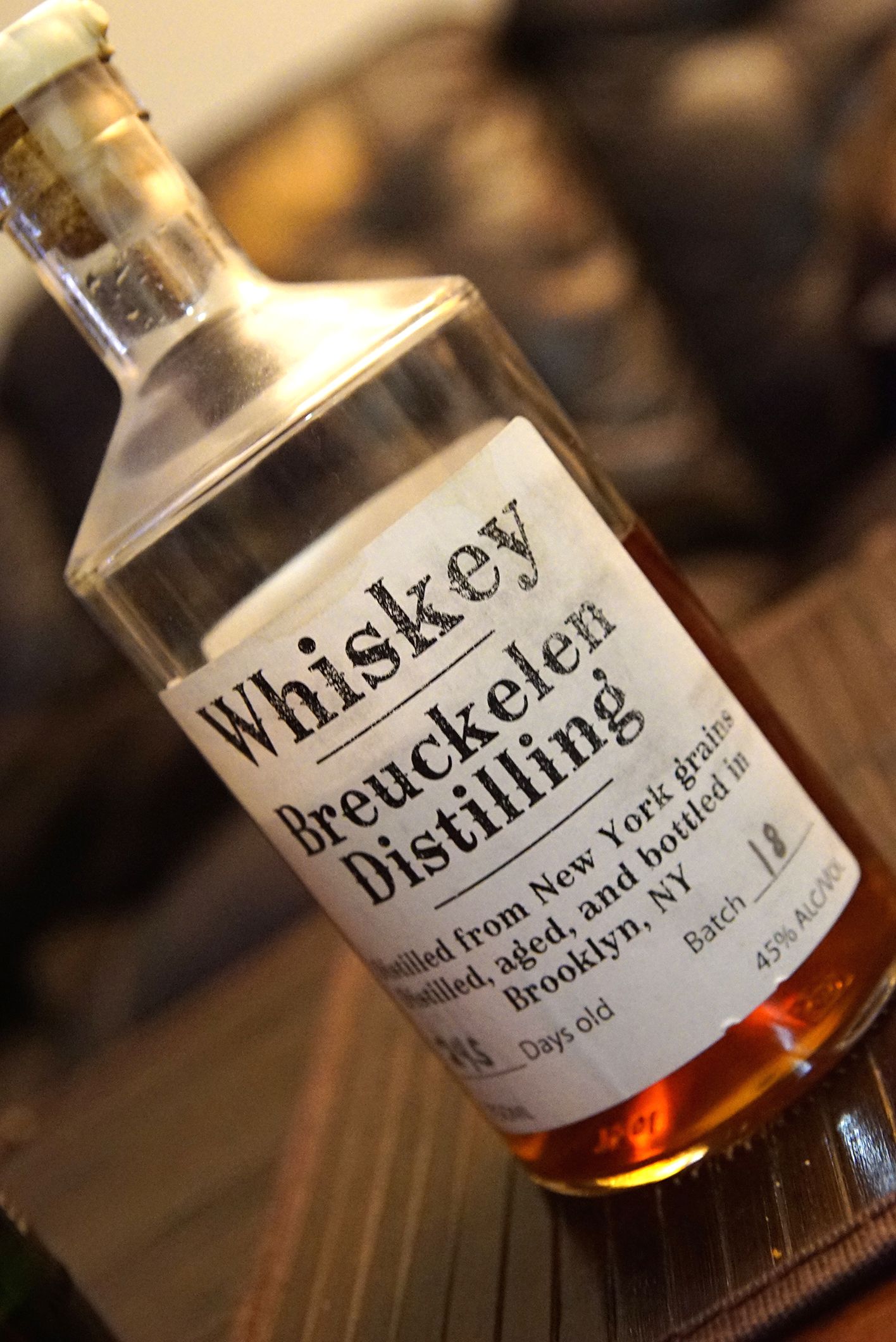
Whiskey/Whisky: Whisky is alcohol that’s been distilled from fermented grain mash. All whiskey must be distilled at a minimum of 40% and a maximum of 94.8% ABV. The spelling is generally different based on which country it is from. A nice rule of thumb is that countries that do not have an E in their name do not spell whisky with an E. Examples: Scotland/Japan = Whisky; America/Ireland = Whiskey
Where Brooklyn at???
Grain Whisky: Whisky made, at least in part, from grains other than malted barley.
Malt Whisky: Whisky made primarily from malted barley.
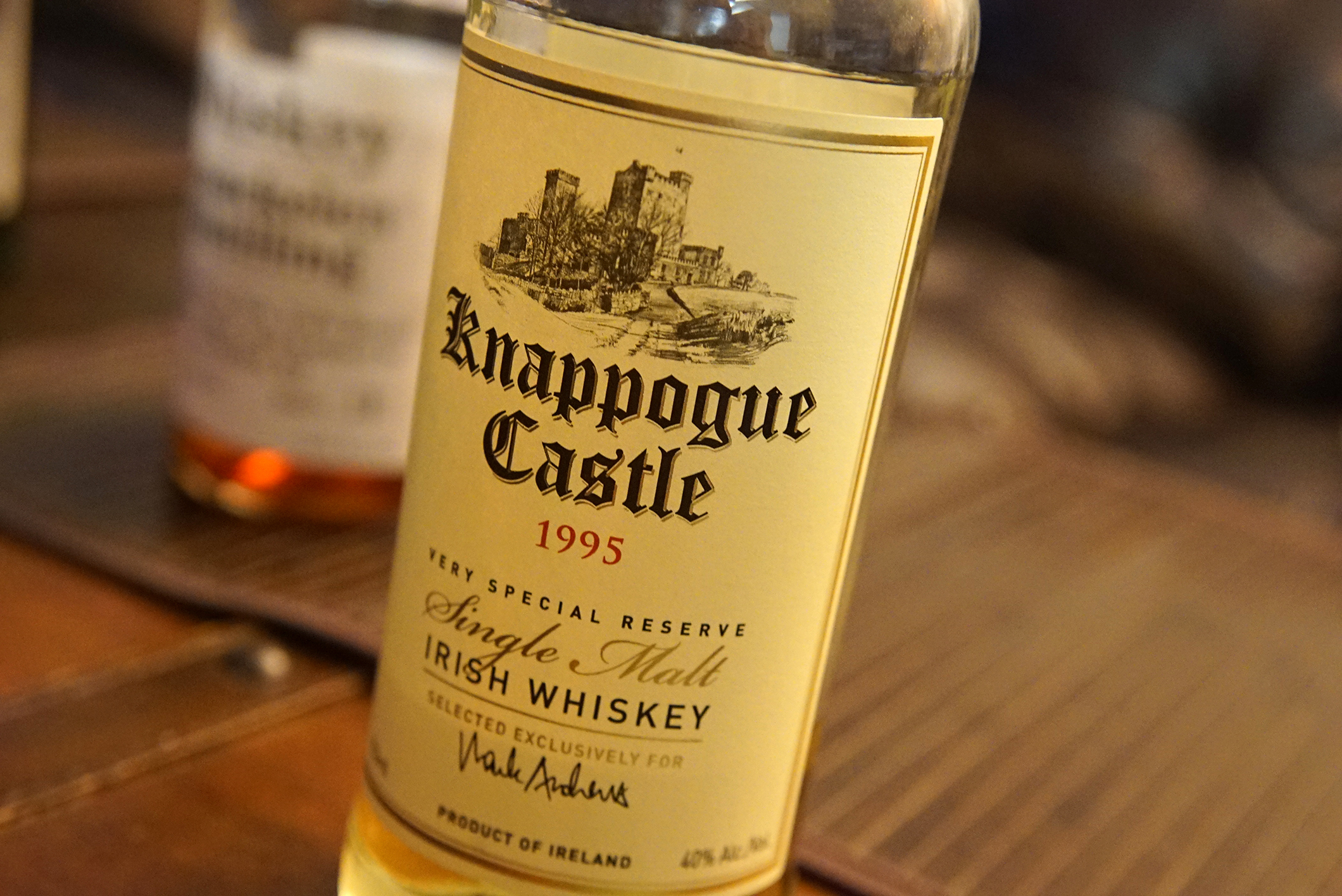
Irish Whiskey: Yup, you guessed it… whiskey made in Ireland. It must be distilled to an ABV of less than 94.8%. Additional rules are that it must be aged three or more years in wooden barrels, and if two or more distillates are used the whiskey must be labeled as a “blend.”
Scotch: The mash must be barley, it must be from Scotland, and it must be aged in oak barrels for three or more years at an ABV of less than 94.8%. Pretty simple.
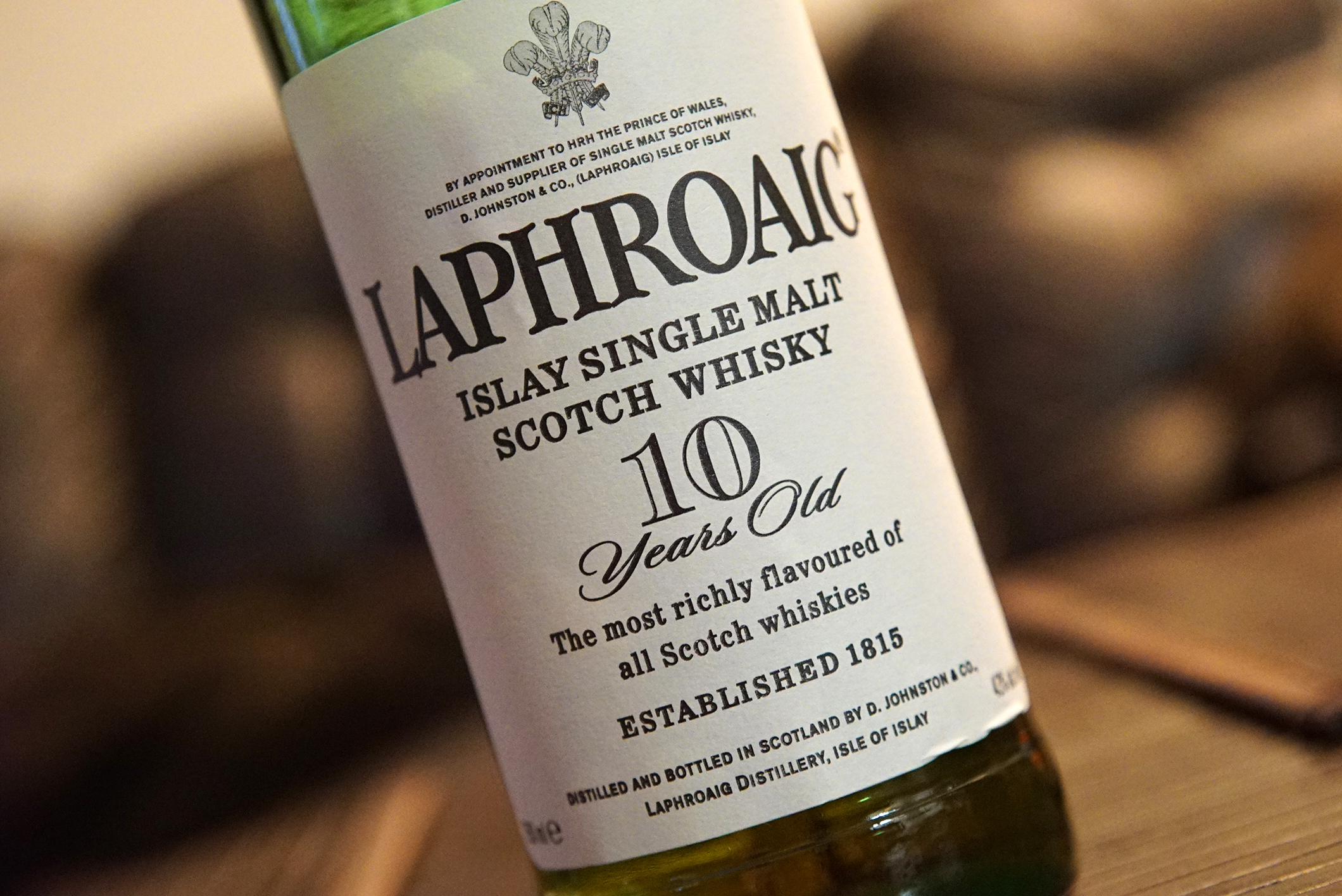
Single Malt: Essentially this just means that the whisky is a product of a single distillery. A single-malt Laphroaig may contain whisky from many barrels produced at their distillery, but it must contain whisky produced only at Laphroaig.
Blended Malt: Also known as vatted malts, these are a blend of single malts from two or more distilleries.
Single Grain: Very misleading. It means barley and one or more other cereal grains were used, produced only at a single distillery (similar to single malt).
Blended Grain: Blend of single grains from two or more distilleries.
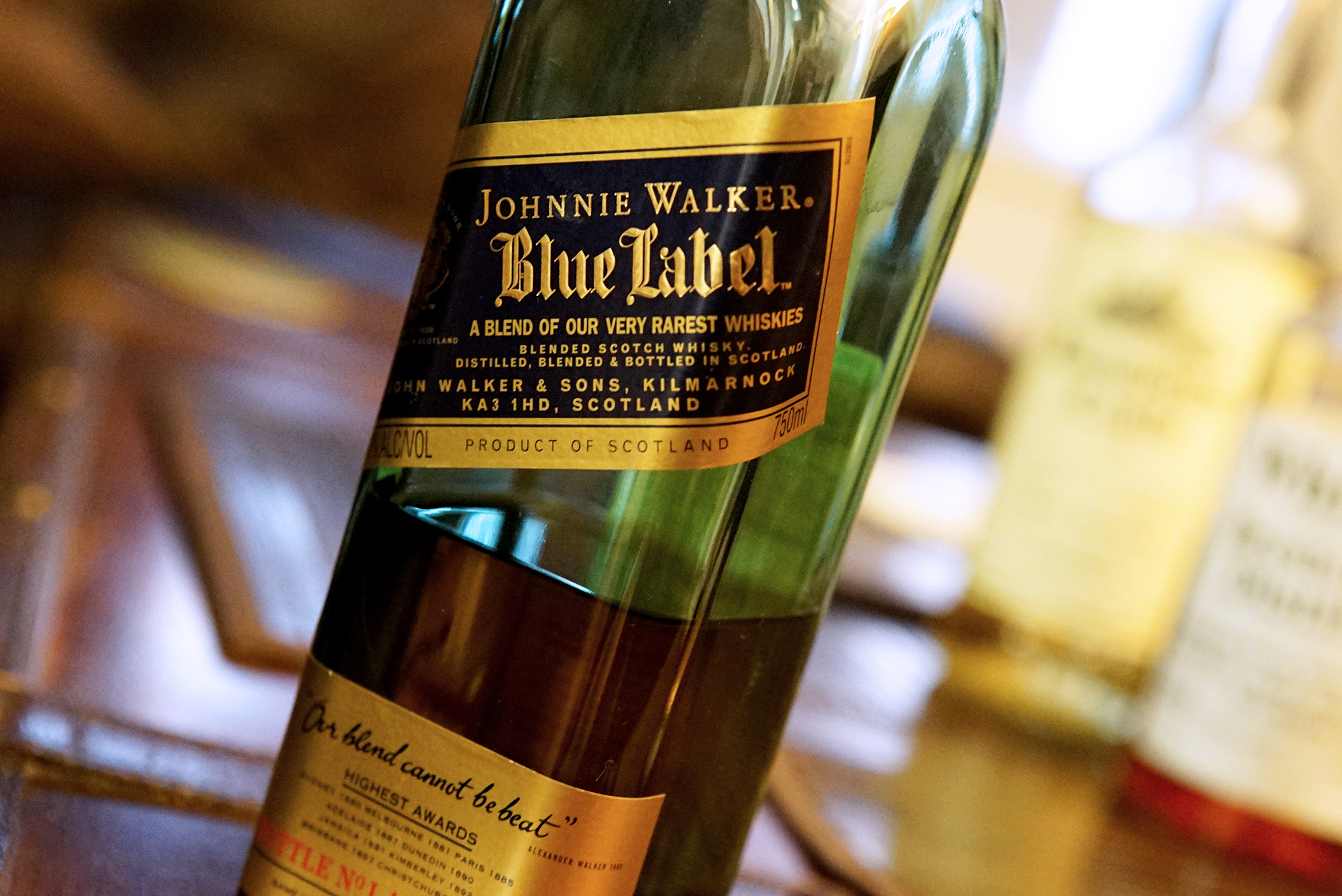
Blended Scotch Whisky: A mix of both single malt whisky and single grain whisky, sourced from several different distilleries.
Single Barrel: This is a whisky from a single barrel, unmixed with other barrels. Very rare.
Bourbon: Grain mix must be at least 51% corn, and bourbons are from the USA and aged in new charred oak barrels. Straight bourbon is a bourbon that has aged two or more years. While most bourbon is made in Kentucky, it is not a requirement. Bourbon can be no more than 80% alcohol (160 proof) and no more than 62.5% when put into casks for aging in new charred oak barrels.
Tennessee Whiskey: Straight bourbon made in Tennessee and filtered through charcoal.
Rye: In Canada, there must be some rye in the mash. In the USA, however, there must be at least 51% rye in the mash, and they must be aged in new charred oak barrels. Like bourbon, straight rye is a rye that has aged two or more years. Rye can be no more than 80% alcohol (160 proof) and no more than 62.5% when put into casks for aging in new charred oak barrels.
Personal Preferences
I have two distinct likes when it comes to scotch. I enjoy the extremes of the spectrum: creamy and sweet like butterscotch, and super medicinal and peaty.
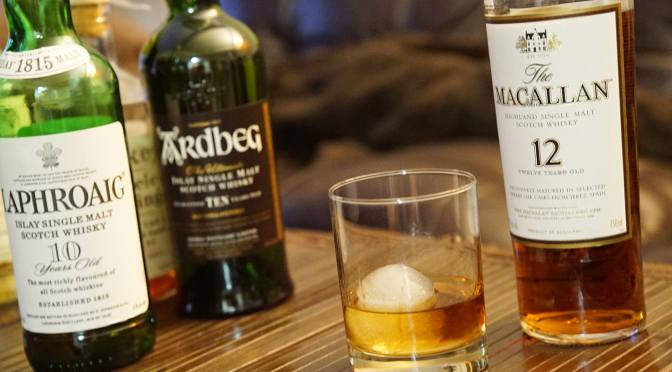
Let’s start with the peaty ones: Laphroaig 10 is like baseball glove leather, and I mean that in the best way possible. Very smokey and definitely an acquired taste. I absolutely love it.
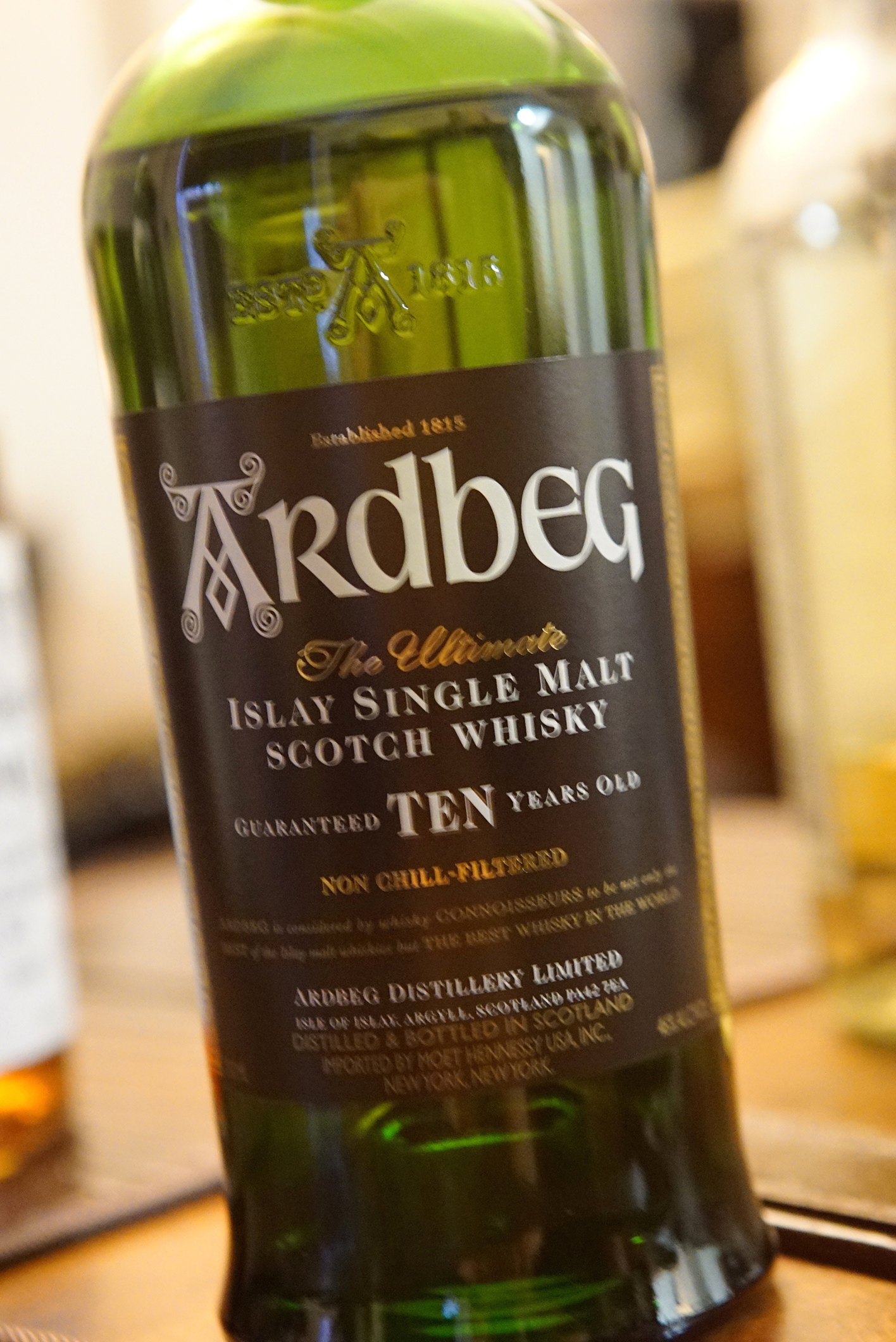
That, Ardbeg (both the 10 year and the Corryvreckan) and Lagavulin are my favorite of the smokey, peaty varieties.
I have a great book called “Michael Jacksons Complete Guide to Single Malt Scotch” that I found to be very useful (Not Jacko – some other dude). It also rates them out of 100. Lagavulin 16 (their most common) gets like 96/100. That’s pretty fucking amazing for a bottle that typically costs $75-$100 (depending on how hard you are being raped in cities). Tasting anything higher ranked is going to cost you a shitload of scratch. In fact, I don’t think I’ve tasted anything rated higher than Lagavulin. Get it. It’s fucking totally mint.
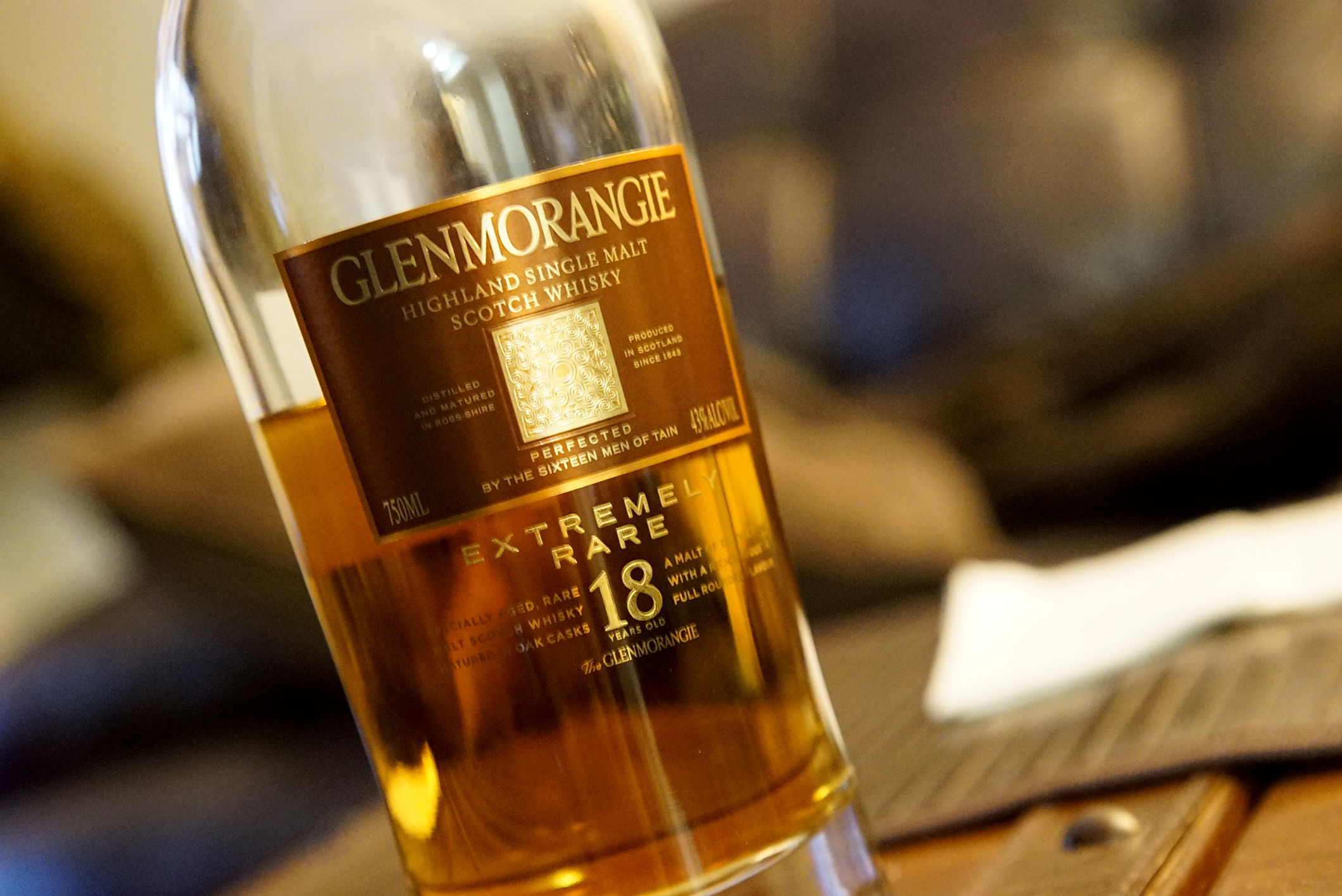
For the smoother types: I like Macallan 18, Glenlivet 21, Balvenie Double Wood 12, and Glenmorangie 18.
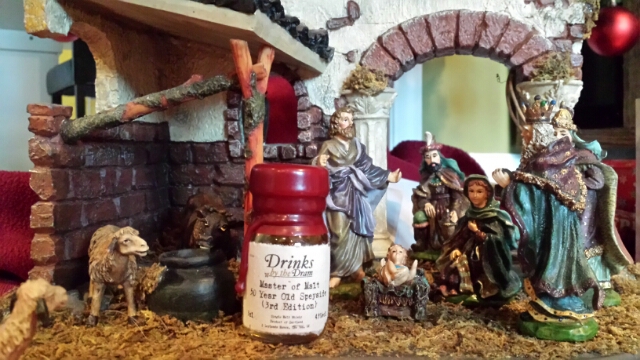
That Glenlivet 21 is as clean as a freshly shaved snatch too, assuming there was a shower taken afterwards, and no STDs or weird rashes… One Christmas Eve I drank nearly half a bottle of GL21 and had no hangover whatsoever the next morning. Happy Birthday Jesus!!! The smoothies I listed here are all a bit more expensive (though Balvenie is not) but well worth it.
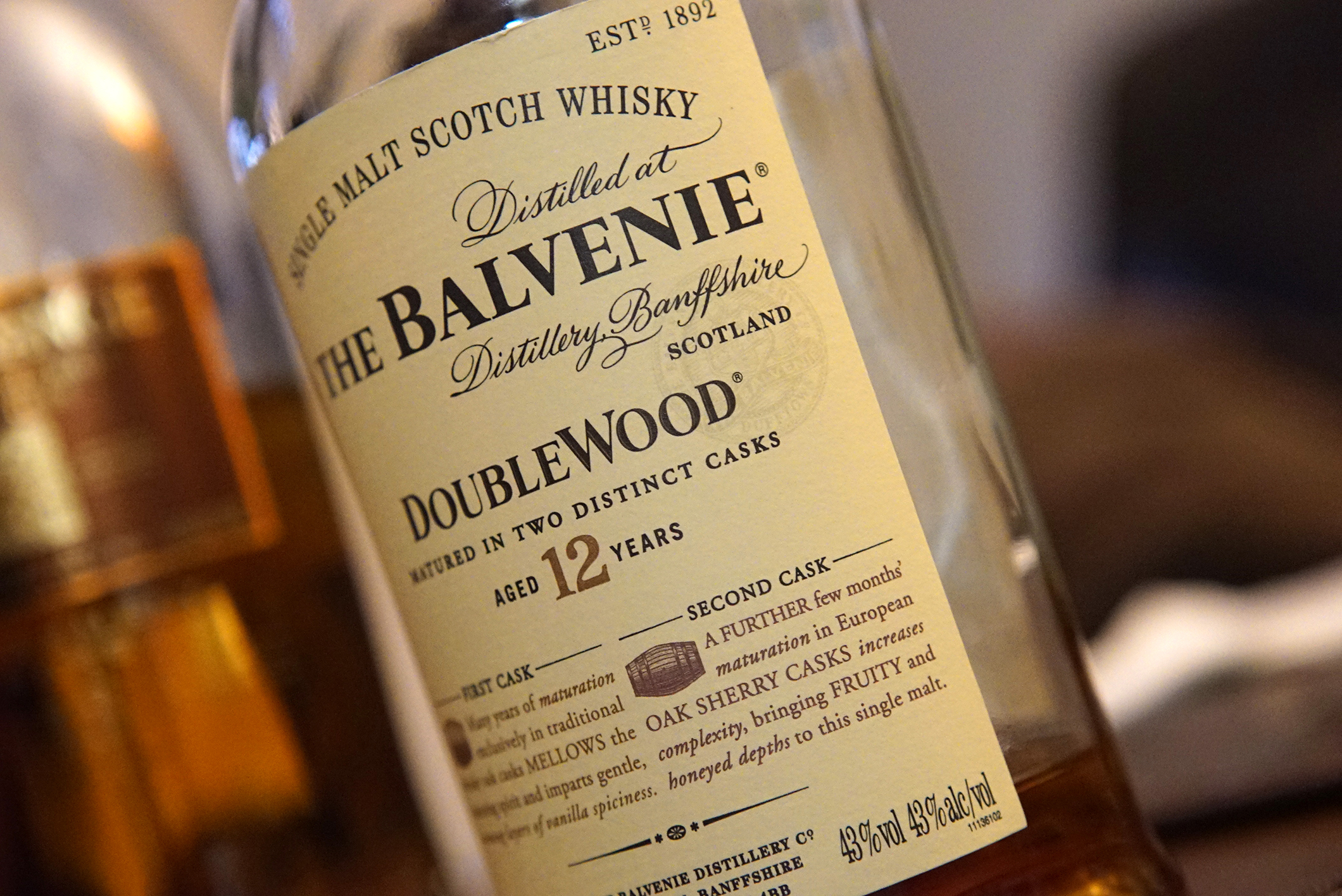
The Macallan and Glen Livet 12 years are nice to start with if you’d like to try something smooth as well, but I prefer the Balvenie Double Wood by far at that price point. They call it “double wood” because it has two hard cocks. No… because it is aged for most years in oak casks, but then finished in sherry casks, so it has a unique flavor.
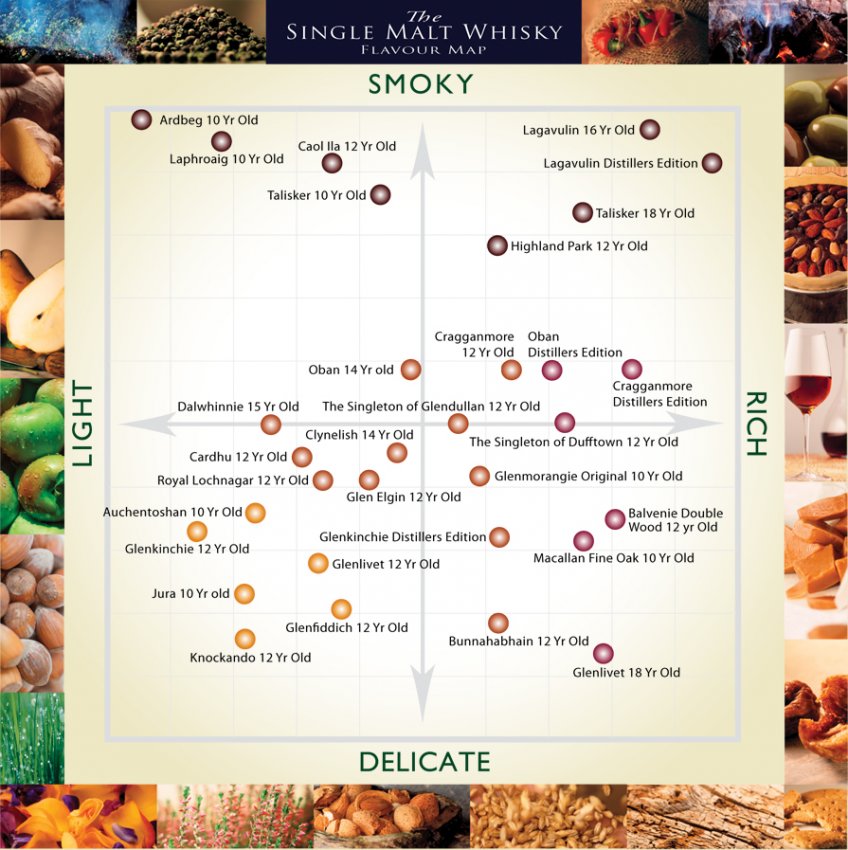
Scotch Flavor Map
I came across this pretty cool chart thing a while back, and kept it handy for quick reference. This gives you a little visual of the flavor profiles people often discuss with scotch:
From http://www.foodrepublic.com/2012/01/03/all-hail-scottish-whisky-flavour-map
Regions of Scotch Production
There are essentially four main regions of scotch production in Scotland, and each region has flavors that are often typically associated with their scotches.
Speyside: fruity and delicate. The valley of the river Spey is often associated with flavors like vanilla, honey, apples and pears.
Lowlands: fresh, light. These malts are fragrant, floral, taste of cereal and are light in color.
Highlands: smooth and floral. In the west, you have some maritime influence in the flavor, and in the central highlands you get some honey and heather.
Islay/Skye Islands: peaty and briny. These robust malts are laden with the medicinal / iodine aromas of the sea.
Drinking Tips
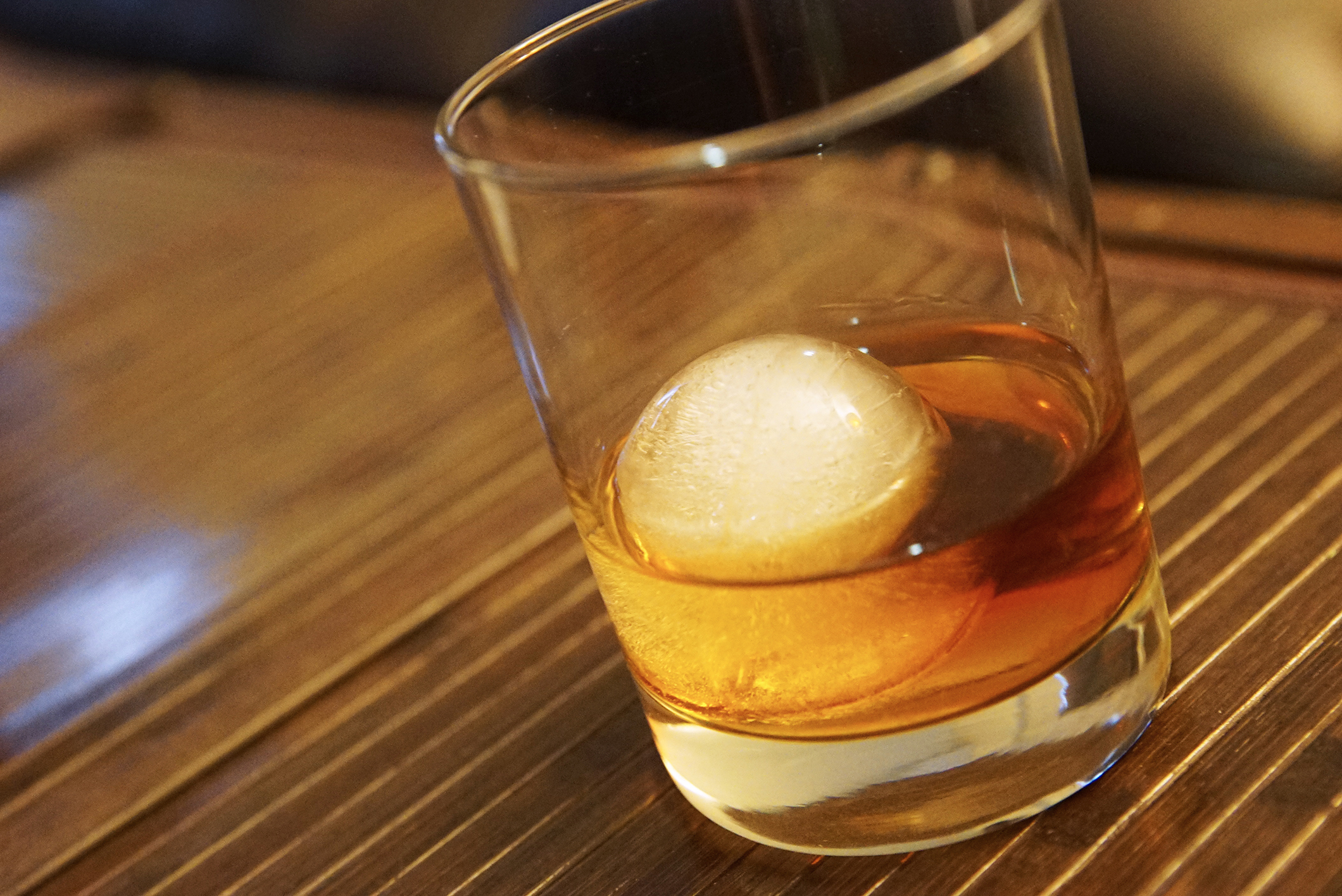
One thing I like to do: drink the first half of my glass neat, then throw one or two ice cubes in and allow the flavors to change. It’s like having two different glasses of scotch in one, because the ice and water allow the scotch to open up (kind of like wine), and different aromas and flavors can be more easily detected.
The ice sphere is so much cooler than the ice cube. The ice cube is such a square.
Another cool thing I learned at a tasting: splash a little scotch on the palm of your hand and rub your hands together like Mr. Miyagi. Then smell your hands. All sorts of aromas are unleashed. You’ll smell florals, vanillas, nuts, wood, etc. Very cool.
An interesting trick: suck air in through your teeth as you have some scotch in your mouth and on your tongue. The break-up and aeration of the liquid will release aromas and flavors that you might have otherwise missed.
Most important: take your time. I sometimes see scotch amateurs order a nice scotch and then shoot it fast. What a waste! Don’t be that fucking guy.
Organize a tasting: maximize your exposure to various scotches. If you’re anything like me, you have a bunch of buddies who love to drink. Chances are, a good crew of them dig scotch. Call them up and organize a scotch tasting. Everyone can bring their stash and you’ll have a really big selection to work with. Check out this selection we amassed last Christmas. Fuck yeah! I think we had 30 bottles total when a last minute arrival showed up, and it was something he brought back from China. Sweet!
A final note: scotch isn’t for everyone. Some people just don’t like this shit. Tastes are subjective, but tastes do change over time. I always hated tequila, for instance. But I respect the spirit and understand how tons of variety exists in the product lines. In fact I’ve recently started to come around to tequila through my enjoyment of aged mezcal. Maybe you’ll come around to scotch if your first impression is bad. Keep trying. You never know – your taste buds might have adjusted and now you might love scotch if you tried some good ones.
Other Resources
For a more in-depth dive into terminology, check out THIS SITE. Start at A, and work your way through Z. Do it. Don’t be a bitch.
Something that many discerning men enjoy after a steak is scotch. But these days, there are a dwindling few who have a chance to partake in the OTHER delight of a post-steak meal: a good smoke. Whether you’re a cigar or a pipe guy, or even one of those ridiculous e-cigarette fanatics, NYC has pretty much fucked your world when it comes to lighting up at the table as you wait for the bill.
Look – I get it – no one wants to go home smelling like an ash tray. And by now it’s old news that NYC has a ban on smoking in food establishments. There are a precious handful of places where you can still smoke, but there’s one thing I always thought was unfair about the smoking ban: PIPES SMELL AWESOME!
Pipe smoking is real altruism: I know it’s bad for me, but you’re getting enjoyment from it because the smoke smells fucking fantastic. I’m not really a cigar guy. Occasionally I will have one. I’m not really a cigarette person, either. If I’m out drinking and a friend offers, I might smoke one to be social. Generally cigars and cigarettes smell like shit to me, and they don’t taste all that great to boot. I DO like a clove cigarette, on occasion. And I DO like pipe tobacco. Those both taste and smell excellent, and typically neither product gets inhaled, so they’re slightly better for you than a cigarette. I guess mouth cancer is less shitty than lung cancer.
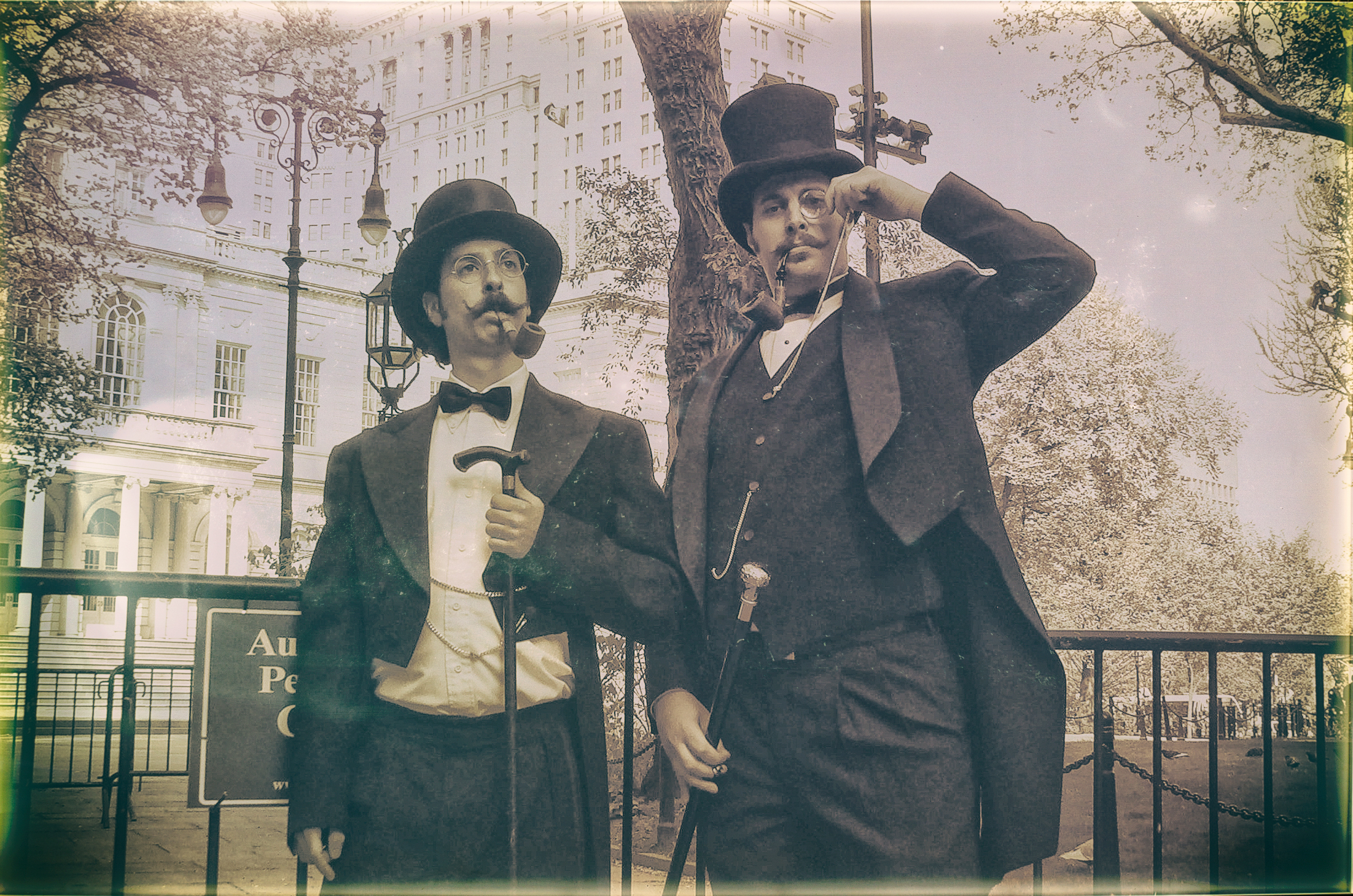
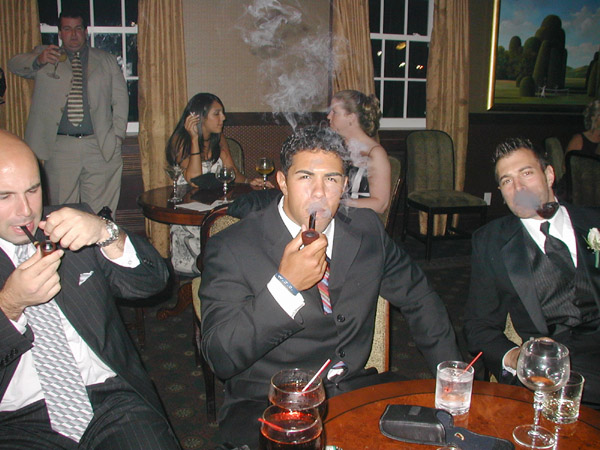
Why pipes, though? Who gets into that kind of thing? People who want to look distinguished, that’s who.
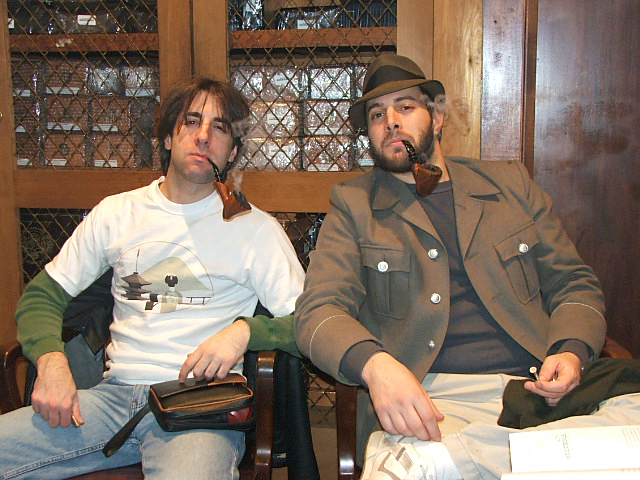
I began my foray into pipe smoking sometime in 2003 or 2004. A friend sent over a random video of himself and a friend – set to classy jazz music of course – puffing away on a long churchwarden pipe like some kind of hobbit.
A churchwarden pipe, by the way, is named so because men who kept watch over churches at night (wardens of the church) would often want a long-stemmed pipe that they could rest on their belly as they sat back in a chair.
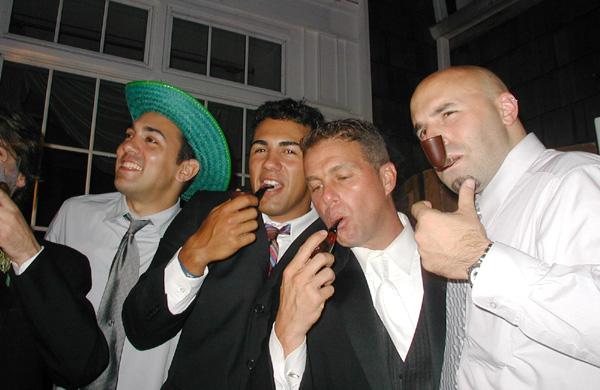
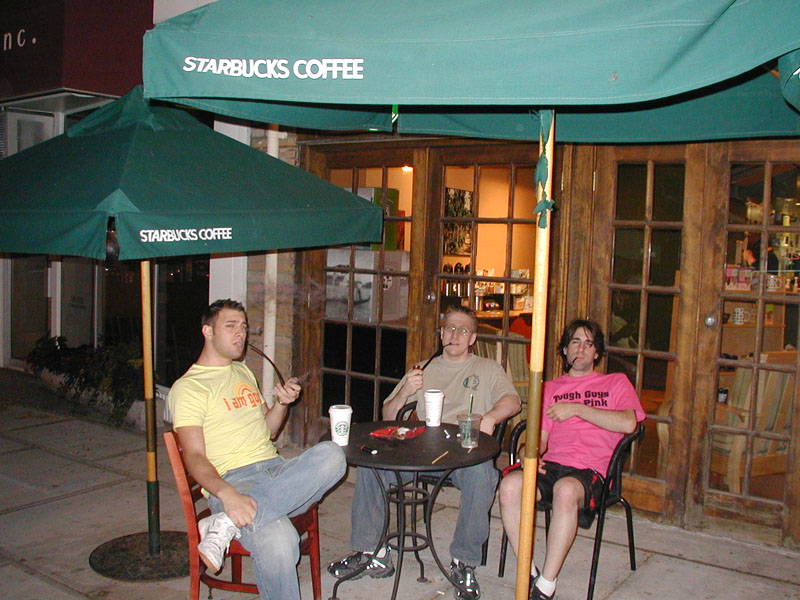
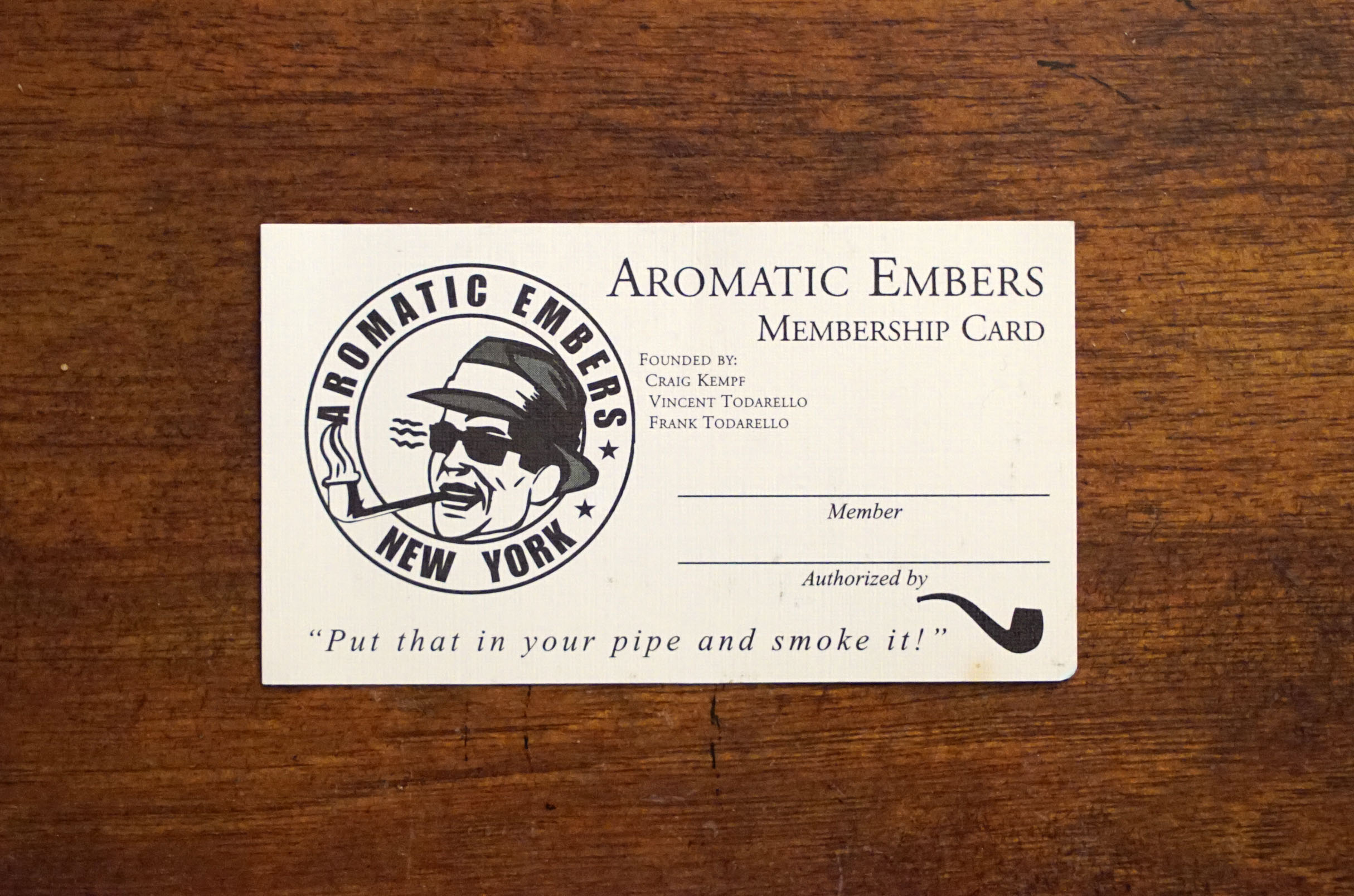
Anyway I saw that video from my friend and I laughed. But I thought, “This is actually pretty fucking cool. I need to get one now.” In fact a small group of us all picked up some pipes soon after, and we started a club called the Aromatic Embers Pipe Smoking Club.
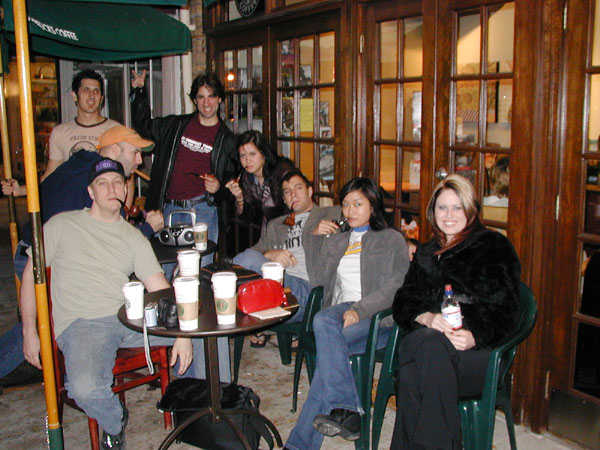
It was great! Every week we would meet at a local Starbucks and puff away in the outdoor seating area.
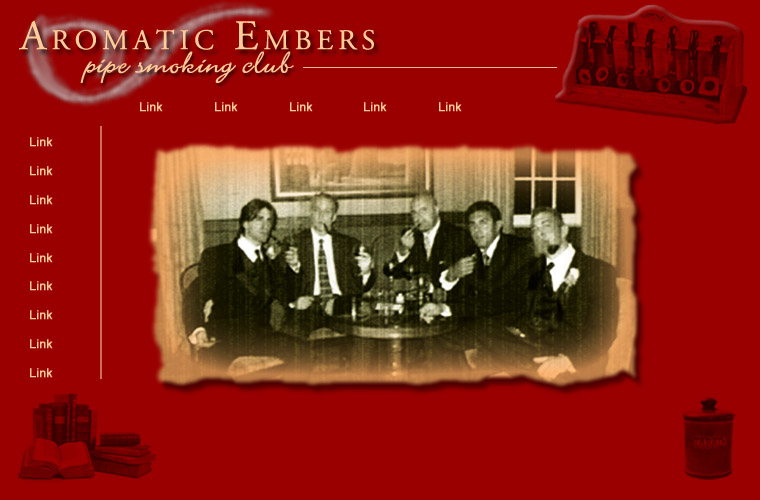
Without fail people would comment about how great it smelled. We had membership cards, a nice logo, and we were even in the process of building a website.
So here are a few things you’ll need to know about pipe smoking, that way you’re ready to rock when you decide to take up this healthy and enjoyable habit.
Types of Pipe Tobacco
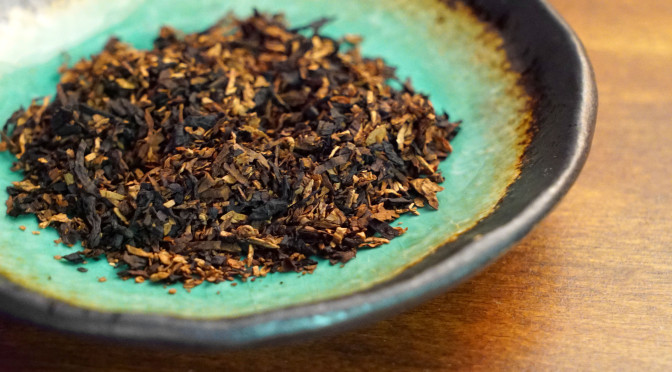
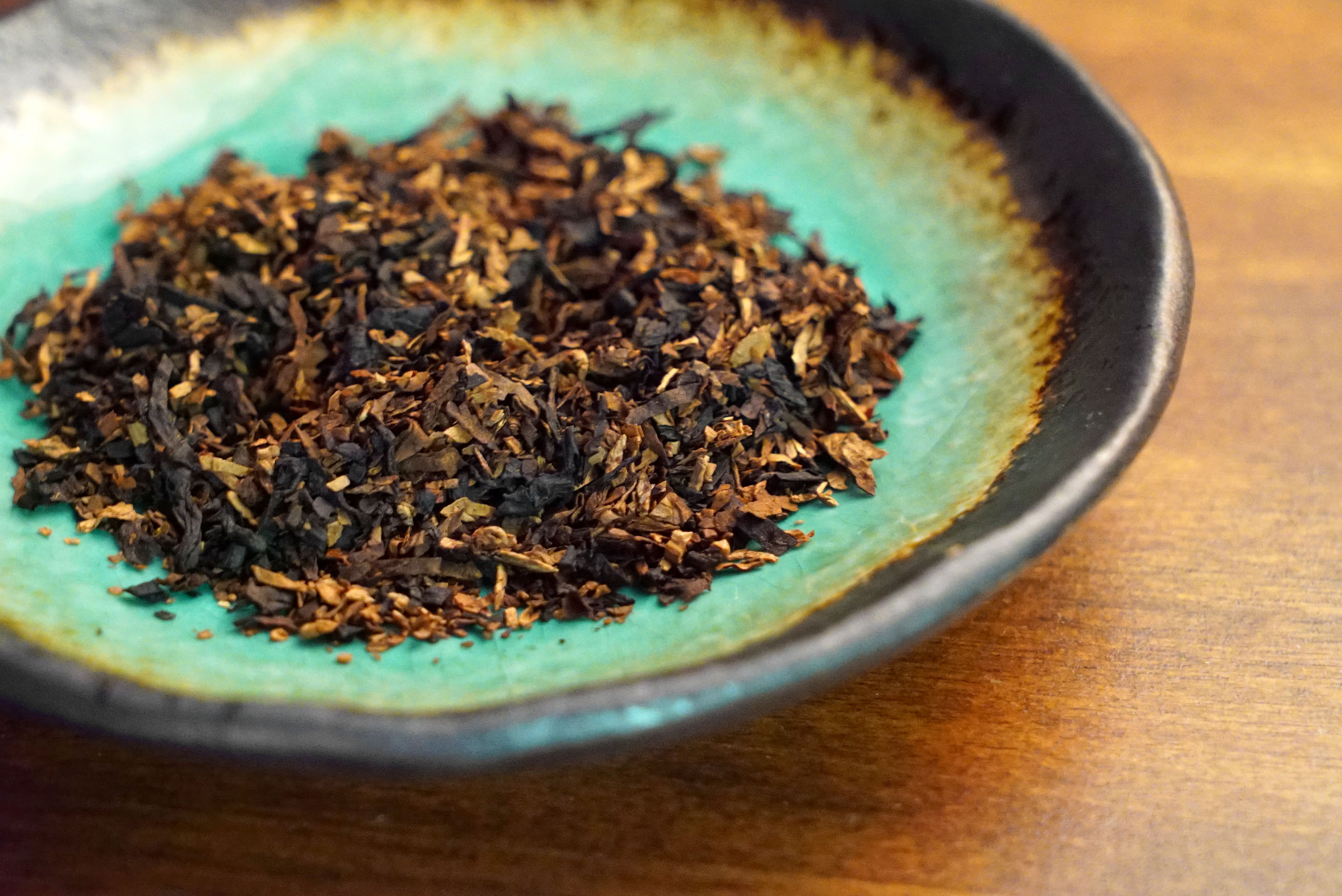
Astoundingly similar to scotch, pipe tobacco can vary from smoky like baseball glove leather, to sweet like caramel. In fact I often pair a smoky scotch with something like a Latakia tobacco, which has the similar medicinal, iodine-y aroma of peat moss mixed with leather.
Those types of tobaccos are generally less pleasant to smell when burning, but they’re still not as noxious as a cigar or cigarette. They’re not UNpleasant by any means; they just have a characteristic odor that takes a little getting used to.
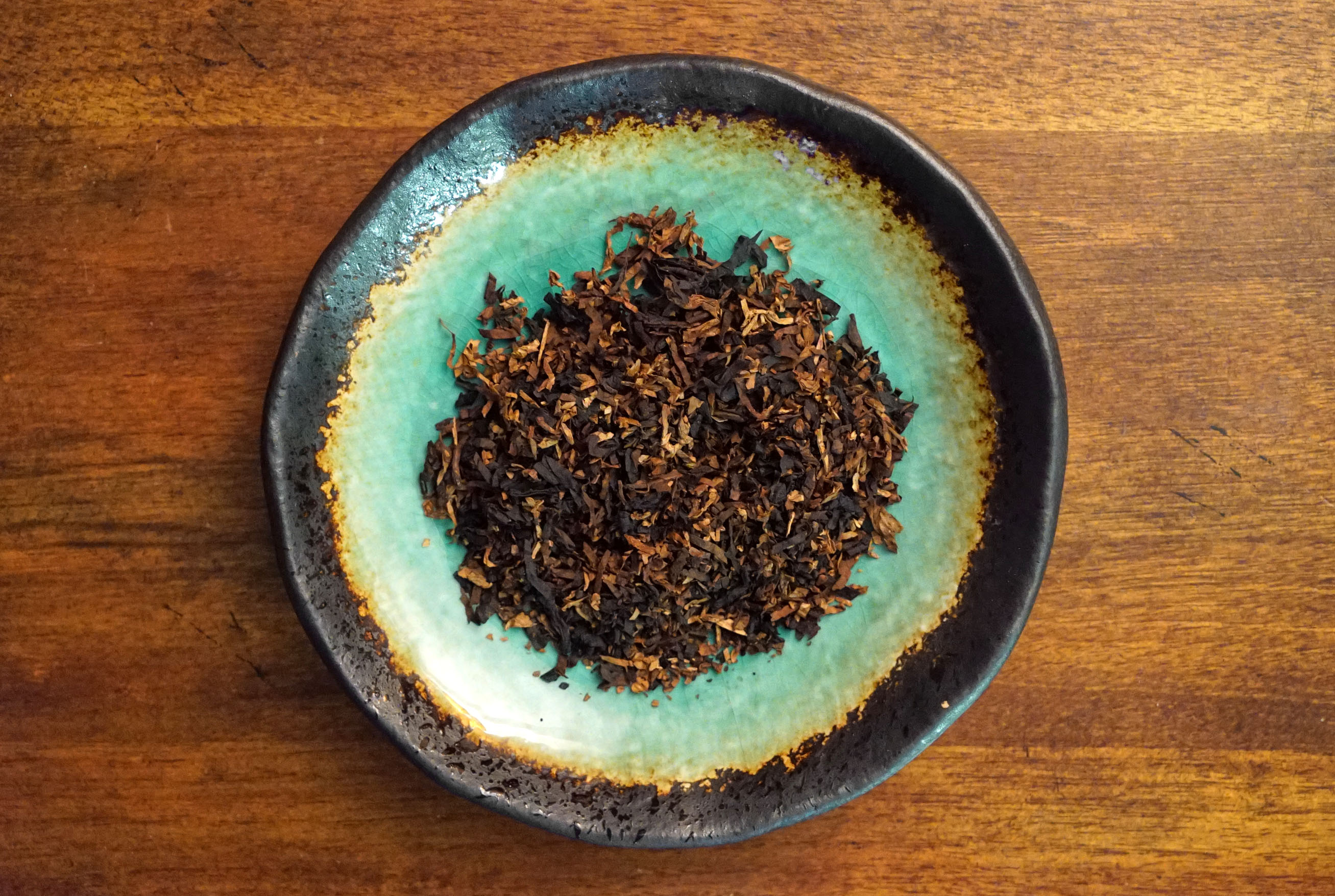
Other tobaccos are infused with flavorings and even sugars to make them taste different or become very aromatic and scented when burning. It’s as if you’re burning a nice-smelling candle in the room. The smoke does tend to cling, though, so make sure you have good air circulation. If not, you may soon find yourself wading through a thick fog of pipe smoke. Here’s a more specific look at the various types of tobacco:
Major Breakdown of Tobacco Styles
Aromatic: During the manufacturing process, flavors or “casings” are added to the tobacco, as mentioned above. Some of the most common are vanilla, nougat, cherry and chocolate. Depending on the amount of flavor used, a blend in this category can also be deemed semi- or lightly-aromatic.
Non Aromatic: Natural tobaccos that derive flavors, in many cases, through aging, curing, smoking or fermenting. This technique increases the sweetness and/or flavor without using sugar additives.
English Blend: Until 1986, additives were not allowed in English tobaccos. While non-aromatic tobaccos are manufactured all over the world, a true English blend is one containing Oriental tobaccos, most notably Latakia. The most common English blends consist of Latakia, Virginia, and Perique. Depending on how much Latakia is mixed into the blend ultimately determines the overall strength of the mixture, described as mild-, medium-, or full-bodied.
Blending Tobaccos
These tobaccos are often blended together to form different flavor profiles in commercially packaged and loose pipe tobaccos.
Virginia: This is the most common and mildest of all aromatic blending tobaccos. With the highest natural sugar content, it can burn hot and “bubble” or boil while smoldering in the pipe bowl. It lights up easily, and has a sweet taste, which increases when aged prior to blending. It is sometimes sticky or damp.
Burley: This has a thicker leaf than Virginia, with a soft, nutty flavor. It burns slowly and contains little sugar. As such it is commonly used in high sugar blends to keep them from burning too hot. The color ranges from mahogany to light brown, and is typically air-cured for 30-60 days in large barns.
Spice or Taste Tobaccos
These are blending tobaccos that are used like seasonings. You add a particular amount to your blend to give it a characteristic flavor or unique kick. Examples would include varieties like Perique, Brazil, Kentucky, Oriental and Latakia. These are all commonly found in English blends.
Perique: This is a dark tobacco from St. James, Louisiana that’s spicy in flavor. It is a rare, slow burning and strong-tasting tobacco. Production is small, so its value is high. Perique’s cured leaves are put in large oak barrels under heavy pressure and fermented for a year or longer. The aroma is full bodied. The nicotine content is very high, so Perique isn’t smoked by itself. The most you usually see in a blend is about 5 %, and it’s usually mixed with Virginia.
Brazil: A dark tobacco with a strong, sweet flavor.
Kentucky: This is actually a special fire-cured Burley tobacco produced in Kentucky. It’s very aromatic and unique. The nicotine content tends to be high, so it is used sparingly.
Oriental: A generalized grouping of dry tobaccos that includes Latakia and is known for unique “spice” flavors. Tobaccos in this category come from Russia, Macedonia, Turkey, Greece, Cyprus, the Balkans and Syria. Some popular Macedonian tobacco varietals include Komotini, Samsun, Xanthi, Drama, Serrus, Izmir, Yenidji, Cavella and Bursa.
Latakia: This is a full-bodied dark, dry tobacco from Cyprus and Syria that gives off a smoky aroma that’s similar to burning tree leaves, peat moss or baseball glove leather. Latakia is a powerful tobacco: this is the “smoky scotch” of tobaccos that I discussed earlier. It is produced by smoke- and fire-curing the leaves over spices, herbs and aromatic woods. This is very similar to the process of peat smoking barley prior to fermentation in the whisky and scotch making process. It is precisely why the two items have such similar flavors and aromas. English blends sometimes contain up to 50% Latakia, and some smokers will put nothing in their pipes but 100% Latakia. Balls. One thing to note here is that this variety can sometimes get ashy toward the end, since it is such a dry tobacco. It rarely “bubbles” or boils as you smoke it, as it tends to burn cool (low sugar content).
Side-Note About Latakia: The smoking process associated with Latakia tobacco was first discovered when farmers forgot they had stored excess tobacco in the rafters of a barn where they used to cook. The smoke from all the burning wood wafted up and flavored the tobacco. When the farmers found the old tobacco in the rafters, this new, enjoyable flavor style was born.
Tobacco Cuts & Curing Processes
Like steak, there are several cuts of tobacco. However while each cut of steak has a different flavor because it’s from a different part of the animal, tobacco cuts have a more physical connotation: it’s all about the shape, size and manner of how the leaves are cut.
The curing and processing of tobacco is analogous to steak aging, marinating and applying varied cooking methods. The tobacco leaves can be dried, flavored and processed in a variety of ways prior to smoking, all to different results and imparting a wide variety of flavors.
Here’s a quick breakdown of the information you’ll need to know when you go out and buy some tobacco:
Cavendish: This special heating and curing process brings out the naturally sweet flavor of tobaccos. The result is a mild, light tasting and easy to pack product. Cavendish can be produced from any tobacco type, but mainly Virginia tobaccos are used because of the high sugar content that naturally occurs in the leaves. Examples include Black Cavendish, Navy Cavendish (aged with rum) and English Cavendish (fire-cured tobacco which is steamed and then stored under pressure to permit it to cure and ferment).
Casing: Simply put, this means adding flavoring to a tobacco. This is usually done by producing a fluid mixture of sugar, honey and/or other kinds of aromatic sweeteners and then soaking the tobacco. The goal is to produce a tobacco with a sweet and smooth aroma.
Air-Cured: Drying tobacco naturally, and sheltering it from sunlight in large barns causes sugar content to crystallize on the leaves. It usually takes about three months.
Fire-Cured: This drying and curing method is achieved by a wood-fired smoke fumigation.
Sun-Cured: Most Oriental tobaccos are cured by simply baking in the sun, which is why they tend to be drier than other varieties.
Cake: This is tobacco that has been soaked in honey, which acts as a bonding agent as well as a sweetener.
Spun-Disc or Plug: Similar to cake, this is tobacco that has been soaked in a bonding agent (like sugary syrup or honey), but then pressed together by packing it into round molds or logs before packaging. If a piece is cut off its called a plug.
Flake Cut: Tobacco packaged as large, flat flakes. It must be rubbed out to separate the flakes, or folded and then simply inserted into a pipe and lit.
Rubbing Out: While often used as a term for masturbating, in the world of pipe tobacco it means rubbing flake or plug in the palm of the hand to loosen the tobacco prior to smoking.
Ready Rubbed: A flake-cut tobacco that has been rubbed out before packaging.
Shag: Tobacco that has been shredded very finely. This is what Sherlock Holmes smoked, which, at that time, was supposedly considered an inferior product.
Ribbon Cut: Tobacco cut into long, thin ribbons, though not as long or as fine as shag.
Cube Cut: Pressed tobacco chopped into small square pieces.
Navy Cut: Traditionally the tobacco was put in a long thin canvas tube and twisted up very tight. After time it became a thick rope of tobacco, approximately an inch in diameter. Similar to spun disc, if a piece was cut off it was called a plug. It is also commonly sliced, and is generally a slow burning tobacco.
Styles of Pipes
Similarly important to WHAT you’re smoking is the vessel in which you’re smoking it. The pipe you choose is an extension of yourself; it is a personality marker. Like fashion or clothing style, it is a deeply personal matter. It may even be the kind of Harry Potter wand bullshit where the pipe chooses you, rather than you choosing the pipe. You may be surprised in what ends up being your “fit.”
Most commercial or good quality pipes are carved from high density hard woods, like briar, that won’t ignite and turn to charcoal with frequent burning. This dense wood often has some pretty cool patterning in the grain as well.
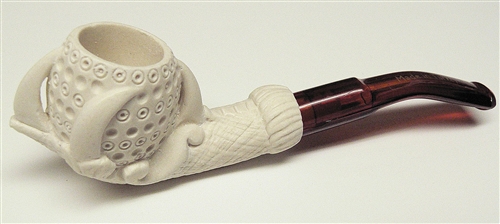
However some are made from meerschaum, which is a mineral deposit that is carved and later polished with hardened bee’s wax. These are typically ornately designed, like sculptures.
The meerschaum pipes will tend to turn slightly yellow over time as they become seasoned and used, with a dark brown or black interior in the bowl. They are said to impart a sweetness to the smoke that you don’t get with a wood pipe.
Other pipe styles are more natural, like those made from dried gourds, calabash pipes, or corn cobs. The calabash, which has a removable meerschaum bowl topper that traditionally rested in a hardened, hollow gourd, is what Sherlock Holmes smoked.
I suppose we could throw glass pipes and hookah pipes into the mix, but those are generally being used for illegal drugs, dried fruit or more harsh blends of non-pipe tobacco that aren’t very pleasing. Those pipes are more difficult to carry around for every day use too.
If you see the phrase “estate pipe,” it usually means that the pipe was used and is now being re-sold. Nice for decoration, perhaps.
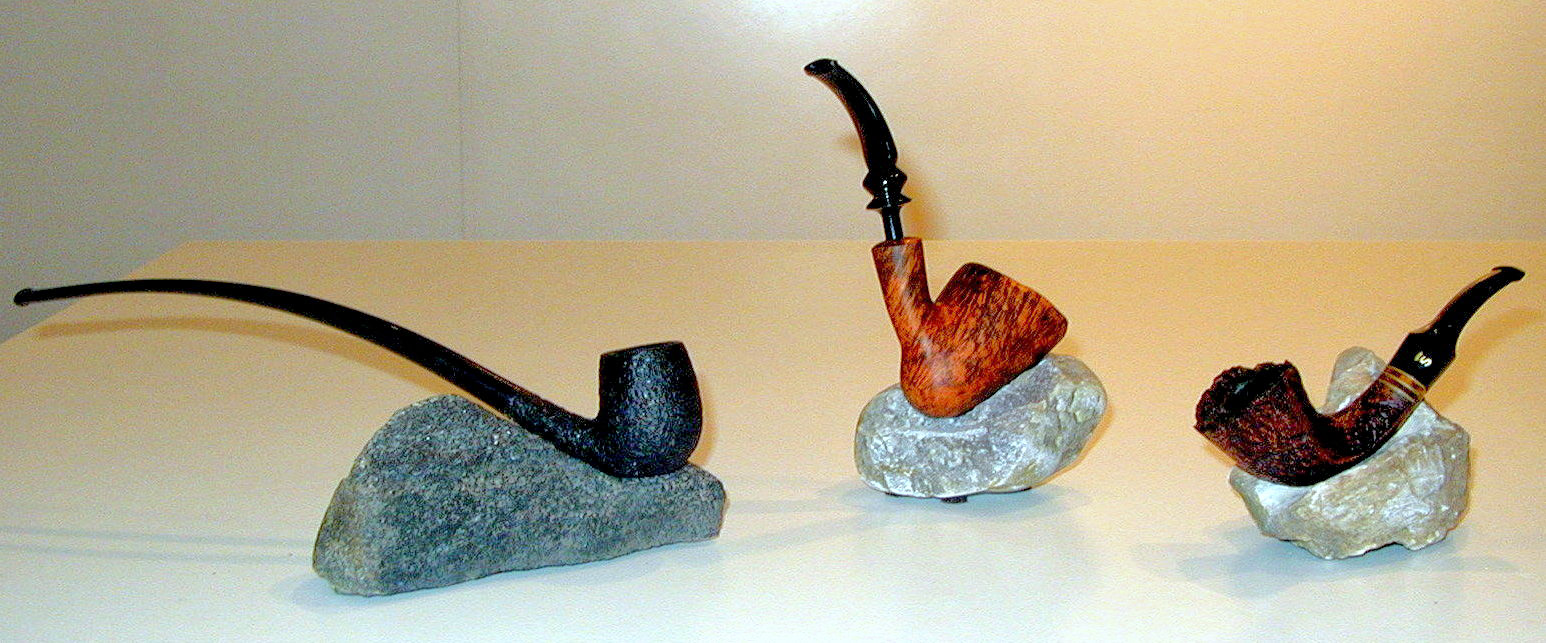
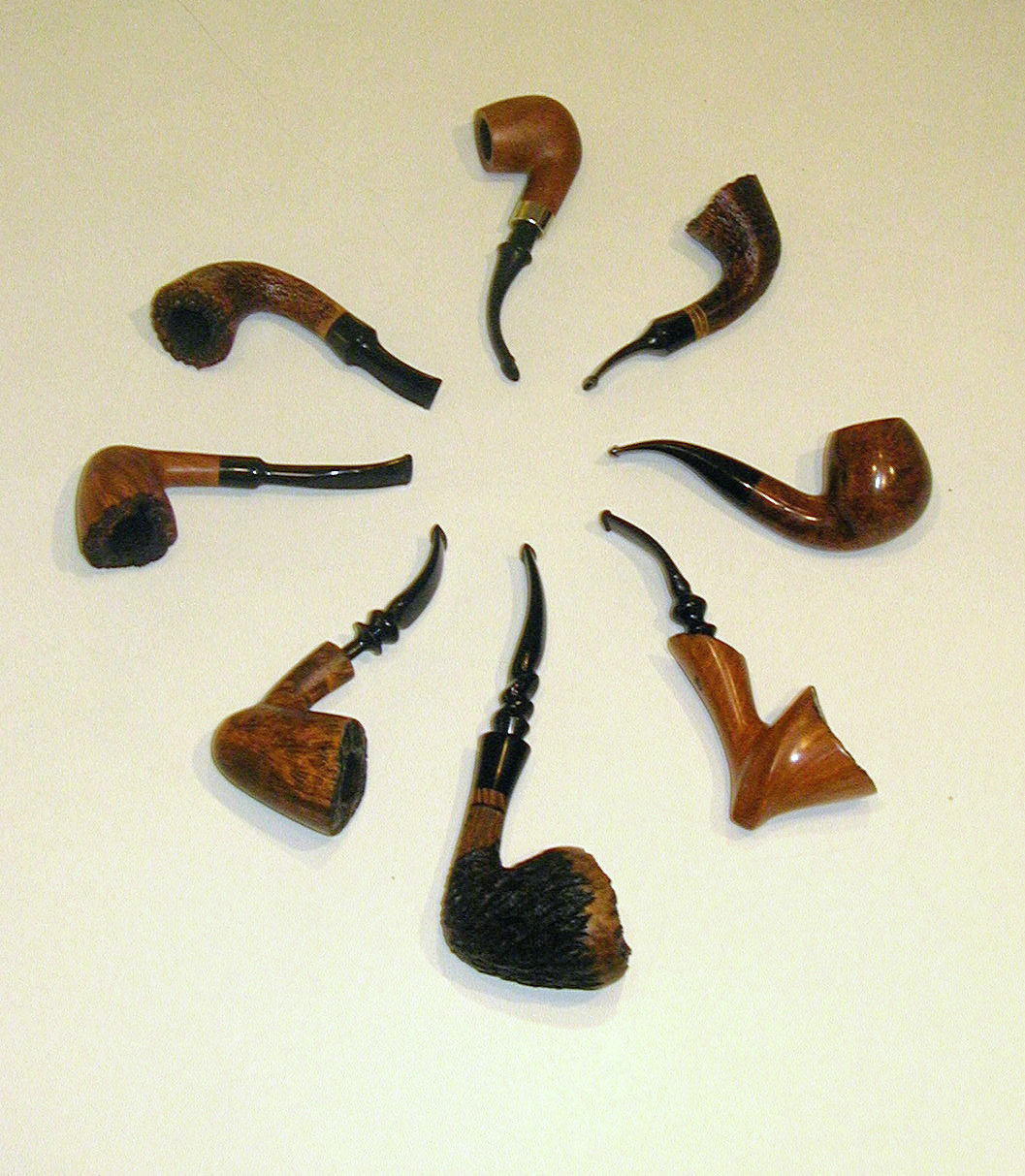
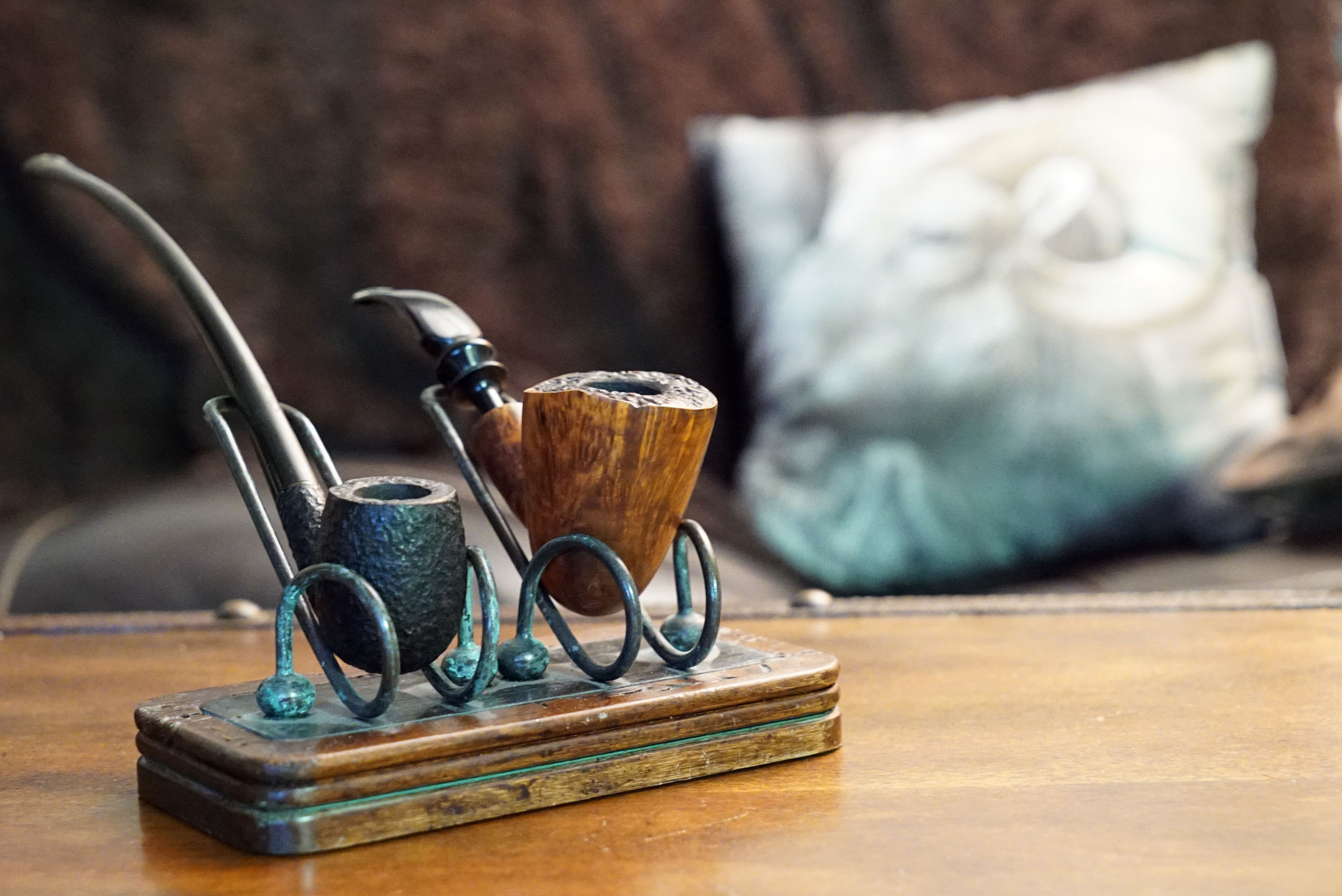
In the realm of wood, where we will remain, there are “free-hand” natural cut, rough top, and smooth varieties. Below, the top pipe and right pipe represent smooth, elegant styles – more refined. The bottom, top right and top left represent natural cut styles – more rustic. On the left and lower left, you’ll see smooth styles but with rough tops. And on the bottom right you’ll see a stylized smooth pipe that still retains a natural, rough looking shape. As you can tell, there are lots of pipe styles out there. Picking a single one that suits you is often difficult. That’s why pipe smokers tend to collect several pipes, and choose which to smoke depending on their mood.
A closer look at the bottom-most natural cut, free-hand pipe:
I apologize for the repeat photos below, but I’m popping them in so you don’t have to scroll back up to see what I’m talking about.
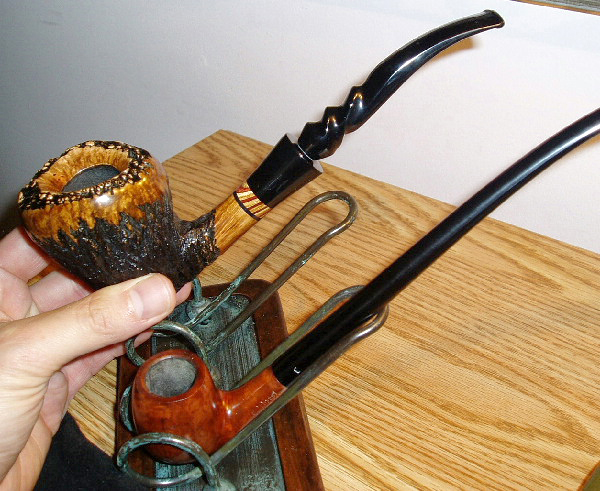
In additional to the overall look, there’s also the stem length. Longer stems allow the smoke to cool down before it gets to your mouth, making for a more relaxed and smooth smoke. However, a long-stemmed pipe is not the most convenient thing to tote around and carry for the evening. As such, a chuchwarden pipe might be better suited for long bouts of reading or relaxing by the fireplace.
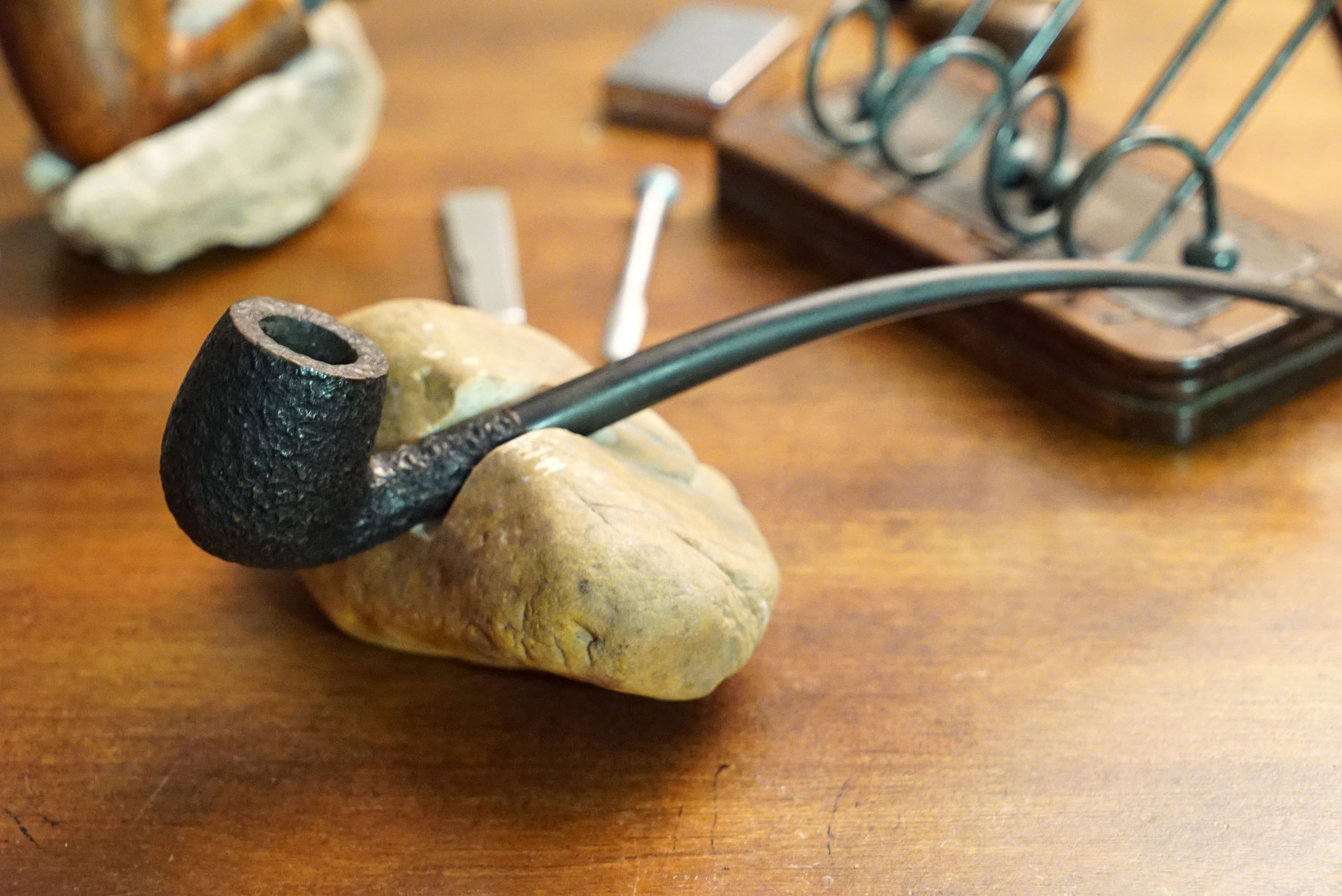
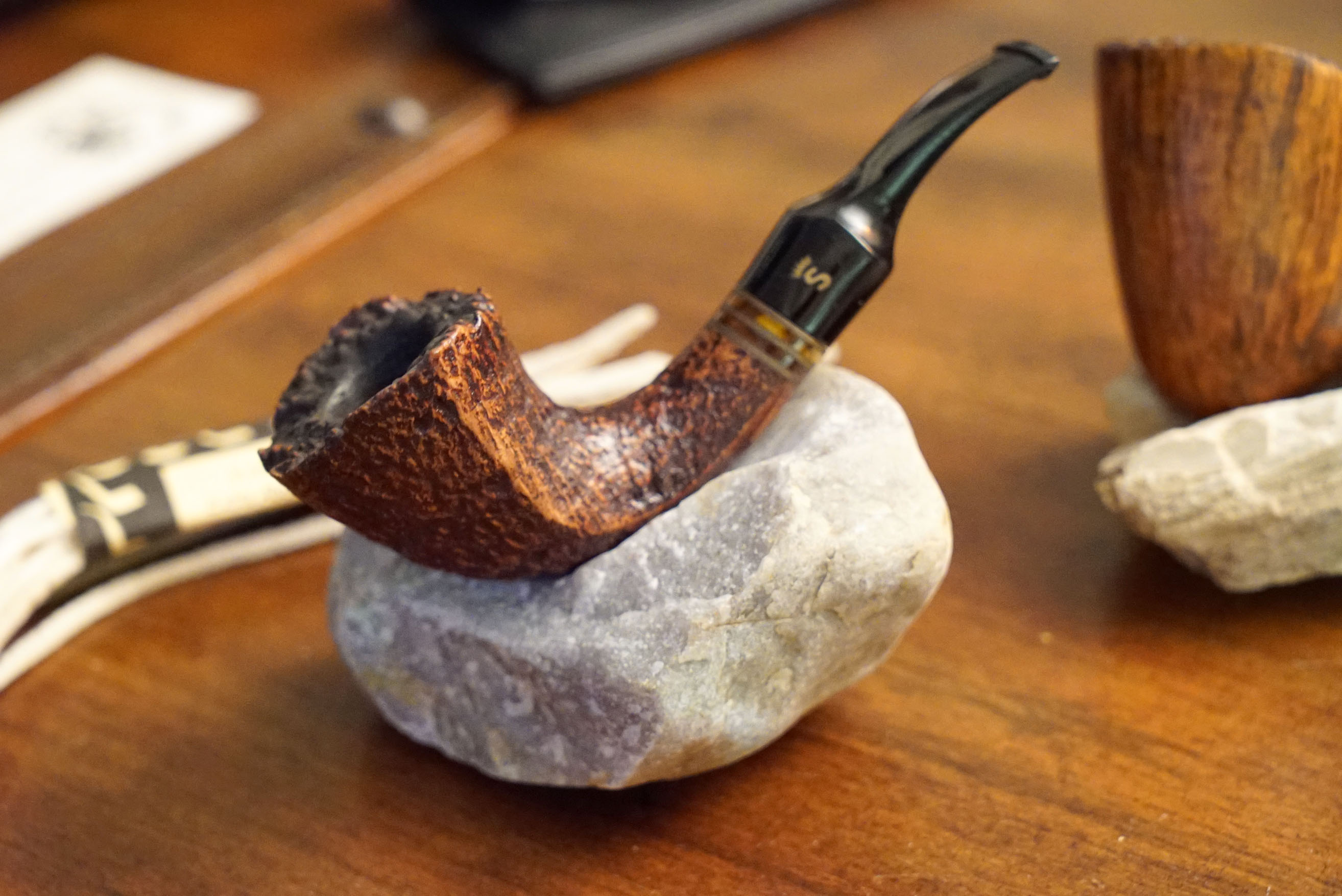
As you saw from the pipe wheel up above, a few of us prefer the traditional bowl style, or a smooth style, while others like a rustic horn pipe shape or a free-hand. Here’s a closer look at my horn:
It’s all a matter of preference. There really isn’t a difference on many of the styles other than what I mentioned about the stem length. However if you notice, in the image of the natural cut pipe, the pipe has a very large and deep bowl. When comparing the natural cut to the small churchwarden bowl, the natural pipe may stay lit for an hour as opposed to 15 or 20 minutes for the “churchie.”
Same goes for these two pipes below. The churchwarden on the left is about half as deep as the rustic/natural topped pipe on the right:
These things need to be considered before lighting up or leaving the house with your pipe gear.
Pipe Gear
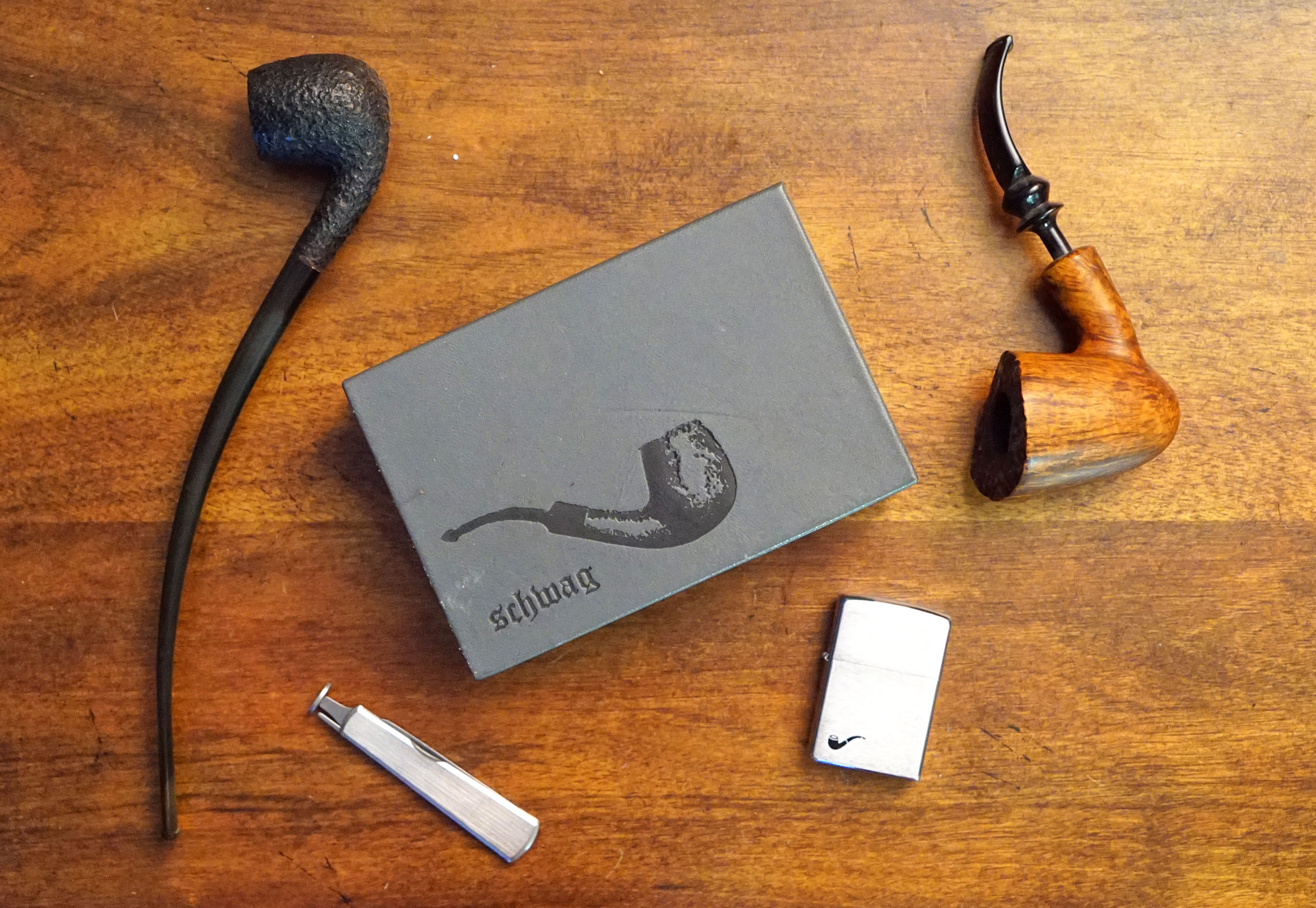
Pipe gear can range from tools and accessories to satchels and pouches. There’s a LOT of cool stuff you can pick up for your new and awesome hobby. Below are some examples:
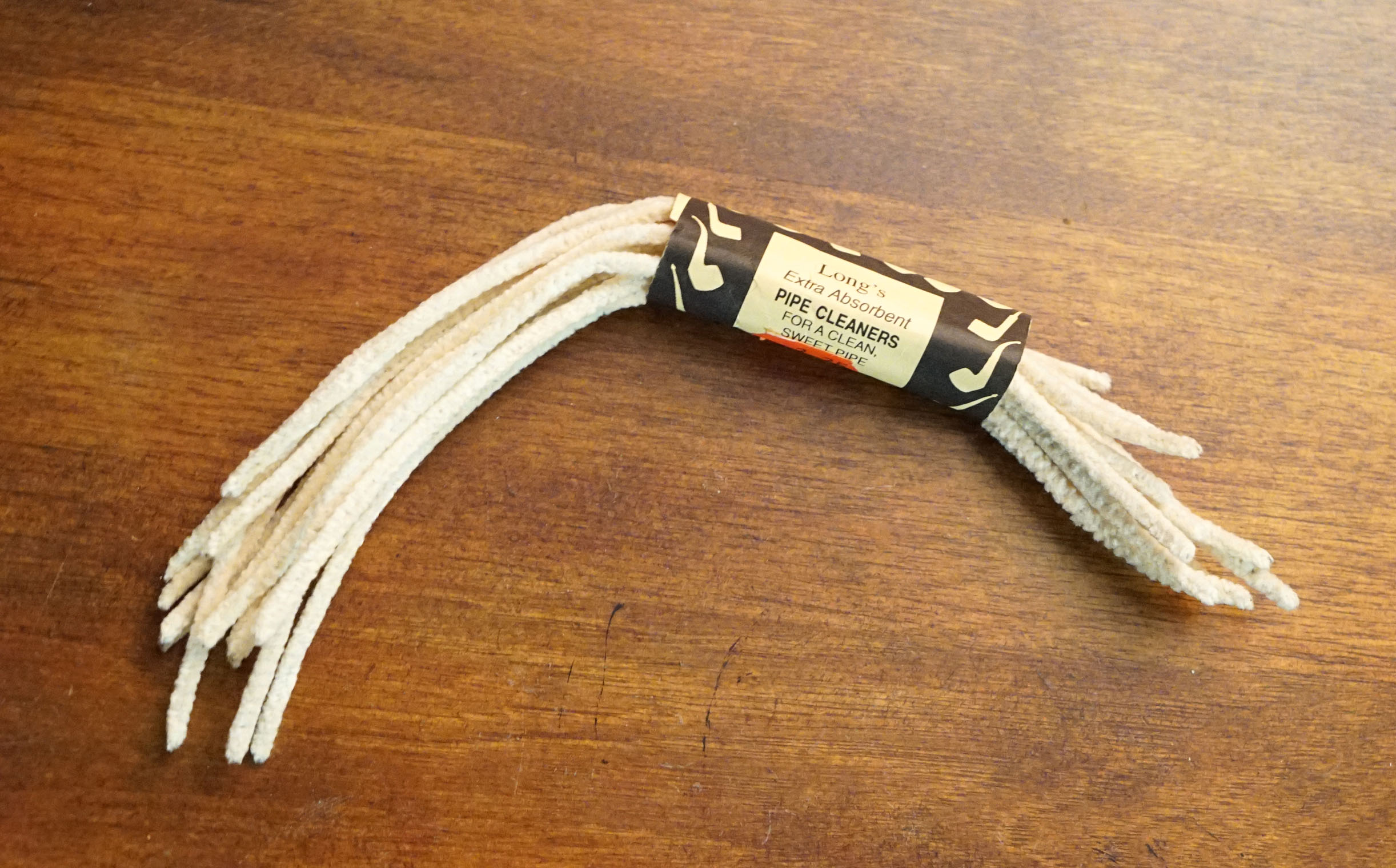
Pipe Cleaners: Yes… these are actually used for something other than children’s craft-making. You stick them down the stem to remove excess gunk, sludge, moisture, tar, spittle, you name it…
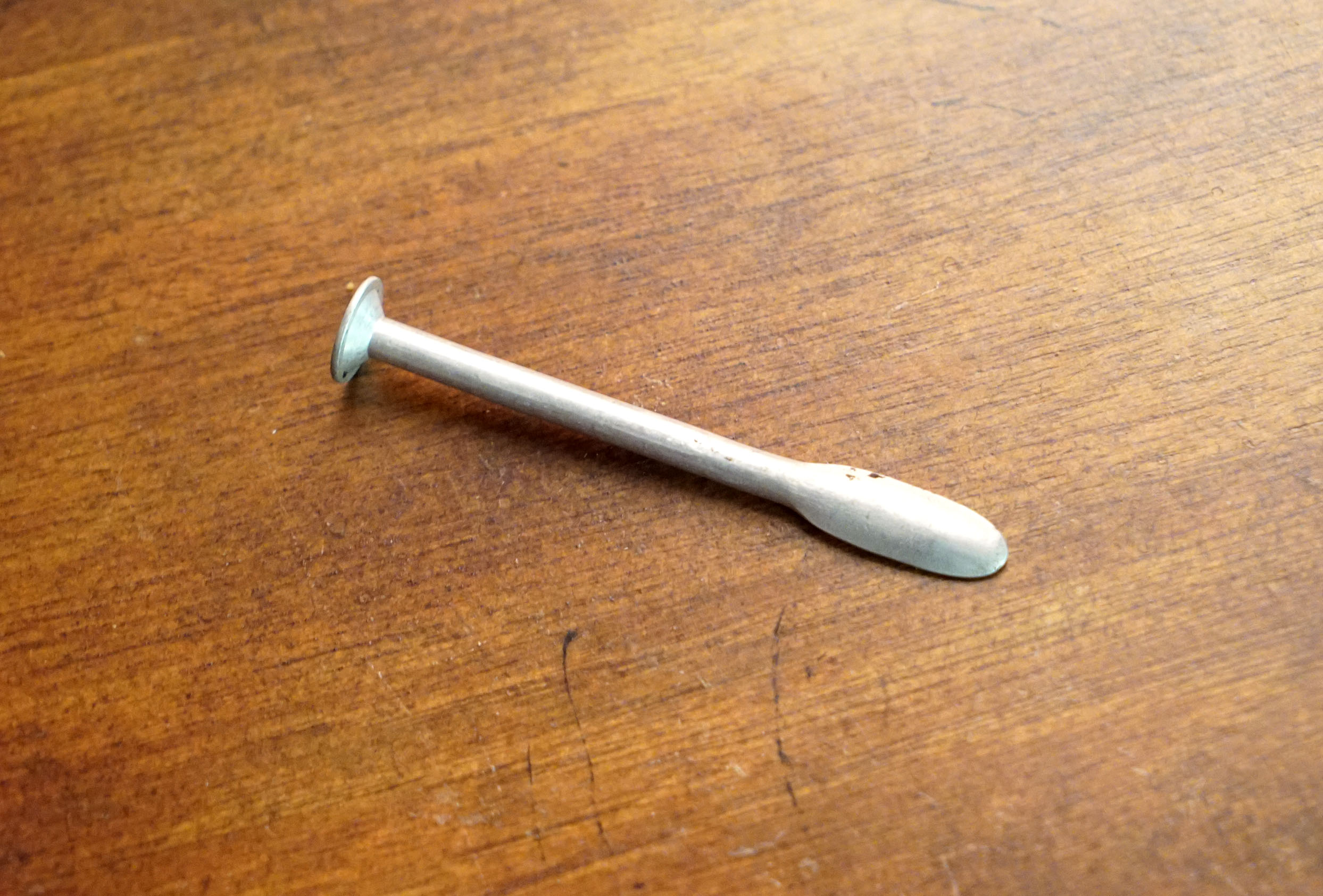
Pipe Nail: A poor man’s pipe tool, this is primarily used for tamping down your tobacco as it burns (to keep a compact but well-breathing ember/smolder going). At the end of your smoke, the flattened point can be used to scrape out the ash and gunk. Picking up a pipe nail will only run you a buck or two at most.
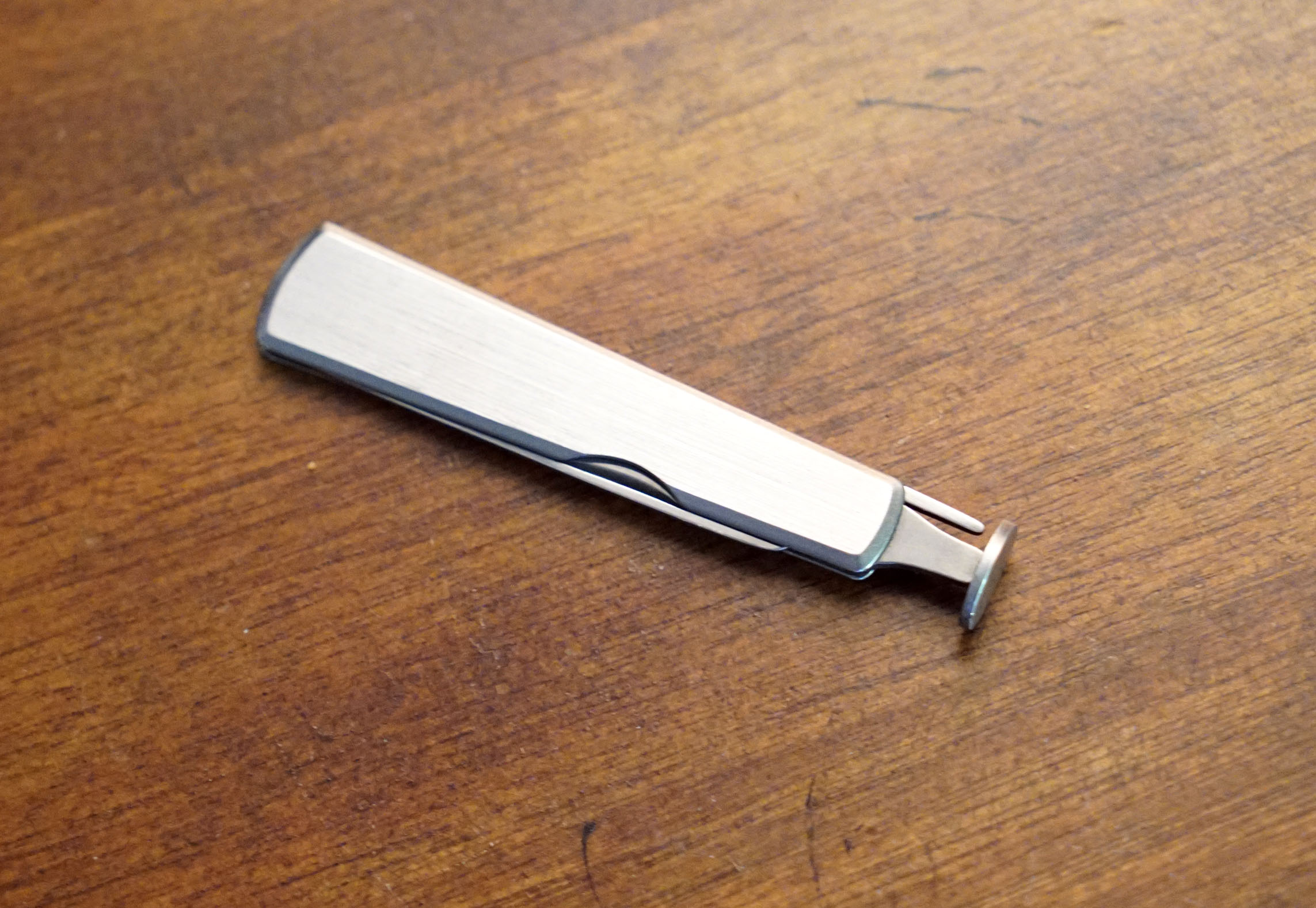
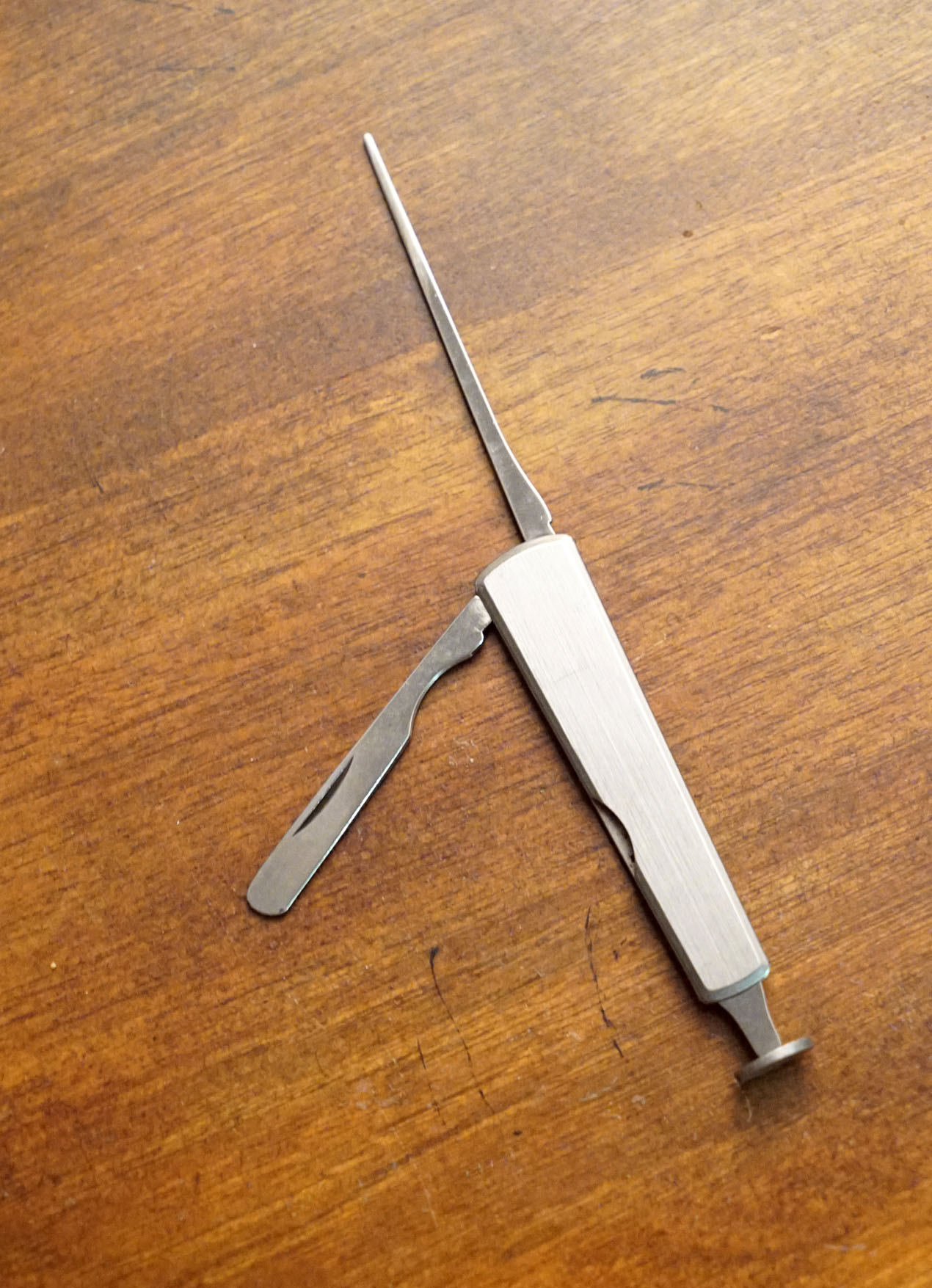
Pipe Tool: A full fledged pipe tool looks a bit like a folding pocket knife. One side is a scraper, the other side is a poker. And the flat bottom portion is for tamping down your tobacco, like a pipe nail. Fancy pipe tools can range from $10 to $100 depending on the craftsmanship and materials involved.
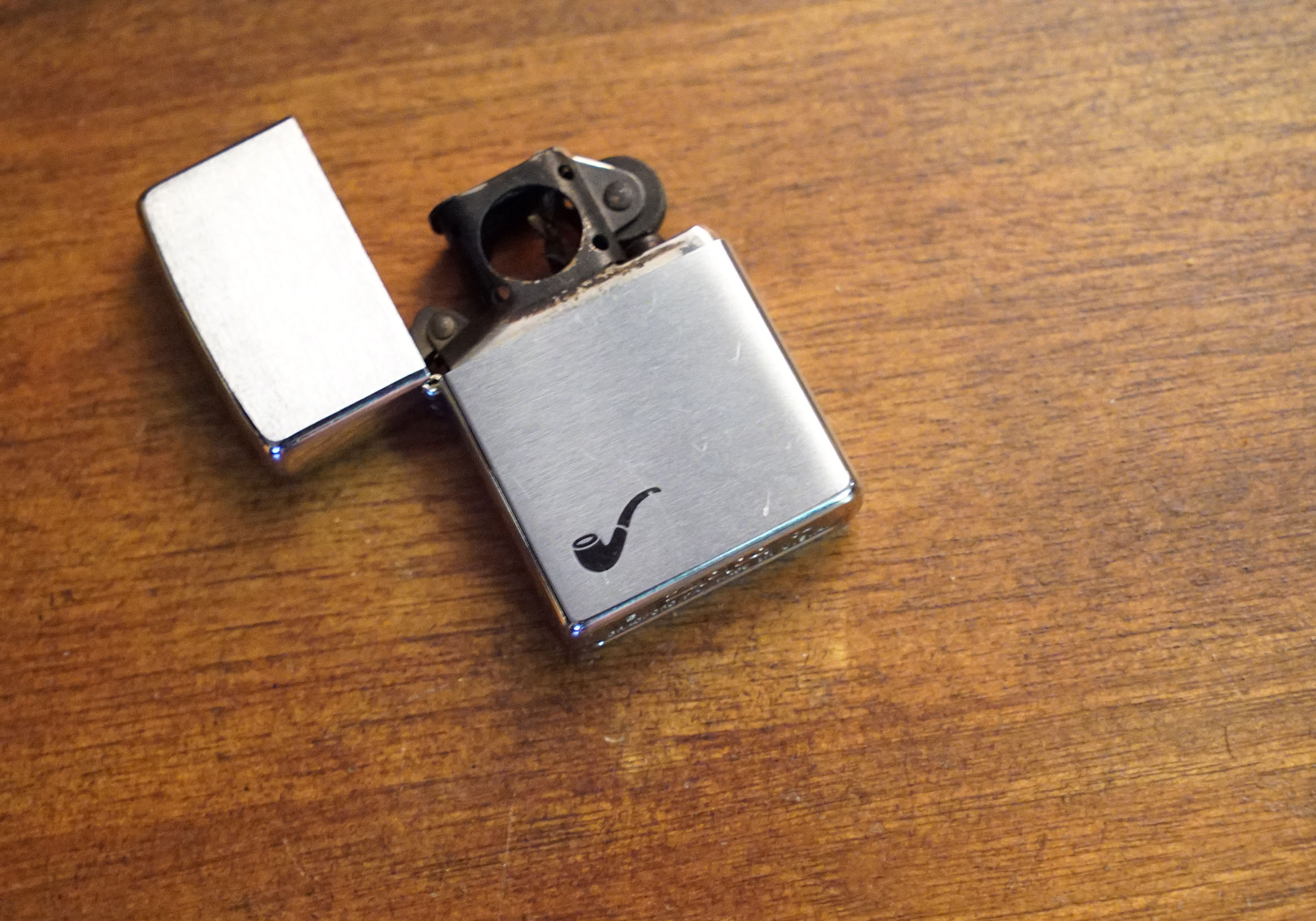
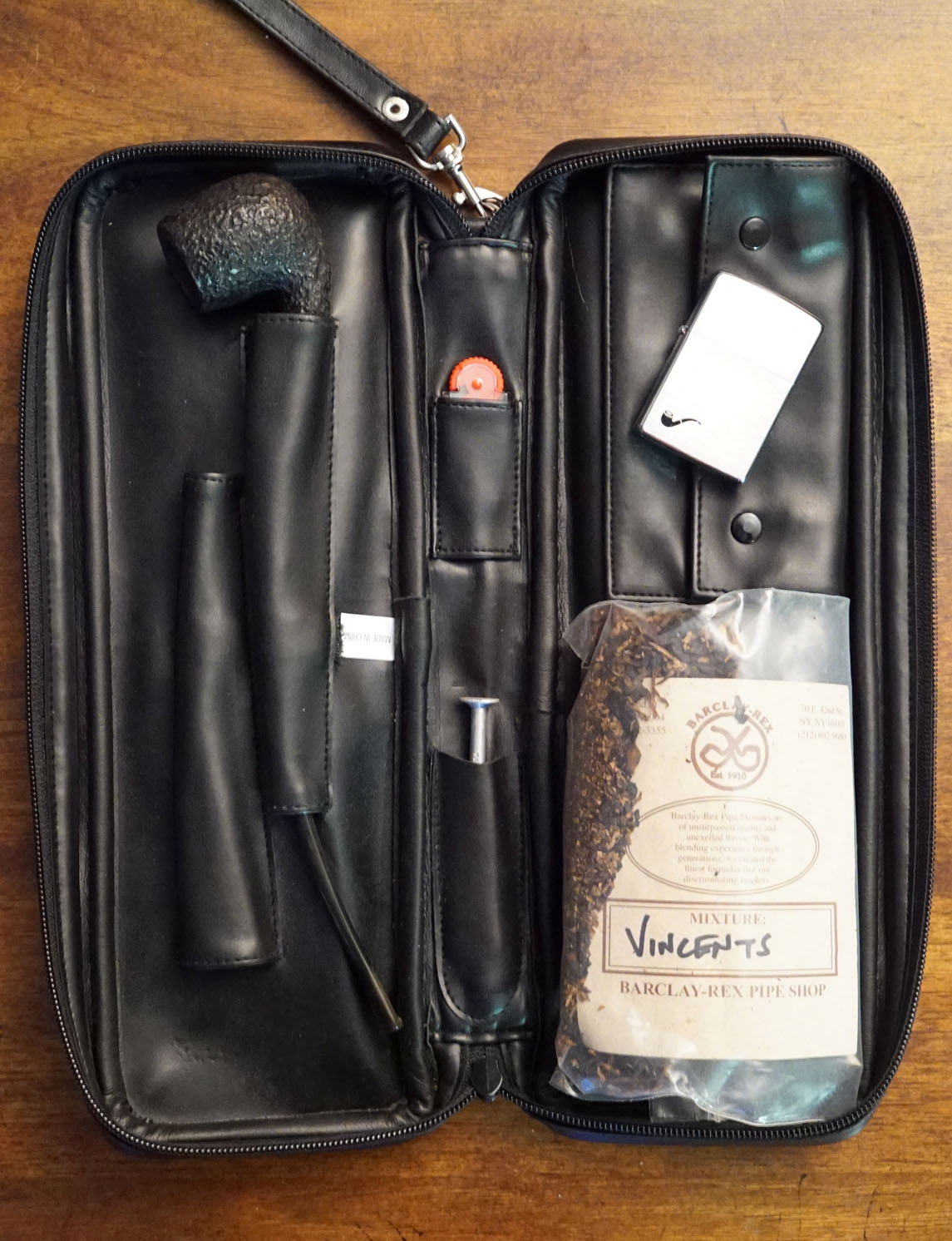
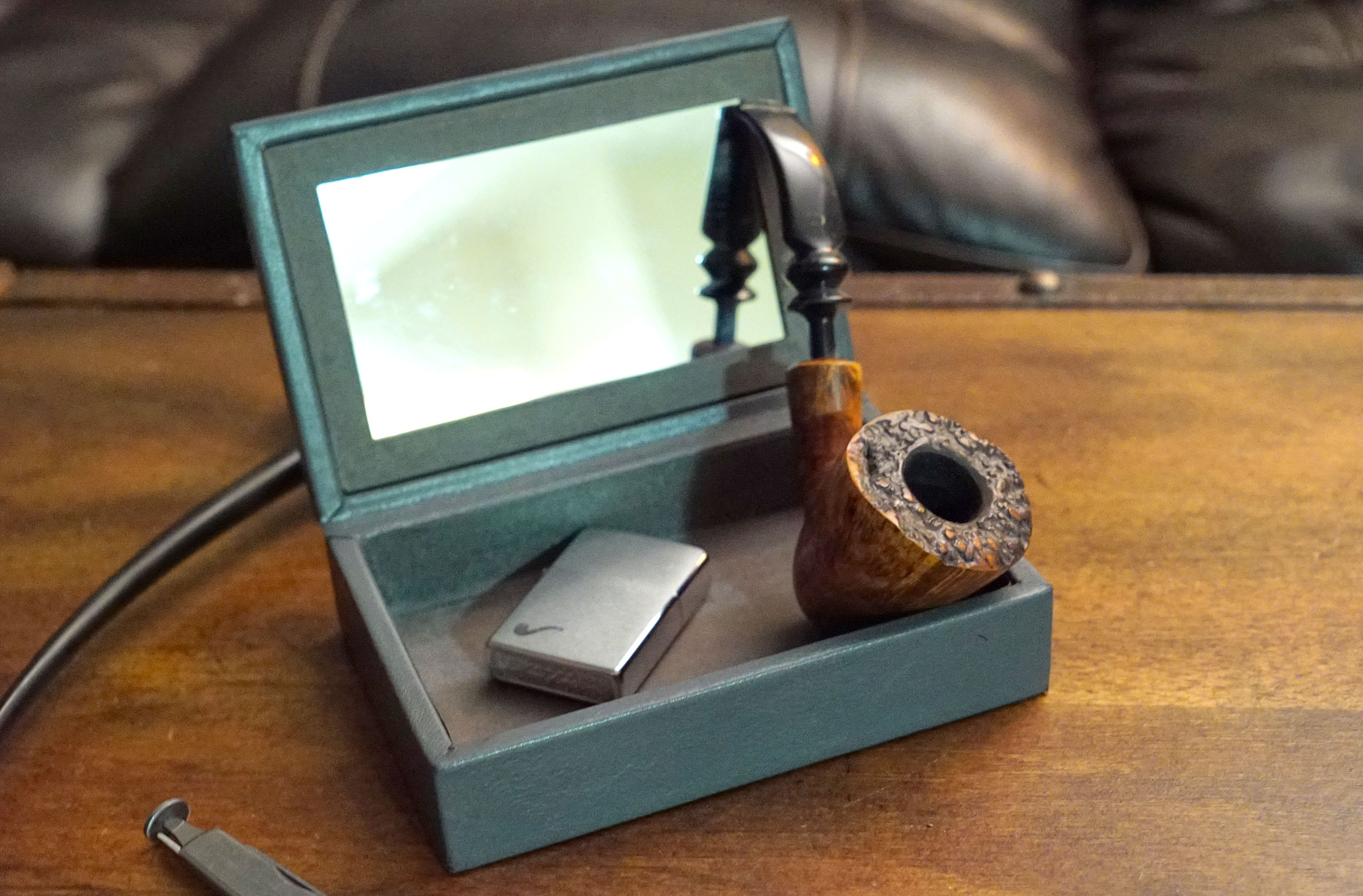
Pipe Lighters: Special lighters like this Zippo are made for lighting pipes, as they have a cut-away hole for holding the lighter sideways, with the hole hovering over the bowl of your pipe as you light up.
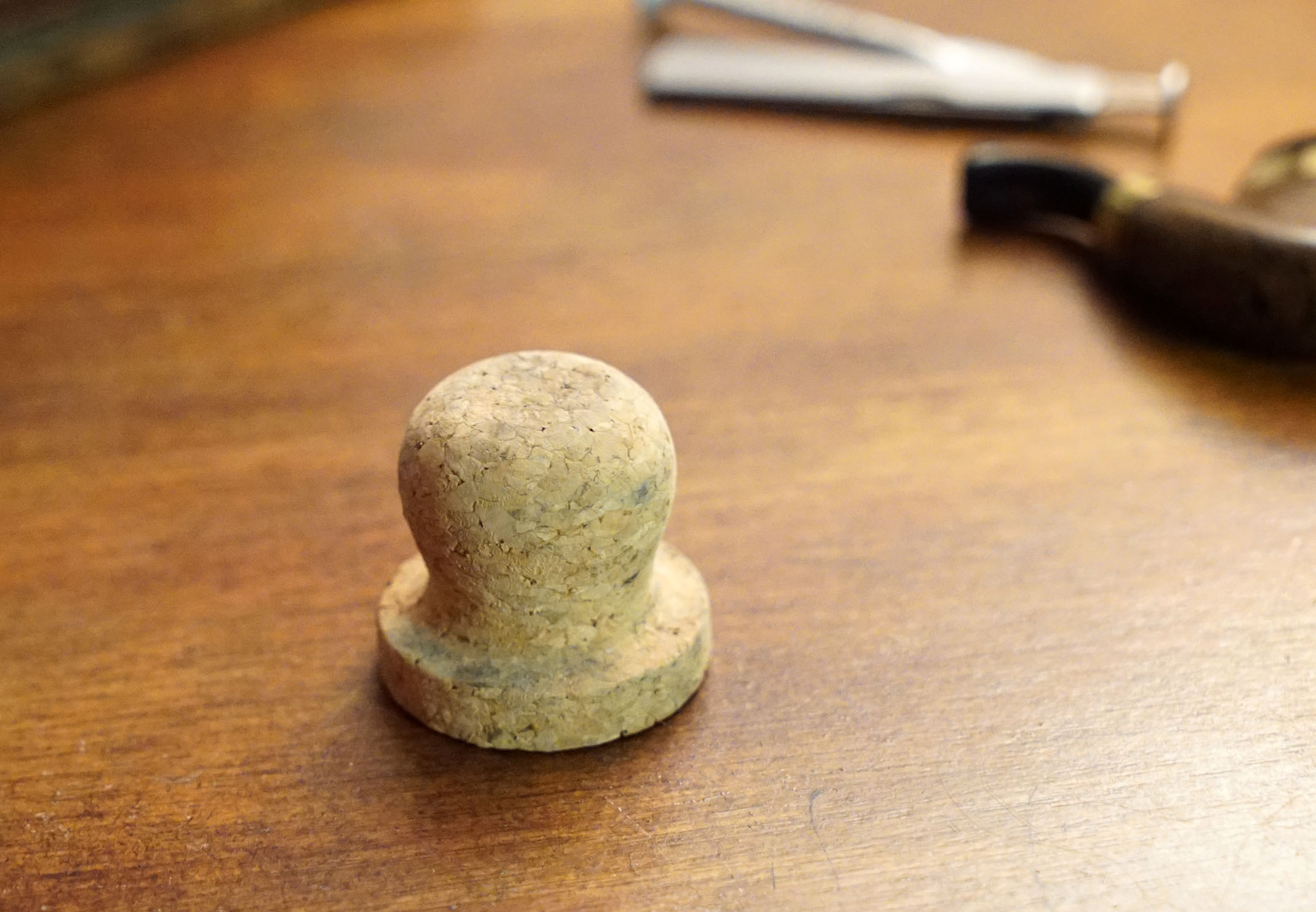
Pipe Knocker: This cork doo-dad is for tapping against the side of your pipe bowl to get excess out before scraping out with a pipe tool. It’s safer than using your hand (burns suck), and it also protects the finish of your pipe so you don’t ruin it by tapping the bowl against something that could scratch or nick the wood.
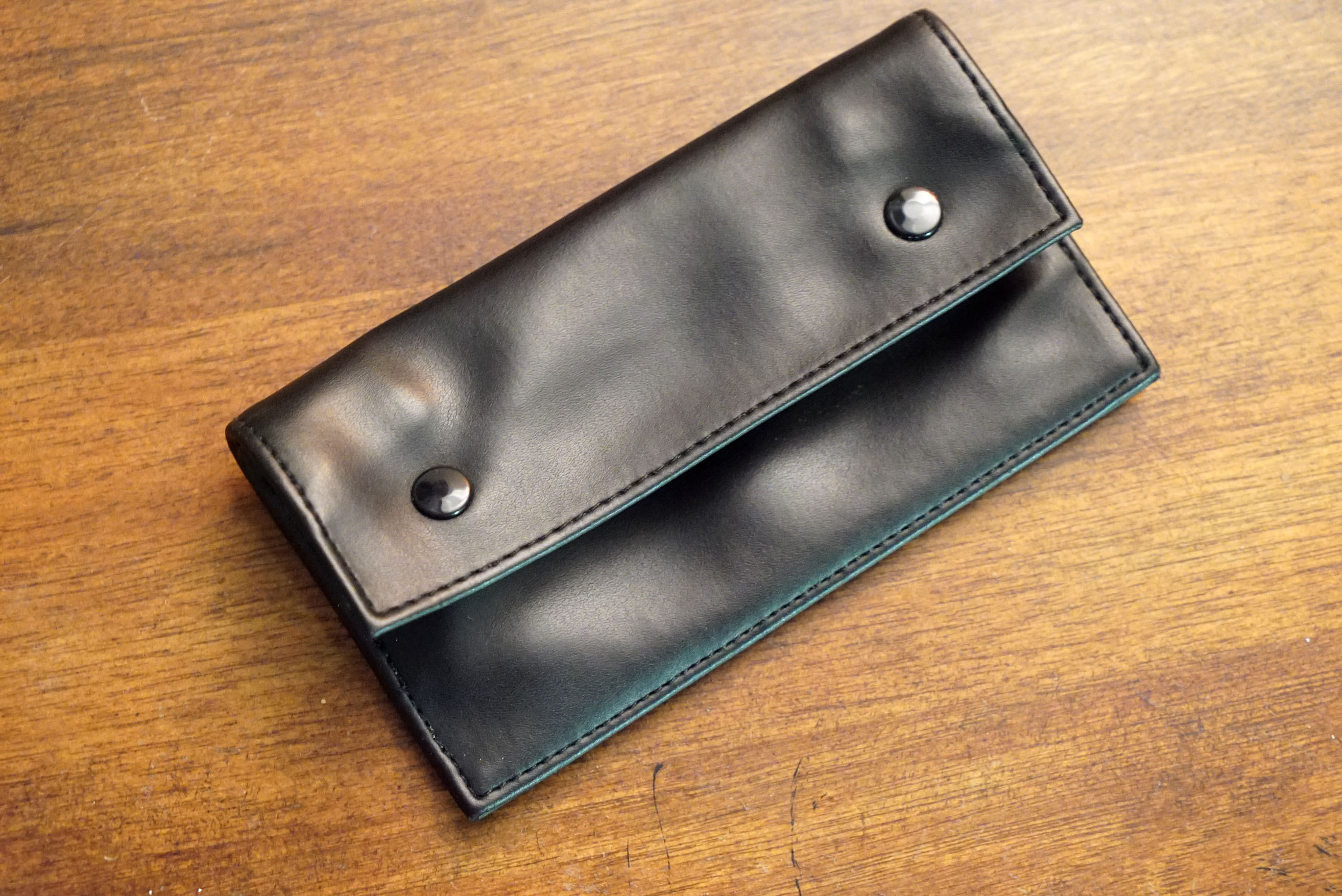
Pouches: Simple. This accessory is for holding loose pipe tobacco that you may have purchased by the ounce at your local tobacconist or smoke shop.
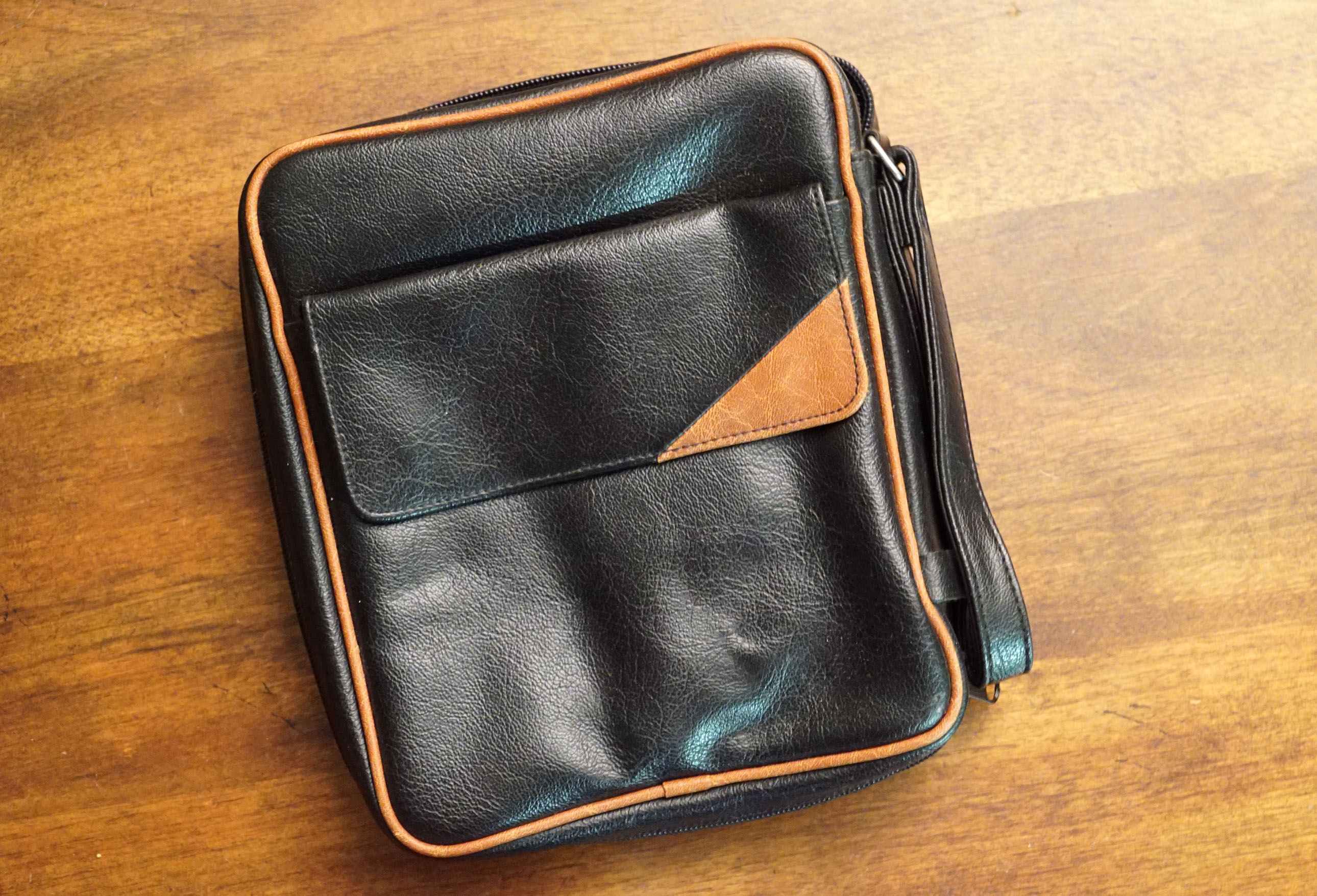
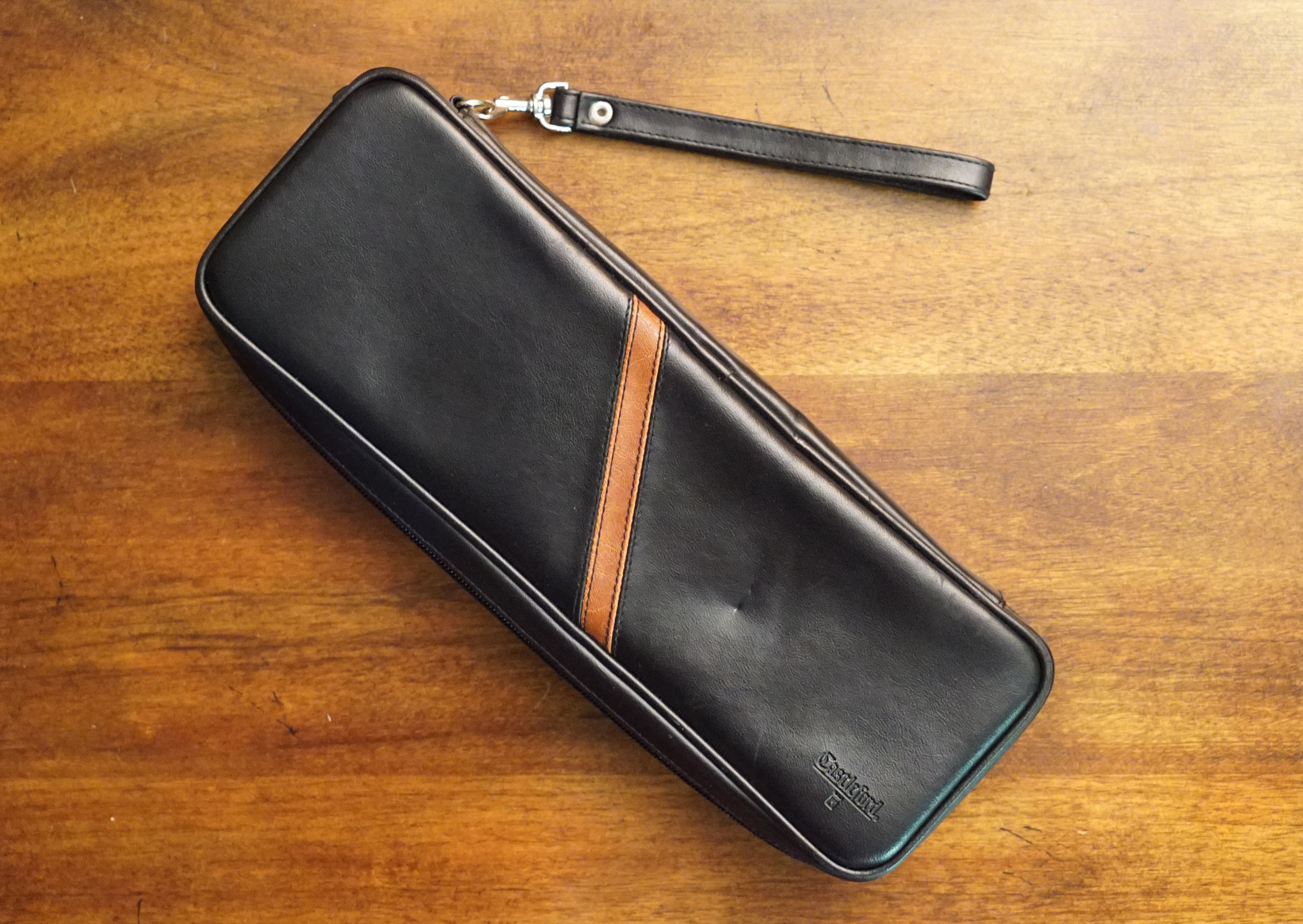
Pipe Cases: These nice leather-bound satchels are for holding pipes and everything involved with pipe smoking all together in one easy-to-carry item. Plus they’re pretty sharp looking.
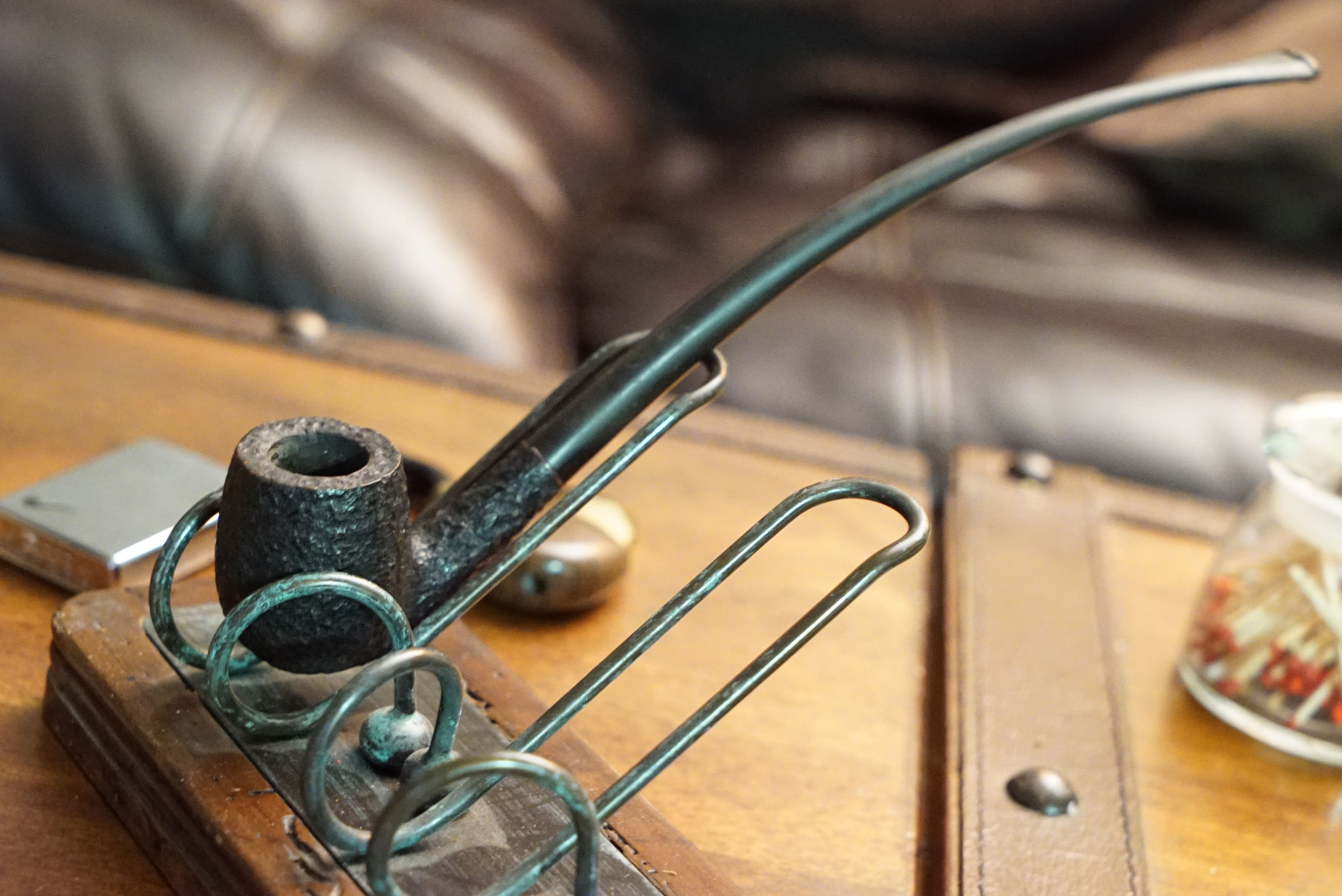
They even make these things for long-stemmed churchwardens:
Pipe Display: If you’re like me, you like to show off what you’ve got sometimes. These stands and display cases are perfect for classy, old school home decor.
I’ve even made some out of rock, to emphasize the natural, rustic look of this horn pipe:
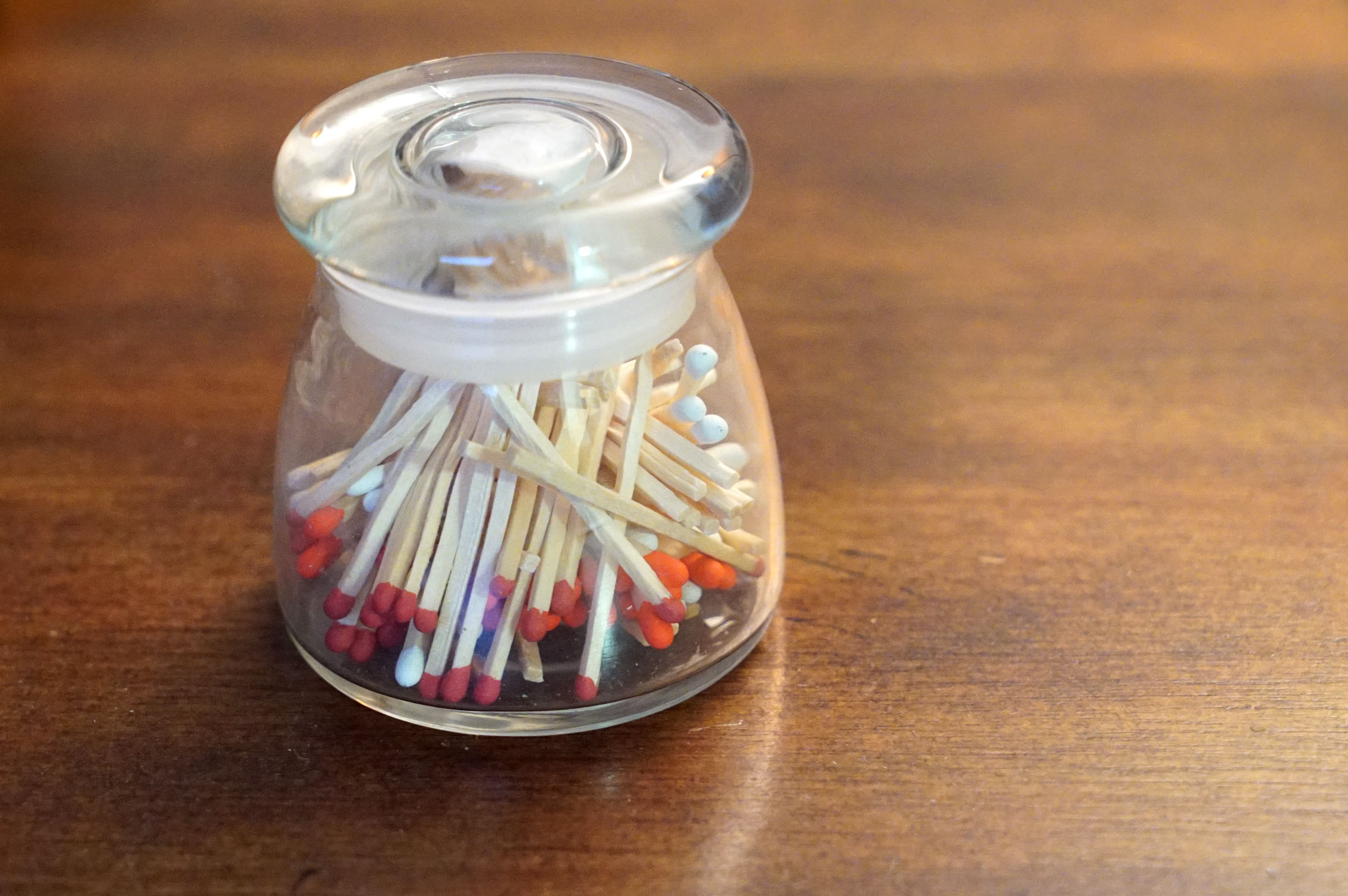
Tobacco Jars: These are usually for storing your loose tobacco purchases. You should pop a small humidifier into the lid if you can to keep your tobacco moist. I use my jars for matches, since I have a humidor for the tobacco:
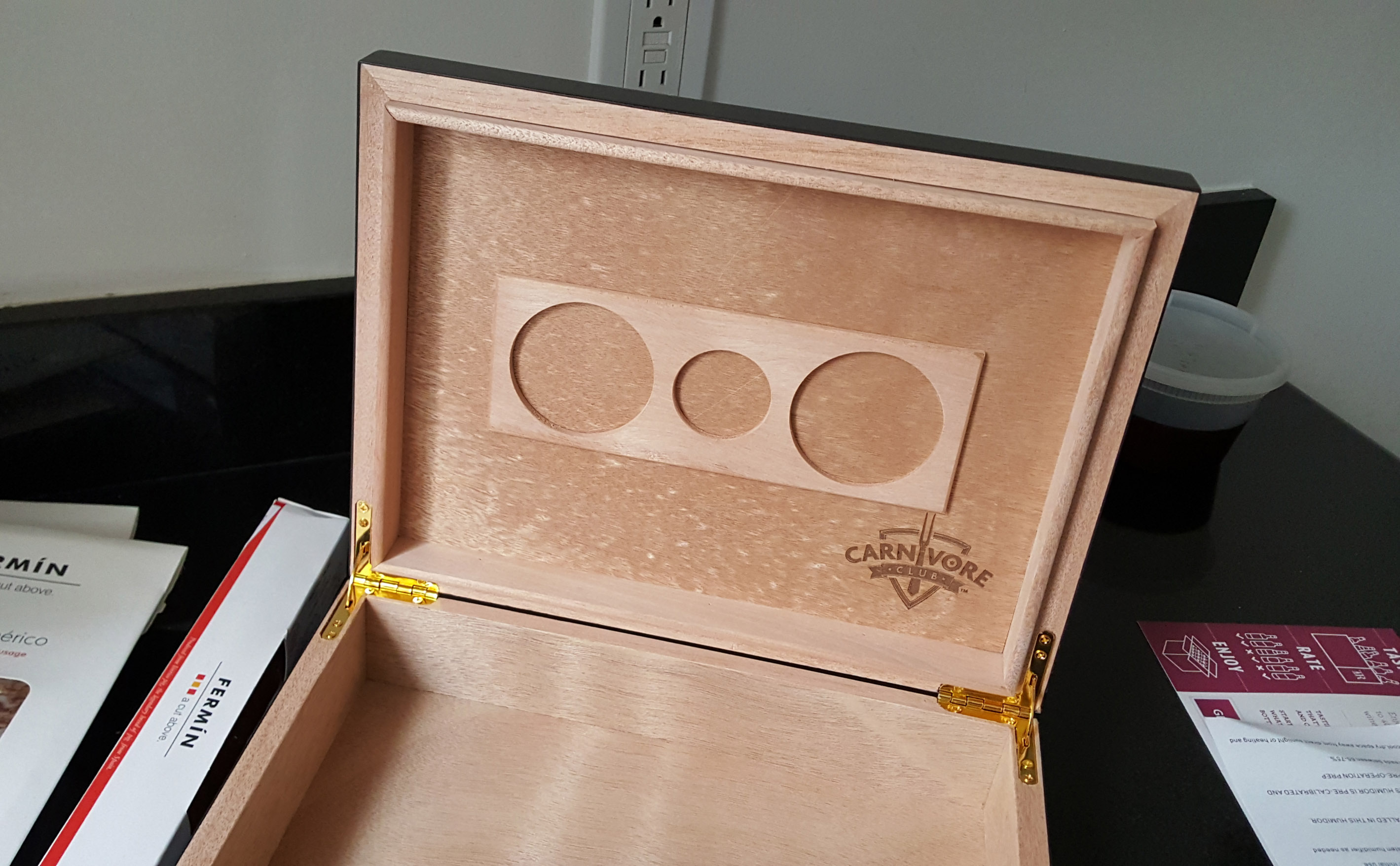
Speaking of humidors, a shot of mine is below, which I got from Carnivore Club. There are also other cool things too, like special pipe ash trays and schwag boxes for storing some or all of your shit:
Packing Your Pipe
This here is a pretty good method for packing your pipe with tobacco in such a way as to preserve maximum air flow when pulling through the stem, but also allowing for a good burn, with which you won’t have to re-pack or re-light your pipe several times throughout the course of your smoke.
Your first pinch of tobacco should go into the pipe and be pressed down gently. A rule of thumb is to fill the bowl loosely and then pack it down so that the bowl is half full. Your second, and any successive pinches of tobacco, should be pushed down more firm as you go. When you fill from half to full again with the second pinch, you should pack down to 3/4. And a third pinch should pack down to 7/8. When you continue in this vein, you’re creating a more solid bump of tobacco at the top as opposed to the more loose shreds at the bottom. You want the tobacco to be a little loose at the bottom so that air can be pulled up the stem easier and allow for fresh oxygen to feed the flames and keep the pipe lit.
Check out the short demo video below for how to pack your pipe:
Lighting Your Pipe
Many people use a special lighter or their favorite fancy torches for lighting a pipe, but I like a good old fashioned pair of wood stick matches. Two matches, both simultaneously lit and held slightly apart from one another, makes for the perfect flame size to get a good, even light.
I prefer matches because they don’t impart a lighter fluid or butane smell/taste to the process. Torch style butane lighters can damage your pipe if the flame is too hot and concentrated. They can also burn your mouth if you pull too hard while lighting. The flames from those things are piercing, and can actually over-light your tobacco, burning it out too quickly, if you aren’t careful in how you apply the flame to the tobacco. My suggestion: don’t use a torch lighter.
If you’re just starting out, you may not have a cool lighter yet, and wood stick matches are typically free when you buy tobacco from the smoke shop. The only down side to matches is that it can be difficult to light if you are outside in a windy environment. That’s when a pipe Zippo comes in handy.
Okay so here’s how you actually do it: Strike your matches and hold them slightly apart. Make small circular motions over the top of your tobacco while you pull long, even and powerful puffs through the stem. About three to six good long pulls through the stem should do the trick to get a good light. If you do it right, you won’t have to light it again before you finish. See below for a short demo video:
Smoking Your Pipe
Piping should be a relaxing, soothing experience. If you find that you’re furiously puffing like a madman just to keep the embers glowing and billowing, then you’re probably doing it wrong. You should take occasional long pulls and allow the smoke to swirl around your mouth for a moment before blowing out. I don’t inhale.
While doing so, I occasionally will partially cover the top of the bowl with my thumb or palm to deprive the flame of oxygen prior to pulling through the stem. This technique keeps the embers smoldering nicely because when the flame gets the air it needs, it gets it in abundance. Think of each pull like a billows for a fire.
If you find that your smoke is thin and ashy, it probably means you’re losing your light. You should tamp down your tobacco occasionally as you smoke, with a pipe nail or pipe tool.
Pushing down gently or “tamping” the lit tobacco will keep your fire burning. A compact tobacco preserves heat for a longer, more steady burn. This will prevent your bowl from going out. Check out my video demo below:
I had a few decent smoke rings in there. I’m still working on the Gandalf ship technique though.
Once you get down to the bottom of the bowl, you may experience an ashy taste, or a chalky residue in your mouth. This usually happens when you’re running out of tobacco in the bowl, and you’re starting to pull in the ashes that remain in the bottom of the pipe. For me, this means it is time to either refill and repack the pipe, or put it out and put an end to the smoking session.
When ending your piping session, allow a few minutes of cool down time before you tap out the ashes and scrape out the excess. I also give a few gentle pushes of air through the stem and out the bowl too. This will dislodge any fluids, ash or chunks that may have gotten stuck at the bottom of the stem or bowl. Check out the demo:
Cleaning Your Pipe
You don’t have to clean your pipe after every smoke. In fact, allowing a bit of the tobacco residue to settle on the walls of the bowl will act to “season” your pipe. This is recommended with new pipes or pipes that haven’t been smoked many times yet, as seasoning the bowl actually protects the wood and makes for a more enjoyable, insulated, robust and flavorful smoke.
It was once recommended to me that I smoke specific types of tobacco in specific pipes. For example, use your English blends in Pipe A, and your aromatic Virginia’s in Pipe B. I never really followed that suggestion, because I prefer blends that contain both Latakia and sweet tobaccos. But I can see how some may prefer to smoke specific tobacco styles in an exclusive pipe for each, especially if the bowl becomes seasoned for that particular flavor profile.
Anyway it IS good to clean your pipe every once in a while to allow for better air flow and a cleaner, more fresh-tasting smoke. At the very least you’ll want to get that white/gray ashy stuff out, even if you want to allow the dark residue to cake up (for example if you are seasoning a new pipe).
Pipe cleaning is truly enjoyable for me. Here’s what I like to do:
First, work on a surface that’s easy to clean or wipe down afterward. Set yourself up with your pipe cleaners, pipe tools and a dry cloth.
Next, use your pipe tool scraper or the flat end of your pipe nail to lightly scrape the inside of the bowl in a circular motion. Do this a few times to get the bulk of hardened tobacco residue off the walls.
Then get a shot glass and fill it with whisky or scotch. This is not for drinking, per se, although you certainly could have a sip. But alcohol evaporates quickly, and, as such, is a great fluid solvent to use for cleaning up sticky, gunky stuff like tobacco residue. I prefer whisky because it tends to pair well with the flavor of the tobacco I smoke, but if you’re averse to whisky you can use vodka or some other neutral flavored liquor.
I use a cloth material to dip into the whisky and then rub out the inside of the bowl. Keep doing this until you’re satisfied with how clean the bowl is getting.
Note: it will probably never wipe completely clean, especially if you end up smoking often. There’s just a lot of black shit that embeds into the wood. The idea is to get the loose shit out so you have a clean smoke in your next puff.
Then dip your pipe cleaners in whisky and run them through the stem a few times to get the dark residue out of there. This will make for a better, cleaner pull on your next smoke. Again, do should this several times until you are satisfied with the amount of residue coming off. You should be able to get the pipe stem pretty clean inside since it isn’t made from absorbent wood.
Most pipes can be disassembled by detaching the stem from the bowl. You’ll want to do this to get all those nooks and crannies clean where they connect.
Finally, run a dry pipe cleaner through the stem to dry the inside, and wipe (or pat dry) the inside of the pipe bowl with a dry section of cloth. Then run a flame across the bowl to finish drying it, and to cook off any excess whisky left over in there from the cleaning.
Re-assemble your pipe and store it for your next use, or pack it with a fresh bowl of tobacco for a fresh smoke!
That’s pretty much it. Don’t forget to wipe down your pipe tool/pipe nail with a cloth to get the residue off before you put everything away. Use that whisky again if you have to.
Here’s a video demo of me cleaning one of my pipes:
So there you have it: a one-stop guide for all your pipe-smoking needs, provided by yours truly, Johnny Prime.
One word to the wise: don’t overdo it. I only smoke maybe once every month or so, and only that often around the holidays and in the colder months. Everything in moderation, as they say (including moderation). Anyway feel free to share this educational post with all of your friends, you pipe-hittin’ mutha fuckas!!!
Here’s all the demo vids together as one:
Still want to see more? Check out my dedicated pipe-smoking Instagram feed, @PipeBossOfTheDay, where I feature pipe smokers puffing away with a re-gram tool. Give me a follow!
UMAi Dry contacted me a few weeks back about their dry aging bags. I was intrigued by some of their promotional materials and video demos, so I told them to send me some samples to try out at home. I already had the sealer for use with my DIY sous vide machine, with which I made some kickass steaks.
Usually when I think about the aging process for steaks, I get overwhelmed and think I could never do it. This is something I should leave to the professionals. I worry about mold, bacteria, rancid meat, wasting money on failed attempts, etc. But with UMAi Dry this otherwise daunting task is boiled down to a super simple procedure. Essentially you just pop a hunk of beef in their special vacuum seal bags, put it in your fridge, and wait 35 days.
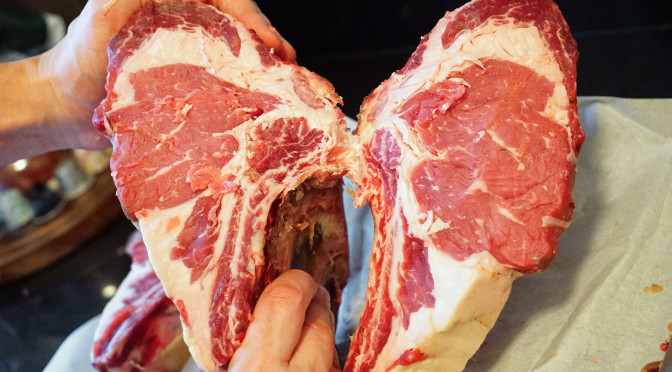
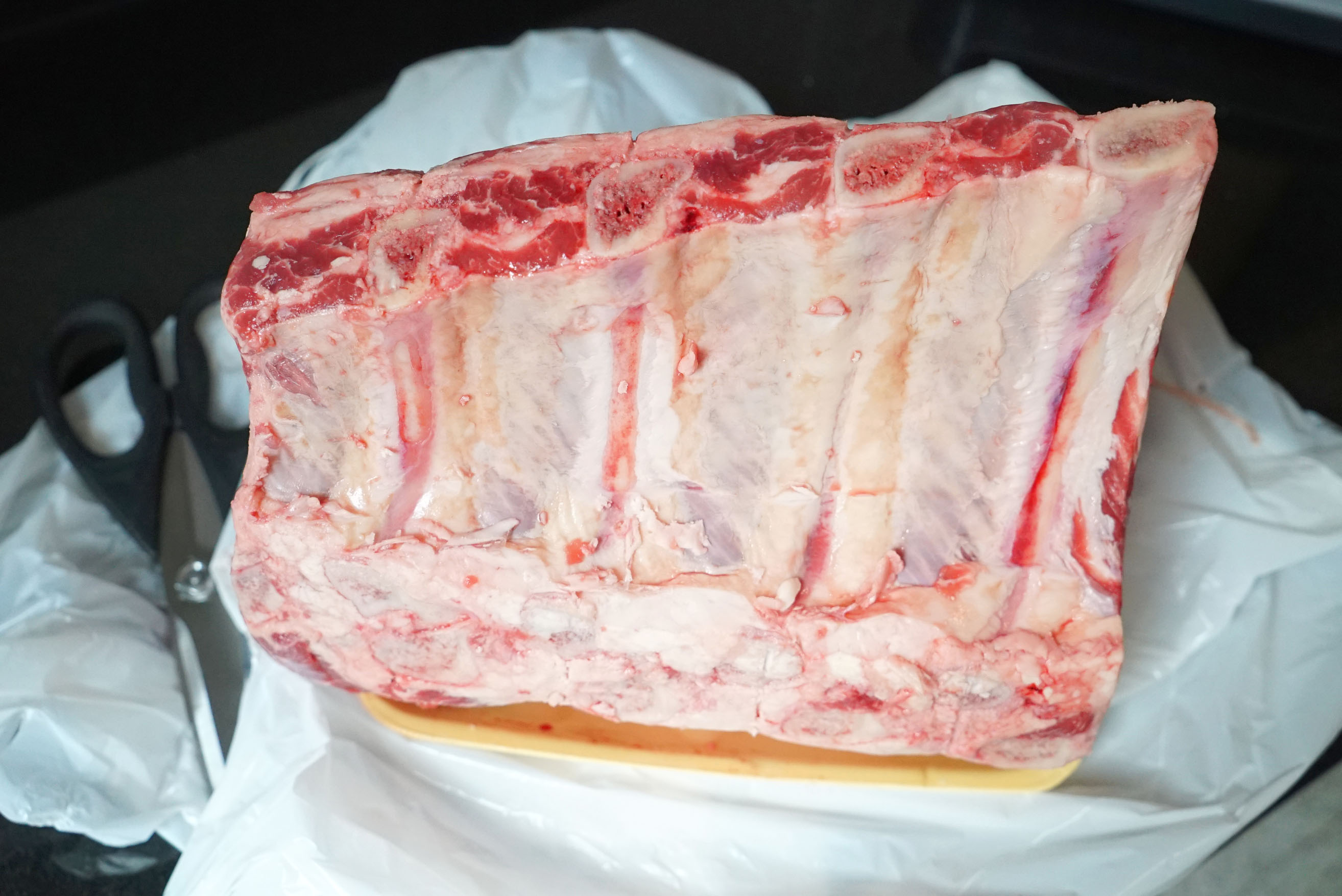
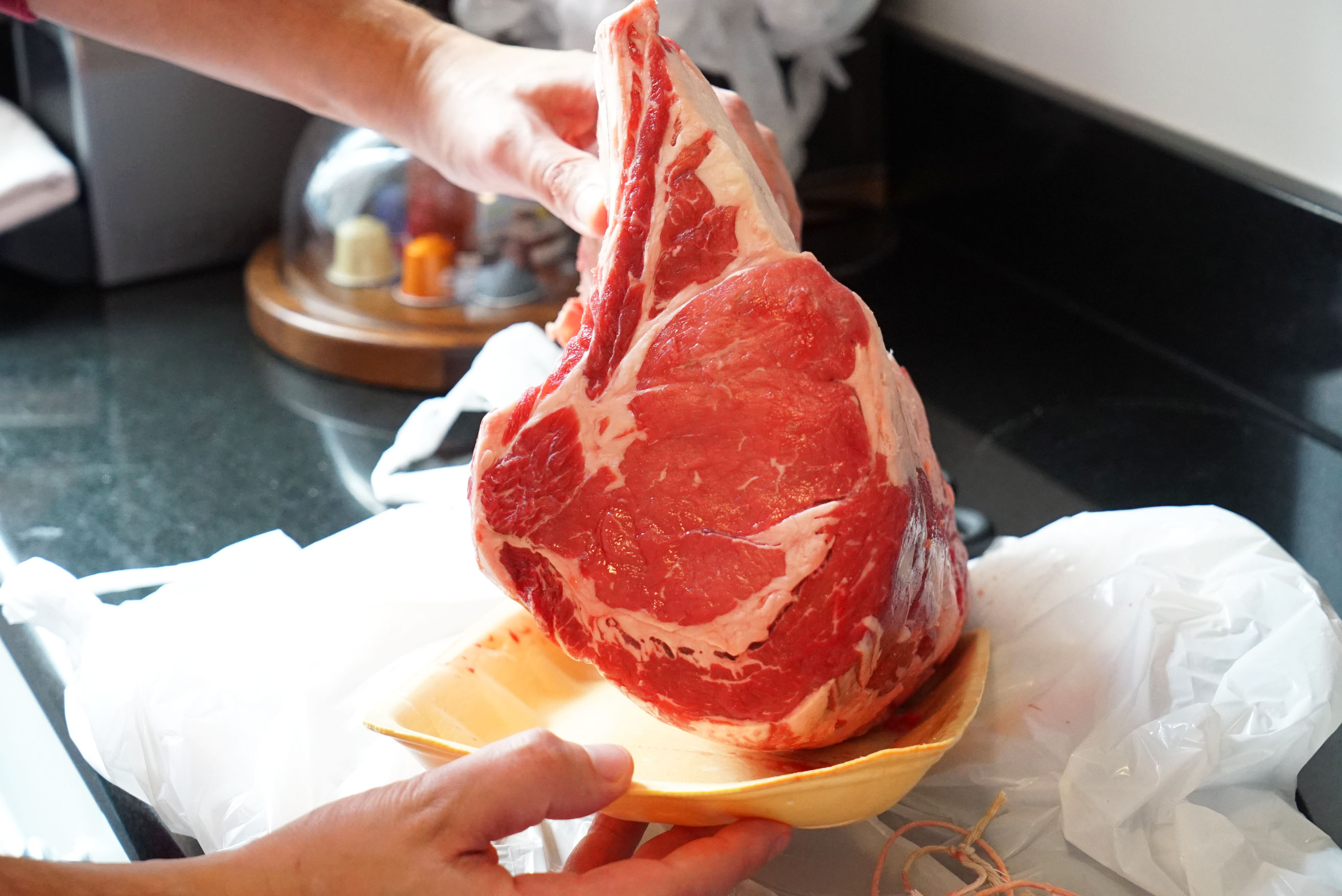
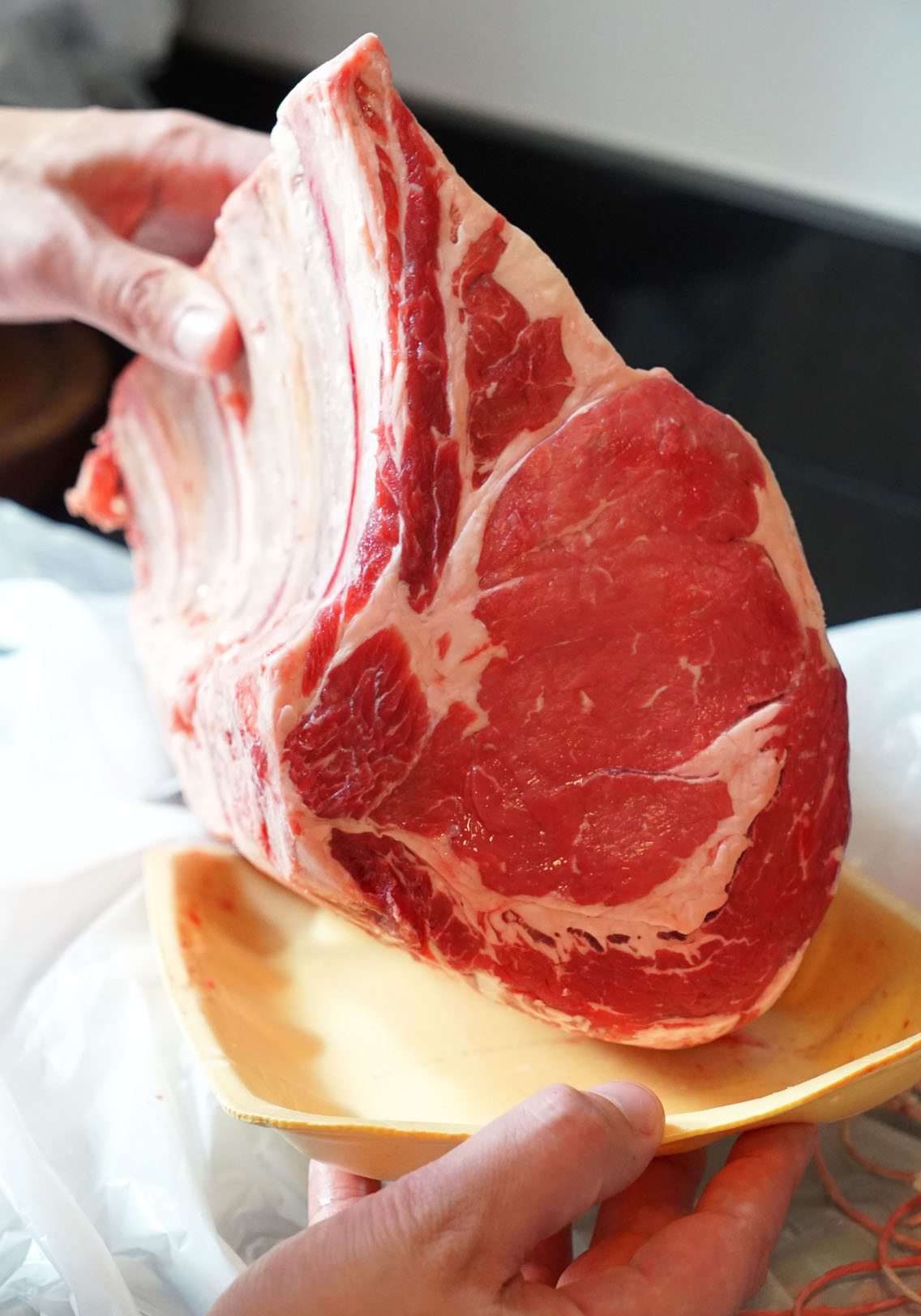
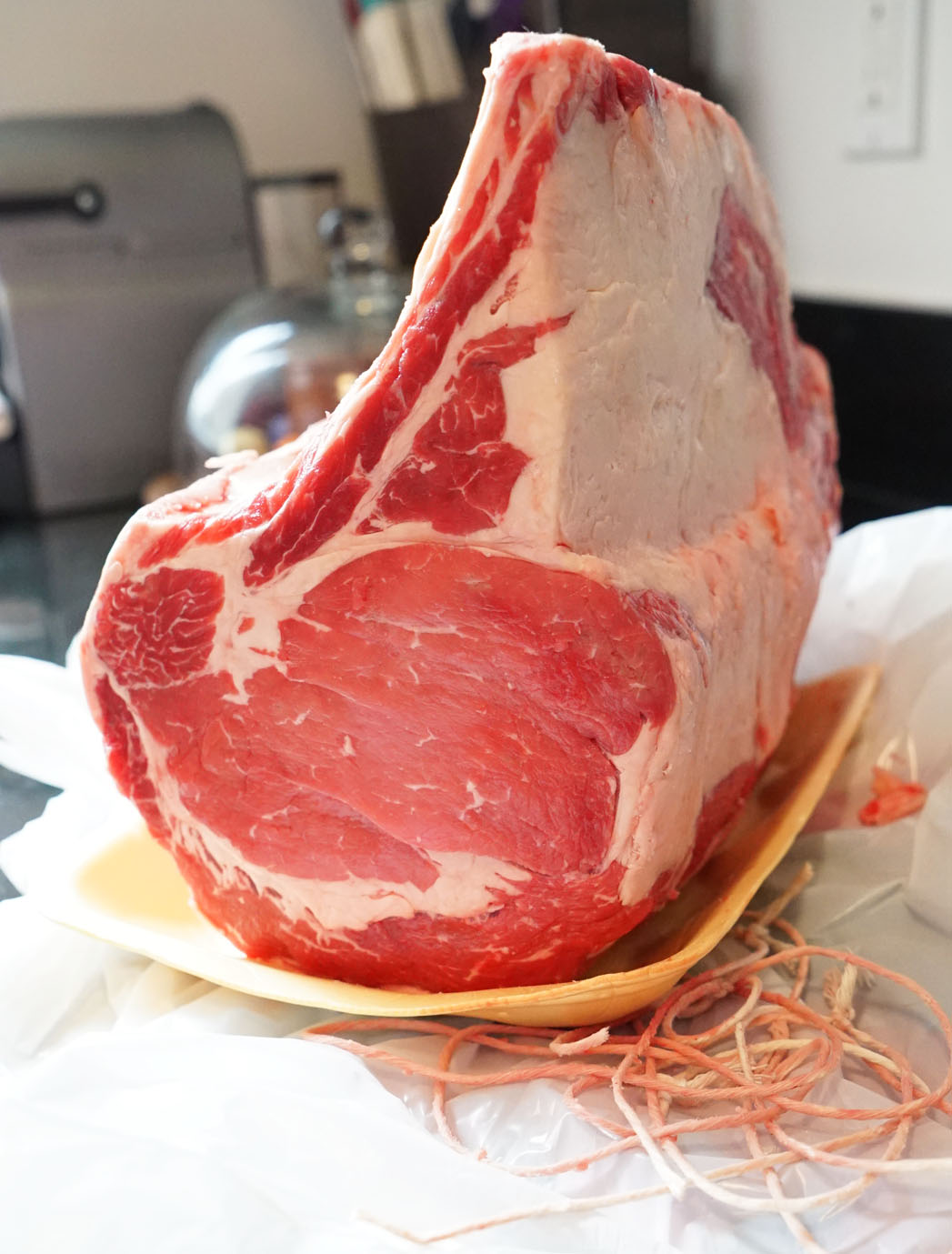
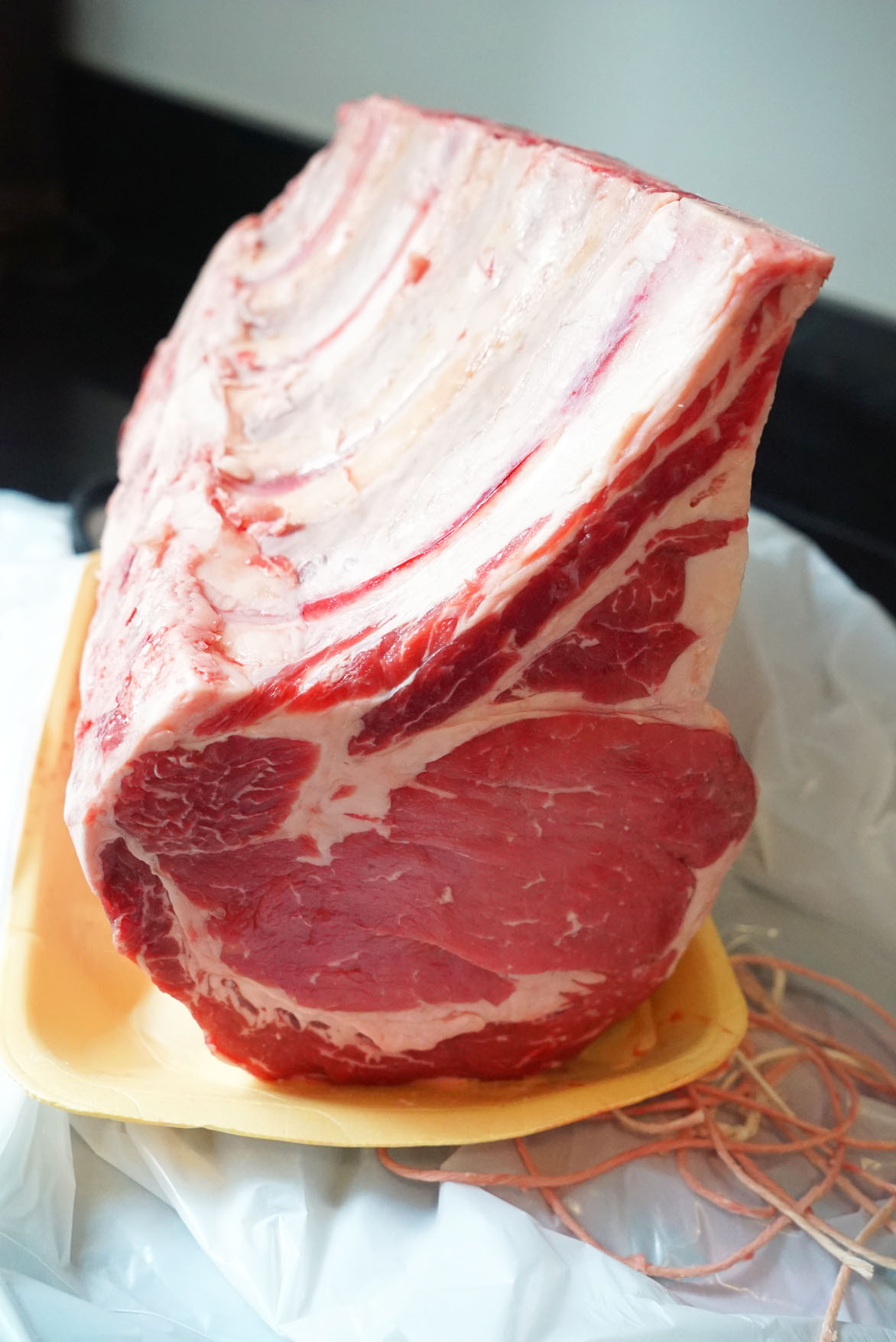
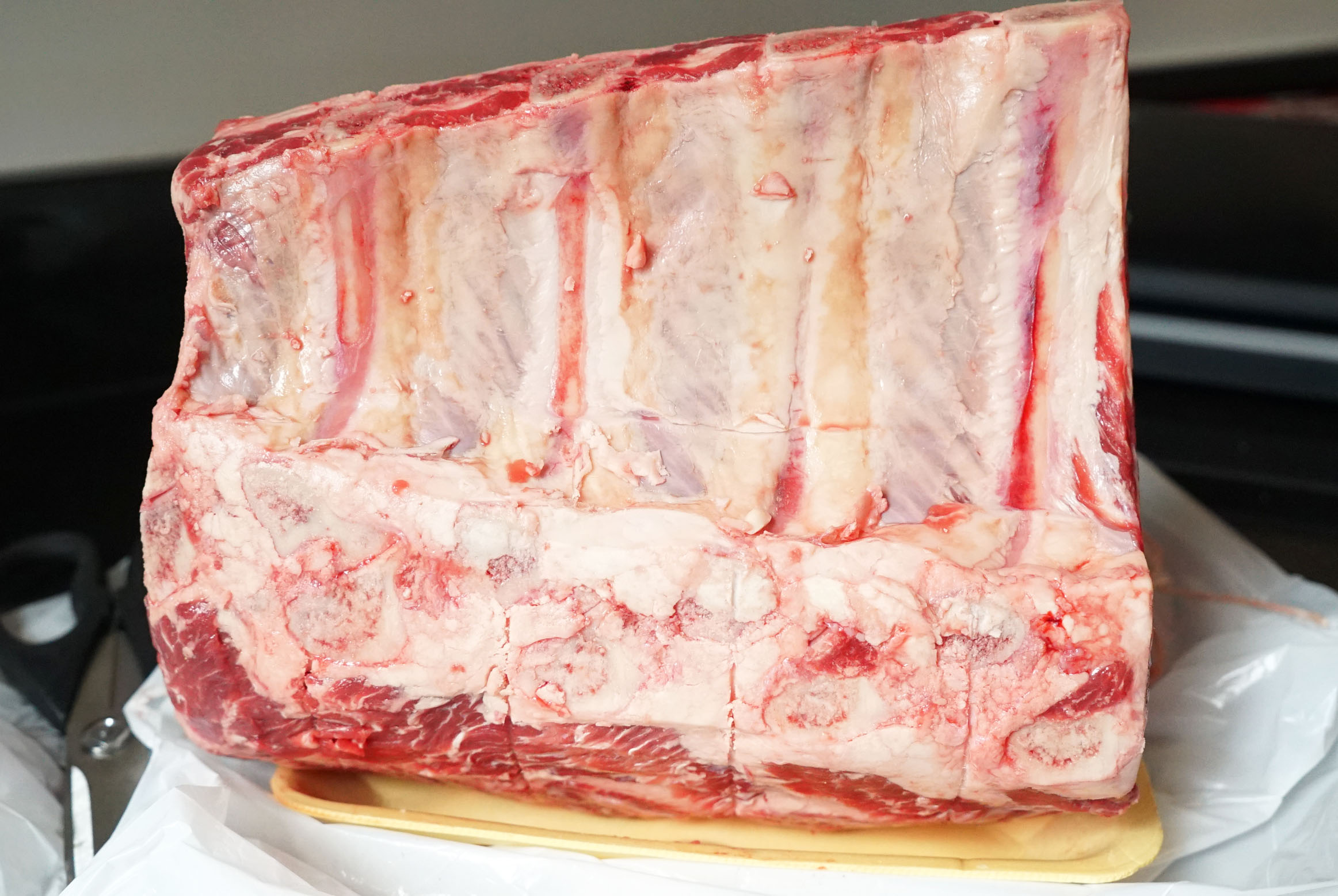
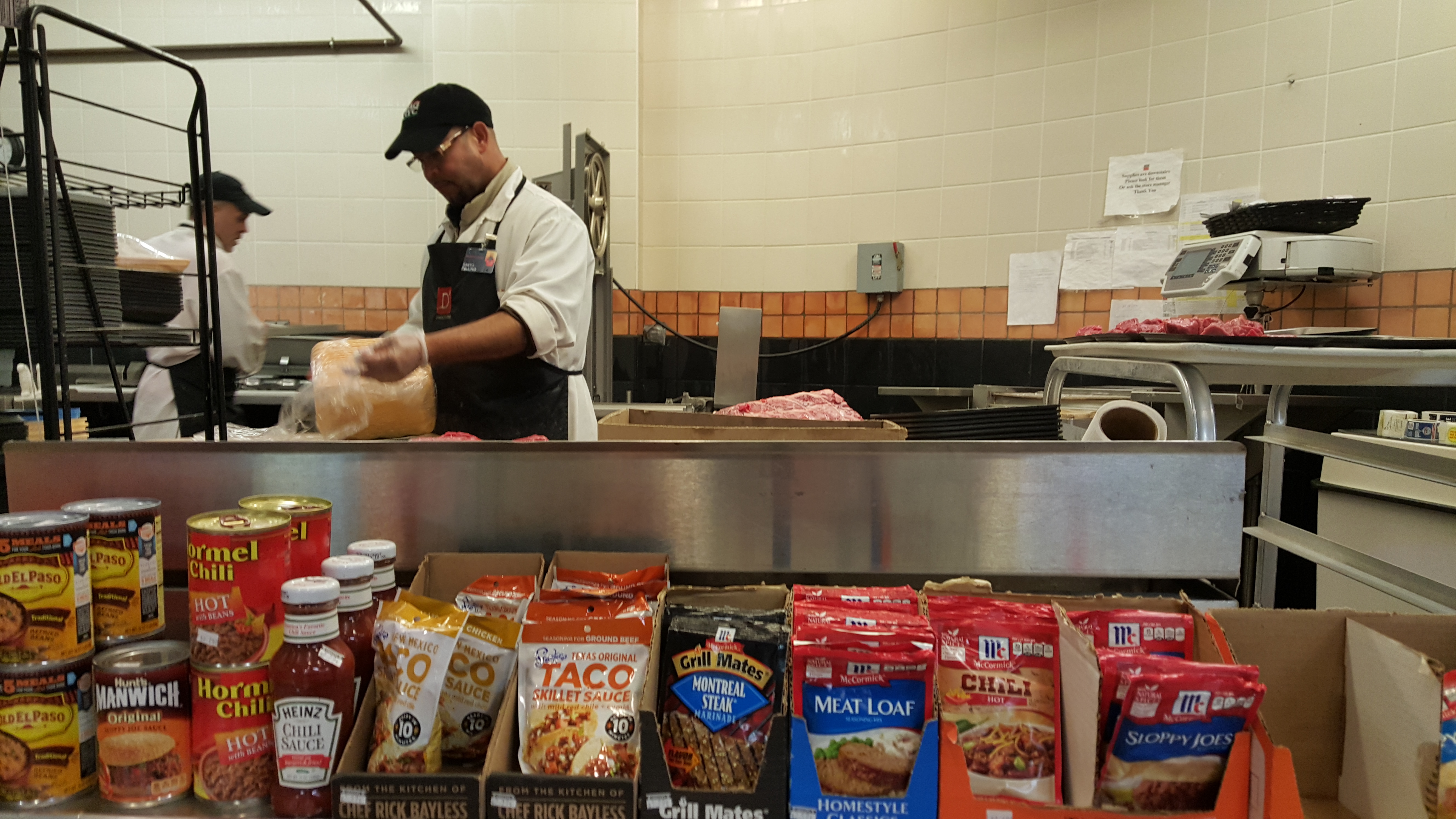
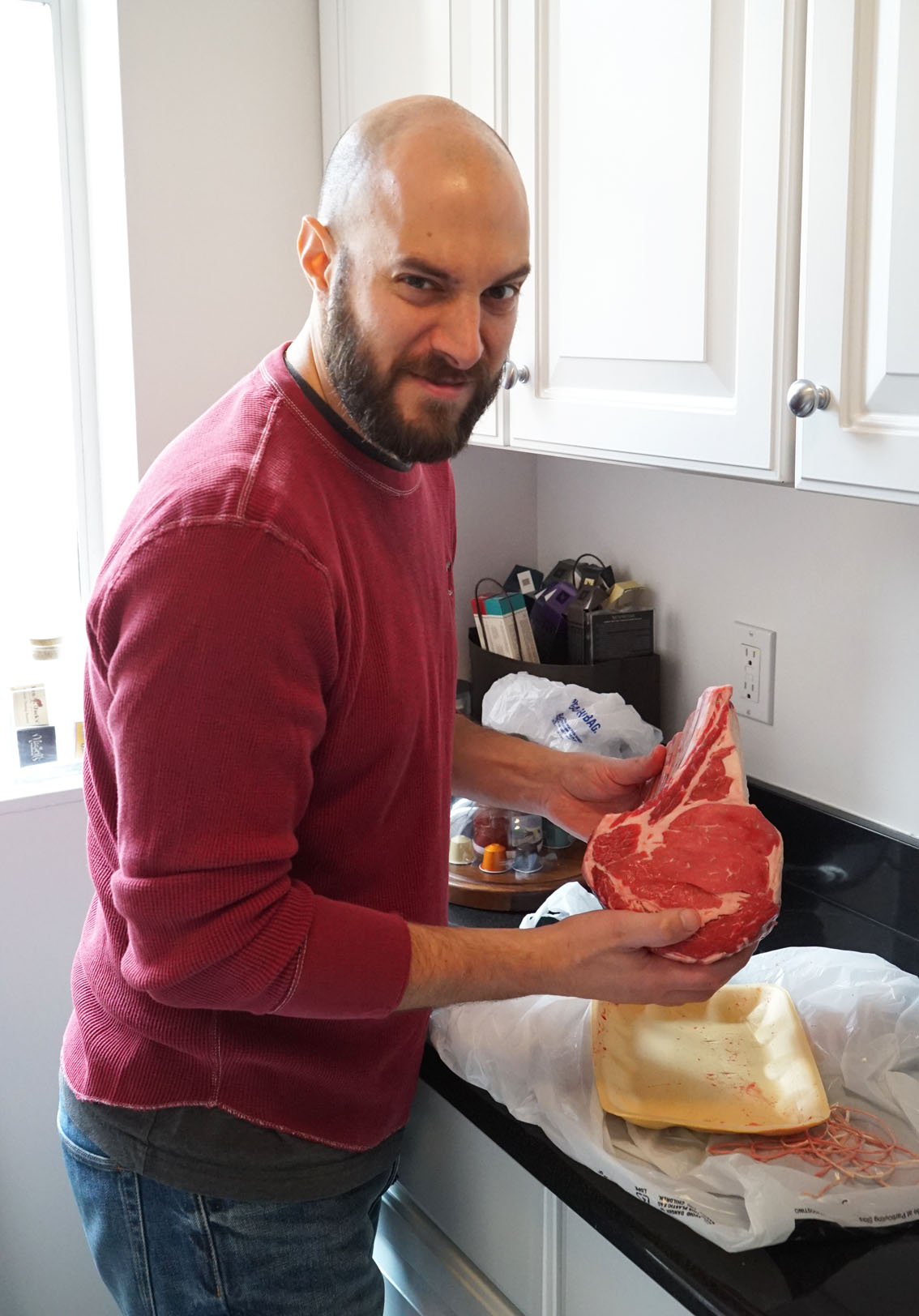
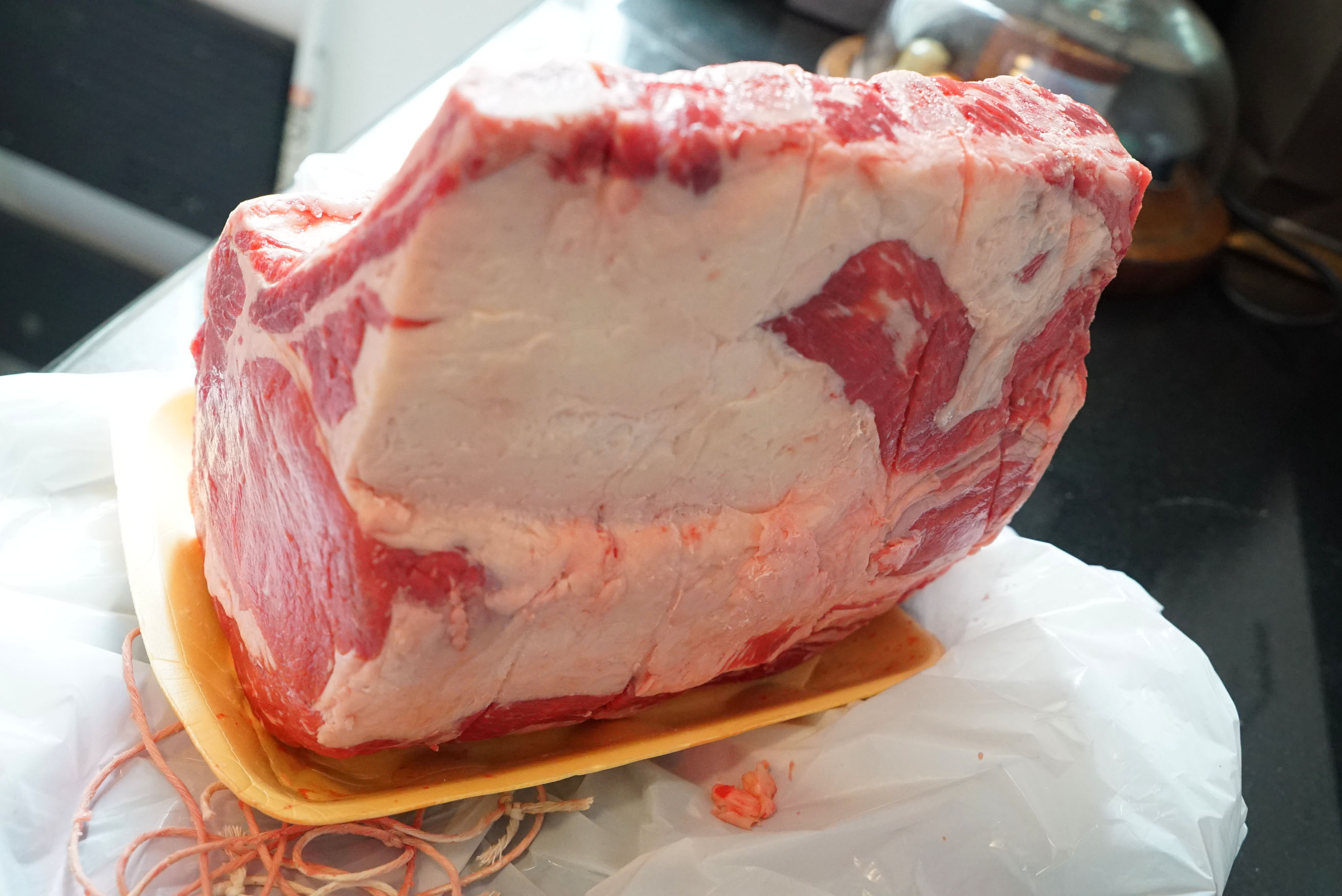
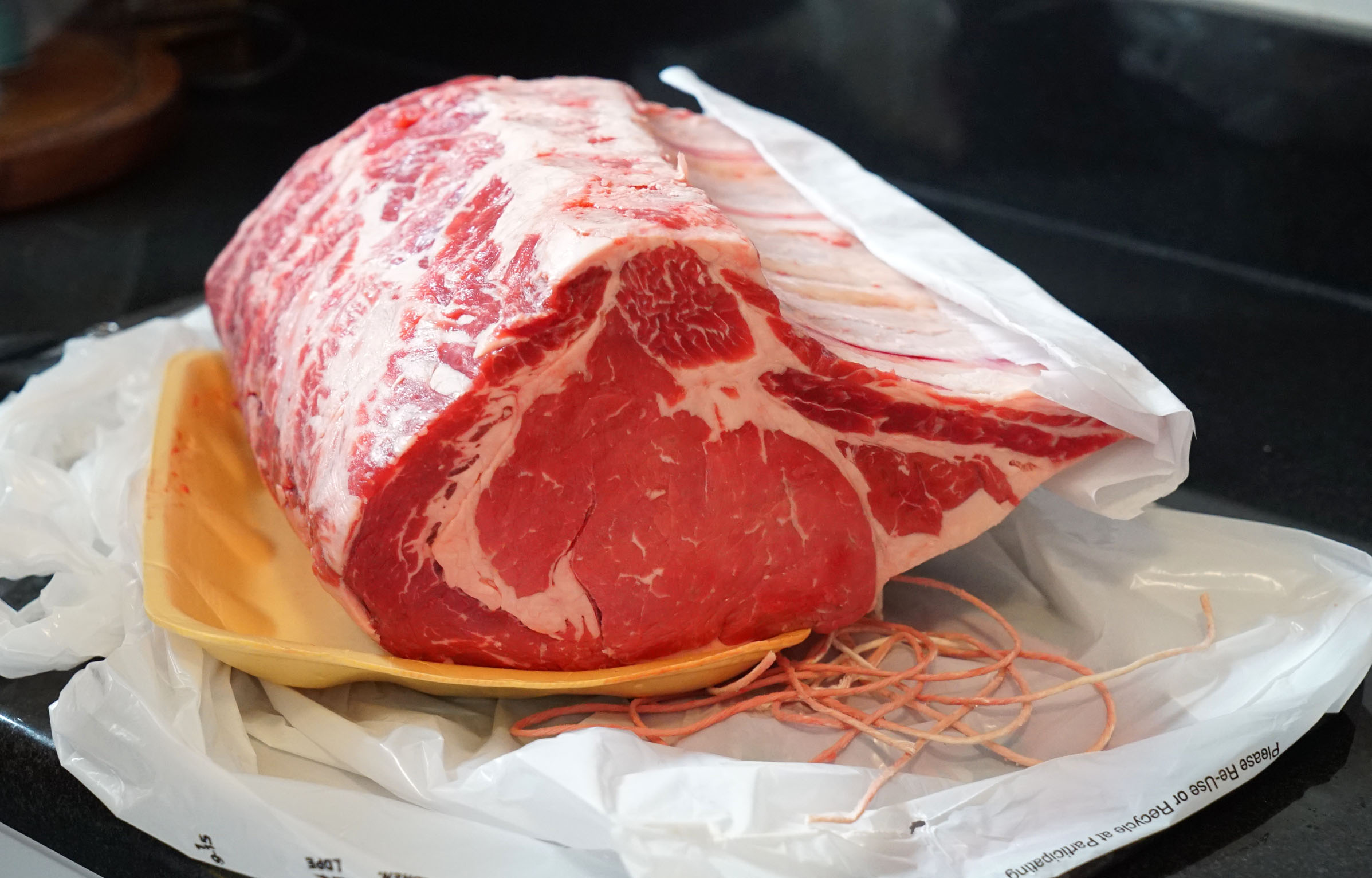
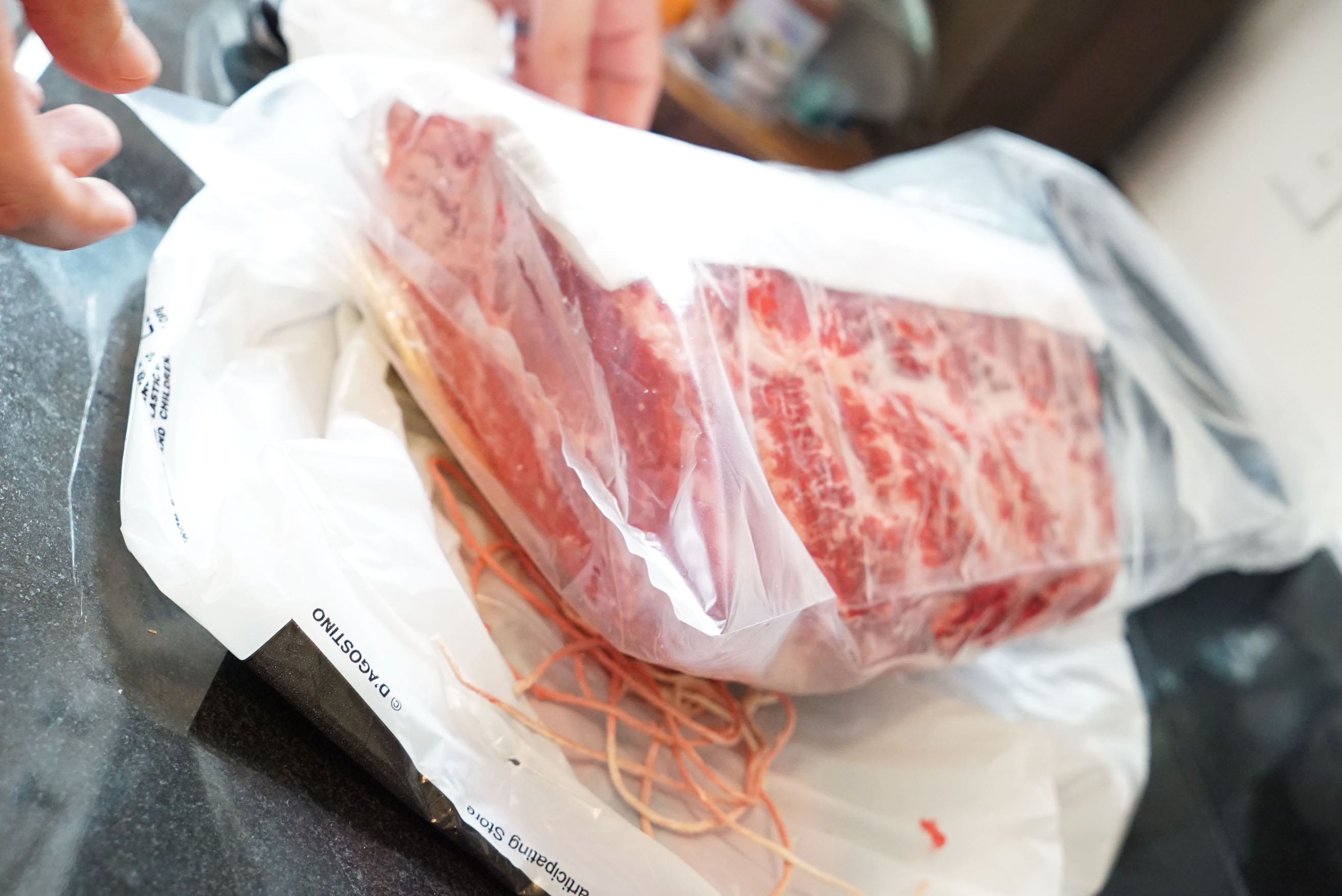
So I received my sample bags and ran out to the store to buy a nice rib roast, which I would later parse out into rib eye steaks after the aging is completed. NYC grocery stores don’t really have massive slabs of rib roasts sitting in the fridge section, so I had to ask the butcher what he had. He went to work for me, giving me a section of rib eyes with about four or five bones intact.
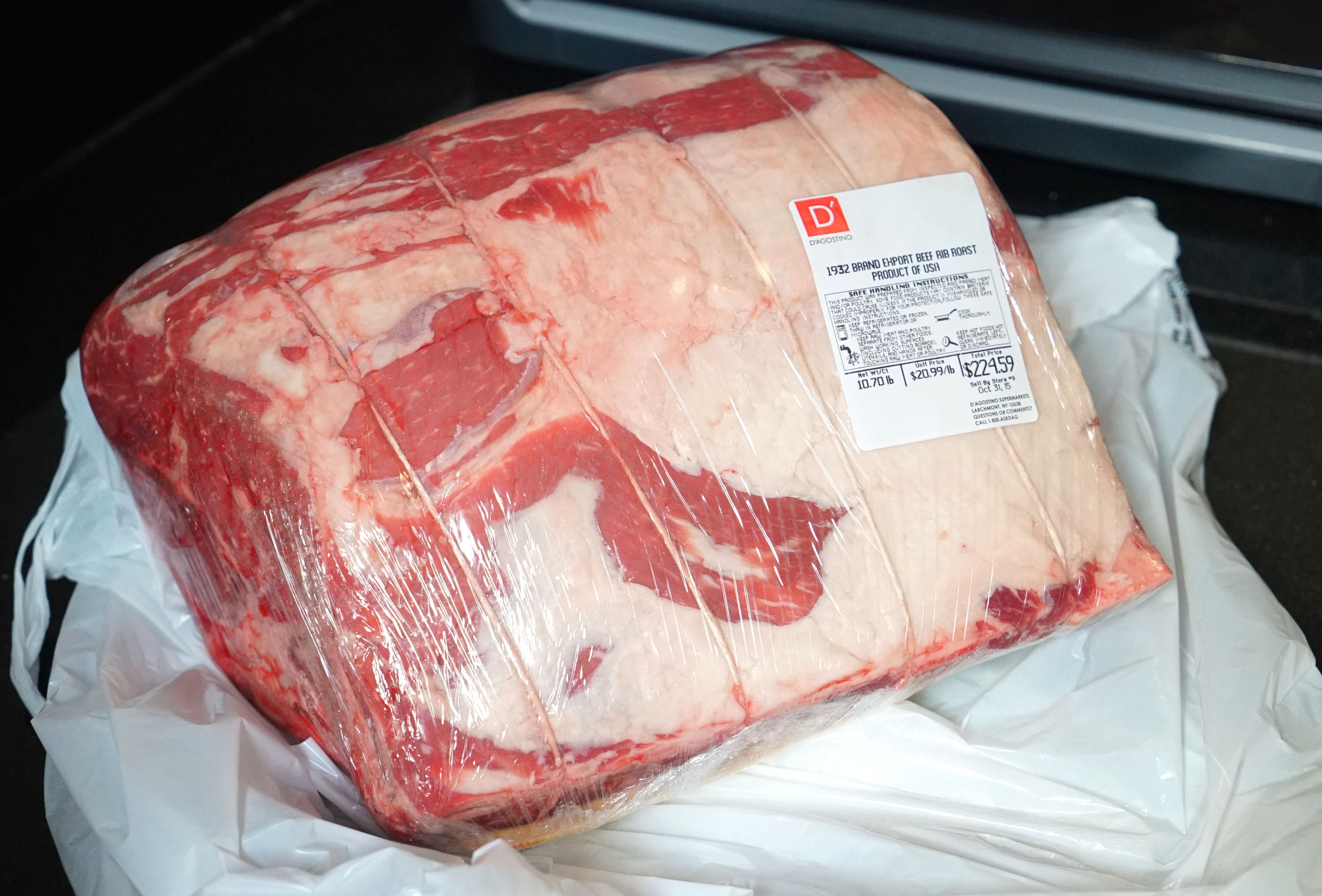
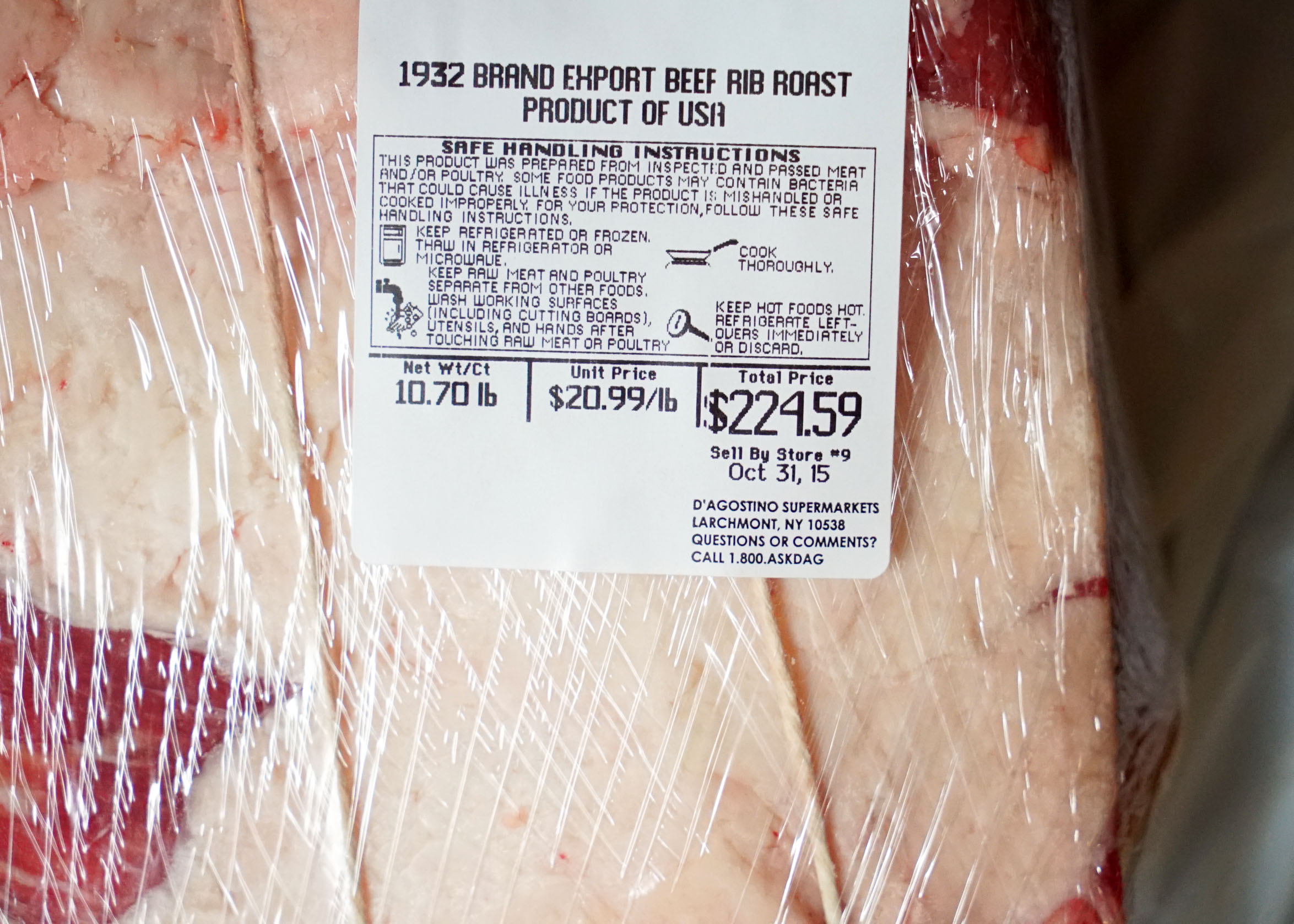
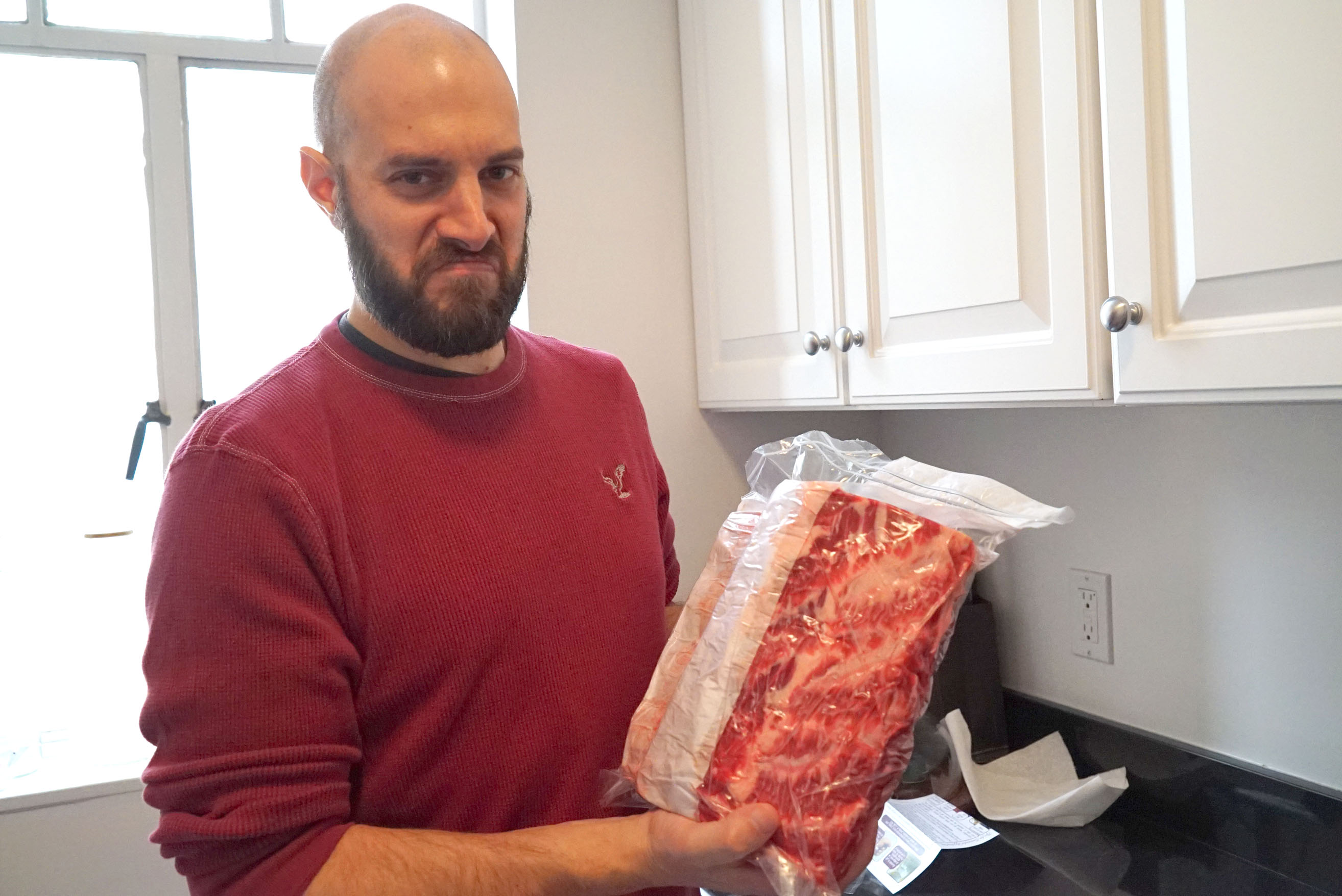
I was a bit freaked when I saw the price tag on this fucker. The butcher told me that the beef was prime, but that he only charged me for choice.
I guess that’s a good deal (several dollars per pound cheaper). But still… at $225 it could turn out to be a really fucking expensive mistake if I fuck anything up.
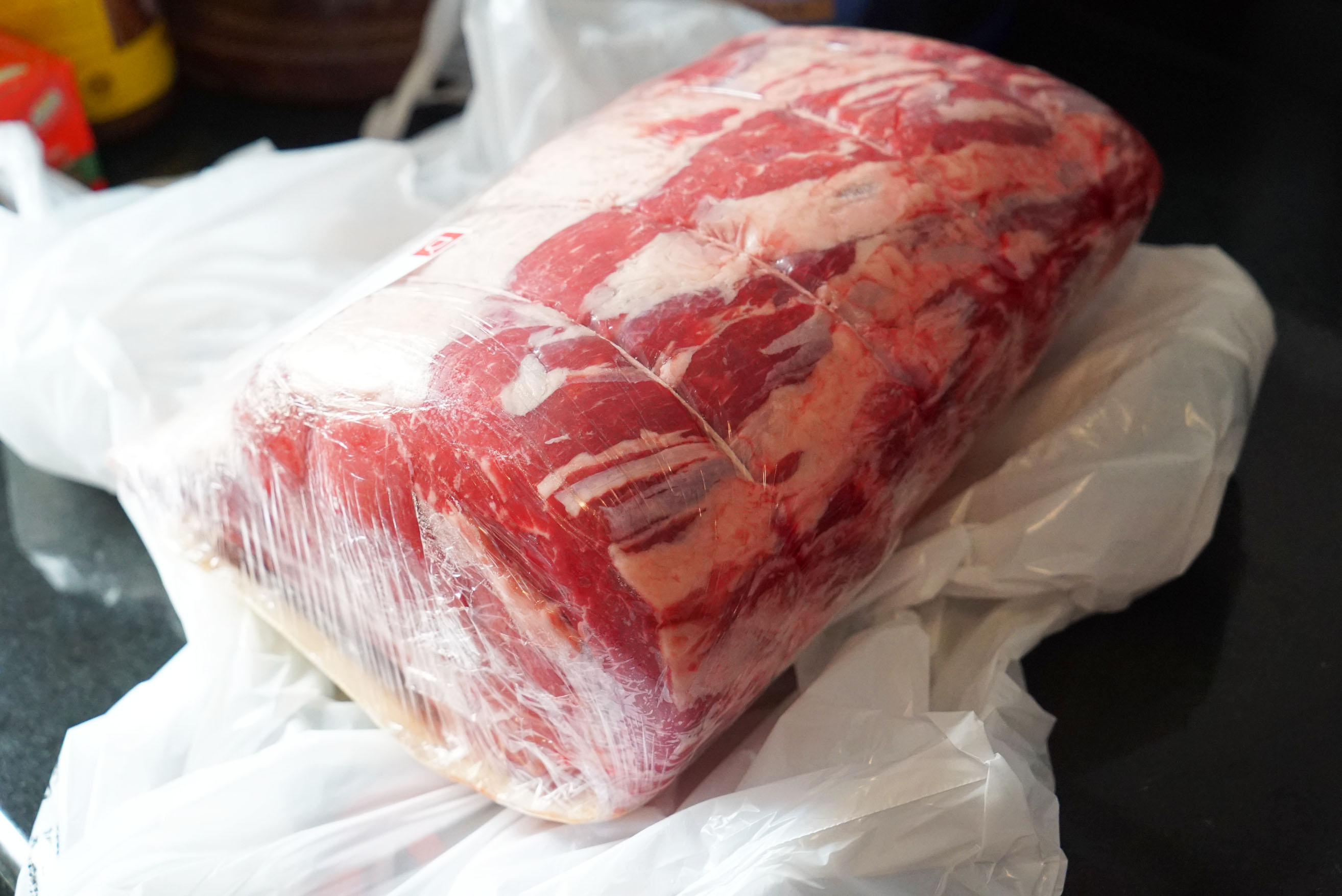
On the other hand, if this nearly 11lb hunk of prime rib eye ages nicely for 35 days, I could end up with several high quality rib eyes that would save me money on steakhouse dinners in the long run.
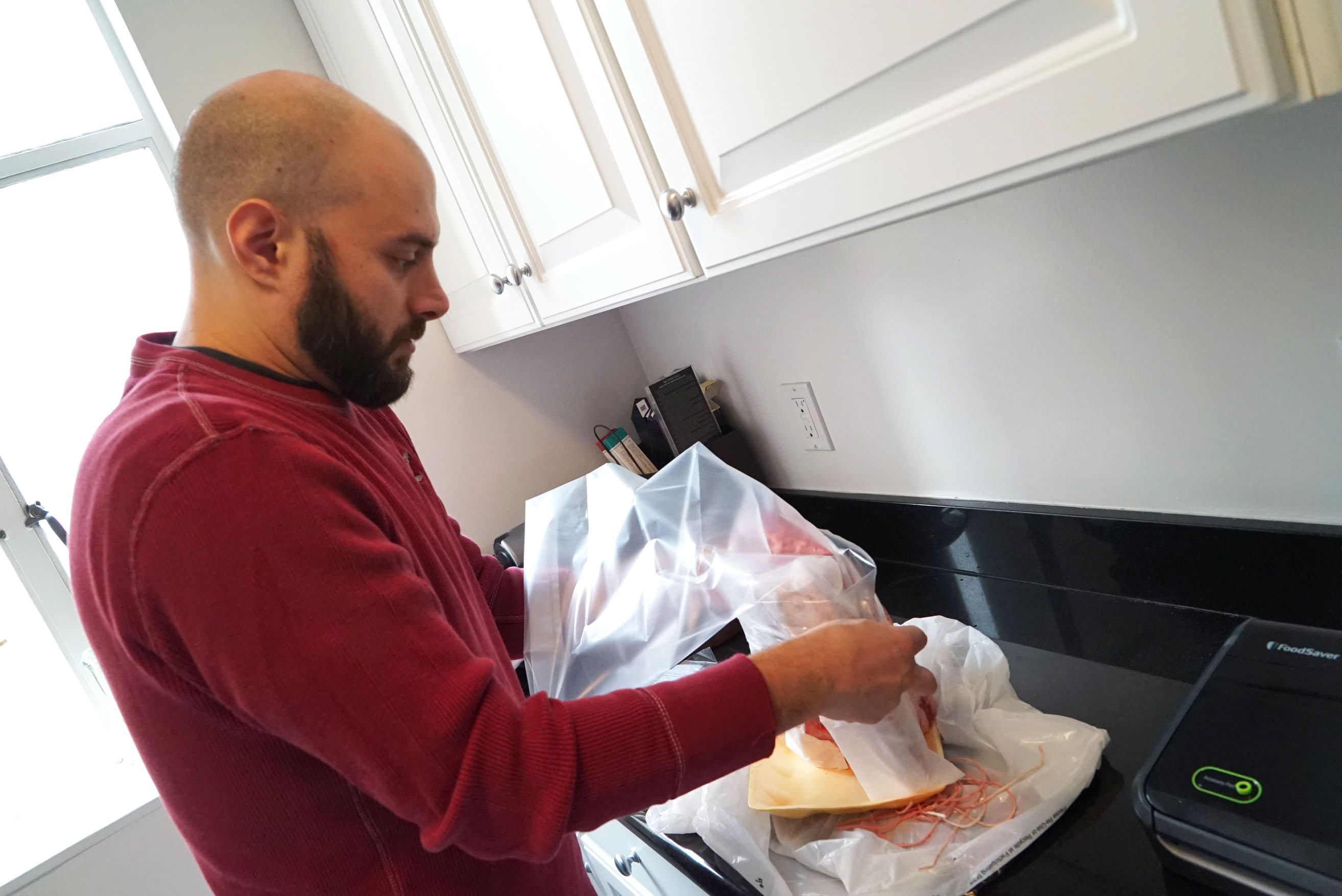
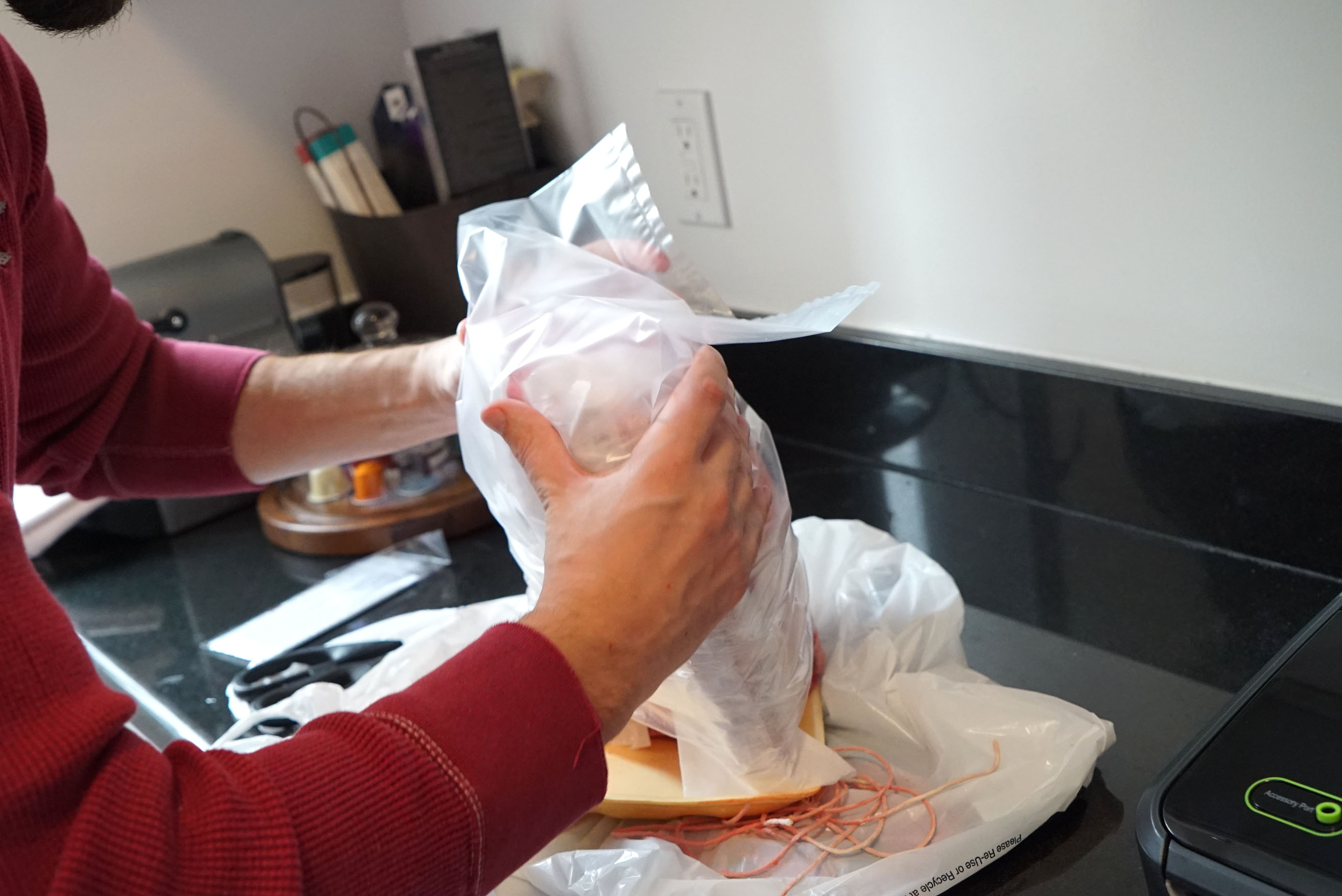
I took the gamble. I probably should have waited for a sale or something, but I was too excited to get started. About 30 minutes later I was starting the process of bagging and sealing.
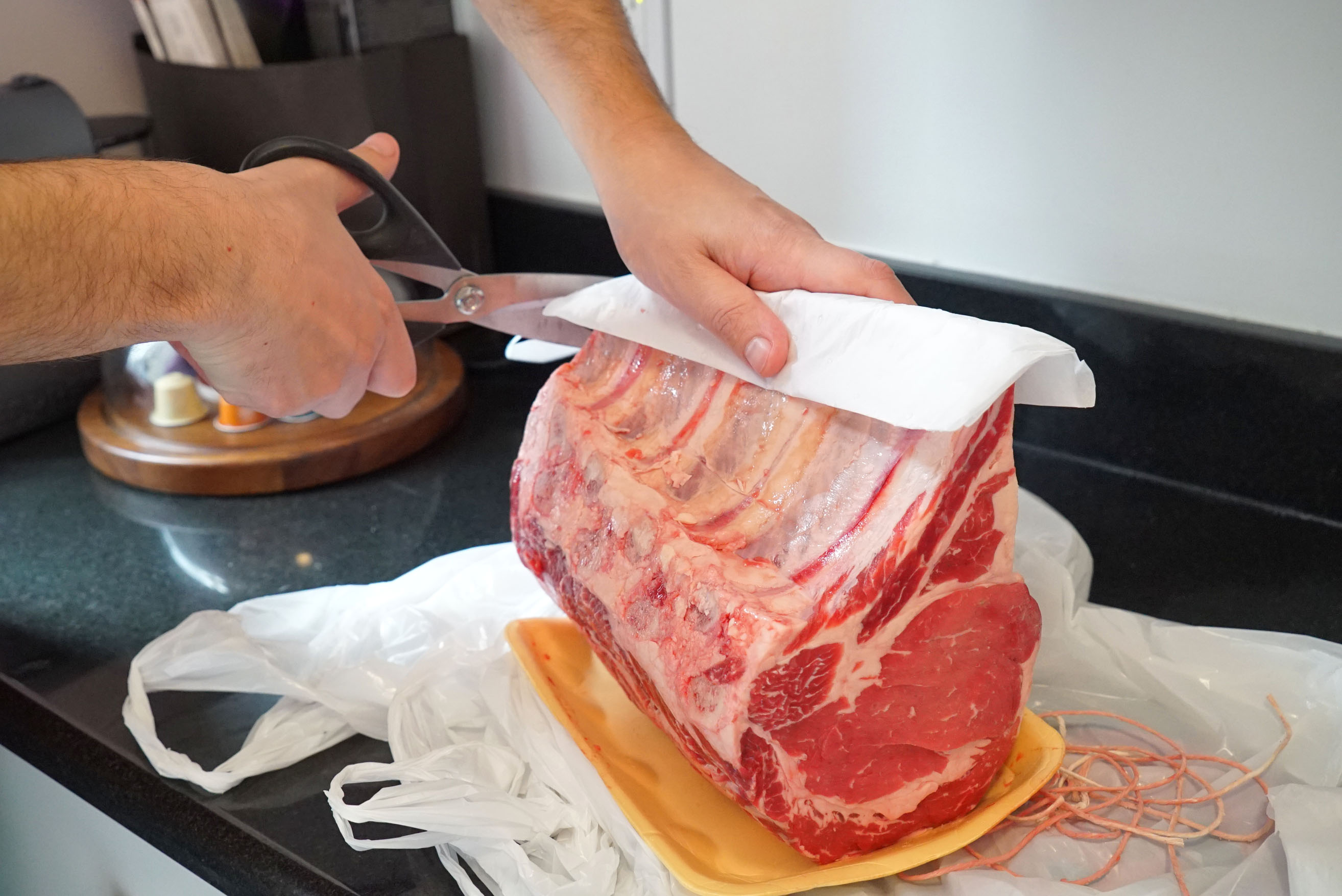
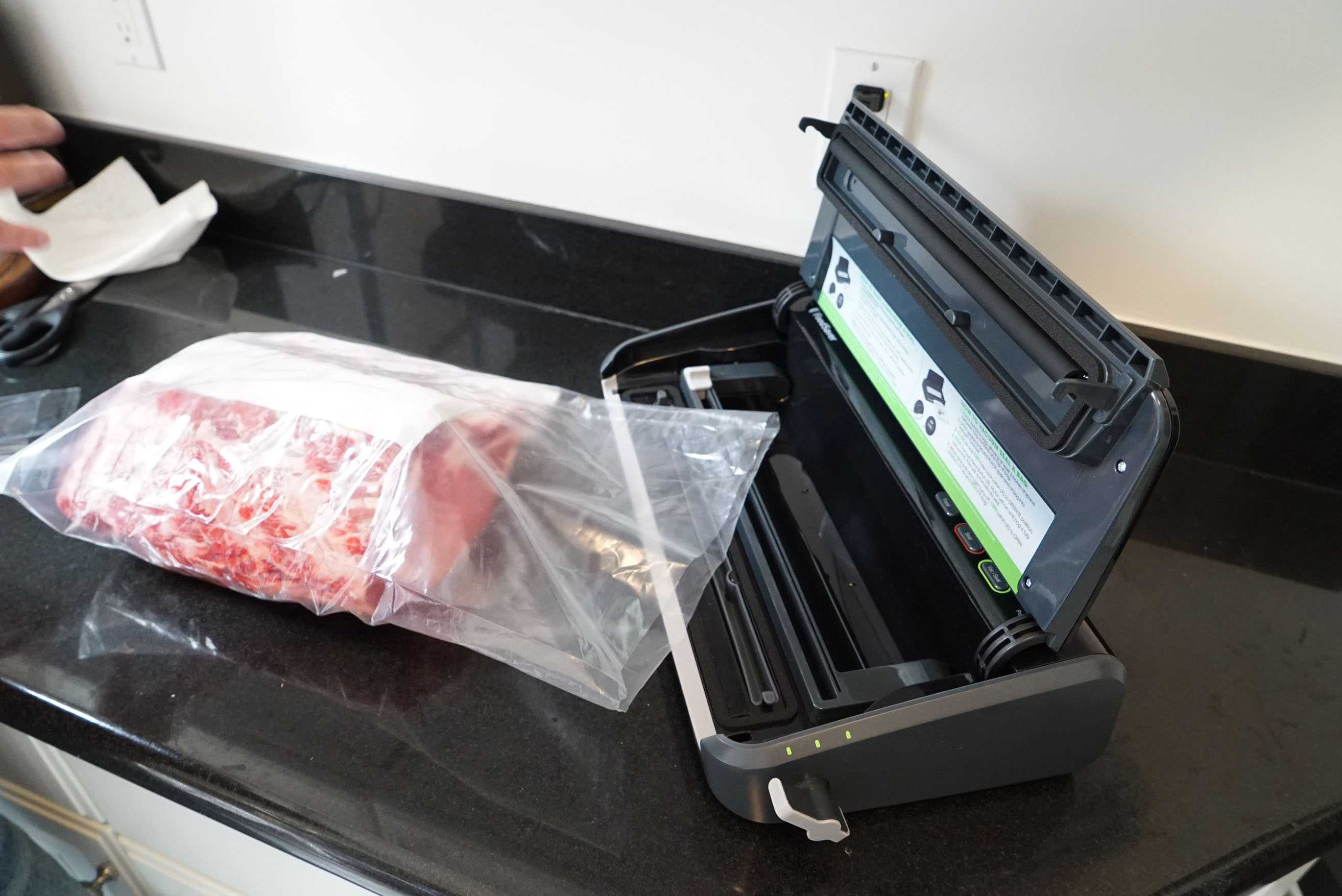
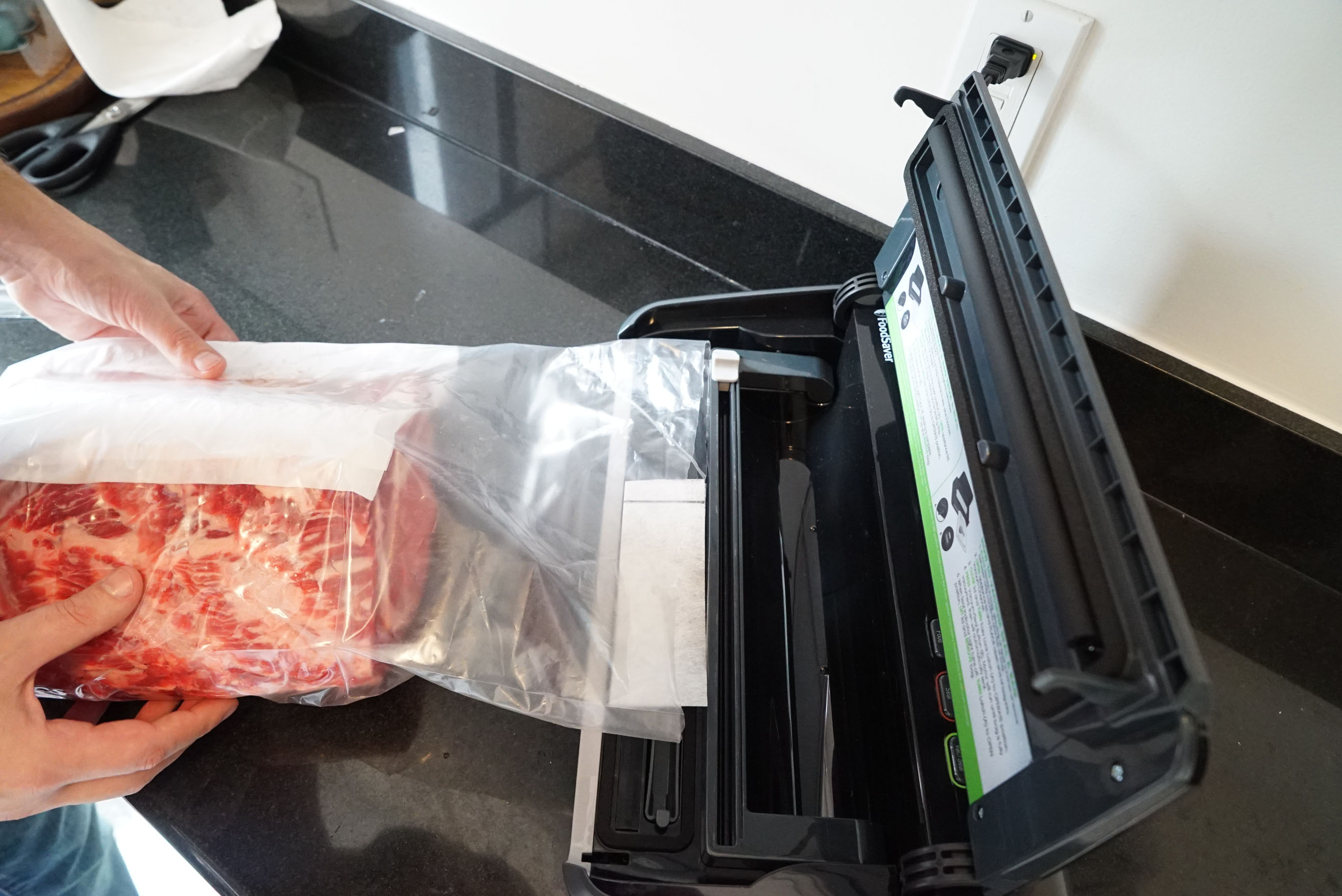
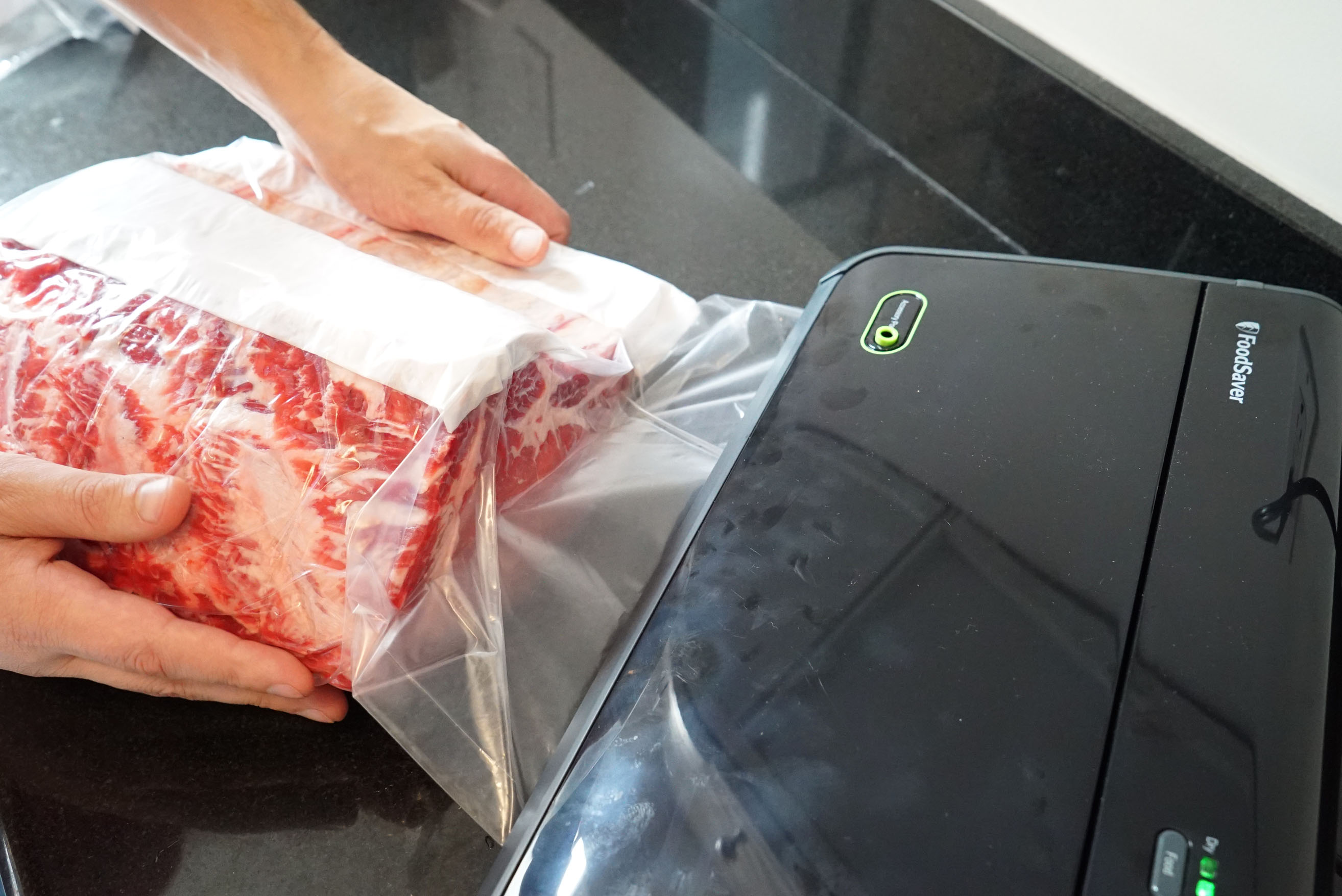
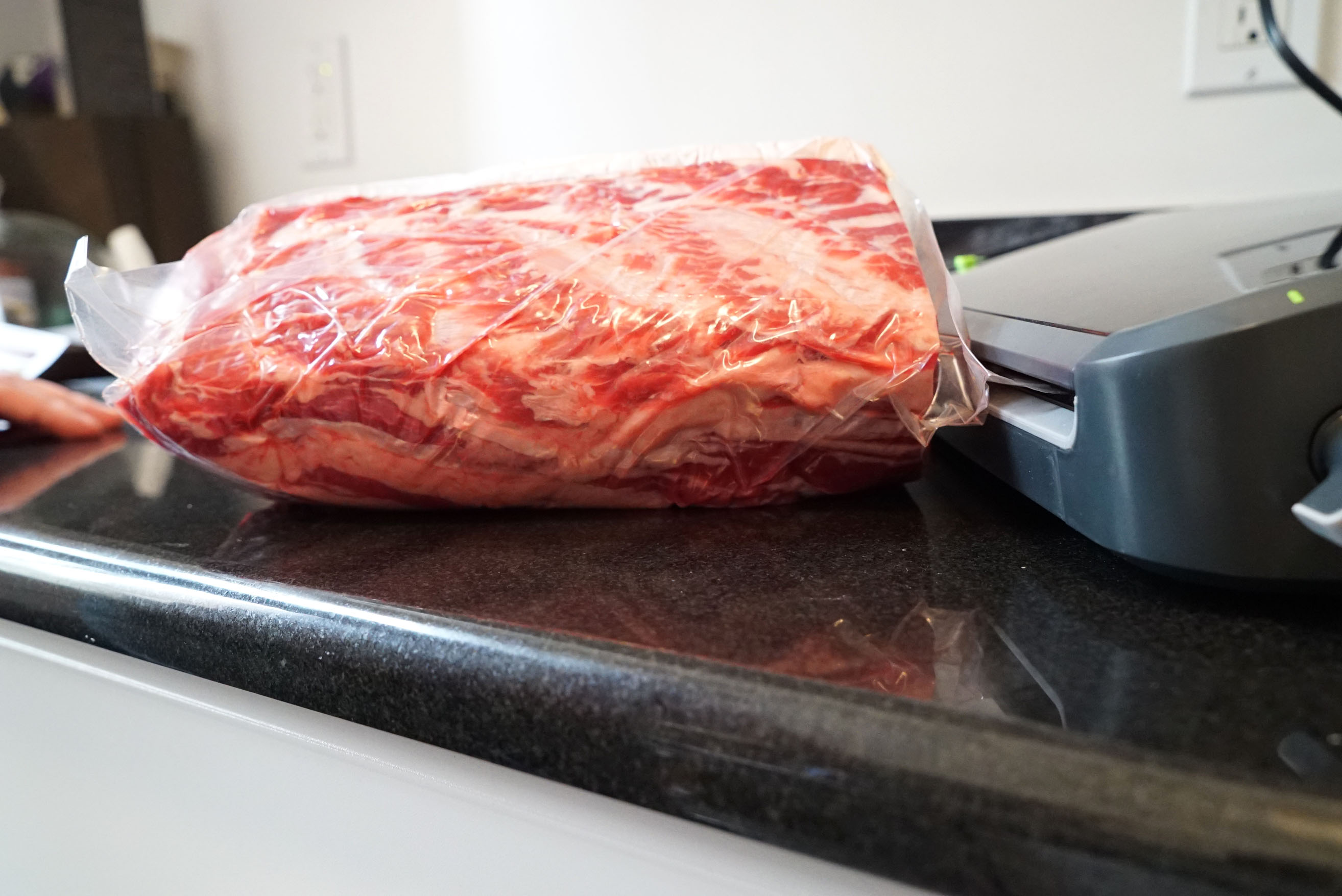
I put some wax paper across the bones so that any sharp bits wouldn’t puncture or slice open the bag.
Meat condom:
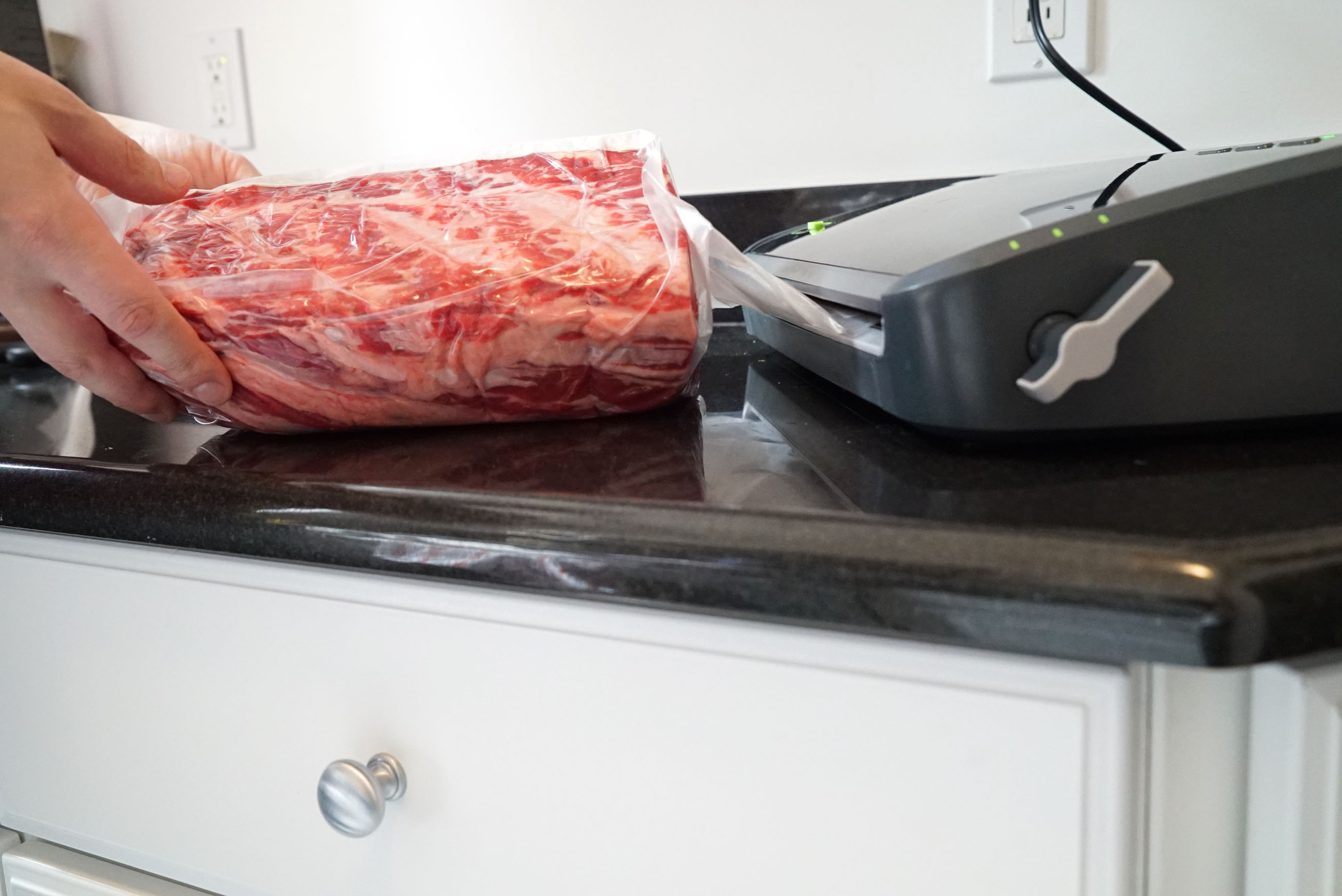
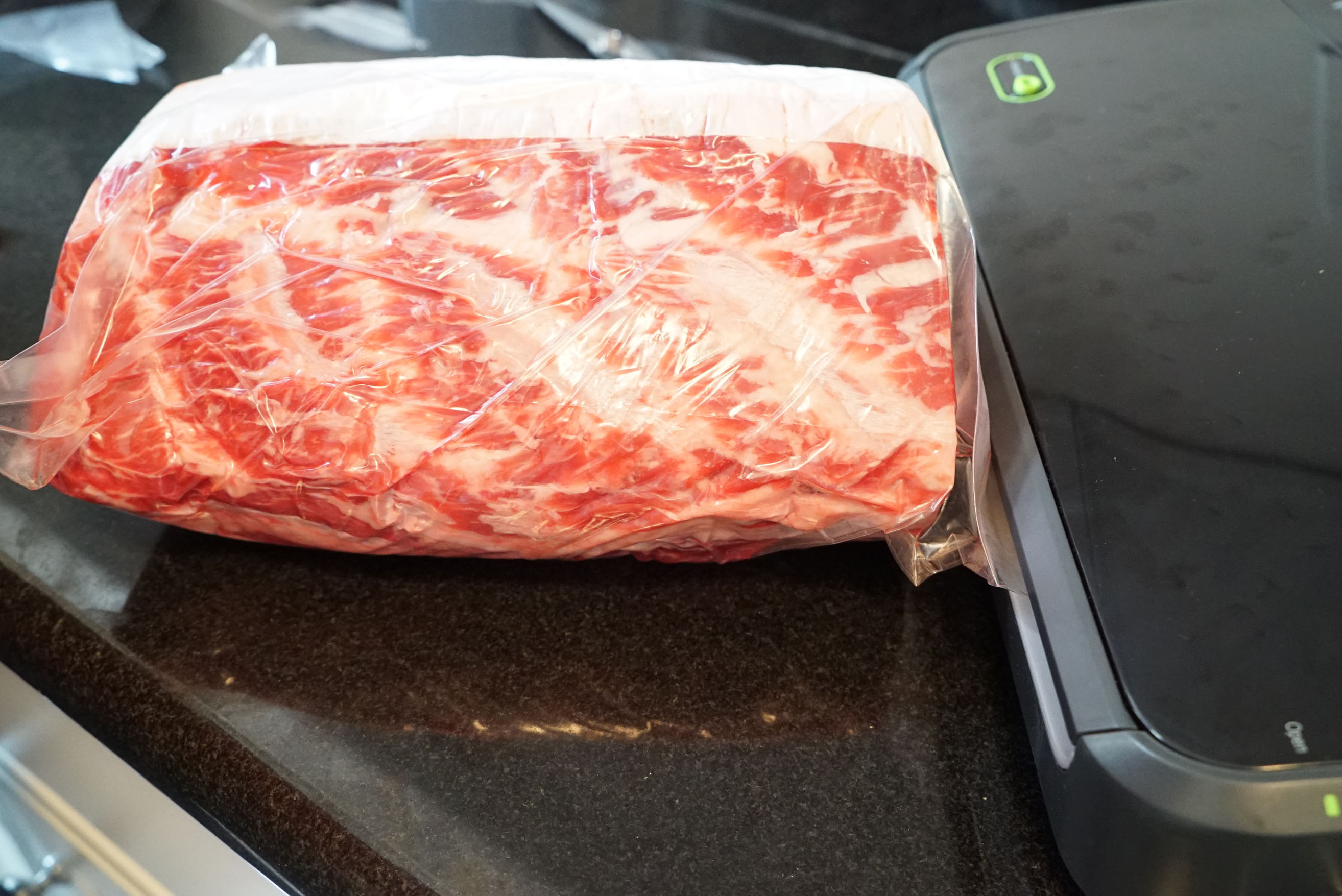
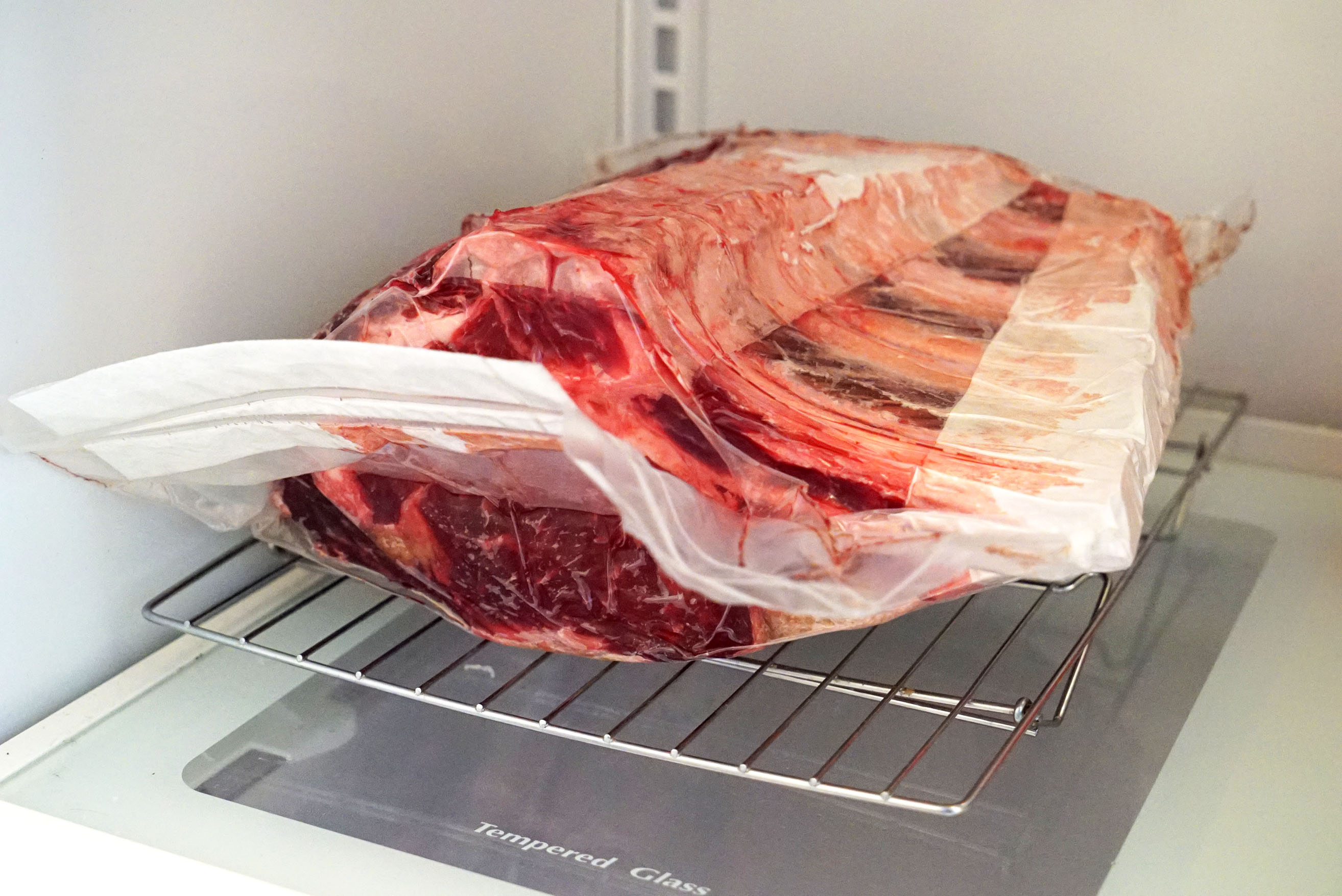
Once sealed properly, it just goes into the fridge on a cookie rack or drying rack, so that air flow goes all around the bag.
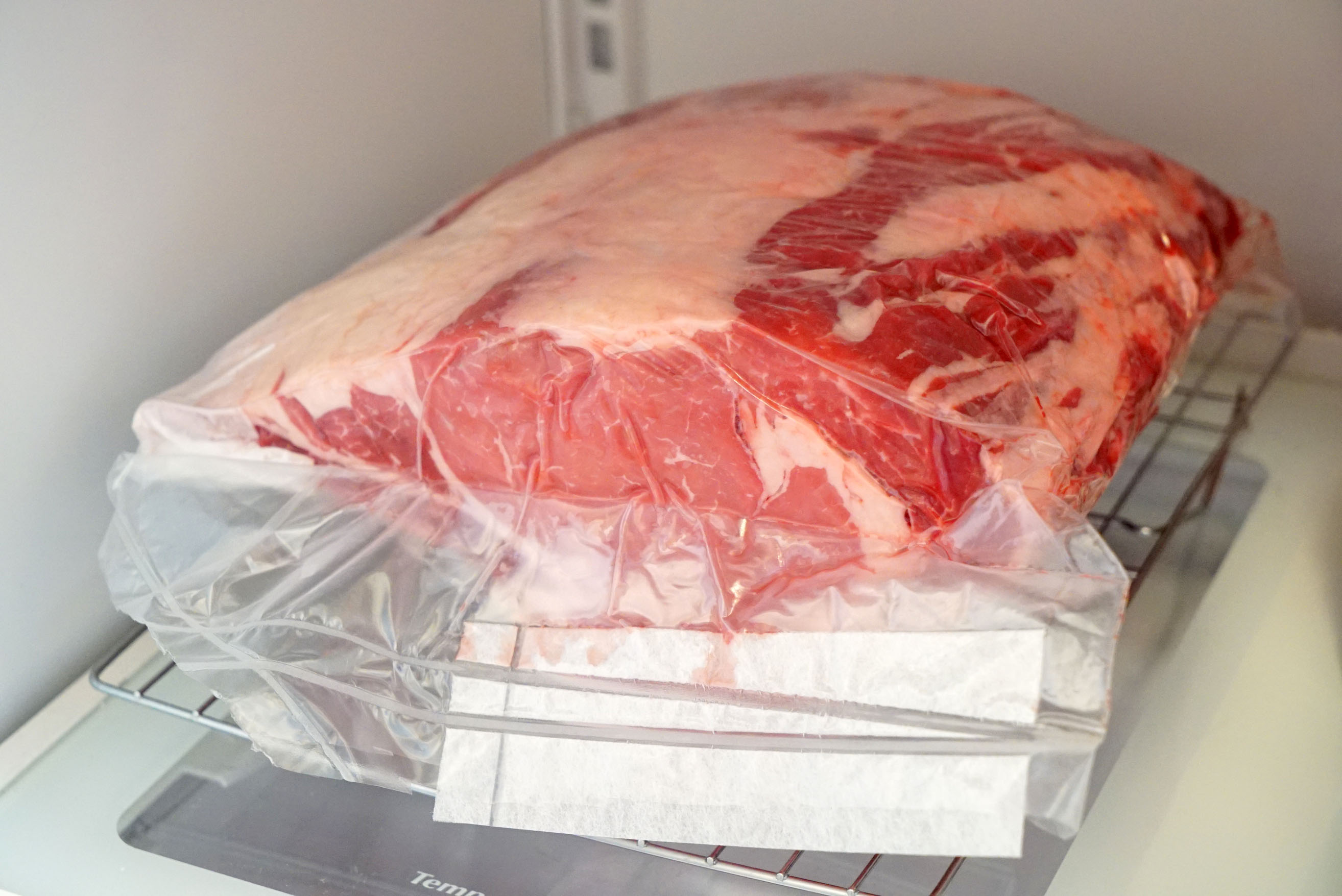
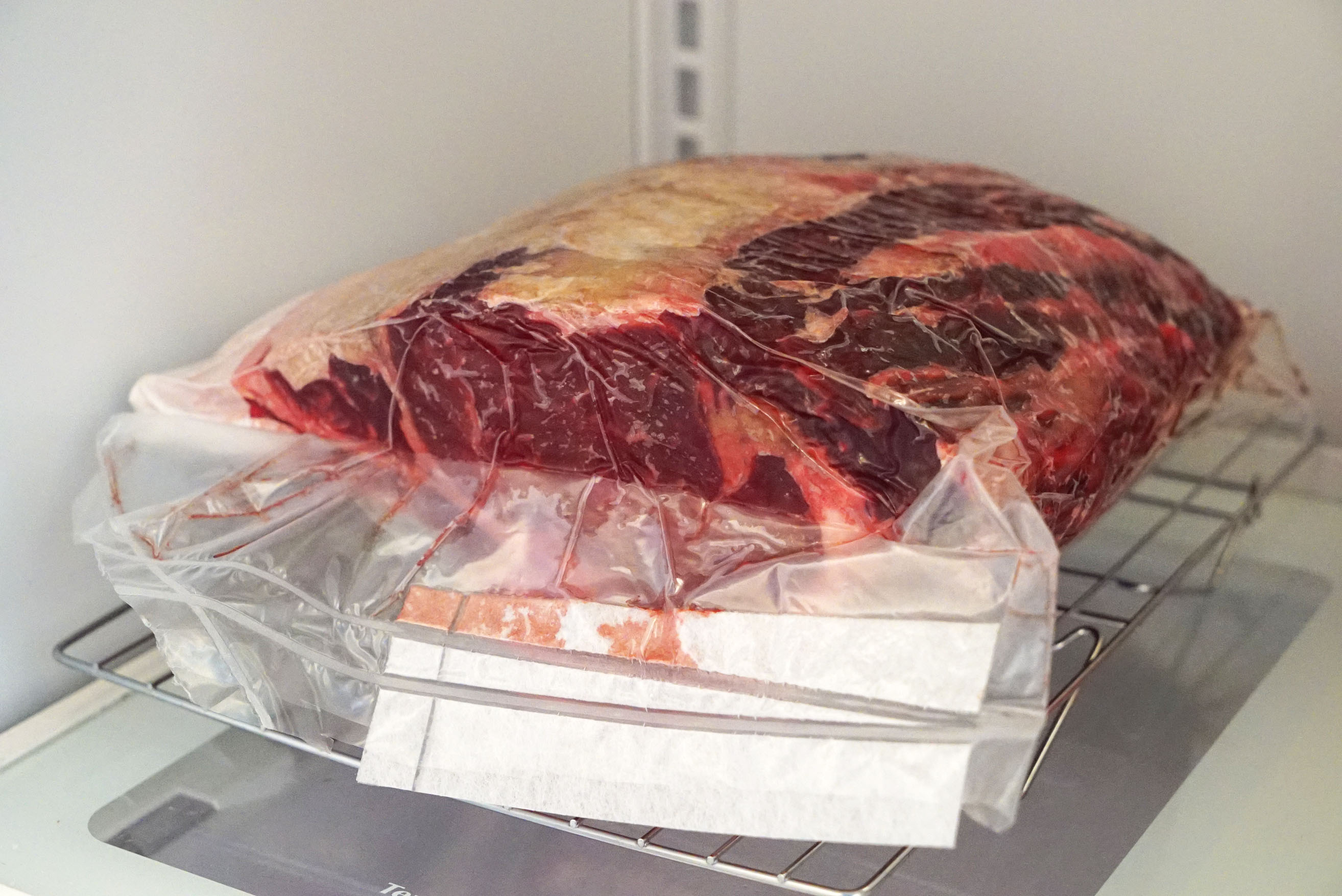
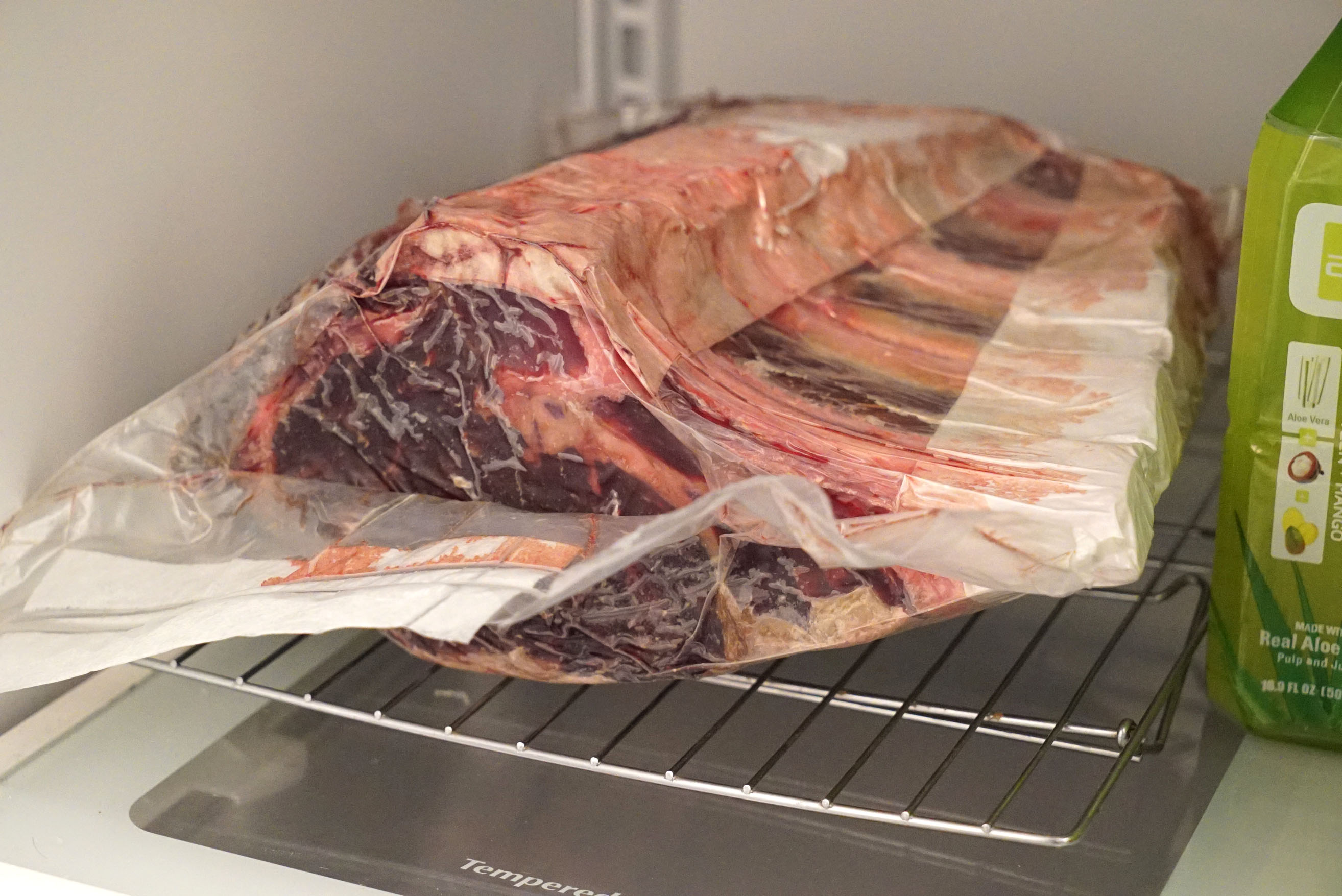
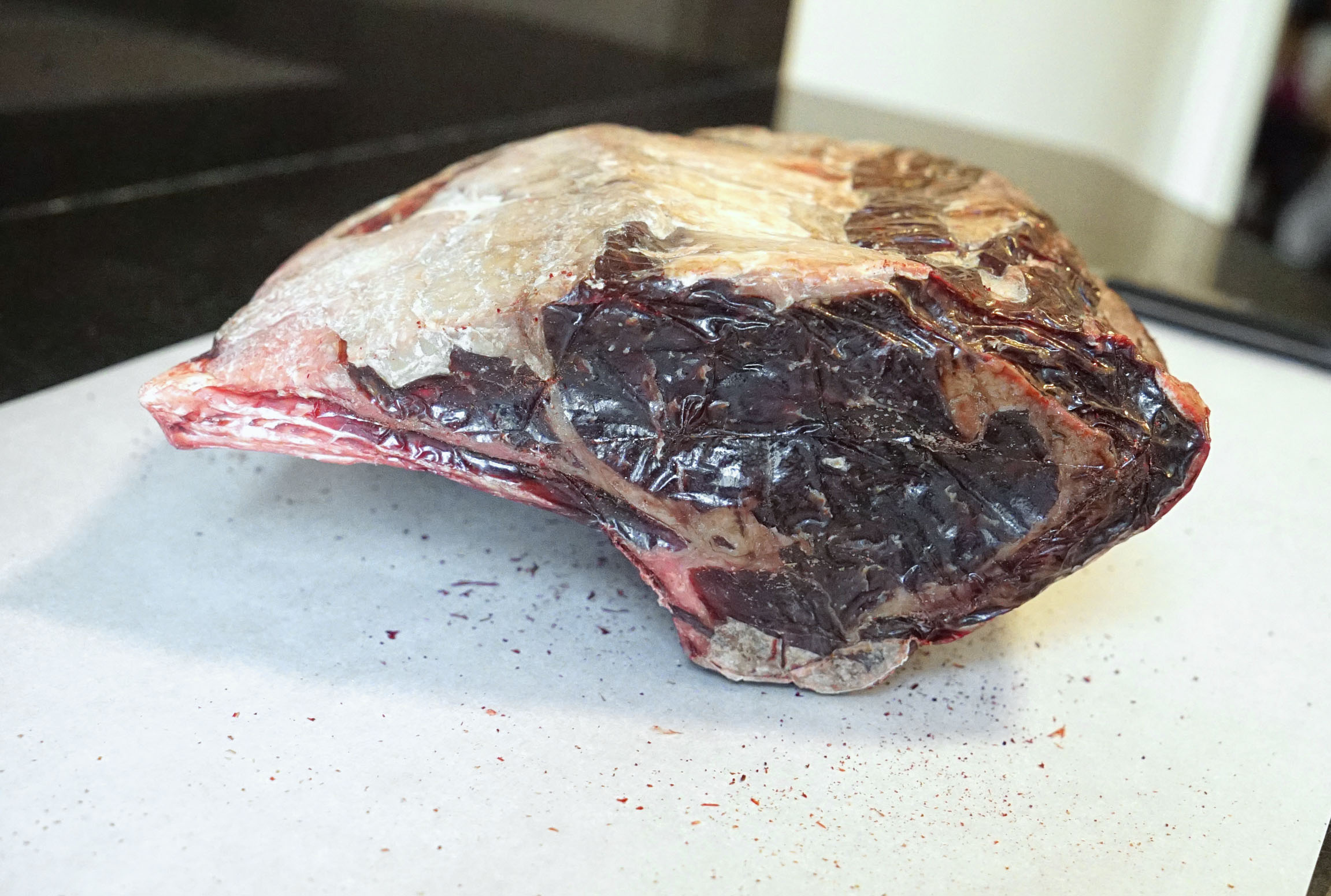
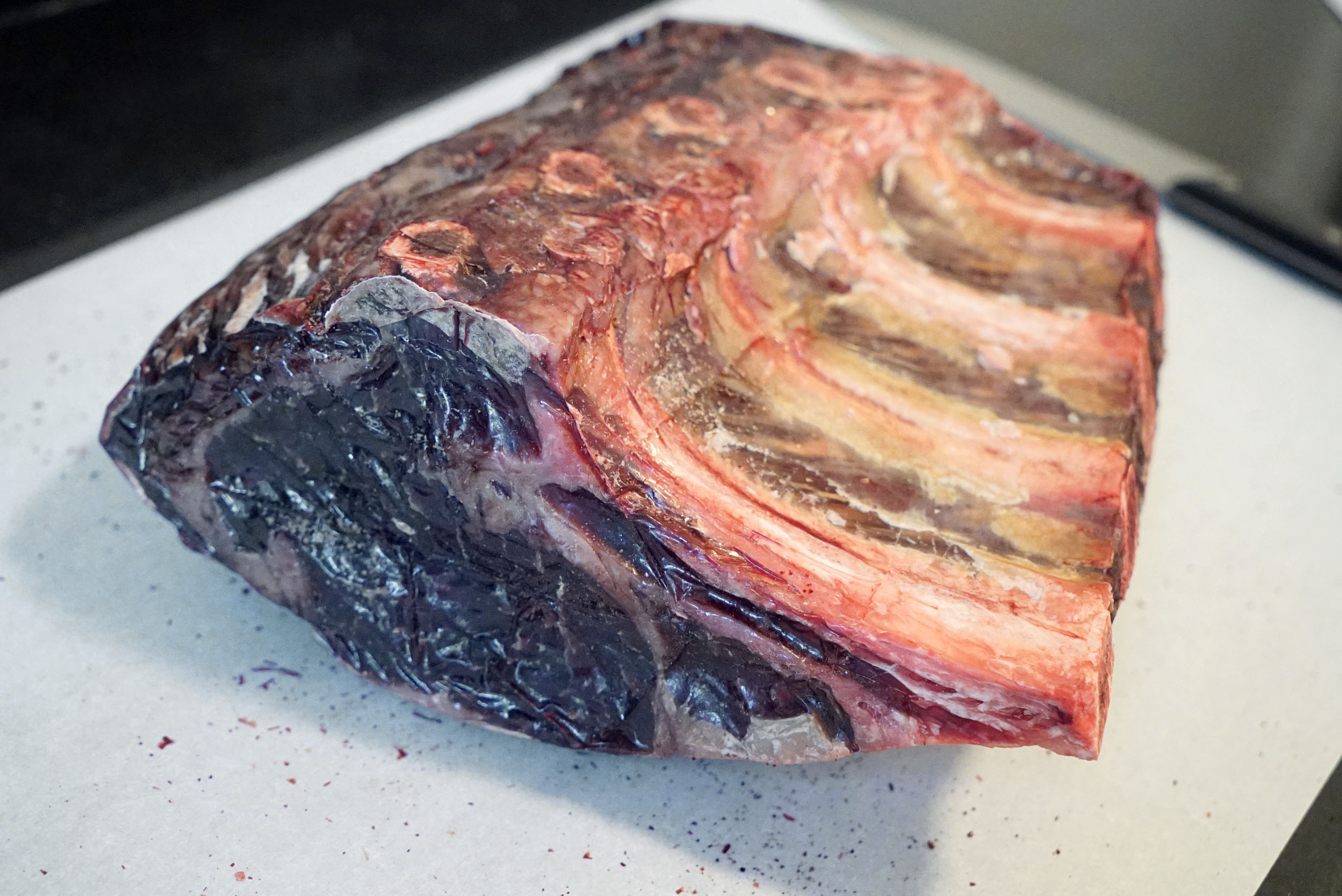
Then we just wait 35 days, with an occasional flip here and there. Here’s a pair of shots after 5 days with a flip. As you can see, the meat is already starting to darken and dry where the bag is in contact with the flesh.
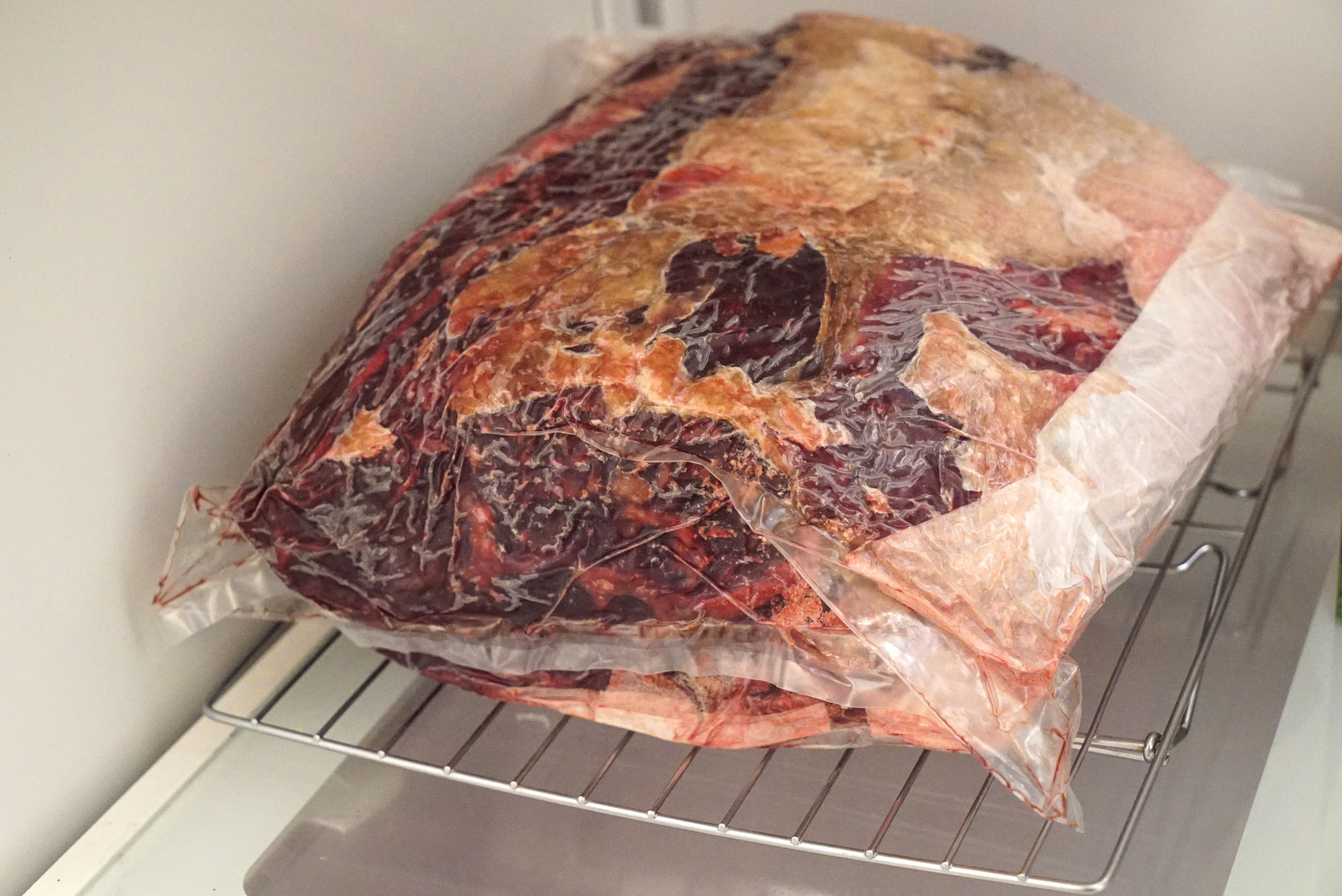
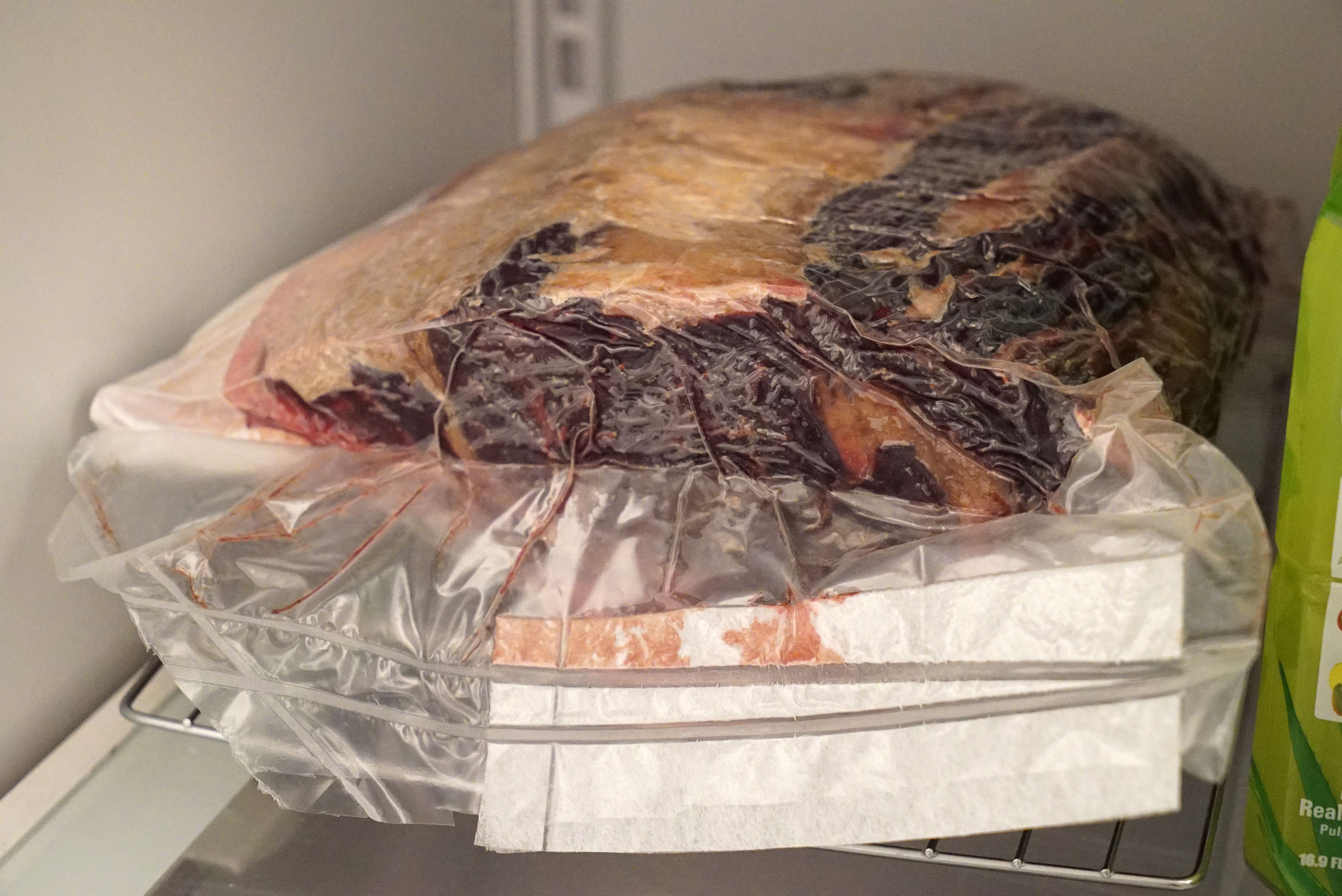
Even darker after another week. It’s forming a “bark”-like layer of beneficial mold that helps to tenderize the meat as it develops.
And another week or so. I notice it’s also shrinking. Dry-aging processes tend to cause the meat to desiccate to the point where you can lose almost a third of the original weight.
After 35 days, here is the unwrapping!
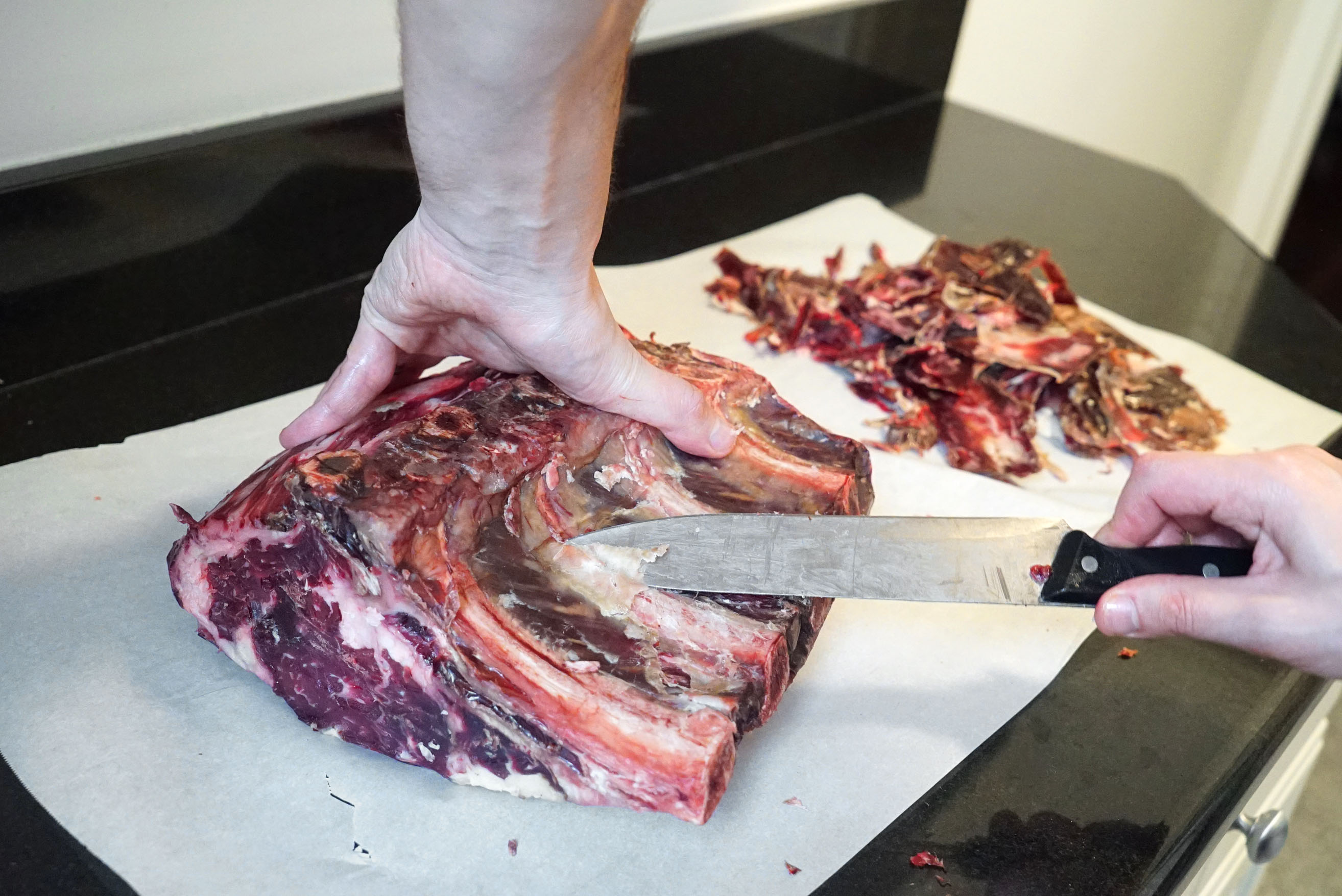
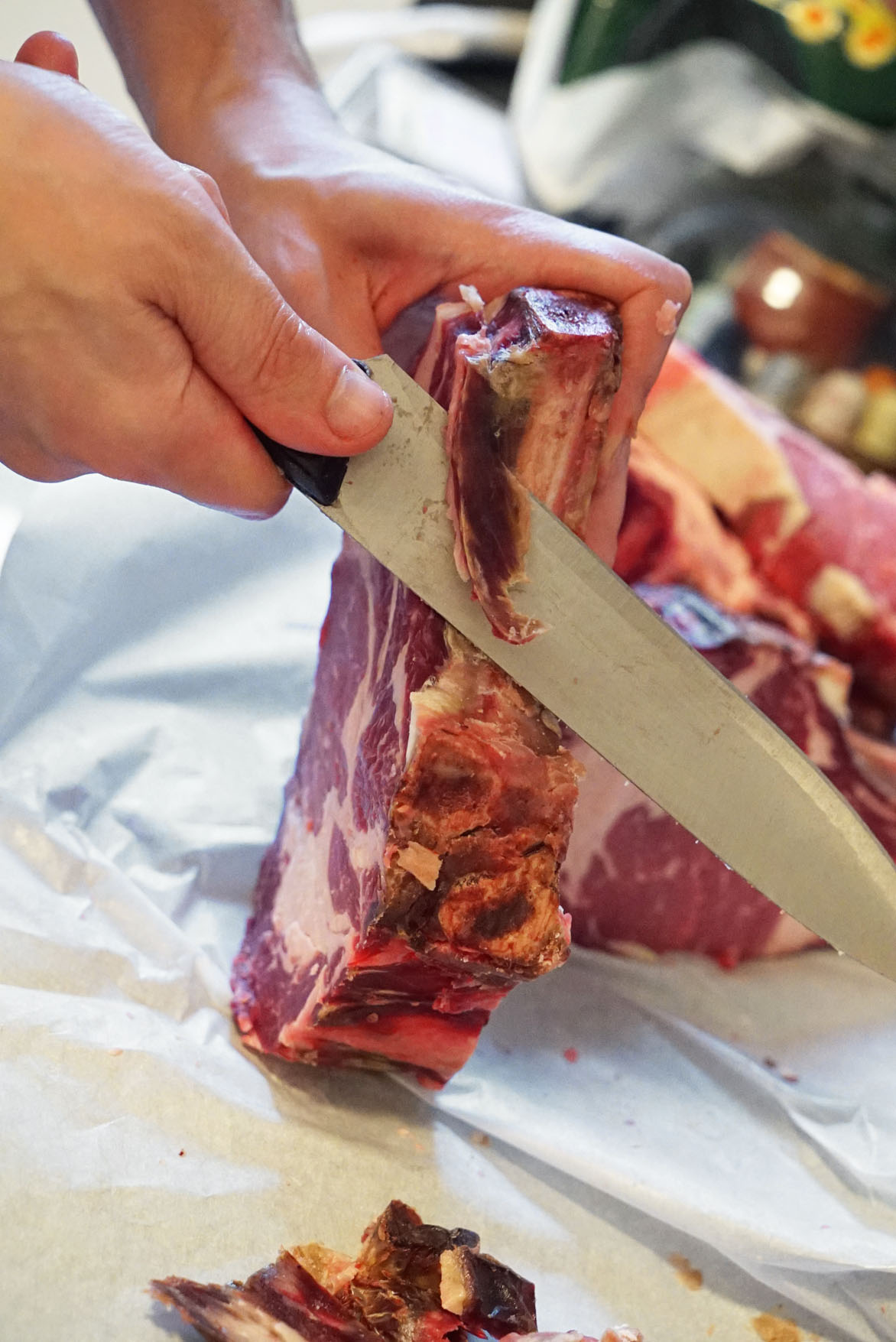
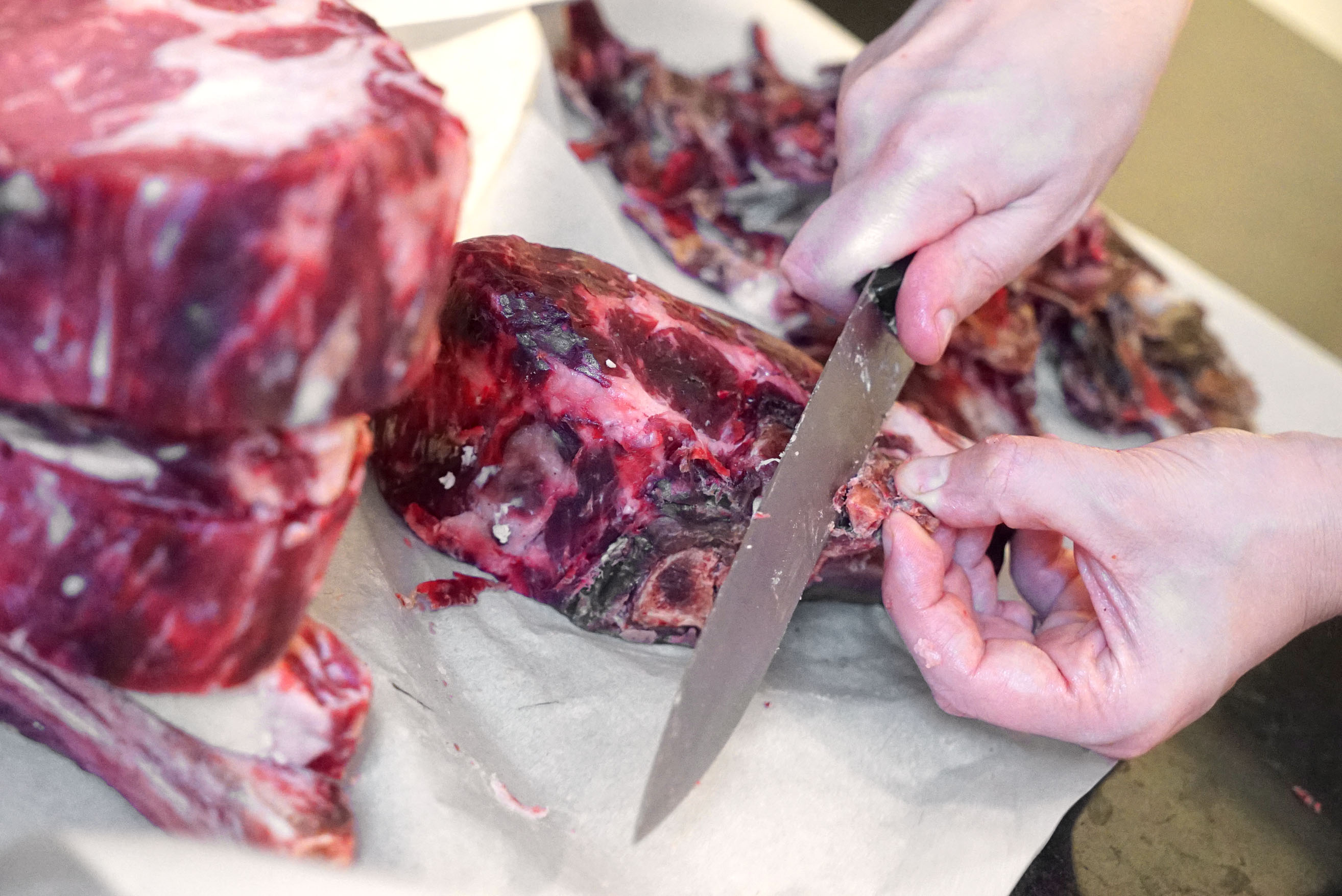
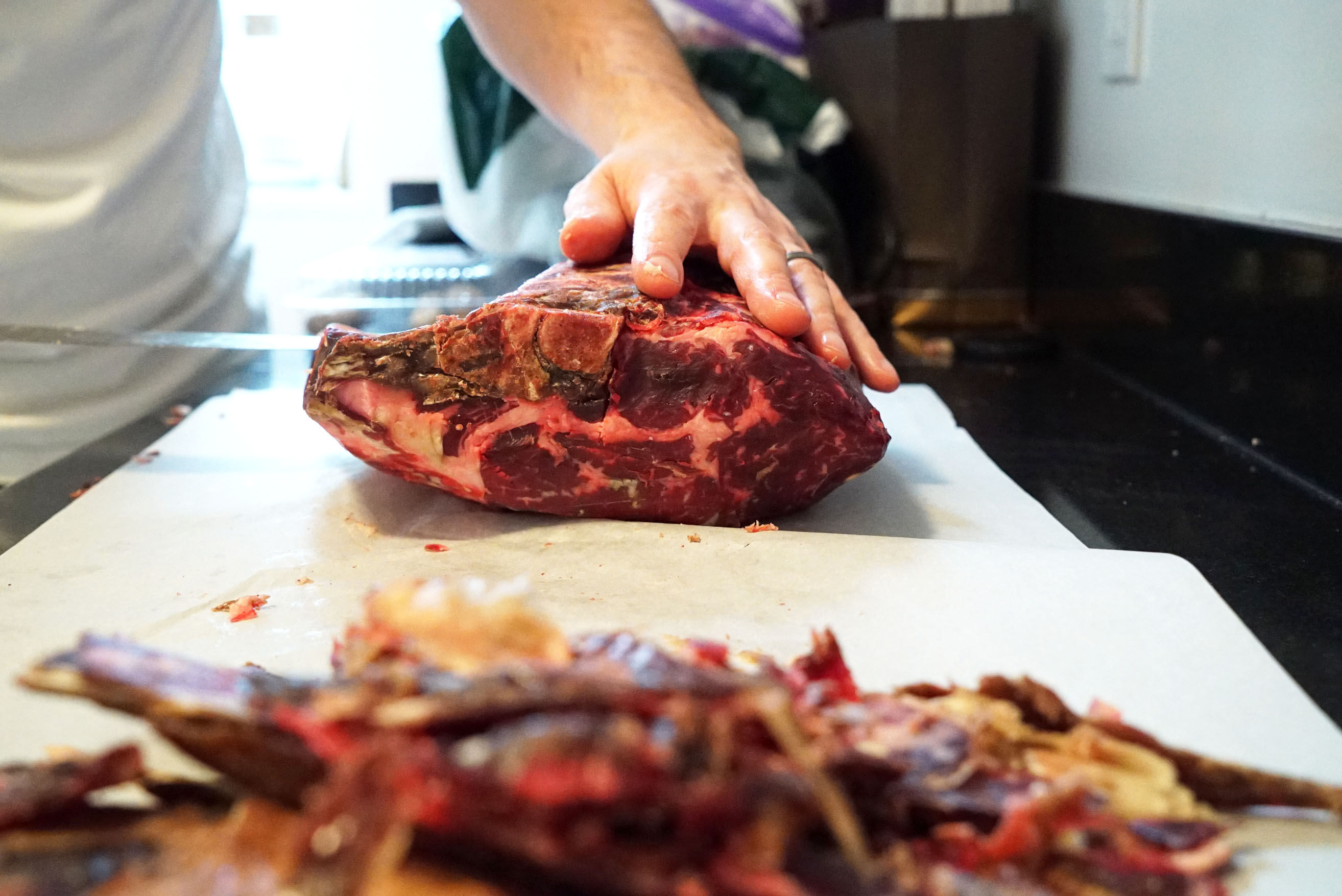
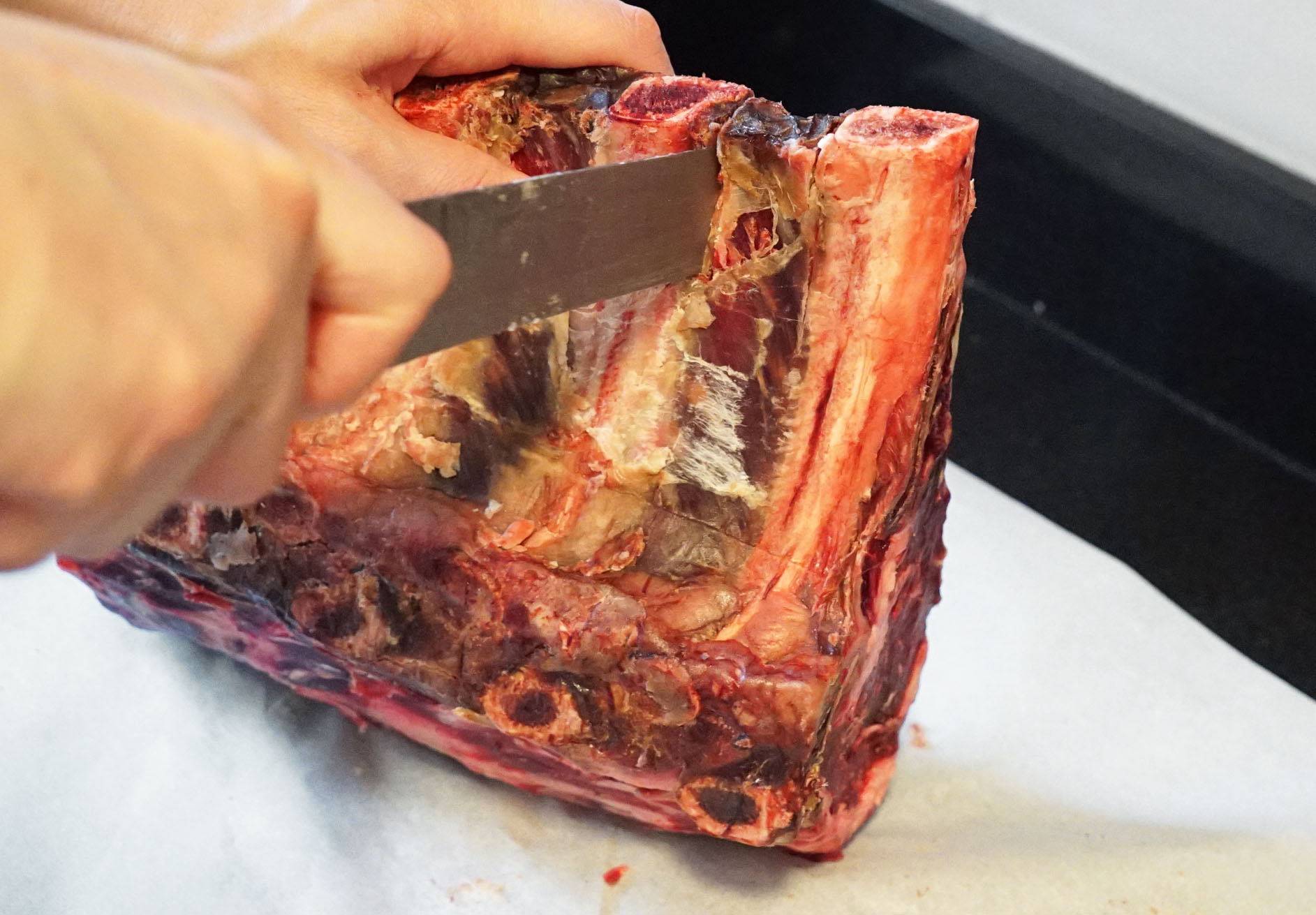
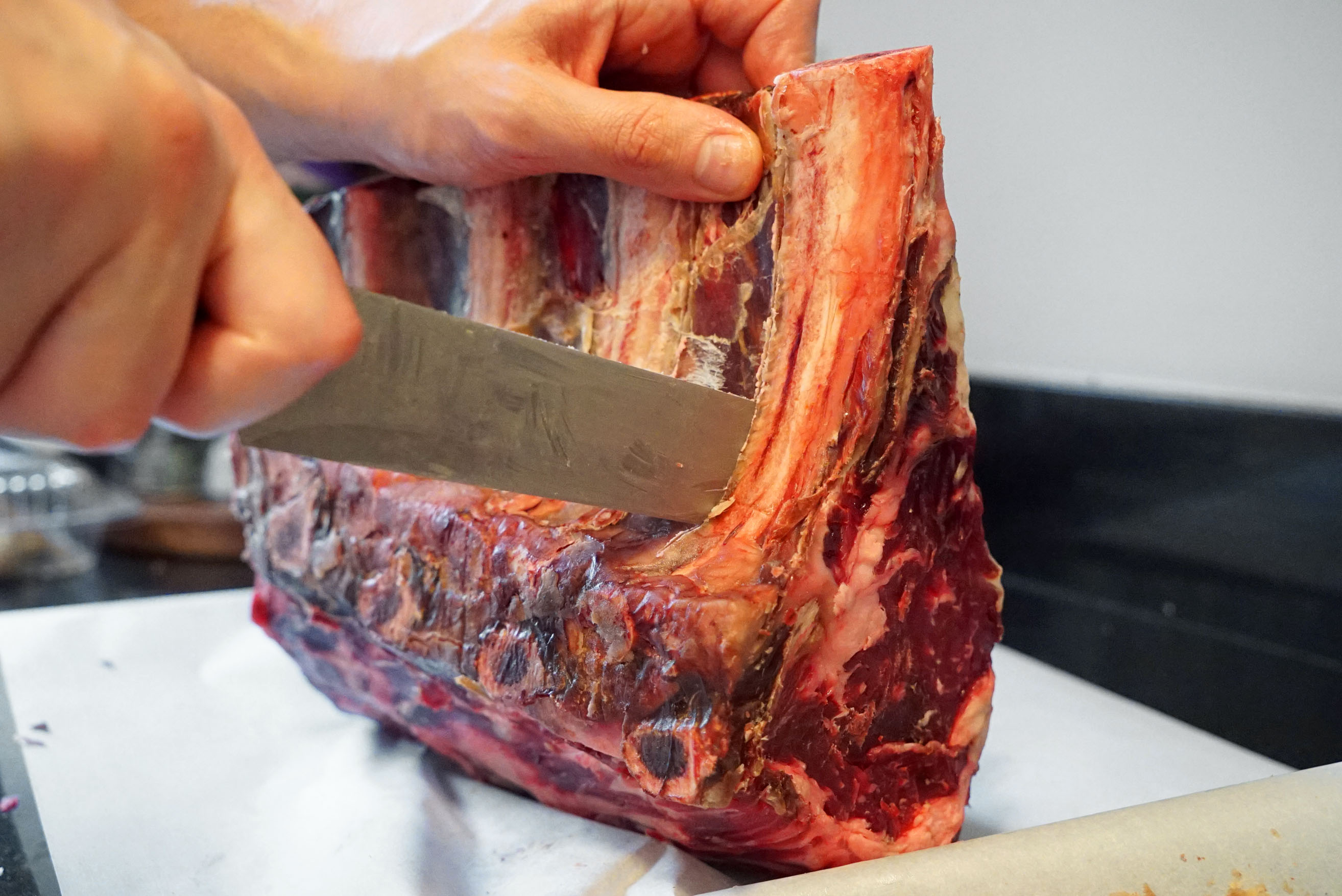
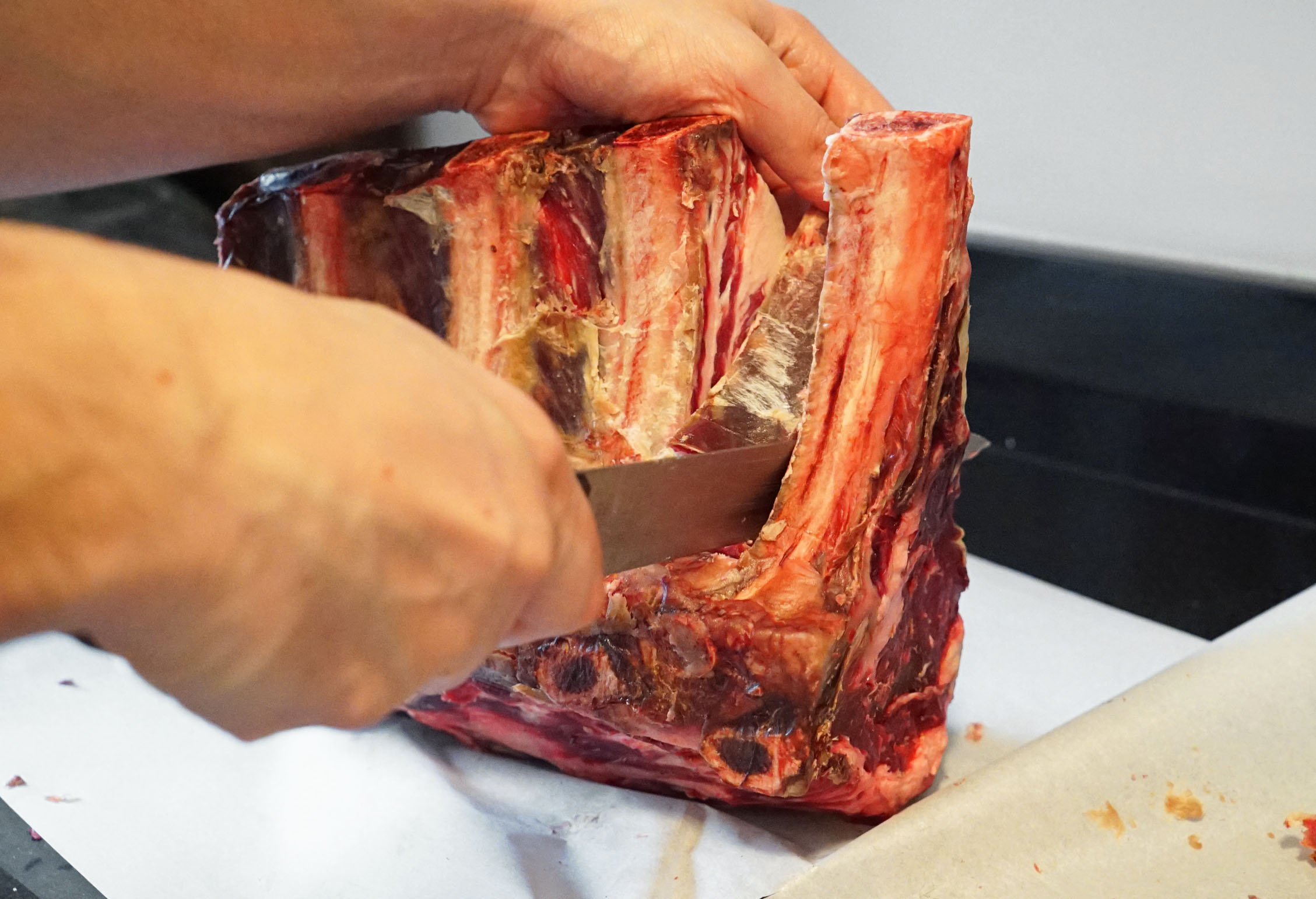
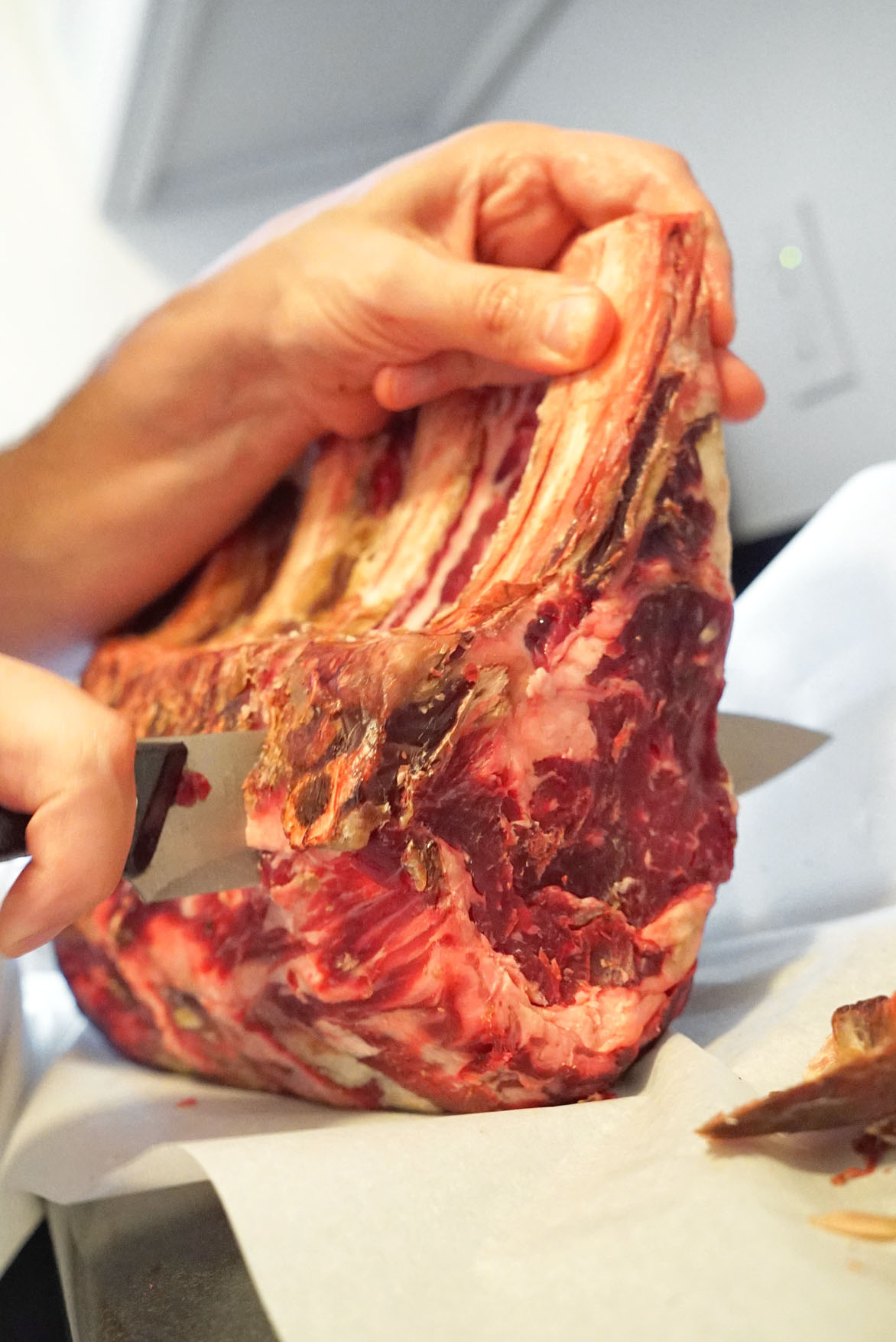
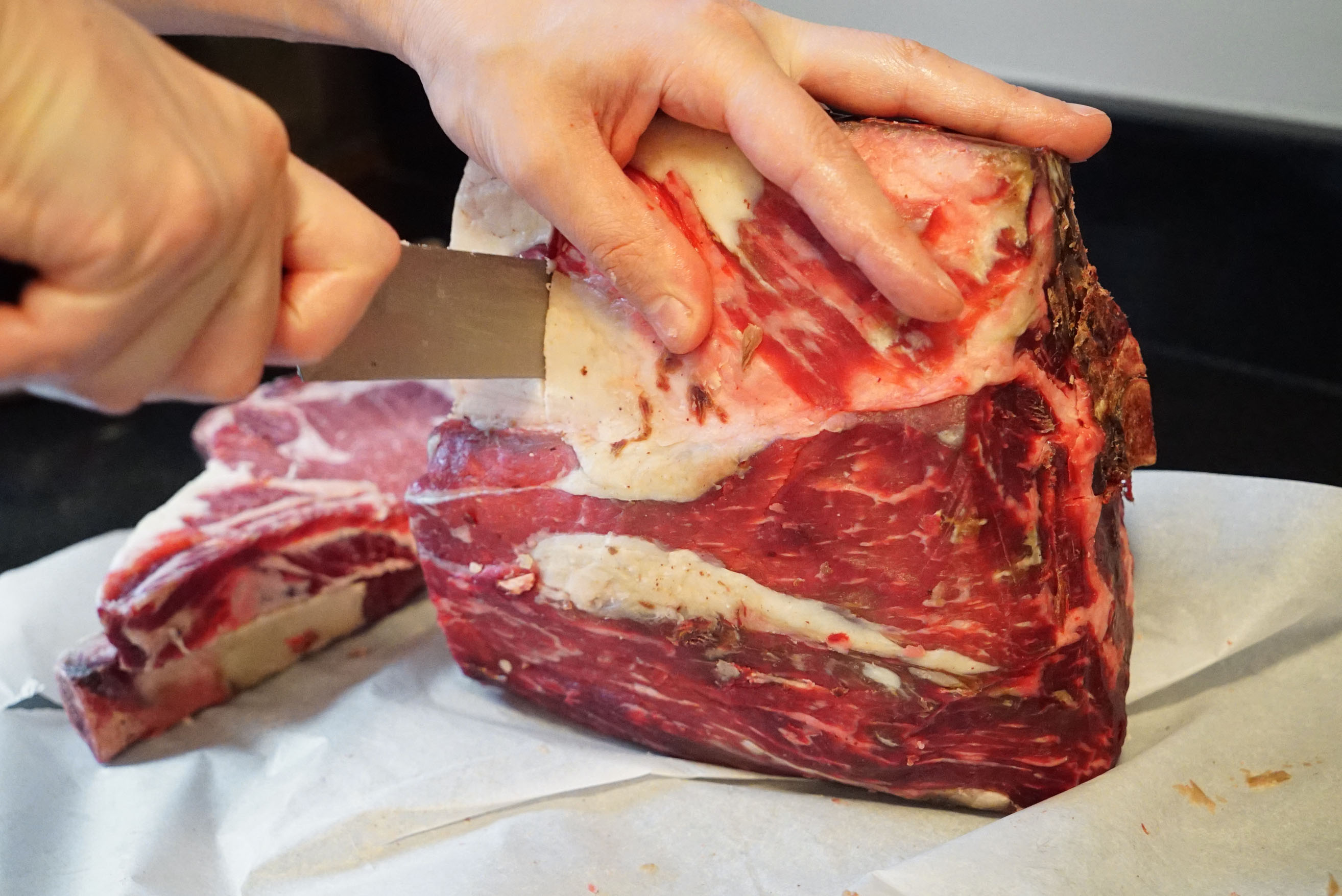
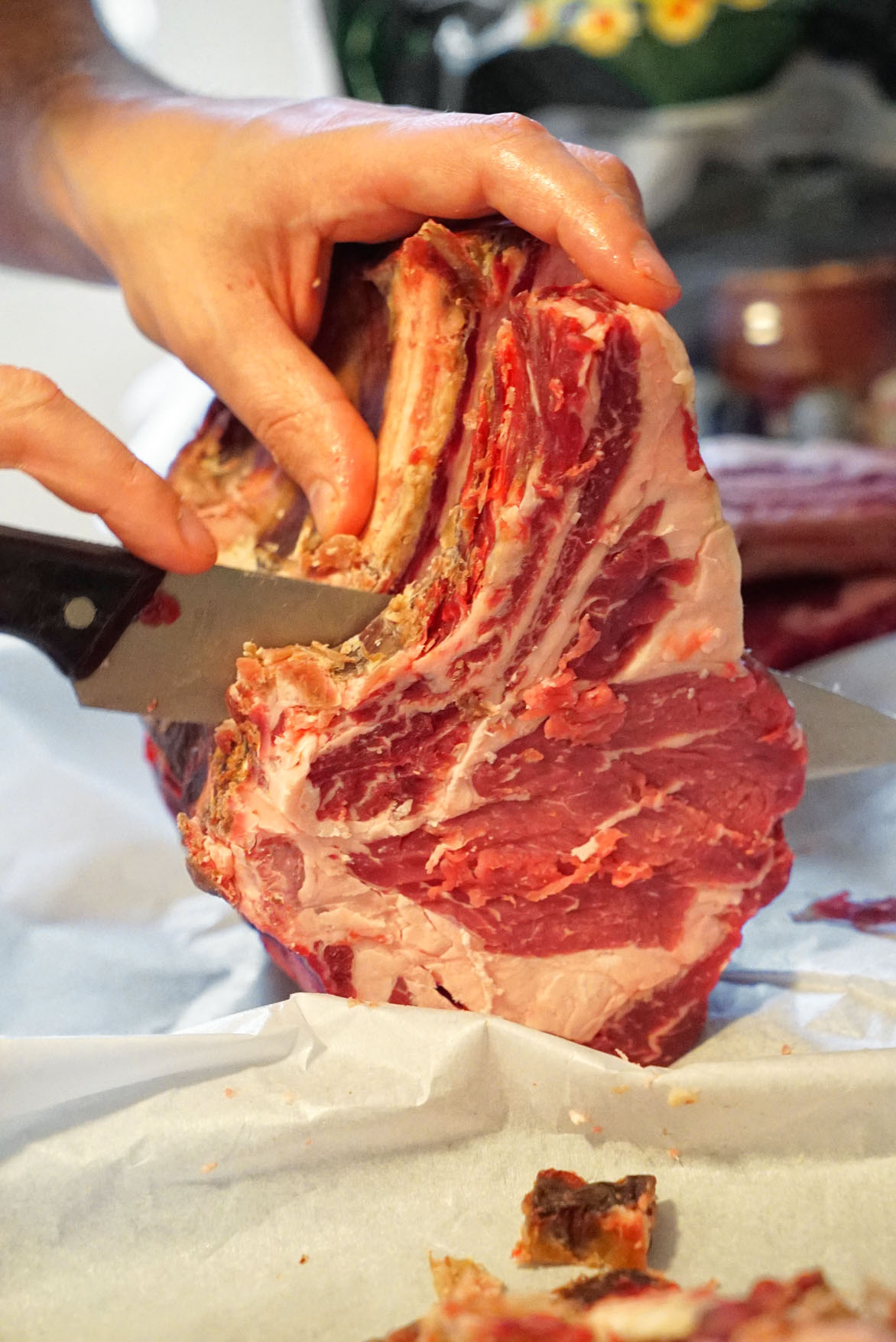
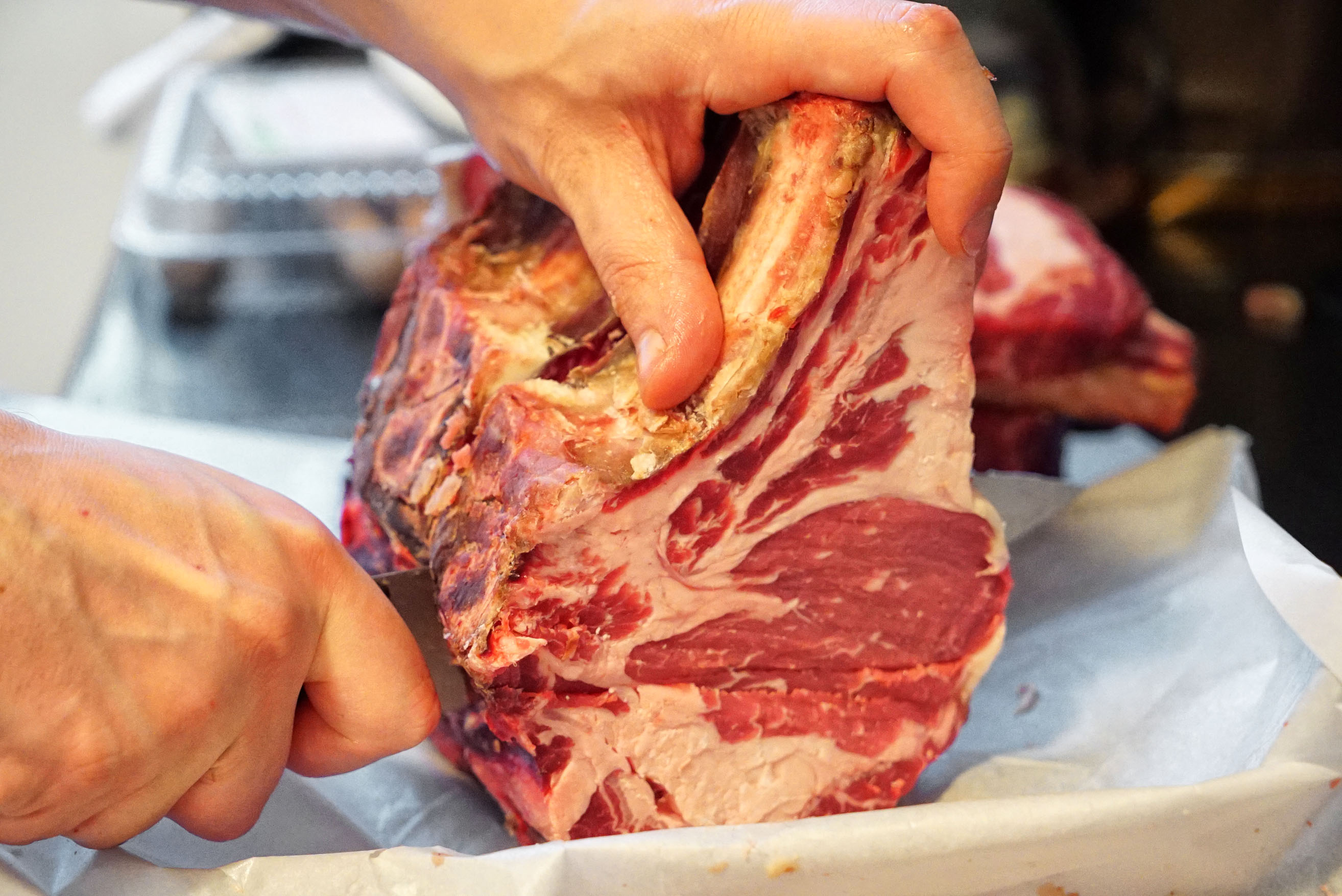
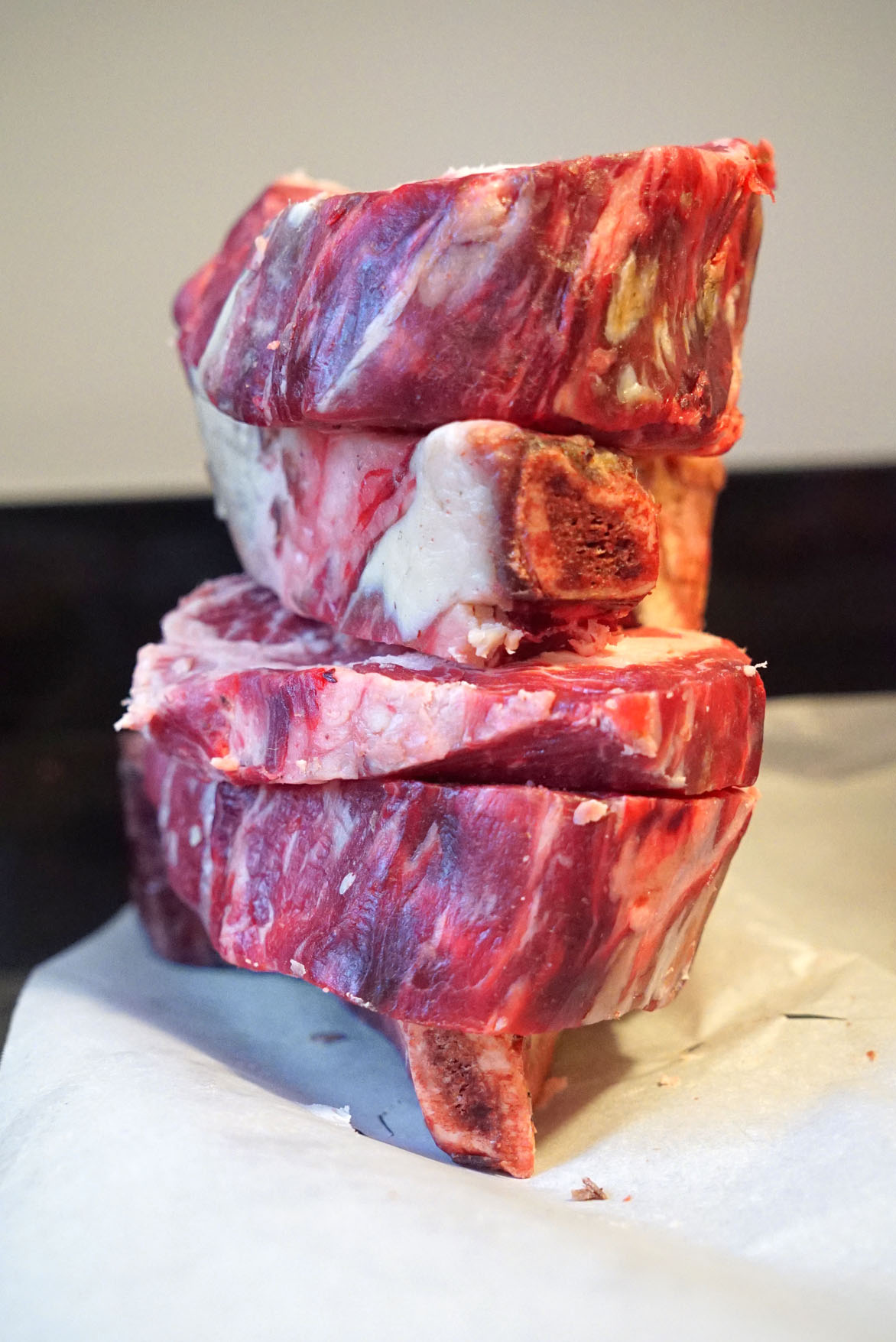
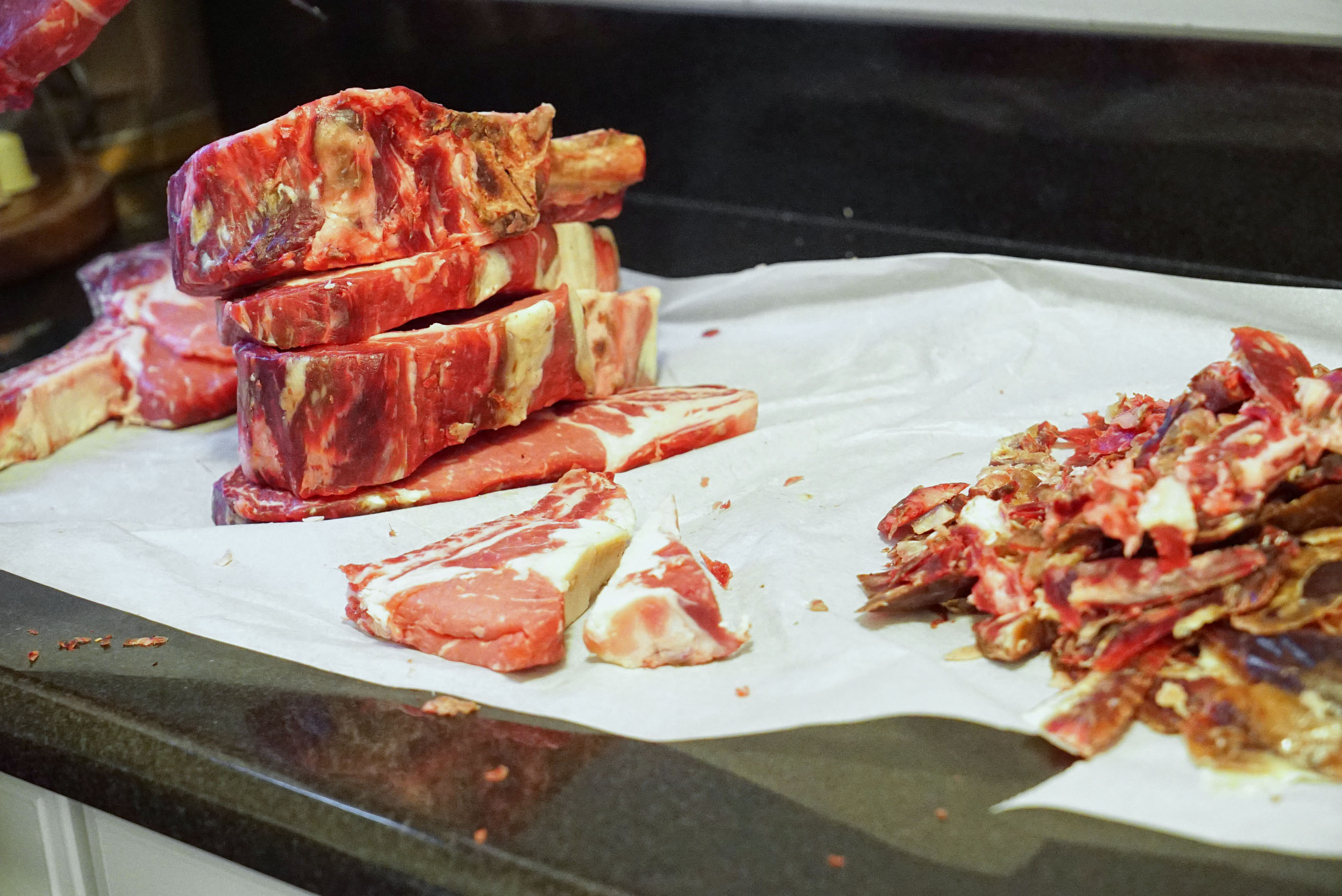
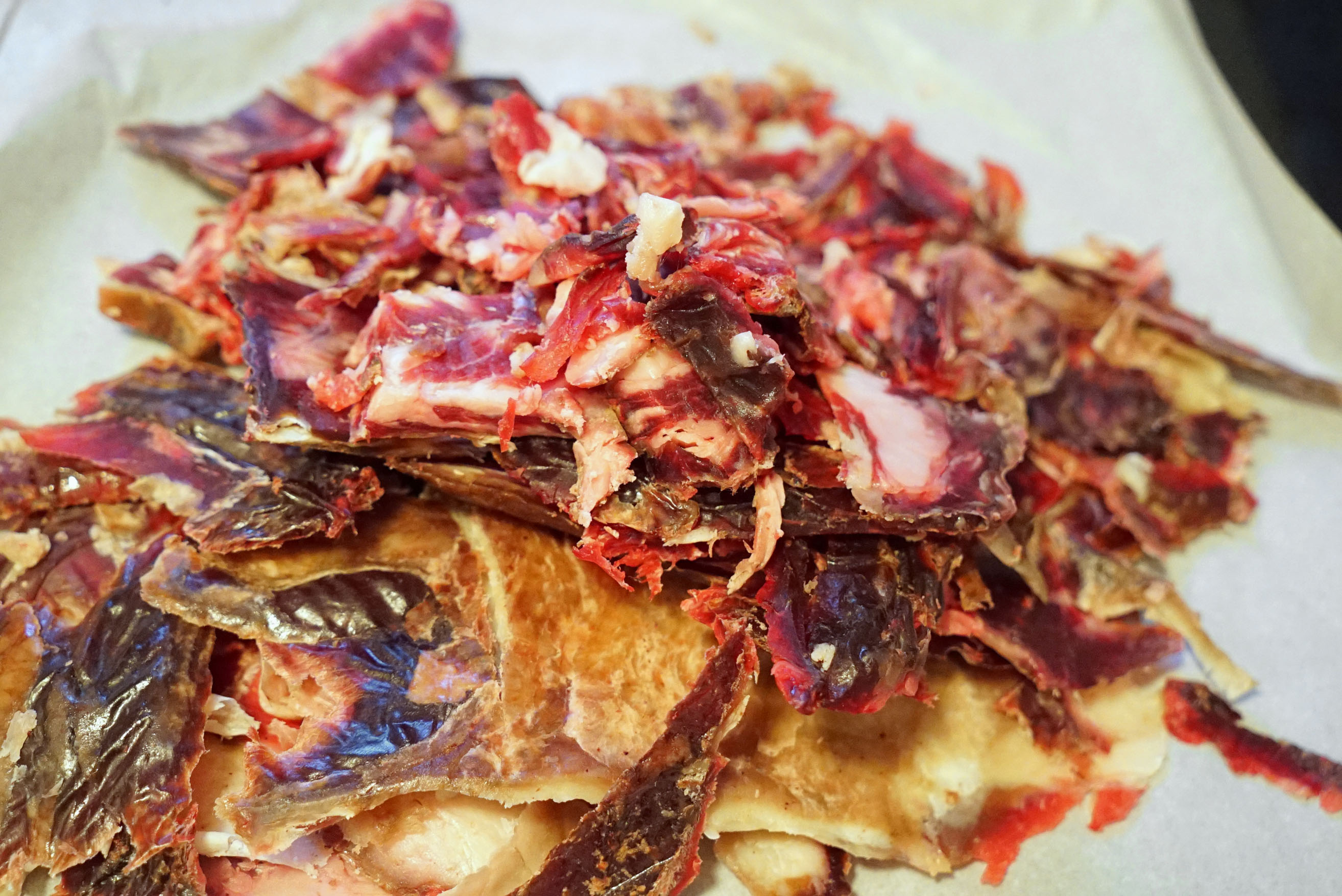
The outside bark, which has the texture of really hard beef jerky, needs to be sliced off of the underlying softened meat, and the tough skin membrane over the ribs needs to be peeled and picked off.
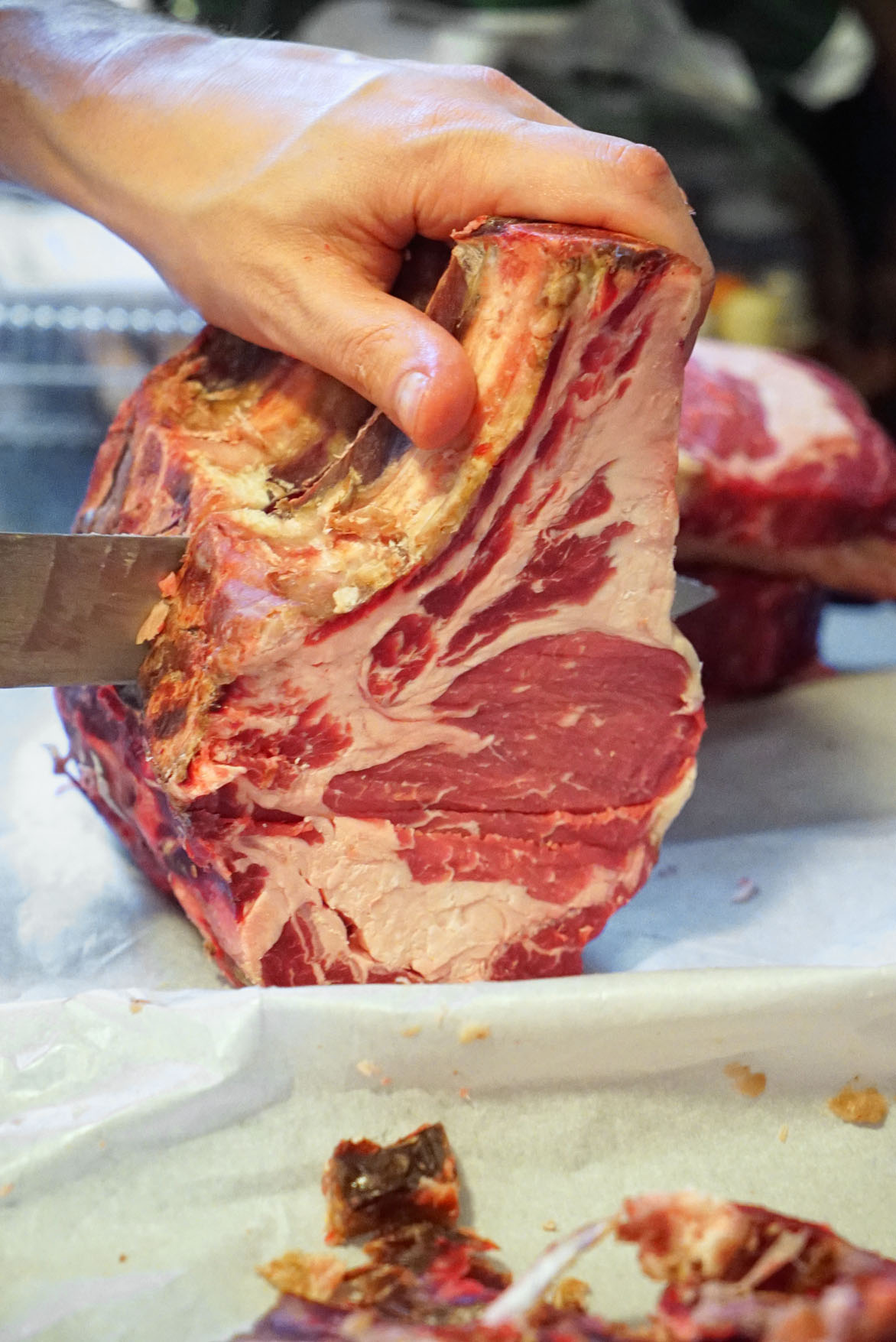
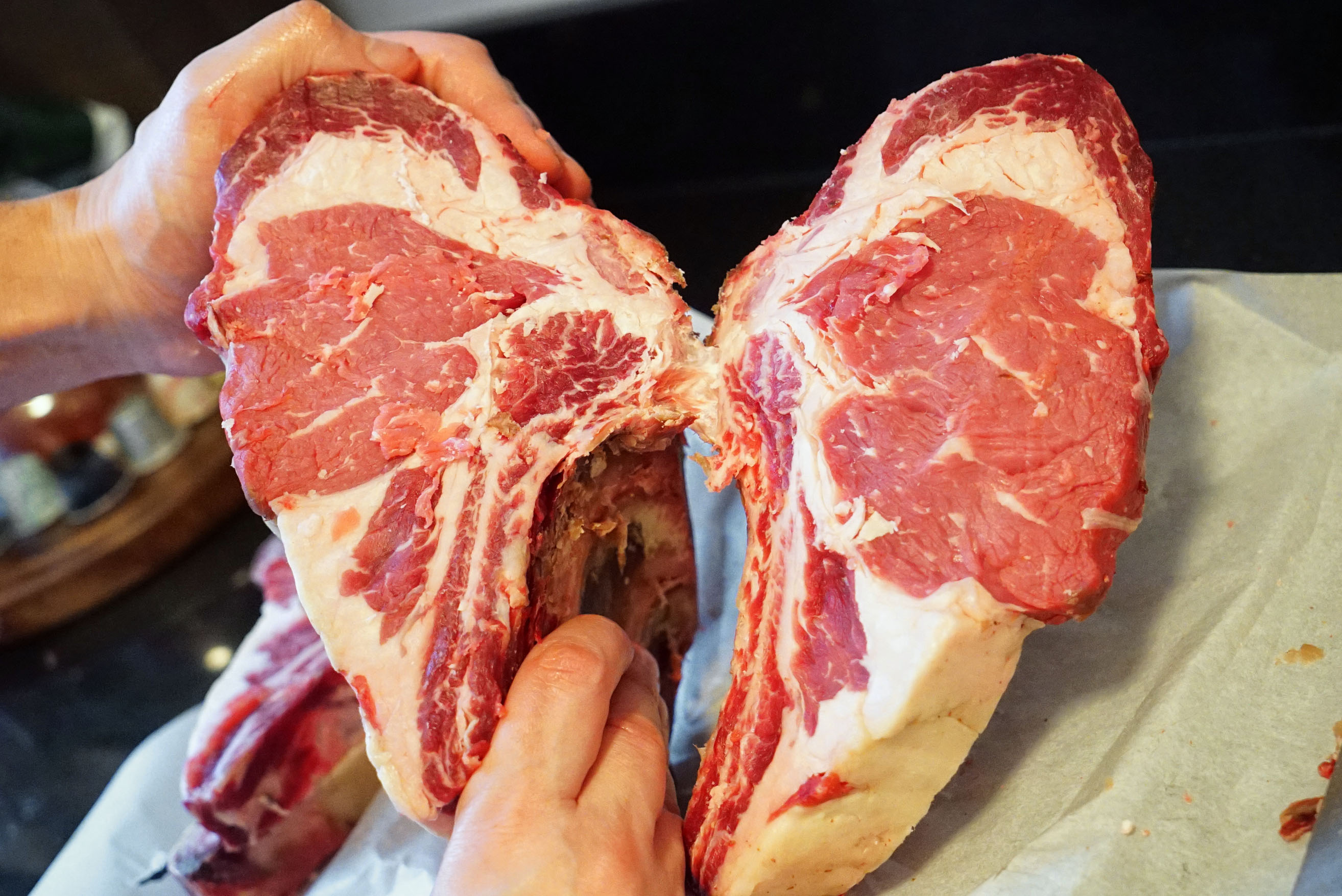
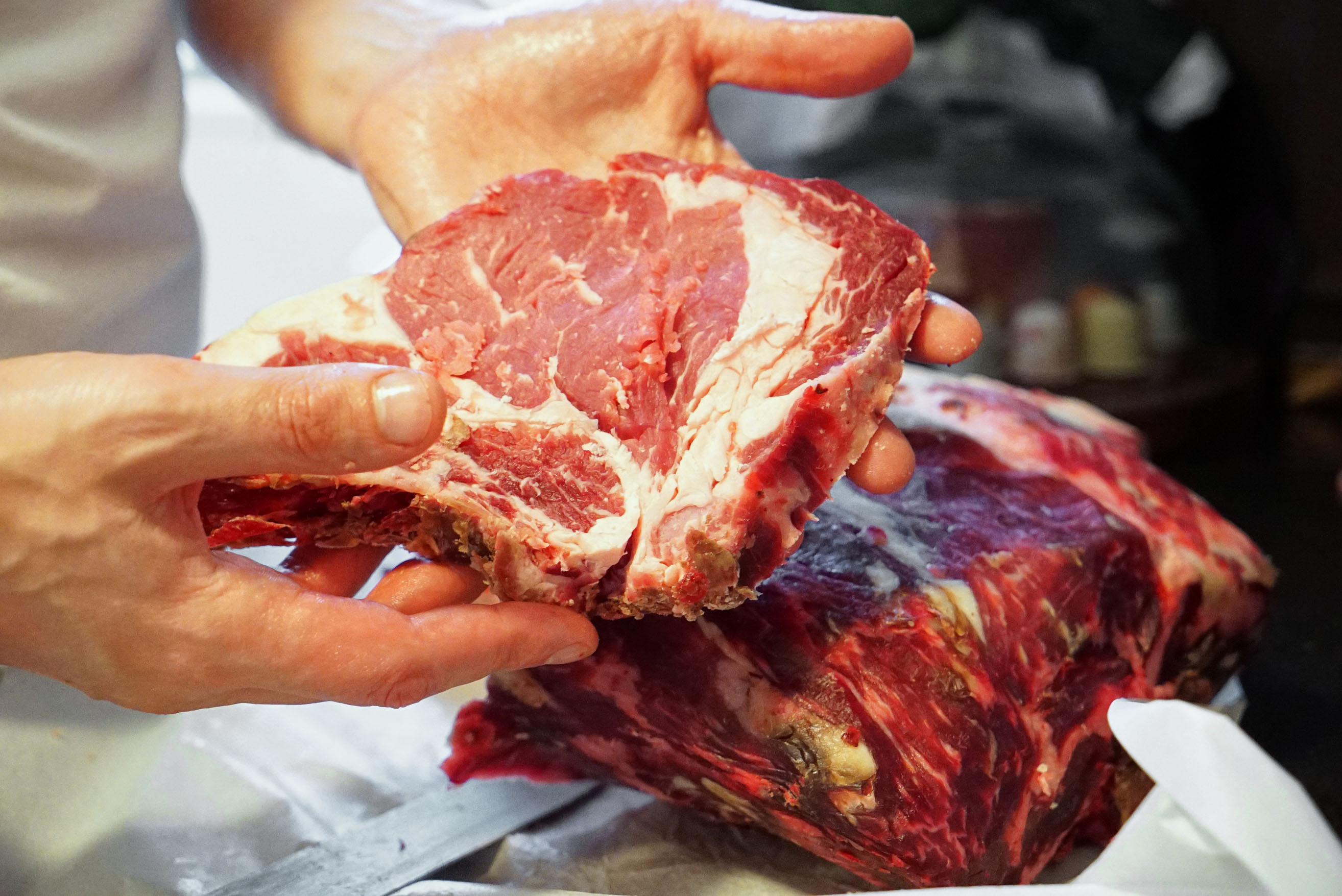
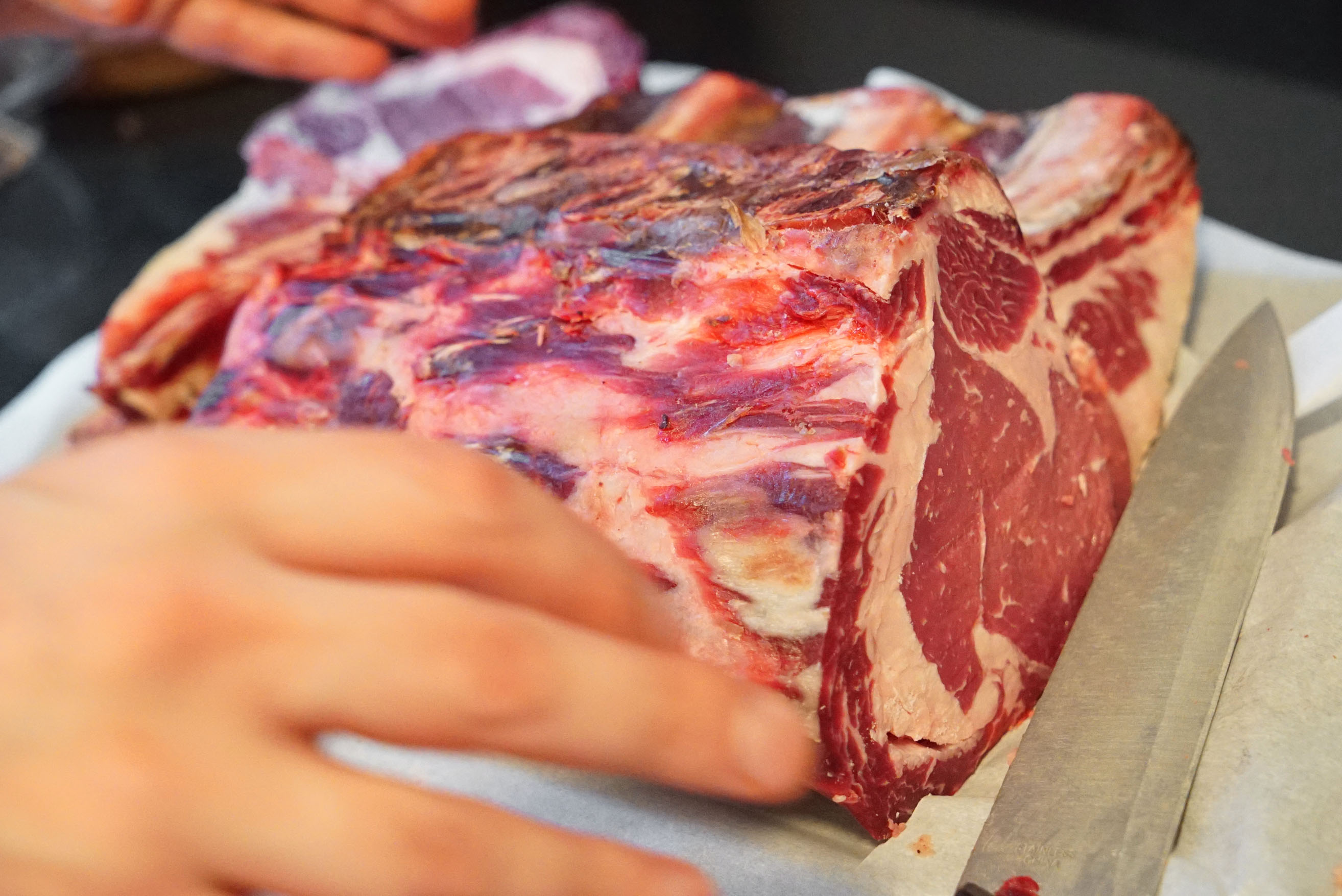
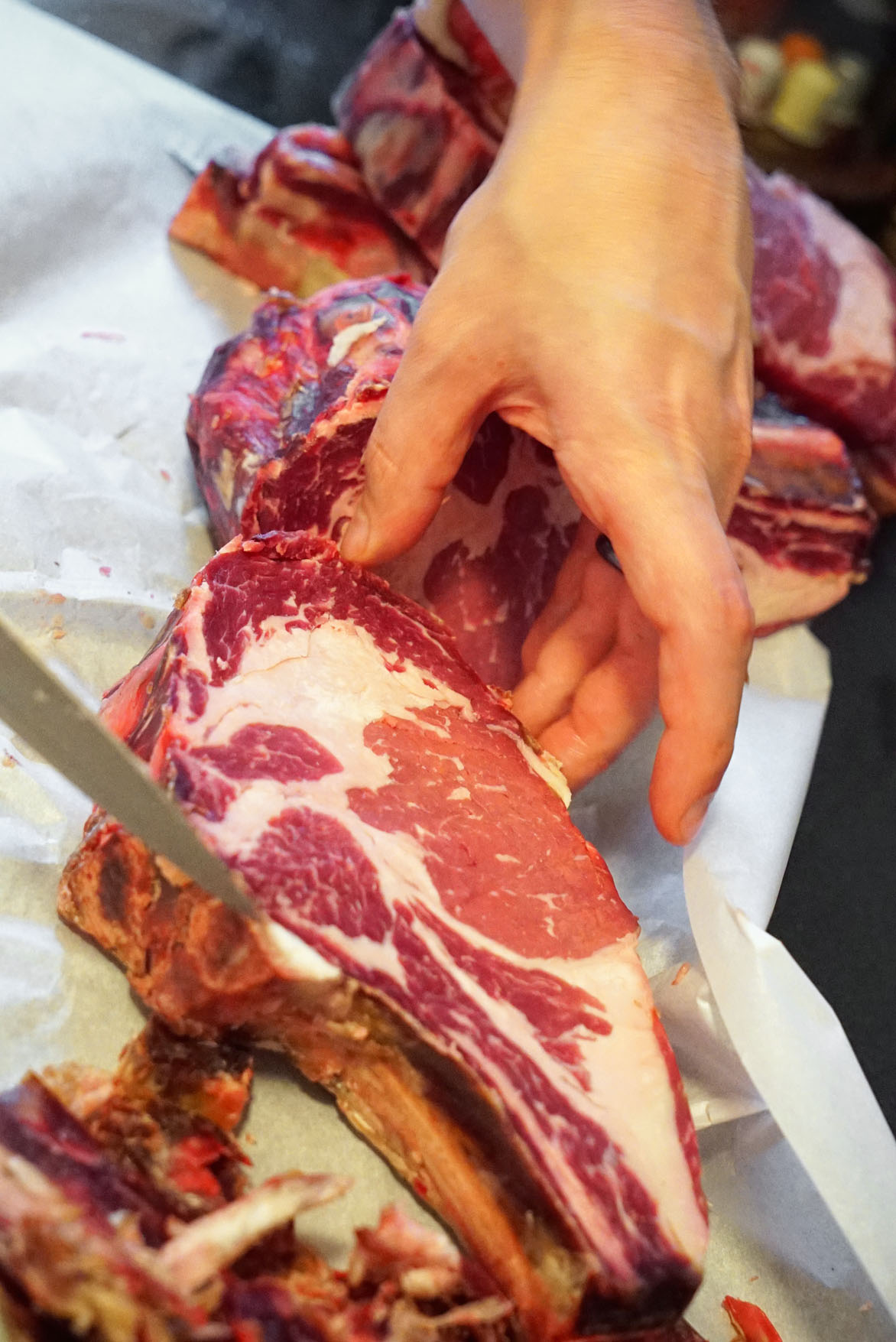
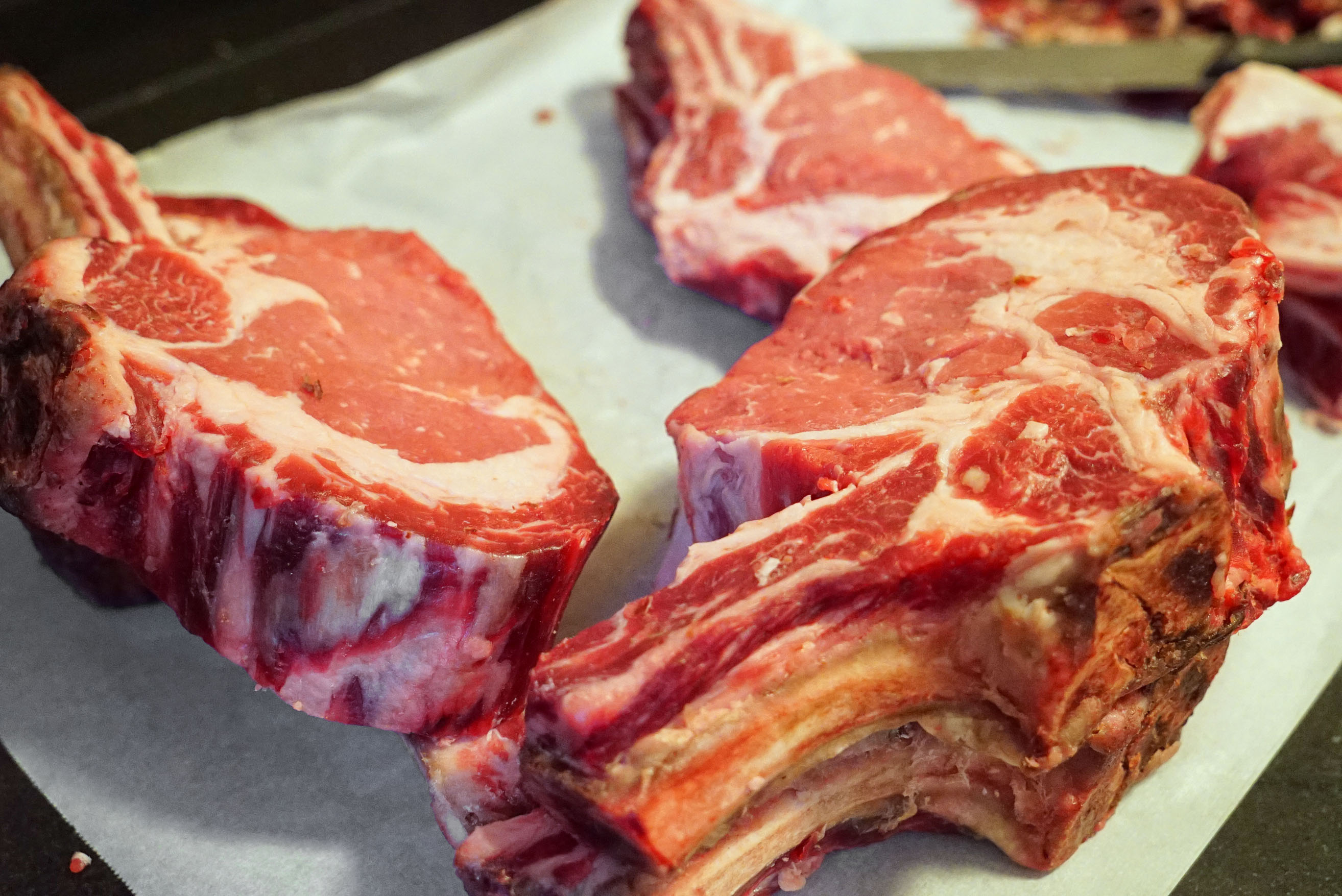
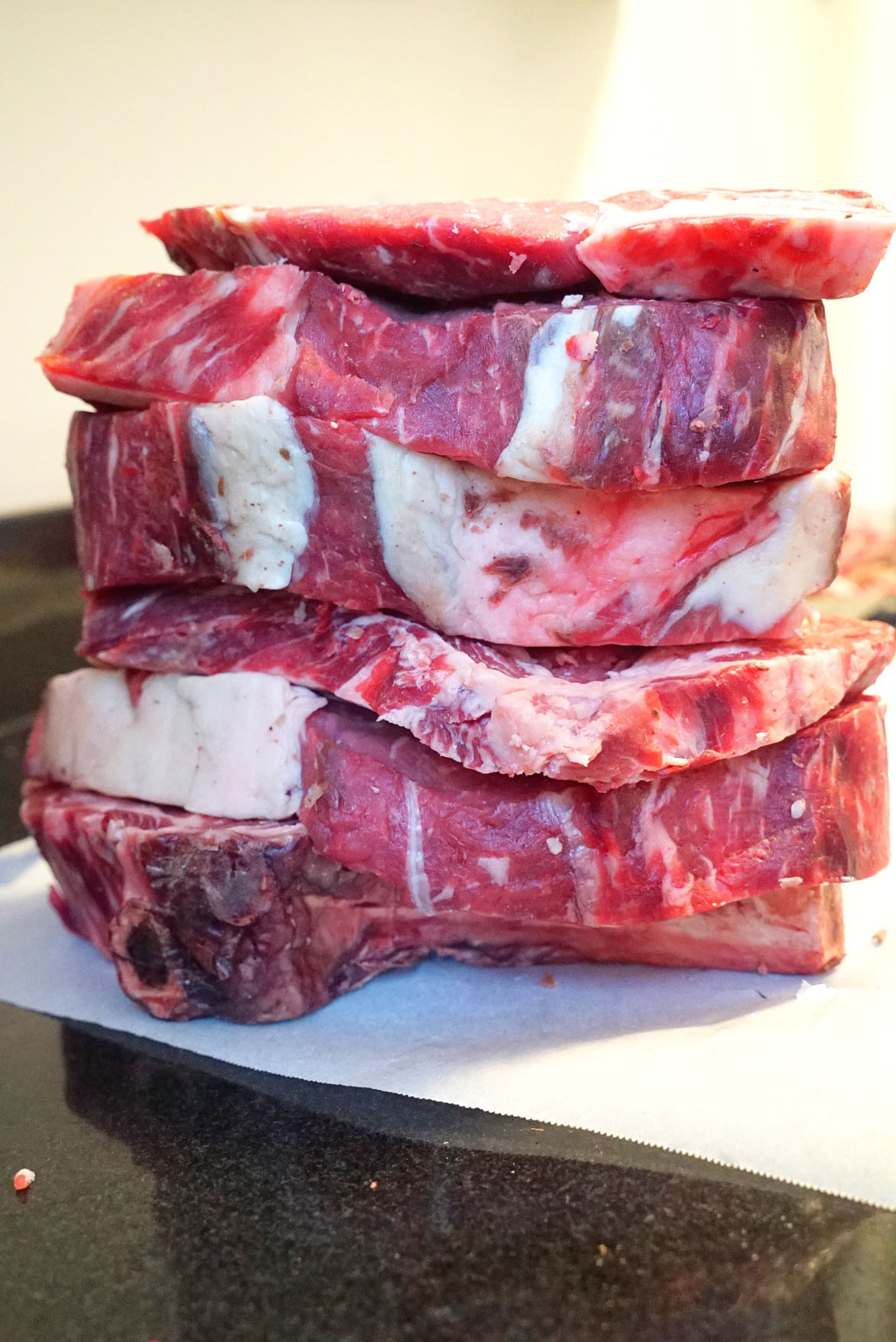
It’s an arduous task, but the end product is totally worth the effort. Here are some shots that my wife snapped of the slicing, trimming and portioning process.
The inside is so gorgeous. This shot looks like angel wings:
A great looking fat cap was still intact. I was worried that I would have to carve off too much of that, but we did pretty good.
I’ve saved all the bark slices to use in making another beef stock or broth at a later date.
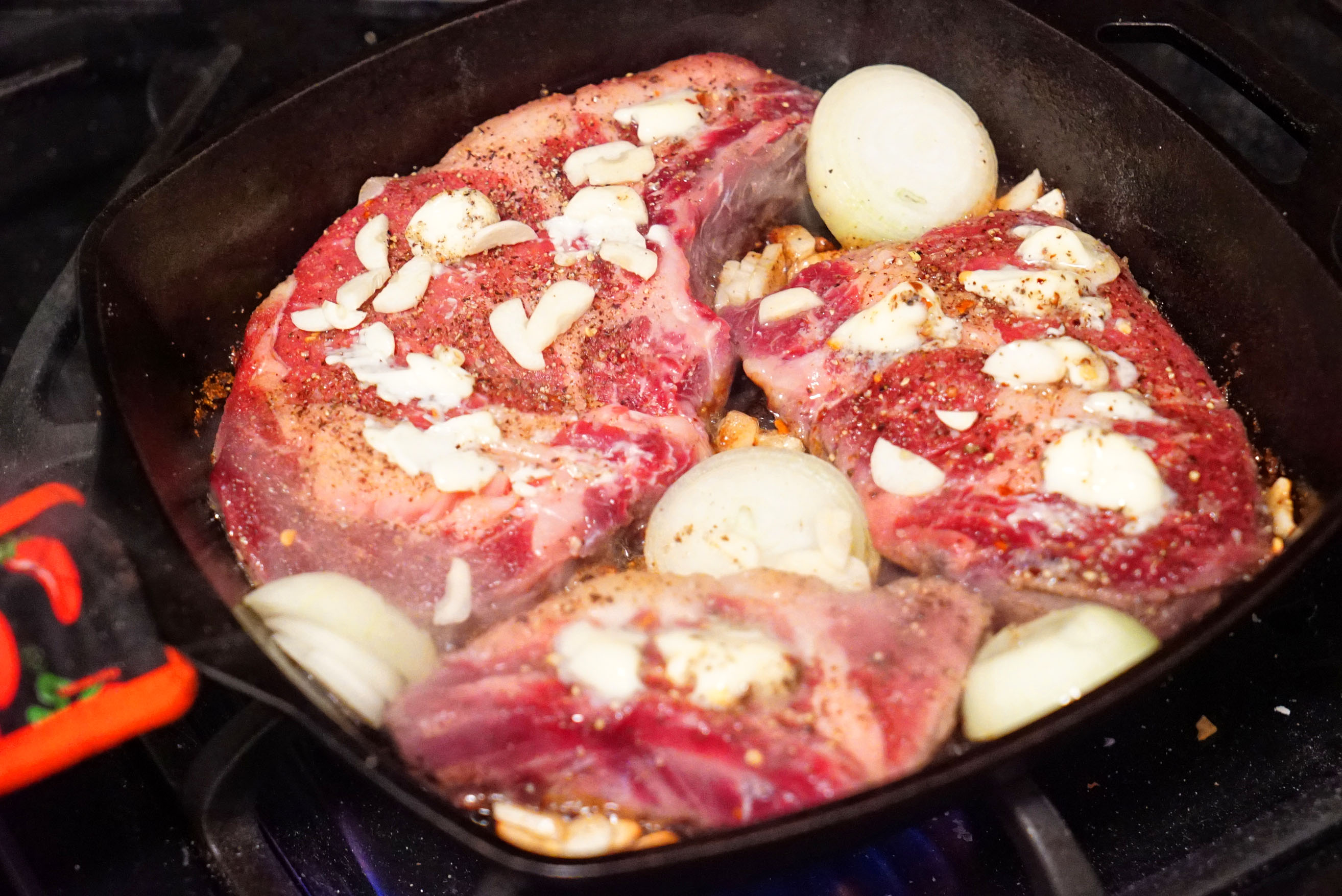
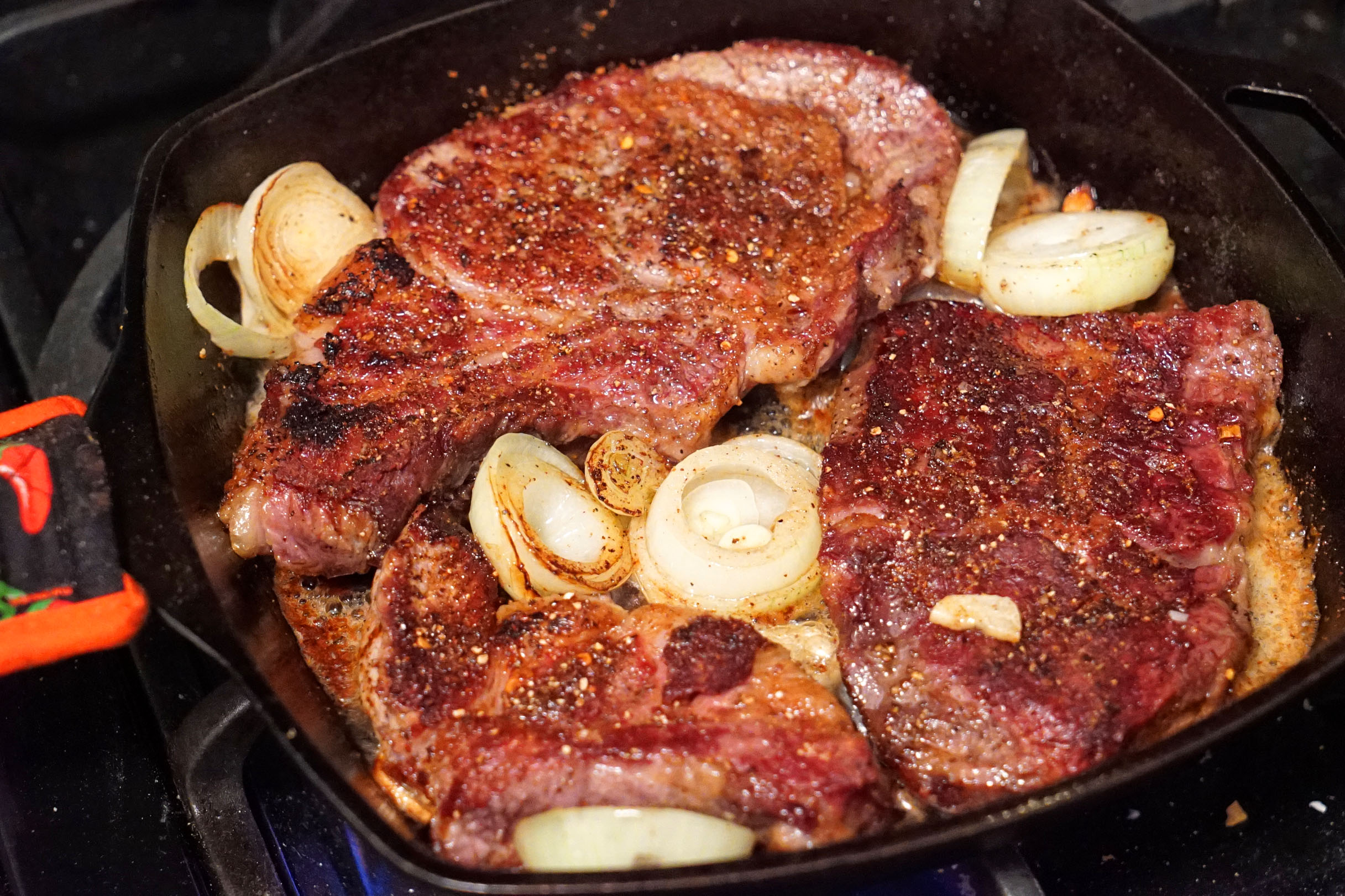
I ended up with two thinner boneless cuts, so I seasoned them up right away and seared them off in a cast iron skillet with some butter, garlic and onions (I cut one to fit them in the pan better).
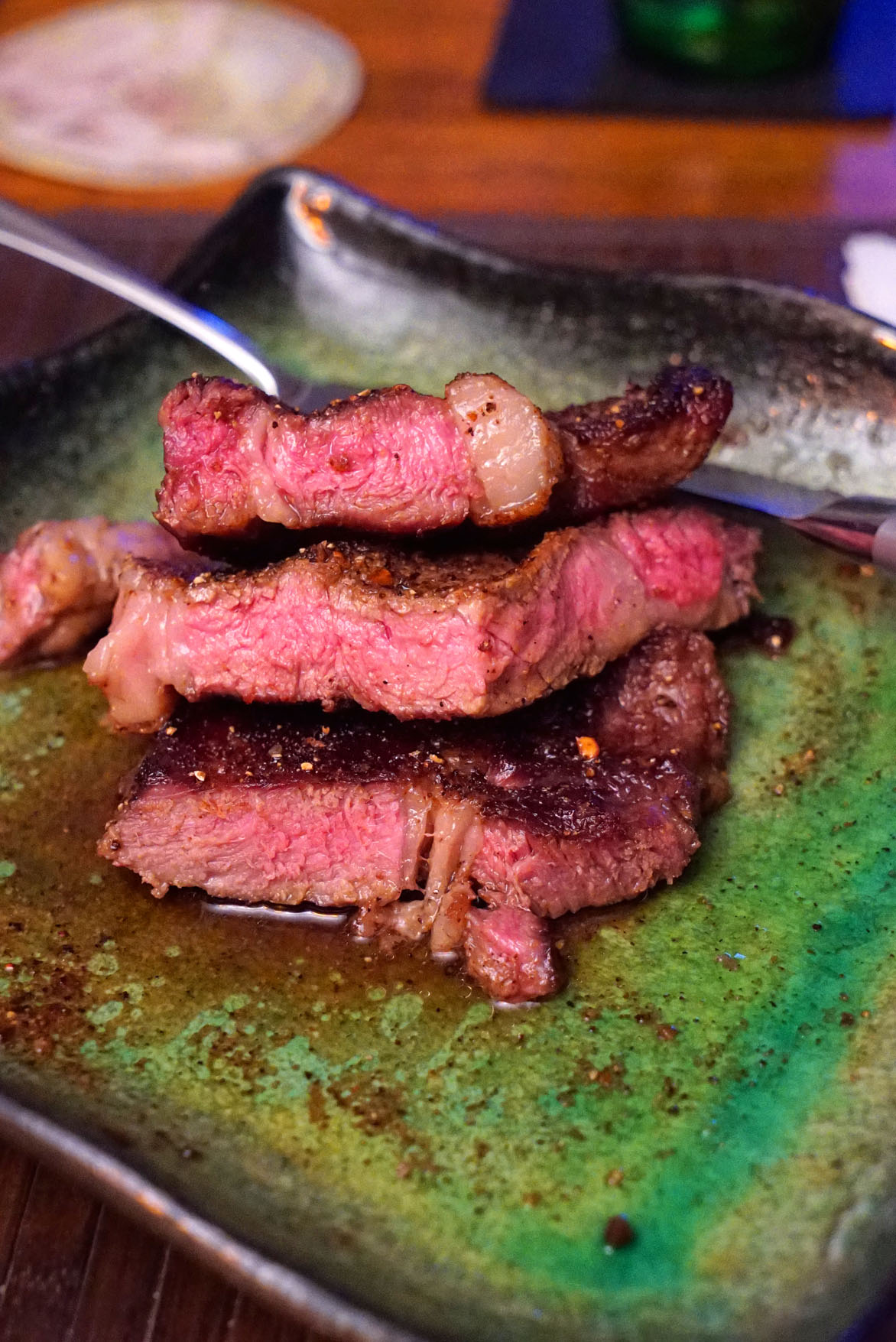
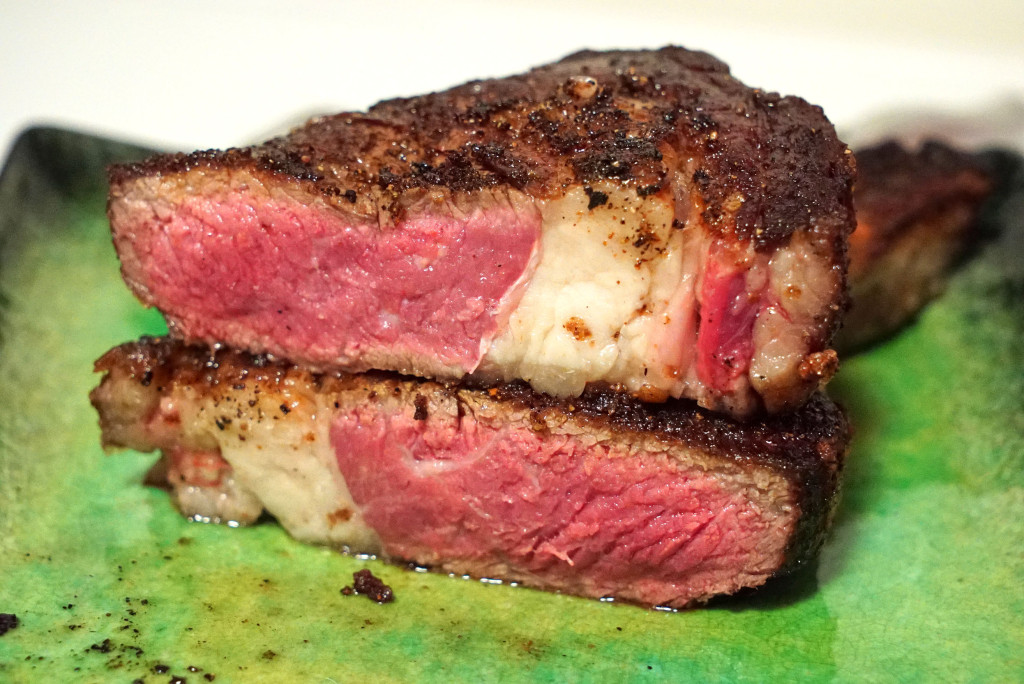
The result was awesome. Perfectly cooked, super flavorful and really well worth the wait! The fat was entirely edible. Very soft and buttery, like beef jelly.
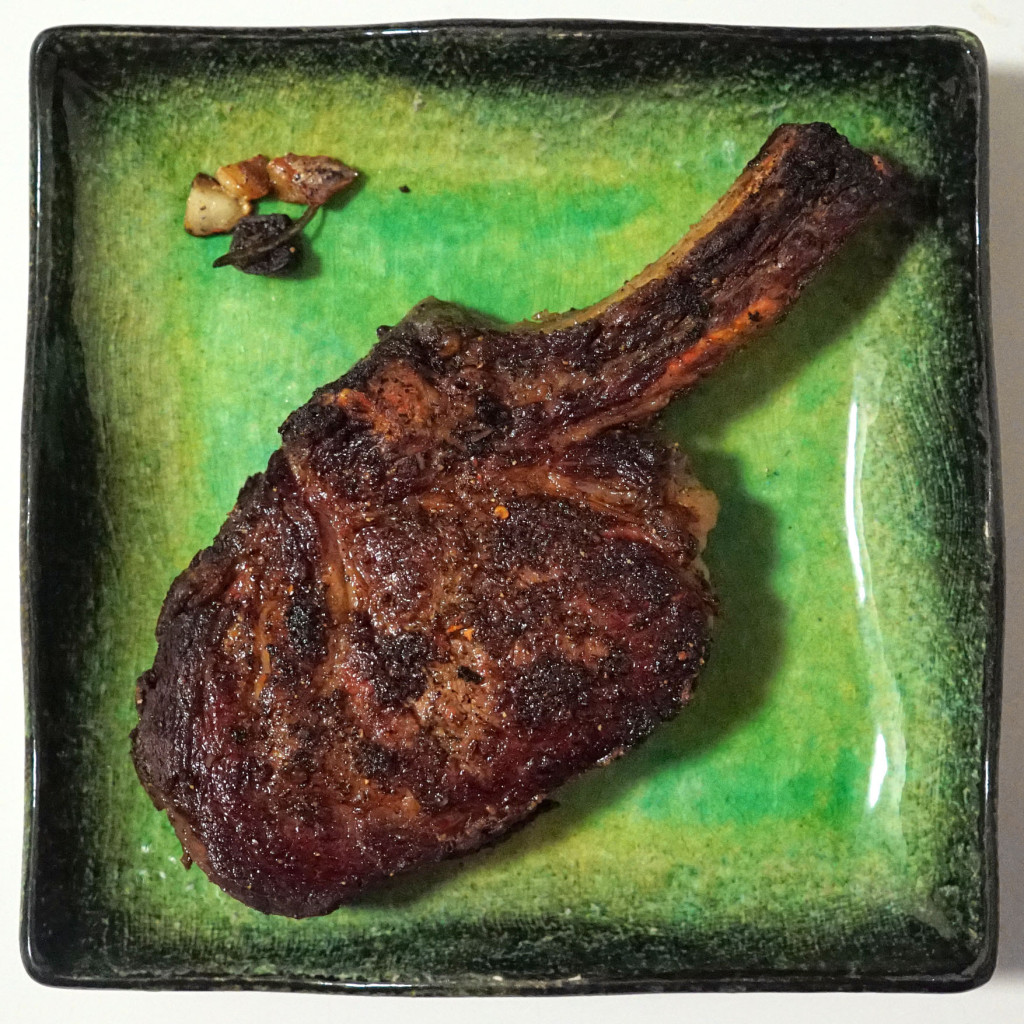
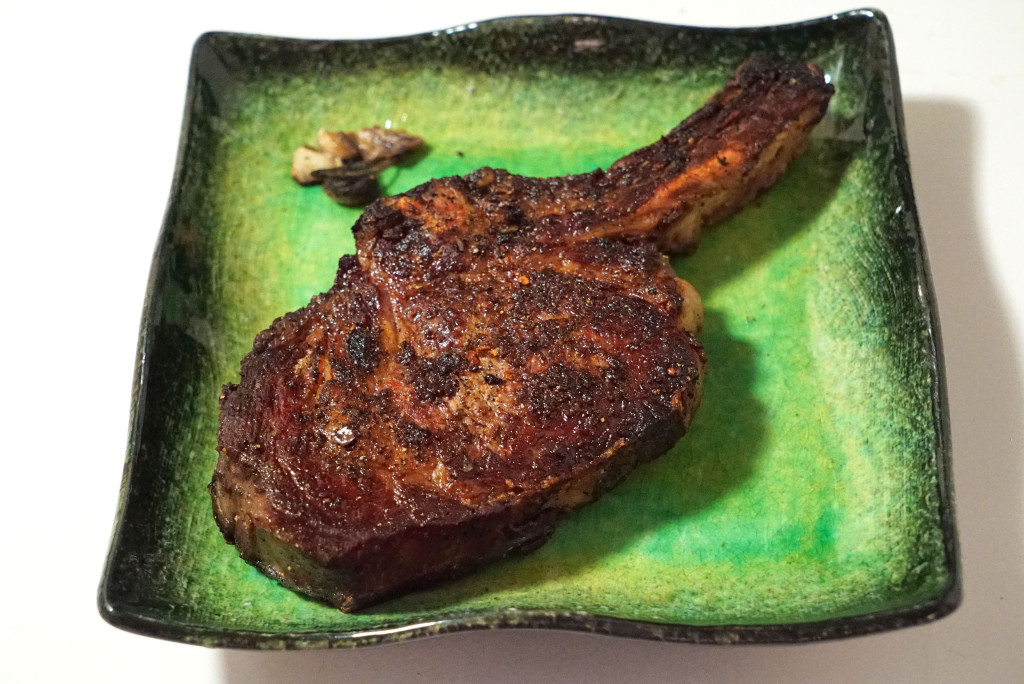
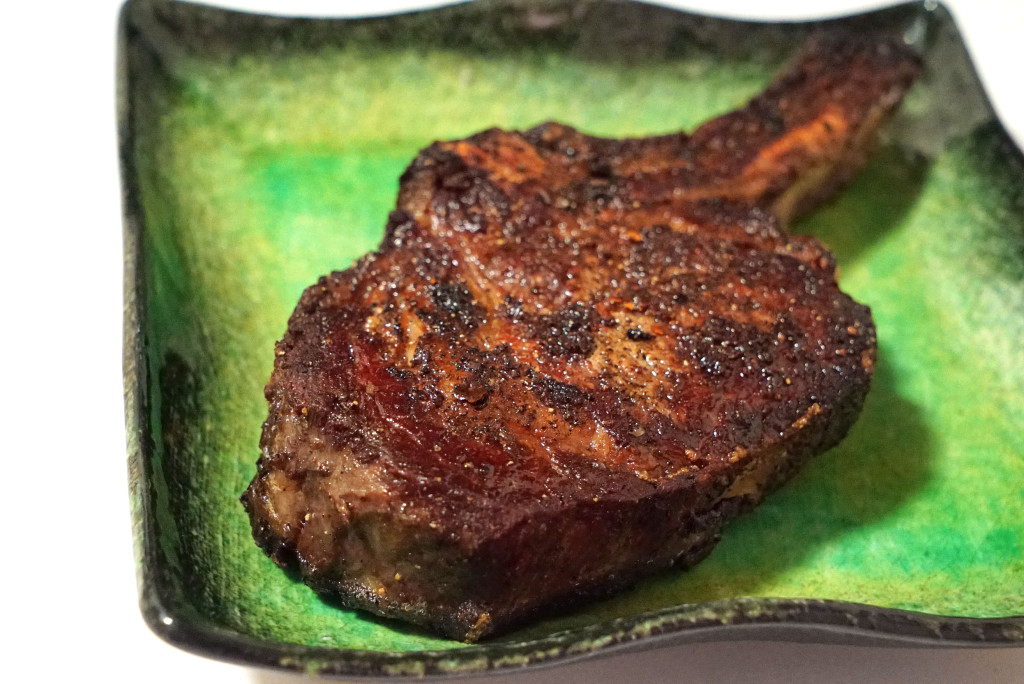
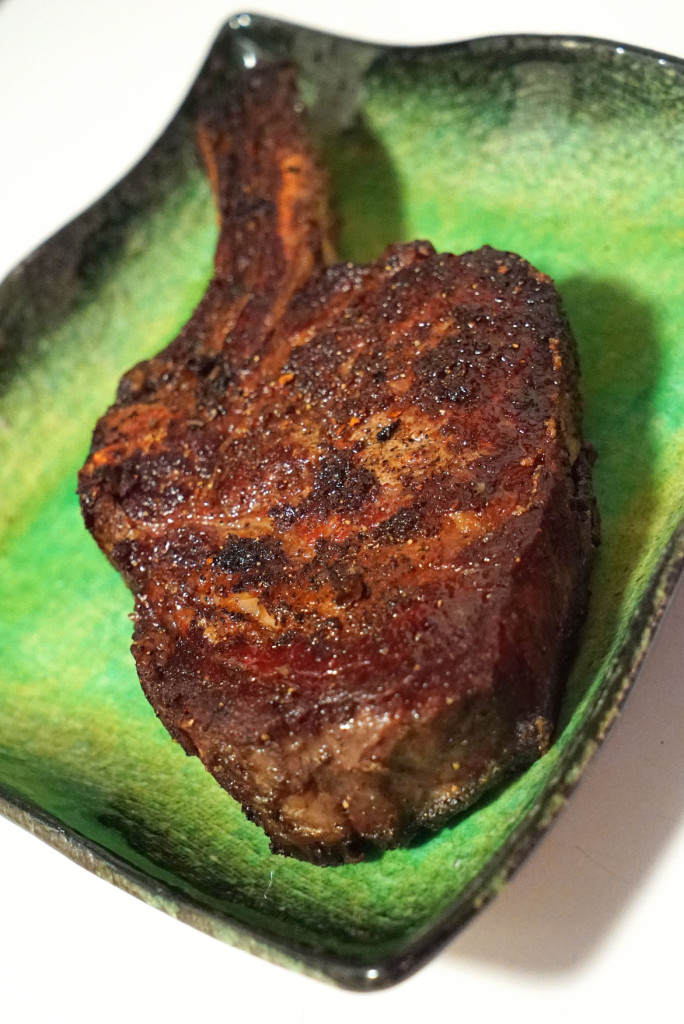
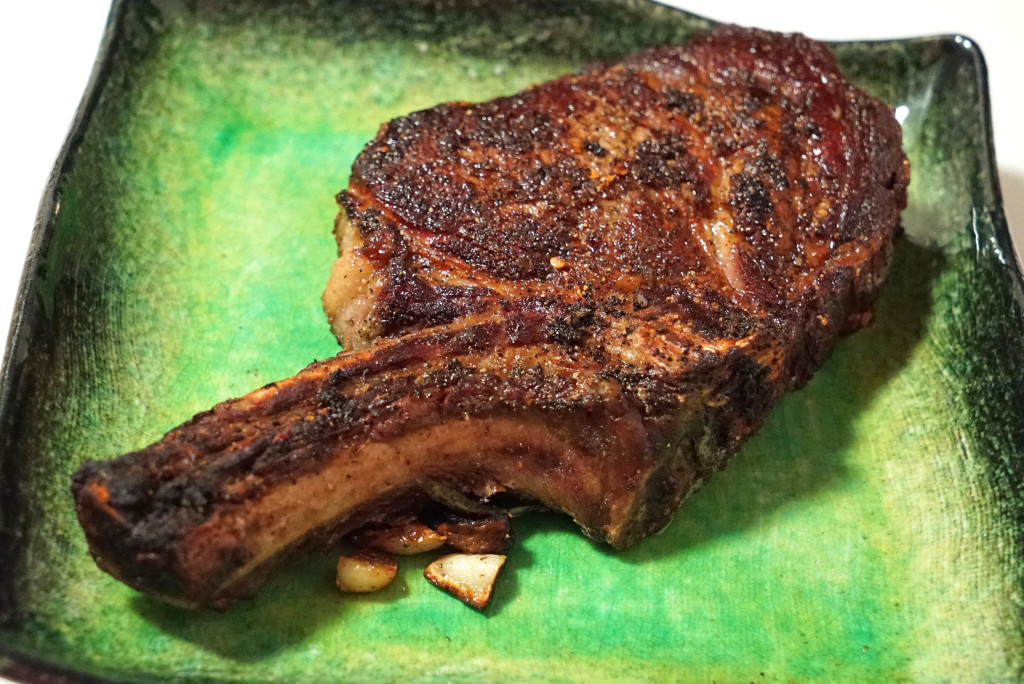
Those were just a couple of small boneless cuts. This cowboy chop was pretty incredible:
Now I’m wondering if I should try this again and just leave the shit in the fridge for several months. The flavor was great on this stuff. It had a nice earthy smell; a well-endowed scent of mushroom or truffle, with a slight hint of blue cheese. Like heaven.
If you’re adventurous with home meal prep, I highly recommend this easy-to-use product. I think I still have a few extra bags, so the next time I have a little extra fat in my bank, I might go in for another dry-aging experiment: maybe strip loin next time.
Final note: if your fridge is generally full, but you still want to age beef at home, I suggest getting a mini fridge, or a smaller dedicated separate fridge, just for beef. Put your temperature setting to about 35 degrees, and get a fan in there somehow to circulate the air. Always keep the beef elevated off the surface on a baking rack or something, too. No special aging bags necessary.
I gave up drinking soda a few years back. Not completely – I’ll have one maybe once a month or something – but I cut it out when I started running and dieting and haven’t gone back. The sugar content is killer, even the natural ones like the glass bottles of Mexican Coca Cola.
But I love good a bubbly drink, and I didn’t want to give that up. Flavored seltzer became my substitute. No calories, no sugars, nada.
When my wife and I were still out on Long Island, Stop & Shop brand’s mandarin orange seltzer was my go-to flavor, and it was super cheap – usually between $3 and $4 for a 12-pack. It was more of an essence or scent of orange than a taste, but there was something in there that was orangey.
It worked to give me my bubble fix. Then I discovered La Croix at Whole Foods after we moved back to the city…
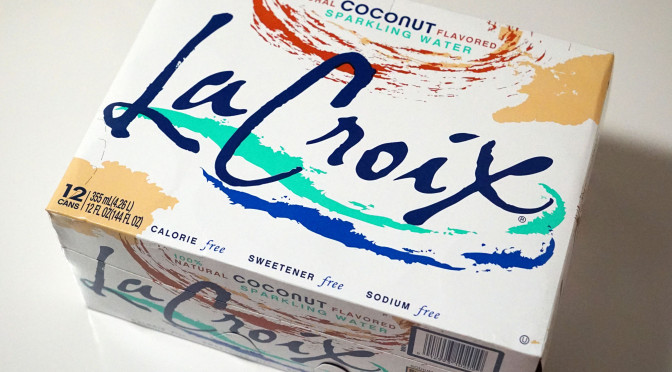
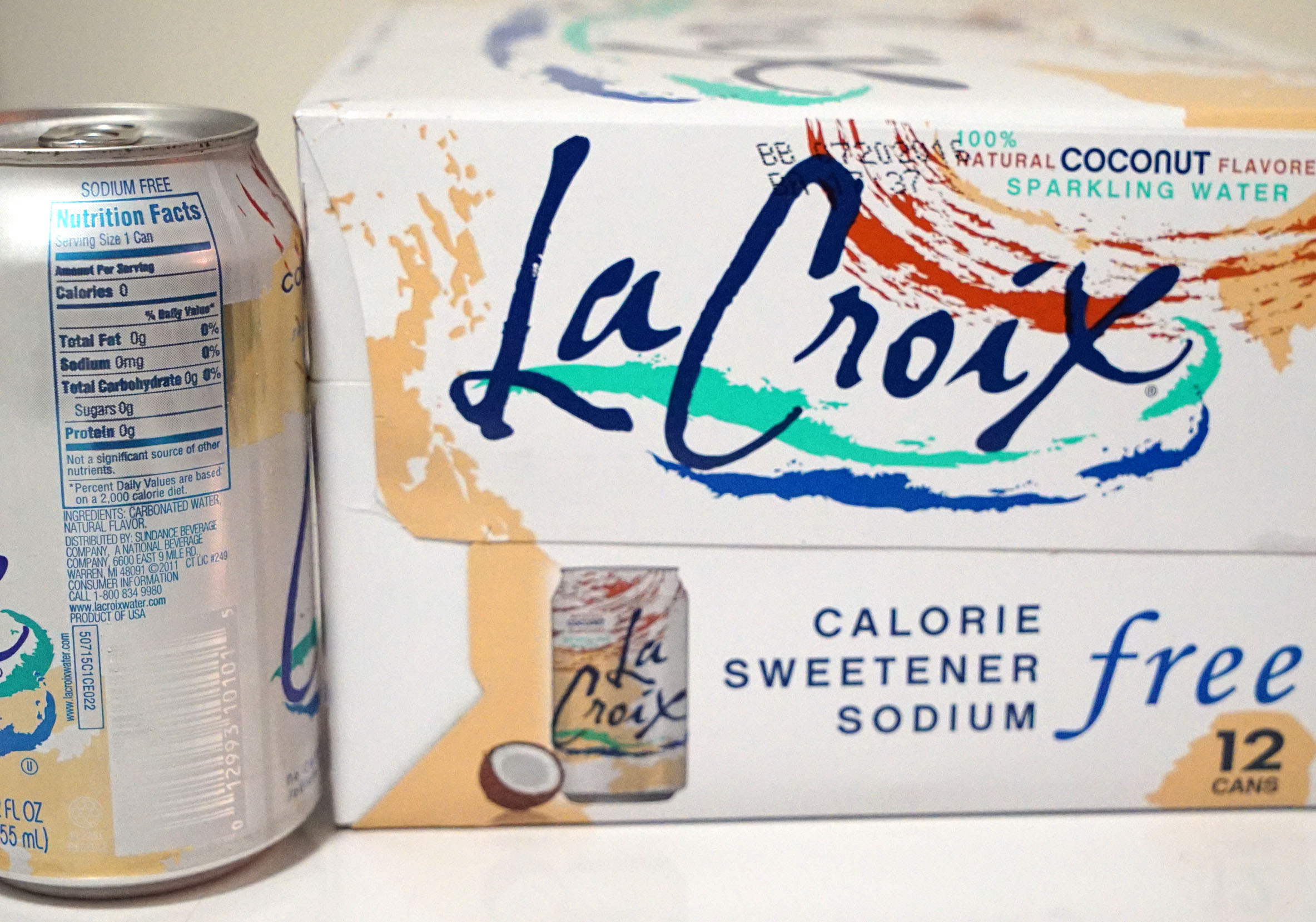
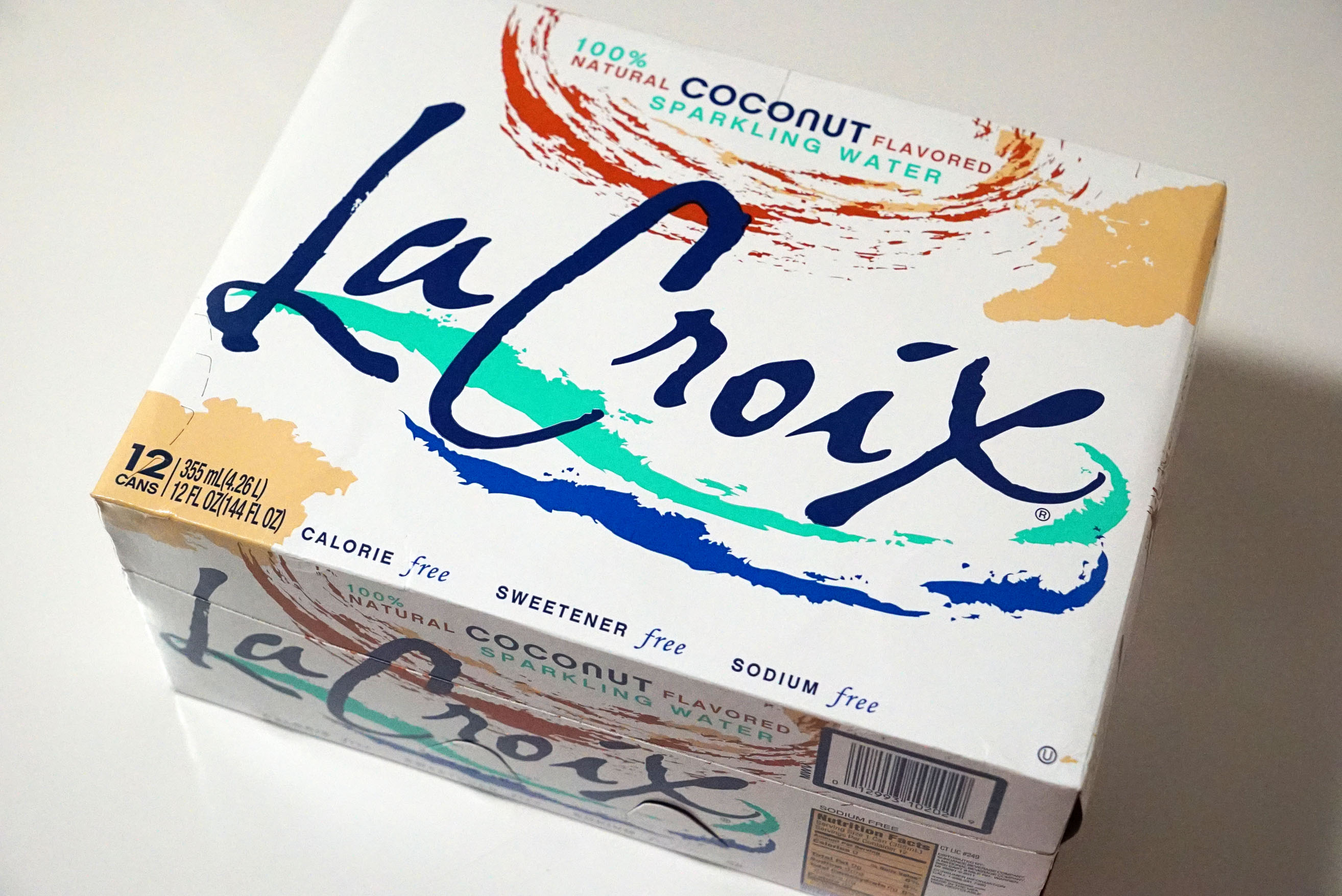
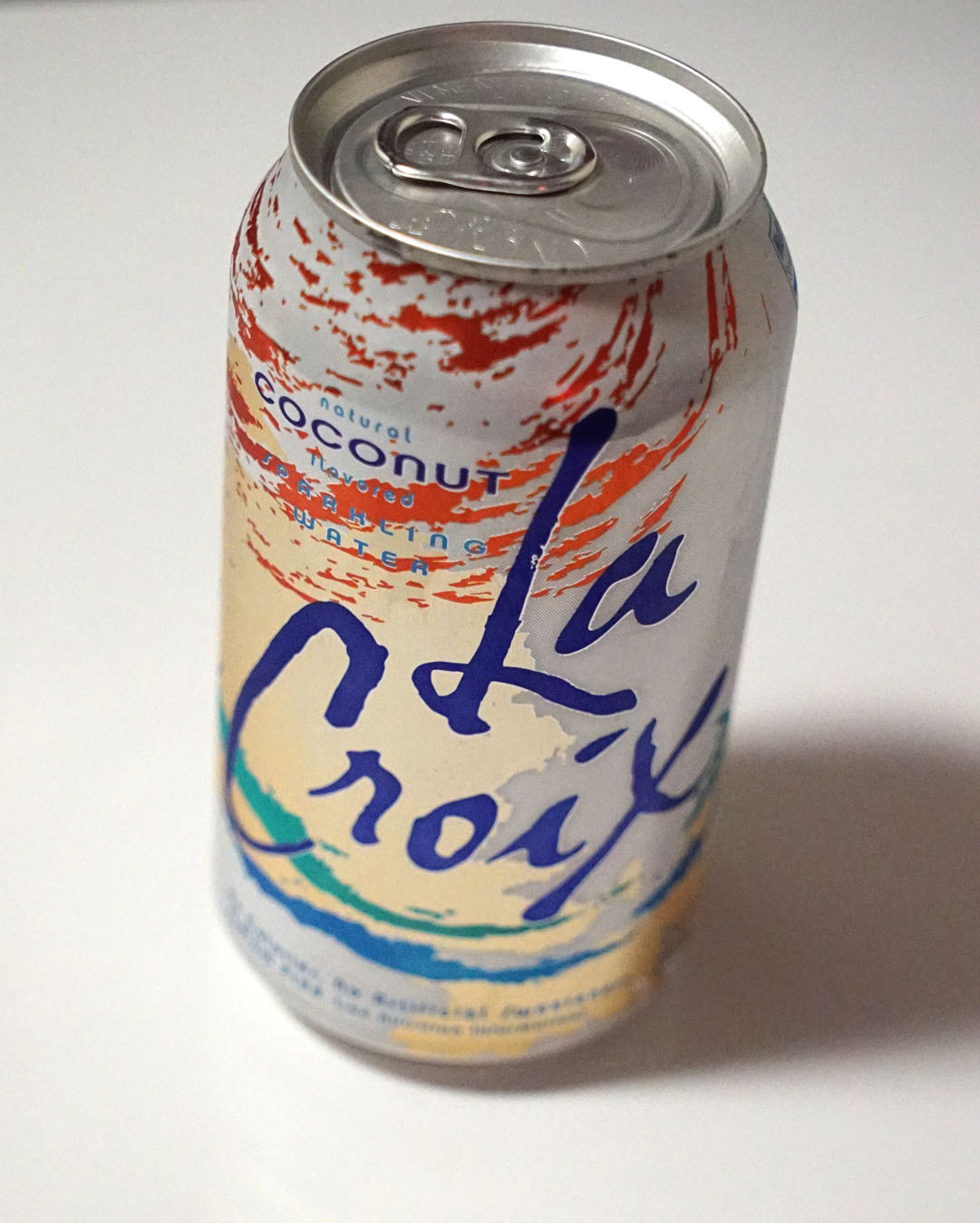
In particular this coconut flavor. It’s the Rolls Royce of seltzer. Sure, it is more expensive at between $4.50 and $6.00 for a 12-pack. But the amazing flavor that tastes real and natural. I’ve had other coconut seltzers in the past and they taste like fake coconut, if that makes any sense. And while I still enjoy the Stop & Shop brand well enough, this La Croix shit is miles beyond.
Originally set up by the late meat enthusiast Josh Ozersky, this is the 11th Meatopia event. Meatopia also happens in other cities worldwide, expanding like my belt size after indulging in these delicious meats.
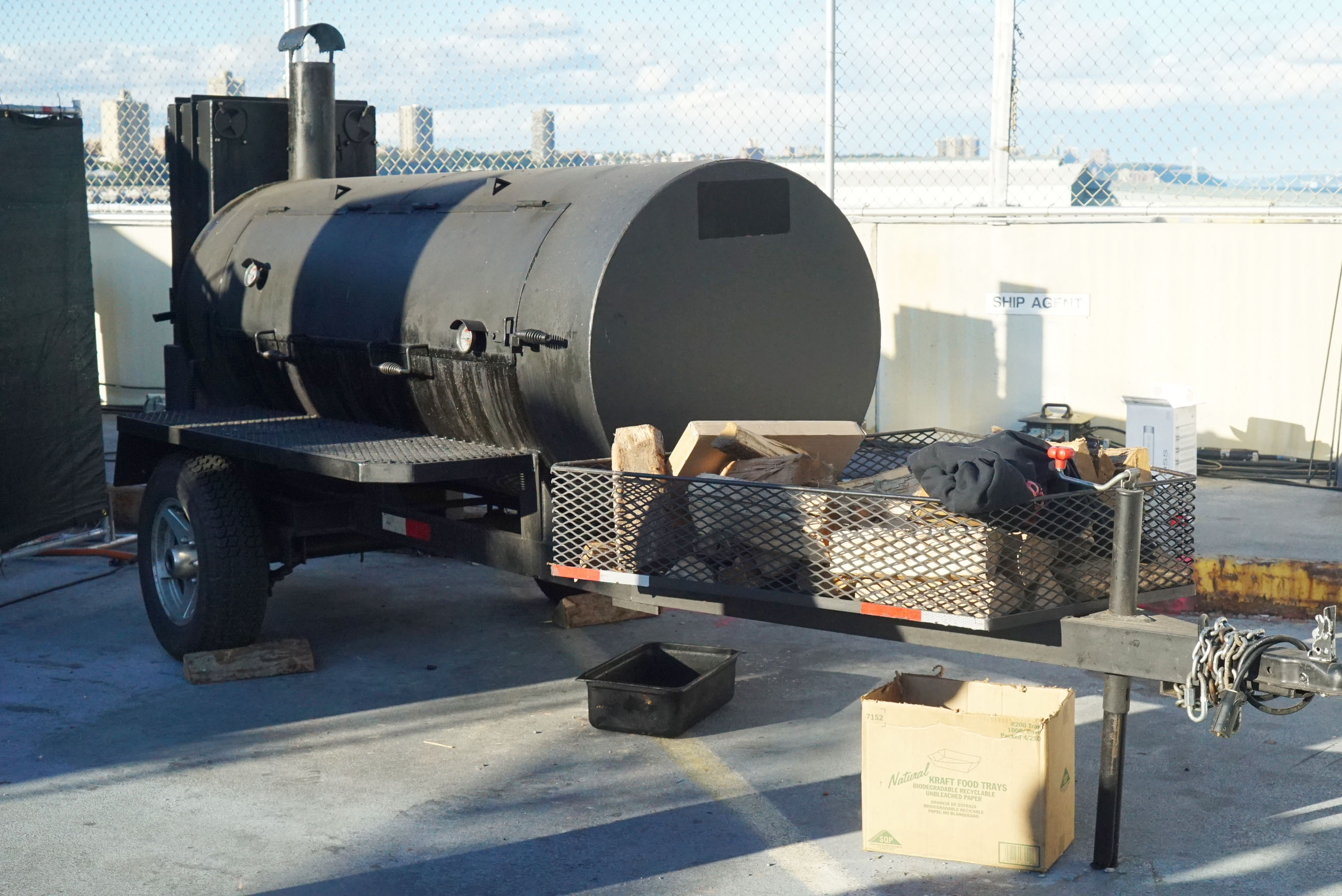
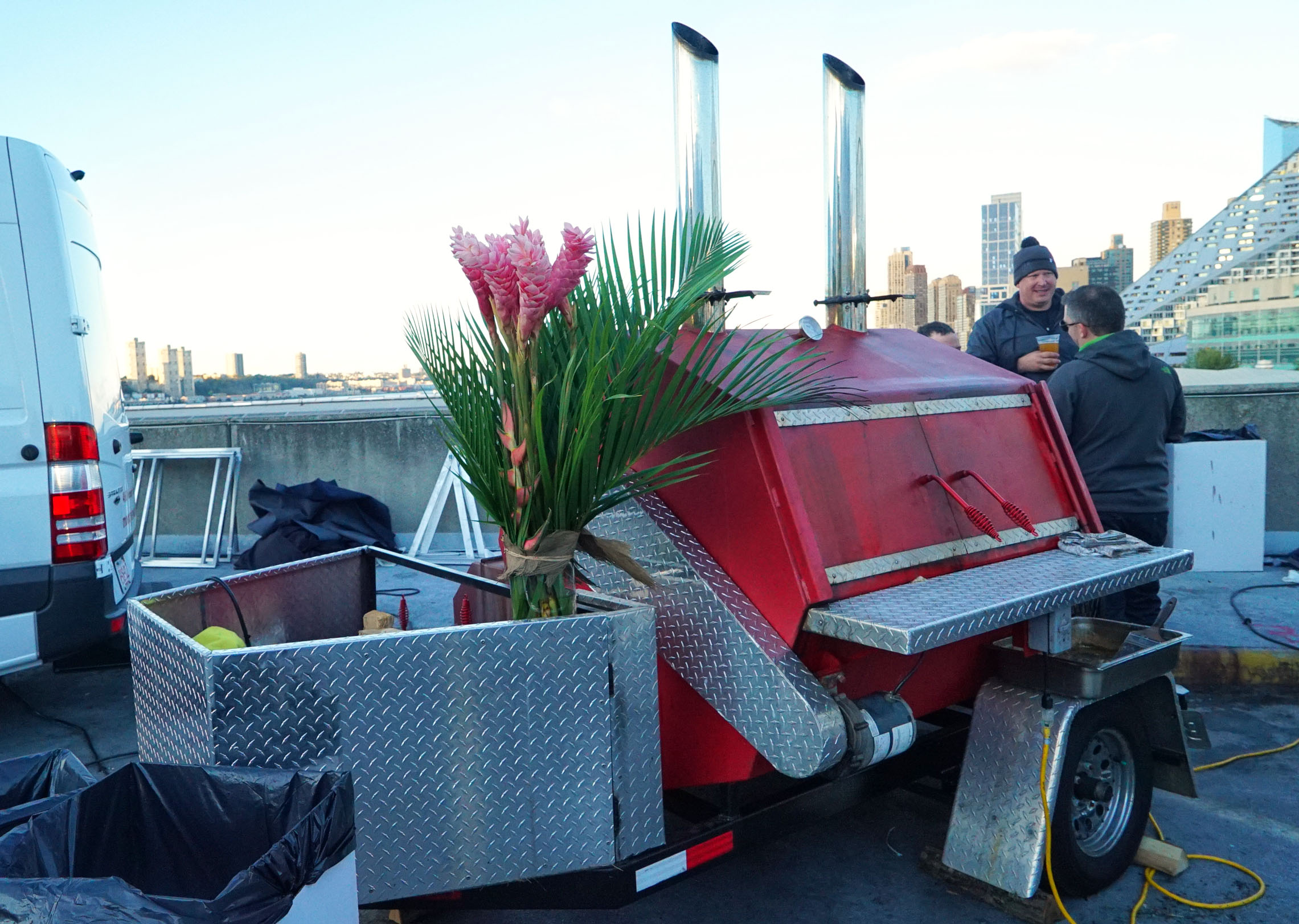
The concept here was pure wood and coal fire, no gas or electric. Just flames and meat carcass. Some shit was done quick on the flames for a sear, and other shit was done low and slow in smokers like these:
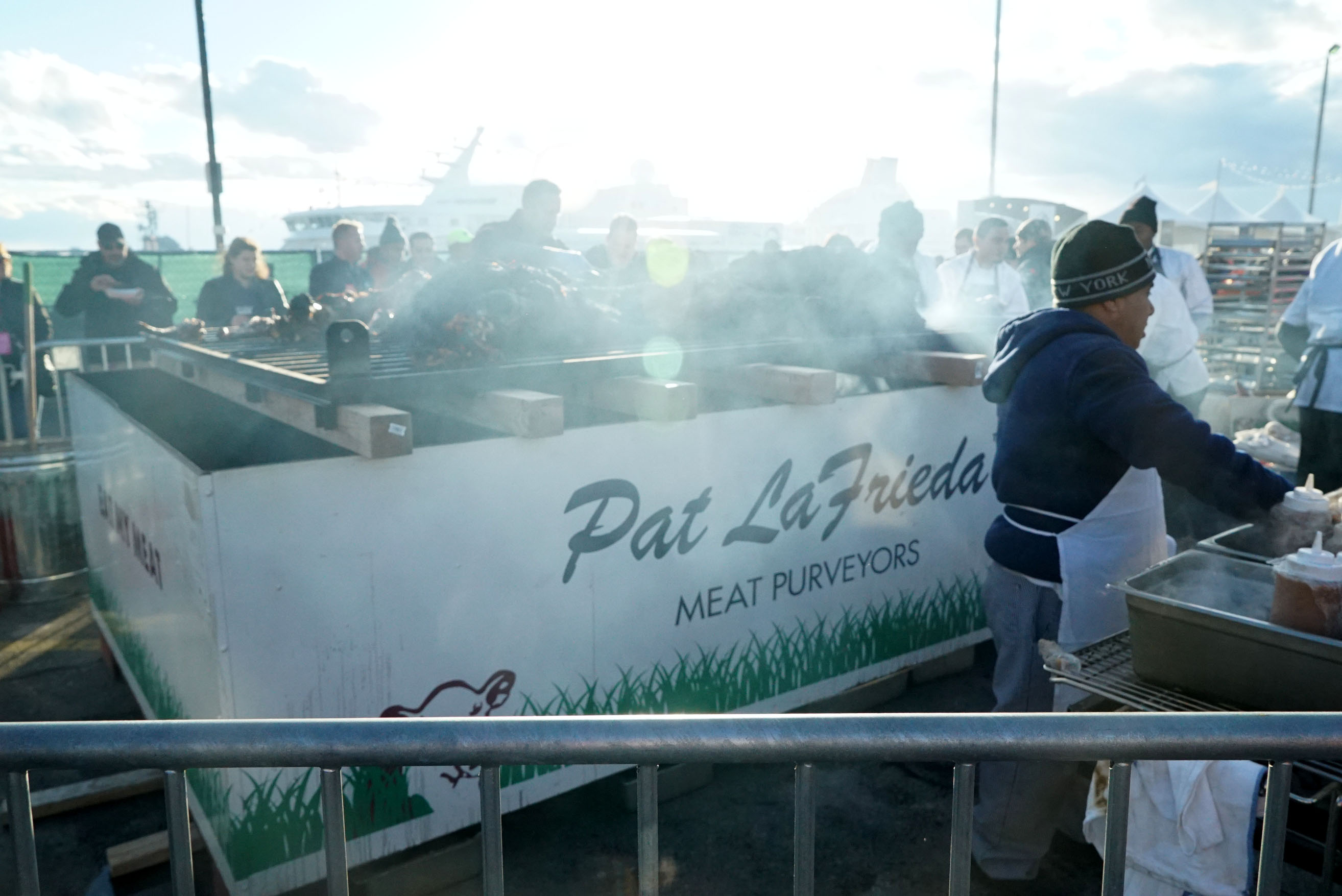
With heavy hitters like Creekstone Farms and Pat LaFrieda involved in the mix, you can imagine how excited I was to be here. And without mincing words I will simply say this: Meatopia is the greatest food event I have ever attended in my life.
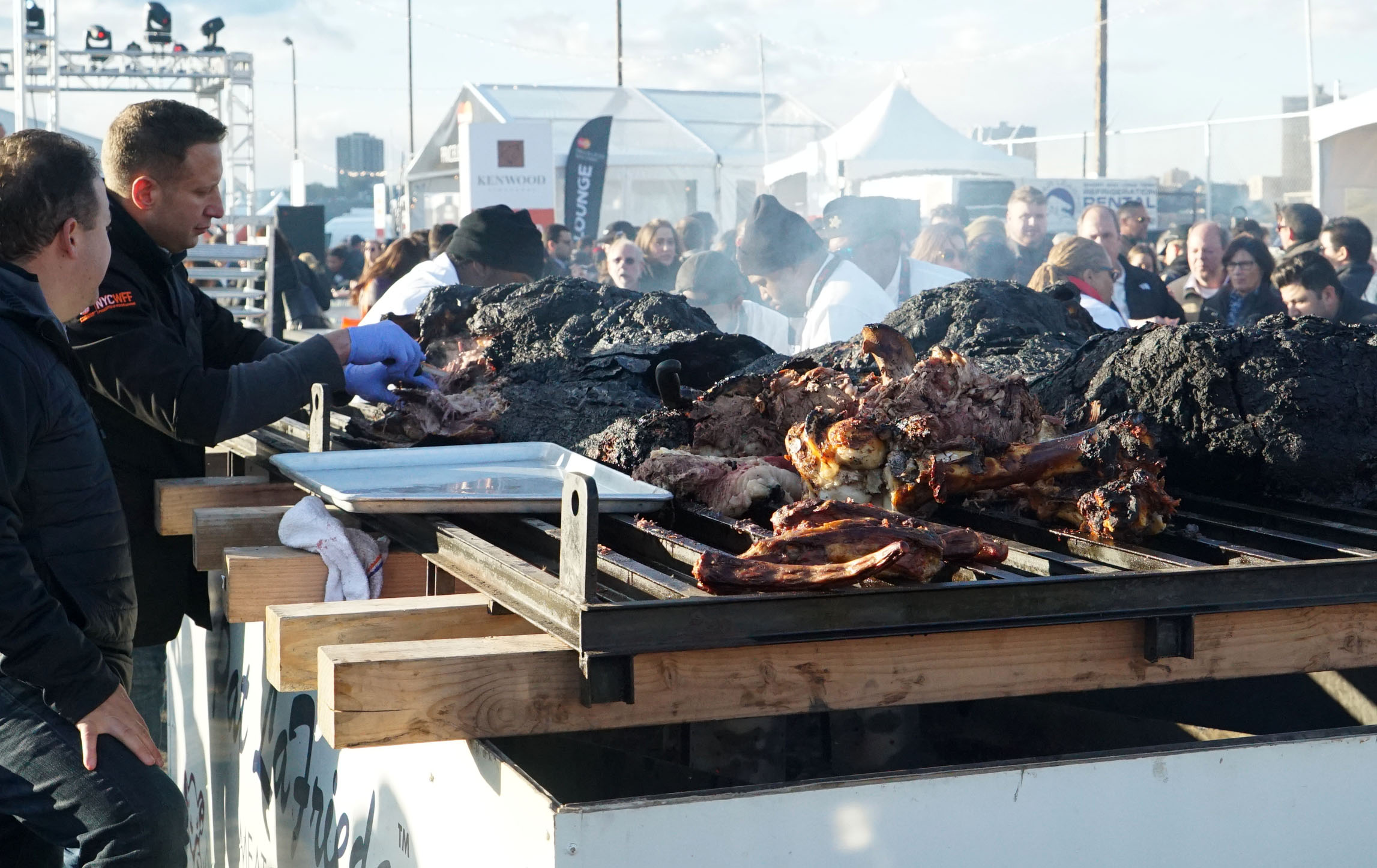
Upon walking out onto Pier 92, I was blasted with the invigorating scent of roasting meat, and bathed in the billowing bovine smoke that was coming off of the giant Pat LaFrieda fire pit. Heavenly rays of sunlight shone down through the smoke and kissed the meat, as if God himself was proclaiming this to be a righteous undertaking.
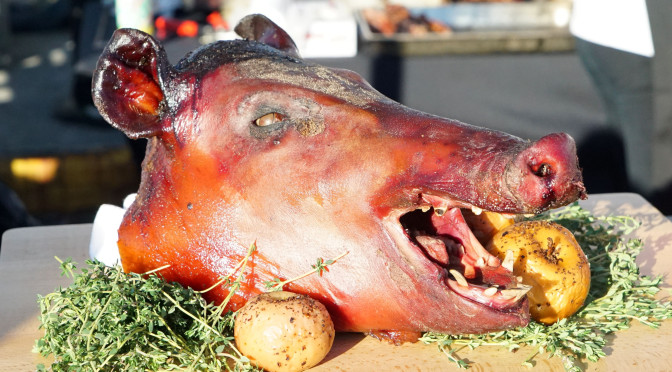
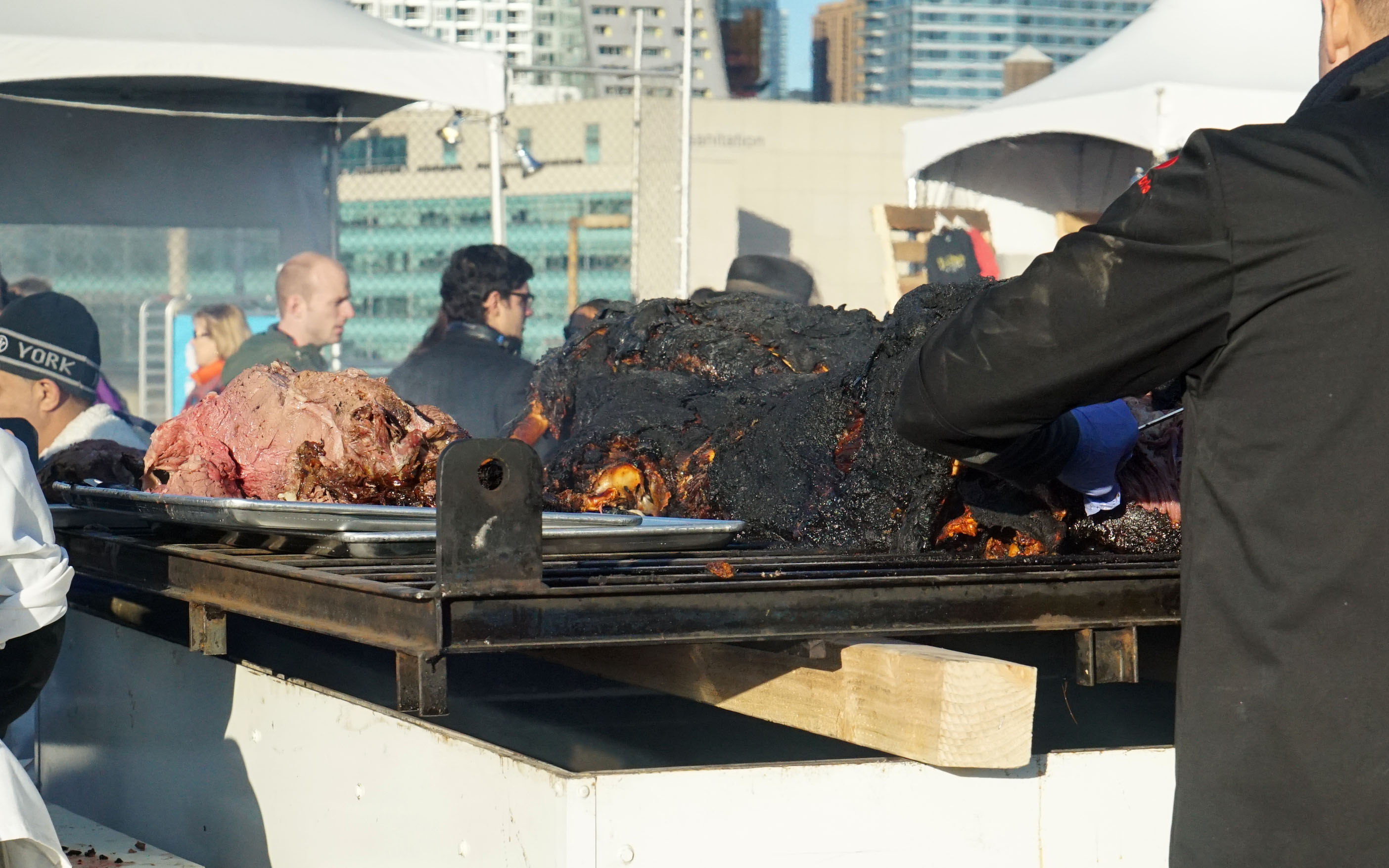
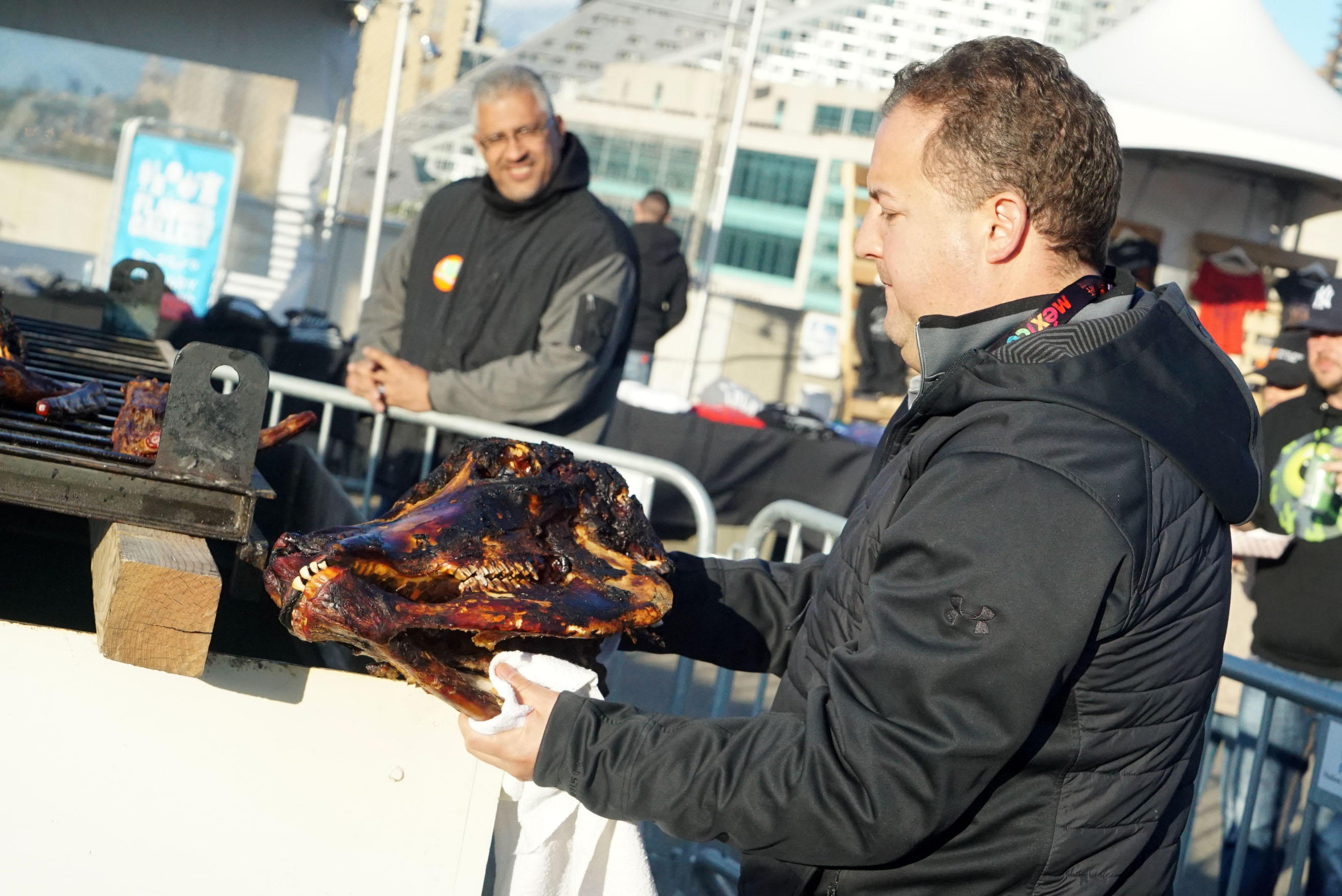
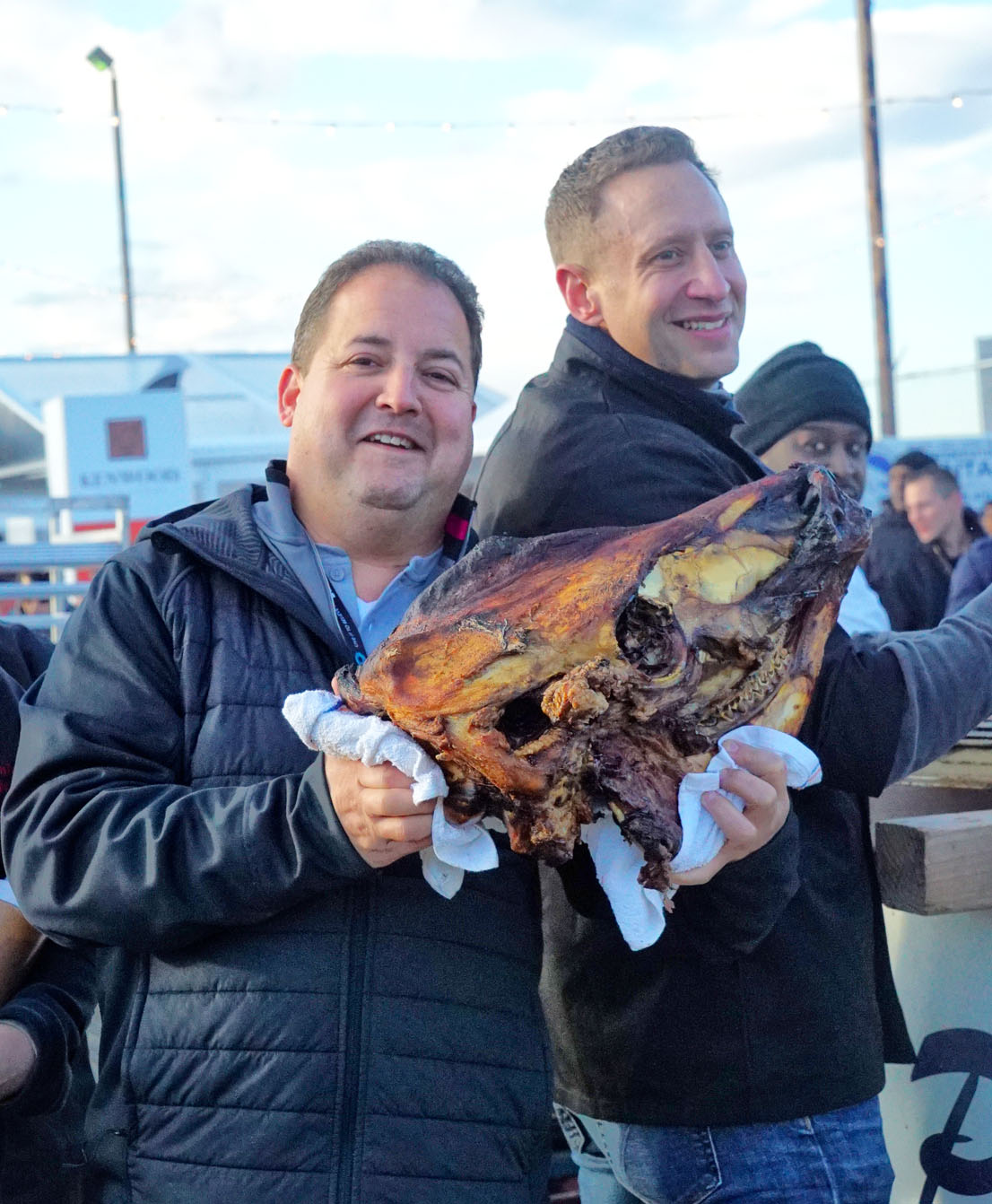
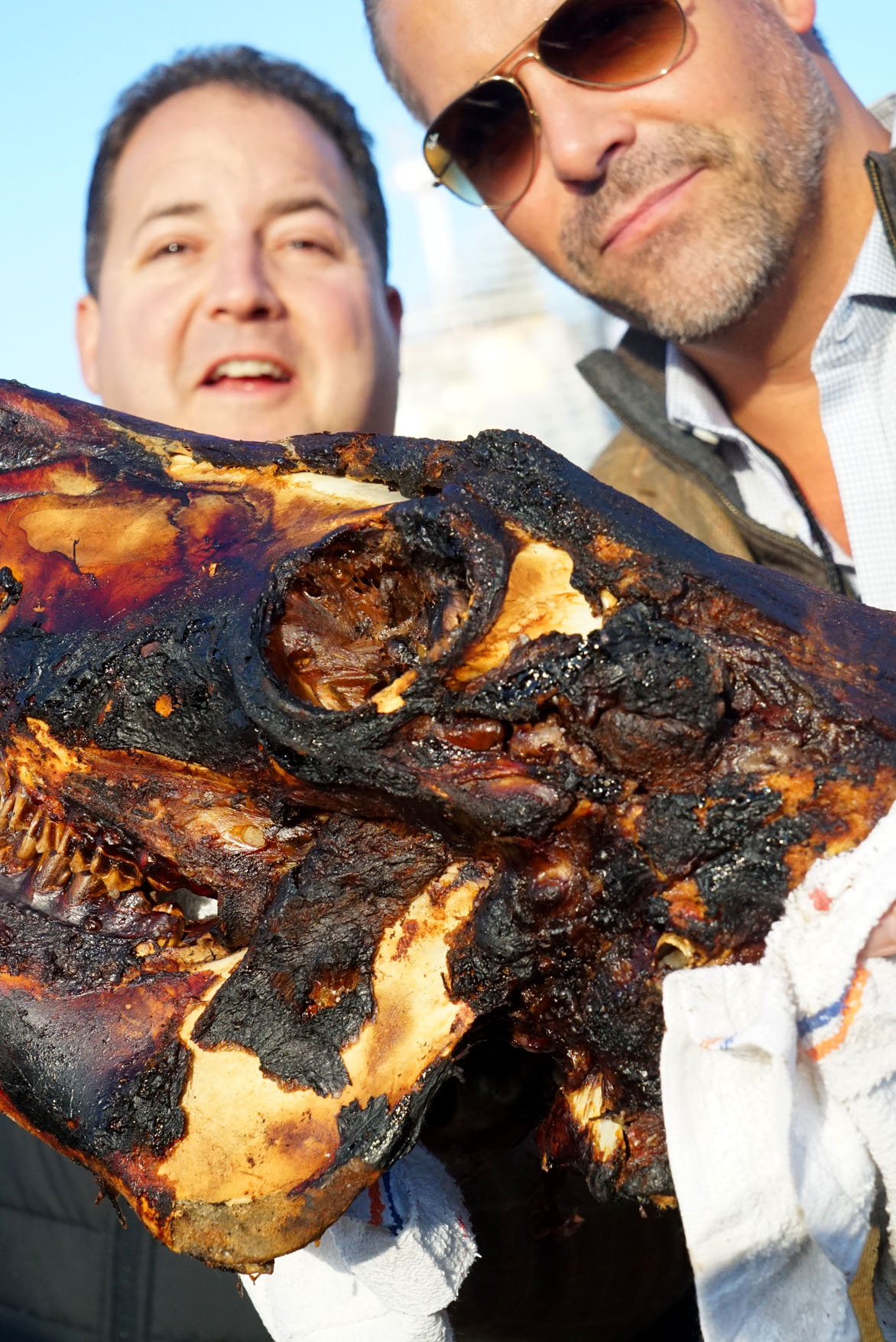
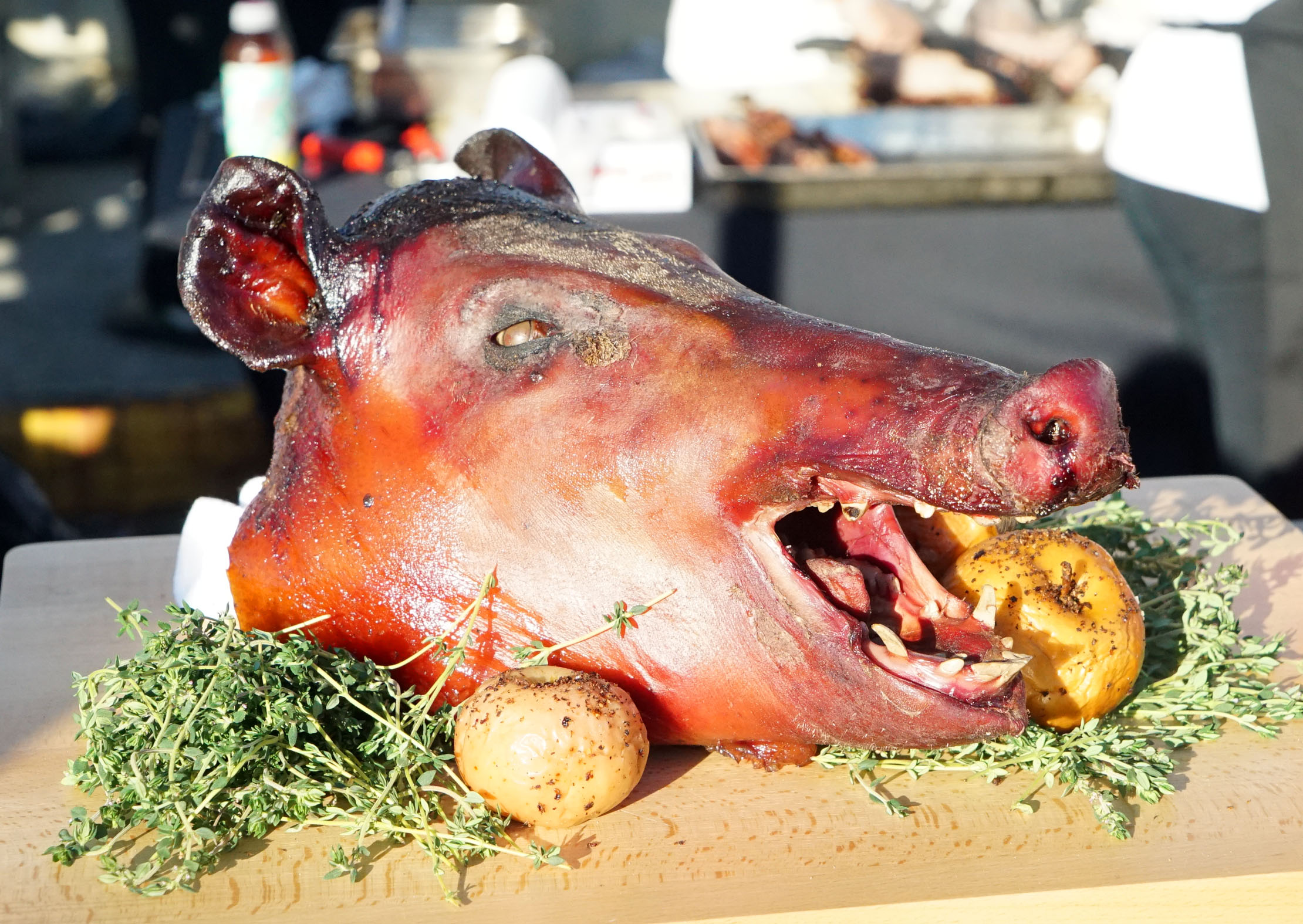
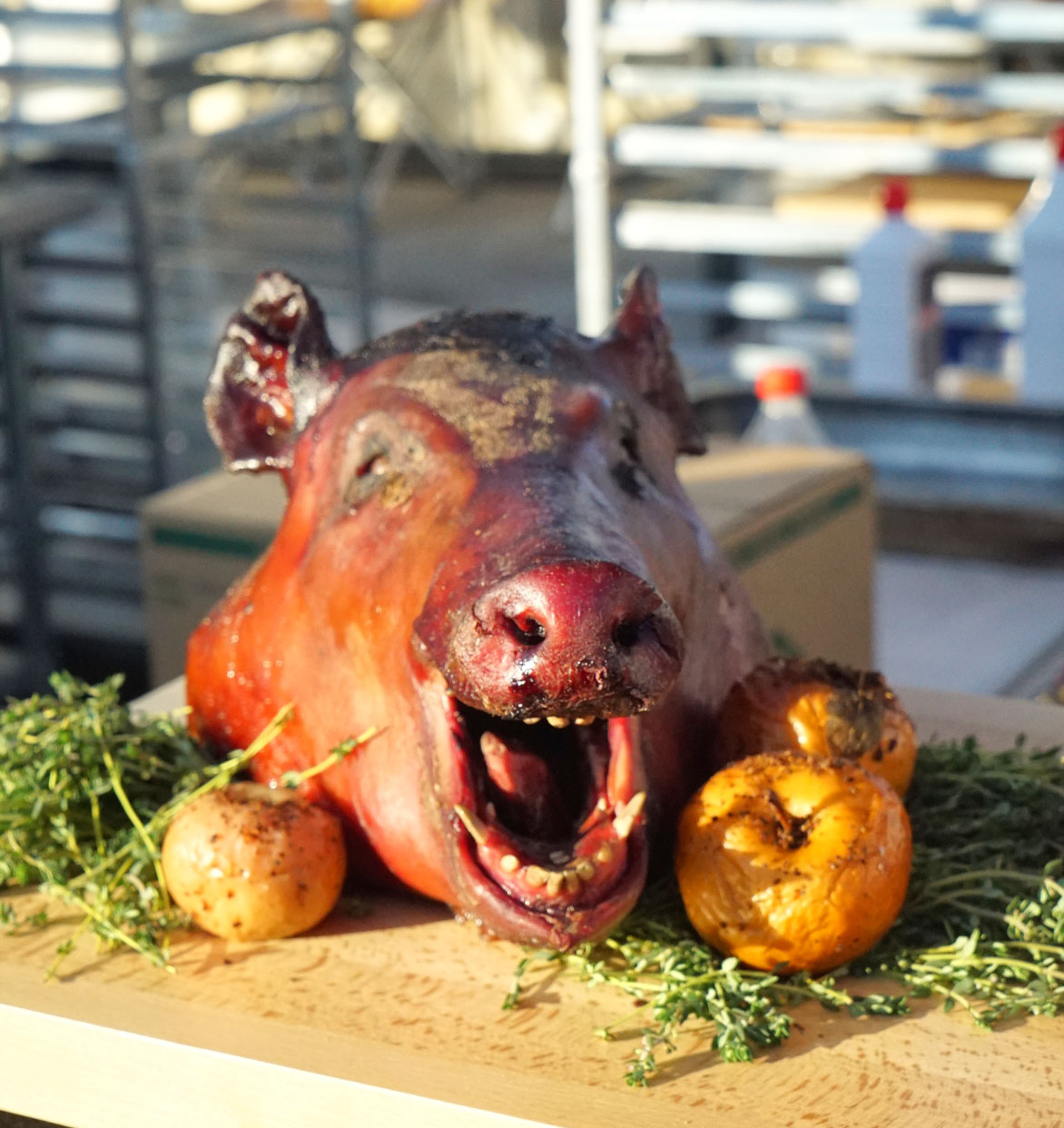
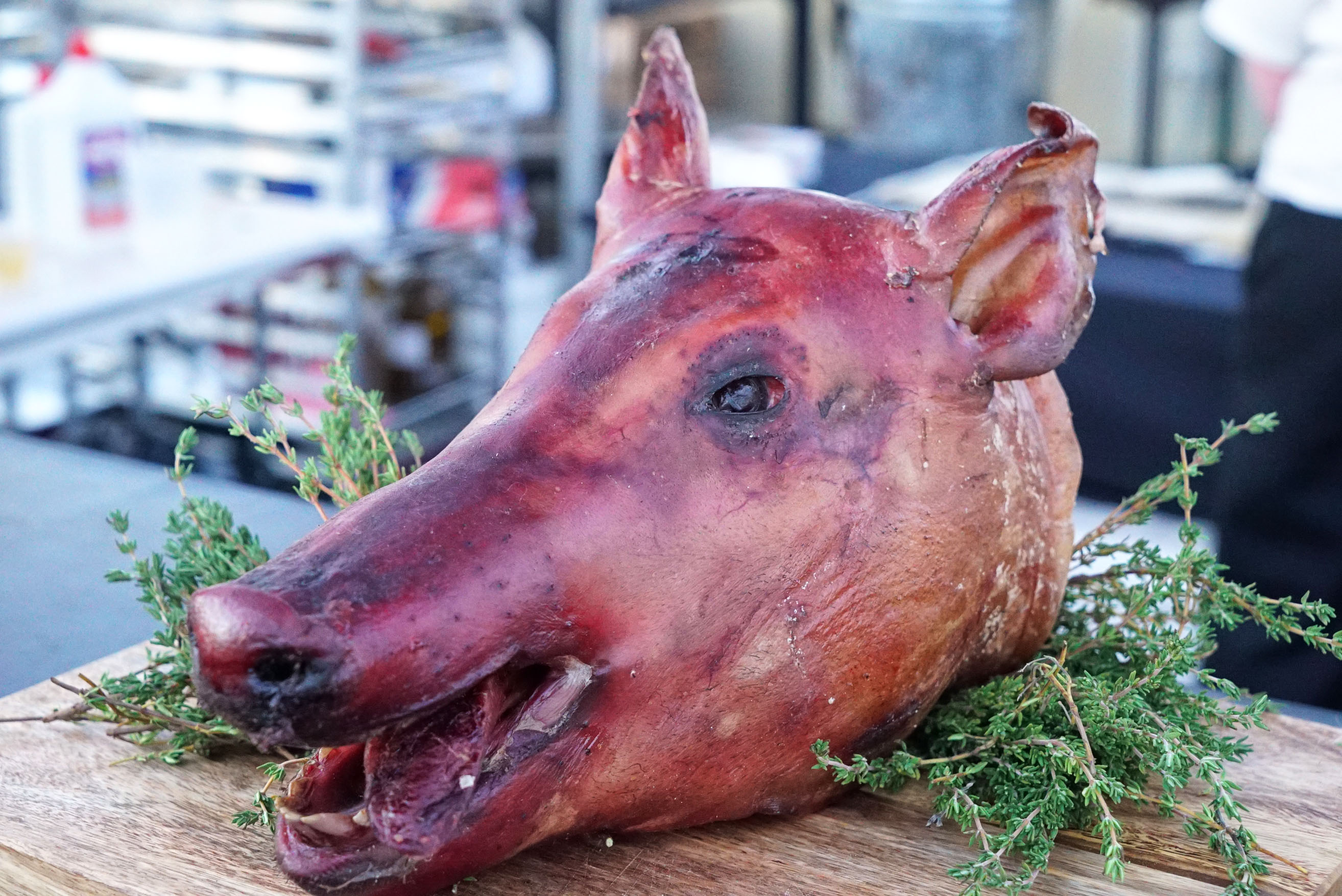
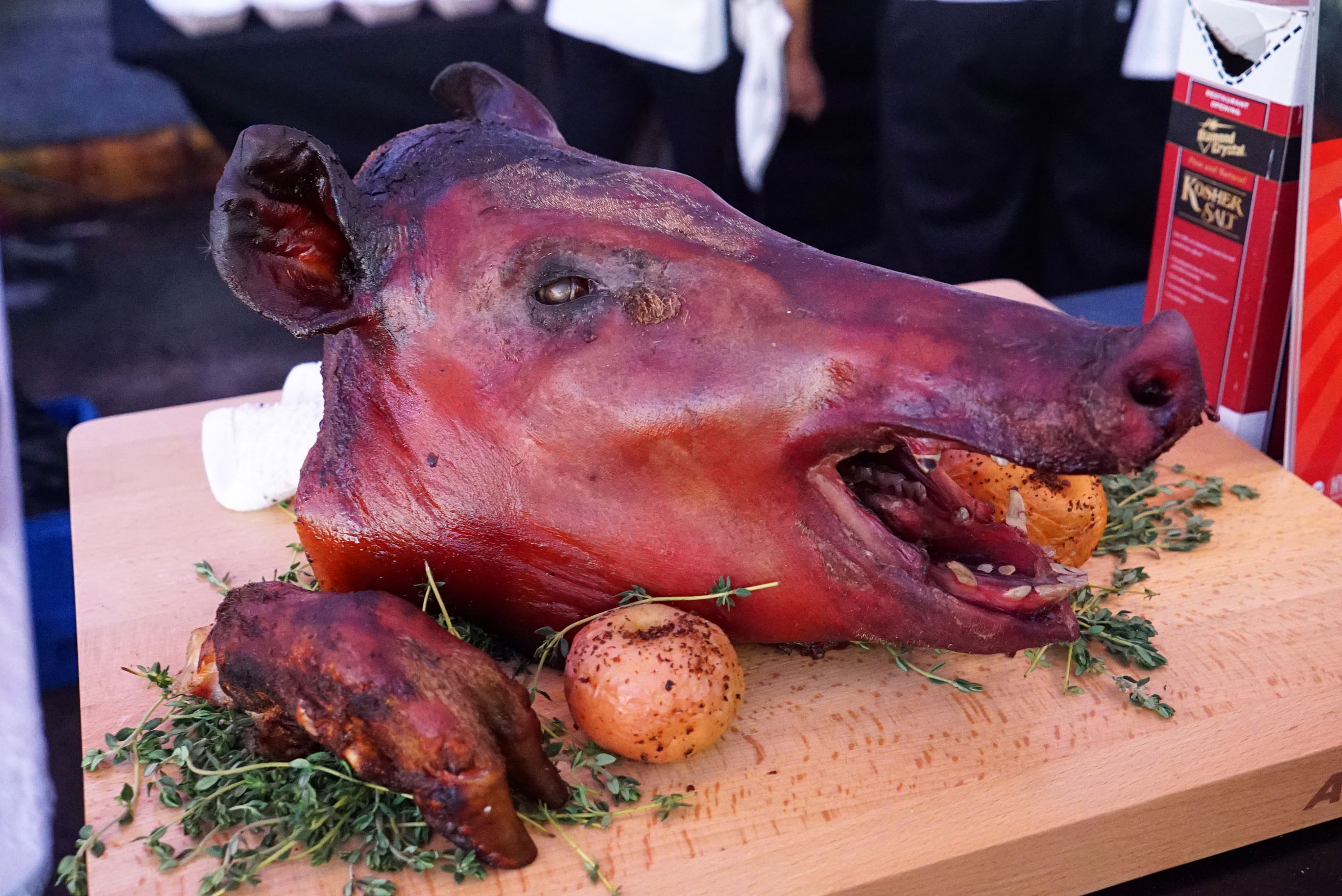
What a sight to behold! And nothing was wasted from this animal. As you can see, even the head got picked apart by the savage carnivores that roamed the pier. Even the guys at Gotham Burger Social Club took a bite.
Want to know the most depressing part about the LaFrieda station? I didn’t know this meat was for the crowd. I thought they were providing the meat for all the other stations to use in their dishes, like a supplier of sorts. By time I figured out that I could eat this shit, they had run out. That’s right – they ran out of 1000lbs of meat!!! I was on line for it, five people away from getting a bite, when they finally called it quits on the beast. Not even a scrap!
I did try every other item at the event, however, which is probably a rare claim to make for anyone who attended, I would imagine. There was so much food. I think maybe 30 stations or more. It was very easy to get full if you weren’t smart, or fat.
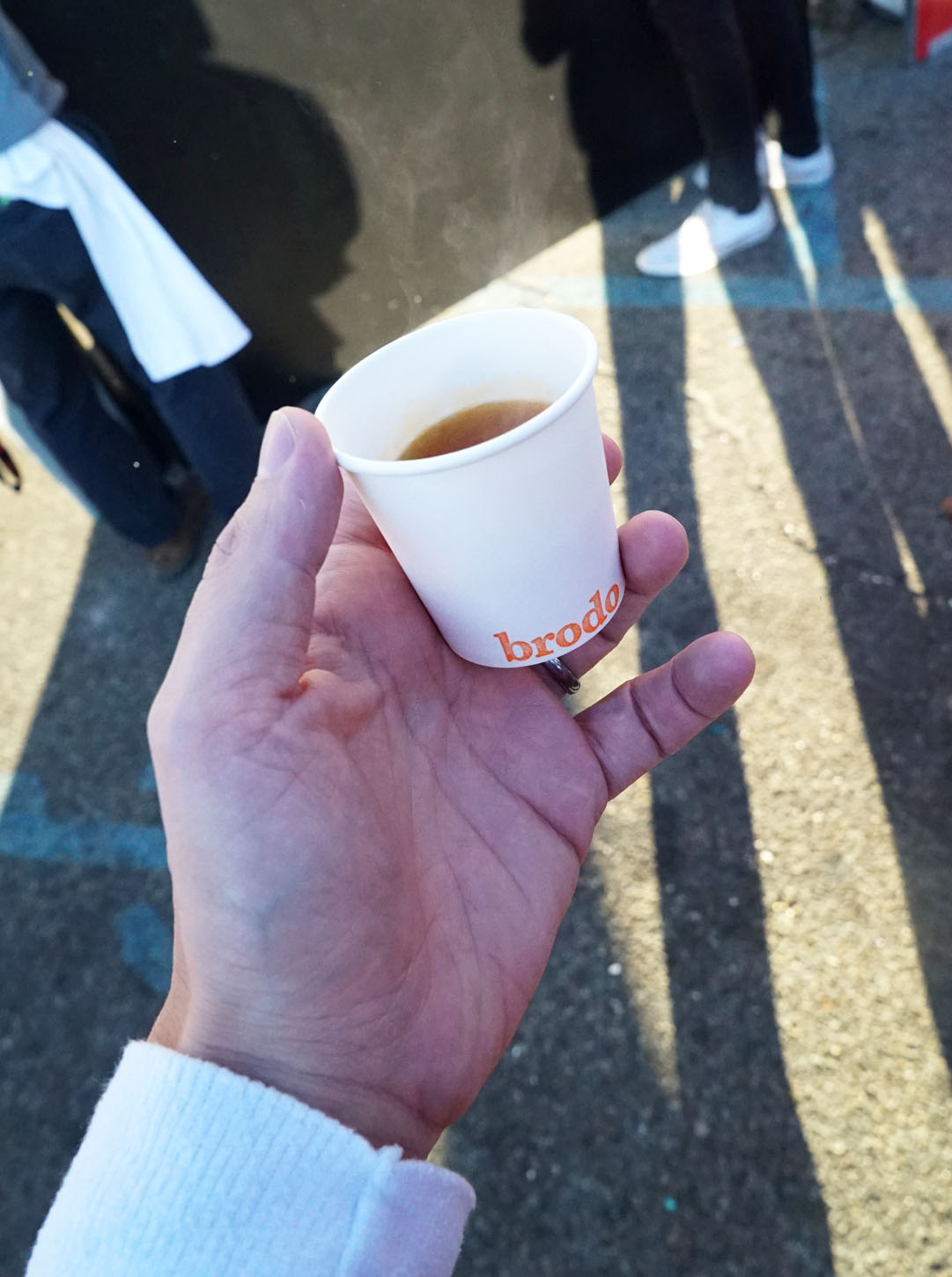
My first and last stop of the day was this killer broth made by Marco Canora’s “Brodo.” This hearty and hot beef stock was just the right thing needed to keep warm on the windy pier.
As I wandered around with childlike wonder, I couldn’t help but be drawn to the Beatrice Inn station, where Chef Angie Mar was slinging pig for her hungry meat minions. I found myself just staring at this shit. Something deep inside me was triggered. Something primal and cave man -esque…
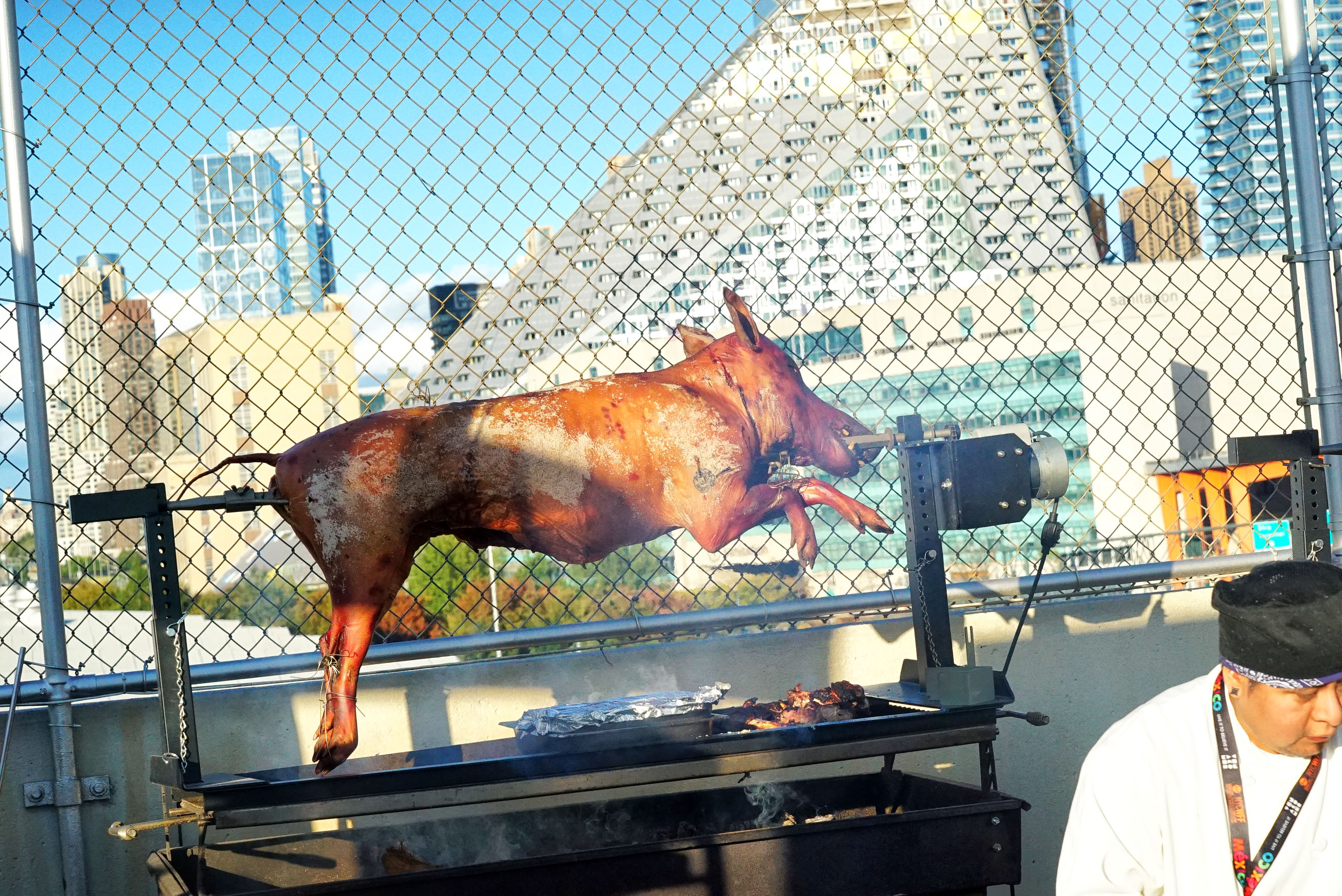
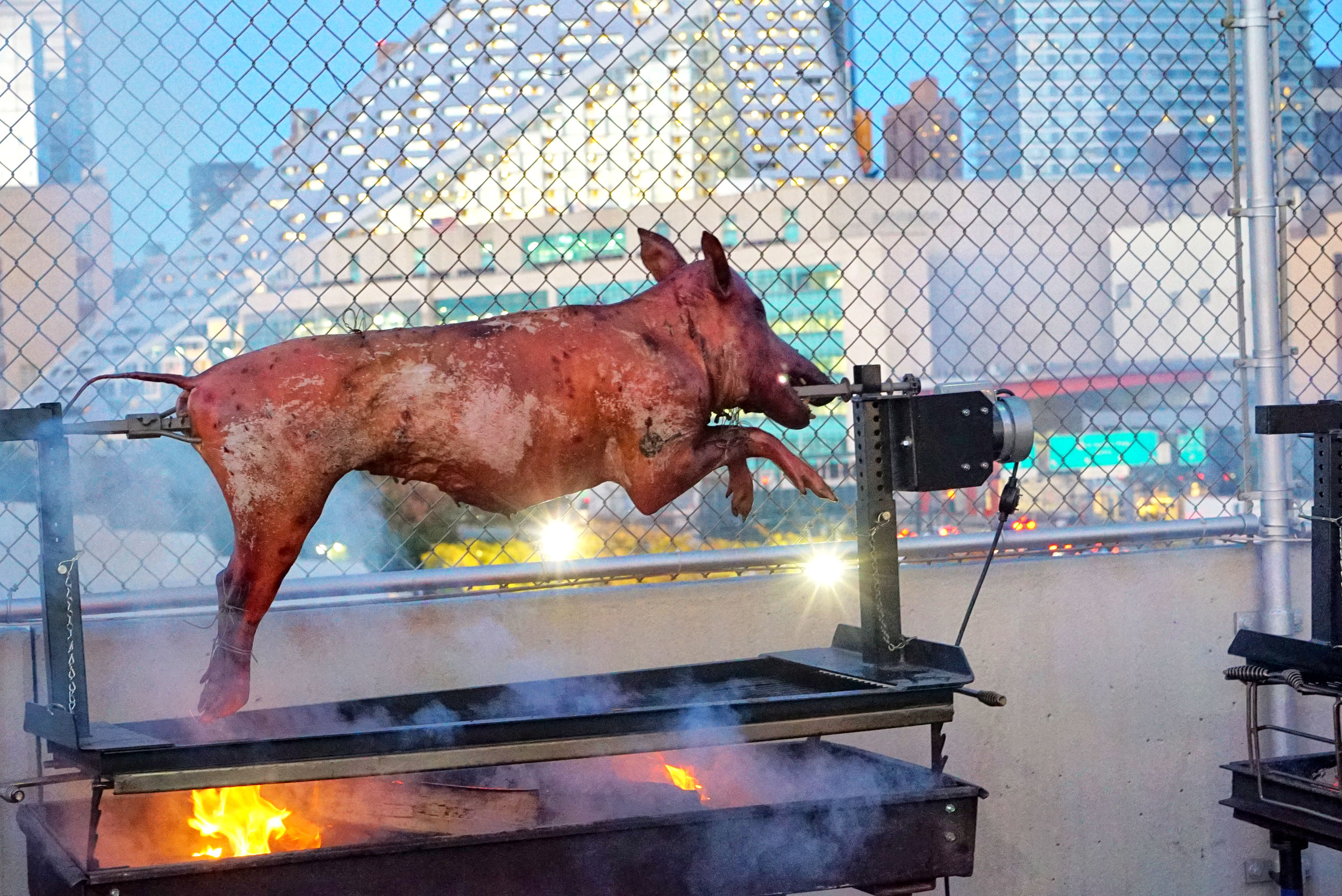
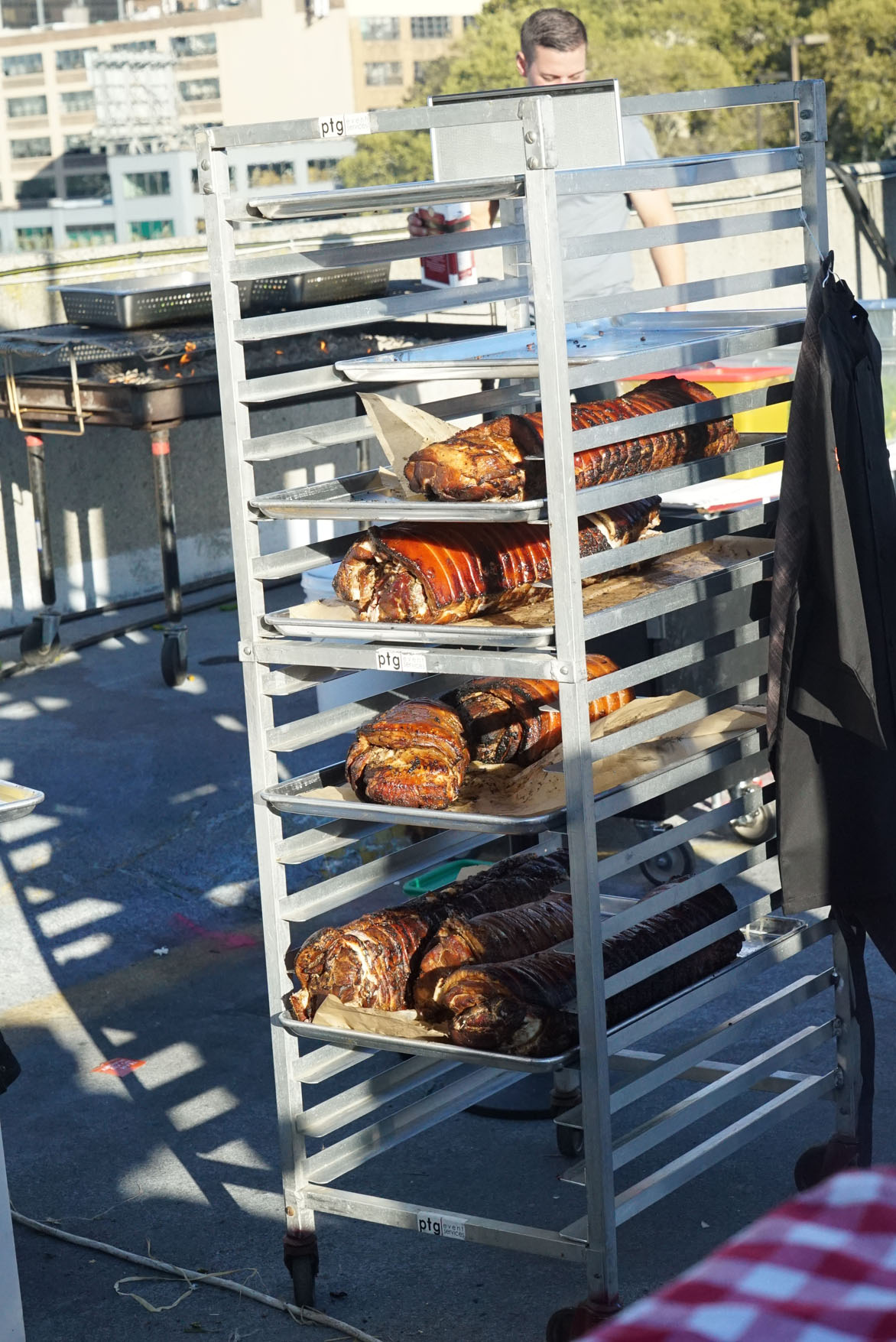
These not-so-little piggies were roasting on a spit all day and night.
Watch them spin!
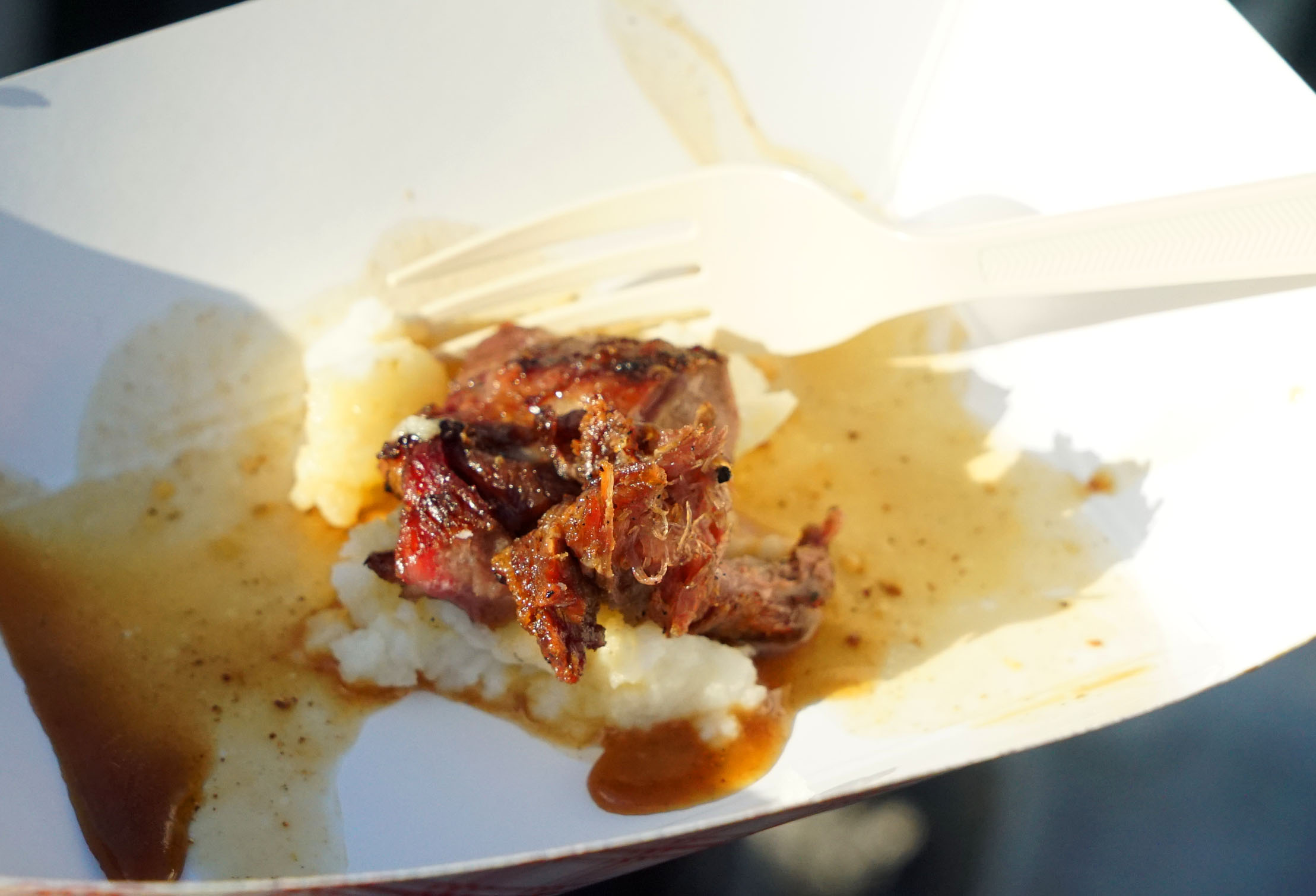
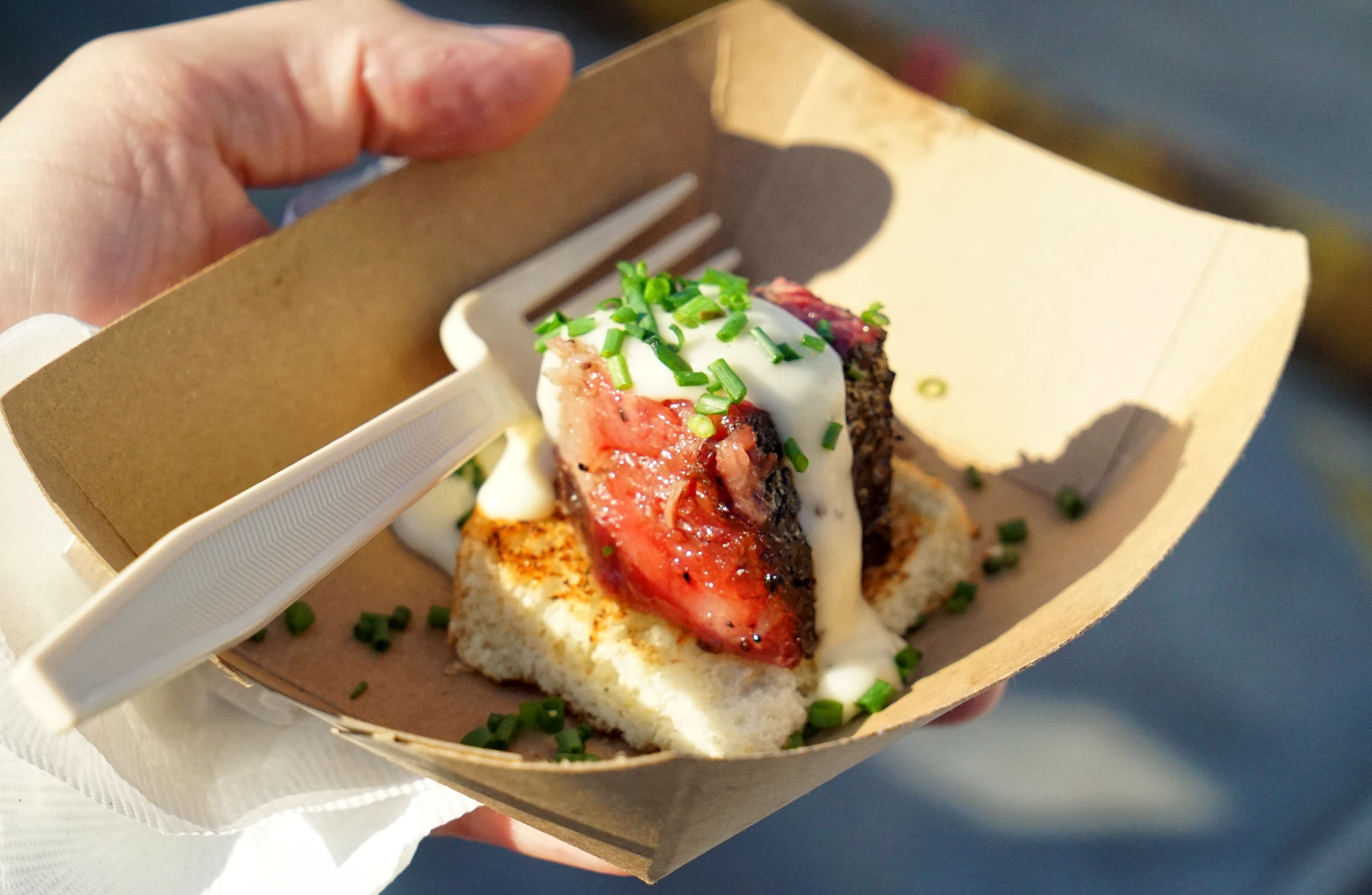
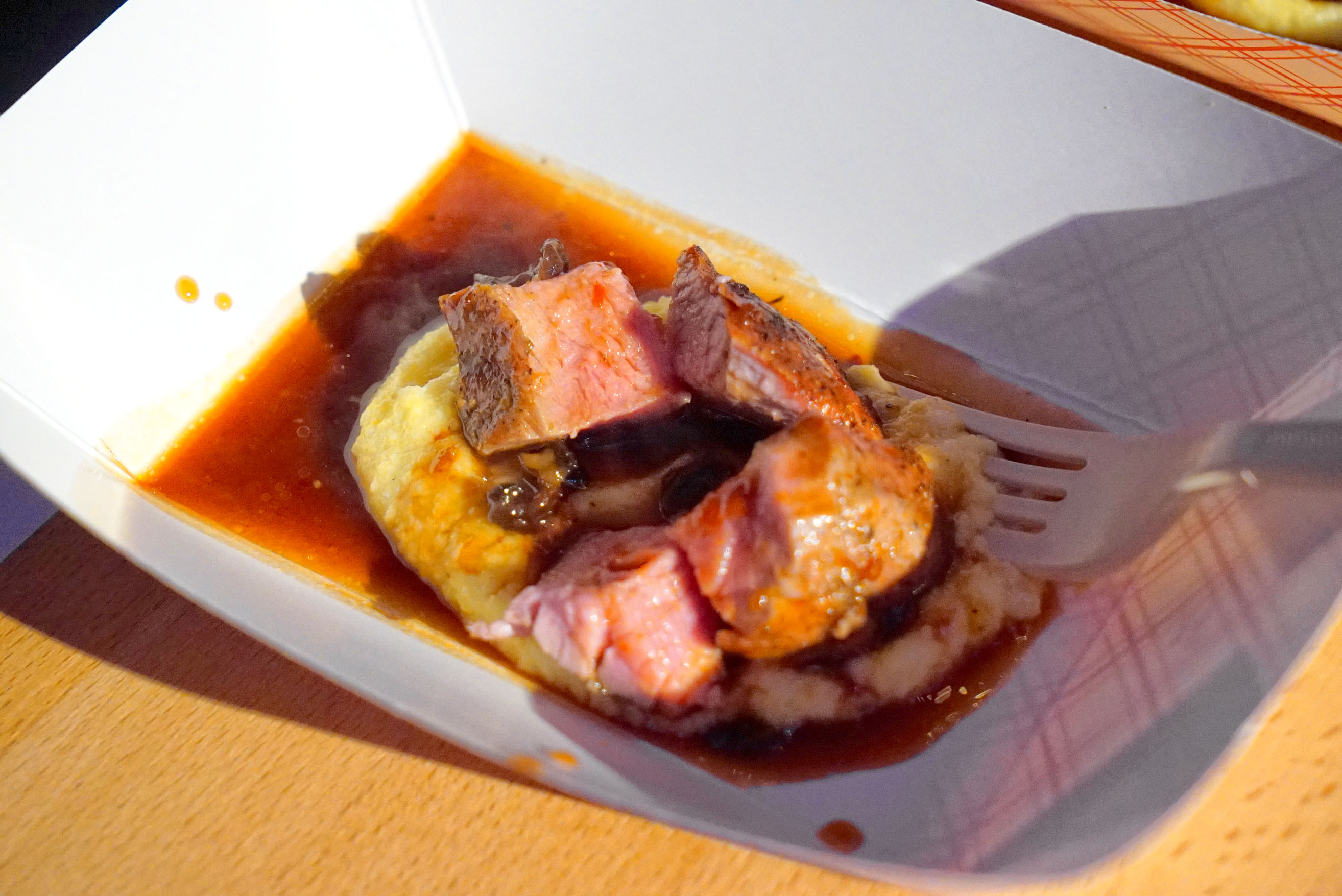
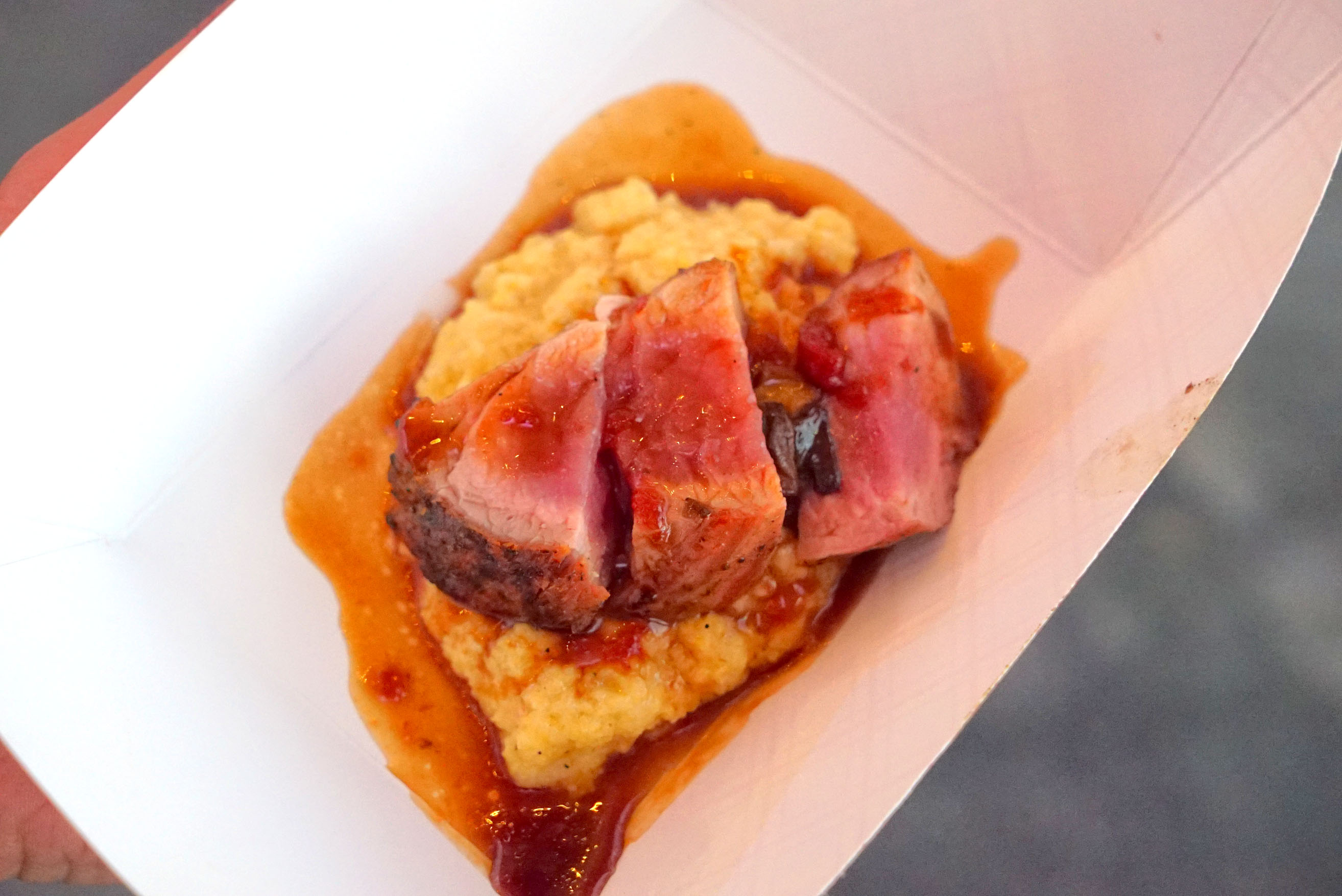
So the actual food item being served here was a whole roasted wild boar, blackberries, port and mash. Here’s what a small plate looked like. My photo does it no justice:
This was succulent, juicy, crispy and savory. It had a slight hint of sweet from the berries that made the pig flavors pop. It was one of my top choices of the day, for sure.
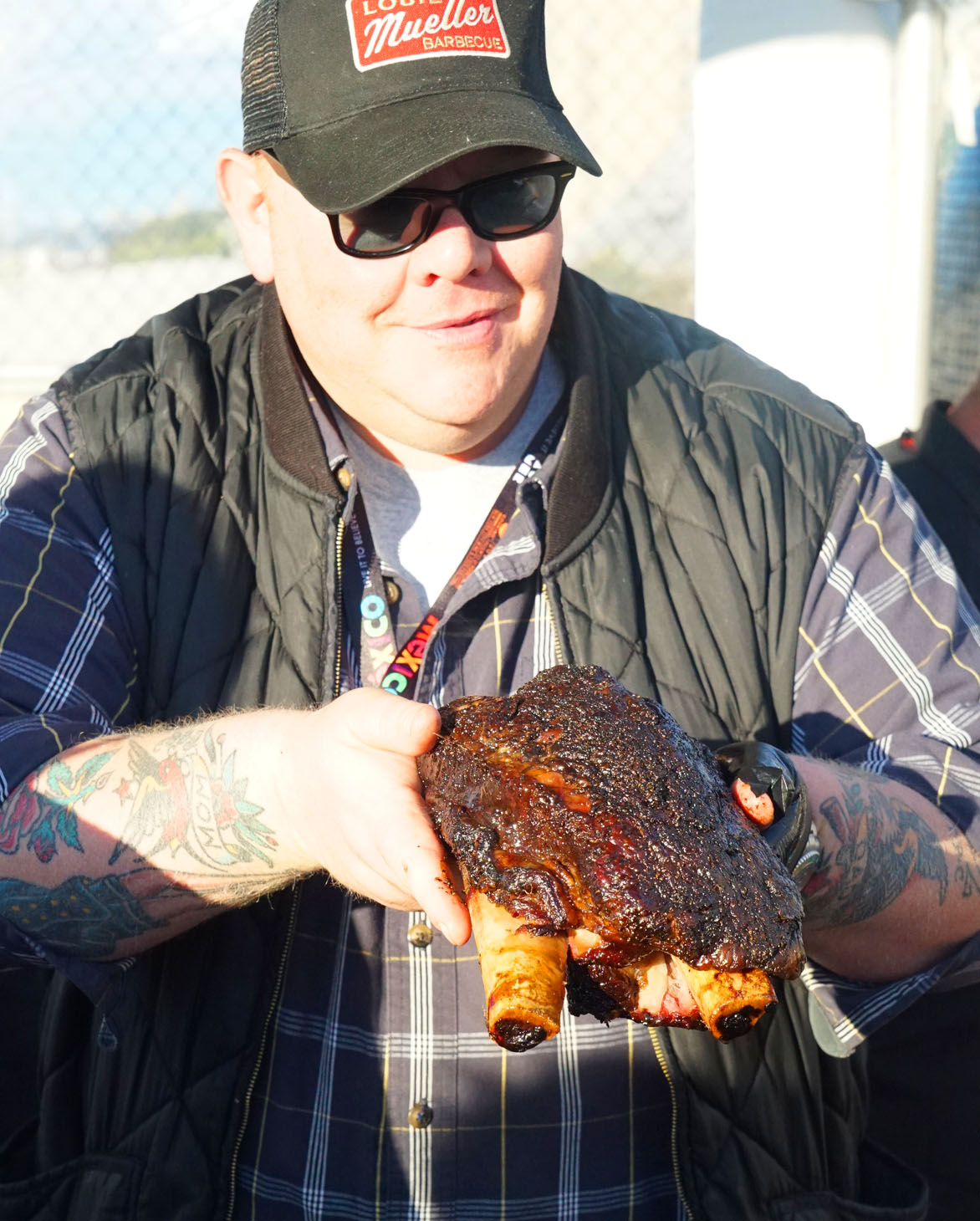
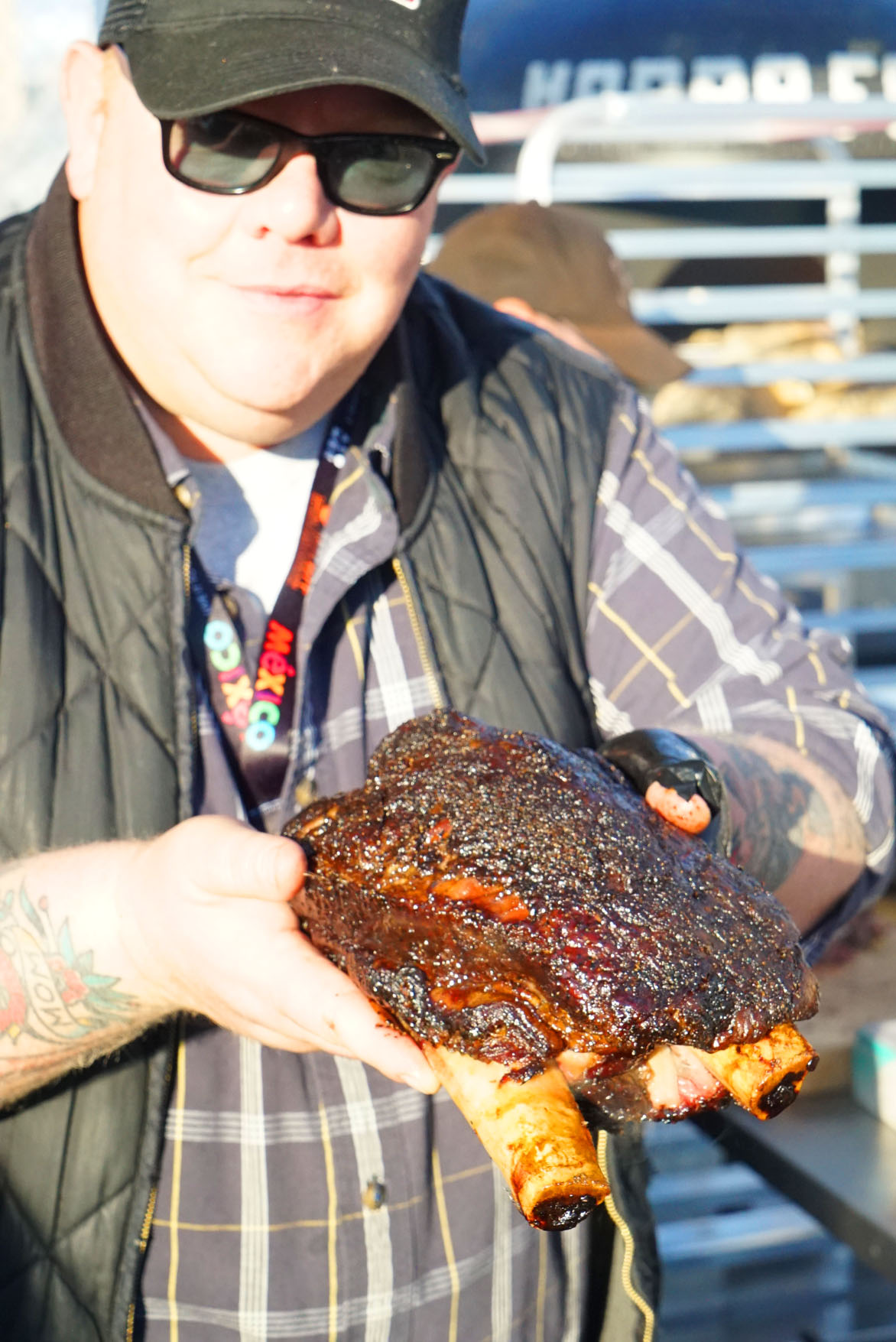
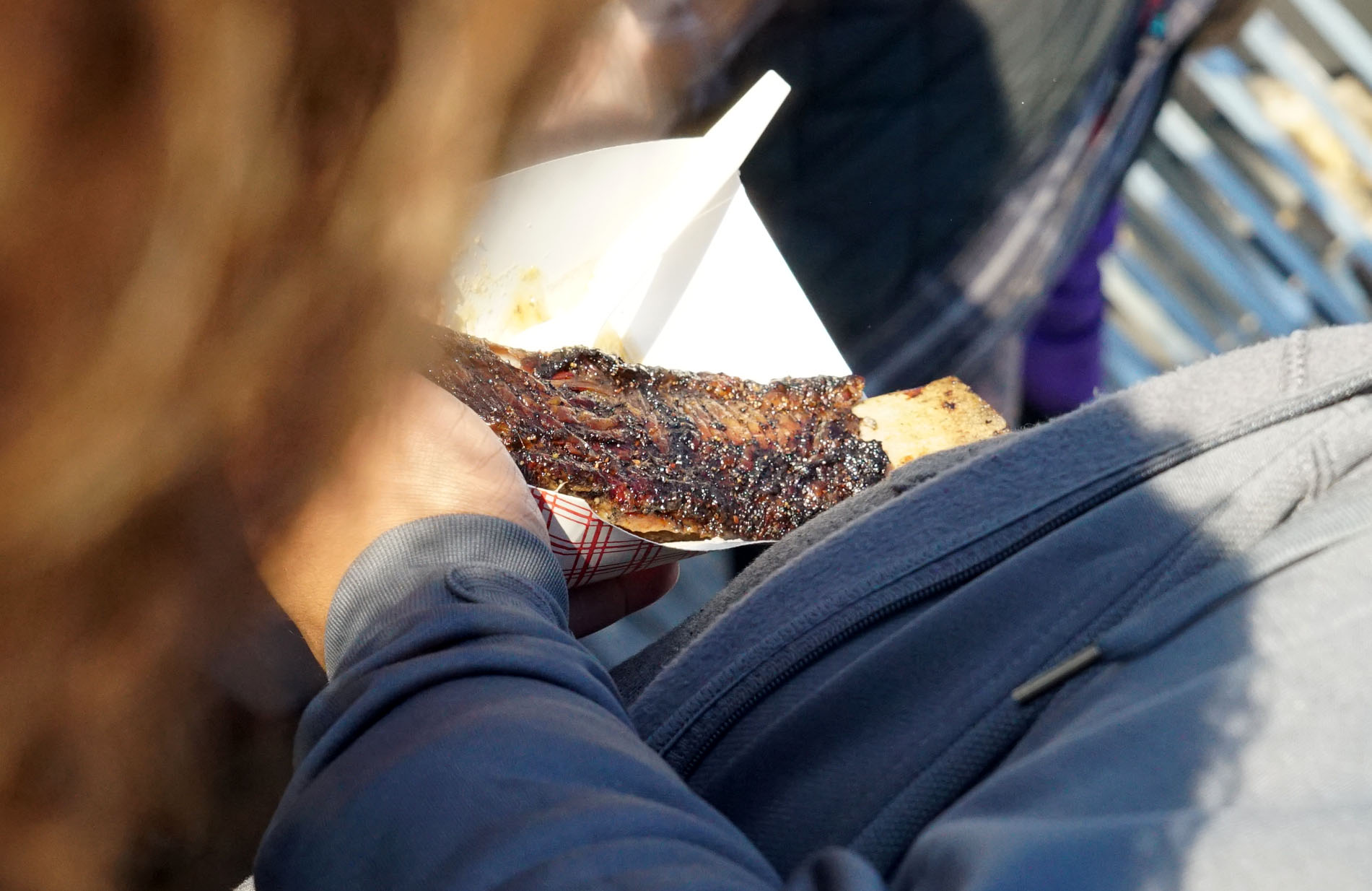
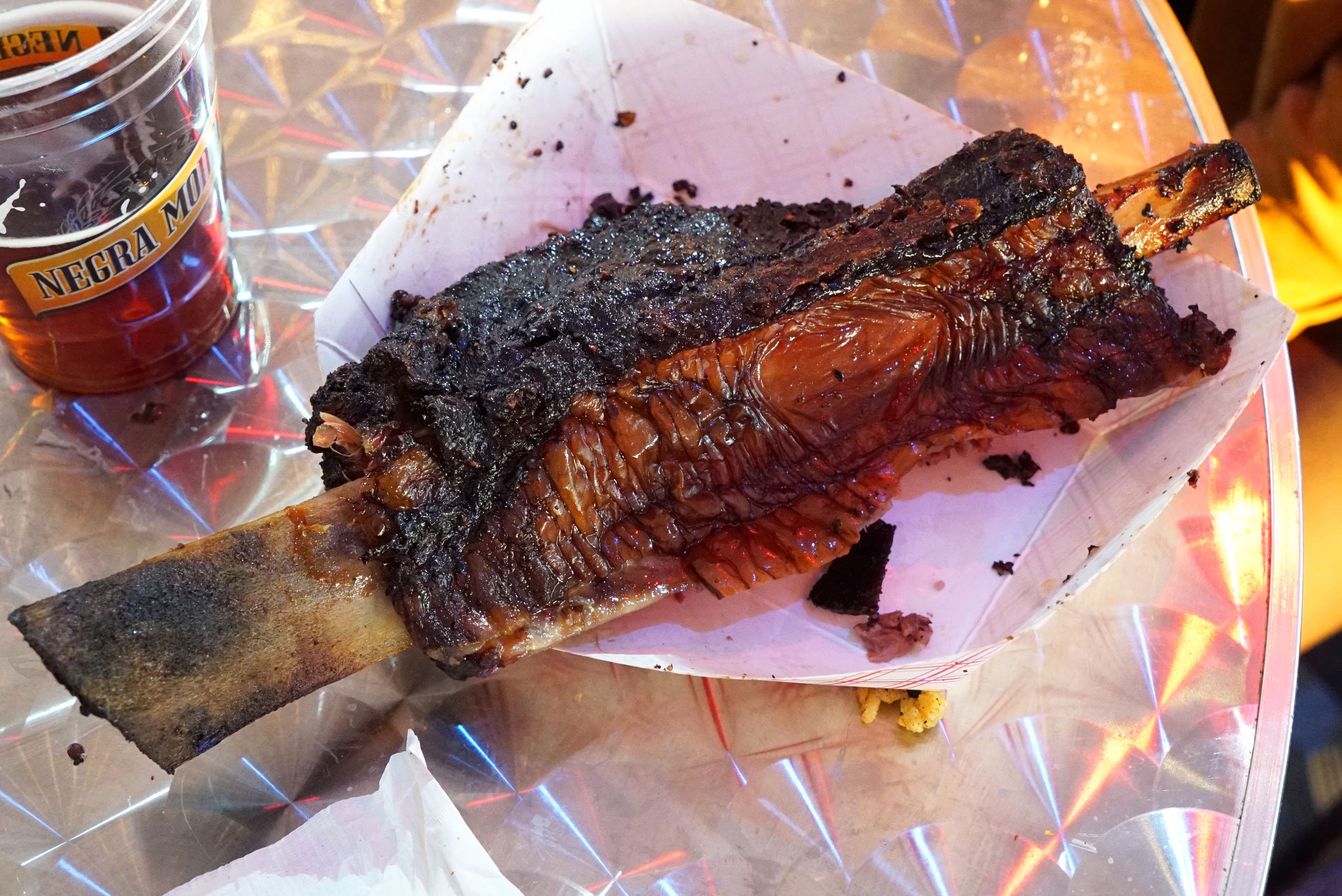
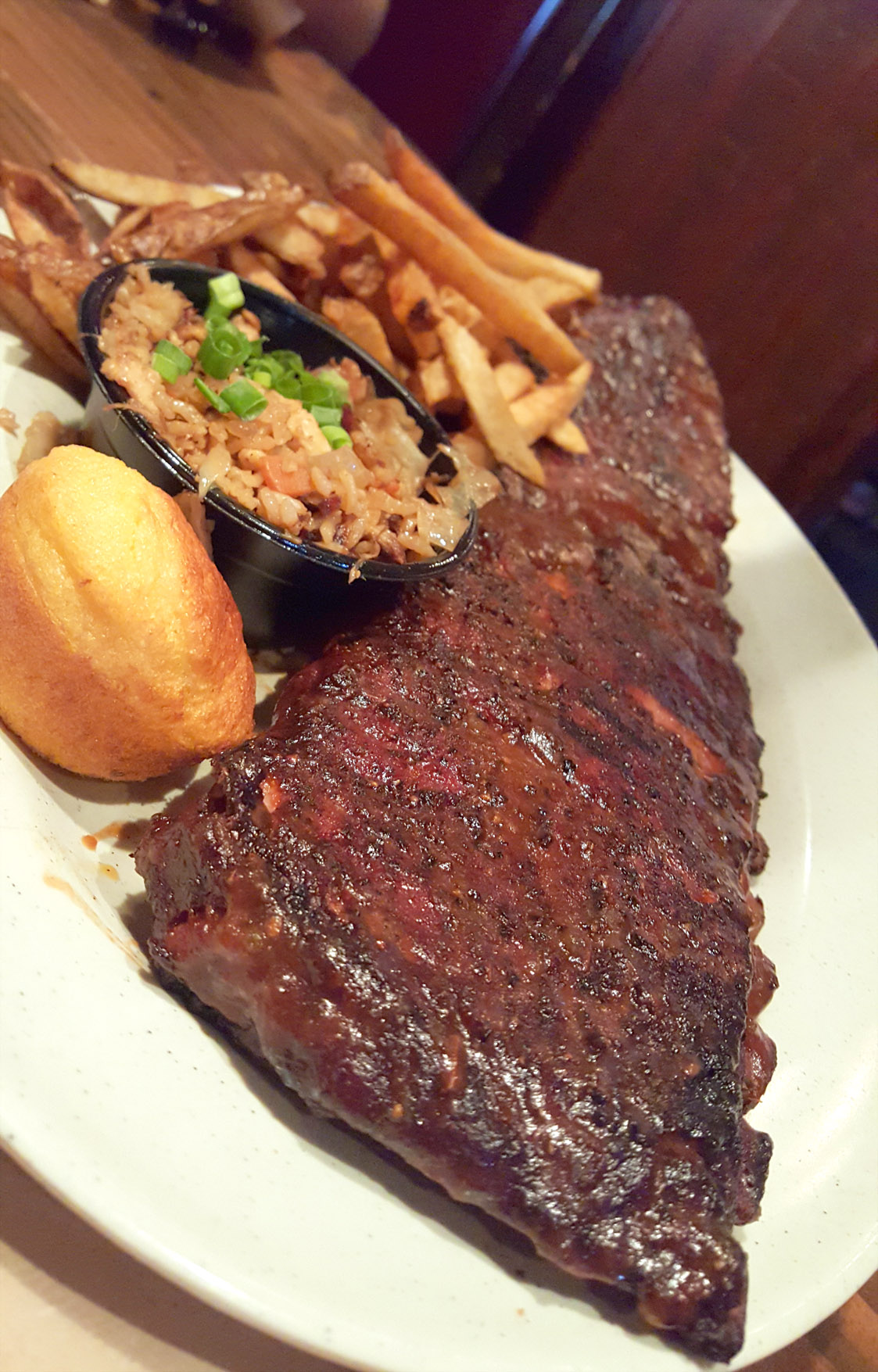
Another favorite was Hometown Barbeque. This was a masterful execution of beef rib. So tender and juicy. I know those words are used up like cheap hookers, but they are accurate. The bark on these ribs was crisp without being too hard – just enough to lock in all the meat juices. It had sweetness, but the savory beef flavor was the star of the show.
Occasionally some meat angel would come around and plop one of these dinosaur bones in your hands for you to gnaw on for a while. Some were from Hometown, and some were from LaFrieda.
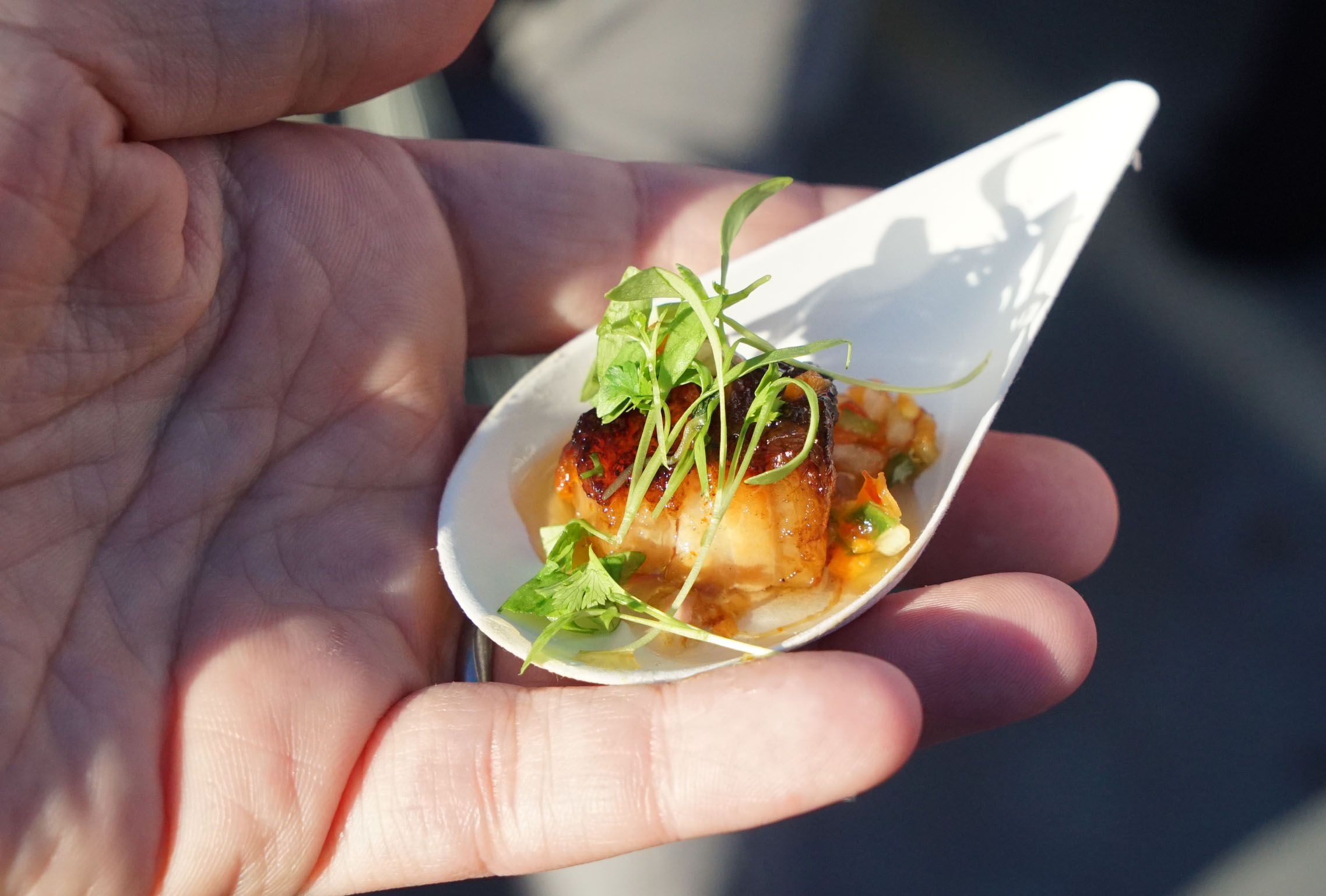
Another favorite was this sri racha pork belly by The Backroom at Moody’s. I went back for it twice. The belly was cooked sous vide style for 48 hours (okay that probably involves electricity), and THEN smoked. It had a nice pungent flavor that reminded me of fish sauce or Vietnamese food.
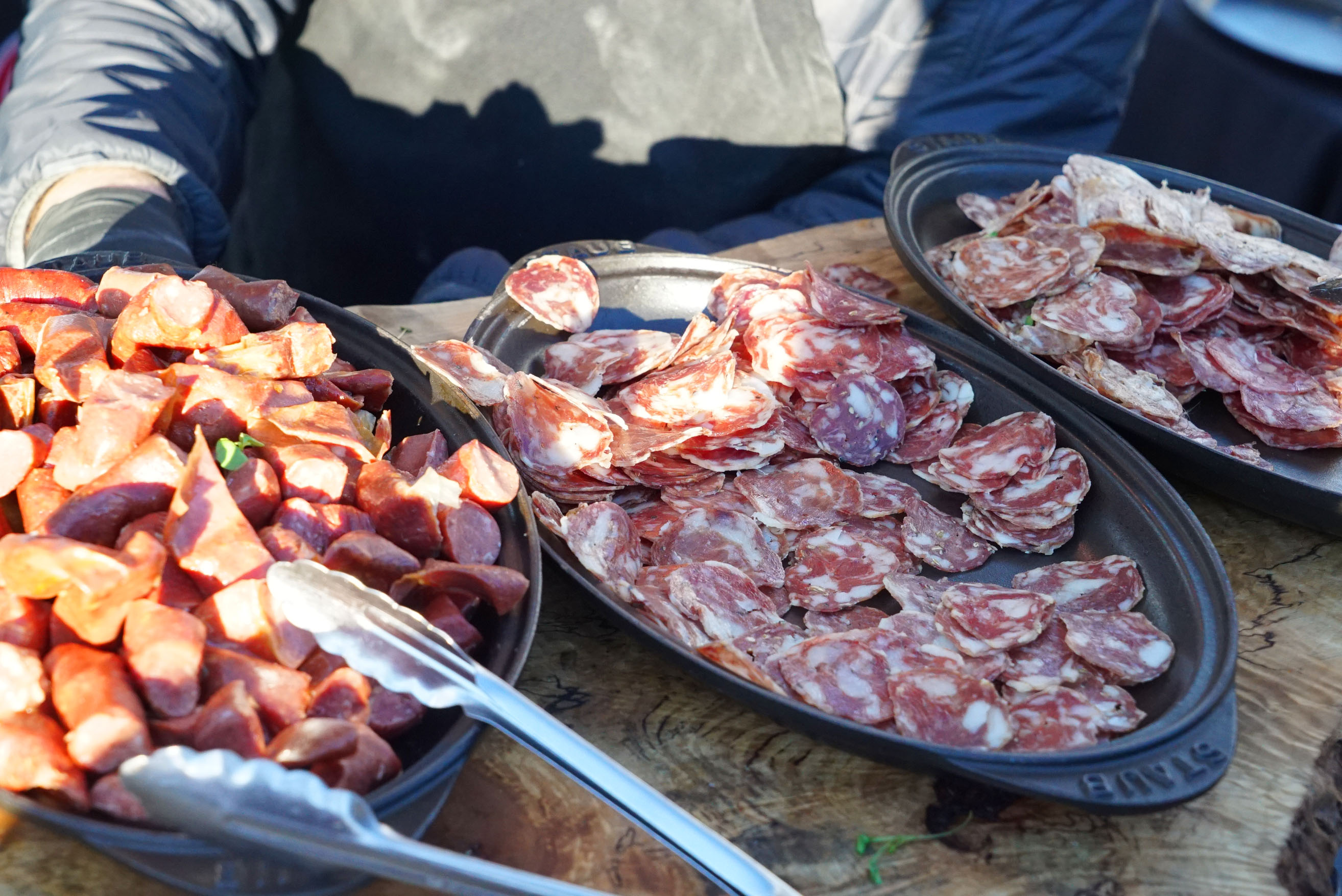
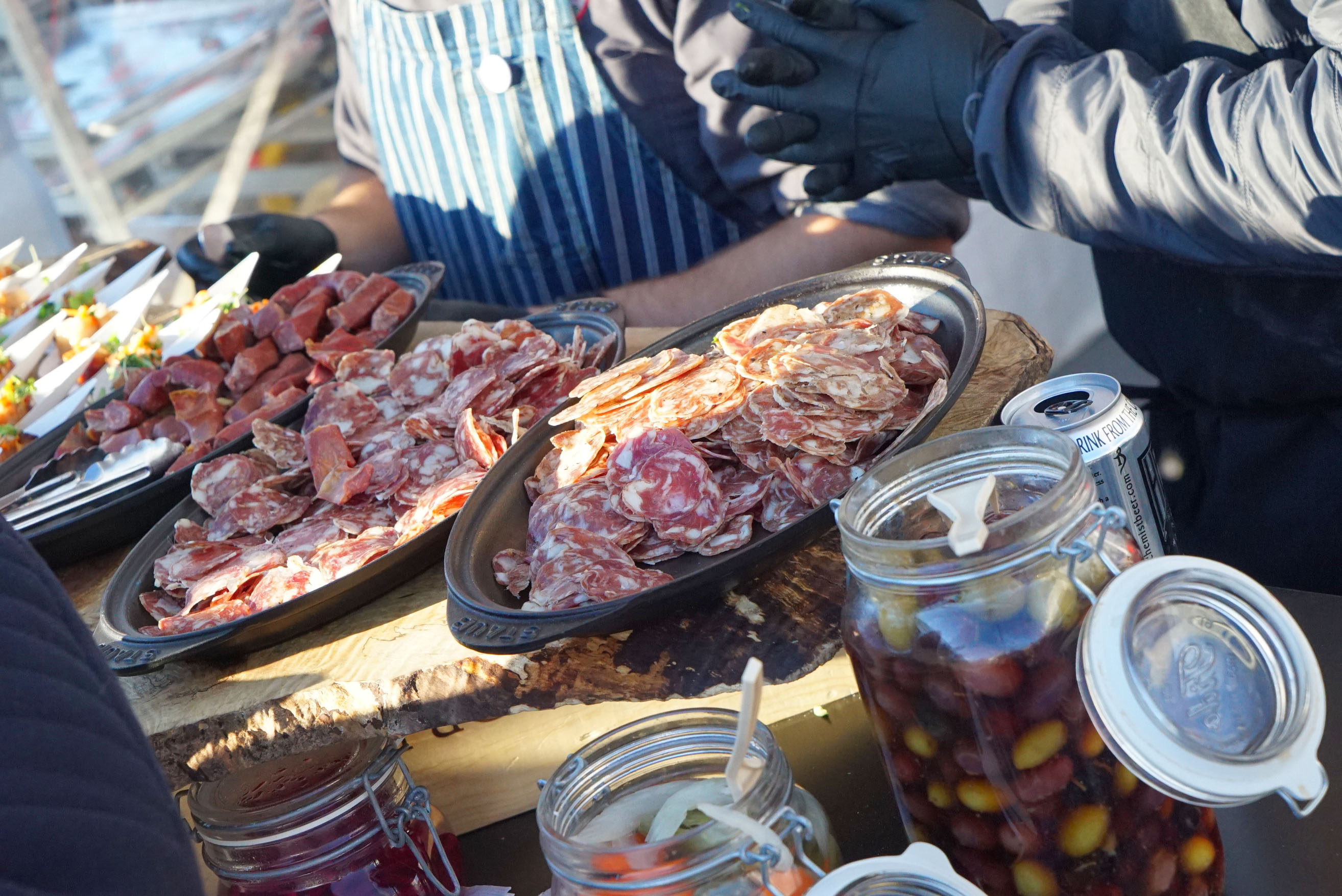
They also presented a nice array of charcuterie:
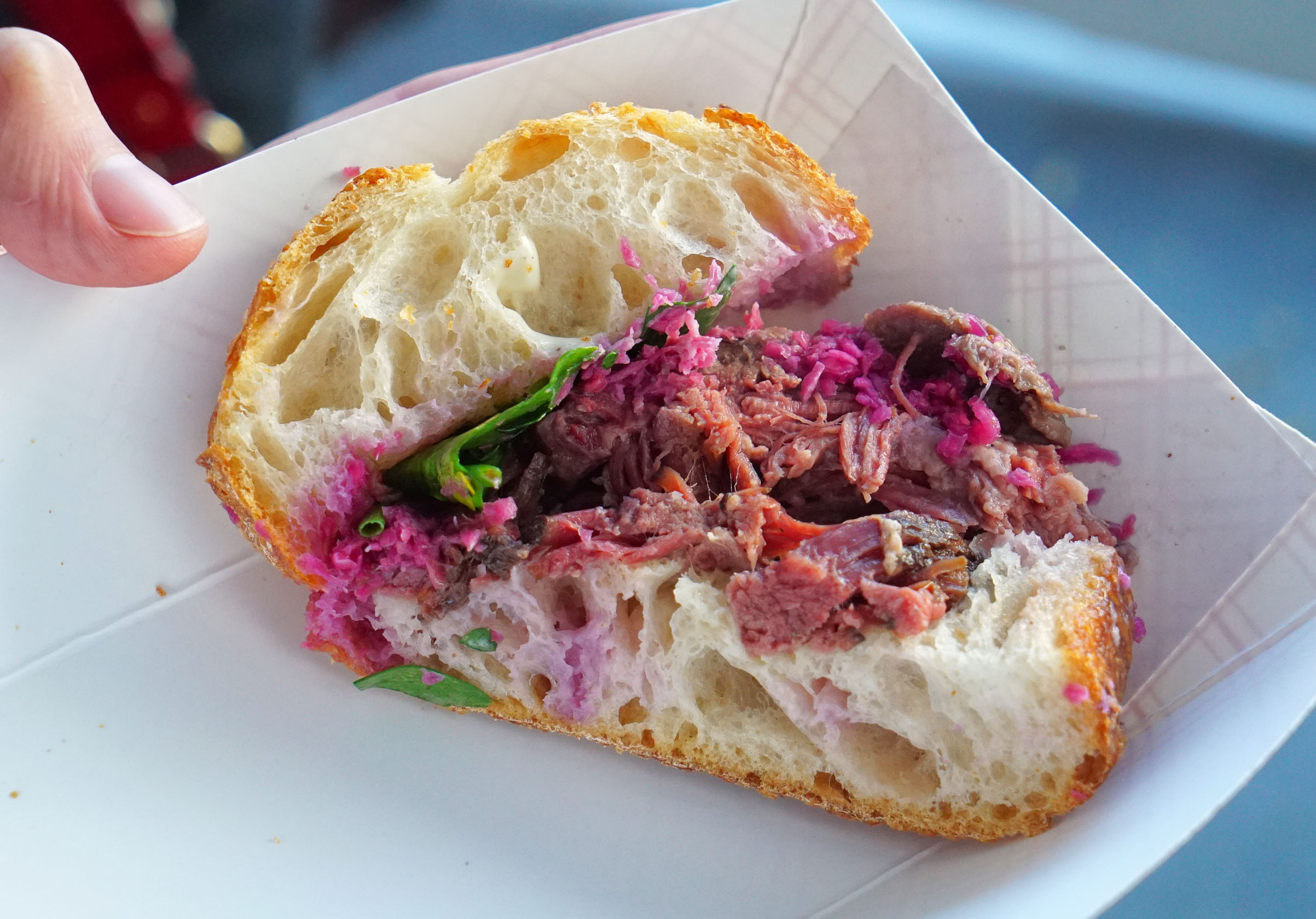
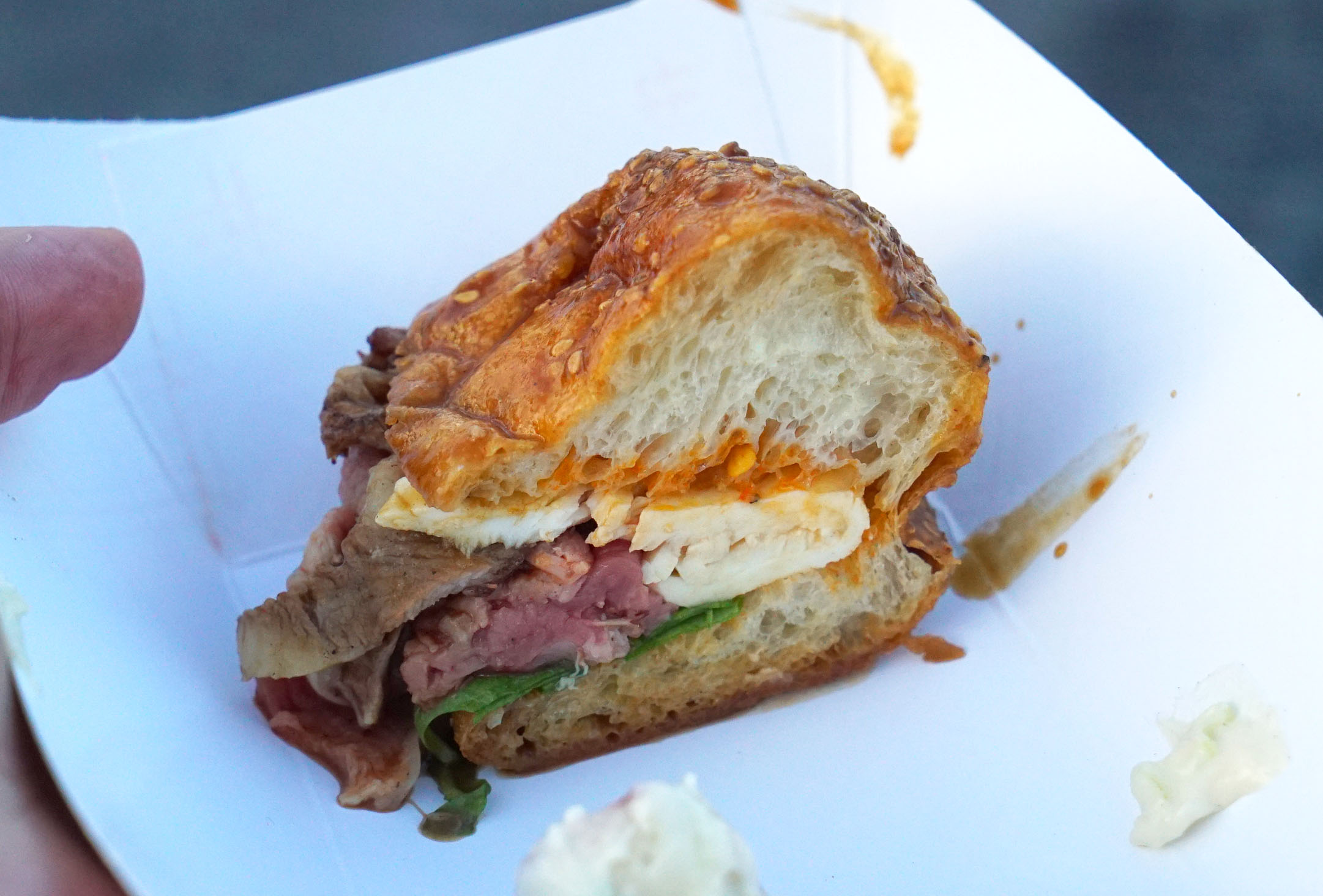
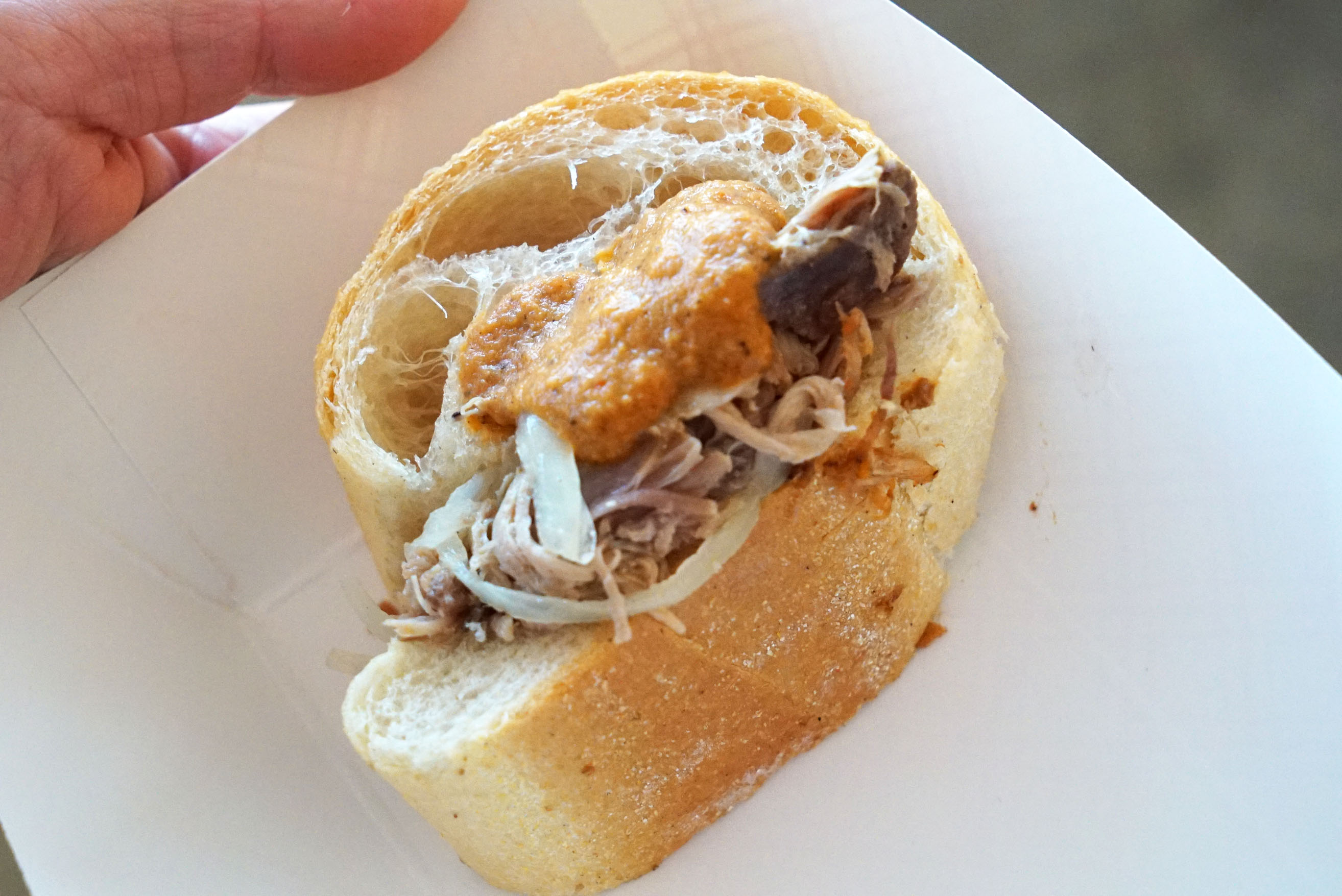
My favorite of the day, just slightly ahead of that pork belly, was this hot beef tongue sandwich by Harry & Ida’s Meat & Supply Company. The meat was so soft, unlike what you might expect from common tongue preparations that can sometimes be rushed, or have the consistency of deli meat.
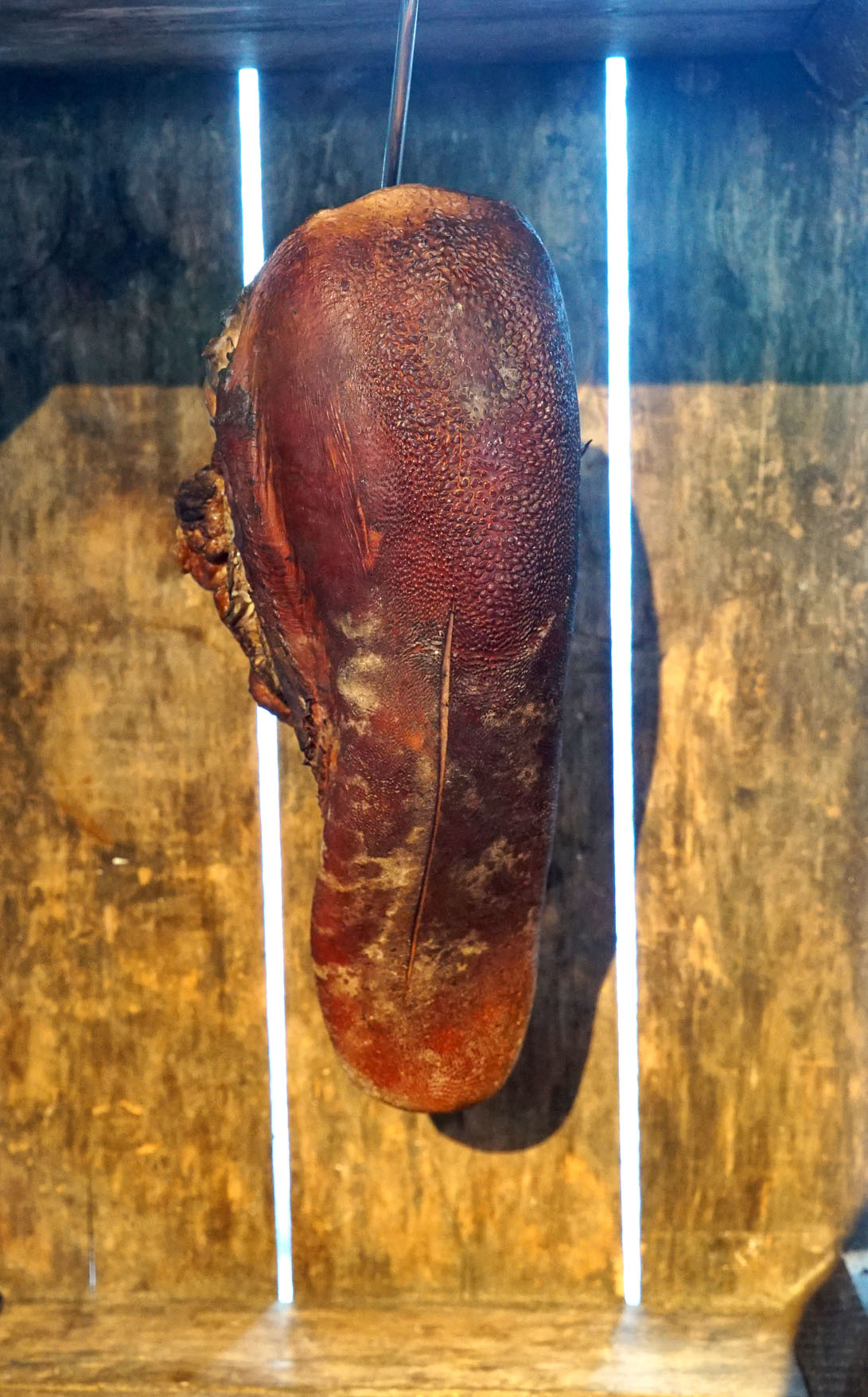
This was more like pulled meat, or braised stew meat. Absolutely delicious. And they even had a nice tongue hanging on display for food porn photos:
I’m jumping around again here, because I want to front-load this review with the most interesting shit up top, in the event that you meat minions start to nod off, or the ADD kicks into high gear.
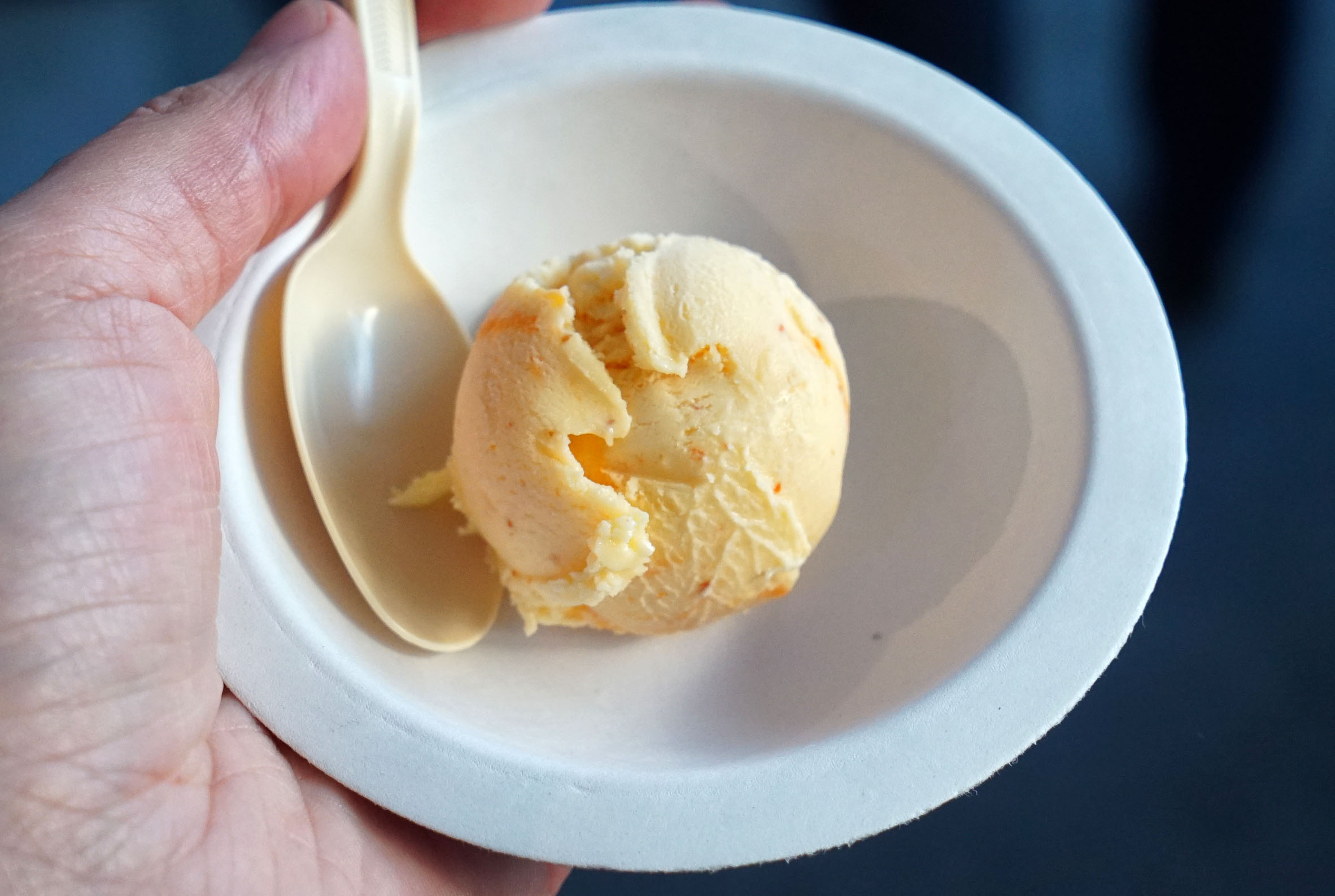
CHORIZO ICE CREAM!
There. Did that wake you up a little? It was actually good. These novelty ice cream flavors always strike me as purposefully odd – done with the intent of shocking someone rather than actually delivering a good flavor. But this chorizo ice cream was lightly chorizo flavored, and it was balanced by the presence of caramel. Oddfellow’s is not pulling stunts here. This is good shit.
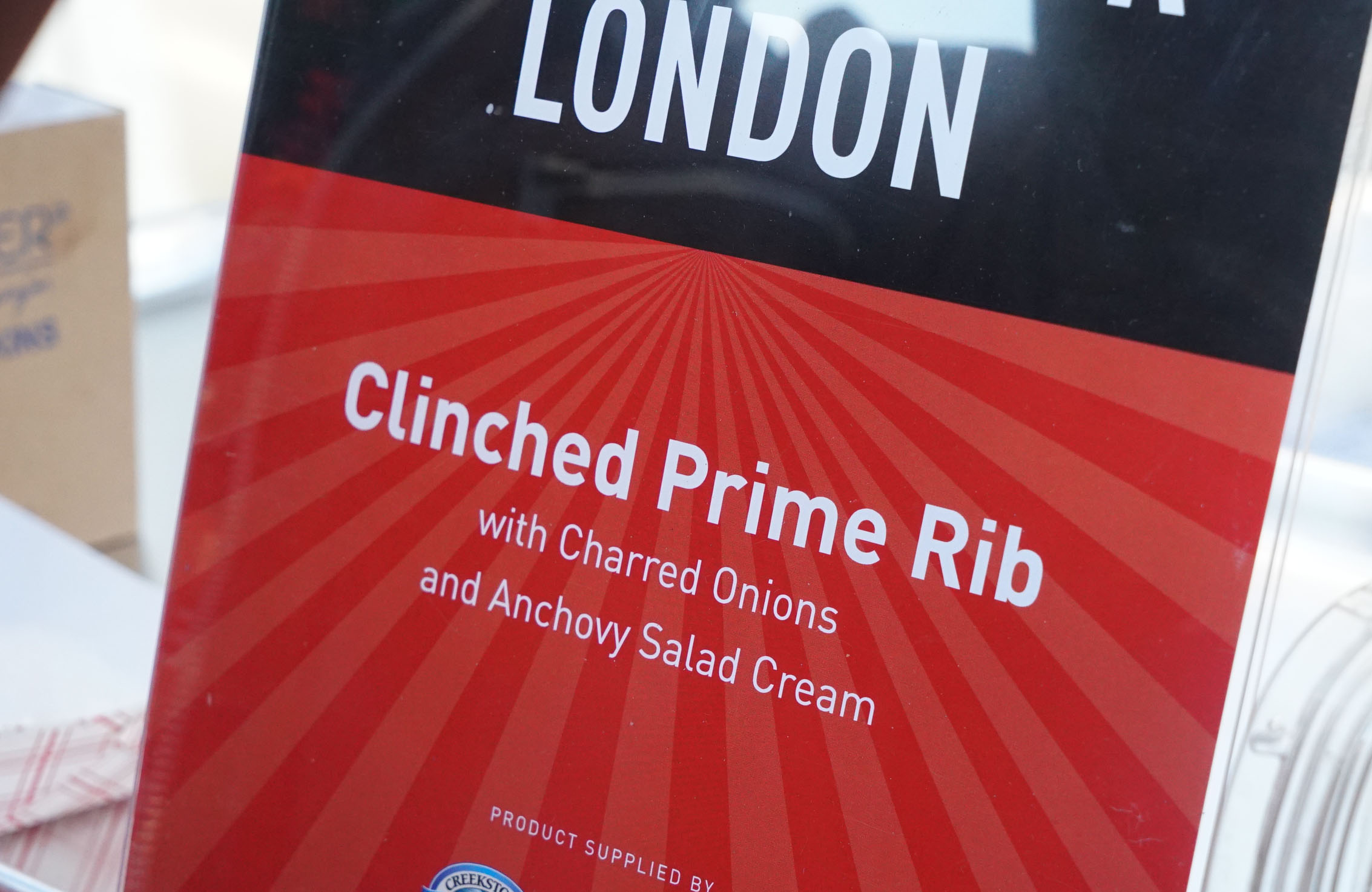
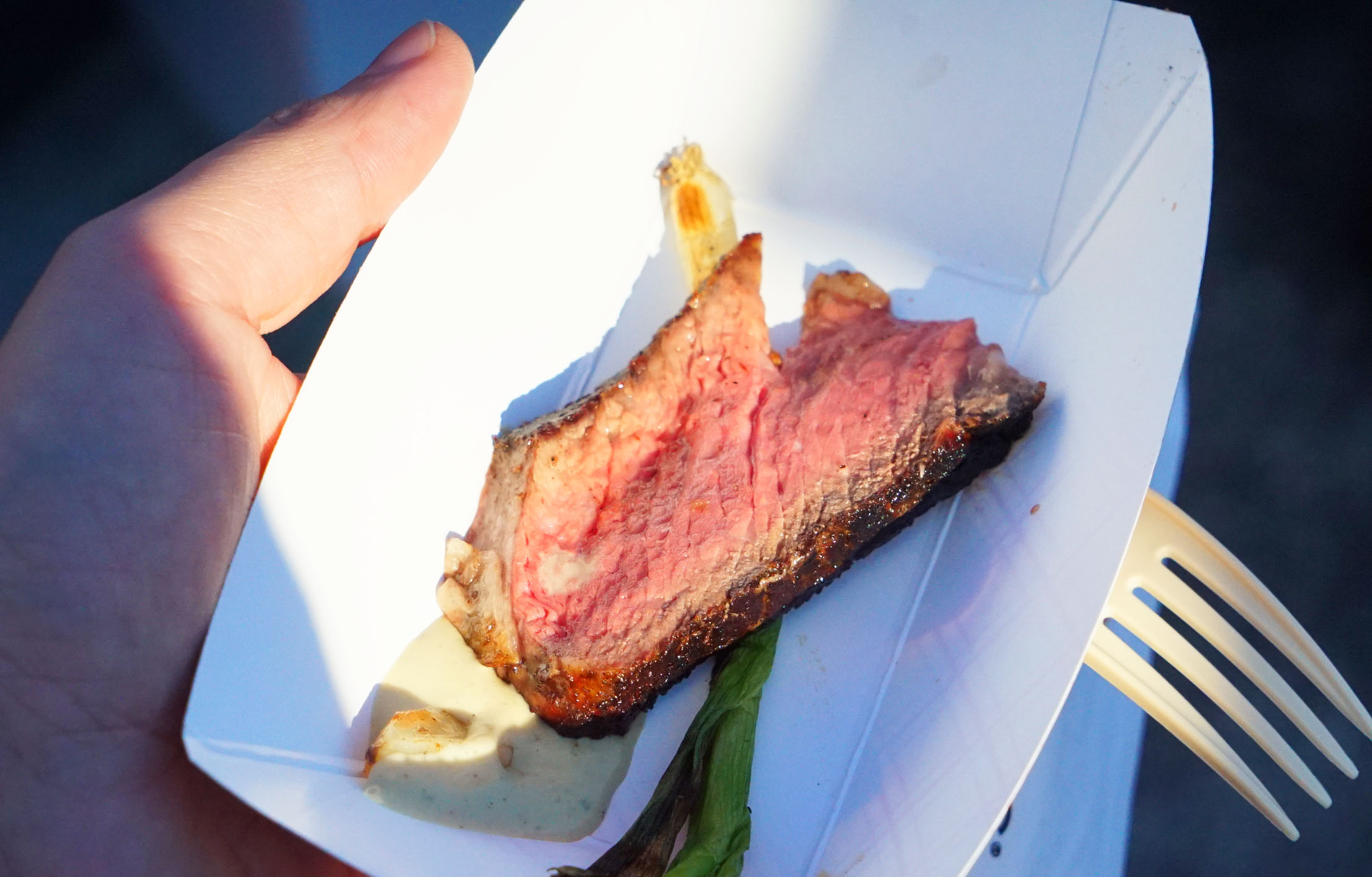
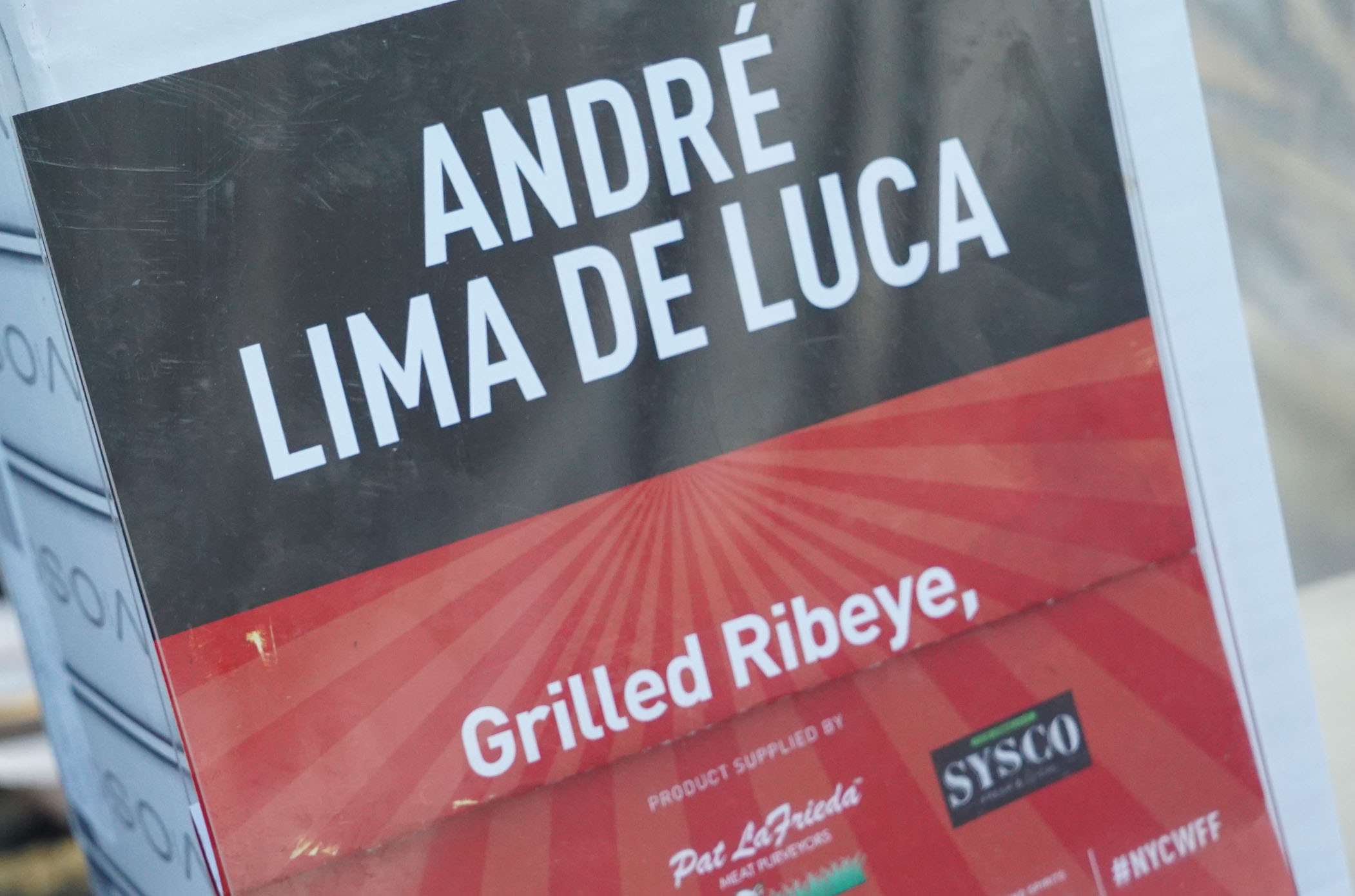
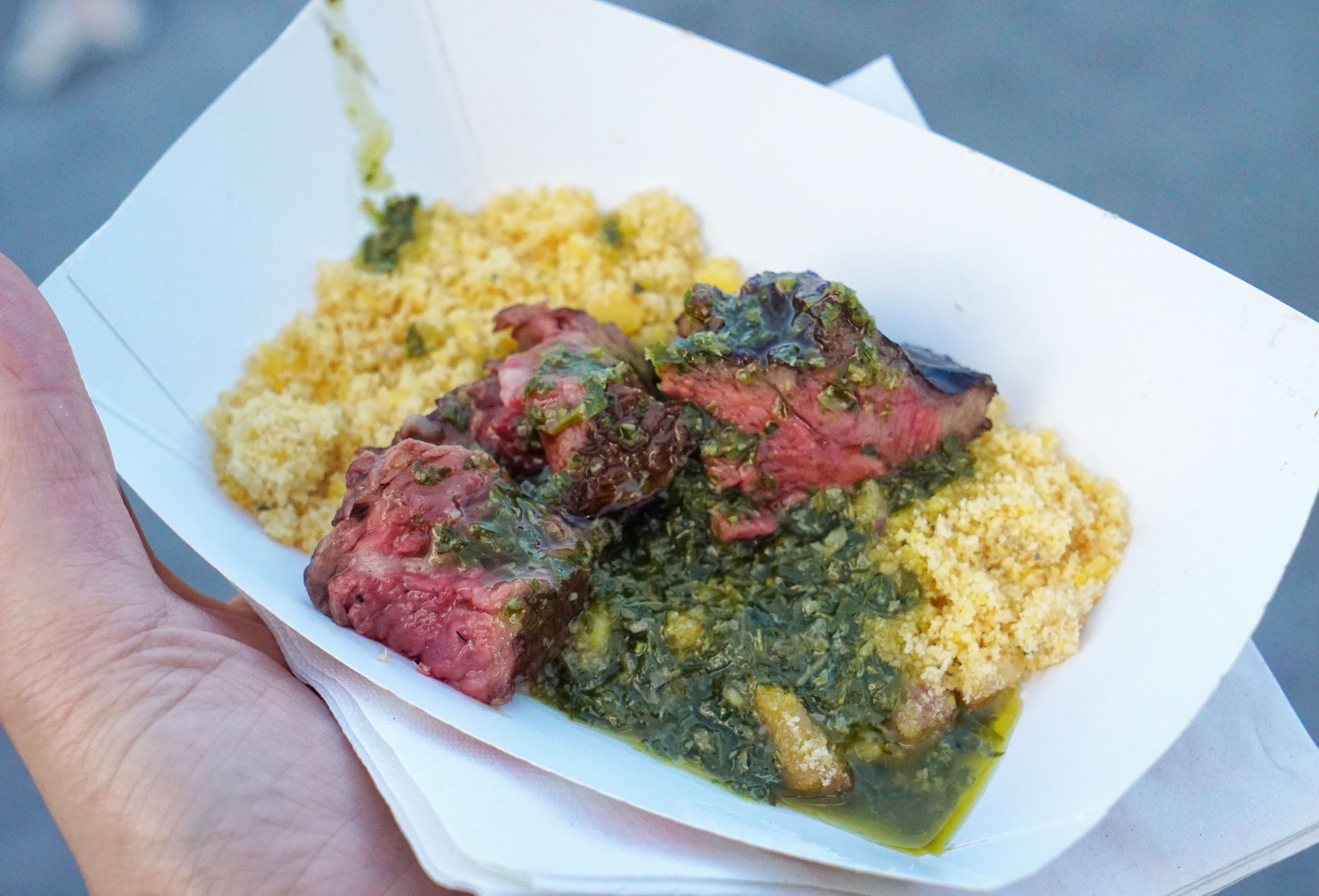
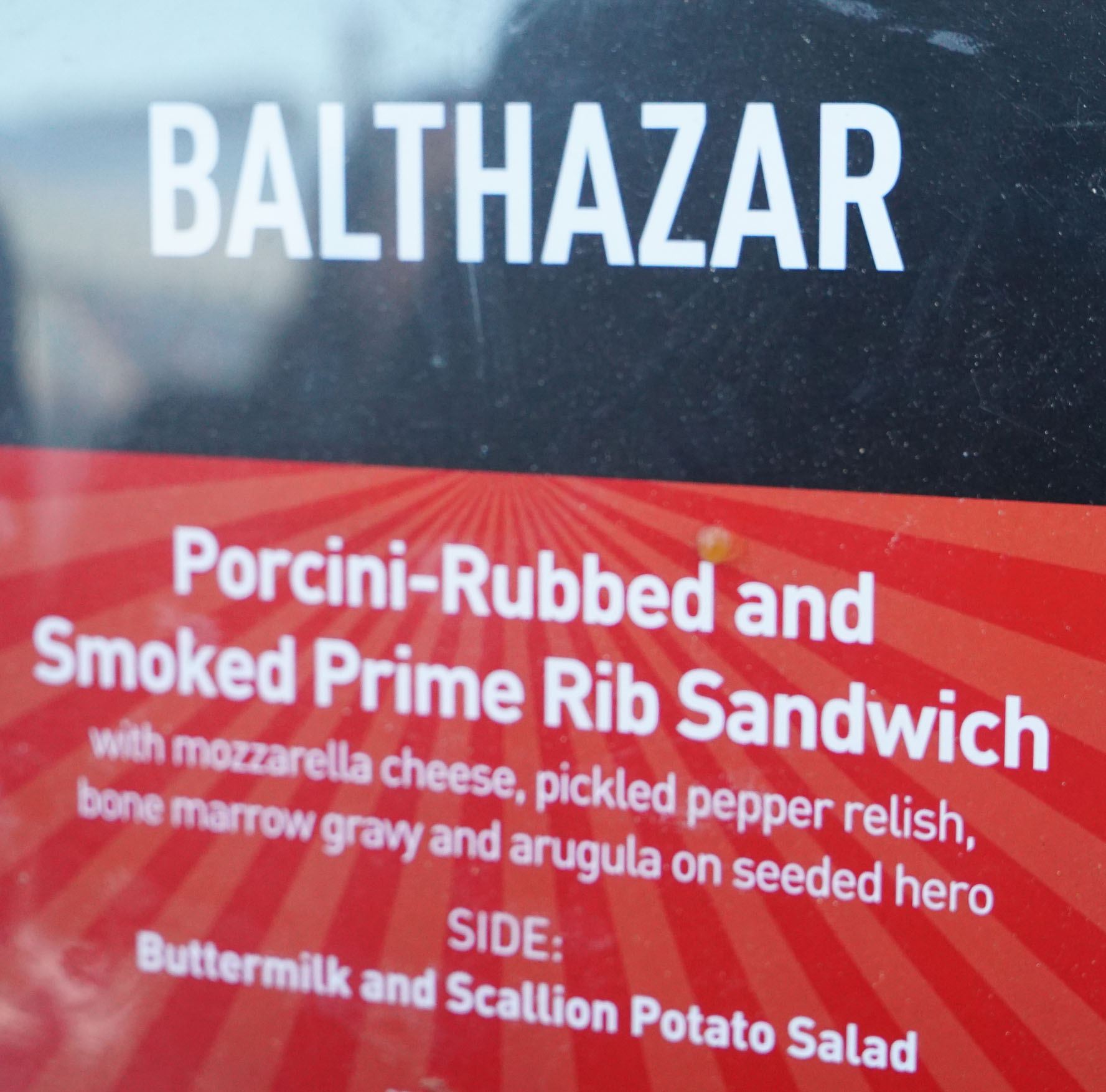
There was a healthy variety of rib eye and prime rib preparations going around (Hawksmoor London, Andre Lima de Luca and Balthazar, in particular). Never did I feel like the shit was overlapping or redundant. I was actually surprised at how nicely cooked they all were, given the windy conditions and an open flame that is hard to control or regulate in terms of temperatures.
Speaking of those wind conditions causing problems, I think Jason French and the guys at the Ned Ludd station were battling what was probably the worst of the wind conditions. They were one of the first booths next to the large tent in the back. As the wind whipped in from the southwest, it gathered along the tent walls and flowed directly to their station, which was on the south-facing side of the pier. WHAM. The wind over there was bonkers. I have no idea how they were even able to cook in such conditions.
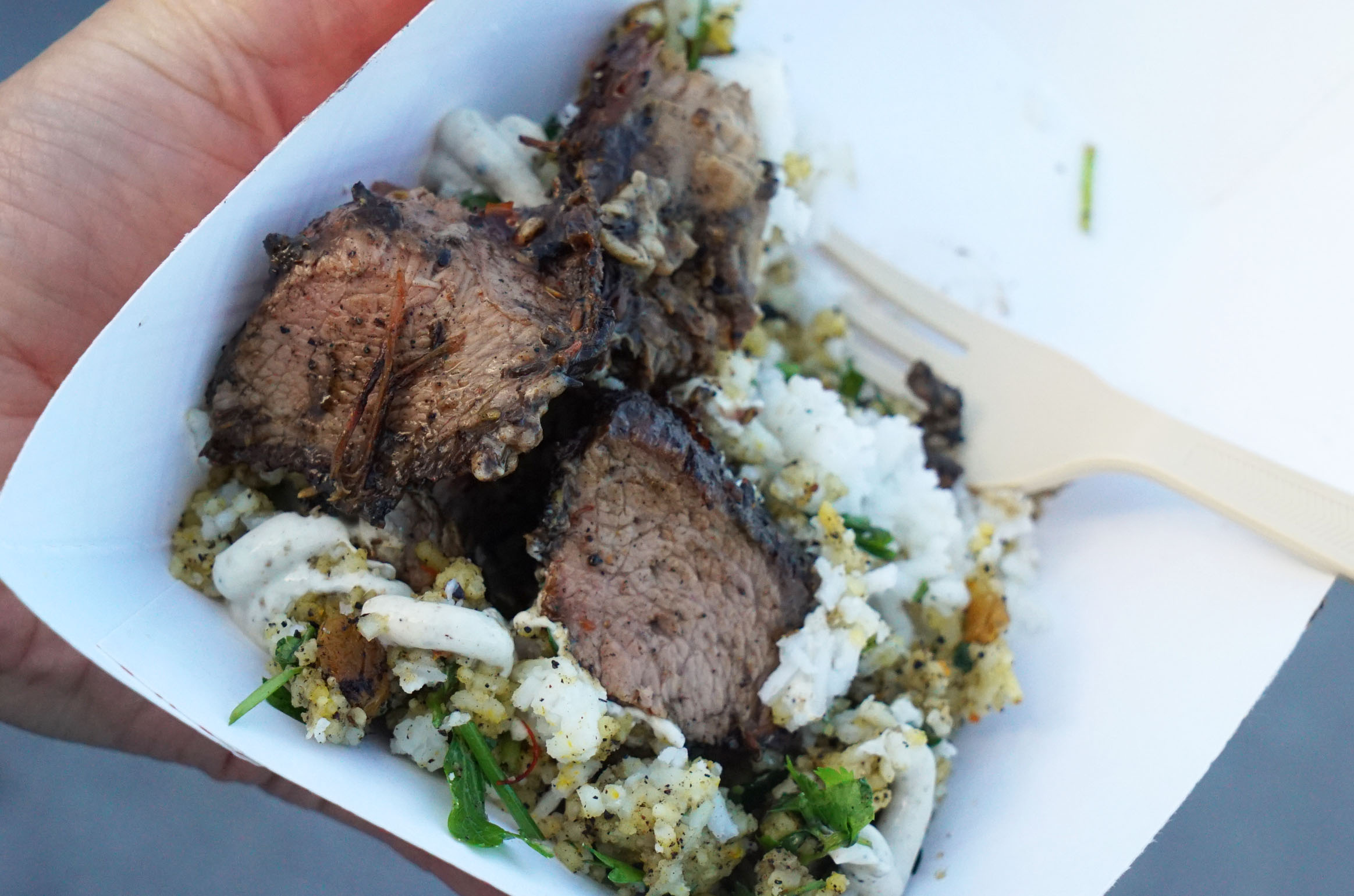
The meat quality of their lamb dish suffered a bit, at least in the plate I had, as it was overcooked and slightly tough. My guess is that these guys were concerned about serving something raw, and wanted to keep the meat roasting despite the wind – so they had to keep stoking the flames. It was still really tasty despite all that nonsense, which is a testament to the chef and cooks. I think if they had more control over the environment this would have been a winning dish: Whole roasted pastured lamb with grape leaf cumin yogurt sauce, and a basmati rice salad with golden raisins and cilantro.
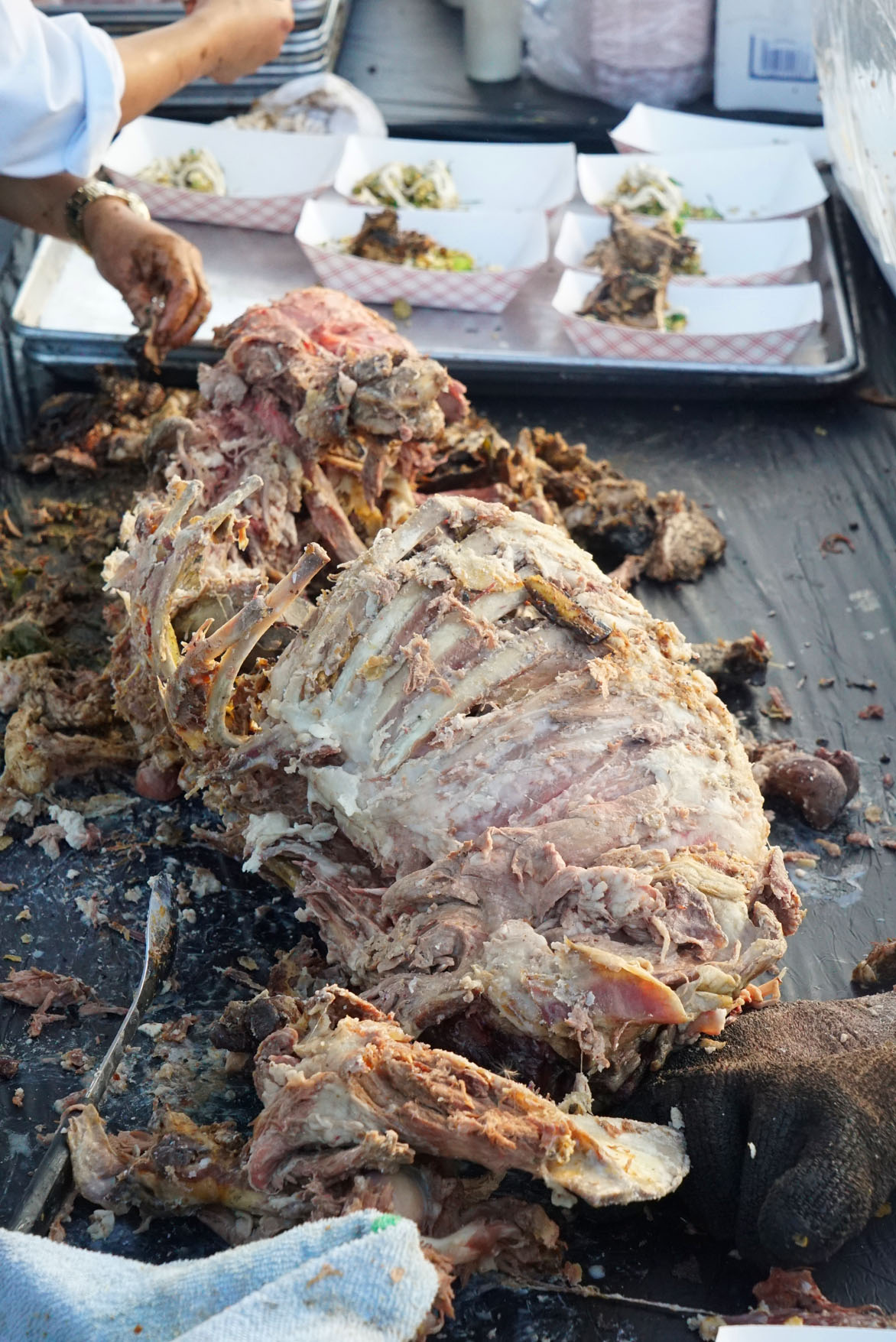
And I was glad to see a nice lamb carcass gracing their work station:
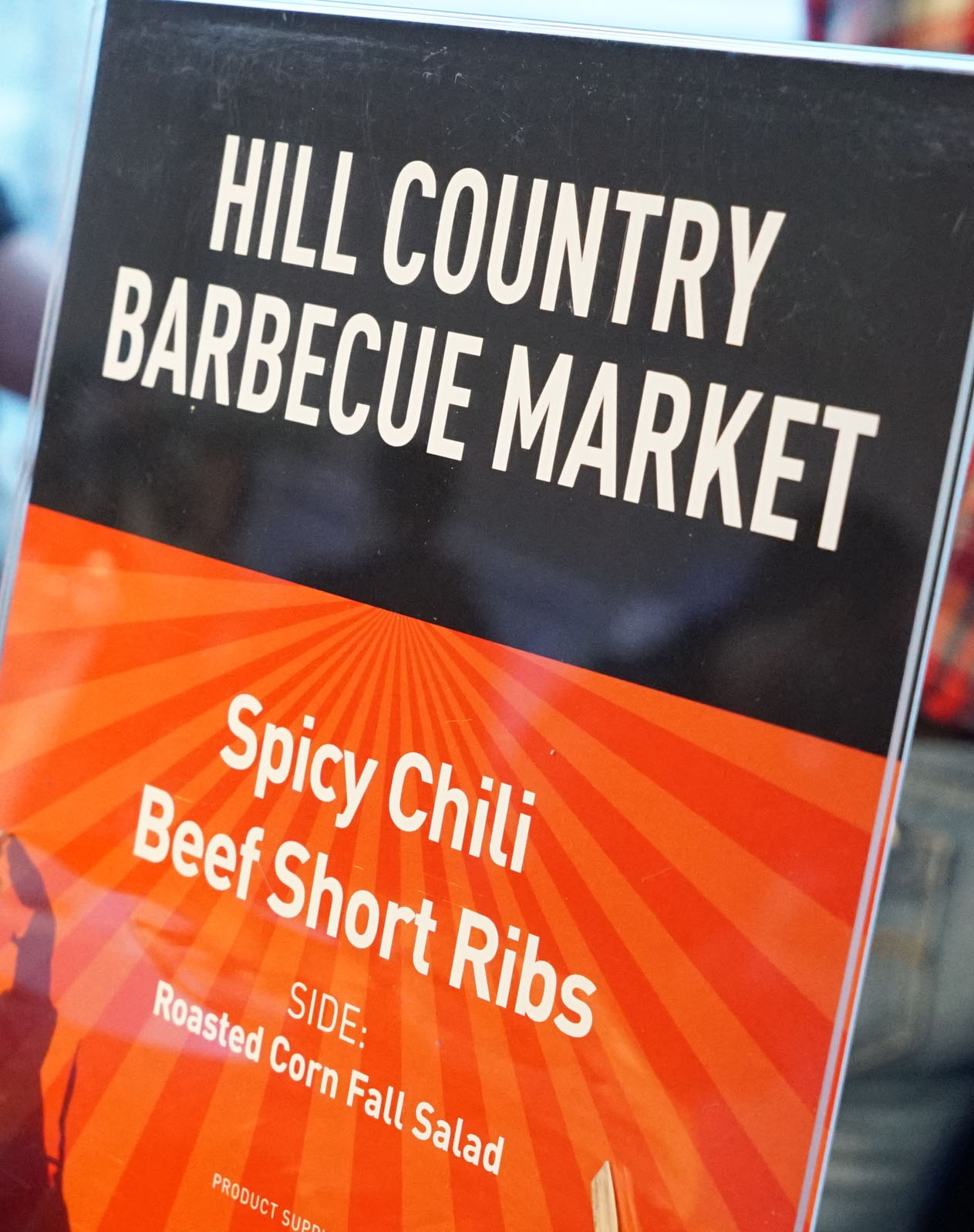
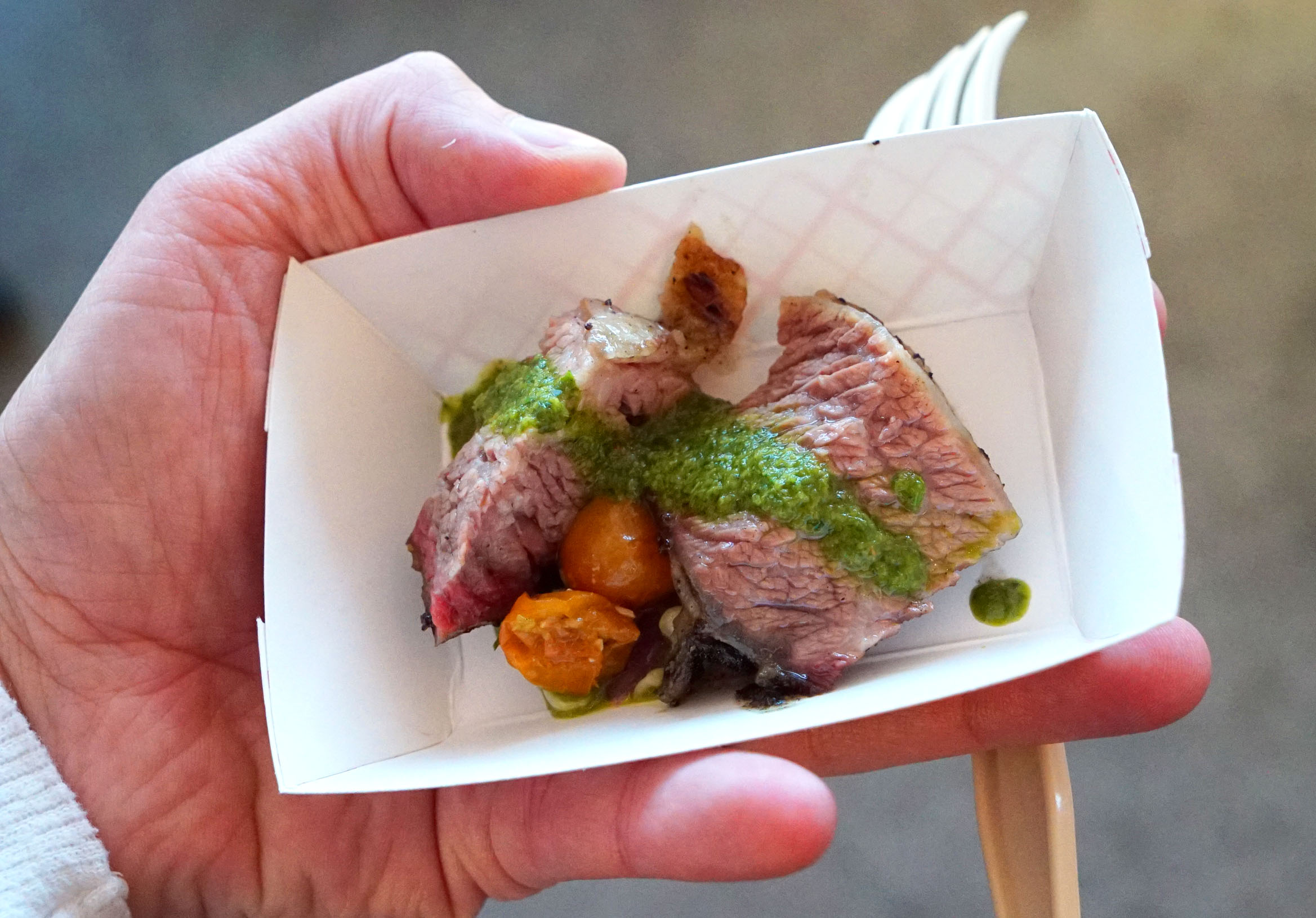
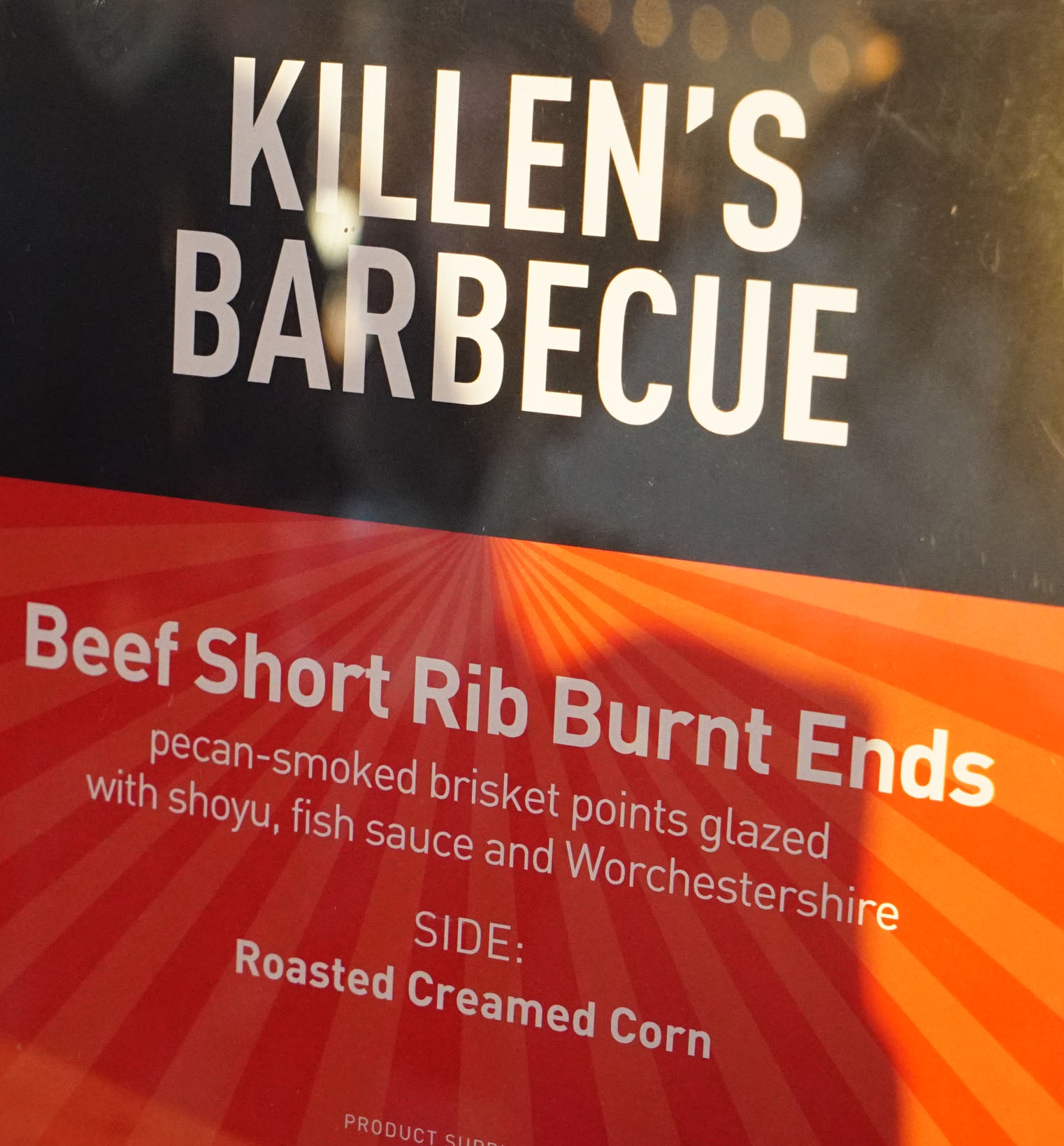
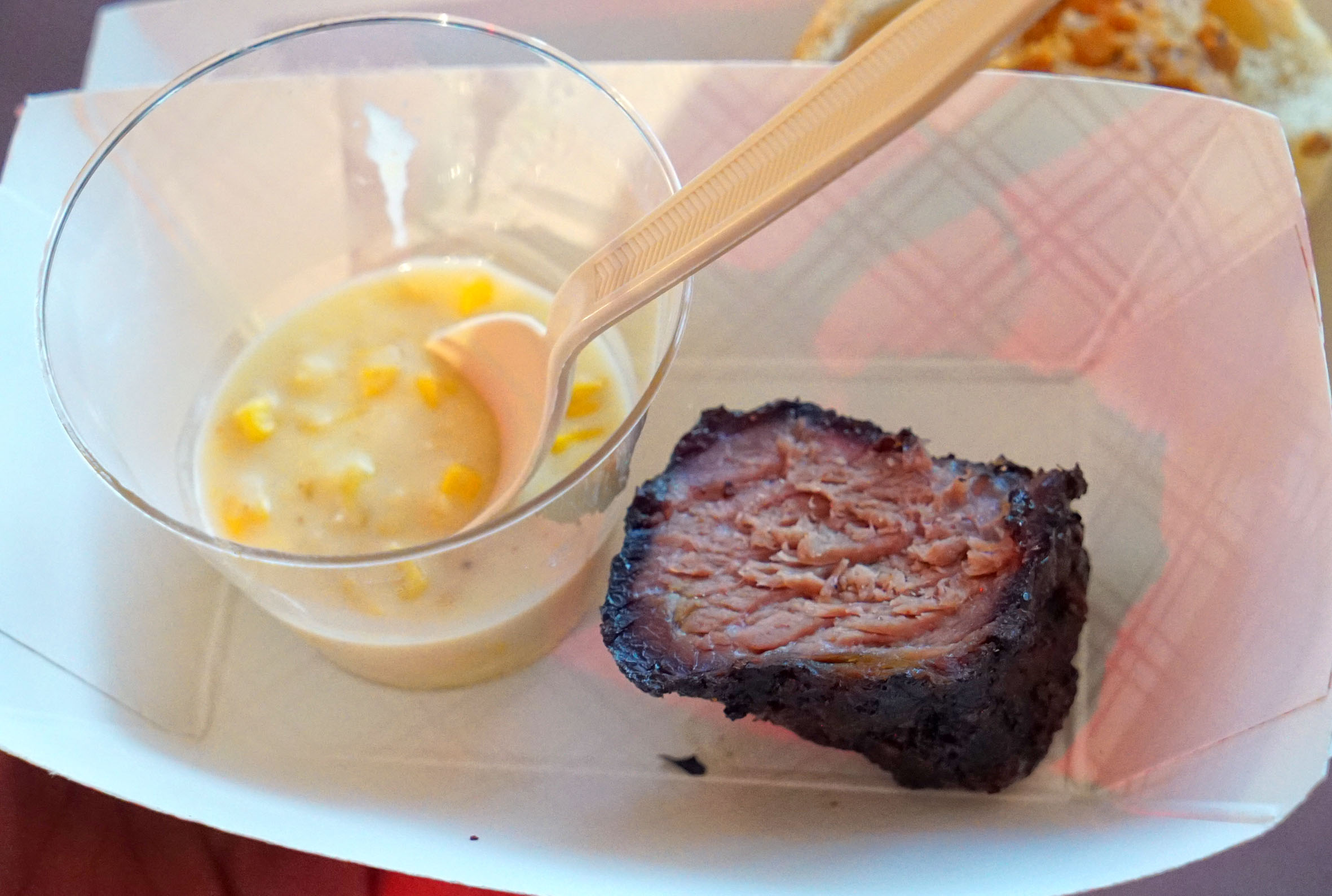
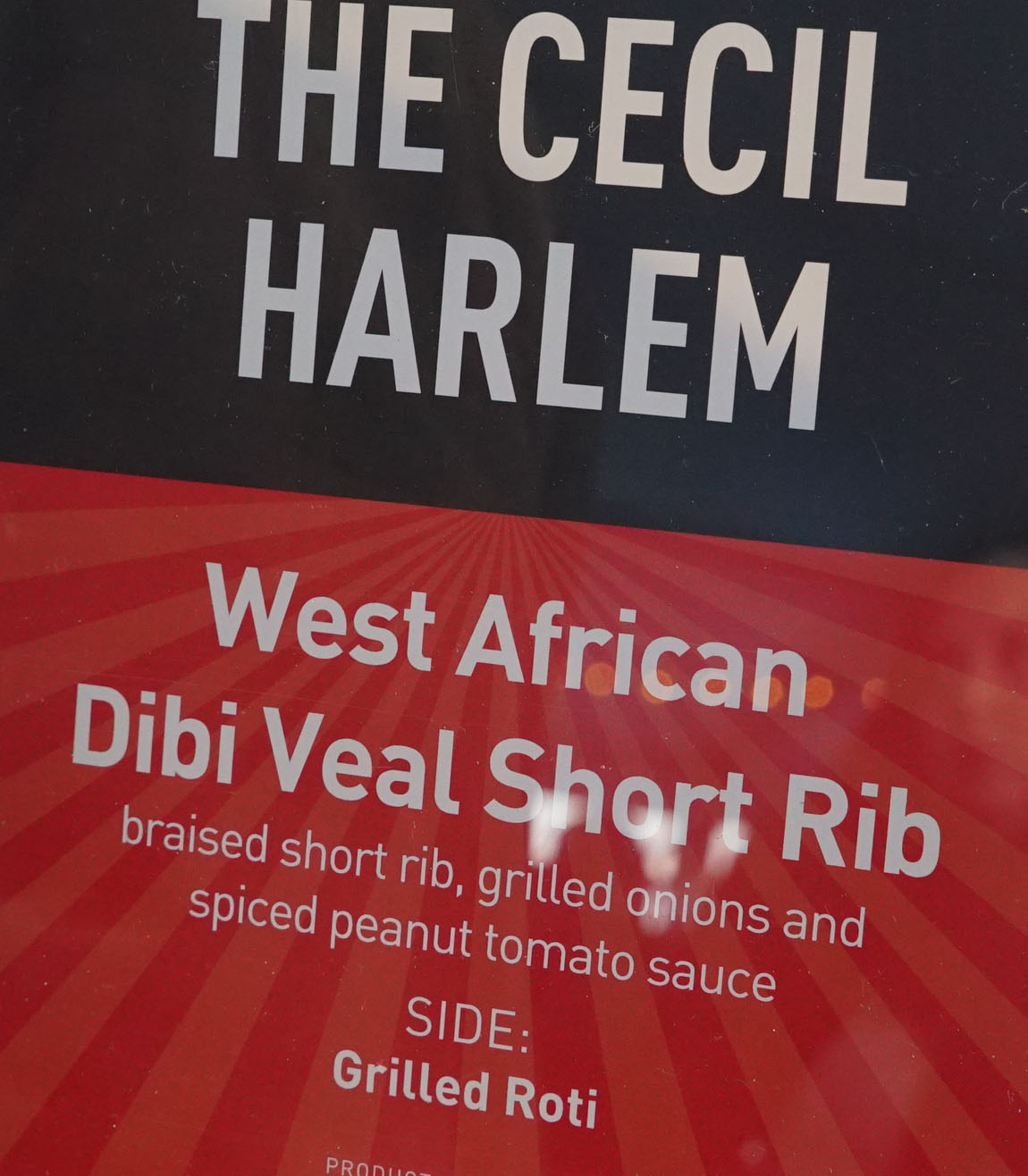
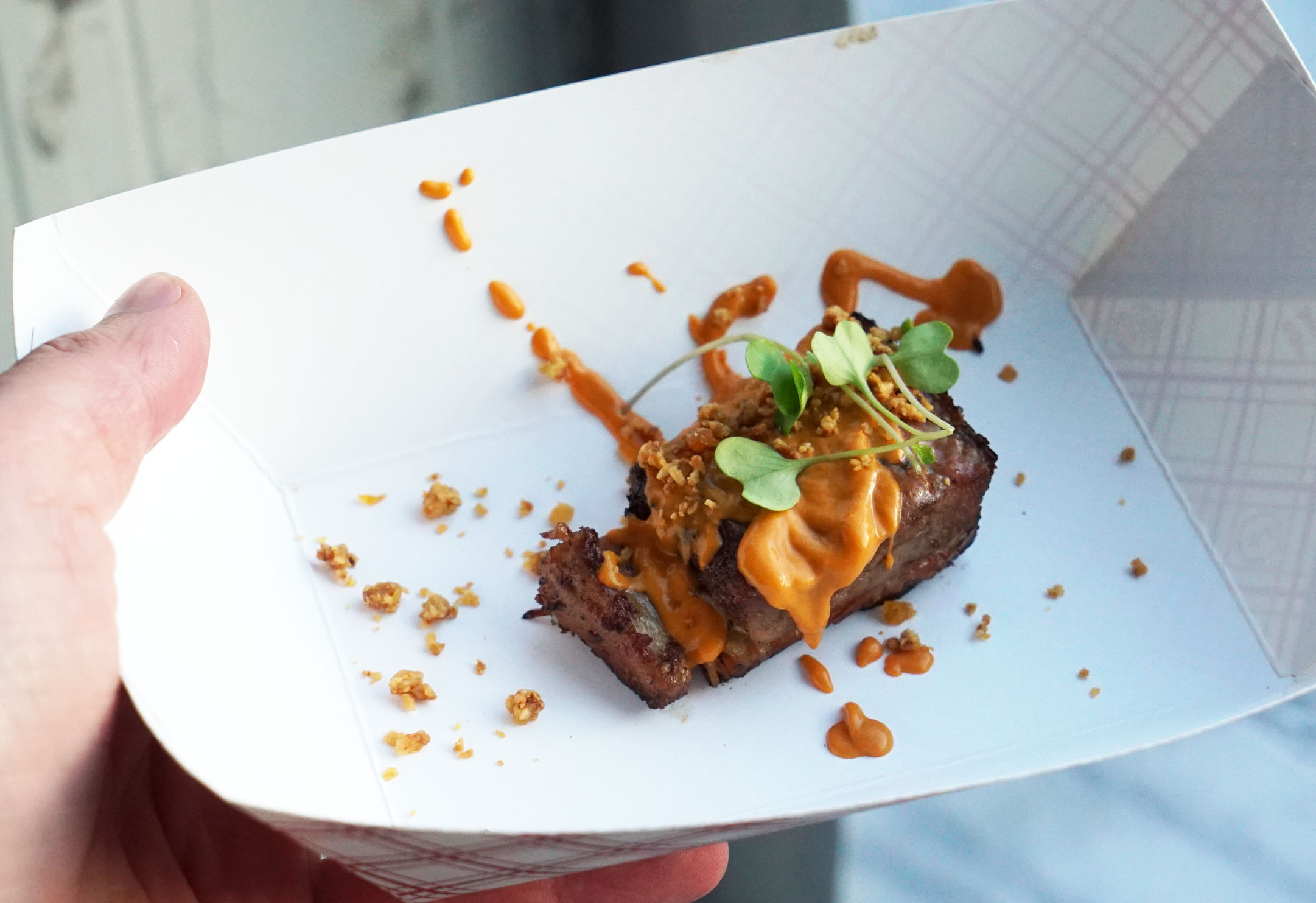
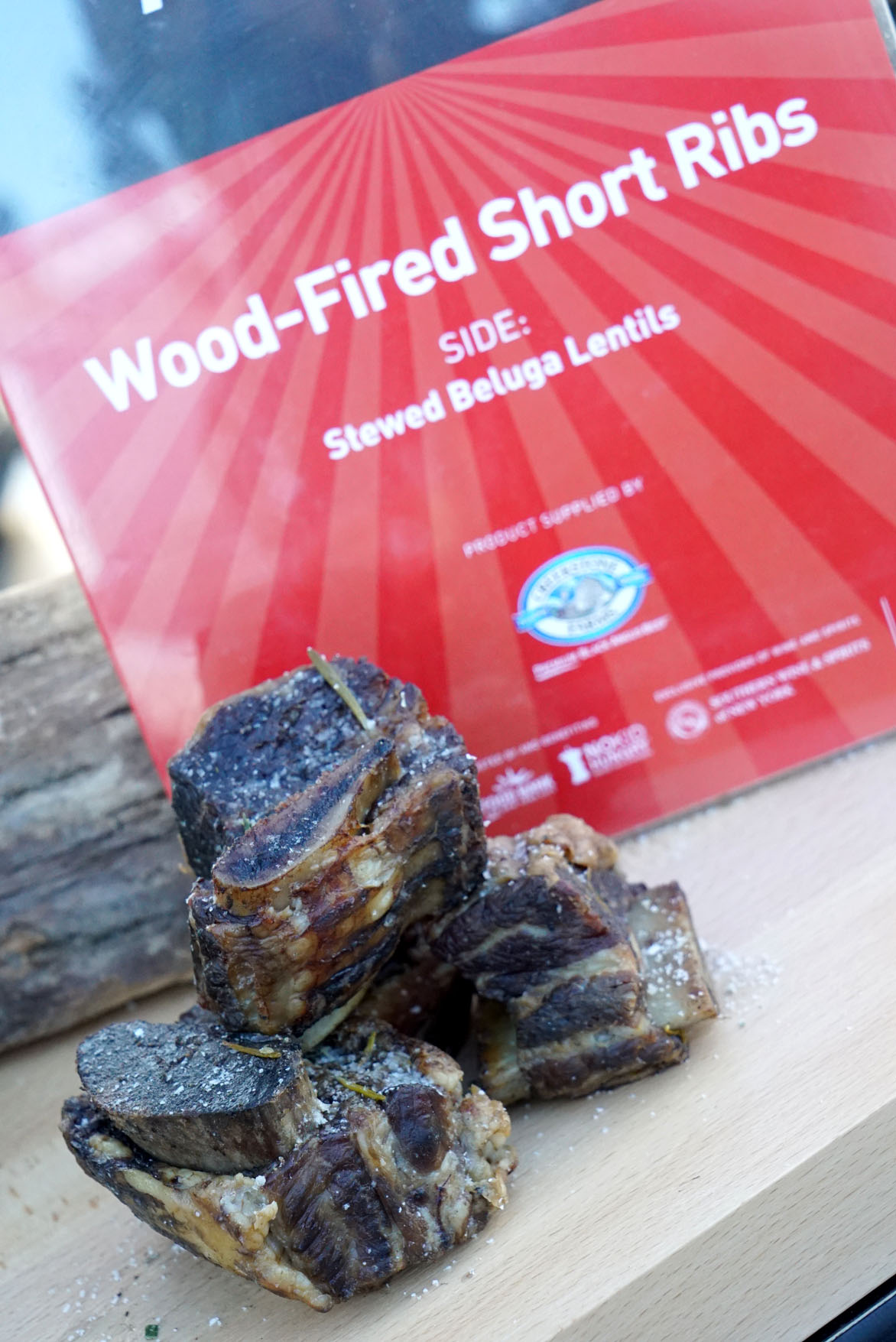
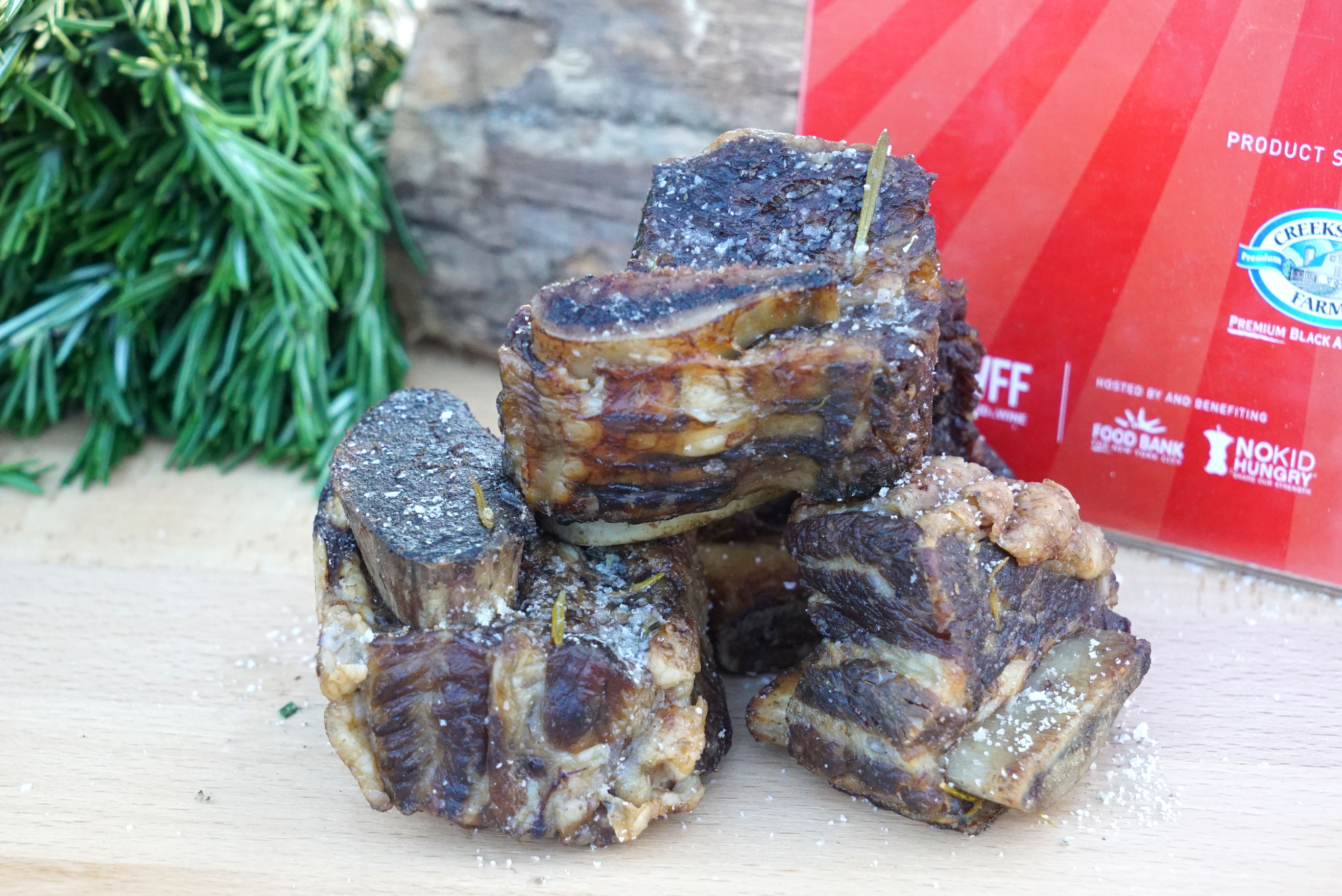
Perhaps the most prominently featured cut of the day was short rib. Check out all the different varieties below:
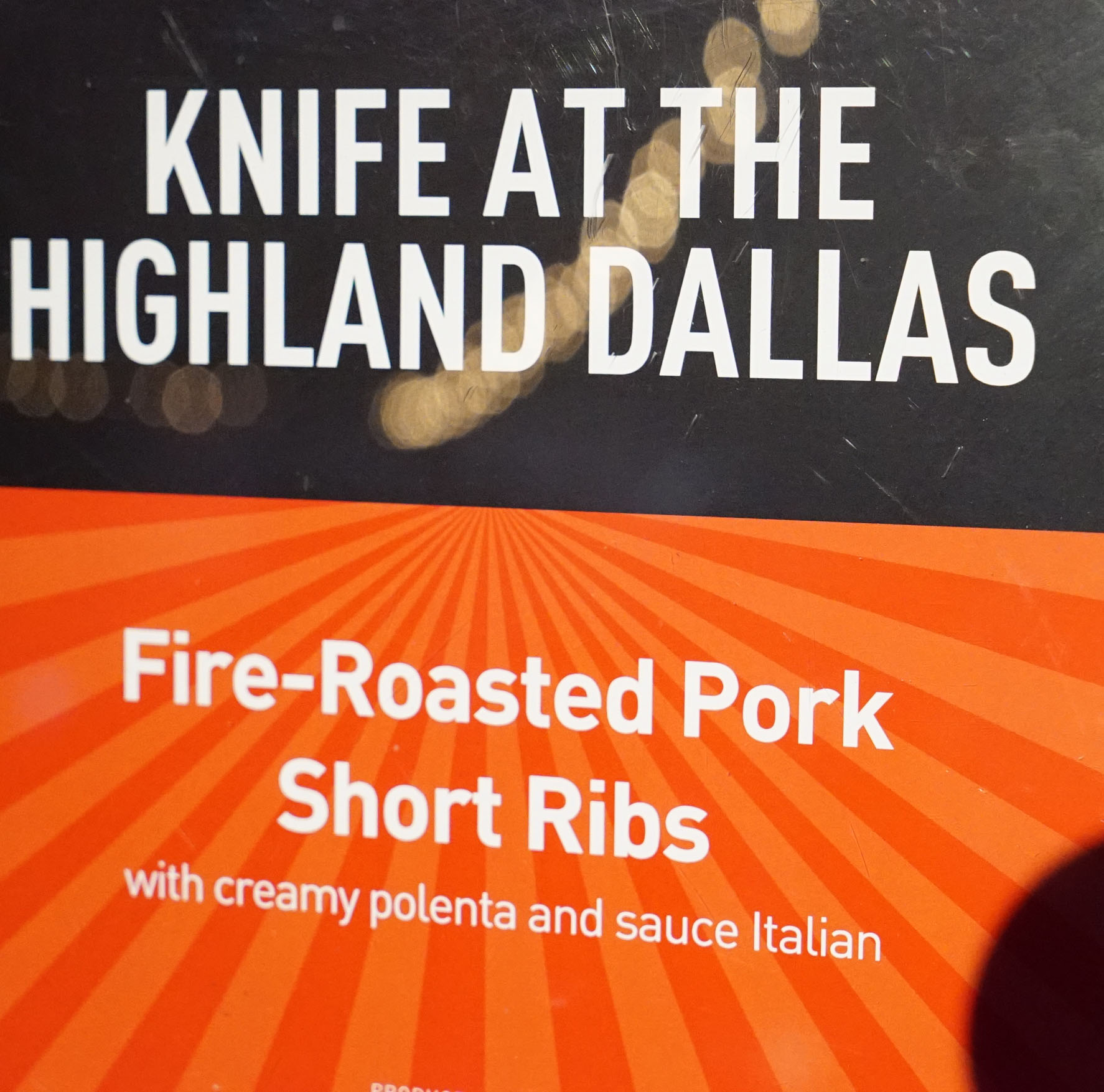
Tough to choose a favorite between those. If I had to, I’d probably lean toward The Cecil (their veal was really memorable), or Hill Country.
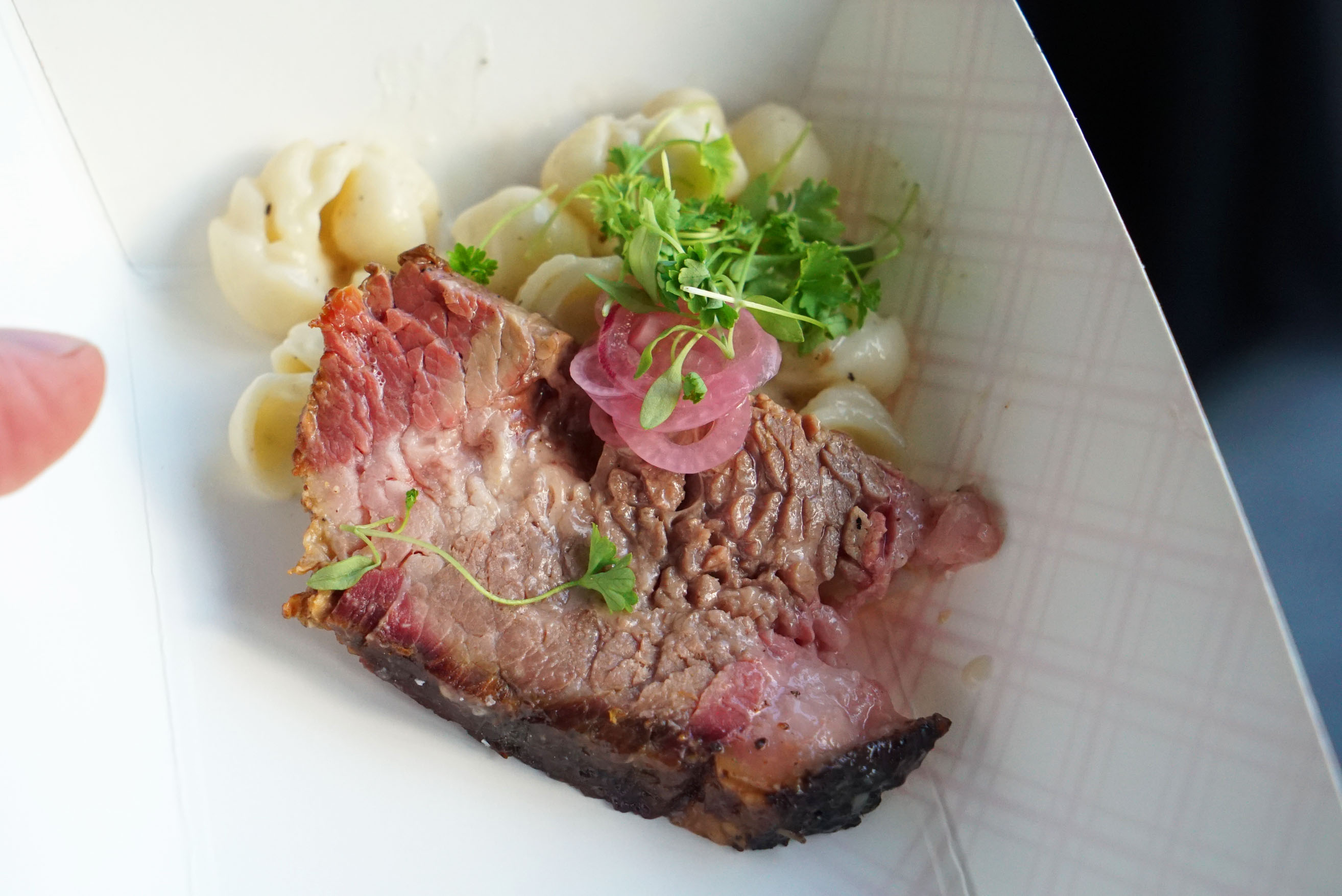
Naturally there was some brisket as well:
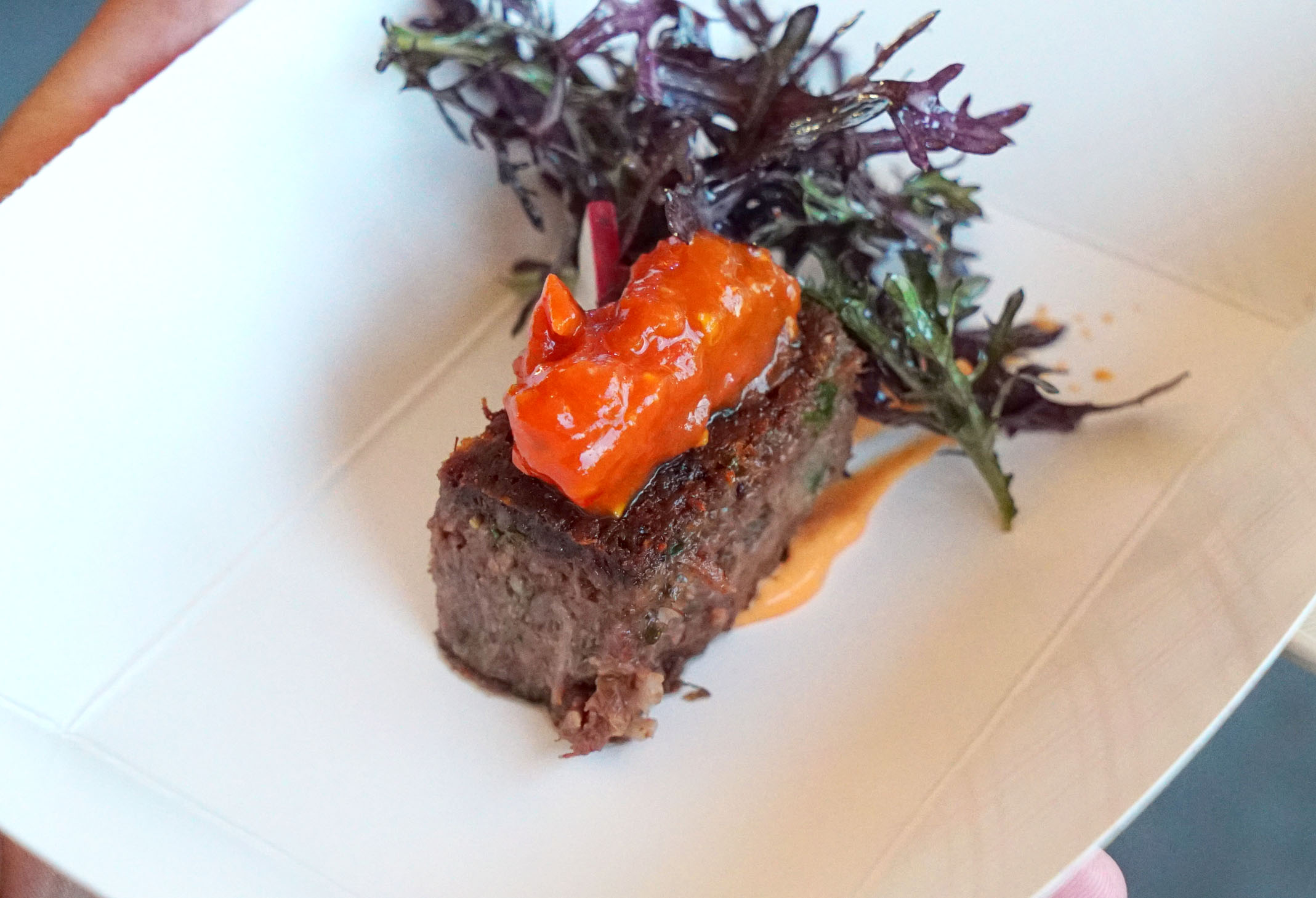
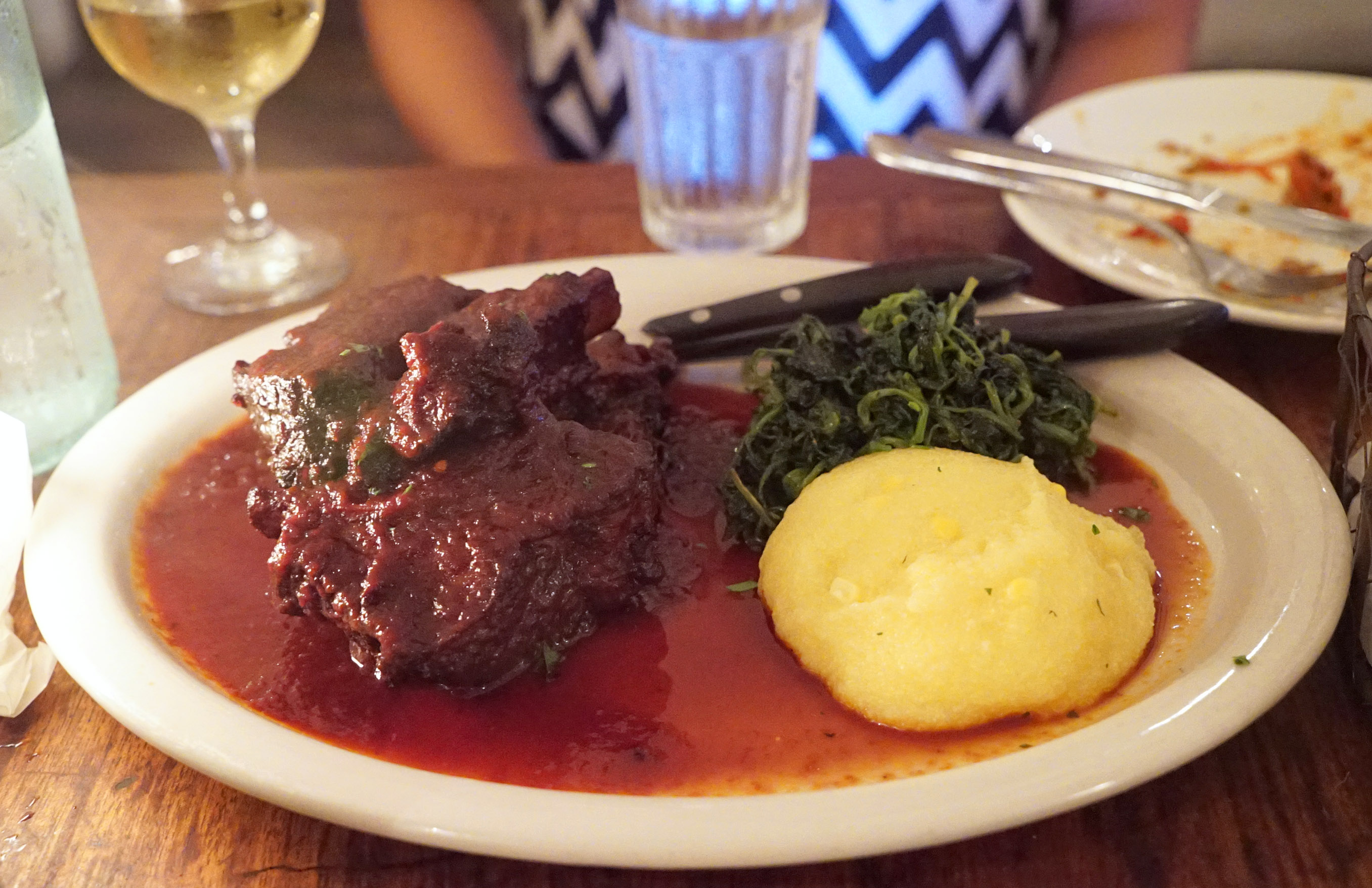
One interesting item was this braised beef cheek terrine from Employees Only. Super soft and flavorful. I was hoping to see more cheek represented at this event, but this was really nice with the pickled tomatoes and radishes on top.
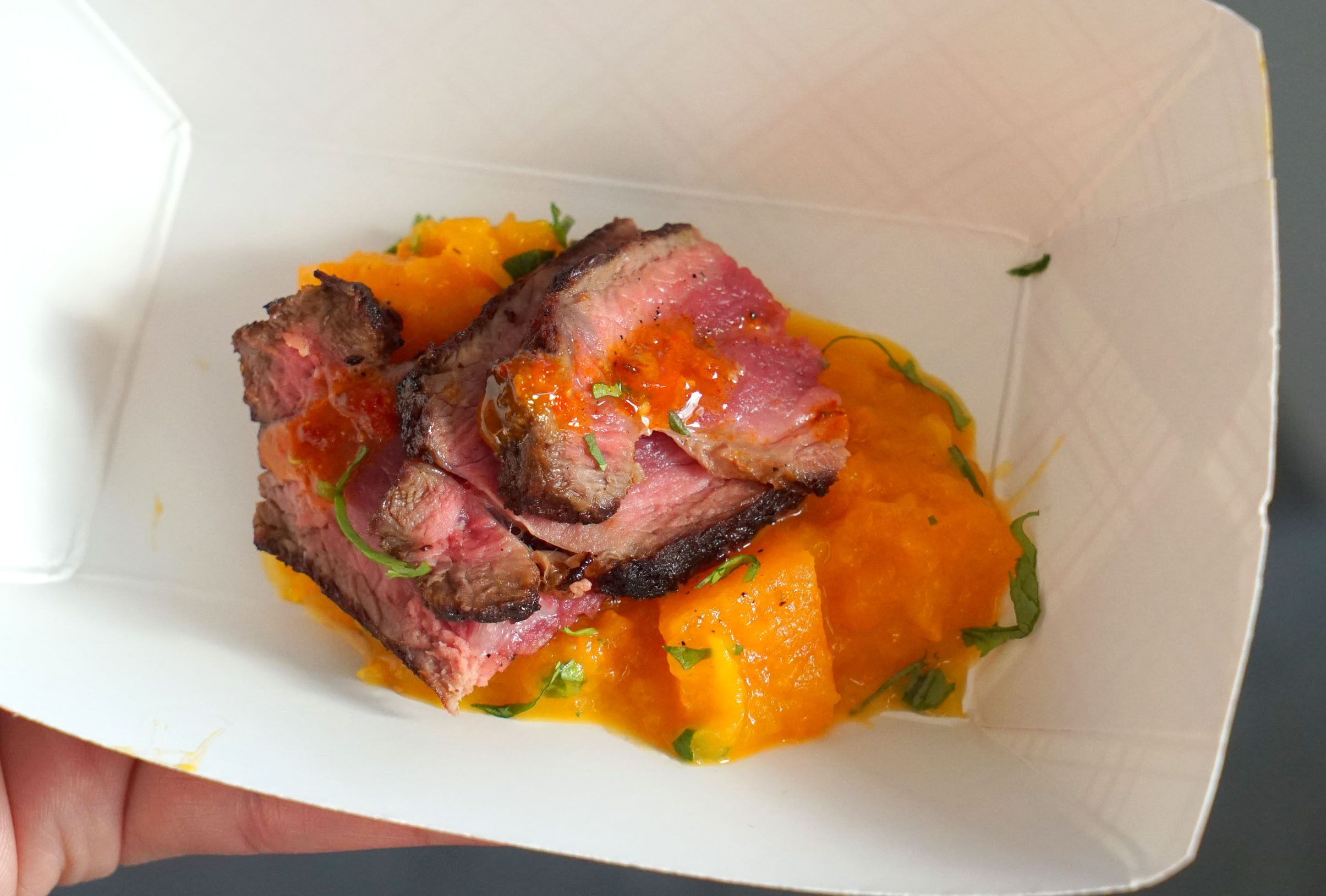
The only place featuring strip was El Blok. It as really nicely cooked with fresh turmeric and sour orange, sitting on a side of smoked calabaza.
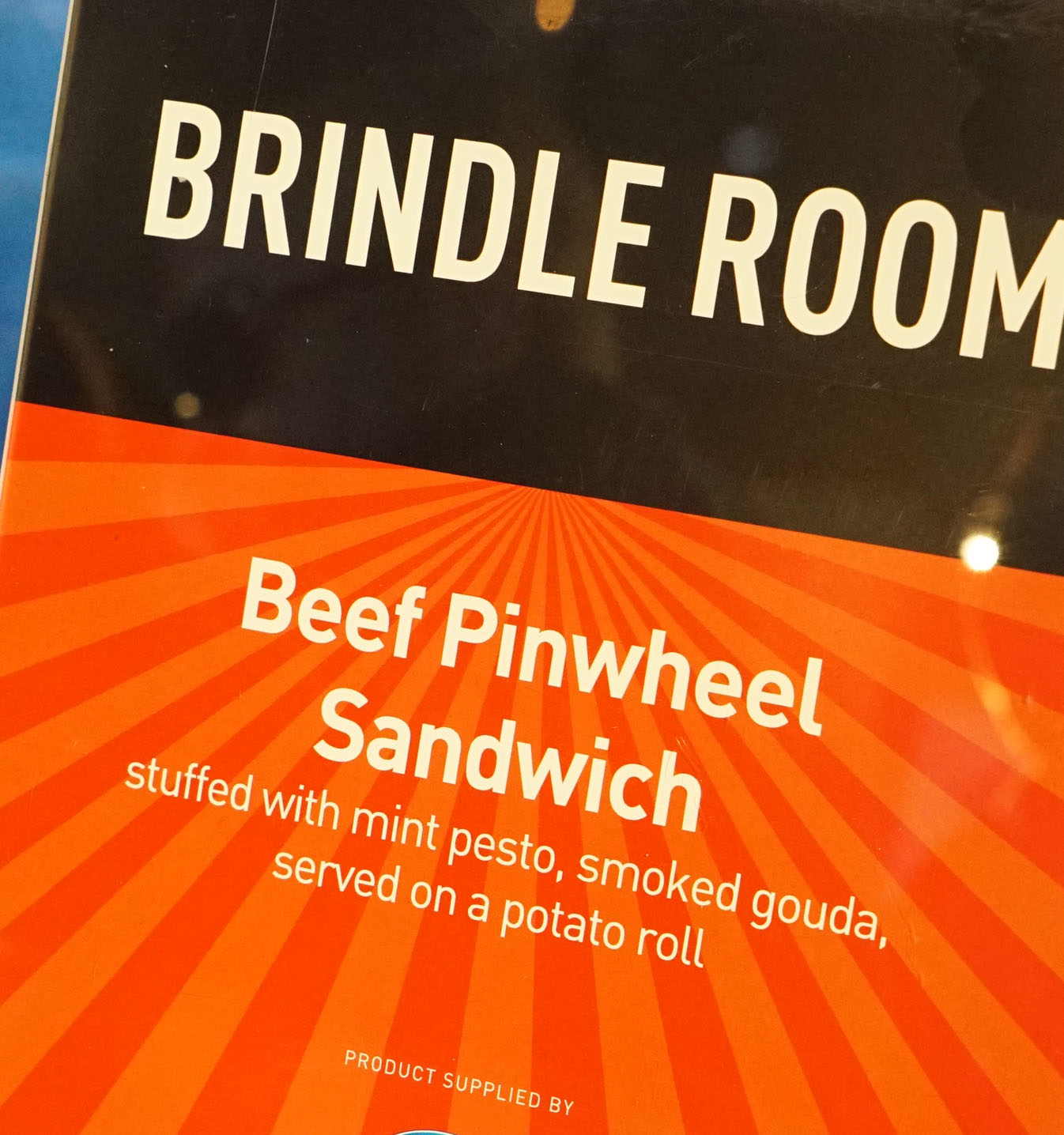
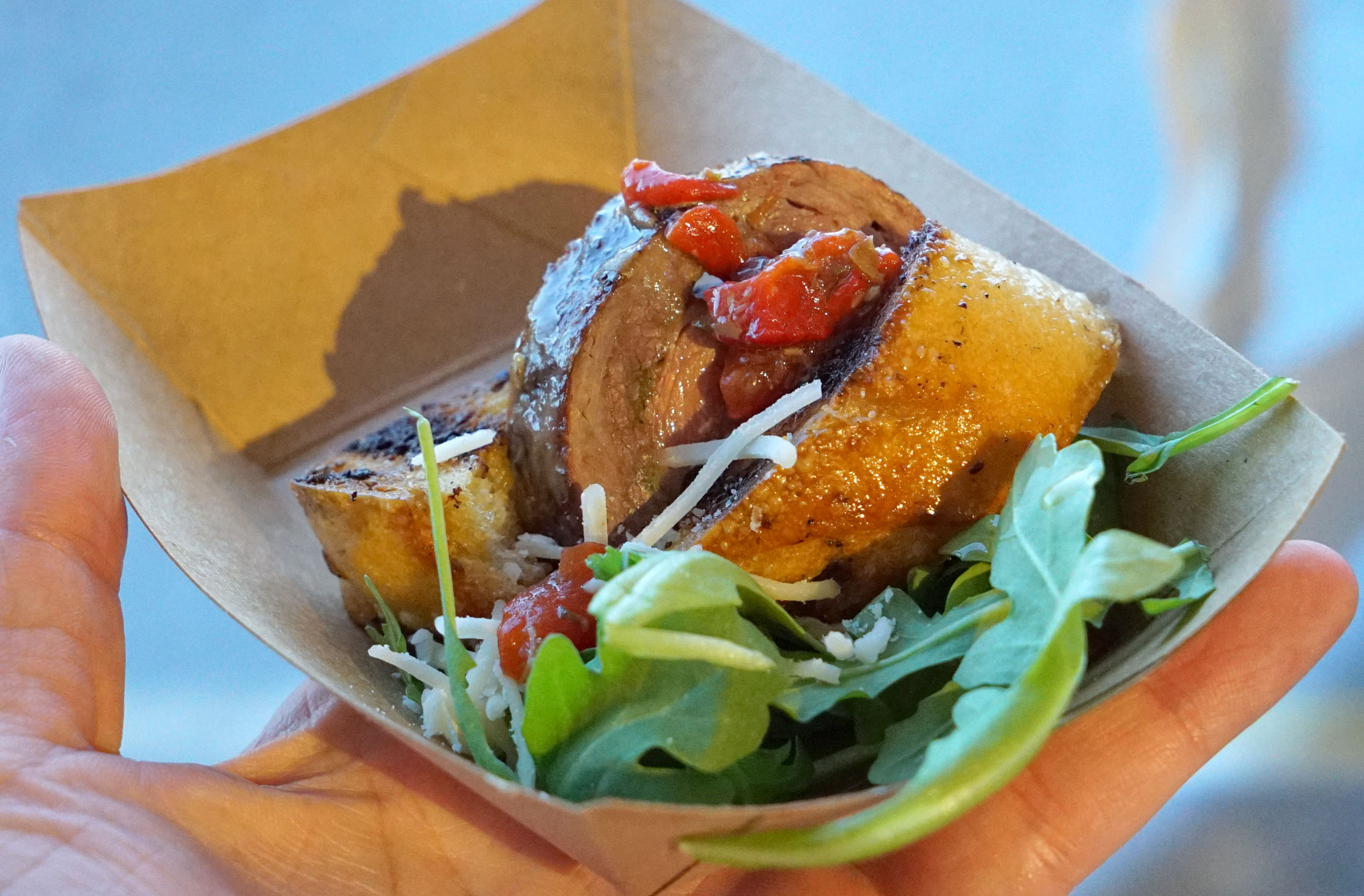
There was a beef pinwheel sandwich from Brindle Room:
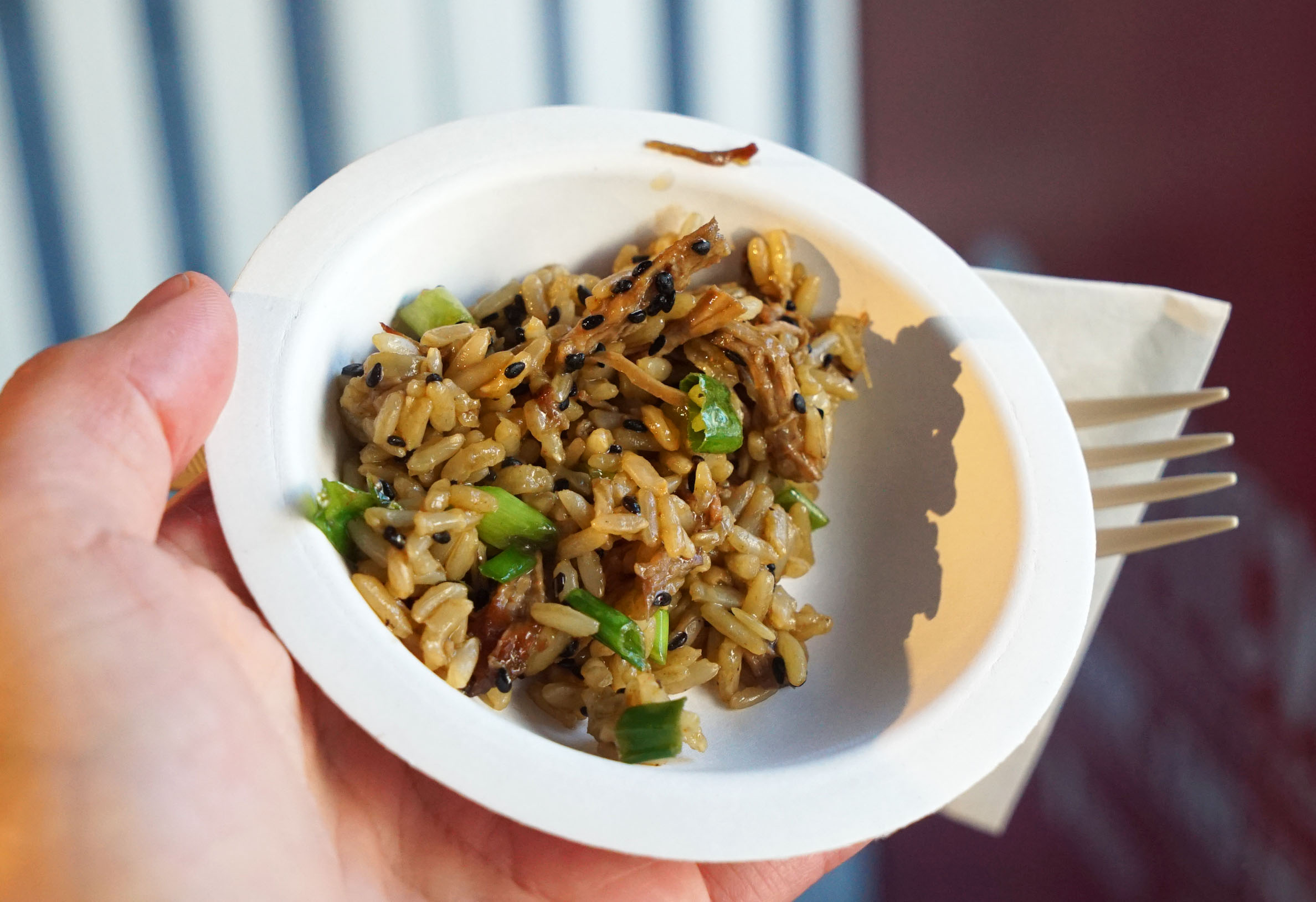
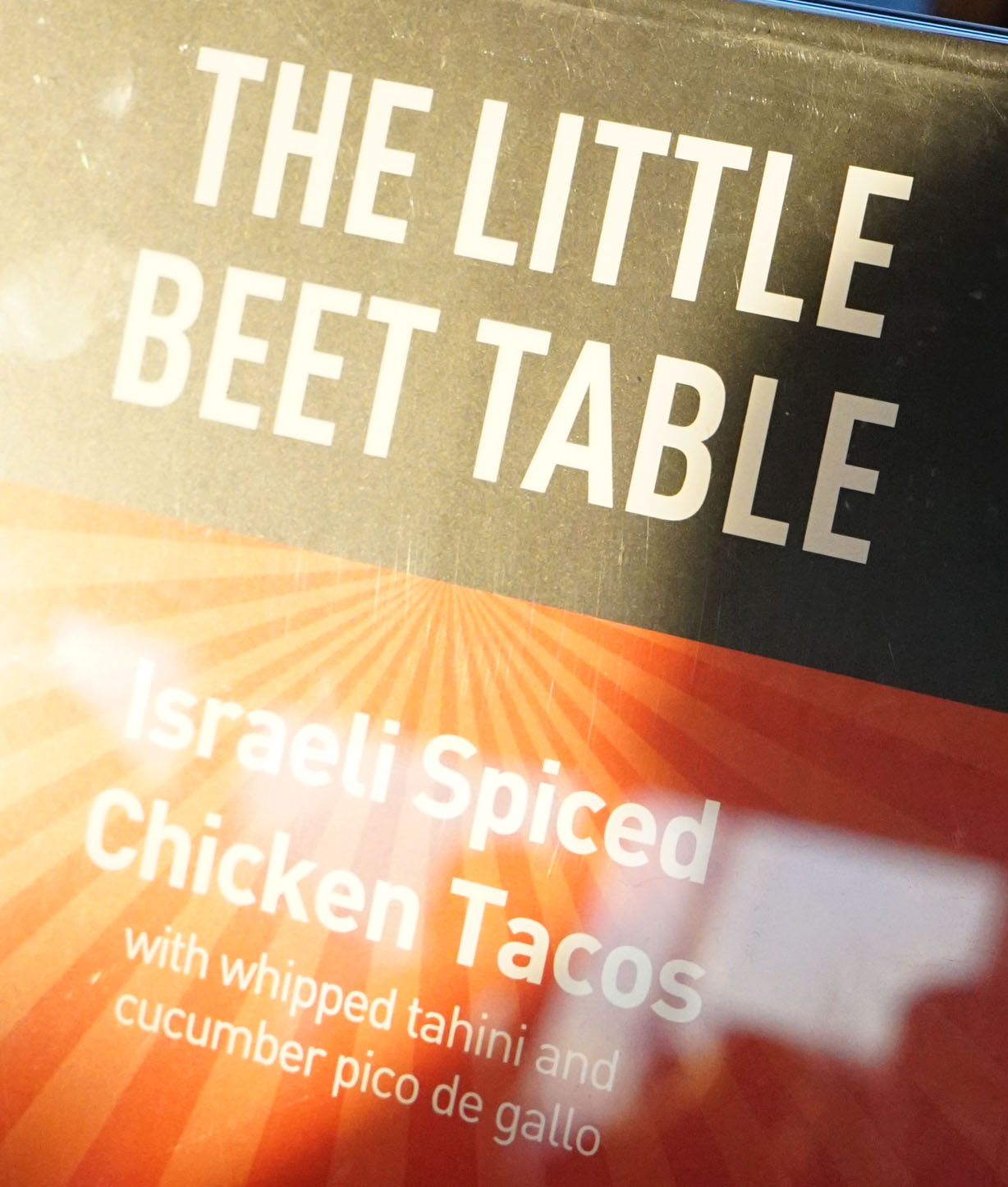
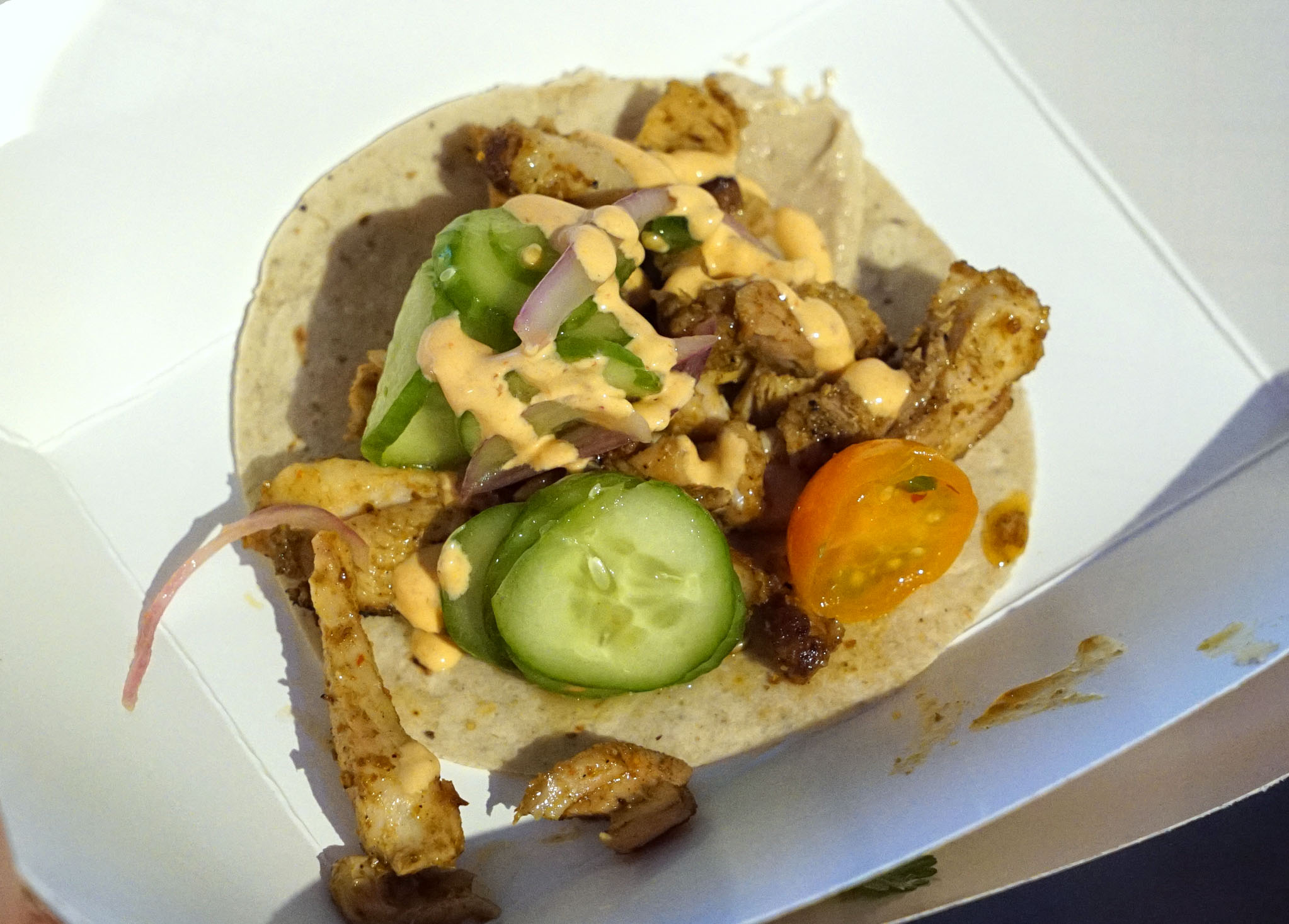
And several other pork and non-beef items, most notable of which was probably this Portuguese porchetta fried rice from 42 The Restaurant – a very interesting mash up of Asian and Portuguese flavors:
Funny thing about that last photo: I was joking that chicken doesn’t really count as meat. The sauce on there was actually really great though, so it became acceptable to serve at this event, in my eyes.
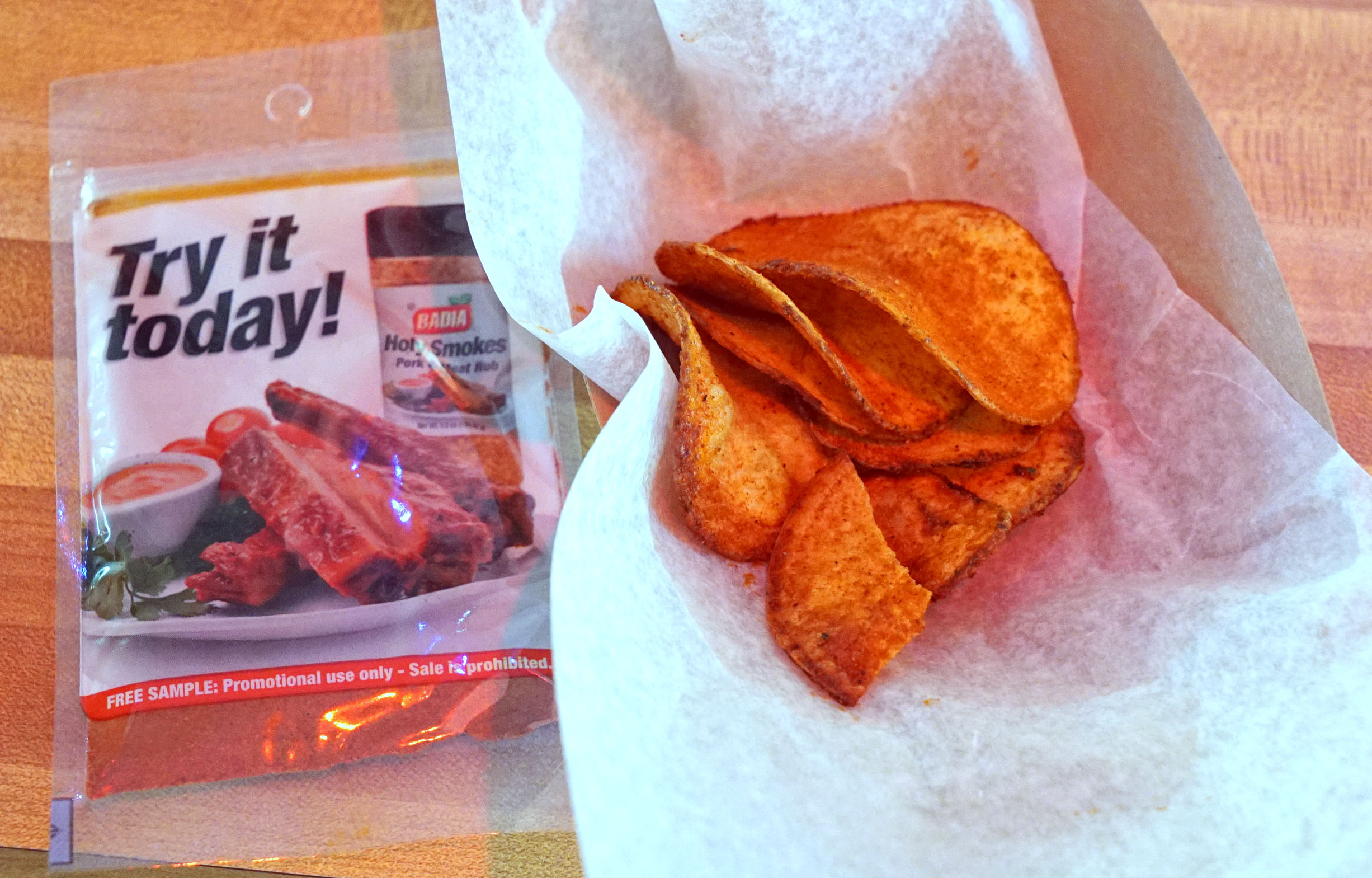
This station sent me home with a packet of Badia spice seasoning. I always like samples!
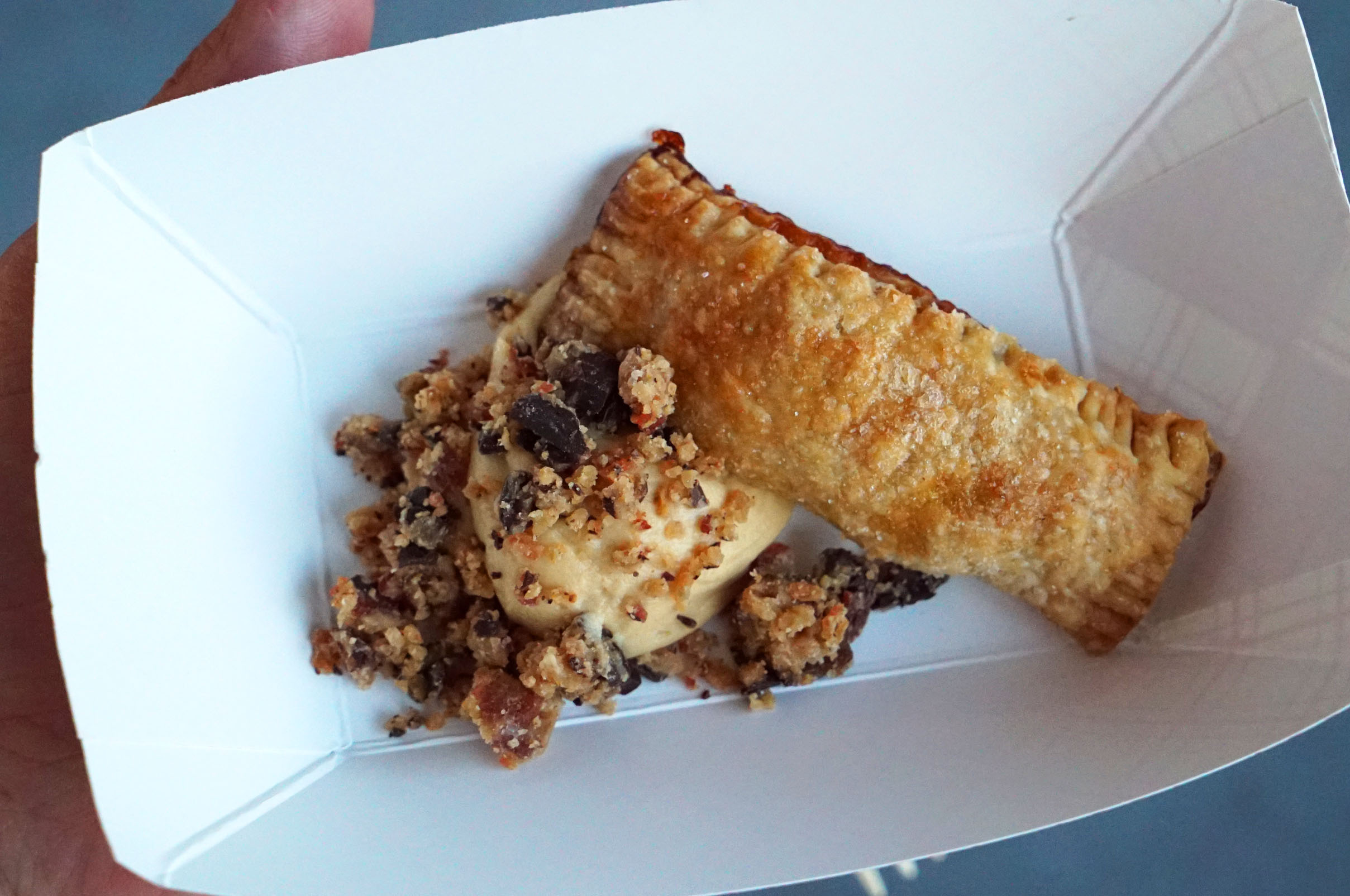
There was even some dessert as well. I didn’t take a picture of the cookie I ate, but this banana chocolate turnover with maple bacon and peanut butter from Oceana was excellent. In fact their menu looks pretty brilliant, and it’s somewhat nearby, so I will have to go with my wife soon to try it out.
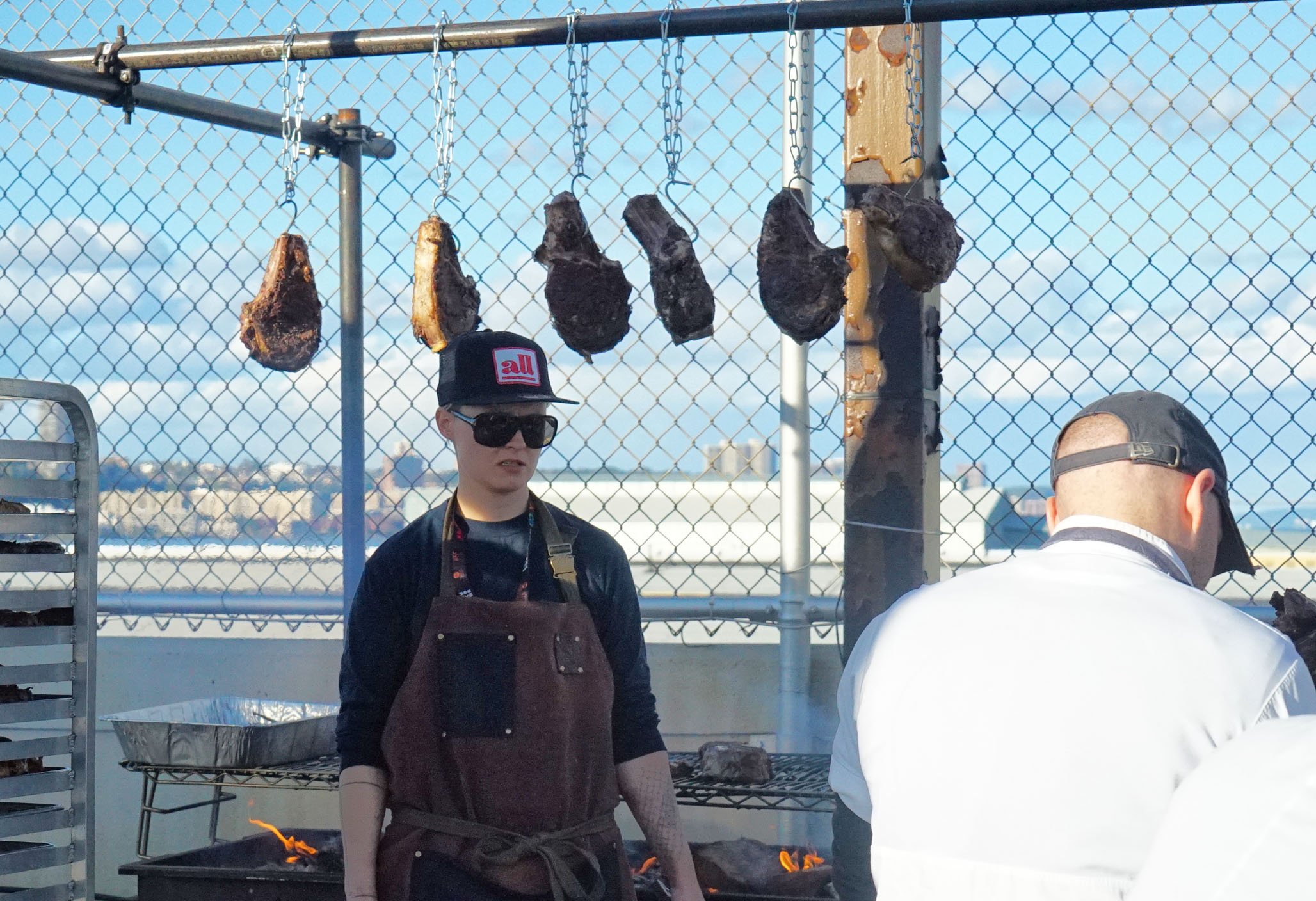
Don’t look so glum, whoever you are working back there in the pit… There’s meat hanging behind you and I’m sure there will be other Meatopia celebrations in the coming months. Can you say MIAMI?!?
That about does it guys. What an amazing day. I don’t want to wash any of my clothes because the lingering smell of smoke and meat is too precious to cast aside. It should somehow be bottled and sold as cologne.
Oh yeah… one last photo – my stalker pic of Iron Chef Michael Symon, who was the host of the event. People were waiting for hours just to press the flesh with him. I was too busy eating for any glad-handing with celebs!
In case you’re from a different planet, barbecue is a culinary technique that involves cooking meat for long periods of time at low temperatures with smoke from a wood fire. BBQ pits add a distinctive smoky taste to the meat.
Clearly we’re not talking about what you do in your backyard on Memorial Day with your Weber propane grill. We’re not talking about slapping a piece of thin, raw beef onto a hot electric mesh of metal either.
That’s GRILLING. Never confuse it with real deal BBQ, which involves smoking a massive carcass for days on end, and the low-and-slow roasting and/or constant basting and sauce-mopping of meats for hours and hours. No my friends. This is a whole different beast. Speaking of different beasts, there’s really no limit on what animals can be cooked in this style.
In the American south and midwest, however, barbecue has become more than just a cooking style. It’s a way of life, as is often said, and it varies greatly from place to place. Regions differ on things like sauce or no sauce, what type of animal or cuts of meat are used, and even what types of wood is burned. This page will serve as your guide to understanding these great varieties.
Texas
May as well start with the big one. Texas has regional styles within it’s own style. Central Texas “Hill Country” is known for its old meat markets, which were heavily influenced by German and Czech immigrants. Here, the focus is on the meat, so they use dry rubs (no sauce on the meat, or it is not a primary element to the food). Beef brisket and ribs are king, and sausage links are also prominent, with pecan and oak wood being used in most smokers. East Texas BBQ is pretty much split 50/50 between beef and pork, but, similar to southern styles, what you get is usually chopped rather than sliced, and served sandwich style with a tomato- and vinegar- based hot sauce.
North Carolina
North Carolina, like Texas, has variations within: eastern style and Lexington style (not to be confused with Lexington Steele). Three unifying things you need to know about NC BBQ: (1) the meat is PORK all the way; (2) said pork should be brushed with a spice and vinegar mix while cooking; and (3) hickory or oak wood is used in the smoker. Two differentiating things you need to know about NC BBQ: (1) eastern NC is a whole-hog BBQ, using the entire animal, while Lexington favors just the pork shoulder and ribs; and (2) eastern style NC BBQ favors an apple cider vinegar-based sauce, while the west prefers a ketchup- and brown sugar- based sauce.
South Carolina
Here, it’s all about the sauce differences, otherwise it is pretty much the same as North Carolina. Central South Carolina is typically BBQ with a mustard-based sauce known as “Carolina Gold.” The coast is all about pepper and vinegar, and the far west and north are into ketchup- and tomato- based sauces. Preferred cuts/dishes across the state are pork butt and ham.
Kansas City
This info holds for both Kansas and Missouri versions of Kansas City, as they are neighbors. But because of its geographic location, KCBBQ has a mix of culinary influences from all regions. And given its history as a hub for the meatpacking industry, Kansas City style BBQ embraces all kinds of meats. Everything is done “slow and low,” as they say, and usually with hickory wood, although all woods are used. Burnt ends are big here, and smothered with a thick and sweet, molasses- and tomato- based sauce, because, well, in Kansas City, “sauce is boss,” as they say.
St. Louis
St. Louis-style barbecue consists of mainly pork dishes, a staple of which is the pork steak, which is sliced from the shoulder of the pig. However another item unique to the St. Louis area is crispy snoot. This nose and cheek cut is prepared by removing the nostrils and cooking until crispy. Similar to pork rinds, these can be presented many ways, but the two most common are either (1) covered in sauce, on a sandwich, or (2) broken into pieces and dipped in sauce.
Memphis
Pulled pork and pork ribs are both big for this style of ‘cue. The dry rub is usually paprika and garlic, but served with a thin and tangy tomato-based sauce. Wet ribs are also prominent as well. Hickory is the choice wood, although oak, cherry, pecan and apple are all used.
Alabama
Alabama tends to be a mixture of Texas and Carolina styles, but they’re big on sandwiches and cole slaw. They usually go with pulled pork or pulled chicken, but ‘Bama’s signature is the white sauce that they use as a topper, which is a mayonnaise and vinegar concoction.
Kentucky
The thing to know about Kentucky BBQ is their use of mutton: older lamb and sheep. Don’t think of the word “old” as a bad thing. Lamb comes from a sheep that is less than one year old. Mutton comes from a sheep that is more than one year “old.” Kentucky mutton usually comes with a Worcestershire dip as well. Pork is prevalent here as well, but the mutton is what makes this region unique.
Virginia
I’m bogarting this description right from Wikipedia, since it is absolutely fascinating and I have nothing of my own to add to it: “While less prevalent than the other Southern styles, Virginia barbecue is a fair mixture of Carolina and Memphis barbecue. Originating in Hanover, Virginia in the 19th century, the traditional meat is pork (often Virginia ham) or chicken, although more gamy meals contain venison or squirrel. Unlike Carolina barbecue, the texture of meat is sweeter and finer. However, it does contain the smoky blend of Memphis barbecue. During Thomas Jefferson’s tenure as ambassador to France from 1784-89, he engaged in lengthy letter correspondence with James Madison regarding the preferred game for Virginia barbecue. While Jefferson exhibited a general preference for venison, Madison insisted that smaller critters were more consistent with the smokey flavor of the sauce. The key ingredients of Virginia barbecue are bourbon/wine, vinegar, peppers, corn, and a tomato-based sauce.”
California
I’ve decided to pull this directly from Wikipedia as well, since I never knew California had an official style of BBQ: “The original use of buried cooking in barbecue pits in North America was done by the Native Americans for thousands of years, including by the tribes of California. In the late 18th and early 19th centuries eras, when the territory became Spanish Las Californias and then Mexican Alta California, the Missions and ranchos of California had large cattle herds for hides and tallow use and export. At the end of the culling and leather tanning season large pit barbecues cooked the remaining meat. In the early days of California statehood after 1850 the Californios continued the outdoor cooking tradition for fiestas. In California a well-known barbecue dish is grilled tri-tip beef rump, sometimes cut into steaks. The Santa Maria Style BBQ, originally from the Central Coast of California, uses a portable ‘towed’ trailer version frequently seen at farmers markets. The old Mexican Ranchos of California would cook tri-tip over a pit of red oak, and simply season it with salt and garlic to enhance the flavor. It was served with pinqinto beans, pico de gallo and tortillas.”
Hawaii
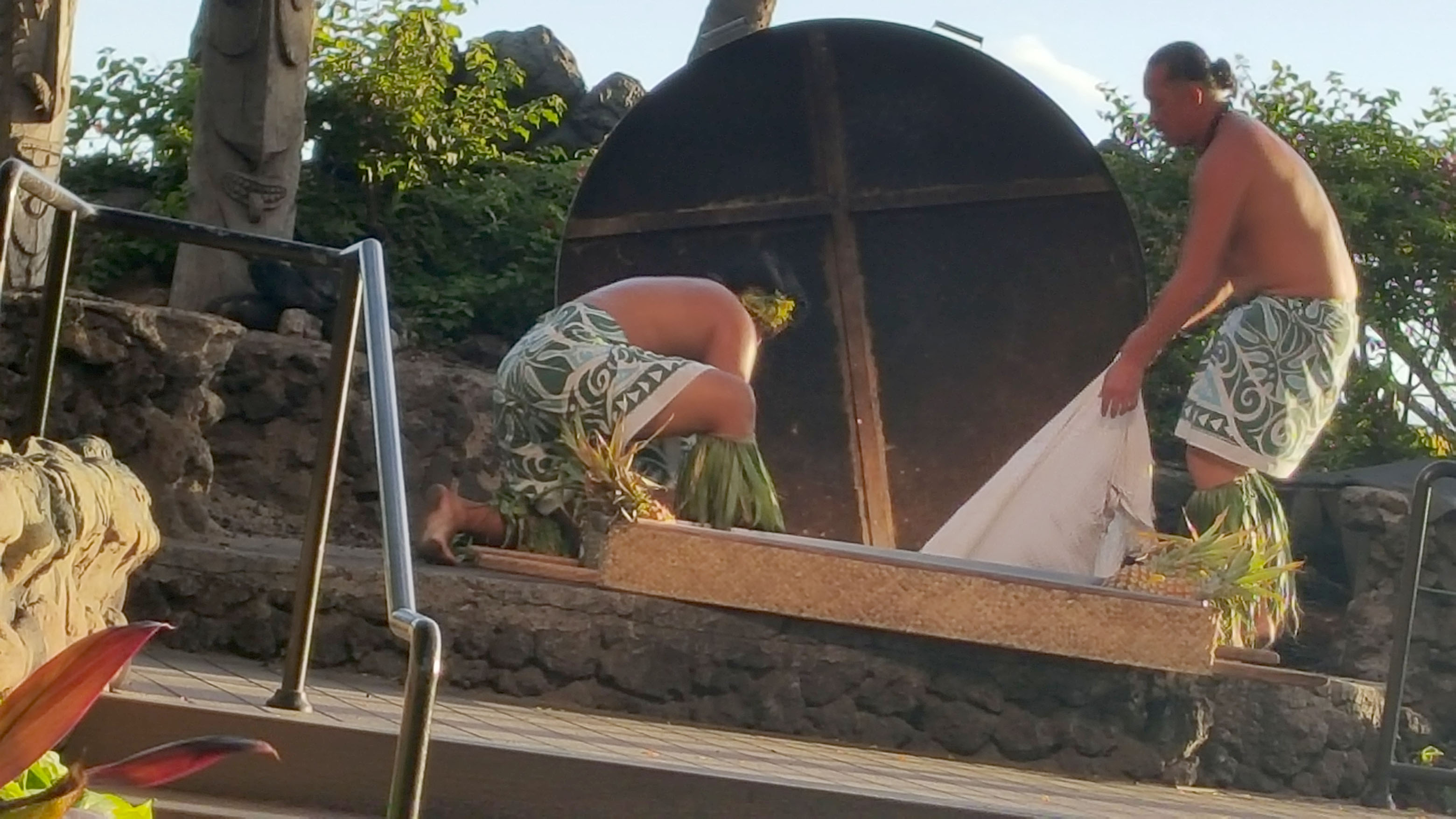
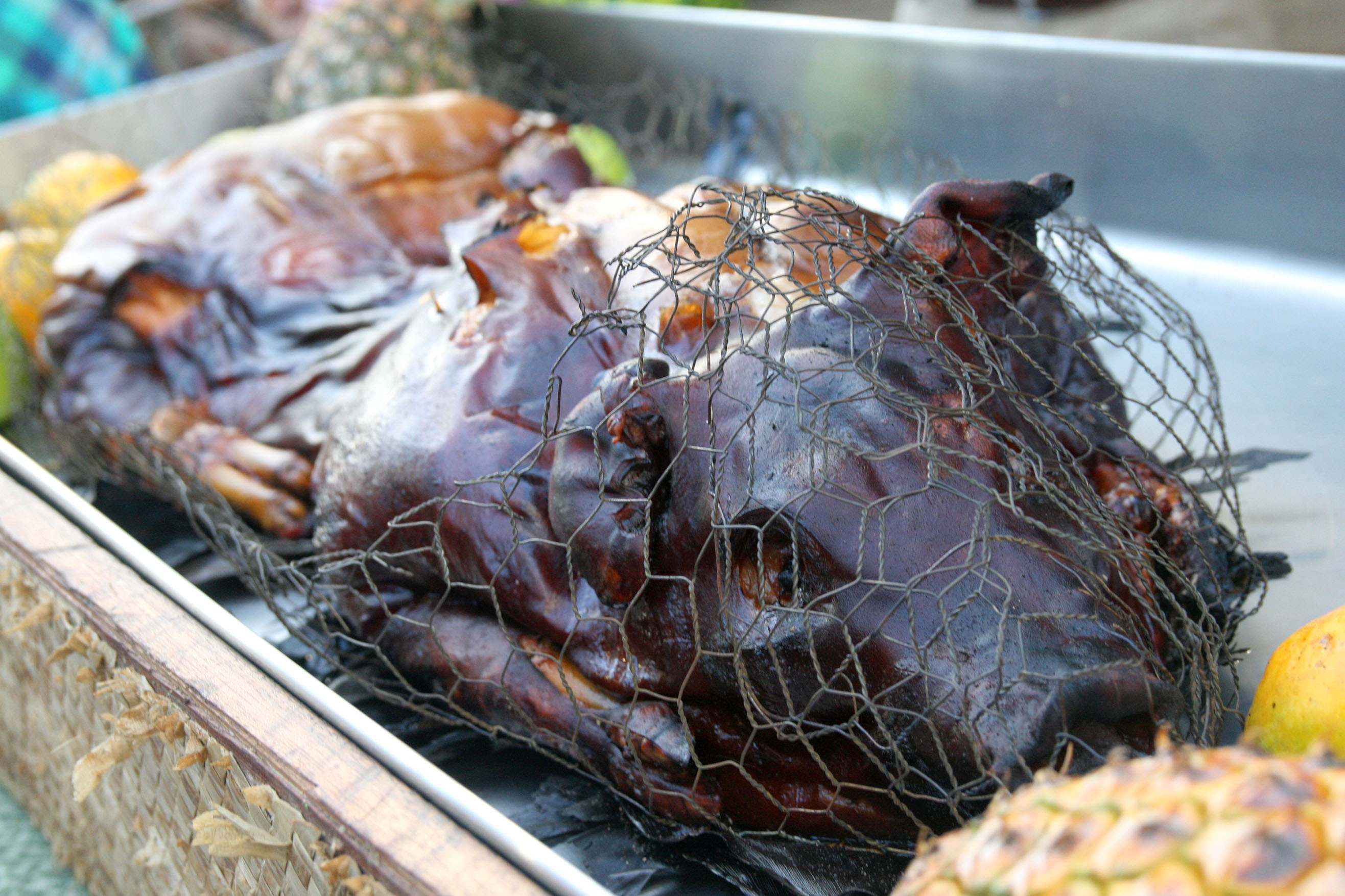
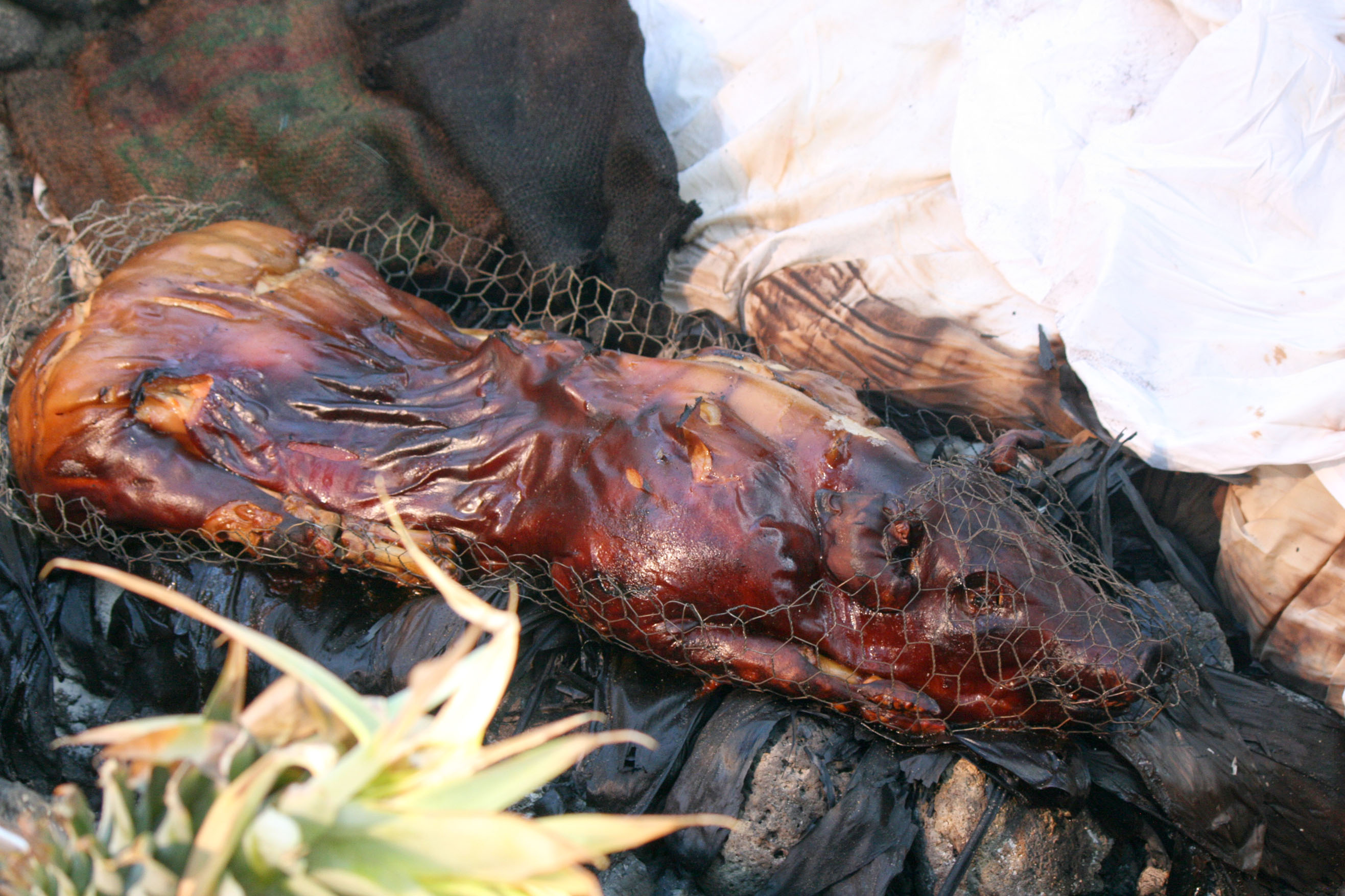
Often overlooked is the luau, a polynesian tradition and celebration where whole hog is cooked. The centerpiece of any luau is kalua pork, which is a whole pig that is roasted in an imu pit – an underground oven traditionally made with lava rock – that cooks the animal for several hours, low and slow. The pig is ceremonially wrapped in banana leaves to impart sweetness and lock in moisture before being placed onto the coals.
Hybrid Styles
Many other states, like Oklahoma, Arkansas and Georgia, are essentially hybrid forms of BBQ that exhibit techniques and flavors from the surrounding geographic areas of influence. New York City, on the other hand, is beginning to develop its own unique cultural hybrid BBQ style, as various African, Asian and Latin American immigrant communities weave the flavor profiles from their heritages into the American culinary tablecloth, so to speak. A true melting pot in every sense of the phrase, New York City has outlets for the flavors of African braai, Korean kimchi, Indian curry, Middle-Eastern cumin, Mexican mole and Brazilian churrasco/rodizio, just to name a few. In time, I see NYC as being a place where the boundaries of BBQ are expanded to a global level, as New Yorkers currently seem to be taking BBQ – something uniquely American – and applying it to various cuisines from all over the world. When that happens, everyone wins. Especially my stomach.
I realize that many BBQ aficionados might find my overview above to be a bit rudimentary. There’s so much more to know, and not even just about the meats. One could easily spend an entire day learning about the various side items that go along with American BBQ, for example. As a matter of fact, one of the most thorough and enjoyable resources I have come across for BBQ is a book called Be The BBQ Pitmaster, by Will Budiaman. This book is good for history, detailed discussions of the various regional techniques, tips for wood selection, smoking instructions, and even recipes from well known pit masters in each region. It’s a one-stop-shop for all your BBQ research and cooking application needs.
And if you are wondering what wines to pair with your BBQ, check out THIS ARTICLE by Bro BBQ.
Lastly, to see my small but growing collection of BBQ reviews, click on over to “The ‘Cue Review” now.
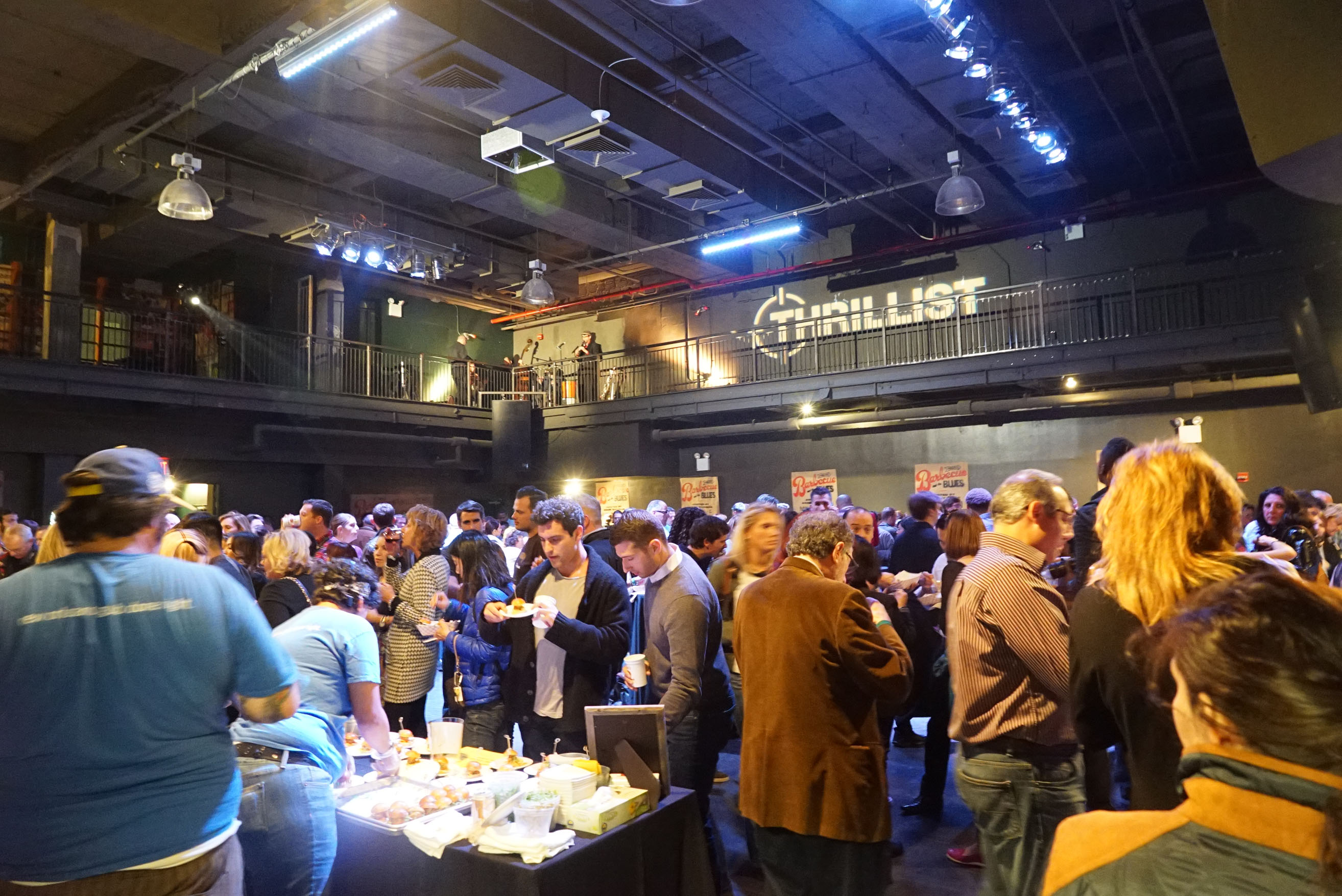
Twelve vendors vied for support from hundreds of hungry BBQ fanatics, each wielding a single voting chip to cast their ballot for the night’s favorite food. All the while, old rag time and tin pan alley jug band music played to set the mood.
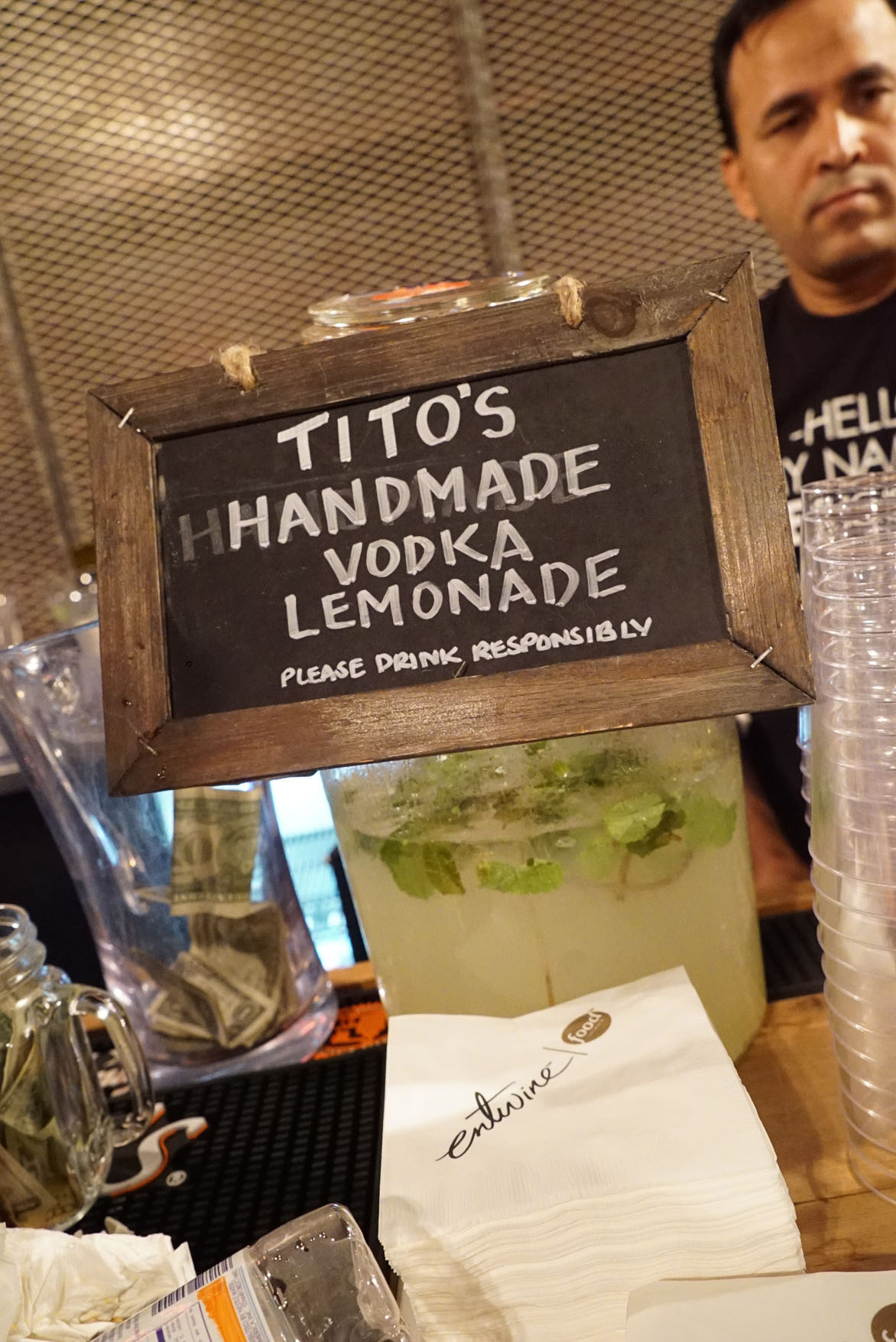
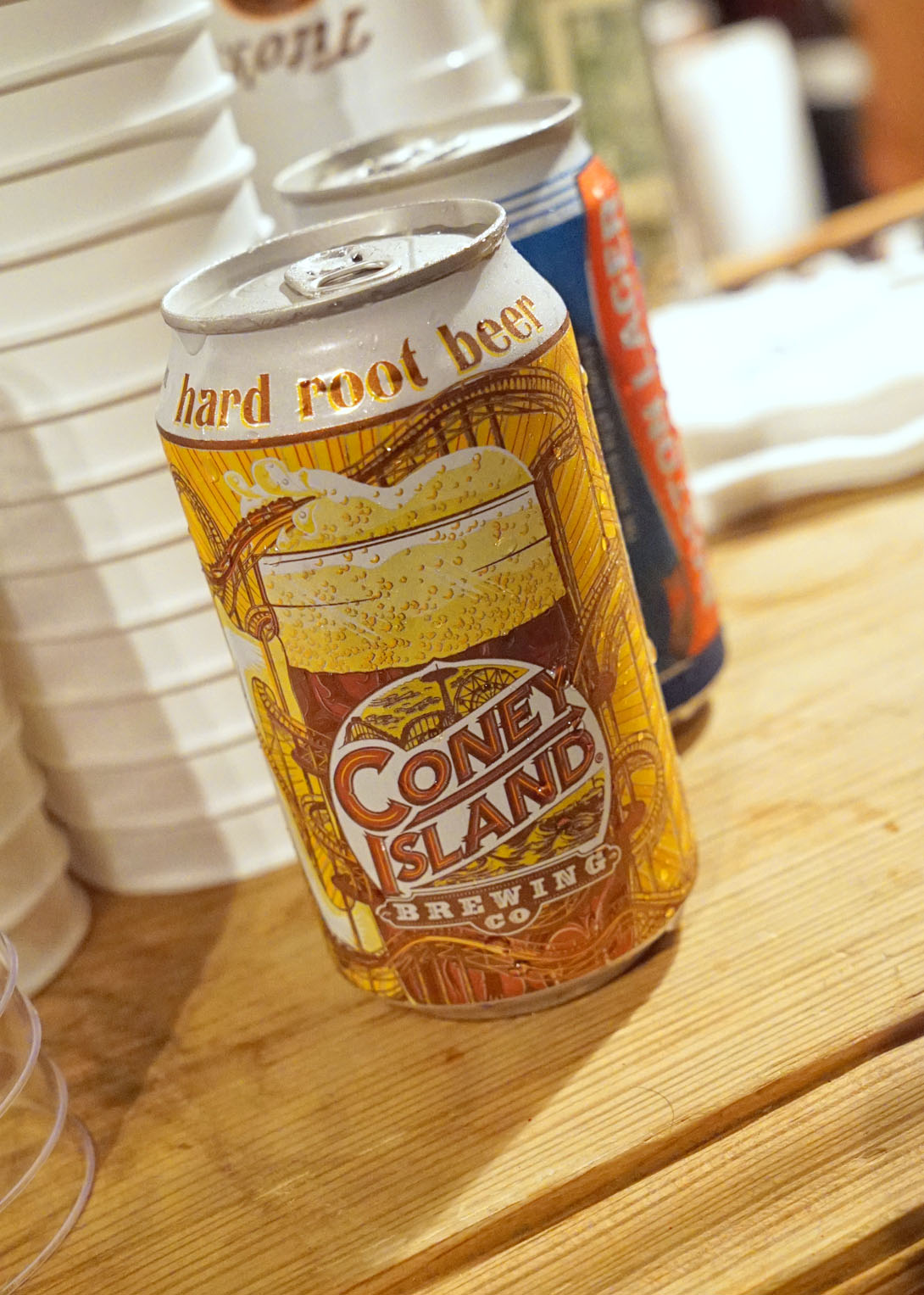
There was a nice open bar, stocked with vodka lemonades and hard root beer, to name a few items.
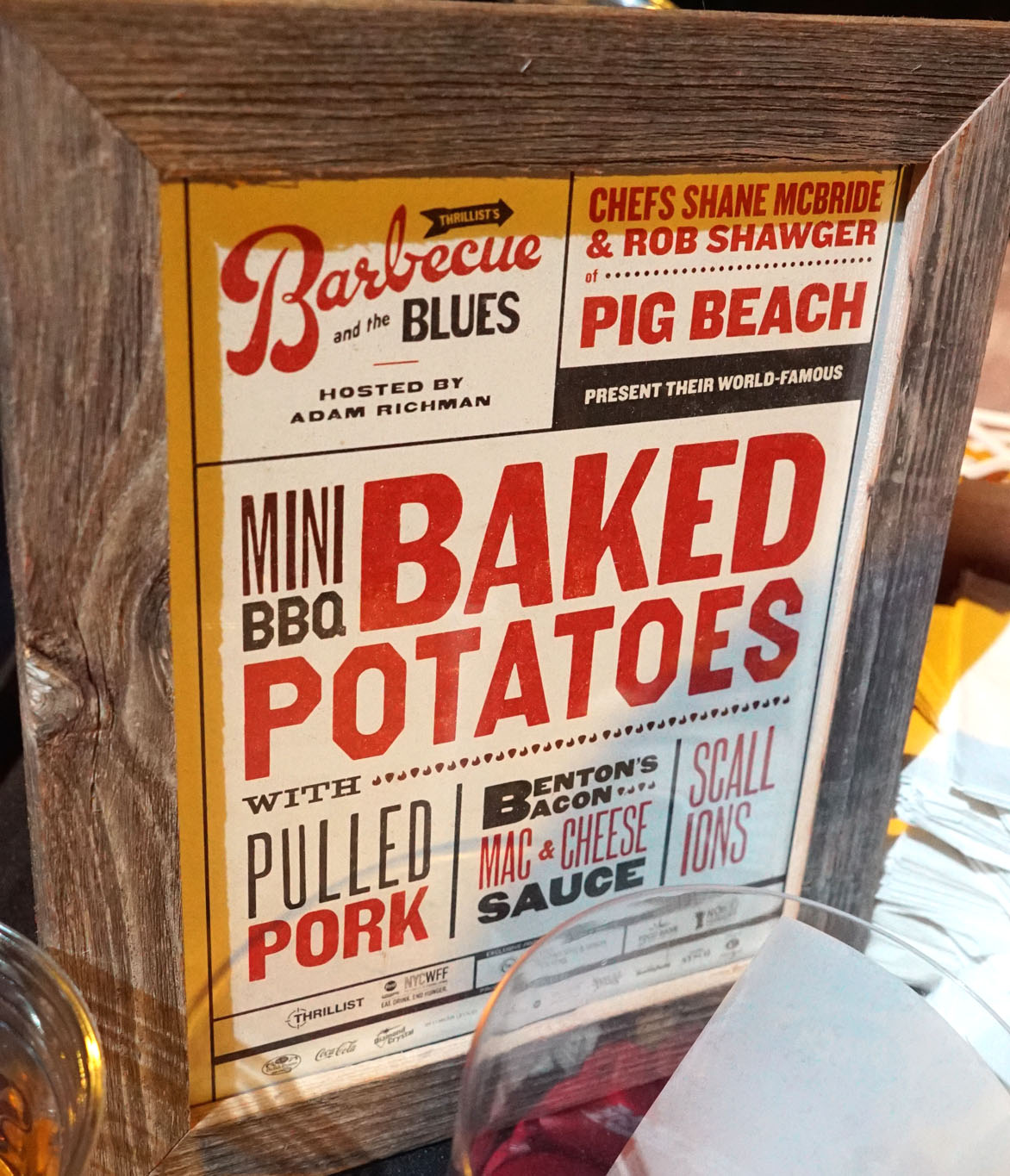
But the focus here was the BBQ, so let me get down to business… Here’s a quick list of the pit masters: BarBacon, Mexicue, Mile End, Sweet Chick, Kimchi Smoke, Miss Korea BBQ, Otto’s Taco’s, Tchoup Shop, Vermillion, Korilla, Pig Beach and Union Bar & Kitchen.
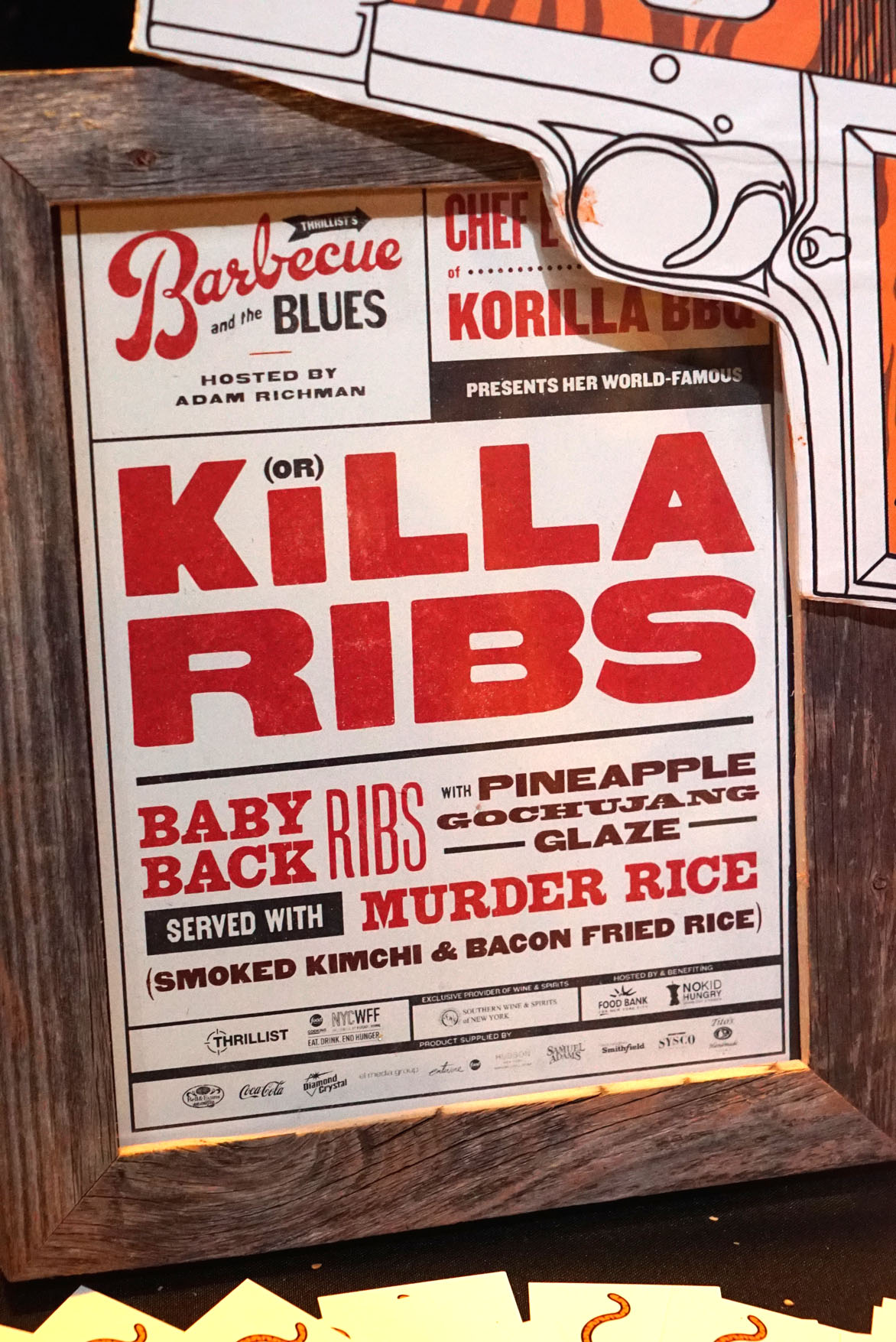
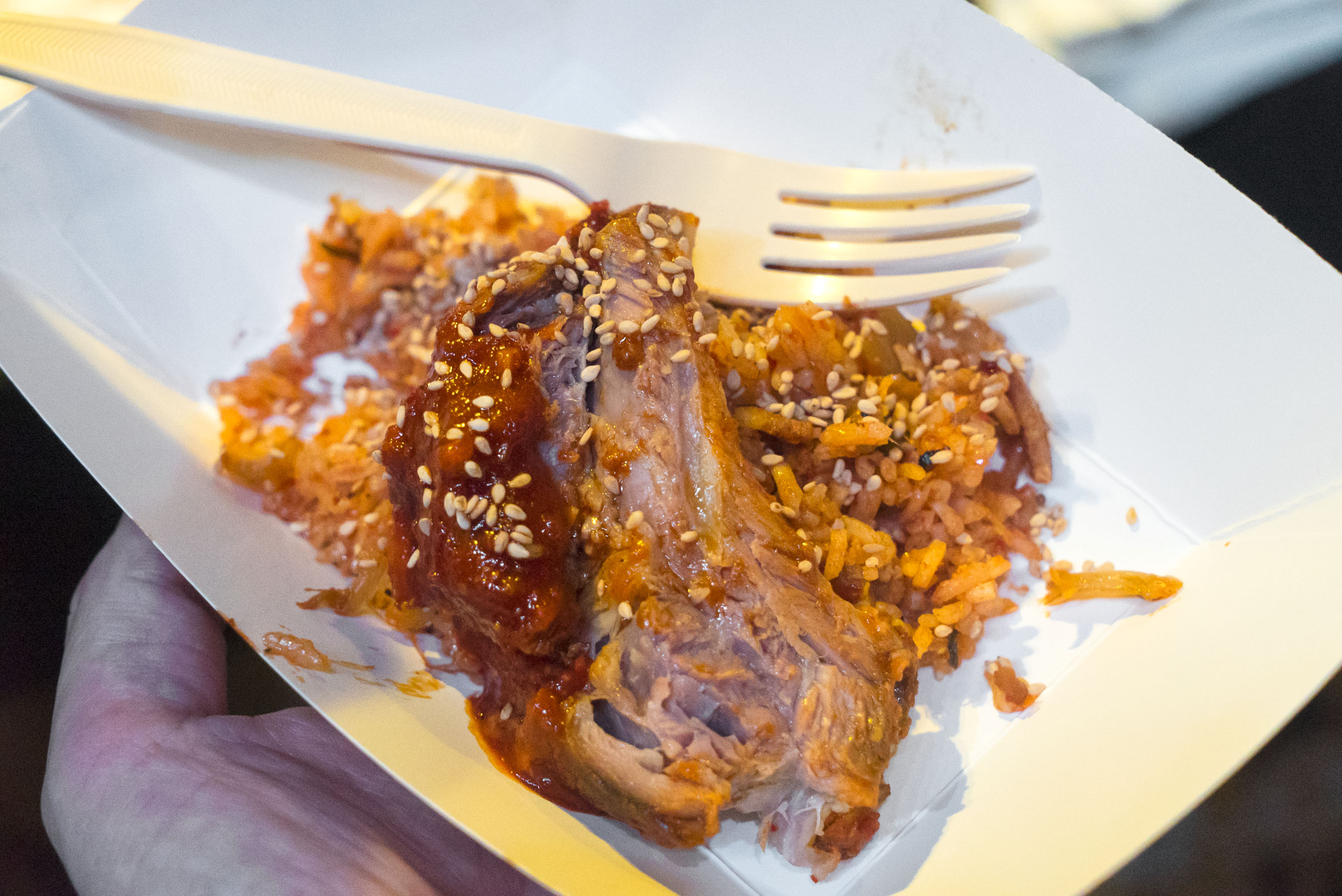
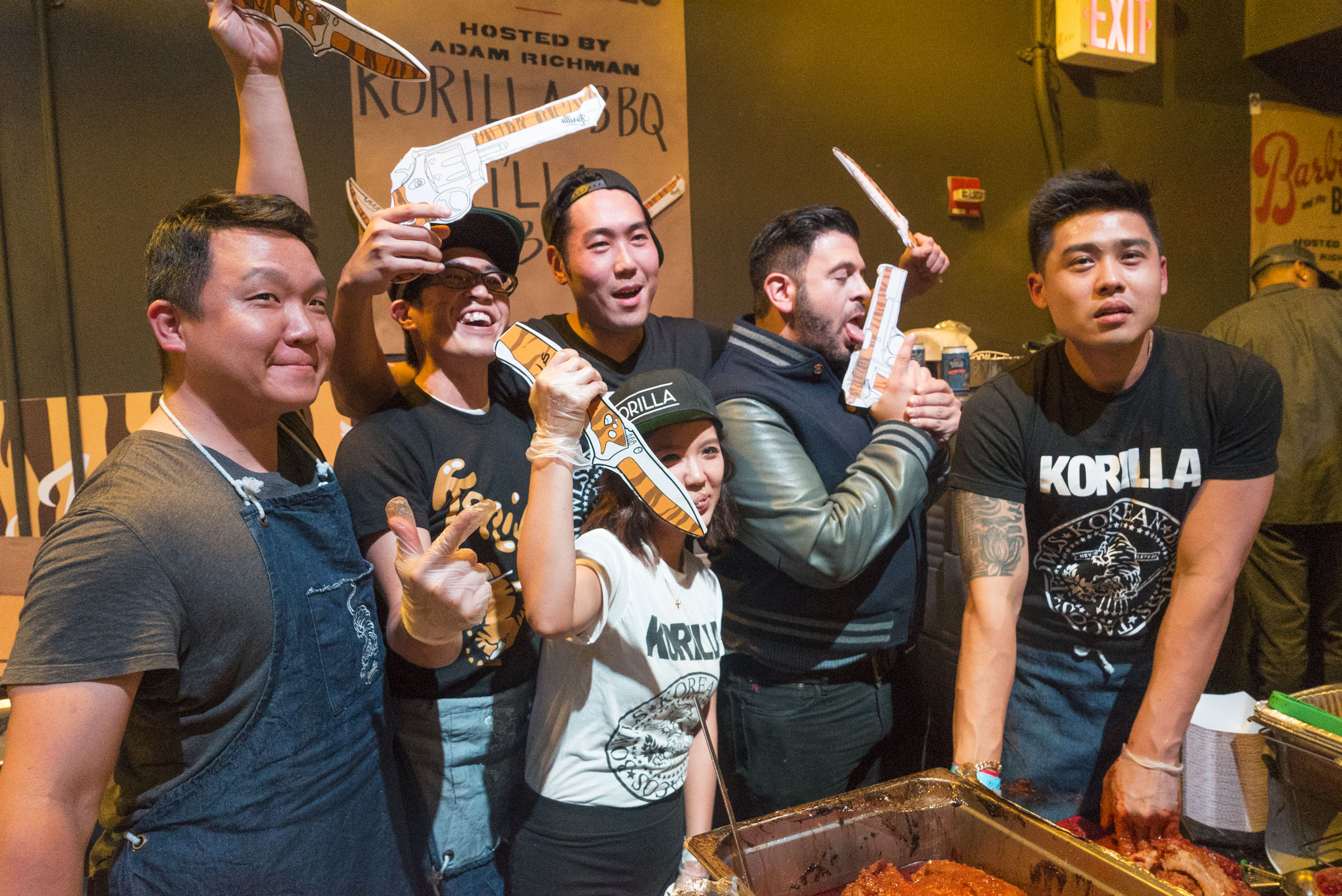
The dudes at Korilla really put together a nice spicy plate. I was told that this typically is MORE spicy than what we sampled last night, but take a look at the menu and see for yourself.
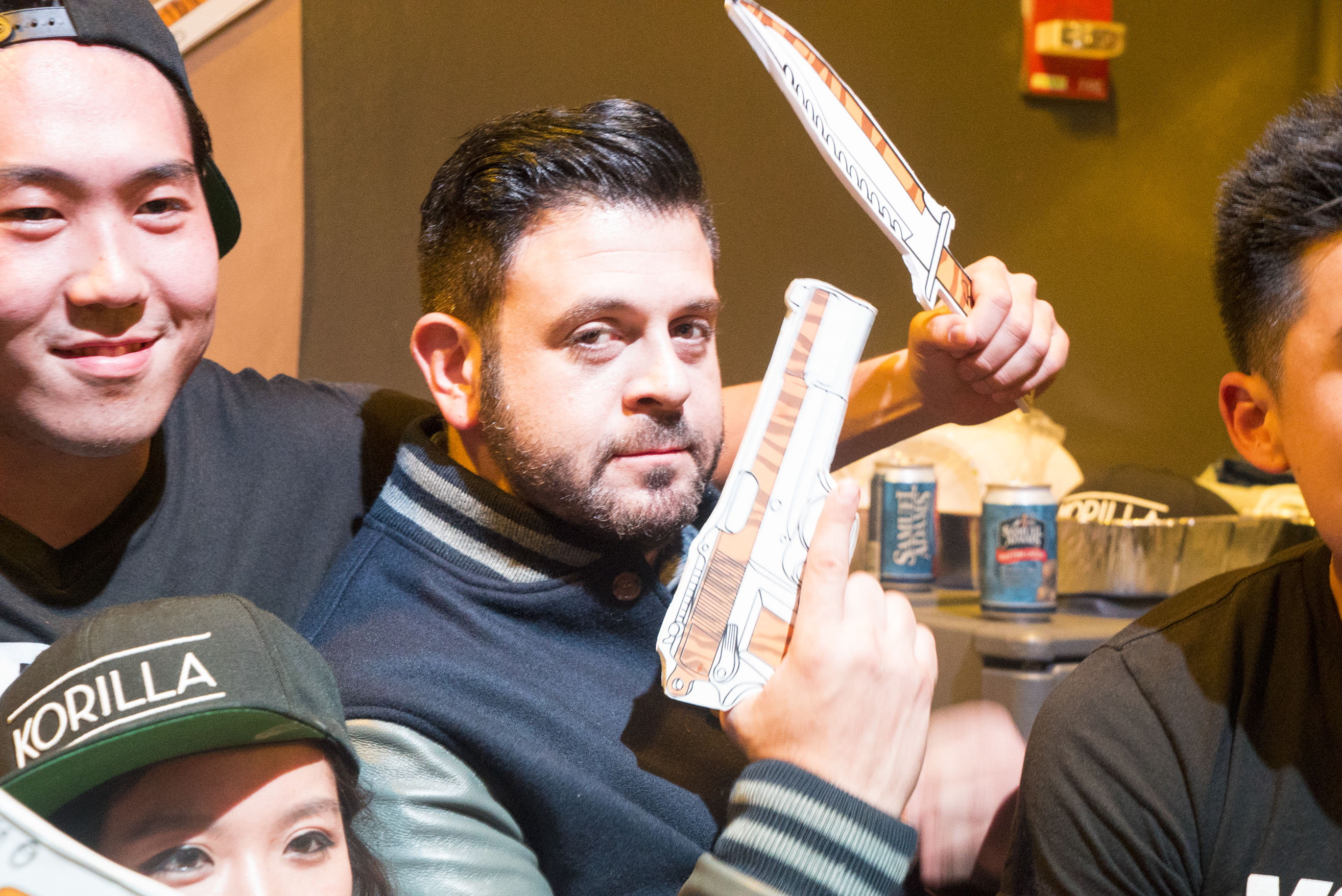
I snagged a nice shot of Adam licking a gun in this shot. Impeccable timing.
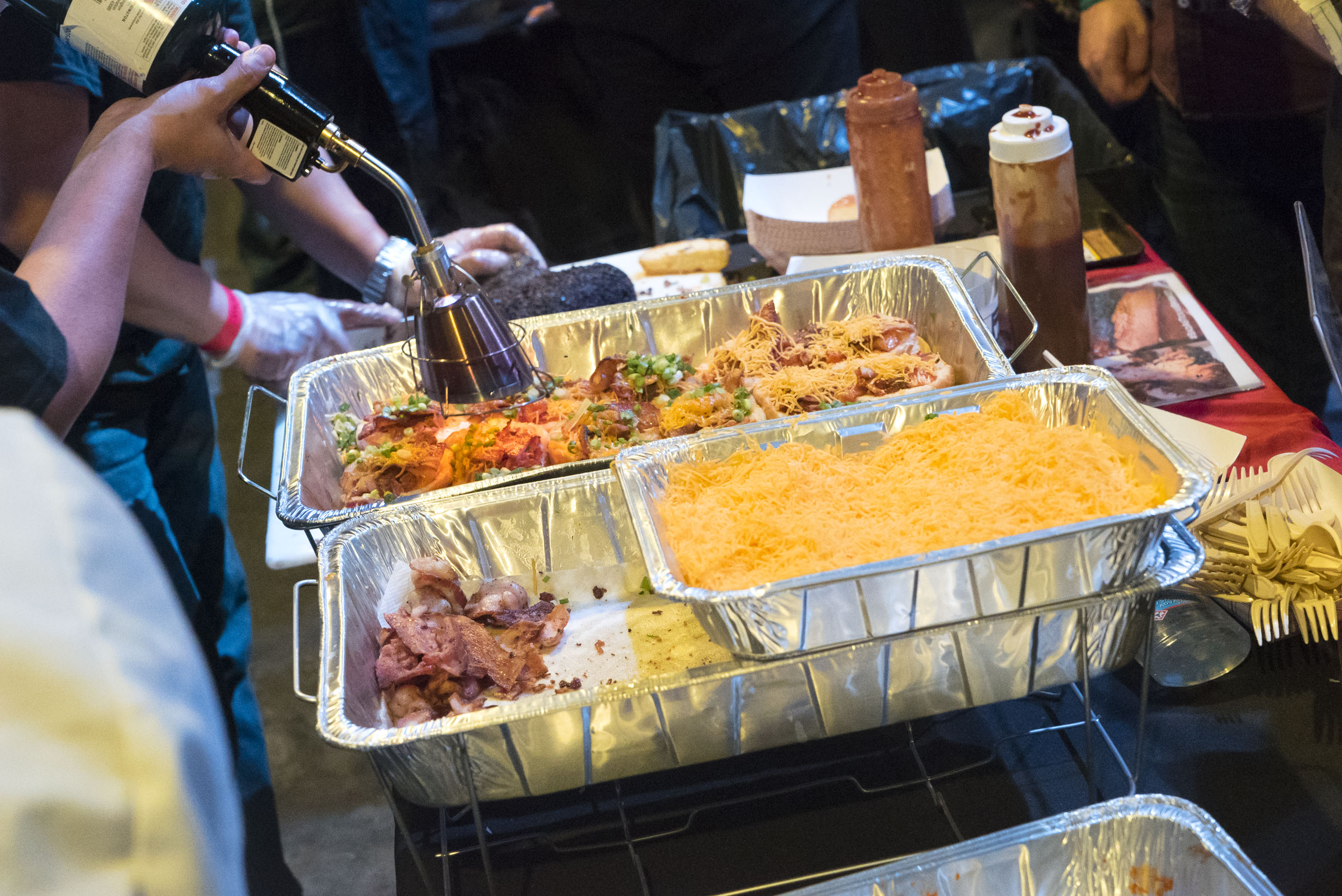
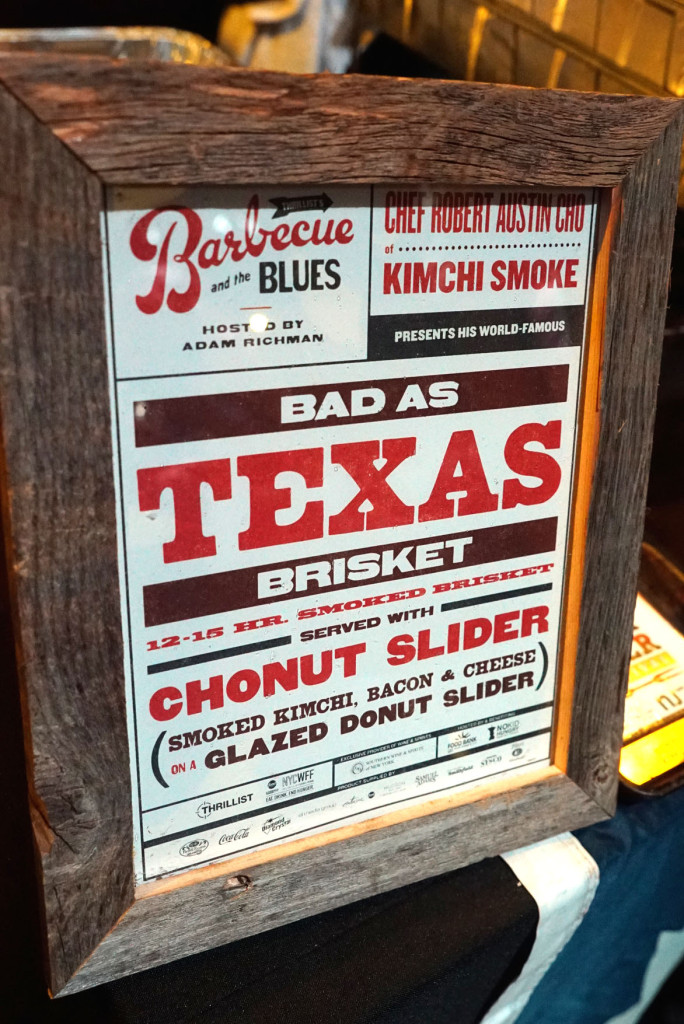
Right next door was Kimchi Smoke. I was psyched to see them using the Searzall at the table to melt cheese on top of their items.
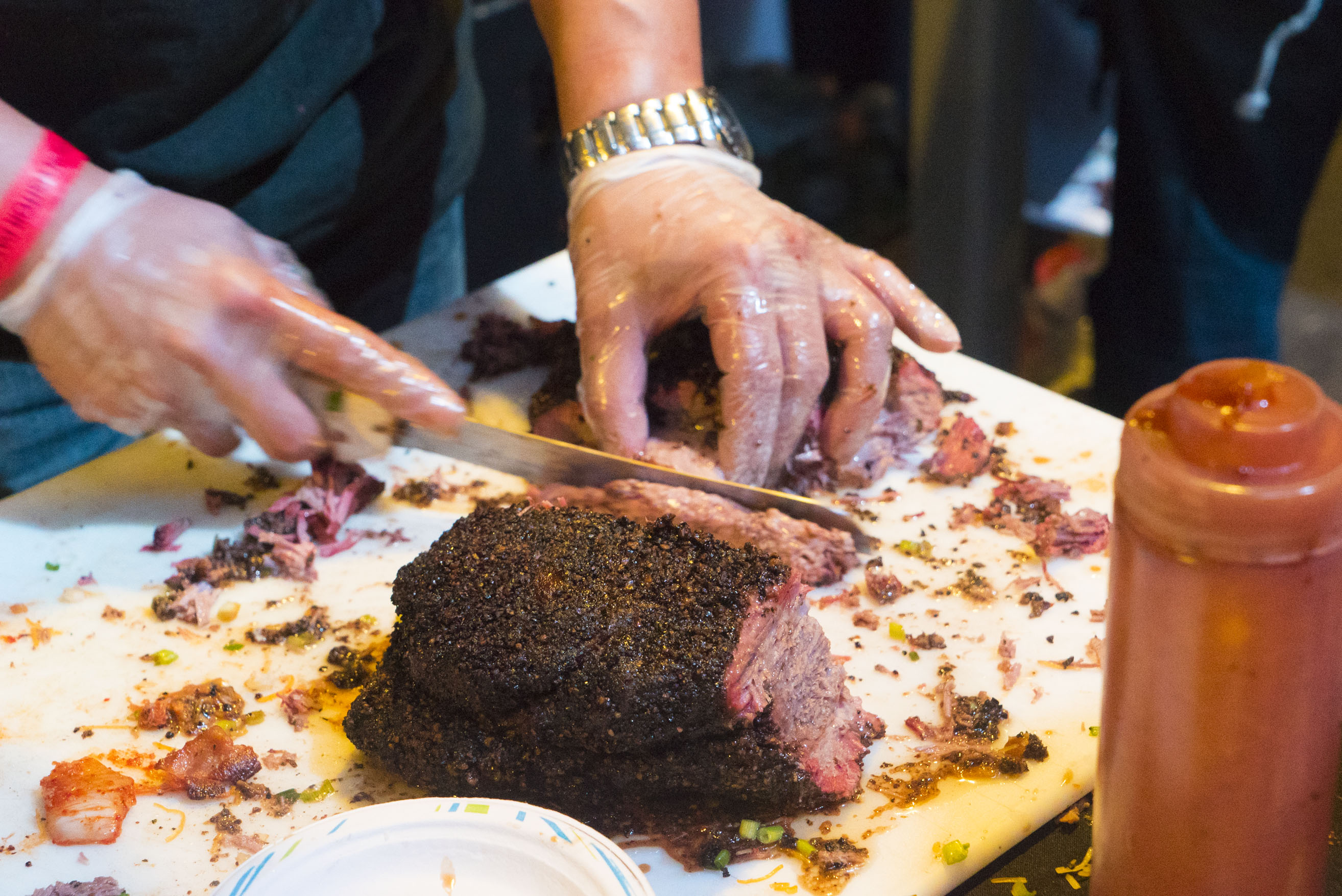
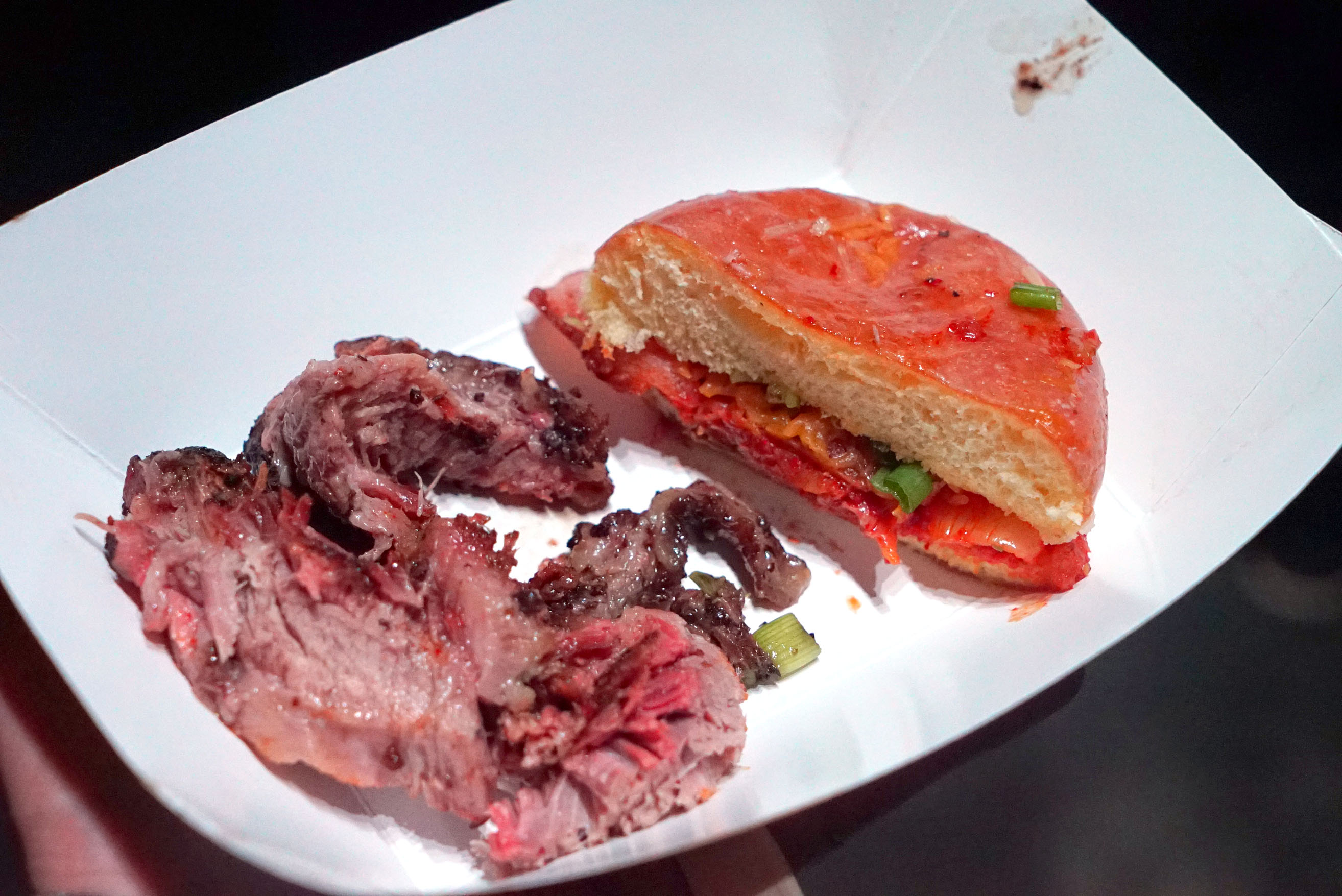
Here’s a look at what they were serving up:
The brisket was super tender and flavorful. Perfectly done.
However the chonut slider was a bit too out there for me. It was a blast of every flavor known to man in one bite. Kimchi on a glazed donut with bacon and cheese! That’s on a whole other level.
I jumped a little out of order there because I was excited to talk about those items, but the very first thing we tried was one of my favorites of the night.
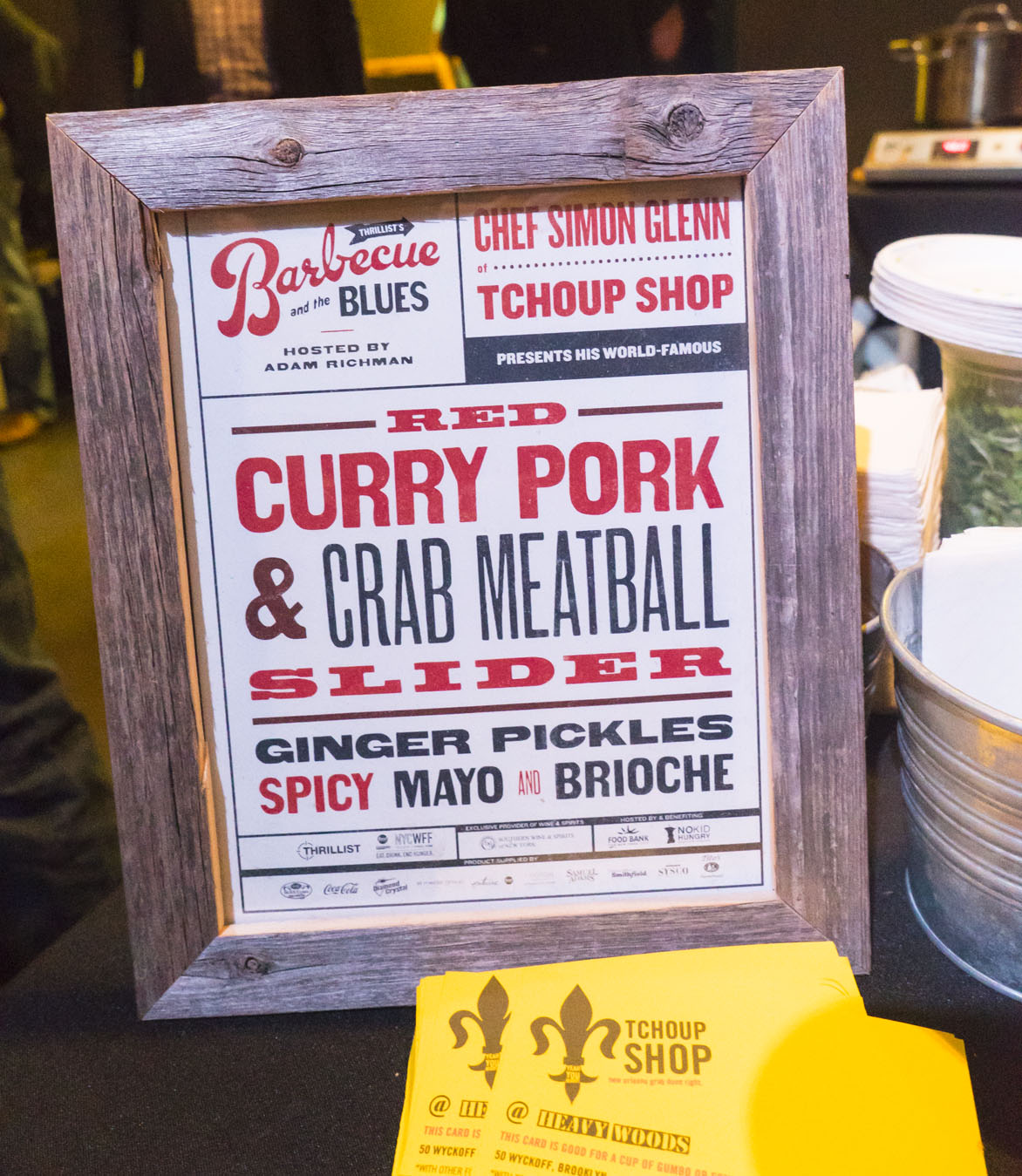
Tchoup Shop struck an amazing balance between sweet and savory with this crab and pork meatball slider. It had a hint of fish sauce to give it a distinct Thai or Vietnamese influence too. Jay put his chip on this as the best of the night.
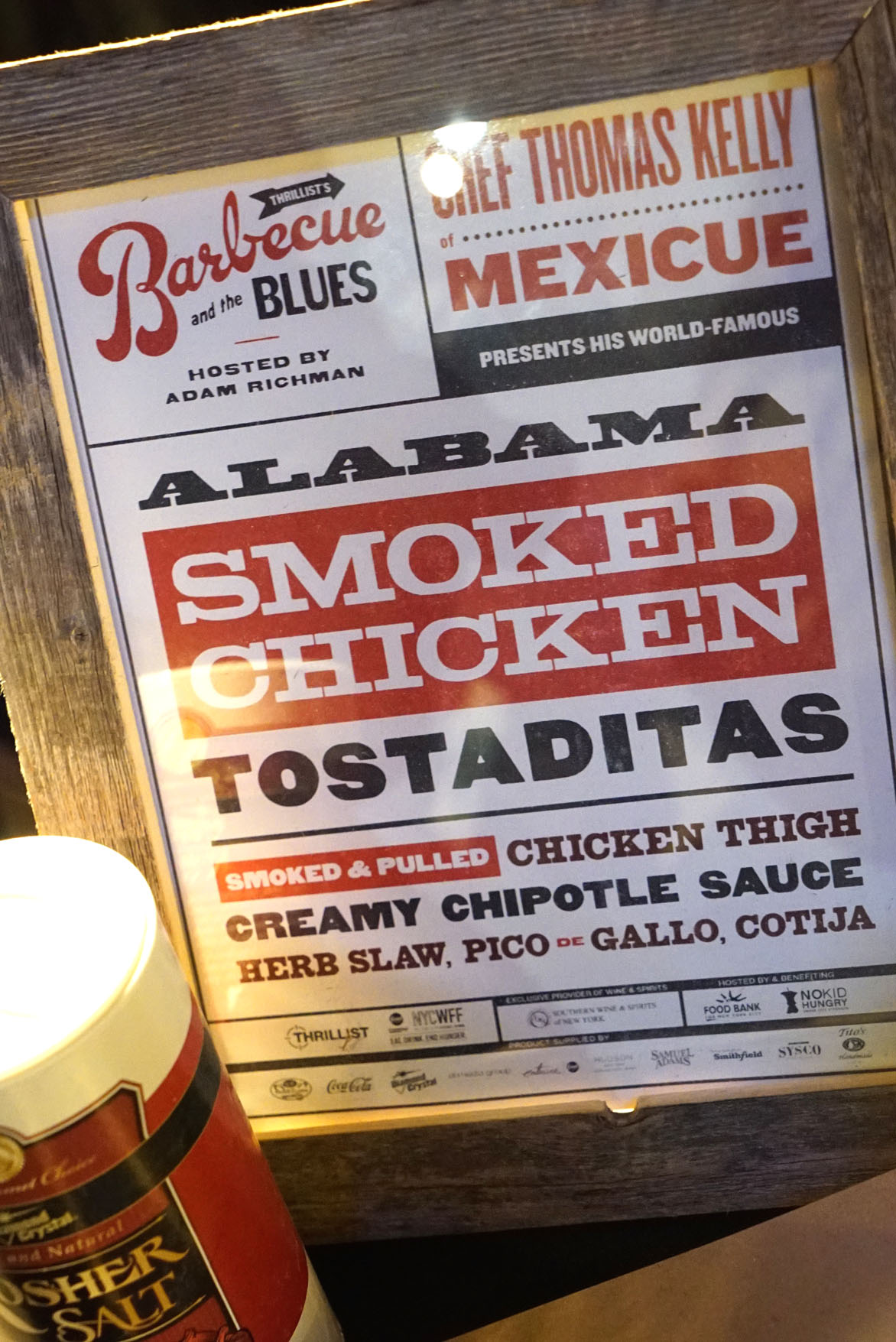
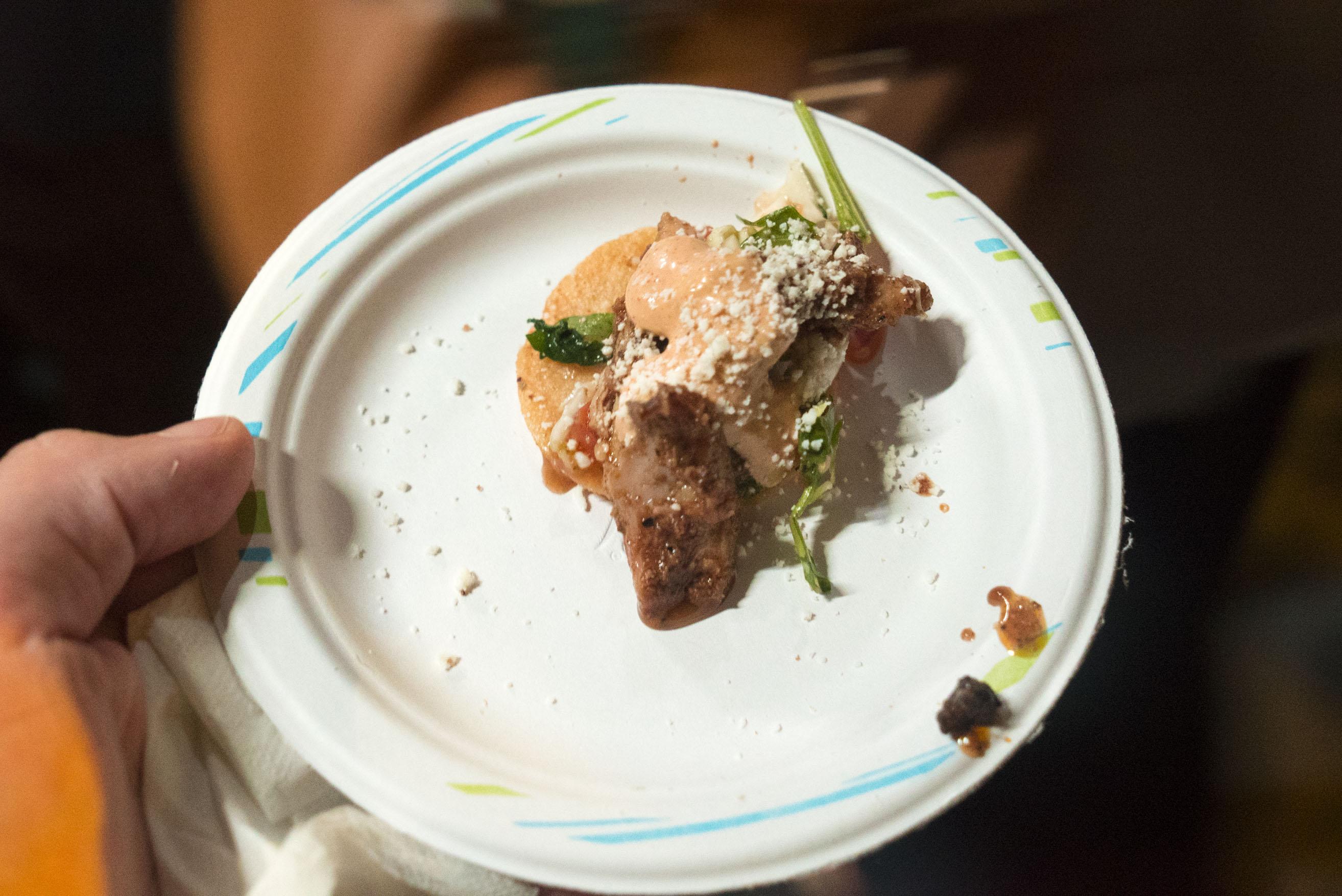
My favorite of the night, which I thought just edged out Tchoup Shop by a sliver, was Mexicue.
Maybe it’s the nacho lover in me, but this was such an amazing bite of food. The chicken was deeply smoked to the point where it almost tasted like a pork item rather than chicken. The flavors were more on the savory side than the sweet side, which is what I like from my BBQ (I know that’s not normal). That may have ultimately been why I went with Mexicue over Tchoup Shop.
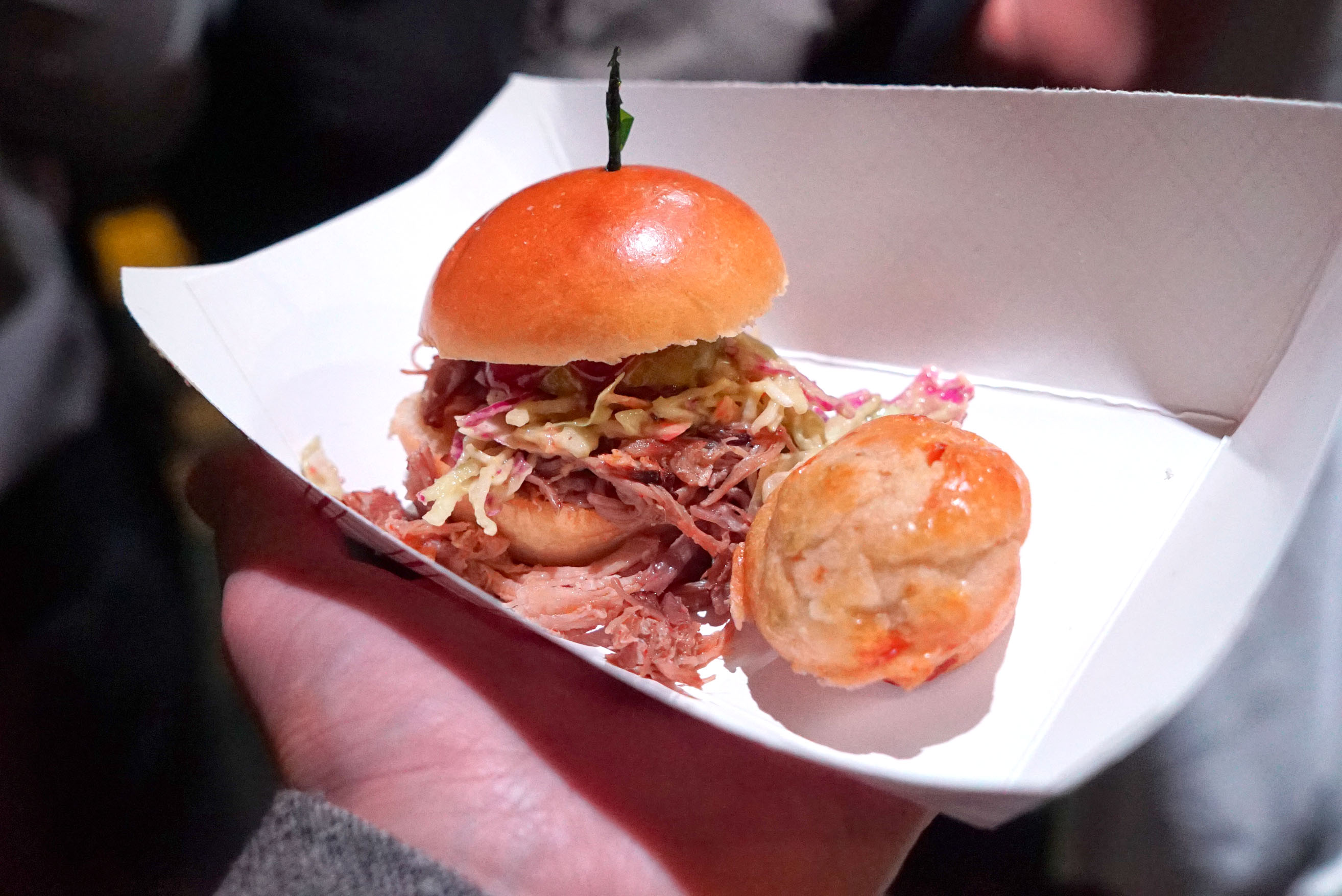
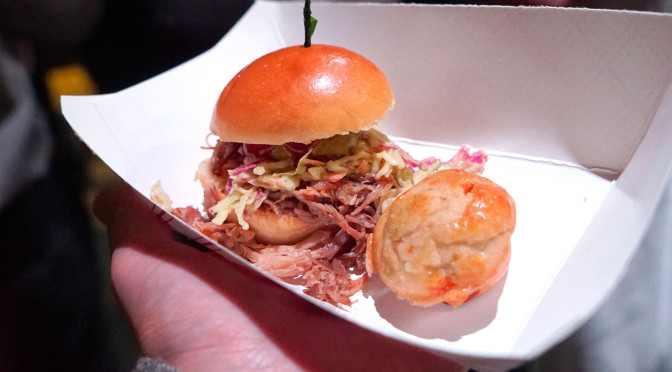
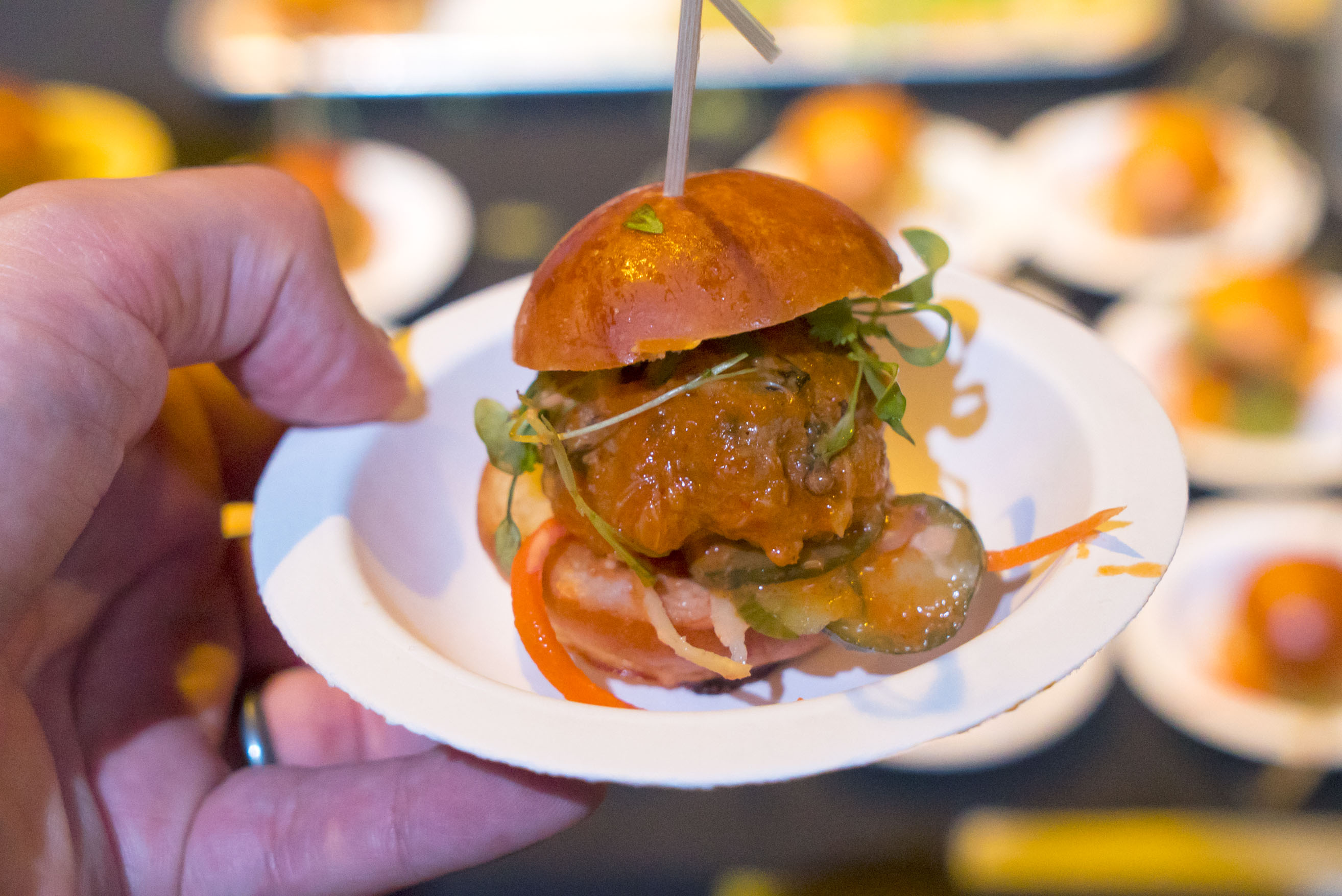
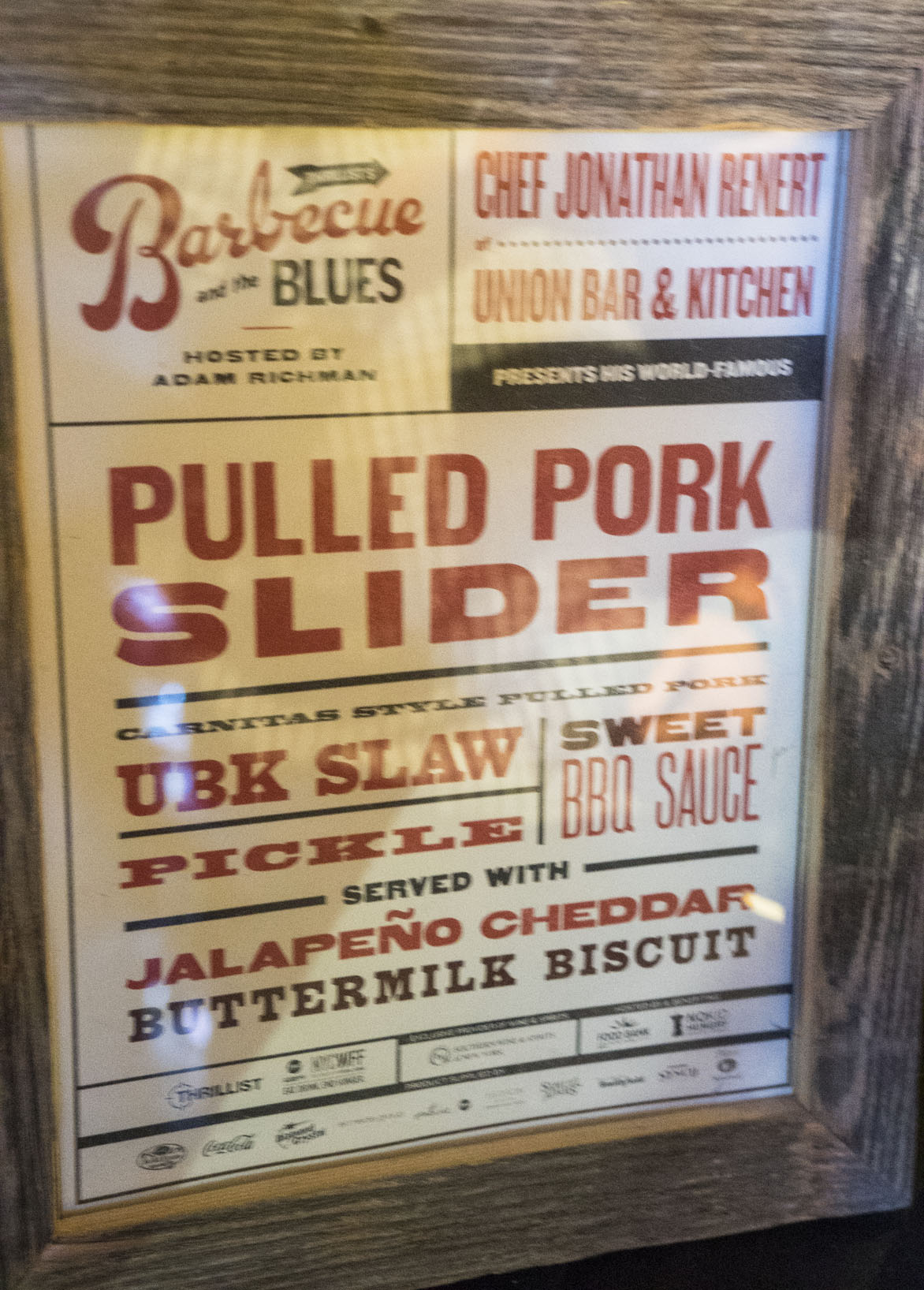
Another close contender was this classic pulled pork slider from Union Bar & Kitchen.
The pickle was nice and it cut the sweetness of the sauce nicely, but the meat was the star here – perfectly cooked and tender. A pile of that with the pickles, minus the sauce, and I am a happy man.
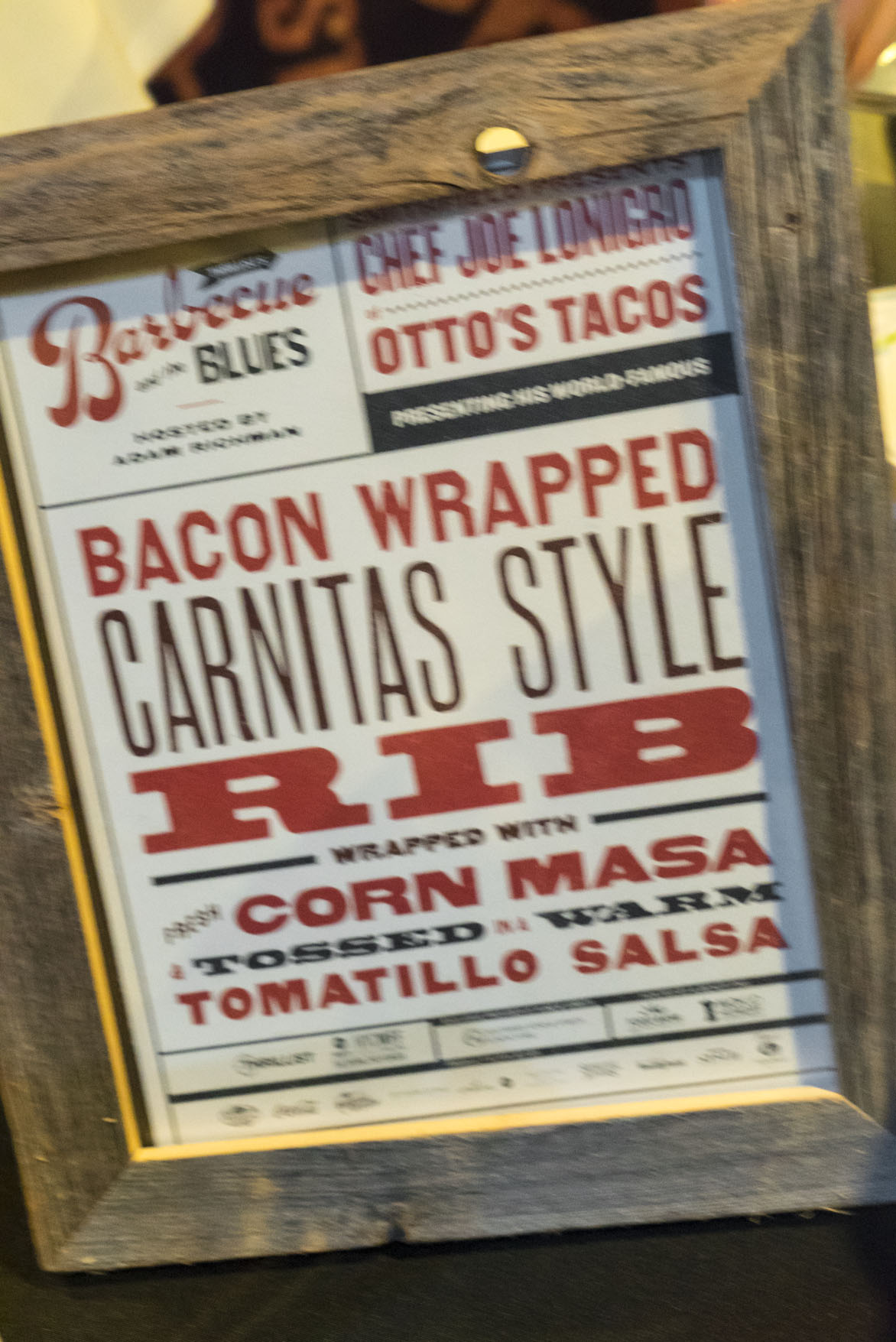
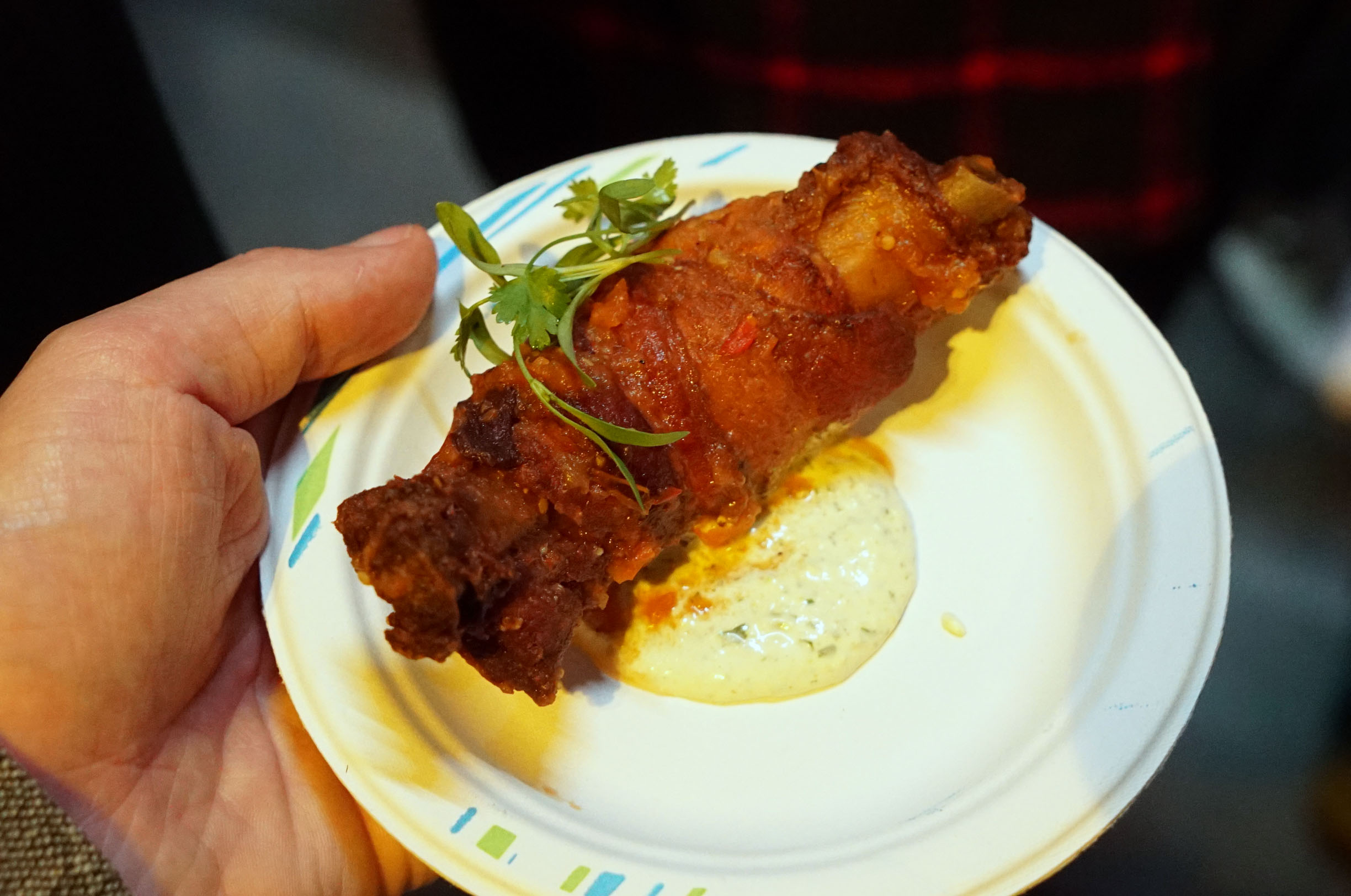
A nice outside the box item was this bacon and masa wrapped rib from Otto’s Tacos. Very creative and delicious.
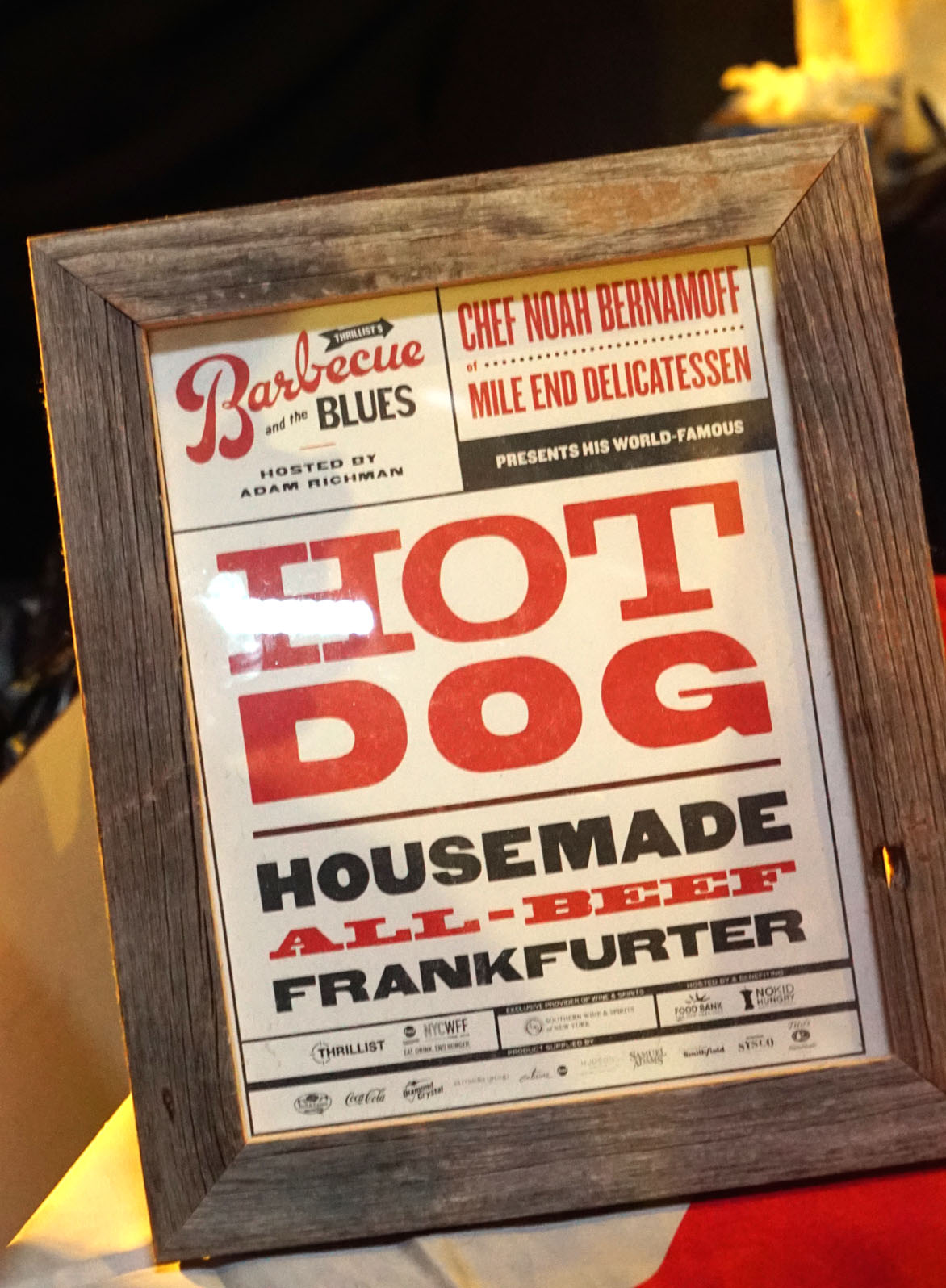
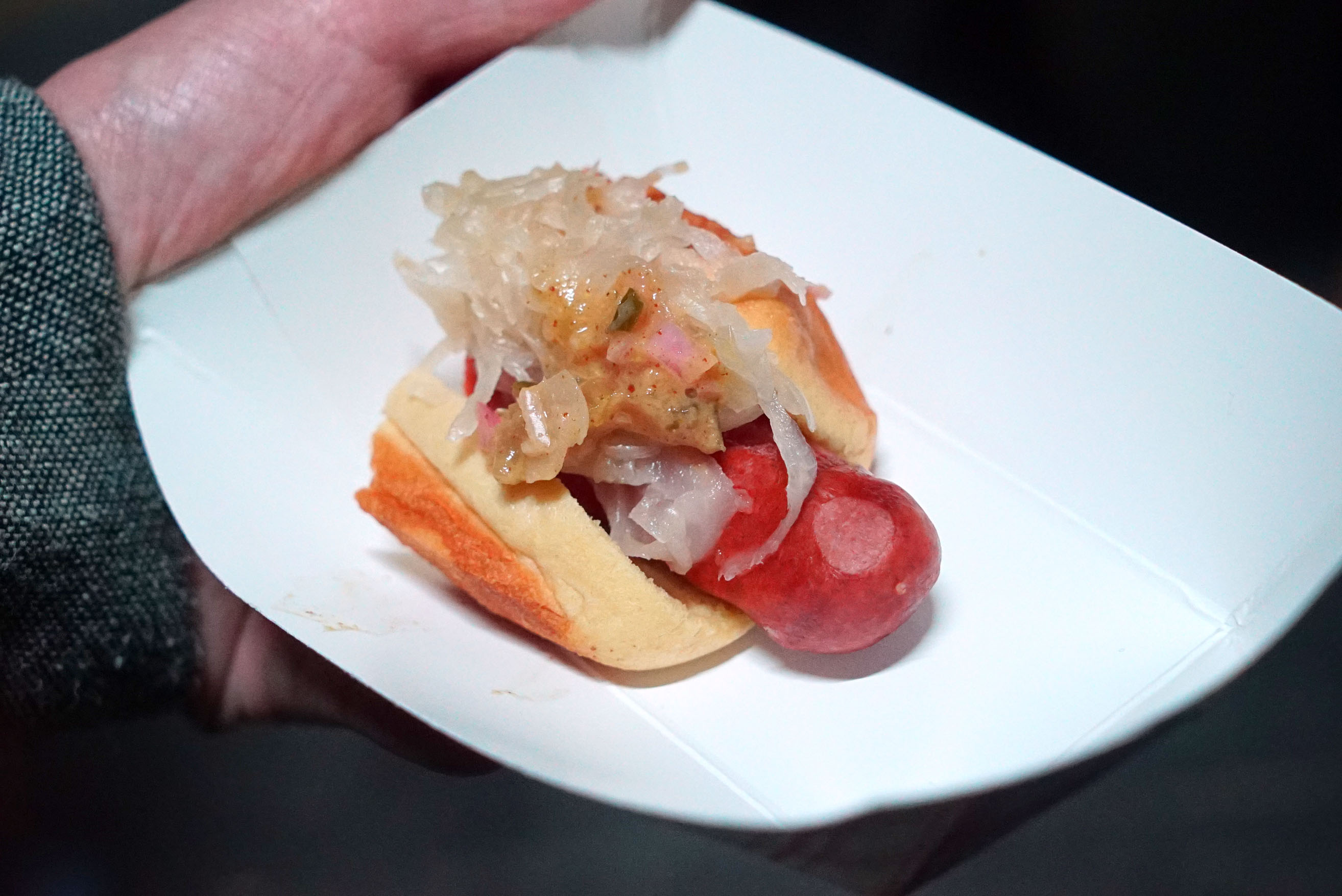
My least favorite of the night was this hot dog. It just didn’t have the punch I was hoping for. I love a good hot dog too, so I was a little disappointed.
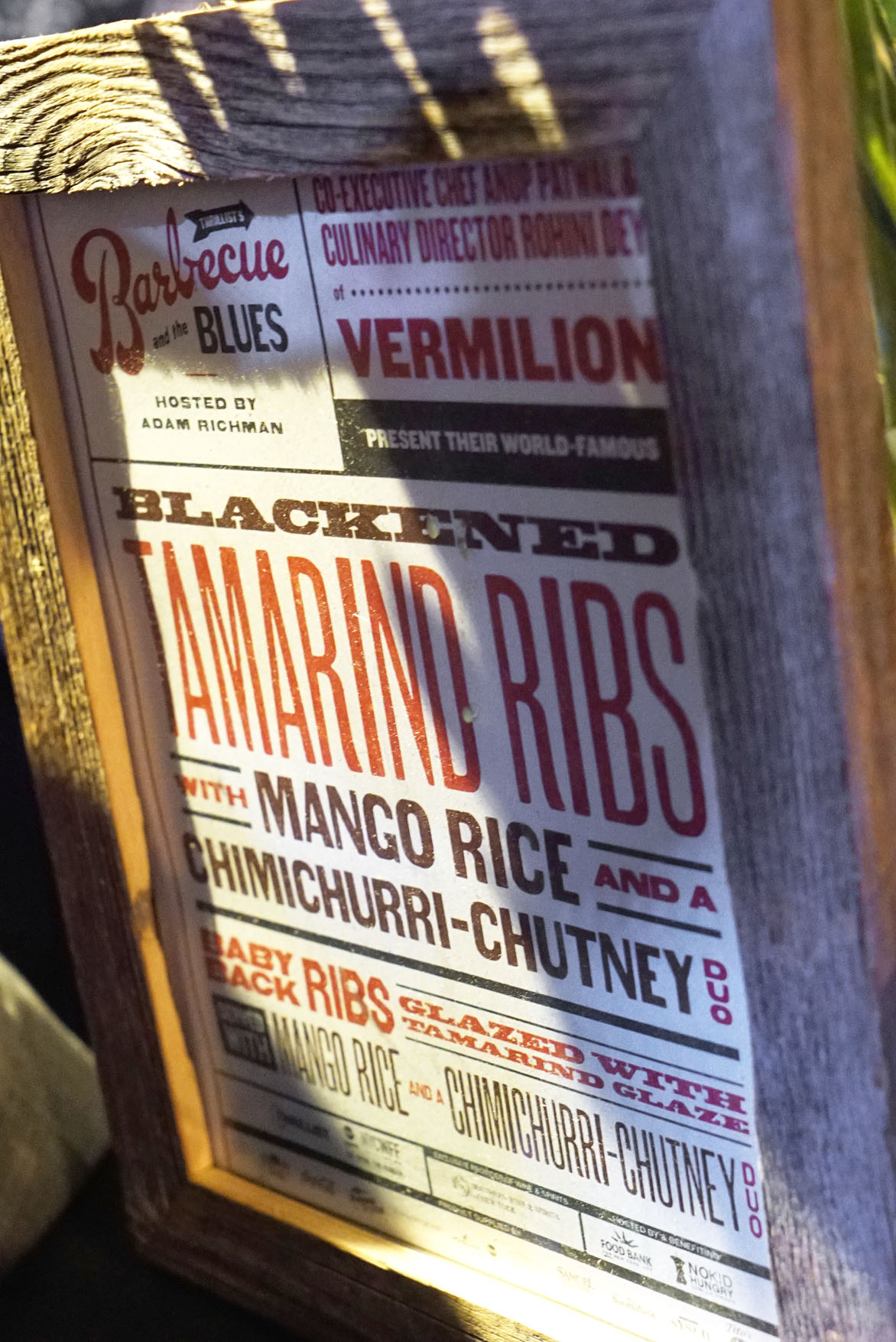
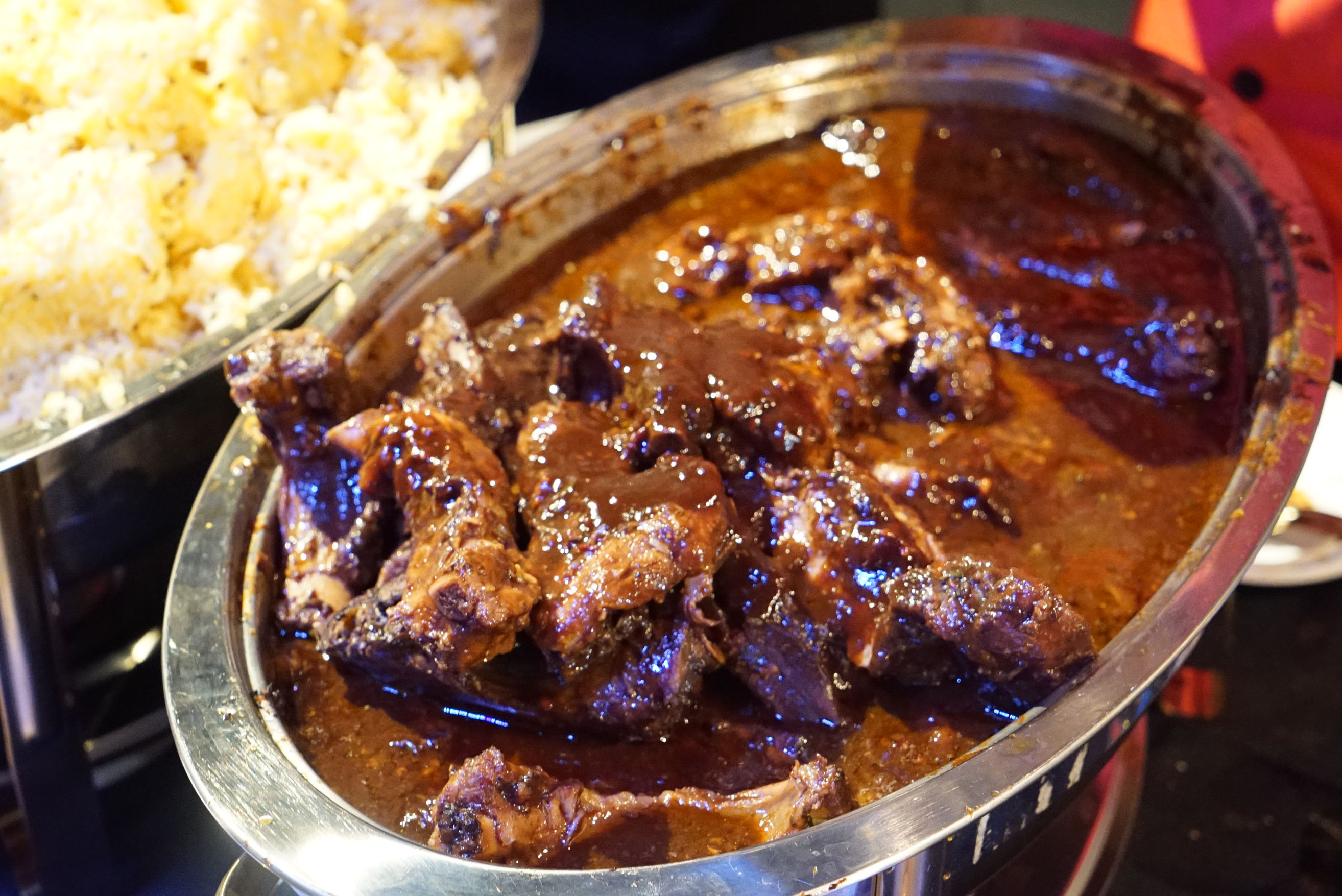
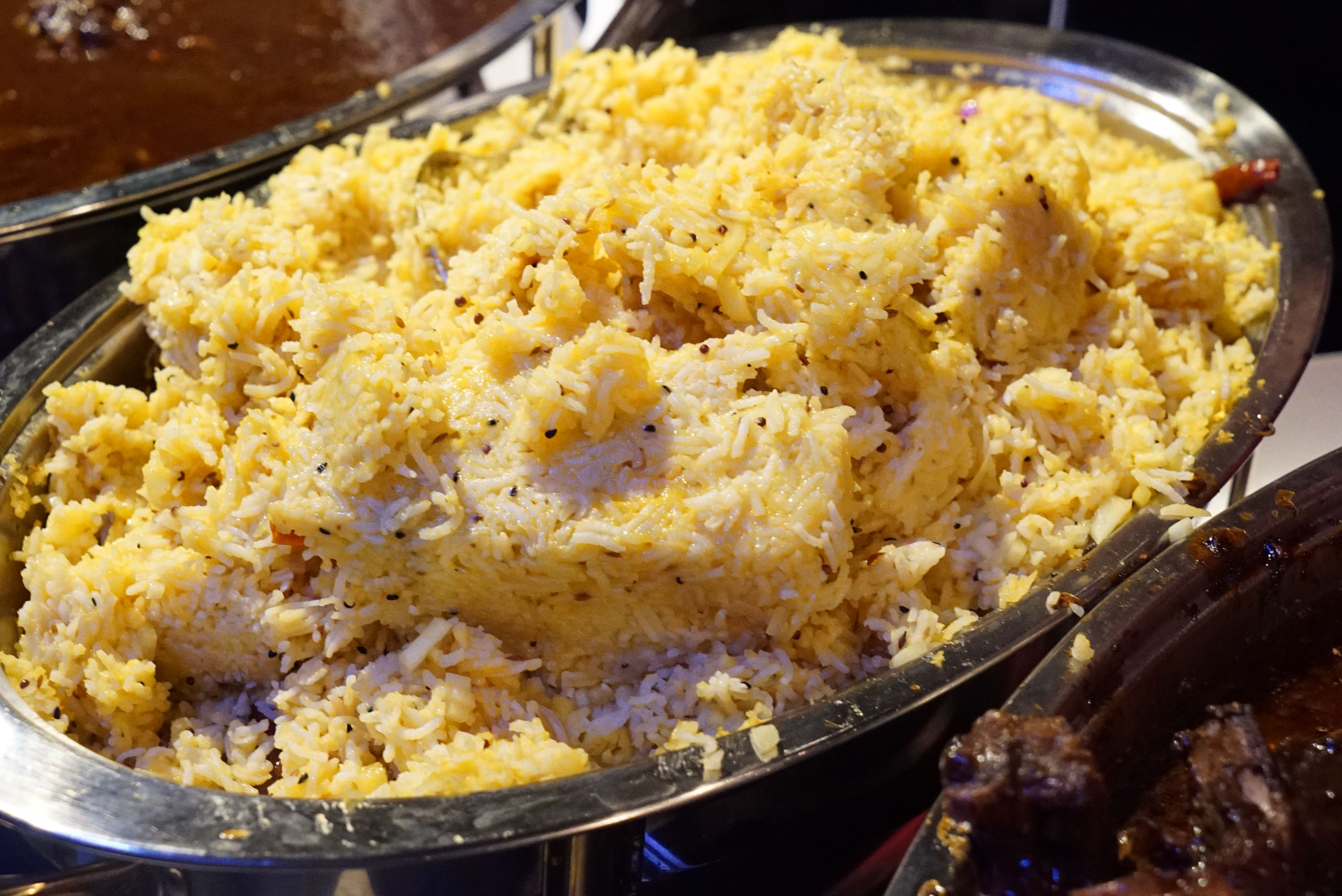
I had high hopes for Vermillion too, thinking that there might be a nice Indian influence going on. There indeed was, but it fell a little flat for me. The tamarind was a little overpowering, but the mango rice did cut the flavor nicely.
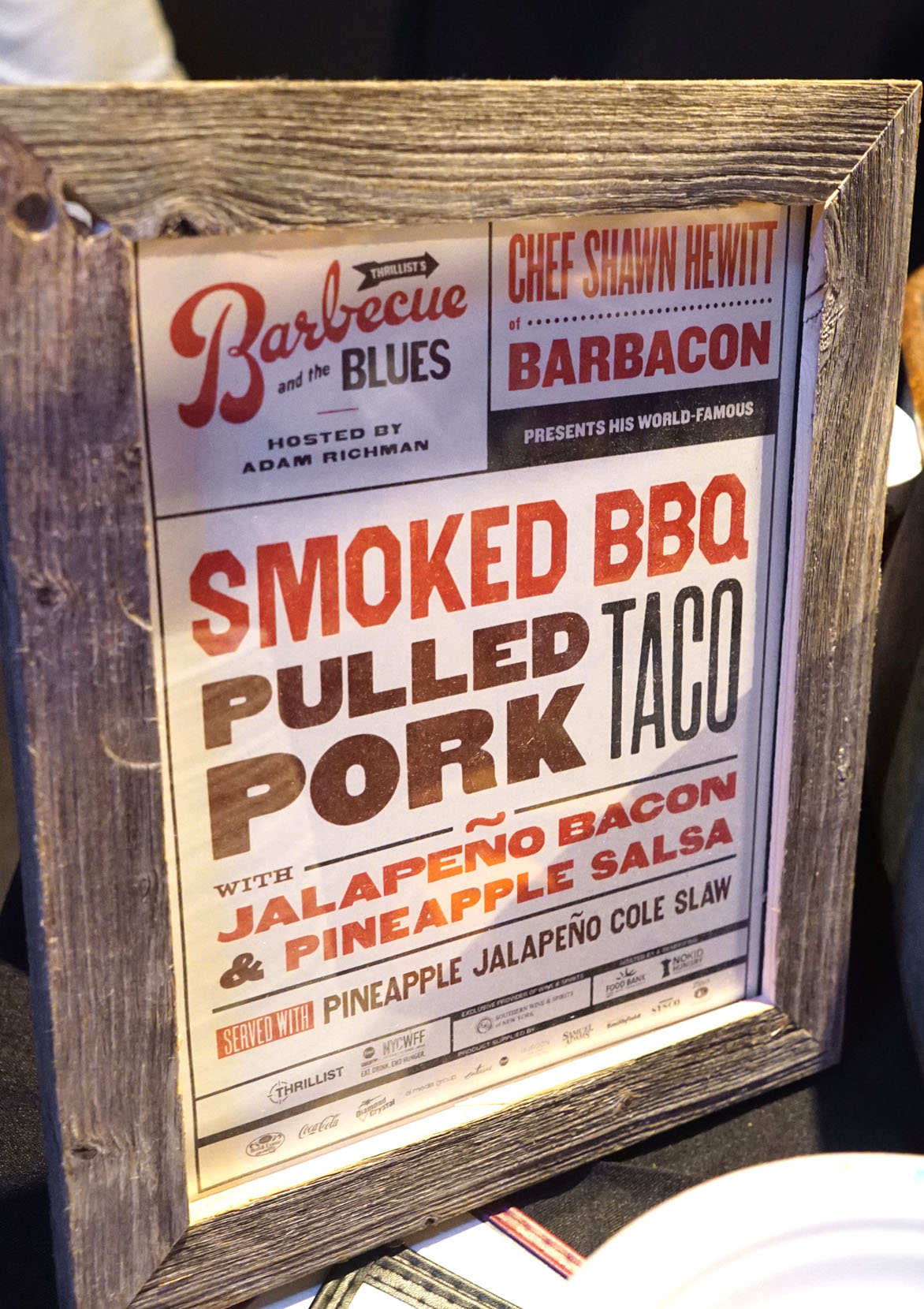
Miniature tacos are always a hit in my book. I might have to head back to this place (BarBacon) and try a few more items.
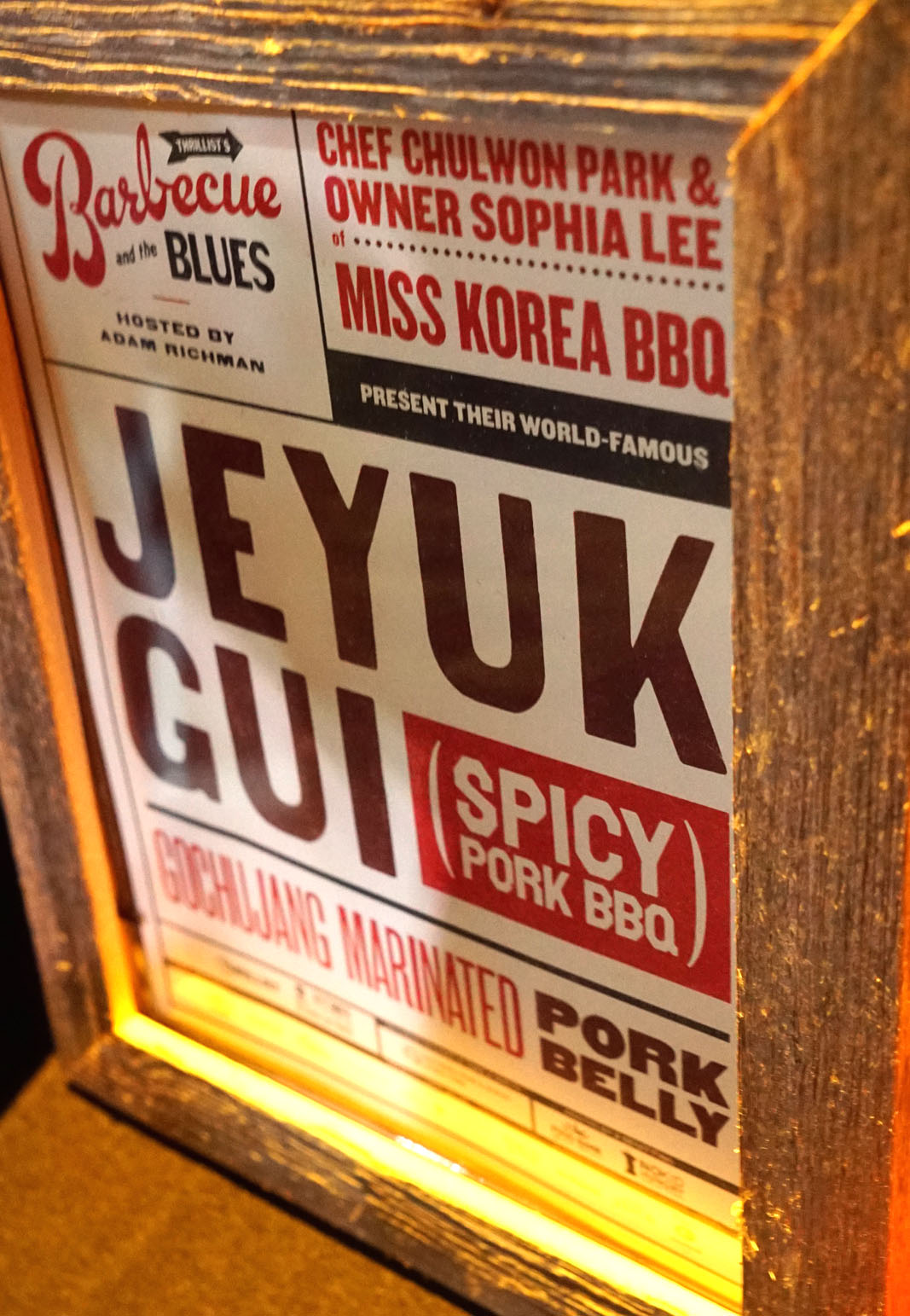
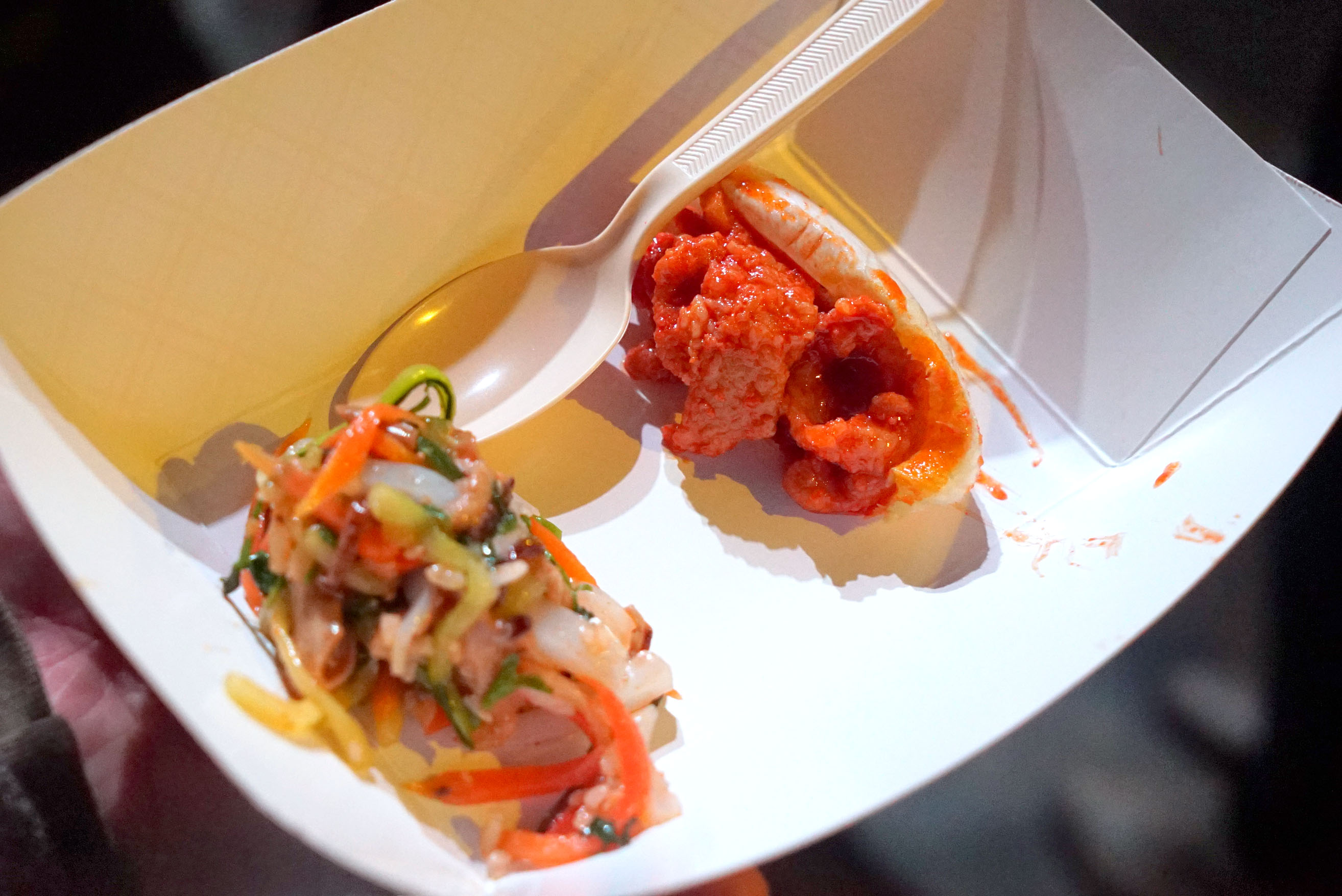
And there was a third Korean BBQ selection from Miss Korea BBQ. This pork was tender and juicy, with a nice light spice to it.
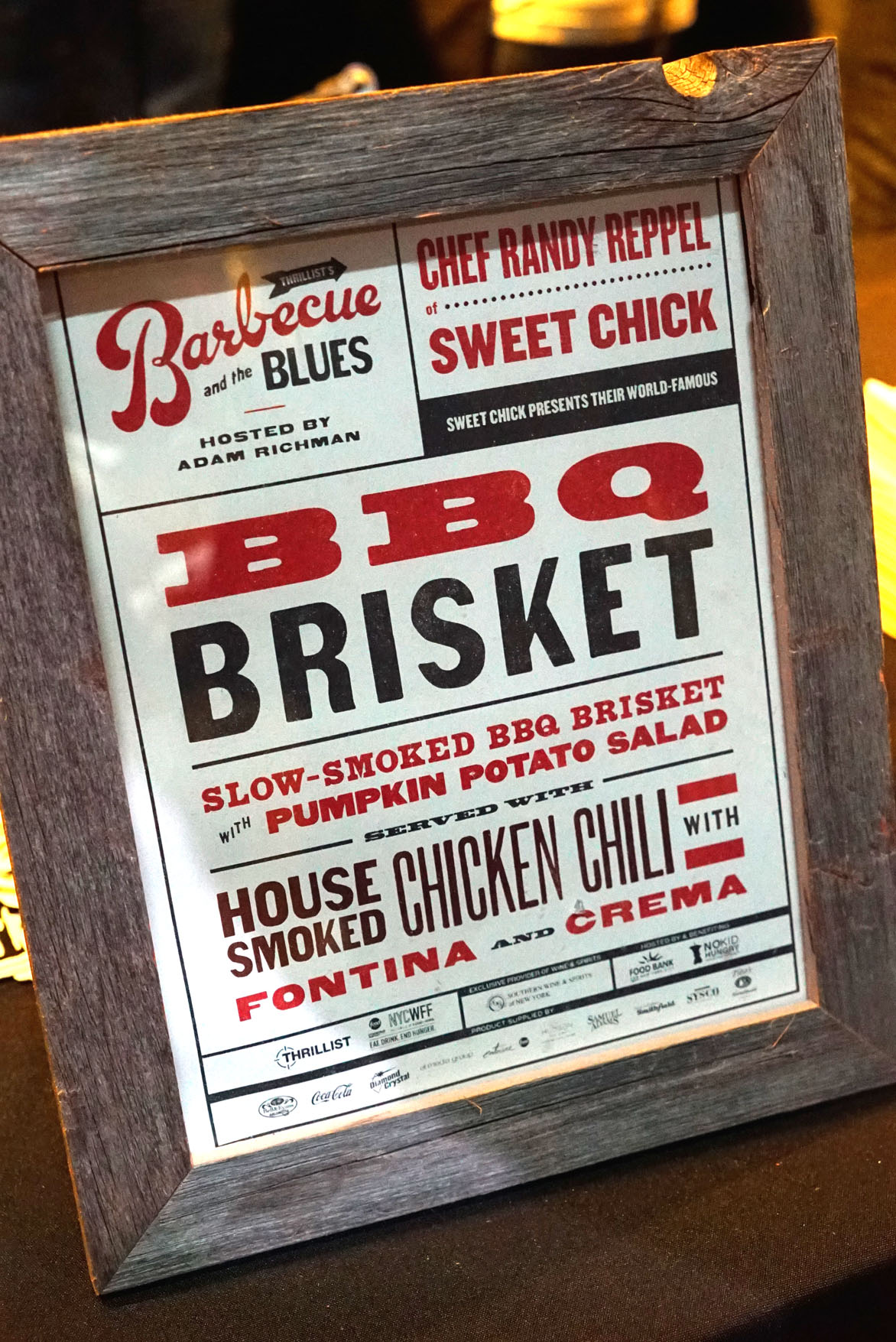
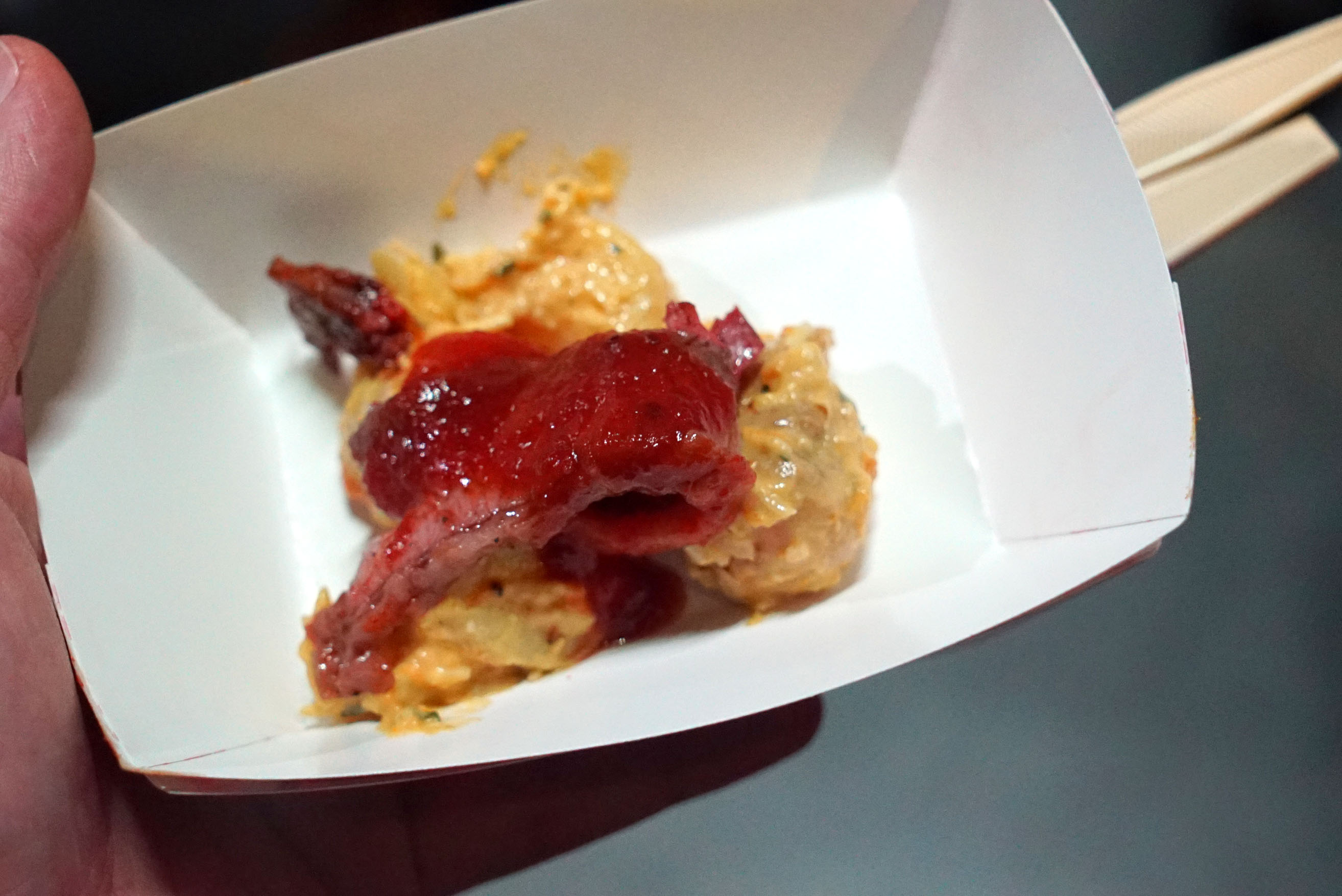
This joint offered up two items: a chicken chili and brisket.
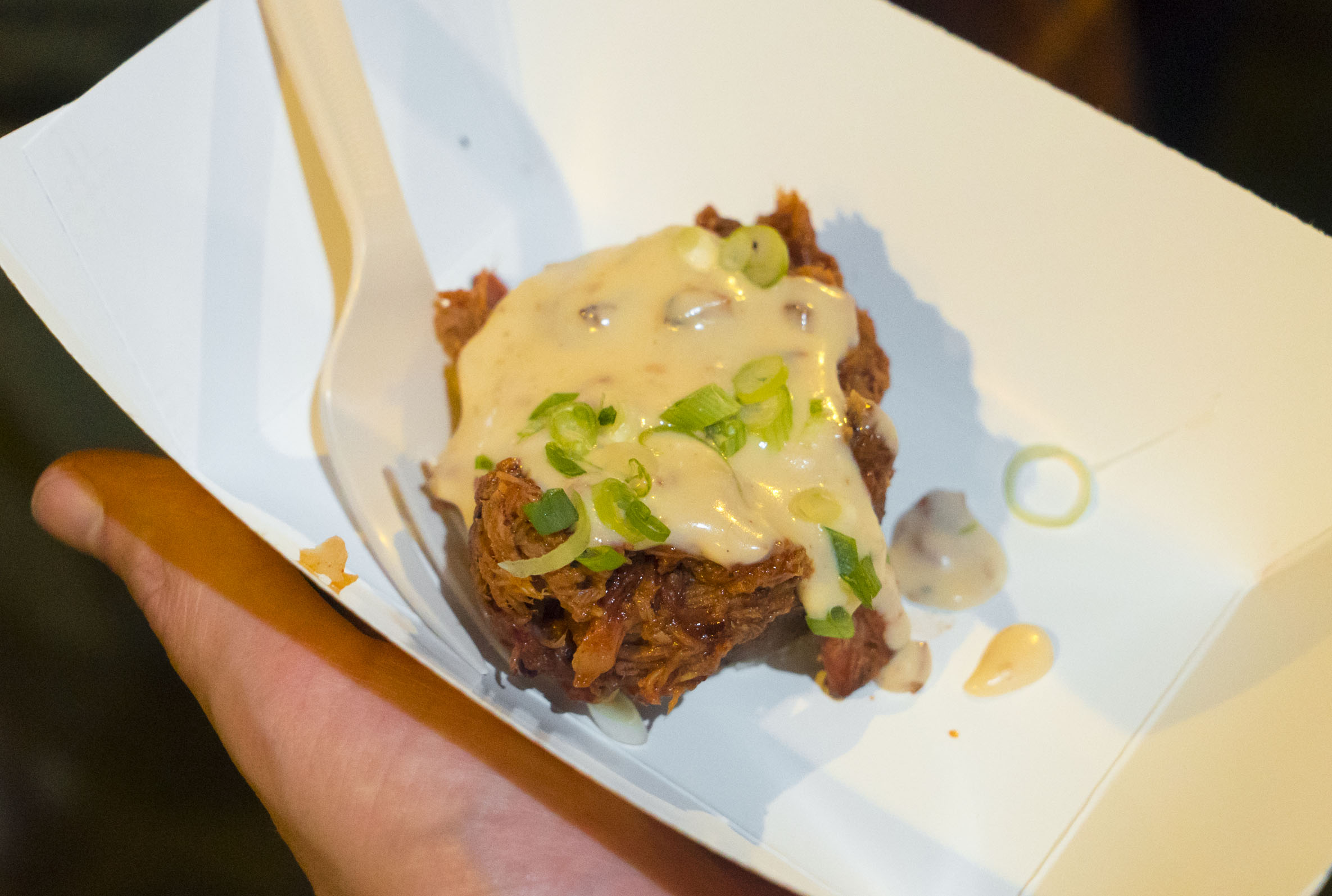
At Pig Beach I was expecting starch based on the menu, but this baby was almost all meat. Nice!
One yeah – one more semi-celeb sighting from the food biz:
Definitely a fun night, and a very challenging one in terms of lighting and color for the photos. I was on my game though, so we did alright. Big thanks to Jay again for hooking me up with a ticket!
Got to see the great Jaques Pepin too! Horrible photo, I know…
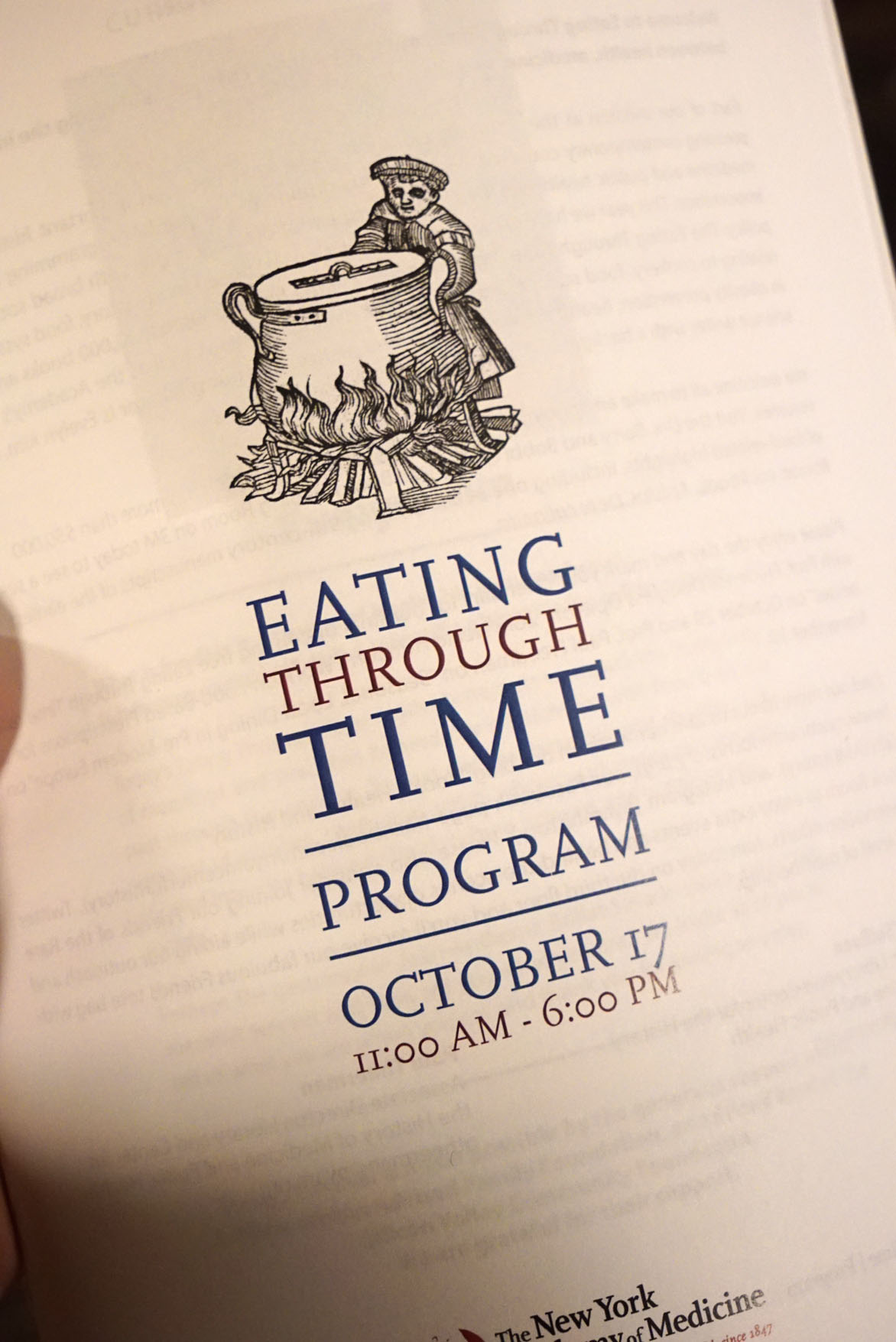
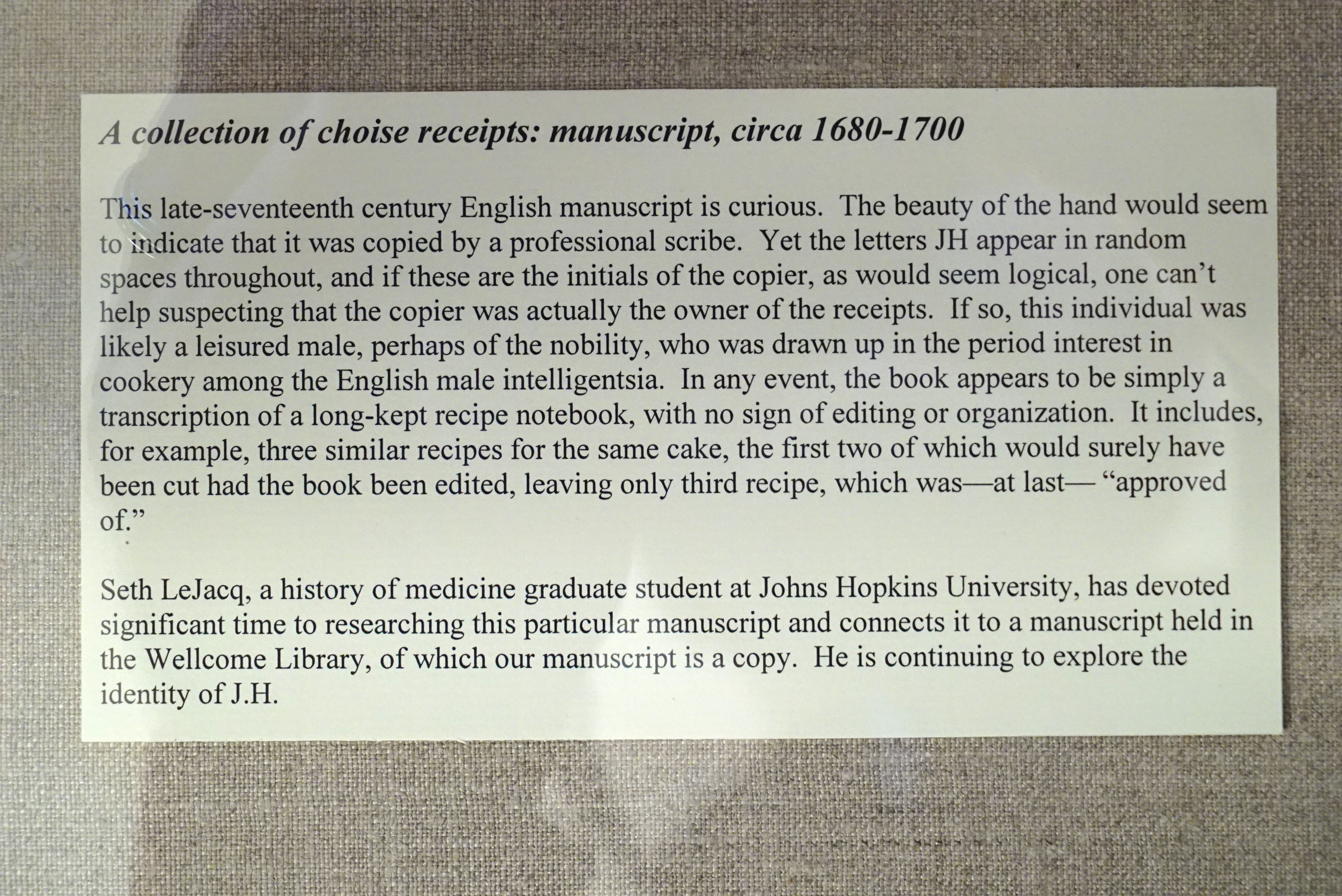
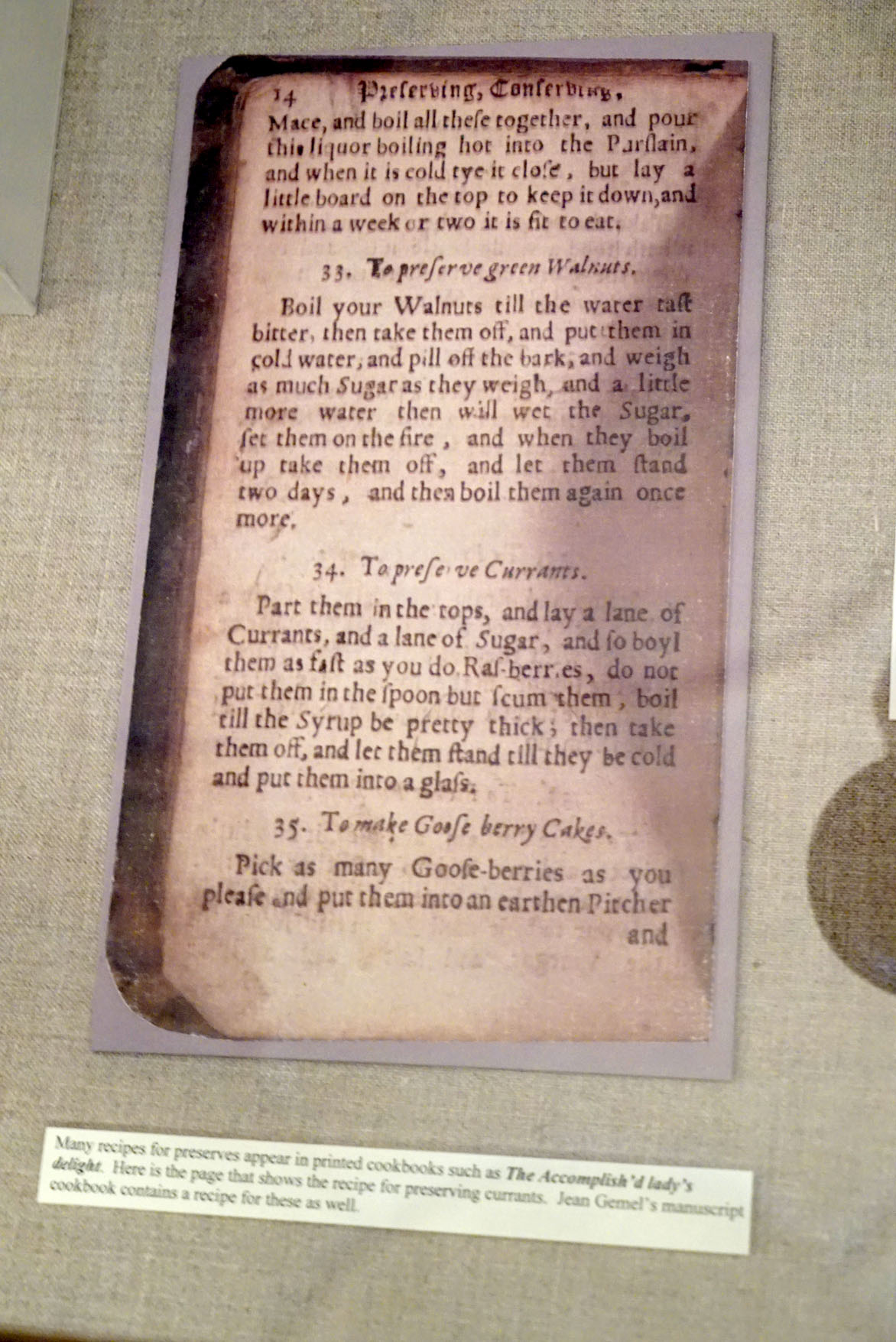
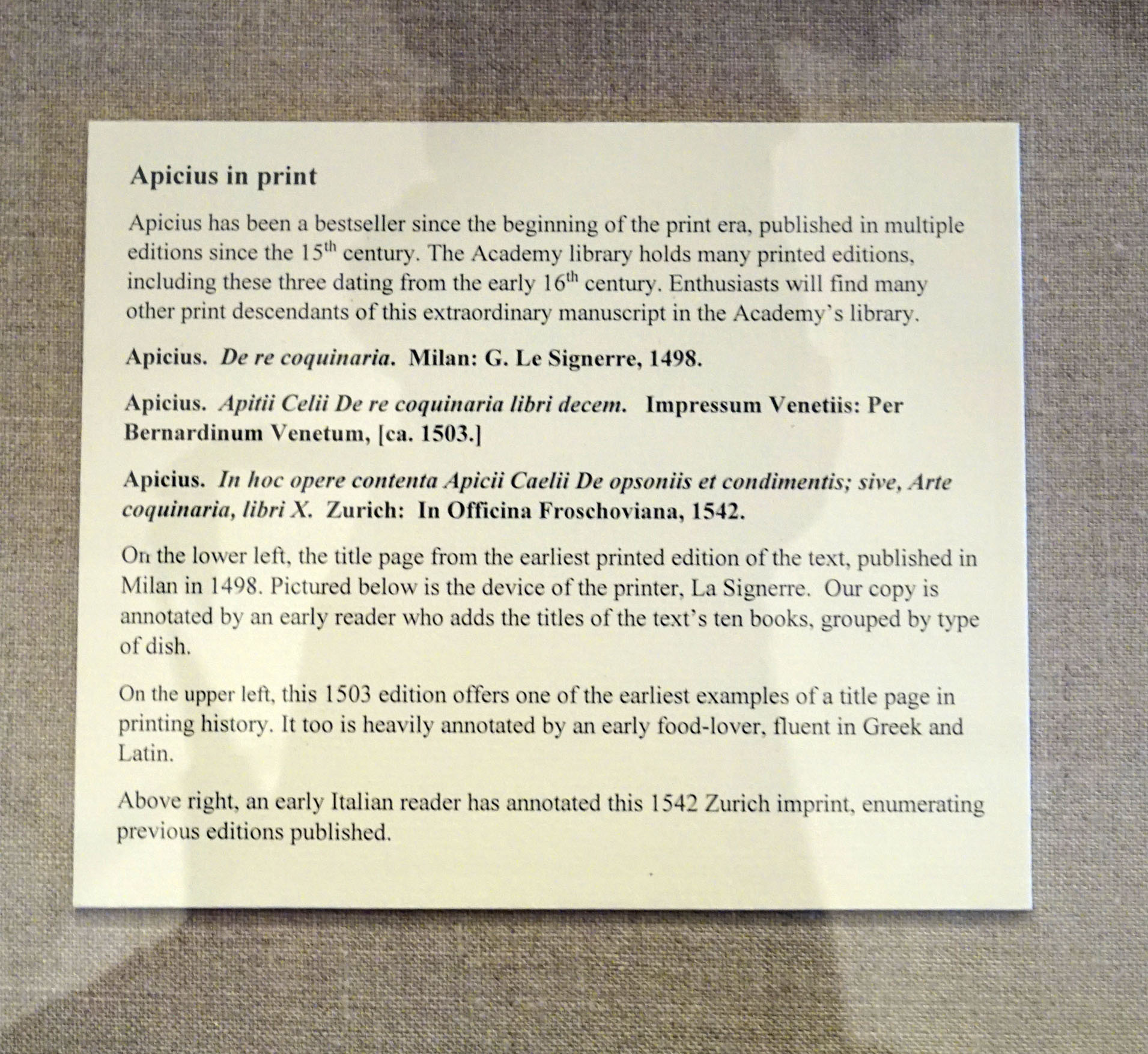
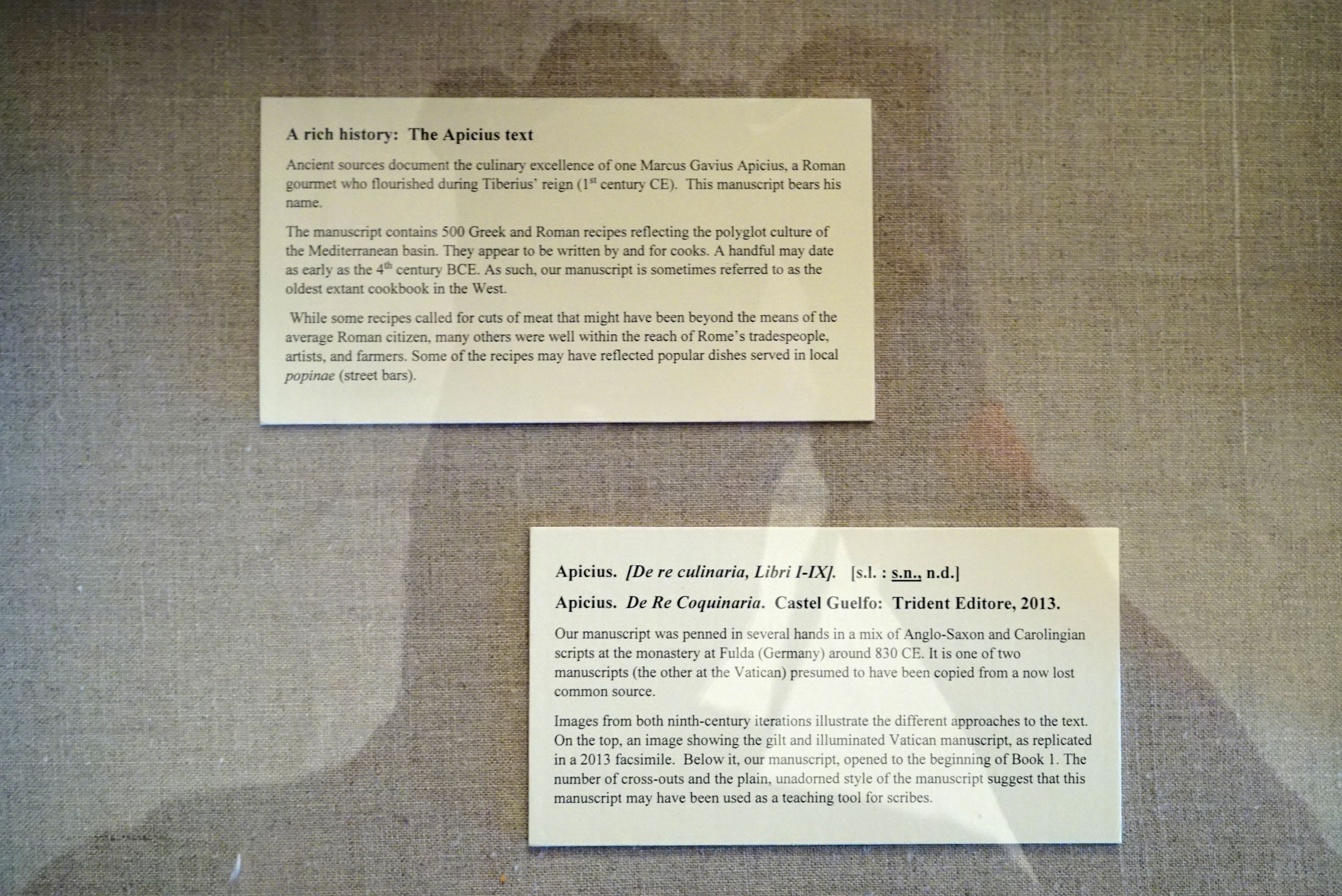
Here’s a quick photo dump of some of the cool old recipe books. Some date back to the 9th century, and others are as recent at the 1700s. Really amazing stuff.
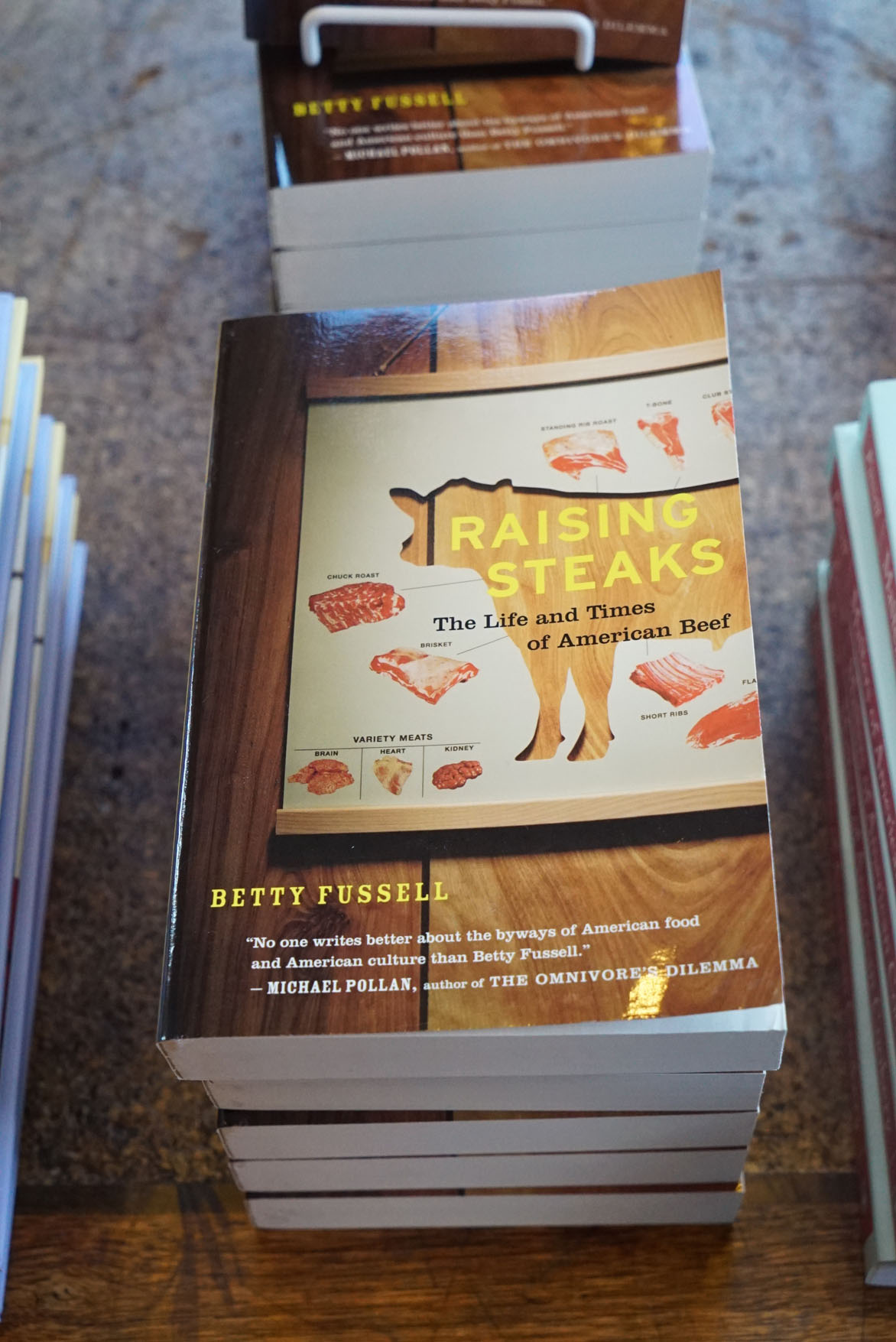
Some interesting books I was considering buying:
The Academy itself is really beautiful. Take a look at some of the rooms here.
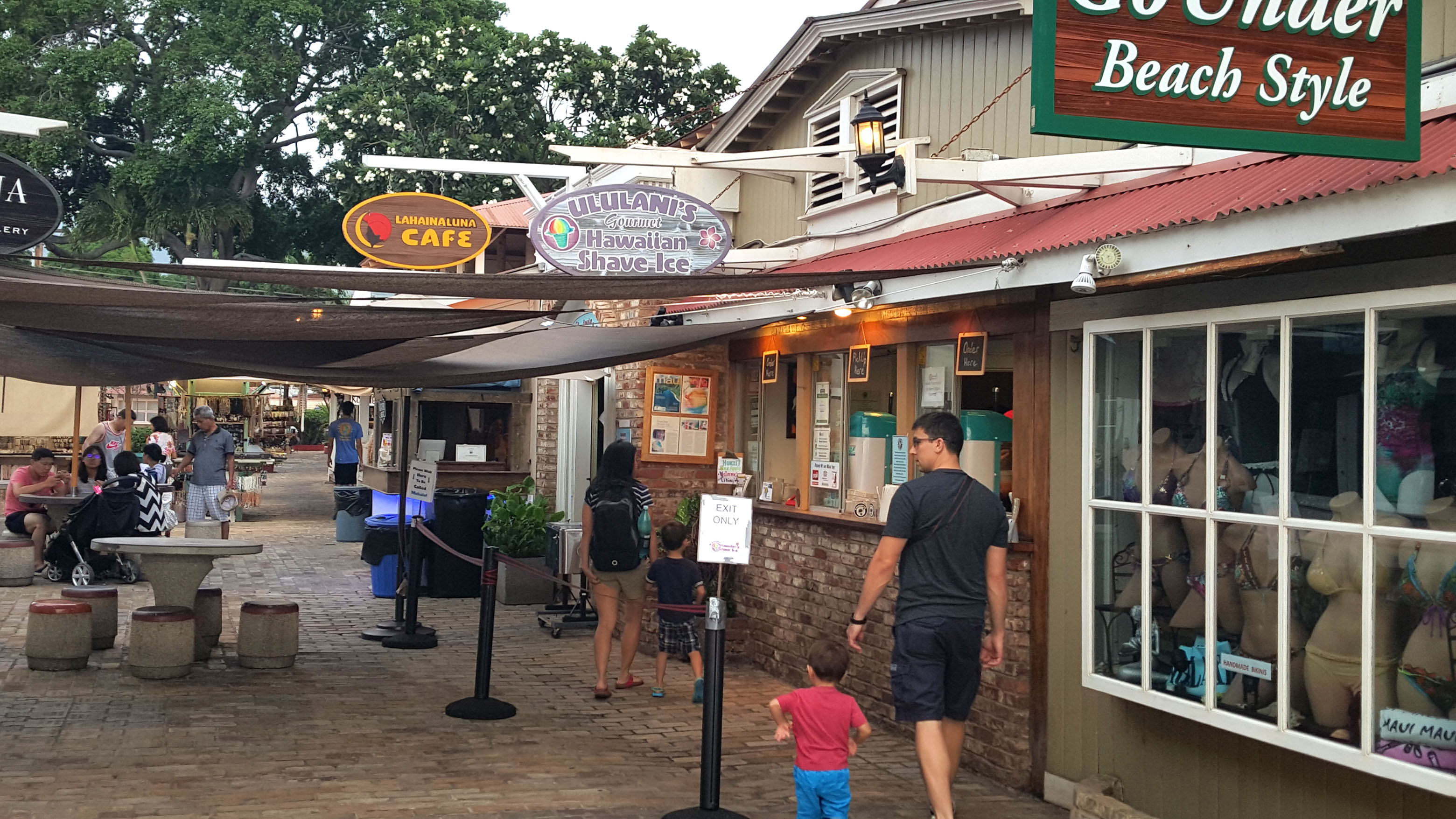
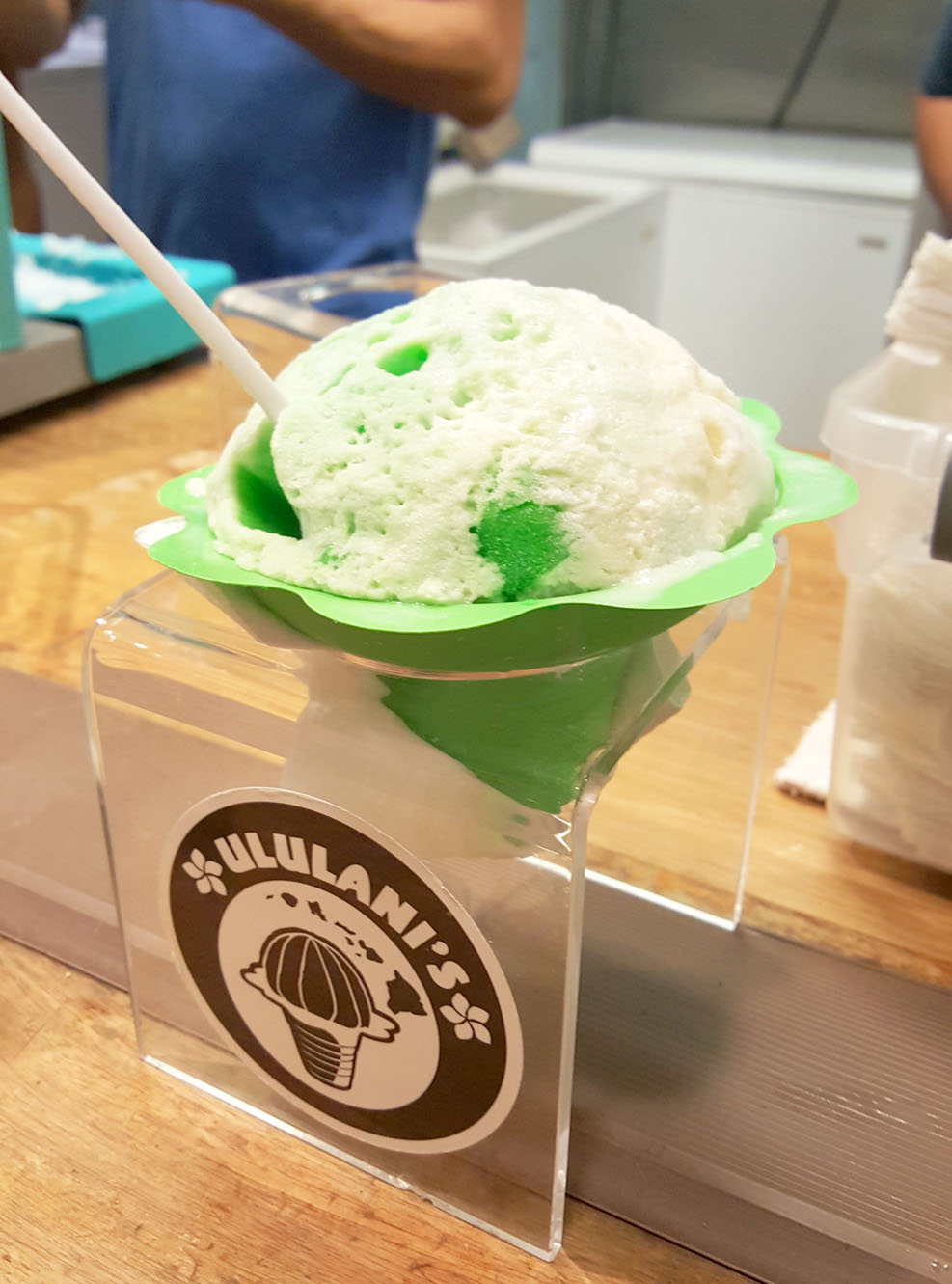
This shave ice chain is often called the best on Maui. This colorful little kiosk in Lahaina has a great atmosphere, in a cobblestone alley with lots of umbrella’d seating nearby, accommodating customers for the other food places in the alley as well. This joint uses the flower-looking plastic containers instead of the styrofoam. I think I like these better, because they are more iconic, and the shape allows for melted ice to run back into the cup-like base.
My wife had an awesome combo of coffee, chocolate and almond flavorings, with coconut cream topping. Nicely done!