Steak Sauce Martini

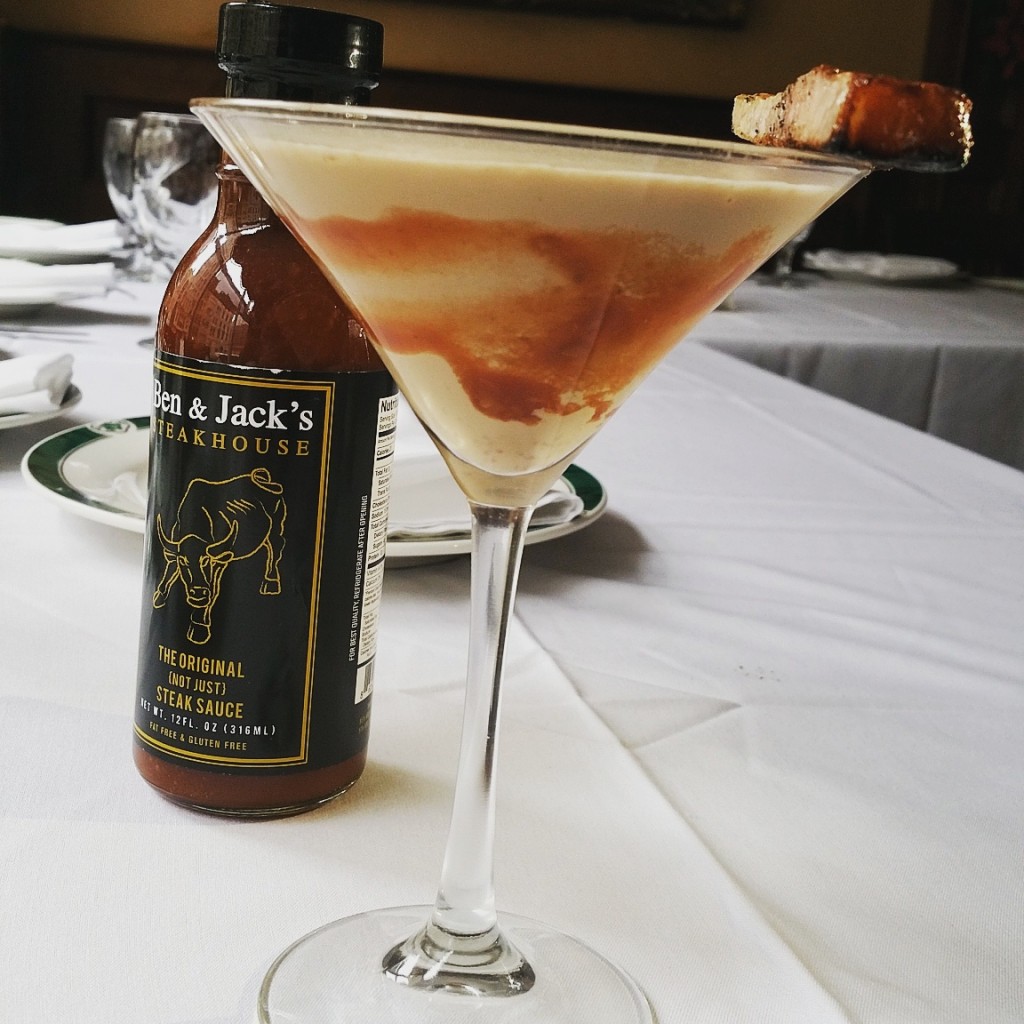
I came across an amazing drink that Chef Admir from Ben & Jack’s Steakhouse whipped up for the holiday season. It’s called the Steak Sauce Martini.

wp-1450810902412.jpg

Ingredients

  • 1oz Bourbon
  • 1oz Eggnog
  • 1oz White Chocolate Liqueur
  • 1oz Frangelico
  • 1/4 teaspoon Steak Sauce
  • 1 Strip of Bacon (for stirring)

Directions

  1. Smear the steak sauce on the inside of a chilled martini glass.
  2. In a shaker with ice, add bourbon, eggnog, white chocolate liqueur and Frangelico.
  3. Shake and pour into a martini glass. Garnish with strip of bacon.

If its too much work for you to make at home, then take a trip over to Ben & Jacks to try it out.

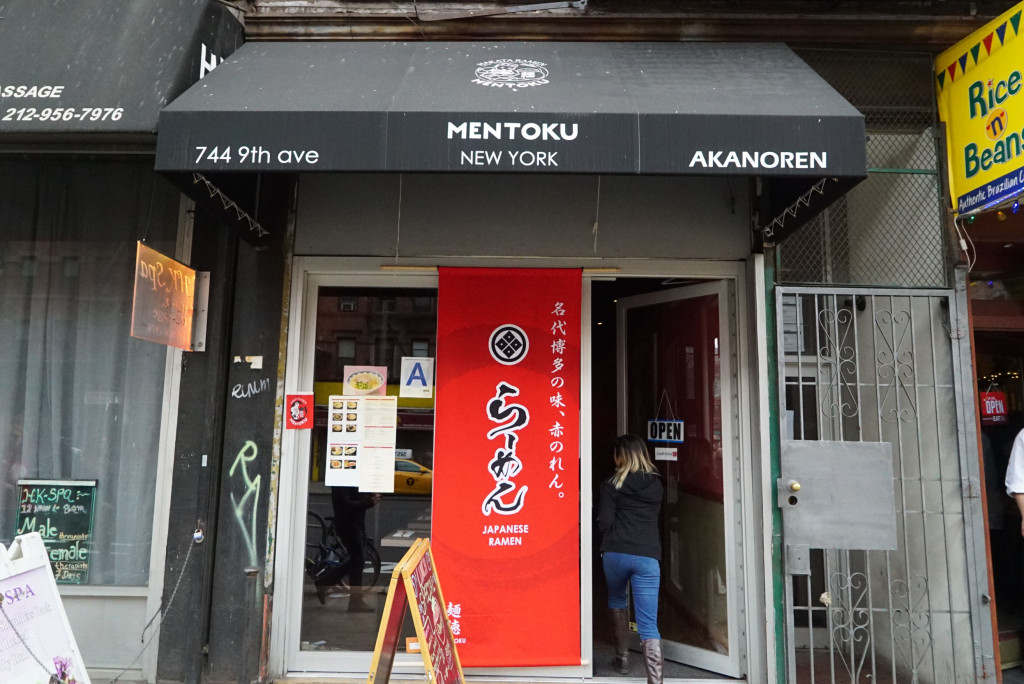
Mentoku

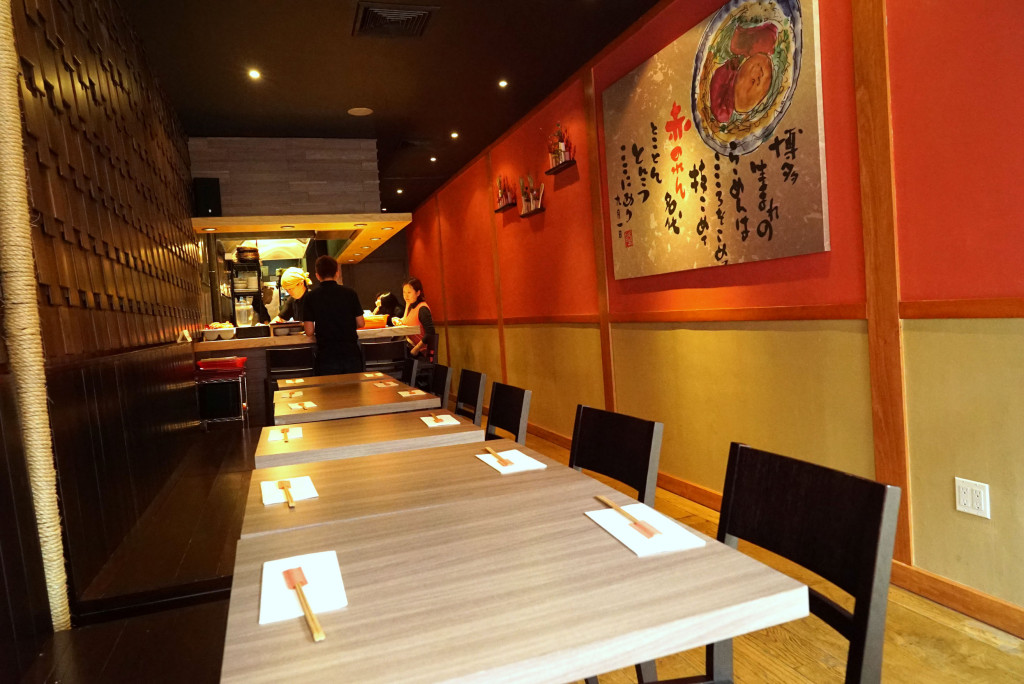
This joint just opened up a month ago on 9th Avenue between 50th and 51st Streets.

DSC09367

DSC09368

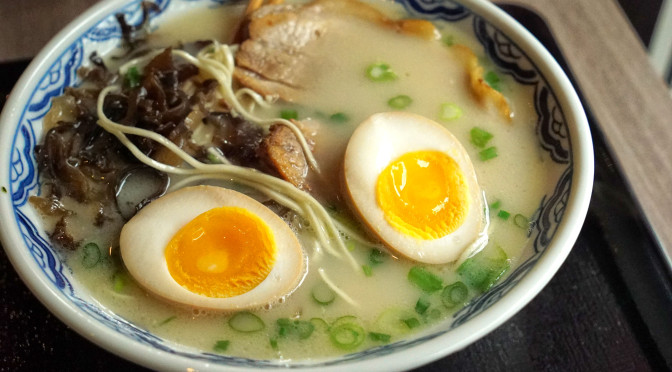
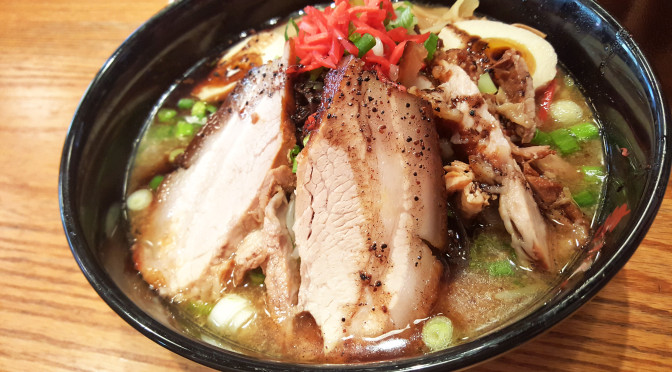
Some things that caught my eye were that they served Hakata style ramen, which I am generally a fan of (thick, pork bone soup), and they also offer a matcha ramen, which sounded really unique. My wife and I tried them both.

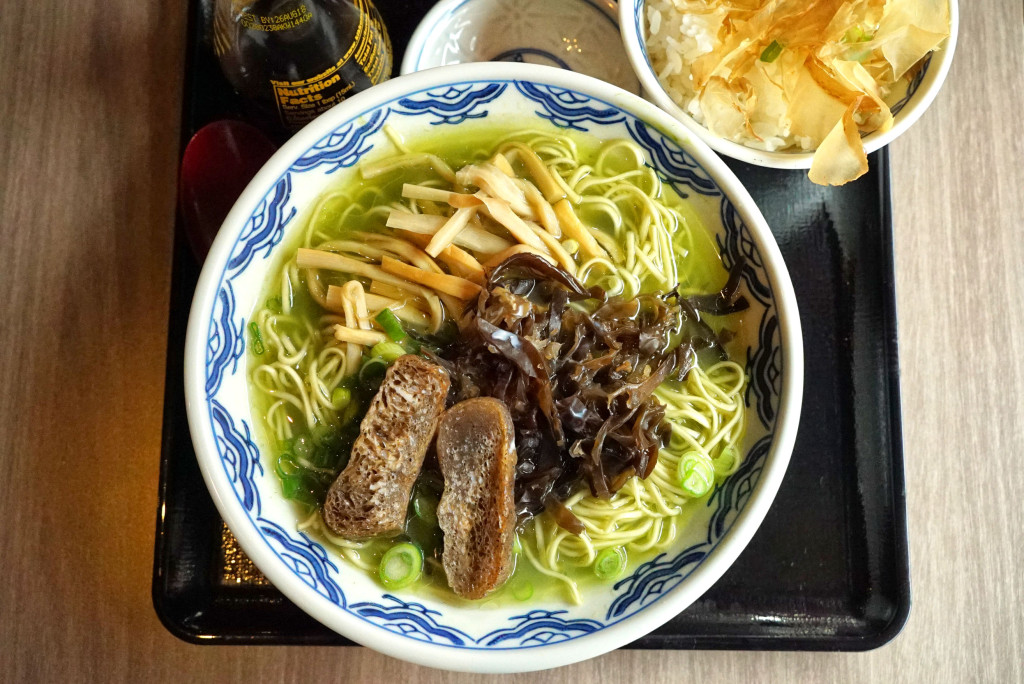
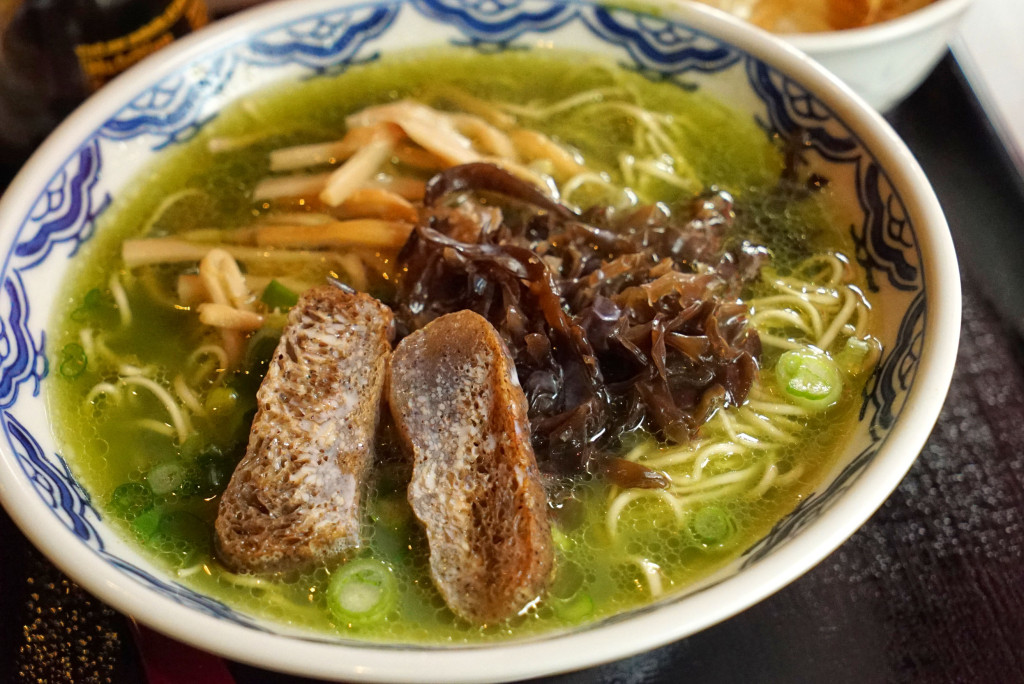
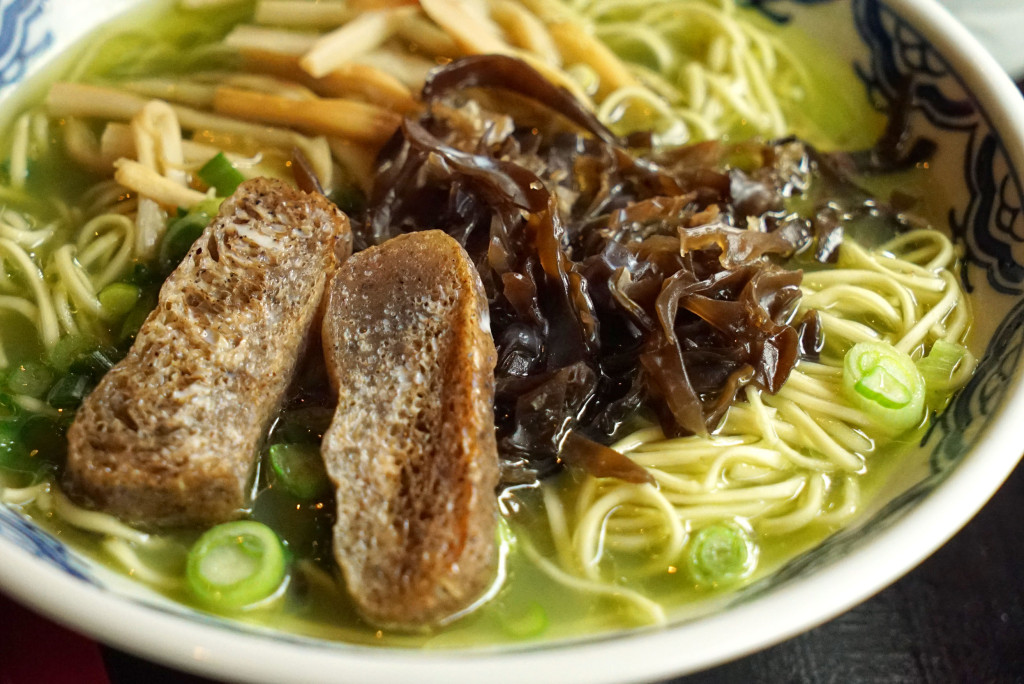
First the green tea matcha ramen:

DSC09379

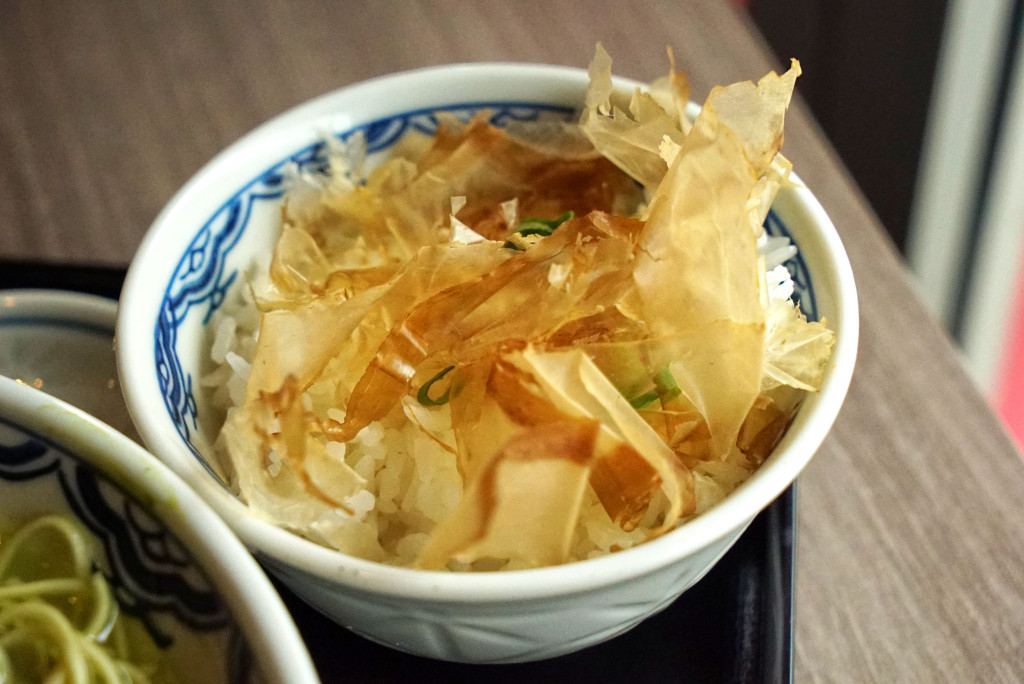
My wife got the lunch special deal for $12, which comes with a side of flavored rice (or extra noodles). This is the wasabi rice, with dried bonito flakes:

DSC09380

Watch them wiggle!!!

Anyway back to the ramen. This was very light (vegetarian), but it had an interesting, savory green tea flavor to it.

DSC09371

Very good for those looking to get a ramen fix but cut the calories in the process. It came topped with bamboo shoots, mushrooms, scallions and what I think was some kind of bready, fried tofu cake.

DSC09378

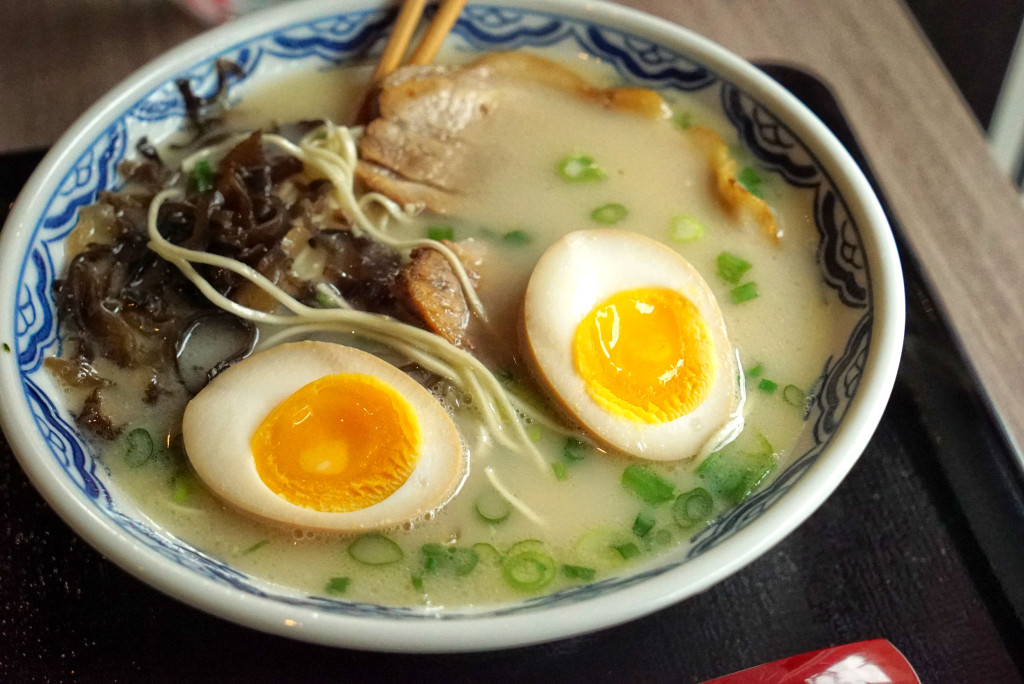
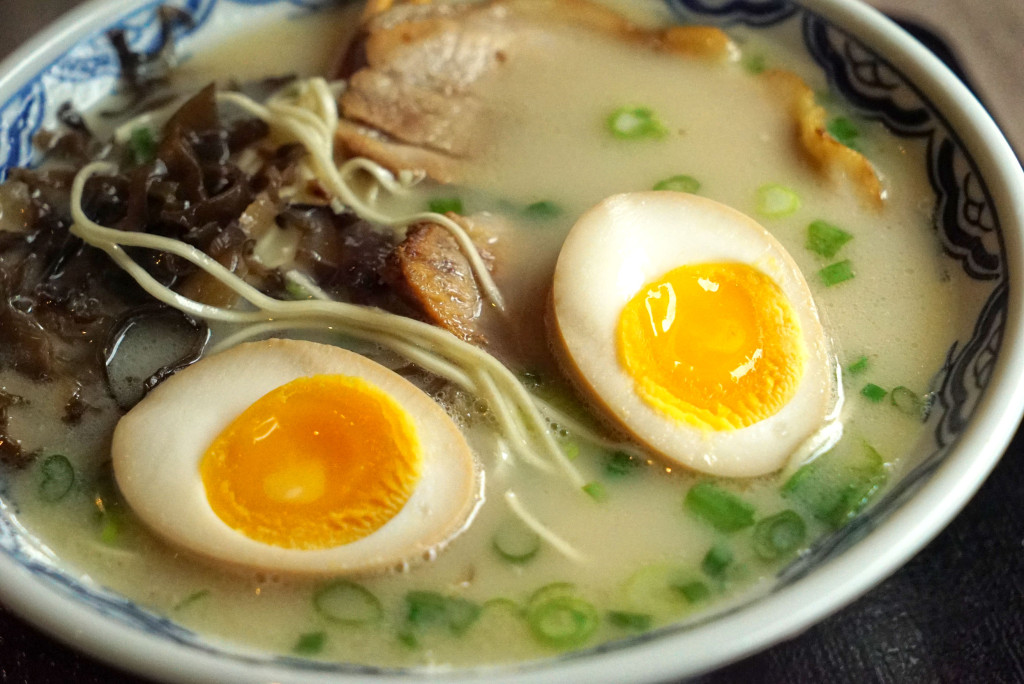
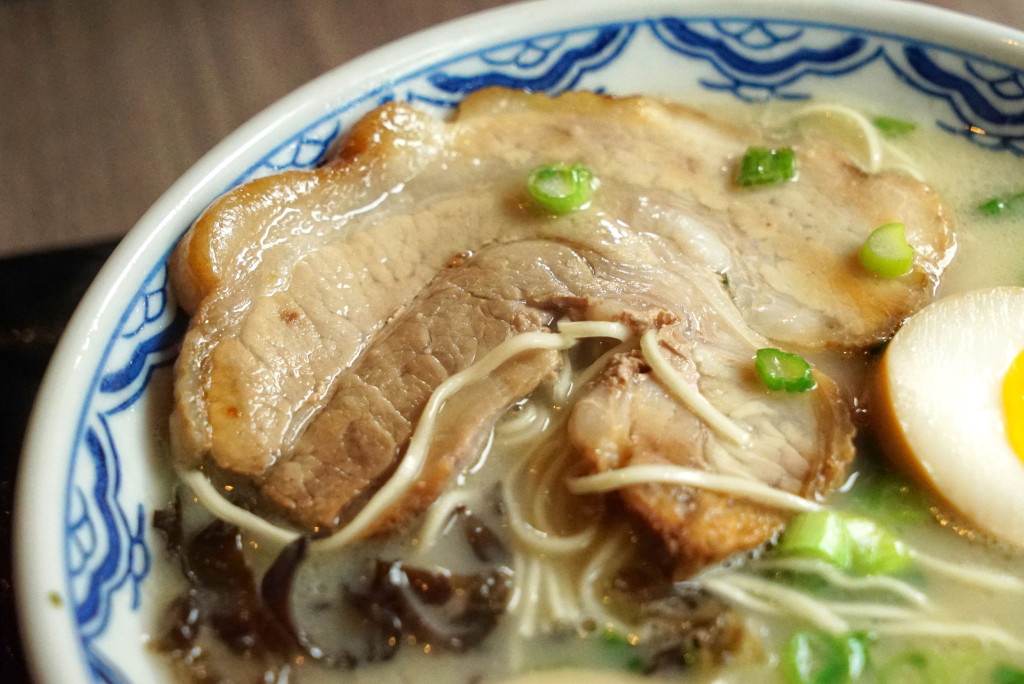
The flat, straight noodles were excellent. That goes for both bowls, too. However the Hakata style ramen was a bit too thin for my liking, despite the mushrooms being nice.

DSC09369

You choose bamboo shoots or mushrooms, for some reason. To get both is extra, like the egg.

DSC09370

Egg was perfect, but the pork was just one slice and very chewy. Bummer there.

DSC09375

There was still one other ramen bowl that I wanted to try, with a yuzu paste involved, so I’ll be back, for sure. I just don’t think this broth is thick enough for my Hakata, tonkotsu fix.

MENTOKU
744 9th Ave
New York, NY 10019

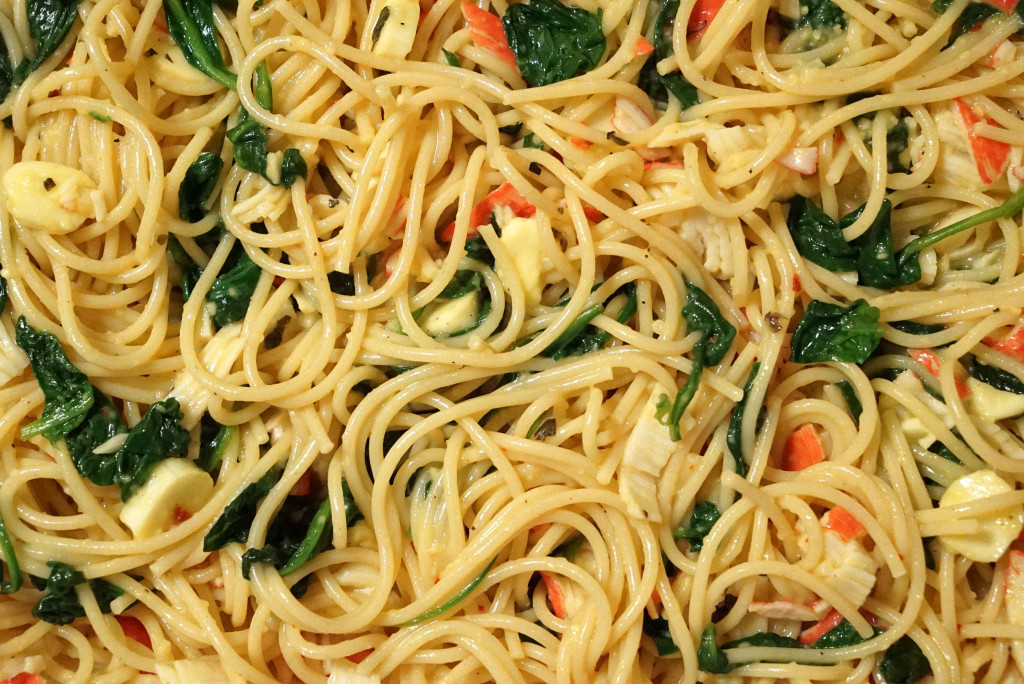
Spaghetti Pie

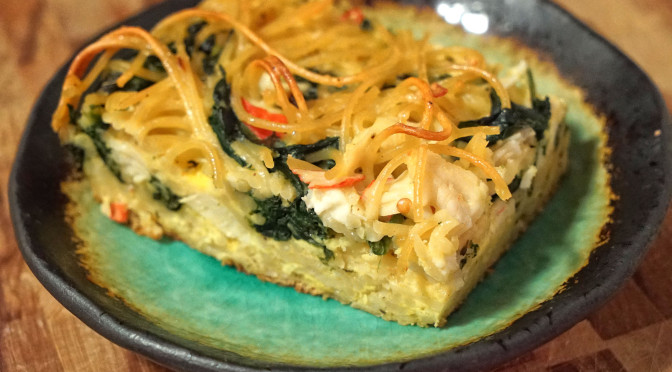
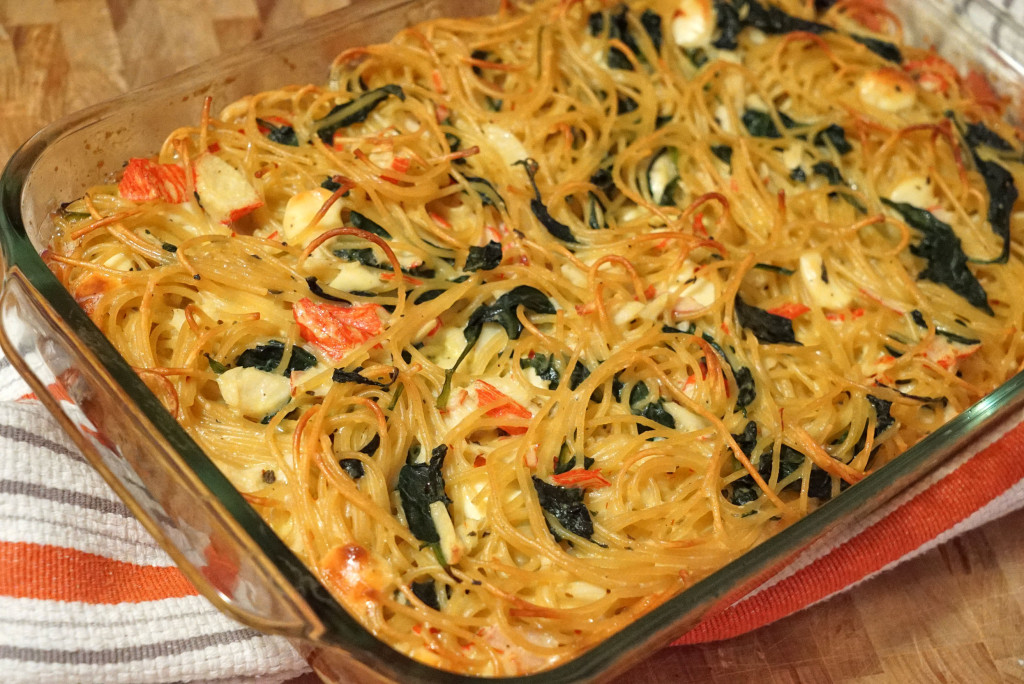
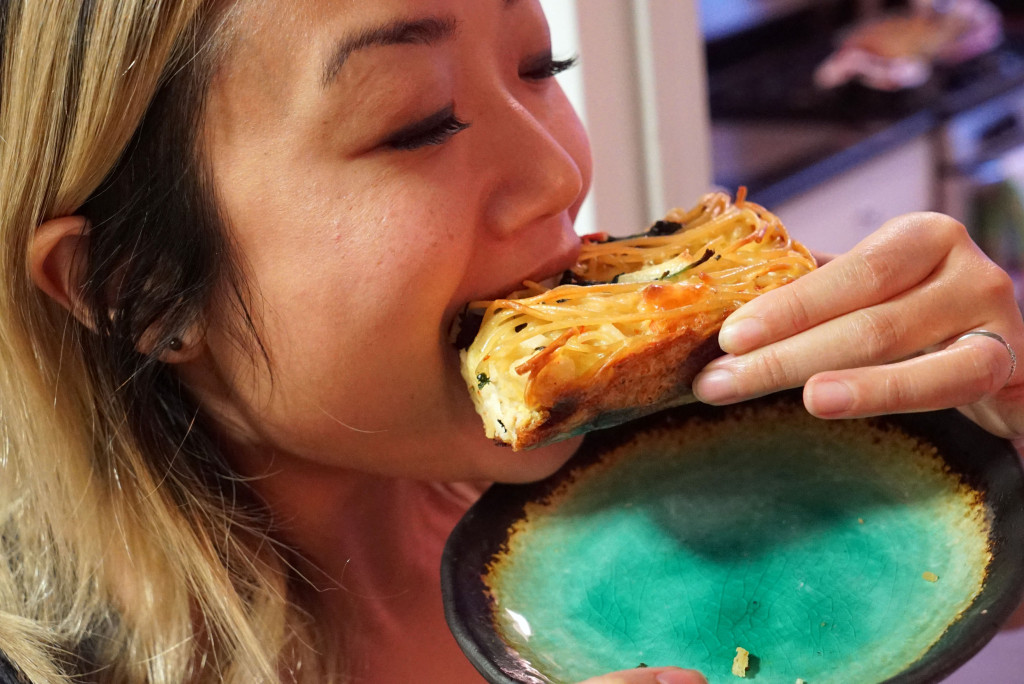
This shit was a staple in my household when I was growing up. It’s really easy to make, and it’s something not many people have eaten. My mom used to make it with just the cheese, spices, eggs and spaghetti, but I decided to take it to the next level with some other shit. Here’s how it goes:

SHIT YOU NEED (Mom’s Way)

  • 1 Pound of Spaghetti
  • 1 Dozen Eggs
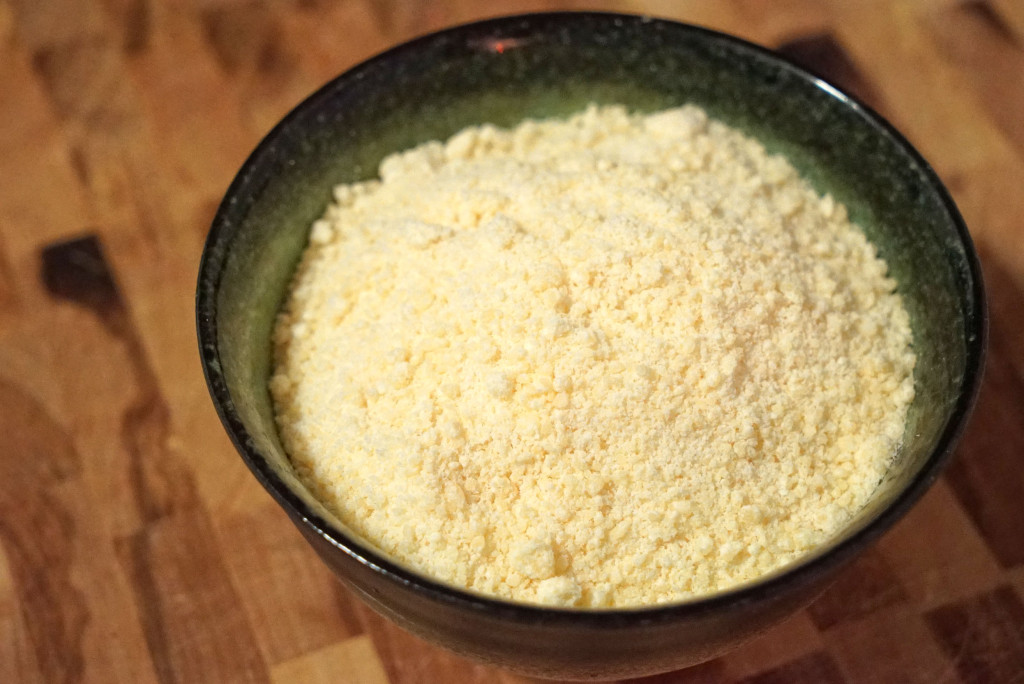
  • 6oz Grated Parmesan cheese
  • Basic Seasonings (salt, pepper, garlic powder, oregano, crushed red pepper, etc)
  • Half Stick of Butter

SHIT YOU MAY WANT TO ADD (My Way)

  • 1 Bag of Baby Spinach
  • 8oz Imitation Crab Meat (or the real deal if it’s in the budget)
  • 6oz Mozzarella Cheese

INSTRUCTIONS

  1. Preheat oven to 350 degrees.

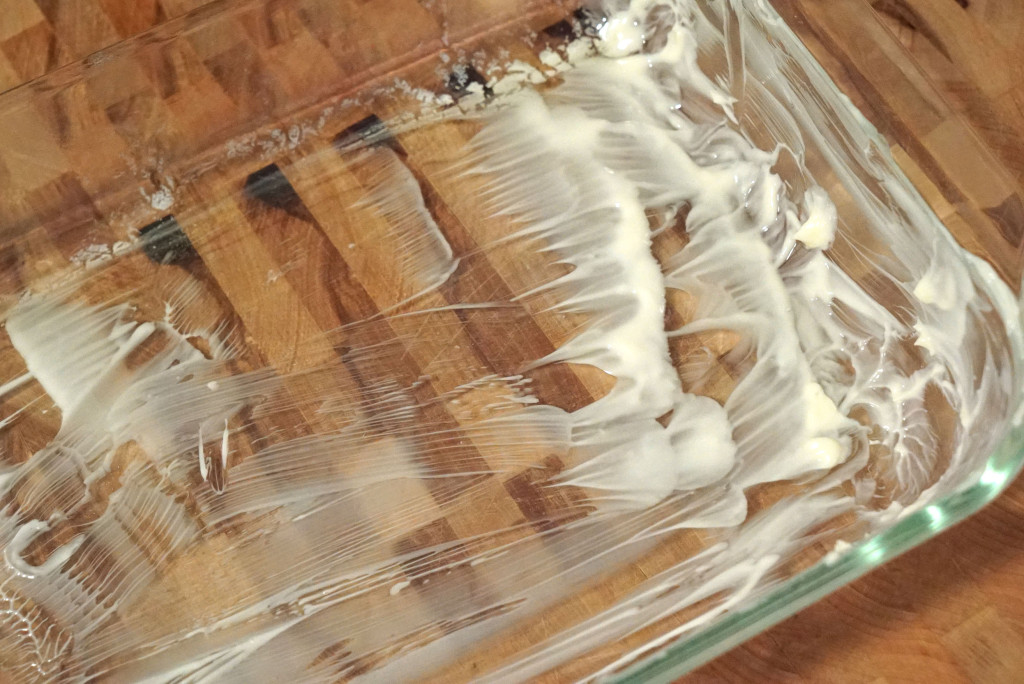
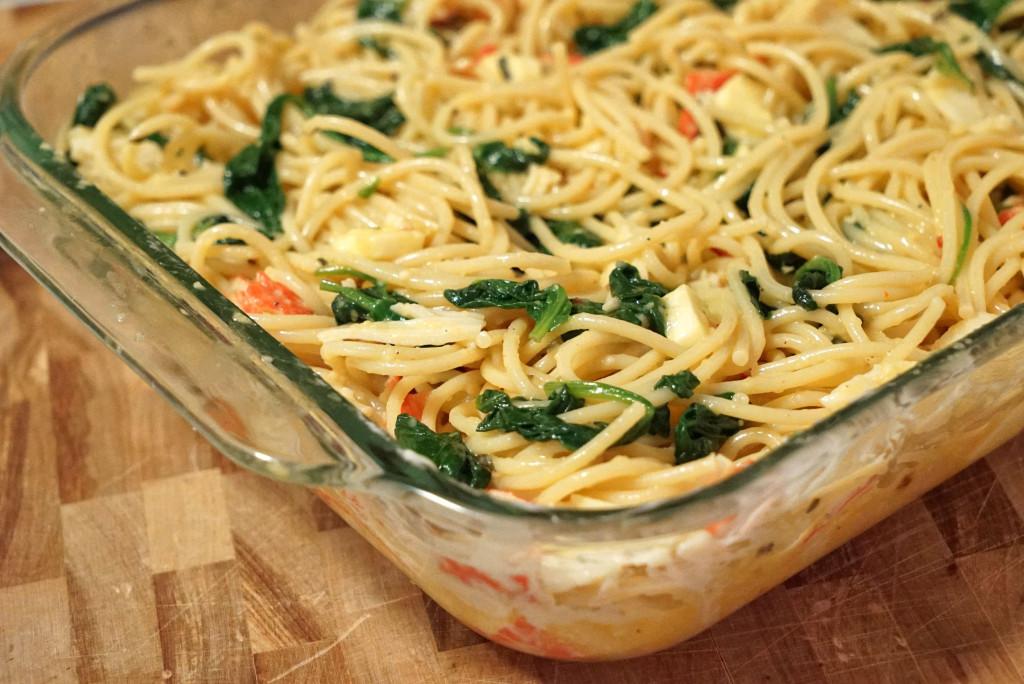
2. Smear the half stick of butter all over the inside of a pyrex pan. Whatever extra you have can be melted and added into the bowl in the next step.

DSC09403

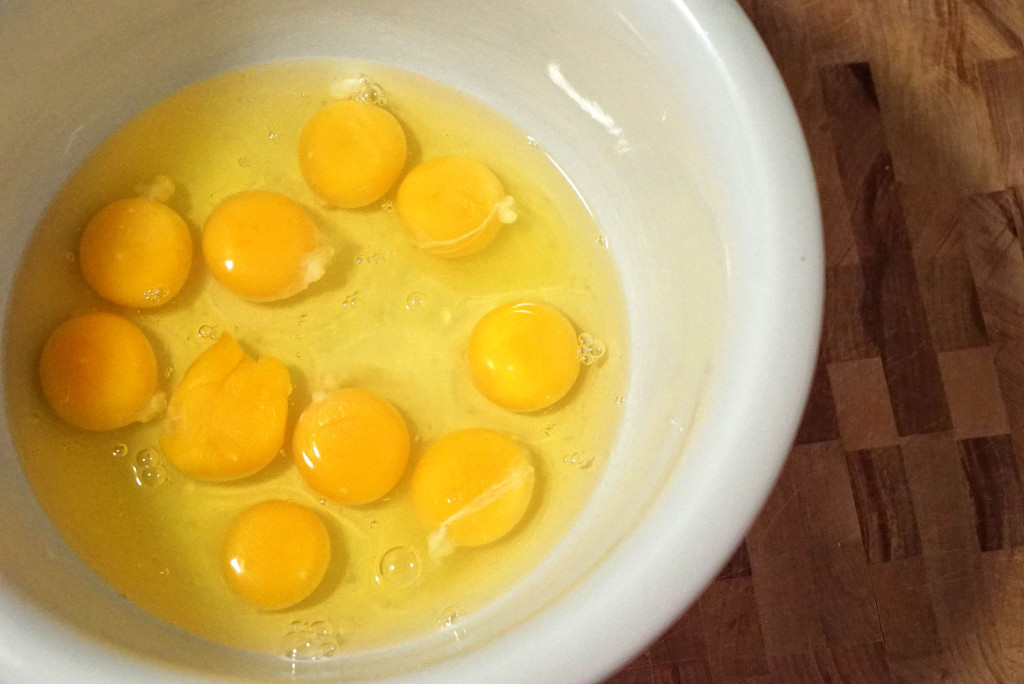
3. Crack your eggs into a bowl and whisk together with the grated parmesan cheese and seasonings until thoroughly mixed.

DSC09396

DSC09390

DSC09398

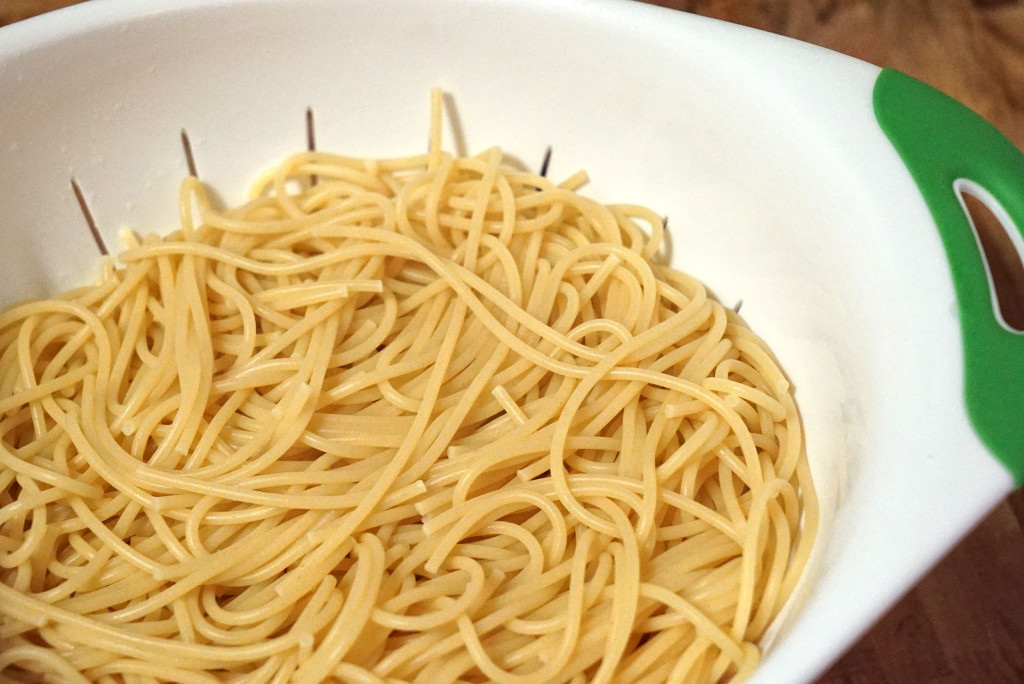
4. Boil your spaghetti, then strain (or leftovers are fine, too).

DSC09402

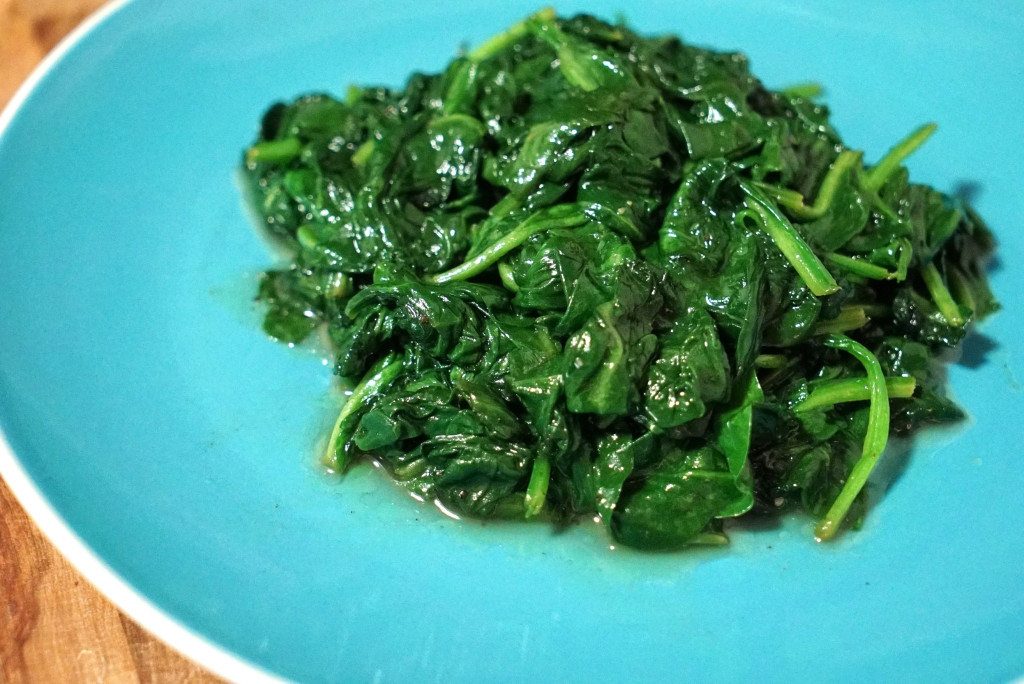
5. Cook the baby spinach, then strain or squeeze dry (optional).

DSC09391

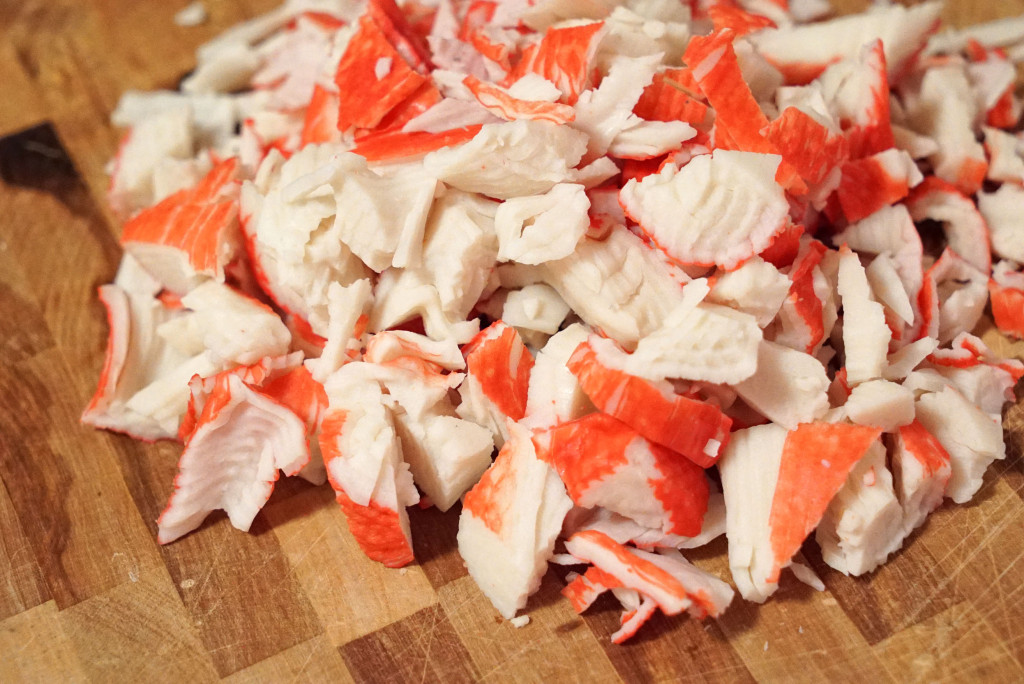
6. Pull apart the crab meat and chop or dice coarsely (optional).

DSC09387

7. Coarsely chop or dice the mozzarella cheese (optional).

DSC09384

8. Add spaghetti (and the other optional ingredients) into the egg and grated cheese bowl, and mix with your (clean) hands until everything is evenly distributed.

DSC09407

9. Pour the mixture into the buttered pyrex pan and spread it around so it is flat and evenly distributed.

DSC09405

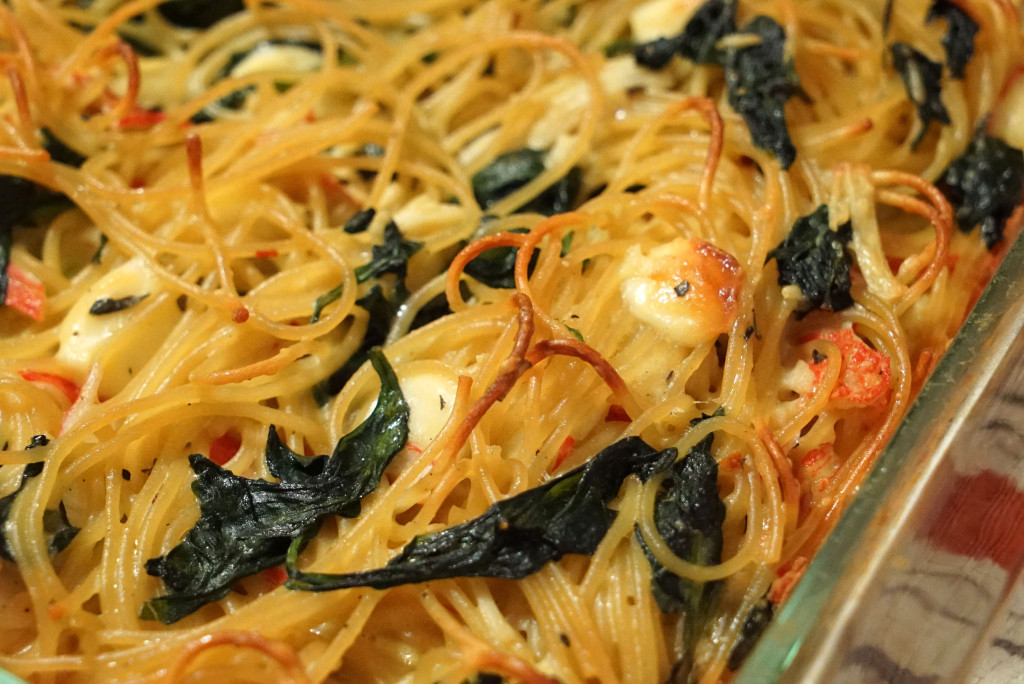
10. Bake until you see butter bubbles coming up from the bottom of the pyrex, or until you can poke it with a toothpick and not have any slime or ooze come up when you remove the toothpick. Typically the edges will start to get some brown happening when it is finished, and the top of the pie will start to develop some dry, crispy, semi-burnt spaghetti bits.

DSC09430

DSC09429

DSC09442

Eggs cook pretty quickly, and that’s really all that needs to get cooked at this point. They’re probably halfway cooked anyway since the hot spaghetti likely hit the egg and started the cooking process already before the pyrex went into the oven. I’m thinking this is usually around 30-45 minutes for me, but I honestly never look at the time. It’s all eyeballs for me.

DSC09429

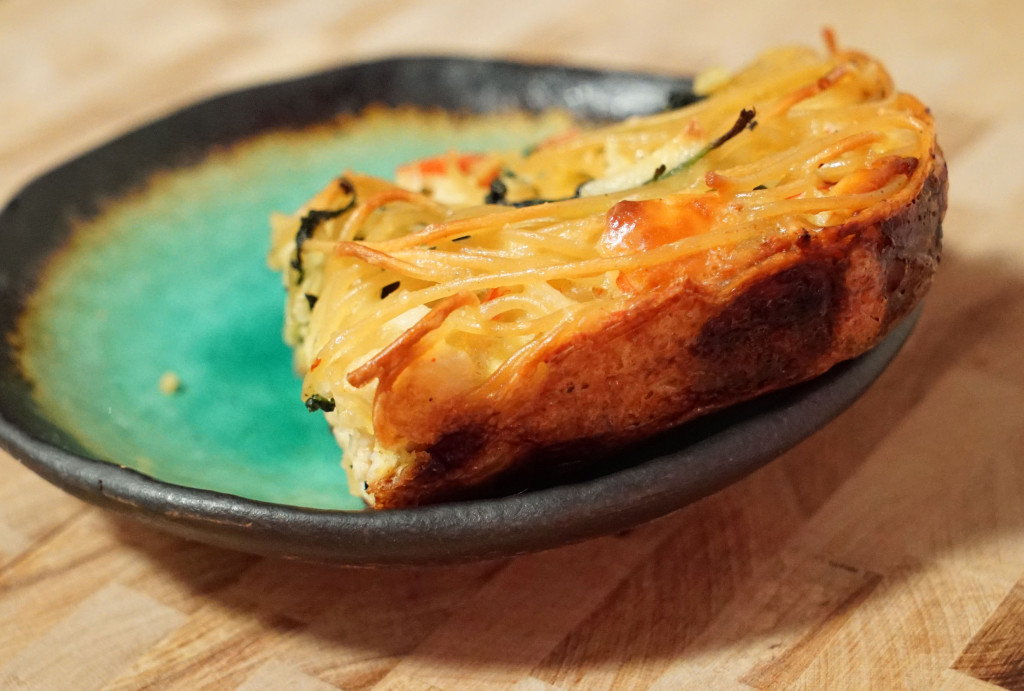
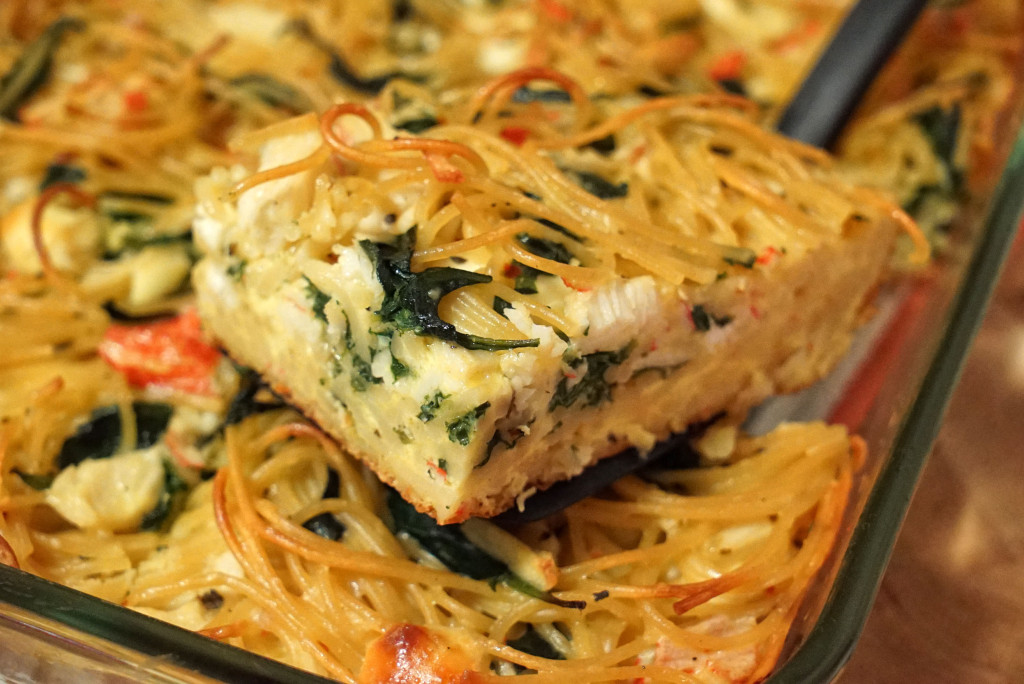
Once it’s finished cooking, take it out of the oven and let it set/rest for a while before cutting into squares/cubes.

DSC09424

DSC09427

DSC09433

DSC09434

DSC09444

In the meantime, you can make a nice dipping sauce out of some canned or jarred tomatoes, if you have them sitting around collecting dust. I like to use a small can of Contadina tomato sauce, hit it in a small sauté pan with some olive oil, spices, herbs and a bit of chili paste or chili flakes. You can pour it on top of your piece of pie, or dip into it with each bite.

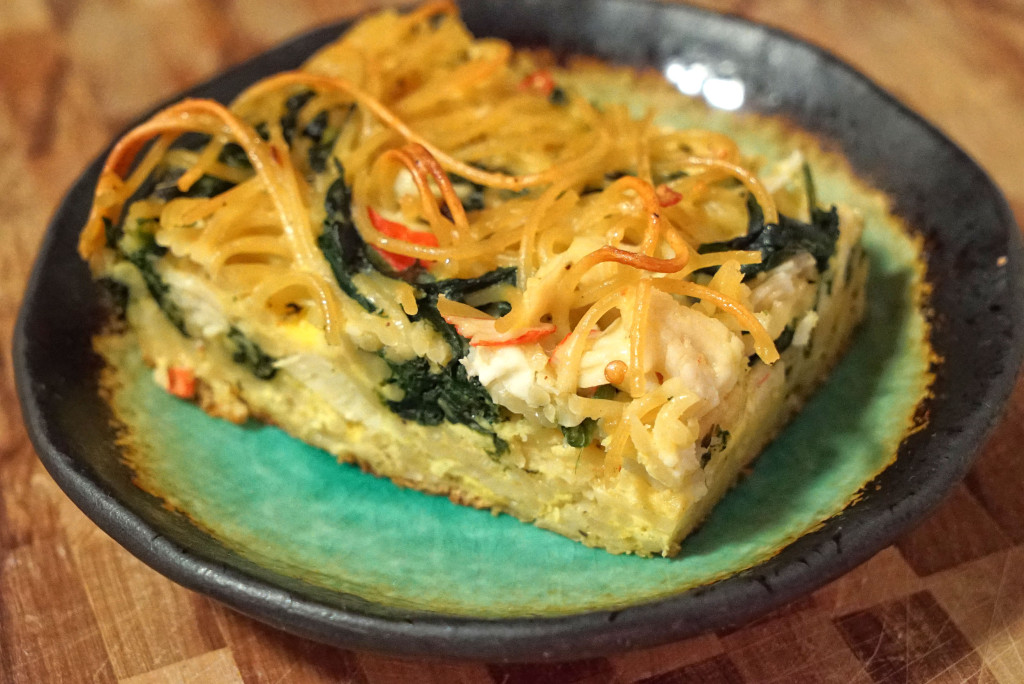
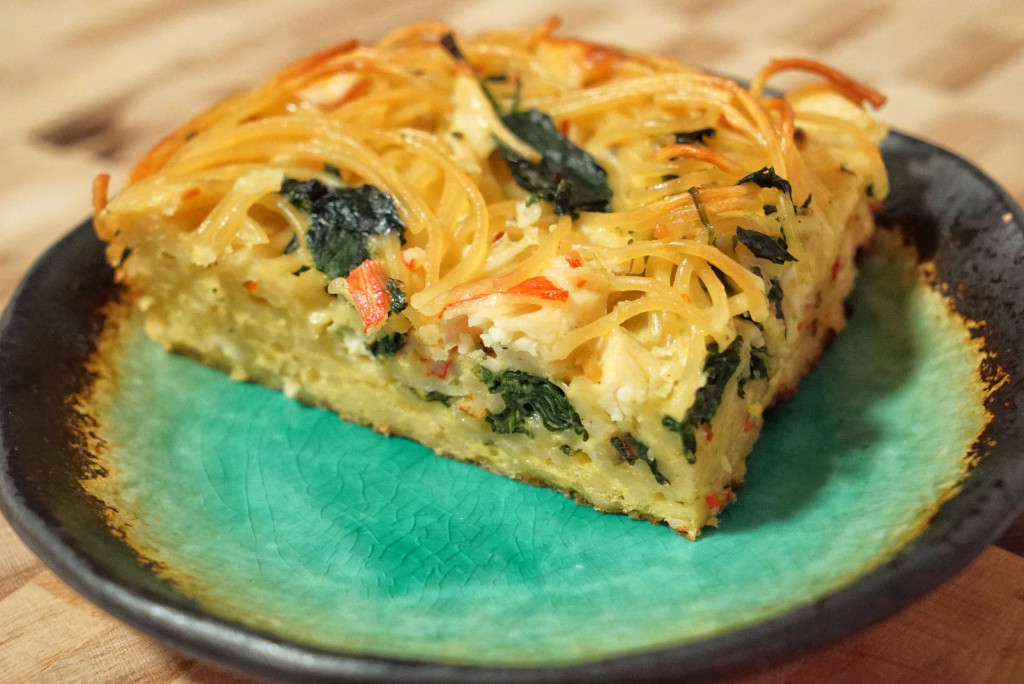
Some people eat by hand, and others use a fork and knife.

DSC09448

It really all depends on the density and consistency of the final product. If you want a more dense pie, use fewer eggs and add in all of the goodies I suggested. If you want a fluffier pie, use more eggs and fewer extras.

Field Trip Jerky

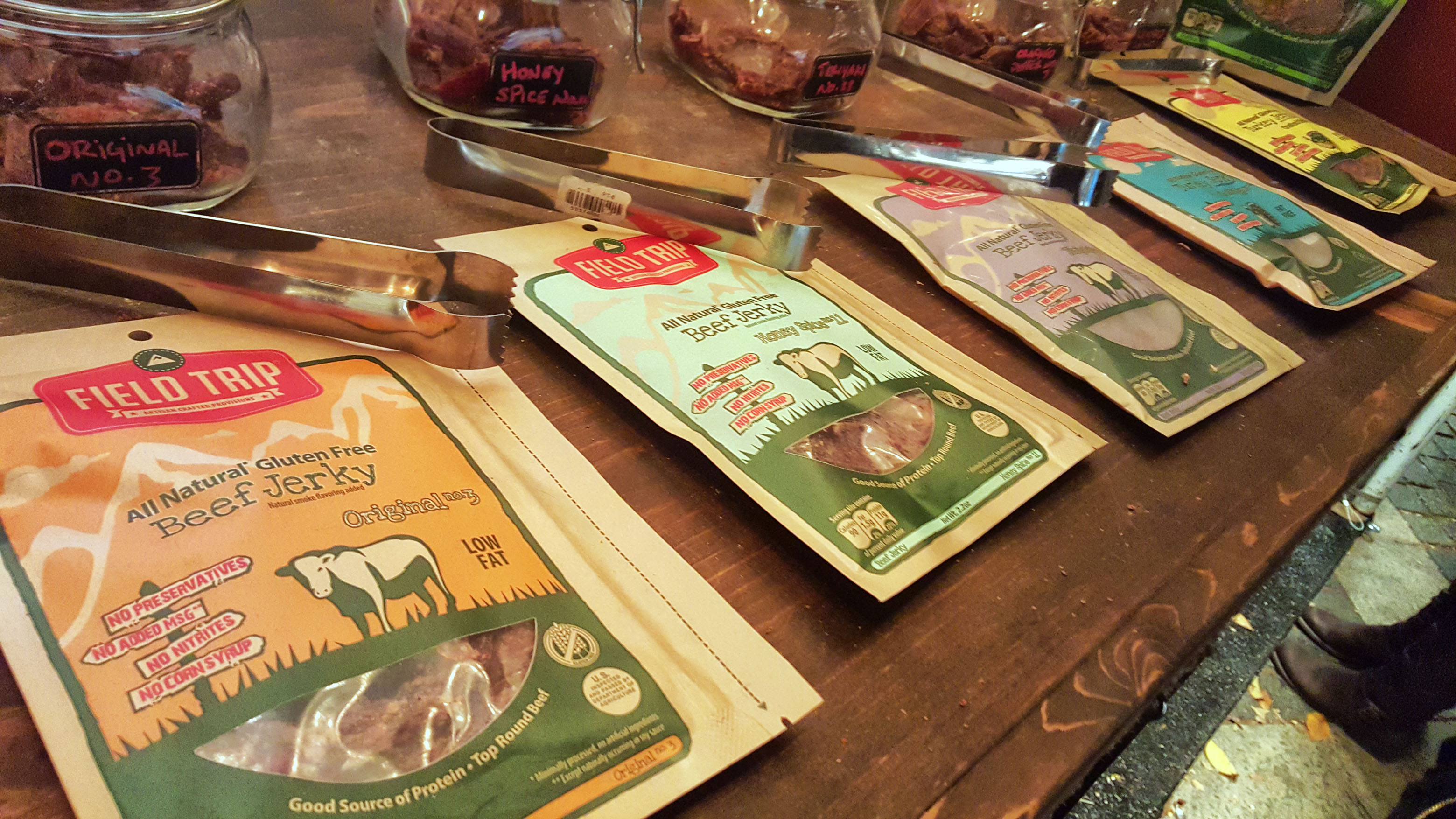
My wife and I came across this jerky at the Columbus Circle Holiday Market the other day.

20151206_175358

We sampled a few flavors and picked out our top three for purchase; they were offering three bags for $20. This seems to be pretty average pricing for jerky, which is expensive in general (especially for the good shit).

DSC09410

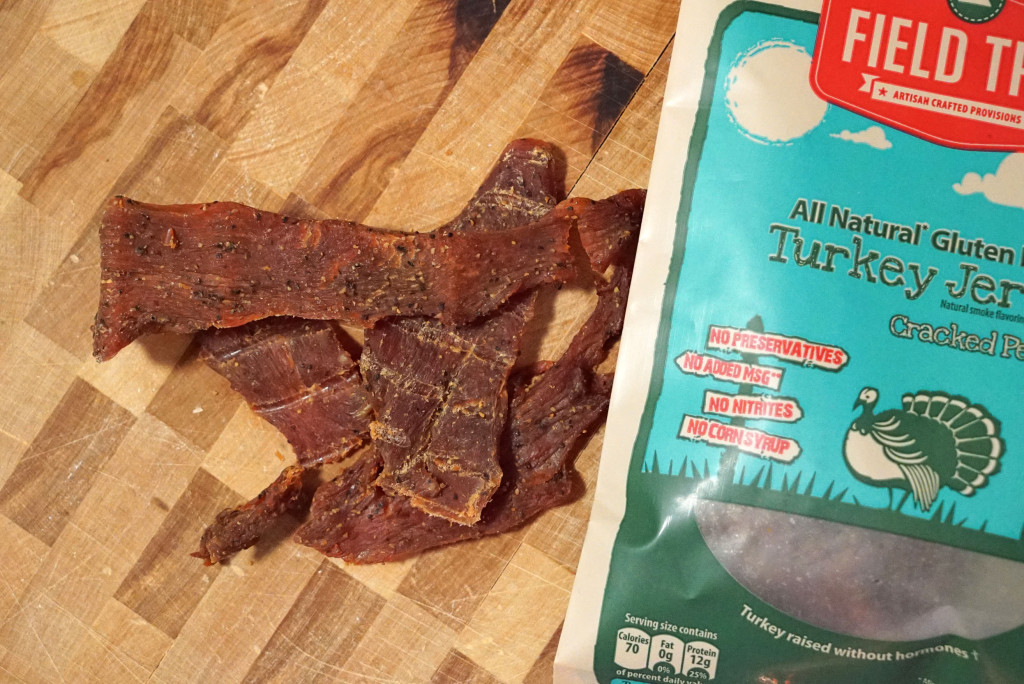
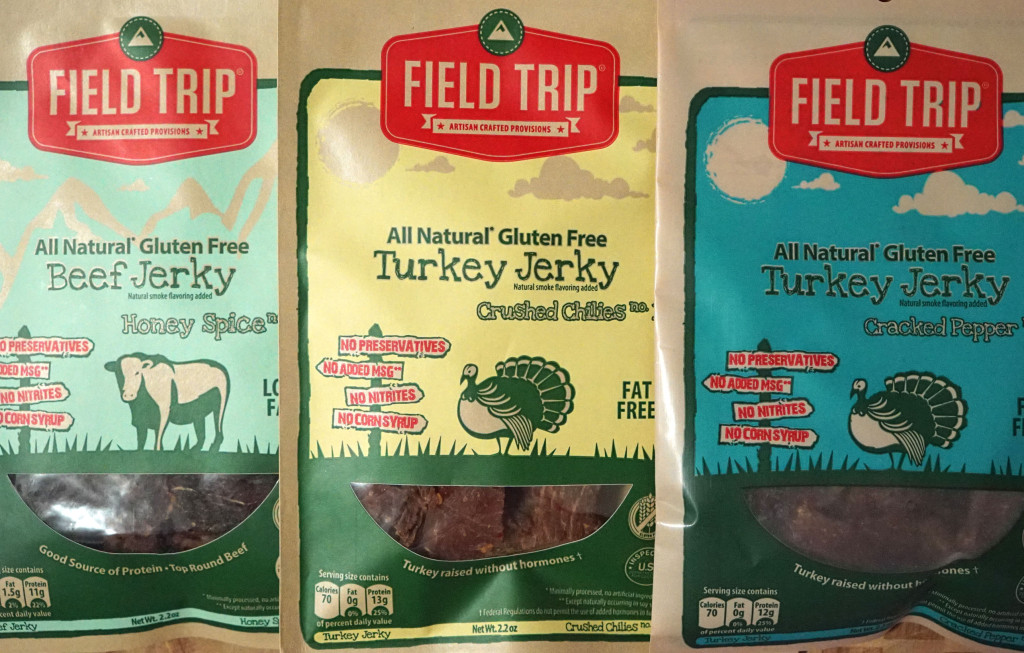
So we picked up cracked pepper turkey jerky, which is nice and tender, really flavorful and addicting. Probably our favorite.

DSC09413

DSC09415

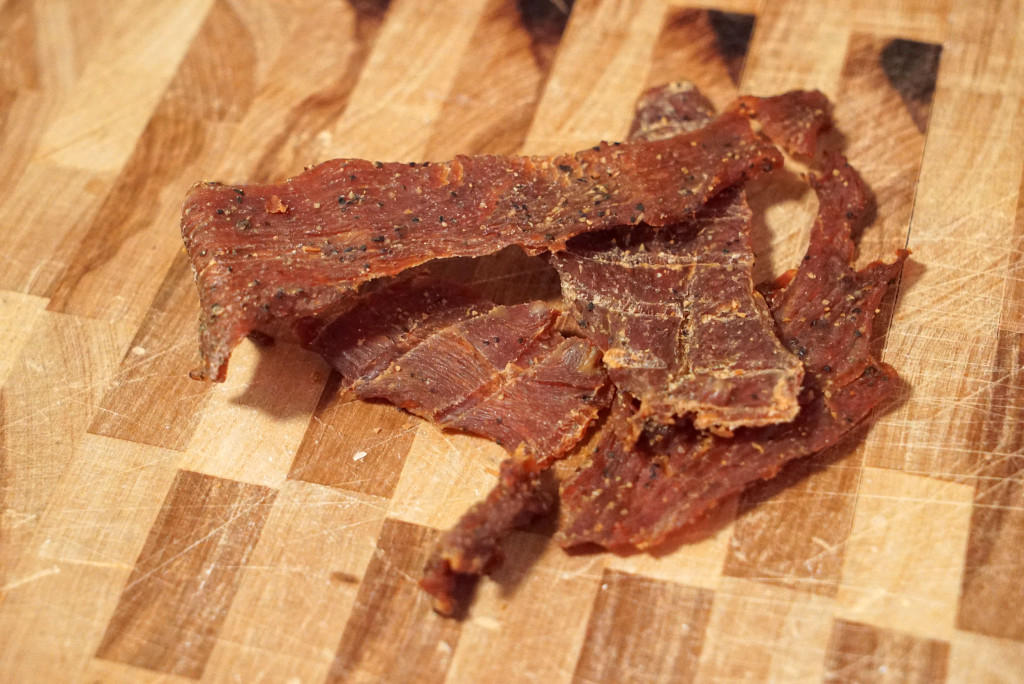
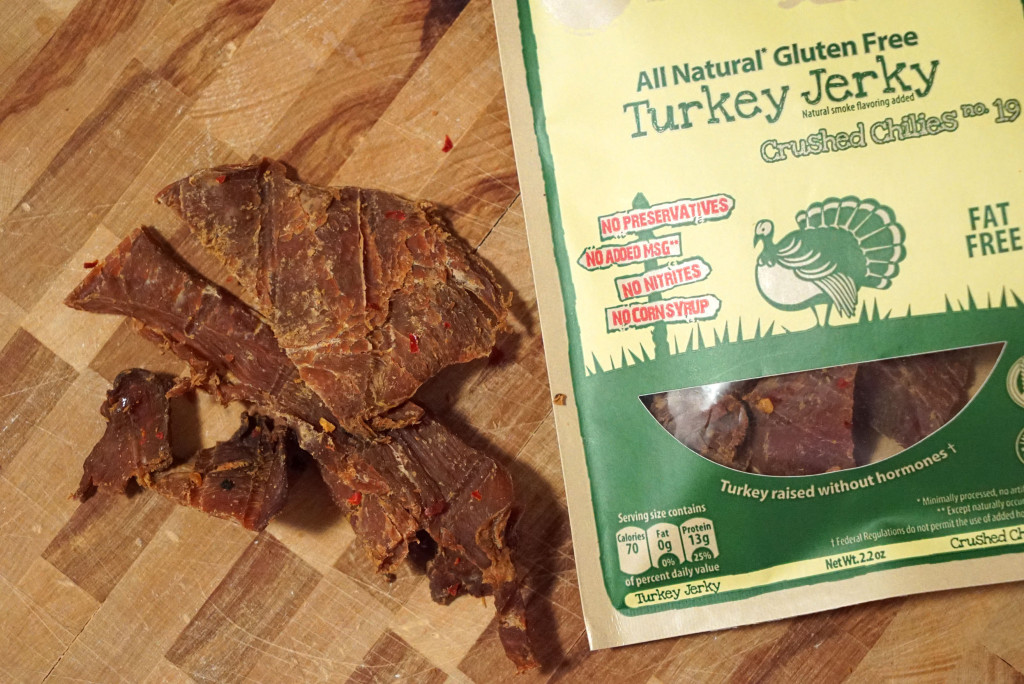
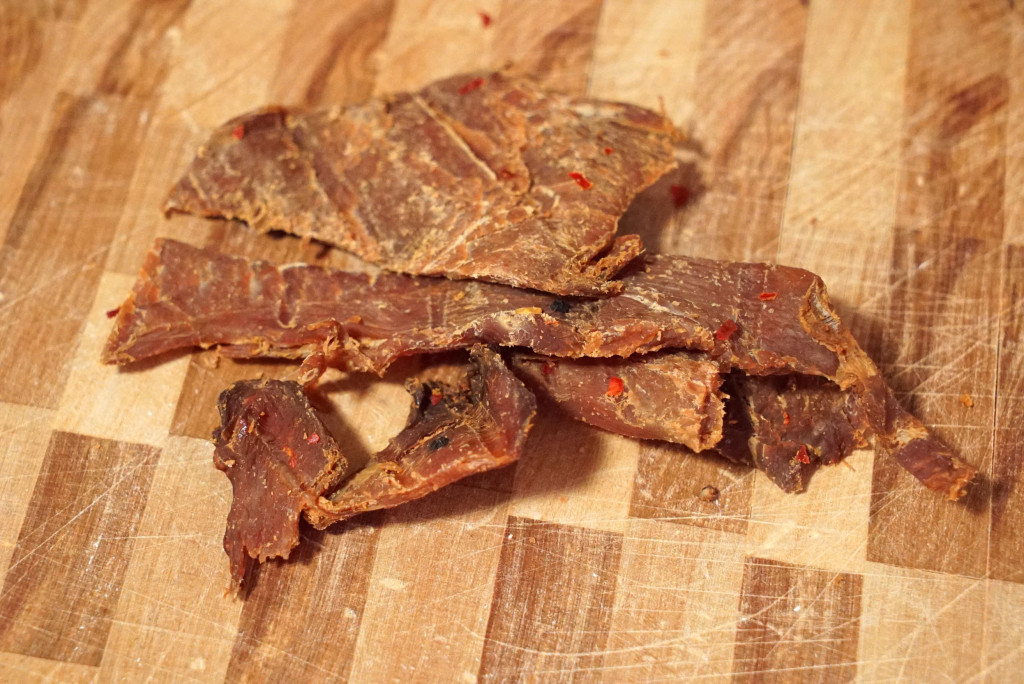
The second was this crushed chili flake turkey jerky, which had a good spice level to it and also very tender.

DSC09417

DSC09419

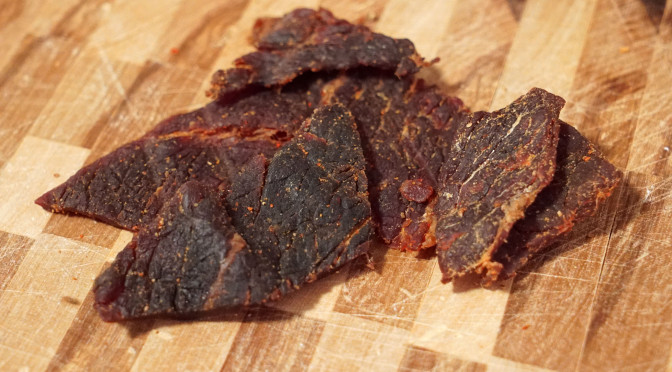
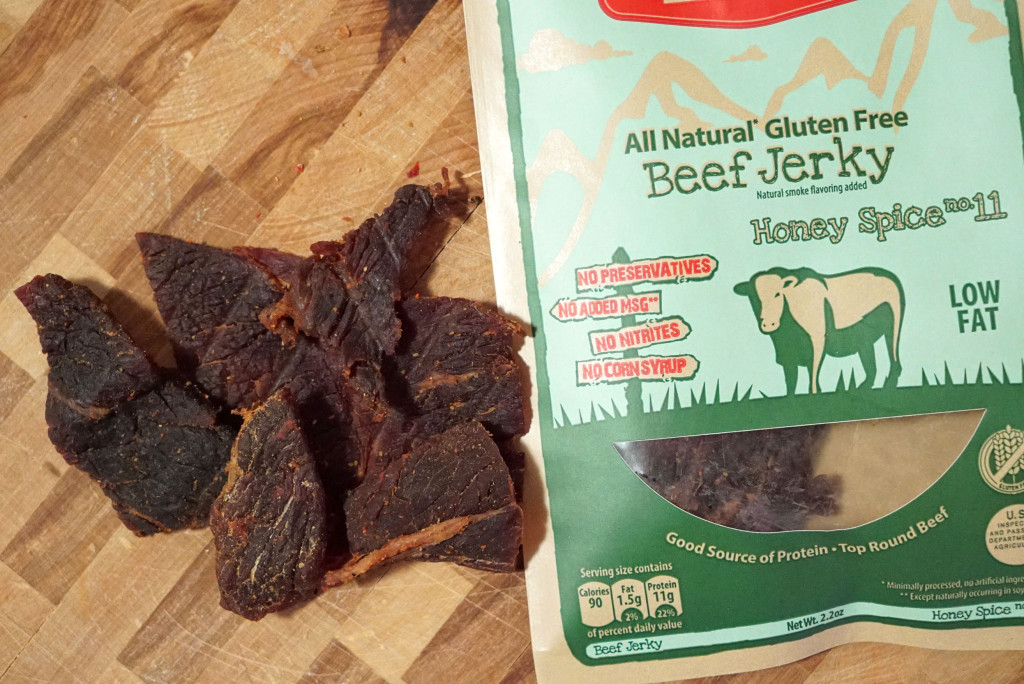
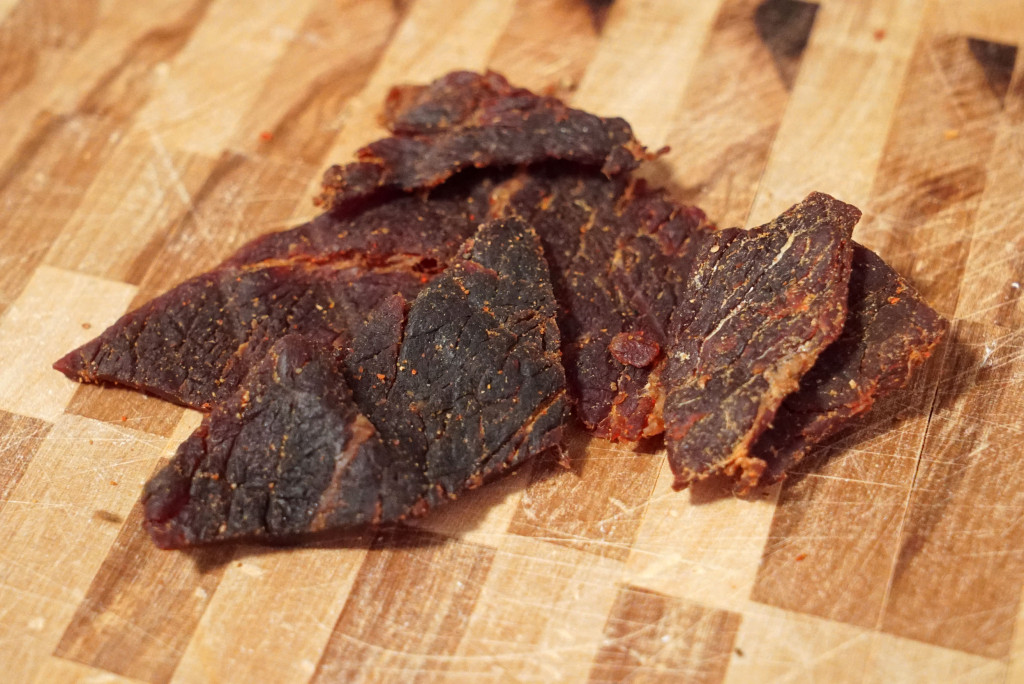
Last was the spiced honey beef, which was sweet with a hint of spice at the end.

DSC09420

DSC09423

All very good. I recommend this if you see it. Grab a pack! The cracked pepper turkey is my favorite of the three.

Red Hook Lobster Pound

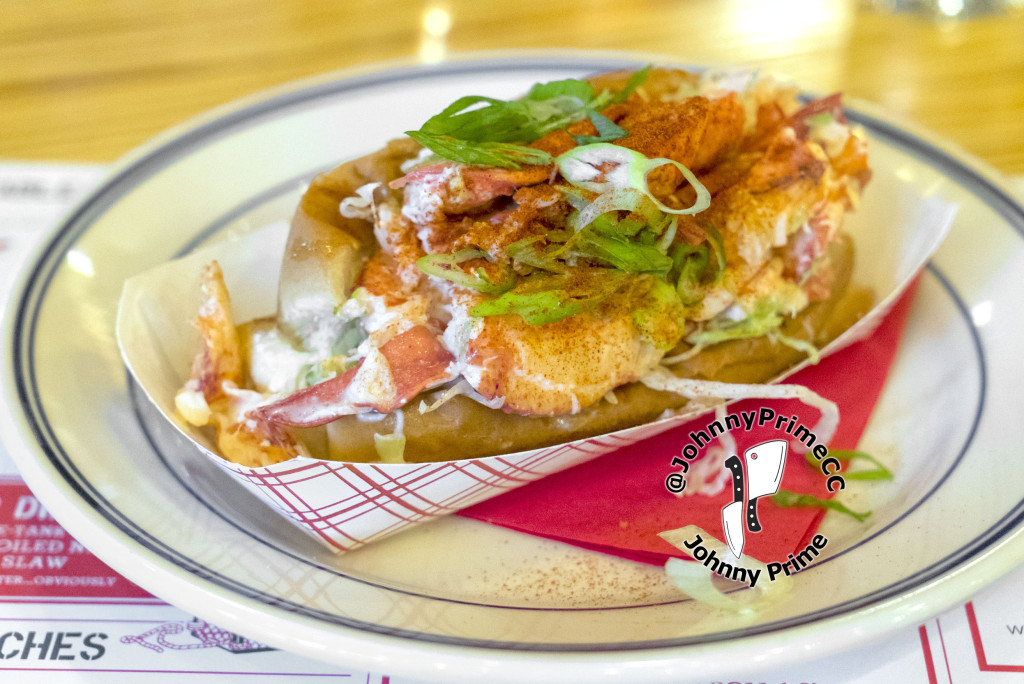
By far the more superior lobster roll when compared to Luke’s. This is only rivaled by Burger & Lobster.

20151210_185628

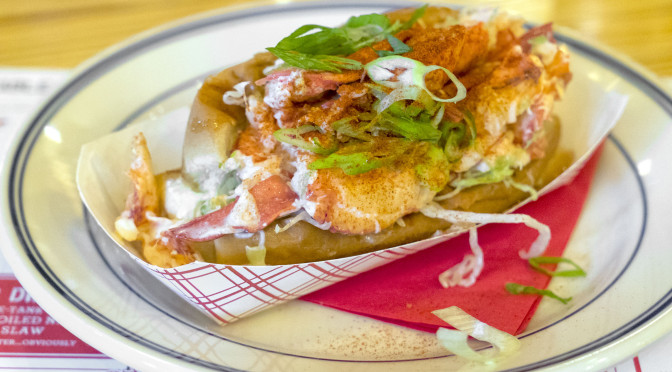
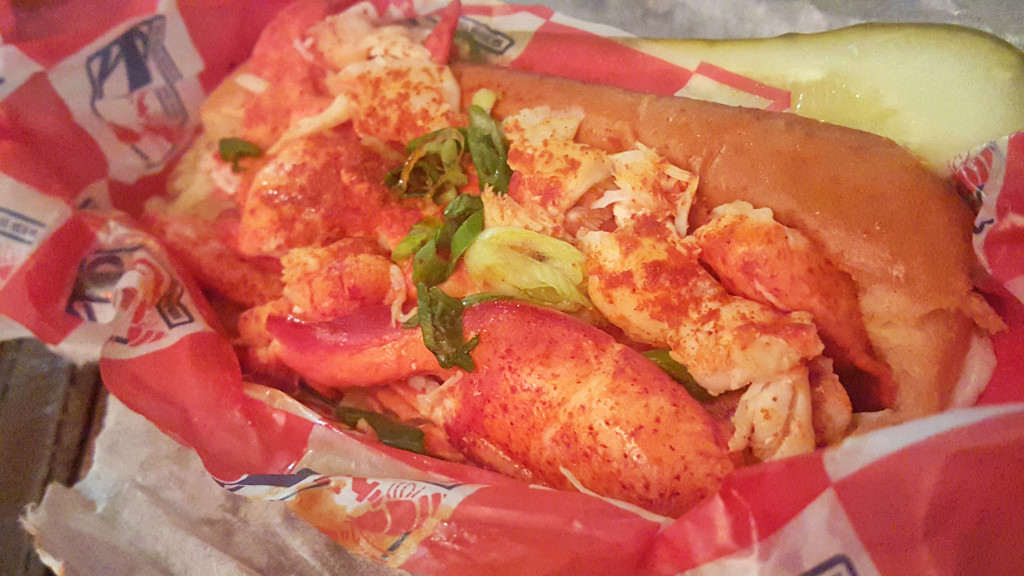
Even after a walk home in the bag from the new outpost at Urban Space, Vanderbilt, this was still buttery and delicious. One side of the bun was a little soggy, but that was only due to the transport. Robust lobster flavors, excellent, perfectly cooked knuckle and claw meat, and great dressing. Well played!

Fresh from the Brooklyn flagship was pretty great too, though I still find lobster rolls to be too expensive, in general.

DSC01848

DSC01850

DSC01857WM

RED HOOK LOBSTER POUND
Urban Space Vanderbilt
230 Park Ave.
New York, NY 10169

RED HOOK LOBSTER POUND
284 Van Brunt St
Brooklyn, NY 11231

Meat 201

Meat 201 is an advanced examination of the four major cuts of beef that you’re likely to see at a steakhouse. The four major cuts are Filet Mignon, Strip Steak, Porterhouse and Rib Eye. For more general information about these cuts, and for information about other cuts of beef, please see my MEAT 101 and MEAT 102 posts.

1. Porterhouse

Etymology: There is some difference of opinion on the origin of the word “Porterhouse,” with several restaurants and cities claiming to have created the name. For example, Martin Morrison served large T-bones in his Pearl Street (Manhattan) “Porter House” around 1814. This history was popular in the late 1800’s, but some say a Cambridge, Massachusetts proprietor by the name of Zachariah B. Porter added his name to the steak. Still, others argue that the Porterhouse name stems from various 19th Century U.S. hotels or restaurants called Porter House, such as the Porter House Hotel in Flowery Branch, Georgia.

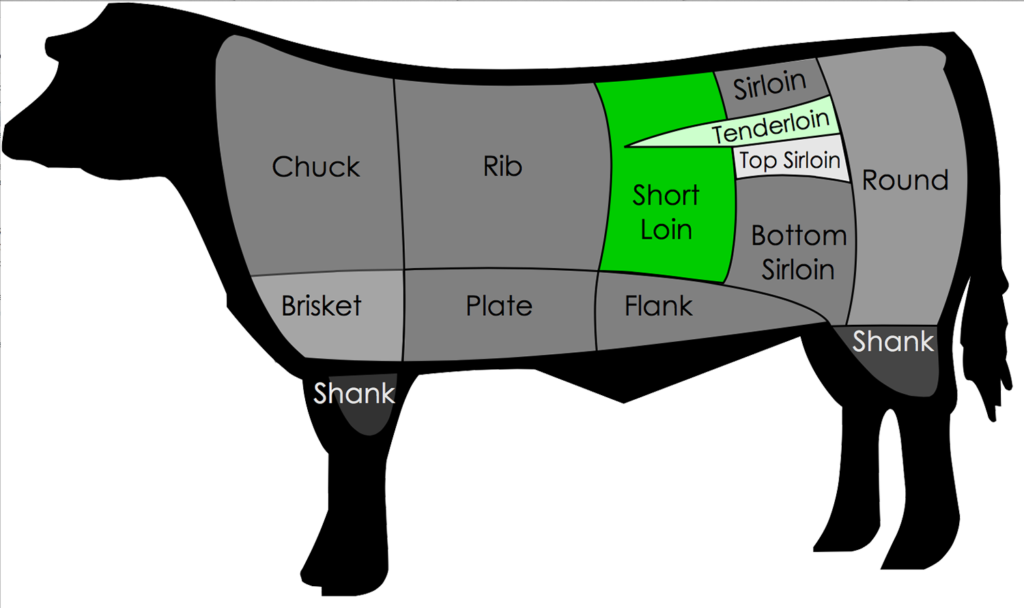
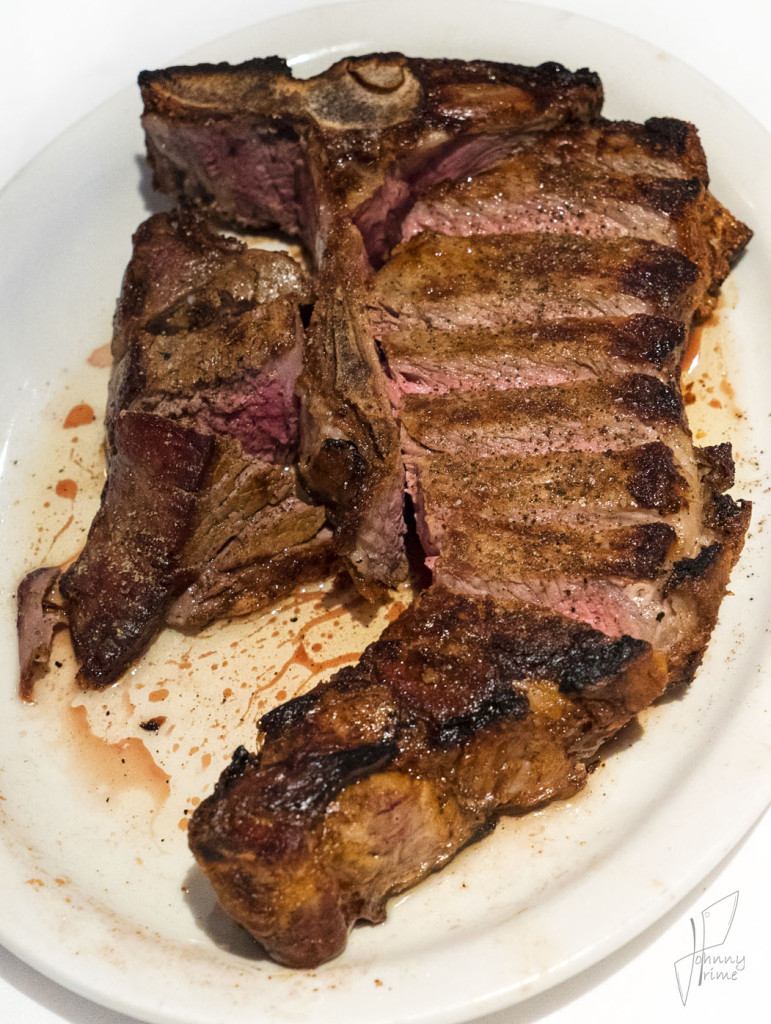
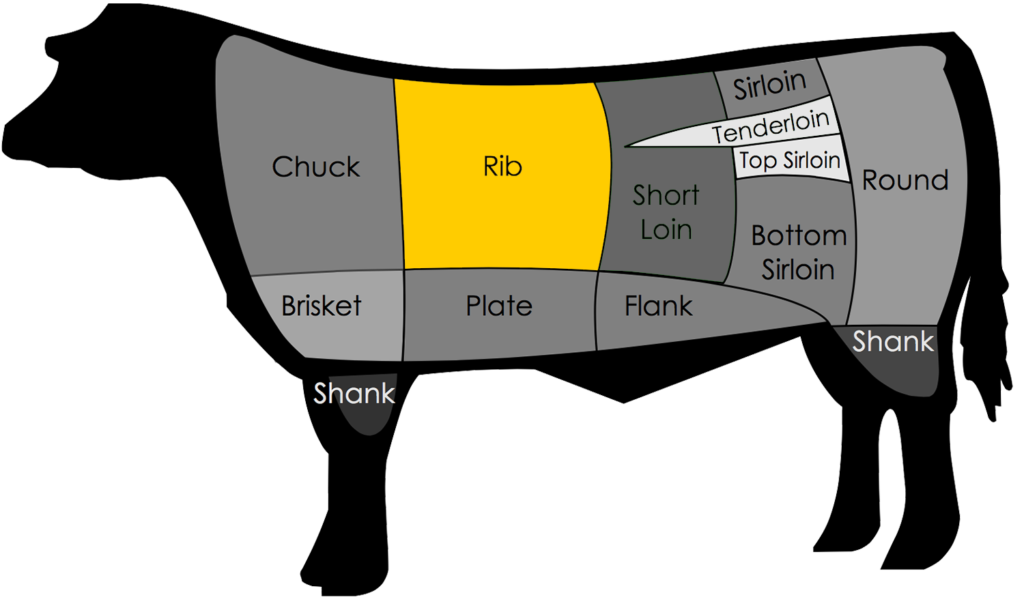
Anatomy: The Porterhouse is a cut of steak from the short loin portion of the animal that contains both strip loin and tenderloin meats. See the highlighted portion in the diagram below:

It is cut from a lumbar vertebra that is sawed in half through the vertebral column.

The downward prong of the “T” is a transverse process of the vertebra, and the flesh that surrounds it (spinal muscles) makes up the meat of the Porterhouse.

DSC02003 illustrated watermark

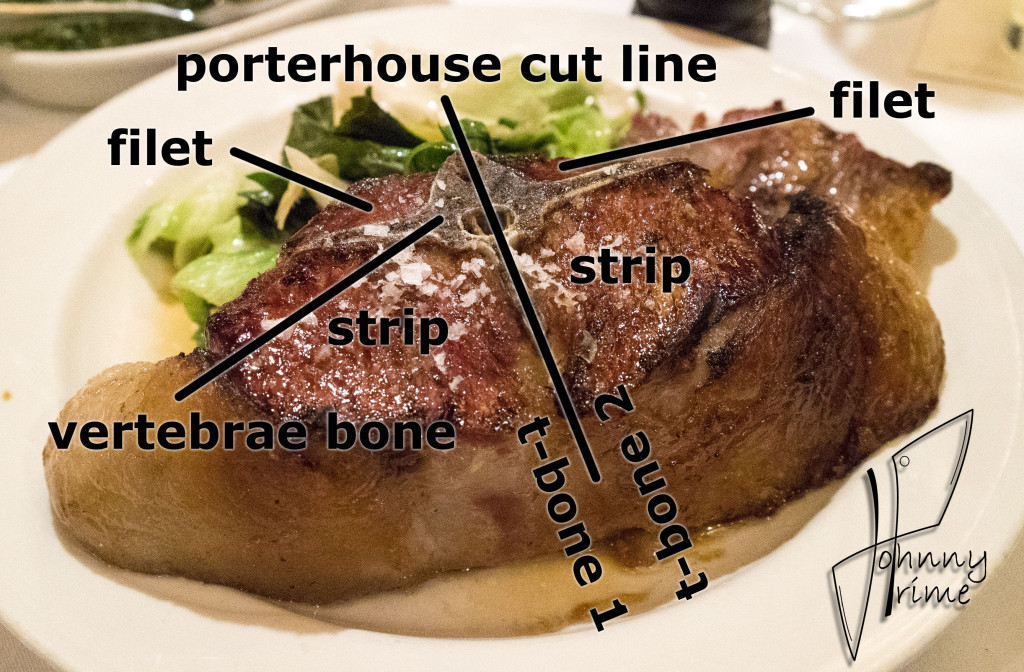
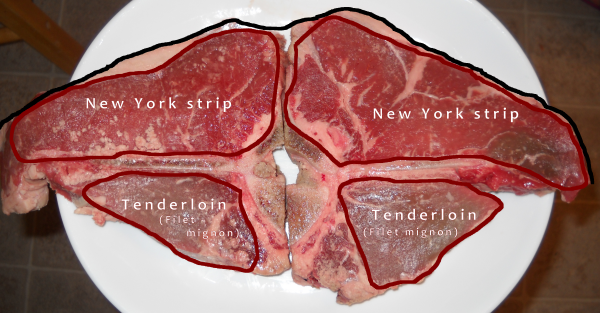
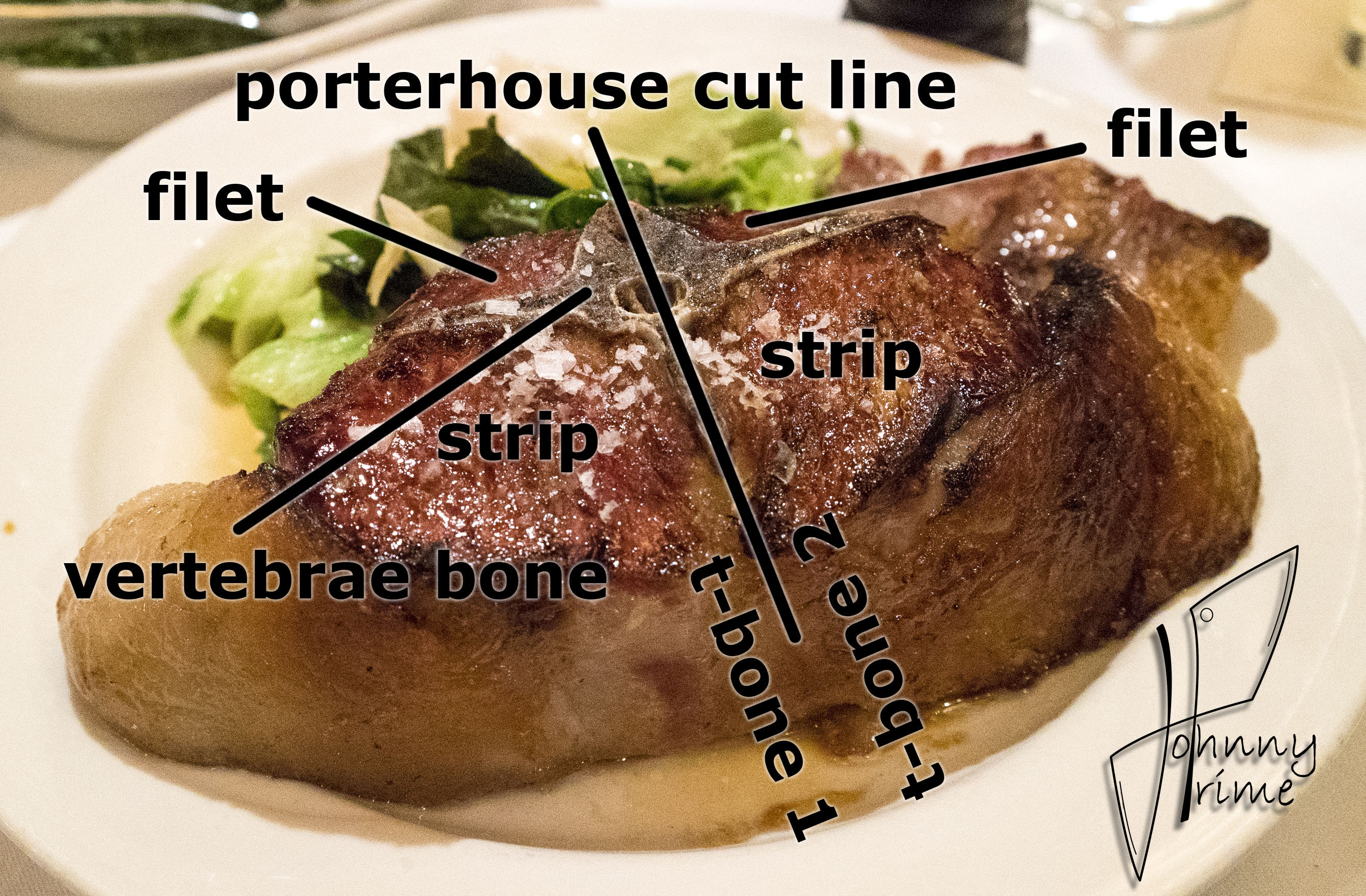
Essentially, it is a large T-bone steak from the rear of the animal that has two different types of meat (tenderloin and strip loin), one on either side of the “T.” In the picture below, the strip loin or Strip Steak is on the right, and the tenderloin or Filet Mignon is on the left.

DSC03188

The small semicircle at the top of the ‘T’ is half of the vertebral foramen, which is the name of the hole that passes through each vertebra for housing and protecting the spinal cord. They run the whole way up the back, all the way up to the brain of the animal.

The anatomy of a Porterhouse differs from that of a T-bone only in that the Porterhouse contains a larger portion of tenderloin than its T-bone counterpart.

This is primarily due to the fact that Porterhouse steaks are cut from further in the rear of the animal, from lumbar vertebrae, where the tenderloin is much thicker. Experts differ, however, on how large the tenderloin must be to differentiate a Porterhouse from a T-bone. The U.S. Department of Agriculture’s Institutional Meat Purchase Specifications state that the tenderloin of a Porterhouse must be at least 1.25 inches thick at its widest, while that of a T-bone must be at least 0.5 inches.

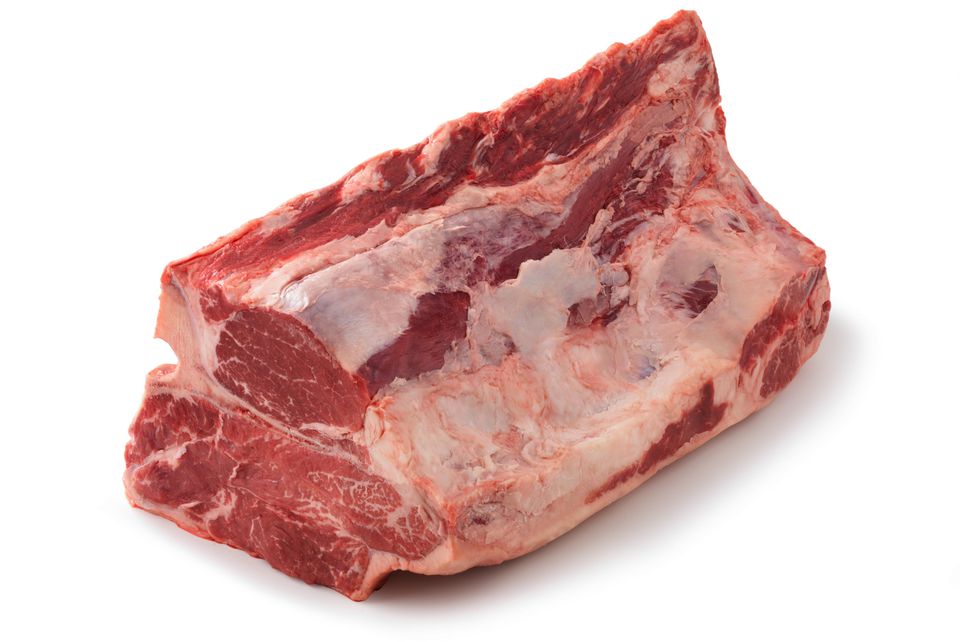
Here is a shot of a short loin with multiple vertebrae still intact and not portioned out into individual Porterhouses and T-bones.

You can see on the left there is a good sized, thick portion of tenderloin. That thins down as you move the the right, and seems to disappear by time your eyes reach the far end of the cut.

Just to drive home the anatomy a little more, here is a great excerpt and image from Russ Cooks:

“Up close and personal, this is where the T-bone fits.

t-bone-illustration
photo credit: http://www.russcooks.com/images/t-bone-illustration.png

The black line across the top of the two T-bones pictured here is the outside (top of the back) of the steer. You can see the T-bone in the schematic illustration higher up on this page as the topmost part labelled Rib. Above the ribs, what you touch if you pat the steer’s back, is the New York strip. Beneath the ribs is the tenderloin from which a filet mignon is often cut. T-bone steaks cut closer to the shoulder are known as Porterhouse while those cut closer to the loin are just T-bones.”

Preparation: Most times, T-bones and Porterhouses are either grilled, seared in a pan, broiled or blasted with high heat in specialty steak ovens made for charring the outside of the meat without over-cooking the inside. Butter is essential, and heavy seasoning is important as well. Herbs and garlic help boost the flavor too.

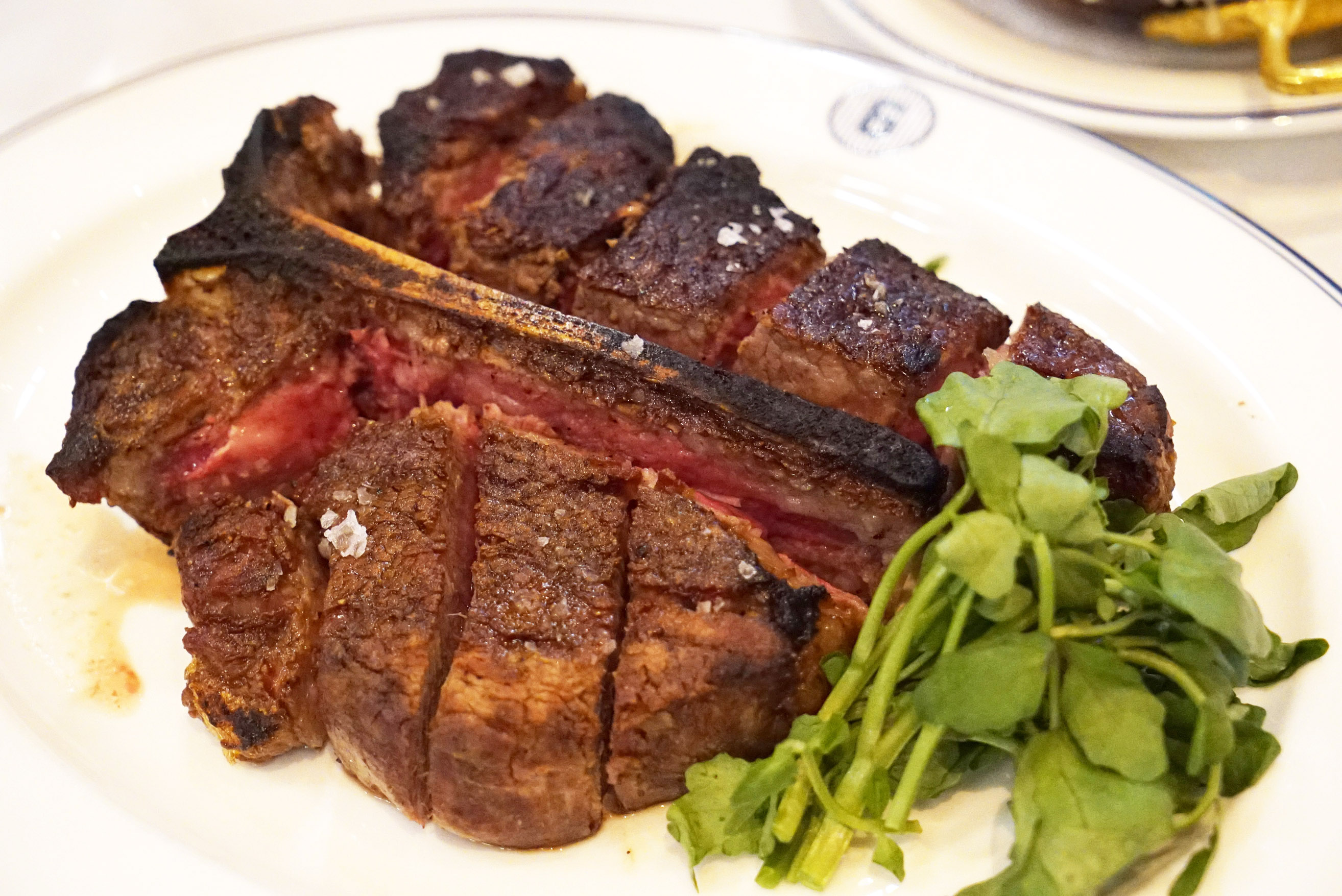
DSC07247

Flavor: Since this cut contains both the Filet Mignon and the Strip Steak, I refer you to the flavor sections for those cuts below, with a notation that the bone being left in often adds a more robust flavor while helping to retain tenderness and juiciness. These are very popular items at steakhouses because they can be cut large enough to feed anywhere from two to four people. Additionally, with two different types of meat in one steak, one can vary the flavors that one experiences with each bite.

2. Filet Mignon

Etymology: Filet, in culinary terminology, means boneless. Mignon, in French, means dainty or small. As such, this is a steak ideally suited for chicks: small/dainty, and with no bone.

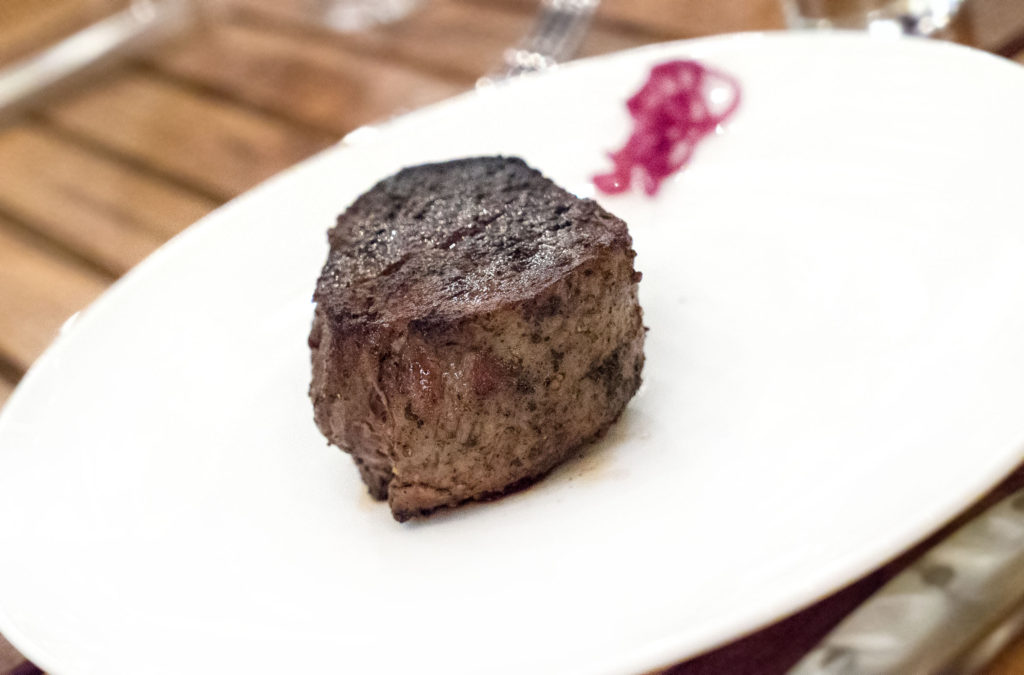
DSC05717

Occasionally on a steakhouse menu you will see a “bone-in filet.” Given what I just mentioned above, that phraseology is completely self-defeating and confusing, as it simultaneously means both “bone-in” and “boneless.” However, it seems this sort of language is becoming commonplace. If it were up to me, I would prefer “bone-in tenderloin” to be listed on menus instead. There is no wording conflict with that phrasing, and it is an accurate description of what is being presented. In other words: all Filet Mignon is tenderloin, but not all tenderloin is Filet Mignon.

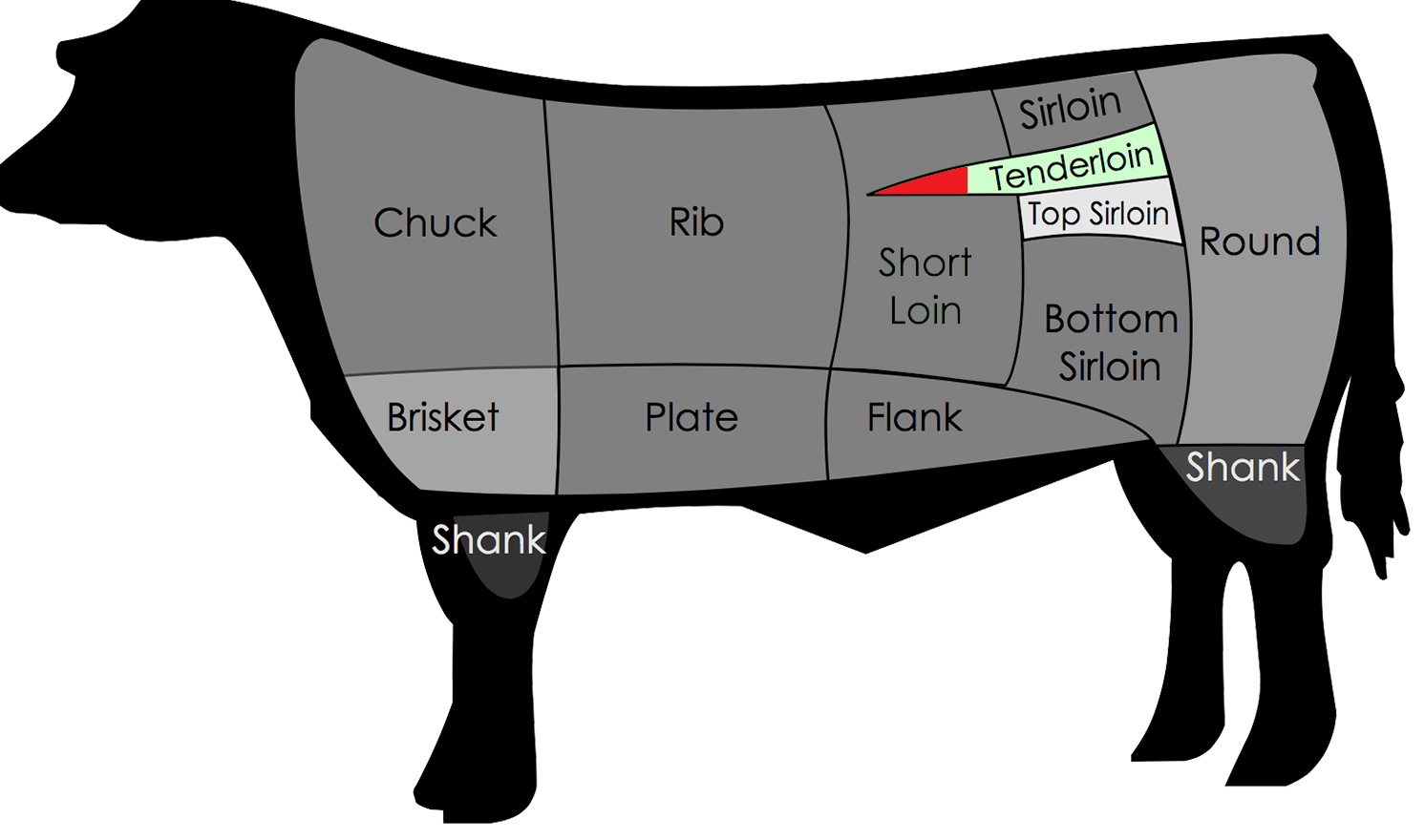
Anatomy: Traditionally, a Filet Mignon was cut from the anterior end of the tenderloin. In the beef chart image below, you can see a portion of the tenderloin section highlighted in red.

diagram-filet-cut-1500

That is where Filet Mignon was typically located, though most butchers label all steaks cut from the tenderloin as Filet Mignon (this allows for larger portions). The tenderloins run along both sides of the spine. They taper from thick, in the posterior of the animal, to thin in the front.

In their unbutchered form, they contain what’s called the “silver skin” still attached to the flesh. This is a thick connective tissue that is pretty much inedible. When butchering the full tenderloin, you will want to slice that off (it is NOT tender).

While this next photo is a repeat shot of a lamb vertebra Barnsley chop (the mutton chop from Keen’s), the anatomy is exactly the same for beef. This will illustrate exactly where the filet comes from. Essentially this is a double porterhouse, with a filet and a strip on each side. In addition to understanding the Filet Mignon, this image is useful in demonstrating the anatomy of the Strip and Porterhouse cuts as well, since they all come from the same place – the vertebrae of the animal:

DSC02003 illustrated watermark

Preparation: Preparations of this cut vary greatly. You may see this cut sliced thin and pounded flat, served raw for carpaccio. You may also see it finely chopped for tartare. A simple pan sear with butter and herbs, however, is probably the most common preparation.

Yet another style is Chateaubriand, which is a large section of the thick portion of the tenderloin that is roasted boneless, then sliced and served with a reduction sauce.

DSC03866

There is also Beef Wellington, which is a portion of tenderloin that has been coated with pate and then wrapped in puff pastry dough prior to cooking.

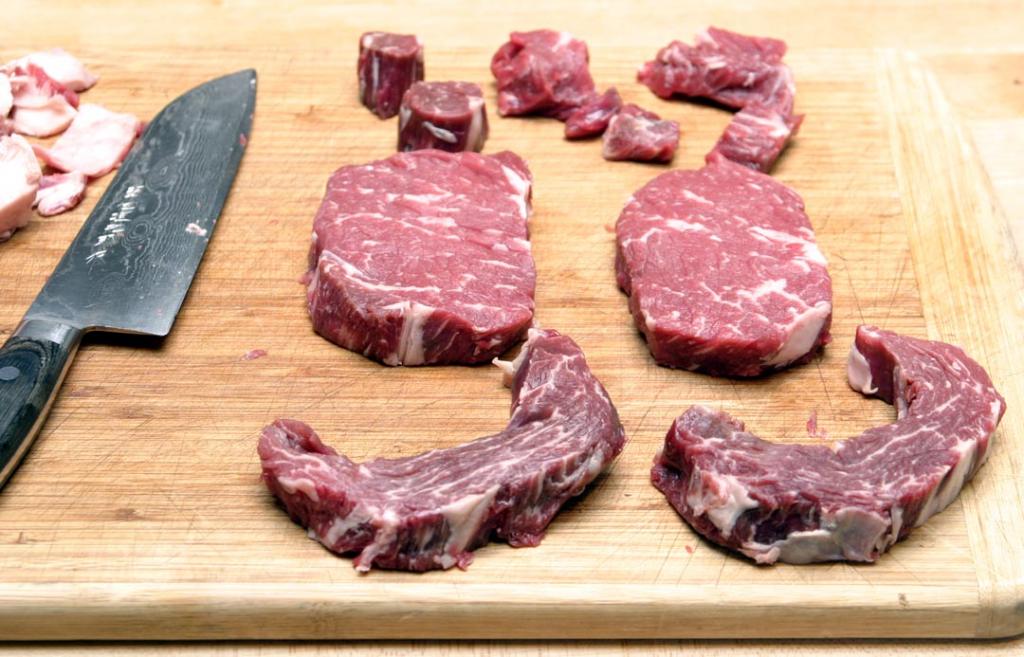
Flavor: Widely considered the most tender and least fatty cut of beef on the animal, the flavor should be uniform from one end to the other, with very tender and soft texture the whole way through. There is hardly any fat content in the standard cut of Filet Mignon. Some chefs will wrap the filet in caul fat (a lacy, fatty, web-like membrane that surrounds the stomach of an animal) before cooking. The webbing melts away during cooking and imparts a fat flavor into the meat. But it is more common to use things like butter, or to wrap a filet in bacon to add the fat flavor into the meat.

3. Strip Steak

Etymology: According to the National Cattlemen’s Beef Association, this steak is marketed under various names, including Ambassador Steak, Club Steak, Hotel-Style Steak, Veiny Steak, Kansas City Steak and New York Strip Steak. Delmonico’s offered Strip as a signature dish way back in the early 1800’s. Due to the cut’s association with NYC, the New York Strip Steak name was born.

Anatomy: The Strip is cut from the other side of the tenderloin, across the vertebra on the T-bone or Porterhouse.

DSC02821

Also known as strip loin, the Strip Steak is cut from the short loin part of the animal, from a muscle that does little work, like the Filet Mignon. It is generally more tender than the similarly situated but more posterior-located sirloin section of the animal. While it is essentially the same kind of meat as sirloin, the muscles in the rear do a bit more work than the short loin, so can be a bit more tough.

Preparation: For me, the Strip is best at medium rare, to preserve the tenderness and reduce any mealy or grainy textures that can develop from overcooking. It is always best to get a really great quality cut for this chop, something prime+, as all the intra-muscular fat, or marbling, will become soft and the muscle will tenderize all over.  You will often see it marinated or rubbed with spices, to impart additional flavors, but grilling and broiling in the traditional style is fantastic as well, especially with butter and herbs.  It can be served bone-in or boneless. Leaving the bone in will impart more flavor and help with the cooking process, since the bone conveys heat into the center of the meat while locking in juices.  At home, marinade this puppy in something like soy sauce and garlic, and slap it on the BBQ for a few minutes on each side and you will have the perfect home-cooked steak.

Flavor: This cut contains fat in levels that are somewhat in between the tenderloin (virtually none) and the Rib Eye (plenty of good, melty fat). Like the tenderloin, there is little variation throughout the cut, so the flavors and textures are more uniform for the Strip Steak, unlike the Rib Eye which has varying textures and flavors from one end of the cut to the other. The texture of a Strip can sometimes be a little bit grainy or mealy, and a bit more tight than a Filet Mignon or a Rib Eye – especially if it’s cooked too much.

4. Rib Eye

I’ve saved the best for last. The Rib Eye is the most ultimate of steaks, period. It is an awesome cut of beef.

Etymology: The etymology on this is pretty self-explanatory. The “rib” part of the name is because this cut of meat is connected to a rib bone. The “eye” part of the name is a reference to the circular, more centrally located portion of the cut that is more uniform than the outer portions of the cut. You will likely see the Rib Eye steak, or rib chop, called by many names.

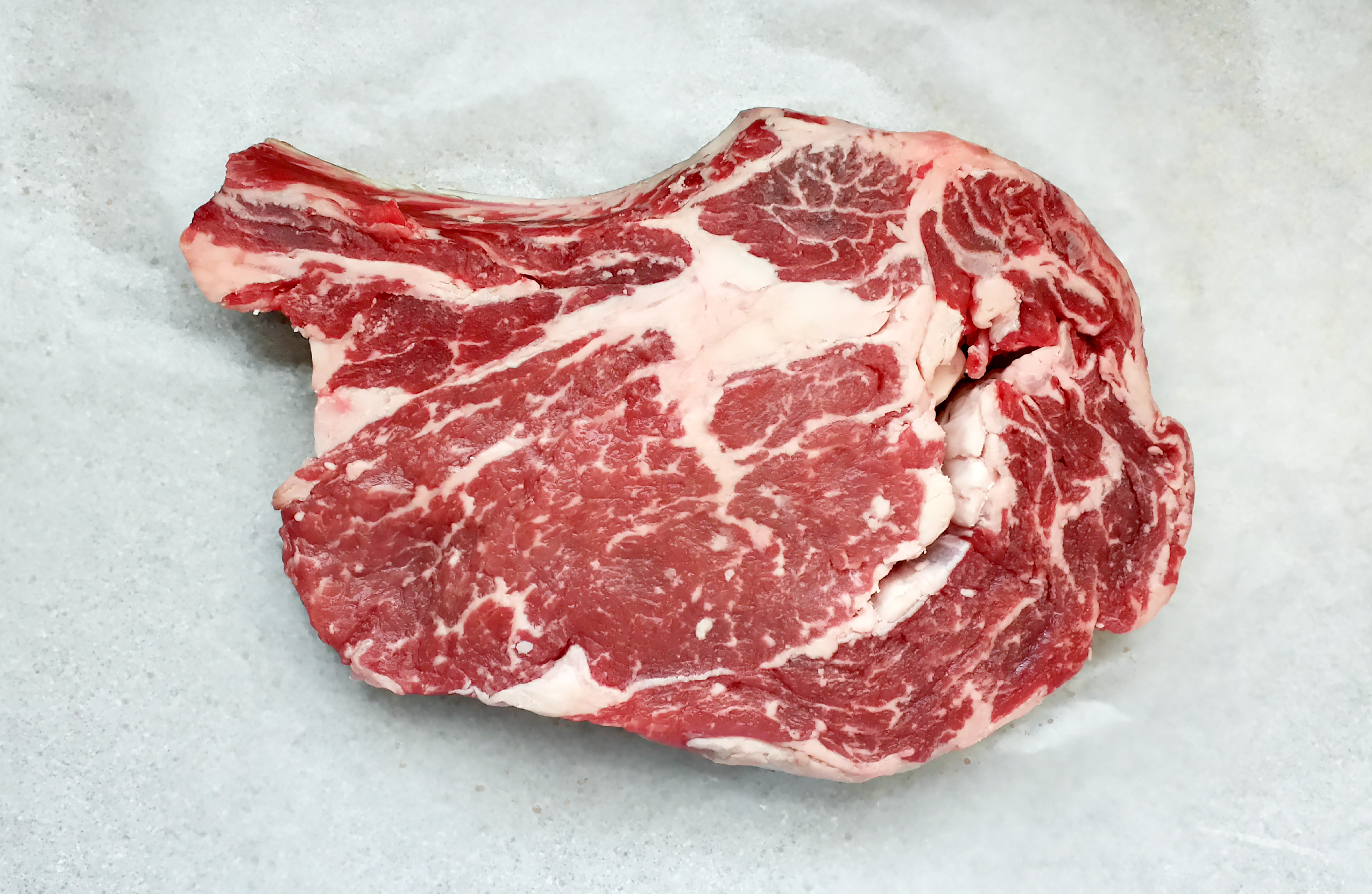
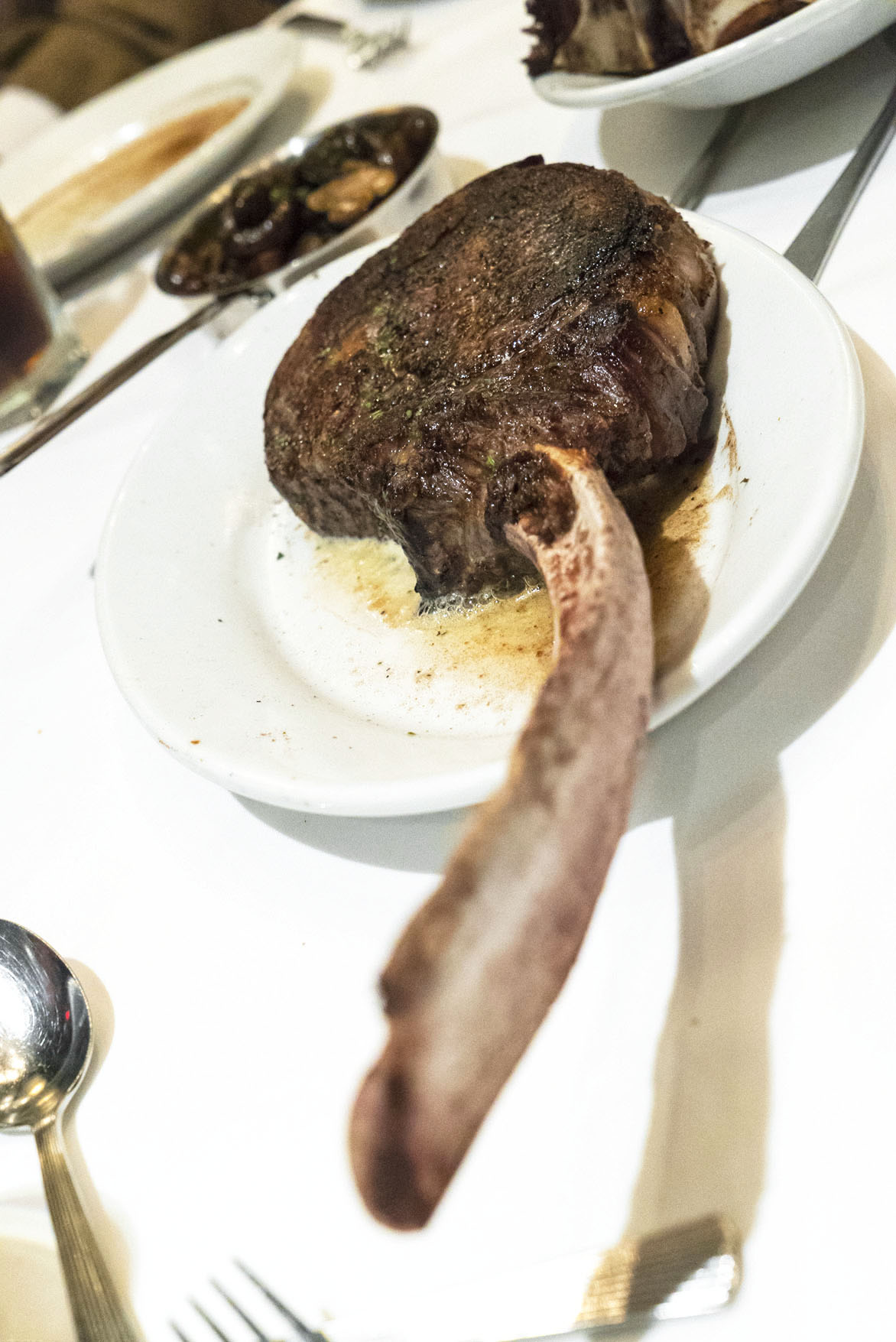
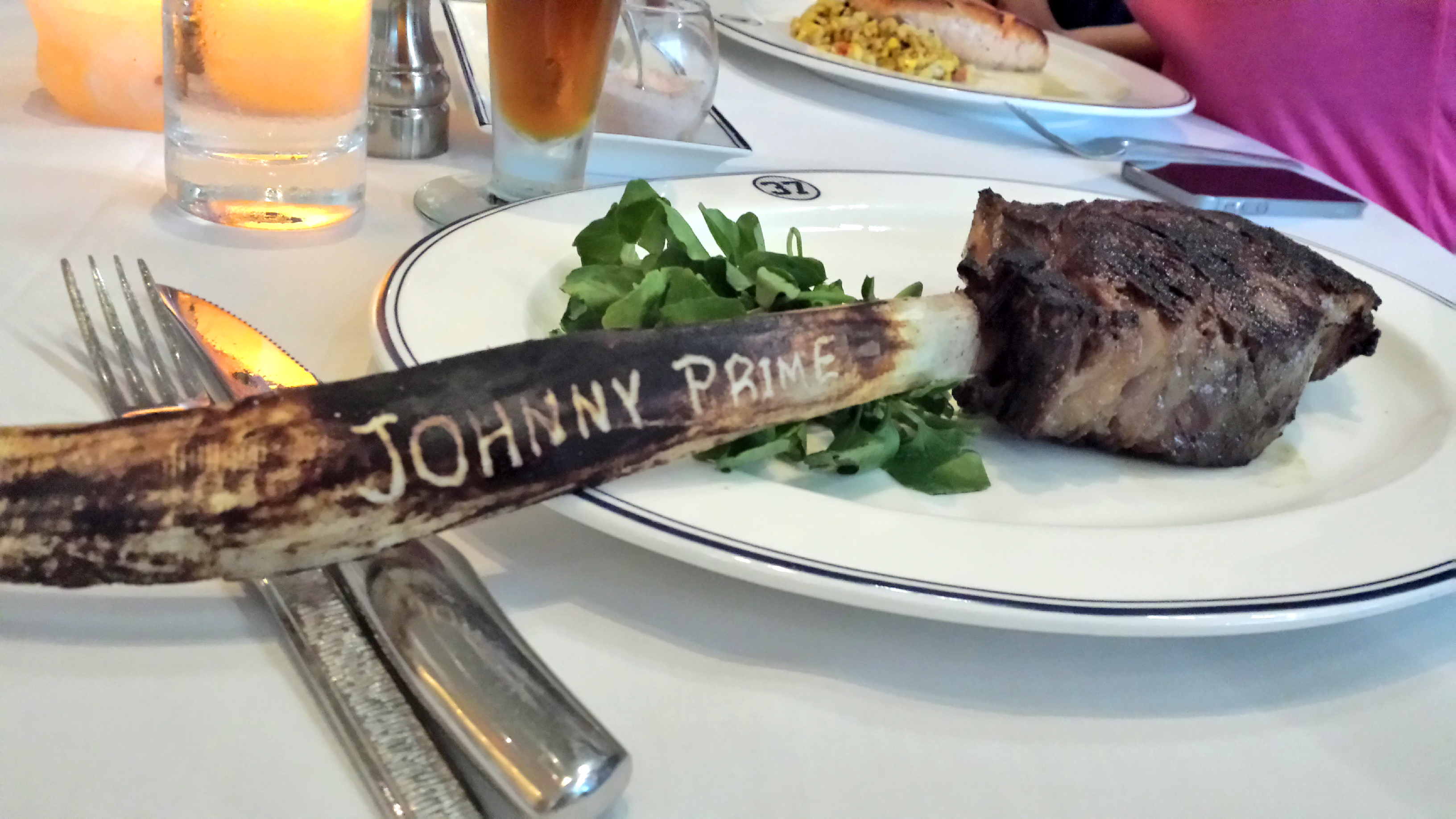
For example, the Cowboy Rib Eye is a bone-in version of the cut:

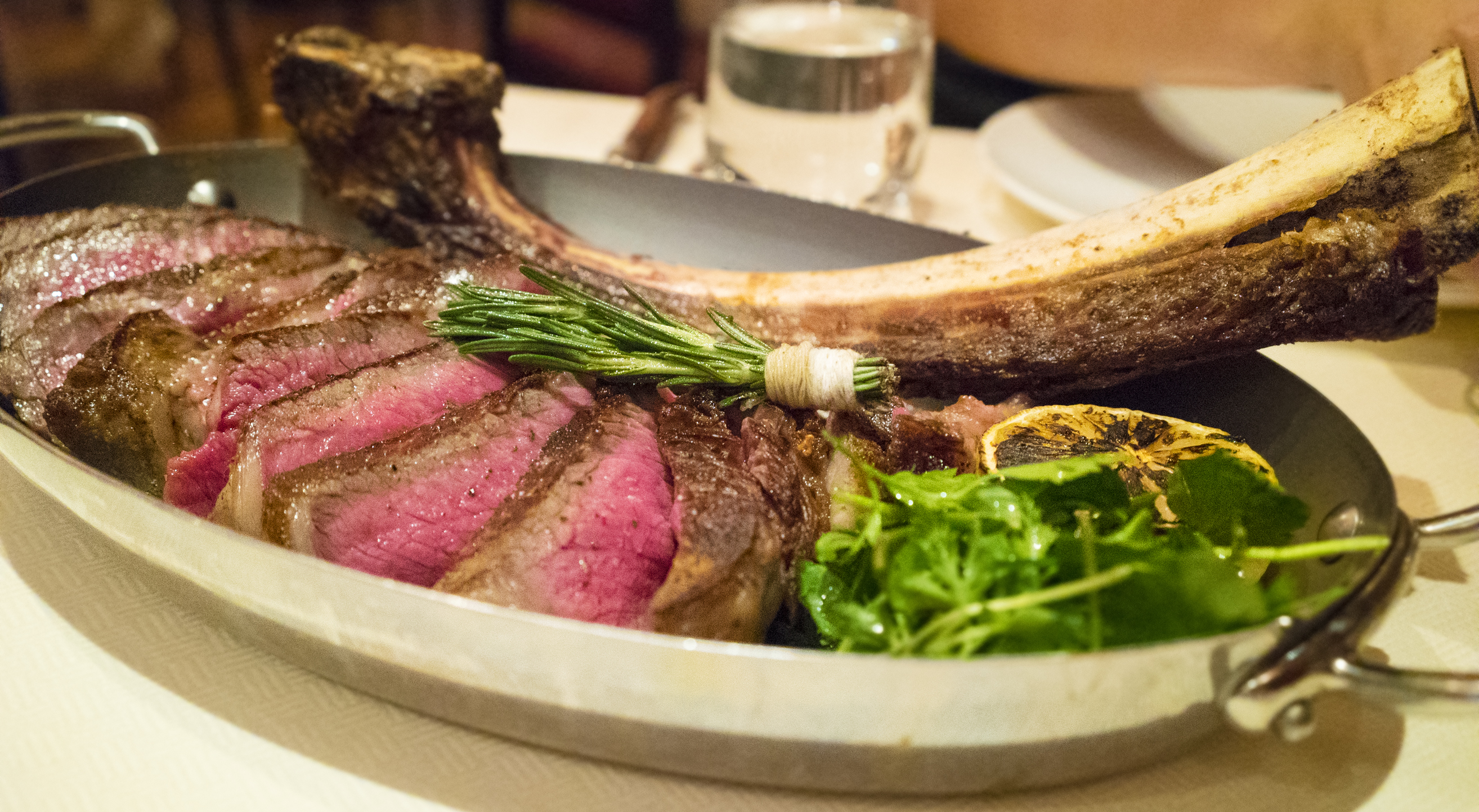
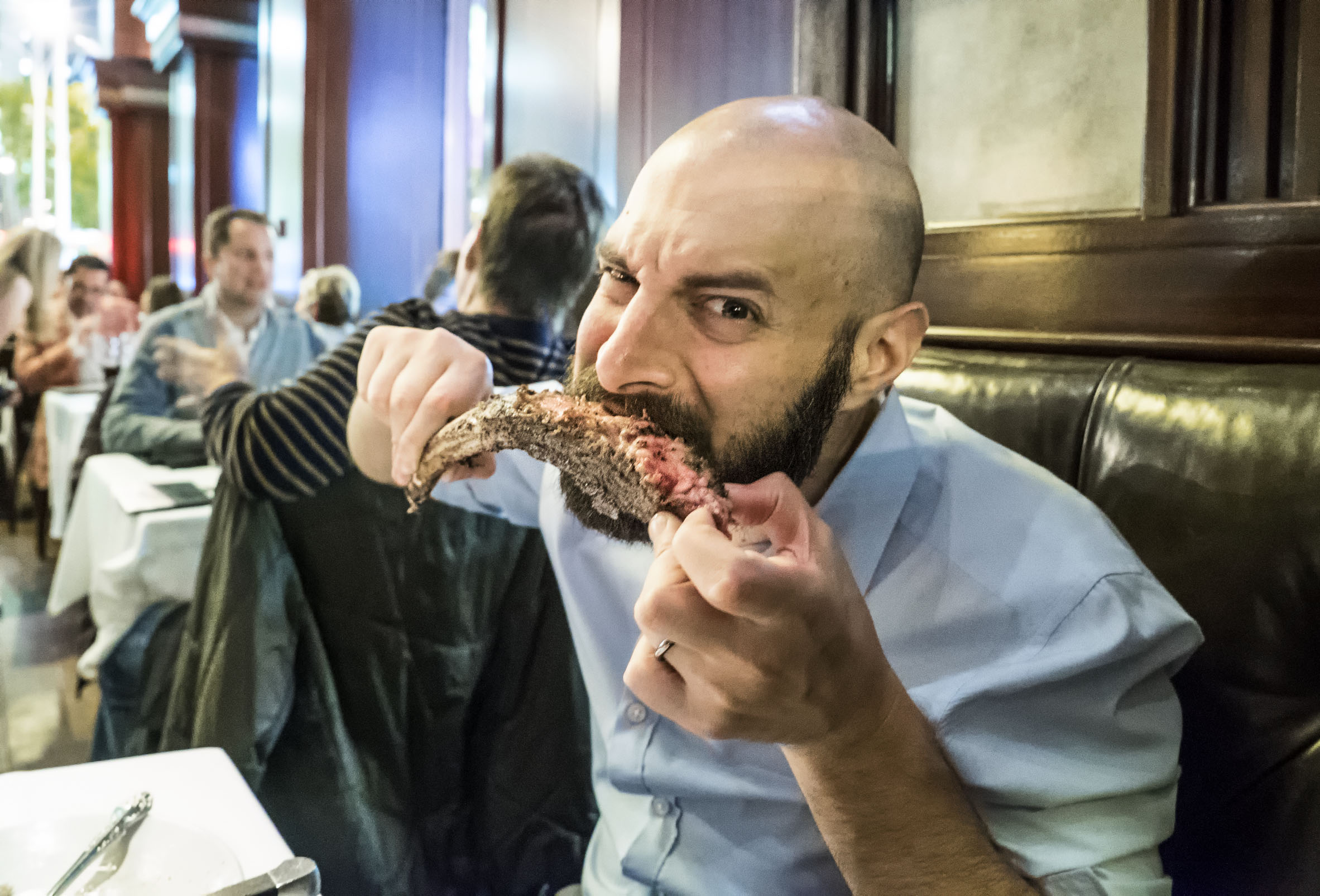
There’s also the Tomahawk Rib Eye, which is so named for its resemblance to a Tomahawk-style hatchet. When butchered, a long “handle” of rib is cut clean to expose the bone (it is “Frenched,” as they say), and the steak meat is left at the end of the handle to form the hatchet blade:

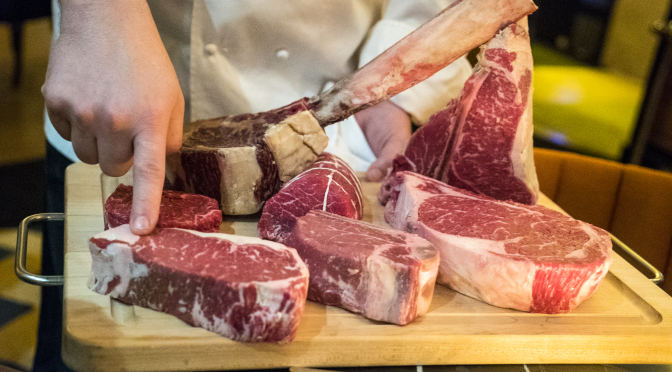
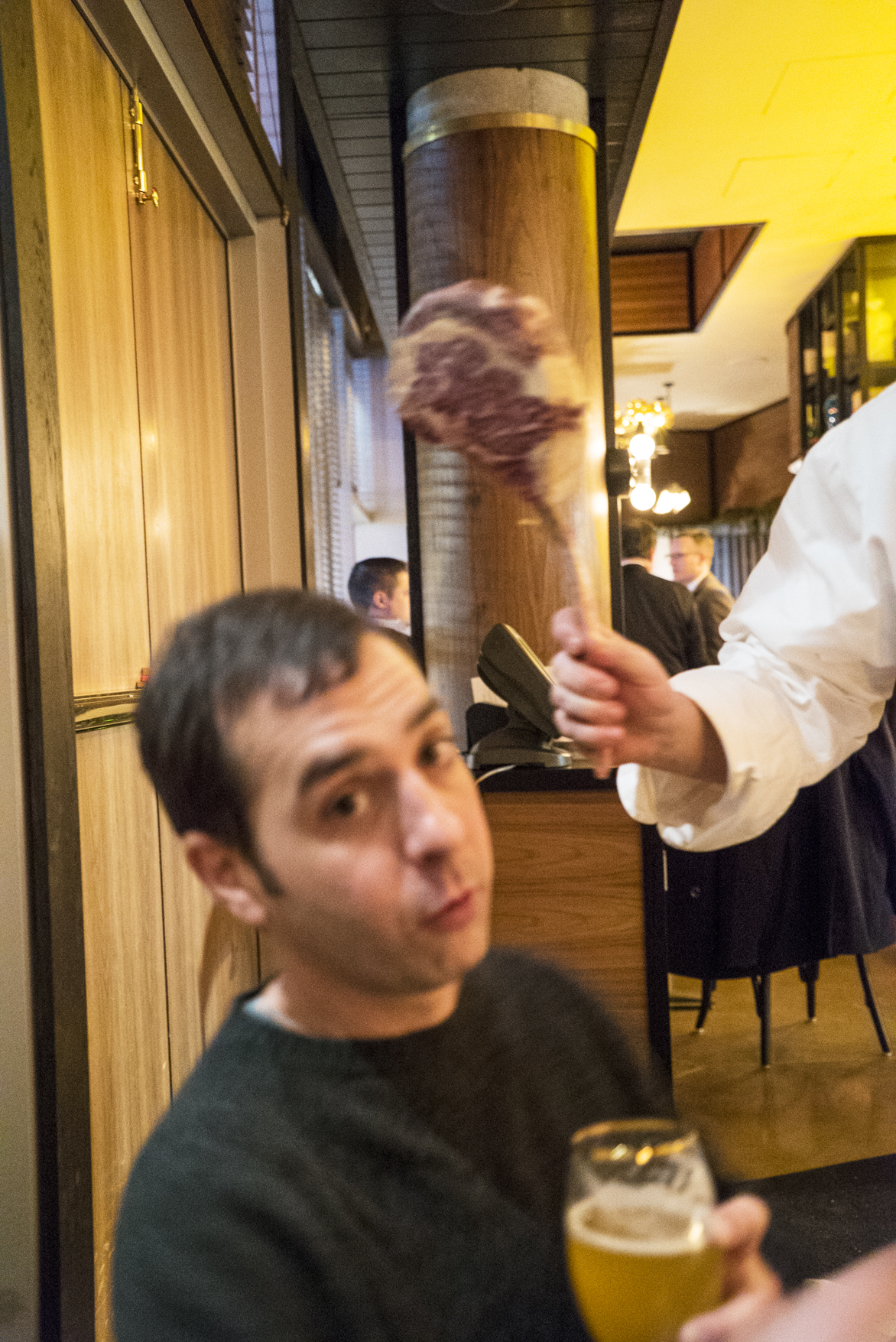
Here’s a shot of my buddy; he’s about to get clobbered with a Tomahawk Rib Eye by Chef Josh Capon at Bowery Meat Company:

There’s also the Delmonico cut, otherwise known as a Scotch Filet. Applying what you’ve learned here, you can probably guess that this cut is boneless (filet means “boneless” in French). Delmonico’s claims this cut as their own because they named a house special boneless cut Rib Eye steak after their restaurant, way back in the early 1800’s when they first opened.

Anatomy: The rib section of beef spans from ribs six through twelve, and, obviously, hails from the rib section of the animal.

Rib Eye steaks are mainly composed of the Longissimus dorsi muscle (the “eye” portion of the steak) and the Spinalis dorsi muscle.

The more anterior your cut, the more Spinalis you’ll find in the steak. The Spinalis is the coveted cap of meat that wraps around the fatter end of the steak and usually has much more marbling than the rest of the Longissimus eye, or interior of the steak. That “fat cap” is also sometimes butchered away from the remaining eye.

photo credit: http://www.acookblog.com/wp-content/uploads/2011/03/IMG_7574.jpg

Highly skilled butchers know how to remove it from its position across an entire standing rib roast section of ribs, so as to keep it all together as one giant cut. But then that ruins the rib chop, in my opinion, since you’re taking away the best part. Some steakhouses have taken to tying several Spinalis cuts together in a spiral formation to create an all-fat-cap steak. Bowery Meat Company has one such cut, which they call the Bowery Steak:

STK also offers one on special from time to time:

DSC05705

DSC05726

The Spinalis has a more intense marbling, and, thus, much more flavor and tenderness. If you are so bold, the next time you order a Rib Eye at a steakhouse, ask for an anterior “chuck side” cut that has more of this fantastic Spinalis muscle.

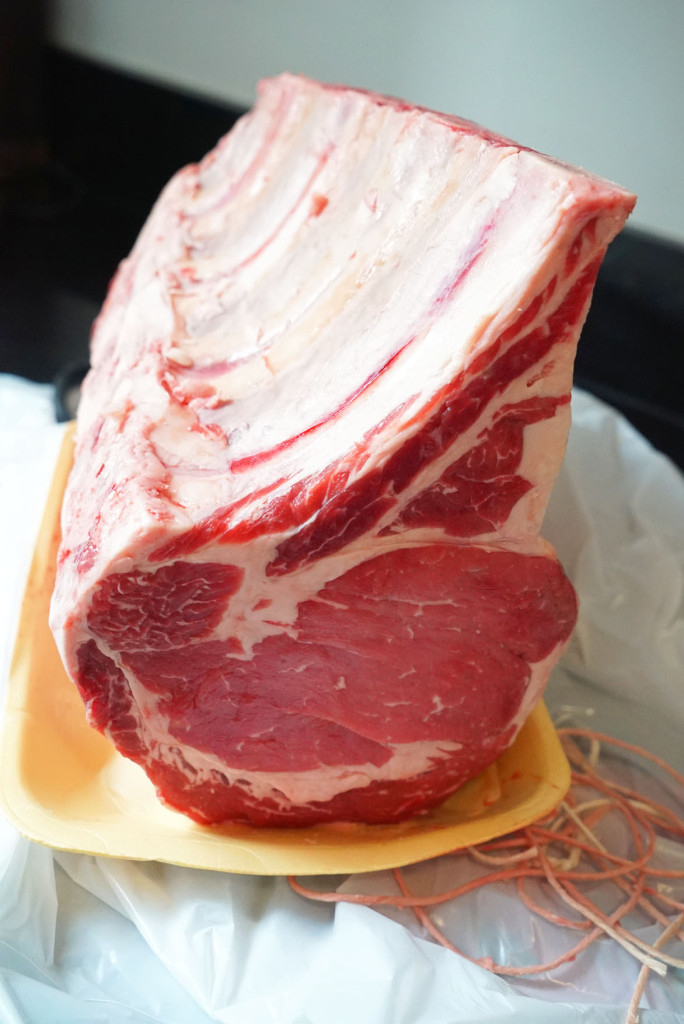
Preparation: There are a ton of ways to prepare a rib steak. The most comon forms are searing in a pan, grilling, or broiling. Another common method of preparing this kind of meat is roasting. A “standing rib roast” is a section of Rib Eye steaks that has not yet been portioned into individual steaks.

DSC08474

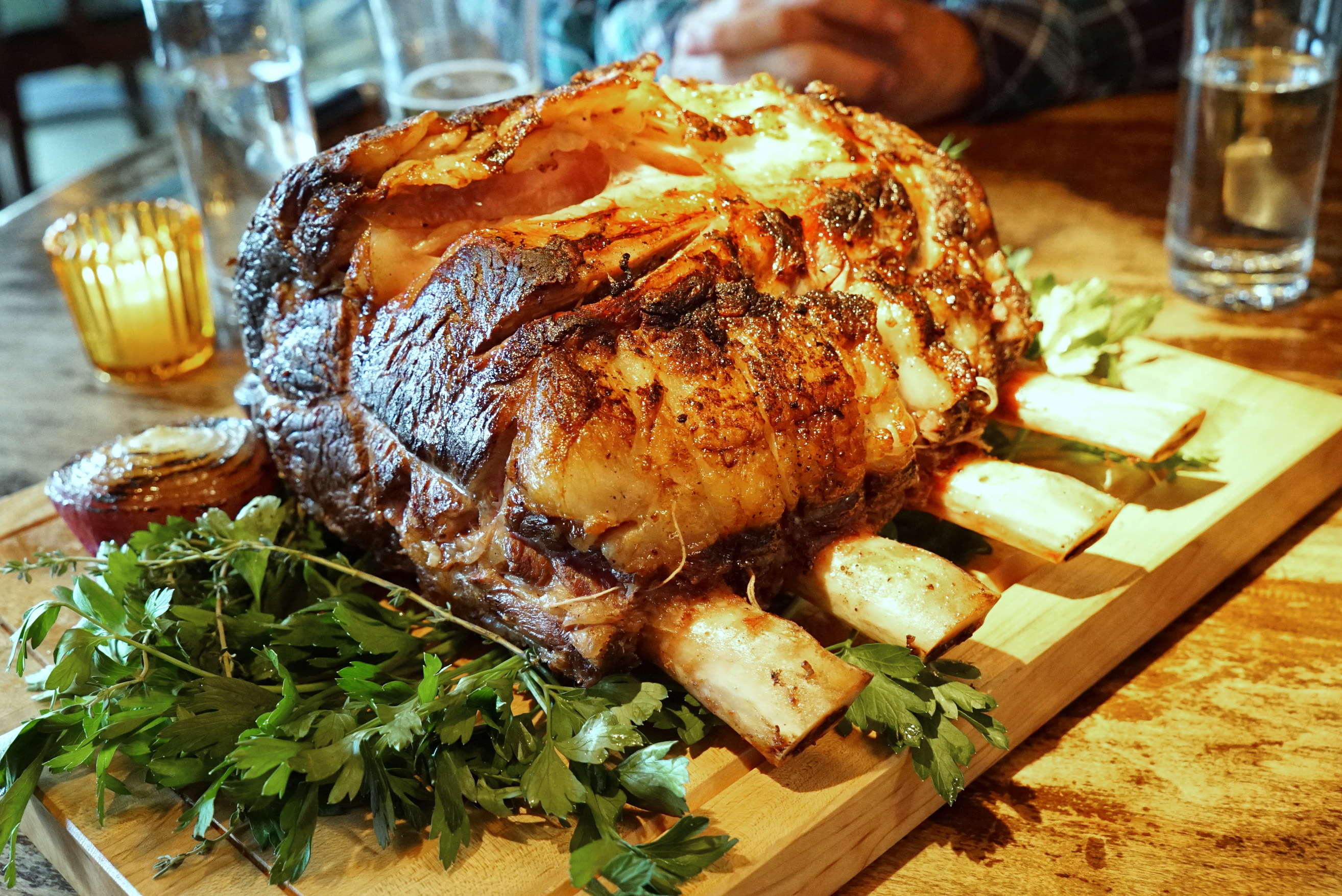
When this rack of ribs is roasted slow and low to a pink medium rare, the end product is called Prime Rib.

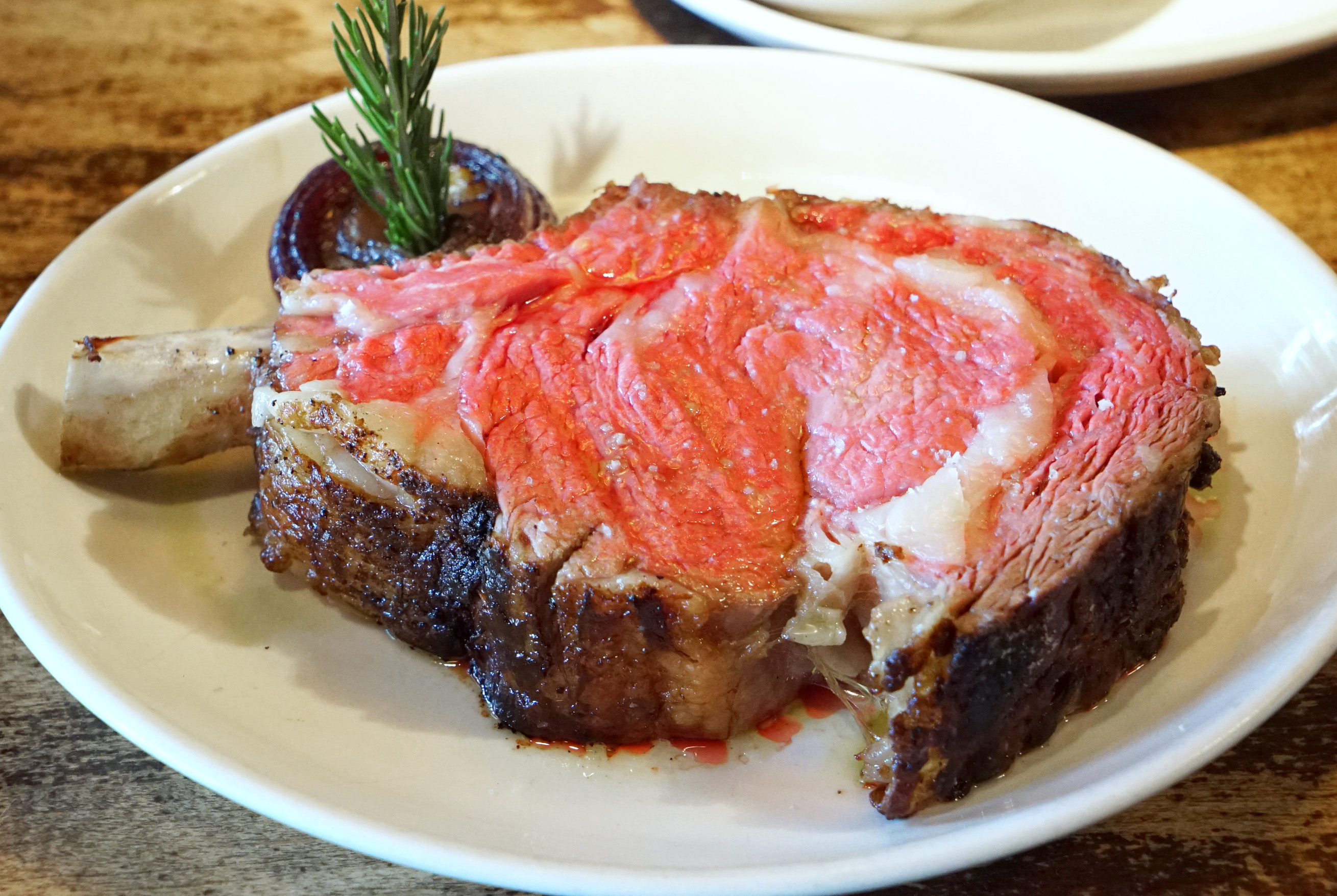
It then gets sliced out into portions for individual consumption. This is a mammoth cut that we got from Burger & Barrel:

I know what you’re wondering, and the answer is Yes: Prime Rib and Rib Eye steak are the same exact thing. They are just prepared differently, using different cooking methods.

Cheaper cuts of rib steaks are actually the most common type of beef found in Philly Cheesesteaks as well. The meat is cut super thin and then cooked on a flat top with cheese, onions and other toppings, then shoved into long sandwich bread (incase you’re an asshole who has no fucking clue was a cheesesteak is).

Side Bar: is a Philly Cheesesteak better than a Cheeseburger? I think so… Man… Now I’m hungry for both…

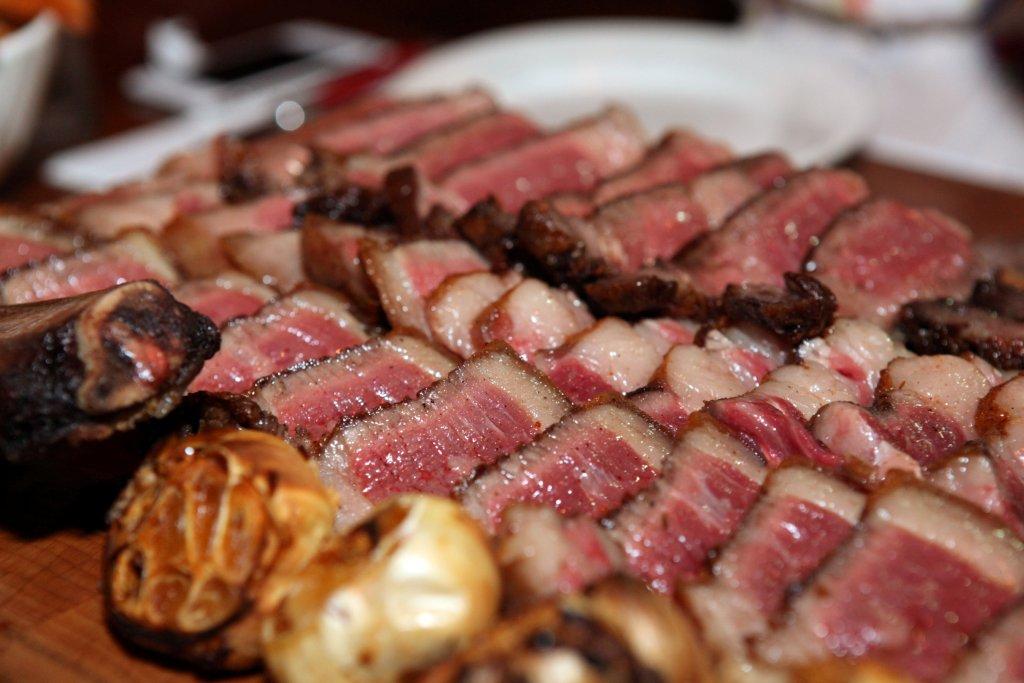
Flavor: This steak has a high fat content, and that makes it very important to have a quality cut of beef, or an aged cut of beef. In high quality and aged cuts, this fat will render out or melt away much easier during the cooking process. This will impart a tremendous amount of flavor into the steak, and it will leave the remaining flesh with a very tender and soft texture. Don’t be afraid of the fat. Fat is not the same as gristle. Fat is good. Fat is your friend. Any good butcher will get the gristle off and leave the good fat behind. And when that good fat is REALLY good, it’s like having a delicious beef jelly with each bite of steak.

As discussed above, the Rib Eye is really like having two steaks in one (The small Spinalis or fat cap, and the larger Longissimus eye). The Spinalis is soft, tender, has lots of fat flavor and sometimes develops a crisp during cooking. The eye is more dense, but still well marbled so that it retains intense flavor. The eye is more uniform than the Spinalis. So: two steaks in one, kind of like the Porterhouse. Plus, there’s a nice, meaty beef spare rib to gnaw on at the end, if you order a bone-in chop.

Since there is generally more fat and marbling in this cut across its entirety, you will get better flavors than with the tenderloin or Strip, in my opinion. Clearly, high fat content is not for everyone. If you want to avoid fats in your diet, then go with the tenderloin. I actually really enjoy the flavor of fat. Fat, now, is sometimes referred to as the sixth flavor sensation. There were always four: (1) savory, (2) sweet, (3) bitter and (4) sour. “Umami” claims to be the fifth, and is meant to encompass the earthy, funky, fermented flavor sensations that you experience with mushrooms, truffles, aged beef and blue cheese. I just dislike the word “umami,” so I use “earthy” instead. The sixth is “fat,” apparently, as decreed by various food people who get paid to sit around and do these things. I’m not sure how it works, but I seem to be able to recognize a distinct sensation on my tastebuds, along with a buttery flavor and slippery feel, whenever I eat shit like pork bone ramen or a Rib Eye steak. Maybe there’s something to it?

Anyway, I hope this was an informative and educational post for you meat minions out there. Knowing this shit, I think, is very important.

Ramen Guide

With ramen season kicking into high gear, I suppose it’s high time that I put out a guide to ramen for all of you cold, hungry fucks out there looking to get your soup on. This should serve as your singular, all-encompassing resource for all things slurp. This is more of an informational page, clearly, so if you’ve landed here looking for my ramen reviews, you should go to the Ramen-Ate-R page, where you can read about the tremendous shitload of ramen that I’ve eaten.

There are a bunch of things you need to keep in mind when thinking about ramen. Namely, you need to think about the thickness of the broth, how the broth is made, how it is seasoned, what kind of noodles are used, the toppings, and, finally (if you’re into food knowledge), where the ramen style was developed and the history behind the dish. So let’s get into it:

BROTH THICKNESS

This is classified as either assari (light) or kotteri (rich). Assari broths are generally thin or clear, as they are typically flavored with vegetables, fish or seaweed. If animal bones are used at all, they are usually just simmered lightly for a short amount of time.
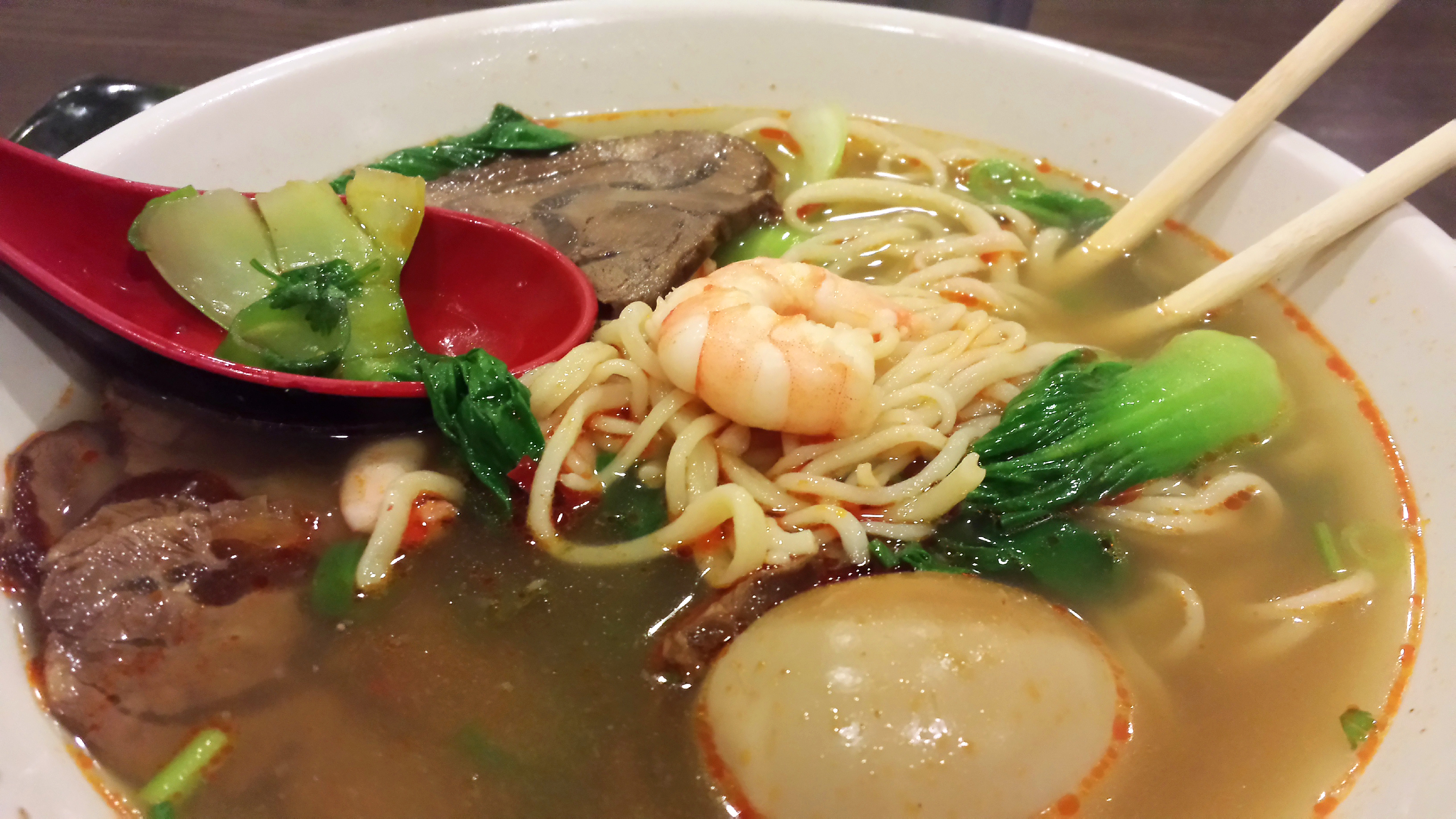
Kotteri, on the other hand, are thick and usually opaque, due to all the emulsified fats, proteins and minerals that are rendered from boiling animal bones for long periods of time. That makes them stocks, technically, not broths. Kotteri are also known as Paitan (from the Chinese). Paitan translates to white broth, which makes sense, given that they are usually cloudy in color and thick in texture.
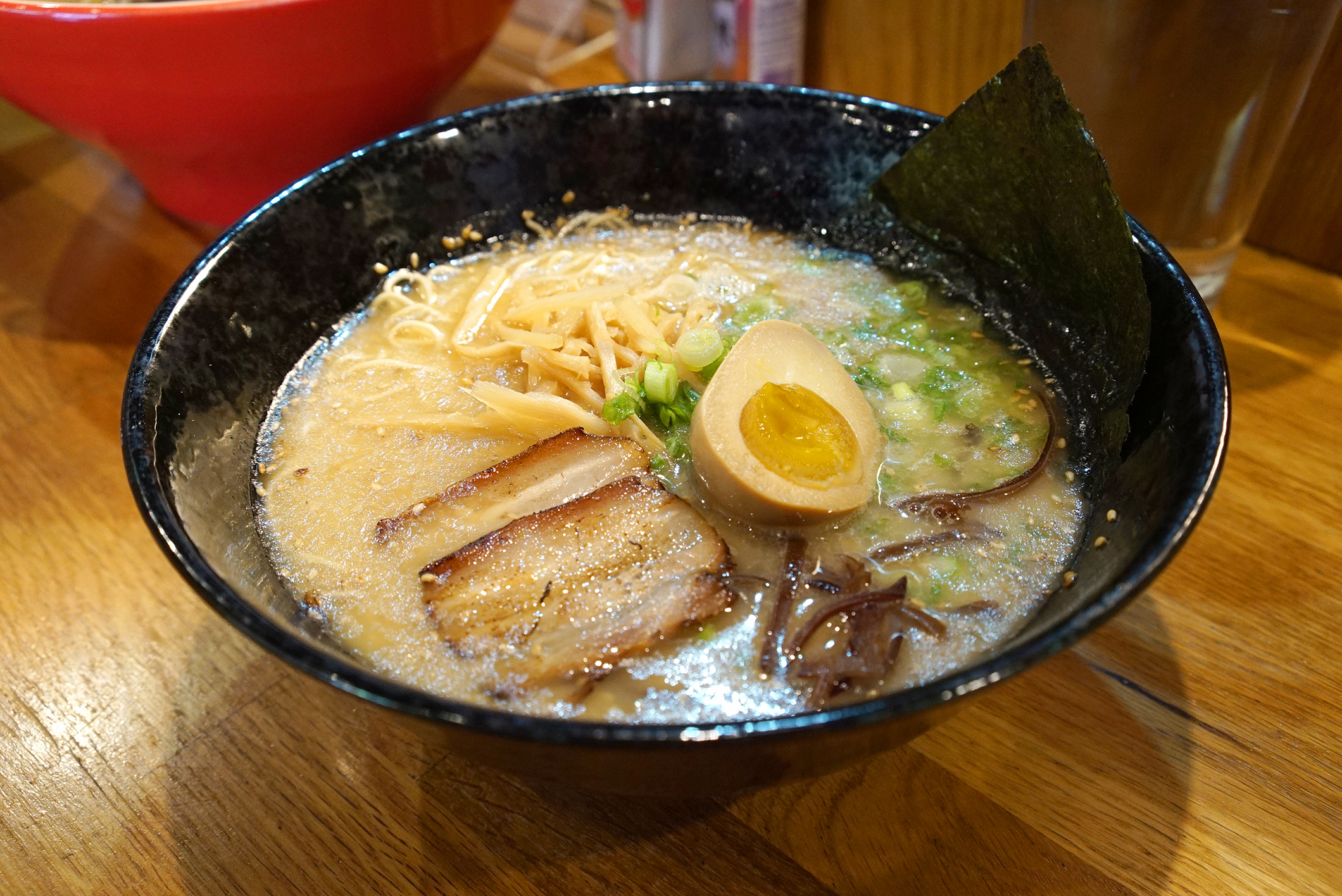
SOUP BASE

Ramen soup bases are classified by the main ingredients that are boiled or simmered to make the soup stock (if bones are used) or broth  (if no bones are used). As expected, a stock can be made from animal bones (chicken, beef, pork, fish). But lighter broths can be made with dried seafood or kelp/seaweed (like dashi – a broth made from dried, smoked bonito flakes and kelp), and sometimes even just straight up roasted veggies and mushrooms + water.
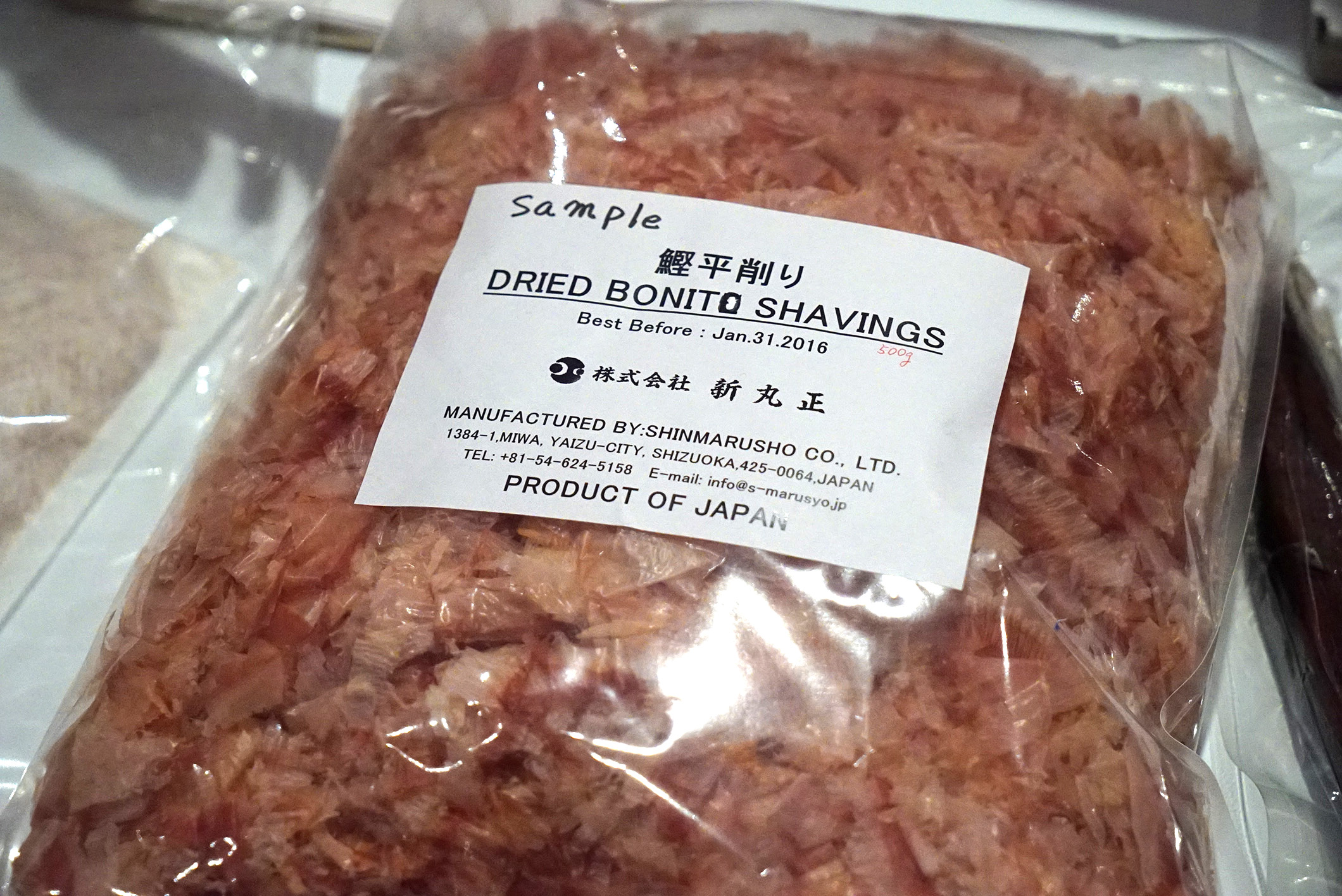
An example I will use to illustrate here is tonkotsu. “Ton” means pork, and “kotsu” means bones. Thus, the tonkotsu ramen base is a kotteri style thick stock made from pork bones, which would then need to be seasoned with a salty or savory component, which is covered in the next section.

SEASONING

Tare or kaeshi is the seasoning – the main savory element or source of salt – that is used to flavor the ramen. Ramen seasoning comes in three major varieties: Shoyu, Shio and Miso.

Shoyu: This, simply, is soy sauce. If you didn’t know, soy sauce is made from a paste of fermented and boiled soybeans, roasted grains and seasoned water.

Shio: Sea salt. Pretty straightforward. As you can imagine, sea salt as a seasoning is nicely suited for thinner, assari style broths.

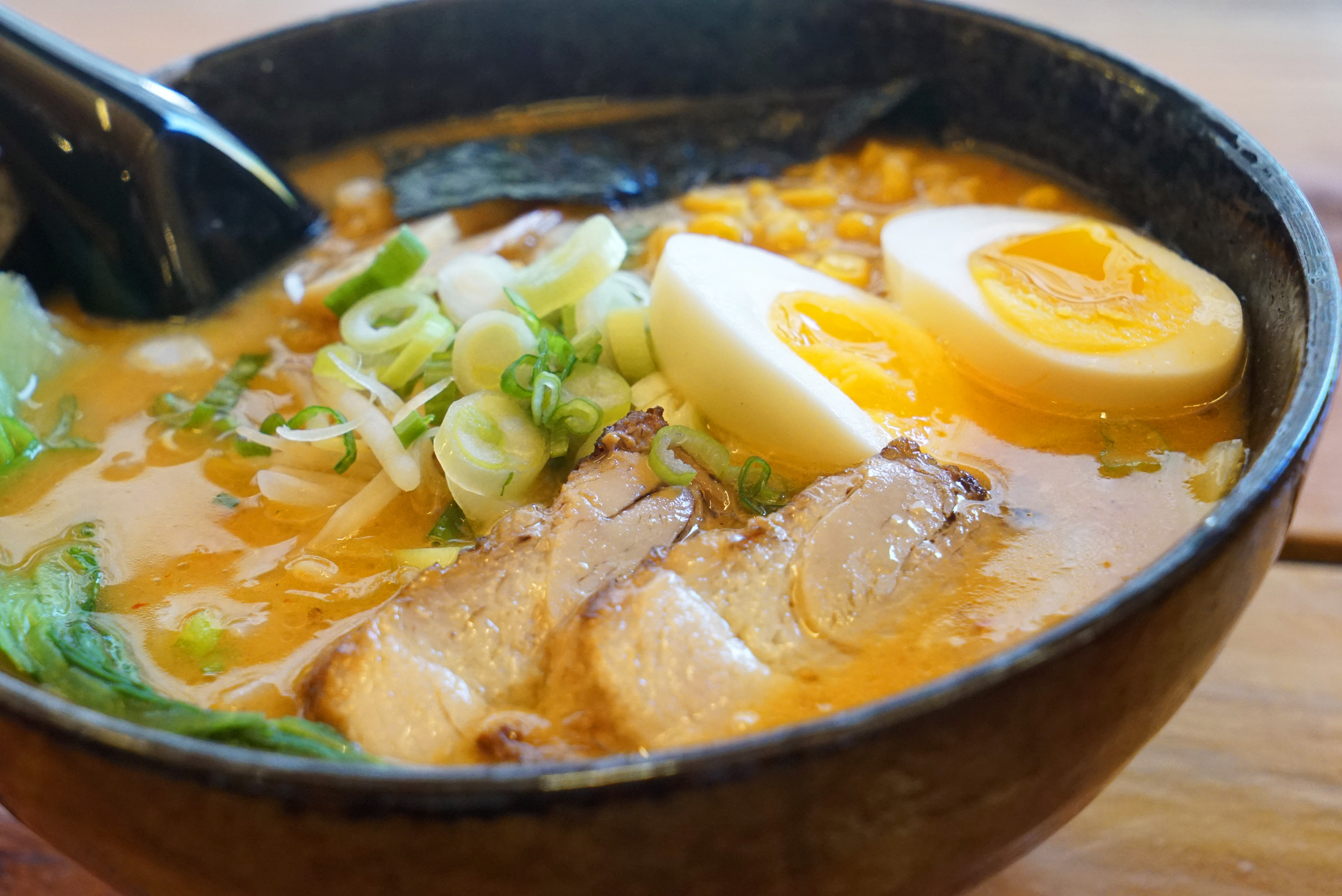
Miso: This is an earthy flavored, thick, fermented soybean paste. Seasoning with miso will almost always result in a thick, kotteri style broth, as you can see below:
NOODLES

Ramen noodles are made with wheat flour, water, salt and kansui, an alkaline water which gives the noodles their yellow color and characteristic bounce. In China, it’s more common to see ramen made with eggs instead of kansui.
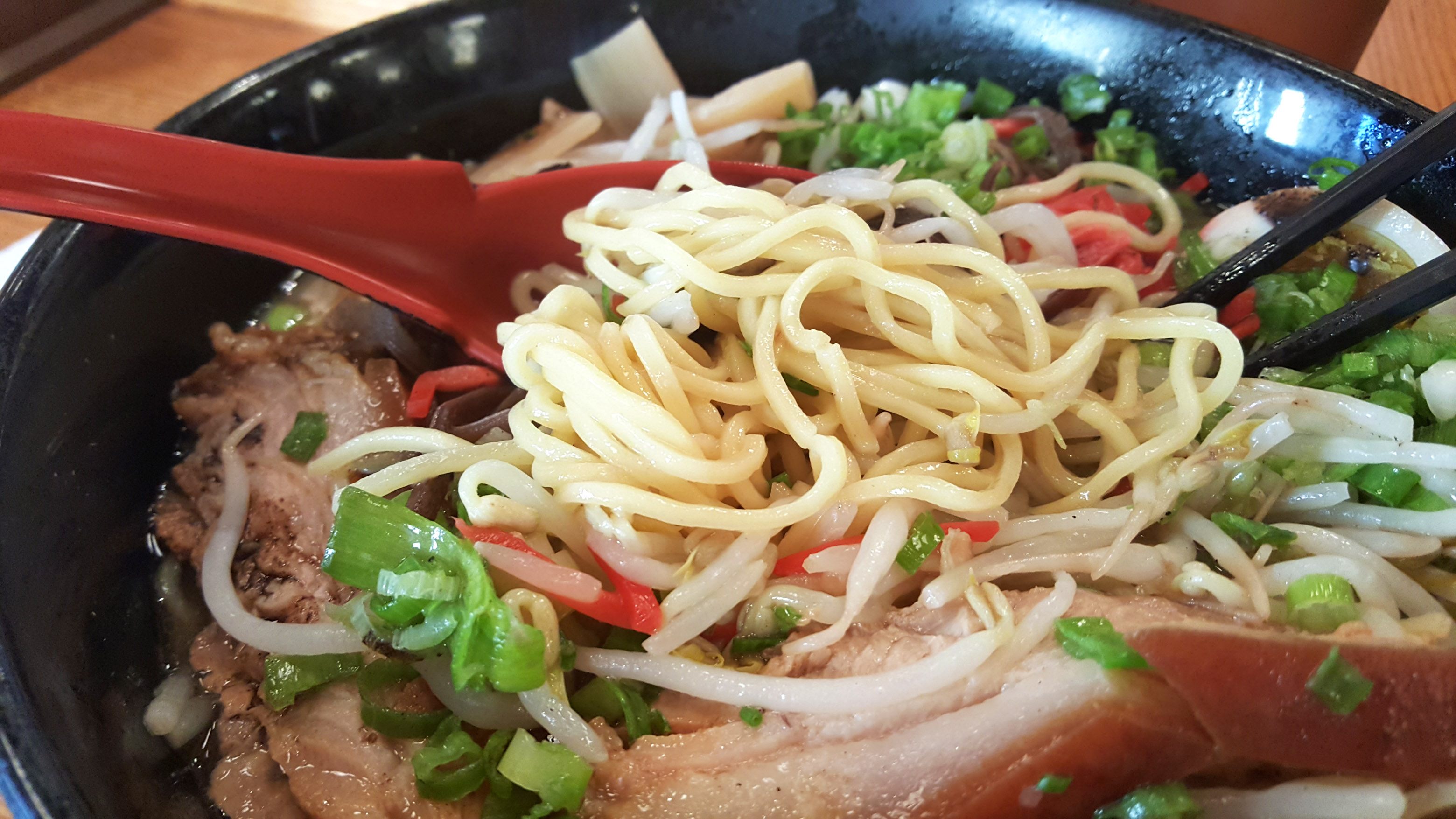
Depending on the soup they’re added to, ramen noodles can range from wavy to straight, thick to thin, flat, round or square. The type of noodle selected for a bowl of ramen is based on its broth-clinging characteristics, its bounciness and its texture. For that reason, one noodle style may be better suited for a particular soup base or broth thickness than another.
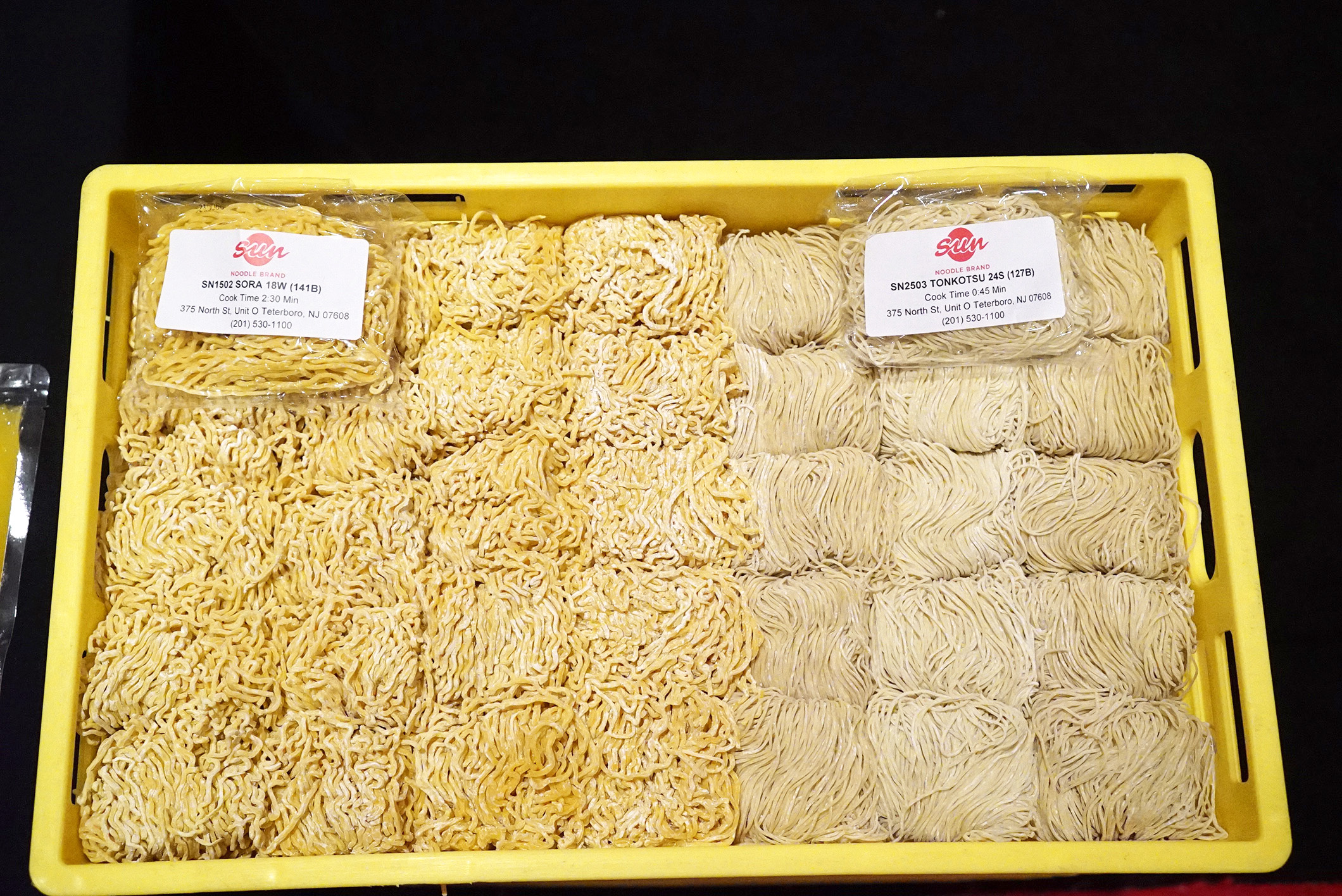
Depending on the noodles used, cook times will vary as well. In addition, their ability to last for a while, soaking in the soup broth, will vary. After a few minutes certain noodles will lose their spring and bounce, and the texture will change.
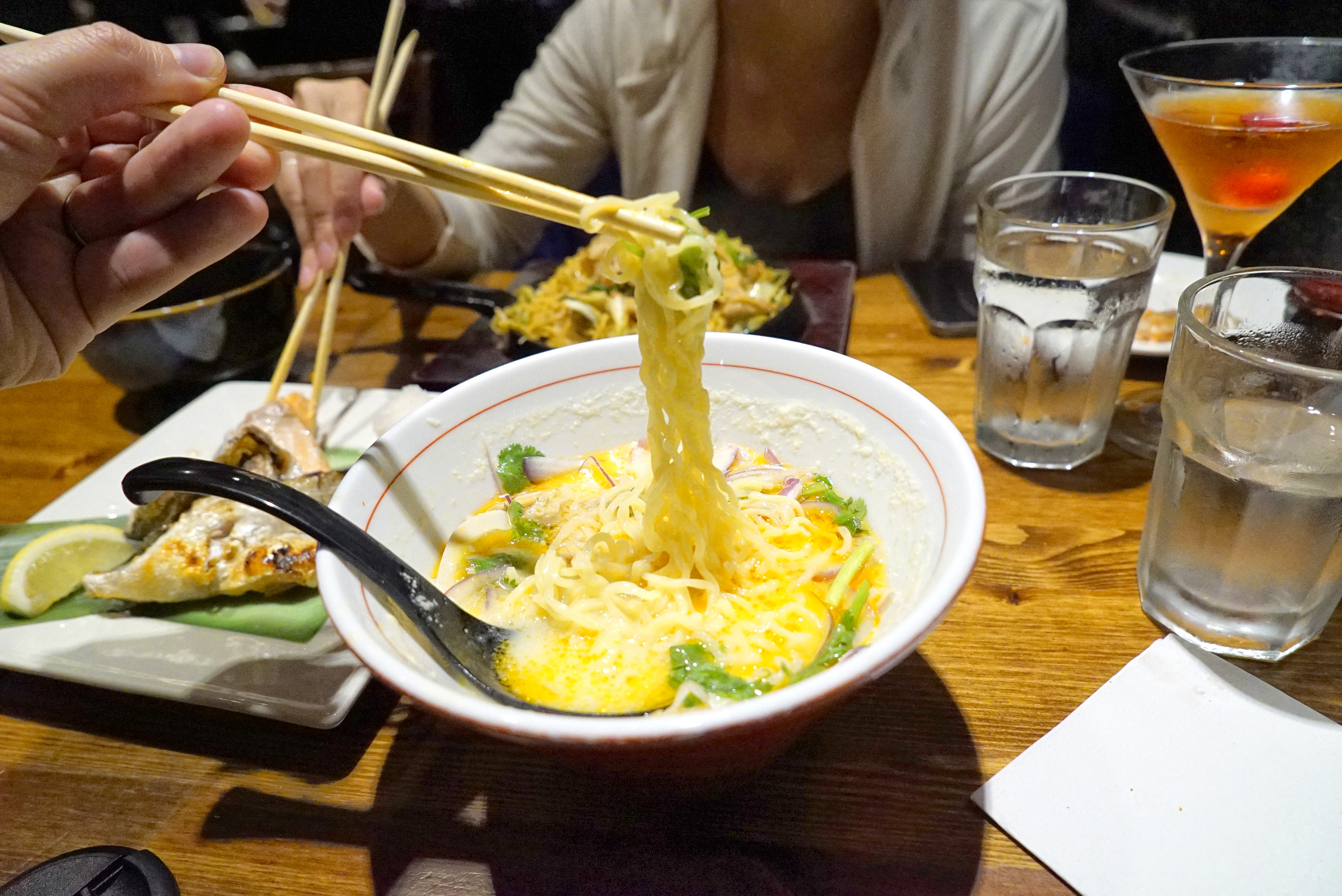
Just an FYI here: if you need more noodles while you are eating, yell out kaedama!

TOPPINGS

We have a bunch of categories to discuss here. Let’s start with the most important one: meat.
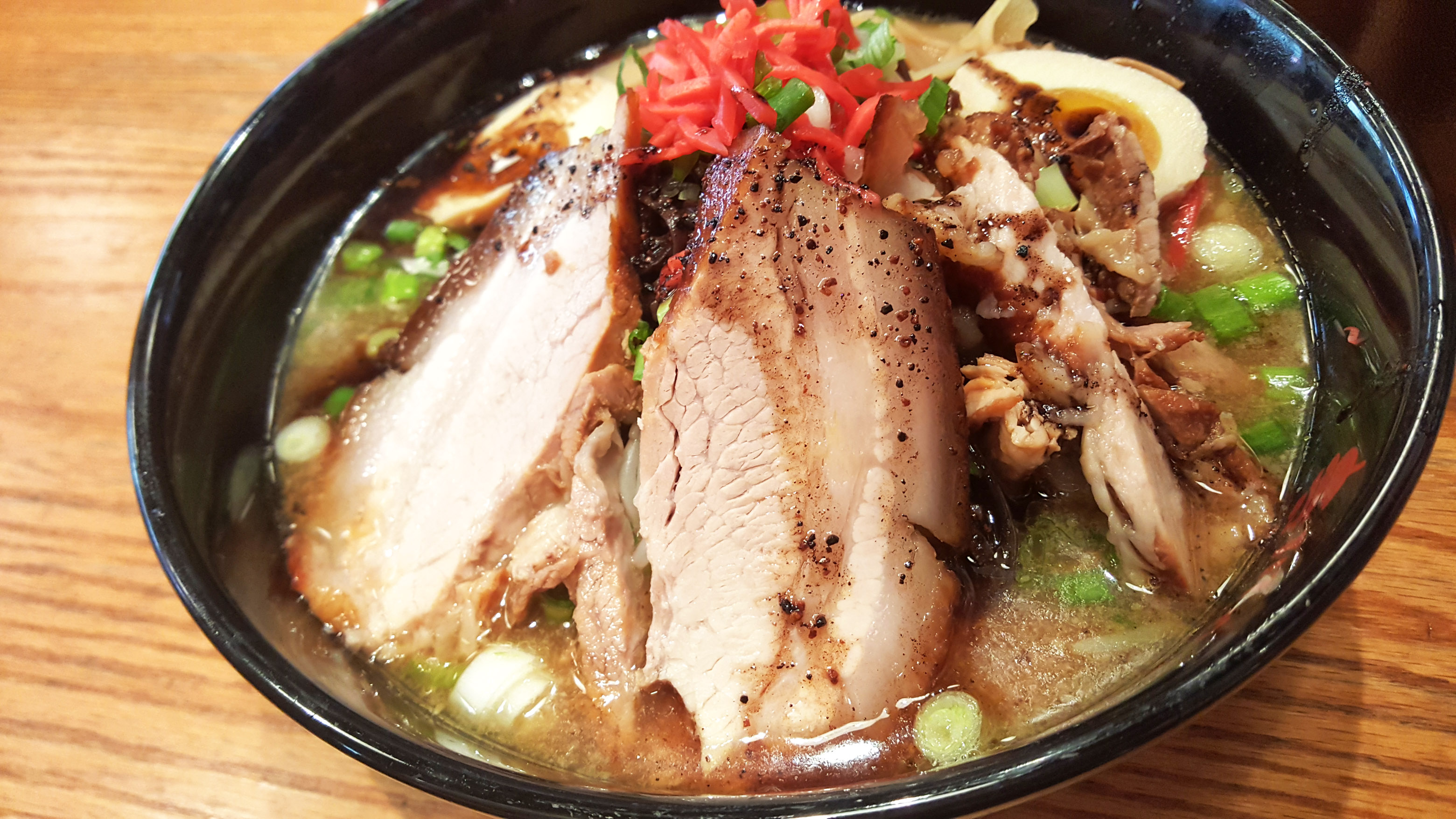
Obviously if a ramen base is made with animal bones, it only makes sense to use the same animal meat as a topping for the soup. Tonkotsu should have copious amounts of kakuni (pork belly), or chashu (rolled pork loin or belly that is cooked slowly in a sweet soy and mirin sauce, stew-style, then sliced and sometimes charred or grilled afterward for texture). Clearly, chicken is a good topper for your chicken-based ramen. But some chefs get creative. For example I’ve had beef ramen that was topped with crispy beef intestines. I’ve even had chicken broth that was topped not only with chicken but with ground pork as well. Mixing is not a bad thing and it is quite common, as you’ll learn below.

In addition to meat, ramen broths also contain aromatics, such as garlic (fresh, charred, fried or fermented), onions (charred, pickled or raw), ginger (either pickled – beni shoga – or fresh), leeks (fresh or charred), scallions (usually fresh, typically sliced or shredded) and mushrooms (both dried and fresh, and a ton of different types). These can also be incorporated into the creation of the soup base at the start, not just as toppings that are added at the time of serving.
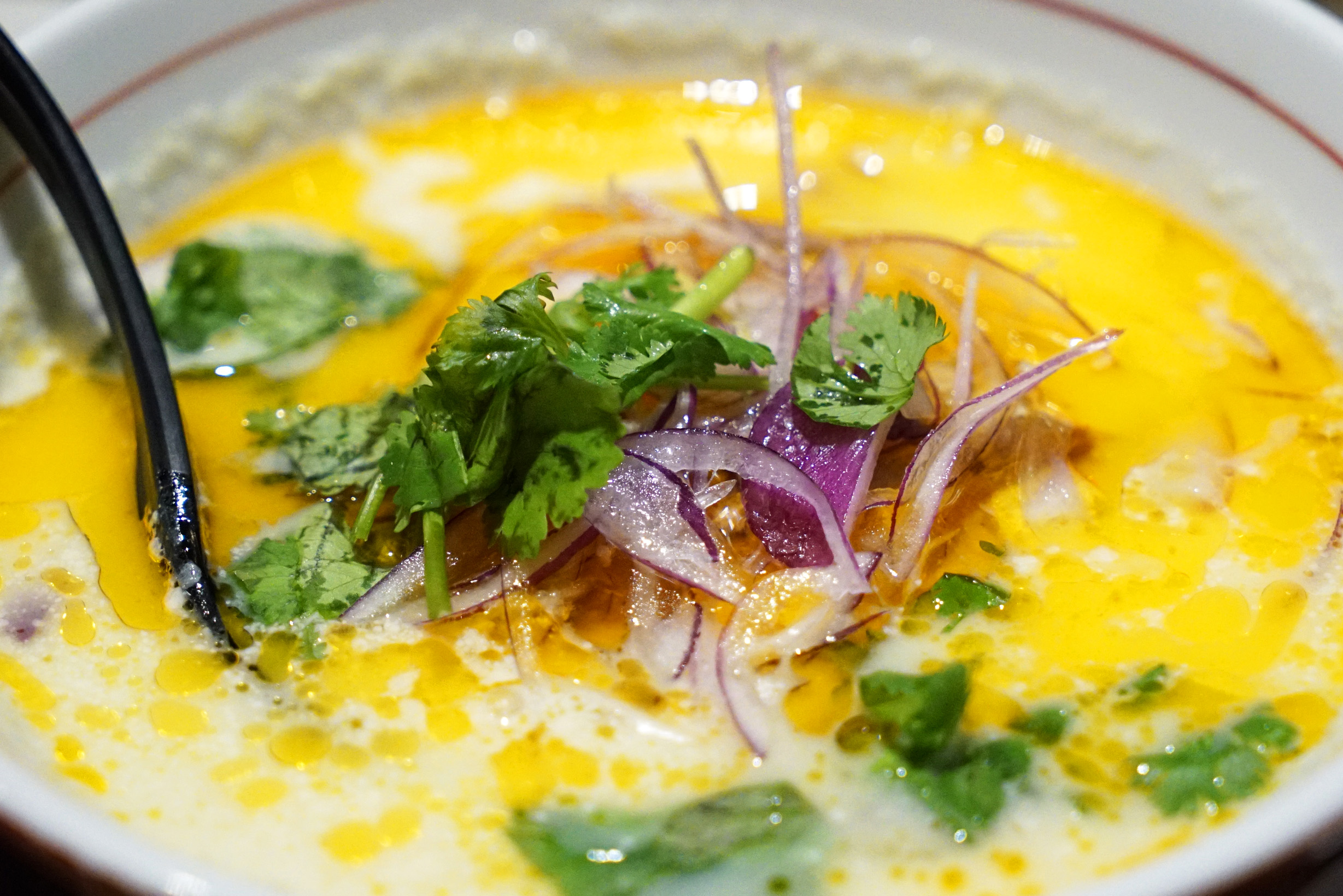
Other common toppings include seasoned soft boiled or hard boiled eggs, sliced fish cakes (naruto), bamboo shoots, corn, cabbage, seaweed, bean sprouts, spice pastes, butter and various oils, such as chili oil, onion oil, pepper oil, garlic oil or sesame oil (and certainly sesame seeds, too, for that matter).
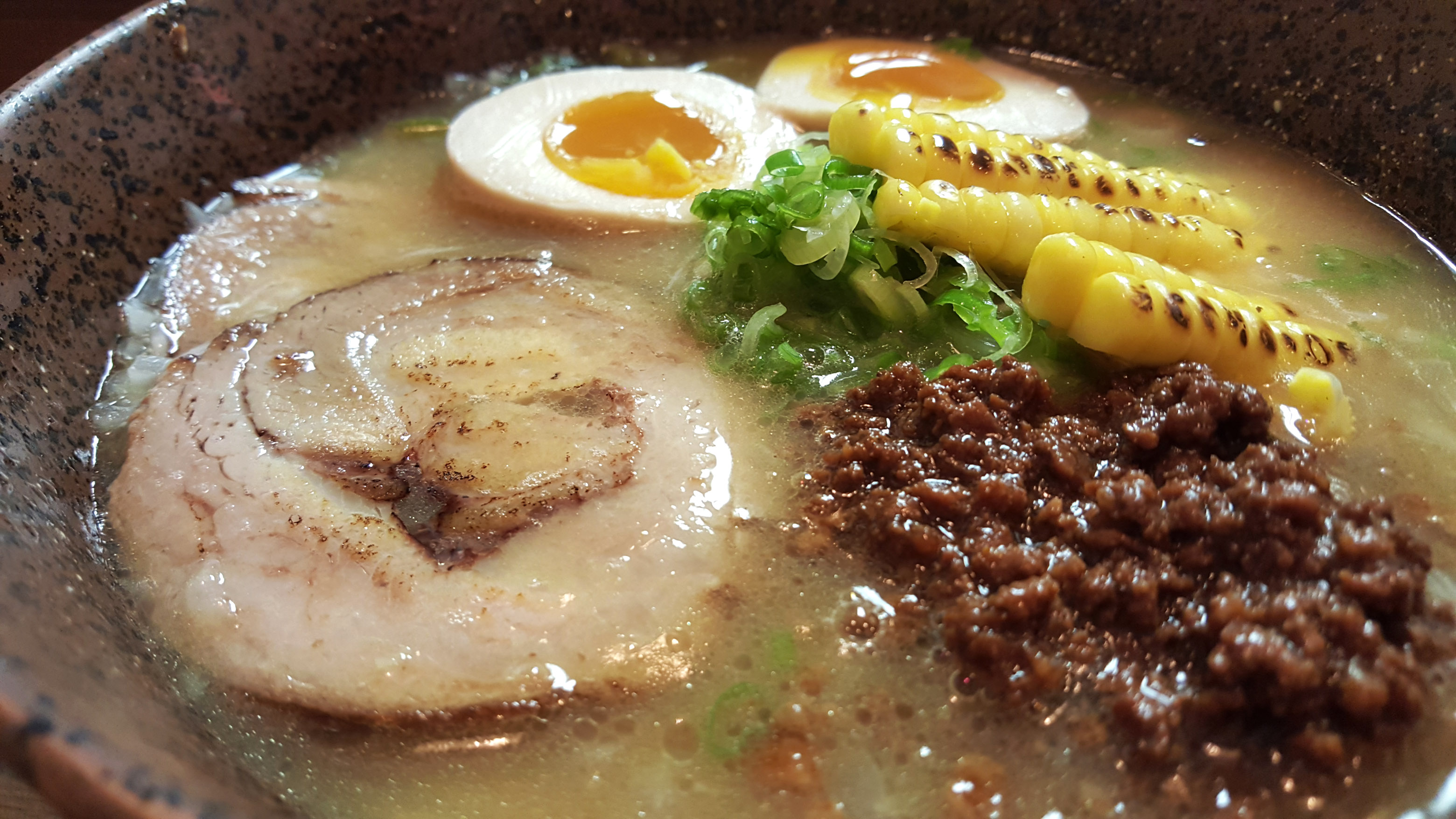
On many occasions, the toppings you see will depend on the region in Japan from which the ramen hails.

REGIONAL STYLES

Japanese ramen varies greatly by region. Some areas focus on thinner fish- and seaweed-based broths, while others tend to be hearty and thick animal bone soups. I’ve highlighted some of the regional styles below, alphabetically:

Akayu: A sweet and mild ramen soup is topped with a spicy dollup of miso mixed with chili and garlic. Chewy, thick, wavy noodles grace this style, and it is usually served with powdered seaweed as well.

Asahikawa: Asahikawa is Hokkaido’s second-largest city, and is located at the base of the mountains in the middle of the island. Its ramen is a mix of chicken, pork and seafood broth, with a shoyu base. The soup is topped with a layer of melted pork fat to seal in the soup’s heat in the colder months, as well as pork meat, bamboo shoots and scallions.

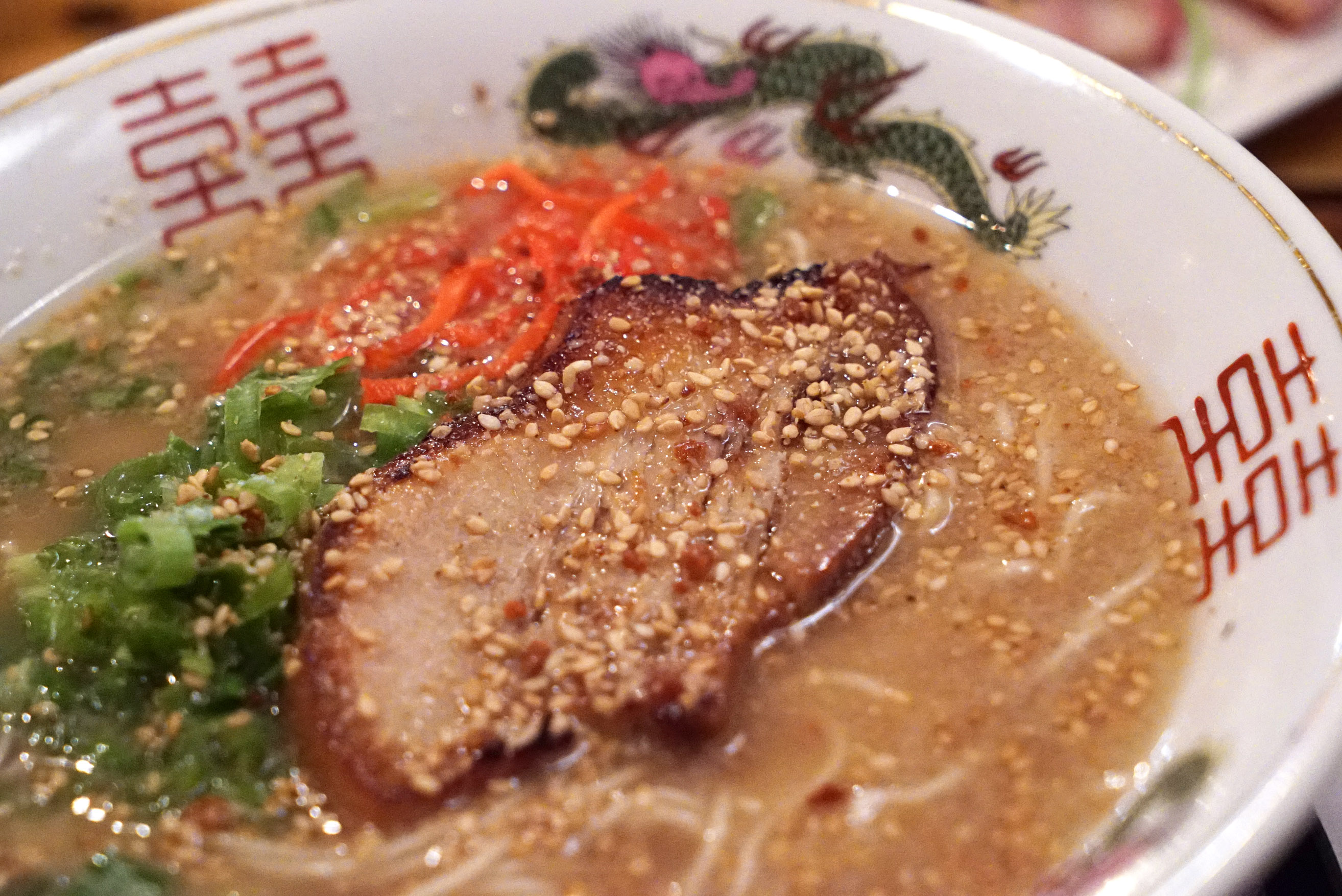
Hakata: Also known as Nagahama ramen, this style comes from Fukuoka, a prefecture in Japan’s southern island of Kyushu, which is famous for its pork dishes. This is my favorite of ramen styles, because it is a thick, fatty, pork bone broth with thin, al-dente noodles. Toppings usually include sesame seeds, pink pickled ginger and fried garlic.
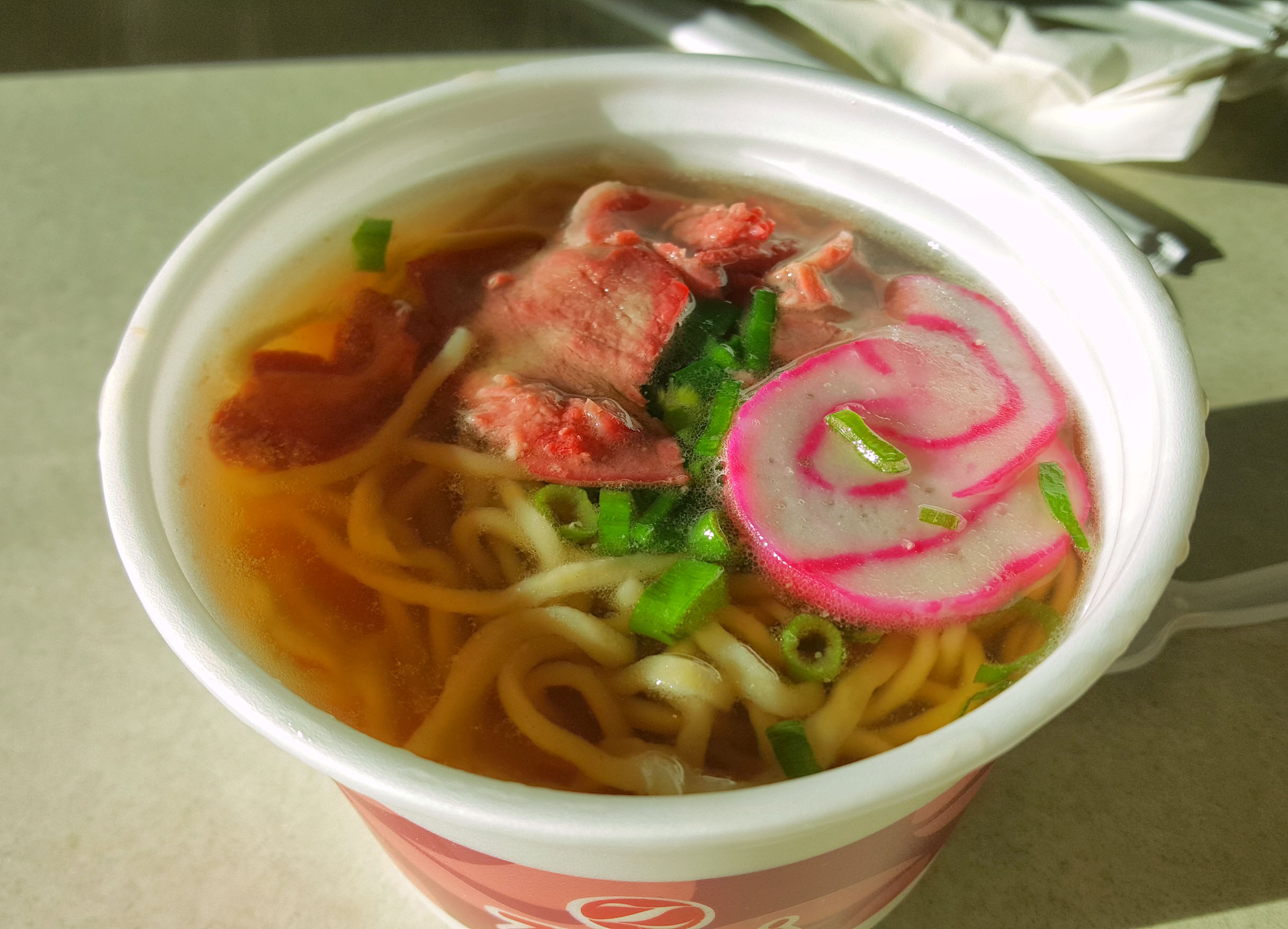
Hakodate: Ramen arrived in Hakodate from China. The soup is thin and light, and the shio-seasoned broth had a mild pork and chicken base. Noodles are usually soft, with toppings like roast pork, bamboo shoots, scallions, nori, fish cakes and spinach.
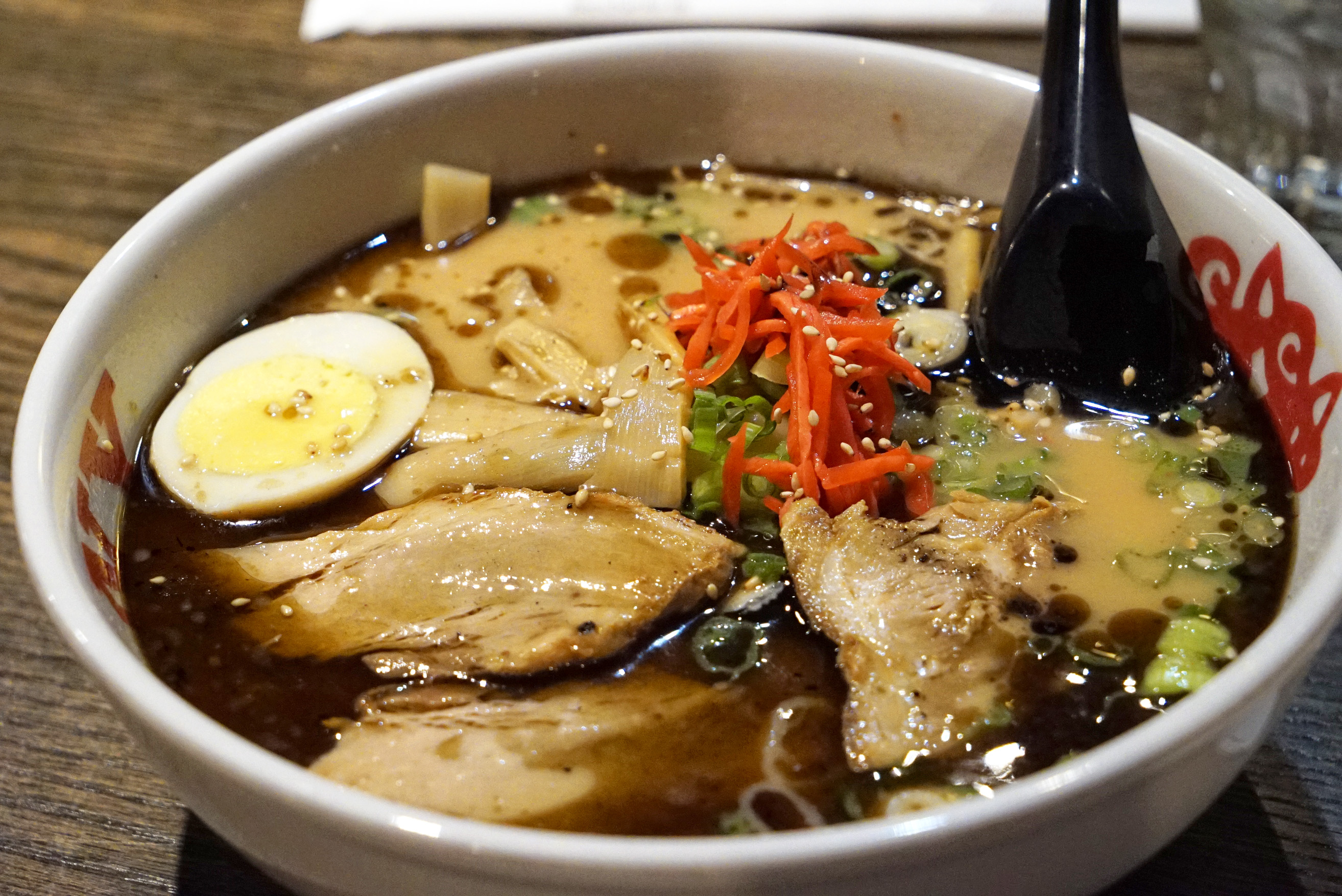
Kagoshima: Kagoshima is known for its Berkshire pork-like black pigs, yet the ramen is a mild mix of both veggies and chicken, combined with the black pork bone stock. The broth then gets finished off with burnt onions and seasoned with soy sauce. The noodles are soft, and toppings consist of pork meat (obviously), scallions, wood ear mushrooms (kikurage) and bean sprouts.

Kitakata: Kitakata is famous for a clean, light soy-based breakfast soup. In the bowl there’s usually a serving of chewy, wide, flat and curly hand-cut noodles with pork, scallions and bamboo shoots.

Kumamoto: When tonkotsu ramen arrived in Kumamoto prefecture from Kurume, the locals started cutting it with chicken broth. It’s also served with straight noodles, though they’re softer and thicker than the Kurume style. Most bowls have pickled mustard greens, sliced wood-ear mushrooms, bean sprouts, and cabbage on top, but the unique thing about Kumamoto ramen is the use of garlic. You’ll see fried garlic chips and mayu, the black liquid made from garlic that’s been burned in sesame oil. That shit is delicious.
Kurume: This town on the southern island of Kyushu is the birthplace of tonkotsu. Melted bone marrow, fried lard, sesame seeds, pickled ginger and garlic give Kurume ramen a unique and pungent style. Toppings include pork meat, scallions, nori, and spicy mustard greens, in addition to those just mentioned above.

Kyoto: Kyoto’s home to two distinct types of ramen: a thinner assari shoyu ramen, and a thick kotteri chicken soup. The thin version is a blend of pork and chicken broth, with a dark soy base. The thick version is a rich porridge-like chicken soup, topped with garlic, spicy bean paste, chives and odoriferous local onions called kujnoegi. Both are seasoned with shoyu, but the toppings vary for each.

Nagoya “Taiwan” Ramen: “Taiwan Ramen” is Nagoya’s reimagined version of Taiwanese danzimian, which has lots of ground pork, Chinese chives, hot peppers, green onions and garlic. This shit is for people who like spicy soup.

Onomichi: Take a bit of pork, a heap of chicken, some local seafood and a big mess of lard and you’ve got Onomichi ramen. The soup has a shoyu base and is served with chewy, homemade, wavy, flat noodles. It’s usually topped with roast pork, bamboo shoots, scallions and pork fat.

Sapporo: Sapporo-style ramen hails from Japan’s northernmost province, Hokkaido, which is the birthplace of miso ramen. Sapporo miso ramen generally has thick, strong noodles and is commonly topped with bean sprouts, sweet corn, cabbage and ground pork. Soft boiled eggs and thick slices of chashu pork are also common, as well as pats of butter.
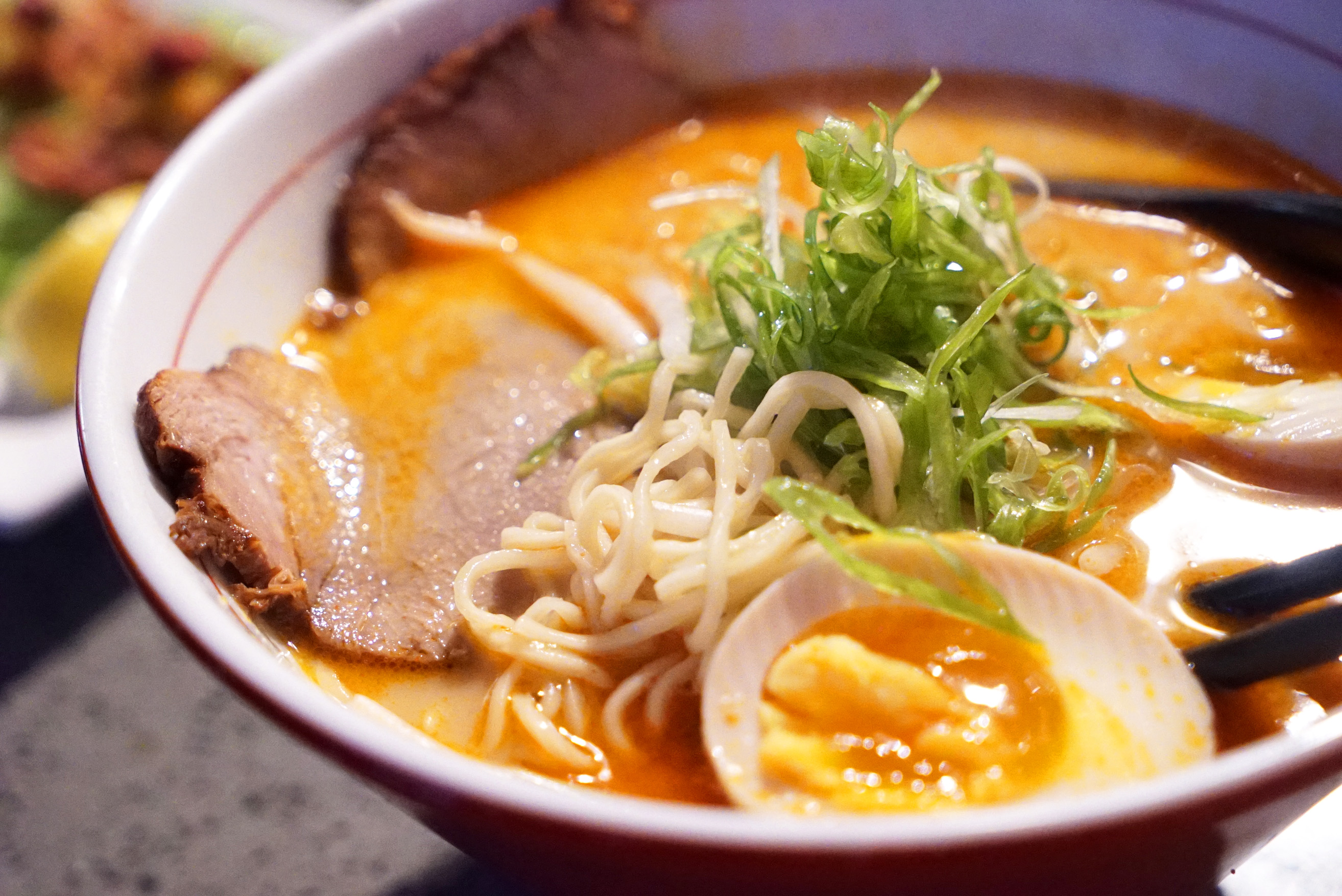
Shirakawa: This town developed a refined ramen typified by light, simple soup and hand pulled noodles. It features a shoyu broth, but local mineral ­water makes for springy noodles with a good chew. Toppings include roast pork, bamboo shoots, fish cake, scallions, seaweed, spinach and even wontons.

Tokushima: Shikoku is the smallest of Japan’s four main islands, and udon is the preferred noodle. But Tokushima prefecture has an aged, extra strong shoyu soup that originated with tonkotsu stocks made from leftover pork bones from nearby ham factories. This is similar to Wakayama ramen. Ramen shops here will add a few strips of thinly sliced pork belly and break a raw egg on top. Tokushima ramen is sometimes divided into “yellow,” “black,” and “white” styles (how racist) of varying strengths. Other toppings for this ramen consist of scallions, bamboo shoots and bean sprouts.

Tokyo: This ramen is usually made with pork and chicken broth and typically features slightly curly, somewhat wide noodles. Very often in Toyko you’ll find broths that are flavored with dashi (broth made from aged bonito flakes and sea kelp). This style of ramen is generally seasoned with shoyu and has a medium-thickness. It’s similar to Yokohama ramen, though that tends to be heavier and meatier than the dashi broths of Tokyo ramen.
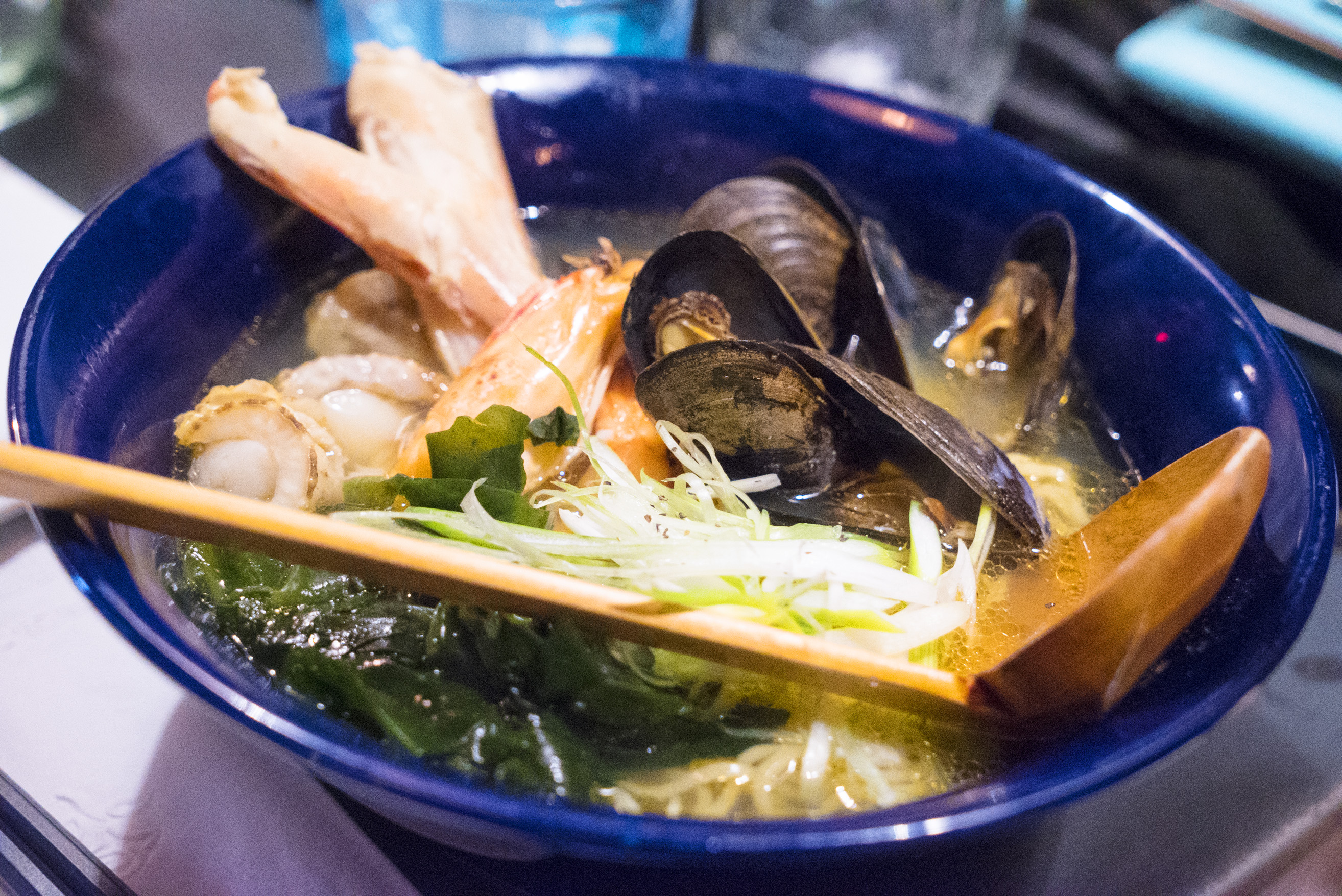
Tsubame-Sanjo: The cities of Tsubame and Sanjo are in a freezing cold area, and the ramen from this spot is bizarre and unhealthy. The hearty stock is made of chicken, sardines and pork bones, and the bowls are blasted with tons of pork fat (common in soups from the colder climates). There’s thick, flat noodles in this shoyu-based soup, and toppings include pork meat, bamboo shoots and lots of chopped white onions.

Wakayama: This is the median between thick, rich tonkotsu, and thin, clear broth. Wakayama ramen has a strong shoyu tare seasoning with a long-simmered tonkotsu base. The noodles resemble the thin, firm and long threads of Hakata style ramen, but you also get fish cakes like those in Tokyo style ramen. These soups are also topped with the seemingly ever-present and most common of toppings: roast pork, scallions and bamboo shoots.

Yokohama Ie-Kei: Yokohama is known for ie-kei ramen, a viscous, salty, and fatty tonkotsu shoyu style of ramen. When ordering, diners can designate how firm they want their noodles, the amount of fat they like on top, and the saltiness or strength of the soup. This is my kind of ramen – catering specifically to each unique diner. The toppings for this style of ramen usually include sheets of nori (seaweed paper), spinach, garlic, spicy bean paste and ginger.

RAMEN-LIKE DISHES

Although these dishes are not quite ramen, they’ll still be able to satisfy the most intense need for a ramen fix.

Abura Soba: The name of this soupless noodle dish translates to “oil noodles.” It consists of cooked ramen noodles dressed with flavored oil and tare (usually shoyu). It often comes topped with an egg, and diners are meant to stir everything together in the bowl to form a creamy, fatty, thickened sauce. One can also add vinegar, chili oil and other shit before slurping. Hot peppers, mayonnaise, fried noodles, chopped garlic and pork fat are also crowd favorites to add in.

Chanpon: This originated in Nagasaki and is made by boiling thick noodles directly in a thick pork and seafood soup. It’s viscous, and eats more like stew than ramen.

Hiyashi Chuka: This literally means “cold Chinese.” As such it’s a dish made with cold ramen noodles and various toppings like fried egg, ham, carrot, cucumber and chicken. It is usually dressed in a light soy-vinegar sauce. I’ve even seen fish sauce used in some versions around NYC.
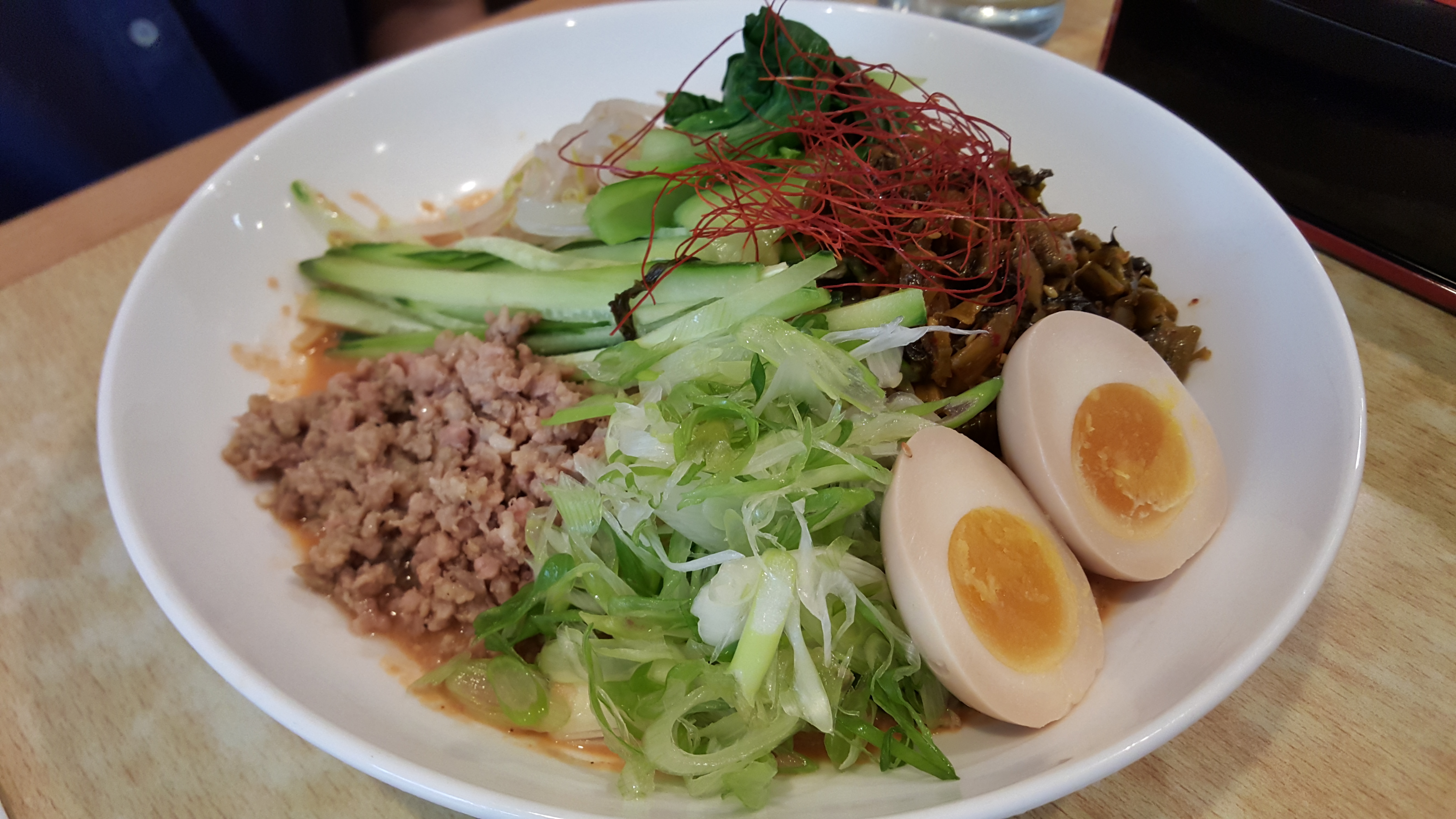
Mazemen: This is a hearty “dry” ramen, characterized by thick noodles and weird toppings like cheese. Similar to Abura Soba, this is essentially cooked noodles with a small amount of strongly flavored sauce on the side for dipping. Toppings and sauces can vary a great deal, and are often experimental in nature.

Tantan-Men: This is an off-shoot of Chinese dandan noodles. Based on a pork broth, it comes with a scoop of heavily spiced ground pork and is generally served with bok choy and/or spinach.

Tsukemen: This, like Mazemen, is also a “dipping” ramen. Cold, undressed (nekkit) noodles are served alongside a hot, concentrated ramen broth. You dip the noodles into a bowl of broth as you eat, grabbing the toppings whenever you choose to.
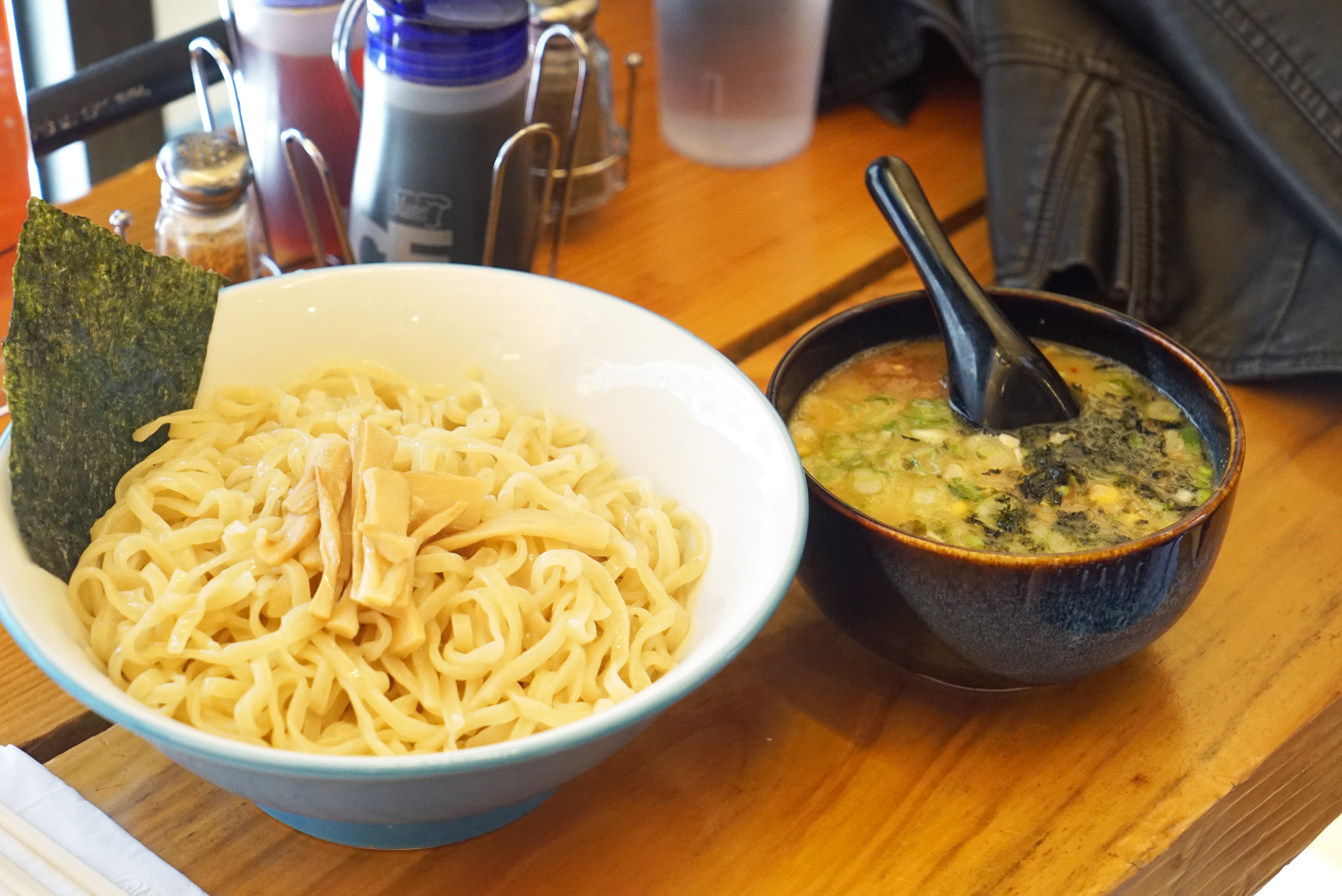
Yakisoba: This is the Japanese version of Chinese fried noodles. It’s made with egg noodles that get stir-fried with veggies and occasionally meat or seafood. This shit then gets hit with a Worcestershire style anchovy and vegetable sauce. It’s often topped with shaved bonito flakes and pickled ginger (beni shoga).

FUSION RAMEN

All around NYC we are seeing various kinds of fusion ramen items being offered, which makes a lot of sense given that the history of ramen in Japan involves a lot of Japanese-Chinese fusion.
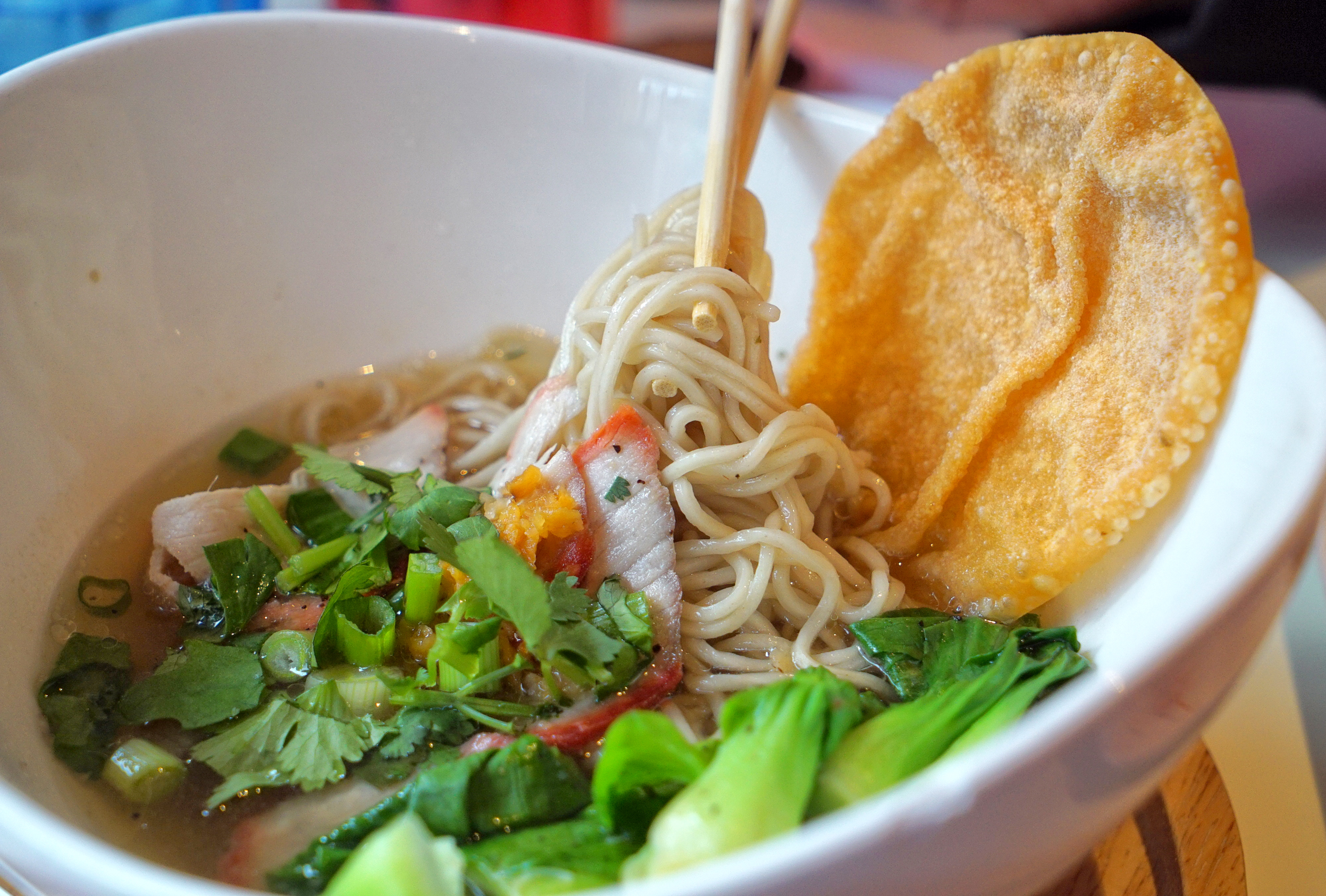
However some of the more wild examples I’ve seen in NYC include:

Korean-inspired kimchi ramen (Mokbar):
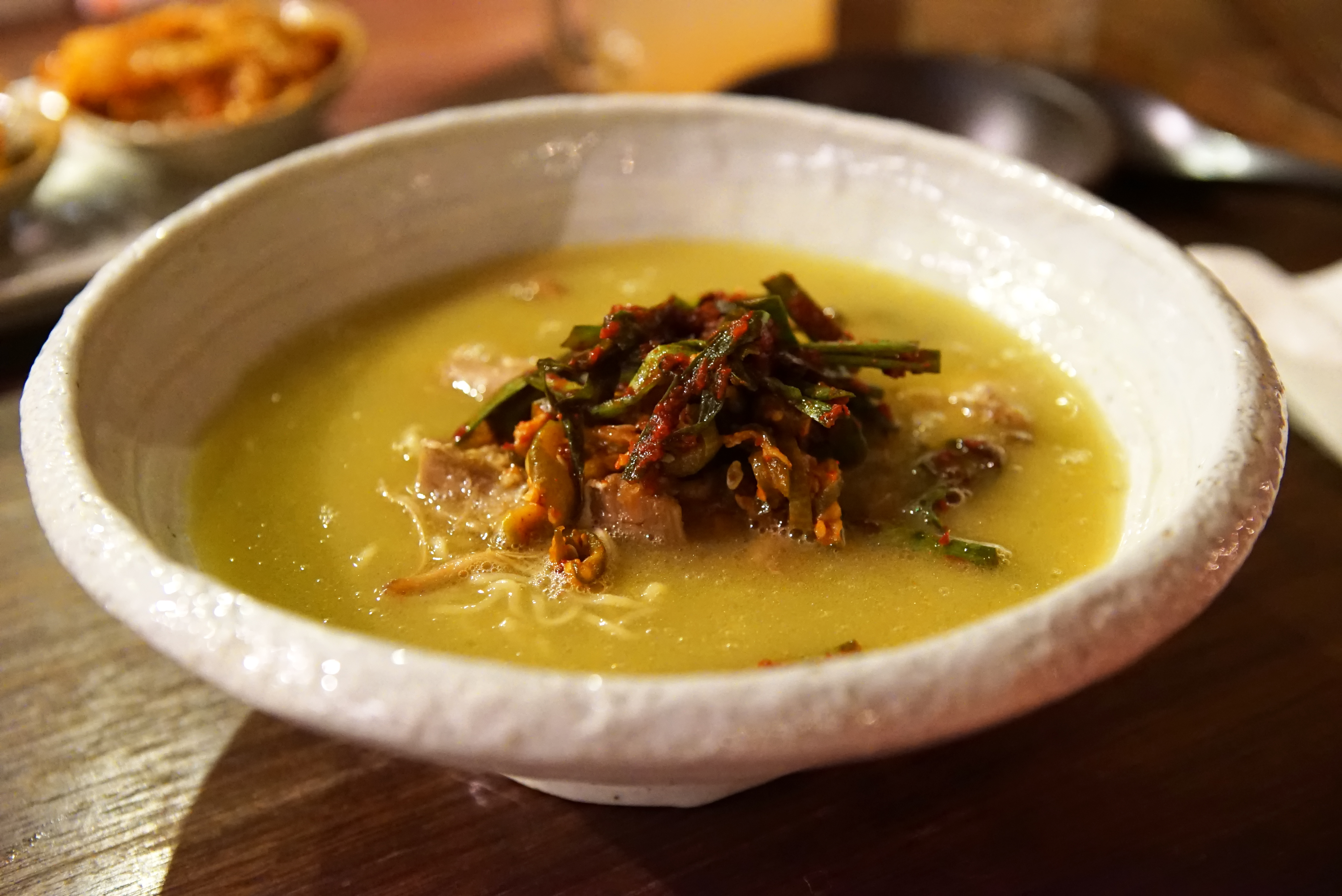
Thai green curry ramen (Bassanova):
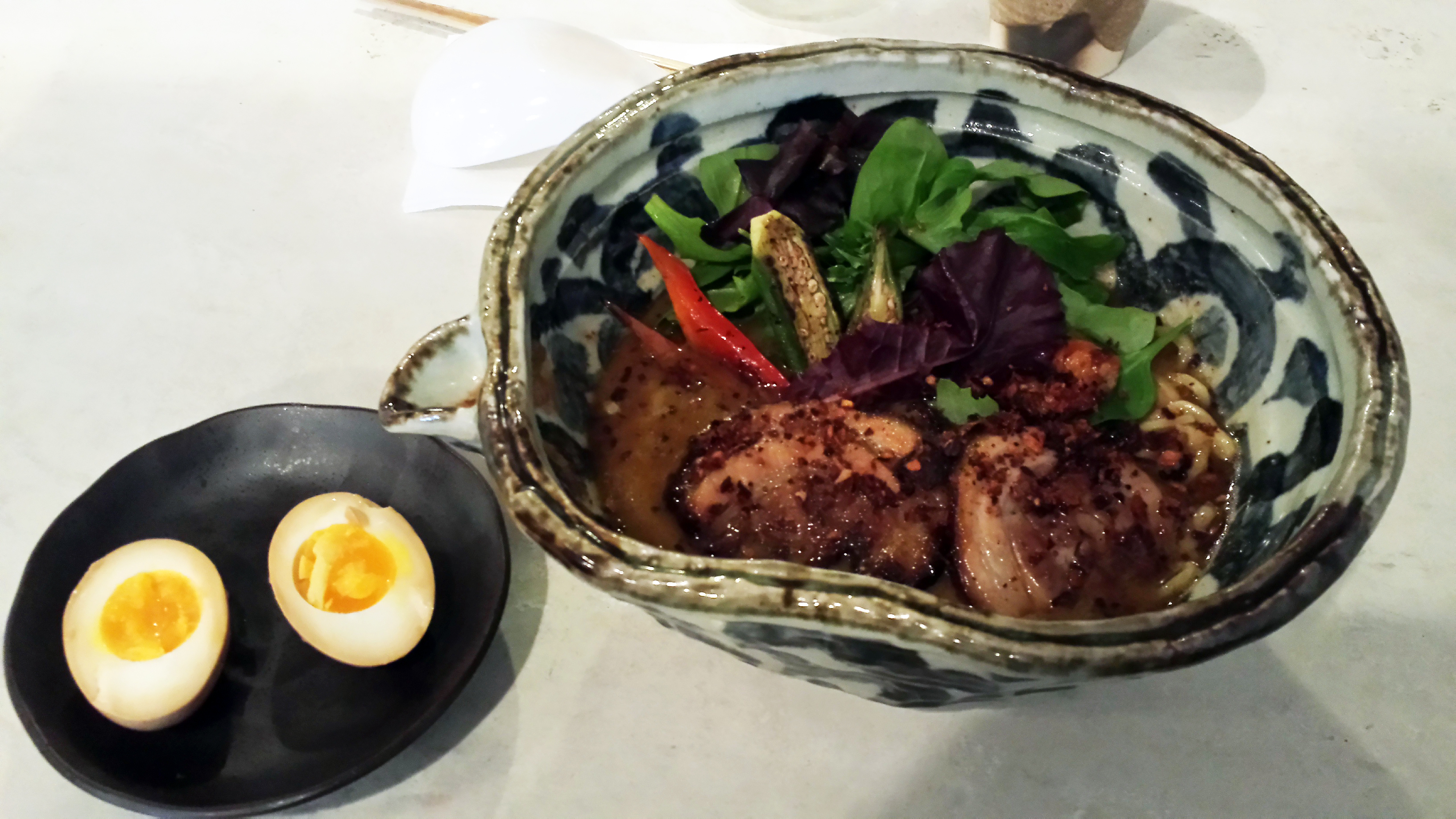
Flavors common to Burmese cuisine that feature coconut milk in the broth base (Tabata):
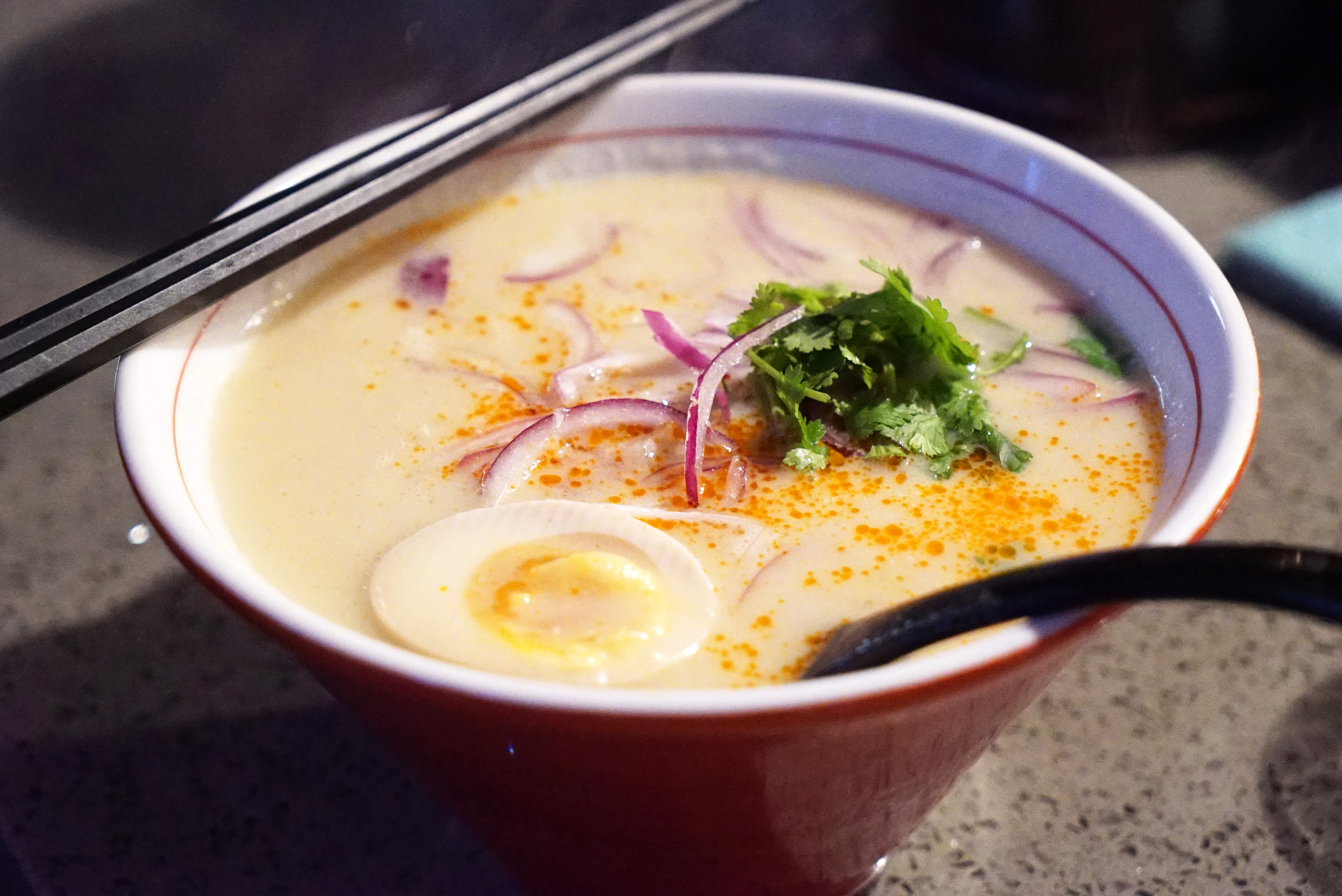
Indian-inspired massaman curry ramen, even complete with potatoes and carrots and (Yasha):
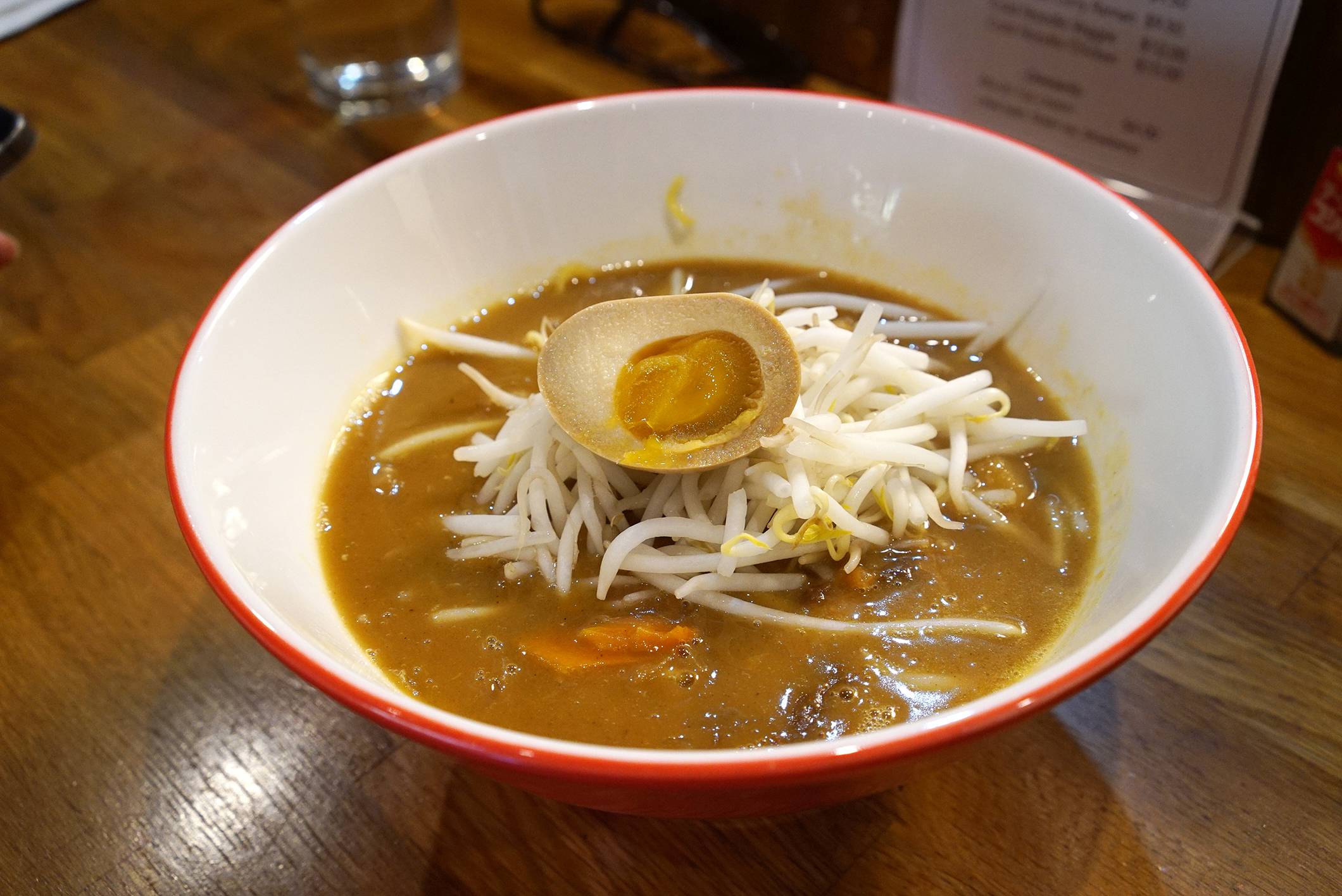
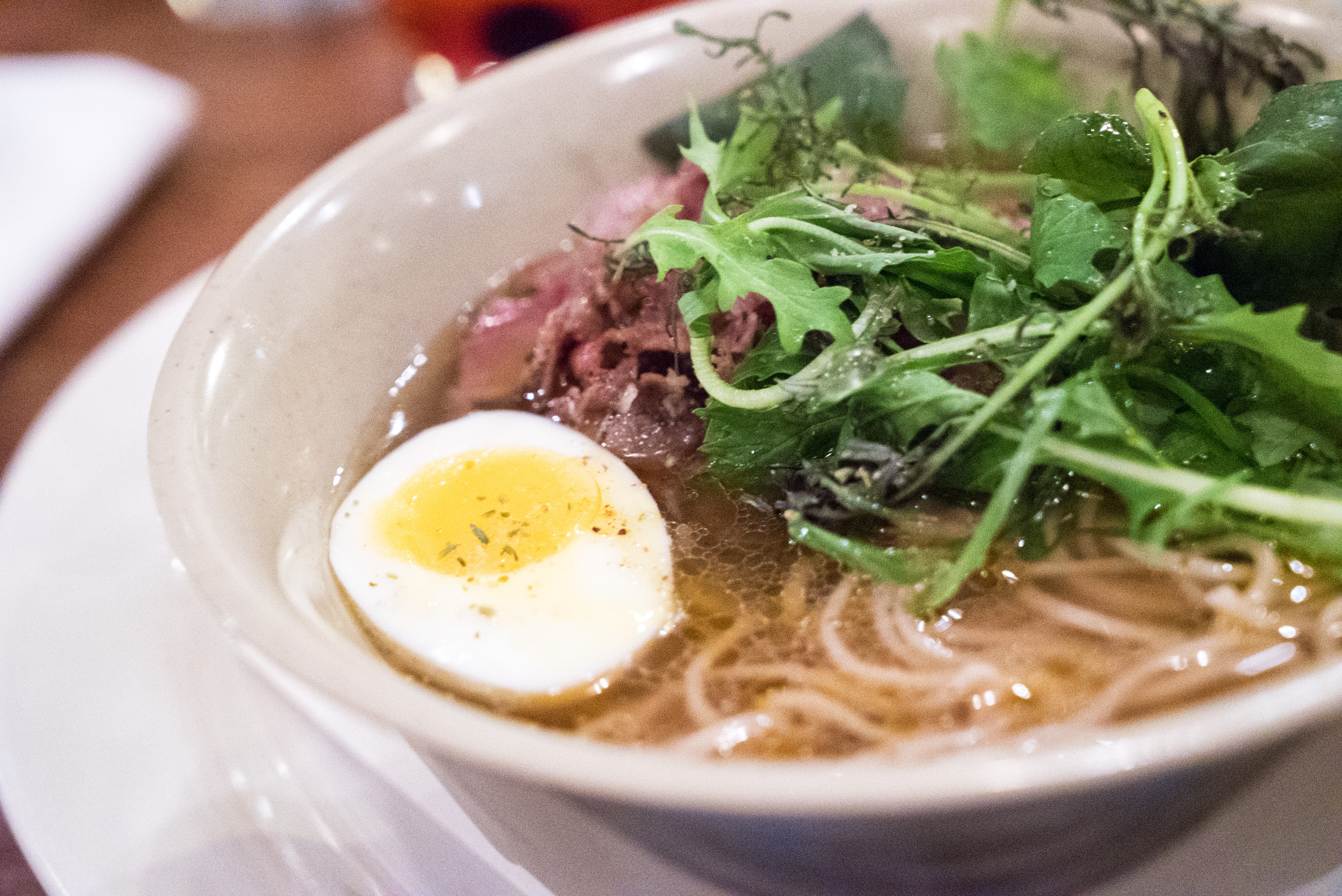
Italian spaghetti ramen, with pepper oil, arugula and crispy porchetta (Maialino):
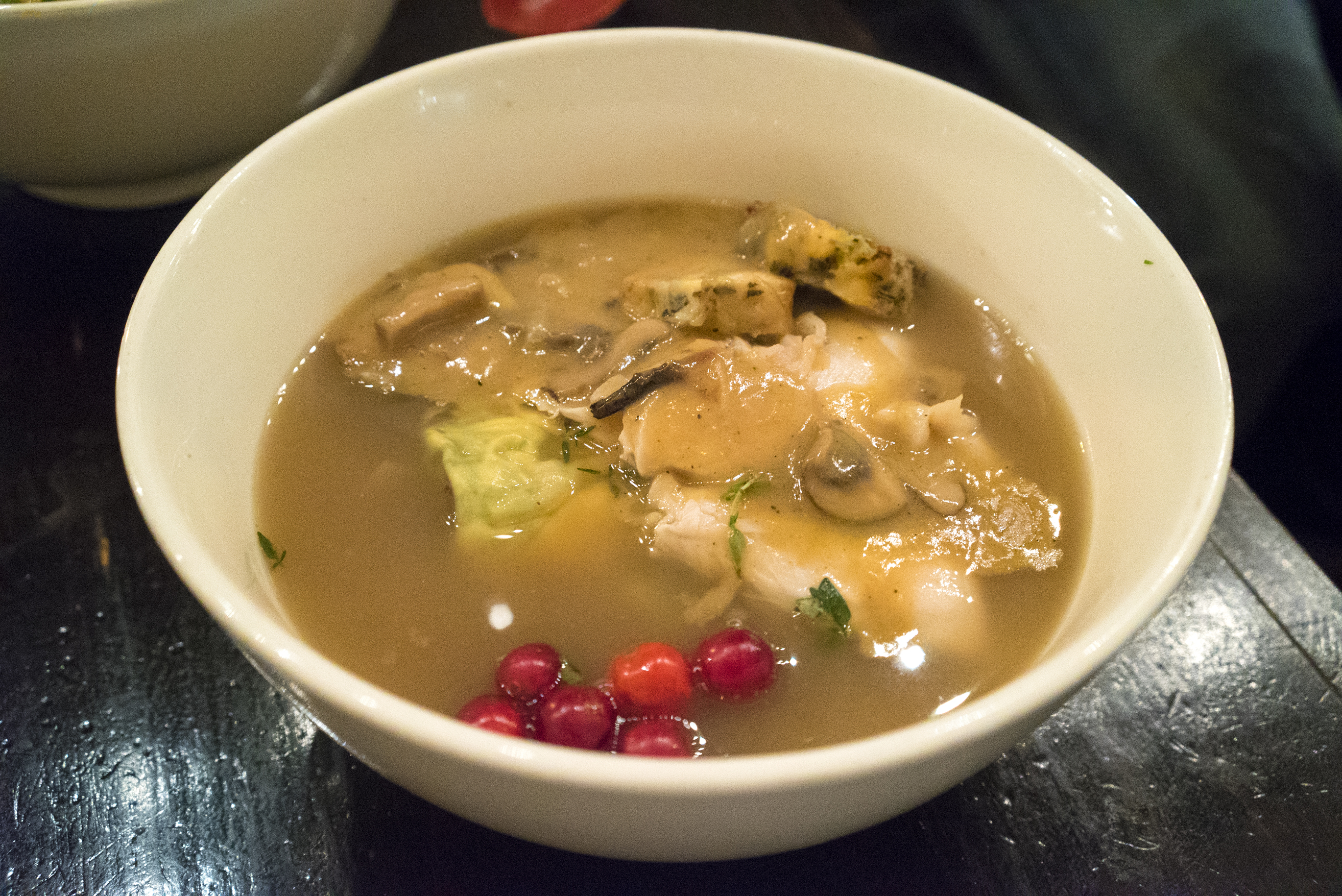
Thanksgiving turkey ramen, with gravy, mushrooms, stuffing and cranberries, of course (Talde):
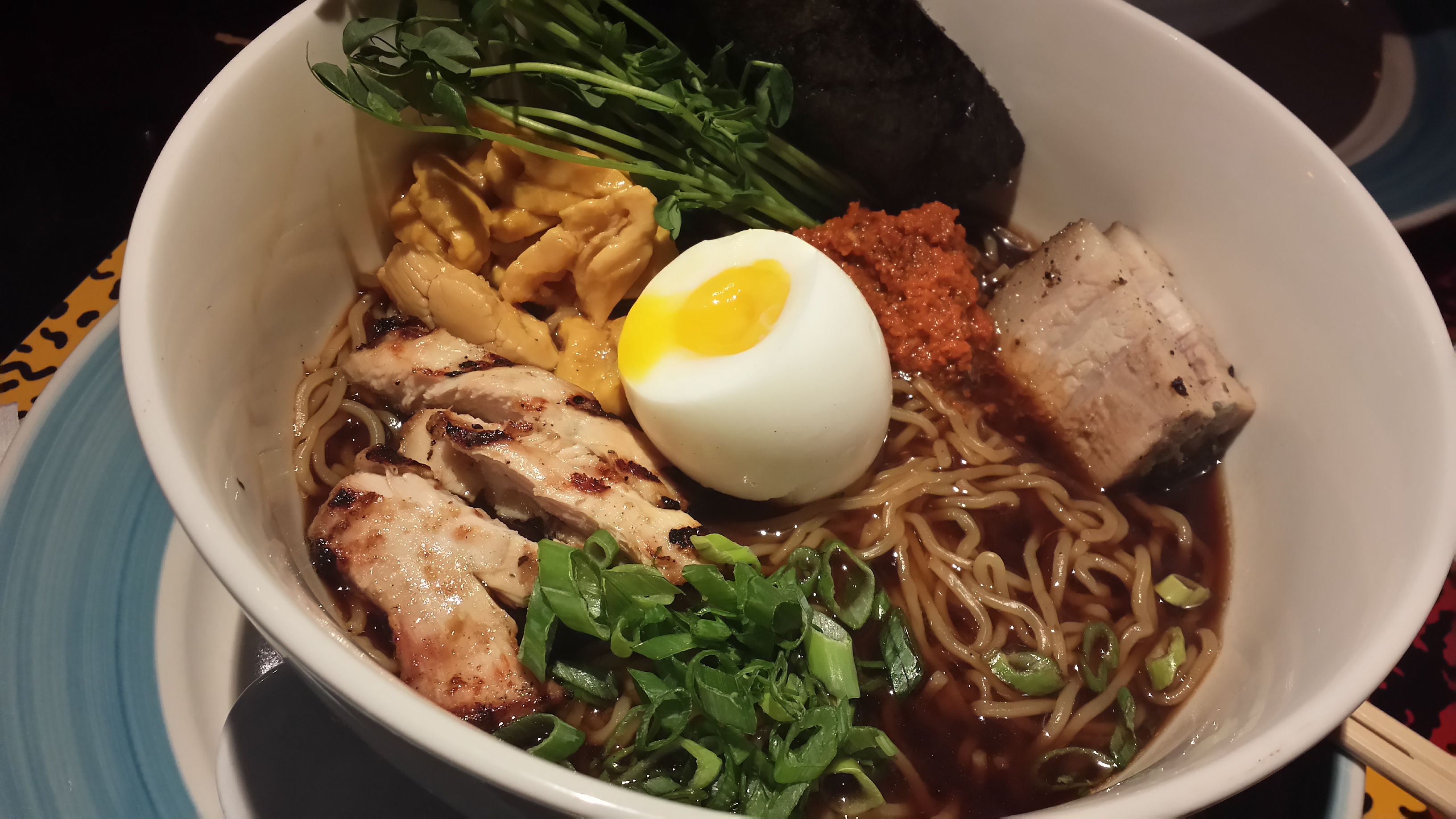
And Jamaican jerk chicken ramen (Miss Lily’s 9A):
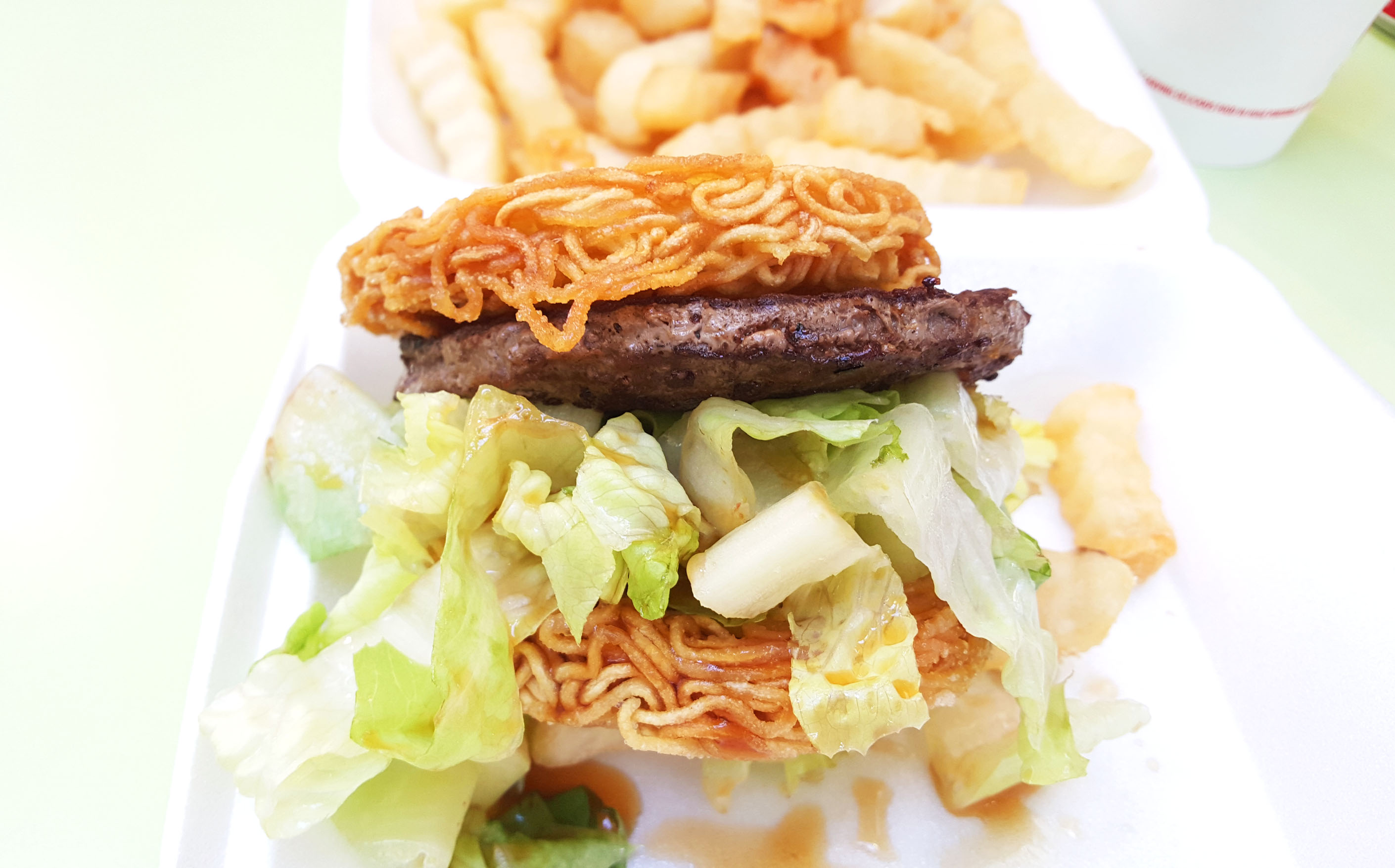
There are even ramen burgers (L&L Drive Inn, among others)…
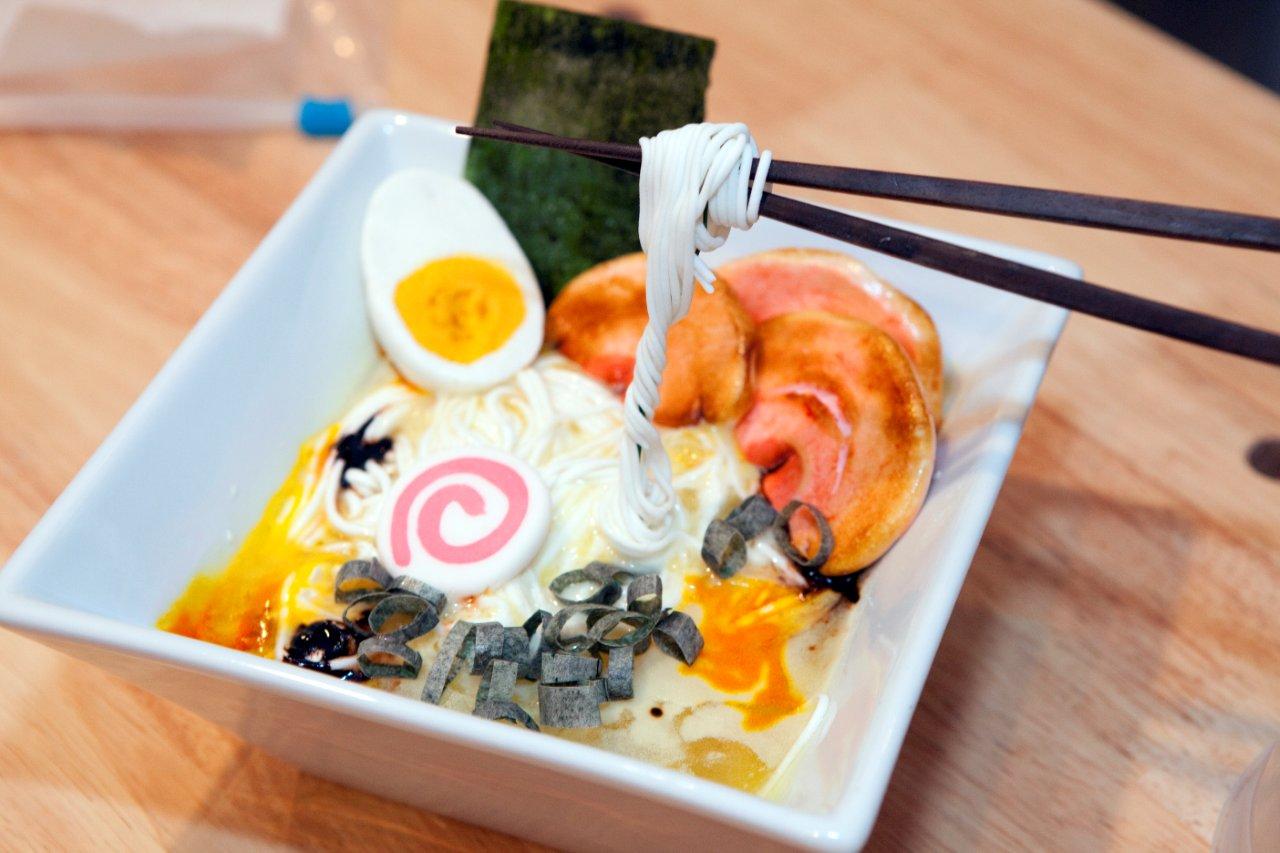
…and now ramen cake (courtesy of my wife, The Cake Dealer).
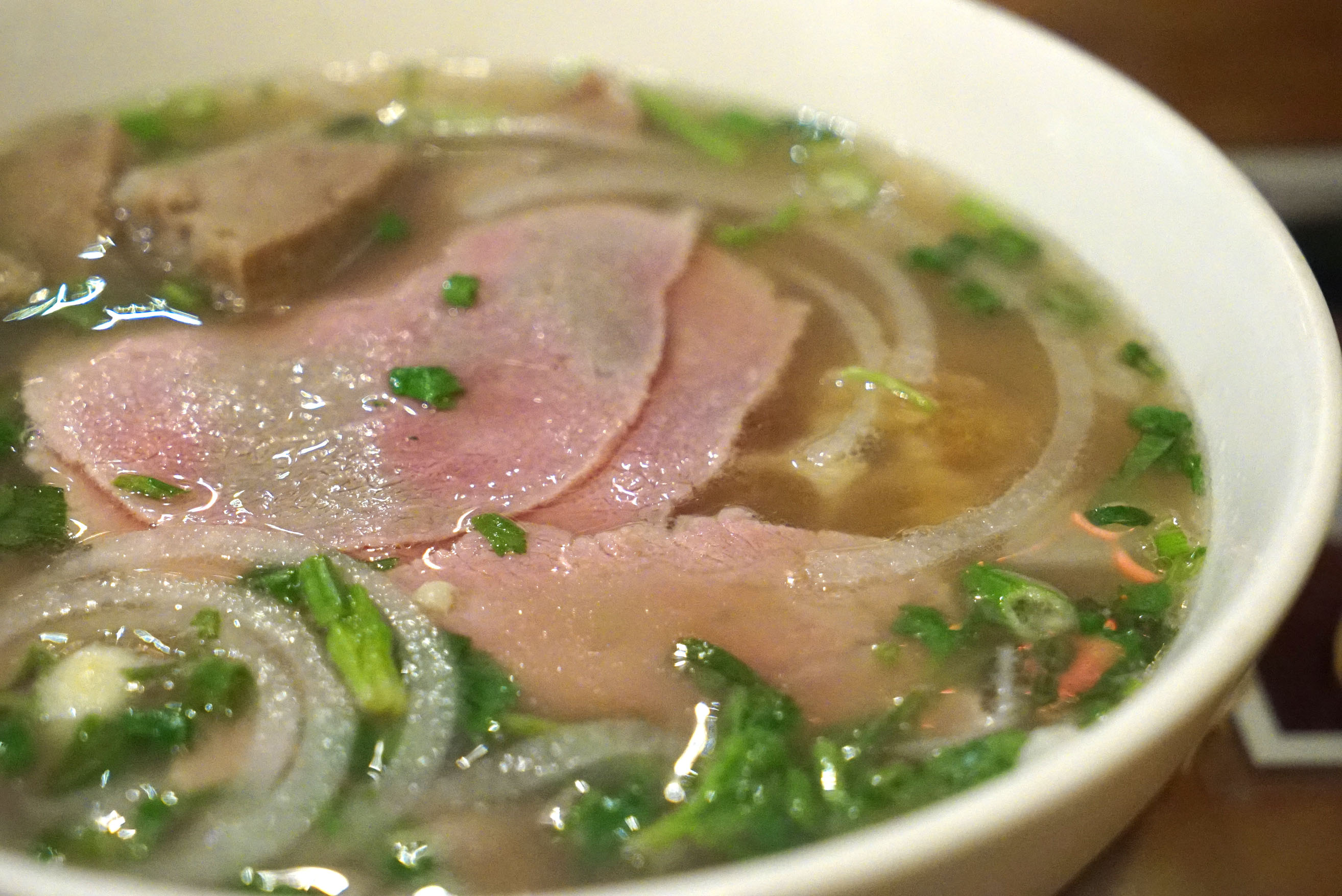
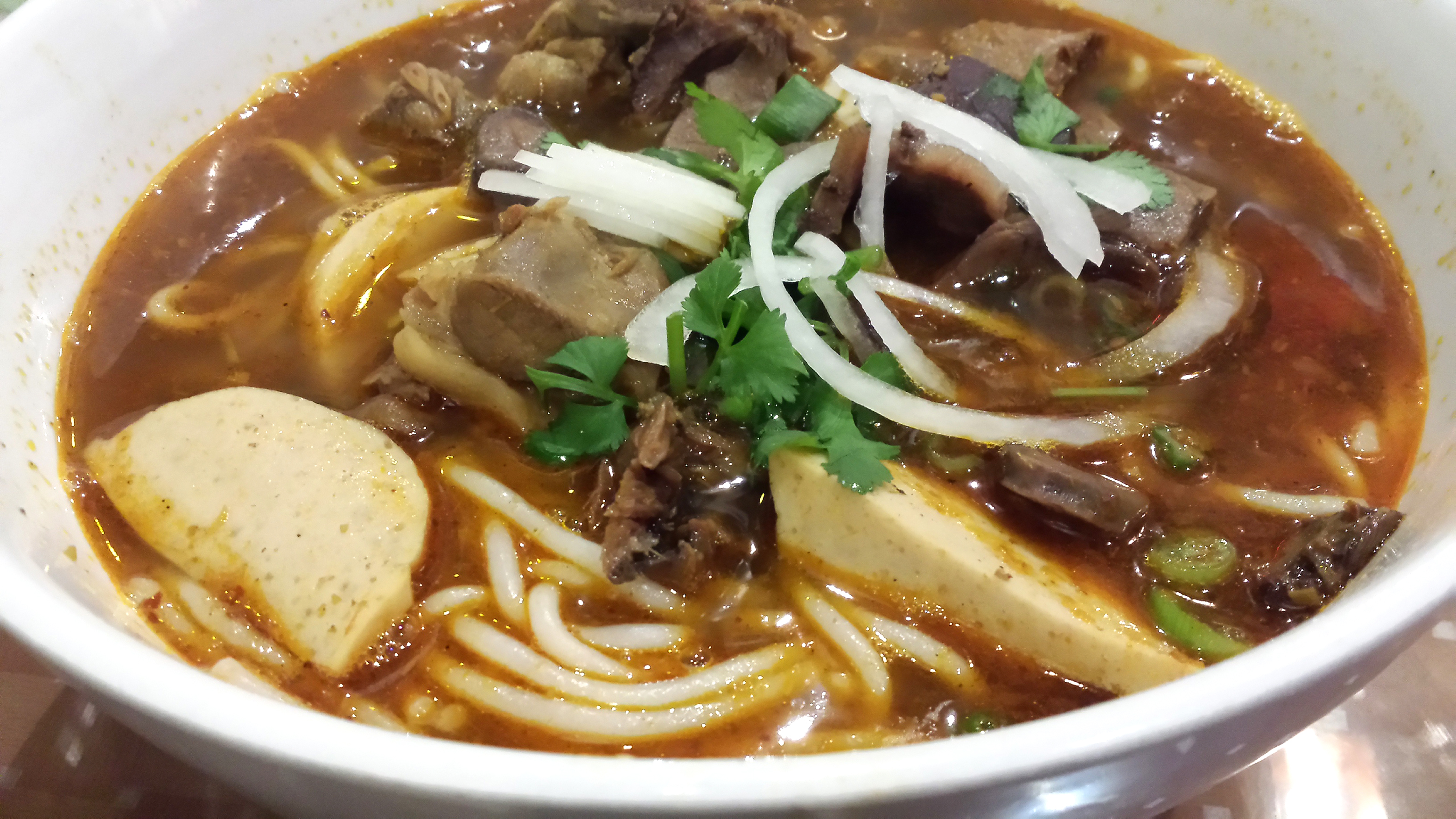
So that about does it here. If ramen isn’t your thing, but soup most definitely IS your thing, as a general matter, then there’s always pho, bun bo hue and laksa out there to soothe your hot soup needs in the cold winter weather that’s about to strike.
Mamasita

My wife and I ordered some take-out from this joint. It was a little pricey, but the food was pretty good. I imagine it would be much better at the actual restaurant, because at home, in the to-go containers, things were a bit messy.

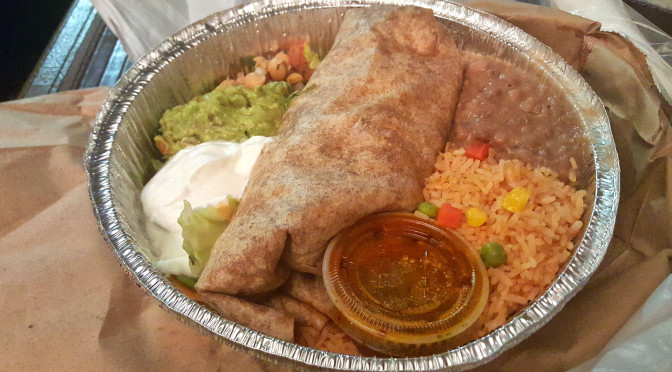
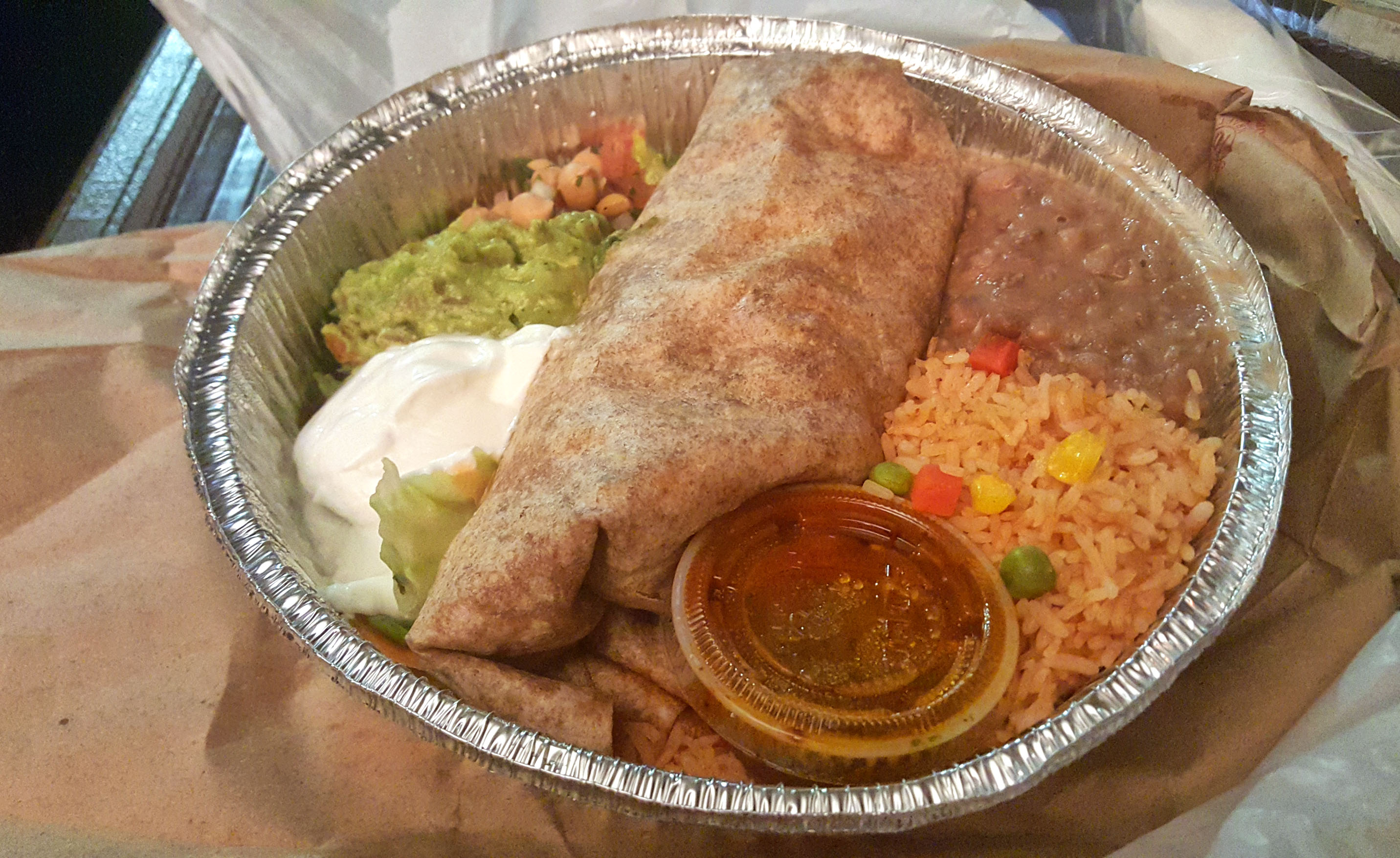
I got the chicken burrito, which was filled with a good amount of nicely grilled chicken, rice, beans, plenty of cheese, sauteed mushrooms and peppers, and a nice sauce.
20151206_201600

It came with refried beans and rice, as well as some lettuce, sour cream and guacamole.
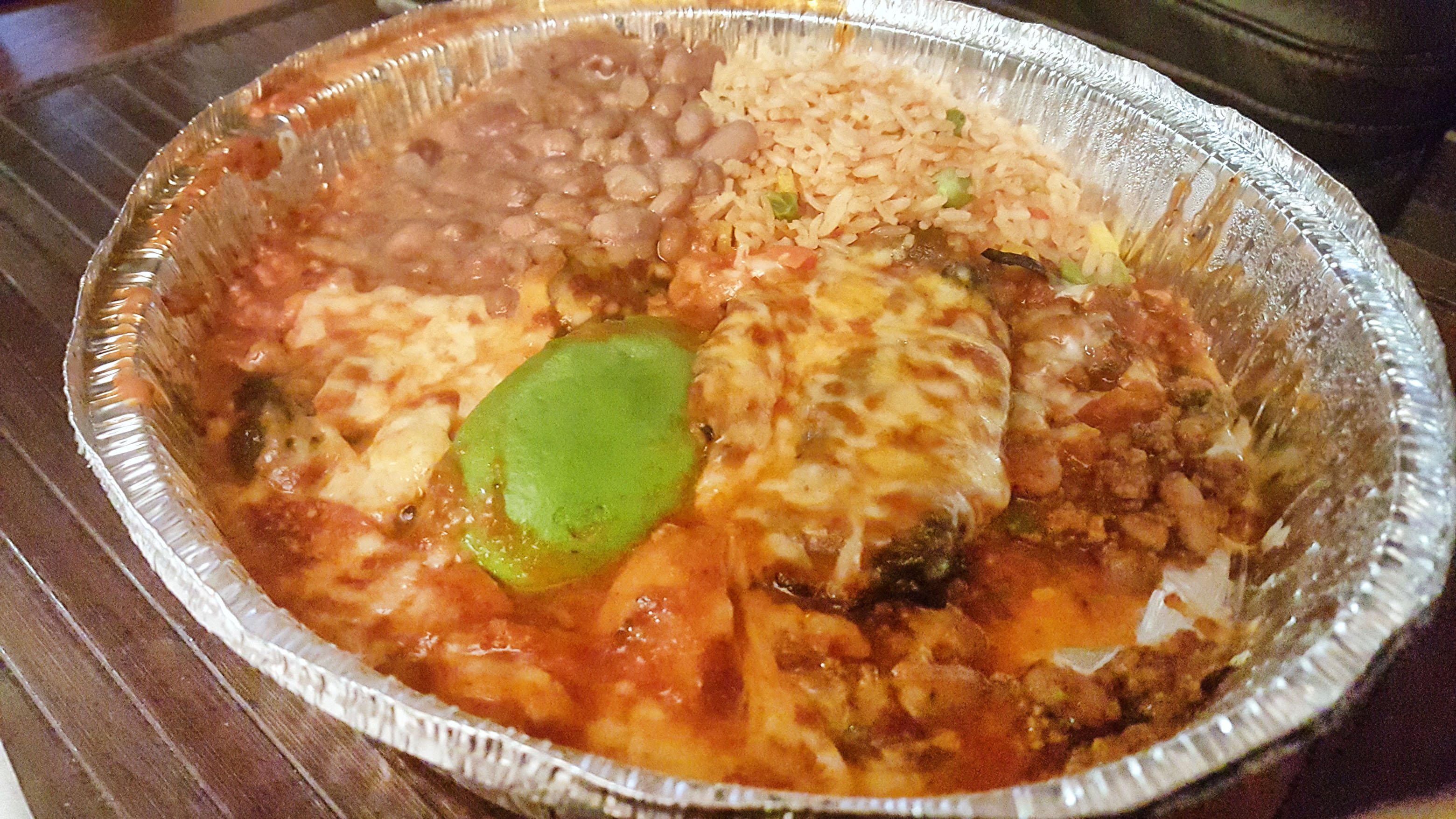
My wife had the chili rellenos dish. They came to us completely unassembled/unstuffed, but the components were all nicely cooked and tasty, all pepper skin was removed, and this, too, came with rice and beans. Doesn’t look like much, however.

20151206_201647

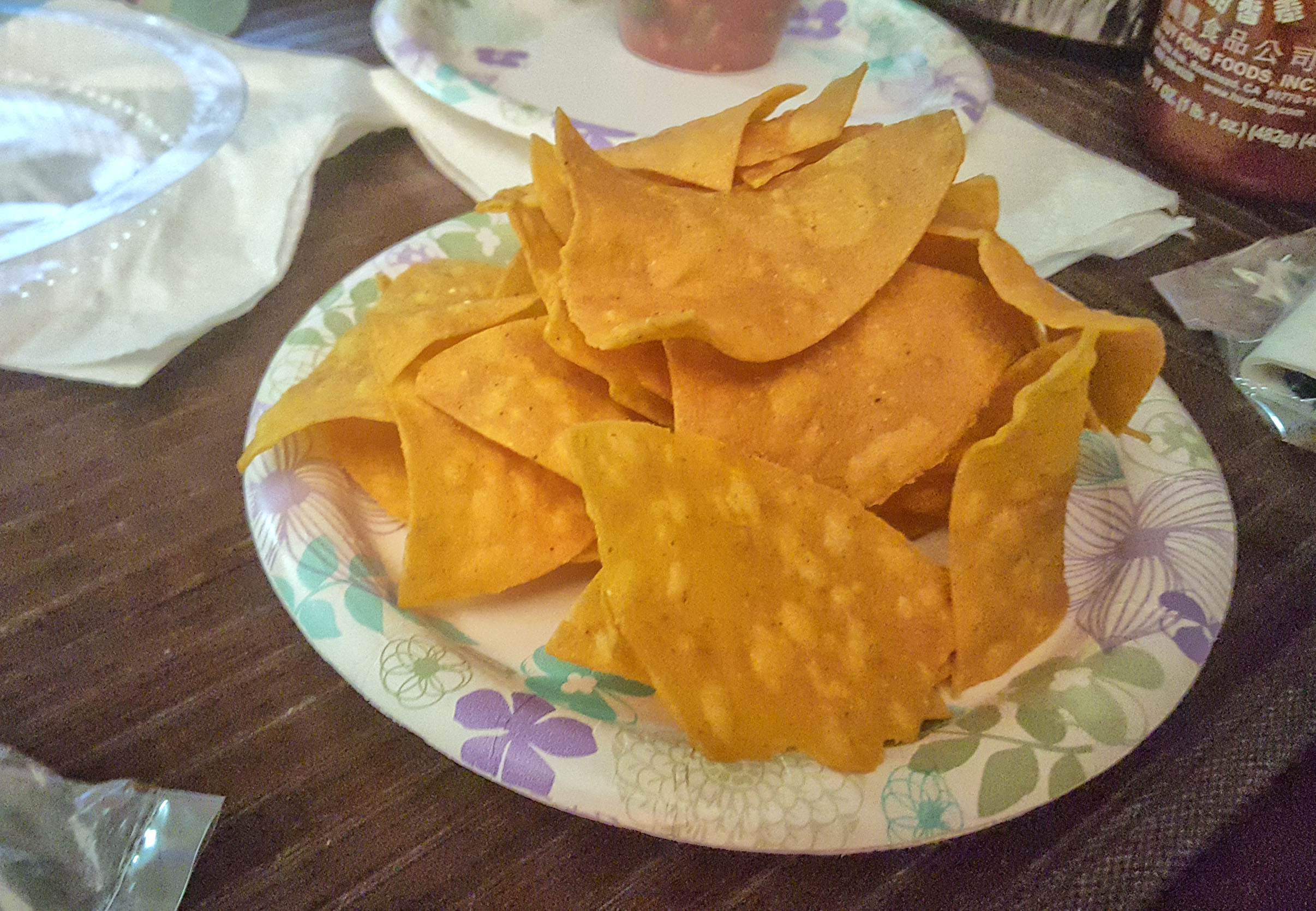
We even got some tortilla chips and salsa, as we would have, had we dined in the restaurant.

20151206_201609

MAMASITA
818 10th Ave.
New York, NY 10019

BONMi

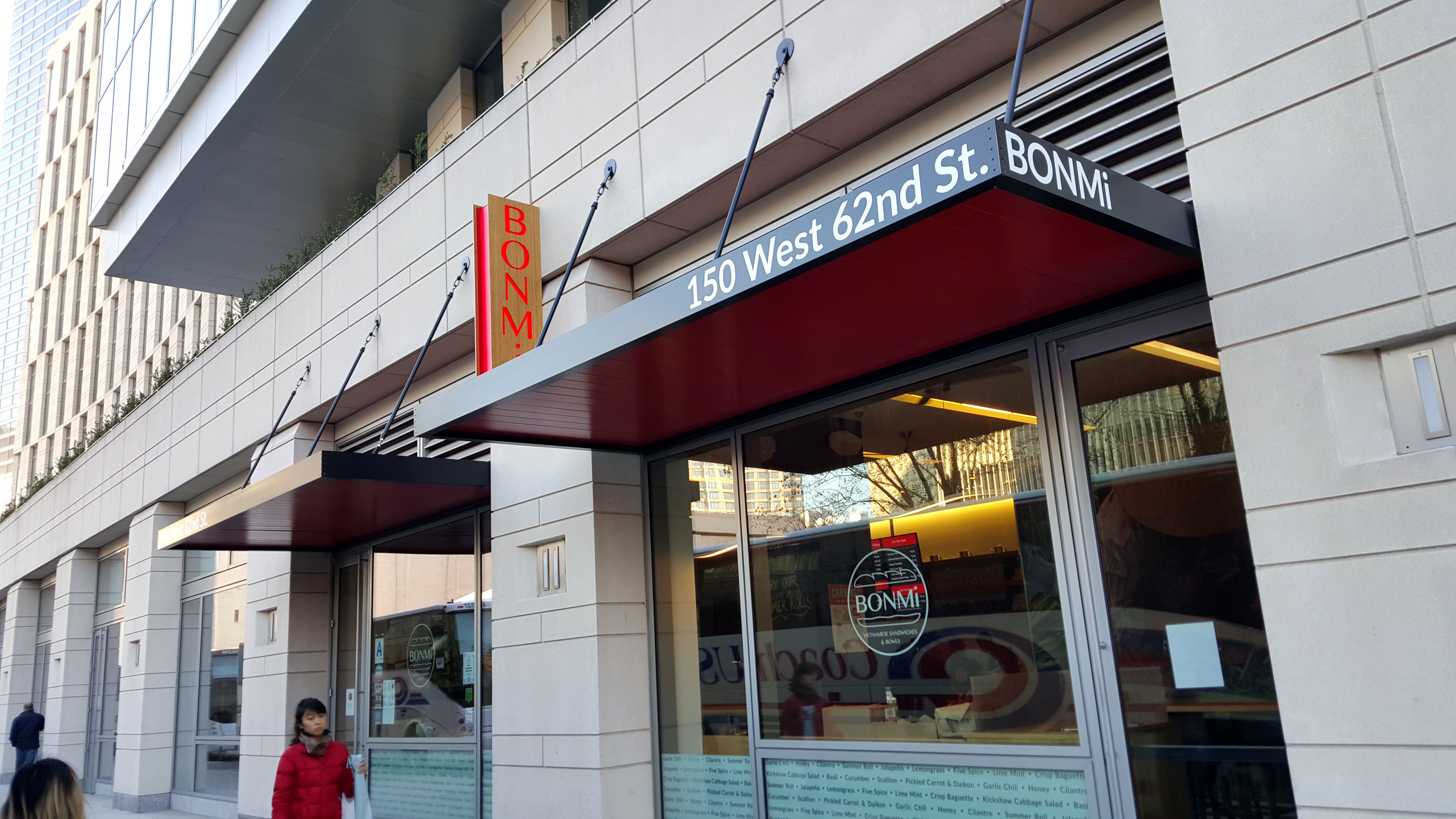
BONMi is a Vietnamese-ish soup, sandwich and breakfast joint that opened about nine months ago on 62nd between Columbus and Amsterdam.

20151206_131117

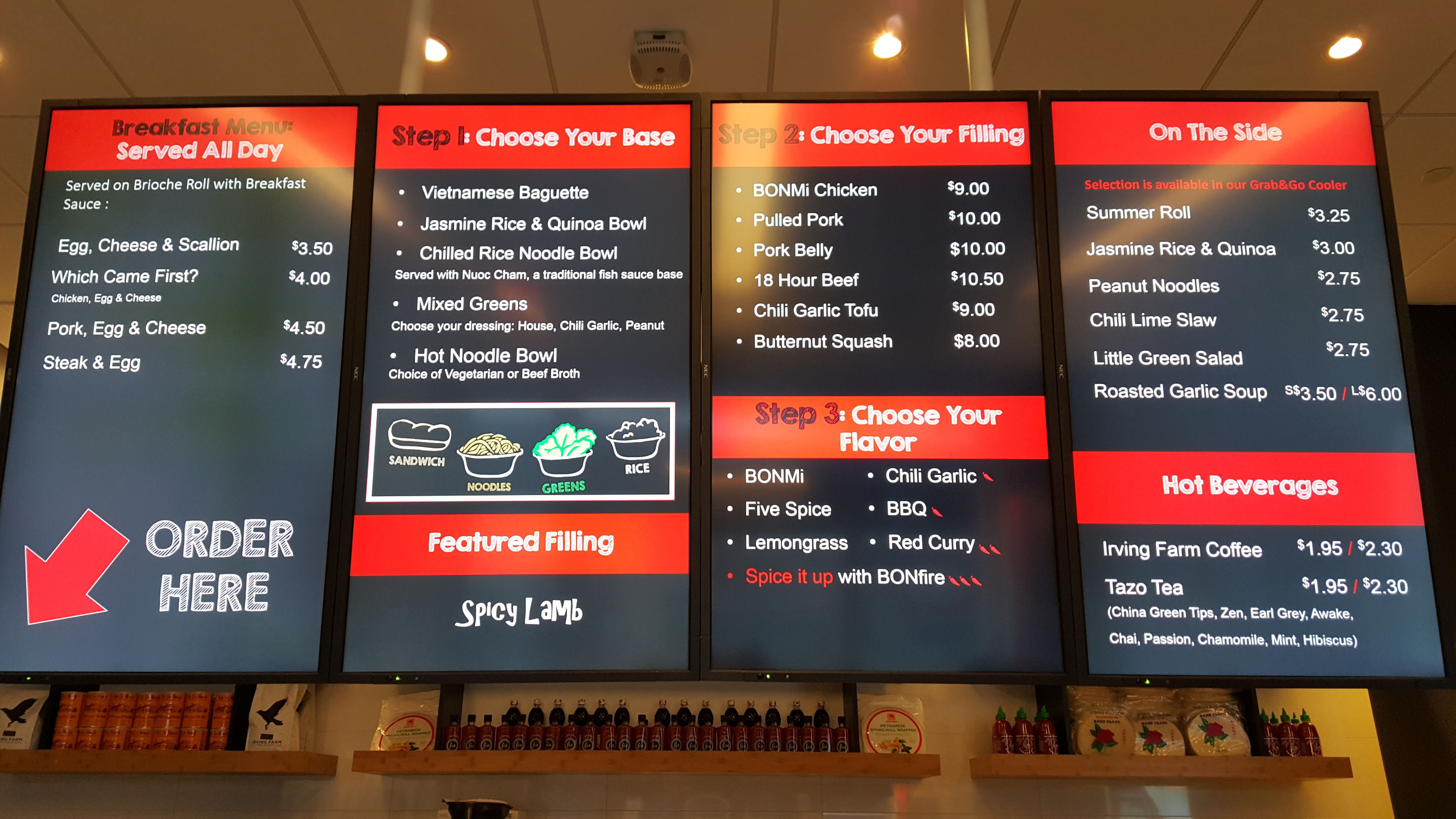
The menu is simple, fresh and straight-forward:

20151206_131217

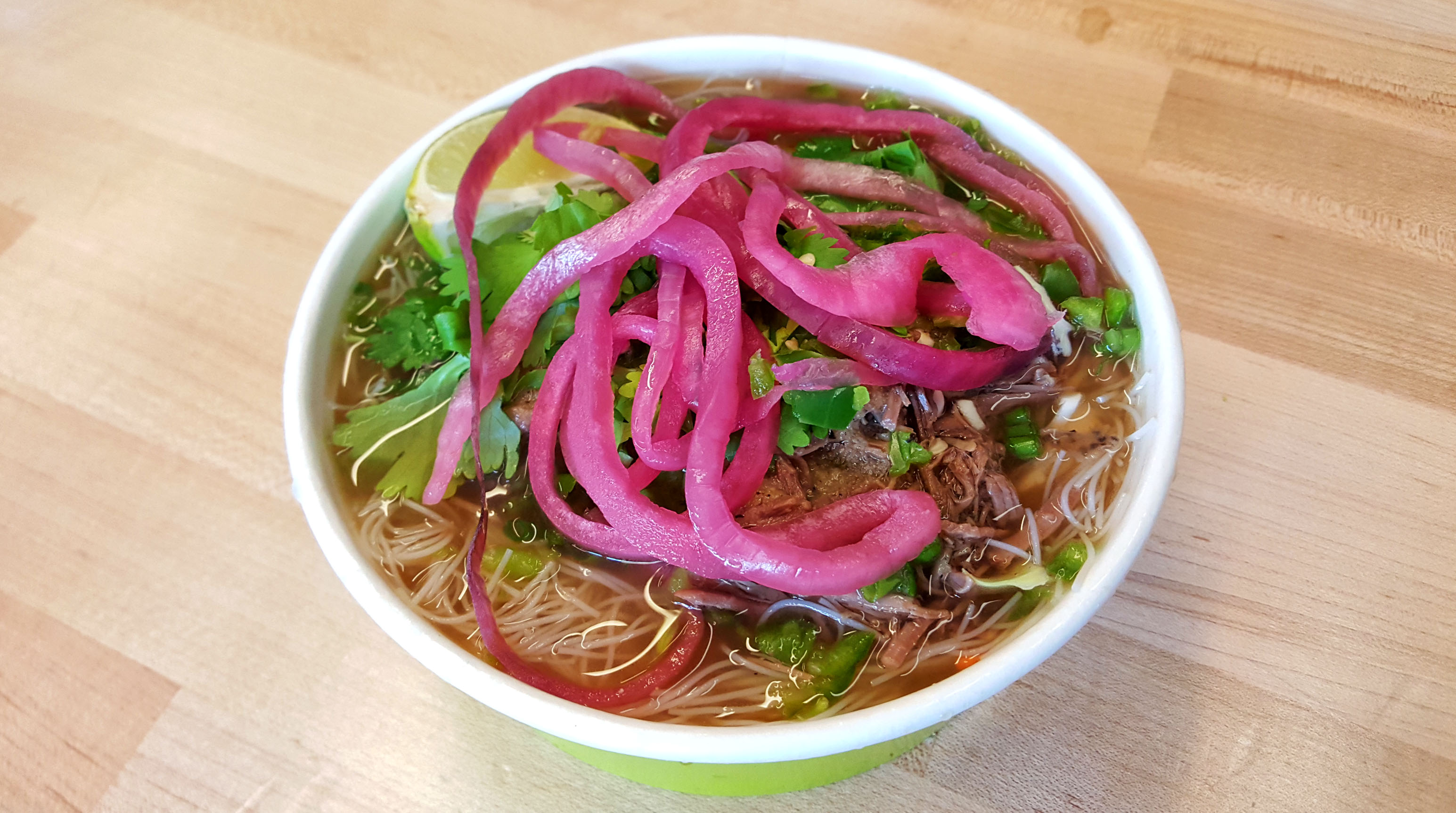
Unlike traditional pho, the soup here has very thin, rounded noodles, as opposed to wider, flat noodles. The broth is beef or veggie stock, and you can add a variety of meats as toppings. We went with 18-hour beef in beef stock, with a lemongrass sauce and everything but carrots on top. It was pretty good! Just don’t expect that robust pho flavor. This is more like a standard noodle soup than pho.

20151206_131929

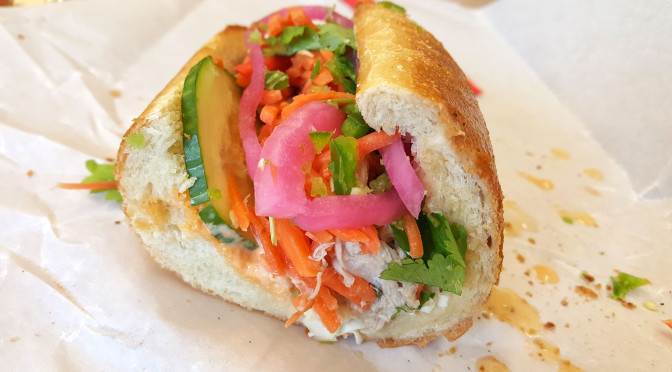
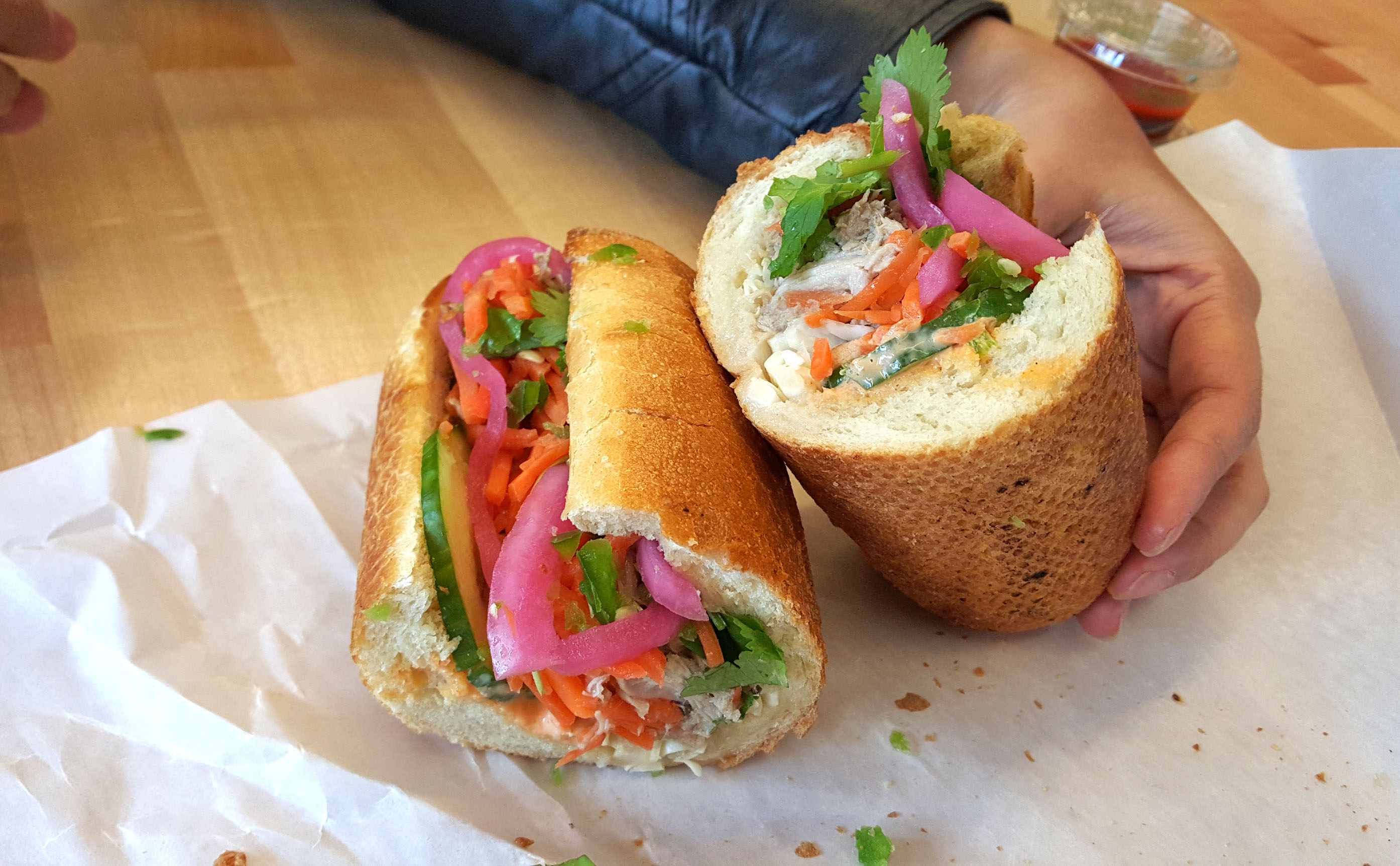
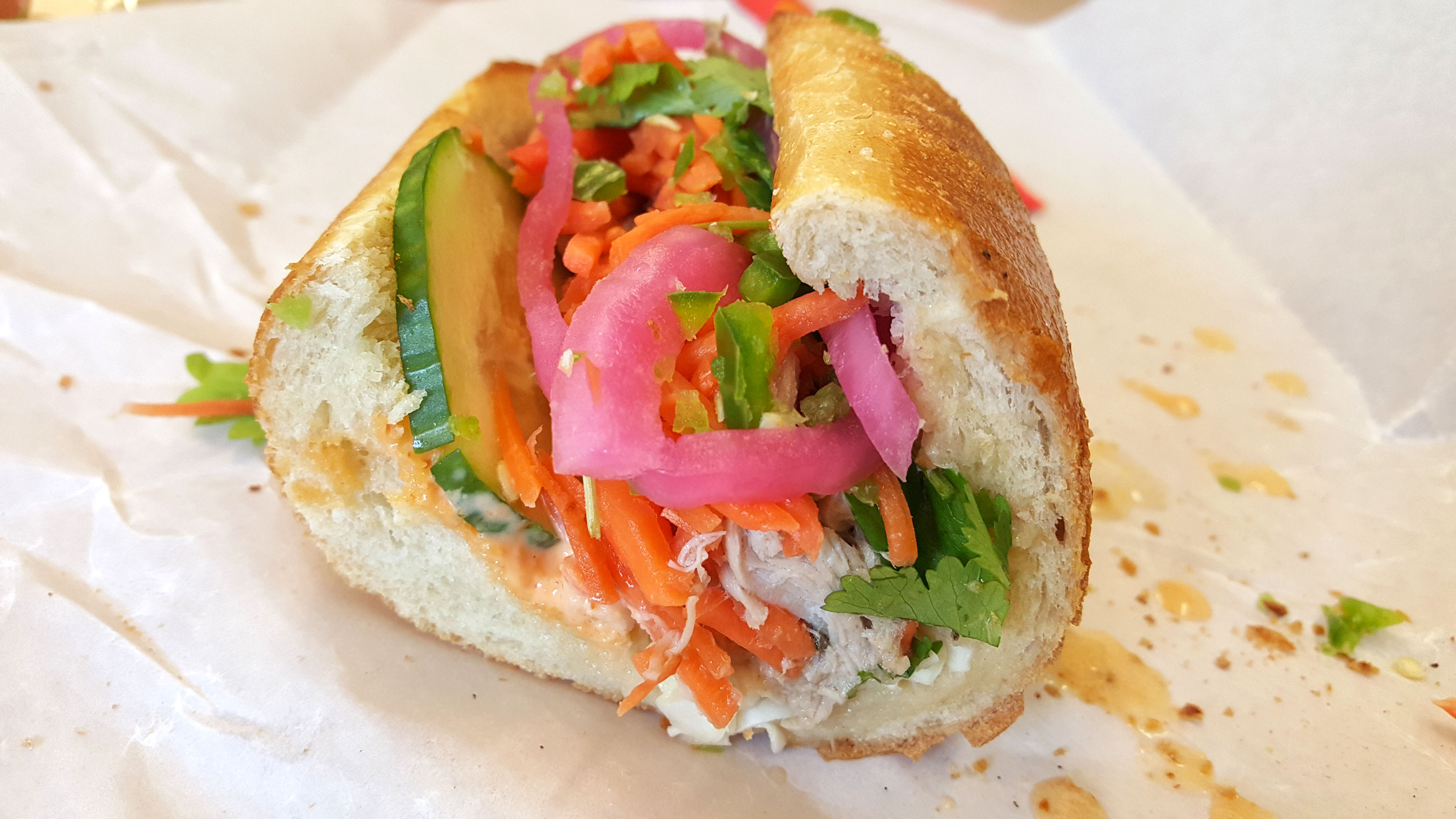
The sandwich, however, keeps it pretty real to banh mi. The flavor profile is similar, though not with exactitude, and the bread is good quality, crunchy, fresh French baguette style:

20151206_131852

It is a bit short on length for the price point, but it is packed to the gills with meat and toppings. This is the pork belly filling:

20151206_132356

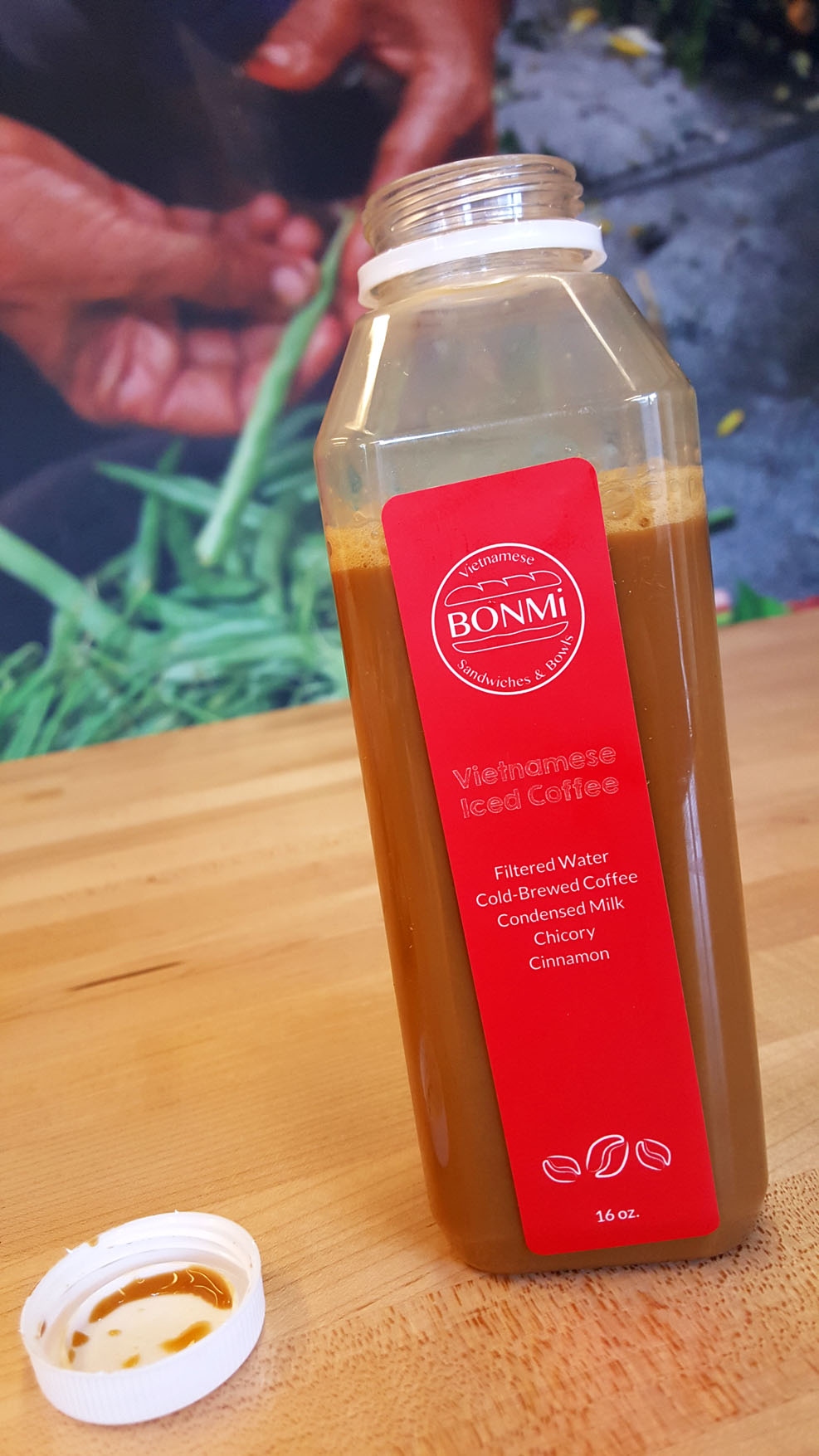
The joint also serves pre-made salads, summer rolls and other Vietnamese items, like this fresh brewed coffee:

20151206_132831

For all three items it was just over $22. Not bad, considering the quality was acceptable to me, and even passed muster with my wife (her heritage is Vietnamese, so she is naturally picky when it comes to anything claiming to be remotely Vietnamese). Give it a shot!

BONMI
150 W. 62nd St.
New York, NY 10023

Shredded Turkey Dry Ramen

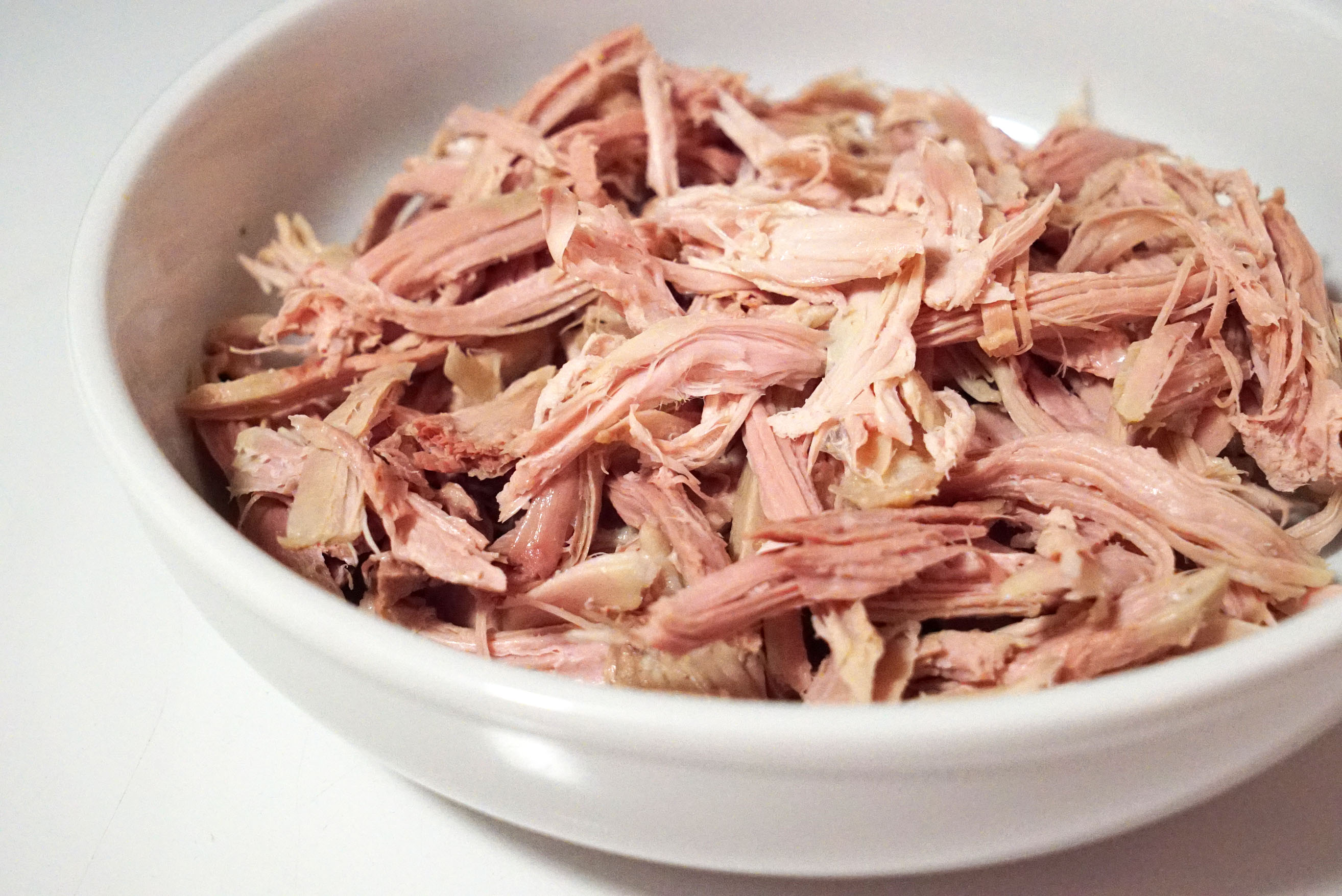
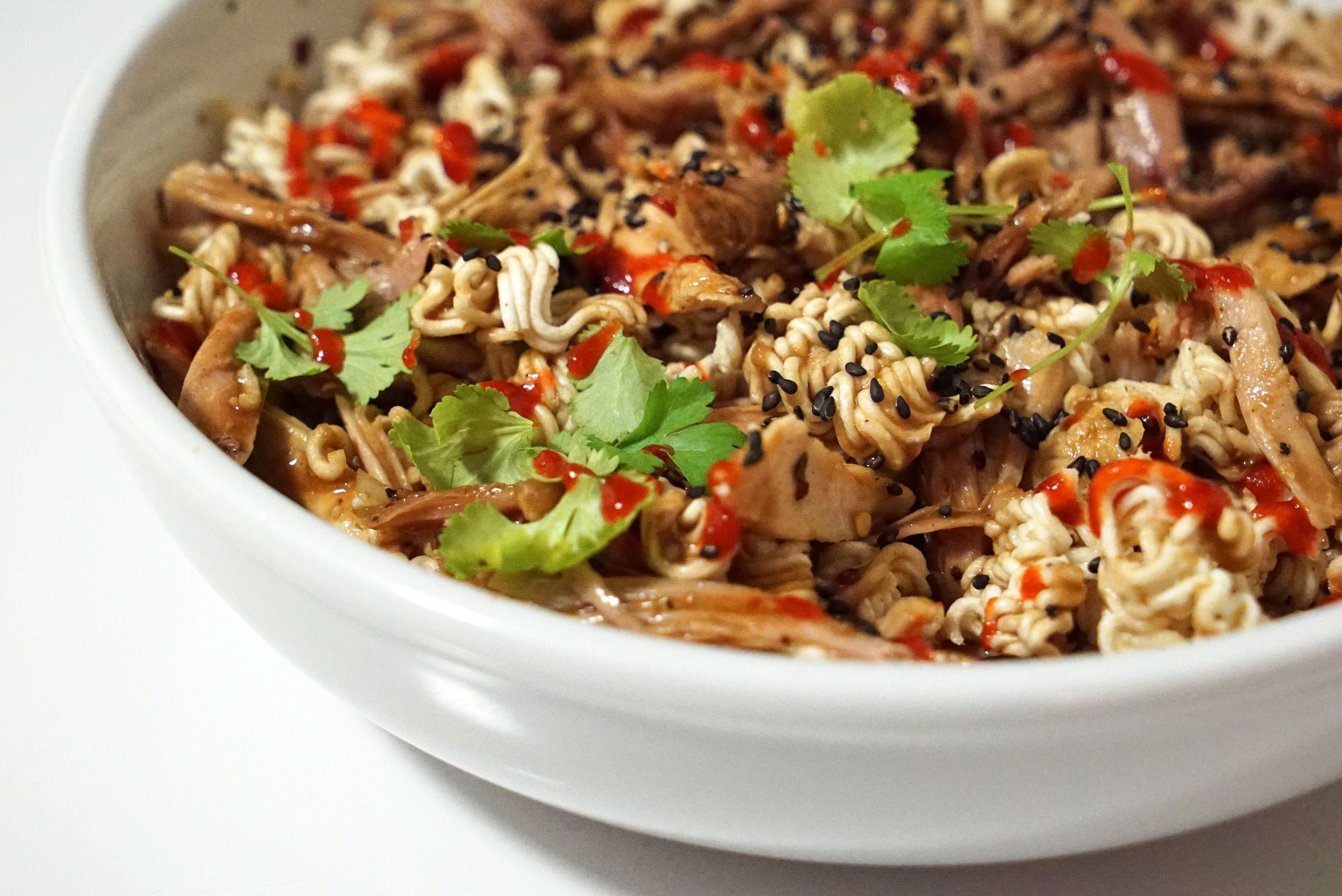
This Thanksgiving, I went a slightly different route with my leftovers. I grabbed a shitload of turkey and shredded it up, pulling it apart into bite-sized pieces. I heated that shit up.

DSC09299

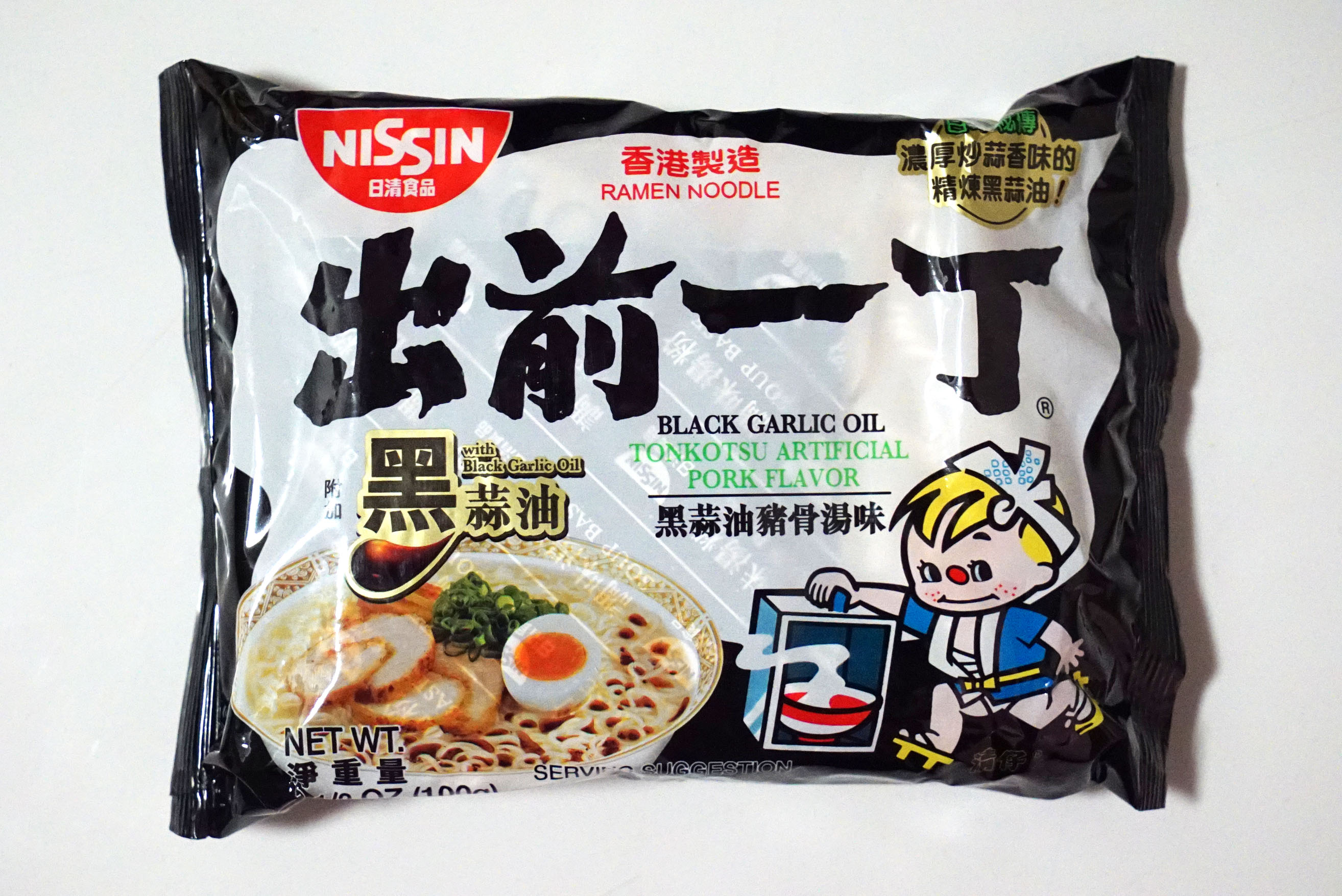
I took a packet of dry ramen noodles from the cabinet and crushed it up into small pieces.

DSC09300

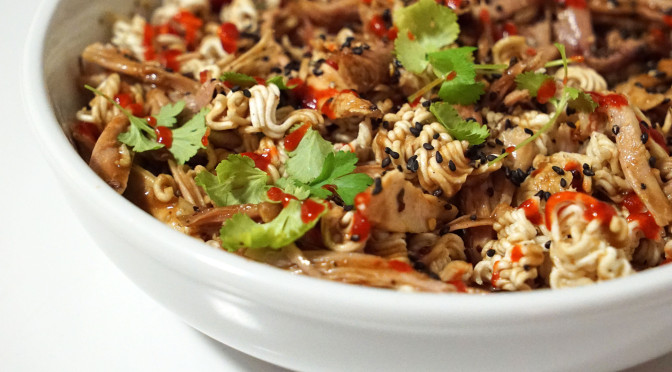
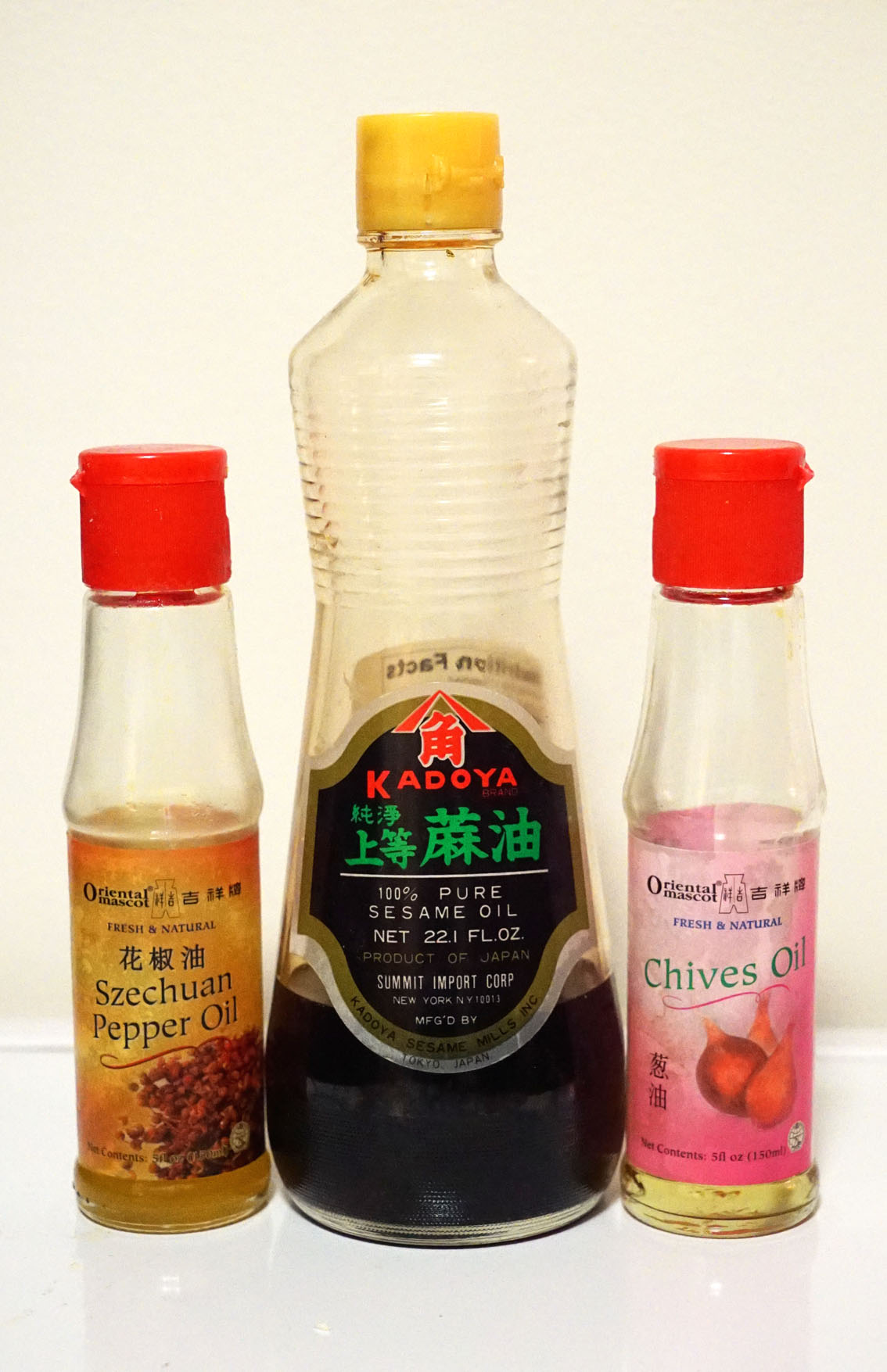
I used them as a topping, along with about half of the seasoning packet, and drizzled some oils into the mix as well (sesame, chive, chili, szechuan pepper).

DSC09302

I also heated up some of the remaining gravy and poured that over the top, and then finished with toasted sesame seeds, fresh cilantro, and some sri racha sauce.

DSC09306

Add some crushed peanuts and maybe some bean sprouts and you have a really delicious dish.

carnivore connoisseur