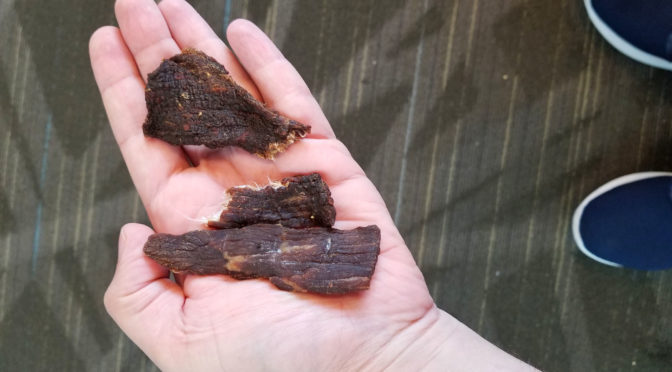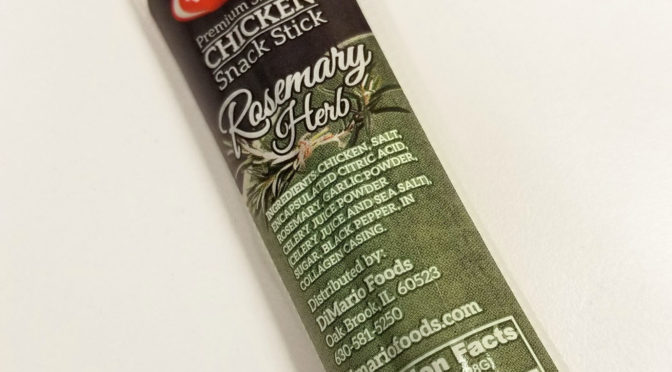
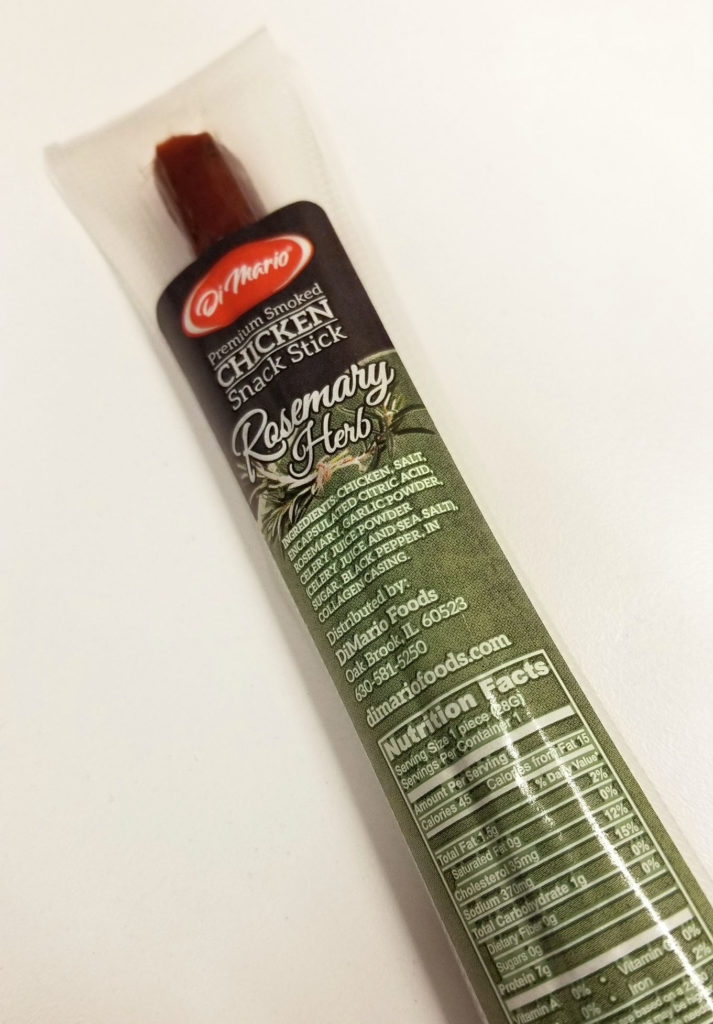
This is a pretty good sized snack for just 45 calories.
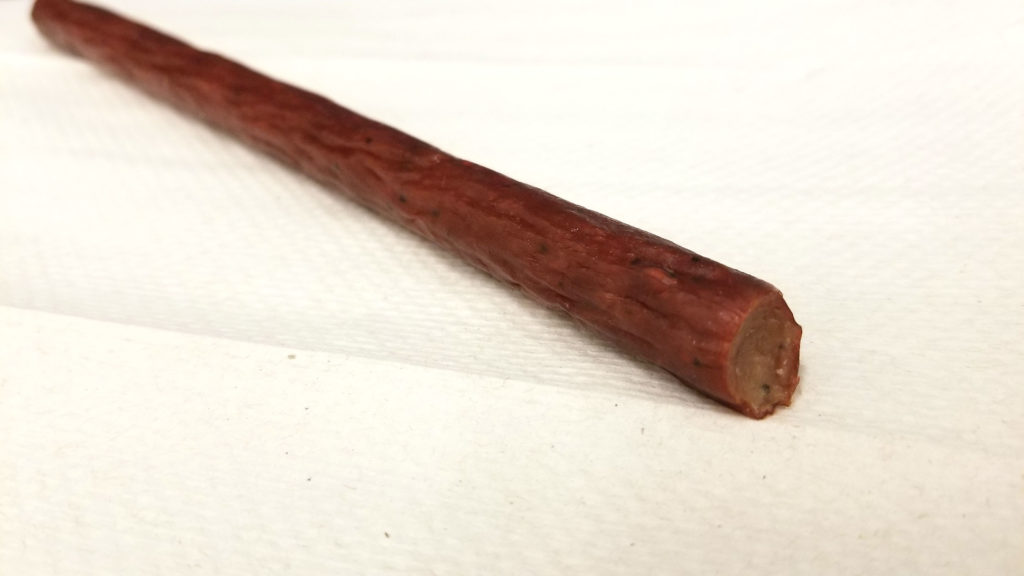
Not too salty, good texture, and the casing around it wasn’t too thick.
I would definitely eat this fucker again.

This is a pretty good sized snack for just 45 calories.
Not too salty, good texture, and the casing around it wasn’t too thick.
I would definitely eat this fucker again.
I took this bag of jerky down at the airport while my wife and I were waiting for a delayed flight.
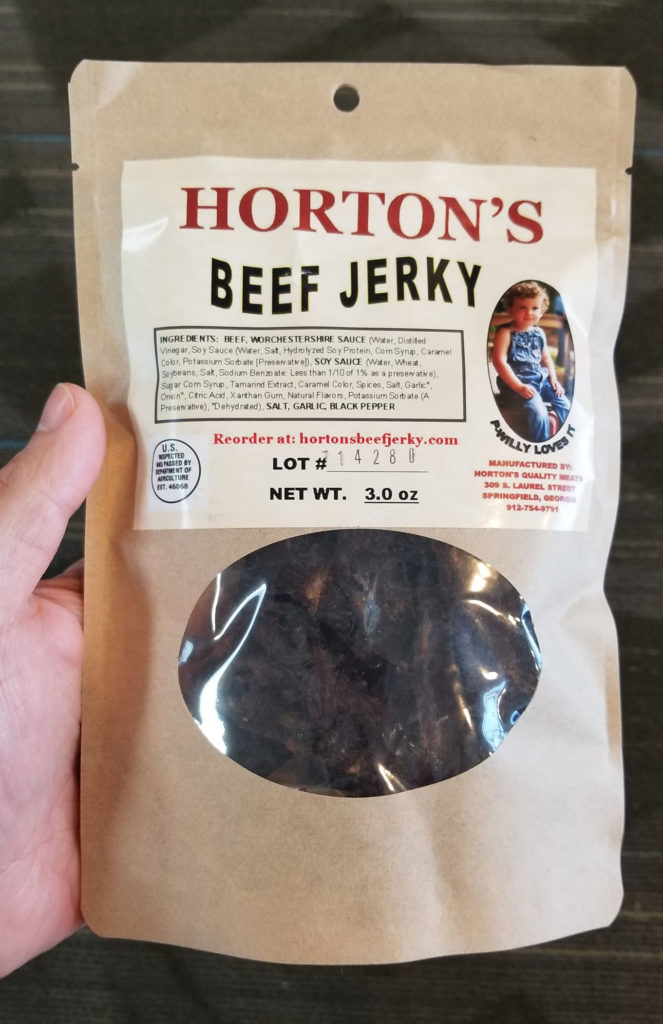
It was a bit tough, unfortunately. I think much of the meat was flank or skirt, which is fine, but it just wasn’t very tender and the fat didn’t soften up too much. It was kinda dry too, and made my jaw muscles hurt to tear and chew at it so much.
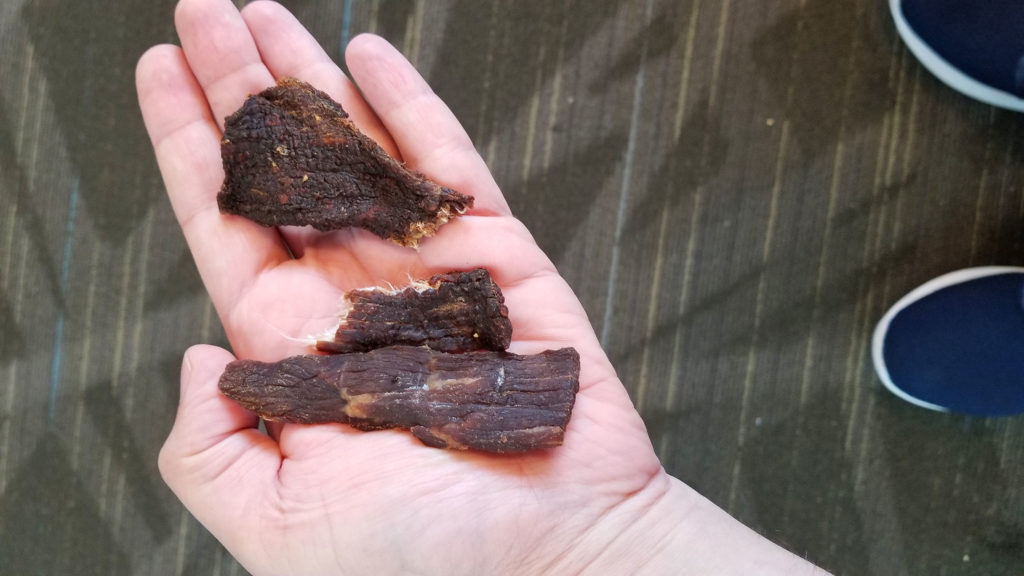
Anyway, I’ll carry the rest of this over from my Biltong USA review as well, just so you can see the pics and get the full context:
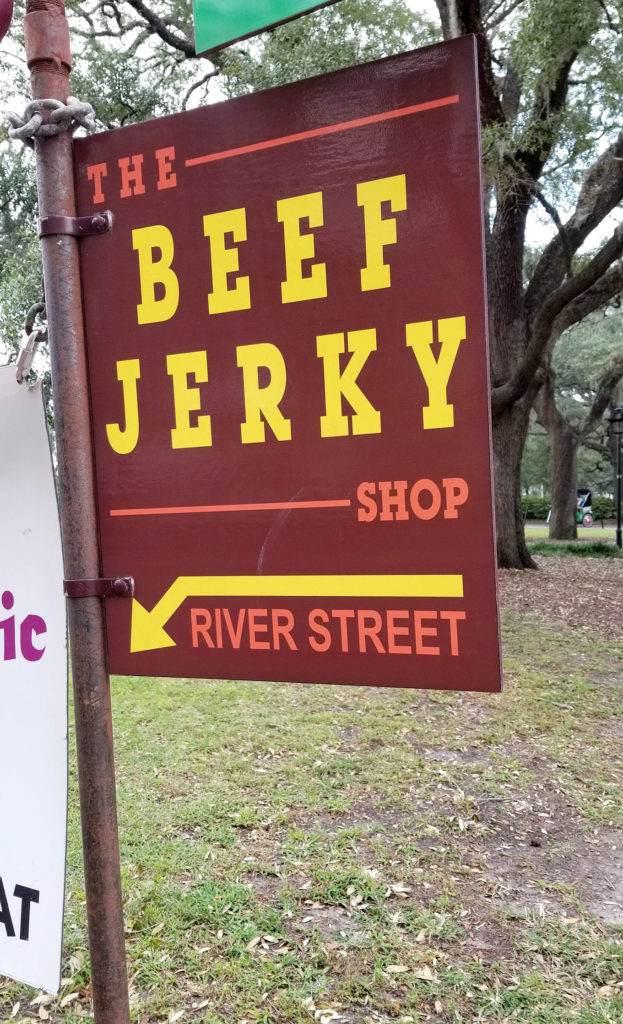
When my wife and I went to Savannah, we saw this sign and absolutely had to investigate.
It turns out they were selling a lot of Buffalo Bob’s products, and I’ve pretty much tried every single one of them already.
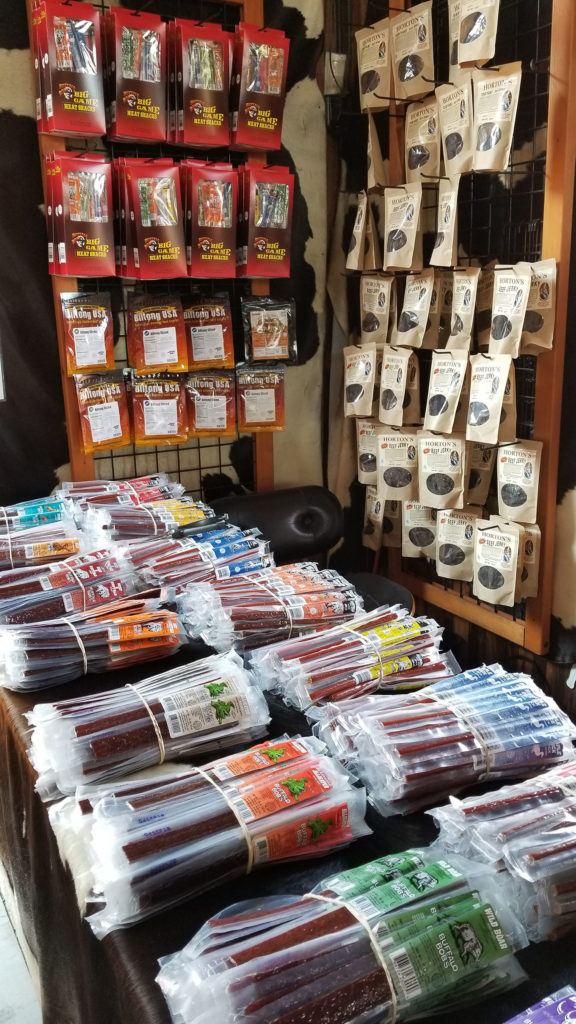
I was somewhat bummed until I saw two other meat snack brands that I hadn’t tried yet. The first was Biltong USA, and the second was this brand, Horton’s, which was local out of Georgia.
When my wife and I went to Savannah, we saw this sign and absolutely had to investigate.
It turns out they were selling a lot of Buffalo Bob’s products, and I’ve pretty much tried every single one of them already.
I was somewhat bummed until I saw two other meat snack brands that I hadn’t tried yet. The first was Biltong USA, and the second was Horton’s, a local brand out of Georgia.
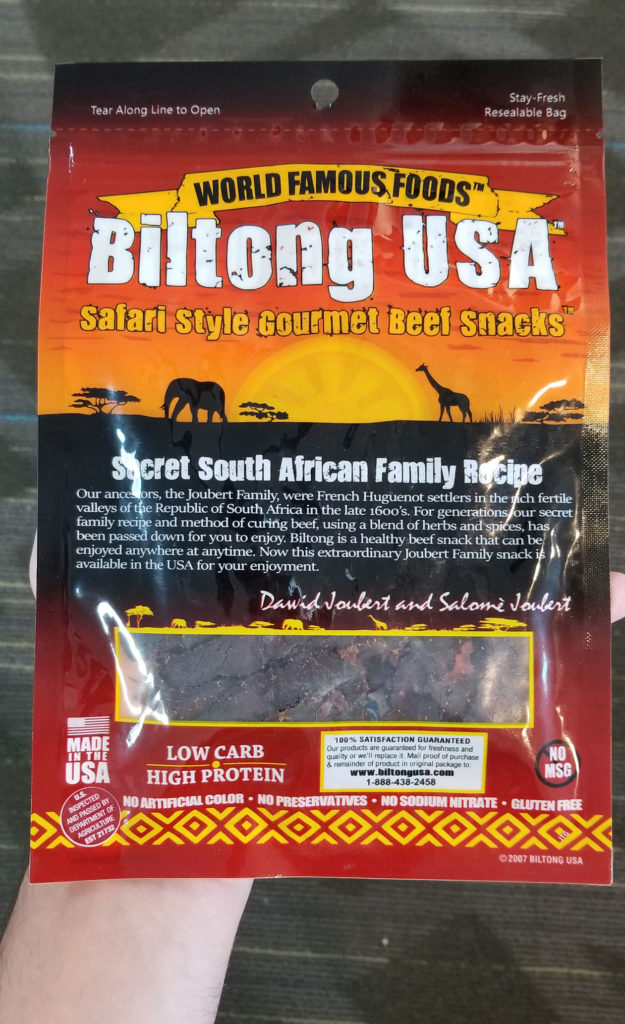
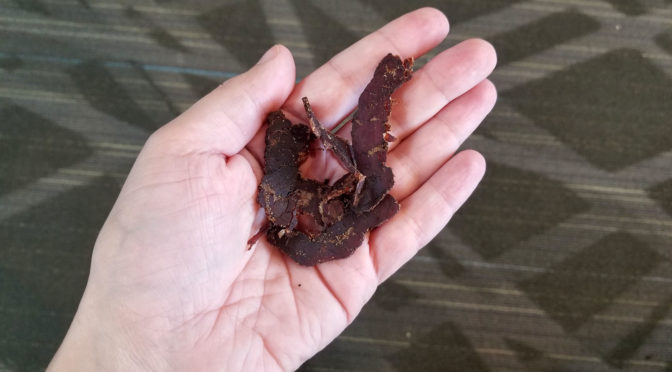
I had always been curious about Biltong, a popular African meat snack that is similar to beef jerky, only sliced differently. As you can see it is lived in such a way that makes for a more tender eating experience than many styles of jerky.
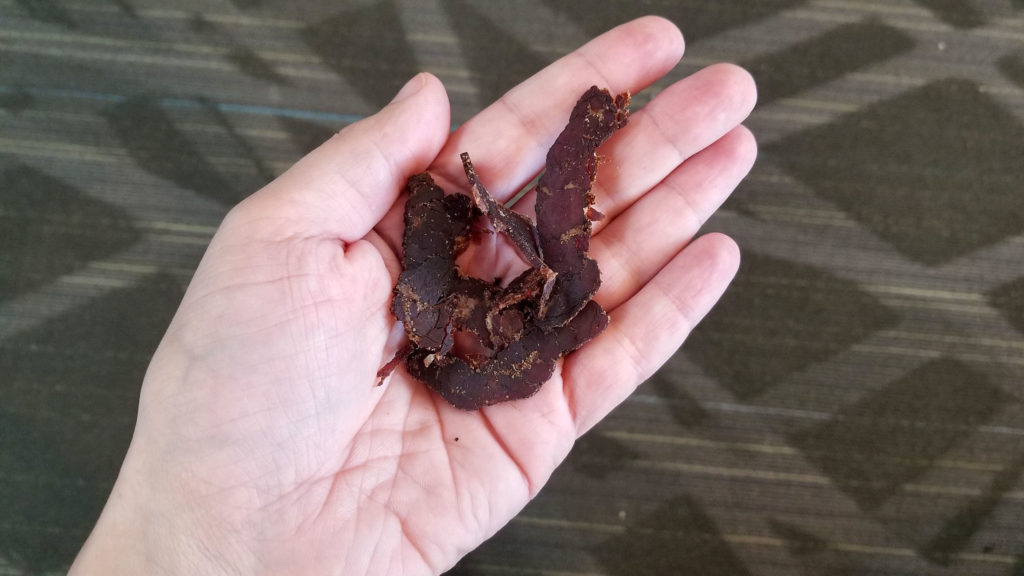
I really liked this product, and will definitely be buying it again in any flavors I can find. This one was garlic flavored. Delicious.
Like all great businesses, there’s usually a great story behind the success. Let’s take Strassburger Steaks, for example.
A girl brings her father a homemade sandwich to the family’s beef plant in the Bronx – I’m guessing roast beef with horseradish sauce on a nice crusty roll. There, she meets her future husband, who is working as her father’s right-hand man. Over 150 years later, that family still prides itself on the traditions of dedicated daughters and great steak.
Suzanne “Suzy Sirloin” Strassburger and her sister Andrea work with their father, who has passed down to them five generations of work ethic along with a successful and well-respected business. In the story above, the father is Suzy’s great-great grandfather, and the daughter is her great grandmother.
Suzy and Andrea’s own father, Peter “T-Bone” Strassburger, is an innovator and leader in the industry. He started boxed beef in New York (wholesale cuts of beef, like rib and loin, individually packaged and placed into boxes for shipping), and he educated many steakhouses on the virtues of aged beef. In fact, his family was the first to install an aging room in their plant.
Strassburger is no joke when it comes to quality. The company supplies meat to several of my top ranked steakhouses, including Angus Club, Keen’s, Quality Italian and Quality Meats. You may have seen the name gracing menus all over the place. Their brand is worth featuring.
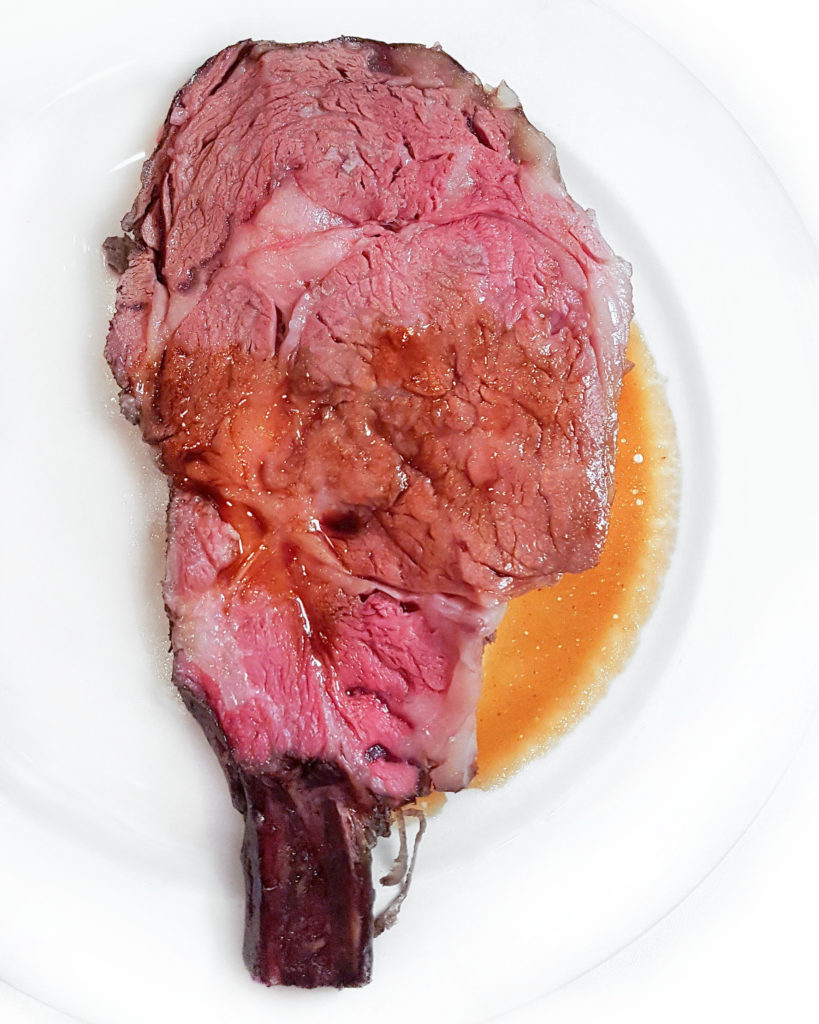
But in addition to supplying prime, dry-aged beef to high-end NYC restaurants, Strassburger also sells steaks online at the consumer level. And now Suzanne is also promoting her brand “Suzy Sirloin” to grocery stores around the city. With this venture, she is moving pork and all natural, hormone-free beef as a way to diversify. Smart!

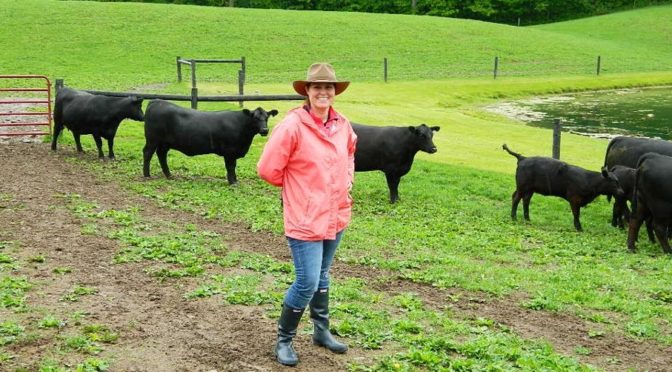
She has a knack for marketing, too. It’s not often you see a woman walking around Manhattan in a big straw cowboy hat, but that’s Suzy’s signature accessory, and it’s even featured as part of her “Suzy Sirloin” logo.

She has said that she wears the hat as a sign of respect to all the hard working ranchers that produce the beef she sells. Right on! I can get on board with that.
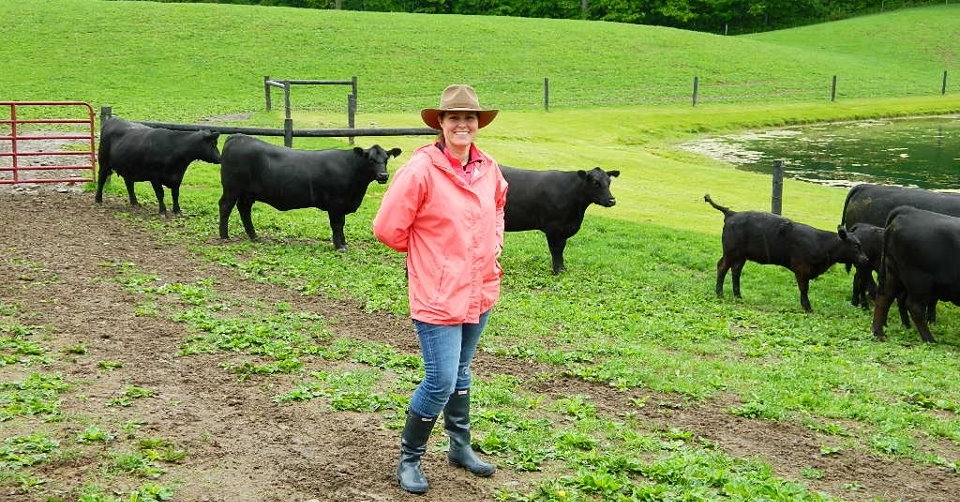
Suzy is also a fellow Masters of Beef Advocacy graduate and Top of the Class trainee, like me, so we both like to blab about the benefits of beef, both for society in general and as part of a well-balanced and nutritious diet. You can check out her blog here, but she also founded The Sirloin Report, to which I’ve linked in the past.
I had a chance to interview her on the phone. We started from a string of 10 questions, and chatted from there. Read on below and enjoy! I’ve done my best to distill our conversations down to all the best bits of information.
1) When did you realize you wanted to work in the meat business? Was it something you always knew you wanted to do, or did it take some time to grow on you?
I knew immediately that I wanted to work in the business from the age of three or four. I always thought it was cool that when I asked my dad what he did, he’d respond that he worked for Poppa [Suzy’s grandfather]. Any day off that I had from school, I would be at the family meat factory helping out, answering phones, anything I could do.
Suzy went to college and started working professionally at the company around age 24. She worked literally every job in the business; putting together boxes, packing the boxes, you name it. This allowed her to really understand the challenges faced by each employee. She even worked beside guys in the cooler who had been there since her grandfather was running the place.
Suzy talked a lot about her family’s five and six generations in the meat business (both of her dad’s parents had beef industry families), and a lot about her dad.
Suzy has had some great success, but she says that her dad is a tough act to follow. He had eight plants out west that produced 10 million pounds of beef per week. He was the first wholesaler to box beef and to dry age beef in NYC. He’s still working today at 78 years old, and he always encourages Suzy and her sister to work hard and keep learning. In fact, Suzy went back to school this year and is enrolled in a program at Harvard business school. She’s always staying current and continuing to learn.
2) What is a typical day of work like for you from start to finish?
My work changes from day to day depending on where the business needs me. Some days I’ll be buying, other days selling. I’m also the business’ problem solver, so I have to make sure that everything is coming together and running smoothly.
3) What are some of the challenges and rewards you experience working in this business?
While the work was more challenging when I was younger, assembling the right team and having the right people around really helped. My sister runs the most challenging aspect of the business, which is collections. As for the most rewarding aspect? Enjoying a delicious steak at a client’s establishment.
4) I know you supply one of my favorite restaurants, Keens, with its beef. Do you also supply them with their legendary mutton?
Suzy does not supply Keen’s with their mutton. She deals exclusively in beef.
5) How do your foodservice clients choose their beef? Do they rely on your selection, or do they choose the cuts themselves?
Both. Some clients wish to choose everything, while others have developed long and trusting relationships with my family and rely on our expertise.
Suzy also explained that this loyalty and trust goes in the other direction too, from her to her beef suppliers. When times get tough and beef is hard to come by or expensive, Suzy has long standing relationships in place that allow her to still get her hands on the best supply.
6) Do you find that your clients and customers are well versed in beef nutrition, safety and the various niche labels, or is that something about which you constantly have to educate?
Suzy is constantly educating people about beef. She and I both went through the MBA and Top of the Class programs with the NCBA, so she, like me, is constantly providing useful information to people, both client and consumer alike. But there’s one thing she likes to say about food safety:
Buy it cold, serve it hot and keep it clean!
7) Is there a particular region of the country or breed of cattle from which you like to source your beef? I know food trends are pushing hard for “local” products, but doesn’t the best quality beef come from the Midwest and Texas?
Suzy supports ranchers and farmers from all over. She tries to make sure the client is happy. Whatever the client wants to serve at their restaurant, she will help to make it happen.
8) How often do you interact with farmers, ranchers, and other producers before the beef gets to your operation?
The reason Suzy wears her cowboy hat all the time is because she believes that beef and her business is ultimately all about the ranchers and farmers. She visits ranches and farms often, and many of her close friends are ranchers, farmers and butchers. She surrounds herself with people who are working with the animals daily. Not only does Suzy understand what goes into beef production, but she respects the process and doesn’t take for granted what these hard working families do for the American food supply.
9) I’m a big fan of dry-aged beef. Do you find that any particular cuts take to this process better than others, and are there amounts of time that are too long or too short for producing good flavor?
We dry age middle meats like shells [bone-in strip loins], short loins [porterhouses and t-bones], and ribs. We typically age them for three to four weeks, but it really depends on what the customer or client wants.
After we chatted for a bit about her family’s important role in the world of dry-aged beef, Suzy astutely pointed out that no two aging rooms are alike. The way the beef turns out all depends on how often people walk in and out of the room, the air circulation, the lighting, temperature, humidity, etc.
10) What’s your favorite cut of beef and why? Grilled, smoked, or seared in a pan? And how often do you eat beef in any given week?
A grilled, prime, boneless New York strip steak is my favorite. And I eat beef 14 times a week.
WOW! Now that’s impressive!!!
If you don’t already know about Delmonico’s, then you’re missing out. For over a decade, I’ve gotten pissed off every time I’ve seen TV shows or news articles about steakhouses (both in NYC and throughout the country) that discussed a whole bunch of mediocre places without Delmonico’s even so much as being mentioned. I’m happy to see that trend is finally changing, and people are waking up.
Not only is this joint serving up some of the best steaks in town, but they were first. Yeah. That’s right, Peter Luger fans. This place was the first fine dining restaurant in America, opening its doors in 1837. They invented the “Delmonico” Steak (a boneless rib eye) and Delmonico Potatoes, obviously. But they also invented Chicken a la King, Baked Alaska, Lobster Newberg, Egg’s Benedict and Manhattan Clam Chowder.
It’s one thing to be first or to have been around a long time, but it’s quite another to be consistently top notch. While I’ve only been getting down on steaks for this blog for about six or seven years, I can honestly tell you that they’ve always been a top choice favorite of mine, sitting comfortably in my top three to five steakhouses for the entire time. Right now they are first on the leader board, at 97/100 points. The 45-day dry aged rib eye is one of the best steaks I’ve ever eaten, and their bacon is hands down the best in the city. My full review base on several visits is HERE.
But anyway, on to the point of this article.
This month Delmonico’s is celebrating its 180th year in operation. Starting on 9/14 they’re offering 180-day dry aged bone-in rib eye steaks to mark the occasion. They’re being served on keepsake plates that you get to take home, featuring the artwork of New Yorker cartoonist John Donohue.
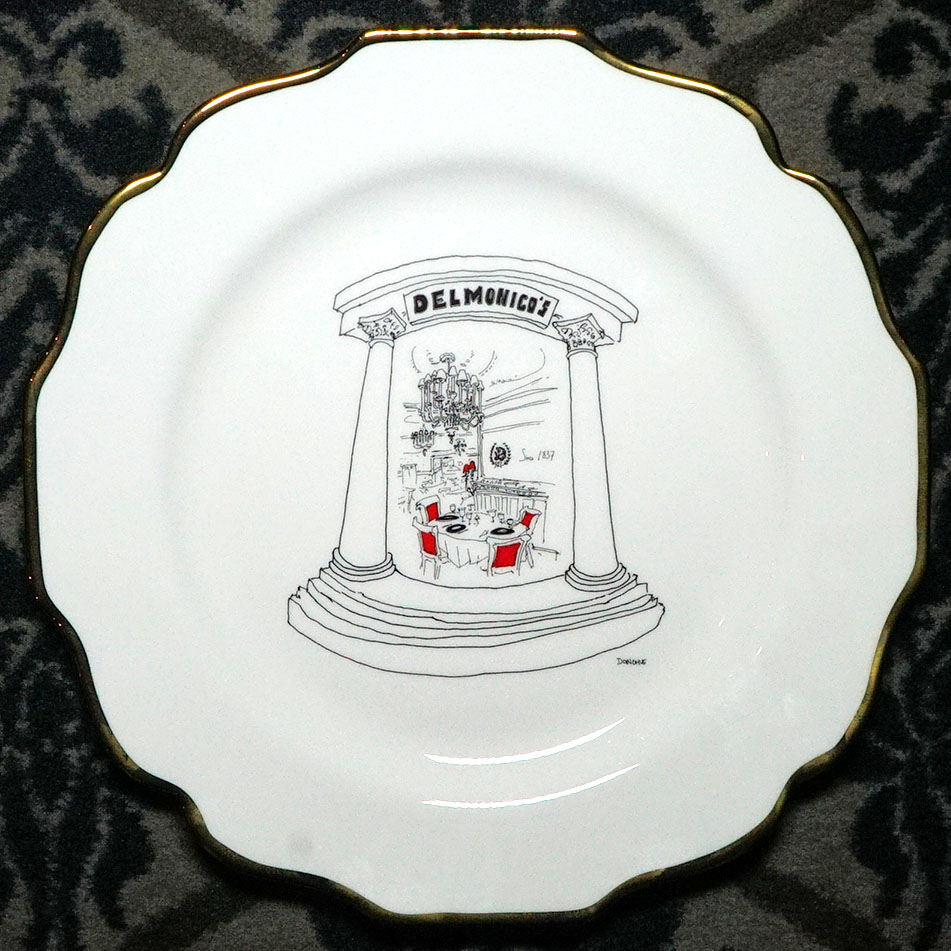
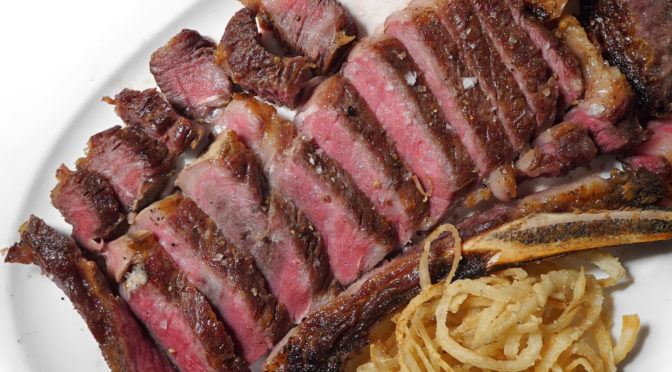
The steak is about 28oz of bone-in rib eye, and it’s magnificent. I was invited in to try it with some other steak connoisseurs.
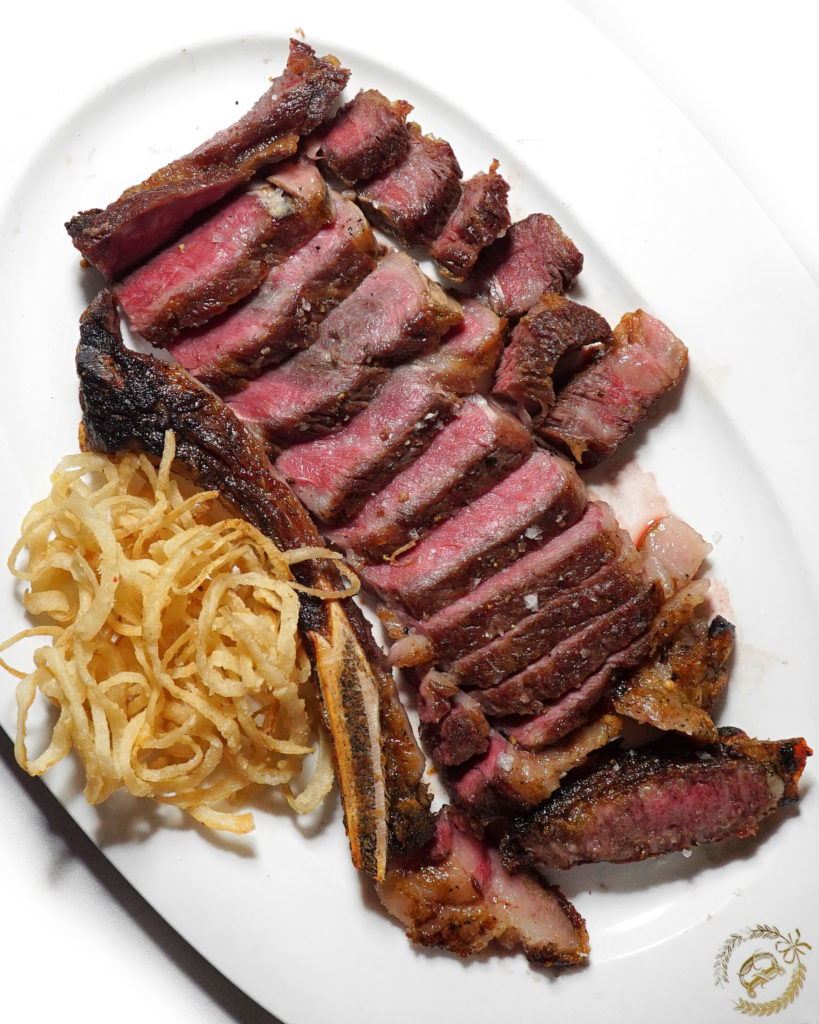
It has a deep nutty and earthy funk to it, while still remaining juicy and tender. Chef Billy Oliva really nails it. This cut is being offered at $380 and is easily shareable, since you also will need to try some of their signature apps, sides and desserts when you go.
But that’s not all. The restaurant has also invited a bunch of well known chefs to create dishes that celebrate Delmonico’s 180th. This special tribute menu is available from 9/14 through 10/14.
I was able to try a few of these items as well (I focused mostly on the beef-centric dishes, though I did try some others). My favorites were as follows:
Chili Rubbed Rib Eye with White Corn Pudding, by Michael Lomonaco, Porter House.
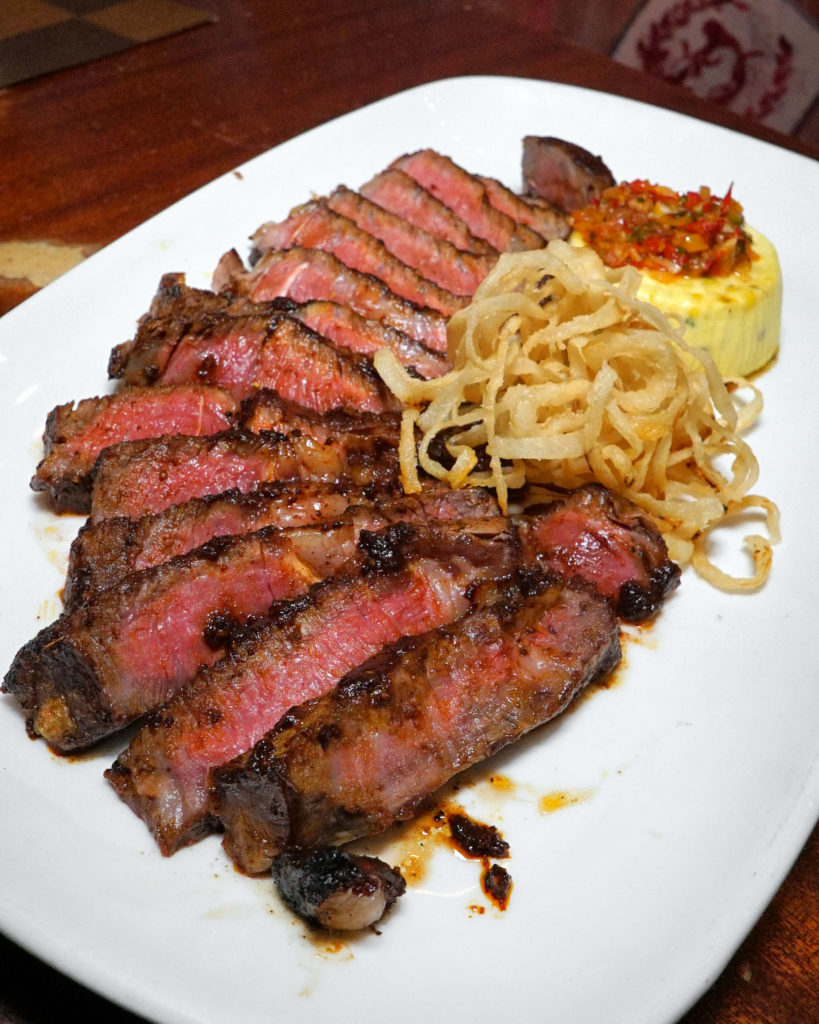
This steak is in the vein of those cajun rib eye steaks you might see at Greenwich Steakhouse or Smith & Wollensky. It is truly delicious, and I highly recommend it if you’re not springing for Chef Billy Oliva’s 180-day dry aged rib eye.
Tournedos Rossini, by Paul Liebrandt, two Michelin starred chef, author and consultant.
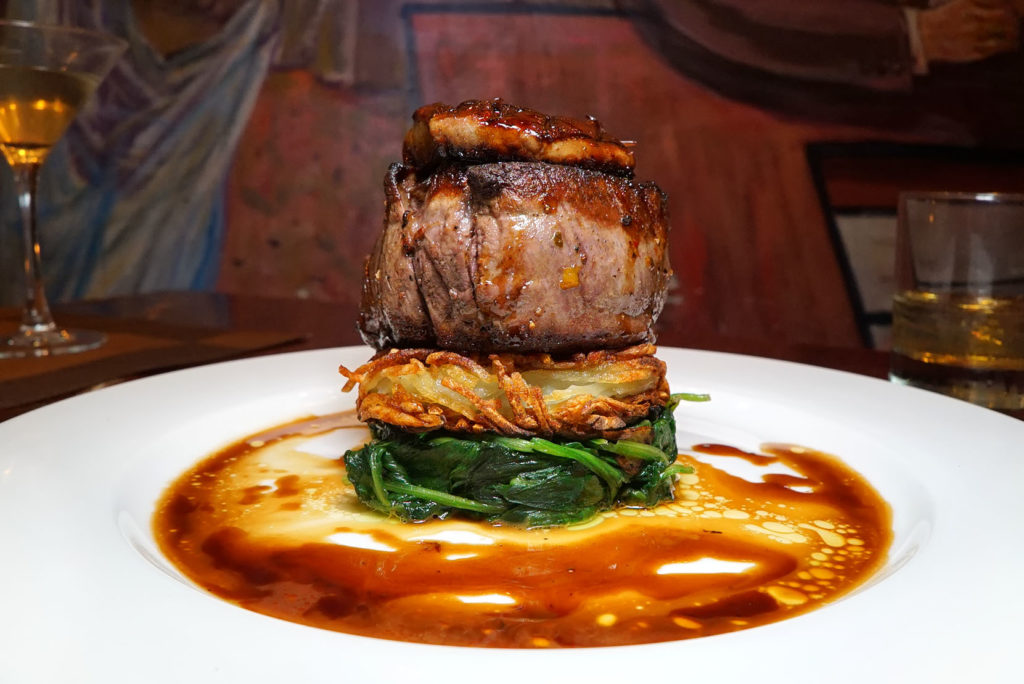
That’s a massive, tender and juicy filet mignon sitting on a potato pancake and sautéed spinach, all topped by some foie gras. This is 100% pure decadence. Awesome dish.
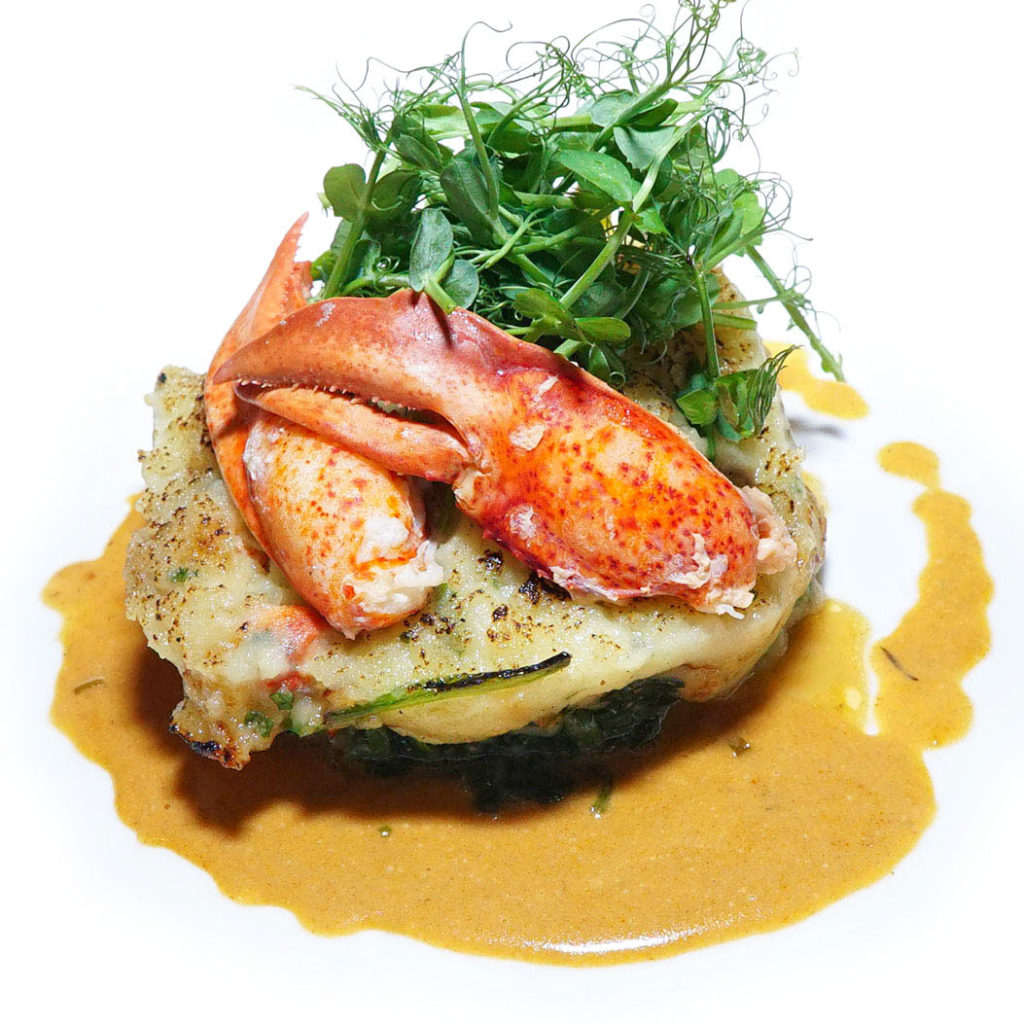
Lobster Shepherd’s Pie, by Danny Meyer, Union Square Cafe.
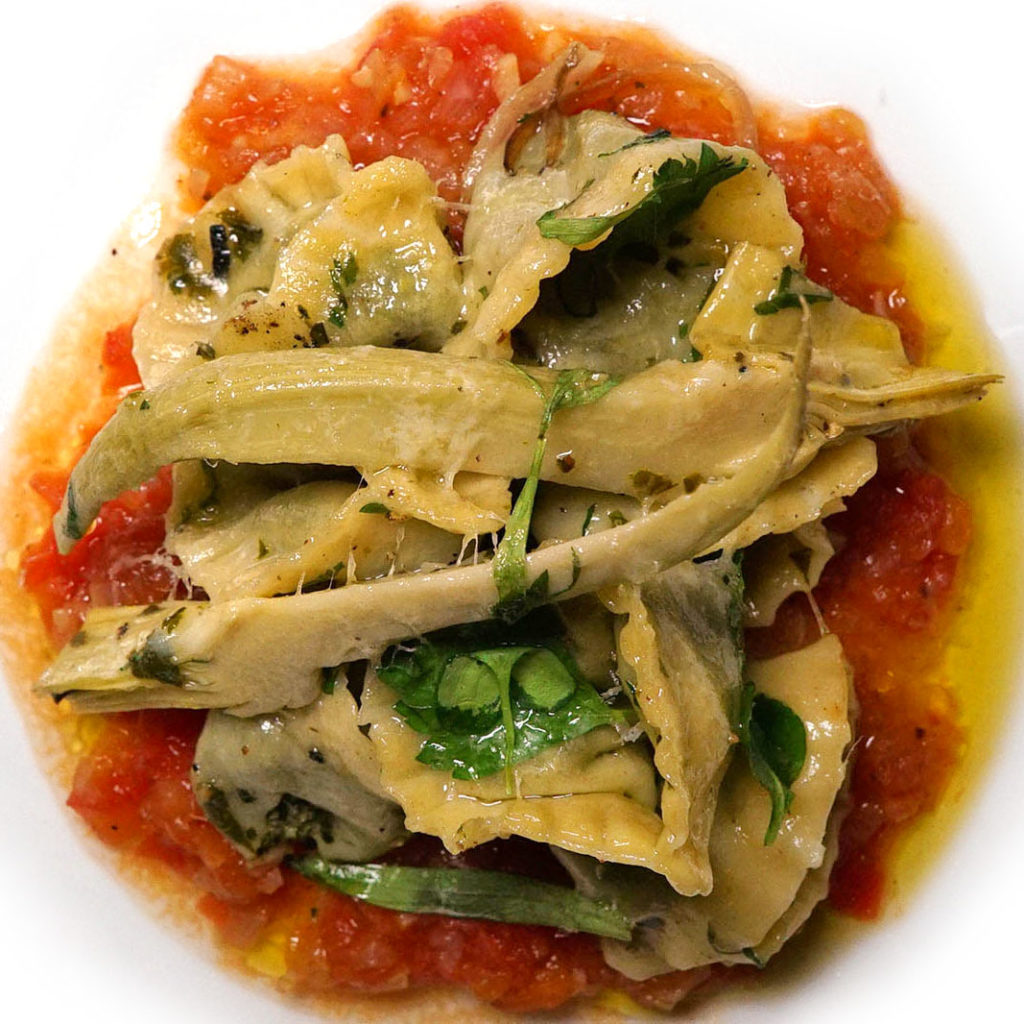
Nine Herb Ravioli, by Daniel Boulud, Daniel.
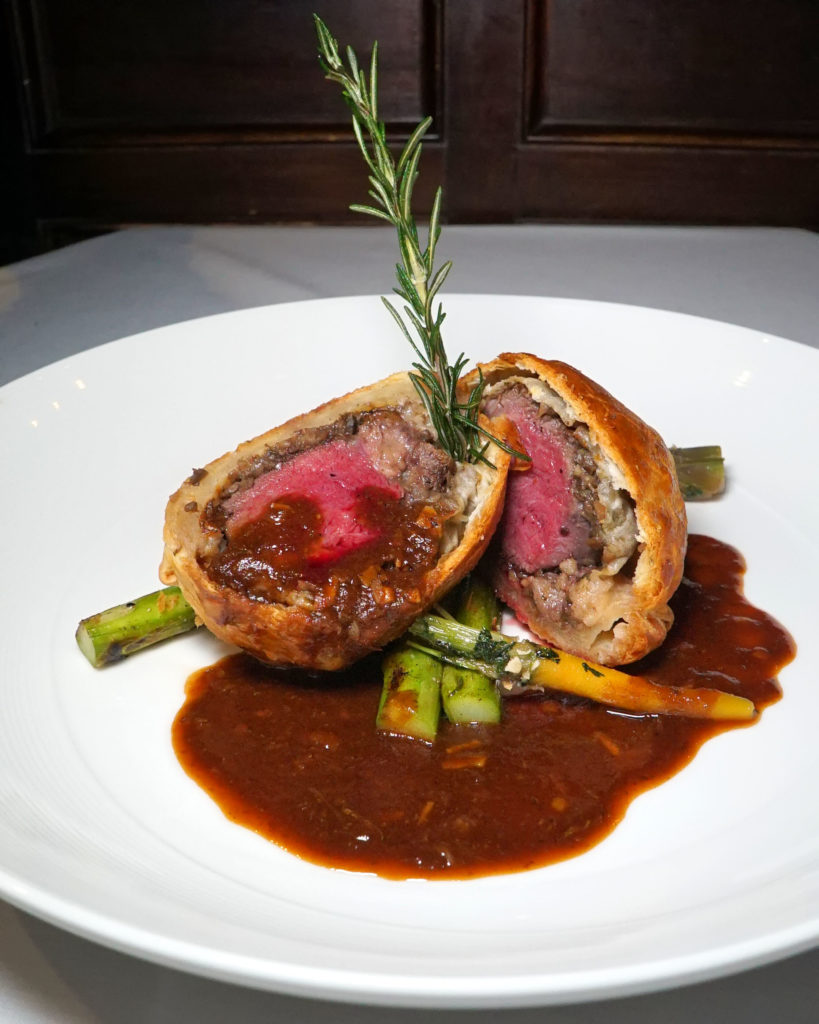
Beef Wellington, by Harry & Peter Poulakakos, Harry’s Steak & Cafe.
Paris Brest Profiteroles, by Dominique Ansel, Dominique Ansel Bakery.
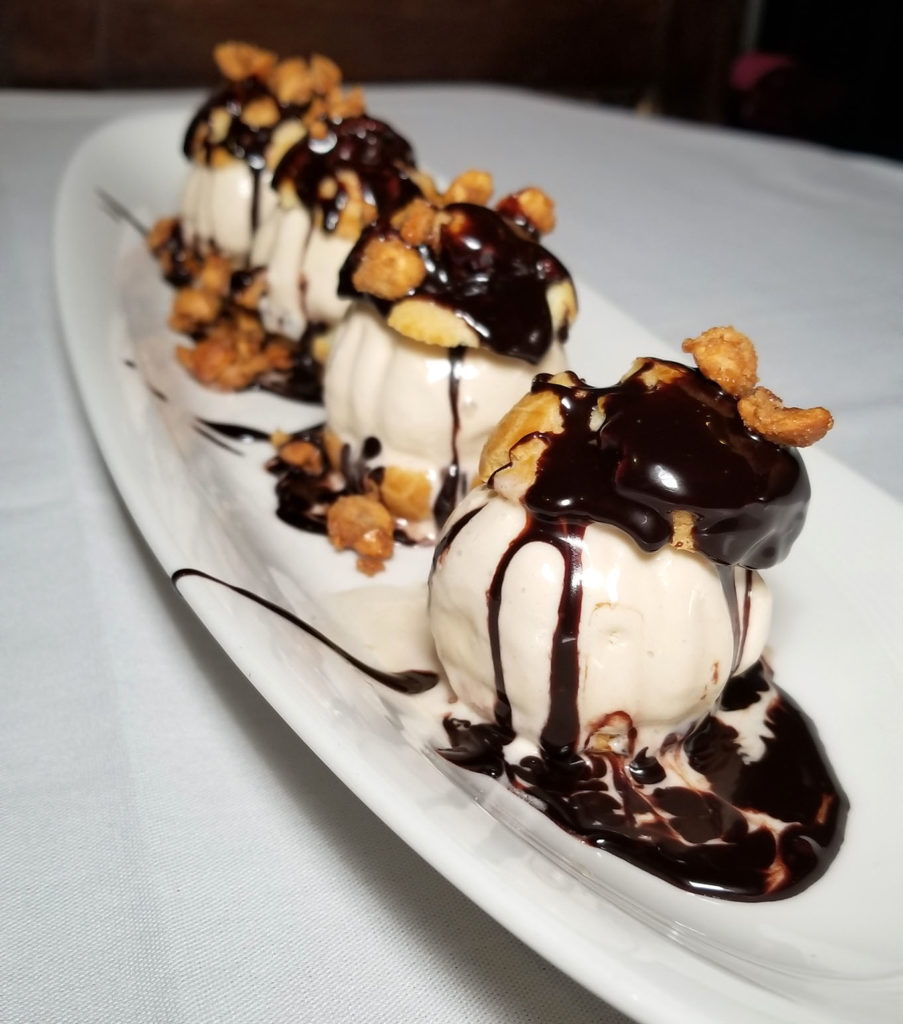
I really suggest you get down here between 9/14 and 10/14. I know I’m going back at least two more times this month to try more shit. Get on it, people. This is a rare opportunity to try a wide variety of amazing dishes and steaks. Tell them Johnny Prime sent you.
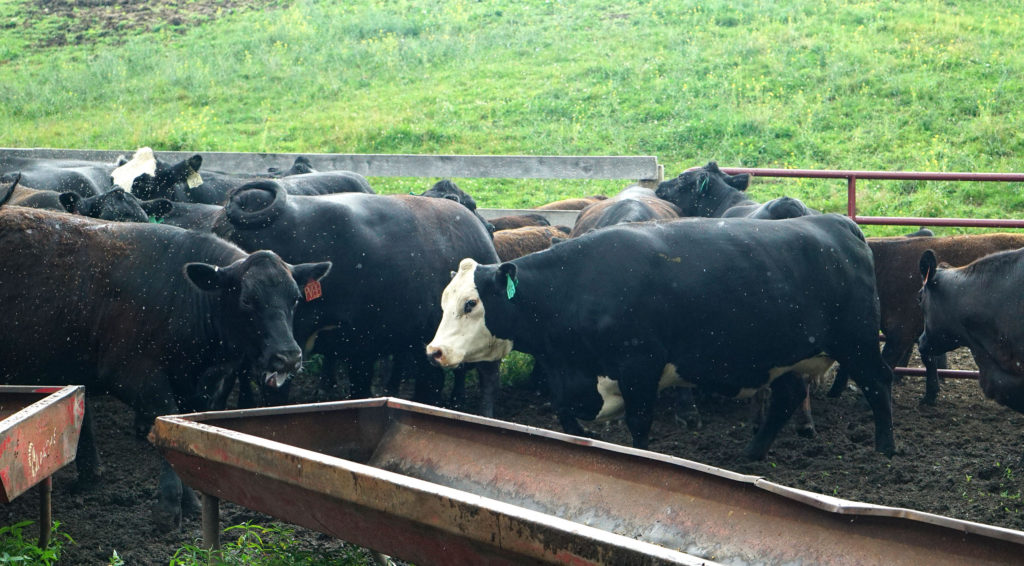
It’s 1:00 am. It’s bitter cold outside, early December. Phil Trowbridge is making his first of three rounds throughout the night to check on his animals. He’ll do the same at 3:00 am, and then at 5:00 am, before even starting the day. It’s harsh, but it always has to be done, every day, even on Christmas.
He hears and sees one of the cows struggling. She’s panicked. When he gets close he knows his long work day is going to be even longer. Her entire reproductive system has prolapsed, and if he doesn’t act quickly, she’ll die.
Phil’s son PJ is with him helping, as he’s done all his life. They live just a stones throw away now that a neighbor sold his house to PJ. They run the farm together.
They get the cow into the chute and place her prolapsed uterus onto a makeshift table that Phil created on the fly, using a stretched feed bag. They raise a bar up under her to keep her from shifting, moving, and making an already dire situation even worse.
The climate in the Hudson Valley can be wet and icy. Her front legs slip forward while her back legs remain propped up from the bar. She tips forward. Now things could get really bad.
But it’s a happy accident. She can’t move, and her body is angled in such a way that it’s perfect for getting her insides back in place. Phil ties her front legs and pulls them forward, keeping her at that angle, while PJ – hands and arms numb with cold in the frigid, dark December air – puts their cow back together again.
RELATED: JOHNNY PRIME’S ONLINE BUTCHER SHOP
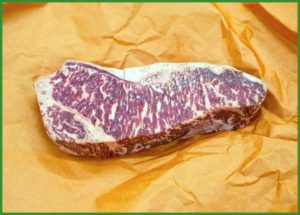
After spending a day with Phil and breaking bread with his family over dinner, I asked him and his son to tell me the most challenging and rewarding aspects of their profession. Phil told me that story, and it exemplifies both challenge and reward together in one grueling morning.
Phil has had to deal with maybe three prolapses in his decades of experience working with cattle, but he knows how to address the problem. In fact, he knows how to fix so much of what can go wrong on the farm, that if his veterinarians get a call, they’re truly worried.
I asked Phil and his son what the hardest part of their job is. Both he and PJ were modest: They told me it wasn’t a hard job, but I know I wouldn’t last a week doing what they do, day in and day out. Given the daily farm work on top of everything else they do, no one is ever idle.
While many things may come easy to Phil and PJ with their collective wealth of experience, there are still some things with which they have trouble.
Phil told me that losing an animal is hard. When that happens, it stays with him. His heart breaks. The roughly 400 animals in his care are like children to him. He checks on them all day, grows and mixes their food, feeds them, cleans them, monitors their health and keeps them healthy, delivers their babies… That’s respect. That’s love.
And from what I’ve seen it’s not just Phil; it’s all cattlemen who are worth a damn in this business. You don’t step into this lifestyle without respect and love for the animals. That’s something the average person doesn’t understand about our cattlemen.
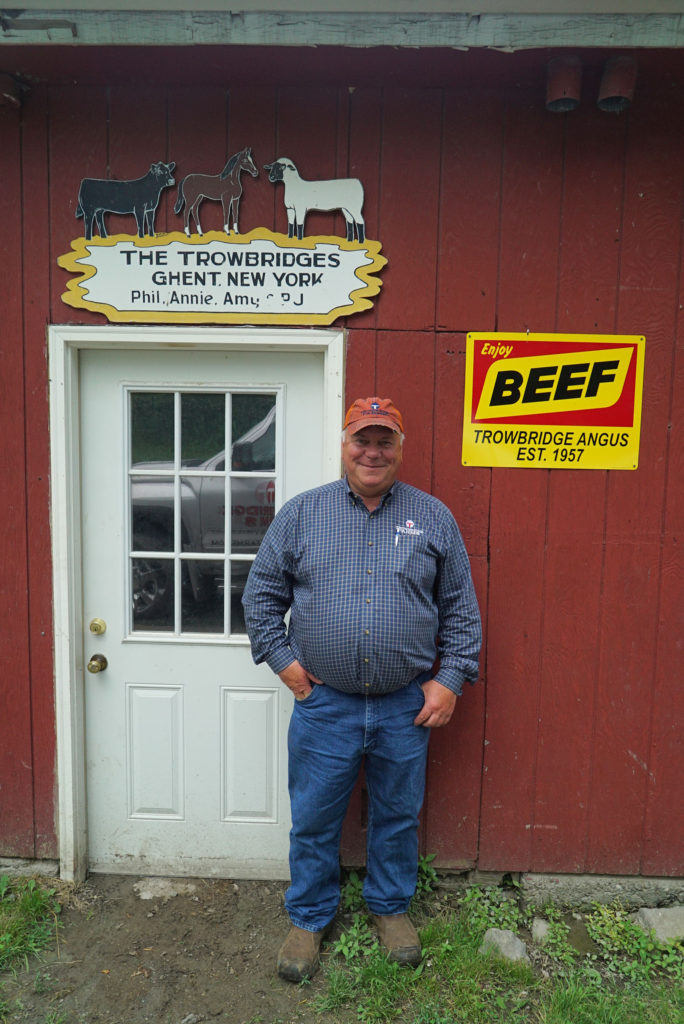
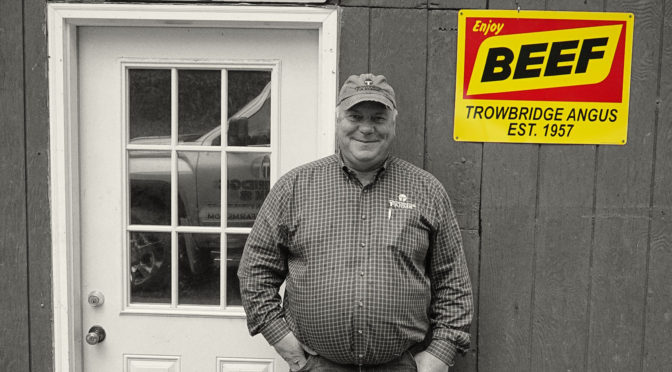
Phil runs Trowbridge Farms – a patchwork of pastures, farms and barns that spans 1700 acres in Ghent, NY, about two hours North of Manhattan by train/car on the east side of the Hudson River.
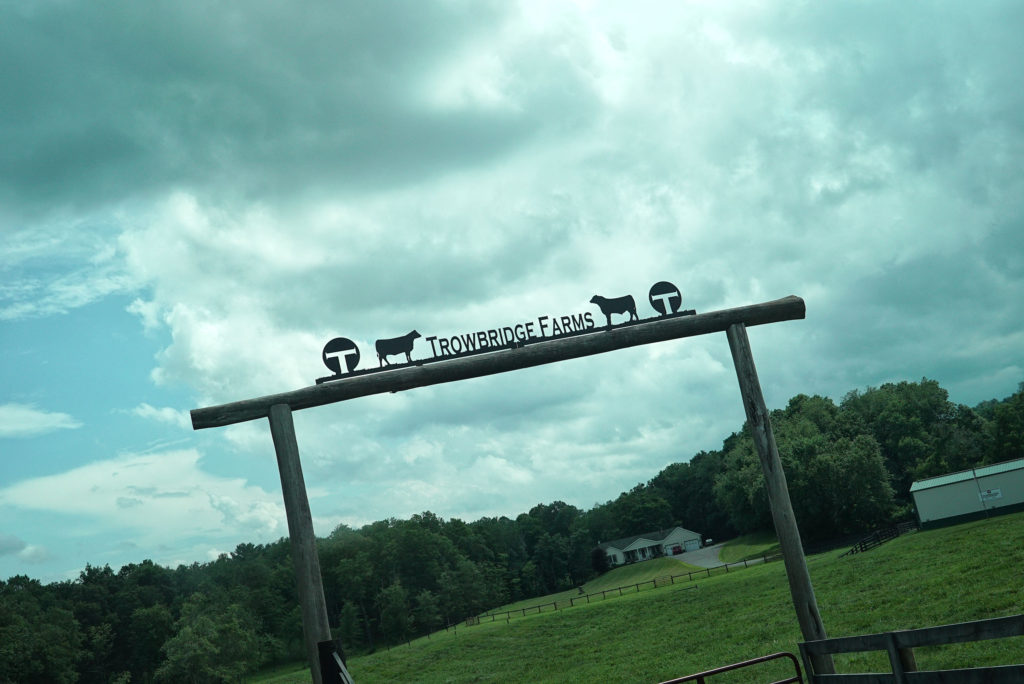
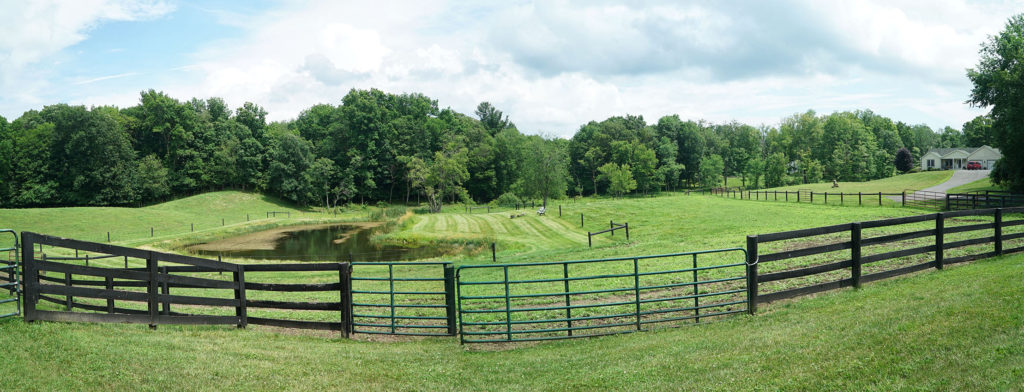
Phil is originally from Buffalo, so this area may as well be Florida to him. When he first arrived here decades ago, he was surprised that cattle could even feed on pasture.
You may be thinking something like, “How the hell can someone run cattle in New York, where taxes and land costs are so high?” And that’s an excellent question.
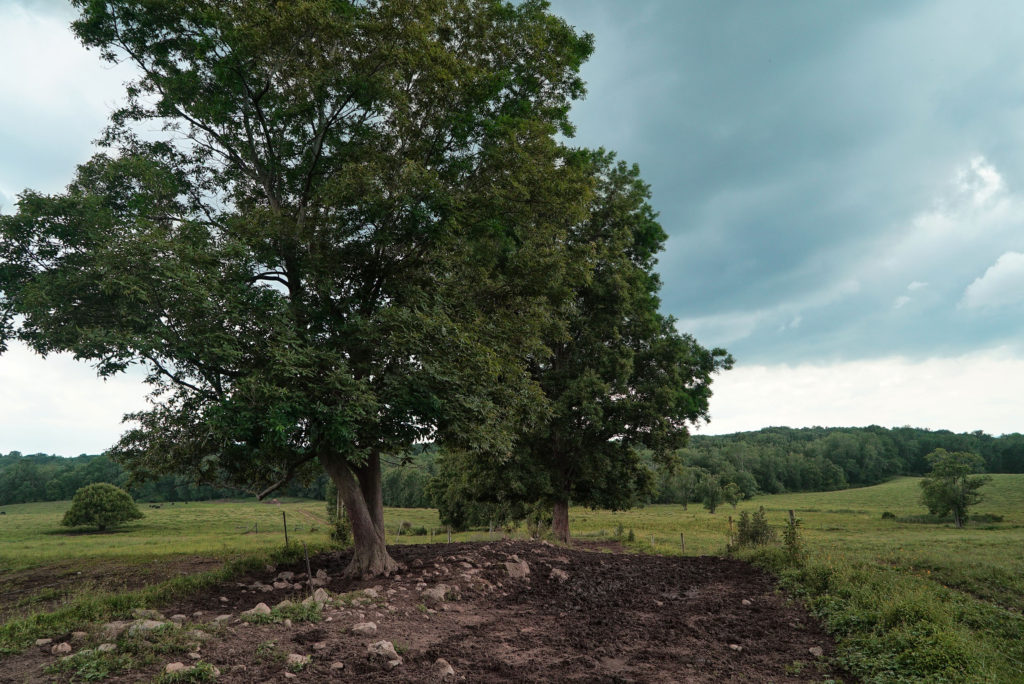
The majority of land Phil works and uses is not his own. Rather, he rents and leases land from homeowners who are weekenders and summer vacationers from New York City. They own second homes, but allow Phil to raise feed crops and grasses there, and to graze his animals on the land, in exchange for rent or barter.
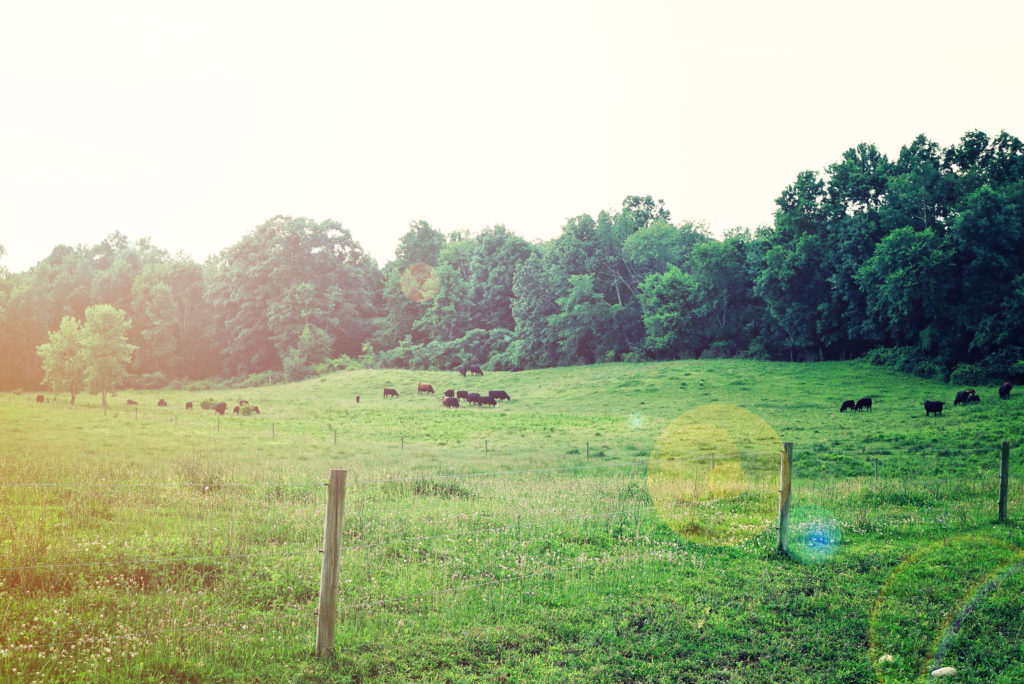
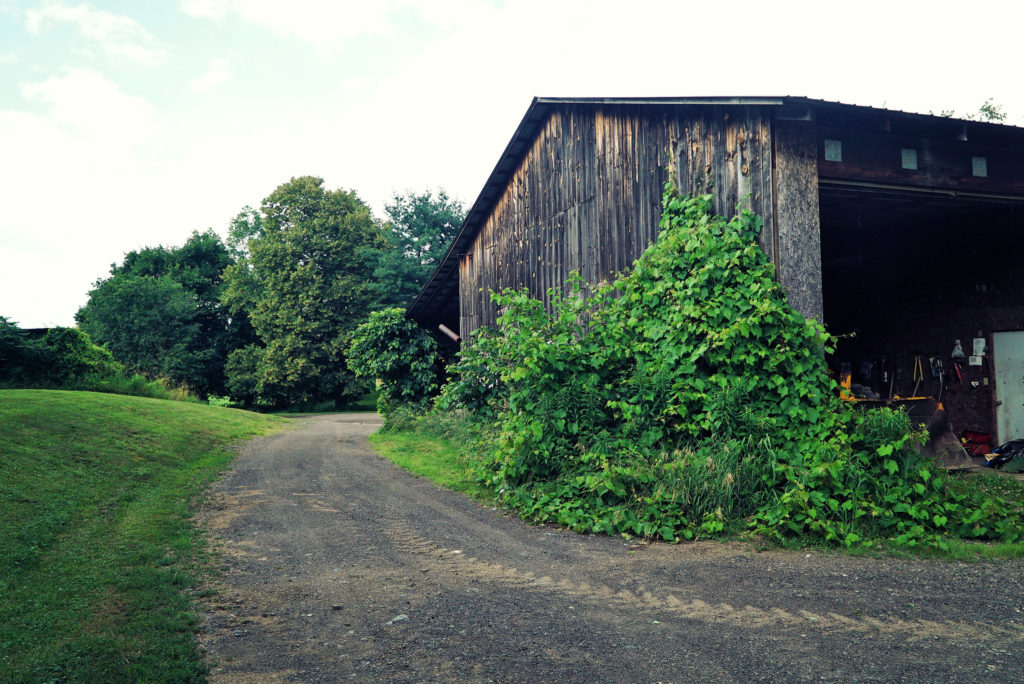
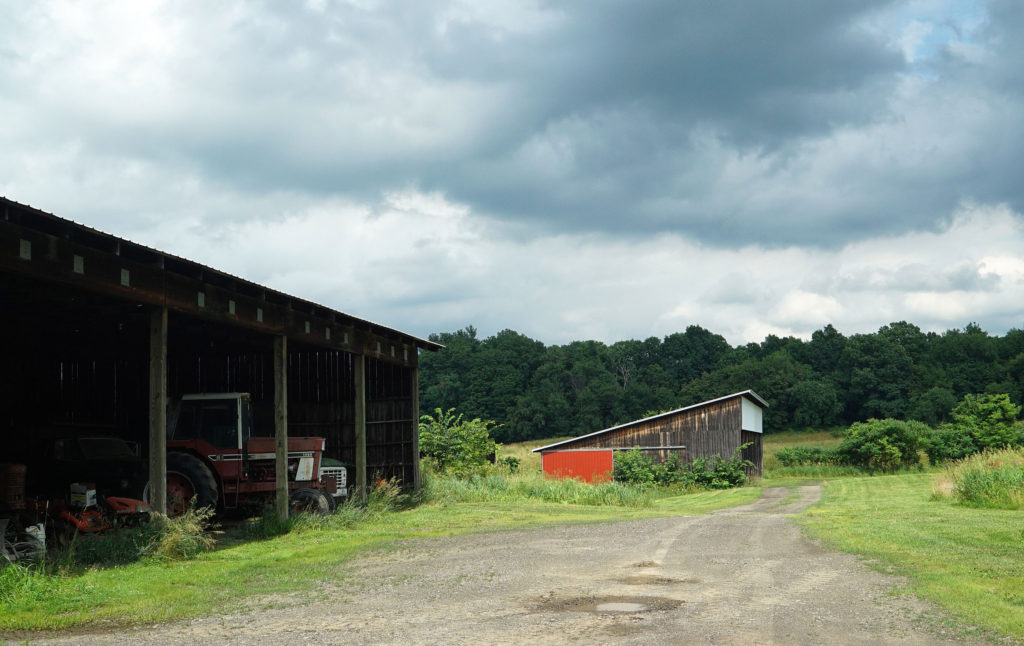
Because of this system, Phil can probably raise cattle cheaper than most places in the country. The relationships are mutually beneficial: Phil maintains the land, and the homeowners can sit back and earn additional income.

The soil here is everything. Across the Hudson, the earth is like clay, and therefore it’s harder to raise crops. Here, it’s more gravely and easier to work with. Phil couldn’t have this kind of productive operation if he didn’t understand the soil and how it affects plant makeup. In fact, there is pressure from dairy farms to get this better land for the alfalfa.
“Why?” For their feed.
Alfalfa is a high production, high nutrient legume plant that Phil uses in his cattle feed.
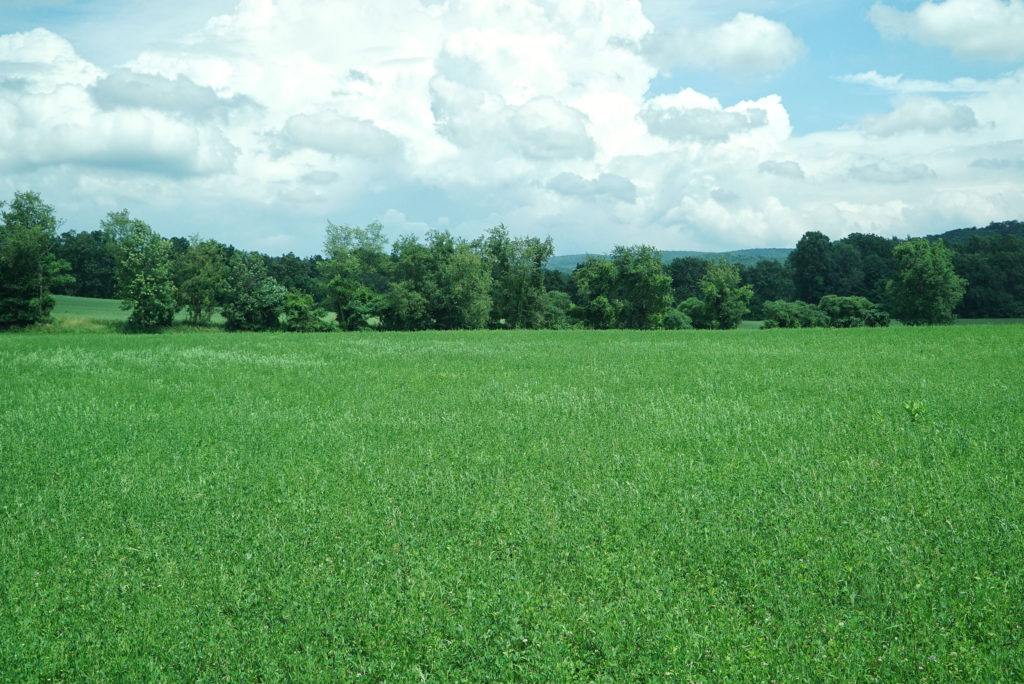
He takes three or four cuttings, and when I visited on July 2nd, he had already taken the first cutting. With his bromegrass and Timothy-grass farms, he only gets two cuttings. He also grows oats and corn as well, and makes his own hay and baleage.
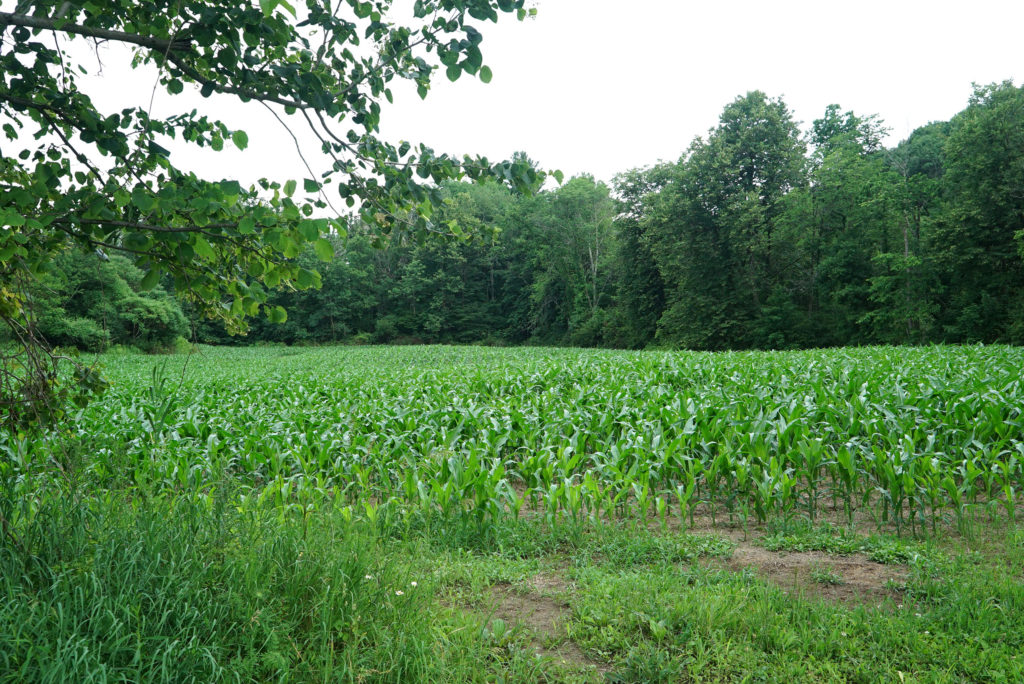
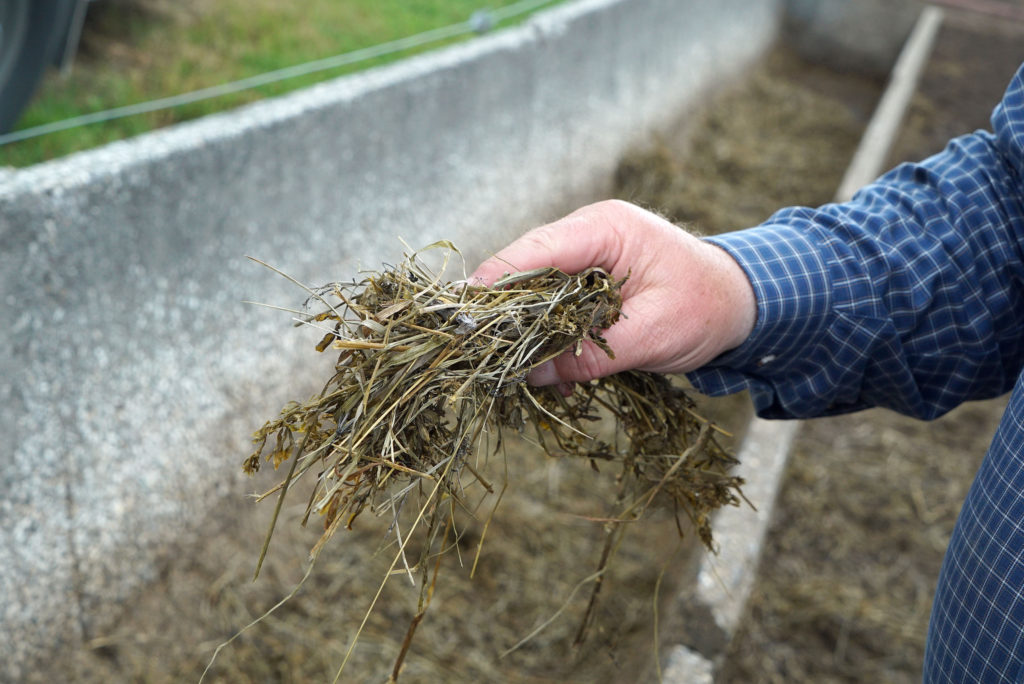
Baleage, or silage, is a fermented feed that helps cattle in their digestion process. It also keeps longer without spoiling. That combination makes for an economically viable and nutritionally beneficial feed solution.
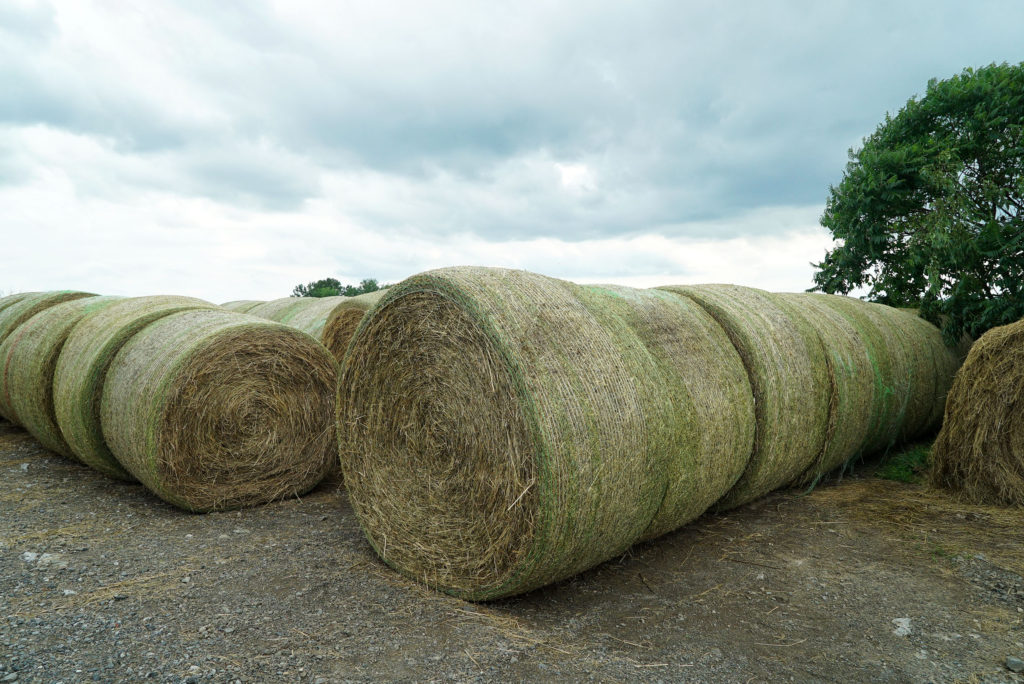
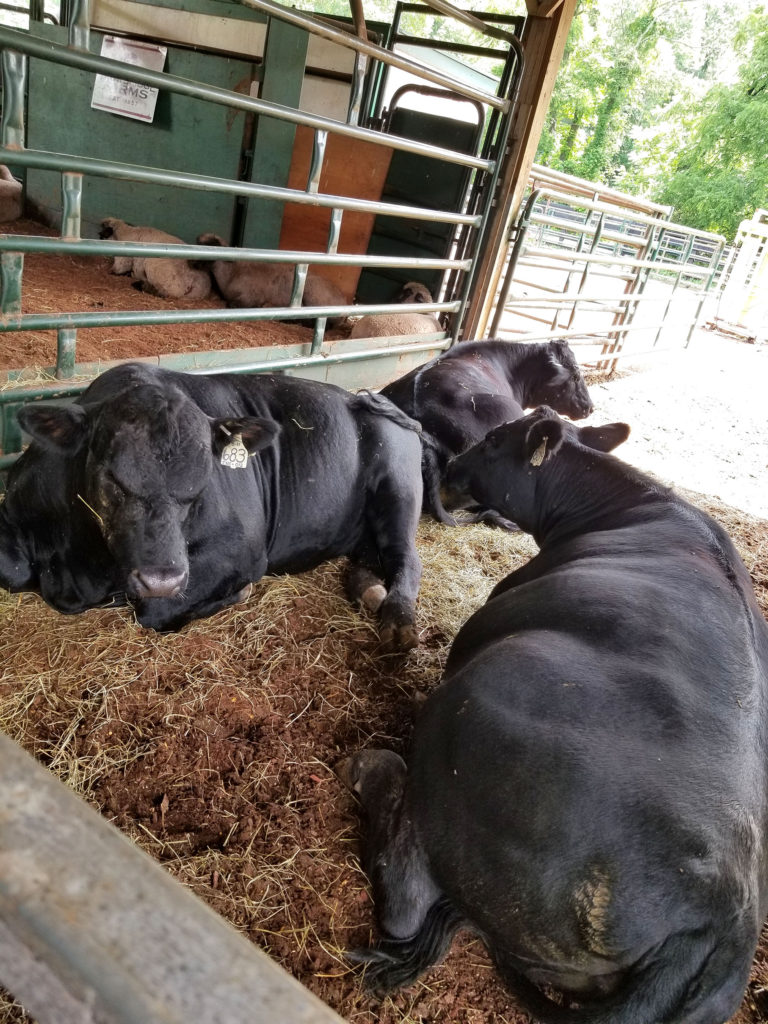
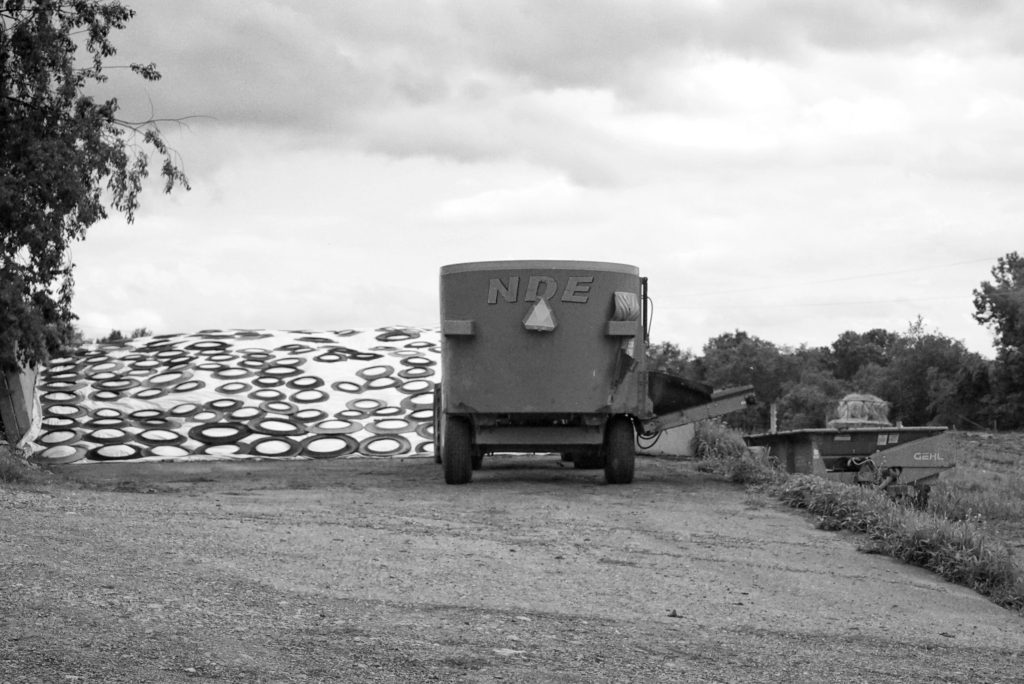
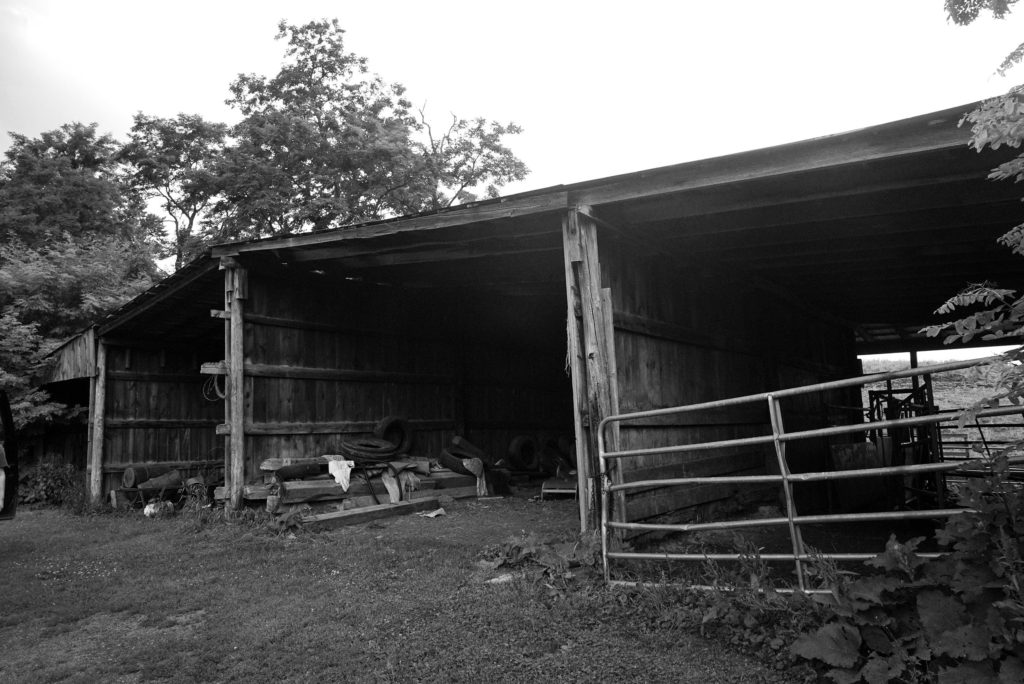
To make baleage Phil uses a vertical grinder and mixer first, to break up the feed crops. Then he covers it with tarp and weighs it down with specially cut tires that won’t collect water and draw mosquitoes. This allows the fermentation to occur and turn the crops into cattle feed.
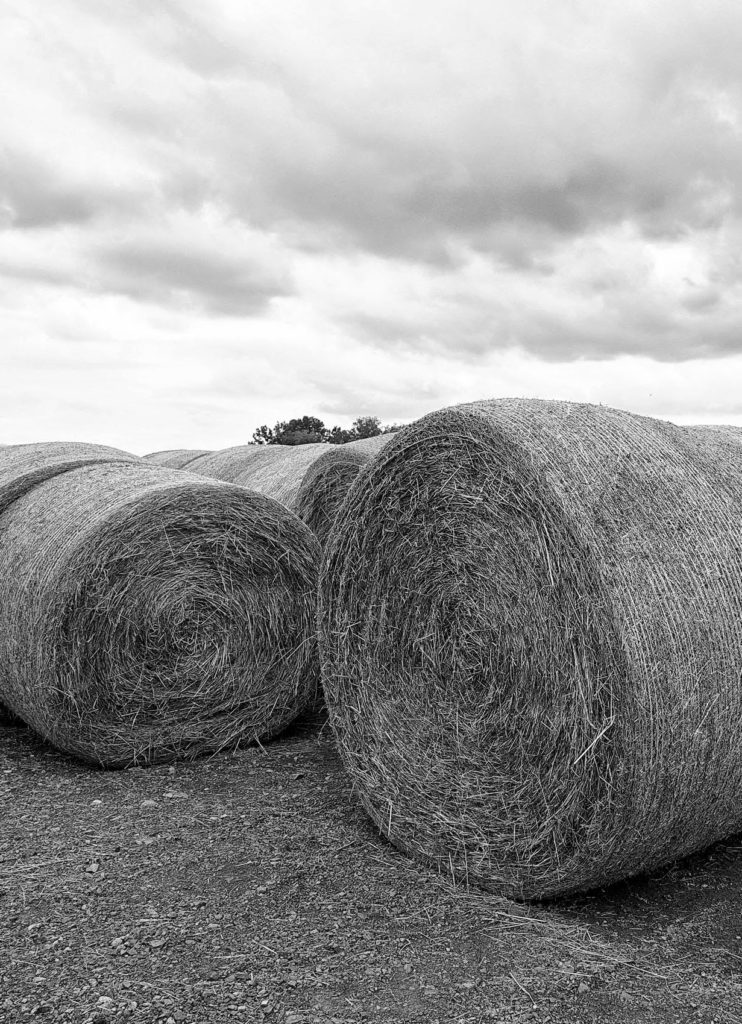
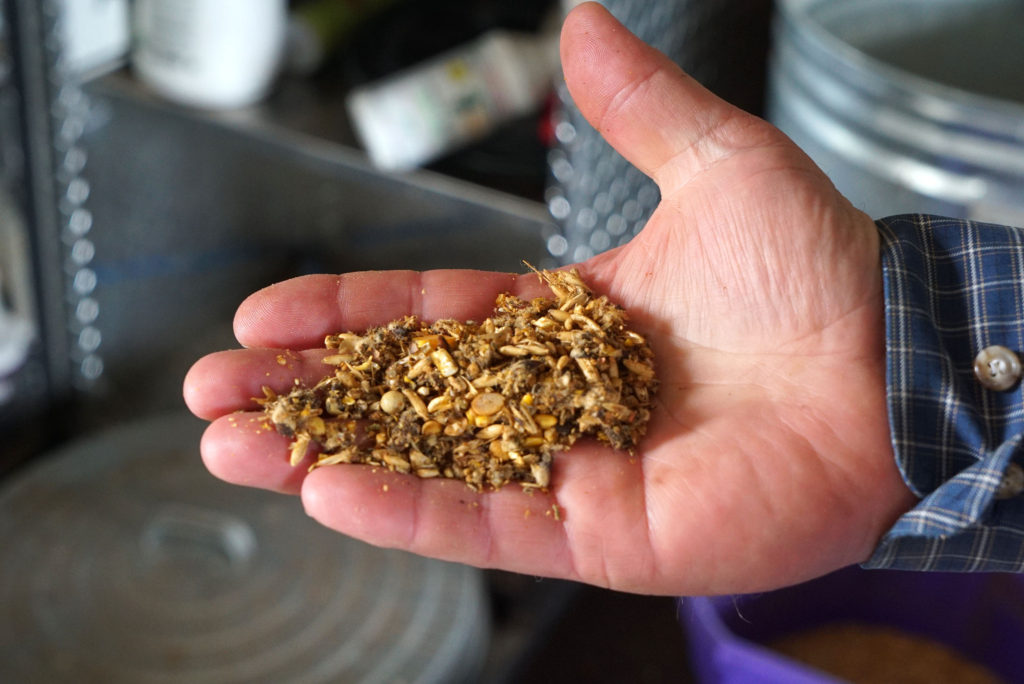
While Phil grows and makes most of his own feed, he does buy some corn because it’s cheap. He also works with local distillers to get fermented corn mash byproduct, which is similar to baleage in its digestive benefits. It’s also a great way to reduce commercial waste and make good use of stuff that is otherwise discarded.
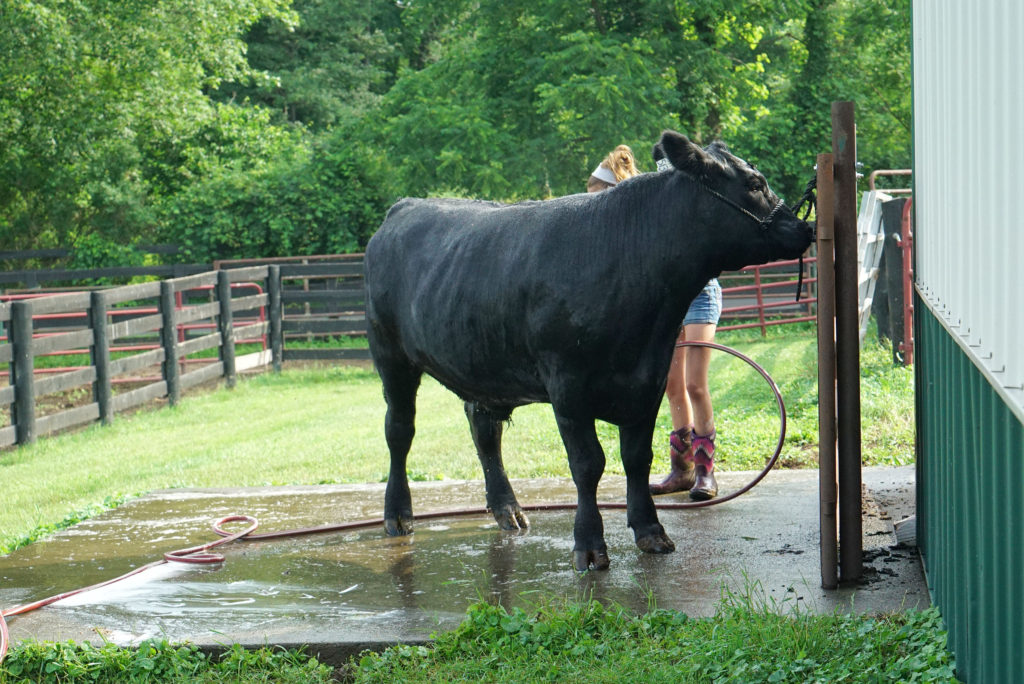
Cows love grain and alfalfa because they’re sweet. Alfalfa can be so rich, nutrient-wise, that at times Phil has to cut his feed with more fiber so that the cows don’t get too heavy.
“Why? Don’t we want big, heavy animals in the beef industry for price-per-weight values?”
It depends. In his sector of the business, Phil is primarily concerned with producing bulls and calves of good breeding stock and genetics, not to get them up to a high market weight for later eating, like what you often see at feed yards in the Midwest.
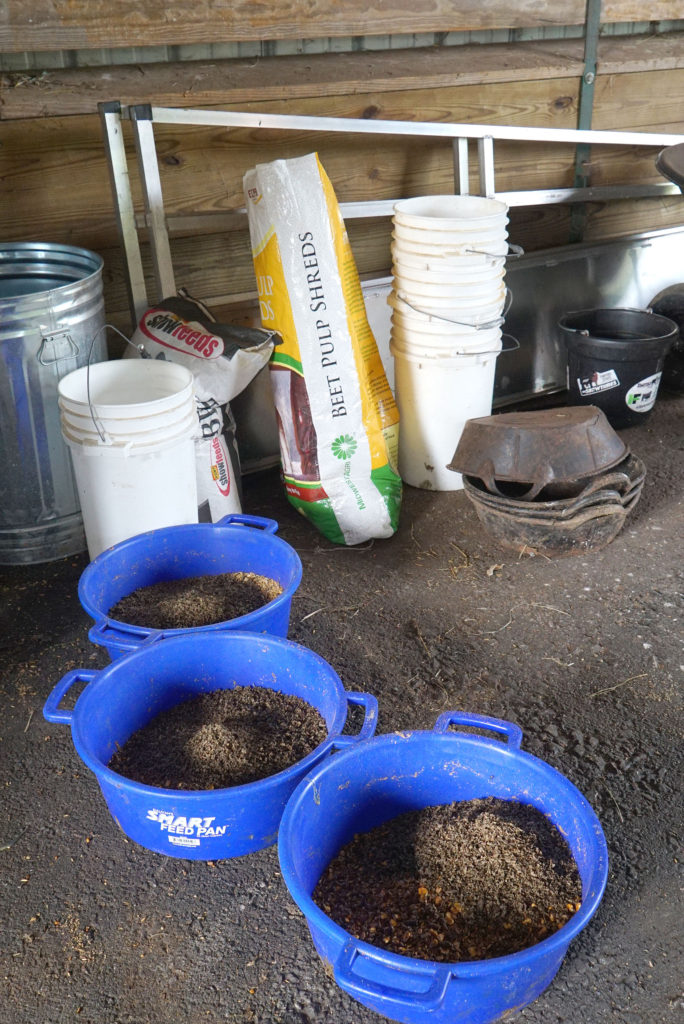
Phil ultimately wants comfortable females for breeding, and energetic, virile bulls for seeding. So, nutrient-wise, Phil takes different things into account because his end product is a much different animal, produced with a different purpose, than those produced in other sectors of the business: Phil’s animals are for breeding, while the others are for eating.
Speaking of Phil’s business, let me segue into more of what he does.
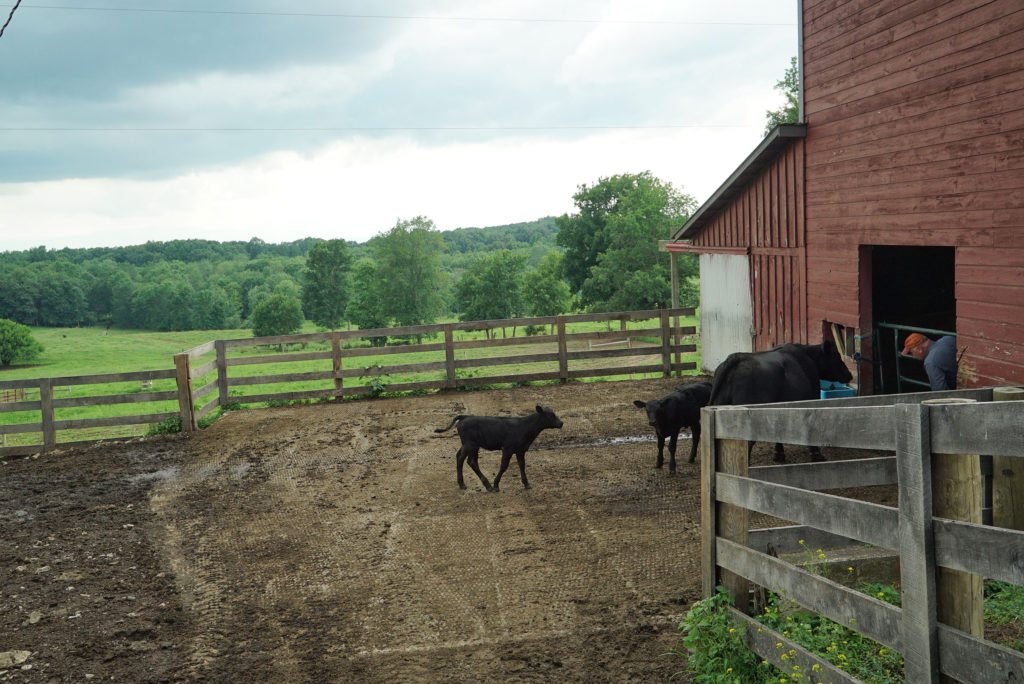
Trowbridge Farms is a seed stock operation, which means that Phil produces bulls that are eventually purchased by cow-calf farms. Since I know that you readers are at a remedial level when it comes to farm terminology, I’ll explain what this all means:
Bulls are intact males that can reproduce (steers are castrated, and can not reproduce). A cow-calf farm is a place where a permanent herd of cows gets pregnant and gives birth to calves, which are later sold.
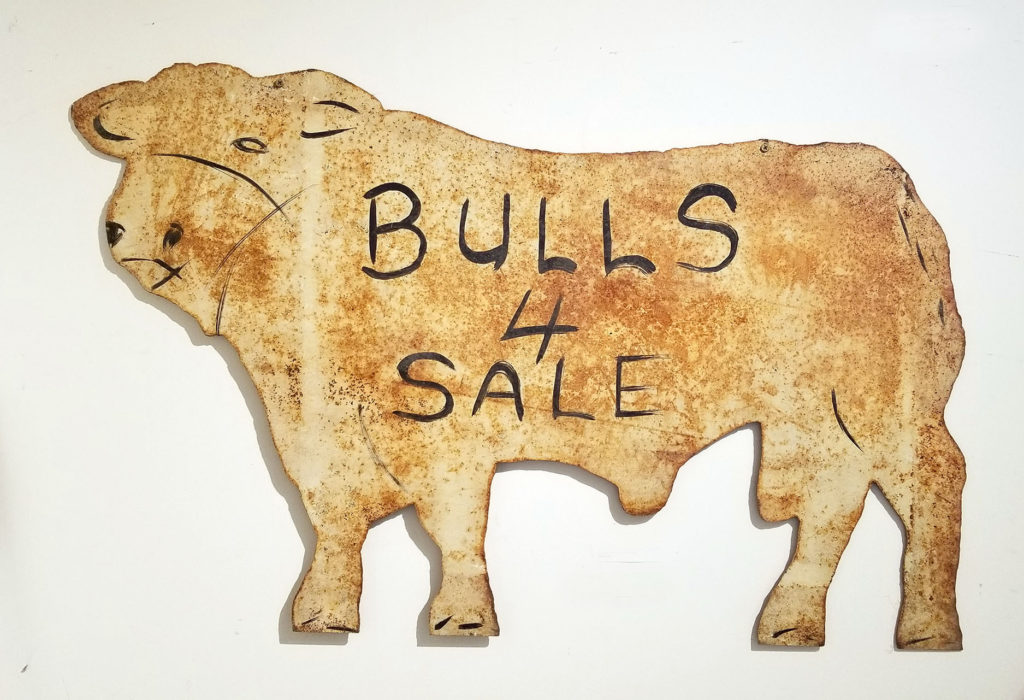
Just prior to my visit, Phil had completed his annual bull sale. He averaged about $3,975 per head. That’s pretty fantastic, considering that his closest competition was bringing in half of that amount.
Phil hosts a yearly heifer sale (female cattle that have never been pregnant) and a calf sale as well. In addition he engages in many sales outside of his annual events.
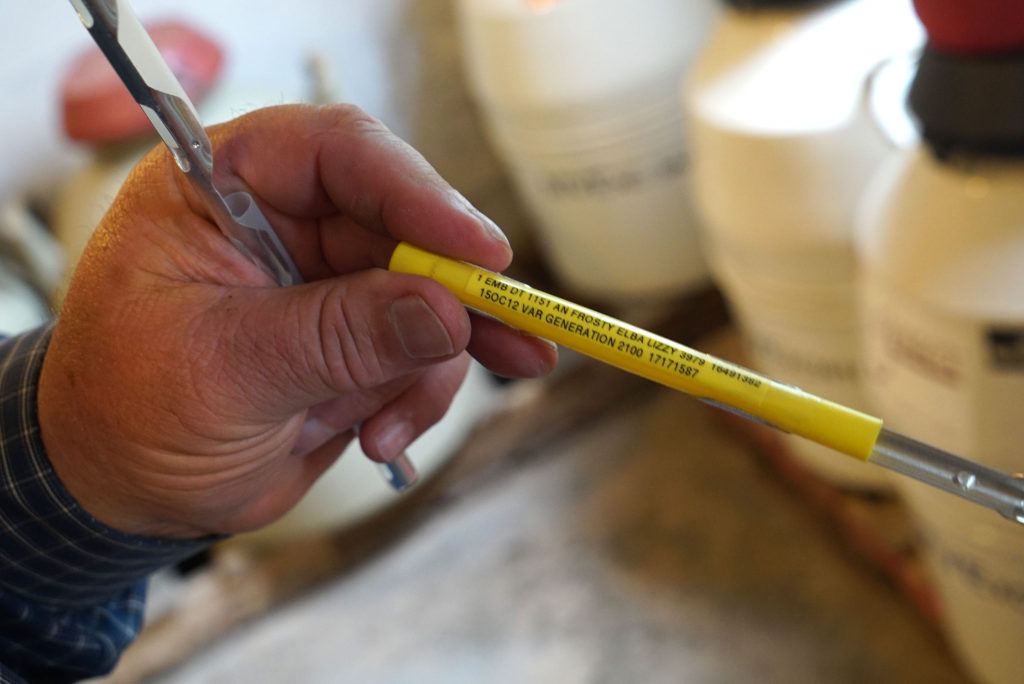
Phil also sells frozen bull semen and embryos with the use of vapor shippers. Cows can give birth about 10-12 times, on average, in their lifetime, before pregnancy becomes stressful on their body. But with embryonic science in play at Phil’s lab, he can get hundreds of fertilized eggs from his cows, freeze them, and use or sell them later. Given this aspect of the business, some of his cows have produced 500-600 offspring.
Almost all of Phil’s cows are surrogate mothers that were transplanted with embryos.
Timing is important when it comes to the cows. He schedules things around their super ovulation. First, CIDR (controlled internal drug release) devices are vaginally implanted – they’re like giant IUDs. This makes the cows think they’re ovulating, which allows him to synchronize all of their reproductive systems.
They get a follicle stimulation hormone, which produces lots of eggs. He then artificially inseminates them to fertilize the eggs with his bull semen, thereby creating embryos. The embryos are then flushed out and used or sold.
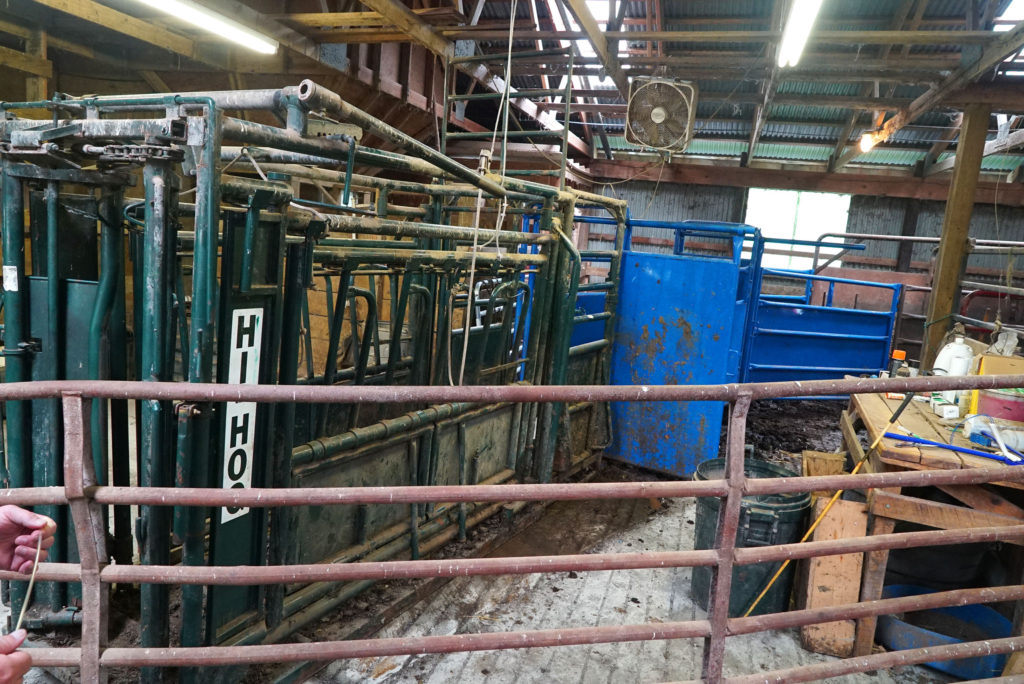
The process is just as intensive as human in vitro science. Phil’s daughter is an in vitro nurse and actually knows more than most doctors she works with, because she’s been doing this with cows for about 30 years.
In Phil’s operation, the bulls never touch a cow’s cervix. He usually puts embryos into cows fresh, as opposed to thawed from frozen, to increase the conception rate (15%-20% higher).
He sells a lot of frozen product to Argentina; about 40,000 units. But he makes more money from his US sales. This one bull, named Powder River, is like a legend around the farm. He’s spoiled and lazy, but he generates tons of product even at an old age – almost quadruple what other bulls can produce.

The frozen semen and embryos are stored in tubes or straws, and placed into liquid nitrogen holding tanks. In the event that Phil identifies a genetic abnormality, he will separate and retain the samples because many universities have expressed interest in studying them.
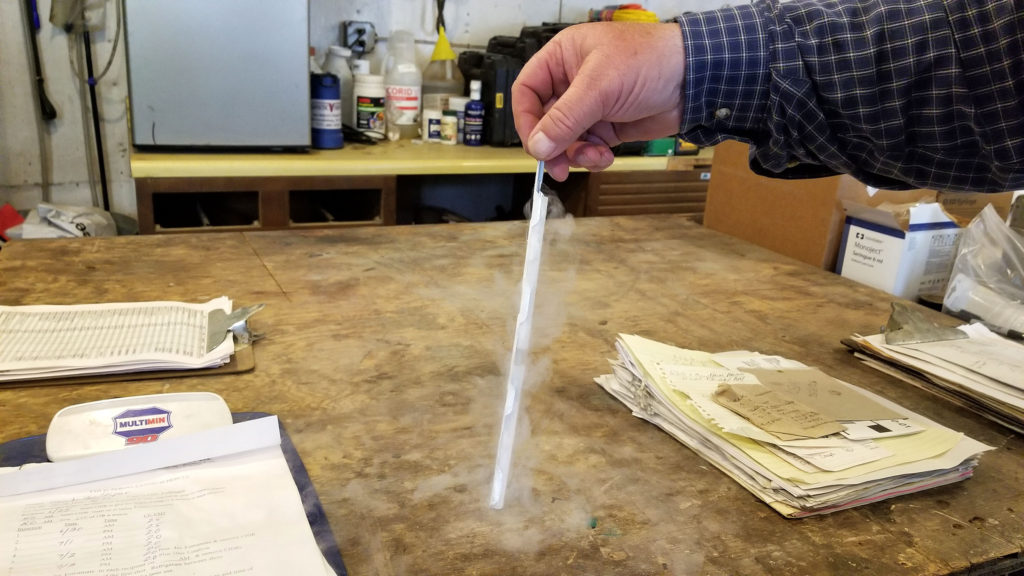
Phil’s customers are buying bulls, bull semen and embryos because they want specific genes to be expressed in their herds, and they know that Phil’s bulls produce some of the most desirable characteristics and embody superior genetics.
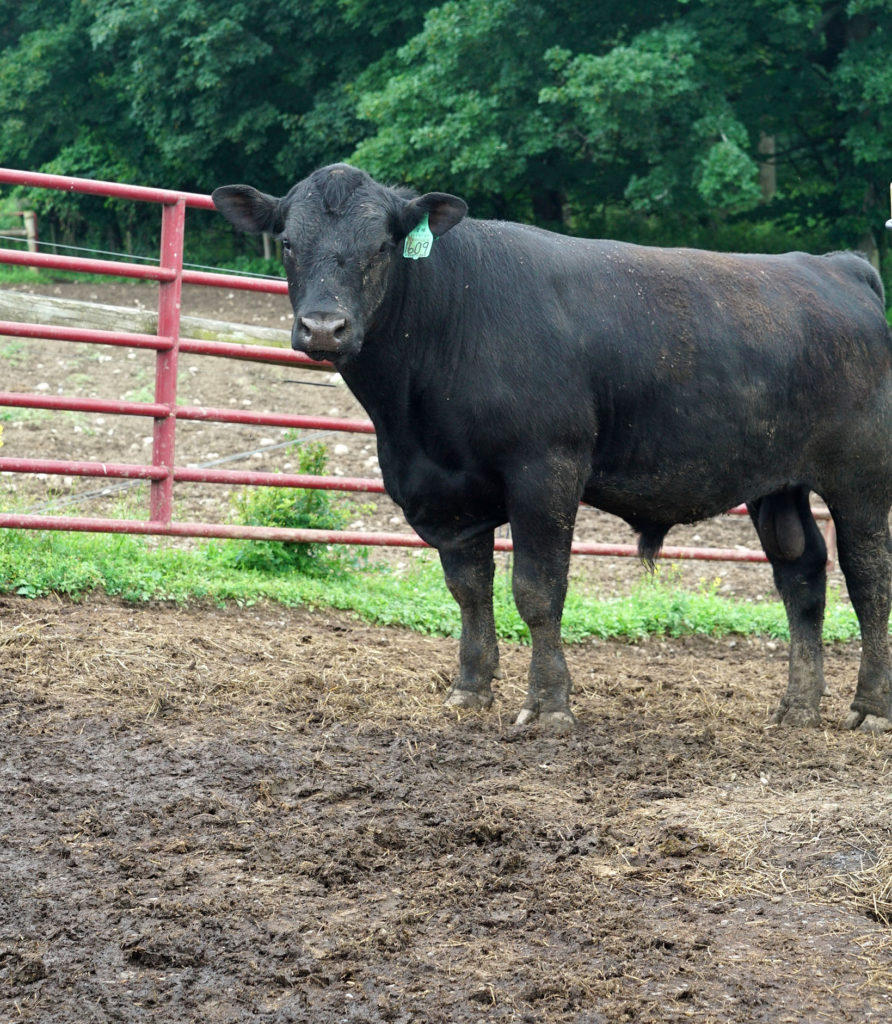
Customers look at these purchases as investments, like buying stocks. When they come to Phil, they usually don’t leave without buying.
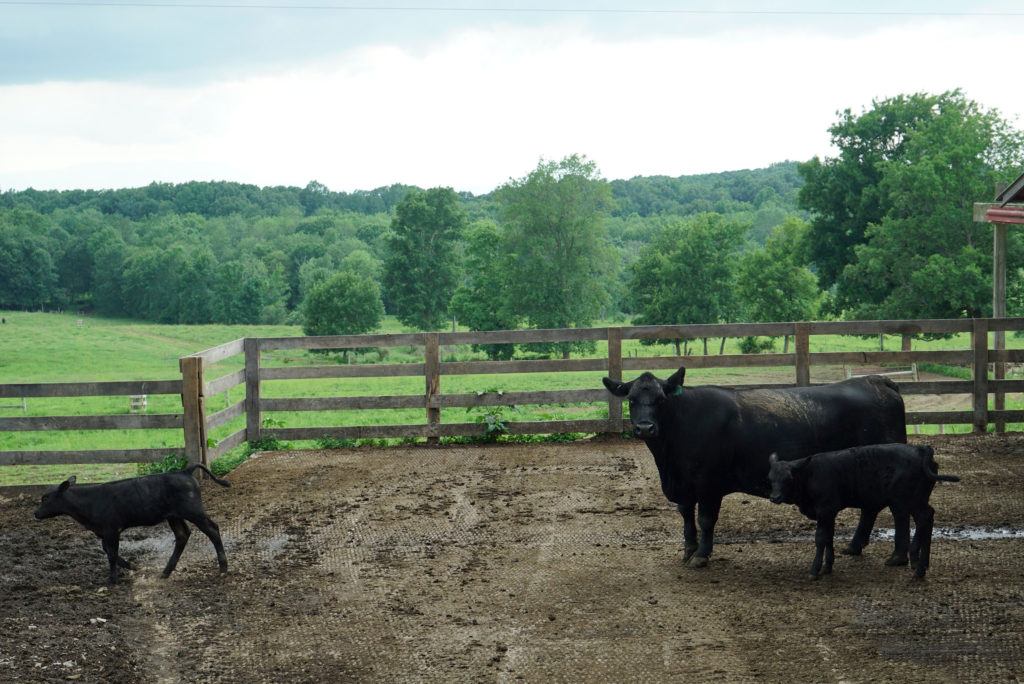
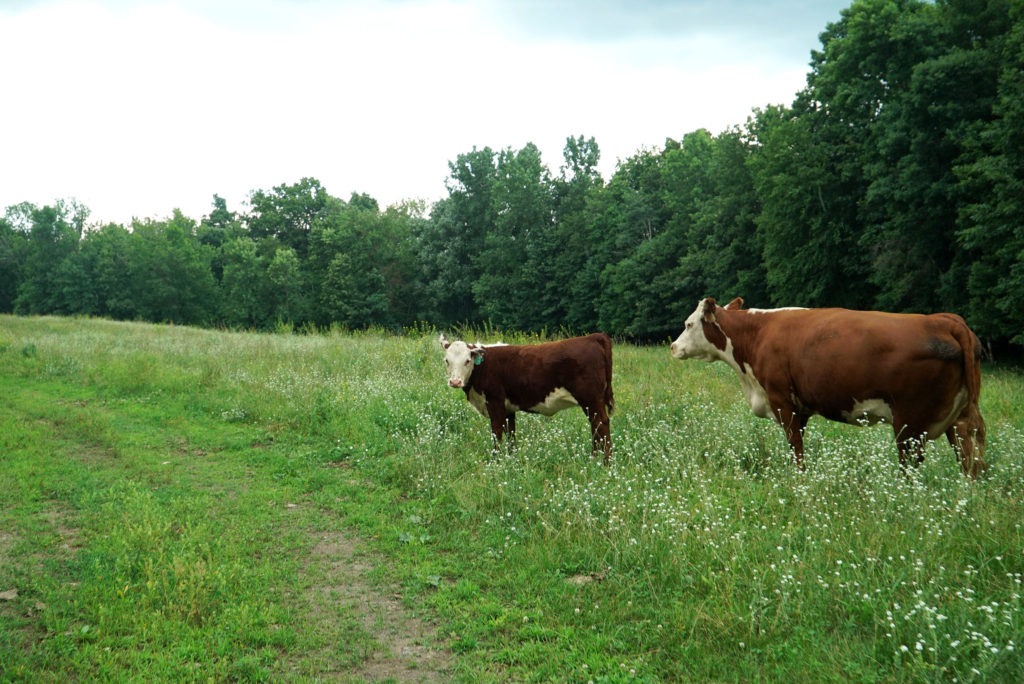
Most of Phil’s animals are Angus. He has a few Hereford and cross breeds in the mix, but people know him for his superior quality Angus. Hereford cattle are notorious for suffering from pink eye in the summer months, so Phil has endeavored to breed his Hereford to have different eye traits so that his are less prone to pink eye.
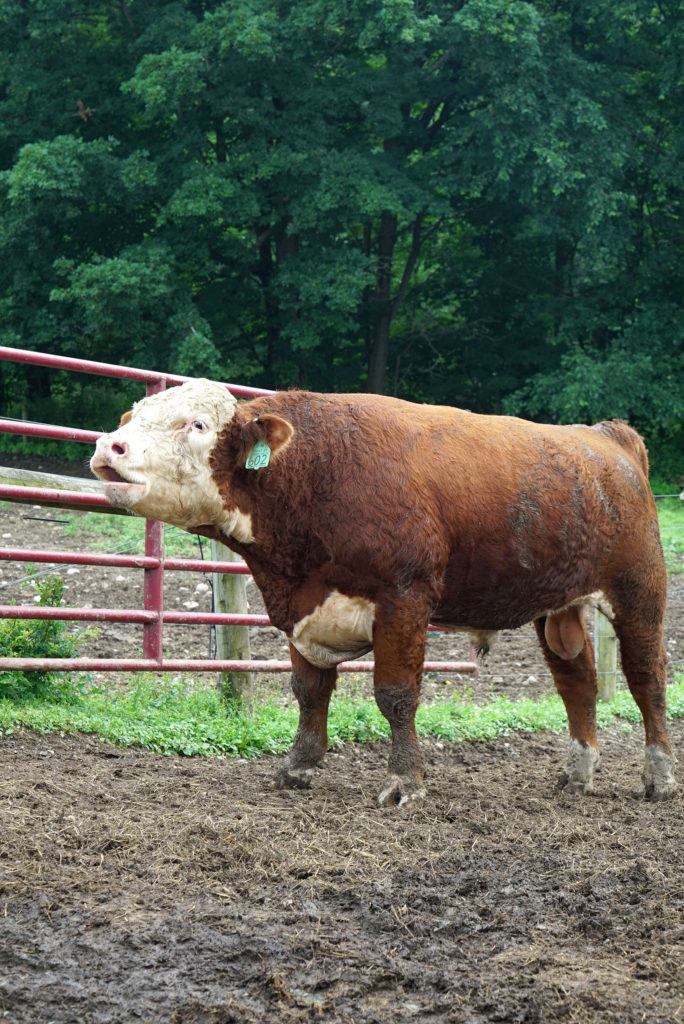
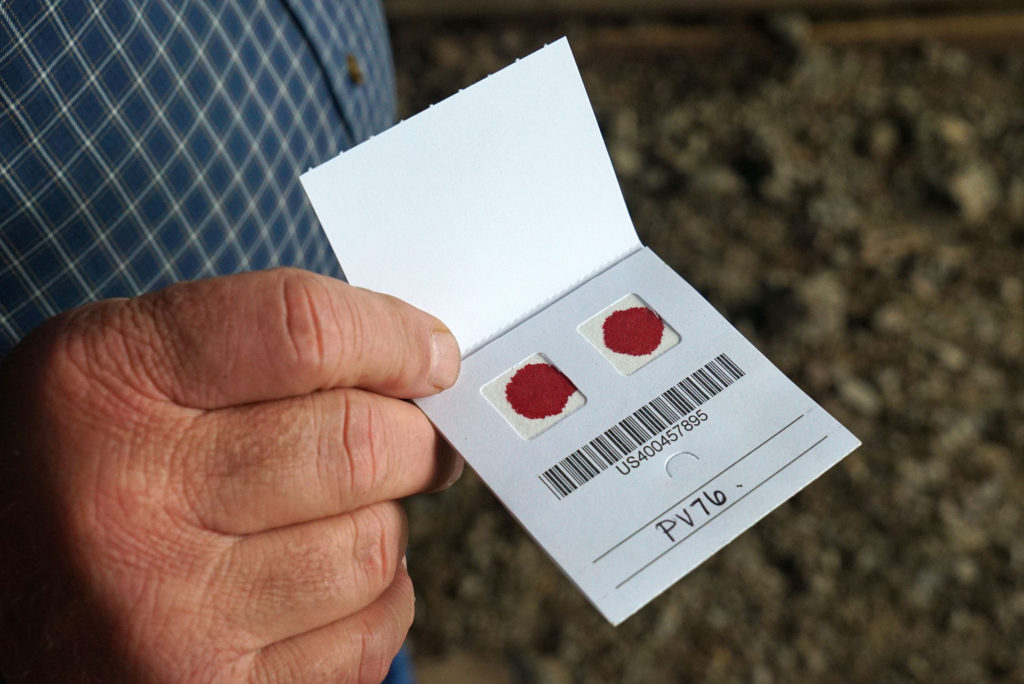
He has blood tests performed on every animal at a cost of about $50 a pop. Two drops of blood are taken and sent out to a lab.

These tests assess 50,000 different genomic markers that express traits related to things like parentage, marbling, tenderness, udder structure, temperament, body build and residual feed intake, among others. In addition to testing for these traits, the DNA samples are also used for parent verification.
“So what does the average day look like for Phil?”
Well, like most farms, Trowbridge is a family affair. Phil’s wife Annie does the books in the morning before heading to the hospital, where she’s a nurse on the surgical floor.
Phil’s son PJ is vital at the farm. He holds a degree in animal science from SUNY Cobleskill, and is the farm mechanic for all of the equipment.
Phil is usually up by 6:00 am, feeding and checking on the animals, and, thereafter, making hay in the Spring and Summer.
In Winter, he gets up an hour earlier to check on the cows. He recently installed video equipment in the barns so that he doesn’t always need to check on the cows several times overnight to see if they’re calving.
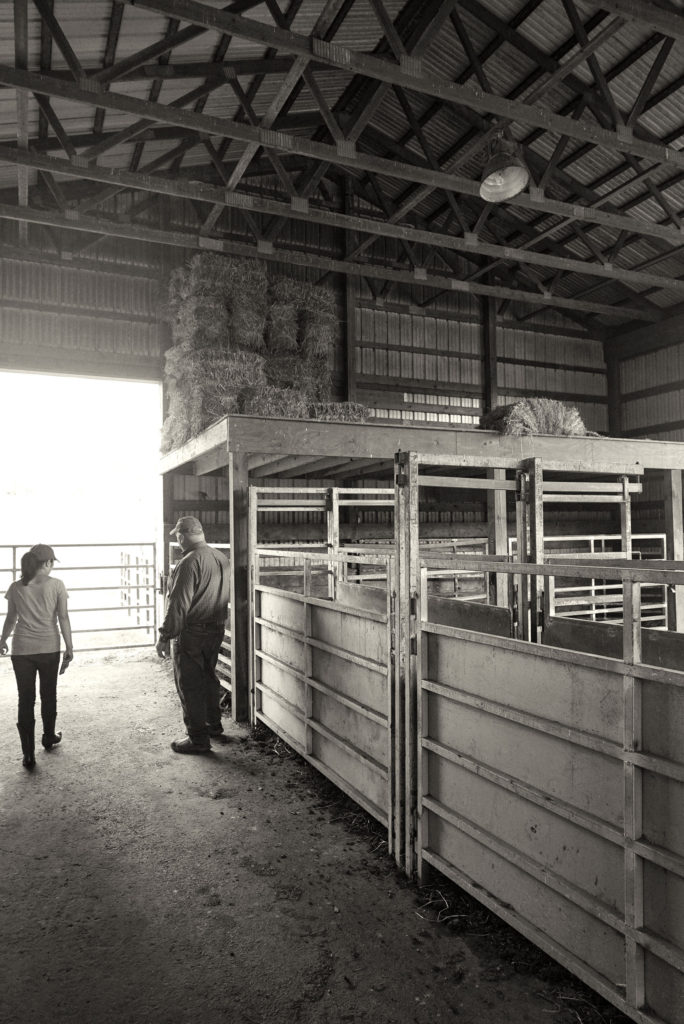
Calving is done twice a year: In early winter (January, February and March), and in the Fall. Calving in January means he can cut nine months of the process in working with bulls. Phil is focused on both human and animal safety, and bulls can fight each other and tear stuff up. He likes to sell them off before they turn two years old, because the older they get, the harder they are to manage.
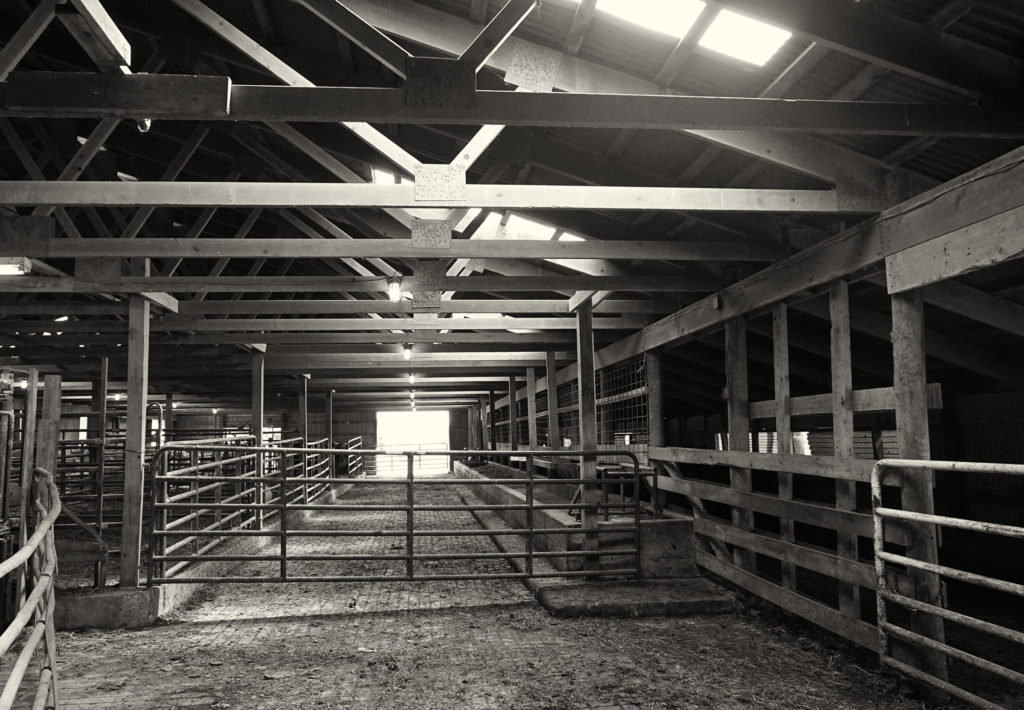
Right now Phil is playing host to 4H kids for the Summer. They’re learning about cattle, hogs and lambs. The kids pick the animals themselves; they’re purchased on loan and then sold in September.
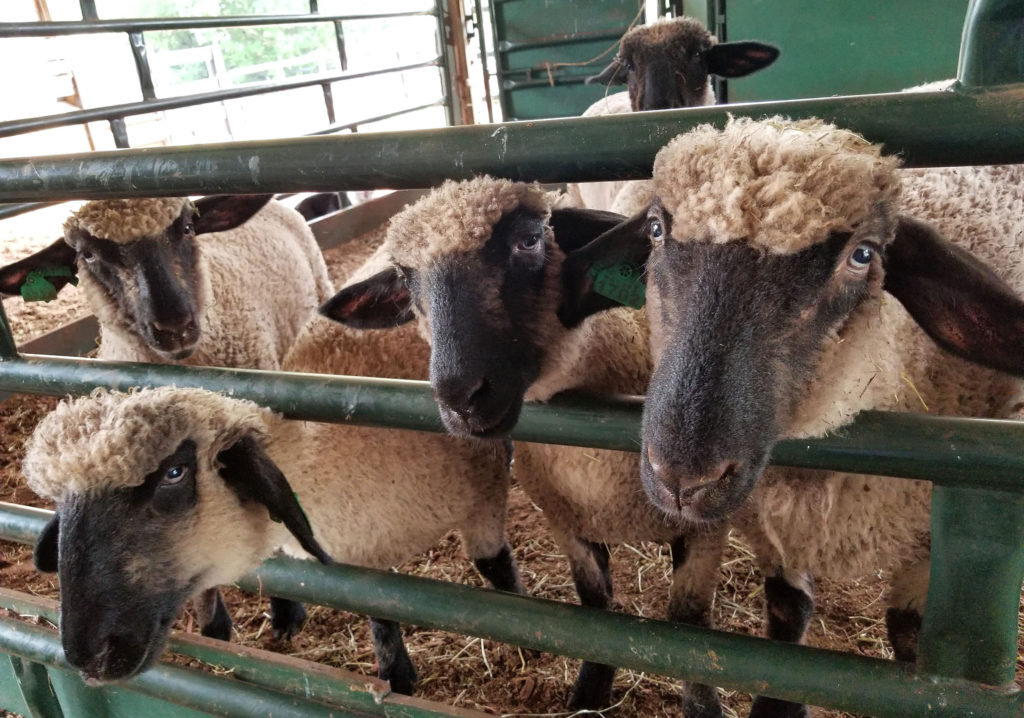
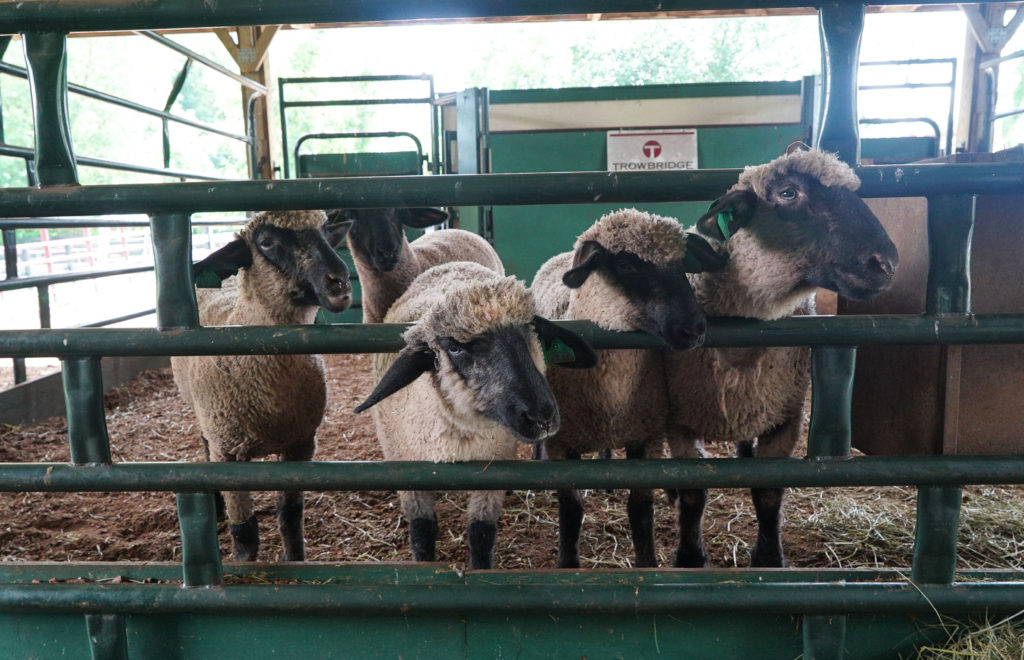
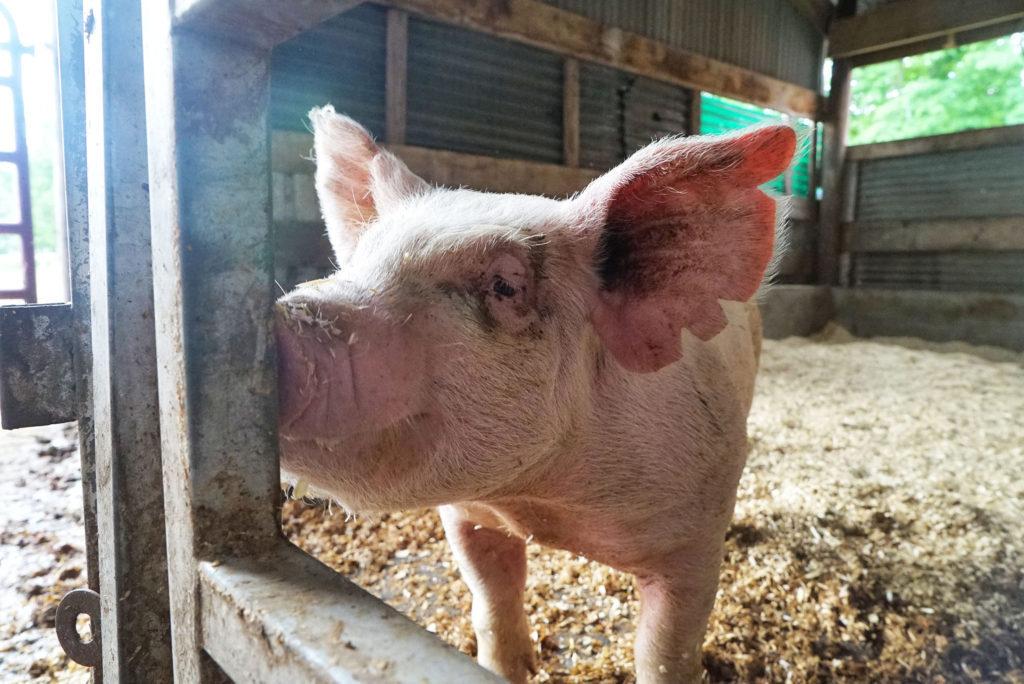
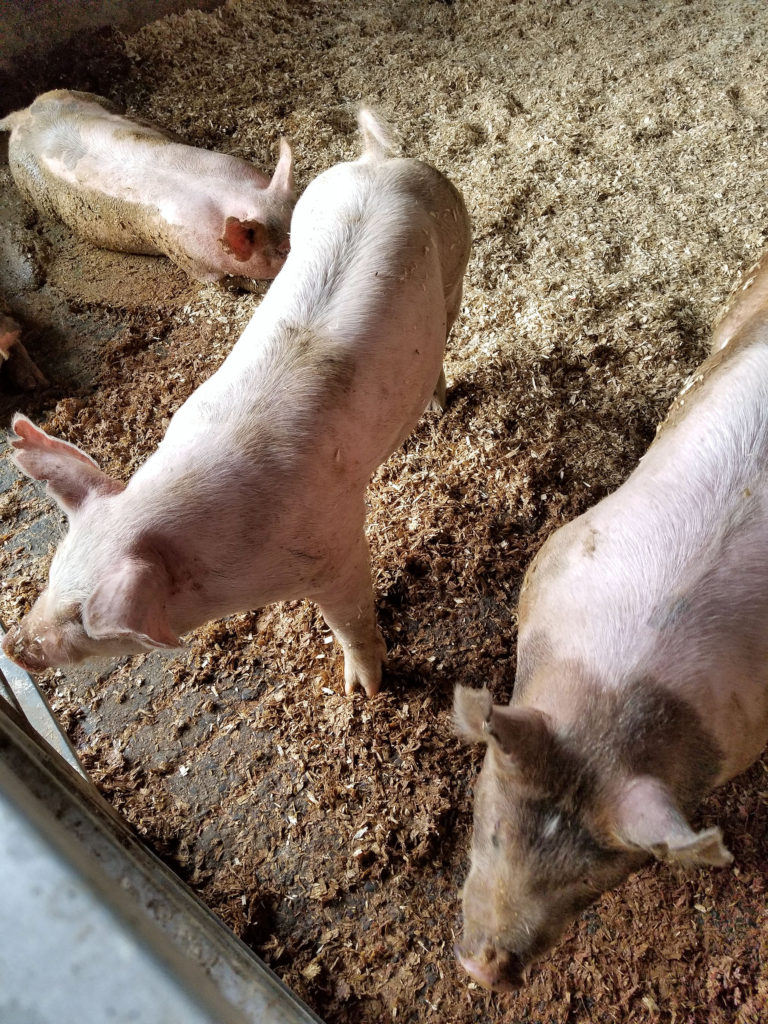
The kids learn how to take care of the animals, they keep track of feed and vaccinations with spreadsheets, and they show the animals at the county fair.
Many cattlemen work second jobs and perform odd tasks like this in their community. In addition to hosting 4H kids, Phil was the president of the NY Beef Council (which sponsored my tour here), he helped develop the new Veterinary Feed Directive laws that just went into effect, he runs a college internship program, and he goes on speaking tours for the industry. His son PJ has a tow truck gig at night, and he does some construction work for a friend in Albany when needed.
As if all of that isn’t enough, the Trowbridges also have to be vigilant of trespassing. A few months back, someone broke into the donor cow and calf barn behind the lab, took a bunch of video, and posted it online. Fortunately the guerrilla “coverage” was very positive in nature, but someone could have gotten hurt. And now sheriffs have been coming around, warning Phil that kids are stealing some of the ice packs used in shipping to make meth. Crazy.
Needless to say, no one is ever bored at Trowbridge Farms. But no one is resting on their laurels either. Phil wants to pass the farm on to his children, and beyond to his grandchildren.
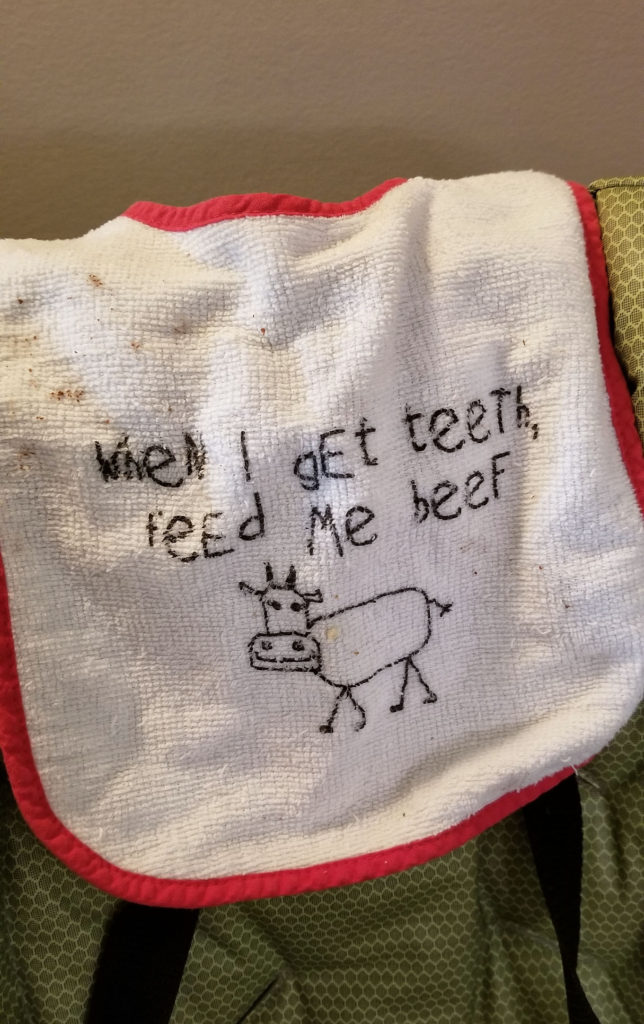
He purchased his first barn there 25 years ago when it was a brush pile. He built it up and installed all the fencing little by little at night after spending his day working at a nearby farm. Since then his operation has become scientifically cutting edge and well respected in the community. Articles have been written in trade magazines attesting to Trowbridge’s advances in the field.
Not only is Phil’s farm economically productive and a benefit to both the industry and the community, but Phil is ecologically responsible and an excellent steward of the land.
Phil builds lasting relationships with everyone he encounters on a regular basis. I had the pleasure of hearing a message that someone left on Phil’s voicemail, thanking him for all he does in the area. The people of Ghent respect what he does, and he respects the people of Ghent. He even throws a hot dog and hamburger cookout for the locals each year that draws hundreds.
When Phil was driving me around the community, he pointed out some of the other business that came and went. Old chicken farms, welding shops, mechanic shops, well drillers, orchards, artist warehouse studios, craft breweries… And even some newcomers like grass finished, no antibiotics beef producers.
Some of these folks will allow their animals to die because they refuse to treat their cattle with antibiotics. Phil understands and respects the “no antibiotics” niche markets that have developed, but he’s also a big believer in medicine and cares for the animals too much to let one die when an illness is perfectly treatable.
His words: “If that doesn’t bother you, then there’s something not right.” In my opinion, this kind of attitude is absolutely necessary in order to work with animals to any measure of lasting success. Phil is by no means one of a kind within the beef industry when it comes to this outlook on animals, but that’s no slight to him. His work is demonstrative of how great the practitioners of this business are at its core. He’s exemplary, and exemplary is common in this business. That’s a good thing.
But Phil’s love for the animals he works with is instantly revealed to all the moment he encounters them. They’re calm in his presence, and very trusting of him and other people – even strangers like me. I’ve never seen anything quite like it.
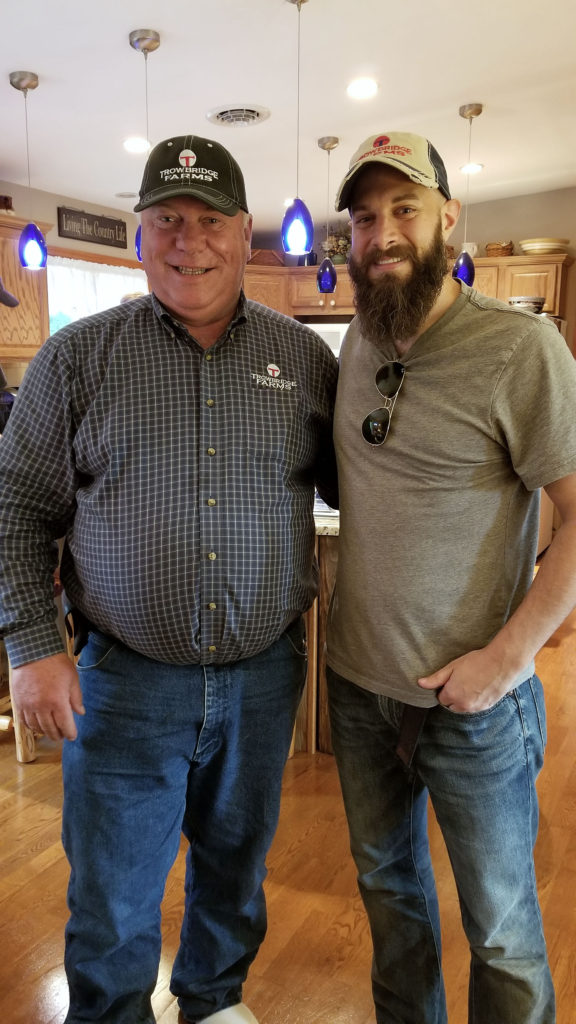
The Trowbridge family name is celebrating 60 years in the cattle business this year. I’m very happy to have met Phil and his family, and I’m honored to put a spotlight on them for my readers.
Dear Beloved Meat Freaks:
I’m really excited about these steaks!
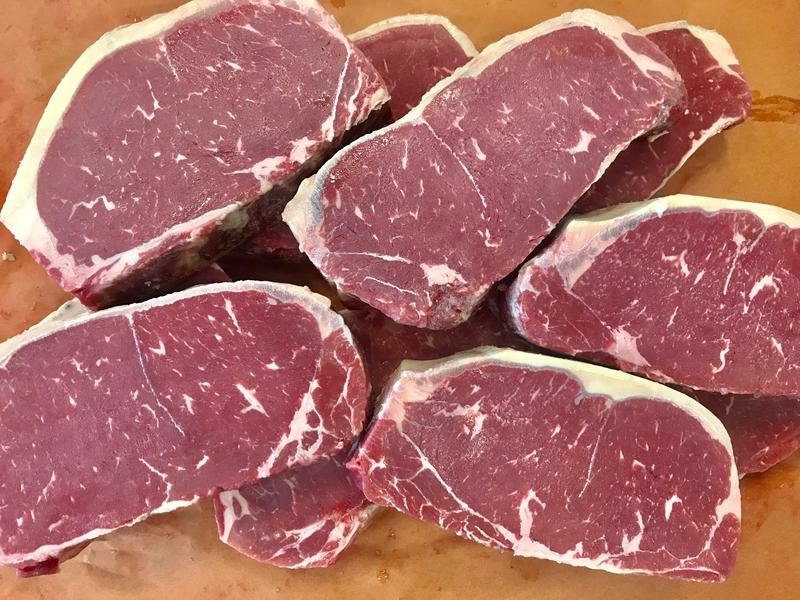
Piedmontese is a breed of cattle that is originally from northwest Italy. Their short, double muscle fiber structure makes for incredibly tender steaks even without tons of marbled fat.
I recommend that you don’t go past medium rare on these: leaner meats have less fat, which means they can dry out if you cook them too much.
They’re currently very affordable, as they’re still sort of a hidden gem in the meat business.
I’ve got them priced at 20% off: 10 lbs is just $159.99 (regularly $199.99)!!! That’s 10 glorious one pound steaks to fill your grill this weekend. Get on it!
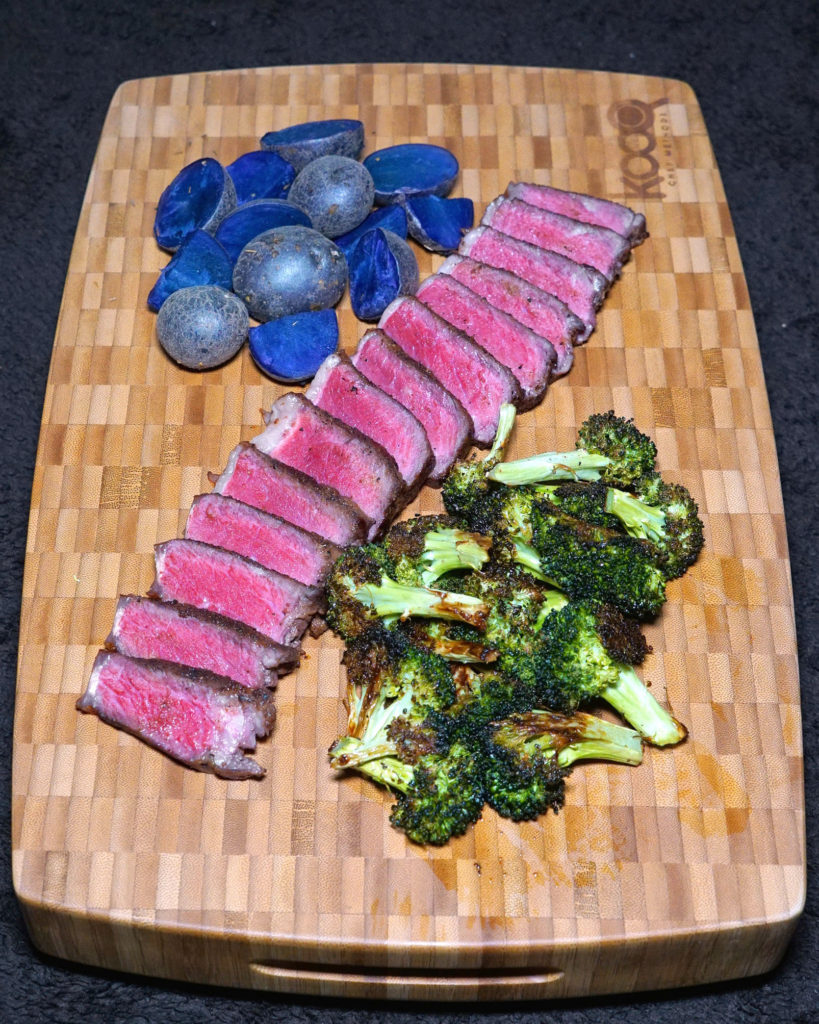
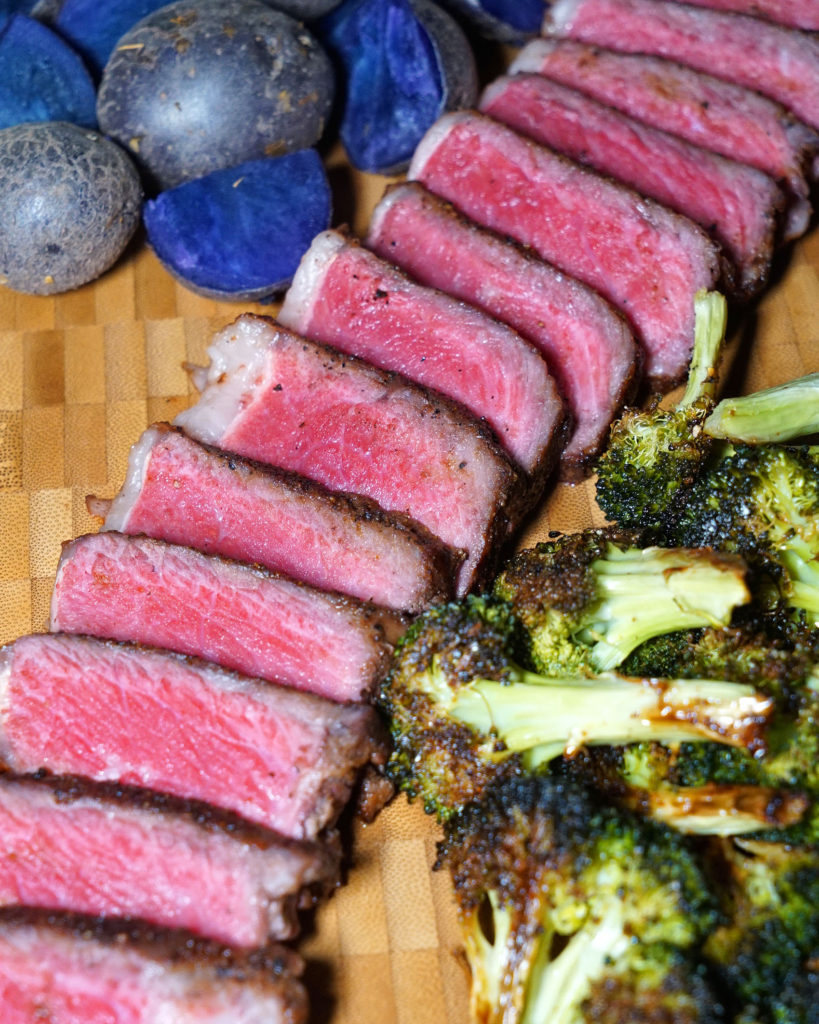
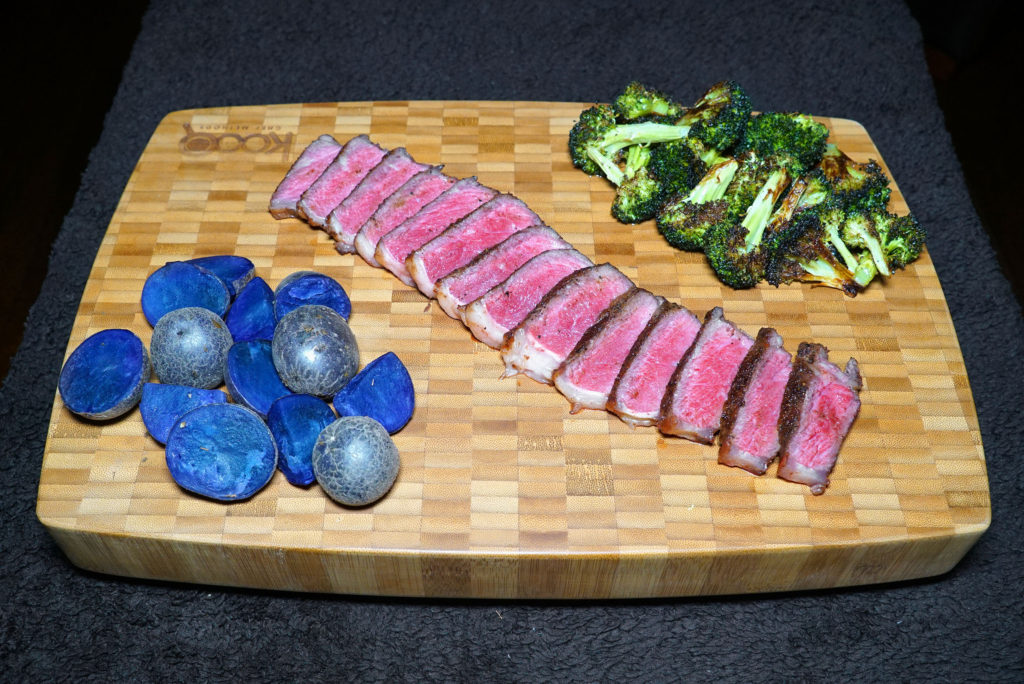
I cooked one up at home yesterday and these babies are incredibly tender and delicious. They’re lean, juicy, and packed with a really nice but mild flavor. For the one pounders, you just need some salt, pepper and garlic powder for the seasoning. Then sear in a hot pan with butter for about three and a half minutes per side. Let rest, and then slice.
I had the opportunity to head to Chef Joe Conti’s test kitchen prior to the open of his yet-to-be-named Japanese omakase restaurant downtown. The great thing about this meal is that I was able to taste a lot of different cuts of A5 Wagyu beef. The highest marbling score there is. Unreal. Since there were a bunch of courses, I’ll get right down to business.
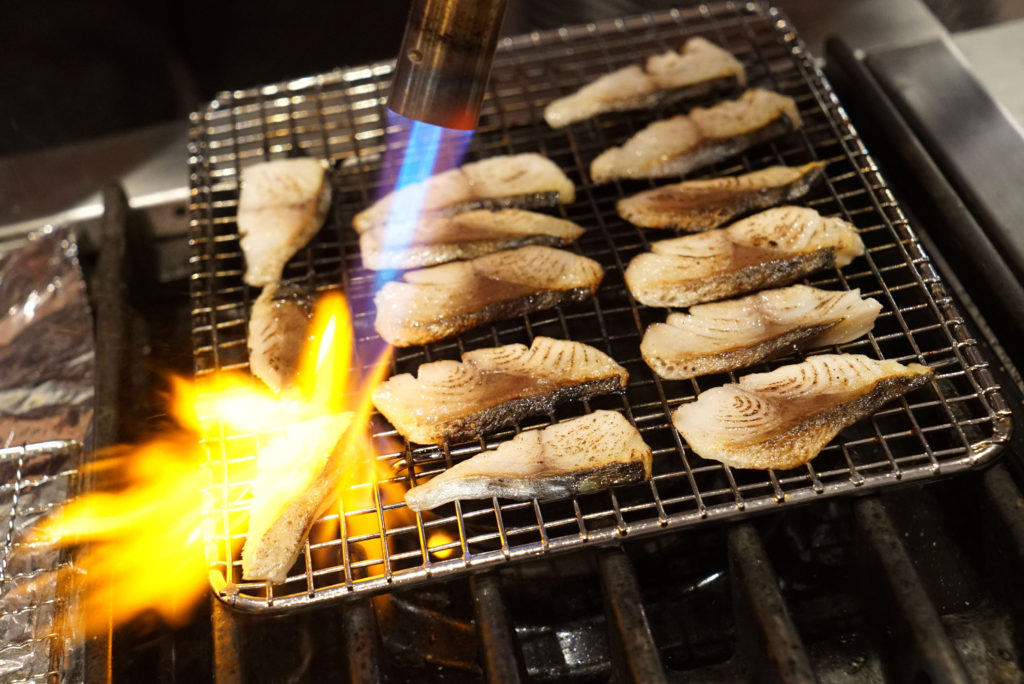
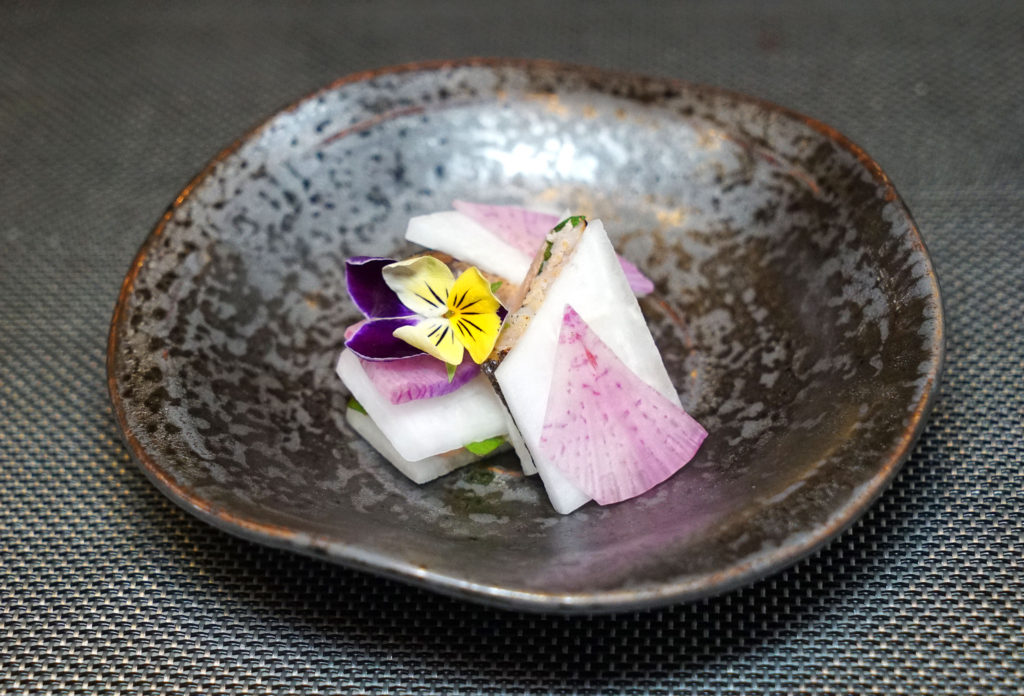
Torched mackerel with pickled daikon.
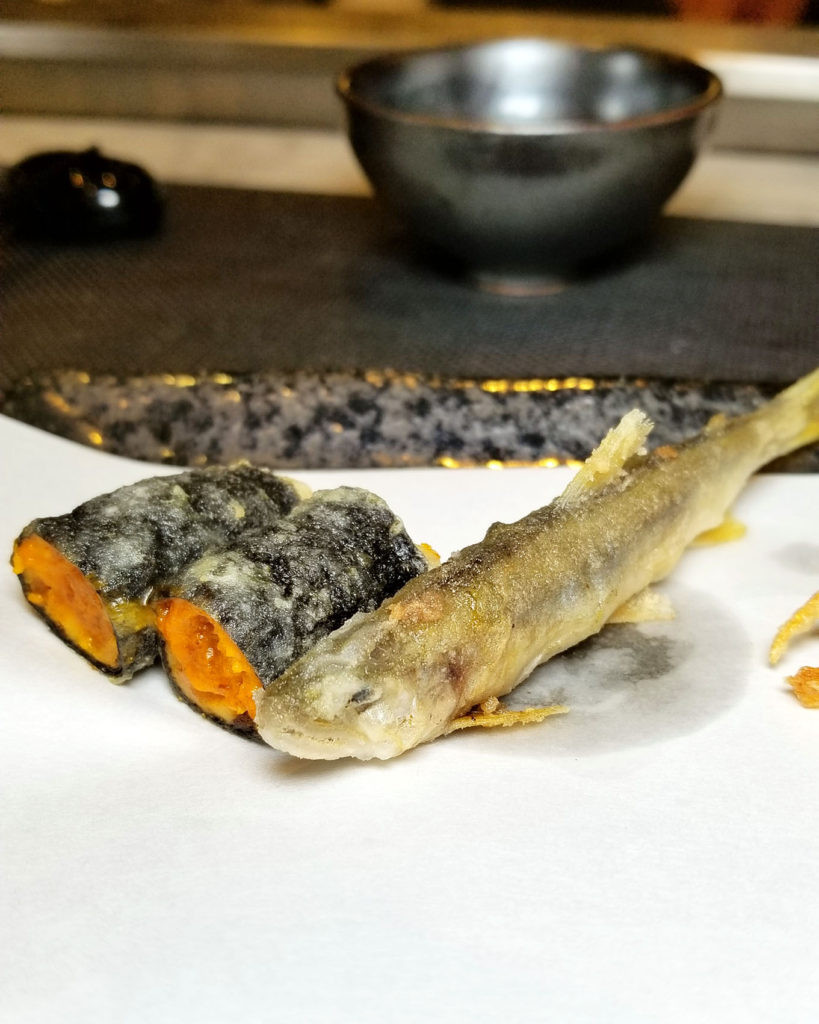
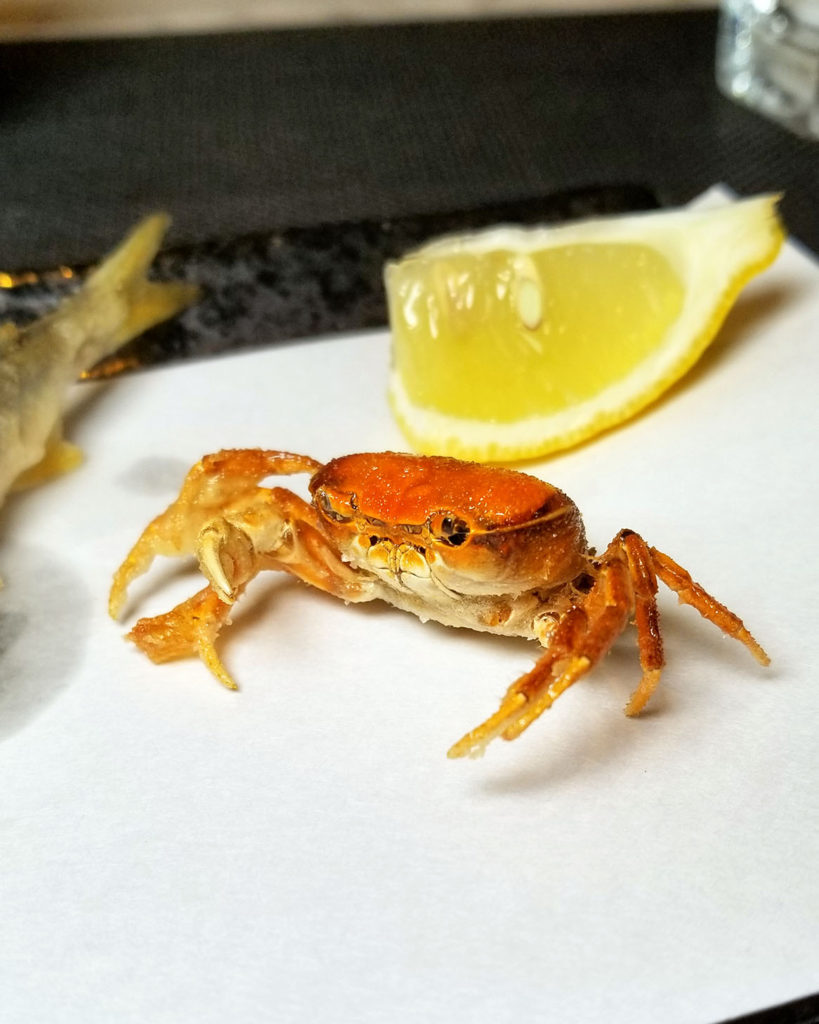
Fried river fish, uni and river crab.
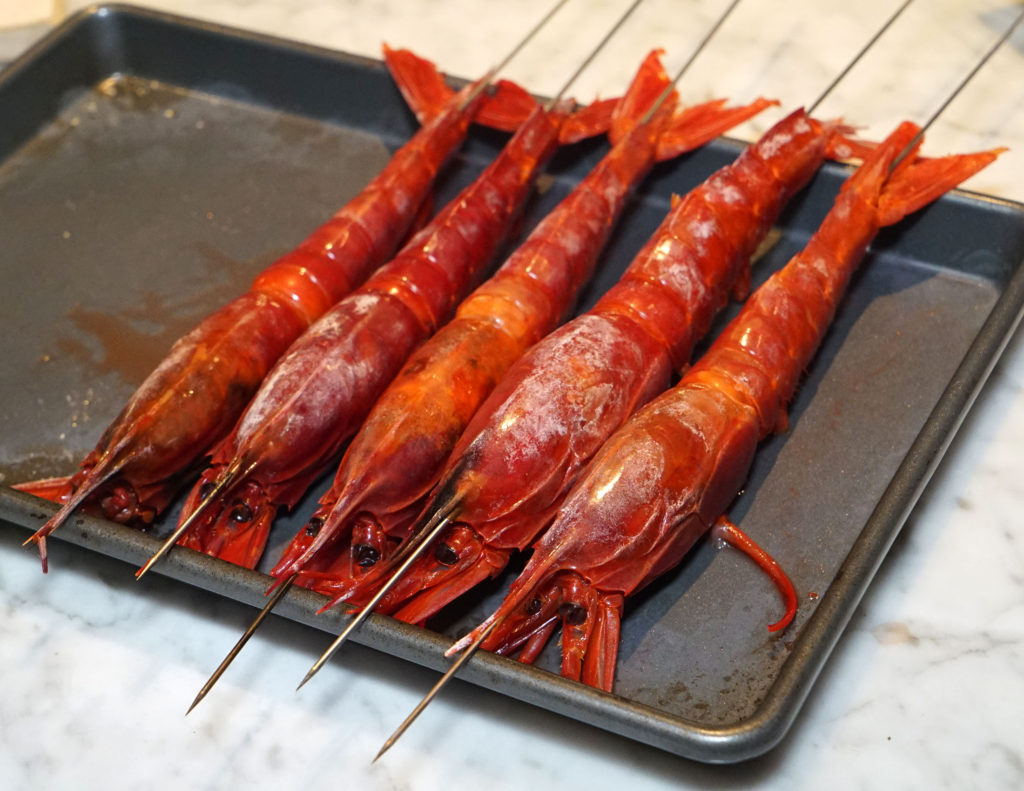
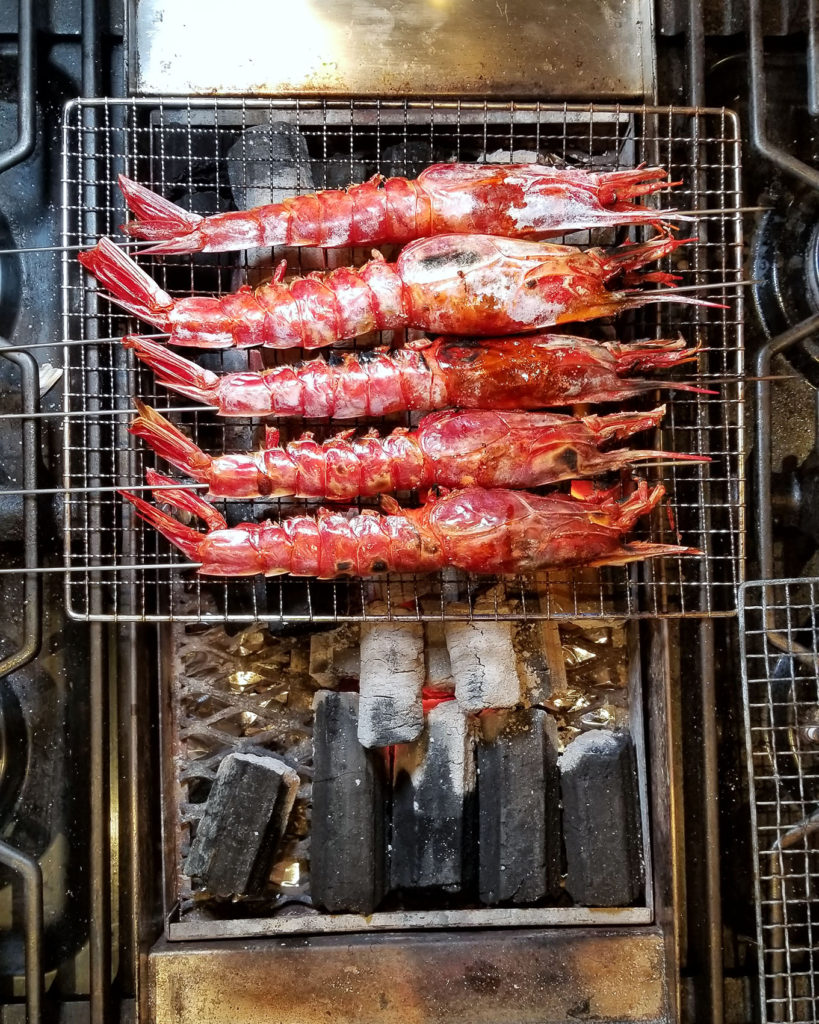
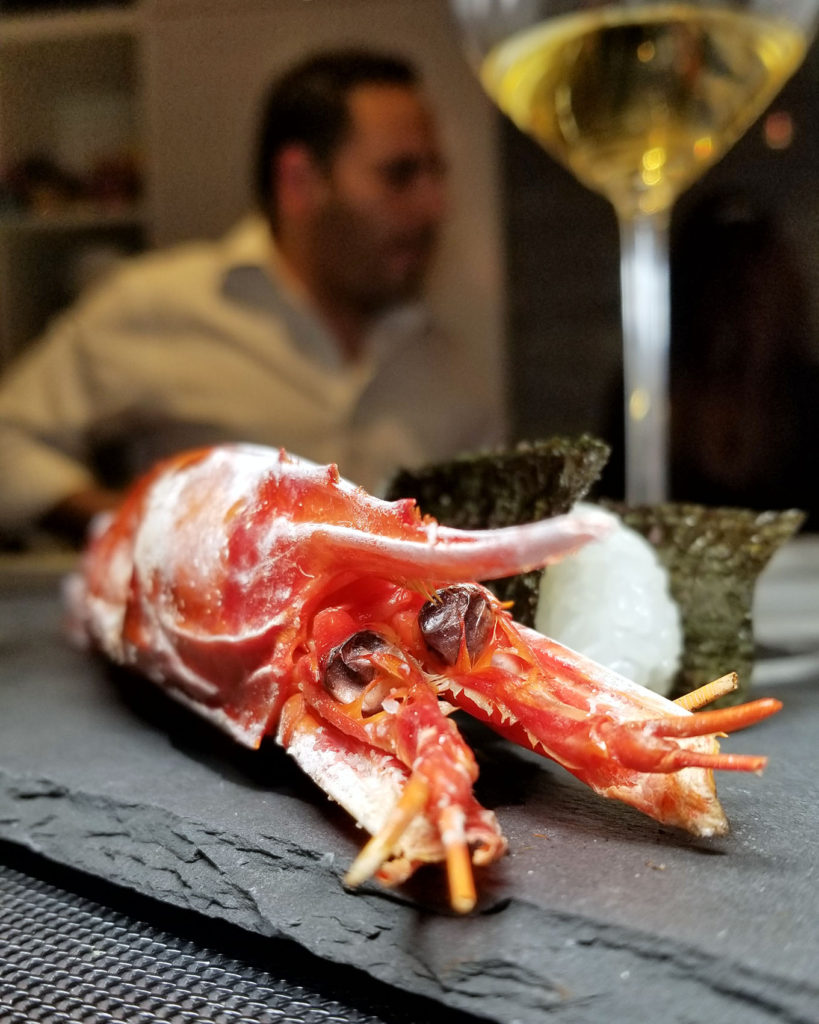
Giant shrimp/prawn carabineros. Simply seasoned with salt, but their insides cook into a naturally spicy and fatty butter-like substance that will provide you with wet food dreams for the rest of your life. It coats your tongue like a rich prosciutto almost. For real, this is one of the best things I’ve ever eaten in my whole fucking life. They get to about a third of a pound each in weight, too, so they’re substantial. Favorite part of the meal – even better than the beef!
Wagyu skirt steak (8/10) and pork skirt steak. Amazing. Here, the pork out shined the beef just because it was so unique to see this cut here in the states. I want more of it!
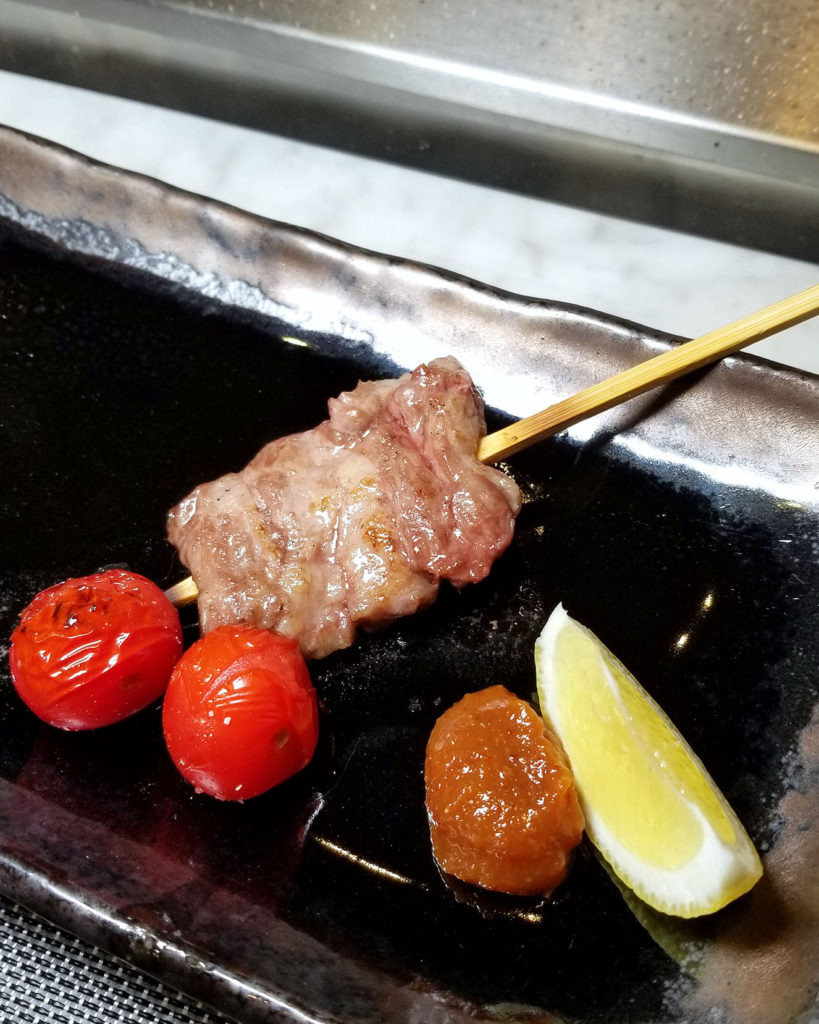
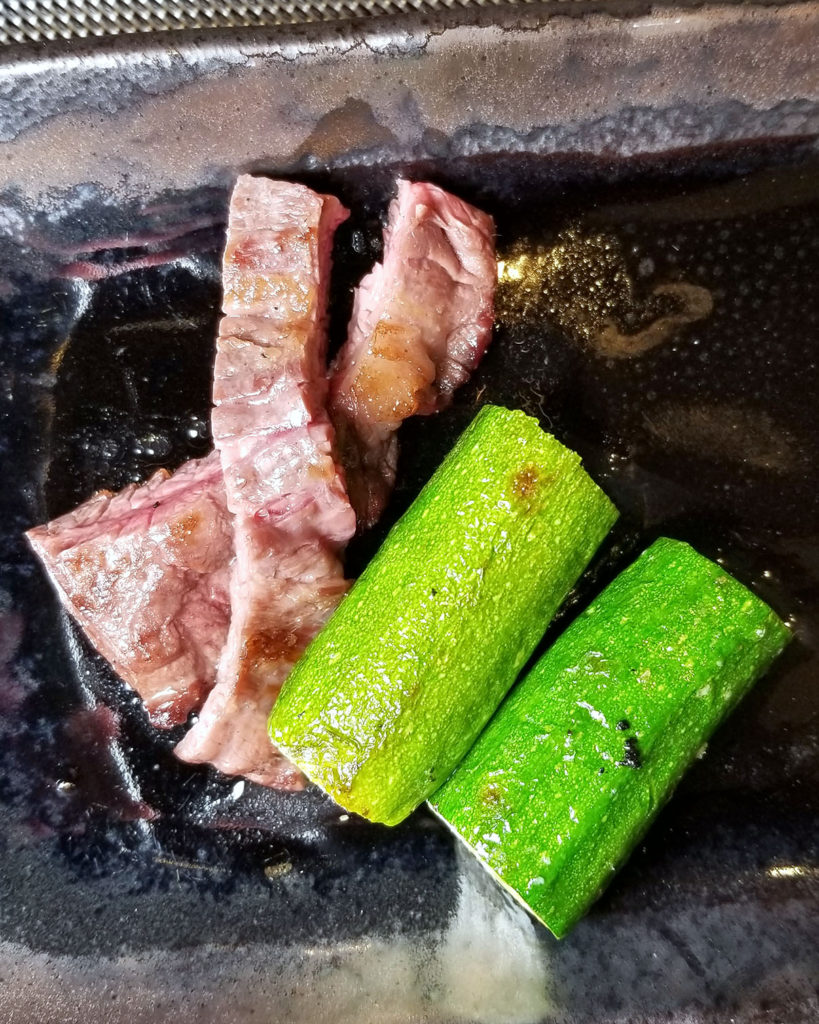
Wagyu sirloin (9/10), tenderloin (10/10) and rib cap (9/10). All amazing, but my favorite, oddly, was the tenderloin. It was so buttery soft and tender that it would be impossible to compare it to anything else that came across our plates.
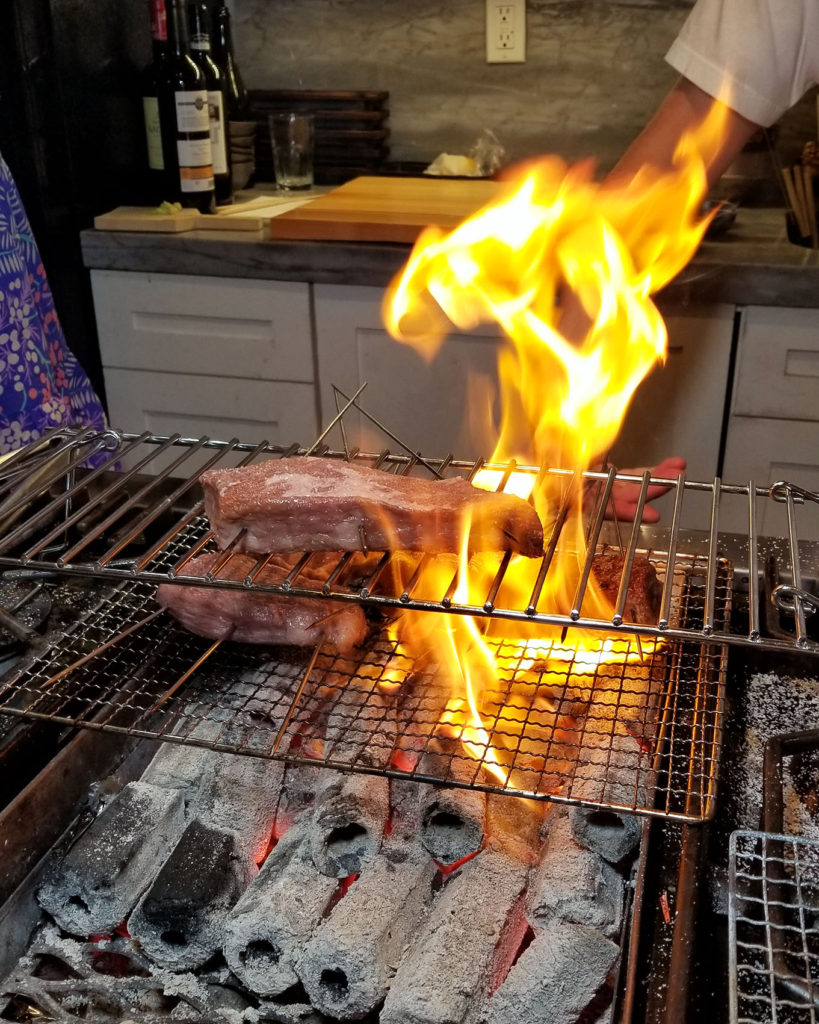
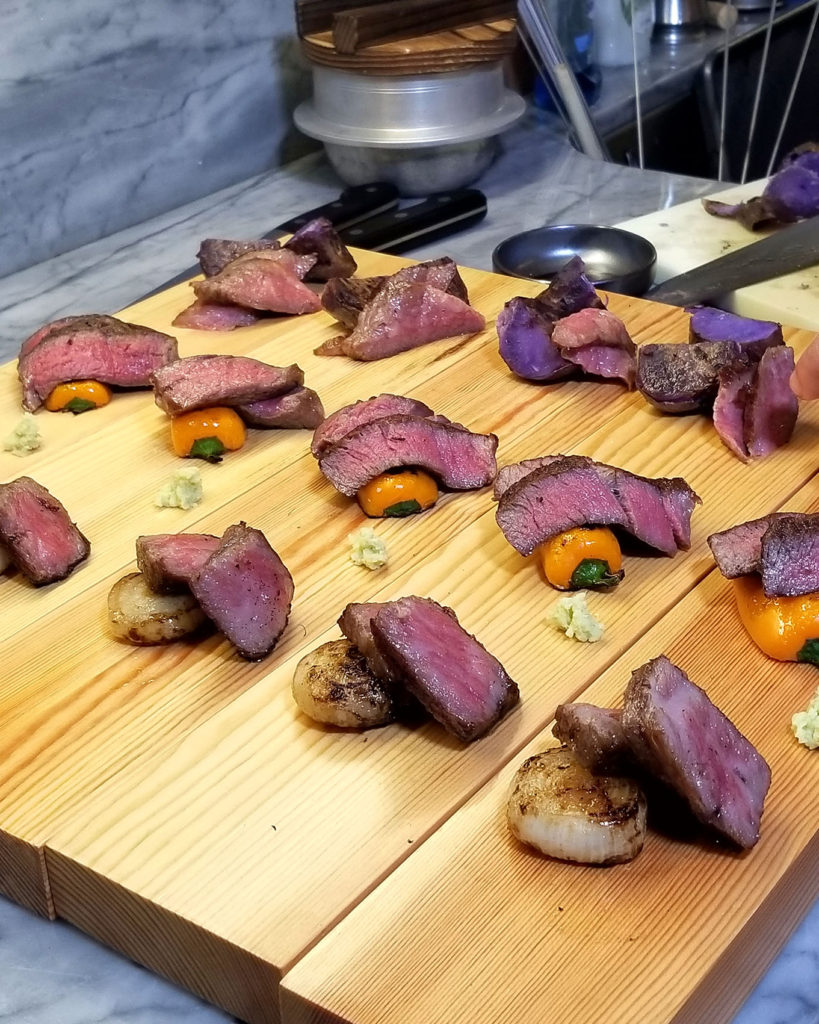
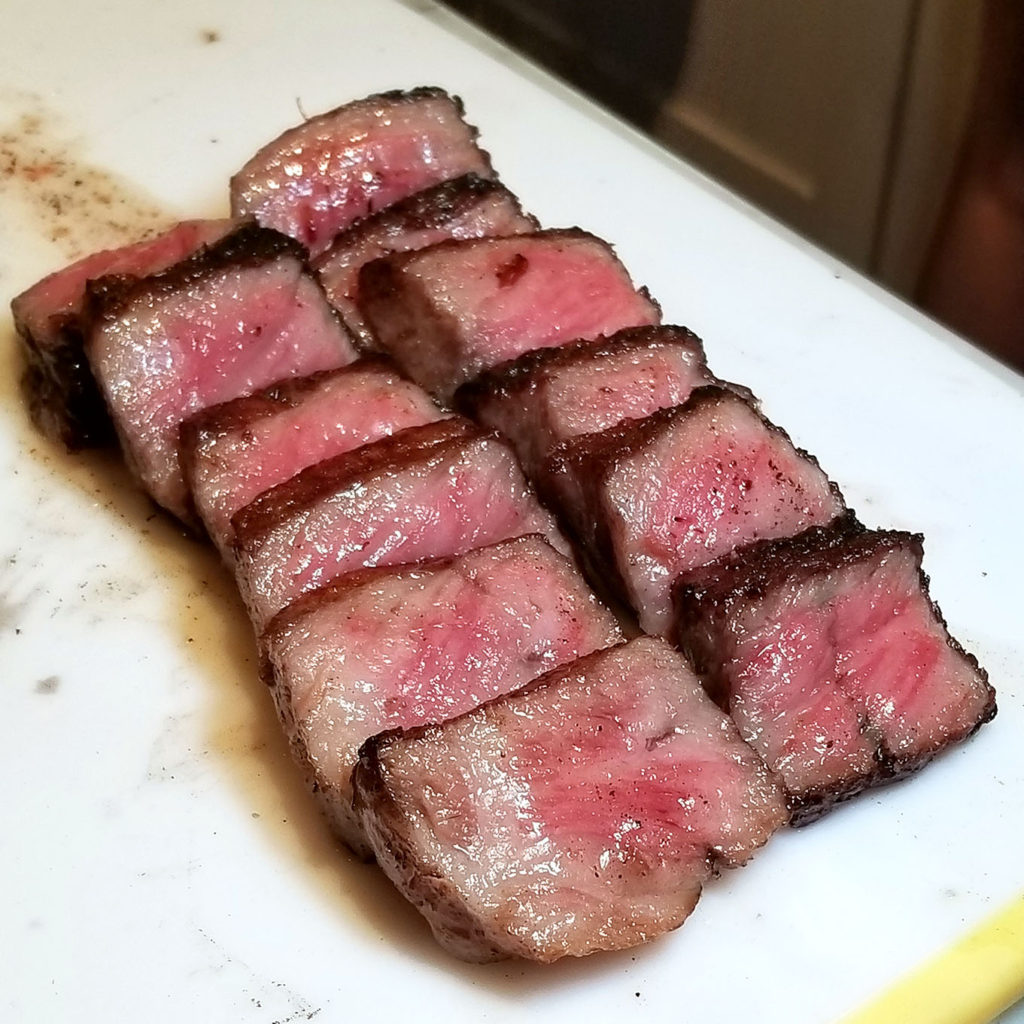
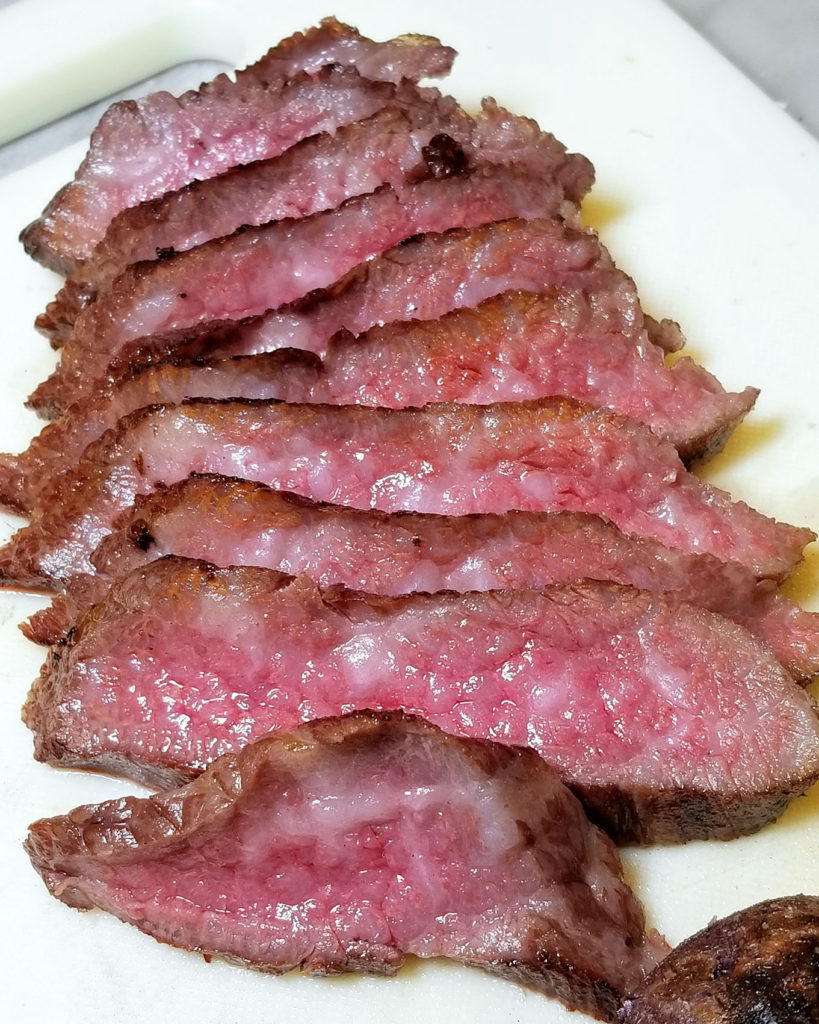
Here’s the tenderloin up close:
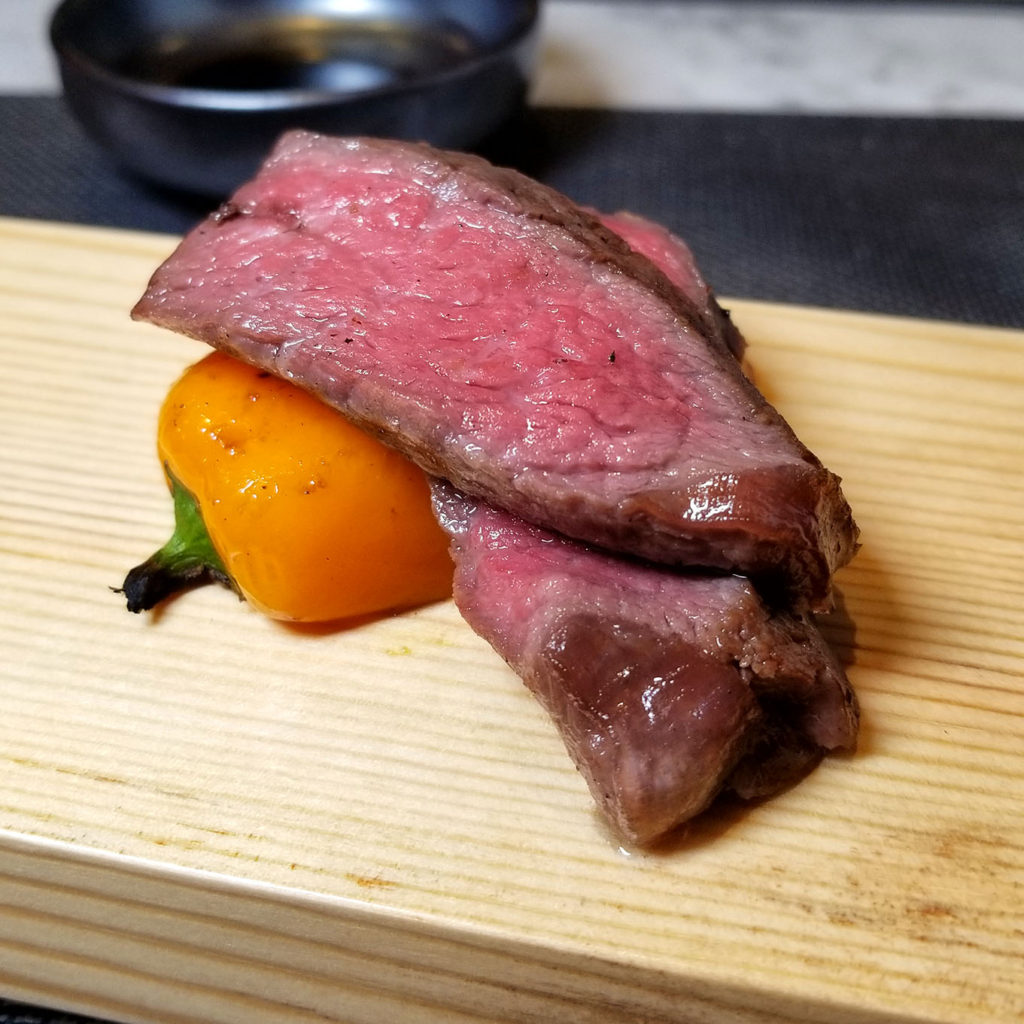
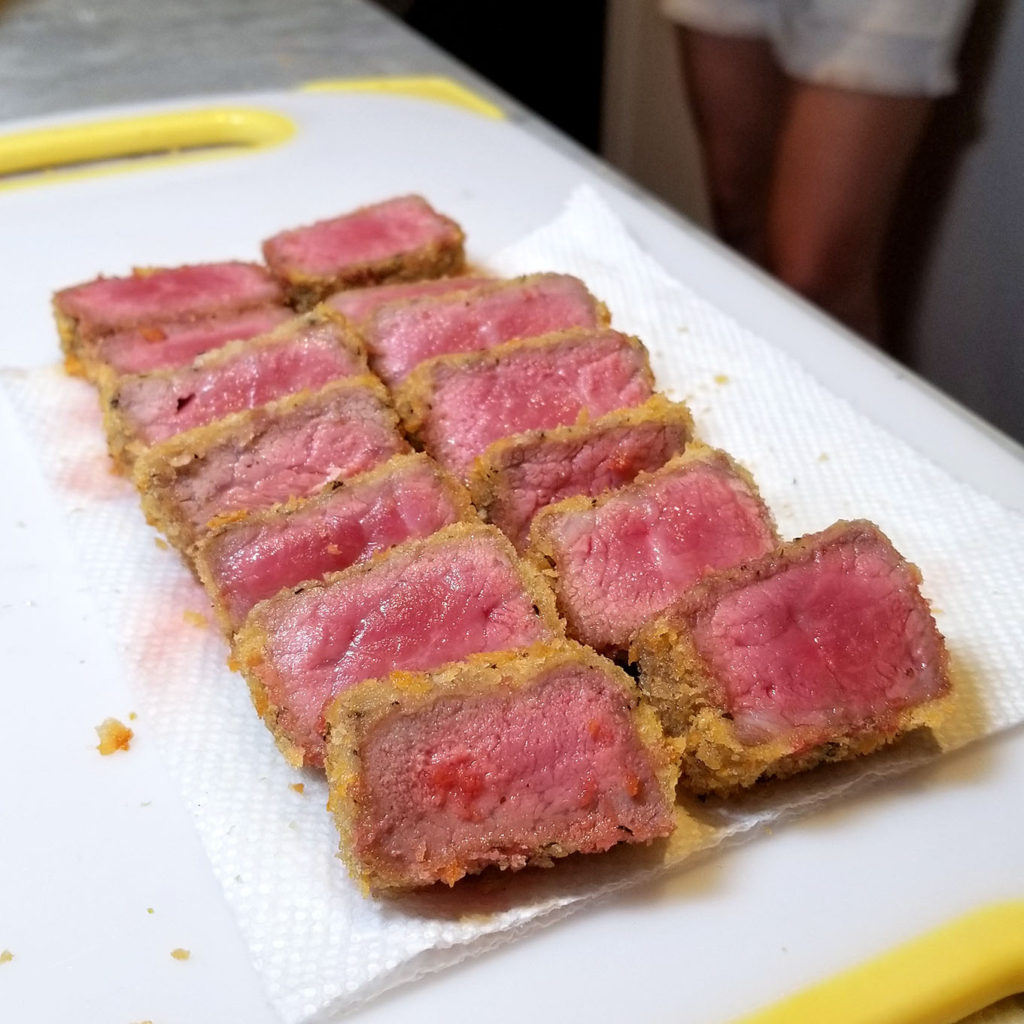
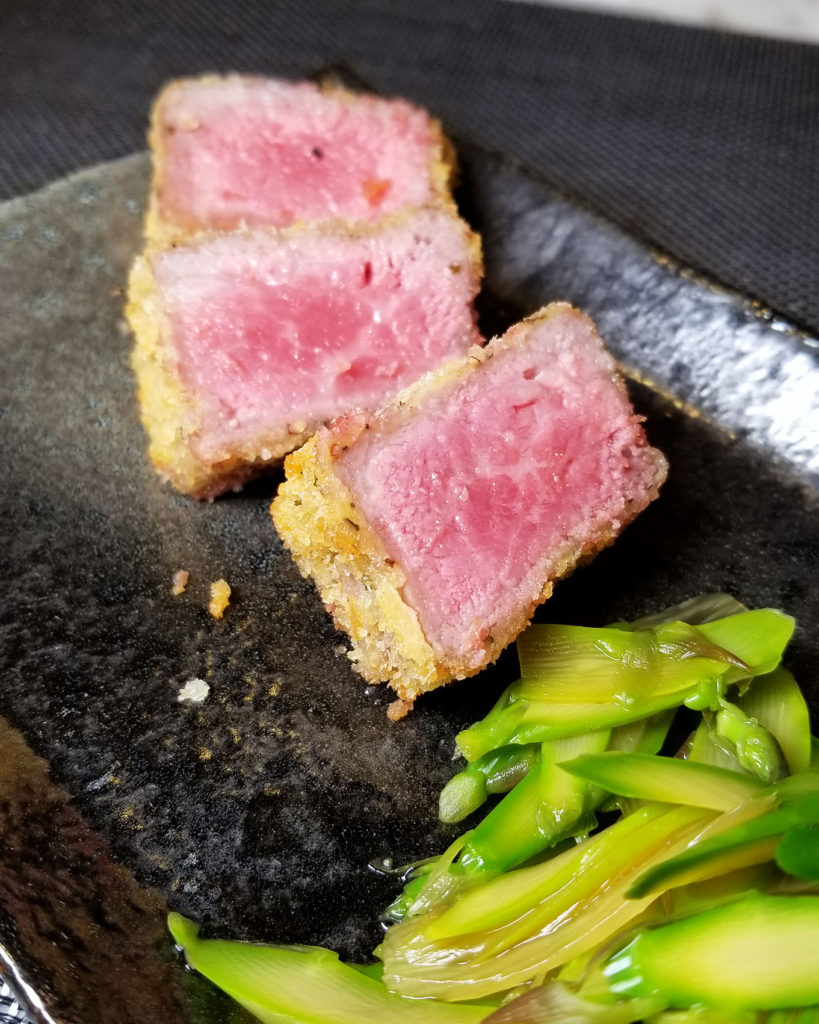
Italian panko Parmesan breadcrumb “gyu katsu,” aka deep fried beef strip loin. Amazing. 8/10.
Eel with shiso.
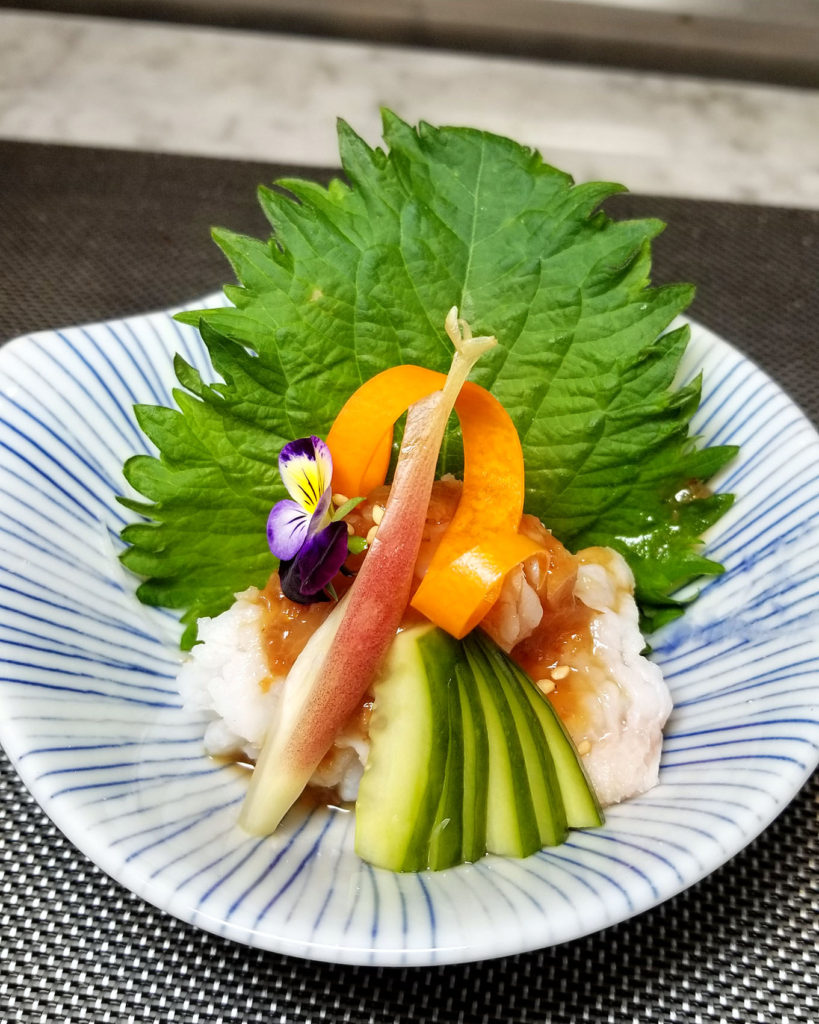
Cold udon noodles.
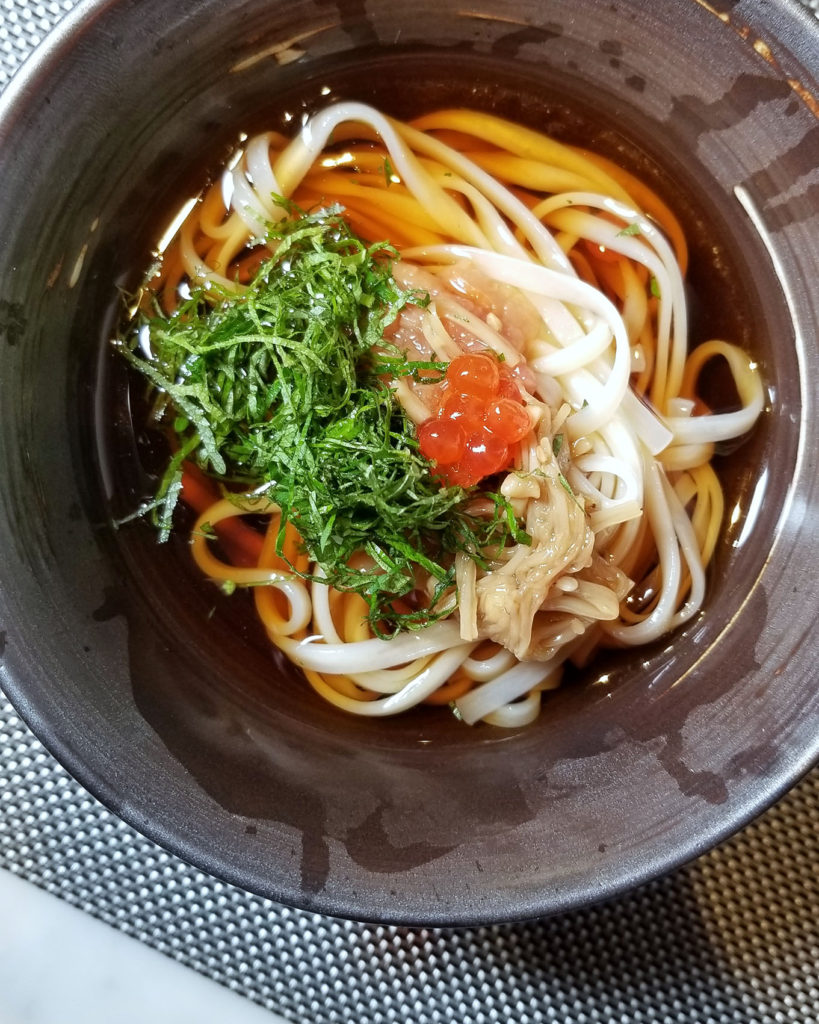
Ice cream: chocolate, green tea with chocolate chips, and salted caramel. Still some refining to be done here, but over all a great closer plate.
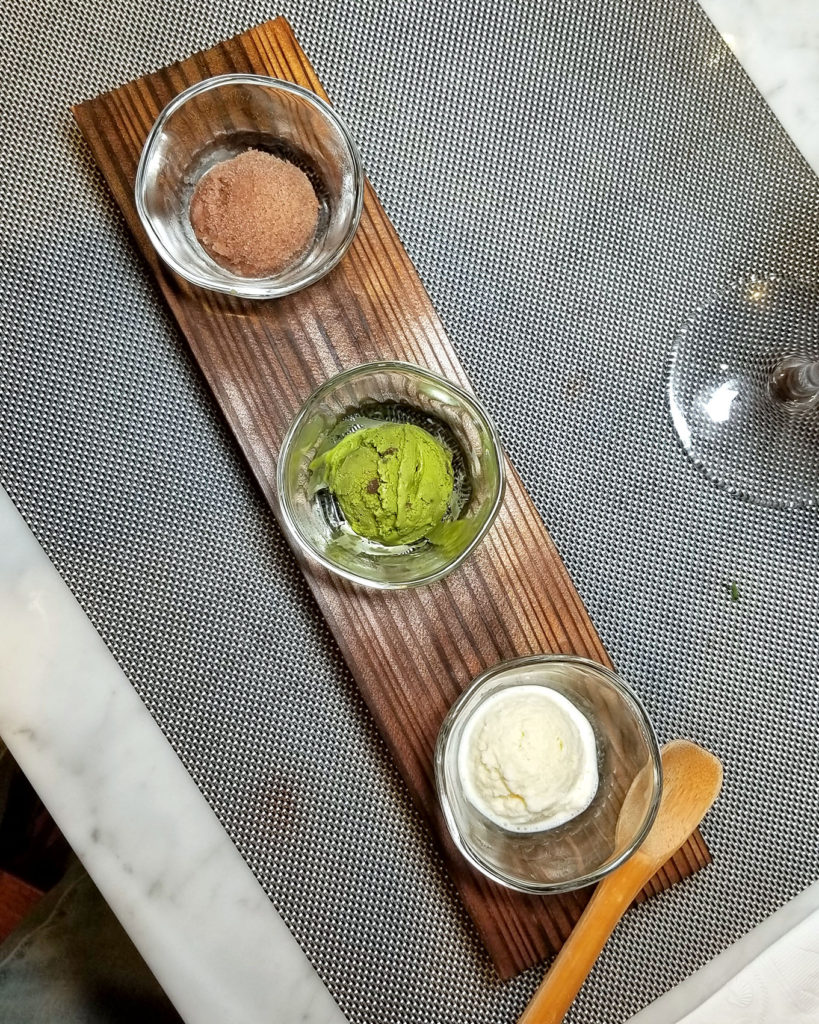
I can’t wait until this spot officially opens. I think it’ll be in the West 4th Street and 8th Avenue area. Keep an eye out! They’re already booked solid for the first few months after they open.
UPDATE: 1/15/18
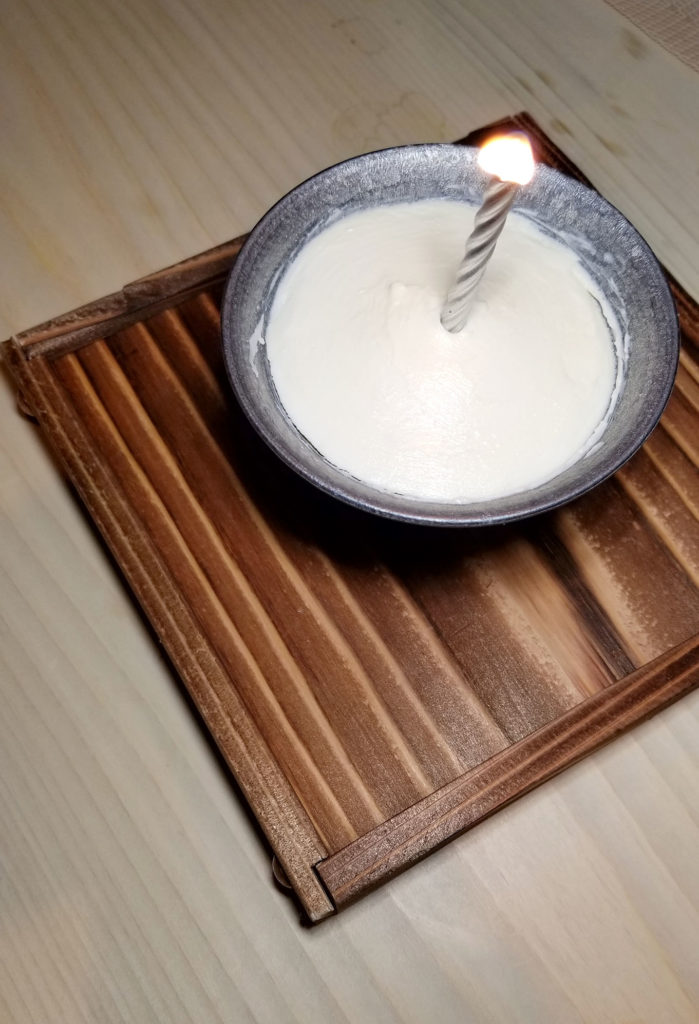
Chef Joe’s place is called Shuraku, located in the west village. They opened to great success, and I finally got around to bringing my wife there to try the great food. The meal was excellent, and my wife loved her birthday dinner. Here’s what we had:
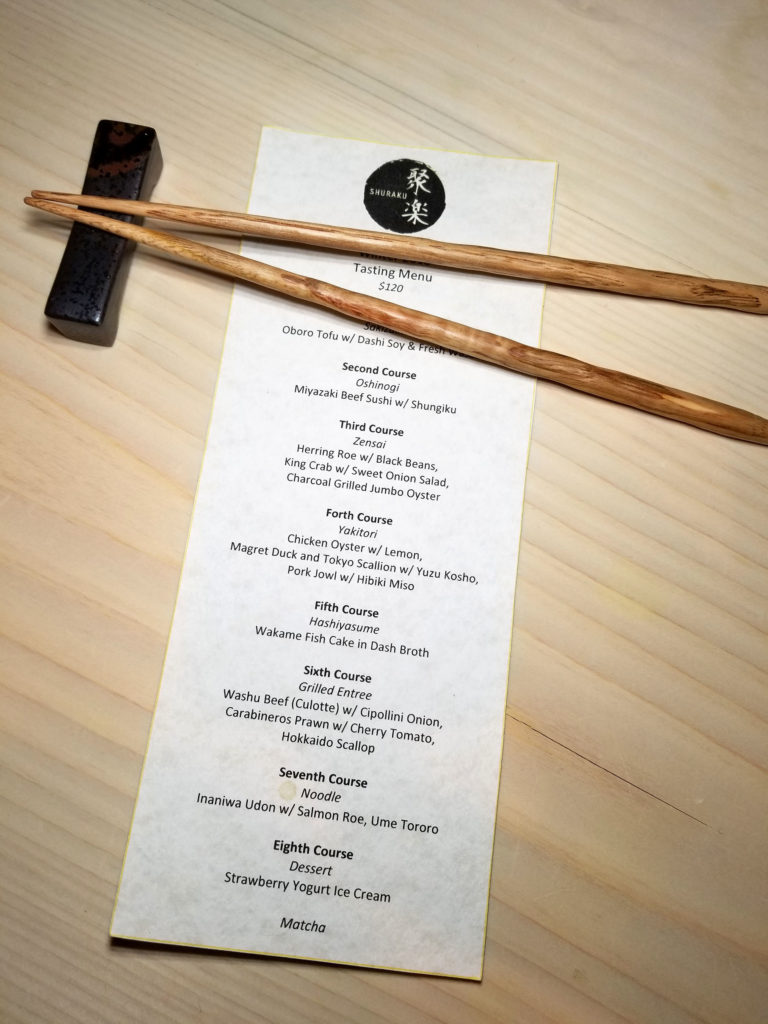
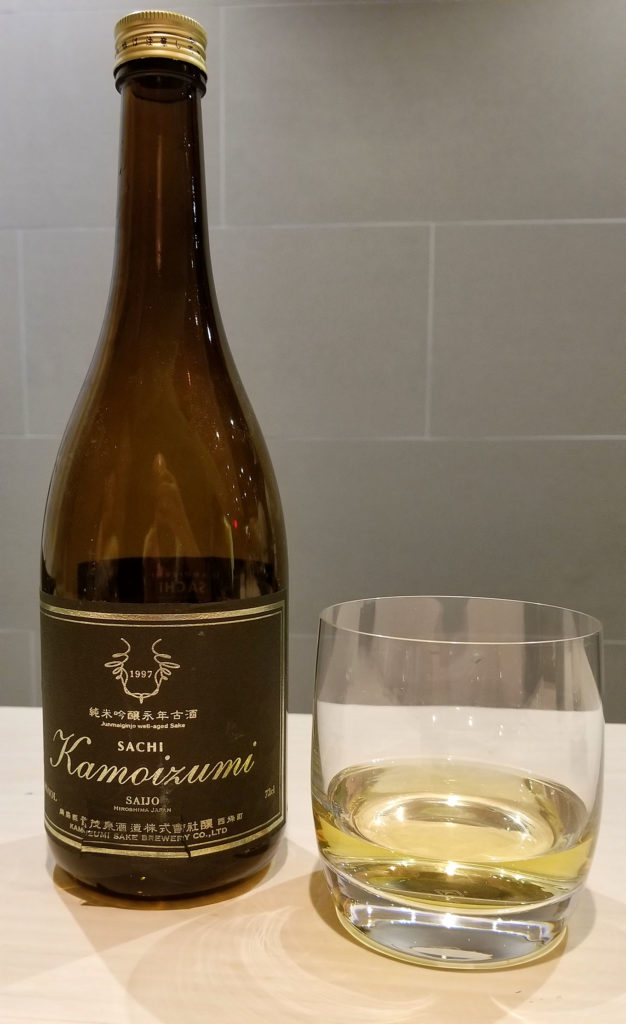
During the course of the meal we tried three different sakes. The one pictured with the bottle was my favorite, aged for 17 years in barrels. It had a mild smooth scotch flavor to it.
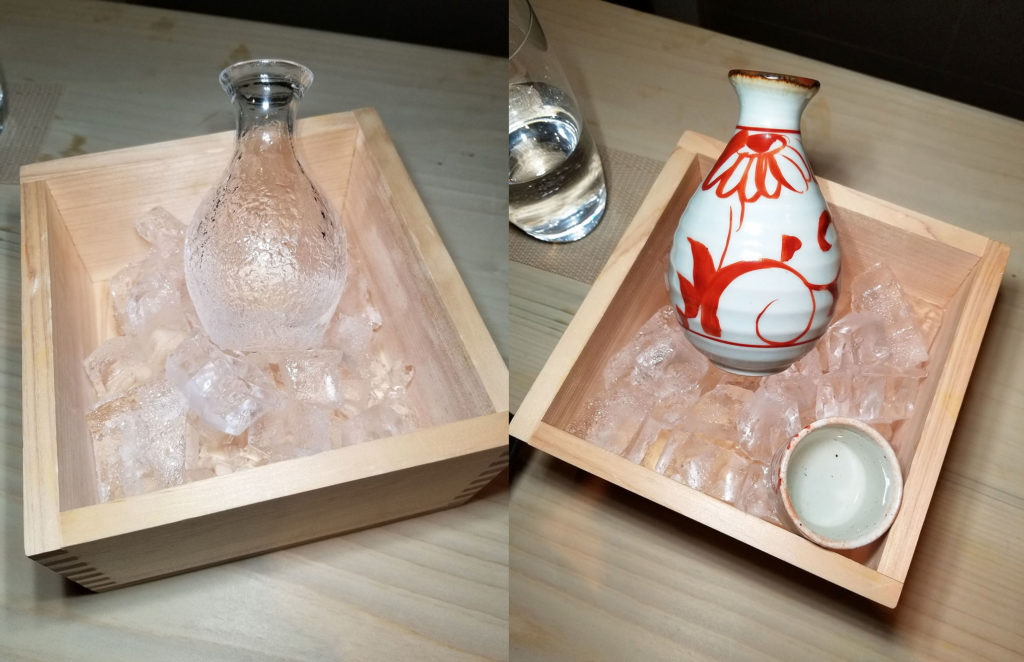
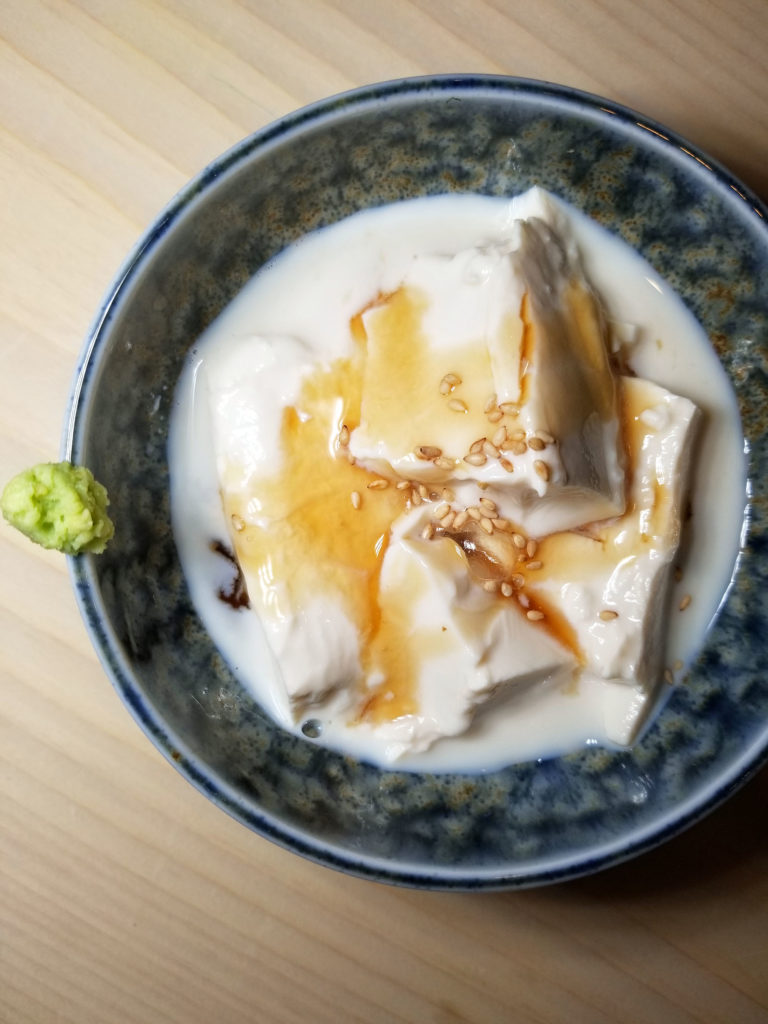
Course 1: tofu.
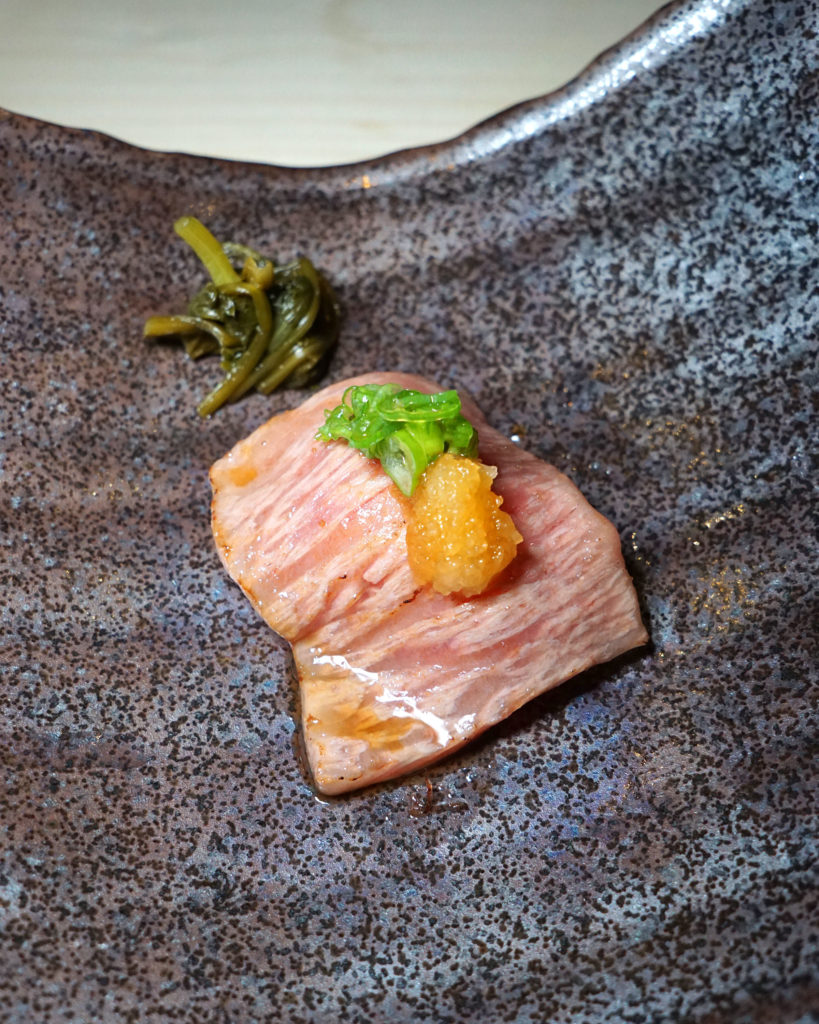
Course 2: A5 wagyu beef sushi.
Course 3: oyster and king crab.
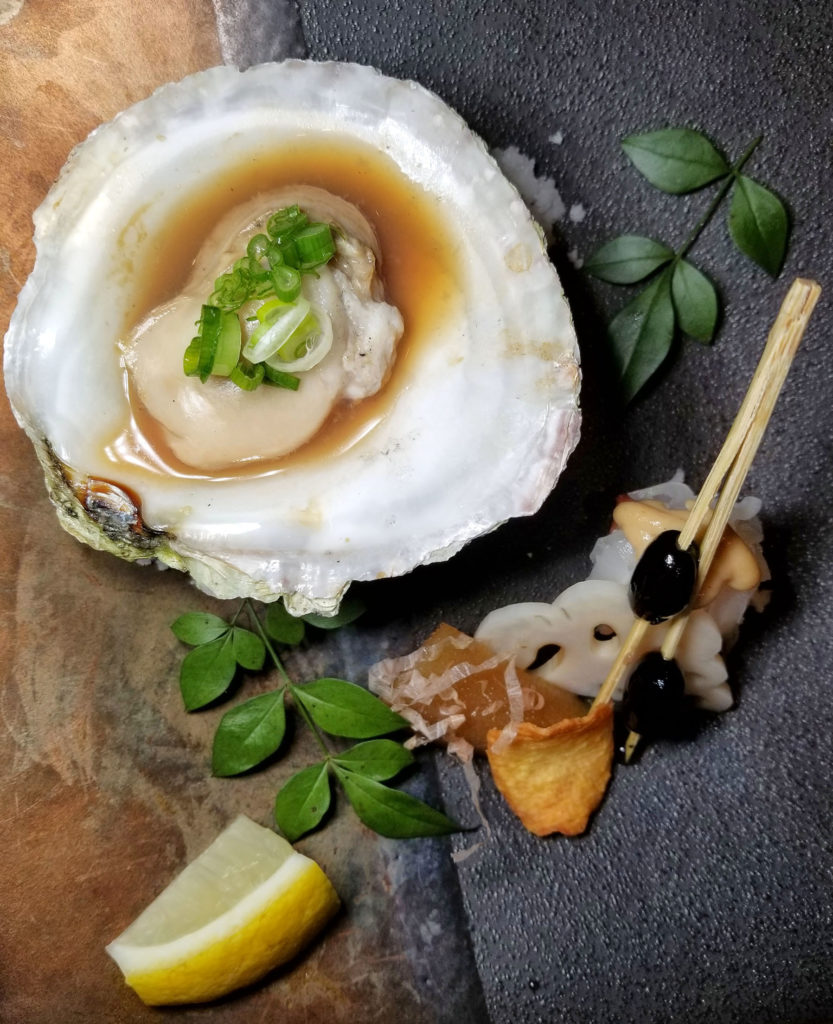
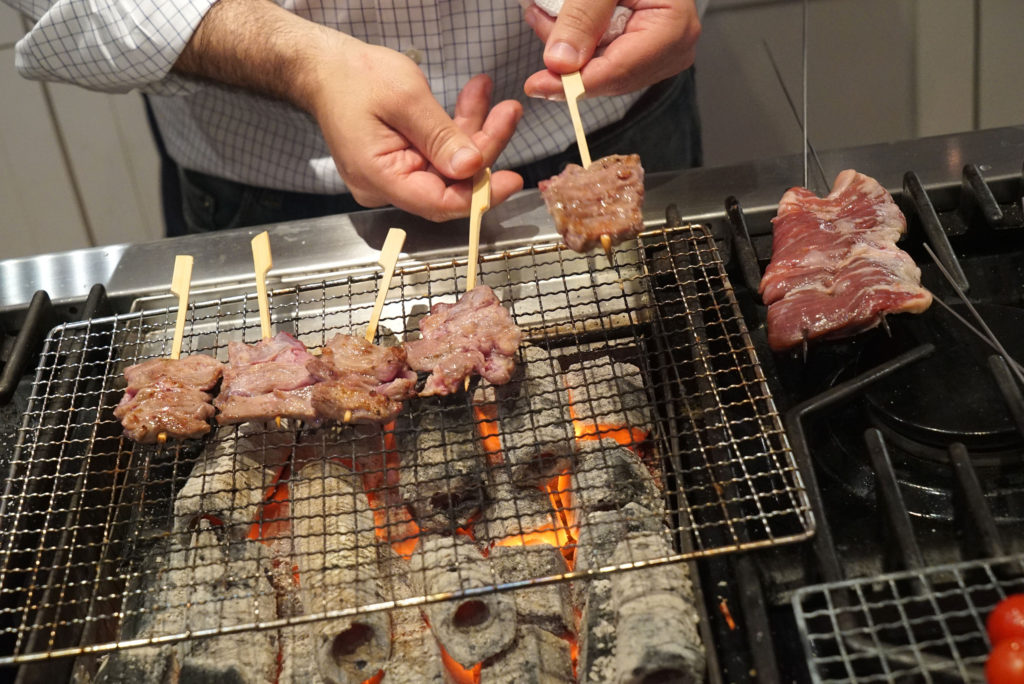
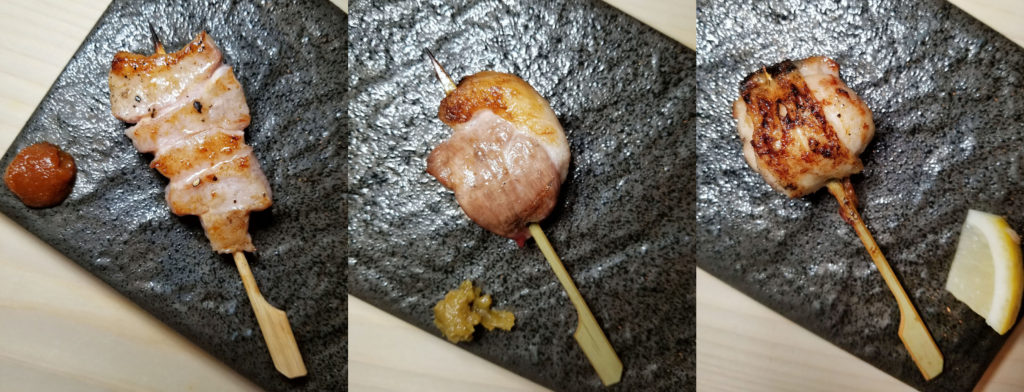
Course 4: yakitori
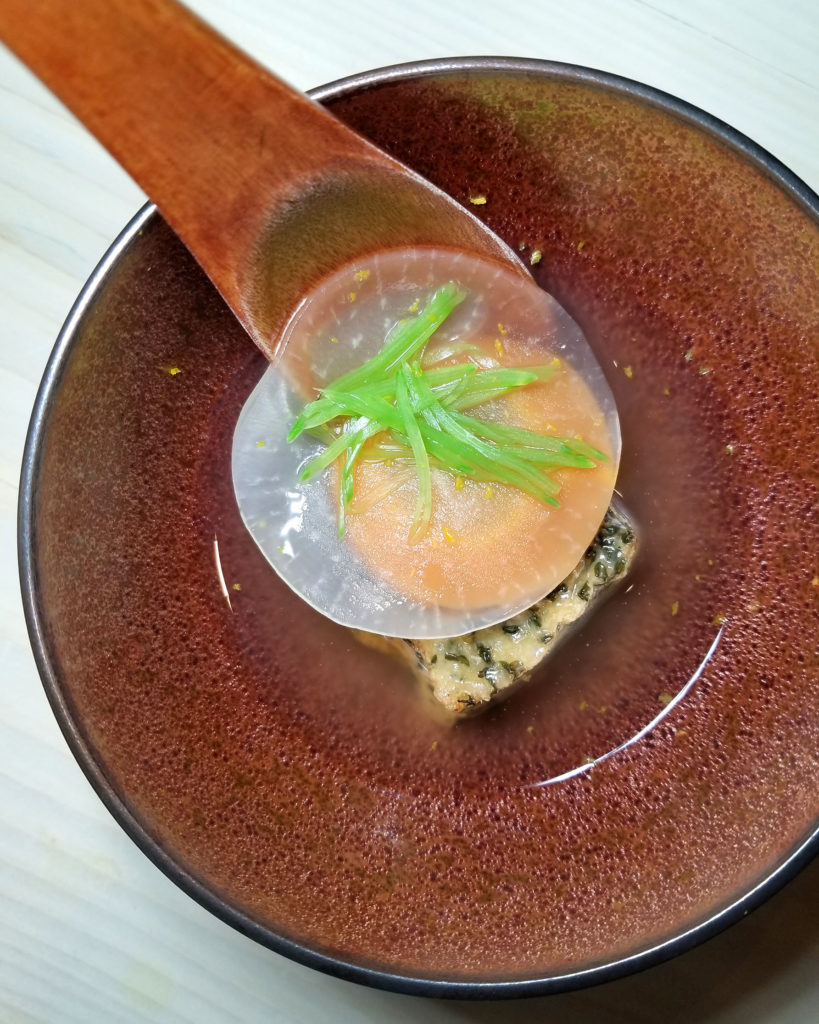
Course 5: fish cake with dashi
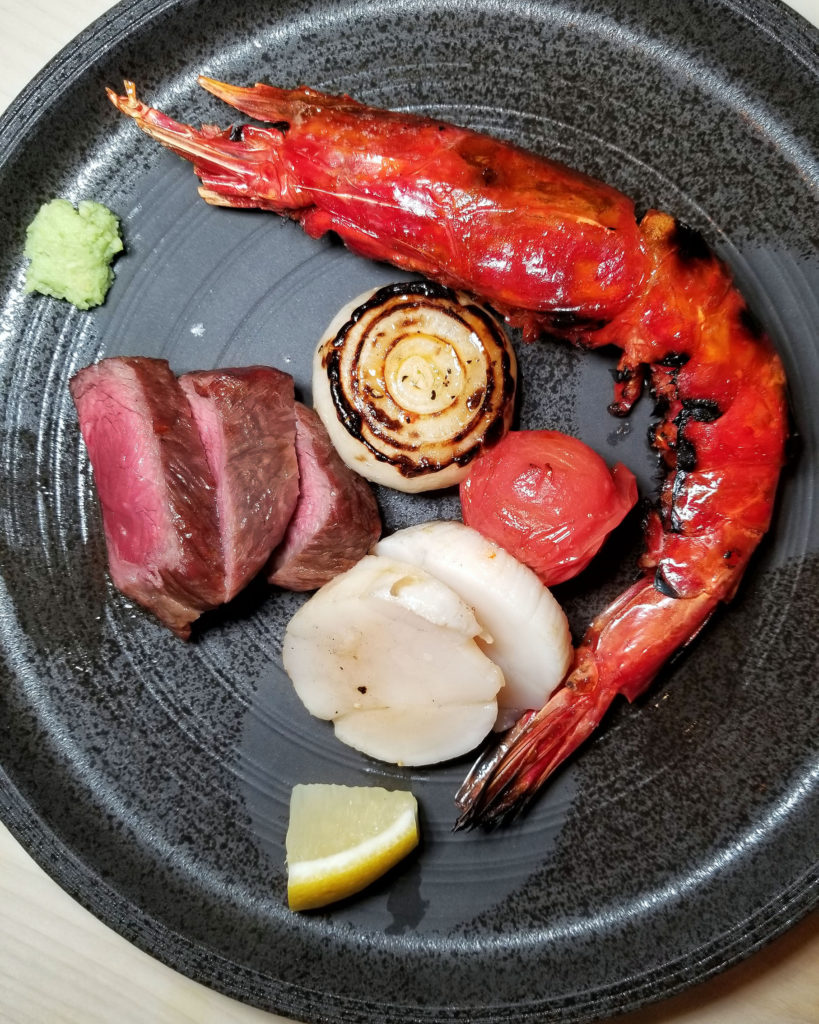
Course 6: beef and seafood grill.
Course 7: udon with roe.
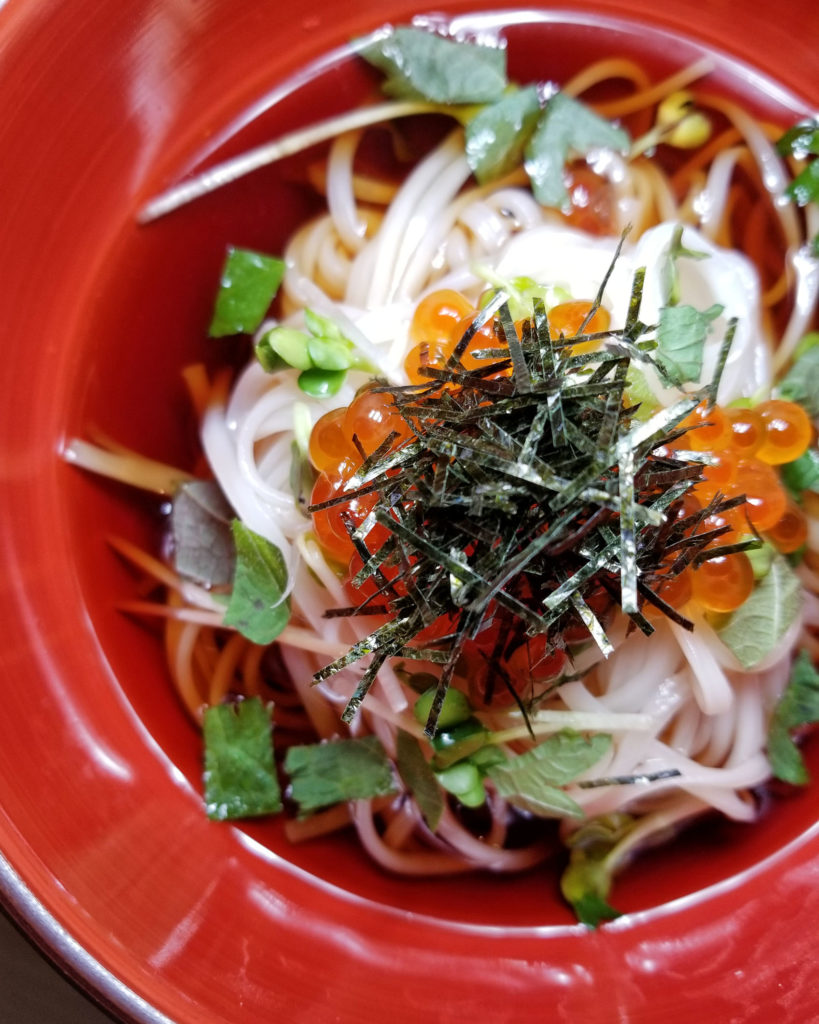
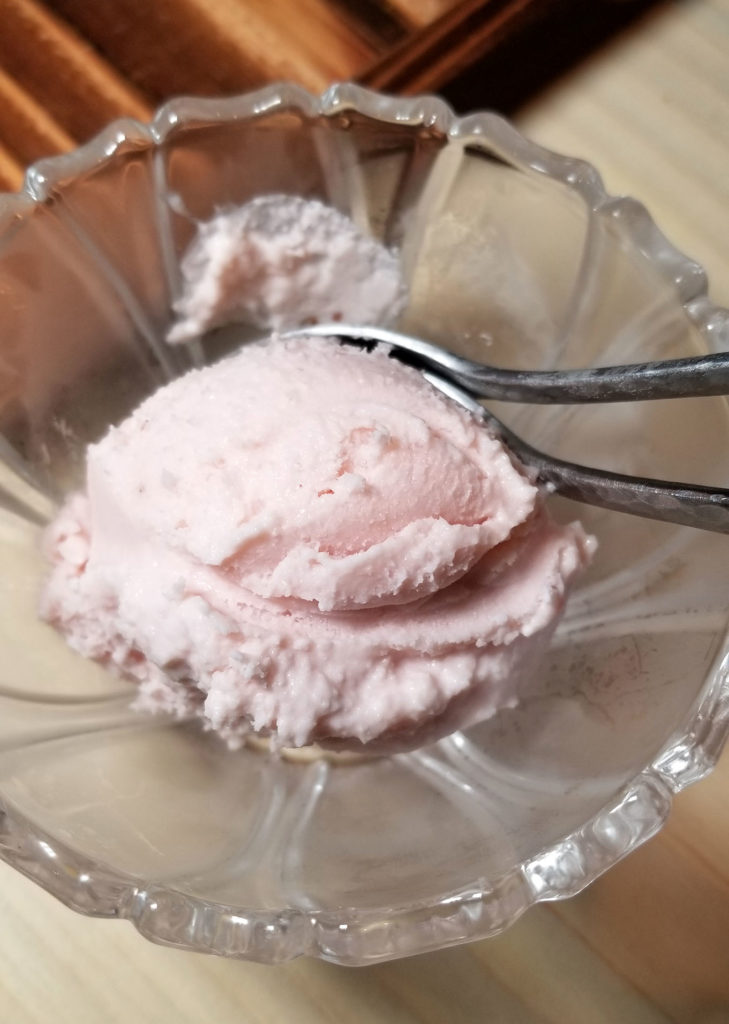
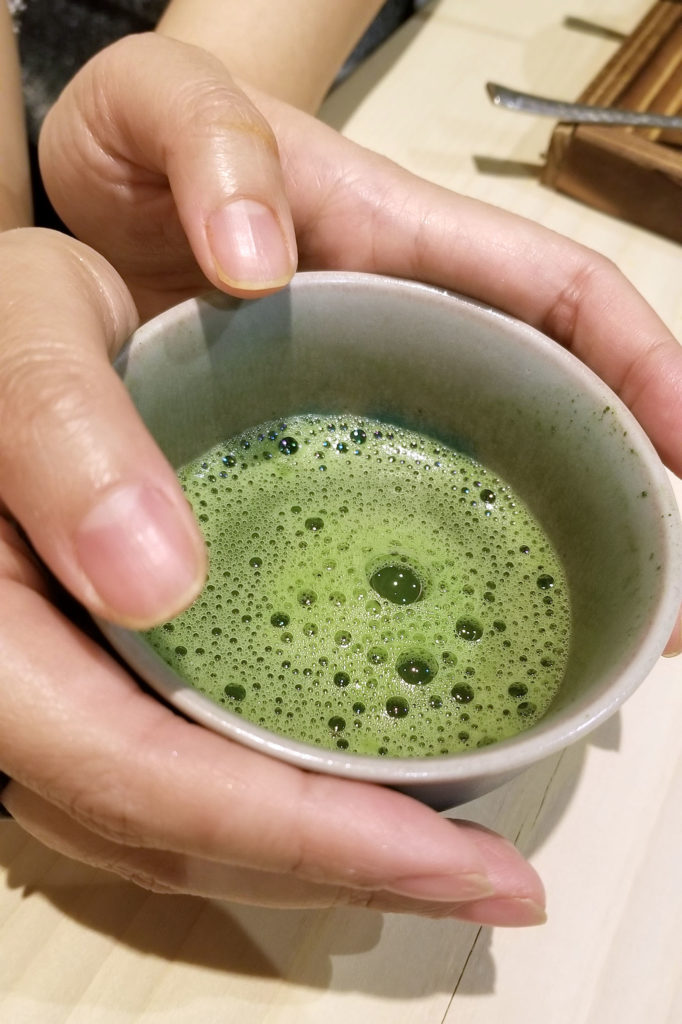
Course 8: yuzu cheesecake and strawberry yogurt ice cream, with green tea.
SHURAKU JAPANESE GRILL
47 8th Ave
New York, NY 10014
It’s been a year since I started getting more deeply involved with beef industry professionals and writing posts that advocate on their behalf. One thing I’ve noticed is that lots of people don’t realize how many different professions are involved in the beef industry.
It’s not just farmers, butchers and chefs. It starts, of course, with the animals themselves, the cattlemen that raise them, and the farmers that grow their food.
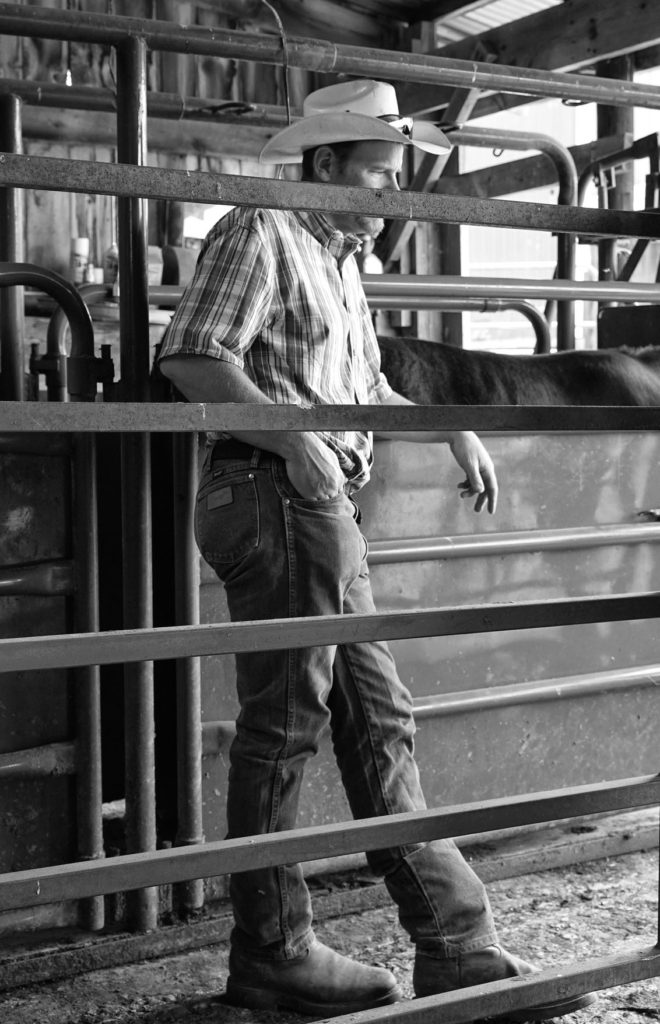
Like humans, cows have a nine month gestation period. For the first few months, a calf is raised on its mother’s milk (colostum – for key nutrients and immunity). After maybe six or eight months, a calf is weaned off of mother’s milk and put out to pasture. At that time decisions are typically made about whether the animal will be sold off or kept for breeding.
The feed yard is typically the next location for the animal (when the animal is about a year old). This is where they get fattened up for market.
Grain finished animals stay in a feed yard for about 120-180 days. The grain mixture they eat is typically representative of local agriculture. For example, in California there may be almond hulls mixed in with the standard corn or wheat. In New York, there are sunflower seeds mixed in. In Idaho, there is some potato mash.
Grass finished animals stay on pasture or hay for seven or eight months longer, on average, than grain finished animals. They do not eat grain. It generally takes longer for them to get to market weight.
After that, it’s off to the slaughter they go, where we have people who work at processing plants for slaughter and packing. The Humane Slaughter Act of 1958, updated in 1978 and 2002, governs how all of this is done.
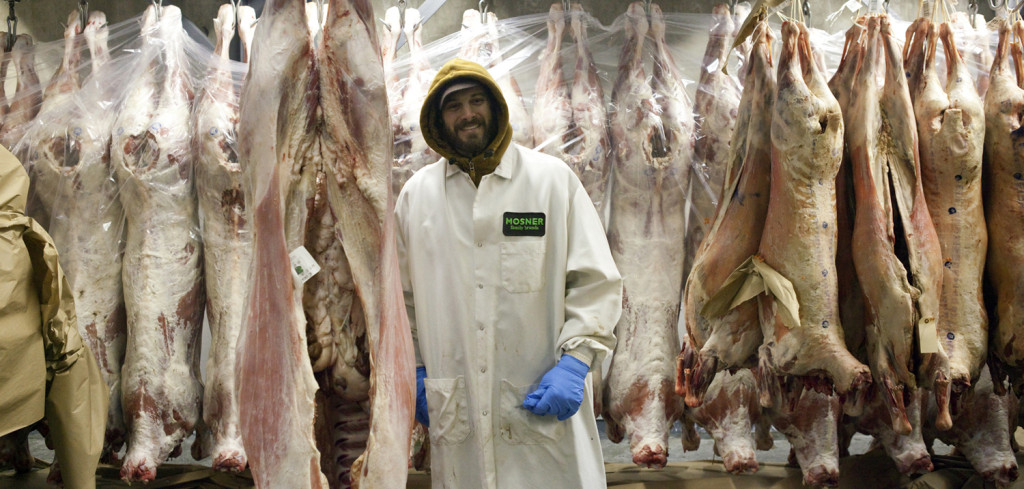
At the packing plant, the beef product is broken down into primal and sub-primal cuts:
Primal: chuck, rib, round, loin.
Sub-Primal: bottom round, top round, eye round, round tip.
Then, the meat is shipped off to grocers, butchers, restaurants and other end-user locations, ultimately ending with diners like you and me gobbling up all of that delicious meat.
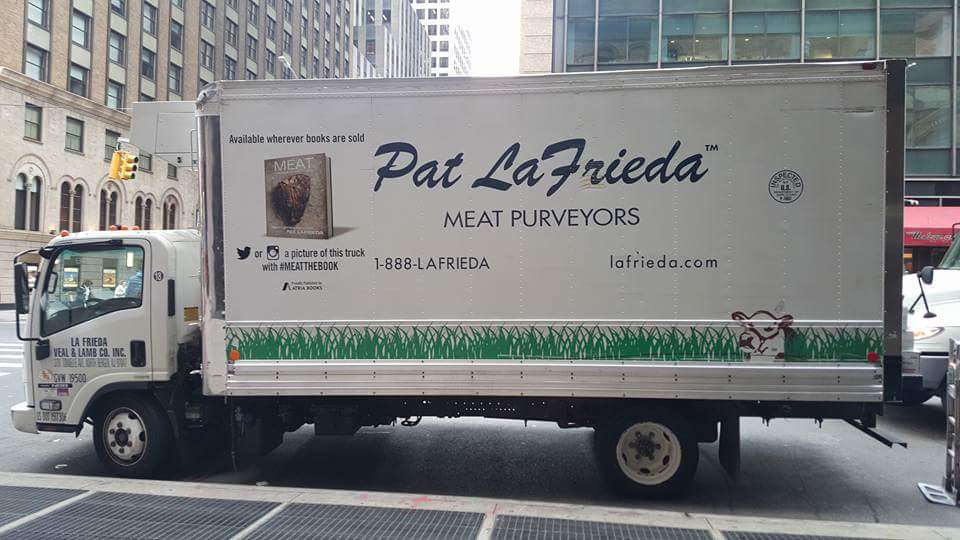
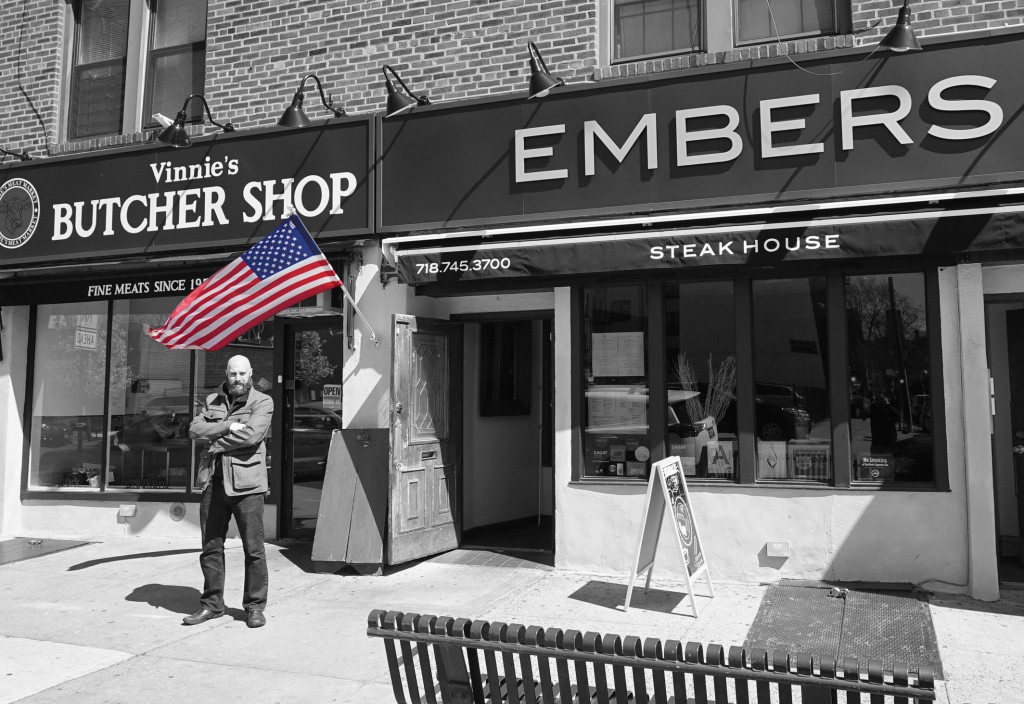
Veterinarians, animal care specialists, scientists and government inspectors are present at each step during this process, from farm, to feed yard, to slaughterhouse, to distributers, to grocers, restaurants and butcher shops. And, of course, law makers and beef industry professionals have helped put together all of the guidelines and regulations that govern and run the industry.
It’s a very complex and well-monitored process, so don’t let anyone fool you into thinking that beef is somehow unsafe. The industry also provides for countless jobs, and that stimulates the economy. Last, and most importantly, they all help to put steak on our dinner plates.
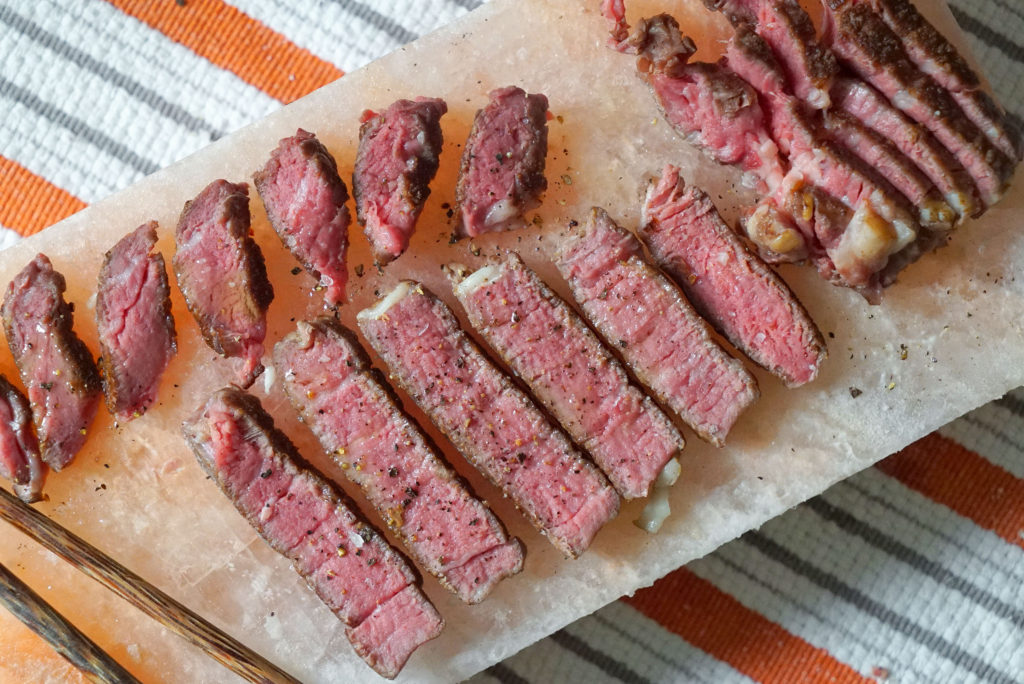
This will serve as sort of a double whammy review, since I used some nice products while cooking up these amazing steaks from New York Prime Beef.
New York Prime Beef is a high end middle meats (ribs and loins) brand that operates out of Hunt’s Point in the Bronx. I was invited in to meet the owner and employees, get a sense of the business, and try out some of their amazing products.
New York Prime Beef sells top notch prime, American wagyu and kobe beef steaks. They ship fresh overnight to anywhere in the US – never frozen unless the customer asks for it.
Each cut is beautifully packed in shrink wrap and butcher paper – even signed/initialed by the butcher who does the cutting.
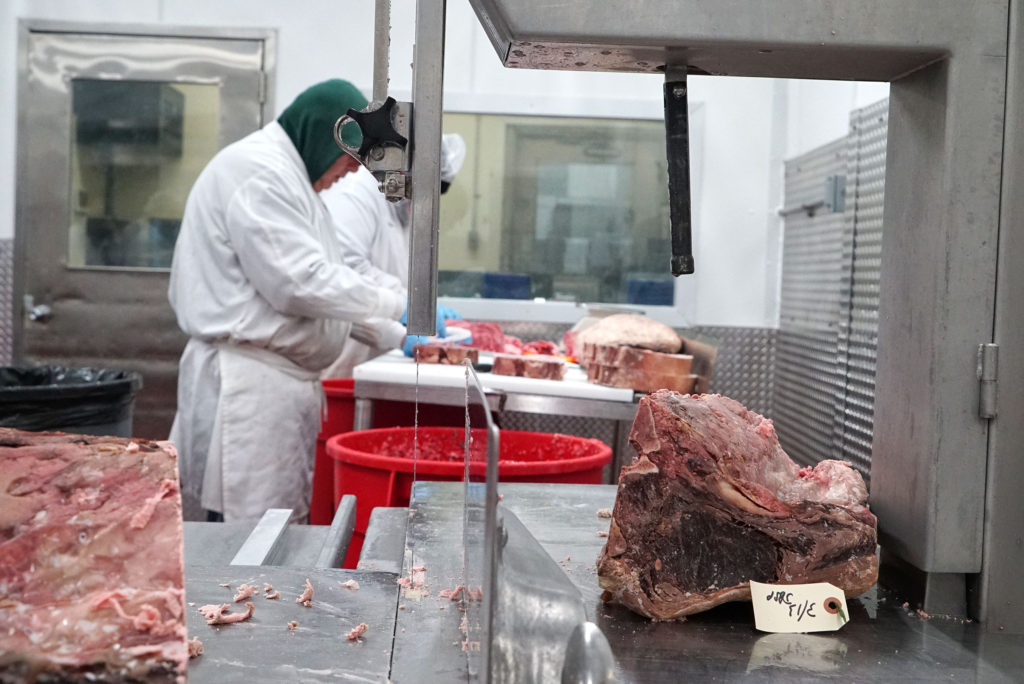
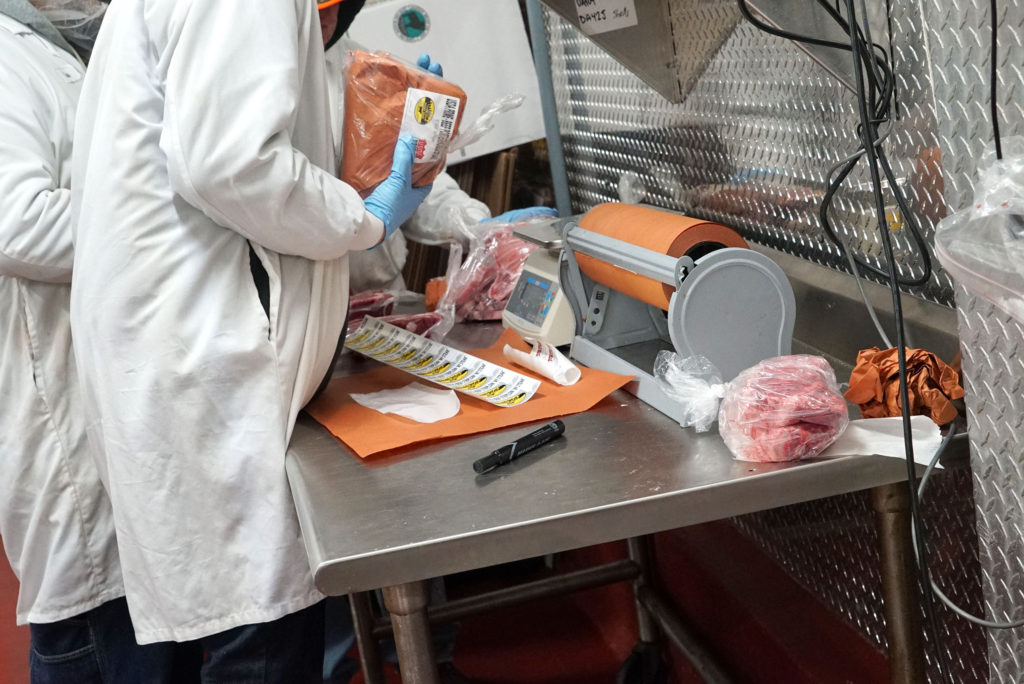
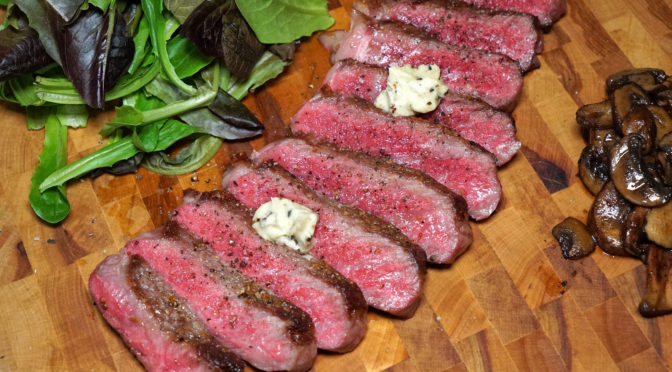
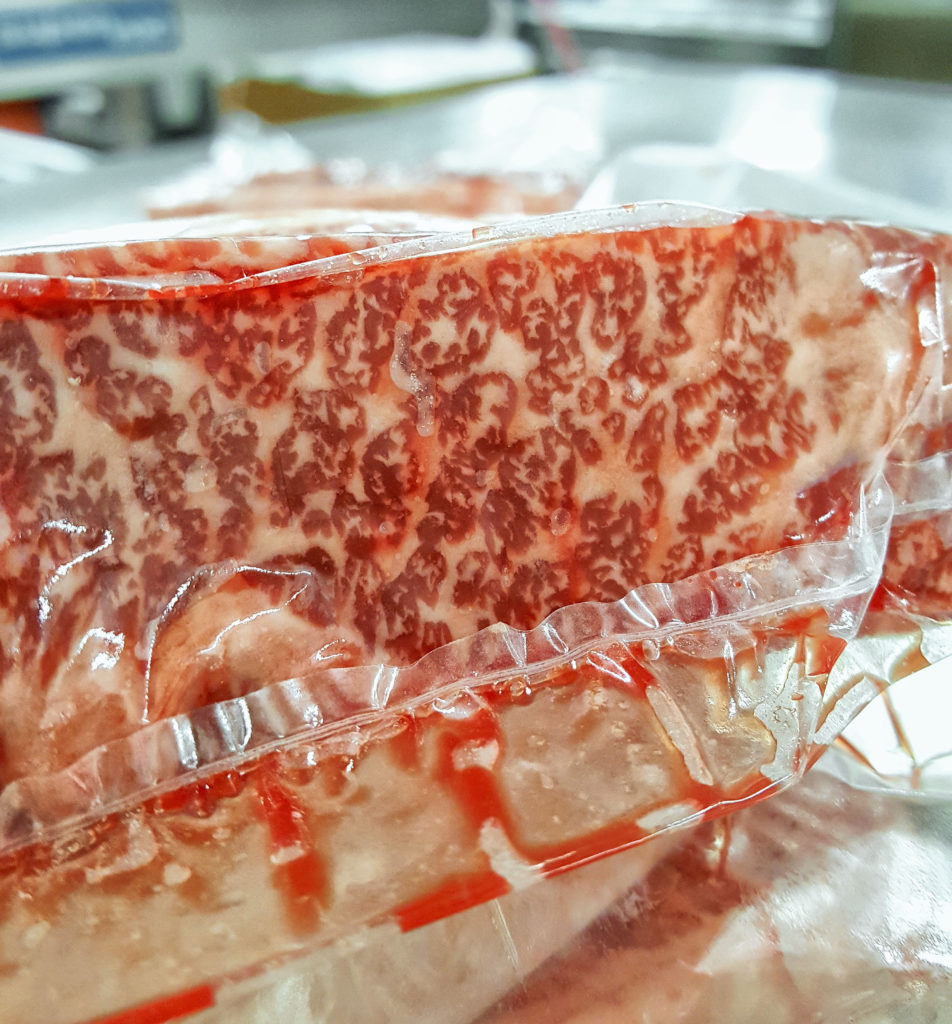
Now let me tell you; I’ve had some really great steak in my day, as you can imagine. But the American wagyu strip that I took home and cooked was fucking flawless. Seriously one of the best steaks I’ve ever had, and I made it myself!
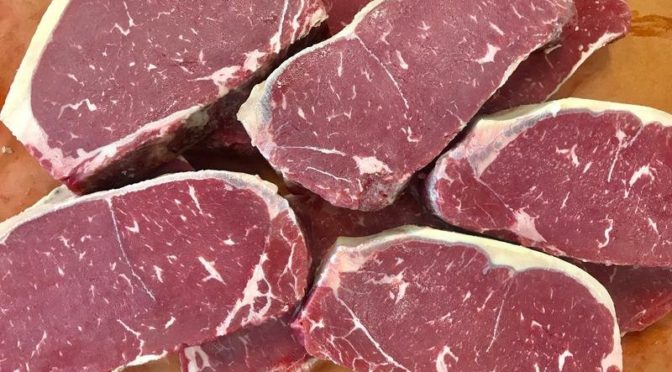
Look at the freaking marbling on this. Even the marbling has marbling.
It was a really simple cooking process. You can’t fuck it up. Season first with some salt. Heat up a little bit of oil in a cast iron pan until it’s screaming hot. Pop the steak on there for two and a half minutes per side.
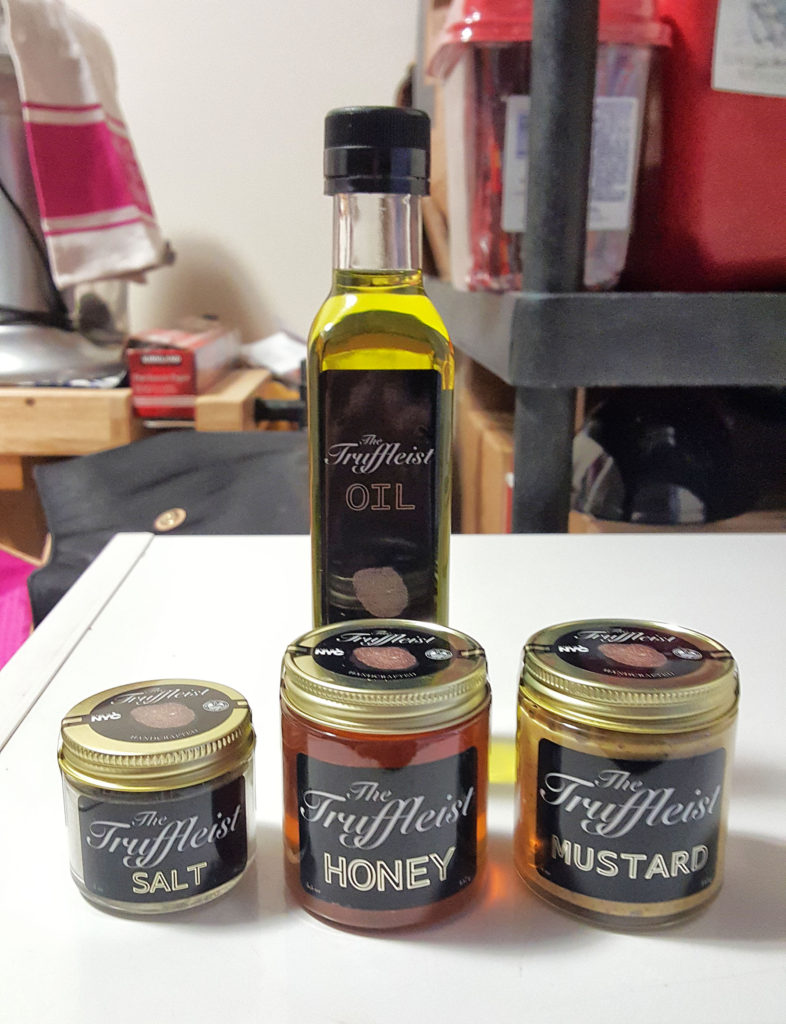
But I actually used some truffle oil, truffle salt and truffle butter that I got from The Truffleist to boost up the decadence even more.
Take a look at the video:
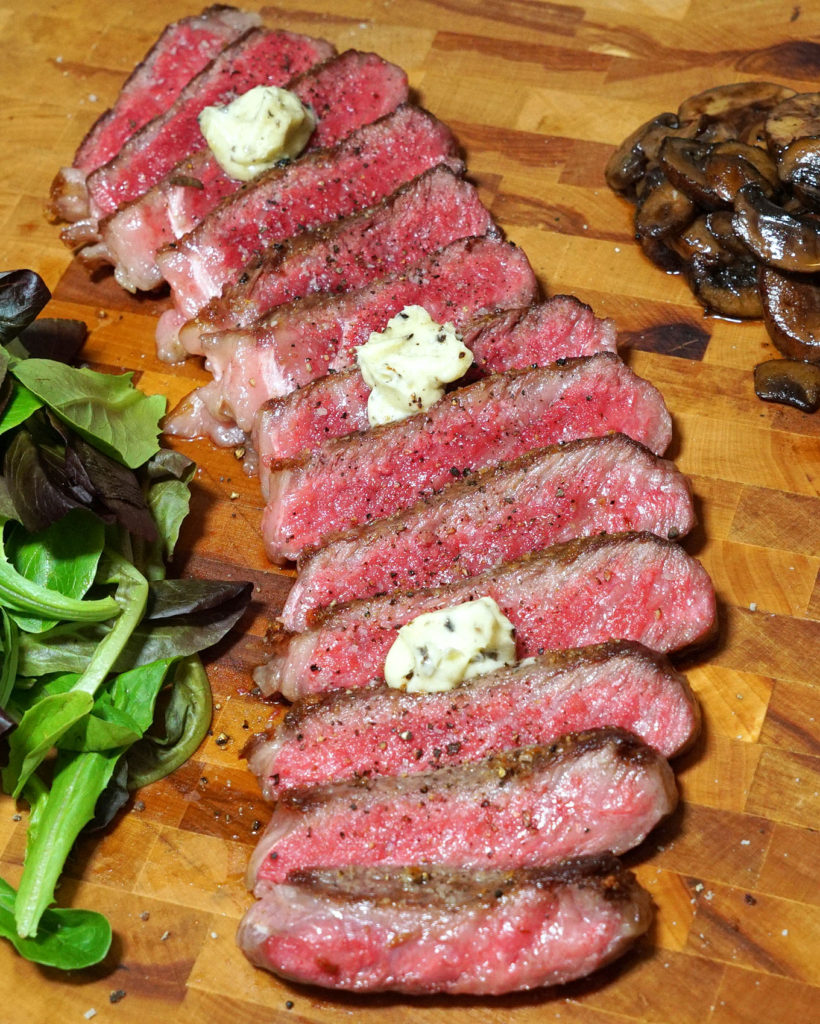
The finished product was absolutely stunning. To be honest, this beef doesn’t need anything except for salt, but this truffle wagyu meal was fucking TITTY BAGS. I want to eat like this every day!
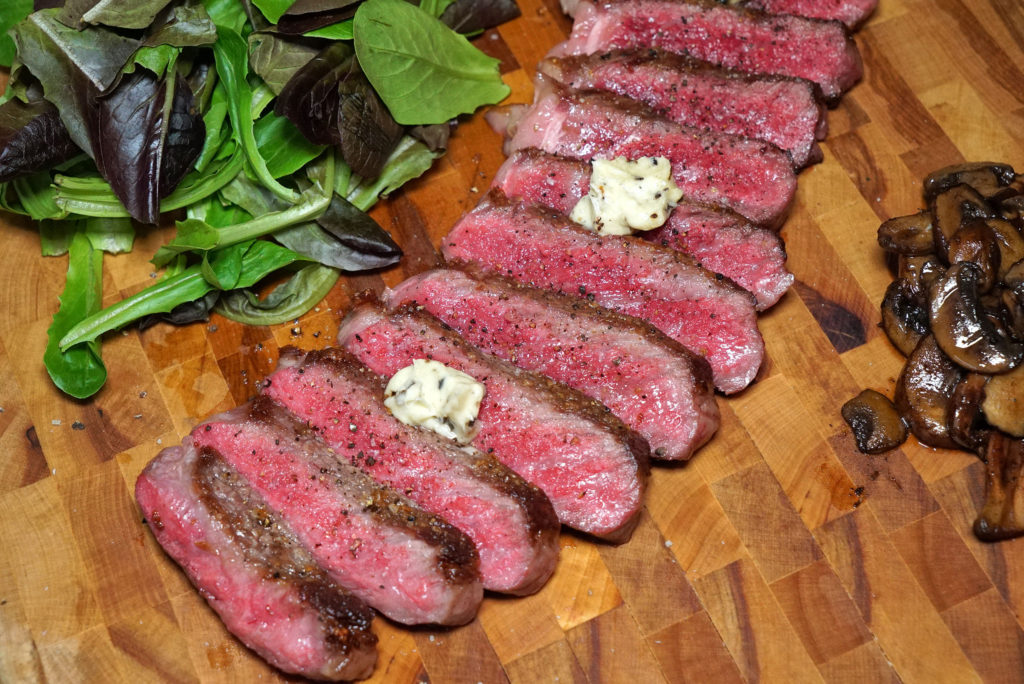
The texture is melt-in-your-mouth. You can cut this shit with a fork. The flavor has a buttery quality to it that sets it apart from standard beef or even prime, dry-aged beef. This stuff is like the foie gras of beef!
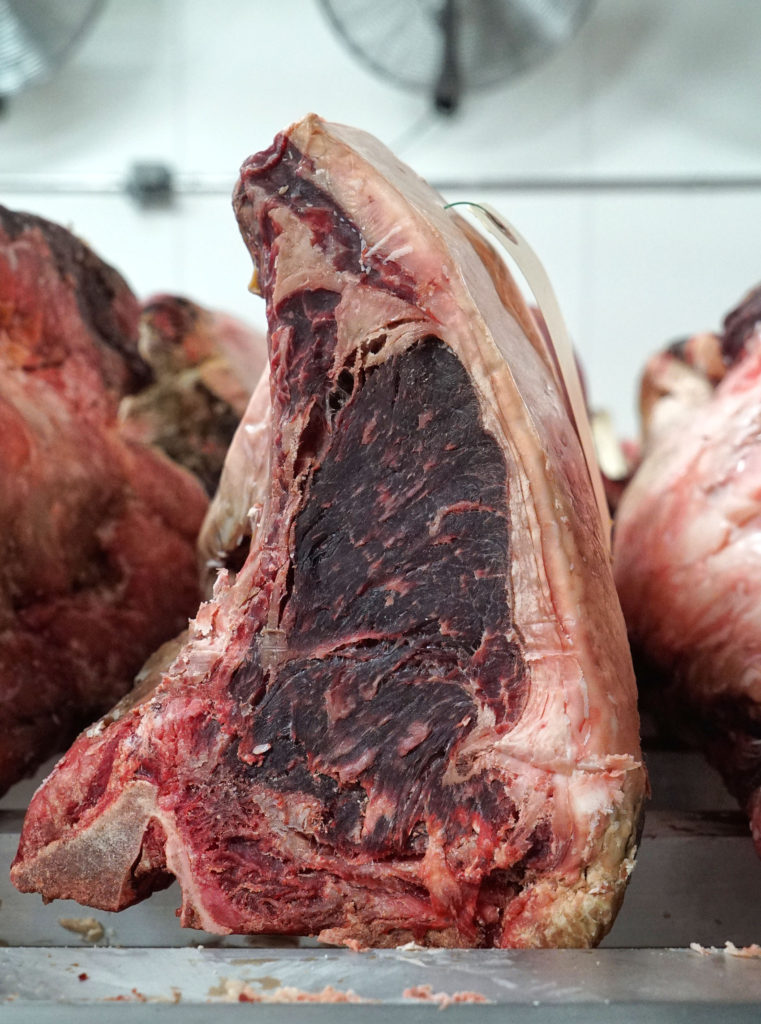
And that’s not to knock the other cuts they offer. Wagyu or Kobe isn’t in everyone’s budget. I also tried a prime porterhouse, and a prime dry-aged rib eye. The minimum these guys will age a cut of beef is 28-days. When I was at the facility, I saw some that had been aging for 60 days.


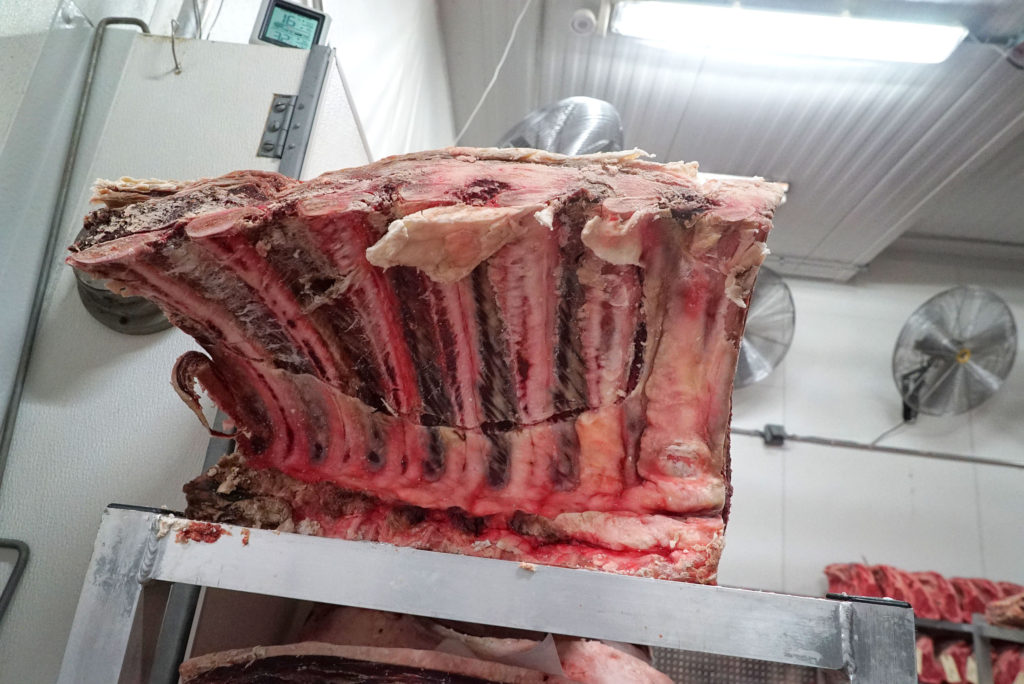
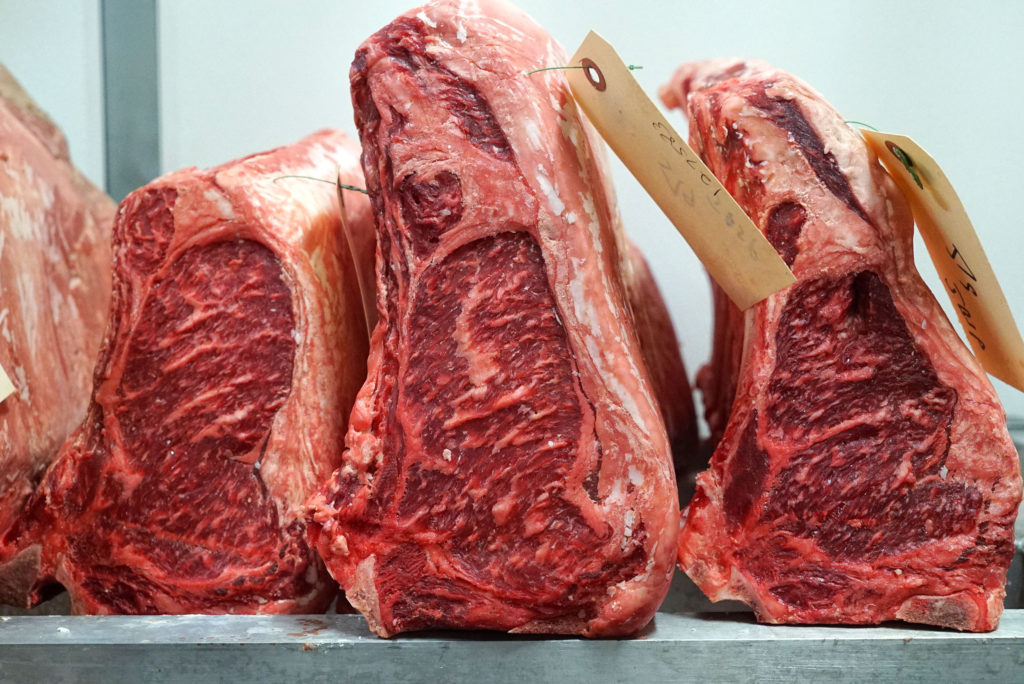
But anyway, let me get back to what I made at home. These babies were cut nice and thick, so I wanted to make sure I got a proper cook temp all the way through.
Sous Vide machines are all the rage these days. Everyone is buying them up because they allow you to cook meat perfectly every time. No more worrying about fucking up an expensive cut of beef!
I set mine to 128 degrees and let the fucker crank for about six hours. Then I pulled the meat out of the machine and let them rest and reabsorb some juices in the bag. Once they were about rom temperature plus, I removed them from the bag, patted them dry with a paper towel, and blasted them with a blowtorch. See below:
As you can see, I seasoned AFTER slicing and plating. This allowed me to get a better sense of the actual beef flavor for reviewing purposes.
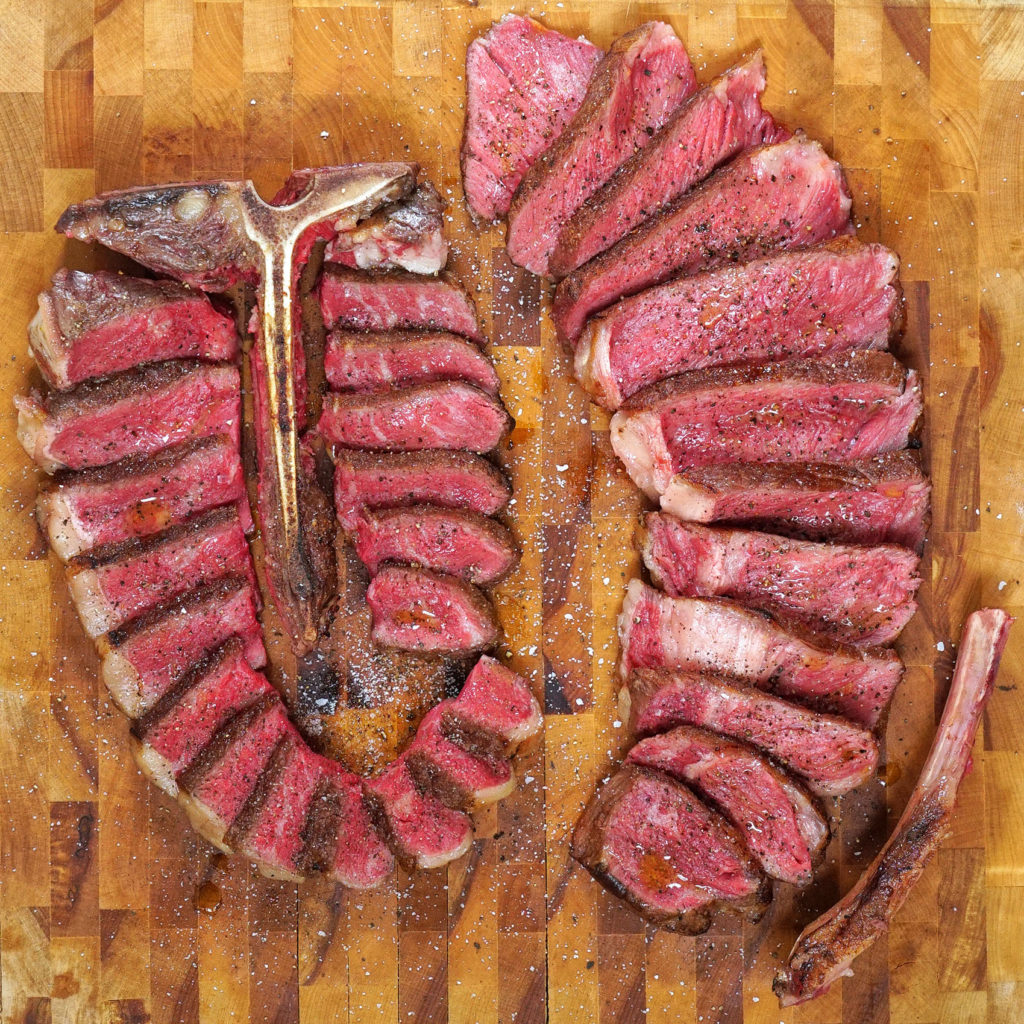
The meat is fantastic. There’s a nice mild funk from the dry aging process on the rib eye. It doesn’t clobber you, which is good. The beef was tender and juicy, and really responded nicely to basic seasoning like salt, pepper and olive oil.
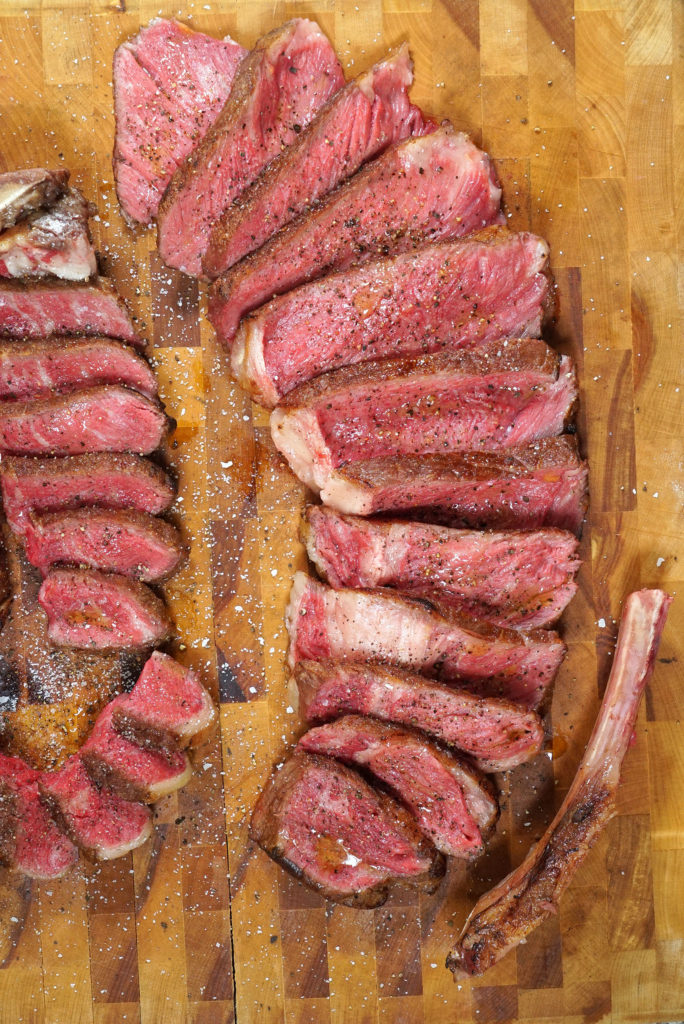
I think I liked the porterhouse a bit better. The tenderness of both the strip and filet sides was incredible.
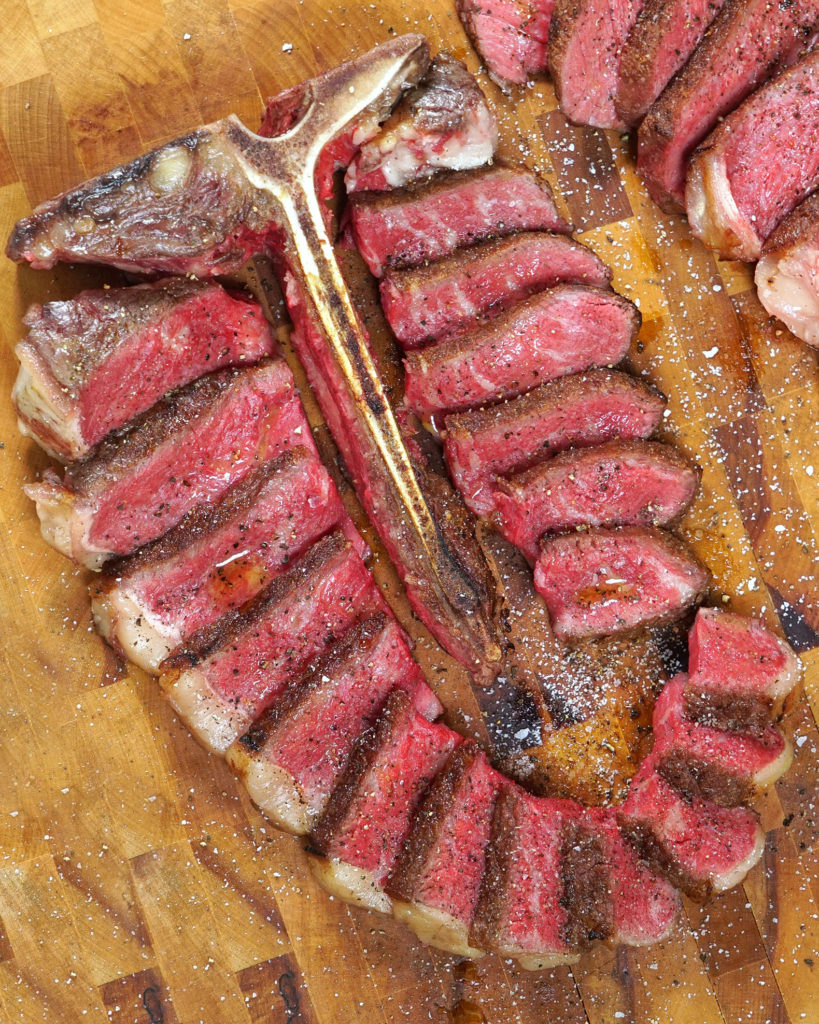
I highly recommend this stuff. Order some today and let them know that Johnny Prime sent you. You’ll probably have the meat in time for dinner grilling on Sunday.
One of the coolest things about this spot is that the owner, Vinnie (great name), is one of the most interesting people I’ve ever met.
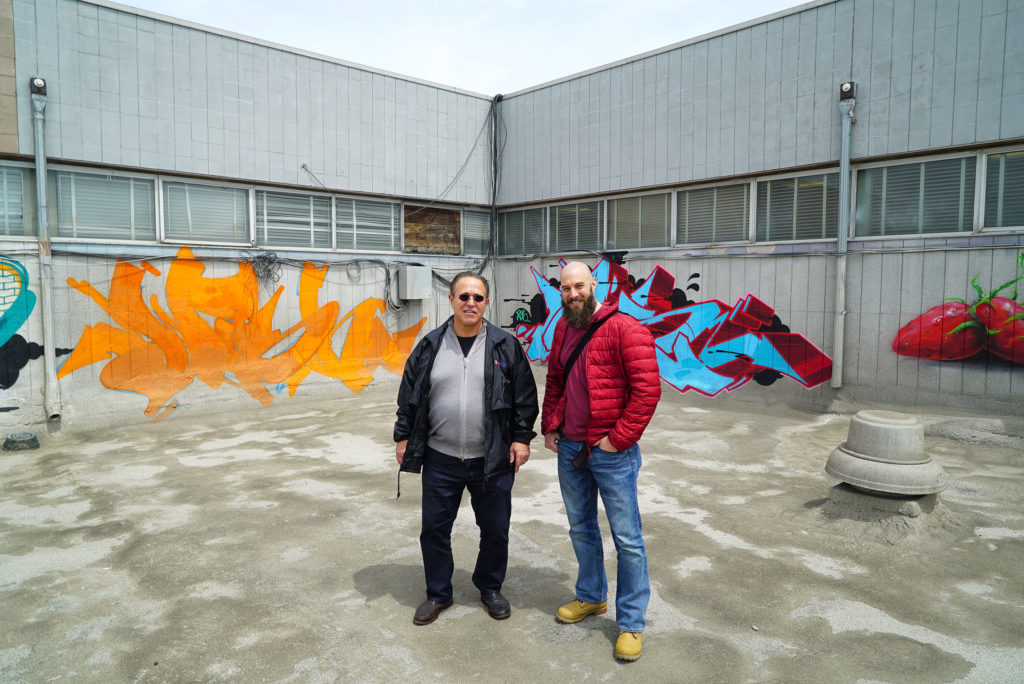
He’s a drag racer, a pilot, an old car guy (like me), and an art enthusiast. He even has some wild graffiti art on his rooftop (he supplies the paint for the artists).




I think that about covers it. I hope to see his products flood the market. They’re so good.