All posts by Johnny Prime

Ramen Guide

With ramen season kicking into high gear, I suppose it’s high time that I put out a guide to ramen for all of you cold, hungry fucks out there looking to get your soup on. This should serve as your singular, all-encompassing resource for all things slurp. This is more of an informational page, clearly, so if you’ve landed here looking for my ramen reviews, you should go to the Ramen-Ate-R page, where you can read about the tremendous shitload of ramen that I’ve eaten.

There are a bunch of things you need to keep in mind when thinking about ramen. Namely, you need to think about the thickness of the broth, how the broth is made, how it is seasoned, what kind of noodles are used, the toppings, and, finally (if you’re into food knowledge), where the ramen style was developed and the history behind the dish. So let’s get into it:

BROTH THICKNESS

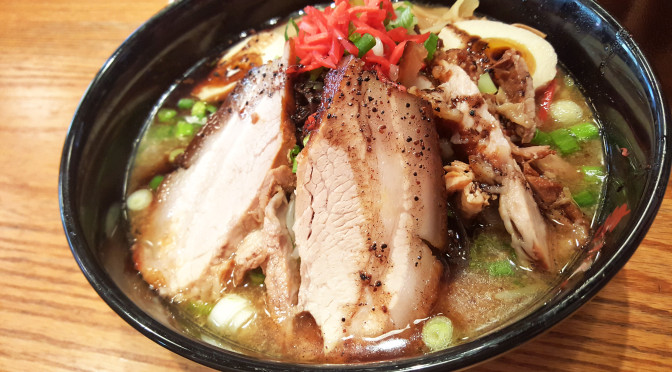
This is classified as either assari (light) or kotteri (rich). Assari broths are generally thin or clear, as they are typically flavored with vegetables, fish or seaweed. If animal bones are used at all, they are usually just simmered lightly for a short amount of time.
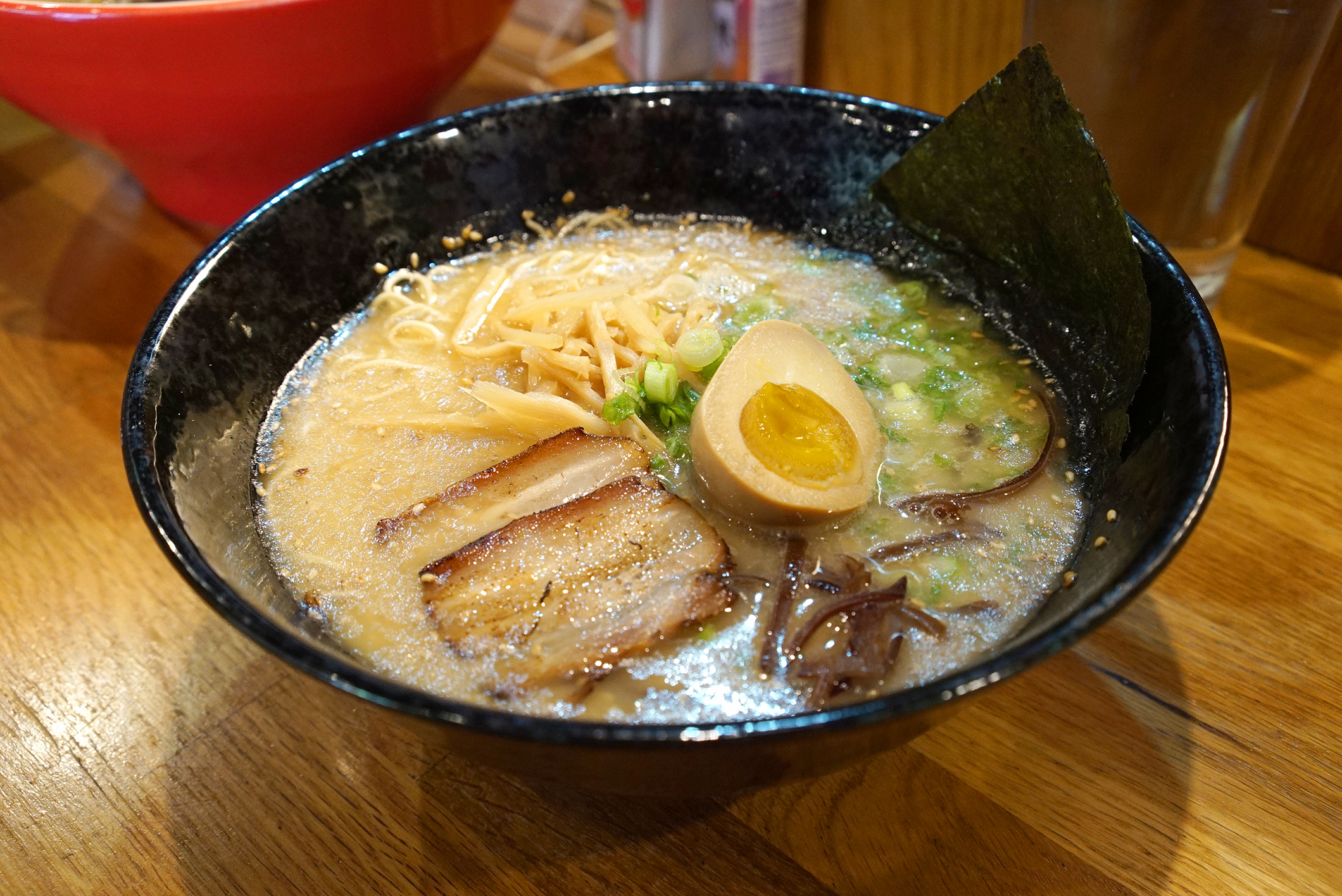
Kotteri, on the other hand, are thick and usually opaque, due to all the emulsified fats, proteins and minerals that are rendered from boiling animal bones for long periods of time. That makes them stocks, technically, not broths. Kotteri are also known as Paitan (from the Chinese). Paitan translates to white broth, which makes sense, given that they are usually cloudy in color and thick in texture.
SOUP BASE

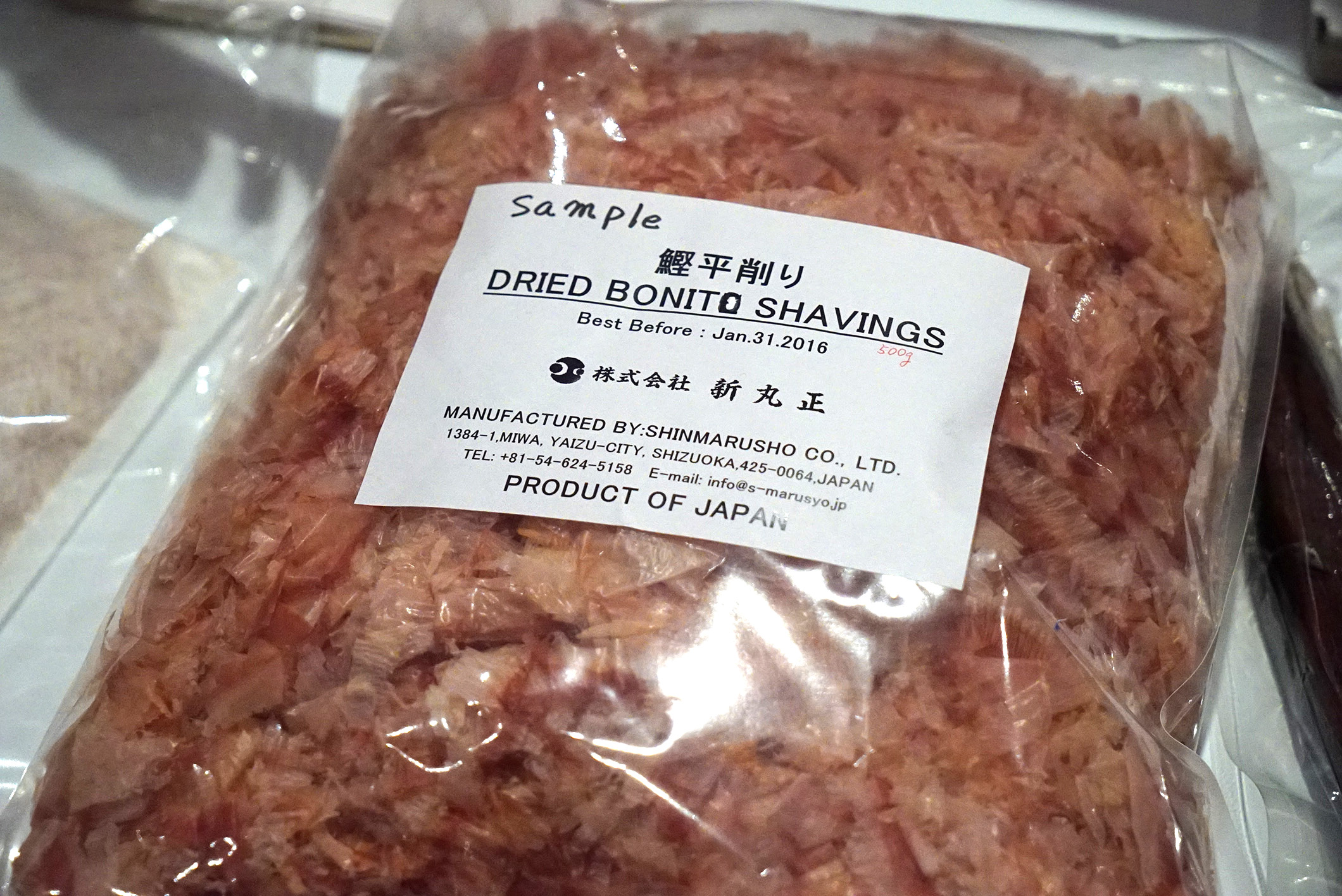
Ramen soup bases are classified by the main ingredients that are boiled or simmered to make the soup stock (if bones are used) or broth  (if no bones are used). As expected, a stock can be made from animal bones (chicken, beef, pork, fish). But lighter broths can be made with dried seafood or kelp/seaweed (like dashi – a broth made from dried, smoked bonito flakes and kelp), and sometimes even just straight up roasted veggies and mushrooms + water.
An example I will use to illustrate here is tonkotsu. “Ton” means pork, and “kotsu” means bones. Thus, the tonkotsu ramen base is a kotteri style thick stock made from pork bones, which would then need to be seasoned with a salty or savory component, which is covered in the next section.

SEASONING

Tare or kaeshi is the seasoning – the main savory element or source of salt – that is used to flavor the ramen. Ramen seasoning comes in three major varieties: Shoyu, Shio and Miso.

Shoyu: This, simply, is soy sauce. If you didn’t know, soy sauce is made from a paste of fermented and boiled soybeans, roasted grains and seasoned water.

Shio: Sea salt. Pretty straightforward. As you can imagine, sea salt as a seasoning is nicely suited for thinner, assari style broths.

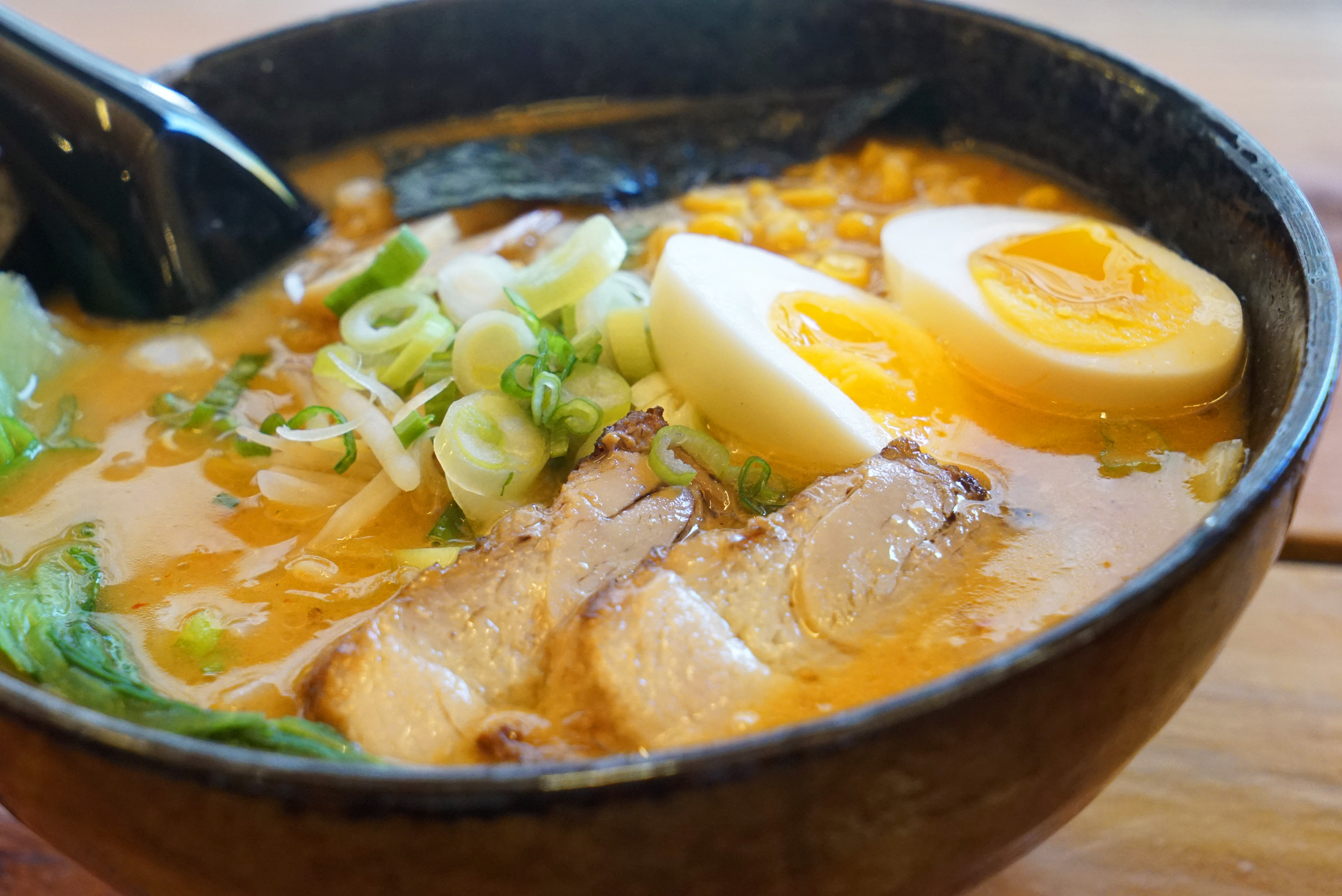
Miso: This is an earthy flavored, thick, fermented soybean paste. Seasoning with miso will almost always result in a thick, kotteri style broth, as you can see below:
NOODLES

Ramen noodles are made with wheat flour, water, salt and kansui, an alkaline water which gives the noodles their yellow color and characteristic bounce. In China, it’s more common to see ramen made with eggs instead of kansui.
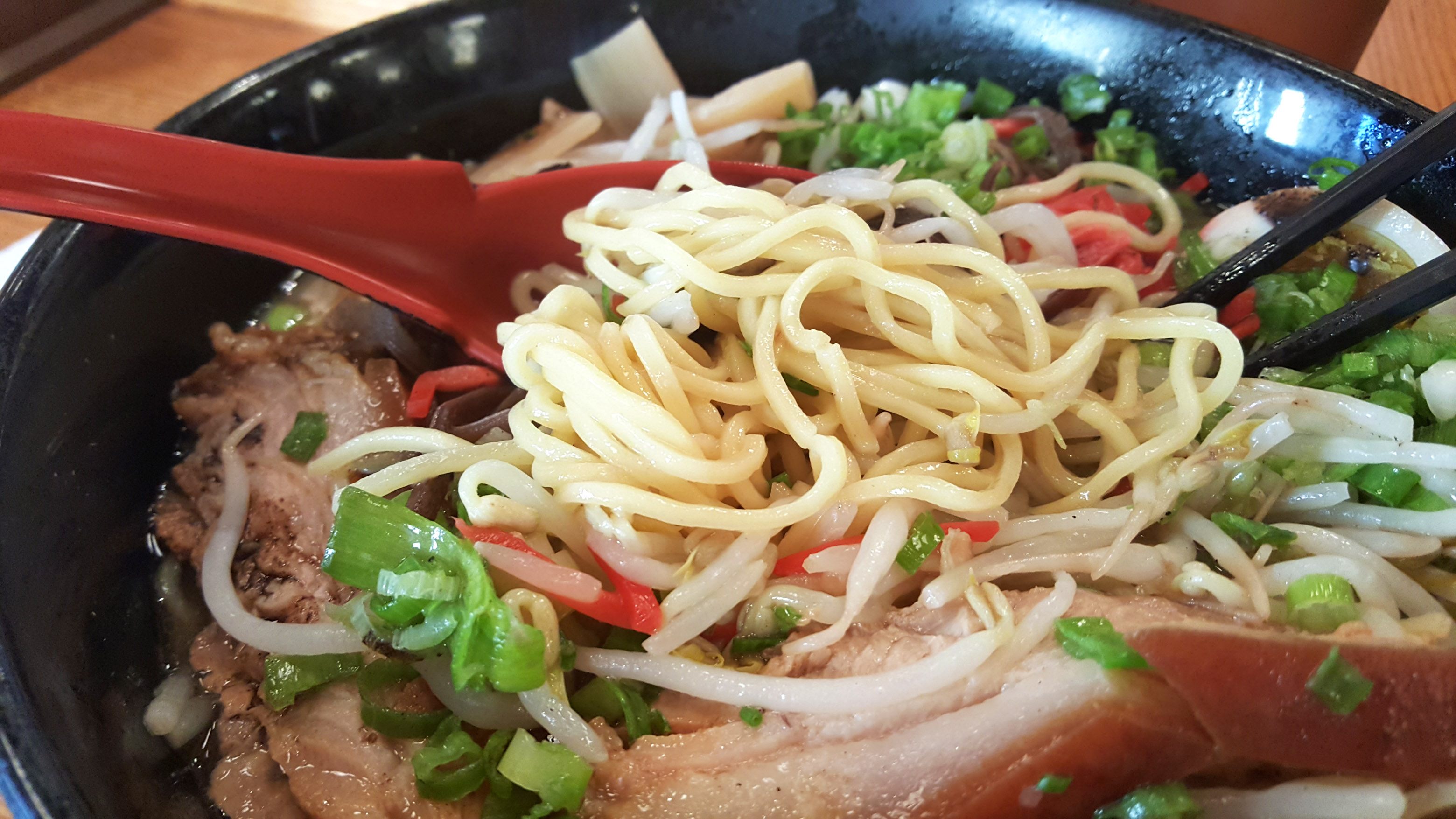
Depending on the soup they’re added to, ramen noodles can range from wavy to straight, thick to thin, flat, round or square. The type of noodle selected for a bowl of ramen is based on its broth-clinging characteristics, its bounciness and its texture. For that reason, one noodle style may be better suited for a particular soup base or broth thickness than another.
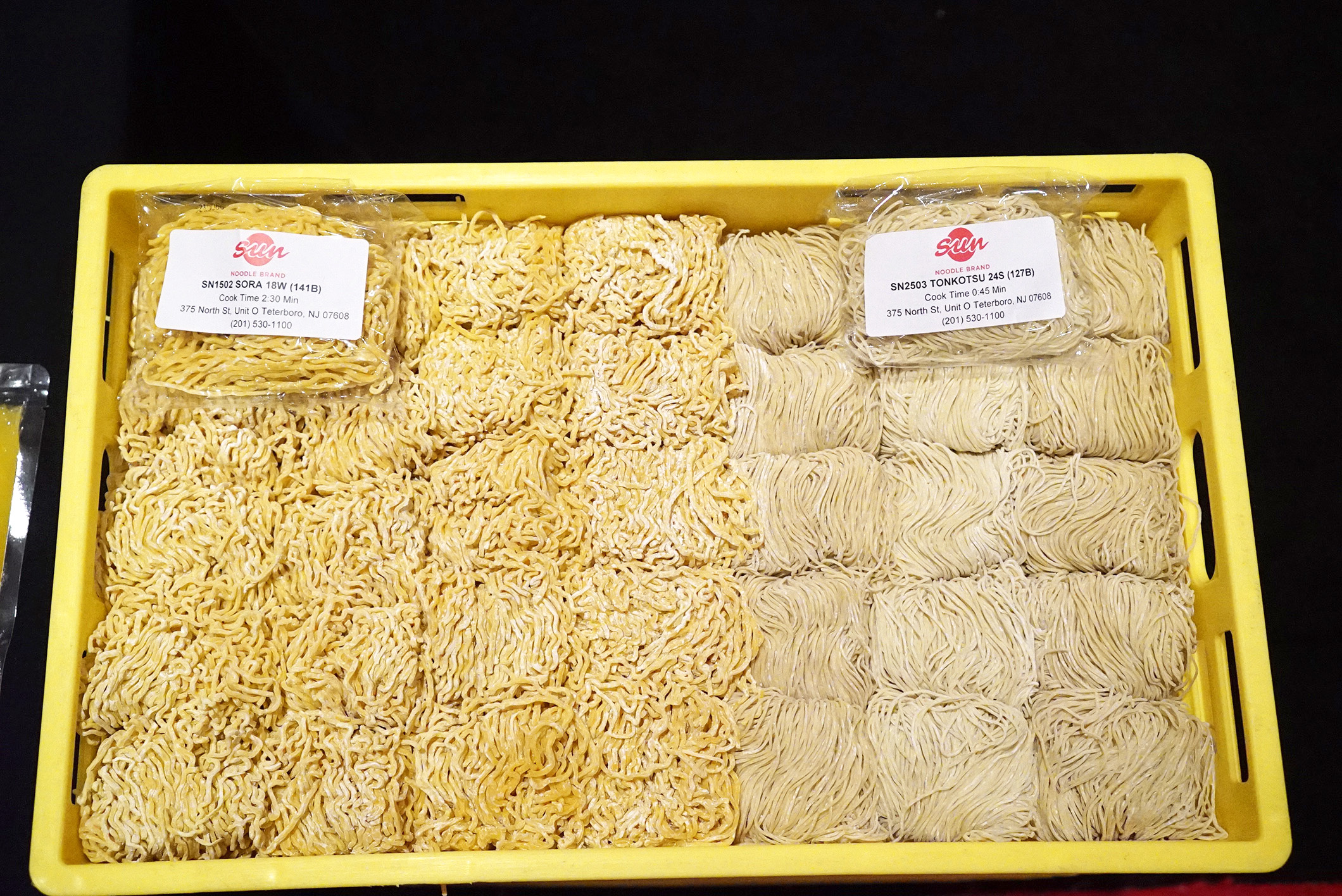
Depending on the noodles used, cook times will vary as well. In addition, their ability to last for a while, soaking in the soup broth, will vary. After a few minutes certain noodles will lose their spring and bounce, and the texture will change.
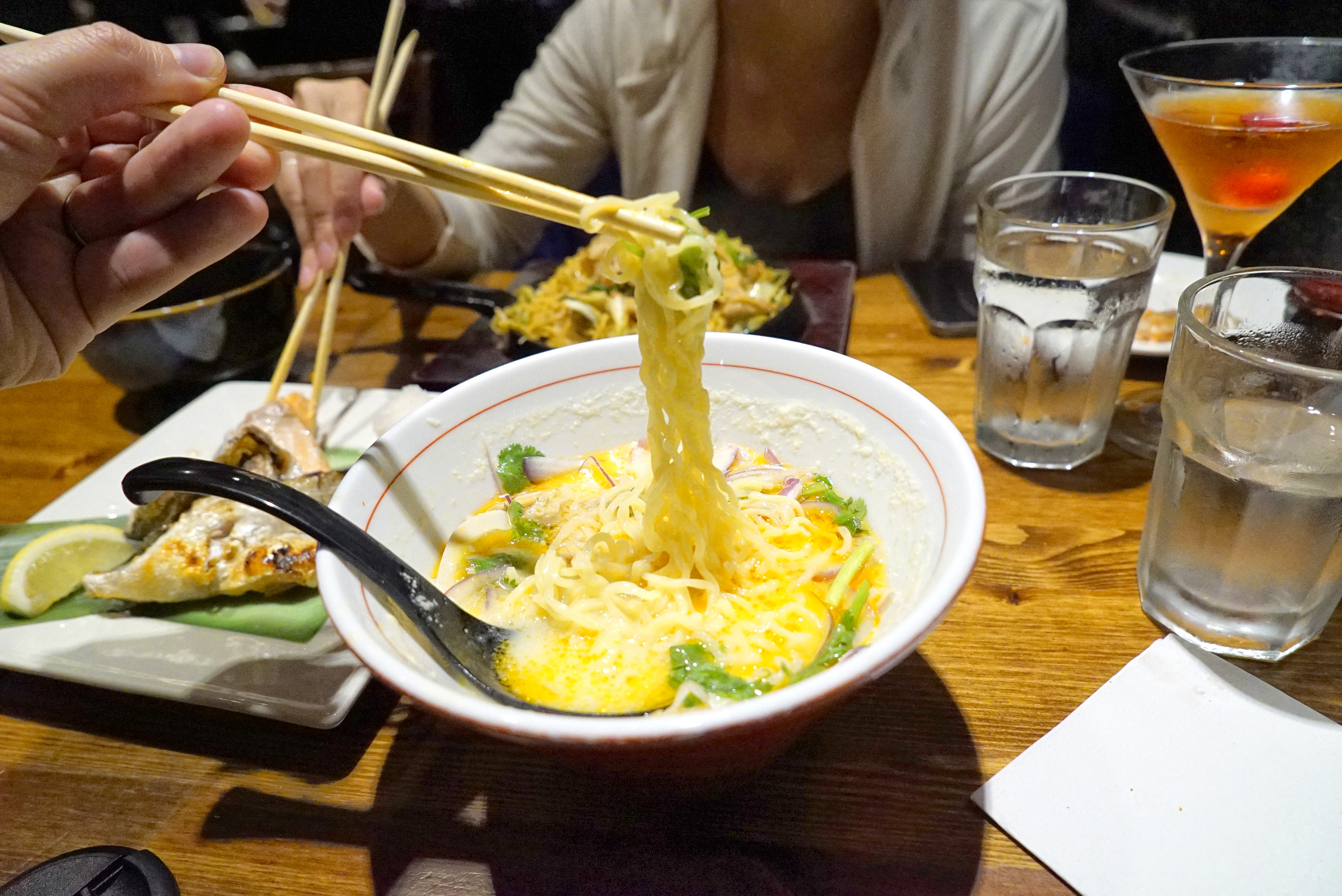
Just an FYI here: if you need more noodles while you are eating, yell out kaedama!

TOPPINGS

We have a bunch of categories to discuss here. Let’s start with the most important one: meat.
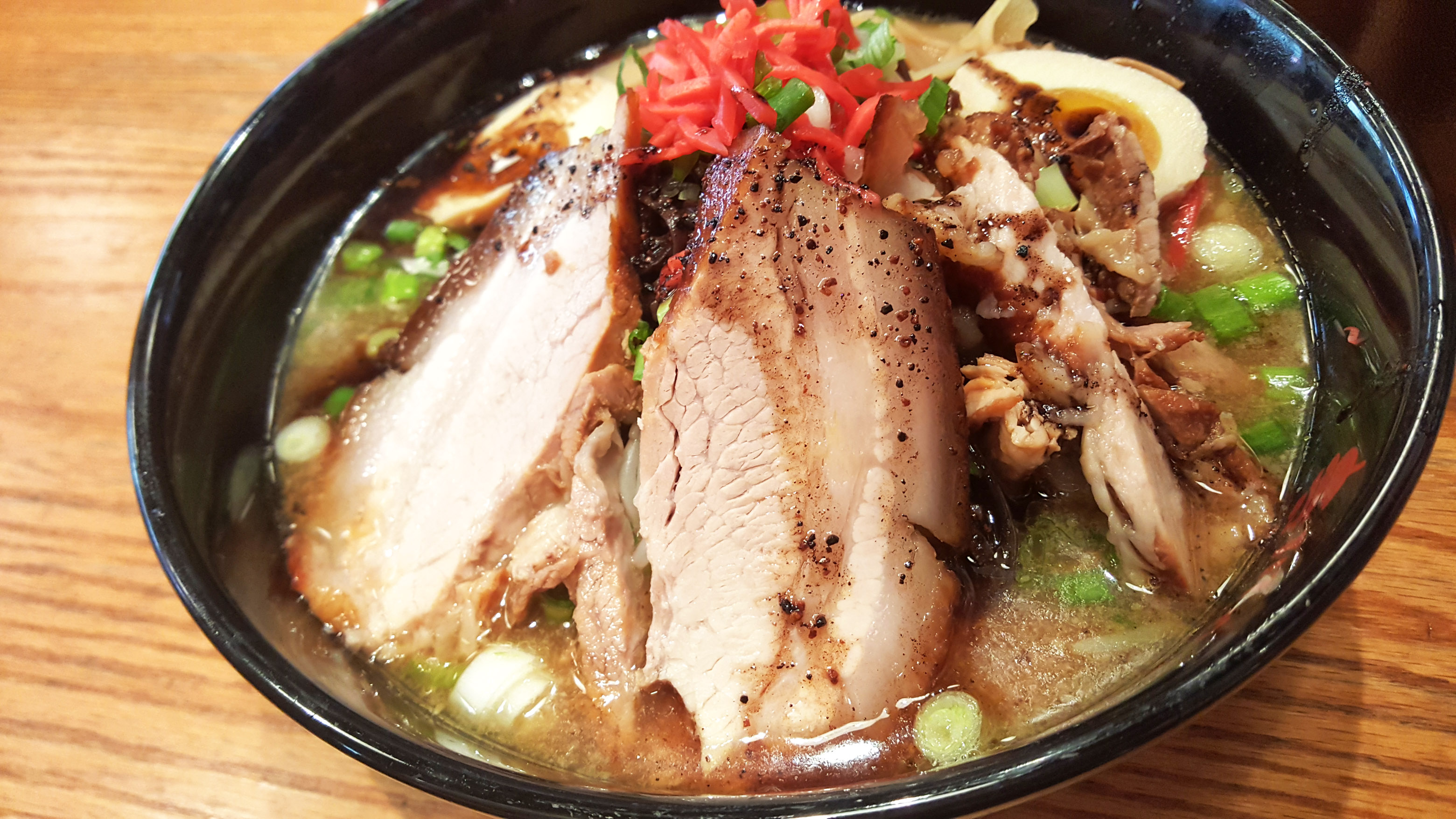
Obviously if a ramen base is made with animal bones, it only makes sense to use the same animal meat as a topping for the soup. Tonkotsu should have copious amounts of kakuni (pork belly), or chashu (rolled pork loin or belly that is cooked slowly in a sweet soy and mirin sauce, stew-style, then sliced and sometimes charred or grilled afterward for texture). Clearly, chicken is a good topper for your chicken-based ramen. But some chefs get creative. For example I’ve had beef ramen that was topped with crispy beef intestines. I’ve even had chicken broth that was topped not only with chicken but with ground pork as well. Mixing is not a bad thing and it is quite common, as you’ll learn below.

In addition to meat, ramen broths also contain aromatics, such as garlic (fresh, charred, fried or fermented), onions (charred, pickled or raw), ginger (either pickled – beni shoga – or fresh), leeks (fresh or charred), scallions (usually fresh, typically sliced or shredded) and mushrooms (both dried and fresh, and a ton of different types). These can also be incorporated into the creation of the soup base at the start, not just as toppings that are added at the time of serving.
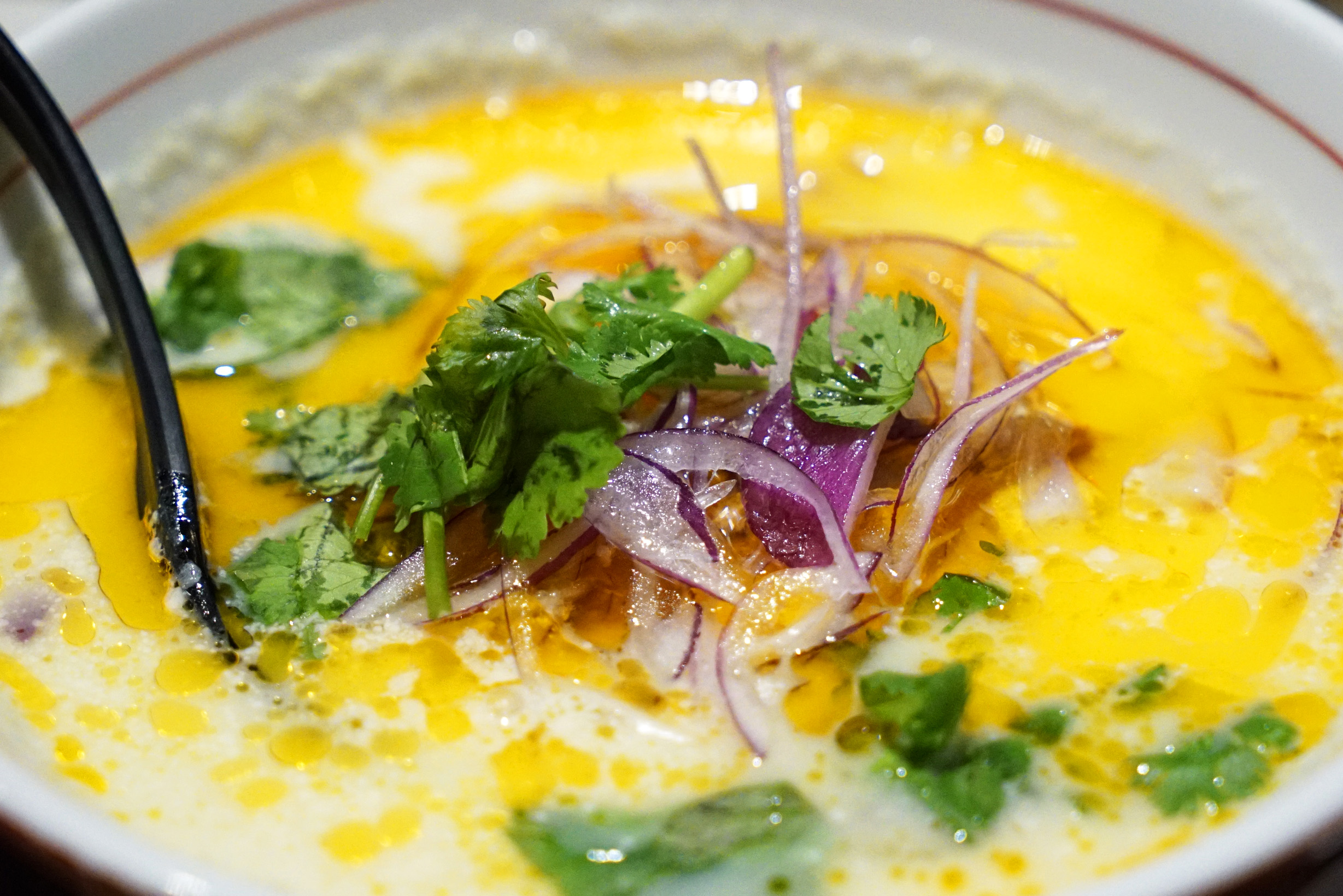
Other common toppings include seasoned soft boiled or hard boiled eggs, sliced fish cakes (naruto), bamboo shoots, corn, cabbage, seaweed, bean sprouts, spice pastes, butter and various oils, such as chili oil, onion oil, pepper oil, garlic oil or sesame oil (and certainly sesame seeds, too, for that matter).
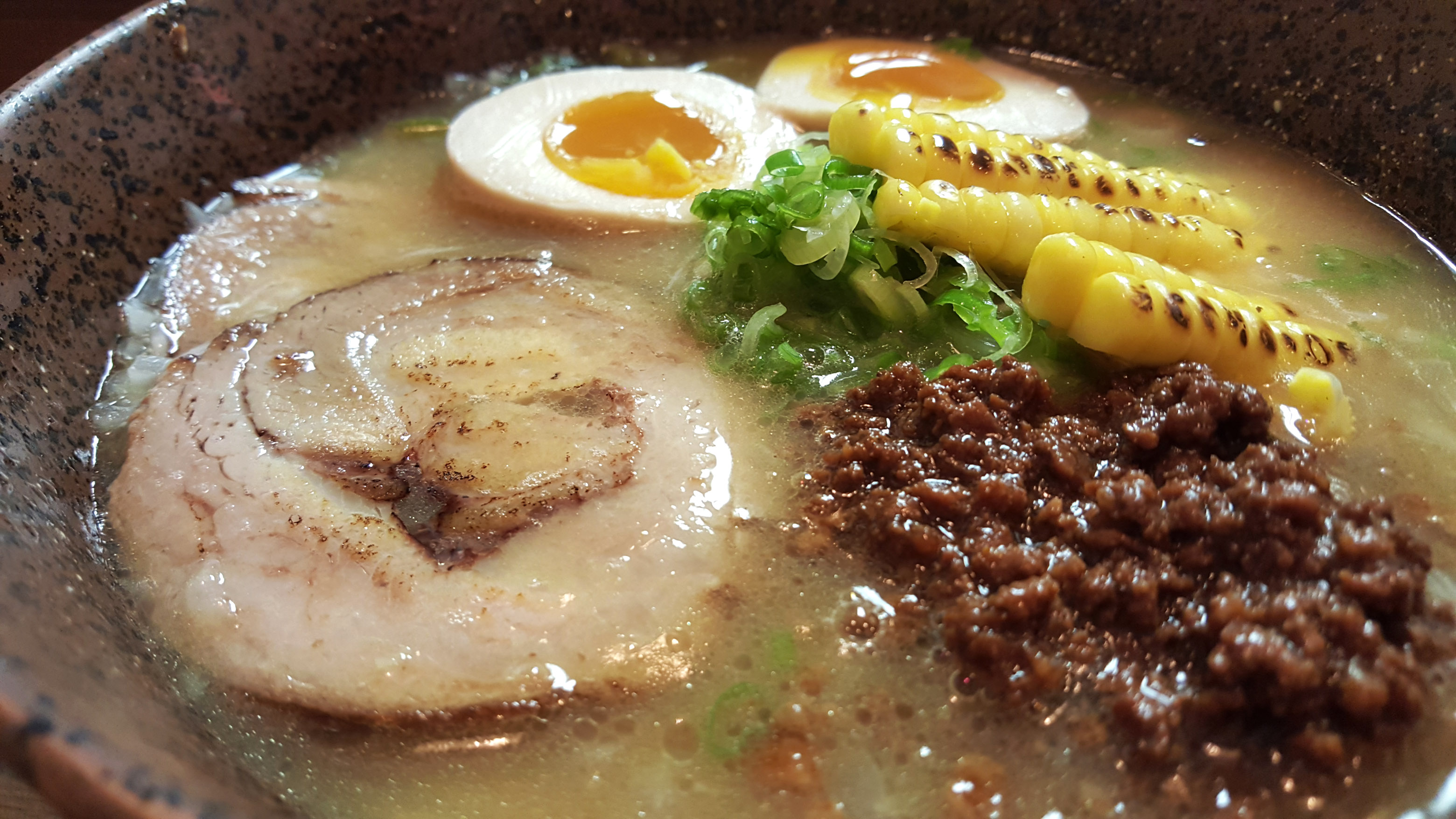
On many occasions, the toppings you see will depend on the region in Japan from which the ramen hails.

REGIONAL STYLES

Japanese ramen varies greatly by region. Some areas focus on thinner fish- and seaweed-based broths, while others tend to be hearty and thick animal bone soups. I’ve highlighted some of the regional styles below, alphabetically:

Akayu: A sweet and mild ramen soup is topped with a spicy dollup of miso mixed with chili and garlic. Chewy, thick, wavy noodles grace this style, and it is usually served with powdered seaweed as well.

Asahikawa: Asahikawa is Hokkaido’s second-largest city, and is located at the base of the mountains in the middle of the island. Its ramen is a mix of chicken, pork and seafood broth, with a shoyu base. The soup is topped with a layer of melted pork fat to seal in the soup’s heat in the colder months, as well as pork meat, bamboo shoots and scallions.

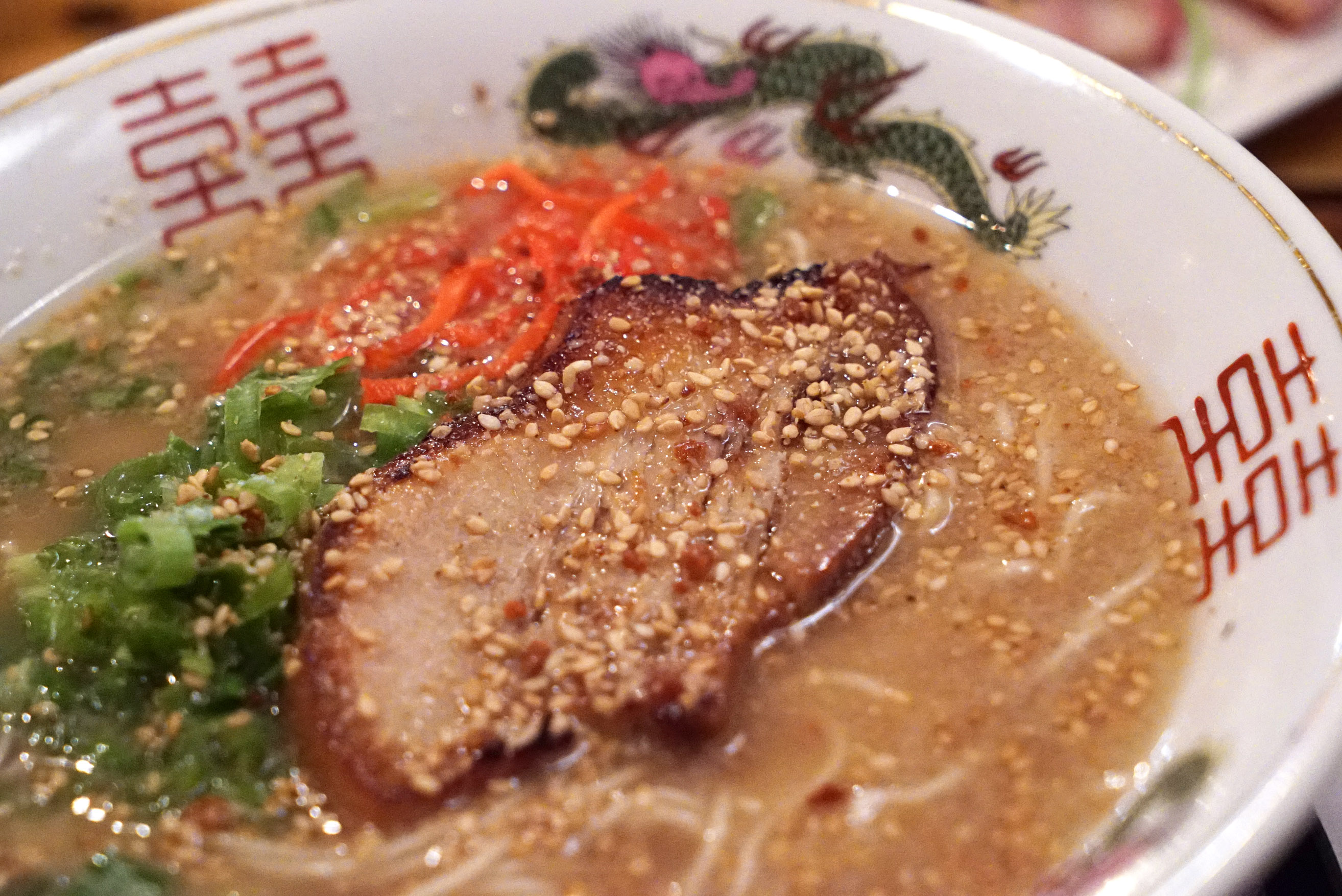
Hakata: Also known as Nagahama ramen, this style comes from Fukuoka, a prefecture in Japan’s southern island of Kyushu, which is famous for its pork dishes. This is my favorite of ramen styles, because it is a thick, fatty, pork bone broth with thin, al-dente noodles. Toppings usually include sesame seeds, pink pickled ginger and fried garlic.
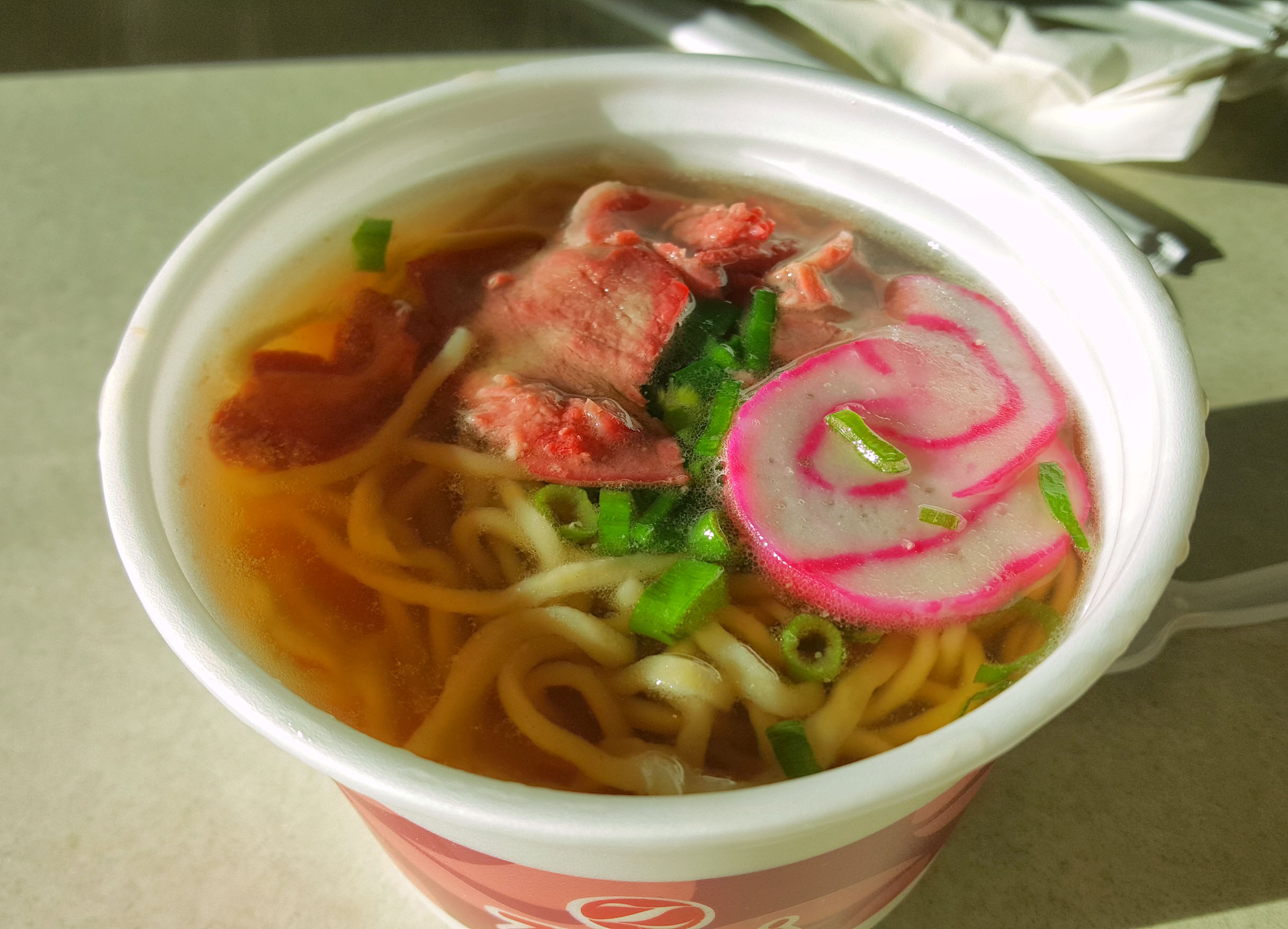
Hakodate: Ramen arrived in Hakodate from China. The soup is thin and light, and the shio-seasoned broth had a mild pork and chicken base. Noodles are usually soft, with toppings like roast pork, bamboo shoots, scallions, nori, fish cakes and spinach.
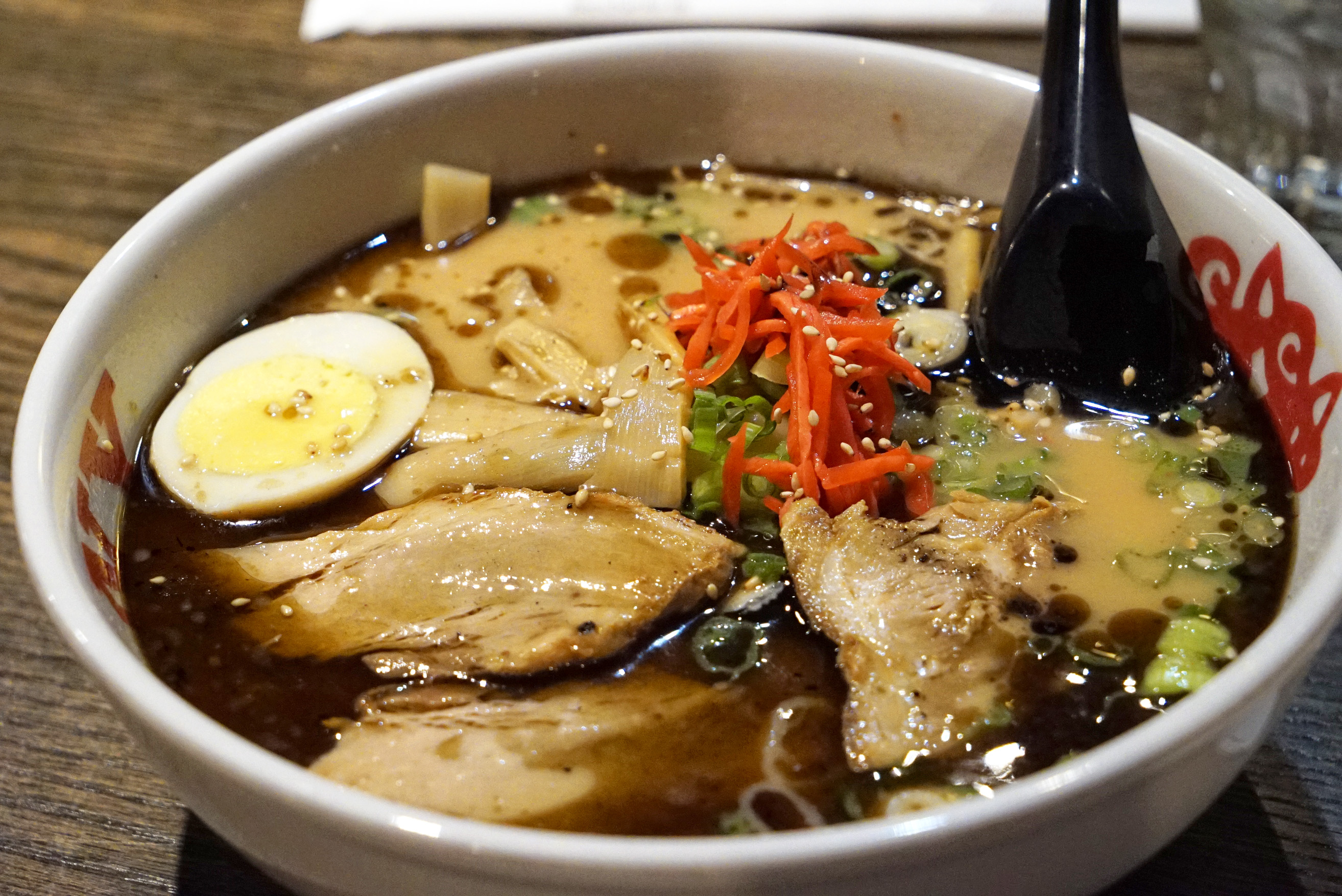
Kagoshima: Kagoshima is known for its Berkshire pork-like black pigs, yet the ramen is a mild mix of both veggies and chicken, combined with the black pork bone stock. The broth then gets finished off with burnt onions and seasoned with soy sauce. The noodles are soft, and toppings consist of pork meat (obviously), scallions, wood ear mushrooms (kikurage) and bean sprouts.

Kitakata: Kitakata is famous for a clean, light soy-based breakfast soup. In the bowl there’s usually a serving of chewy, wide, flat and curly hand-cut noodles with pork, scallions and bamboo shoots.

Kumamoto: When tonkotsu ramen arrived in Kumamoto prefecture from Kurume, the locals started cutting it with chicken broth. It’s also served with straight noodles, though they’re softer and thicker than the Kurume style. Most bowls have pickled mustard greens, sliced wood-ear mushrooms, bean sprouts, and cabbage on top, but the unique thing about Kumamoto ramen is the use of garlic. You’ll see fried garlic chips and mayu, the black liquid made from garlic that’s been burned in sesame oil. That shit is delicious.
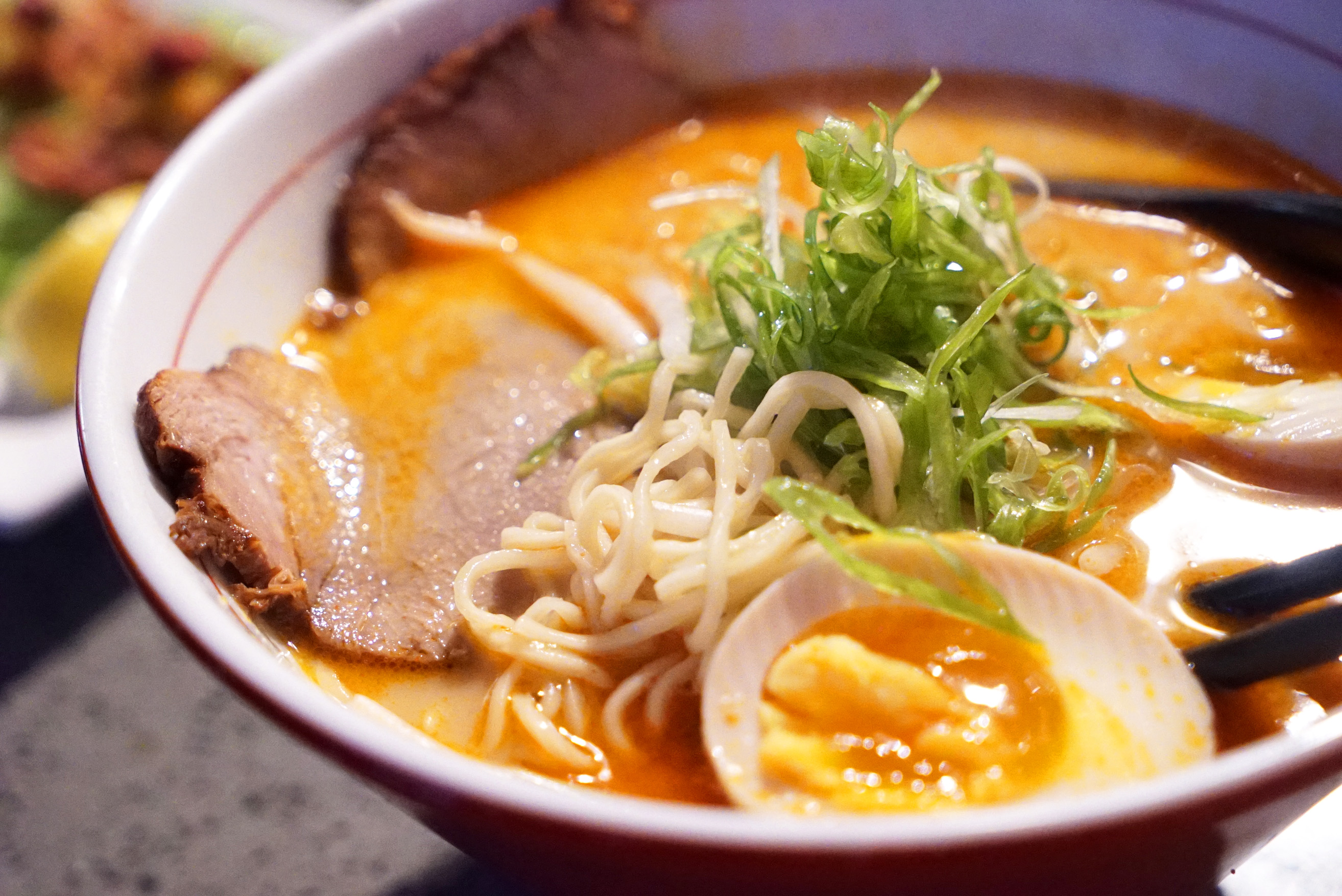
Kurume: This town on the southern island of Kyushu is the birthplace of tonkotsu. Melted bone marrow, fried lard, sesame seeds, pickled ginger and garlic give Kurume ramen a unique and pungent style. Toppings include pork meat, scallions, nori, and spicy mustard greens, in addition to those just mentioned above.

Kyoto: Kyoto’s home to two distinct types of ramen: a thinner assari shoyu ramen, and a thick kotteri chicken soup. The thin version is a blend of pork and chicken broth, with a dark soy base. The thick version is a rich porridge-like chicken soup, topped with garlic, spicy bean paste, chives and odoriferous local onions called kujnoegi. Both are seasoned with shoyu, but the toppings vary for each.

Nagoya “Taiwan” Ramen: “Taiwan Ramen” is Nagoya’s reimagined version of Taiwanese danzimian, which has lots of ground pork, Chinese chives, hot peppers, green onions and garlic. This shit is for people who like spicy soup.

Onomichi: Take a bit of pork, a heap of chicken, some local seafood and a big mess of lard and you’ve got Onomichi ramen. The soup has a shoyu base and is served with chewy, homemade, wavy, flat noodles. It’s usually topped with roast pork, bamboo shoots, scallions and pork fat.

Sapporo: Sapporo-style ramen hails from Japan’s northernmost province, Hokkaido, which is the birthplace of miso ramen. Sapporo miso ramen generally has thick, strong noodles and is commonly topped with bean sprouts, sweet corn, cabbage and ground pork. Soft boiled eggs and thick slices of chashu pork are also common, as well as pats of butter.
Shirakawa: This town developed a refined ramen typified by light, simple soup and hand pulled noodles. It features a shoyu broth, but local mineral ­water makes for springy noodles with a good chew. Toppings include roast pork, bamboo shoots, fish cake, scallions, seaweed, spinach and even wontons.

Tokushima: Shikoku is the smallest of Japan’s four main islands, and udon is the preferred noodle. But Tokushima prefecture has an aged, extra strong shoyu soup that originated with tonkotsu stocks made from leftover pork bones from nearby ham factories. This is similar to Wakayama ramen. Ramen shops here will add a few strips of thinly sliced pork belly and break a raw egg on top. Tokushima ramen is sometimes divided into “yellow,” “black,” and “white” styles (how racist) of varying strengths. Other toppings for this ramen consist of scallions, bamboo shoots and bean sprouts.

Tokyo: This ramen is usually made with pork and chicken broth and typically features slightly curly, somewhat wide noodles. Very often in Toyko you’ll find broths that are flavored with dashi (broth made from aged bonito flakes and sea kelp). This style of ramen is generally seasoned with shoyu and has a medium-thickness. It’s similar to Yokohama ramen, though that tends to be heavier and meatier than the dashi broths of Tokyo ramen.
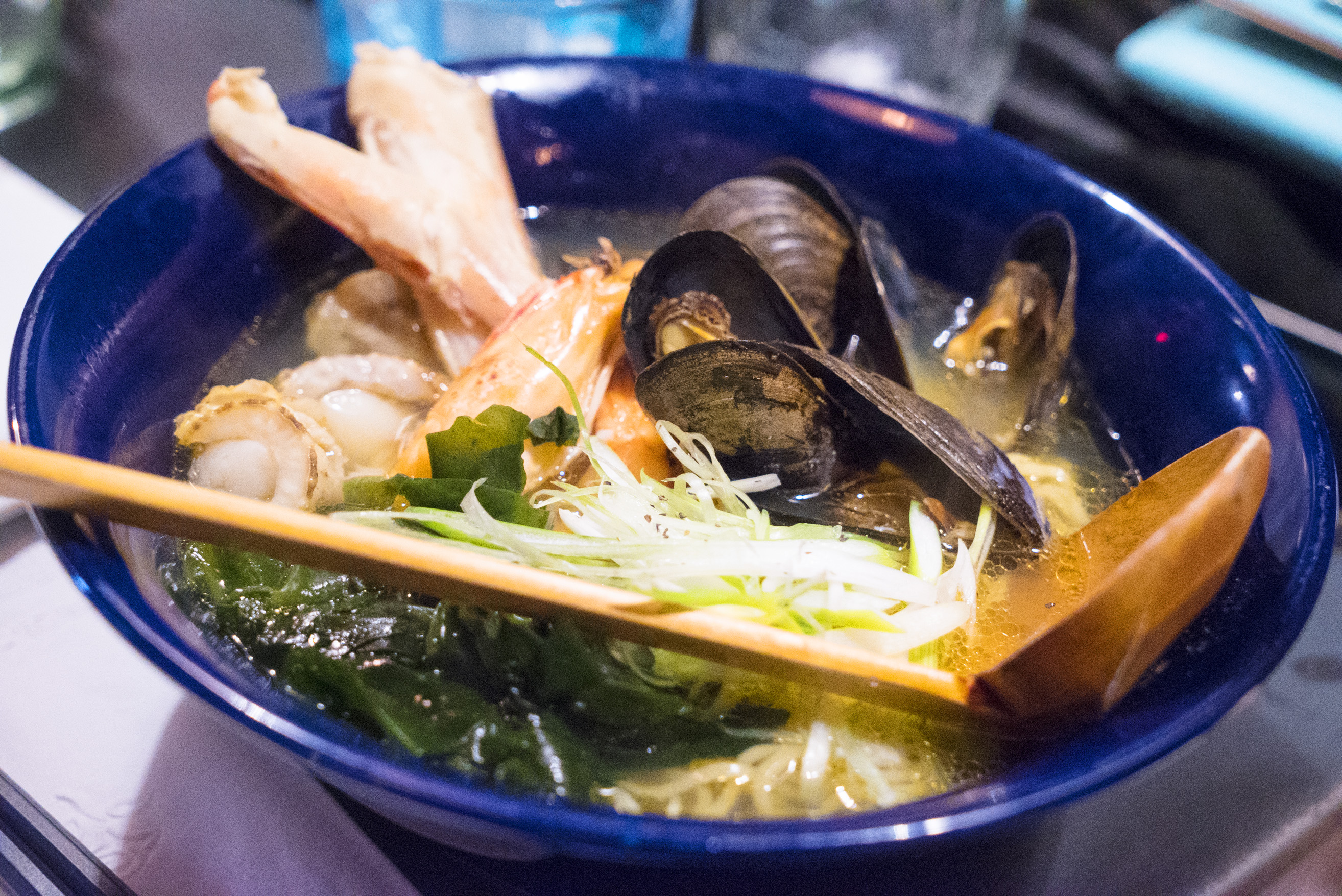
Tsubame-Sanjo: The cities of Tsubame and Sanjo are in a freezing cold area, and the ramen from this spot is bizarre and unhealthy. The hearty stock is made of chicken, sardines and pork bones, and the bowls are blasted with tons of pork fat (common in soups from the colder climates). There’s thick, flat noodles in this shoyu-based soup, and toppings include pork meat, bamboo shoots and lots of chopped white onions.

Wakayama: This is the median between thick, rich tonkotsu, and thin, clear broth. Wakayama ramen has a strong shoyu tare seasoning with a long-simmered tonkotsu base. The noodles resemble the thin, firm and long threads of Hakata style ramen, but you also get fish cakes like those in Tokyo style ramen. These soups are also topped with the seemingly ever-present and most common of toppings: roast pork, scallions and bamboo shoots.

Yokohama Ie-Kei: Yokohama is known for ie-kei ramen, a viscous, salty, and fatty tonkotsu shoyu style of ramen. When ordering, diners can designate how firm they want their noodles, the amount of fat they like on top, and the saltiness or strength of the soup. This is my kind of ramen – catering specifically to each unique diner. The toppings for this style of ramen usually include sheets of nori (seaweed paper), spinach, garlic, spicy bean paste and ginger.

RAMEN-LIKE DISHES

Although these dishes are not quite ramen, they’ll still be able to satisfy the most intense need for a ramen fix.

Abura Soba: The name of this soupless noodle dish translates to “oil noodles.” It consists of cooked ramen noodles dressed with flavored oil and tare (usually shoyu). It often comes topped with an egg, and diners are meant to stir everything together in the bowl to form a creamy, fatty, thickened sauce. One can also add vinegar, chili oil and other shit before slurping. Hot peppers, mayonnaise, fried noodles, chopped garlic and pork fat are also crowd favorites to add in.

Chanpon: This originated in Nagasaki and is made by boiling thick noodles directly in a thick pork and seafood soup. It’s viscous, and eats more like stew than ramen.

Hiyashi Chuka: This literally means “cold Chinese.” As such it’s a dish made with cold ramen noodles and various toppings like fried egg, ham, carrot, cucumber and chicken. It is usually dressed in a light soy-vinegar sauce. I’ve even seen fish sauce used in some versions around NYC.
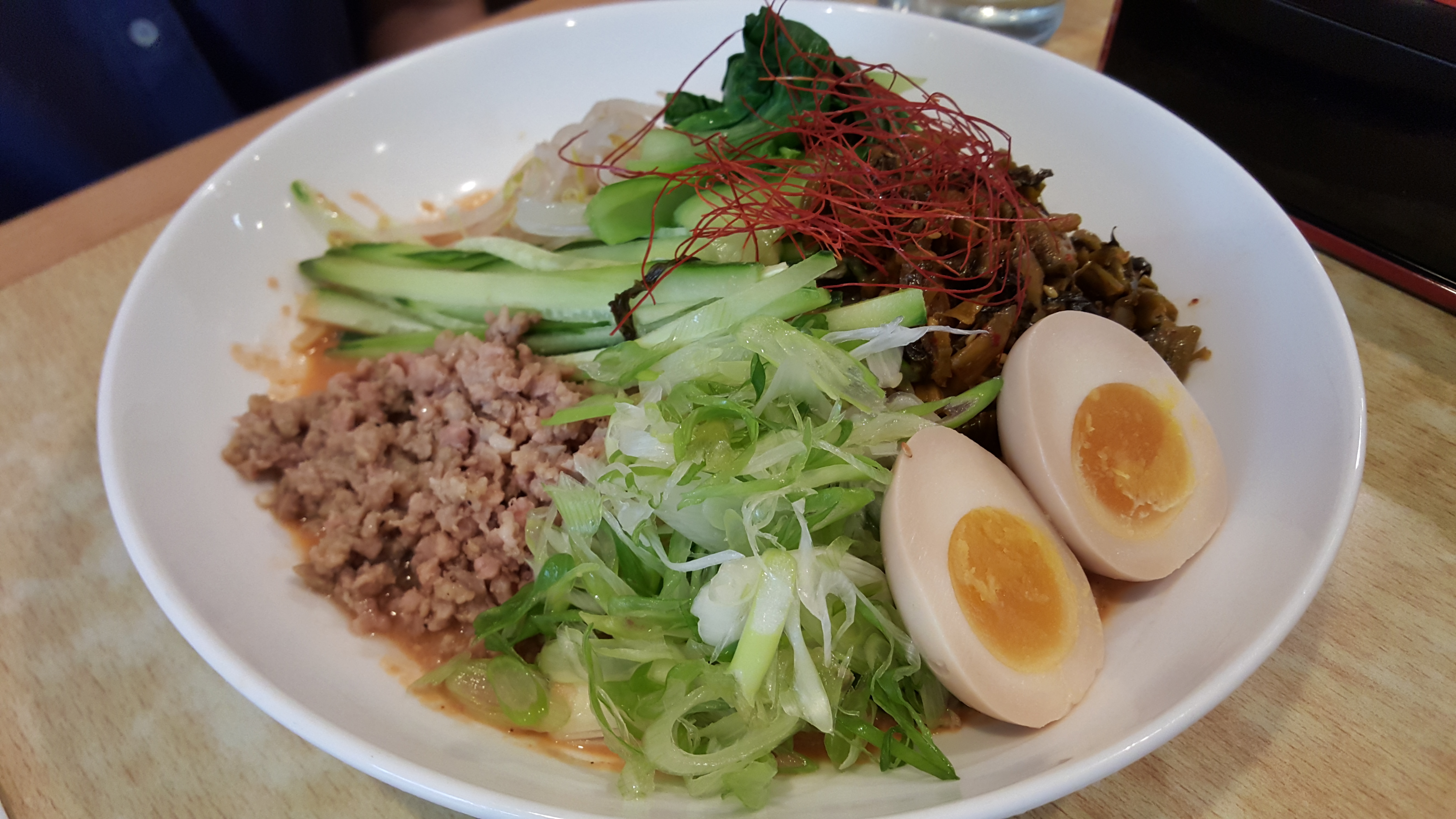
Mazemen: This is a hearty “dry” ramen, characterized by thick noodles and weird toppings like cheese. Similar to Abura Soba, this is essentially cooked noodles with a small amount of strongly flavored sauce on the side for dipping. Toppings and sauces can vary a great deal, and are often experimental in nature.

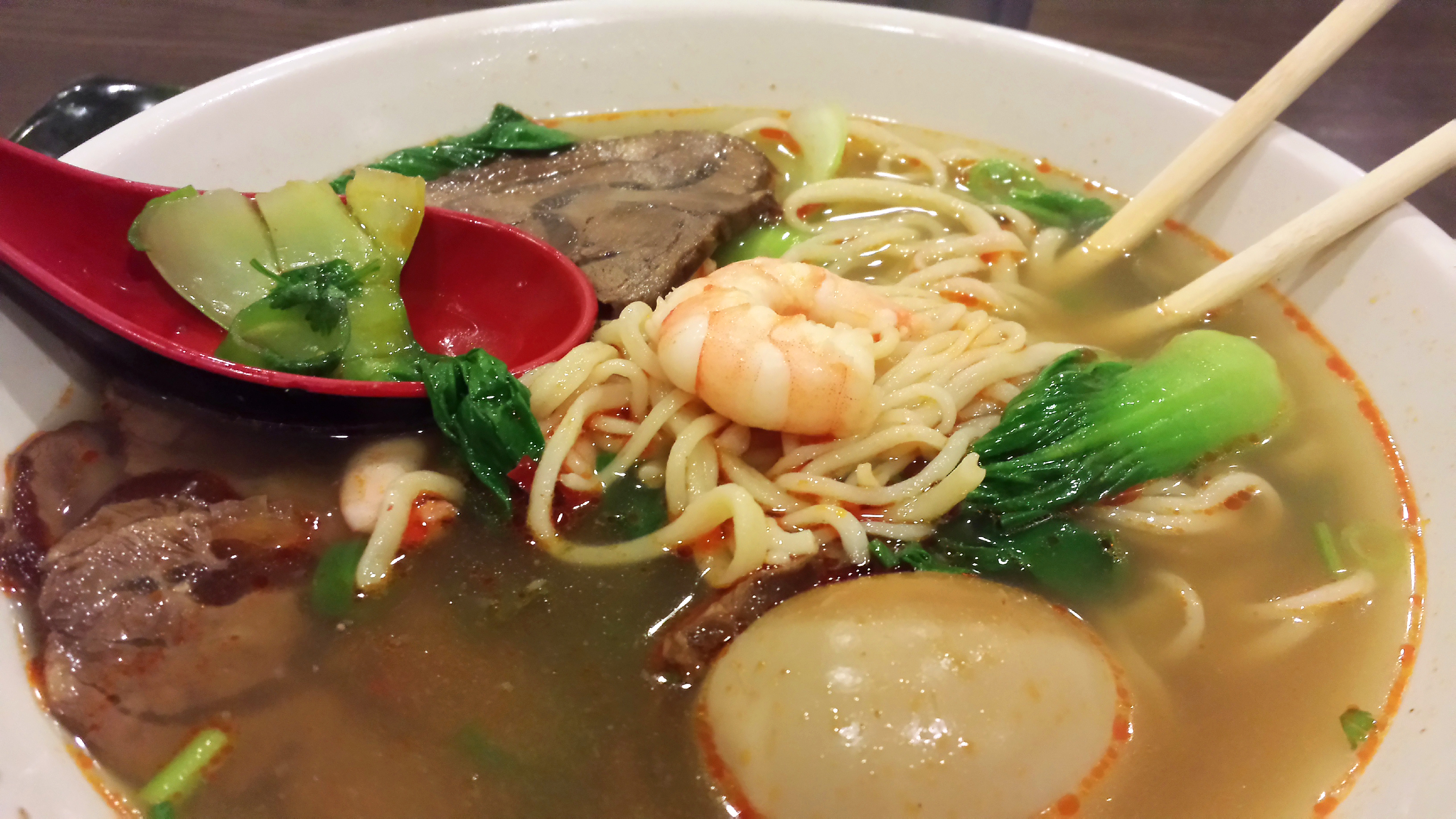
Tantan-Men: This is an off-shoot of Chinese dandan noodles. Based on a pork broth, it comes with a scoop of heavily spiced ground pork and is generally served with bok choy and/or spinach.

Tsukemen: This, like Mazemen, is also a “dipping” ramen. Cold, undressed (nekkit) noodles are served alongside a hot, concentrated ramen broth. You dip the noodles into a bowl of broth as you eat, grabbing the toppings whenever you choose to.
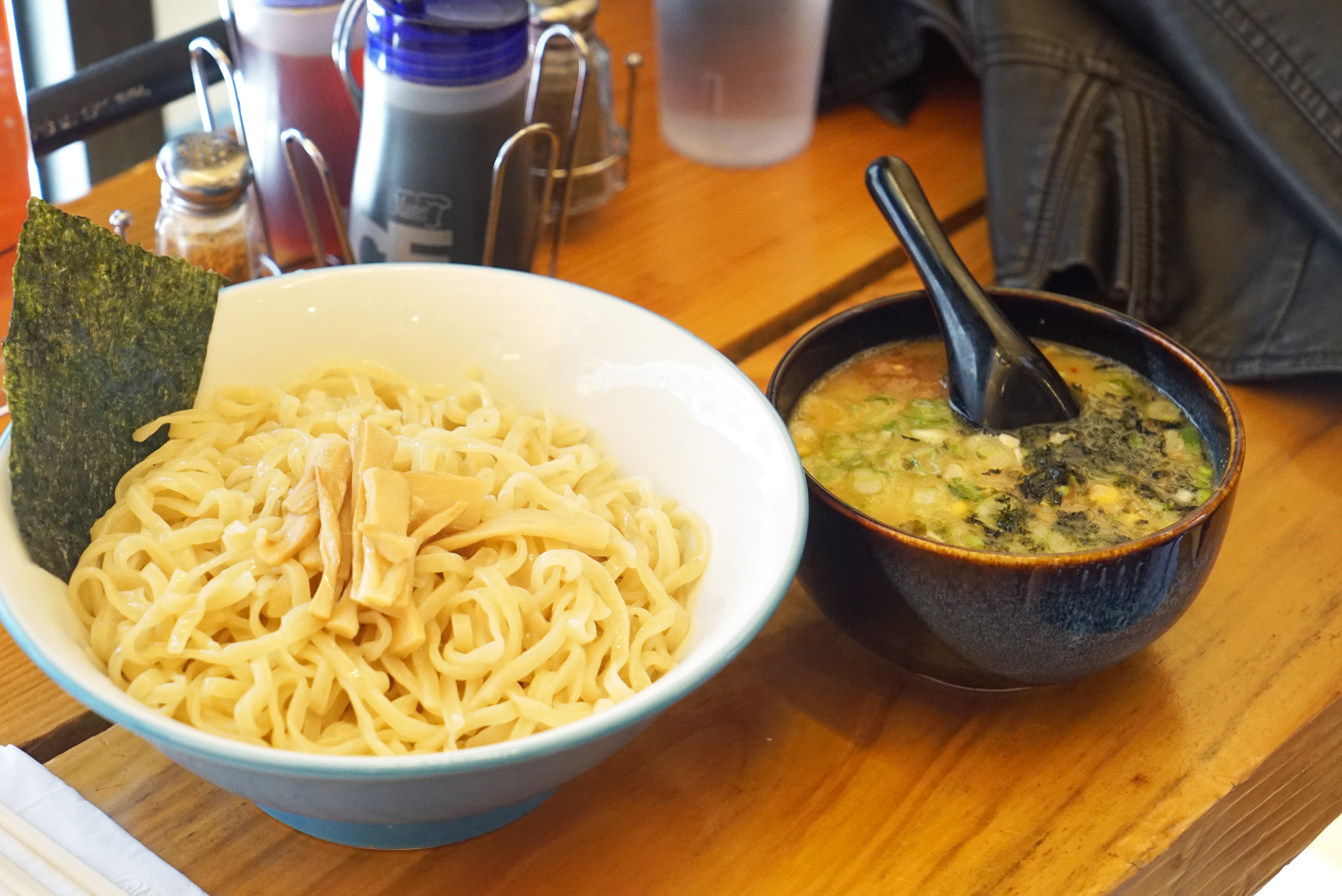
Yakisoba: This is the Japanese version of Chinese fried noodles. It’s made with egg noodles that get stir-fried with veggies and occasionally meat or seafood. This shit then gets hit with a Worcestershire style anchovy and vegetable sauce. It’s often topped with shaved bonito flakes and pickled ginger (beni shoga).

FUSION RAMEN

All around NYC we are seeing various kinds of fusion ramen items being offered, which makes a lot of sense given that the history of ramen in Japan involves a lot of Japanese-Chinese fusion.
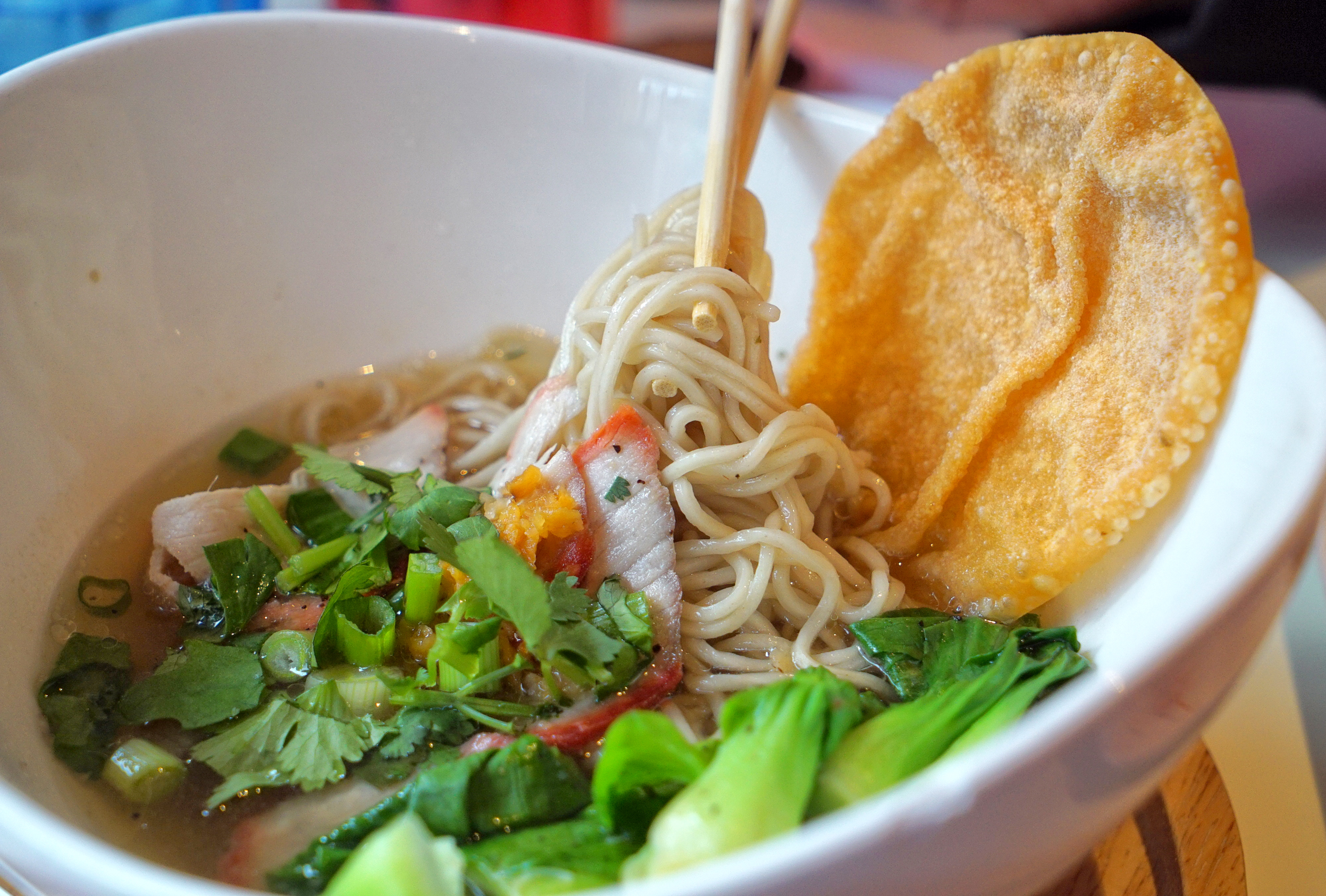
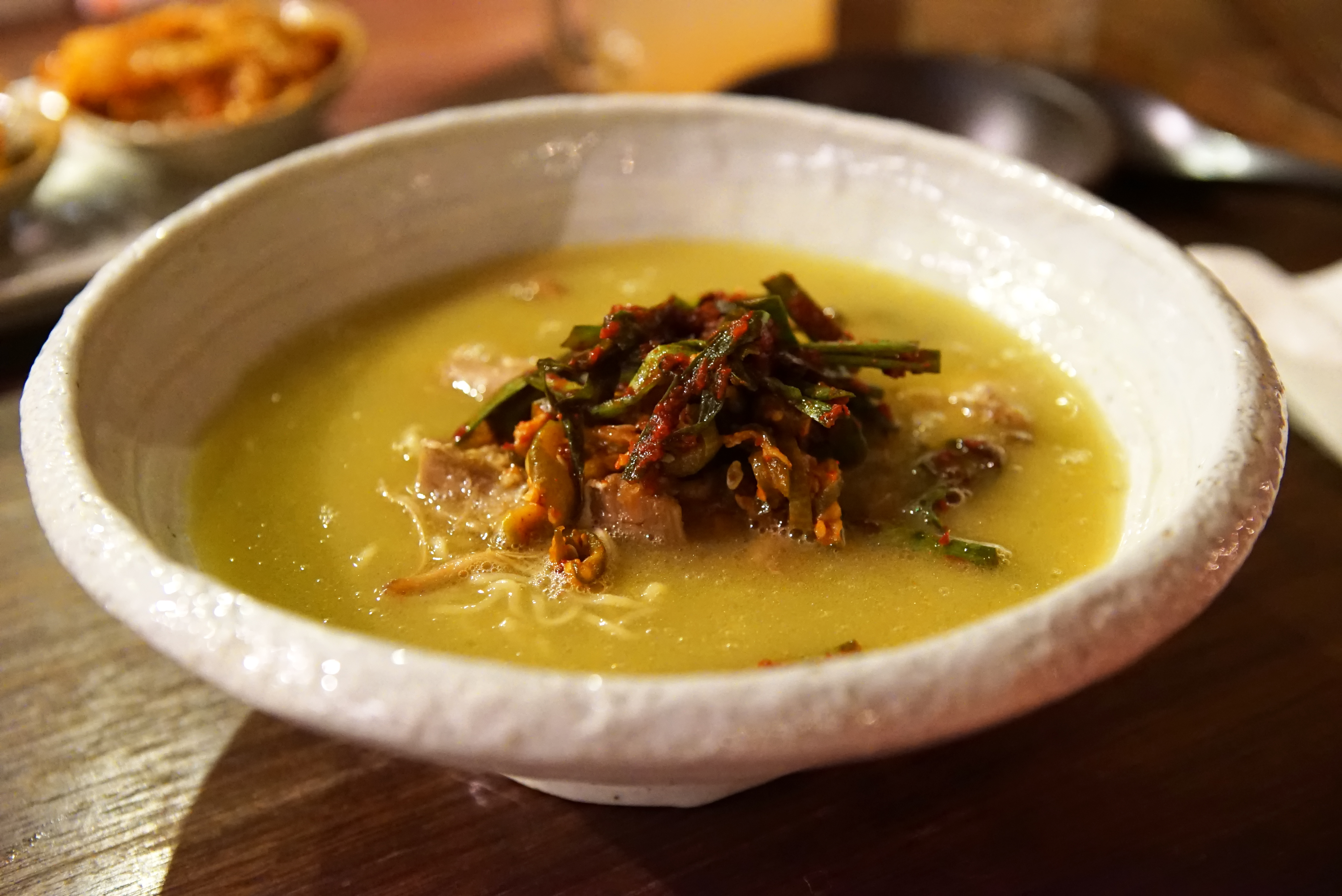
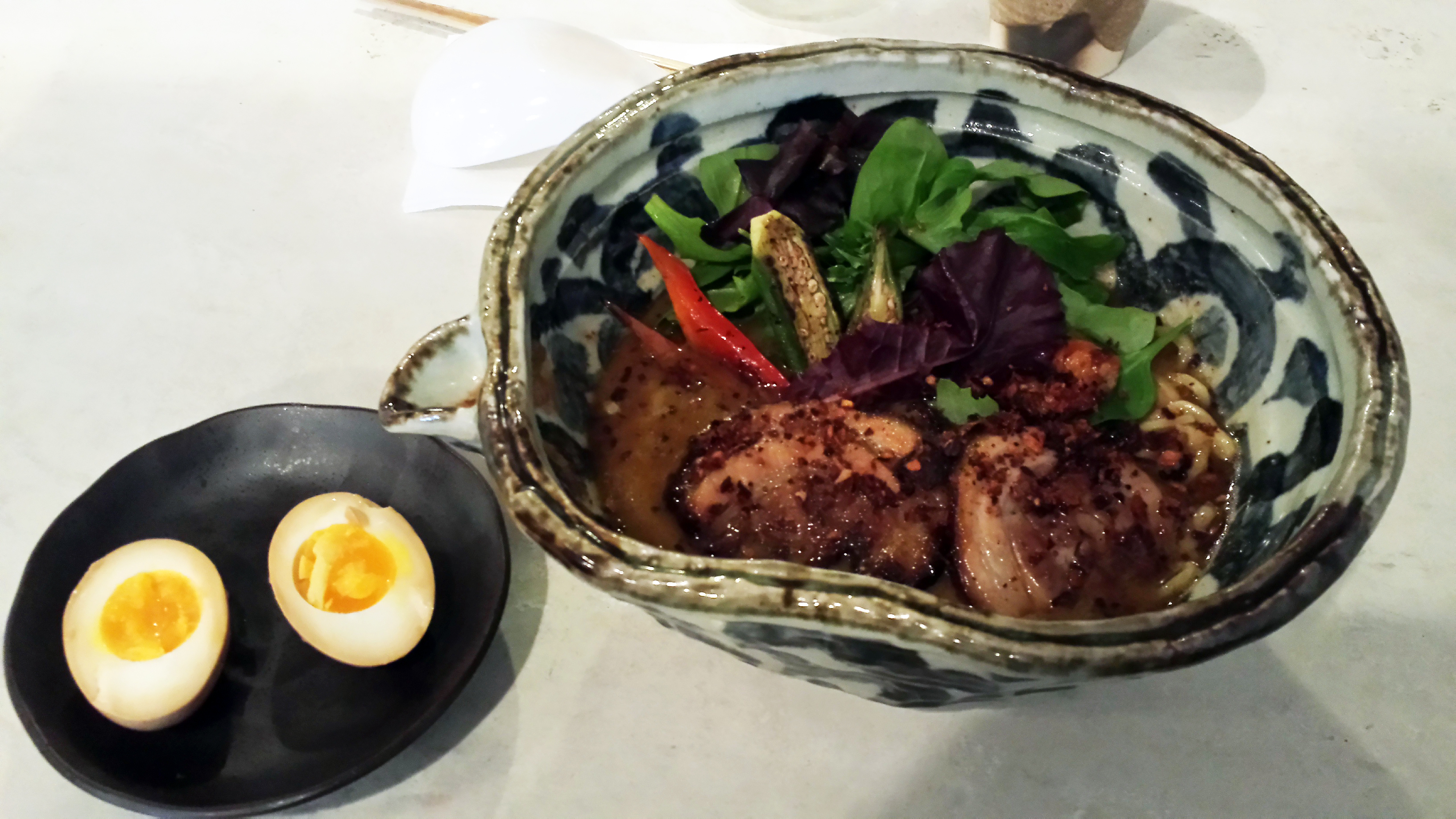
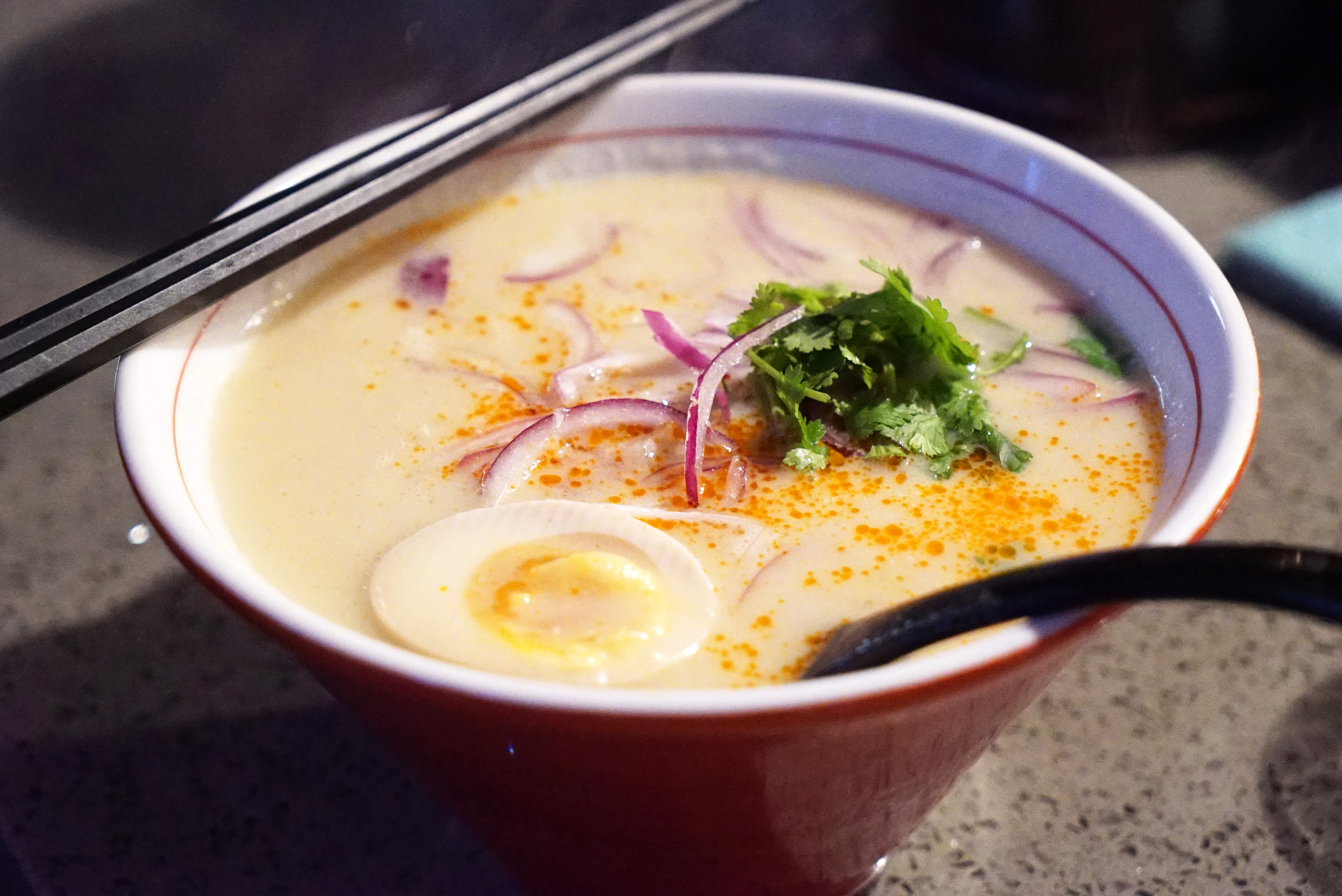
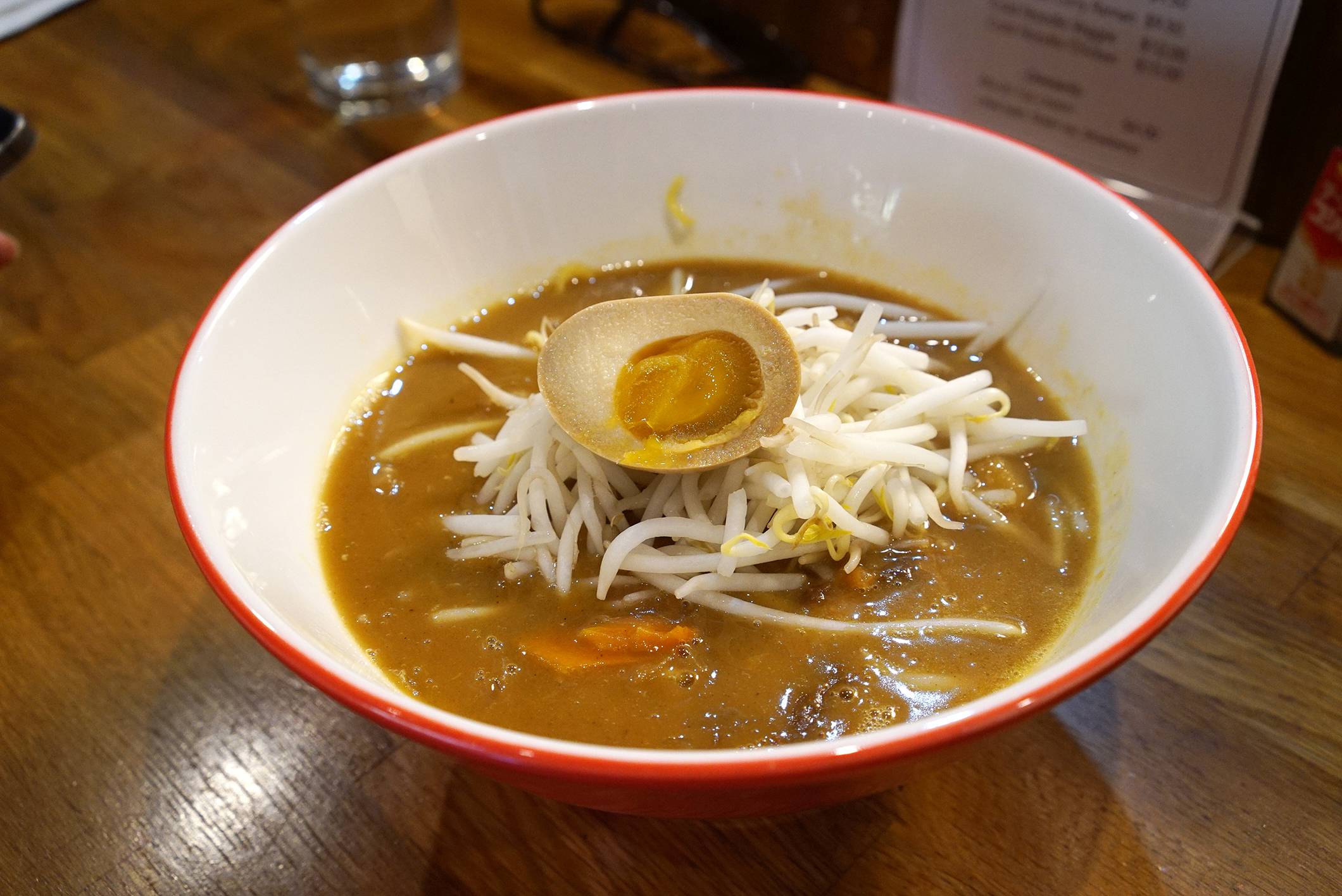
However some of the more wild examples I’ve seen in NYC include:

Korean-inspired kimchi ramen (Mokbar):
Thai green curry ramen (Bassanova):
Flavors common to Burmese cuisine that feature coconut milk in the broth base (Tabata):
Indian-inspired massaman curry ramen, even complete with potatoes and carrots and (Yasha):
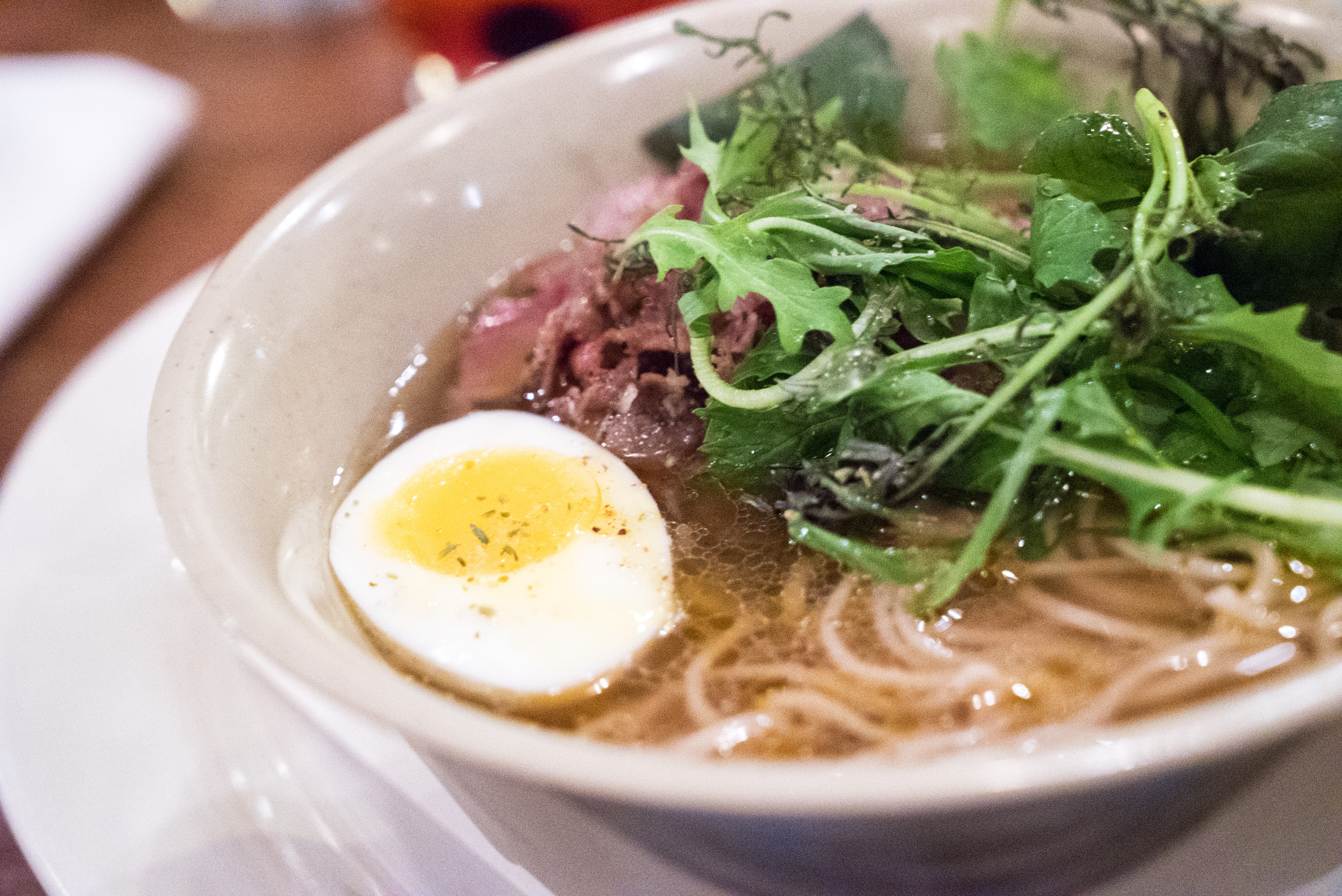
Italian spaghetti ramen, with pepper oil, arugula and crispy porchetta (Maialino):
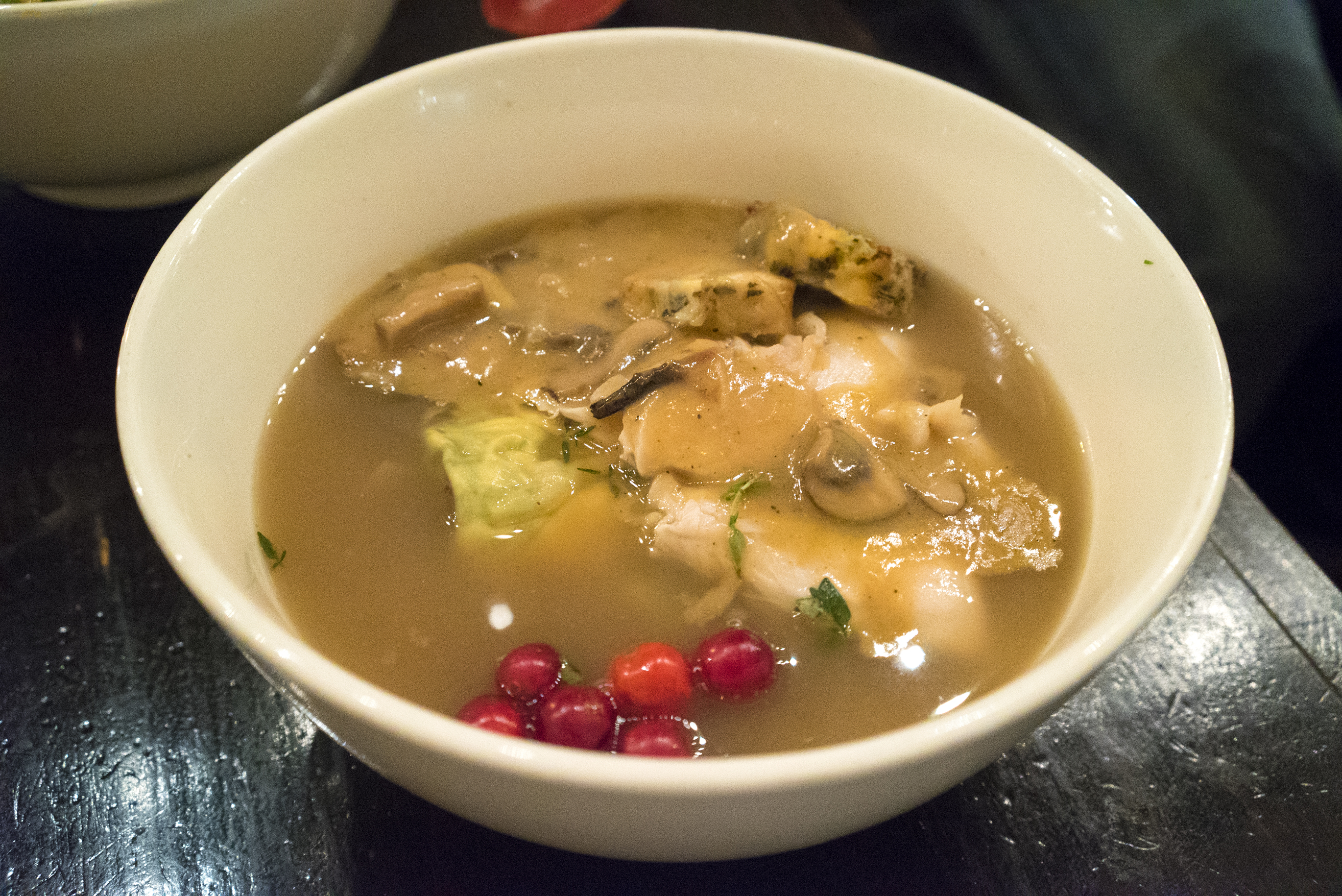
Thanksgiving turkey ramen, with gravy, mushrooms, stuffing and cranberries, of course (Talde):
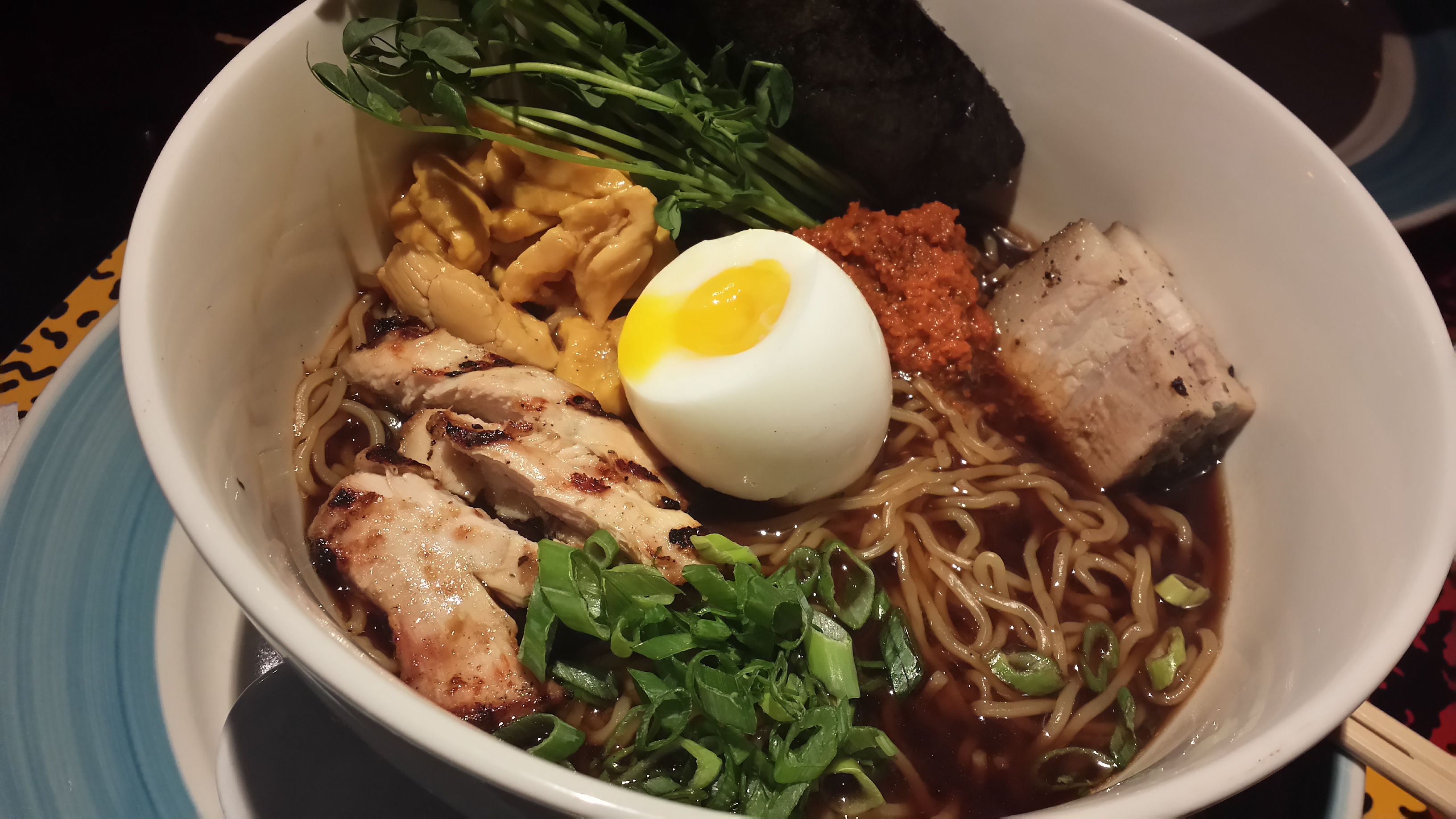
And Jamaican jerk chicken ramen (Miss Lily’s 9A):
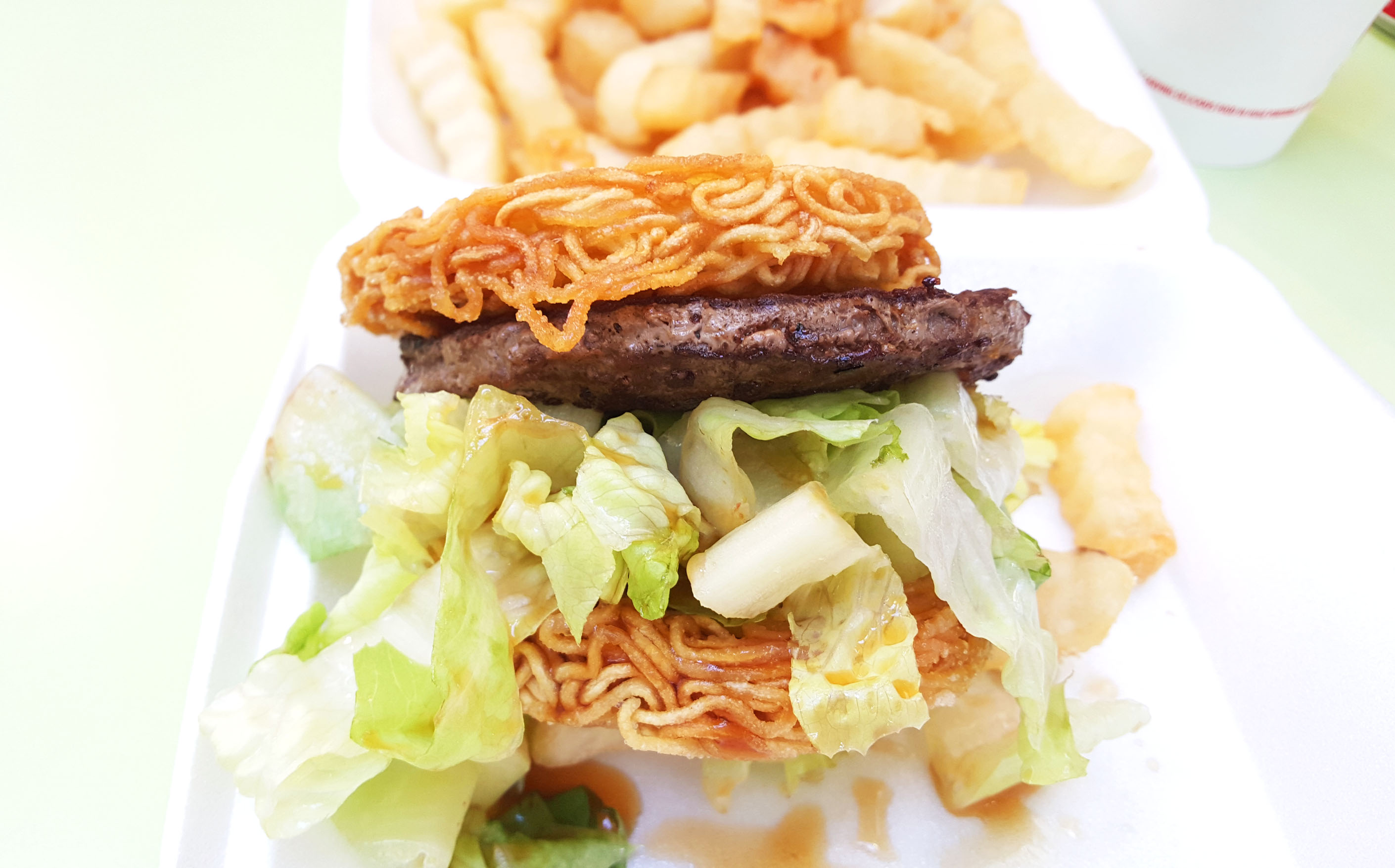
There are even ramen burgers (L&L Drive Inn, among others)…
…and now ramen cake (courtesy of my wife, The Cake Dealer).
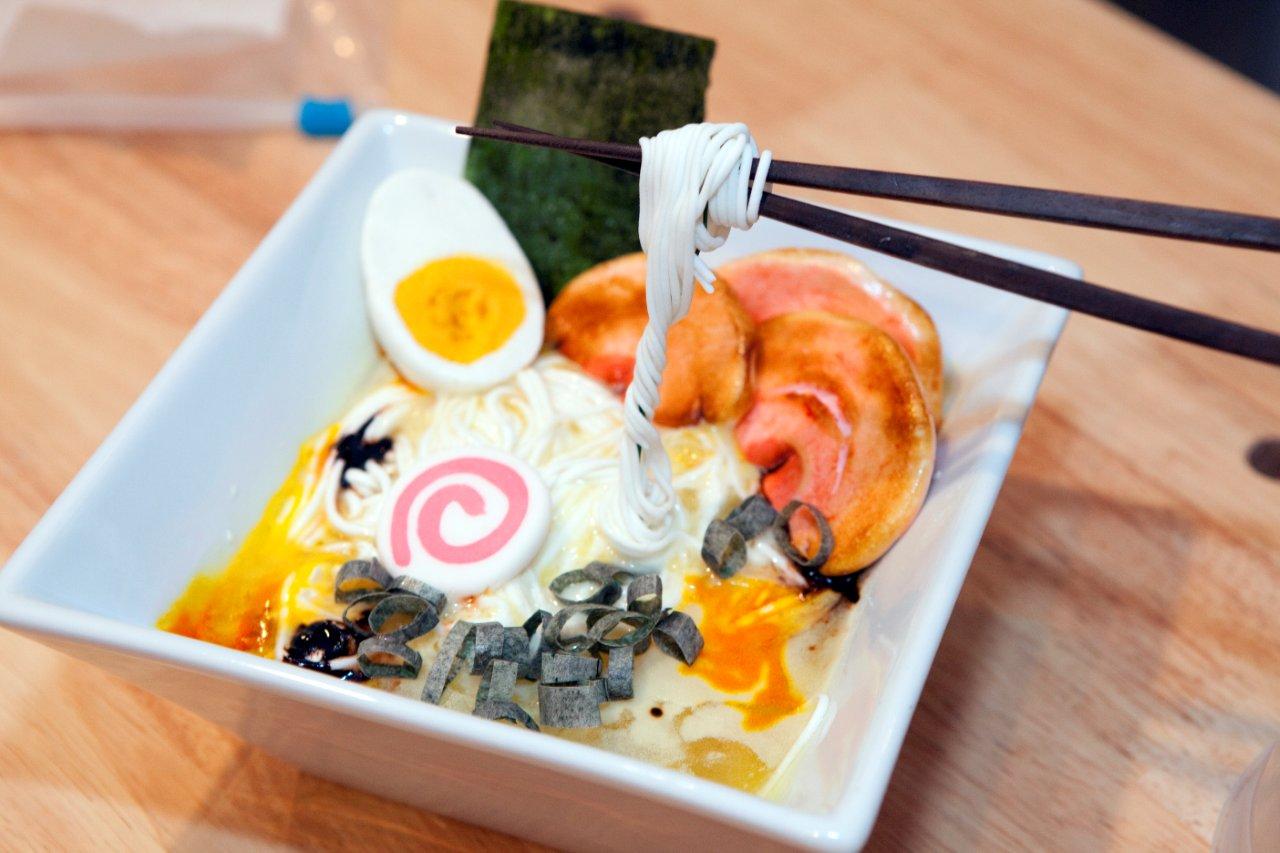
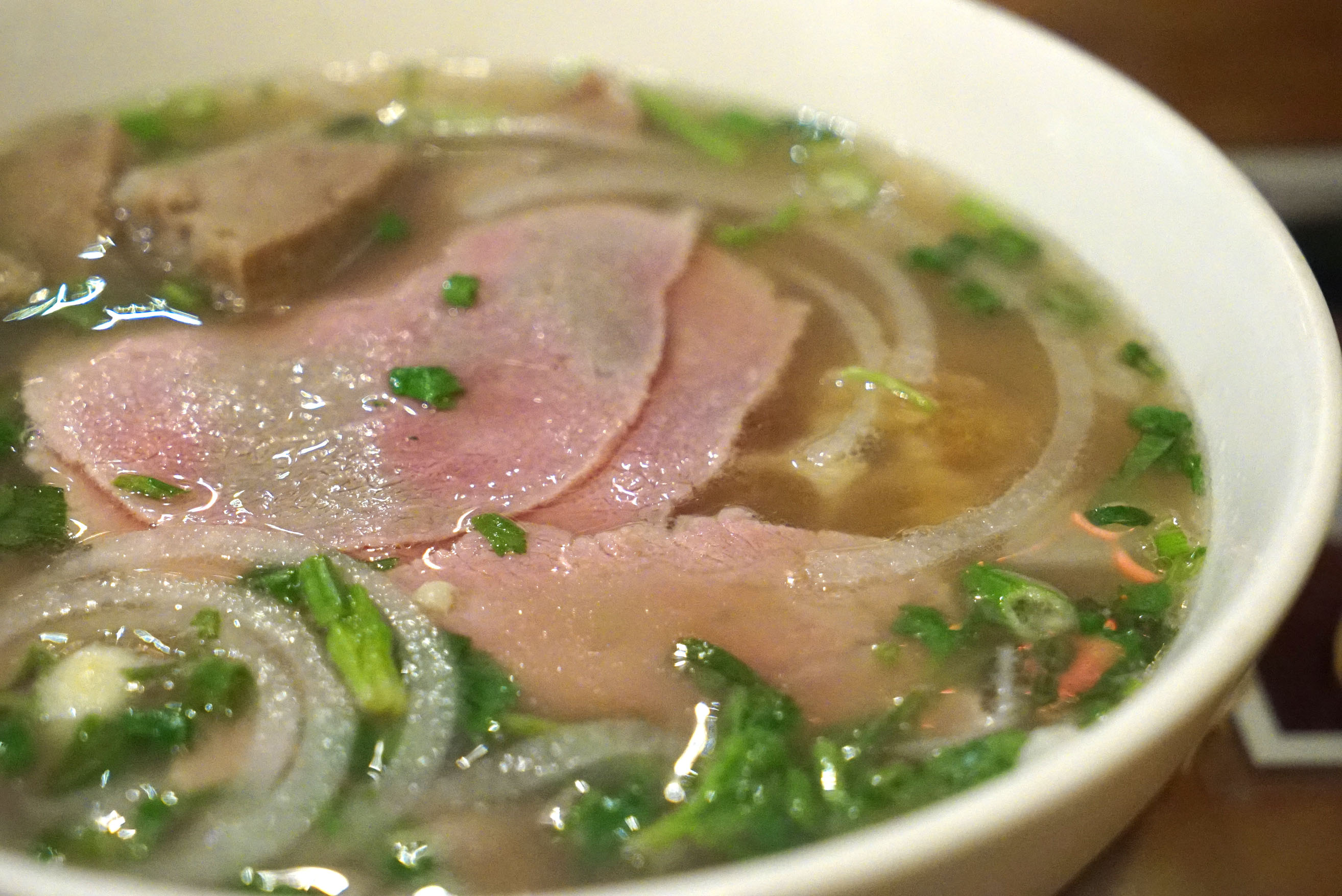
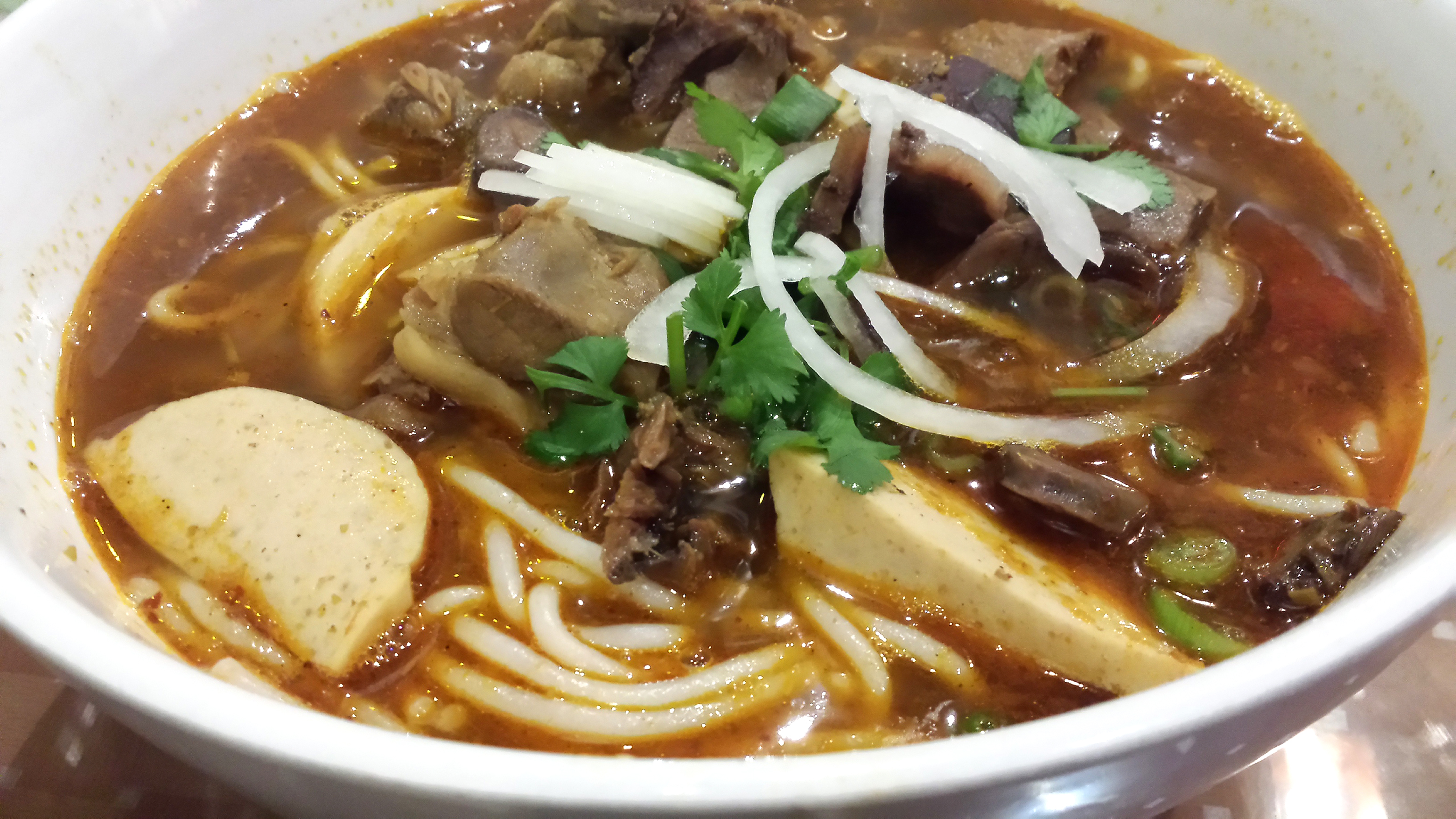
So that about does it here. If ramen isn’t your thing, but soup most definitely IS your thing, as a general matter, then there’s always pho, bun bo hue and laksa out there to soothe your hot soup needs in the cold winter weather that’s about to strike.
Mamasita

My wife and I ordered some take-out from this joint. It was a little pricey, but the food was pretty good. I imagine it would be much better at the actual restaurant, because at home, in the to-go containers, things were a bit messy.

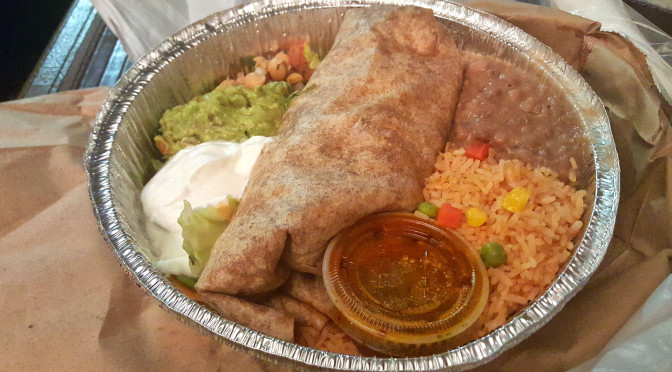
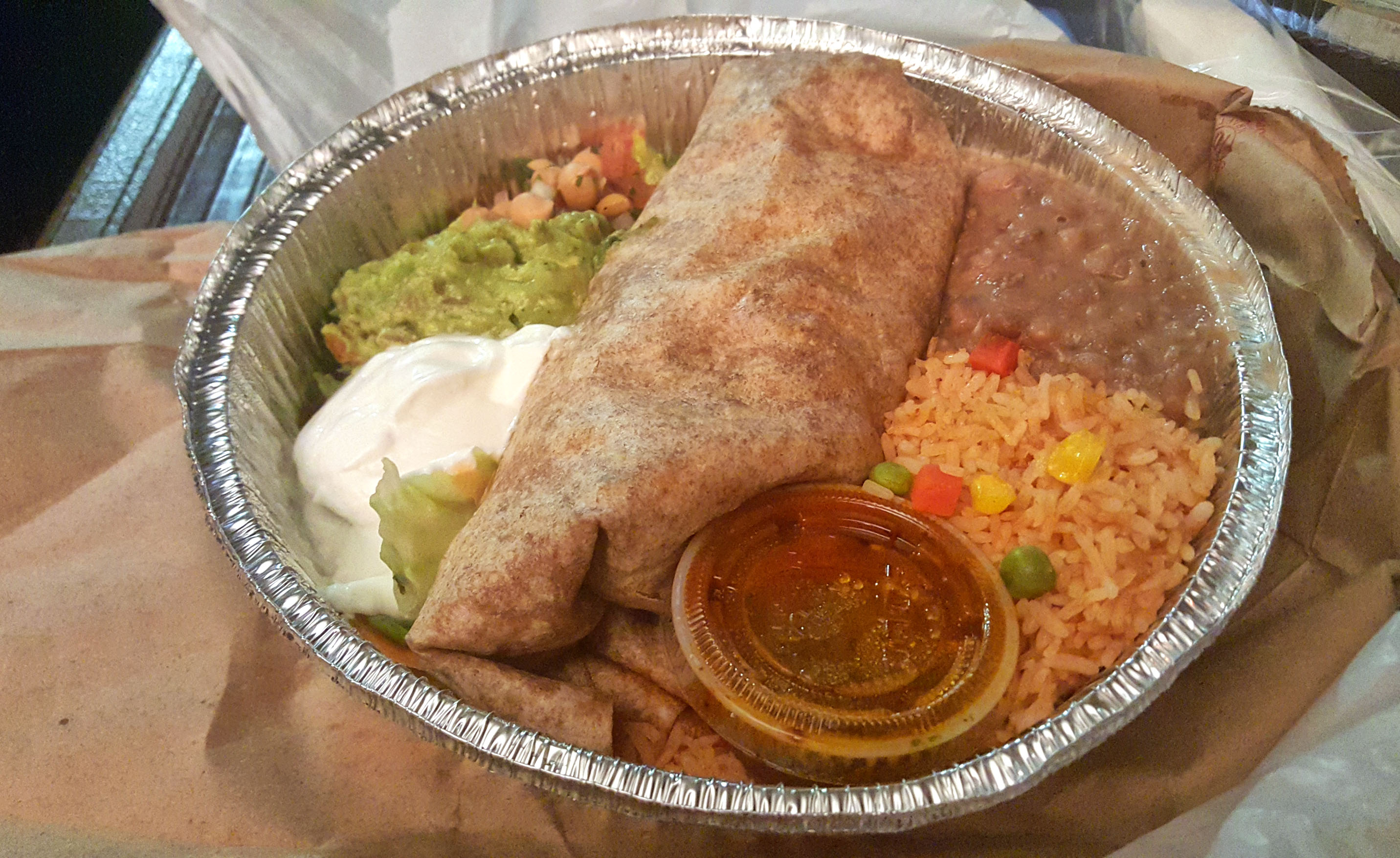
I got the chicken burrito, which was filled with a good amount of nicely grilled chicken, rice, beans, plenty of cheese, sauteed mushrooms and peppers, and a nice sauce.

20151206_201600

It came with refried beans and rice, as well as some lettuce, sour cream and guacamole.

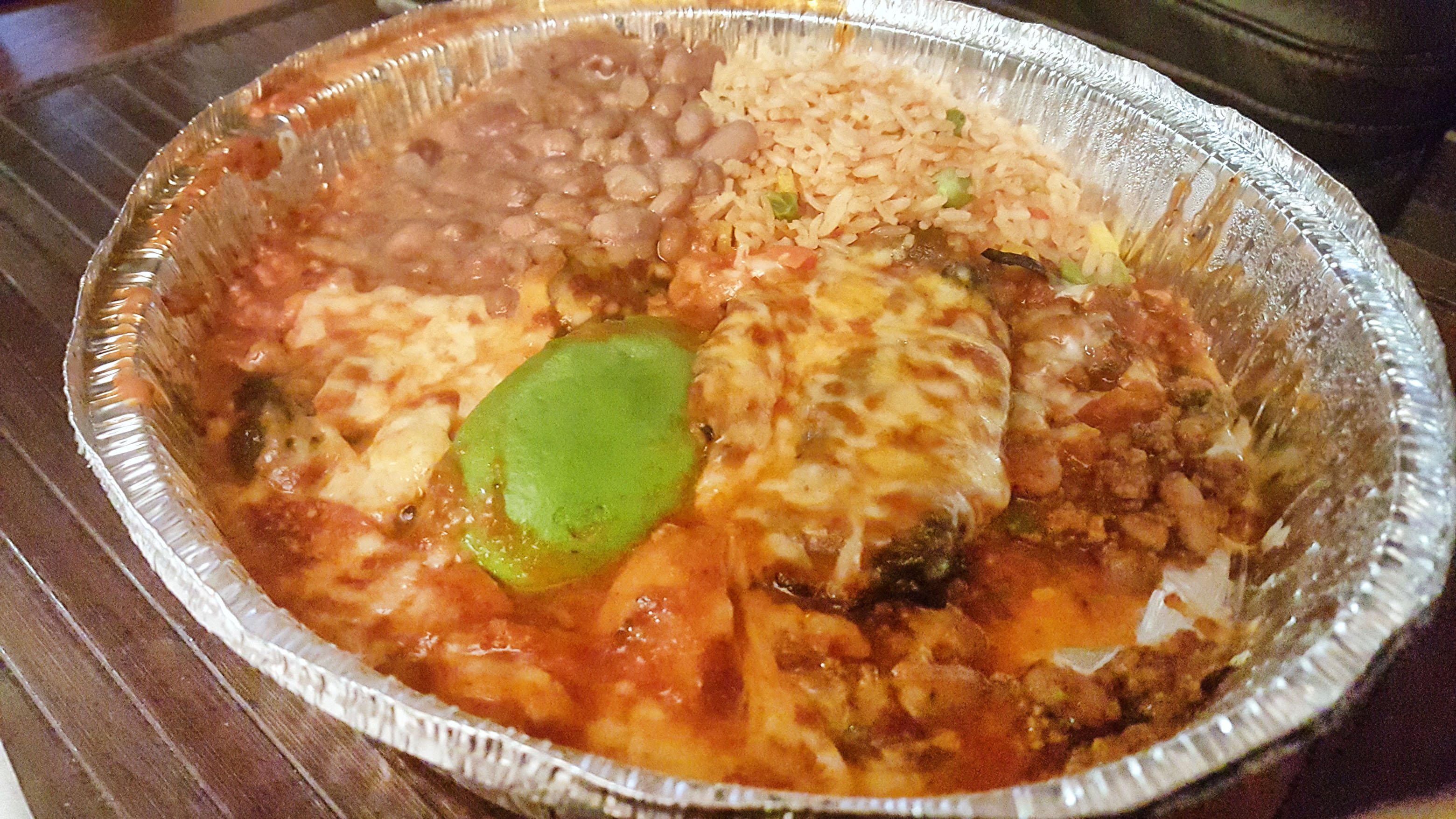
My wife had the chili rellenos dish. They came to us completely unassembled/unstuffed, but the components were all nicely cooked and tasty, all pepper skin was removed, and this, too, came with rice and beans. Doesn’t look like much, however.

20151206_201647

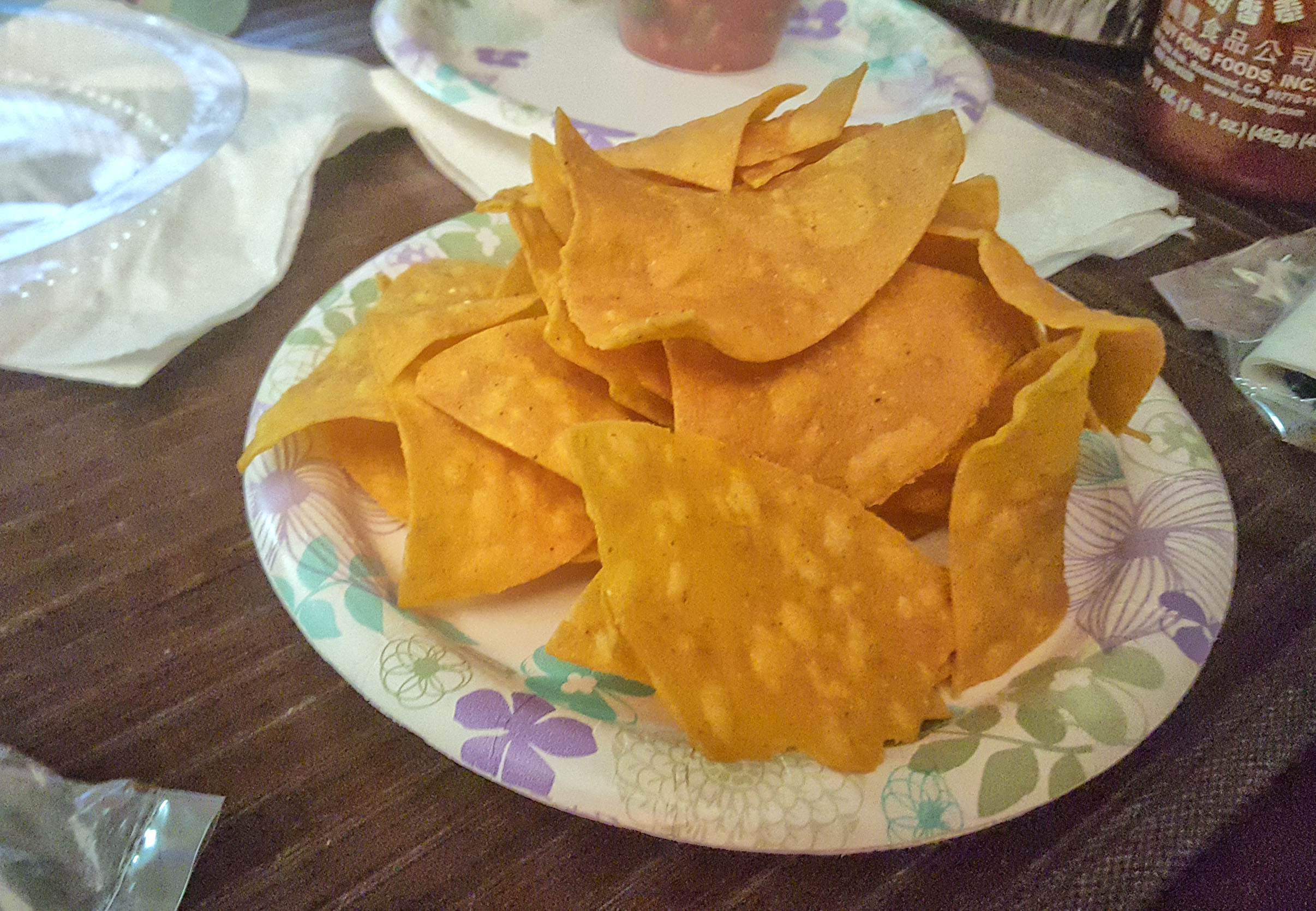
We even got some tortilla chips and salsa, as we would have, had we dined in the restaurant.

20151206_201609

MAMASITA
818 10th Ave.
New York, NY 10019

BONMi

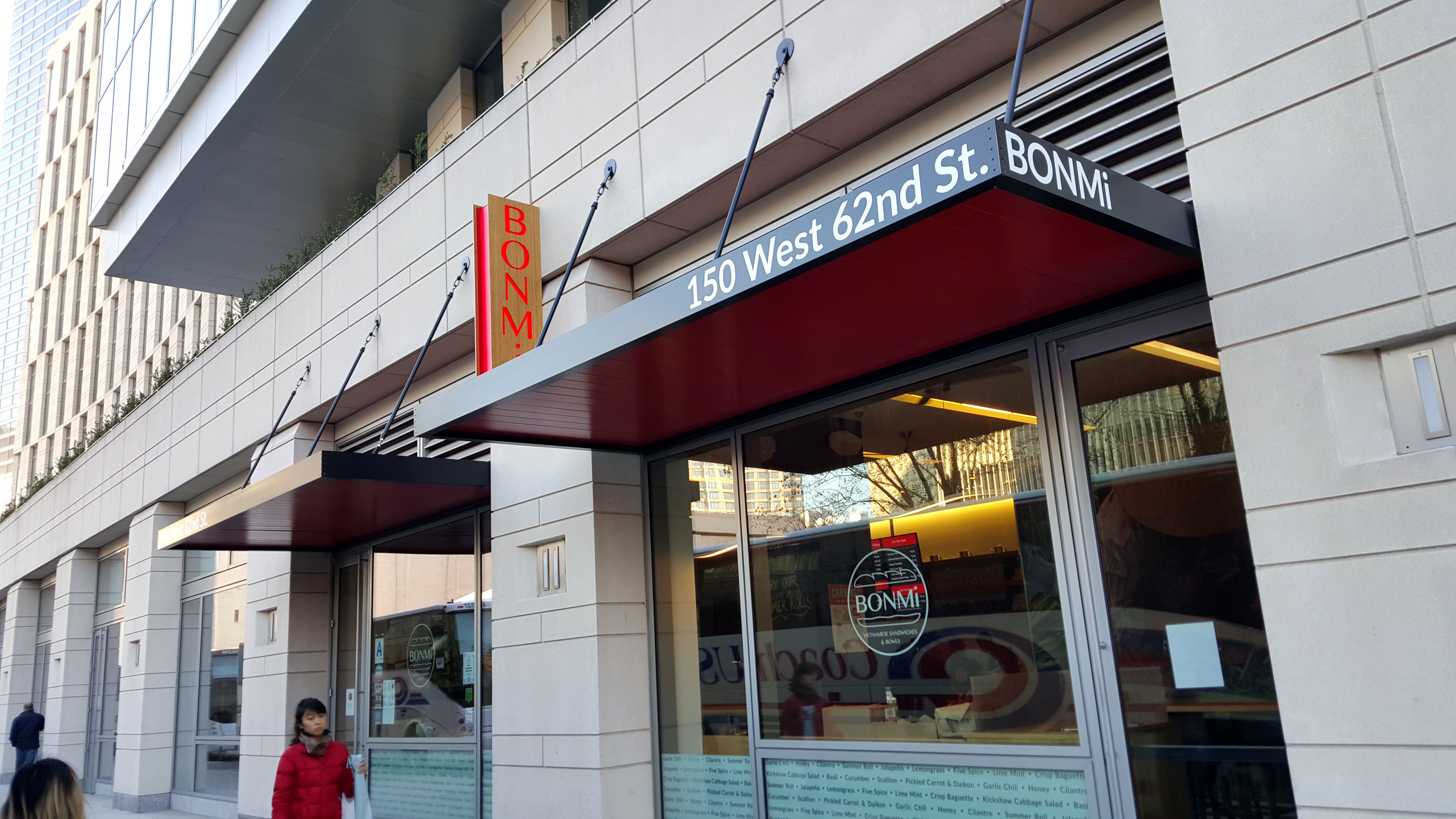
BONMi is a Vietnamese-ish soup, sandwich and breakfast joint that opened about nine months ago on 62nd between Columbus and Amsterdam.

20151206_131117

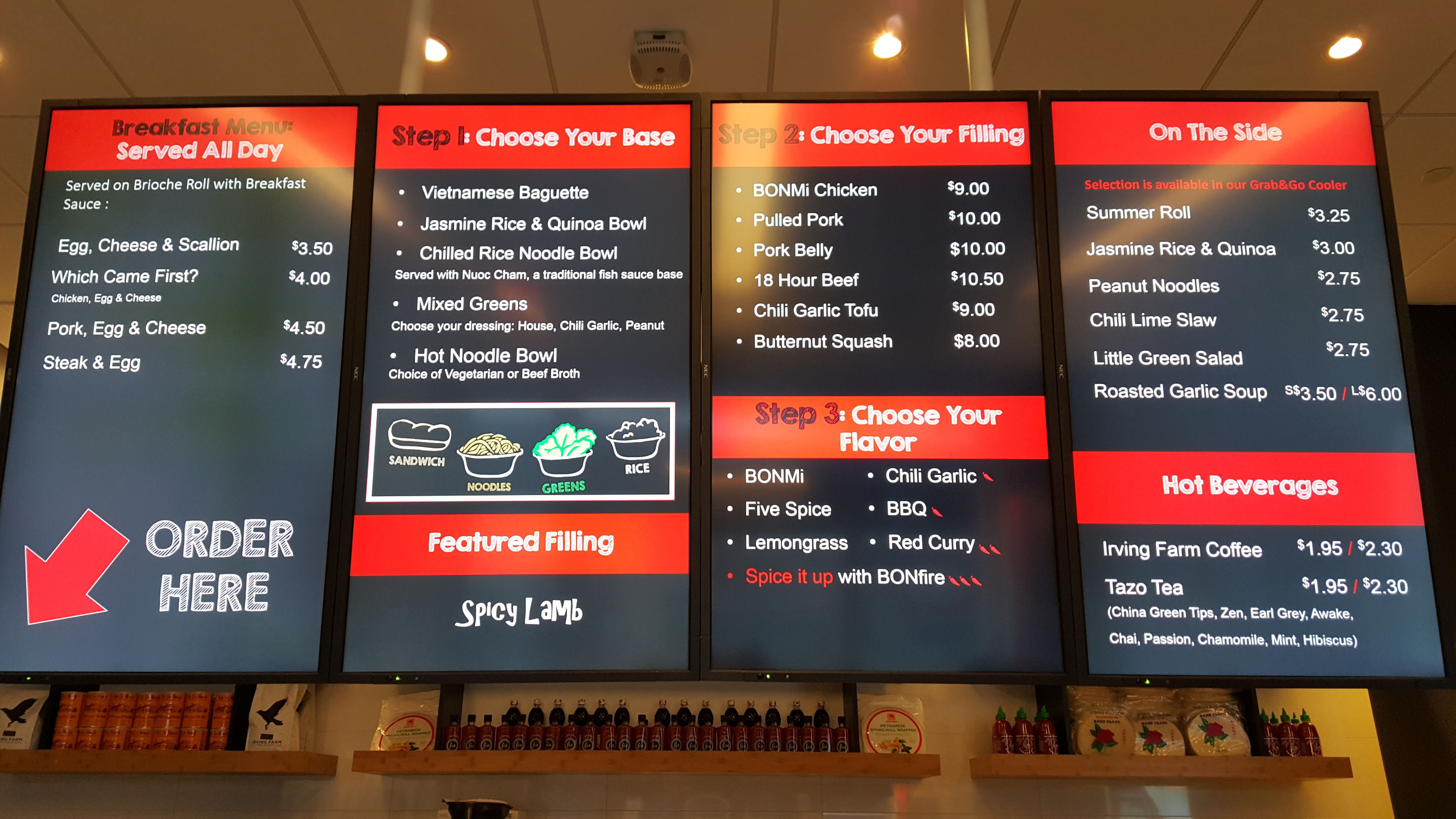
The menu is simple, fresh and straight-forward:

20151206_131217

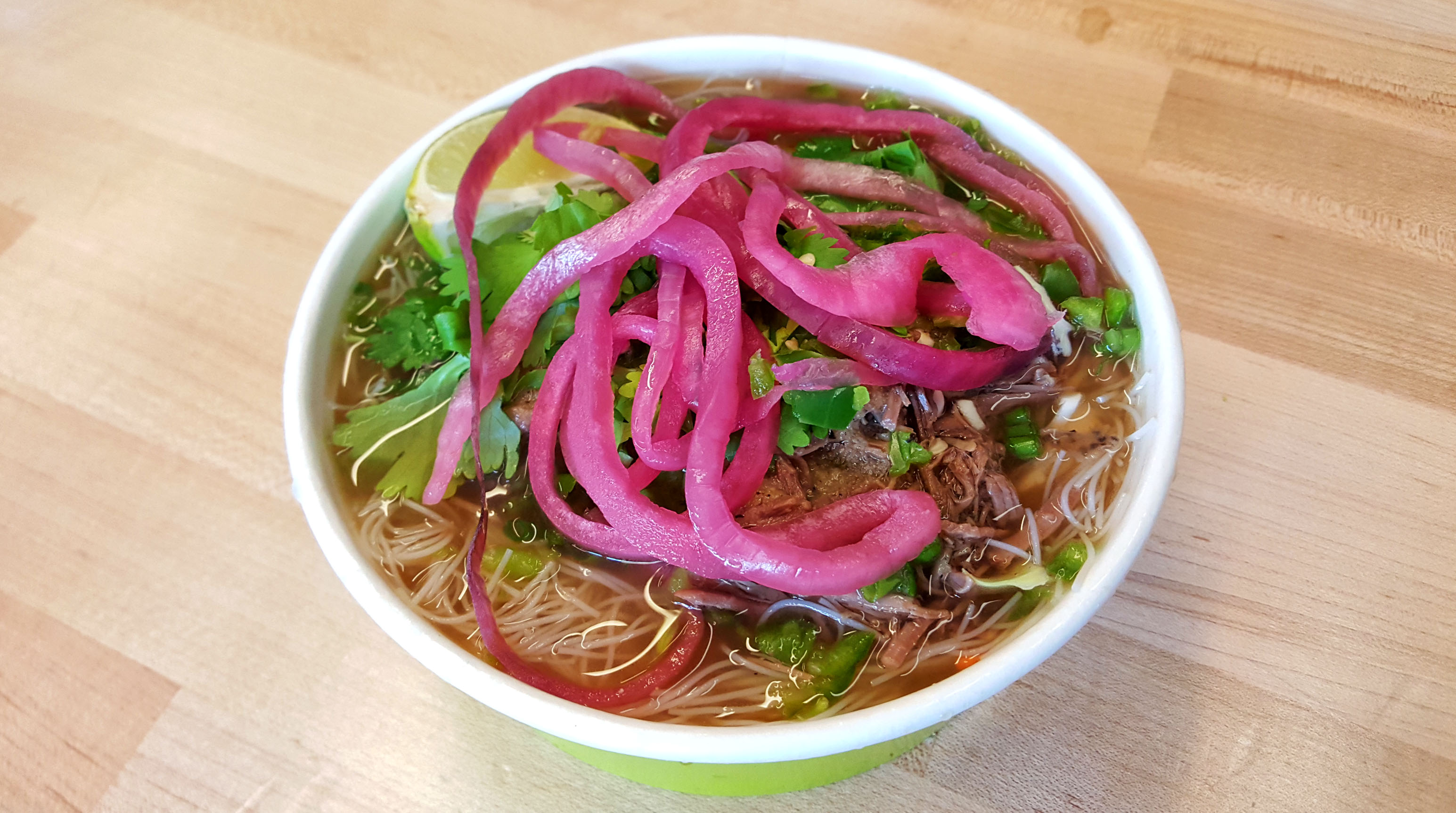
Unlike traditional pho, the soup here has very thin, rounded noodles, as opposed to wider, flat noodles. The broth is beef or veggie stock, and you can add a variety of meats as toppings. We went with 18-hour beef in beef stock, with a lemongrass sauce and everything but carrots on top. It was pretty good! Just don’t expect that robust pho flavor. This is more like a standard noodle soup than pho.

20151206_131929

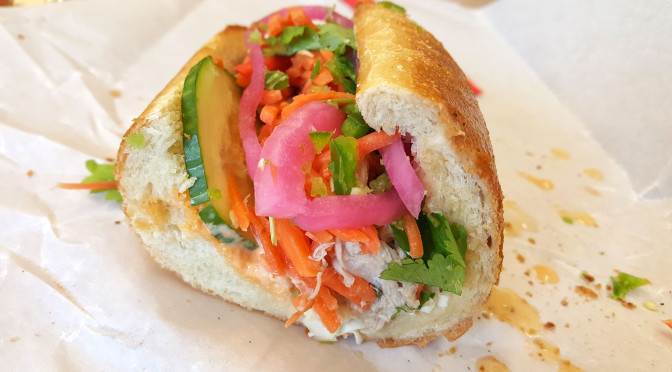
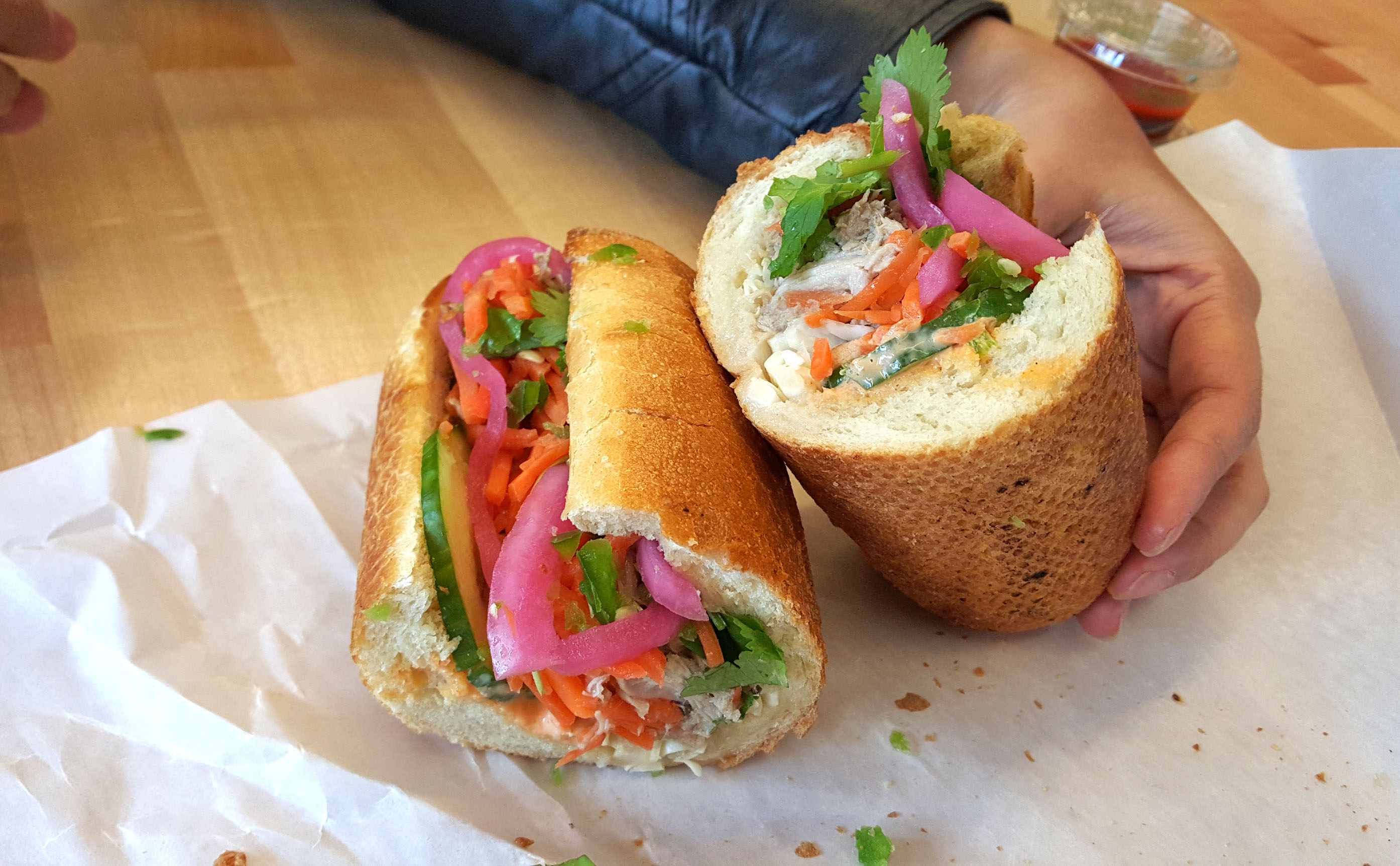
The sandwich, however, keeps it pretty real to banh mi. The flavor profile is similar, though not with exactitude, and the bread is good quality, crunchy, fresh French baguette style:

20151206_131852

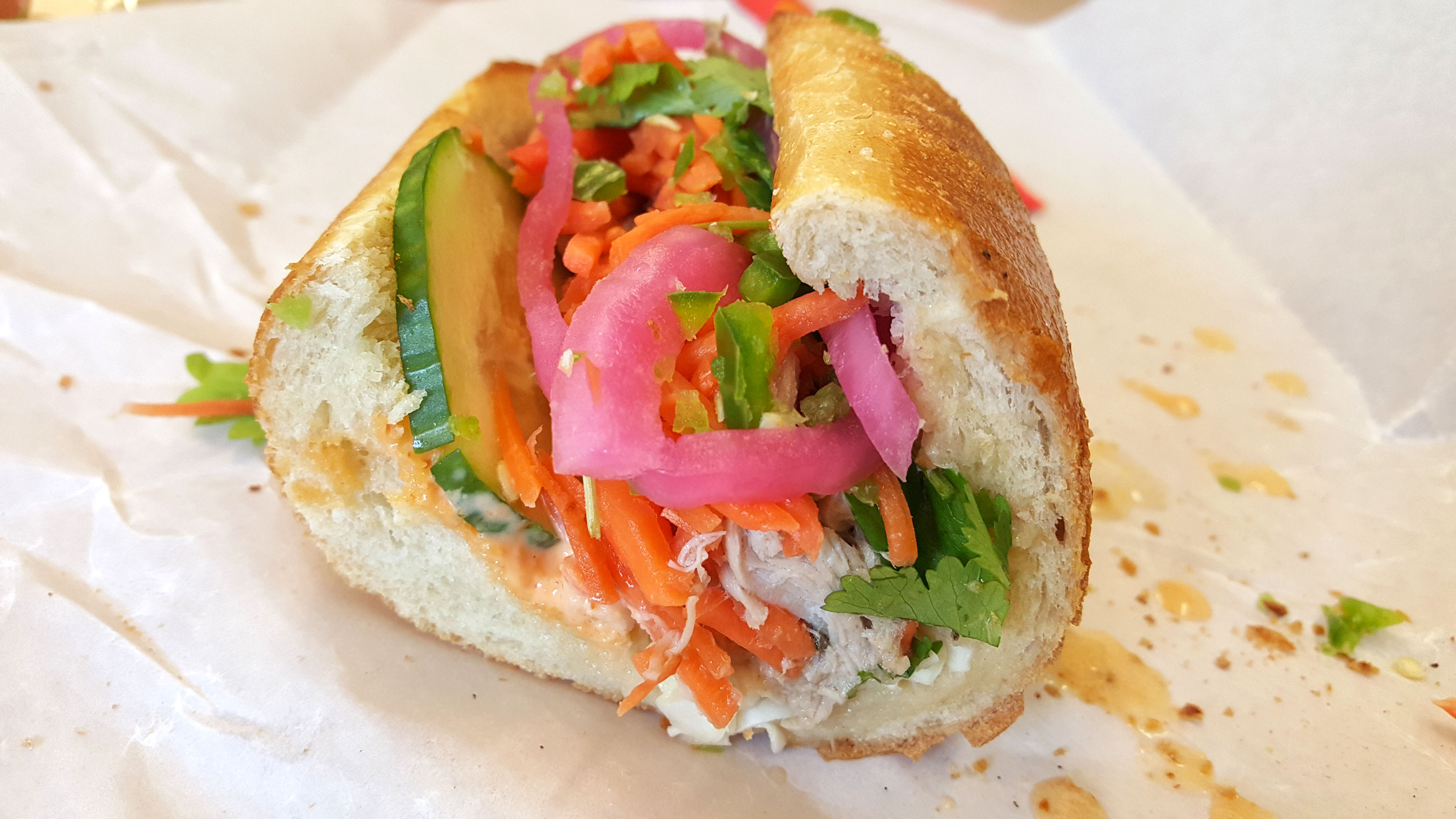
It is a bit short on length for the price point, but it is packed to the gills with meat and toppings. This is the pork belly filling:

20151206_132356

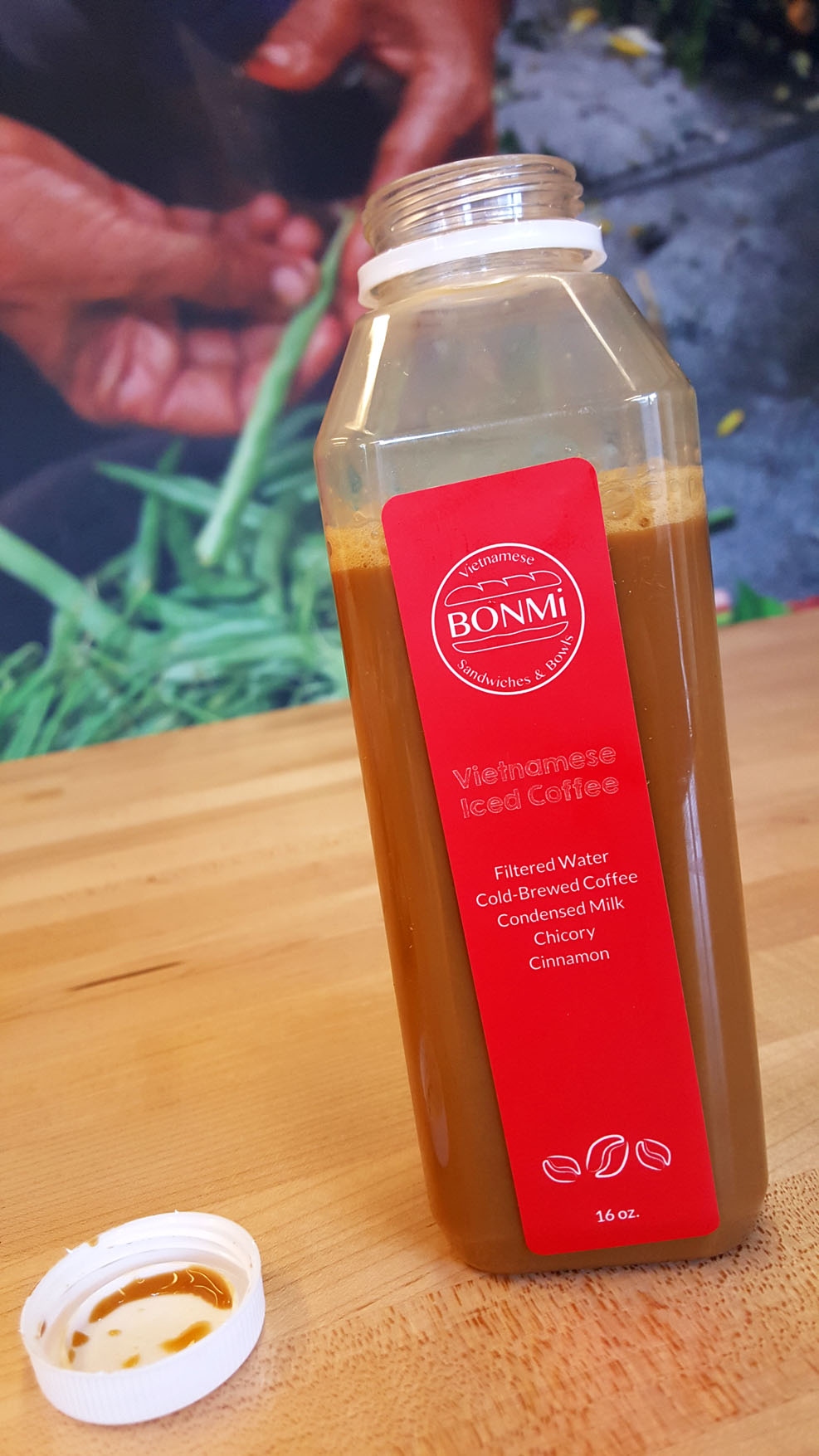
The joint also serves pre-made salads, summer rolls and other Vietnamese items, like this fresh brewed coffee:

20151206_132831

For all three items it was just over $22. Not bad, considering the quality was acceptable to me, and even passed muster with my wife (her heritage is Vietnamese, so she is naturally picky when it comes to anything claiming to be remotely Vietnamese). Give it a shot!

BONMI
150 W. 62nd St.
New York, NY 10023

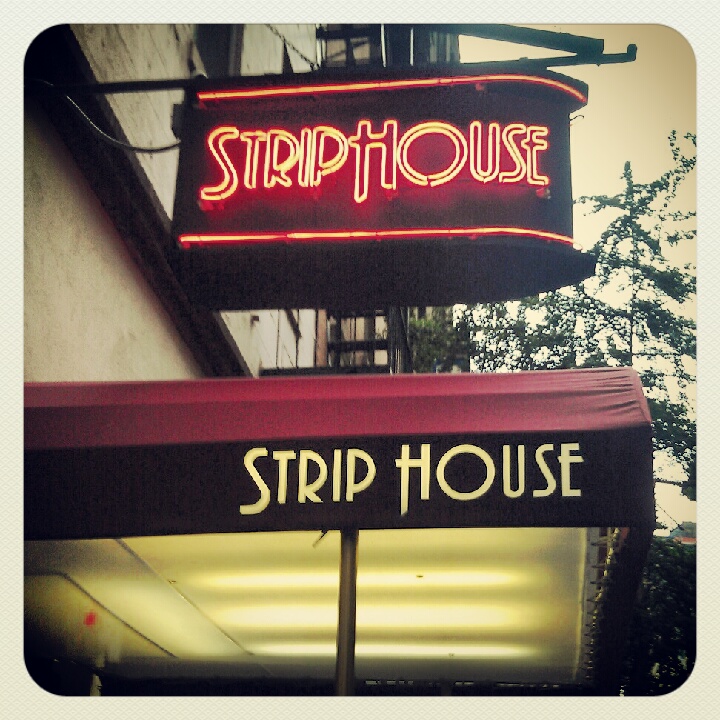
Strip House

Strip House overall score: 96

I’ve heard lots of good things about Strip House over the years, and I was psyched to go there and use a gift card I received for my birthday (Thanks Jackie & Mike!). Check the verdict (about as close to perfect as you can get). On my second visit, Jackie & Mike took us out for a b-day/anniversary celebration. Things are still incredible here. See the italics text below for new updates.
Flavor: 10
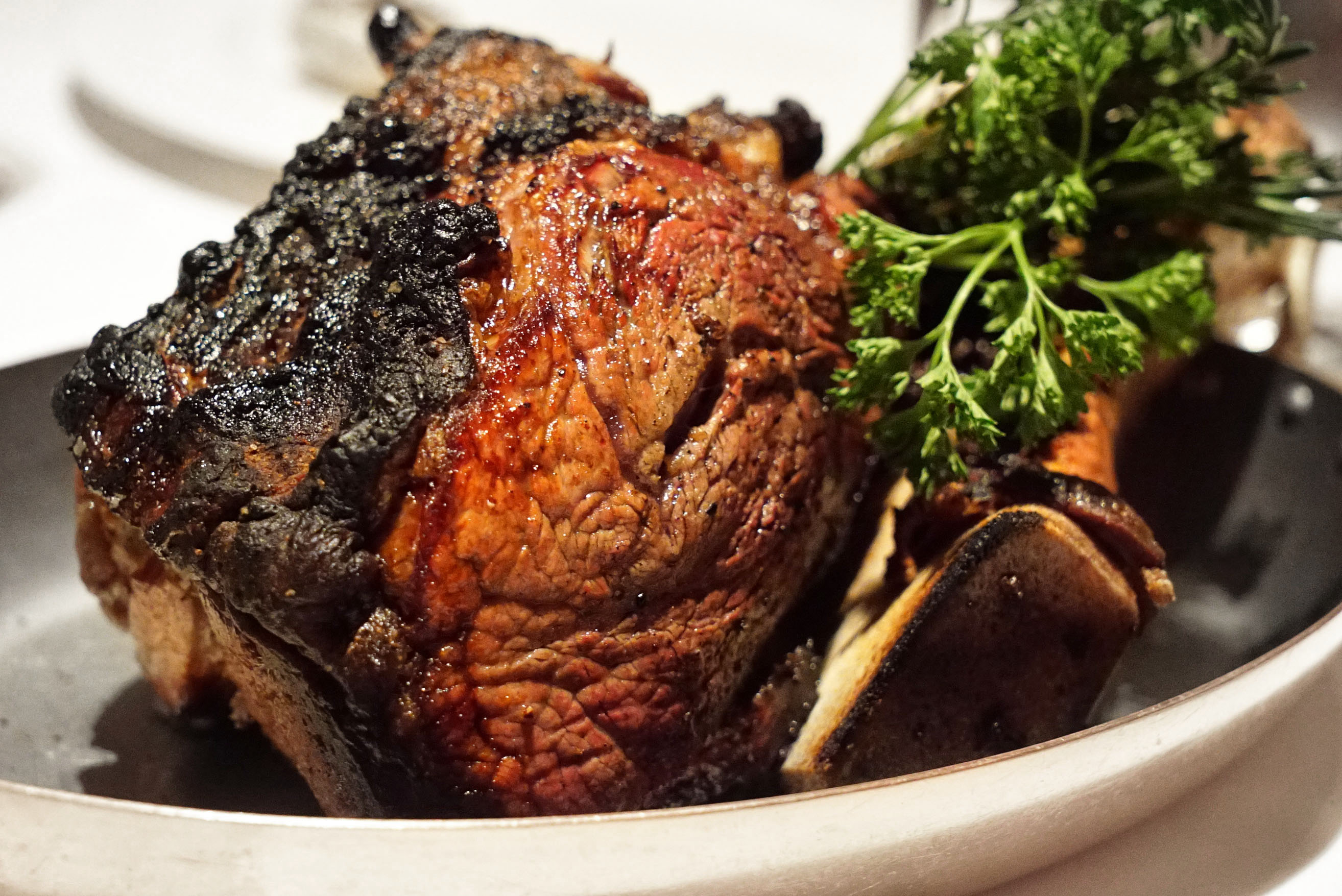
This place lived up to its expectations, and then some. The ribeye was perfectly cooked. It had a great crispy sear on the outside, and it was the perfect pink color and temperature from edge to bone, no uneven cooking, no change in texture, nothing. It had a great fat cap, and all the fat was soft and edible. There was nothing left on the bone at the end of the meal. Aside from the meat, everything else was perfect as well. This place is fucking legit. On the second visit I had the bone-in strip, and it was on par with the ribeye: amazing. Perfectly cooked, very flavorful and juicy. I tried smearing some of the mushy garlic onto a few bites and it really enhhanced the taste. I suggest trying it a little bit here and there. I had a taste of the special bone-in filet as well, and it is top notch.
Choice of Cuts & Quality Available: 9
Strip house has all four of the basics covered; porterhouse (only offered for two), ribeye, filet mignon and strip. In addition they have a Chateaubriand for two. There was no mention in the menu or on the website regarding what grade or quality the beef is, but based on the flavor I’d say it is prime. On special they even had a bone-in filet (aka “the conundrum”). A wide variety of meat sizes and flavors. The only thing missing was a porterhouse for one. On special for the second trip they also had a boneless dry aged 16oz ribeye on the menu.
Portion Size & Plating: 10
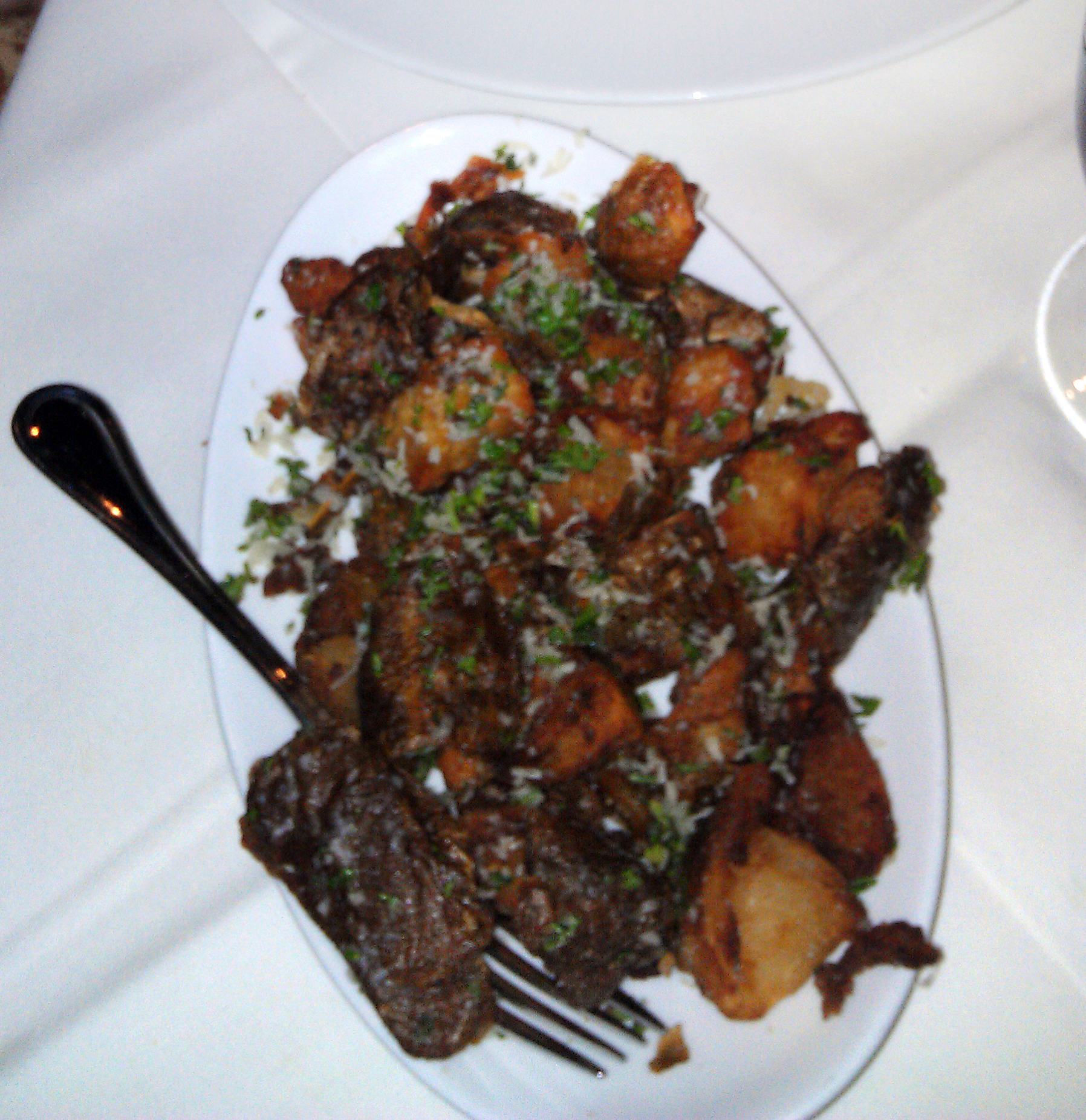
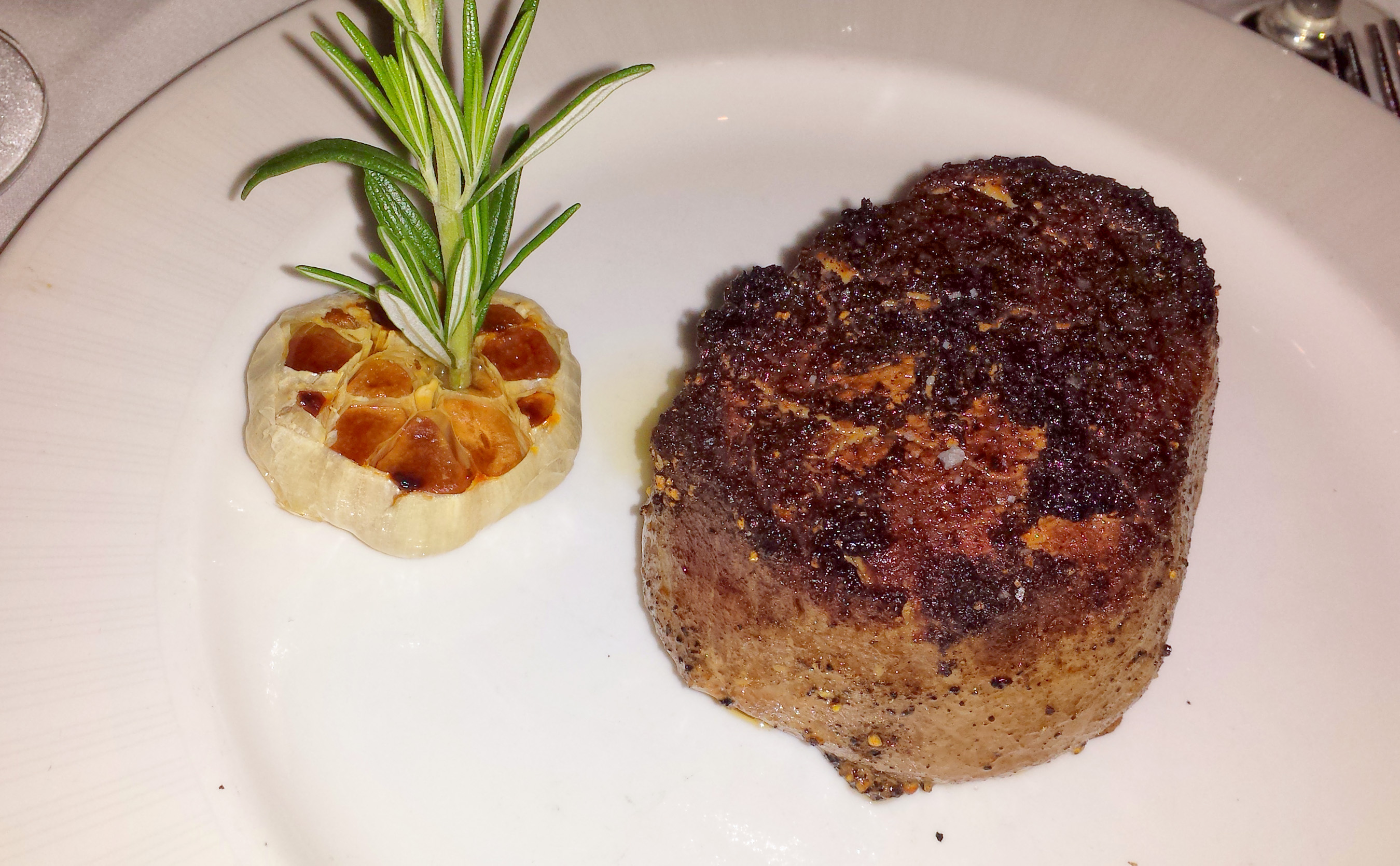
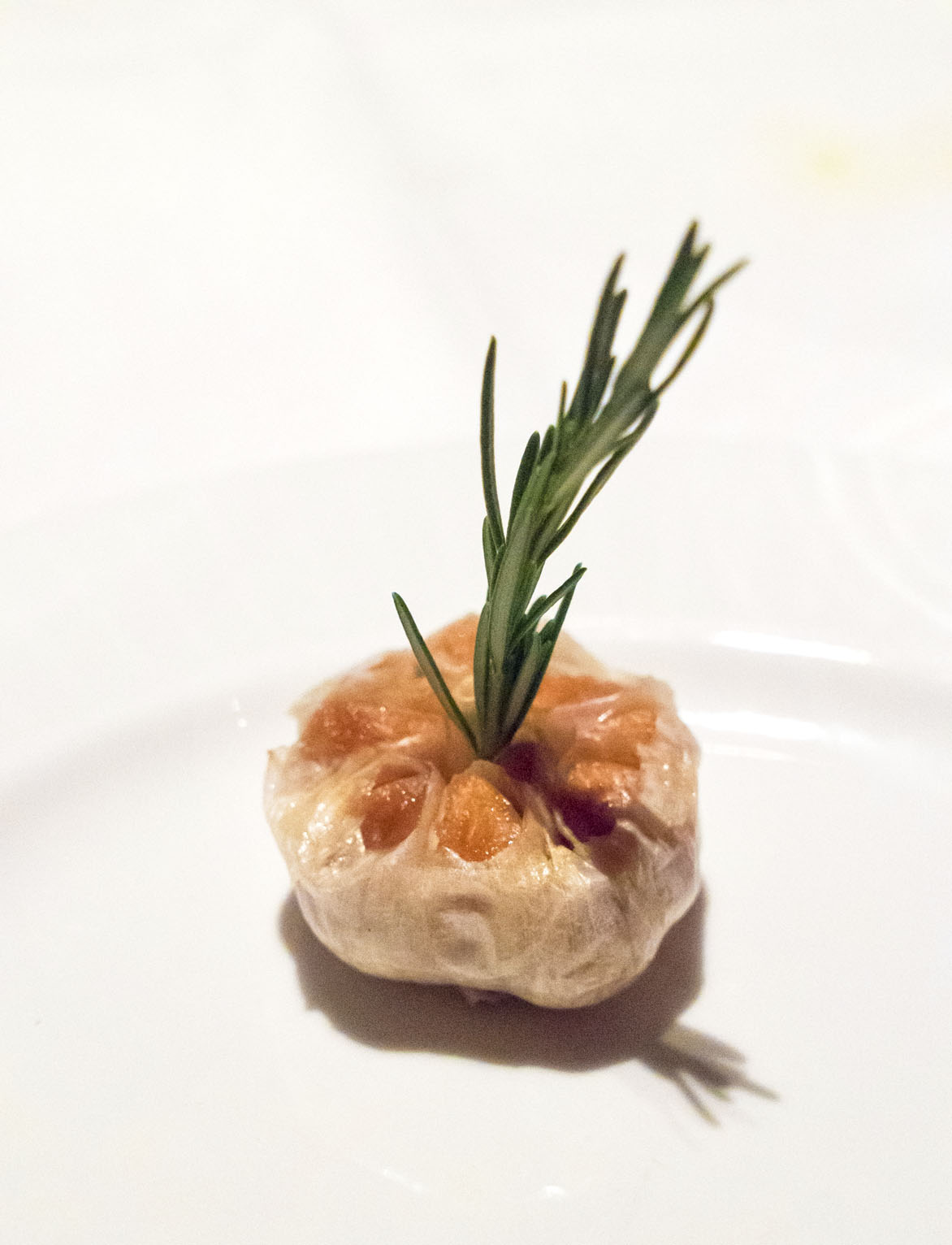
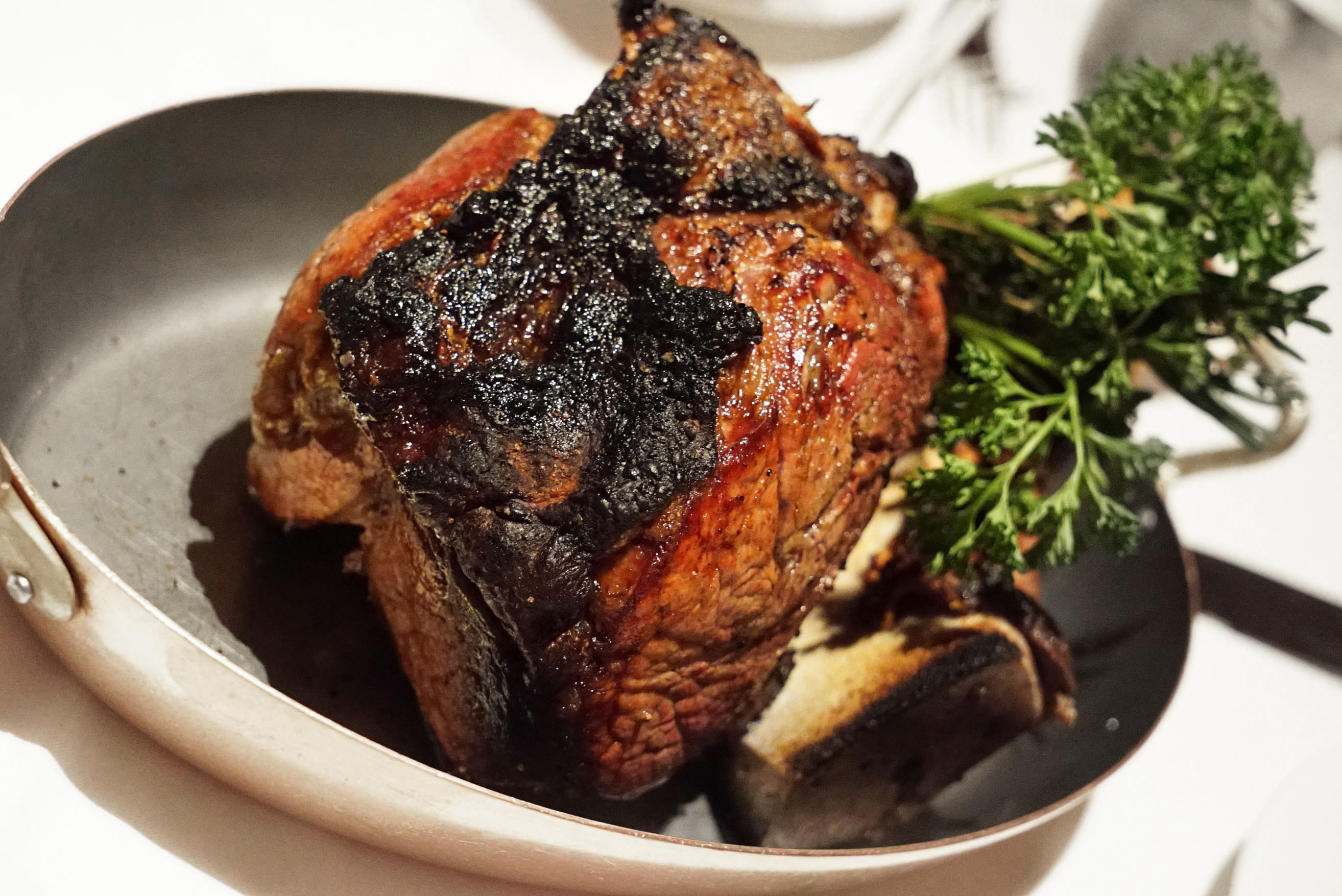
Portion sizes are just right for the steaks. The strip comes in 16oz or 20oz (bone-in) portions; the filet is either 8oz or 12oz; and the ribeye is 20oz (bone-in). The porterhouse for two is 38oz, and the Chateaubriand for two is 24oz. The garnish on the plate was a nice roasted bundle of garlic, within its paper, sealing in all the heat to make it nice and spreadable. I didn’t delve into it too much, but it was a nice touch, and it even had a sprig of rosemary sticking out so it looked like a little pine tree (rosemary) with the roots wrapped (garlic bushel). Speaking of garlic, it seemed to be a common theme on many of the plates. For example, in the crispy goose fat potato dish, garlic was sliced and fried, and placed on top with a little bit of parsley. There was also some minced garlic cooked into the sear on the steak (nice!). The garlic wasn’t overpowering at all; just prevalent. The sides were a bit on the small side in comparison to other places I’ve been, but to be honest there is enough to feed two people on any one dish. The ripped potato app is a fairly large portion, however. See pic below:
Price: 9
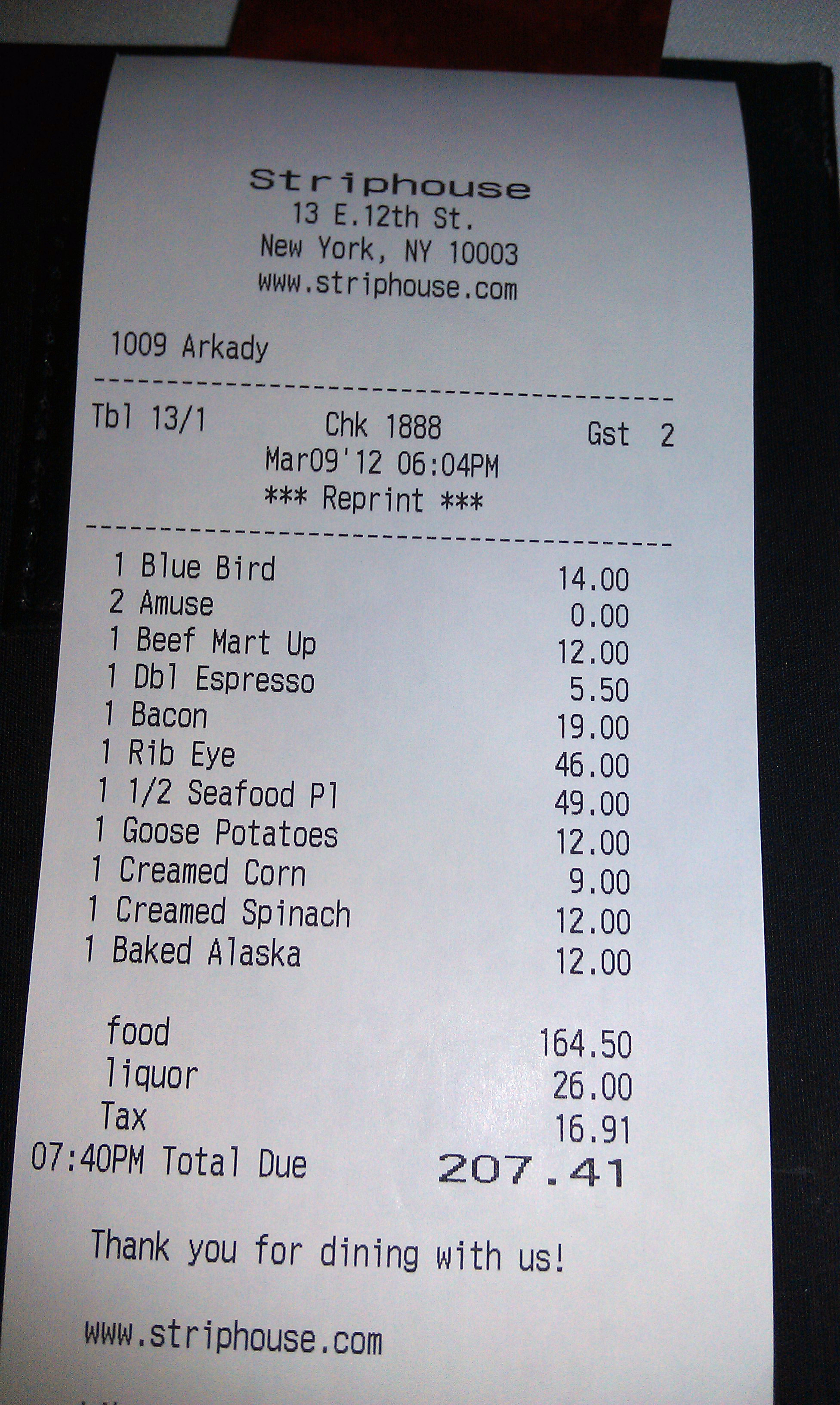
At Strip House, the price for beef ranges from $41 to $49. The filets are $41 and $45; the ribeye is $46; and the strip is $45 and $49 – the larger of the two strips (bone-in) being the most expensive cut on the menu. The porterhouse runs $45pp, and the Chateaubriand is $43pp. The special bone-in filet was $52. Apps are $11 to $19, sides $8 to $12. A martini costs $12, which I thought was fair. These numbers are about right. The total bill, after tax, tip and deduction of gift card, came to under $200. A good deal indeed, though the sides were a bit small for their respective prices. Be sure to snack on some of the candied pecans that come in a small dish with the check – they are incredible.
Bar: 9
The bar is really nice. First, the martini was made perfectly. The bartender chilled a glass while preparing the drink, and he even had the courtesy to ask if I wanted it shaken or stirred, up, or on the rocks. The decor is awesome, and the tables and couch near the bar make for a cozy yet elegant and swanky old time feel, with a nice view of the wine room near the entrance. I can definitely see myself hanging out here for a drink. I just don’t know if anyone else would be there since it isn’t in the most jumping location (though there is plenty to do nearby). The cocktail menu has a few new style drinks; interesting mixes rather than the traditional old time types of classics, but they are still good. My wife had a “bluebird sing,” which was a nice blueberry flavored drink. On my second trip they didn’t chill the martini glass, and it only came with two olives instead of three. Also noteworthy is that it went up in price by $1. I also noticed that the end of the bar is very close to the ring-up station where all the waiters and servers hang by the registers and computer screens. It can get tight over there, but the lounge seating area makes up for that.
lounge seating
Specials and Other Meats: 9
Also on the menu is a Colorado lamb rack and a veal rib chop. This place is pretty much beef and seafood only; I don’t really mind so much, but a slab of pork or some chicken would round it out better. I say man up or shut up though. Off the menu, on special, they had something for each course: a spicy crab and lobster salad, the bone-in filet, and grilled asparagus. They also had two types of oysters (east and west coasters). On special for the second trip they also had the bone-in filet again, a dry aged boneless 16oz ribeye, a spicy tuna tartare, and a seafood tower for two. We tried three of those. Mike had the bone-in filet (delicious), I had the spicy tuna tartare (very nice – spicy, cold, wrapped in thinly sliced cucumber, and dressed just right), and the ladies had the seafood tower (though the waiter was helpful in telling us it is cheaper and better to order two seperate towers for one, as you get more food for less money).
Apps, Sides & Desserts: 10
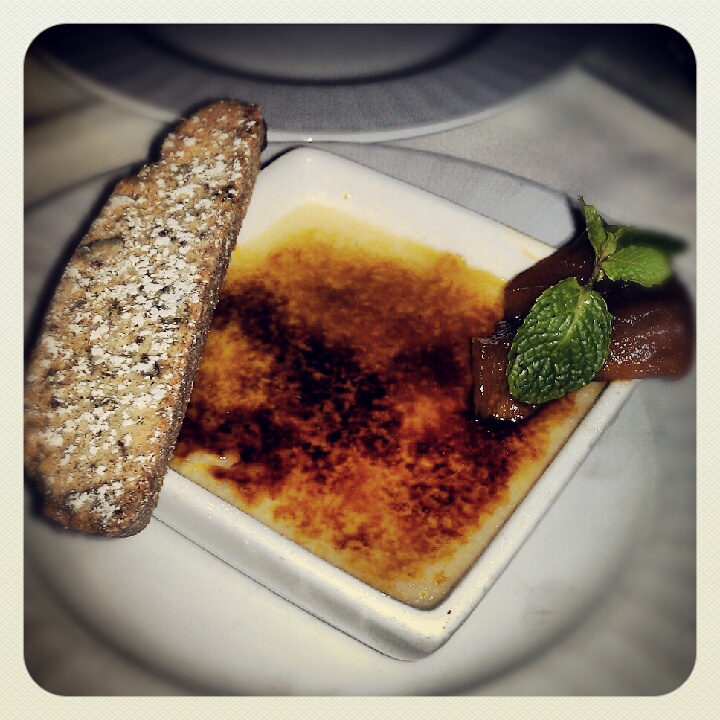
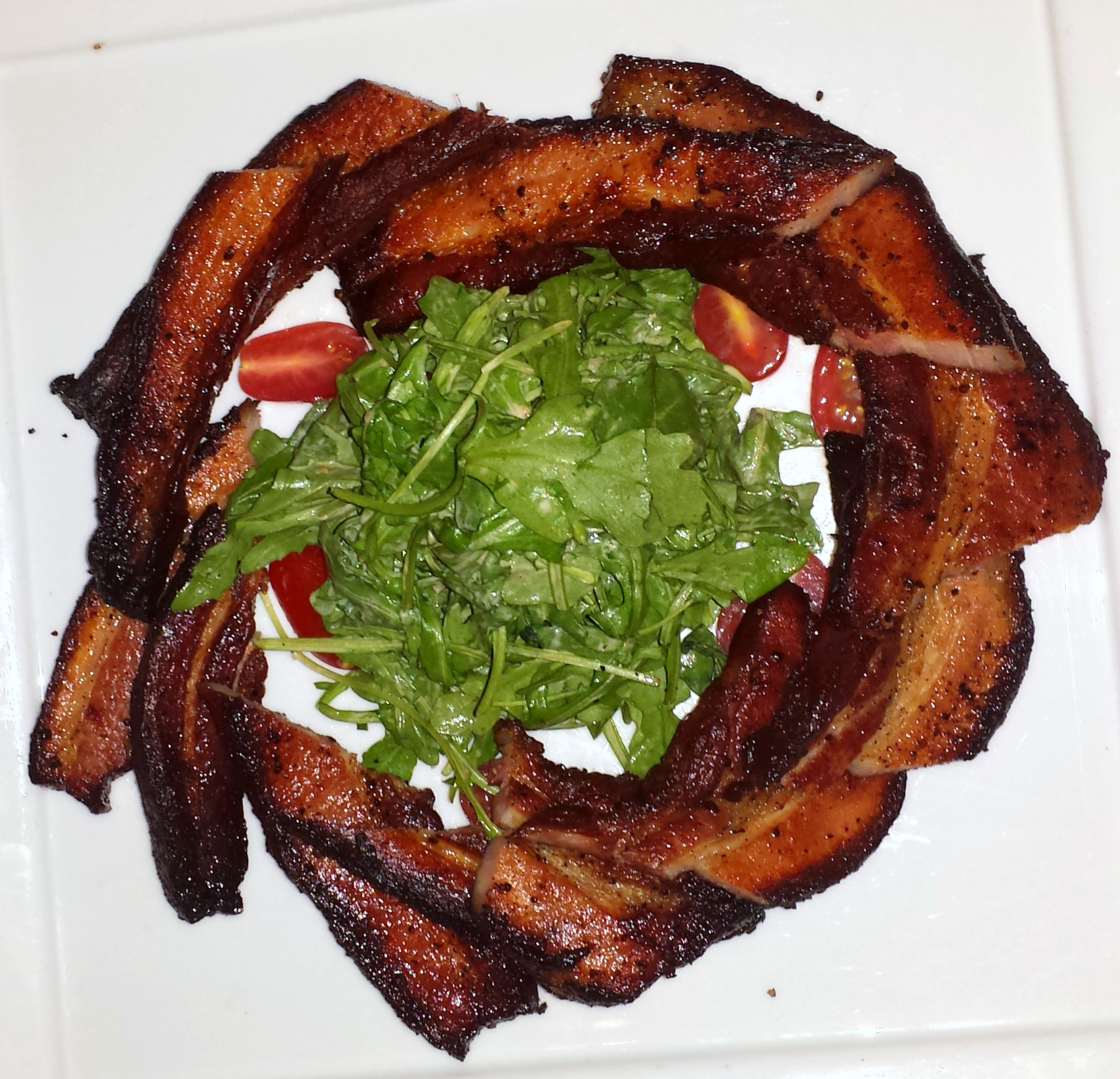
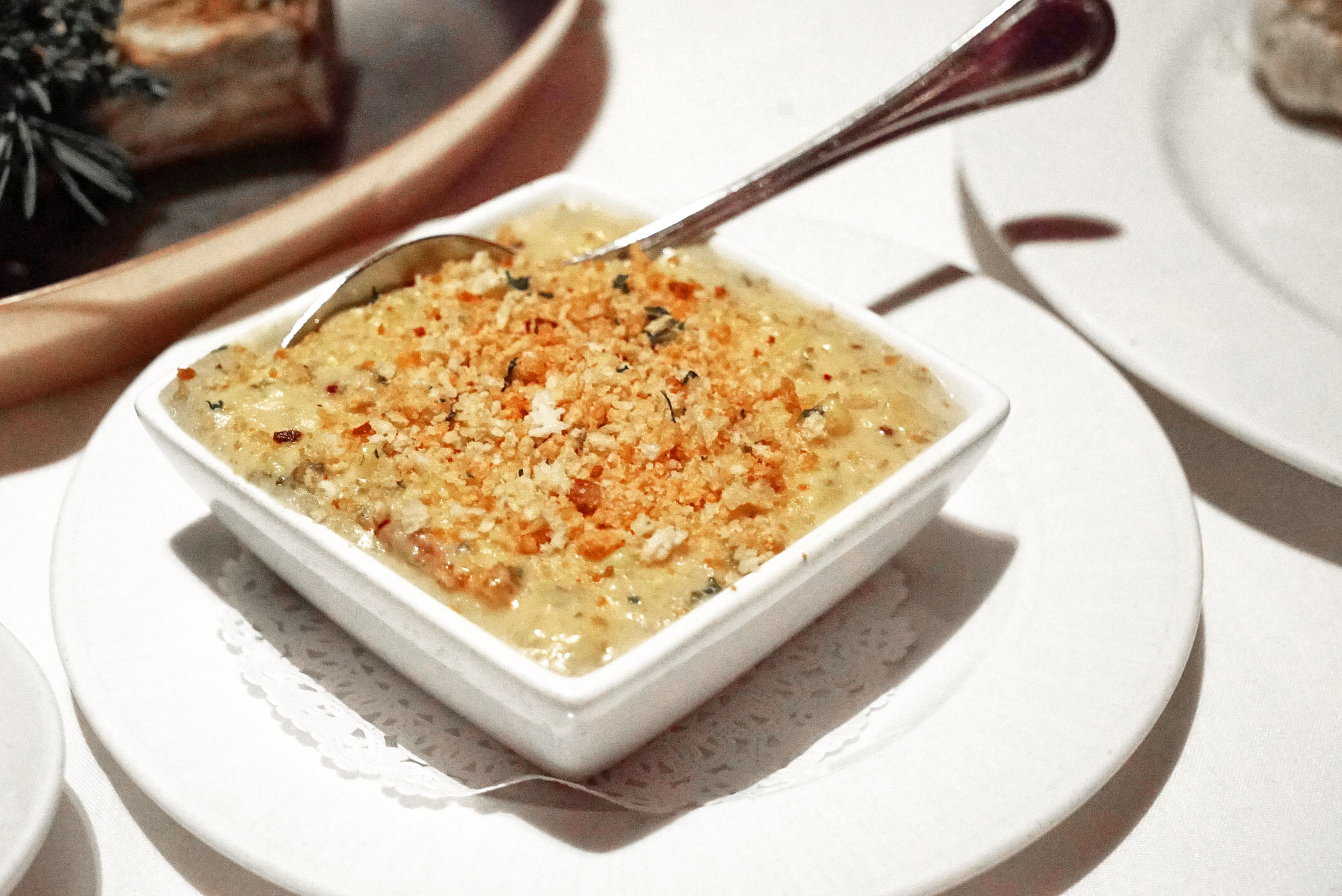
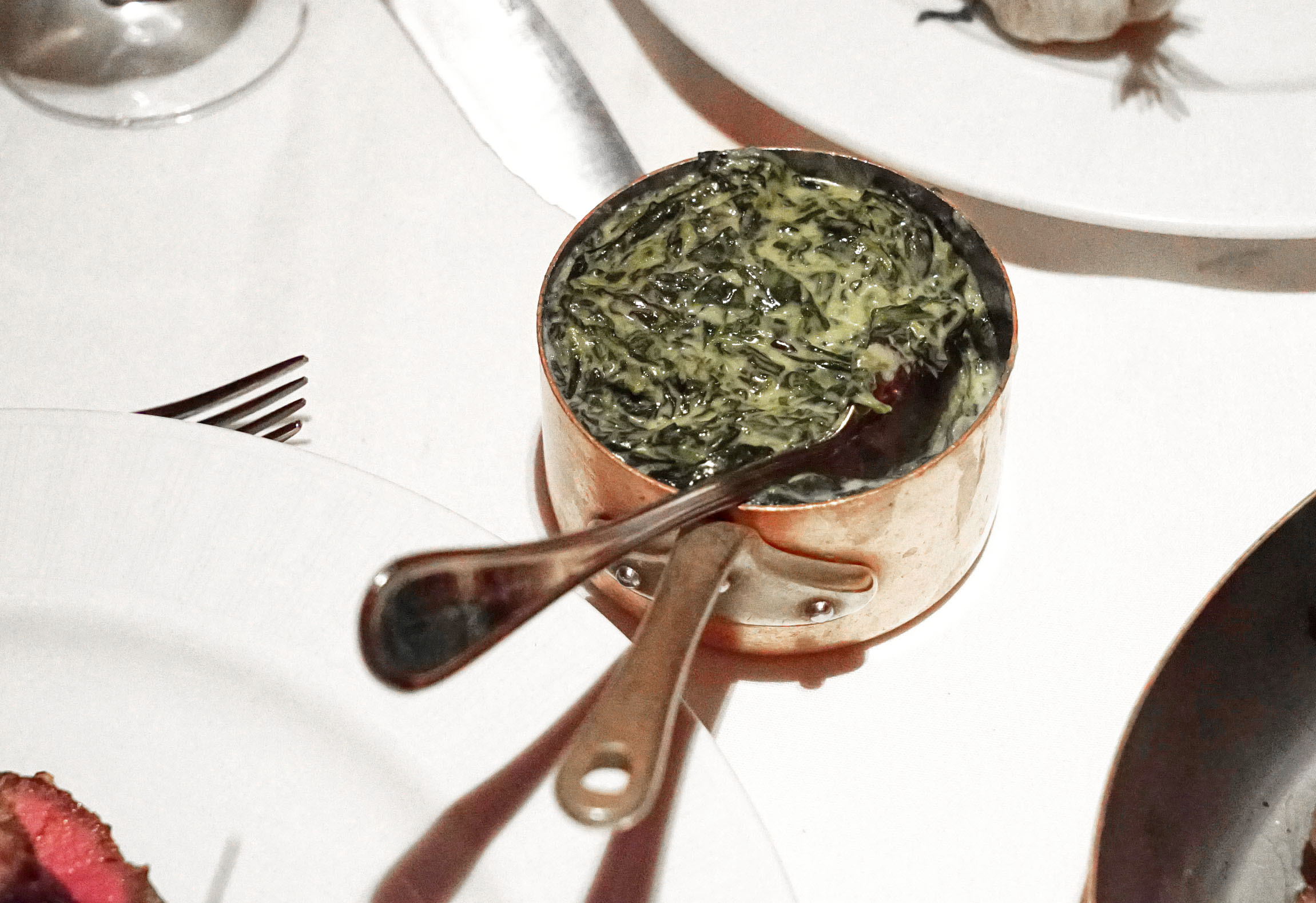
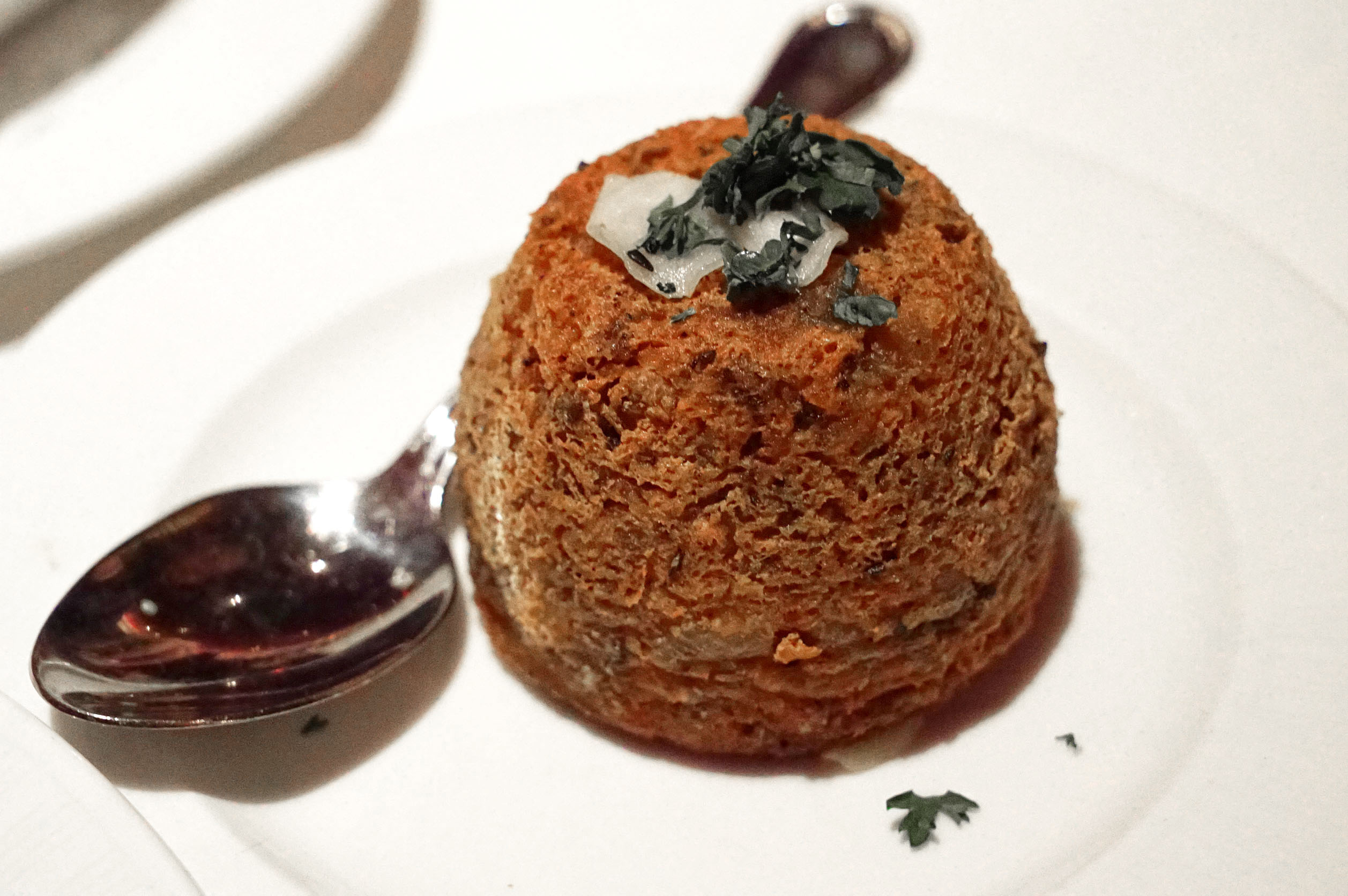
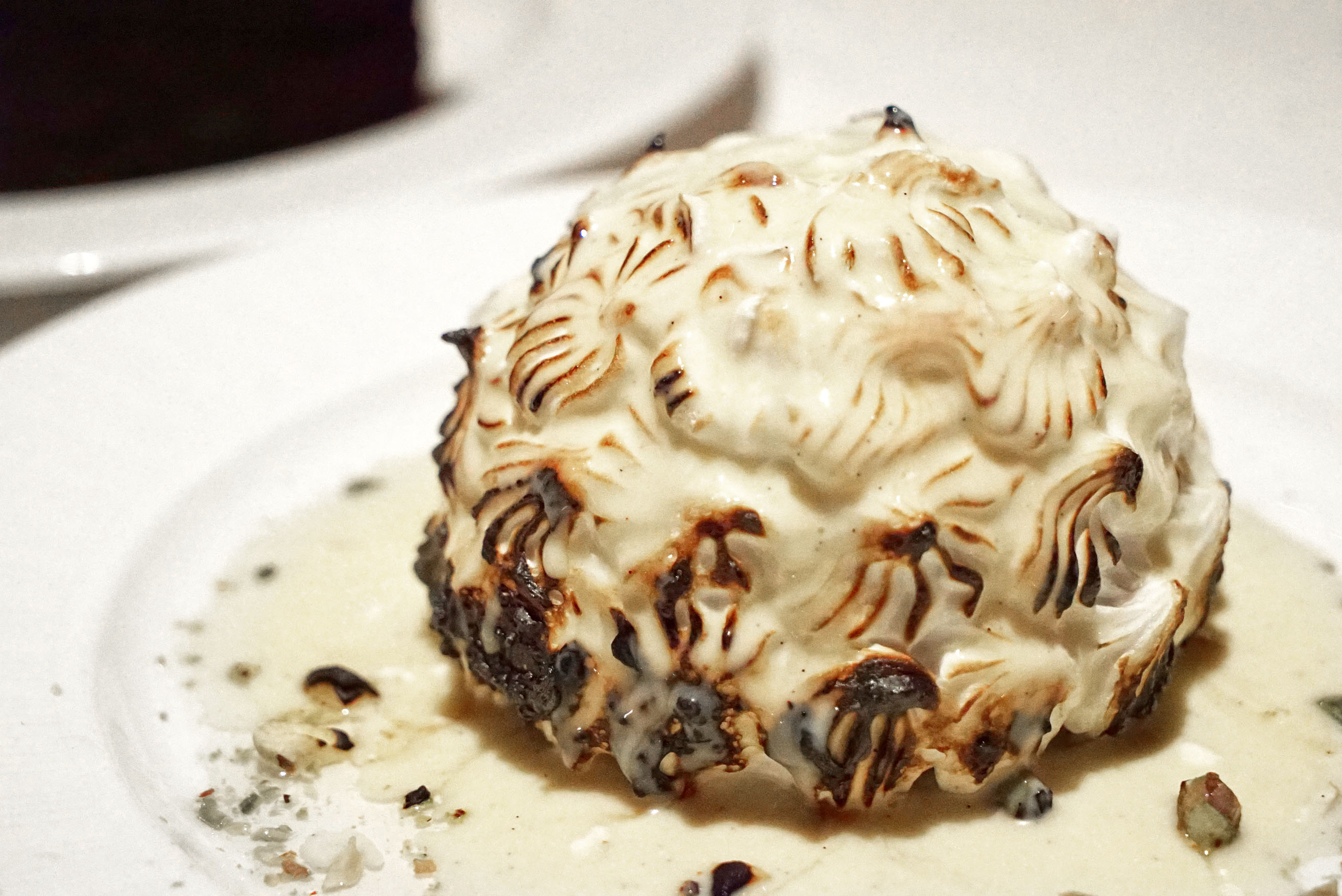
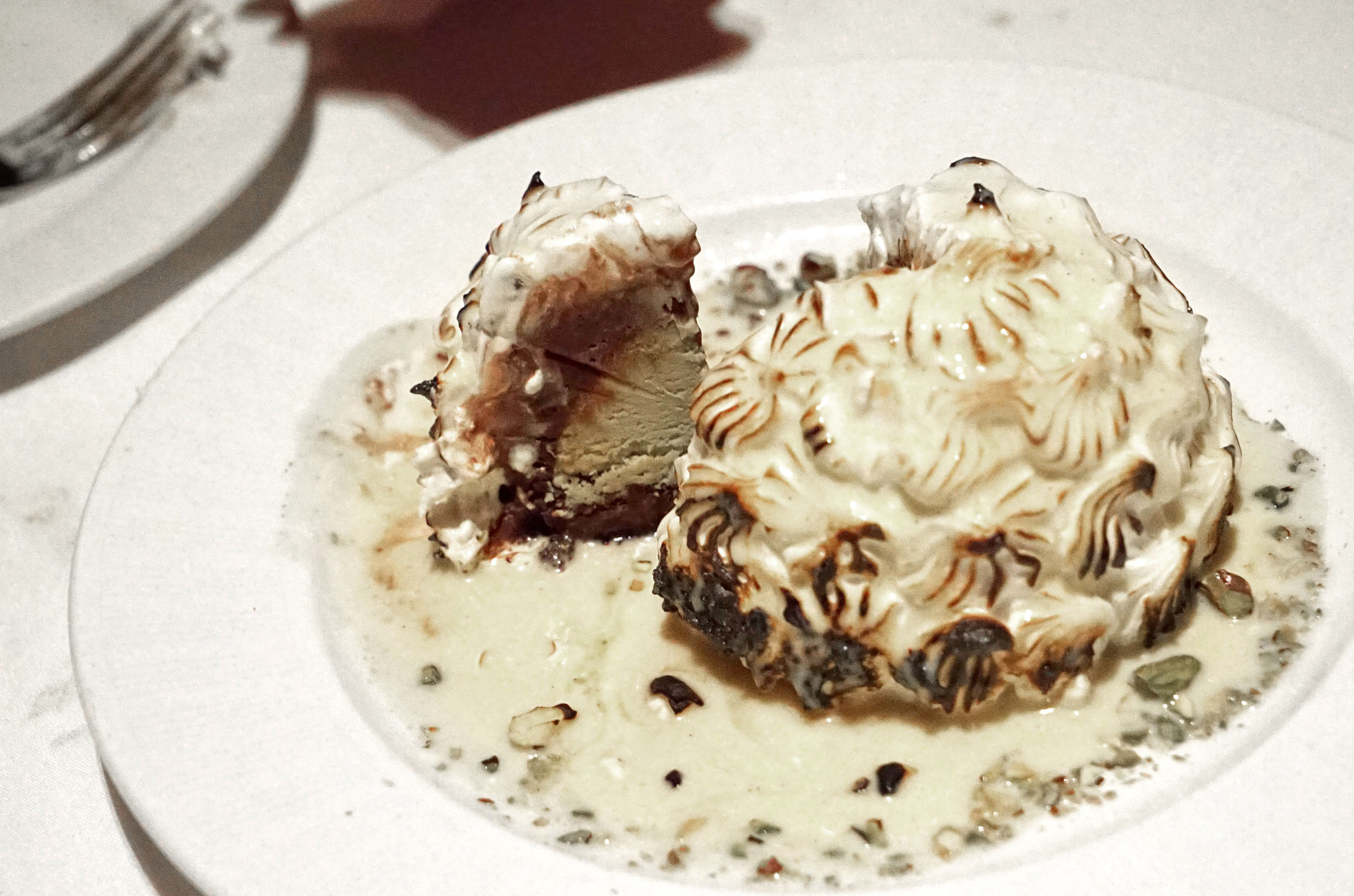
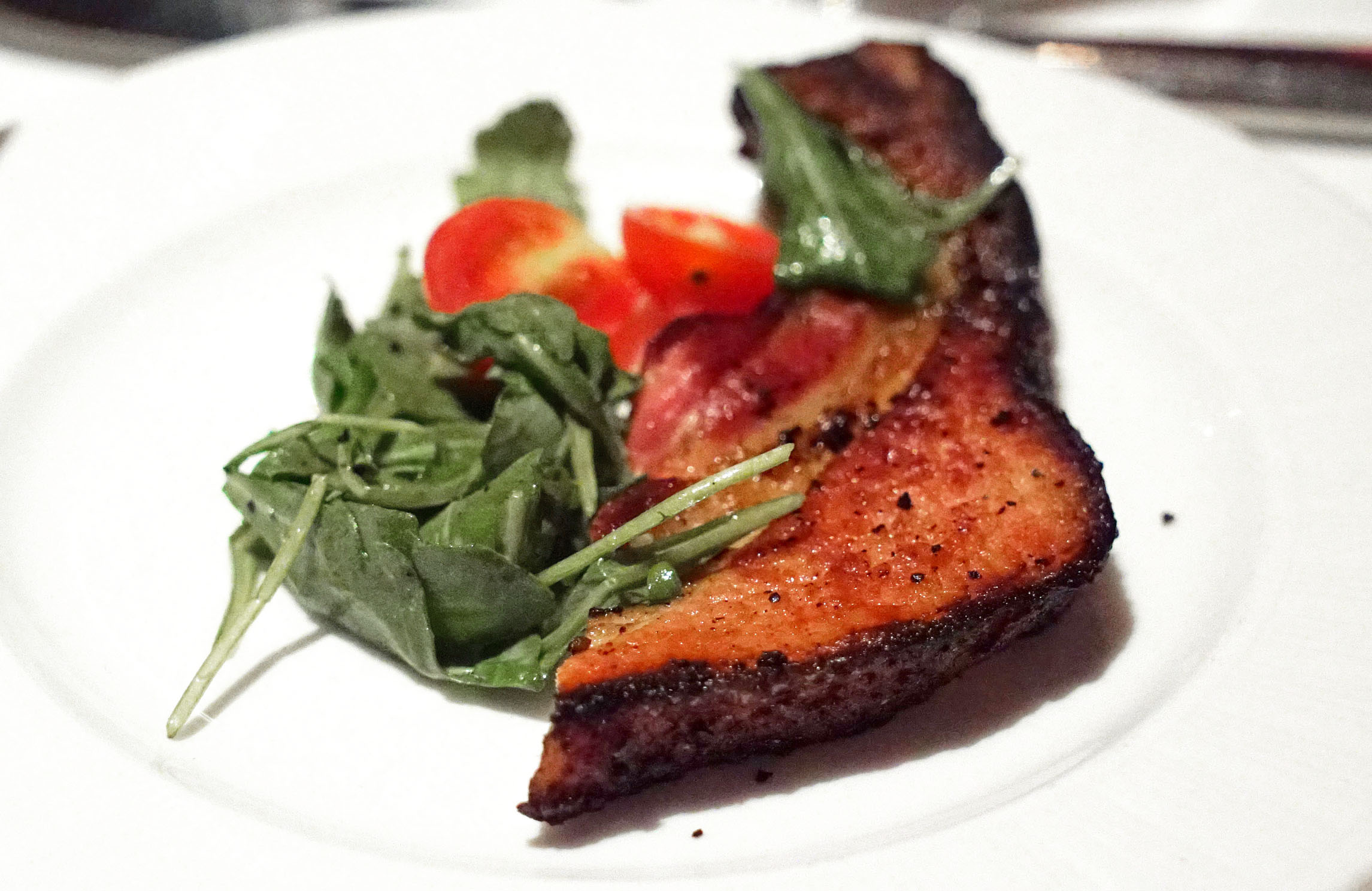
I heard a lot of really great things about the apps at Strip House before going, so I was determined to make room for a serious order. It started to become really difficult to choose. Ultimately we went with the roasted bacon for an app. It was amazing, and a good portion to match the hefty $19 price tag. It came with a nice sized arugula salad, perfectly coated with a homemade thousand island type of dressing, with halved grape tomatoes on the side. Next we had the black truffle creamed spinach, which was rich and creamy but not overpowering. You could definitely taste the truffle in there, and it was served in a cool miniature copper pot. Then the creamed corn with pancetta; it was deliciously topped with a crispy crumble, like mac & cheese. And finally an order of the crispy goose fat potatoes. Yum! They seemed to be baked in a ramekin of some kind, because every side of the upside-down-pie-shaped disc was perfectly crisped to a brown color. The potatoes themselves had a rich goosey flavor, with a heavy dose of rosemary infusion. We were temped to order the ripped potatoes too (baked potato, ripped apart and deep fried with a rosemary salt). For dessert we had baked Alaska; chocolate ice cream with layers of pistachio, topped with brulee’d meringue and sitting in a pool of pistachio cream. One thing to note was that the menu online was different than the one at the restaurant (changes for the better, for the most part). One item missing was the house cured beef jerky, which I would have liked to try. For round two the only new item we tried was the ripped potato for an app. It was really crunchy on the outside, soft on the inside, seasoned just right. Delicious.  It may have benefitted from a little dish of sour cream on the side though (see a pic under the “portion size” section). For dessert we had the creme brulee (which I thought was more like flan and not as thick as I like it inside). It was okay, but a little too thin for my liking.
creme brulee
Seafood Selection: 10
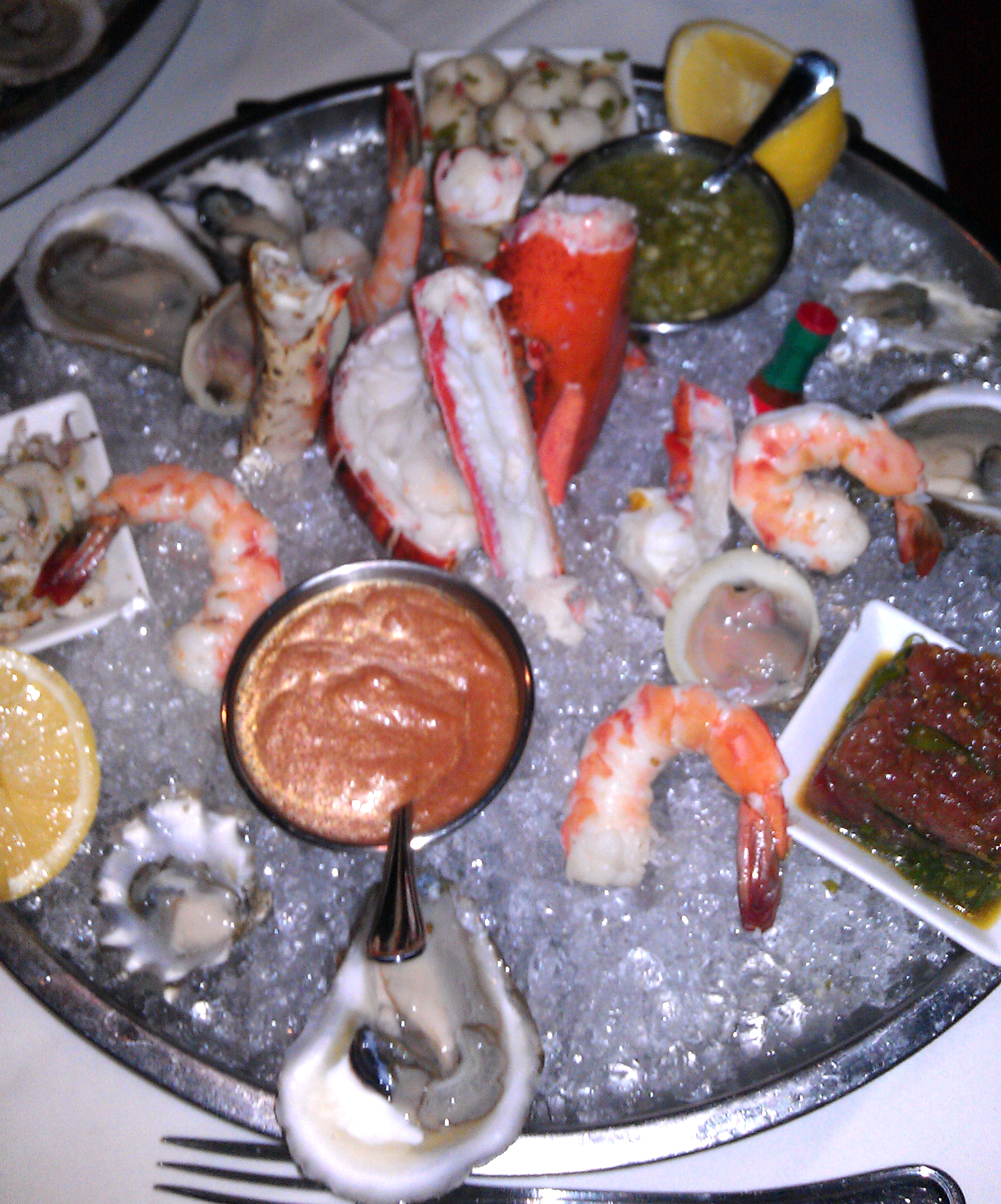
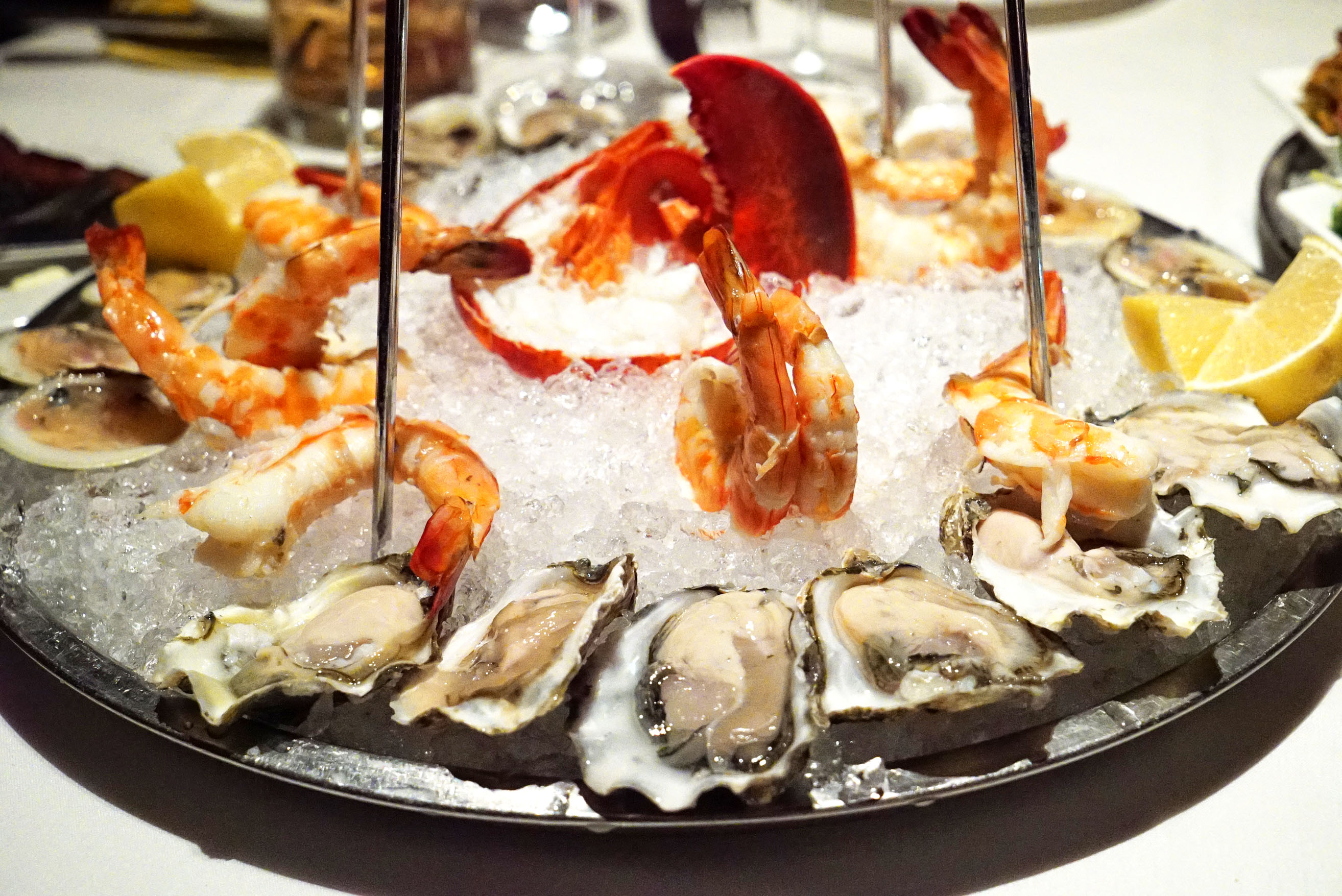
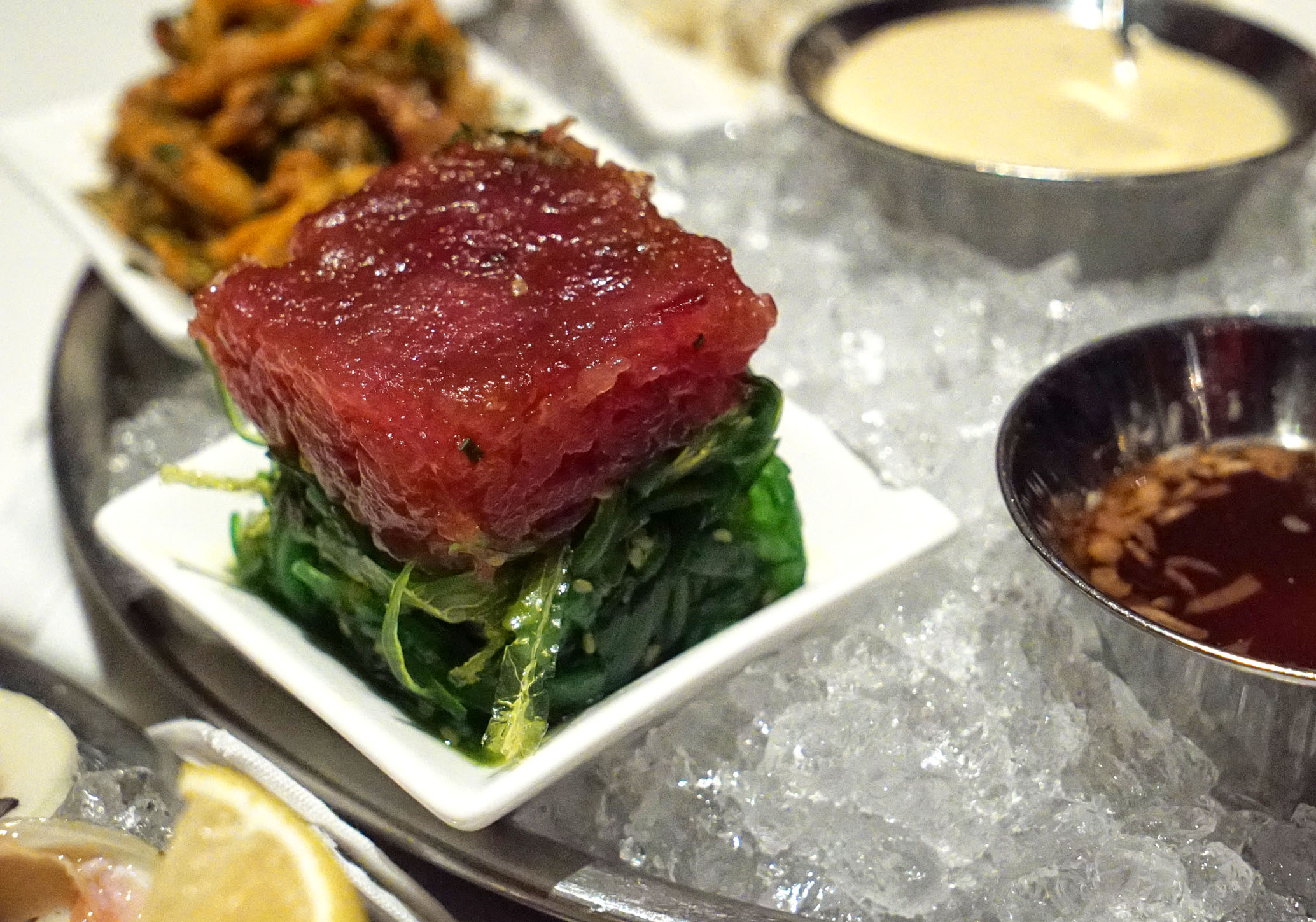
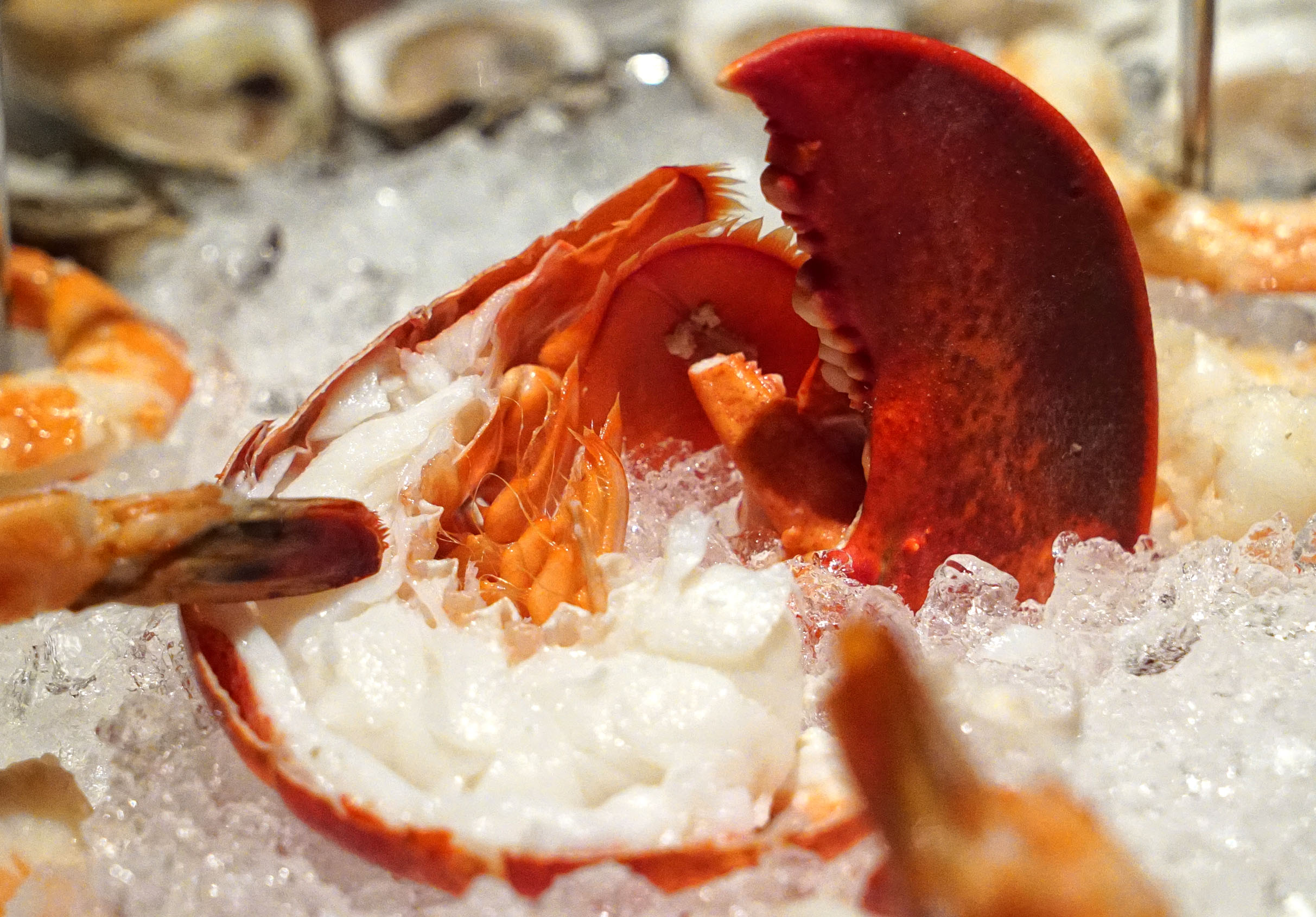
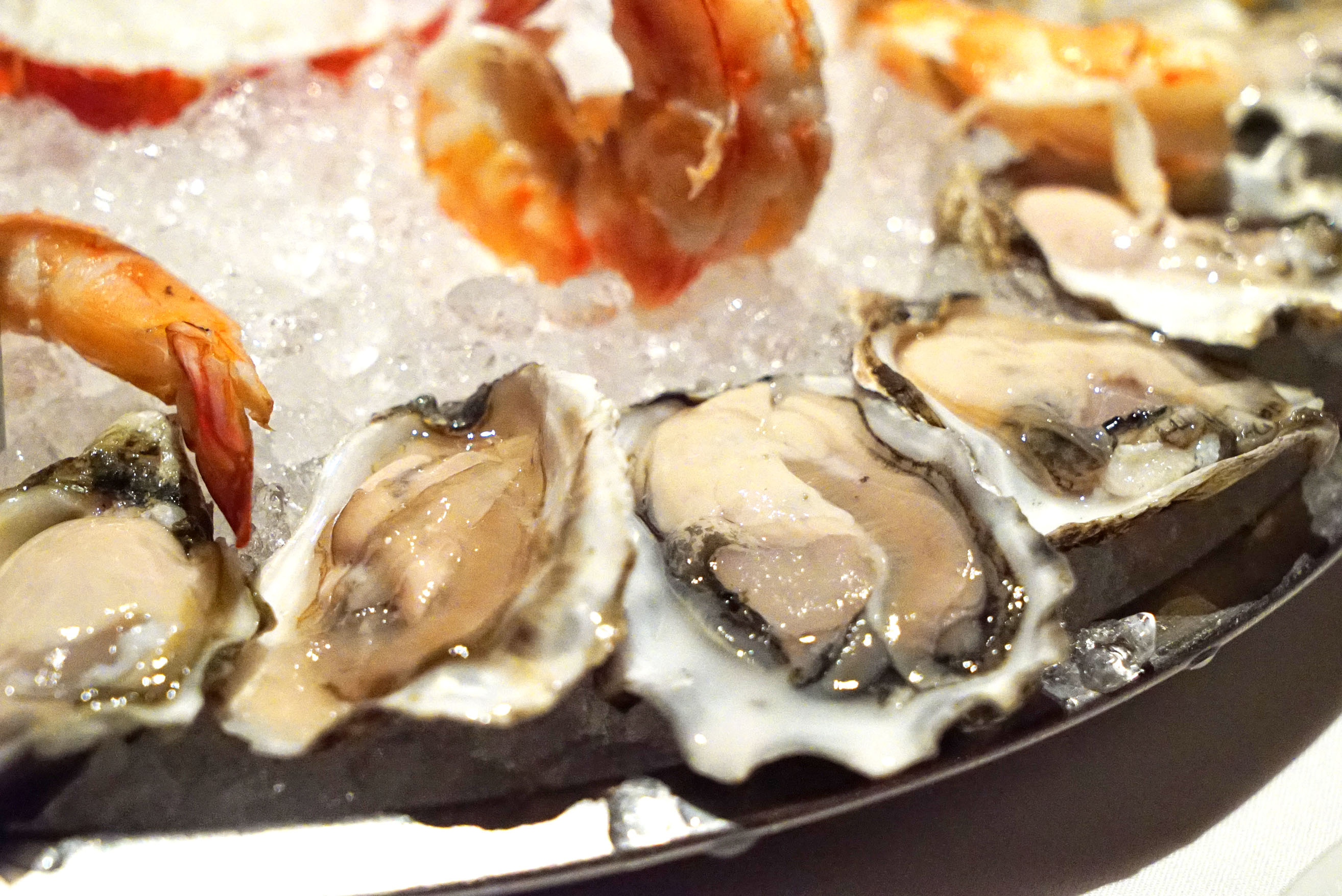
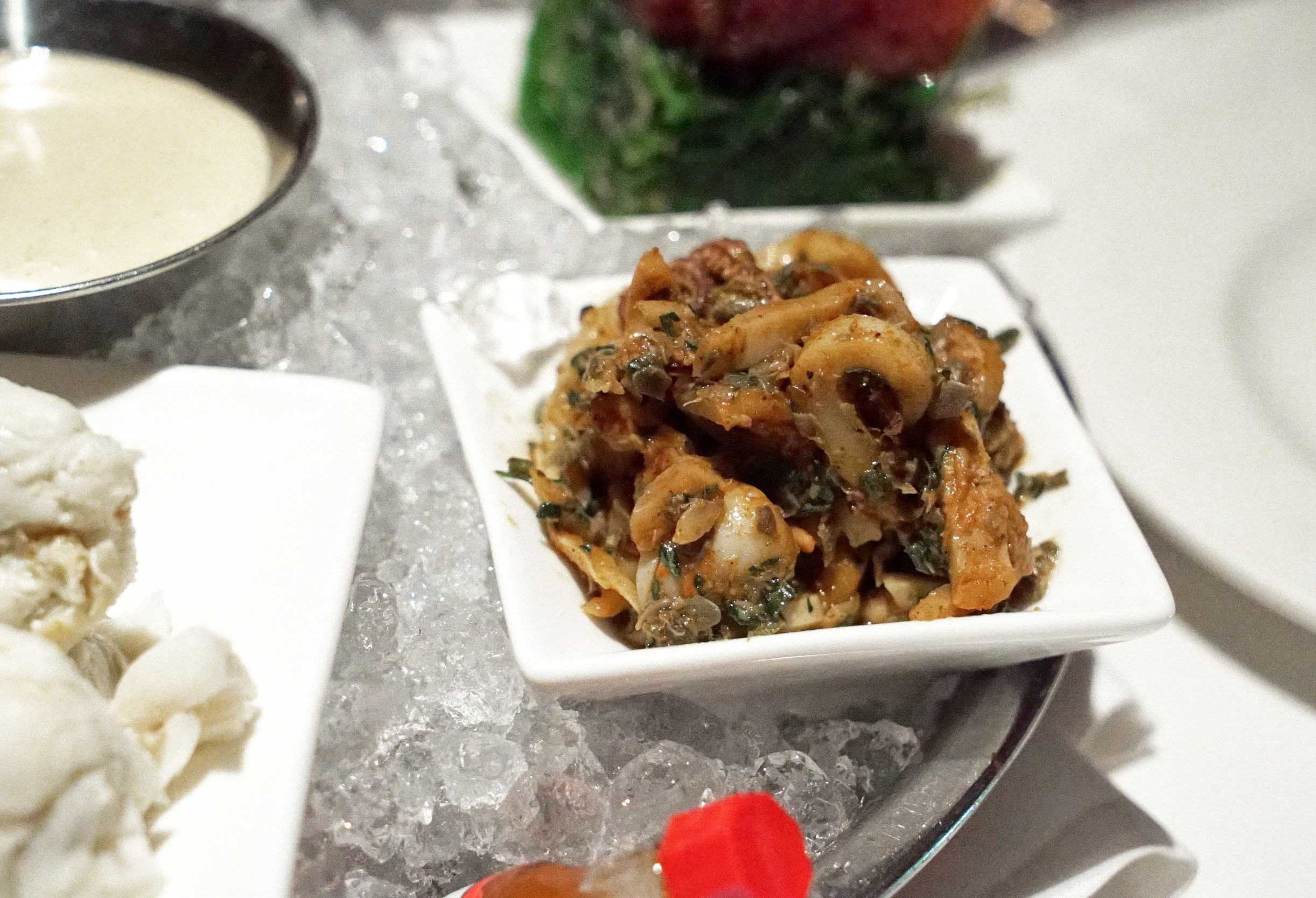
Strip House has a nice seafood selection. Shrimp, crab cakes, scallops, and a seafood plateau for apps (along with lobster bisque); Yellow fin tuna and red snapper were mentioned on the menu online, but in the restaurant they had crispy skin Scottish salmon, and a sea bass entree. Solid change up. They also had Maine lobster (2- and 3-pounders) for entrees (along with a lobster linguine). They had a good selection of oysters and shellfish too, but the real kicker was the seafood plateau. Holy shit, my friends. Here is what was on the saucer of goodness: tuna tartare on a bed of seaweed salad; grilled calamari salad; lump crab meat ceviche; shrimp cocktail; a half lobster; a generous amount of Alaskan king crab legs; east and west coast oysters; and littleneck clams. It seemed never ending, and totally worth the $49 price tag. It came with an array of amazing sauces; a home made cocktail sauce that was creamy and generous with freshly grated horseradish; a cucumber vinegar bath; and of course the steak sauce (not with the plateau), which really was amazing with the seafood rather than the meat. Let’s put it this way: it makes Luger’s sauce look like bottled ape shit.
Service: 10
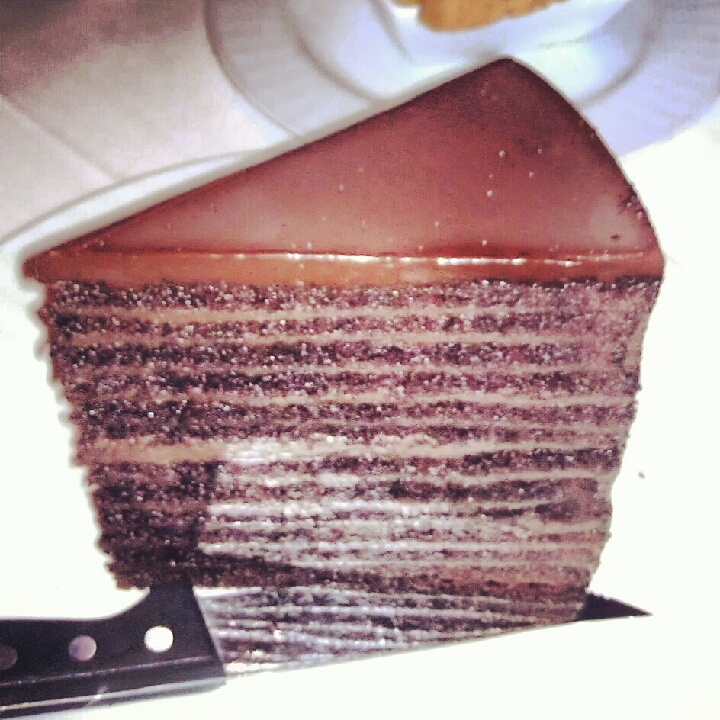
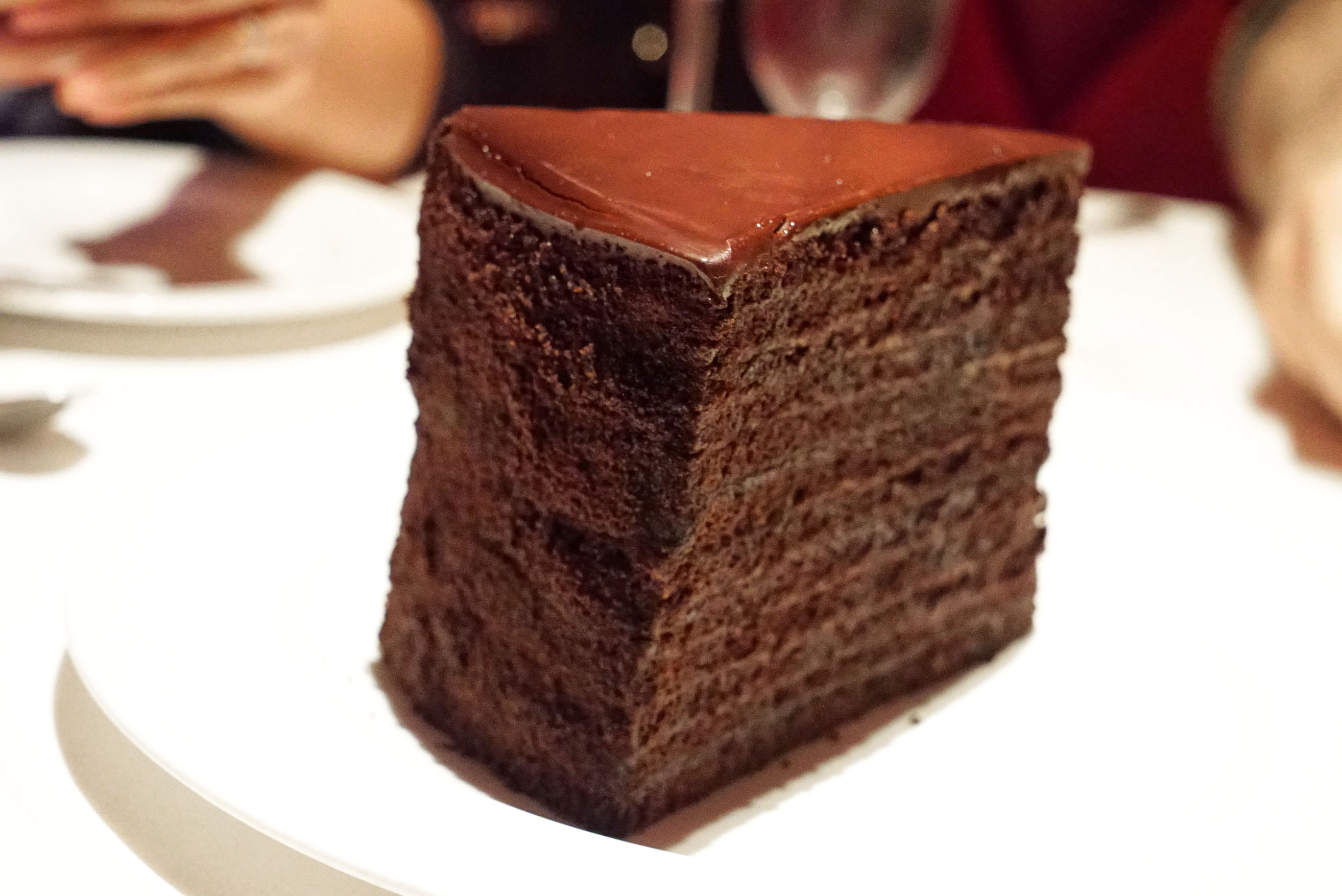
The service was fantastic. The waiters (and waitress) all had old fashioned period piece white jacket tuxedos on, and they all knew their shit when it came to meat, their preparations, etc. They were attentive but not annoying, and EVERY SINGLE PERSON WE WALKED PAST said HAPPY ANNIVERSARY to us, just because we mentioned it when making an online reservation. These people are classy. Our meal came with an amuse too – a shot of hot potato soup that was bacony and smoky as heck. Really delicious, though it could have been a bit smoother. The table breads were not only good, but they were REPLENISHED after we finished them (butter was a little hard though). There was an everything style onion roll with fresh charred onions and spices on top, a crispy raisin bun, and a log of salty bagel bread. The second trip was no different as far as service goes; only this time the amuse was a cool gazpacho instead of a warm potato soup. One bonus was that the waiter informed us it was cheaper and better to order two seperate seafood towers for one instead of the special tower for two – thanks buddy! In the lead up to the meal, a BR Guest PR person on Yelp found my reviews of Primehouse and Strip House, and wrote a nice response email to me. We had a conversation and it came out that I was about to eat at Strip House again that evening. She poked around the guest list and discovered that we were celebrating a birthday, so I knew we were in for some extra attention. As it turns out, they sent us a free slice of 24 layer chocolate cake. See below:
Service here never misses the top marks. When I came with a group of five guys, our waitress Asthma really knew her stuff and was incredible. I even noticed that when the sommelier helped us choose between two bottles of wine, he didn’t try to upwell us on one just because it was $5 more. He actually told us he preferred the cheaper bottle better and told us why. I like that.
Ambiance: 10
When you walk in, you feel like you just entered a movie set, or a place ripped right out of the old days. The walls are a deep wall-papered and patterned red. It is cozy and warm, but elegant. The filigree wallpaper even matches the cloth napkins at the table, and framed portraits of old timey nekkit ladies grace the walls, covering nearly every square inch with history. The cushions on the wall seats are a pillowed red; very art deco. The only thing that seemed out of place was the high-school style speckled large-tile floor. The bathroom was nice and fancy, old fashioned too, but a little small.
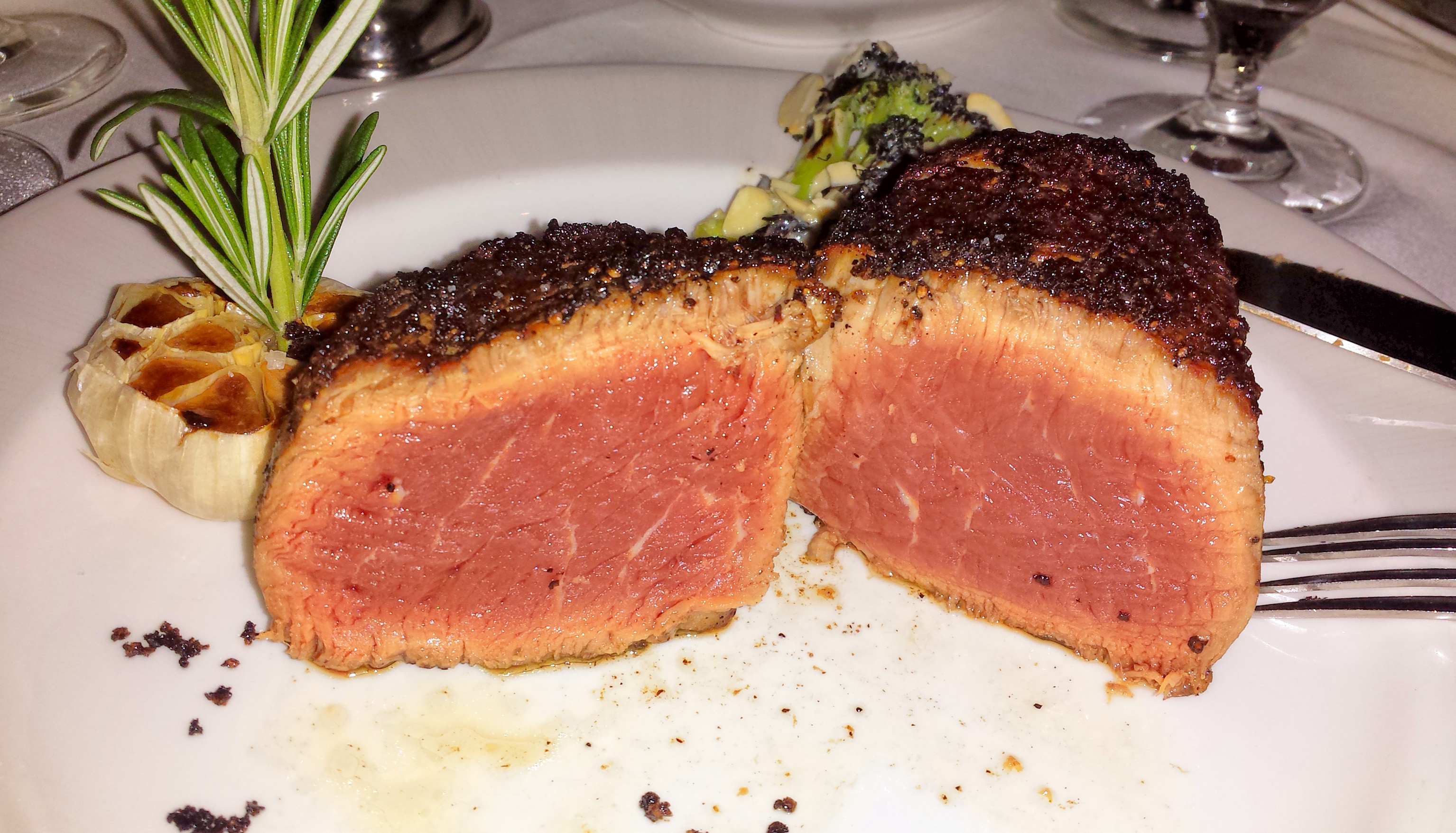
On my last visit, I had the filet mignon cooked crispy on the outside and rare on the inside. It was perfectly executed to my specifications.
strip house filet
strip house filet cut
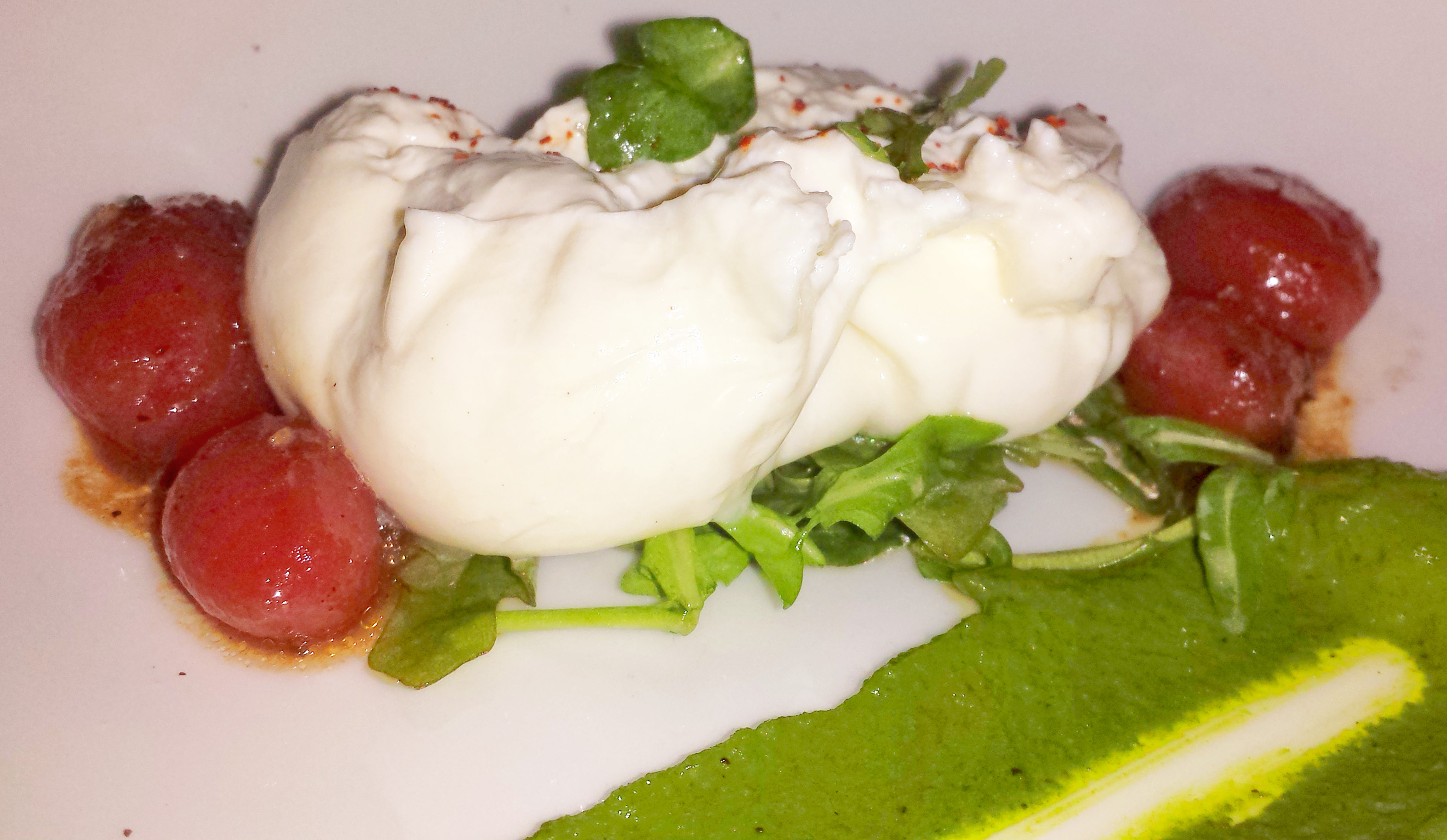
My buddies and I tried the burrata app, which was super soft and flavorful. I could eat this every day and never get sick of it.
strip house burrata
As always, the bacon was incredible as well:
strip house bacon

UPDATED REVIEW AND PHOTOS as of 12/4/2015

My wife shared an article with me that detailed Chef Michael Vignola’s new 60oz bone-in filet mignon. At a cost of $183, I immediately took to the phones to set one aside for a group of four meat enthusiasts: me, The Cake Dealer, The Dishelin Guide and Matt Bruck.

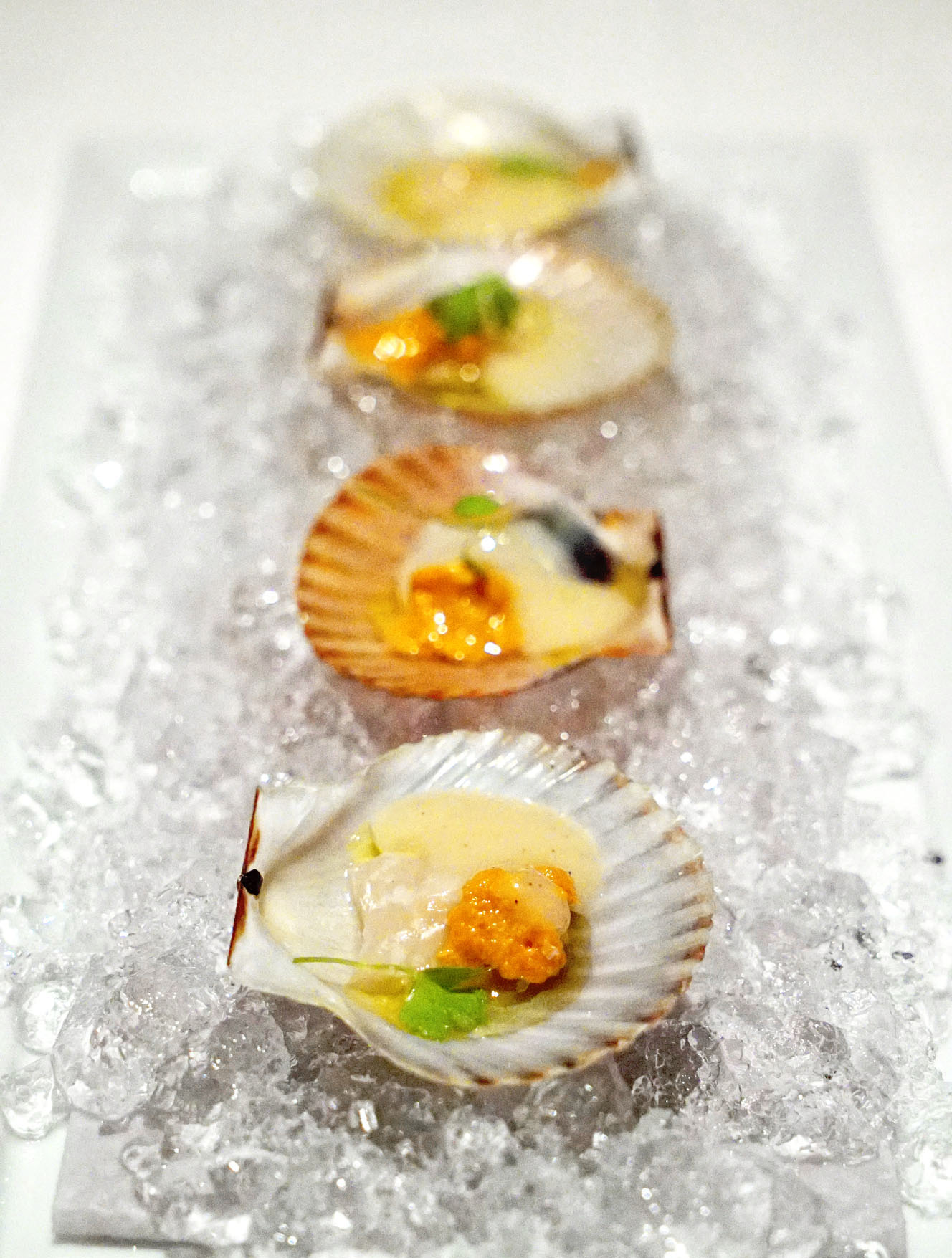
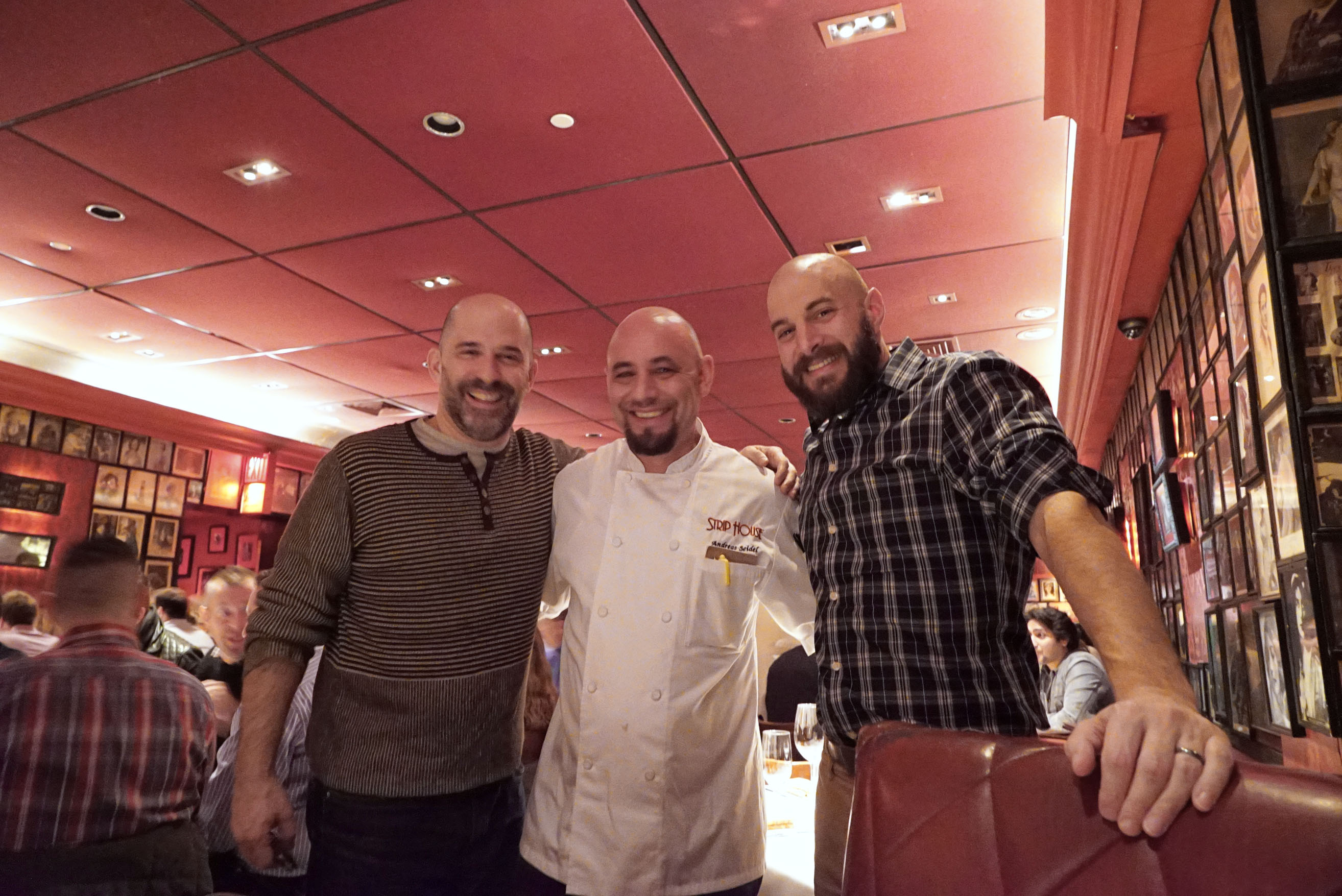
Chef Vignola passed the torch off to Chef Andreas Seidel for the evening. Really great guy – Andreas and his team treated us like absolute kings! He brought out some really nice scallop crudo with uni and yuzu cream sauce for us to try. Very smooth and bright.

DSC09310

We also ordered the large seafood plateau.

DSC09318

DSC09319

DSC09320

DSC09321

DSC09322

DSC09323

DSC09324

Everything on it was top quality, super fresh and very tasty.

Andreas also brought out some bacon for us to gnaw on. Always a great thing…

DSC09326

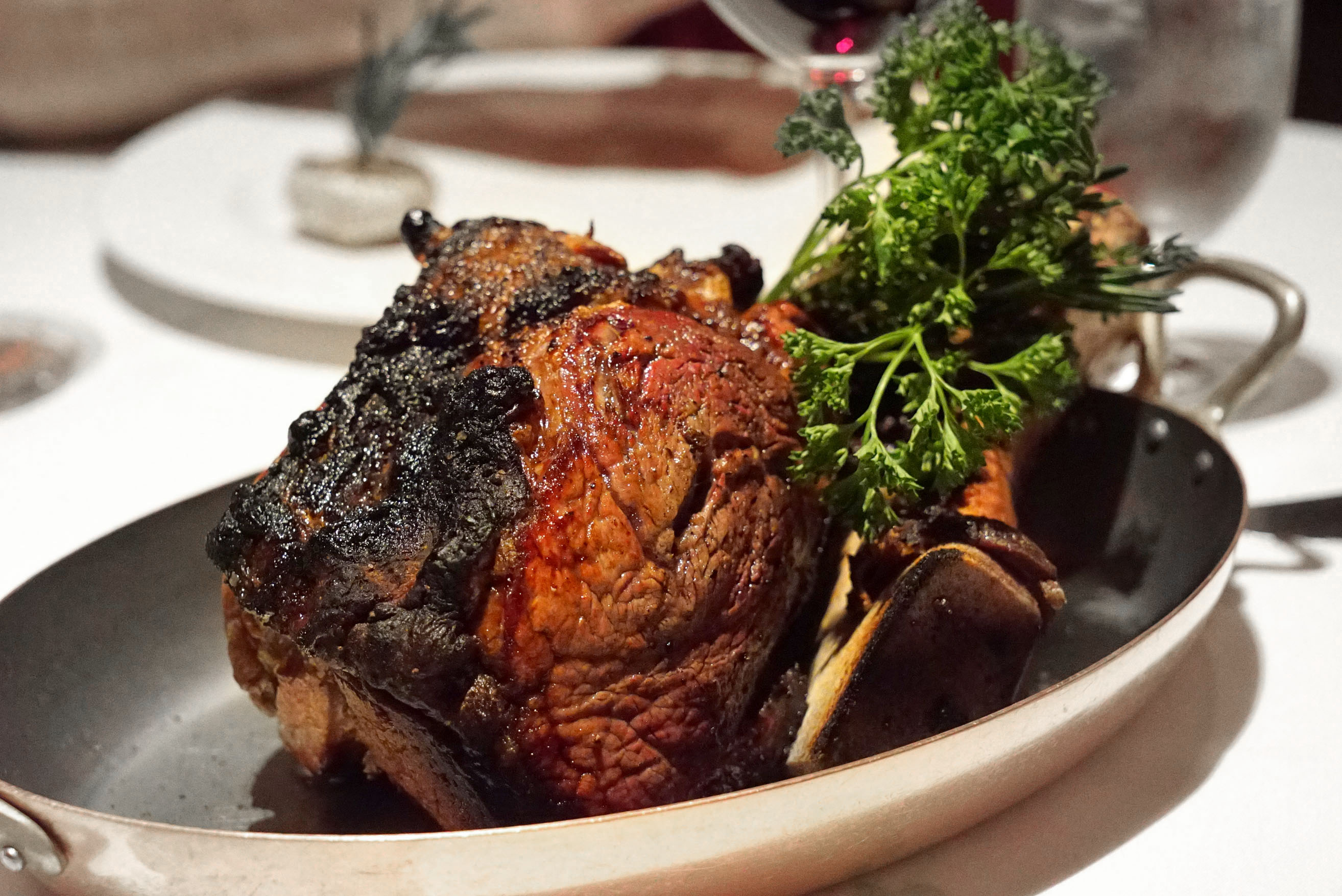
Here’s the filet – that massive hunk of delicious, tender meat – prior to the table side slicing.

DSC09329

DSC09332

DSC09334

60oz Filet Mignon Slicing & Serving Video:

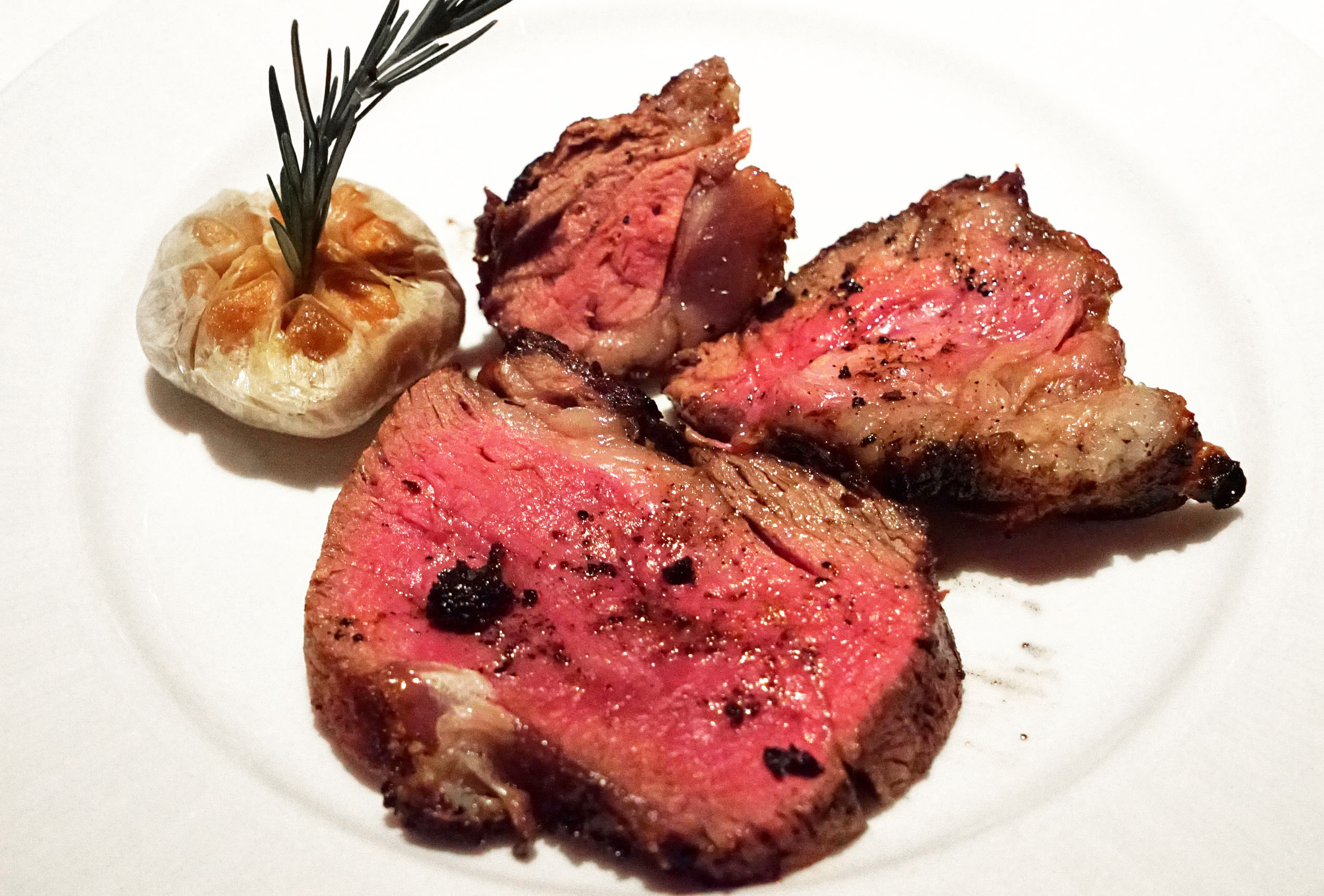
Standard issue plating at Strip House is this buttery smooth roasted garlic with a sprig of rosemary. I love this…

DSC09327

Here’s my plate:

DSC09345

There was a ton of flavor on the outside crust, but that meant I had to cut and portion carefully so as not to have a bite of all center with little seasoning. The meat was super tender and absolutely fatless. It was aged, so any fat that may have been in there melted away, leaving behind a dense, meaty and super soft hunk of beef.

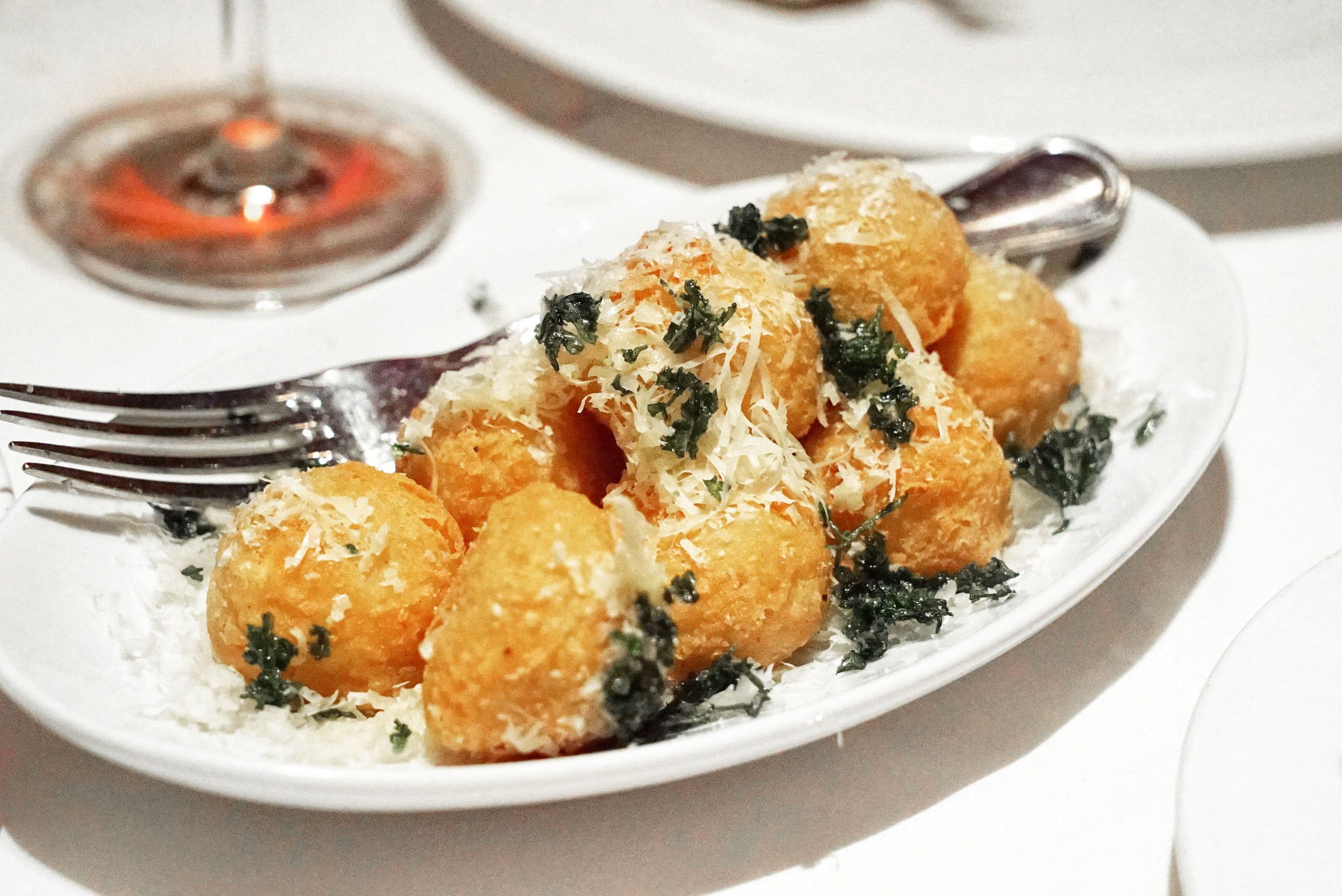
On the side we tried the Pommes Dauphine (tater tots with aged gouda and crispy parsley). These were super soft inside, like mashed potatoes, but nice and crisp on the outside. I am now in love with crispy parsley too. It actually had flavor, which is so unlike parsley!

DSC09337

We also ordered creamed corn with pancetta. Great side. Probably the best on the menu here.

DSC09340

The chef also brought out some truffle creamed spinach as well. Very earthy and savory. This went really well when slathered onto the steak with each bite.

DSC09341

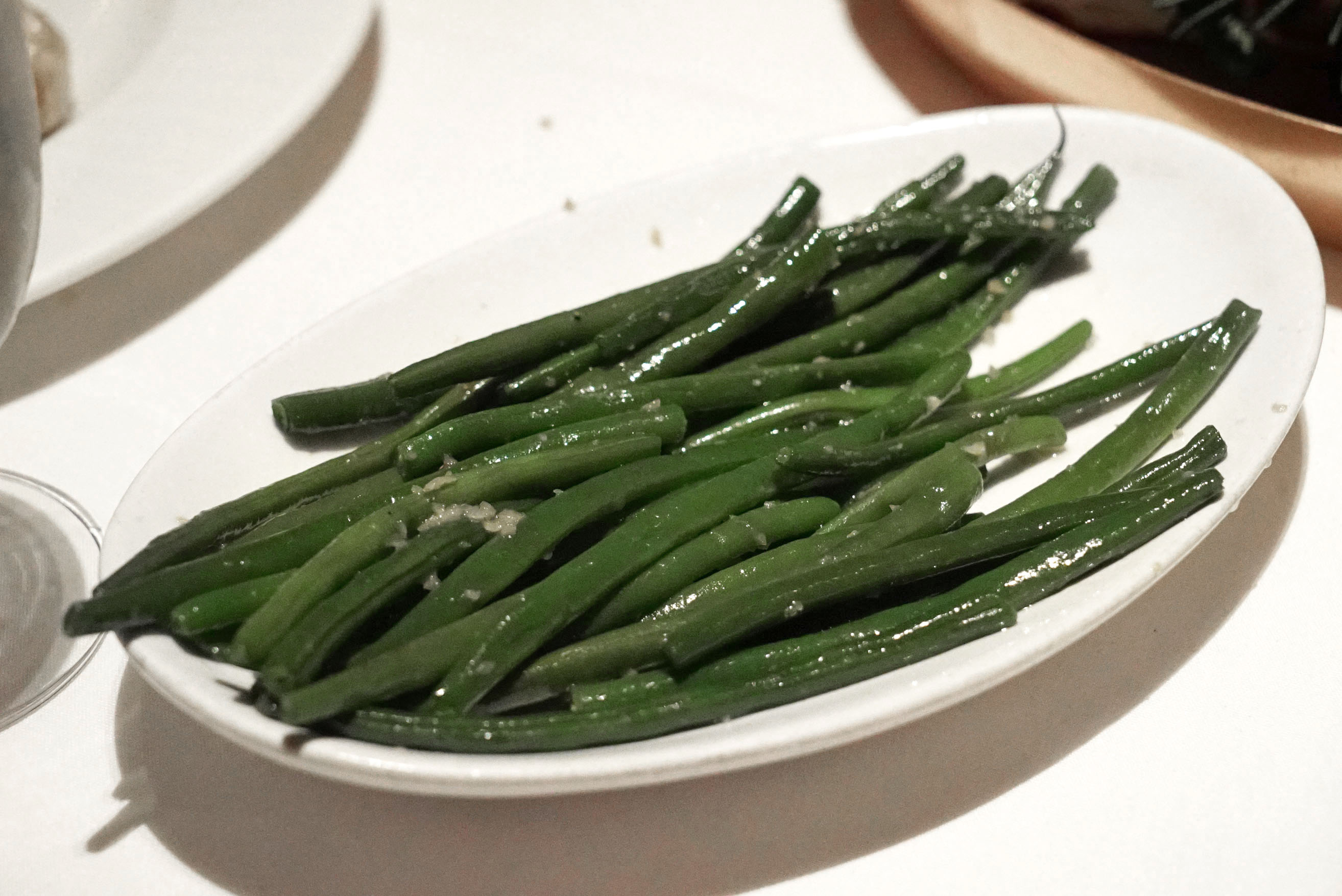
Green beans. Simple, but really well executed.

DSC09349

Andreas also sent out some crispy goose fat potatoes – delicious!

DSC09350

The chef also sent out two desserts for us. First was this beautiful Baked Alaska. Watch the service here:

DSC09354

Really nicely done. You could taste the booze but it wasn’t overpowering, and the marshmallow outside was perfectly seared.

DSC09360

There was also more of that massive 24-layer chocolate cake!

DSC09358

Here’s a shot of Team Bald – me and Matt Bruck, with chef Andreas Seidel. Great guy and a great sport!

DSC09339

STRIP HOUSE
13 E. 12th St.
New York, NY 10003

Shredded Turkey Dry Ramen

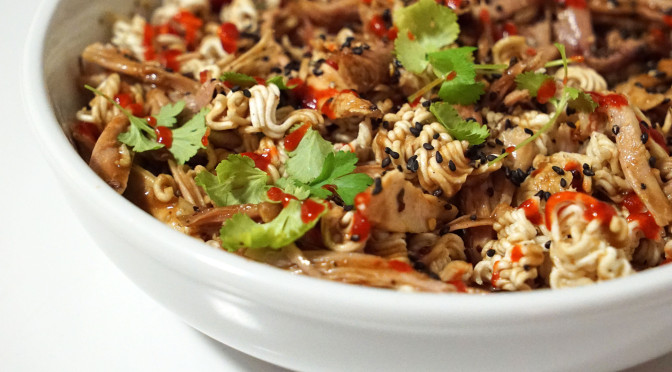
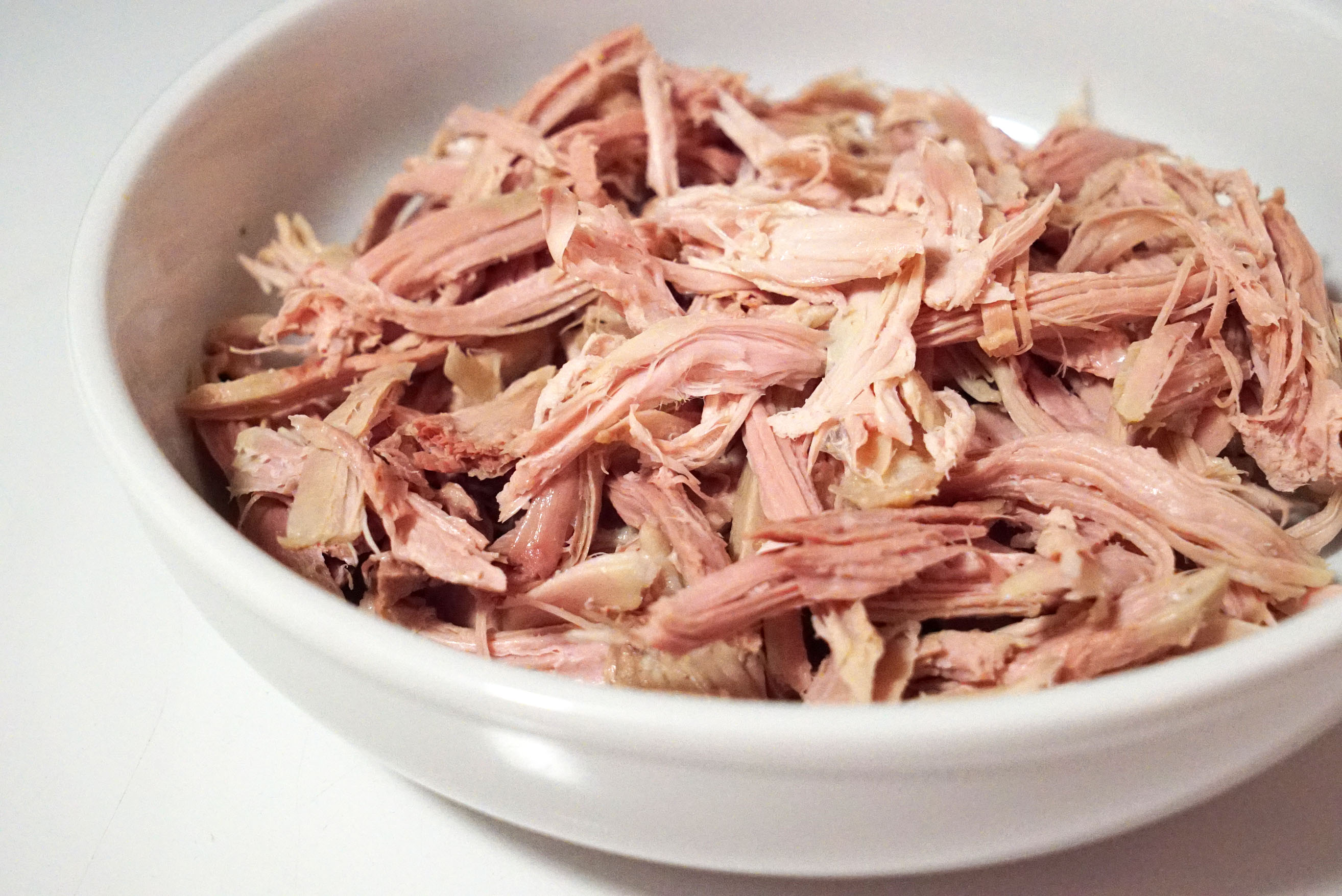
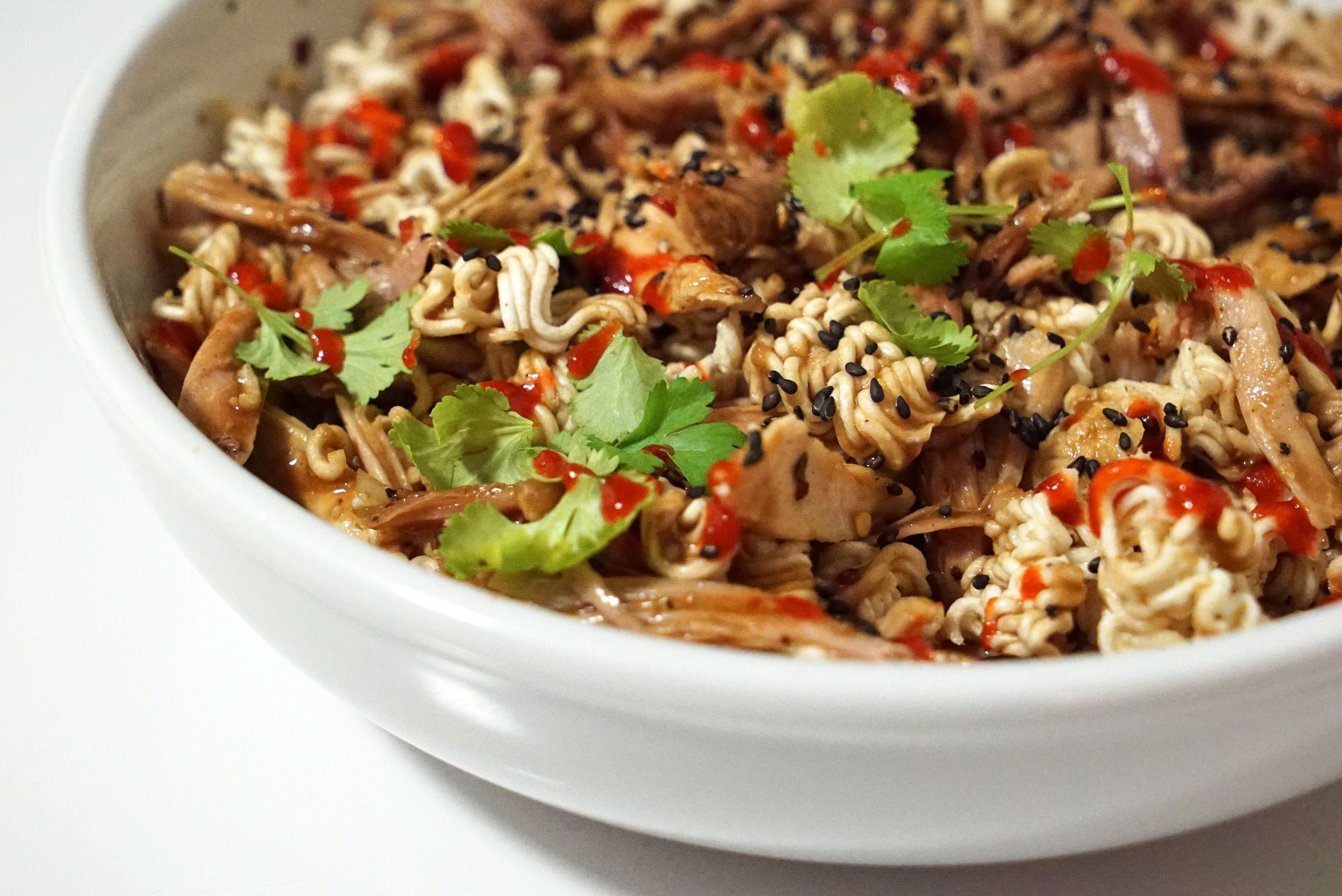
This Thanksgiving, I went a slightly different route with my leftovers. I grabbed a shitload of turkey and shredded it up, pulling it apart into bite-sized pieces. I heated that shit up.

DSC09299

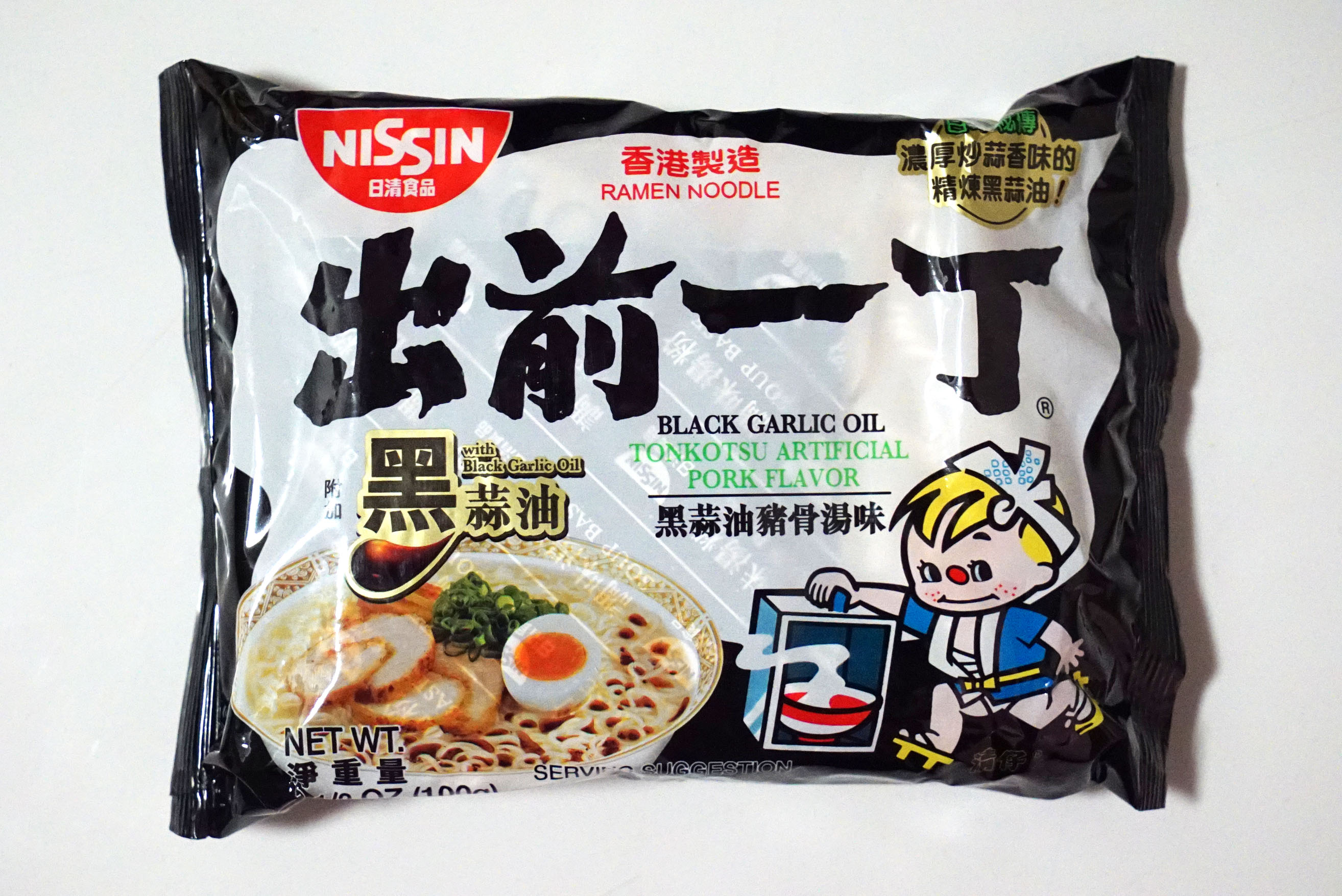
I took a packet of dry ramen noodles from the cabinet and crushed it up into small pieces.

DSC09300

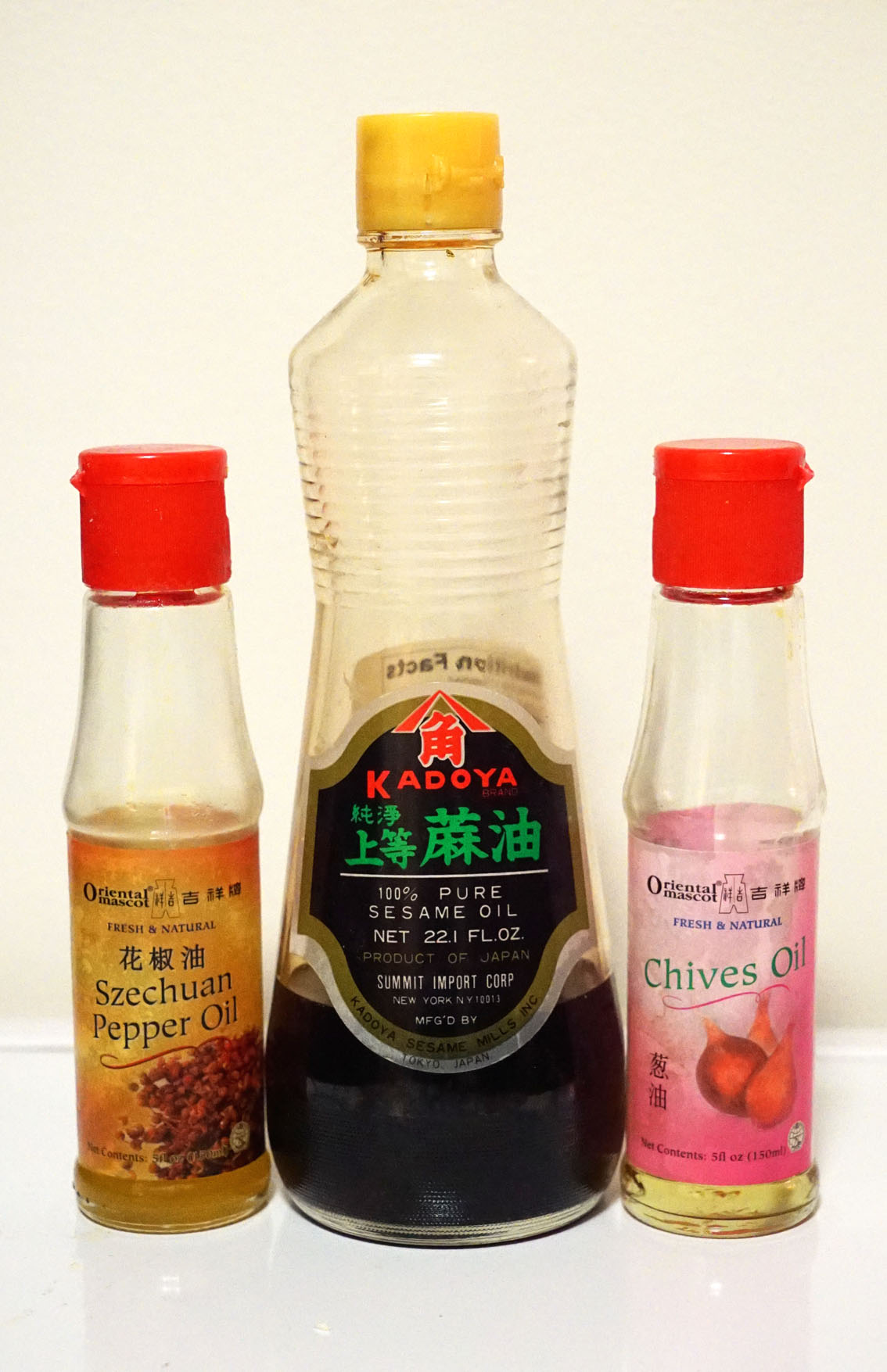
I used them as a topping, along with about half of the seasoning packet, and drizzled some oils into the mix as well (sesame, chive, chili, szechuan pepper).

DSC09302

I also heated up some of the remaining gravy and poured that over the top, and then finished with toasted sesame seeds, fresh cilantro, and some sri racha sauce.

DSC09306

Add some crushed peanuts and maybe some bean sprouts and you have a really delicious dish.

Han Dynasty

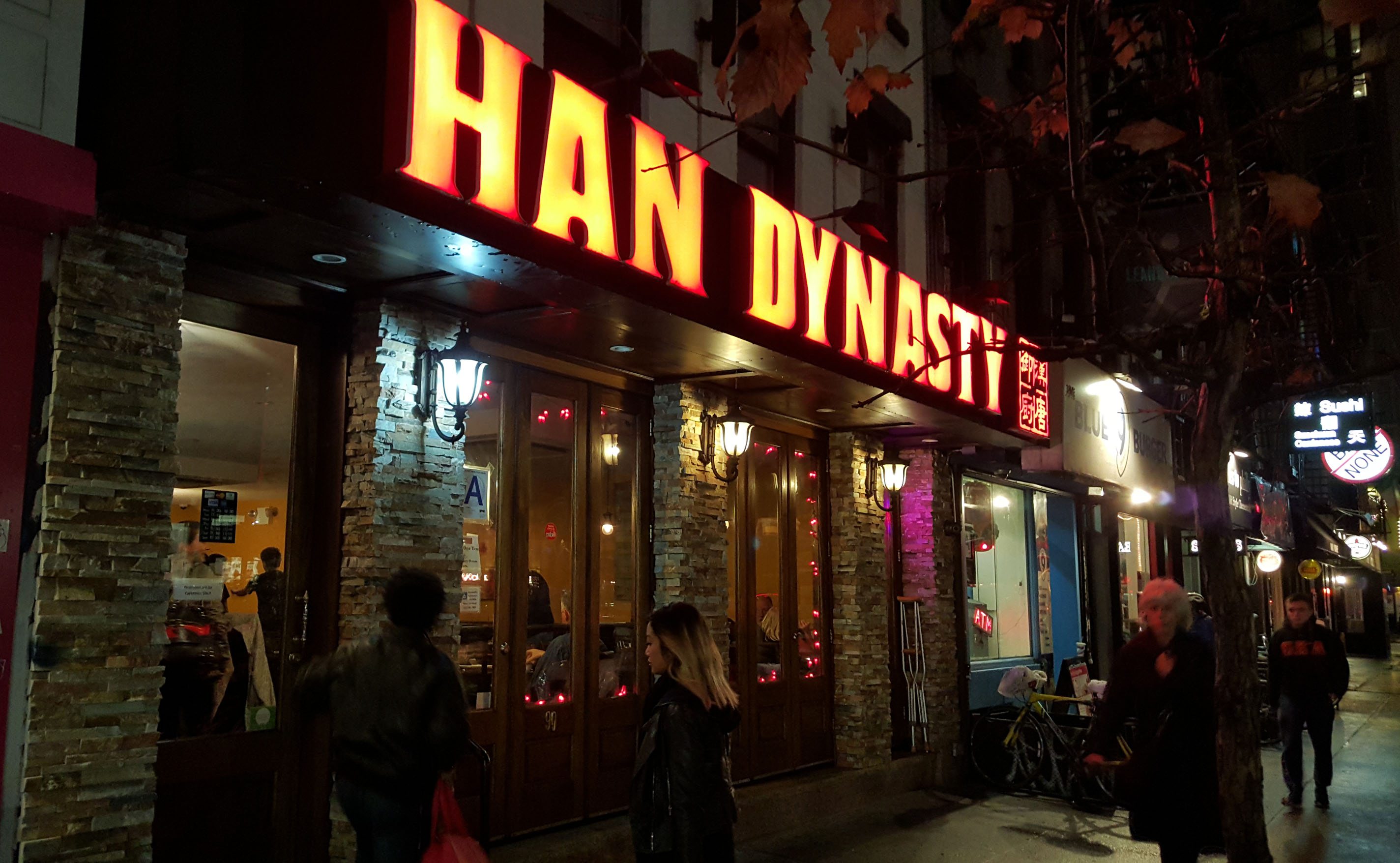
My wife and I stopped by “Handy Nasty” for a quick bite before a concert at Webster Hall. I’d heard good things about this place, so was eager to try it out.

20151201_180920

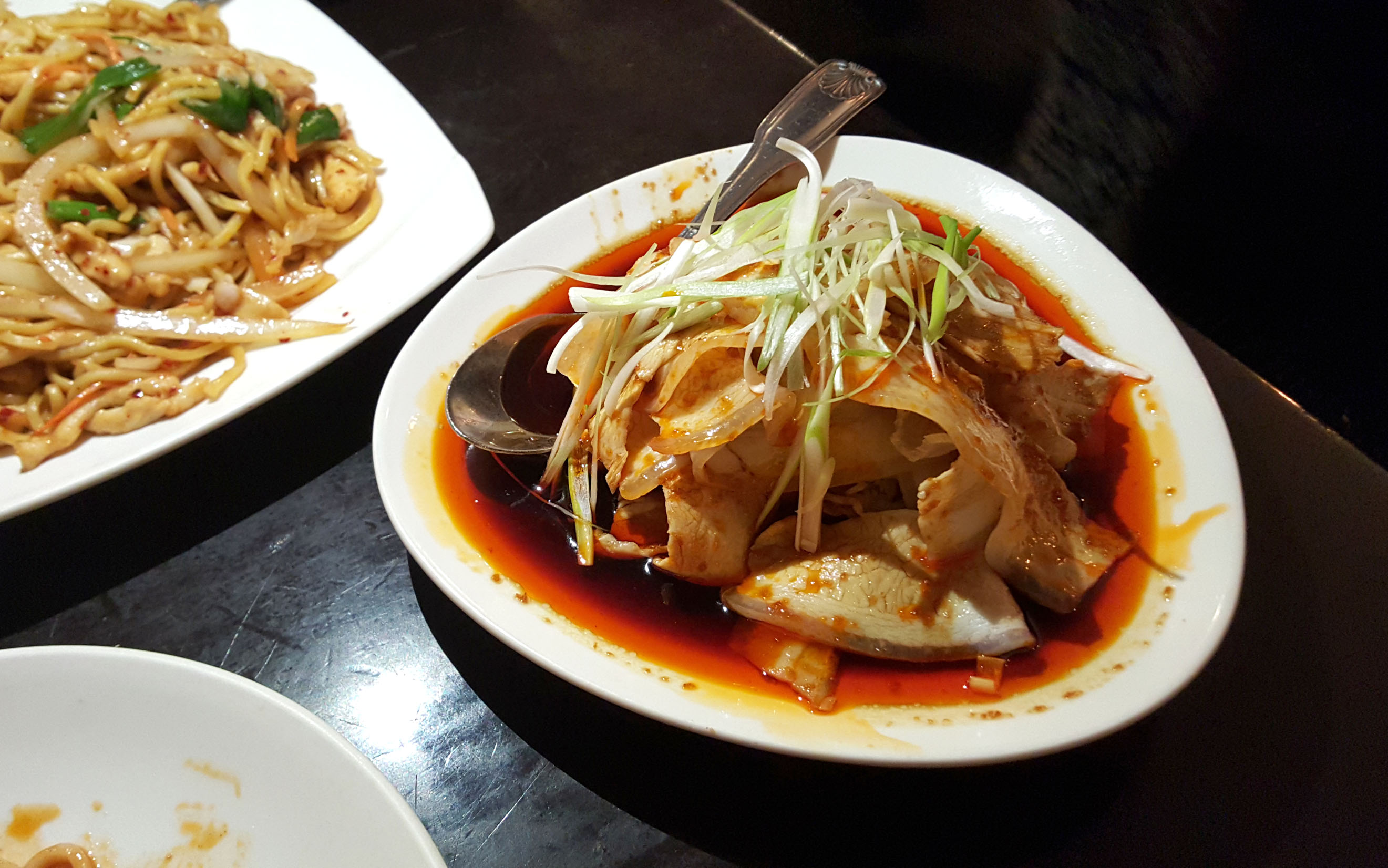
We started with an order of pork belly with chili oil. This was served cold. The texture of the fat on each slice was noodle-like, and the meat was likely boiled and then sliced thin. It had good flavor, and I suppose all that oil is meant to be mixed into the big bowl of rice that comes with it. Honestly we could have been full just from that alone. Portion sizes are massive here.

20151201_181927

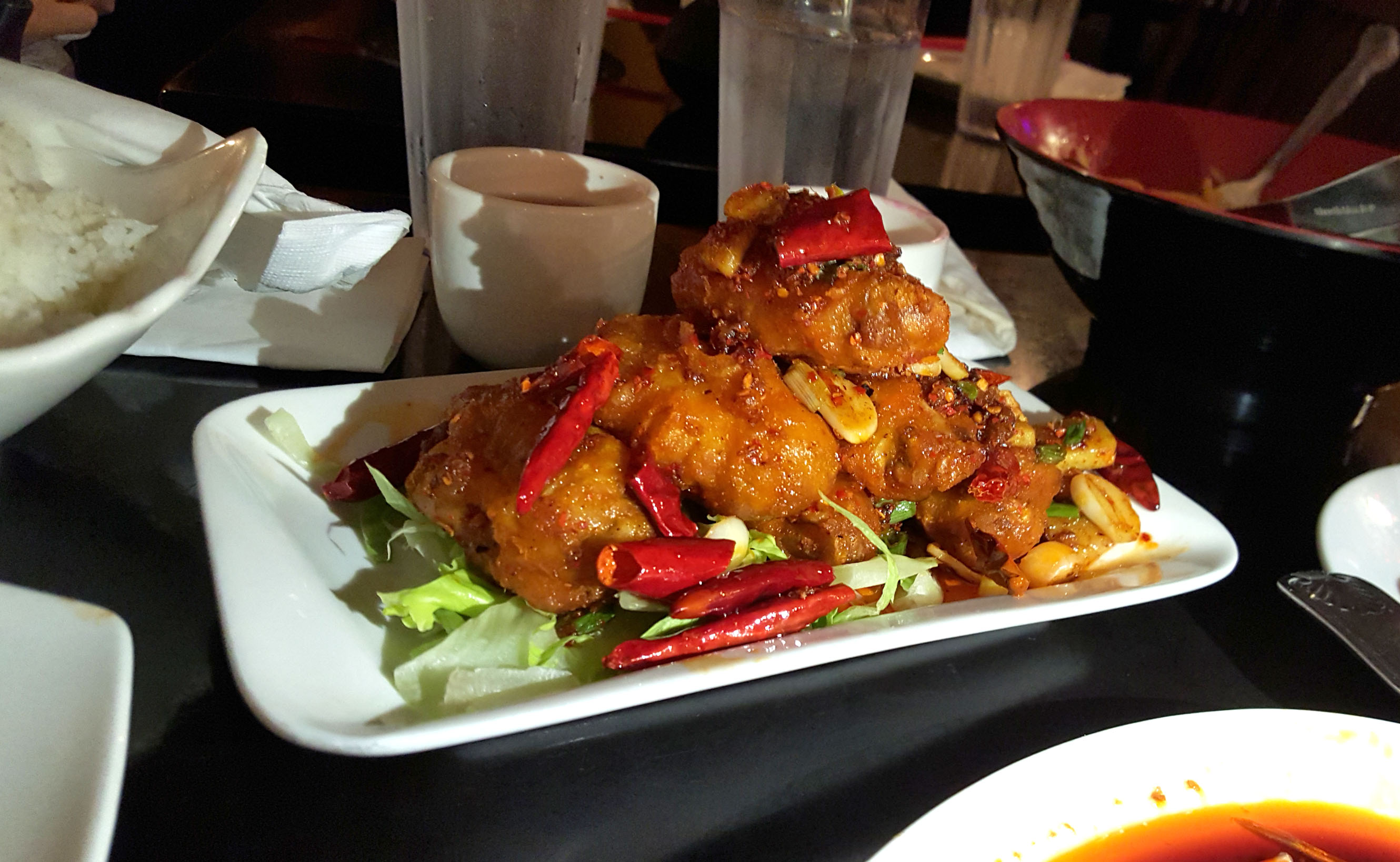
We also tried the dry pepper chicken wings. These were a little greasy from the puffed up batter on the wings, but the addition of chili paste, fried ginger, fried garlic and dry peppers give it a great flavor. The meat itself was very juicy.

20151201_182519

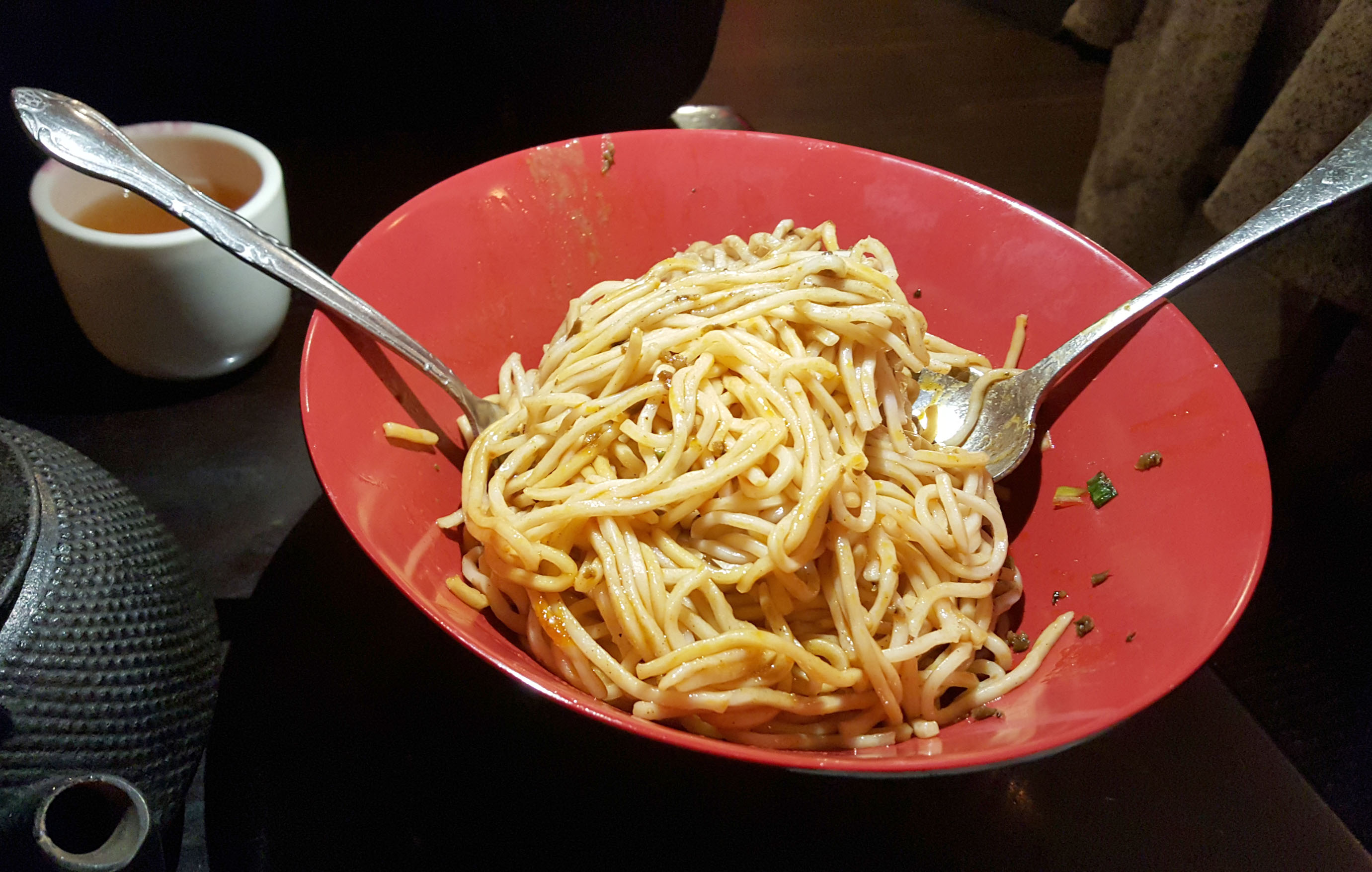
My wife had the dan dan noodles. The mildly spicy peanut sauce is mixed into the noodles table-side for this massive portion of starch.

20151201_181645

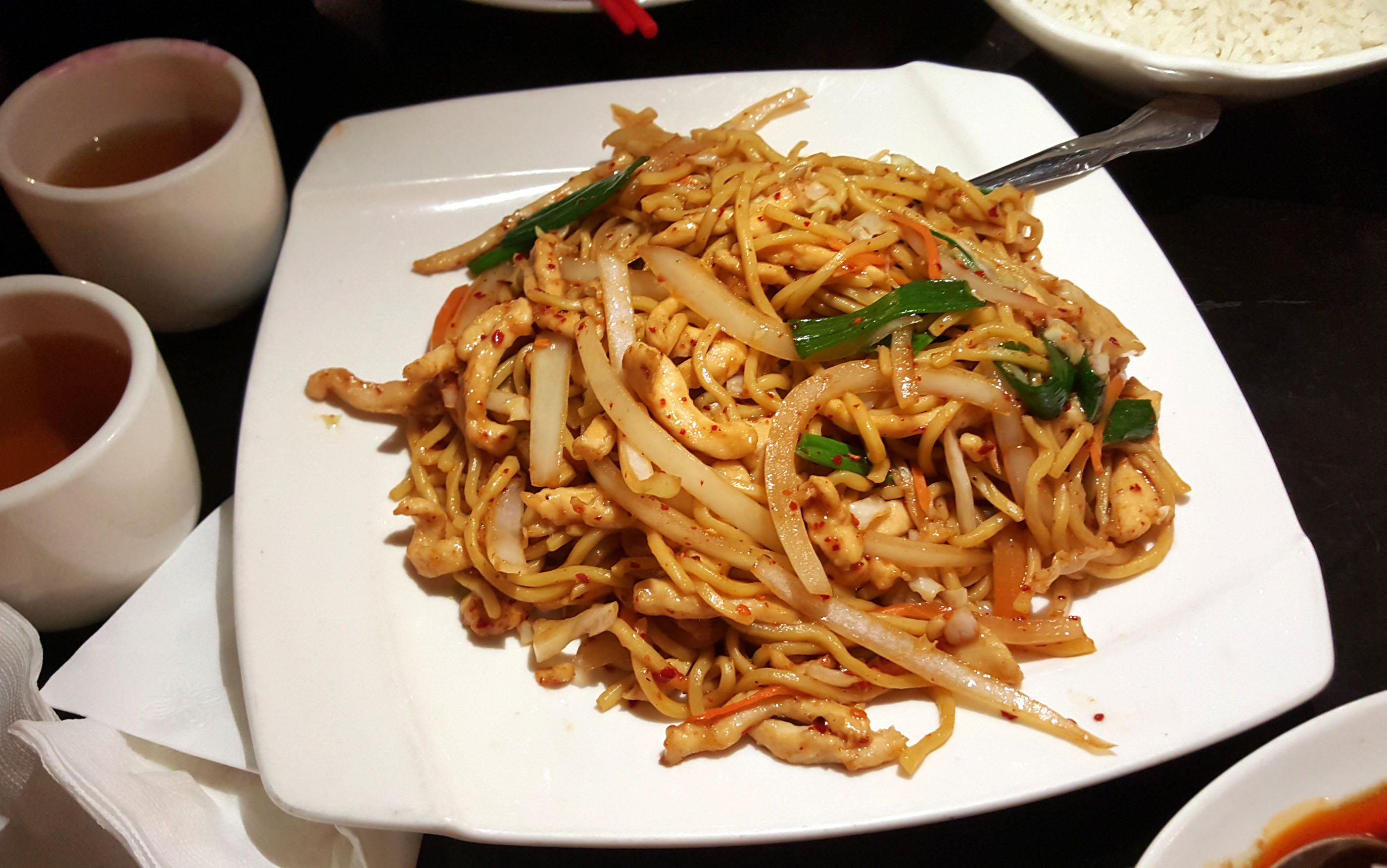
I went with an old stand-by: chicken lo mein. I figured I would test the mettle of this joint by ordering something so insanely common just to see how they executed. It was great – probably close to my favorite of the night, right alongside the pork belly. Quality ingredients and correct proportions of each, along with a hit of spice and low grease content, all make this a winner:

20151201_181932

HAN DYNASTY
90 3rd Ave.
New York, NY 10003

Peck’s Arcade

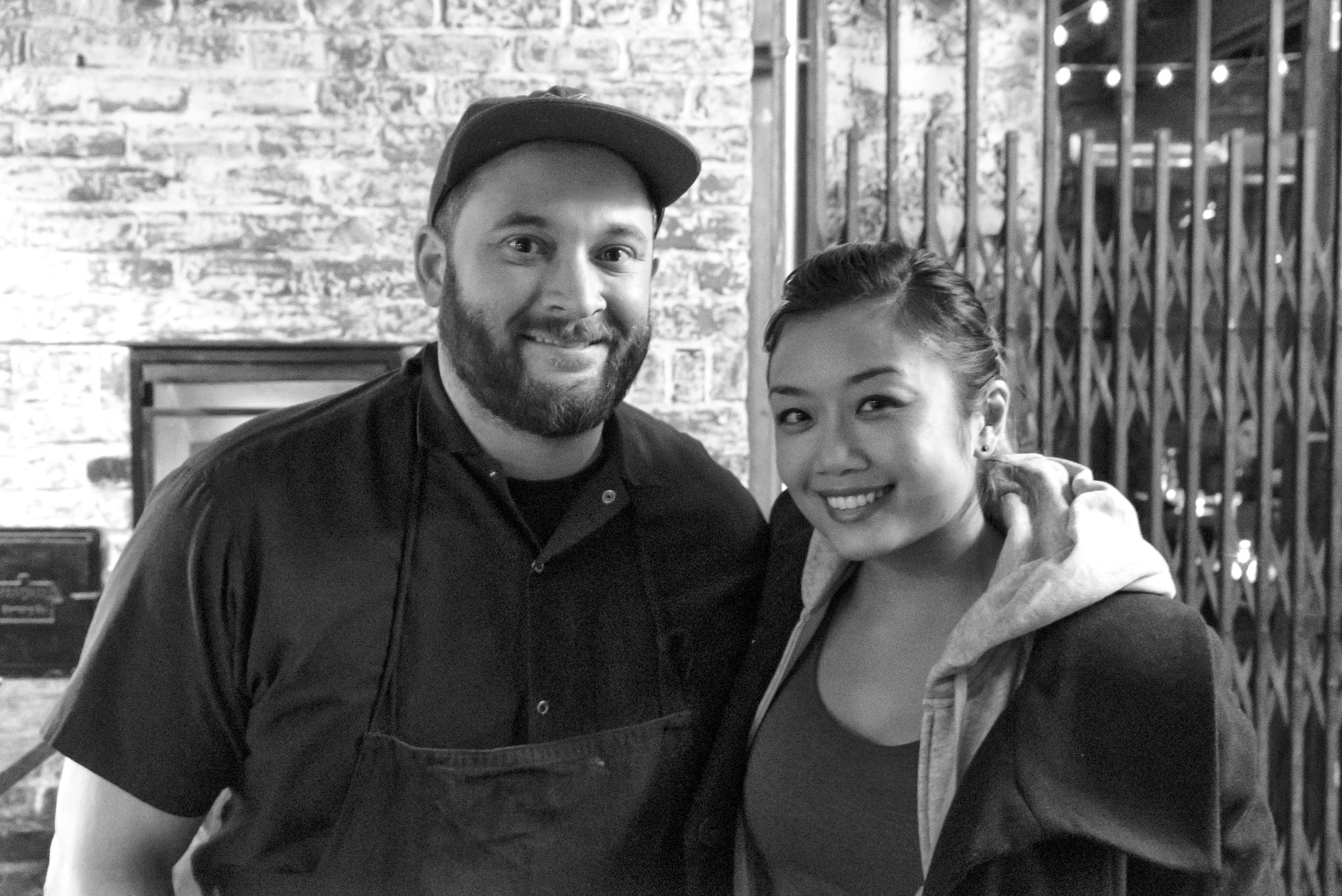
Peck’s Arcade is a great restaurant up in Troy, New York. My wife‘s friend Nick is the chef there:

DSC09189

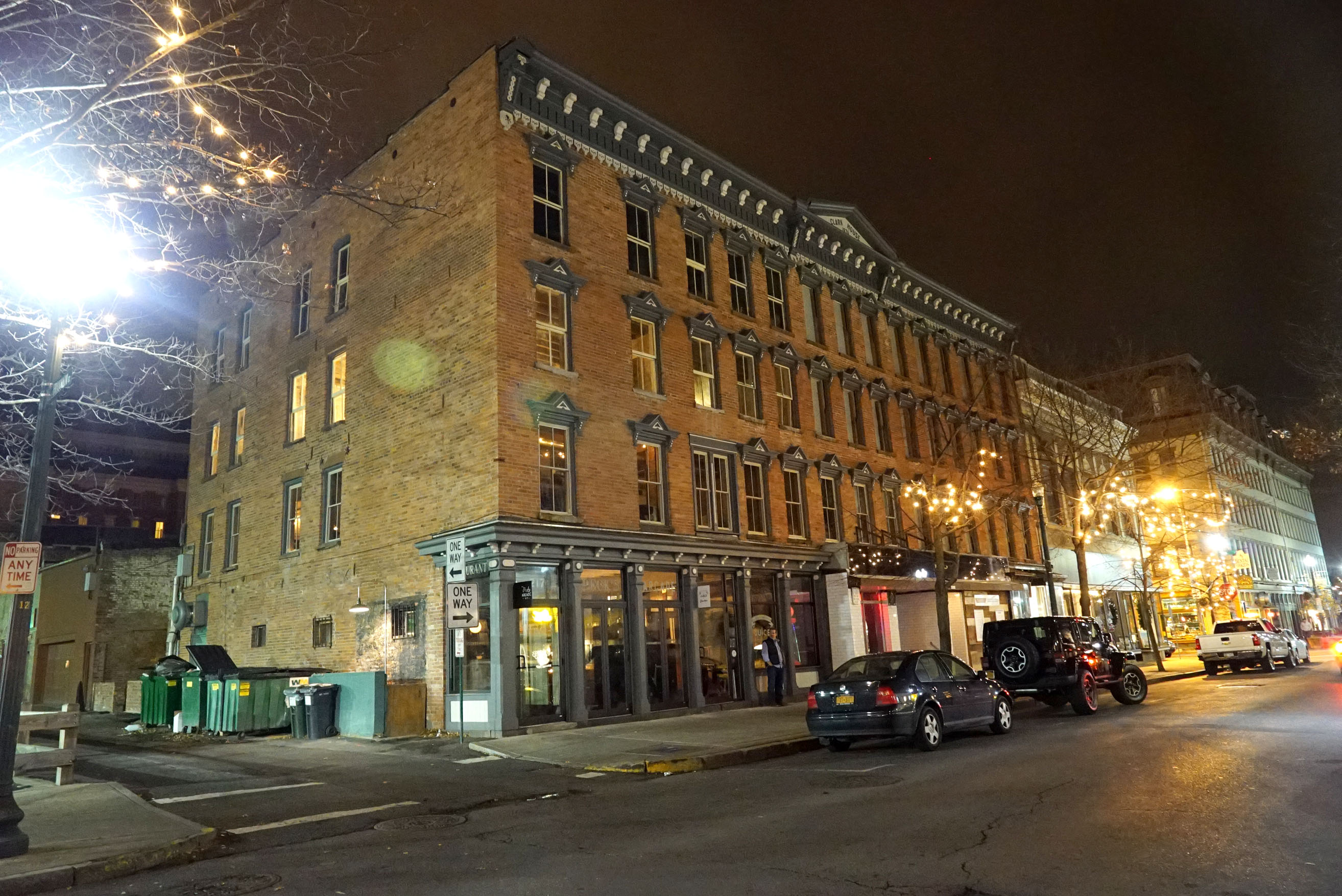
When we were up in the area visiting my wife’s family for Thanksgiving, we stopped in to try the food. The building itself is a really cool historic structure that used to be an inn:

DSC09194

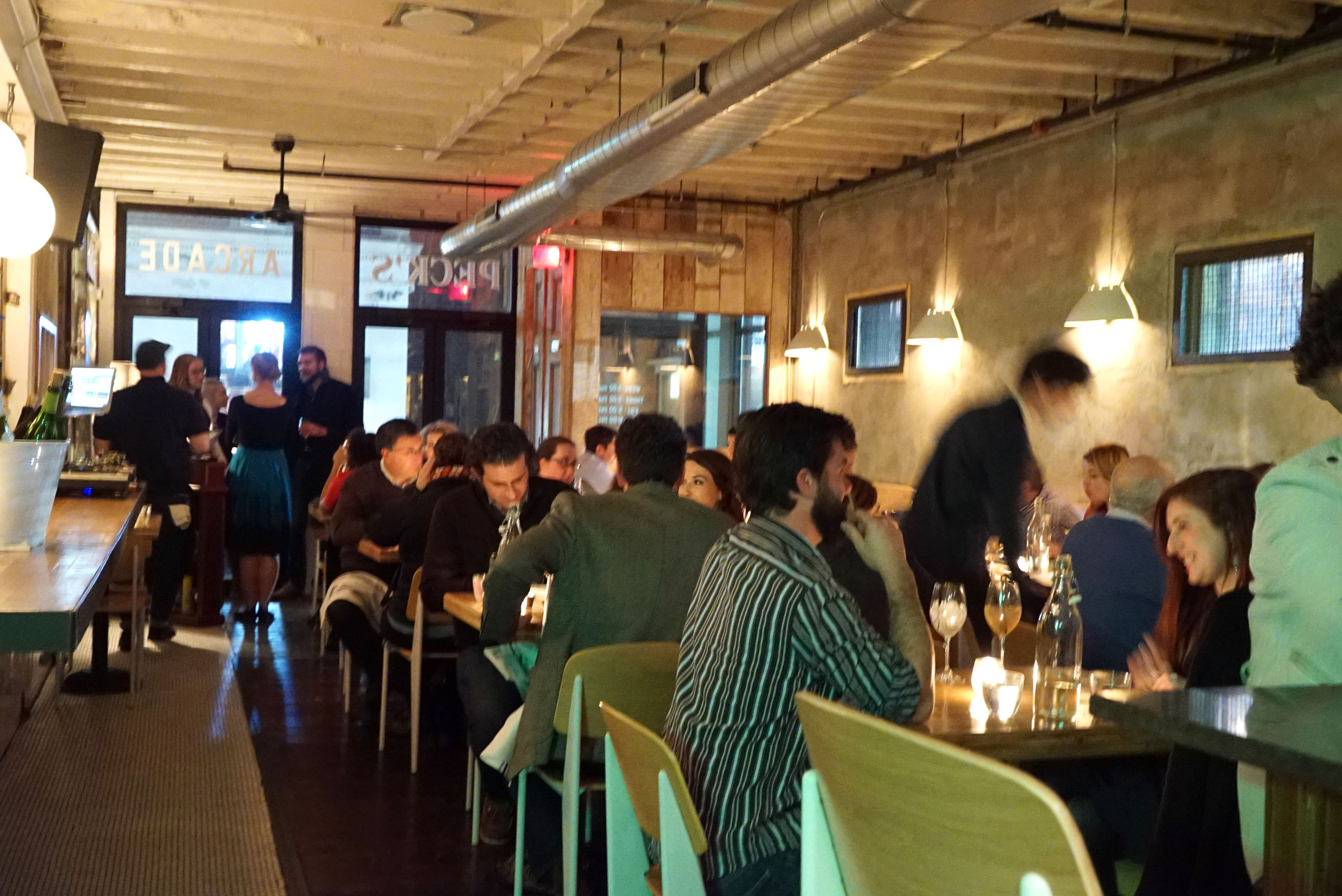
The place was full – even the wine bar next door that is under the same ownership.

DSC09171

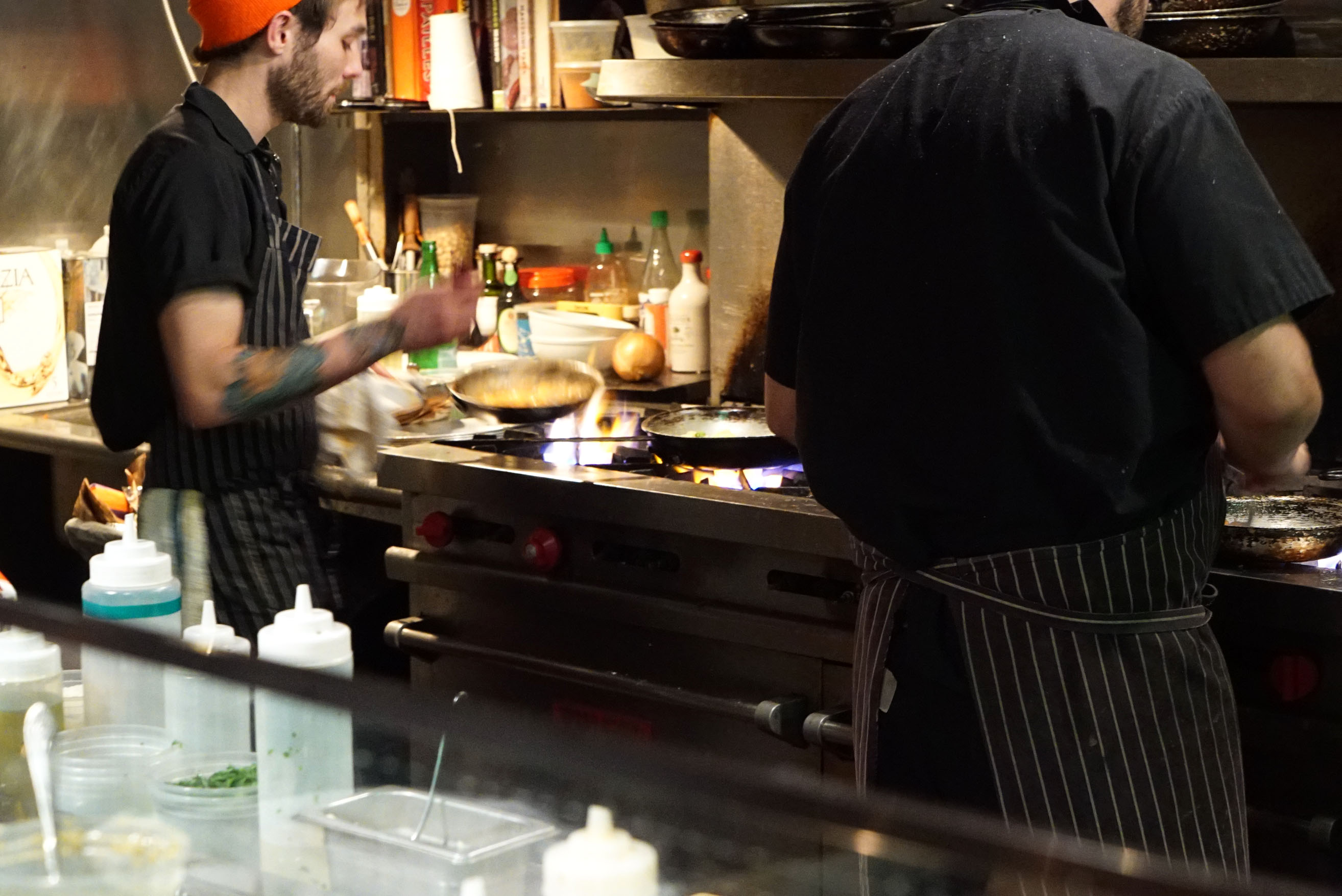
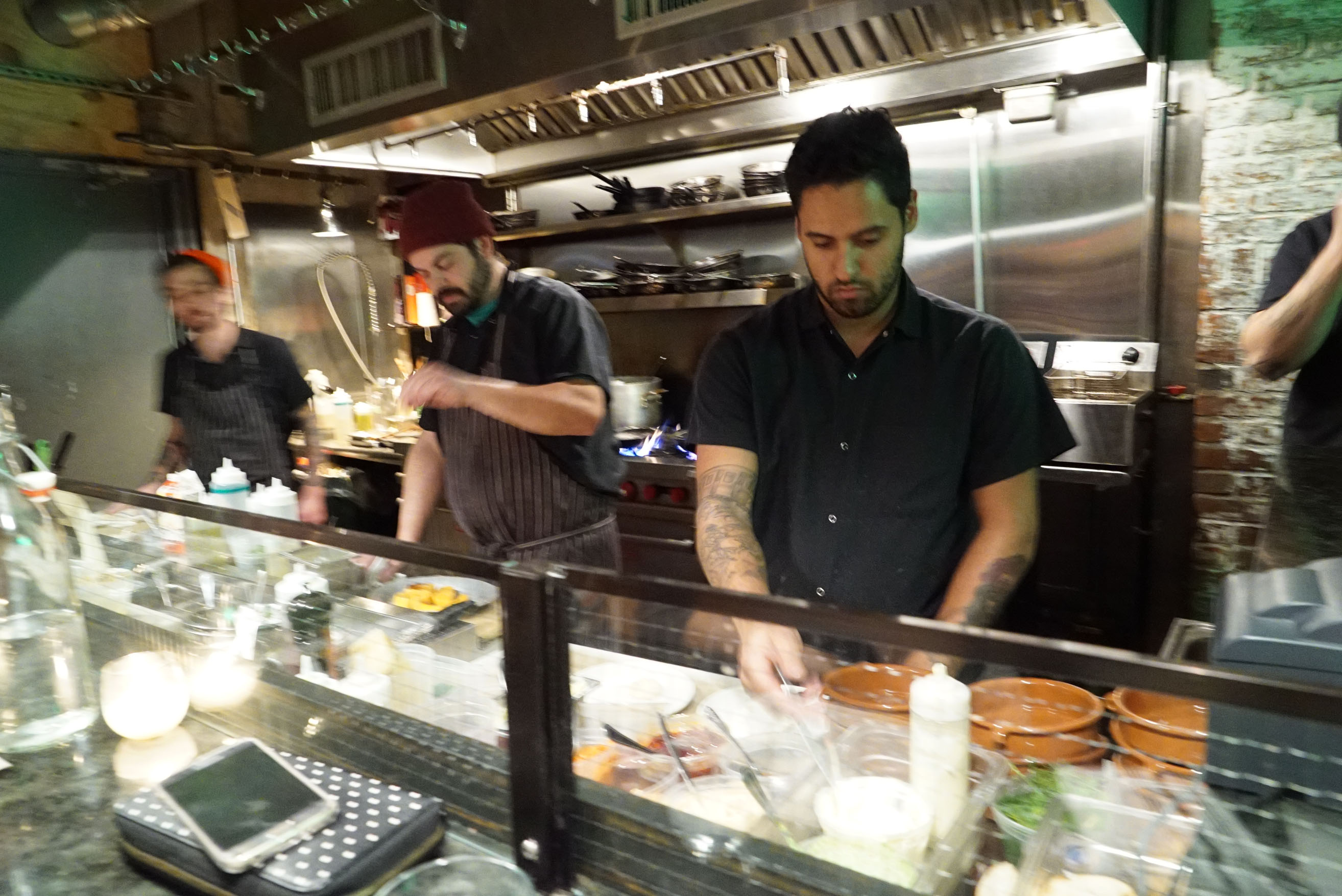
We had a great bar style seat that was overlooking the small but extremely organized and efficient kitchen staff:

DSC09172

DSC09153

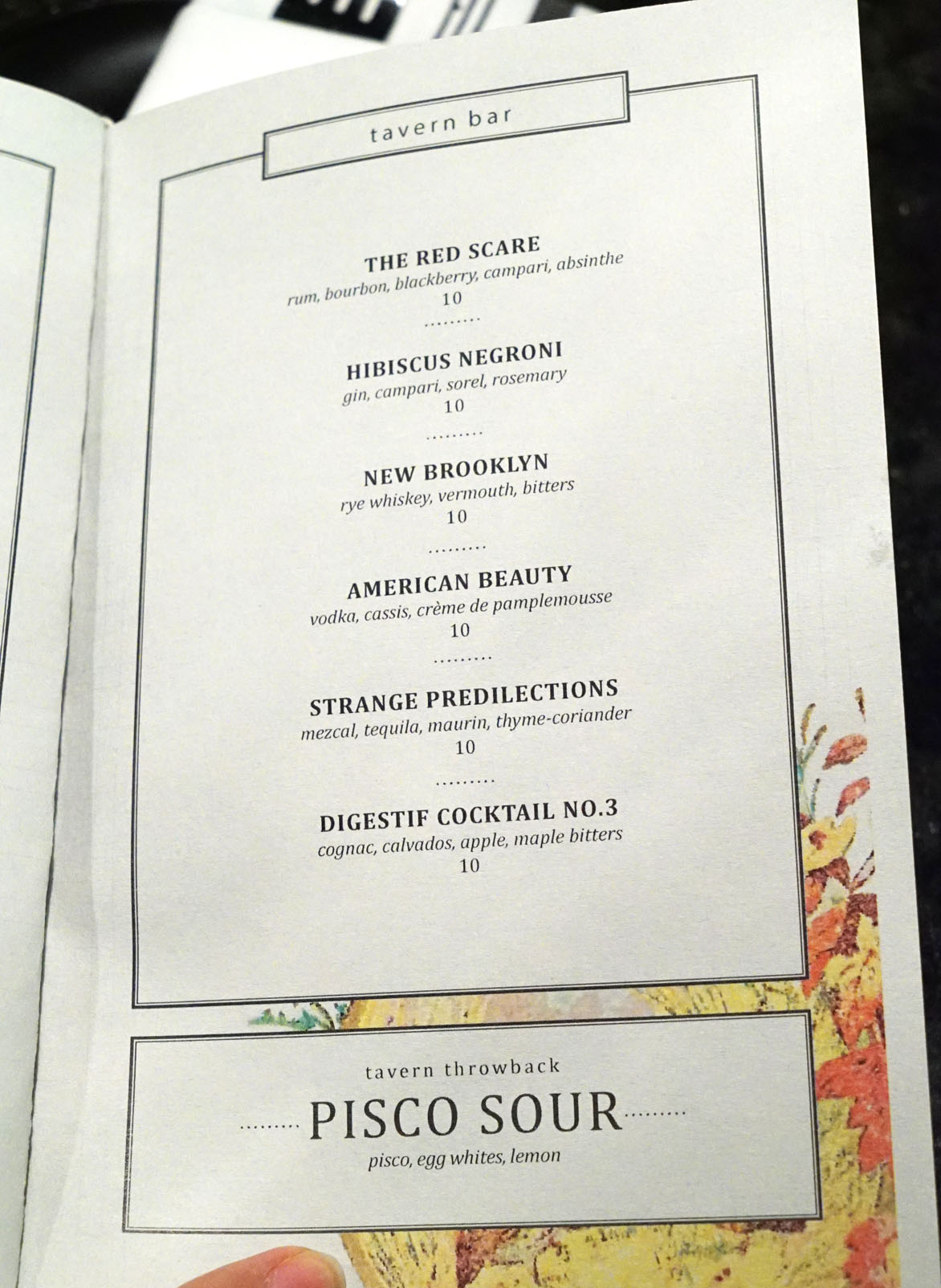
The cocktail menu is really dynamic, with old fashioned shit like the Pisco Sour, as well as new recipes like the Hibiscus Negroni.

DSC09152

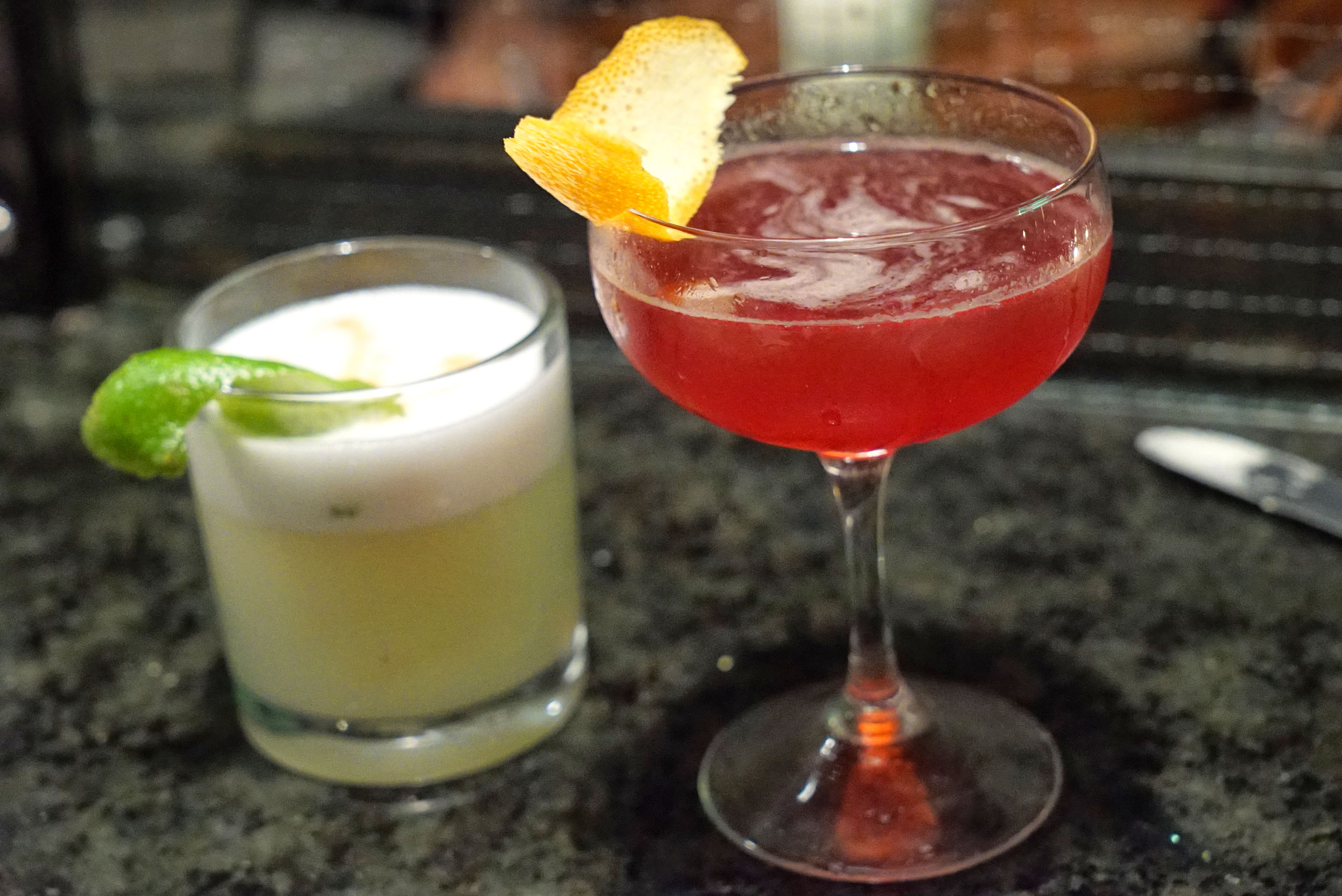
Pisco Sour and a Red Scare are pictured below. Both were really tasty and well made.

DSC09158

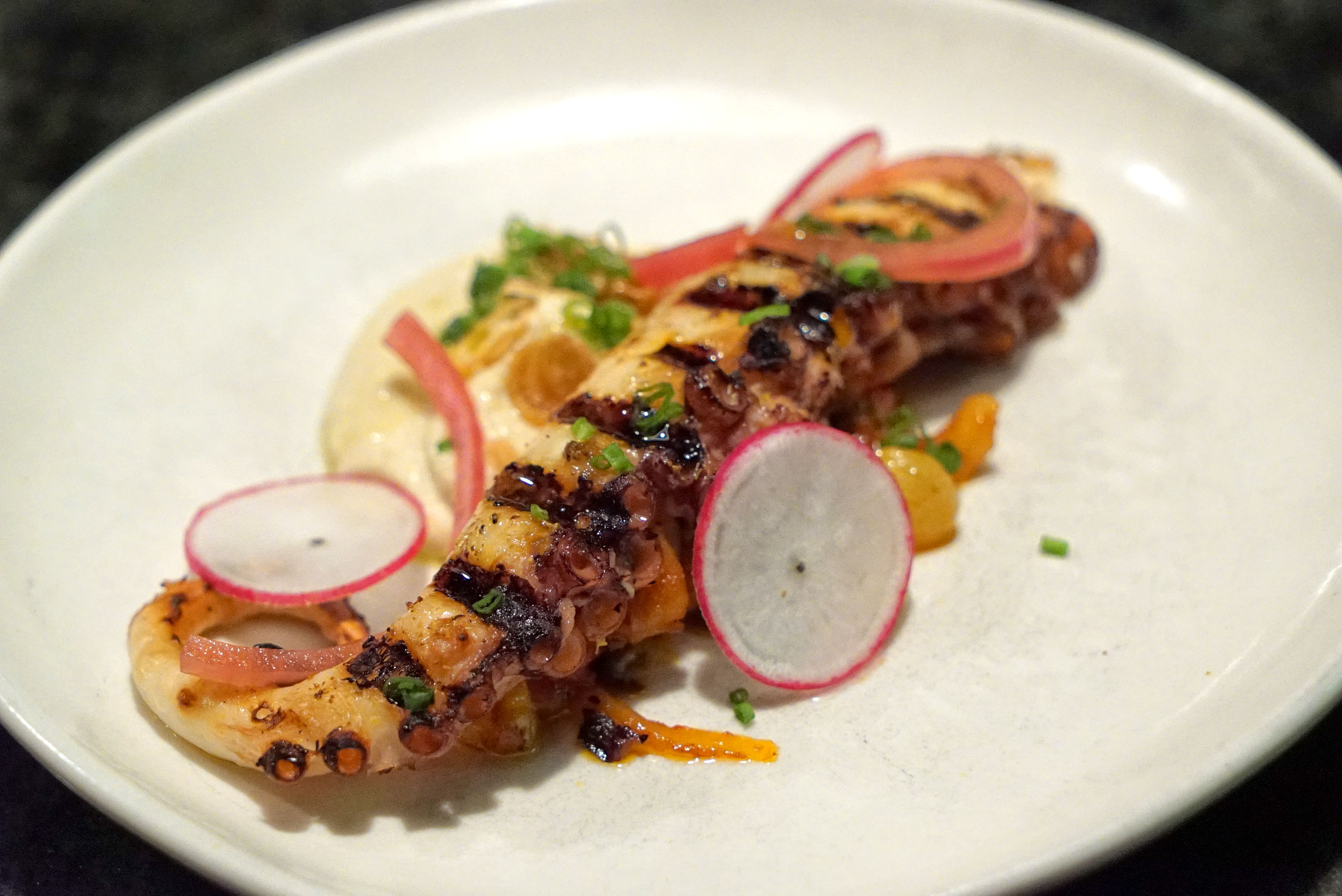
We started out with several small plates. First was the octopus with hummus and roasted red pepper:

DSC09157

The char was excellent on this. The tentacle itself was expertly cleaned to be void of any chewy skin but the suction cups remained for a great crispy texture. It was soft and light.

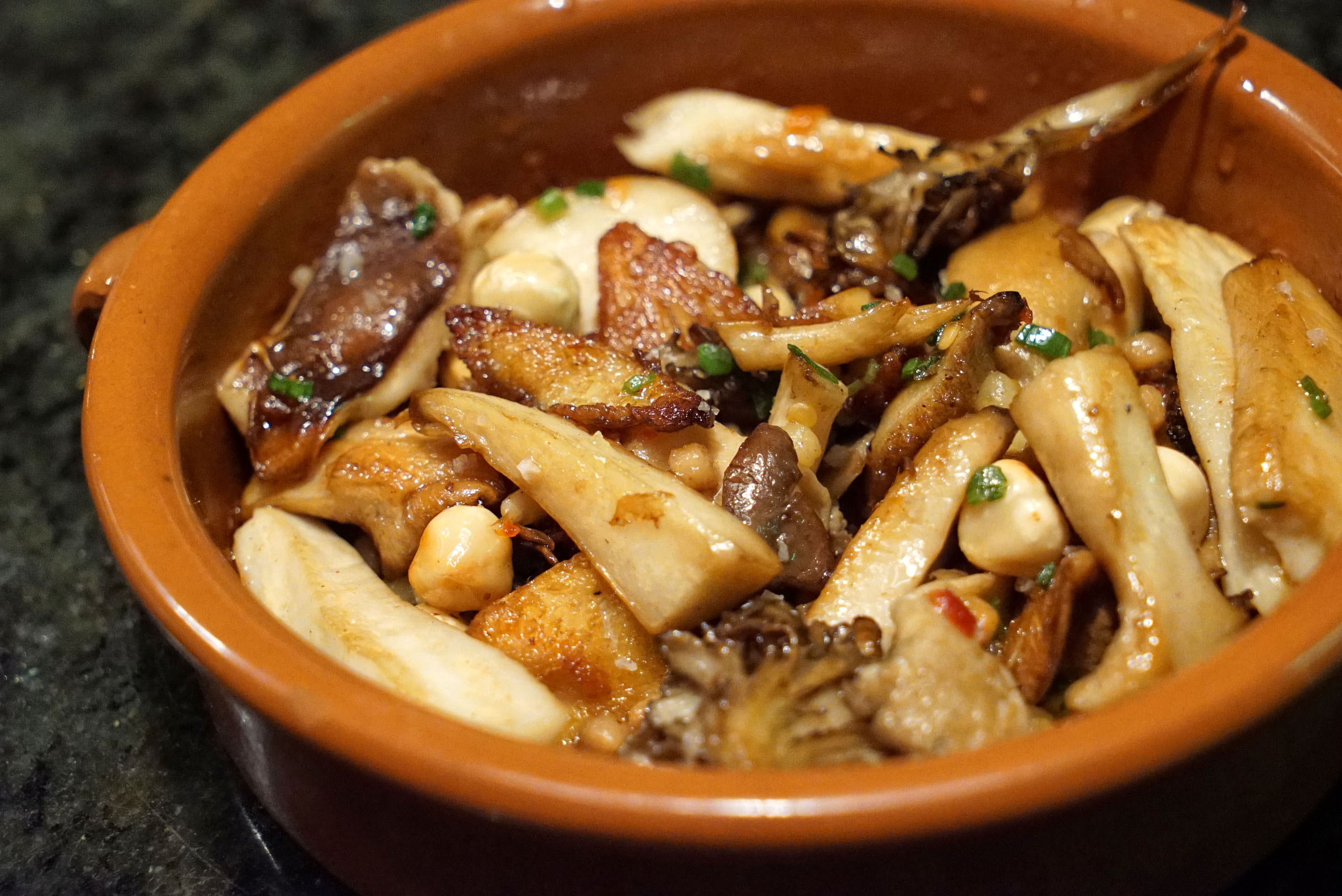
Next was the bowl of wild mushrooms:

DSC09162

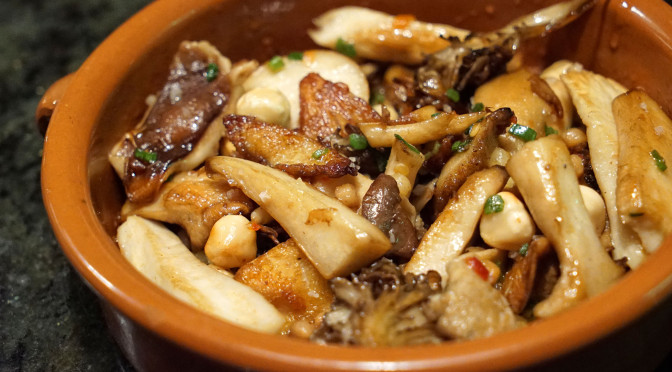
This might have been my favorite of the night. The mushrooms were simply but properly done with brown butter and coarse salt.

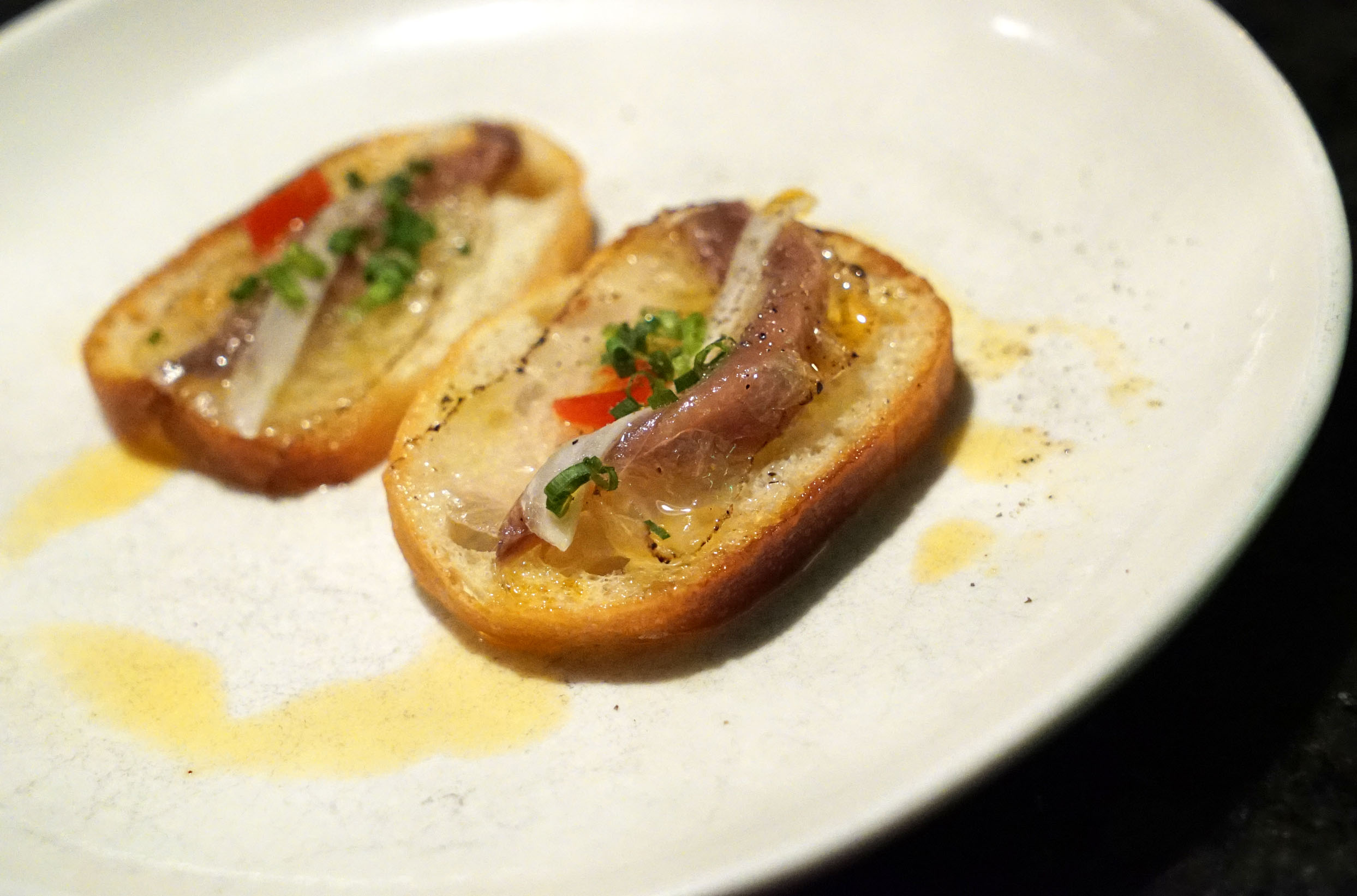
Next we tried a crostini with sardine. This was really flavorful and smoky, with a great savory punch to it.

DSC09166

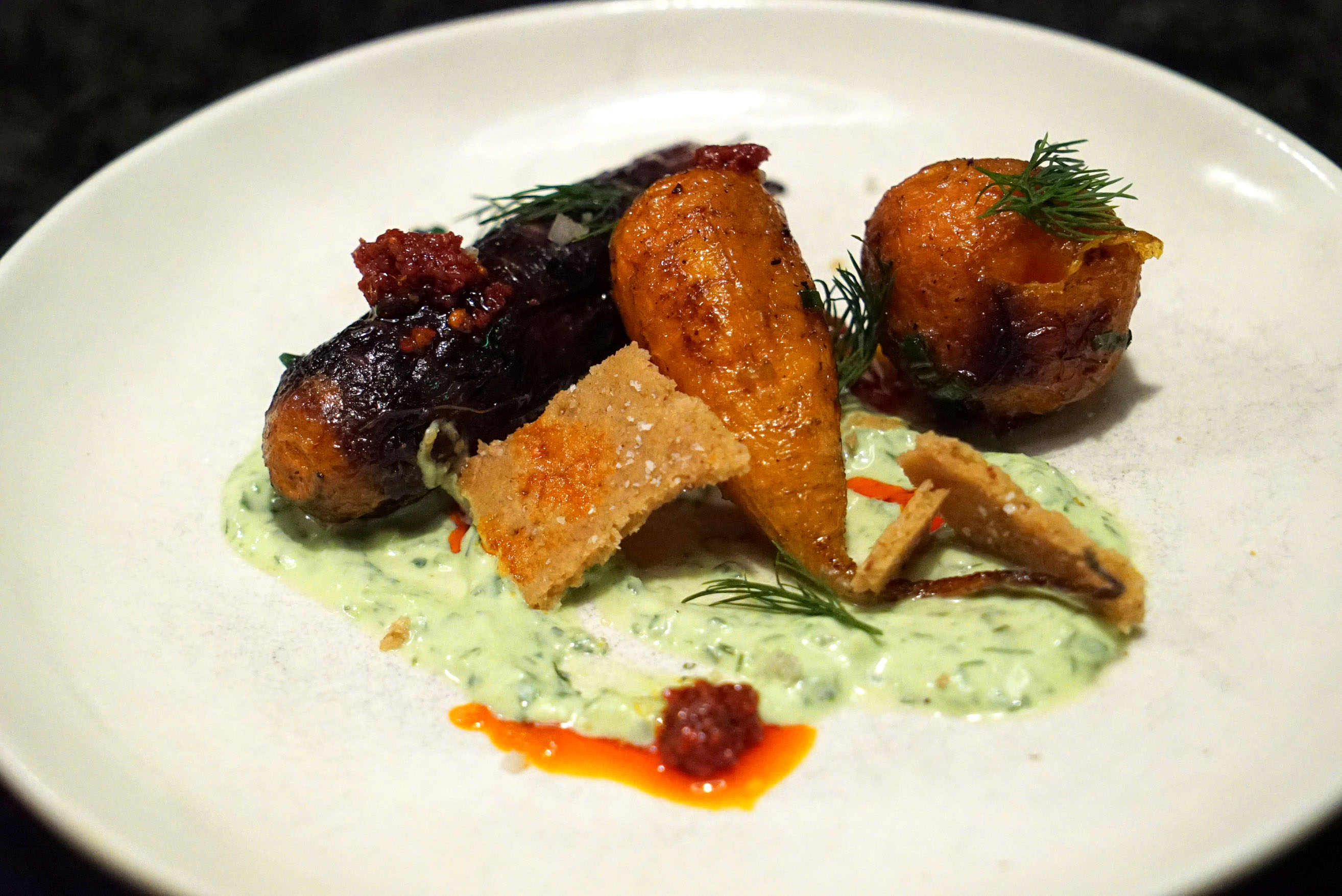
The last of the small plates we tried were these fire roasted local carrots with dill, yogurt sauce, spicy smoked pepper paste and brown butter crackers:

DSC09168

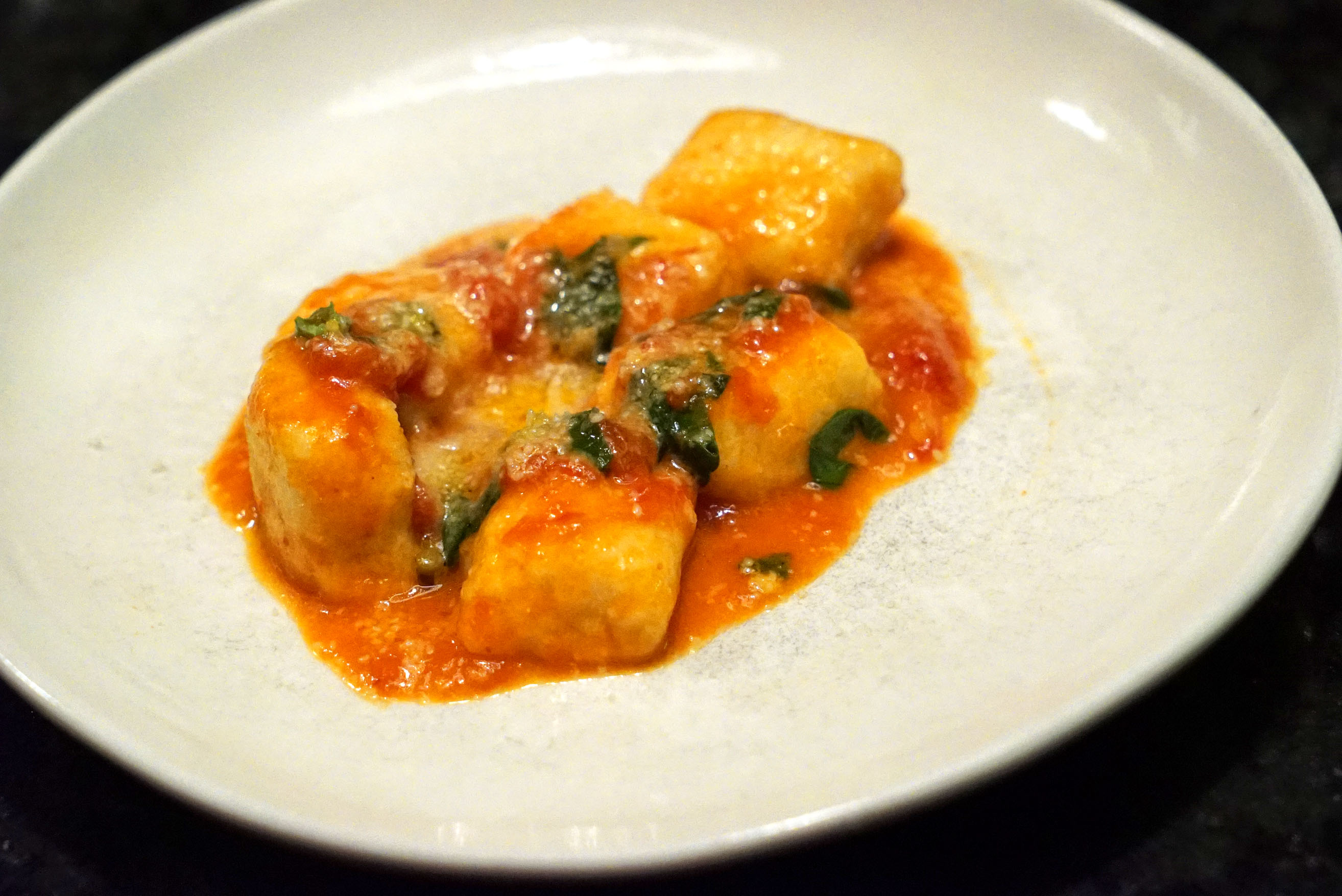
Next we tried a pair of house-made pasta dishes. The first was the pillow soft gnocchi with a nice classic tomato and basil sauce:

DSC09175

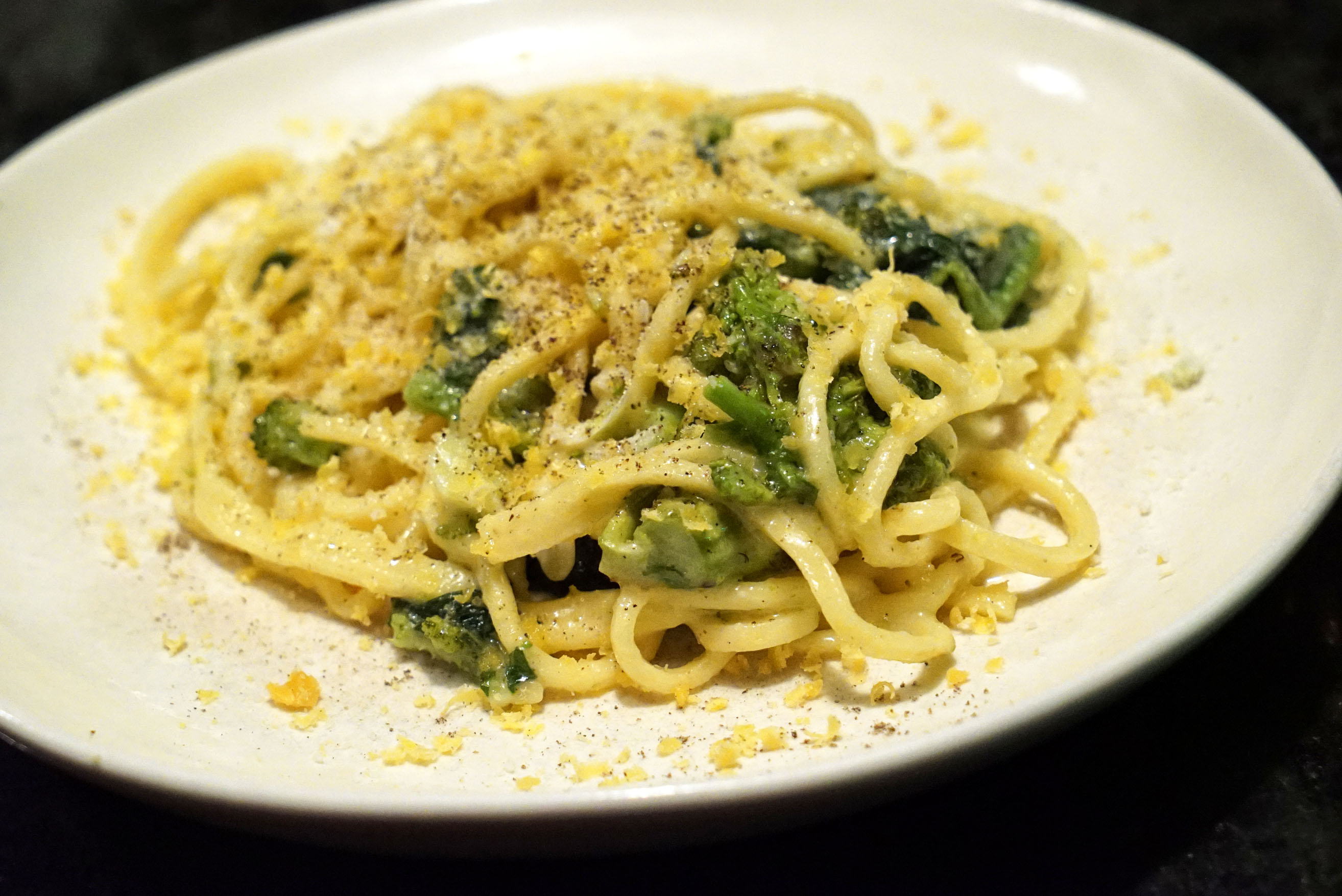
The star, though, was the thick chitarra pasta that was served with broccoli rabe, a mild cheese sauce and some grated egg yolk.

DSC09176

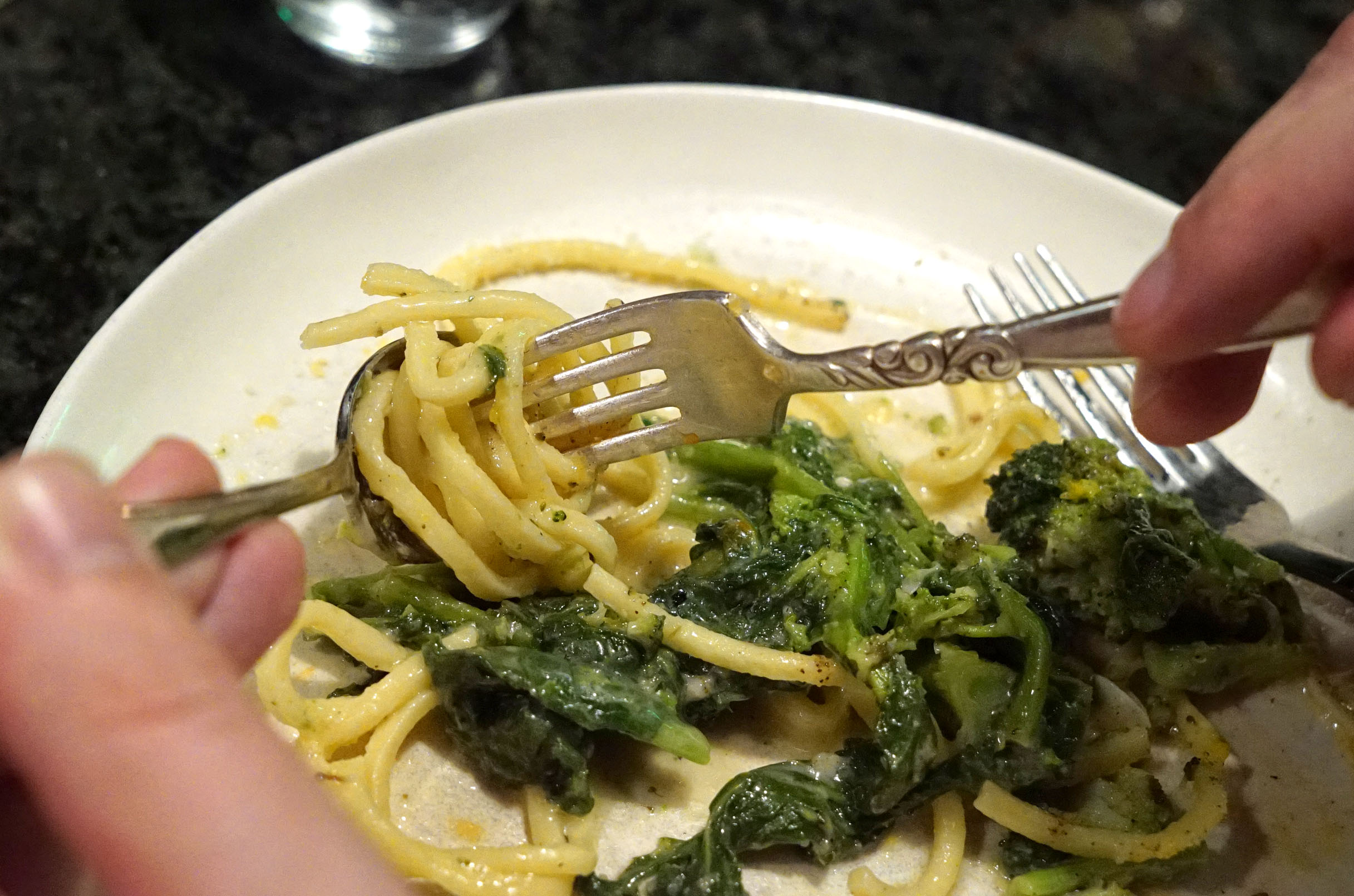
It brought out the inner goombah in me so much that I started loading up my fork with twirling motions against a spoon, like my grandfather used to do:

DSC09179

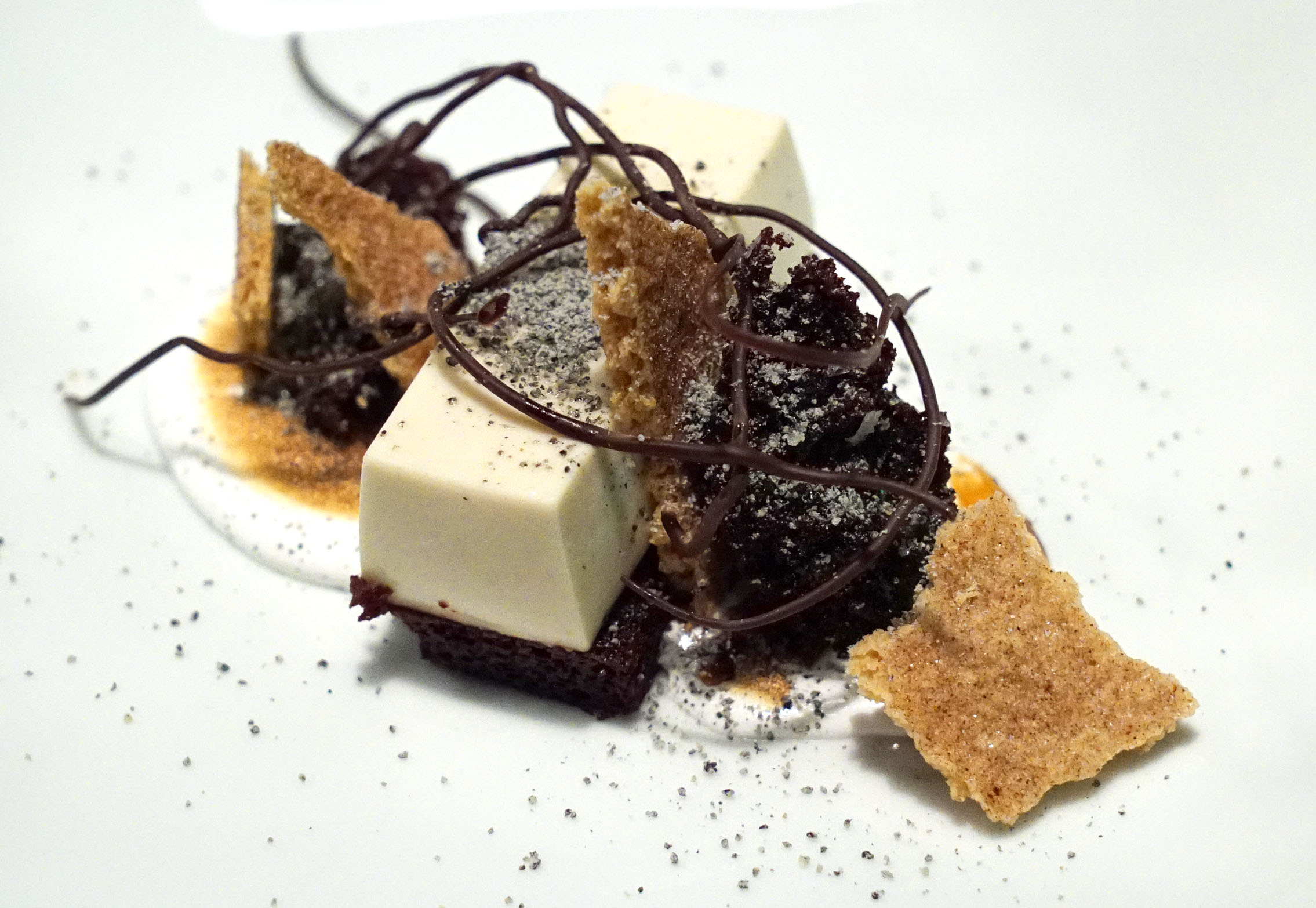
For dessert we tried this really tasty smores panna cotta that came with chocolate cake, burnt sea salted marshmallow and homemade graham crackers.

DSC09184

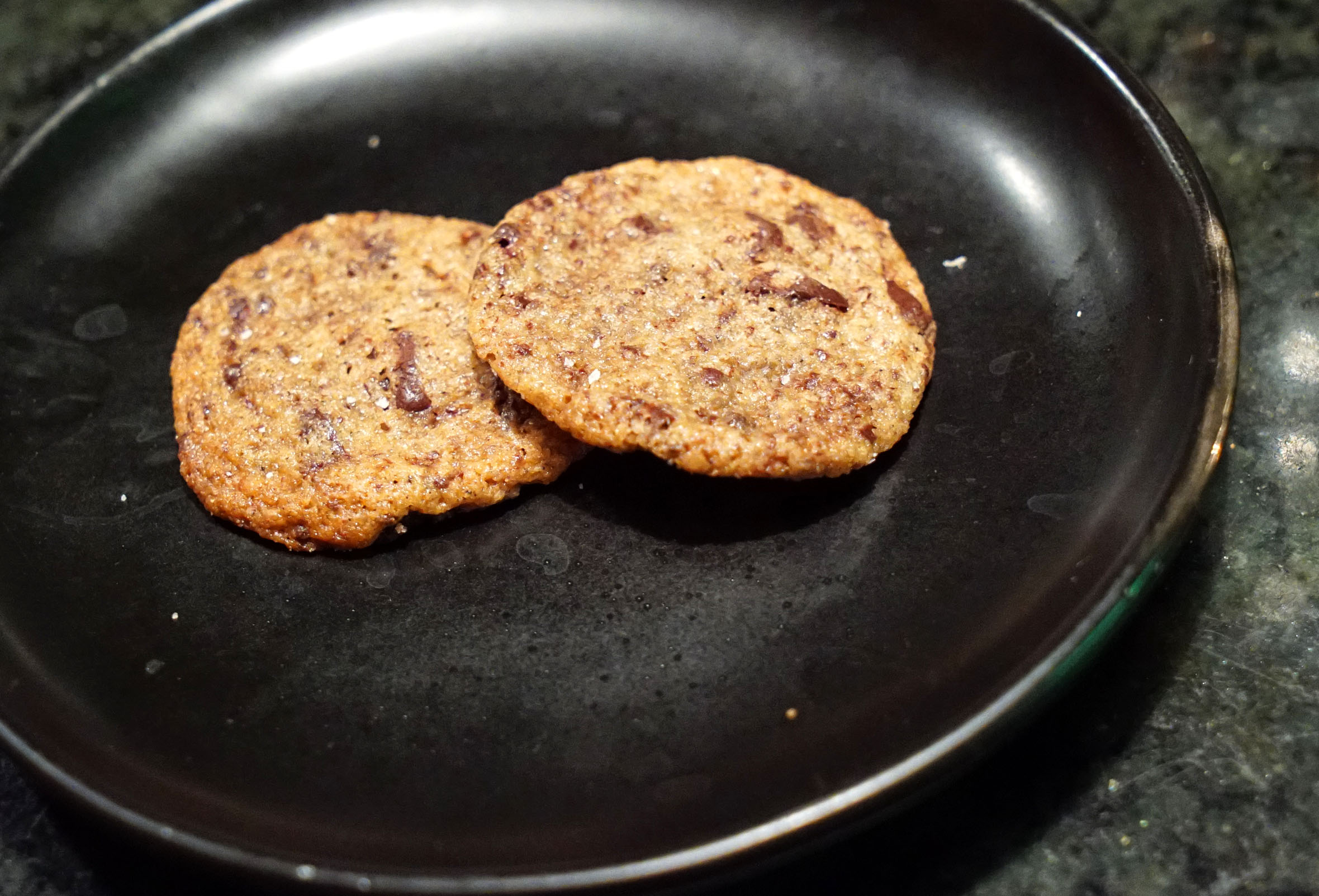
Some cookies came with the bill as well. These also had a hint of salt in them, just like the dessert, which made the chocolate in both items really pop on the taste buds.

DSC09187

If you happen to be in the Albany/Troy area, definitely give this place a try. Everything on the menu looked so good, and with a seasonal menu that changes often, it will always offer something unique and different with each visit.

PECK’S ARCADE
217 Broadway
Troy, NY 12180

Winter is Coming

It’s really simple:

  • 1 part Amaretto
  • 1 part Jack Daniels Tennessee Honey Whiskey
  • 1 part Kahlua

Shake up with ice and pour over some rocks. It starts out looking cloudy and light brown, but then it darkens up as it settles. A riff on this if it is too strong is to mix in a little bit of milk, but then the whole dynamic changes.

These were a smash hit on Thanksgiving. I must’ve made a half dozen of them for family members that took a sip of mine and then wanted their own. To me, it tasted like liquid brown sugar. My sister said it tasted like chocolate covered black cherries. My wife said it was a very “Fall/Autumn” drink.

The Turkey Cake

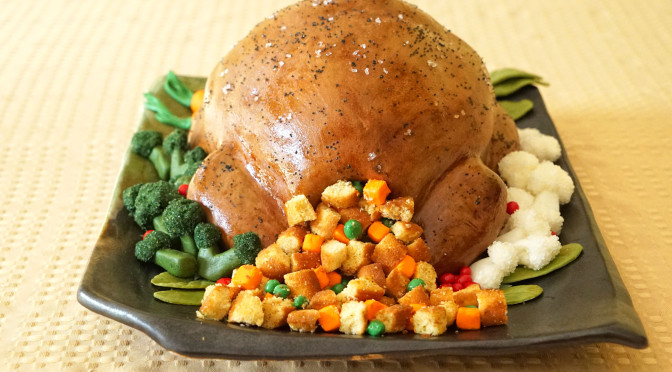
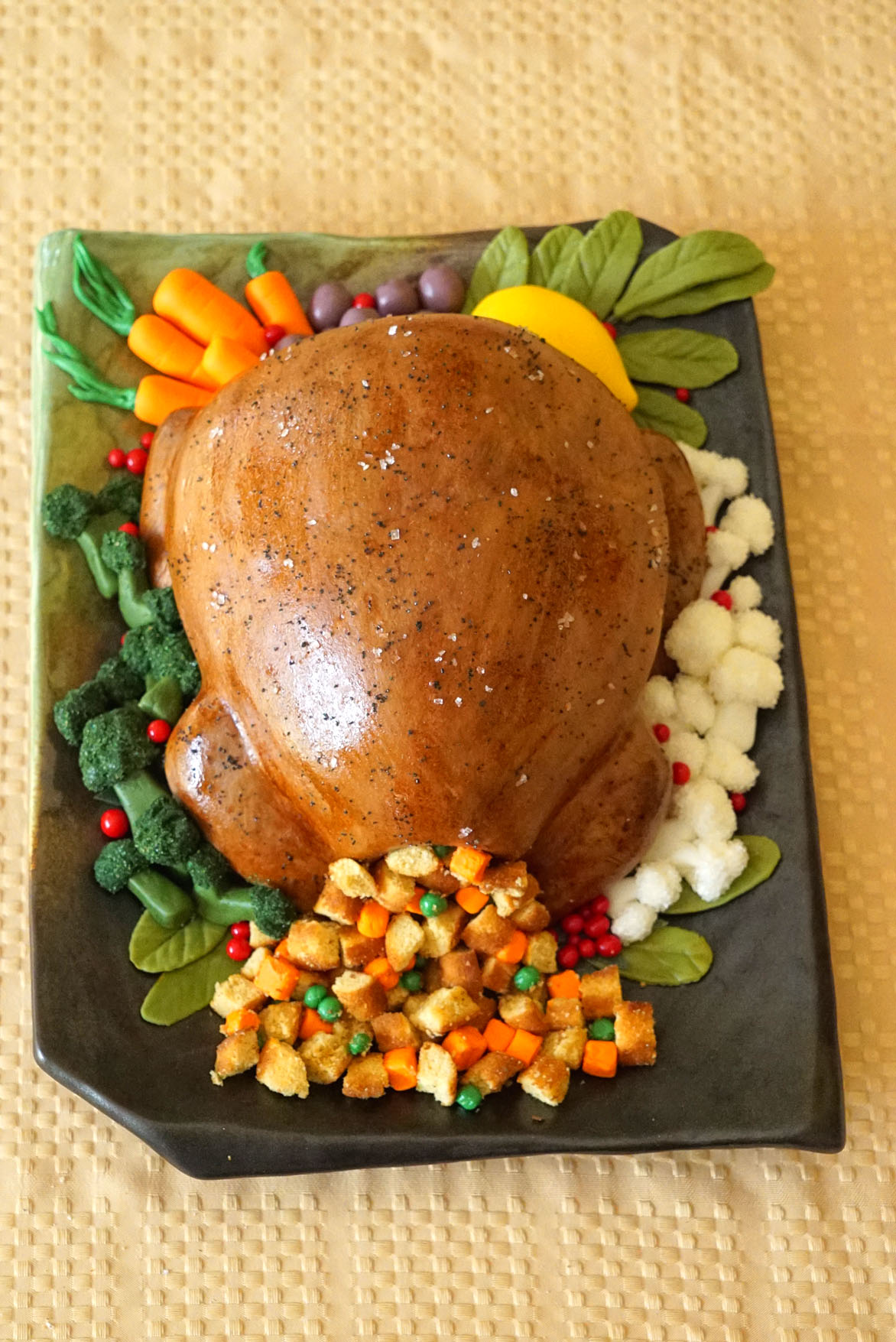
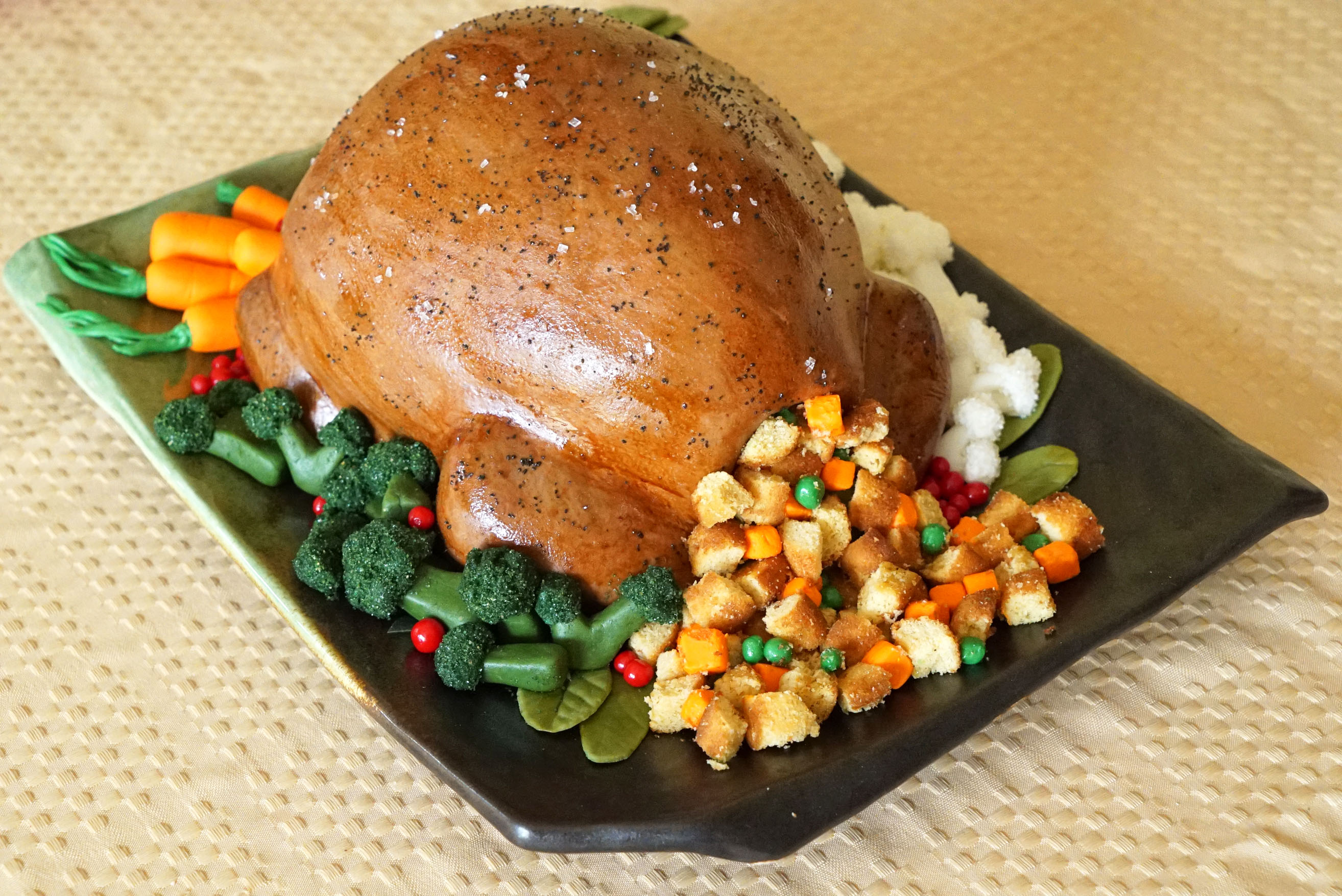
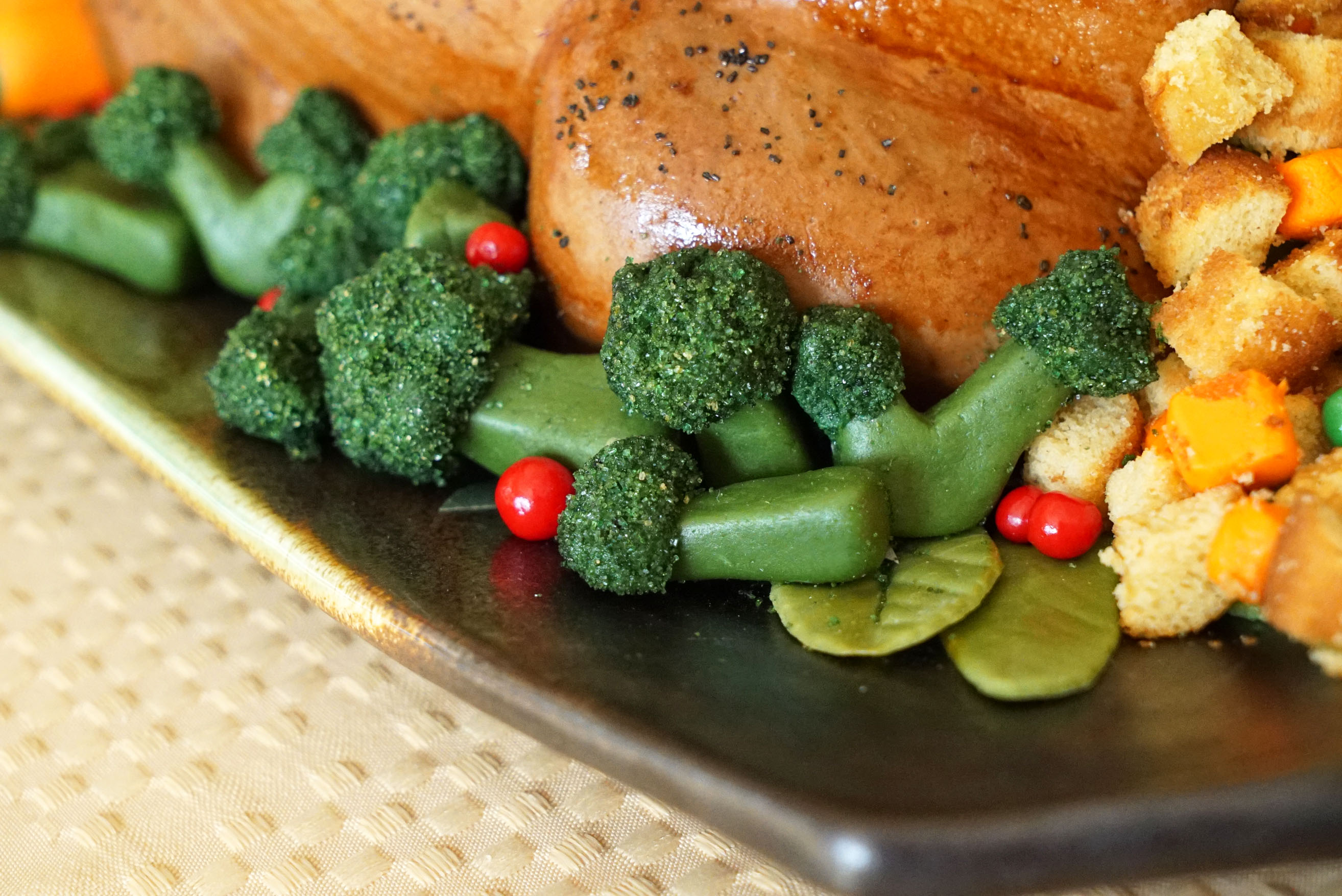
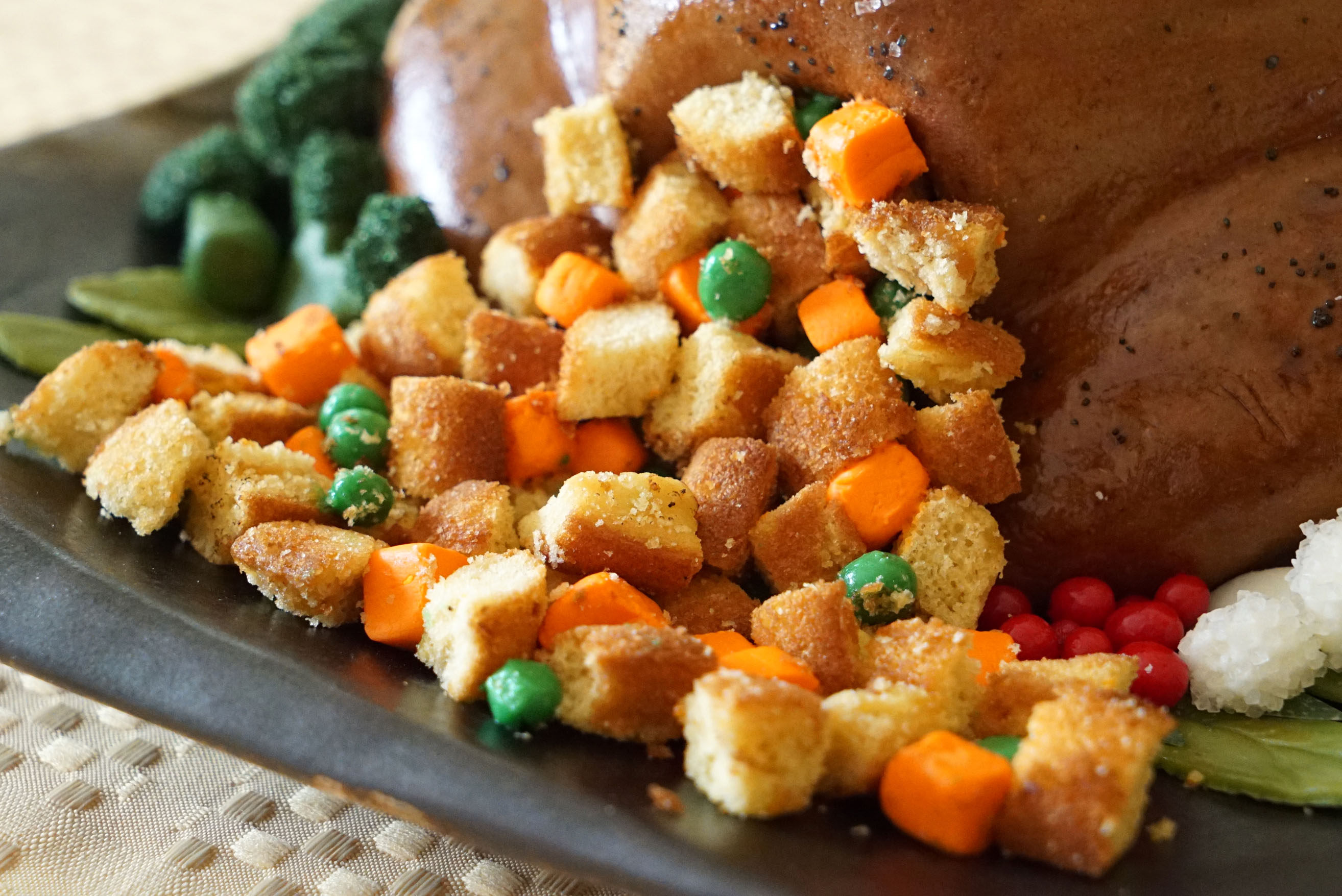
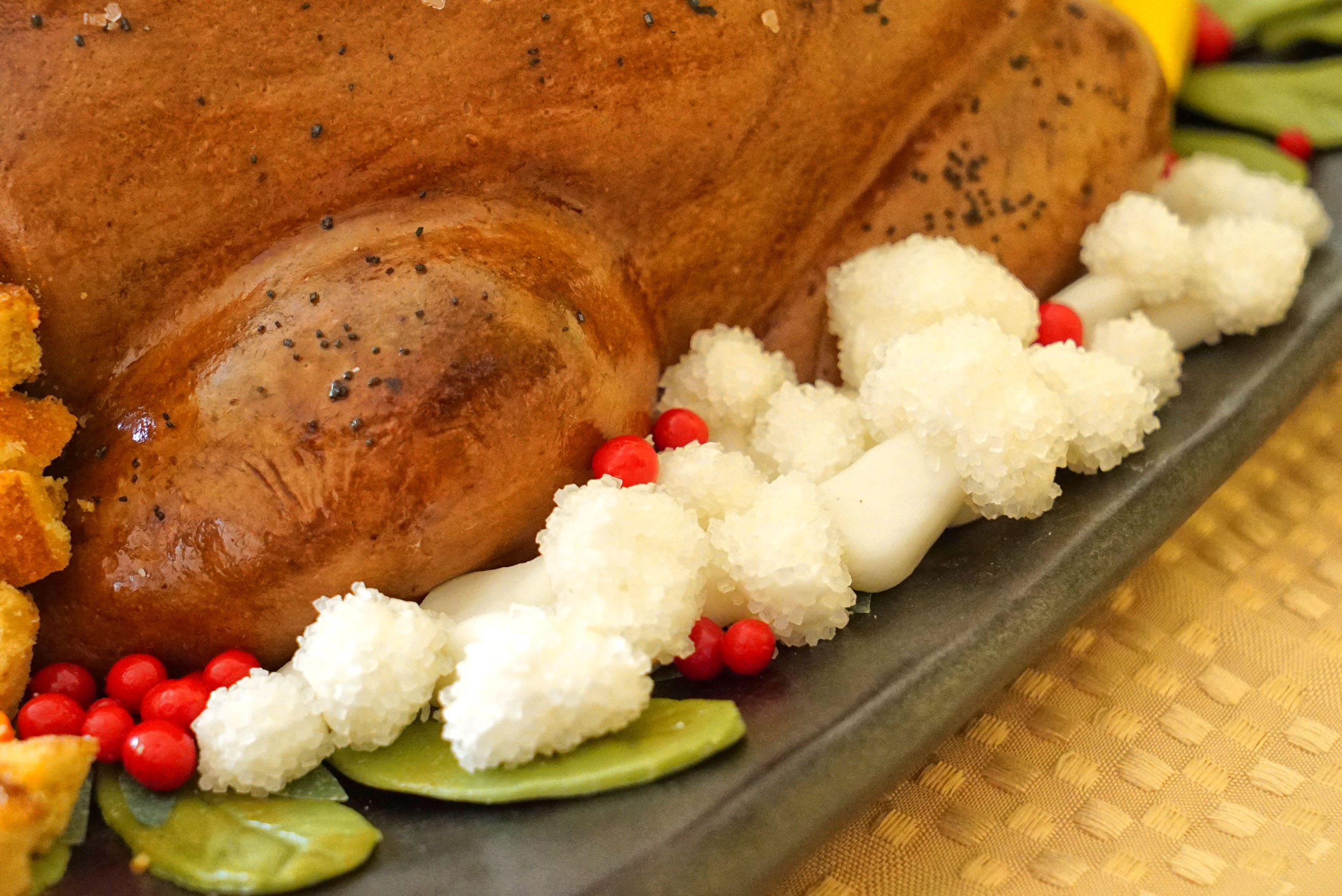
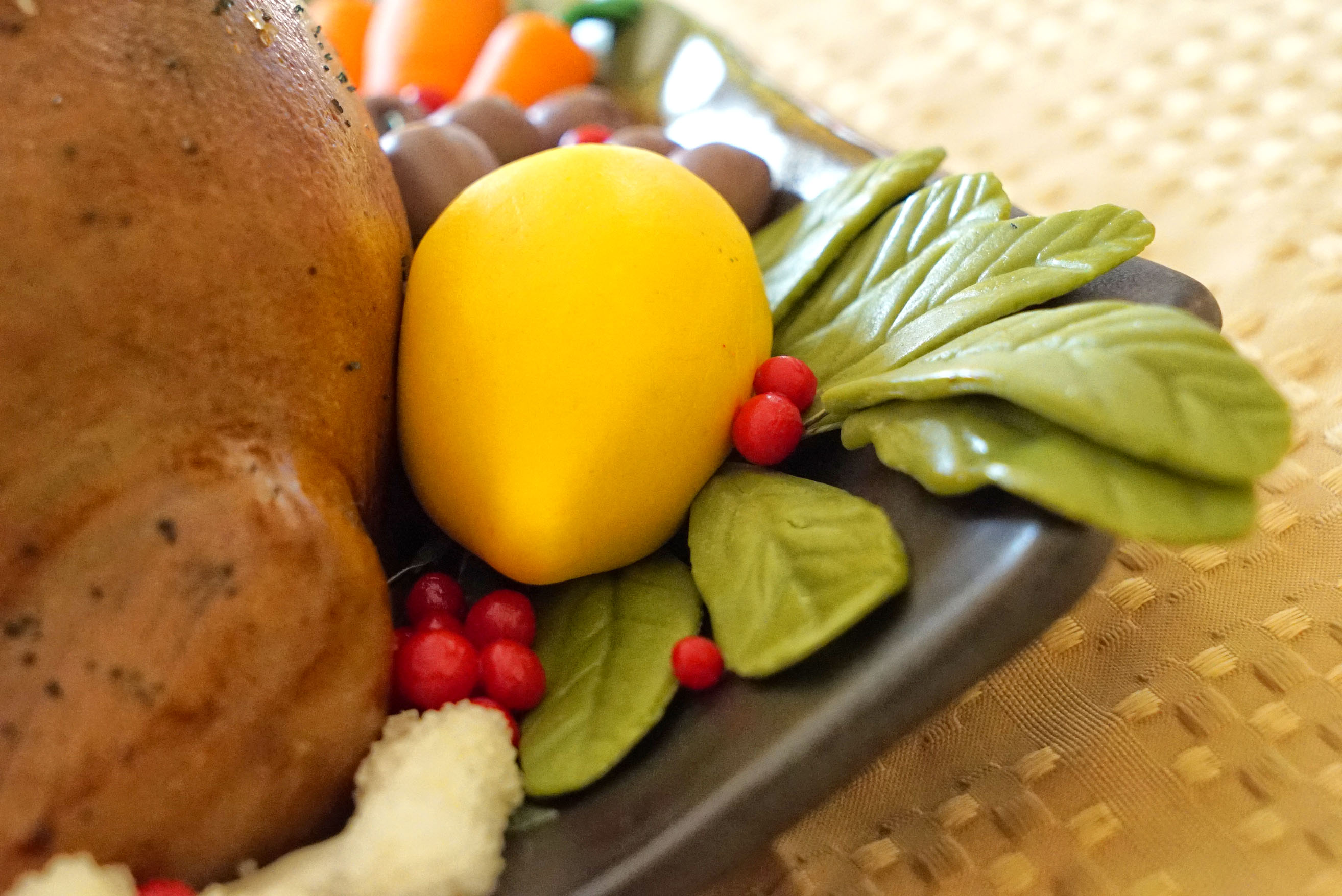
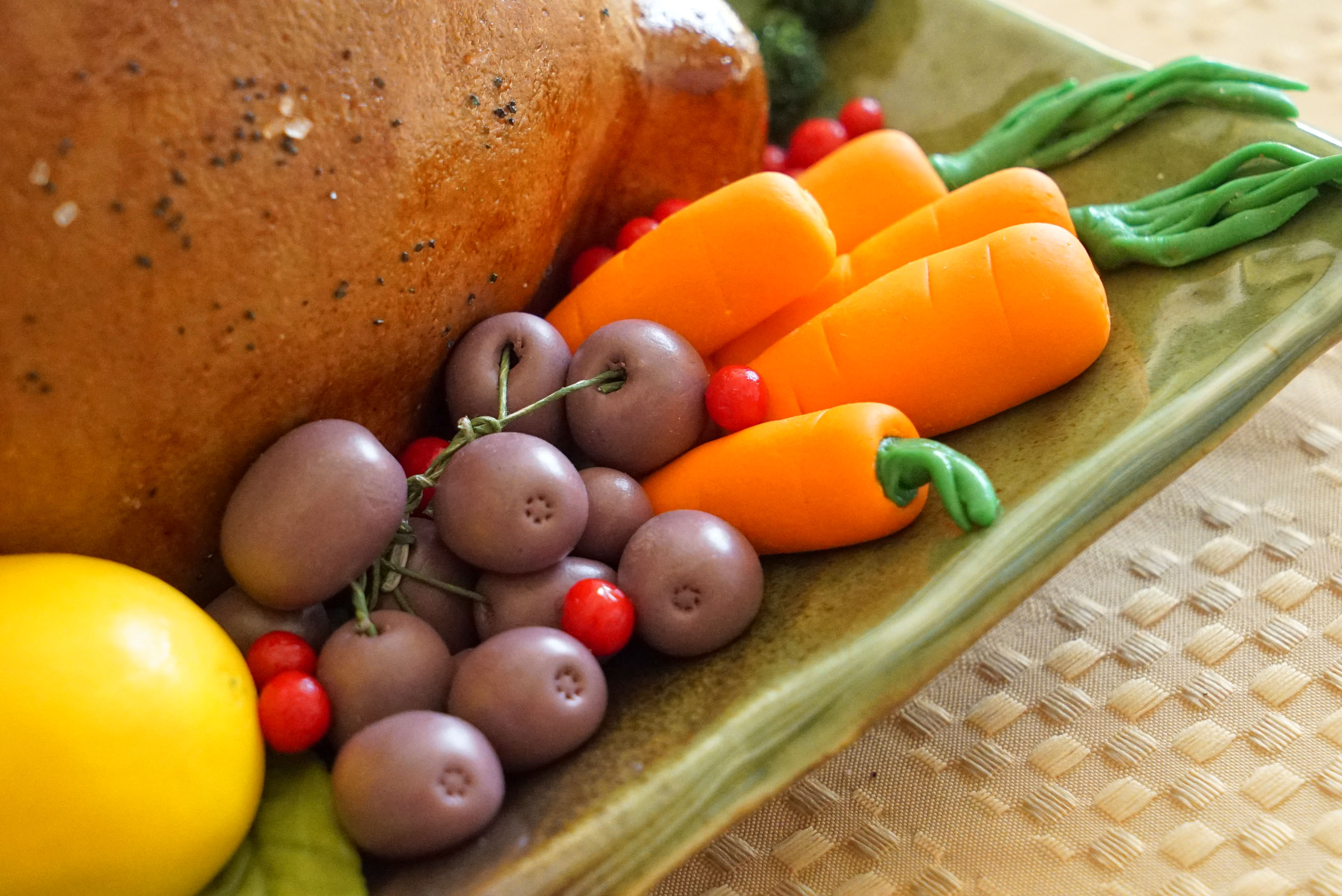
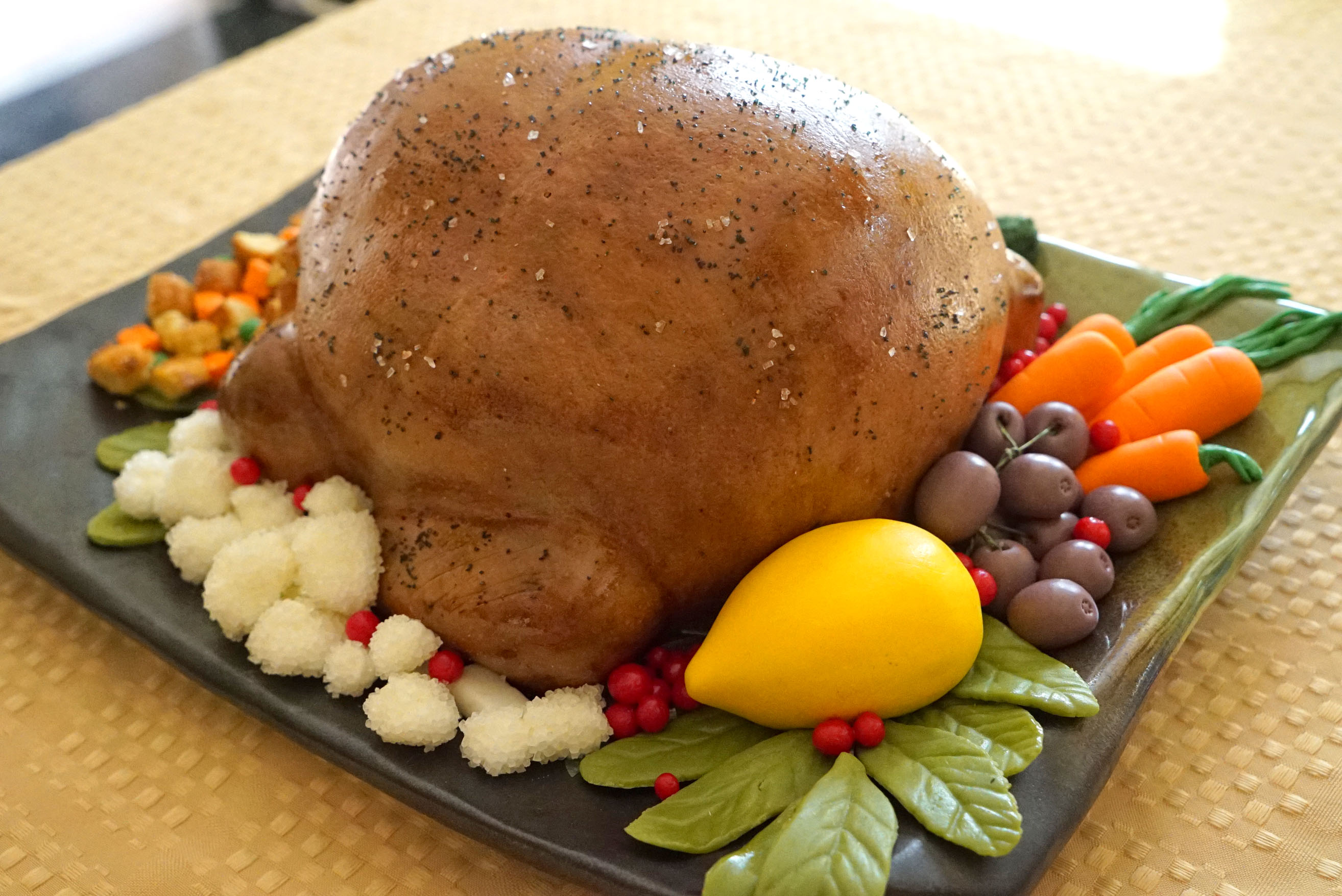
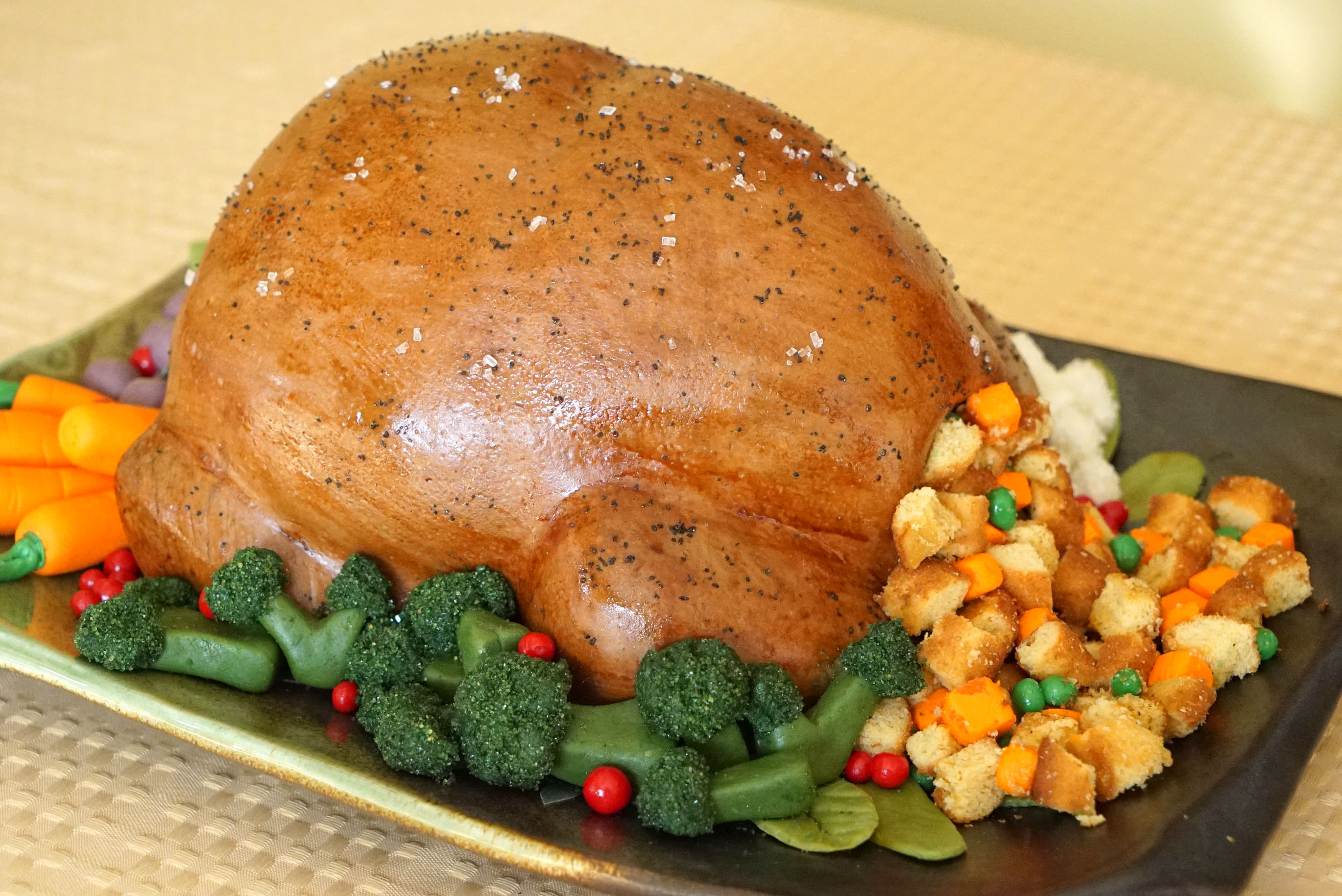
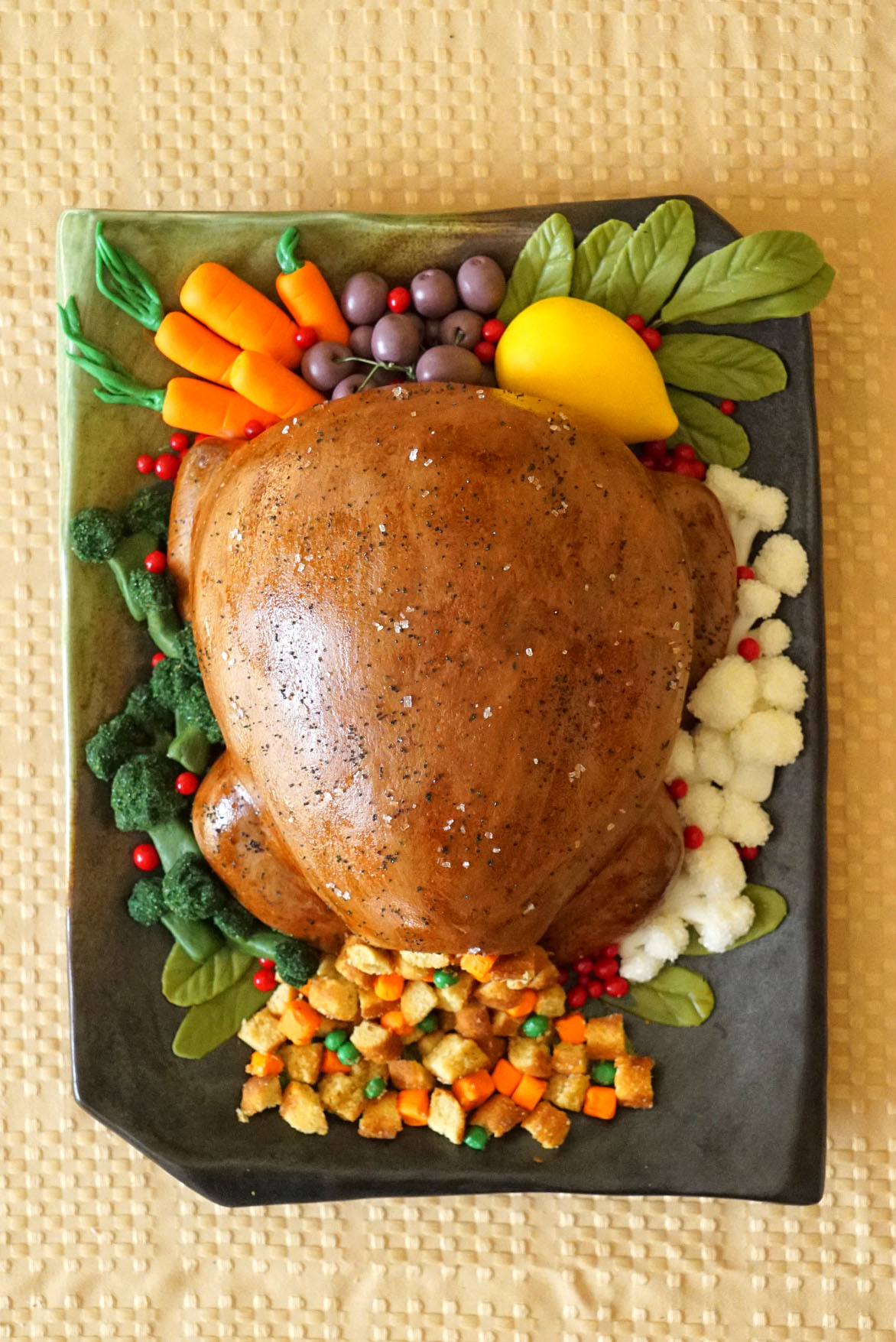
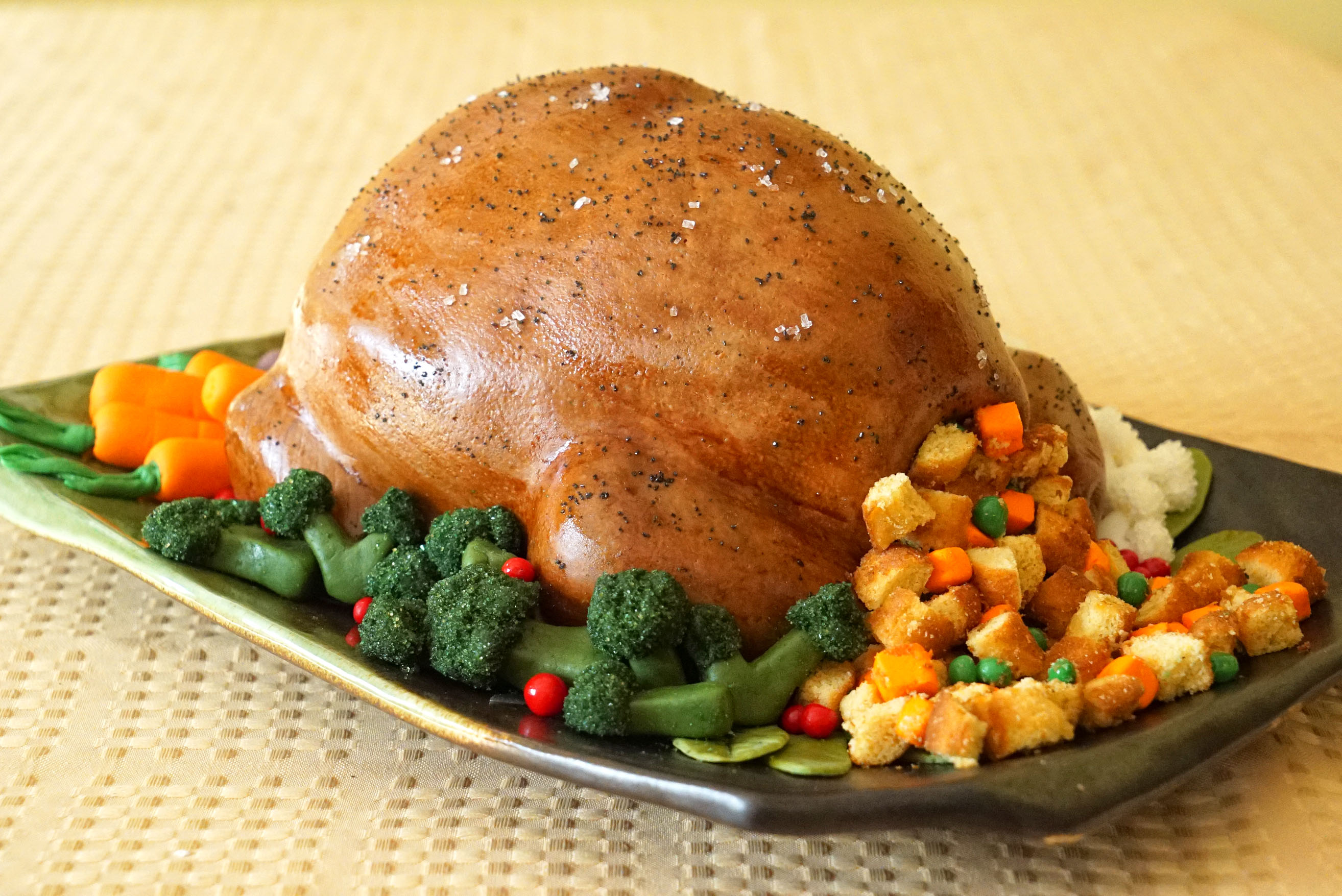
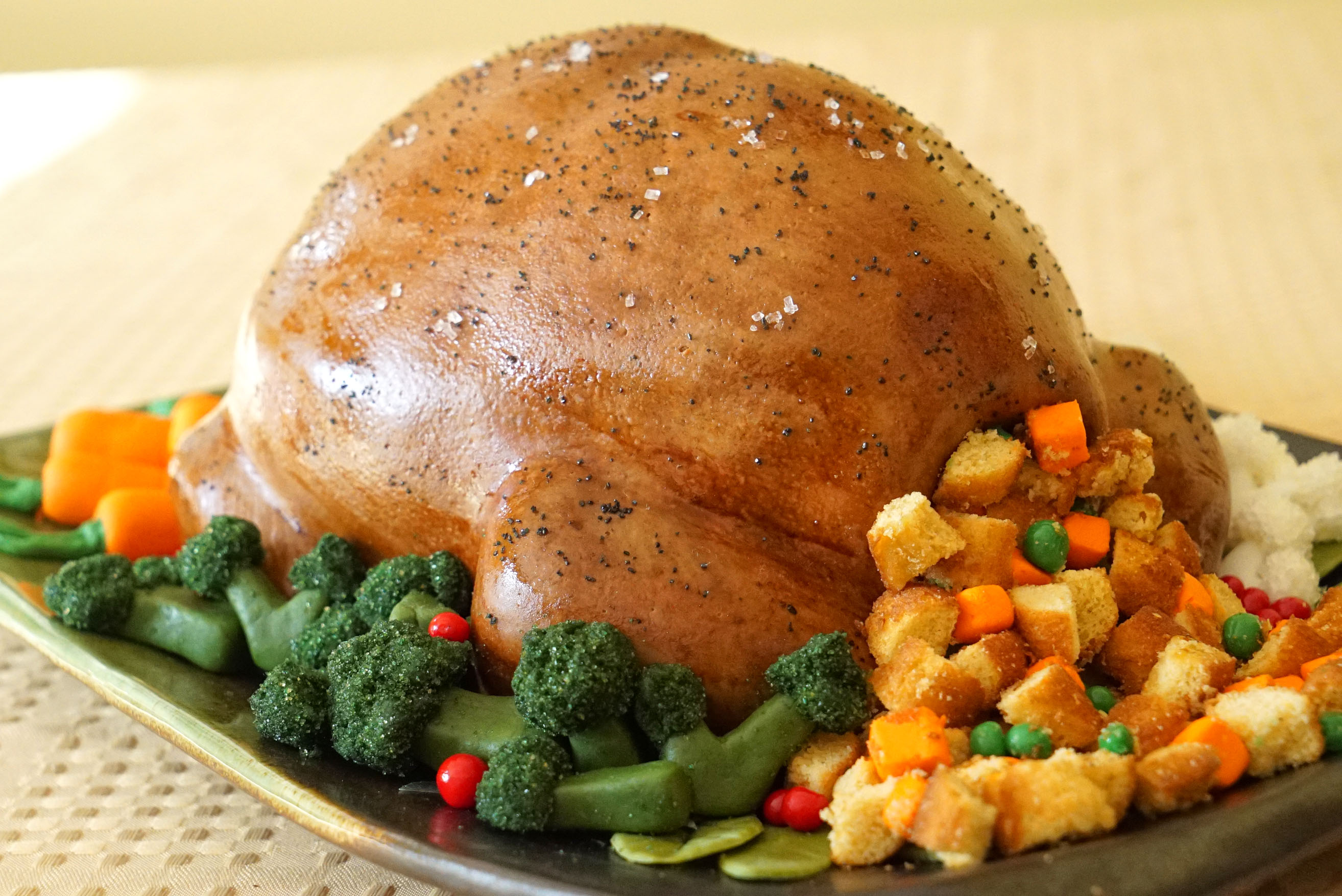
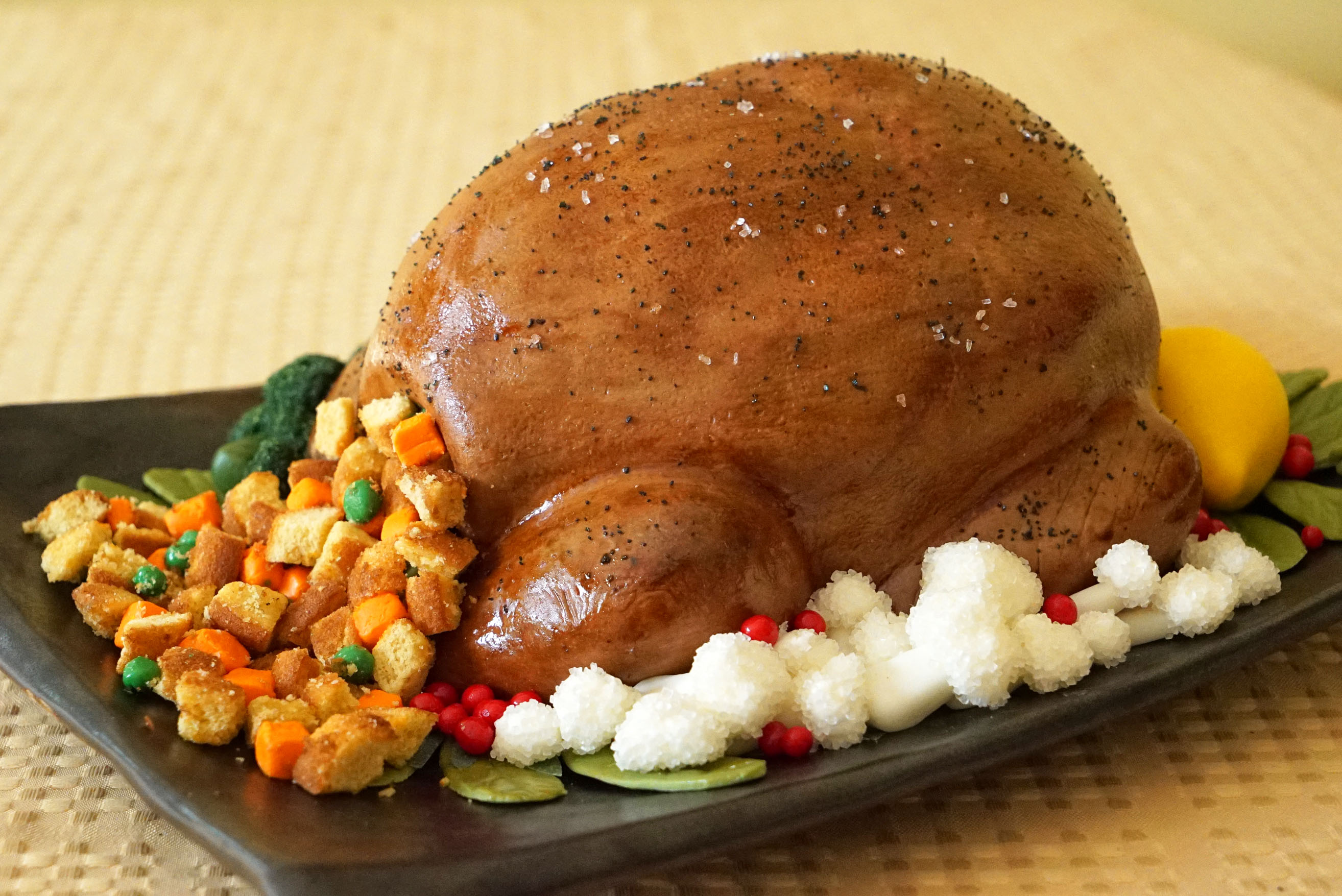
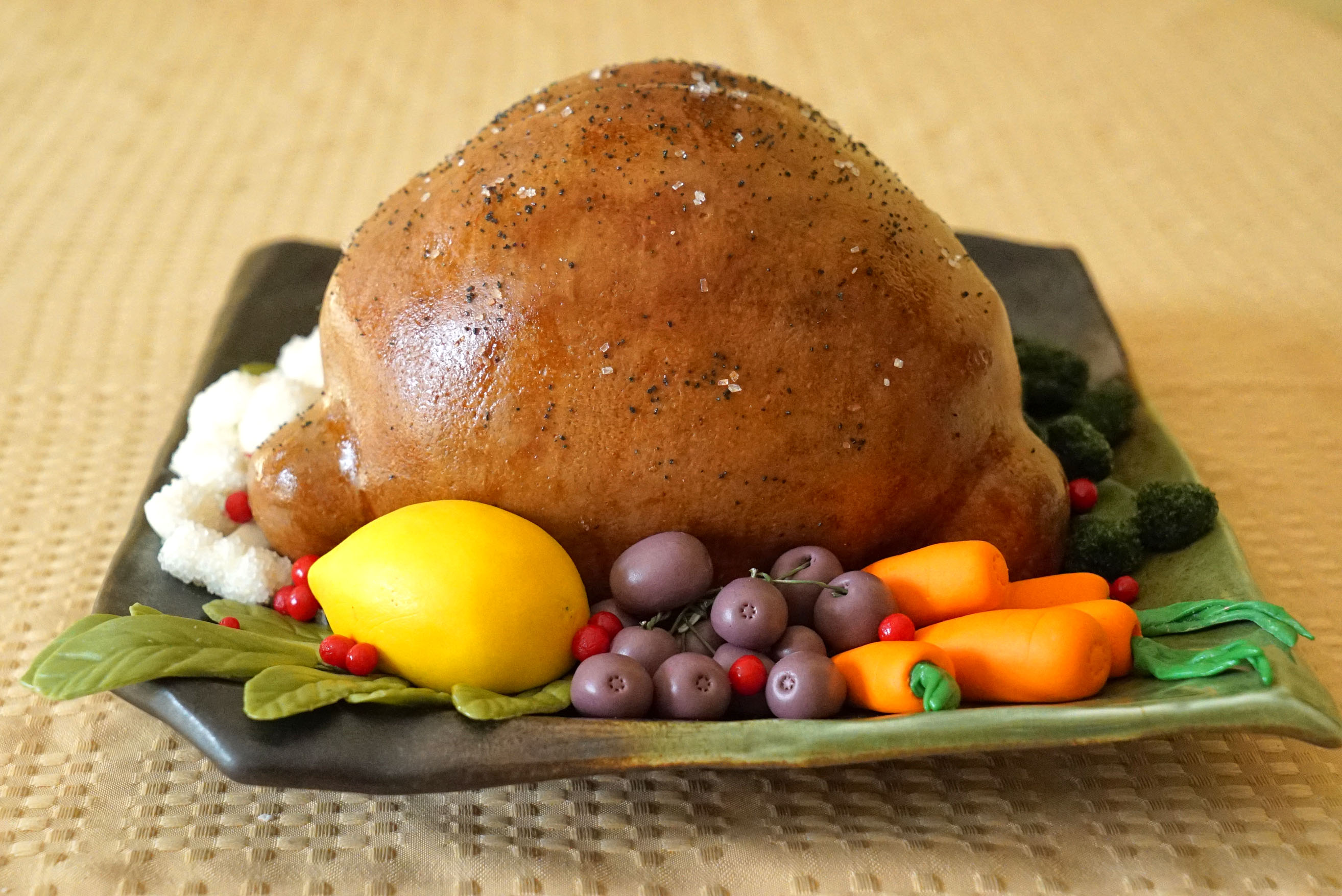
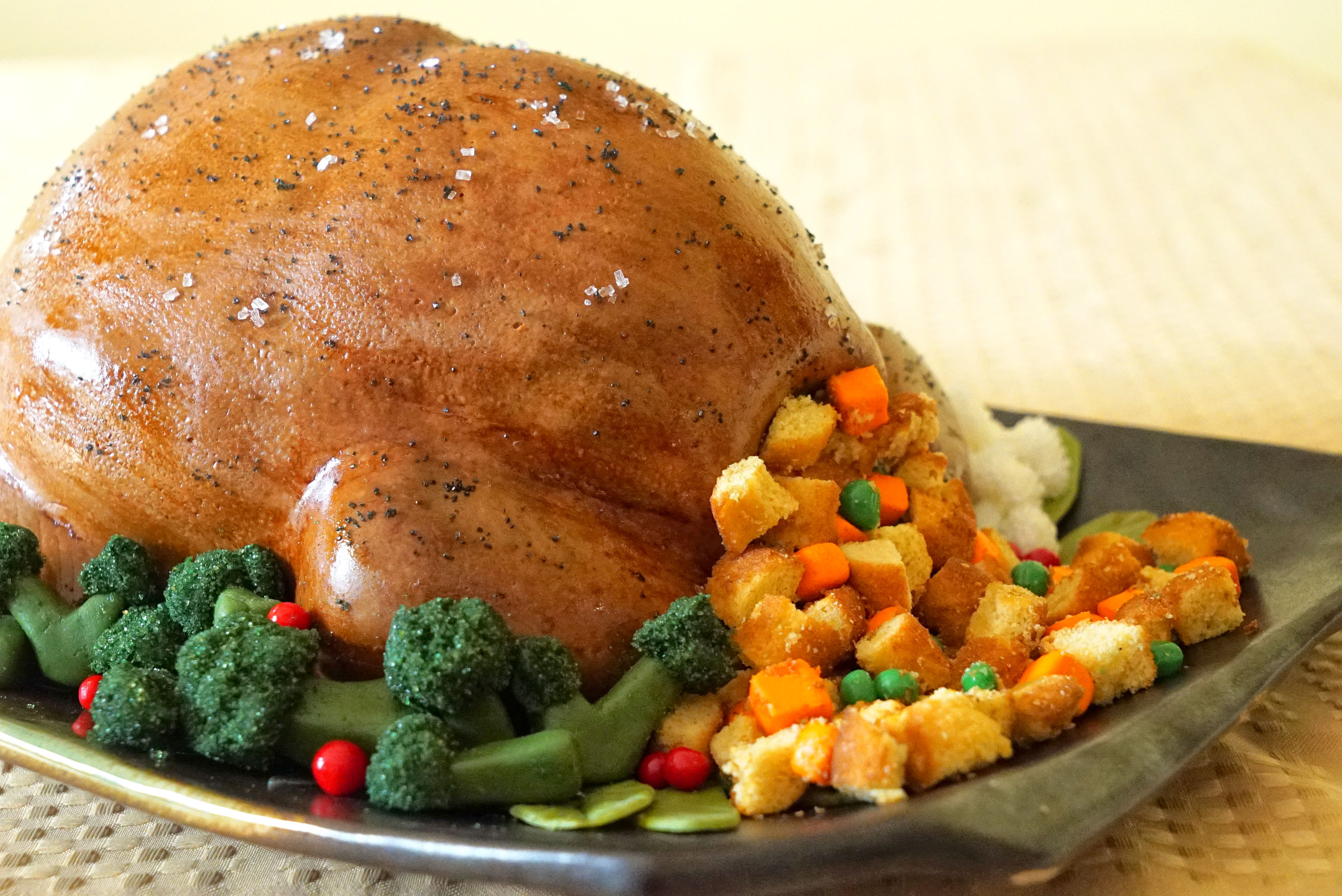
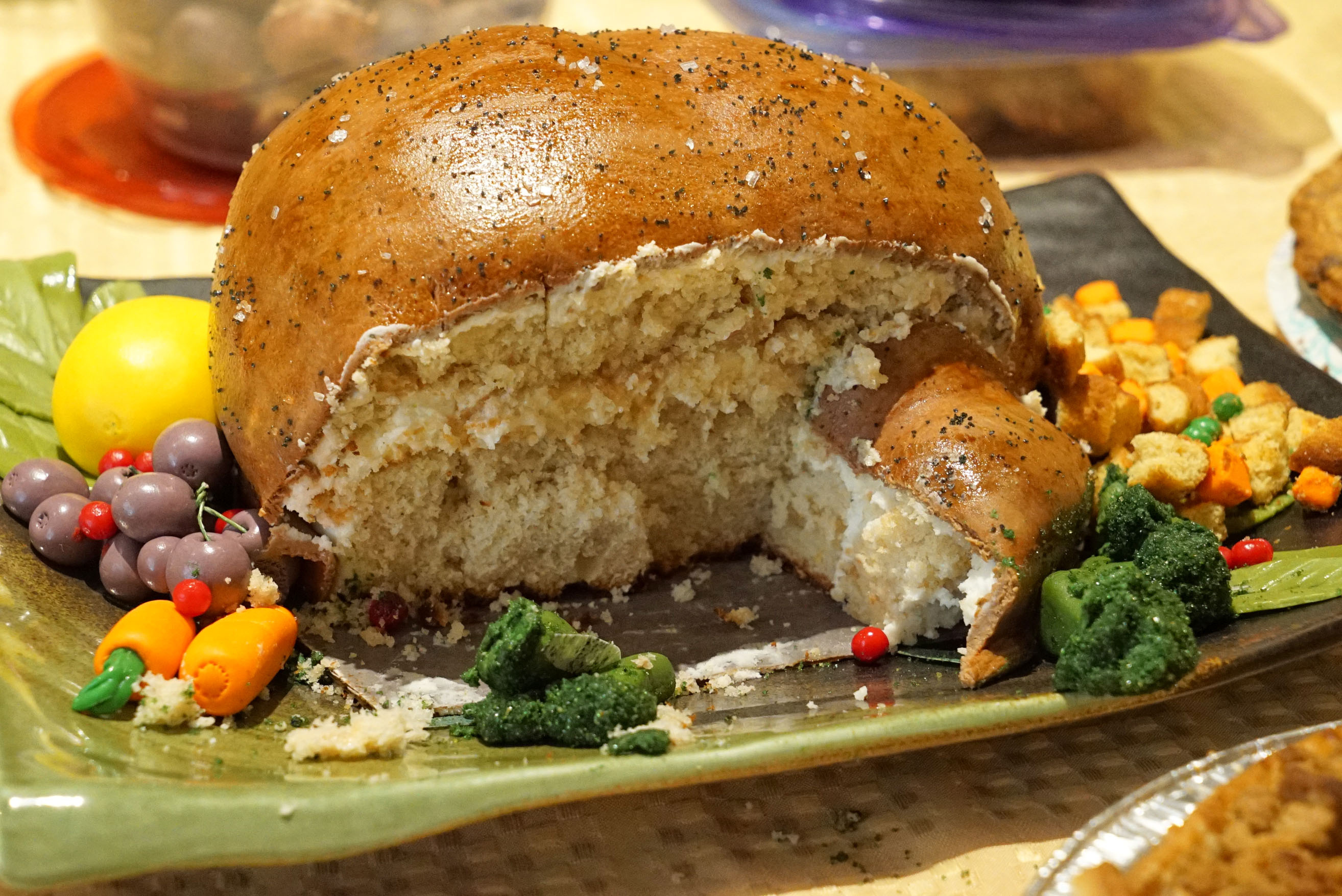
This is just a quick photo dump of my wife‘s insane turkey cake that she made this year for Thanksgiving. Not only does the turkey itself look real, with realistic looking roasted skin an all, but she made side items like broccoli, cauliflower, grapes, lemons, berries, carrots, peas, sage leaves and stuffing as well. Unreal.

DSC09118

DSC09119

DSC09120

DSC09121

DSC09122

DSC09123

DSC09124

DSC09125

DSC09126

DSC09132

DSC09133

DSC09135

DSC09136

DSC09137

DSC09138

DSC09140

Underneath the delicious marshmallow fondant skin was a really soft and moist vanilla layer cake with vanilla frosting. Mmmmm.

DSC09142

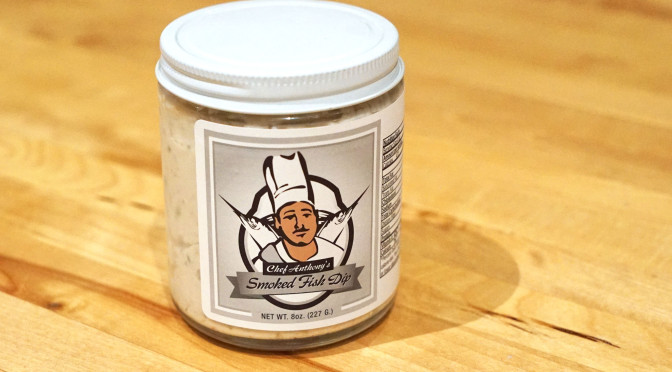
Chef Anthony’s Smoked Fish Dip

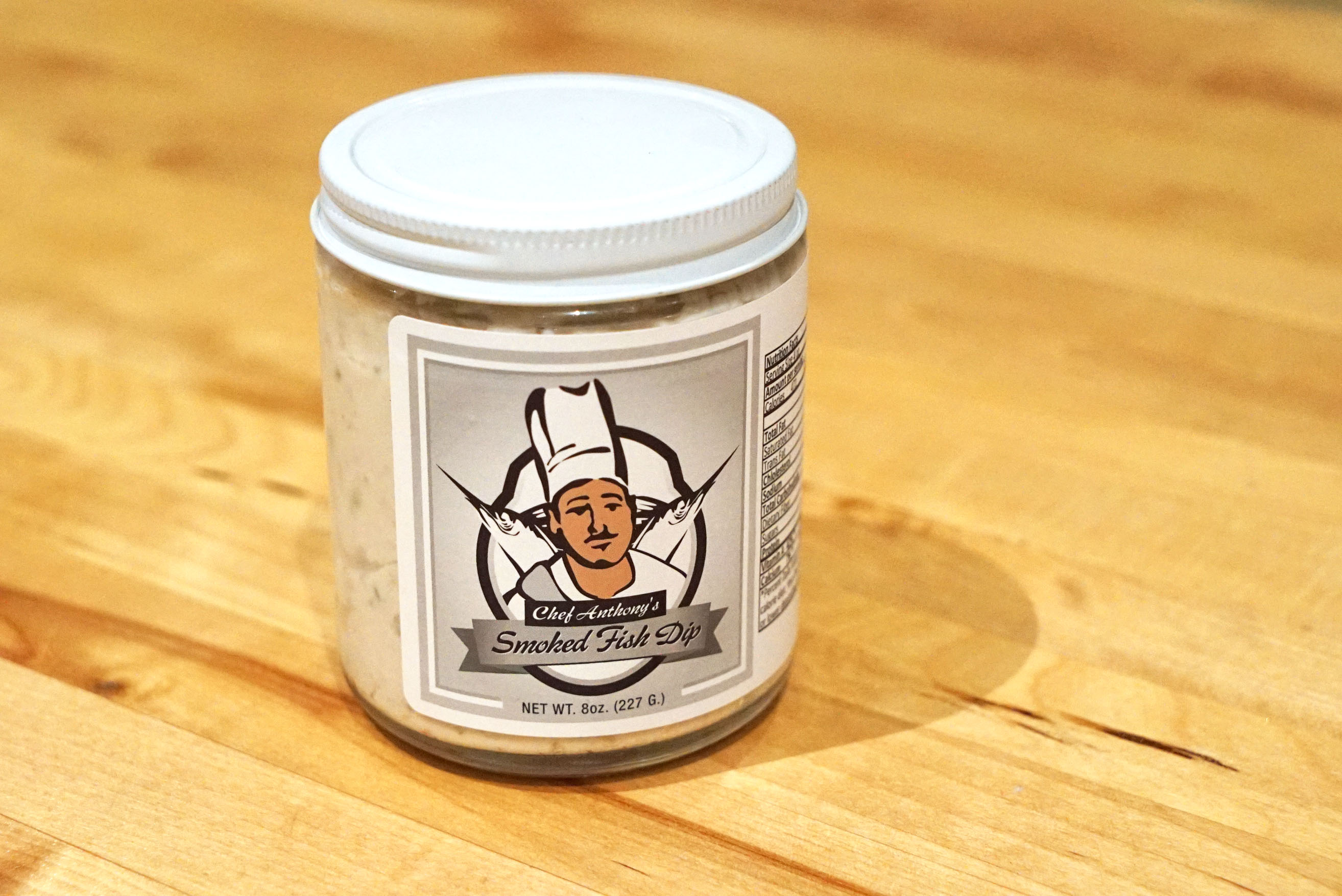
My buddy is a golf instructor down in Florida. His roommate is a chef, who started the Exquisite Bites catering company. That chef, Anthony Ramirez, has concocted an awesome smoked wahoo fish dip that is super addicting.

My buddy has been telling me about this stuff for a while, so over the Thanksgiving holiday weekend he transported some for me to try, from Florida, all the way up to New York.

DSC09144

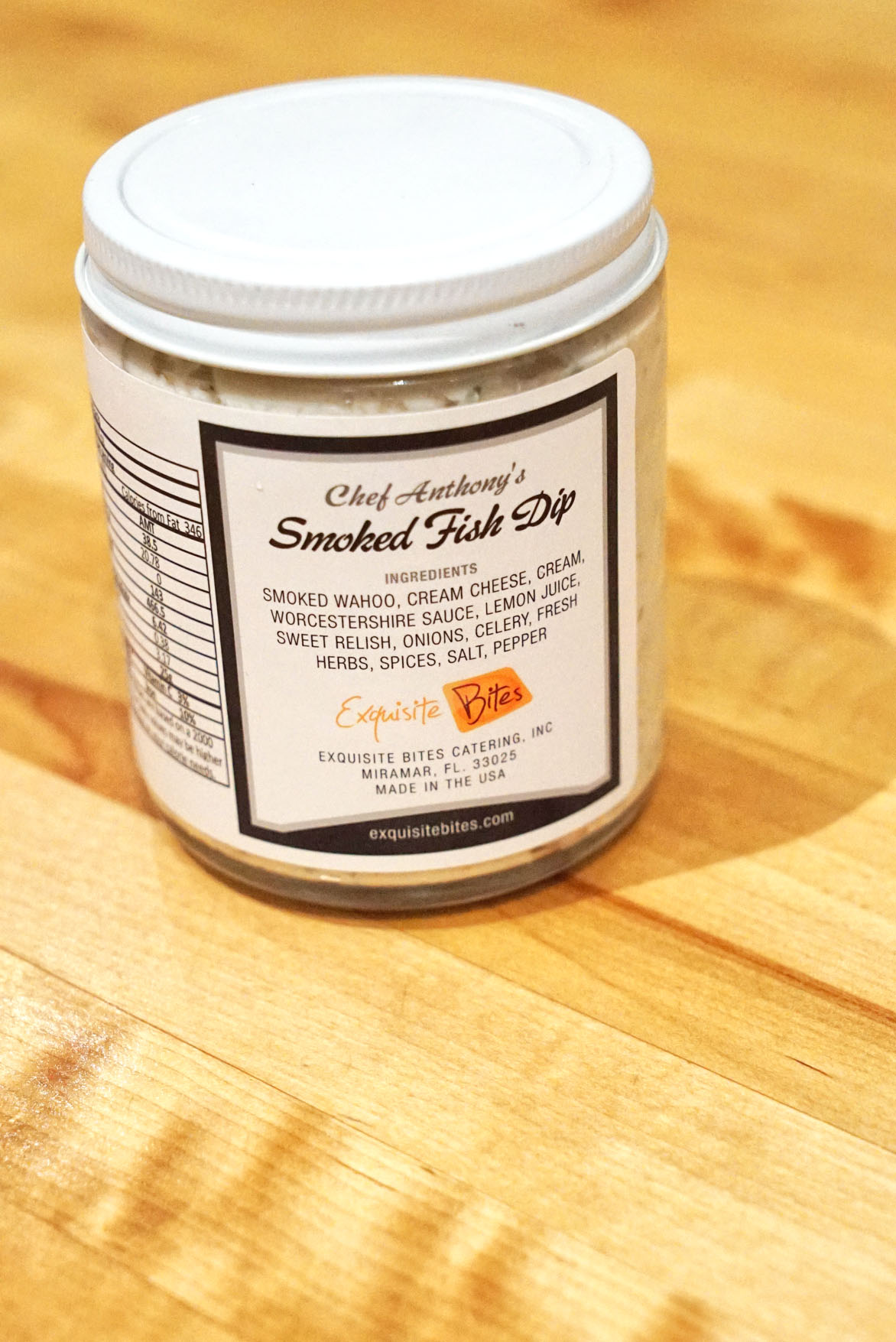
The ingredients are simple and fresh: smoked wahoo, cream cheese, cream, worcestershire sauce, lemon juice, sweet relish, onions and celery, with some spices, seasoning and herbs.

DSC09145

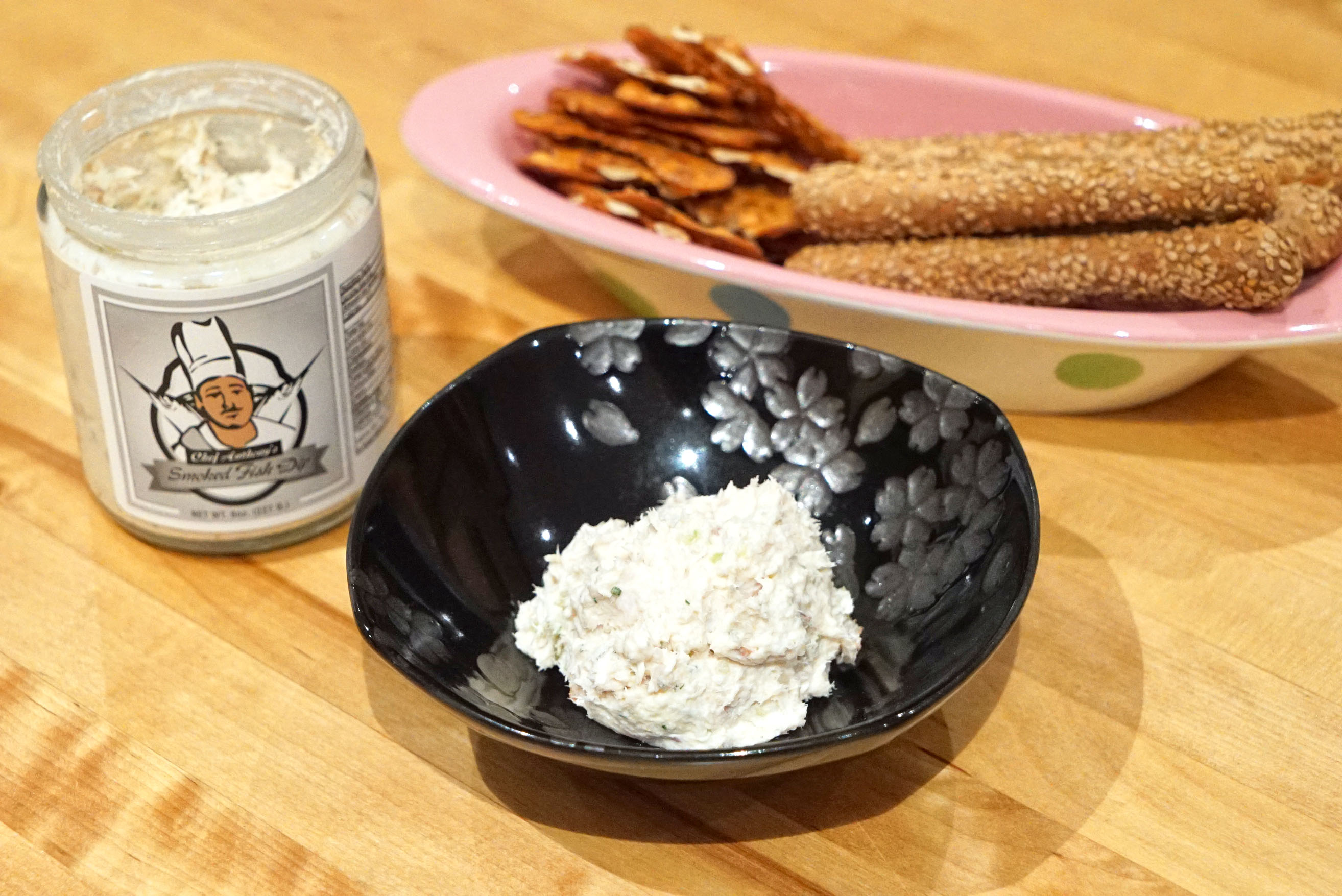
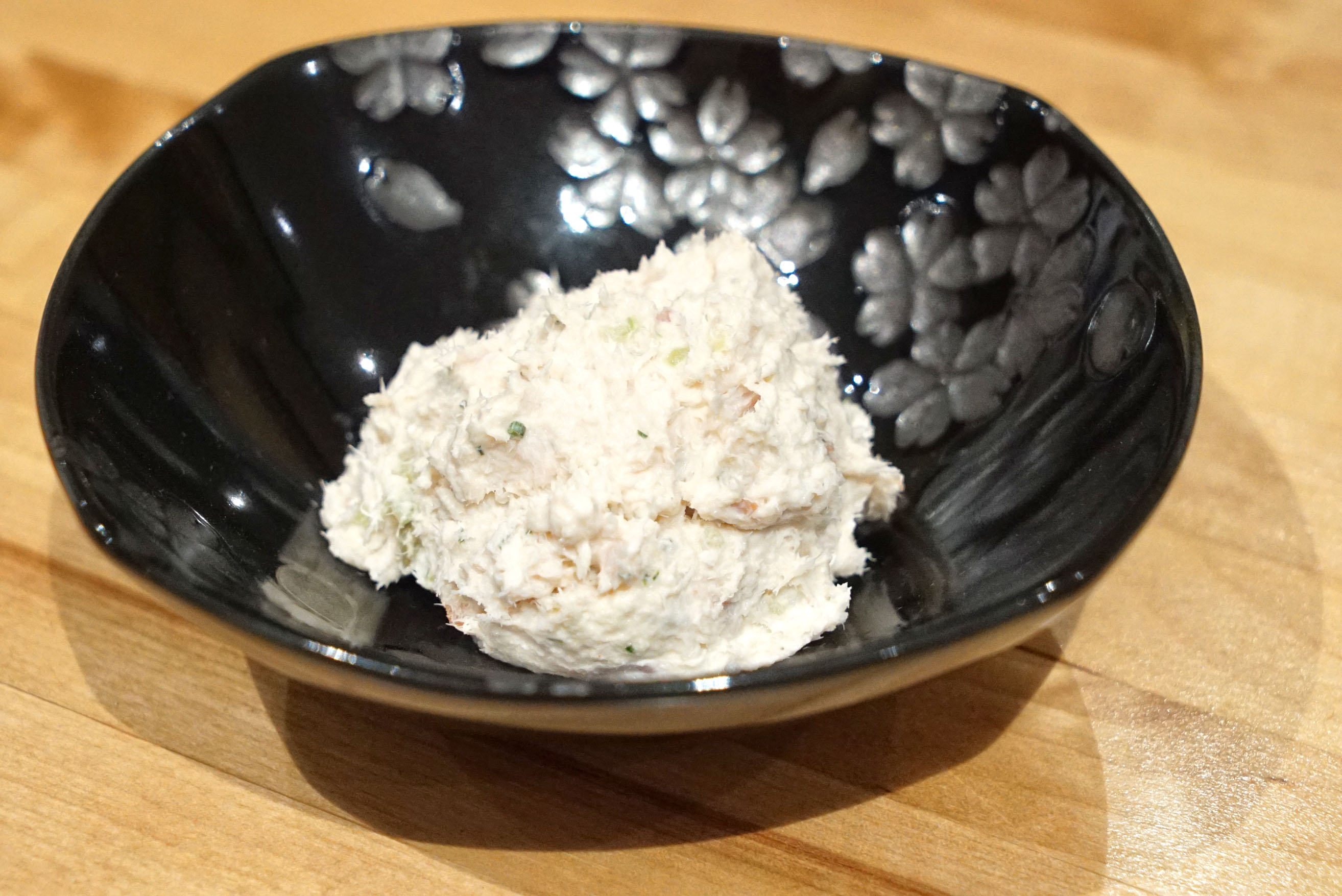
The saltiness of the smoked wahoo is cut and balanced by the cream cheese. The small bits of minced celery and sweet relish add a pop of brightness with each bite.

DSC09147

DSC09148

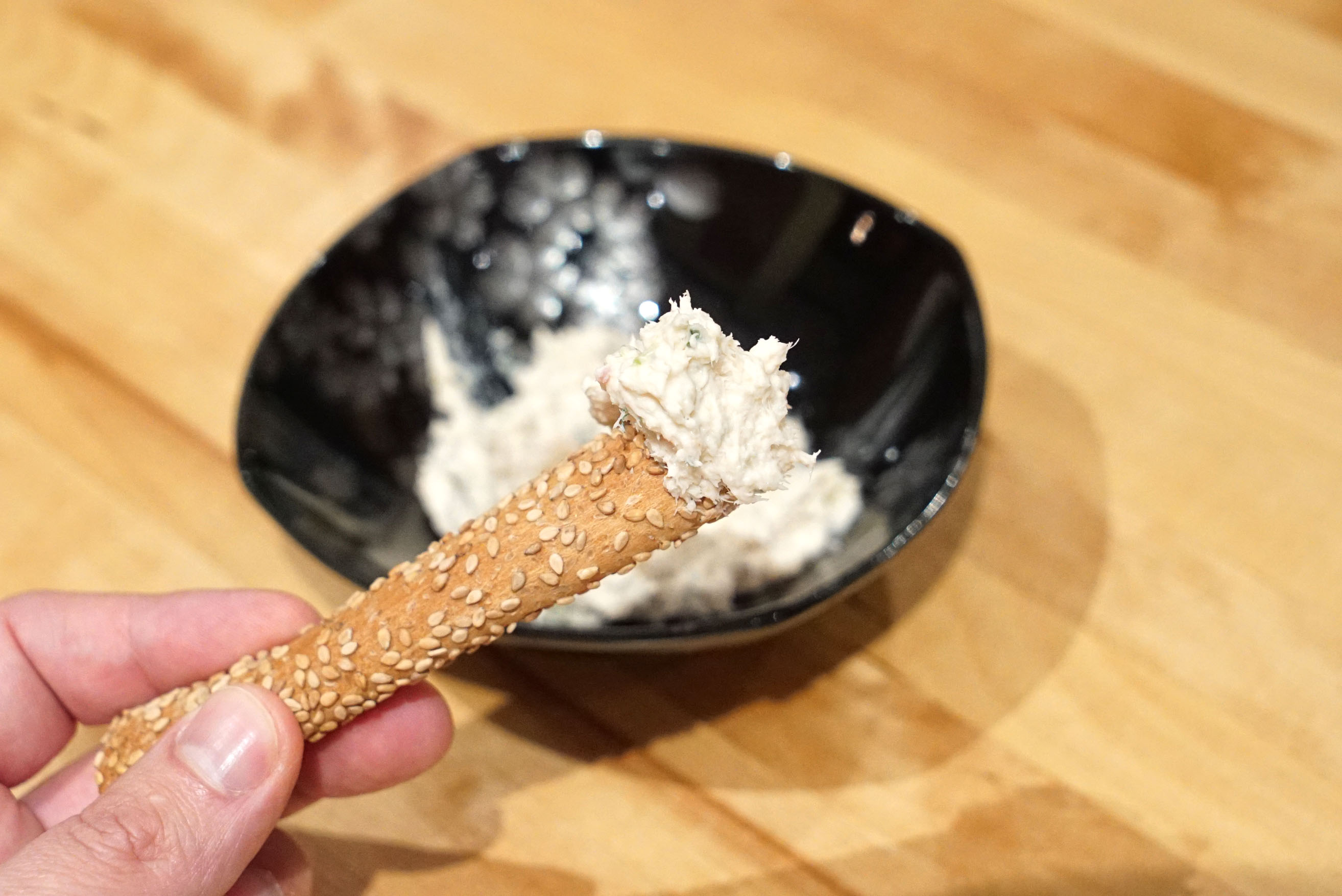
This stuff is perfect for parties or binge snacking with some chips, pretzels, crackers or breadsticks.

DSC09149

I’m hoping this product takes off. Not enough people are in the know about wahoo and how great of a fish it is.