All posts by Johnny Prime

The SearPro

I recently got my hands on a SearPro after seeing some kickass videos of it being used on Instagram. Here’s an unboxing video:

Then I finally used the fucker on some blue fin tuna belly:

This thing is amazing! I currently have the Searzall but the SearPro blows it away. It’s way more powerful, it spreads the flame just as much as the Searzall, and it gets the job done in a third of the time. Also – NO CHEMICAL SMELL/FLAVOR ON THE FOOD AFTERWARDS!!! Many searing torches fail miserably in that department. The SearPro is not one of them!

This thing fucking RULES! If you have any interest in shooting flames onto shit, then get this!

El Castillo De Jagua II

First, check this video out HERE:

A $7 cubano sandwich stuffed to the gills with pernil, a $4 banana shake, a juicy-ass half roast chicken and an ungodly amount of yellow rice? You can’t go wrong at El Castillo de Jagua. This second location, which is right near our new place, offers some amazing food at amazing prices.

The Cuban was probably our favorite. Definitely could benefit from extra pickles and extra ham, but at $7 bucks with perfectly toasted and pressed bread, lots of pernil, and little grease, we were thrilled.

Speaking of, the pernil entree itself was juicy and MASSIVE in terms of serving size.

The roast half chicken comes with exquisitely crispy skin that somehow still remains juicy as well.

The fried pork meat was a blast. It reminded me of Chinese boneless spare ribs, but less sticky sweetness and more of crispy savoriness.

The main dishes come with copious amounts of rice. We picked yellow instead of white. Beans came with the mains as well (not pictured individually, but see the last photo for the serving size to the left of my hand).

The fried plantains had just enough sweetness to make them almost dessert-like.

Speaking of desserts, we were impressed with both the banana and sour sop shakes.

I can NOT wait to explore this menu some more!

EL CASTILLO DE JAGUA
521 Grand St A
New York, NY 10002

Dhamaka

My wife and I tried Dhamaka last night, using a gift certificate that our friends gave us as a housewarming.

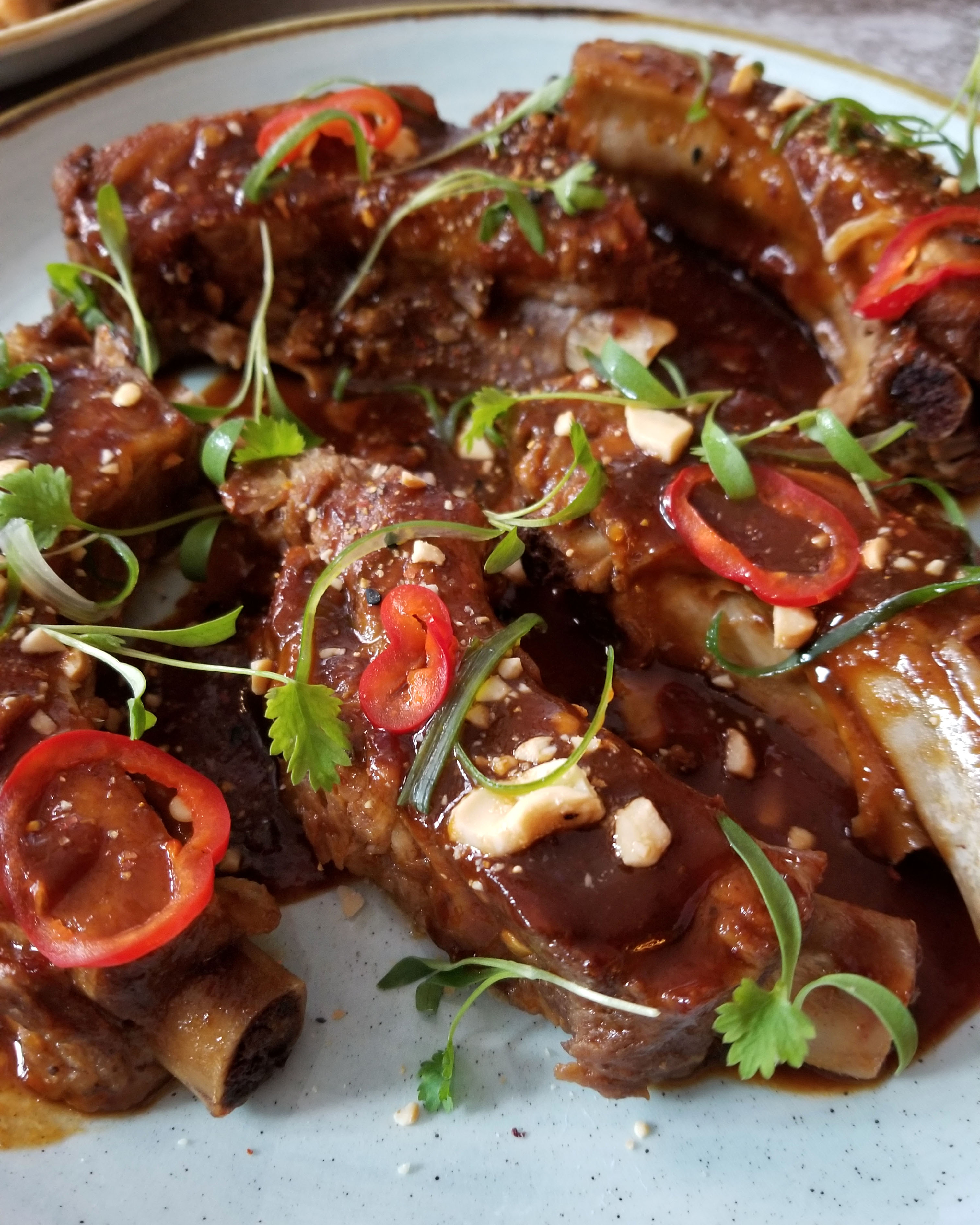
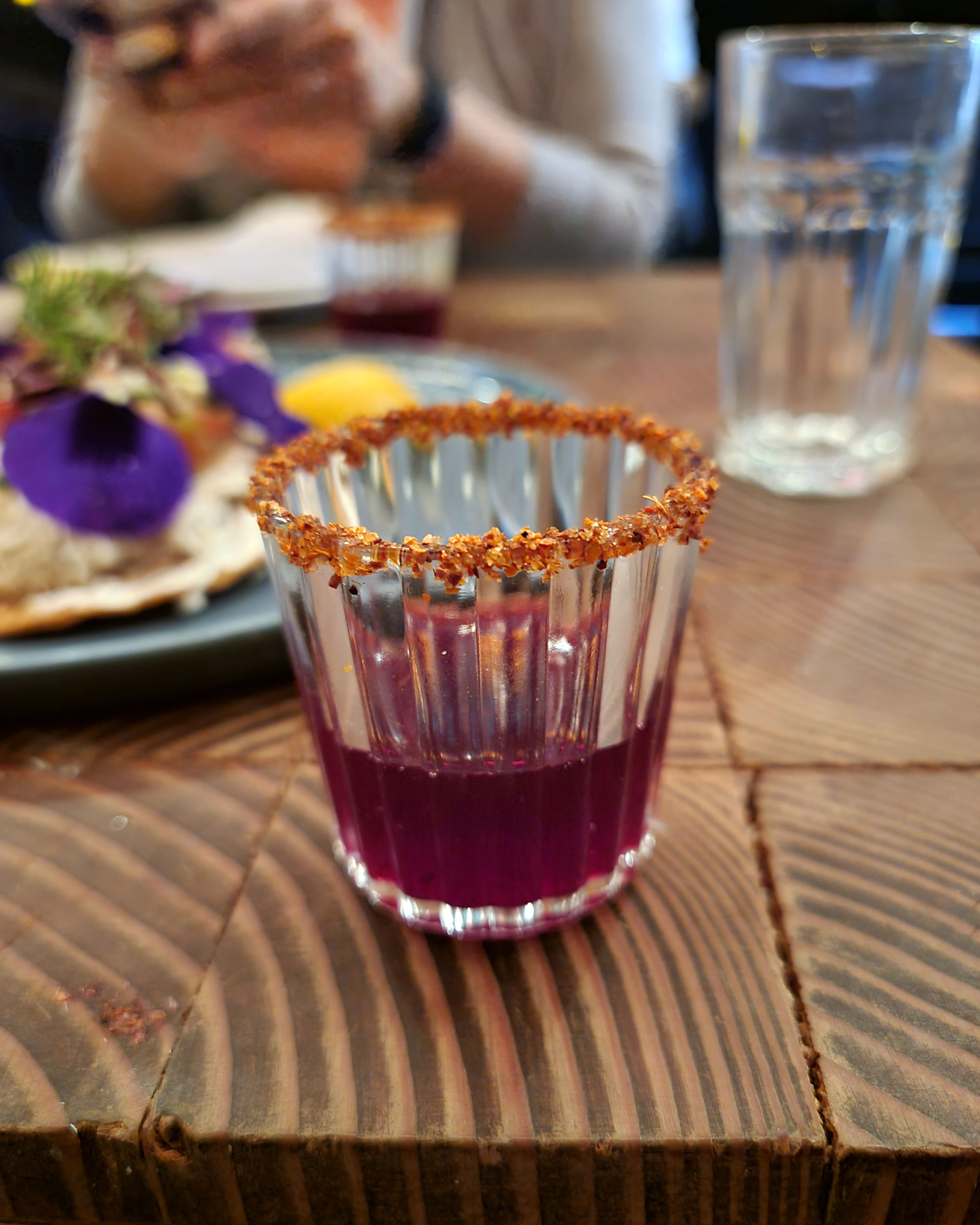
We started with some of their delicious cocktails, and then moved right into some meaty apps. The first thing that came out was my favorite item of the meal – lamb ribs!

These had such awesome flavor and tenderness. The mint chutney that came with it is something they should sell by the jar!

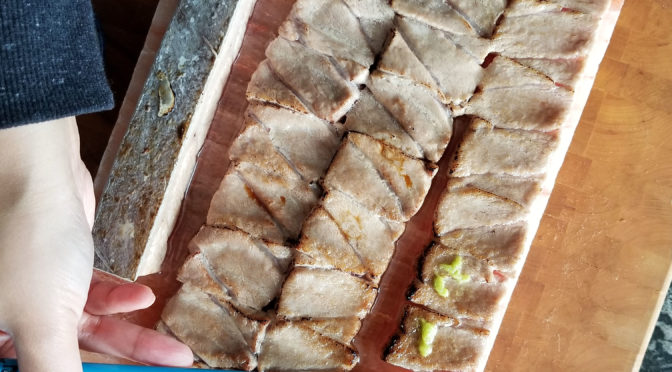
Next up, smoked goat belly. This was cleverly presented in a tiny barrel smoker:

It was a bit too aggressive on the salt level, but over all we loved it. It was similar to some kofta / meatball skewer dishes that we’ve had.

These prawns were a little bit overcooked, as they were difficult to pull from the shell. They were spicy and really tasty, however. Especially the heads.

Our first main was the stewed mutton dish. They smush an entire bulb of roasted garlic into this, paper and all, so be prepared for dragon breath as well as picking garlic paper out of your bites of food! The dragon breath wasn’t so bad actually, but I wish they somehow removed the paper first.

Our other main was this delicious chicken and rice dish.

The chicken is bone-in, so the meat remains really juicy and tender. The ]rice reminded me of a really tasty, elevated rice-a-roni! Love that stuff.

That about covers it. We will definitely be eating here again!

Dhamaka
119 Delancey St
New York, NY 10002

Smashed

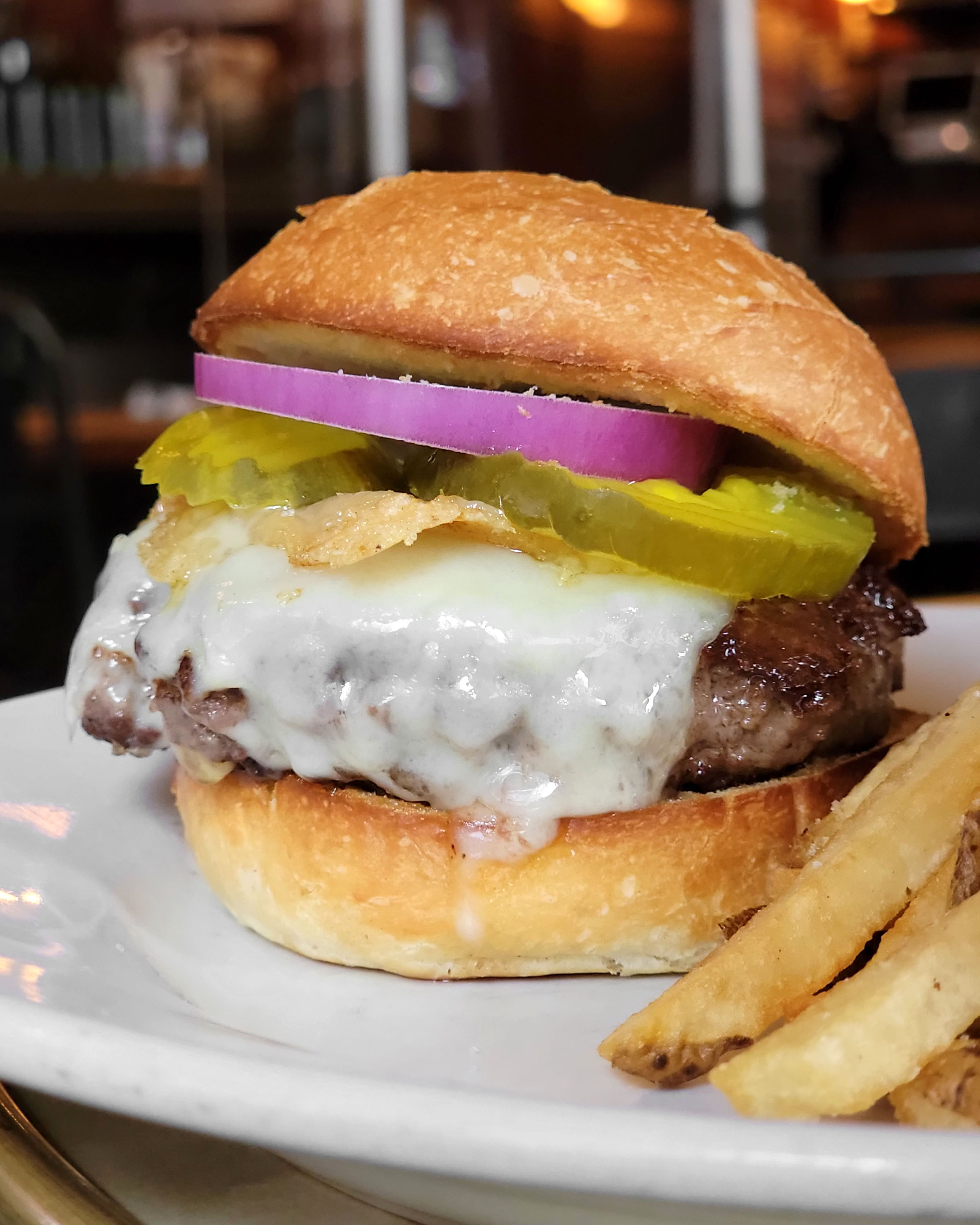
Smashed is a new smash burger joint on the lower east side. They just opened four days ago. My wife and I stopped by to try a few items out. We went with the classic double and the blue cheese and bacon burger.

I was blown away by the flavors and the quality. This joint uses fresh beef, and they grind their own burgers in house.

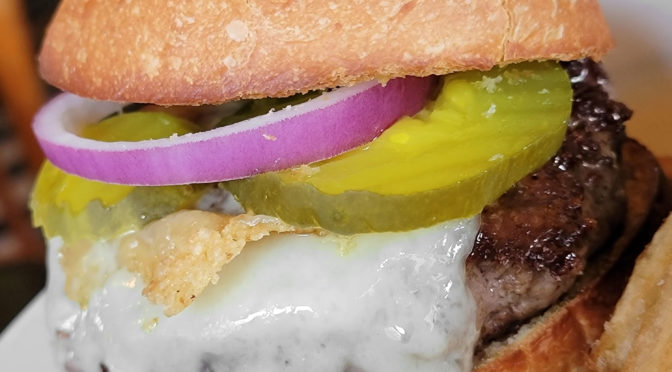
The burgers were perfect in every way. Great toast on the bun, perfect crisp on the patty, great melt on the cheeses, nicely prepared griddled onions, and a killer, unique sauce that really puts the “special” back in “special sauce,” because these days everyone is really just using thousand island dressing. That’s lame.

I preferred the classic double, since the meat really shines there. I can’t wait to go back and try their rendition of a smashed Big Mac.

And the fries? Excellent as well. But I’m looking to try their smashed potatoes on my next trip.

SMASHED
177 Orchard St.
New York, NY 10002

Myers of Keswick

At the conclusion of a short British food tour, my friends and I wandered into Myers of Keswick. This place is a grocery store of sorts, that specializes in British imports of all types. Canned foods, dry foods, soft drinks, candy, etc. But they also have a gorgeous deli case with fresh foods, and they’re known for their meat pies.

First we broke into the steak & ale pie, which was my favorite of the two we tasted on site.

Absolutely perfect, buttery, flakey crust. Deliciously tender, juicy beef and gravy inside. Awesome.

Next up was the curry lamb pie. This was beautiful.

It, too, was masterful, with great spices and flavors.

For dessert, a scone with clotted cream and jam. So British! It actually reminded me of the creamed cheese and jelly sandwiches that I used to eat as a kid, only much better.

I really enjoyed this stuff. I even took a pork pie home to heat up later on.

MYERS OF KESWICK
634 Hudson St
New York, NY 10014

Dame

My buddy Nick took me on a little British food tour in the West Village that started off at Dame, a relatively new pop-up style joint that only offers their incredible fish & chips on Fridays and Saturdays. Take a look at this perfection:

They also sell wines and other nice provisions.

But I have to say, these were the best fish & chips I’ve ever had. Really light and crisp outside with nooks and crannies galore in the fried batter. Tender and juicy inside, hot and steamy. Really great quality fresh fish, filleted and cleaned on site – no bagged or frozen bullshit. And absolutely perfect thick, crispy fries… I mean CHIPS.

Make your way over here for this special treat. You won’t be disappointed.

DAME
85 MacDougal St
New York, NY 10012

Zazzy’s Pizza

In our exploration of all the great pizza joints here on the lower east side, my wife and I came across Zazzy’s. Their Instagram page had me salivating, so when my wife had a $10 off coupon from one of the food delivery services, we figured it was a good time to try it.

We went with the pepperoni Sicilian pie.

A thing of beauty. The crust was puffy and light, but crisped up nicely on the bottom without being burnt like so many others. The roni cups were thin and lean, with no oozing puddles of spicy grease. They were just right.

I really can’t wait to try more stuff from this place, especially since the menu is expanding. I know all of their ingredients are imported from Naples, with tomatoes coming from the foot of Vesuvius. I’m all in on this joint. And they’re already opening more locations throughout the city.

ZAZZY’S PIZZA
173 Orchard St
New York, NY 10002

Wagyu Social

I recently got delivery from Wagyu Social and it was a really fun experience. Everything came nicely packaged in round boxes, no spillage, still hot and crispy, and everything neatly organized.

This place is doing some high end burgers that range from $35 for hybrid wagyu burgers to $85 for 100% A5 Japanese wagyu burgers. They even have some sushi items too.

I tried the curry burger and the high roller. The curry burger is a wagyu/angus blend that comes with a delicious sauce for dipping, and it even pairs well with the crispy shoestring fries.

I also tried the high roller, which is their 100% Japanese A5 burger that’s topped with foie gras and truffle sauce. Total decadence!

I think I liked the curry burger best. It was a totally unique burger, and the flavors worked great. Give it a shot!

WAGYU SOCIAL
238 E 53rd St 2nd Floor
New York, NY 10022

Emilio’s Ballato

This old school Italian joint is known for having some great parms, whether it’s chicken, veal, eggplant or whatever. Of the three I tried, the veal with vodka sauce, peas and prosciutto took home the win and beat out both the standard chicken and veal varieties.

The meal began with an awesome platter of antipasto (probably the best I’ve had) meatballs, and baked clams oreganata.

We tried three different pasta dishes: cacio e pepe, carbonara, and linguine with clams. Of these, I will throw down with the carbonara every time.

The star of the mains, however, was not the veal parm, but, rather, a special double cut pork chop that was prepared with vinegar cherry peppers. Awesome, and cooked perfectly. The photo doesn’t do it justice.

This is definitely a place you’ll want to go to repeatedly to take advantage of both the great regular menu items as well as the daily specials.

Emilio’s Ballato
55 E. Houston St
New York, NY 10012

What is Wagyu Beef?

Most people usually associate the word Wagyu with insanely jacked-up prices, so high that they make your asshole pucker up tighter than a virgin’s snatch on prom night. Well here’s a quick low-down on the delicious shit:

Wagyu is a compound word of sorts. Wa means Japan, and gyu means beef. Hence, beef that hails from Japan. In the beef world it’s a term used when referring to four Japanese breeds of cattle that are genetically predisposed to intense marbling in their muscles. The four breeds of cattle are Black, Brown/Red, Polled and Shorthorn.

Until recently, Japanese beef was not imported into the United States, so any time you saw Wagyu on a restaurant menu, it was either a lie or an incomplete description. It was most likely beef from either an Australian or American hybrid Wagyu cross-breed animal.

Hybrid beef isn’t something that should be frowned upon. Many of the Wagyu cross-breeding programs produce excellent, highly marbled beef that strikes a nice balance between the traditional, robustly beefy flavors of the United States and that buttery-soft, intensely marbled Japanese stuff (which eats more like foie gras or some other protein, different from what we usually think of when we eat beef).

Lots of people get their panties in a bunch when you call the cross-bred stuff Wagyu, even at levels of full blood and purebred. They tend to confuse the literal translation of the word Wagyu (Japan beef) with the breed of cattle that the word represents.

The Wagyu breed is not and should not be region specific. Just as Angus did not cease to be Angus when it was imported from Scotland to the United States in the 1800’s, Wagyu does not cease to be Wagyu when it moves abroad. Both breeds are named for the locations where they originated.

In fact, almost every major European cattle breed was named after the location where it originated. Does that mean the ones that are raised in America should be called something else? No! We don’t call a German Shepherd an American Shepherd just because the breeder operates in New York. We don’t do that even when the animal isn’t purebred! So why treat Wagyu differently? It’s stupid.

On the flip side, the Wagyu breeds should not be confused or conflated with something like Kobe beef, which has some strict parameters to its regional product branding. That’s right, it’s a brand.


Kobe Beef

What exactly is Kobe beef? The easiest way to think about Kobe beef is to liken it to Champagne. To be called Champagne, the bottle has to be from the Champagne region of France, otherwise it’s just “sparkling wine.” The same logic applies to Kobe beef.

Under Japanese law, Kobe beef is a very specific product from a specific place, from one breed of cattle, with very strict rules. Kobe derives from a strain of the Japanese Black breed of Wagyu cattle known as Tajima. It’s said that the cattle are hand-fed using high-energy feed, including beer and beer mash, to ensure tenderness and high fat content. Basically, they’re grain-fed. The cattle are also apparently hand-massaged to reduce stress. I guess it’s only fair to pamper these beautiful beasts if we’re going to slice them up and grill them!

Note that real Kobe beef is typically not readily or easily available in the United States, so if you see it on a menu, understand that it may likely be a knock off (though probably still very good) from a place other than the Kobe region of Japan. As of the time of this book writing, there are only about nine places on America’s east coast that sell legit Kobe beef.

Other Regions of Japan

Several other regions of Japan have also branded themselves as beef specialty production zones similar to Kobe. Miyazaki produces some excellent beef, and beef from this prefecture is more commonly seen at high-end steakhouses and Japanese restaurants here in the United States. Matsusaka in Mie, Japan and Hida in Gifu, Japan are other areas that produce similarly outstanding beef. Both of them are harvesting Japanese black breeds of Wagyu, and holding the final product to rigorous quality standards.

Even Hokkaido has set itself apart with what is called “Snow Beef.” This product from the cold region of Hokkaido is said to be a unique expression of beef with intense flavor that can only be created in this rare environment. It’s said that the mountainous climate causes extra fat to develop in the animals, and that the cold weather lowers the melting point of their fat. This supposedly creates sweetness in the meat. I’ve tasted this stuff. It’s great, but I don’t know how much of that copy I believe. The purveyors from Japan are masterful at marketing their products.

Japanese Beef Marketing

People who love Japanese beef also love to talk about how the animals are given beer. “Drunk happy cows,” they say. They’re not drunk. They’re fed beer mash, which is likely just a waste byproduct from Japan’s booming beer-making businesses. We do the same here in the United States with whiskey mash byproducts.

Some producers in Japan are incorporating olives into the feed, and it makes for some deliciously enticing marketing campaigns. This is similar to how many United States beef producers incorporate different foodstuffs into their cattle feed depending on their localized and regional agriculture markets (almonds in California, sunflower seeds in New York, etc.). The Japanese are adept at marketing these feeding programs, and we could learn a thing or two from them.

Meat lovers here in the United States would go nuts for “almond-fed beef.” They’d be drunk with excitement for “whiskey beef.” Just imagine the wine pairings that could be had with beef that was fed different crushed wine grape varietal byproducts, which would’ve otherwise been discarded as waste from a winery’s pressing operation.

In reality, the United States and Japan’s feeding programs aren’t all that different. The animals eat grass, grain and a smattering of additional fermentation, distillation and industrial byproducts. The difference is really in the animals’ genetics when it comes to how much intramuscular fat they can develop.

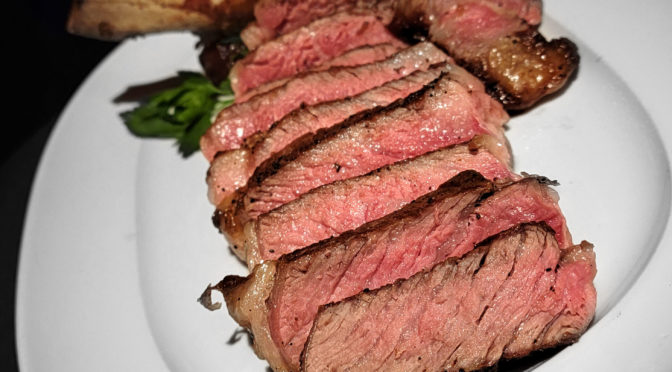
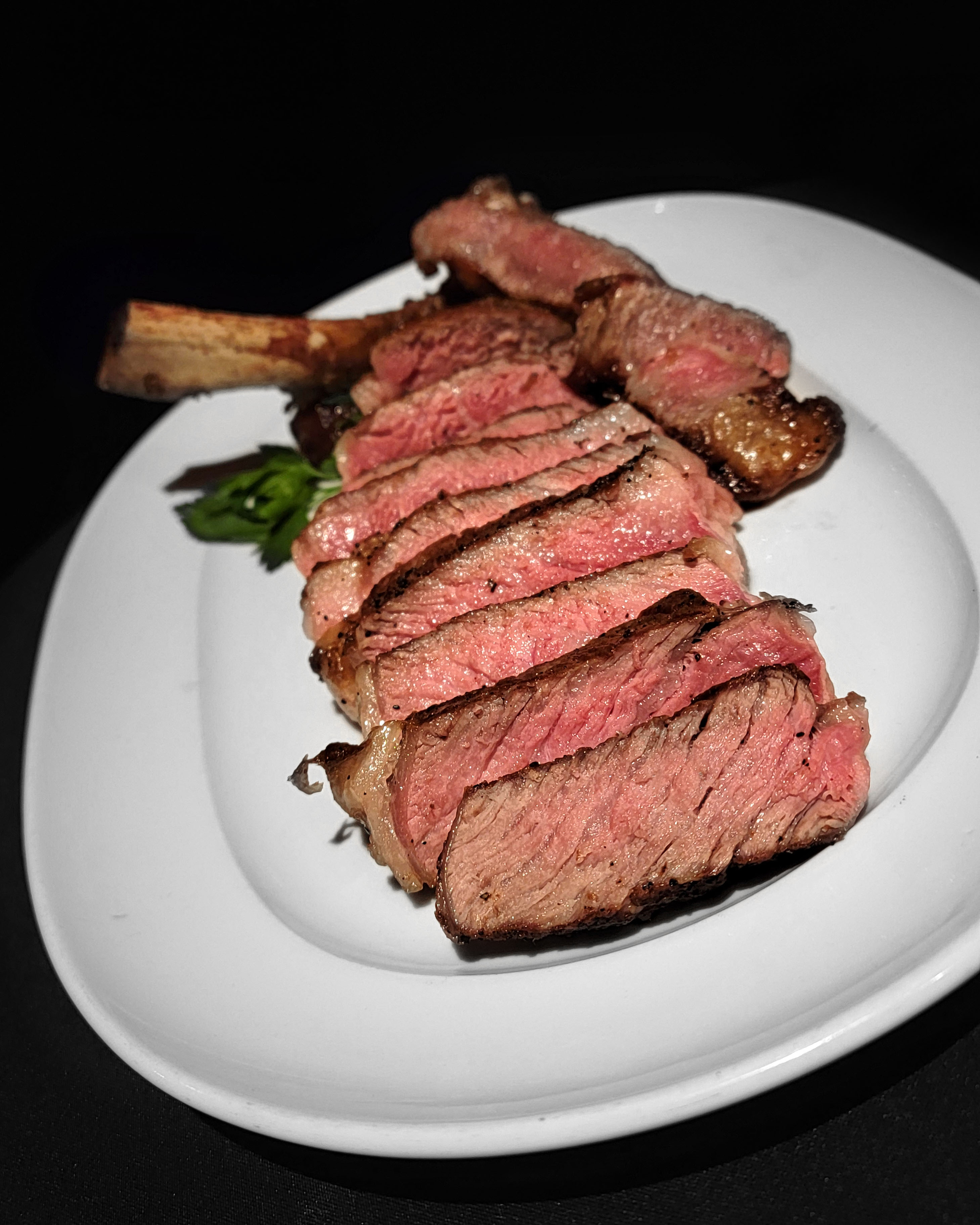
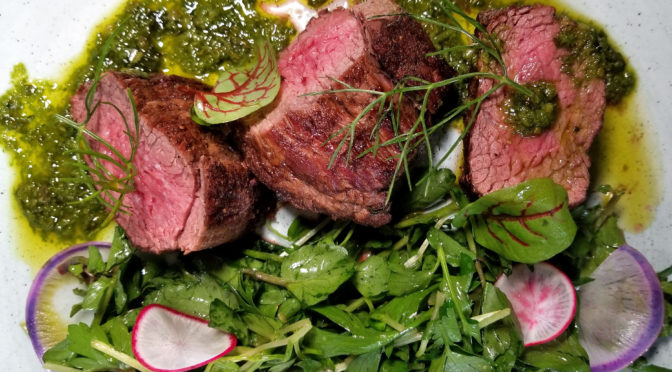
I really don’t give a fuck where the meat is from, to be honest. If it looks like this, I’m salivating.

That’s probably about BMS 12, aka ultra-high prime.