All posts by Johnny Prime

B.A.M. Episode 1: Beef Industry History

Happy Birthday America! What better day to start a new series of articles than the one celebrating our independence from tyranny?

This is the first installment of my B.A.M. posts. No, it’s not a damn sound, like Emeril’s ridiculous catch phrase. In these hallowed halls of meat, B.A.M. stands for Beef Advocacy Monday. My goal is to share something positive or educational about beef on each Monday, or at least once a month if I get lazy. Let’s see how long I can go before I run out of crap to talk about. I love beef, so I’m sure this will continue for quite some time. I’m a beef pusher! You all know I’m passionate about meat; so that’s the main reason I’m doing this.

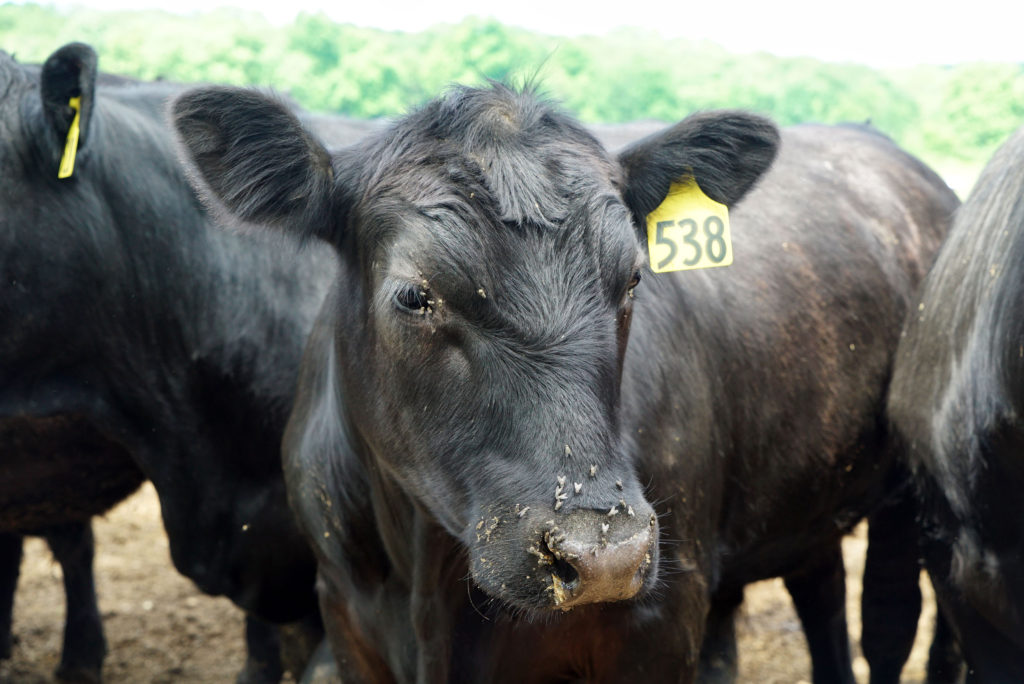
But another reason I’m doing this is to combat the horrible “Meatless Monday” trend going on in the food world lately. I’m sorry, but the phrase “Meatless Monday” should have no place in the American lexicon. Why? Because we Americans pretty much revolutionized the beef industry to make it what it is today. We run the biz when it comes to beef. Yeah, yeah, yeah… we all know that Argentina, Australia, Brazil and Japan are responsible for some great beef as well. But come on, people. It’s the 4th of July, so I’m going to briefly talk about the USA and our vibrant beef history.
DSC04696

We have a rich beef history here, considering our relatively short time in existence as a nation. At first, beef was generally just slaughtered as needed. Most if not all beef was very fresh and hyper local. I’m talking 1600’s days here, and lots of the animals were really bred for dairy and milk rather than protein consumption.

Pork was different. Salting and smoking were common “packing” techniques that allowed pork to be preserved so that it could be transported away from localities and moved around as a commodity for sale. Cincinnati became a pork epicenter for this packing biz.

Beef never took off like pork did during those days, because cattlemen would have to drive their herd literally across the country to these packing and slaughtering hubs in order to get their product to the market. Not only was this a dangerous endeavor given our relations with Native Americans at the time, and given cattle thieves who would kill and steal for a herd, but the harsh weather conditions at various times of the year were also an issue. Cattle would die very often on these drives. This meant that ranchers were breeding their cattle to be able to survive the cattle drive rather than for flavor quality or meat grade.

It’s no wonder the industry wasn’t taking off. The market was not responding favorably to the product and there were too many obstacles in the way for farmers to make a good return on their investment.

It wasn’t really until the advent of the railroad system and the Industrial Revolution that the beef industry really began to flourish as a major part of the US economy. With the advent of railroads, cattle from the mid-west and Texas could reach the northeast and other major cities with ease. There were no more worries about whether the herd could survive the long journey by hoof. The animals were simply loaded into train cars and transported to places like Chicago, where, in 1865, the Union Stockyards overtook Cincinnati as the epicenter of the meat packing industry. Beef was, in turn, becoming a much larger piece of the American diet. The beef industry actually saw a 61% increase in beef consumption from 1850 to 1860. That’s huge.

Refrigerated train cars even began popping up as early as the 1850’s, allowing for slaughter facilities to be built and maintained closer to the farms, rather than near the packing centers in Cincinnati and Chicago. This eliminated the need for crowded animal transport, and allowed farmers to stay involved with the process from calving to carving.

By 1888, most farmers were breeding and feeding cattle to produce the best quality beef for taste rather than to survive the cattle drive north and east. As you can imagine, this made for much happier meat eaters.

The men who built America and the railroads – those mega-capitalist captains of industry like Andrew Carnegie, John D. Rockefeller and Cornelius Vanderbilt – were really the ultimate reason for this explosion in the beef industry. I thank them for their efforts.

But that’s not the end of it. We all remember learning about Upton Sinclair’s 1906 book The Jungle, which exposed nasty conditions within the meat packing industry. This eye-opening expose led to Congress passing the Federal Meat Inspection Act, which prevents adulterated or mis-branded meat and meat products from being sold as food. It also ensures that meat and meat products are slaughtered and processed under sanitary conditions.

Then, in 1967, the Wholesome Meat Act extended those federal regulations into the states. It requires that states have inspection programs equal to that of the federal government. These programs are administered by the Food Safety and Inspection Service (FSIS) of the Department of Agriculture (USDA).

In 1978, the Humane Methods of Slaughter Act amended the 1906 Federal Meat Inspection Act and created standards for the humane treatment of animals prior to slaughter.

Since then, various amendments and add-on regulations have honed the guidelines further and allowed for new information and scientific breakthroughs to better inform the whole process. In 1997, in response to a 1993 E. coli outbreak, many best practices guidelines came down the pike for reducing the incidence of food-borne pathogens in meat products. The Beef industry was the only industry to meet the goals of reducing food borne pathogens by half by 2010, and it intends to reduce that number by half yet again for 2020. And we are talking about a decrease in food borne incidents from 2.1% to 0.6%. These figures are much lower than other industries, like poultry.

In addition, in 2004 there were more guidelines and regulations introduced to address things like Mad Cow Disease. Now, inspections happen at every point in the cycle of the beef industry, from calving to animal nutrition on the pastures and in feed yards, to transportation requirements as the animals move to slaughter facilities, and even beyond, to the post-slaughter workplace conditions at packing plants, shipping facilities and grocery stores.

Taken together, the history of the beef industry and these important safety improvements have really created an atmosphere where the American beef consumer can feel confident that the product he or she is buying is safe, nutritious and delicious.

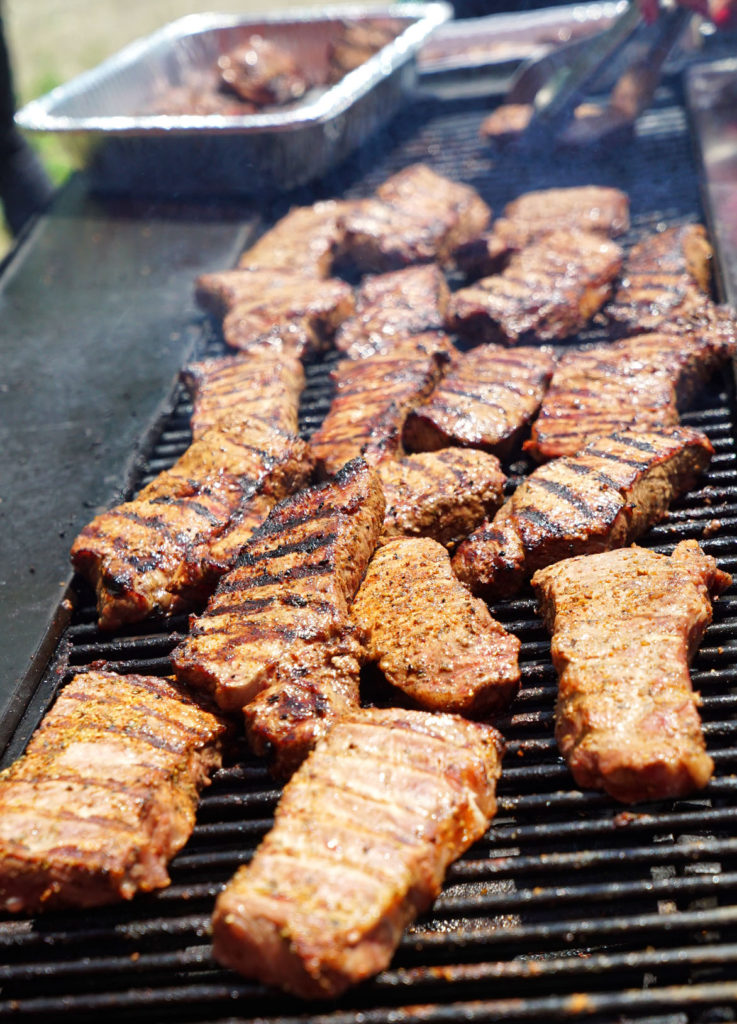
So go forth and heat thy grills for thy July 4th BBQ’s. Slap some burgers and steaks on there and enjoy! Then go blow shtuff up in the sky (safely, of course), because America rules.

Happy “Beefday” to “US.”
DSC04730

Widow Jane Spirits & Distillery

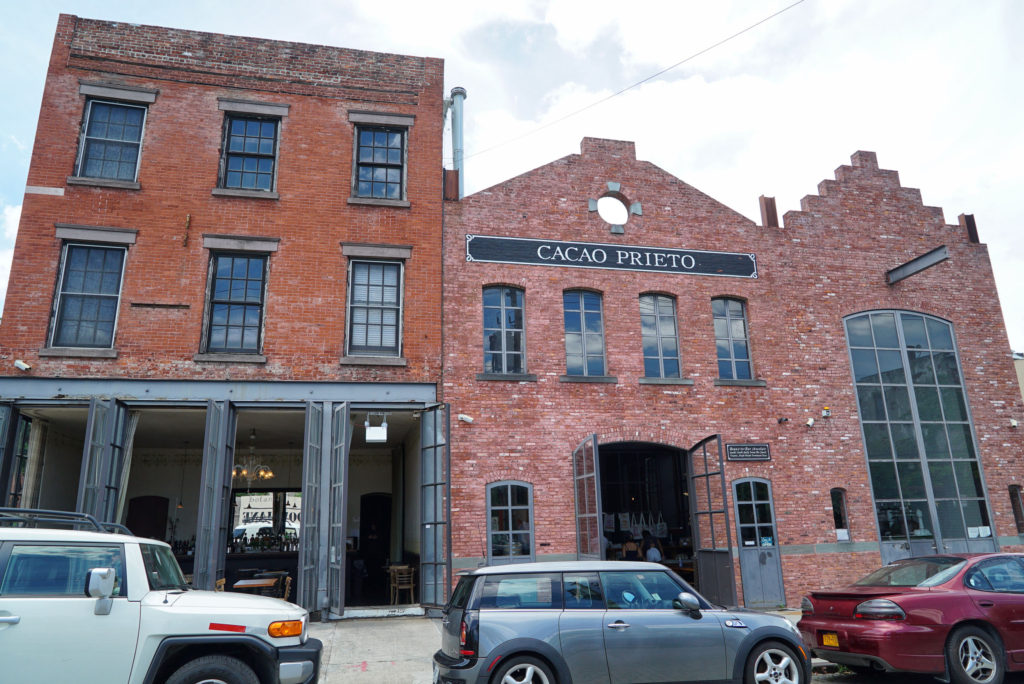
I’ve been a fan of Widow Jane for a few years now, but I recently had the chance to taste a bunch more of their offerings at their distillery in Red Hook, Brooklyn.

DSC05425

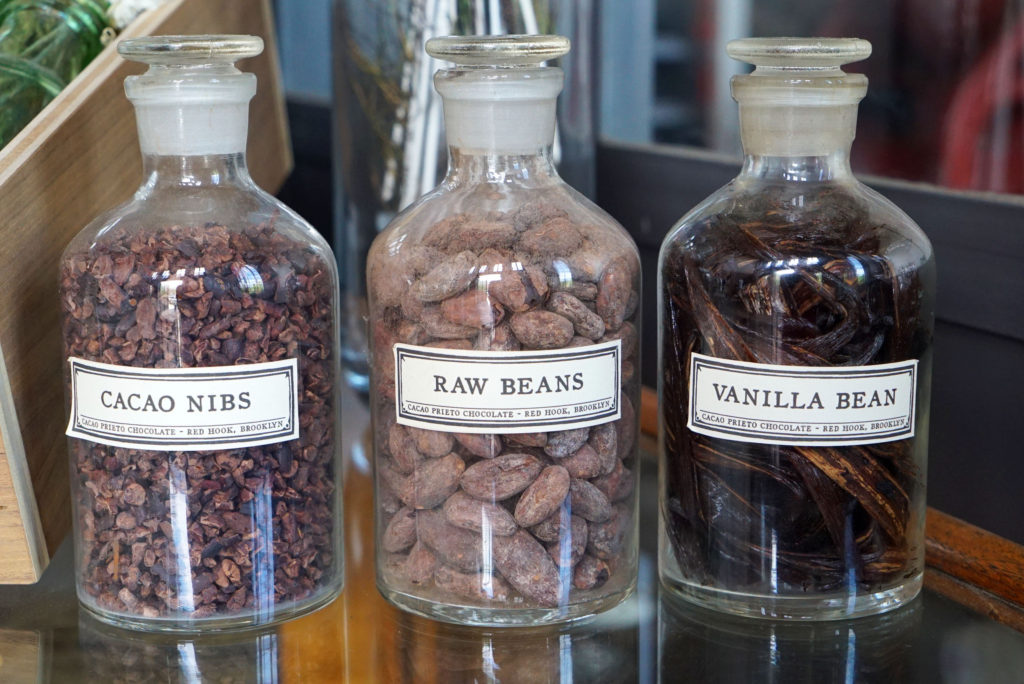
It also doubles as the Cacao Prieto chocolate factory, so don’t go assuming that I popped the wrong photo into this post by mistake.

DSC05436

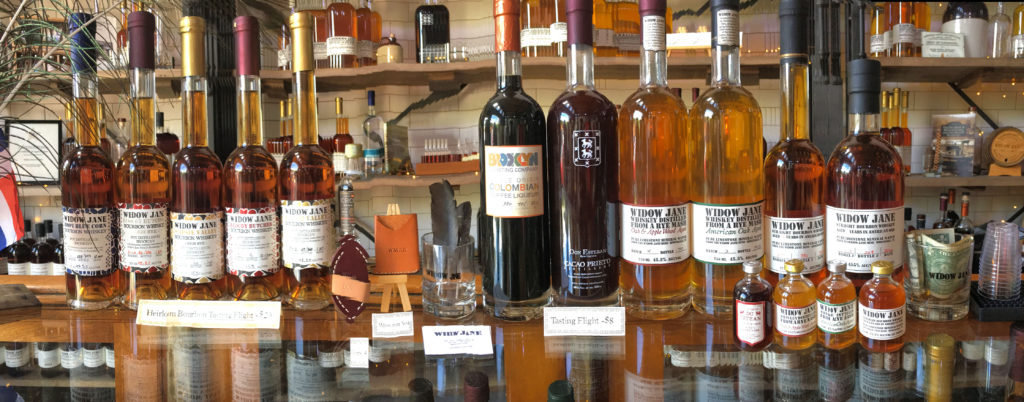
Anyway, we tasted ten different bottles of booze. Five (left) were heirloom whiskies, which I liked a LOT, so I will talk about them first.

IMG_0366

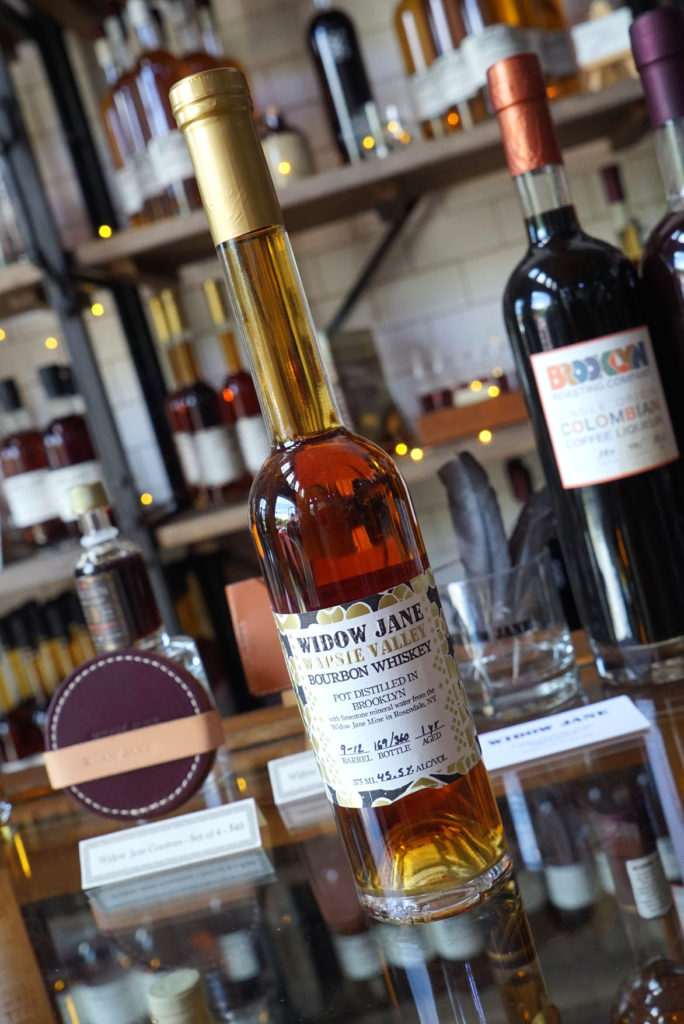
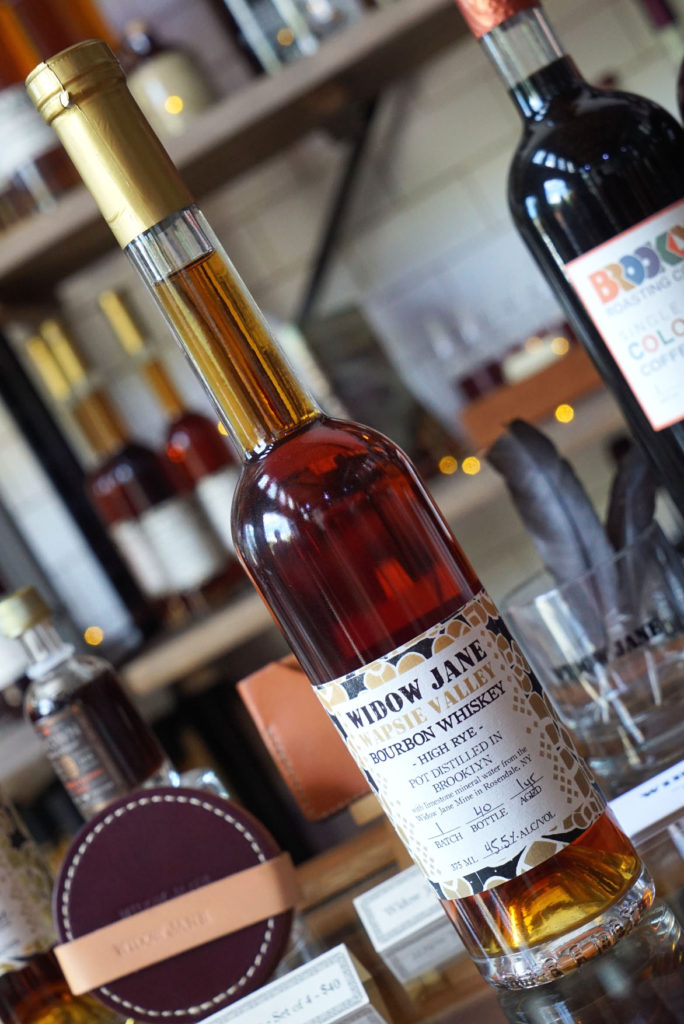
The Wapsie Valley bottle had a corn-forward flavor profile that was smooth yet strong. If you like a pure corn bourbon whiskey, then this should be your go-to selection, if not the blue corn version that I will get to later…

DSC05426

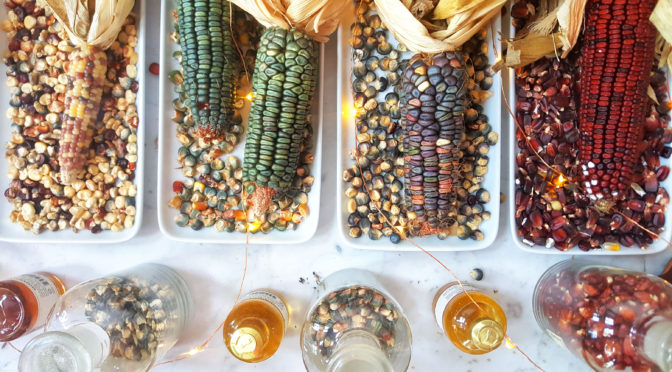
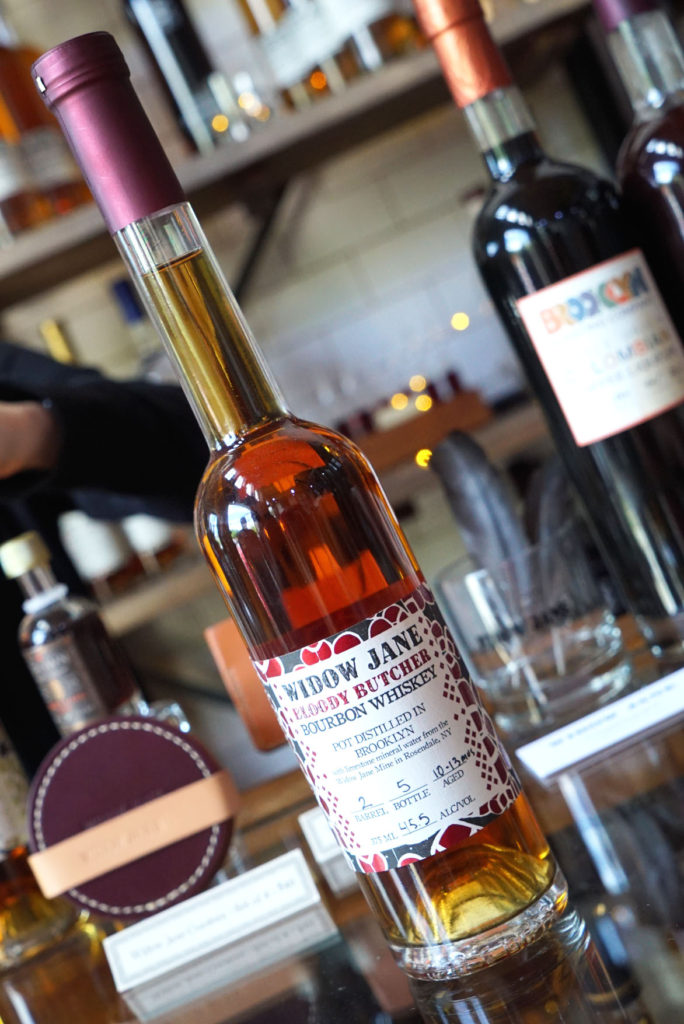
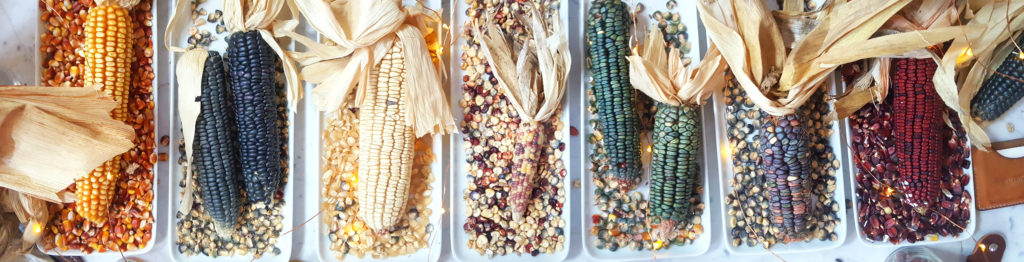
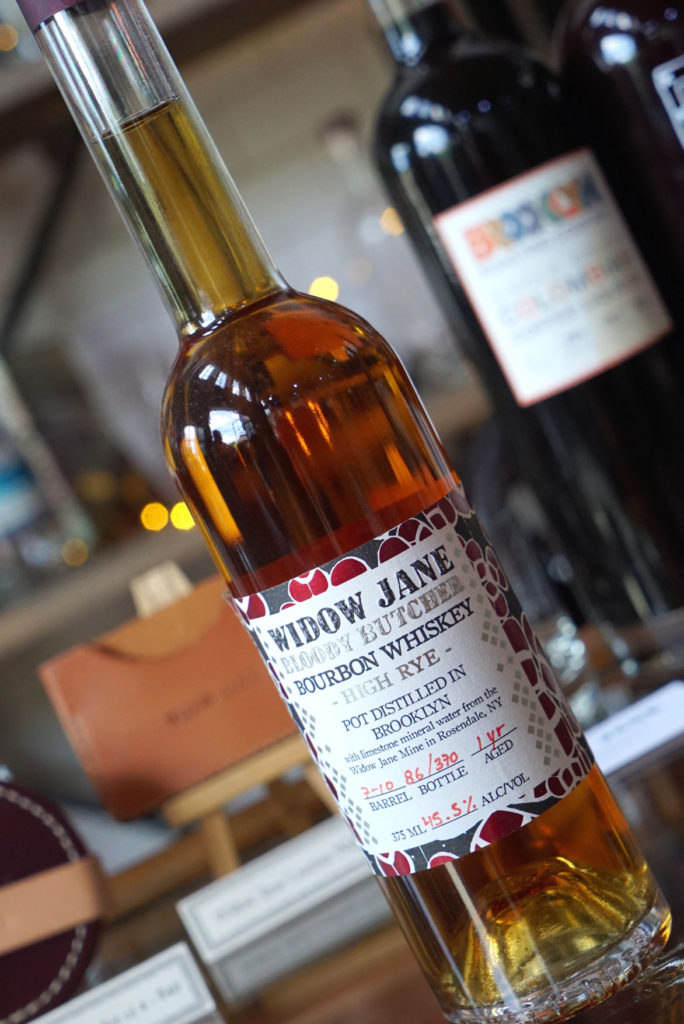
Bloody Butcher is a corn varietal that is red in color, and that is the namesake of the next bottle. This had a bit more character in the flavor to me, slightly peppery in fact.

DSC05427

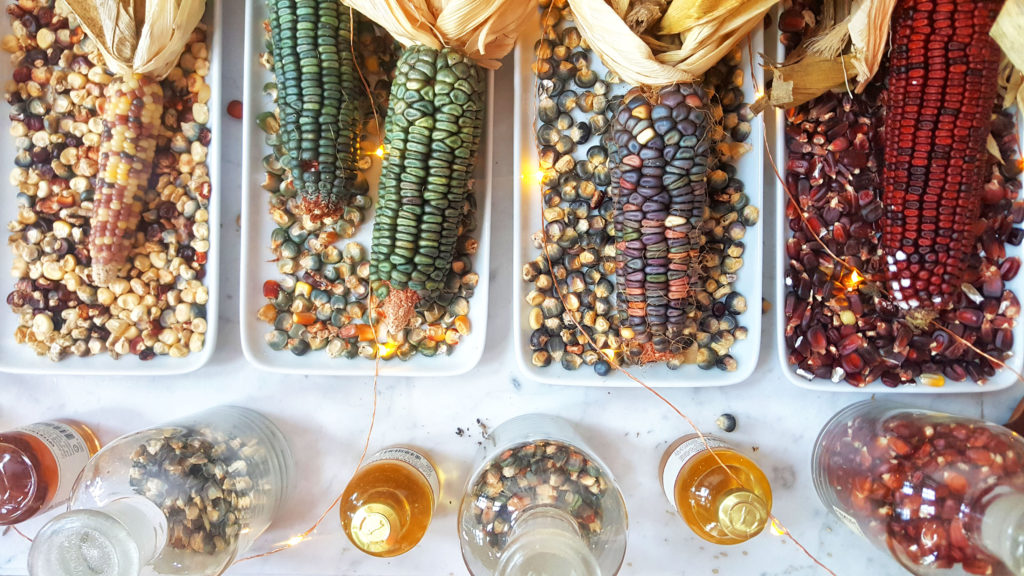
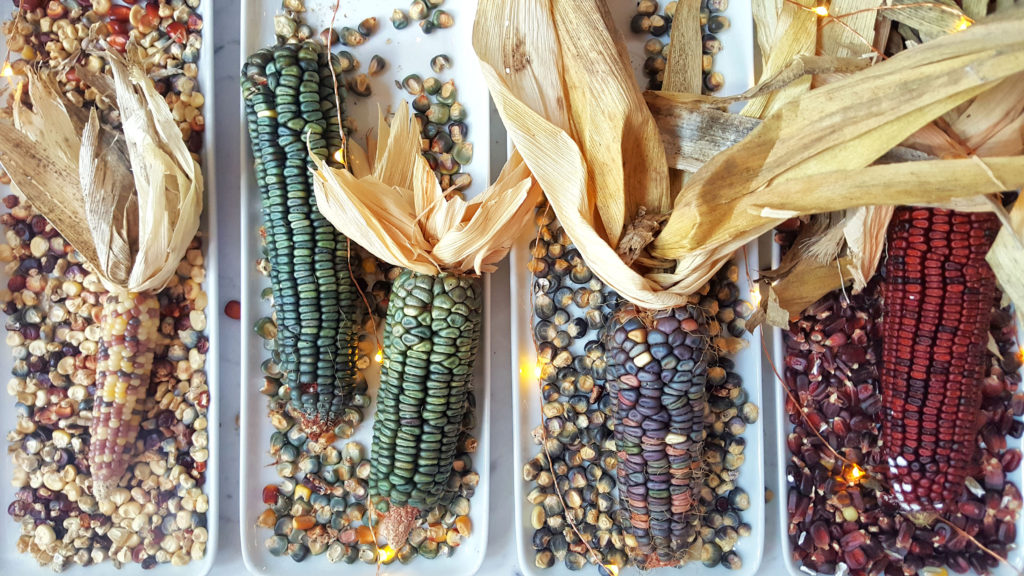
The corn, as you can see below, is a nice vibrant blood red color:

20160702_133421

20160702_133413

20160702_133929

The next two whiskies are “High Rye,” which means that they have a bit more rye in the mash than the previous two. This first one is the rye’d version of the Wapsie Valley from above. I liked this one better, because I think the addition of rye adds more interesting flavors and spices to the booze.

DSC05428_2

Same goes for the High Rye version of the Bloody Butcher: a much nicer drink. In fact this was one of my favorites of the day.

DSC05430

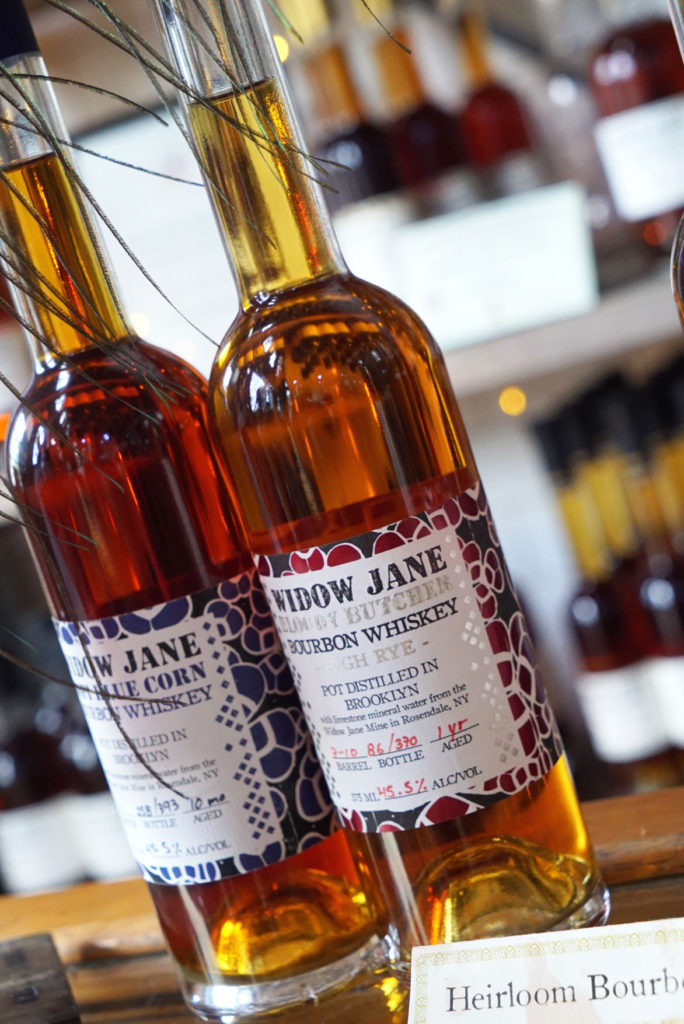
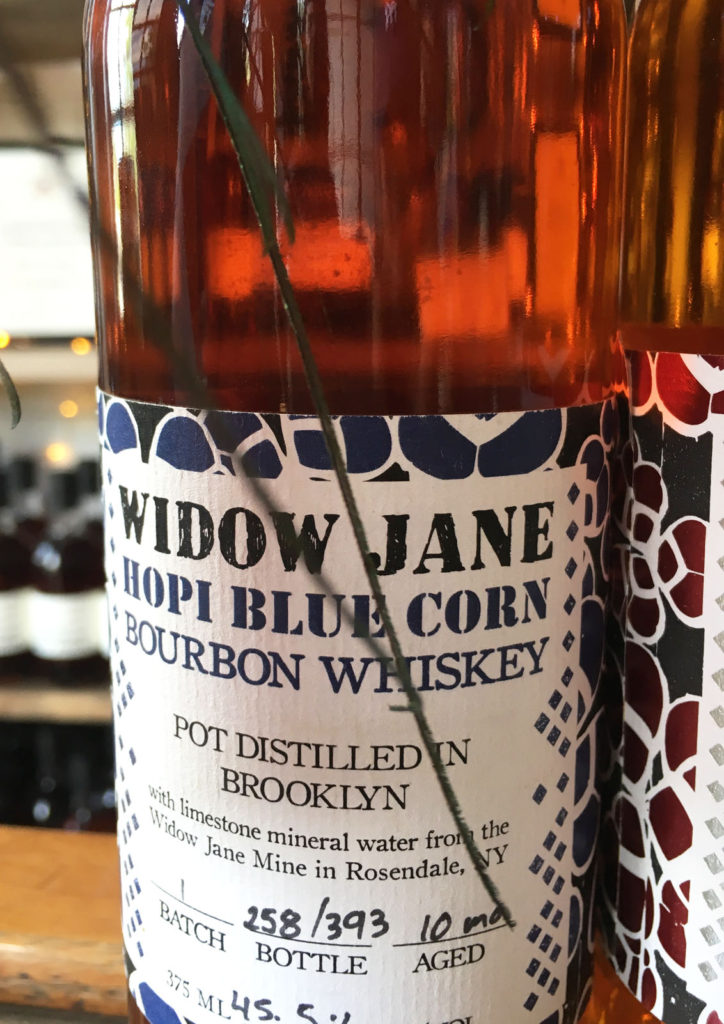
The last one we tried, and my other favorite, was the Hopi blue corn whiskey, of which I forgot to take a stand-alone photo. While this (and the other heirloom bottles) are pricey for only 375ml ($135-$145), the flavors are intense and rich, and worth the money in my opinion. This blue corn bottle offers some smoke that you might get from an islay single malt scotch, but rounded out nicely with the sweetness of corn. Absolutely amazing.

DSC05429

As it turns out, my wife had a shot of the Hopi bottle so I’m including that here:

IMG_0365

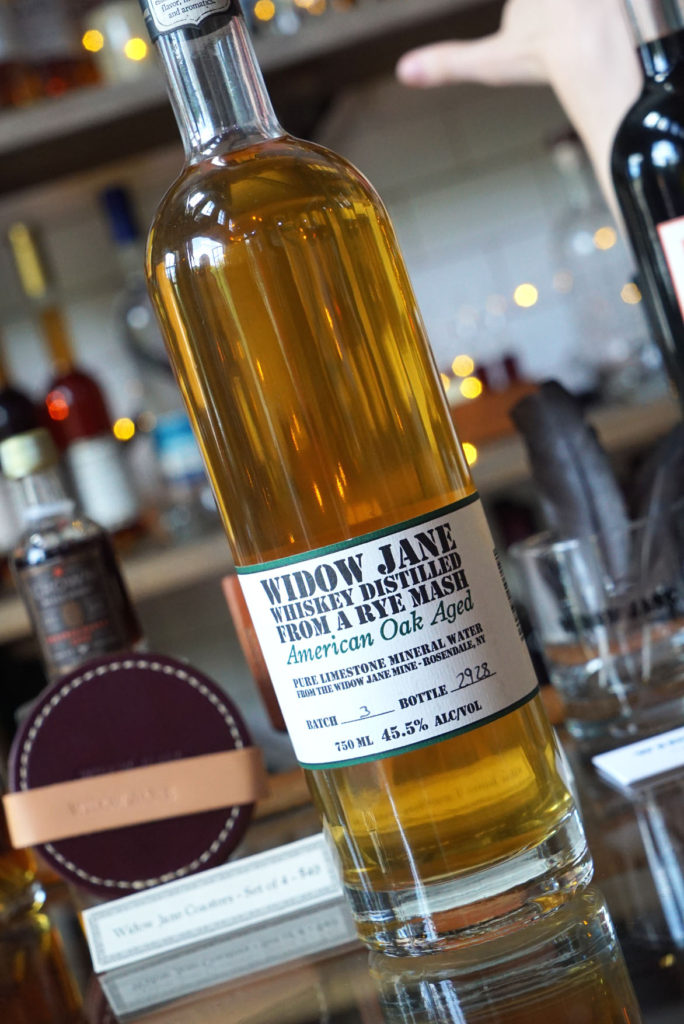
For the regular tasting flight, we first started with a pair of rye mash, American oak aged whiskies. This first one was crisp and clean.

DSC05431

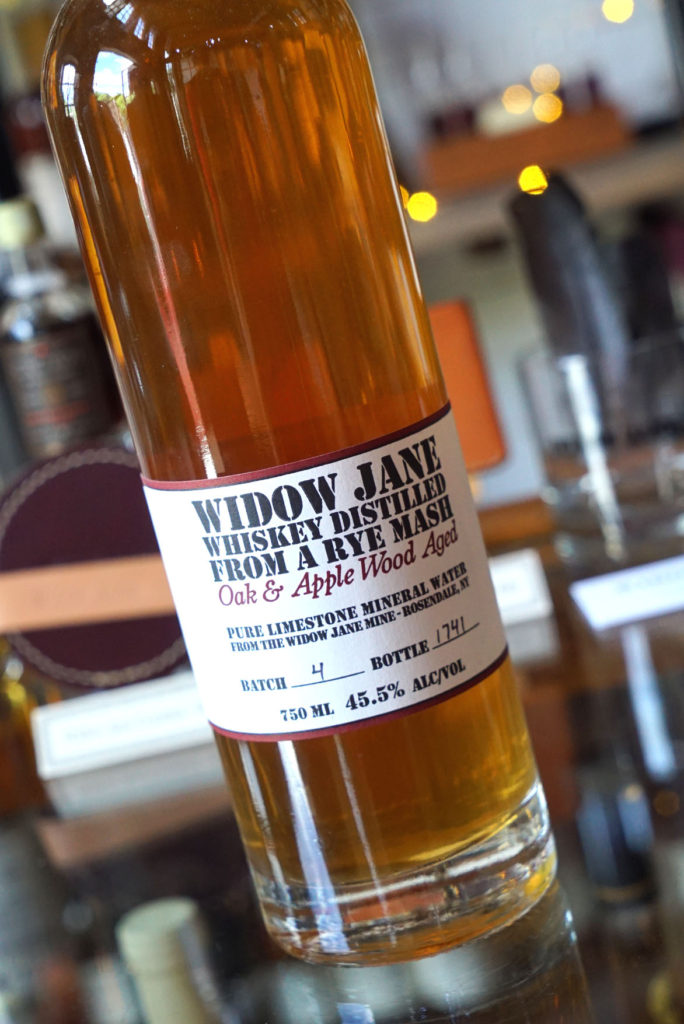
The second one here gets hit with some apple wood slats during the last stage of aging, which give it a nice sweetness and refreshing quality in the final taste. You can even smell the apple a bit.

DSC05432

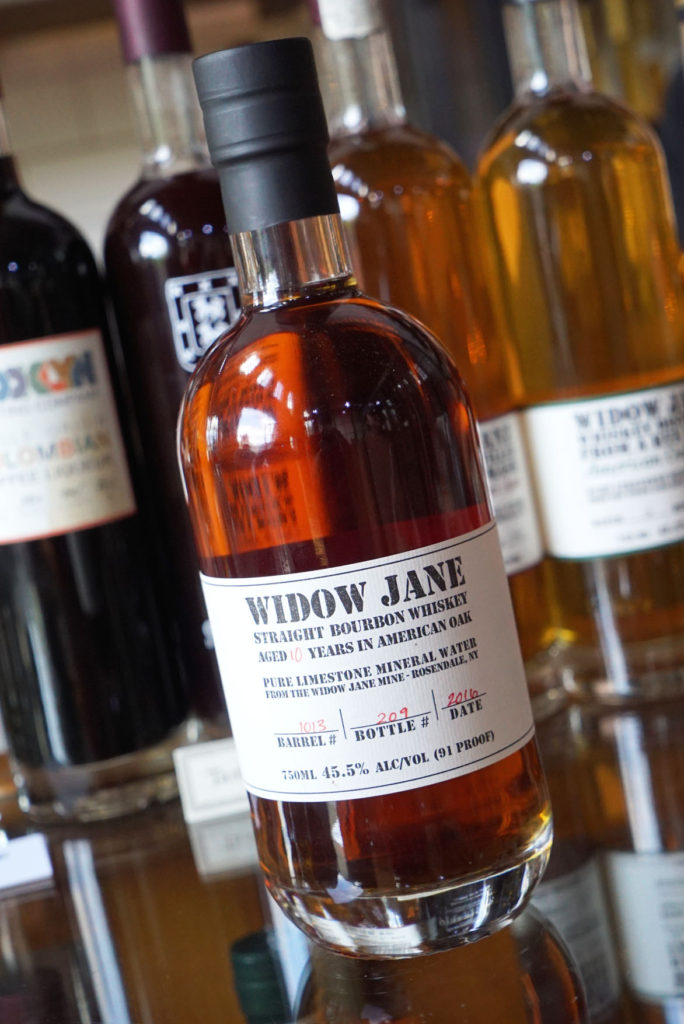
This next bottle is the one you probably see most commonly in liquor stores and bars in the area, and it is the one that I was familiar with before this tasting. The water comes from a limestone mine in New York, and it is aged for ten years in new American oak barrels.

DSC05433

For some additional info on this bottle, I pulled the following from Caskers.com:

“To build a great city, you start with the toughest foundation known. The greatest structures in New York City, from the gargantuan caissons of the Brooklyn Bridge to the 27,000 ton pedestal of the Statue of Liberty to the Empire State Building itself, are held fast and strong by natural cement made from limestone from quarries located in Rosendale, New York.

The last Rosendale limestone mine closed down in 1970 and its owner, A.J. Snyder, who was as tough as the limestone he quarried, passed away shortly thereafter. His widow, Jane, was beloved in the community for her kindness and pure spirit, and so when Snyder passed, the Rosendale Limestone Mine became known as the Widow Jane Mine.

To make a great whiskey, you start with the finest water available. Following on the heels of the tremendously successful Widow Jane 5 , 7 and 8 Year Old Kentucky Bourbons, Widow Jane 10 Year Old Single Barrel Kentucky Bourbon uses water from the same limestone quarries in Rosendale that were mined tocreate New York’s greatest architectural achievements. The sweet water, along with hand-selected ten-year old Kentucky bourbon, is imported to Brooklyn where Daniel Prieto Preston, inventor, aerospace engineer and founder of Cacao Prieto (a chocolate maker and distillery!), creates Widow Jane Bourbon. Preston brings Widow Jane 10 Year Old Bourbon to proof by hand using water from the Widow Jane Mine and then fills and labels each single-barrel bottle by hand. Bold and complex, the whiskey benefits from its Kentucky heritage, but it’s the smooth, mineral-rich New York water that gives the whiskey its unique flavor profile.

Widow Jane Whiskey is a true New York City whiskey, evocative both of one of mankind’s greatest achievements — New York City’s skyline — and Brooklyn’s artisanal, craft spirits movement. Both urban and urbane, Widow Jane Whiskey is New York’s very own — a signature whiskey of the world’s most magnificent and maddening metropolis.

Each bottle is hand-numbered — pick up one of these rare treasures today.”
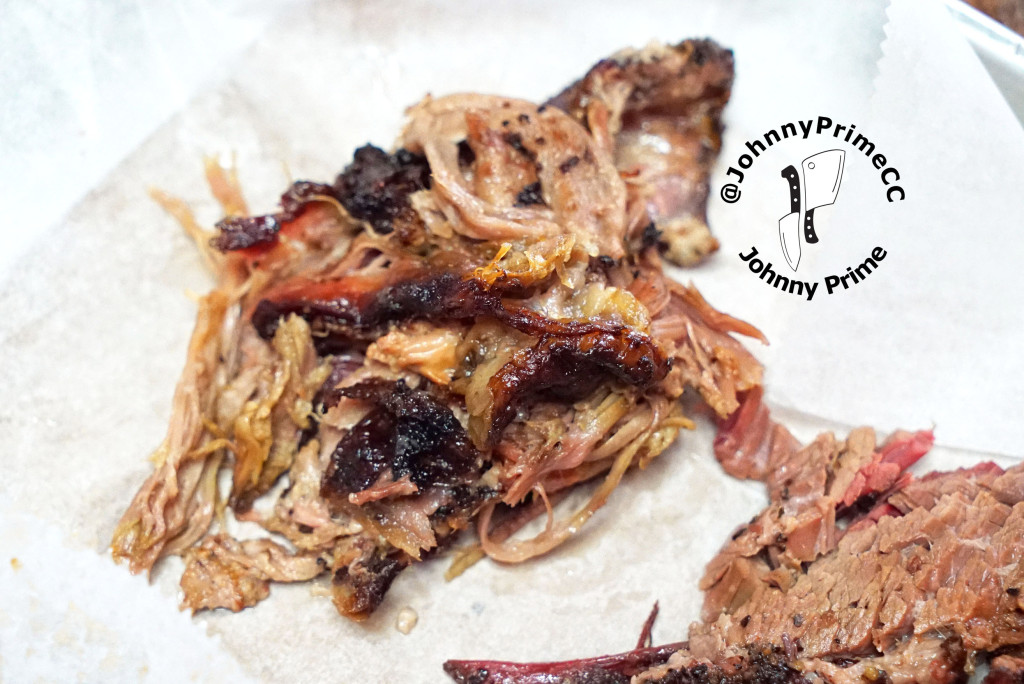
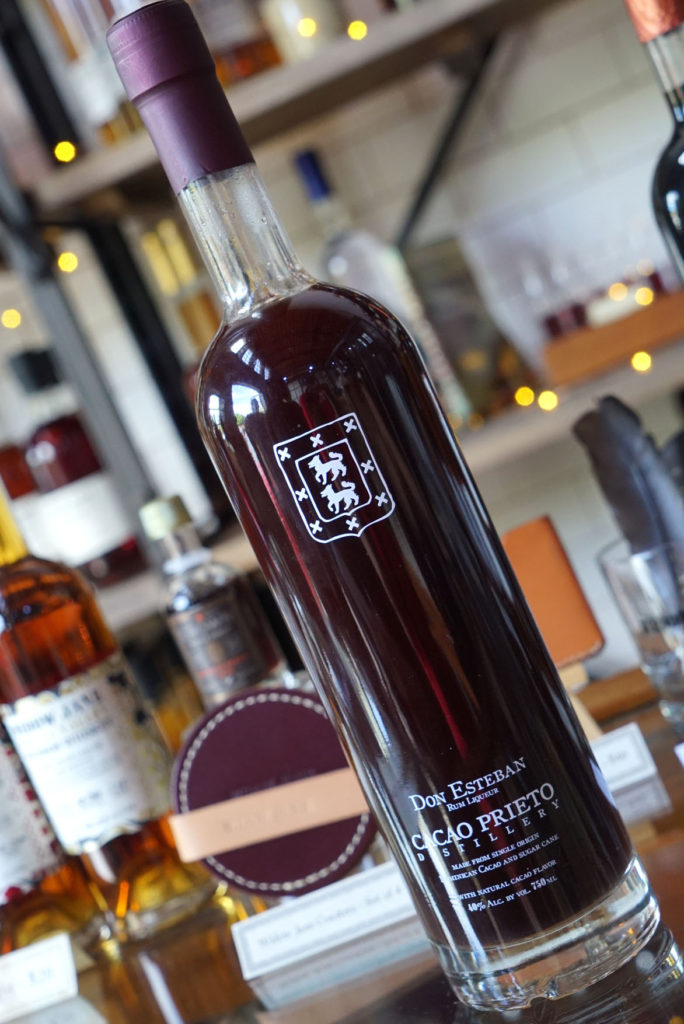
Okay, so this next bottle is actually a chocolate flavored rum. This shit was so tasty. I would drink this on the rocks or direct from the freezer, or even mixed / blended with some vanilla ice cream for a boozy dessert.

DSC05434

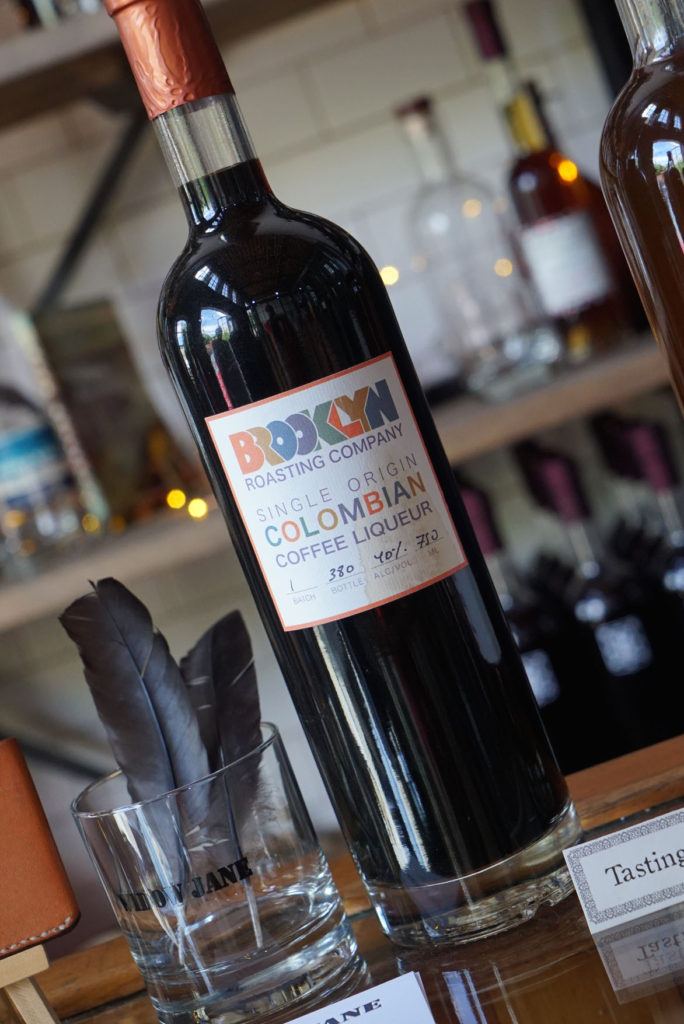
And for you coffee lovers, this Colombian coffee flavored liqueur was also included in the tasting. I’m not sure if it has any caffeine, but it tasted exactly like espresso, but with a boozy kick.

DSC05435

Get out here for a tasting. I definitely recommend all of the heirloom whiskies. They were all really great.

WIDOW JANE DISTILLERY
CACAO PRIETO
214 Conover St
Brooklyn, NY 11231

Brooklyn Crab

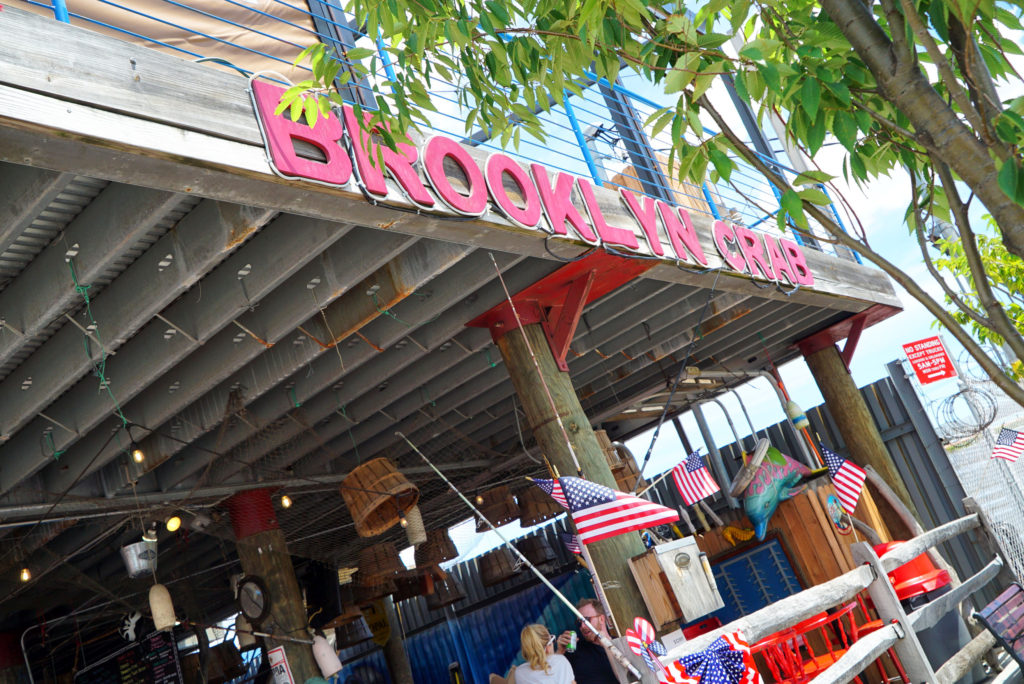
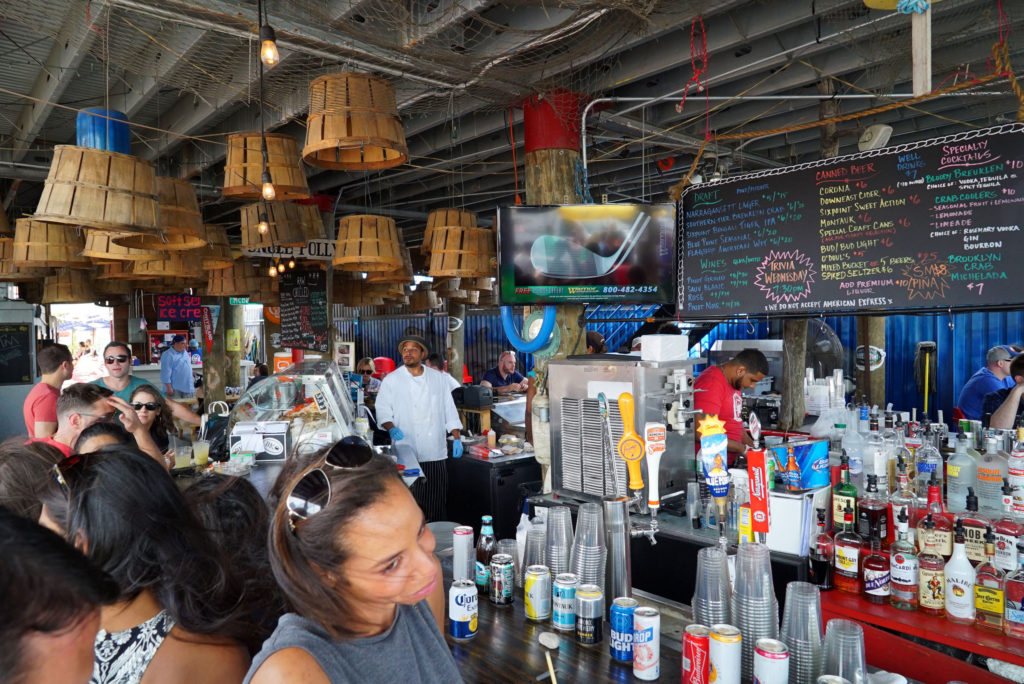
My wife and I came here with some friends for the first time the other day, and I have to say, this place is a shitload of fun.

DSC05421

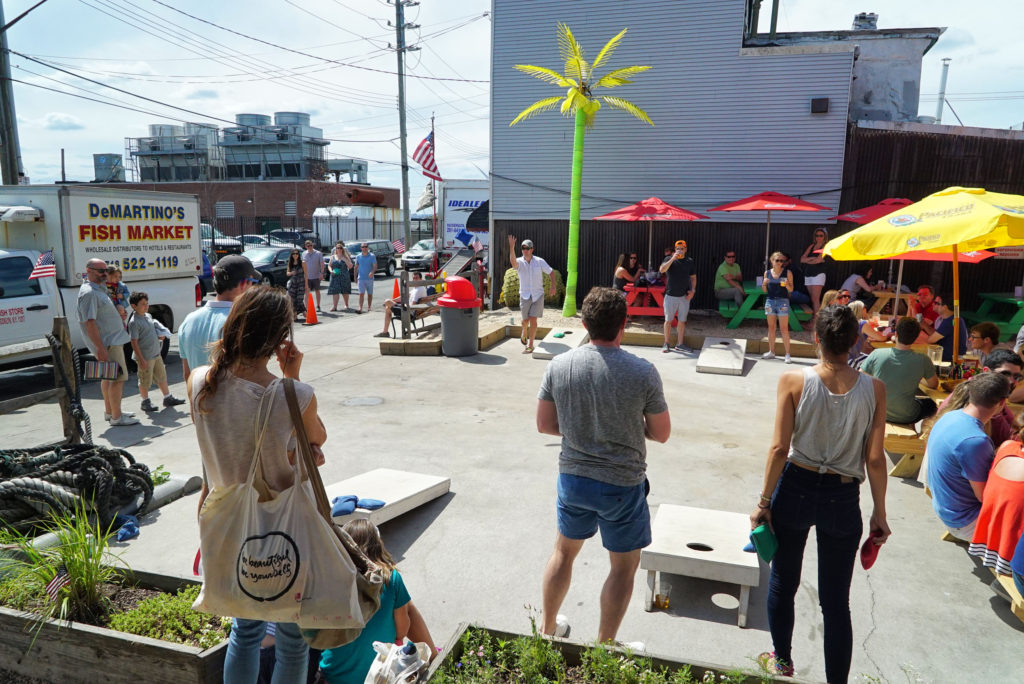
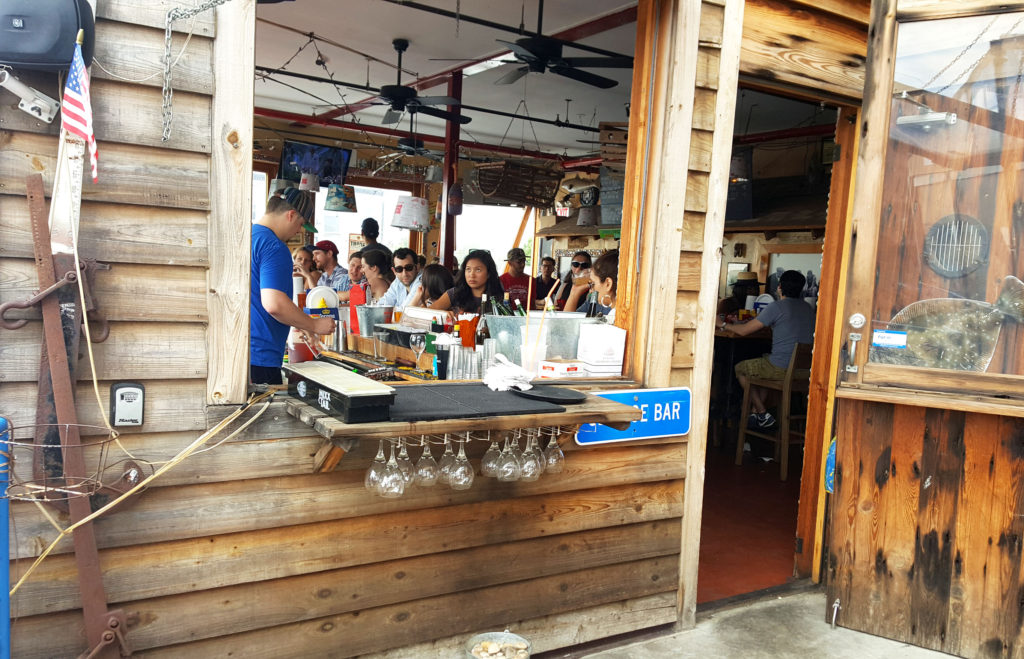
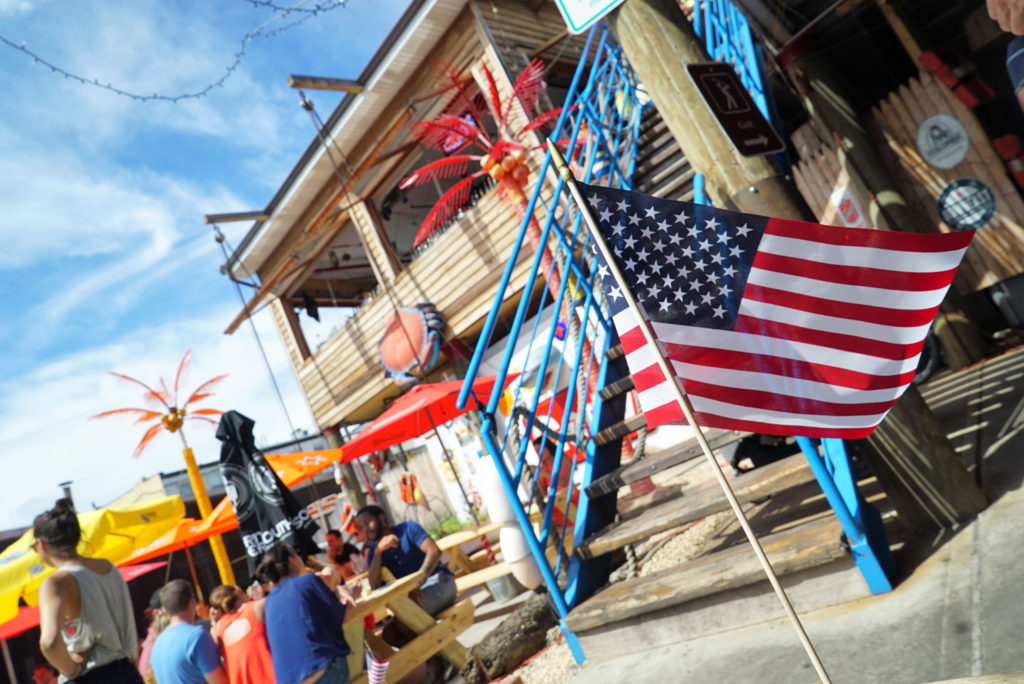
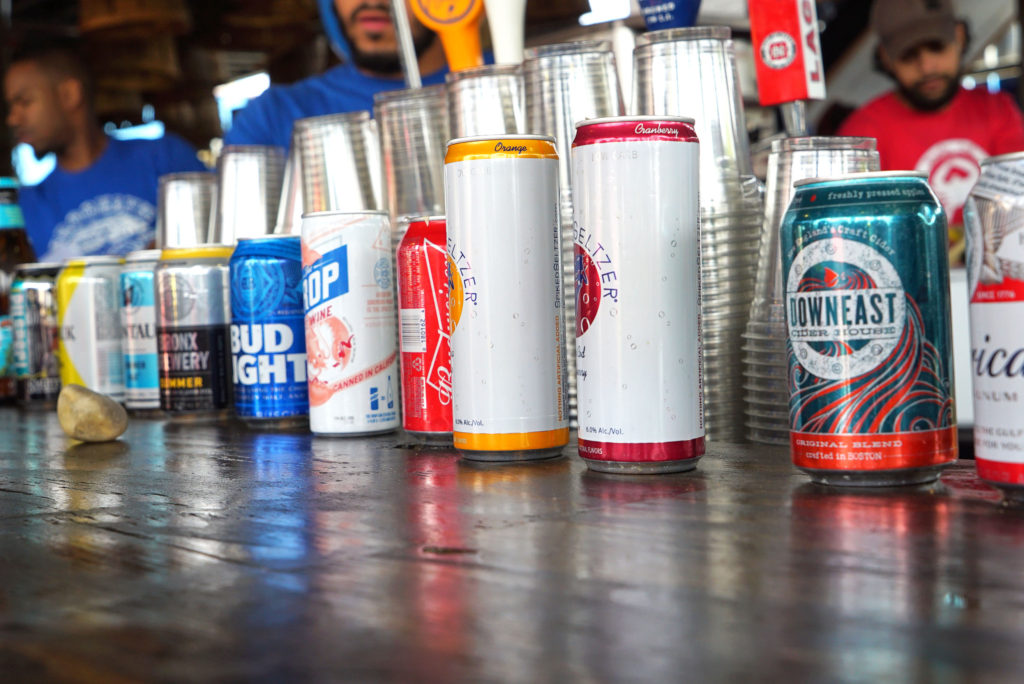
There’s a great curbside bar in the shade up front, with bean bag toss games and big umbrella’d picnic benches beside it.

DSC05449

DSC05447

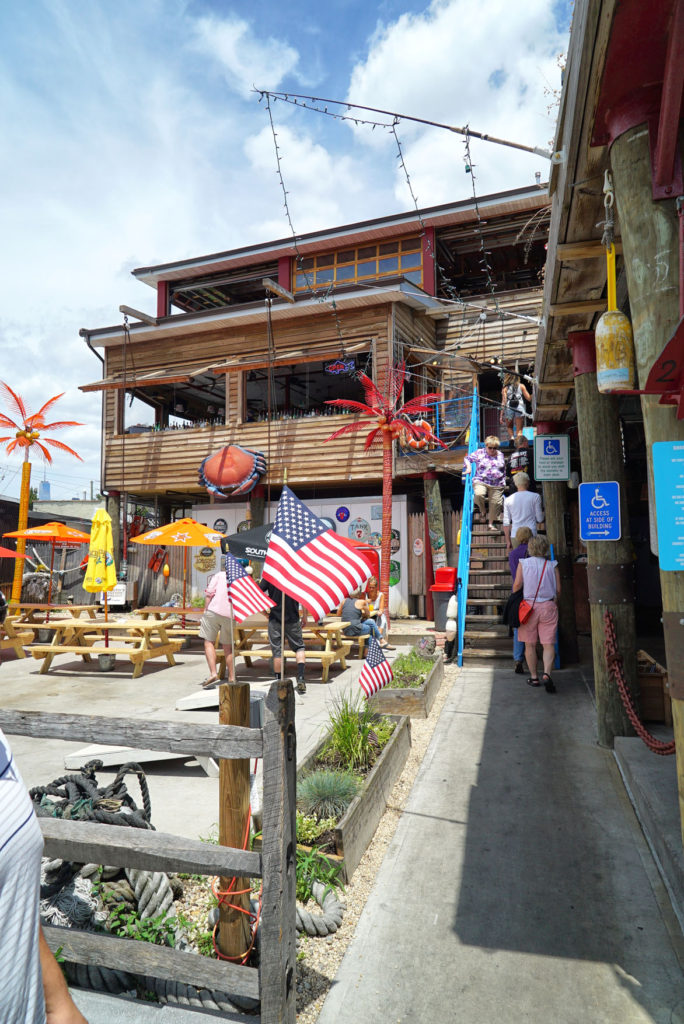
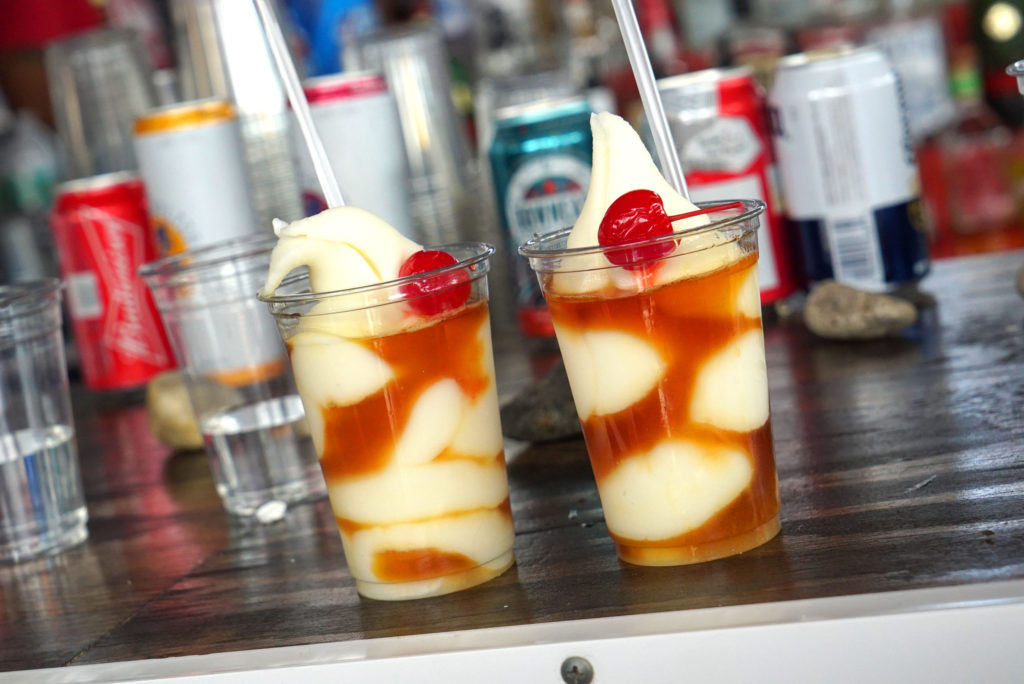
It really looks like something out of Fire Island or the Hamptons, with a relaxed beach hut vibe. There’s even mini-golf in the back, and soft serve ice cream behind the bar downstairs.

DSC05422

20160702_155831

DSC05444

This is easily the kind of place into which you can sink an entire day, just hanging out at a good spot at the bar, ordering up summer drinks and browsing the fresh seafood menu in between competitive bean bag toss tourneys.

DSC05448

DSC05439

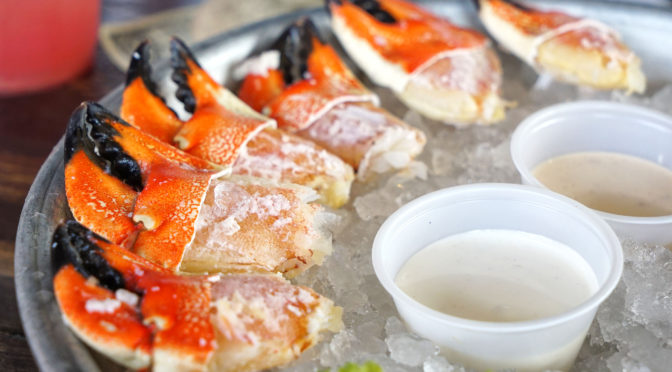
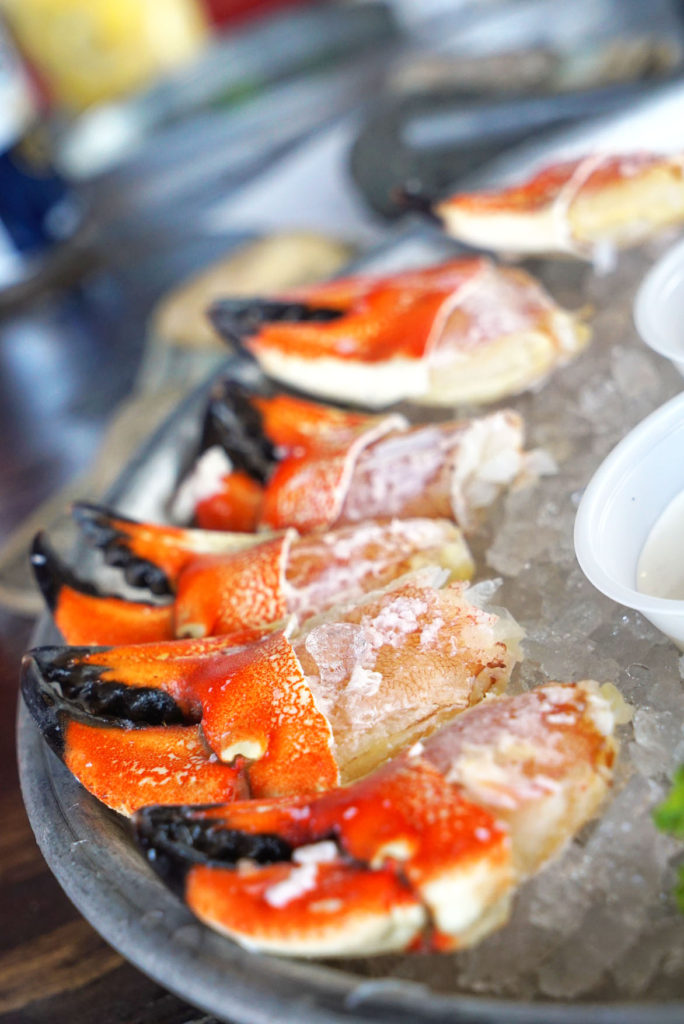
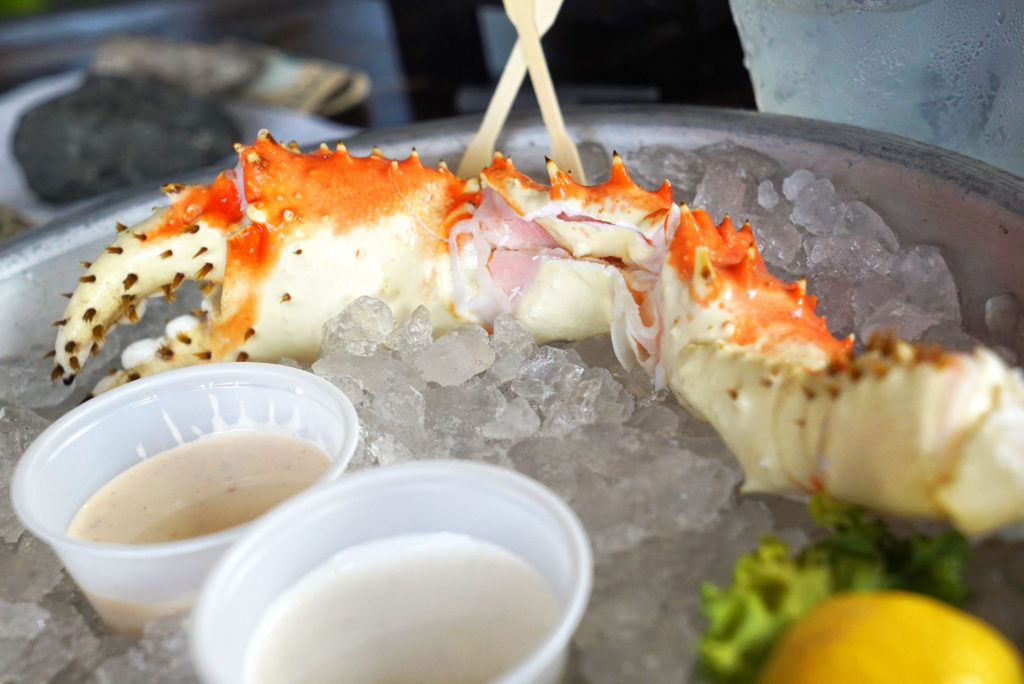
My wife and I split some Jonah crab claws and a king crab leg. Everything was fresh, tasty and ice cold. There was a nice salty brine to the meat from both crabs. I was a happy man.

DSC05443

DSC05442

We will definitely be back here again soon, and it’s a pretty easy trip to make on the free Ikea ferry, downtown.

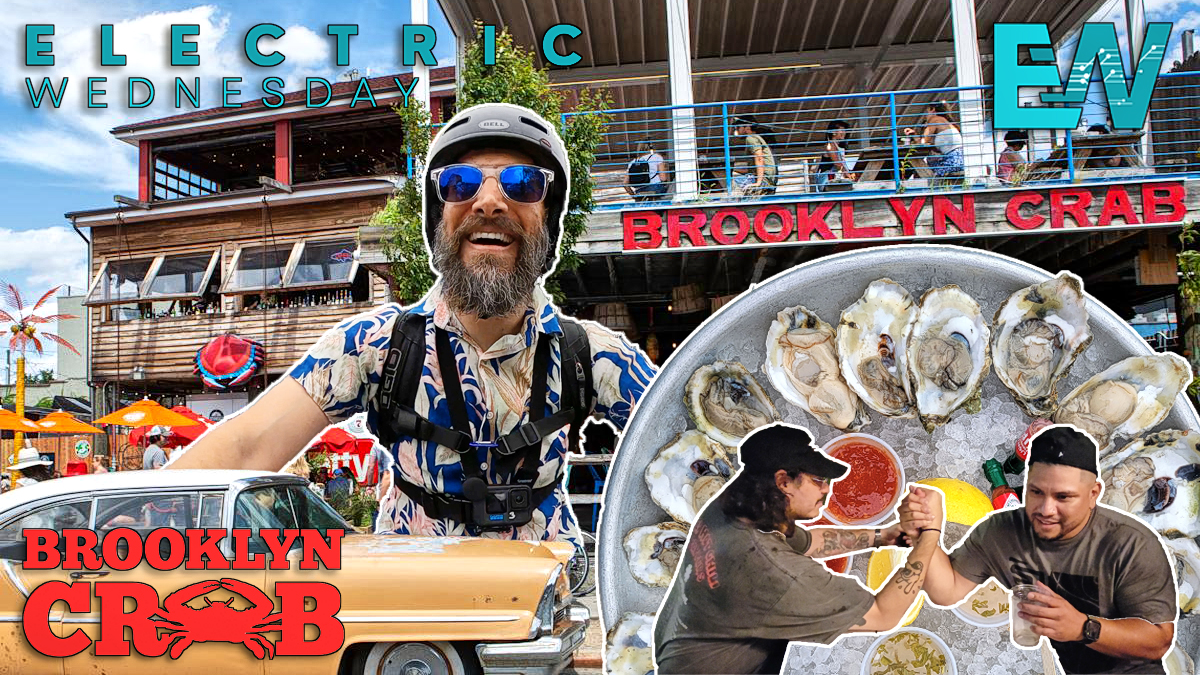
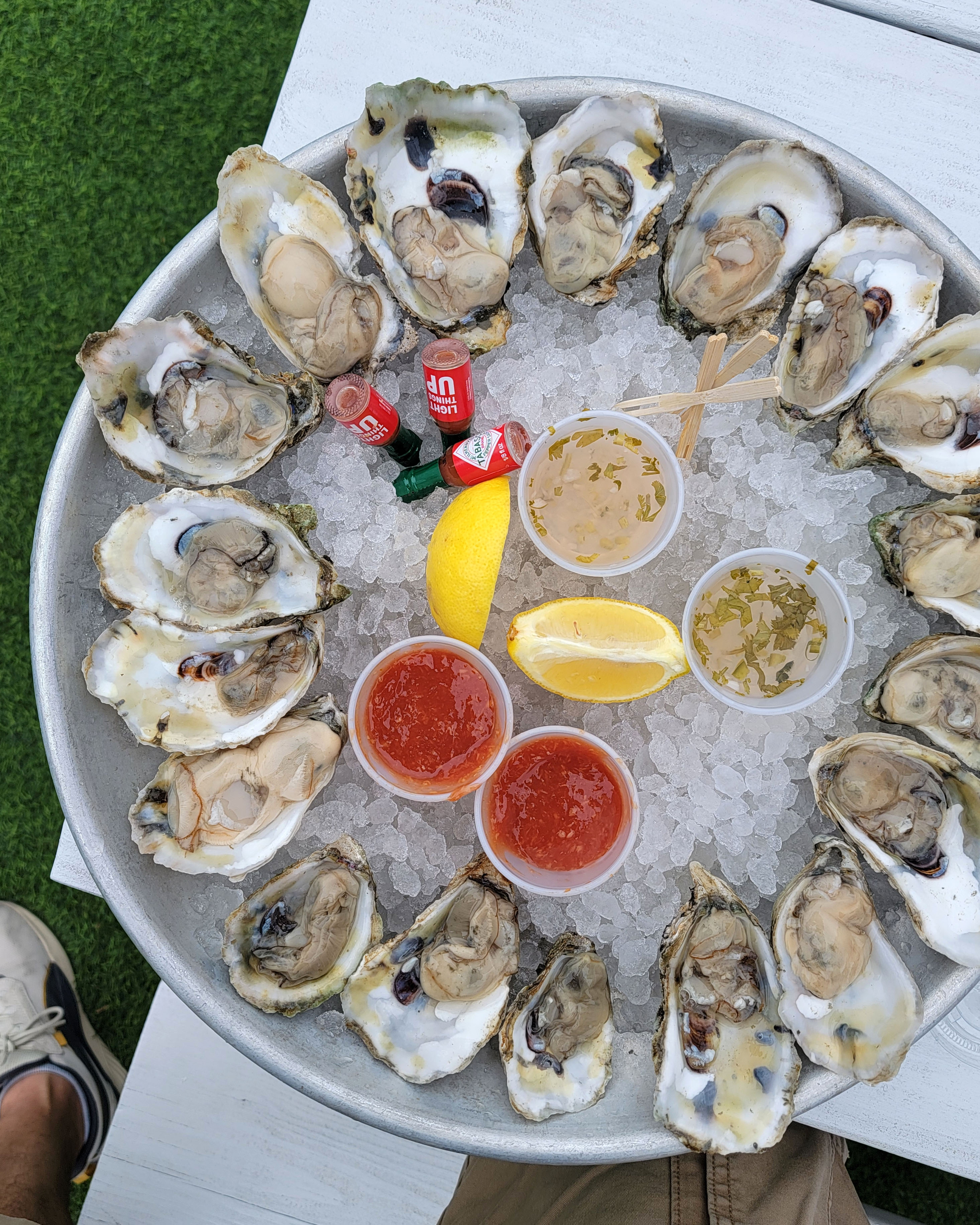
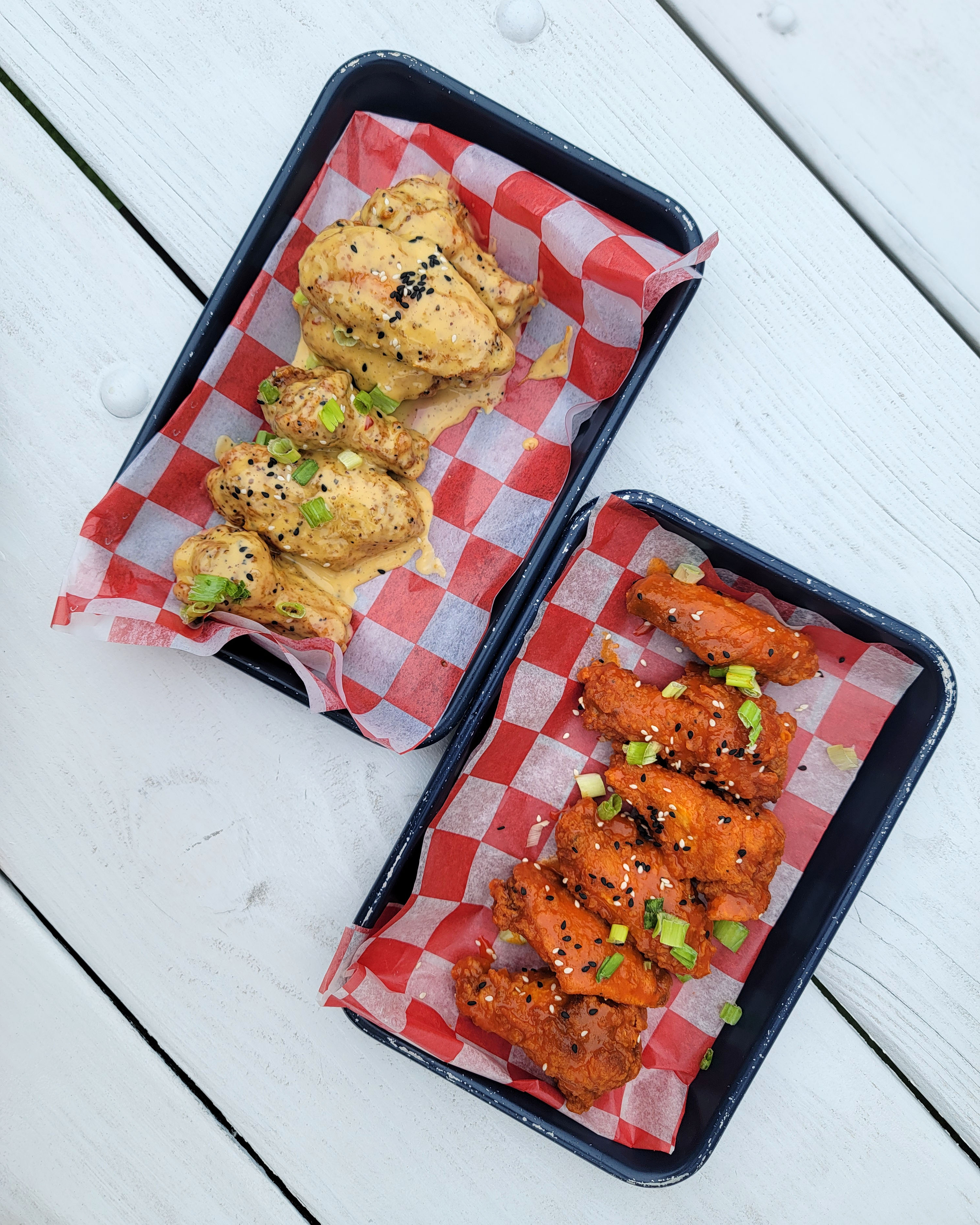
UPDATE: Came here for Electric Wednesday and destroyed some of their dollar oysters and wings! Awesome. Watch the video HERE:

BROOKLYN CRAB
24 Reed St
Brooklyn, NY 11231

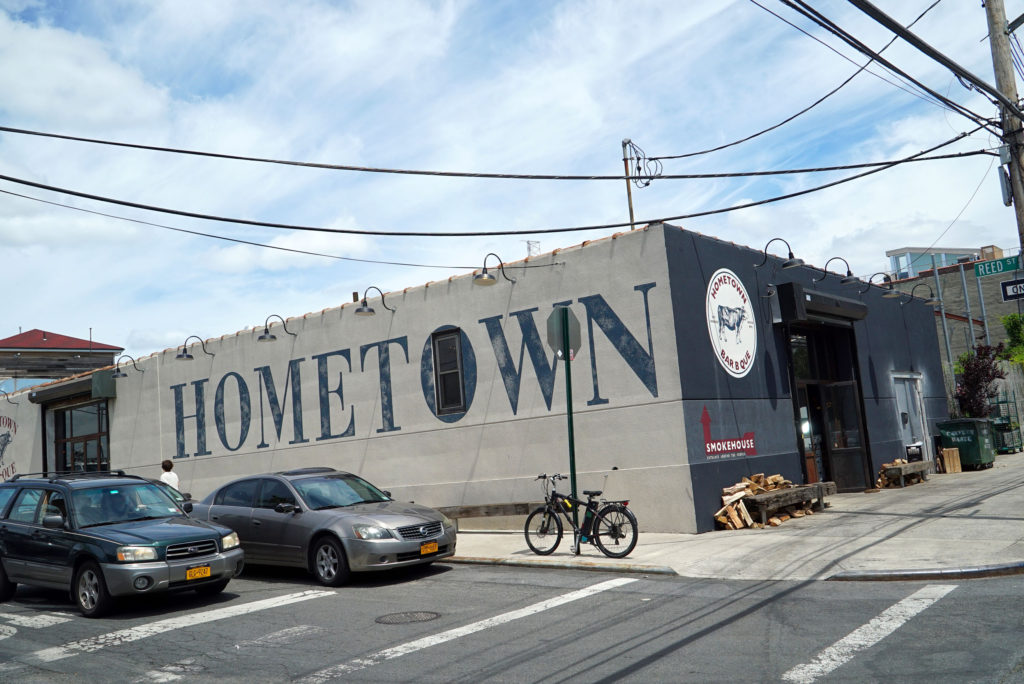
Hometown BBQ

My first run-in with Hometown BBQ came when I attended Meatopia, a meat lover’s paradise that takes place on the piers over in Hell’s Kitchen. There, I met some of the people and pit masters behind Hometown, and I was thoroughly impressed with everything they presented that day, especially the beef rib.

Needless to say, I made it a priority to get over there and try more.

Hometown is a mix of Texas and Carolina styles – serving up a healthy smattering of both beef and pork, dry and sauced – but it has a heavy NYC influence to the flavor profiles, and the pit masters take lots of free license concerning BBQ fusion ideas.

DSC05397

As I mentioned in my Guide to Regional BBQ Styles, I believe that NYC is emerging as its own distinctly amazing BBQ style, especially given the varied immigrant communities that touch on the lives of all in this great city.

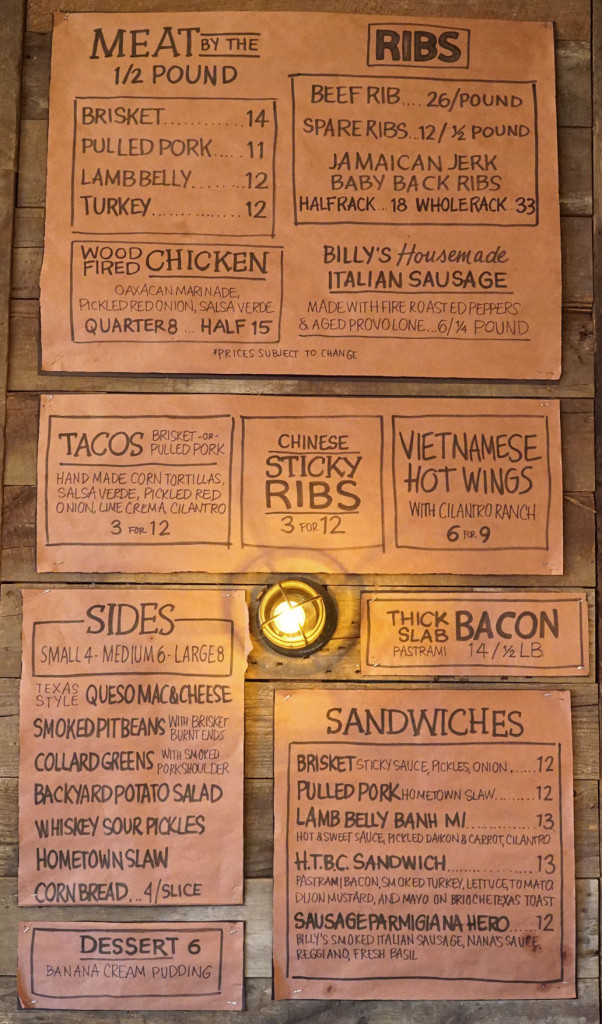
Hometown takes advantage of that diverse cuisine-culture, as all of the ownership, management and pit masters come from either New York, Brooklyn or elsewhere in the five boroughs. As a result you have menu items like (1) Jamaican jerk baby back ribs, (2) Italian sausage, (3) Chinese sticky ribs, (4) Vietnamese lamb belly banh mi sandwiches and chicken wings, (5) Jewish pastrami-spiced bacon (sinful!), and (6) Oaxacan marinated wood fired chicken and tacos.

DSC01843

As you can see, the menu is quite varied. And the pit masters will grab anything that comes their way and spin it into a great BBQ fusion dish, whether it’s beef tongue, duck, or whatever, on any given day. Turkey and chicken make a solid presence here. My only regret is that I was too full to try the turkey, wood fired chicken, and Vietnamese chicken wings.

So here’s what we had:

(1) Lamb Belly: This was actually our least favorite of all the meats, but that is by no means an indictment of quality. Think of it this way: You can choose five pounds of gold, or ten pounds of gold. Which do you choose? Ten, of course, but five is still awesome. This meat had all the great soft, yet sticky-crisp flavors that you associate with belly meat, but with the fat flavor of lamb. I can definitely see how this might go well on a banh mi sandwich, as per the menu offering.

DSC01819WM

(2) Pulled Pork: This was delicious, especially when adding a little bit of the spicy (bright red) BBQ sauce to it. The meat itself wasn’t over sauced at the outset, of which I was highly appreciative, and it had both a nice sweetness and pickle-pop to it that didn’t overpower.

DSC01822WM

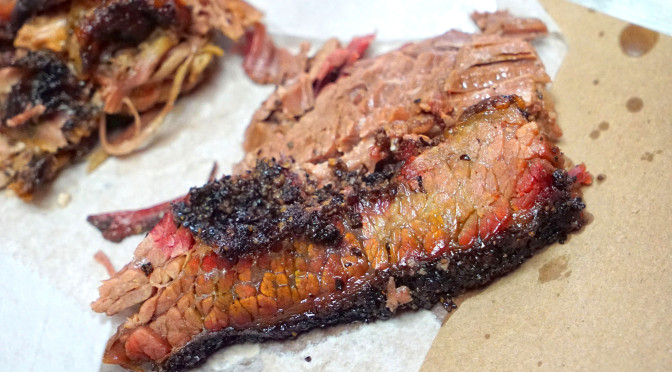
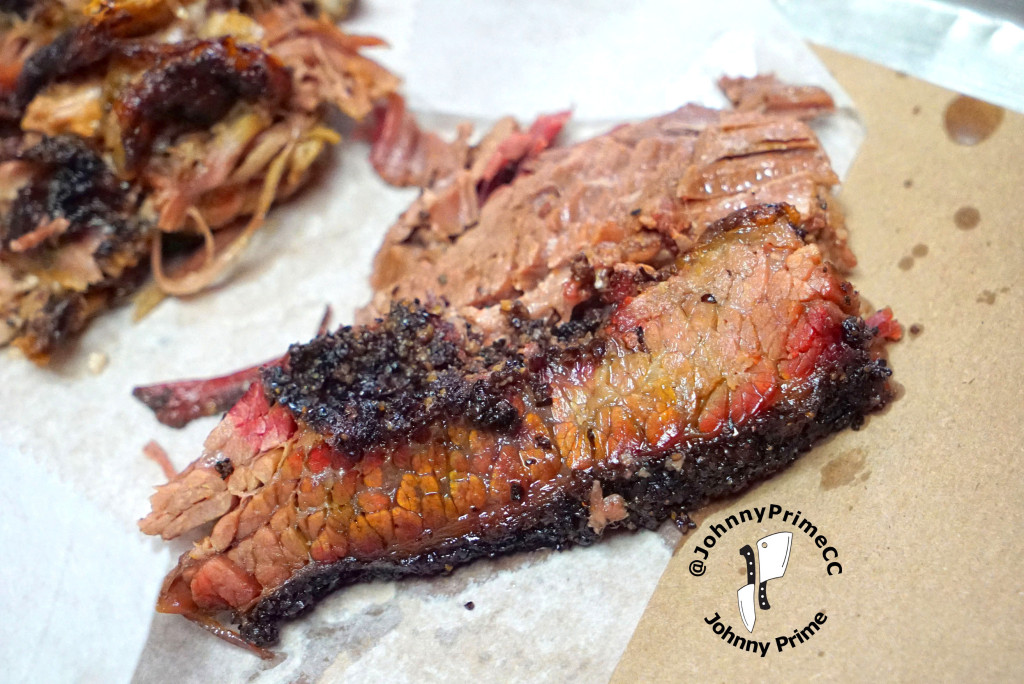
(3) Brisket: This was probably my favorite. It was very juicy and had tons of smokey flavor. If you’re a smoke fiend, then add a touch of the smokey BBQ sauce (darker colored container), and you’re instantly transported to wood-fired heaven.

DSC01815WM

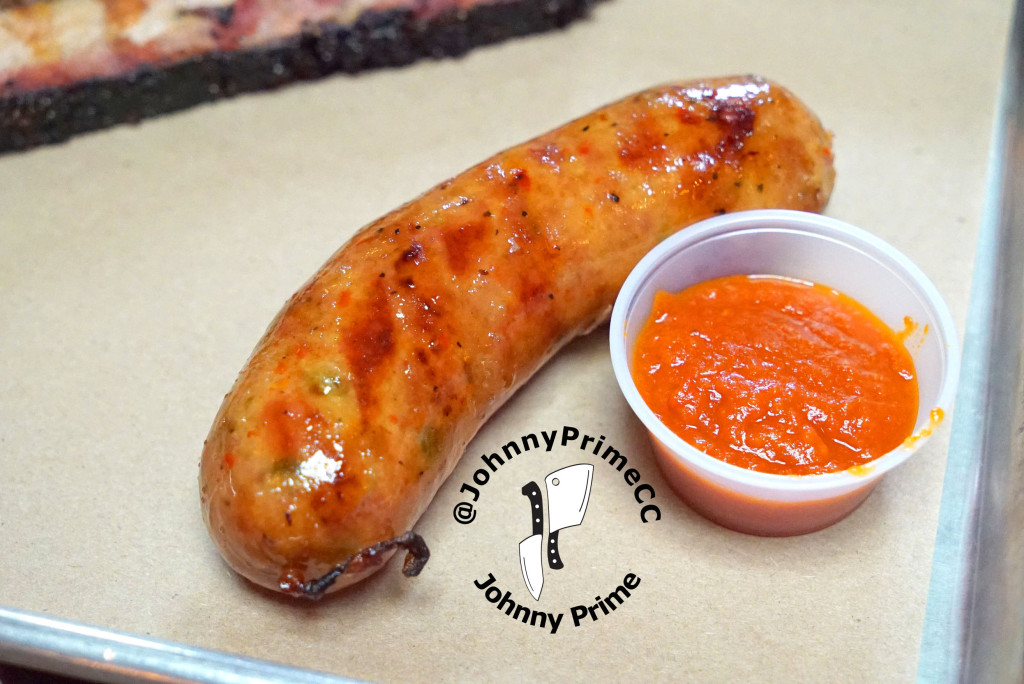
(4) Italian Sausage: I loved this Brooklyn spin on the classic BBQ joint sausage link. While I do love me some Texas hot links and classic Bavarian sausage, this was a welcome change of pace. It was cleverly served with a light tomato sauce, though it didn’t taste exactly like a traditional parsley and cheese Italian link. The pungent smoke, fire roasted peppers and aged provolone added a whole different dynamic to the meat that truly made it Italian BBQ fusion.

DSC01834WM

(5) Jamaican Jerk Baby Back Ribs: Wow. These were really interesting. The jerk spice and sauce create a nice thin bark on the outside, but the smoke causes the flavors to permeate through the entirety of the meat. This was a unique execution of baby back ribs.

DSC01831WM

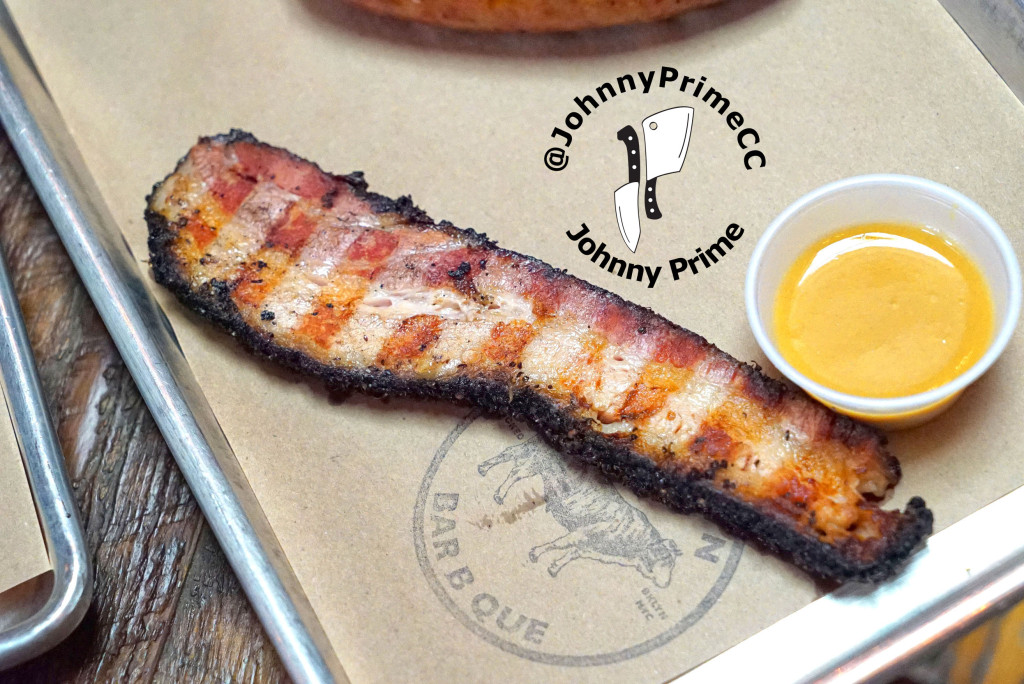
(6) Pastrami Bacon: Pastrami and bacon are two words that perhaps don’t belong together in the NYC Jewish community, as it is straight up not Kosher for Passover, but this was pure heaven as far as sinful eating goes. Crispy, fatty, meaty and all around perfectly cooked, this grill-kissed slab bacon came with a velvety honey mustard sauce that actually paired great with all of the meats we tried.

DSC01837WM

We didn’t get down on any sides. Next time. We were so focused on the meat that we lost sight of the other goodies on the menu. I wish we ordered some whiskey sour pickles. My eyes were so dazzled by the meat selections that I completely missed them when I was reading the menu. BBQ + Pickles = Heaven. I am ashamed…

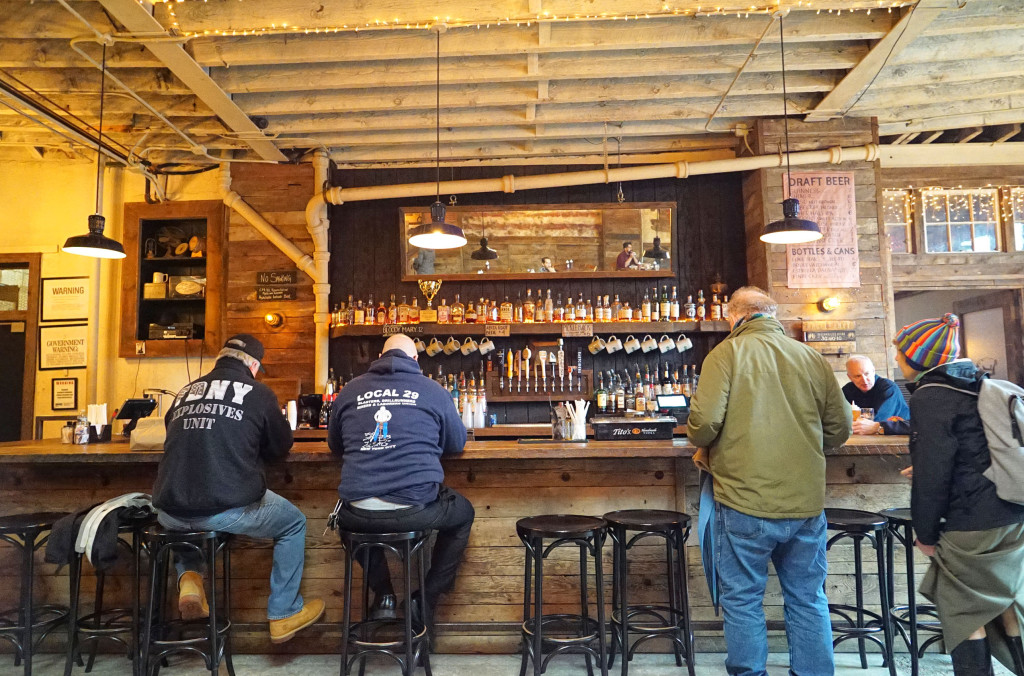
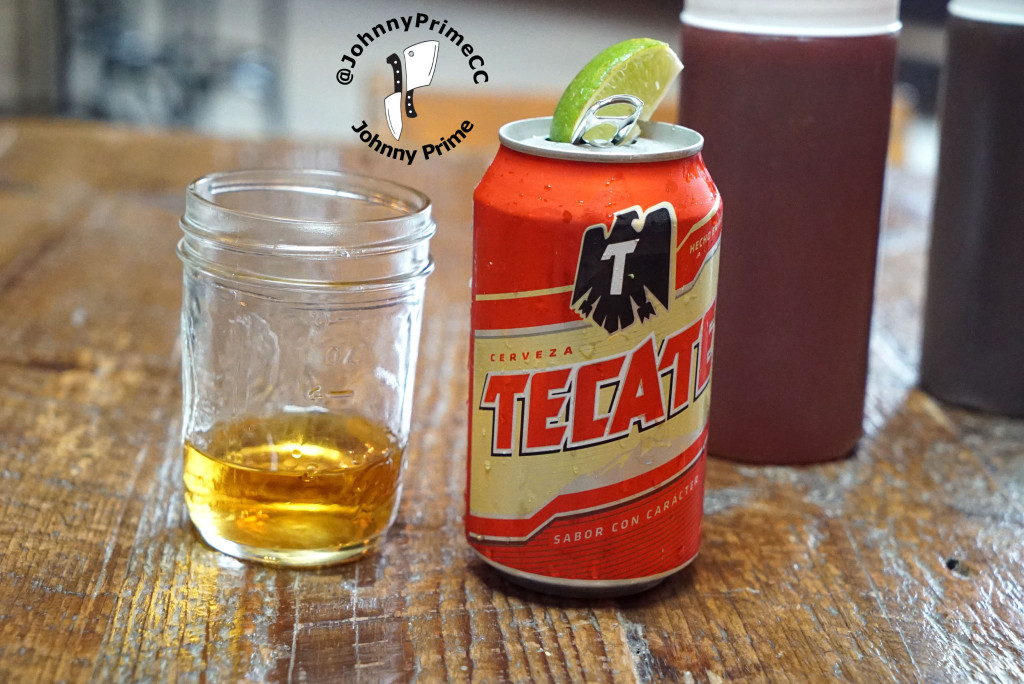
The bars here are great, too, by the way: one in the front, one in the back. They have a Texas vibe, and the drinks are somewhat reasonably priced for the city. My Tecate and neat Jameson came to $13: $4 for the beer and $9 for the whisky.

DSC01847

DSC01811WM

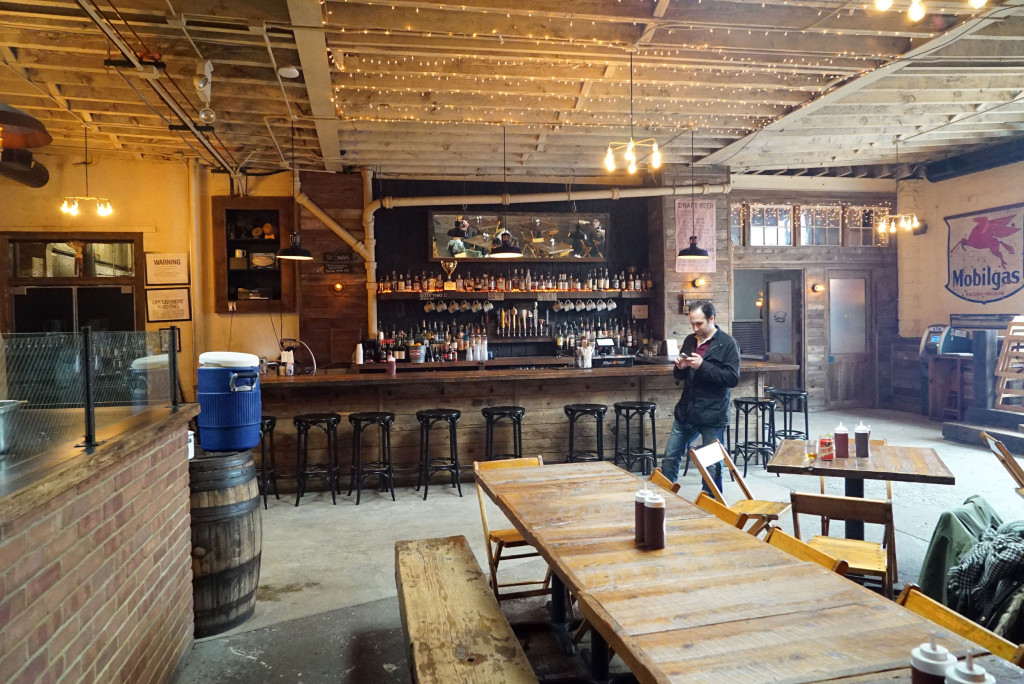
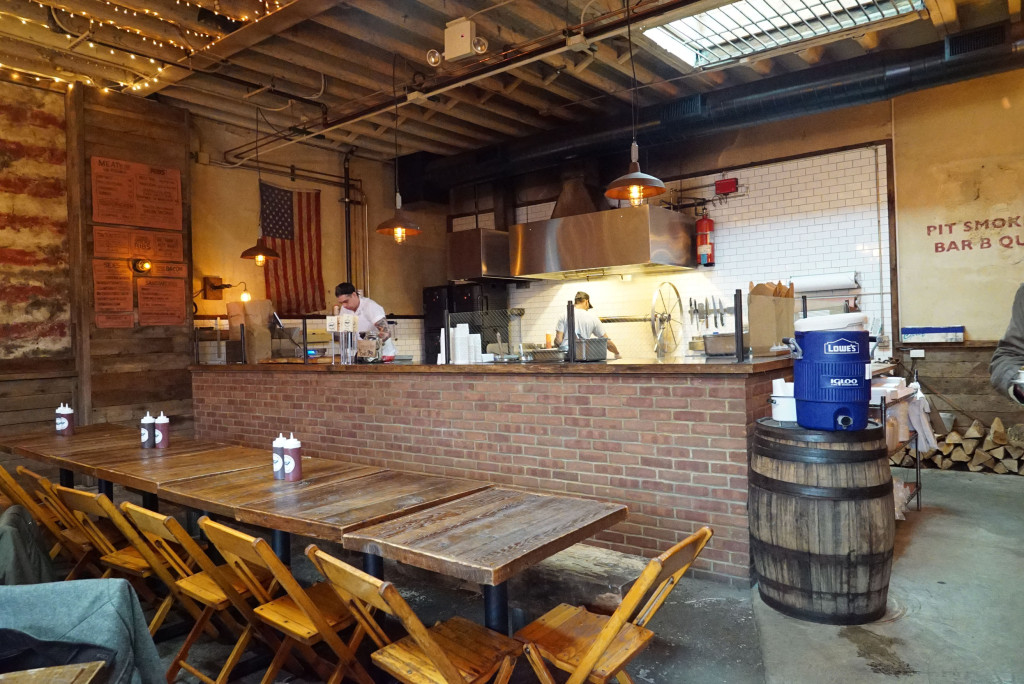
The atmosphere here is awesome. It feels like you’re in a warehouse barn that has several fires burning. The smells are invigorating, warm and inviting. This was a perfect refuge from the downpour and cold weather that was happening the day I came here.

DSC01812

That’s the back room. In the front (through the door to the right of the bar), there’s another big bar room with more tables and a small stage for live music performances. This is the counter where you order your food:

DSC01844

In short, Hometown is my favorite BBQ joint in the area. It seriously fucking blows away the competition.

UPDATE 7/2/16

My wife and I hit this fucking place like champs today. Here’s a rundown of what we ordered:

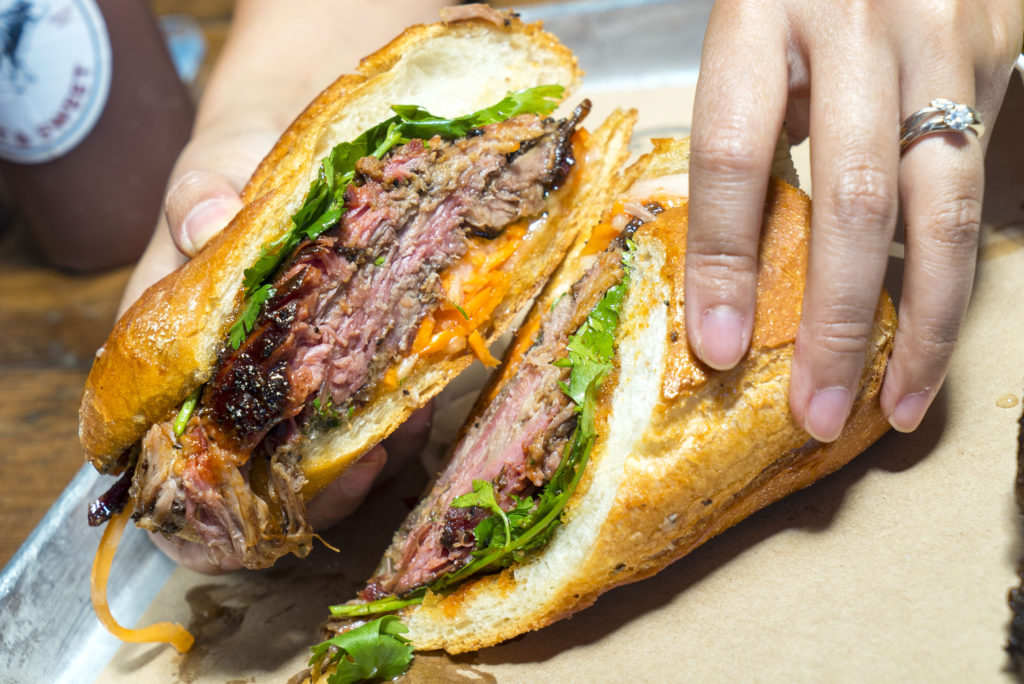
Lamb Belly Banh Mi: This shit was legit. The sandwich was packed with good lamb belly meat, and the flavors of the pickled items were just right. The bread was perfect – a buttery French baguette. This baby got the seal of approval from my wife, so you can trust that it is really fucking good. Only downside: there is still some connective tissue in the lamb belly servings. I noticed this last time but didn’t mention it above, because I thought it was maybe a one-off thing.

DSC05401

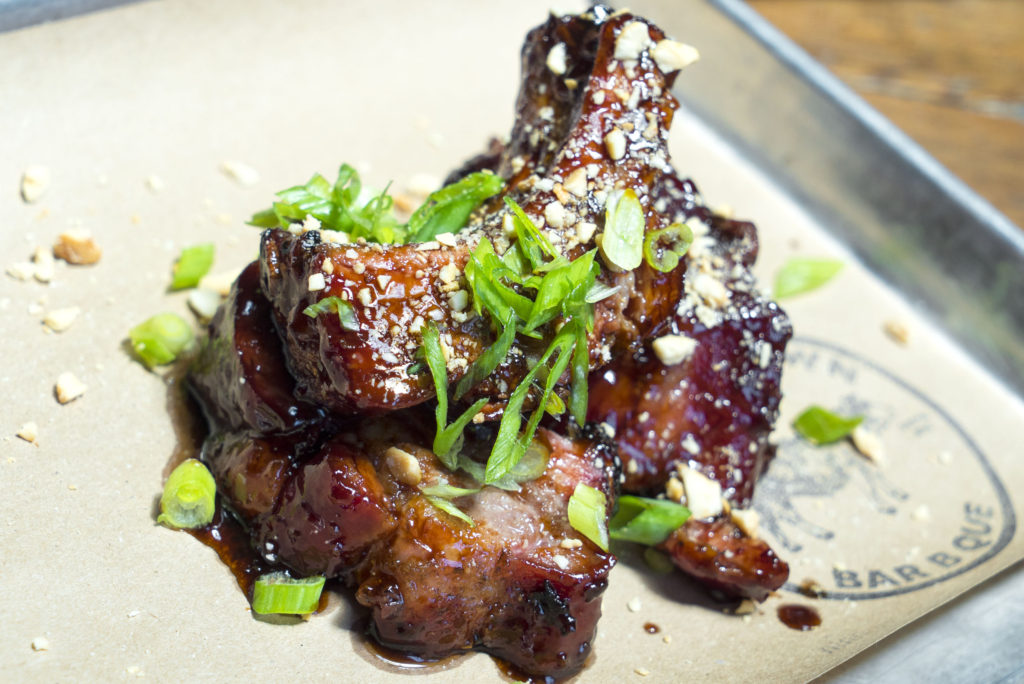
Chinese Sticky Ribs: I liked these a lot but the wife thought they were too sweet. The flavors were really layered. Spice, sweetness, and the meat was perfectly cooked to the point where you can bite it and see your teeth marks in the meat.

DSC05419

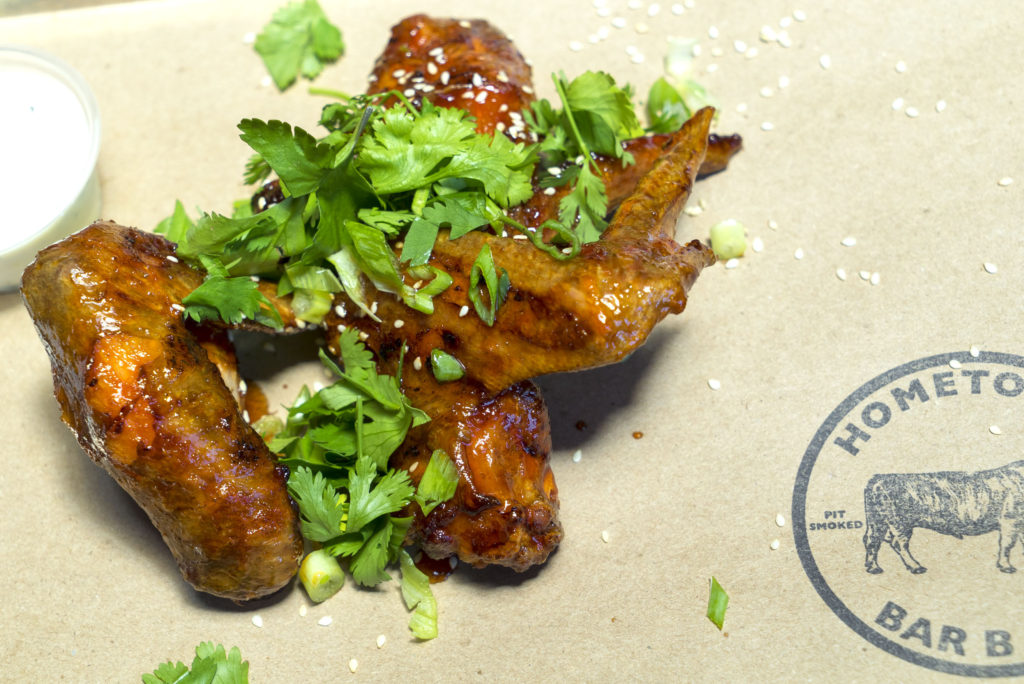
Vietnamese Crispy Wings: Another win here. These full wings were nicely crisped and coated with a really delicious tangy and spicy Vietnamese-inspired sauce. Very easy to eat all day.

DSC05411

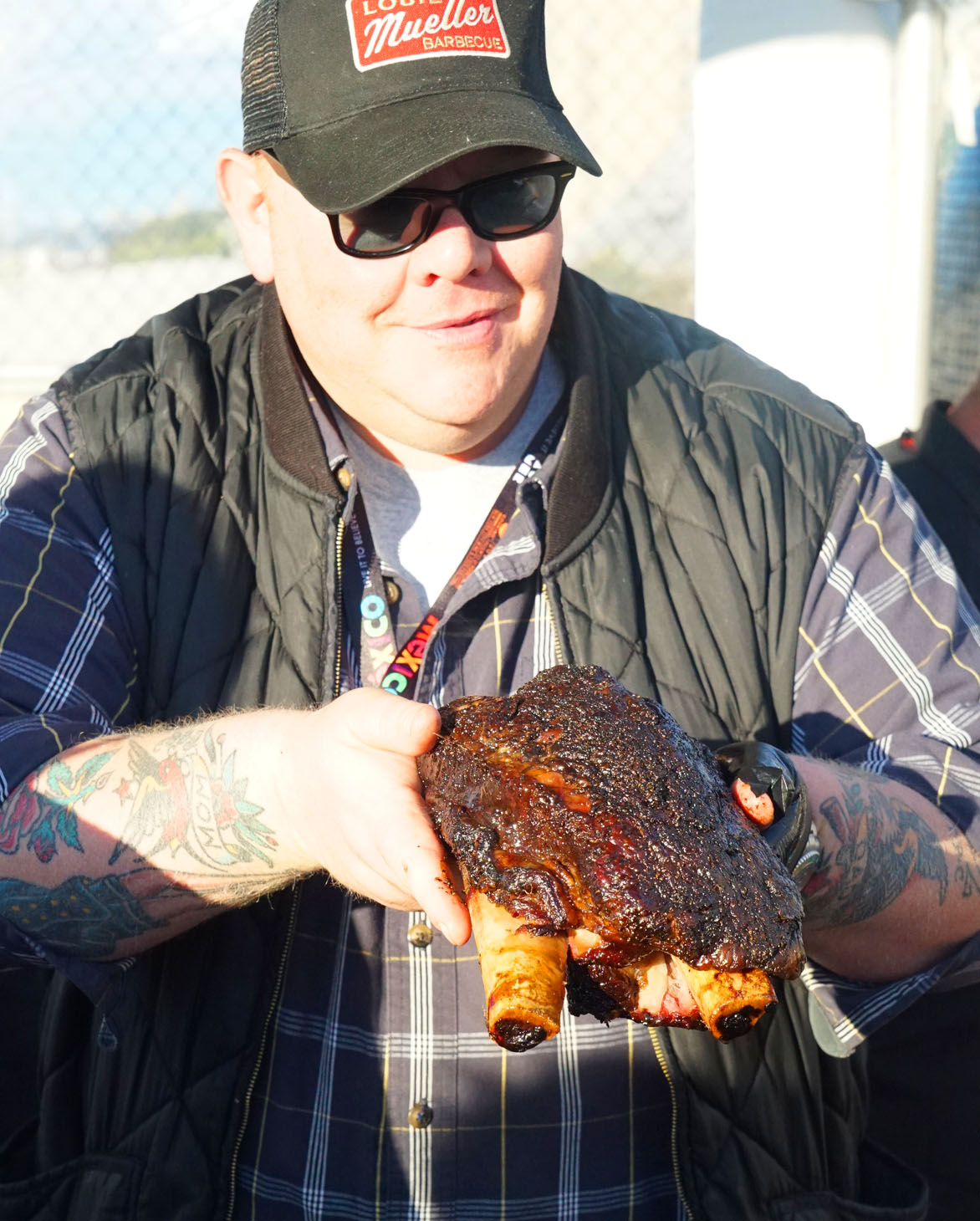
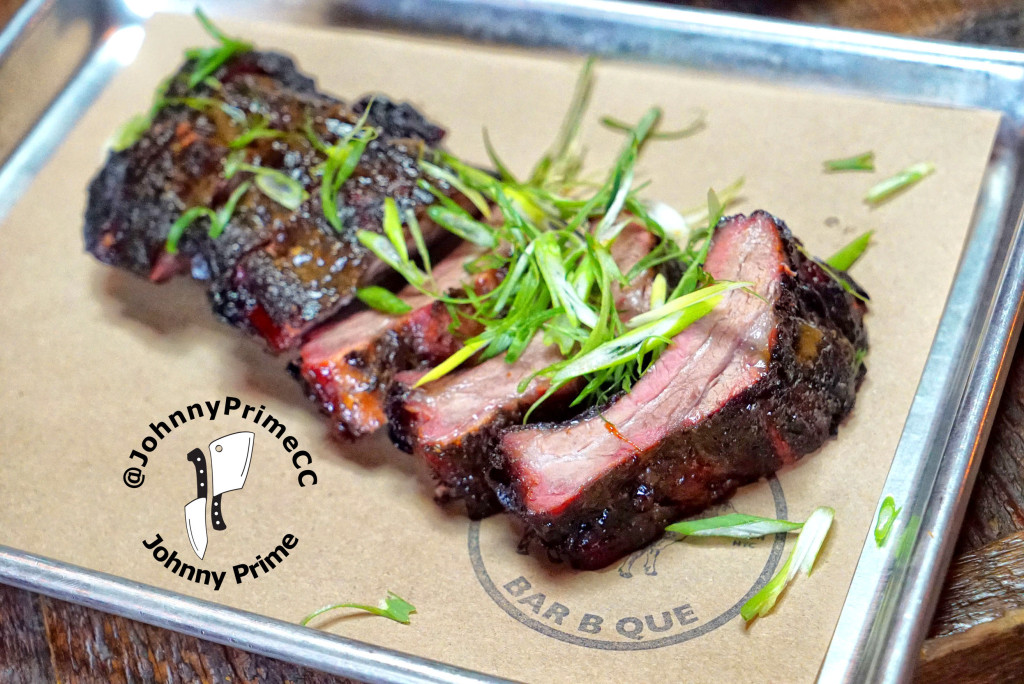
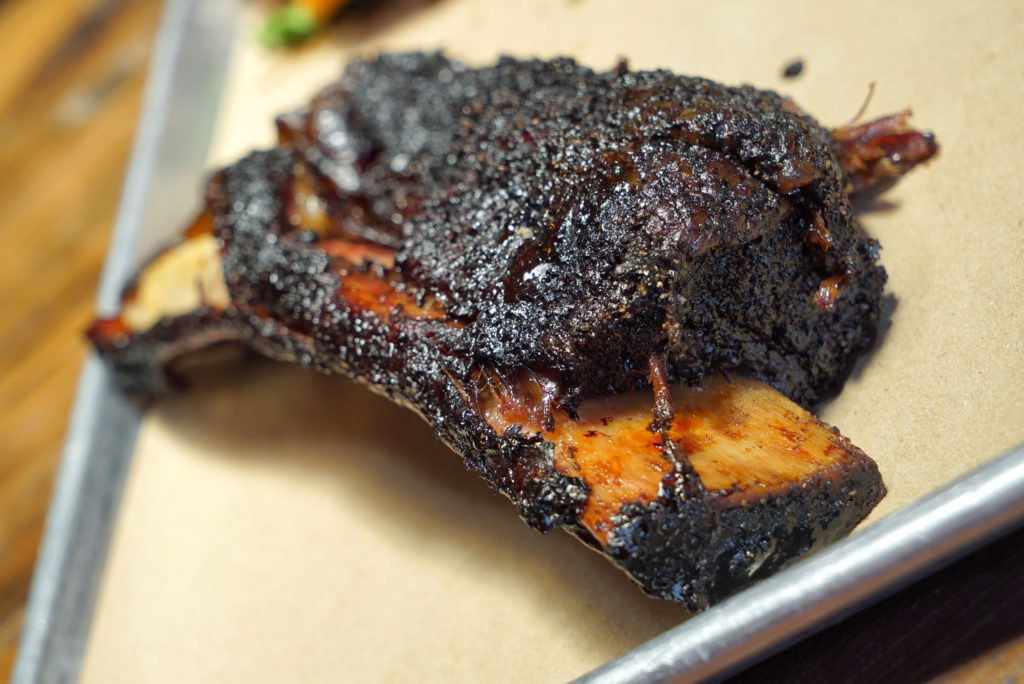
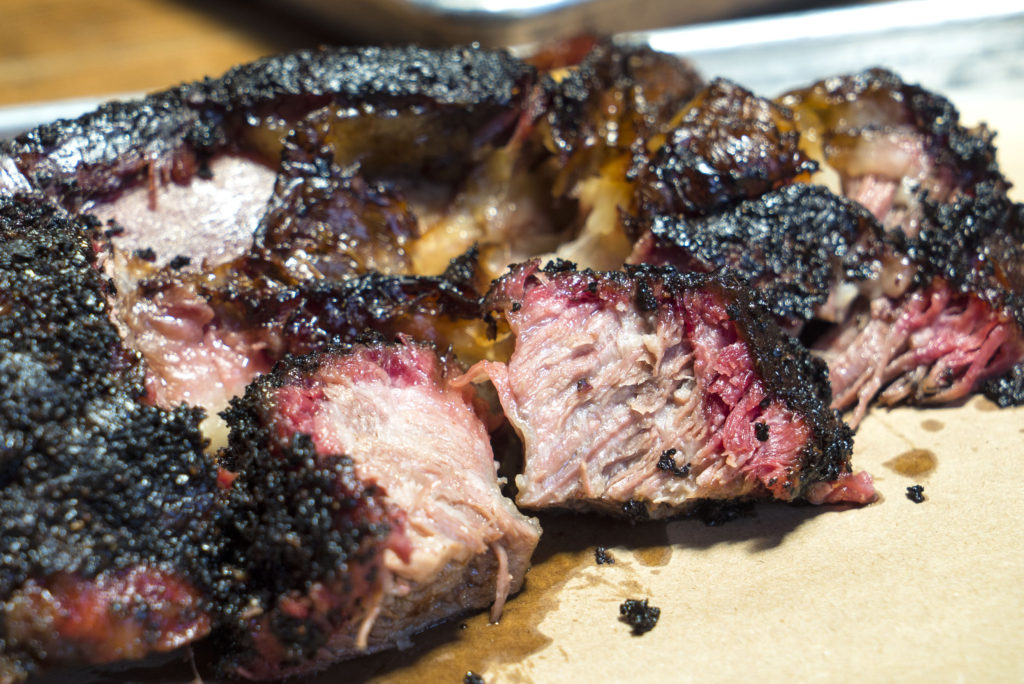
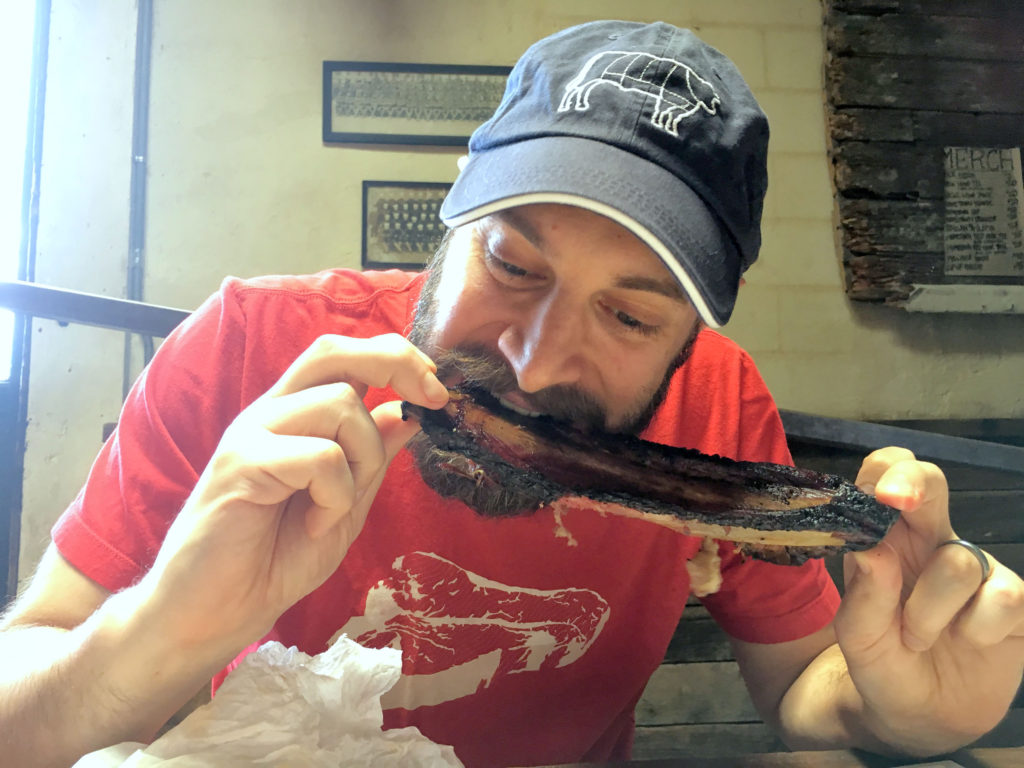
Beef Rib: This was a monster. The meat was absolutely perfect. The bark on the outside gives it a textural crunch as well as a shot of electrifying flavor. Fucking awesome. It may be pricey, but if you come here and you don’t get one of these, then you’re a dick.

DSC05407

DSC05415

IMG_0354 edits

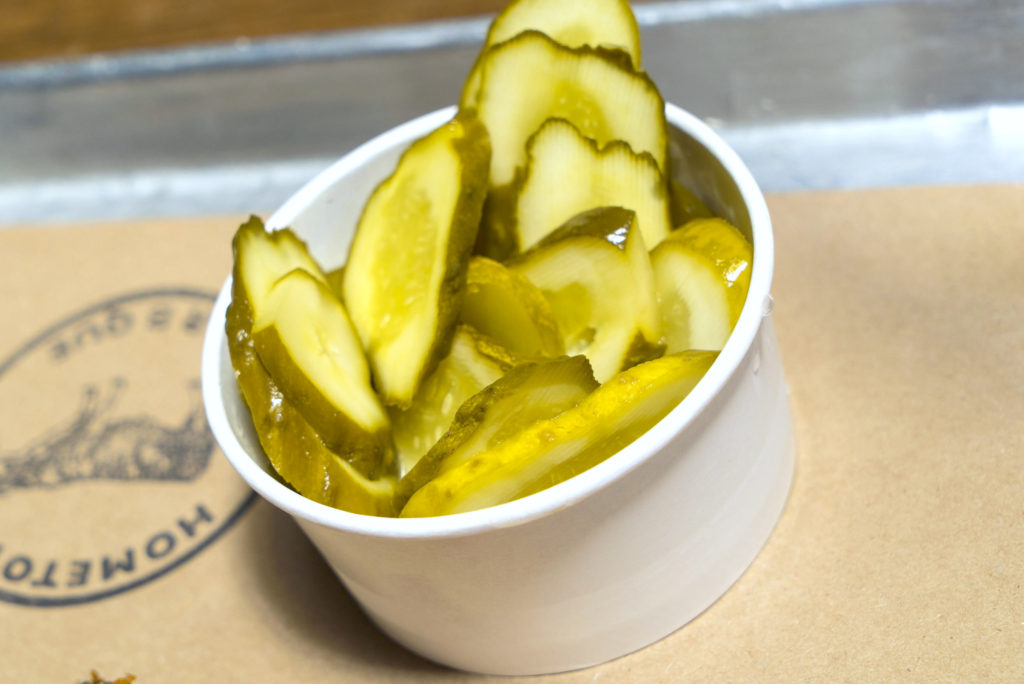
Whisky Sour Pickles: This time I remembered to get a side. Since we were having some bread with the banh mi sandwich, I figured I’d steer clear of carbs. The pickles were a wise choice, as they went perfectly with the meats.

DSC05399

I can’t wait to go back for round three, during which I will try the wood fired chicken and smoked turkey.

HOMETOWN BBQ
454 Van Brunt St
Brooklyn, NY 11231

Le Rivage

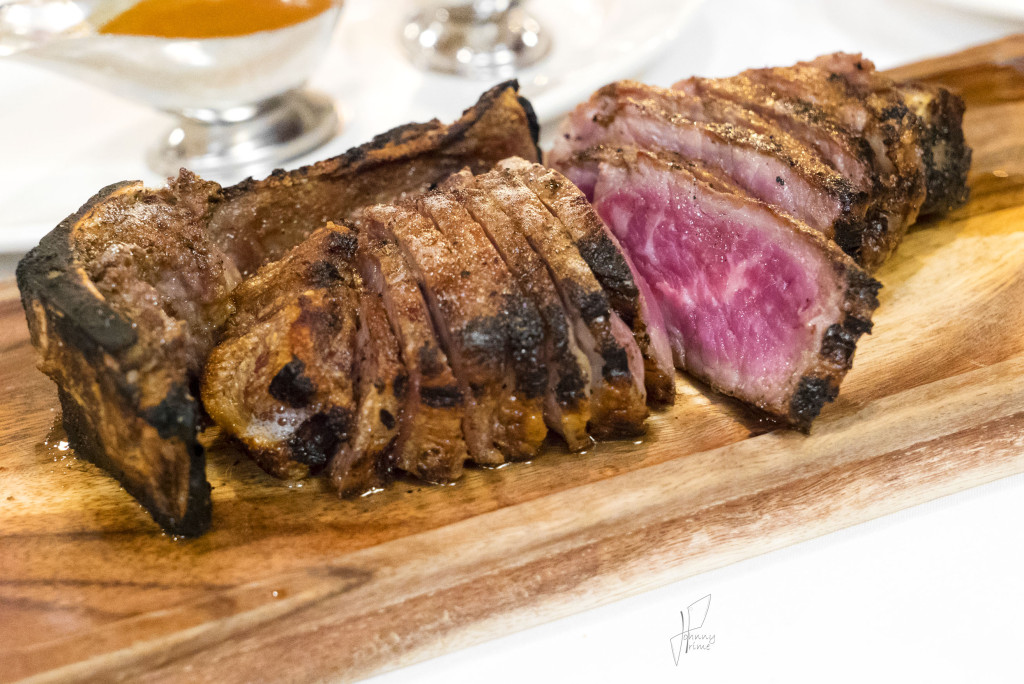
My wife picked up a Gilt City deal for Le Rivage, with which we shared a 62-day dry aged, bone-in Creekstone Farms/Pat LaFrieda New York strip steak, two sides, a bottle of wine and a dessert for about $100. Pretty great deal, especially if you can use a discount when buying the flash deal.

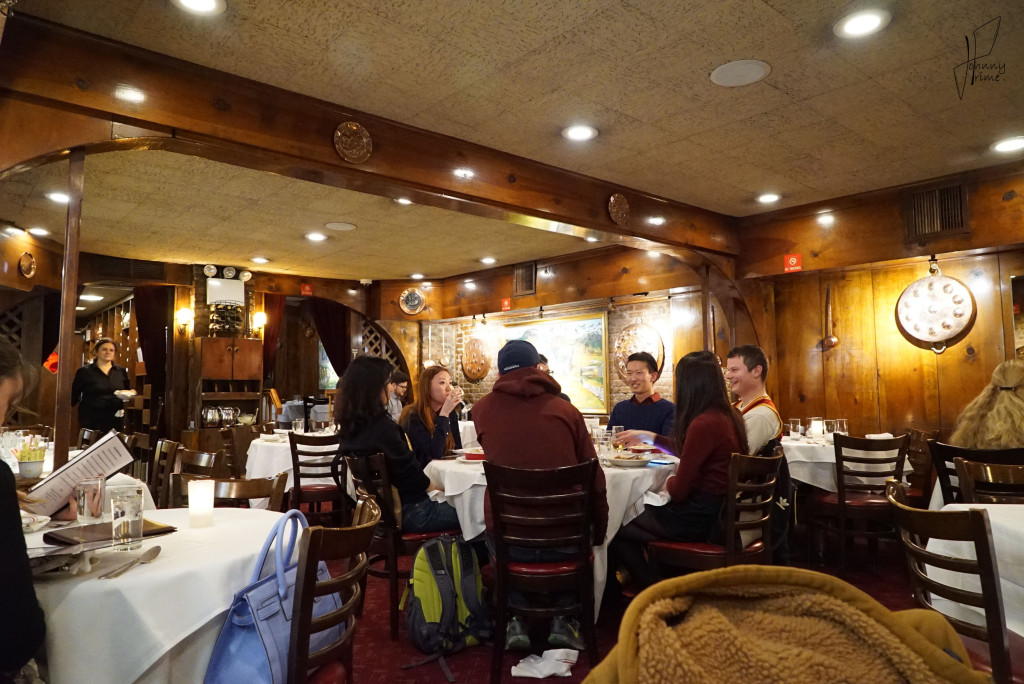
Anyway, Le Rivage is a cozy French joint in the theater district on 46th Street between 8th and 9th Avenues.

DSC02836

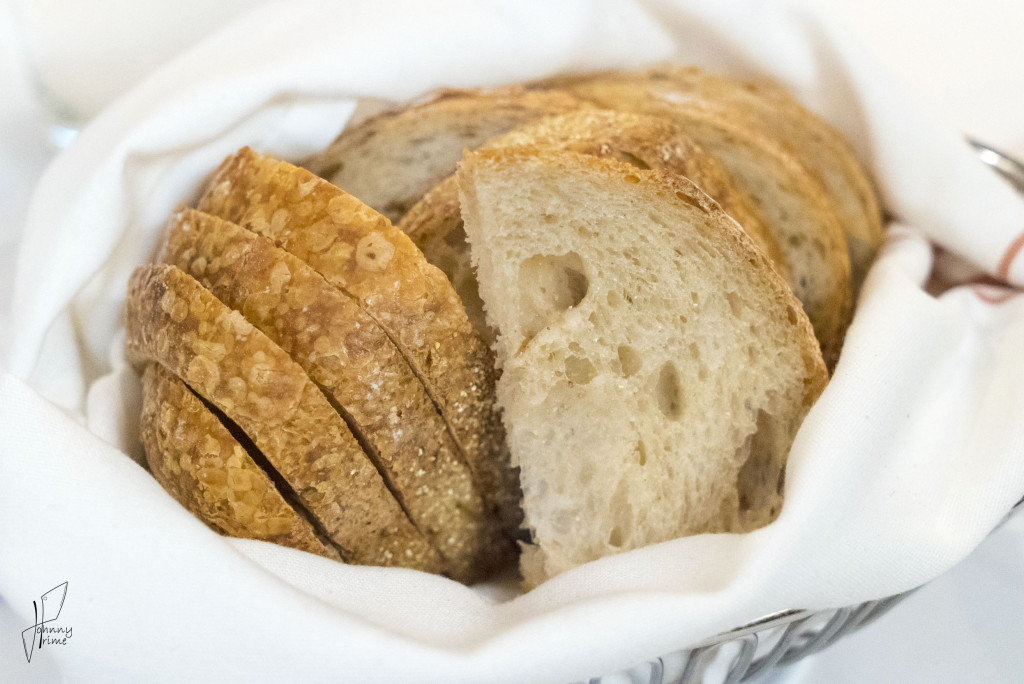
They gave us some nice table bread with whipped butter to start:

DSC02818

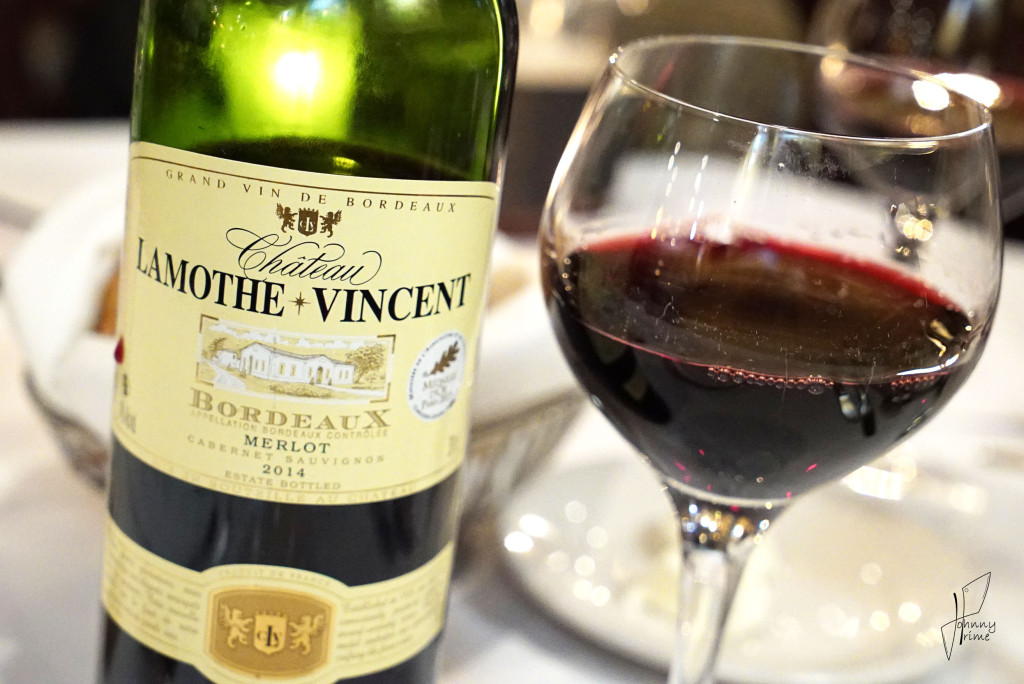
And the wine was an 80%  Merlot 20% Cabernet blend that was actually pretty good.

DSC02820

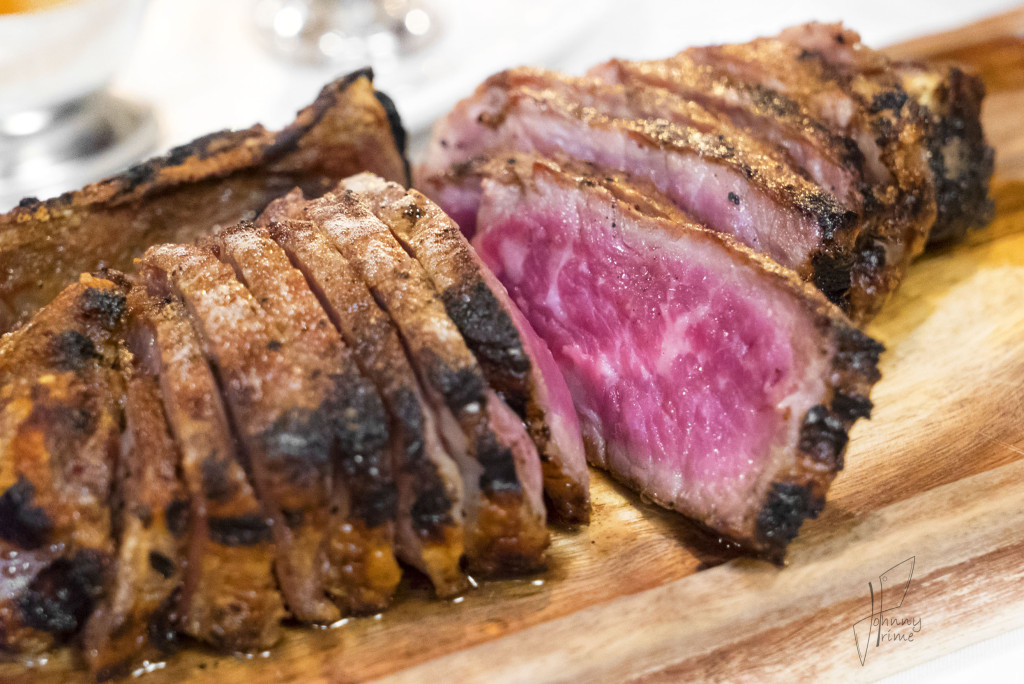
Chef Paul Denamiel cooked our steak to a perfect medium rare.

DSC02825

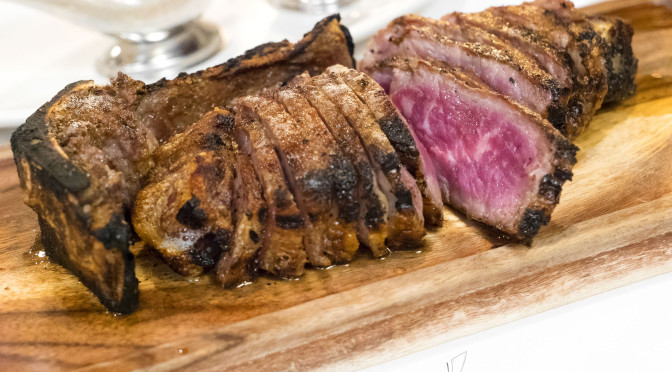
The long, 62-day dry aging process imparted a bit of nuttiness and funk to the flavor of the beef. This baby was masterfully prepared. It definitely can hang tough with some of the best steakhouse cuts in the city. Get your ass over here and try it, if it is still available on special. I give it a 9/10. Why not the full 10? I felt like it needed just a hint more salt, maybe just some finishing salt even, but not much.

DSC02821

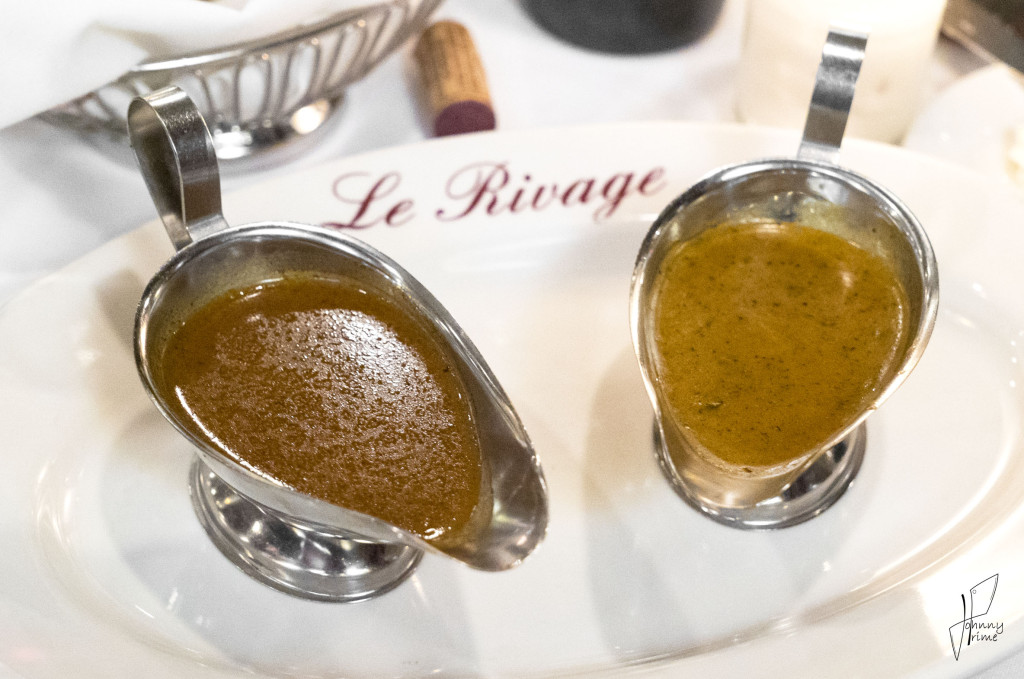
The steak came with two sauces, so dipping into these added some of that saltiness that I was looking for from the seasoning. The sauces were a wine reduction and a peppercorn:

DSC02834

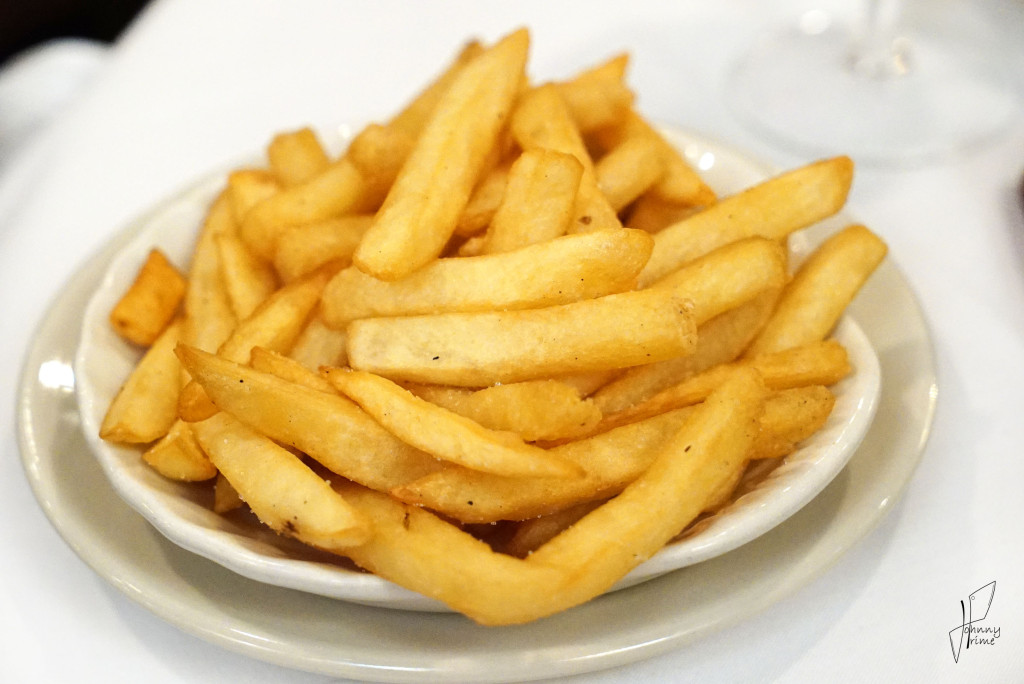
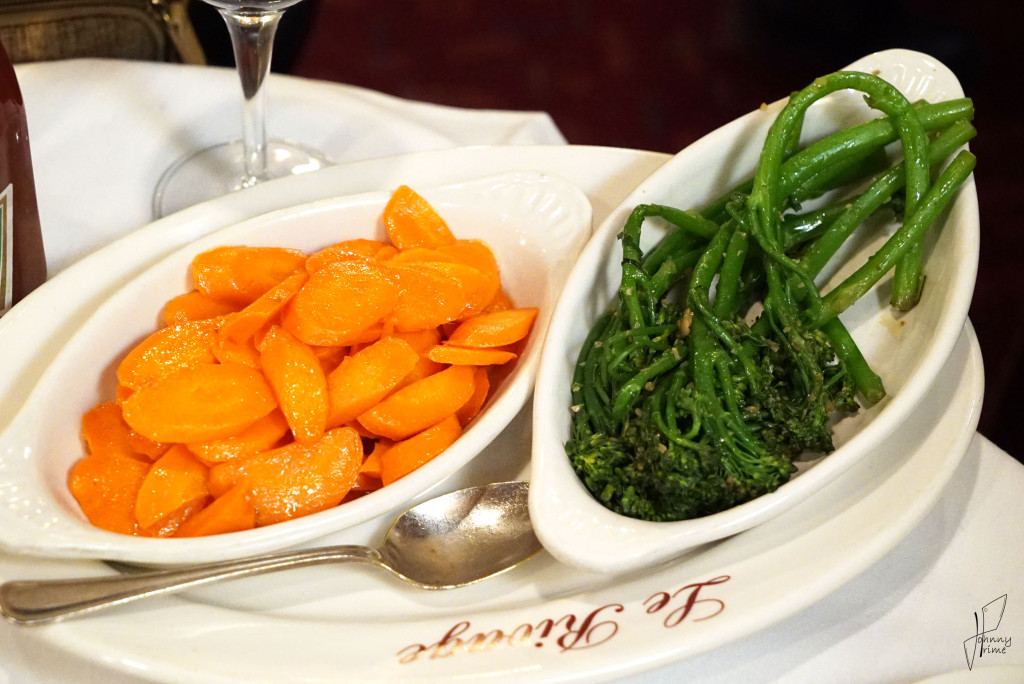
Our sides were actually very abundant. We ordered broccolini and fries, but they brought out two dishes of fries, one dish of broccolini and one dish of carrots. We had lots to bring home.

DSC02829

DSC02831

I’m a big fan of broccolini, and I cook a mean broccolini at home quite often. I was impressed with it here. It was simply treated with seasoning, garlic and oil. The carrots were buttered and slightly sweet-glazed, and the fries were nice and crisp.

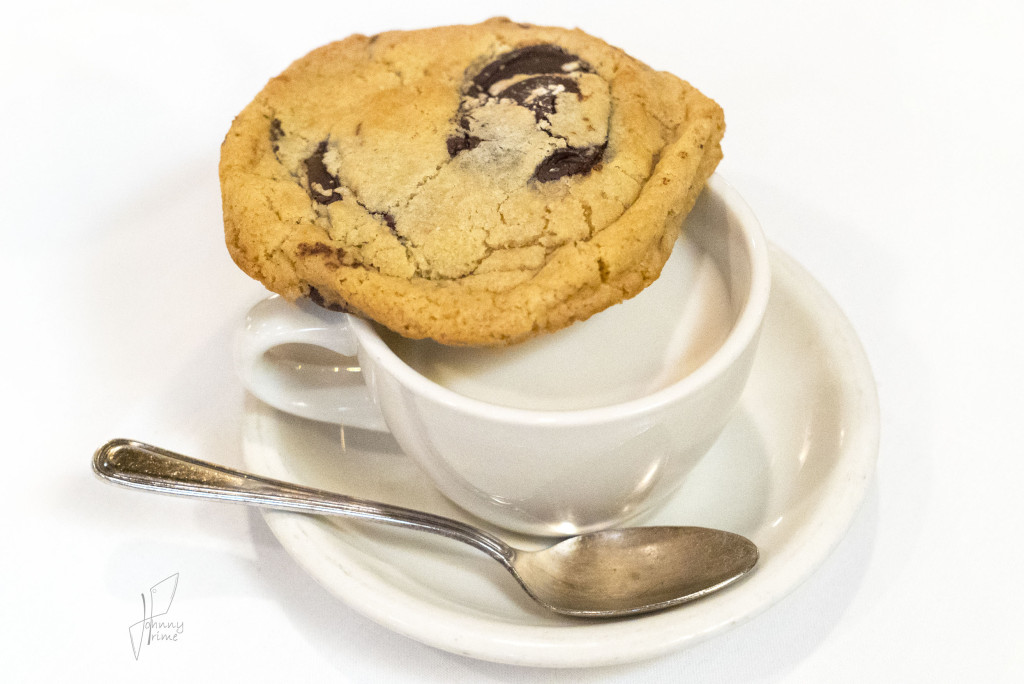
For dessert, we went with the chef’s recommendation, which was a Jacques Torres chocolate chip cookie and a sweetened, spiked milk.

DSC02838

So simple, yet so tasty. After chatting with the chef for a bit, we learned that he is best friends with Pat LaFrieda, and that Jaques Torres is his godfather! That’s a serious pedigree, and it shows in Chef Paul’s abilities. He did a great job on the steak, especially.

I definitely recommend giving this place a shot, especially if you like to take advantage of Gilt City deals (not sure if this one is still available), or even just their regular three course price fix specials, which are offered daily for between $25 and $40. Very reasonable.

UPDATE – 6/30/16

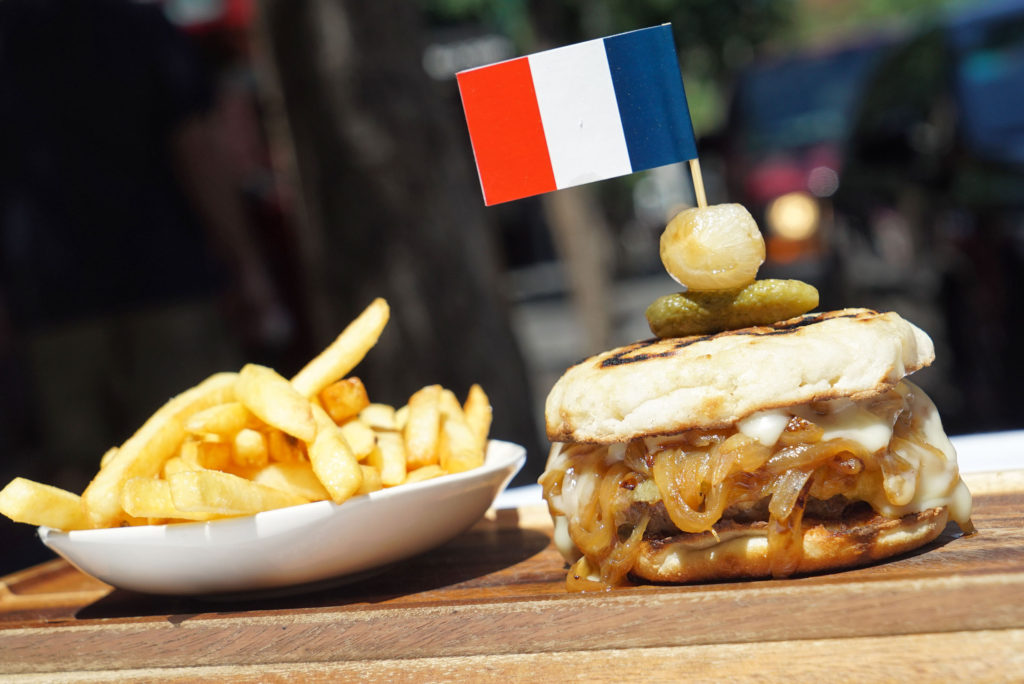
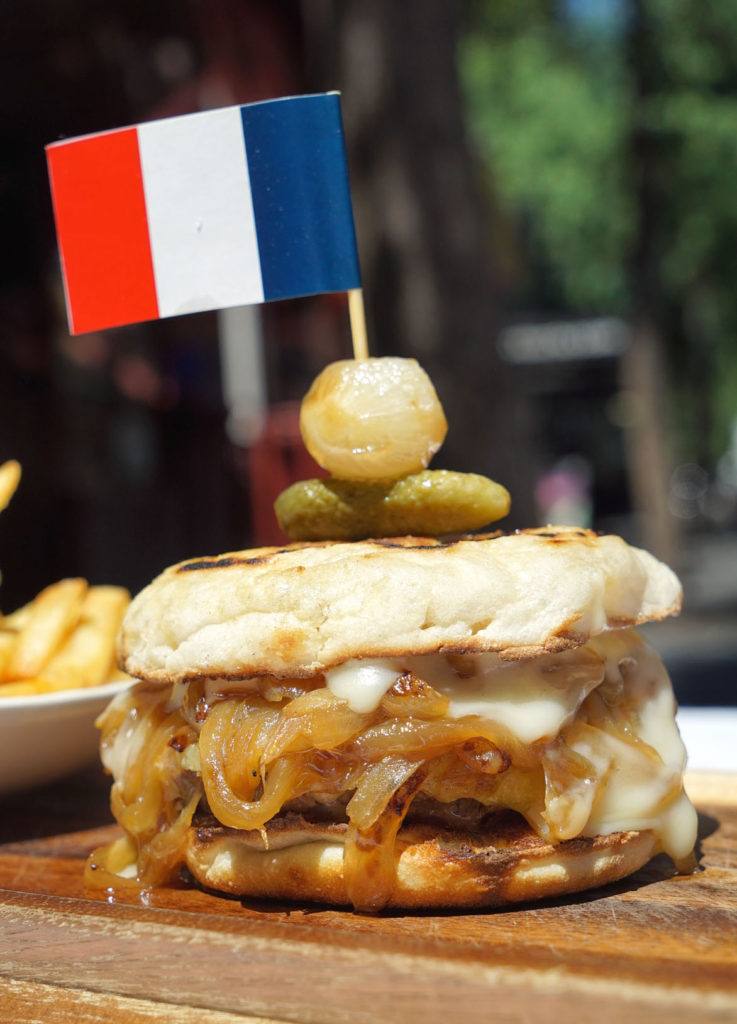
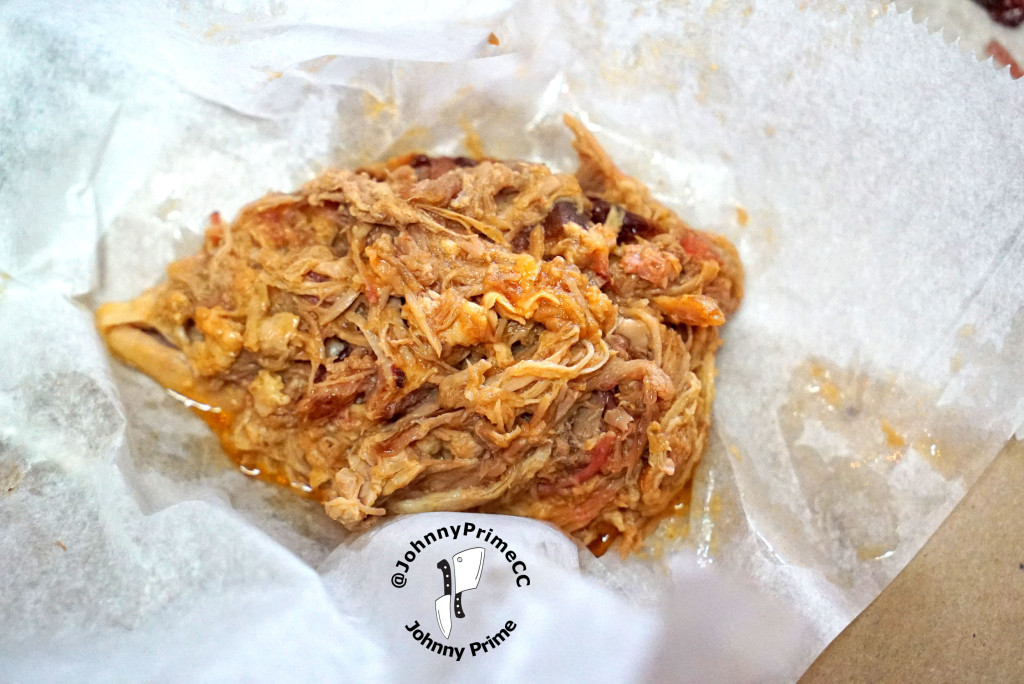
I went back to Le Rivage to try Chef Denamiel’s award winning French Onion Soup Burger today. Holy fuck, people. This thing is absolutely amazing. It’s not a surprise that he won the “Judge’s Choice” award in New York City Wine & Food Festival’s 2013 “Burger Bash” with this baby, beating out the likes of burger master Chef Capon in the process.
DSC05375

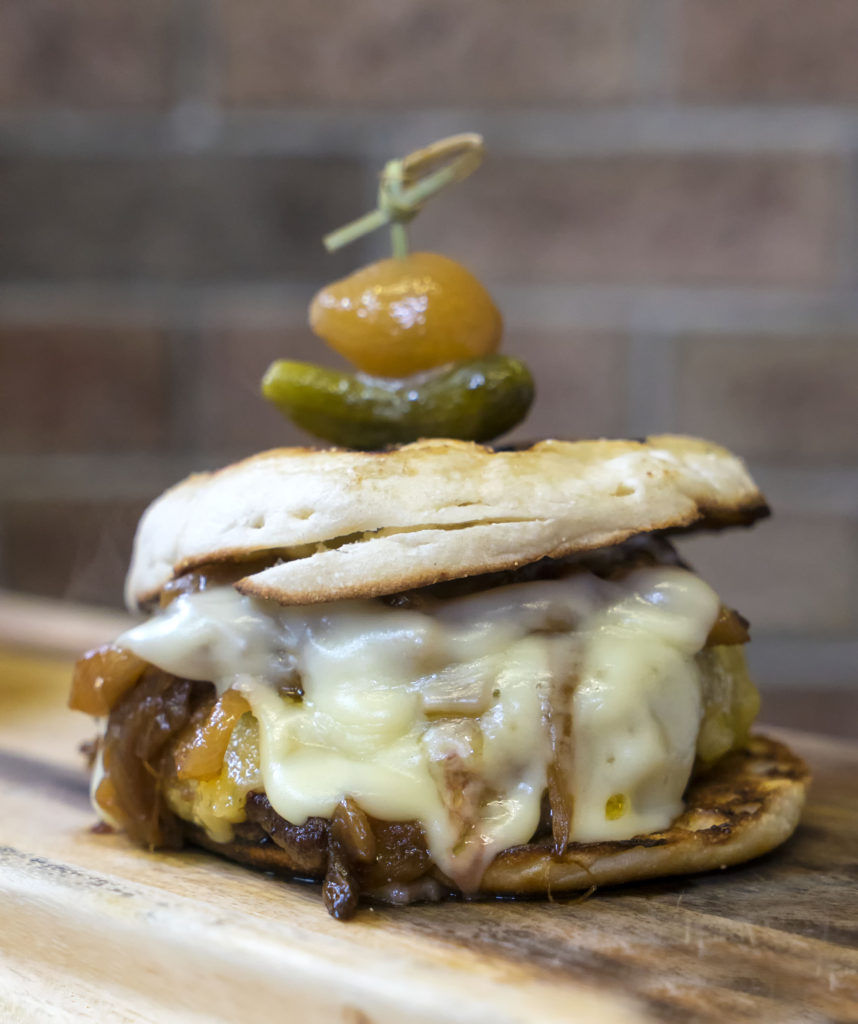
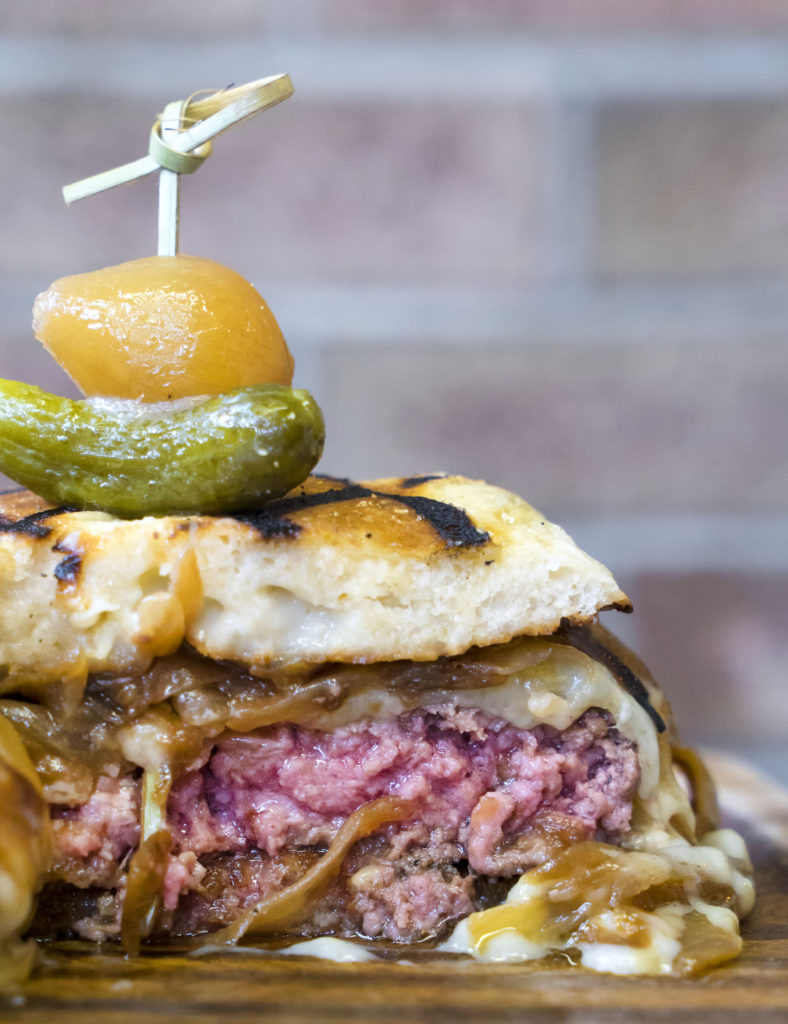
His patty grind is usually between 60/40 and 70/30 lean/fat, and the beef also comes from Pat LaFrieda, just like the steak I reviewed up above. He seasons the patty with salt, pepper, drawn butter and brown sugar before it hits the grill. After the first flip, he puts on a slice of a Swiss gruyere type cheese called Emmenthal, which melts around the patty to seal in the medium rare juices. This then gets placed onto a butter-toasted sandwich-sized English muffin, and then topped with cognac-reduced confit onions, and then a bechamel cheese sauce for good measure. The top bun is placed on top, and then the French flag toothpick with roasted cocktail onion and gherkin gets popped on. Viola – perfection.

DSC05380

This is definitely one of my new favorite burgers; it really is unique. I walked out with a full belly, but I was still craving another one. Pretty sure I will be back again very soon, especially because the place is close to both work and home.

UPDATE 12/8/16

Burger still on point:

dsc06216

dsc06235

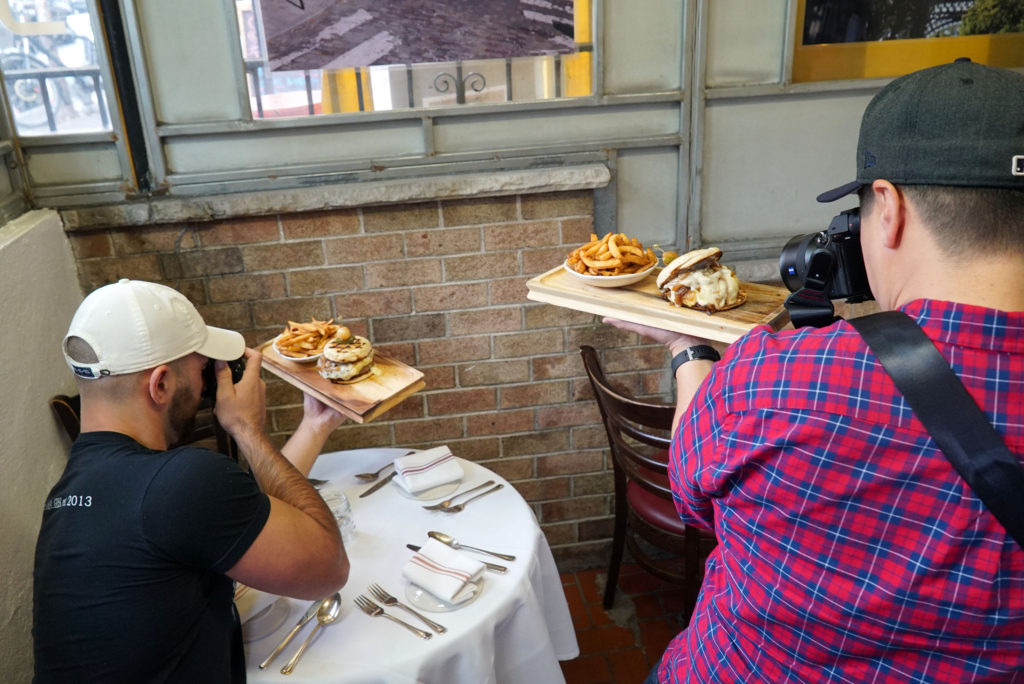
Even my maniac food photographer homies agree:

dsc06207

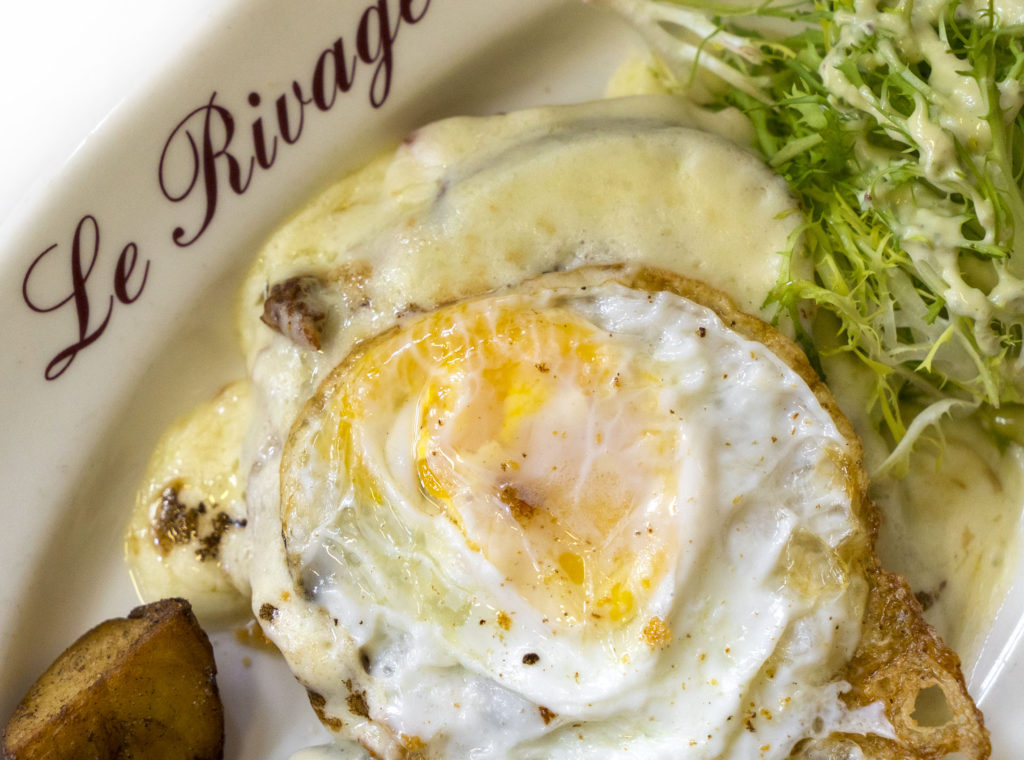
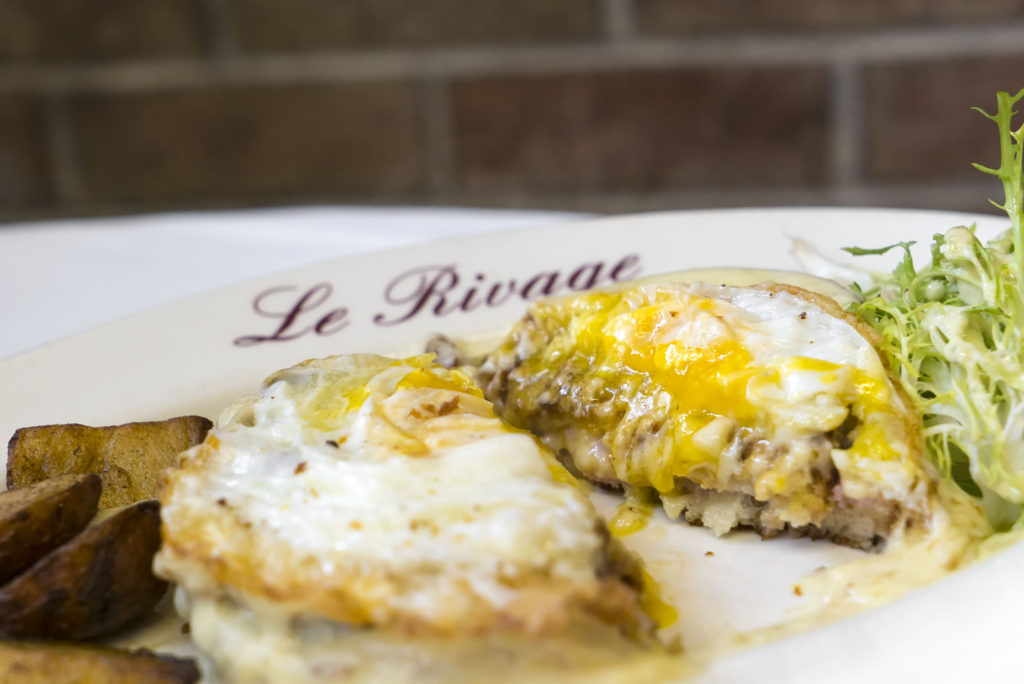
Croque Madame is stellar!

dsc06223

dsc06226

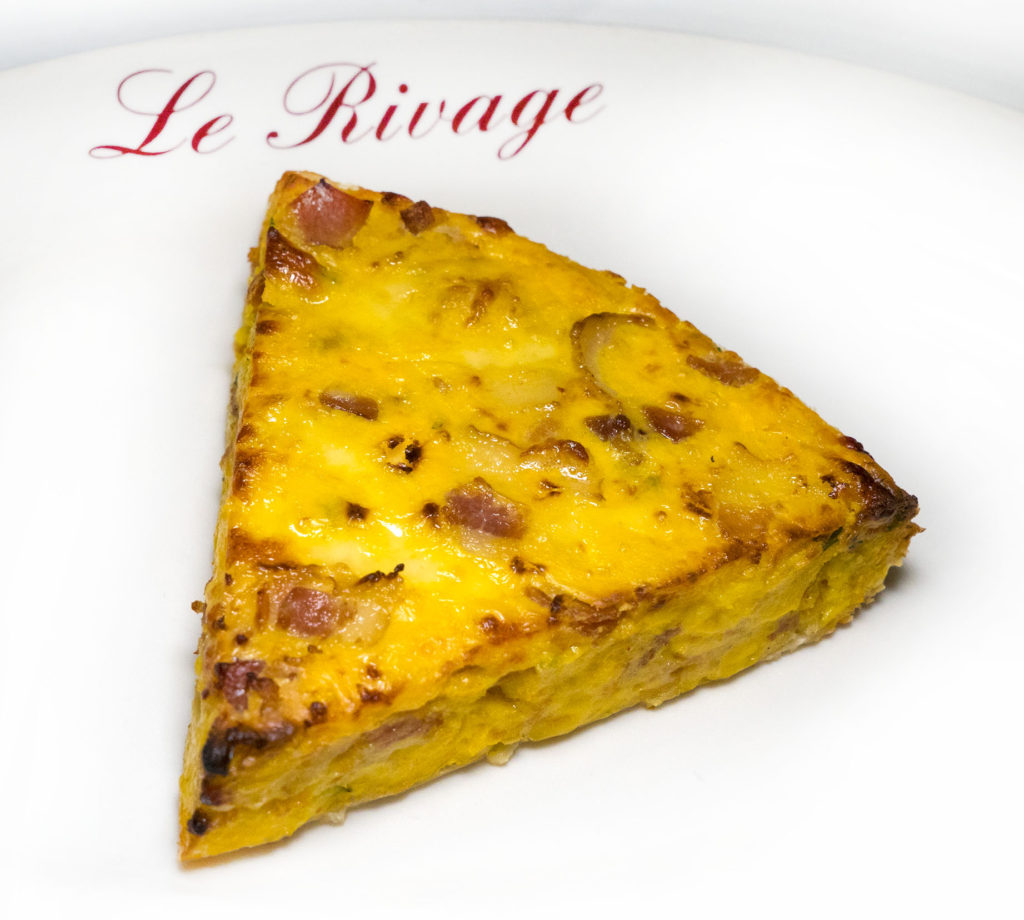
Quiche is the best I’ve ever had in my life:

dsc06198

You can even buy it frozen, to go, to fire up at home!

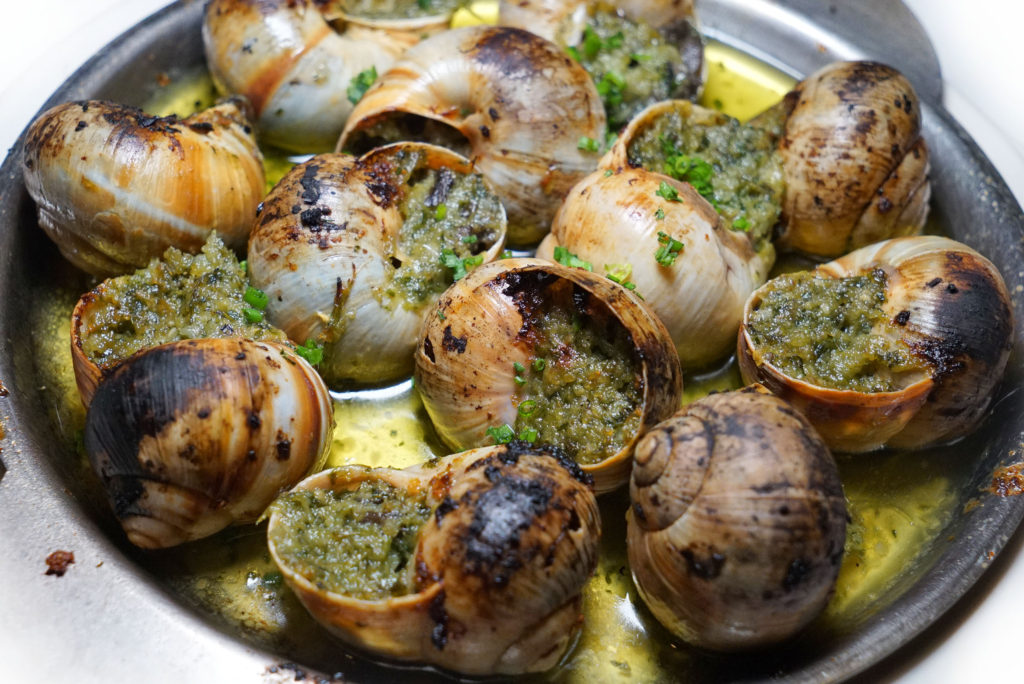
And the escargot is executed with perfection:

dsc06189

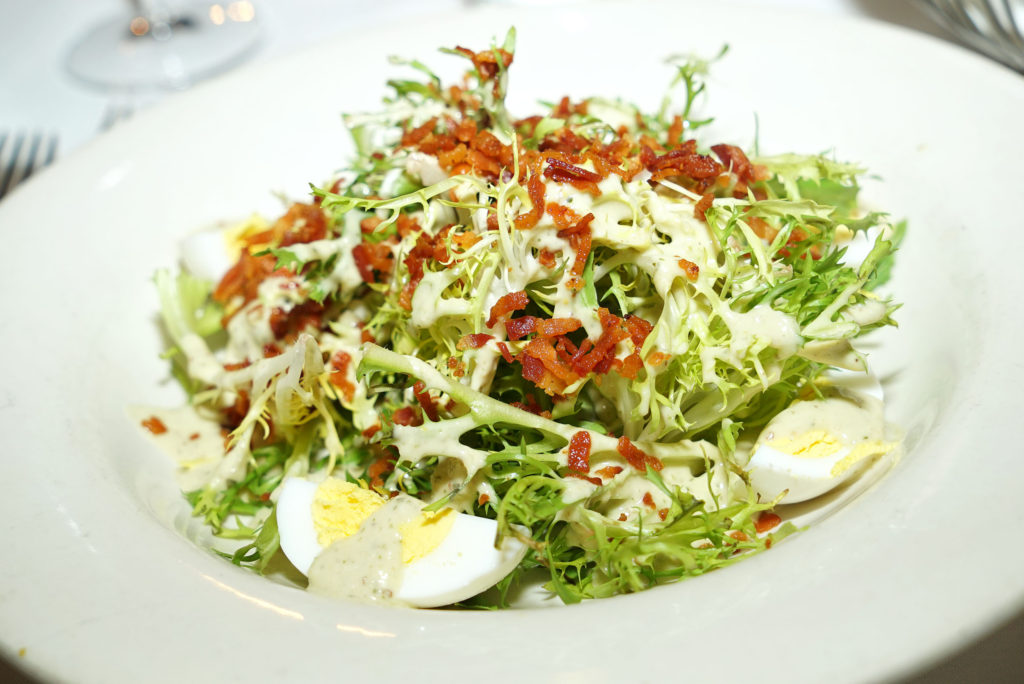
Garlic bacon frisee salad: amazing. Tangy and delicious.

dsc07919

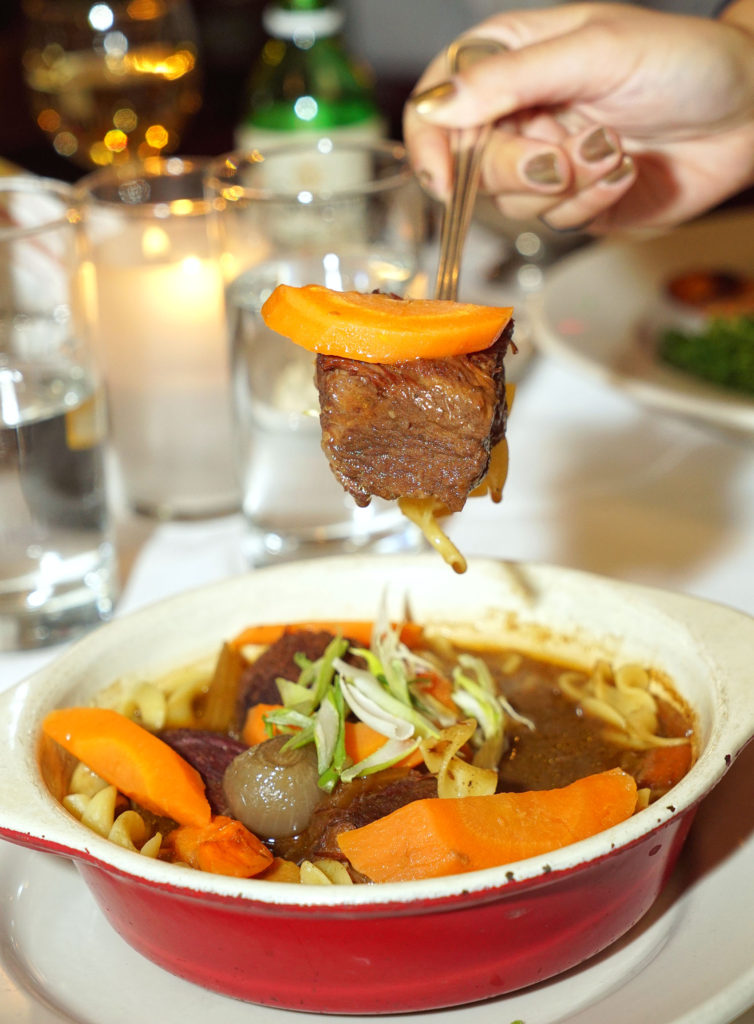
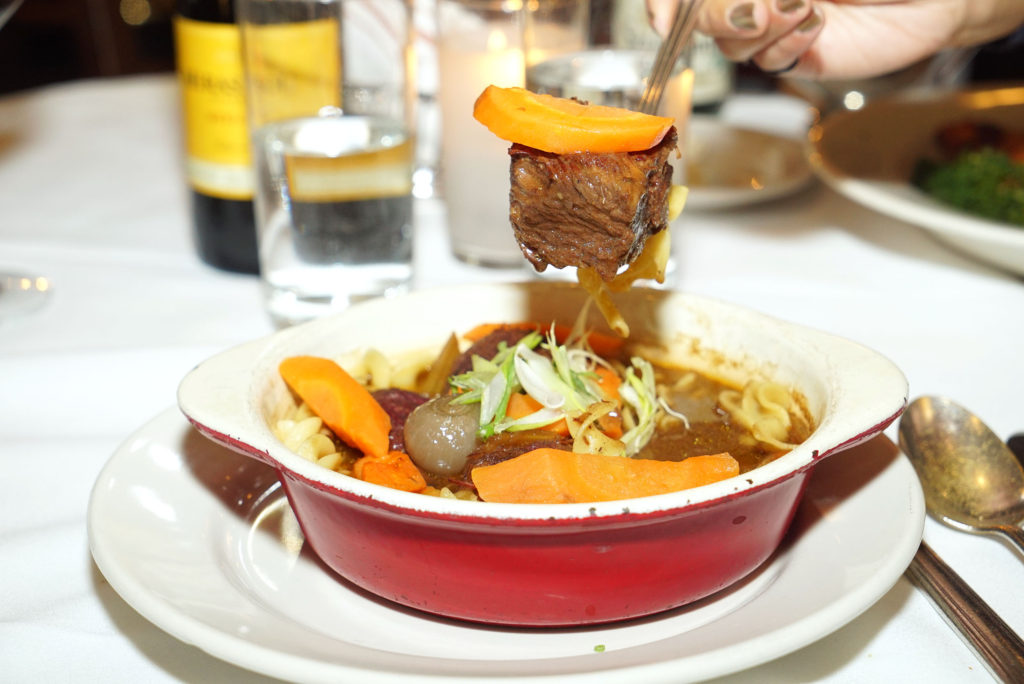
Beef Bourguignon: hearty and soul-warming.

dsc07933

dsc07931

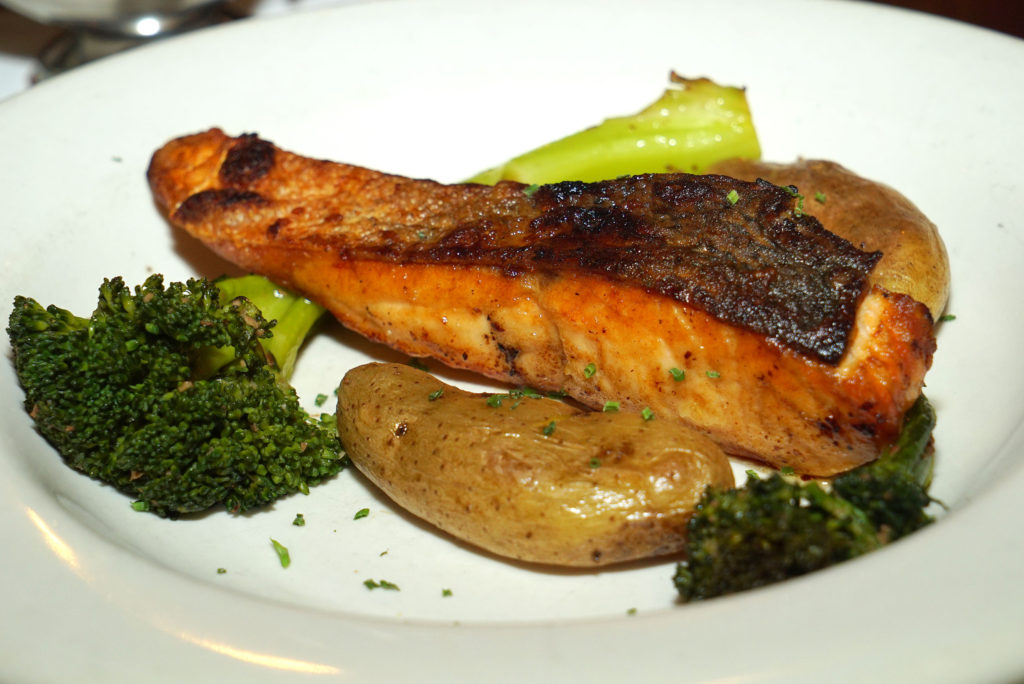
Grilled Salmon:

dsc07927

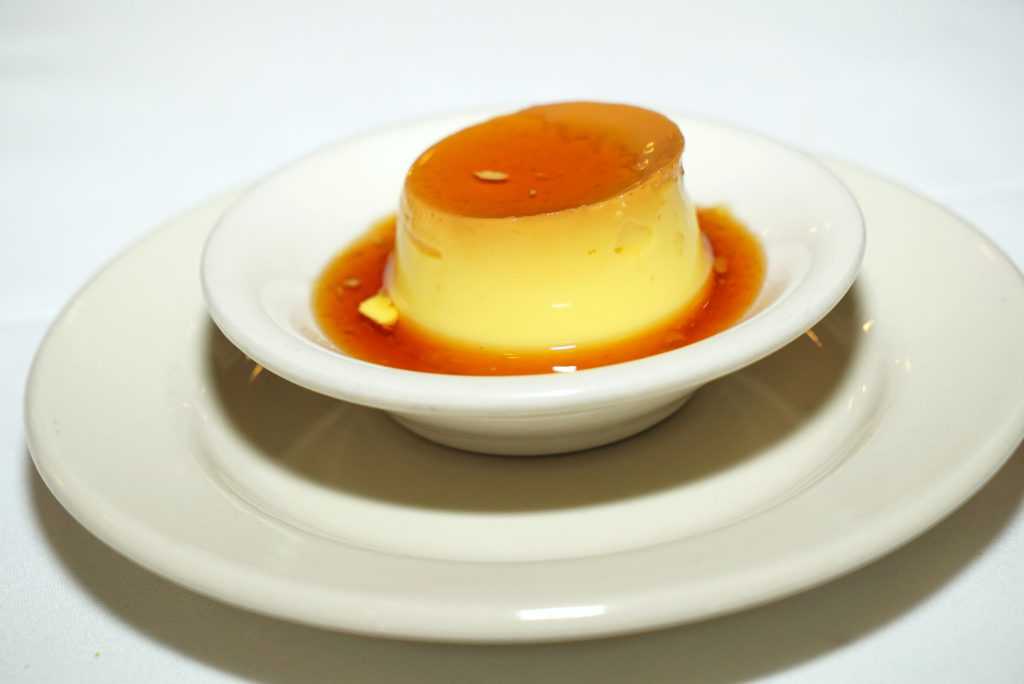
Flan:

dsc07940

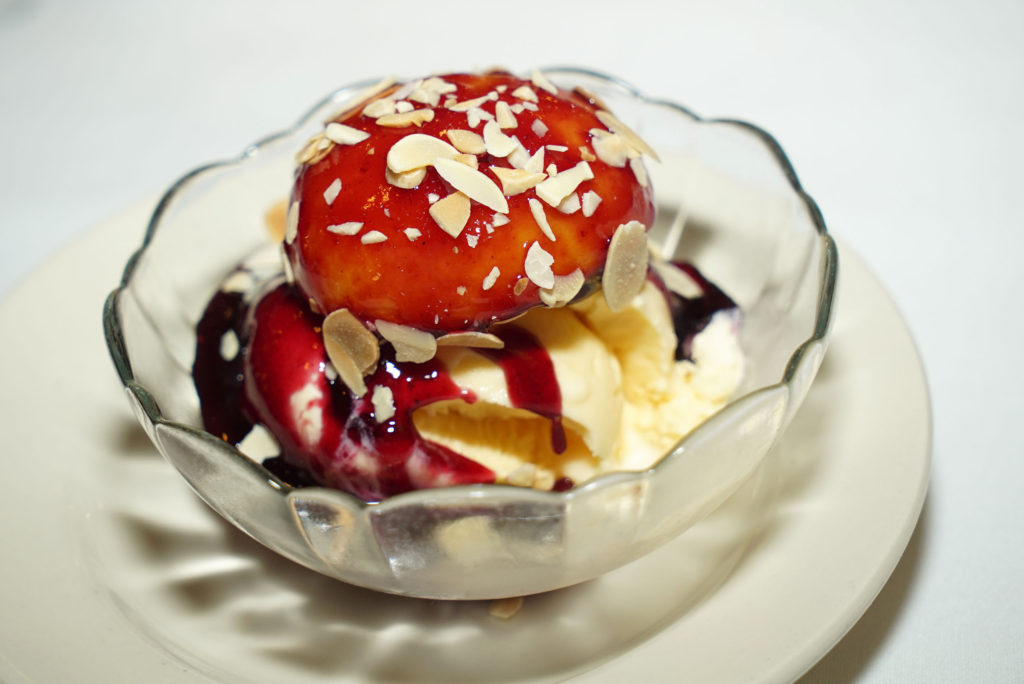
Peach Melba:

dsc07942

DECKLE FOR FOUR

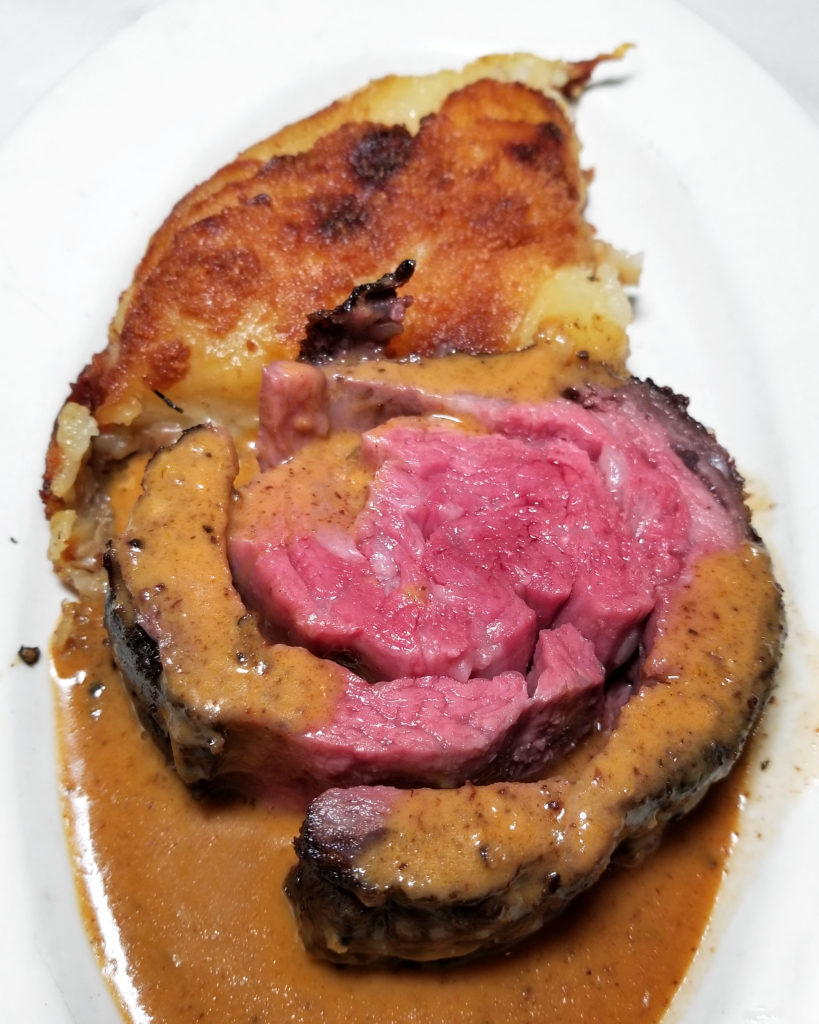
This is probably the greatest thing you can eat. The deckle for four is the spinalis part of the rib eye, wrapped and rolled into a pinwheel. It gets quickly seared for crust on the outside, and then finished low and slow like a roast. Call two days ahead for this to reserve it.

LE RIVAGE
340 W 46th St
New York, NY 10036

Muk Eun Ji

Matt BruckSeolbin Park and the folks at SB Groupe and EatersDrinkers invited me to a pretty cool aged kimchi tasting at Muk Eun Ji recently.

I actually DO have to write this next bit, because there were a few people at the event who had never eaten kimchi before. For various reasons I will not disclose, this was completely understandable and should not be mocked or taken as a point of negativity.

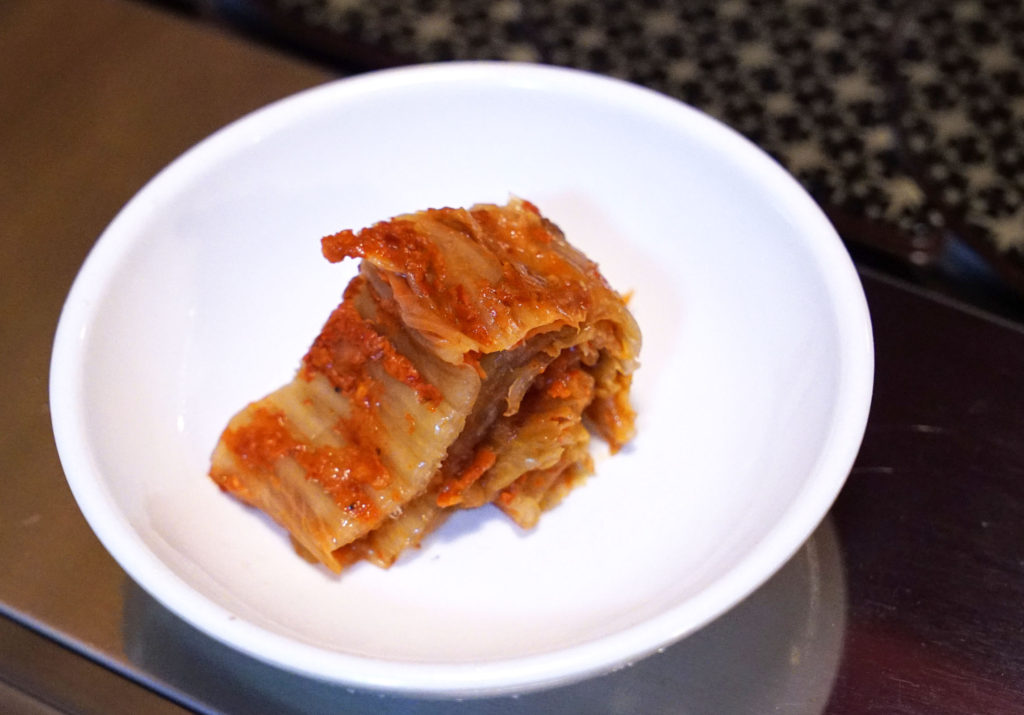
So here it is: Kimchi is Korean for “pickled” and/or “fermented” veggies. In its most typical form, kimchi consists of cabbage with various spices and herbs. Cucumbers are also common.

DSC05215

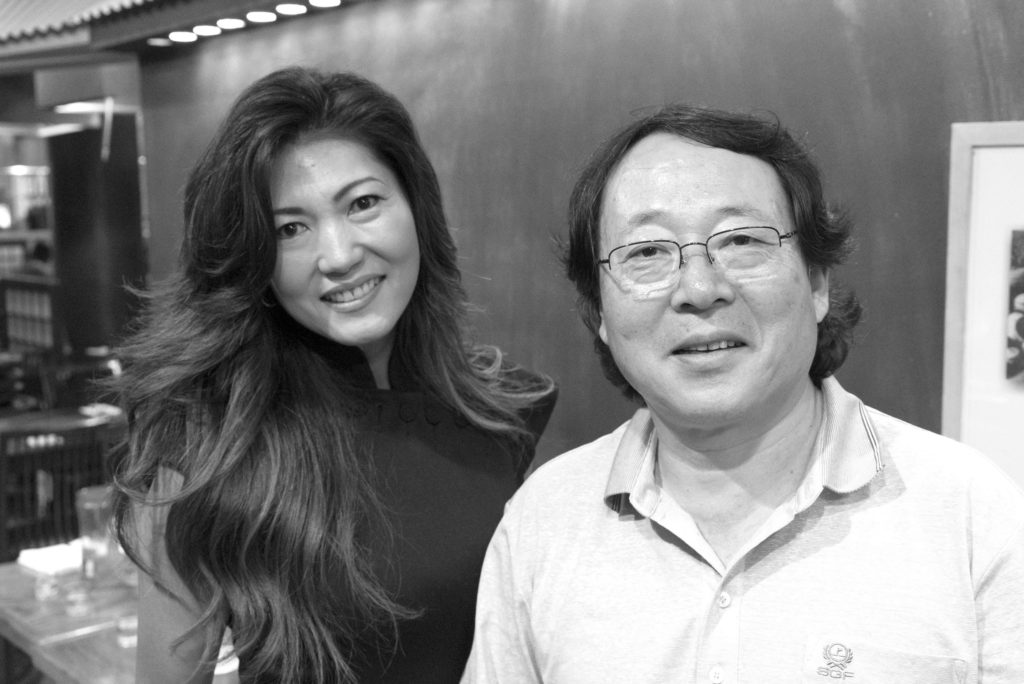
Muk Eun Ji is known for its 1+ year aged kimchi. This tasting event featured their aged kimchi in every dish in various ways. Here is a shot of owners Cathy and Yongsung Kim, who were very gracious and kind, and who explained everything to us as we ate.

DSC05370

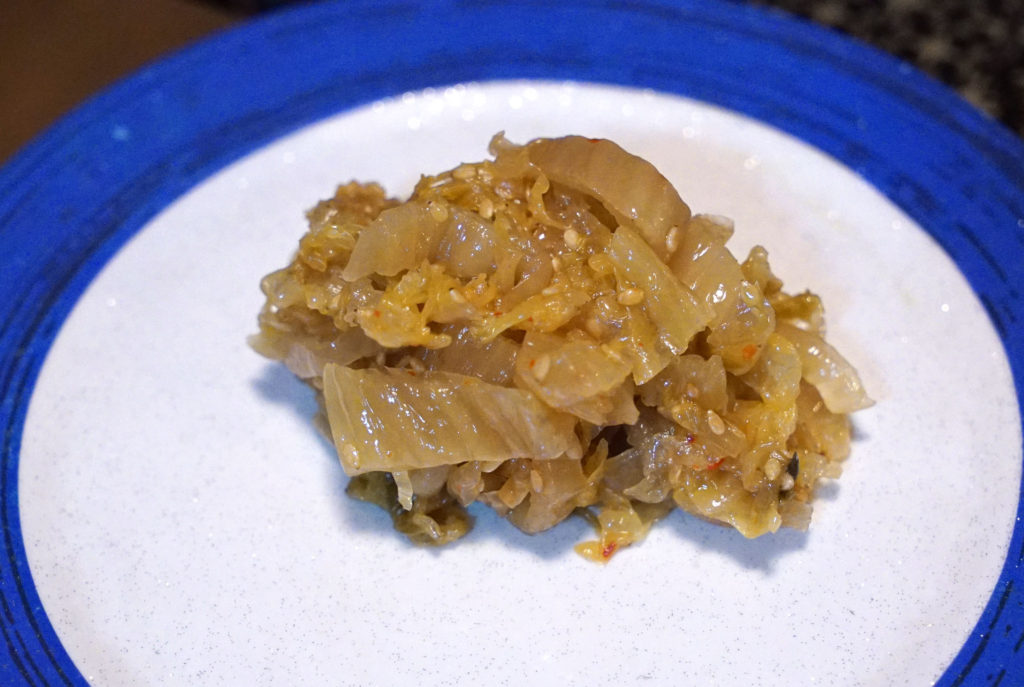
Dish 1: Crunch Muk Eun Ji – washed aged kimchi seasoned with sesame oil. This was mild and really tasty.

DSC05216

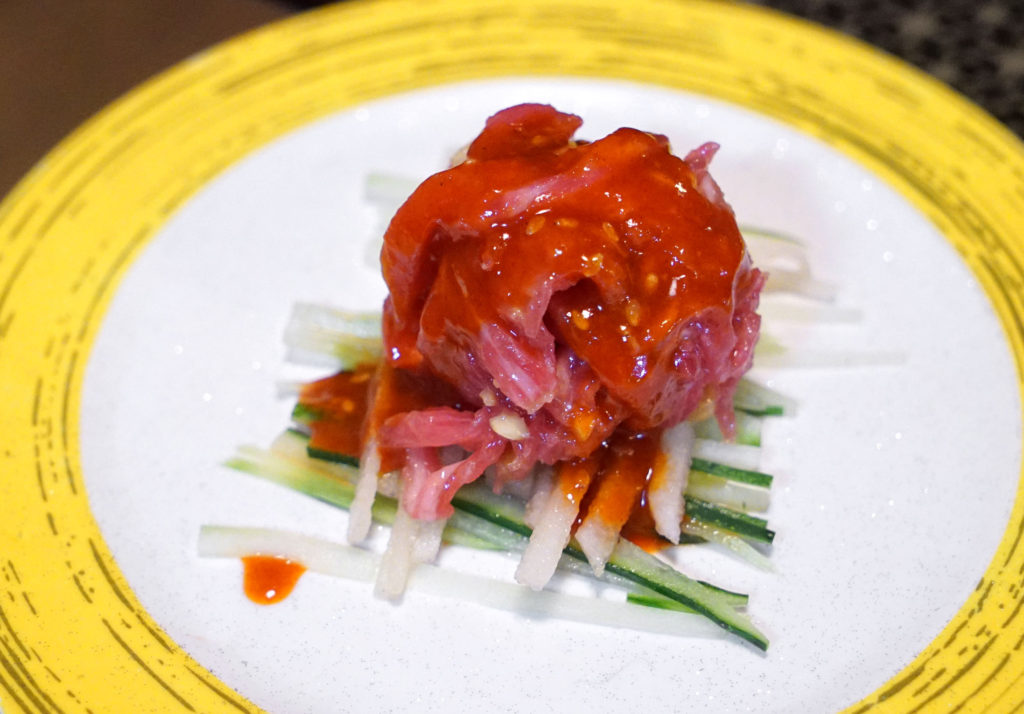
Dish 2: Yuk Hwe – Korean beef tartare. Okay, while this ONE DISH didn’t actually have any kimchi in it, the flavors were present, perhaps in the sauce. This was skirt steak. Super tender and incredibly delicious.

DSC05213

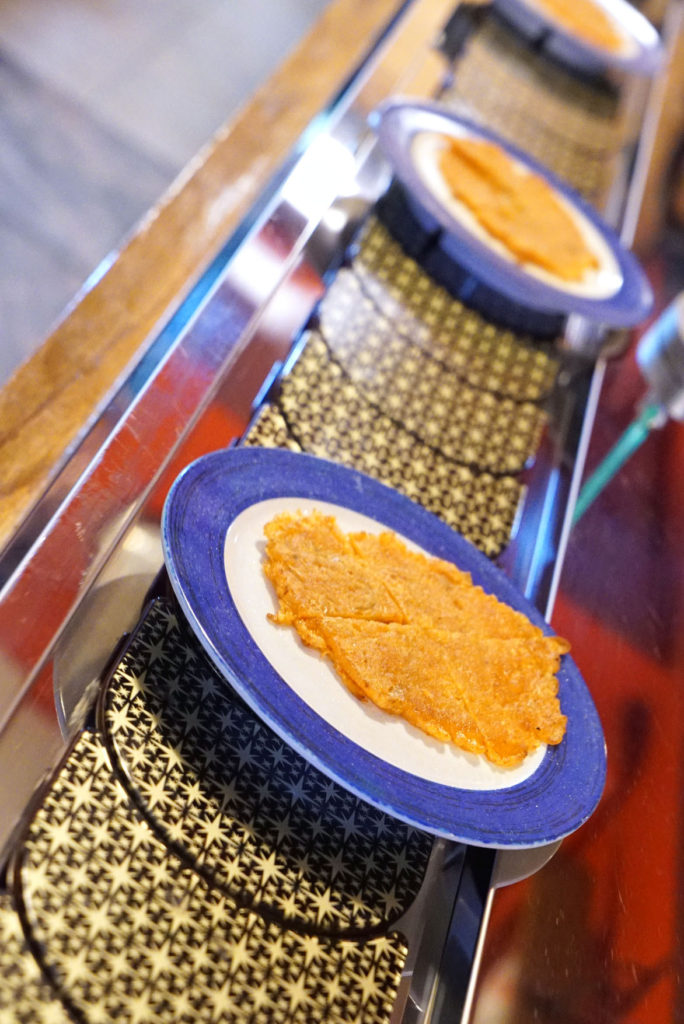
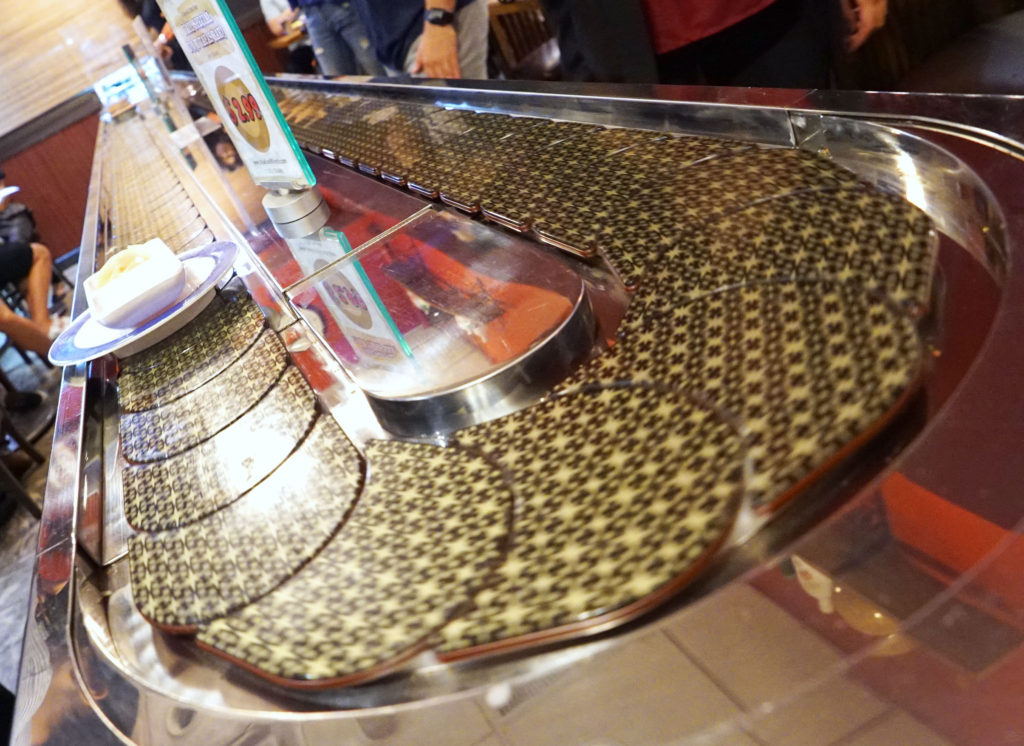
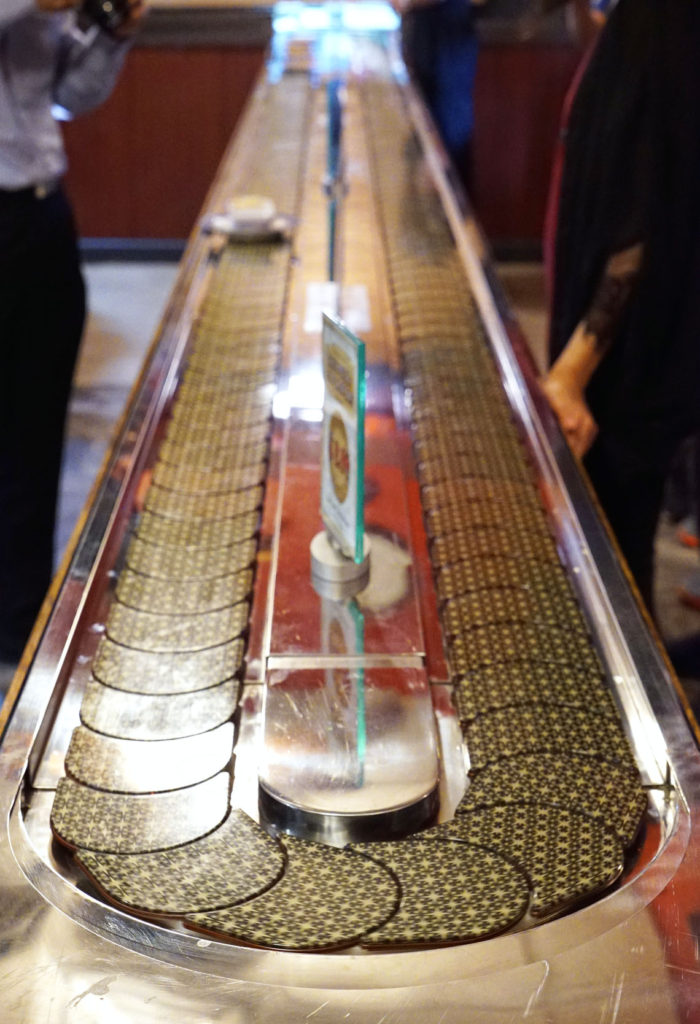
Dish 3: Kimchi Jeon – Korean pancake with aged kimchi. This had a nice crunch on the outside with a great spicy kick from the kimchi and scallions inside. As you can see from the pics below, this joint has a fun conveyor belt in one dining room, where  you can pluck the little dishes right off and start digging in.

DSC05235

DSC05232

DSC05230

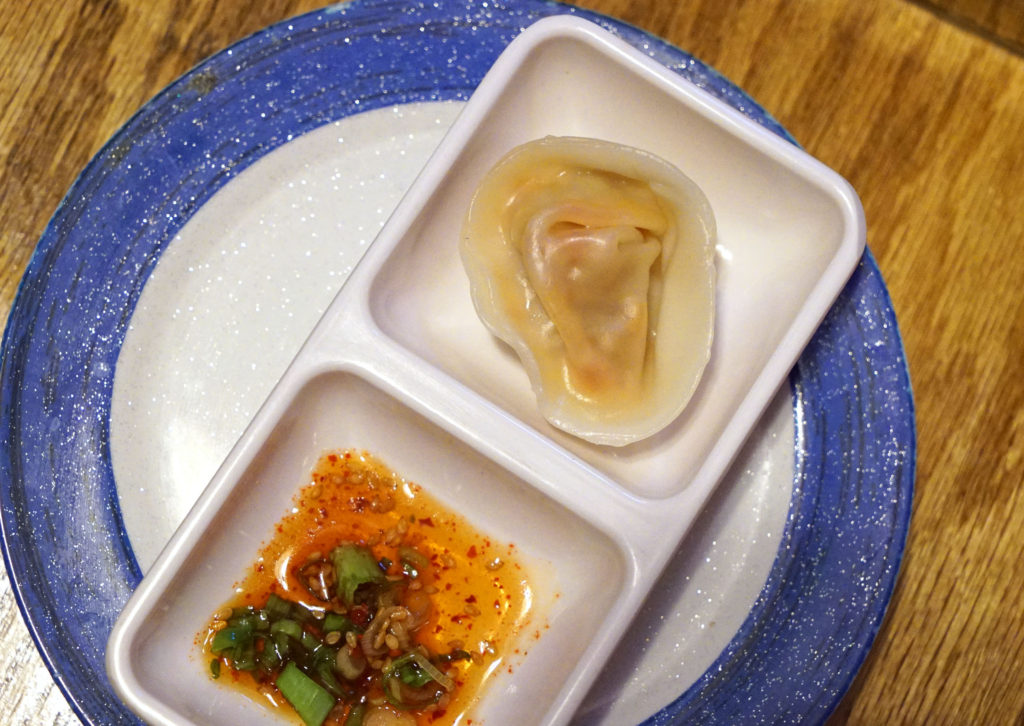
Dish 4: Mandu – steamed homemade Korean dumplings with aged kimchi. These were expertly created and cooked. I loved the dipping sauce on the side actually. Wanted to drink it.

DSC05219

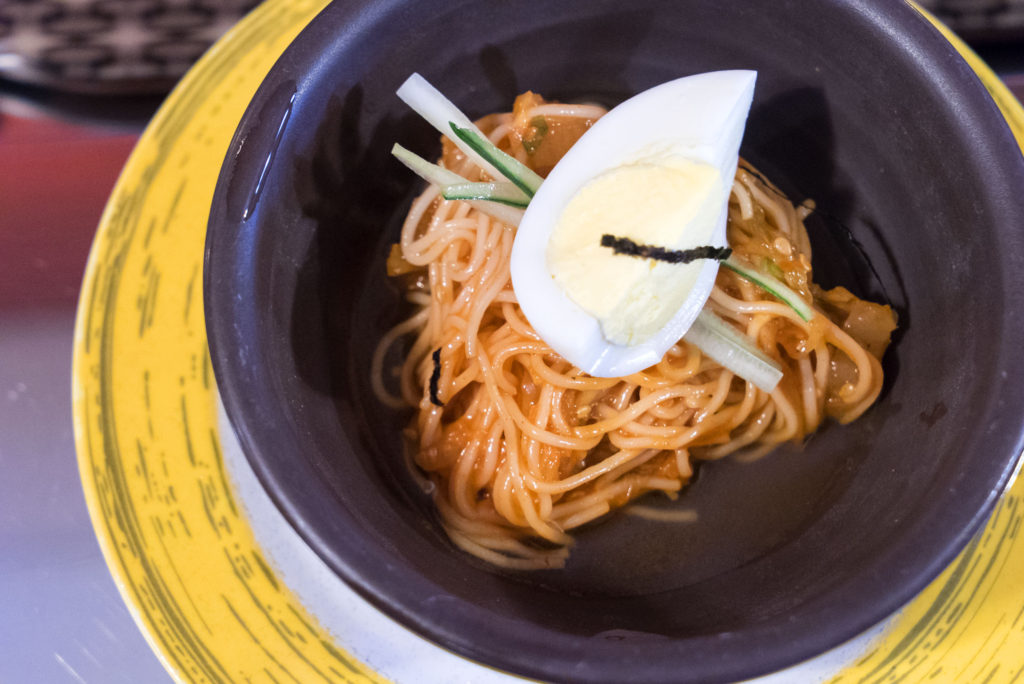
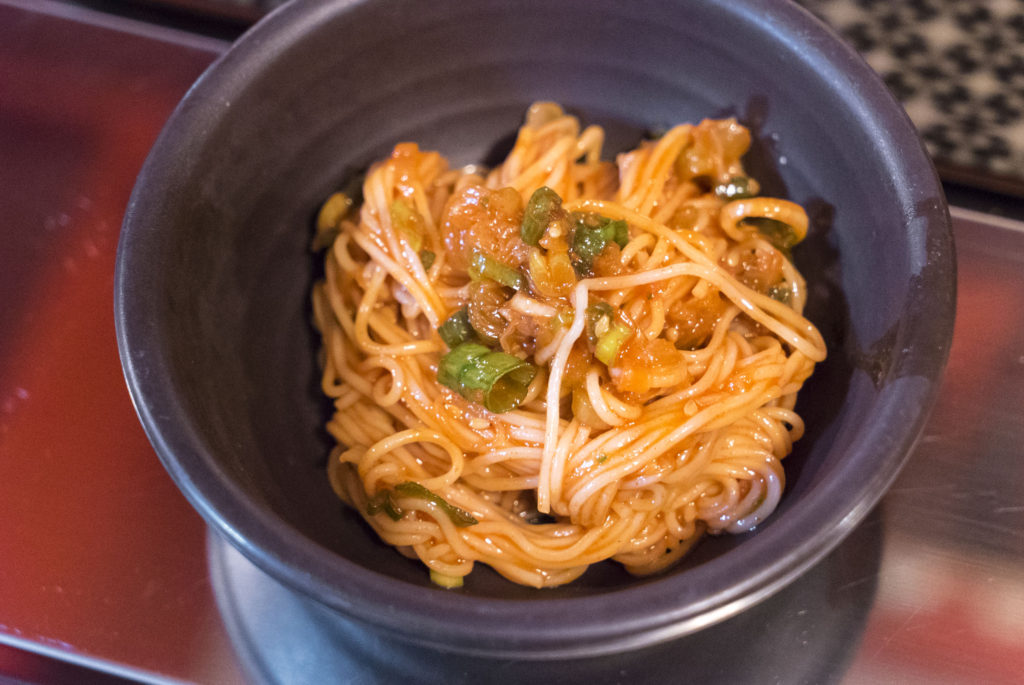
Dish 5: Janchi Guksu – cold thin noodle with aged kimchi in spicy anchovy broth. This was one of my favorite bites of the night. It wasn’t too spicy, and the cold noodle was great for the summer.

DSC05226

DSC05281

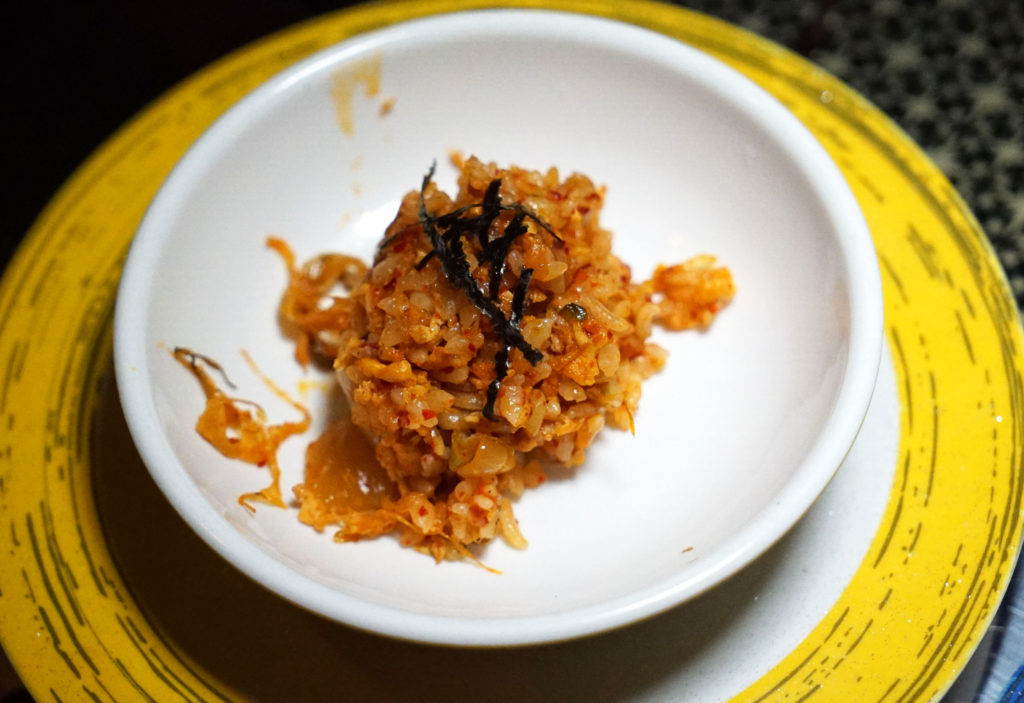
Dish 6: Kimchi Bokkeumbap – stir-fried rice with chopped aged kimchi and pork. Also a favorite, this rice dish packed a lot of flavor and meatiness. I could easily eat a massive bowl of this.

DSC05262

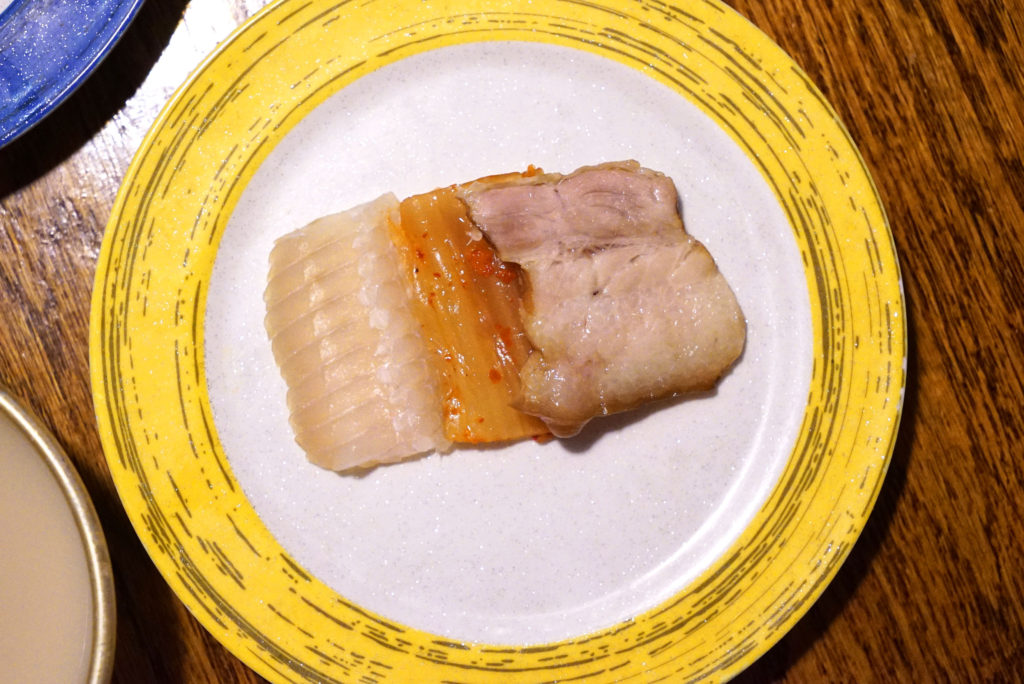
Dish 7: Samhap – boiled pork belly, fermented skate fish and aged kimchi. This is an acquired taste. The fermented skate has a distinct ammonia-like quality to it that is common with fermented fish products, whether from regions like Scandinavia or Iceland, as well as parts of Asia. One thing that I didn’t expect was that the skate would have some bone connected to the meat. I popped all of it into my mouth at once and then had to work around the bones. It was a difficult eat for me.

DSC05241

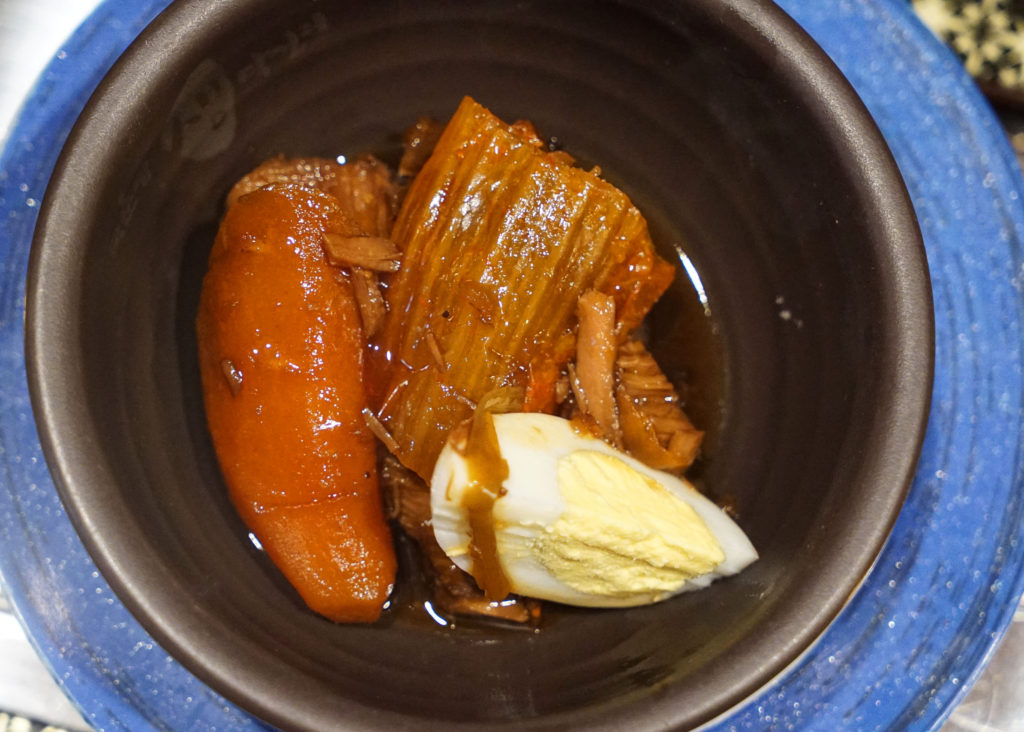
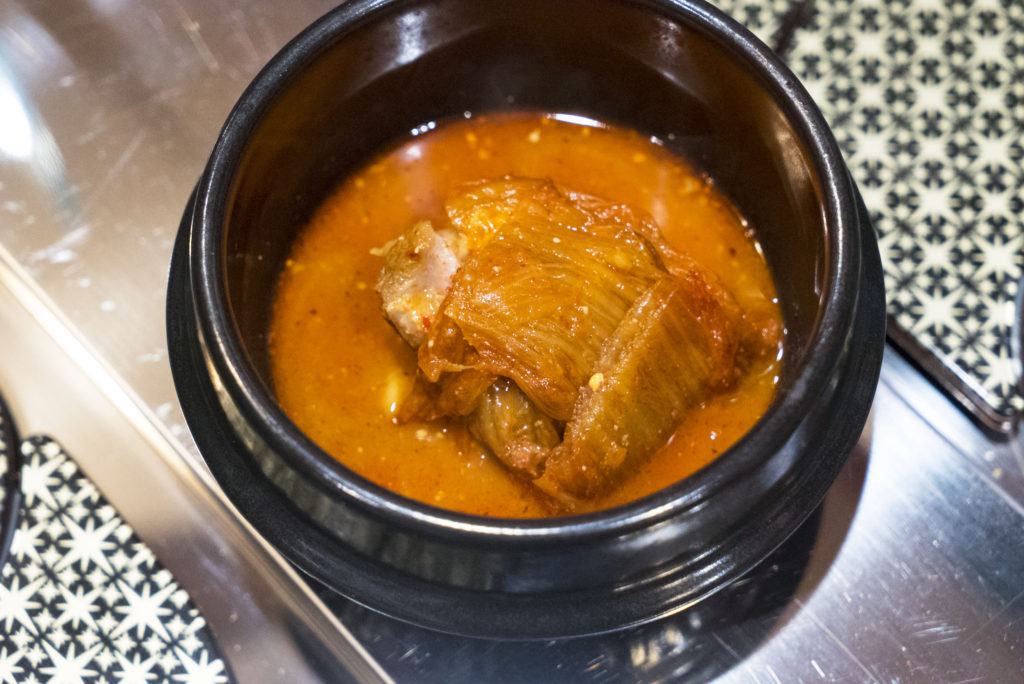
Dish 8: Galbi Jjim – braised beef short rib stew with aged kimchi and vegetables. This was incredible. The small bowl tasting size didn’t do the dish justice.

DSC05291

I actually didn’t get to taste it on first pass, so I and a few other guys who missed out asked for some more later on. They brought out a full entree size.

DSC05363

DSC05366

This is a $20 item. There is so much fork-tender beef that falls off the bone in that bowl, so it is an amazing deal at that price point. As you can see from the pic above, there’s tons of kimchi too. This will feed two or three people easily. The sauce is amazing. A deep, robust flavor lurks in there, so soak it up with some rice after you get tired of spooning it directly into your mouth.

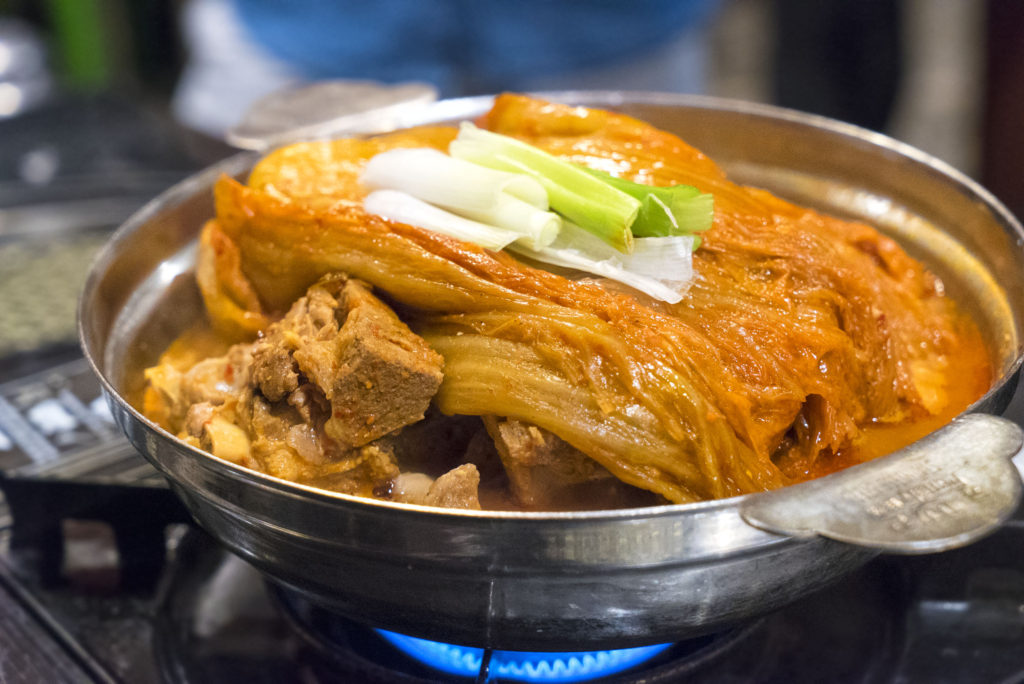
Dish 9: Deungppyo Jjim – braised pork backbone with aged kimchi. Same deal as above, but with tender-ass pork instead of beef.

DSC05285

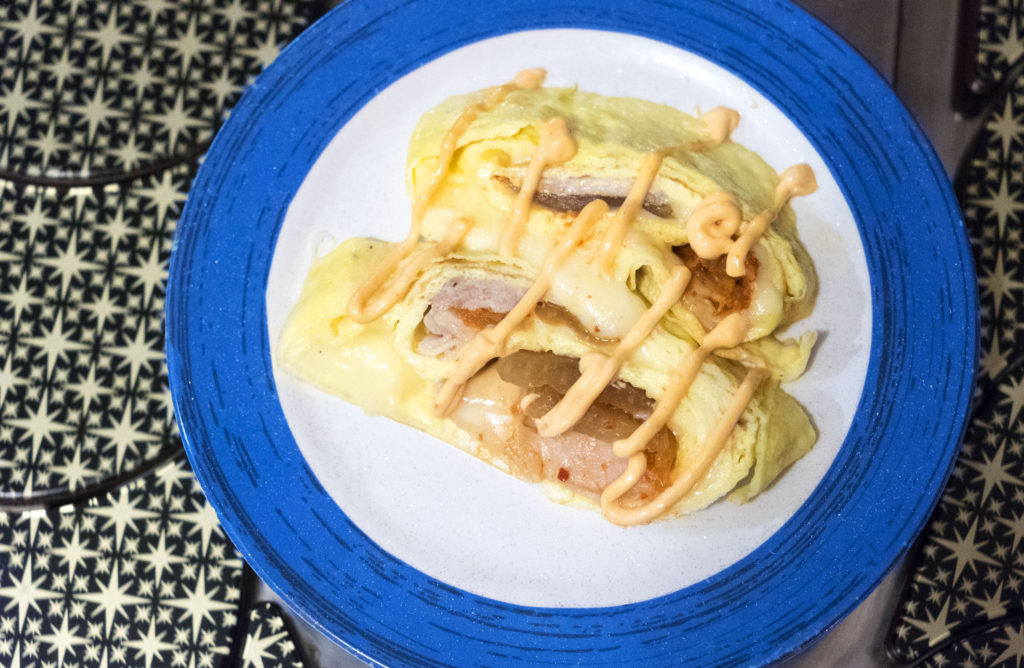
Dish 10: Gyeranmari – Korean style rolled egg omelet with aged kimchi, cheese and sliced pork belly. This is like heaven at breakfast time, I bet. Absolutely delicious, and really beautiful.

DSC05222

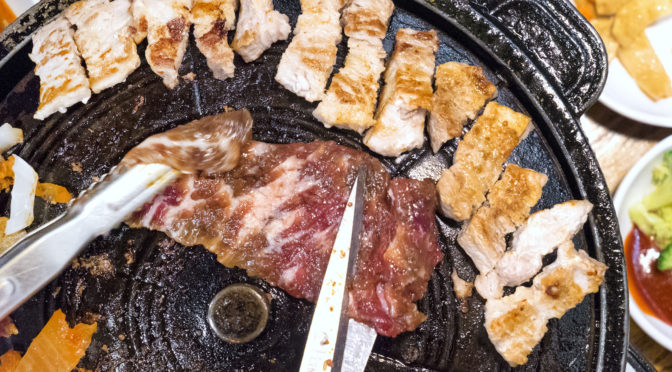
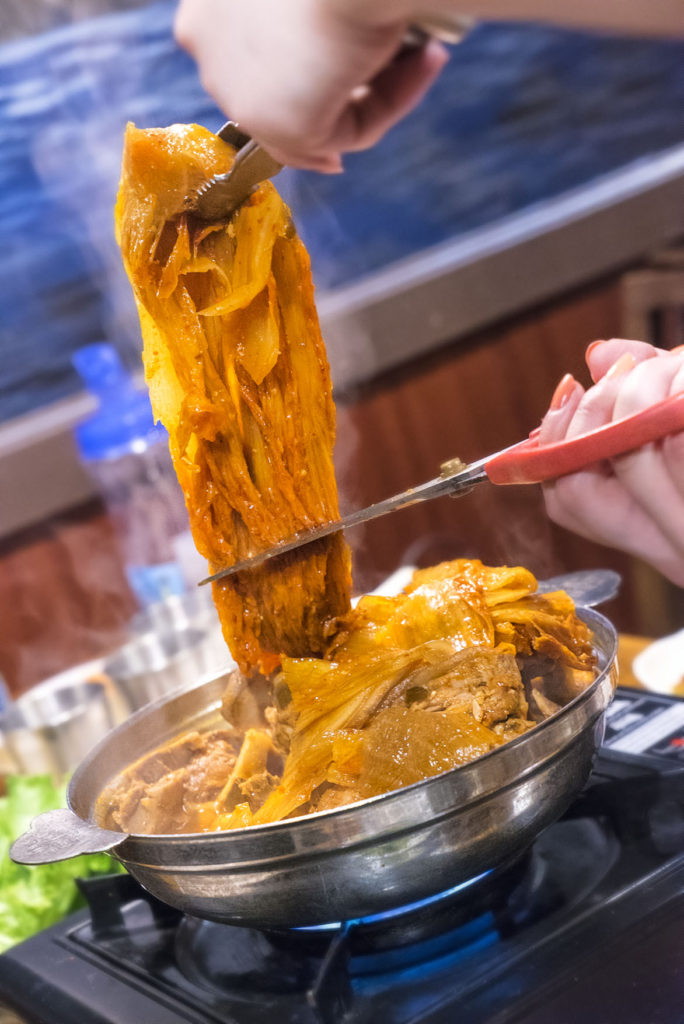
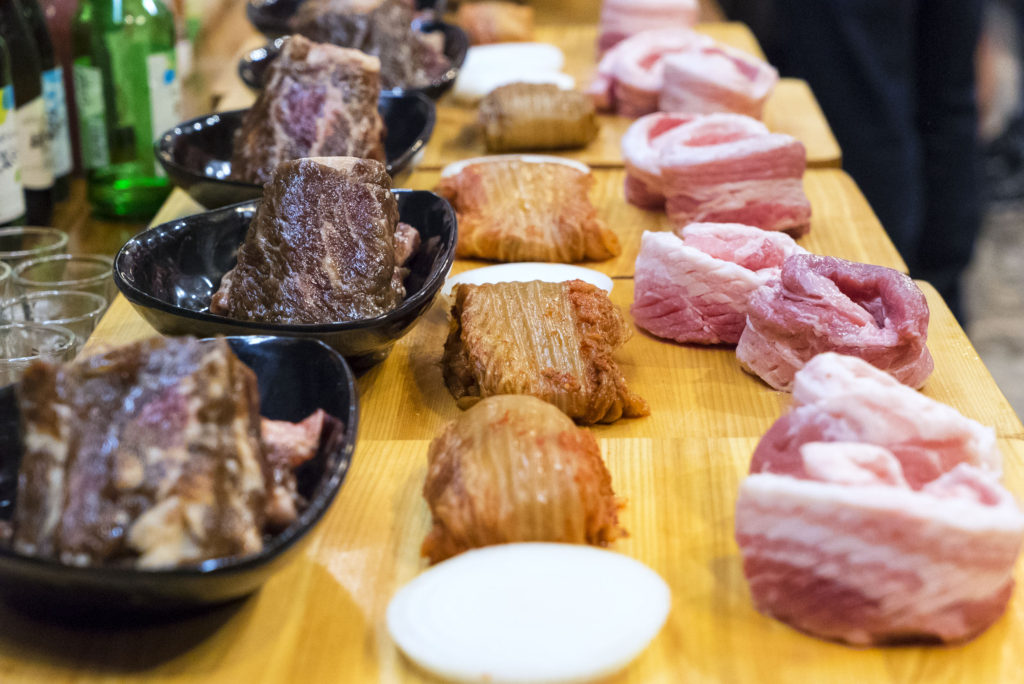
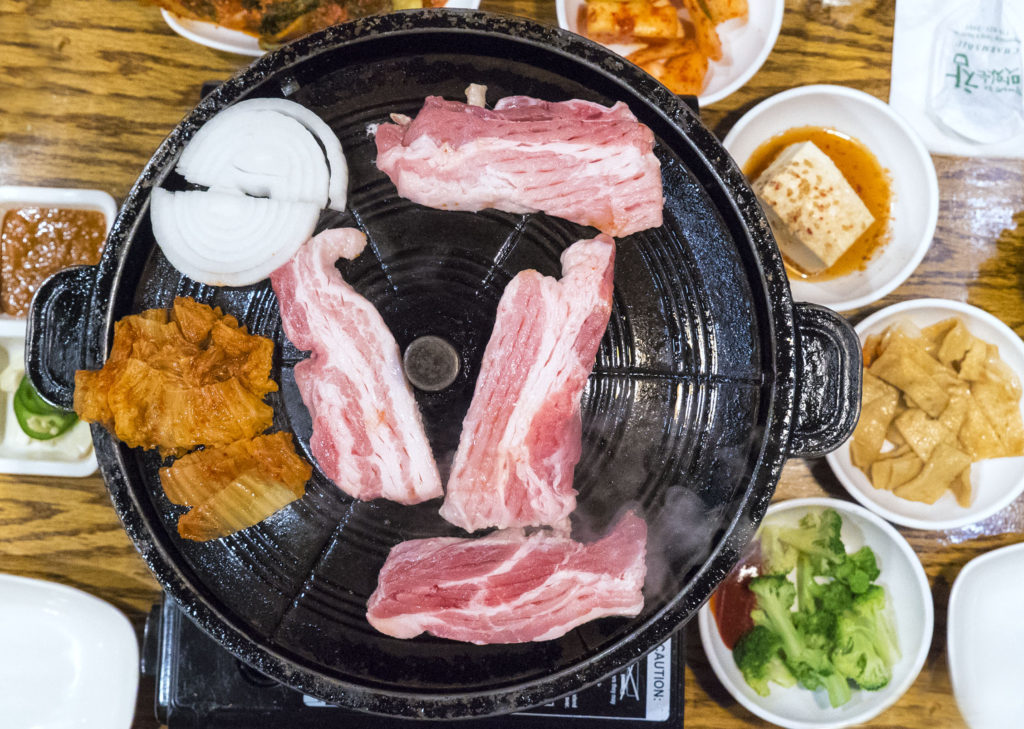
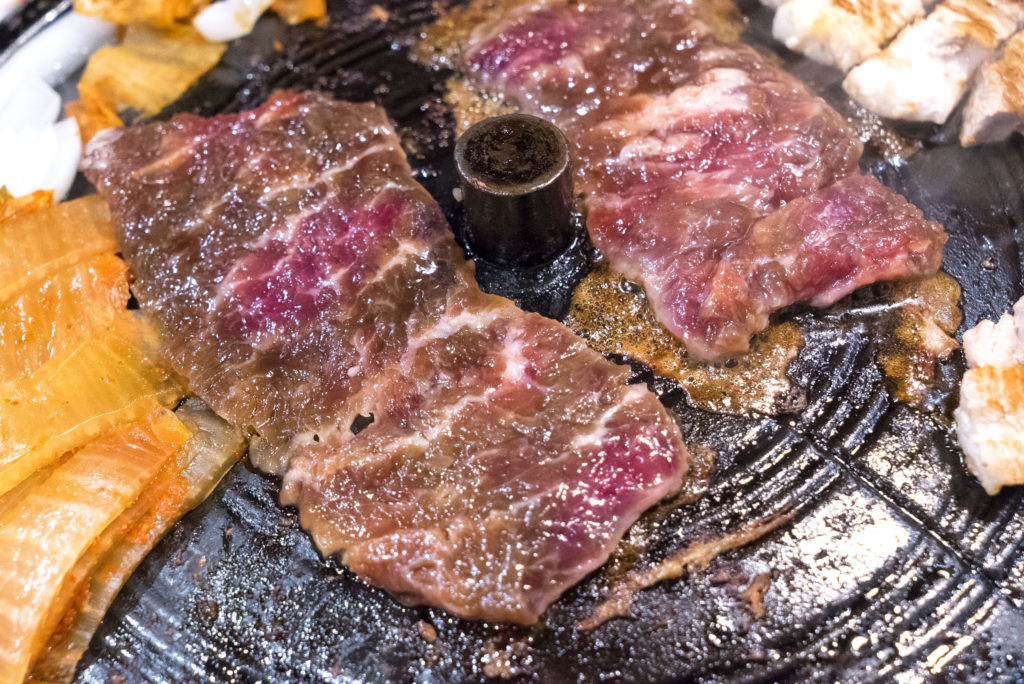
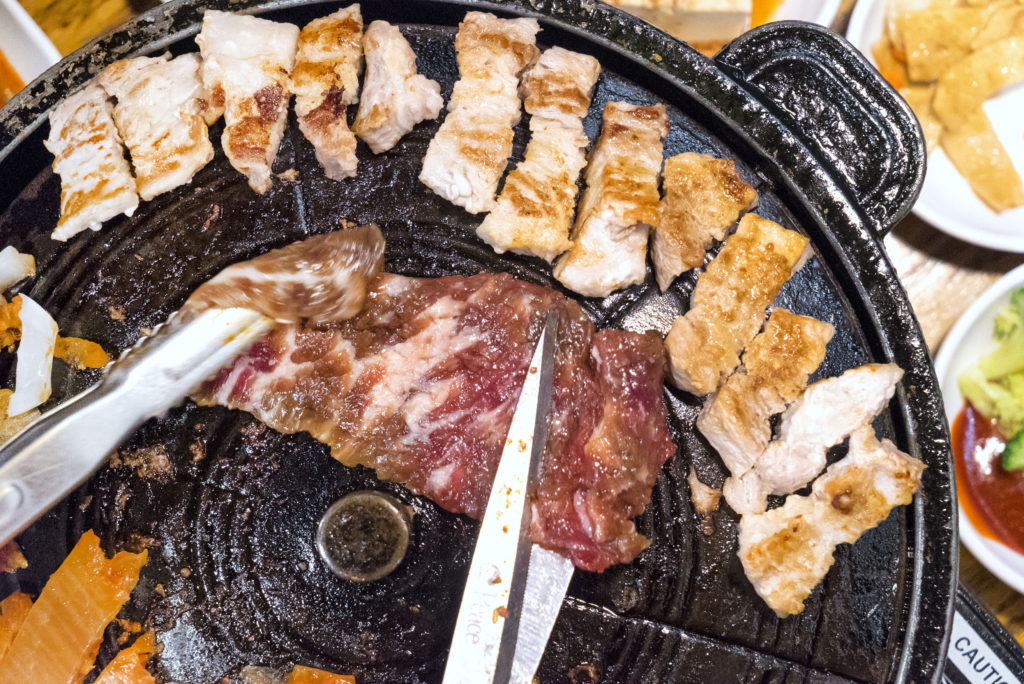
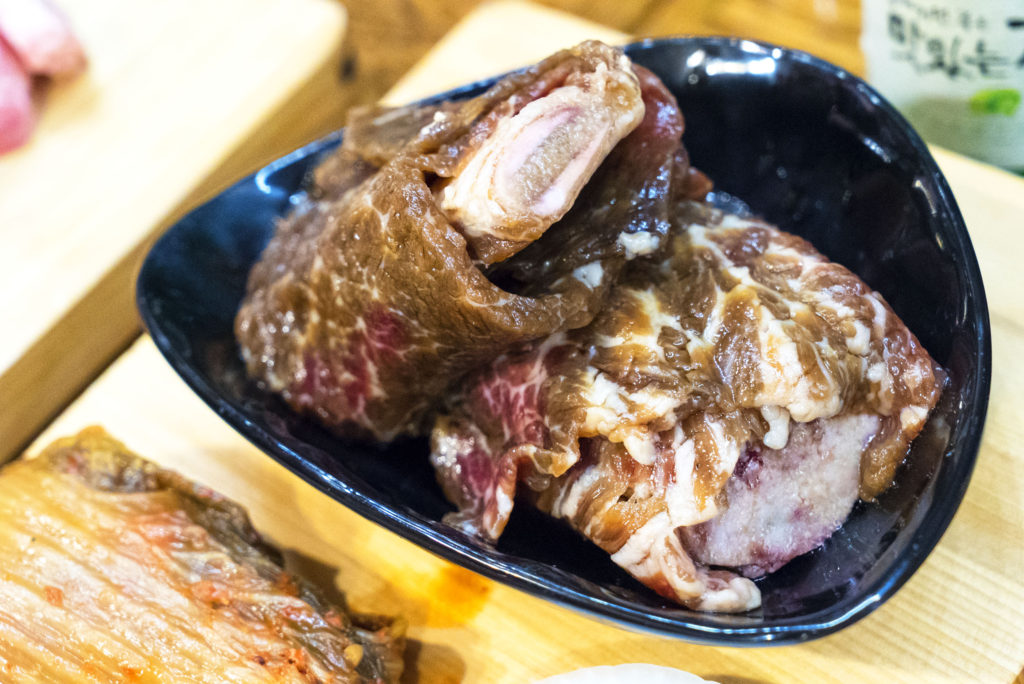
Dish 11: KBBQ – premium thick cut pork belly, thin sliced marinated beef short rib and aged kimchi on the grill. No Korean meal is complete without gorging on some delicious grilled meats.

I mean, this is what I’m all about, is it not?

DSC05306

DSC05320

DSC05329

DSC05343

DSC05341

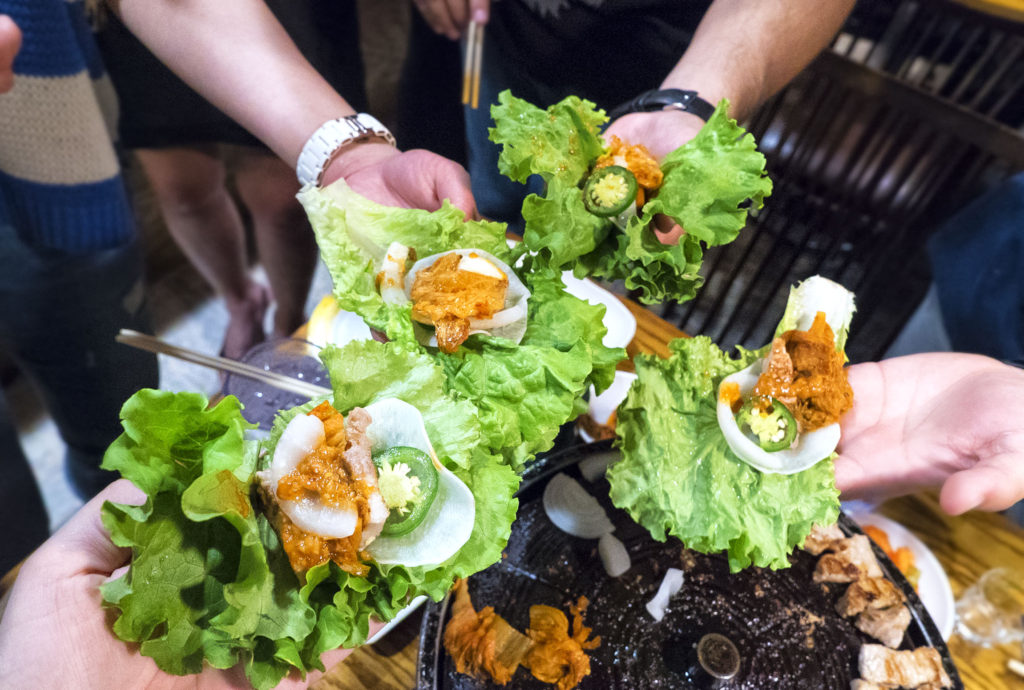
So the idea is to take the meat and add some of the nice toppings from the small plates, and then wrap it up in some lettuce. Then eat.

DSC05322

DSC05336

Carb-free! Haha. I love this shit. It may be time for a separate page dedicated to KBBQ on this website. I’m considering it. There really is nothing quite like it. So satisfying.

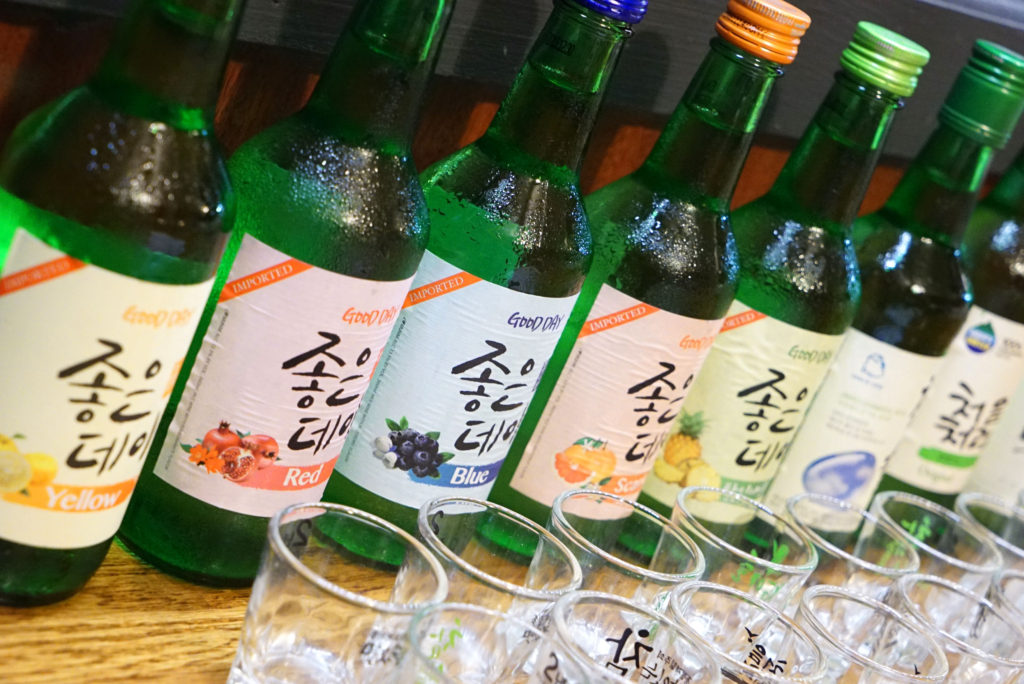
I should also mention that we were washing this delicious shit down with some nice drinks throughout. We tasted an assortment of soju and makgeolli. For the uninitiated, soju is a mild distilled spirit that is similar to a flavored sake.

DSC05194

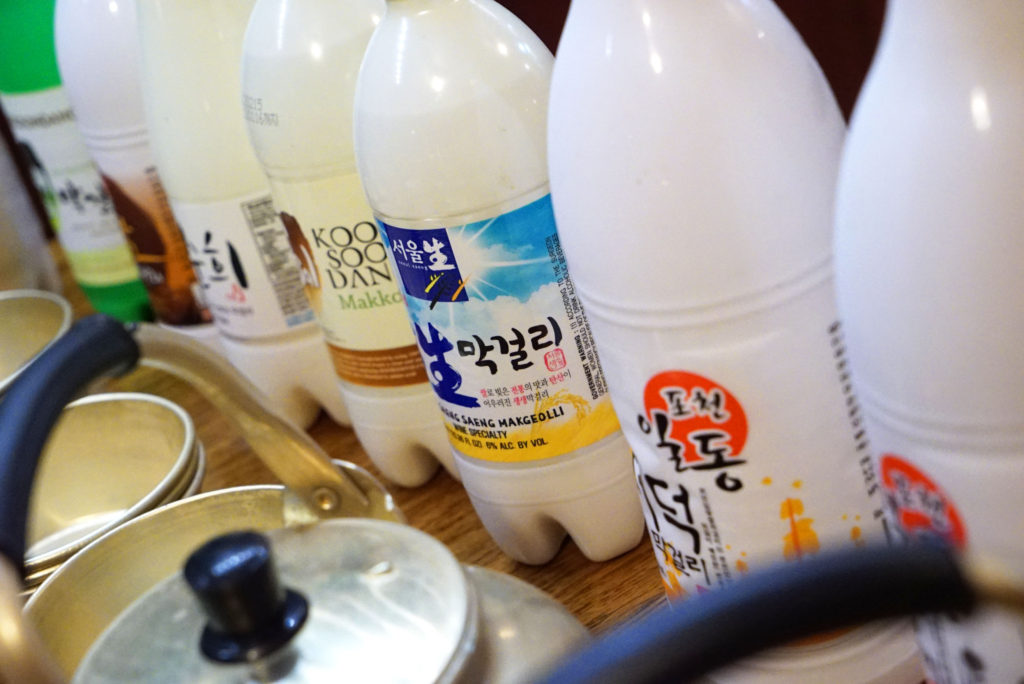
Mokgeolli is more like a rice or wheat beer in that it is bubbly and looks unfiltered. It contains less alcohol (not distilled), but it tastes similar to flavored soda.

DSC05191

MUK EUN JI
34 W 32nd St
New York, NY 10001

The Ainsworth

My wife paid a little under $50 for a Gilt City flash deal that got us two drinks each, an app to share, two entrees and a side to share at The Ainsworth. Pretty great deal if you ask me.

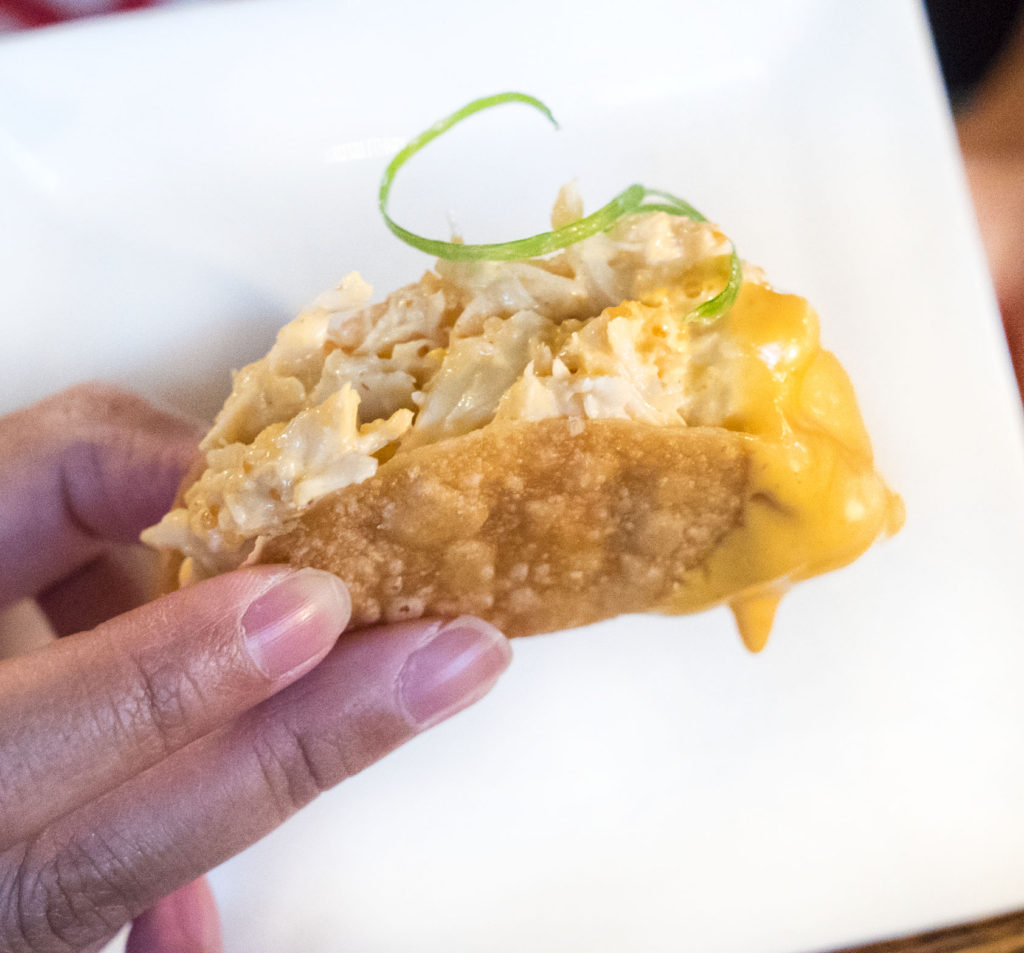
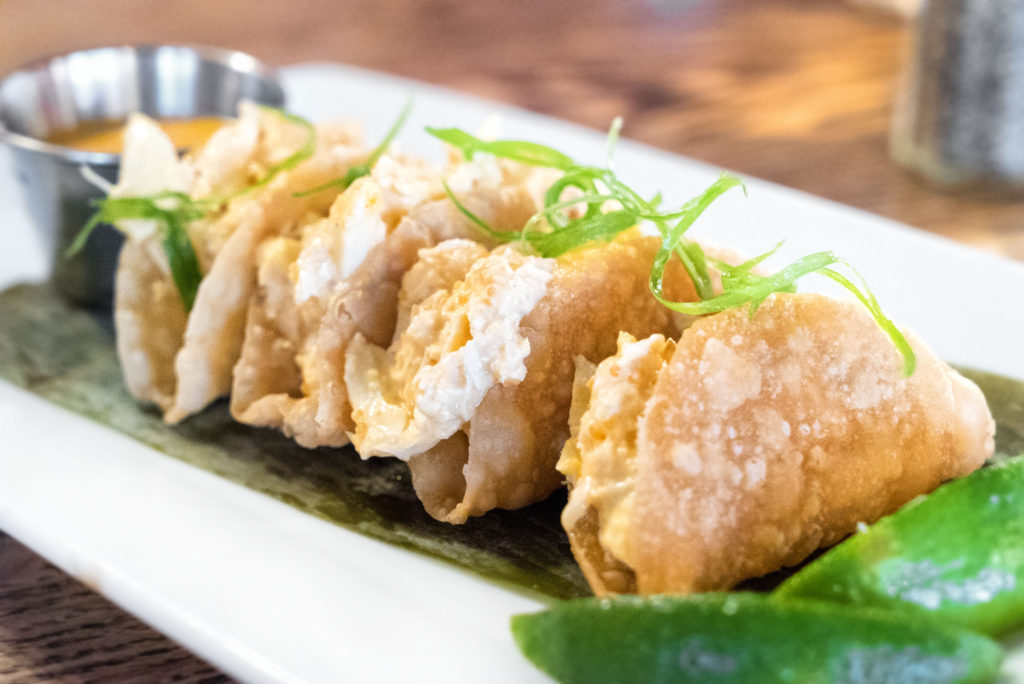
We started with these crab tacos. These are $21 regular price, so I thought that was a bit high considering that these are small and the plate comes with four pieces. Do these look like they’re worth $5.25 each (before tax and tip)? I don’t think so.

DSC05070

DSC05069

They were tasty – good crunch on the shell, though I wasn’t sure if the crab meat was actual lump crab or some kind of crab substitute. Either way, I wouldn’t pay that kind of money for them.

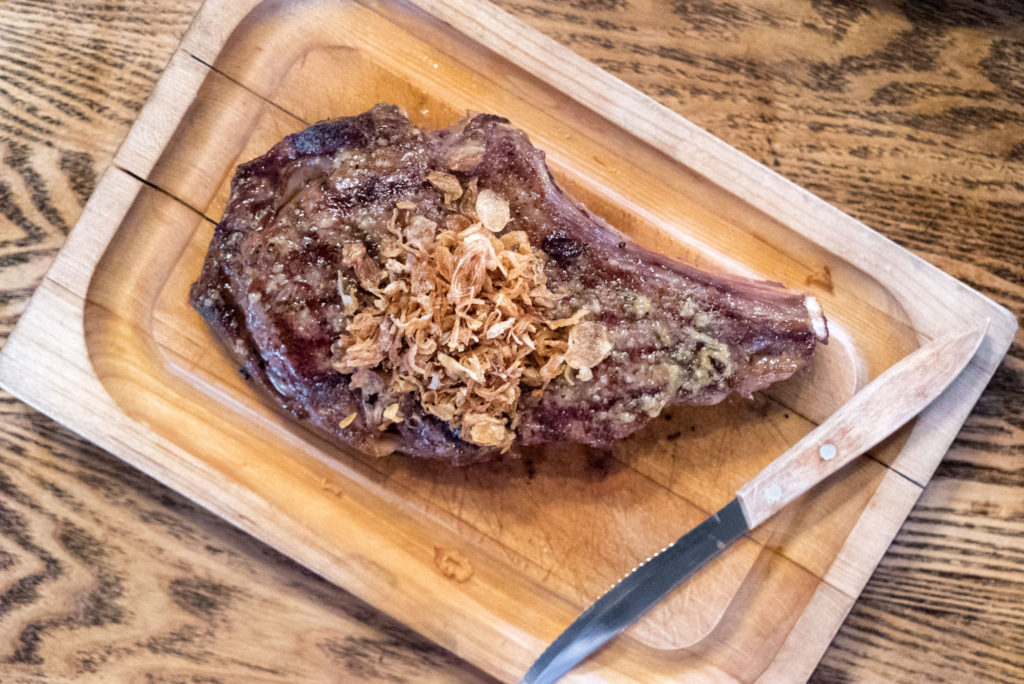
For a nominal upcharge ($12), I went with the 20oz bone-in, 28-day dry-aged rib eye.

DSC05115

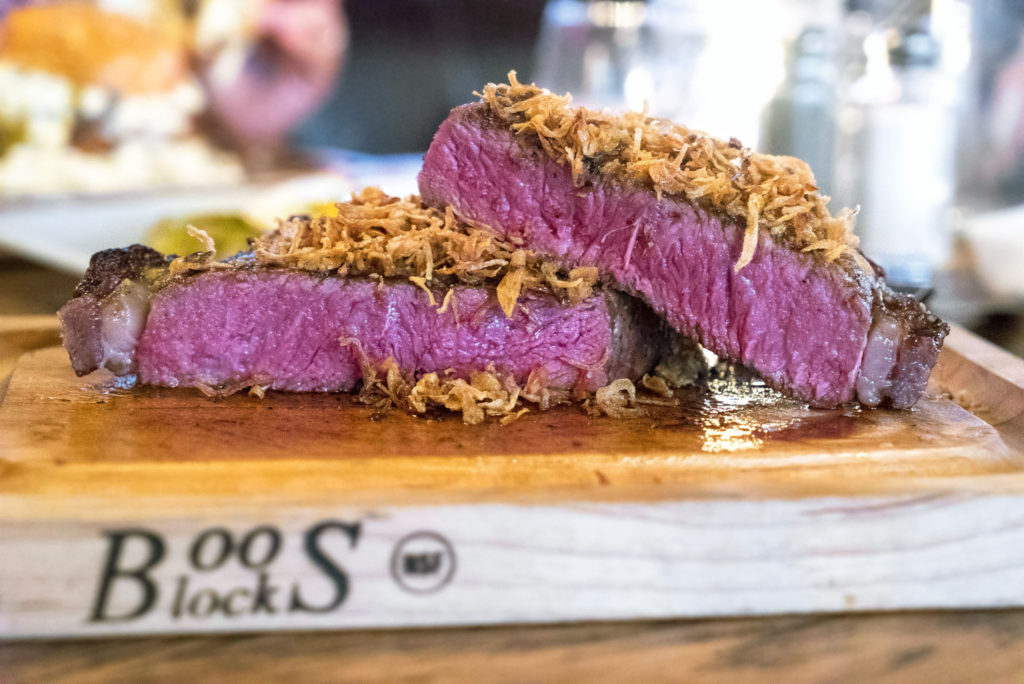
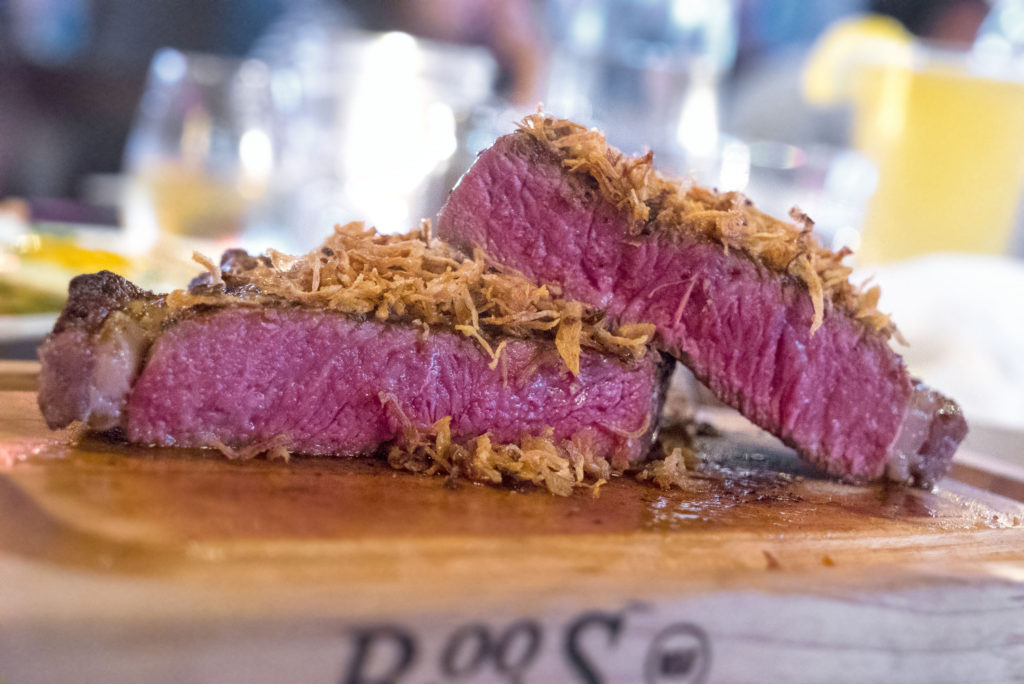
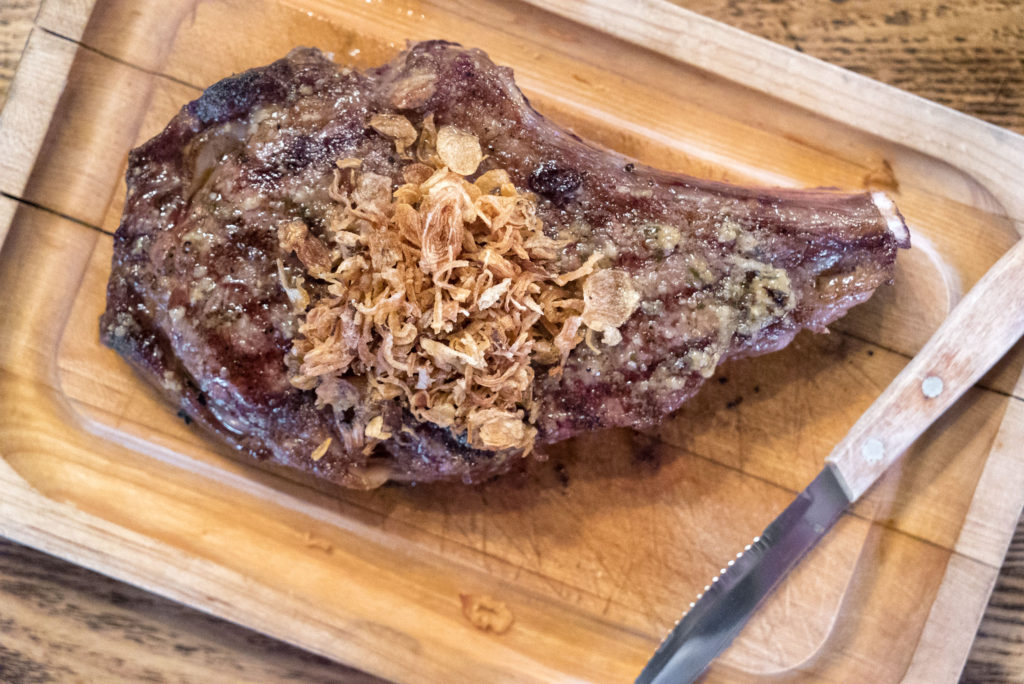
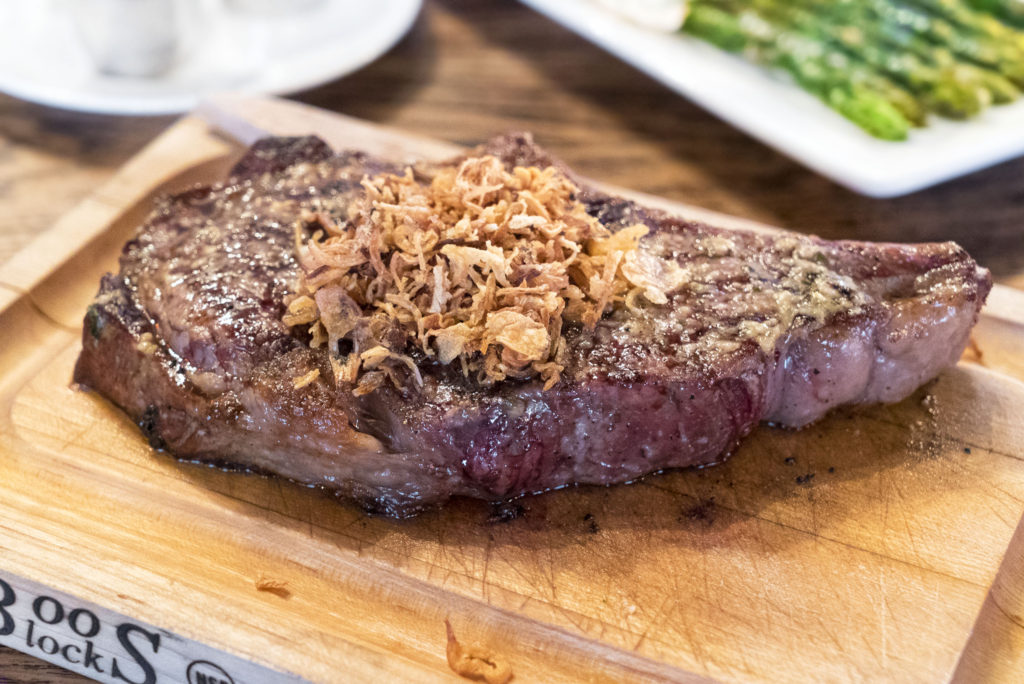
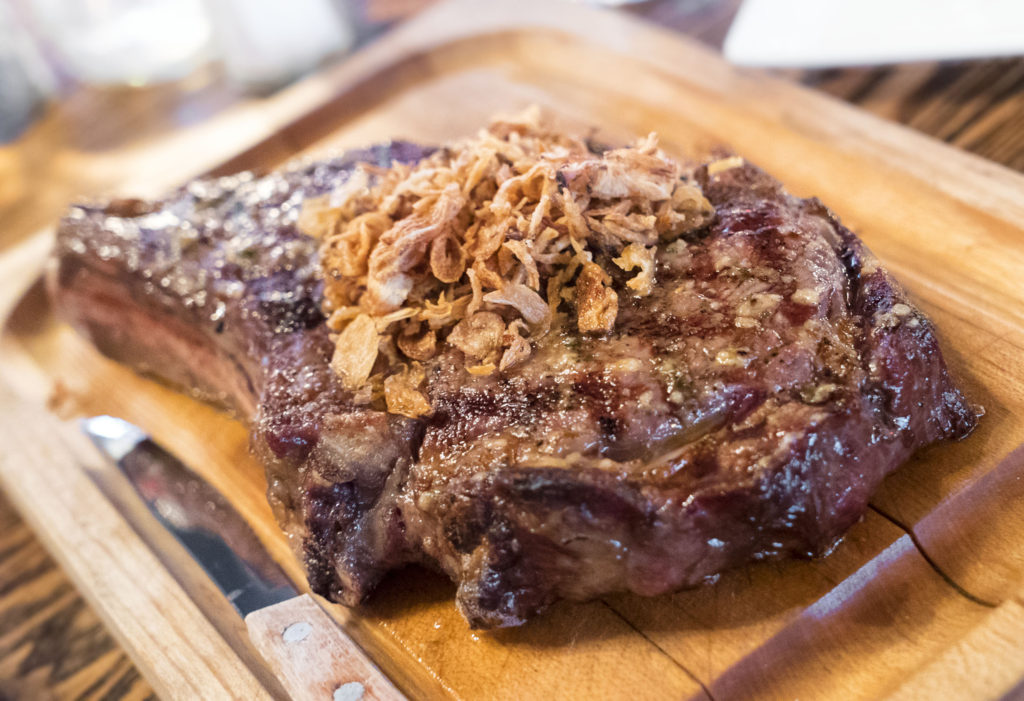
This was spectacular. The aged flavor really popped for just a 28-day stint in the aging box. I could taste the nutty and funky qualities with ease. While it was grilled instead of seared, didn’t have much of a spinalis (fat cap), and there was a bit of hard gristle in the meat, the cook temperature was a perfect medium rare and the flavor in the eye was excellent. 8/10.

DSC05121-2

DSC05119

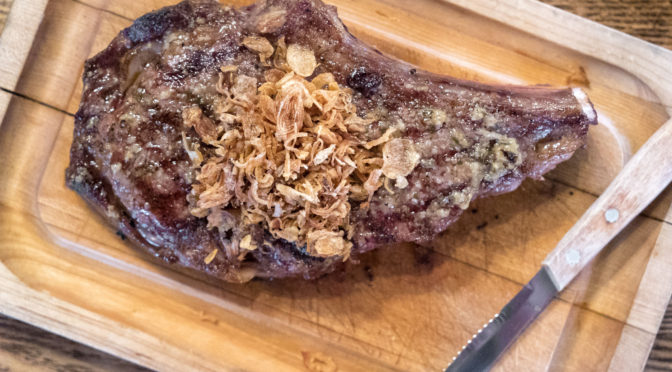
As you can see, the steak was topped with some crispy fried shallots. Nice touch!

DSC05109

DSC05074

DSC05082

At $42, this is a great deal, especially considering that the flavors of this thing can easily rival some of the best steakhouses in town. I guess it was just a bummer that I got a cut with little fat cap and a few bites of gristle.

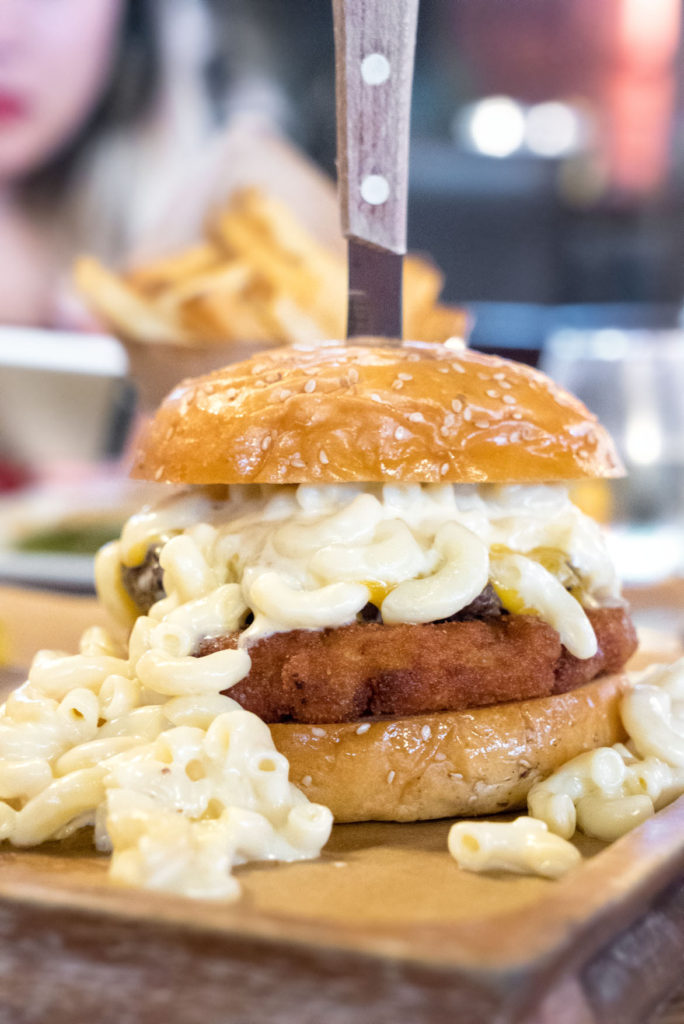
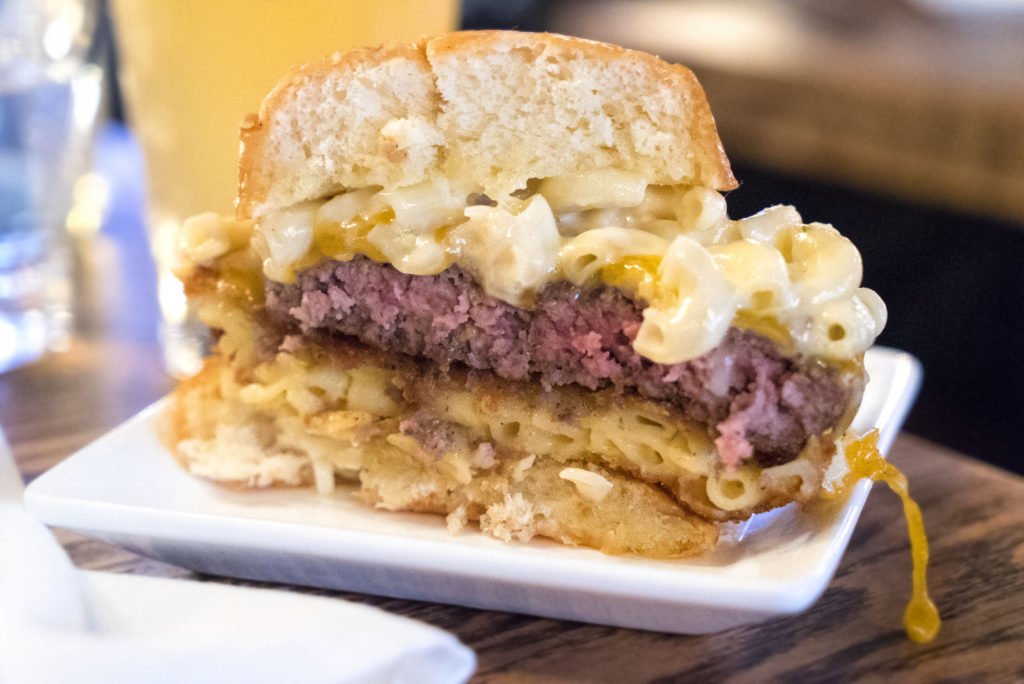
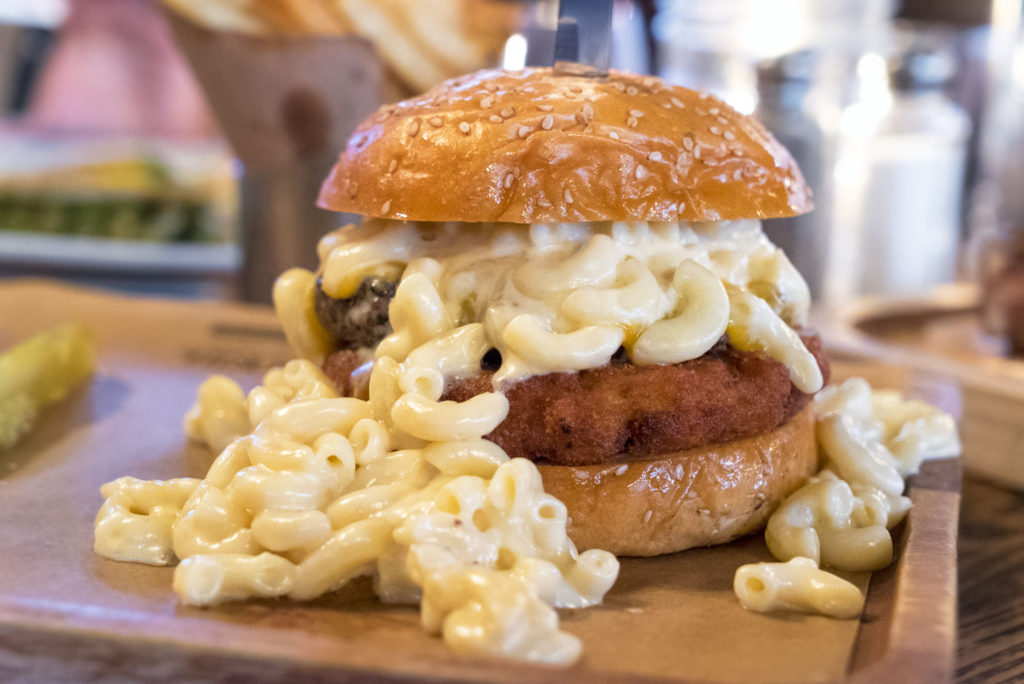
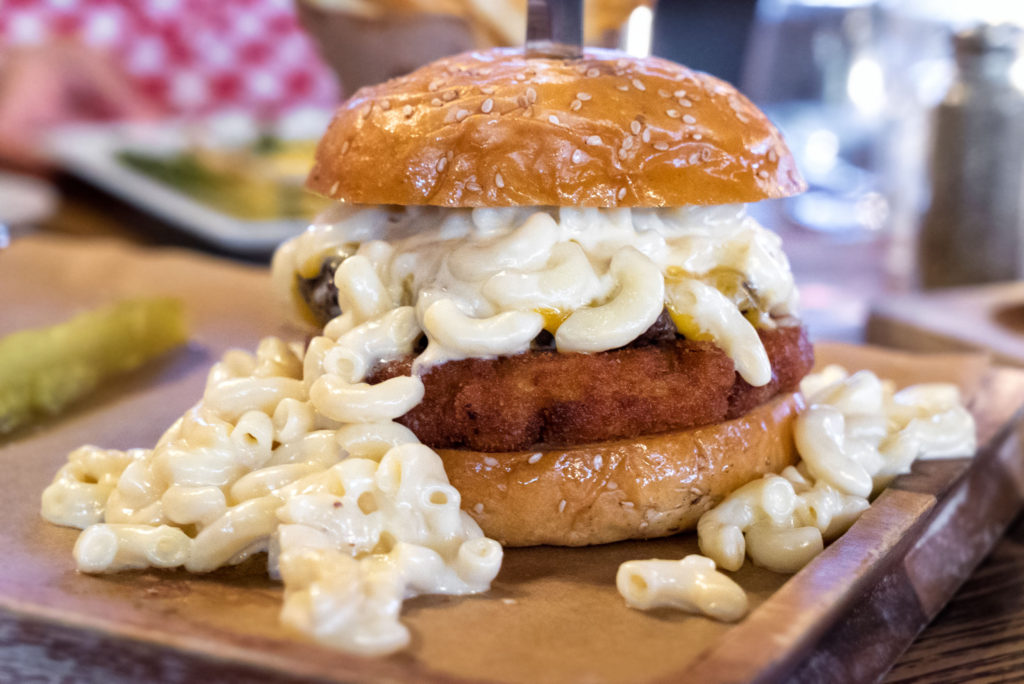
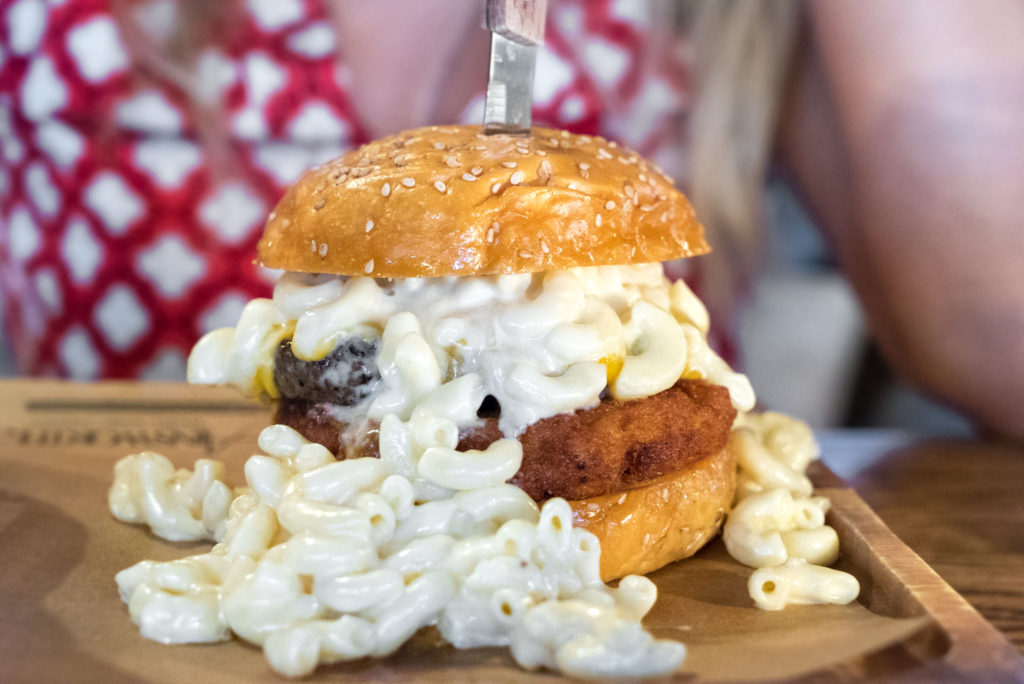
My wife went with the famous mac and cheese burger.

DSC05088

That’s a fried mac and cheese patty on the bottom, a cheeseburger patty on top of that, and then mac and cheese on top of the burger.

DSC05125

While that is all totally unnecessary and probably only done for Instagram fodder, it was indeed a fun item to eat. Here’s a little animated image for you to ogle:

It didn’t taste that special to me, but it sure did make for some handsome photos.

DSC05091

DSC05085

DSC05080

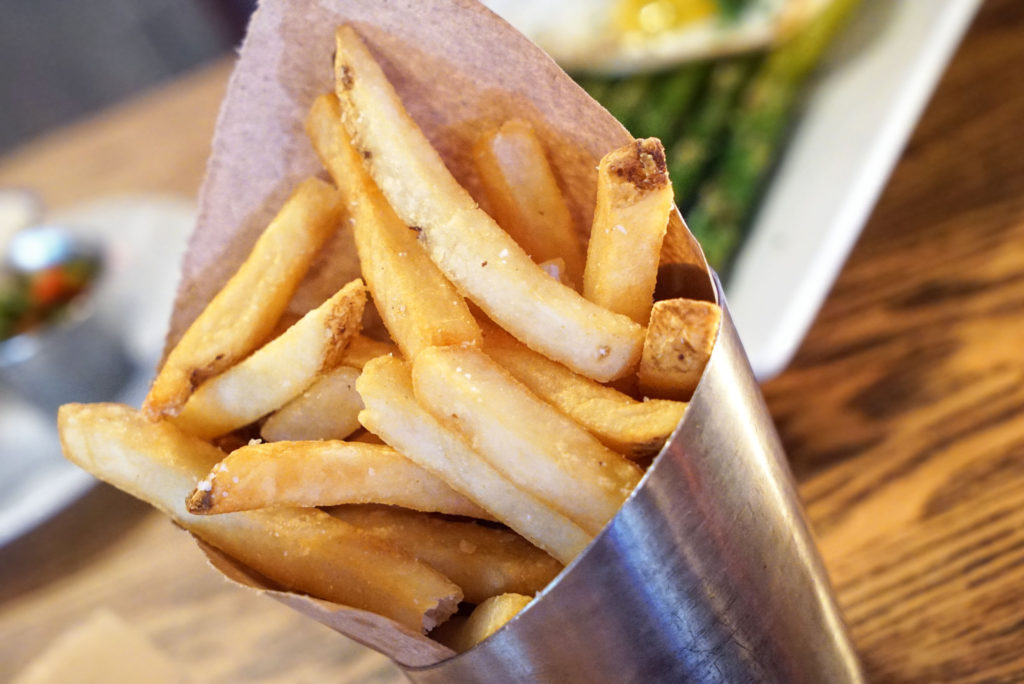
French fries came with that burger, as if there wasn’t enough to fill you up with the burger itself.

DSC05093

These could use some work. Some were a little bit un-crisped and heavy, but otherwise decent.

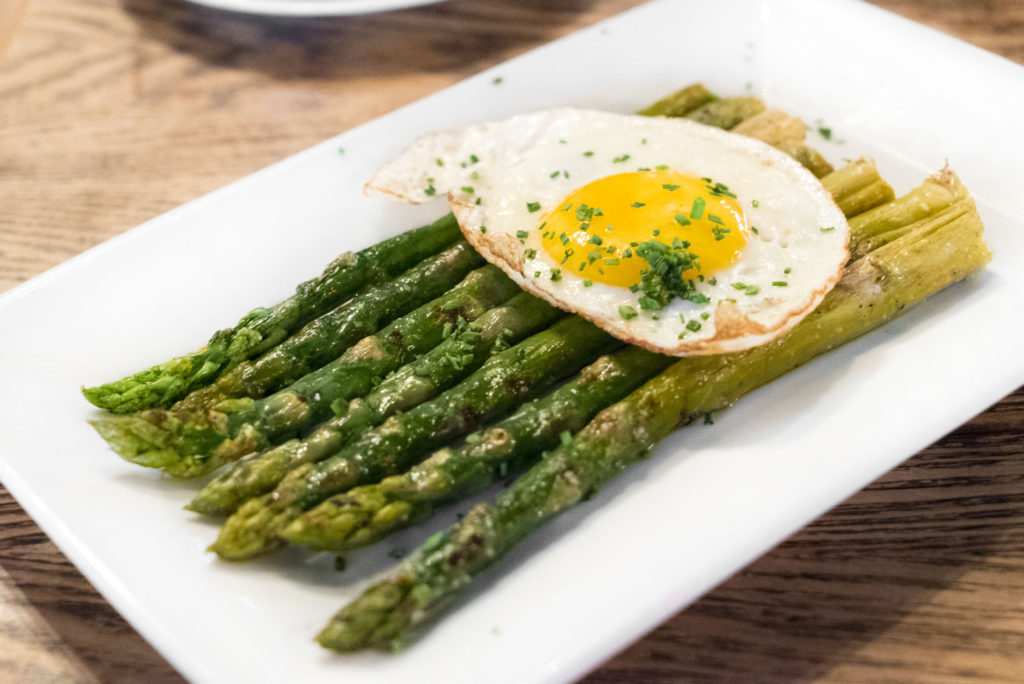
On the side, we shared the asparagus with a fried egg on top. Both the asparagus and the egg were cooked perfectly and had good flavor. Look – it was either this or more fries, so give me a break.

DSC05079

THE AINSWORTH
122 W 26th St
New York, NY 10001

New York Burger Co.

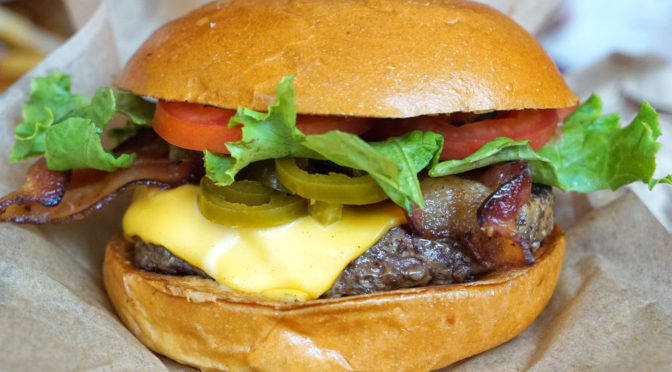
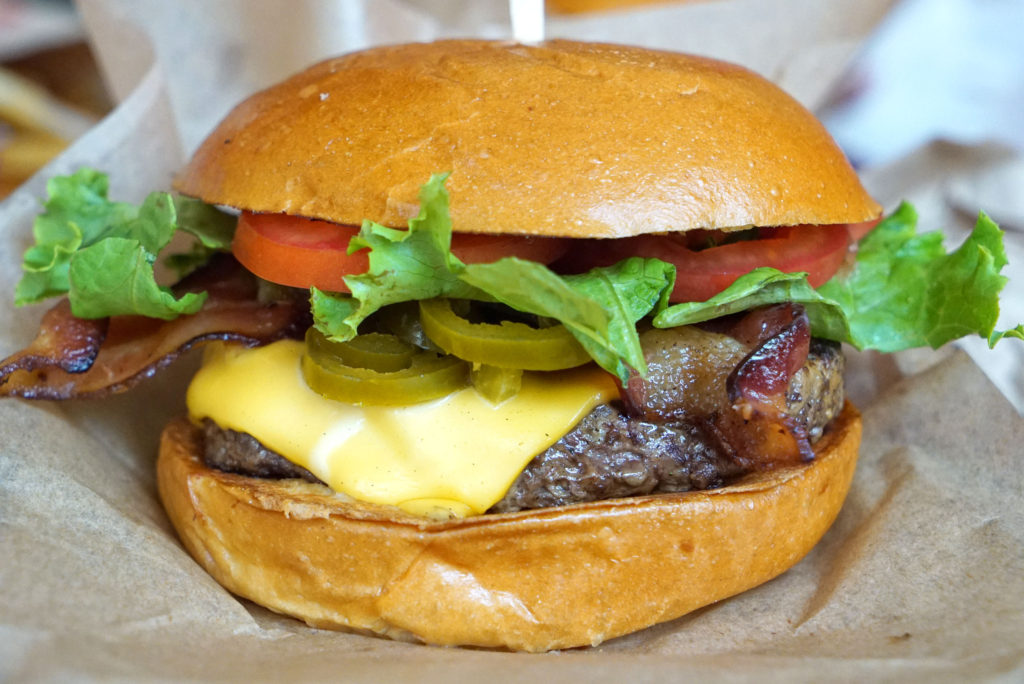
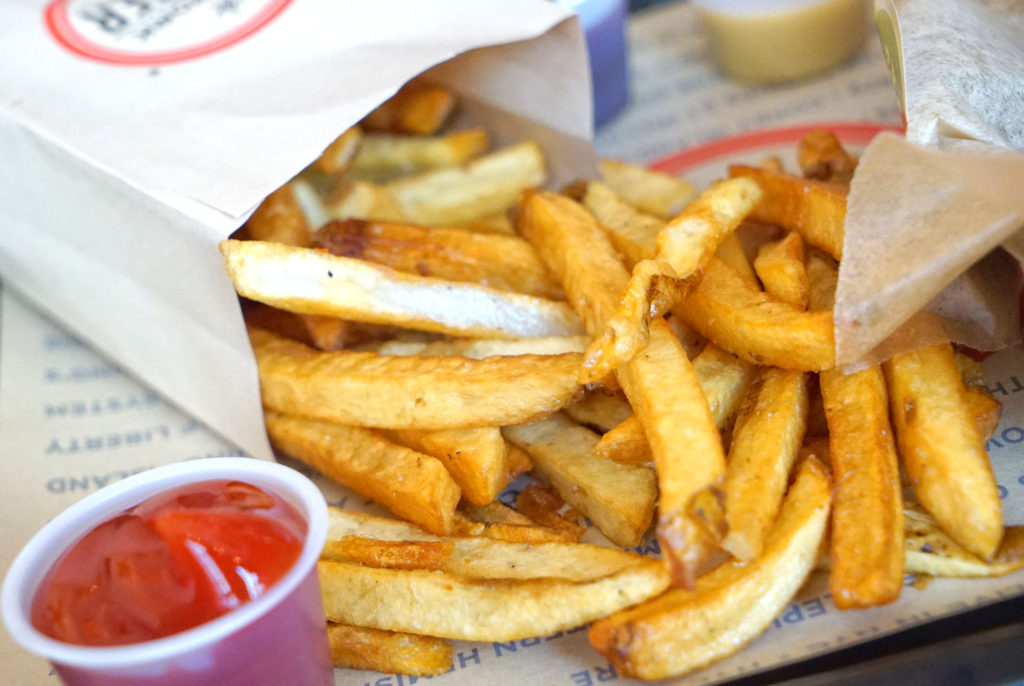
This place slings a decent fast food style burger, but the bacon was rubbery on both my and my wife’s burgers, and the fries were soggy and dense. Stick to the basics here and you should be fine. Don’t waste money on the extras. And it’s still not on the level with places like Smashburger, Shake Shack or Lucky’s Famous.

DSC05138

DSC05137

The good thing is that my wife paid about $10 for $30 worth of food and drink here through a flash deal. So all in, this was not too bad.

NEW YORK BURGER CO
678 Ave of the Americas
New York, NY 10010

Olma Caviar Boutique & Lounge

NOTE: THIS PLACE IS NOW CLOSED

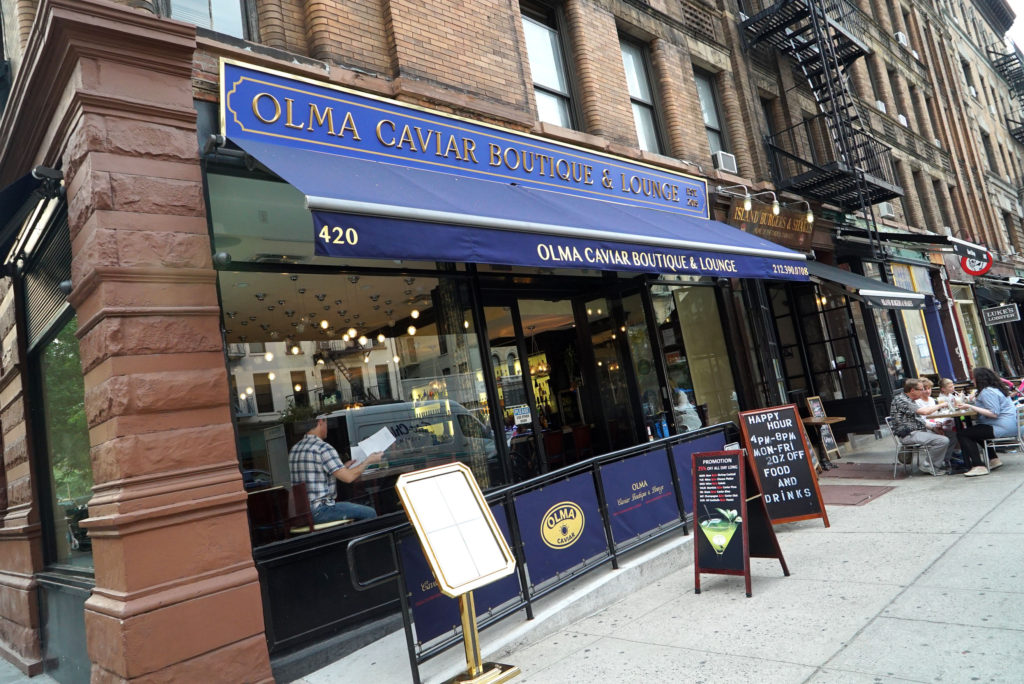
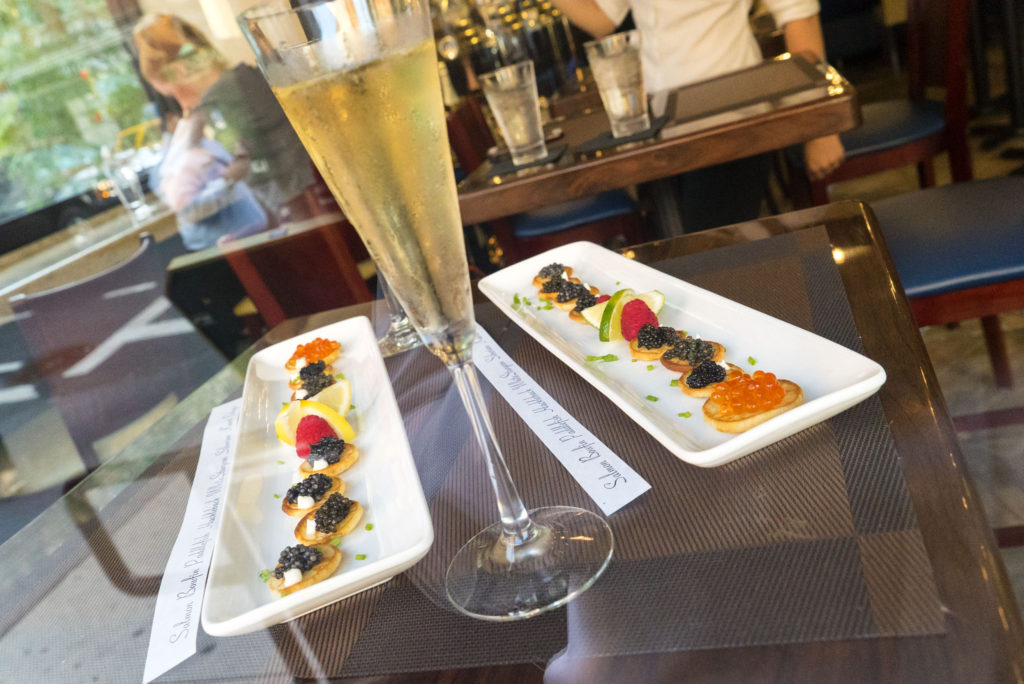
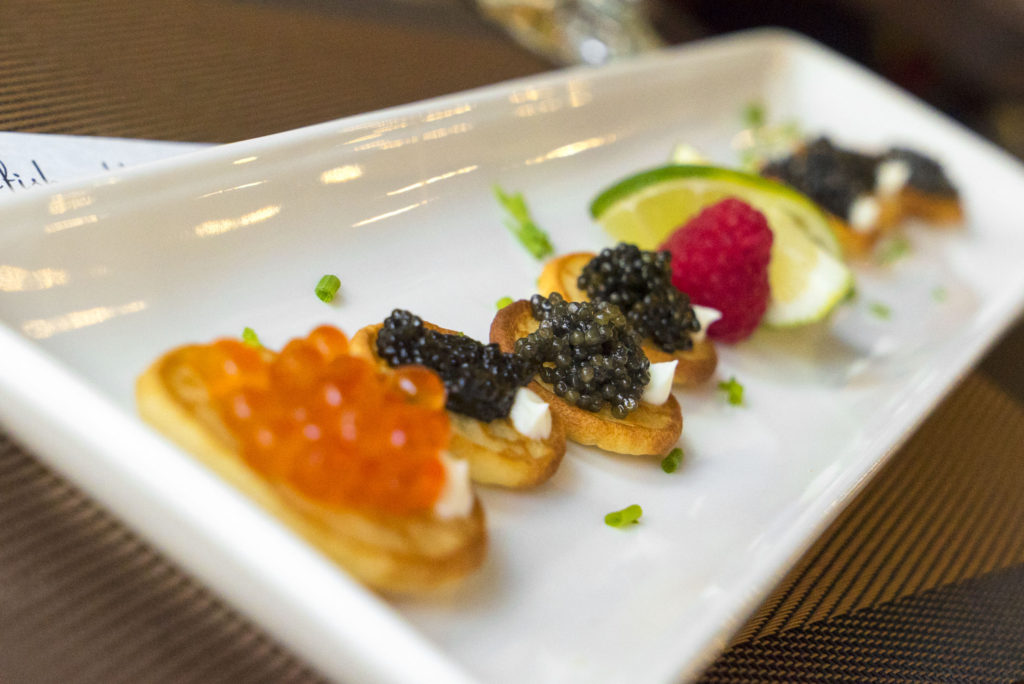
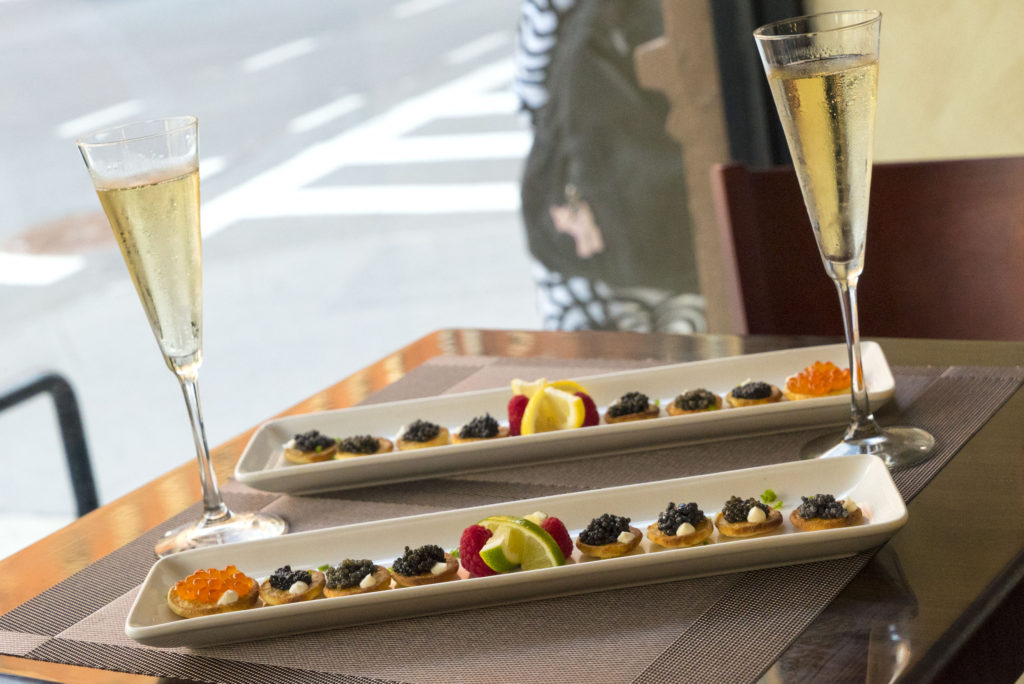
My buddy Jay, from The Dishelin Guide, invited me to this pretty cool caviar tasting press meal at Olma Caviar Boutique & Lounge on the upper west side. This joint has a small bar counter in the Plaza Hotel, so this location is a spot where you can stretch out and relax with some champagne at the bar or in the spacious, bright dining room before the lounge atmosphere kicks in.

DSC05023

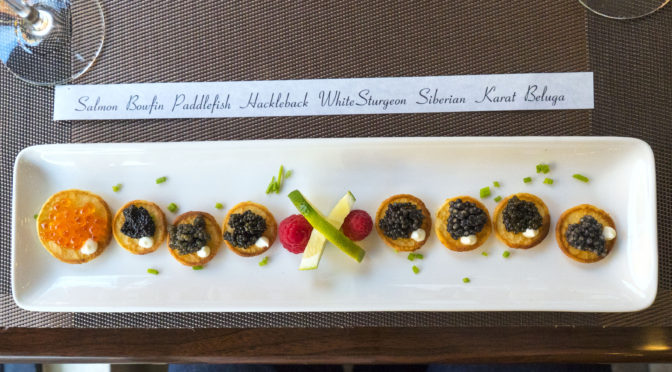
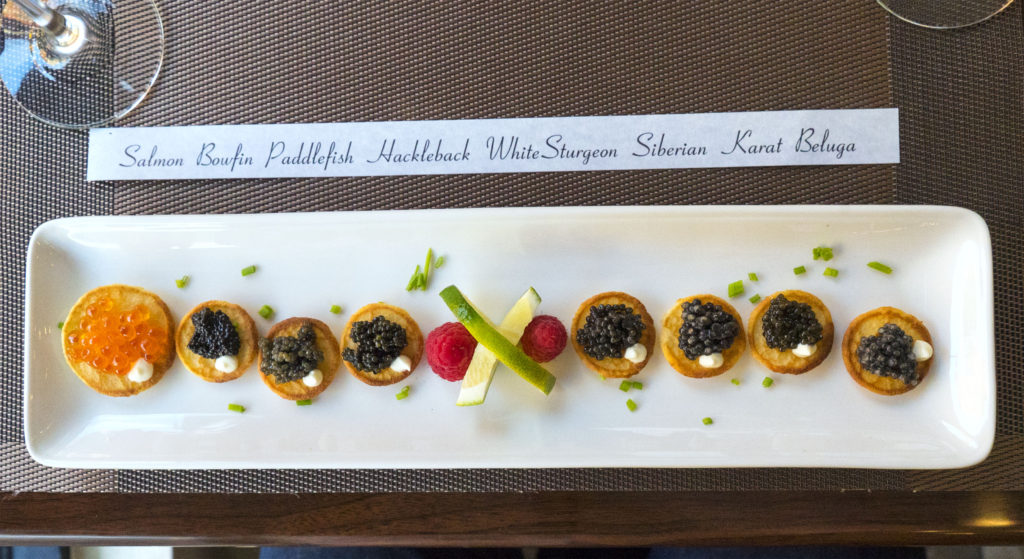
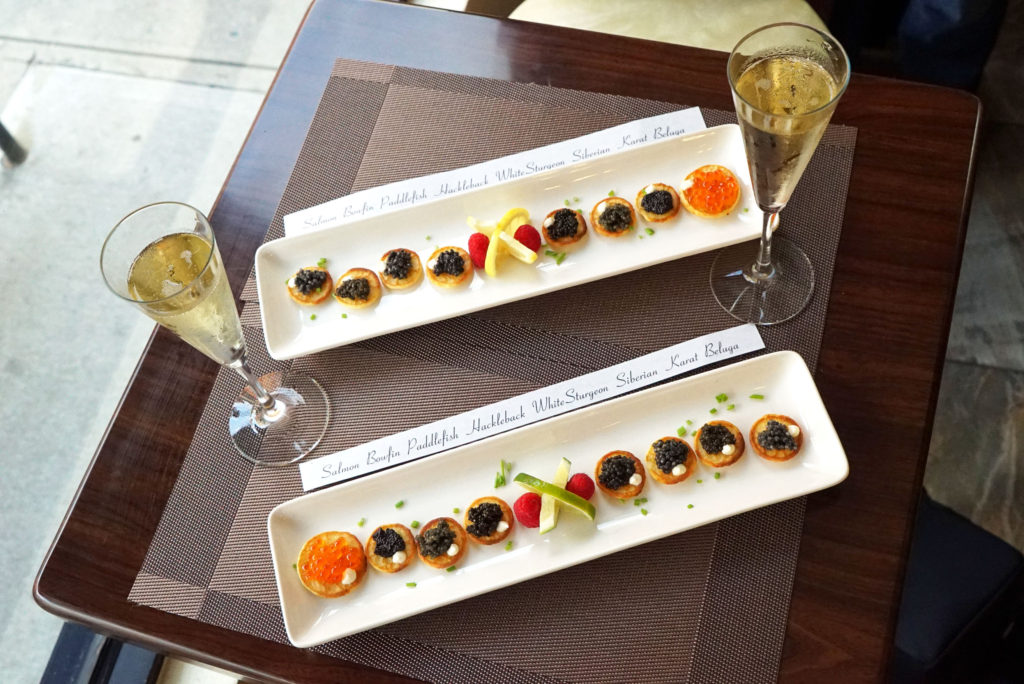
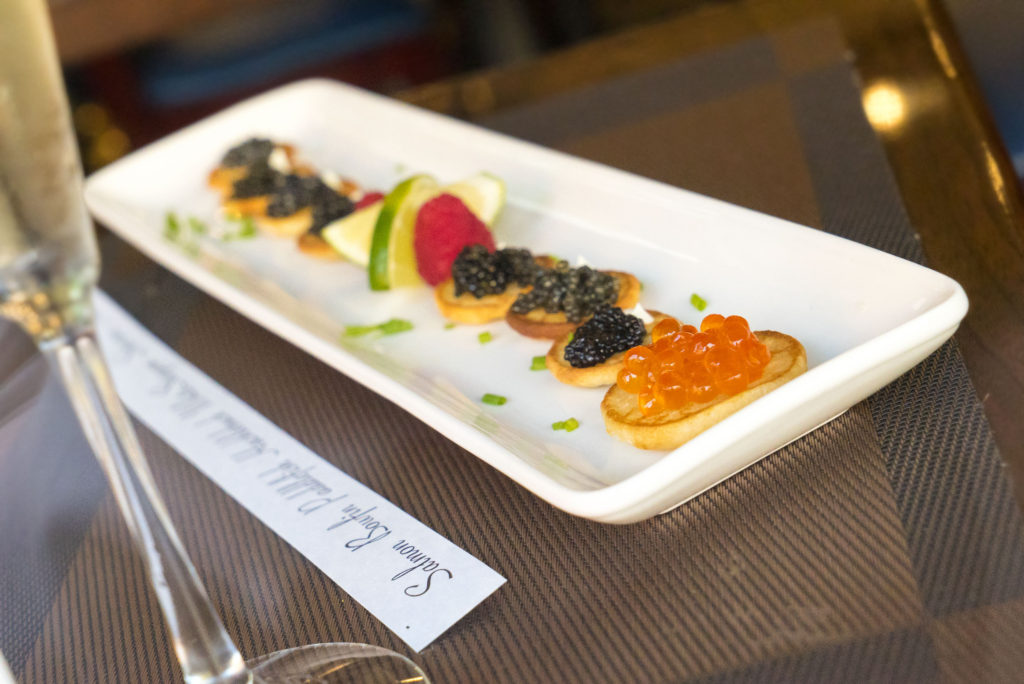
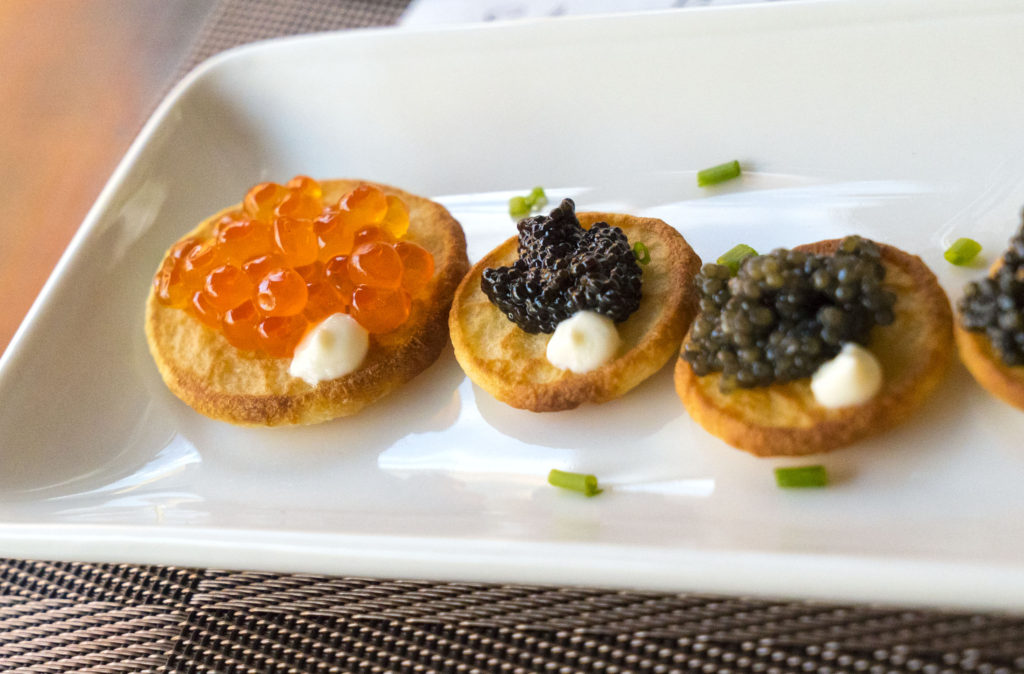
This place offers an eight blini tasting of caviar for $55, which covers every type of caviar they offer.

DSC05042

DSC05031

That’s a pretty sweet deal, considering that just one blini of the Beluga will run you $32, and one blini of the Karat is $22. Those two bites alone cover the cost of the eight, so the other six are essentially free. Crazy bargain!

DSC05034

DSC05035

DSC05048

DSC05043

DSC05028

My favorite of the eight was the Karat, which was a bit more briny and salty than the others without going too far.  My next favorite was Beluga, which was so freaking smooth and creamy. I now understand why people go crazy over this shit. Save for the salmon, I didn’t really pick out too many differences in flavor, aside from the fact that I did like the Siberian and White Sturgeon better than the others.

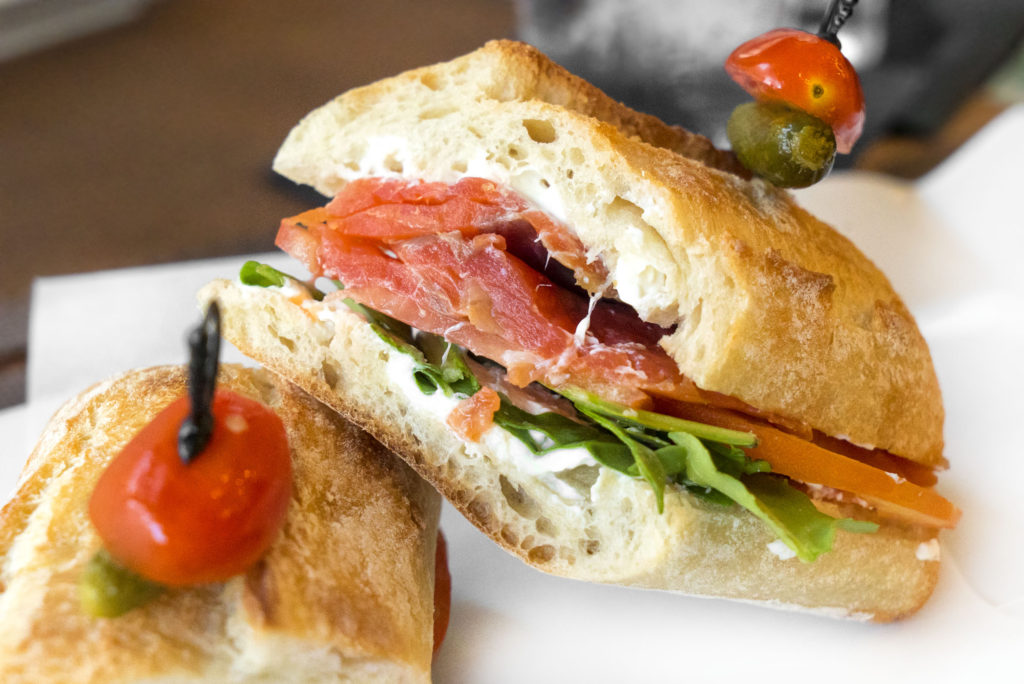
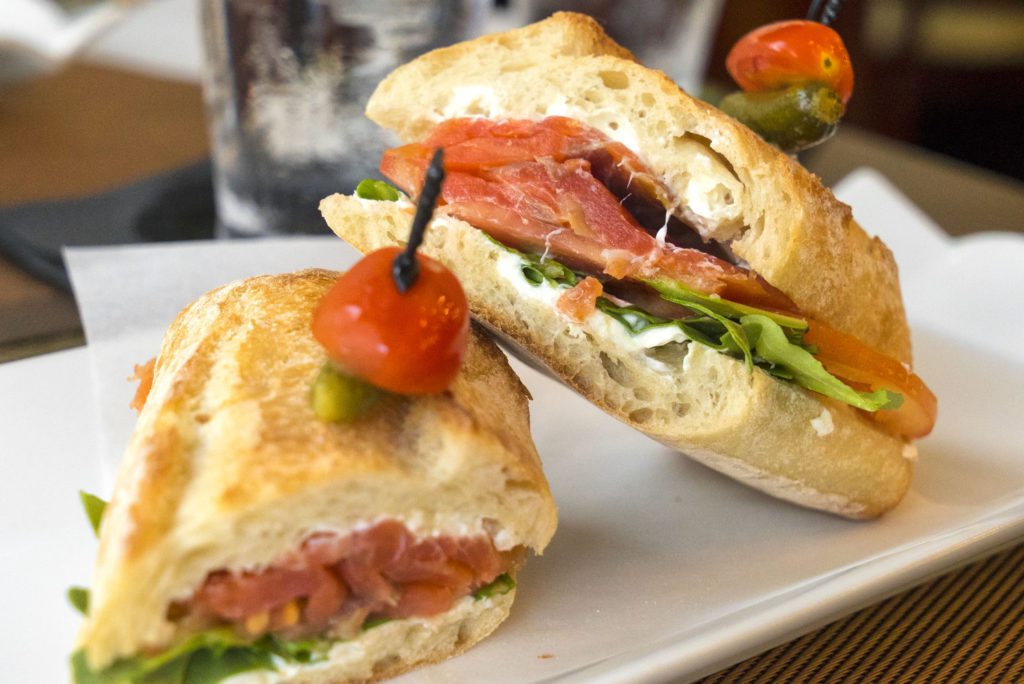
We also put down a smoked salmon lox sandwich with tomato, arugula and cream cheese. It was served on a nice toasty and warm piece of French baguette. Absolutely delicious.

DSC05058

DSC05056

I’d definitely hit this place again, and it’s a perfect place for a date.

OLMA CAVIAR & BOUTIQUE LOUNGE
420 Amsterdam Ave
New York, NY 10024

Zundo-ya

NOTE: THIS PLACE IS CLOSED!

Every so often you find a joint that blows all of your expectations for a particular dish out of the water. Zundo-ya is one of those places.

DSC04949

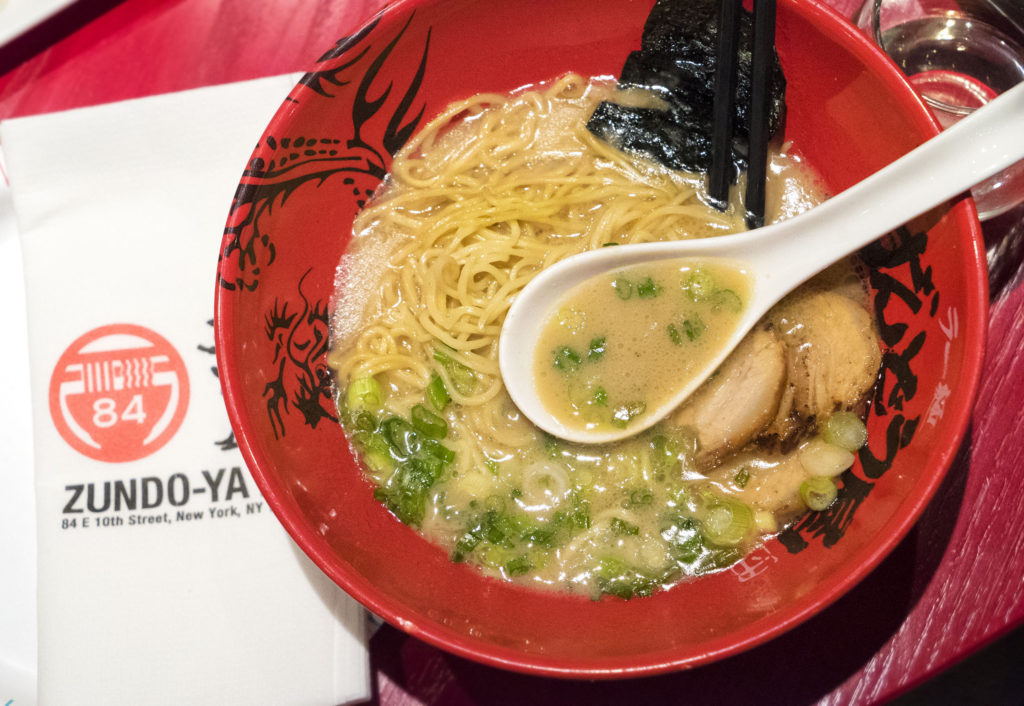
The folks at Tabelog just held a small tasting event at Zundo-ya’s first US location, nestled in the crux between Union Square and the East Village – literally right around the corner from Ippudo. While Ippudo is great, and may be the spot that’s on more peoples’ ramen radar, Zundo-ya is where all those people should actually be going instead. I’m dead serious. This is my new favorite ramen spot.

DSC04992

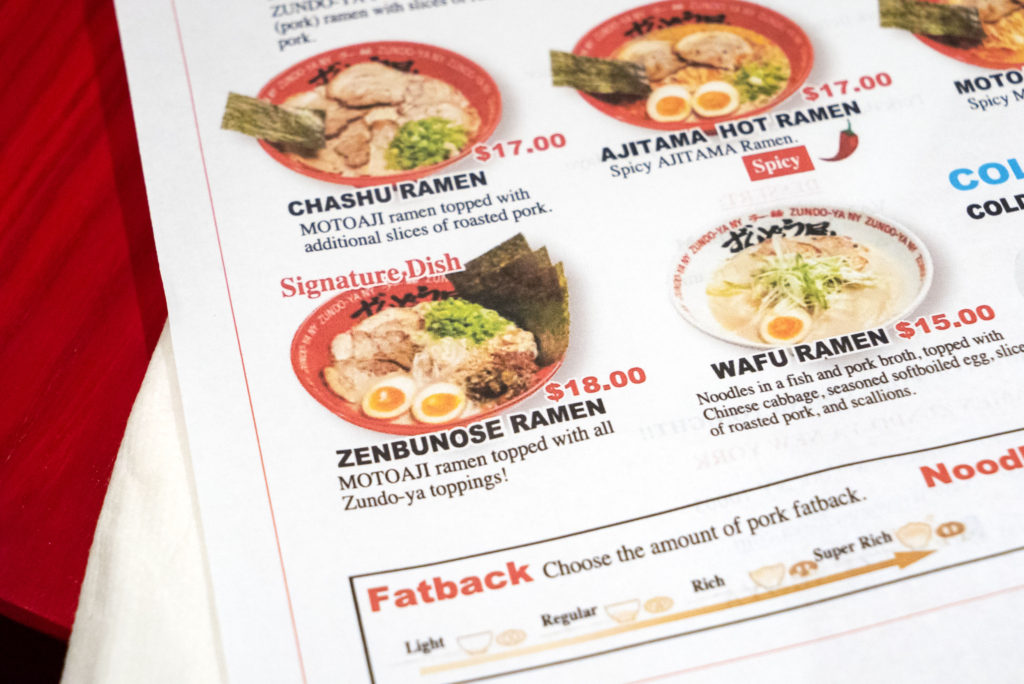
Zundo-ya has about 20 locations in Japan, but what makes them stand out here in the crowded NYC ramenscape is the concept of bowl customization. Very few places feature anything that has been truly customized by the diner outside of toppings and add-ons. Here, you can also designate how intense or rich you’d like your broth (thickness, pork fat flavor, etc) and which kind of noodle you prefer (thin, straight; thick, wavy). While many joints may occasionally allow you to swap out a noodle style from what’s listed on the menu, that first metric – broth intensity/richness – is absolutely key for true ramen aficionados.

DSC04969

All too often I order a bowl of tonkotsu ramen and what comes to the table is a watered down, thin, weak-flavored bowl of dish water. That’s pure crap, especially these days, when we seem to be regularly paying upwards of $15 for a bowl. That problem is solved here. Simply order your broth rich or super rich.

DSC05001

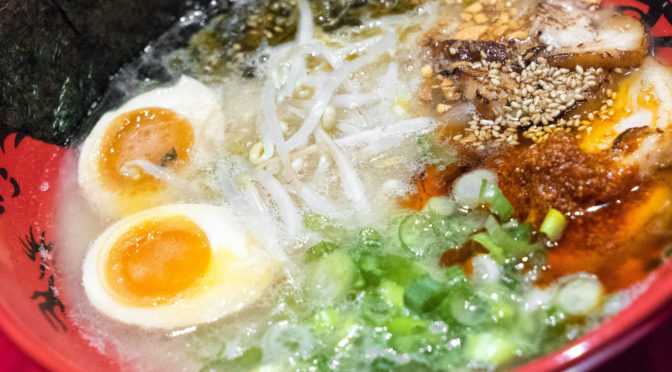
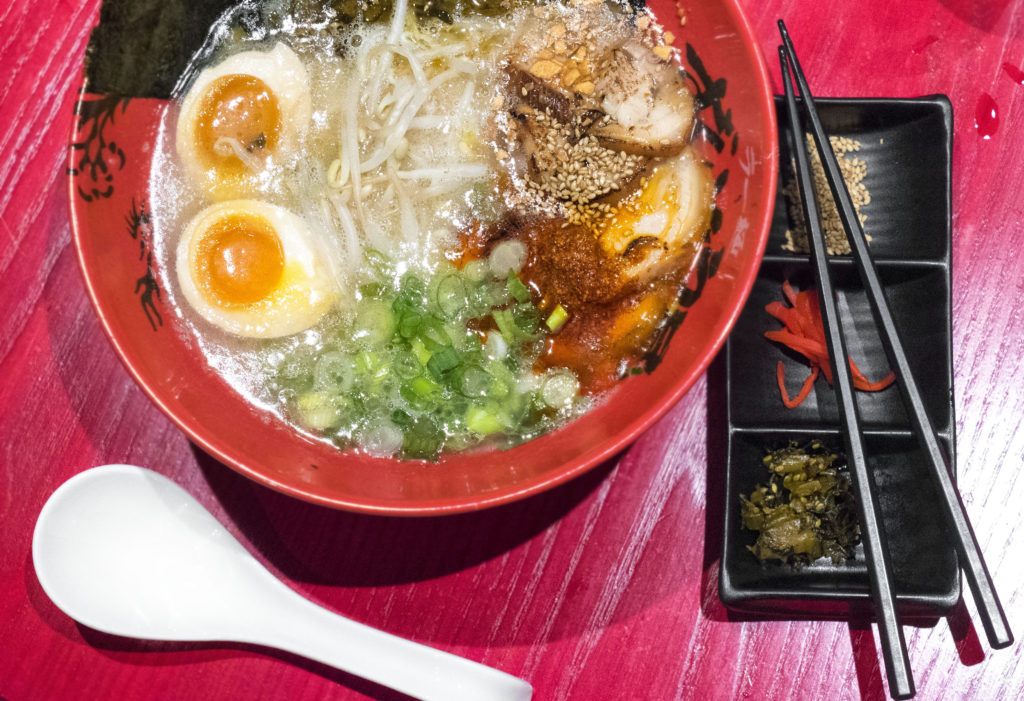
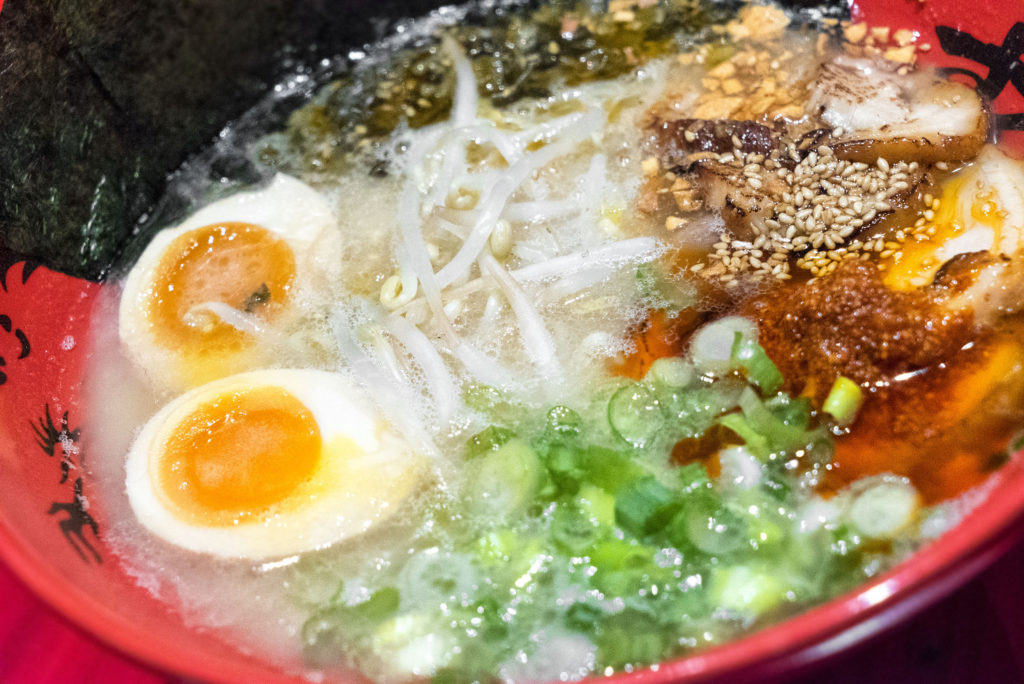
I went all-in, with the Zenbunose ramen, which is a tonkotsu ramen with all of the available toppings.

DSC05008

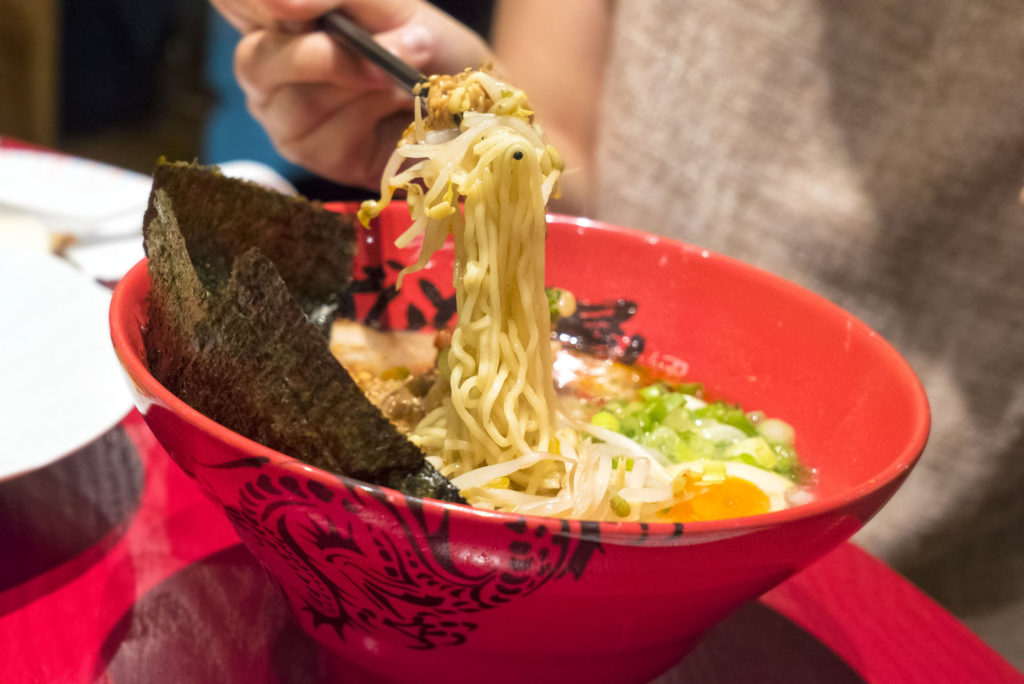
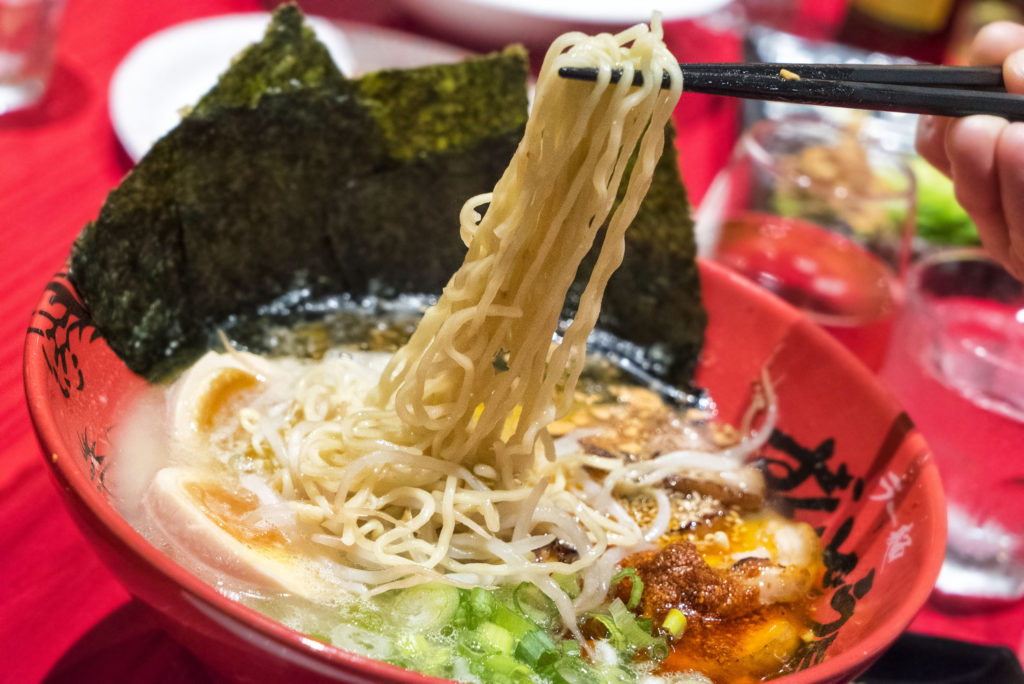
I ordered this thing super rich, and with thick wavy noodles.

DSC05019

While $18 is a bit steep for ramen, I feel this bowl is truly satisfying and fulfilling. It comes with an extra helping of super tender roasted and caramelized chashu pork, a full and deliciously cured soft boiled egg, scallions, bean sprouts, garlic chips, dried seaweed and a blob of spicy paste. The base level version of this, without all the extras, is just $13. That’s not bad at all.

DSC05013

The broth was thick, almost to the level of a velvety chowder or cream-based soup in texture. The fat and salt content wasn’t overwhelming, but it was most certainly present, which is exactly what I want from my ramen. This stuff’ll make you sweat, and it’ll make your heart rate spike, but it is so worth it. The noodles were perfectly cooked and had a good stretch/snap to them as well.

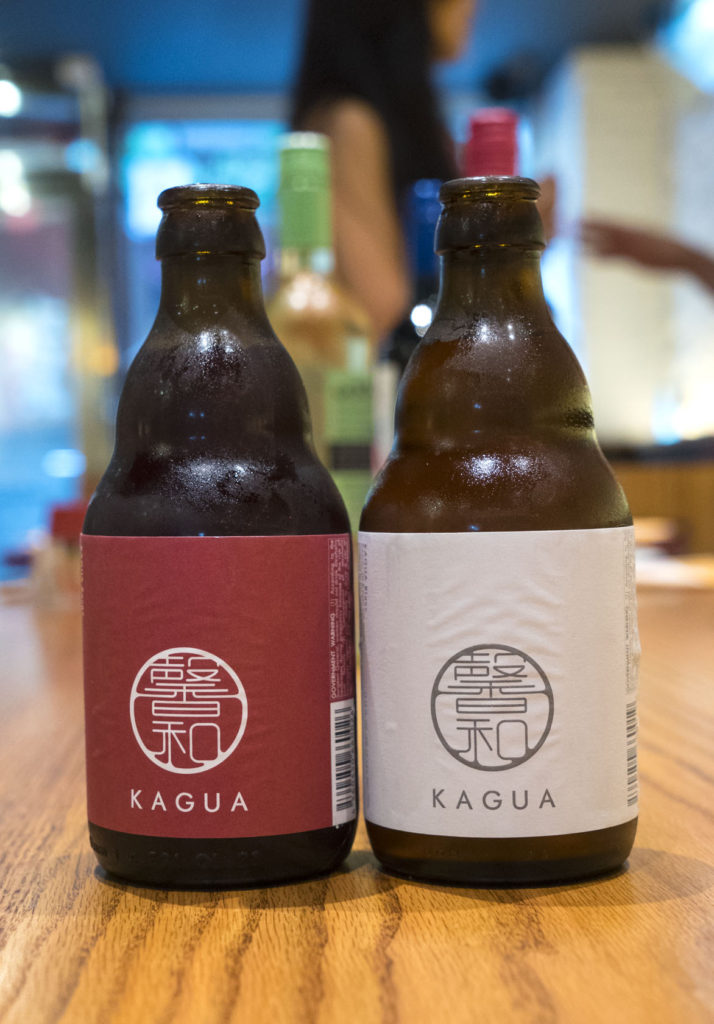
I cooled off with these two excellent Kagua beers. One was darker, less filtered and had a slightly hoppy flavor (the red label), while the other was light, easy to drink and a little less cloudy (white label).

DSC04951

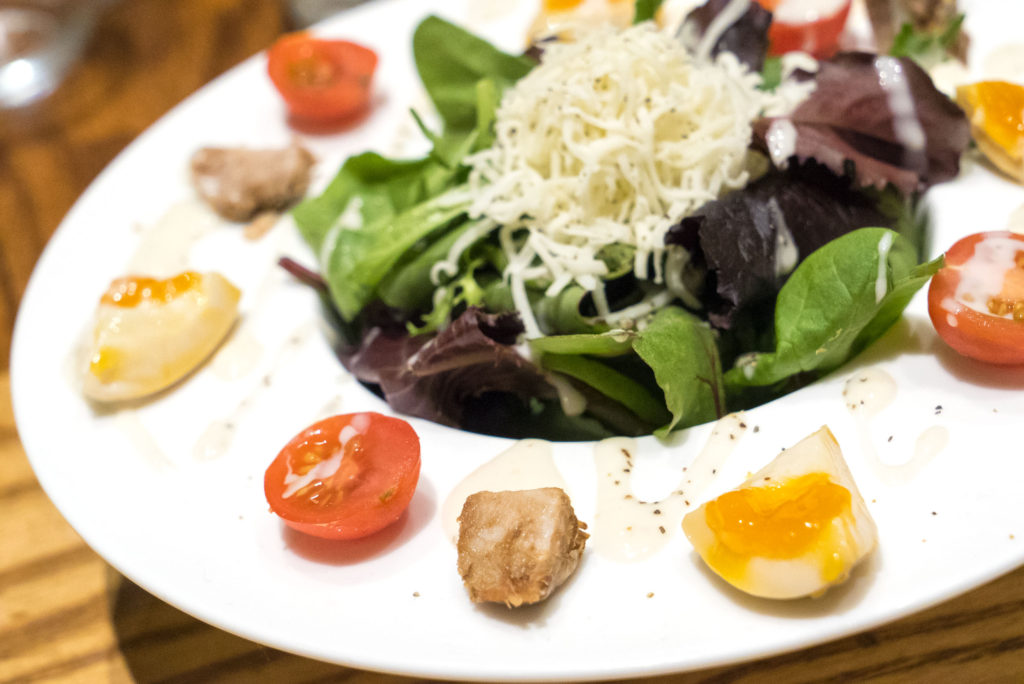
Not only is the ramen great, but this joint also serves up some fantastic sides and salads. This first one comes with bits of pork and cured egg on the edge of the bowl. Really nice touch, and a smart use of ingredients that overlap with the contents of the ramen.

DSC04961

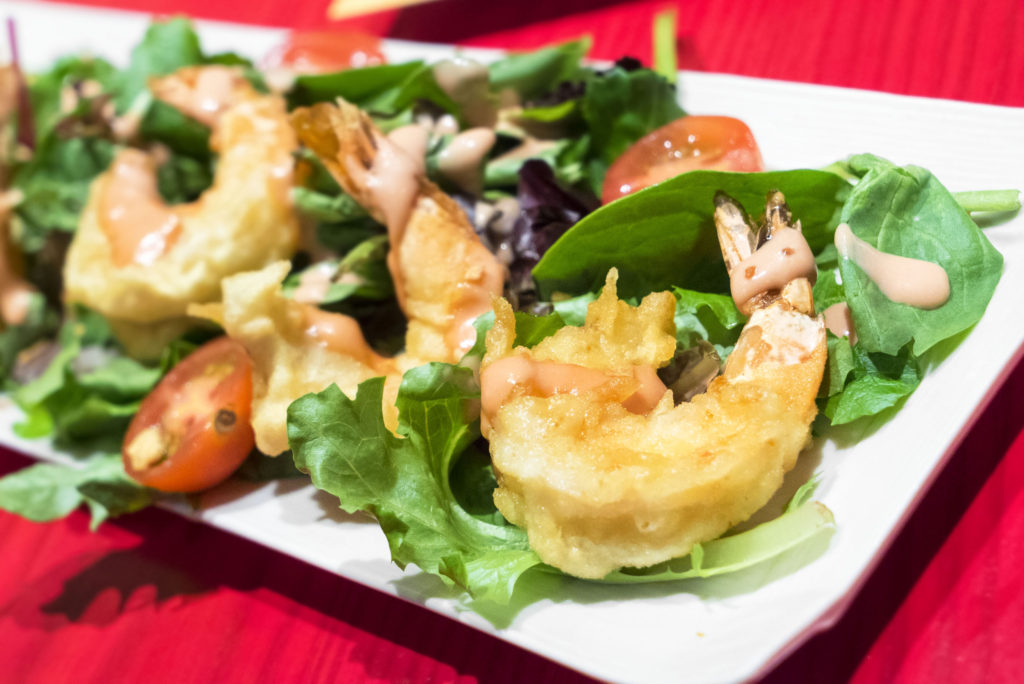
The spicy fried shrimp salad was highly addictive too. The shrimp were nicely cooked with a light and crunchy batter.

DSC04968

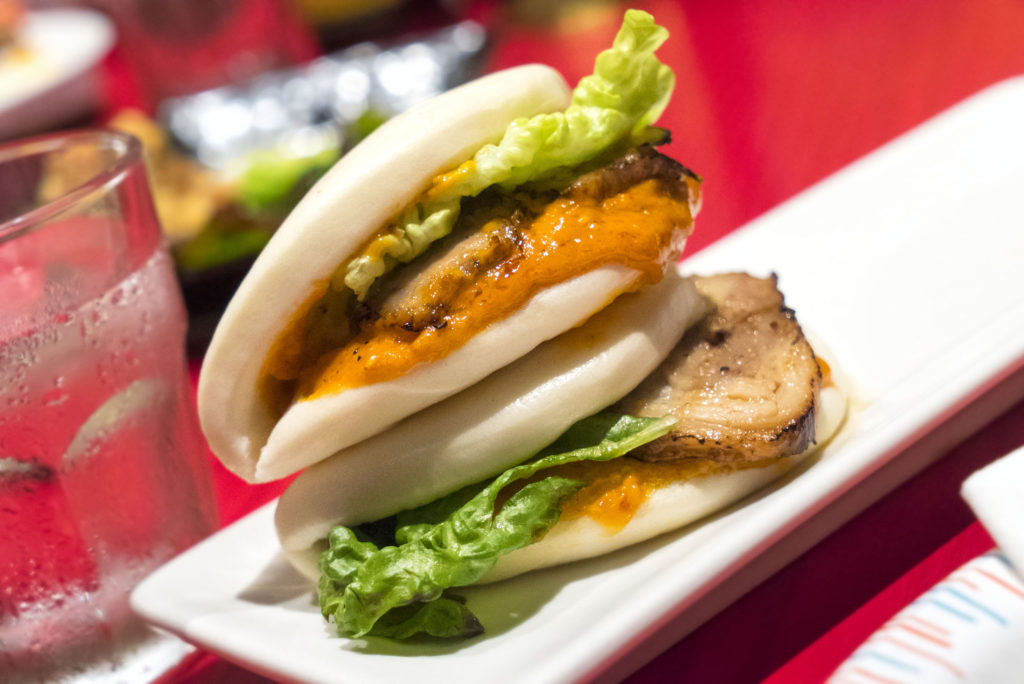
And take a look at these buns! These are the very delicious spicy ra-yu pork belly buns, but they also offer a sweeter teriyaki style as well (also good). I’m usually not psyched about bun items in general, but these were pretty good because there was enough meat stuffed inside to balance out the bun with a good ratio.

DSC04995

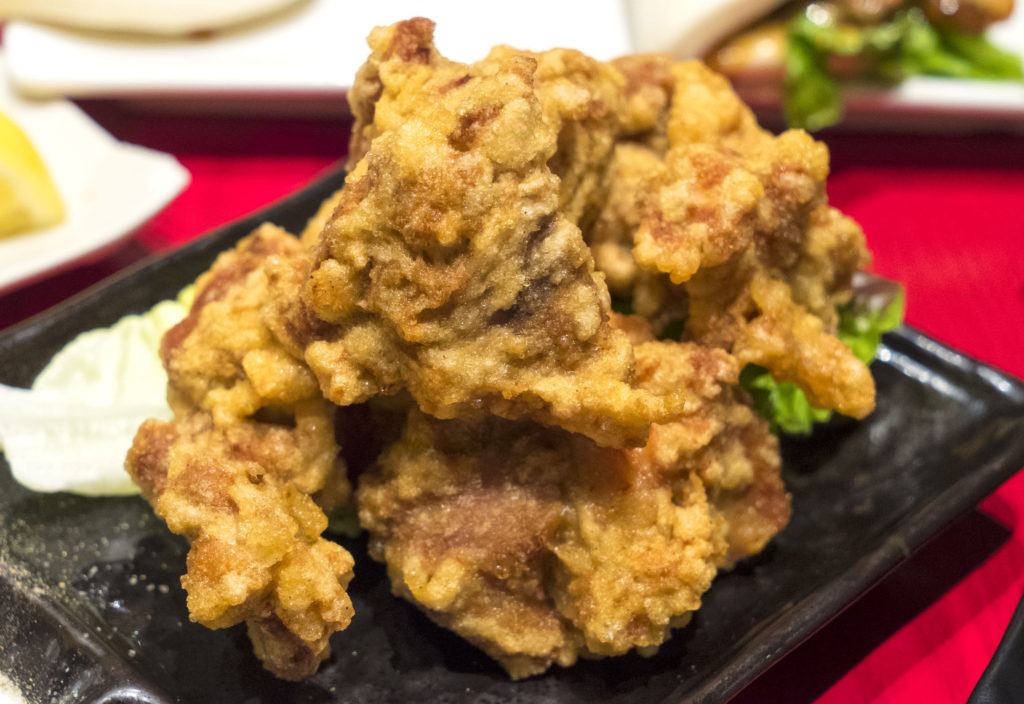
The stand out starter for me, though, was the karaage; crispy fried chicken. This chicken is so tender that it’ll make you want to stab someone. And what happens when you dip these babies into the little blob of spicy mayo and dry seasonings that come with an order or karaage? Nothing short of an intense flavor explosion in your pie-hole of a mouth.

DSC04978

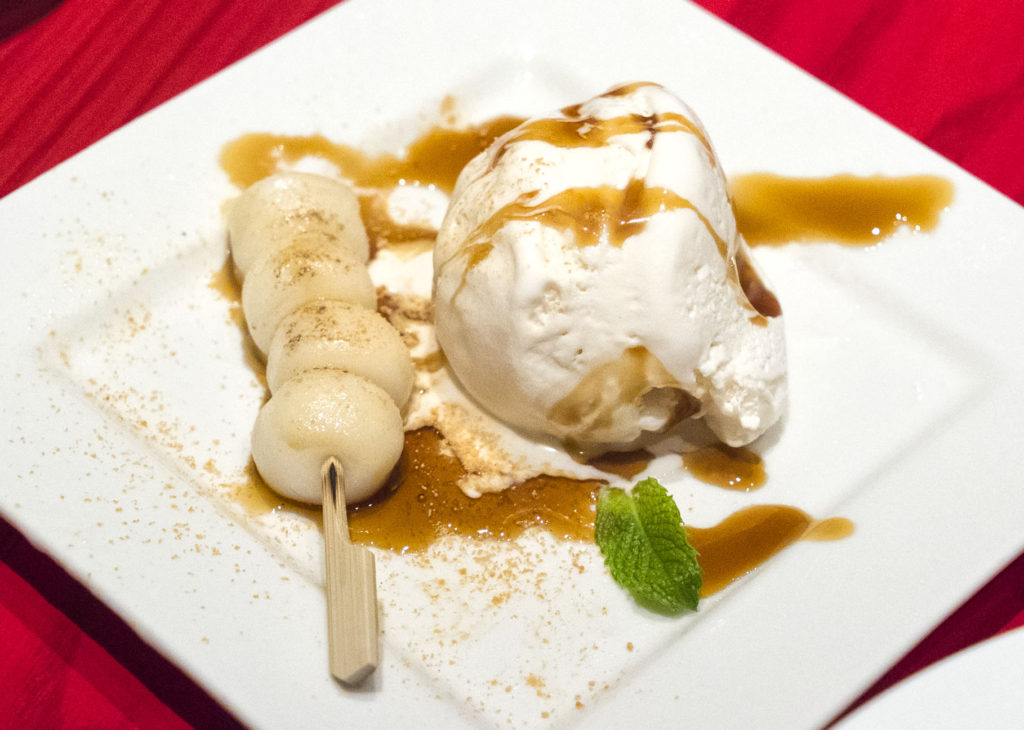
We even tried a little bit of dessert. This was ice cream with a soft mochi-like rice cake. The ice cream tasted like a really good Carvel soft serve vanilla, which is high compliments since that is my favorite thing on the planet for dessert.

DSC05020

I’m really excited about this place. And so is Tabelog. And Zundo-ya is excited that us blogger fools are excited as well; so much so that they’re giving out free gyoza (fried dumplings) to anyone who comes in between now and August 15th, 2016 and mentions “Tabelog” when ordering. Do it. I know I’ll definitely be back, especially given the fact that, unlike so many other NYC ramen joints, this place actually has elbow room and a comfortable amount of dining space.

ZUNDO-YA
84 E 10th St
New York, NY 10003