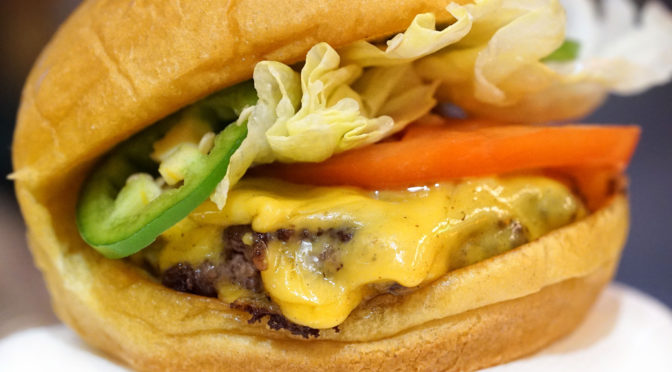
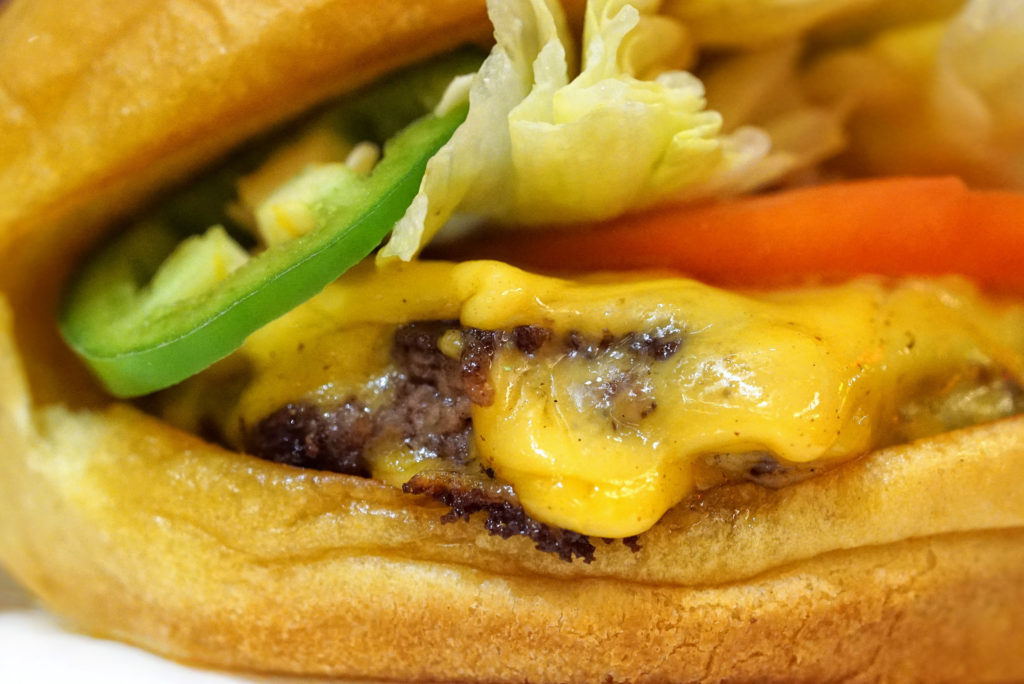
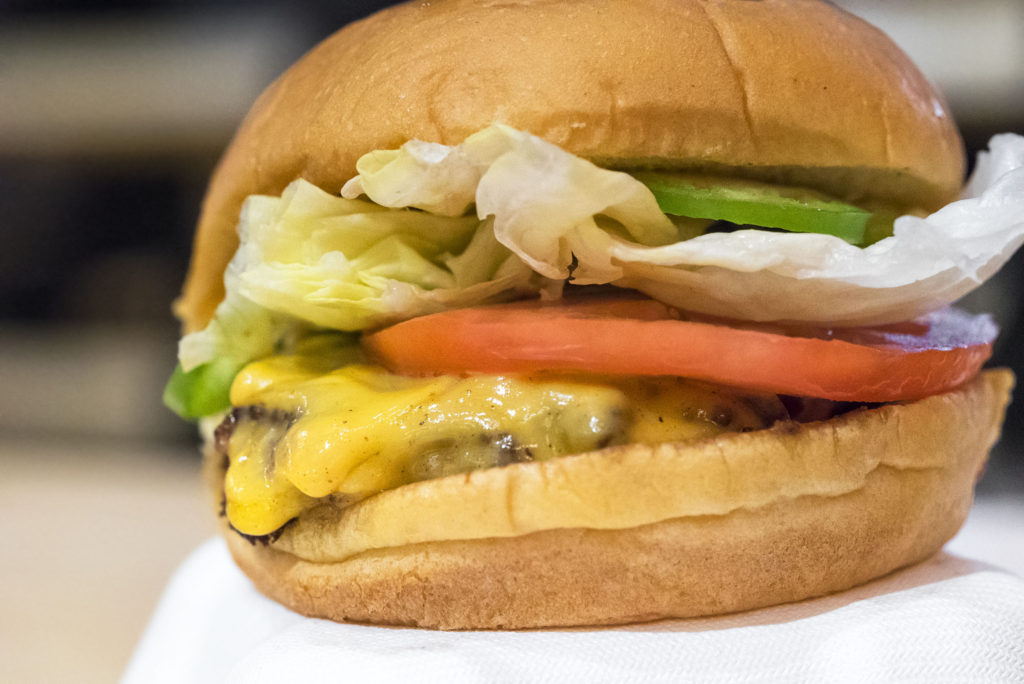
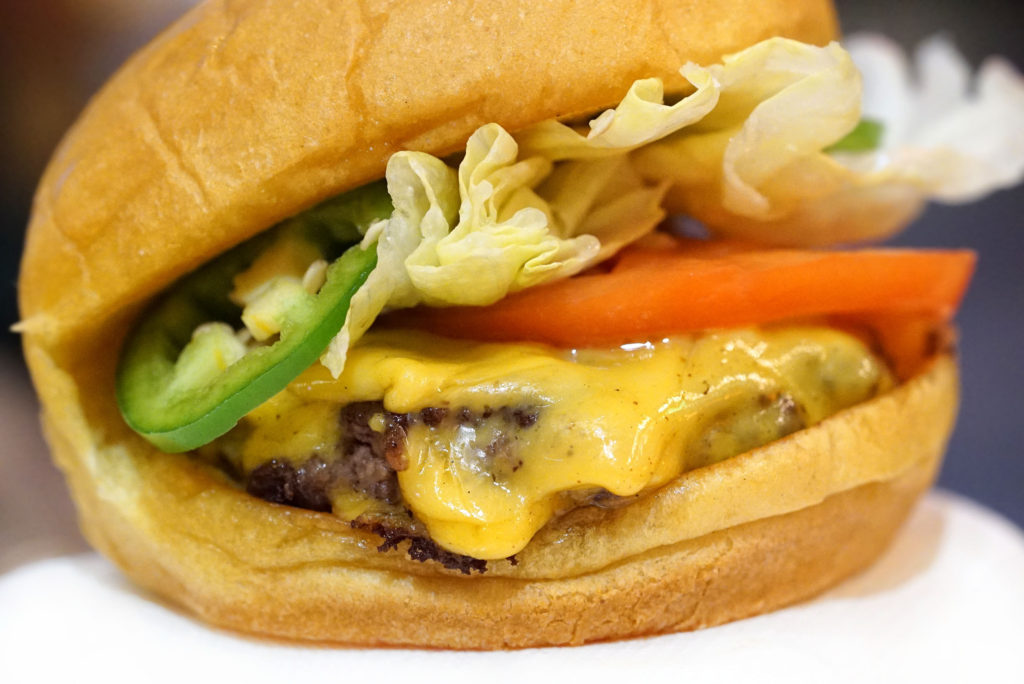
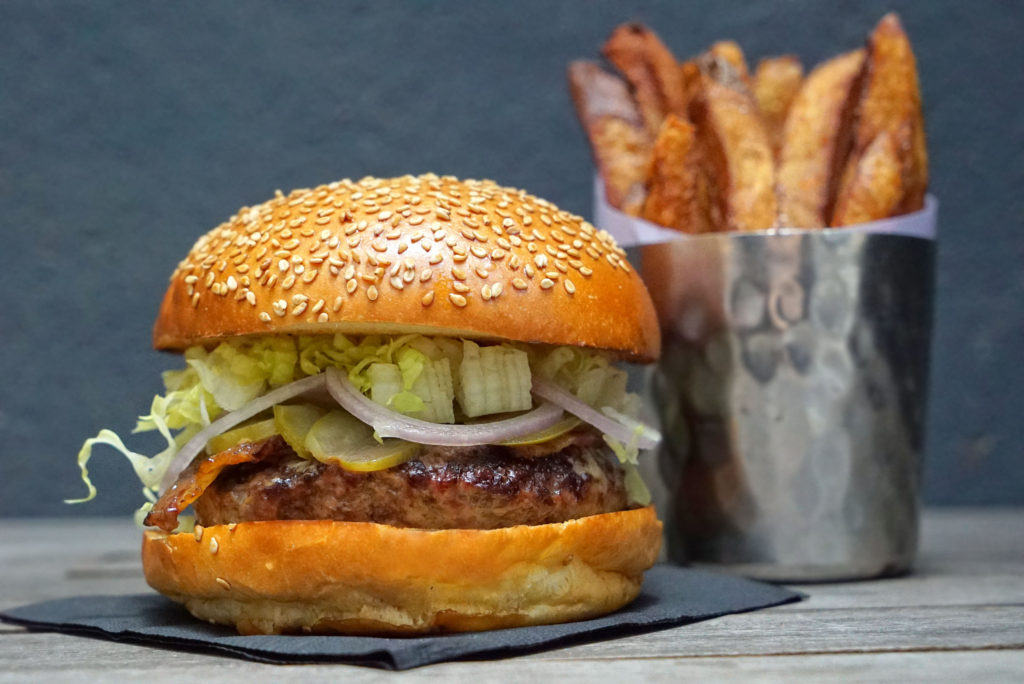
If your taste in burgers is anything like mine, you like to keep it fairly simple but always delicious. They say “you don’t mess with perfection,” and I believe that’s vital when it comes to the outstanding combination of meat and cheese. That perfection, for me, is a classic flat top griddle burger with crispy edges and a medium center, covered all over with melted American cheese, and topped with lettuce, tomato and fresh jalapenos. It must also be slapped on a potato bun with a bit of mayo.
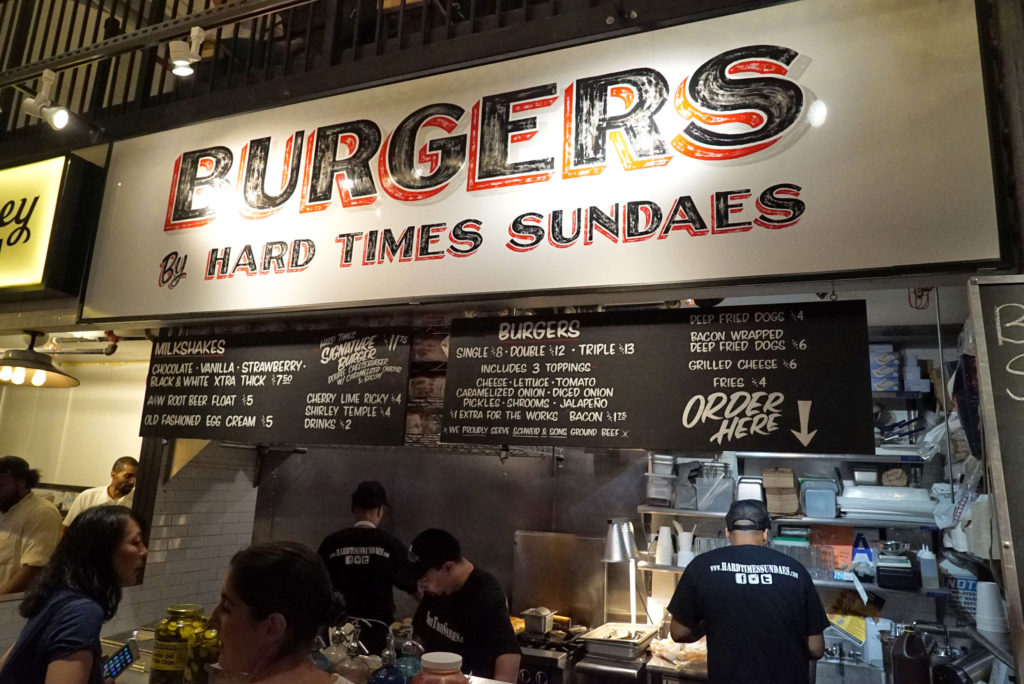
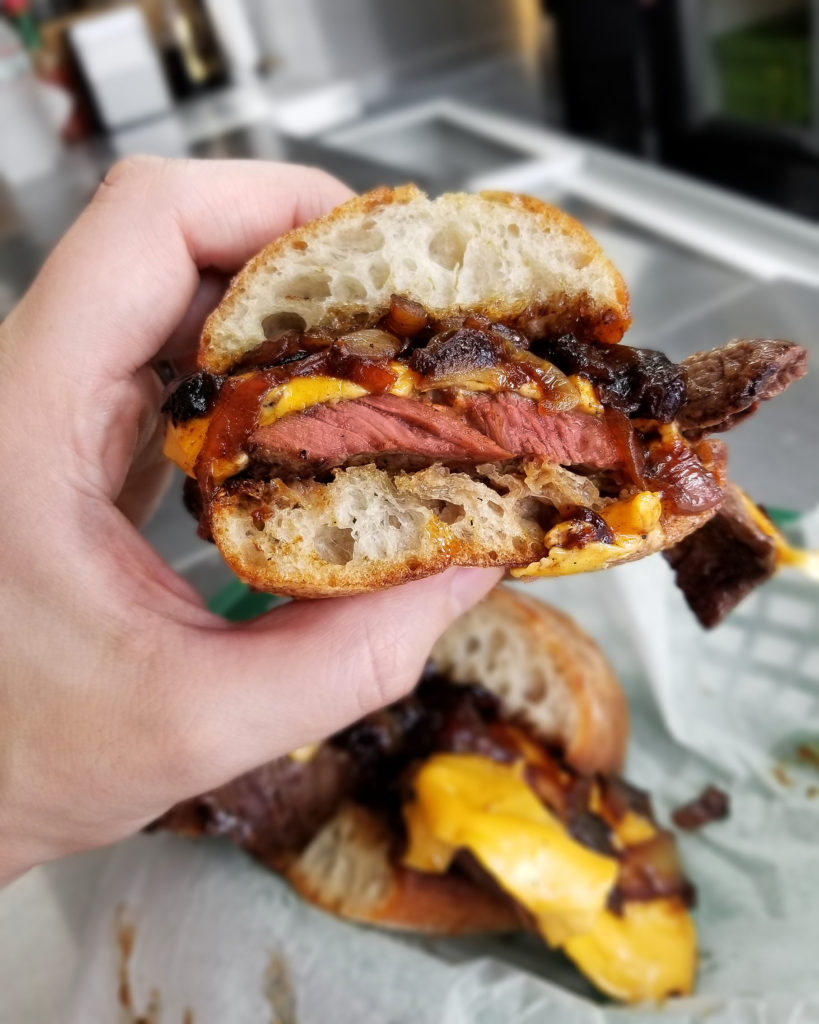
One of the best places to get this style of burger is Hard Times Sundaes at Urbanspace Vanderbilt.
What started out as a meager food truck venture turned out to be one of the most sought after “roadside” style burgers in the city. Two years later, this place is consistently hailed as one of the best burgers in town by some of the most respected burger critics around. I agree with them.
I came here to celebrate their second “BURGthday” with a bunch of other NYC food scene press people. Since this was my first go at this place, I kept it simple, sticking to my favorite style, as outlined above. I was impressed! Everything was perfect – seriously.
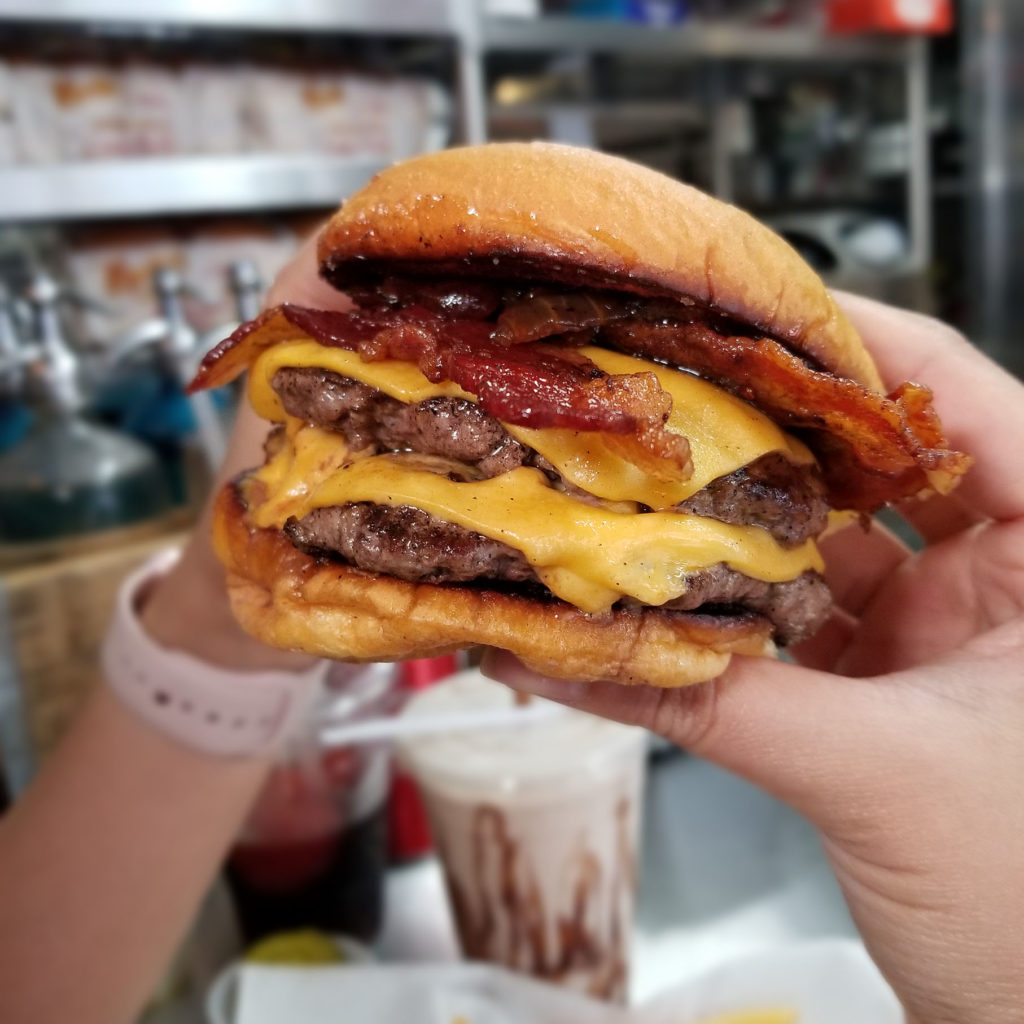
A bunch of people were getting triples, because they do look amazing in photos, but I really wanted to experience the single in all its glory, perfectly ratio’d between bun, meat, cheese and toppings. It was so fucking good, and I wish I had more right now.
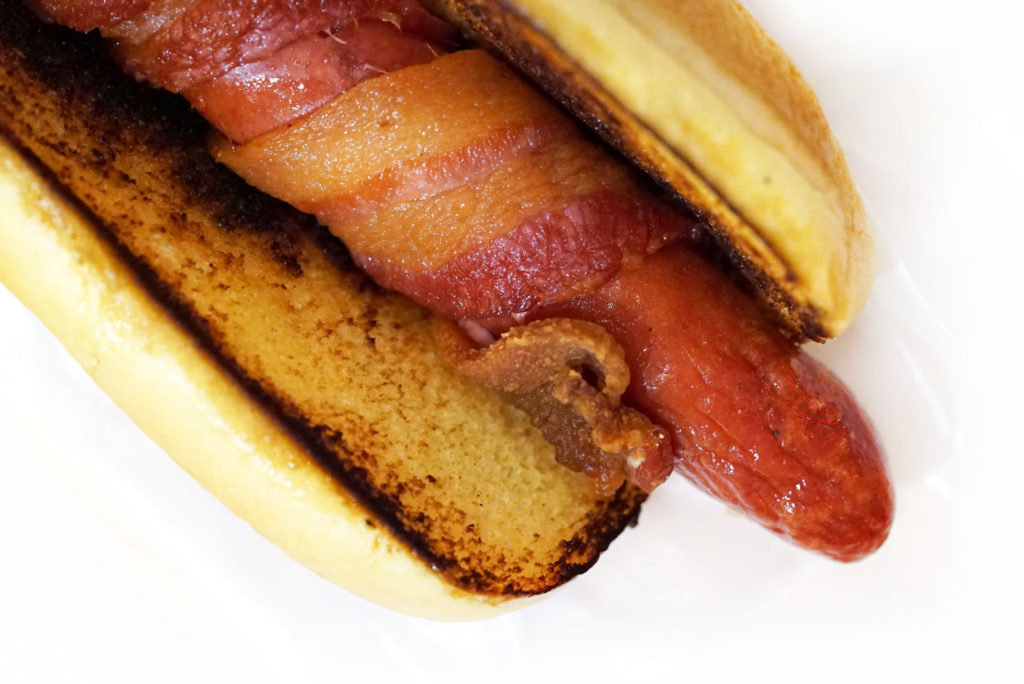
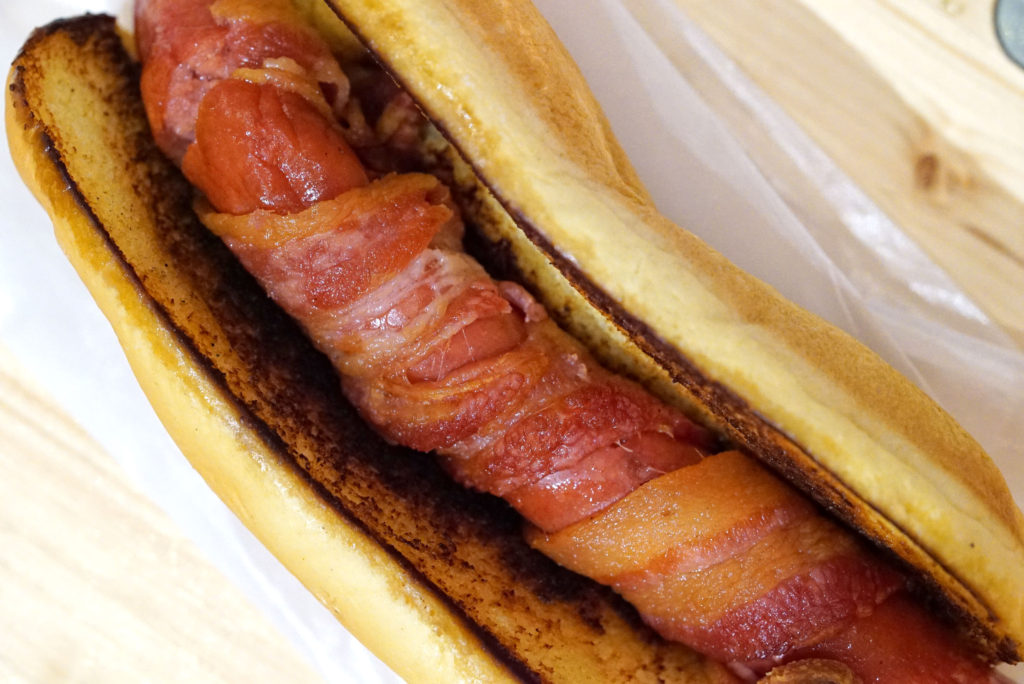
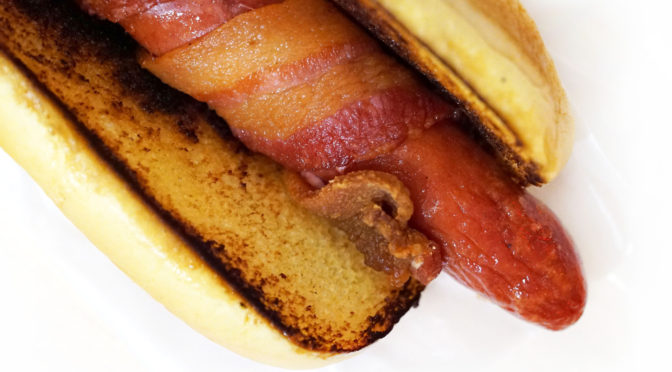
But I also got to try their bacon wrapped hot dog as well. These are not dick pics with toasted foreskin. These are delicious hot dogs.
I had this once with avocado at Crif Dogs, WAAAY back in the day, before I started reviewing restaurants. I loved it then, and I love it now. I like glorified hot dogs, and wrapping them in bacon and deep frying them is probably one of the best ways to do it. I liked it so much on that first bite, that I totally skipped any additional toppings like mustard, ketchup or onions.
Do yourselves a favor and get your asses over here ASAP.
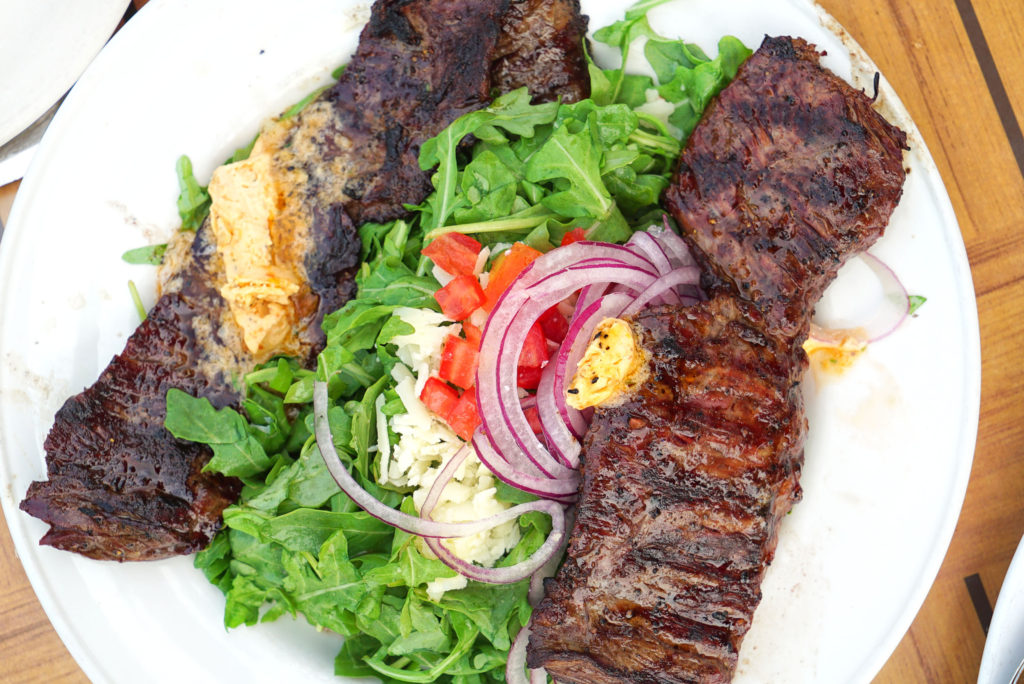
There’s also a luncheonette spot out in Brooklyn that serves the burgers and also a nice skirt steak sandwich:
Watch the video of the steak sandwich being made:
HARD TIMES SUNDAES
At Urbanspace Vanderbilt
230 Park Ave
New York, NY 10169
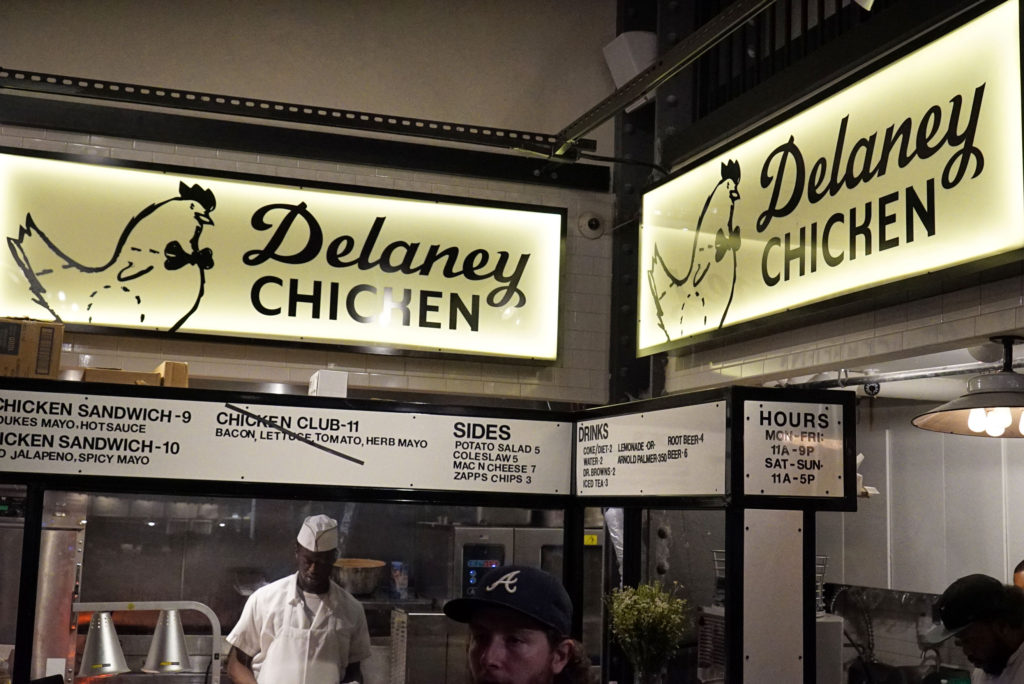
Urbanspace Vanderbilt plays host to some of the absolute best food in town. Delaney Chicken is one of them.
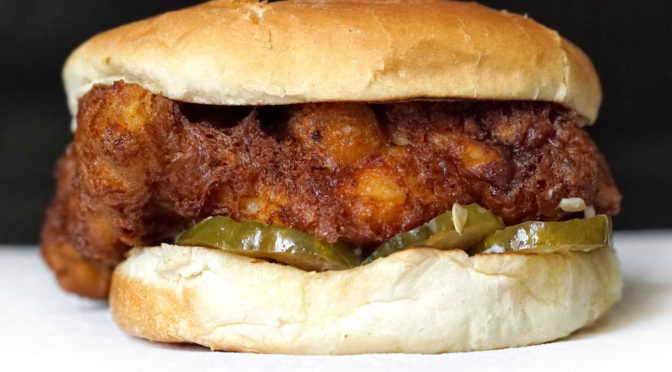
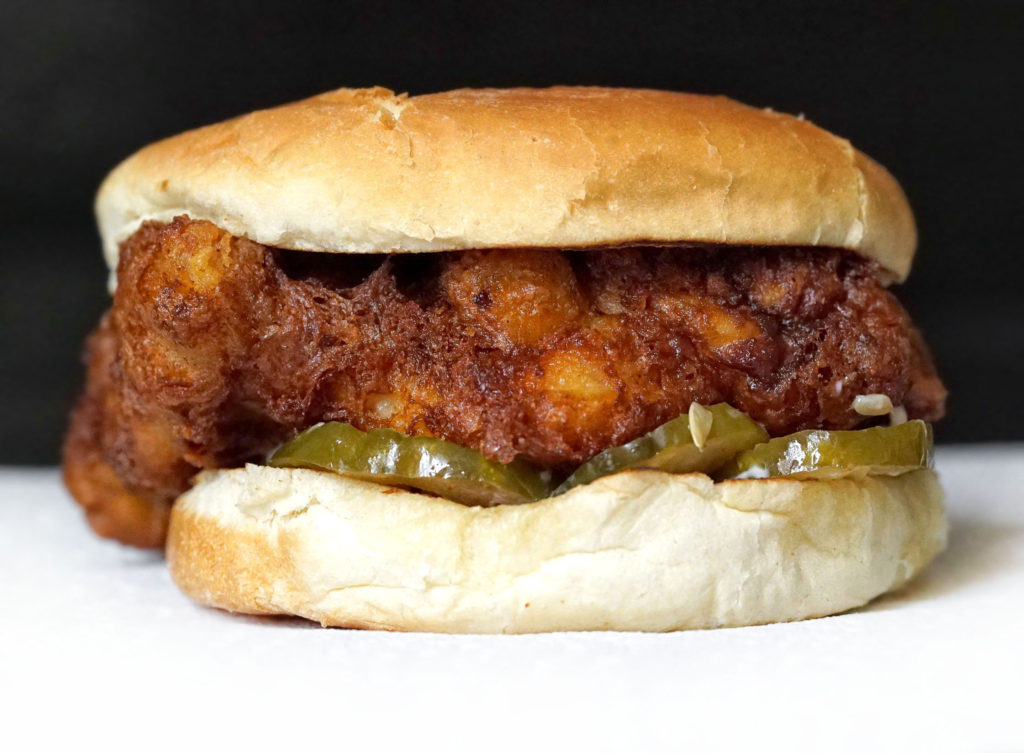
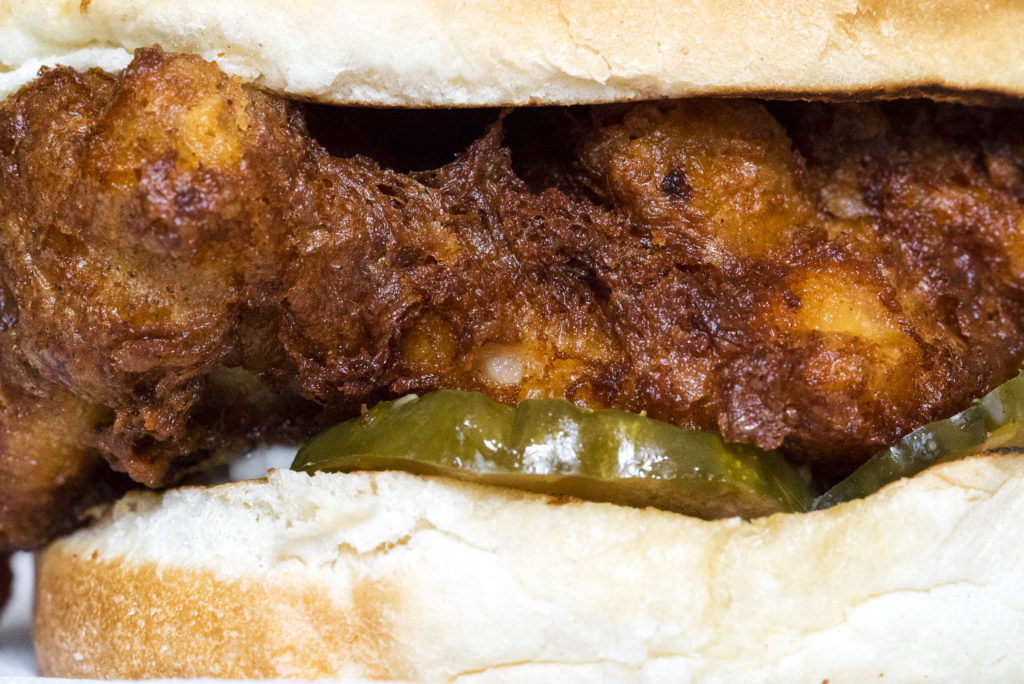
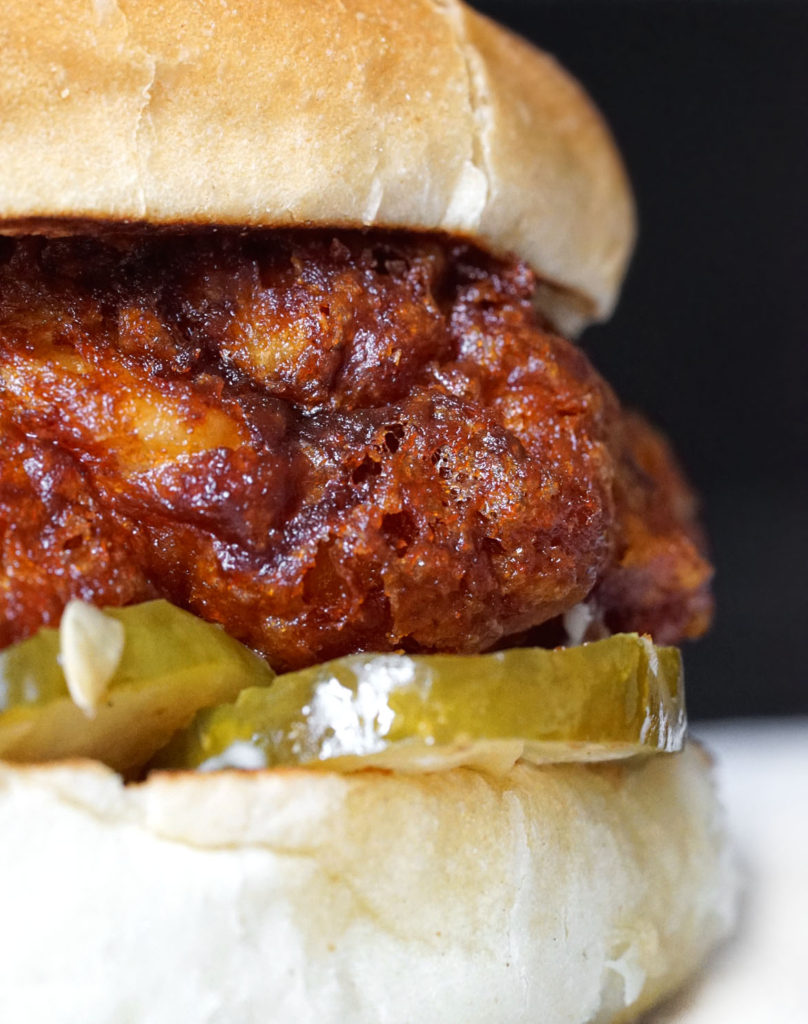
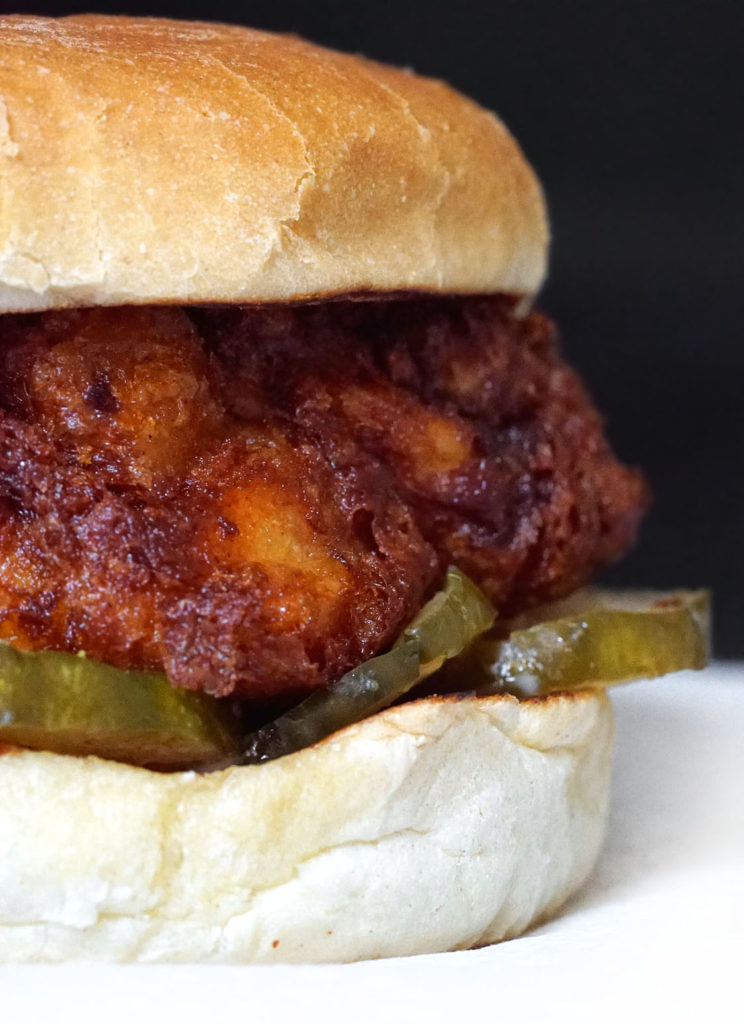
I first tasted their spicy chicken sandwich a few months ago and immediately hailed it as my favorite, and easily the best in town. Yesterday I grabbed one of their classic chicken sandwiches to test for consistency. It was right on the fucking money!
I seriously can’t get enough of this thing. It comes on a nice potato bun with simply some pickles and house mayo. You wouldn’t think much of that, but the chicken is so perfect, and the sandwich is huge. The outside has a light, crispy and slightly spicy breading, and the inside is some of the most tender thigh meat chicken I’ve ever tasted. I still prefer the spicy to the original, but just look at this damn thing… It’s unbelievable.
DELANEY CHICKEN
At Urbanspace Vanderbilt
230 Park Ave
New York, NY 10169
Every food-oriented website out there, whether it’s Eater, Grub Street, Thrillist or what have you, has their own version of “The Ultimate Guide for Cooking a Steak,” or whatever it may be. Many of them do offer good information, but they’re almost all incomplete. They set you up with one method for one cut of meat. This piece will serve as a place where you can get instructions for cooking several different cuts of steak via several methods. Let’s get right to it.
GRILLING
This is probably the method that most people are familiar and comfortable with. Since it is actually my least favorite way to cook one of the four major cuts, I will discuss it first, up front, with the caveat that I do actually prefer grilled skirt steak to any other cut that’s done on the grill. That said, there are some significant pros and cons for grilling. Depending on what you want out of your steak eating experience, you should take these into consideration before deciding if this is the right method for you. What time of year is it? Summer, winter? Are you grilling over charcoal or propane?
Johnny’s Preferred Cuts for Grilling: Skirt, Flank, Hanger
Pros
Easily accessible
Familiar and comfortable to most home cooks
No smells or smoke indoors
Can easily cook many steaks at once
Cons
Fat, flavor and juices fall through the grill bars
Can be difficult to control heat levels
Lowered ability to sear evenly
Grilling is perfect for outdoor cooking in the warm months, and especially for large groups of people. You don’t get any lingering smells in your home, and you can enjoy the day like a good American, beer in hand as you cook. Since I like a good even sear across the entire cut of meat, I generally don’t like cooking the four major cuts of beef in this manner. Generally I go for skirt or flank, something that benefits from a good, fast blast of heat; something where I don’t mind if I lose a little fat or juice through the grill bars; and something cheap that can be sliced up and served family style. Charcoal is a tough medium to master. Some people are experts at creating and maintaining even heat levels for a cooking session. Others use propane. This is easier, cleaner, and more convenient, but you lose some of that desired charcoal and smoke flavor unless you’re adding soaked wood chips to the grill as you cook. If grilling is right for you, then read on below.
Instructions
Get your steak up to room temperature and pat it dry.
Crank up your grill to as high as it will possibly get.
Season the skirt/flank generously with salt and pepper.
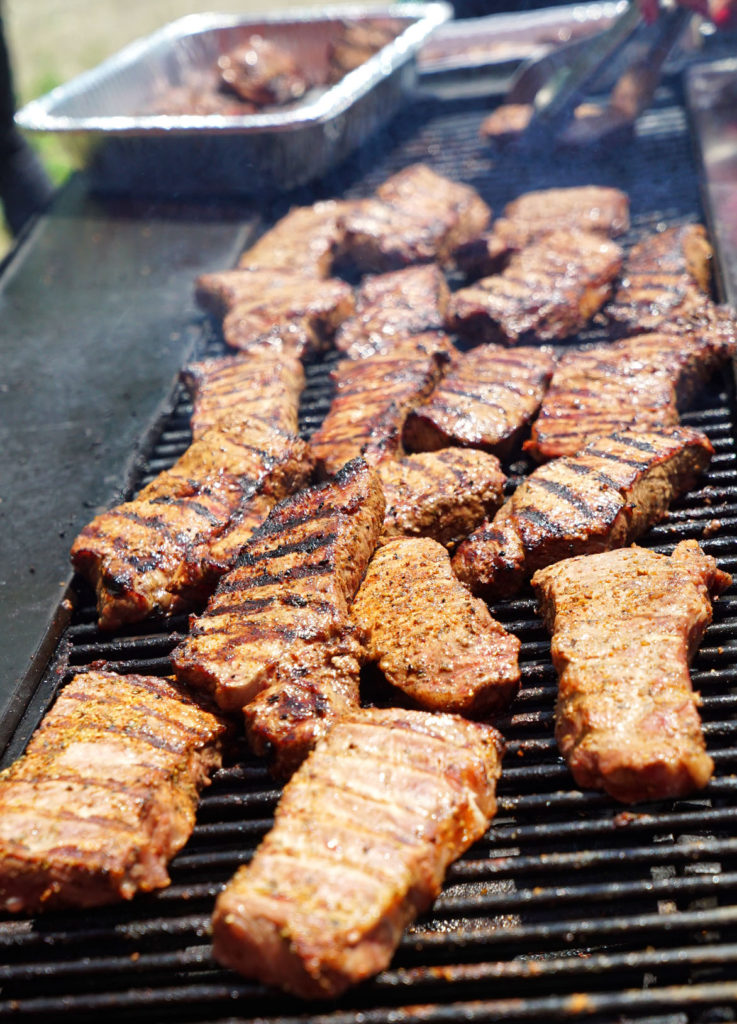
Grill the meat with the grill top open. Do not poke, prod, press or move the meat once it is set down on the grill bars. Allow the bars to create nice markings on your meat.
After a few minutes, flip once and repeat the previous step.
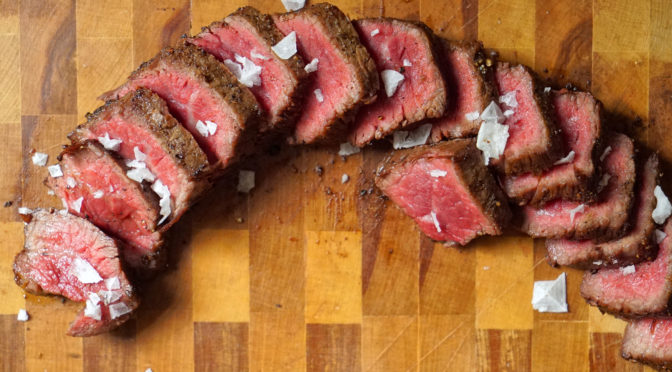
Use a meat thermometer or the “hand test” to ensure that your steak is properly cooked to medium rare. Remove it from the grill at 125F.
Let the steak rest for a few minutes on an elevated and porous surface, like a metal baking rack. During this time the meat will continue to cook a bit more while off the flames, and it will retain more juices during the next step.
Slice against the grain of the meat, or “against the bias,” and serve.
PAN SEARING
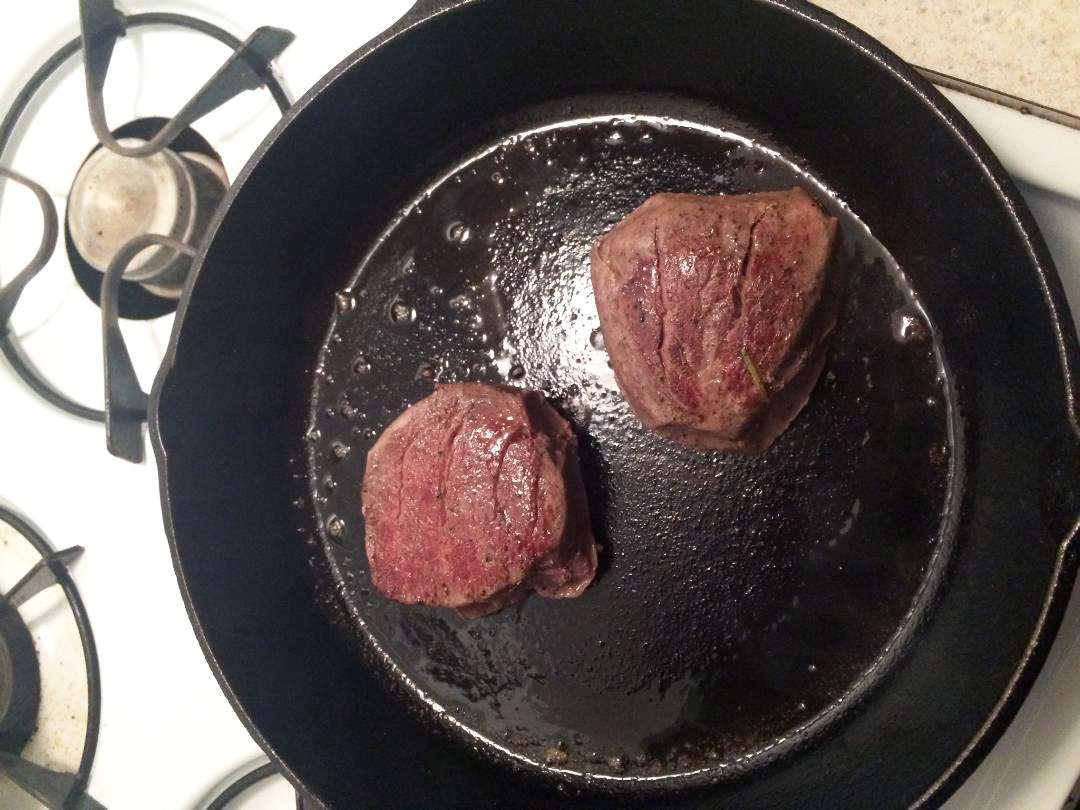
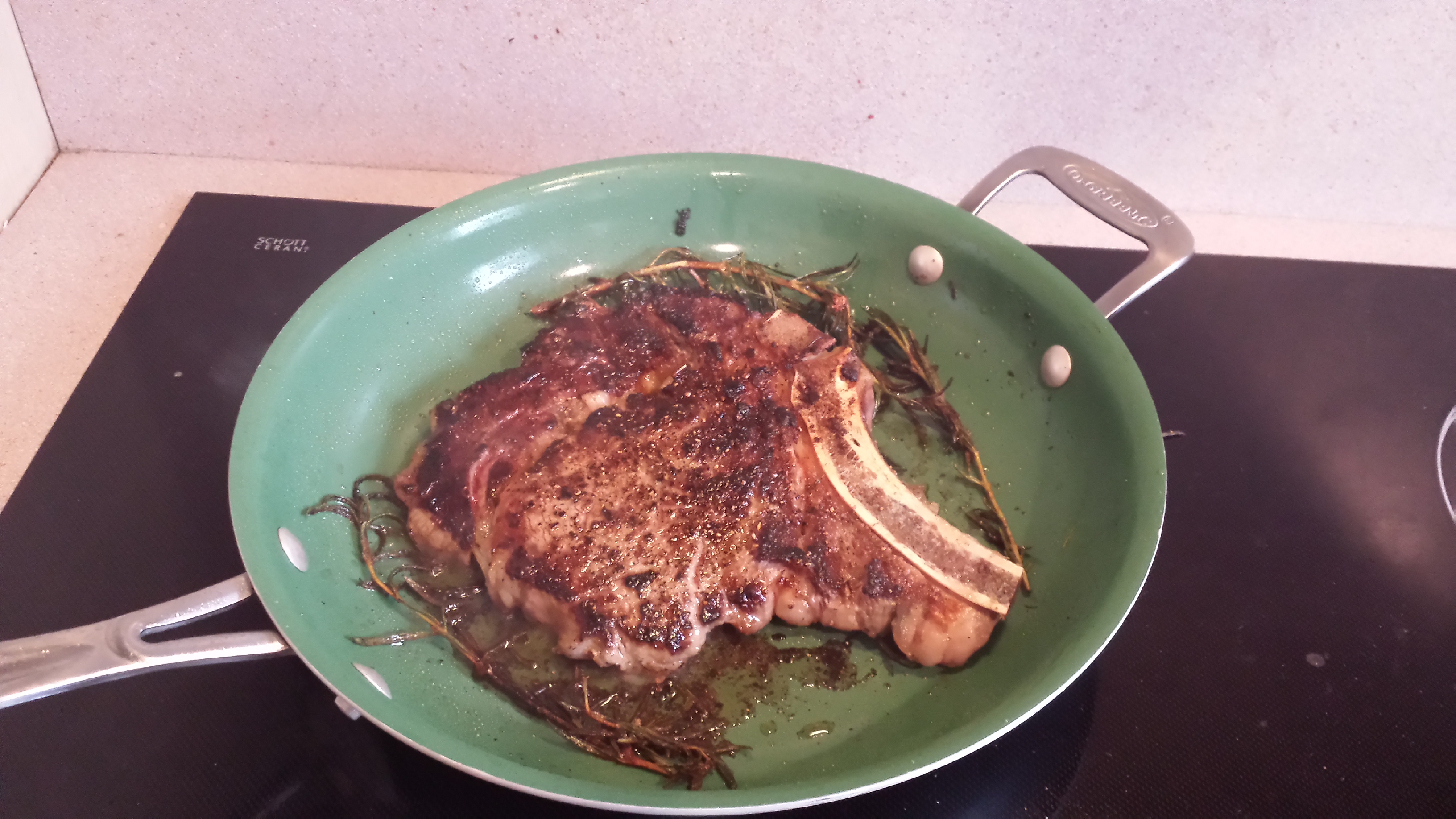
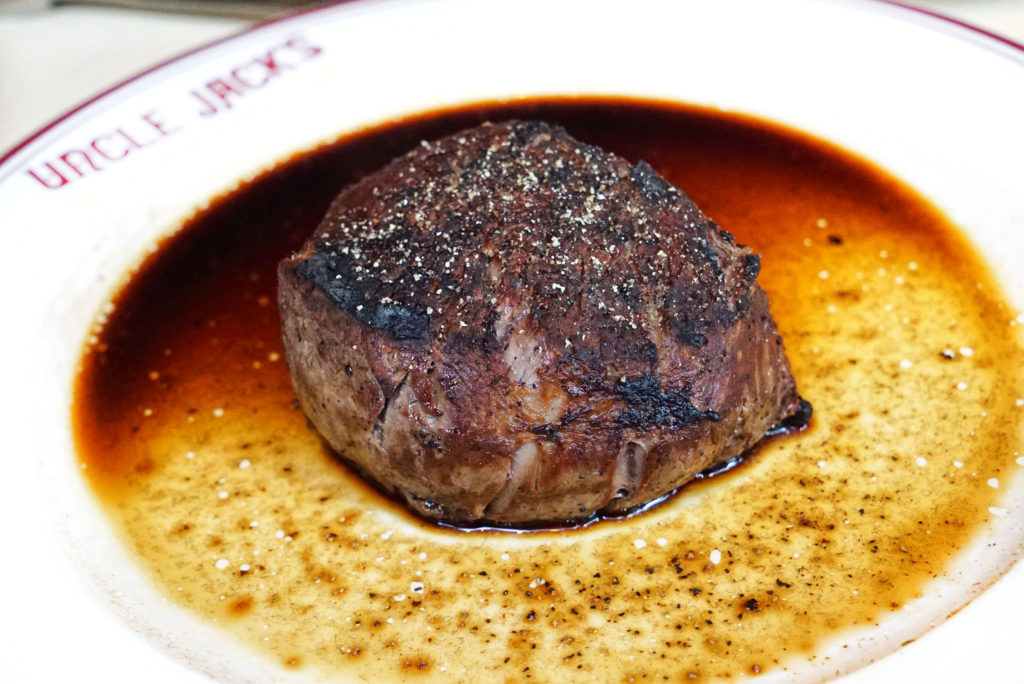
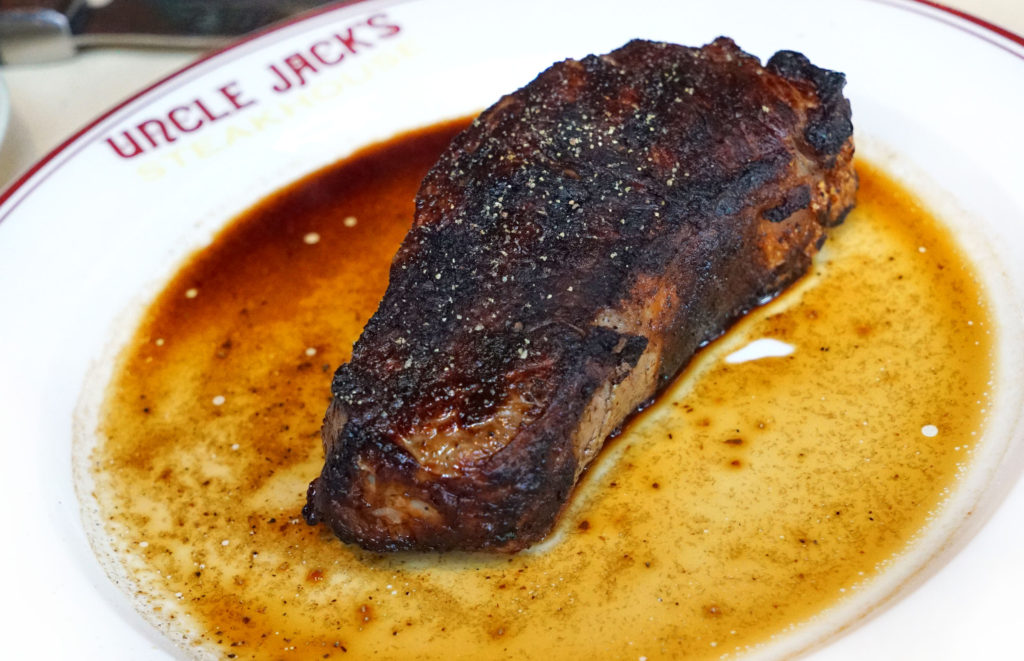
This is probably my favorite method for cooking steak. I always try to use a cast iron skillet, as they just work better for creating that crusty sear that we have all come to know as steak lovers. If you can’t get your hands on one, then a standard pan will do.
Smoke smell can permeate the home, set off smoke detectors
Pan cleanup can be annoying
Large pan needed for big or multiple cuts
Cast iron not ideal for glass electric cook tops
Instructions
Get your steak up to room temperature and pat it dry.
Crank up your burner to as high as it will possibly get, and heat up the pan with a small amount of butter.
Season the steak generously with salt and pepper.
Sear the shit out of your steak, and add a wad of butter to melt in the pan. Throw in some rosemary and garlic too, if you like. Do not poke, prod, press or move the meat once it is set down. Allow the meat to stick to the pan a bit, with as much of the bottom surface touching the pan as possible.
Spoon the melted butter over the top as the meat cooks, basting it in flavor.
After a few minutes, flip the cut with tongs and do the same thing of the other side of the steak.
Once both sides are seared, then you should also sear the edges if you are working with a thick-cut steak. Anything over an inch and a half should get a little side sear if possible.
Use a meat thermometer or the “hand test” to ensure that your steak is properly cooked to medium rare. Remove it from the pan at 125F.
Let the steak rest for a few minutes on an elevated and porous surface, like a metal baking rack. During this time the meat will continue to cook a bit more while out of the pan, and it will retain more juices.
Alternative Instructions From Step 8 Onward
This secondary step is helpful if you have a very thick cut of steak, and a good, hard sear is all you can really get from the pan without overcooking. You want your meat to be pink from top to bottom, with no “grey band” in sight. To achieve this on thick cuts, lots of people will put the steak into the oven at a low temperature, like 250-300F, to allow the internal temperature to come up to medium rare once the pan-searing steps (1-7) are complete. Here, a meat thermometer is key to ensure that your meat is cooked to the proper temperature inside.
REVERSE SEARING
This is very similar to searing with an oven finish, like above, only done in the reverse order.
Johnny’s Preferred Cuts for Reverse Searing: Thick Cuts of Filet Mignon, Strip, Porterhouse, Rib Eye
Pros
Even sear across entire steak
Juices stay put
Cons
Slightly more difficult to execute than a simple sear
Multiple cooking steps and waiting
Instructions
Here, the first step is to cook your steak in the oven at a low temperature, like 250-300F, to allow the internal temperature to come up to rare or medium rare. Again, use a meat thermometer to ensure accuracy. Once that step is done, the steak gets finished in the hot searing pan with butter. This will form the desired crust on your steak. You just have to be careful not to overcook your steak in the pan as you are trying to get that crust to form. I recommend allowing your steak to cool down to room temperature before searing it off, and/or getting that pan screaming hot before you put the steak in.
BROILING
Generally speaking, broiling means that the heat source is coming from above the meat and close to the meat. Contrast with baking, which means that the heat source is below and more diffused or distant from the meat. Broiling a steak gives you more direct exposure to the heat source than baking, whether it’s an open flame (gas oven) or the heating element (electric). While not as direct as, say, touching a hot pan, broiling is better for cooking traditional cuts of steaks than baking, because you can get a charred outer crust easier and still get the inside of the meat to the desired temperature. Baking is better suited for roasting meats, since the heat source is often diffused a bit by the oven bottom when baking.
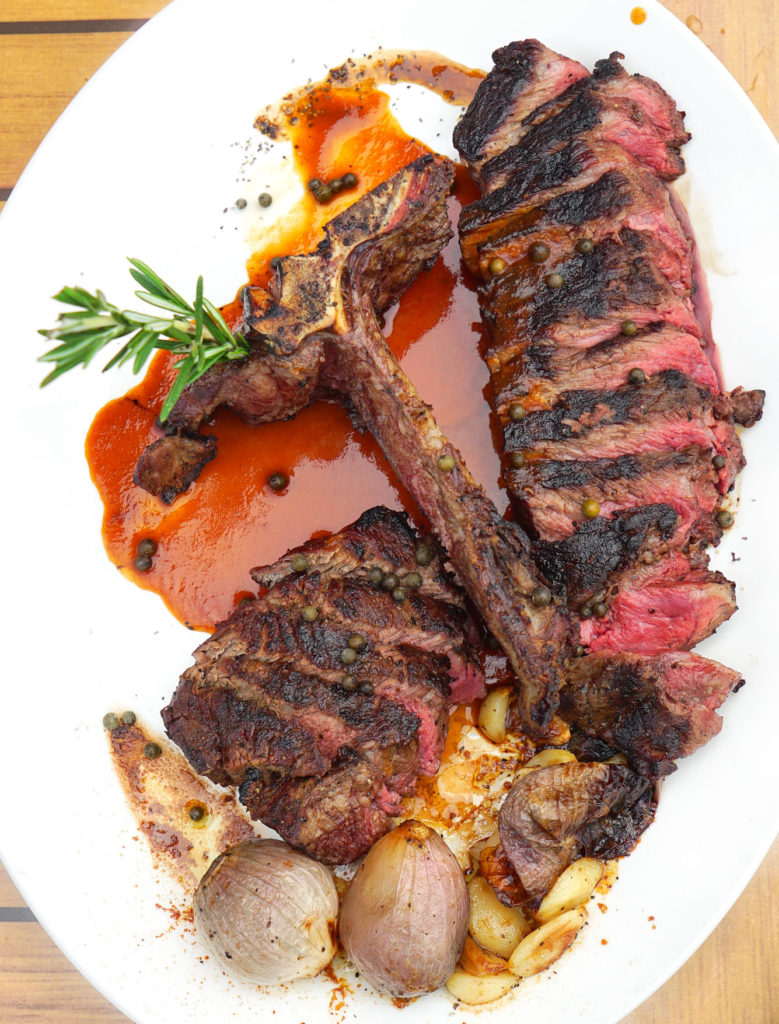
Johnny’s Preferred Cuts for Broiling: Thick Cut Bone-In Porterhouse, Thick Cut Bone-In Rib Eye, Bone-In Tenderloin, Bone-In Strip, Large T-Bone
Why the bones, you ask? When cooking with “surrounding” heat, like roasting or broiling in an enclosed oven, bones are very effective at radiating heat into the center of the meat tissue. This method, therefore, also makes large/thick cuts easier to work with.
Pros
Cleaner, less smoke and permeating odors
Relatively easy to execute
Easier to get an evenly cooked center of your meat
Cons
Easy to overcook if not careful
Requires meat thermometer (puncturing meat is never good)
Harder to get the desired crust than other methods
Instructions
Get your steak up to room temperature and pat it dry.
Set your oven to broil.
Season the steak generously with salt and pepper.
Bring your oven rack close to the heat source (near the top) and place steak in the oven in a shallow roasting pan that can catch any drippings.
Once the top crisps up a bit, flip the meat in the roasting pan to get the crust on the other side as well.
Use a meat thermometer to ensure that your steak is properly cooked to medium rare. Remove it from the oven at 125F.
Let the steak rest for a few minutes in the roasting pan. During this time the meat will continue to cook a bit more, and it will retain more juices.
Slice the major muscles off the bone, slice the muscle against the bias, and arrange the meat on a platter for serving.
ROASTING
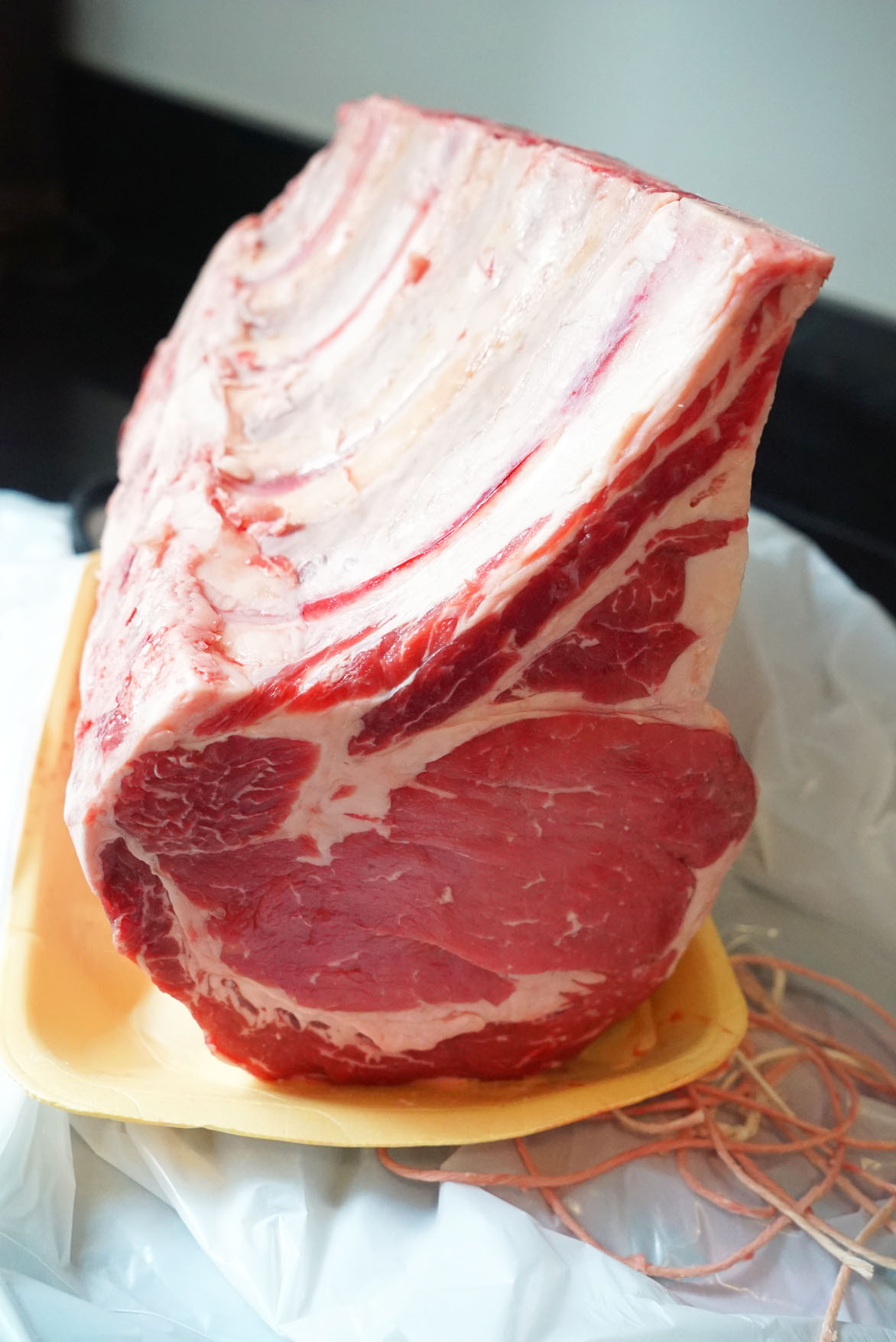
Roasting is synonymous with low and slow diffused heat from a bottom source, or all around the meat, from all sides. This method is best suited for large hunks of meat that take a long time to cook down to the center, generally for serving many people.
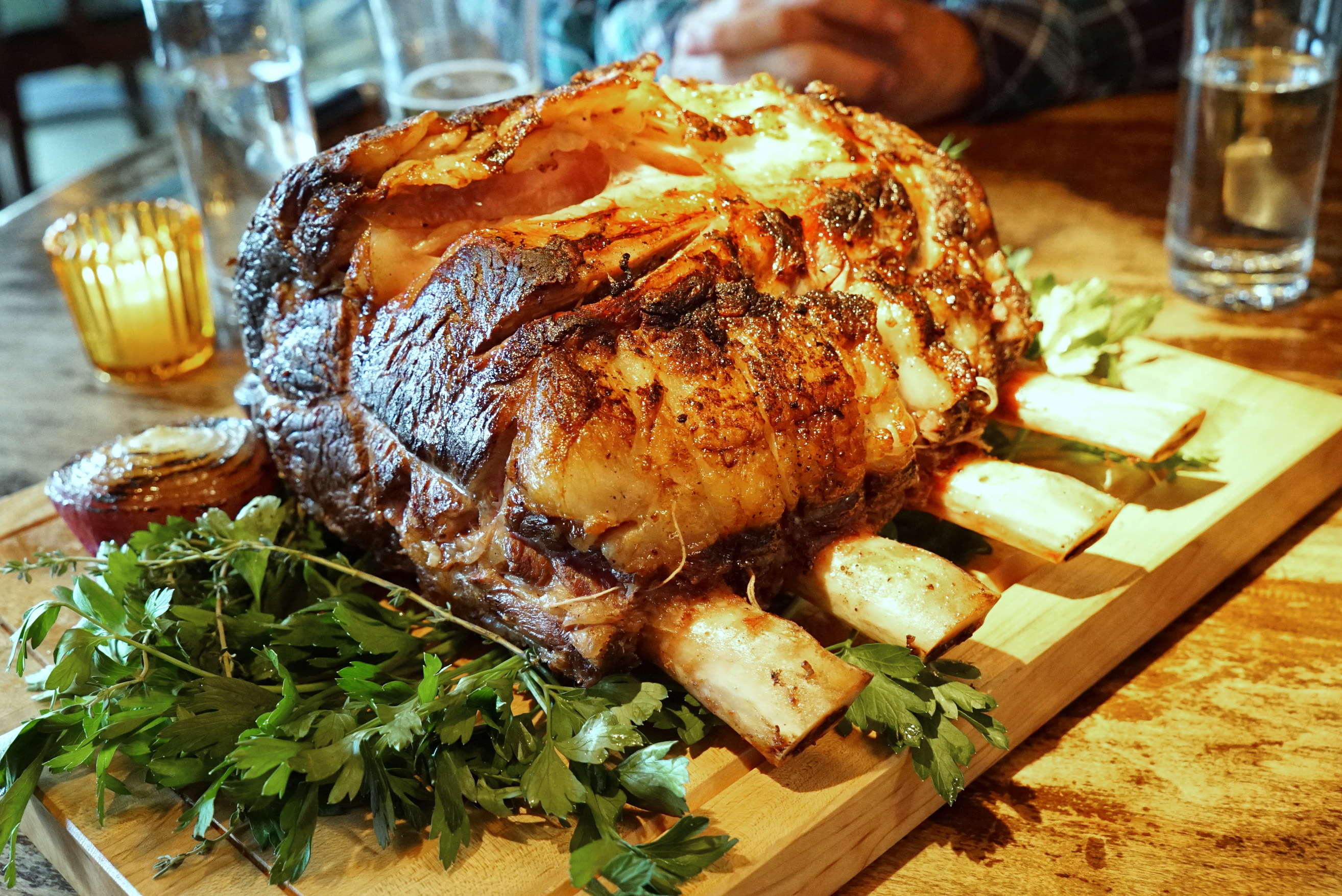
Johnny’s Preferred Cuts for Roasting: Standing Rib Rack Roast, Chateaubriand, Large Brisket
Pros
Great for large format dining
Easy to execute
Result is very juicy, tender and delicious
Cons
Takes a long time to finish
May require extensive carving
Generally lacks outer crust like a standard cut of steak
Instructions
Many people like to brine their meats before roasting. While this is generally more common with pork roasts or fowl, some steps can be taken with beef to increase flavors. You can crush up some garlic and stuff it into your roast (flavor injectors), or rub it on the outside of the meat; you can rub it with rosemary or roast it on a bed of herbs; and you should season it generously with a multitude of spices. You want all those flavors to permeate deep into the meat, so massaging, rubbing and pushing into the meat is all recommended. If you use a flavor injector, I suggest getting a lot into one or a few injections, that way you don’t pierce the meat too many times.
Set your oven to a low bake temperature, like 350F.
Place your meat on a roasting pan to catch any drippings, and set it in the center/middle rack of your oven.
Place your meat thermometer into the center of the roast.
As the meat cooks, use a turkey baster to suck up liquids from the bottom of the roasting pan, and squirt it over the top of the roast occasionally. This will add some flavor to the outside and help to create a flavorful edge to the roast.
Remove it from the oven at 125F. Let the meat rest for a few minutes in the roasting pan. During this time the meat will continue to cook a bit more, but the resting phase will help the meat retain more juices for the next step.
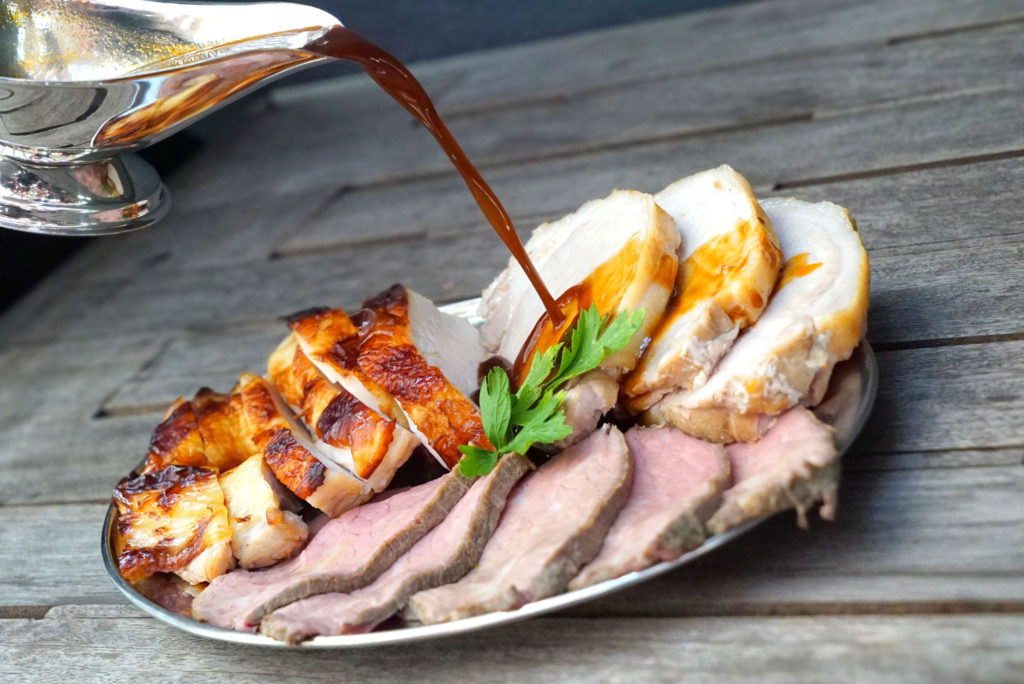
Slice and carve for serving. Sliced roast beef pairs perfectly with both hot gravy and cold horseradish sauces (either cream-based or tomato-based).
SOUS VIDE
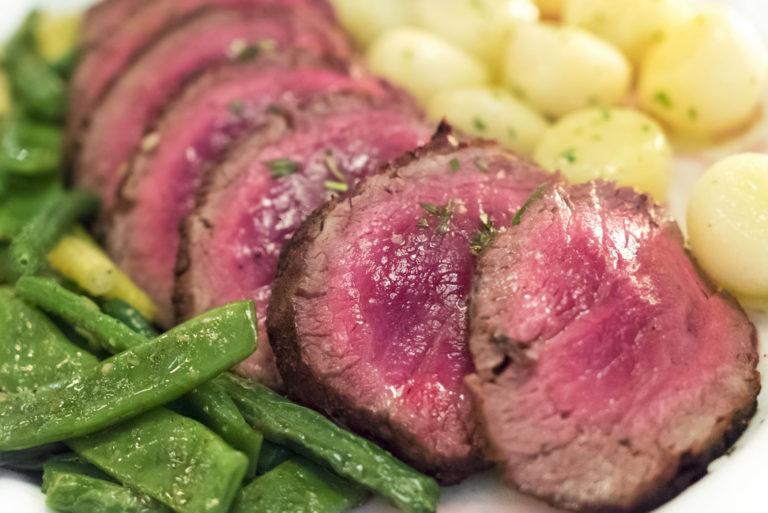
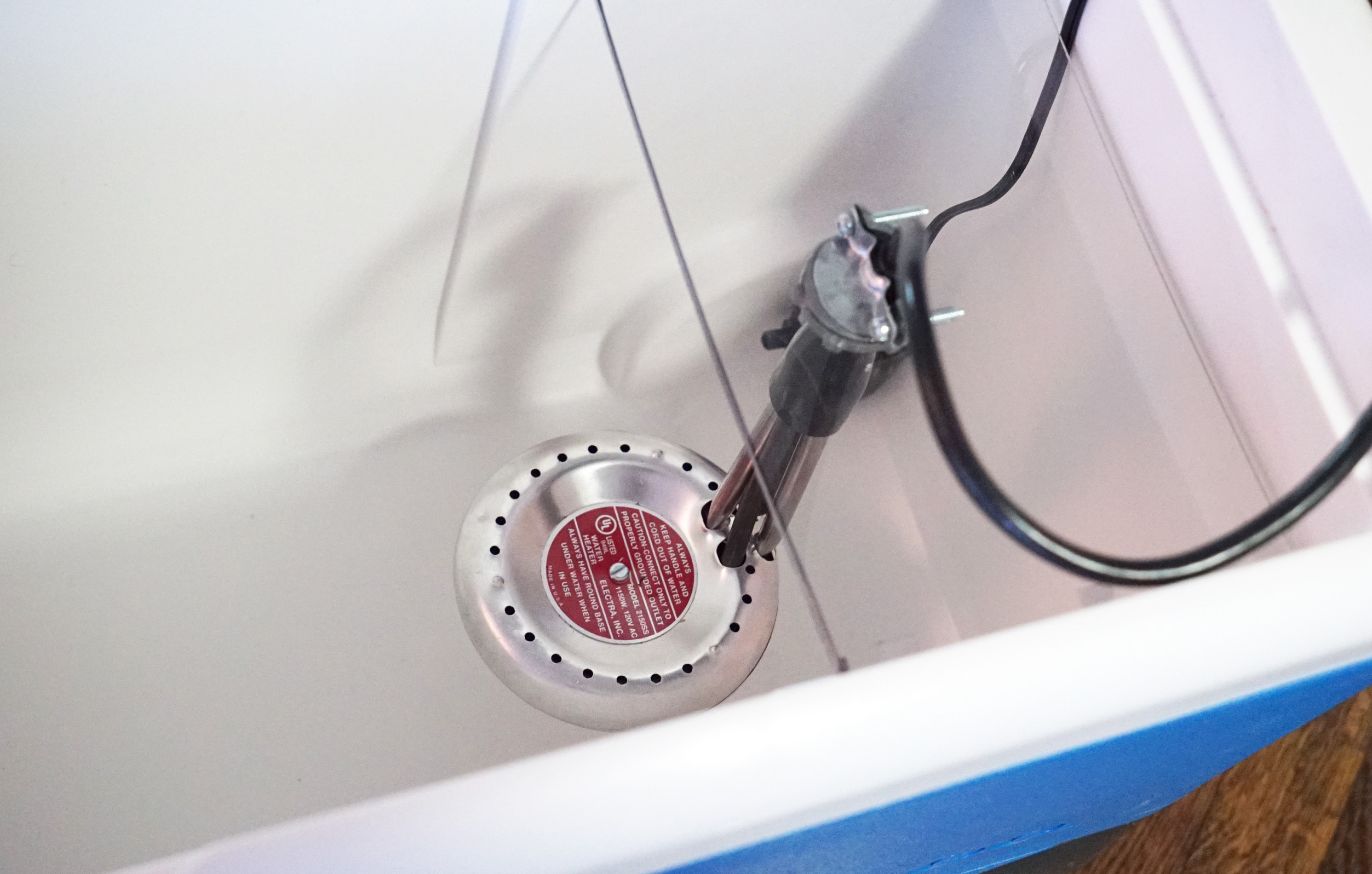
Sous Vide means “under vacuum” in French. In this method of cooking, you are cooking your steaks in vacuum sealed bags by submerging them in a hot water bath to precisely the desired temperature, and then finishing them in a pan as a secondary step. This may sound like high tech restaurant science only kind of stuff, but there are items available in the consumer market to do this with great results at home.
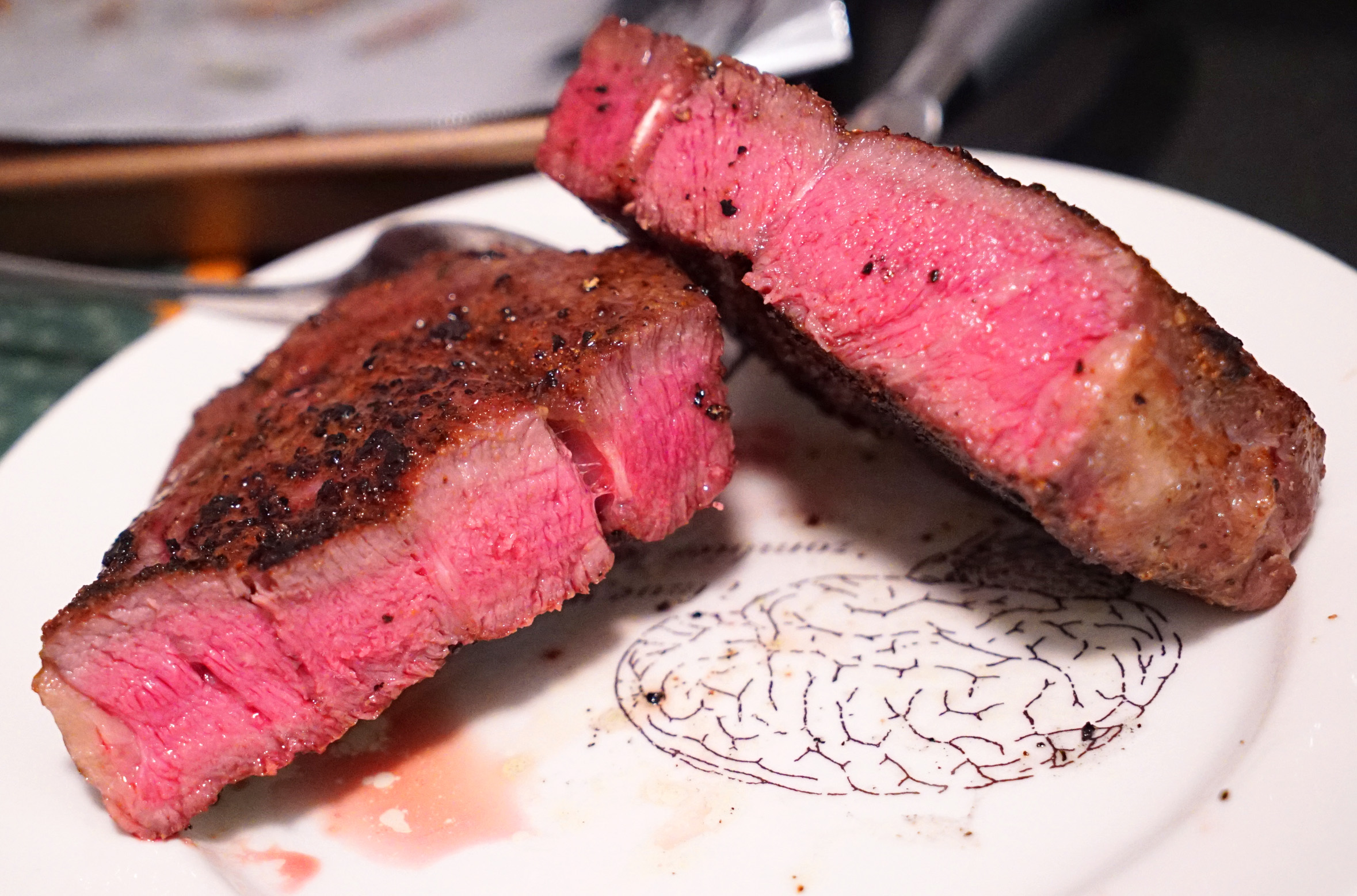
Johnny’s Preferred Cuts for Sous Vide: Thick Cuts of Filet Mignon, Boneless Strip, Boneless Rib Eye, Bavette, Denver Cut/Blade Steak
Pros
Perfect internal temperature every time
No monitoring necessary
Easy to achieve success
Cons
Requires a special unit or item, a vacuum sealer and bags
Wait time can be lengthy
Still need to use a pan (or torch) to sear the outside
Instructions
Lucky for you all, I’ve got a nice discussion of the sous vide cooking method here, with pretty pics and everything. In any case, here is the gist of it:
Season the steak however the you want. I use salt, pepper, garlic powder, garlic oil and crushed red pepper.
Place steak into vacuum seal bag and seal it up with some butter and herbs inside (rosemary is always nice).
If you’re a poor bastard and can’t afford a vacuum sealer, you can use ziplock bags. Place your meat into the bag and begin to submerge the bag into the water bath. Once you are all the way close to the zipper, zip it shut. The water surrounding the outside of the bag will push out all the air from inside. This is the poor man’s vacuum sealer. If you do this, you may want to put a smooth, clean rock in there too, just for good measure, to keep the meat from floating.
Set your temperature to however you like your steak cooked. I put mine at 125F for a nice medium rare. I’m dealing with grocery store meat here, people. Don’t give me any shit about that being too well done.
Wait about an hour or two. Don’t panic! You can’t overcook your steak in a sous vide bath. That’s the whole point of it!
Remove your steak from the water bath and let it cool back down to room temperature.
Re-season it a bit, if so desired.
Sear it. I use a Searzall, because why not? But you can easily just toss this baby into a real hot cast iron pan with some more butter and herbs to get that brown and crispy coating.
DIRECT FROM FROZEN
Some food scientist people were messing around and cooking strip steaks in a test kitchen; some cuts were thawed in a fridge overnight, and others were still frozen. The results stunned them. The steaks were cooked more evenly, with less “grey band” when cooked direct from frozen, and those steaks retained more juices (they lost less moisture during the cooking process). While they took longer to cook, they still browned at nearly the same rate as a thawed steak.
I think a major issue that home cooks with have here is that it may be difficult to prevent ice crystals to form on the outside of the meat during the freezing process. When cooking, these ice crystals will melt into water or sublimate into water vapor. At that point you are either boiling or steaming the bottom of your steak in the pan, which is bad. When doing that, you won’t ever achieve the crust that we carnivores all desire.
The scientists attempt to solve this problem by freezing the steaks in a special way at first, uncovered and flat. Once they’re frozen, they are then wrapped and bagged for storage. If you’re going to attempt this you will want to be very careful to replicate the freezing technique that the scientists utilized, to avoid excessive ice crystals from forming on the outside of the meat.
This method involves cooking in a pan that contains a good amount of oil. This is done to ensure that the nooks and crannies of the steak surfaces all get cooked the same amount, and it helps to displace any water that may melt out of ice crystals. Second, it also retains more heat, so you can bring the steak surface up to browning point faster, without overcooking any of the interview (which should still remain pretty cold since it is frozen). The result is less grey banding, and a more end-to-end pink steak interior.
You will still need to finish the steak in the oven, however, since the interior will likely be too rare or still frozen if you only use the pan.
In any event, here is my analysis:
Scientists’ Preferred Cuts for Frozen Steak Cooking: Strip
Pros
No waiting for steak to thaw or come to room temperature
Less meal planning needed ahead of time
Nice, even cook temp throughout
Cons
Difficult to avoid ice crystals
Complicated freezing technique
Still requires second step in the oven
Instructions
Refer to this link and the embedded video below for proper steak preparation and cooking instructions.
DIRECT ON COALS
I haven’t tested this method out myself yet, so you’ll have to take this with a grain of salt, as above, with the “Direct from Frozen” method. My first exposure to this method was when I saw Alton Brown discuss it on his blog. I was intrigued enough to include it here, but since I no longer have the ability to cook often with real wood, I have never tested this out.
Alton’s Preferred Cut for Coal Cooking: Skirt
Pros
Fast
Natural flavors
Cons
Covering in foil step essentially steams the meat
Potential for soot contamination
Instructions
I think the best bet here is to just follow the directions from Master Alton, since he’s a culinary wizard, and I’m a mere apprentice. One thing I’m apprehensive about, which I noted in the “cons” section, is the part where Alton wraps the hot steak in foil. This means the meat will cook in steam. He then tosses it back into the juices. All of this makes me think “wet steak,” and that turns me off.
___
For more specific recipes, as opposed to these more general methods of cooking, check out my recipe page.
Koshe Poke is a Kosher poke joint inside Eden Wok on East 34th Street. Poke has skyrocketed in popularity here in NYC. We went from no poke restaurants to about 10 or more, seemingly overnight.
For the uninitiated, poke is essentially chopped up raw, dressed fish with flavorful toppings. It’s actually a Hawaiian dish, so many of the flavors and toppings are Asian/Japanese inspired, like sesame oil, soy sauce and green onions.
In many ways it’s similar to tartare preparations of salmon and tuna, only it is generally cut into larger pieces and dressed with more items. Here in NYC, it is more like a “sushi salad,” since often times the poke is thrown into a bowl with rice, quinoa or greens. It’s even showing up in burrito form now, too.
In any case, I’ve had poke a few times before the craze finally made it to NYC. Back in the mid/late 90’s, my sister lived in Hawaii for a stretch of about four years. That’s really when I first became aware of the dish, just from talking with her and having the topic of food come up on occasion.
My experience with poke in Hawaii was a mediocre one. The dish I tried contained ahi that was a bit stringy in spots, so I was a little bummed out. In fairness, I probably should have tried it in more places when I was there.
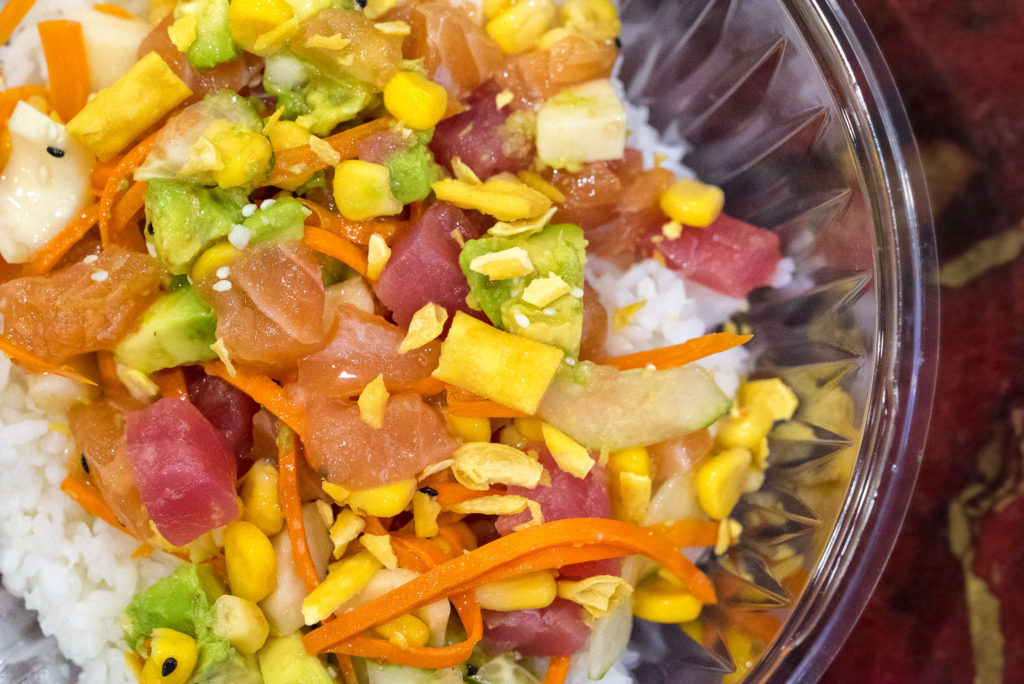
Koshe Poke is the first NYC poke joint that I’ve tried since the trend took hold. I liked it. The fish tasted fresh and was good quality, and the toppings were all flavorful and highly varied.
The concept is simple, and highly customizable. You start with a choice of either brown rice, white rice, greens or a burrito as the “base” of your poke meal. While this is not in keeping with the traditional ways of Hawaii, it makes the poke more like a full meal rather than a side or salad item.
Then you choose your protein from among items like tuna, salmon, and yellow tail. You can get them grilled too if you want, and you can add additional proteins for just $2.
After, you can choose up to six add-ins from a selection of 13, one sauce, four toppings, and a choice of two crispy items from a selection of 12. You get all of this for just $12, which is a great deal.
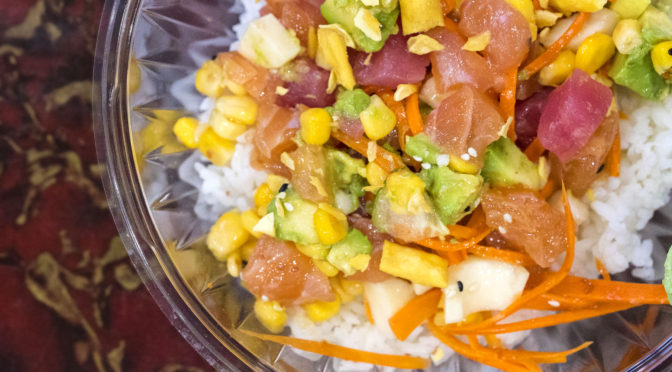
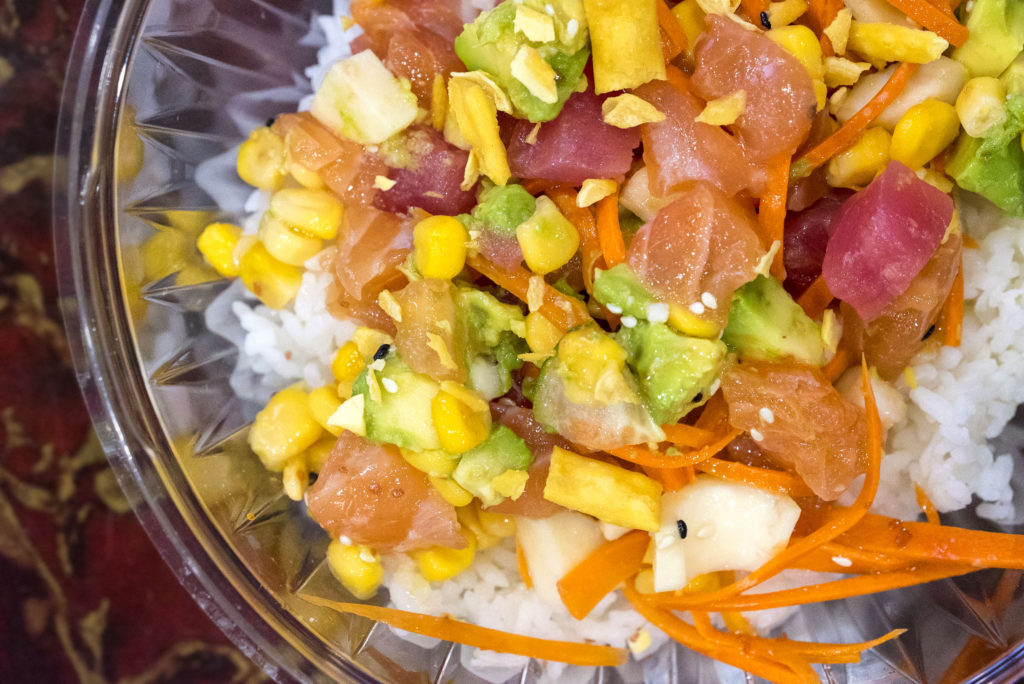
I went with tuna and salmon on white rice, with carrot, cucumber, avocado, sweet corn, scallion and hearts of palm. I chose the Hawaiian salt sauce, topped it with wasabi, and added sesame seeds and dry noodles as my crispy elements.
I was happy with this bowl, and kept referring to it as a “sushi salad.”
One suggestion I have is that they should have the option to get the rice served cold, that way the cold items like raw fish stay chilled and don’t warm up in the bowl from the warm rice. The main issue with that, though, is that cold rice tends to clump together and get sticky, which could be problematic. In any case, this is a good riff on poke, and I’m glad to see the item establishing a solid presence in NYC.
KOSHE POKE (INSIDE EDEN WOK)
43 E 34th St
New York, NY 10016
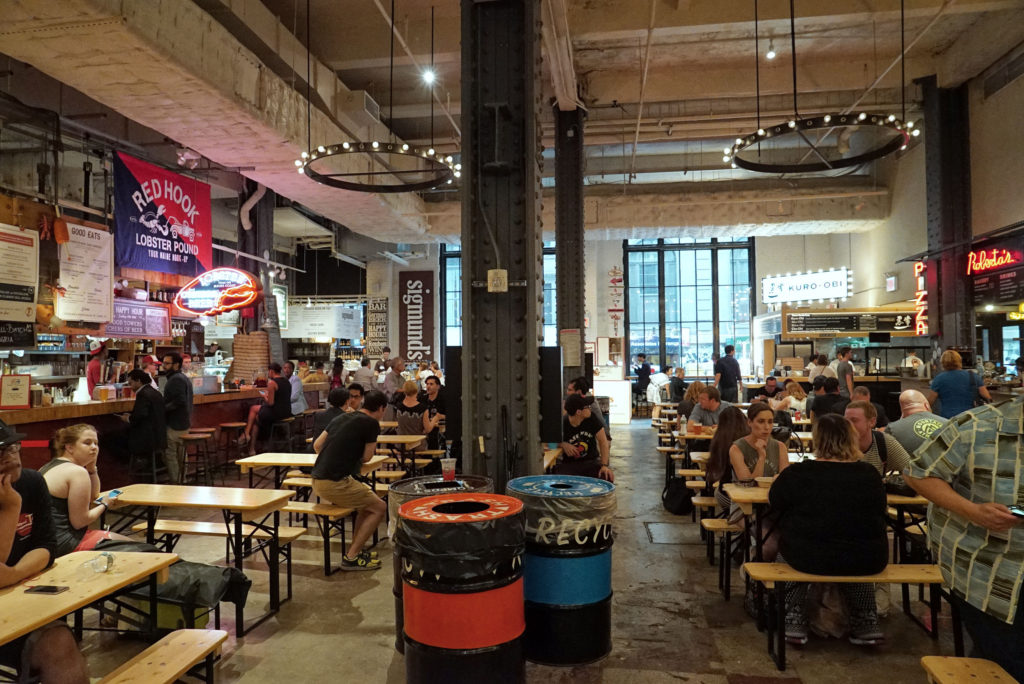
I’ll just come out and state, right off the top, which places to focus on here. Obviously there are good items at all the vendors, but these are my highlights:
Delaney Chicken might be the best fried chicken sandwich in NYC. It’s big, juicy, crispy, with great toppings that set it apart from some of the other joints that are gaining traction in the city these days. I liked it better than Fuku+.
Hard Times Sundaes puts up a great roadside burger, and they even serve bacon-wrapped, deep fried hot dogs as well. Fantastic!
Kuro-Obi is an offshoot of Ippudo, so it’s a legit spot for good ramen. I had it at City Kitchen and liked it alot.
Finally, Red Hook Lobster Pound is always a solid choice for a lobster roll, as is Roberta’s for pizza.
When mighty roast beef was the English man’s food,
It ennobled our brains and enriched our blood,
Our soldiers were brave and our courtiers were good.
Oh! The roast beef of old England!
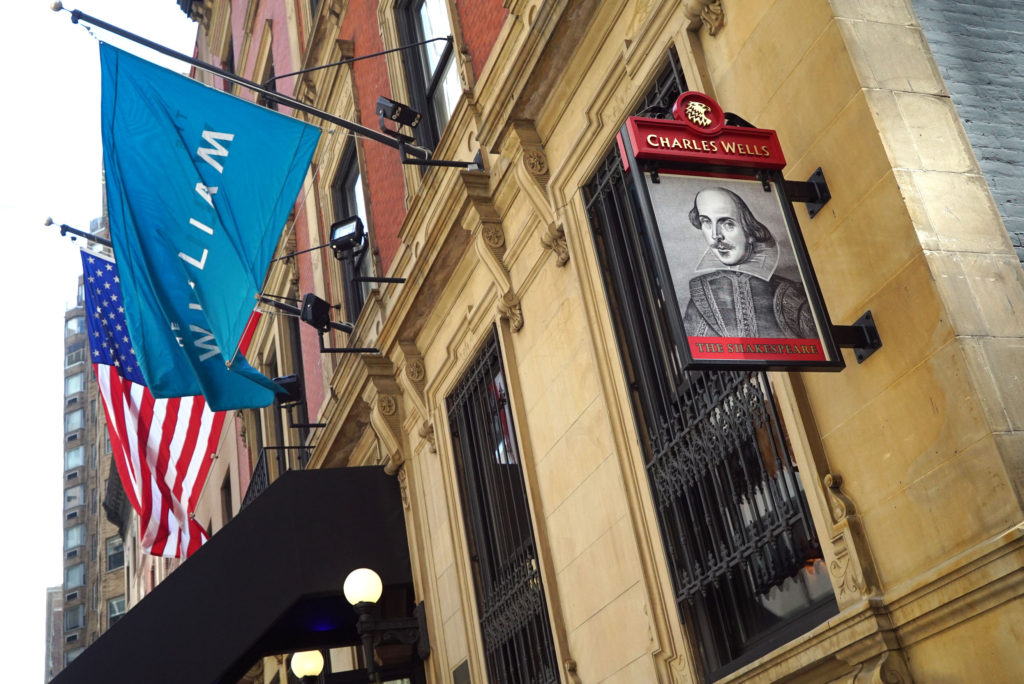
This past weekend my wife and I were invited to a “food influencer” event to help promote the new brunch menu at The Shakespeare. I feel like British food gets a bad rep, and isn’t very well represented in NYC (with the exception of a few places like The Spotted Pig and Jones Wood Foundry). That said, I was excited to give this place a try.
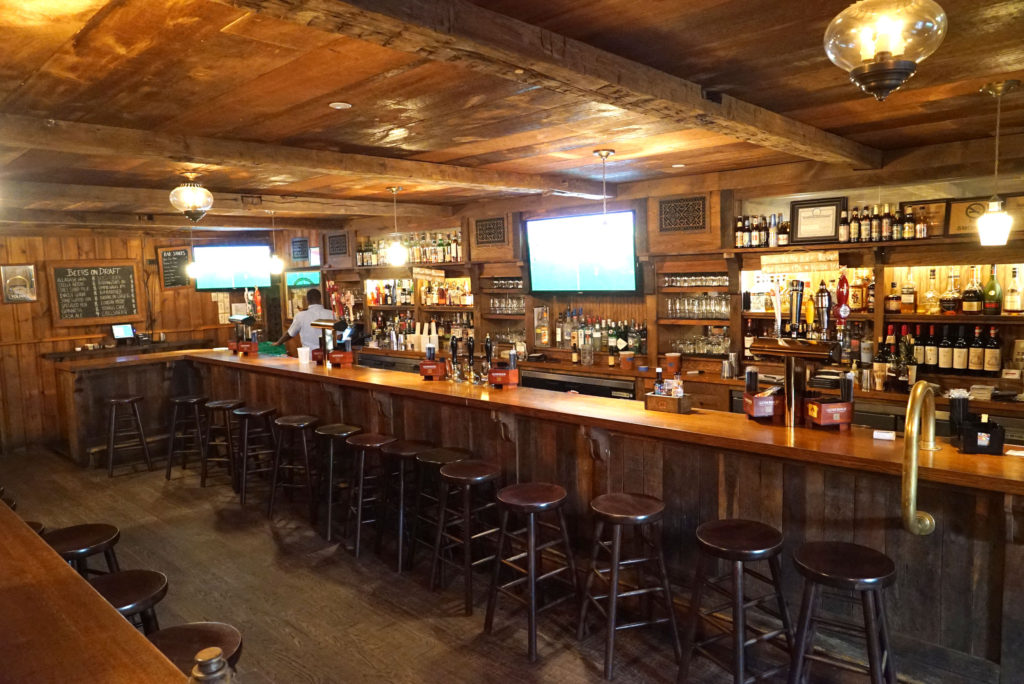
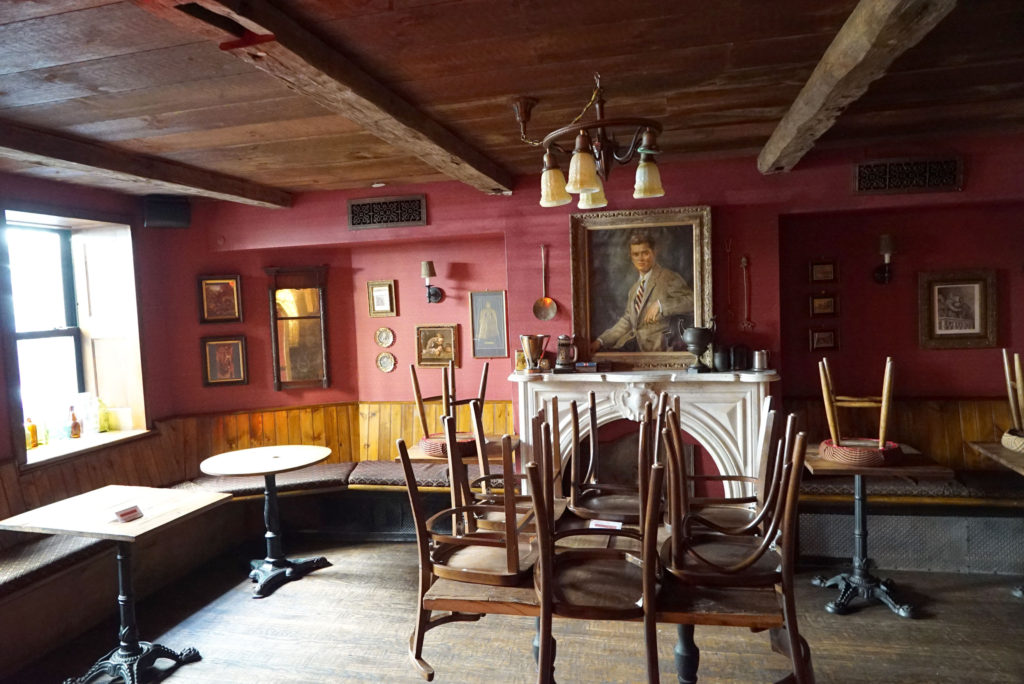
The interior is beautiful, and it’s set up like an old timey British tavern downstairs, with a nice elegant dining room and outdoor courtyard upstairs.
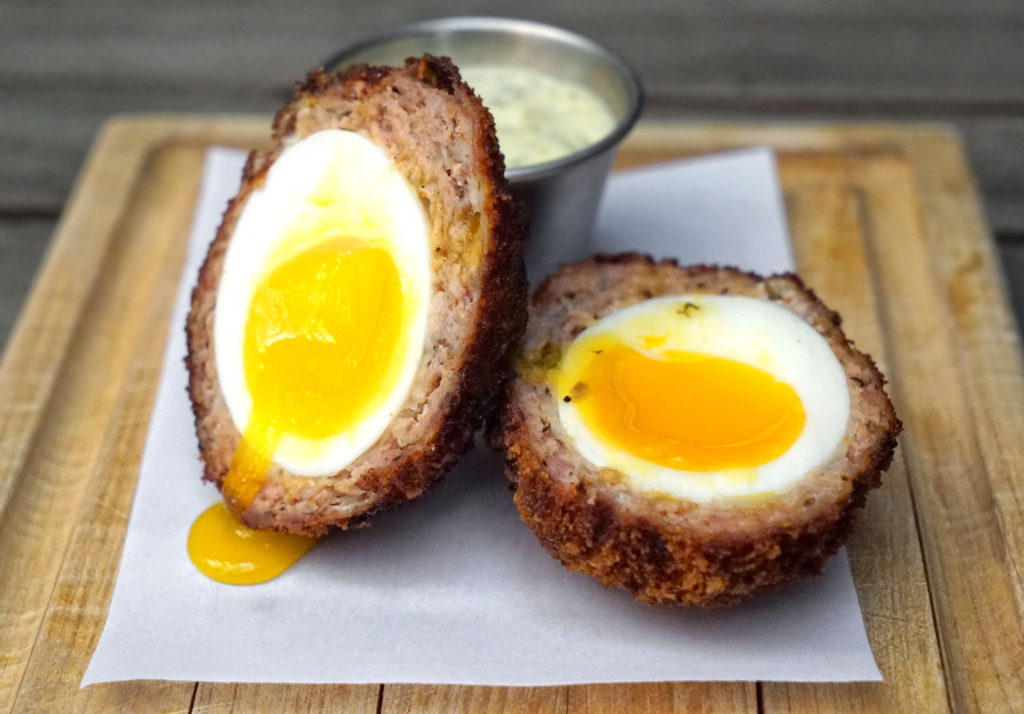
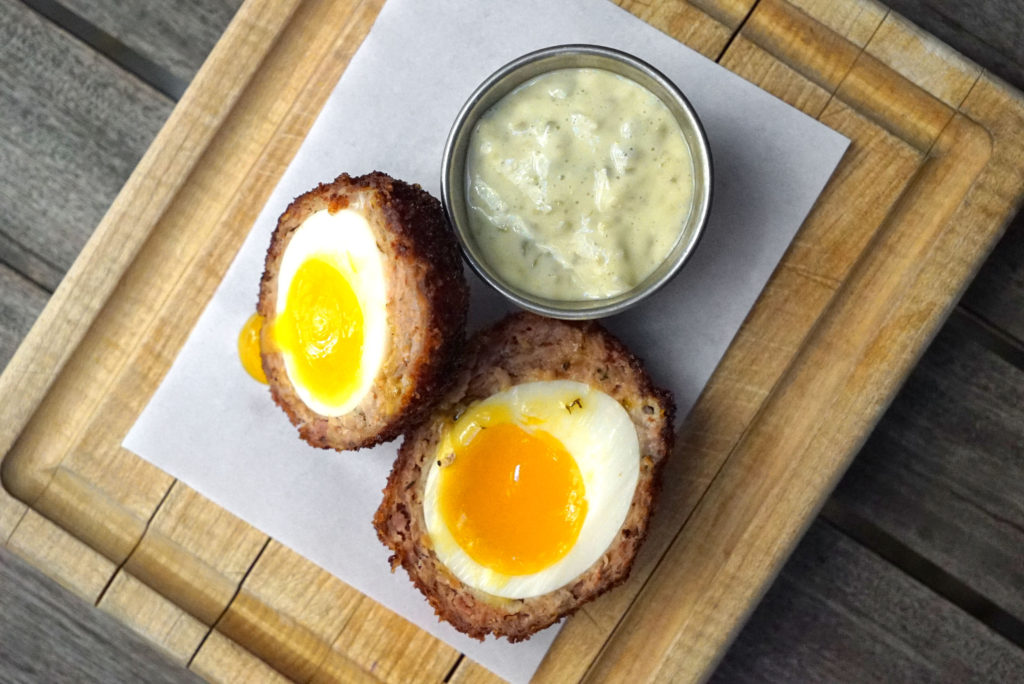
My wife had been here about a year ago and spoke highly of the burger, scotch egg and fish and chips.
She’s absolutely right about those fuckers; they’re great. But we sampled a whole bunch of different items this time around, to highlight the brunch menu.
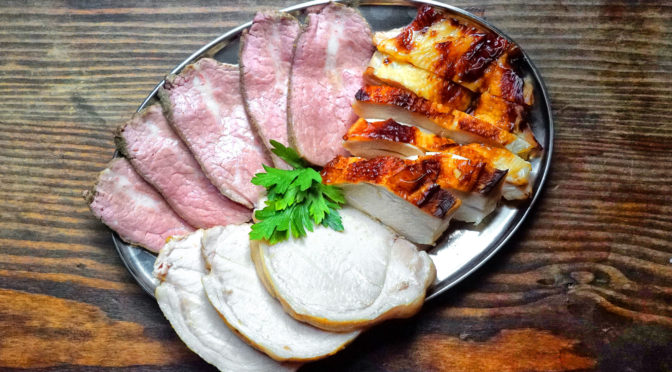
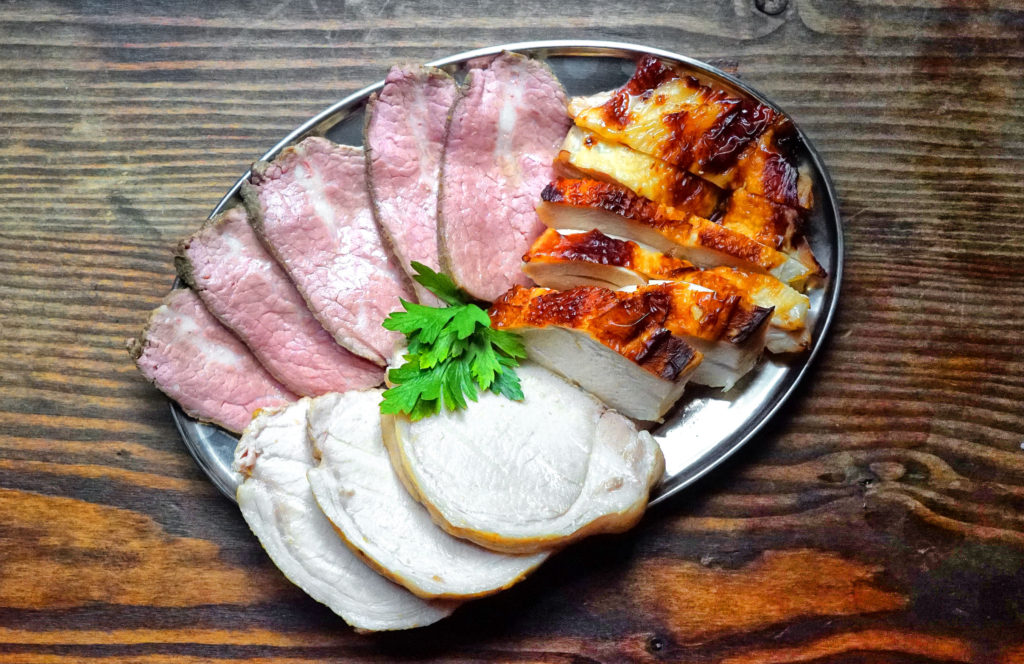
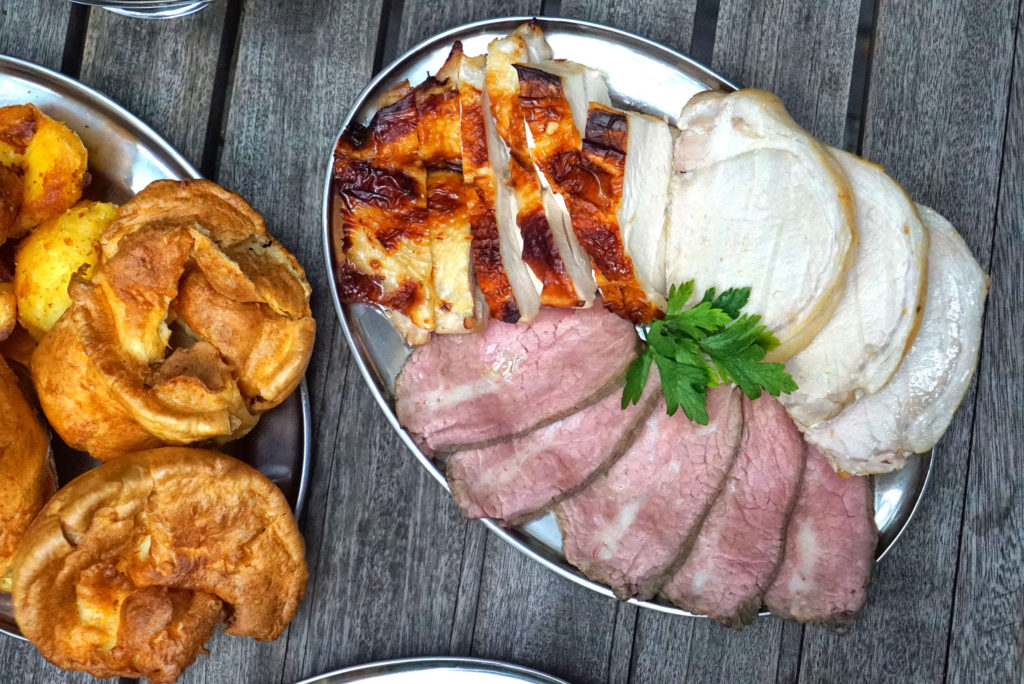
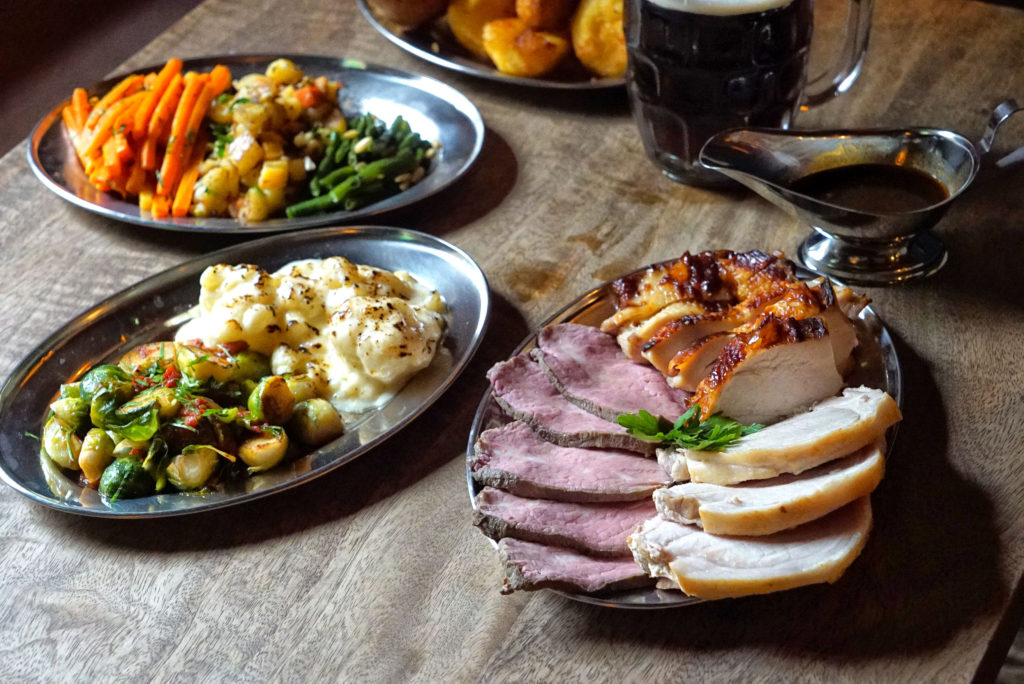
Starting on September 11, 2016, for $19, you get to choose from three types of roasted meats; pork, chicken and beef.
This beef is easily 9/10 for flavor, and when you add the horseradish sauce to it, it is fucking insane. I highly recommend it. The pork comes with an apple-based sauce, and the chicken comes with a “bread sauce” that’s similar to a bechamel. I’d say that my ranking, in order of awesomeness, was the beef, the chicken and then the pork.
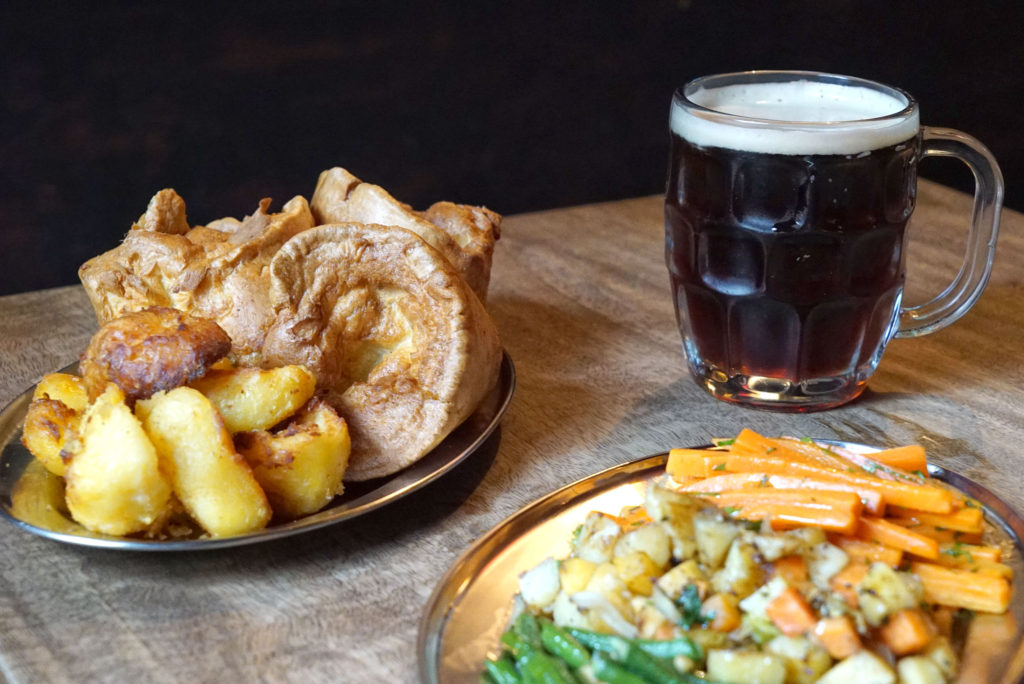
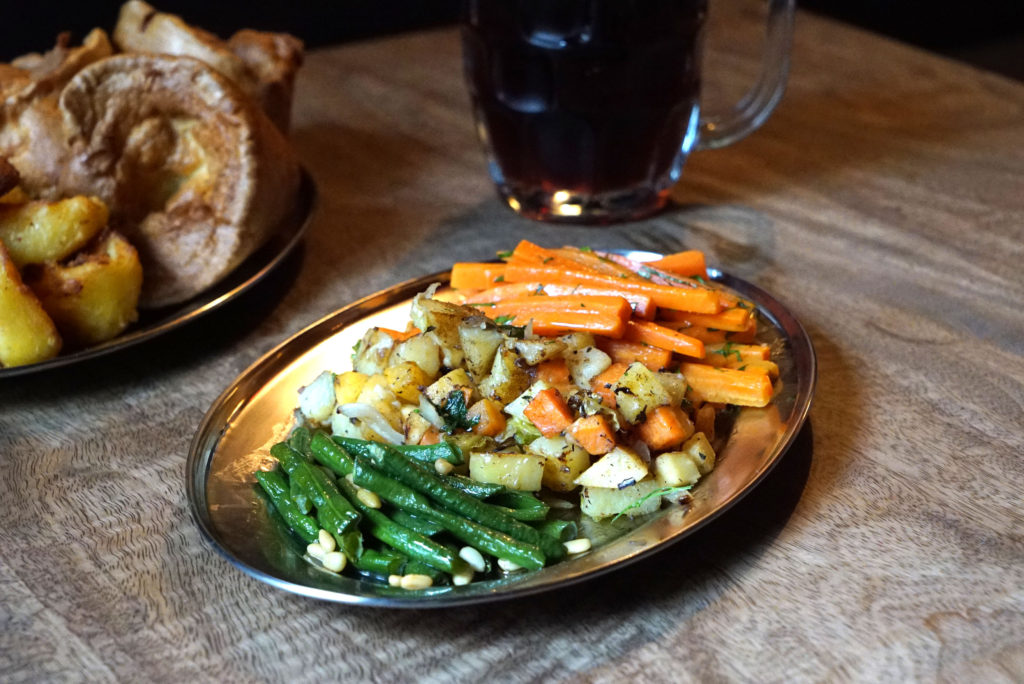
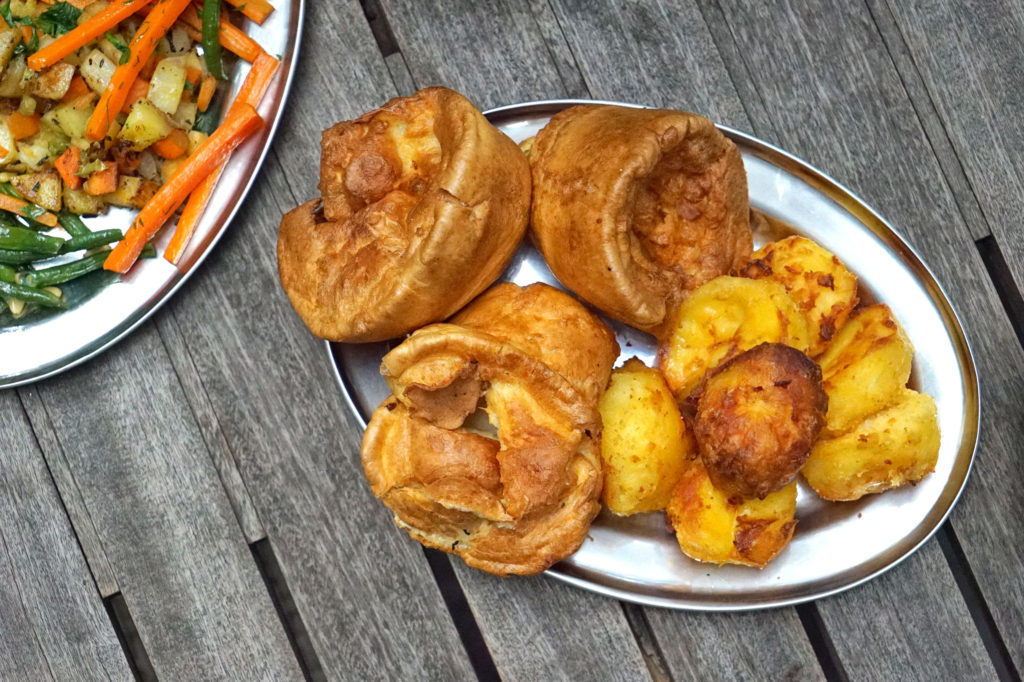
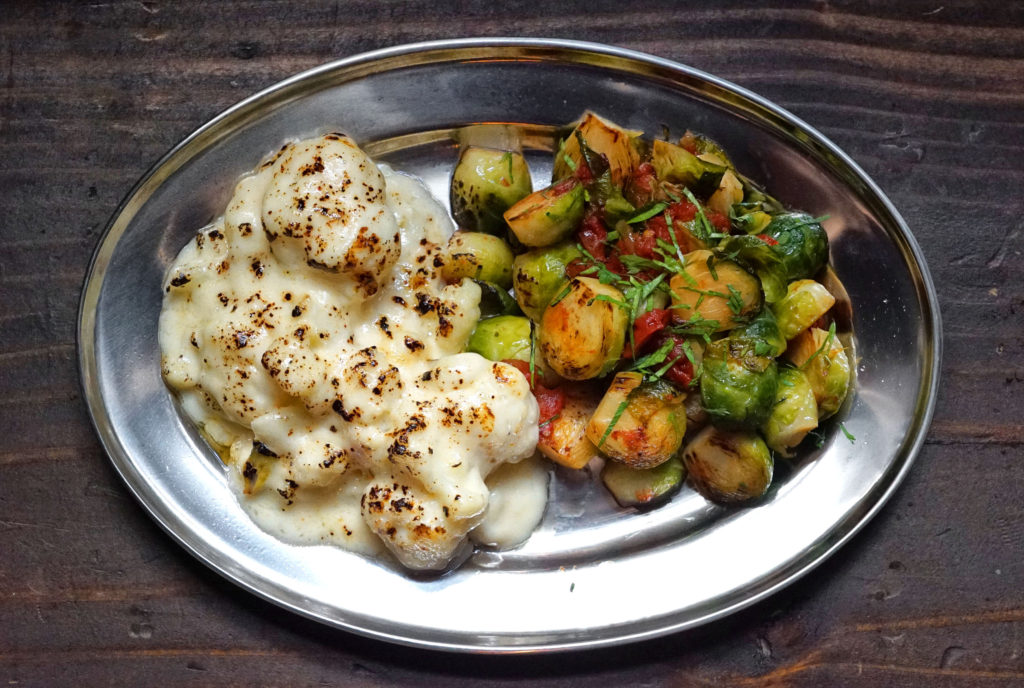
But that’s not all you get for the $19. You also get some potato sides, popovers and seasonal veggies.
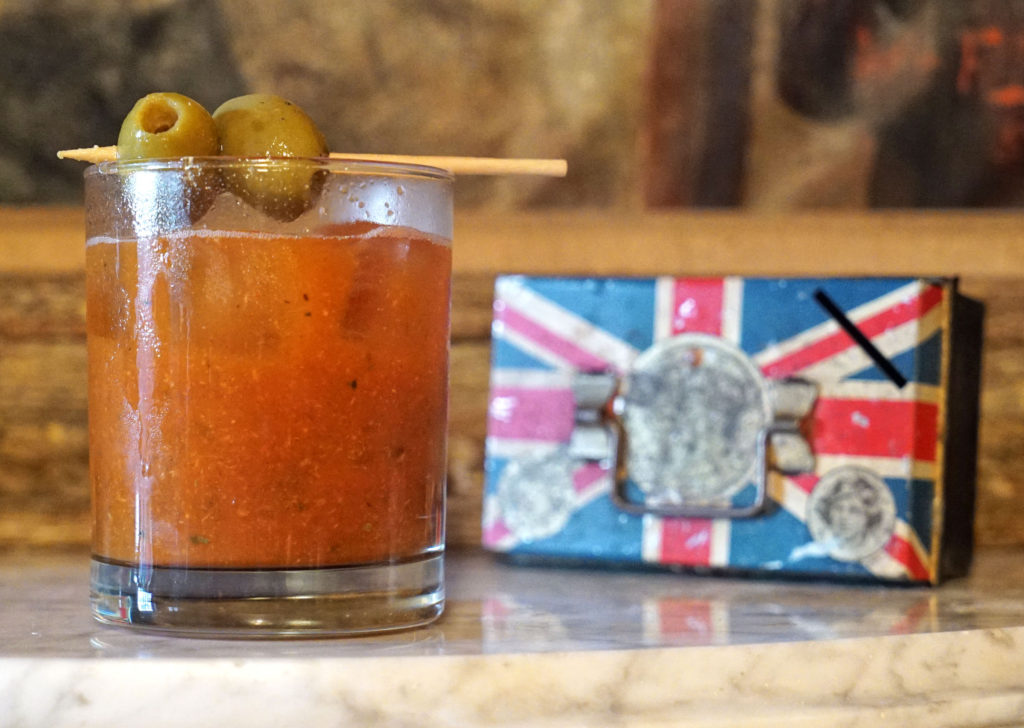
Make sure you try a Bloody Mary, too. They’re peppery and chock full of horseradish.
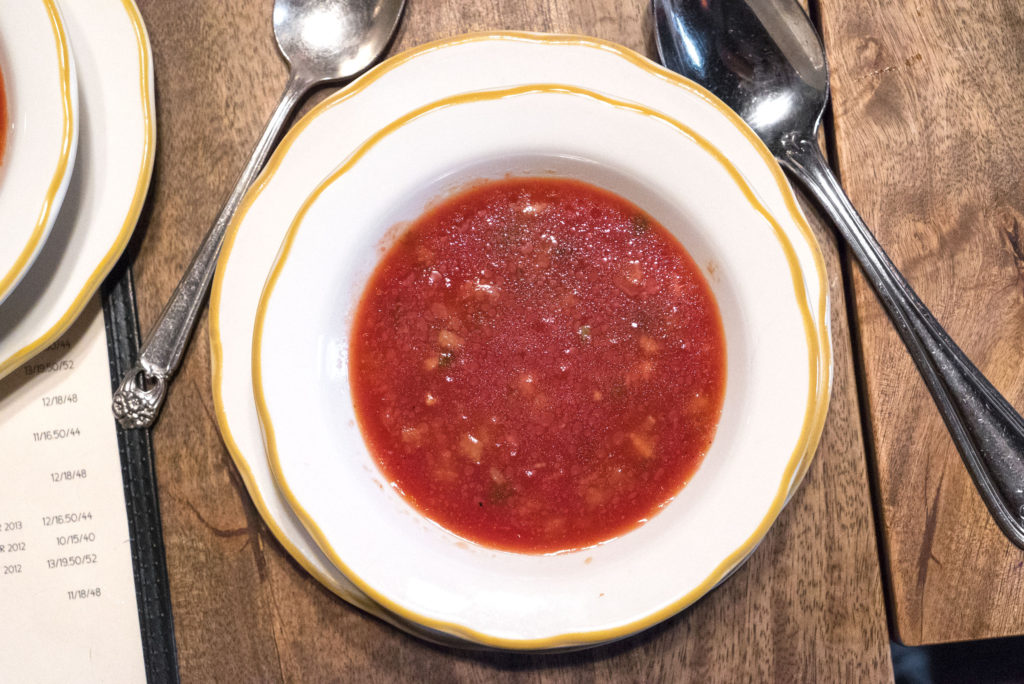
This chilled gazpacho soup was really nice on such a hot day too.
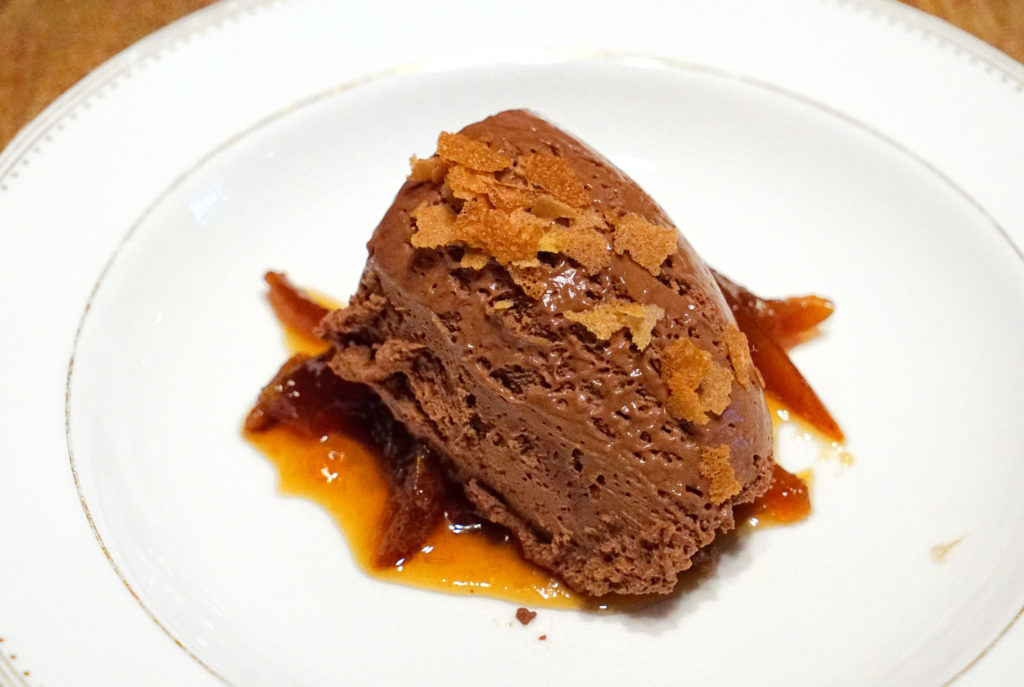
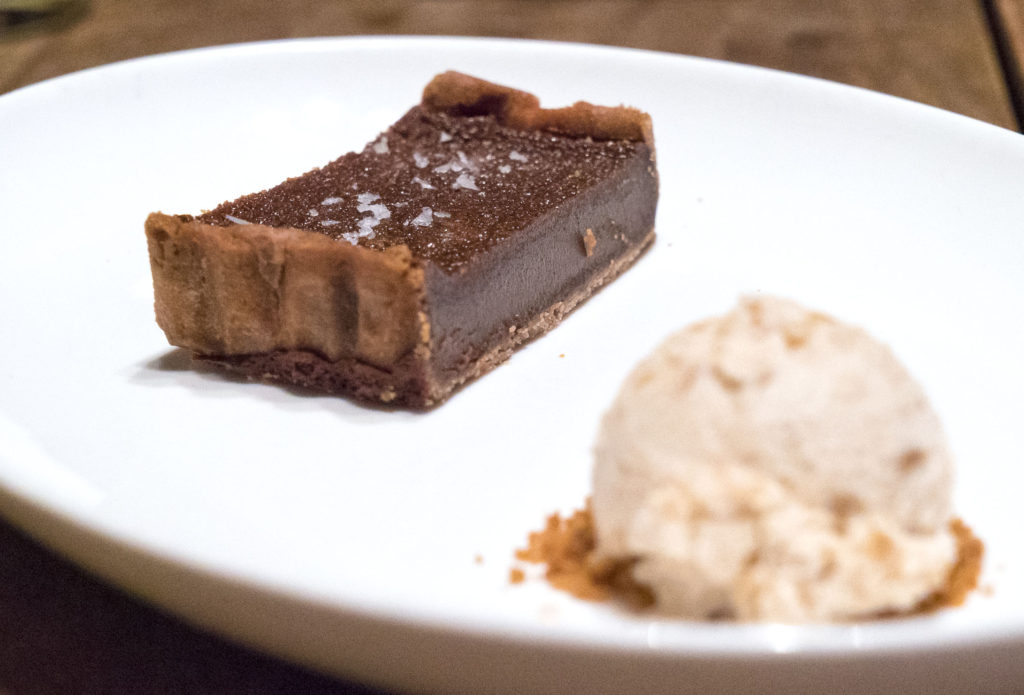
And for dessert, we tried the chocolate hazelnut mousse and sticky toffee pudding with vanilla ice cream.
Both were great, but I think my favorite between the two was the toffee pudding pie/cake on the bottom. The flake salt on top really made the flavors pop.
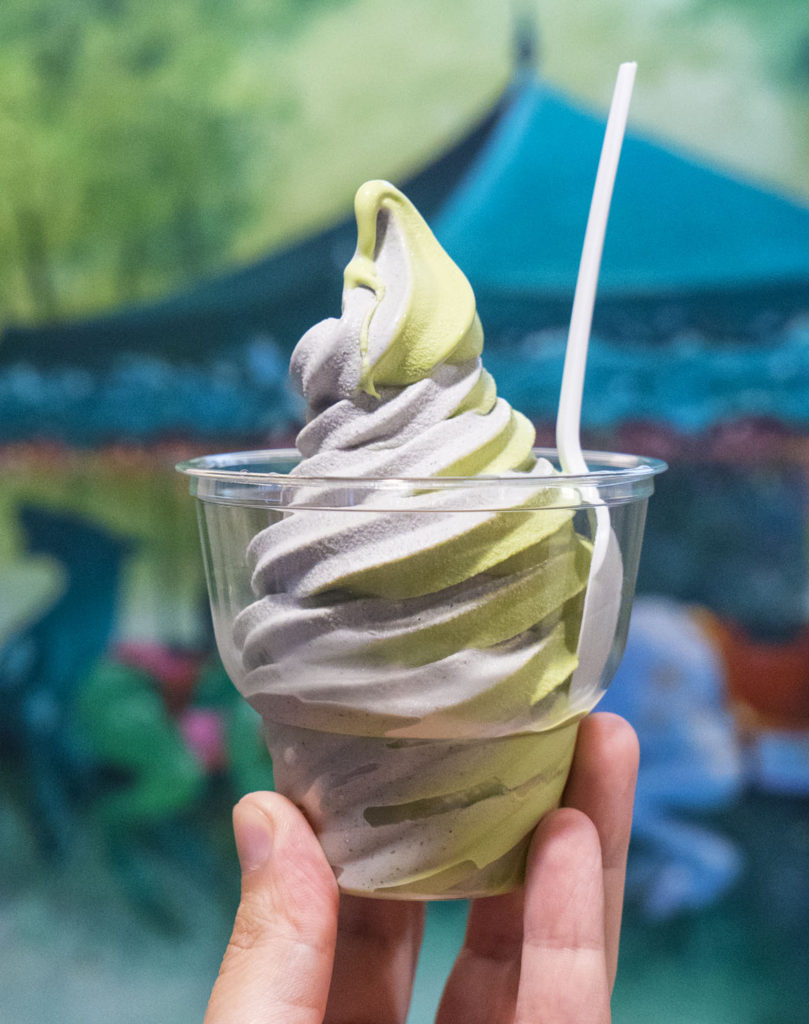
Me, my wife, and my buddy Ben (@stuffbeneats) came in here to beat the insane summer heat with some sesame and green tea flavored soft serve swirl ice cream.
Pretty good, I must say. I think I liked the sesame flavor better, since green tea, to me, is generally a flavorless endeavor (with the exception of cakes that rely on frosting to deliver the sweetness).
Okay. That’s all. Go get some if you want to try something a little bit outside the box in the flavor department.
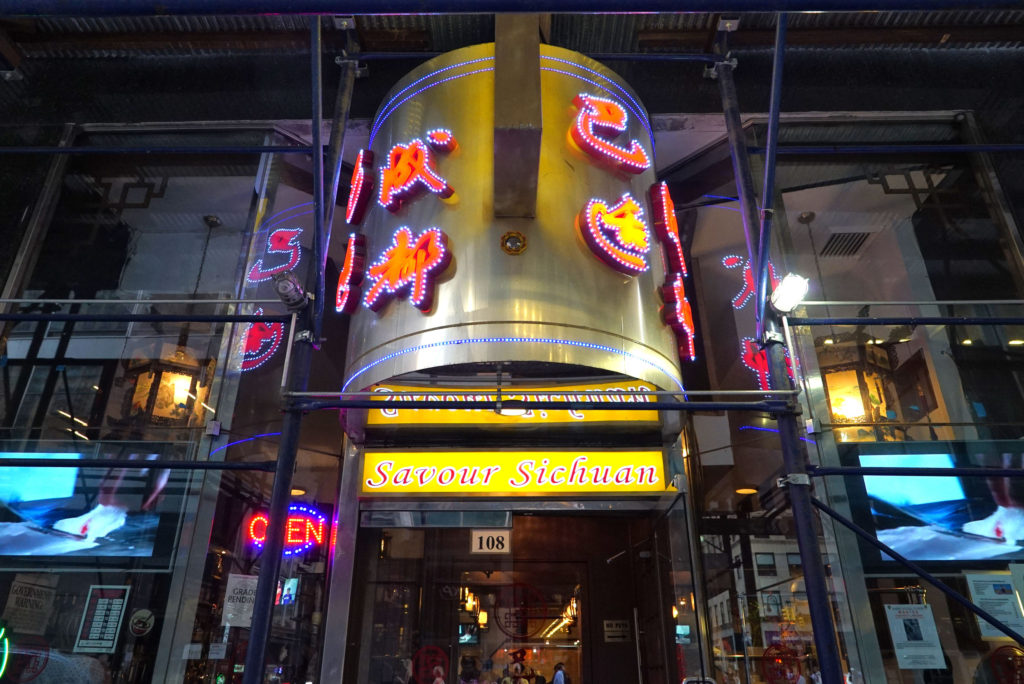
Savour Sichuan serves up some authentic, spicy-as-hell Chinese food in the heart of midtown.
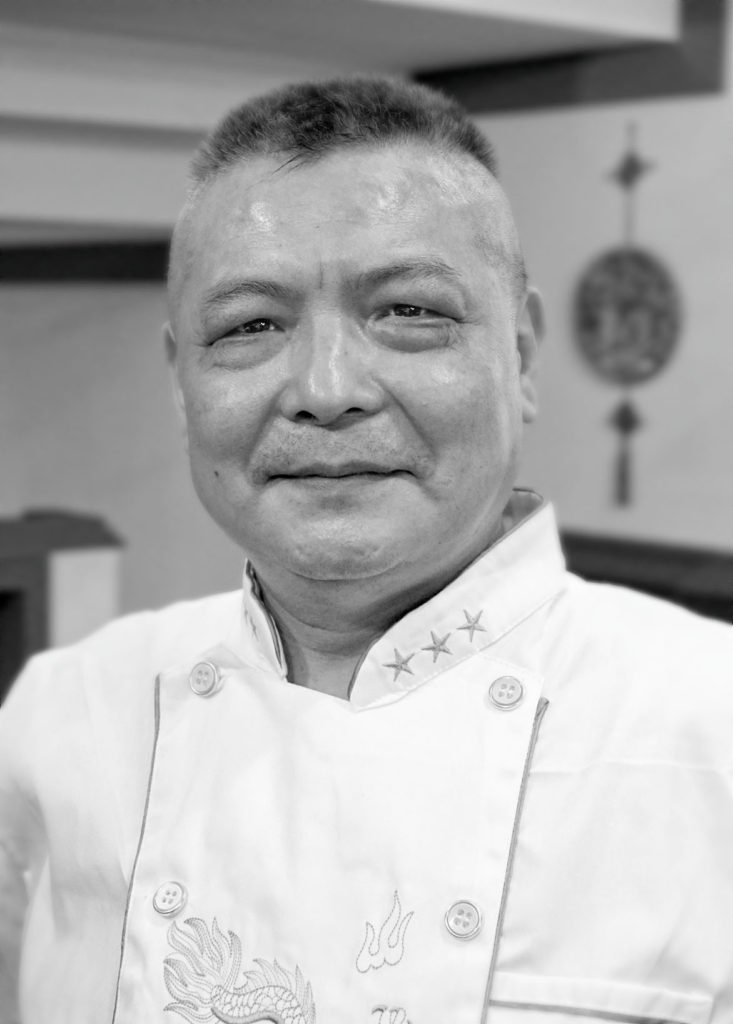
Executive Chef Zhong Qing Wang masterfully put together about 14 dishes for a press meal, showcasing not only his skills as a chef but the difficult-to-come-by and truly authentic cuisine of China’s Sichuan province.
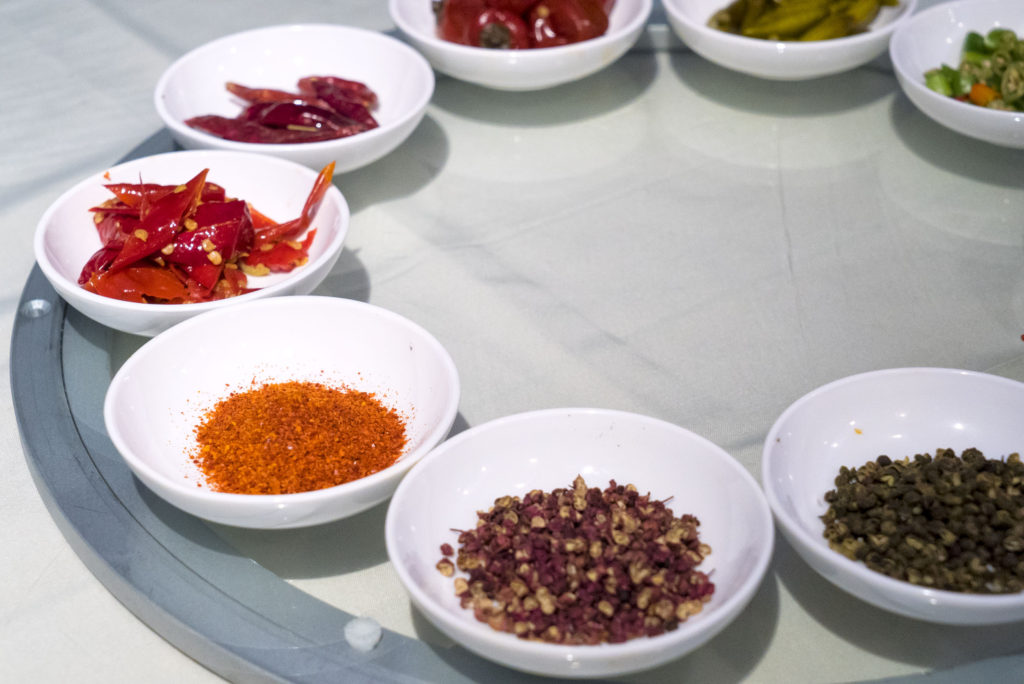
The Lazy Susan in the center of the table displayed an array of about a dozen styles of pepper, including pickled peppers, dried peppers, fresh peppers, pepper powders and peppercorns.
Let me get right down to business, since there are a lot of dishes to discuss here.
APPETIZERS
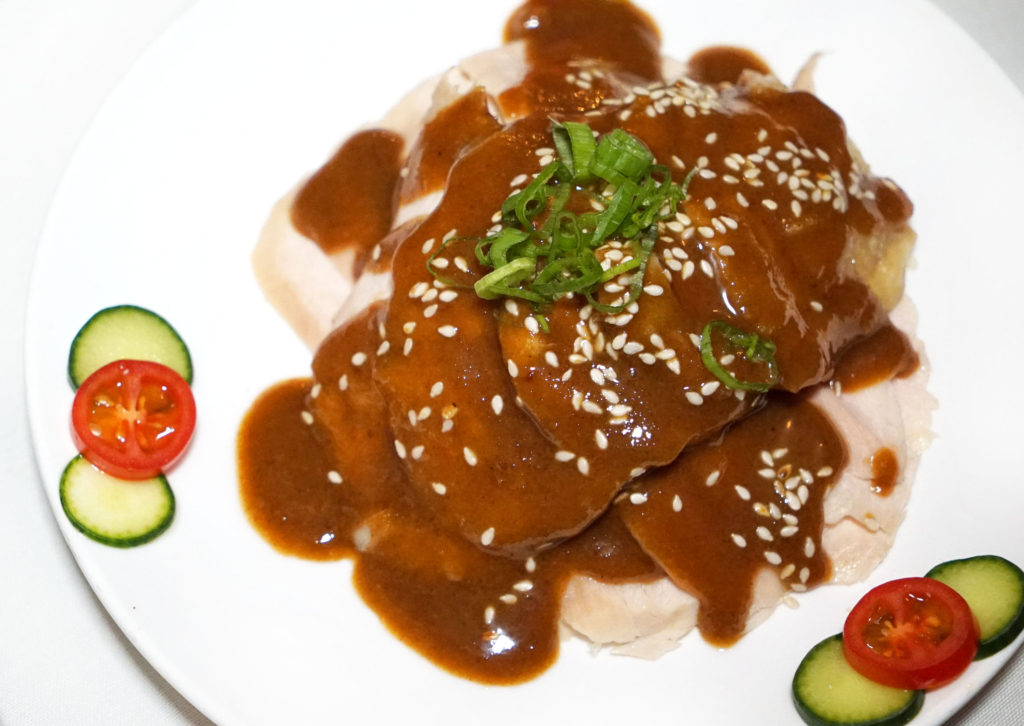
Cold Chicken with Sesame Sauce
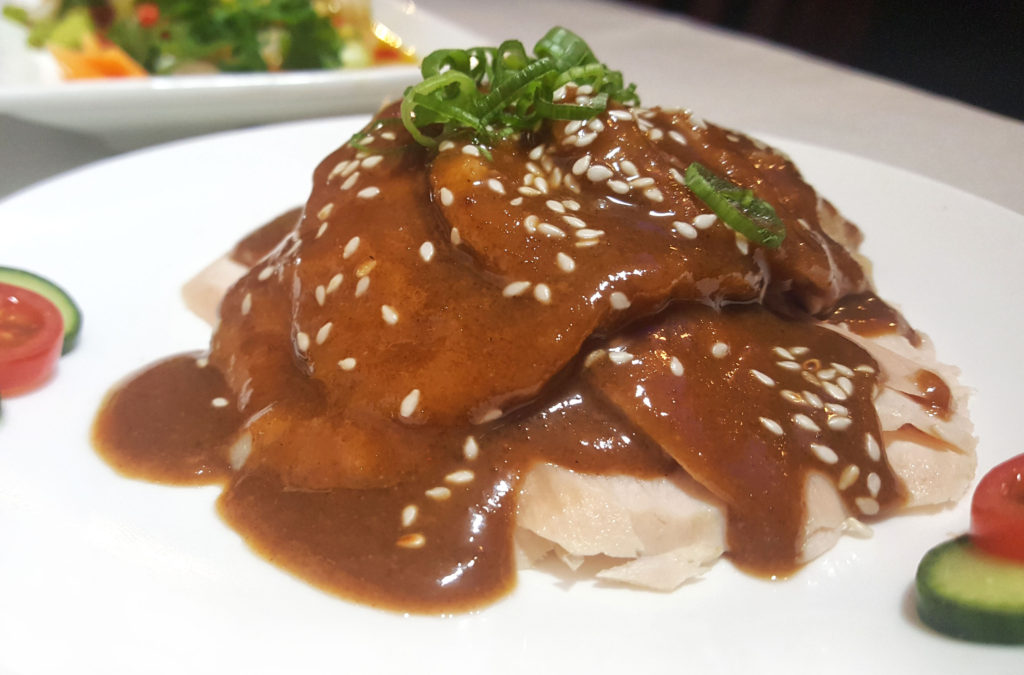
This was tender, sliced white meat chicken that was served in a somewhat sweet and savory sesame sauce.
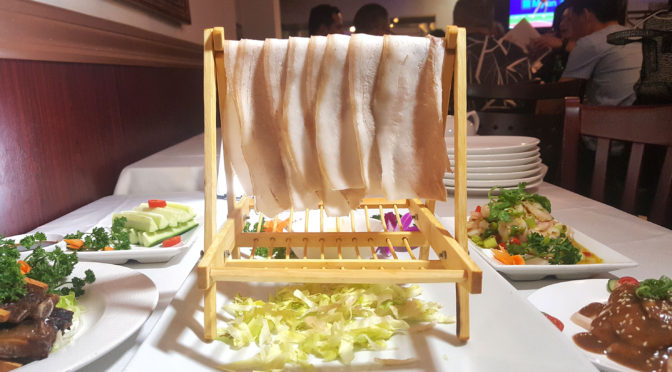
Pork Belly with Garlic Sauce (aka “meat curtains”)
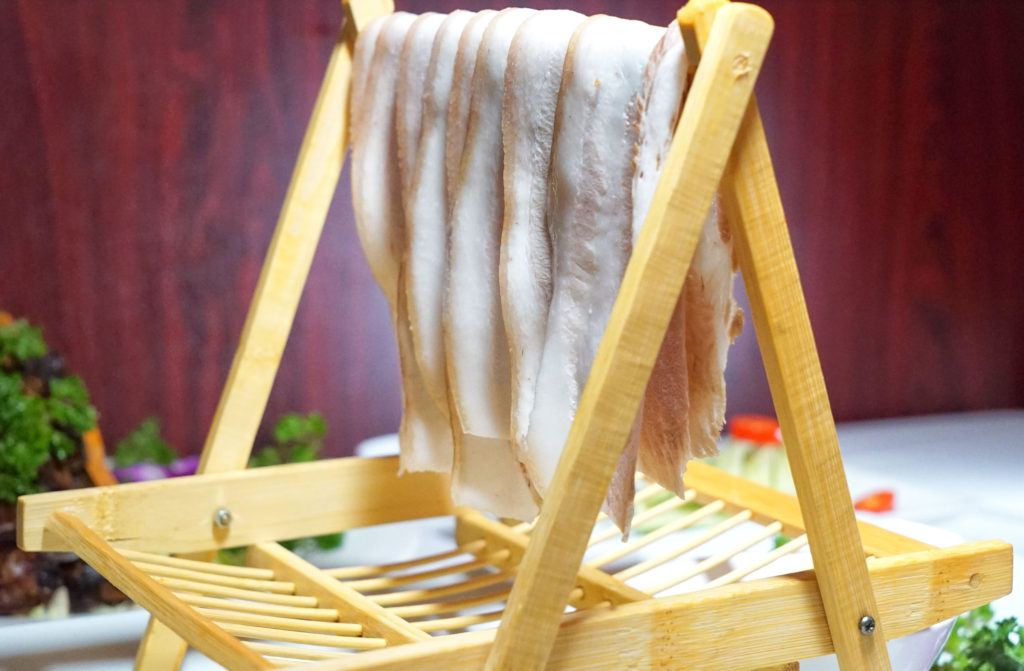
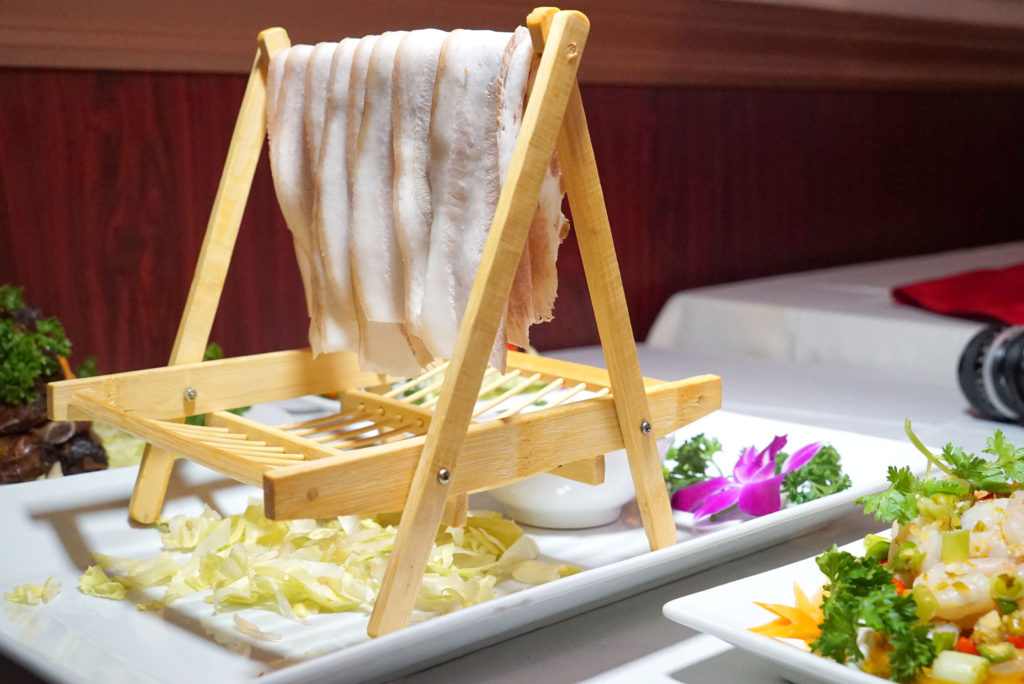
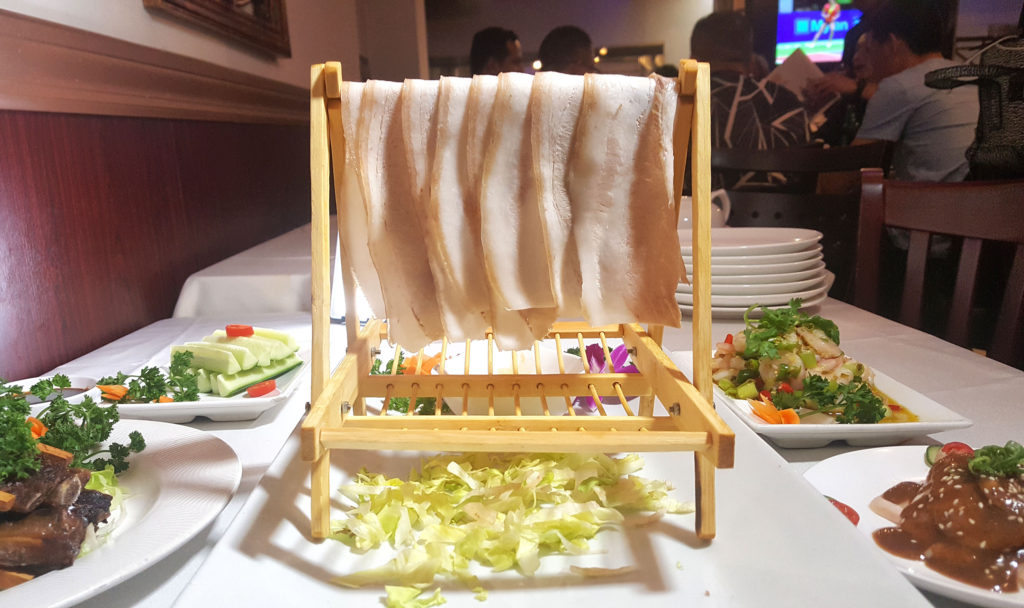
These thin slices of pork belly were also served cold, but with a hot (spicy) chili oil and garlic sauce for dipping. Really nice. I took to calling it “meat curtains” because, well, that’s what it looked like, and I have a weird sense of humor. It isn’t the official name on the menu.
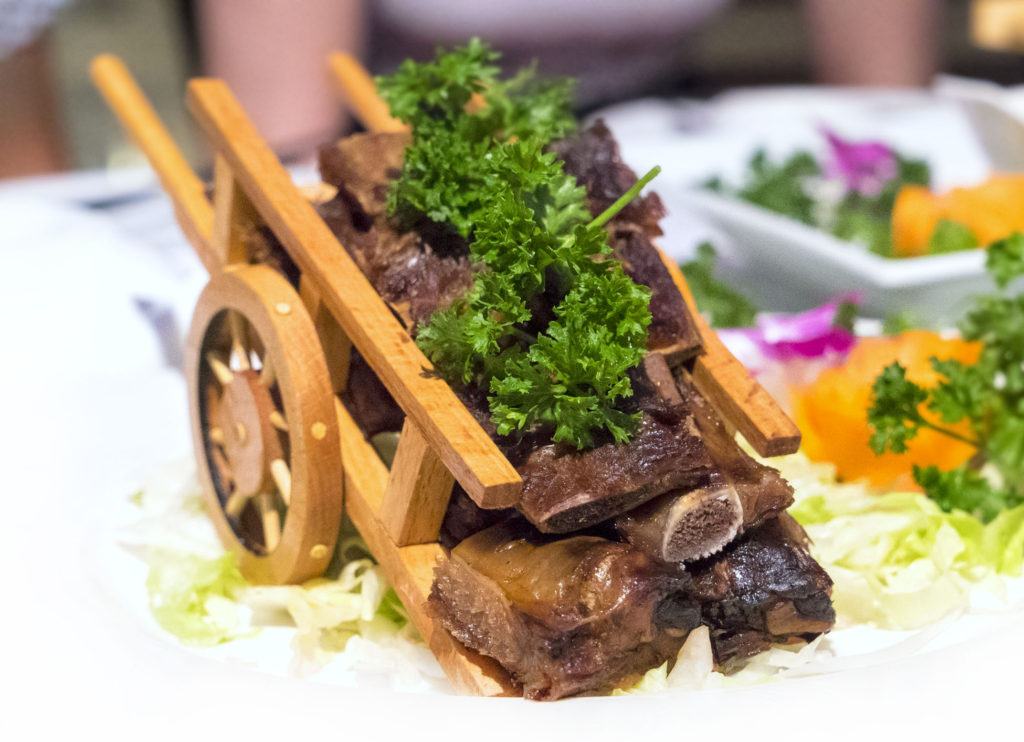
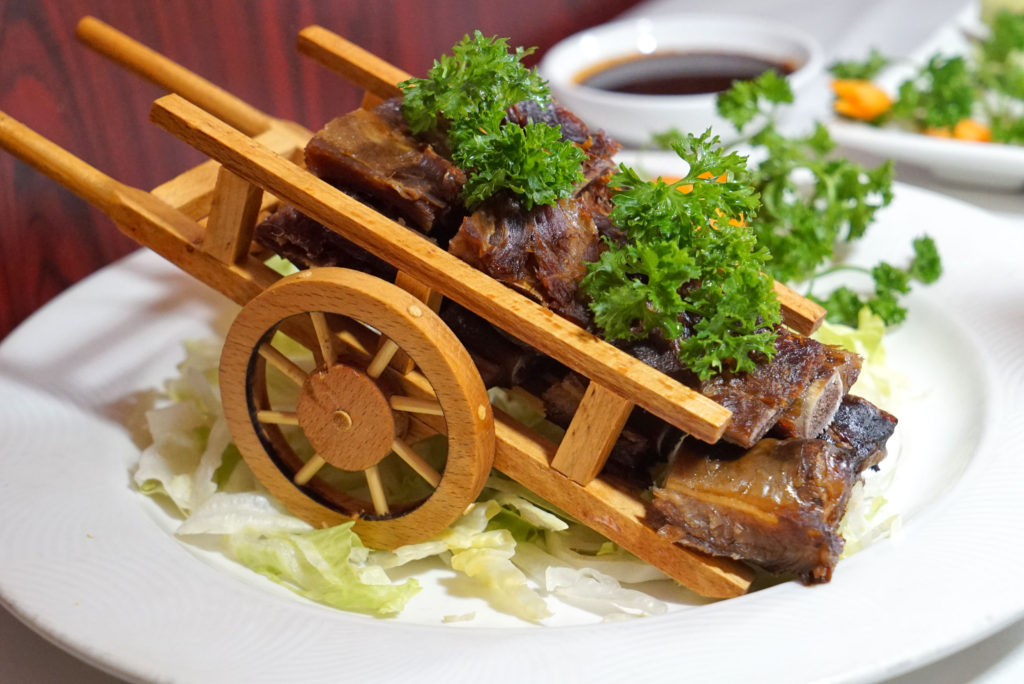
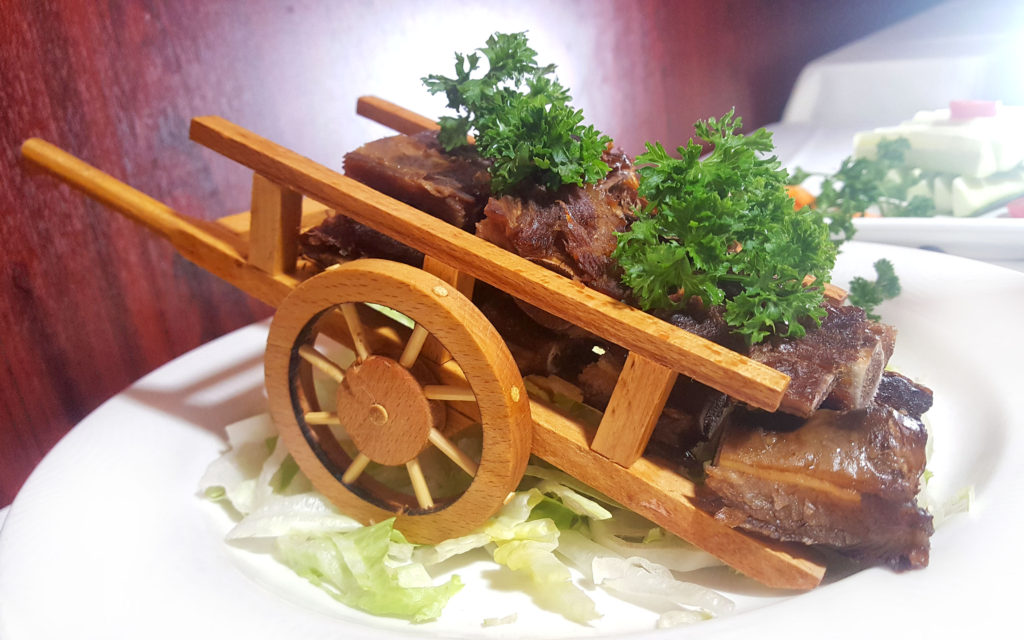
Szechuan Country Smoked Pork Ribs (aka “pork wheelbarrow”)
I gave this the “pork wheelbarrow” name as well, because it looks like a little ox cart filled with small pork ribs. The meat was sweet yet spicy, and also dry yet succulent. A conundrum.
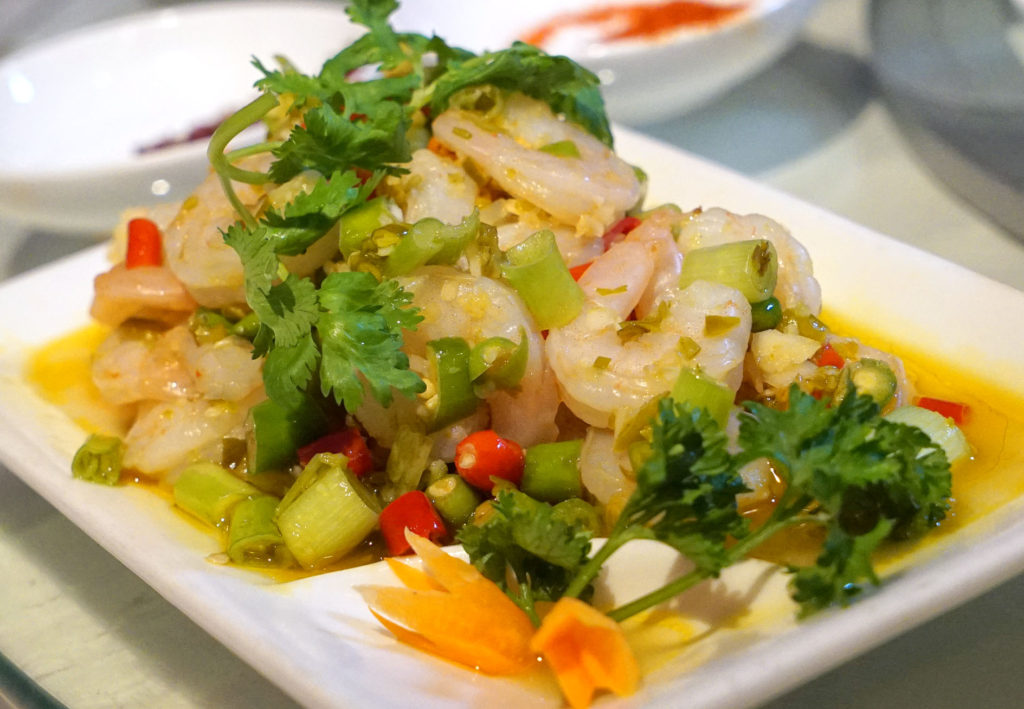
Baby Shrimp with Red Pickled Pepper
This was a spicy dish. The sliced up green fresh peppers packed heat, but the shrimp were cooked perfectly and retained a great seafood flavor with good texture.
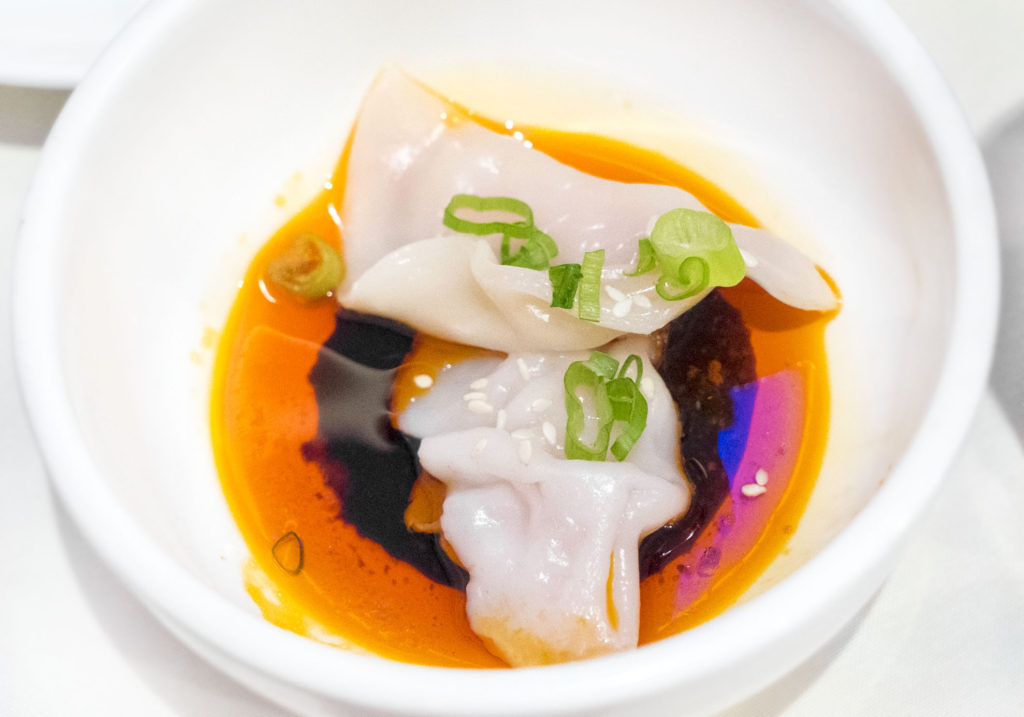
Dumplings
These were classic, with a great pop of spice from the chili oil.
Crispy Cucumber (no photos)
Very simple: just raw sliced cukes with a dipping sauce.
ENTREES
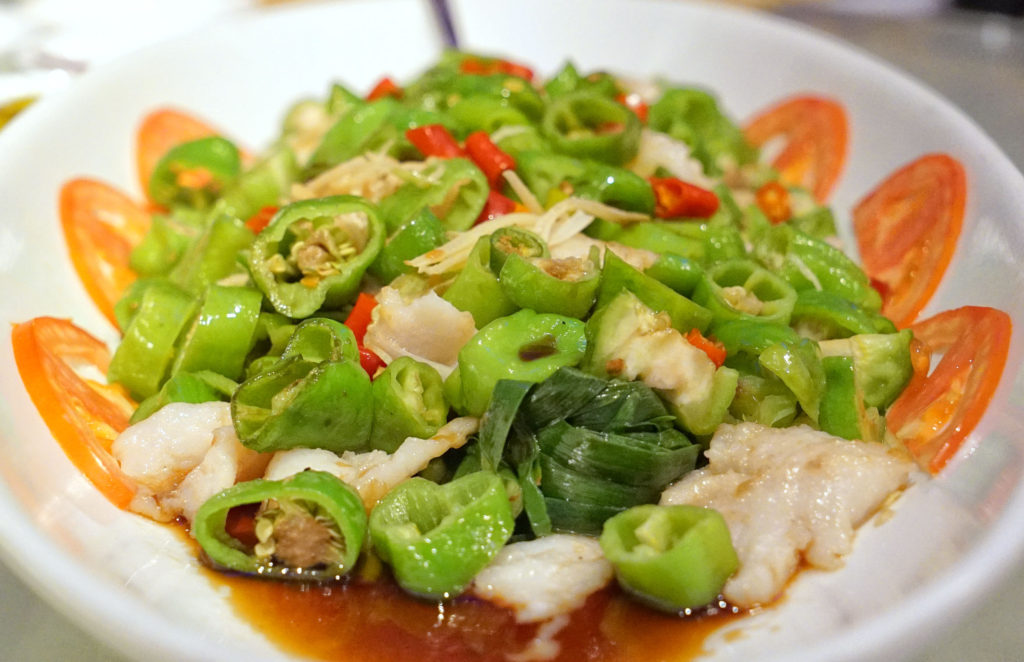
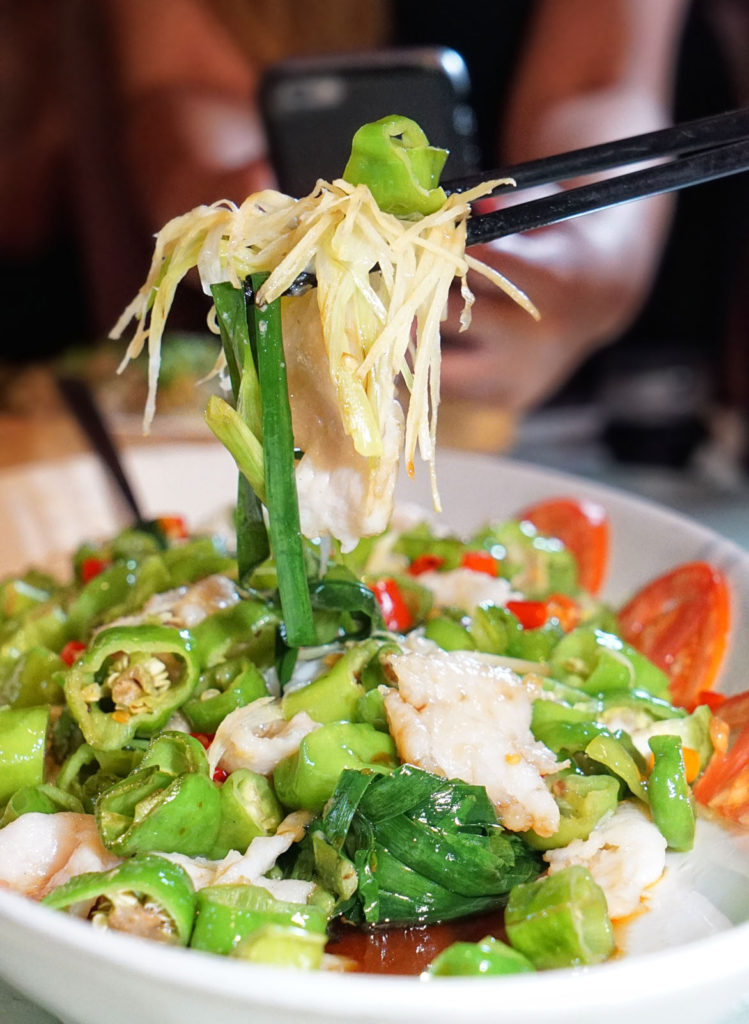
Fish Filets with Spicy Green Peppers
Widely hailed as one of the best dishes of the night, this large, family style platter was filled with green peppers (not too spicy) and perfectly cooked medallions of fish.
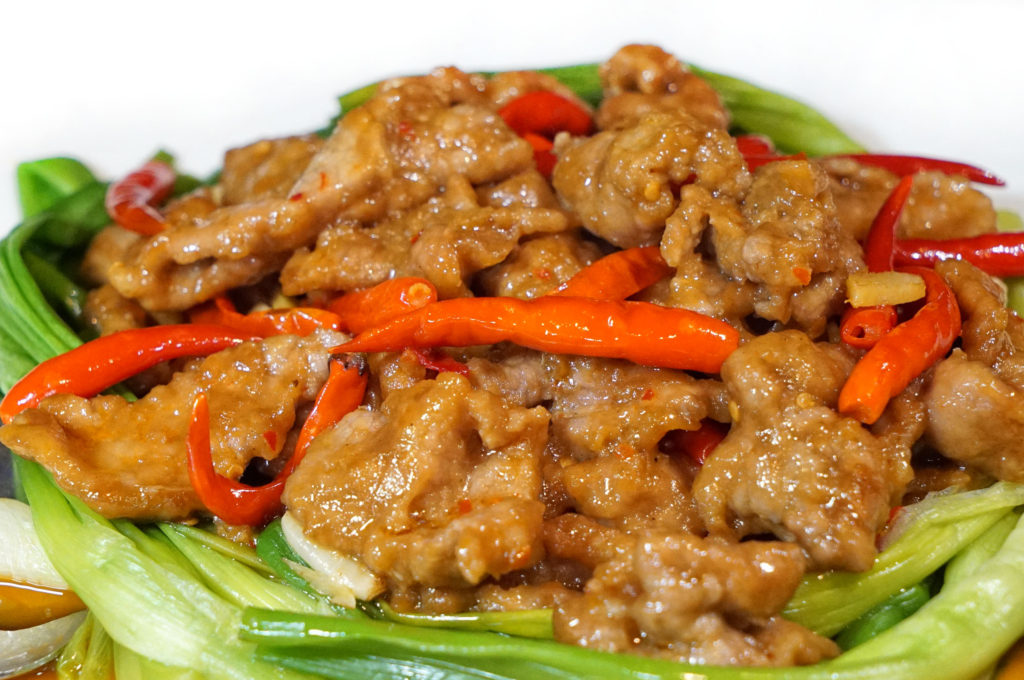
Sliced Beef
As a beef guy, you know I was liking this spicy dish made from slices of tender beef that were lightly breaded and stir fried with hot peppers and served on a bed of cooked scallions.
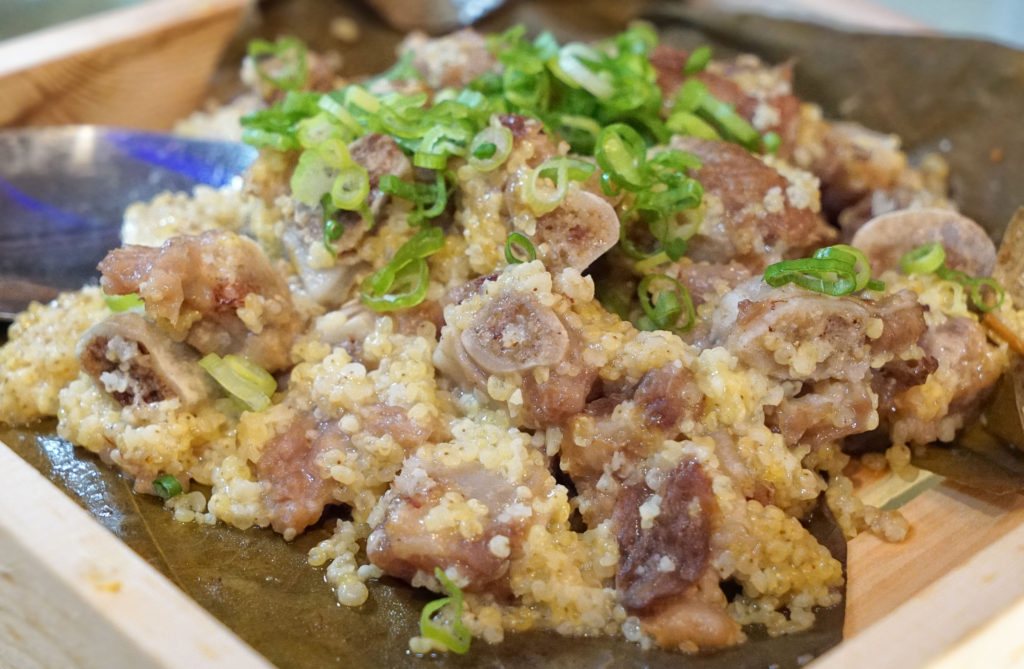
Yellow Millets and Pork Ribs
This tasted like a broken sticky rice type of grain with small bones of pork that had tender meat still clinging to them. Very tasty.
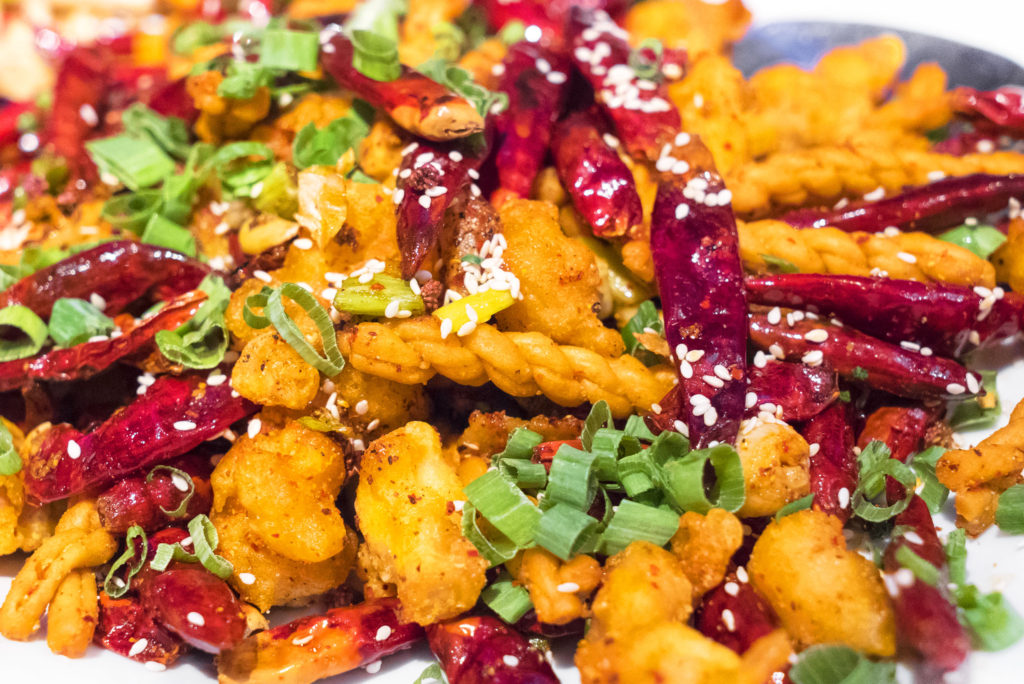
Szechuan Pepper Chicken/Pork and Crispy Noodles
Another favorite of the night was this dish made of tender morsels of baby pork rib (our platter didn’t have chicken but it can be made with either) and fried noodle twists. This was almost like eating a bagged corn chip type of snack. I loved it.
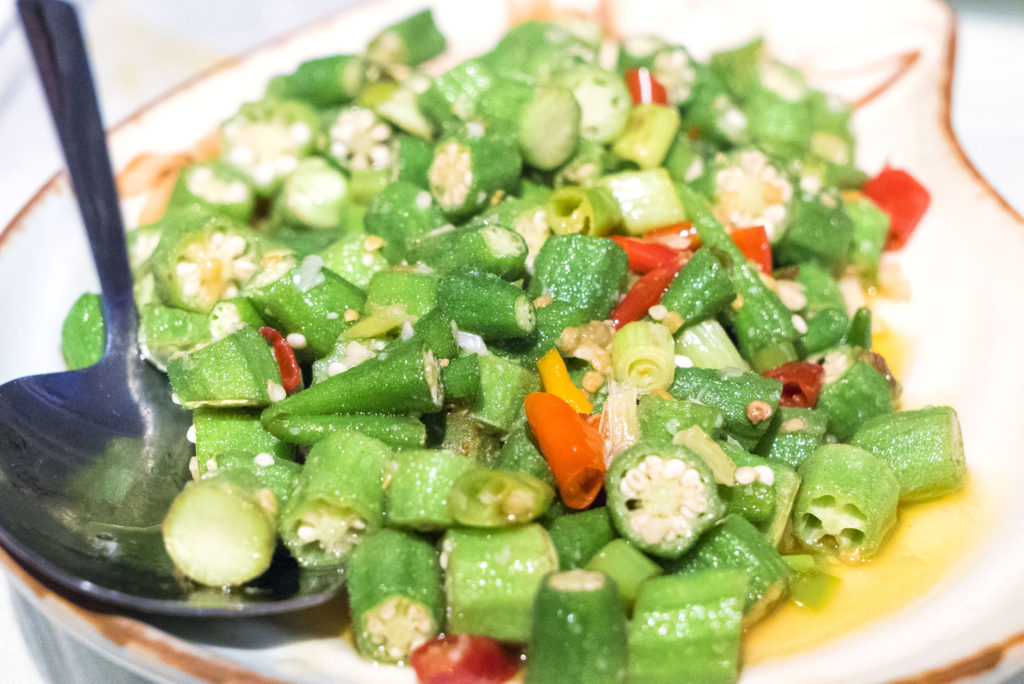
Okra with Garlic and Pepper
I hate to say it, but I loved the okra. Yep. I loved the veggie dish. It’s a rare thing to get okra that isn’t slimy after being cooked. This was nice and fresh, even had a little crisp to it, absolutely no slime, lots of bright flavors and a good amount of heat.
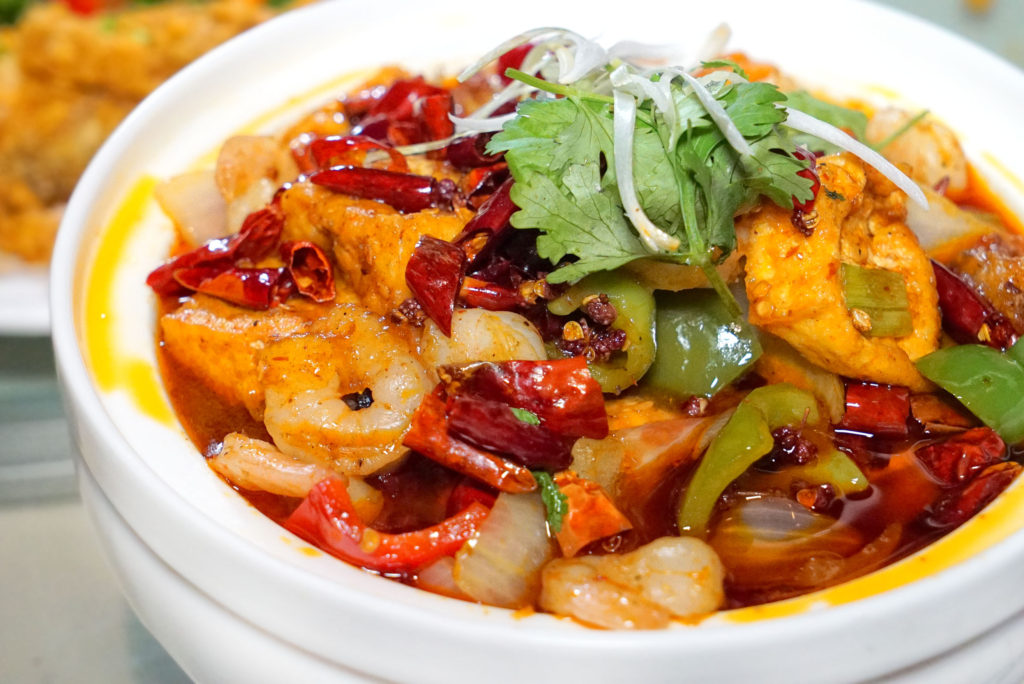
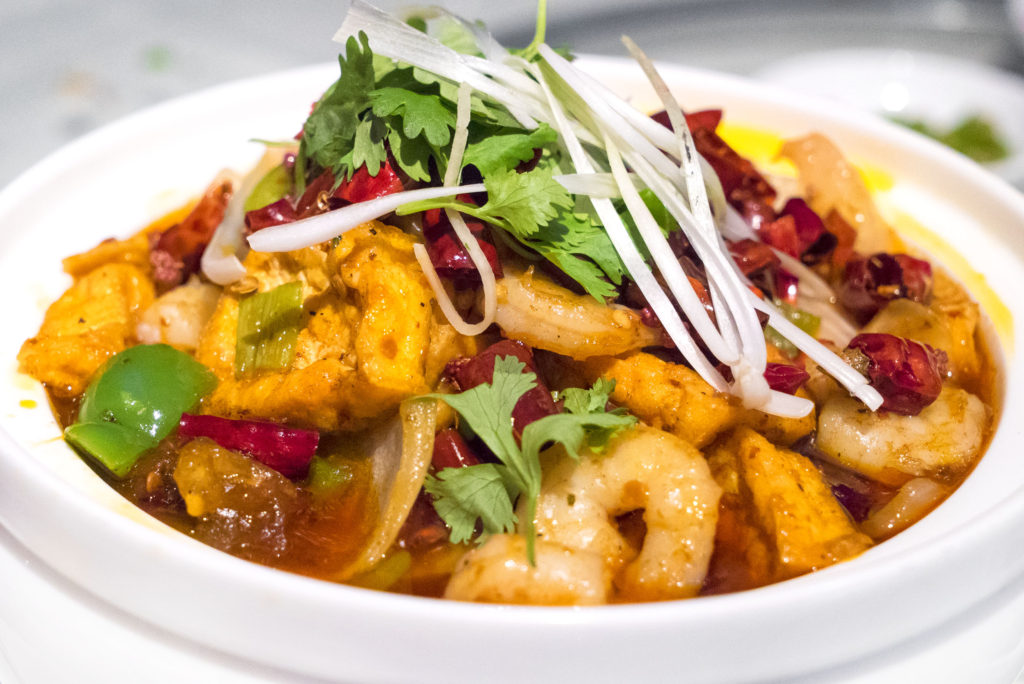
Seafood with Tofu in Spicy Sauce
This was essentially shrimp in a spicy broth with fried tofu pillows, onions and bell peppers. It was herby and fresh, and it was presented with a glowing candle beneath the bowl.
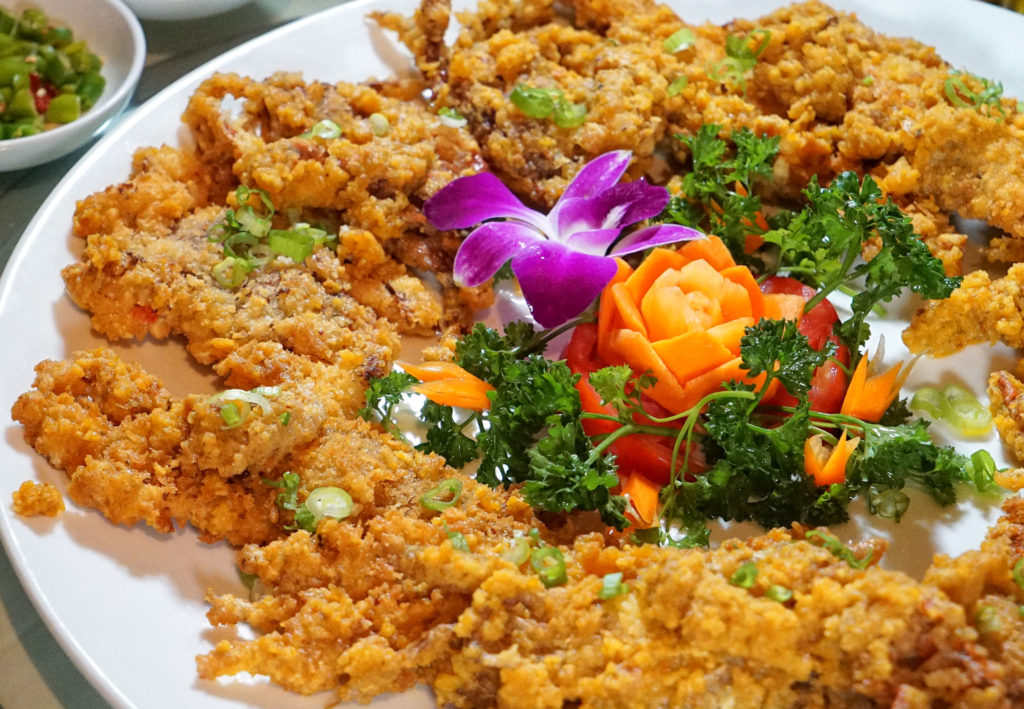
Fried Soft Shell Crab
I’ve never really been a big soft shell crab fan, but these were excellent. My experience is always that the shells aren’t really that soft. They still retain a “shrimp shell” quality to them, which I don’t want to eat. These were soft through and through, and beautifully fried with a delicious batter that was reminiscent of fried chicken.
Fresh Frog Pot with Pickled Peppers (no photos)
Although I didn’t take photos, this was a nice dish as well. I would have liked more lumps of leg meat as opposed to the other bits, but the sauce was very nice for putting on top of a bed of rice.
DESSERT
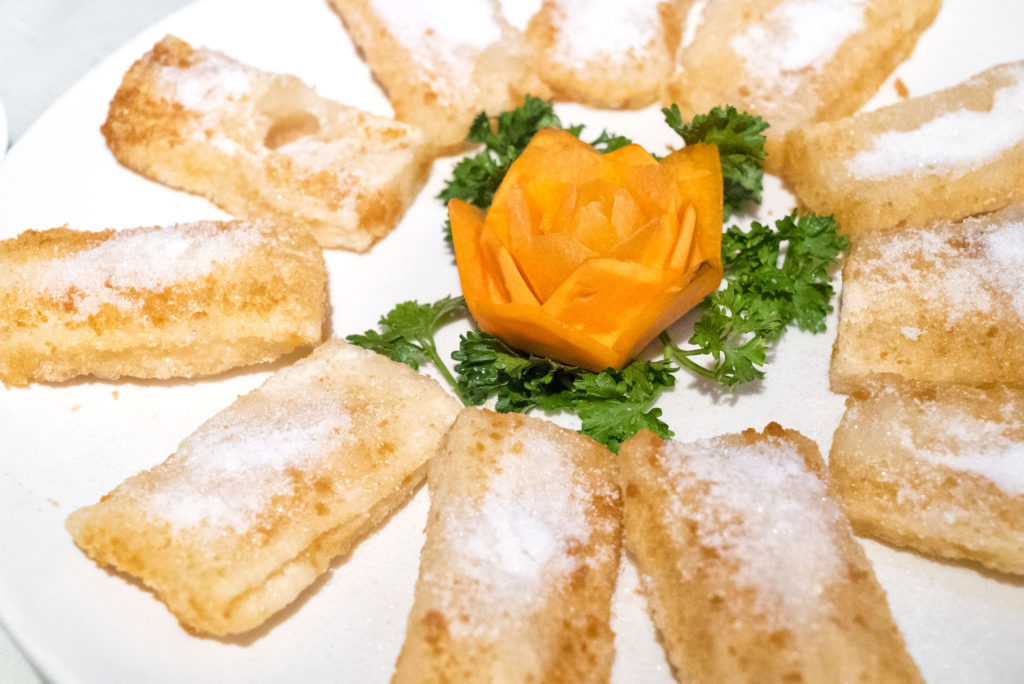
Brown Sugar and Steamed Sticky Rice Doughnuts
These had the texture and consistency of a rice or tapioca cake, but with a crisped outer edge and some sugar on top. Very simple and mildly sweet.
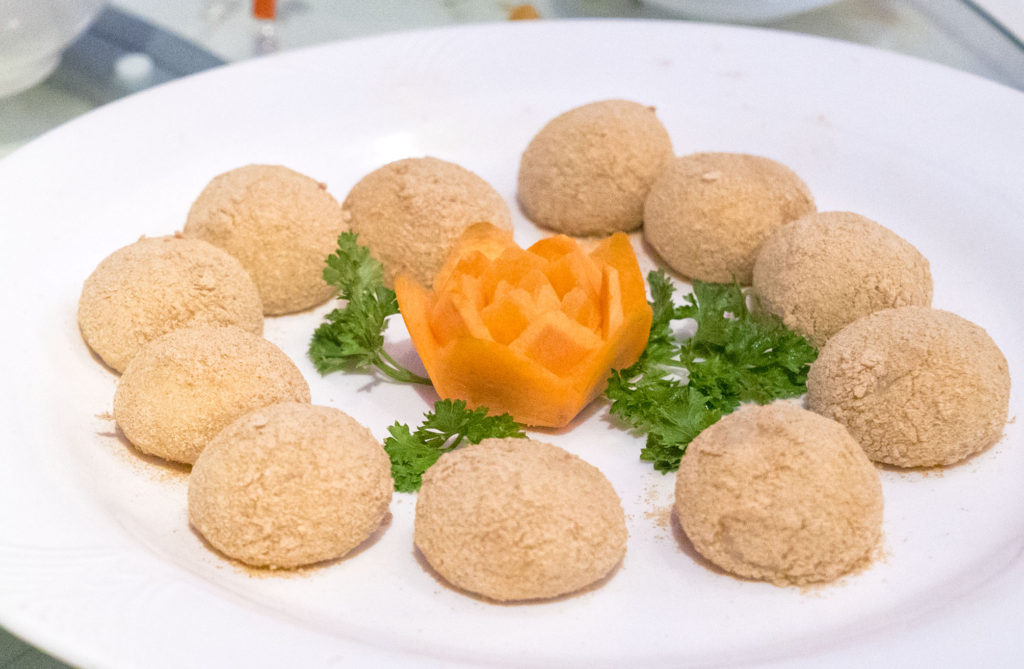
Fried Yellow Bean and Rice Ball with Black Sesame Paste
We all loved these. The sesame paste inside reminded me of the red bean breakfast and dessert pastries I sometimes get from Asian bakeries downtown, only the outside was soft and powdered instead of crispy.
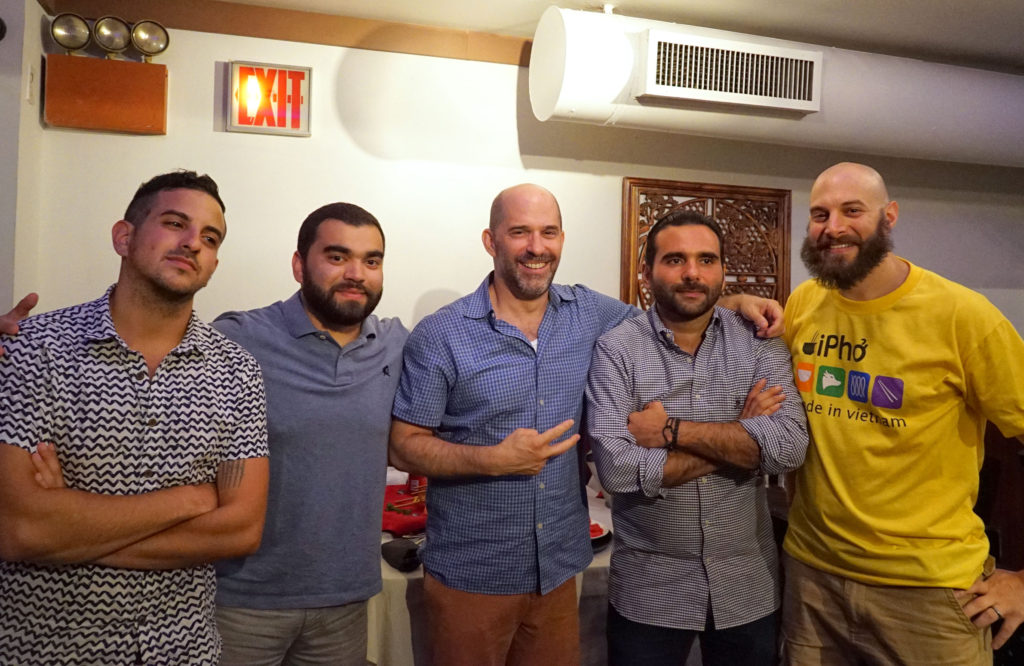
Here’s a 360 shot of the table, and then the dudes all together.
If you have any interest in who everyone is, check out their Instagram accounts:
I’ll definitely be back here again, and probably soon, since I’d really like to get more than just a taste of some of the dishes that I liked most. If you like spicy Chinese food, this is the place for you!
I haven’t written up a product review in a while. I suppose this shit falls more into the “service” category than the product category, but fuck it. It works, I guess, and I’m not about to make another goddamn separate page of reviews on my website that’s dedicated to “services” in the food world.
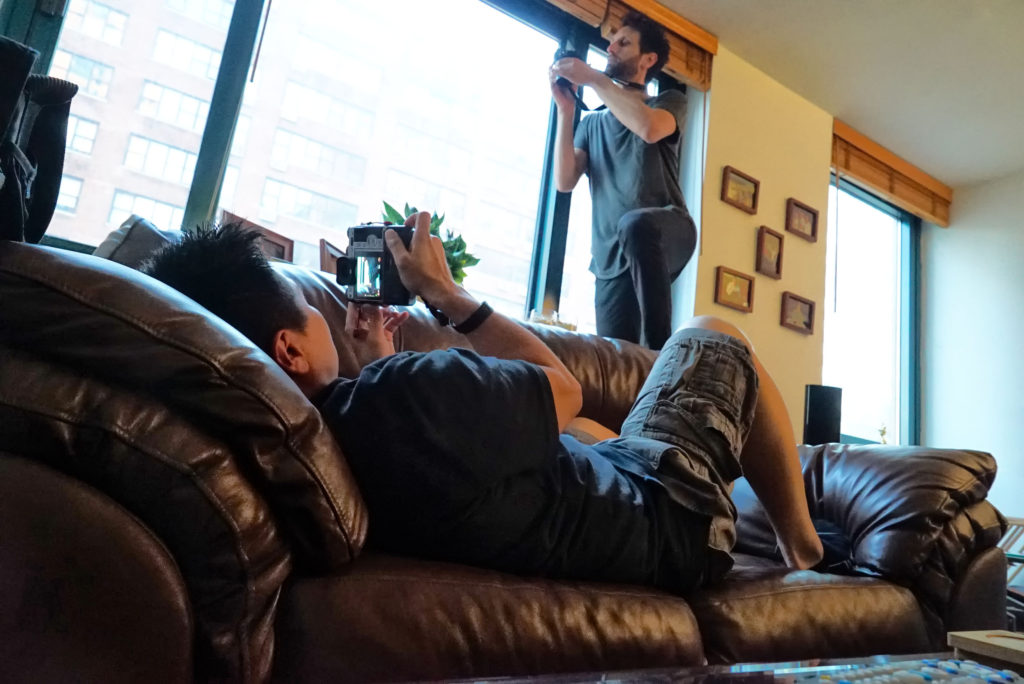
Any-fucking-way, a food buddy of mine, @NYCFoodFOMO, won an Instagram contest for a free private dinner prepared by a chef through CookUnity, a service that provides a chef that comes to peoples’ apartments and cooks a meal for them and their guests.
My buddy picked a crew of five more food fanatics, which included me, to eat the CookUnity contest prize meal. As you can see from the Boomerang clip below, this was right after I had just gazed into Medusa’s eyes.
Our chef, Isaac Friedman, did a great job with the meal, and we noticed that he even did the dishes before he left! Pretty sweet.
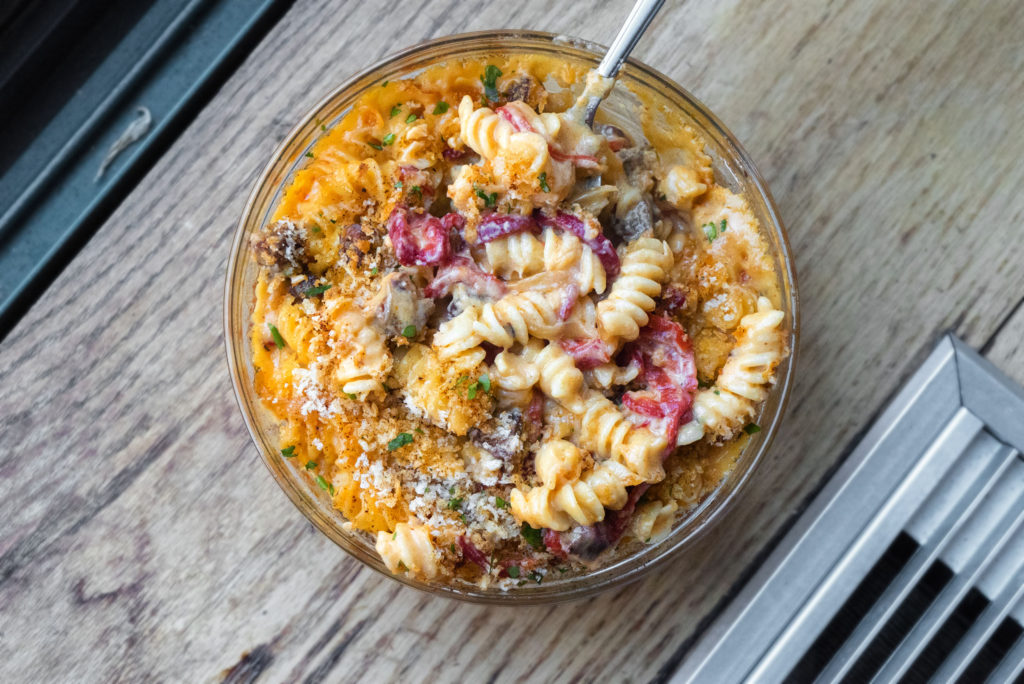
So we started with a Spanish mac and cheese, which was filled with chorizo, roasted piquillo peppers, caramelized vidalia onions and smoked paprika.
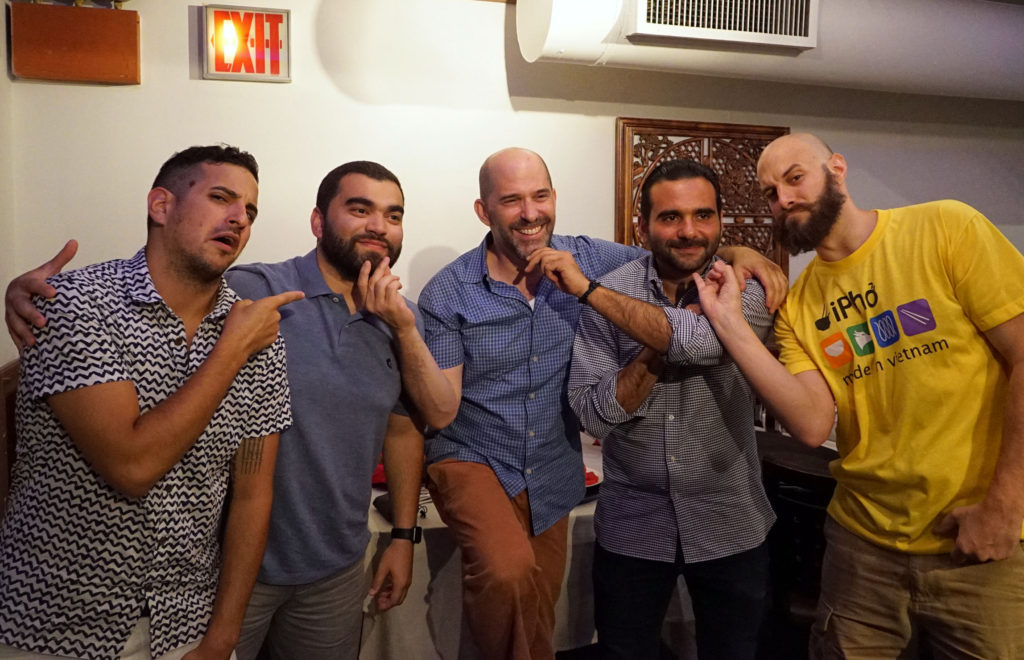
This shit was pretty killer. It was so good that I considered lathering my balls with the warm leftovers toward the end of the meal, but I thought that might be weird for Isaac to experience. The other guys probably would have been okay with it, though. Especially since they were totally comfortable taking pictures at weird, semi-erotic angles and in sexually suggestive positions.
Speaking of the other guys (@StuffBenEats, @FoodAndCity, @FoodMento, and my cousin PJ), I think we all found this mac to be our favorite course of the meal. With those ingredients, I half expected it to be too salty, but it wasn’t. The flavors were nice and smoky from the chorizo and paprika, with a pop of heat and great creamy cheese (several styles involved, including cheddar and jack).
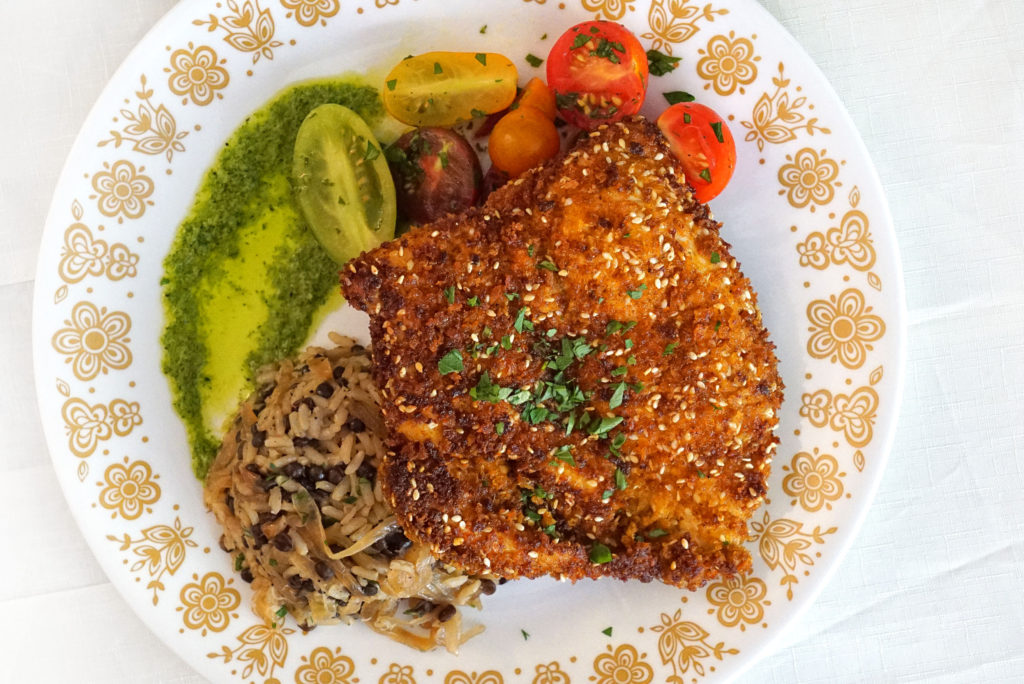
For the main course we had Israeli style chicken schnitzel. This was served with a pilaf of mujaddara rice, beluga lentils and caramelized onions. There was also a marinated heirloom tomato salad and a delicious green herb tahini sauce.
The chicken stayed very tender, and the outer breading was perfectly crisp. The sweet and savory sauce added an interesting flavor element that tied the chicken in nicely with the sides. If you’re a man who loves chicken, then this dish is for you. And if you’re a man who loves making love to chicken, then all-star news anchor Ernie Anastos will tell you what to do:
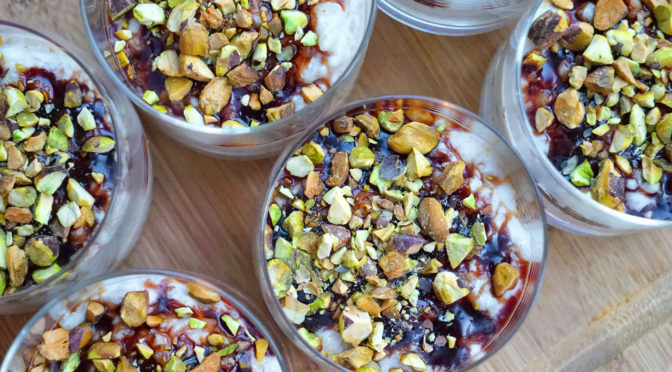
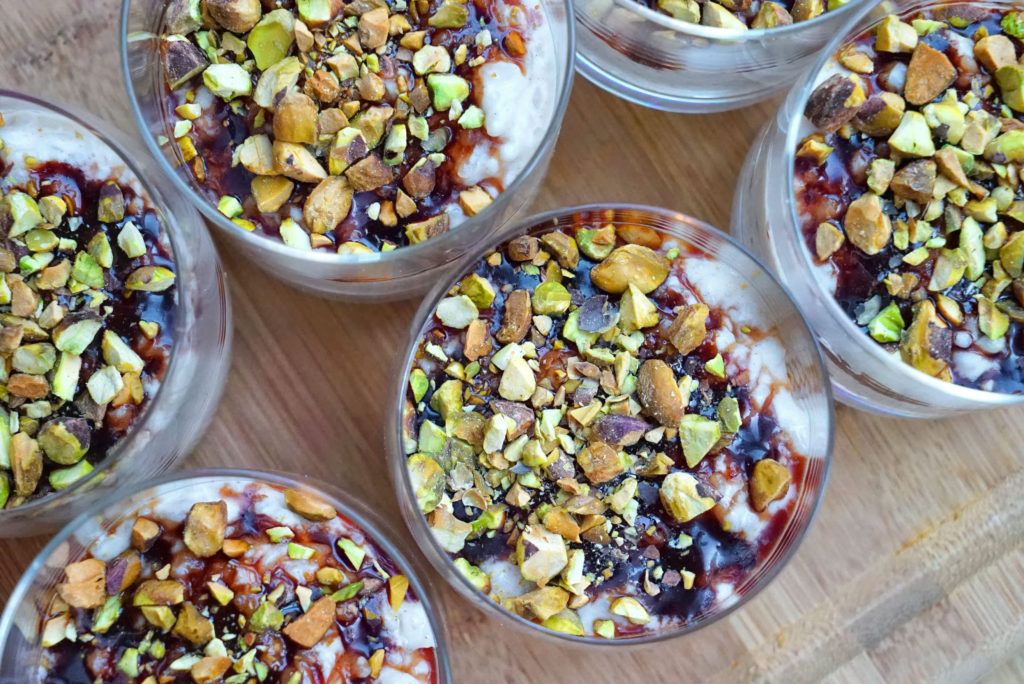
Dessert was a cardamom spiced rice pudding, topped with toasted pistachios and a pomegranate-cherry reduction.
I was never a big fan of rice pudding, but I think now I’m a changed man. This was really fucking good! The cardamom and pistachio combo gave it a distinctly near-eastern flavor profile, and we were all raving about the sweet and tart cherry-pomegranate reduction sauce that was drizzled on top.
In sum, this is a pretty cool service. If this is in your budget (I have no idea what the pricing is like), and you don’t really have time to cook at home for your family, then this seems like a good solution.
Mouth is alive With juices like wine, And I’m hungry like the wolf. -Duran Duran
New York City and its surrounding ‘burbs are well known havens for killer sandwiches and all things tasty that get slapped on or between some kind of bread item. The subs of Long Island, the American heroes of the city proper, and the wedges, hoagies and grinders of Westchester and New Jersey… we have it all here.
In fact, over the centuries this glorious city has taken very kindly to the sandwiches of our rich and diverse immigrant communities, whether it’s Italian sausage and pepper sandwiches, Grecian lamb gyros, near-eastern falafel-stuffed pita, Vietnamese banh mi (with a touch of French colonial influence, of course), or tomato-, cream cheese- and lox-crammed bagels from the Jewish community. We truly are a melting pot that embraces different food cultures. Shit, even just a few weeks ago I had some nice Brazilian sandwiches and burgers in Astoria. The international sandwich community here just keeps expanding.
So what’s left? Which other cultures’ sandwiches are missing from the NYC foodscape? Enter Eastern Europe: Austria, to be precise. At least at first.
Duran Sandwiches was started by the Duran brothers, Tomas and Vladimir, in Vienna, 1969. From there, the family began operating bakeries and restaurants in the city. They later expanded to Hungary, Turkey and the Czech Republic in the 90’s. This joint on 27th and Madison is the first franchise to hit the USA. It’s operated by Hungarian-turned-American Tom Szebeni, who was a TV producer in Hungary, where he used to eat sandwiches at Duran during breaks from work.
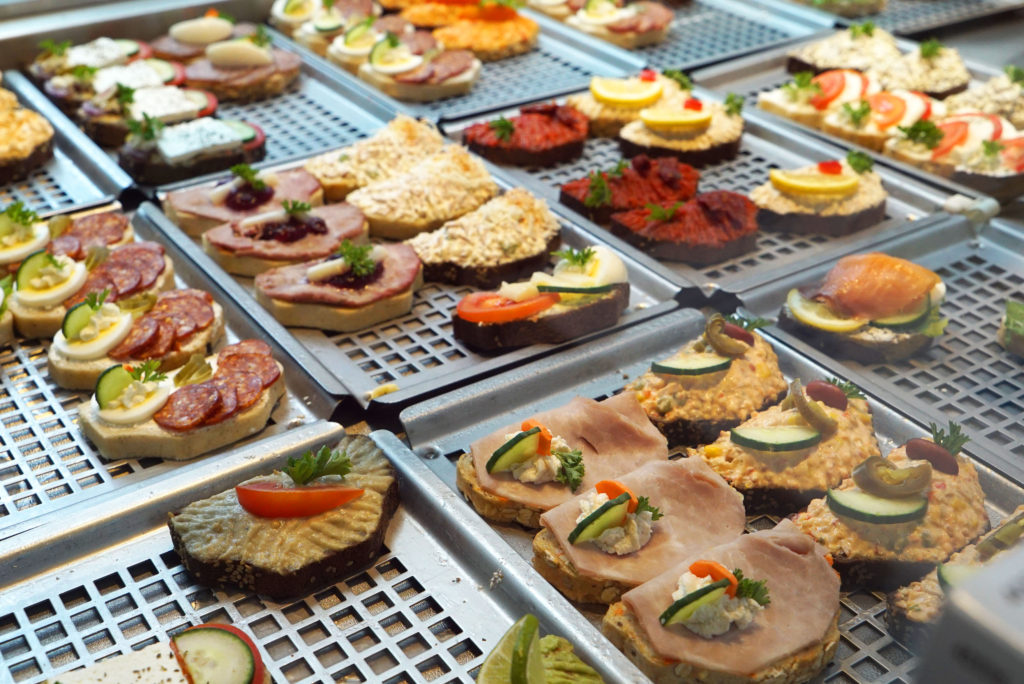
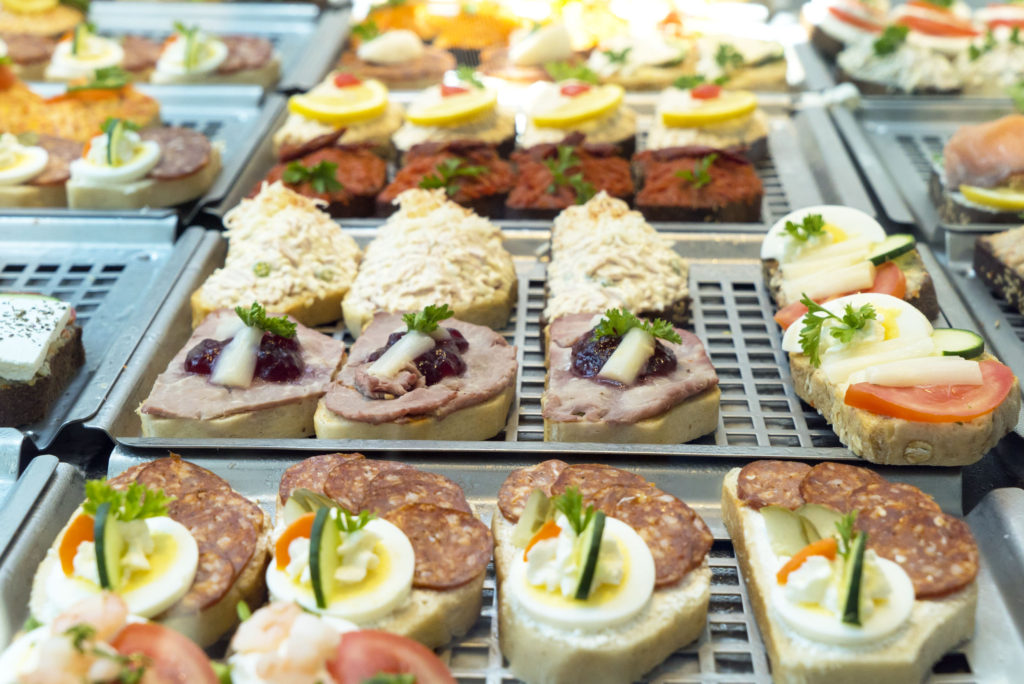
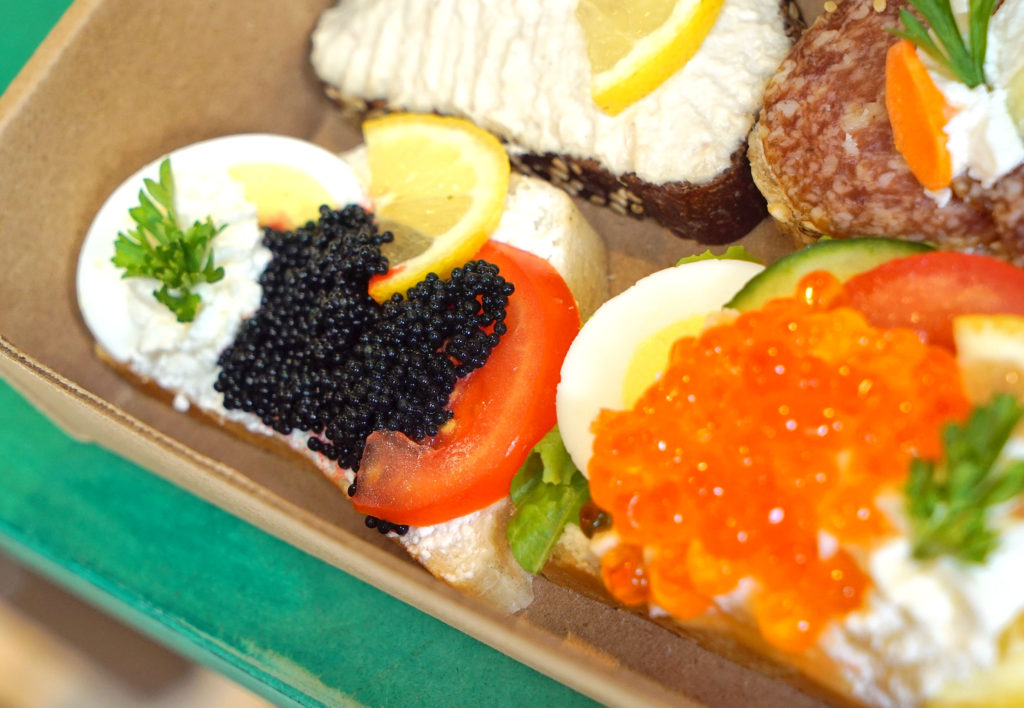
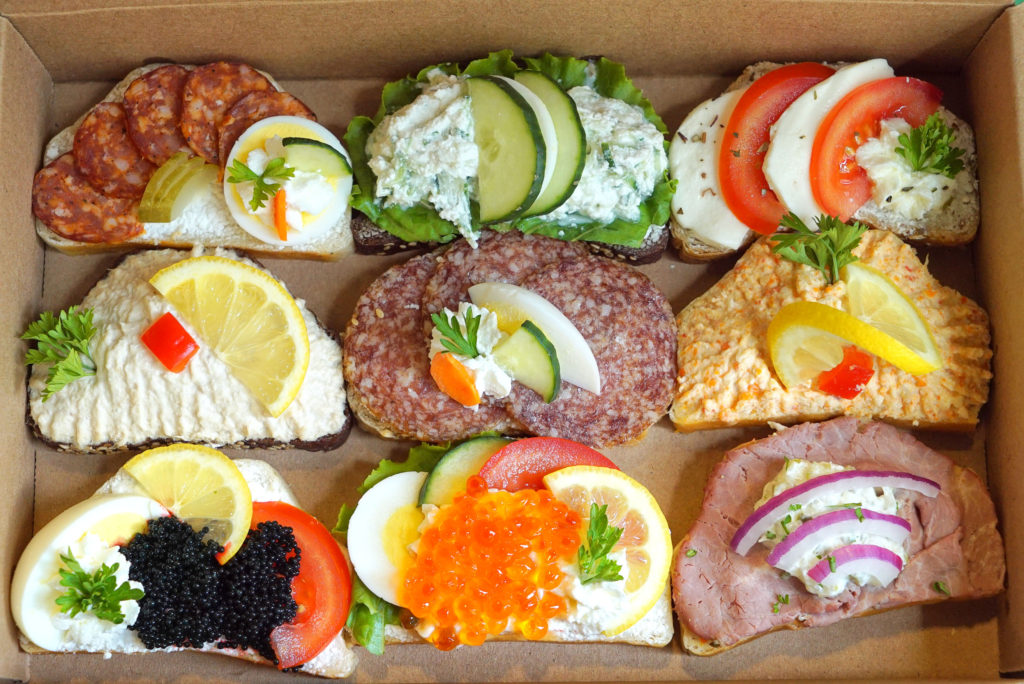
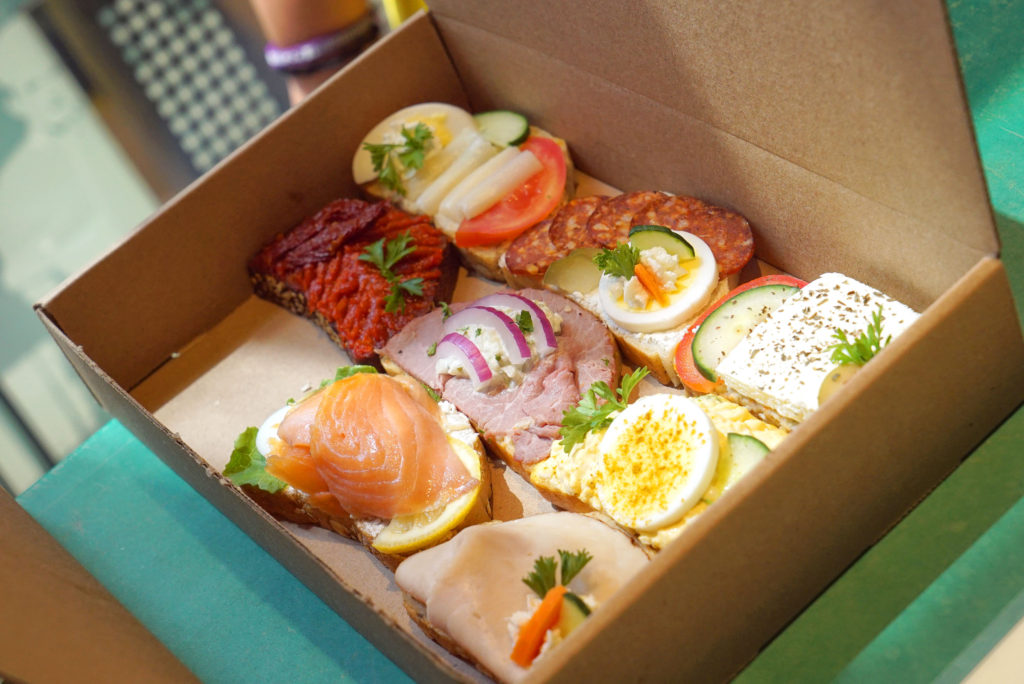
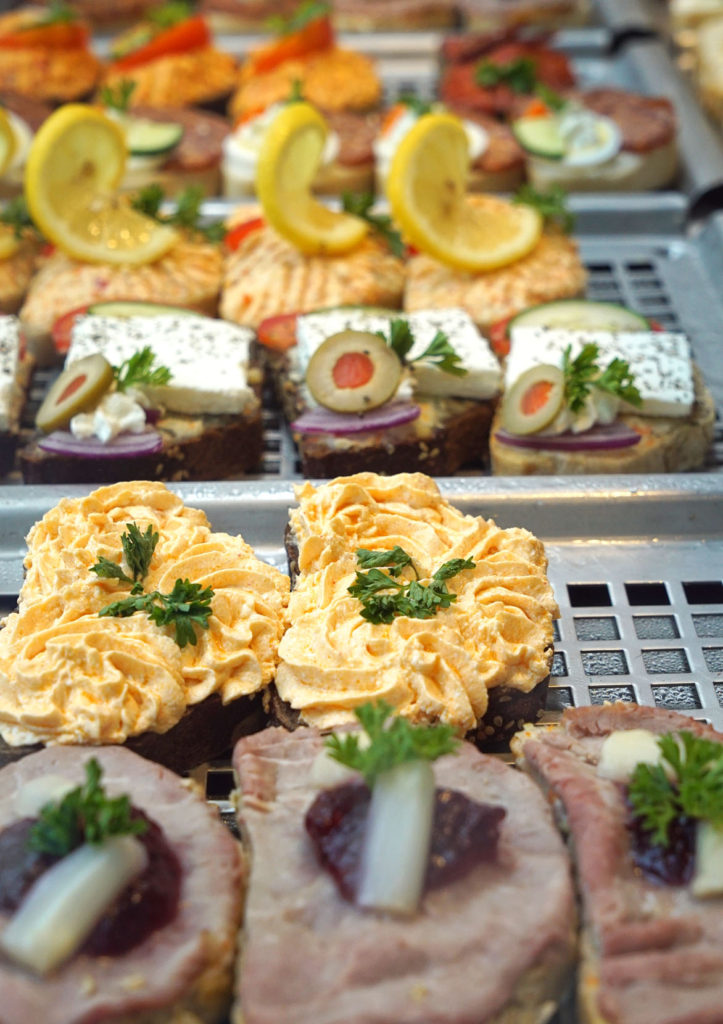
It’s been open since October, and in my opinion the timing couldn’t have been better. “Elevated Toast” has been crushing the food world lately, trending hard, and the concept of Duran Sandwiches is to deliver light, open-faced, cold sandwiches that are clean and easy to eat, don’t fall apart or drip, and focus on high quality, delicious, natural ingredients that happen to be presented beautifully.
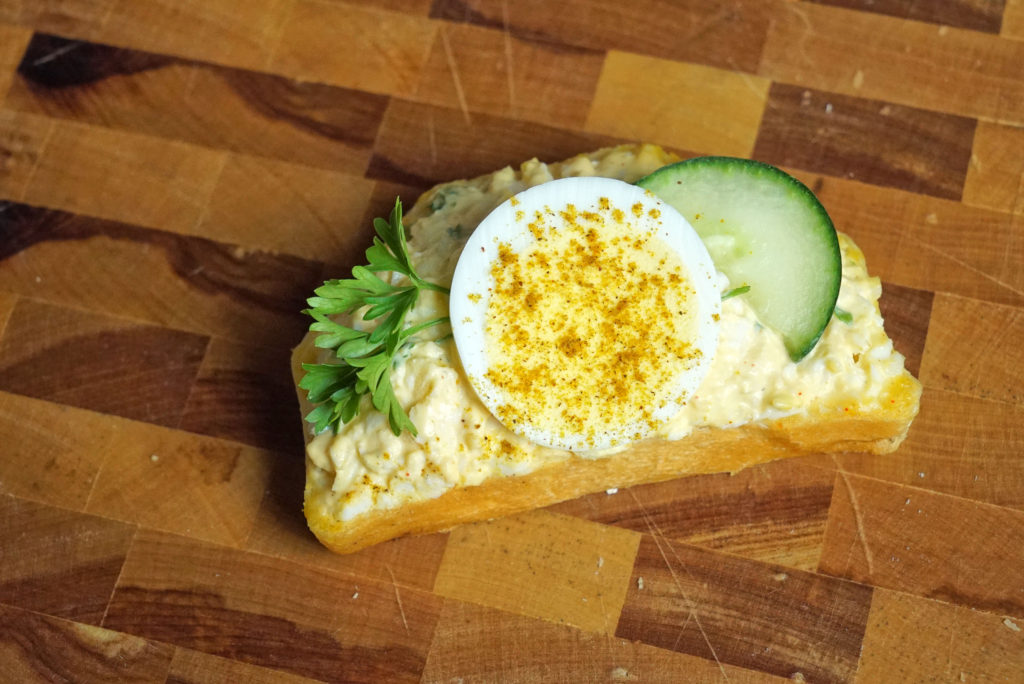
There are three different styles of bread: rye, pumpernickel and whole wheat. Vegan options are available, but the bulk of the menu showcases classic Austrian fare like sausages, salamis, sliced meats, cheeses and cream-based salads.
The sandwiches range from about $2.50 to $3.50 each, and there are nearly 40 different sandwiches you can choose from.
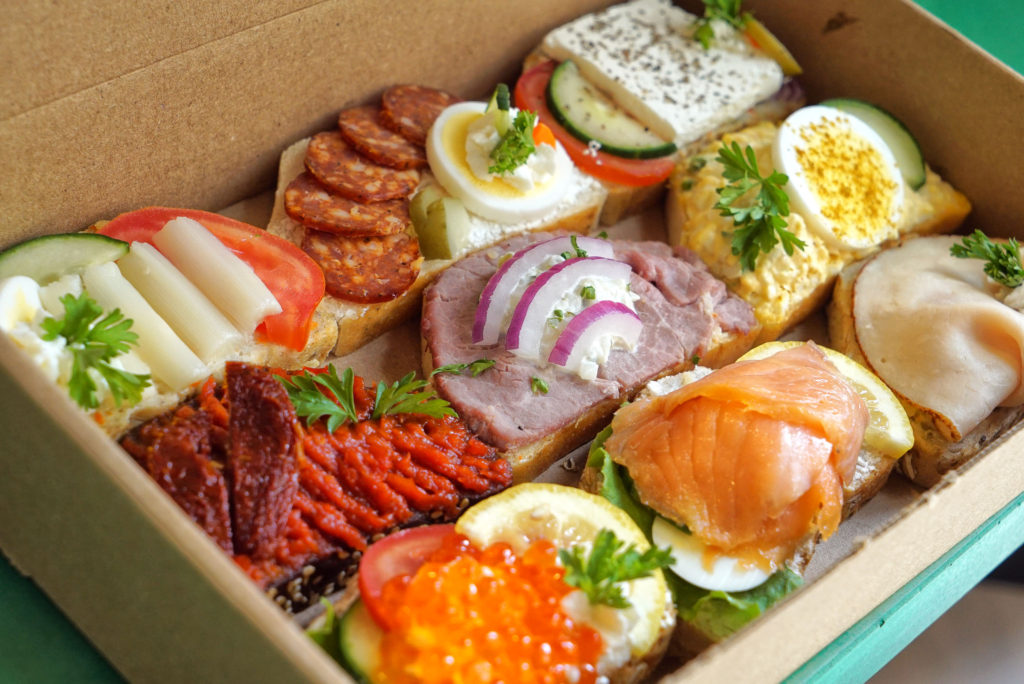
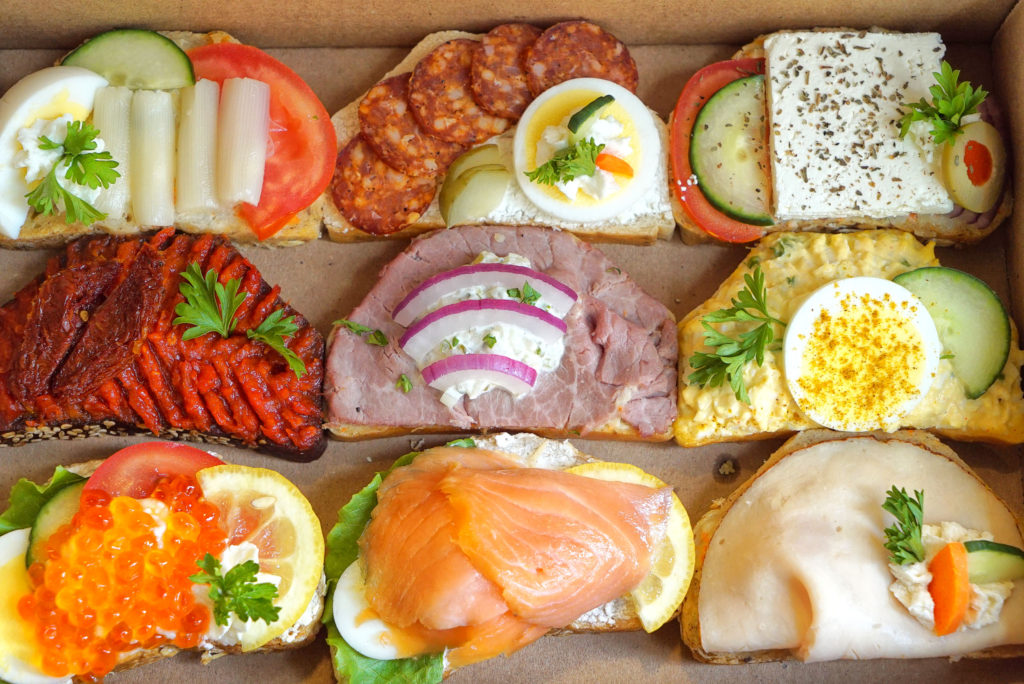
I was invited in for a press tasting by my friend Jay at The Dishelin Guide and Duran’s PR folks, Benvenuti. You guys know I’m brutally honest in my reviews. If something bugs me, I say it! And that’s regardless of whether it was free or for the press. I must say: I was really happy with this place. My first instinct was “I’m not going to get full, these sandwiches are too small.” But after about five I was stuffed. That’s only about $13-$15. Not bad at all! But then Tom kept feeding us more and more, and since they were so good we couldn’t stop! I think we ended up trying eight or nine in the store, and then Tom packed up a box of nine for each of us to go.
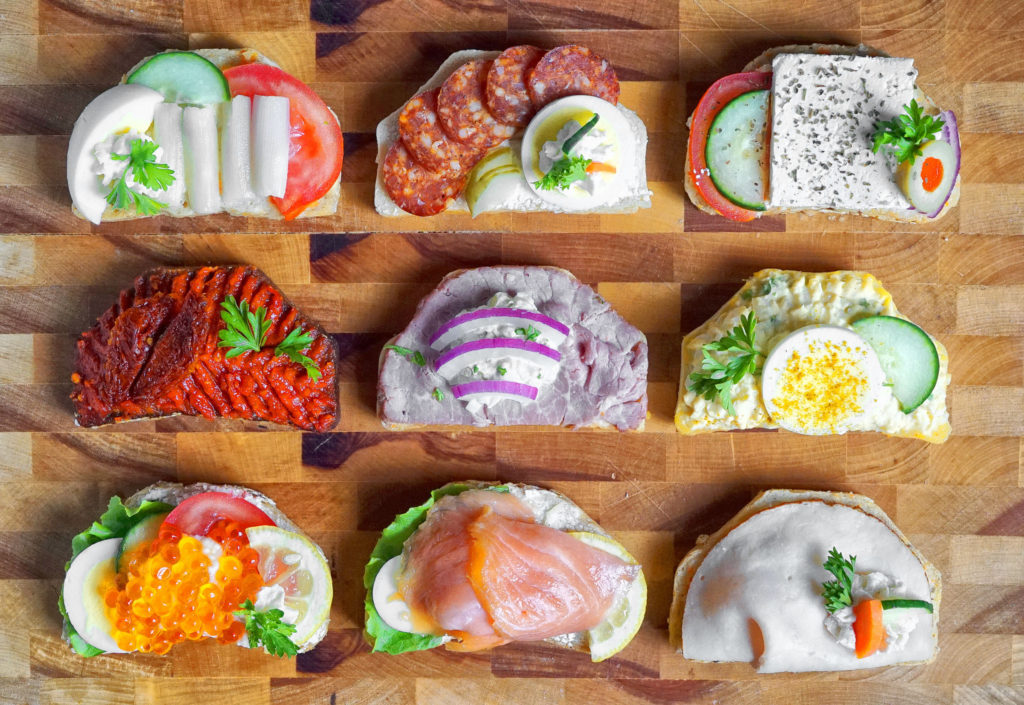
All in, I tried about 15 different sandwiches. They break down into three categories: meat, fish and vegetarian.
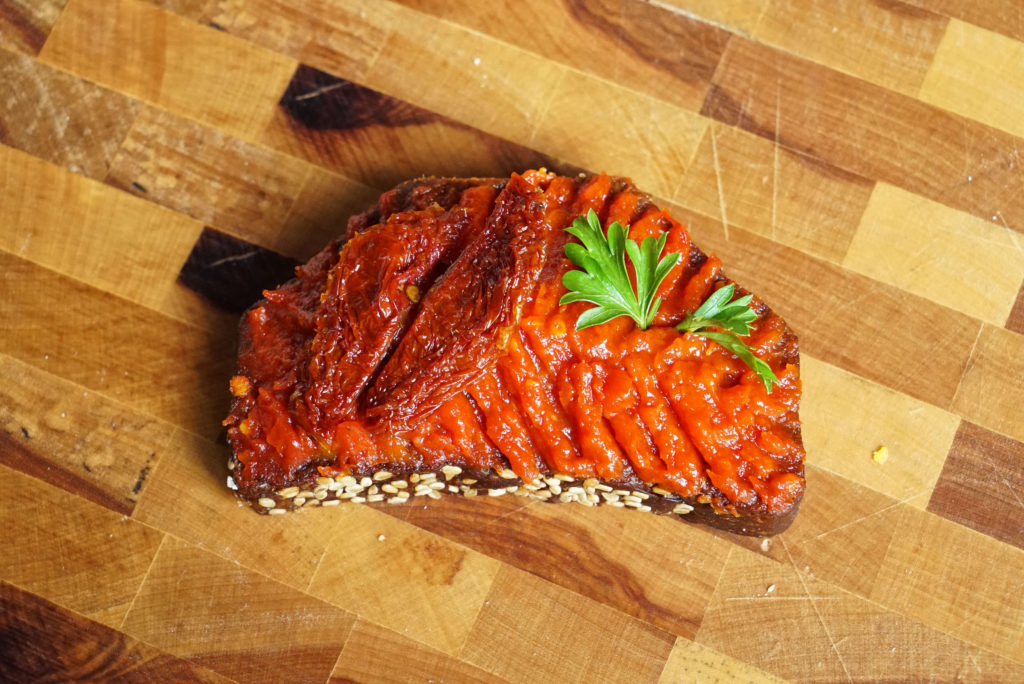
My favorite vegetarian sandwich was probably the the sun dried tomato and date sandwich. The fresh tomato and sun dried tomato had just the right amount of sweetness added in from the dates, and that struck a perfect balance. Pretty funny: The steak guy ended up loving the vegan option!
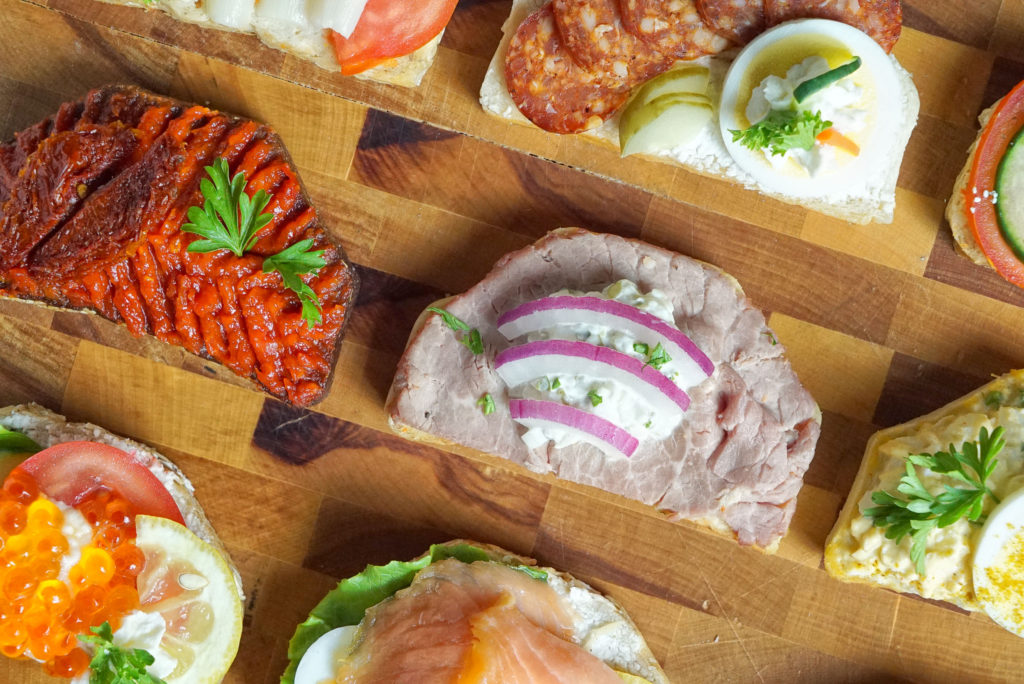
Sun Dried Tomato & Date: fresh tomato, sun dried tomato and dates.
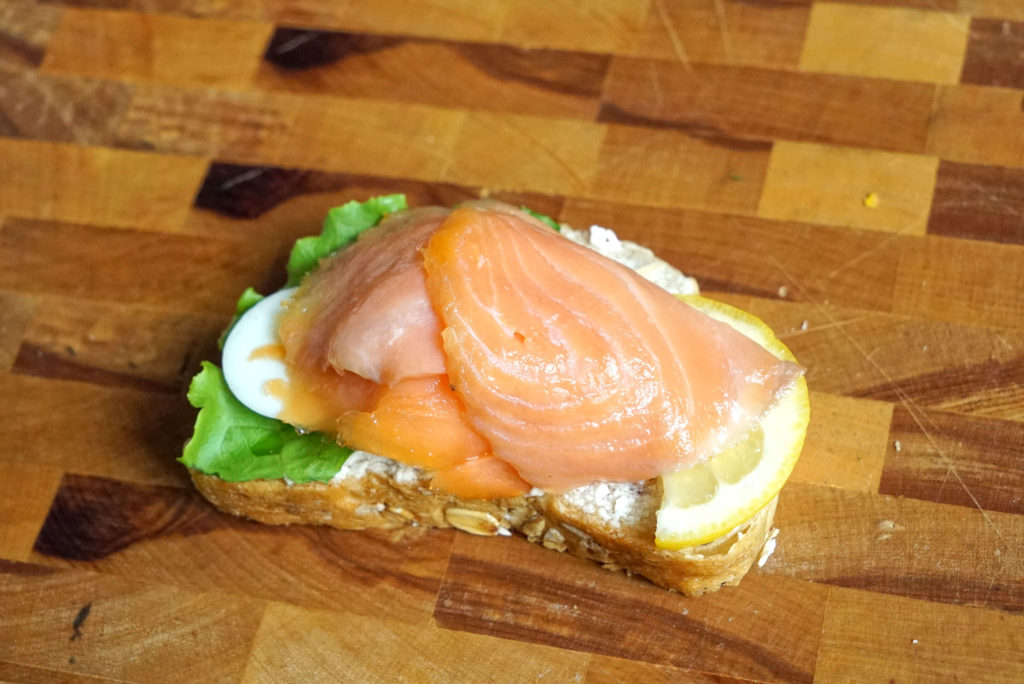
As for the fish, I liked the salmon sandwich. Resting beneath the smoked salmon was a scoop of celery root salad that was really unique and flavorful. To me, this made for a much better cream element for the smoked salmon than the more familiar cream cheese. And, in fact, you can get just that celery root cream salad by itself, on its on sandwich, if you want.
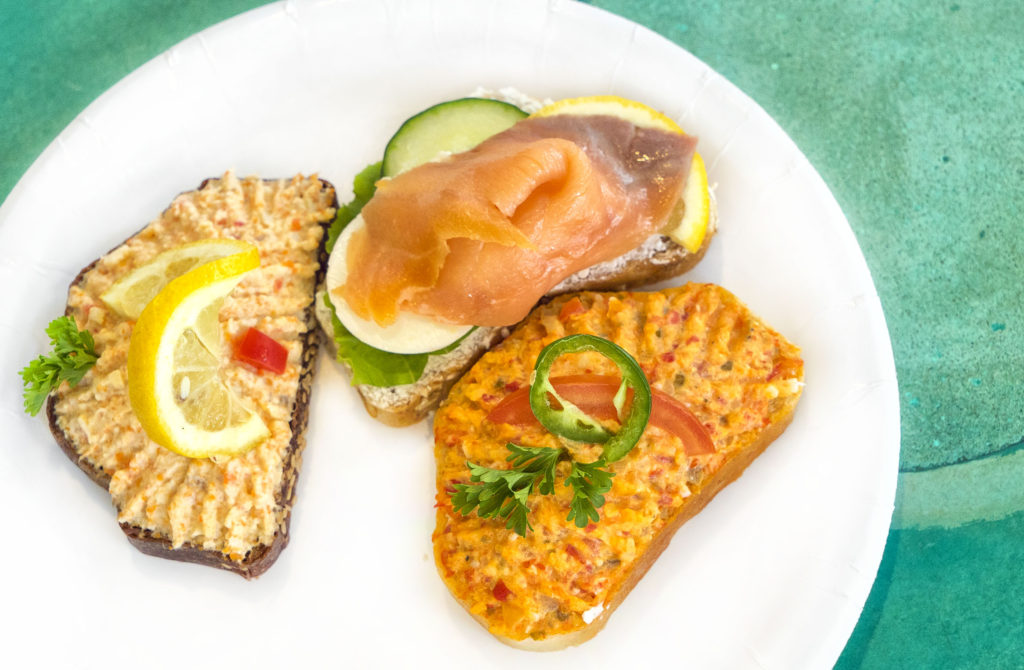
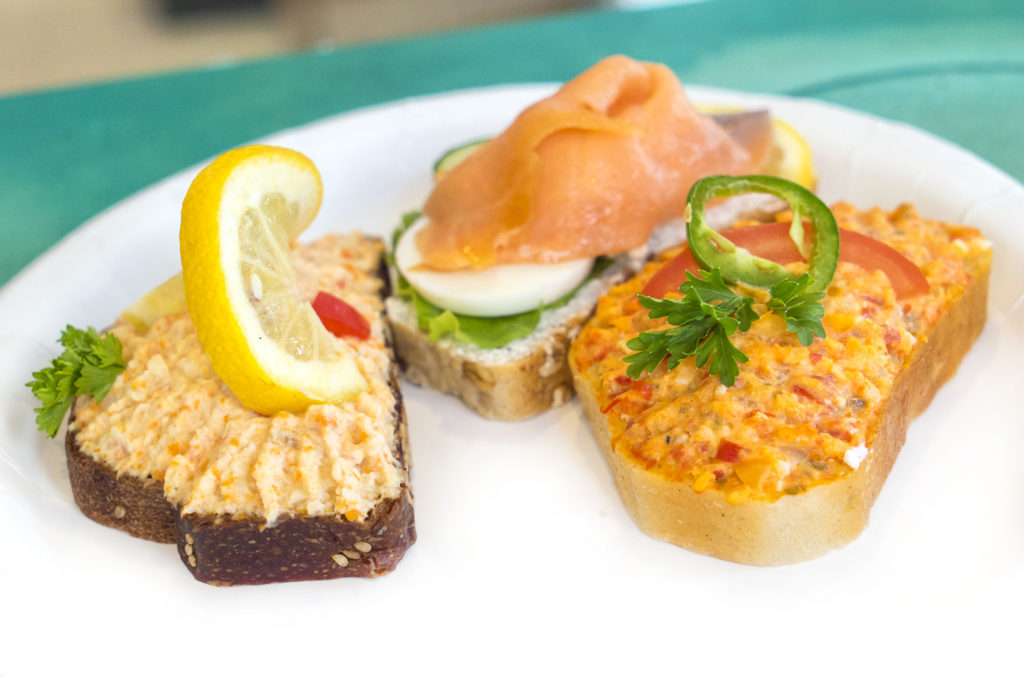
Salmon: smoked salmon with celery cream, lettuce and dill.
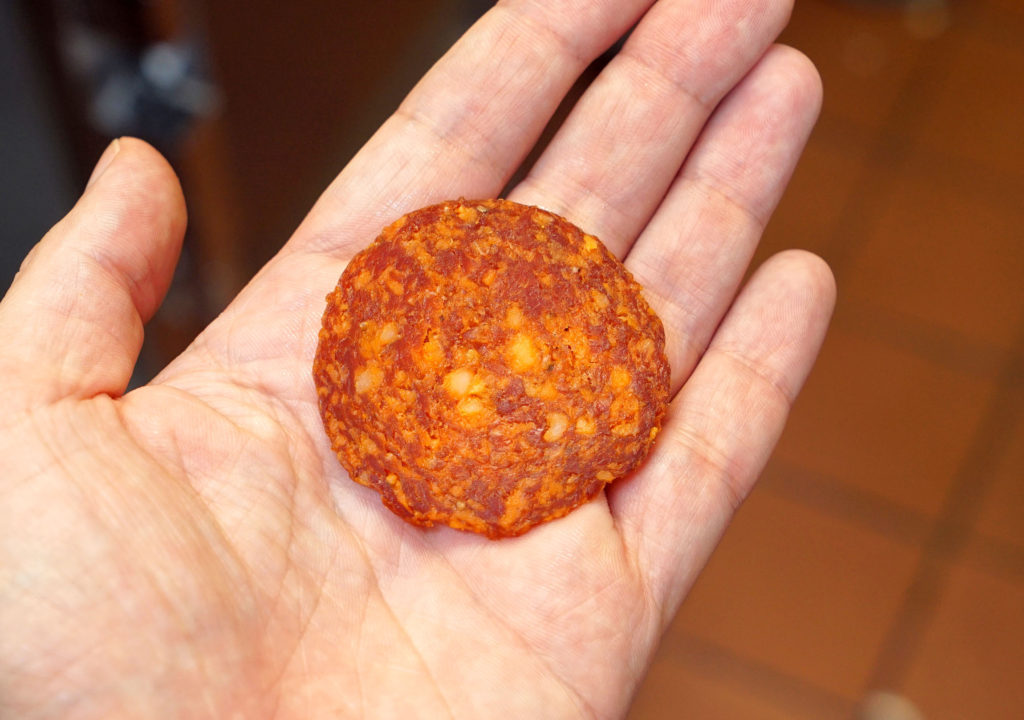
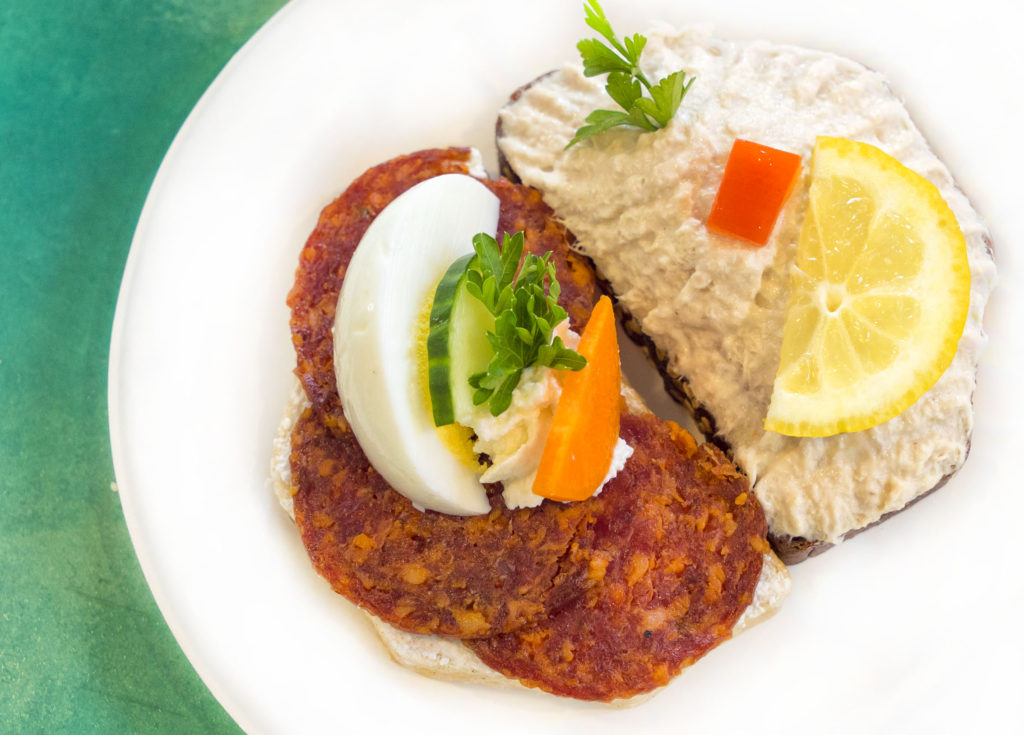
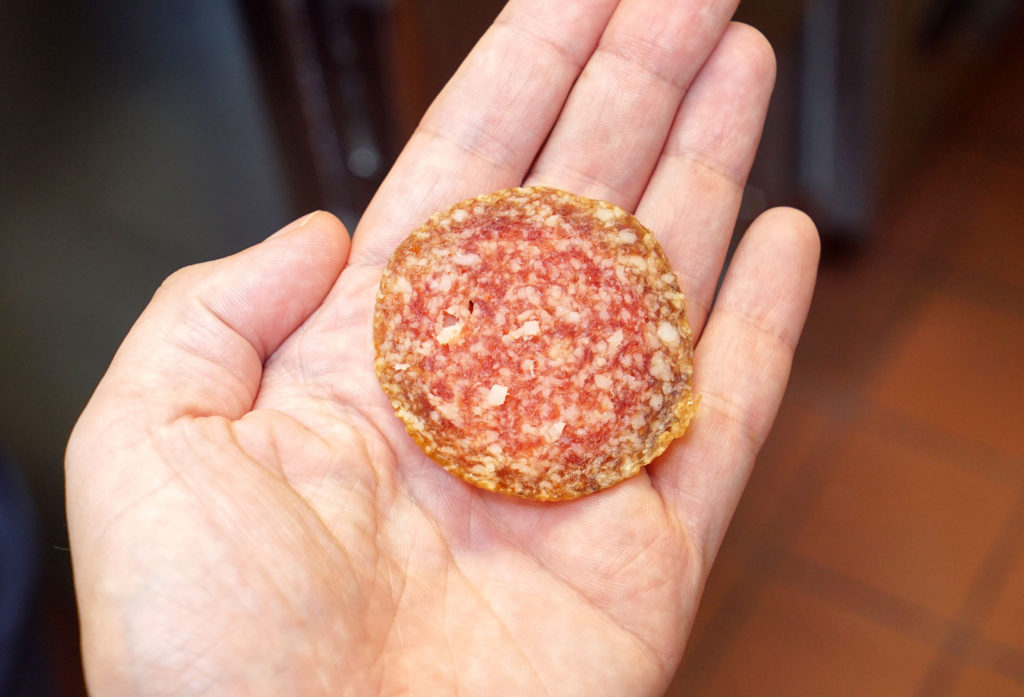
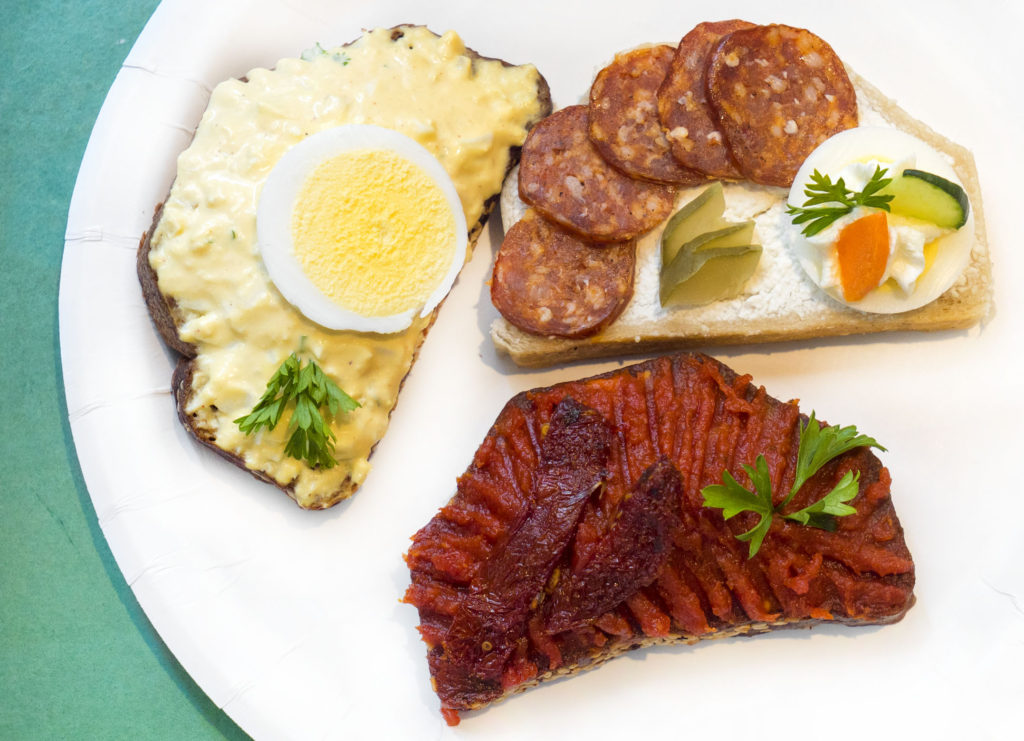
My favorite of the meat sandwiches was the spicy Hungarian salami. It had great fat flavor content, it was super soft and tender, and had a really nice spice level to it. In fact I might have to find out where Tom gets the salami, so I can keep some stocked in my fridge at all times. If not I’ll just have to keep coming back here! I even got to sample the slices of salami by themselves back in the kitchen.
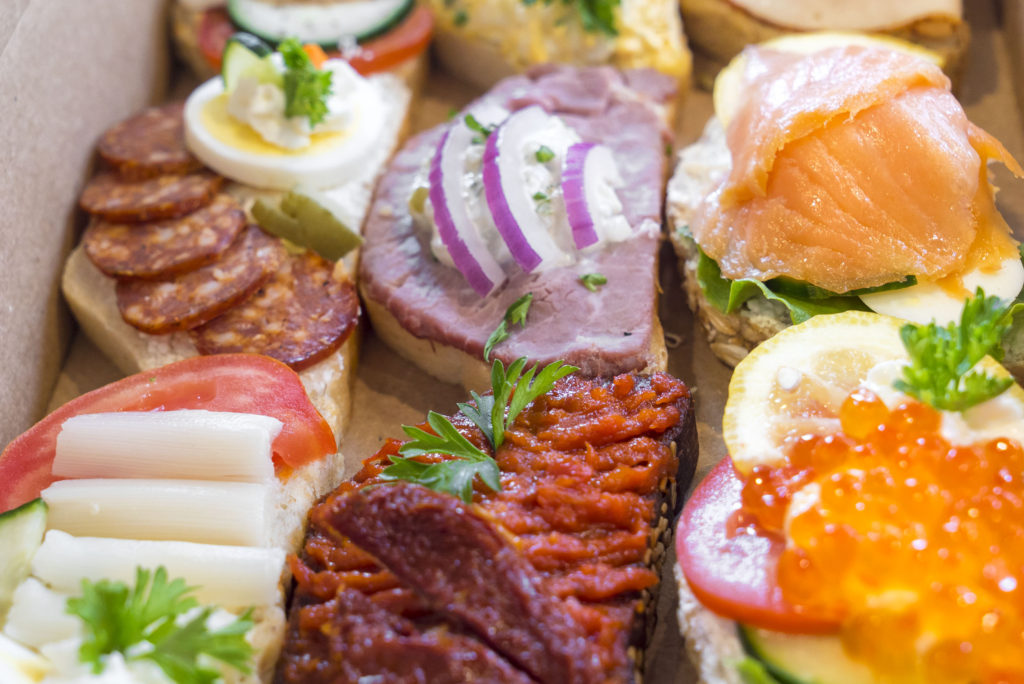
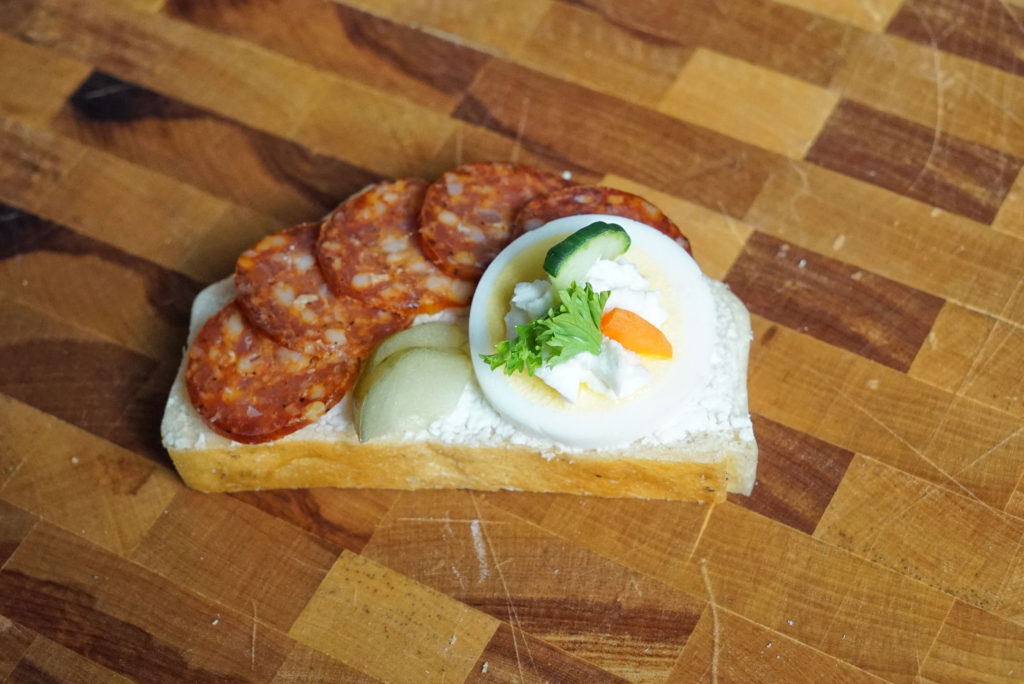
Spicy Hungarian Salami (left): spicy salami with Duran spread, boiled egg, cucumber and carrot.
Here are the others I tried:
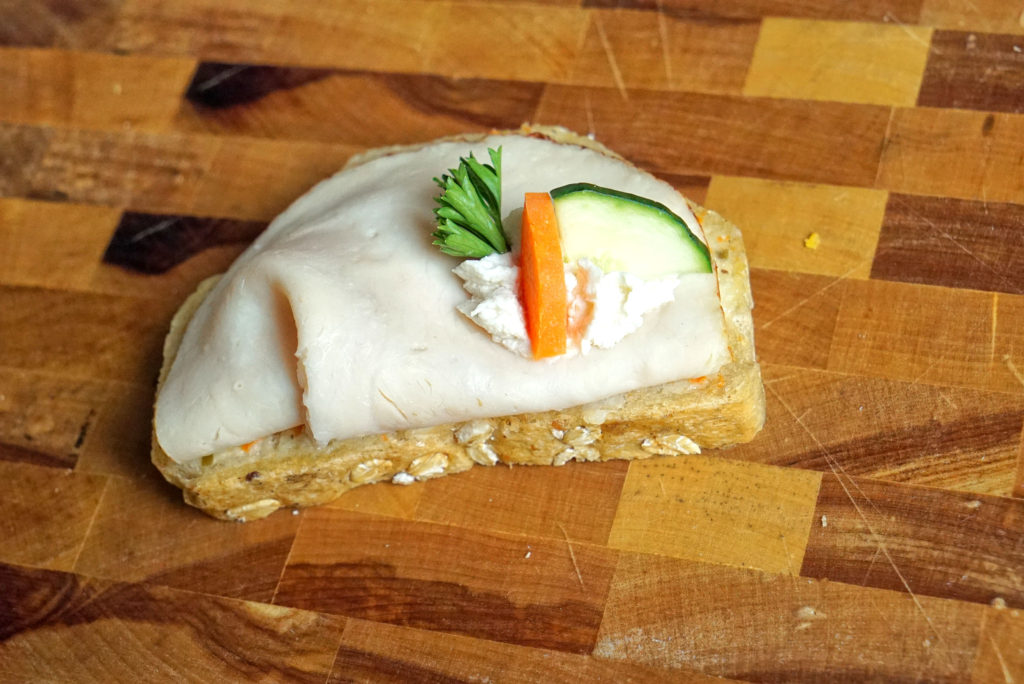
Turkey Breast: carved turkey breast with horseradish cream, Duran spread, carrot and cucumber.
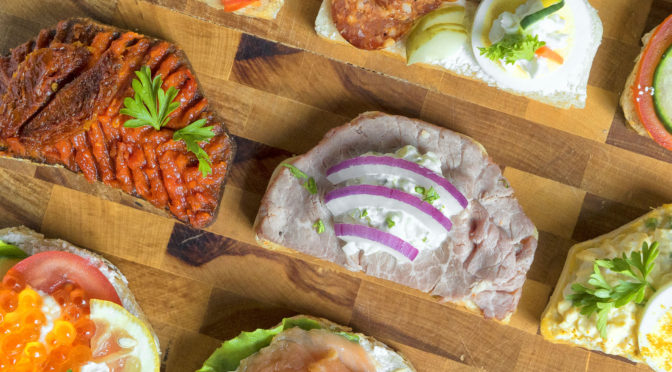
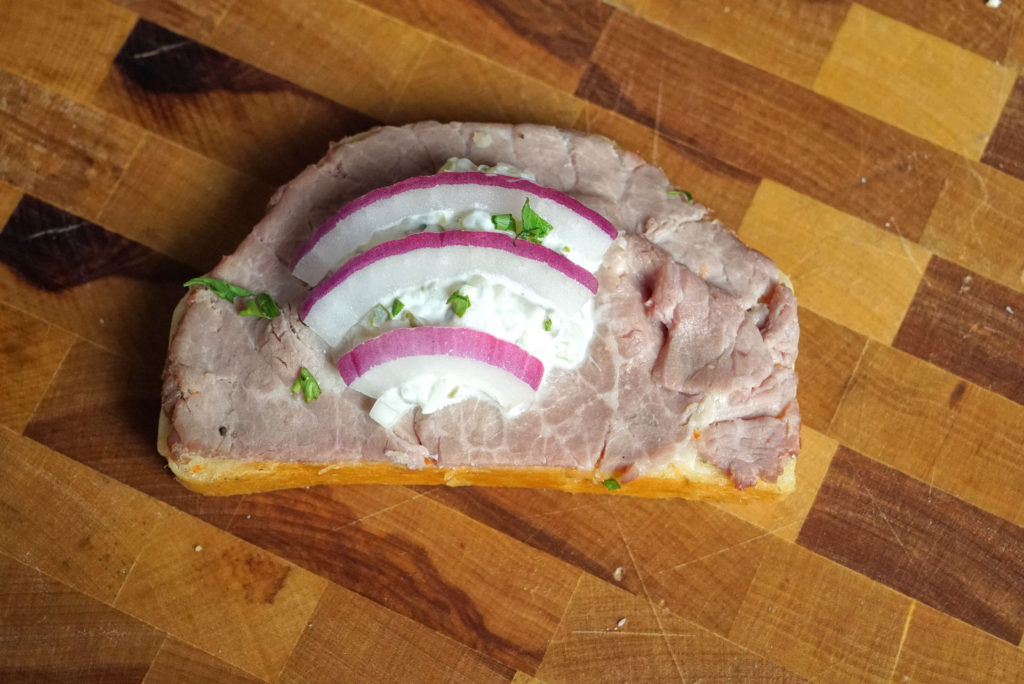
Roast Beef: carved roast beef with Duran spread, onion and chives.
Traditional Hungarian Salami (center): salami with Duran spread, boiled egg, cucumber, and carrot.
A salami sample from the kitchen:
Traditional Hungarian Sausage: paprika sausage with Duran spread, pickles, carrot, boiled egg and cucumber.
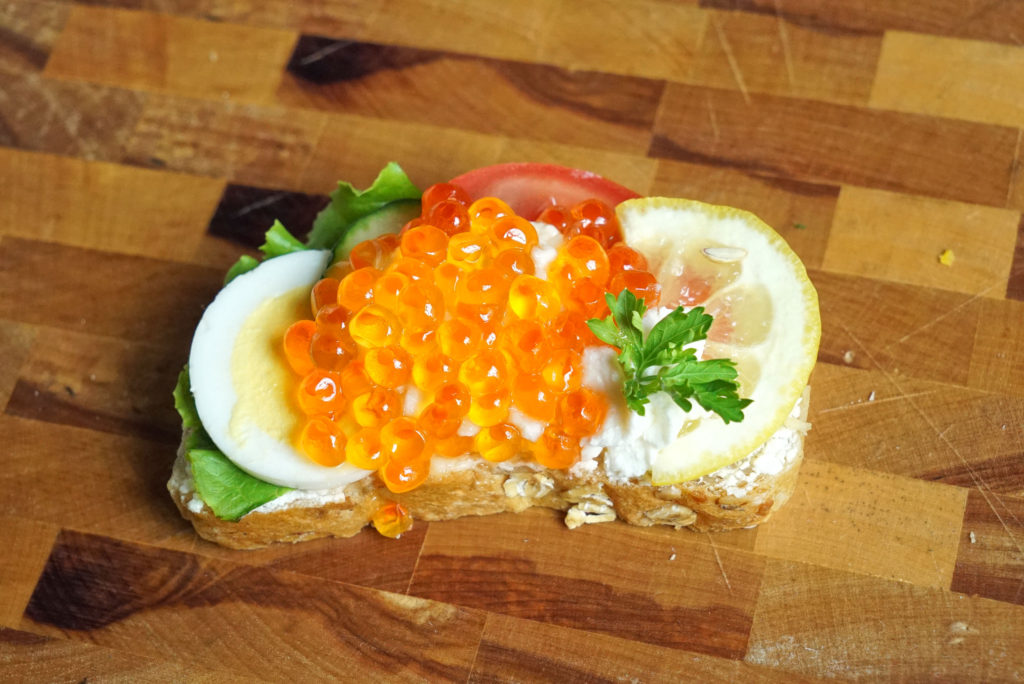
Salmon Caviar: salmon caviar with Duran spread, lettuce, boiled egg, tomato, cucumber and lemon.
Tuna Salad (right): tuna in water mixed with tuna in oil (makes for a very creamy tuna salad), with tomato, onion and lemon.
Lobster Salad (left): lobster salad, tomato and lemon.
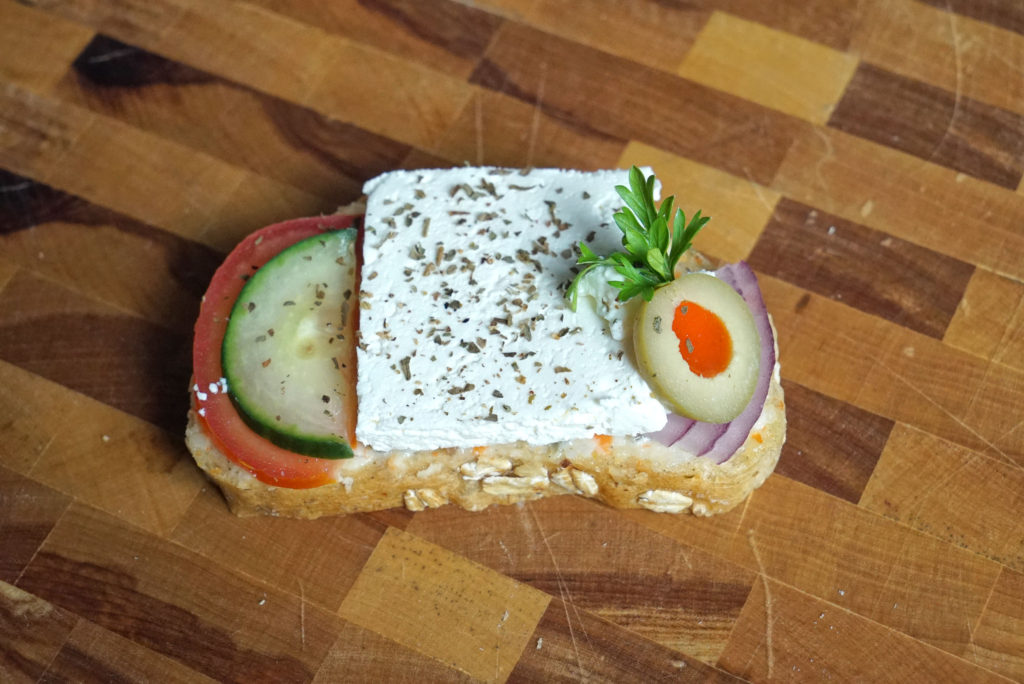
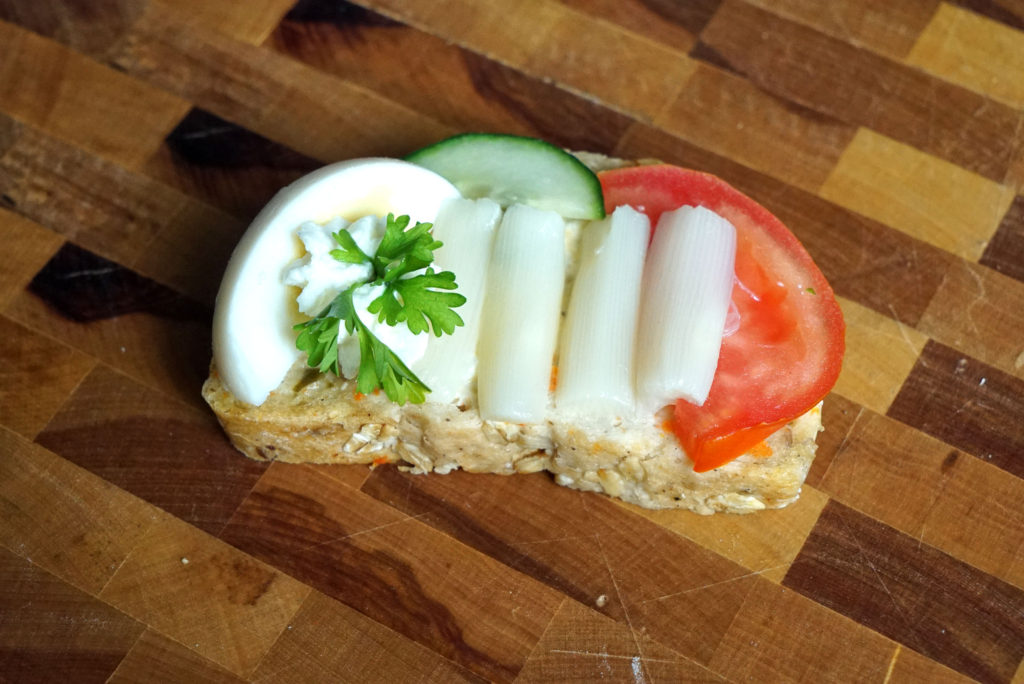
Asparagus: pickled asparagus with farmer’s cheese, cucumber, boiled egg and tomato.
This place is a lot of fun, and it’s perfect for summer eating, since it’s cold, not messy, and easy to eat. In fact, if my wife and I ever throw another scotch party at our place, I’m going to cater it with Duran Sandwiches instead of busting my ass cooking for it! A large chunk of their business, both here and overseas, revolves around external catering, providing food for corporate functions, private parties, etc. The full-sized sandwiches lend themselves well to hors d’oeuvres or tapas, but Duran also caters bite-sized, circular versions of every sandwich for even easier, mess-free eating.
DURAN SANDWICHES
62 Madison Ave
New York, NY 10016