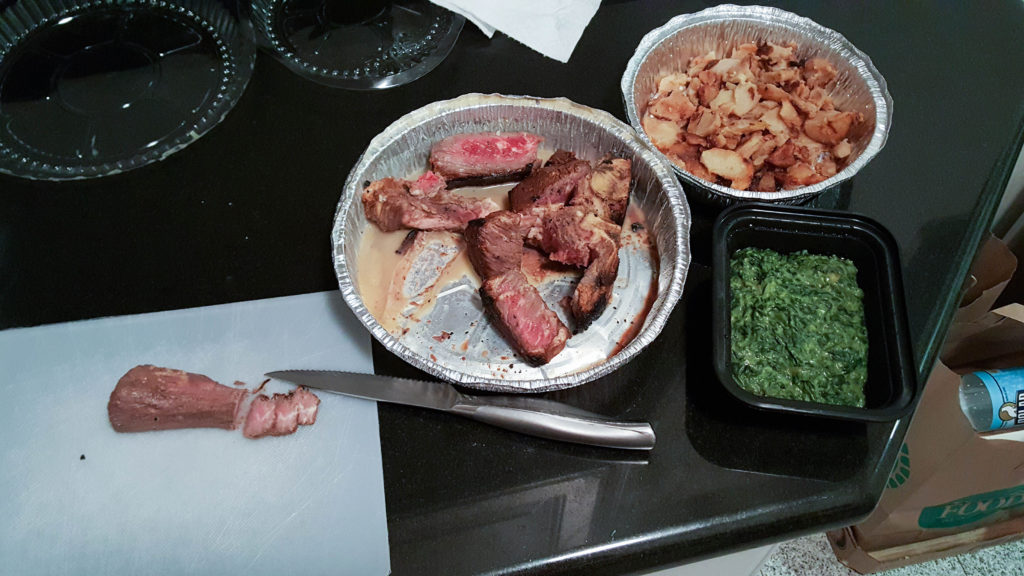
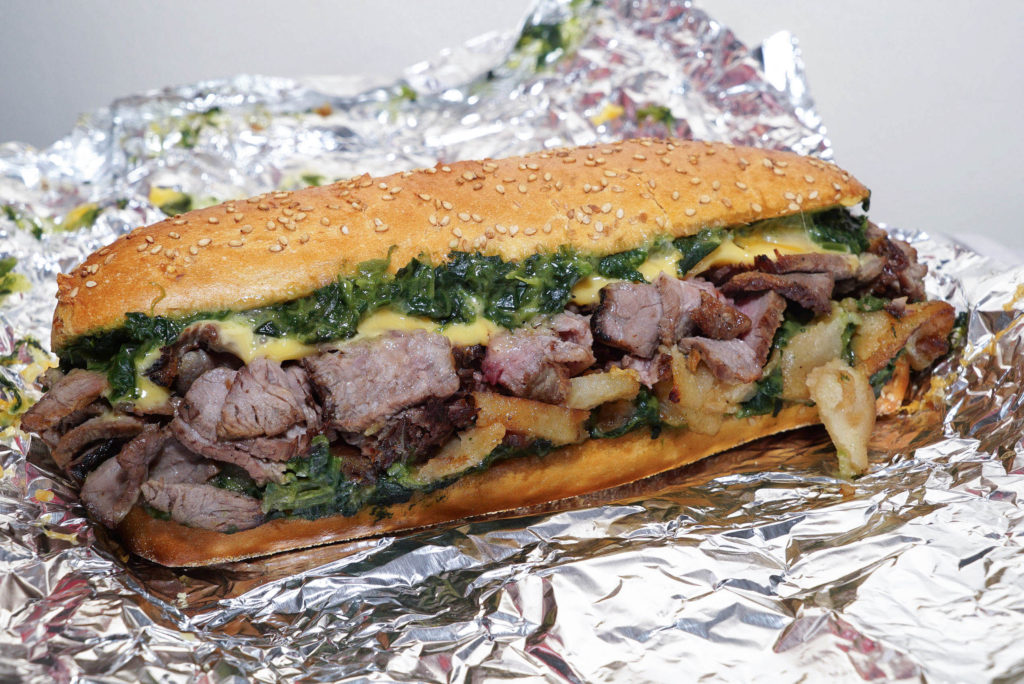
I hate wasting food, but I’m also not a fan of leftover steak. That’s why I will always try to finish every scrap of meat on my plate. But sometimes you just can’t pack it all in, and you have to bring some of that meat home. If you’re like me, you don’t like to re-heat quality meat. Something just changes and it’s not the same.
I’ve had some sliced cold in a salad before, but I also hate salads. I’ve also made a lot of beef stocks and broths with bones and meat scraps. But making the same thing can get tiring, and that’s a long process as well. So I came up with this recipe to satisfy my urges.
What you need:
Leftover steak
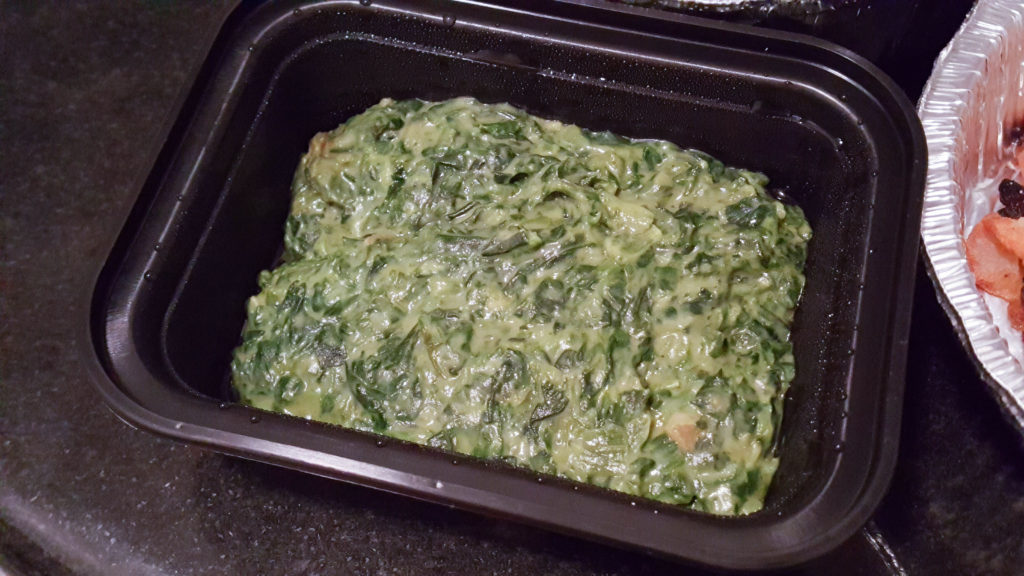
Leftover creamed spinach
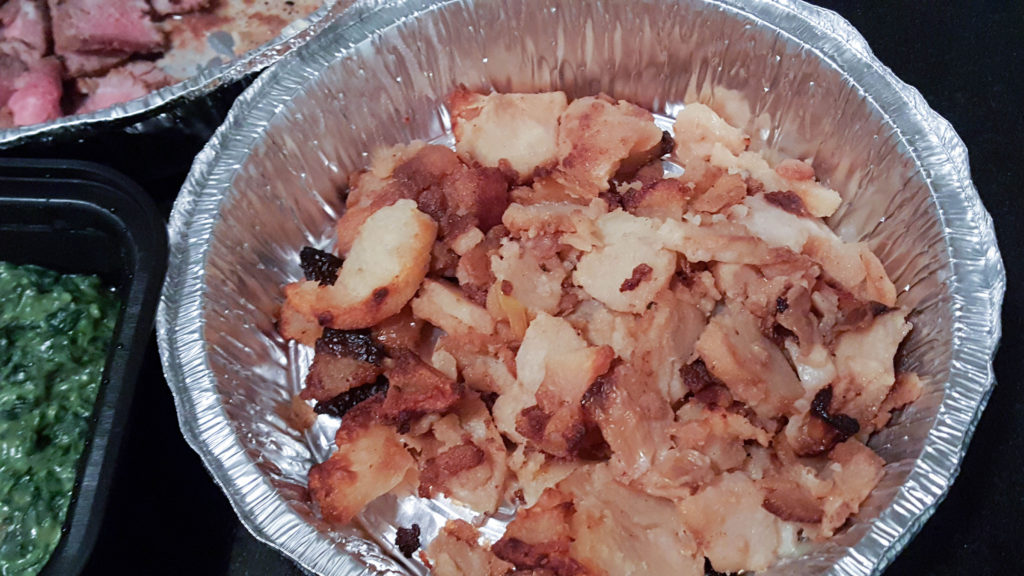
Leftover potato element
Cheddar and/or American cheese
Sub sandwich bread
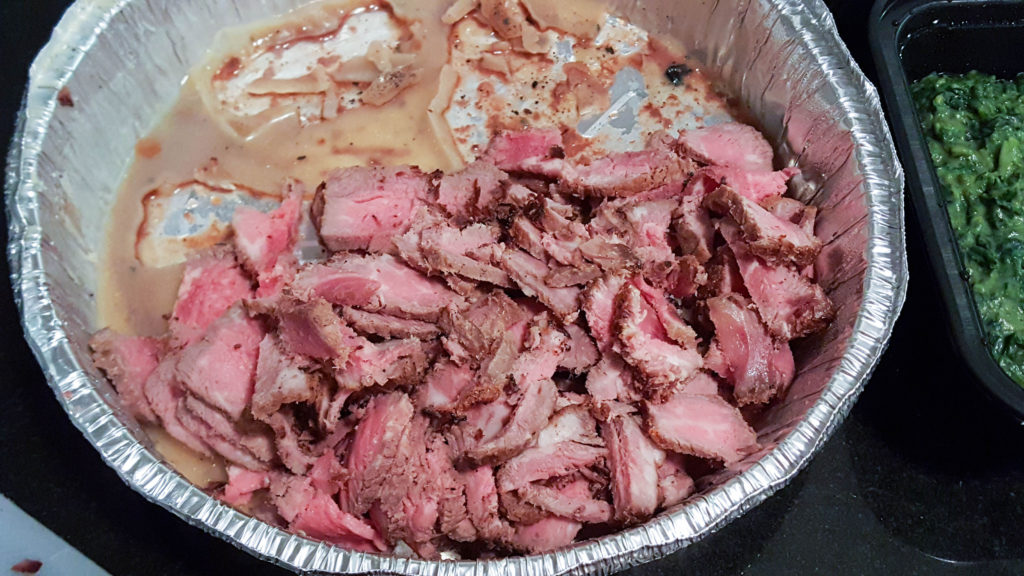
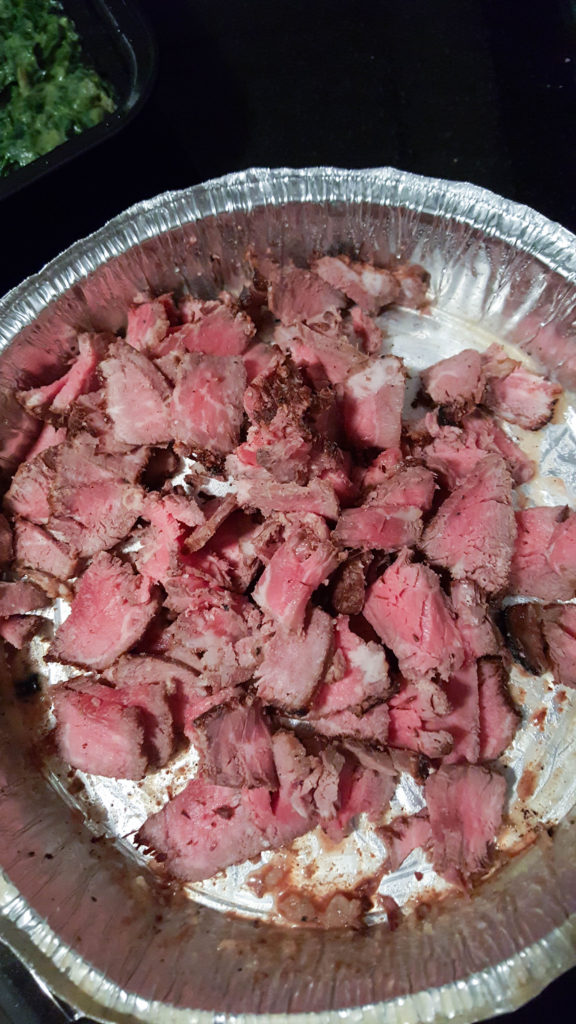
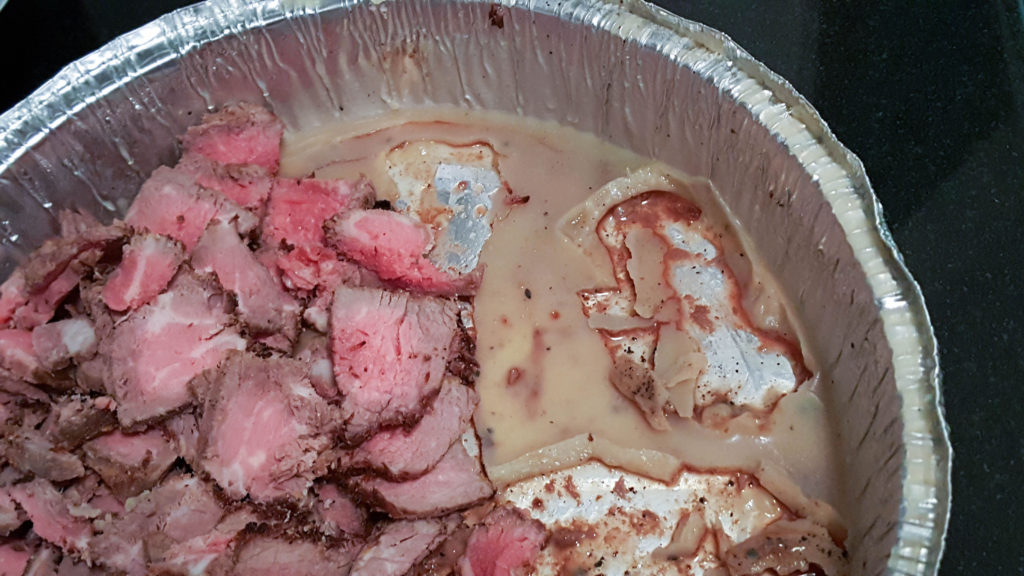
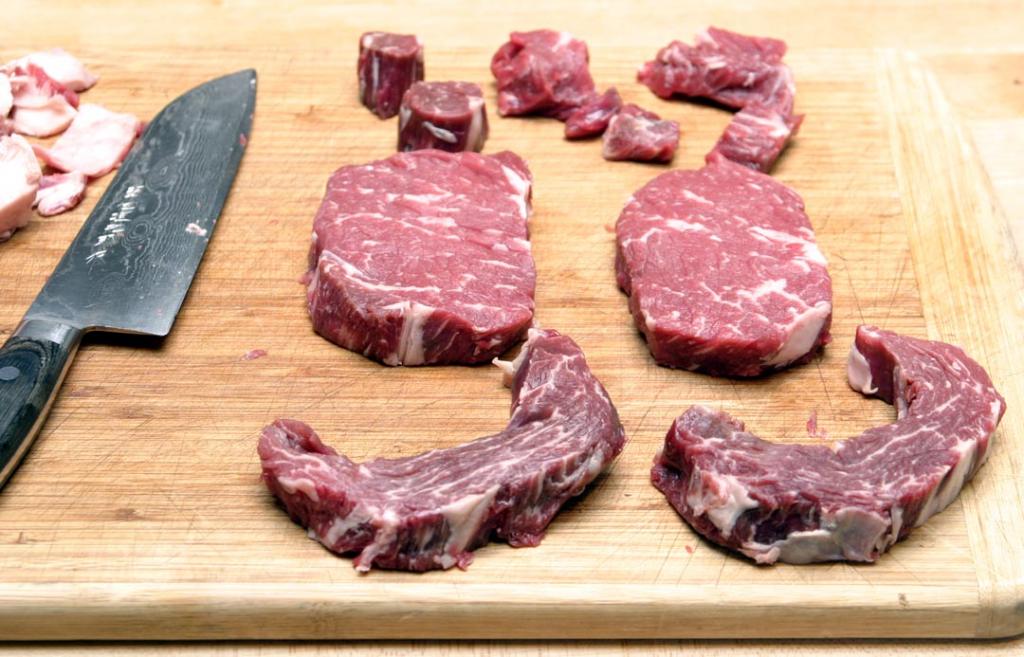
Okay so here’s how it goes down. First, slice up your leftover steak scraps as thin as you can get them.
Inevitably, you’re going to have some congealed beef fat mixed with butter in the bottom of your take-out container.
Don’t throw that away!
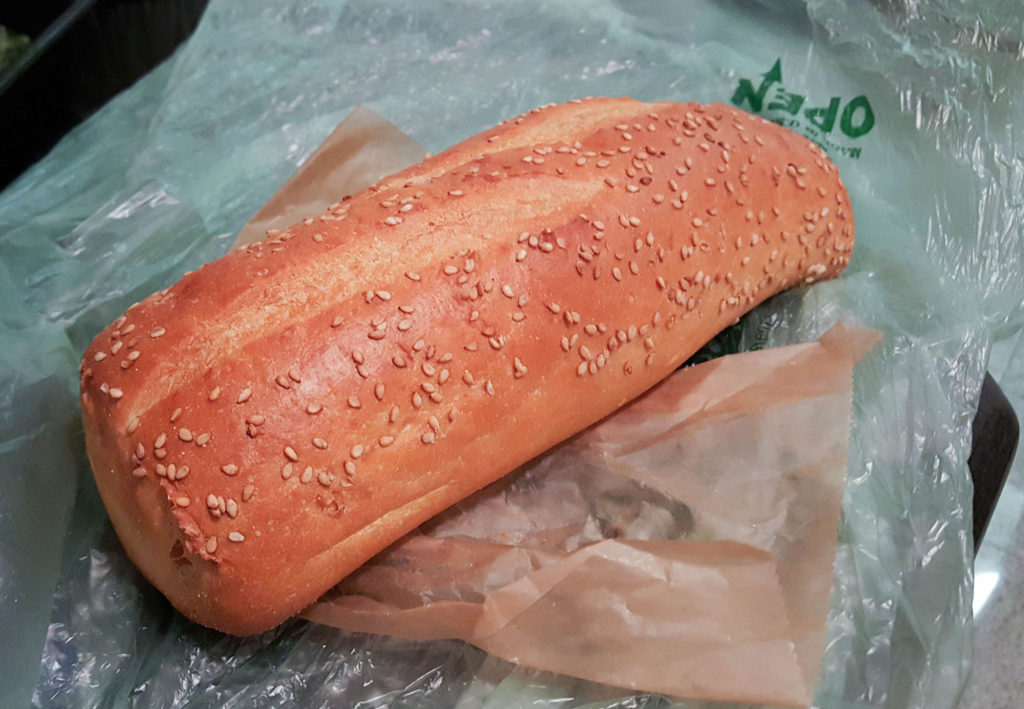
Grab your bread.
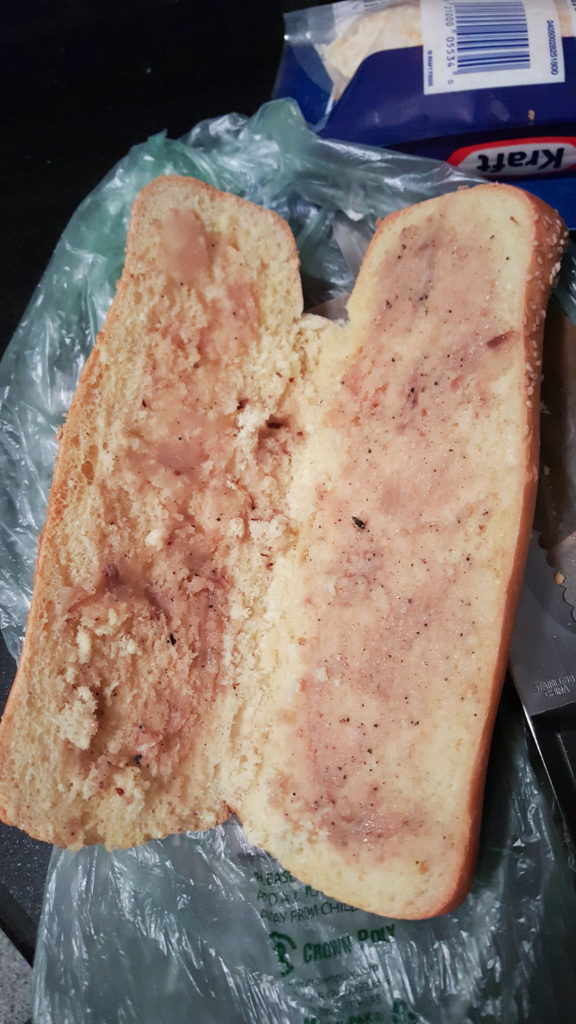
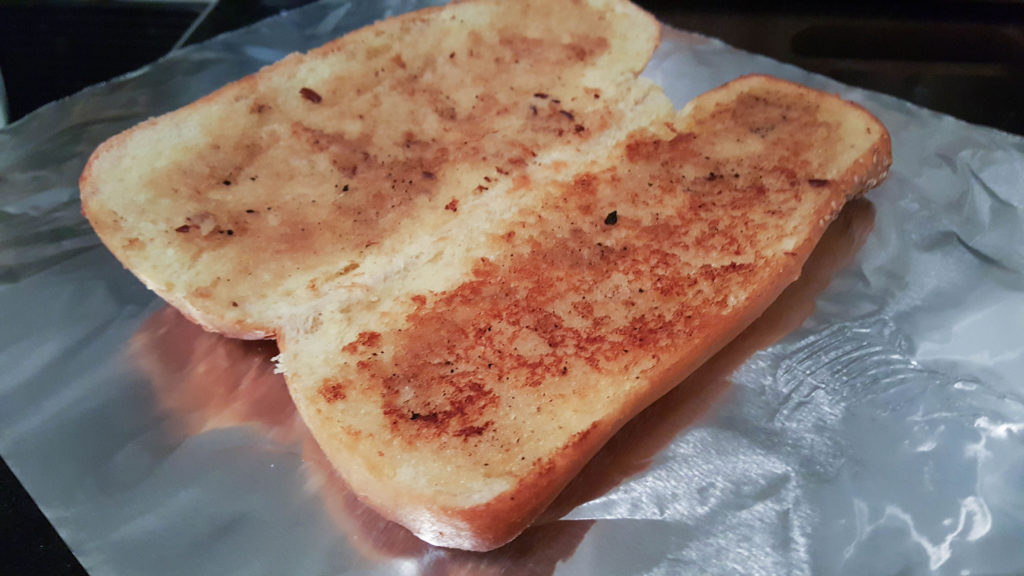
Slice it open and spread that buttery beef fat onto each side of your bread, like so, and then heat up a pan.
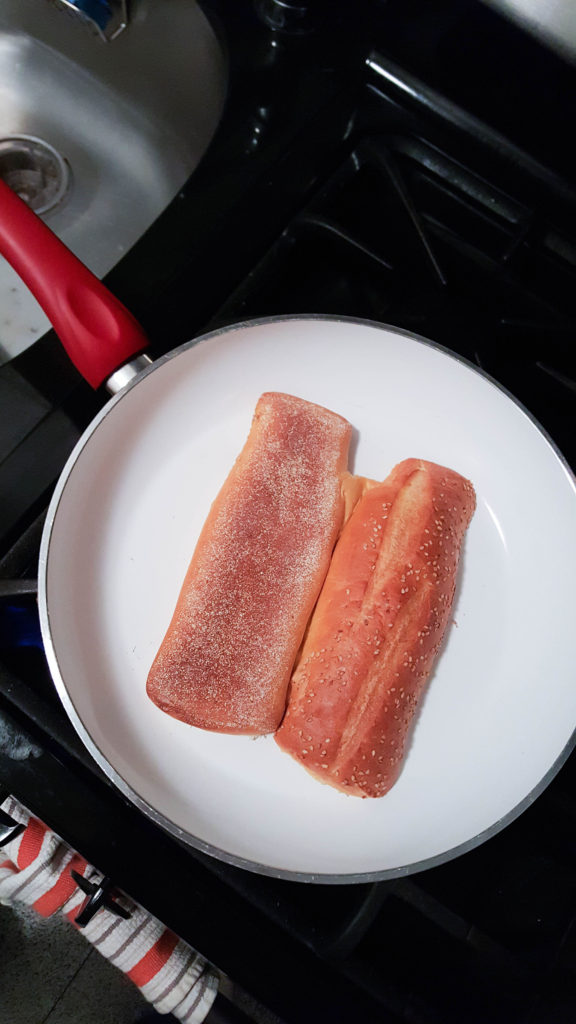
Toast this baby as if it were grilled cheese.
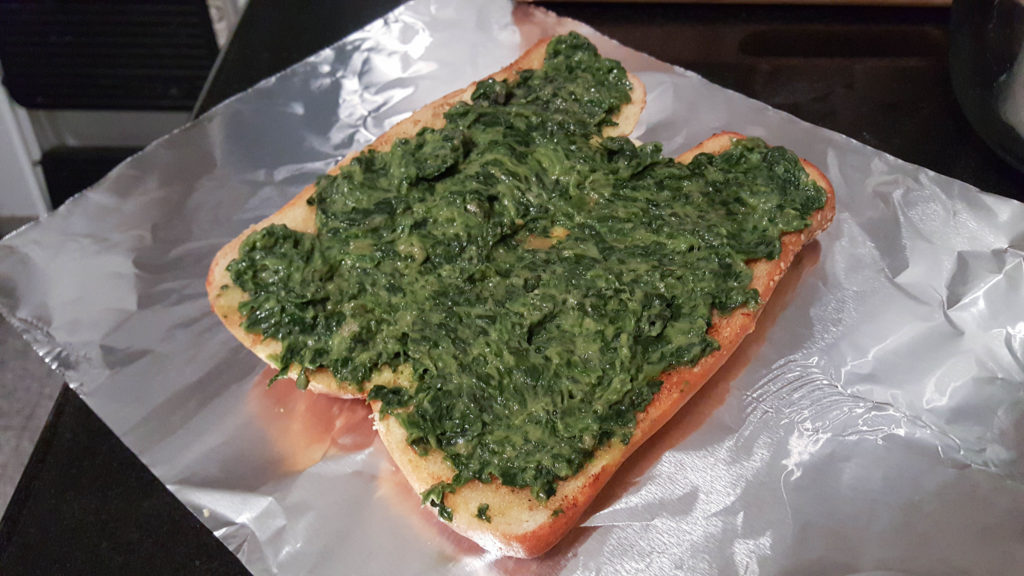
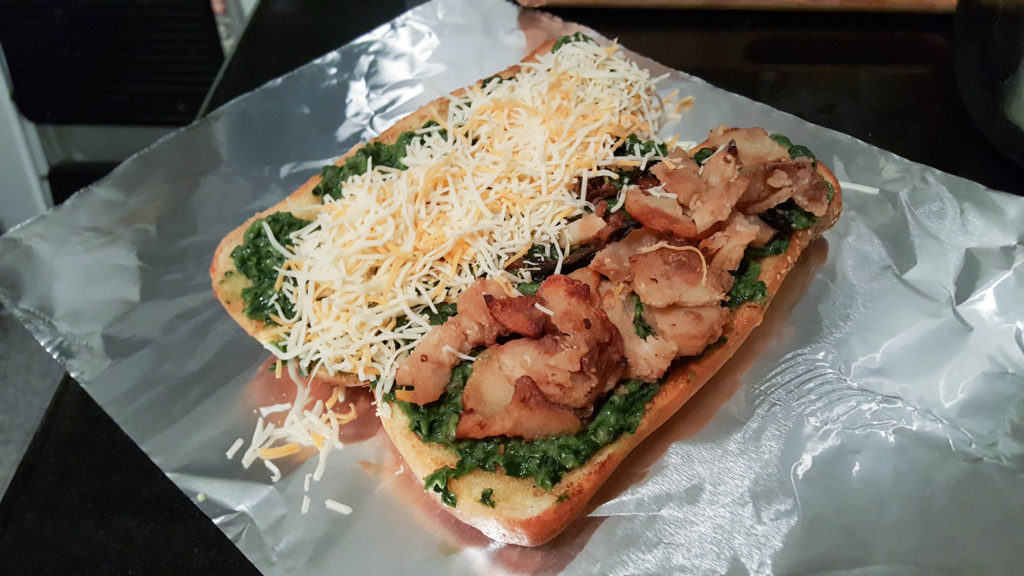
Then start layering your components. Creamed spinach:
Potatoes and cheese:
Those were crispy potatoes mixed with onions, so that was a bonus ingredient for me!
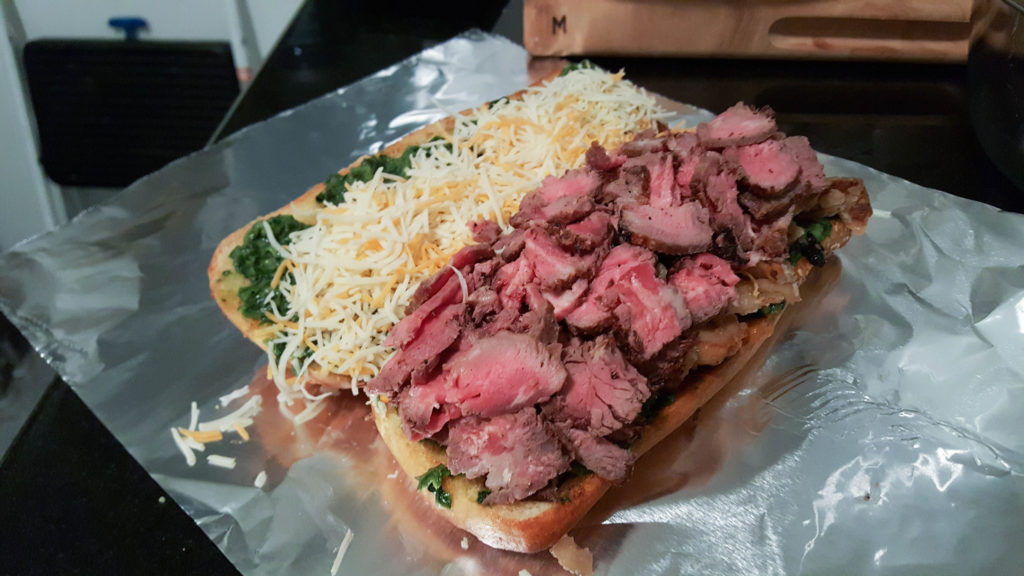
Meat:
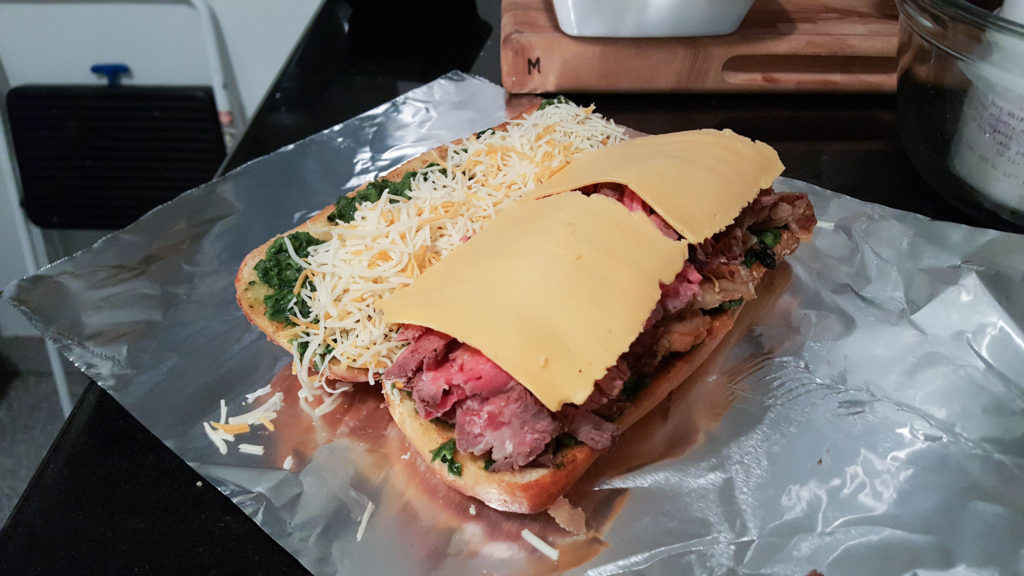
More cheese, because why not?
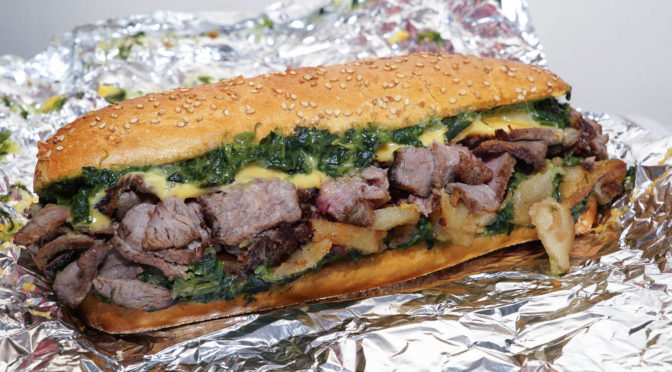
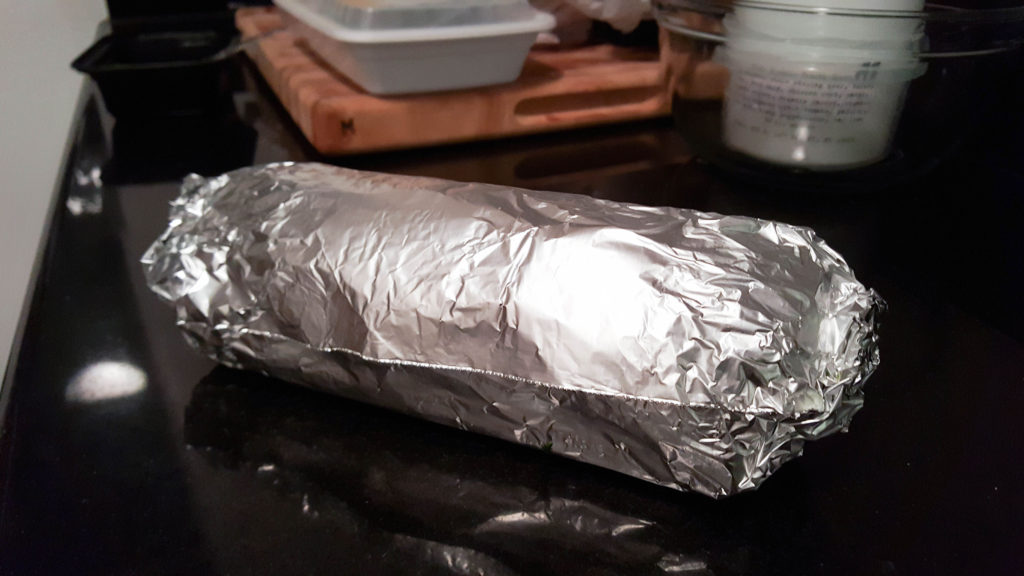
Close it up and wrap it in tinfoil.
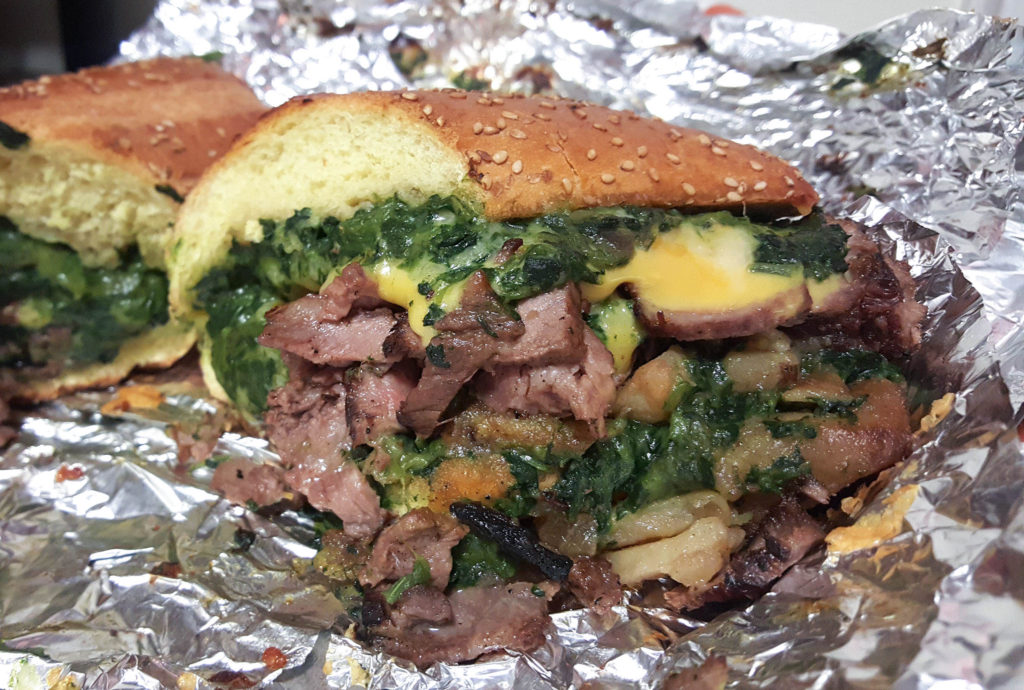
Bake this fucker for a quick stint at like 450. It doesn’t need too long in there. Once the cheese is completely melted down it should be good to go. Also, you don’t want to overheat the meat since it should already be a nice medium rare from the steakhouse.
Done.
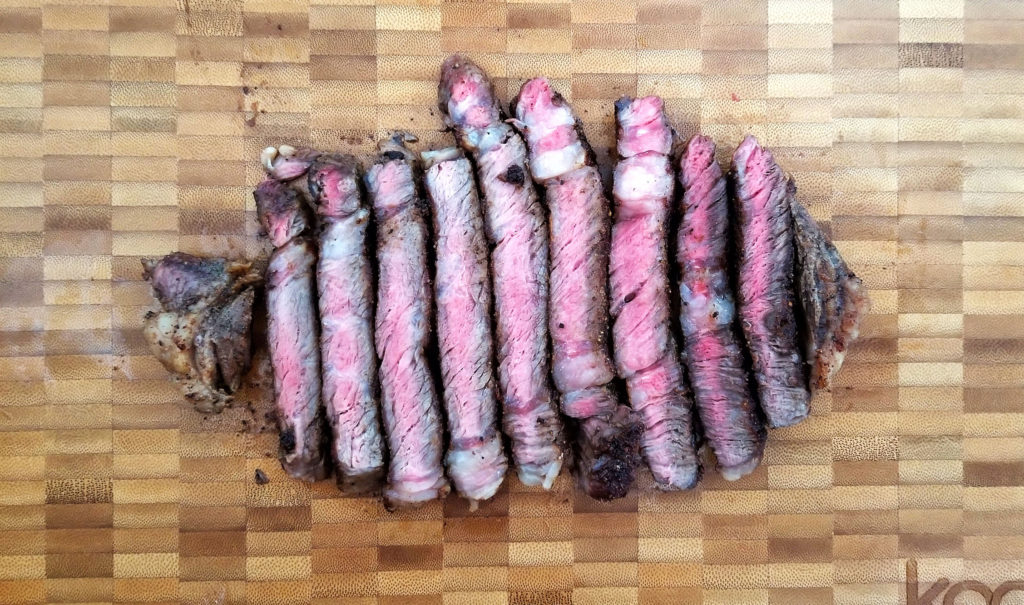
Unwrap, slice and eat. Just try to do a better job slicing it than I did.
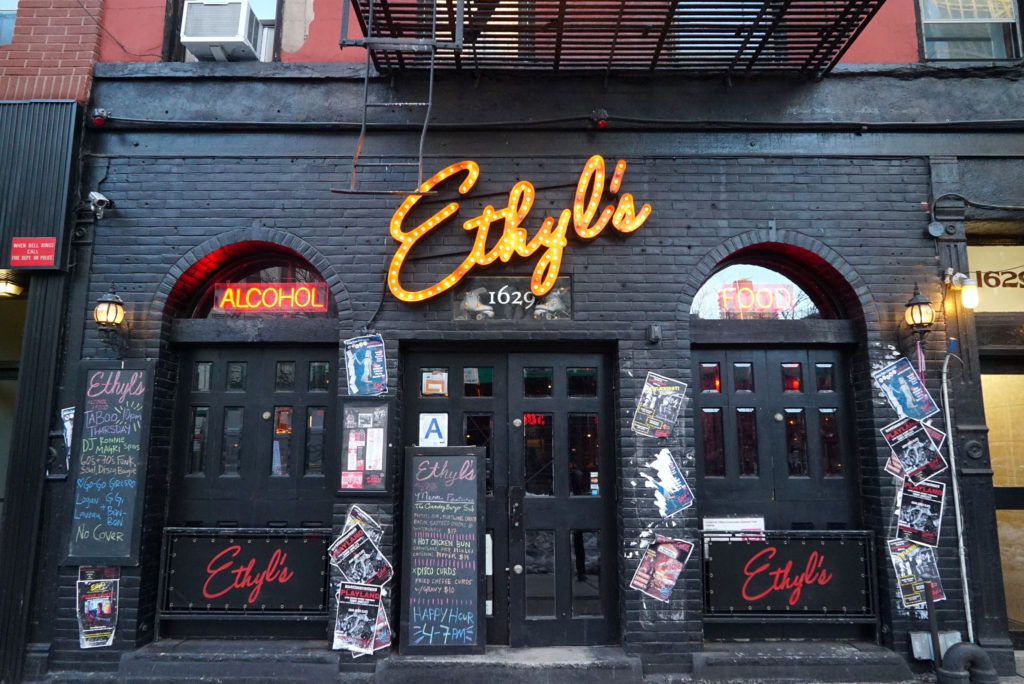
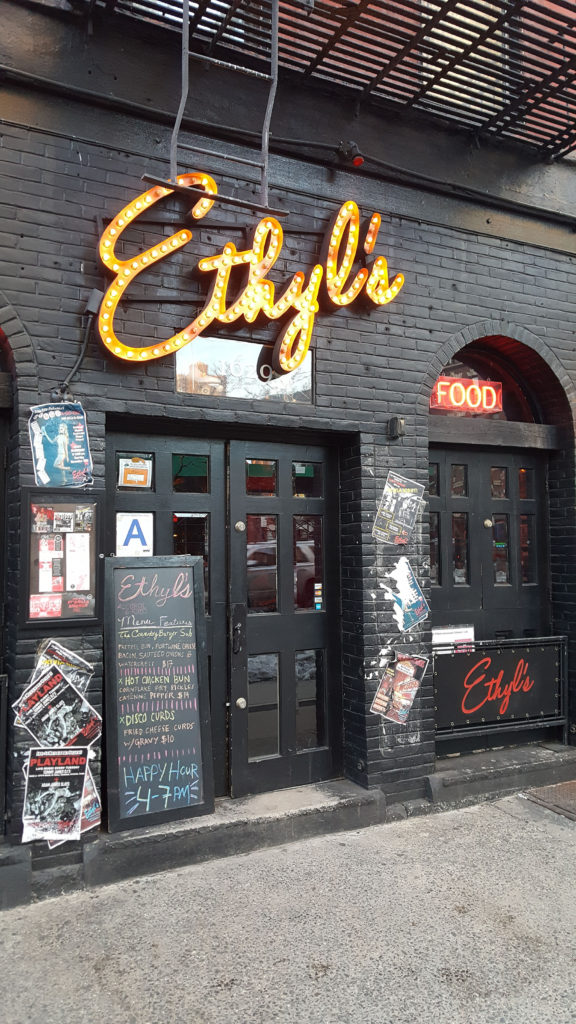
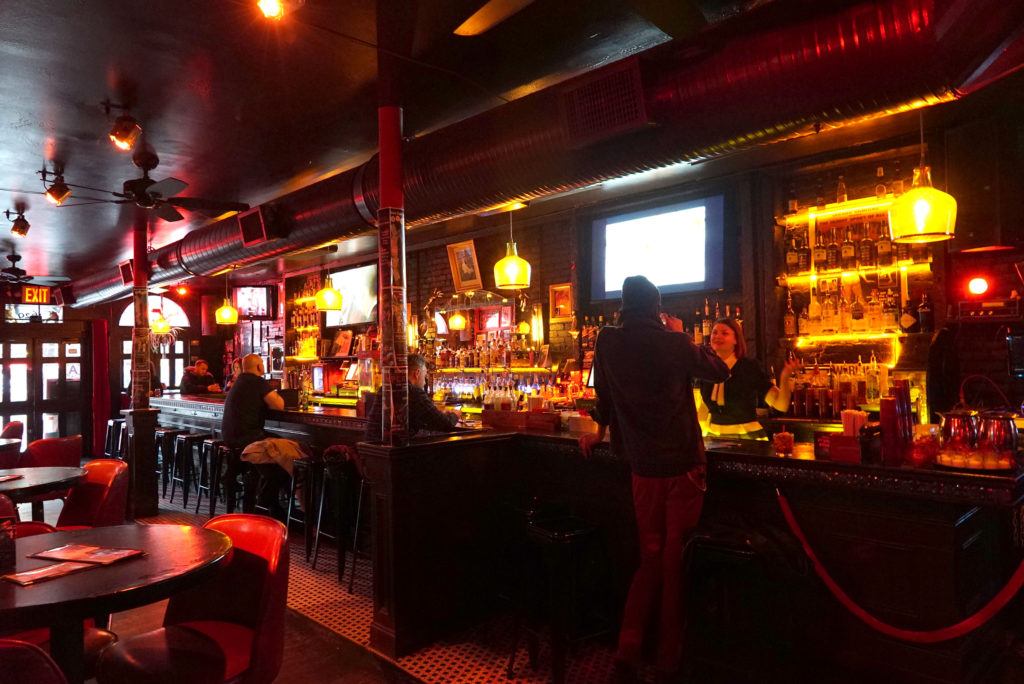
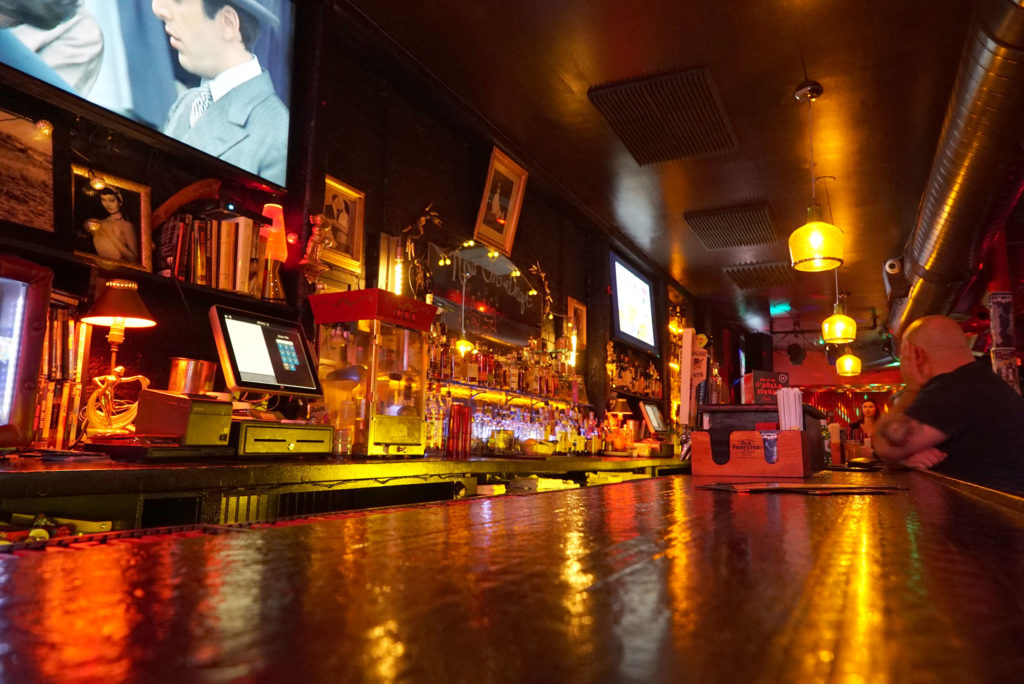
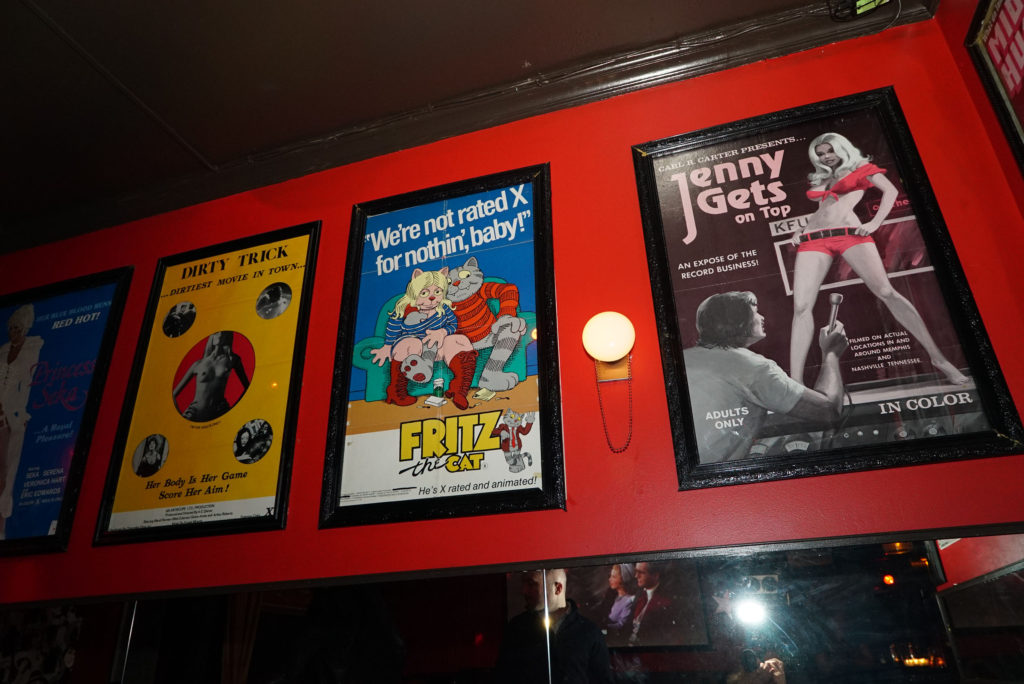
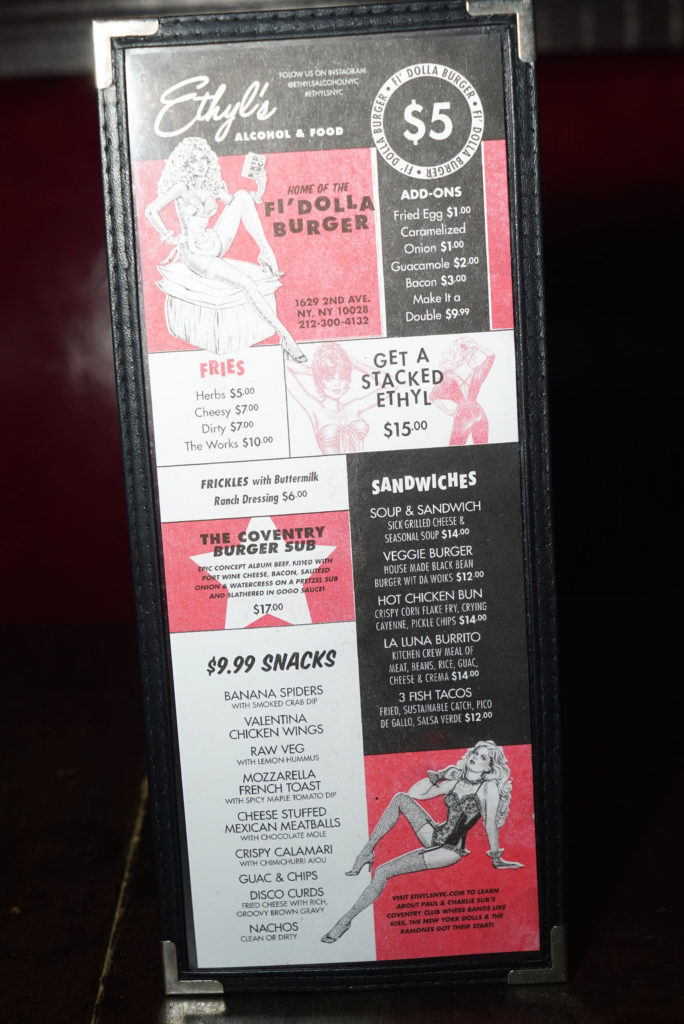
Ethyls Alcohol & Food might be my new favorite place to hang out. Not only is the bar an awesome throwback to NYC’s dirty 70s, but the food and drink quality is top notch and really reasonably priced. You might think you’ve taken a time machine back to the 70s.
Check out the decor.
The place doubles as a gogo dancing bar late on certain nights, and there’s even a small stage for live music. They even host movie and bingo nights!
It’s the safer, cleaner, sometimes family friendly girly bar of the dirty 70s, I guess.
But the food. Man. Let’s get into it.
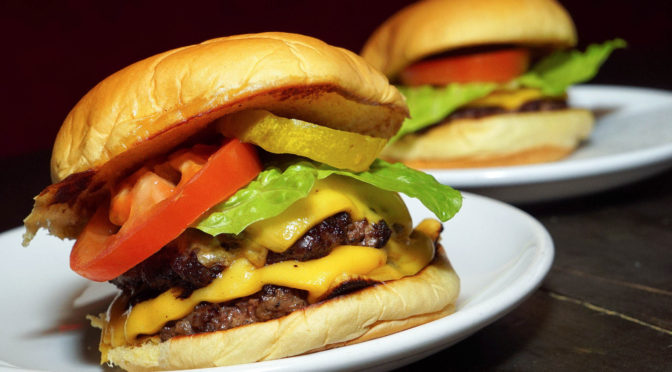
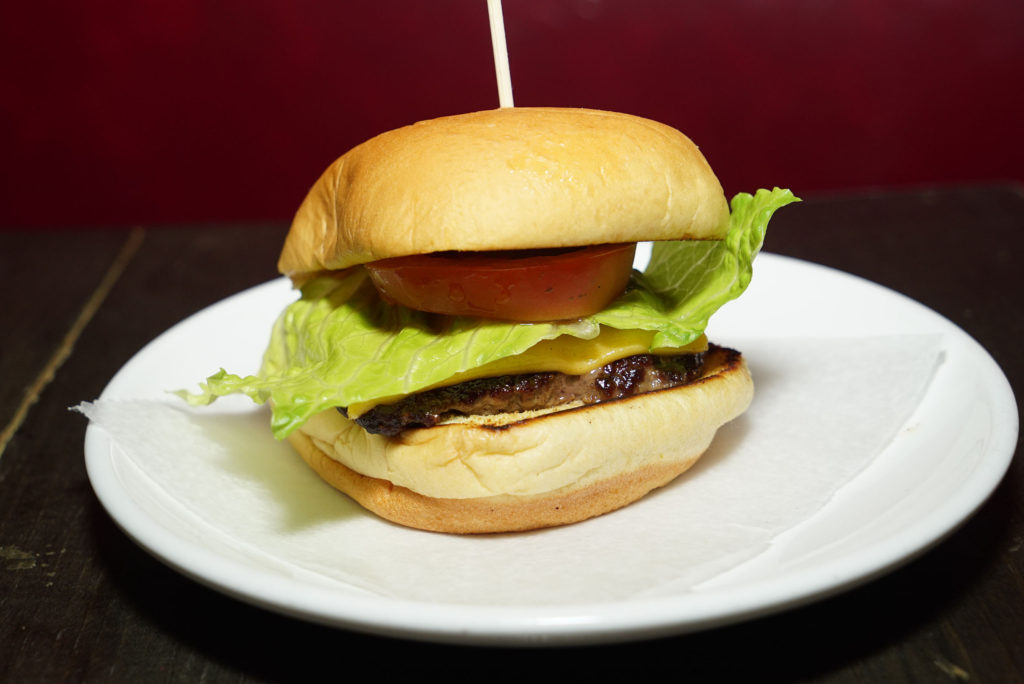
The fidollaburger. Five bucks.
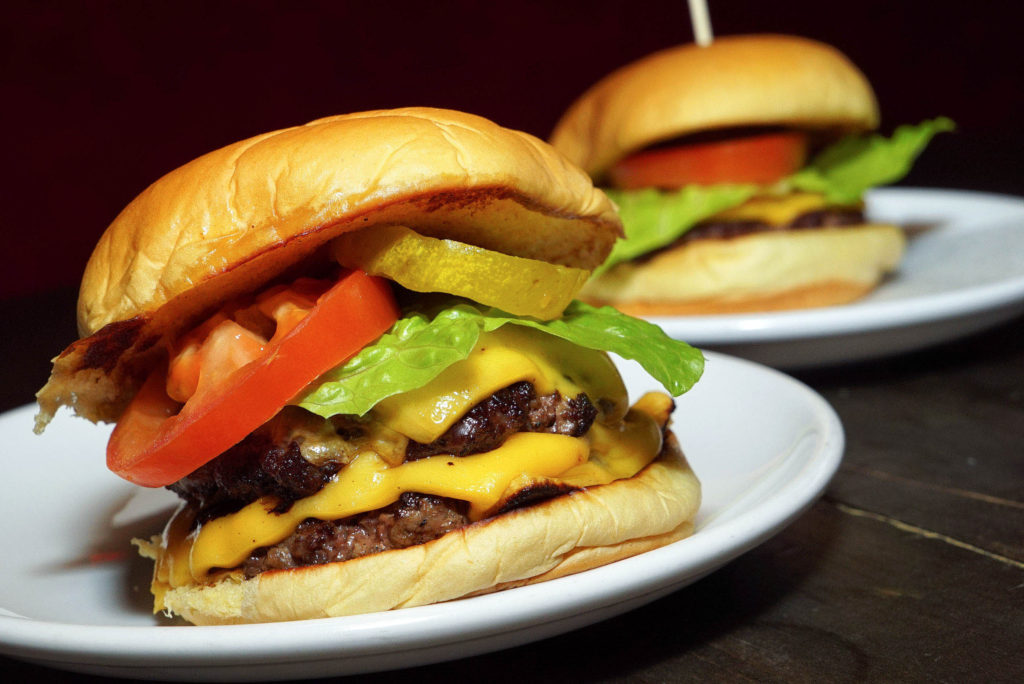
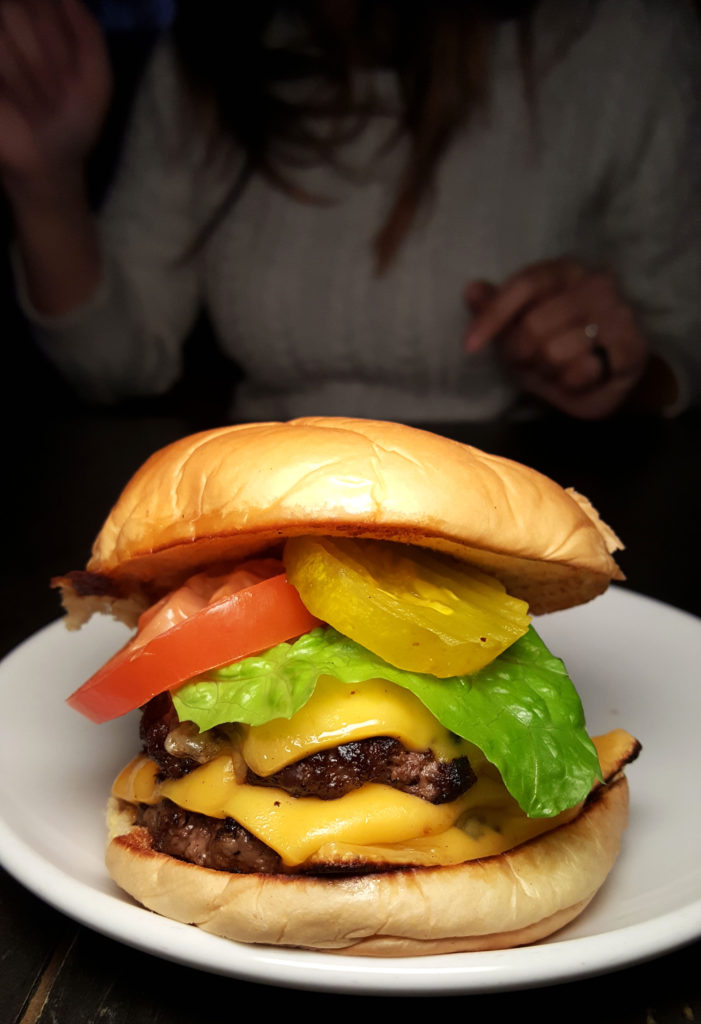
The double – my favorite.
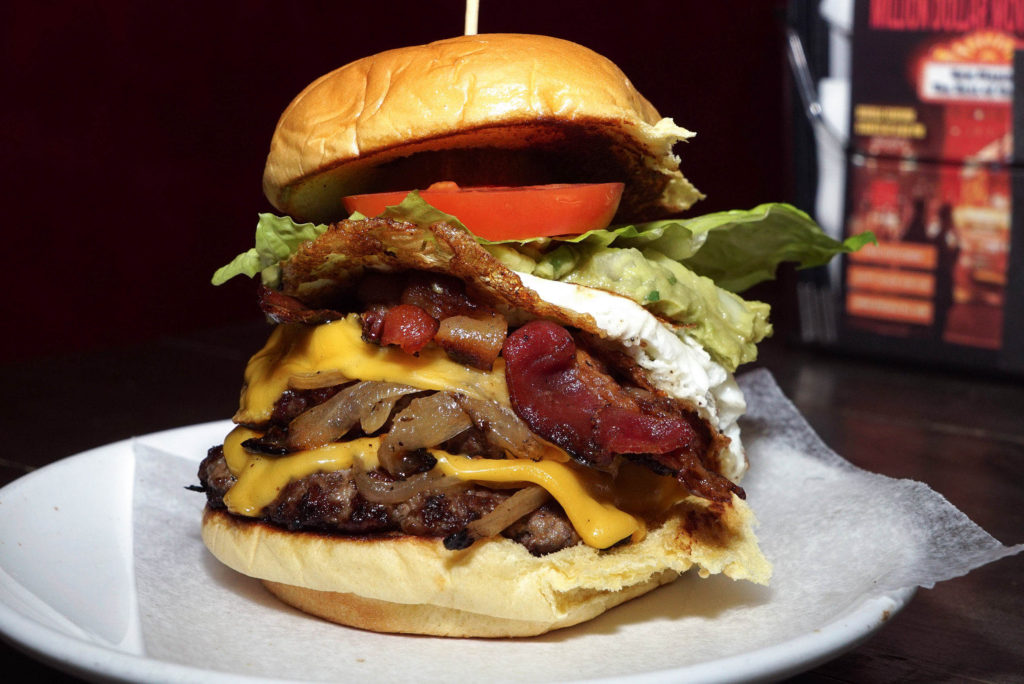
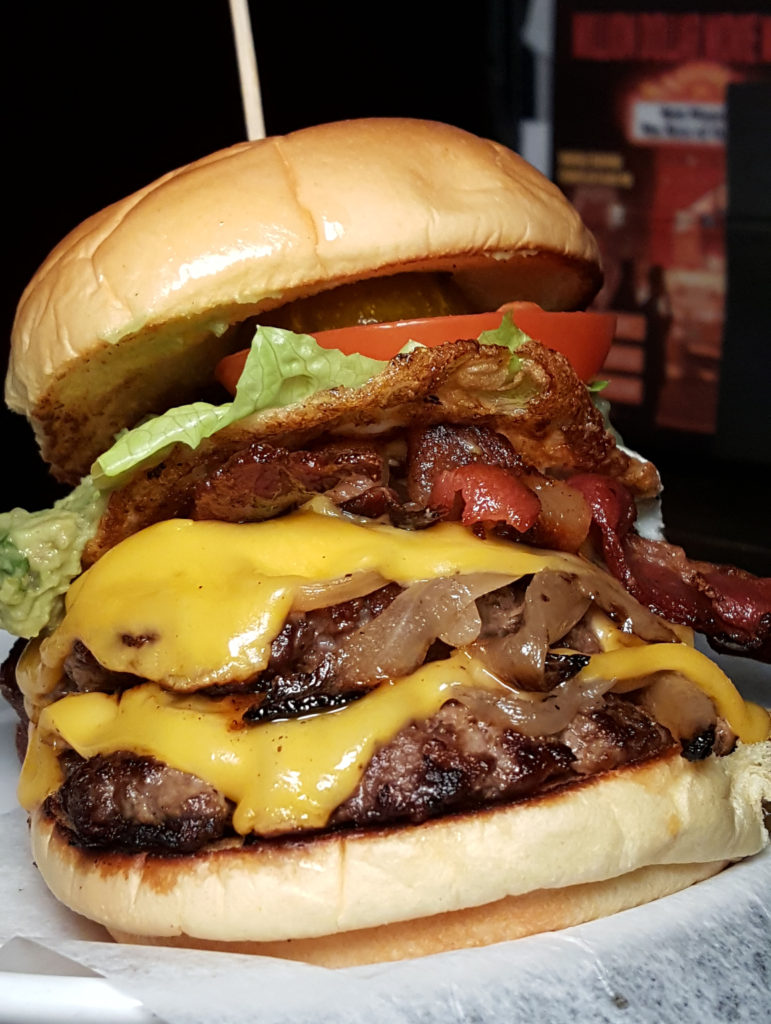
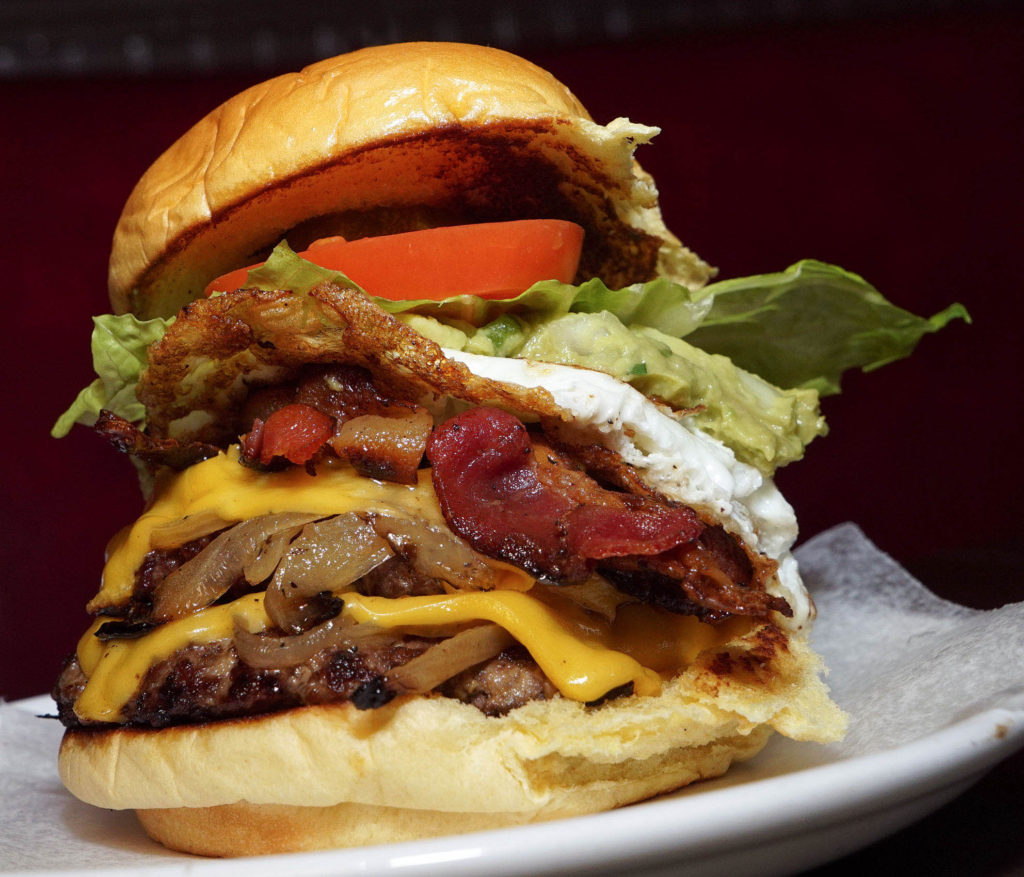
The stack, a double topped with an egg, guac, lettuce, tomato, onions and bacon.
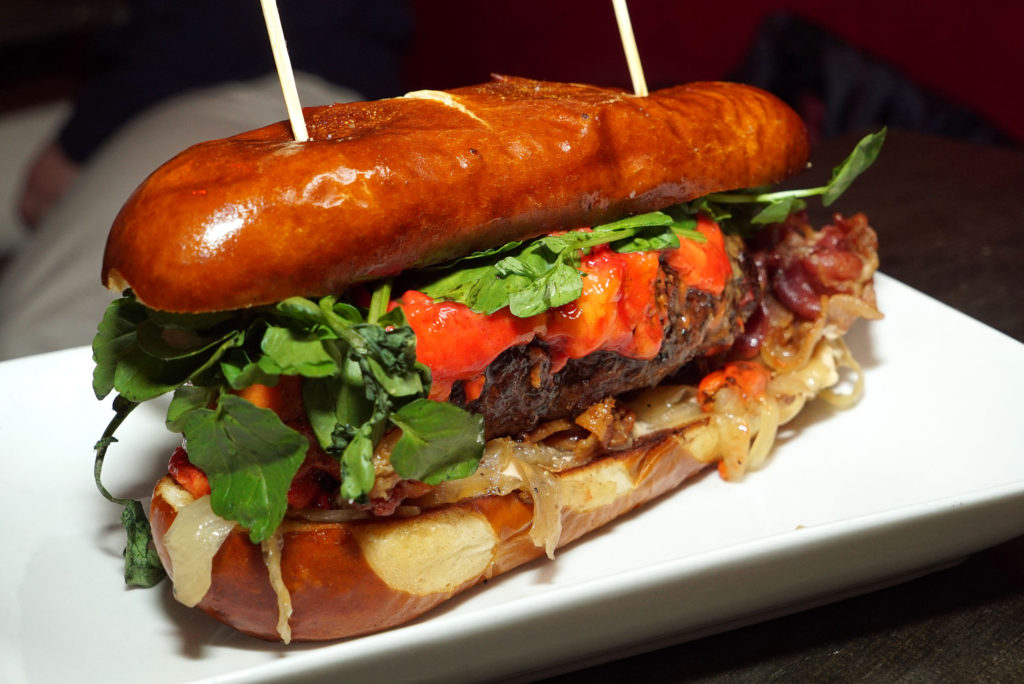
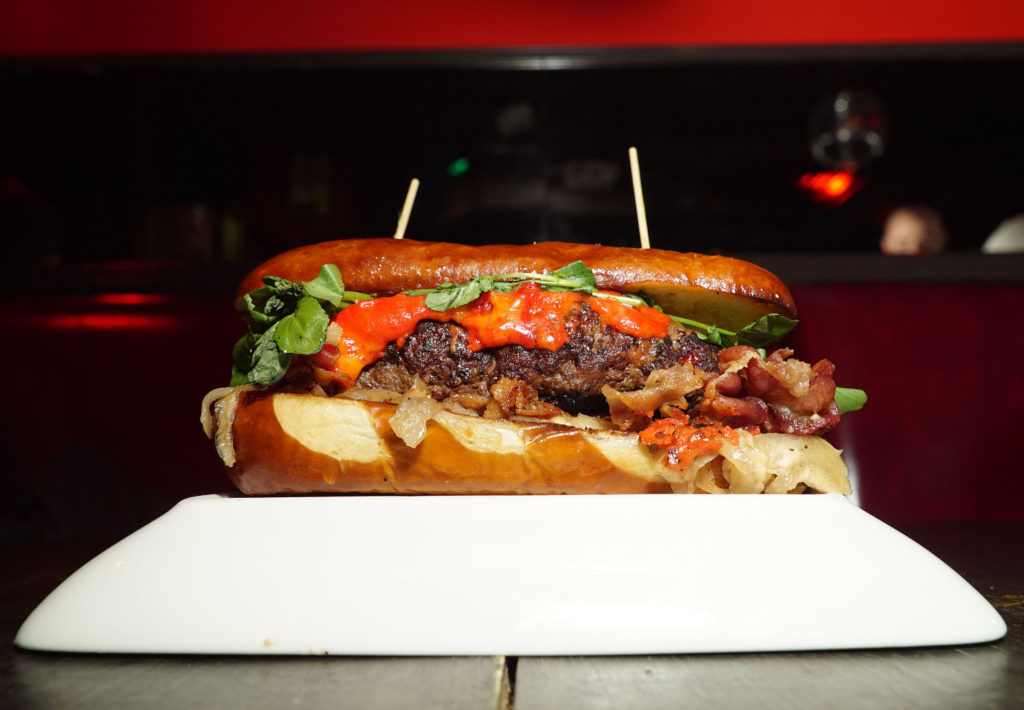
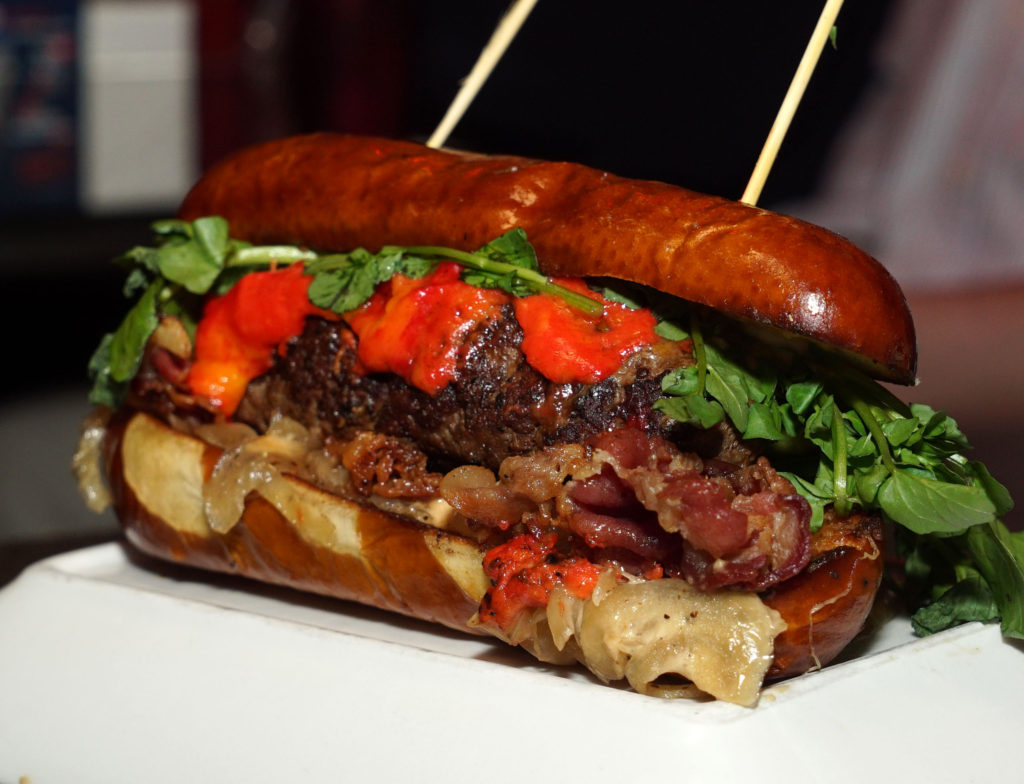
The Coventry sub, a burger log topped with port wine cheese, watercress, bacon, sautéed onions and gogo sauce – all on a pretzel bread sub roll.
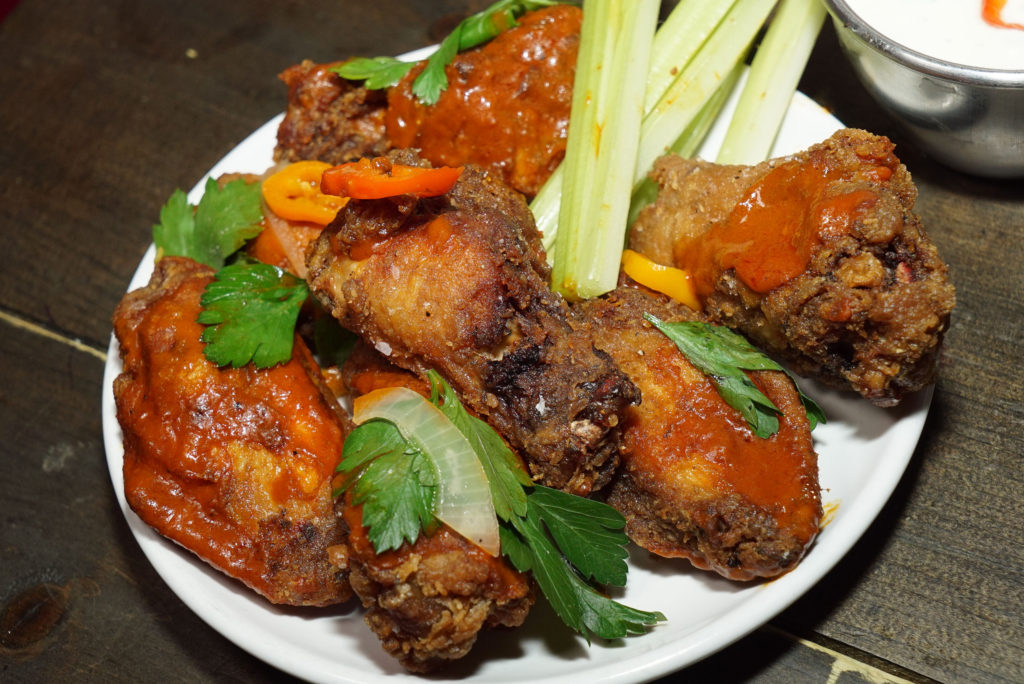
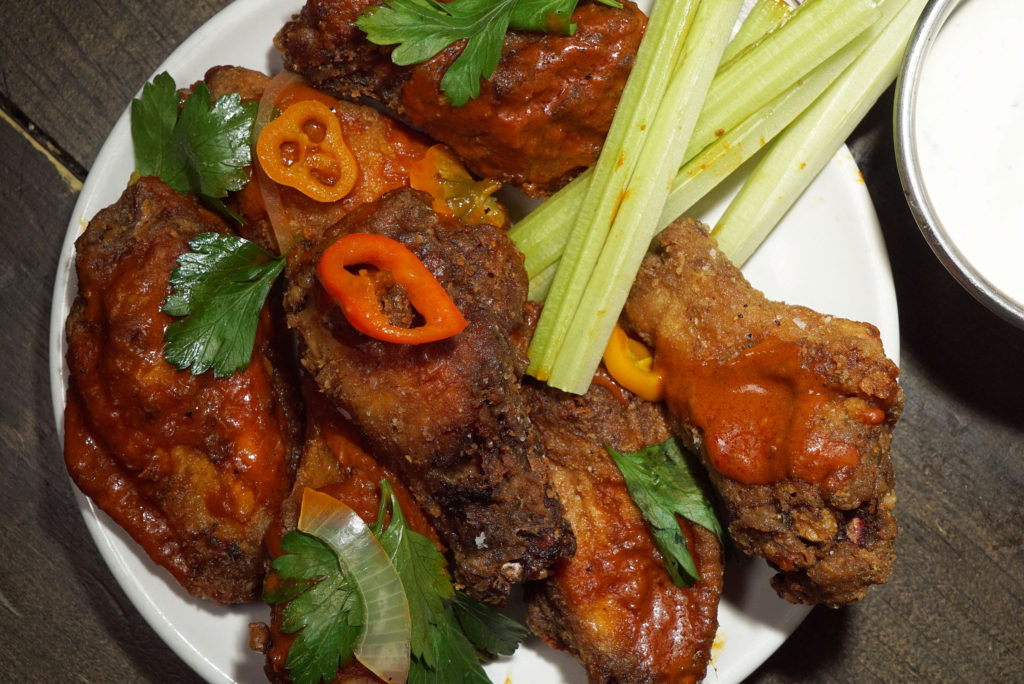
Wings.
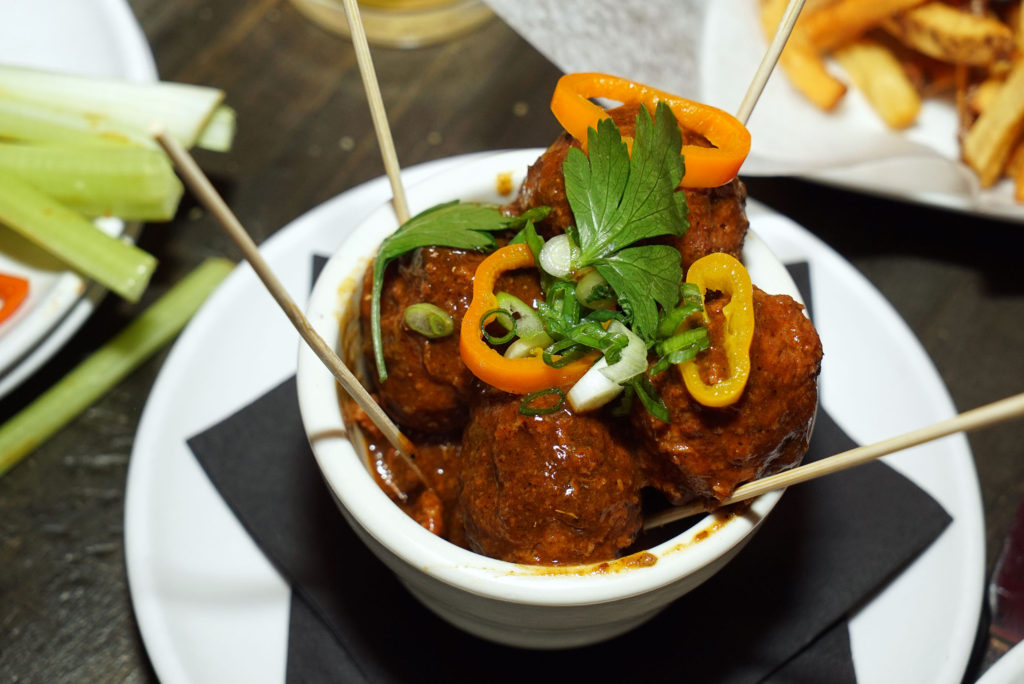
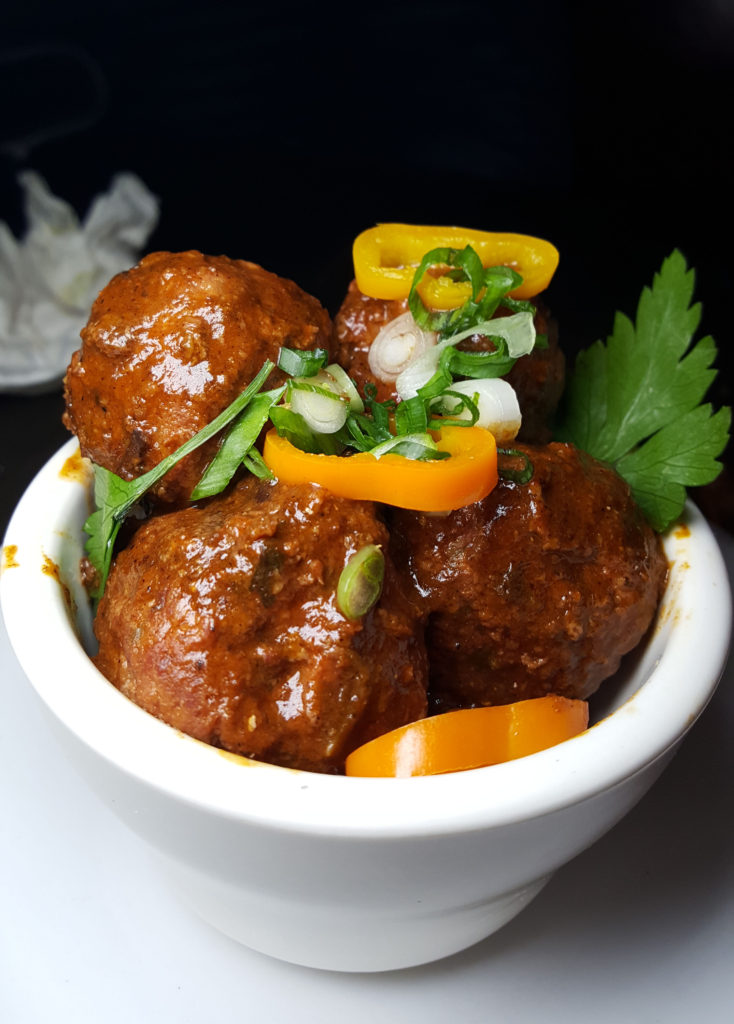
Mexican cheese stuffed mole meatballs.
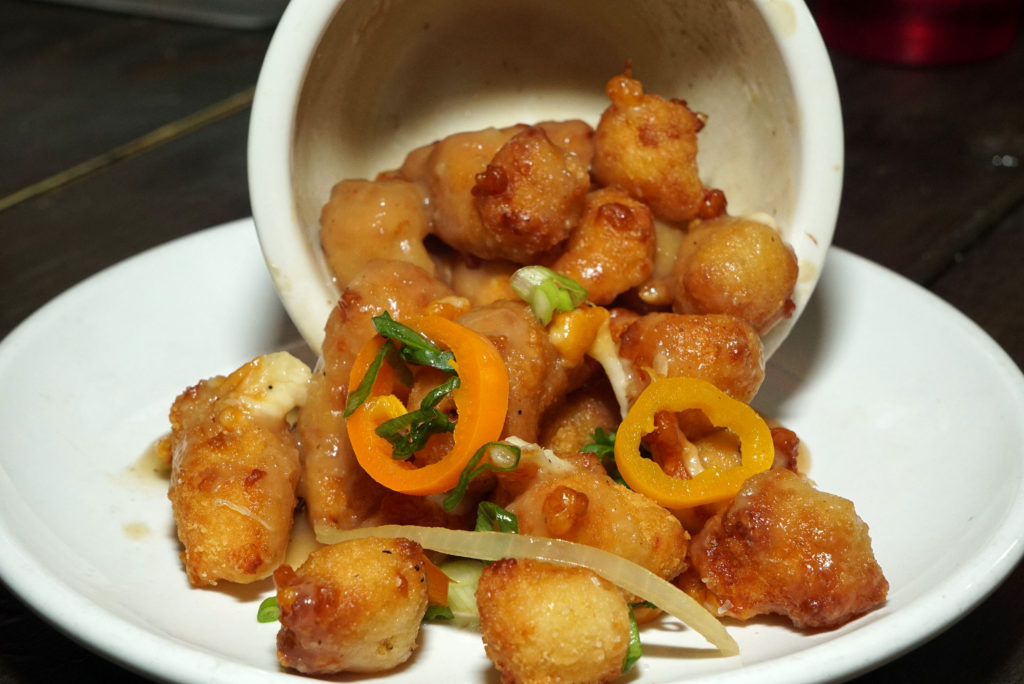
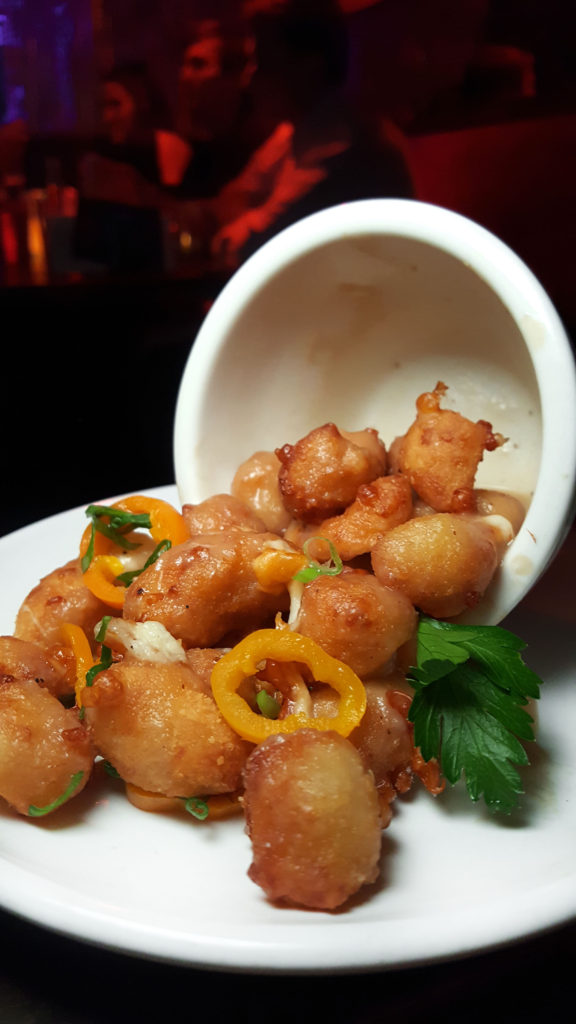
Disco curds.
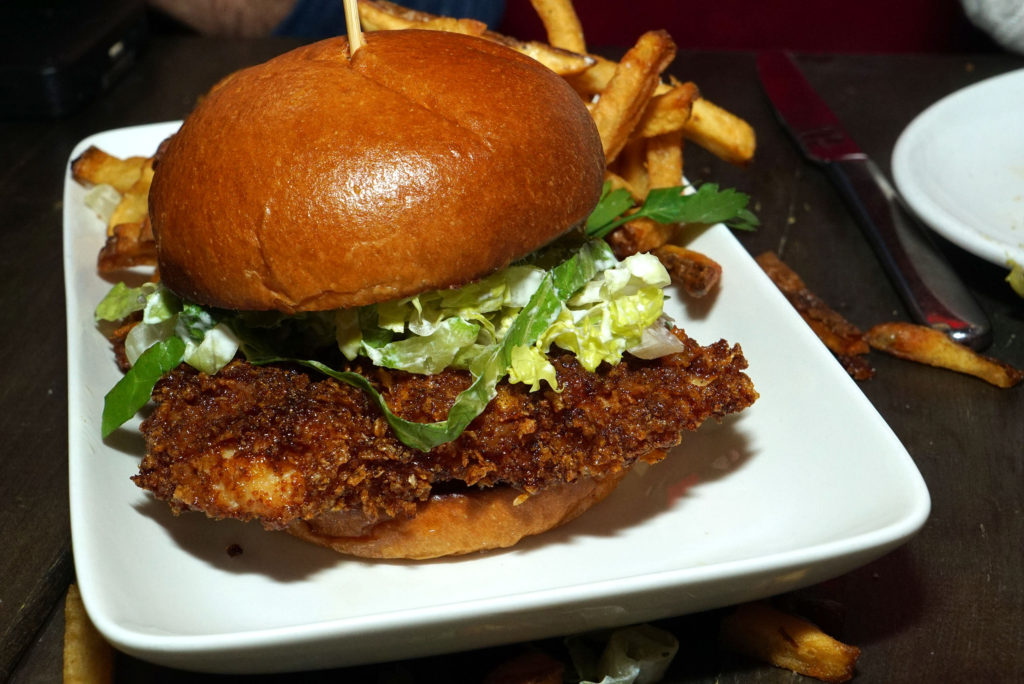
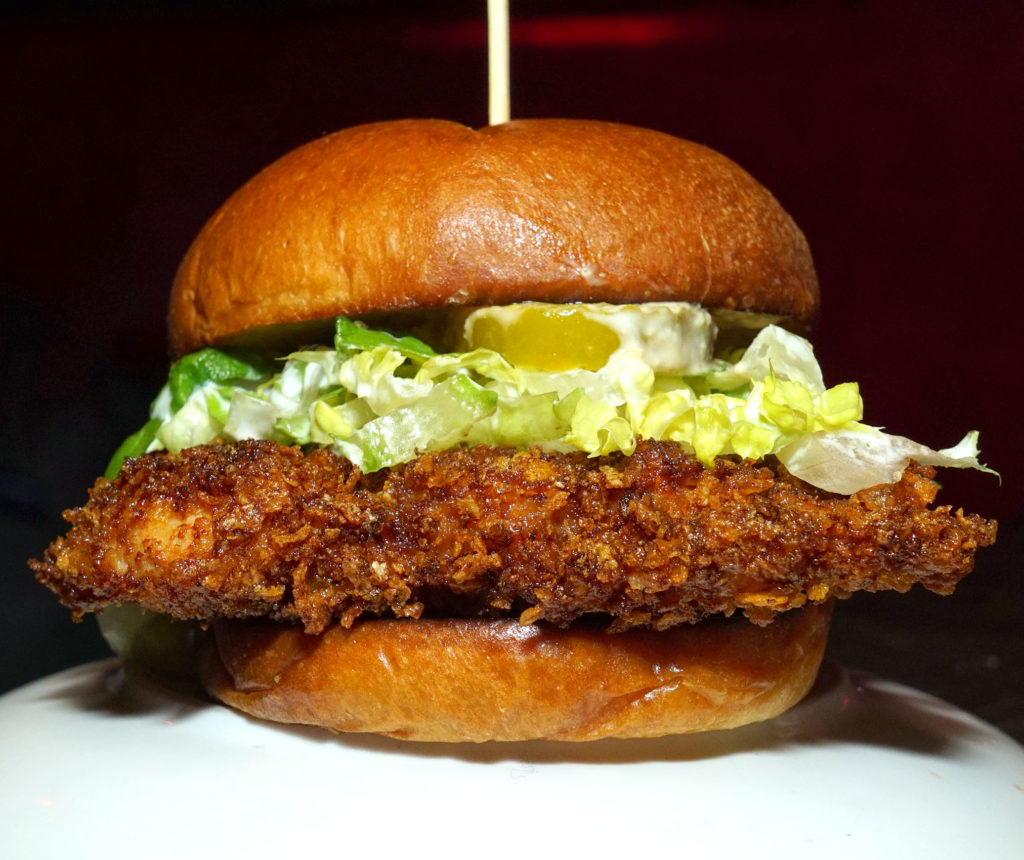
Fried chicken sandwich.
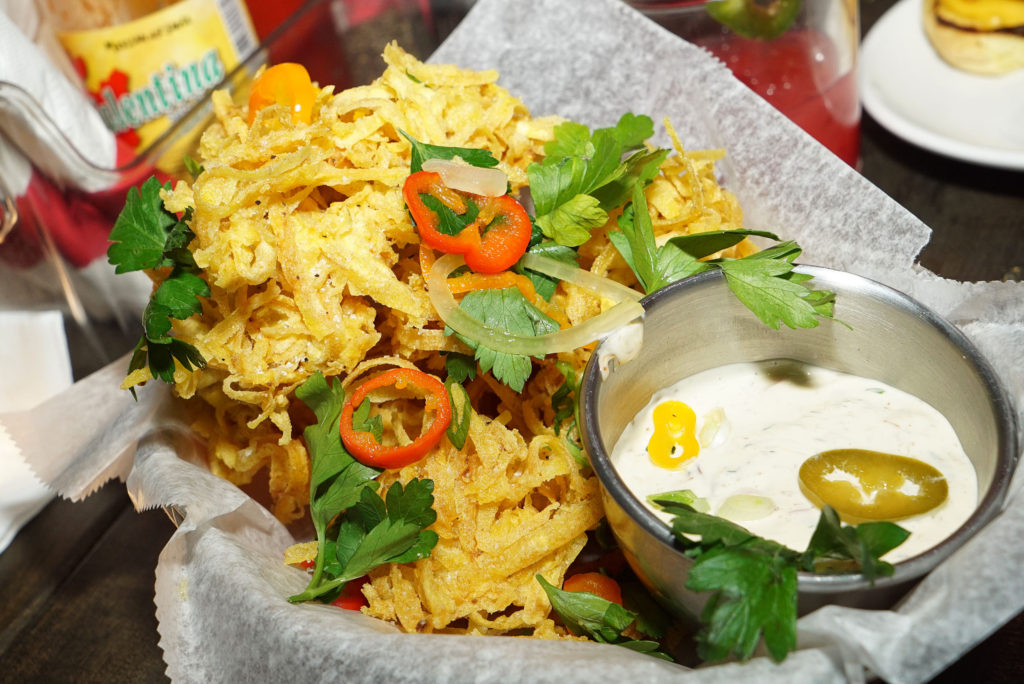
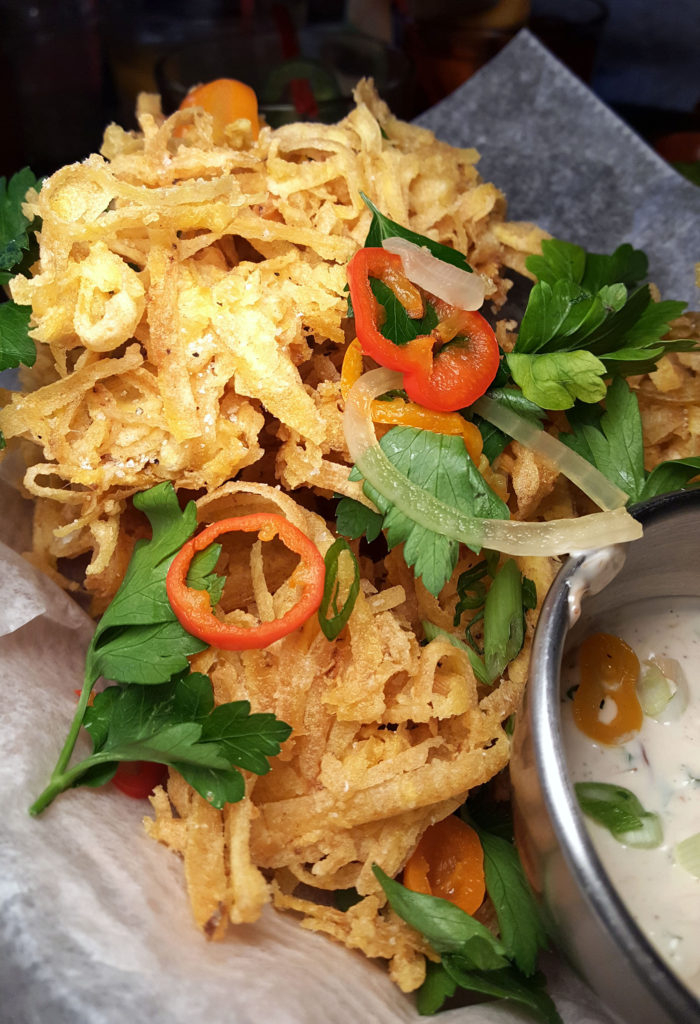
Banana Spiders – shredded, fried plantains.
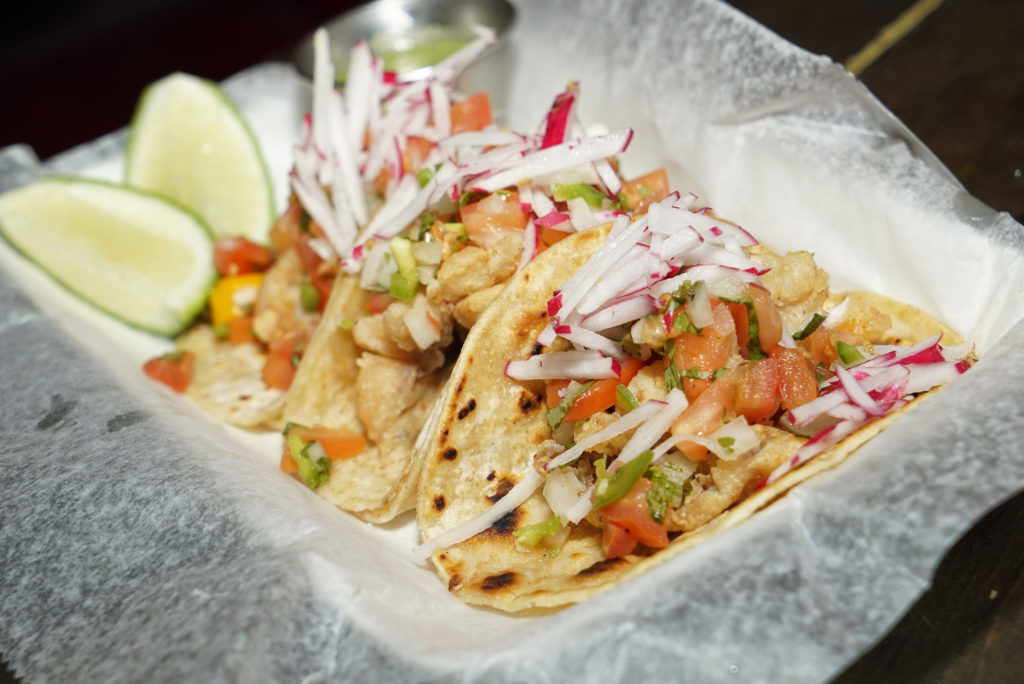
Fish tacos.
Everything is delicious and nicely cooked. I’m dead serious you can’t choose poorly from these items.
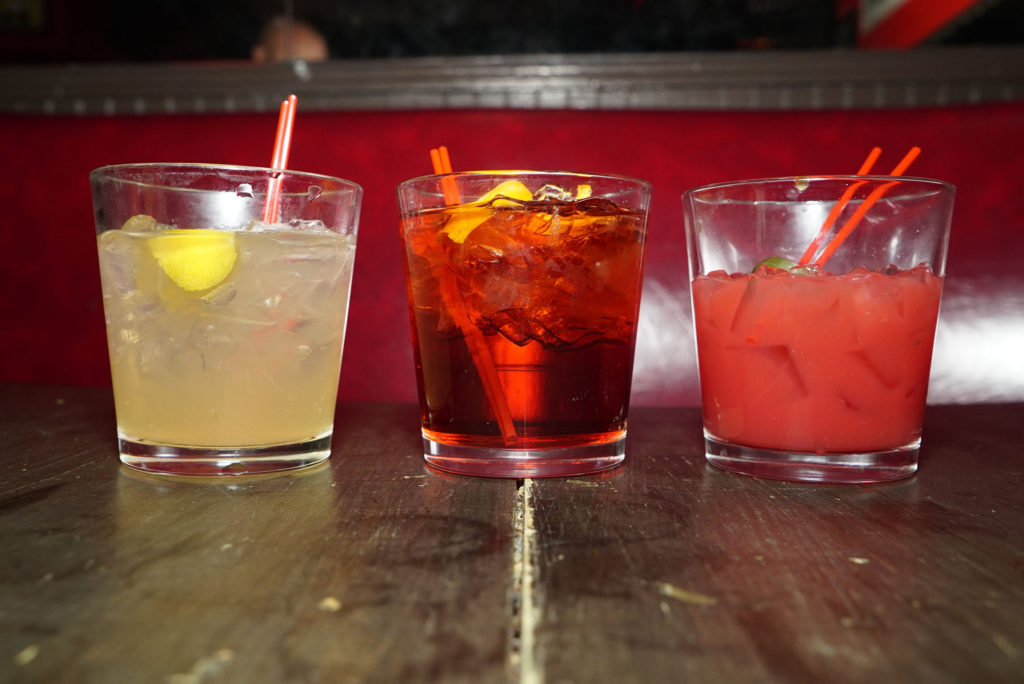
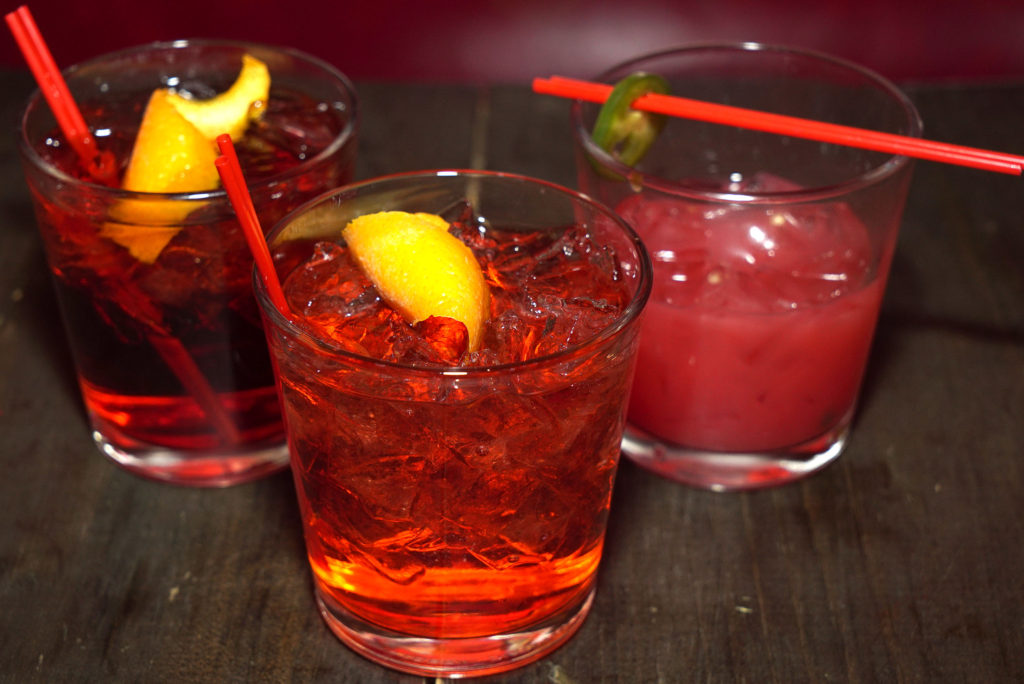
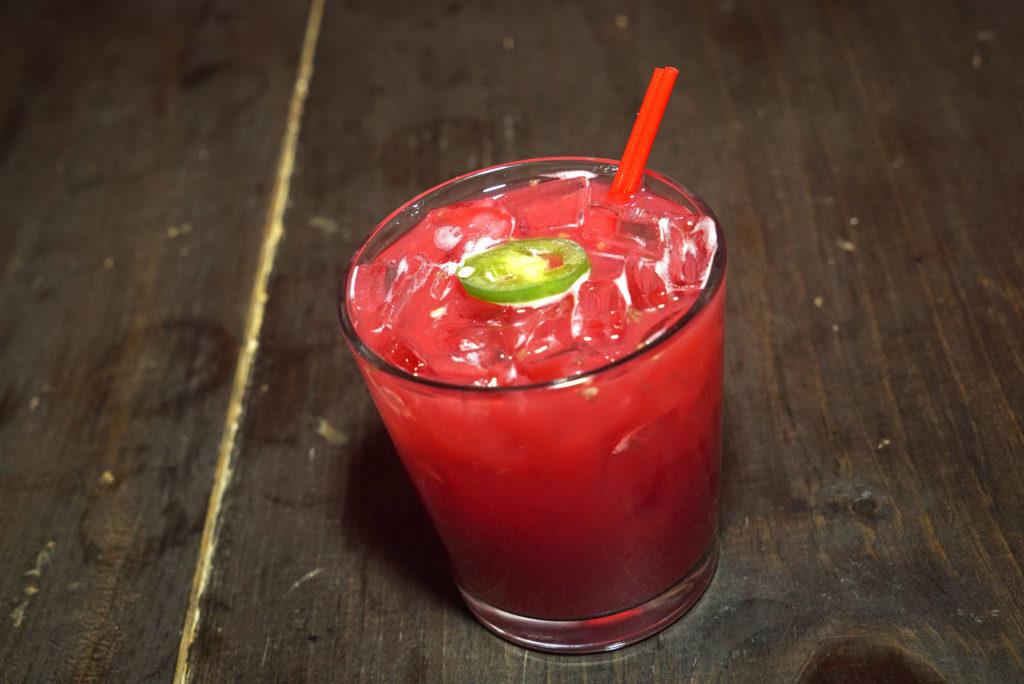
The same goes for the cocktails. We tried a bunch of them, including a negroni on tap. The newest addition to the cocktail menu is replacing the negroni though, and it’s called the Gent. Bartender Julia mixes up amazing cocktails here, like the spicy tequila and blood orange concoction called “Hot Blooded.”
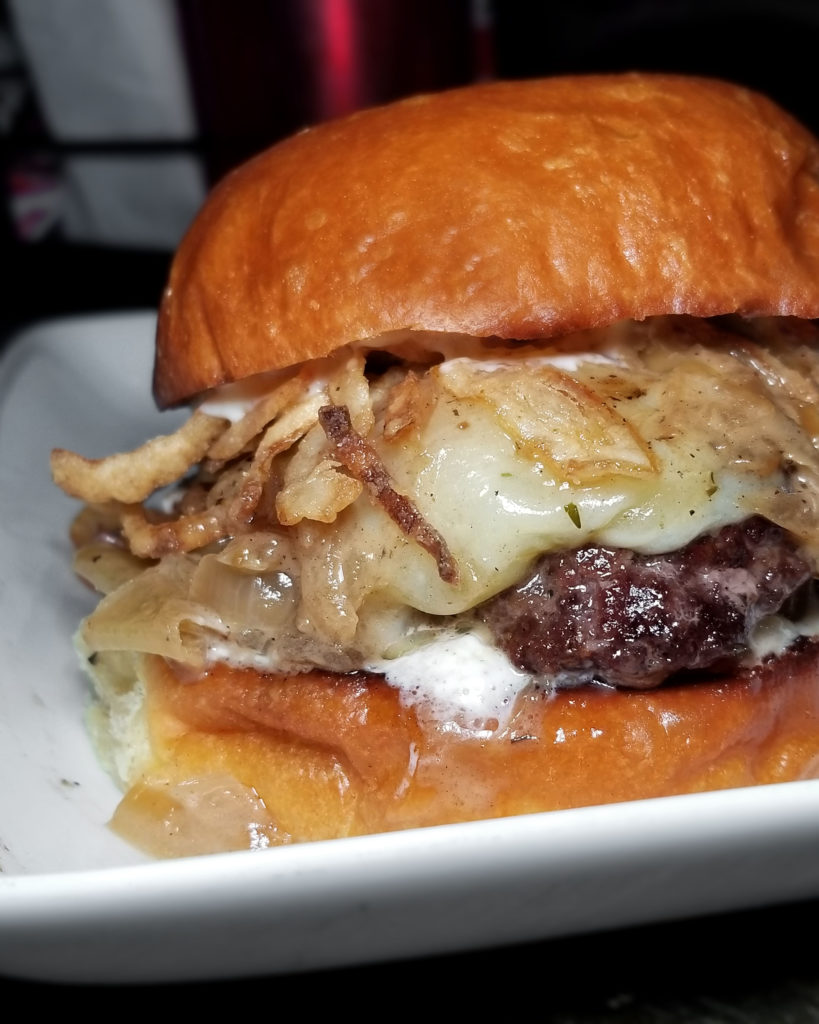
Get up there and try some of the delicious shit. The new French Connection burger is one of the best I’ve ever had.
ETHYL’S ALCOHOL & FOOD
1629 2nd Ave
New York, NY 10028
My wife and I grabbed a Groupon for this place that scored us a bottle of wine, a shared app, two entrees and two desserts.
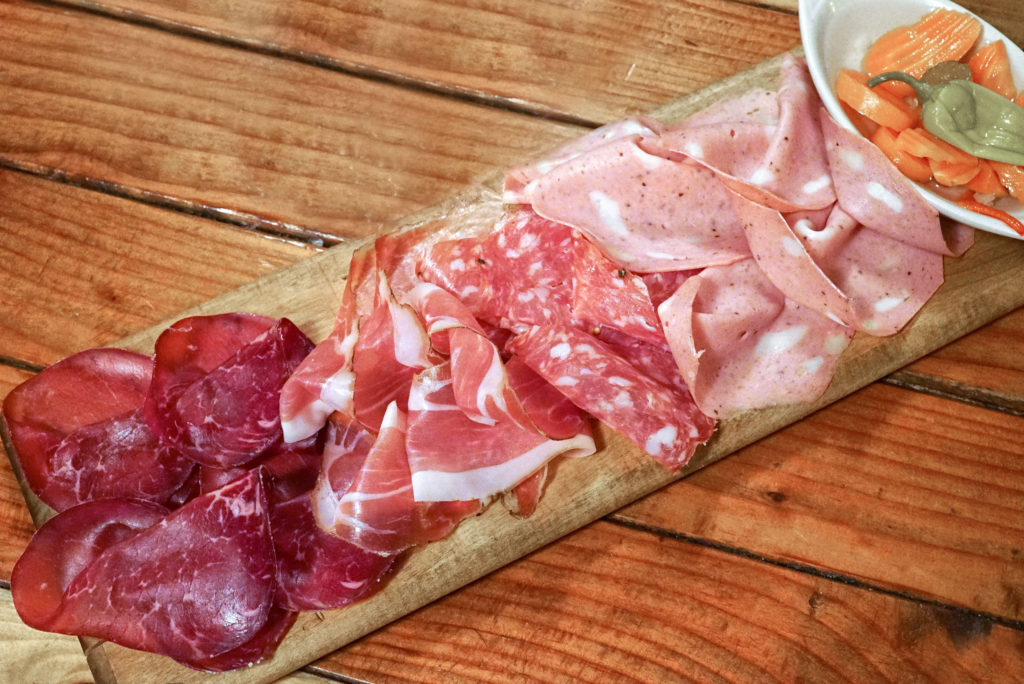
When we stepped into this joint it felt like we had stepped into a wine bar meat shop in Rome. The warm wood decor was inviting and cozy, and starting our meal with some red wine and salumi just brought us right back to our Italy vacation.
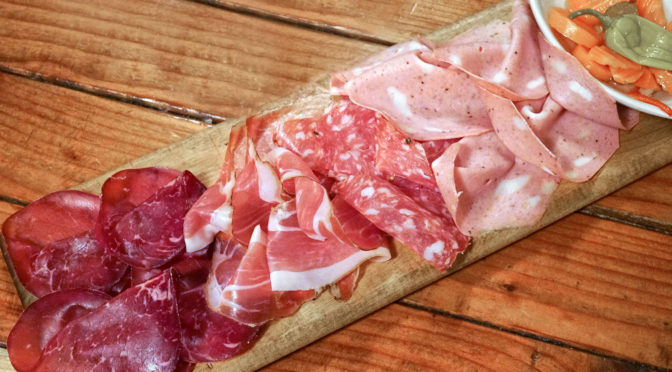
There were no offensive limits to what we could choose from the wine and app selections, by the way. And the meats were high quality and consisted of salami, prosciutto, mortadella and brasaeola. This was my favorite item of the night.
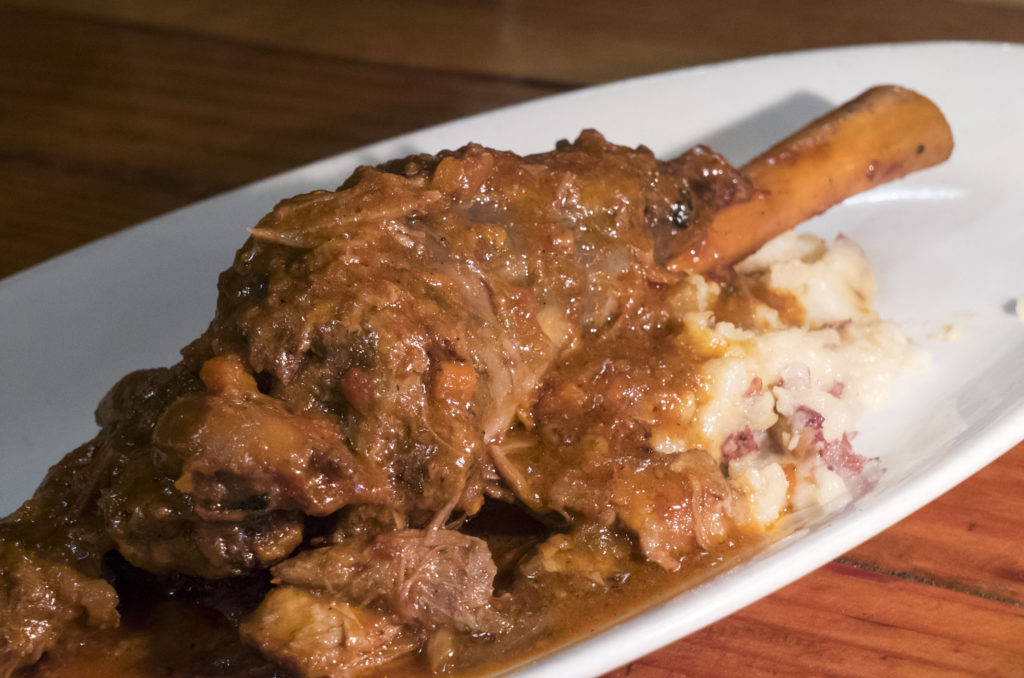
Our entrees were both good, but my wife’s lamb shank was the winner between the two. We were limited in our selection to items that were listed for $24 or less.
Interesting though – instead of a bed of orzo, as is traditional, this featured as bed of roughly mashed potatoes. They were tasty.
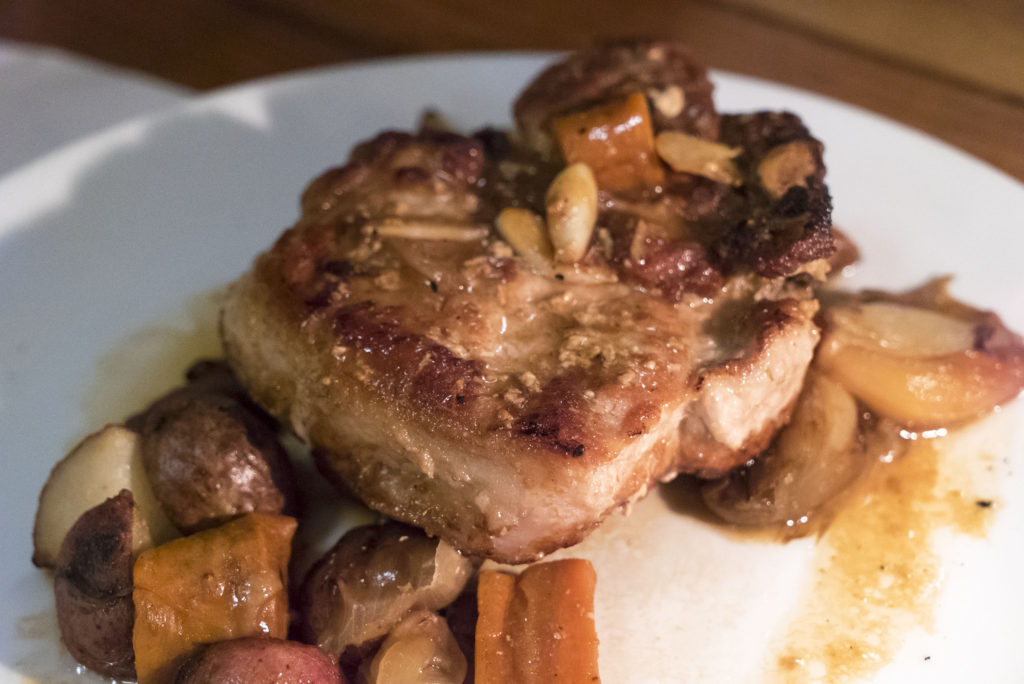
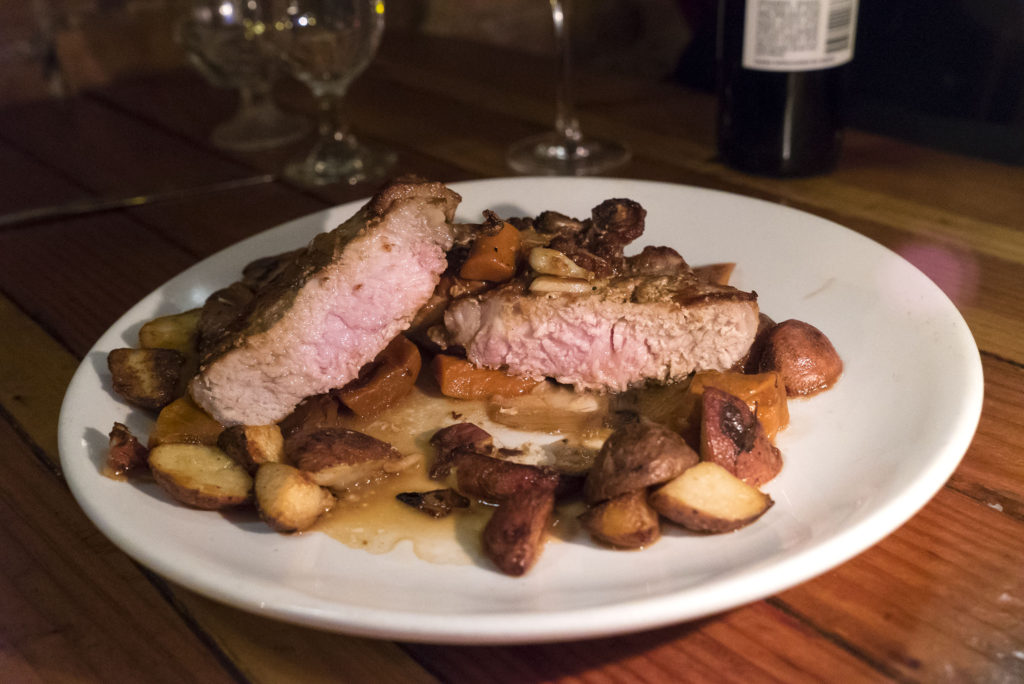
I had a pork chop. It was pretty big at 16oz, T-bone style.
It was nicely cooked and tender.
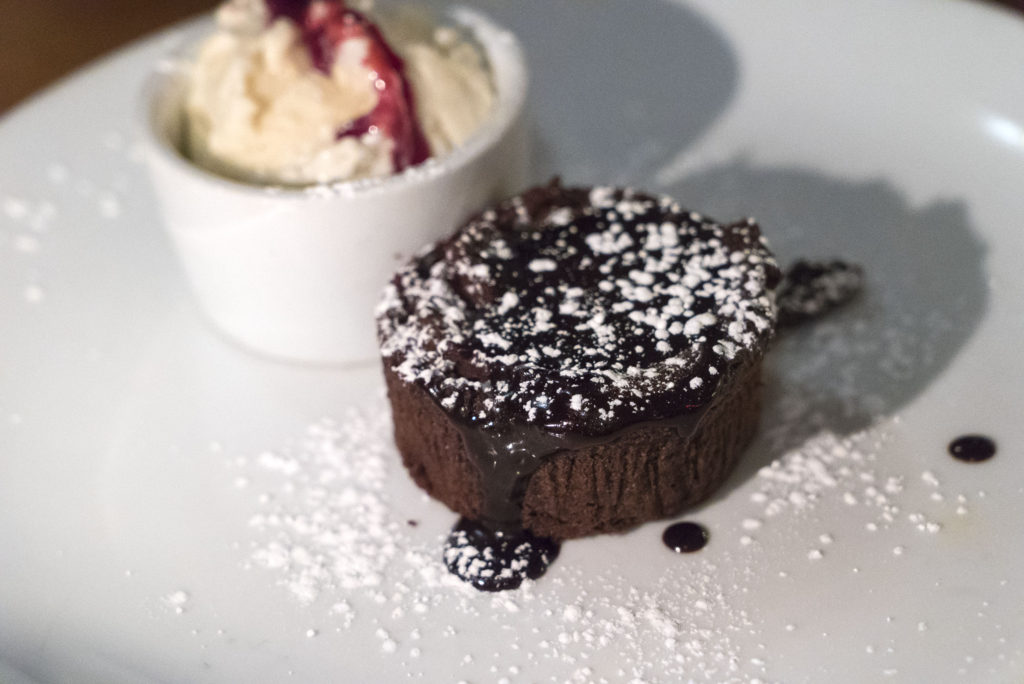
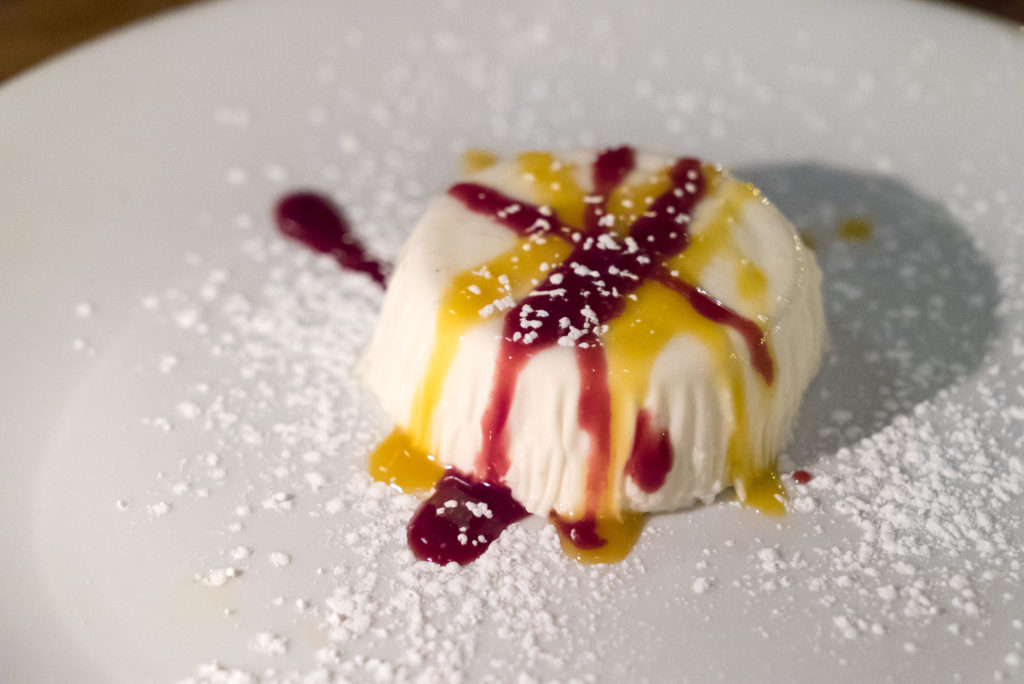
For dessert we did a chocolate cake with vanilla ice cream, and panna cotta. The panna cotta was great. Super smooth, light and flavorful.
Overall this is a good deal and I recommend picking up the Groupon if they’re still offering it.
A food buddy of mine set up a press/influencer meal at this midtown east Indian joint. I have somewhat of a deficit when it comes to Indian restaurant reviews on this site, so I was excited to try this place. I had heard good things from friends, and they were recently awarded a Michelin star.
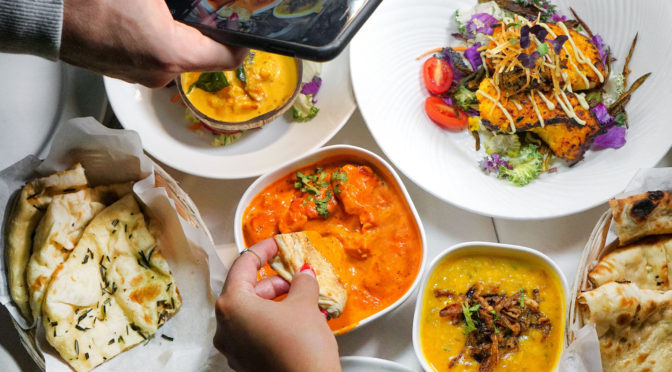
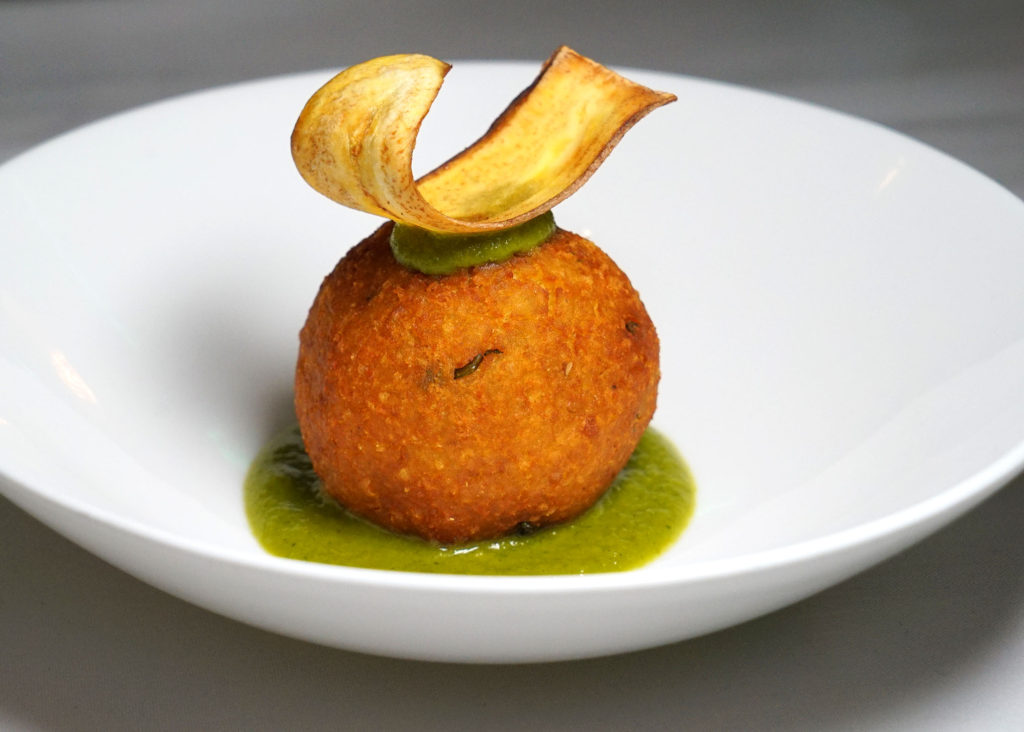
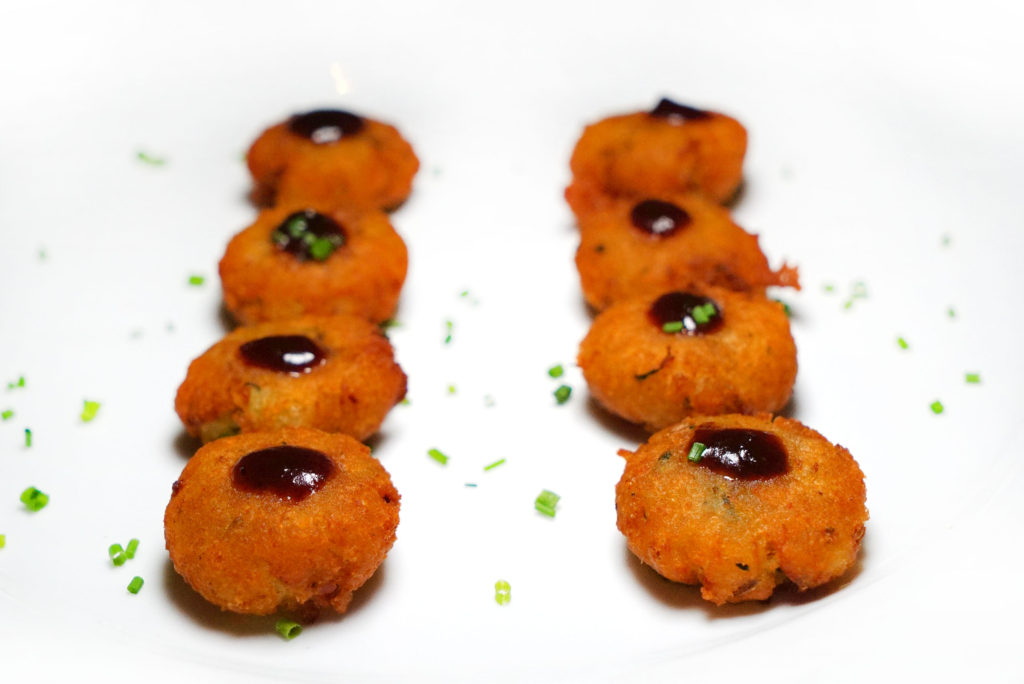
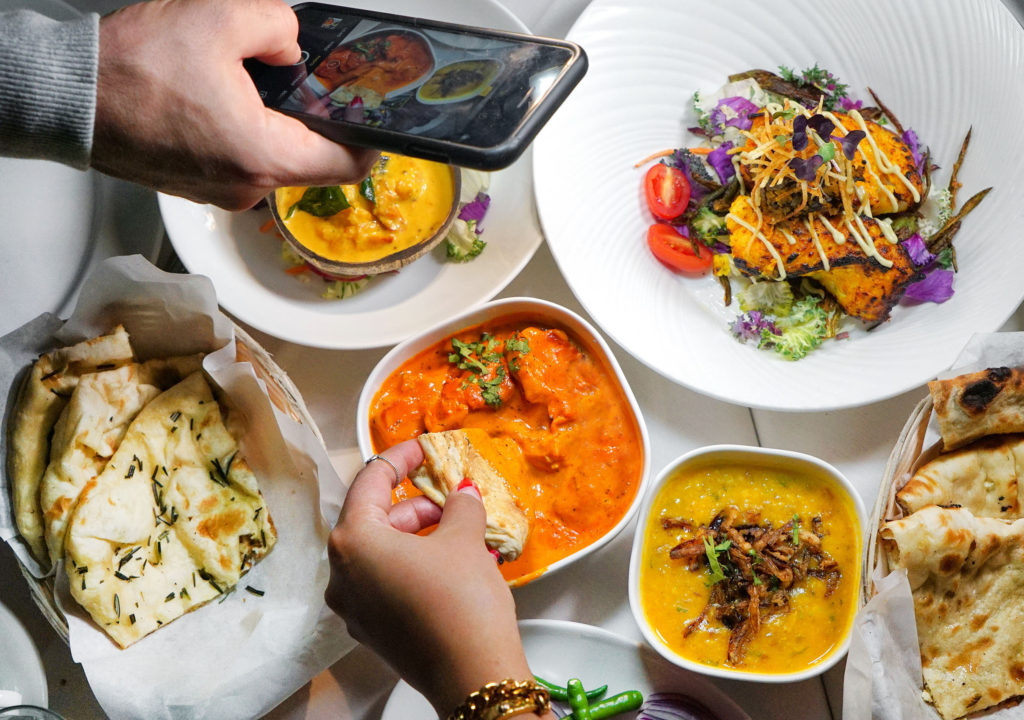
We started with a bunch of apps.
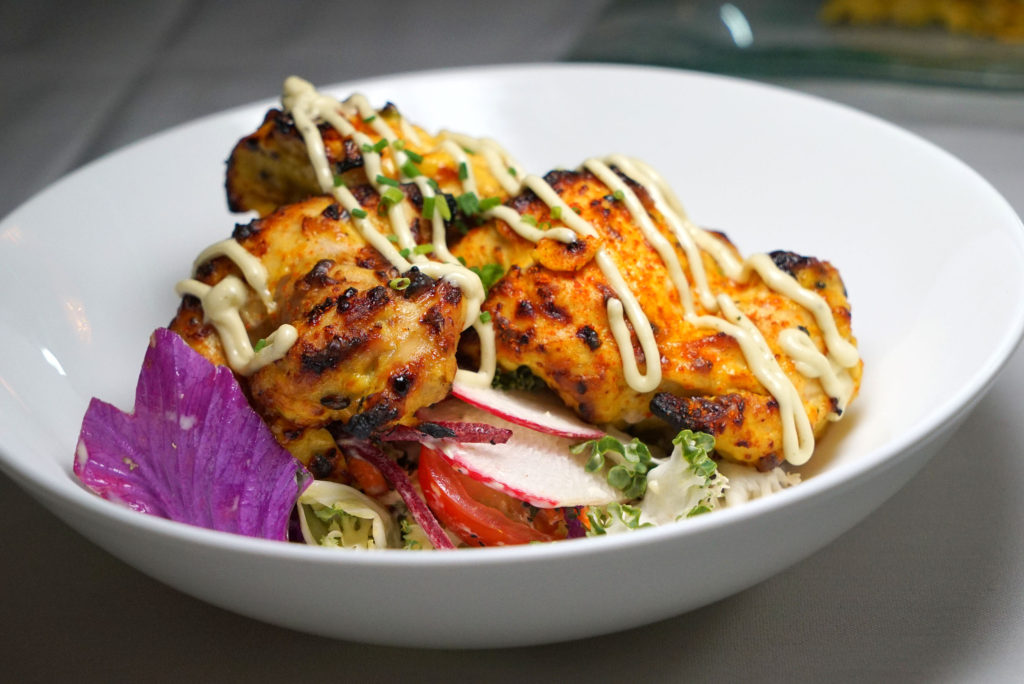
The chicken tikka was my favorite of these babies. The meat was super tender inside and crispy/charred on the outside.
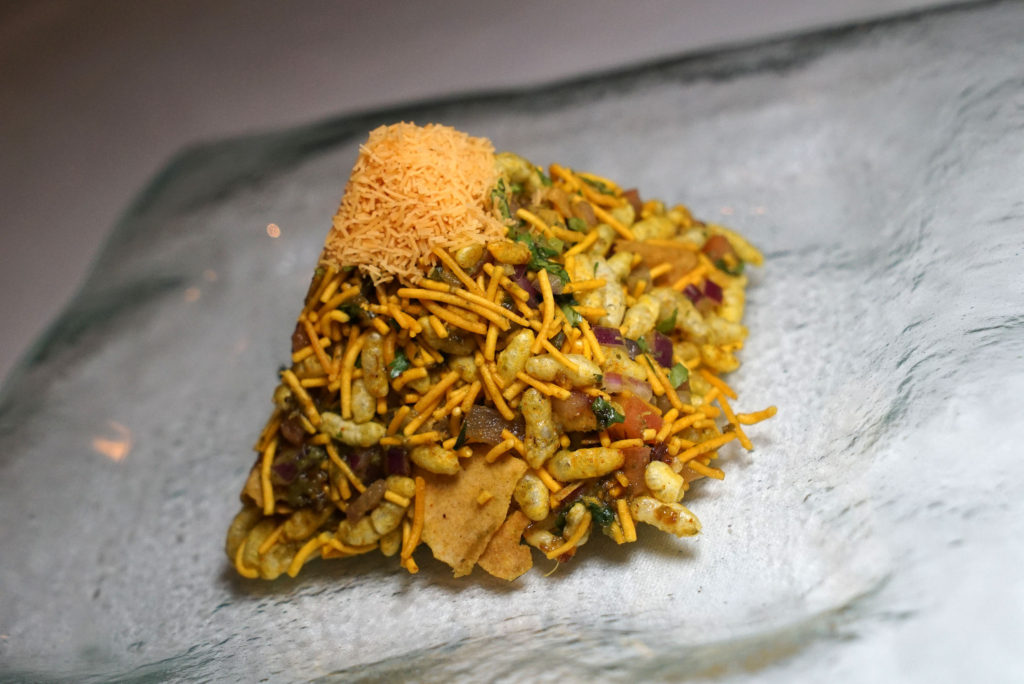
Chaat.
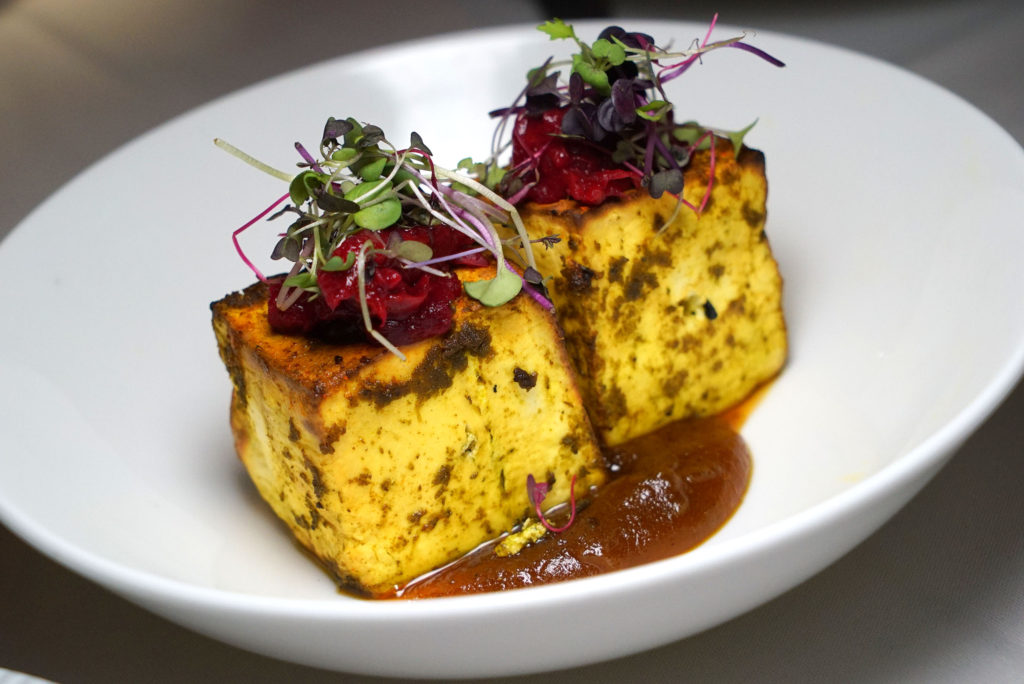
Paneer cheese.
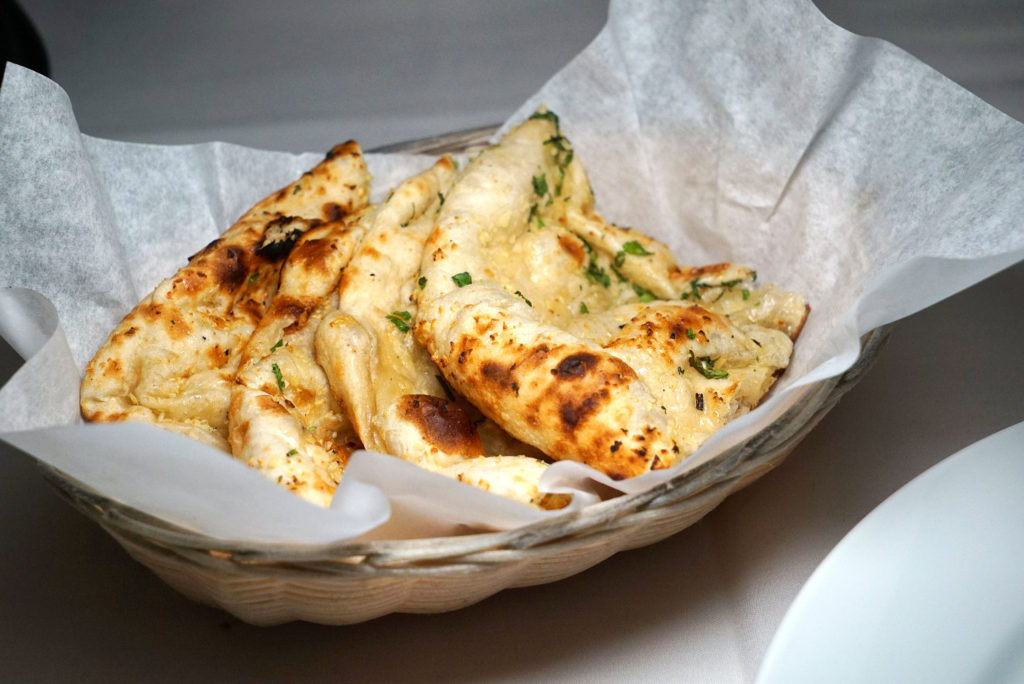
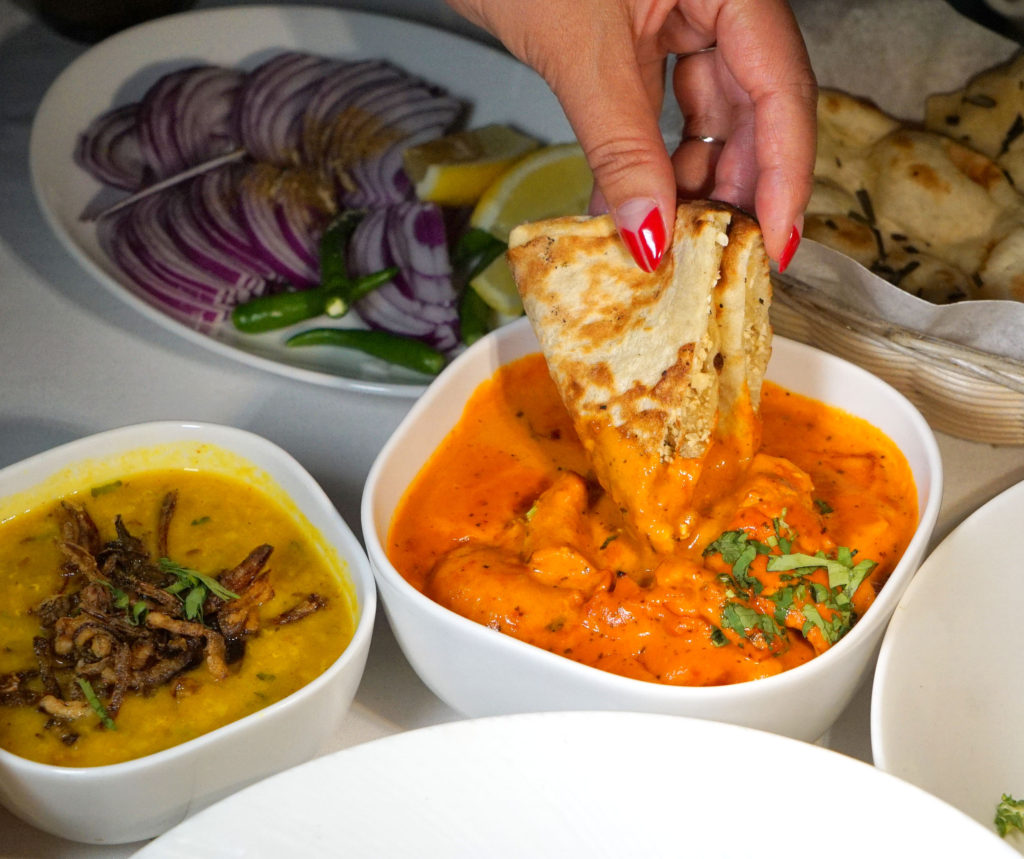
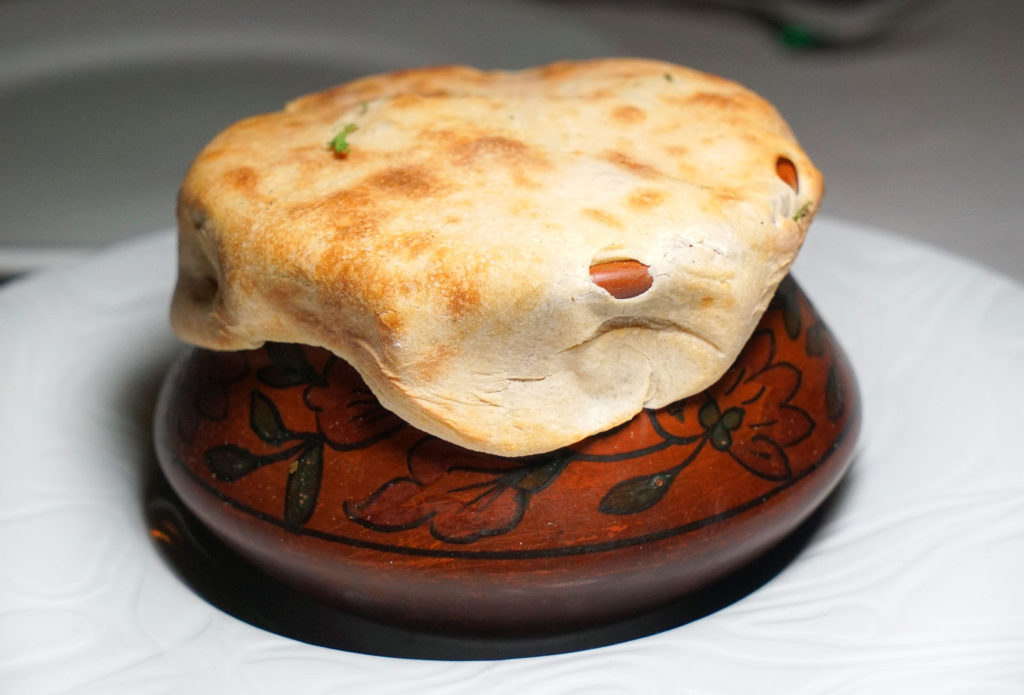
Of course the amazing naan.
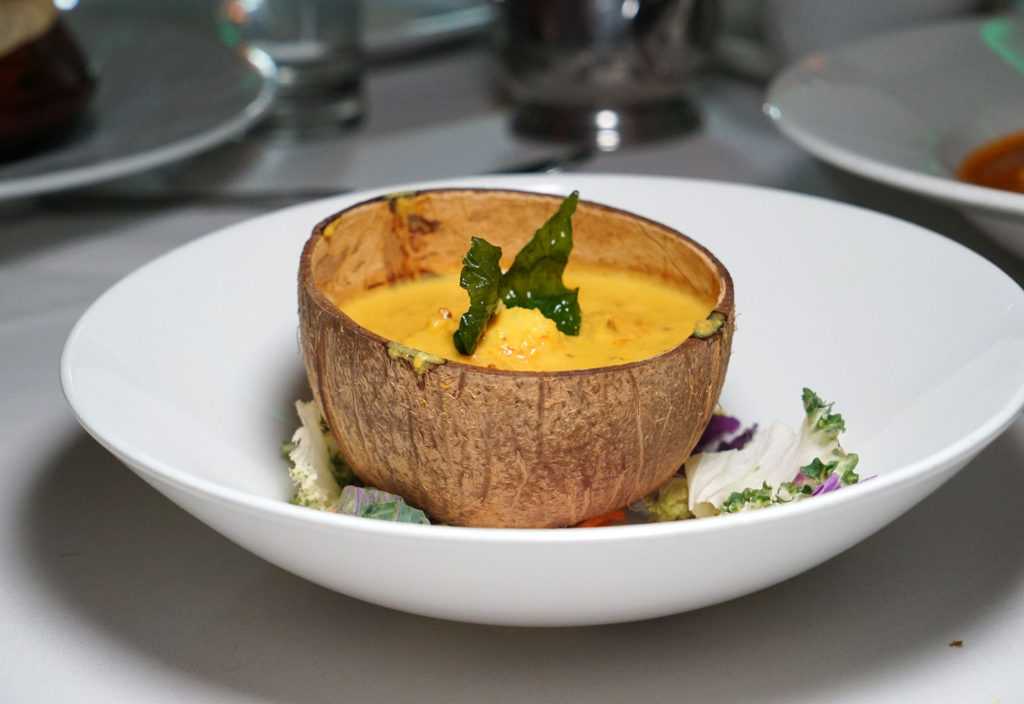
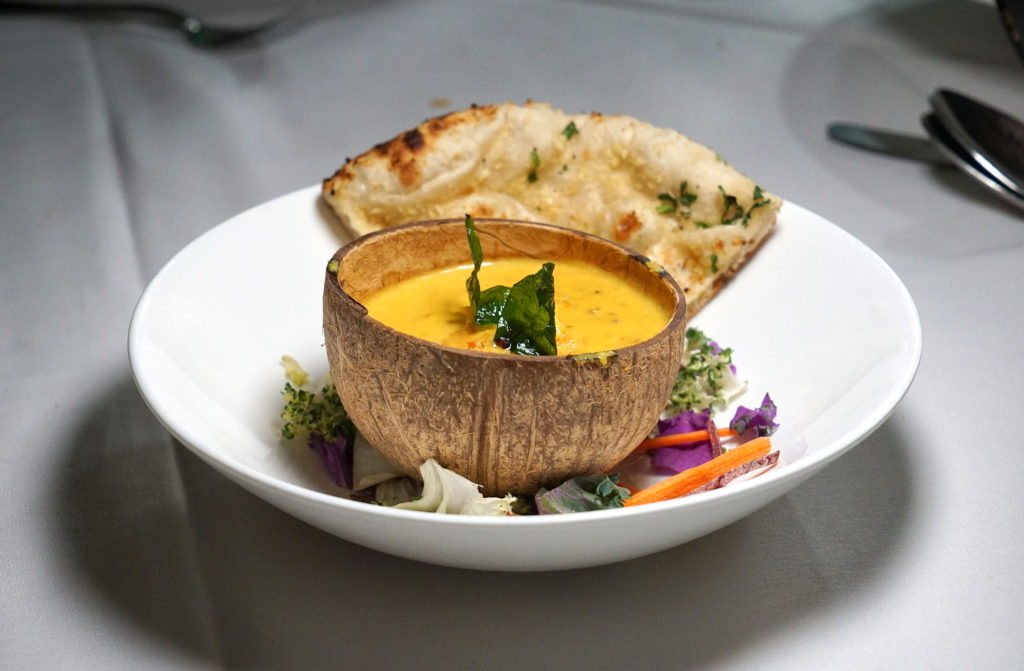
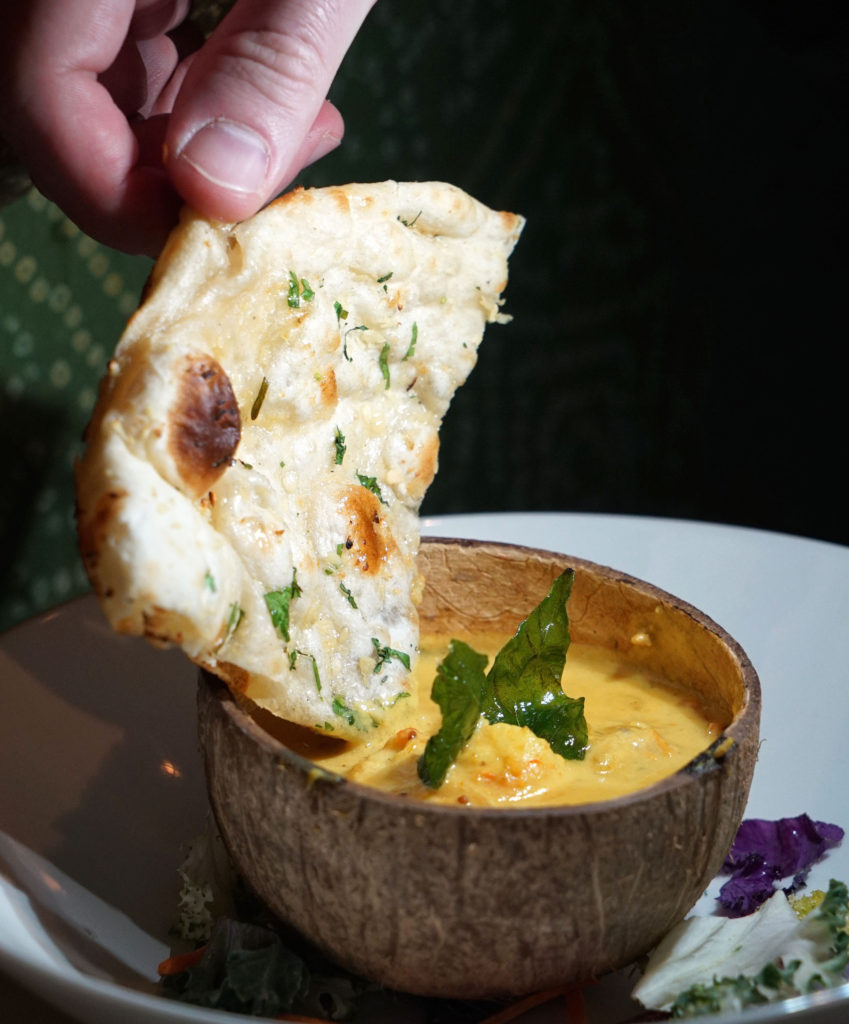
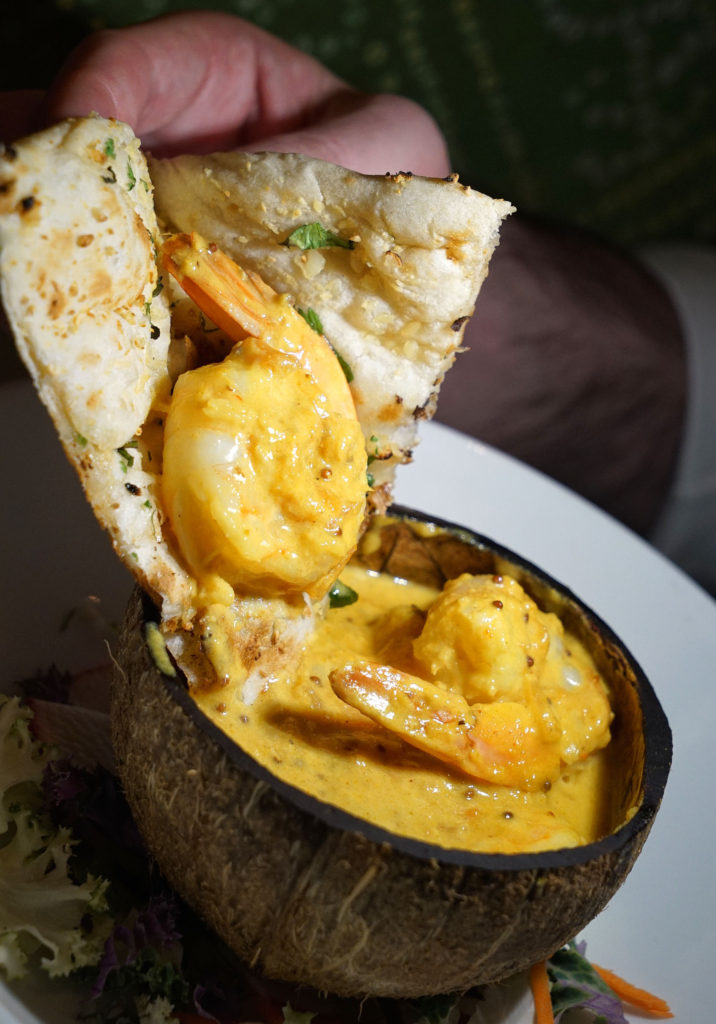
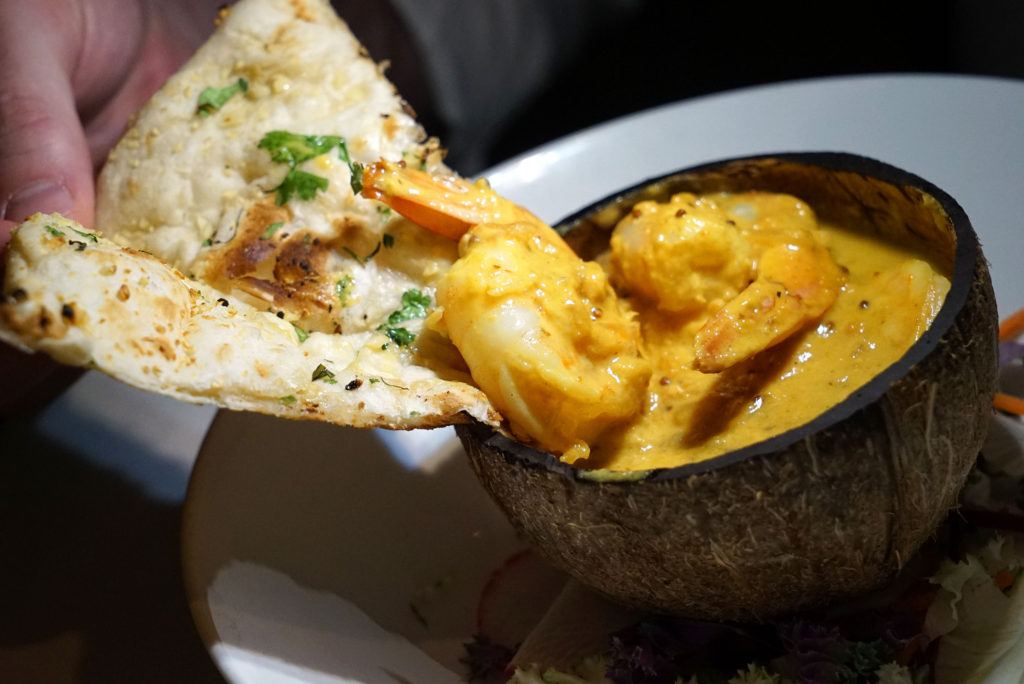
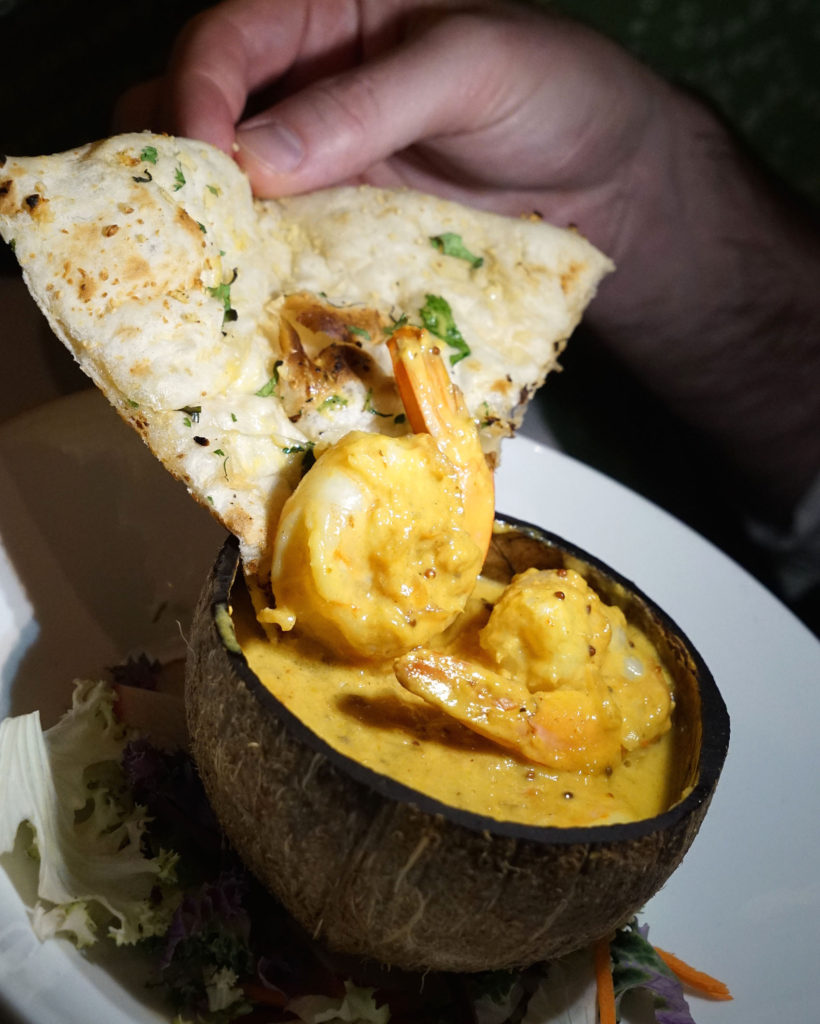
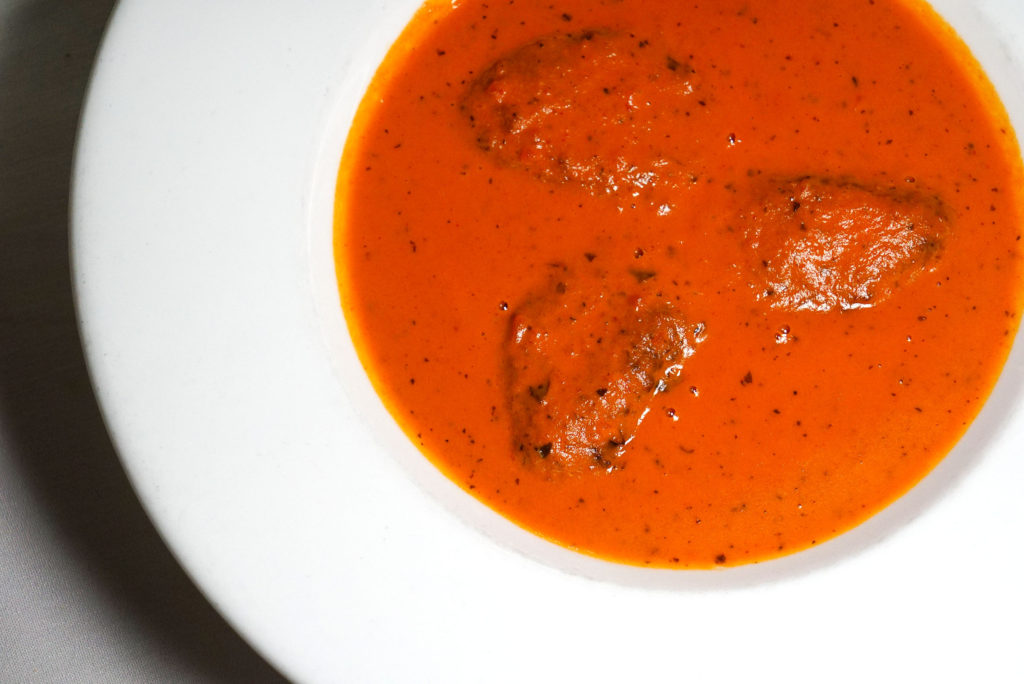
Their garlic naan was awesome, and went very nicely with the coconut shrimp curry.
In fact all of the curries I tried were pretty great here.
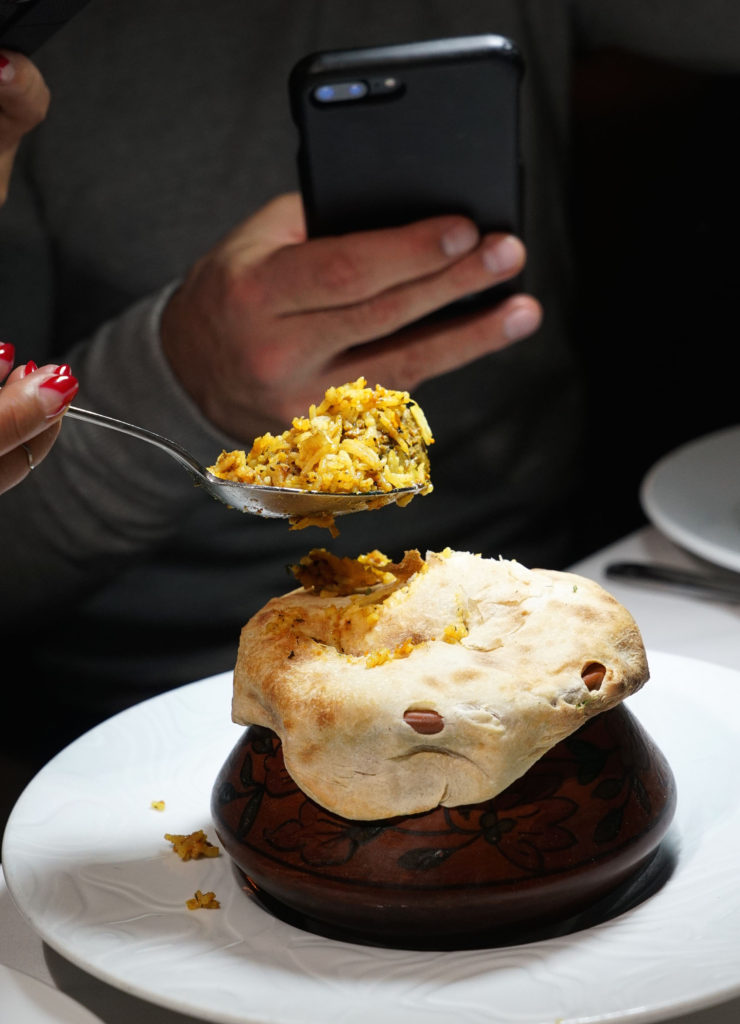
I also tried a goat biryani, which was probably the best biryani I’ve ever had. It was spicy! And the goat was super tender (just be aware of bones throughout).
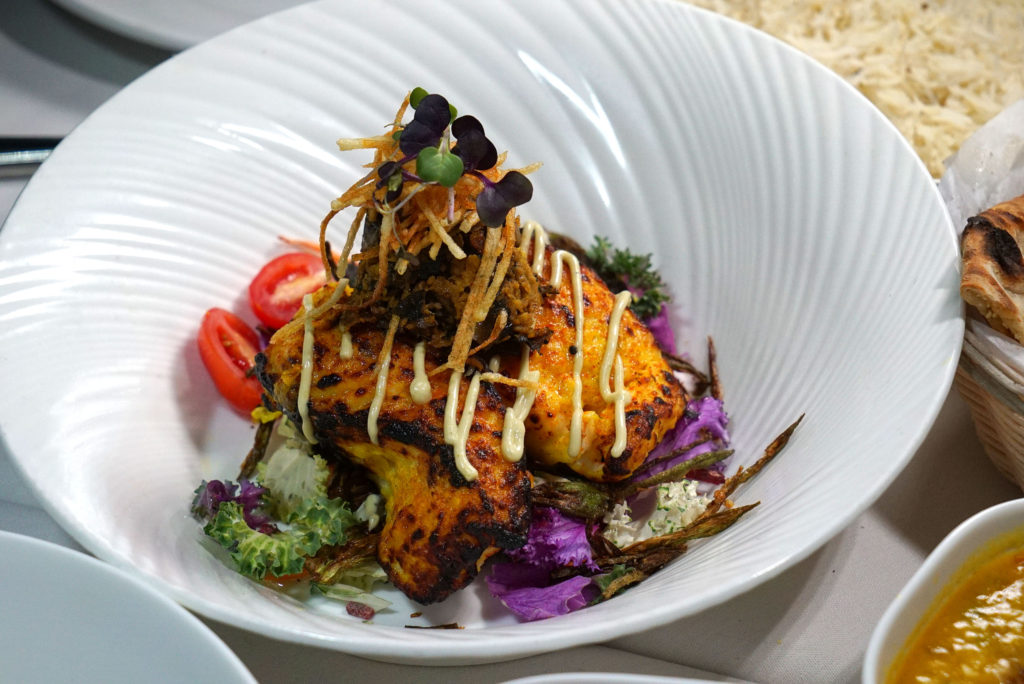
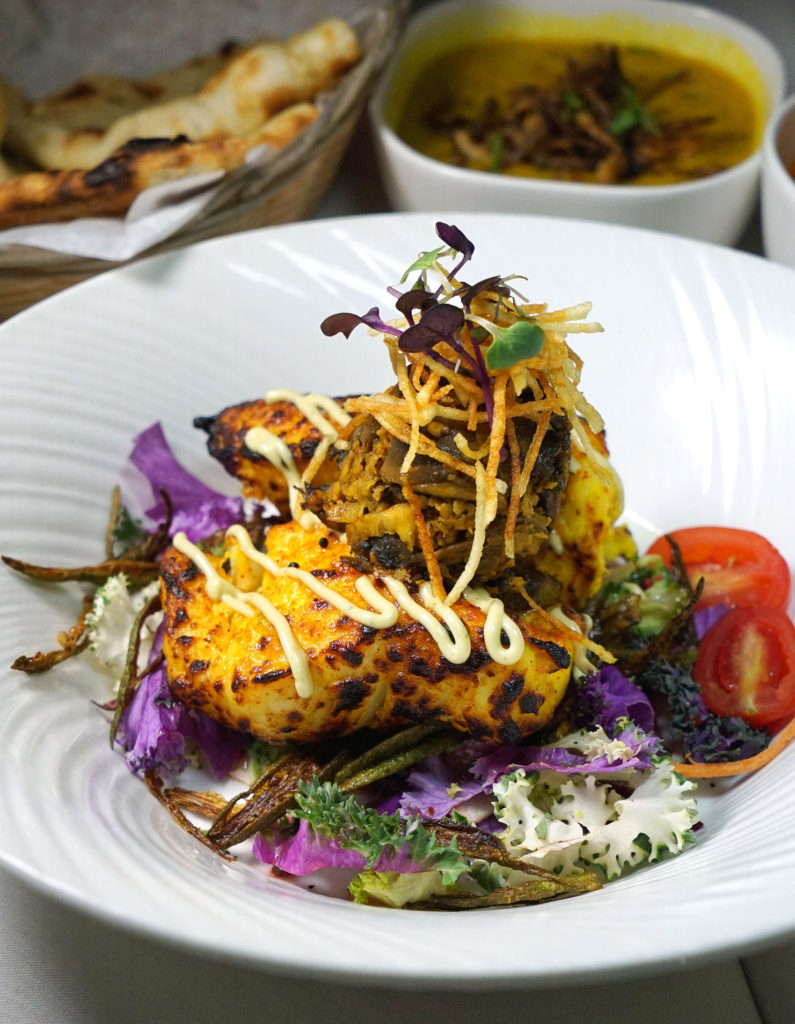
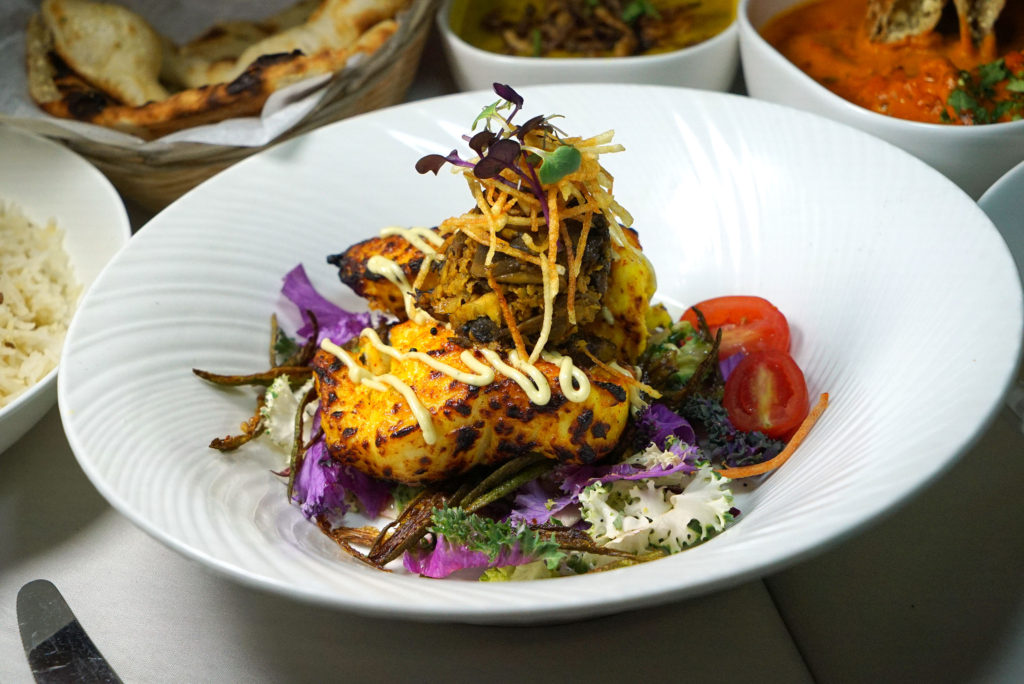
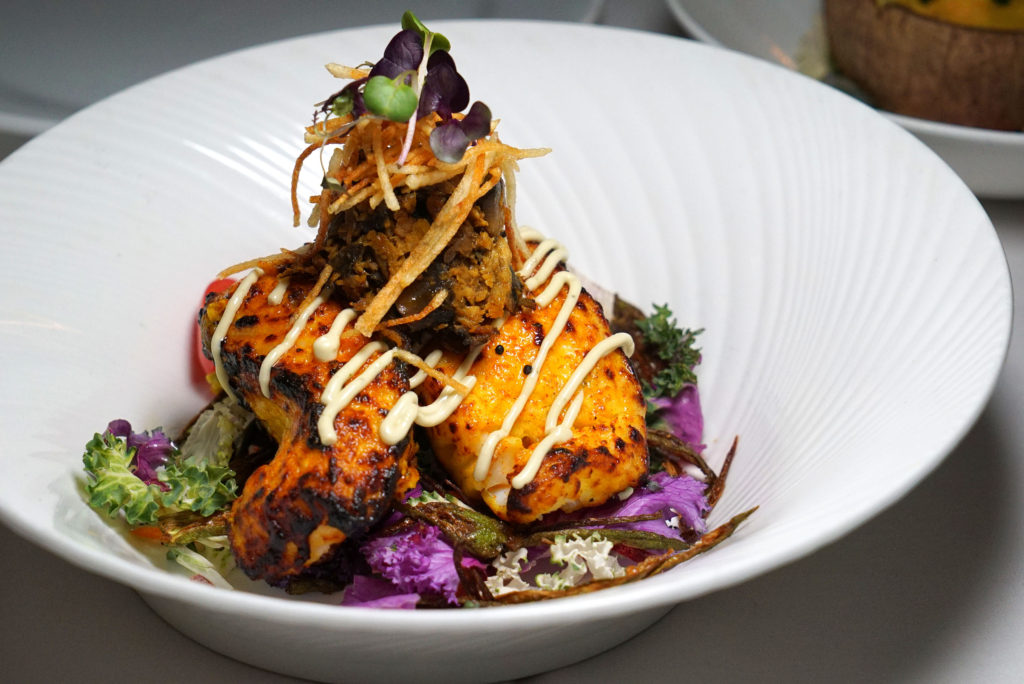
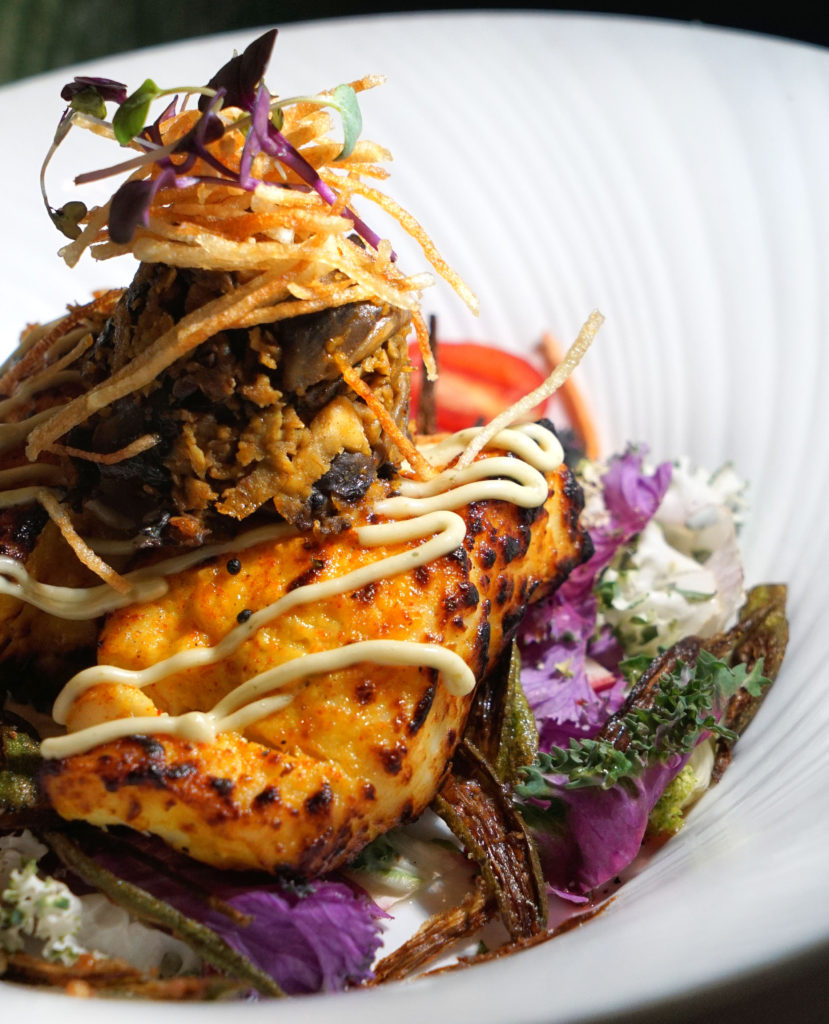
My favorite dish of the night, however, was this halibut dish.
The fish was cooked really nicely, had great texture and a crisp outside, while remaining flakey and tender inside.
So beautiful too.
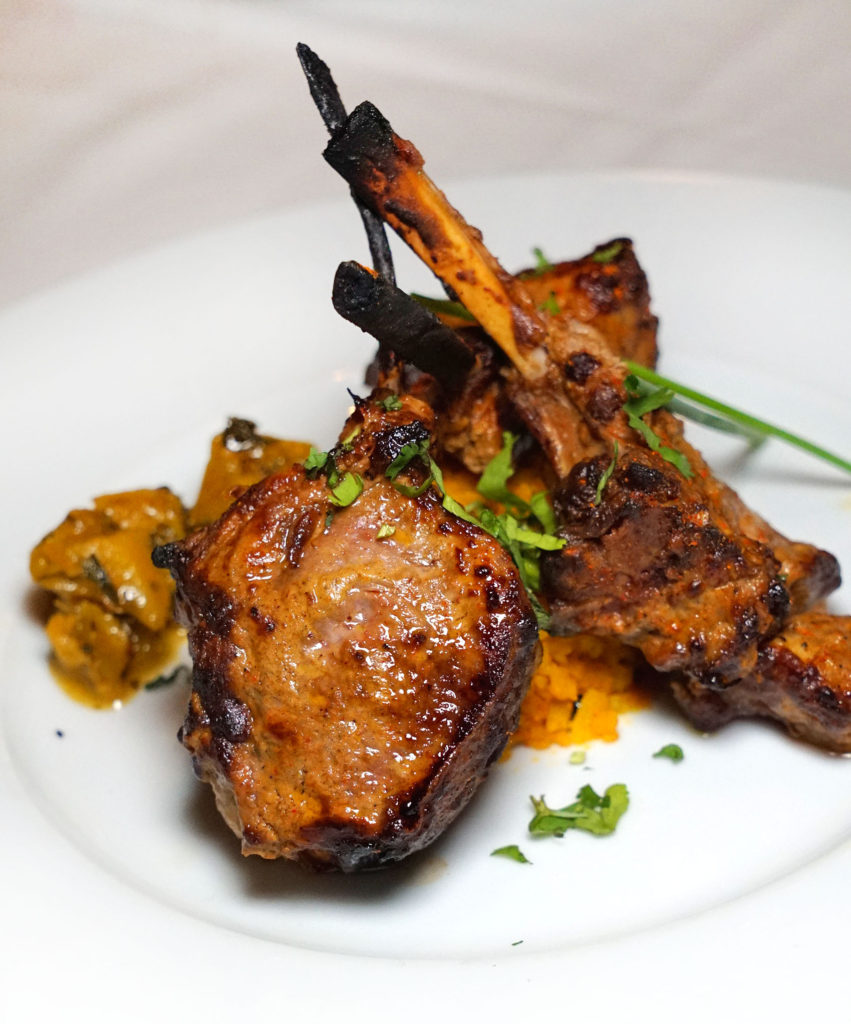
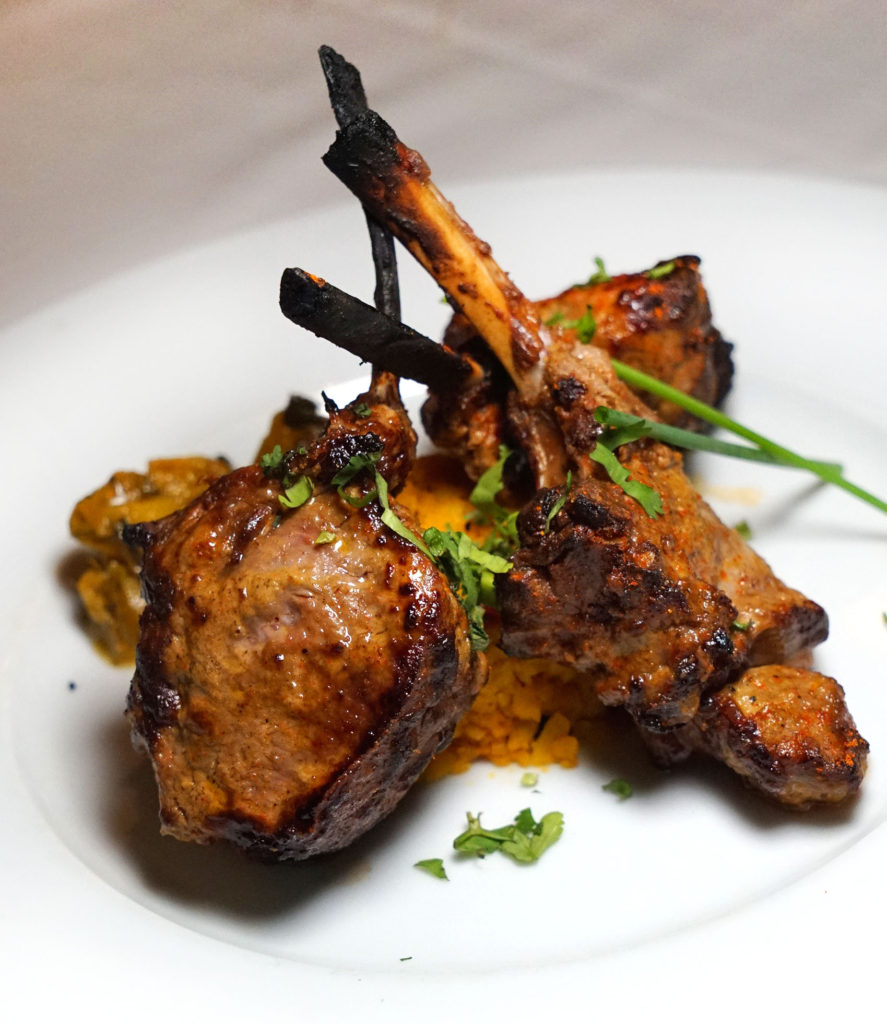
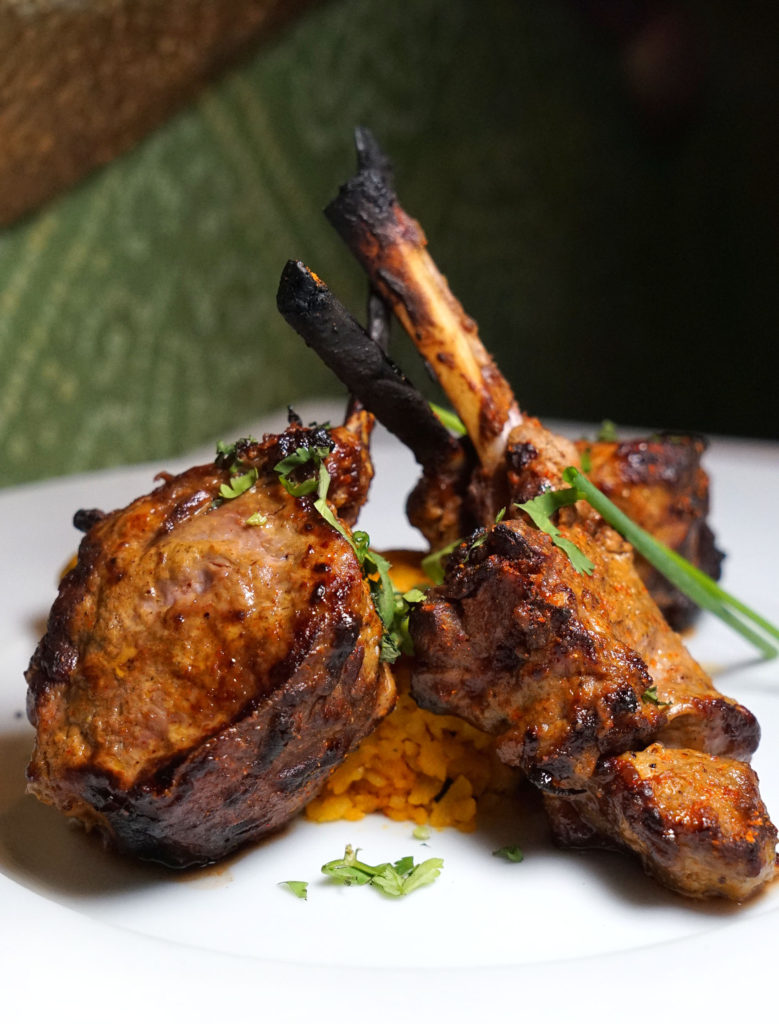
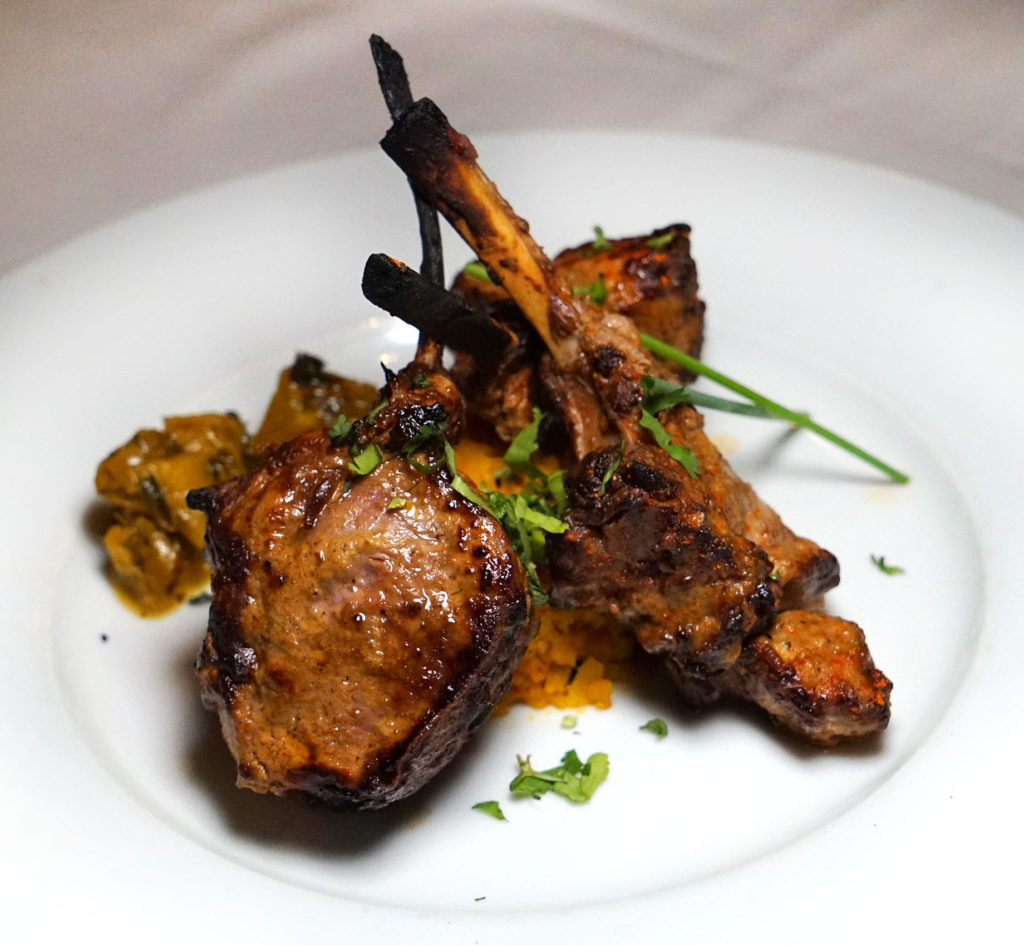
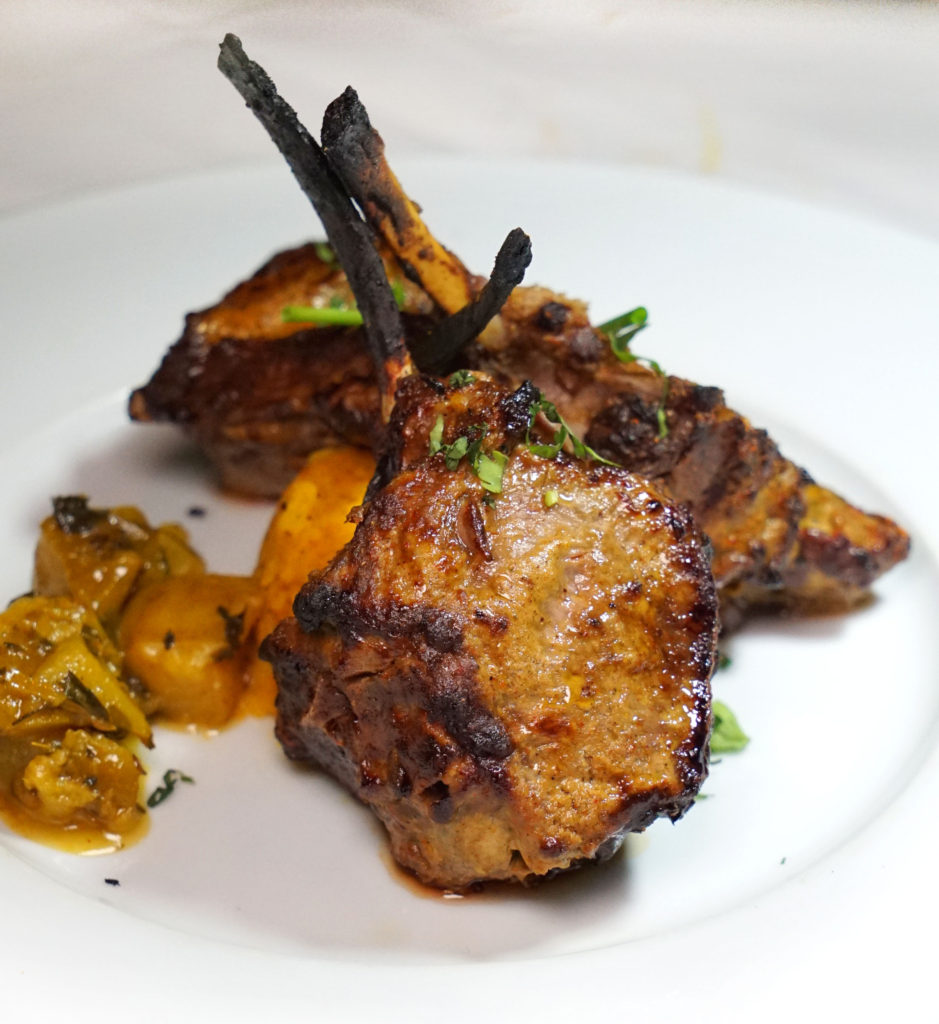
The lamb chops were incredibly tender as well. I really liked the spice profile on them. Aggressive, but really earthy. I didn’t get a shot of the inside, but they were cooked to a perfect medium rare to rare temperature. And like I said, so freaking tender. I actually cut them with a butter knife.
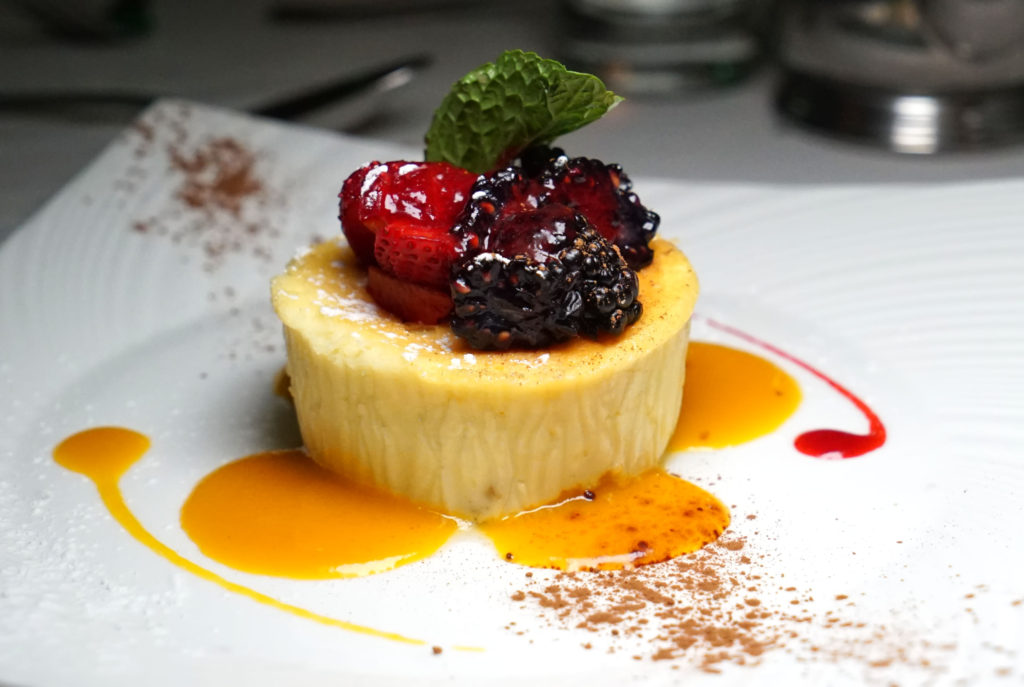
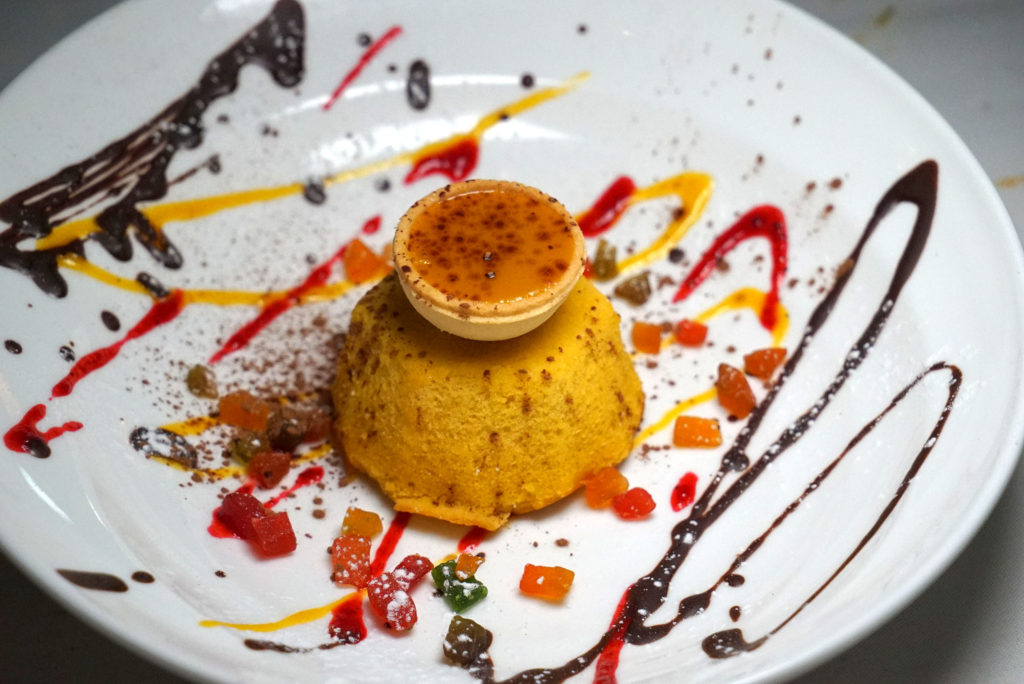
Dessert was interesting. My favorite was their rendition of cheesecake. Super creamy!
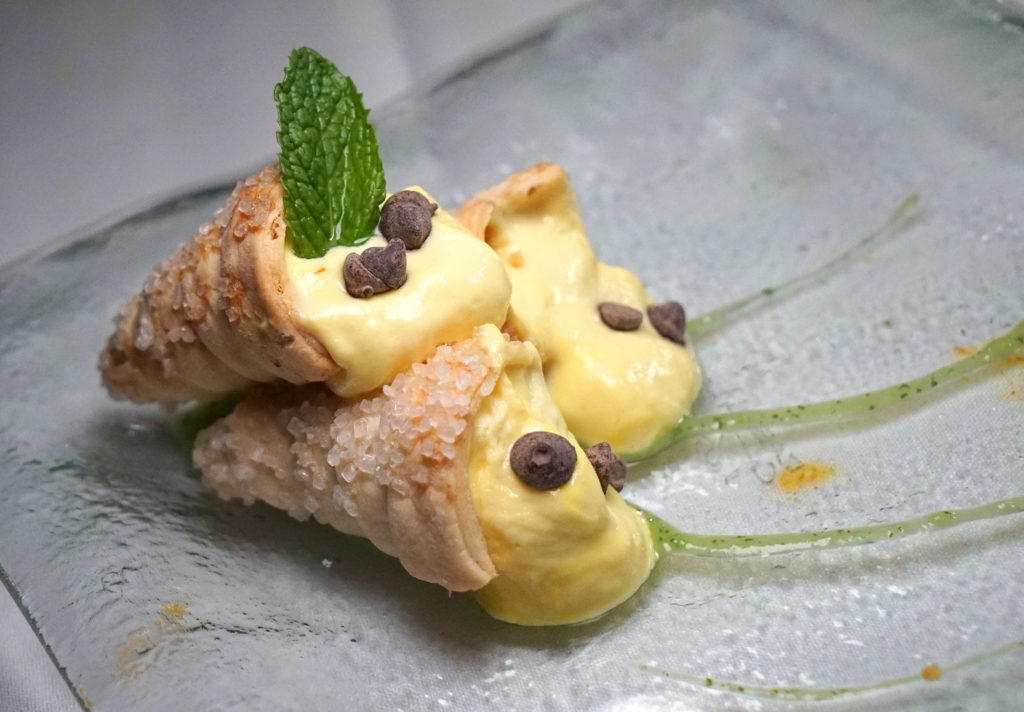
And I also liked these yogurt cream “cannoli”-like shells:
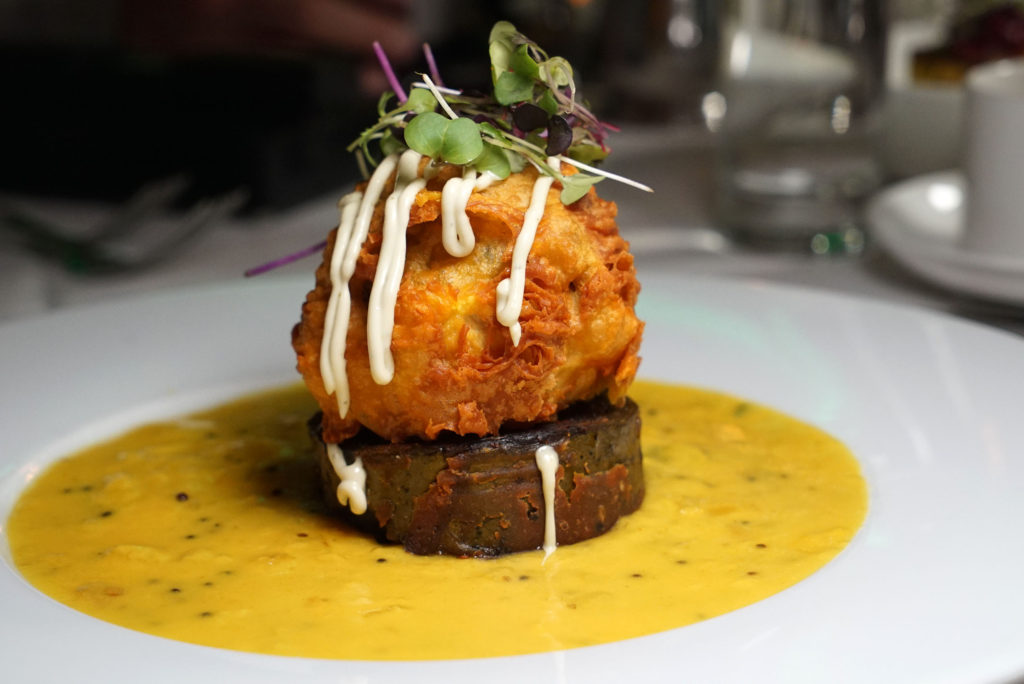
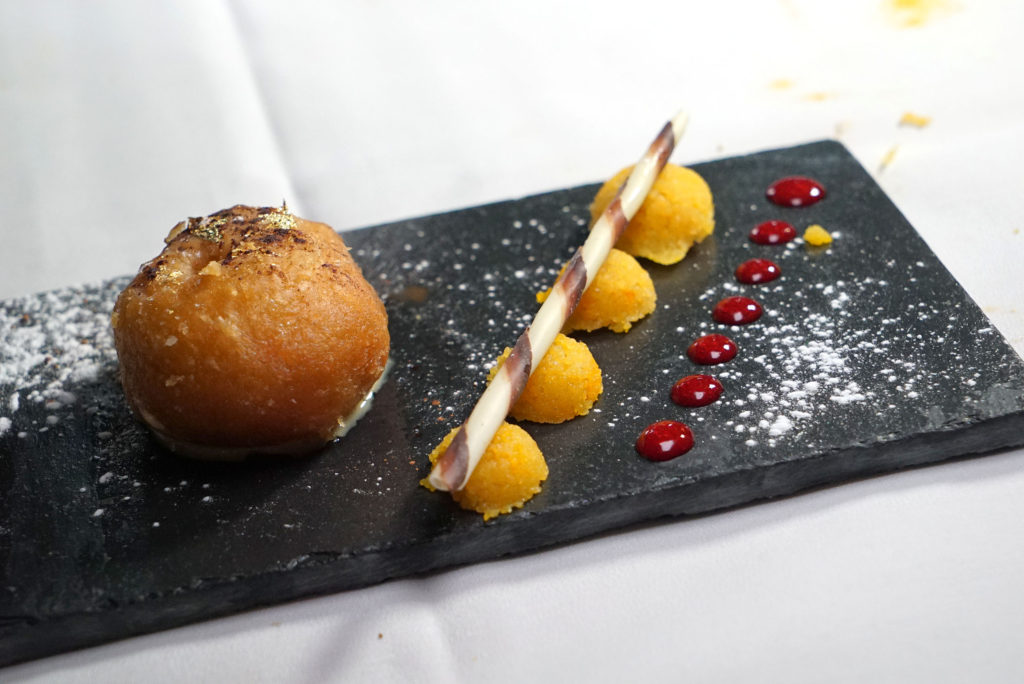
But everything else I tried was beautiful and tasty.
It seems like everyone in the country knows about Omaha Steaks delivery service. Over the years, I’ve had many boxes delivered to me, but I just realized that I never actually took the time to review them. Recently my wife and I were given a box of various goodies, and the steaks within were tenderloins.
I did a simple preparation, which is becoming my go-to method of cooking steaks at home: sous vide and then a blow torch finish. You can see the recipe post HERE.
I think the issue with Omaha Steaks is that they spread themselves too thin by offering a bunch of other items aside from beef/steaks. They do chicken, pork, meatballs, baked potatoes, french fries, etc. As a result, maybe the steaks suffer?
My filets, while tasty, were a bit on the thin side. I enjoyed the ones from Nebraska Famous Steaks better, mainly because they were thicker and actually felt like a real steakhouse filet mignon. That said, the Omaha jams were still great in the way I prepared them.
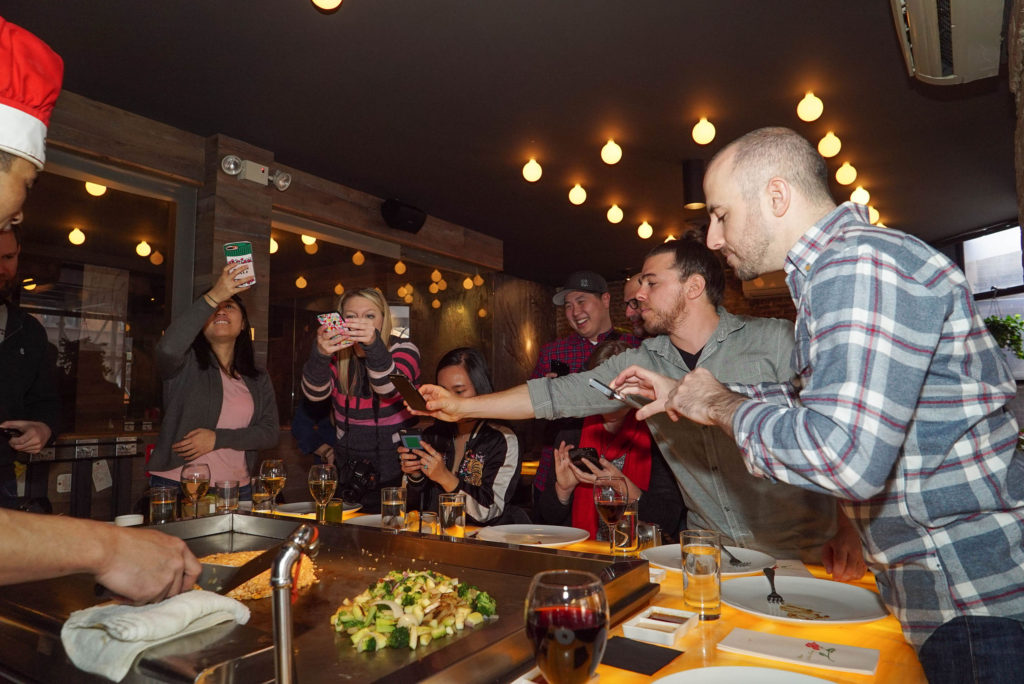
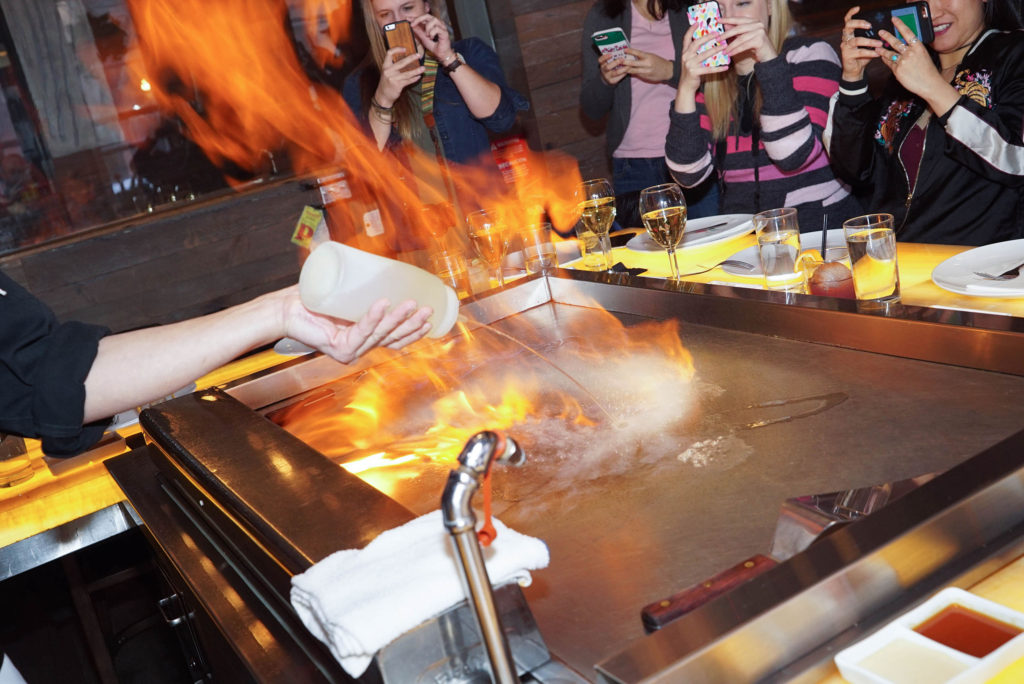
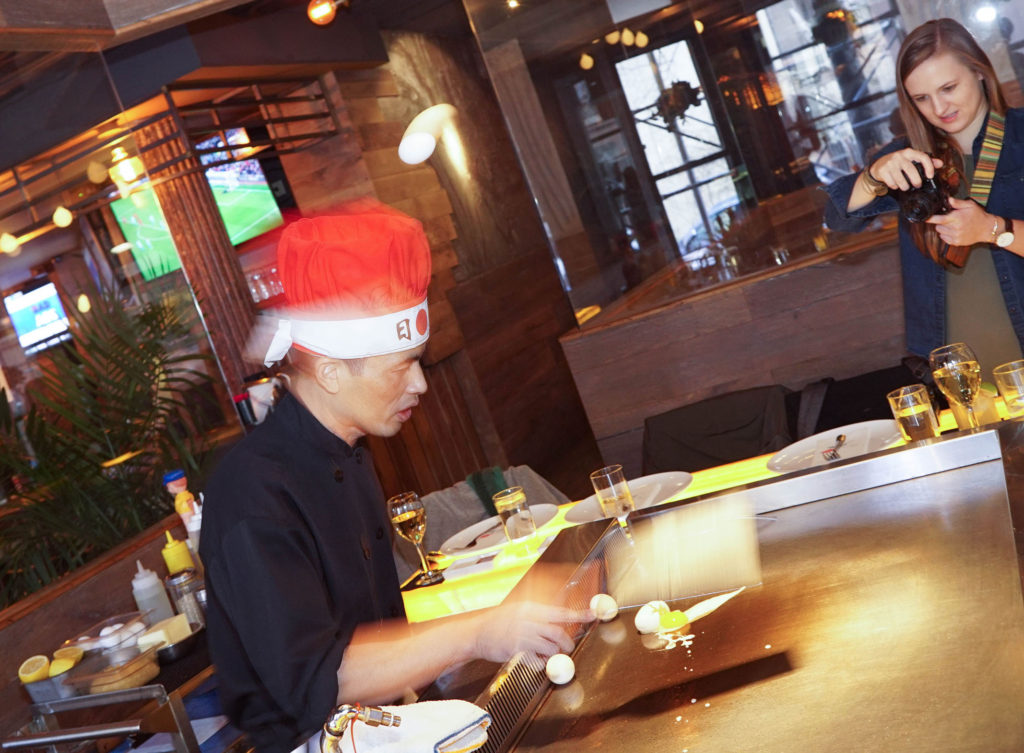
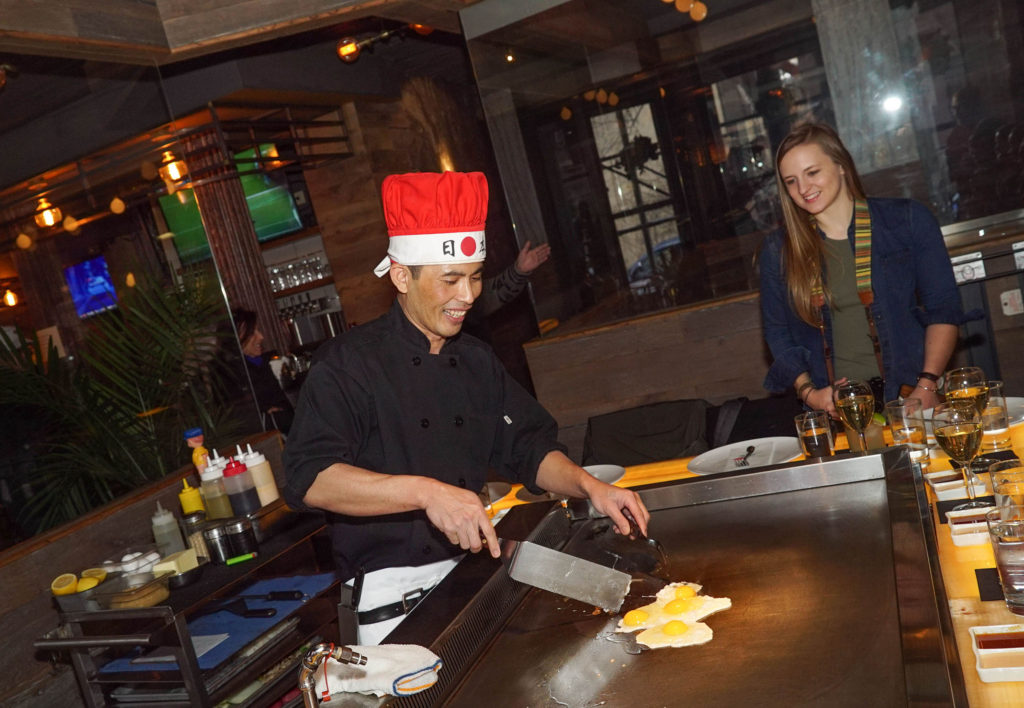
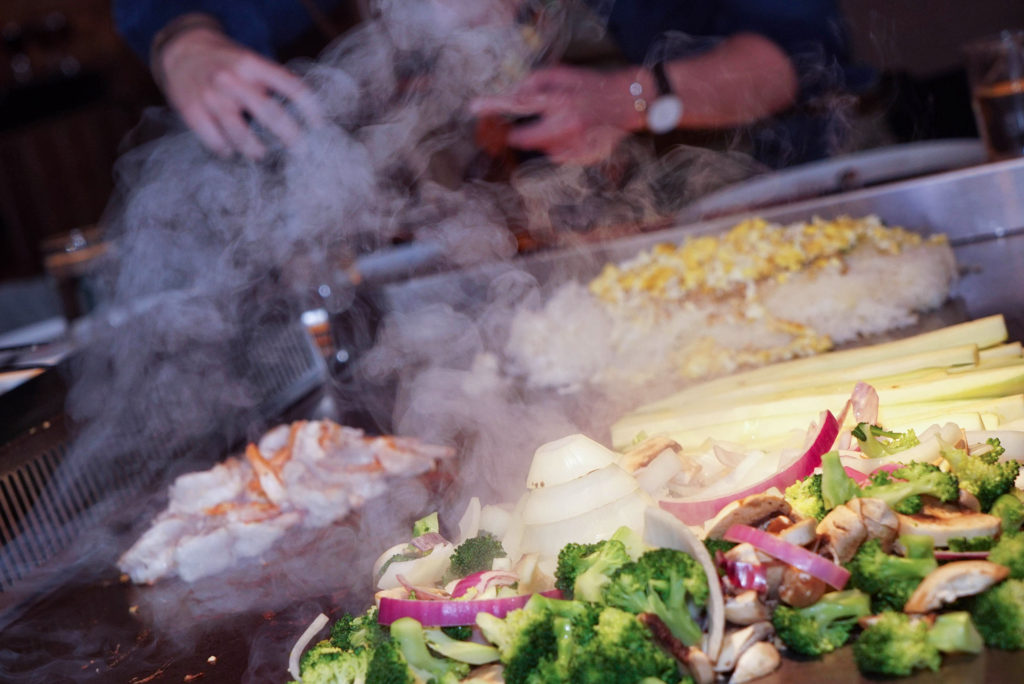
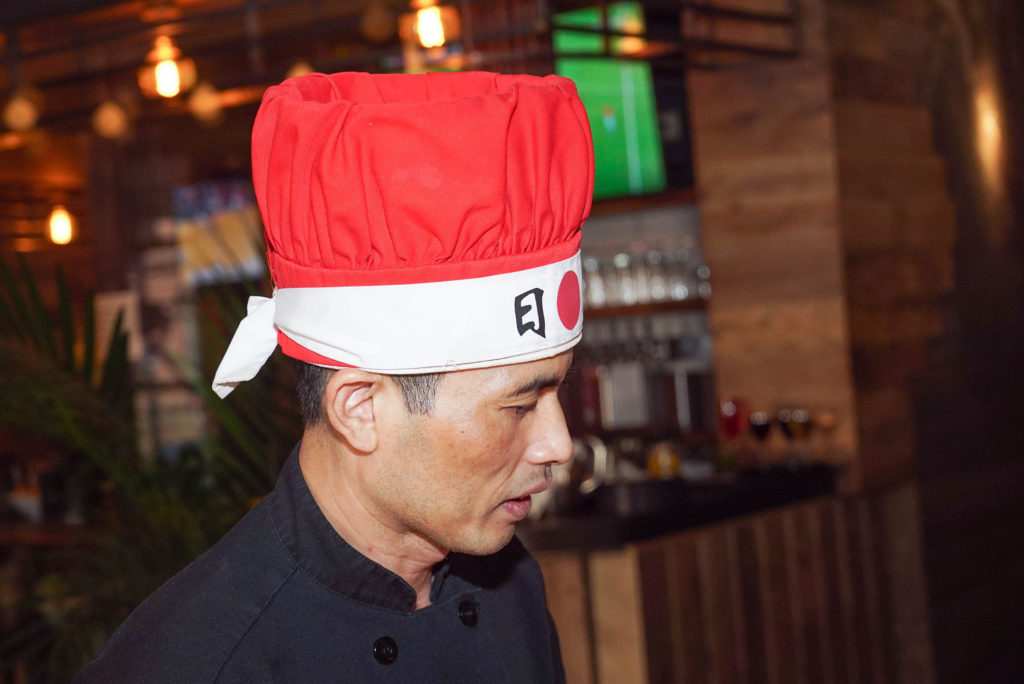
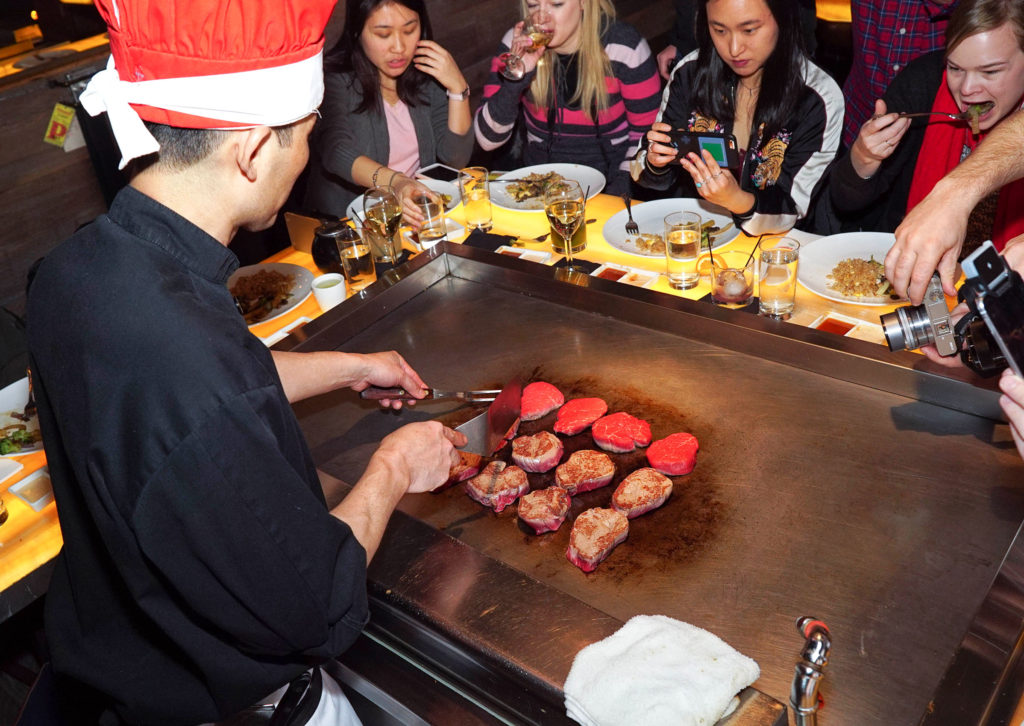
Flame is a pretty large hibachi joint on the upper west side. I was recently invited in for a hibachi meal with a bunch of lunatic foodies.
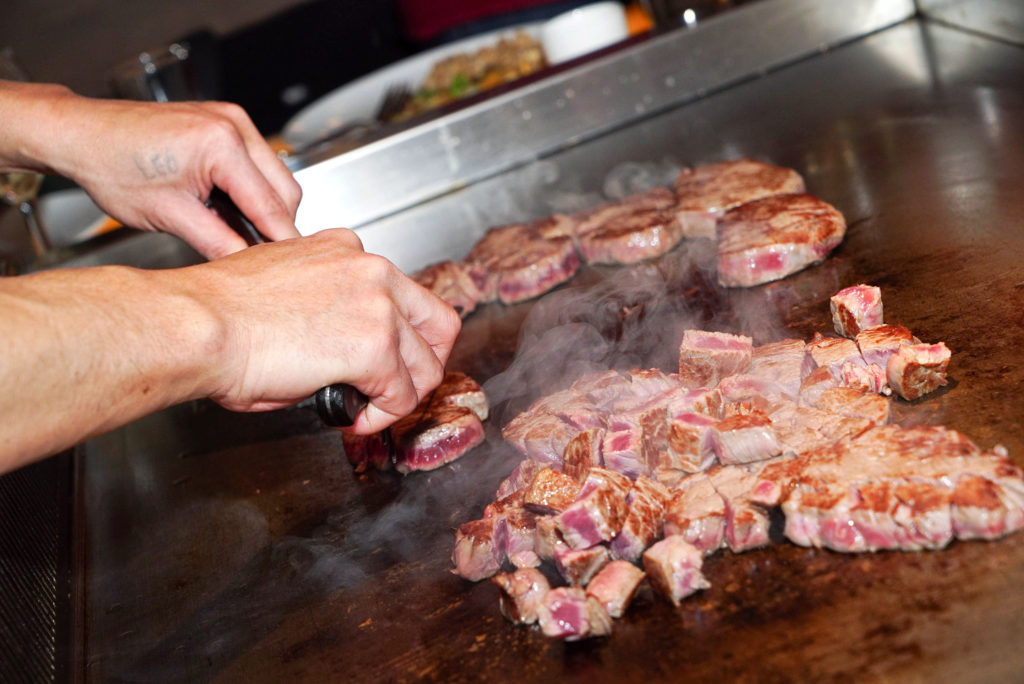
They put on a great show here, I must say.
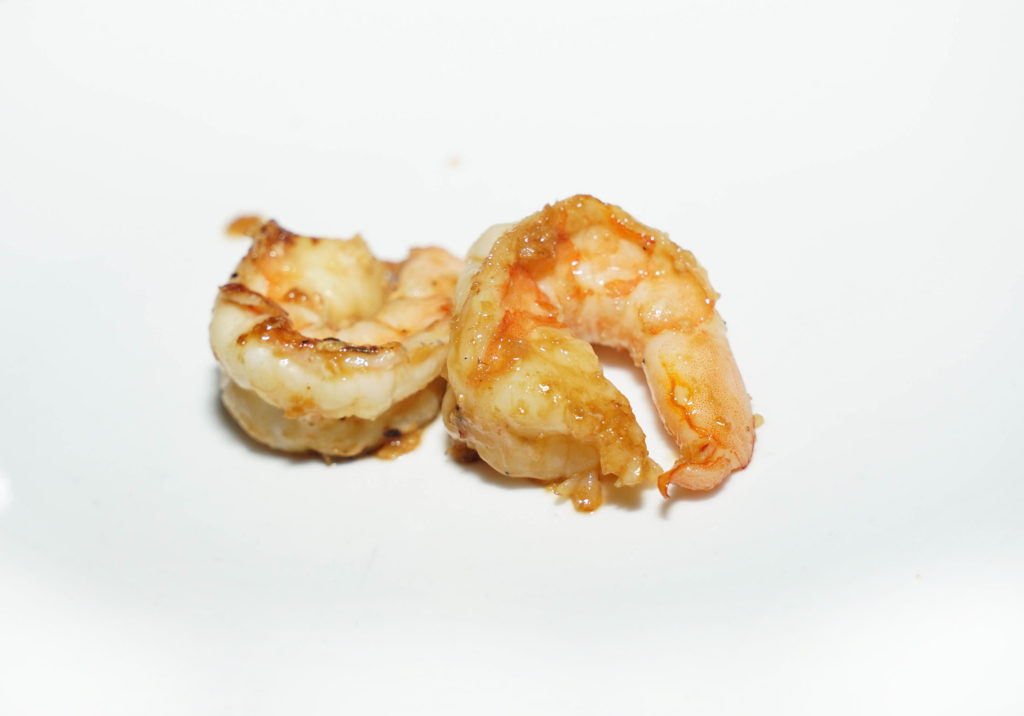
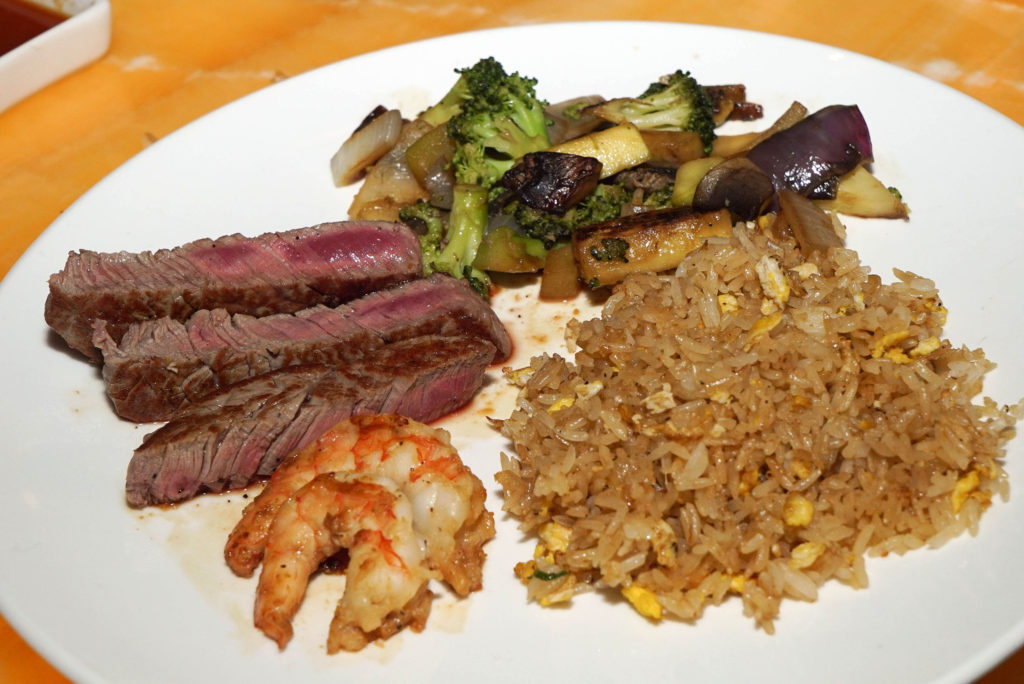
We started off with a pair of shrimp.
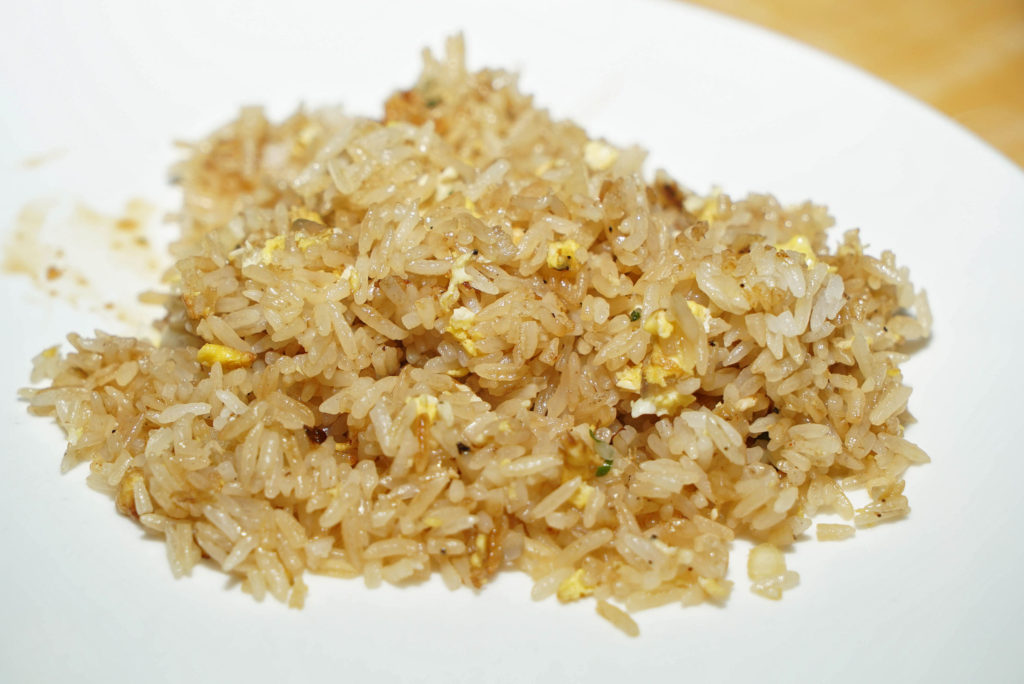
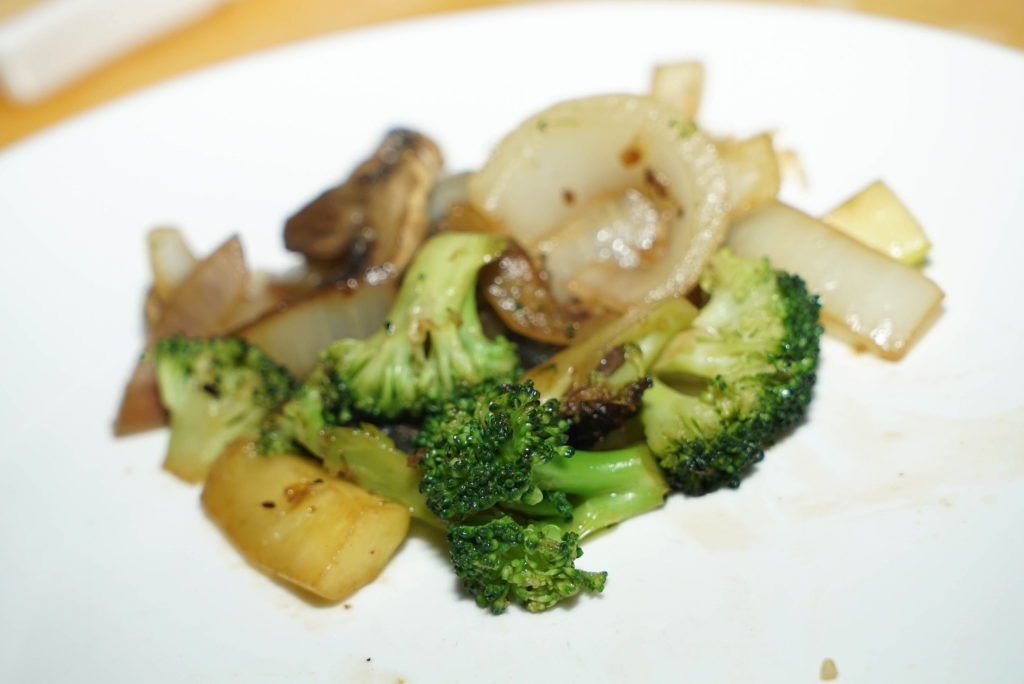
Then some fried rice and veggies.
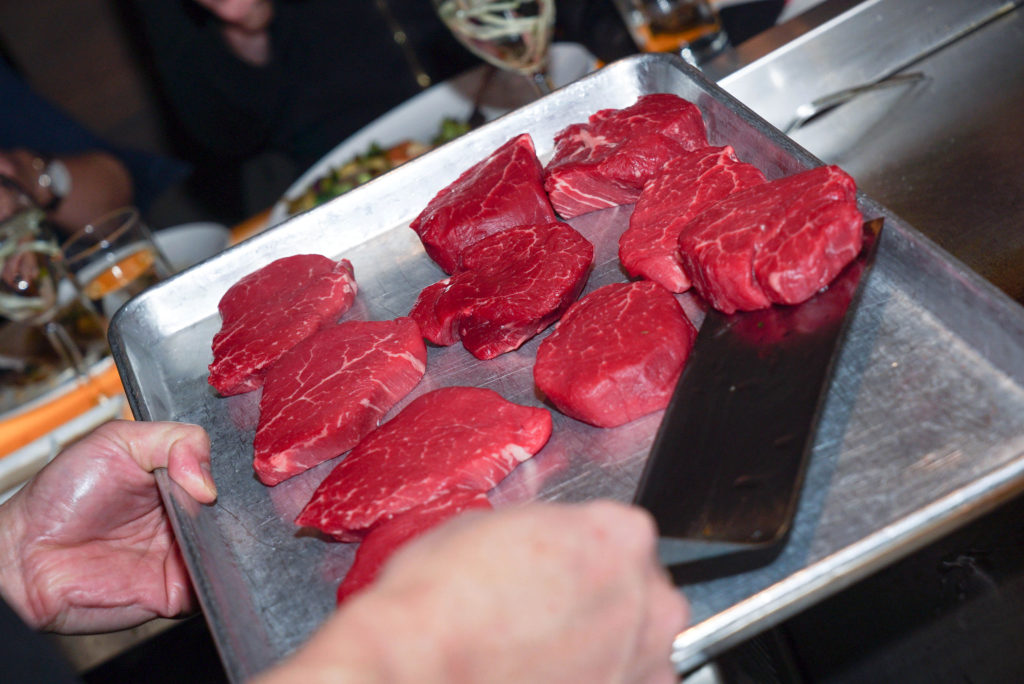
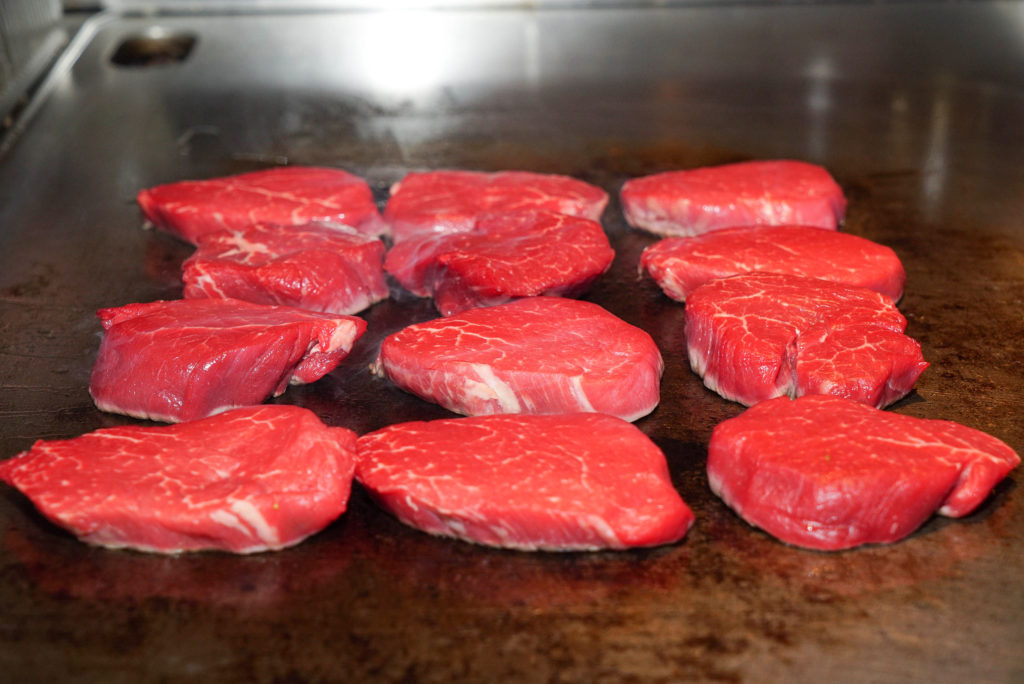
And then the steaks came out!
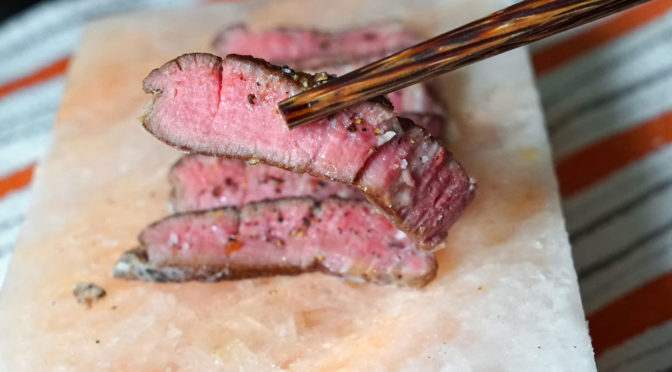
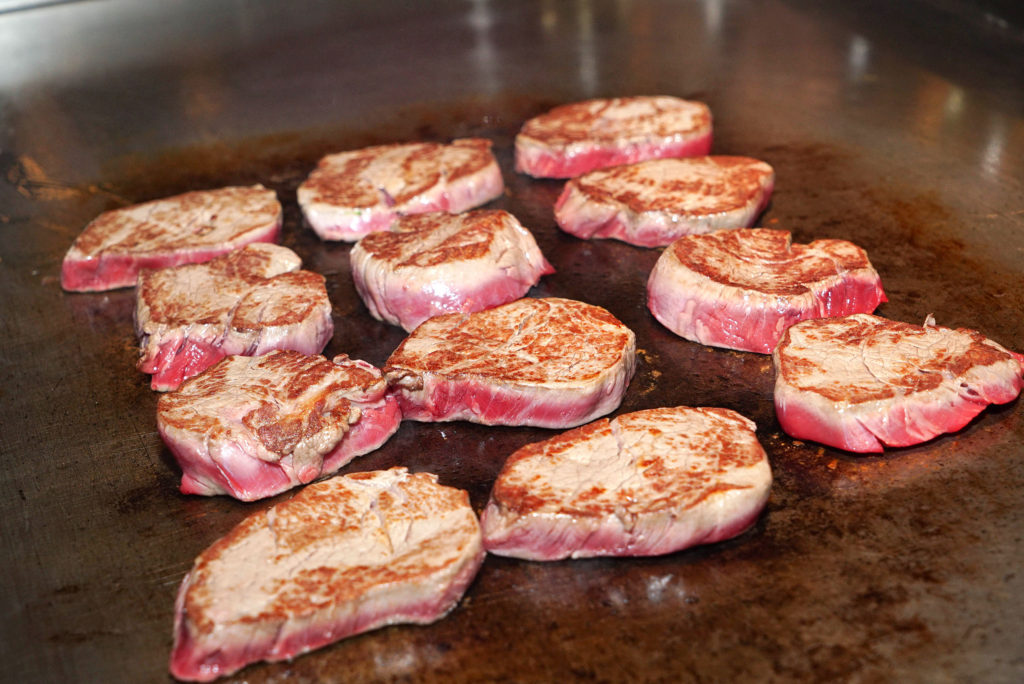
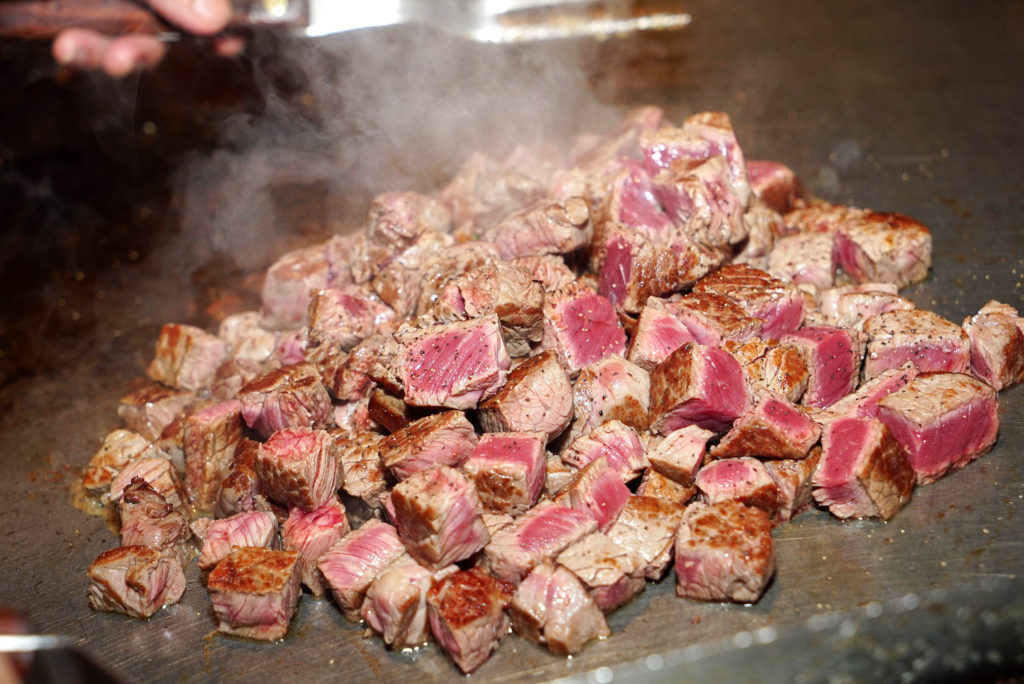
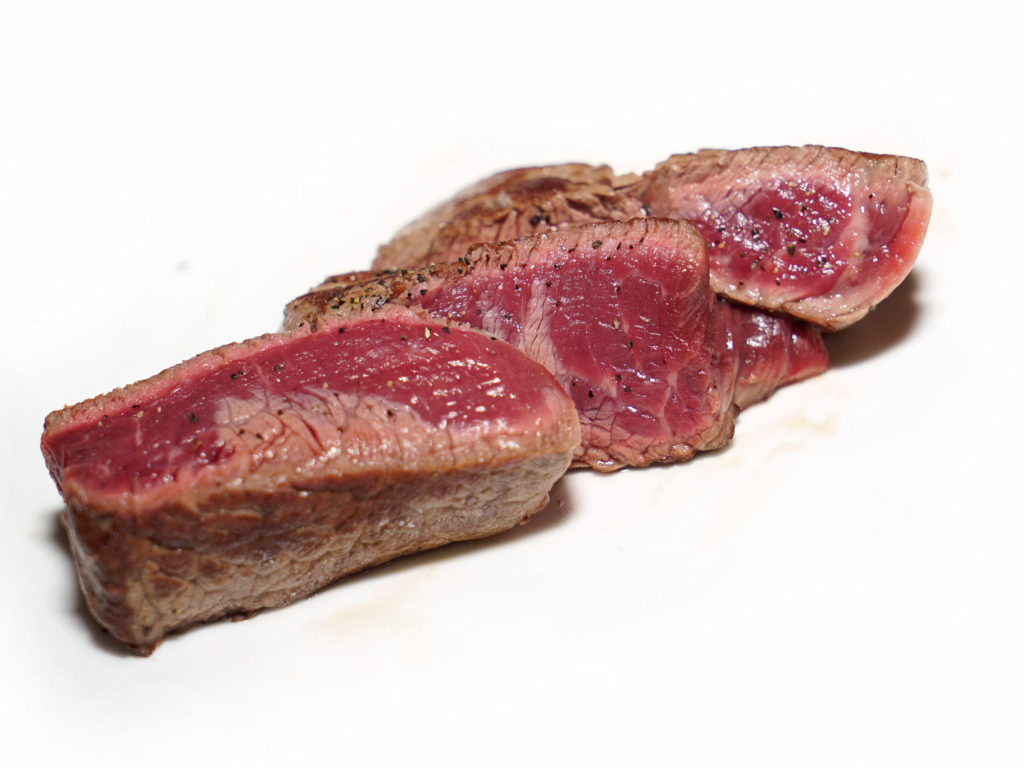
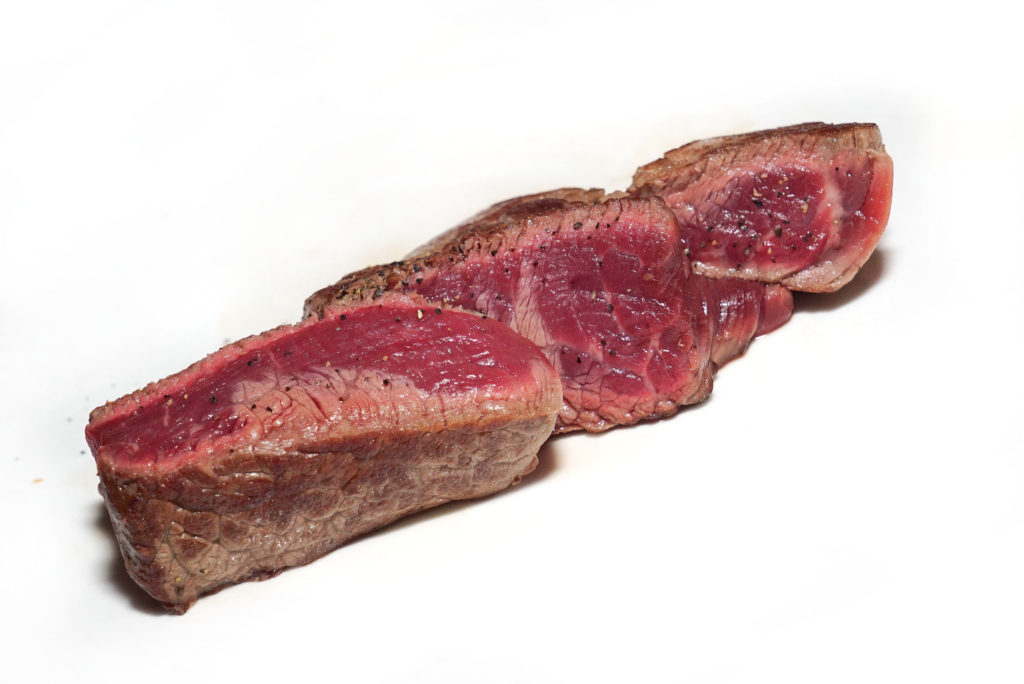
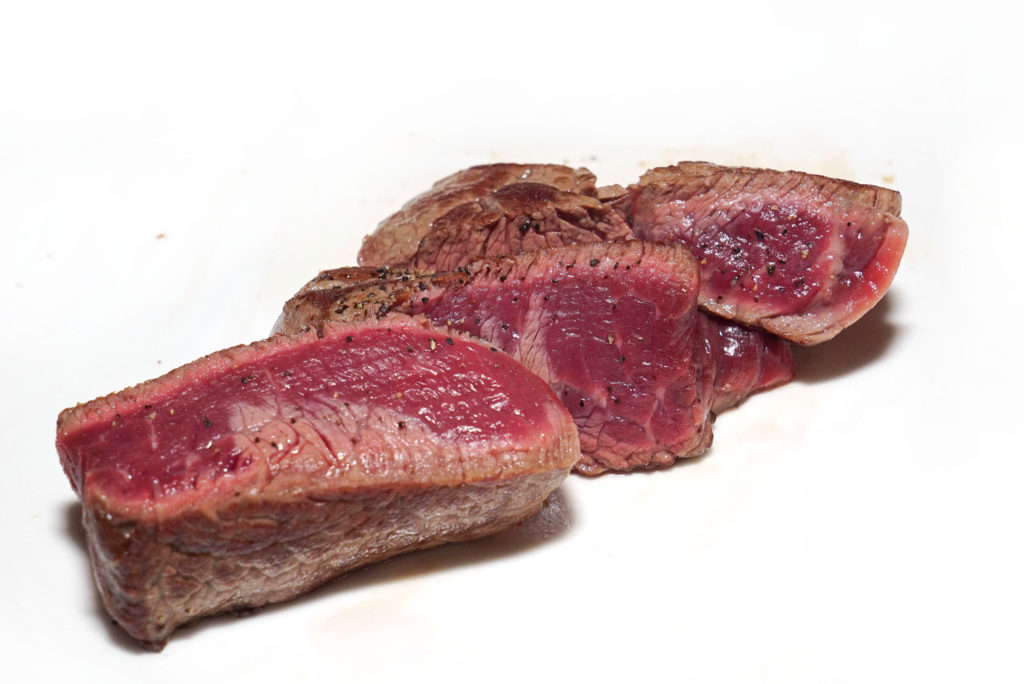
Very simply prepared, and nicely cooked.
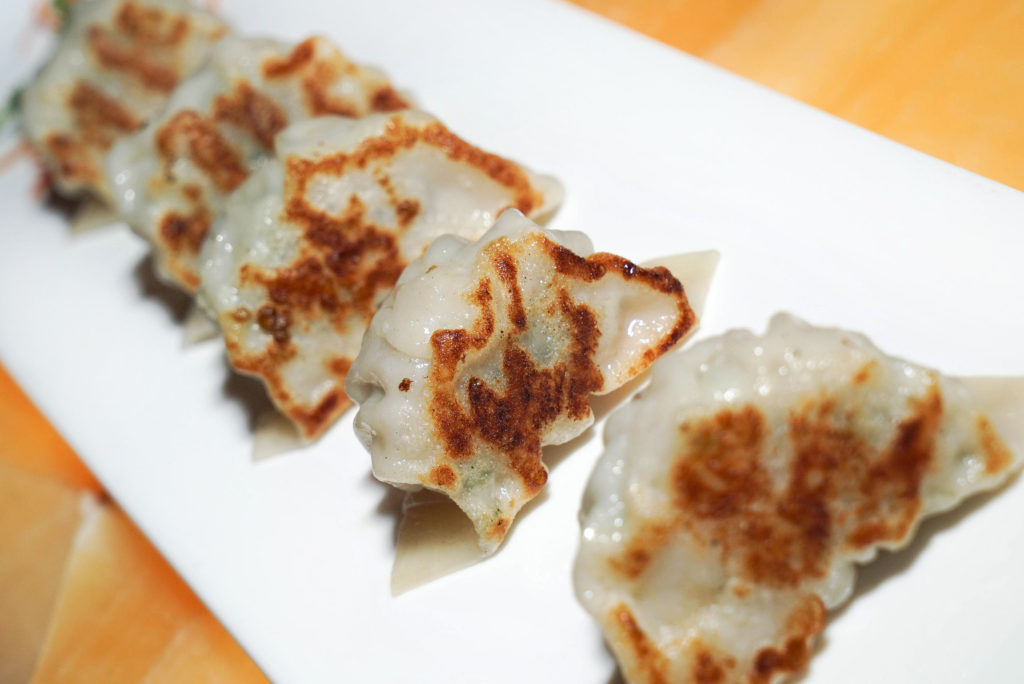
As far as hibachi goes, this is one of the best I’ve experienced. But that’s not where the action stops. They also serve a variety of nice dumplings, sushi and other seafood.
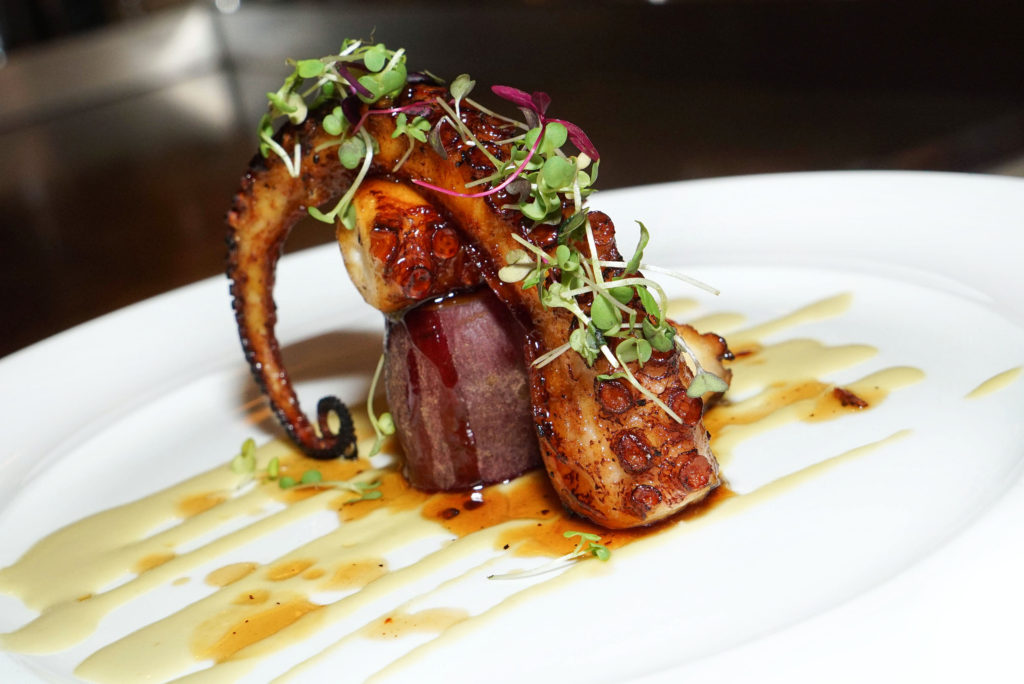
Everything was great; especially that miso octopus tentacle. I highly recommend this joint. There’s a lot of space, really beautiful tables and decor, and even some really nice mixed cocktails.
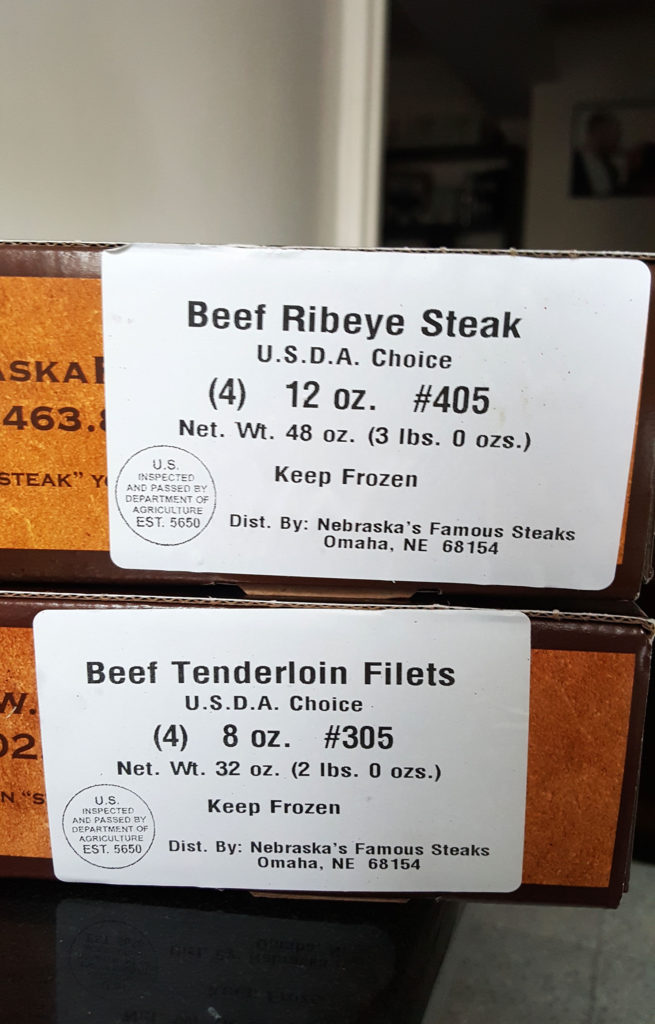
Nebraska Famous Steaks sends frozen steaks out to customers who purchase meat from them. Most people are familiar with this concept by way of other companies like Omaha Steaks. I had not heard of Nebraska Famous Steaks until they reached out to me. Their ask was simple: Would I like for them to send me some meat to try out at home and post some pictures, write a review, etc? My answer was fast: Yup.
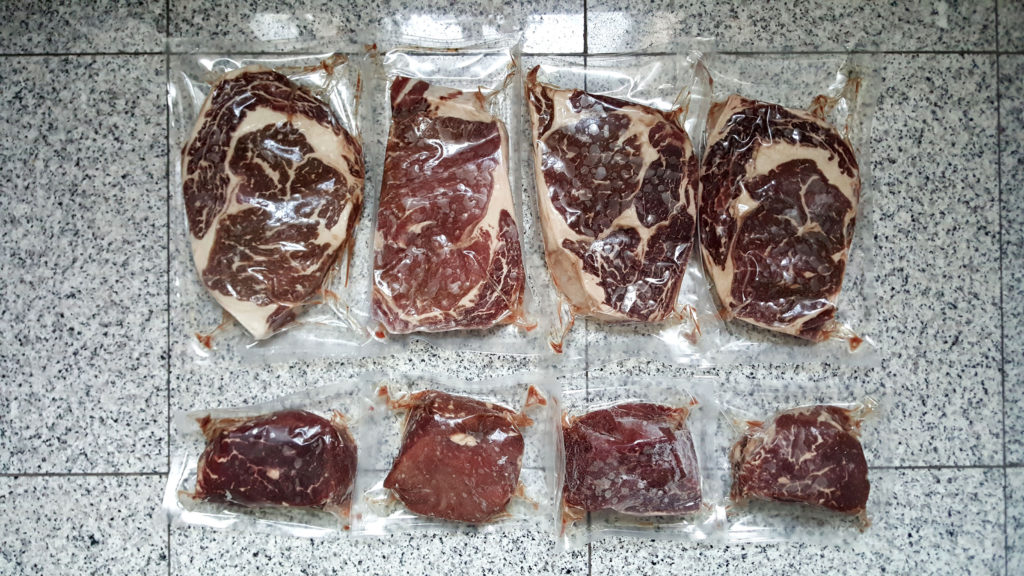
Here’s what they sent me:
I was blown away. I wasn’t expecting so much!
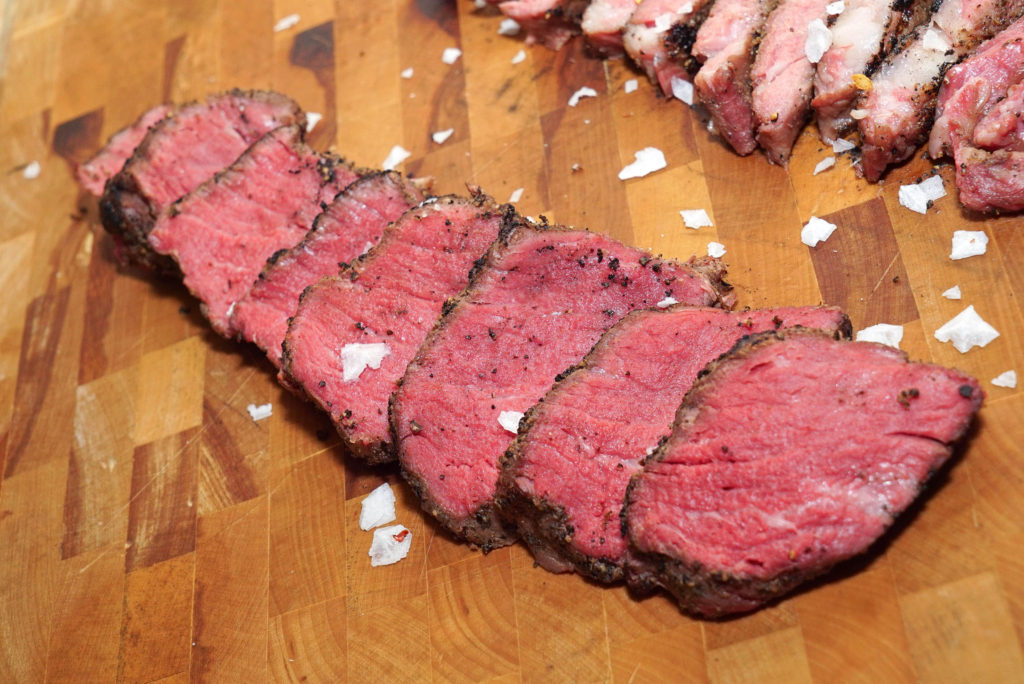
I have to say, their filet mignon destroys Omaha Steaks. The filets I recently cooked up from Omaha were thin, while these were nice and thick. Quality was similar, however, at good choice.
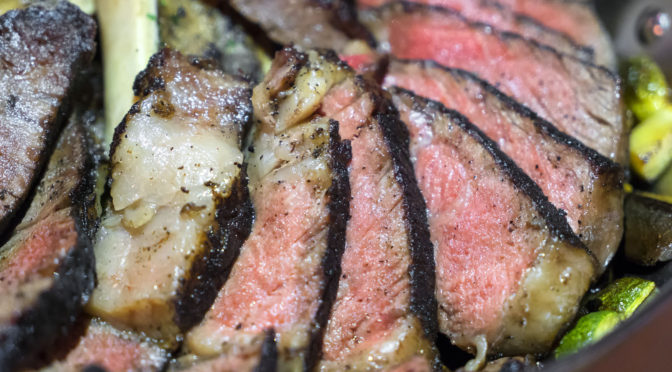
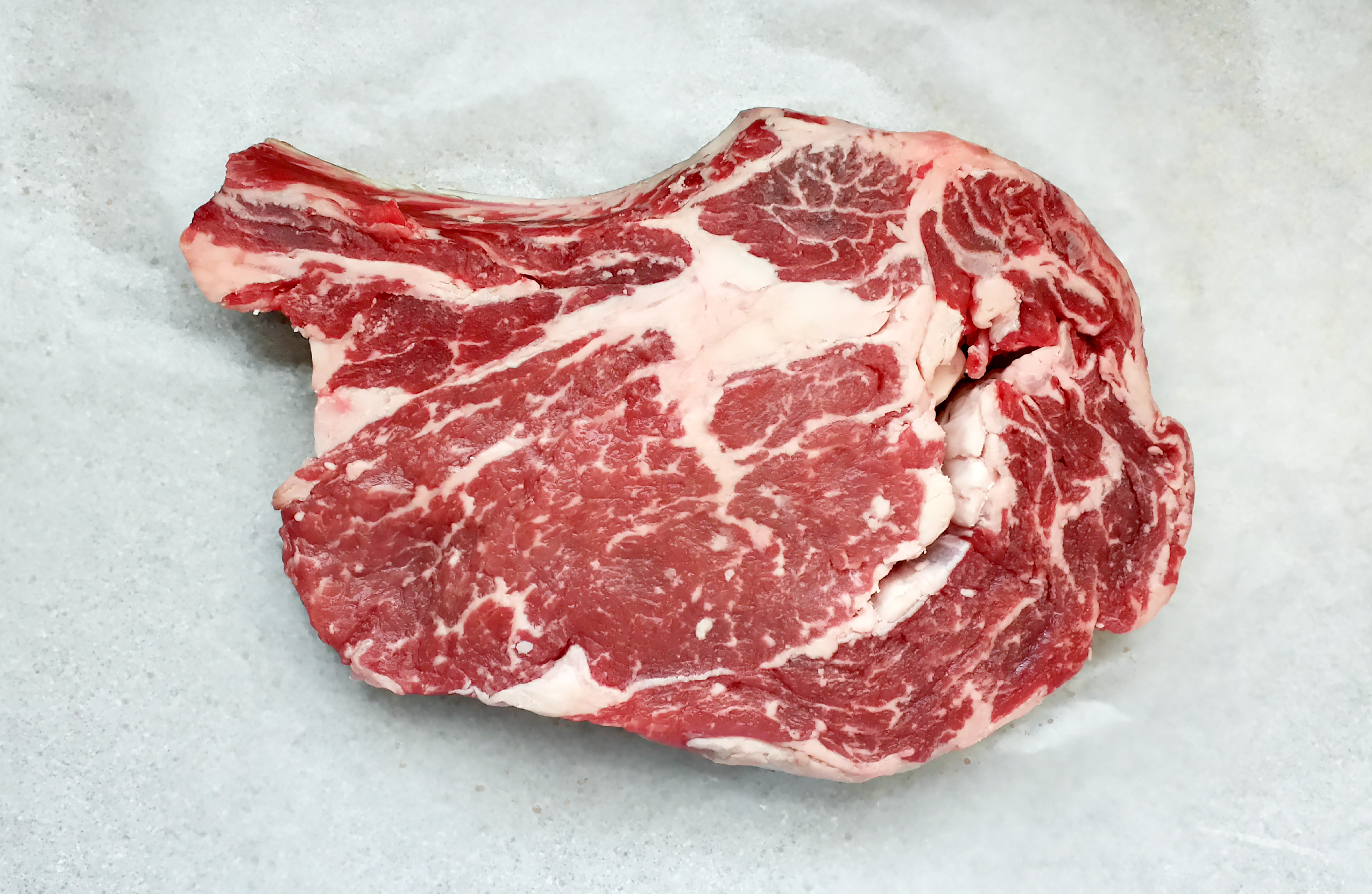
The Nebraska Famous Steaks rib eyes had some really nice marbling throughout the muscle tissue, and a nice sized spinalis cap. I was impressed! And also excited to eat them.
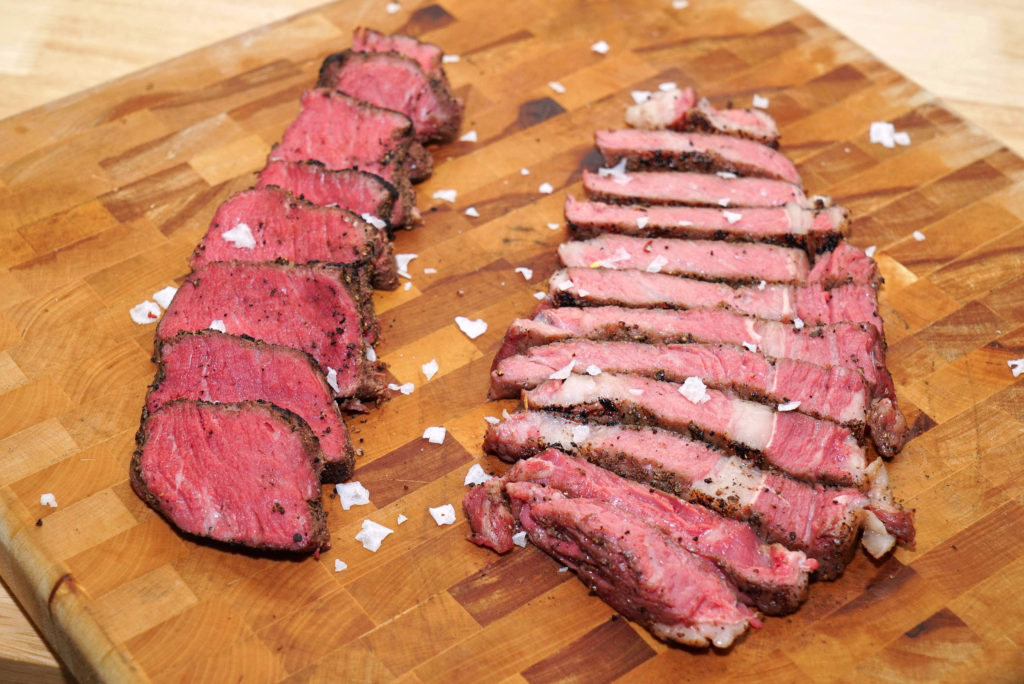
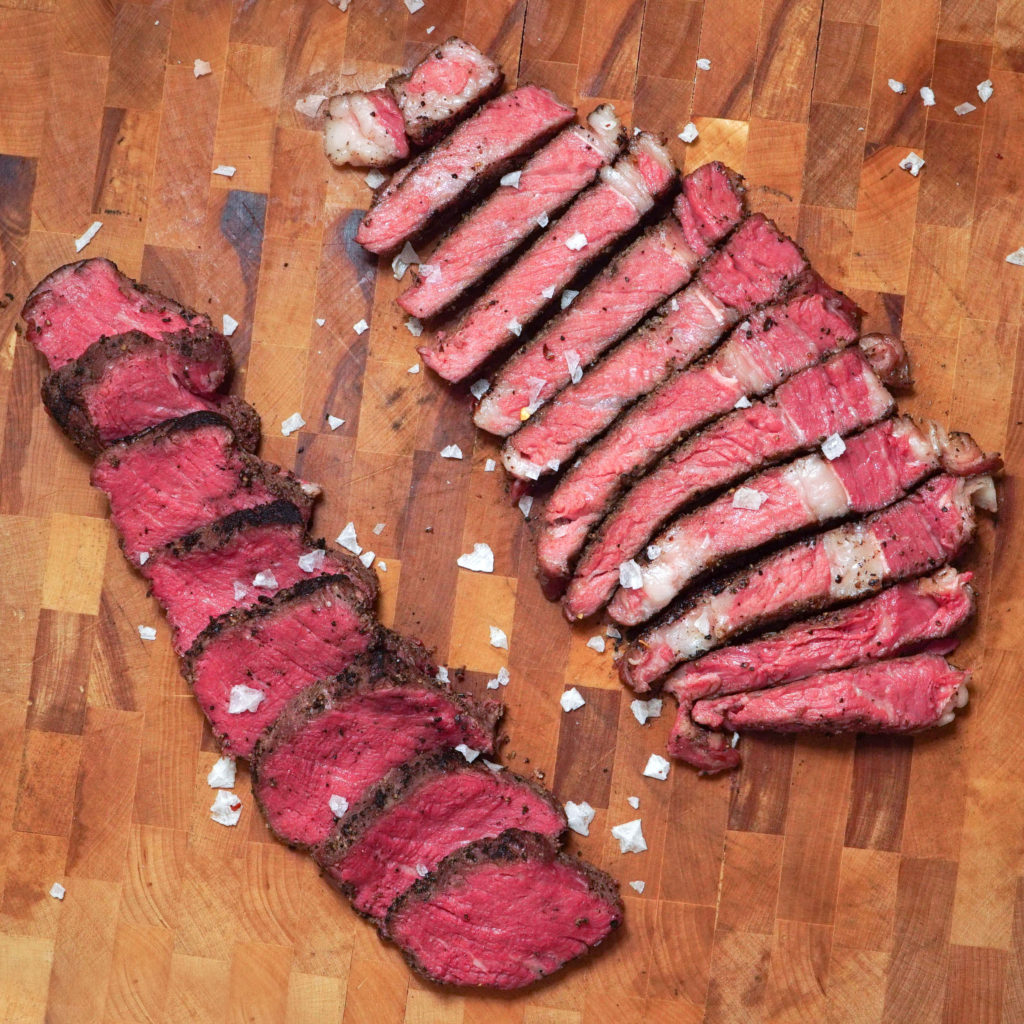
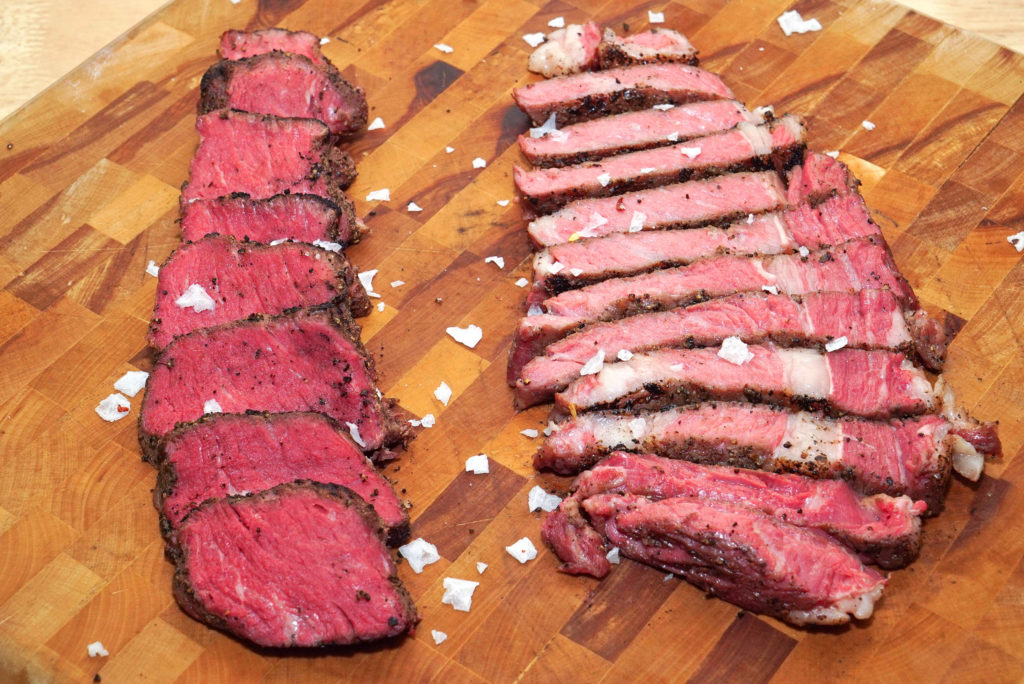
I did my usual quick and easy cooking method for steaks at home: sous vide followed by blow torch. Here’s a video of the whole process, from unboxing through to plating.
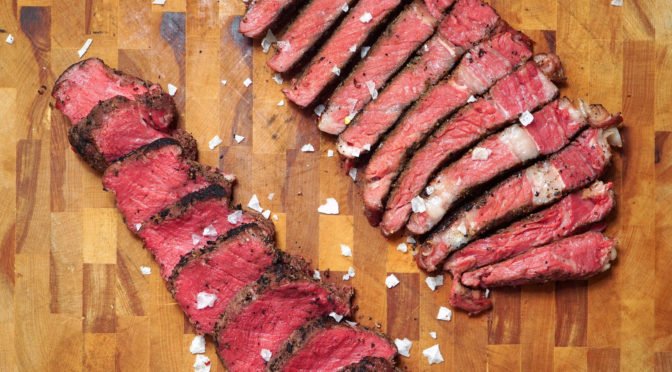
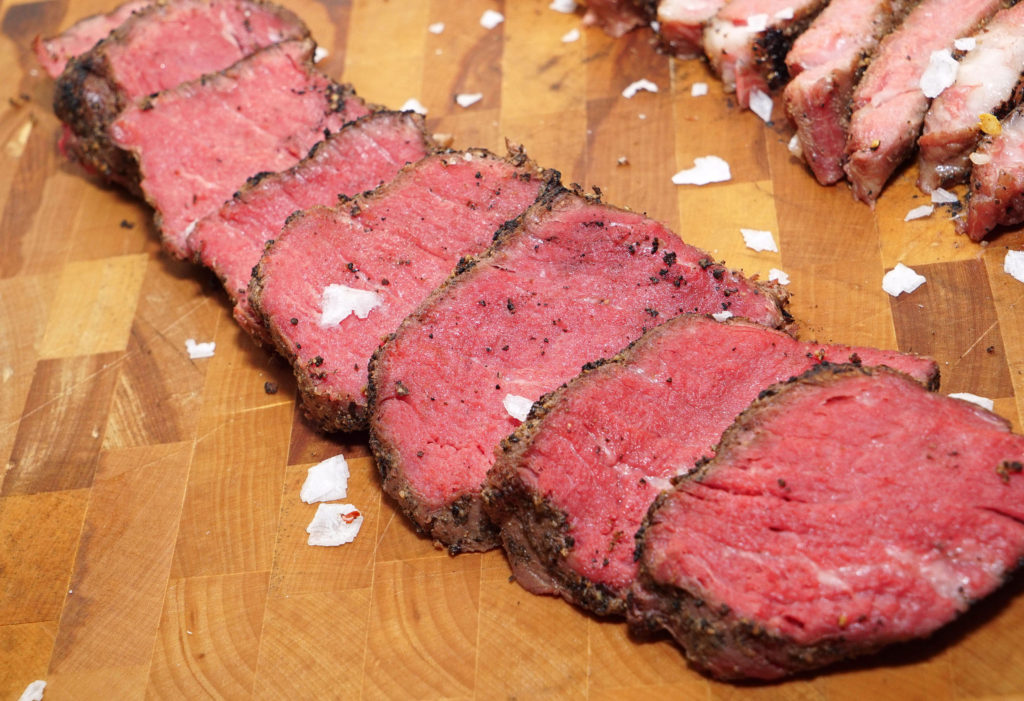
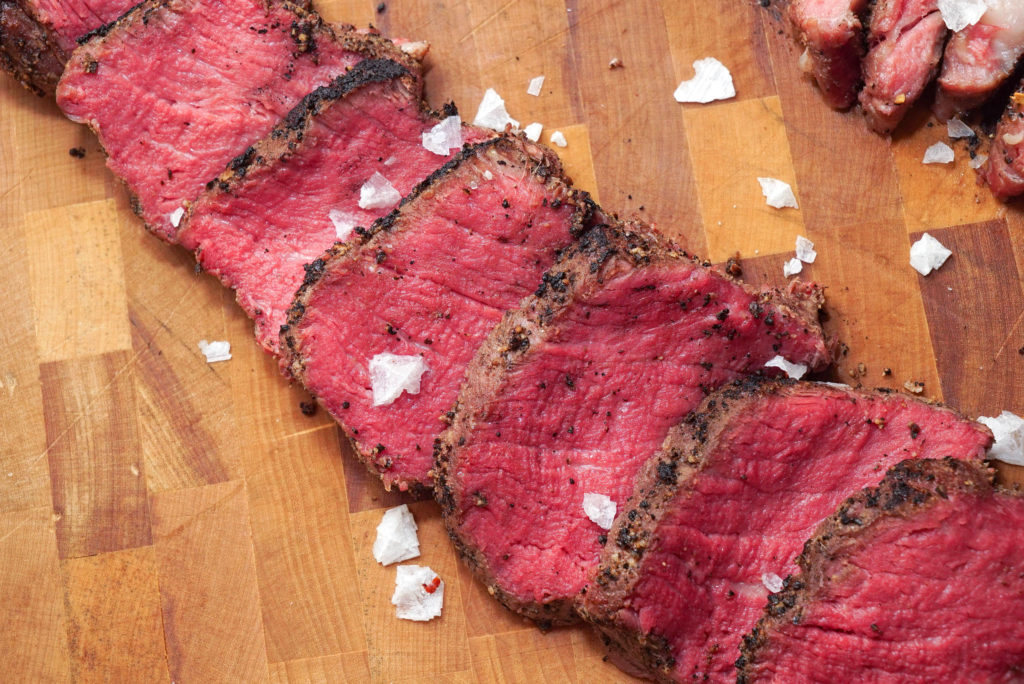
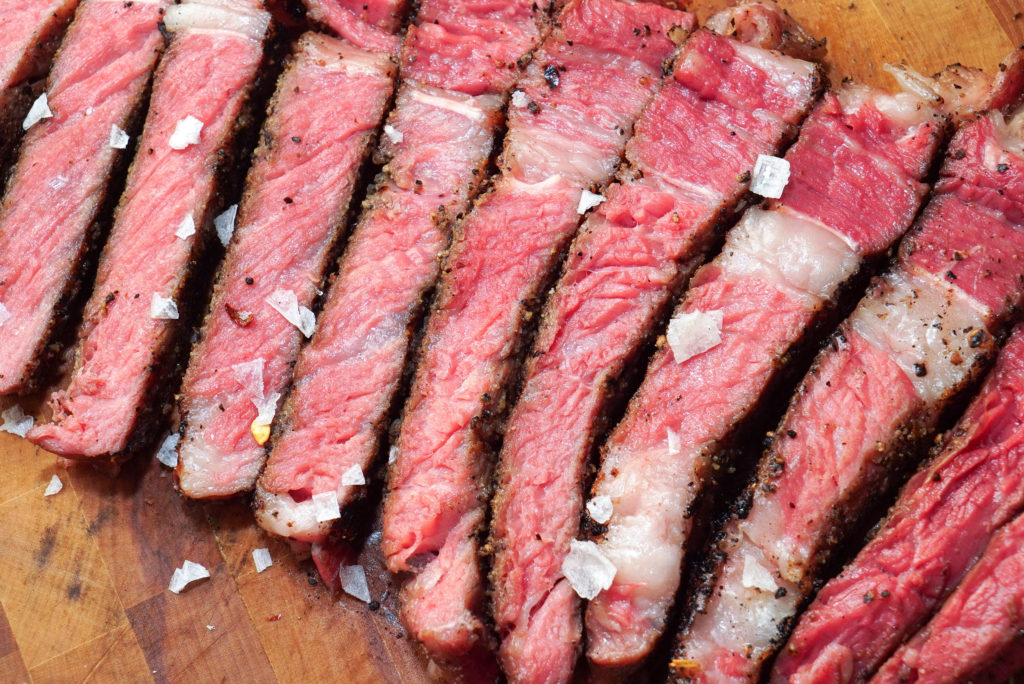
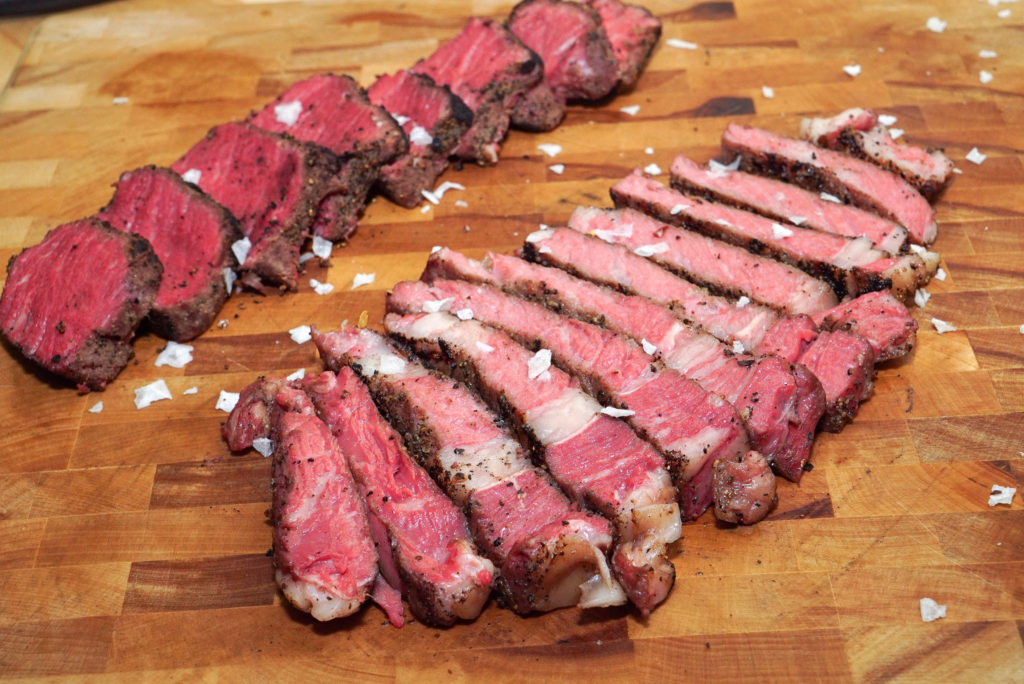
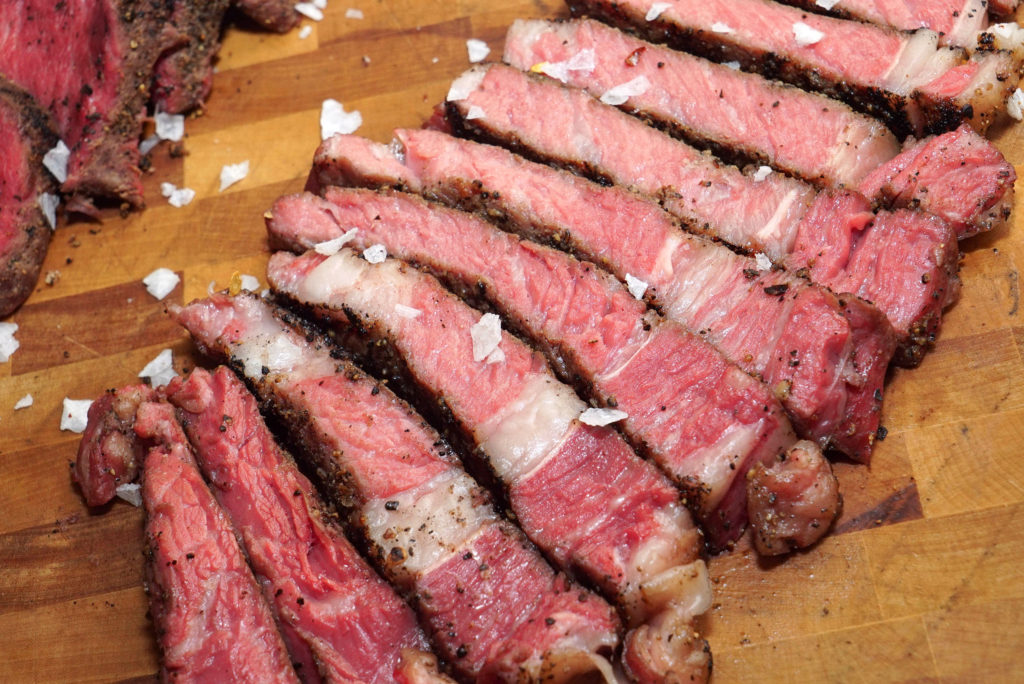
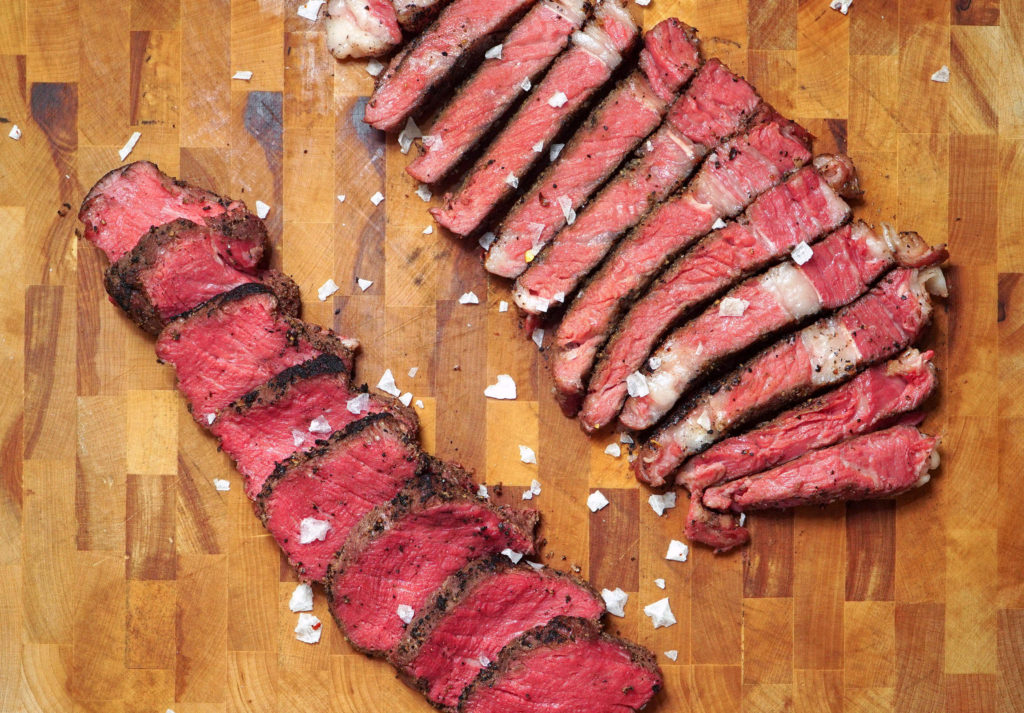
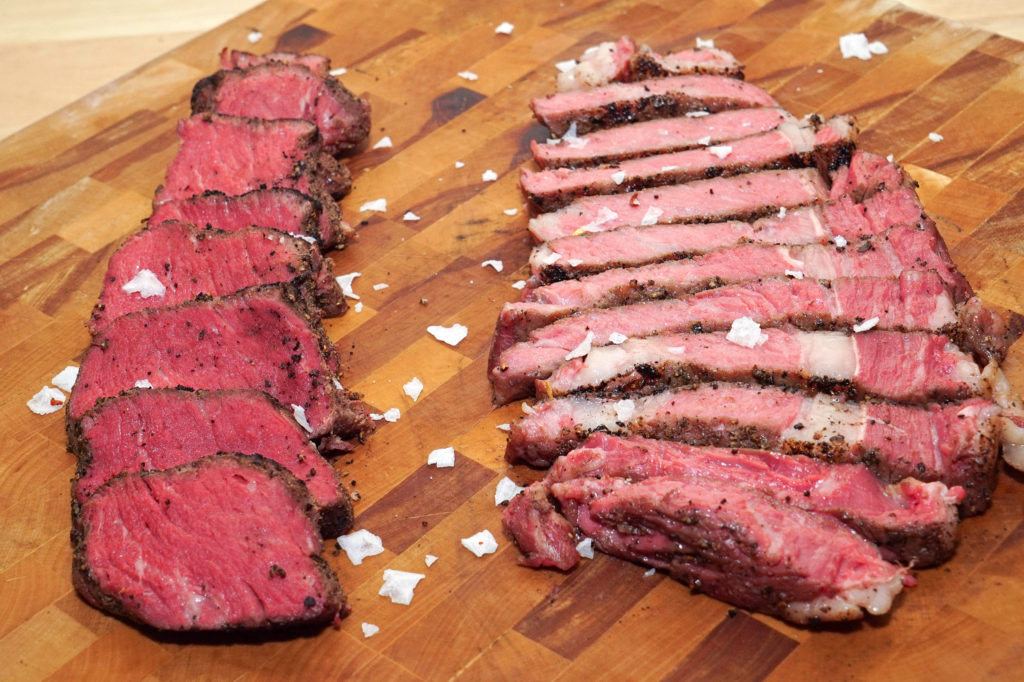
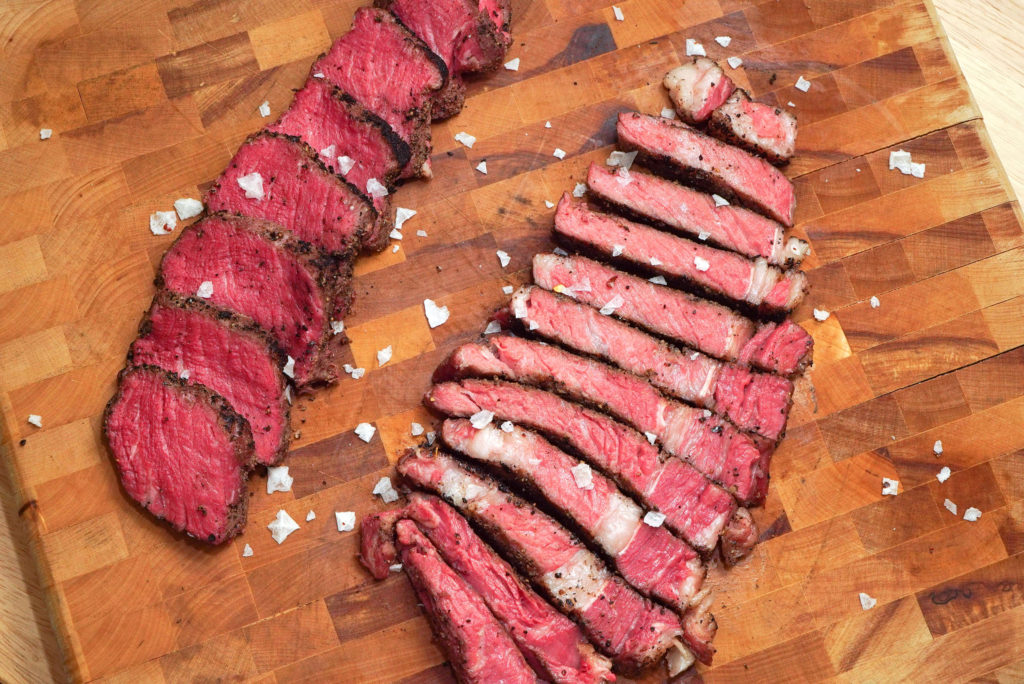
And I took a shitload of photos, of course. I simply seasoned with salt, pepper and garlic, then seared, and then added some flake salt. We also ate this with some wasabi as well. Nice touch!
The Rib Eye is the most ultimate of steaks, period. It is an awesome cut of beef.
Etymology: The etymology on this is pretty self-explanatory. The “rib” part of the name is because this cut of meat is connected to a rib bone. The “eye” part of the name is a reference to the circular, more centrally located portion of the cut that is more uniform than the outer portions of the cut. You will likely see the Rib Eye steak, or rib chop, called by many names.
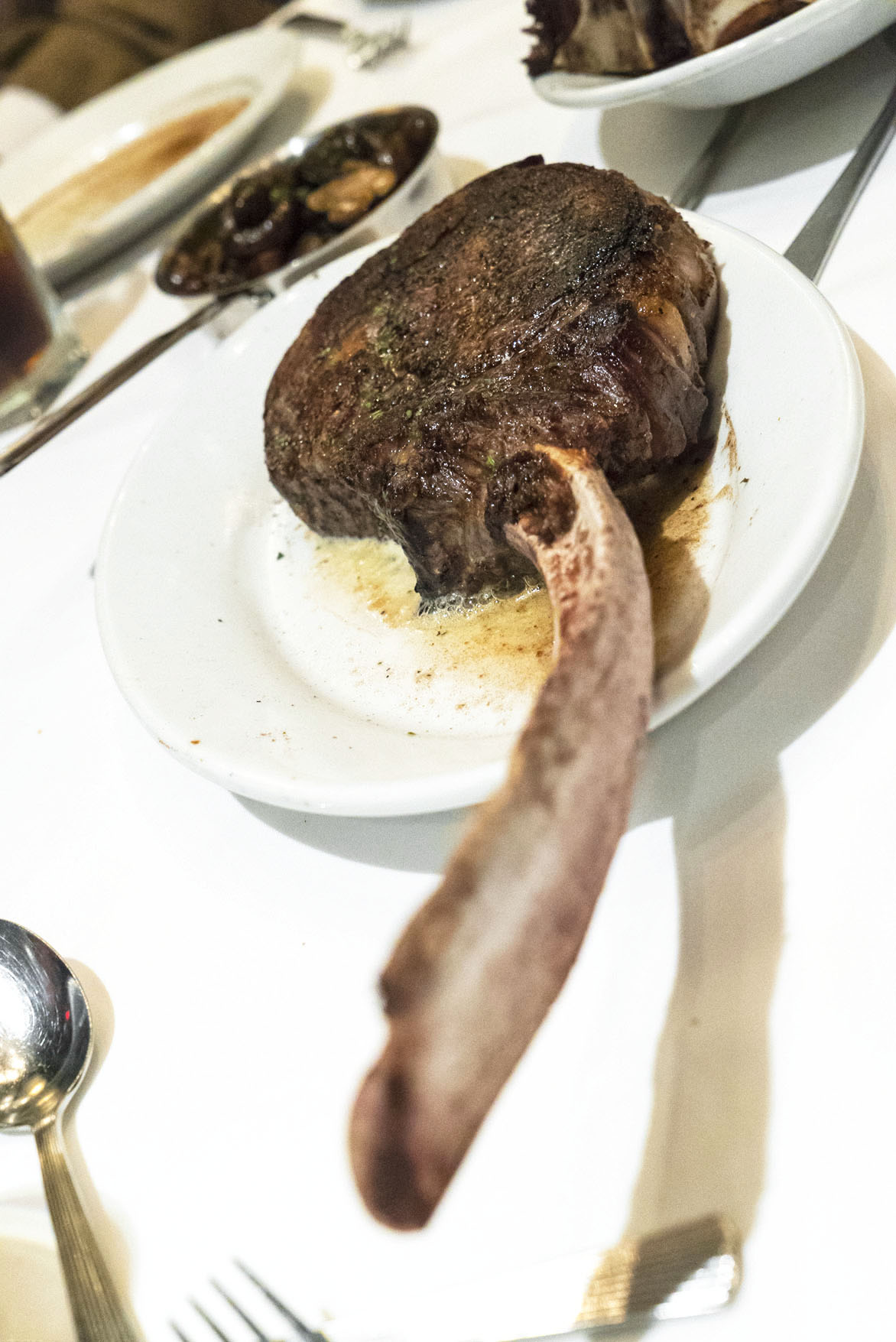
For example, the Cowboy Rib Eye is a bone-in version of the cut:
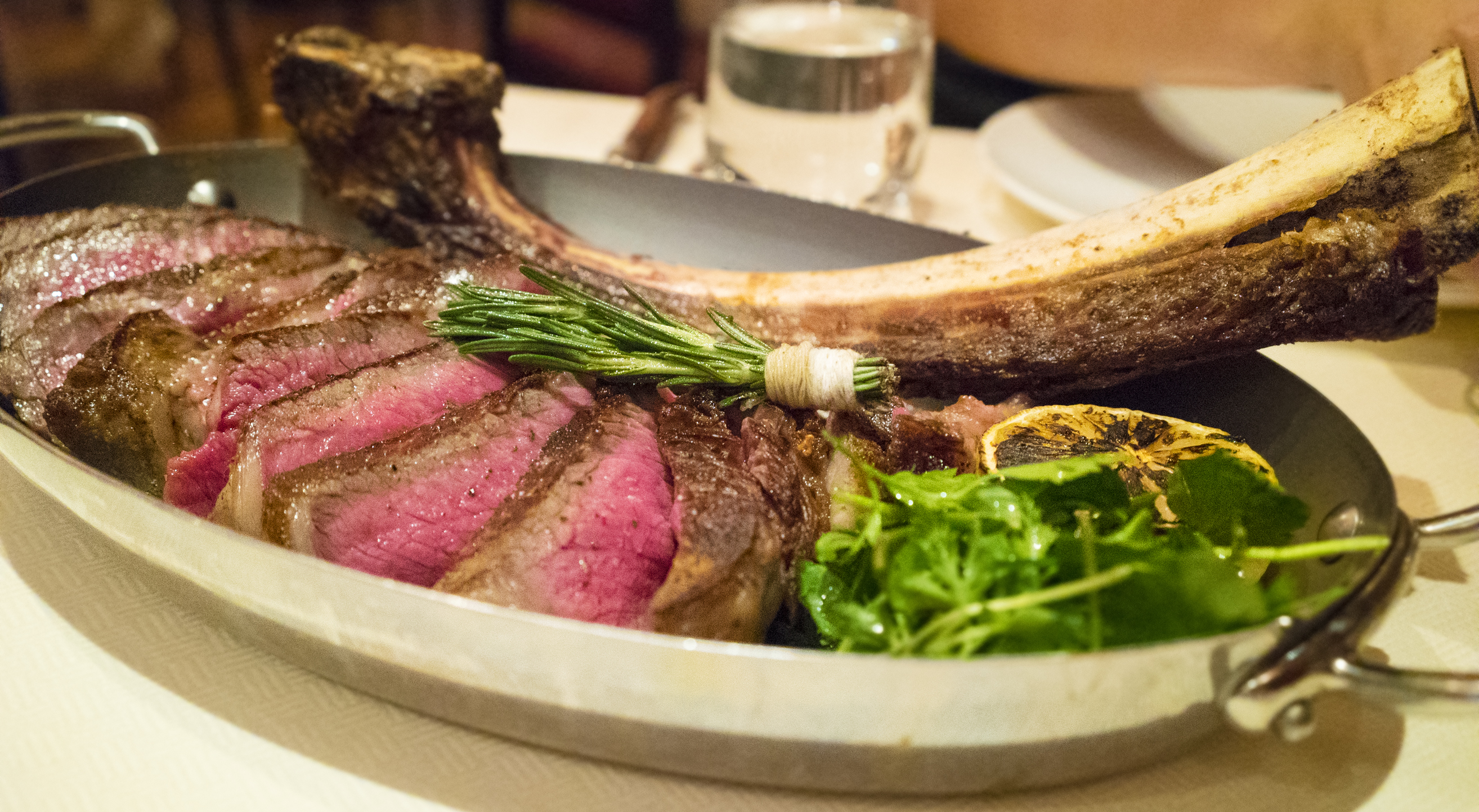
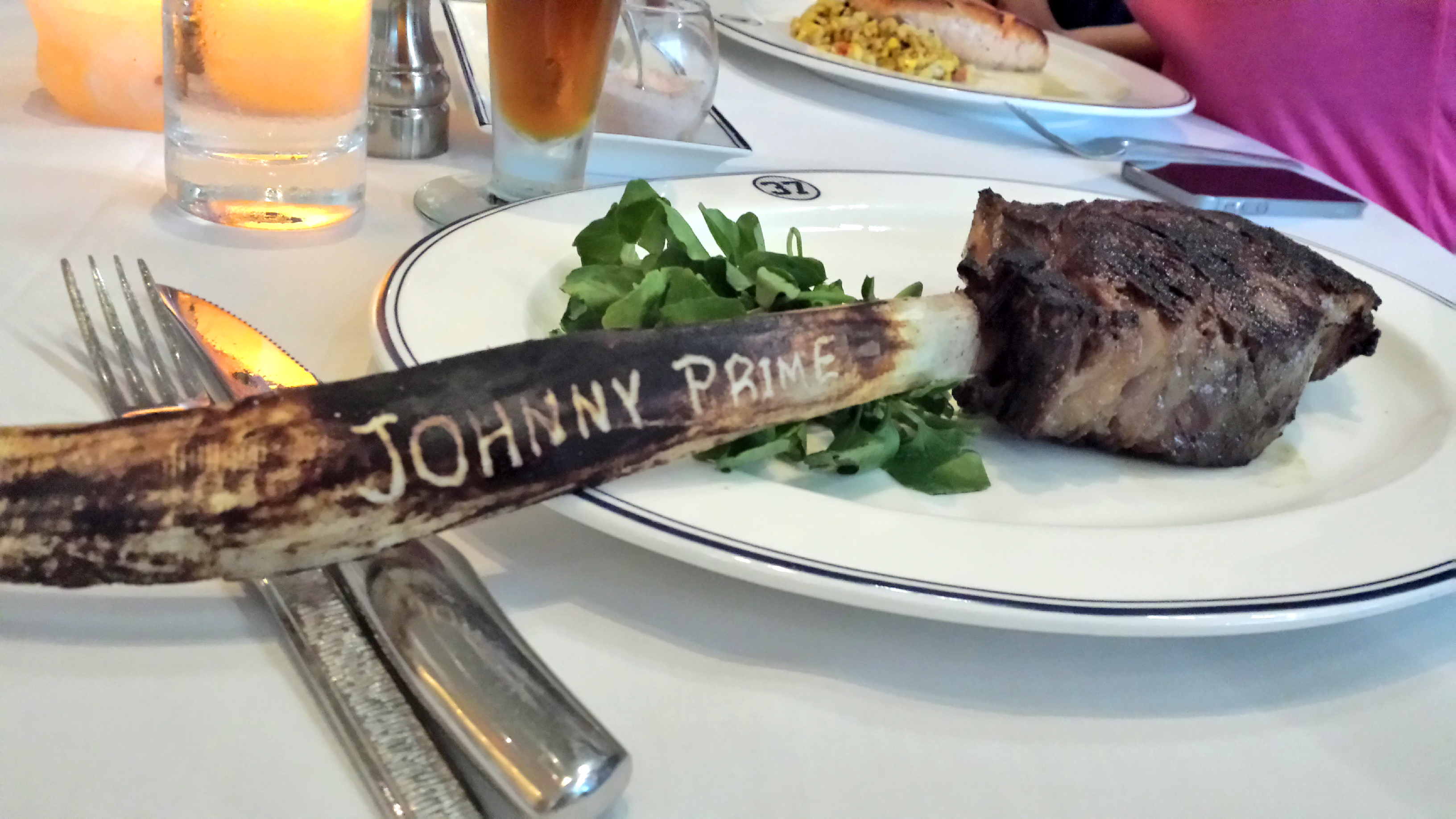
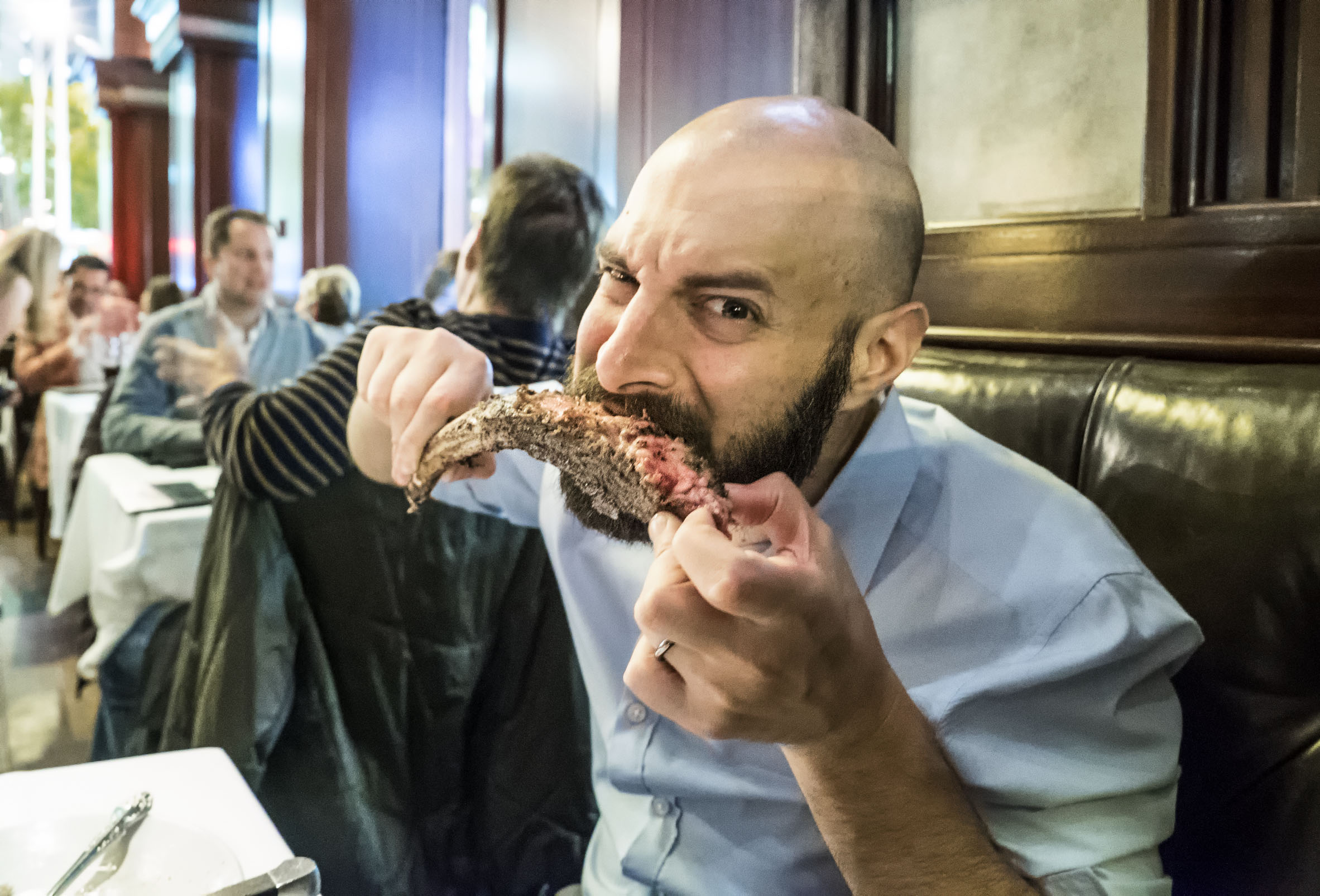
There’s also the Tomahawk Rib Eye, which is so named for its resemblance to a Tomahawk-style hatchet. When butchered, a long “handle” of rib is cut clean to expose the bone (it is “Frenched,” as they say), and the steak meat is left at the end of the handle to form the hatchet blade:
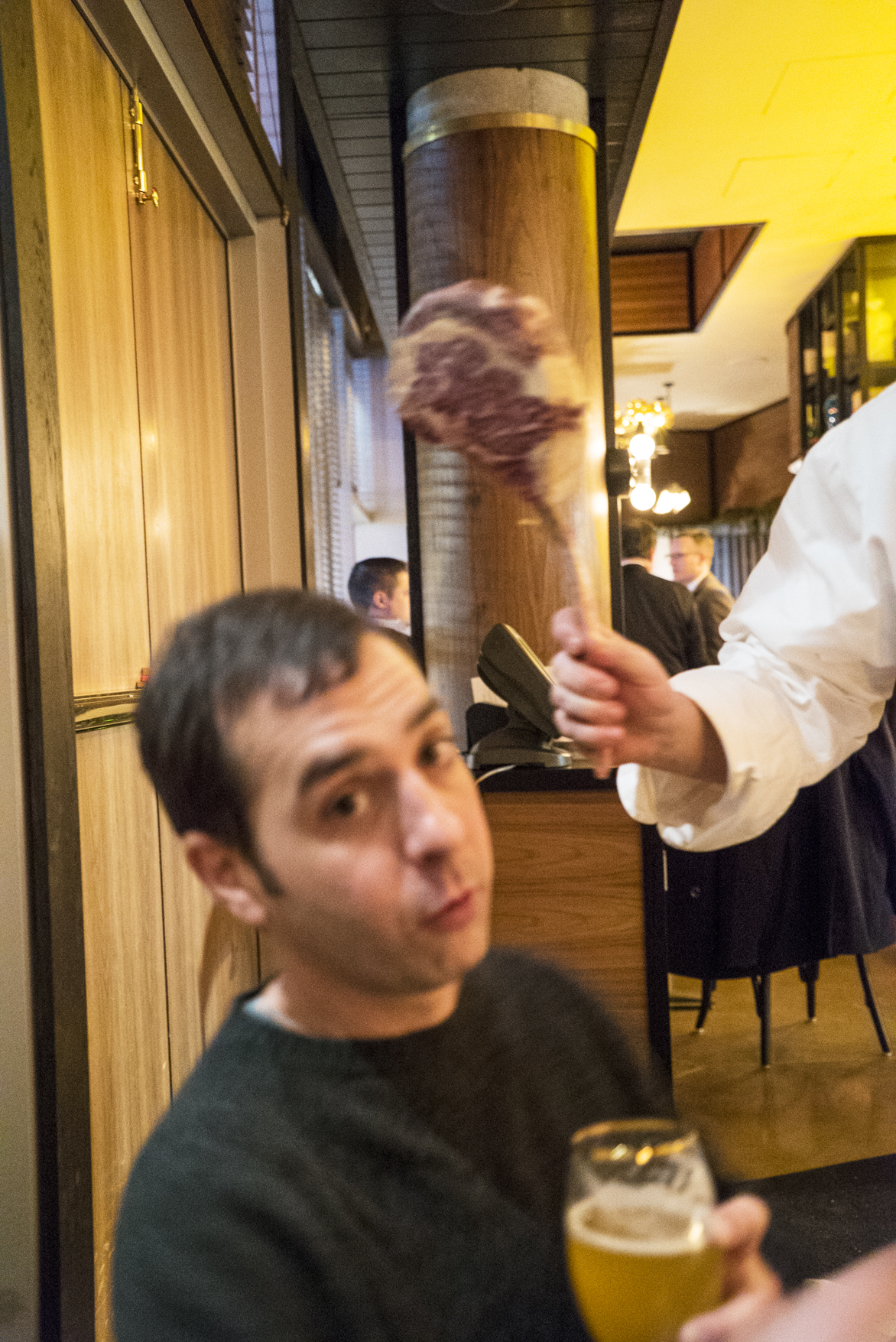
Here’s a shot of my buddy; he’s about to get clobbered with a Tomahawk Rib Eye by Chef Josh Capon at Bowery Meat Company:
There’s also the Delmonico cut, otherwise known as a Scotch Filet. Applying what you’ve learned here, you can probably guess that this cut is boneless (filet means “boneless” in French). Delmonico’s claims this cut as their own because they named a house special boneless cut Rib Eye steak after their restaurant, way back in the early 1800’s when they first opened.
Anatomy: The rib section of beef spans from ribs six through twelve, and, obviously, hails from the rib section of the animal.
Rib Eye steaks are mainly composed of the Longissimus dorsi muscle (the “eye” portion of the steak) and the Spinalis dorsi muscle.
The more anterior your cut, the more Spinalis you’ll find in the steak. The Spinalis is the coveted cap of meat that wraps around the fatter end of the steak and usually has much more marbling than the rest of the Longissimus eye, or interior of the steak. That “fat cap” is also sometimes butchered away from the remaining eye.
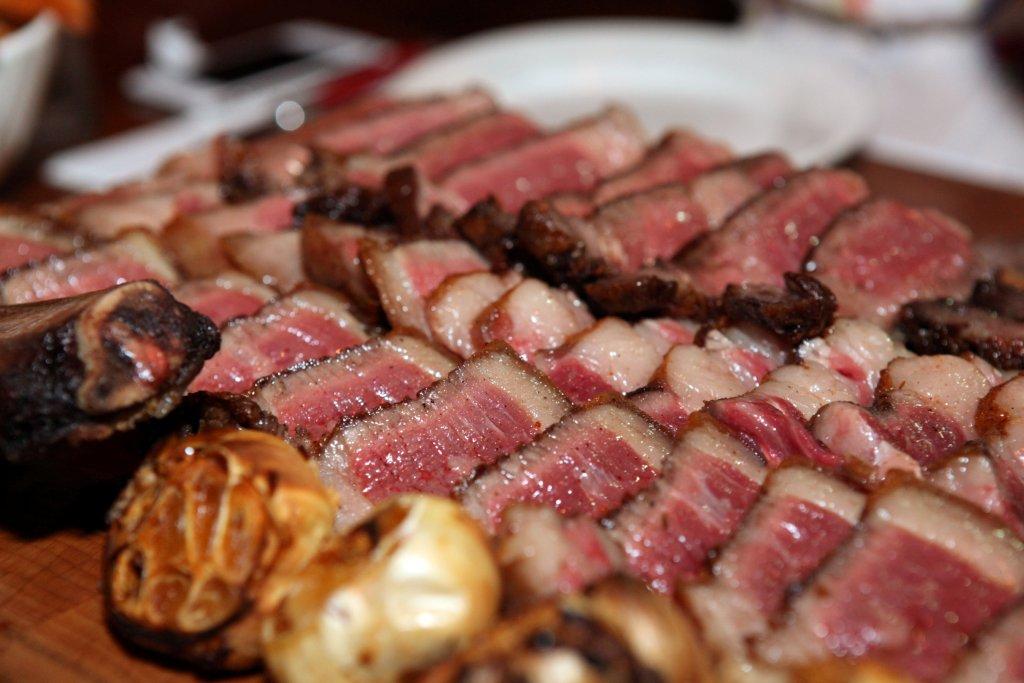
Highly skilled butchers know how to remove it from its position across an entire standing rib roast section of ribs, so as to keep it all together as one giant cut. But then that ruins the rib chop, in my opinion, since you’re taking away the best part. Some steakhouses have taken to tying several Spinalis cuts together in a spiral formation to create an all-fat-cap steak. Bowery Meat Company has one such cut, which they call the Bowery Steak:
STK also offers one on special from time to time:
The Spinalis has a more intense marbling, and, thus, much more flavor and tenderness. If you are so bold, the next time you order a Rib Eye at a steakhouse, ask for an anterior “chuck side” cut that has more of this fantastic Spinalis muscle.
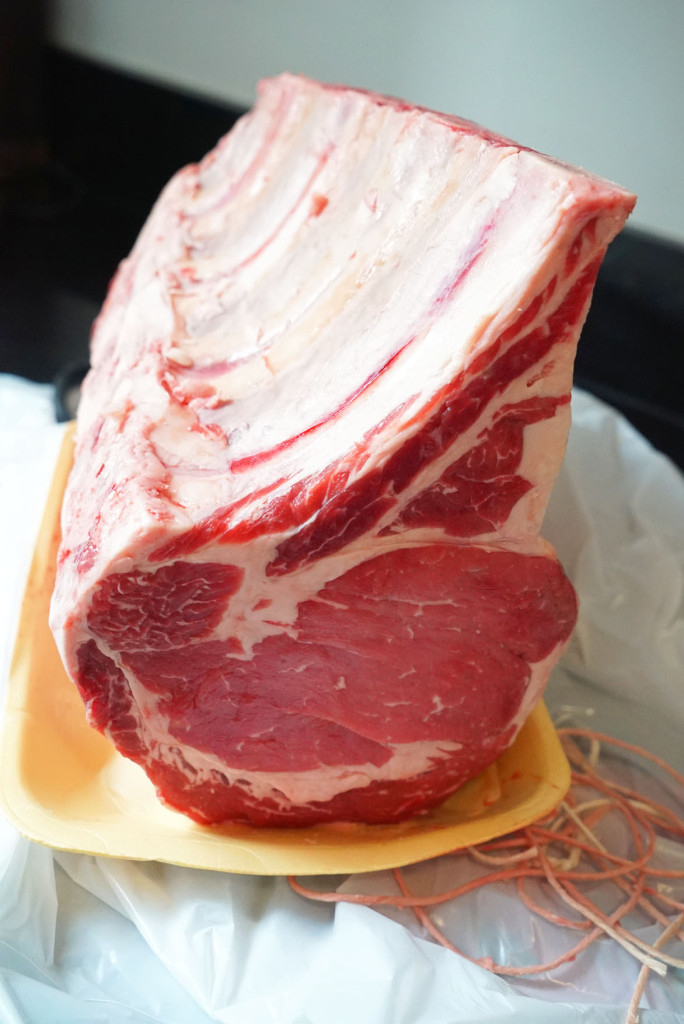
Preparation: There are a ton of ways to prepare a rib steak. The most comon forms are searing in a pan, grilling, or broiling. Another common method of preparing this kind of meat is roasting. A “standing rib roast” is a section of Rib Eye steaks that has not yet been portioned into individual steaks.
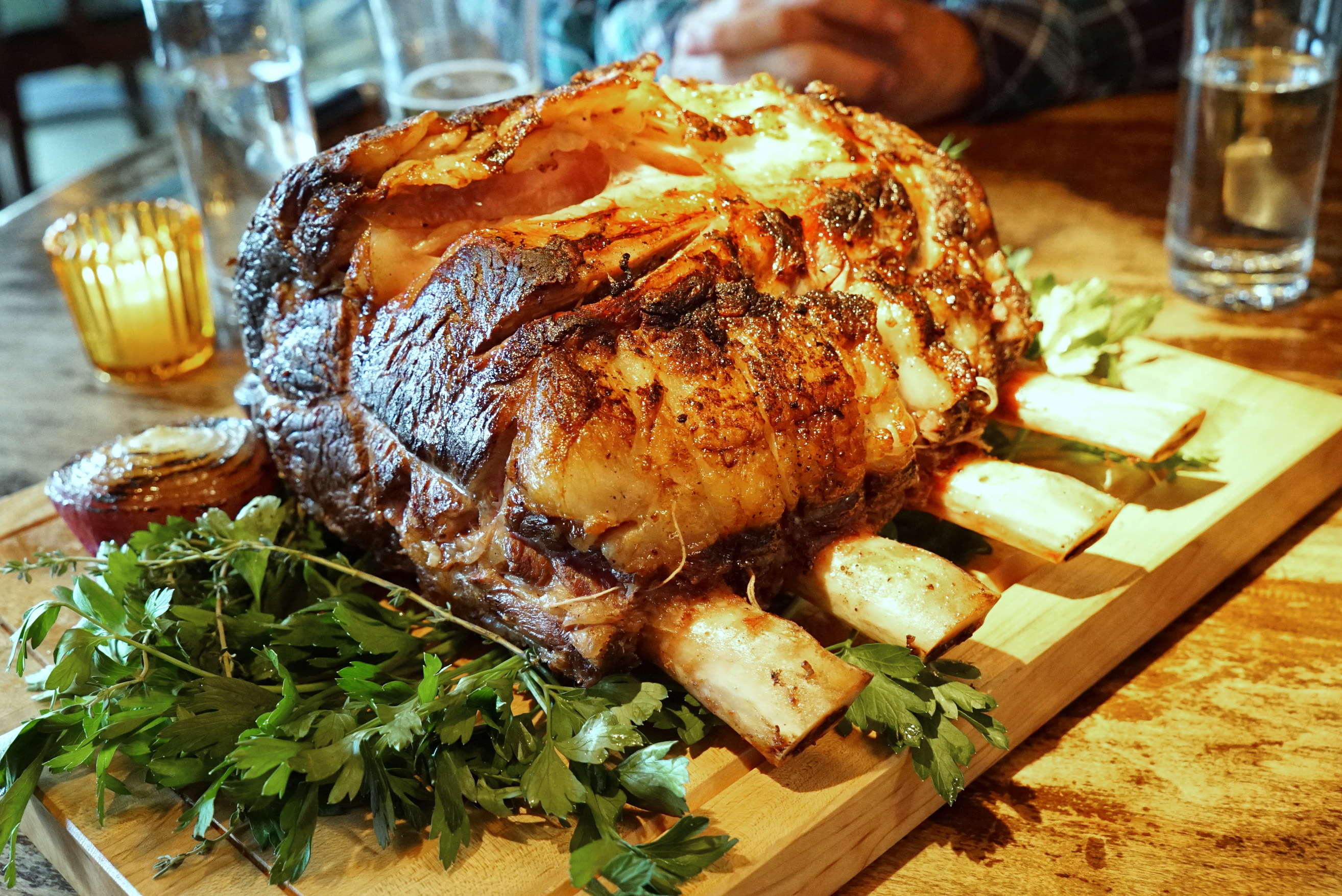
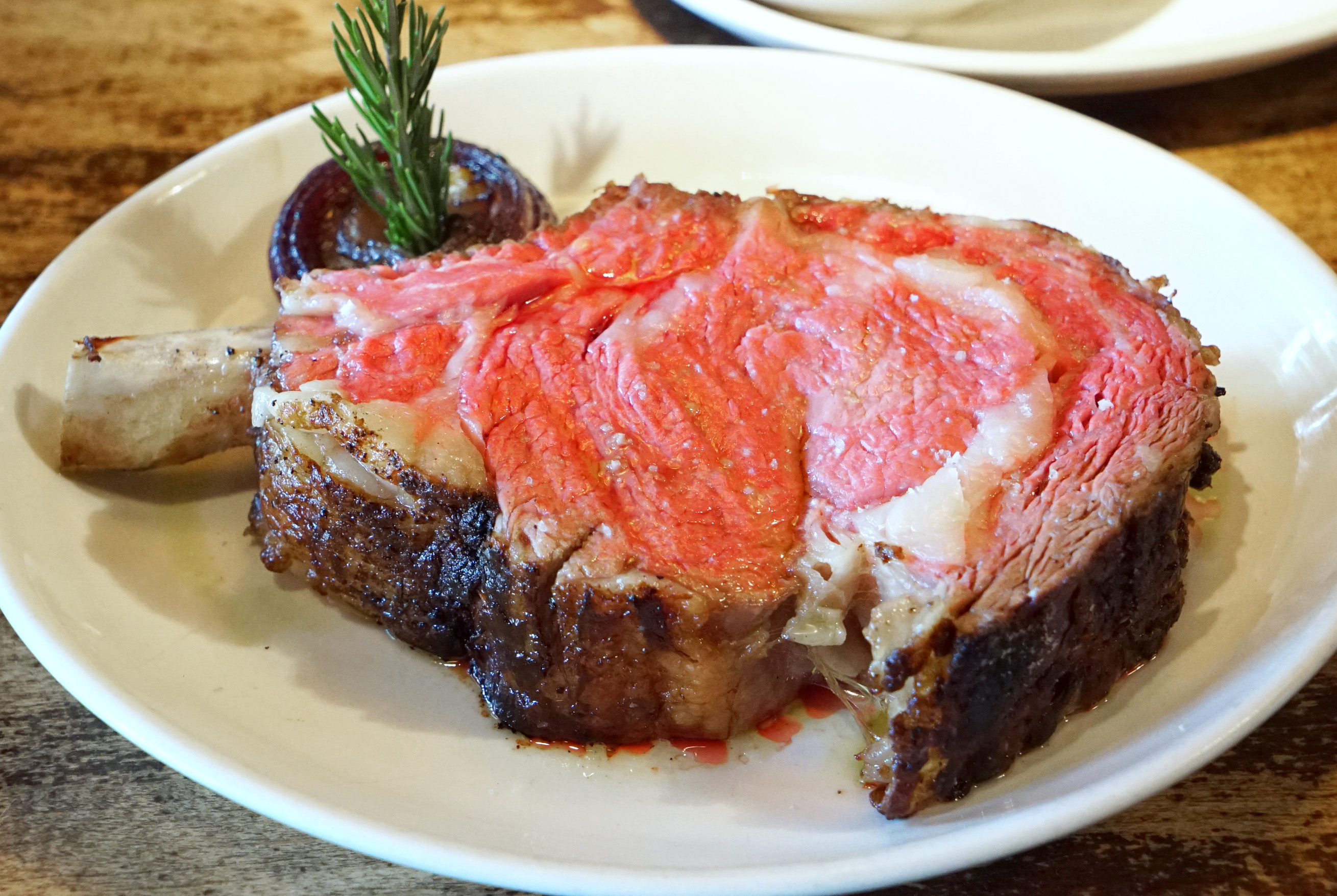
When this rack of ribs is roasted slow and low to a pink medium rare, the end product is called Prime Rib.
It then gets sliced out into portions for individual consumption. This is a mammoth cut that we got from Burger & Barrel:
I know what you’re wondering, and the answer is Yes: Prime Rib and Rib Eye steak are the same exact thing. They are just prepared differently, using different cooking methods.
Cheaper cuts of rib steaks are actually the most common type of beef found in Philly Cheesesteaks as well. The meat is cut super thin and then cooked on a flat top with cheese, onions and other toppings, then shoved into long sandwich bread (incase you’re an asshole who has no fucking clue was a cheesesteak is).
Side Bar: is a Philly Cheesesteak better than a Cheeseburger? I think so… Man… Now I’m hungry for both…
Flavor: This steak has a high fat content, and that makes it very important to have a quality cut of beef, or an aged cut of beef. In high quality and aged cuts, this fat will render out or melt away much easier during the cooking process. This will impart a tremendous amount of flavor into the steak, and it will leave the remaining flesh with a very tender and soft texture. Don’t be afraid of the fat. Fat is not the same as gristle. Fat is good. Fat is your friend. Any good butcher will get the gristle off and leave the good fat behind. And when that good fat is REALLY good, it’s like having a delicious beef jelly with each bite of steak.
As discussed above, the Rib Eye is really like having two steaks in one (The small Spinalis or fat cap, and the larger Longissimus eye). The Spinalis is soft, tender, has lots of fat flavor and sometimes develops a crisp during cooking. The eye is more dense, but still well marbled so that it retains intense flavor. The eye is more uniform than the Spinalis. So: two steaks in one, kind of like the Porterhouse. Plus, there’s a nice, meaty beef spare rib to gnaw on at the end, if you order a bone-in chop.
Since there is generally more fat and marbling in this cut across its entirety, you will get better flavors than with the tenderloin or Strip, in my opinion. Clearly, high fat content is not for everyone. If you want to avoid fats in your diet, then go with the tenderloin. I actually really enjoy the flavor of fat. Fat, now, is sometimes referred to as the sixth flavor sensation. There were always four: (1) savory, (2) sweet, (3) bitter and (4) sour. “Umami” claims to be the fifth, and is meant to encompass the earthy, funky, fermented flavor sensations that you experience with mushrooms, truffles, aged beef and blue cheese. I just dislike the word “umami,” so I use “earthy” instead. The sixth is “fat,” apparently, as decreed by various food people who get paid to sit around and do these things. I’m not sure how it works, but I seem to be able to recognize a distinct sensation on my tastebuds, along with a buttery flavor and slippery feel, whenever I eat shit like pork bone ramen or a Rib Eye steak. Maybe there’s something to it?
Anyway, I hope this was an informative and educational post for you meat minions out there. Knowing this shit, I think, is very important.
Etymology: According to the National Cattlemen’s Beef Association, this steak is marketed under various names, including Ambassador Steak, Club Steak, Hotel-Style Steak, Veiny Steak, Kansas City Steak and New York Strip Steak. Delmonico’s offered Strip as a signature dish way back in the early 1800’s. Due to the cut’s association with NYC, the New York Strip Steak name was born.
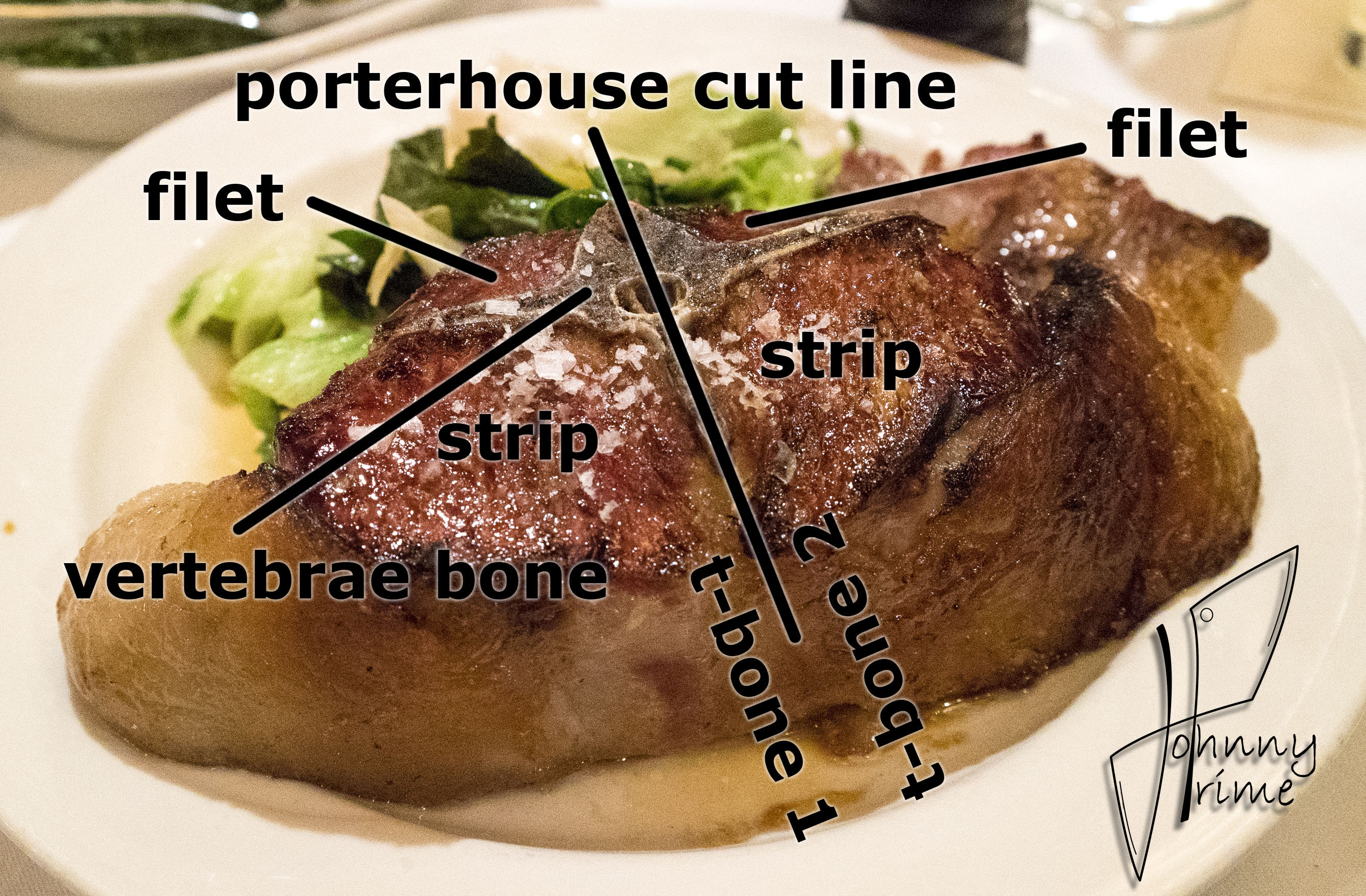
Anatomy: The Strip is cut from the other side of the tenderloin, across the vertebra on the T-bone or Porterhouse.
Also known as strip loin, the Strip Steak is cut from the short loin part of the animal, from a muscle that does little work, like the Filet Mignon. It is generally more tender than the similarly situated but more posterior-located sirloin section of the animal. While it is essentially the same kind of meat as sirloin, the muscles in the rear do a bit more work than the short loin, so can be a bit more tough.
Preparation: For me, the Strip is best at medium rare, to preserve the tenderness and reduce any mealy or grainy textures that can develop from overcooking. It is always best to get a really great quality cut for this chop, something prime+, as all the intra-muscular fat, or marbling, will become soft and the muscle will tenderize all over. You will often see it marinated or rubbed with spices, to impart additional flavors, but grilling and broiling in the traditional style is fantastic as well, especially with butter and herbs. It can be served bone-in or boneless. Leaving the bone in will impart more flavor and help with the cooking process, since the bone conveys heat into the center of the meat while locking in juices. At home, marinade this puppy in something like soy sauce and garlic, and slap it on the BBQ for a few minutes on each side and you will have the perfect home-cooked steak.
Flavor: This cut contains fat in levels that are somewhat in between the tenderloin (virtually none) and the Rib Eye (plenty of good, melty fat). Like the tenderloin, there is little variation throughout the cut, so the flavors and textures are more uniform for the Strip Steak, unlike the Rib Eye which has varying textures and flavors from one end of the cut to the other. The texture of a Strip can sometimes be a little bit grainy or mealy, and a bit more tight than a Filet Mignon or a Rib Eye – especially if it’s cooked too much.
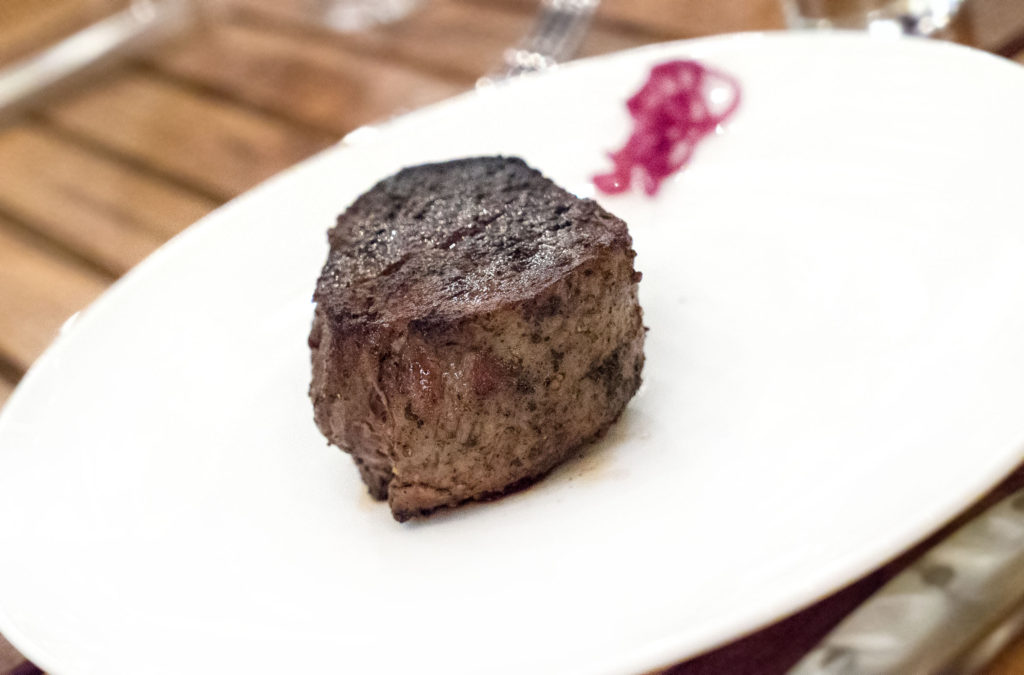
Etymology: Filet, in culinary terminology, means boneless. Mignon, in French, means dainty or small. As such, this is a steak ideally suited for chicks: small/dainty, and with no bone.
Occasionally on a steakhouse menu you will see a “bone-in filet.” Given what I just mentioned above, that phraseology is completely self-defeating and confusing, as it simultaneously means both “bone-in” and “boneless.” However, it seems this sort of language is becoming commonplace. If it were up to me, I would prefer “bone-in tenderloin” to be listed on menus instead. There is no wording conflict with that phrasing, and it is an accurate description of what is being presented. In other words: all Filet Mignon is tenderloin, but not all tenderloin is Filet Mignon.
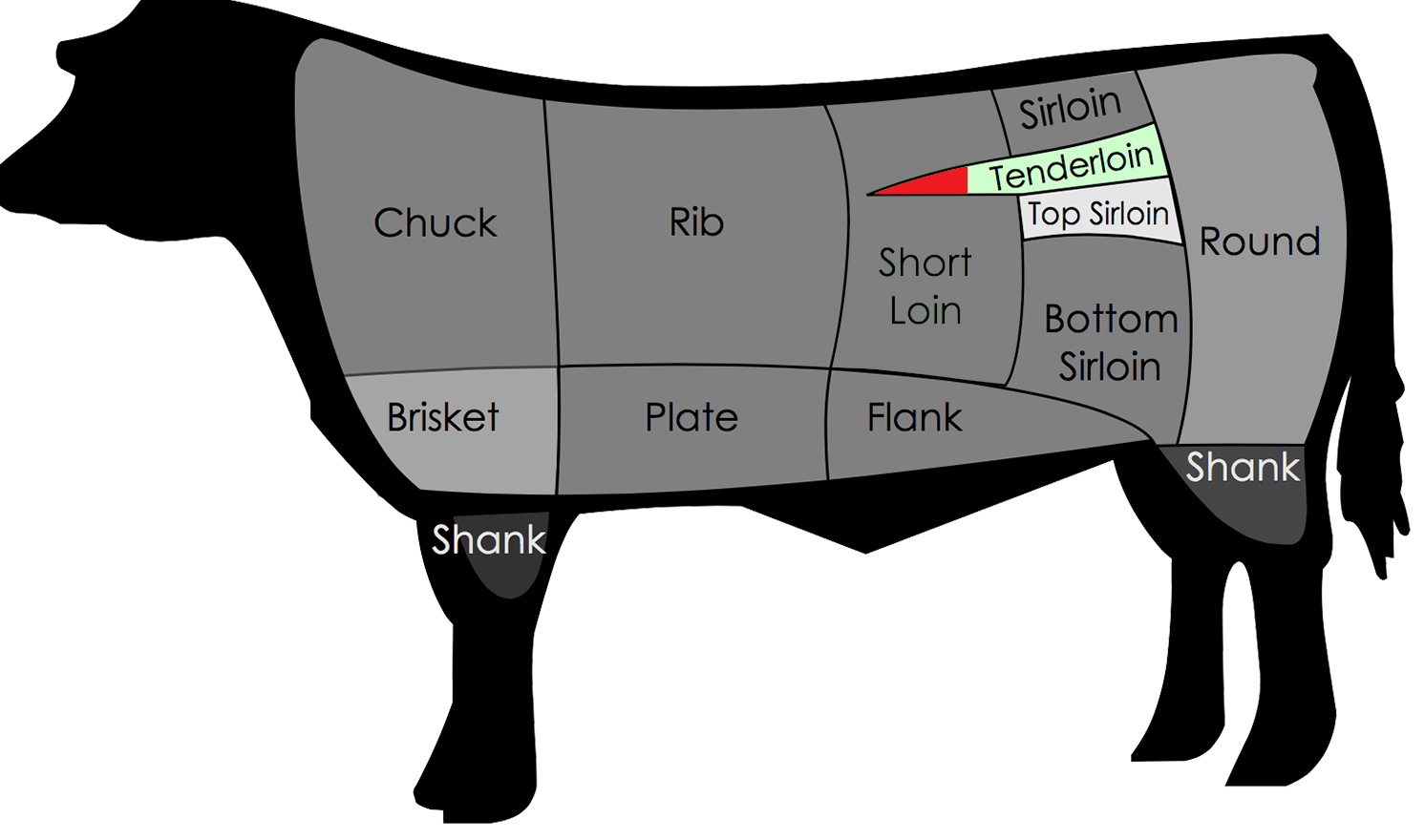
Anatomy: Traditionally, a Filet Mignon was cut from the anterior end of the tenderloin. In the beef chart image below, you can see a portion of the tenderloin section highlighted in red.
That is where Filet Mignon was typically located, though most butchers label all steaks cut from the tenderloin as Filet Mignon (this allows for larger portions). The tenderloins run along both sides of the spine. They taper from thick, in the posterior of the animal, to thin in the front.
In their unbutchered form, they contain what’s called the “silver skin” still attached to the flesh. This is a thick connective tissue that is pretty much inedible. When butchering the full tenderloin, you will want to slice that off (it is NOT tender).
While this next photo is a repeat shot of a lamb vertebra Barnsley chop (the mutton chop from Keen’s), the anatomy is exactly the same for beef. This will illustrate exactly where the filet comes from. Essentially this is a double porterhouse, with a filet and a strip on each side. In addition to understanding the Filet Mignon, this image is useful in demonstrating the anatomy of the Strip and Porterhouse cuts as well, since they all come from the same place – the vertebrae of the animal:
Preparation: Preparations of this cut vary greatly. You may see this cut sliced thin and pounded flat, served raw for carpaccio. You may also see it finely chopped for tartare. A simple pan sear with butter and herbs, however, is probably the most common preparation.
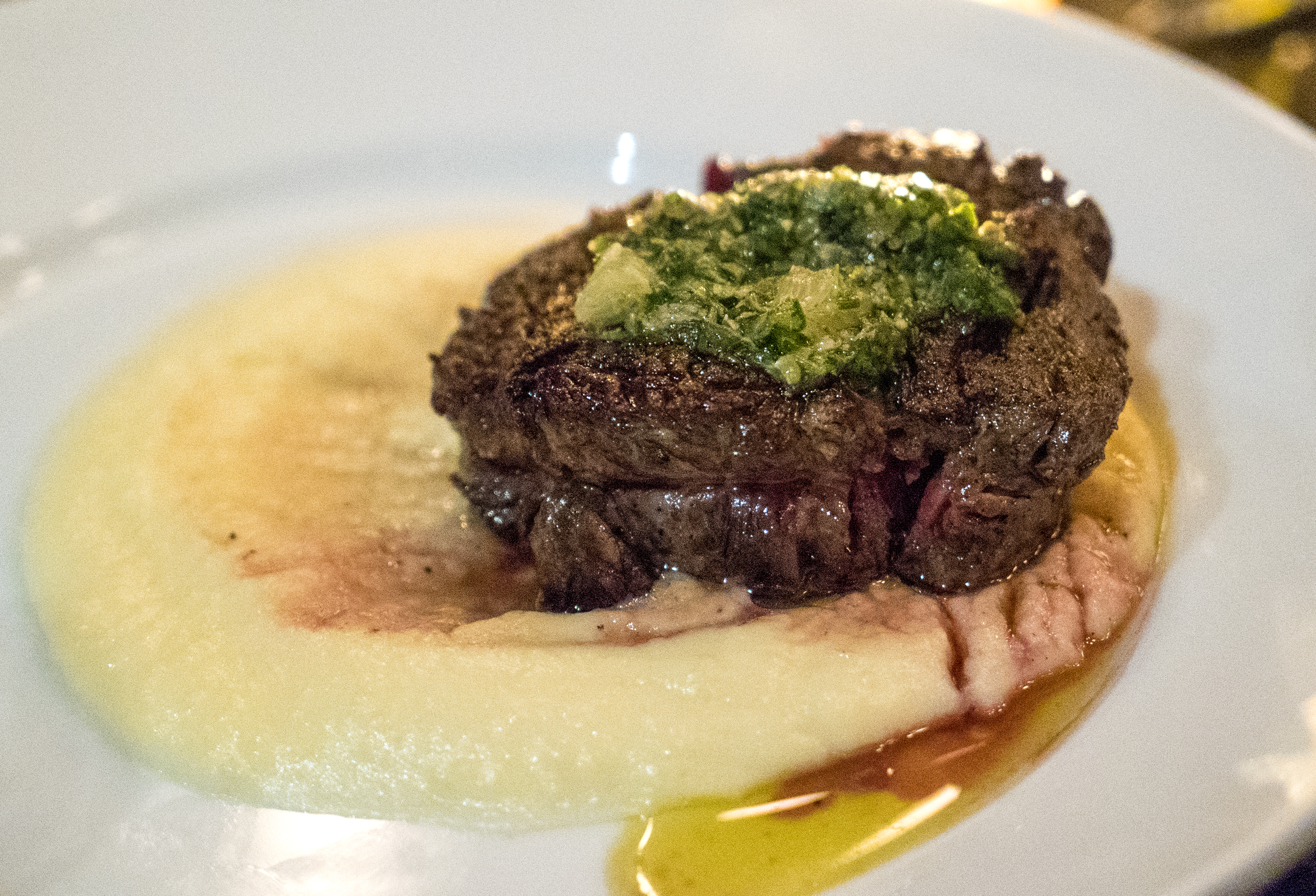
Yet another style is Chateaubriand, which is a large section of the thick portion of the tenderloin that is roasted boneless, then sliced and served with a reduction sauce.
There is also Beef Wellington, which is a portion of tenderloin that has been coated with pate and then wrapped in puff pastry dough prior to cooking.
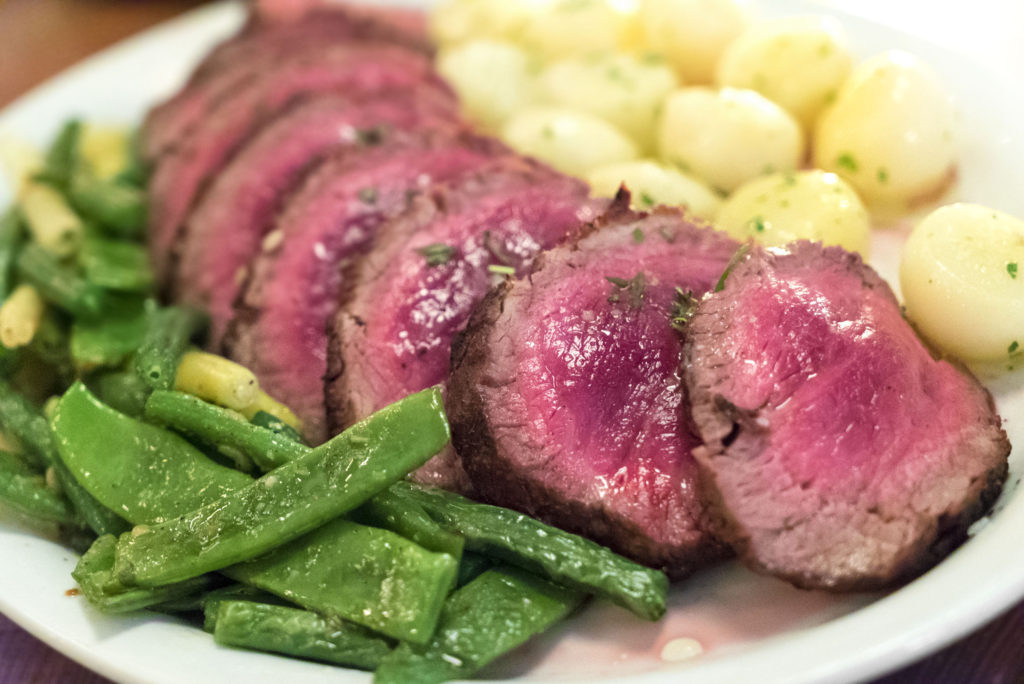
Flavor: Widely considered the most tender and least fatty cut of beef on the animal, the flavor should be uniform from one end to the other, with very tender and soft texture the whole way through. There is hardly any fat content in the standard cut of Filet Mignon. Some chefs will wrap the filet in caul fat (a lacy, fatty, web-like membrane that surrounds the stomach of an animal) before cooking. The webbing melts away during cooking and imparts a fat flavor into the meat. But it is more common to use things like butter, or to wrap a filet in bacon to add the fat flavor into the meat.