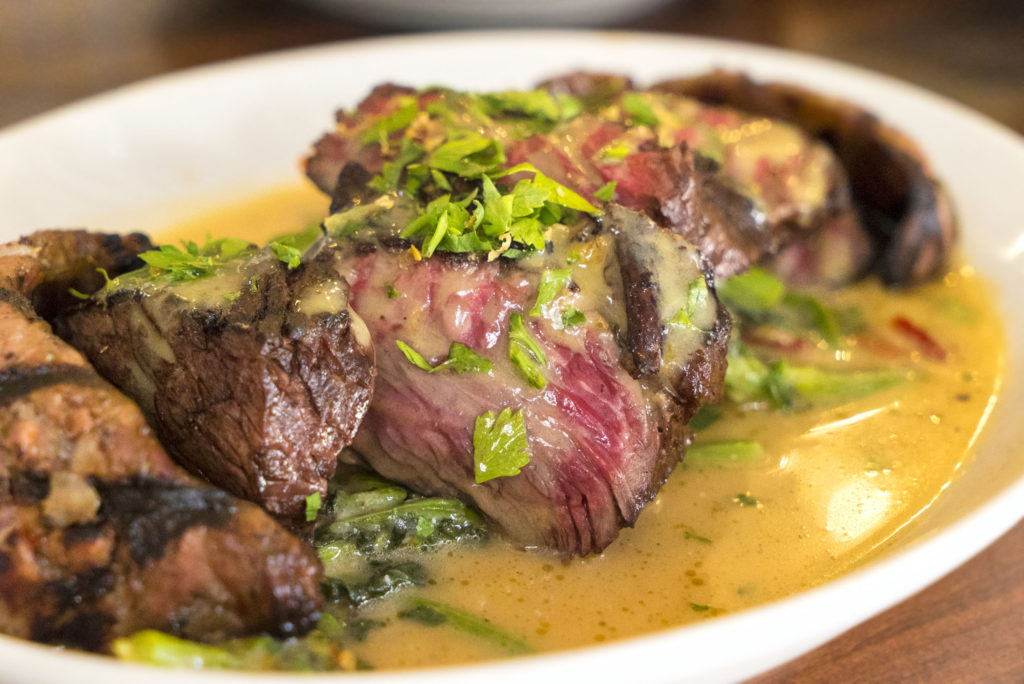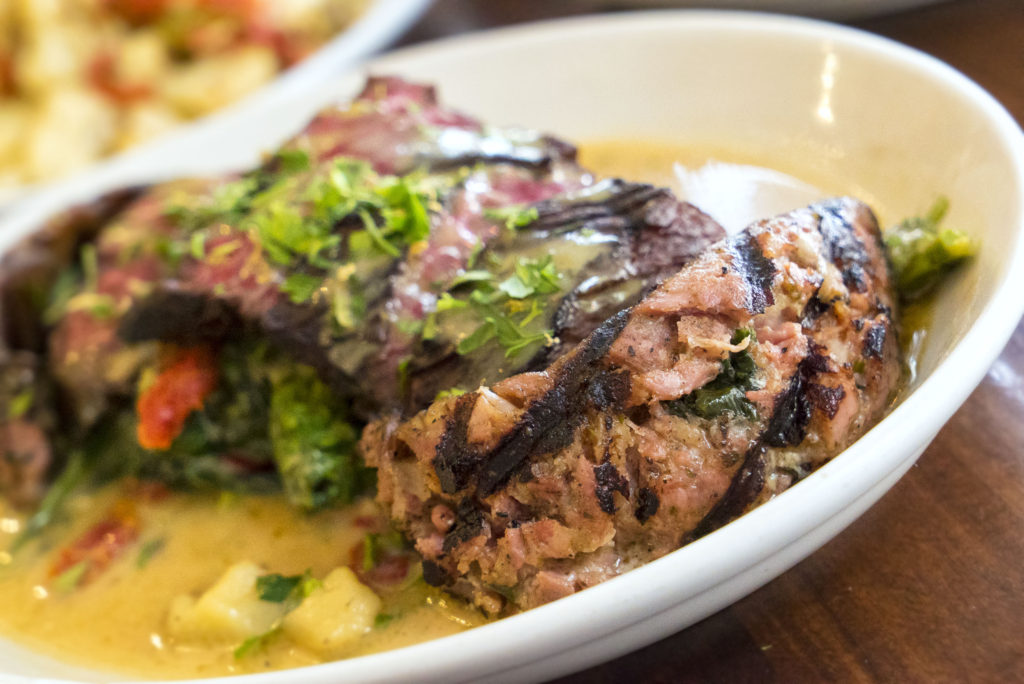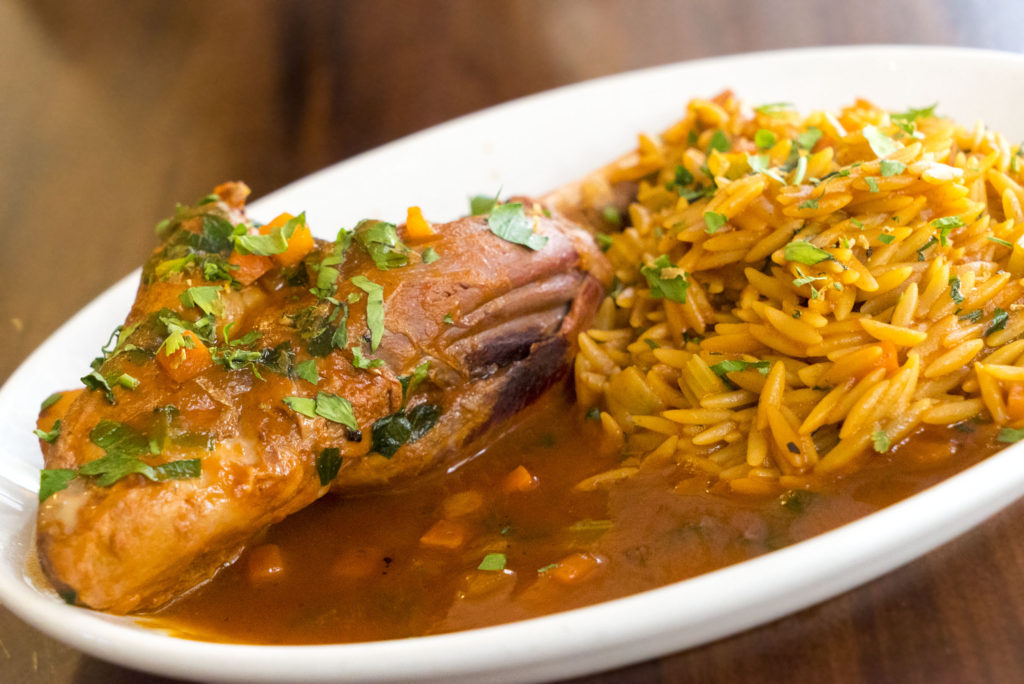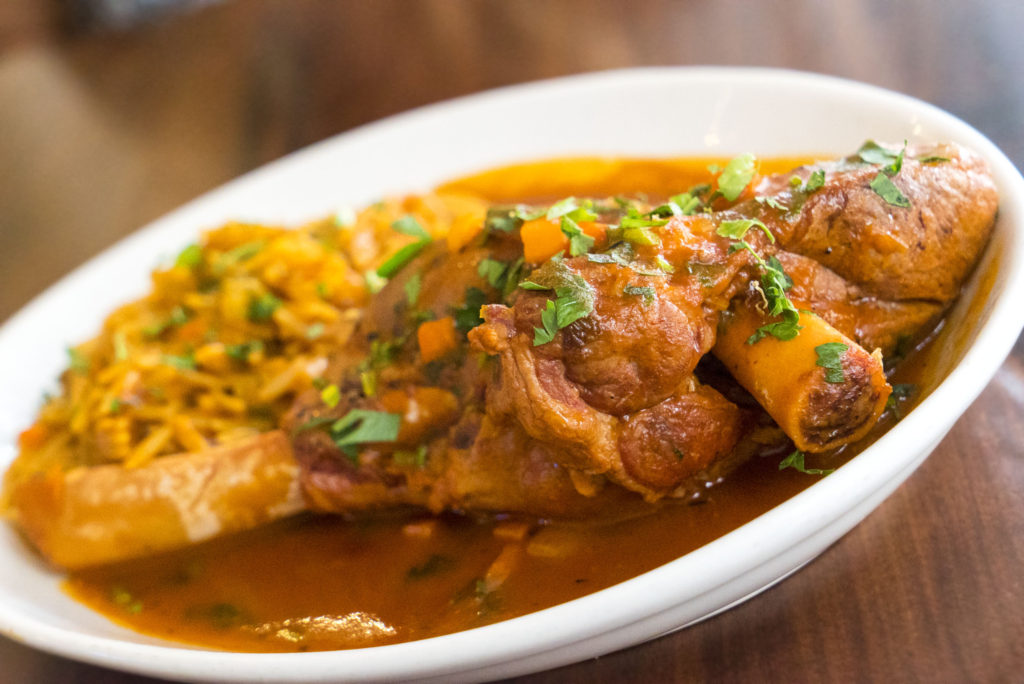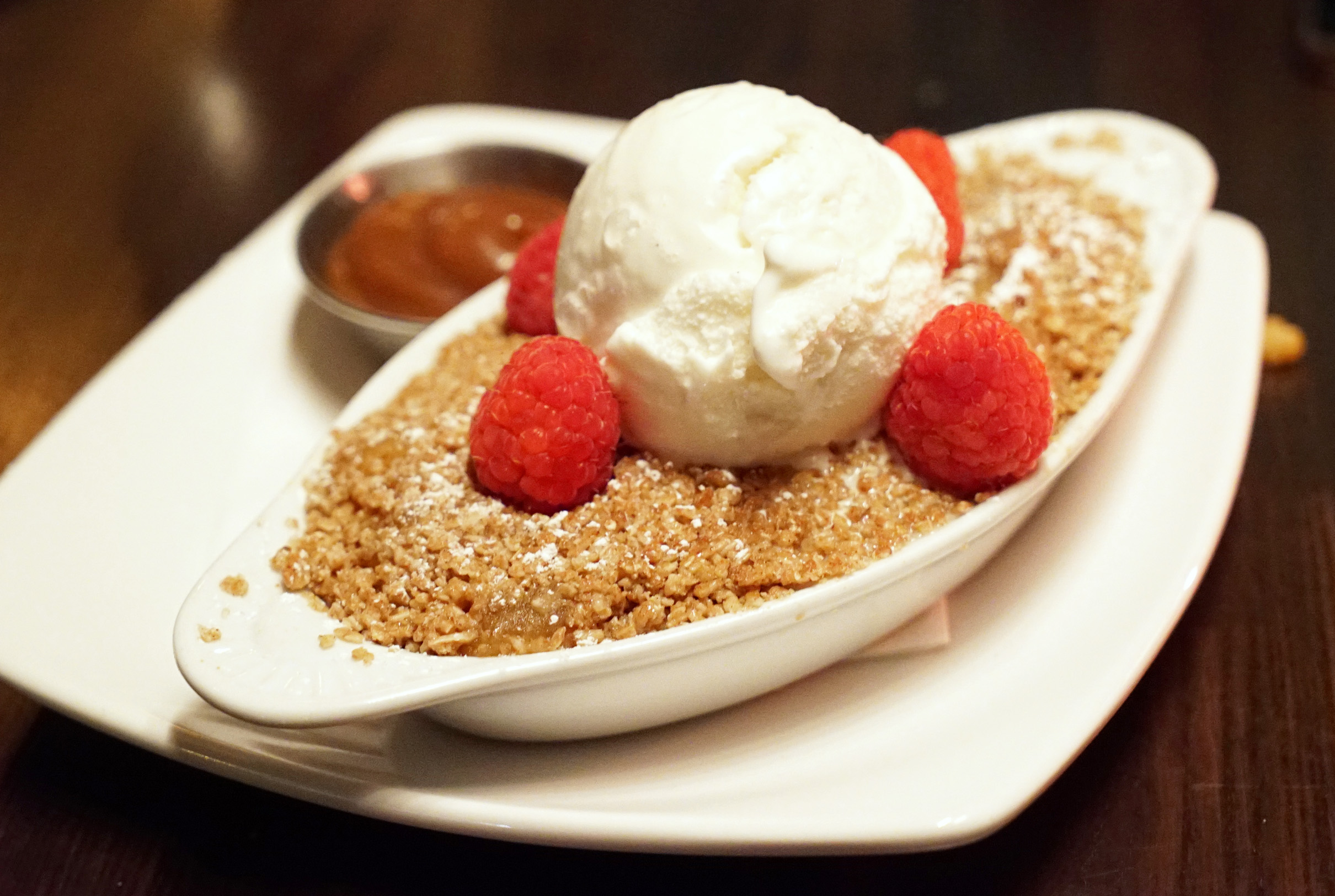
Tag Archives: lamb

Beatrice Inn

Beatrice Inn overall score: 93

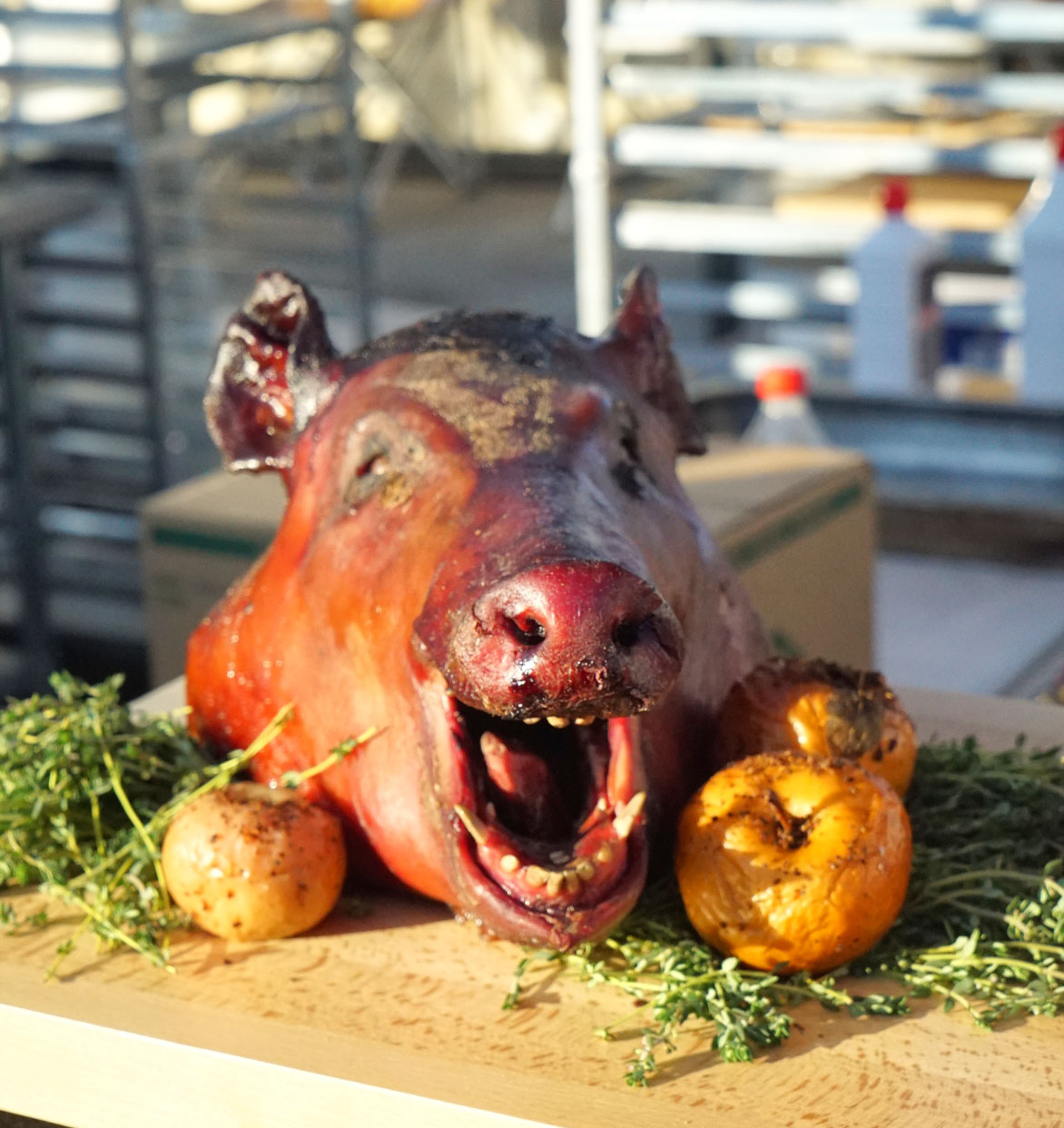
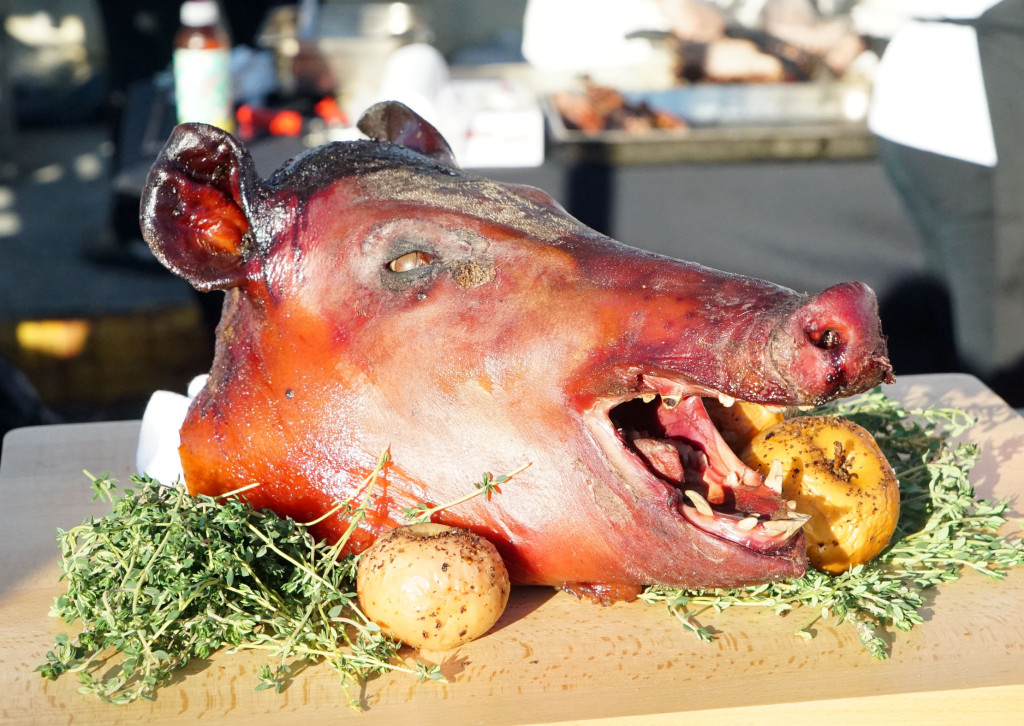
Beatrice Inn is a cozy West Village chophouse that’s headed up by Chef Angie Mar, who made her bones under April Bloomfield and other big time chefs before striking out with her own meat-centric restaurant. Actually, you may recall an earlier experience I had with her food at Meatopia last year.  She was roasting wild boar that day, and it was delicious.
DSC08144

Just thinking about the fucking awesomeness of that day again gives me a chubby… If you haven’t seen it, jump out to that link above and scroll through some of the pics. It was a meat eater’s heaven.

Anyway I’ve decided to treat this review as a kind of “sneak peak,” since I know with a high degree of certainty that I will be back again in the near future to try other items, and also to make sure my wife tries what I consider to be one of the best dishes in the city (I hope the suspense is killing you).

Another caveat I will mention here: I was struggling with whether to categorize this as a steakhouse or just a standard restaurant that happens to be very meat-centric. You’d think that after rating over 100 steakhouses and 60 steaks at non-steakhouses, I’d have a better grip on this shit. But Beatrice Inn is a different kind of joint, and it threw me for a loop because it’s not just about the beef; it showcases a shitload of variety in terms of animal proteins. It may not matter to avid readers who actually pay attention to my words over the numbers, but squeezing this review into my ranking system yields an artificially low score due to the constraints of my imperfect ranking system. Another reason I decided to treat this as a steakhouse is because what Chef Angie is doing is pretty unique, and she’s kicking some serious ass in a world that’s heavily dominated by male chefs. Now, you know me: I’m not one to get all “women’s lib” when talking about female chefs, but aside from Ruth Fertel (founder of Ruth’s Chris), she’s really the only other woman that comes to mind who owns/operates a restaurant that is almost 100% meat, steak, animal carcass, etc.

Last caveat: I was dining with a large group of people when I came here, most of whom I did not know very well, so I would have felt awkward taking my time shooting photos of everything the way I normally do. No one wants to eat cold food! Next time I will make sure the photos are more numerous and better quality.

So let’s (finally) get down to business…

Flavor: 9
This flavor score is an average score between ONLY the two cuts of beef that we tried; the 60-day dry aged cote de boeuf, and the 20-day dry aged wagyu hanger steak. It does not include the other items we tried, like the duck and pork shoulder, which I discuss below in the “other meats” section. Once I return to try more beef items, this score is likely to shift upward, since I saved one item that I really want to sink my teeth into for when I return with my wife (the 127-day whisky dry aged tomahawk rib eye, as seen on The Meat Show).

But anyway, back to the delicious shit we actually did try.

First the cote de boeuf:
dsc02680

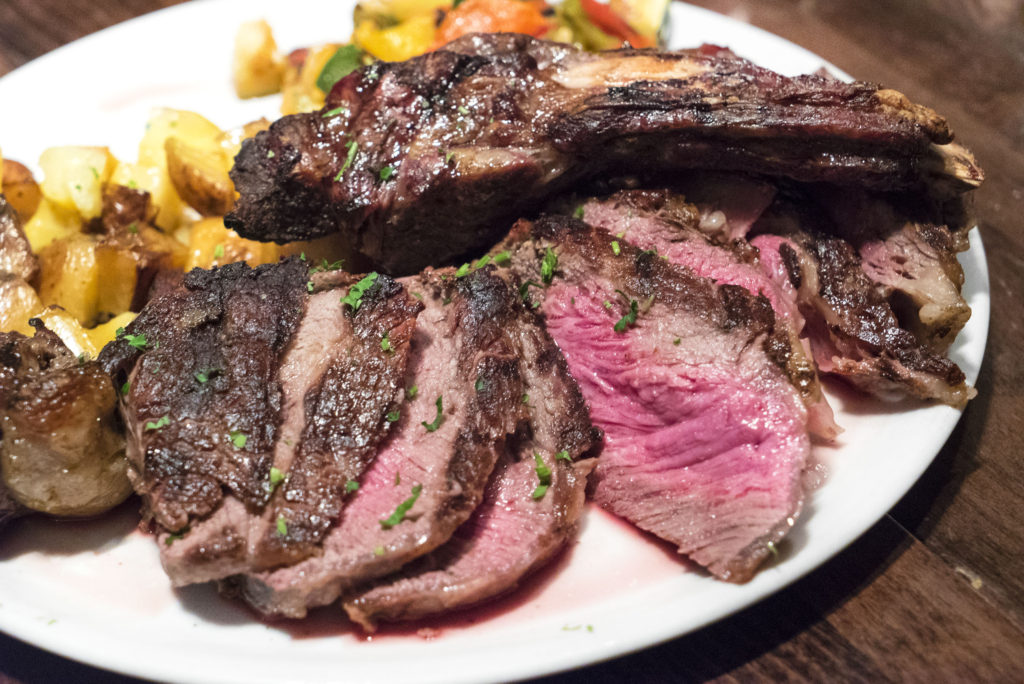
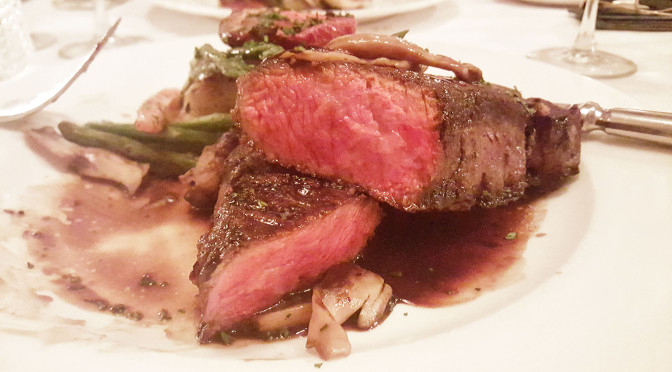
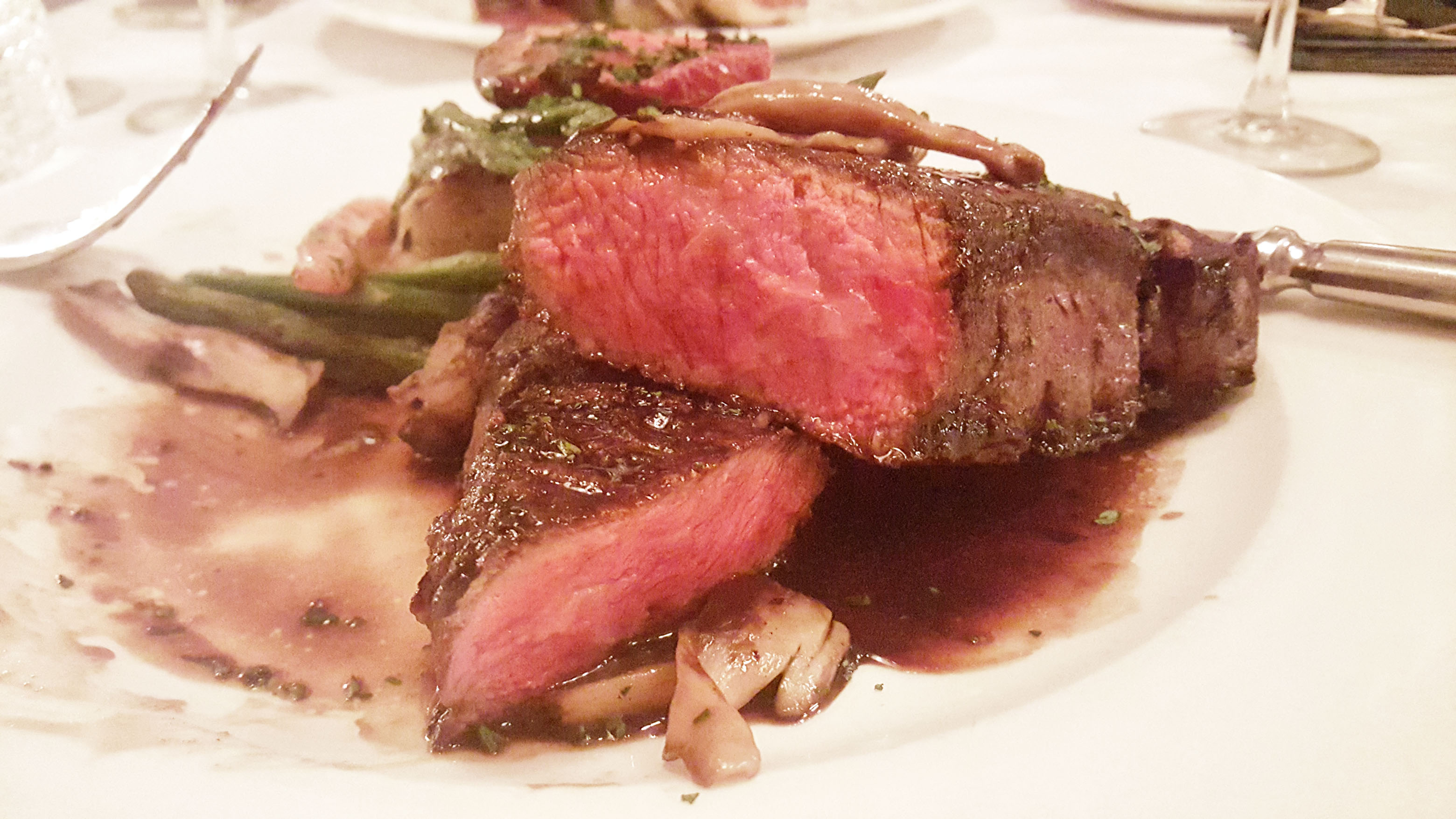
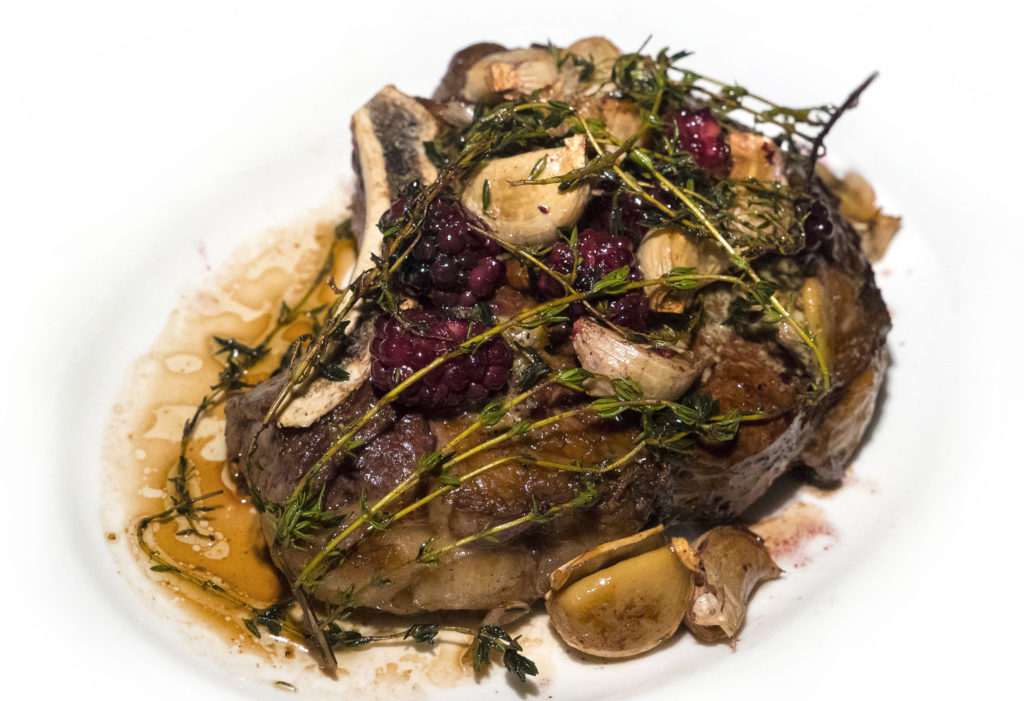
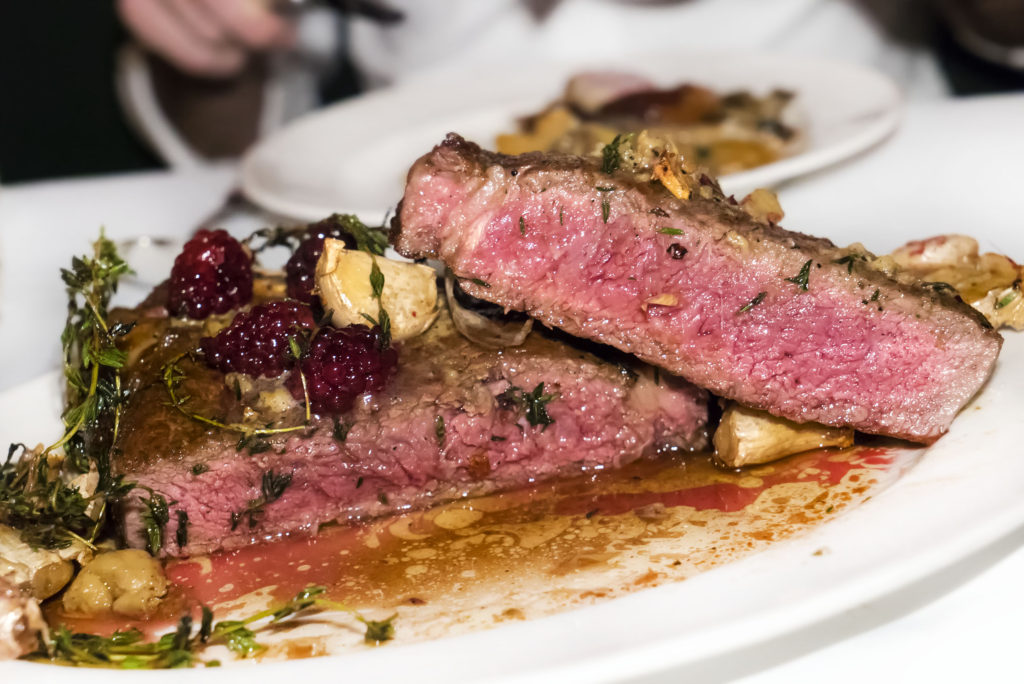
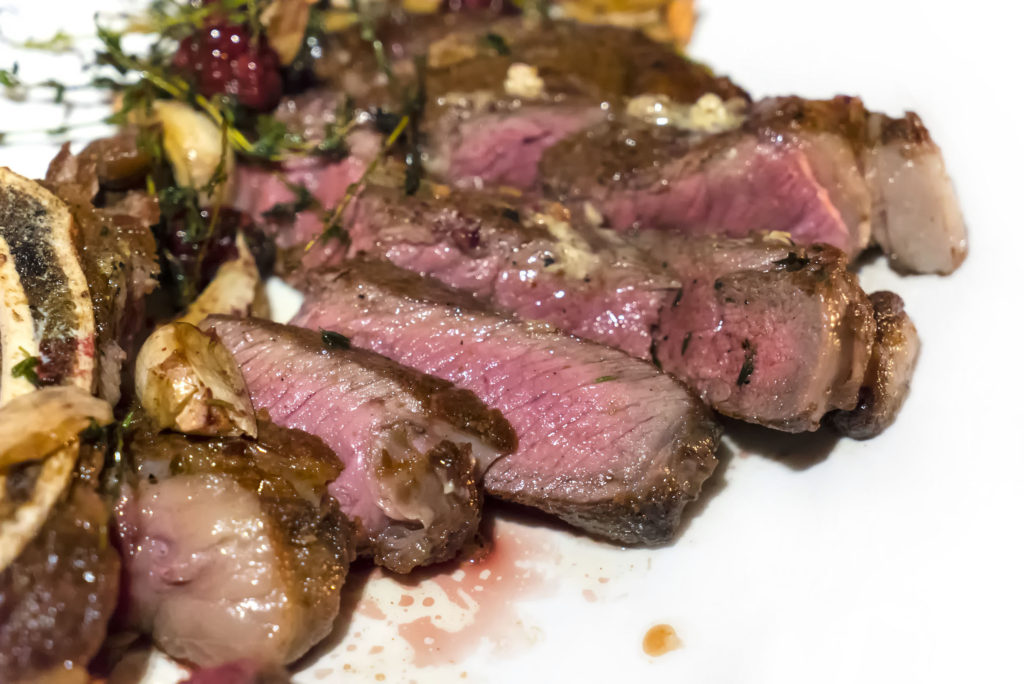
This was served with roasted garlic, marrow, blistered blackberries, charred prawn butter and thyme. It had a really unique woody, smoky, charred flavor to it that grew on me as I continued eating. I had never really tasting anything like it before. It was well-rested and cooked to a beautiful medium rare with minimal grey-banding and hardly any myoglobin “bleed out.”
dsc02694

Since we shared this with a table of seven, we asked the kitchen to slice it up, which they gladly did for us.
dsc02700

While there wasn’t much spinalis dorsi (fat cap) on this cut, I didn’t really expect it due to the long dry-aging time. Remember: dry-aging beef causes it to lose nearly 30% of its weight, and then you have to trim the bark off, which, unfortunately, sometimes happens at the sacrifice of some cap meat.

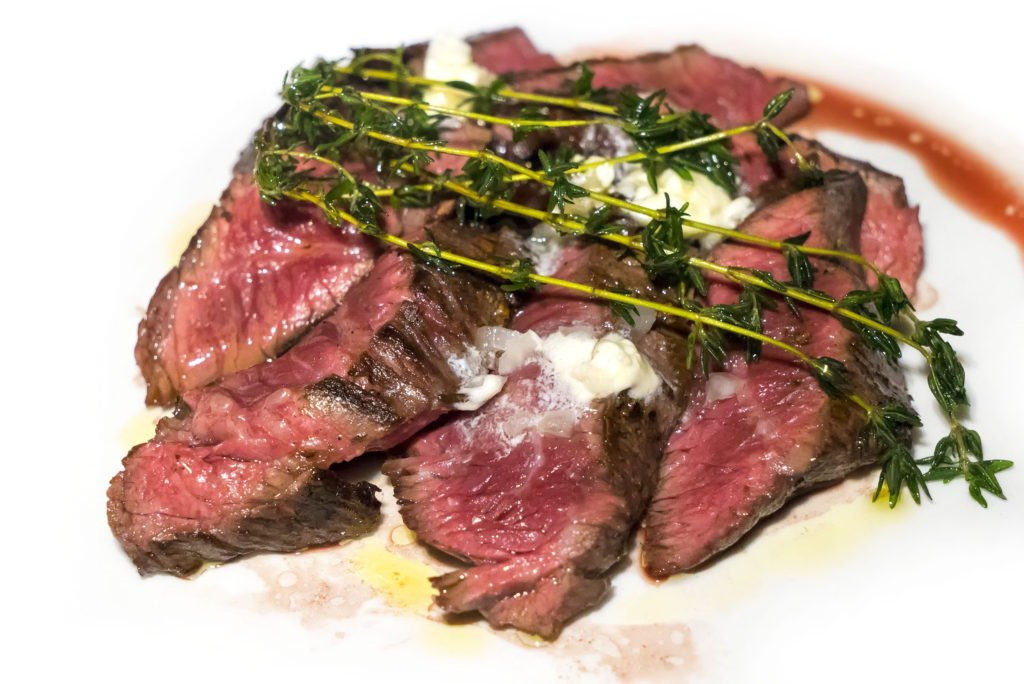
The real star of our beef entrees was this 20-day dry aged wagyu hanger steak. It seems that this was the table favorite for the beef.
dsc02666

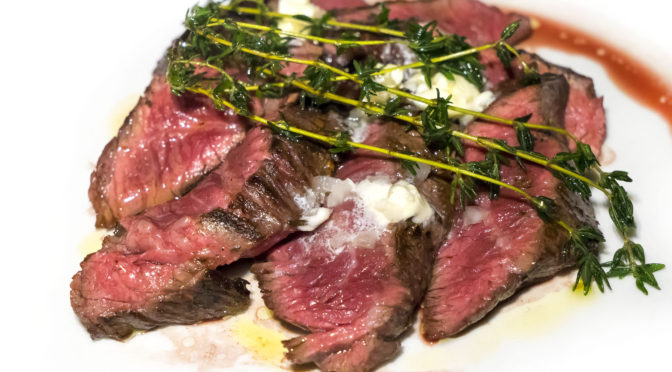
Dedicating less time to aging this cut is smart, since the hanger itself isn’t very big to begin with; any longer and you may risk having to trim off too much bark. Also, with a cut like hanger, which is normally pretty well-marbled to begin with, you are really doubling down on the intensification of flavor that you get from the dry aging process. The result for this cut is amazing. It’s one of the best hanger steaks I’ve had. It was super tender and juicy, and perfectly cooked. The beef flavor really stands out here as well, since it was wisely prepared in a more simple manner, with shallot butter and thyme. After all, they don’t call this cut the “butcher’s steak” without good reason!

Choice of Cuts & Quality Available: 7
Take this number with a grain of salt, as it skews low due to the limitations of my review categories. Beatrice doesn’t necessarily fit perfectly into the “steakhouse” genre, but since they offer so many wonderful animal proteins, I had to include it as one. While Beatrice only offers one traditional steakhouse cut (rib eye, in two forms) and one “other cut” (hanger steak), they really knock the shit out of the “quality” aspect to this section as well as the “other meats” category below. Most of the beef, from what I understand, comes from Pat LaFrieda, who is a standard bearer for high quality beef, especially in the Northeast. No filet. No strip. No porterhouse. I probably wouldn’t order those anyway, given all the other goodies that grace the menu here.

Portion Size & Plating: 10
Portions are generous and plating is beautiful without getting into the pretense of tweezers and excessive plate-wiping. It’s exactly what you want from a nice meal of this type.

Price: 9
I think our table enjoyed a bit of a discount since one of the people we were with is best friends with the chef. In any case, given the pricey location of the restaurant and the high quality of the menu items, it’s only natural that this place can be expensive. Luckily there are lots of “for two” or “for the table” items available that can be shared to defray costs. And the hands-down best item I tried (see “other meats” below) is a mere $27 entree. So there’s really something for every budget here. Even the high rollers can enjoy truffle- and duck egg-topped burgers for $90, or a whisky dry-aged steak that’s about $600 for a 50oz tomahawk.

Bar: 10
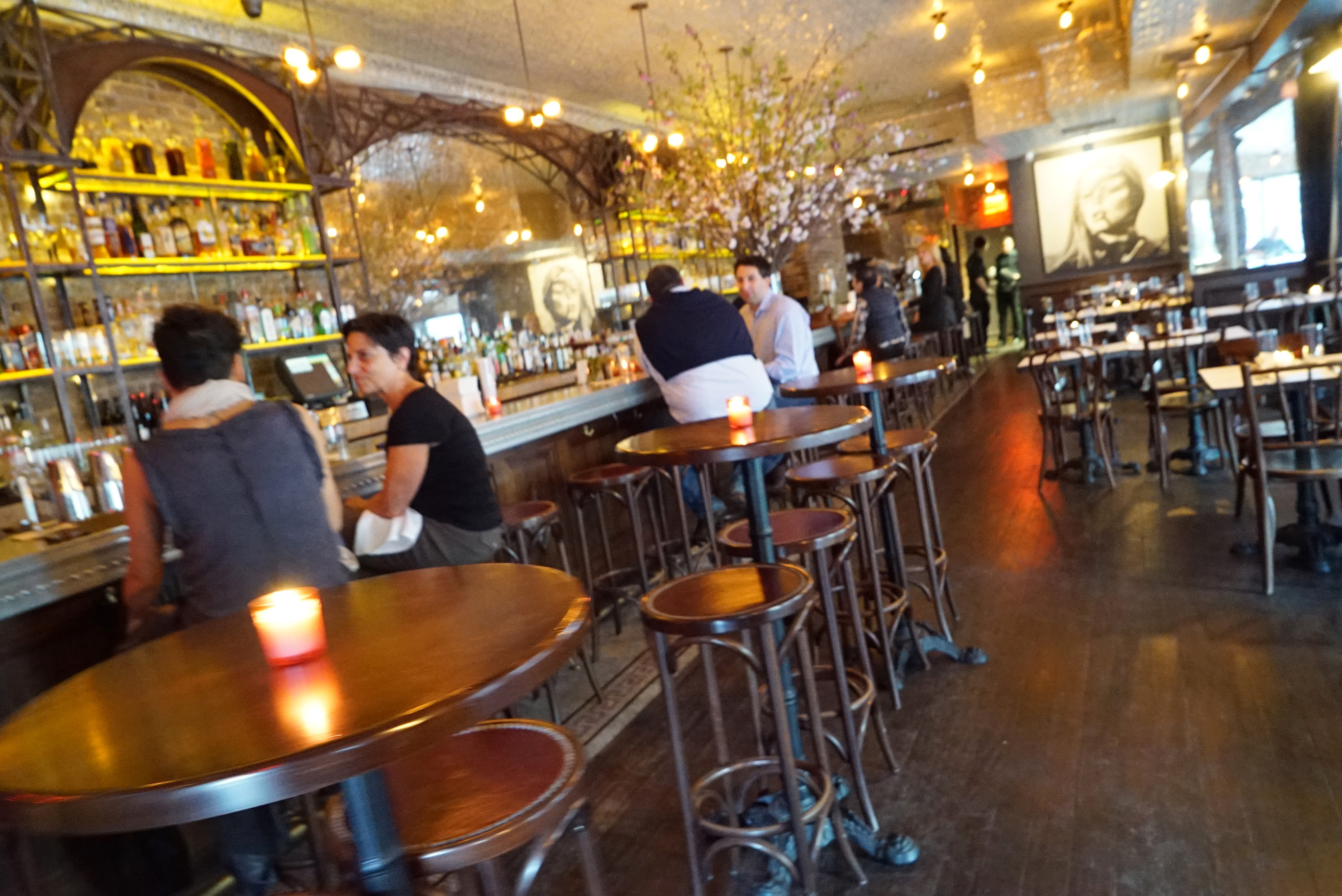
This joint was jumping even as we were leaving after 11pm on a Wednesday. The bar is ground floor level and feels like a speakeasy. There are some seats in a lounge type spot by the windows, and a warm fireplace at the end of the bar. In fact there are fireplaces all over this joint! I love it. The cocktail menu is really special too, with lots of unique takes on old classics.
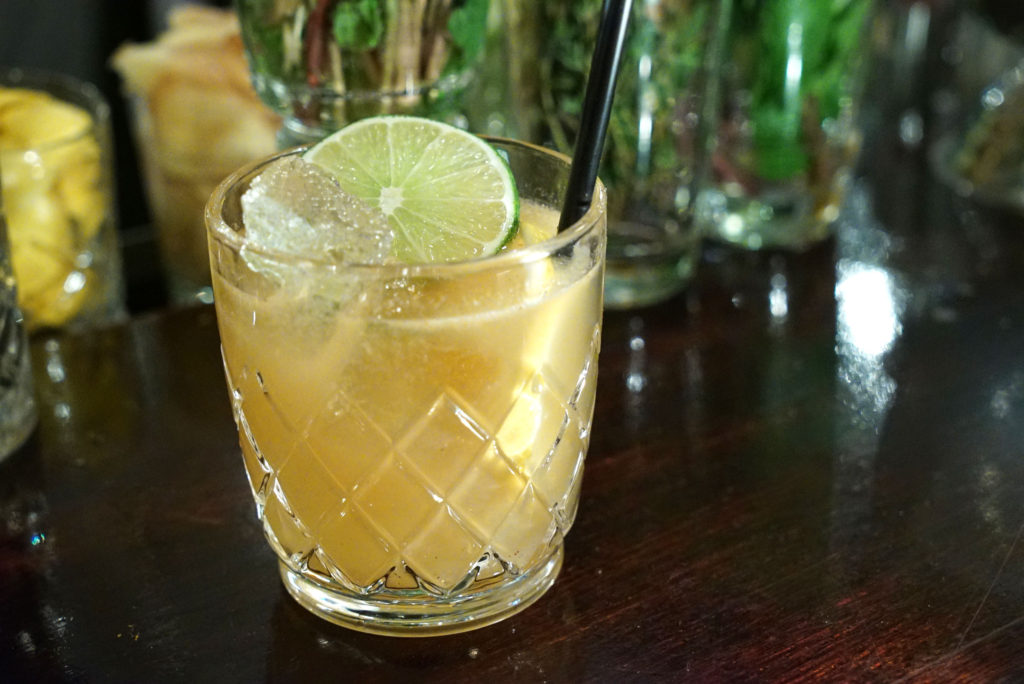
dsc07237

I recommend the smoked Manhattan, which fills the room with a really woody aroma every time someone orders it. If you want something more refreshing and crisp, try the Big Poppa, made with truffled gin, citrus and egg whites.

Specials and Other Meats: 10
There aren’t enough points available to award here. Only 10? Here’s a list of the other meats on the menu: applewood smoked rabbit for two, milk braised pork shoulder, lamb wellington for two, chicken for two to four people, roast duck flambe for two to four people, beef cheek, braised oxtail, and whatever other specials the chef is working on in the kitchen that day or week. It’s fucking amazing.

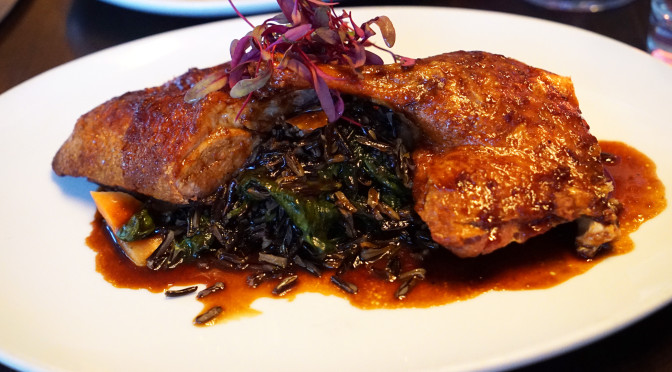
We tried the roast duck flambe. Here’s how it comes to the table:

It had a really nice smoked flavor and is served with cherry jus, fingerlings and lyonnaise.
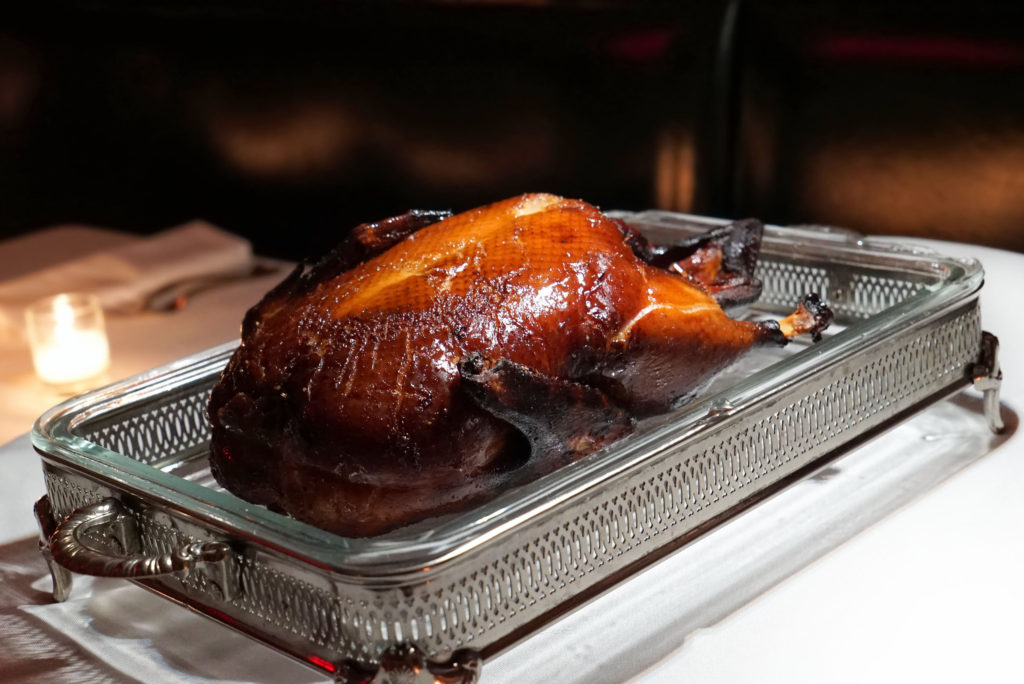
dsc02645

Once the presentation is made with the flames, they take it away and chop it up for easy consuming.

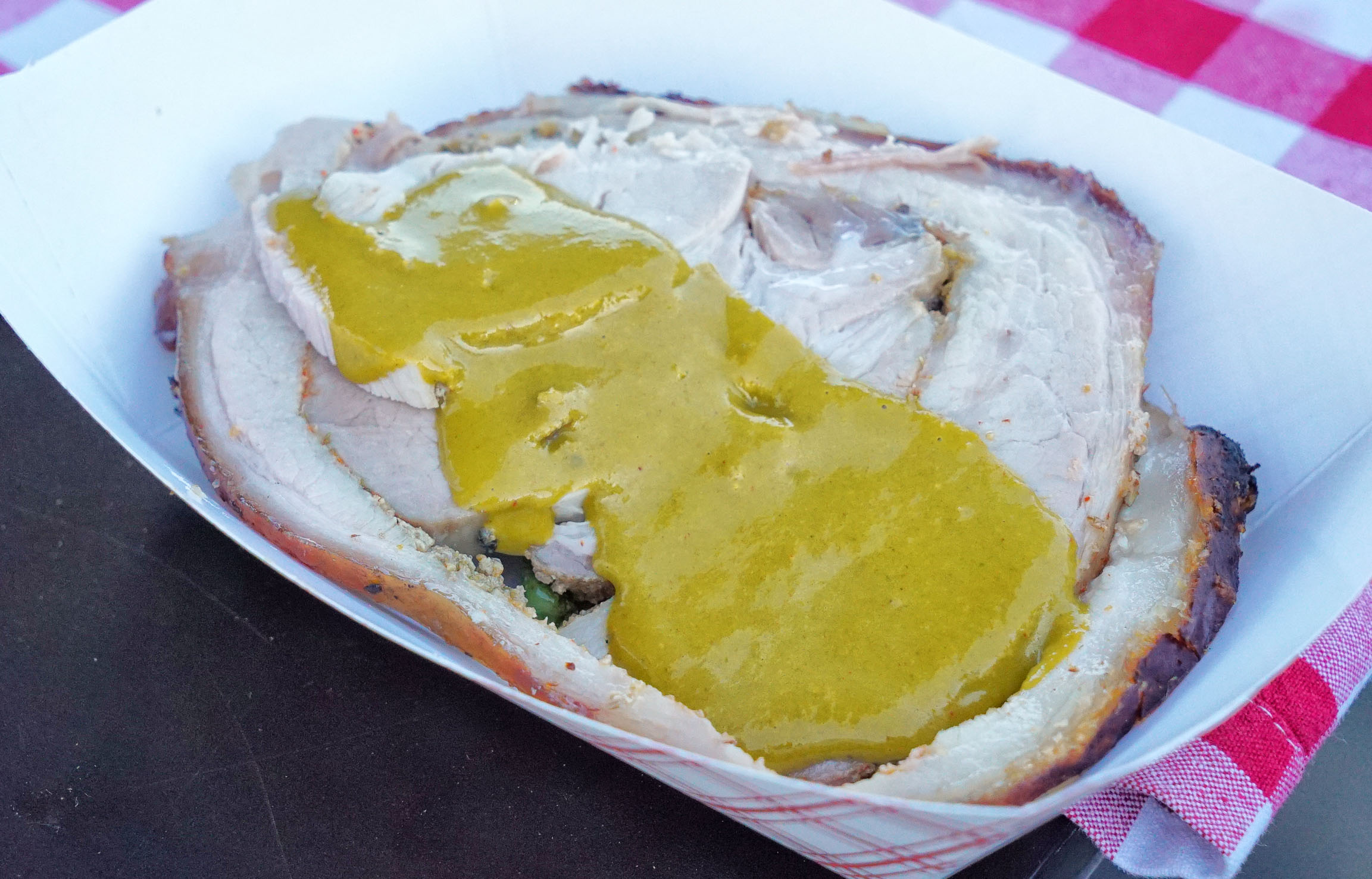
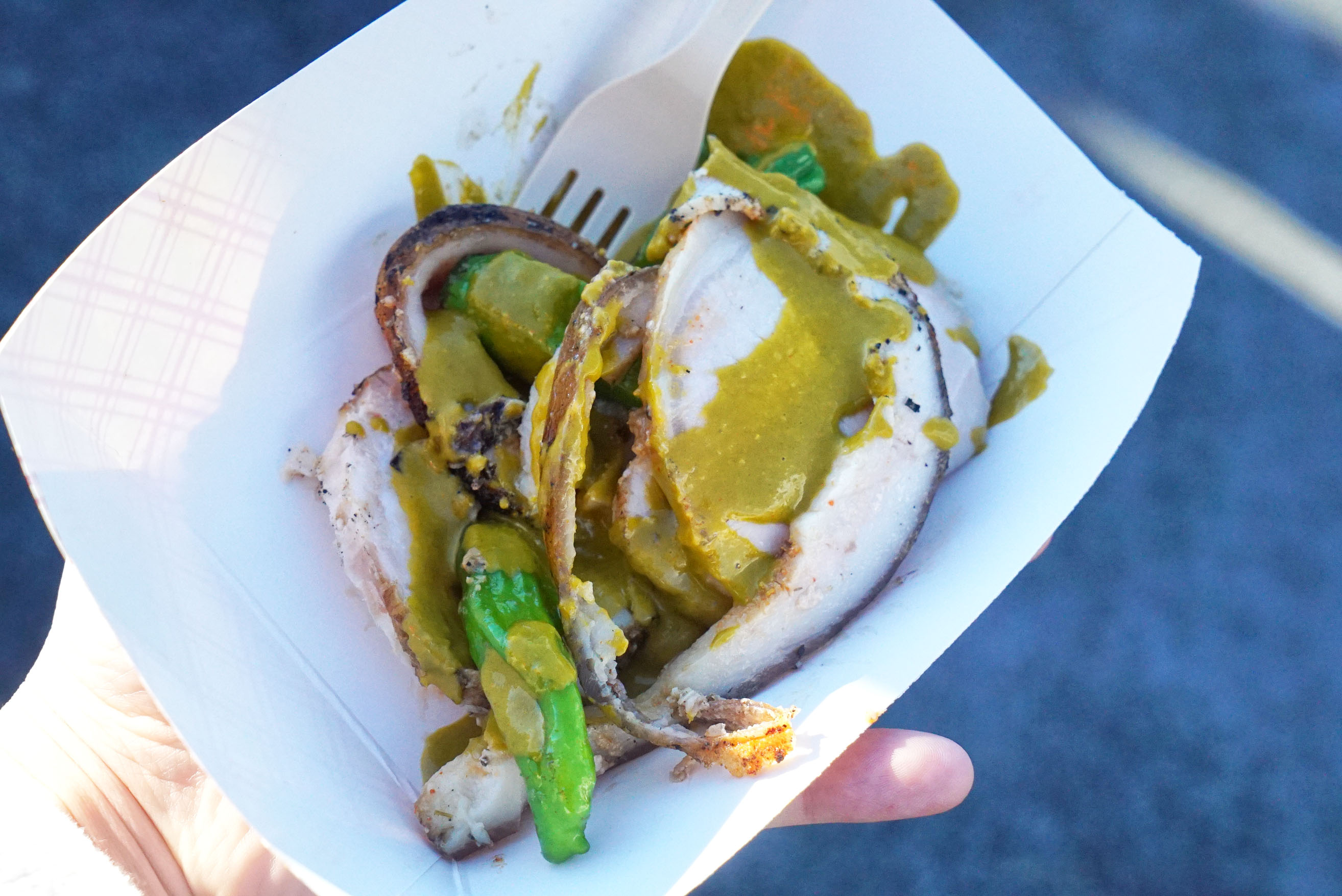
The absolute best item we tried, and what I submit to be one of the best pork dishes I’ve ever had, is the milk braised pork shoulder with jasmine rice soubise, hen of the woods mushrooms and sage.
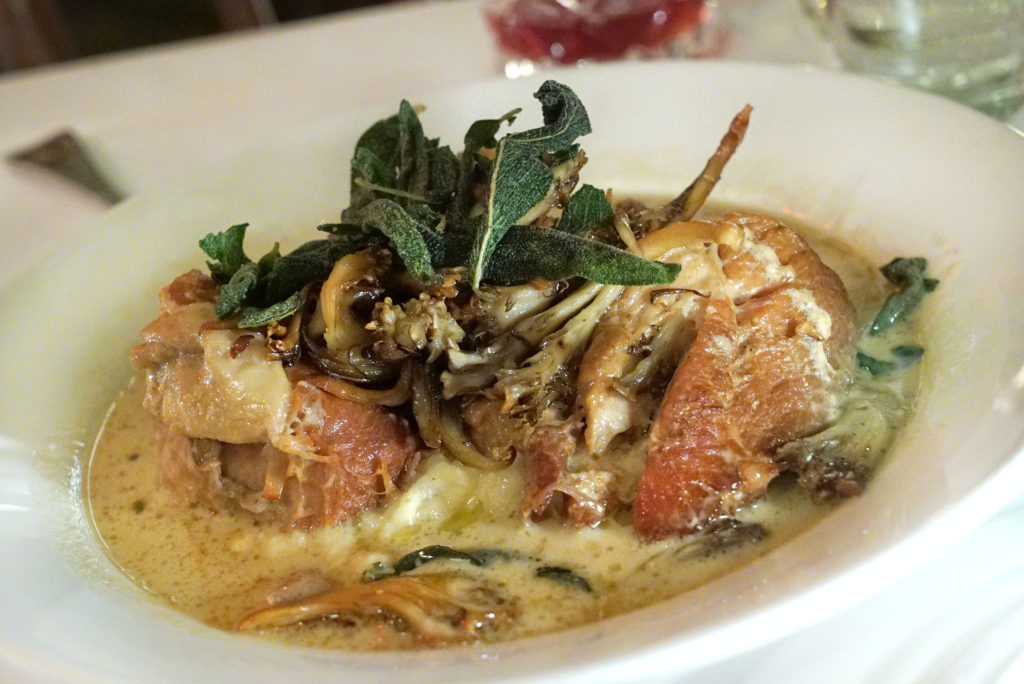
dsc07011

Chef Angie has been making this dish since she was 15yrs old, so by now it has been perfected to perfection, or whatever status is even more perfect than perfect. It was bright, savory, juicy and soul-satisfying. You really need to get it when you come here, and I’m really fucking sorry that I didn’t shoot it.

We also tried the game pie, which contains wild boar, lamb, venison, pearl onions and fingerlings inside. But the suet crust is something I’ve never experienced before. It’s essentially a pie crust made with rendered beef fat, so it’s crispy and meaty, harder than a normal pie crust and a shitload more satisfying to eat. It should also be noted that the entire pie is formed around a marrow bone for good measure. Because why the fuck not? I didn’t snap a pic of this but a friend of mine who went there recently got a great shot. My description begs for an image, so I’m sharing her pic here:

A photo posted by Jean Lee (@jeaniusnyc) on

Apps, Sides & Desserts: 10
I apologize for only shooting the fries and tartare, but I’ll get on it next time. Everything we tried was amazing. We started with the chicken liver pate.
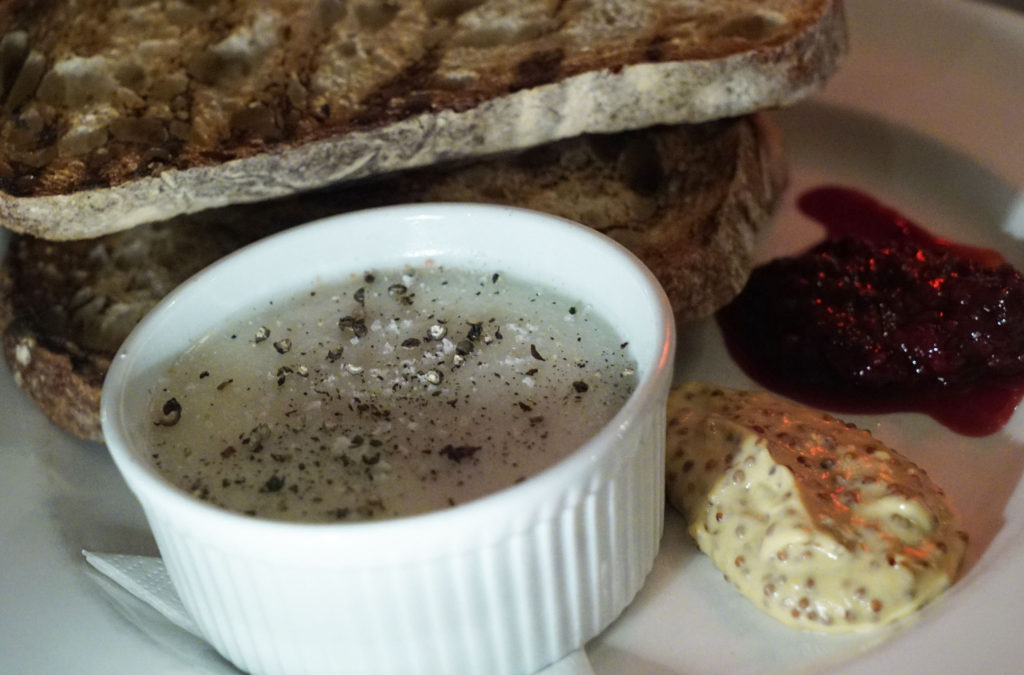
dsc07245

It was smooth and creamy, served with a blackberry sauce and whole grain mustard that were the perfect pairing for the pate when spread onto delicious toasty bread.

The lamb tartare was really nicely executed. It was mild and had none of that gamey flavor that you might expect. Dotted with blueberries, it had just the right amount of acidic pop to it.
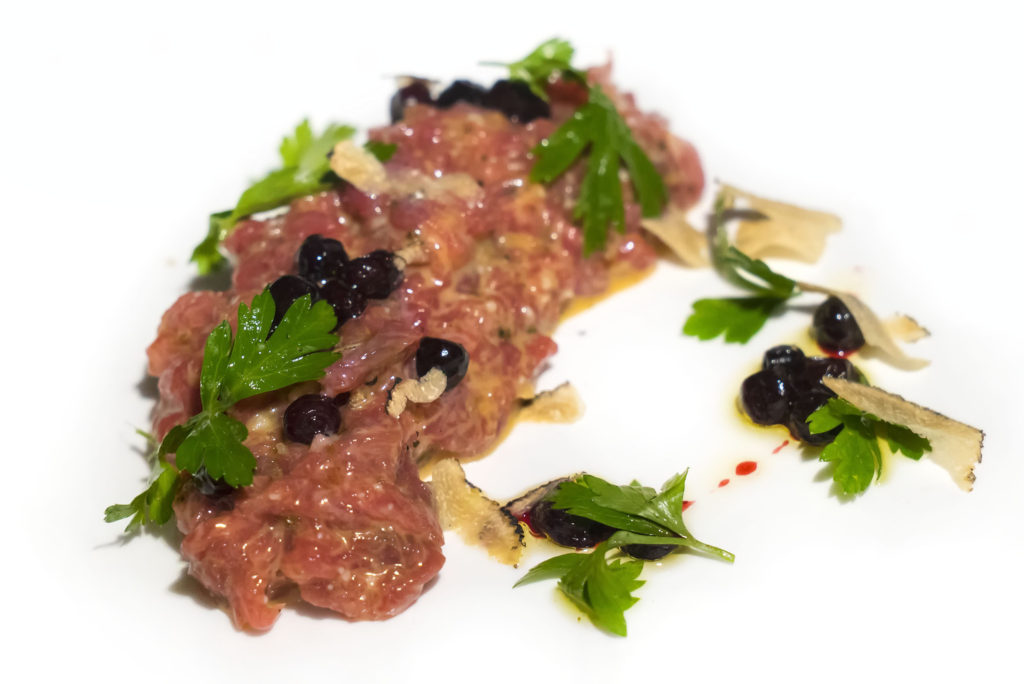
dsc02640

The truffle fries were cooked to a perfect golden crisp, and went well with our aged beef selections.
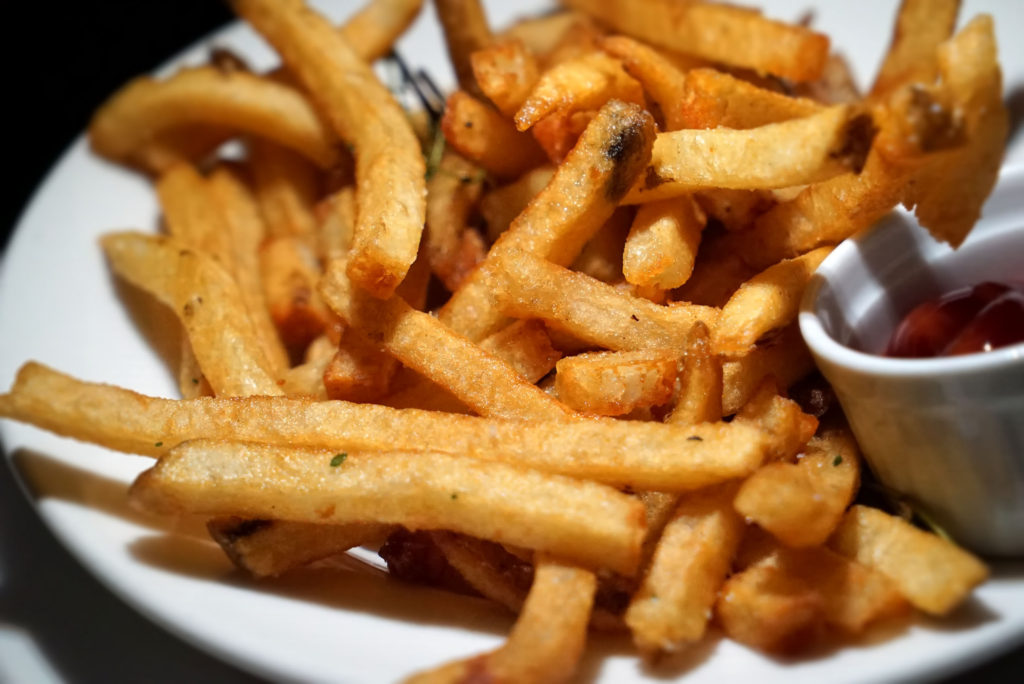
dsc02649

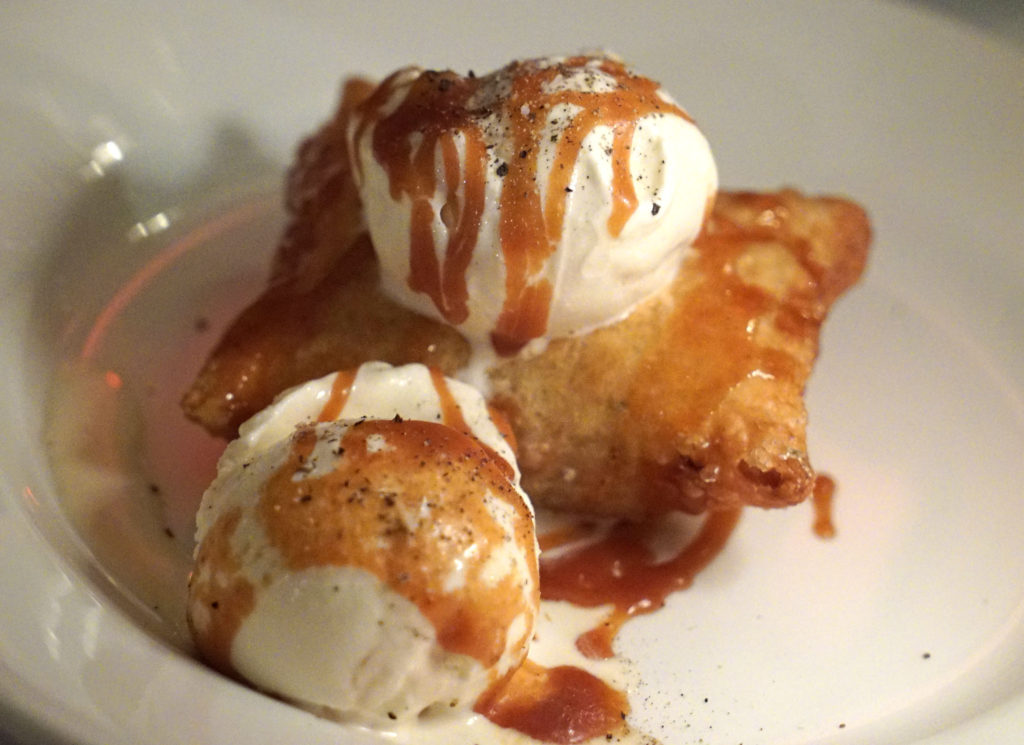
For dessert we shared an apple “croissant” (for lack of knowing the exact term) that was topped with vanilla ice cream and a foie gras caramel.
dsc07300

It was really amazing. The croissant was crispy but soft, warm and delicately “appled.” I was really tempted to get their famous bone marrow creme brulee as well. Next time!

Seafood Selection: 8
Beatrice Inn offers halibut and branzino by way of the sea, which we didn’t try on the first trip (see update below). But we did start with some west coast oysters that were crisp, creamy and fresh. They came with a really interesting horseradish sauce that had a kick of spice to it, perhaps the same kind of smoked spice flavors you get in something like nduja or chorizo. It was wild. Anyway, while that was technically an appetizer, I figured I would talk about it here since I didn’t try any seafood entrees.

Service: 10
Top notch, really great service here. Everyone is dressed in classy, old-fashioned attire, like you’d expect at a legit steakhouse. Water glasses are filled promptly, the food comes out at the right pace and temperature, and waiters/waitresses are attentive and know their shit forwards and backwards.

Ambiance: 10
I described the bar area up above, but the rest of the joint is just as impressive. There are two rooms off the bar. One is a large dining room and one is a semi-private elevated area with a massive fireplace and a skylight. You feel like you’re in an inn or old fashioned town home, but laid back and comfortable as opposed to stuffy.

I highly recommend trying this place ASAP. It’s been a hot, trendy spot for a while now, but I can certify that it’s with good reason. It’s not pretentious like other places that trend hard in the food scene, and the food is “fuck you” delicious – every damn bite of it.

UPDATE 12/27/16

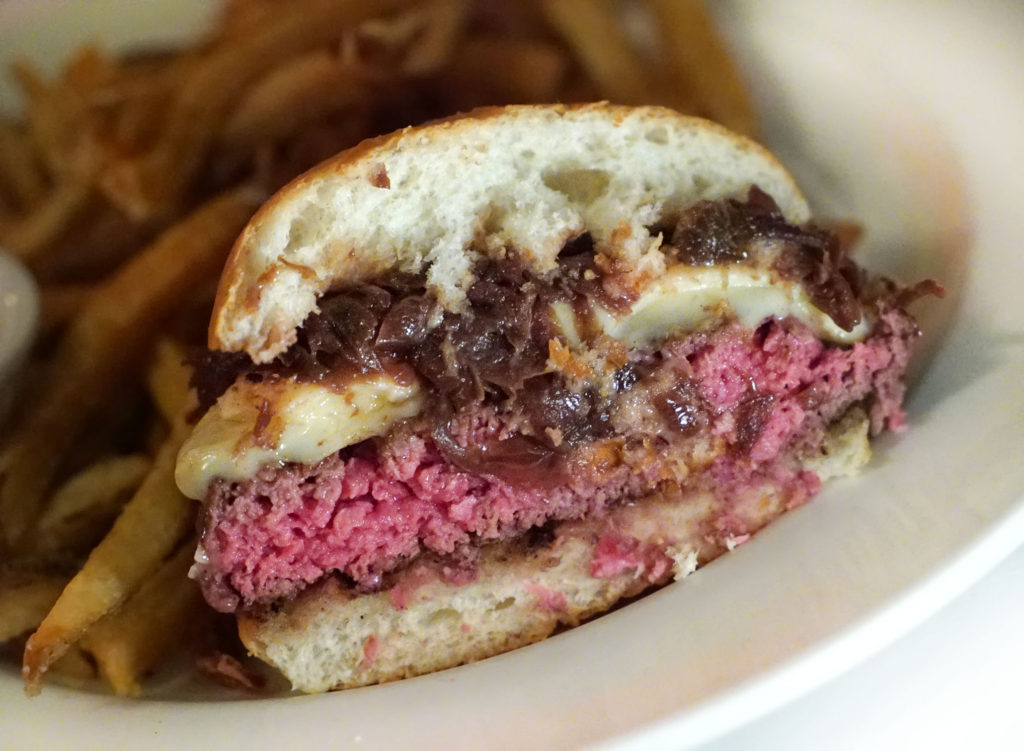
I went back twice since the review above. One the first visit, we kept it simple and got a burger. It was great, but I think it needed a crunch element to make it really pop. The 45-day dry aging process really does impart a great flavor to the meat, and the use of a mild brie for the cheese is genius.
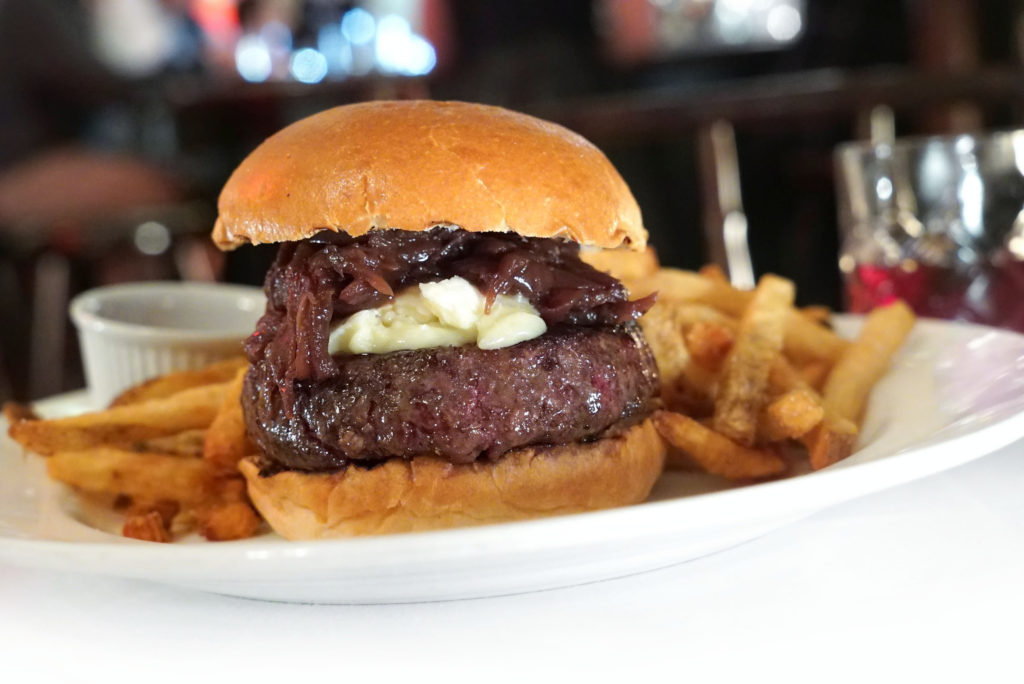
dsc06971-fixed

dsc06995

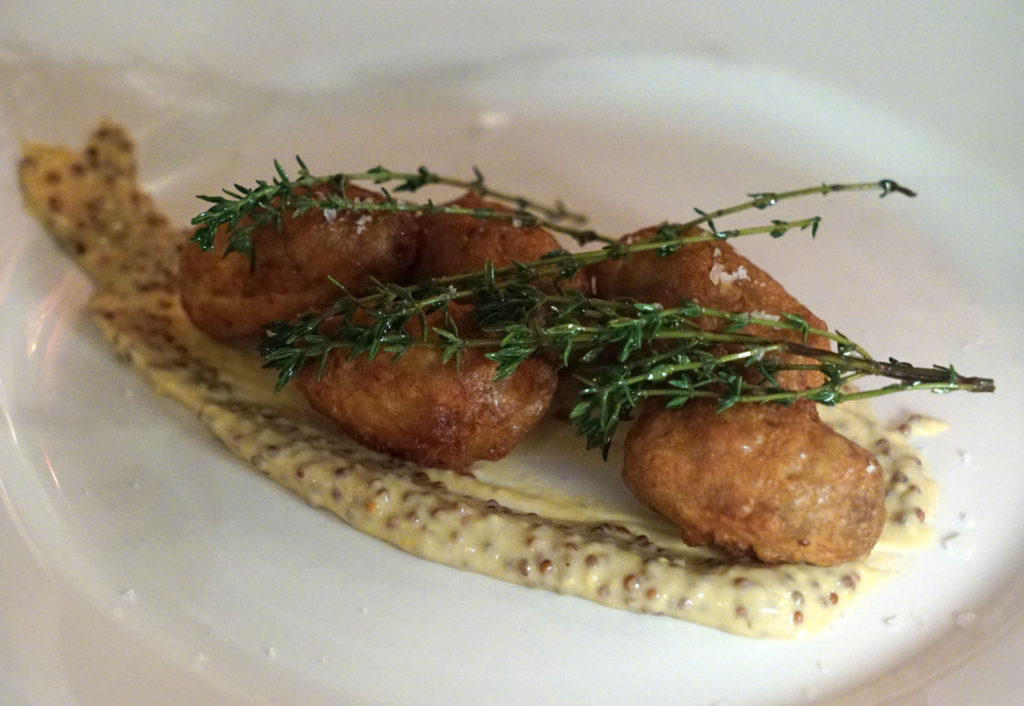
On the third visit (yes, I like this place a lot), we tried a nice variety of new shit. To start, we went with these deep-fried dates that were stuffed with cured ham. Really fun and delicious.
dsc07241

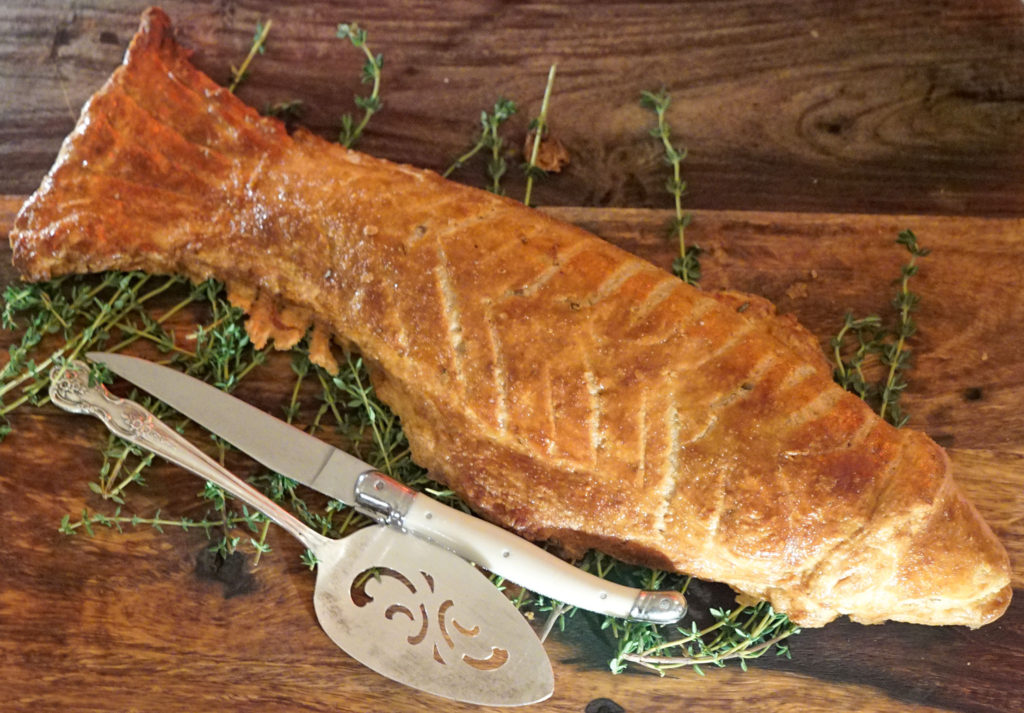
We shared a few entrees as well. First, the branzino en croute. So nicely cooked. For one diner, this was the favorite item of the meal.
dsc07248

Yes, its a fish cooked inside a bread crust. So good.

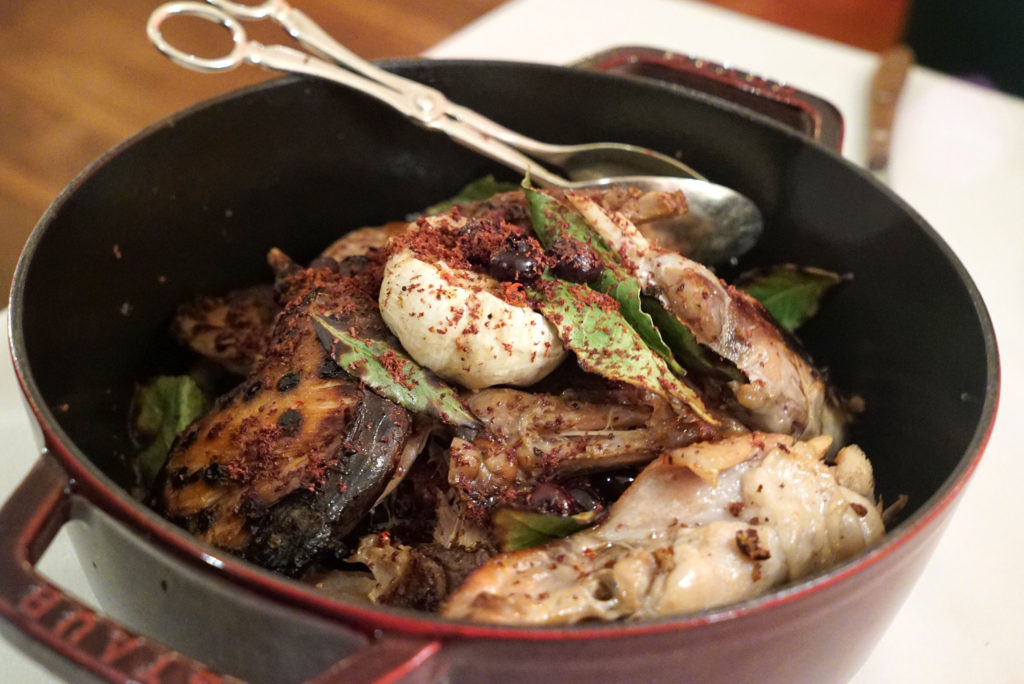
Next was this braised rabbit for two. This was enough for three or four, for sure. The meat is so plentiful on this, which surprised the shit out of me.
dsc07259

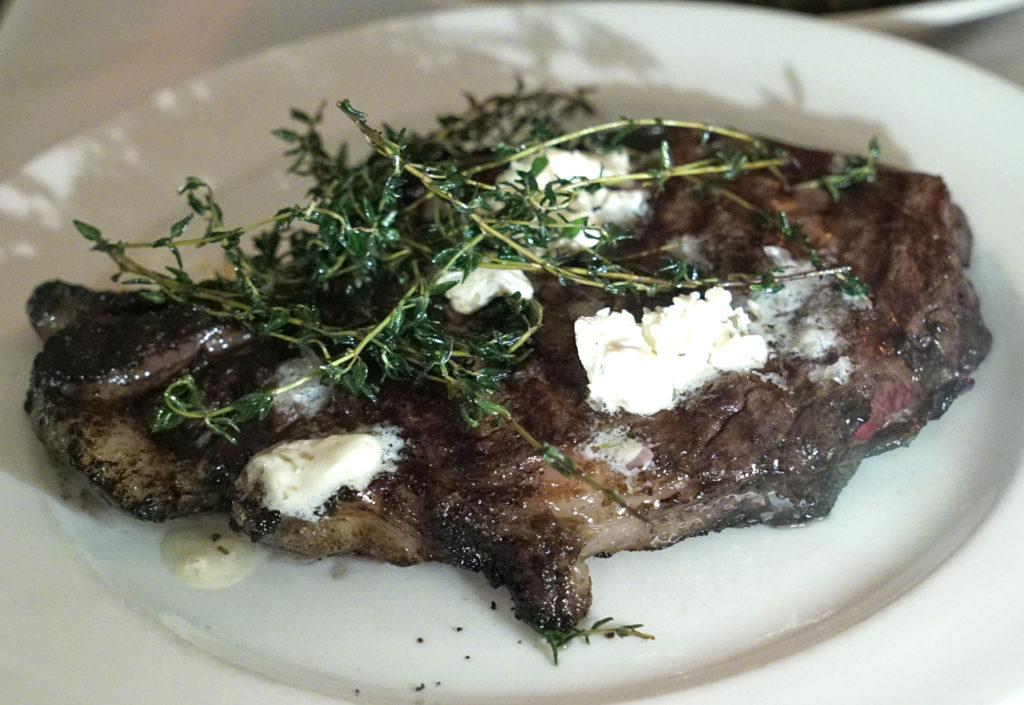
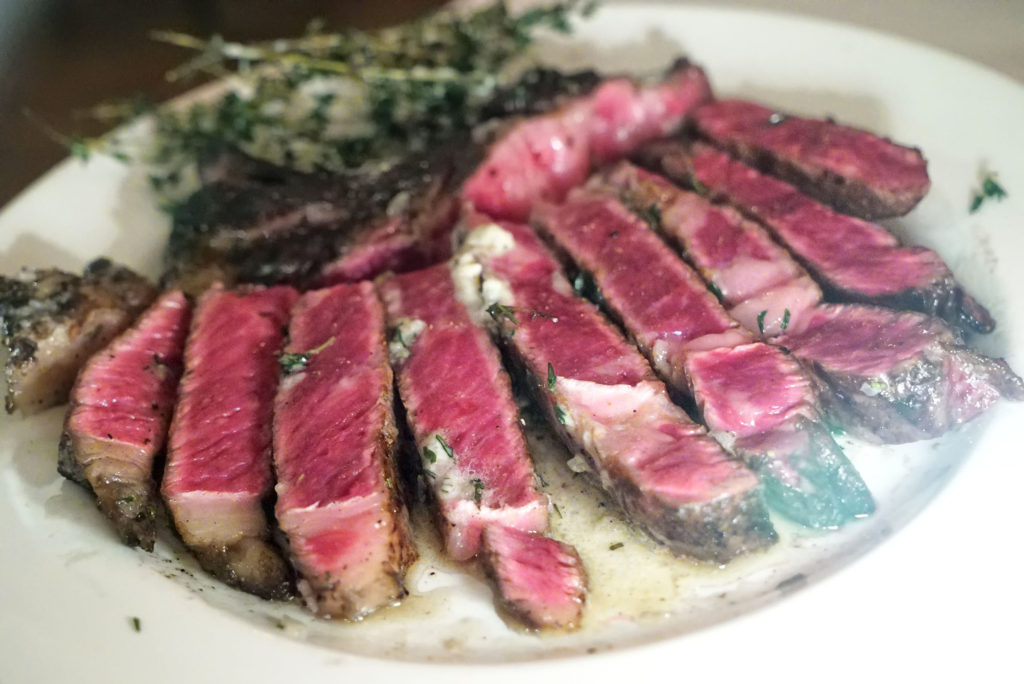
We also went with the 30-day dry aged rib eye, since I wasn’t super stoked about the 60-day last time. This was perfect.
dsc07271

dsc07289

I only took a point off because it was a bit on the thin side. But the texture, flavor and cook temp were all remarkable.

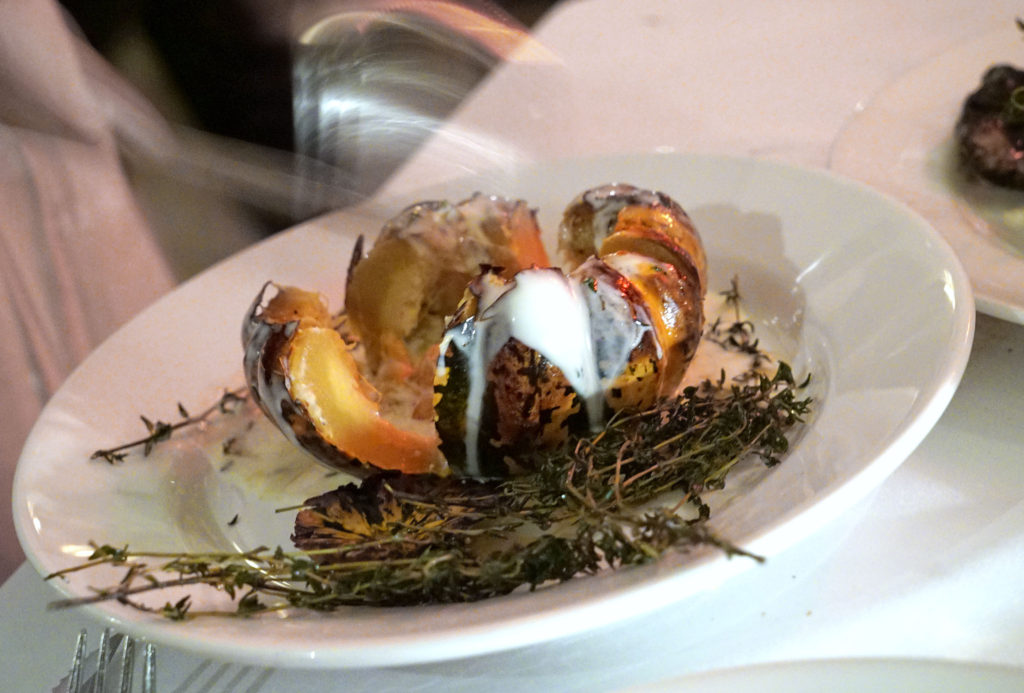
We also had this roasted squash on the side. It had a sweet flavor profile, so I was wishing we added a scoop of ice cream to this and ate it for dessert.
dsc07266

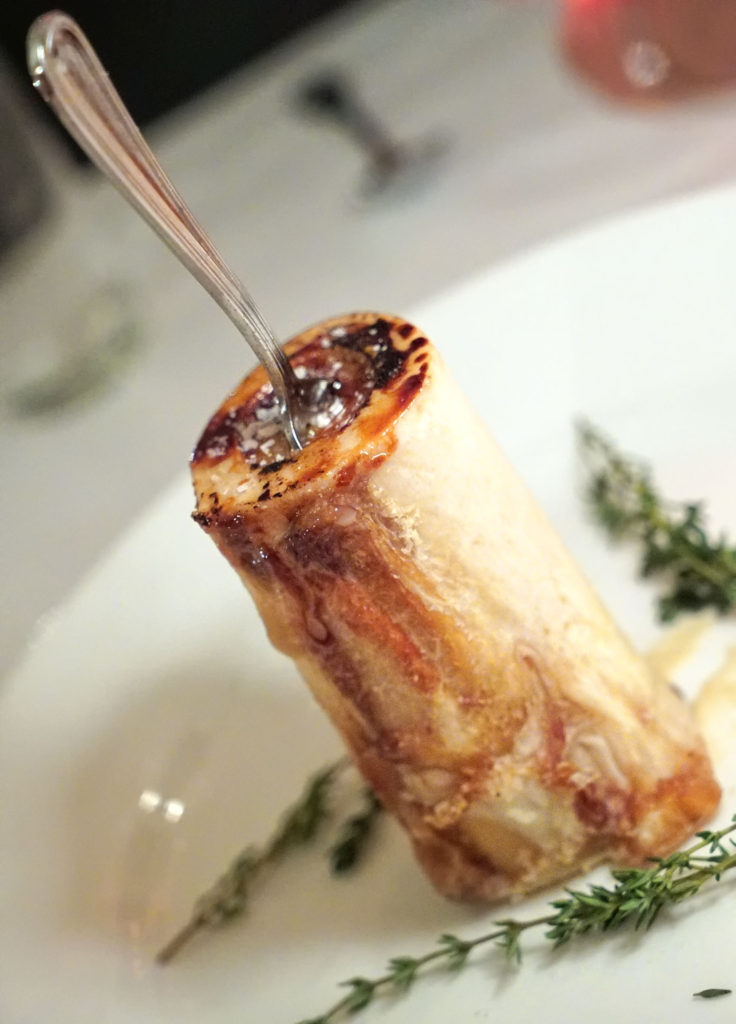
We did enjoy the bone marrow creme brûlée for dessert, however, it was a bit light in terms of the portion size. I’d say that you get about two or three tablespoons worth of custard inside the marrow. I wanted at least double or triple that amount for the price we paid.
dsc07302

In the end, I took a point back for price (dropping from 10 to 9), and gave a point back for flavor (rising from 8 to 9).

BEATRICE INN
285 W 12th St
New York, NY 10014
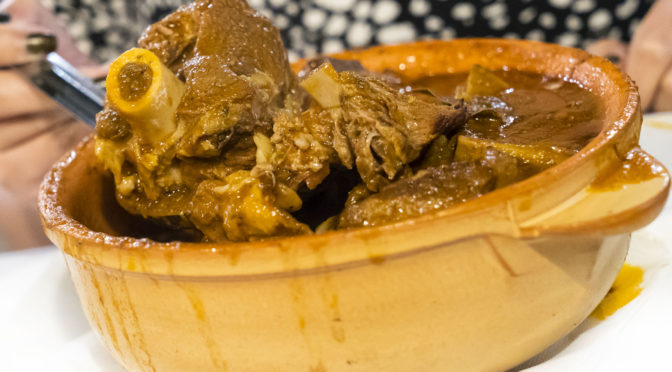
Jimbo’s Restaurant & Bar

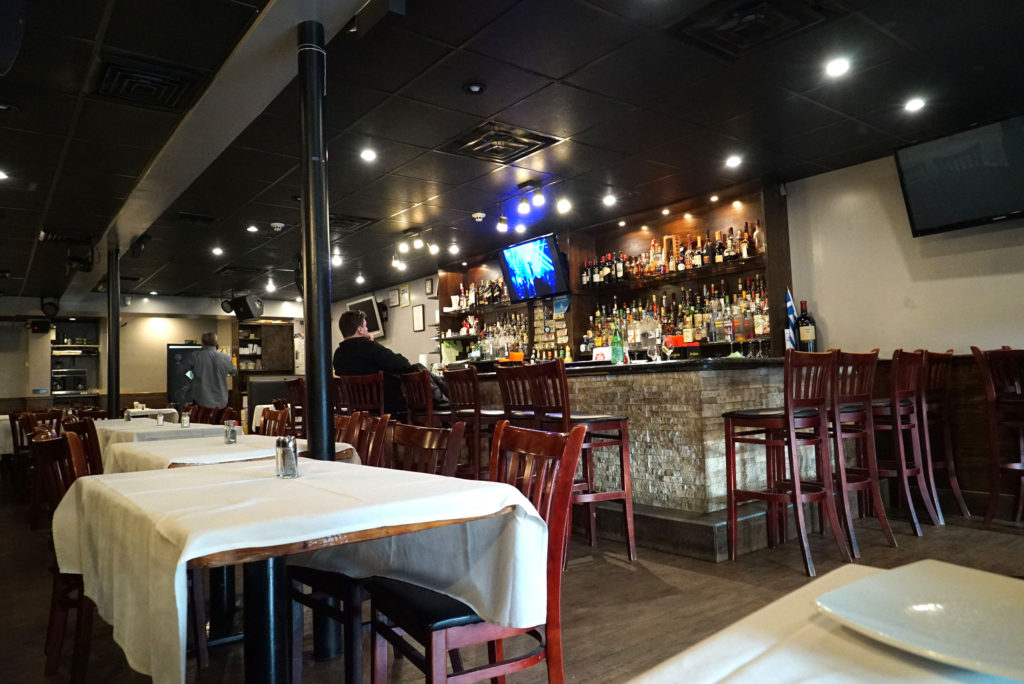
Jimbo’s is a spacious neighborhood Greek bar and restaurant in Astoria, right near the Astoria Blvd subway stop. Inside there’s a nice long bar that serves up all the standard favorites, along with some Greek specialty cocktails, like Ouzo lemonade, which is a must try. From what I understand, some nights they have live music and dancing, late into the wee hours, 11pm-4am.

dsc09191

Large door-style windows grace the street-side of the joint, which open up nice and big on sunny days – a real treat for the tables situated along the window. We saw a rainbow after a downpour.

dsc09181

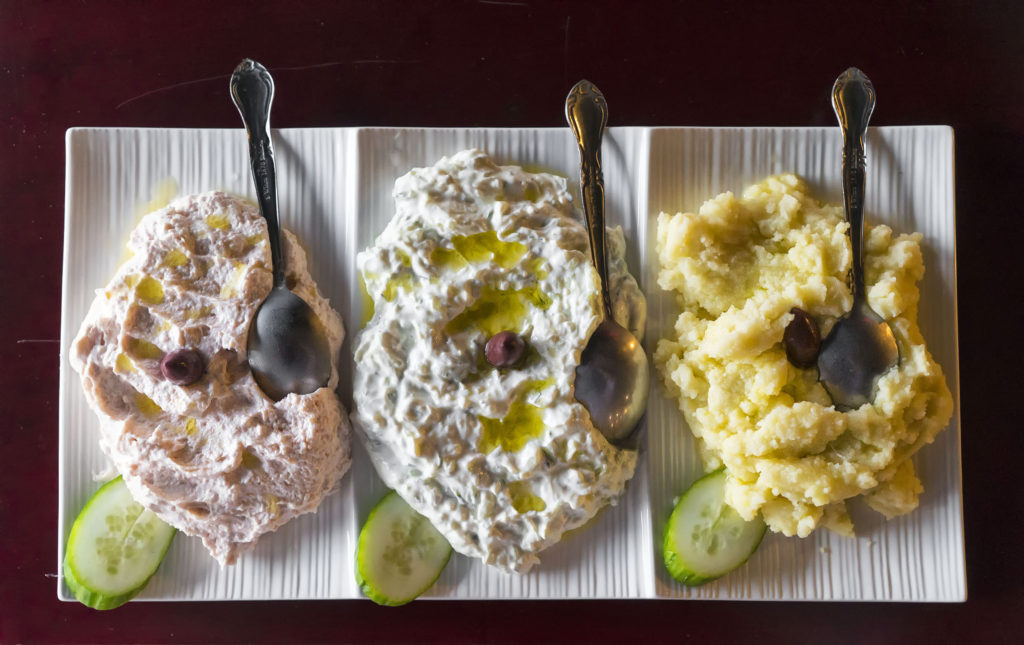
With a focus on fresh ingredients, Jimbo’s serves up some really nice cold spreads for snacking with pita bread at the start of your meal. We tried a trio with a salmon caviar spread, tzatziki and a potato spread.

dsc09202

All were excellent, but the standout was probably the caviar spread. It was fluffy, light and had a natural brine flavor from the roe. This is a great deal for $10 and the amount that you get.

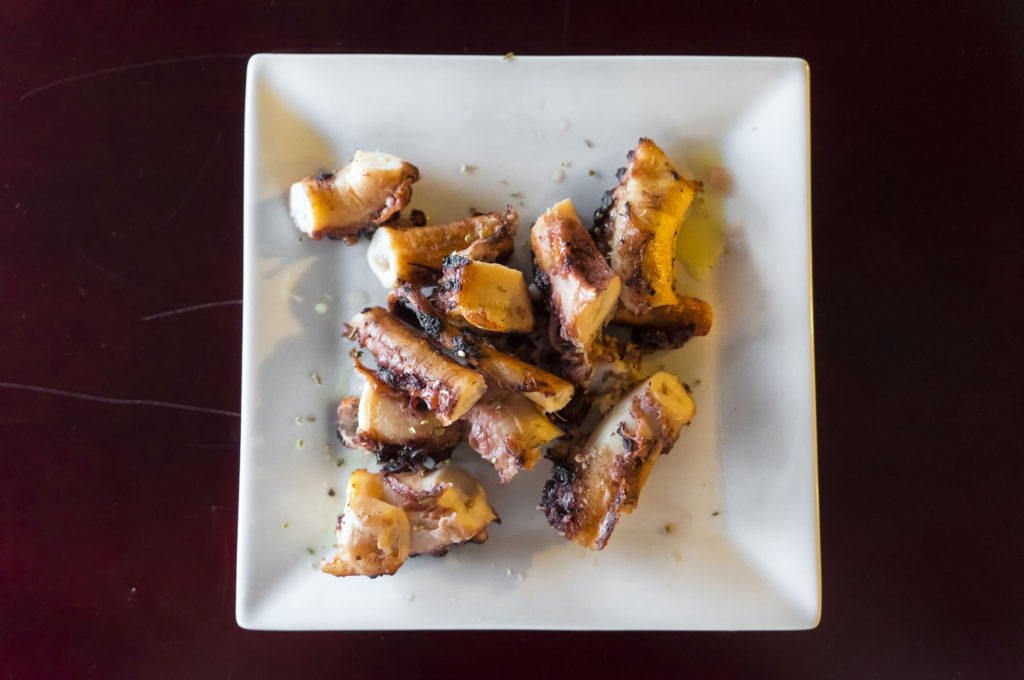
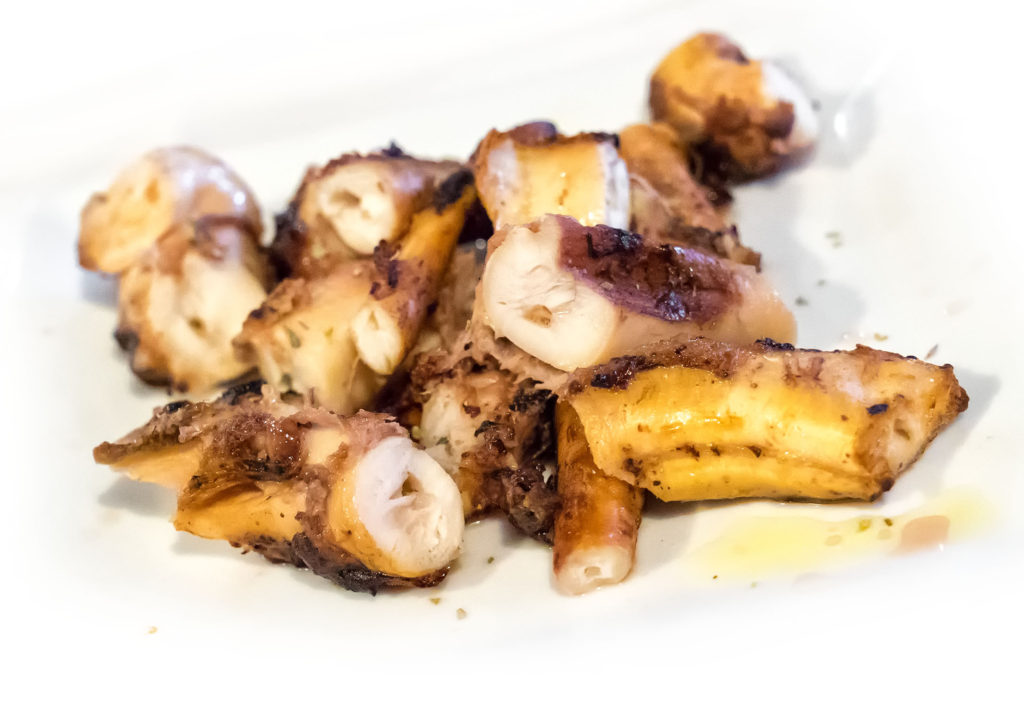
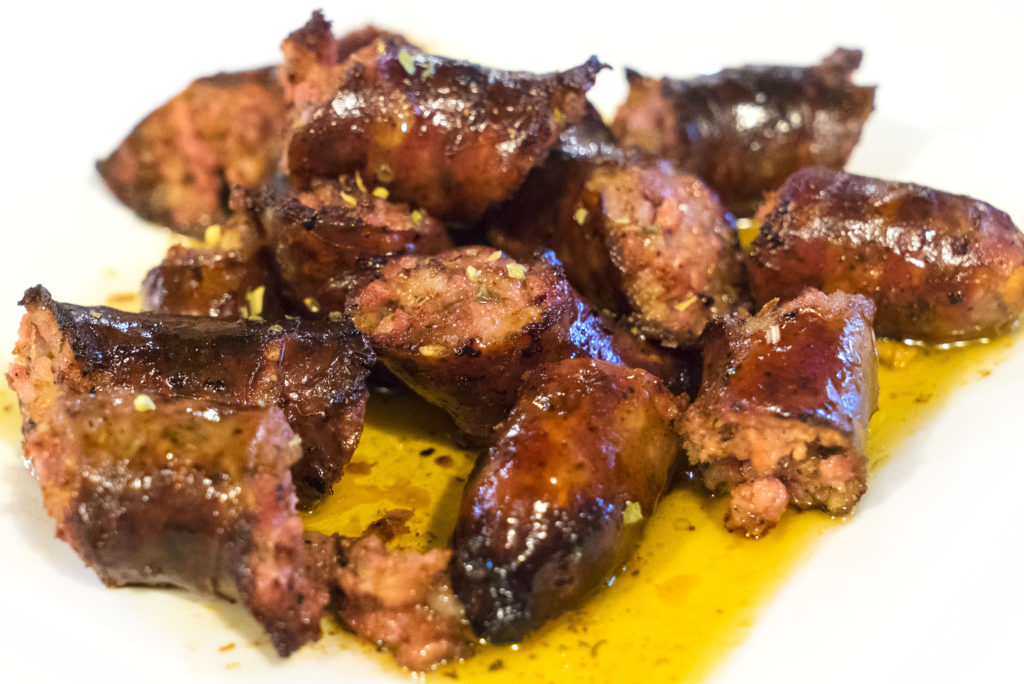
Speaking of good deals, appetizer portions are massive here, so be warned! We tried the grilled octopus and grilled sausage apps, and by time we were ready to receive the entrees, we were almost at full capacity. In fact we had to take some of the sausage home!

dsc09210

dsc09211

dsc09223

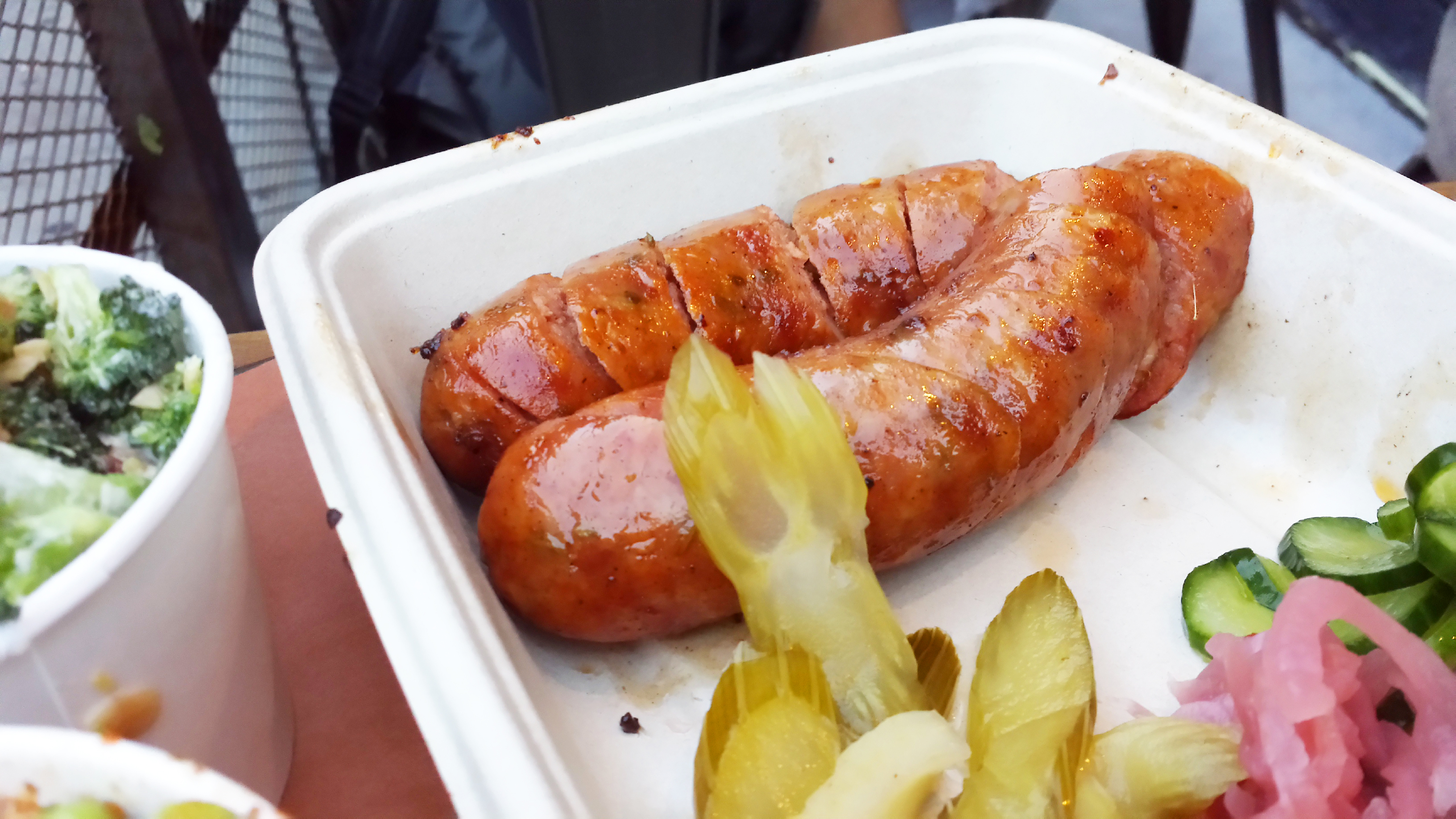
The sausage was really excellent. It almost reminded me of blood sausage at times, but without the mealy texture that you can sometimes experience with that. It was spiced with really aromatic stuff like cumin, and had a robust and perfectly grilled earthy flavor. I would even love this chopped up a bit finer and served in a pita with tzatziki, cucumbers, tomatoes and lettuce. Perfection. Perhaps that item would be a nice fit for the lunch menu?

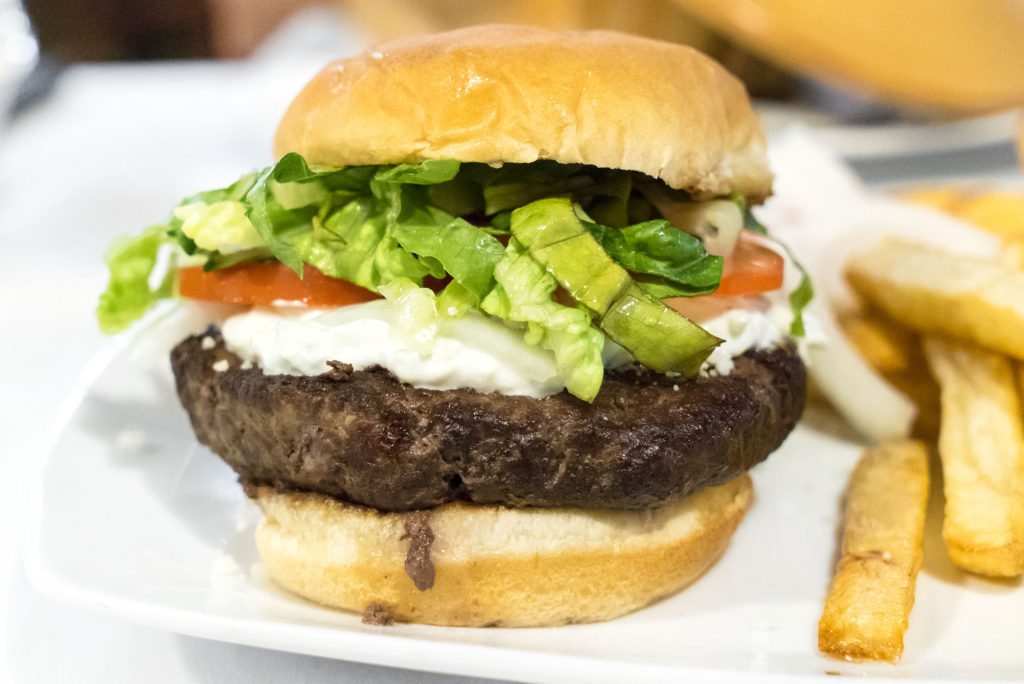
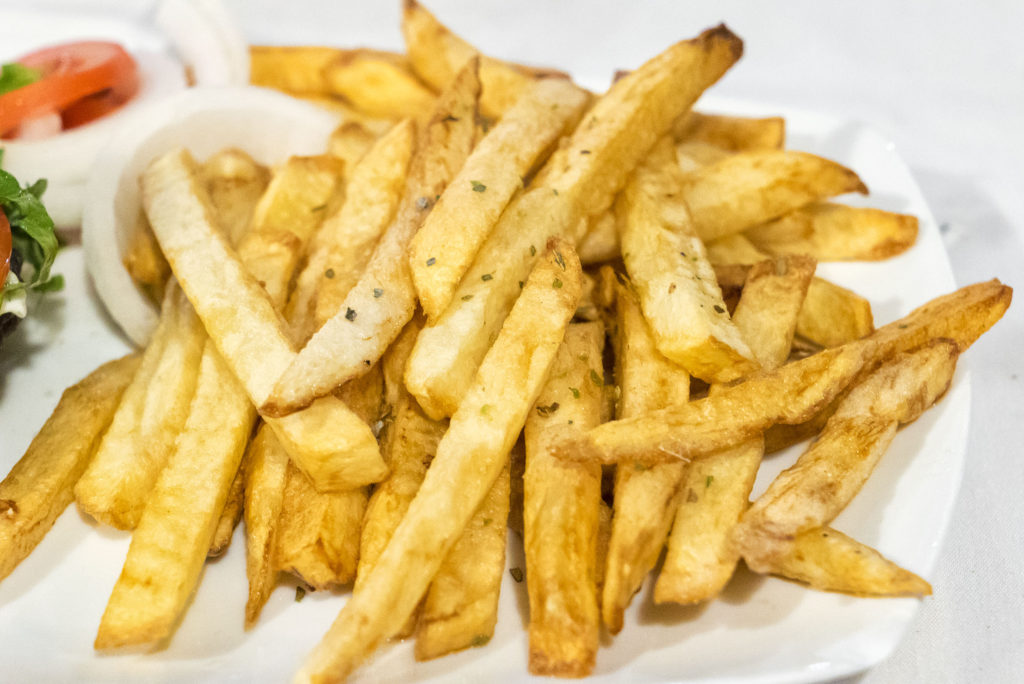
Jimbo’s offers a really interesting Greek burger on a pita with melted feta, which I had ordered, but I think that is really only offered on the weekend brunch menu. So instead I was served a standard burger with fries. I added some tzatziki on top from the cold spreads to boost it up a bit, since it didn’t have cheese.

dsc09230

dsc09237

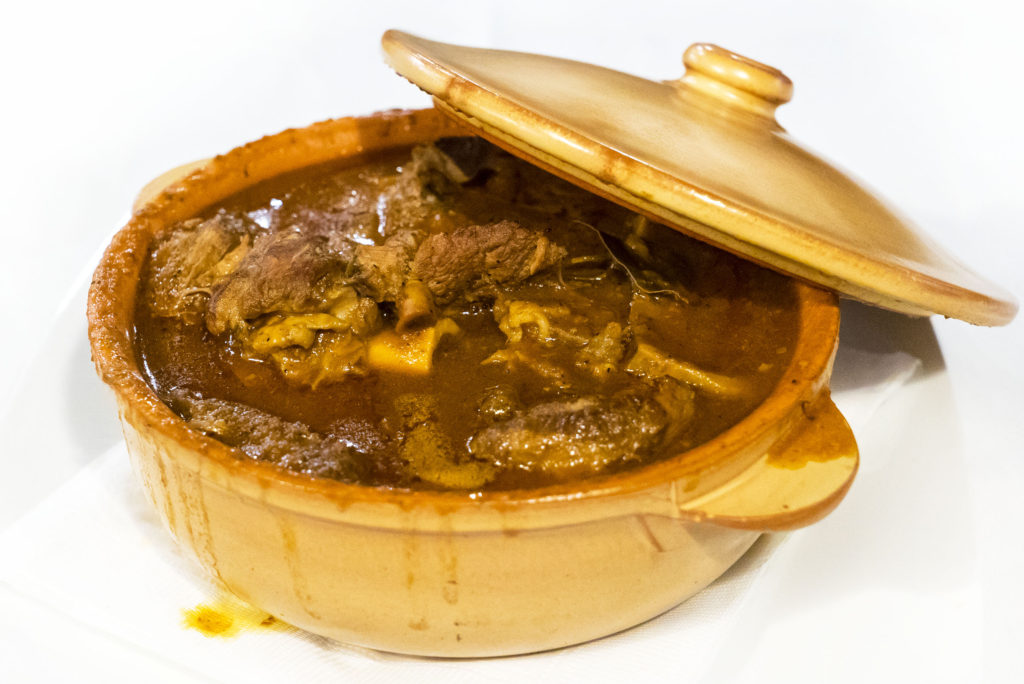
My wife had this really nice baked casserole dish with lamb and orzo called Arni Youvesti.

dsc09245

It comes with a dish of grated parmesan cheese for the top, which is key, because it adds the necessary salt element into the dish. My advice is to pour it all in! The lamb was cooked perfectly. It was extremely tender and the meat was high quality.

dsc09254

And the orzo underneath was a nice way to make this into a hearty stew. The pasta really took on the flavor of the tasty tomato sauce.

dsc09260

Another enticing dish on the casserole menu is Arni Kleftiko, which is lamb with potatoes, herbs and lemon in extra virgin olive oil. Unfortunately, they did not have this available when we came for dinner, but I’d definitely try that on another trip.

The dessert menu also has some great looking items. In particular, Loukoumades, which is lightly fried dough served with honey and cinnamon: Greek zeppoles. And Galaktobouriko, which is baked Greek custard cream in phyllo dough and honey syrup. They were out of Loukoumades, and we initially planned to get that and Galaktobouriko. But after our entrees, we were too stuffed to even think about dessert! Next time we will know to manage the large portions a little more carefully so that we have room for dessert and Greek coffee.

FYI: Jimbo’s served us a free meal in exchange for an honest review.

JIMBO’S RESTAURANT & BAR
3005 Astoria Blvd
Astoria, NY 11102

Kefi

UPDATE: THIS PLACE IS NOW CLOSED

One of the very first flash deals my wife and I ever tried was here at Kefi, many years ago. We seem to recall liking it. Occasionally they still offer the same deal: one appetizer, two entrees, a side and a dessert. So we picked up the deal and went there this past weekend.

wp-1467678271401.jpg

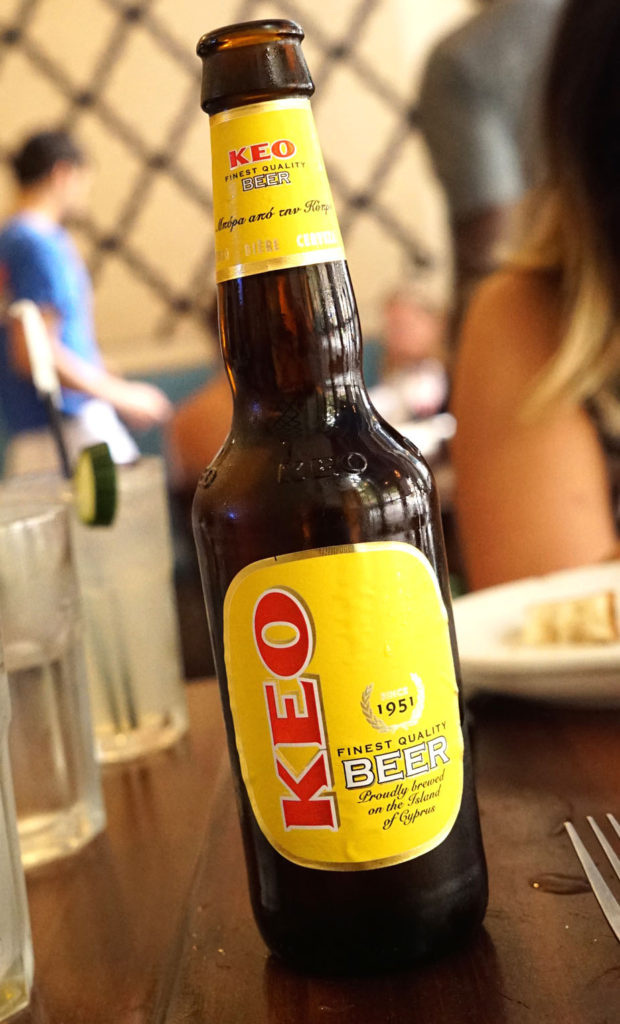
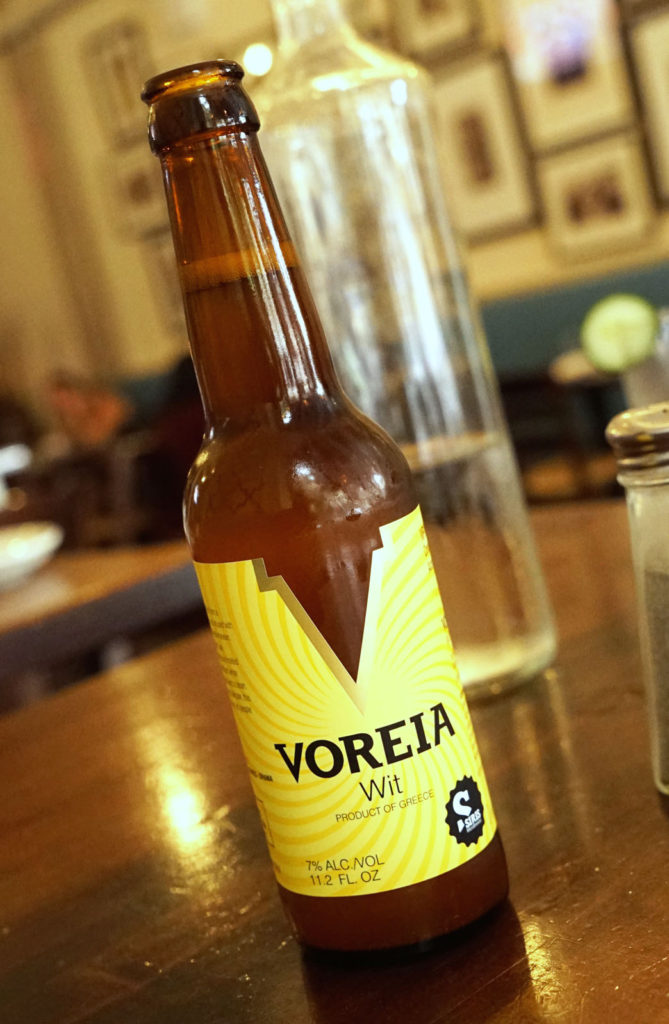
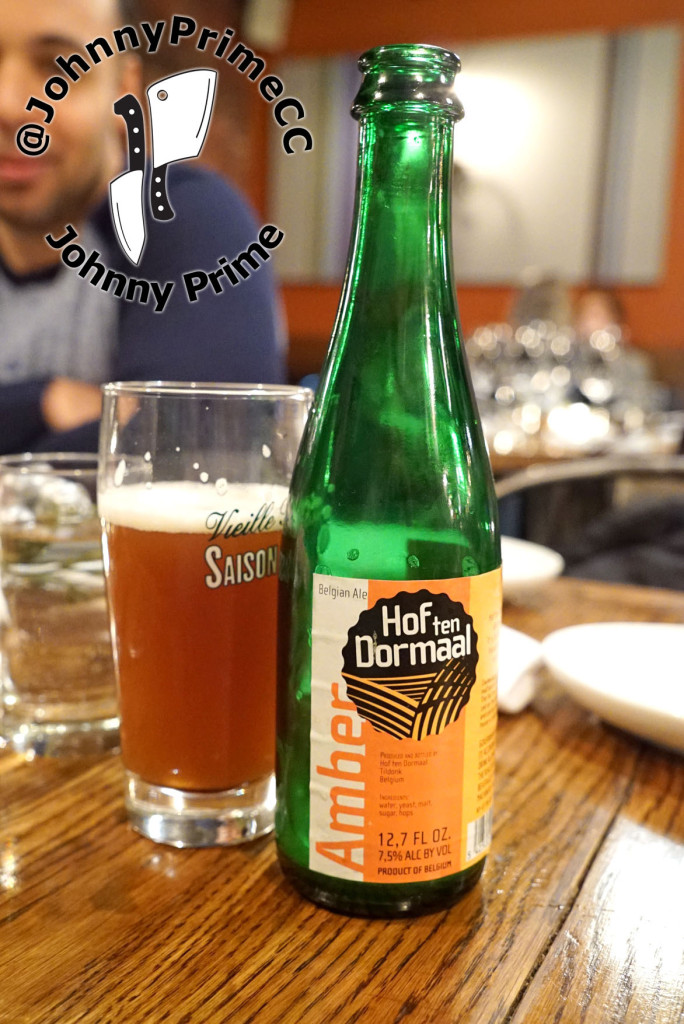
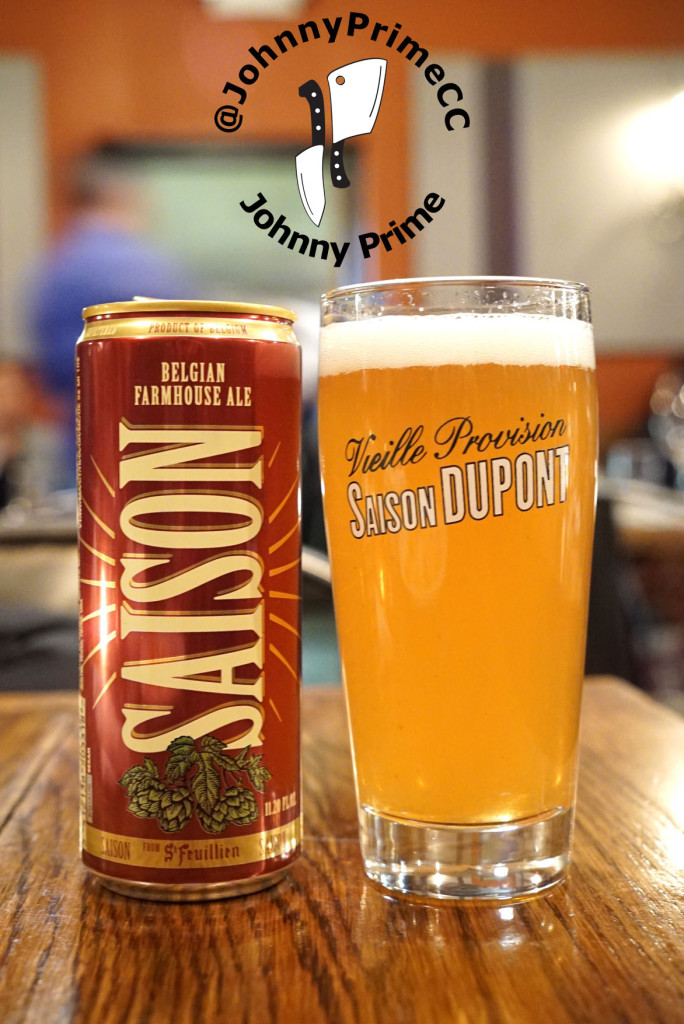
I sampled a pair of Greek brews over the course of the meal. Both were good. The first was a lager and the second was an unfiltered wheat beer. The wheat beer, $3 more at $10, was the better of the two in my opinion, but the Keo was refreshing, like a Yuengling.

DSC05605

DSC05619

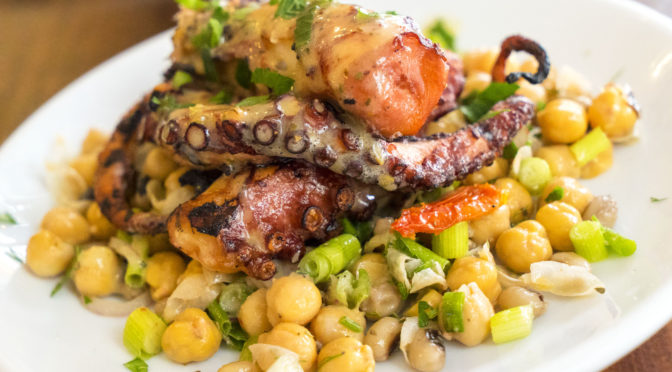
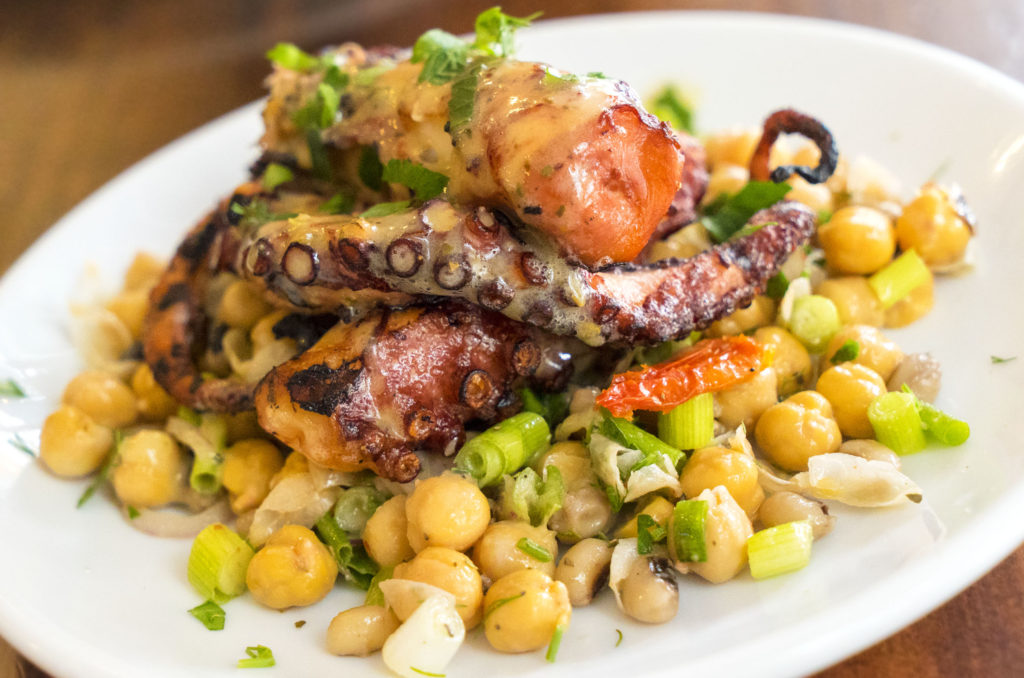
We started the meal with a classic Mediterranean and Greek staple: grilled octopus on a bed of beans (chic peas and black eyed peas).

DSC05604

This was fantastic. The char added a great crisp for texture and a lightly ashed flavor to the outer edges of the ‘pus. The meat was tender with no chewiness to it. Coated with a generous to borderline over-the-top amount of lemon juice, parsley and scallions, it was bright with flavor.

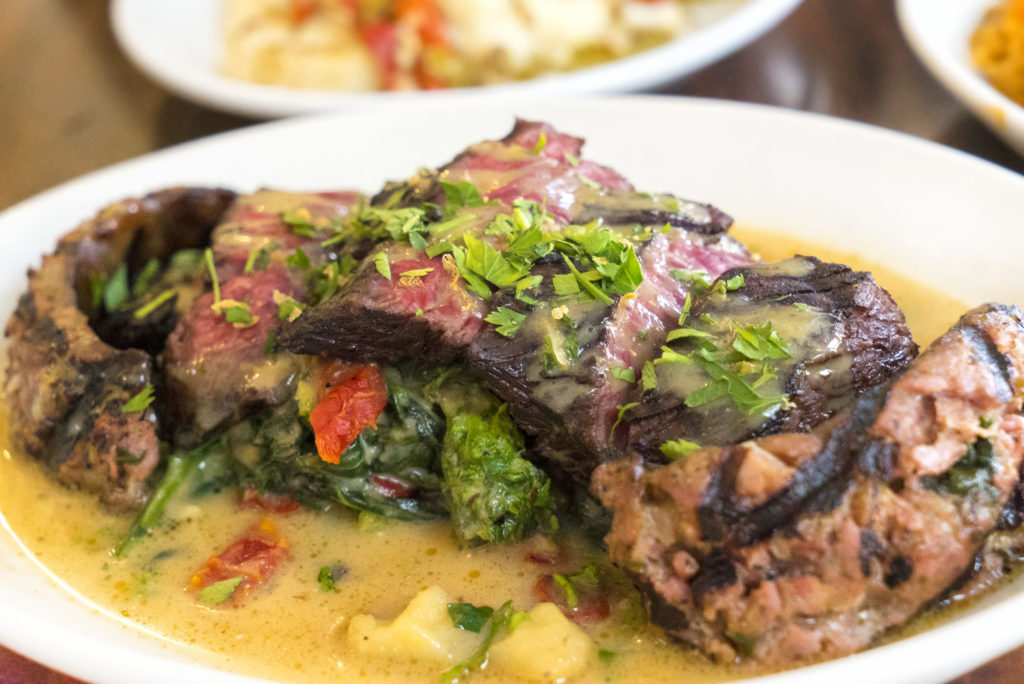
My entree was a complete let down, unfortunately. I went with the hanger steak.

DSC05611

It looks good enough, but the meat was so fucking tough that I had to actually spit several bites out onto the plate. Gnawing at steak is not cool. On top of that, the steak actually had a bitter flavor, from the copious amounts of lemon and the soaking contact with the broccoli rabe beneath.

DSC05616

I managed to get a good amount of the steak down my gullet by sawing at the hard grain across the bias, furiously shaking the table in the process, and focusing mostly on the overcooked bits that were on either end of the steak (they were easier to cut). Very disappointing. In sum, it was under-seasoned, bitter, over-cooked in some parts, under-cooked in other parts, and tough as fuck. This was actually the worst steak I’ve eaten in all my years of dining in NYC, and I’ve even had steaks at Tad’s! I’m giving it 3/10.

On the plus side, the steak did come with a split and grilled sausage, which was pretty decent, and sort of fulfilled my desire for meat.

DSC05615

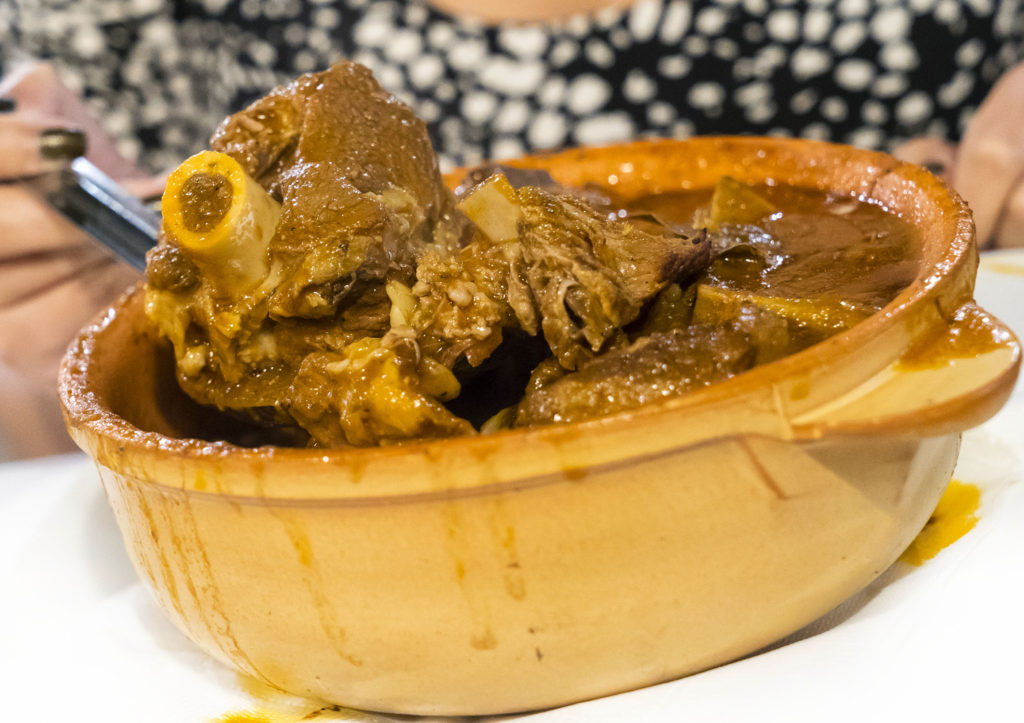
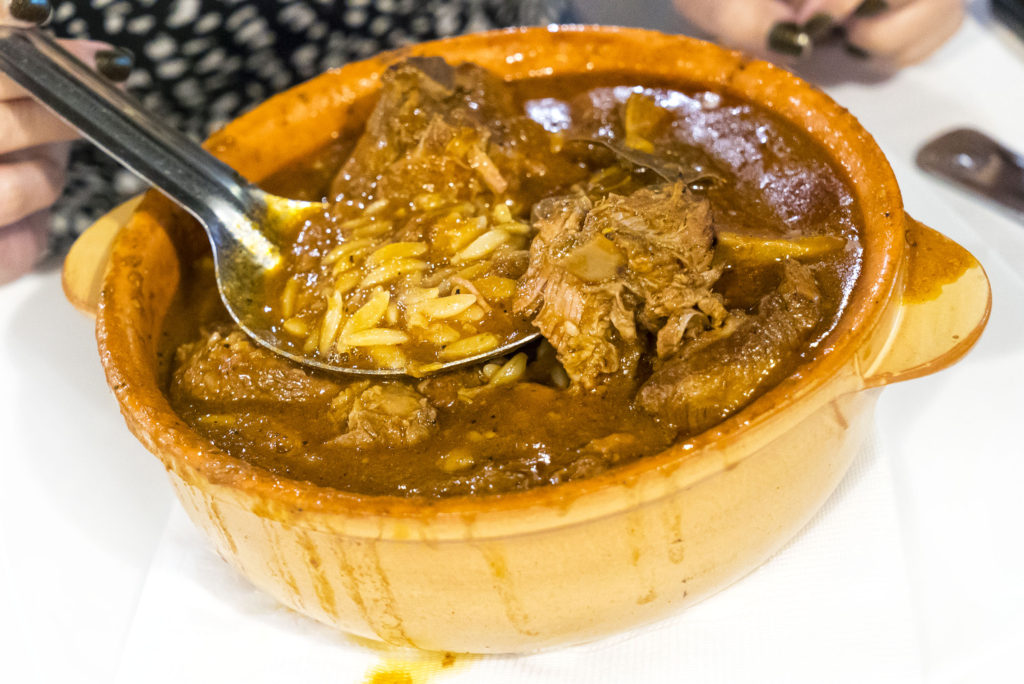
My wife had the better entree: braised lamb shank with orzo.

DSC05607

DSC05609

The meat was super tender and had a rich stew-like flavor to it. Luckily, she wasn’t able to finish, so I had a good amount of this to tide me over from that lame steak.

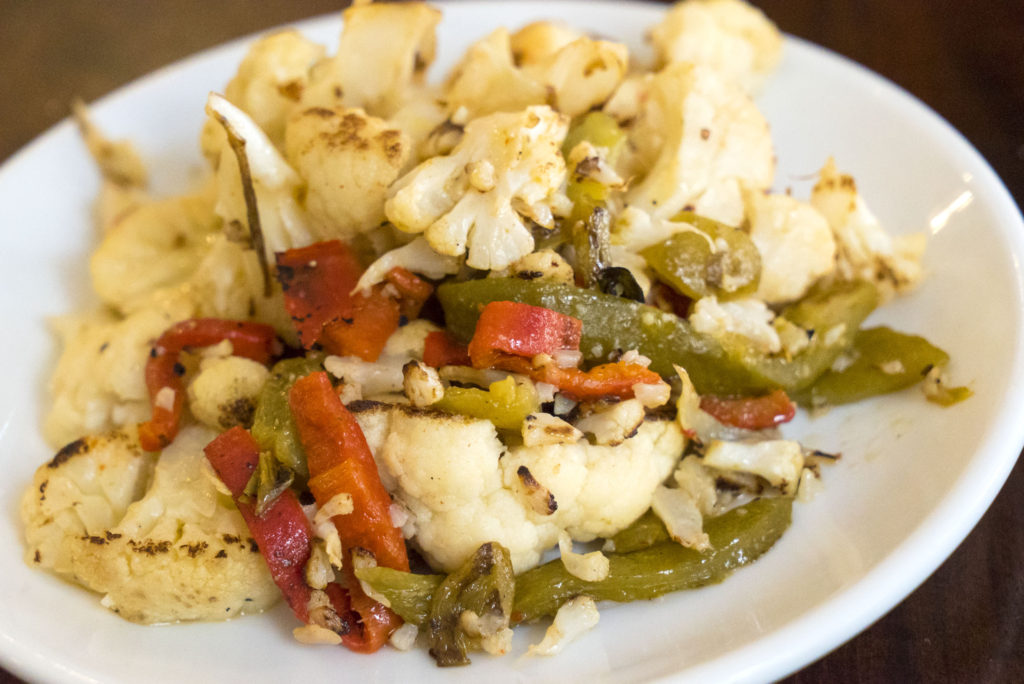
On the side, we shared this order of roasted cauliflower. Nothing to get too excited about, and nothing to complain about either.

DSC05612

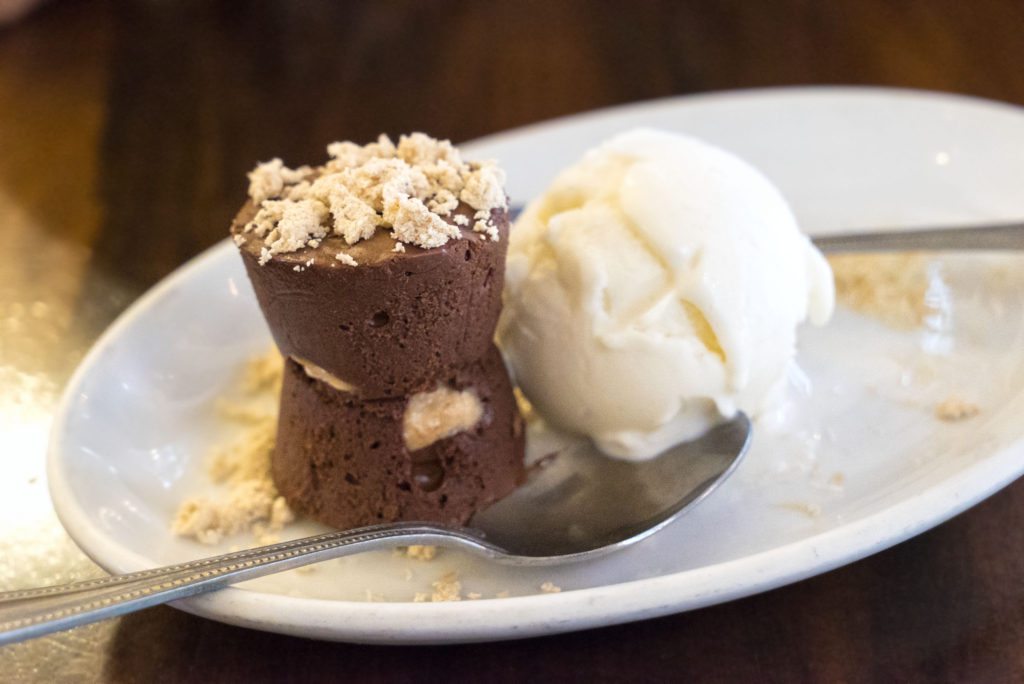
For dessert we shared this chocolate mousse with sesame ice cream.

DSC05626

Eventually, the chocolate flavors overpowered the light sesame flavors in the ice cream, which was unfortunate because I really enjoyed that sesame ice cream. The first few bites, when combined, reminded me of halvah. This dessert could be a huge hit if they pump up the sesame flavors or tone down the chocolate flavors to strike a better balance.

So, in conclusion, I suggest sticking with the staple Greek proteins – octopus and lamb – if you dine here. Those two dishes were great.

KEFI
505 Columbus Ave
New York, NY 10024

Tutti Matti

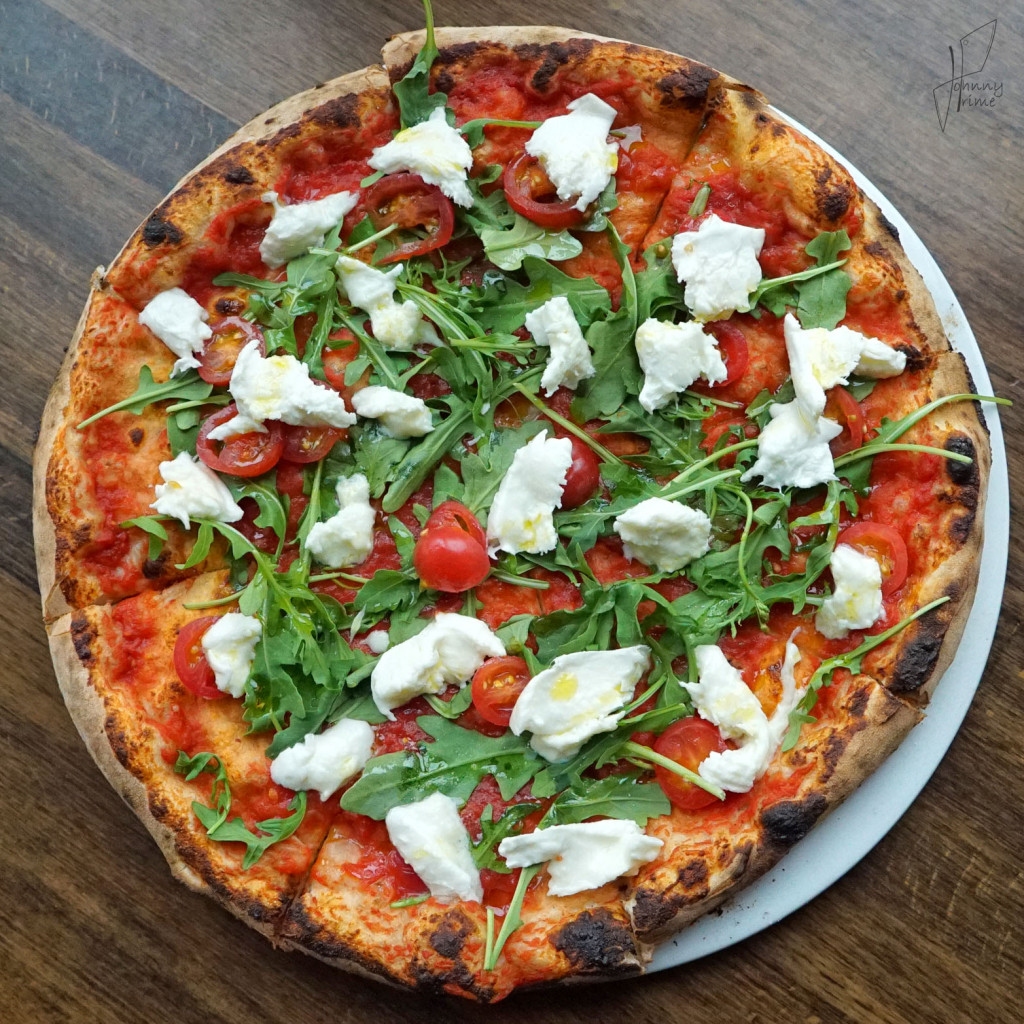
Tutti Matti opened up in January. They’re slinging some of the best pizza I’ve ever had. Their pizza is Amalfi Coast style, which is cooked a little longer than Neopolitan style.

DSC03018

The crust is light, airy and crisp, yet it still has a doughy quality to it, so it isn’t stiff.

DSC02957

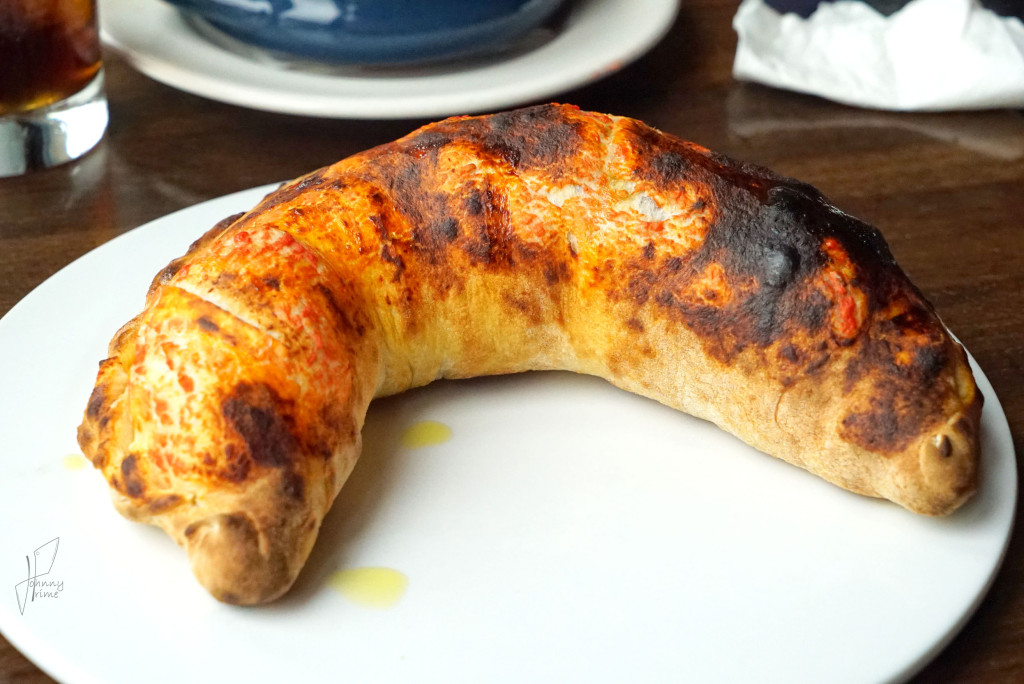
This crust makes for a great calzone too:

DSC02981

DSC02984

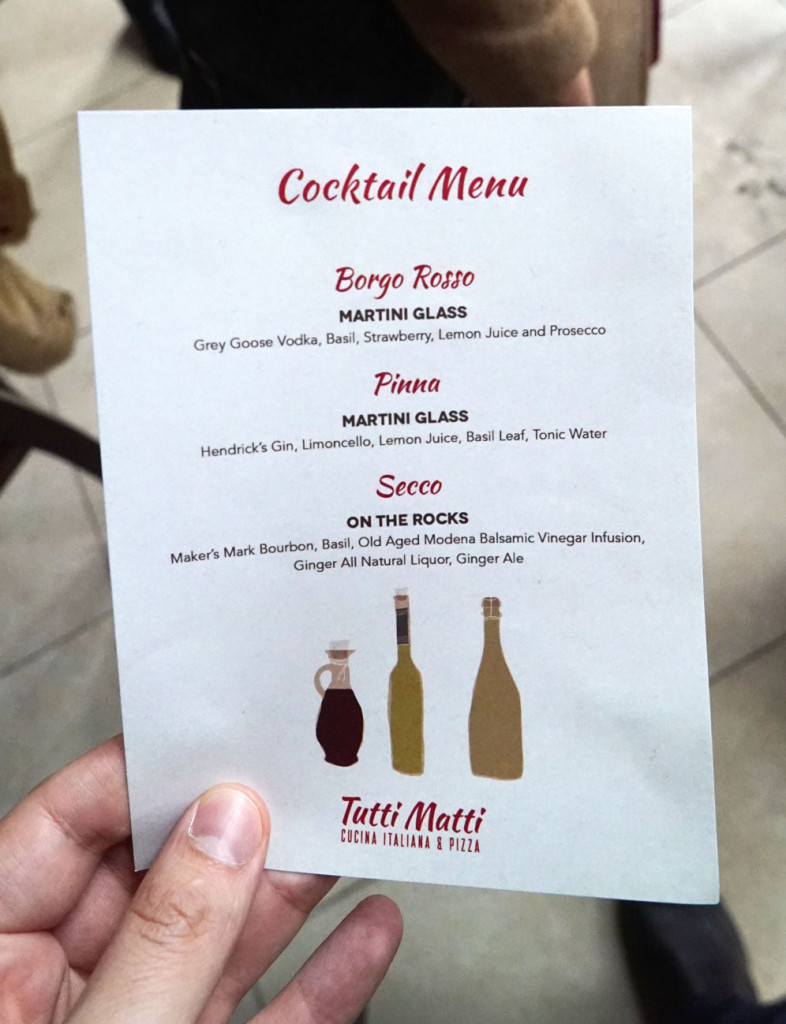
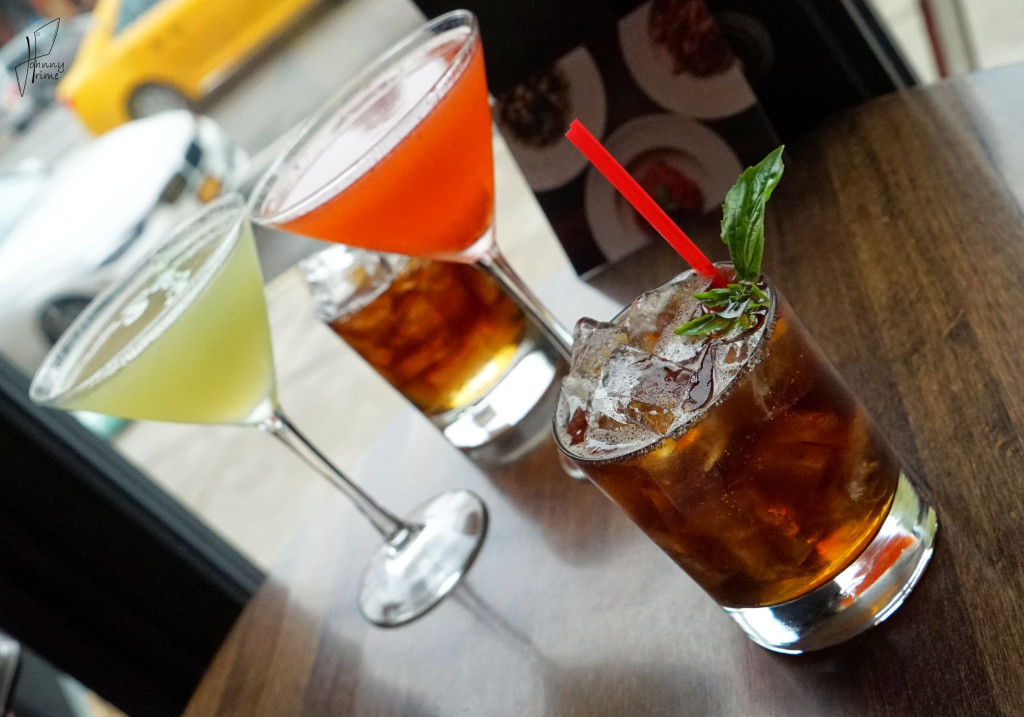
Our friends at The Creative Shake and Eaters Drinkers invited us here for a press meal, where we were able to sample a bunch of pizza as well as some of their regional Italian cuisine. Of course a really nice selection of Italian inspired cocktails were flowing.

DSC02943

DSC02950

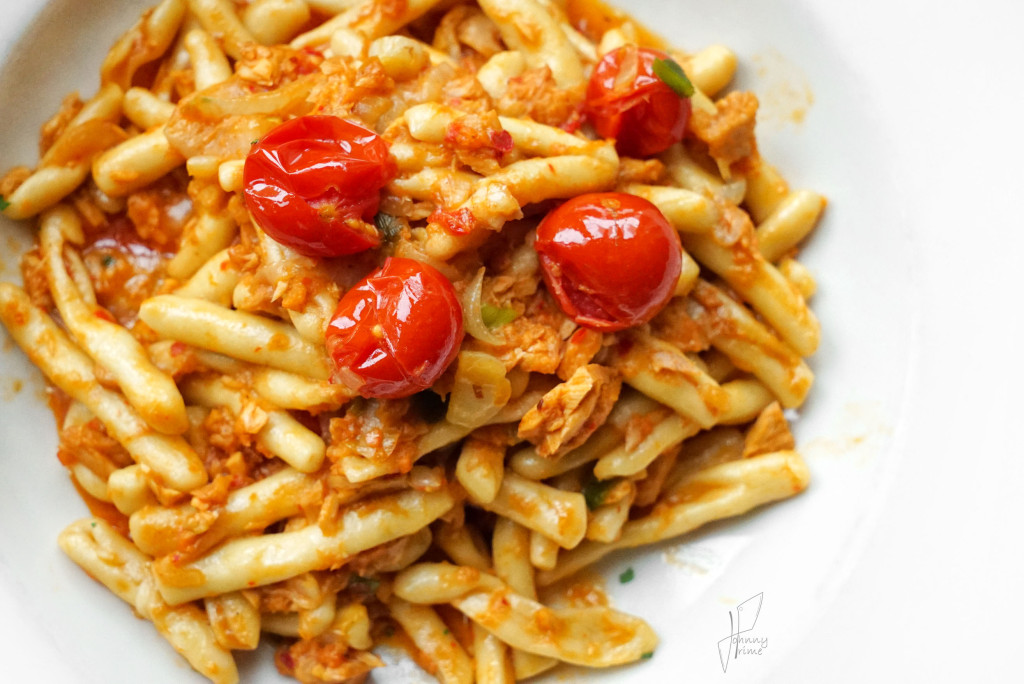
This pasta dish is made with spicy nduja and tuna. You wouldn’t think the two go together well, but it was tasty.

DSC02964

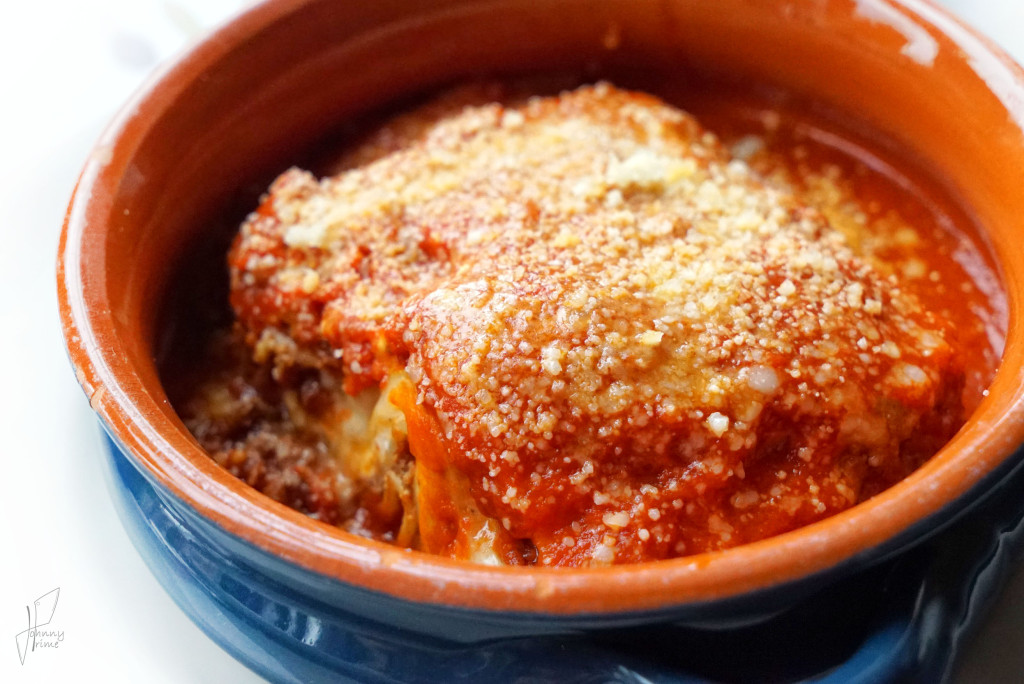
I regret that I didn’t get a chance to sample the lasagna, but it looked and smelled delicious.

DSC02971

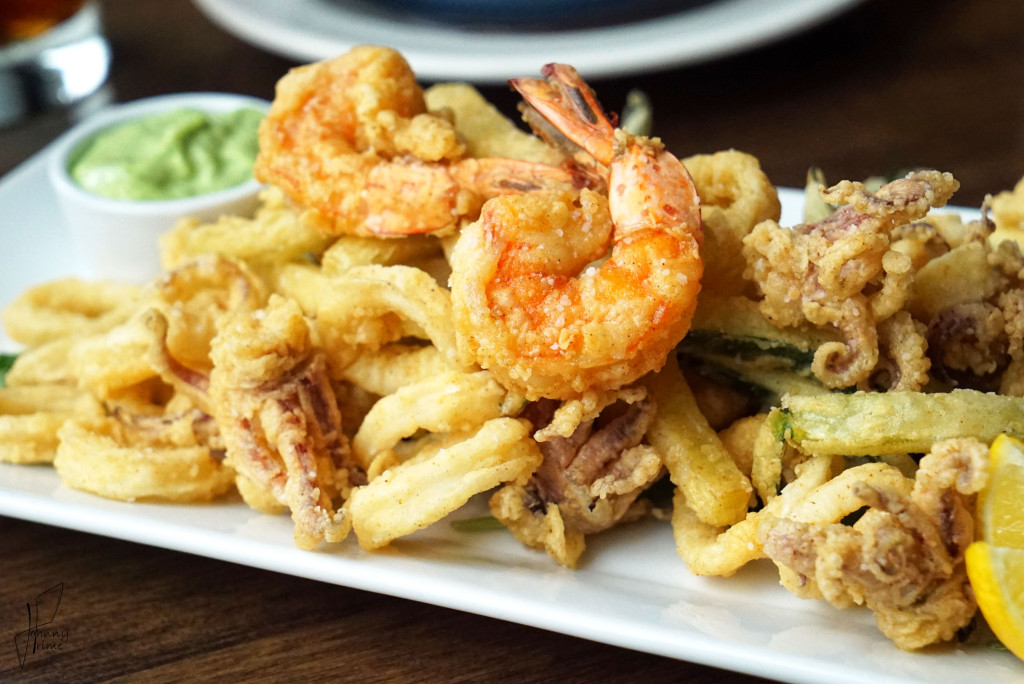
Fried seafood, very light and crisp, and served with a zucchini cream sauce that was incredible!

DSC02974

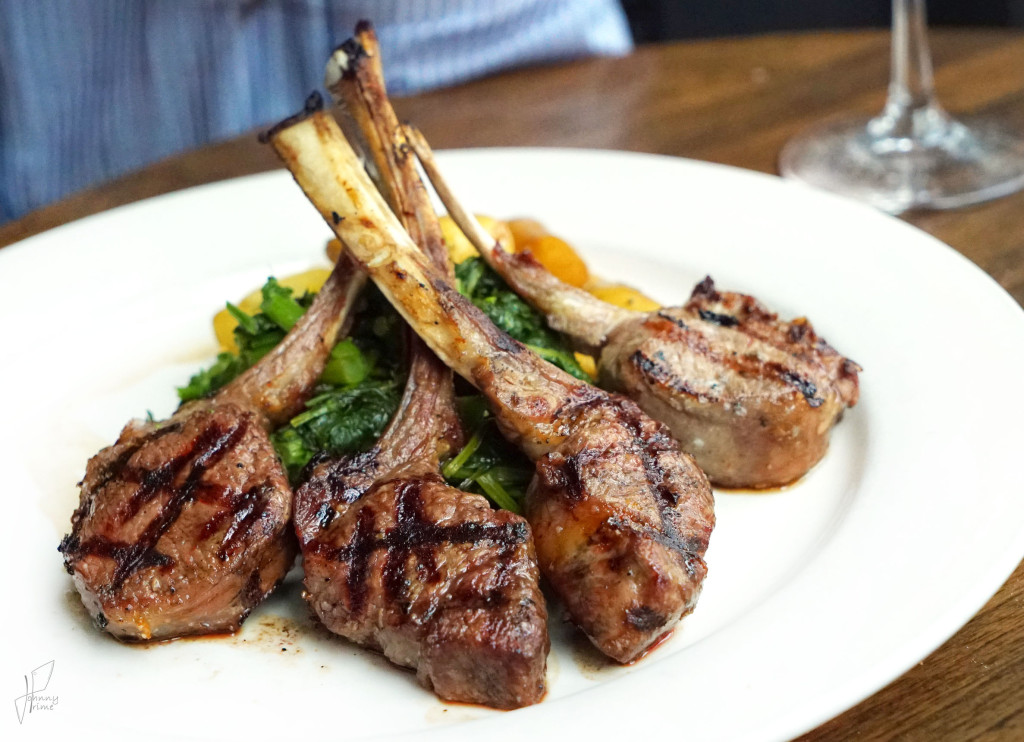
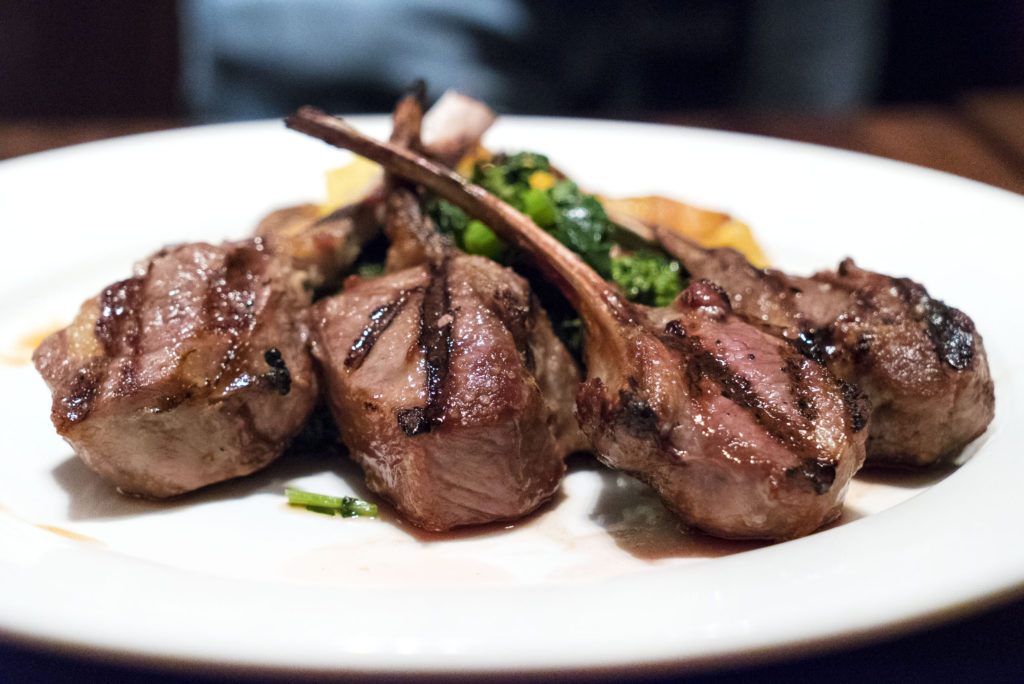
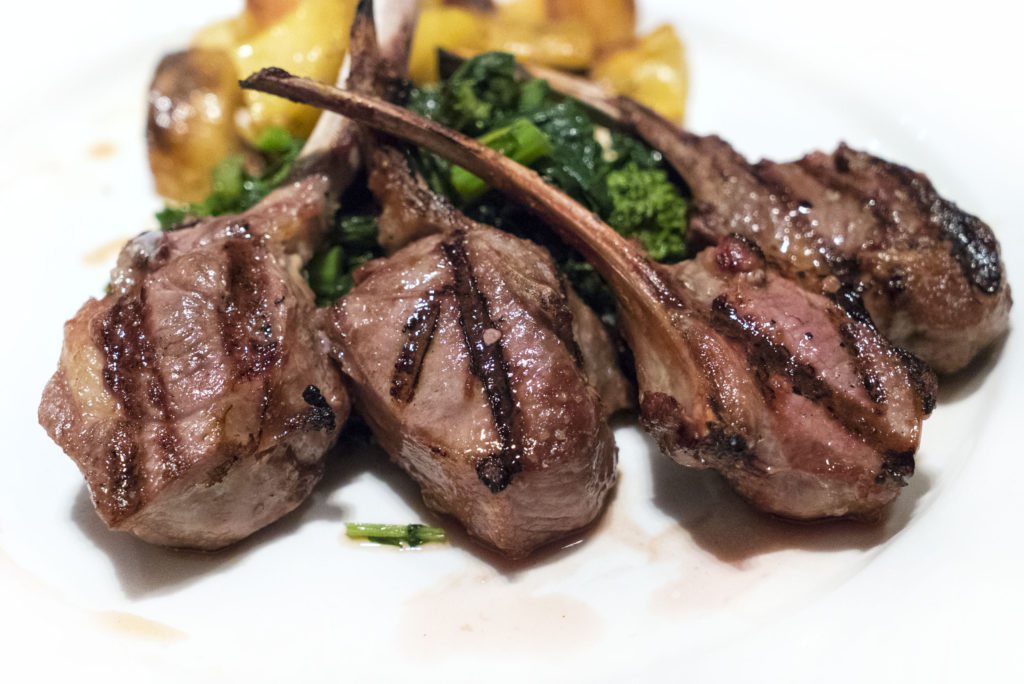
My favorite of the non-pizza items were these lamb chops. They were perfectly cooked, well seasoned and beautifully plated.

DSC03014
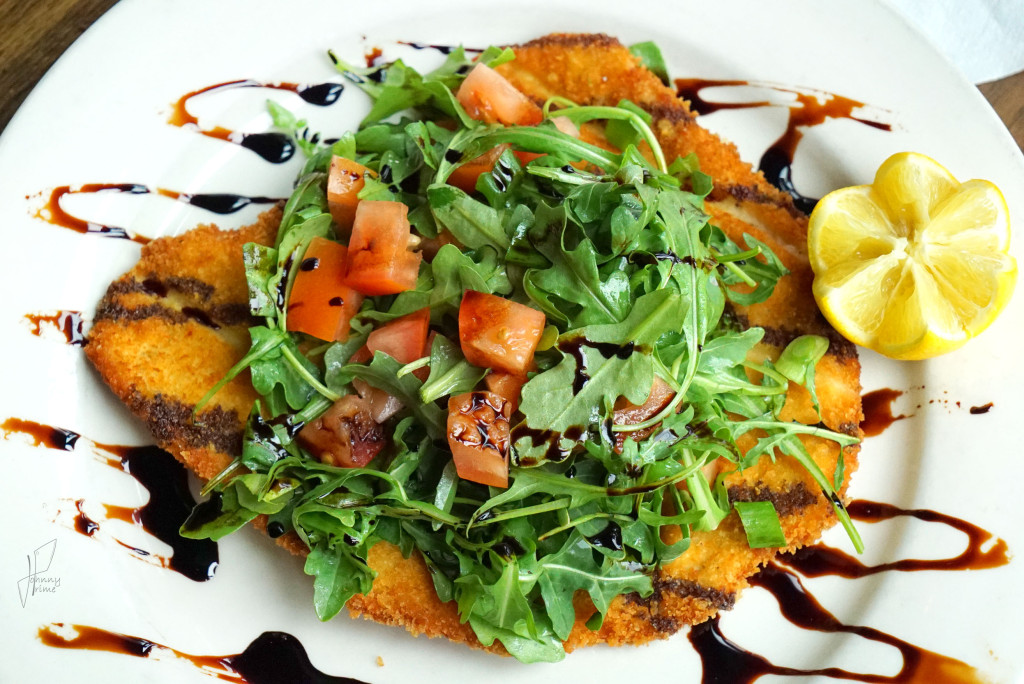
Last of the savory items was this chicken cutlet that was pounded flat, breaded, fried and topped with arugula, tomato and balsamic vinegar. Very simple and tasty – plus I thought it was kinda shaped like the Millennium Falcon.

DSC02994

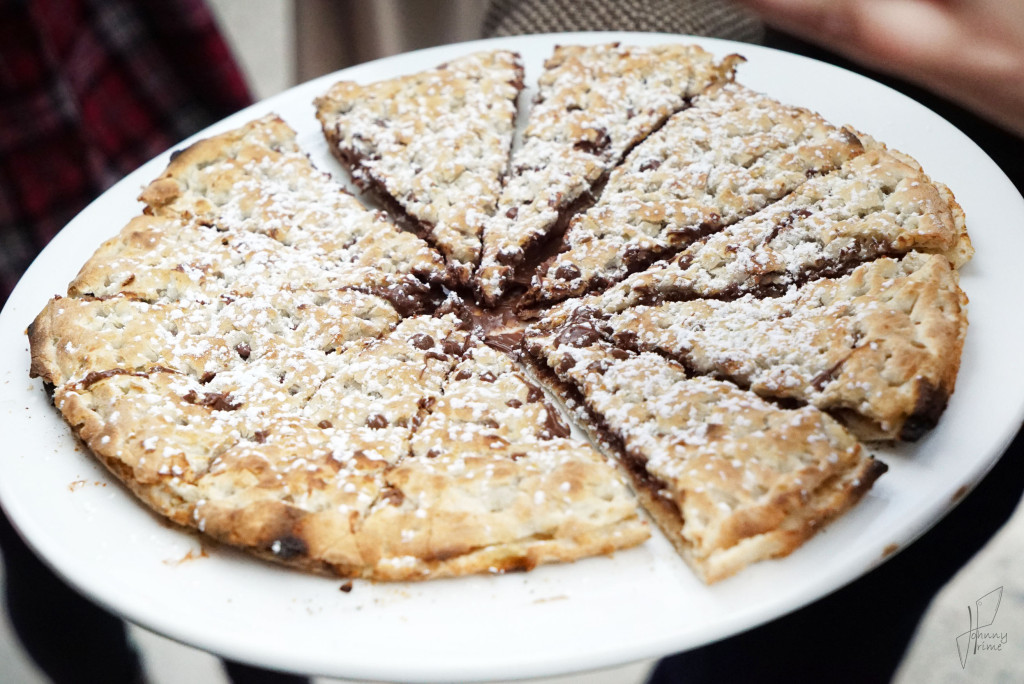
For dessert, we all destroyed this delicious Nutella pizza:

DSC03020

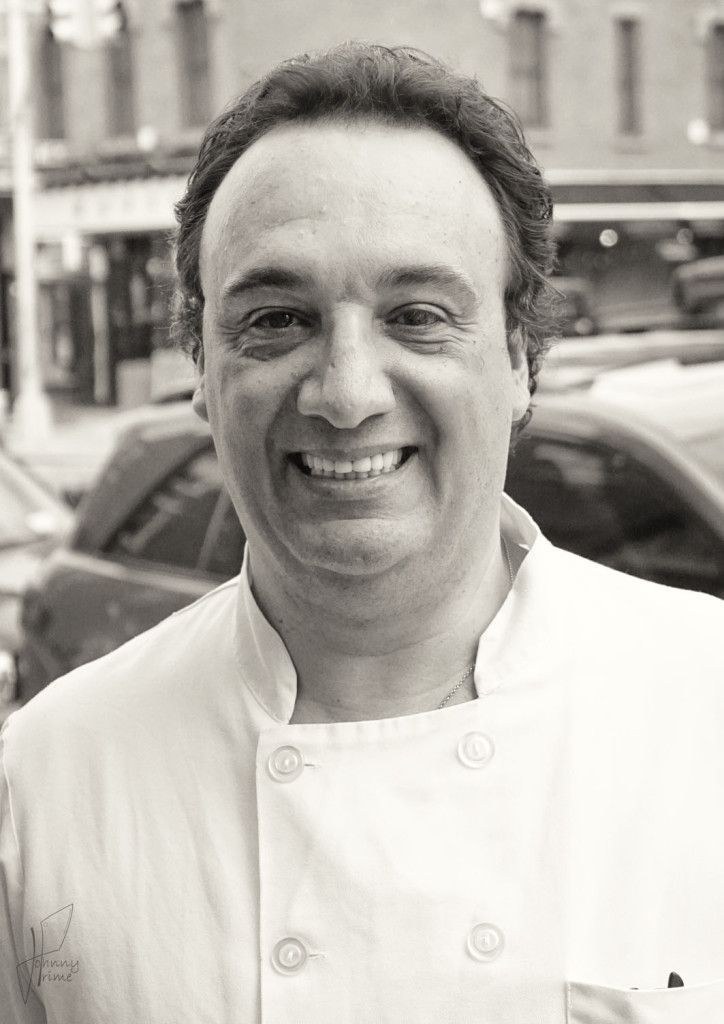
This place has two chefs: a pizza chef, and a cuisine chef. I only spoke to the latter, Luigi, who served up the lamb that I loved so much. I was glad to have the opportunity to tell him just how awesome those chops were.

DSC03016

This place is just one stop into Long Island City on the 7 or E trains. I will definitely be back for more of that pizza and lamb in the future. In addition, they have the following weekly specials: 20% off lunch from noon to 3pm during the week; gnocchi night on Monday ($17 all you can eat); pizza night on Tuesday ($16 unlimited slices); ladies night on Wednesday (first glass of wine $13, rest of the night is free from 5pm to close); Thursday through Sunday $1 oysters 5pm to close; and Happy Hour all week from 4pm-7pm with $7 wine and $5 beer. Pretty amazing!

UPDATE 6/15/16

FINALLY got a chance to come back here and sample some more pizza and other dishes. The pizza still holds up as one of the best in town, easily. We tried four different pizzas:

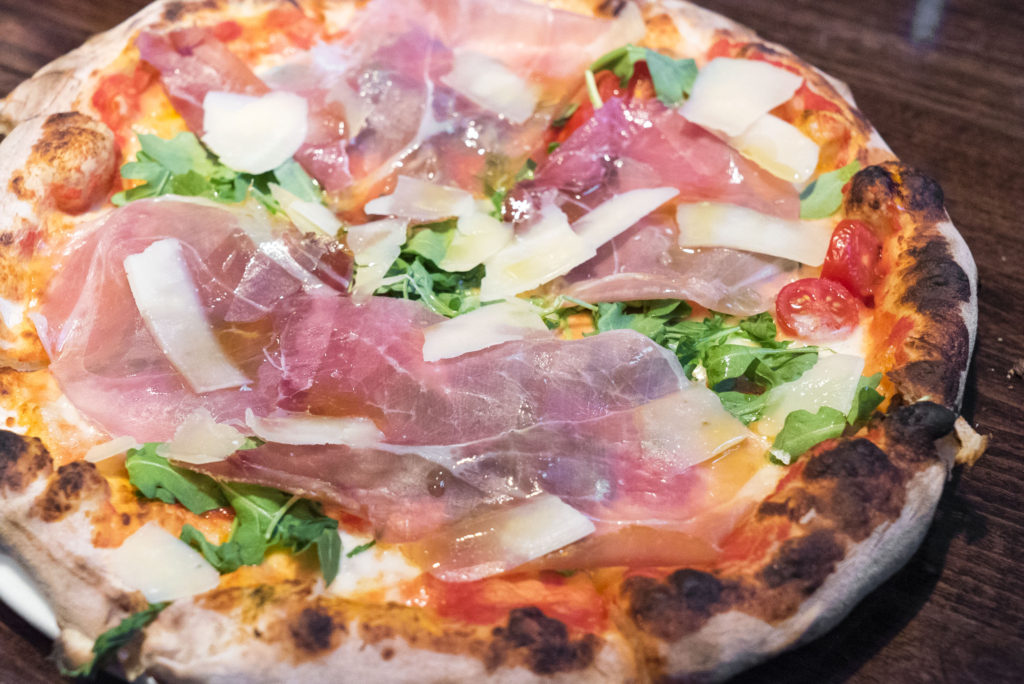
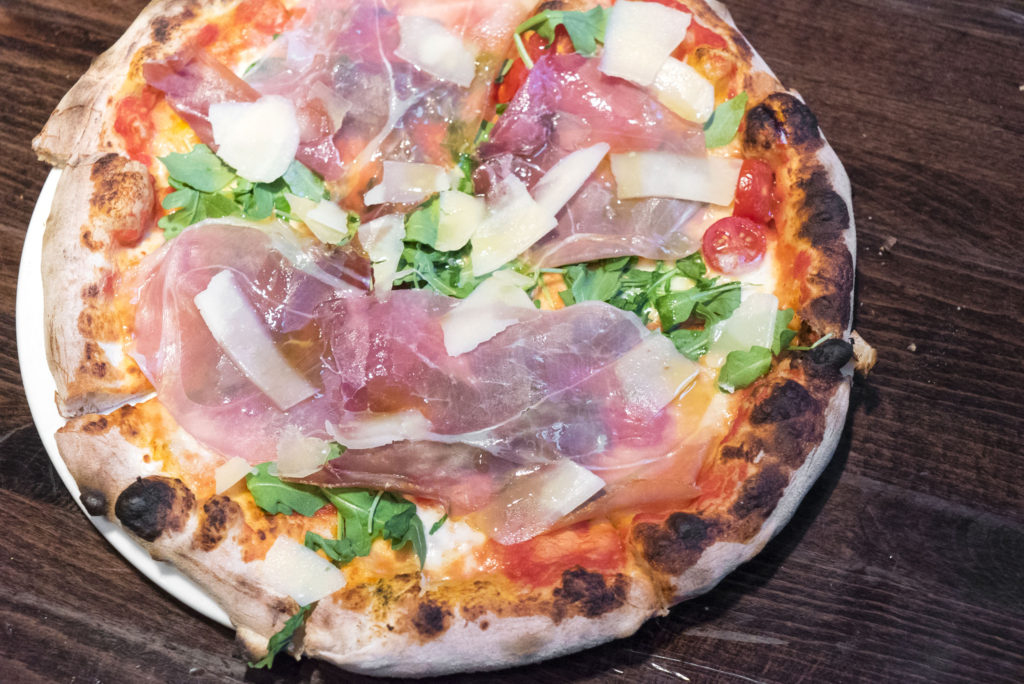
Campagnola (tomato, prosciutto, arugula, parmesan)

DSC04811

DSC04805

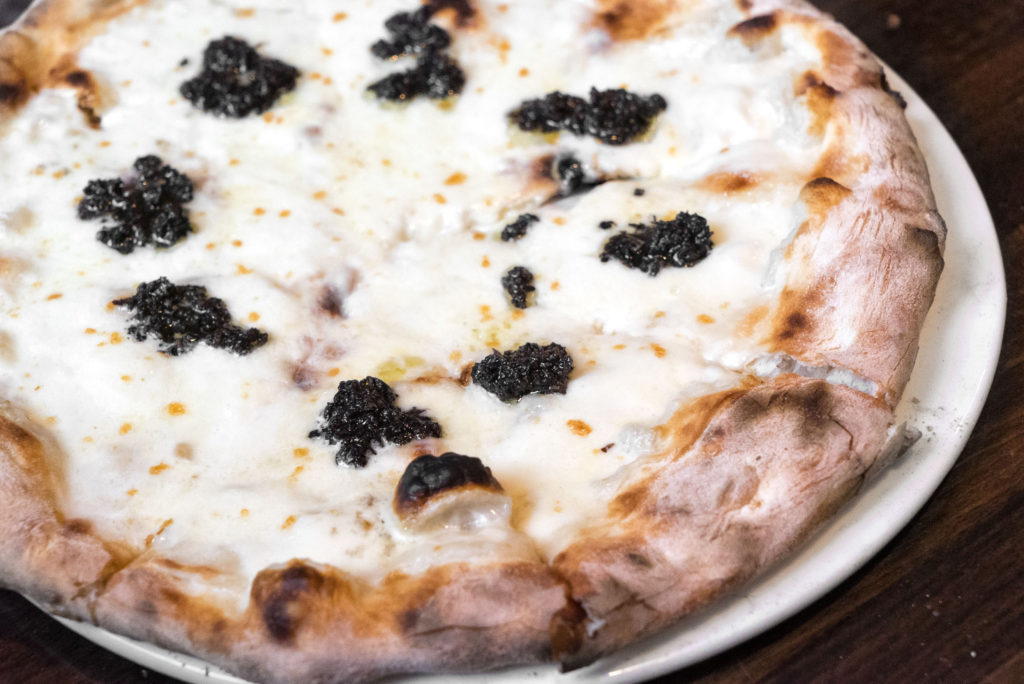
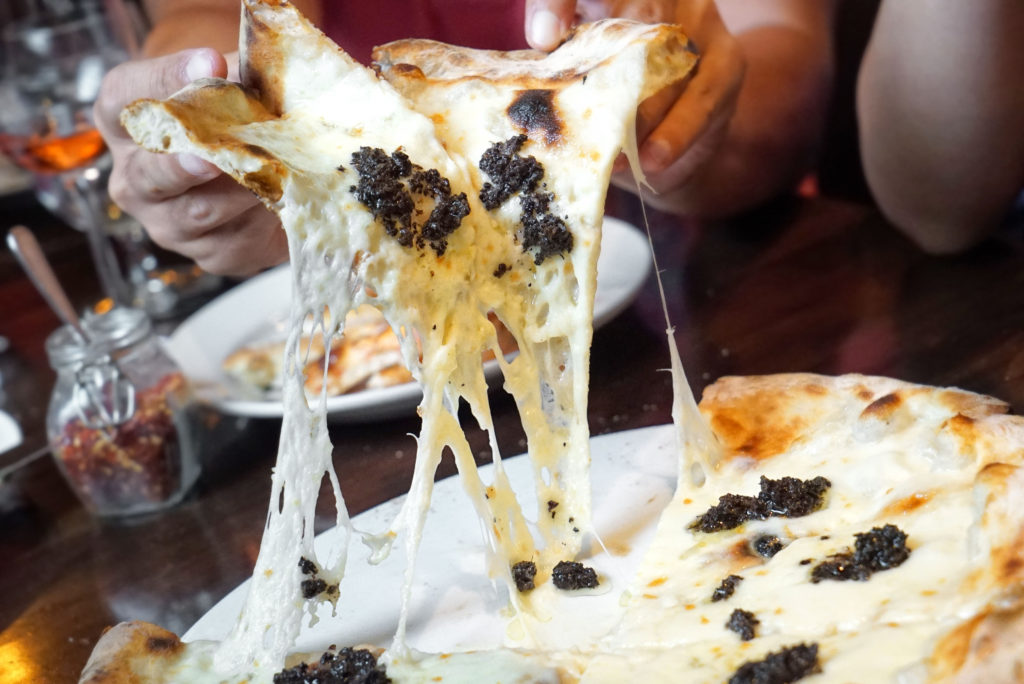
Black truffle!!!

DSC04790-2

DSC04798

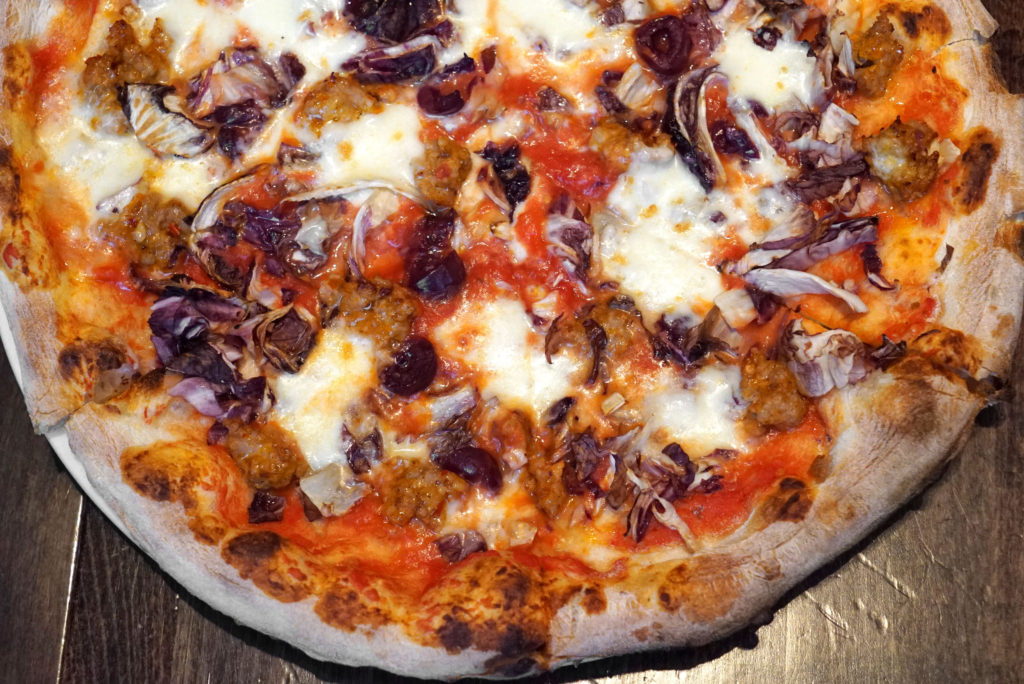
Radicchio and sausage.

DSC04763

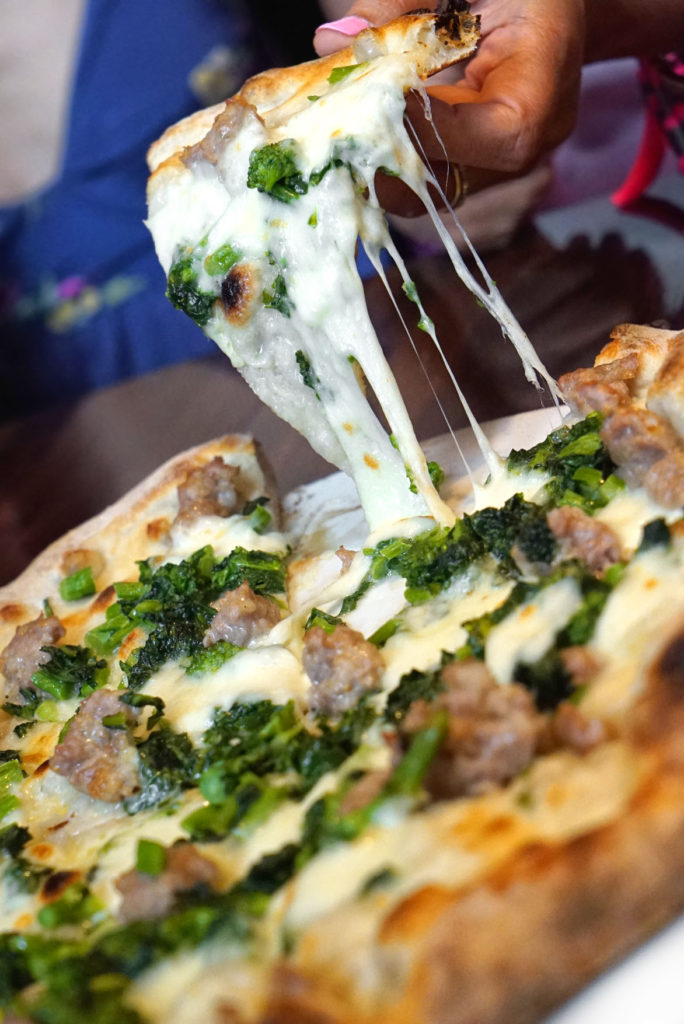
Broccoli rabe and sausage.

DSC04789

I think that last one was my favorite, but it was really tough to choose a best of the four.

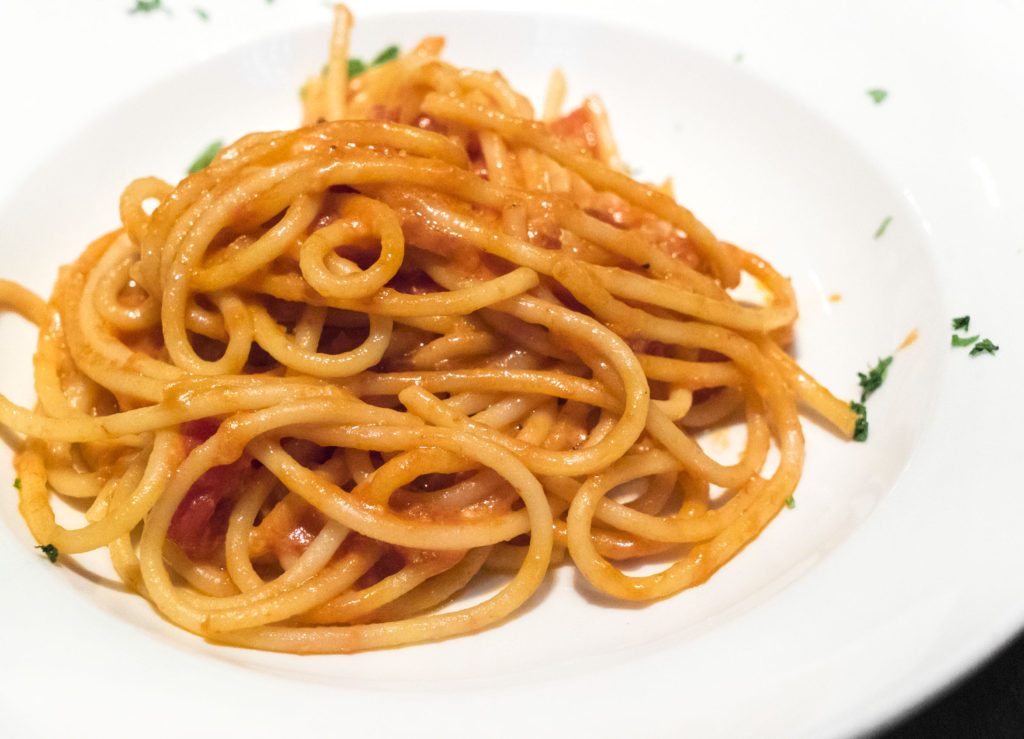
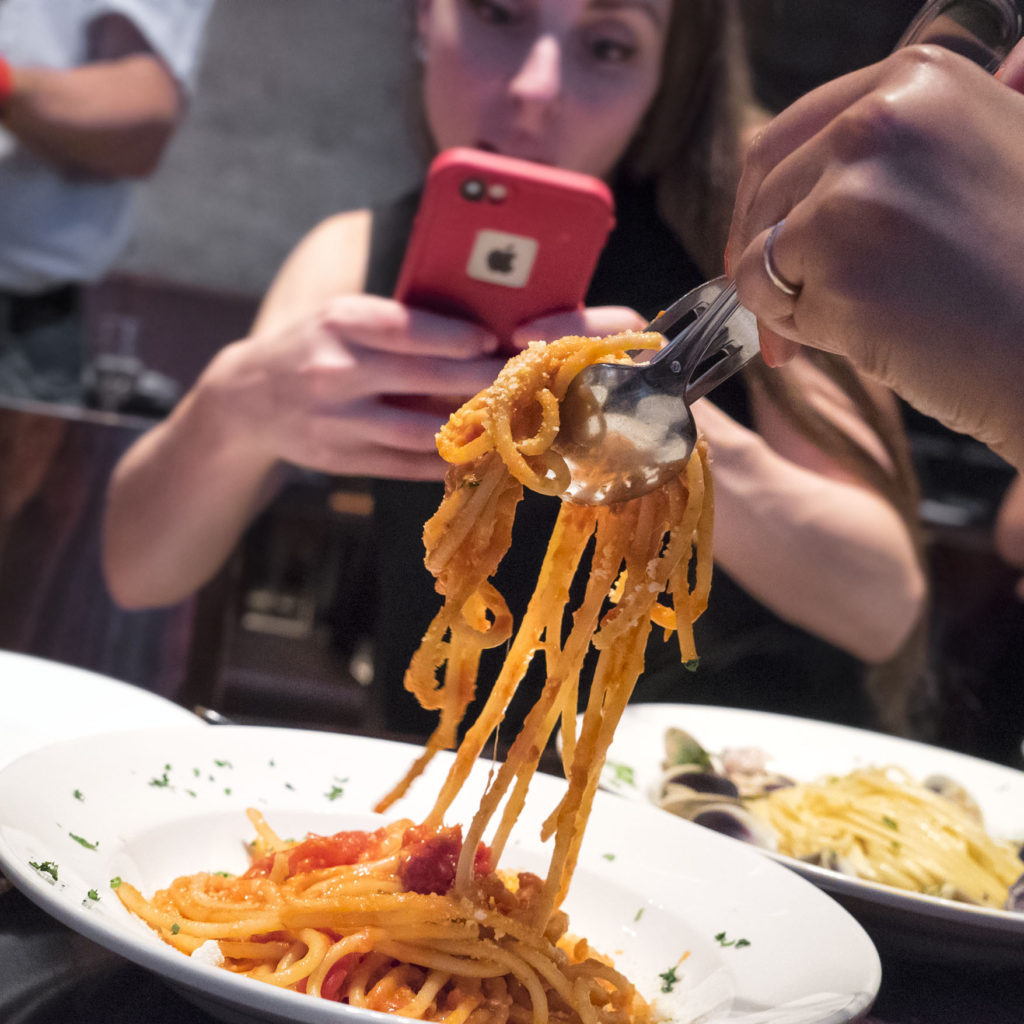
We also samples some pasta dishes. First was this buccatini. Very simple and nicely executed:

DSC04821

DSC04827

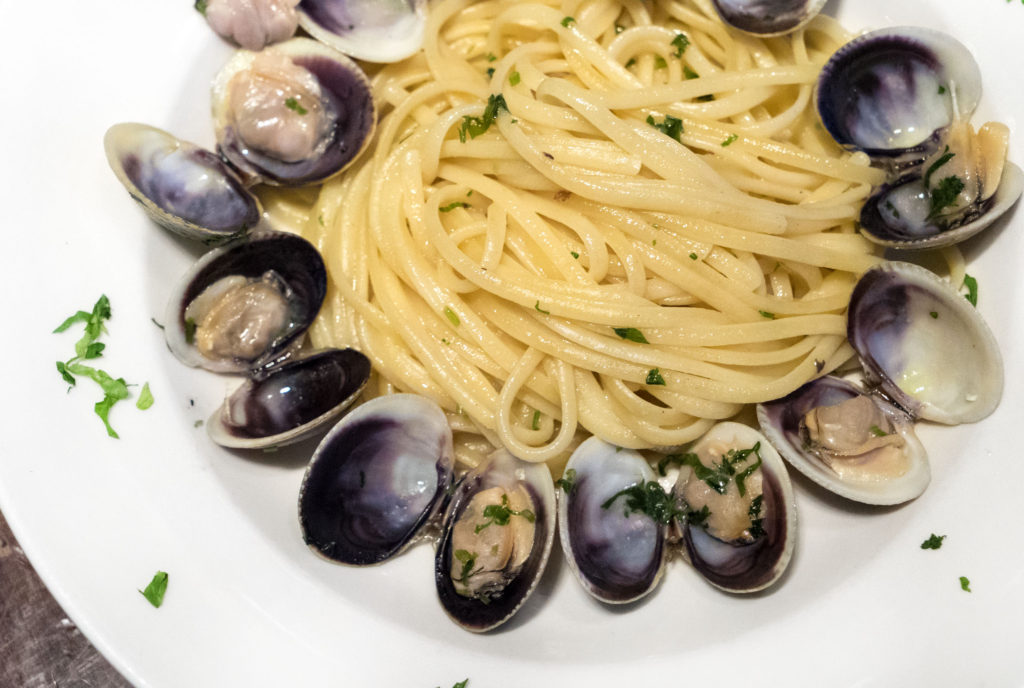
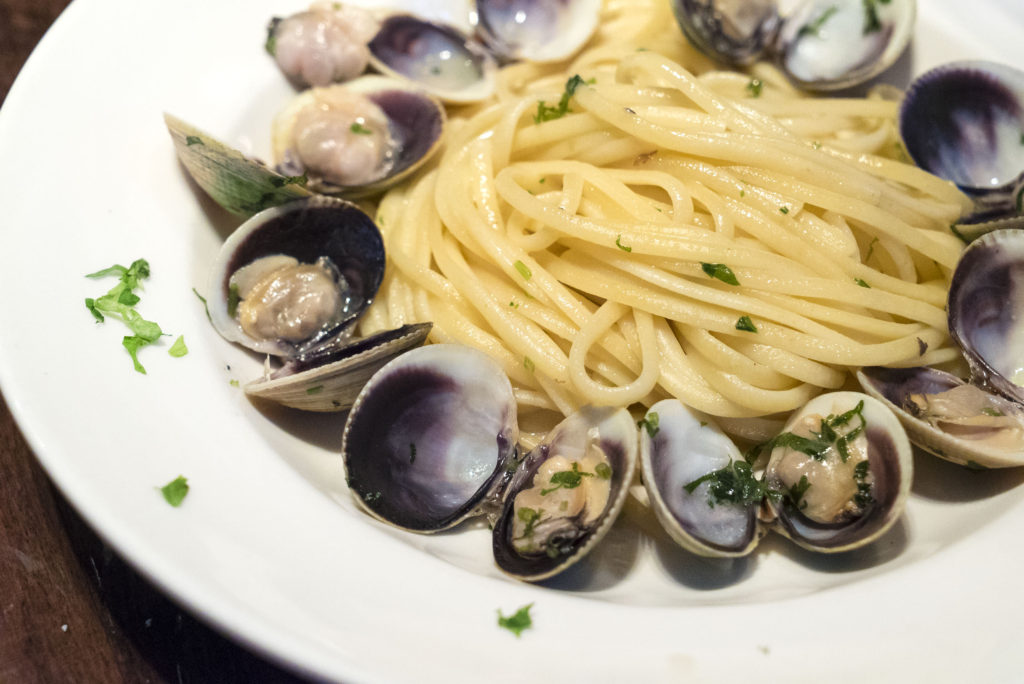
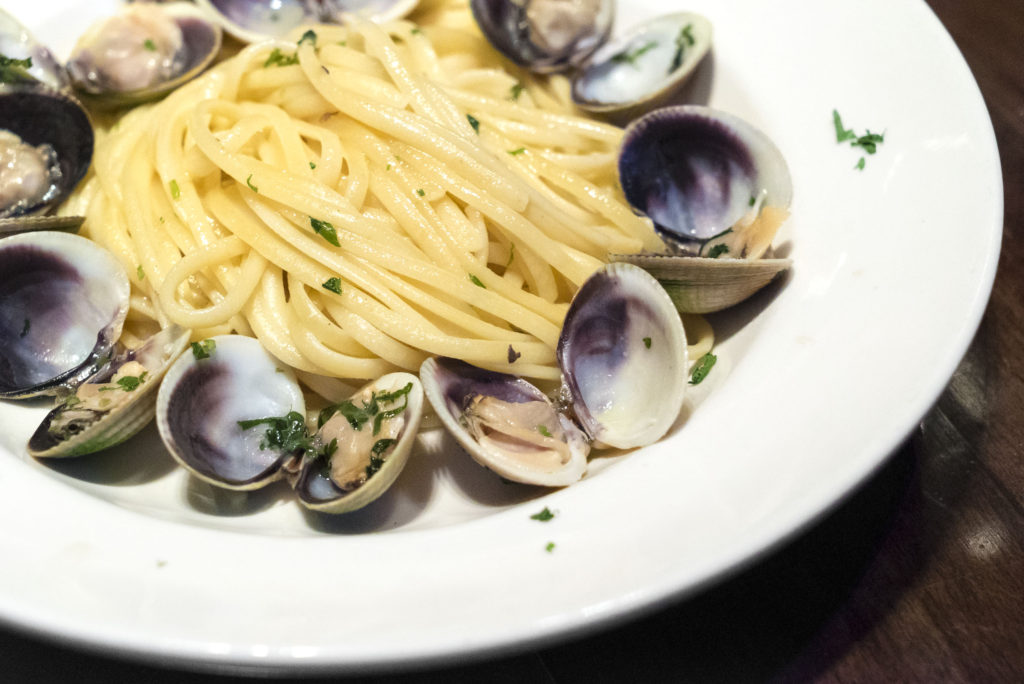
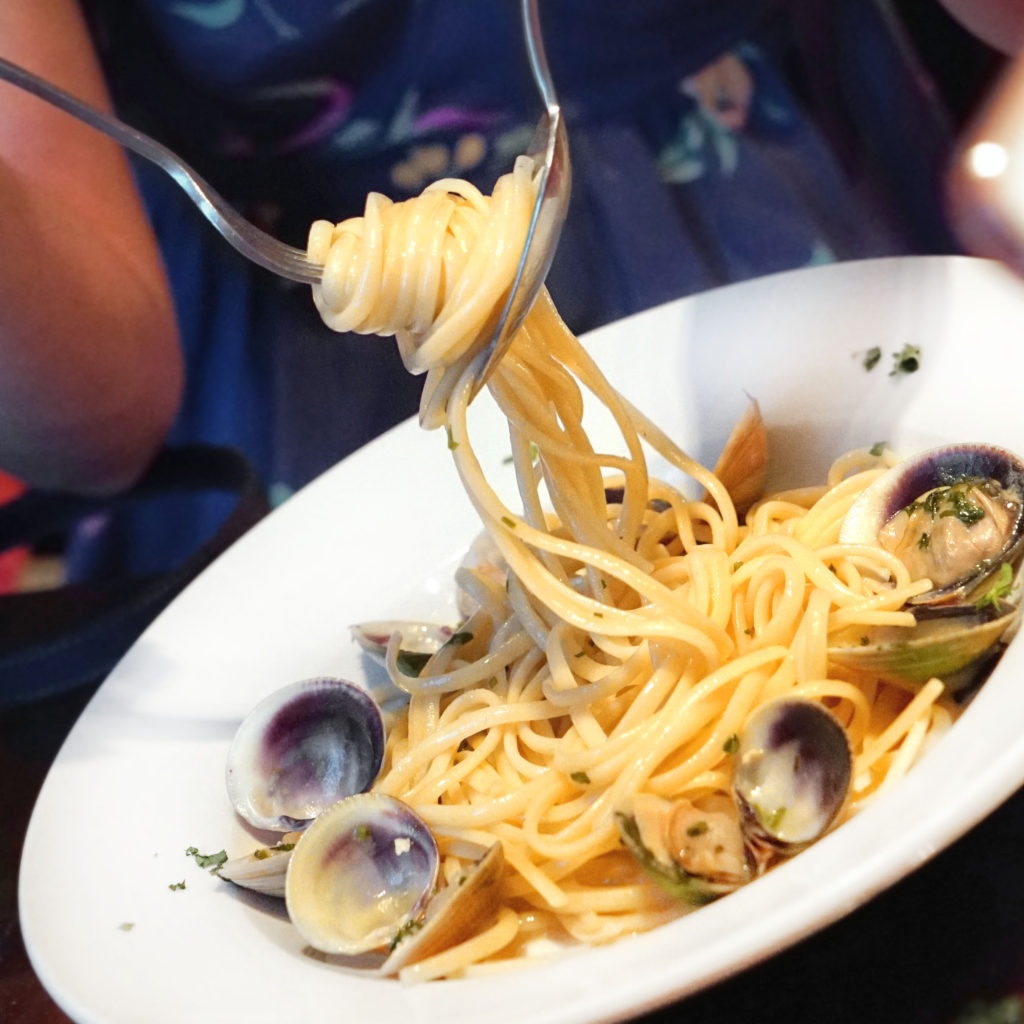
Next was linguine with clams. Stunning presentation and very nice, mild flavors. Not too heavy with the garlic and oil.

DSC04816

DSC04814
DSC04823

DSC04829

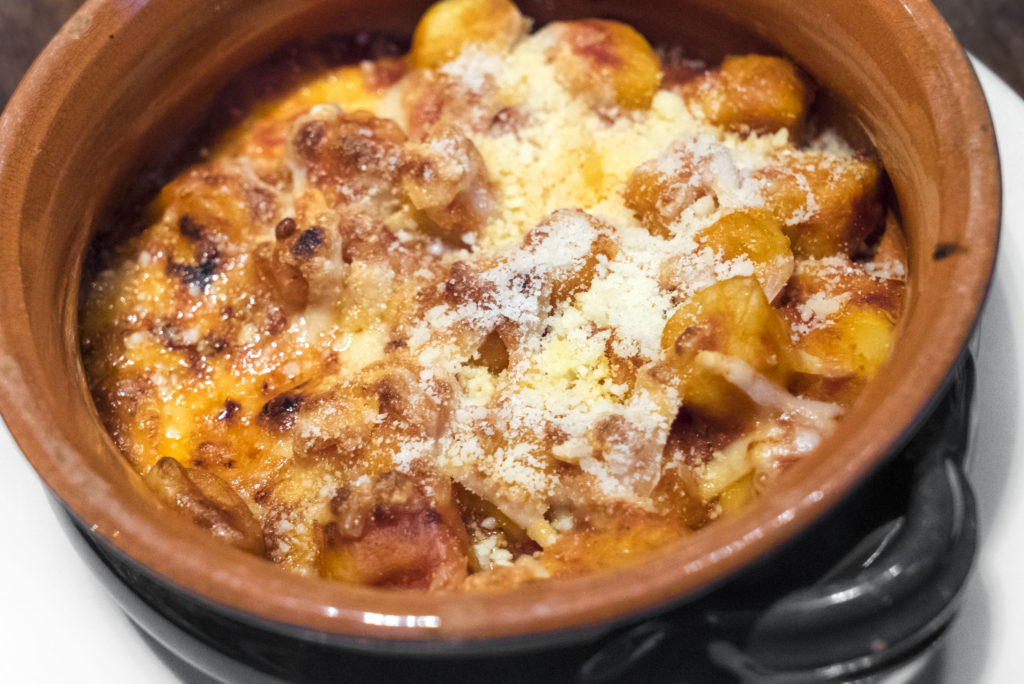
Last, baked gnocci. While these were heavy, they had a lot of flavor.

DSC04833

Of course I had to get the lamb chops again since I loved them so much last time.

DSC04853

DSC04852

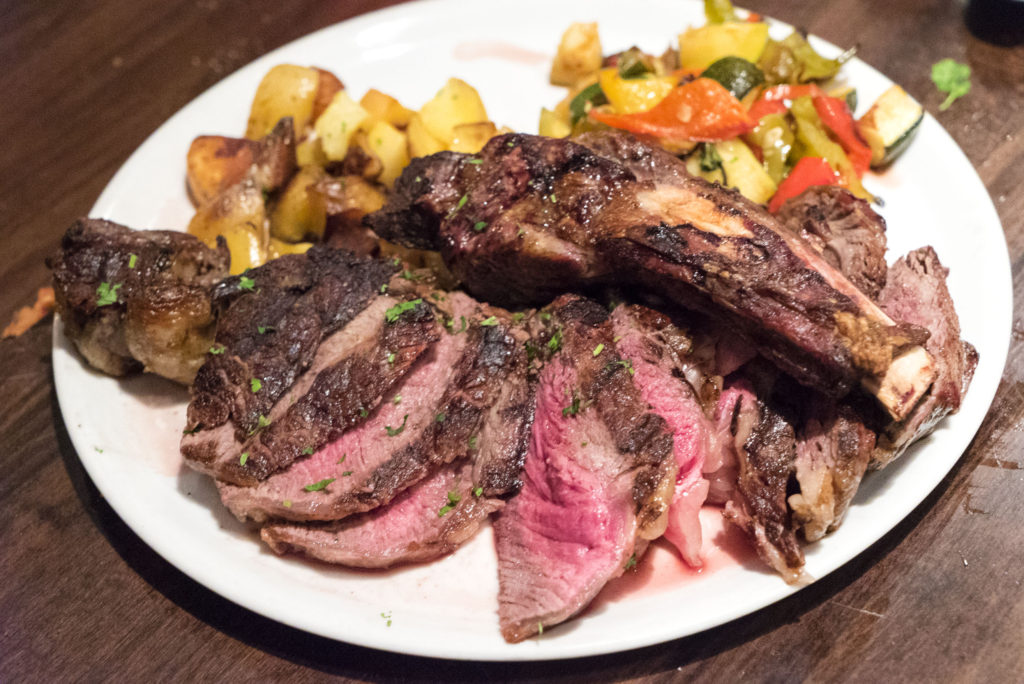
Only this time we also threw some rib eye into the mix! This 32oz offering for two was only $64. Not bad, however I felt that it was a bit over cooked on the edges (it was a thick cut) and slightly under seasoned. It just needed a hit of salt and pepper. 6/10.

DSC04854
DSC04845

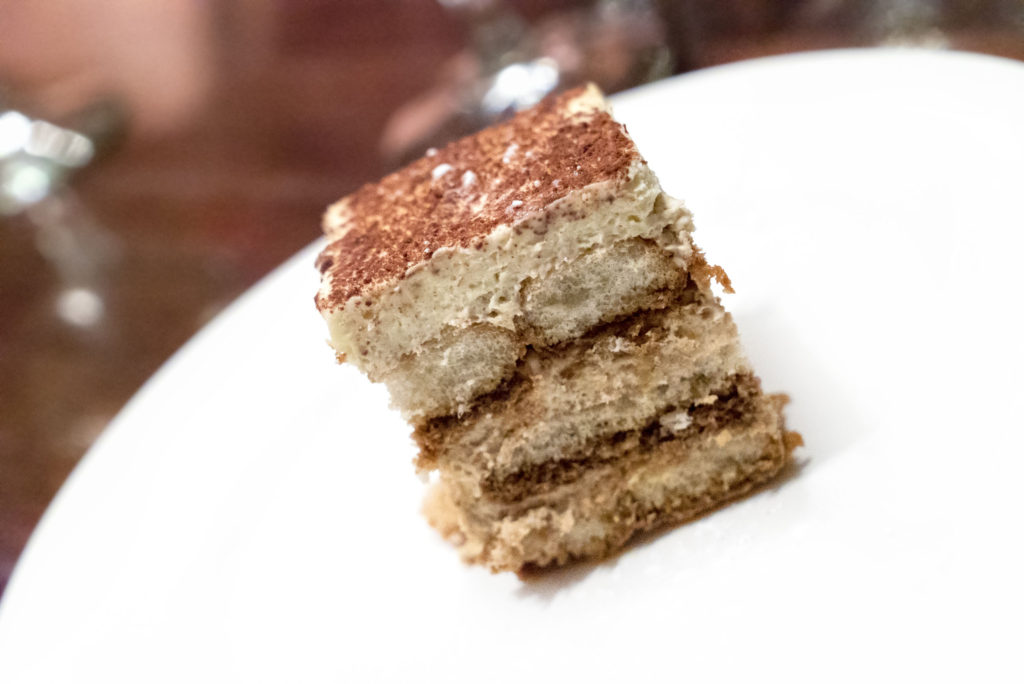
Since we came in with a pack of about 15 food bloggers, they threw in a piece of tiramisu on the house for us. Very nice, and with good coffee flavor!

DSC04856

TUTTI MATTI
47-30 Vernon Blvd
Long Island City, NY 11101

Resto

UPDATE – This joint is now CLOSED.

Resto is a small Belgian joint that recently became known for having a really good burger, in addition to their kickass beer menu. I apologize for the obnoxious watermarks on these photos, but I’ve been having way too many issues with people jacking my photos and using them for their various social media pages and websites without giving me the photo credit.

DSC01675 resto

DSC01696 resto

My two buddies and I started with lamb ribs and steak tartare.

DSC01685 resto

DSC01688 resto

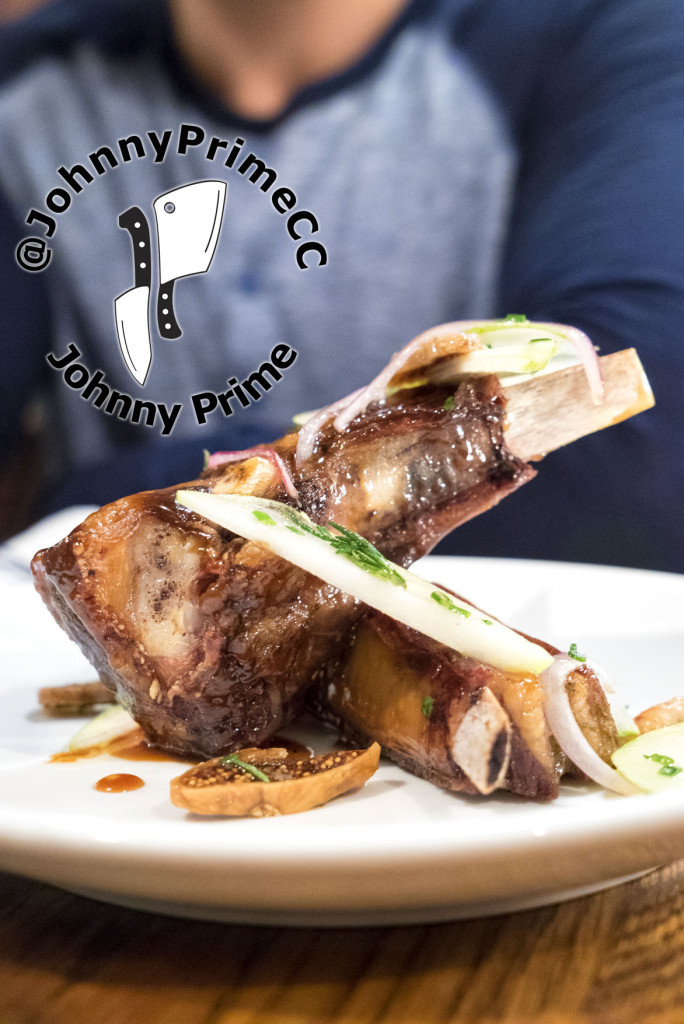
The ribs were awesome. They were tasty and fatty, and the honey and pear sauce was delicious. It came dressed with some dried figs and fresh pear as well.

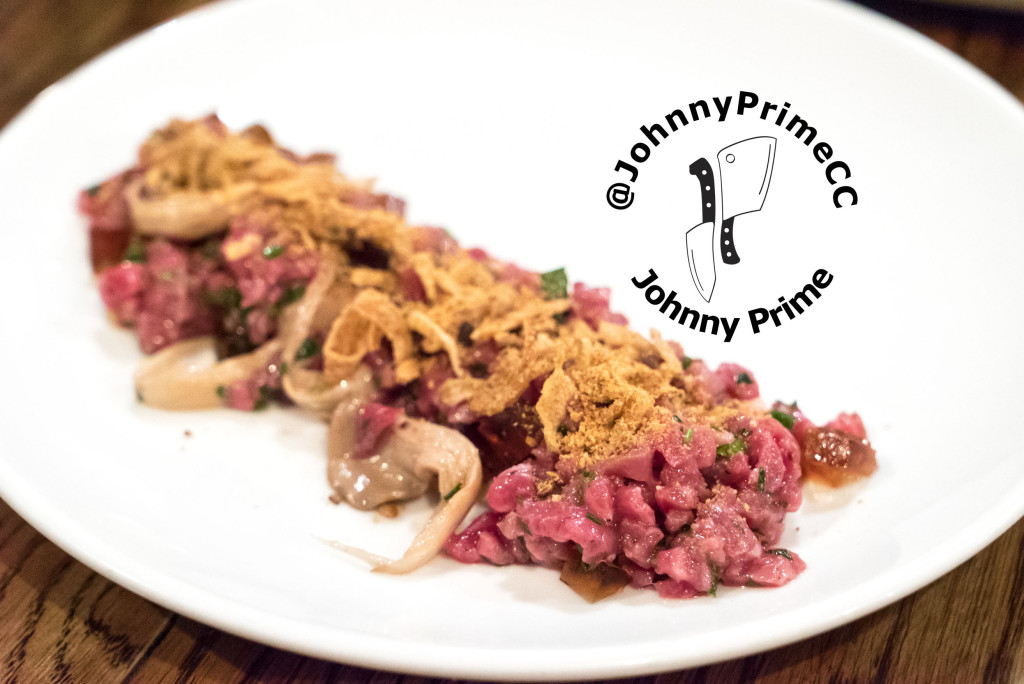
The tartare, however, was a little lacking. I feel it needed less pickled flavors and more pepper and egg. The meat quality was good, but it had an odd meat flavored gelatin mixed in as well.

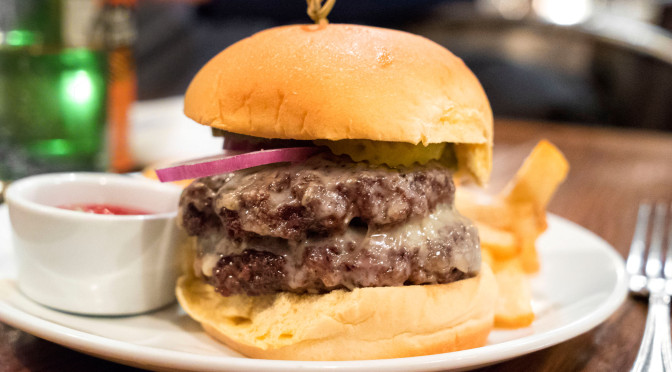
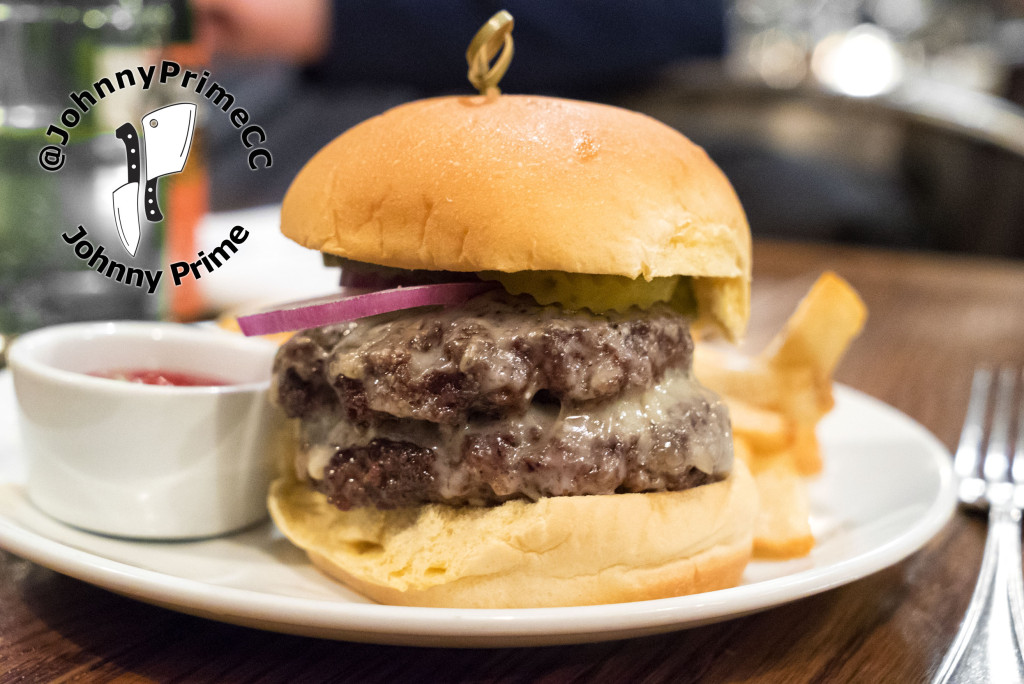
The burger is a pork and beef blend. As such it gets cooked through. I thought this would be a problem, since I like a burger to be medium, but the meat retained good juiciness. Topped with red onion, pickles and gruyere, this baby is a very nice addition to the NYC burger scene. They chose the right bun too. A simple potato roll.

DSC01689 resto

The steak style fries were good too – nicely fried and seasoned.

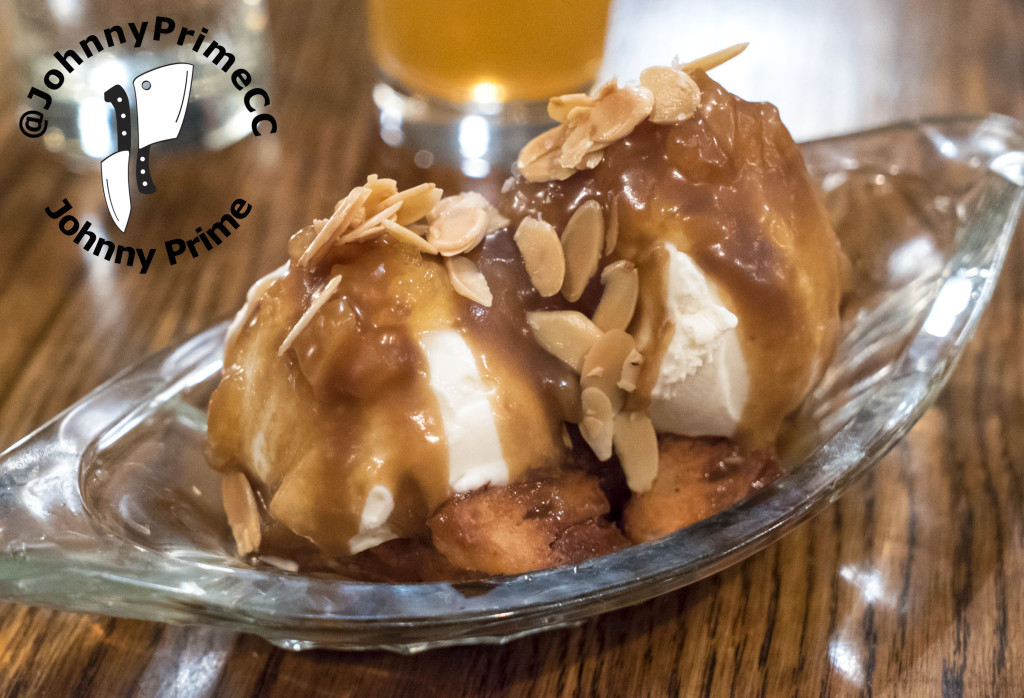
For dessert we had this ice cream and waffle sunday. It was drizzled with caramel and topped with shaved almonds. The crispy pieces of warm waffles were the perfect contrast to the ice cream.

DSC01699 resto

RESTO
111 E 29th St
New York, NY 10016

Meat 201

Meat 201 is an advanced examination of the four major cuts of beef that you’re likely to see at a steakhouse. The four major cuts are Filet Mignon, Strip Steak, Porterhouse and Rib Eye. For more general information about these cuts, and for information about other cuts of beef, please see my MEAT 101 and MEAT 102 posts.

1. Porterhouse

Etymology: There is some difference of opinion on the origin of the word “Porterhouse,” with several restaurants and cities claiming to have created the name. For example, Martin Morrison served large T-bones in his Pearl Street (Manhattan) “Porter House” around 1814. This history was popular in the late 1800’s, but some say a Cambridge, Massachusetts proprietor by the name of Zachariah B. Porter added his name to the steak. Still, others argue that the Porterhouse name stems from various 19th Century U.S. hotels or restaurants called Porter House, such as the Porter House Hotel in Flowery Branch, Georgia.

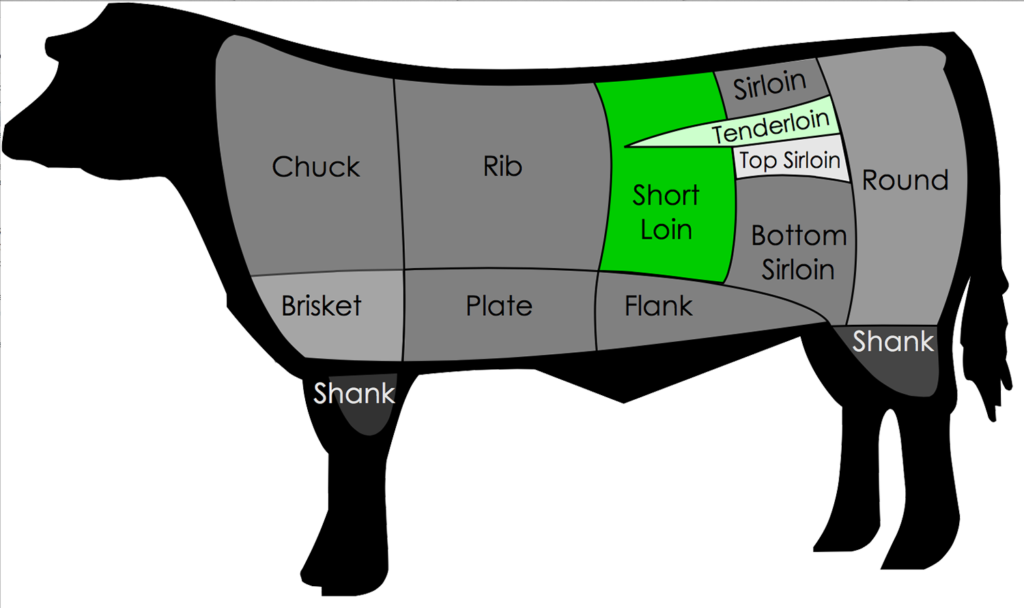
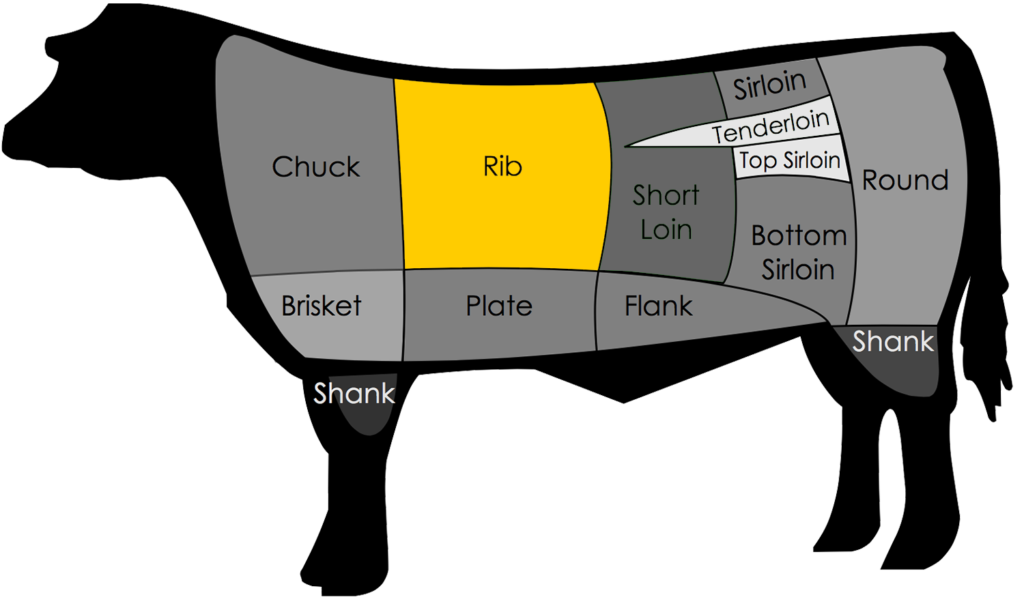
Anatomy: The Porterhouse is a cut of steak from the short loin portion of the animal that contains both strip loin and tenderloin meats. See the highlighted portion in the diagram below:

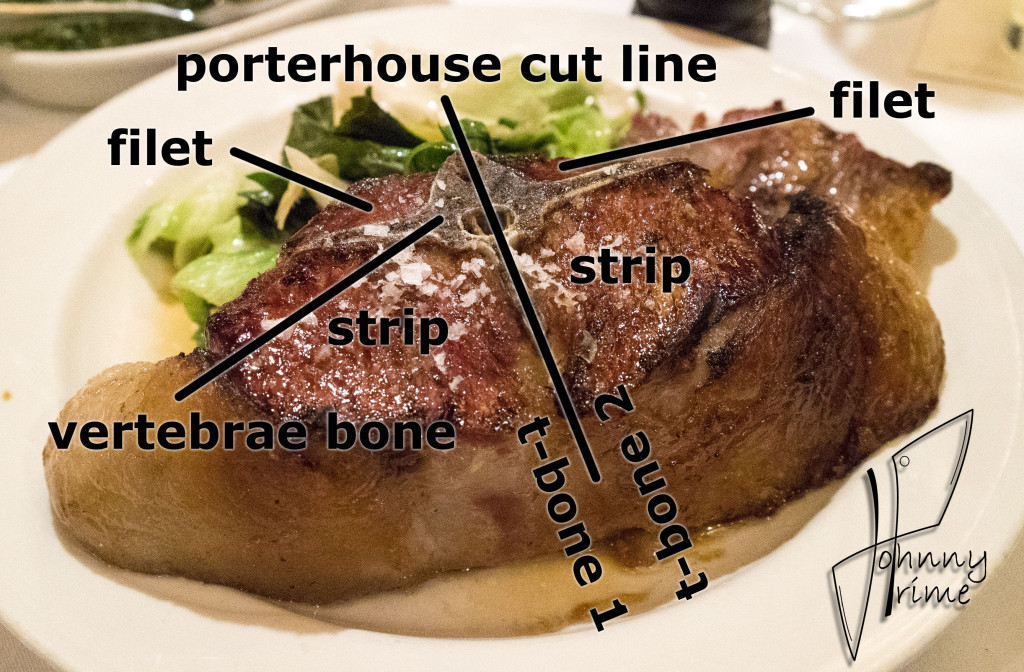
It is cut from a lumbar vertebra that is sawed in half through the vertebral column.

The downward prong of the “T” is a transverse process of the vertebra, and the flesh that surrounds it (spinal muscles) makes up the meat of the Porterhouse.

DSC02003 illustrated watermark

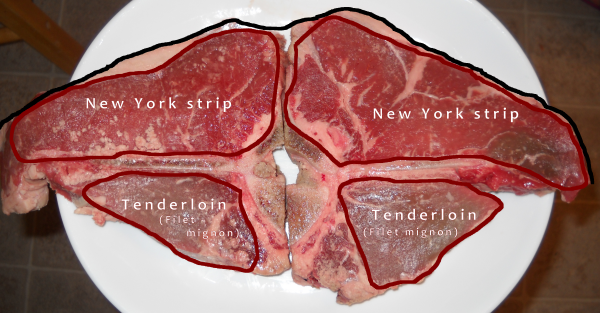
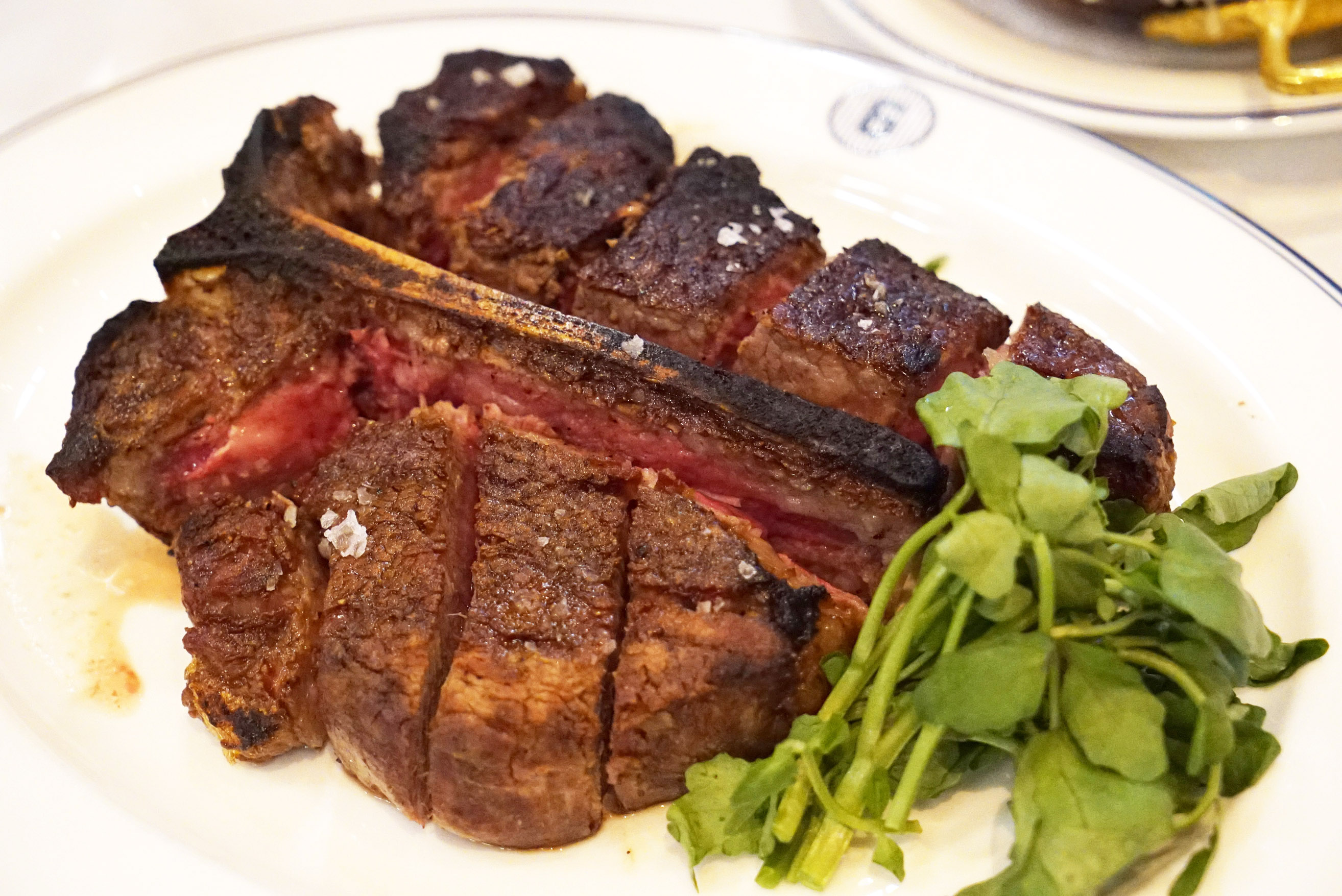
Essentially, it is a large T-bone steak from the rear of the animal that has two different types of meat (tenderloin and strip loin), one on either side of the “T.” In the picture below, the strip loin or Strip Steak is on the right, and the tenderloin or Filet Mignon is on the left.

DSC03188

The small semicircle at the top of the ‘T’ is half of the vertebral foramen, which is the name of the hole that passes through each vertebra for housing and protecting the spinal cord. They run the whole way up the back, all the way up to the brain of the animal.

The anatomy of a Porterhouse differs from that of a T-bone only in that the Porterhouse contains a larger portion of tenderloin than its T-bone counterpart.

This is primarily due to the fact that Porterhouse steaks are cut from further in the rear of the animal, from lumbar vertebrae, where the tenderloin is much thicker. Experts differ, however, on how large the tenderloin must be to differentiate a Porterhouse from a T-bone. The U.S. Department of Agriculture’s Institutional Meat Purchase Specifications state that the tenderloin of a Porterhouse must be at least 1.25 inches thick at its widest, while that of a T-bone must be at least 0.5 inches.

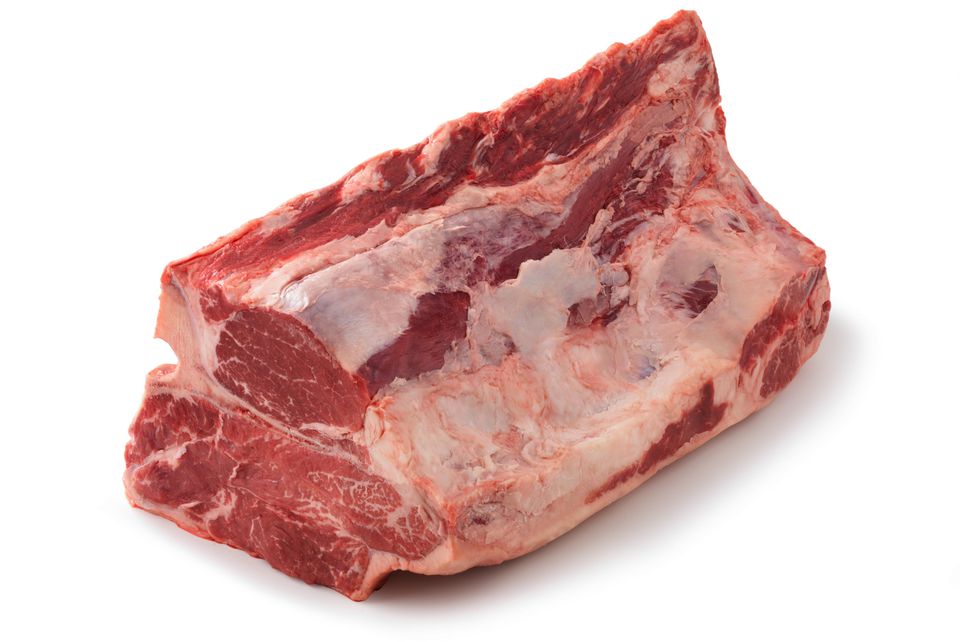
Here is a shot of a short loin with multiple vertebrae still intact and not portioned out into individual Porterhouses and T-bones.

You can see on the left there is a good sized, thick portion of tenderloin. That thins down as you move the the right, and seems to disappear by time your eyes reach the far end of the cut.

Just to drive home the anatomy a little more, here is a great excerpt and image from Russ Cooks:

“Up close and personal, this is where the T-bone fits.

t-bone-illustration
photo credit: http://www.russcooks.com/images/t-bone-illustration.png

The black line across the top of the two T-bones pictured here is the outside (top of the back) of the steer. You can see the T-bone in the schematic illustration higher up on this page as the topmost part labelled Rib. Above the ribs, what you touch if you pat the steer’s back, is the New York strip. Beneath the ribs is the tenderloin from which a filet mignon is often cut. T-bone steaks cut closer to the shoulder are known as Porterhouse while those cut closer to the loin are just T-bones.”

Preparation: Most times, T-bones and Porterhouses are either grilled, seared in a pan, broiled or blasted with high heat in specialty steak ovens made for charring the outside of the meat without over-cooking the inside. Butter is essential, and heavy seasoning is important as well. Herbs and garlic help boost the flavor too.

DSC07247

Flavor: Since this cut contains both the Filet Mignon and the Strip Steak, I refer you to the flavor sections for those cuts below, with a notation that the bone being left in often adds a more robust flavor while helping to retain tenderness and juiciness. These are very popular items at steakhouses because they can be cut large enough to feed anywhere from two to four people. Additionally, with two different types of meat in one steak, one can vary the flavors that one experiences with each bite.

2. Filet Mignon

Etymology: Filet, in culinary terminology, means boneless. Mignon, in French, means dainty or small. As such, this is a steak ideally suited for chicks: small/dainty, and with no bone.

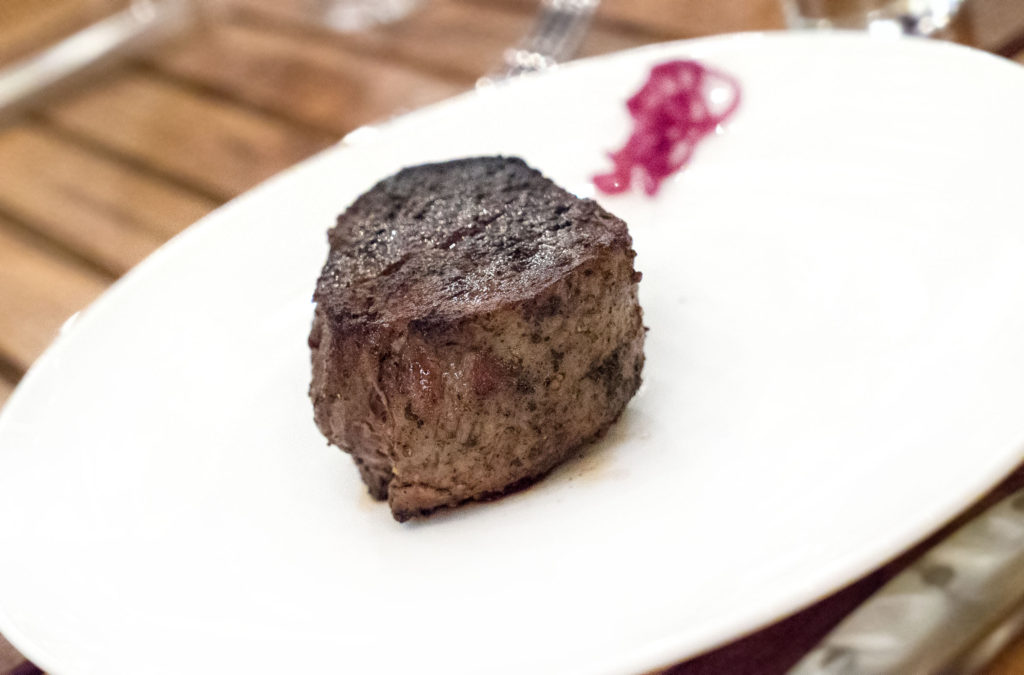
DSC05717

Occasionally on a steakhouse menu you will see a “bone-in filet.” Given what I just mentioned above, that phraseology is completely self-defeating and confusing, as it simultaneously means both “bone-in” and “boneless.” However, it seems this sort of language is becoming commonplace. If it were up to me, I would prefer “bone-in tenderloin” to be listed on menus instead. There is no wording conflict with that phrasing, and it is an accurate description of what is being presented. In other words: all Filet Mignon is tenderloin, but not all tenderloin is Filet Mignon.

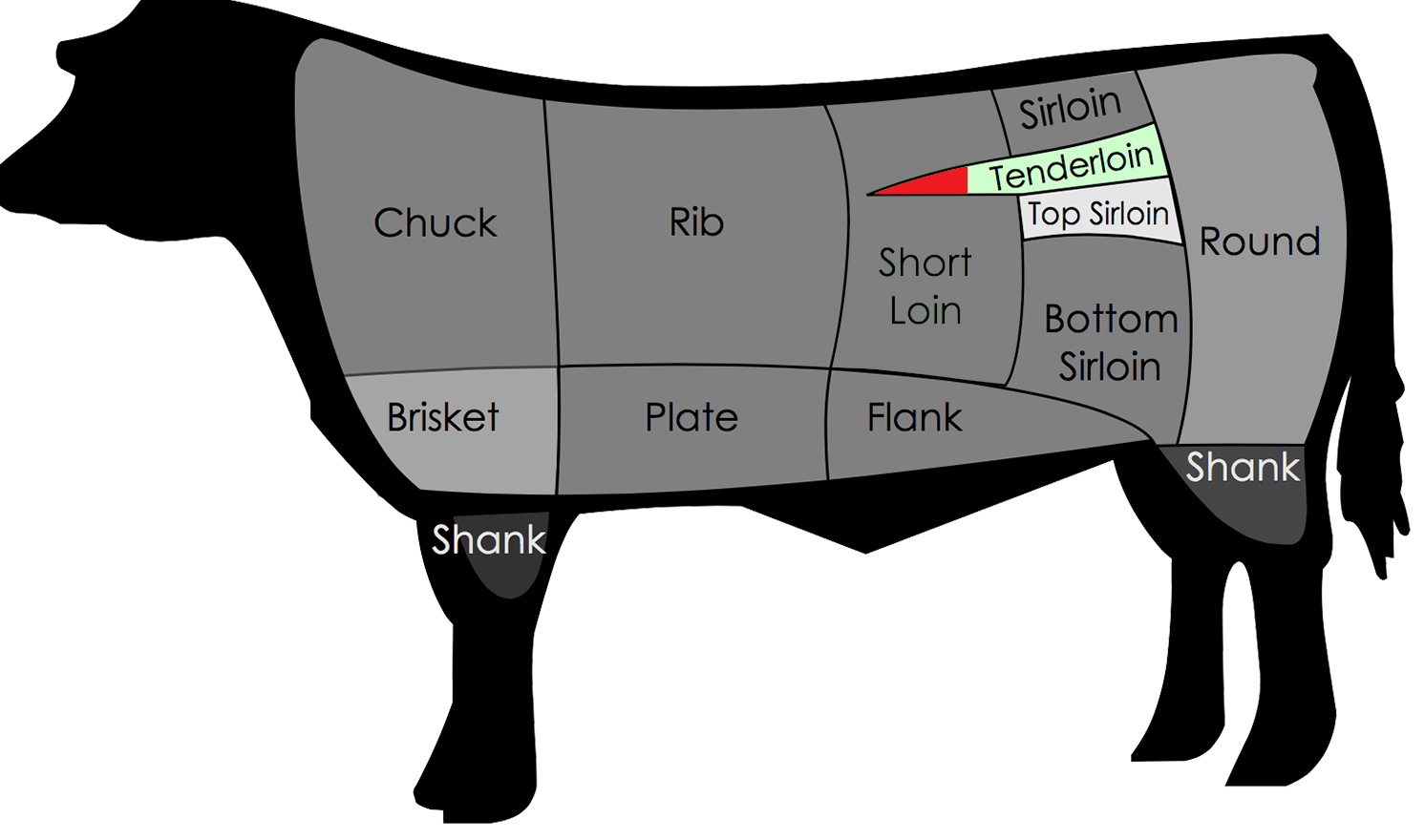
Anatomy: Traditionally, a Filet Mignon was cut from the anterior end of the tenderloin. In the beef chart image below, you can see a portion of the tenderloin section highlighted in red.

diagram-filet-cut-1500

That is where Filet Mignon was typically located, though most butchers label all steaks cut from the tenderloin as Filet Mignon (this allows for larger portions). The tenderloins run along both sides of the spine. They taper from thick, in the posterior of the animal, to thin in the front.

In their unbutchered form, they contain what’s called the “silver skin” still attached to the flesh. This is a thick connective tissue that is pretty much inedible. When butchering the full tenderloin, you will want to slice that off (it is NOT tender).

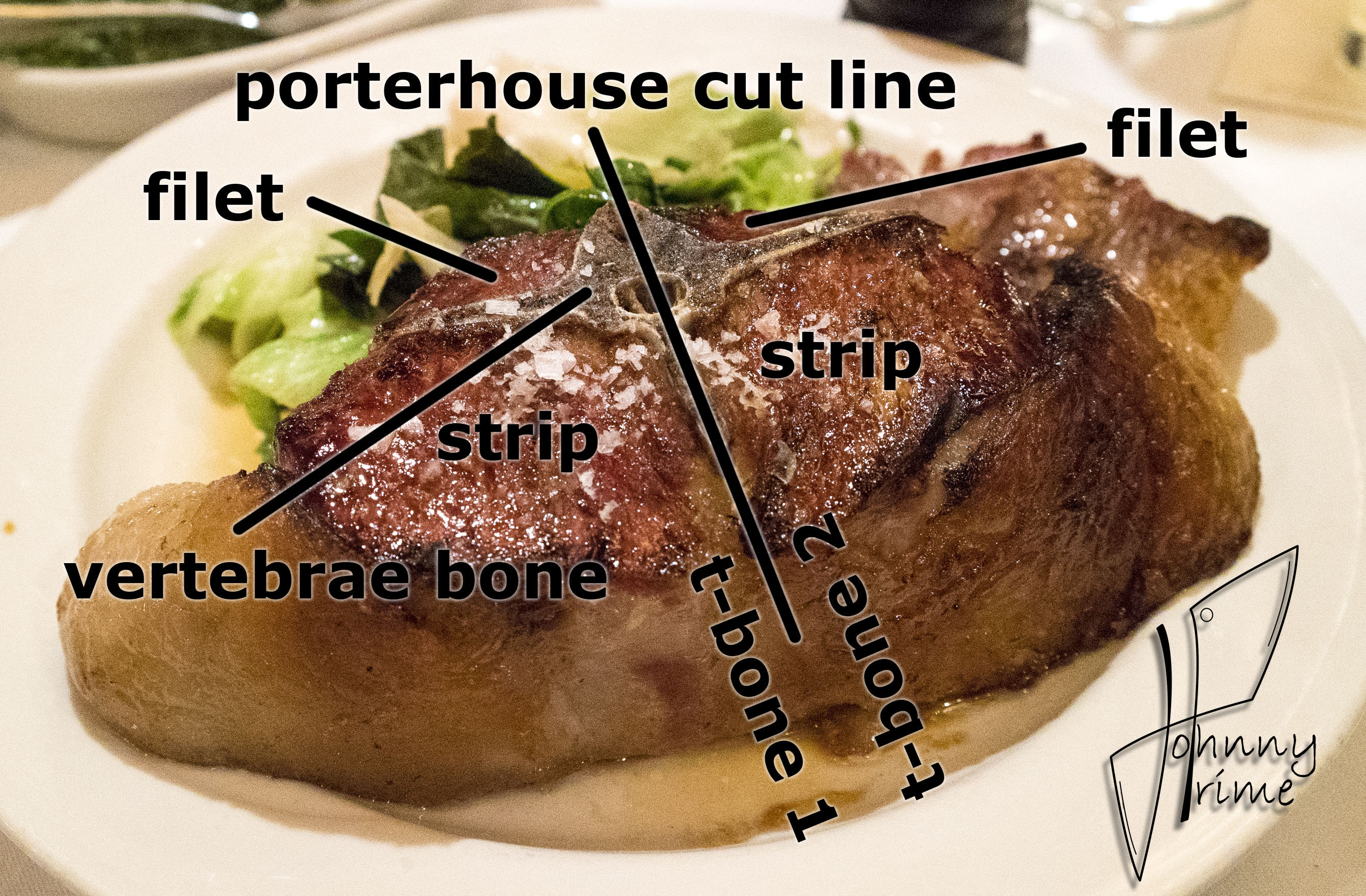
While this next photo is a repeat shot of a lamb vertebra Barnsley chop (the mutton chop from Keen’s), the anatomy is exactly the same for beef. This will illustrate exactly where the filet comes from. Essentially this is a double porterhouse, with a filet and a strip on each side. In addition to understanding the Filet Mignon, this image is useful in demonstrating the anatomy of the Strip and Porterhouse cuts as well, since they all come from the same place – the vertebrae of the animal:

DSC02003 illustrated watermark

Preparation: Preparations of this cut vary greatly. You may see this cut sliced thin and pounded flat, served raw for carpaccio. You may also see it finely chopped for tartare. A simple pan sear with butter and herbs, however, is probably the most common preparation.

Yet another style is Chateaubriand, which is a large section of the thick portion of the tenderloin that is roasted boneless, then sliced and served with a reduction sauce.

DSC03866

There is also Beef Wellington, which is a portion of tenderloin that has been coated with pate and then wrapped in puff pastry dough prior to cooking.

Flavor: Widely considered the most tender and least fatty cut of beef on the animal, the flavor should be uniform from one end to the other, with very tender and soft texture the whole way through. There is hardly any fat content in the standard cut of Filet Mignon. Some chefs will wrap the filet in caul fat (a lacy, fatty, web-like membrane that surrounds the stomach of an animal) before cooking. The webbing melts away during cooking and imparts a fat flavor into the meat. But it is more common to use things like butter, or to wrap a filet in bacon to add the fat flavor into the meat.

3. Strip Steak

Etymology: According to the National Cattlemen’s Beef Association, this steak is marketed under various names, including Ambassador Steak, Club Steak, Hotel-Style Steak, Veiny Steak, Kansas City Steak and New York Strip Steak. Delmonico’s offered Strip as a signature dish way back in the early 1800’s. Due to the cut’s association with NYC, the New York Strip Steak name was born.

Anatomy: The Strip is cut from the other side of the tenderloin, across the vertebra on the T-bone or Porterhouse.

DSC02821

Also known as strip loin, the Strip Steak is cut from the short loin part of the animal, from a muscle that does little work, like the Filet Mignon. It is generally more tender than the similarly situated but more posterior-located sirloin section of the animal. While it is essentially the same kind of meat as sirloin, the muscles in the rear do a bit more work than the short loin, so can be a bit more tough.

Preparation: For me, the Strip is best at medium rare, to preserve the tenderness and reduce any mealy or grainy textures that can develop from overcooking. It is always best to get a really great quality cut for this chop, something prime+, as all the intra-muscular fat, or marbling, will become soft and the muscle will tenderize all over.  You will often see it marinated or rubbed with spices, to impart additional flavors, but grilling and broiling in the traditional style is fantastic as well, especially with butter and herbs.  It can be served bone-in or boneless. Leaving the bone in will impart more flavor and help with the cooking process, since the bone conveys heat into the center of the meat while locking in juices.  At home, marinade this puppy in something like soy sauce and garlic, and slap it on the BBQ for a few minutes on each side and you will have the perfect home-cooked steak.

Flavor: This cut contains fat in levels that are somewhat in between the tenderloin (virtually none) and the Rib Eye (plenty of good, melty fat). Like the tenderloin, there is little variation throughout the cut, so the flavors and textures are more uniform for the Strip Steak, unlike the Rib Eye which has varying textures and flavors from one end of the cut to the other. The texture of a Strip can sometimes be a little bit grainy or mealy, and a bit more tight than a Filet Mignon or a Rib Eye – especially if it’s cooked too much.

4. Rib Eye

I’ve saved the best for last. The Rib Eye is the most ultimate of steaks, period. It is an awesome cut of beef.

Etymology: The etymology on this is pretty self-explanatory. The “rib” part of the name is because this cut of meat is connected to a rib bone. The “eye” part of the name is a reference to the circular, more centrally located portion of the cut that is more uniform than the outer portions of the cut. You will likely see the Rib Eye steak, or rib chop, called by many names.

For example, the Cowboy Rib Eye is a bone-in version of the cut:

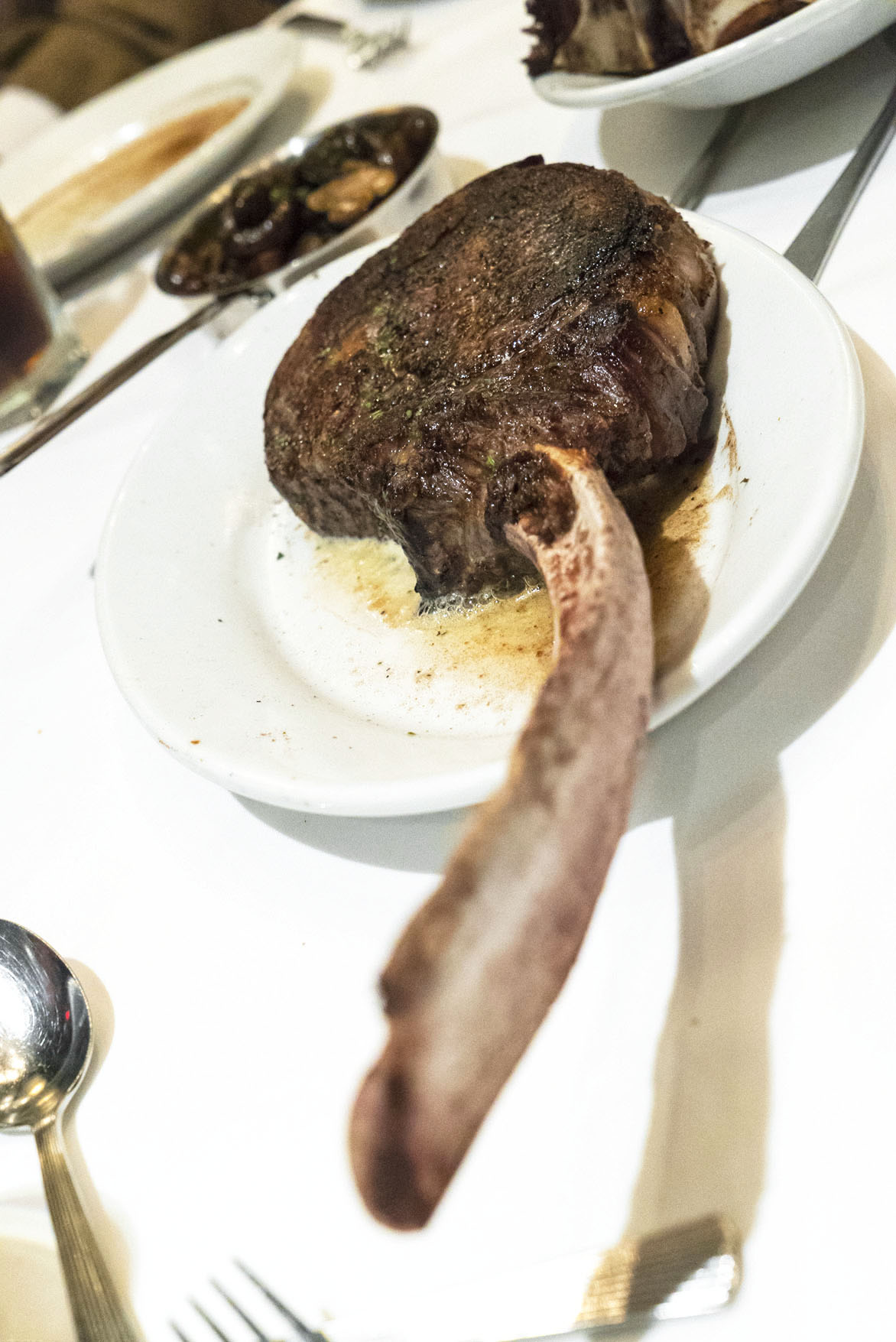
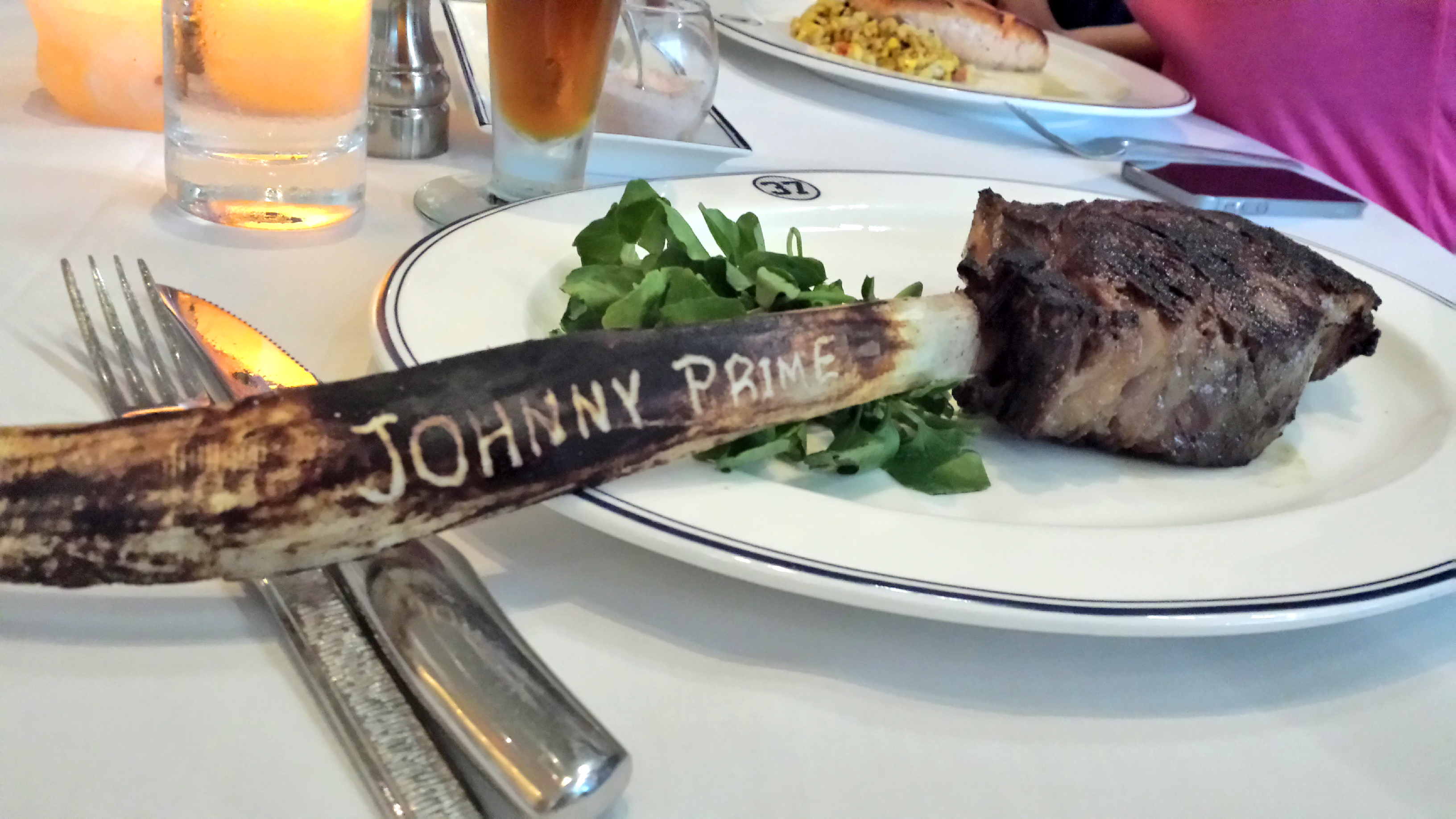
There’s also the Tomahawk Rib Eye, which is so named for its resemblance to a Tomahawk-style hatchet. When butchered, a long “handle” of rib is cut clean to expose the bone (it is “Frenched,” as they say), and the steak meat is left at the end of the handle to form the hatchet blade:

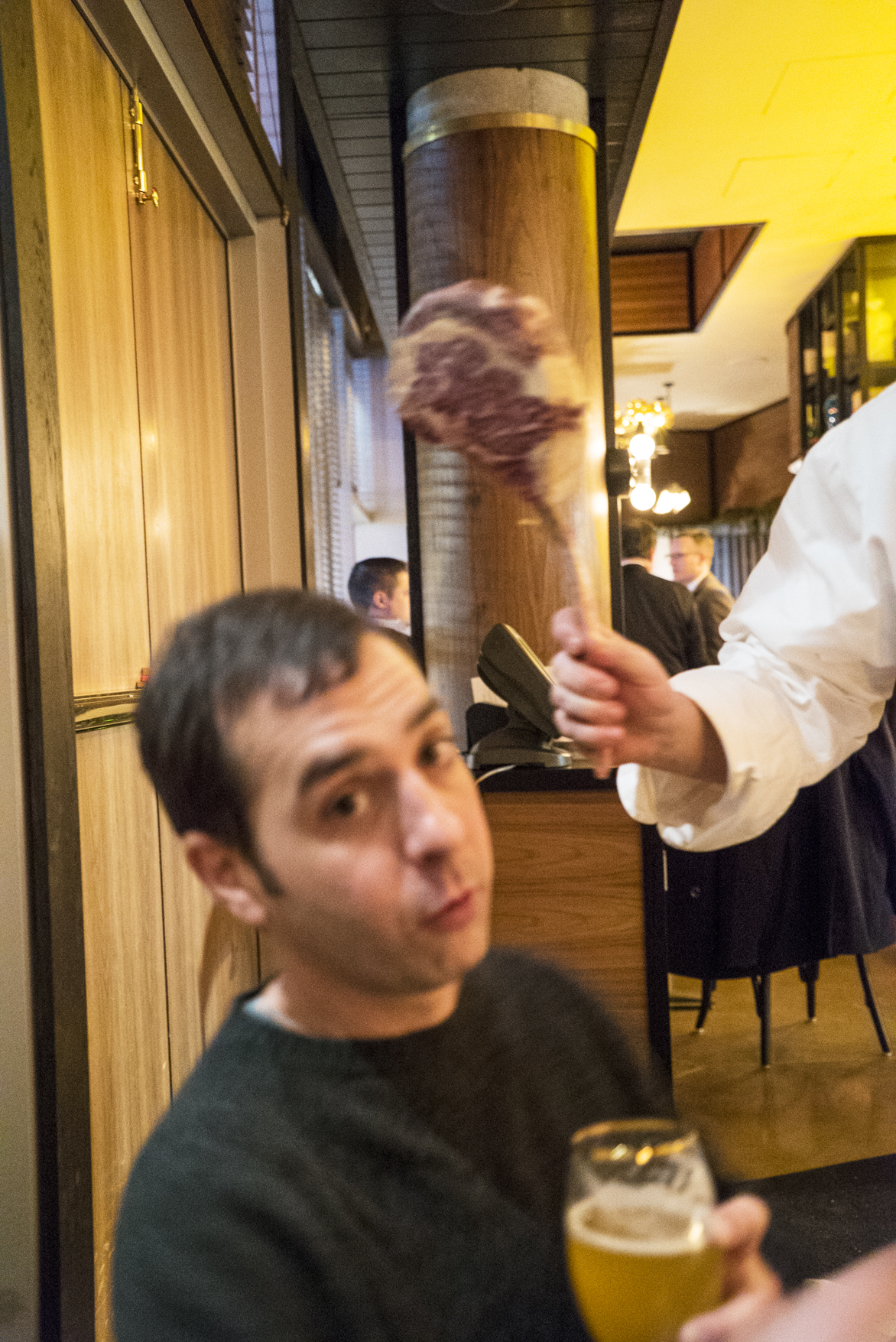
Here’s a shot of my buddy; he’s about to get clobbered with a Tomahawk Rib Eye by Chef Josh Capon at Bowery Meat Company:

There’s also the Delmonico cut, otherwise known as a Scotch Filet. Applying what you’ve learned here, you can probably guess that this cut is boneless (filet means “boneless” in French). Delmonico’s claims this cut as their own because they named a house special boneless cut Rib Eye steak after their restaurant, way back in the early 1800’s when they first opened.

Anatomy: The rib section of beef spans from ribs six through twelve, and, obviously, hails from the rib section of the animal.

Rib Eye steaks are mainly composed of the Longissimus dorsi muscle (the “eye” portion of the steak) and the Spinalis dorsi muscle.

The more anterior your cut, the more Spinalis you’ll find in the steak. The Spinalis is the coveted cap of meat that wraps around the fatter end of the steak and usually has much more marbling than the rest of the Longissimus eye, or interior of the steak. That “fat cap” is also sometimes butchered away from the remaining eye.

photo credit: http://www.acookblog.com/wp-content/uploads/2011/03/IMG_7574.jpg

Highly skilled butchers know how to remove it from its position across an entire standing rib roast section of ribs, so as to keep it all together as one giant cut. But then that ruins the rib chop, in my opinion, since you’re taking away the best part. Some steakhouses have taken to tying several Spinalis cuts together in a spiral formation to create an all-fat-cap steak. Bowery Meat Company has one such cut, which they call the Bowery Steak:

STK also offers one on special from time to time:

DSC05705

DSC05726

The Spinalis has a more intense marbling, and, thus, much more flavor and tenderness. If you are so bold, the next time you order a Rib Eye at a steakhouse, ask for an anterior “chuck side” cut that has more of this fantastic Spinalis muscle.

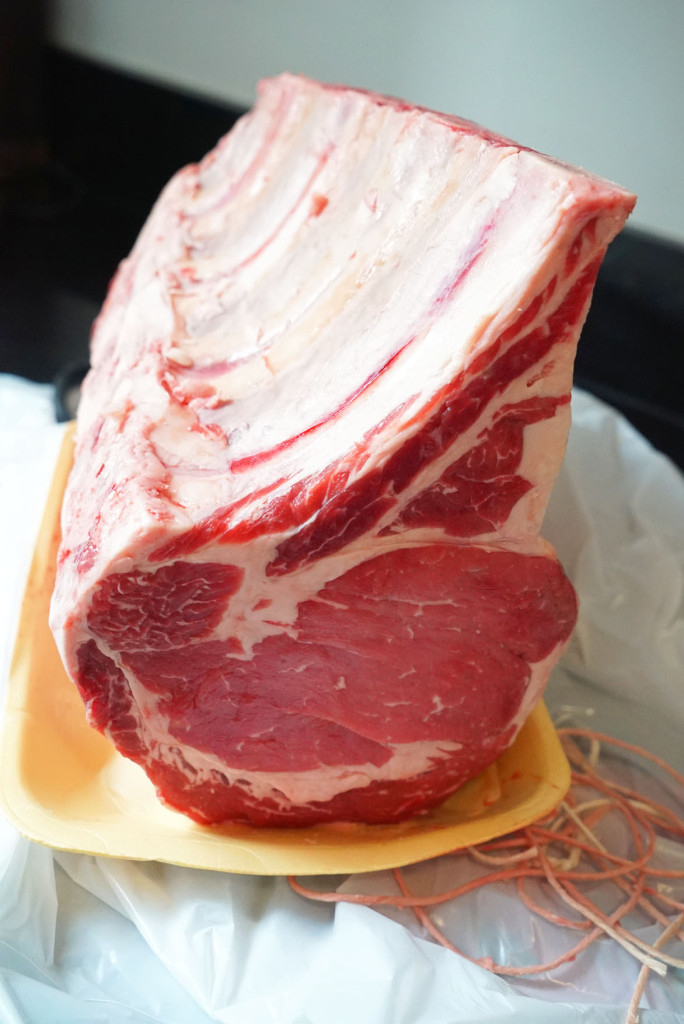
Preparation: There are a ton of ways to prepare a rib steak. The most comon forms are searing in a pan, grilling, or broiling. Another common method of preparing this kind of meat is roasting. A “standing rib roast” is a section of Rib Eye steaks that has not yet been portioned into individual steaks.

DSC08474
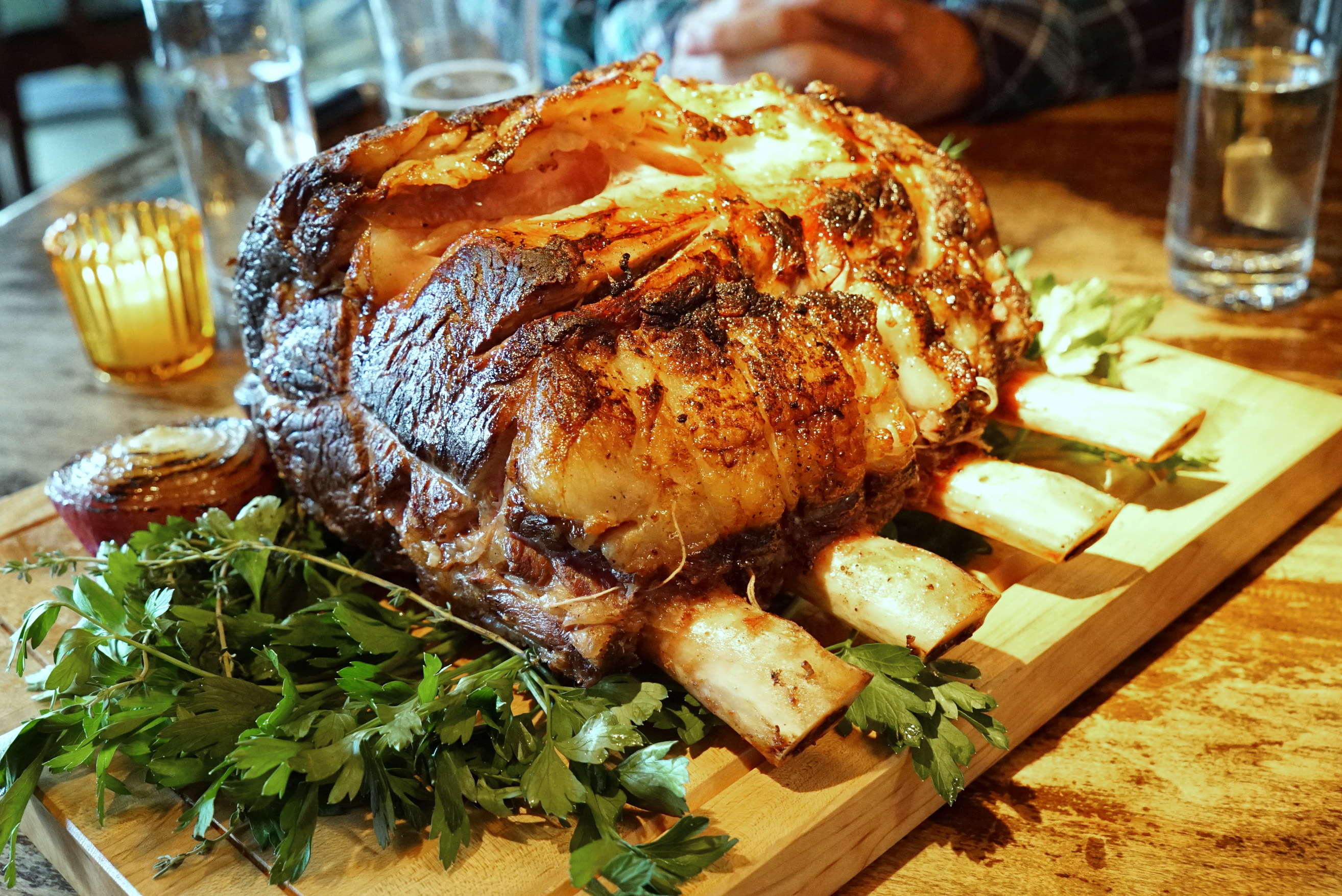
When this rack of ribs is roasted slow and low to a pink medium rare, the end product is called Prime Rib.

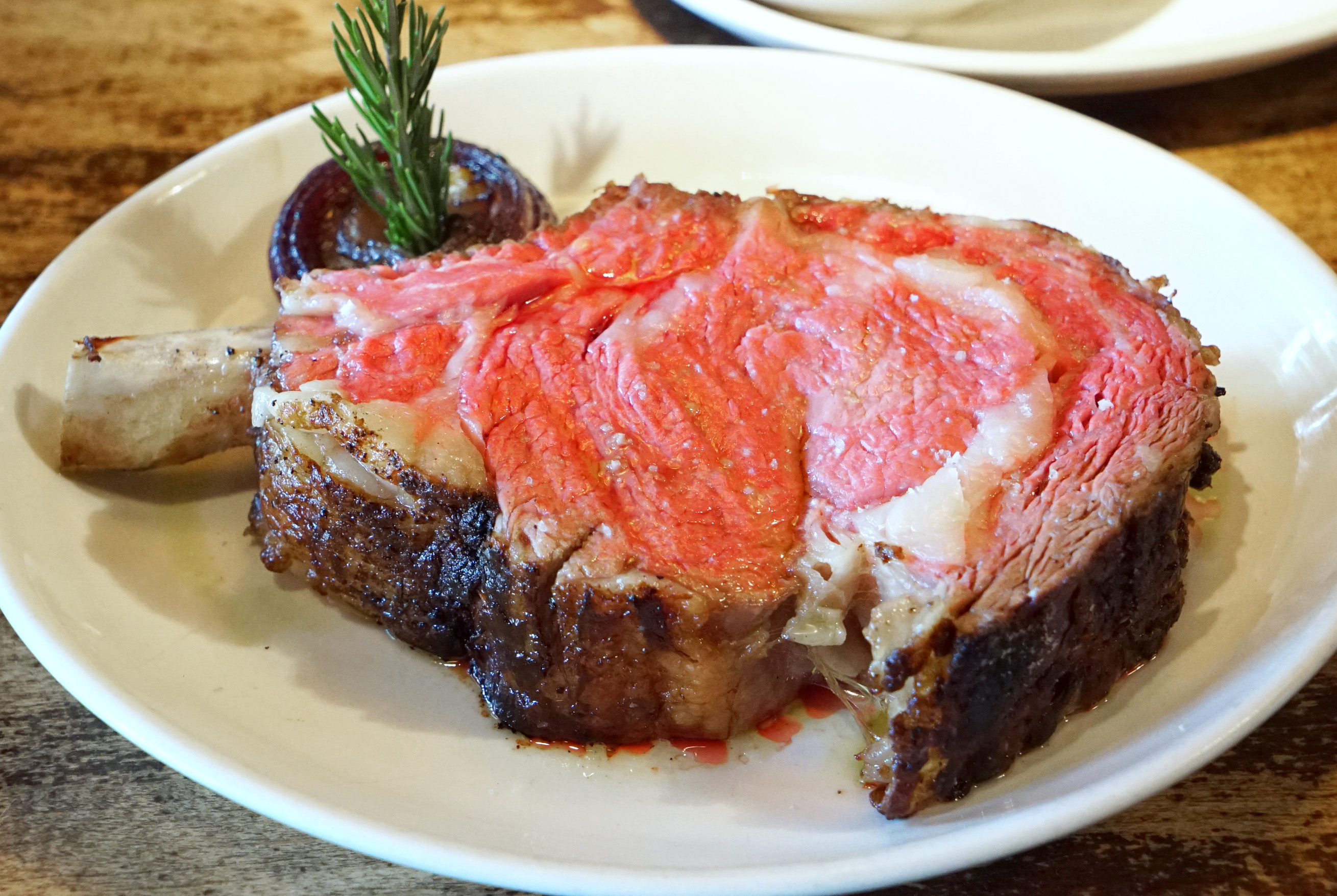
It then gets sliced out into portions for individual consumption. This is a mammoth cut that we got from Burger & Barrel:

I know what you’re wondering, and the answer is Yes: Prime Rib and Rib Eye steak are the same exact thing. They are just prepared differently, using different cooking methods.

Cheaper cuts of rib steaks are actually the most common type of beef found in Philly Cheesesteaks as well. The meat is cut super thin and then cooked on a flat top with cheese, onions and other toppings, then shoved into long sandwich bread (incase you’re an asshole who has no fucking clue was a cheesesteak is).

Side Bar: is a Philly Cheesesteak better than a Cheeseburger? I think so… Man… Now I’m hungry for both…

Flavor: This steak has a high fat content, and that makes it very important to have a quality cut of beef, or an aged cut of beef. In high quality and aged cuts, this fat will render out or melt away much easier during the cooking process. This will impart a tremendous amount of flavor into the steak, and it will leave the remaining flesh with a very tender and soft texture. Don’t be afraid of the fat. Fat is not the same as gristle. Fat is good. Fat is your friend. Any good butcher will get the gristle off and leave the good fat behind. And when that good fat is REALLY good, it’s like having a delicious beef jelly with each bite of steak.

As discussed above, the Rib Eye is really like having two steaks in one (The small Spinalis or fat cap, and the larger Longissimus eye). The Spinalis is soft, tender, has lots of fat flavor and sometimes develops a crisp during cooking. The eye is more dense, but still well marbled so that it retains intense flavor. The eye is more uniform than the Spinalis. So: two steaks in one, kind of like the Porterhouse. Plus, there’s a nice, meaty beef spare rib to gnaw on at the end, if you order a bone-in chop.

Since there is generally more fat and marbling in this cut across its entirety, you will get better flavors than with the tenderloin or Strip, in my opinion. Clearly, high fat content is not for everyone. If you want to avoid fats in your diet, then go with the tenderloin. I actually really enjoy the flavor of fat. Fat, now, is sometimes referred to as the sixth flavor sensation. There were always four: (1) savory, (2) sweet, (3) bitter and (4) sour. “Umami” claims to be the fifth, and is meant to encompass the earthy, funky, fermented flavor sensations that you experience with mushrooms, truffles, aged beef and blue cheese. I just dislike the word “umami,” so I use “earthy” instead. The sixth is “fat,” apparently, as decreed by various food people who get paid to sit around and do these things. I’m not sure how it works, but I seem to be able to recognize a distinct sensation on my tastebuds, along with a buttery flavor and slippery feel, whenever I eat shit like pork bone ramen or a Rib Eye steak. Maybe there’s something to it?

Anyway, I hope this was an informative and educational post for you meat minions out there. Knowing this shit, I think, is very important.

Akbar Palace

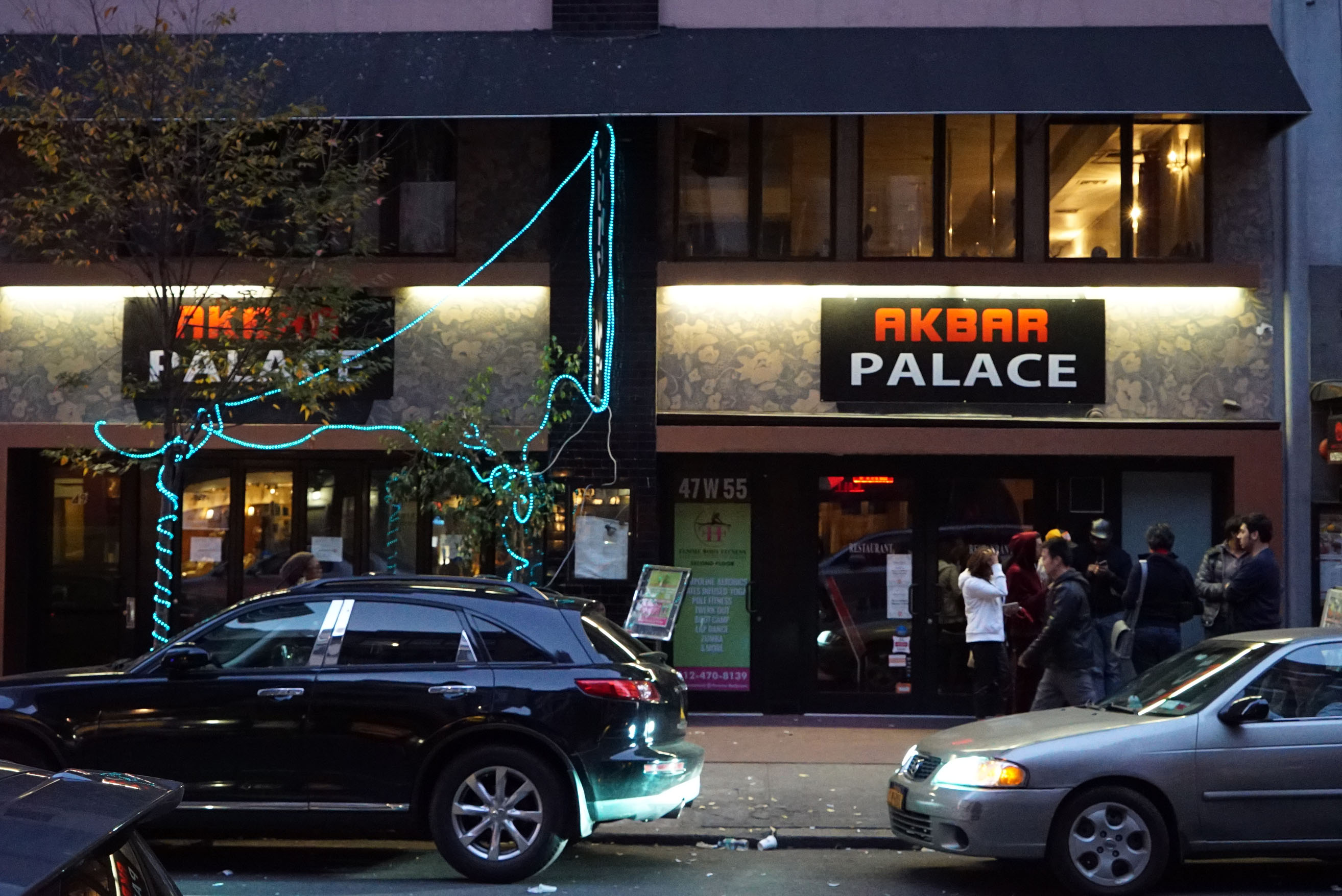
Nestled below a pole dancing and twerking school (I shit you not; you can see the poles in the windows above the right hand side of the entrance in the photo), is Akbar Palace.

DSC08941

We scored a flash deal for this joint: $20 gets you $40. The management was nice enough to honor our Groupon even after the expiration date too, which was cool.

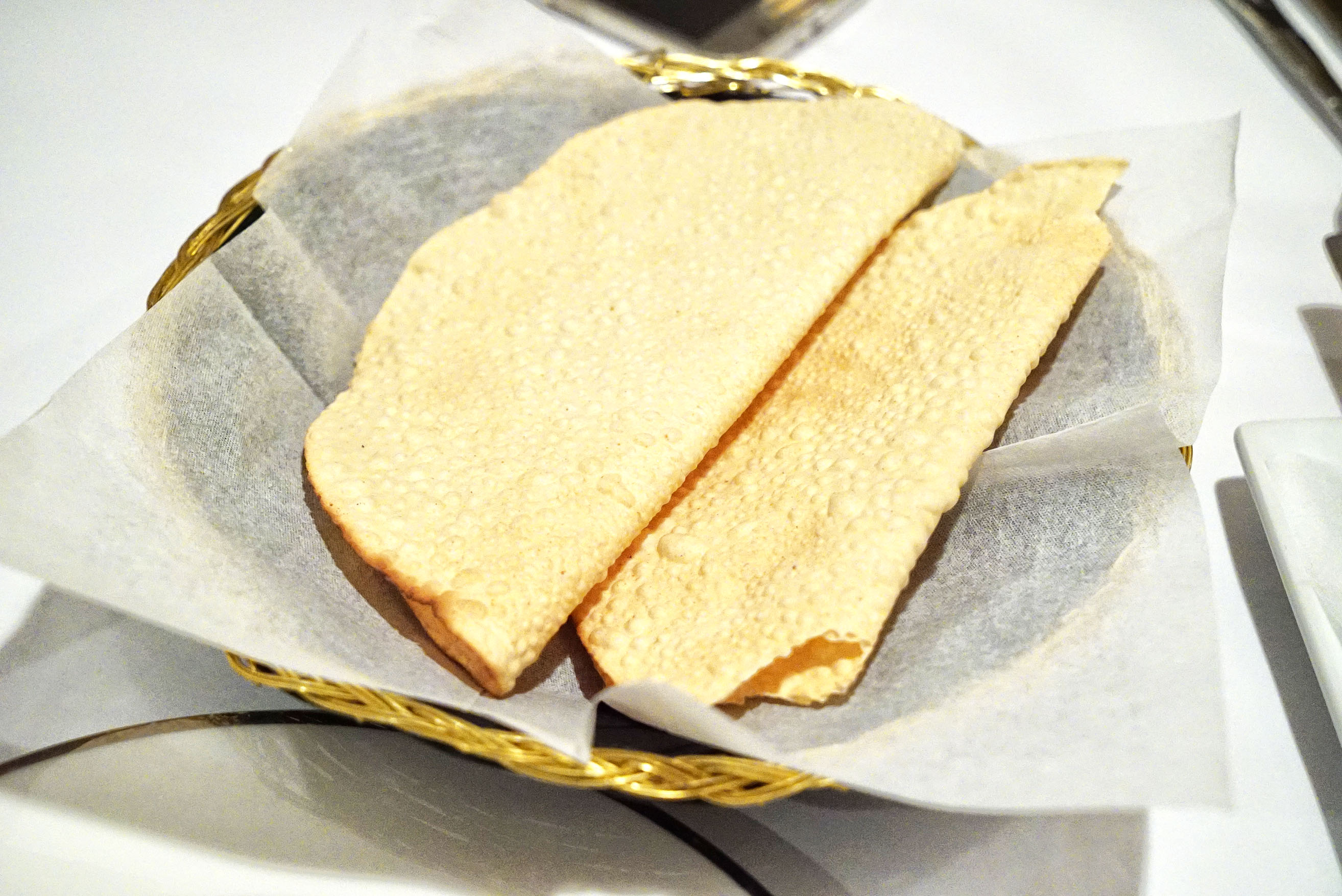
Each table gets some flat cracker type bread with some chutneys.

DSC09065

DSC09066

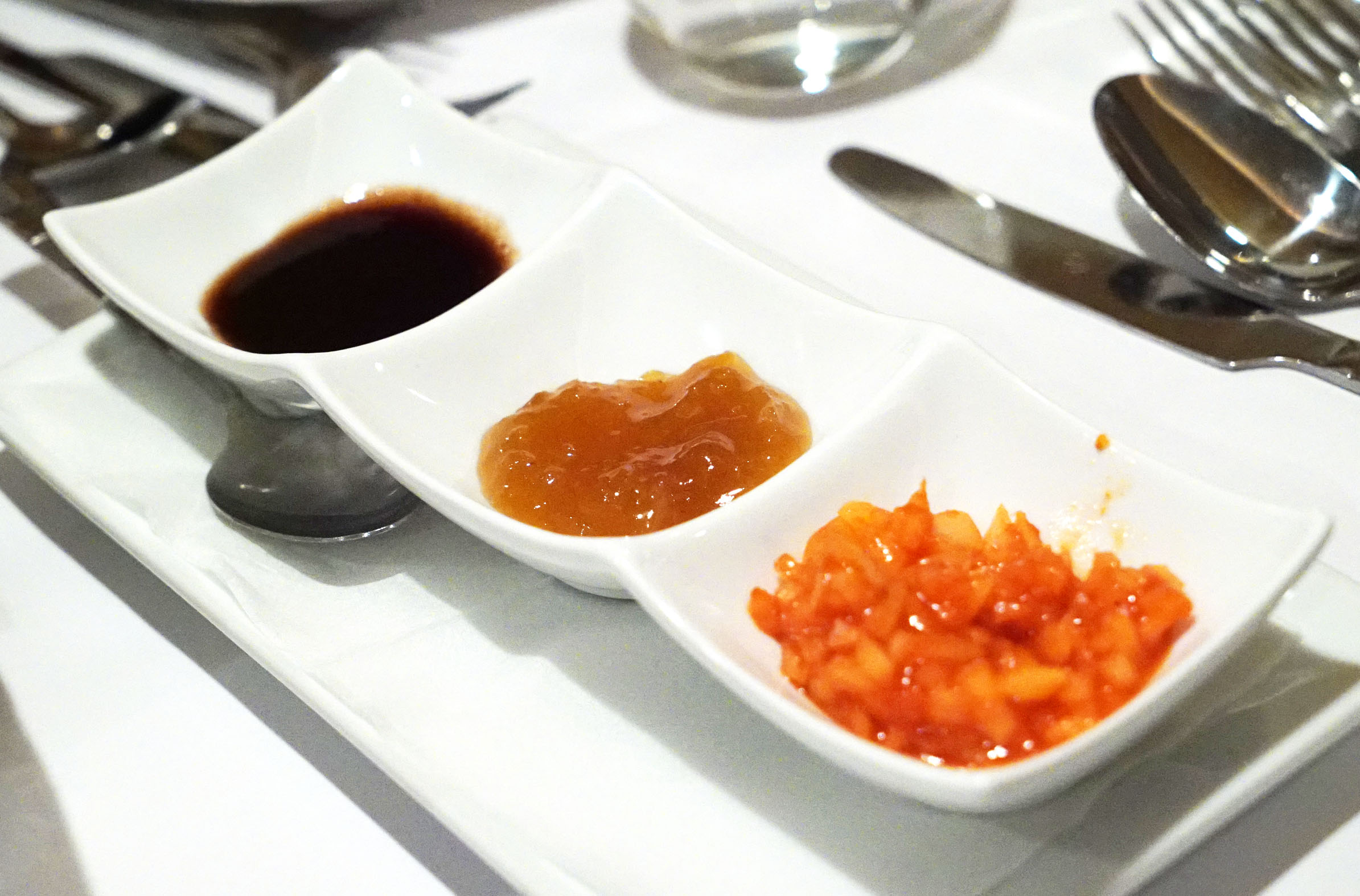
There was tamarind sauce (left), apricot chutney (center), and a really nice tomato, onion and pepper chutney that I never tried before (right). That was my favorite of the three.

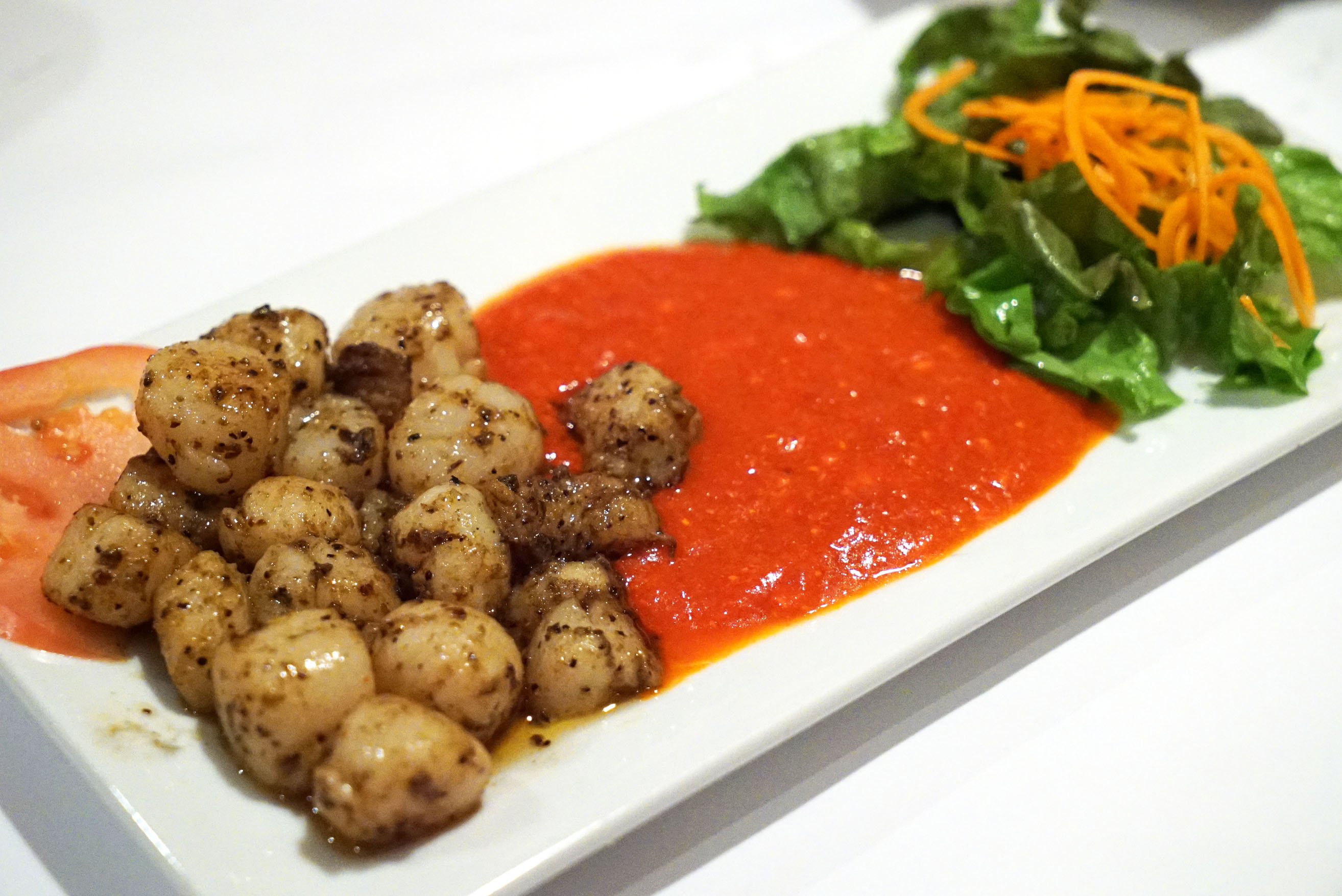
We started with a pair of apps that sounded delicious but ended up being a bit flat from our expectations. First was the pepper crusted scallops. I liked that they had a good grilled-on-the-flattop flavor, but the portion size was a bit small.

DSC09068

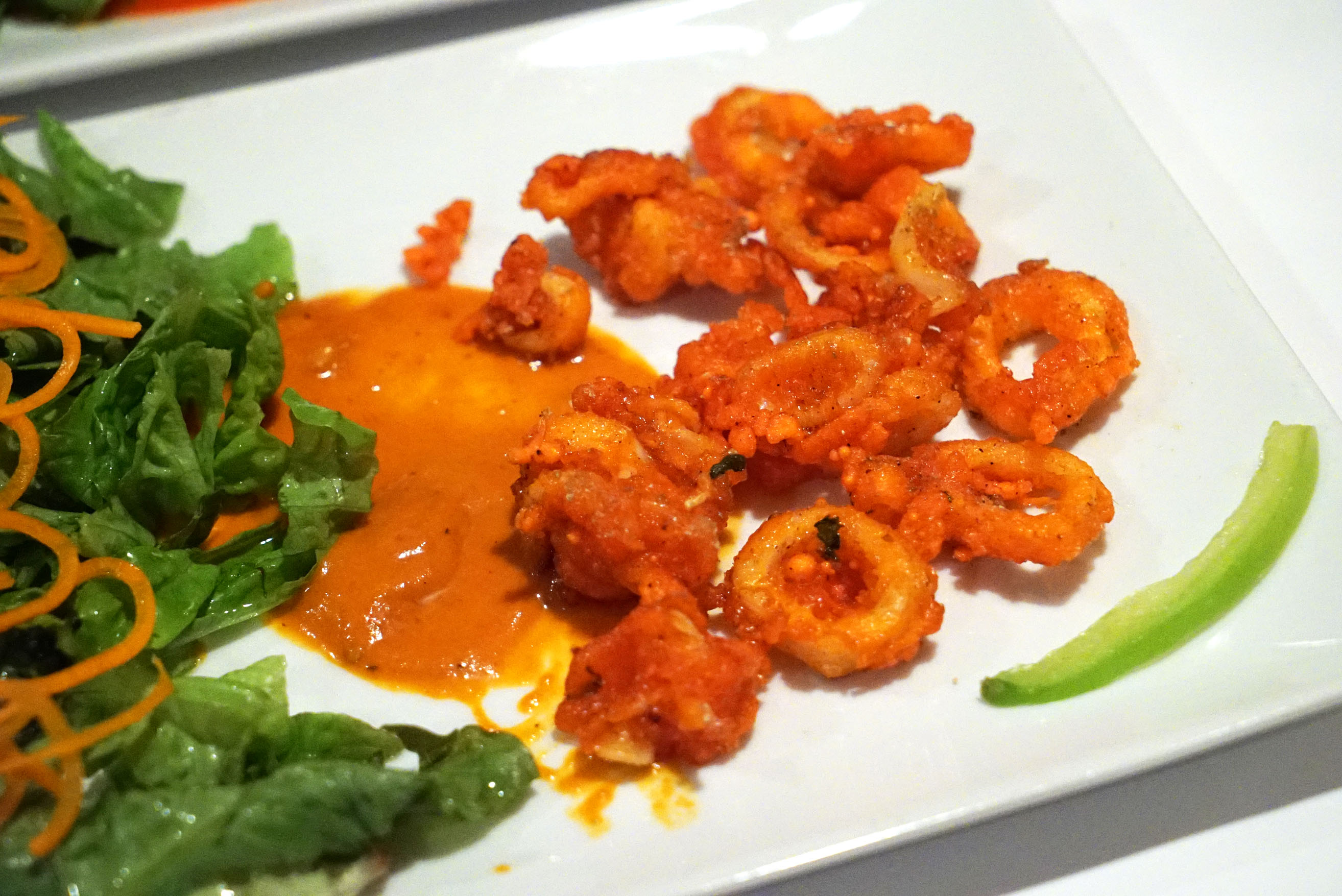
Same goes for the crispy calamari. The tempura-esque coating was interesting, though I didn’t get that curry leaf flavor that I expected from the menu description.

DSC09069

My wife ordered a boneless lamb dish but got semi-bone-in goat instead. No matter – it was really tasty, and the meat was tender.

DSC09070

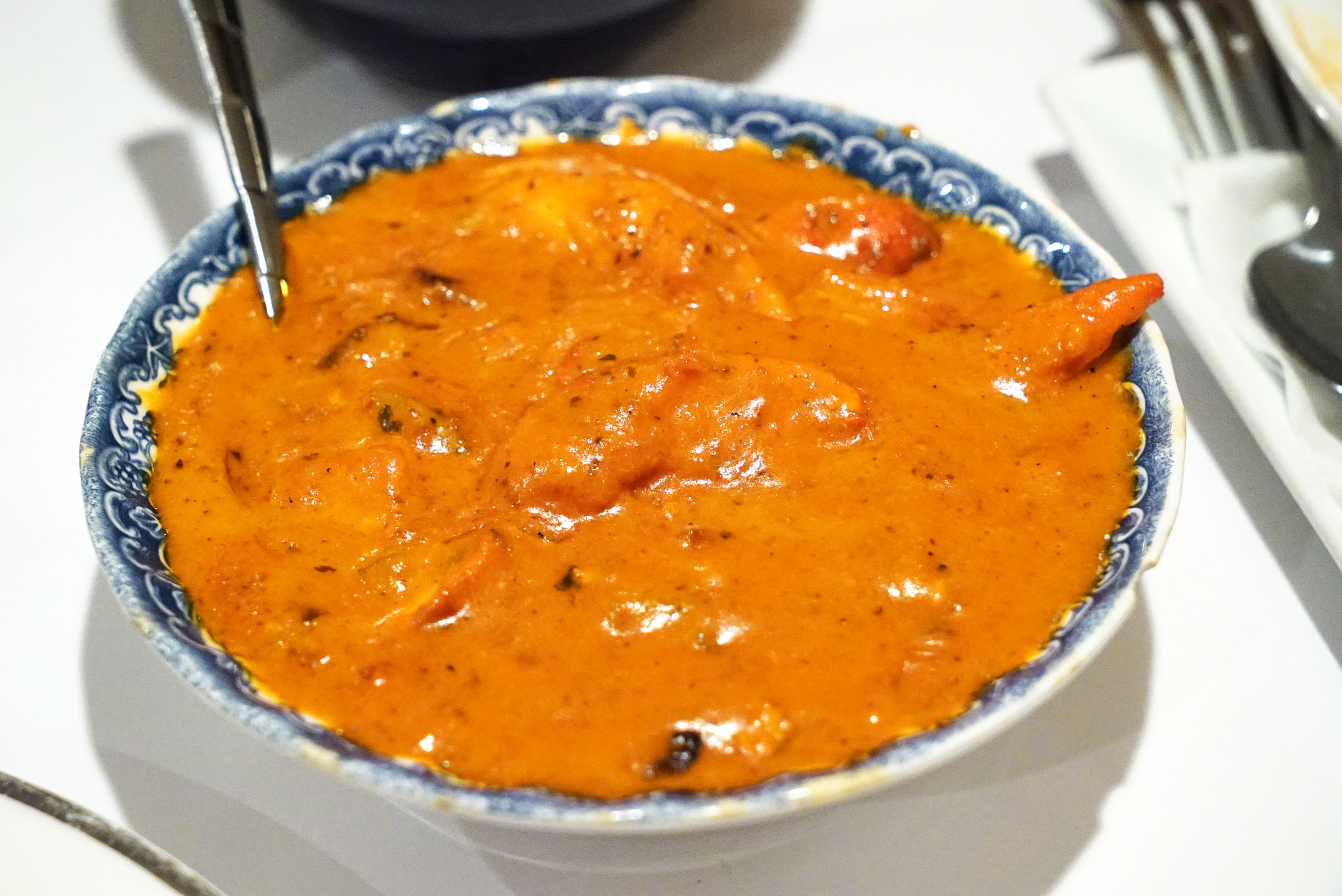
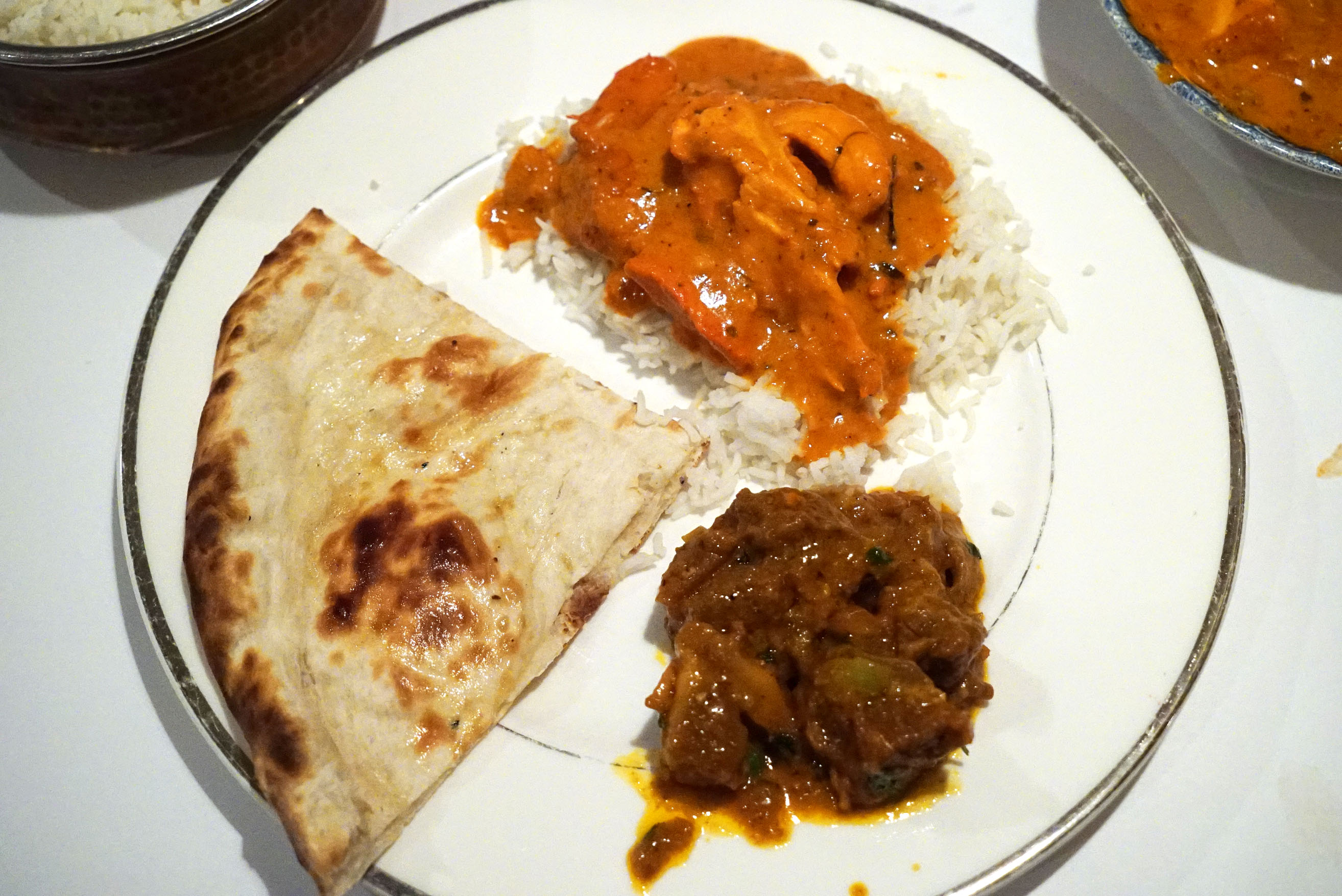
I had chicken makhani, which is like chicken tikka, but served in a mildly spicy tomato and yogurt sauce. This was pretty good. The meat was of good quality and the sauce was nice over rice, or on top of the naan bread.

DSC09071

DSC09072

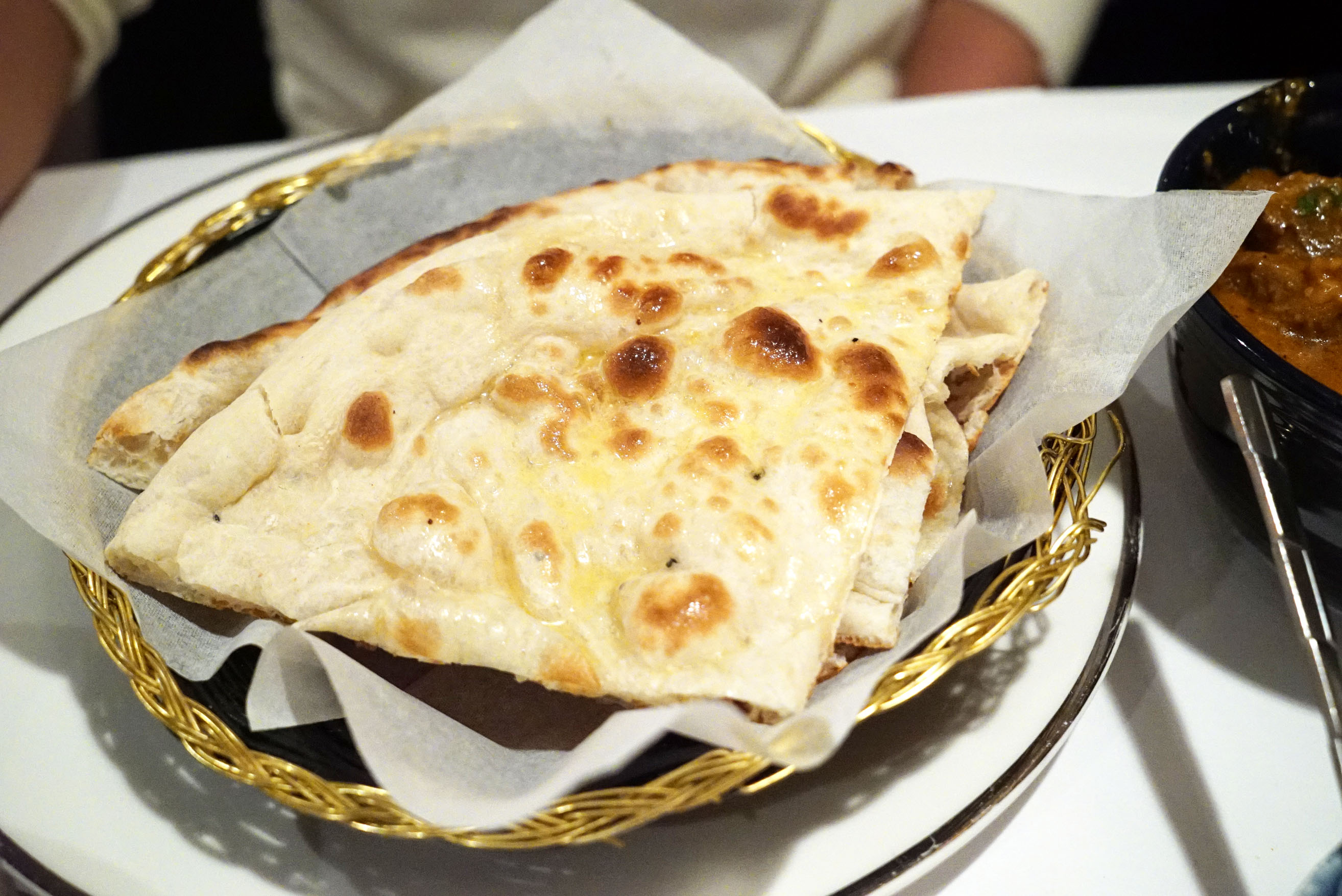
The naan was good. It was soft, yet crisp, and had good texture from the tandoori oven flames. It was lightly coated with olive oil as well.

DSC09074

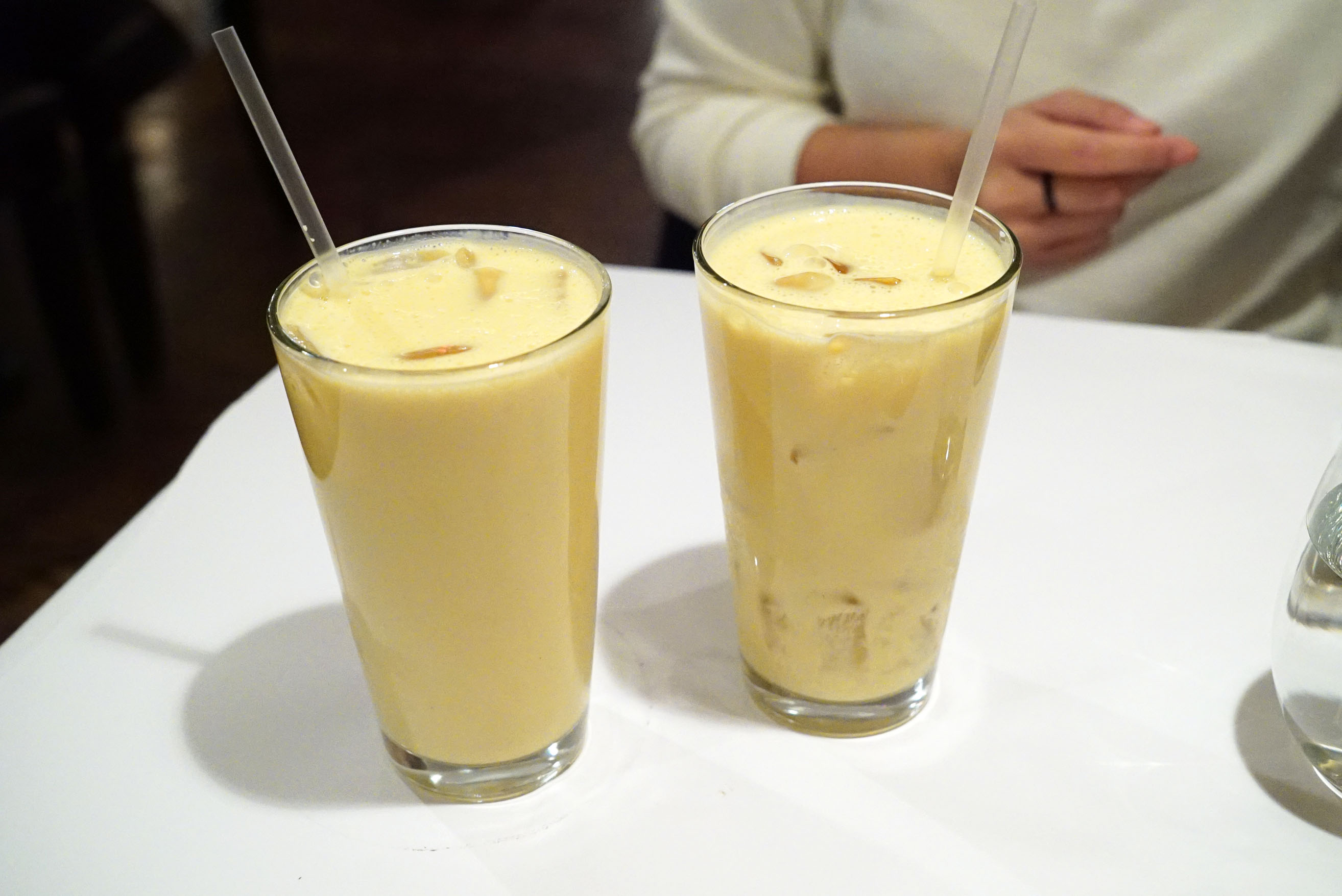
We skipped dessert since we had the lassis earlier. They were smooth and creamy, tart and sweet, and ice cold. Perfect. This place is known for its mango lassis. They are truly excellent, so if you go here, make sure you try one.

DSC09064

I felt that the bill was a bit high even after applying our $40 credit to it. We still had to shell out $50 for the remainder, the tax and the tip. Does this look like a $90 meal to you? I don’t know… I’m starting to think that some of these Groupon deals aren’t so good. As Admiral Ackbar would say (namesake of this restaurant?): IT’S A TRAP!

databank_ackbar_01_169_55137220

My official recommendation on this flash deal: skip it, but stop by for a mango fucking lassi if you’re in the area.

AKBAR PALACE
47-49 W. 55th St.
New York, NY 10019

Guide to BBQ Styles

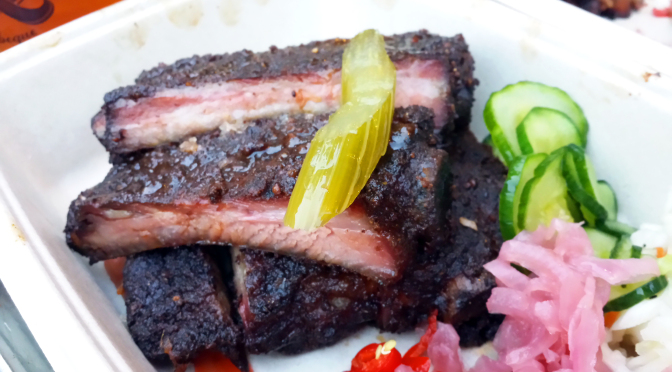
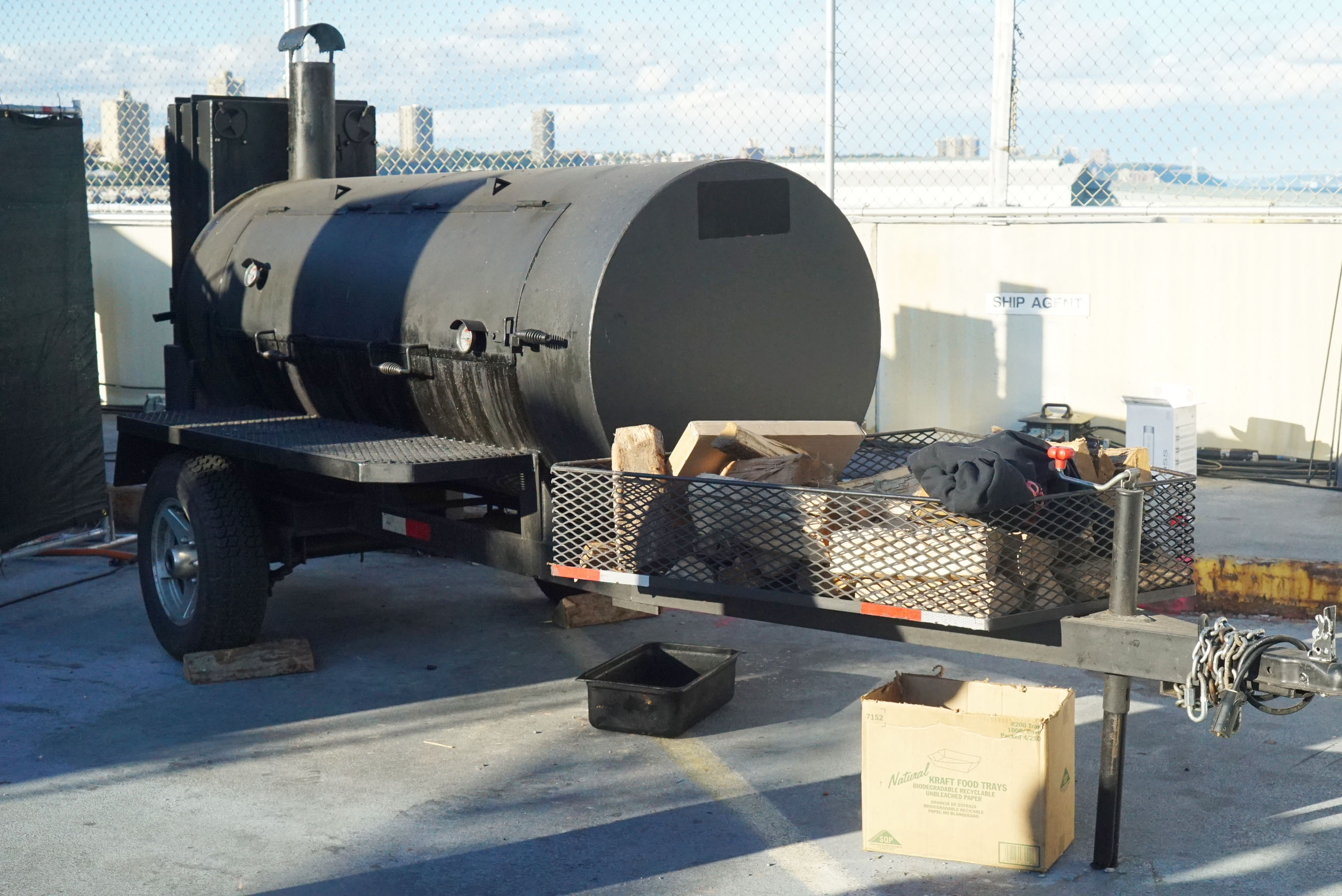
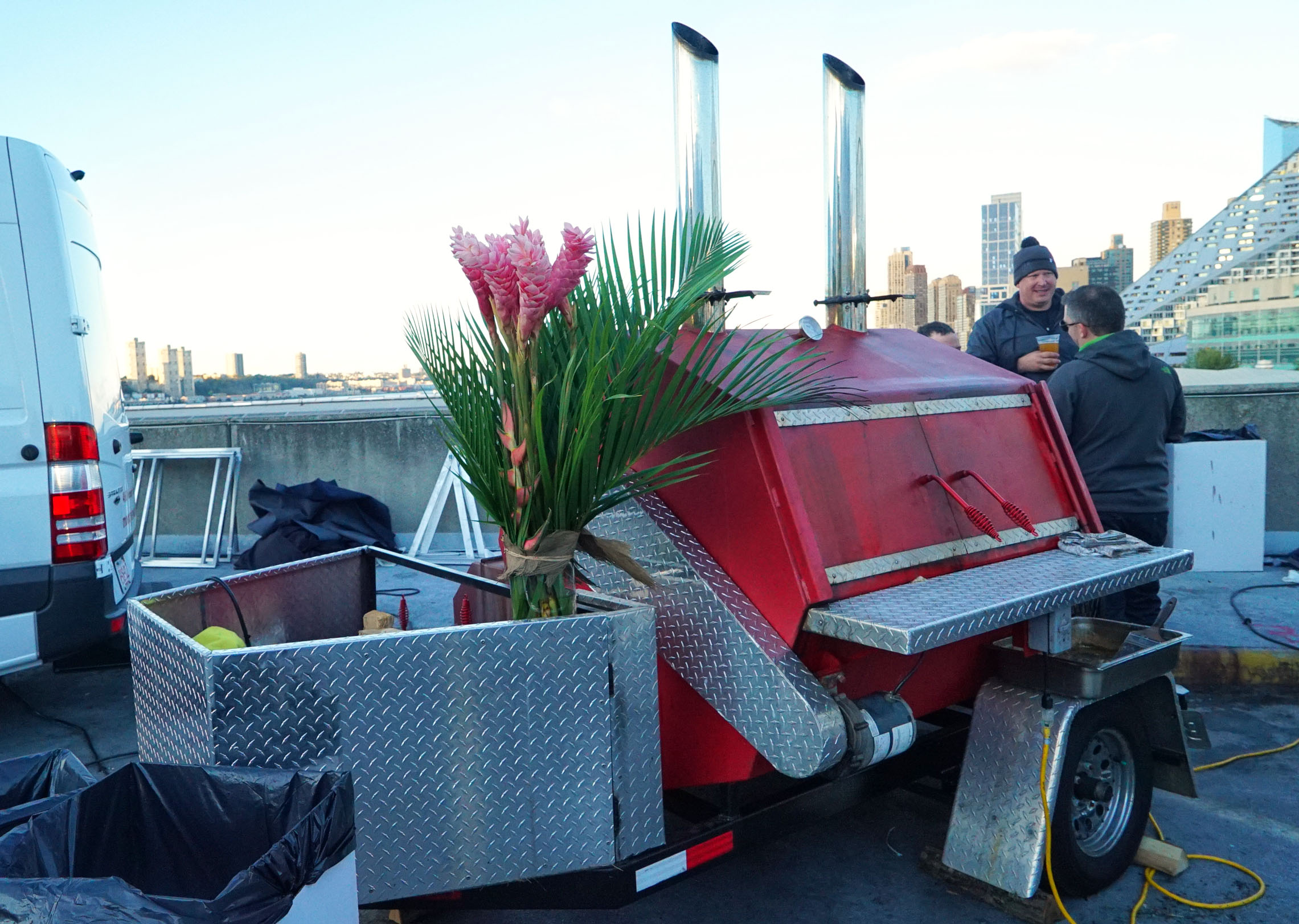
In case you’re from a different planet, barbecue is a culinary technique that involves cooking meat for long periods of time at low temperatures with smoke from a wood fire. BBQ pits add a distinctive smoky taste to the meat.

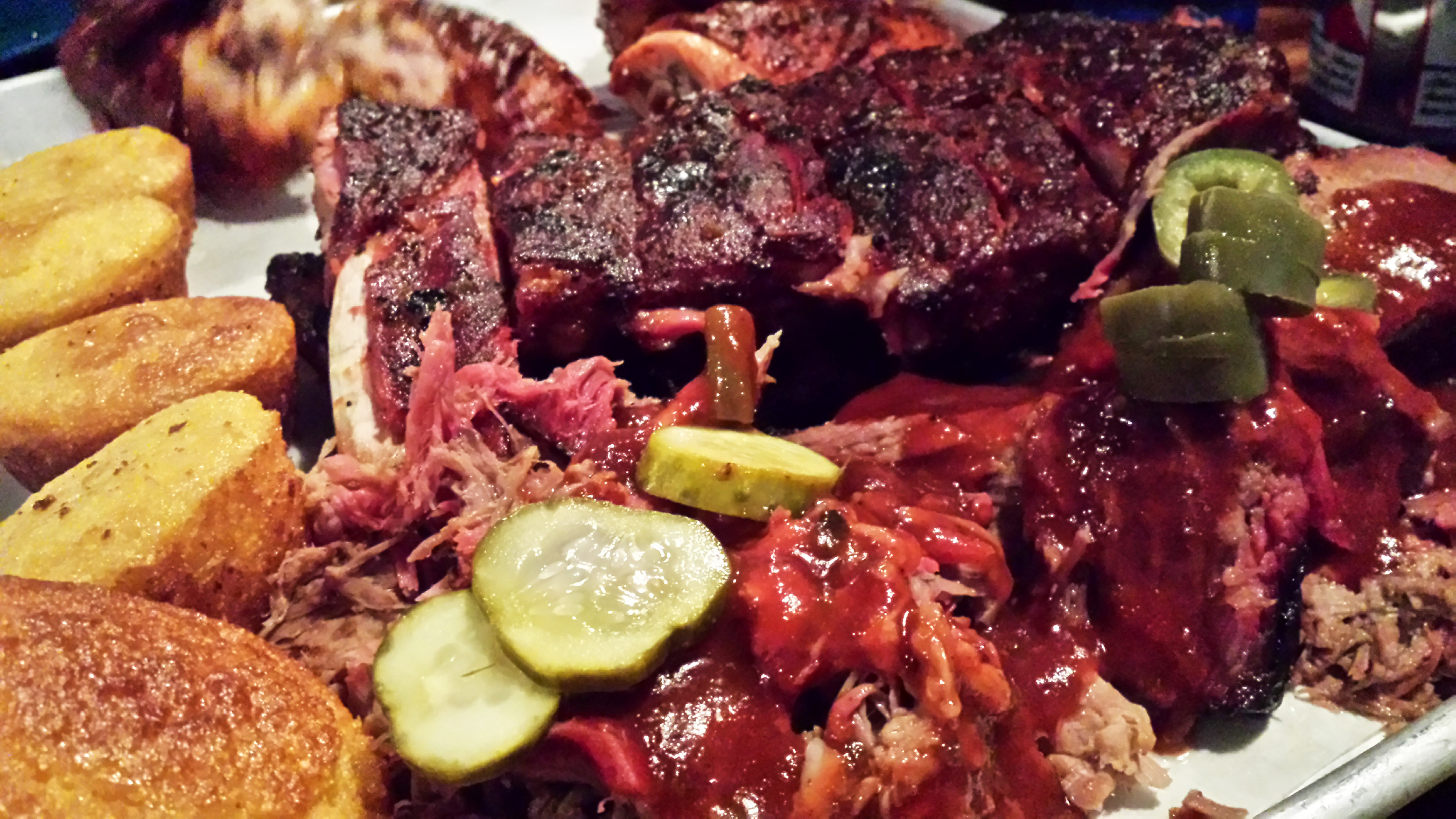
DSC08145

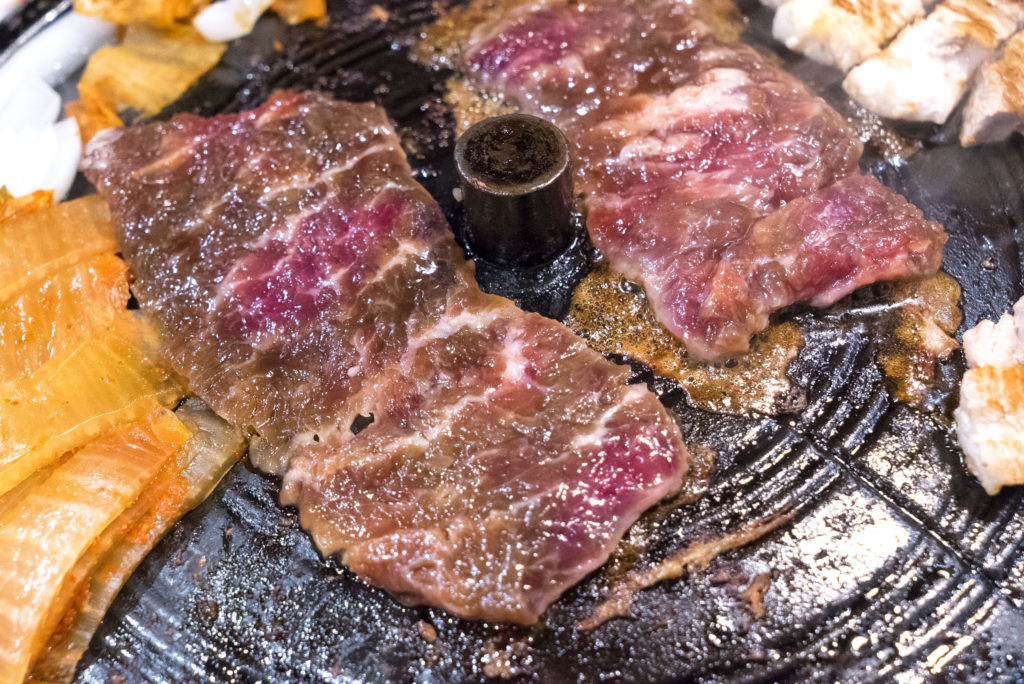
Clearly we’re not talking about what you do in your backyard on Memorial Day with your Weber propane grill. We’re not talking about slapping a piece of thin, raw beef onto a hot electric mesh of metal either.

DSC05343

That’s GRILLING. Never confuse it with real deal BBQ, which involves smoking a massive carcass for days on end, and the low-and-slow roasting and/or constant basting and sauce-mopping of meats for hours and hours. No my friends. This is a whole different beast. Speaking of different beasts, there’s really no limit on what animals can be cooked in this style.

DSC08225

In the American south and midwest, however, barbecue has become more than just a cooking style. It’s a way of life, as is often said, and it varies greatly from place to place. Regions differ on things like sauce or no sauce, what type of animal or cuts of meat are used, and even what types of wood is burned. This page will serve as your guide to understanding these great varieties.

Texas
May as well start with the big one.  Texas has regional styles within it’s own style. Central Texas “Hill Country” is known for its old meat markets, which were heavily influenced by German and Czech immigrants. Here, the focus is on the meat, so they use dry rubs (no sauce on the meat, or it is not a primary element to the food). Beef brisket and ribs are king, and sausage links are also prominent, with pecan and oak wood being used in most smokers. East Texas BBQ is pretty much split 50/50 between beef and pork, but, similar to southern styles, what you get is usually chopped rather than sliced, and served sandwich style with a tomato- and vinegar- based hot sauce.

20140827_193320_LLS

DSC08252

20150830_193701

North Carolina
North Carolina, like Texas, has variations within: eastern style and Lexington style (not to be confused with Lexington Steele). Three unifying things you need to know about NC BBQ: (1) the meat is PORK all the way; (2) said pork should be brushed with a spice and vinegar mix while cooking; and (3) hickory or oak wood is used in the smoker. Two differentiating things you need to know about NC BBQ: (1) eastern NC is a whole-hog BBQ, using the entire animal, while Lexington favors just the pork shoulder and ribs; and (2) eastern style NC BBQ favors an apple cider vinegar-based sauce, while the west prefers a ketchup- and brown sugar- based sauce.

20150830_193853

dino 6

South Carolina
Here, it’s all about the sauce differences, otherwise it is pretty much the same as North Carolina. Central South Carolina is typically BBQ with a mustard-based sauce known as “Carolina Gold.” The coast is all about pepper and vinegar, and the far west and north are into ketchup- and tomato- based sauces. Preferred cuts/dishes across the state are pork butt and ham.

DSC08224

DSC08153

Kansas City
This info holds for both Kansas and Missouri versions of Kansas City, as they are neighbors. But because of its geographic location, KCBBQ has a mix of culinary influences from all regions. And given its history as a hub for the meatpacking industry, Kansas City style BBQ embraces all kinds of meats. Everything is done “slow and low,” as they say, and usually with hickory wood, although all woods are used. Burnt ends are big here, and smothered with a thick and sweet, molasses- and tomato- based sauce, because, well, in Kansas City, “sauce is boss,” as they say.

20140827_193157_LLS

St. Louis
St. Louis-style barbecue consists of mainly pork dishes, a staple of which is the pork steak, which is sliced from the shoulder of the pig. However another item unique to the St. Louis area is crispy snoot. This nose and cheek cut is prepared by removing the nostrils and cooking until crispy. Similar to pork rinds, these can be presented many ways, but the two most common are either (1) covered in sauce, on a sandwich, or (2) broken into pieces and dipped in sauce.

DSC08182

Memphis
Pulled pork and pork ribs are both big for this style of ‘cue. The dry rub is usually paprika and garlic, but served with a thin and tangy tomato-based sauce. Wet ribs are also prominent as well. Hickory is the choice wood, although oak, cherry, pecan and apple are all used.

20150809_155331

Alabama
Alabama tends to be a mixture of Texas and Carolina styles, but they’re big on sandwiches and cole slaw. They usually go with pulled pork or pulled chicken, but ‘Bama’s signature is the white sauce that they use as a topper, which is a mayonnaise and vinegar concoction.

DSC08111

Kentucky
The thing to know about Kentucky BBQ is their use of mutton: older lamb and sheep. Don’t think of the word “old” as a bad thing. Lamb comes from a sheep that is less than one year old. Mutton comes from a sheep that is more than one year “old.” Kentucky mutton usually comes with a Worcestershire dip as well. Pork is prevalent here as well, but the mutton is what makes this region unique.

Virginia
I’m bogarting this description right from Wikipedia, since it is absolutely fascinating and I have nothing of my own to add to it: “While less prevalent than the other Southern styles, Virginia barbecue is a fair mixture of Carolina and Memphis barbecue. Originating in Hanover, Virginia in the 19th century, the traditional meat is pork (often Virginia ham) or chicken, although more gamy meals contain venison or squirrel. Unlike Carolina barbecue, the texture of meat is sweeter and finer. However, it does contain the smoky blend of Memphis barbecue. During Thomas Jefferson’s tenure as ambassador to France from 1784-89, he engaged in lengthy letter correspondence with James Madison regarding the preferred game for Virginia barbecue. While Jefferson exhibited a general preference for venison, Madison insisted that smaller critters were more consistent with the smokey flavor of the sauce. The key ingredients of Virginia barbecue are bourbon/wine, vinegar, peppers, corn, and a tomato-based sauce.”

California
I’ve decided to pull this directly from Wikipedia as well, since I never knew California had an official style of BBQ: “The original use of buried cooking in barbecue pits in North America was done by the Native Americans for thousands of years, including by the tribes of California. In the late 18th and early 19th centuries eras, when the territory became Spanish Las Californias and then Mexican Alta California, the Missions and ranchos of California had large cattle herds for hides and tallow use and export. At the end of the culling and leather tanning season large pit barbecues cooked the remaining meat. In the early days of California statehood after 1850 the Californios continued the outdoor cooking tradition for fiestas. In California a well-known barbecue dish is grilled tri-tip beef rump, sometimes cut into steaks. The Santa Maria Style BBQ, originally from the Central Coast of California, uses a portable ‘towed’ trailer version frequently seen at farmers markets. The old Mexican Ranchos of California would cook tri-tip over a pit of red oak, and simply season it with salt and garlic to enhance the flavor. It was served with pinqinto beans, pico de gallo and tortillas.”

Hawaii
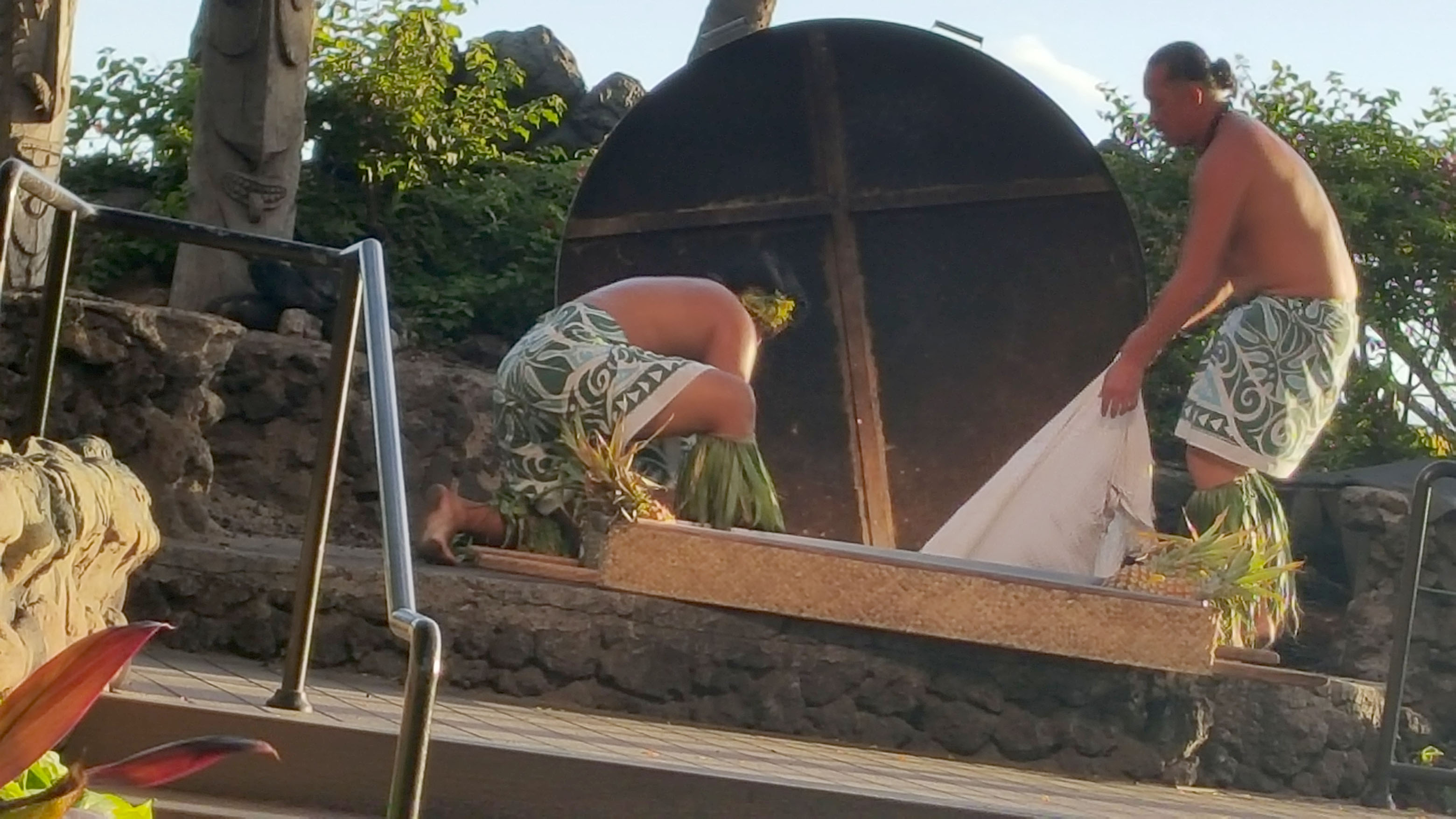
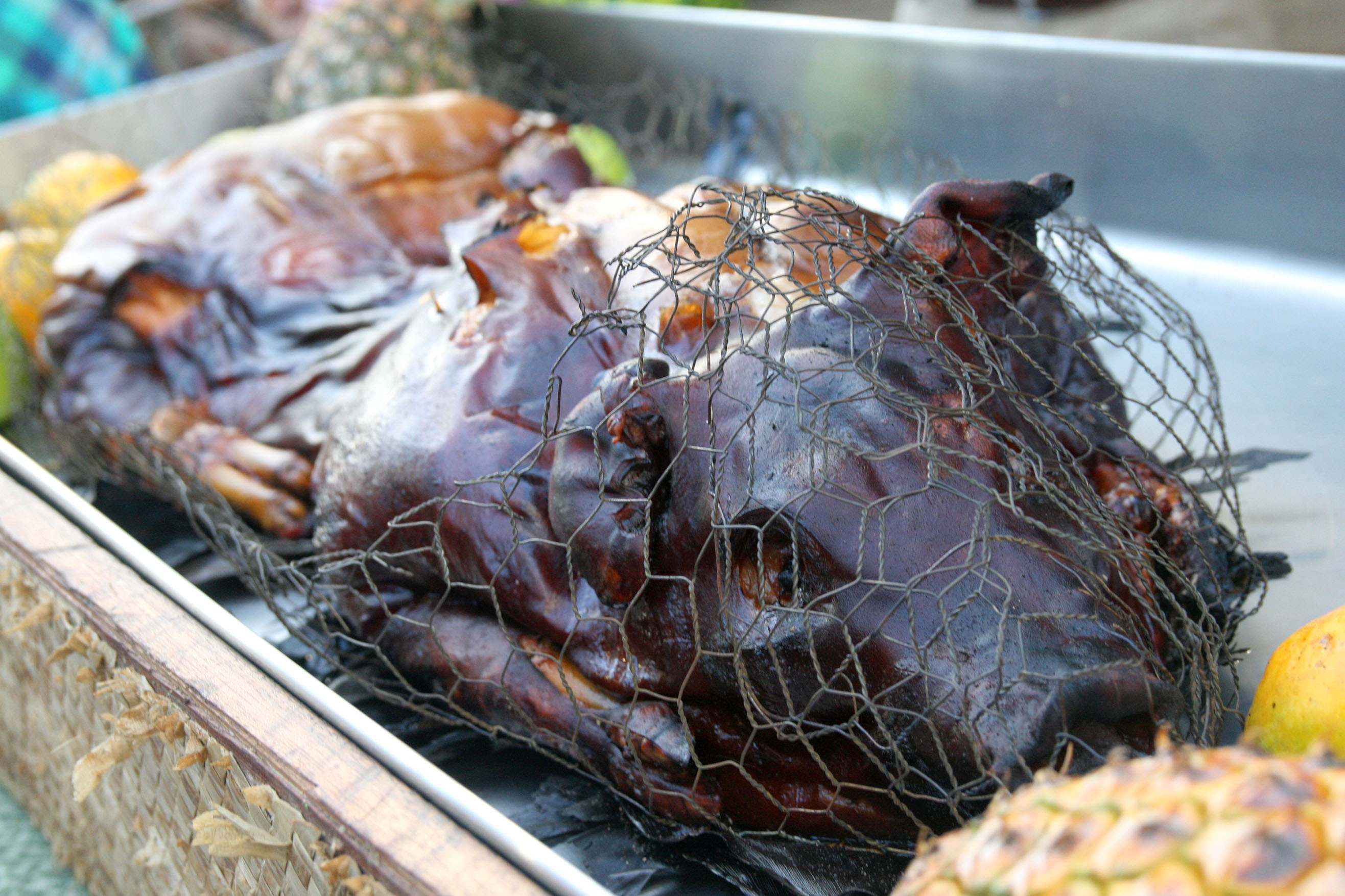
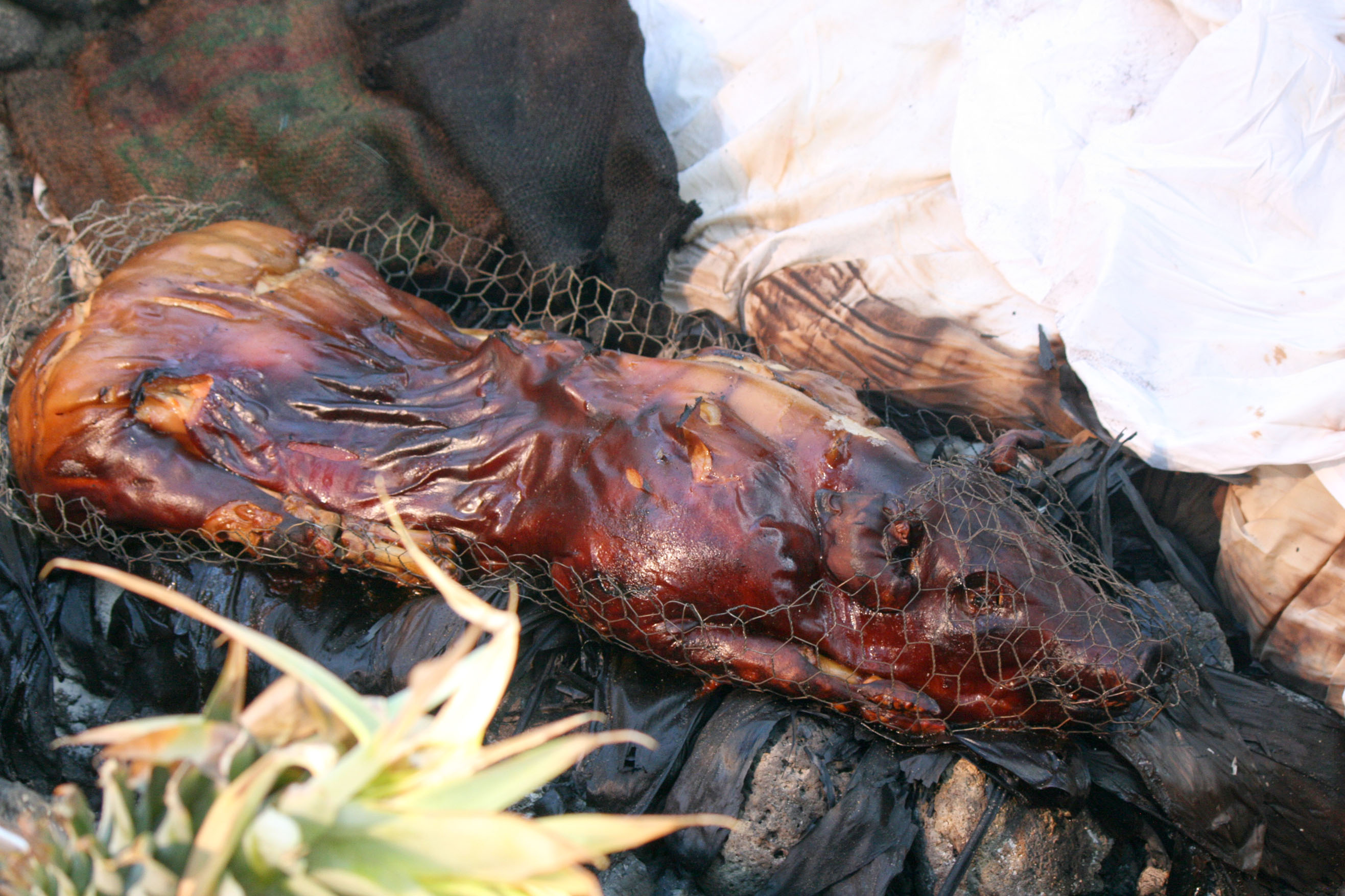
Often overlooked is the luau, a polynesian tradition and celebration where whole hog is cooked. The centerpiece of any luau is kalua pork, which is a whole pig that is roasted in an imu pit – an underground oven traditionally made with lava rock – that cooks the animal for several hours, low and slow. The pig is ceremonially wrapped in banana leaves to impart sweetness and lock in moisture before being placed onto the coals.

20150905_175908

IMG_6529

IMG_6527

Hybrid Styles
Many other states, like Oklahoma, Arkansas and Georgia, are essentially hybrid forms of BBQ that exhibit techniques and flavors from the surrounding geographic areas of influence. New York City, on the other hand, is beginning to develop its own unique cultural hybrid BBQ style, as various African, Asian and Latin American immigrant communities weave the flavor profiles from their heritages into the American culinary tablecloth, so to speak. A true melting pot in every sense of the phrase, New York City has outlets for the flavors of African braai, Korean kimchi, Indian curry, Middle-Eastern cumin, Mexican mole and Brazilian churrasco/rodizio, just to name a few. In time, I see NYC as being a place where the boundaries of BBQ are expanded to a global level, as New Yorkers currently seem to be taking BBQ – something uniquely American – and applying it to various cuisines from all over the world. When that happens, everyone wins. Especially my stomach.

DSC07502

I realize that many BBQ aficionados might find my overview above to be a bit rudimentary. There’s so much more to know, and not even just about the meats. One could easily spend an entire day learning about the various side items that go along with American BBQ, for example. As a matter of fact, one of the most thorough and enjoyable resources I have come across for BBQ is a book called Be The BBQ Pitmaster, by Will Budiaman. This book is good for history, detailed discussions of the various regional techniques, tips for wood selection, smoking instructions, and even recipes from well known pit masters in each region. It’s a one-stop-shop for all your BBQ research and cooking application needs.

And if you are wondering what wines to pair with your BBQ, check out THIS ARTICLE by Bro BBQ.

Lastly, to see my small but growing collection of BBQ reviews, click on over to “The ‘Cue Review” now.

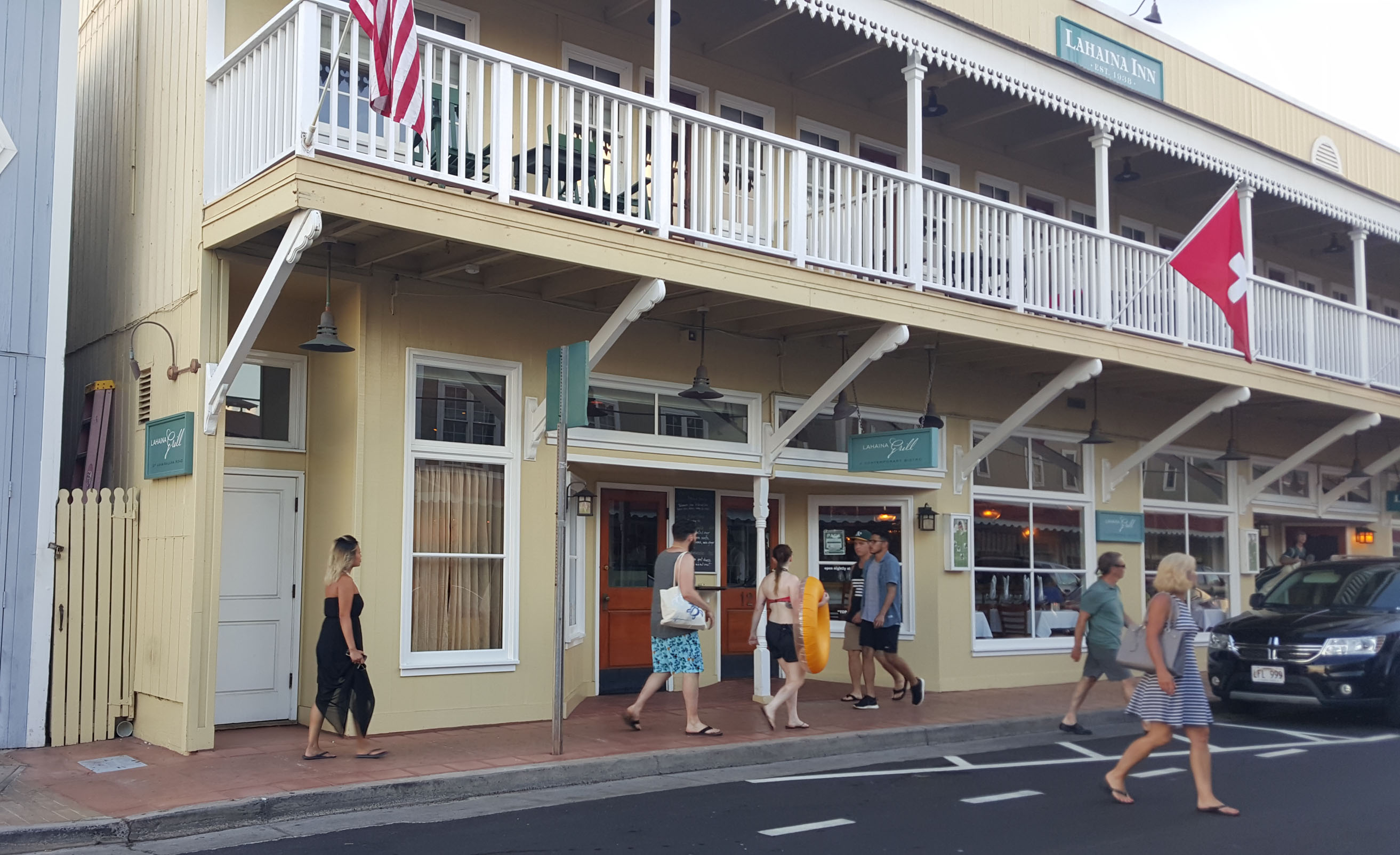
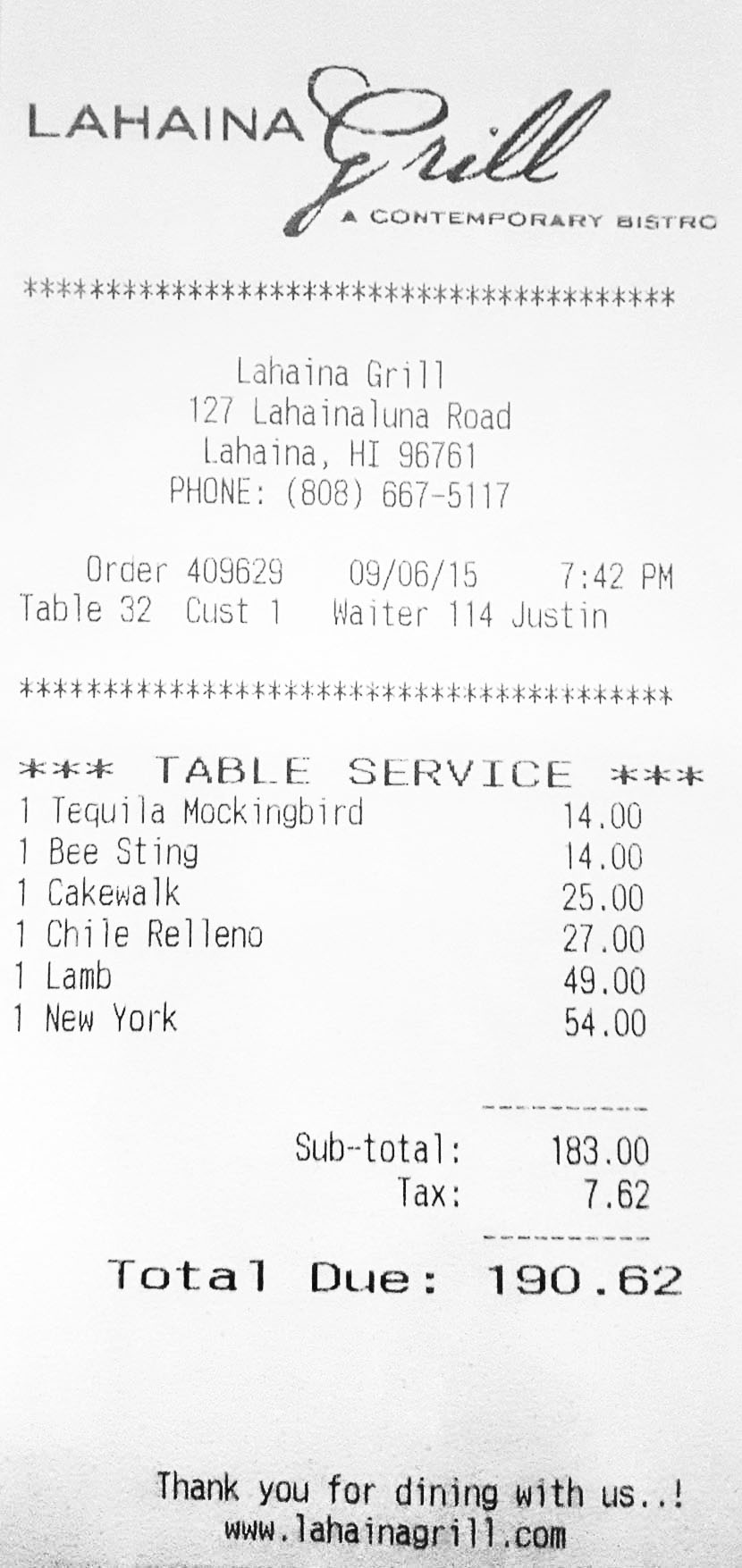
Lahaina Grill

Lahaina Grill

Our last meal was a great one, and this joint represents probably the only real-deal fine dining establishment we went to (with Koa’s coming close behind).

20150906_180051

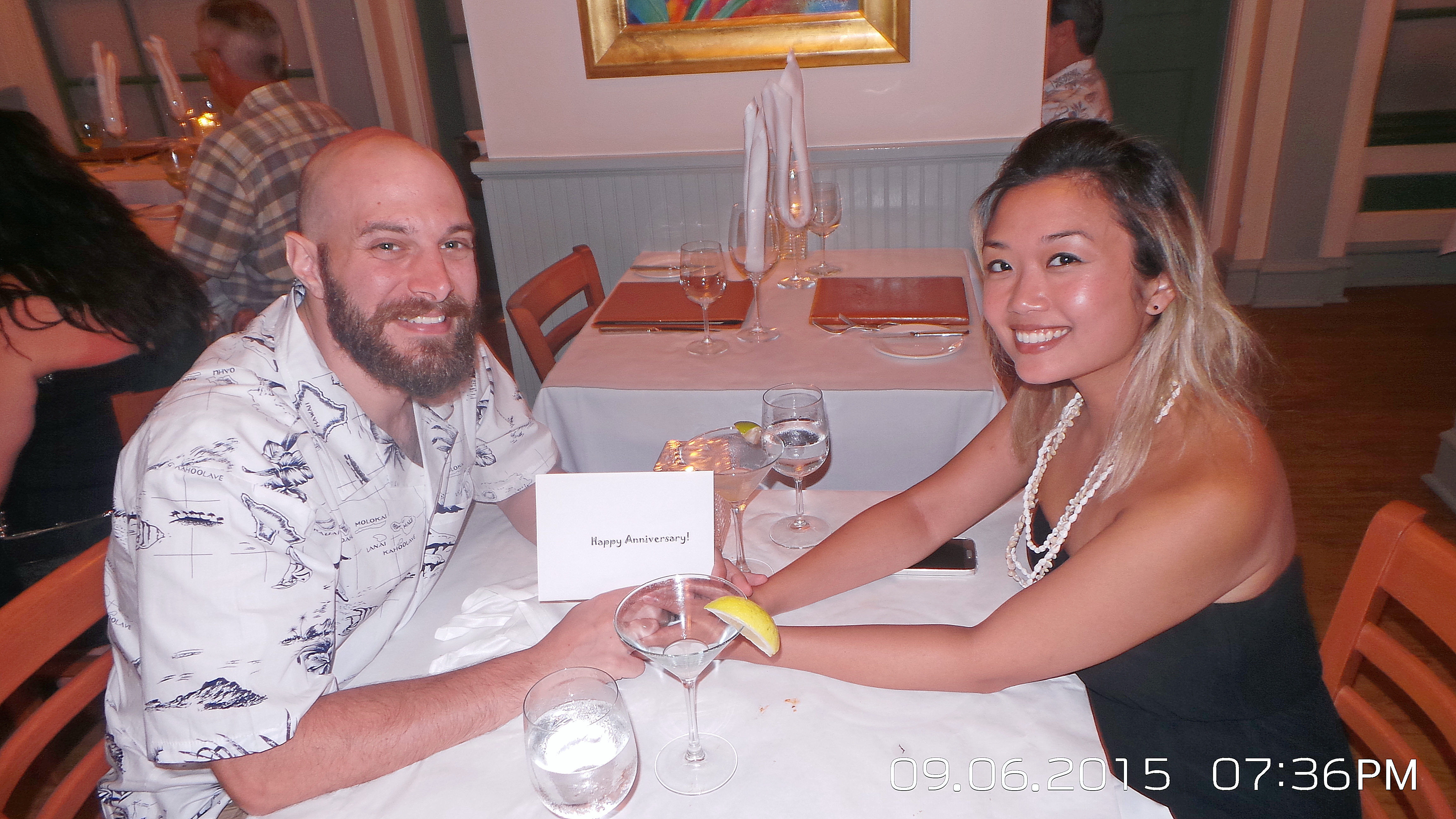
We celebrated our anniversary here in style, and had a really great waiter named Justin, who chatted with us about the all-natural grass-fed steak purveyors on Maui, and the Idaho aged beef guys with outposts in San Diego, which is where they get their meats. That naturally lead to NYC steakhouses and this blog, which he actually took the time to browse between check giving and check paying (when all the convo started).

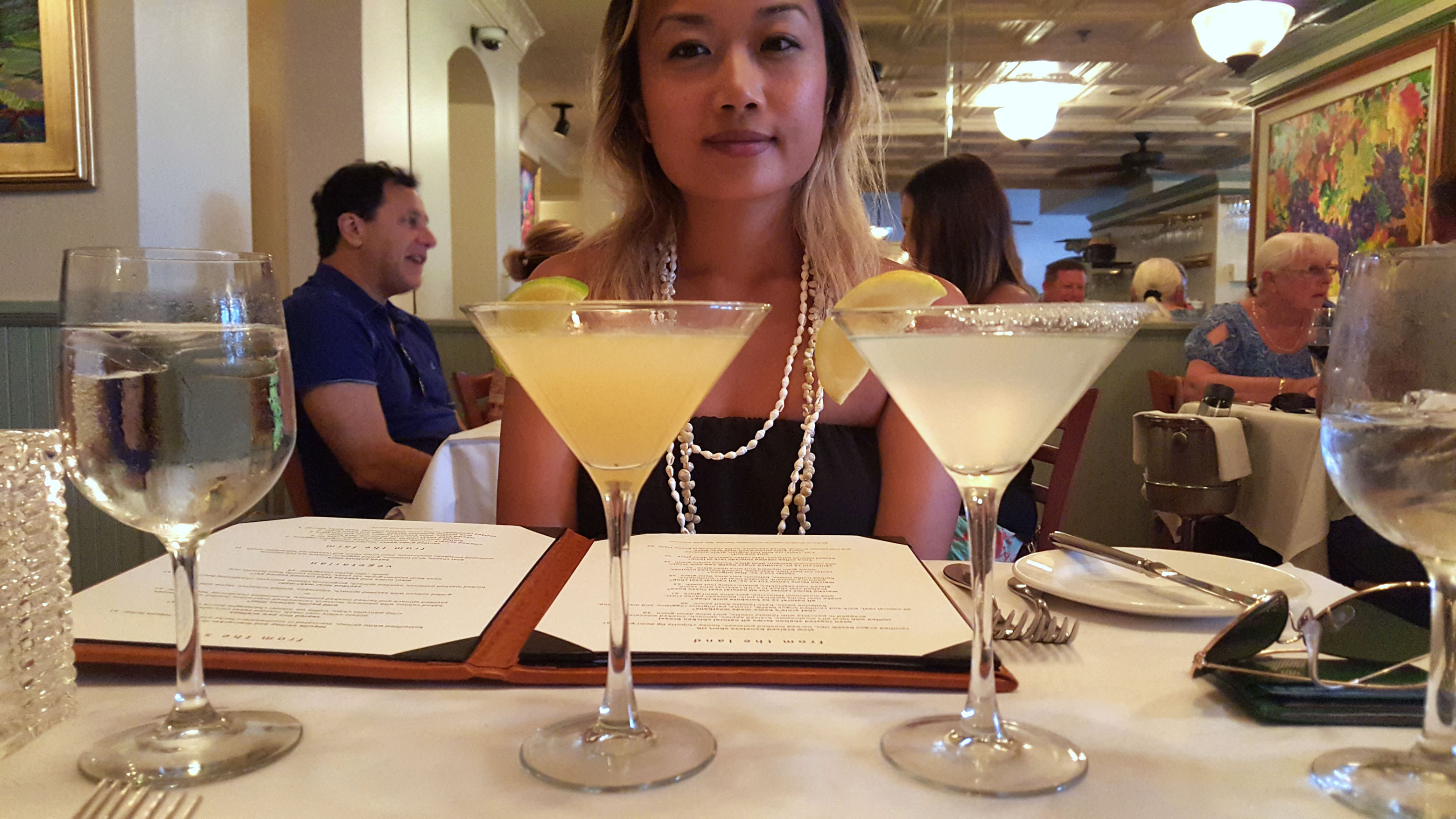
We started with some awesome cocktails. Mine was a tequila, honey and smoked salt drink, and my wife’s was a jalapeño vodka and cinnamon syrup drink. Crazy good.

20150906_181320

20150906_181730

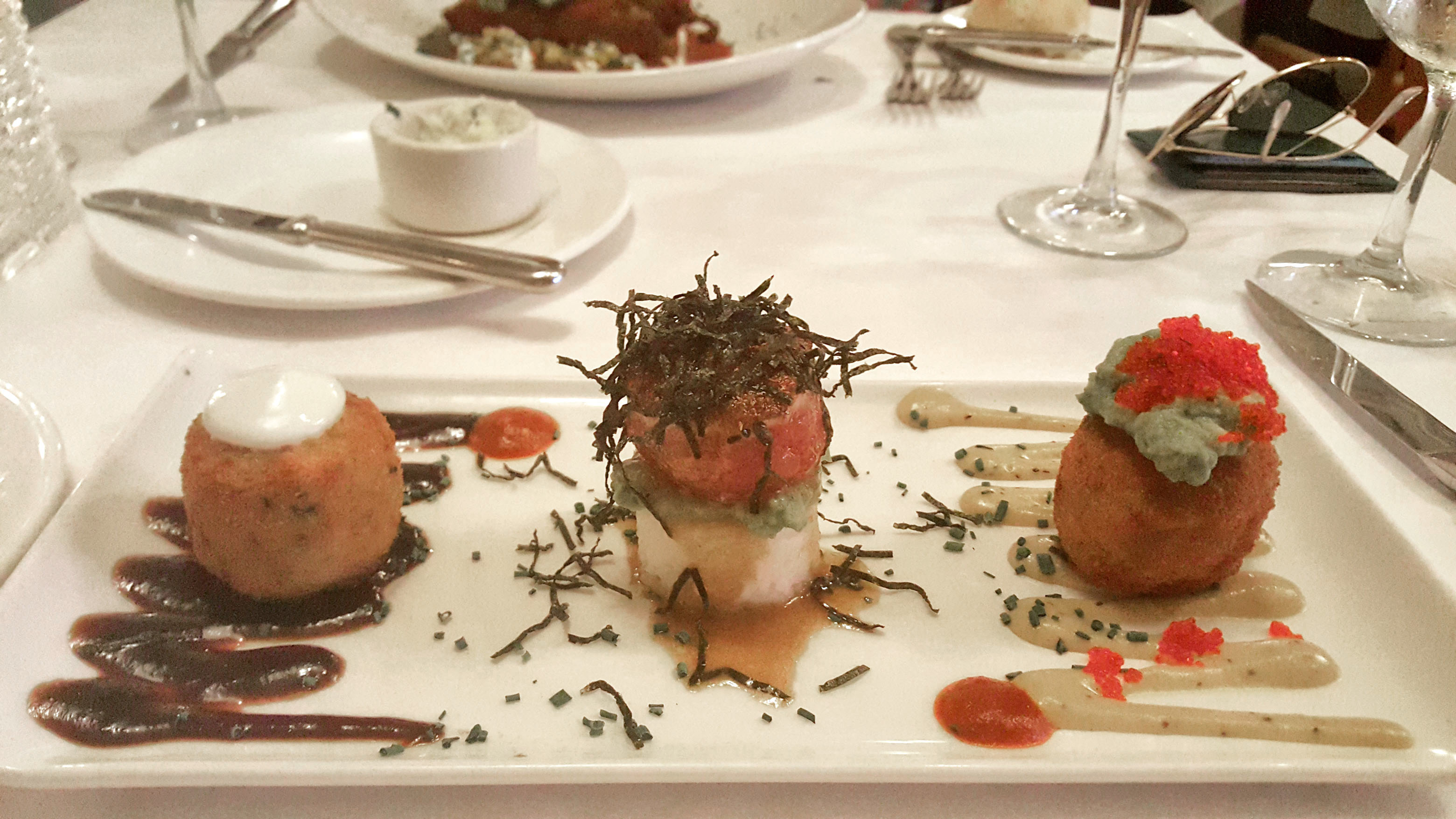
For starters, we had the “cake walk,” which was a trio of lobster cake, crab cake, and tuna cake. All were good, but the tuna was more like a tartare than a cake. Fine by me.

20150906_183550

20150906_183651

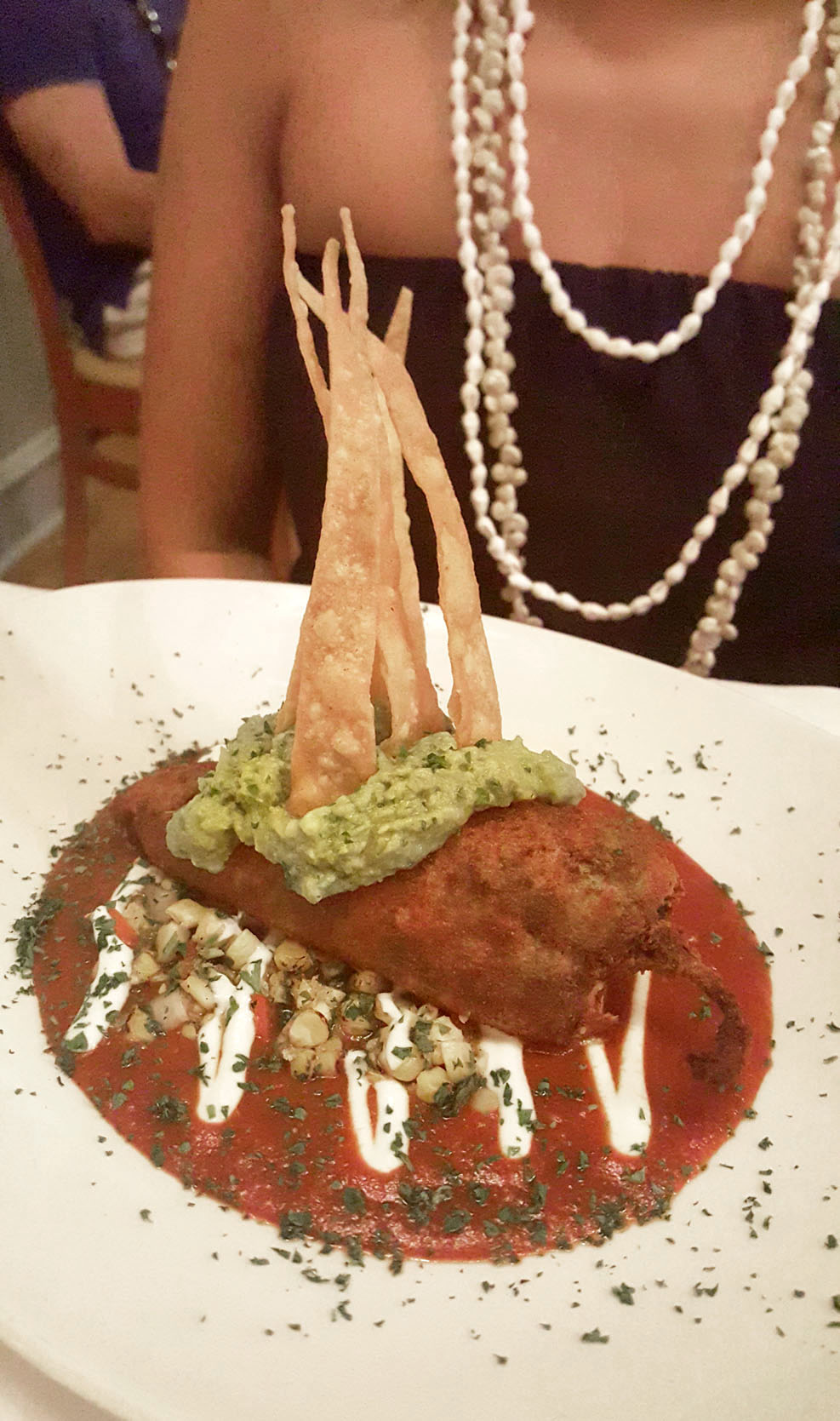
My wife had a chili relleno for her app. It was served with a blue corn crust and surrounded by a tomato sauce that tasted like homemade chili, and stuffed with cheeses, corn and all sorts of seafood goodies.

20150906_183539

My entree, was, of course, the largest steak on the menu. They didn’t have rib eye but they did have a decently sized boneless NY strip steak. Pretty nice for 14oz.

20150906_191117

I wasn’t crazy about the red wine reduction sauce, but the meat was good quality. It would hang tough in NYC, I think, though certainly not in my top 10. It was cooked perfectly to medium on a skillet – nothing fancy, just real technique:

20150906_191329

20150906_192444

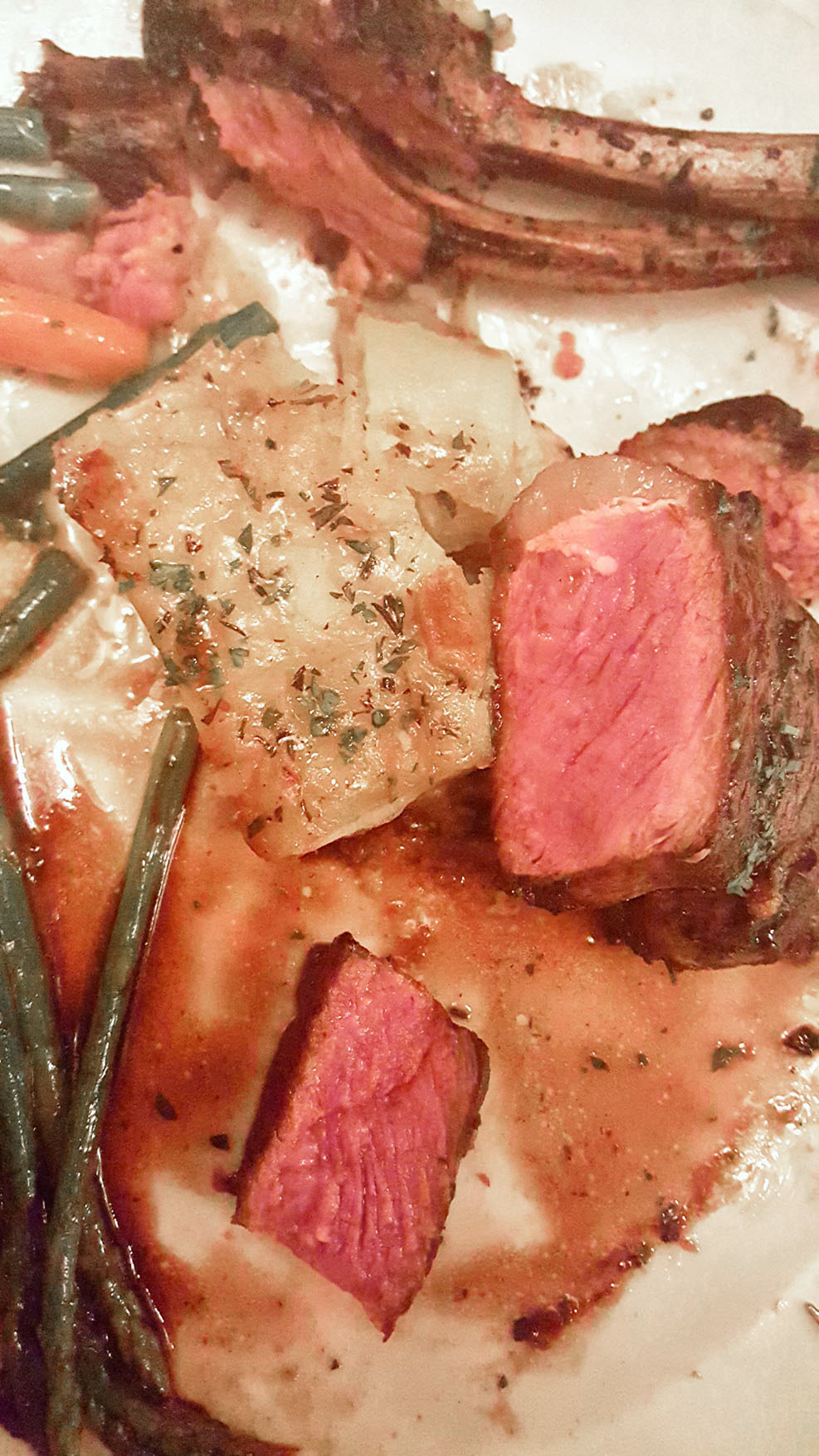
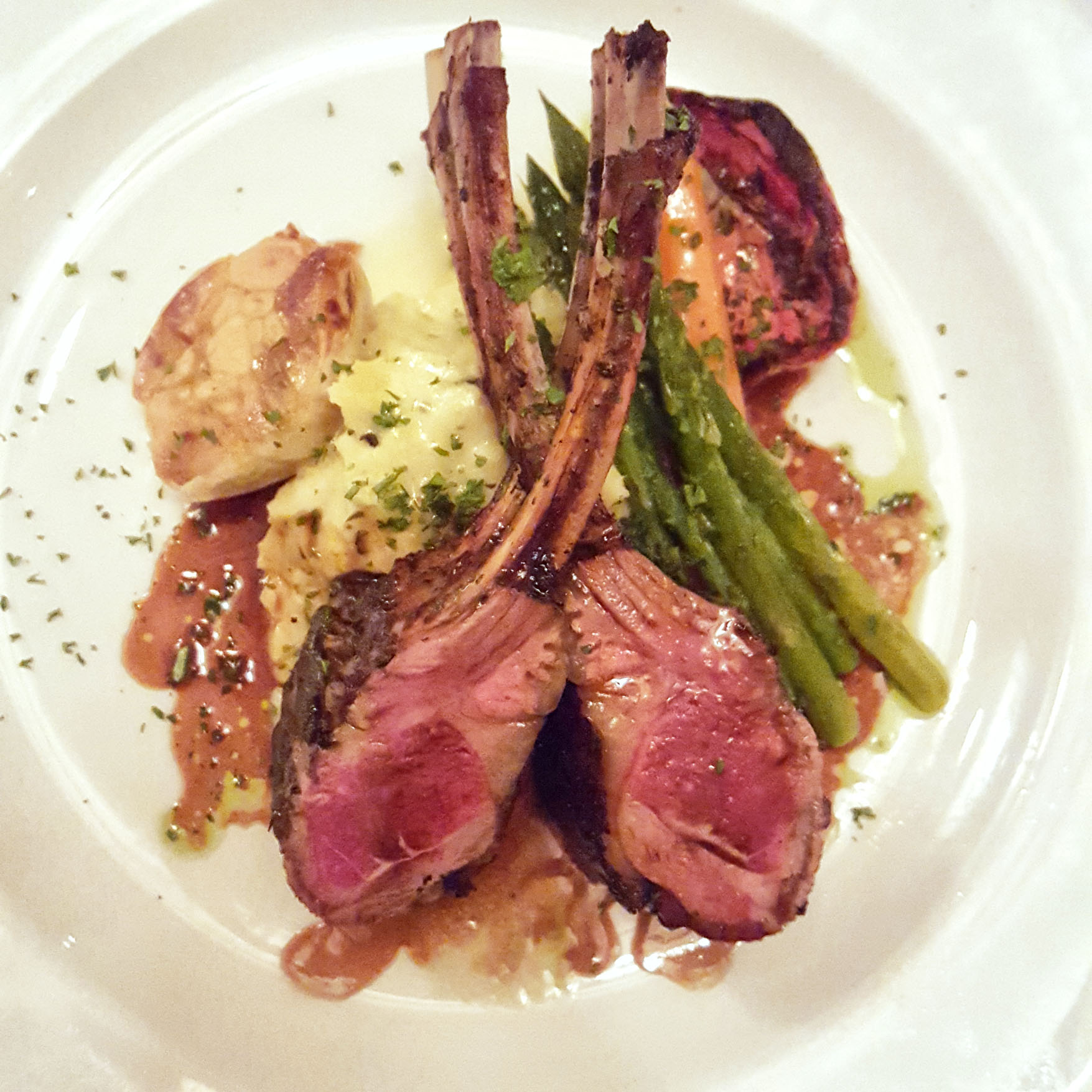
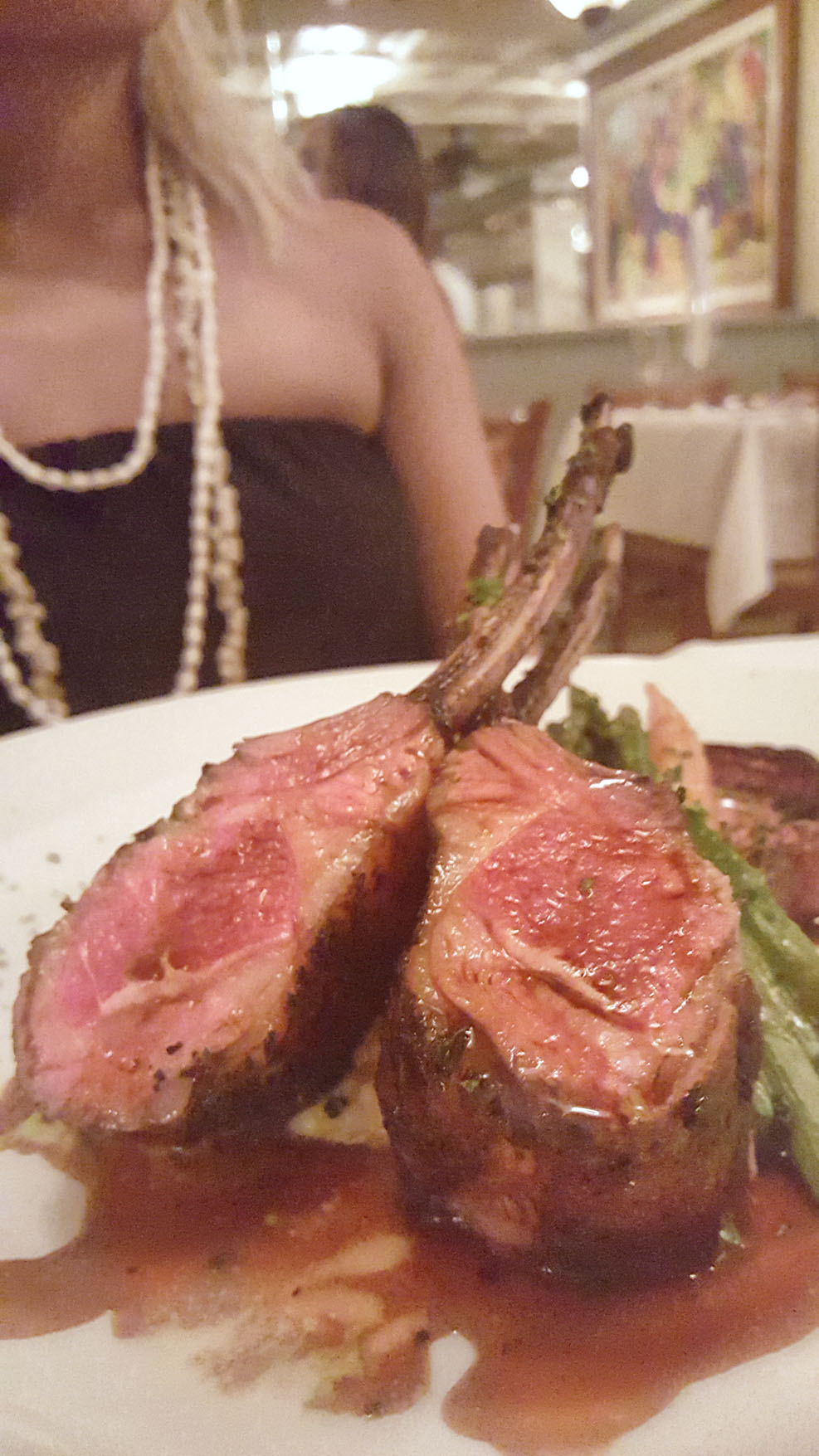
My wife ordered the coffee crusted rack of lamb. This was a little gamey for my liking, but it was cooked nicely and the crust had a nice flavor, though not as strong in the coffee department as I might have expected.

20150906_191117 lamb

20150906_191212

We planned to skip dessert, since we wanted more Ululani’s before our trip home, but Justin brought us out a triple berry pie on the house.

20150906_194955

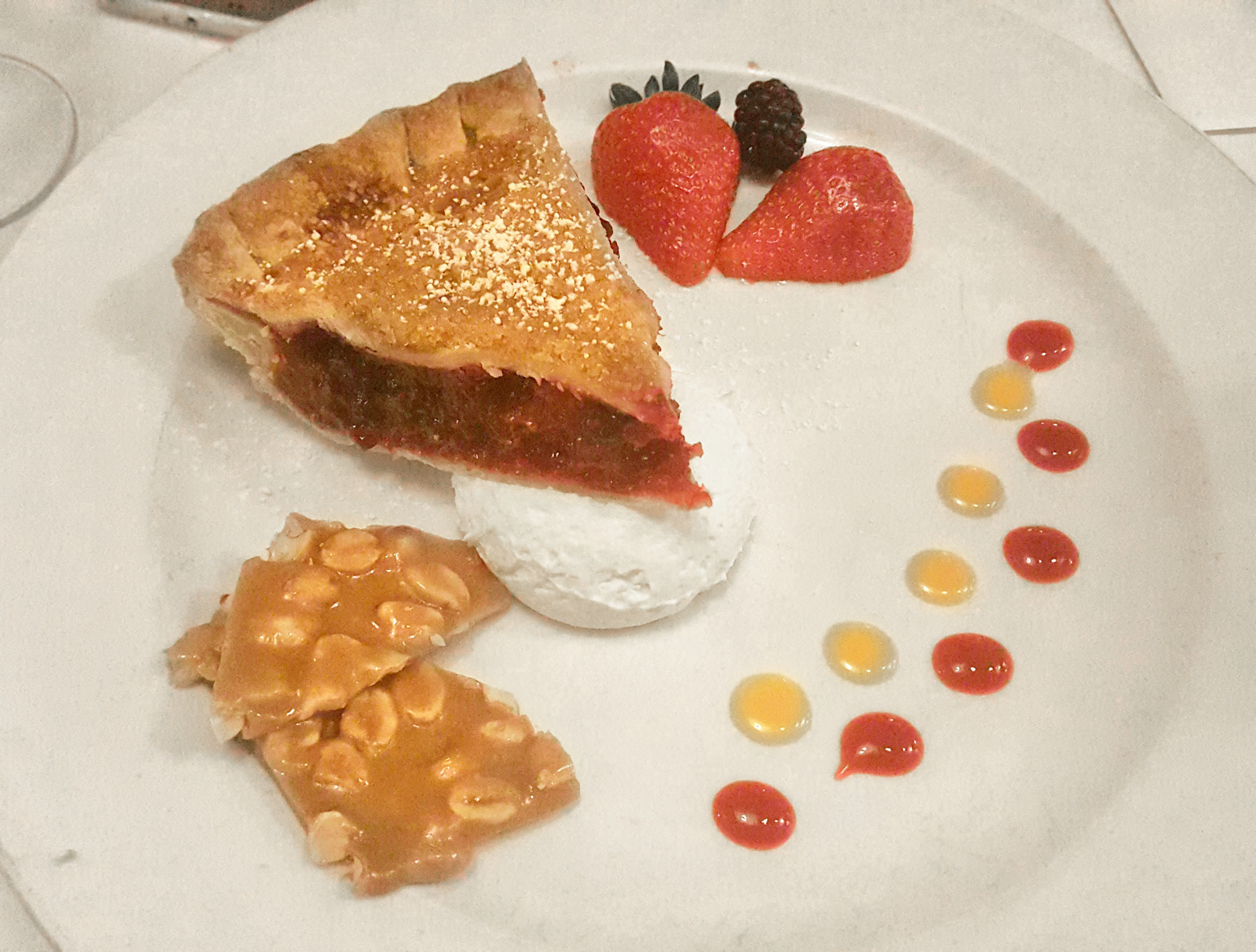
This was awesome. The berries were smooth, fresh and delicious. The pie crust was crispy and covered with granulated sugar that gave it an awesome texture.

20150906_195225

And then the management came by and took a nice photo of us. They even gave us a card from the staff for our anniversary.

Todarello 9.6.15

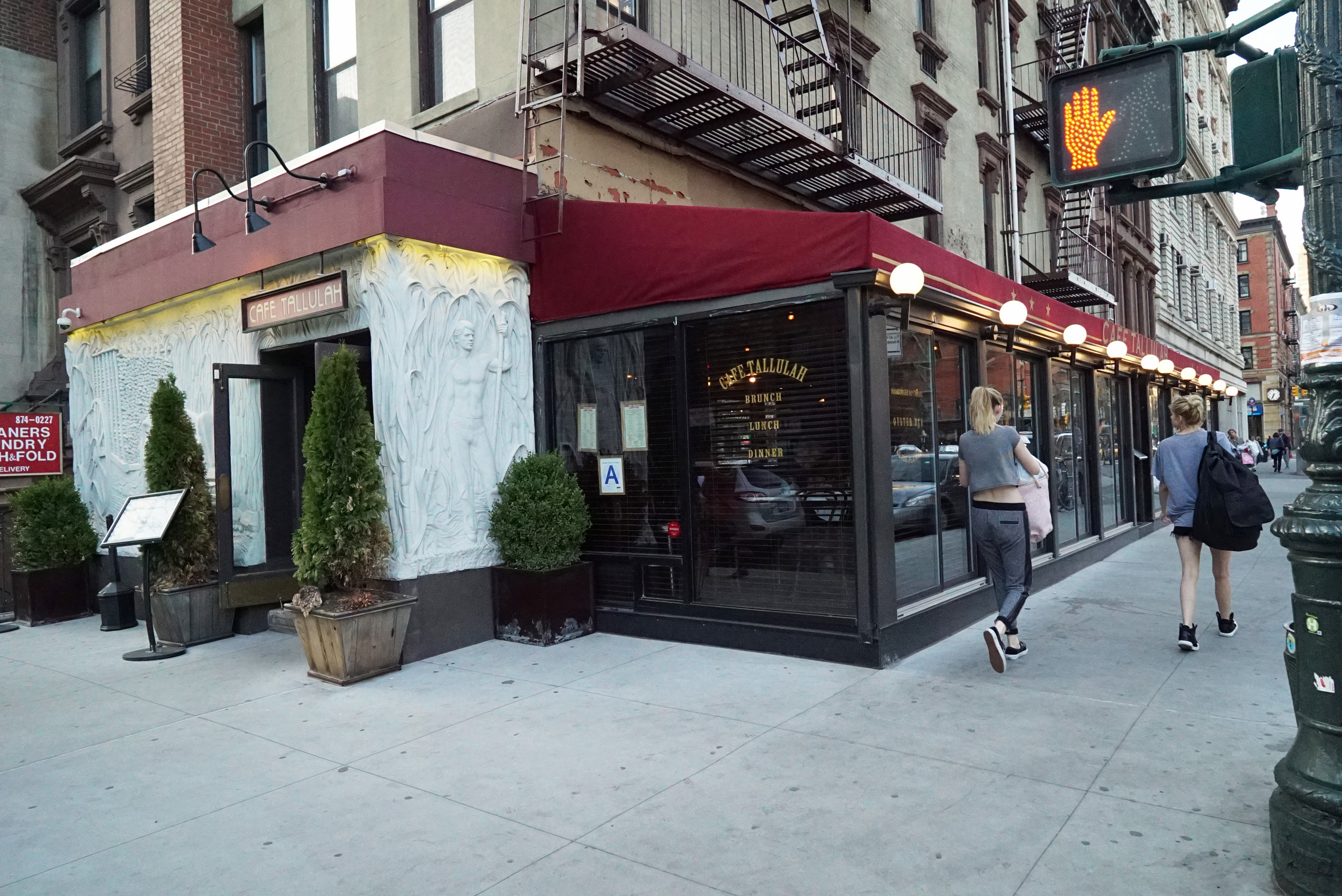
Cafe Tallulah

NOTE: THIS PLACE IS NOW CLOSED

My wife had a deal for this joint that got us a shared app, two entrees and a shared dessert, with a cocktail each, for something like $50. Not a bad deal.

DSC05151

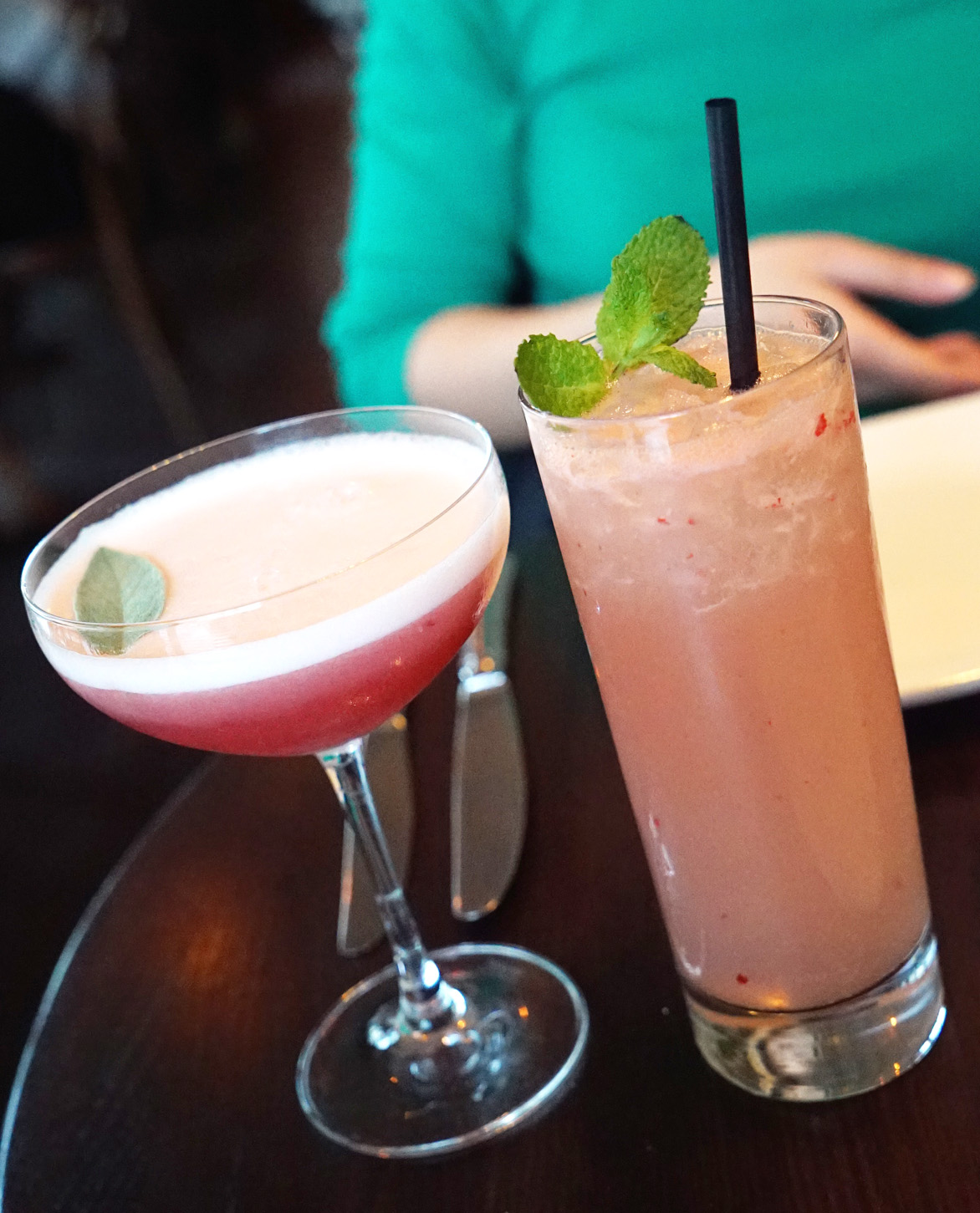
We started with a pair of pink colored pussy cocktails. Mine was called “The Pink Panther” and had gin, agave, absinthe, pink peppercorns, and ginger.

DSC05153

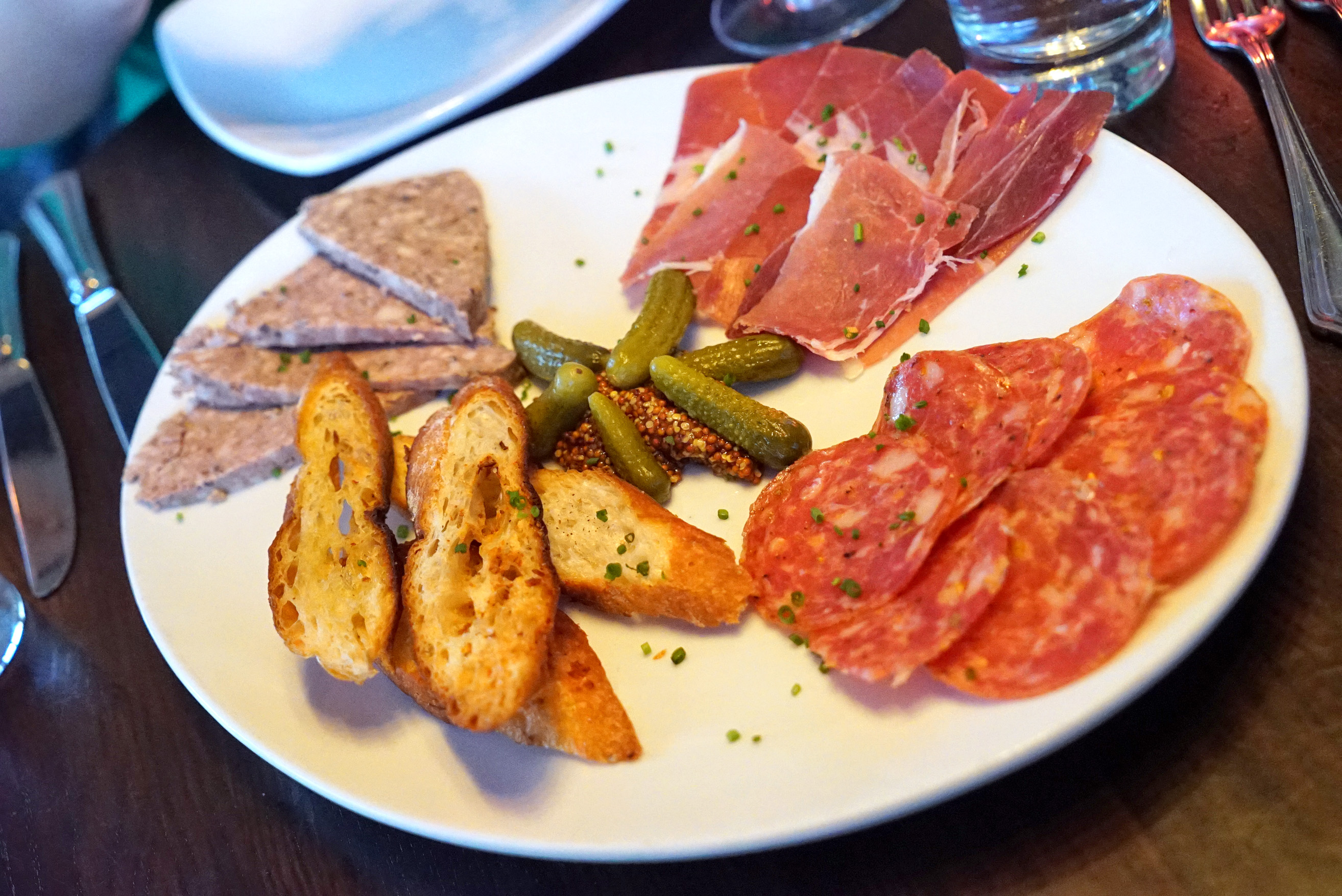
We shared a charcuterie plate, which was really nice. The best part was by far the pate:

DSC05157

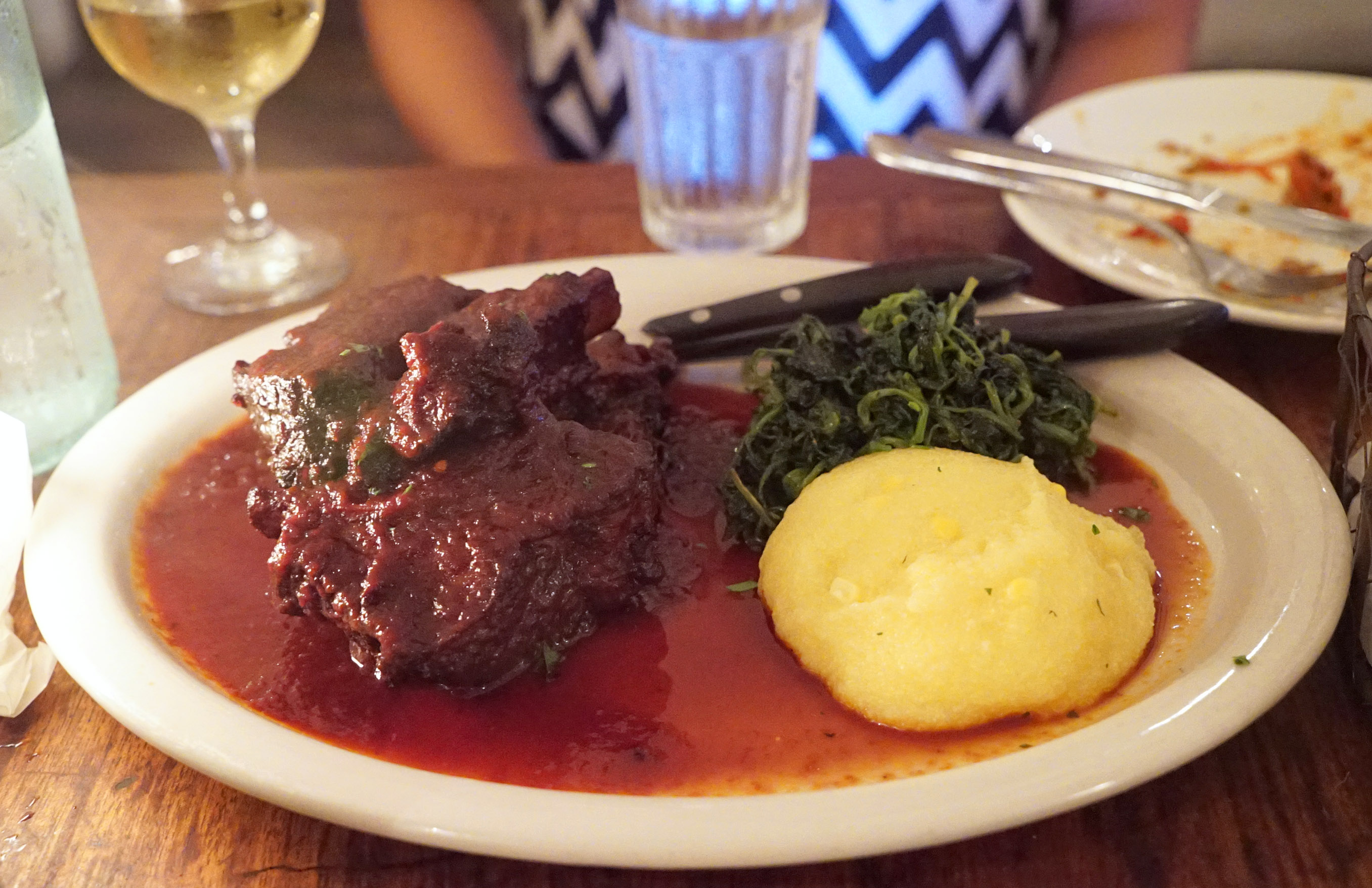
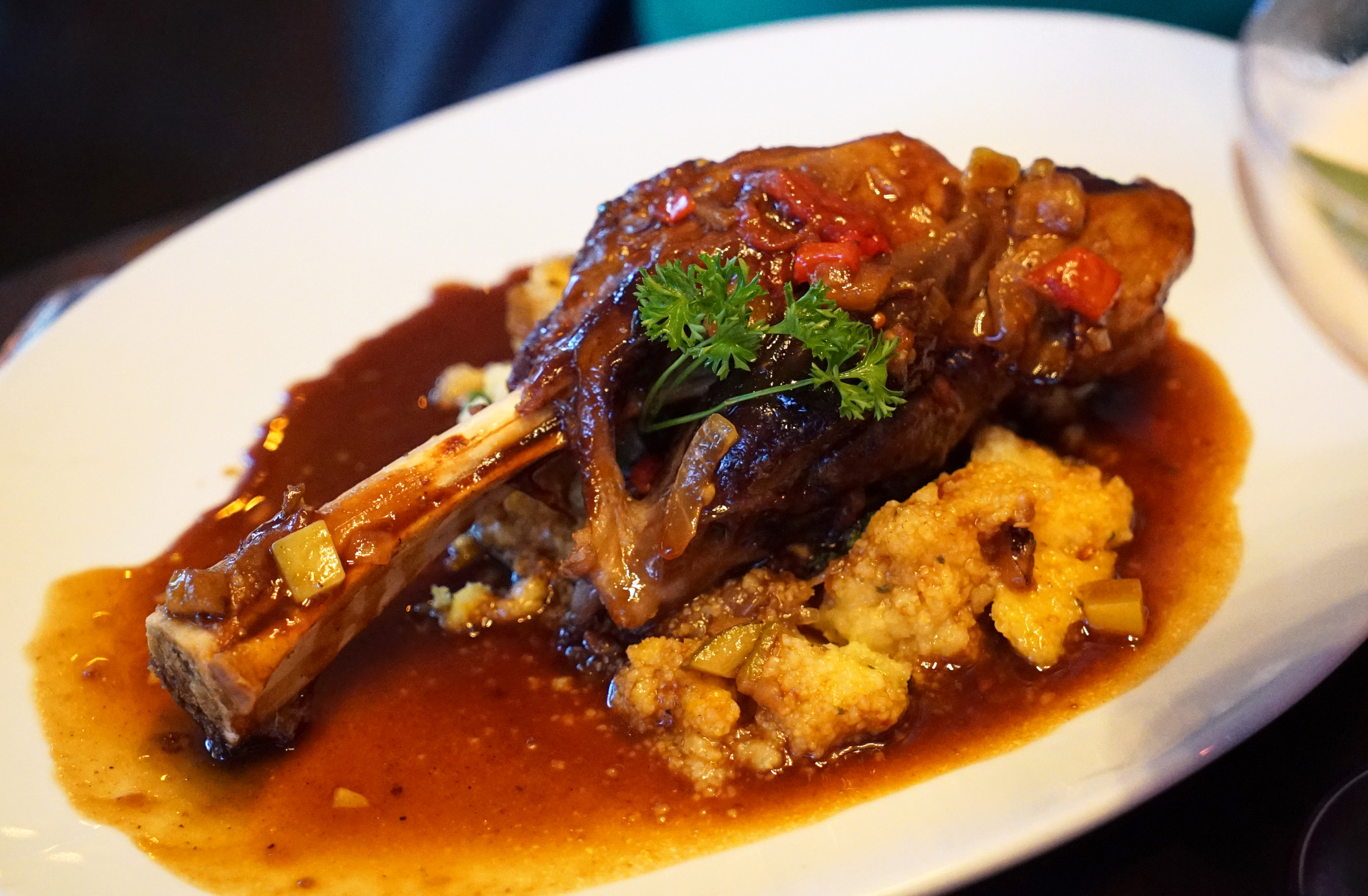
For my entree, I had the lamb shank with polenta. This was pretty good, but lacked a little seasoning. It was missing punch, and there wasn’t much meat on the bone.

DSC05163

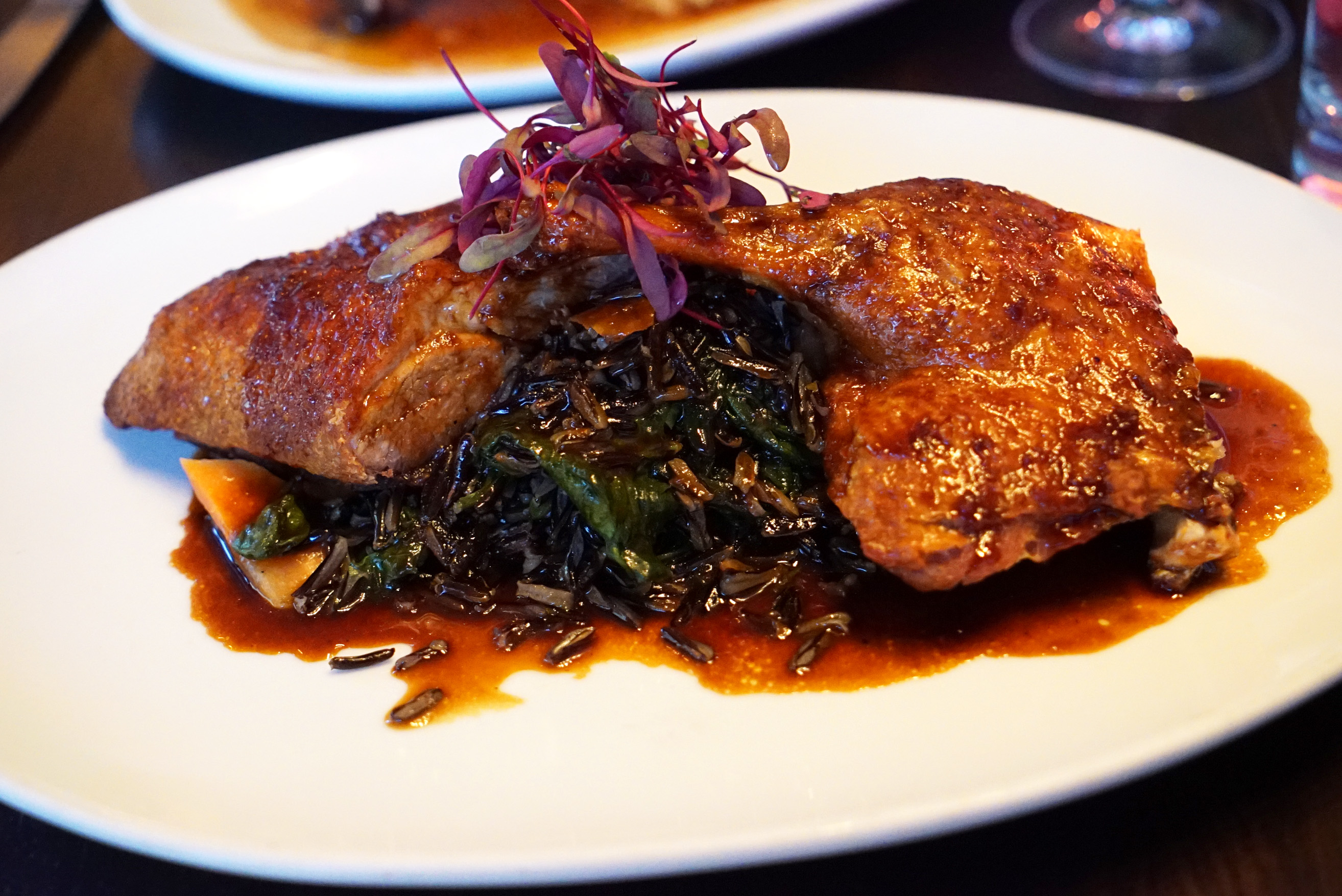
My wife had the winning dish; duck l’orange. The skin was perfectly crisp, and the orange wasn’t overpowering. This was a big portion size too.

DSC05162

Service was extremely slow for some reason, but eventually our dessert came out. We had the apple crisp with creme fraiche ice cream. The ice cream was incredible. I’ve had better apple crisp. Maybe it needed more brown sugar in the mix.

DSC05167

I’d definitely come back for their $1 oyster happy hour deal, which is pretty much every day in the after-work hours. BUT, on Mondays the oysters are a buck all night long. And the bar is incredibly big and beautiful here.

DSC05152

CAFE TALLULAH
240 Columbus Ave.
New York, NY 10023